

Home | Cosmetic Dentistry | Transparent Teeth
- Can you see through your teeth?
- See your tongue through teeth at the biting edges?
- Teeth taking on a dull or waxy appearance?
- Want to know what you can do about it?
Transparent or translucent teeth are often a clear indication of enamel loss and breakdown. The more the enamel begins to wear off, the more transparent your teeth begin to appear.
How can you tell if you have transparent teeth?
One clear symptom of transparent teeth is teeth appearing glass-like or transparent around the biting edges. Teeth might also appear yellow or have a grey, bluish tint, and the surface of the tooth begins to feel rough or uneven.
Patients might also experience sensitivity to hot or cold foods, where a sharp pain or tingling sensation can be felt when eating or drinking.
Enamel erosion is a common problem that can affect you at any age. In fact, 20-45% of adult permanent teeth have enamel erosion. If you can relate to any of these symptoms, the bottom line is that you are presenting with the early signs of enamel erosion, which is better to treat sooner rather than later.
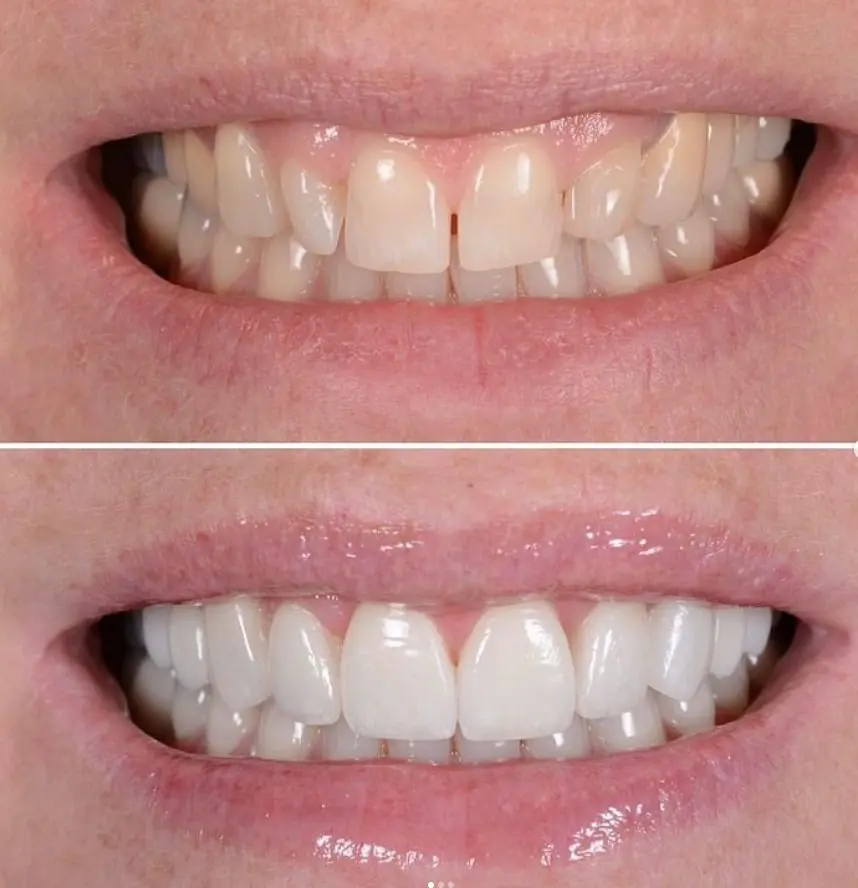
Should you be worried about transparent teeth?
Seeing as teeth that appear translucent or see-through are usually an indication of enamel loss, patients suffering from the problem should take it very seriously. Enamel erosion is no joke.
As dentists who can solve pretty much any cosmetic or general problem, we hate to make patients feel worried or nervous about their conditions, but in the case of enamel loss, it’s very serious.
Once tooth enamel is damaged or lost, it cannot be restored – we can help remineralise your teeth, but rebuilding the enamel is beyond any dentist’s expertise.
However, don’t feel hopeless because we can protect your teeth and strengthen them with general and cosmetic procedures that give the appearance that everything is hunky dory with your smile.
If you experience discolouration, toothaches, tooth sensitivity, or a dry mouth, you should contact our dentists as soon as possible to book an appointment.
Treating transparent teeth
Not addressing enamel erosion means it can spread across the affected teeth, making them appear more see-through and thinner. Patients are also more susceptible to tooth damage as no protecting enamel coating is left.
As the condition is permanent and irreversible, treatment tends to fix the appearance of the erosion and prevent it from getting worse.
The type of treatment we recommend will depend on the extent of the enamel damage and whether there is any further damage to the affected teeth.
Composite bonding
Composite bonding not only treats the cosmetic concerns caused by enamel erosion, but forms a hard, natural protective layer around the tooth using resin to prevent further erosion.
Dental bonding is a relatively cheap, inexpensive and non-invasive dental procedure to improve the look and function of teeth.
Composite bonding typically costs between £300 and £450 per tooth.
Dental veneers
Dental veneers act like protective shells, which cover your entire tooth, addressing any aesthetic concerns like discolouration and damage, as well as keeping the underlying tooth safe.
As the veneers act this way, they protect against future enamel erosion and are typically recommended in cases, where tooth erosion is more severe, as opposed to just around the edges of the tooth.
Dental crowns
Dental crowns are recommended in cases of thin and weak teeth, that have become brittle and might begin to chip or crack.
Dental crowns, in this instance, are placed on top of the teeth to provide protection and structure. Porcelain crowns will be a better option for enamel erosion on teeth that are more visible.
Home remedies exist, but they won’t reverse the damage
There’s certain protocols and activities you can follow at home to prevent the erosion of enamel, but you won’t be able to reverse it or treat it.
For example, switching to remineralising toothpaste, taking fluoride, calcium or Vitamin D supplements and drinking lactose-free milk can all help boost your calcium and balance acidity.
Generally, patients are recommended to limit their sugary food and drink intake and to avoid acidic foods, especially in the case of acid reflux.