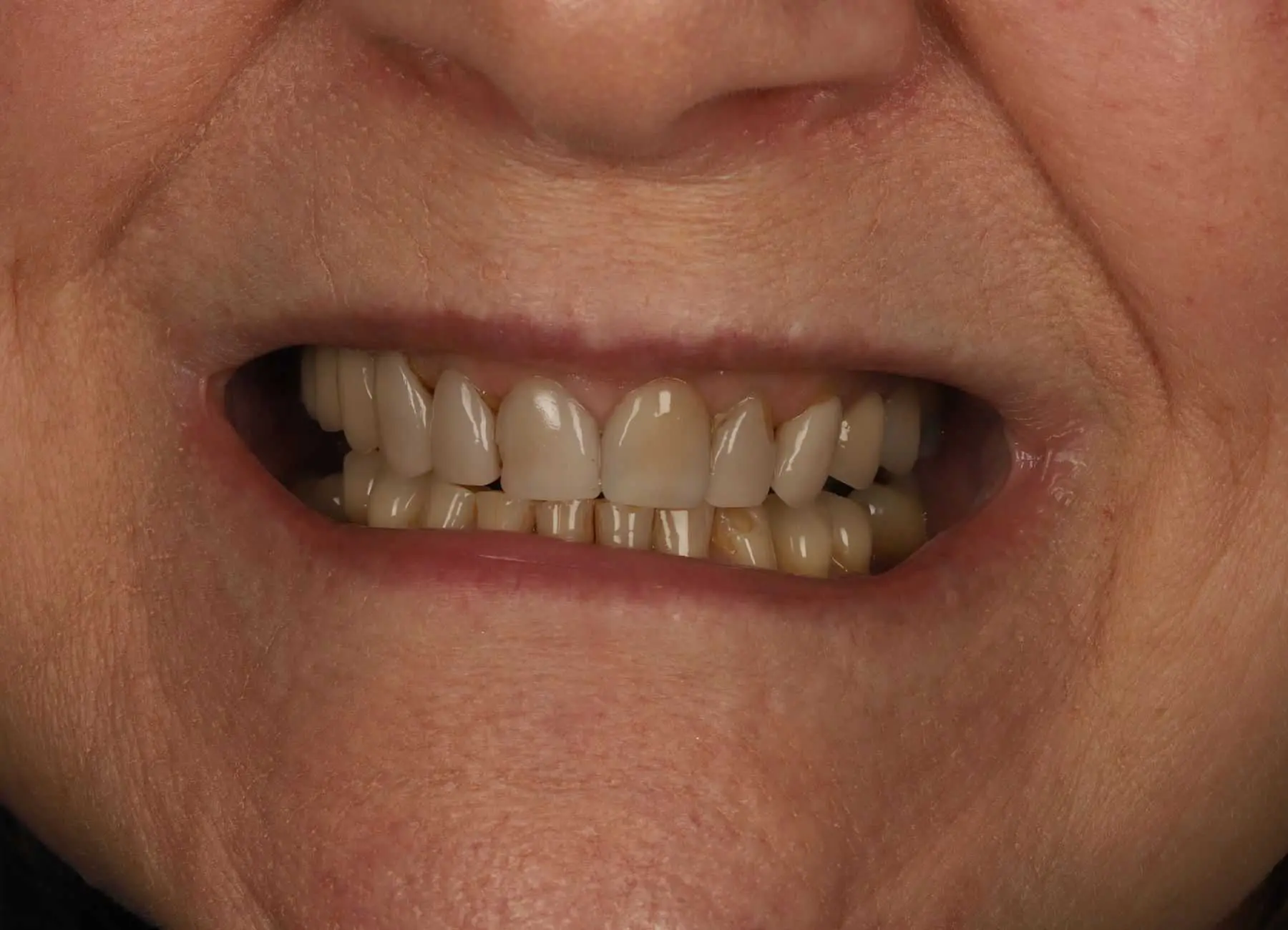
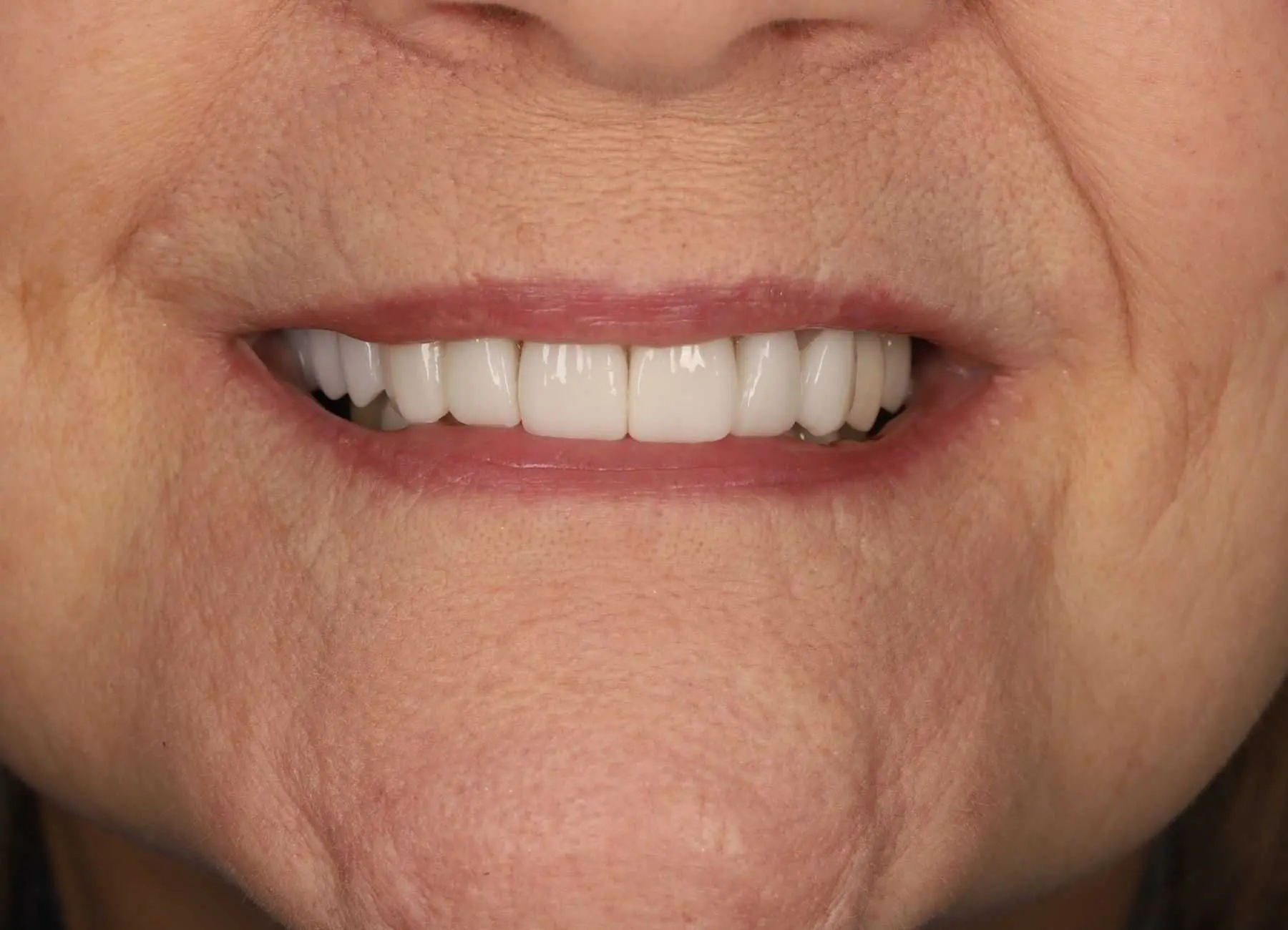
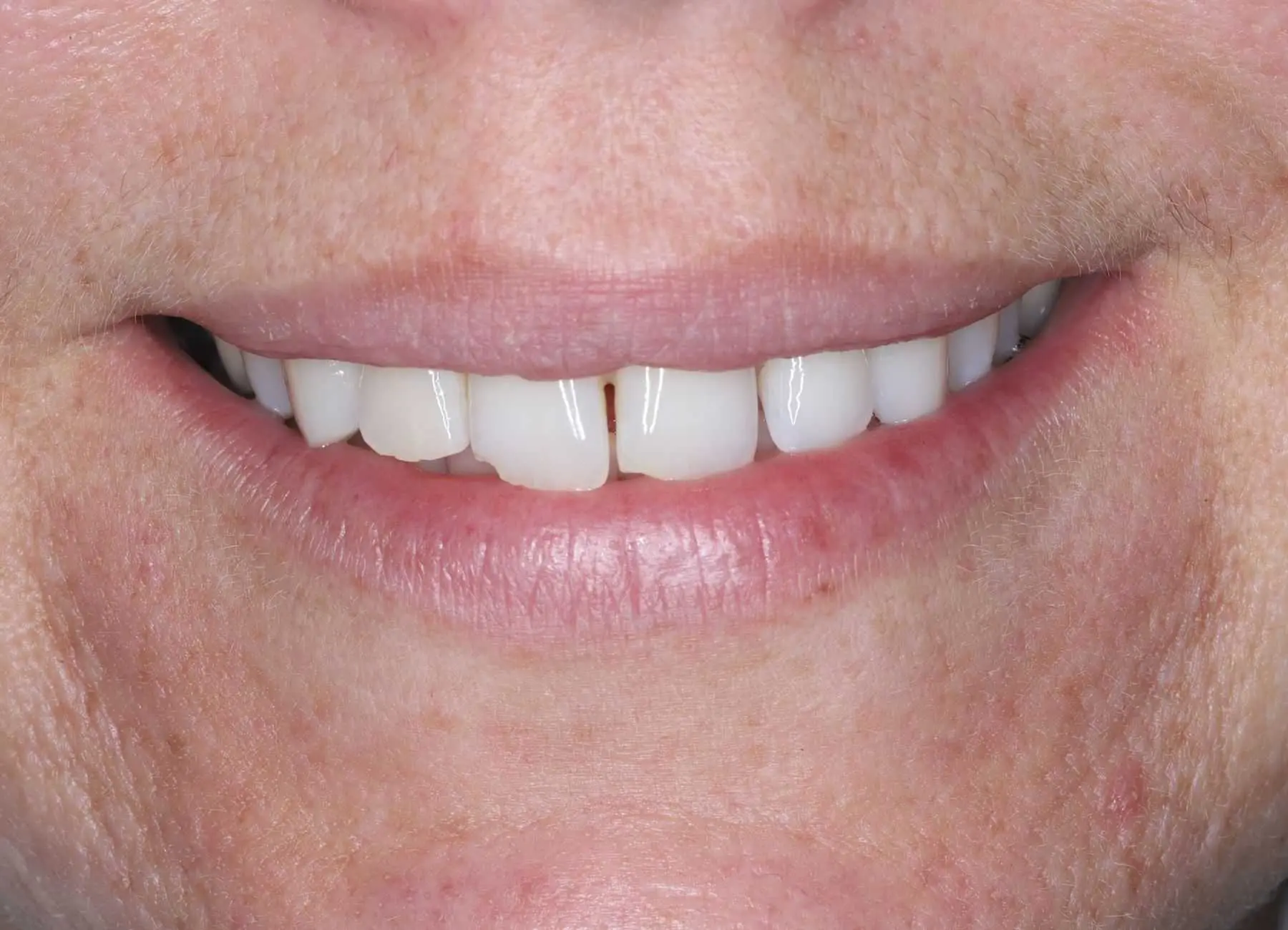
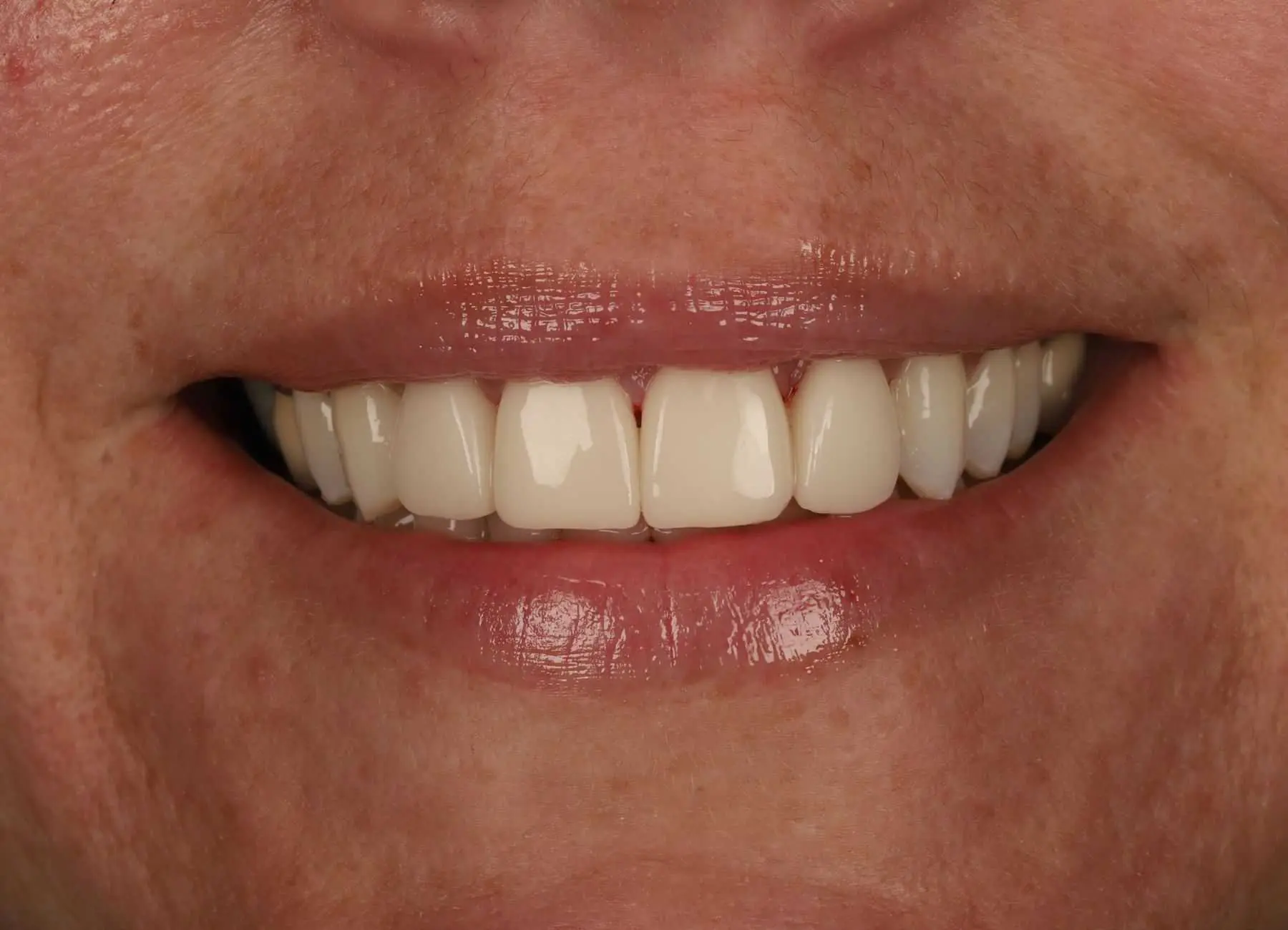
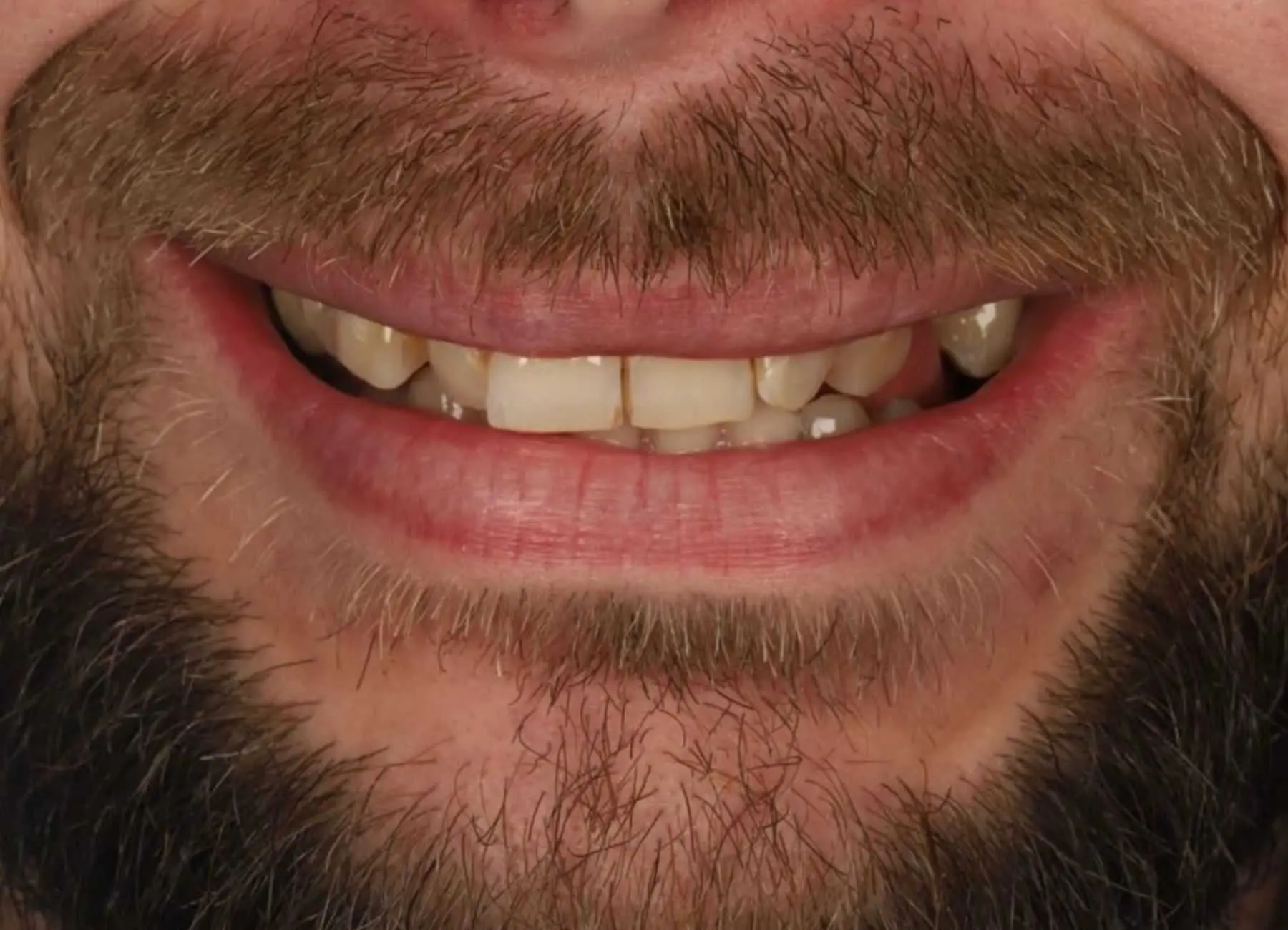
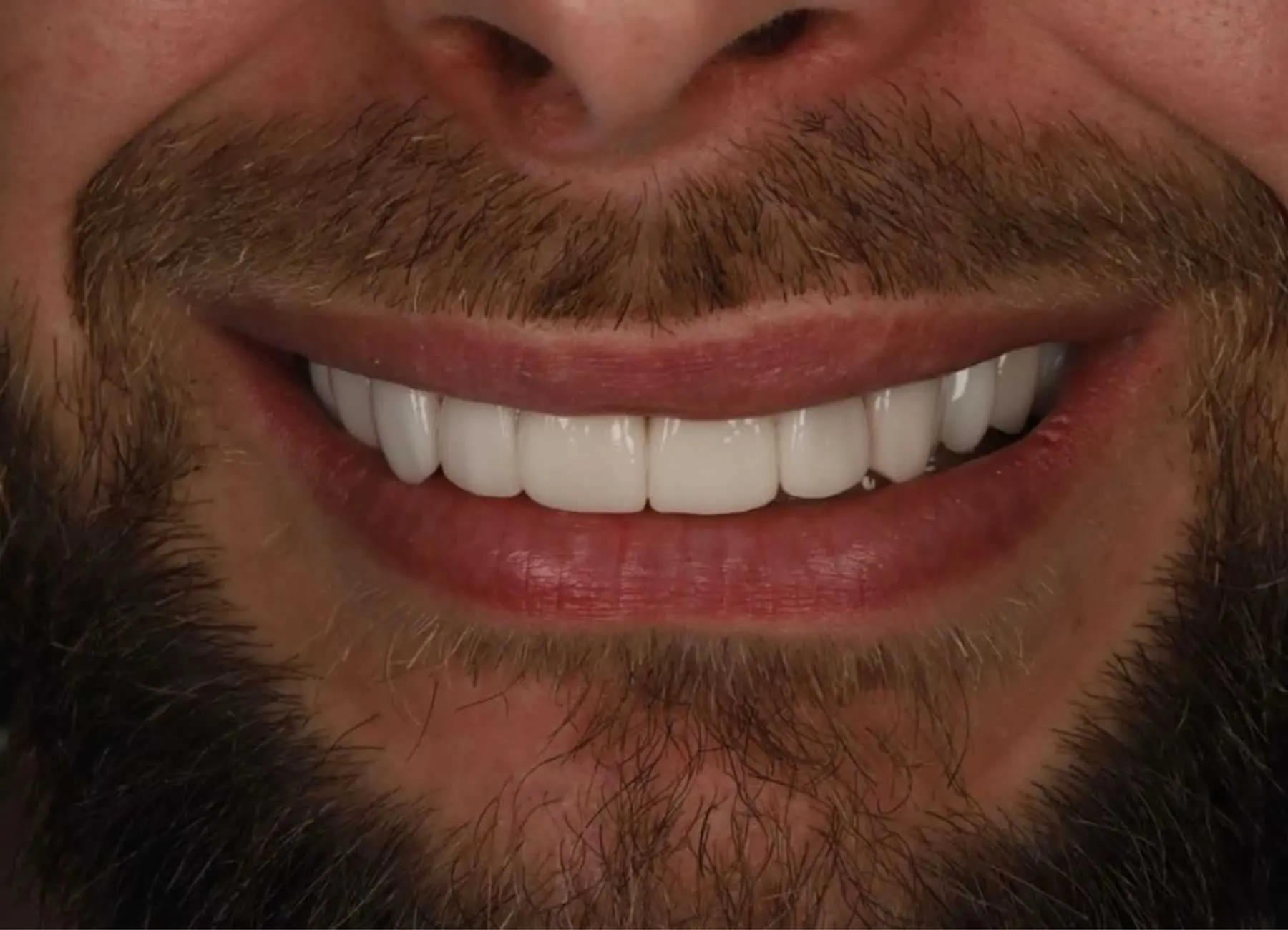
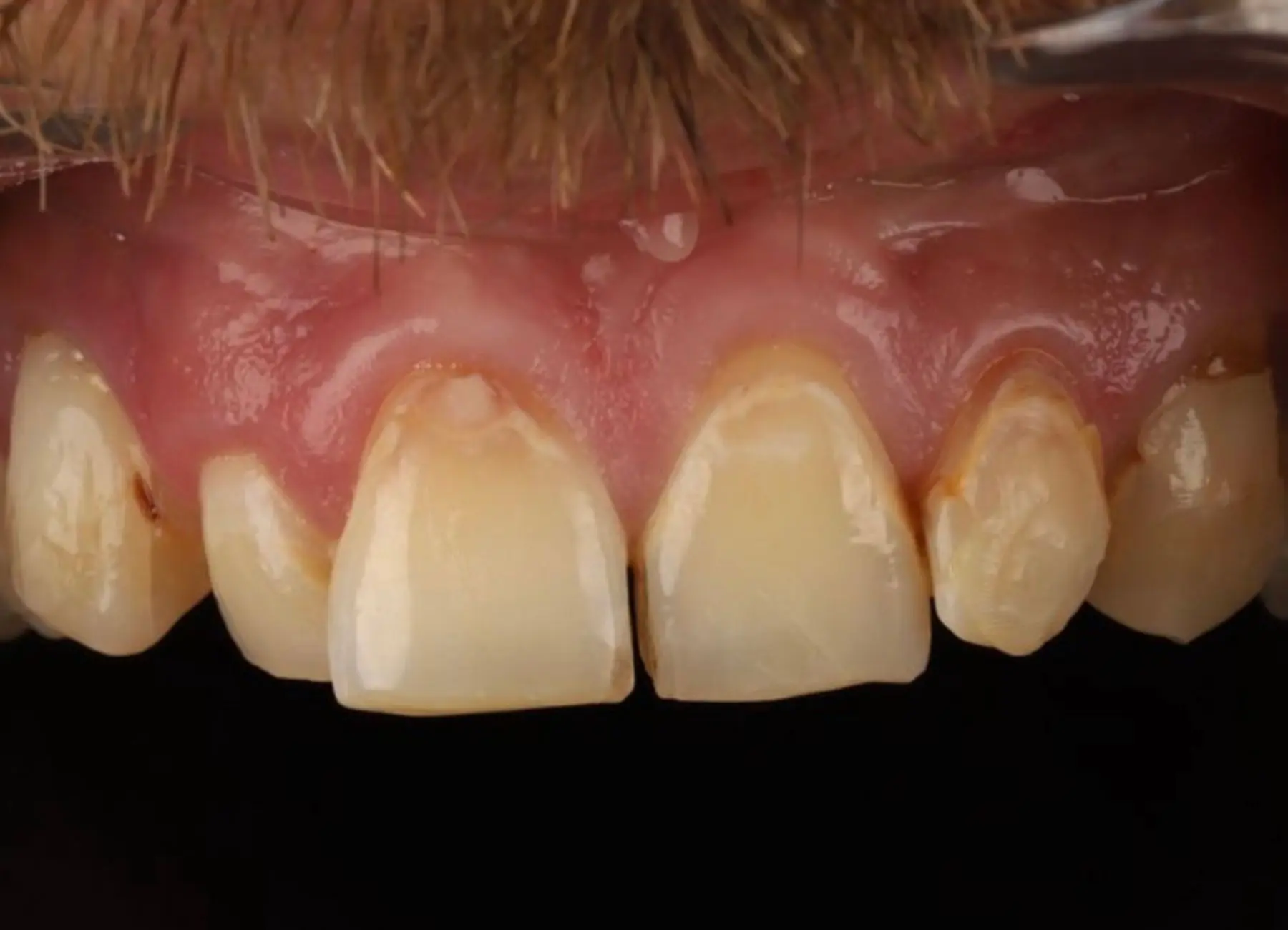
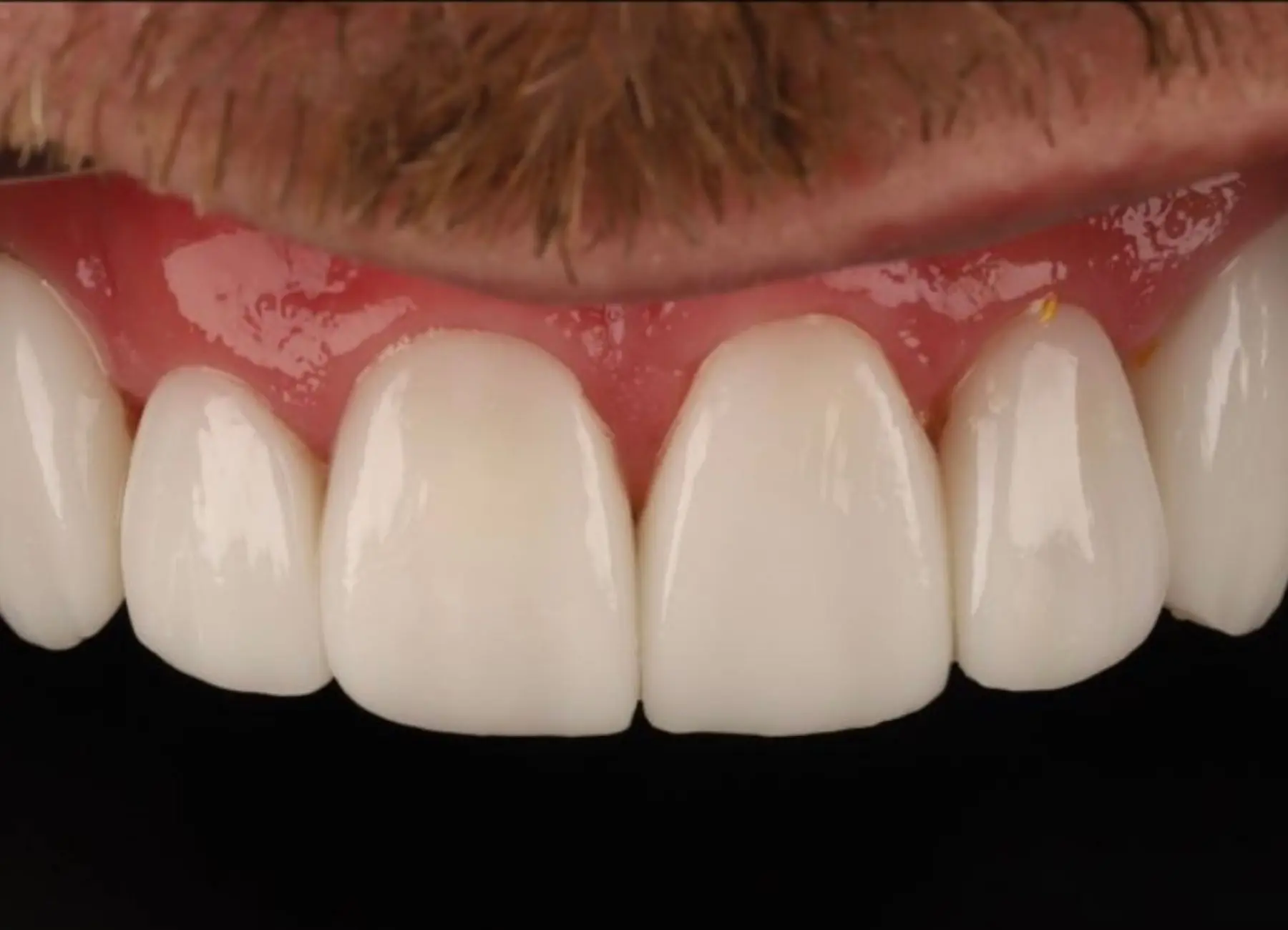
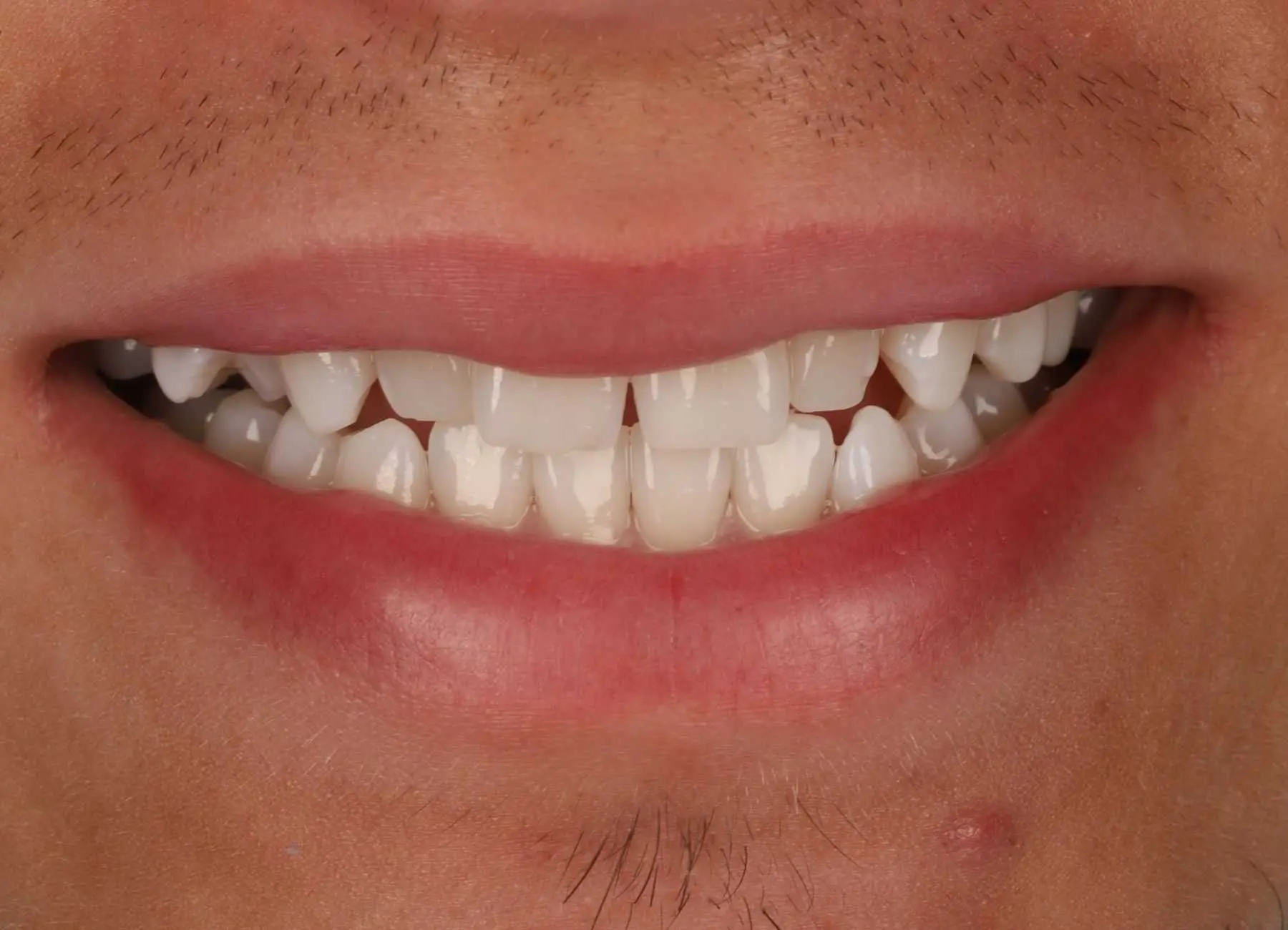
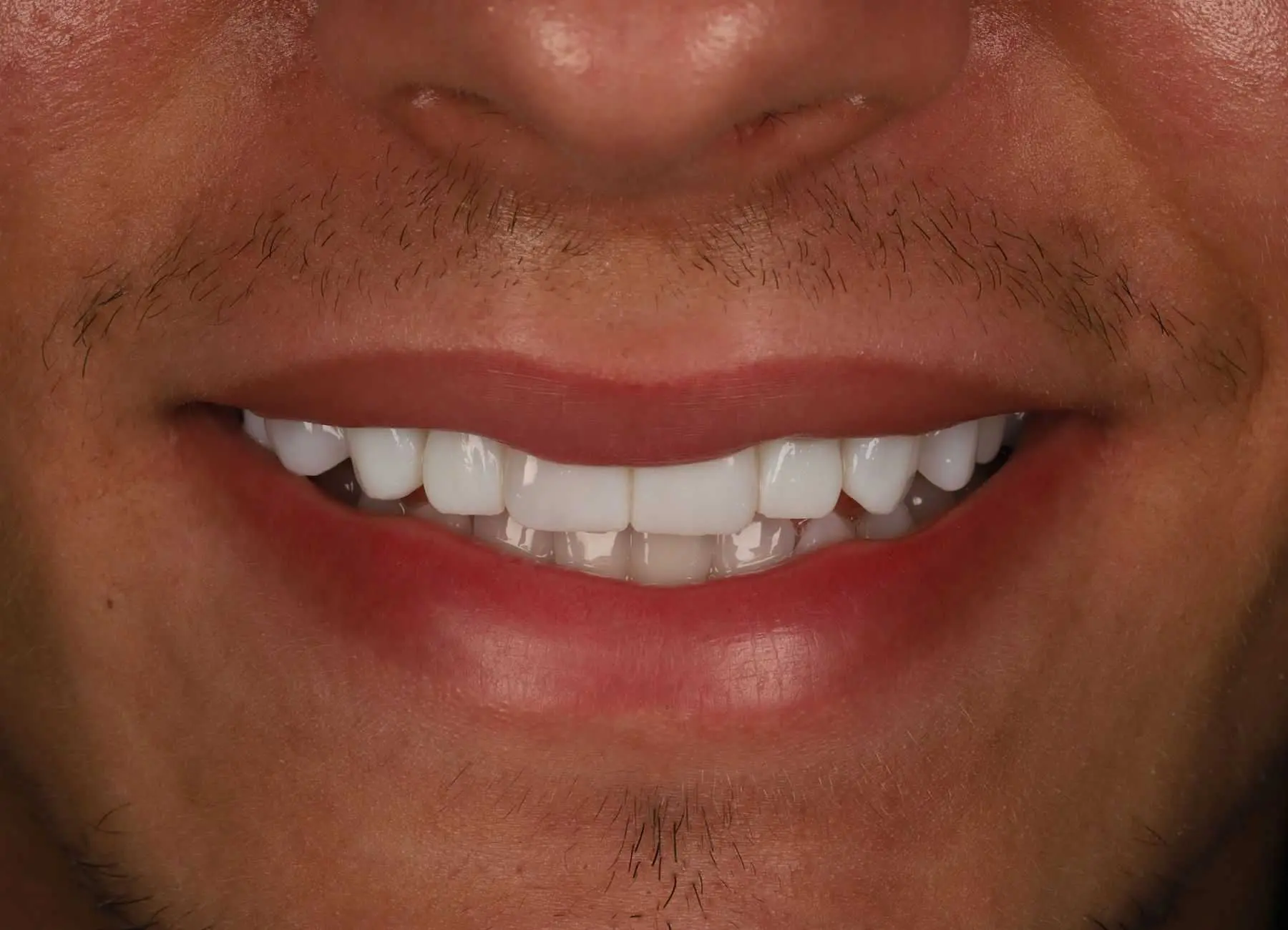
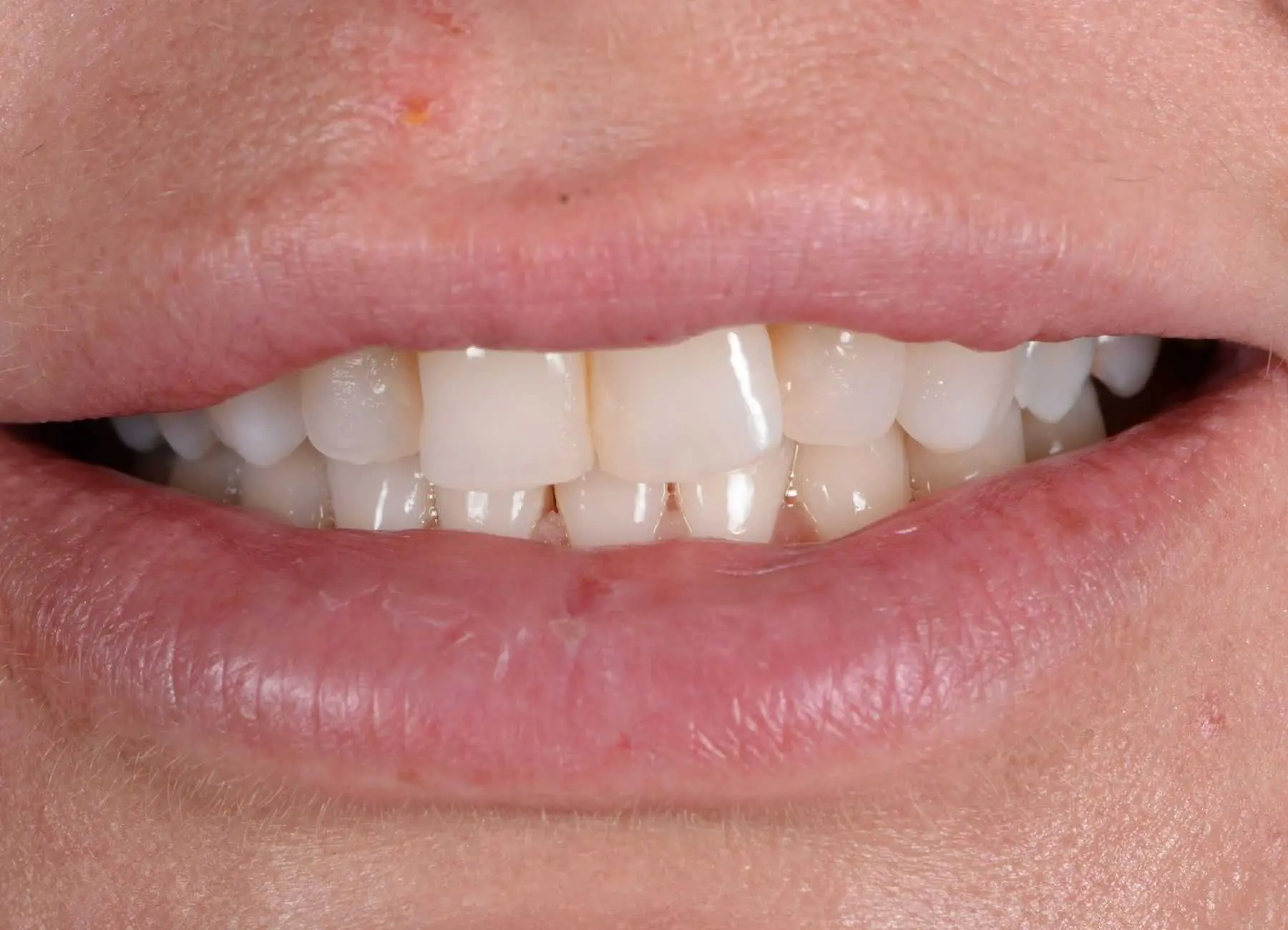
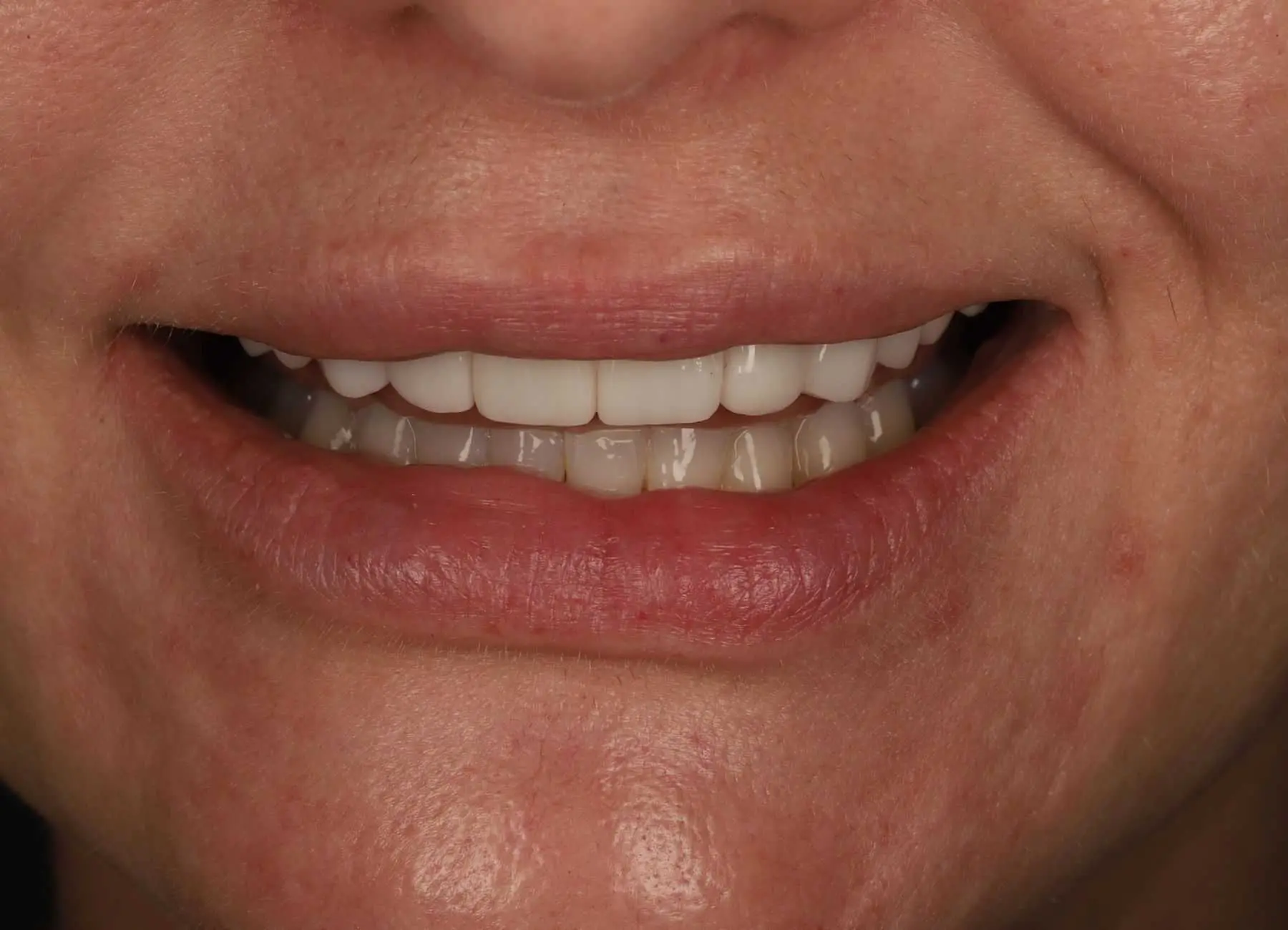
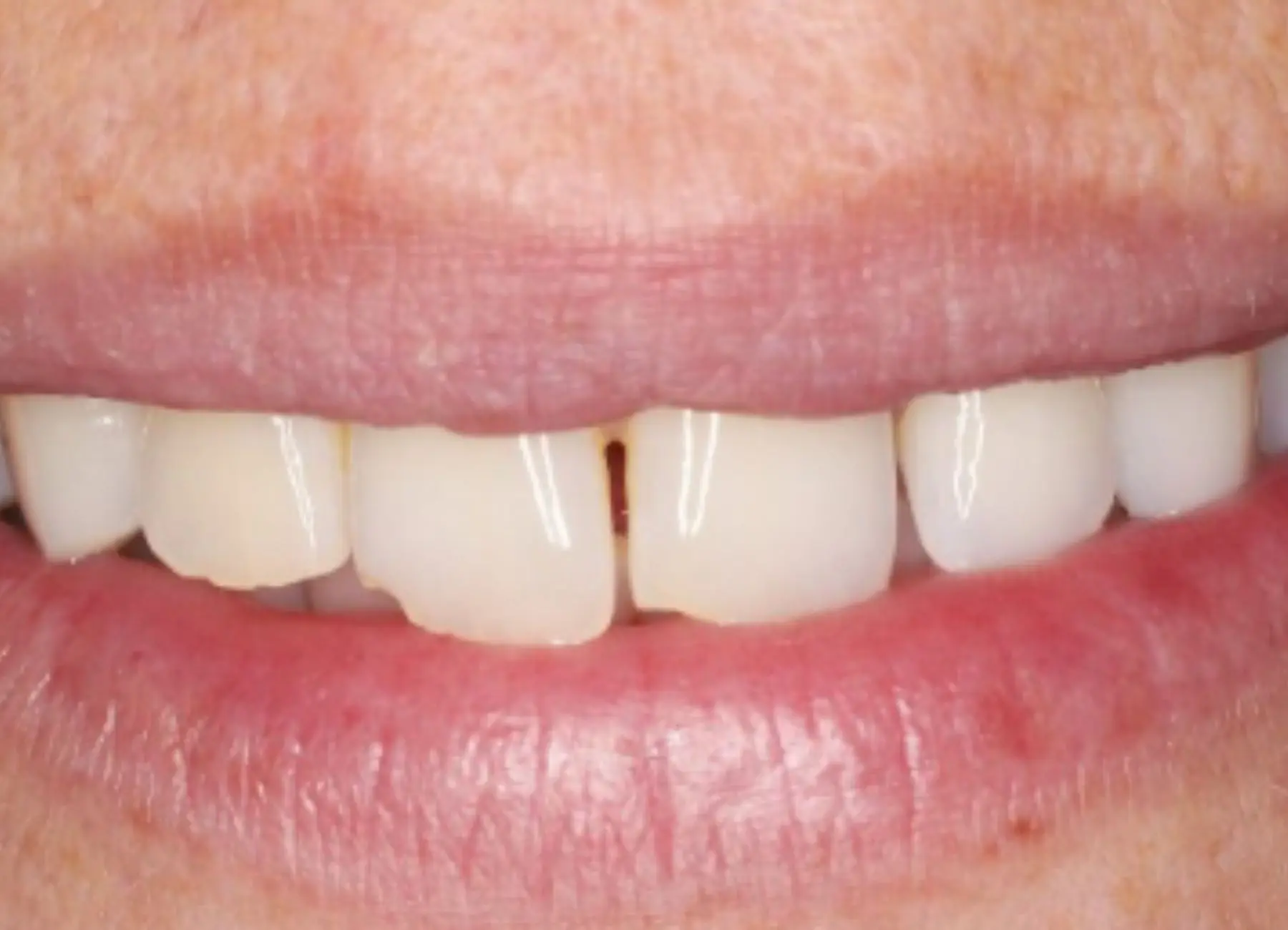
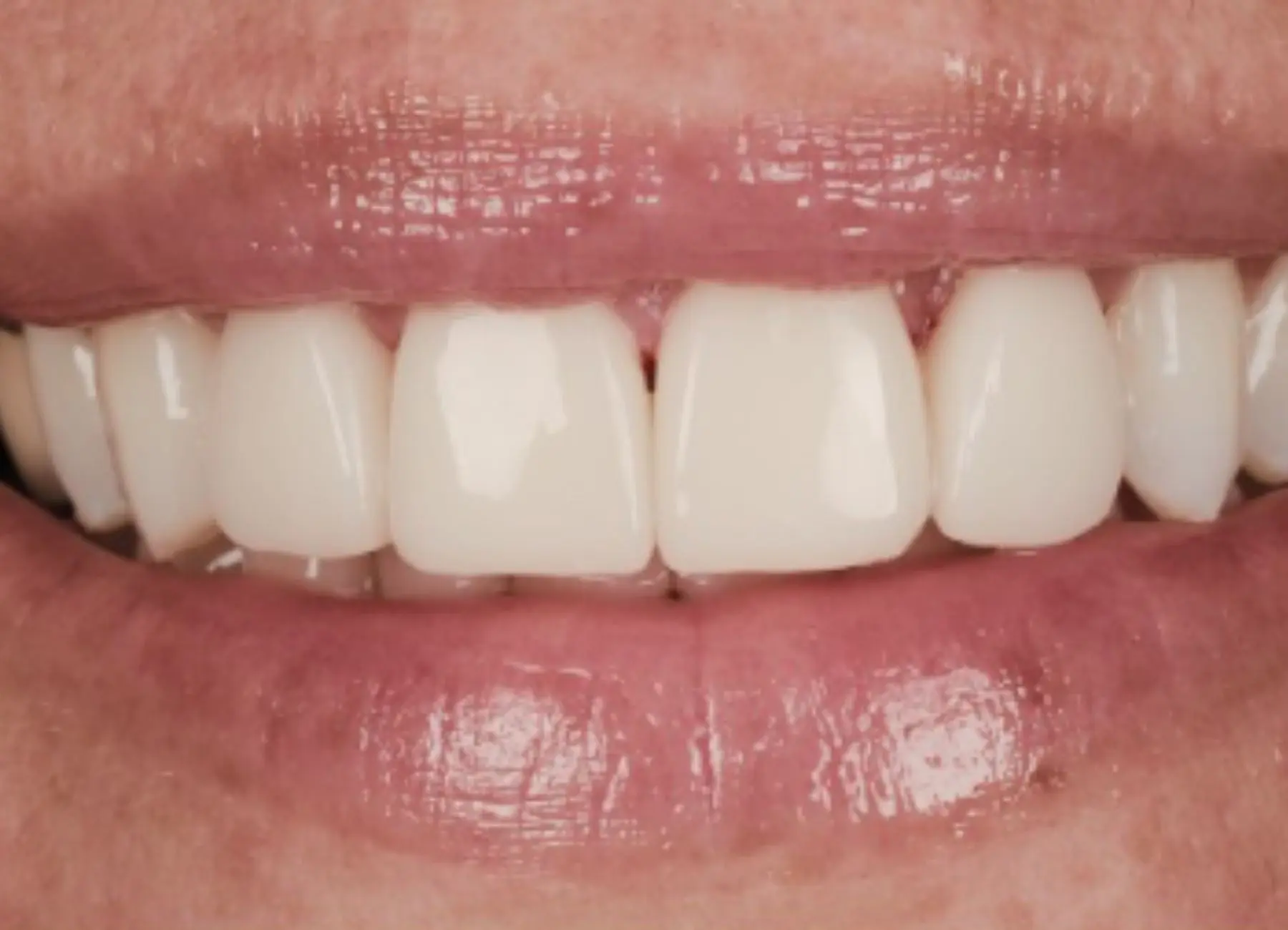
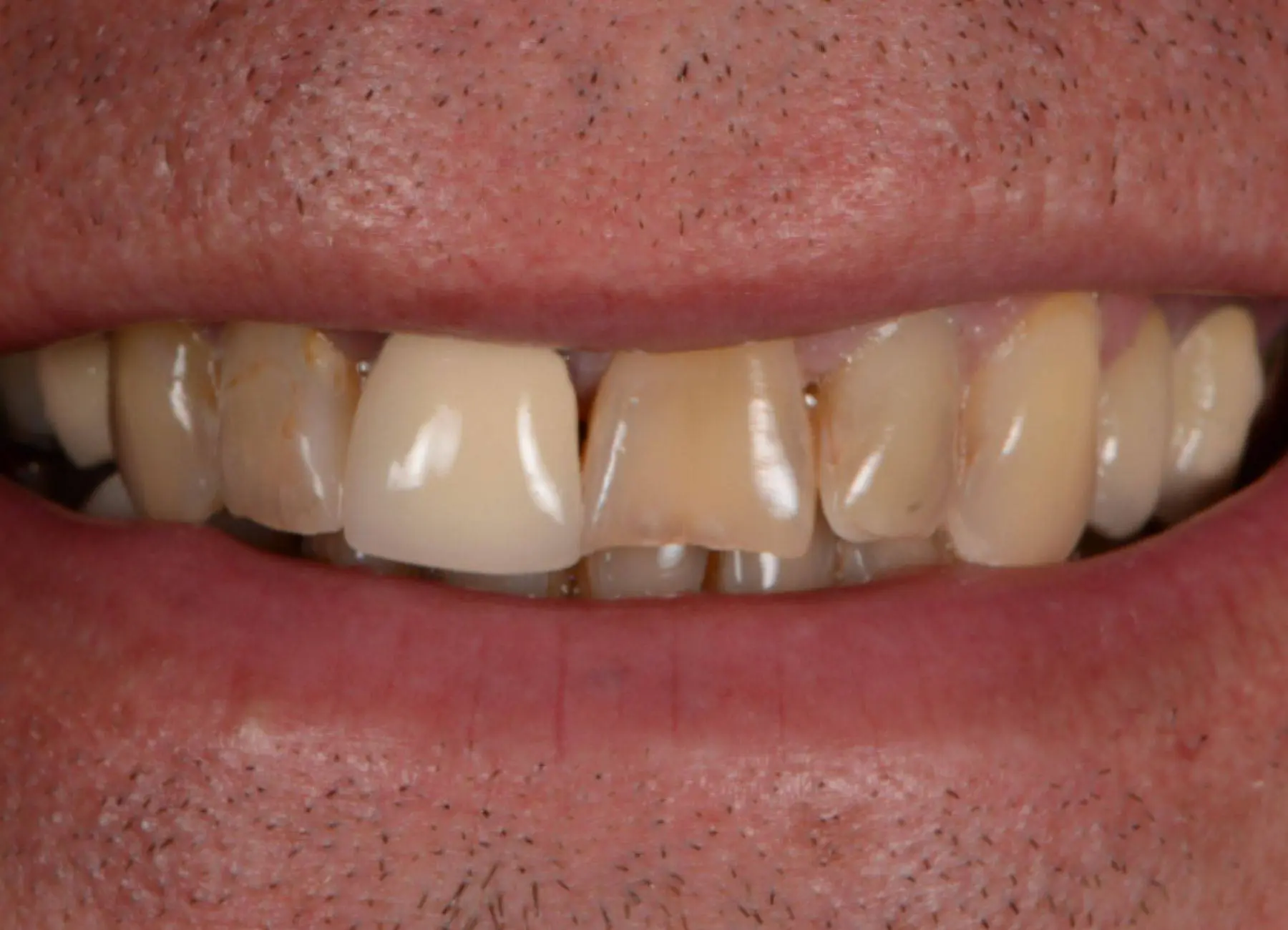
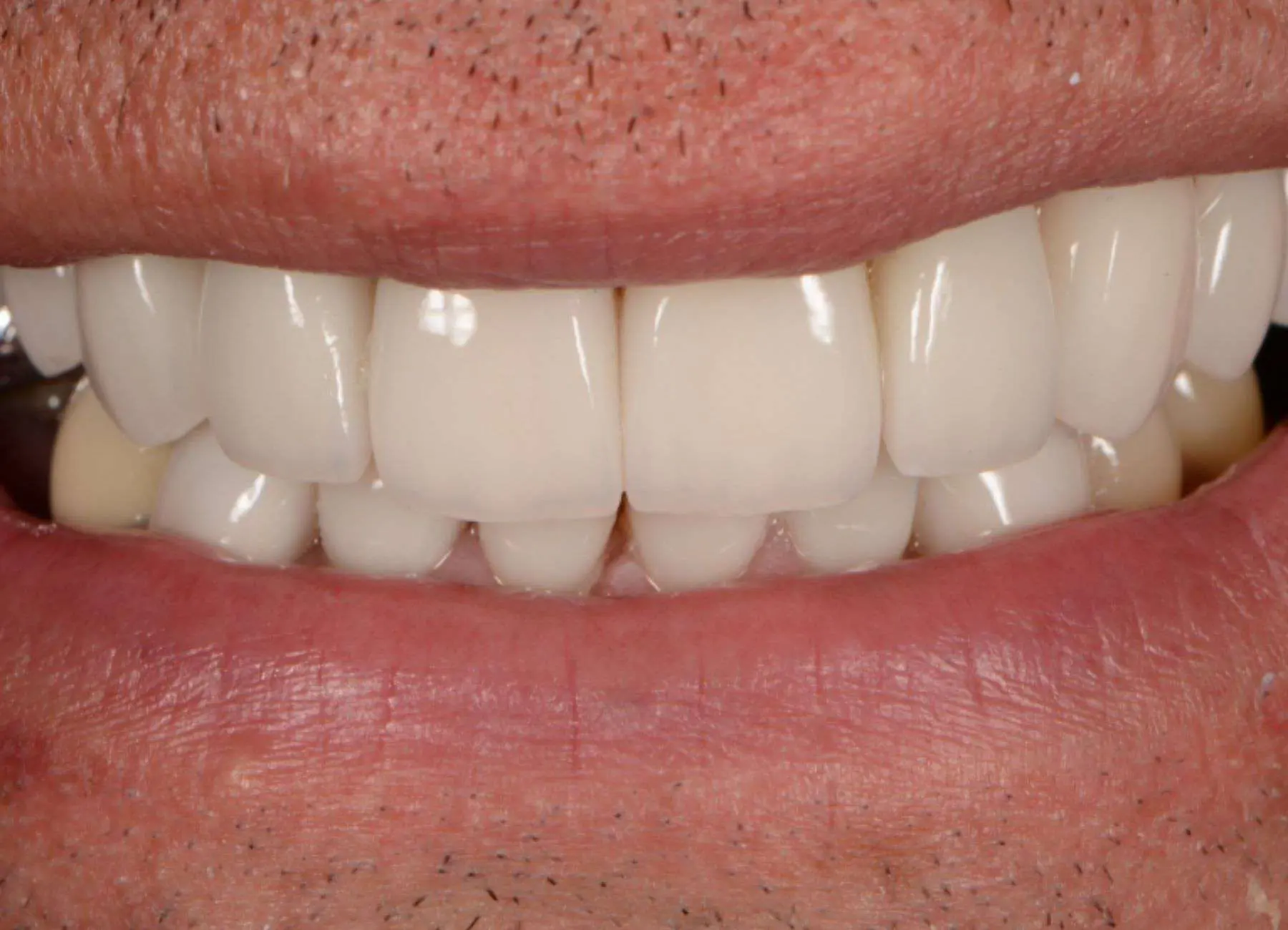
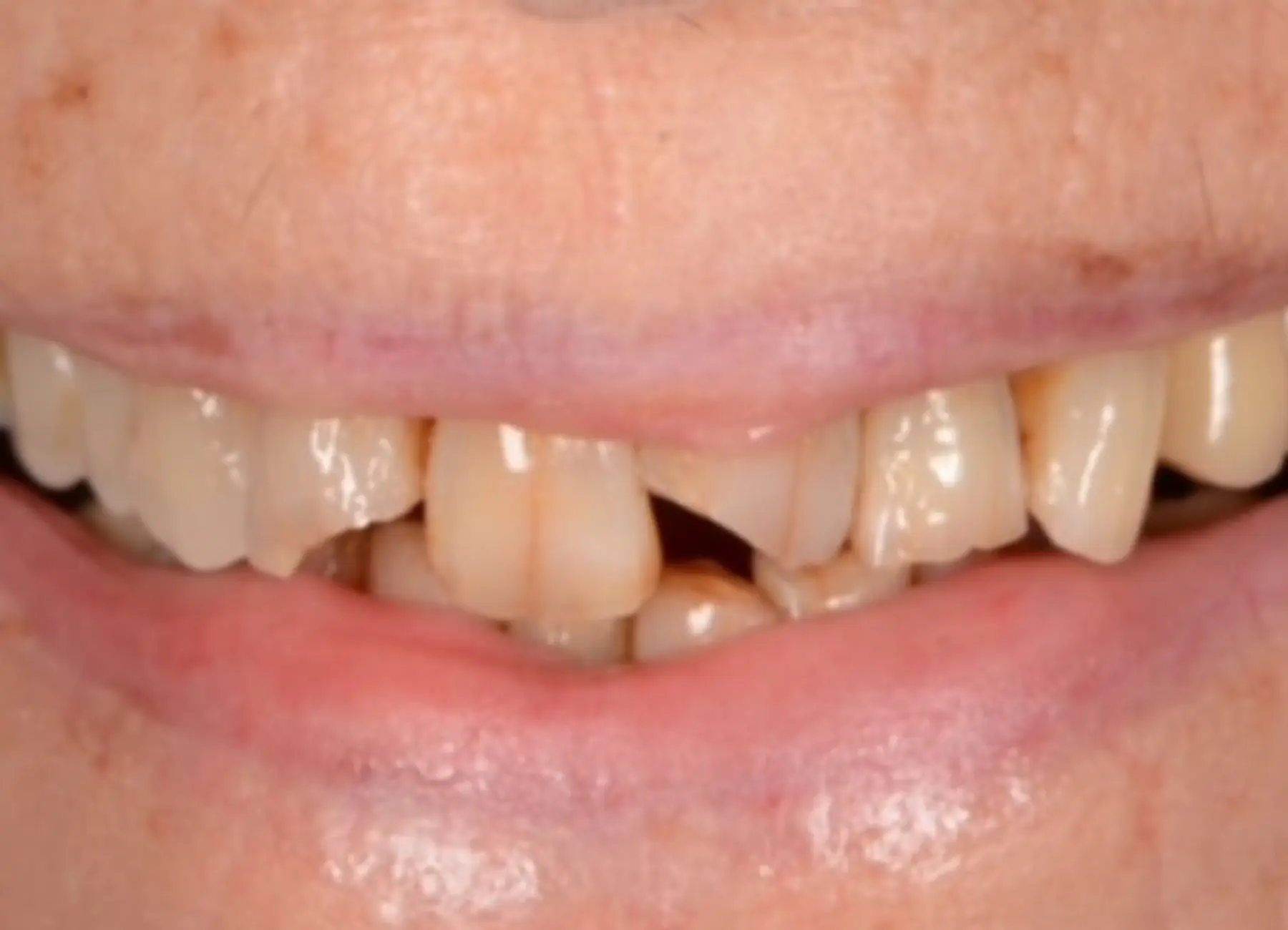
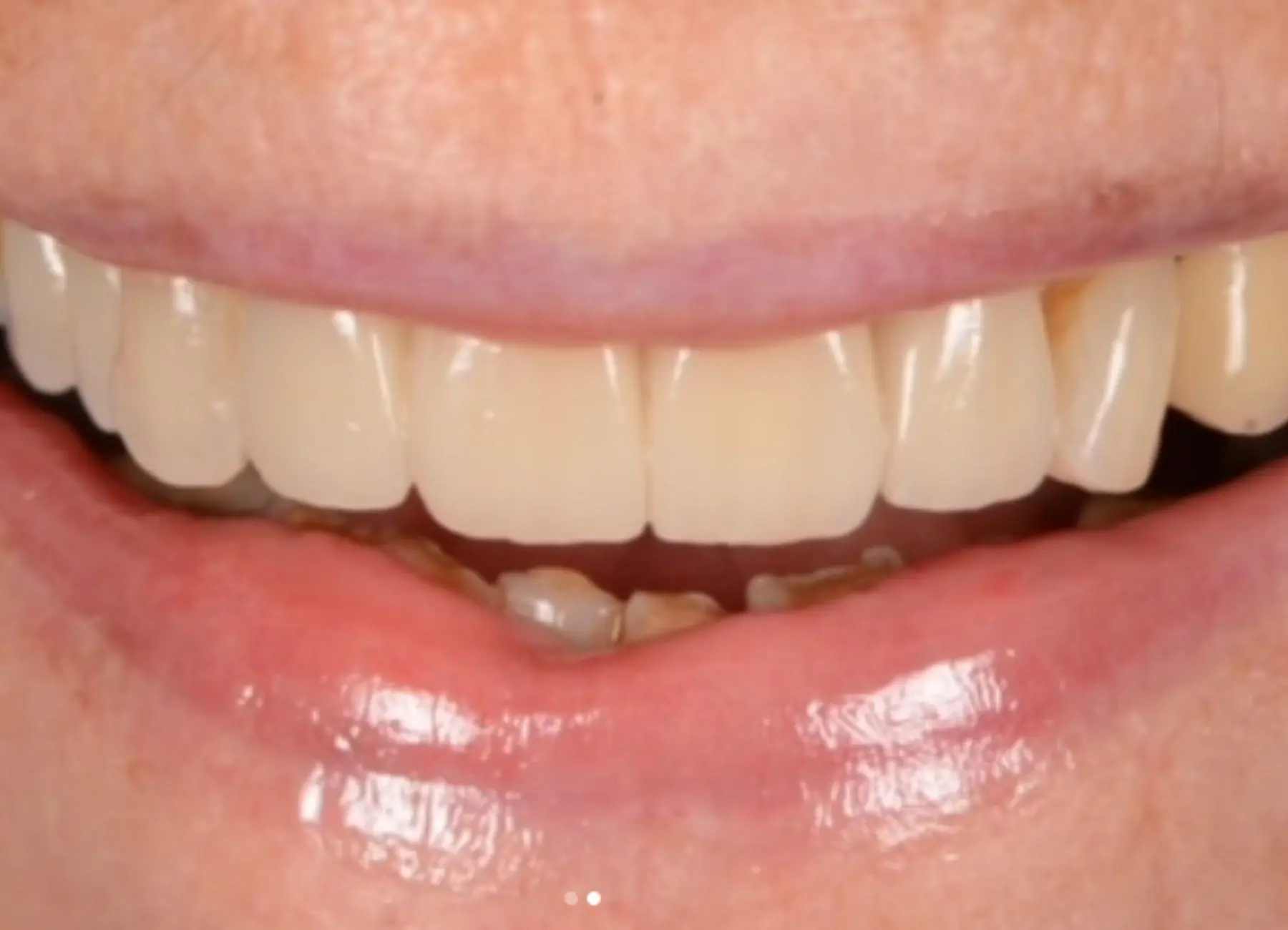
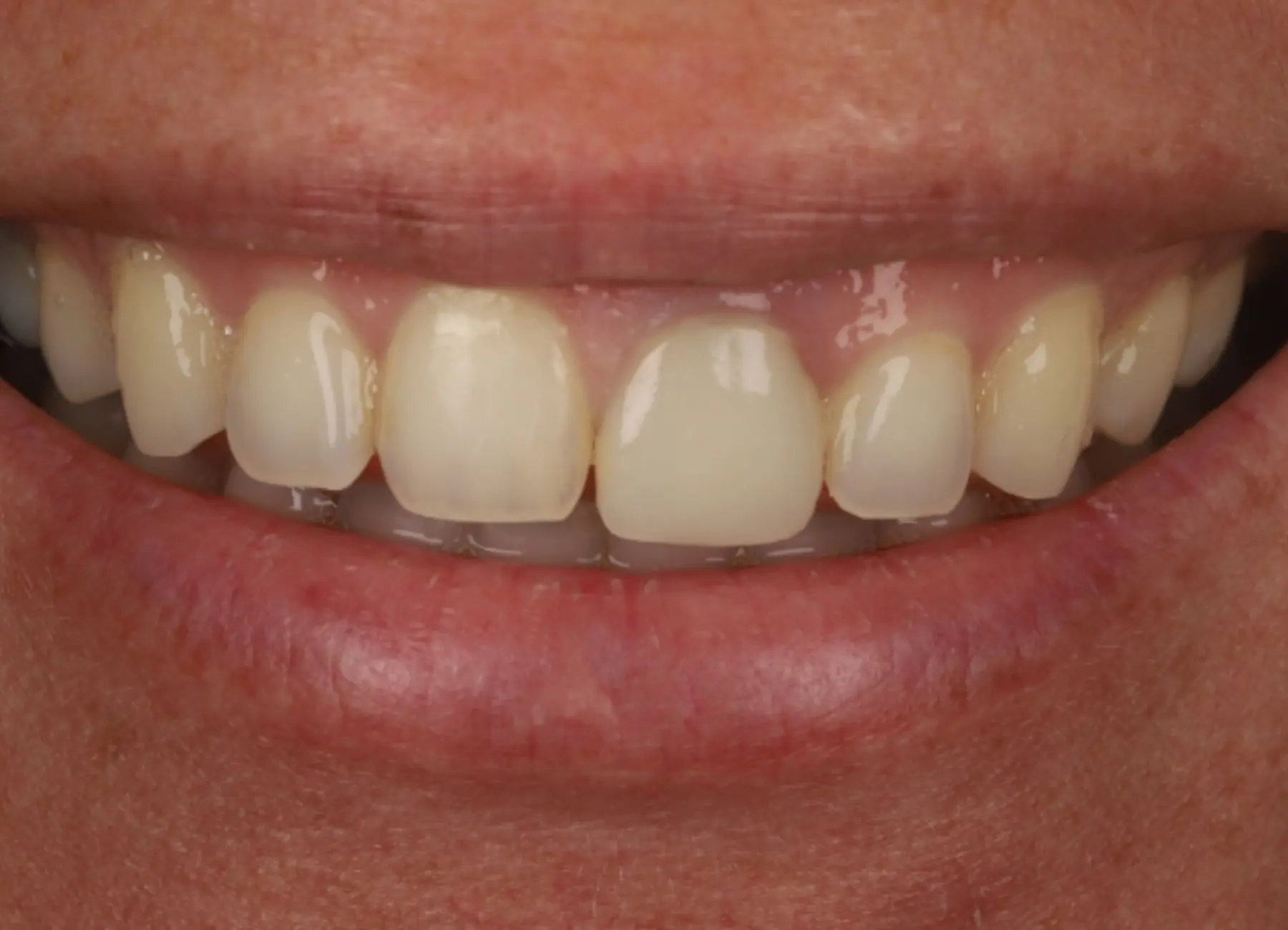
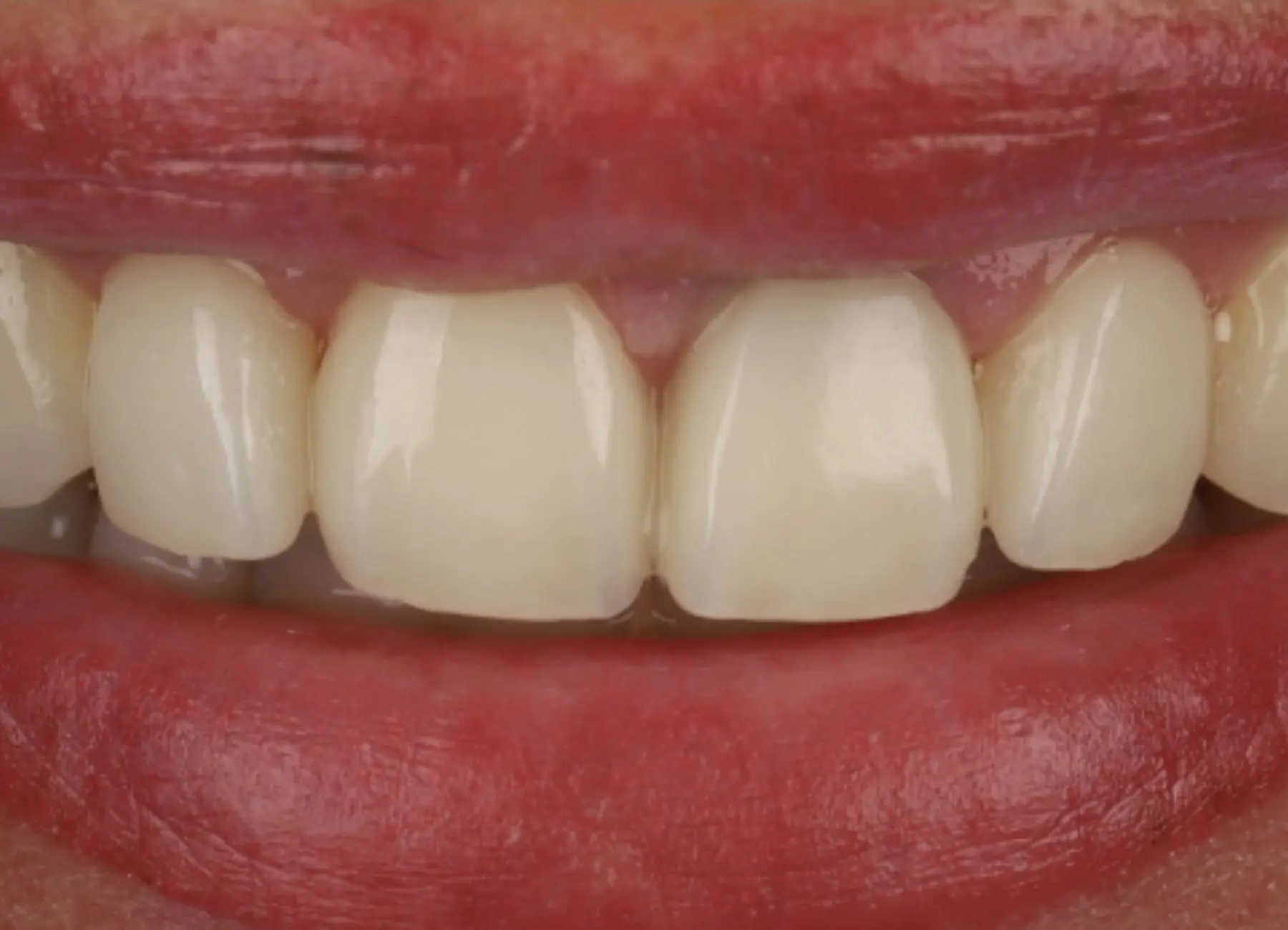
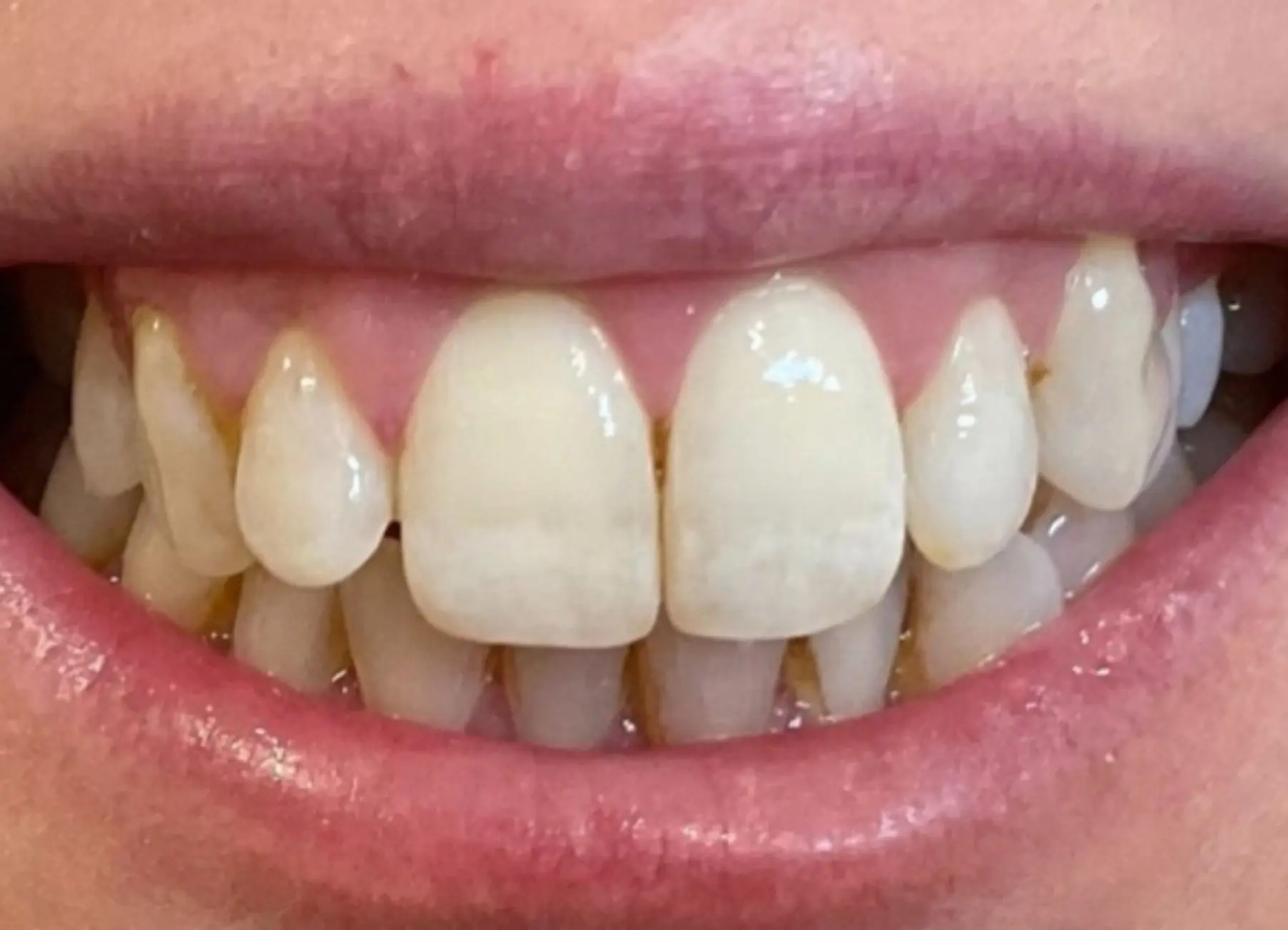
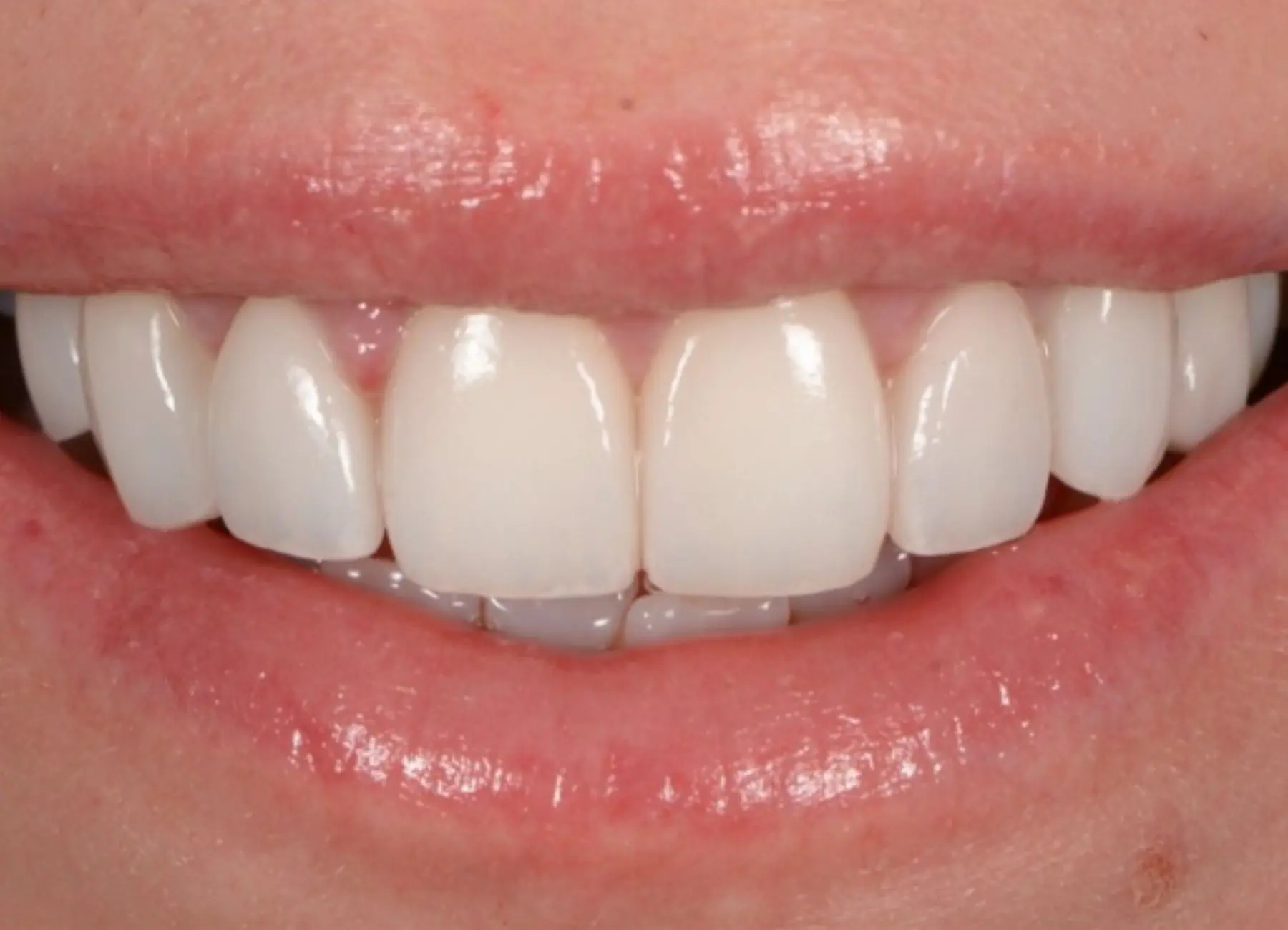
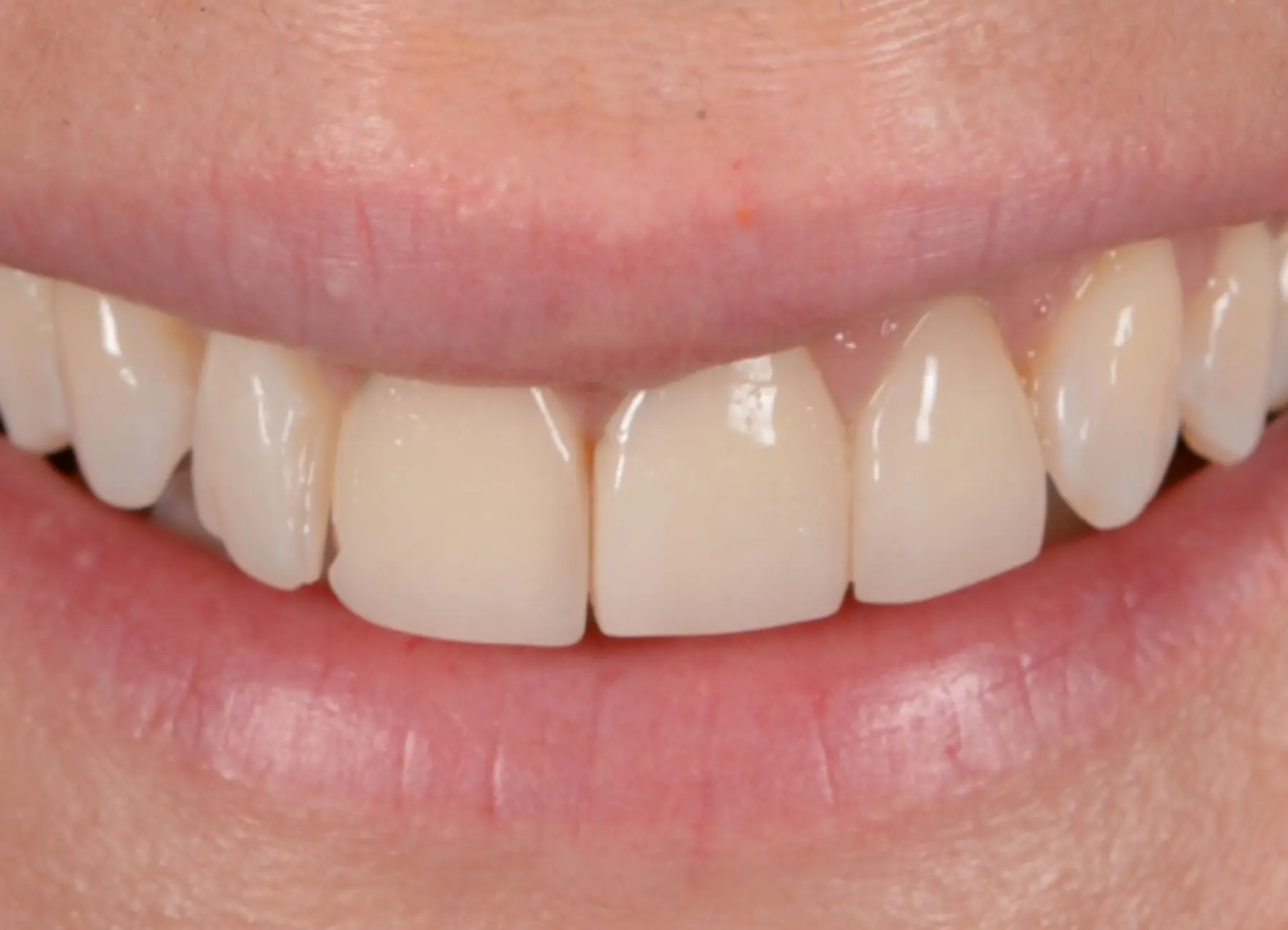
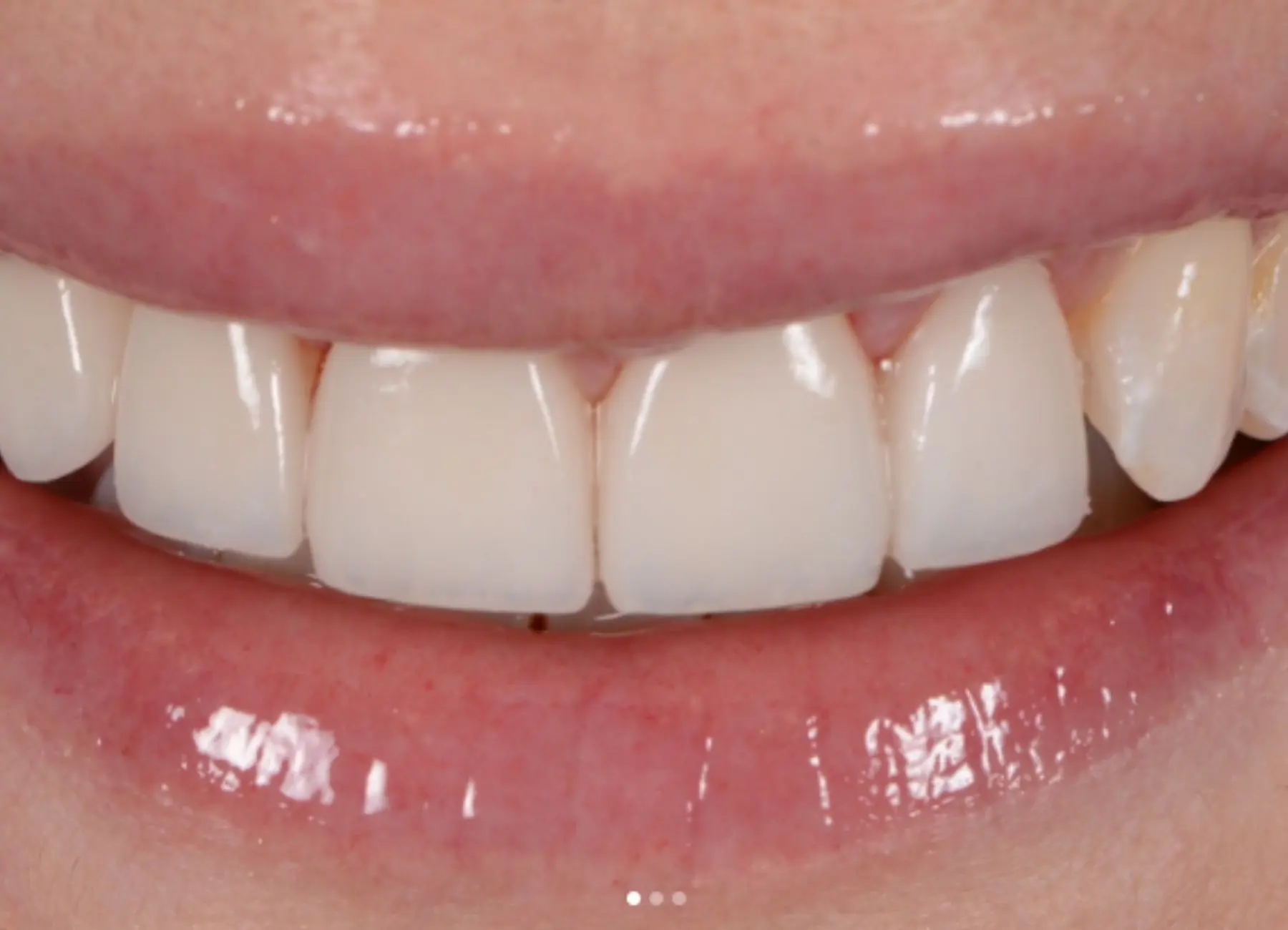
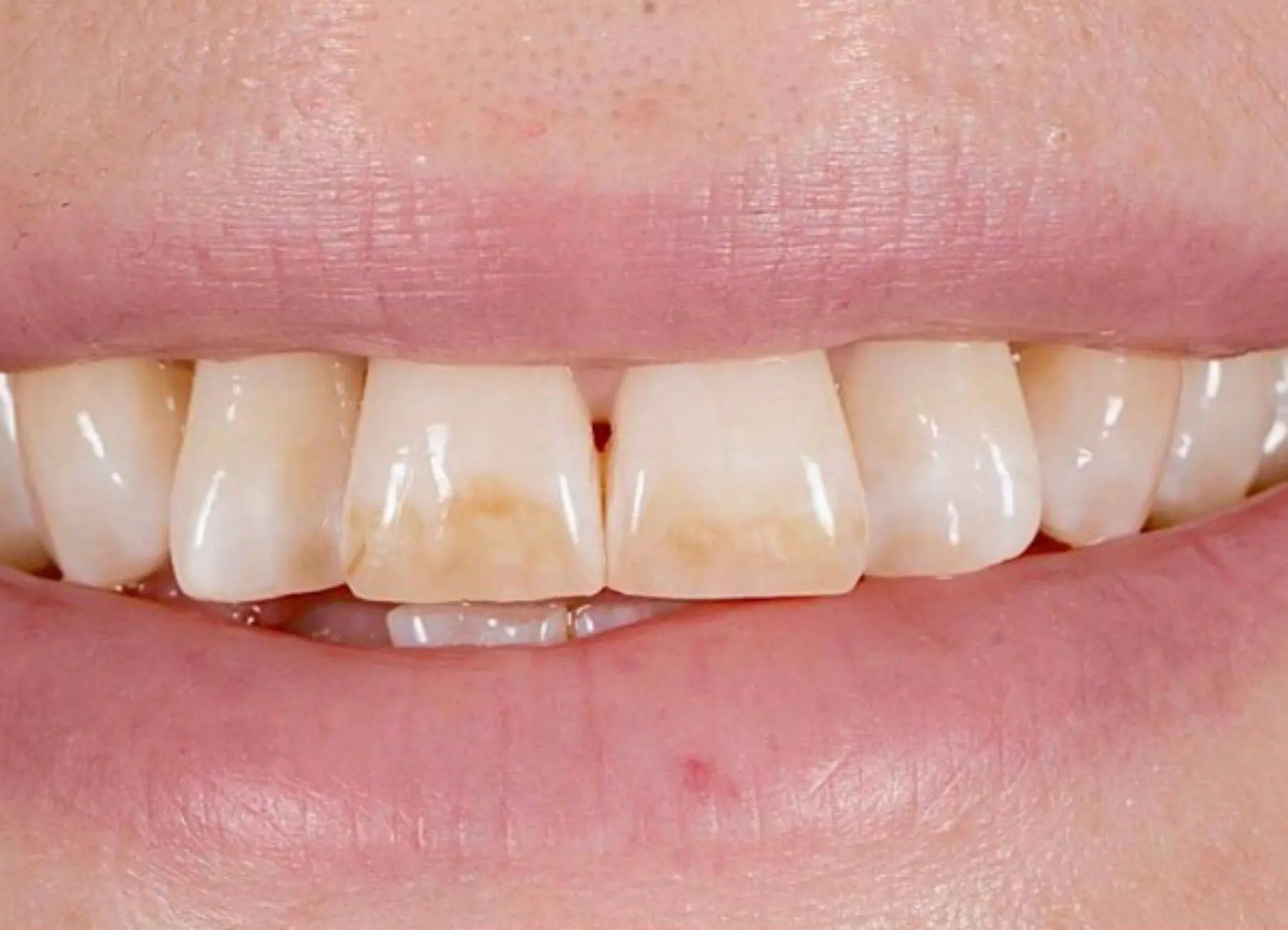
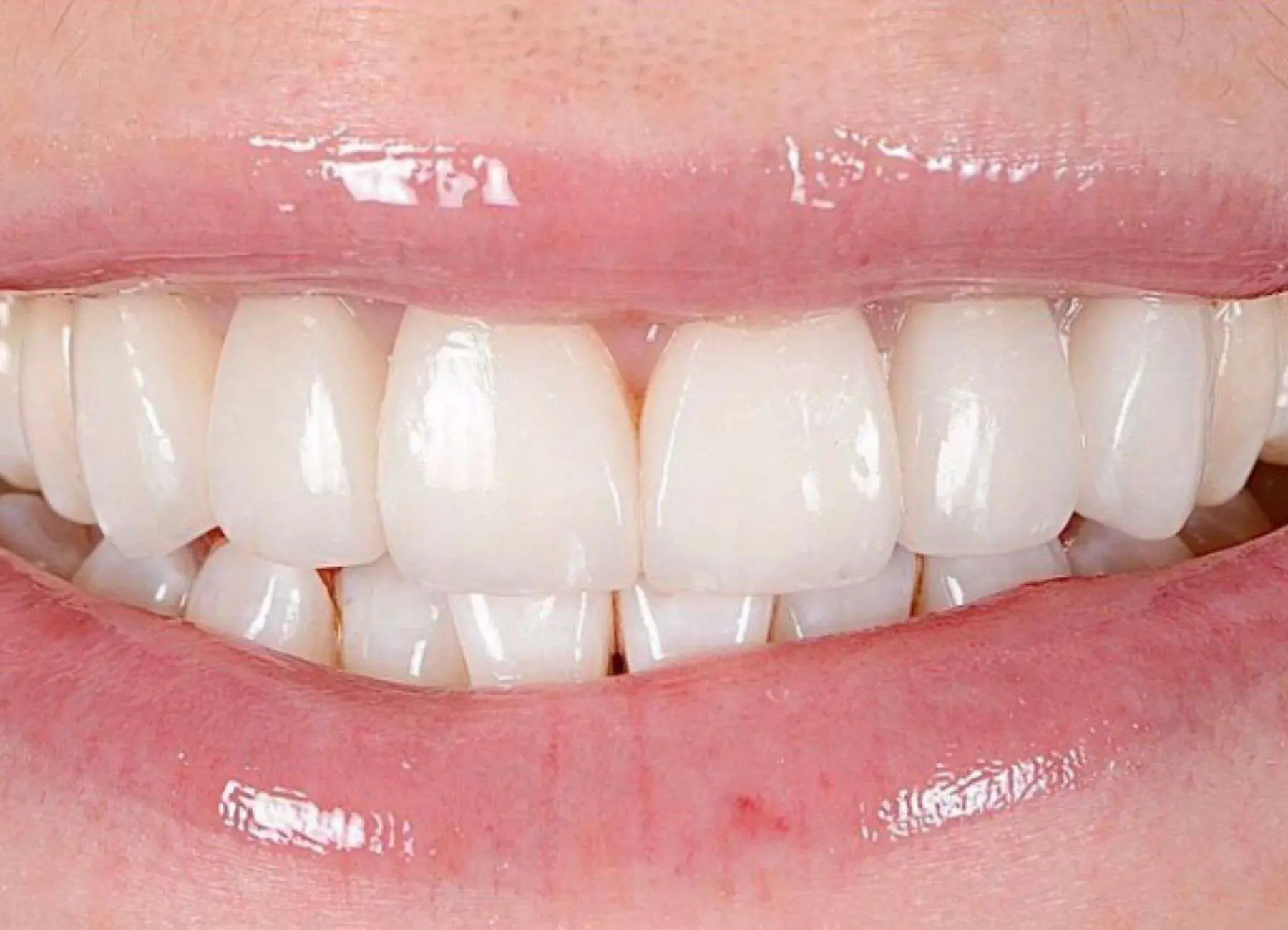
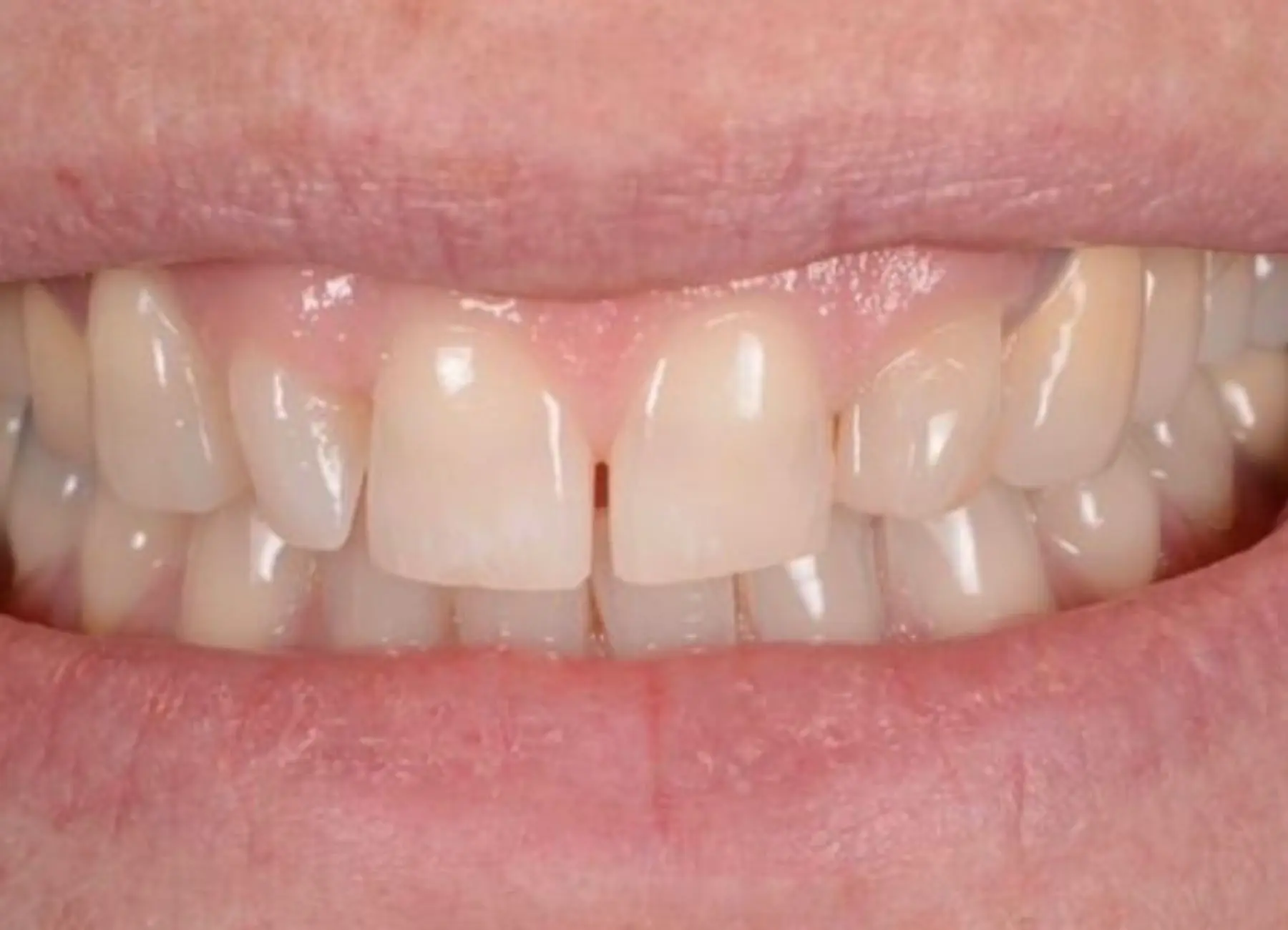
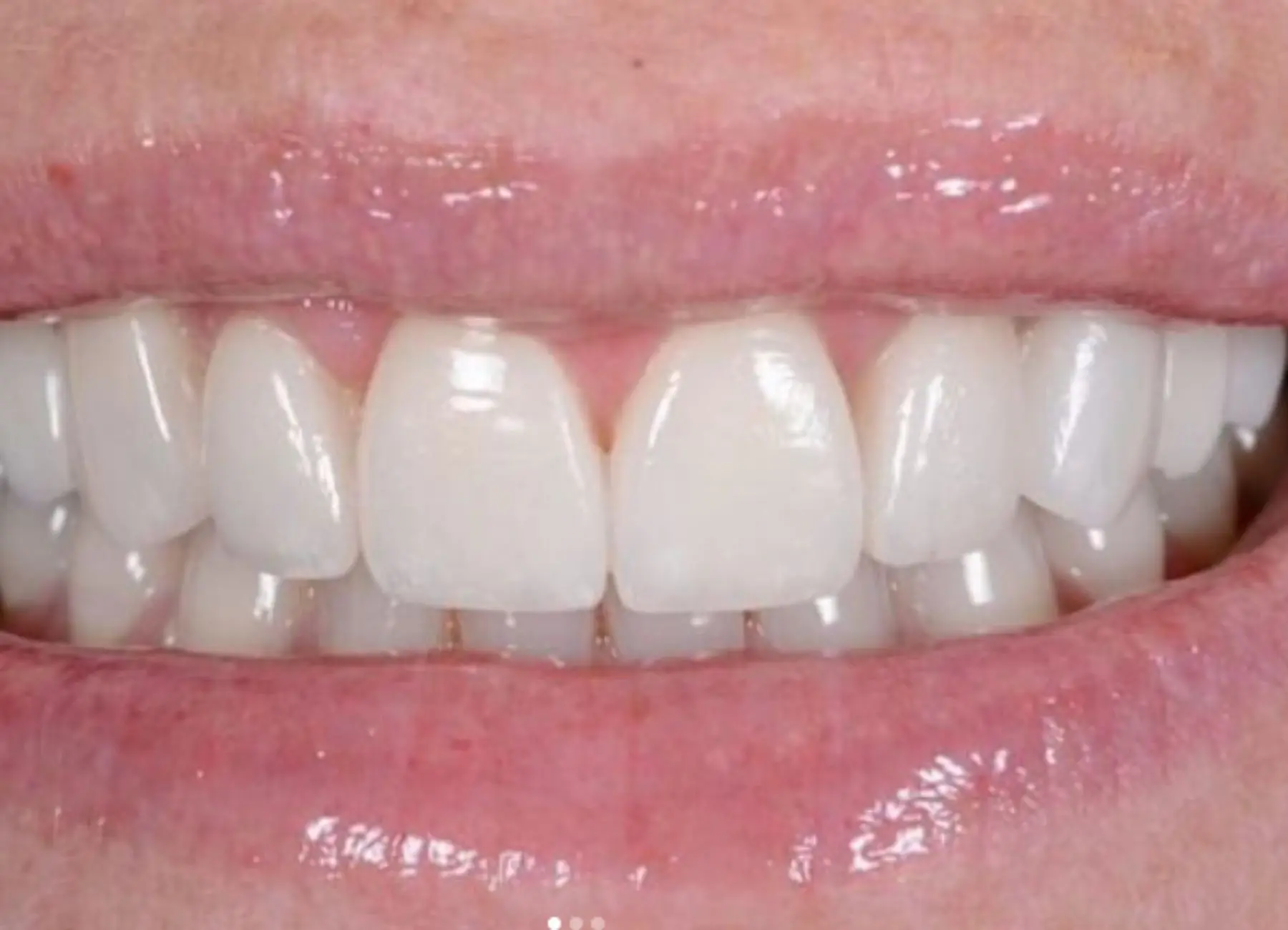
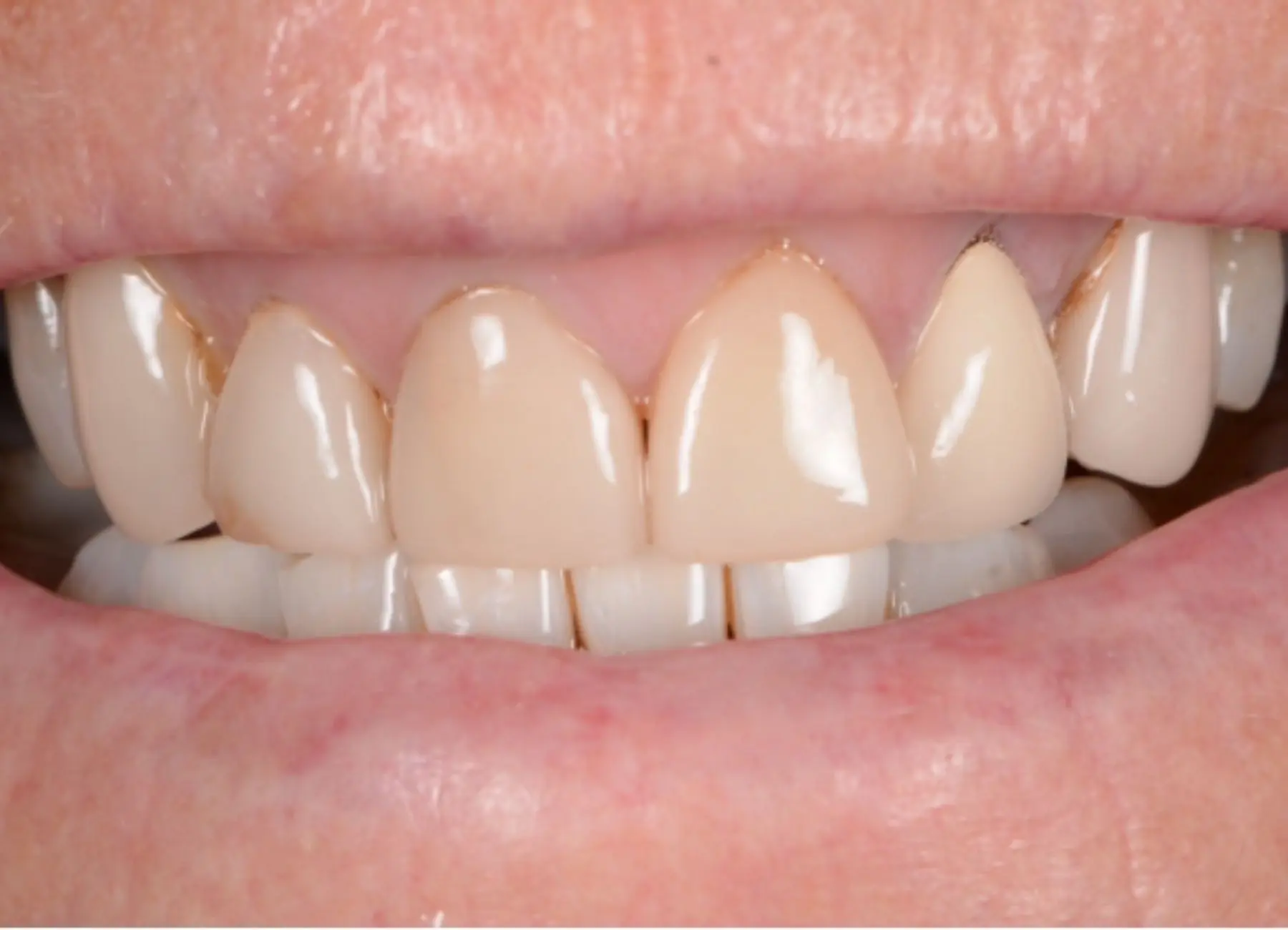
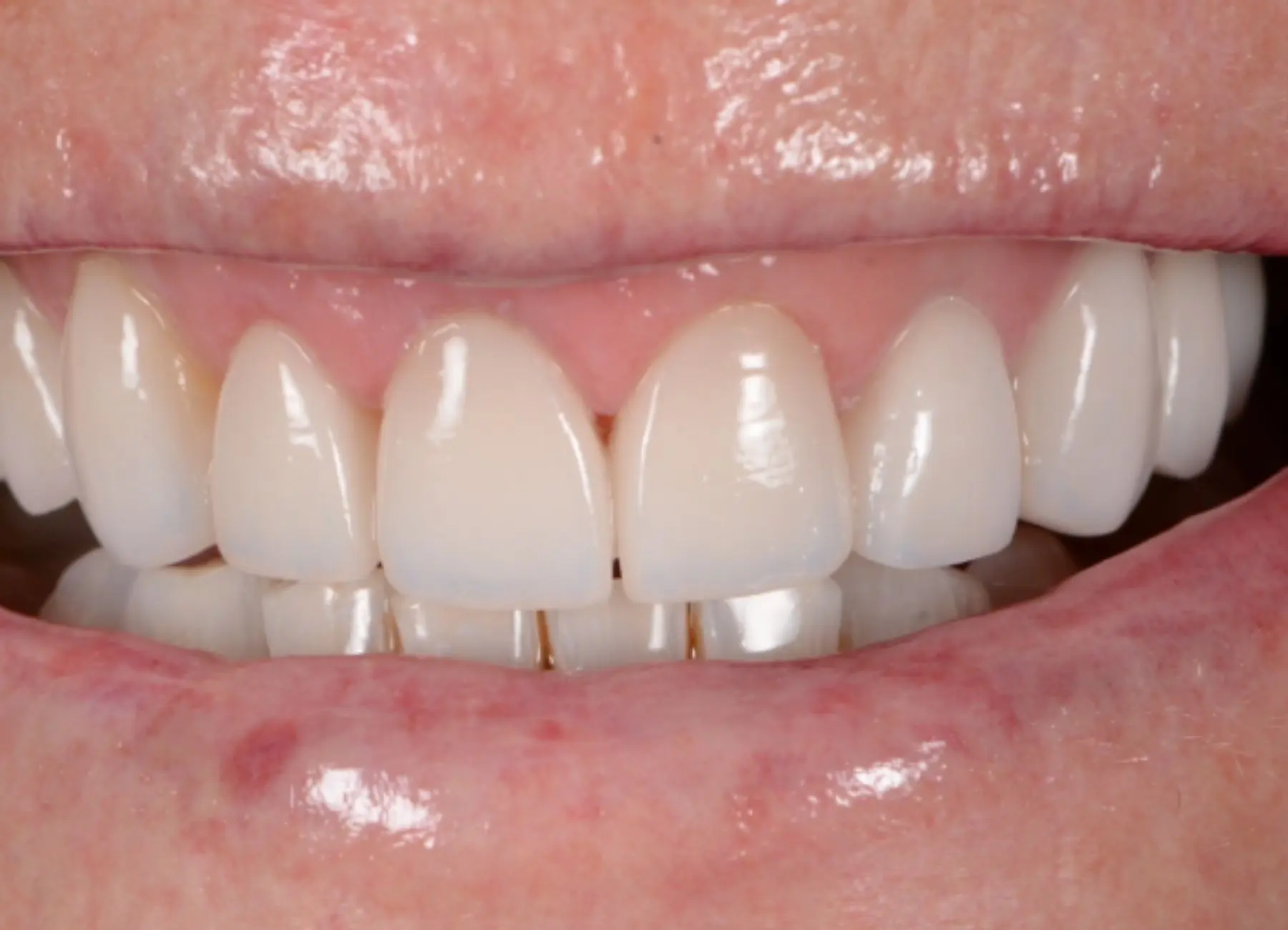
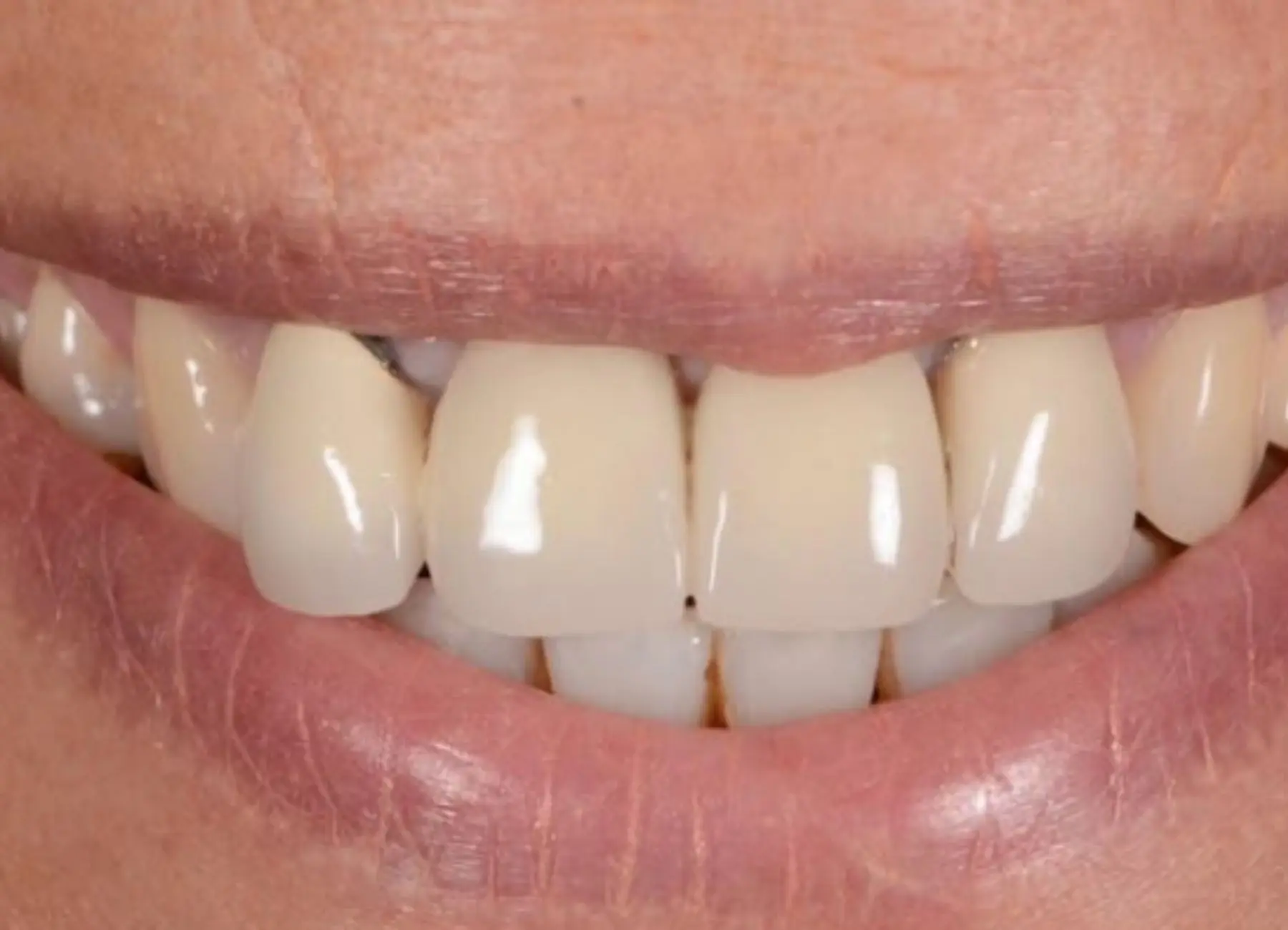
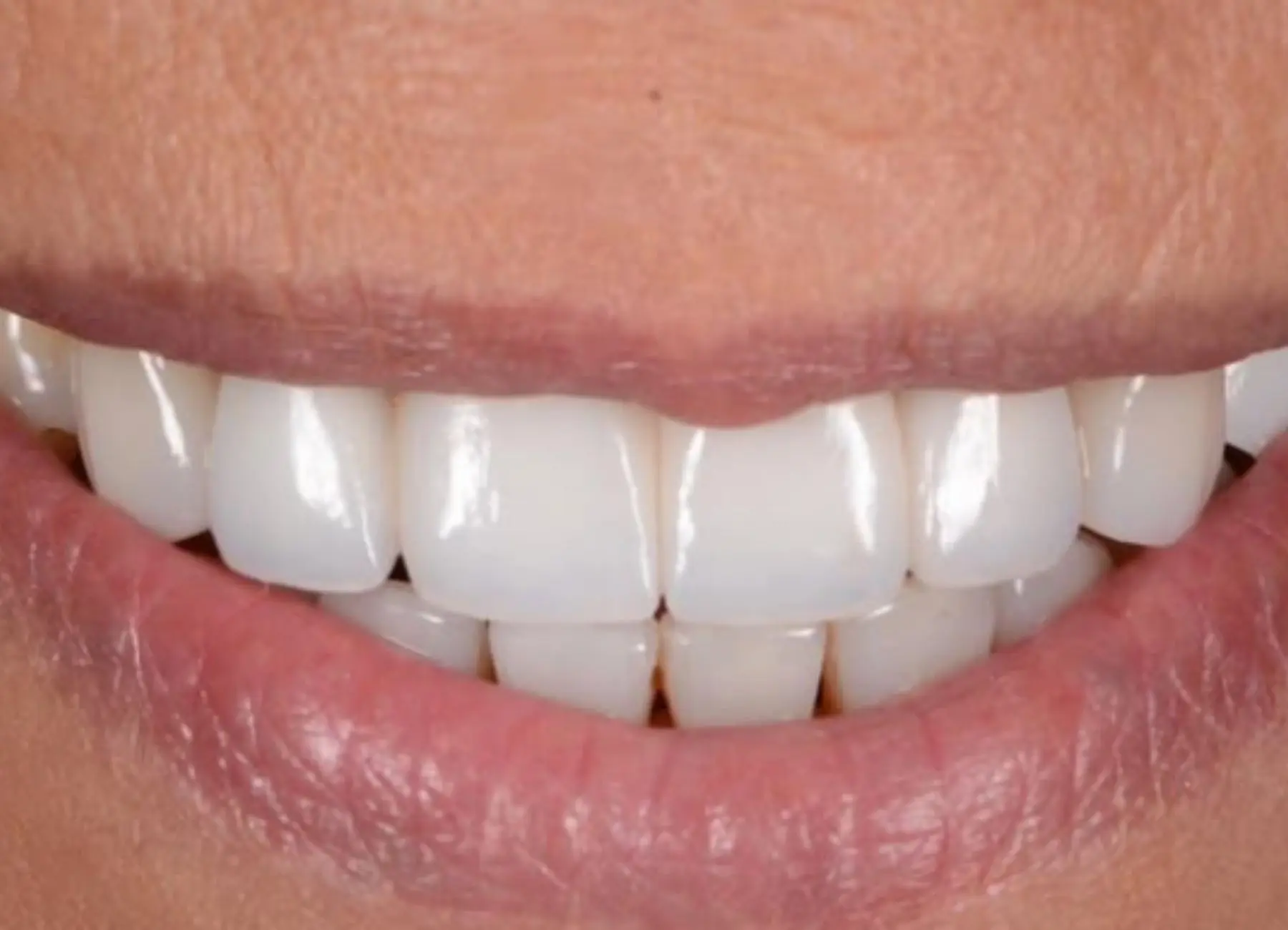
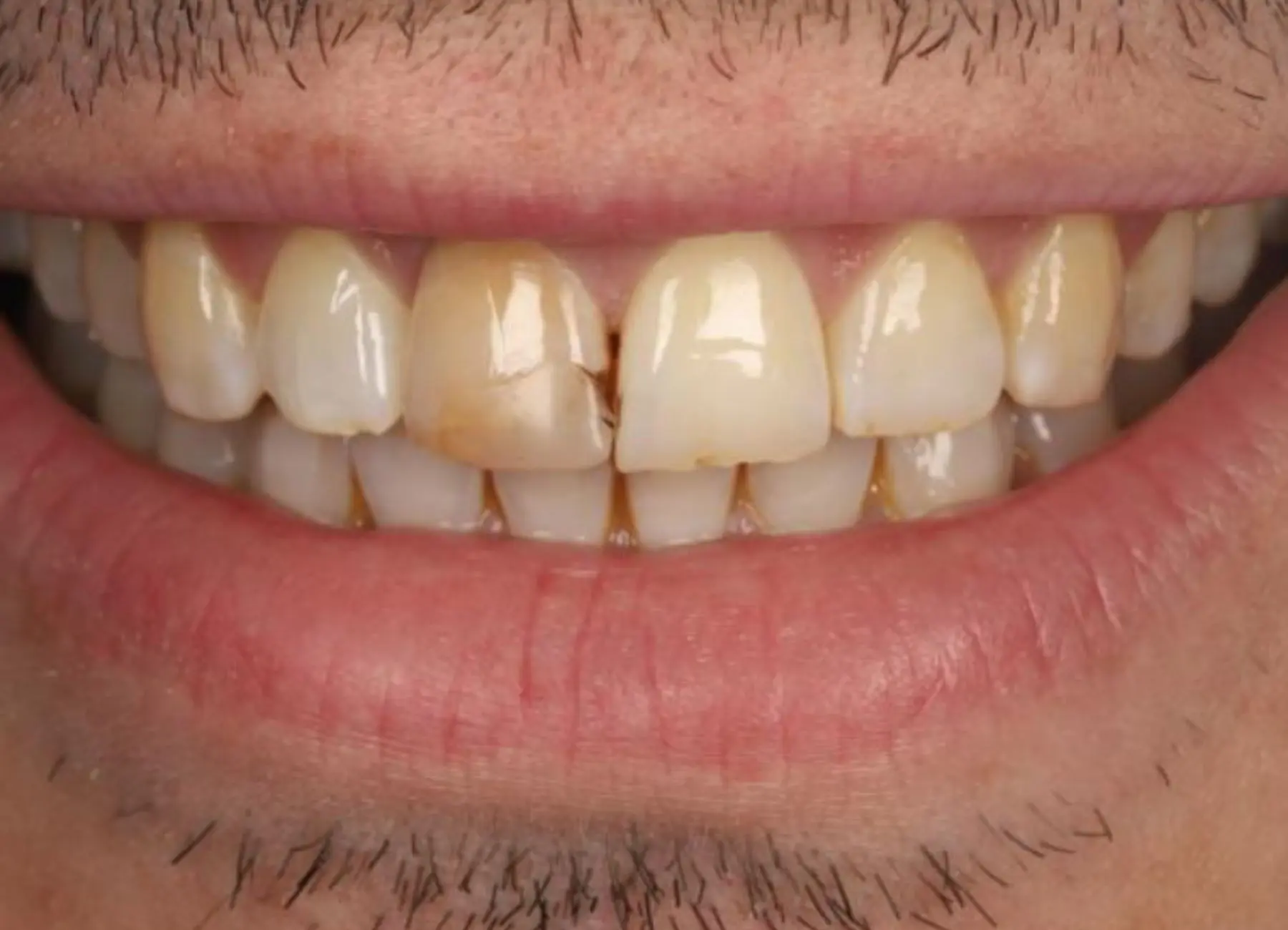
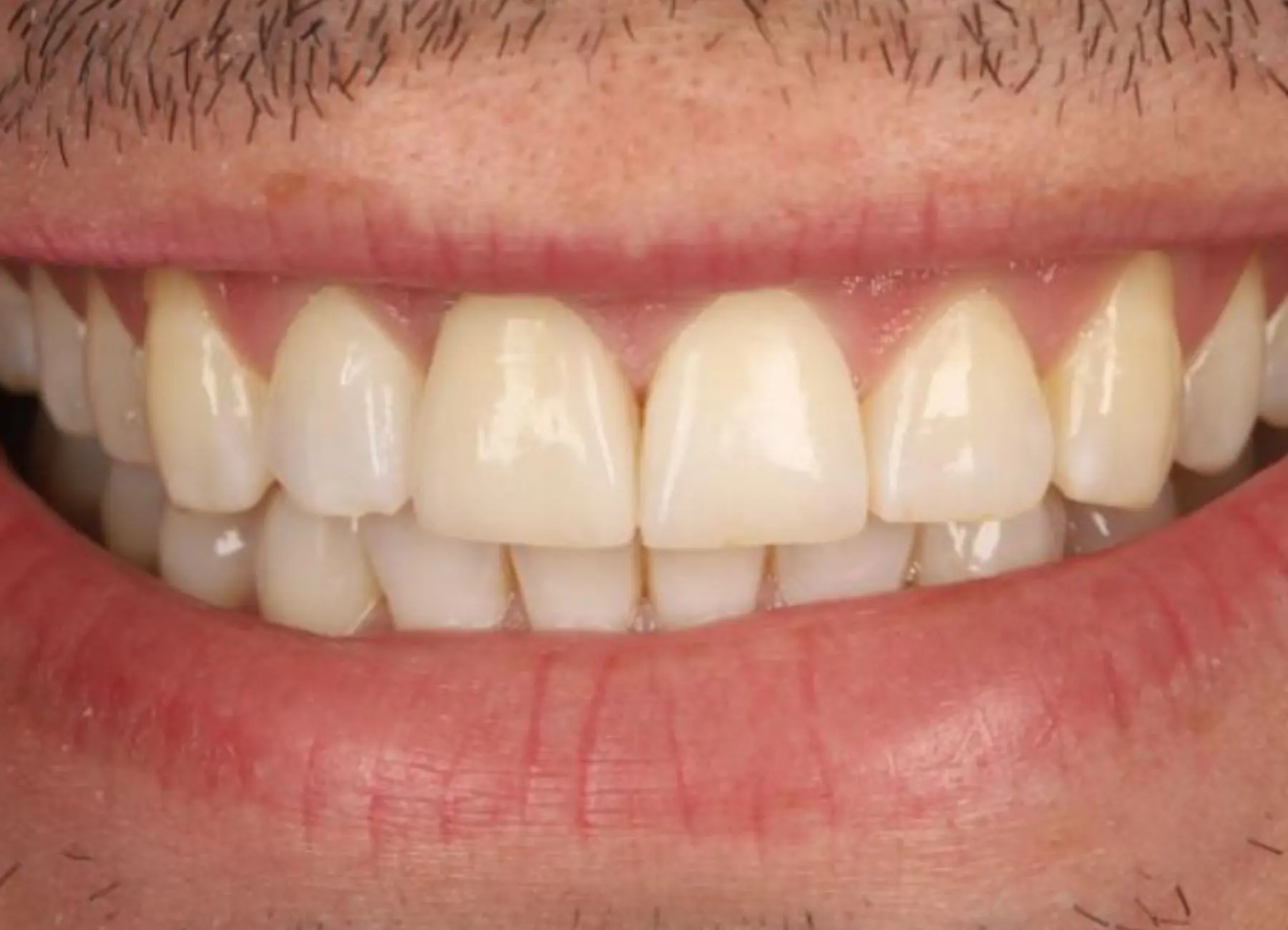
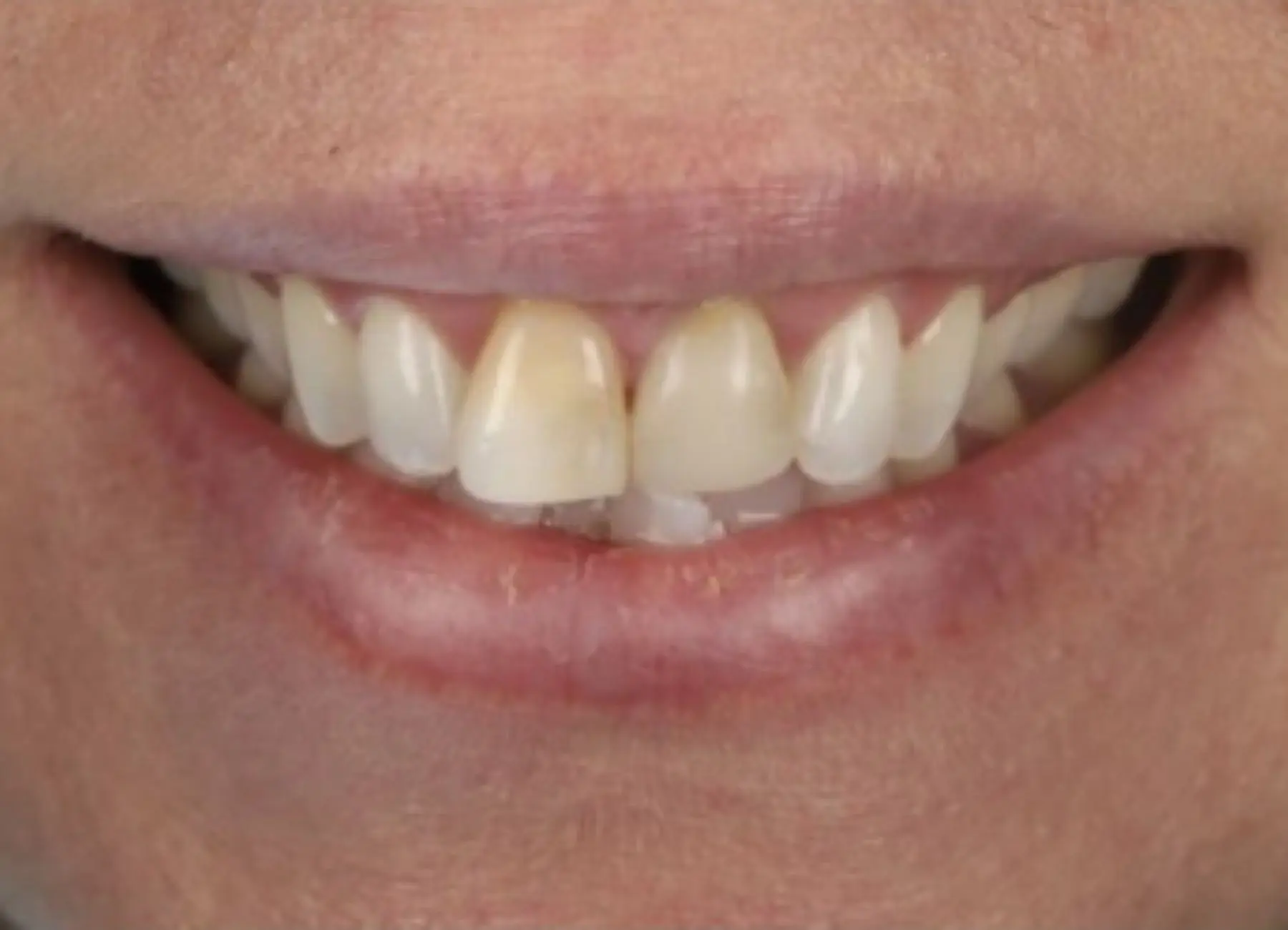
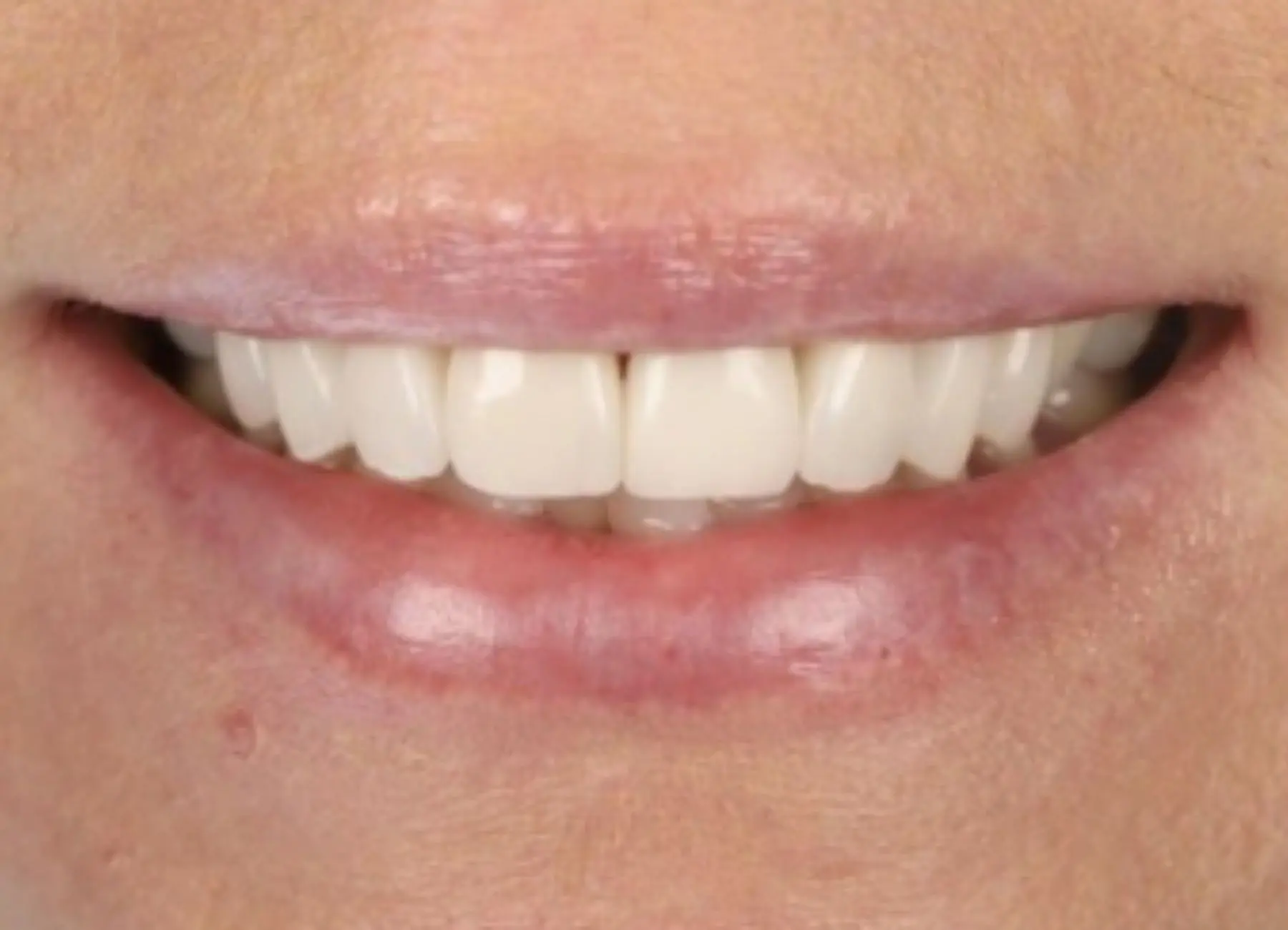
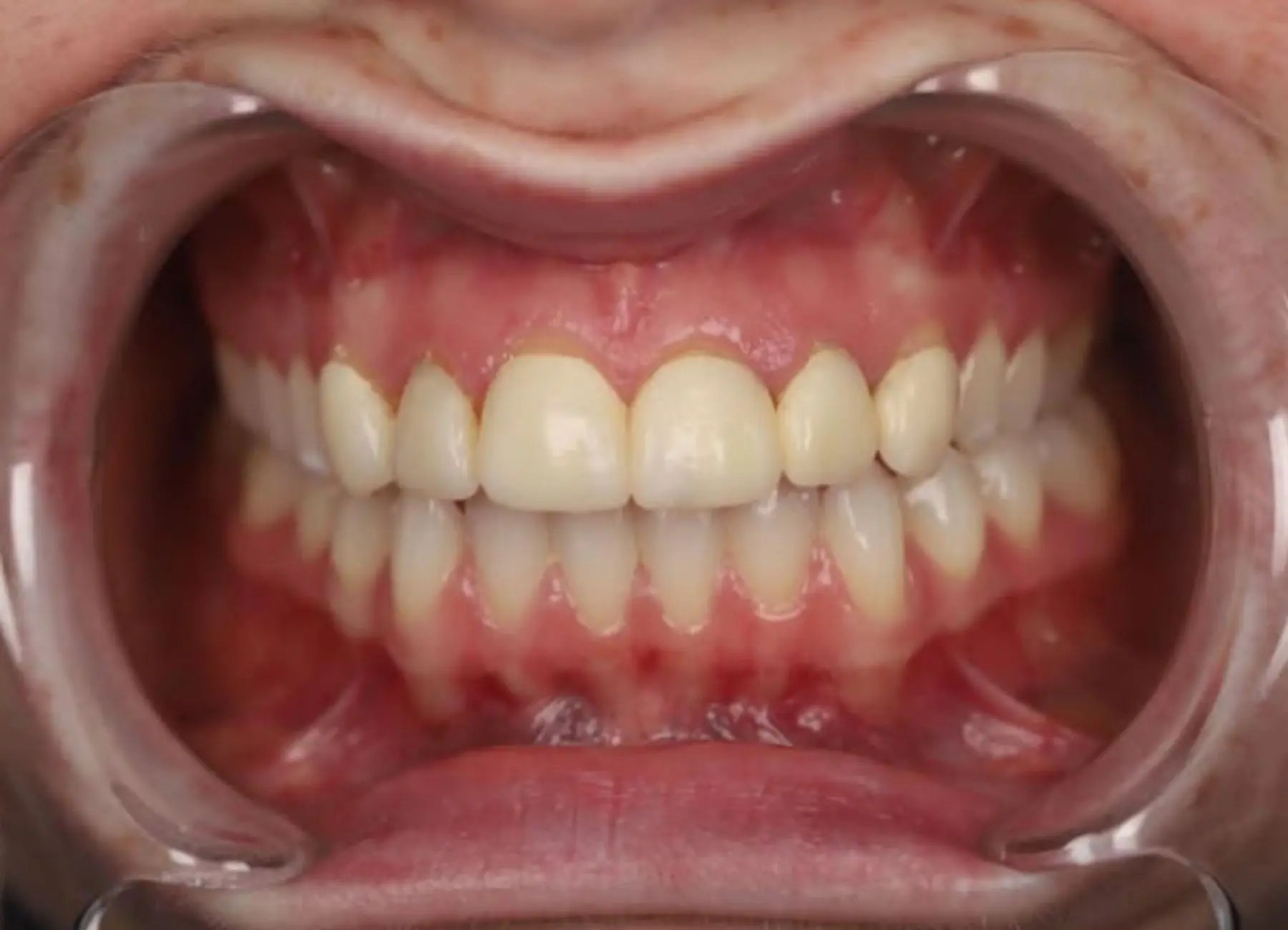
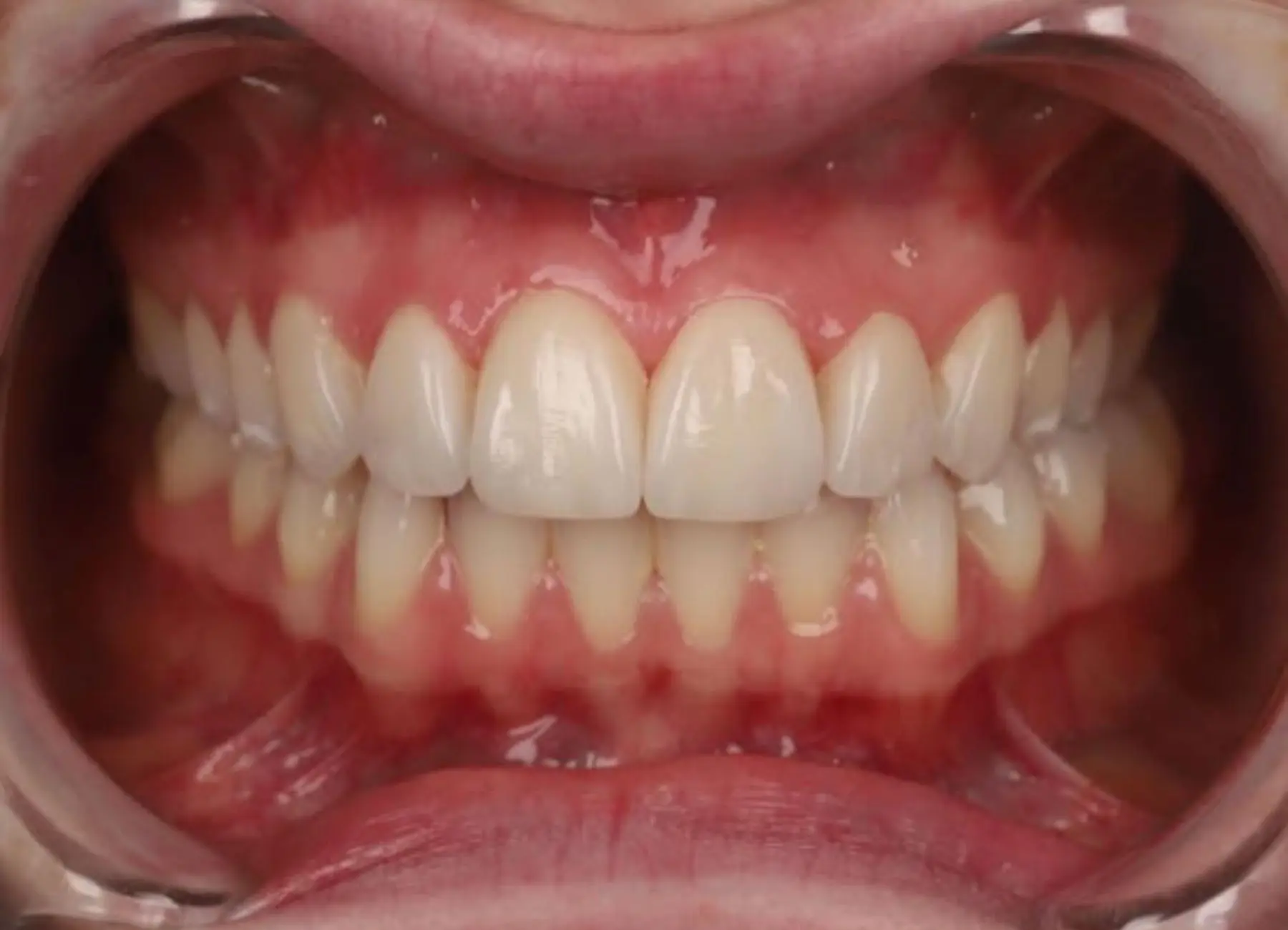
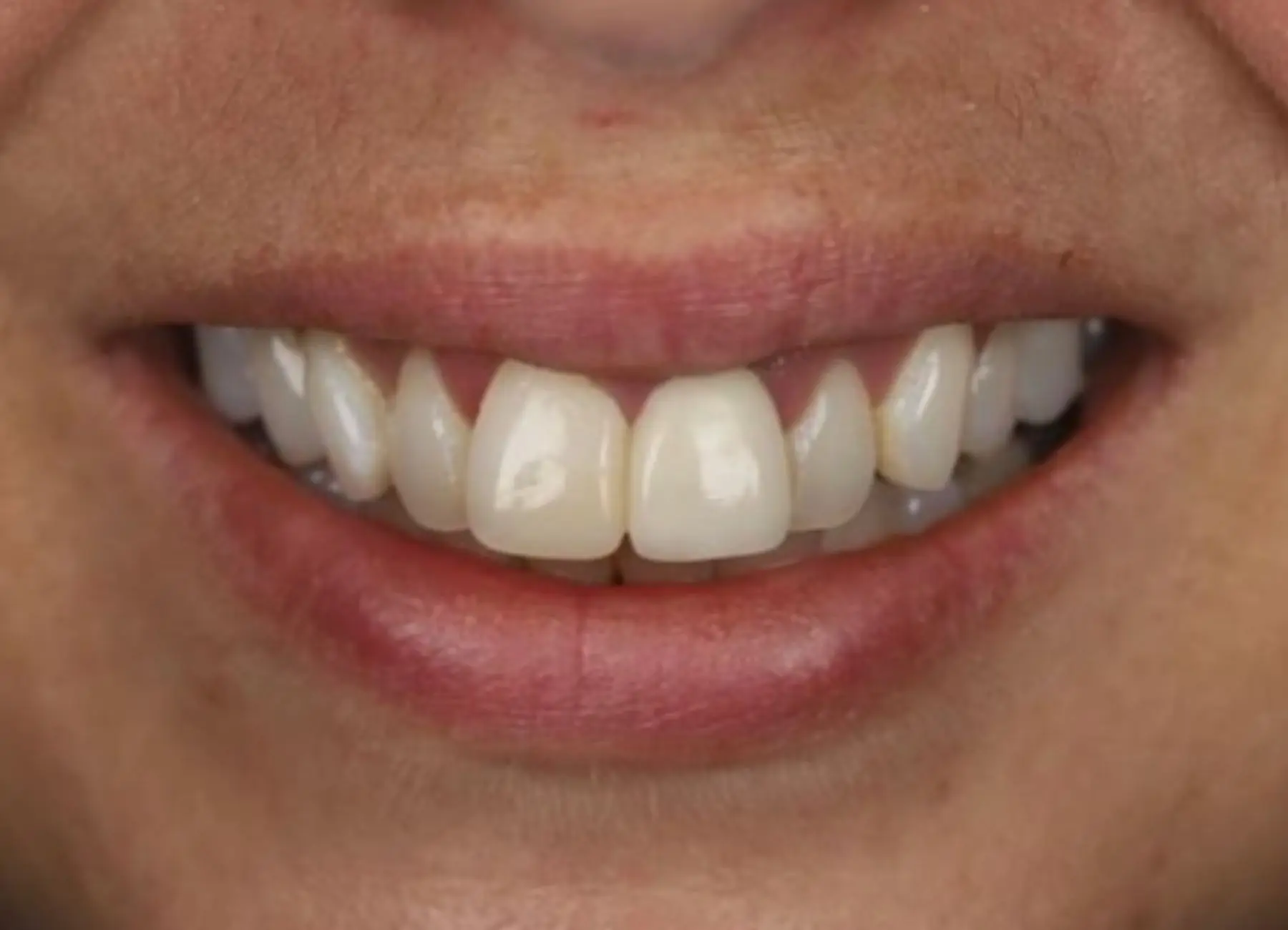
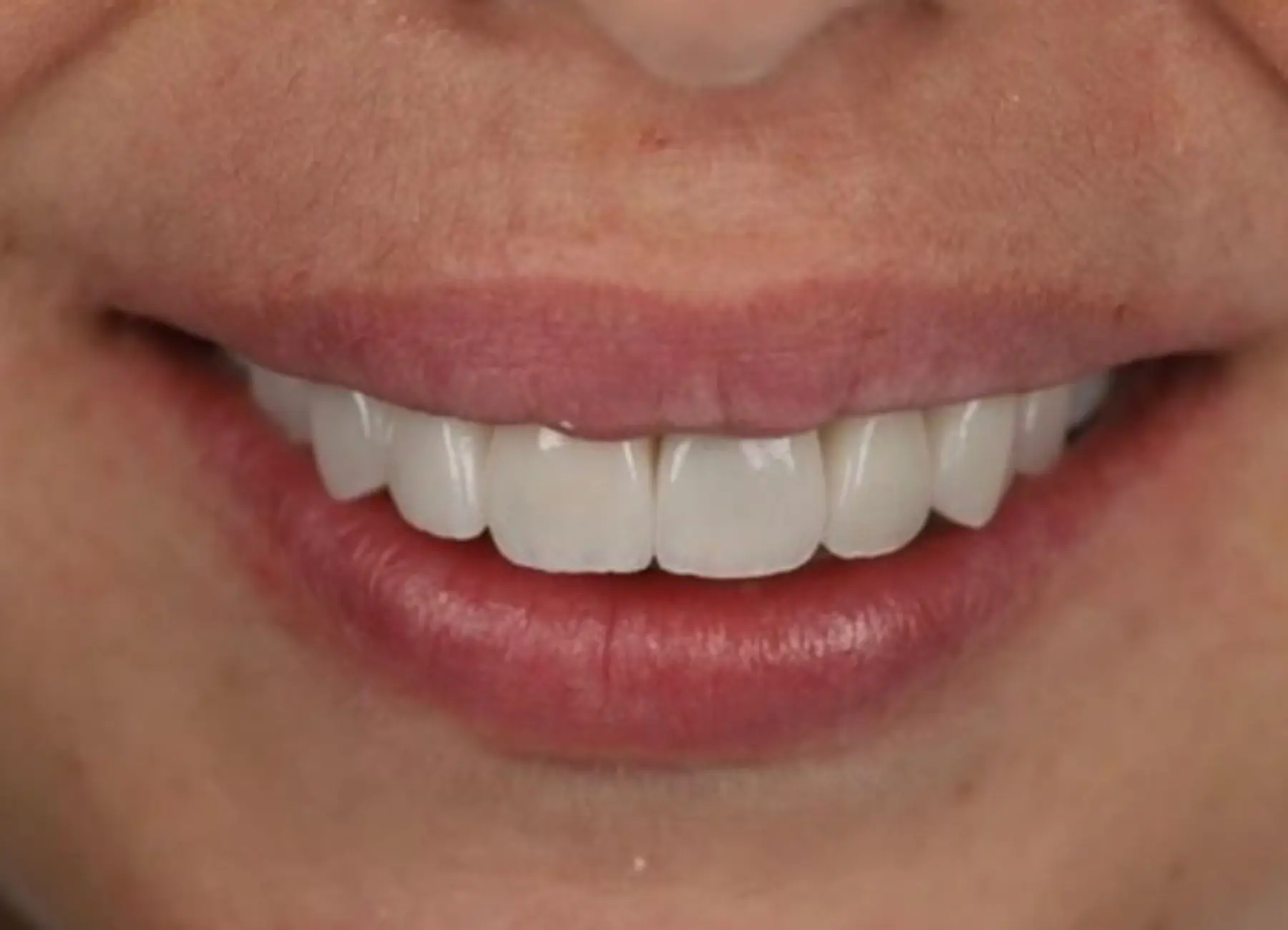
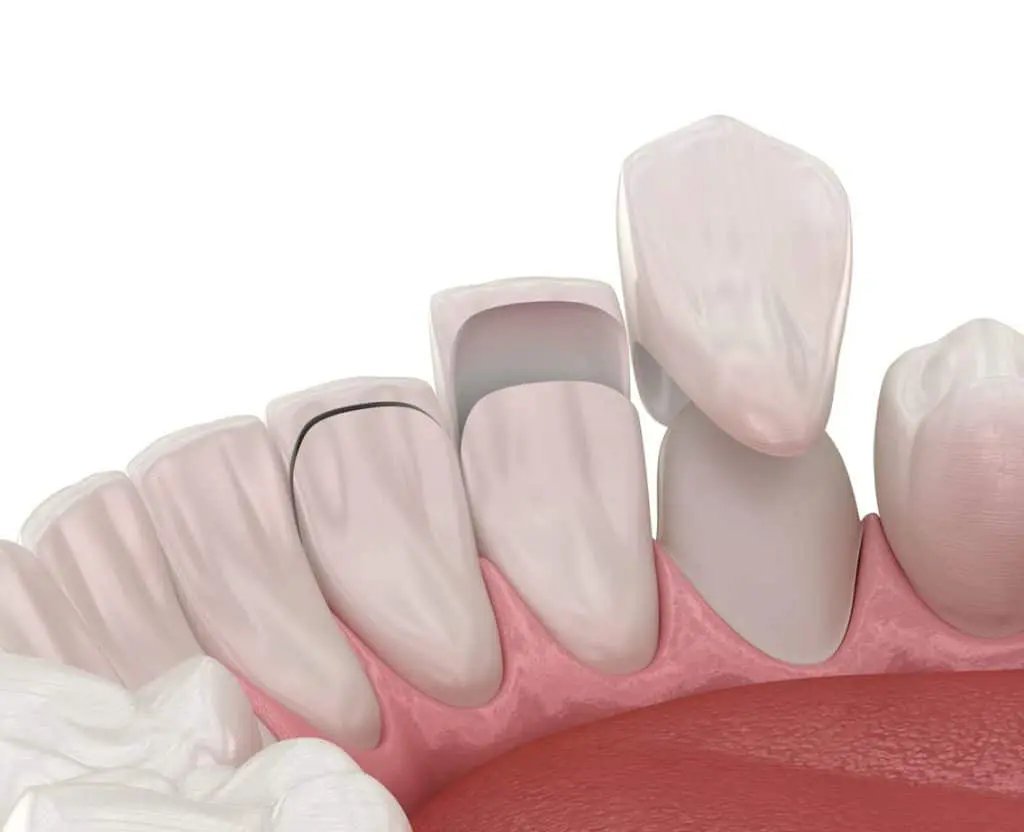
Ceramic veneers are a popular option for enhancing the size, shape, colour, and texture of teeth. They’re a custom-made, ultra-thin veneer option which achieves a highly natural appearance. But how do they compare to alternatives, and will they be the right material for your smile makeover?
What are ceramic veneers? Understanding the difference
When researching the best types of veneers, you’ll likely come across porcelain and ceramic veneers used interchangeably, because porcelain is actually a type of ceramic. In cosmetic dentistry, ceramic is the umbrella term for a broader category of advanced veneer materials, with porcelain being a specific, highly aesthetic type.
Ceramic veneers include several different types, materials and systems – and while they’re often grouped under “porcelain veneers”, they all vary in thickness, strength, lifespan and application. After a consultation with one of our cosmetic dentists, we’ll recommend the right type based on your goals, bite and aesthetics.
Different ceramic systems will vary in strength, thickness, preparation and translucency. Patients often prefer the thinner ceramic system for obvious reasons, but thinner does not always mean better.
The most crucial factor in choosing the right ceramic veneer type depends on the condition of your smile.
Our cosmetic dentists will recommend the right option after a cosmetic consultation and analysis of your oral health and bite.
While brands and materials are an essential factor, the final result will depend on smile design, tooth preparation, bonding techniques and laboratory craftsmanship, all of which should be taken into consideration for your final decision.
Great ceramic veneers will look natural, feel comfortable, and complement your facial features, regardless of the type, material, or branding.