Home | Veneers | Composite Veneers | Procedure
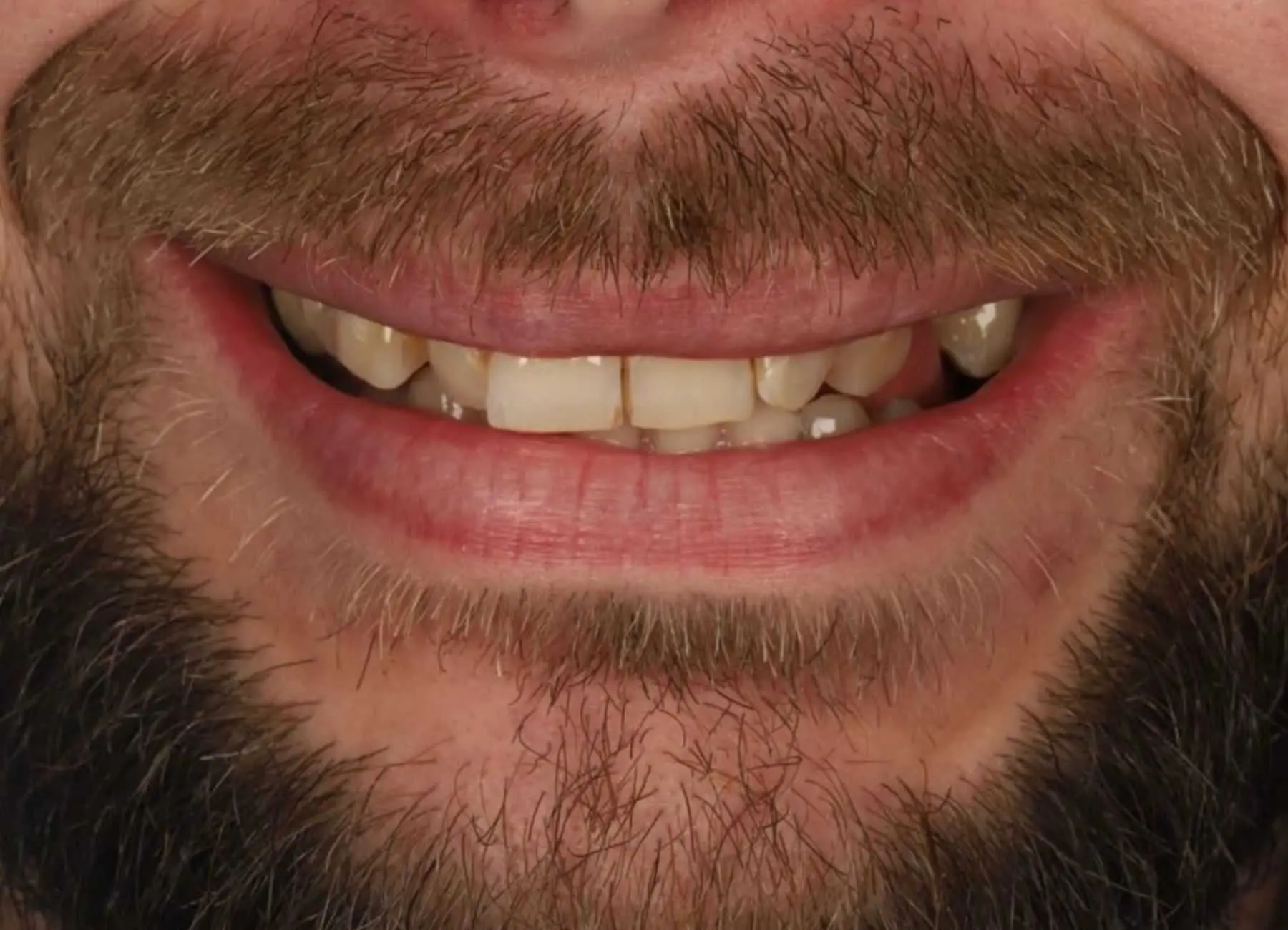
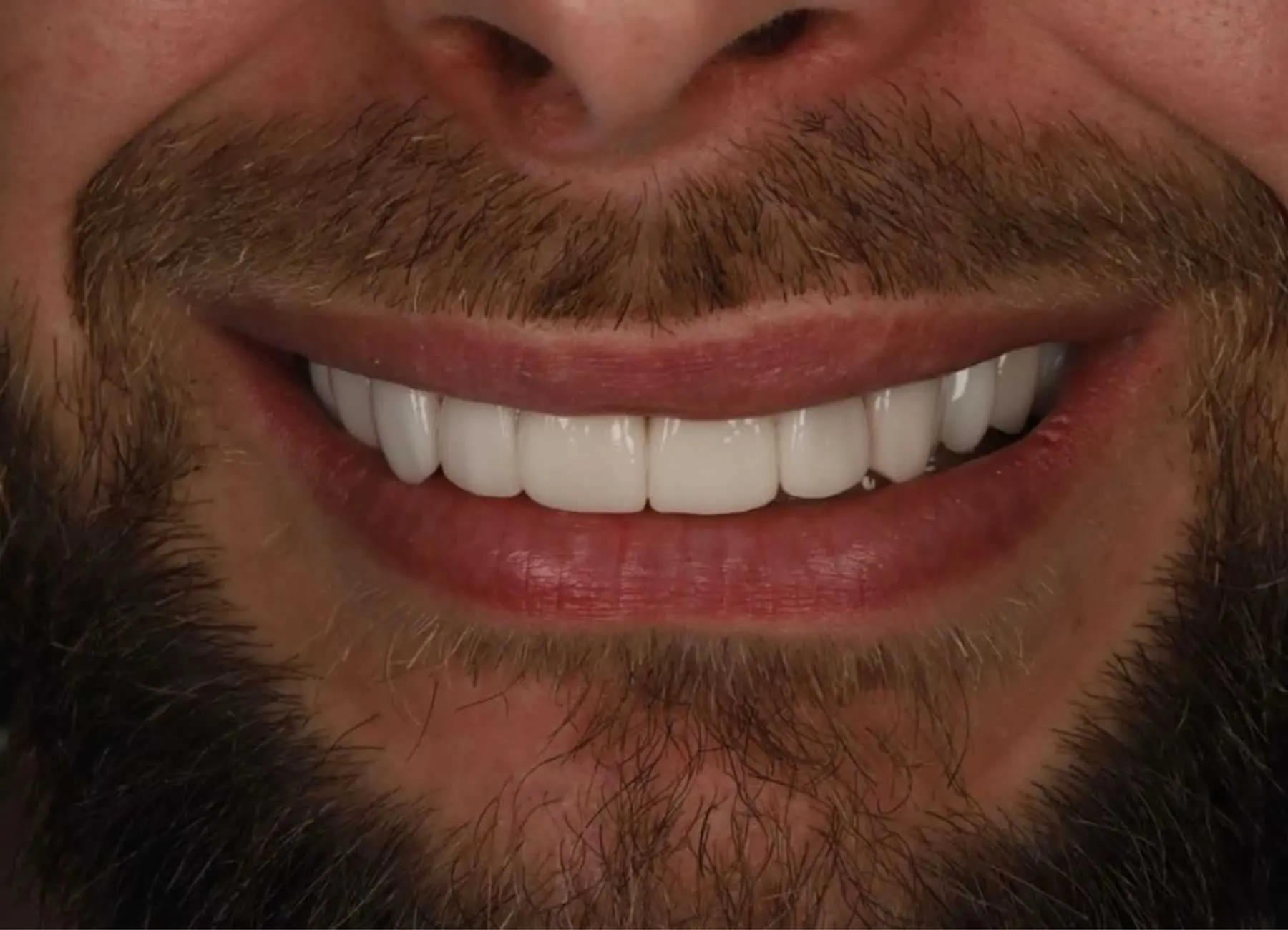
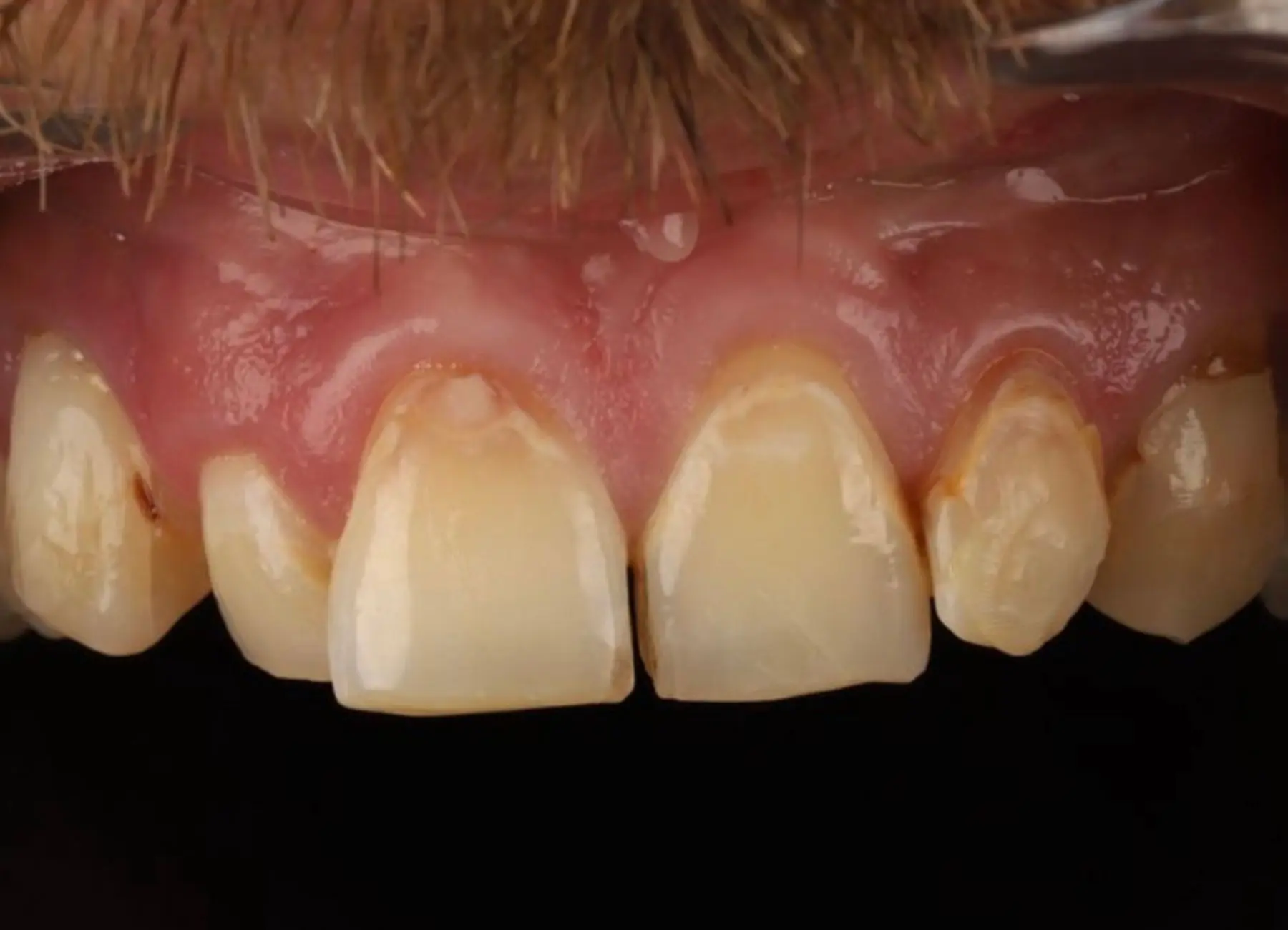
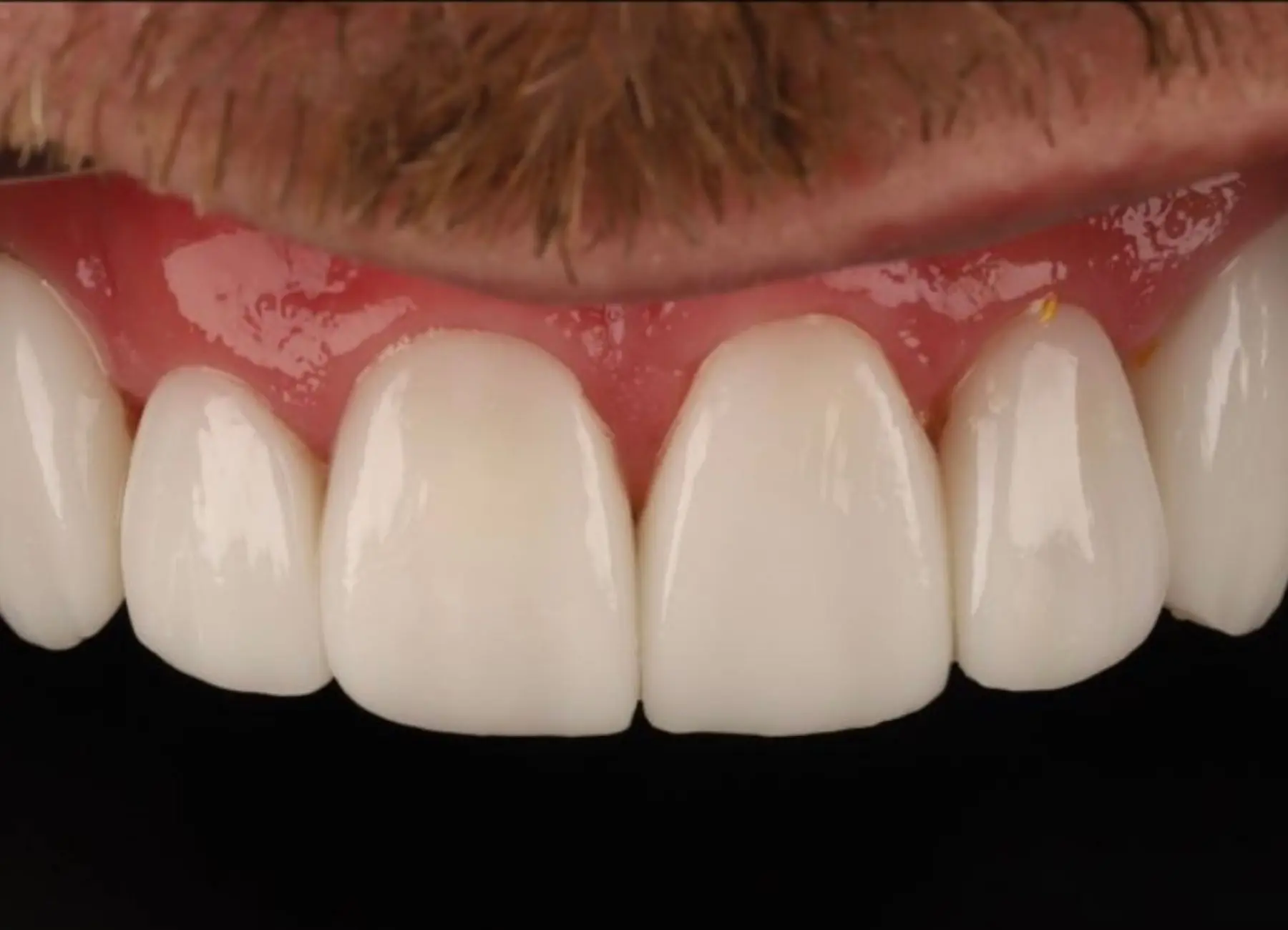
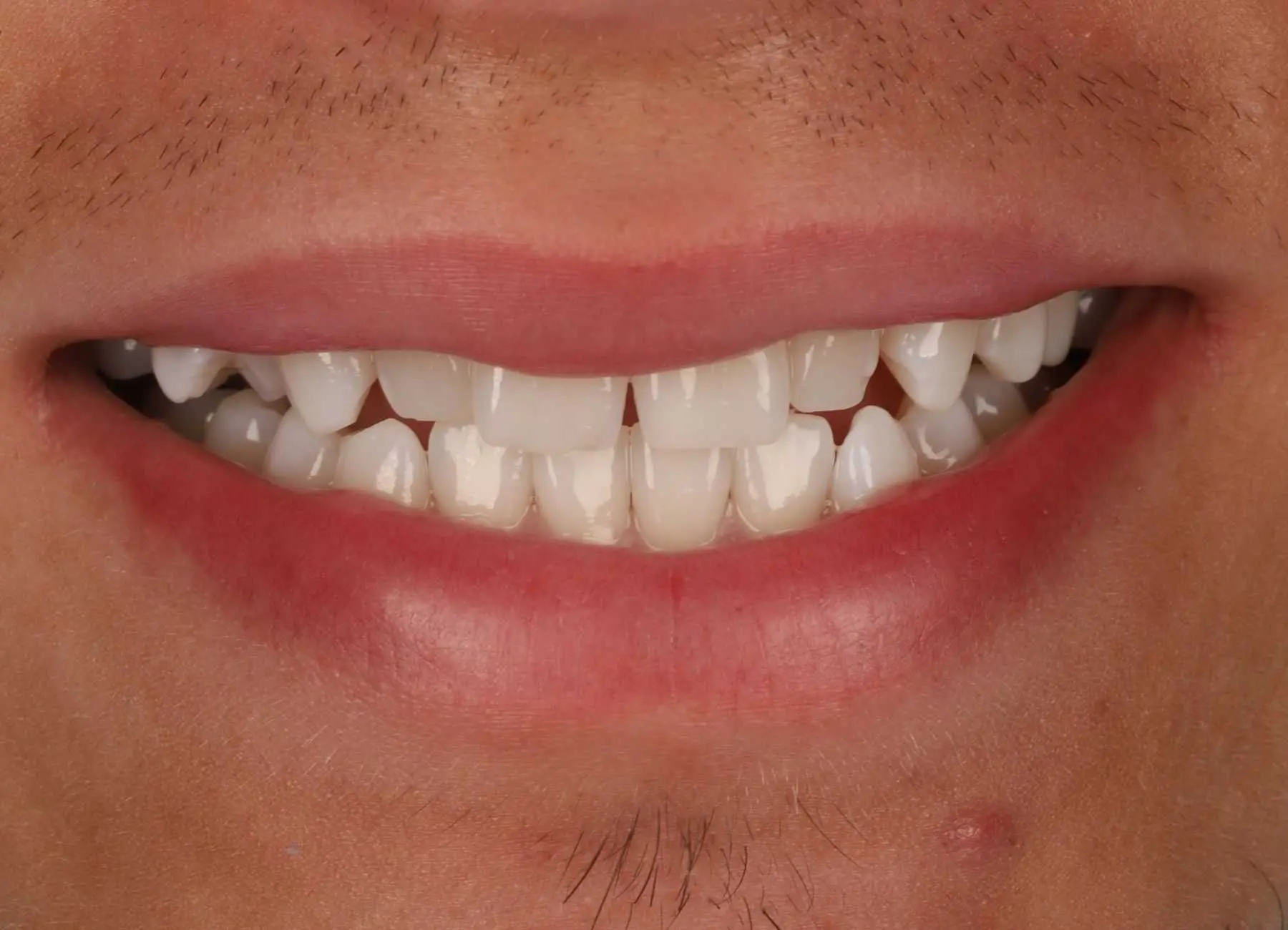
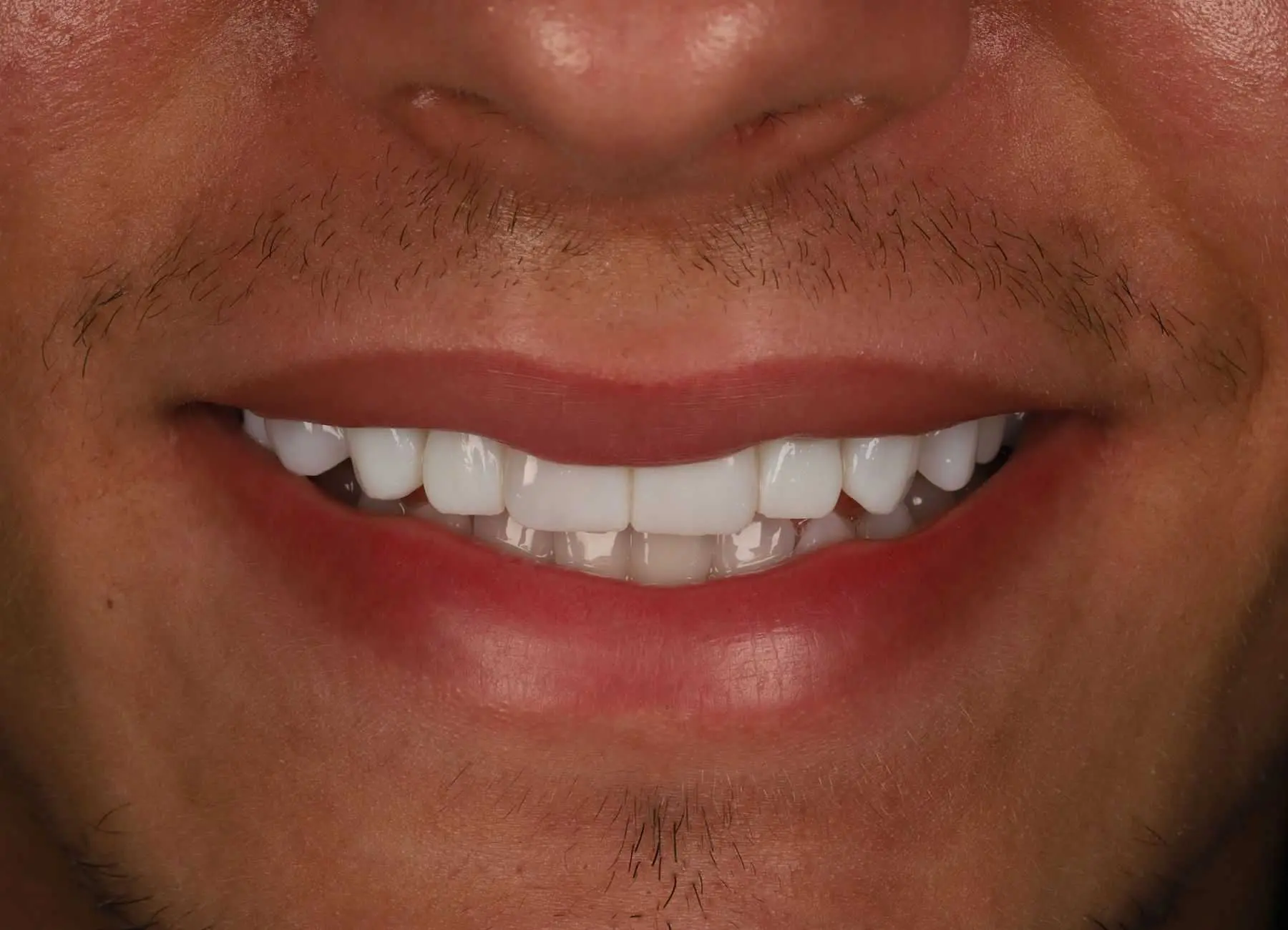
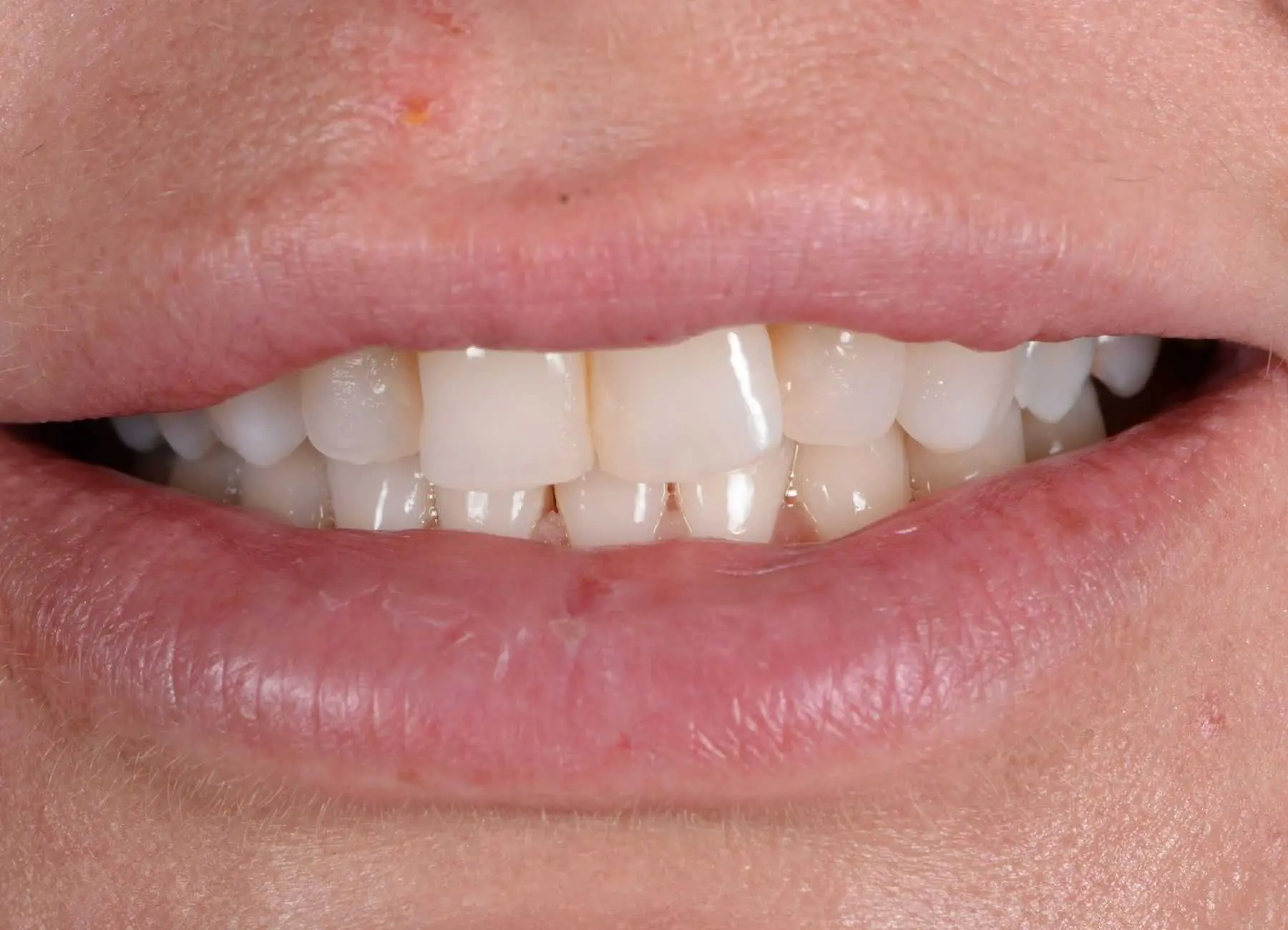
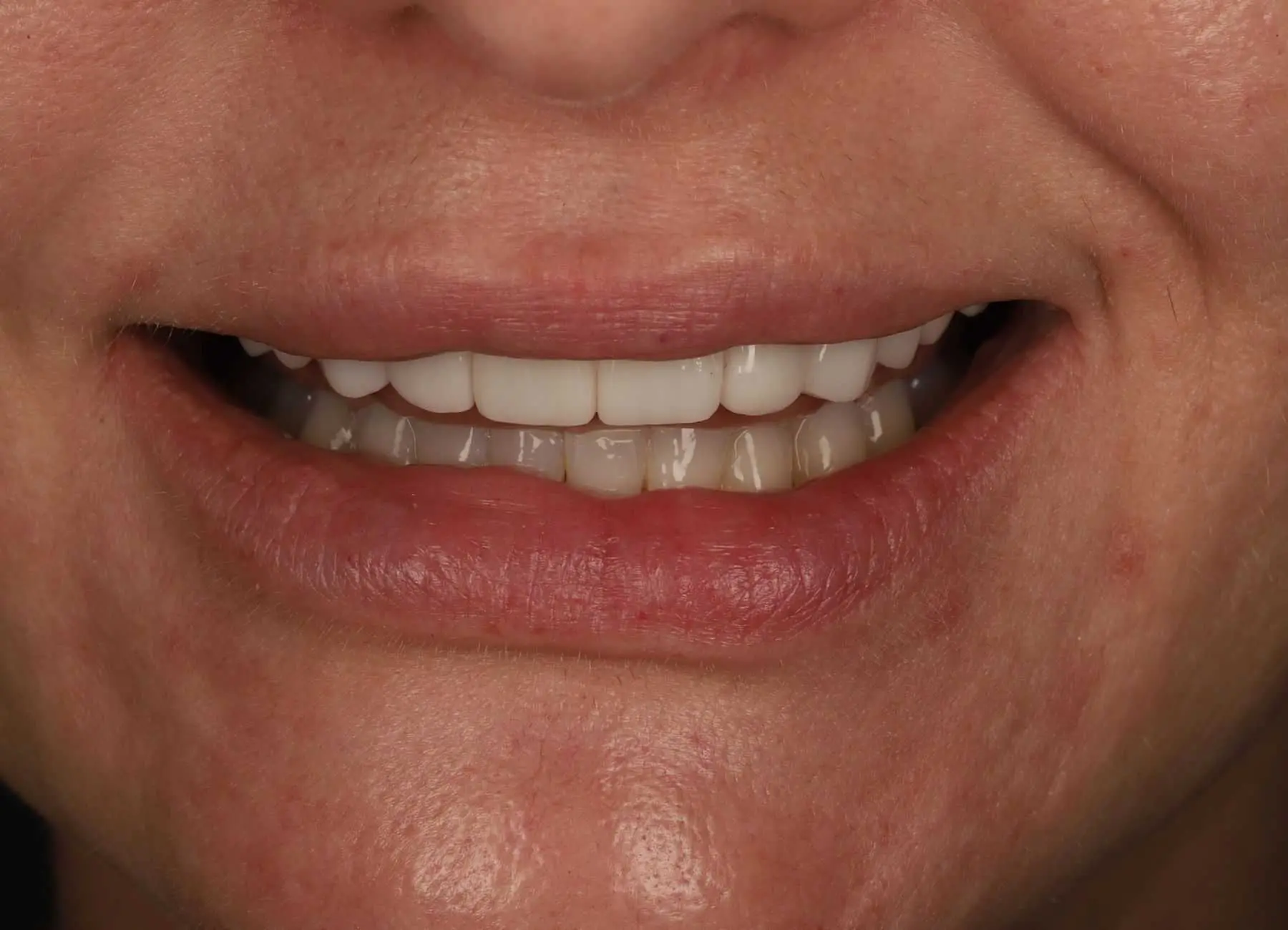
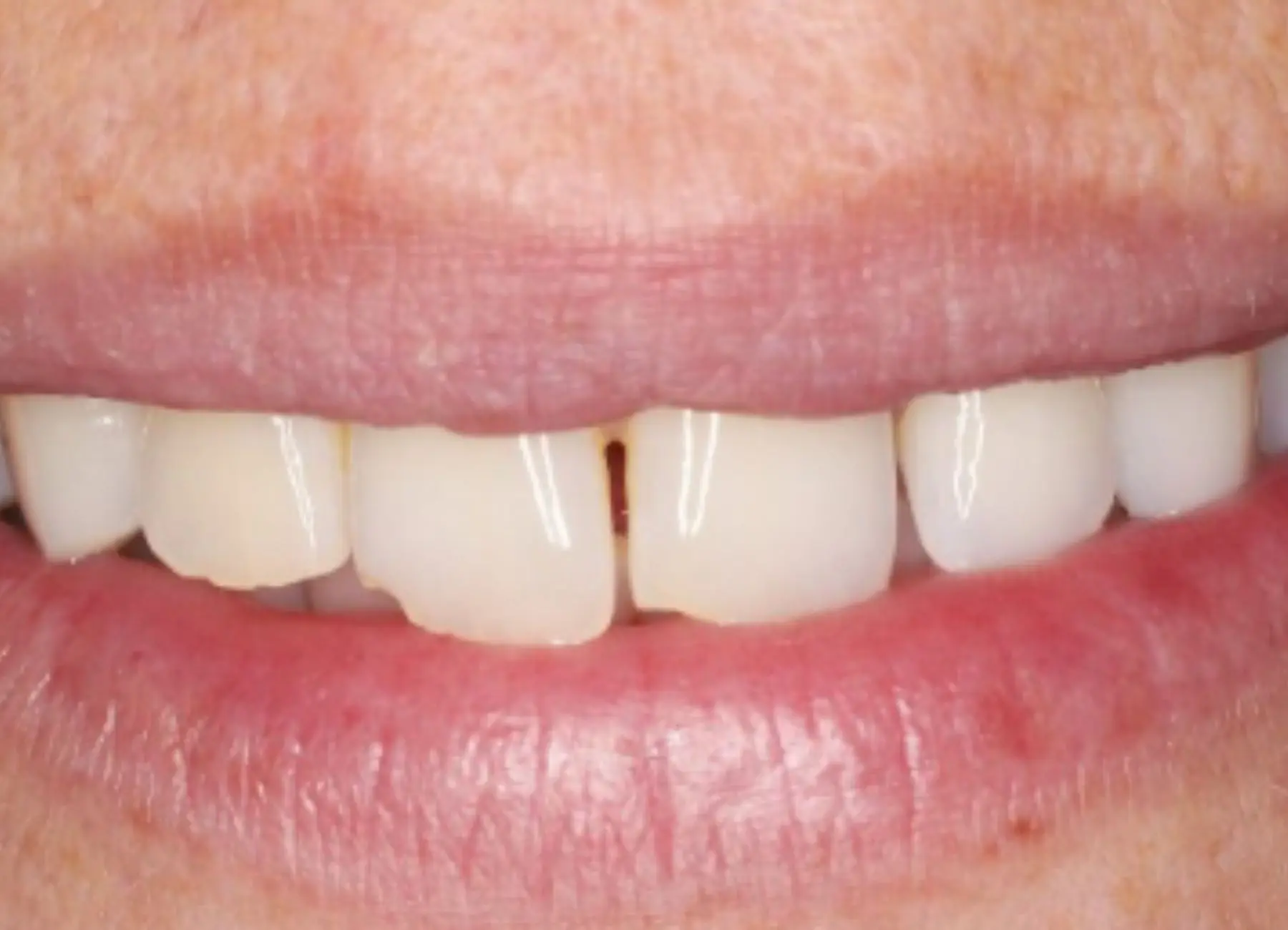
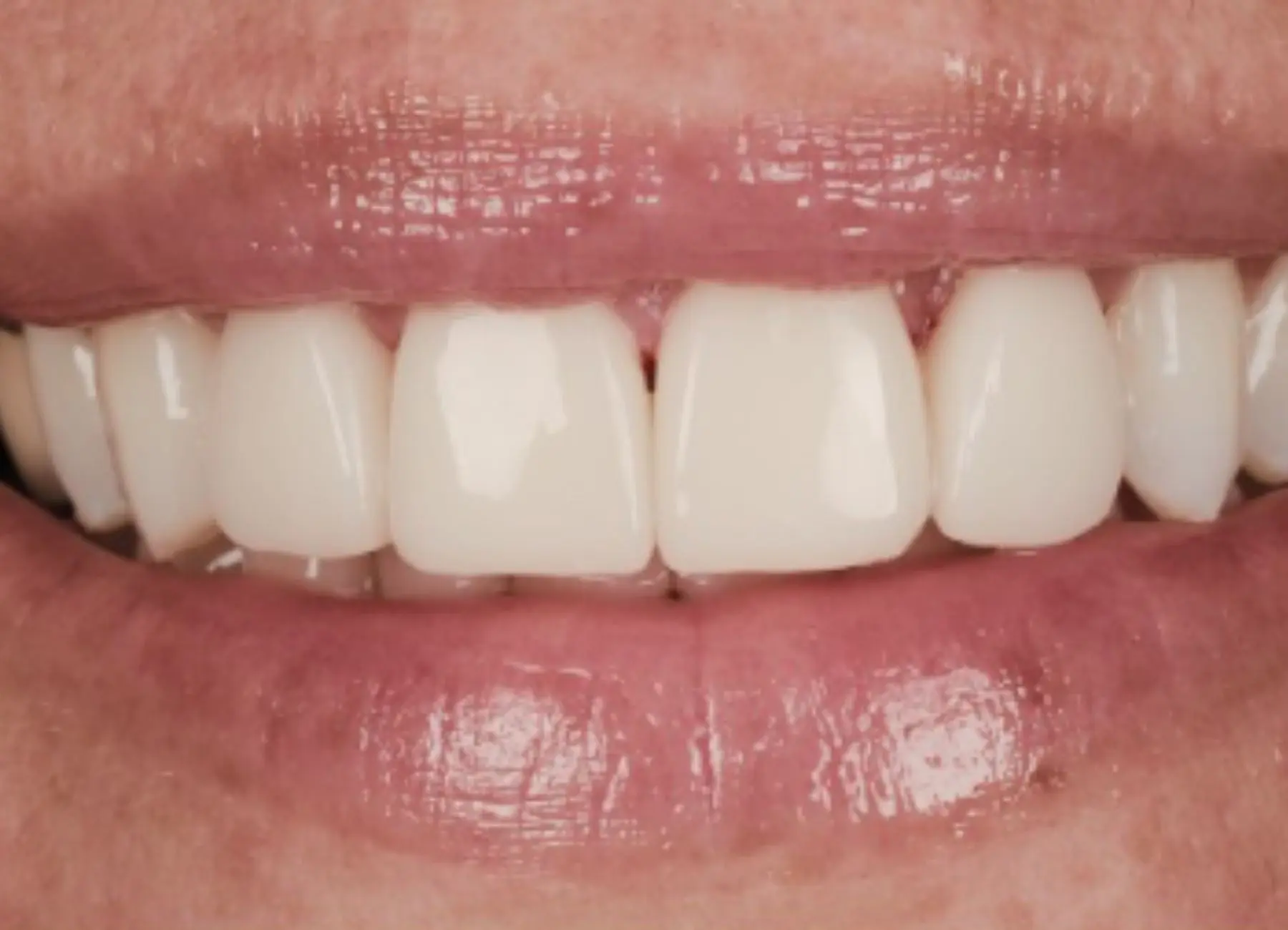
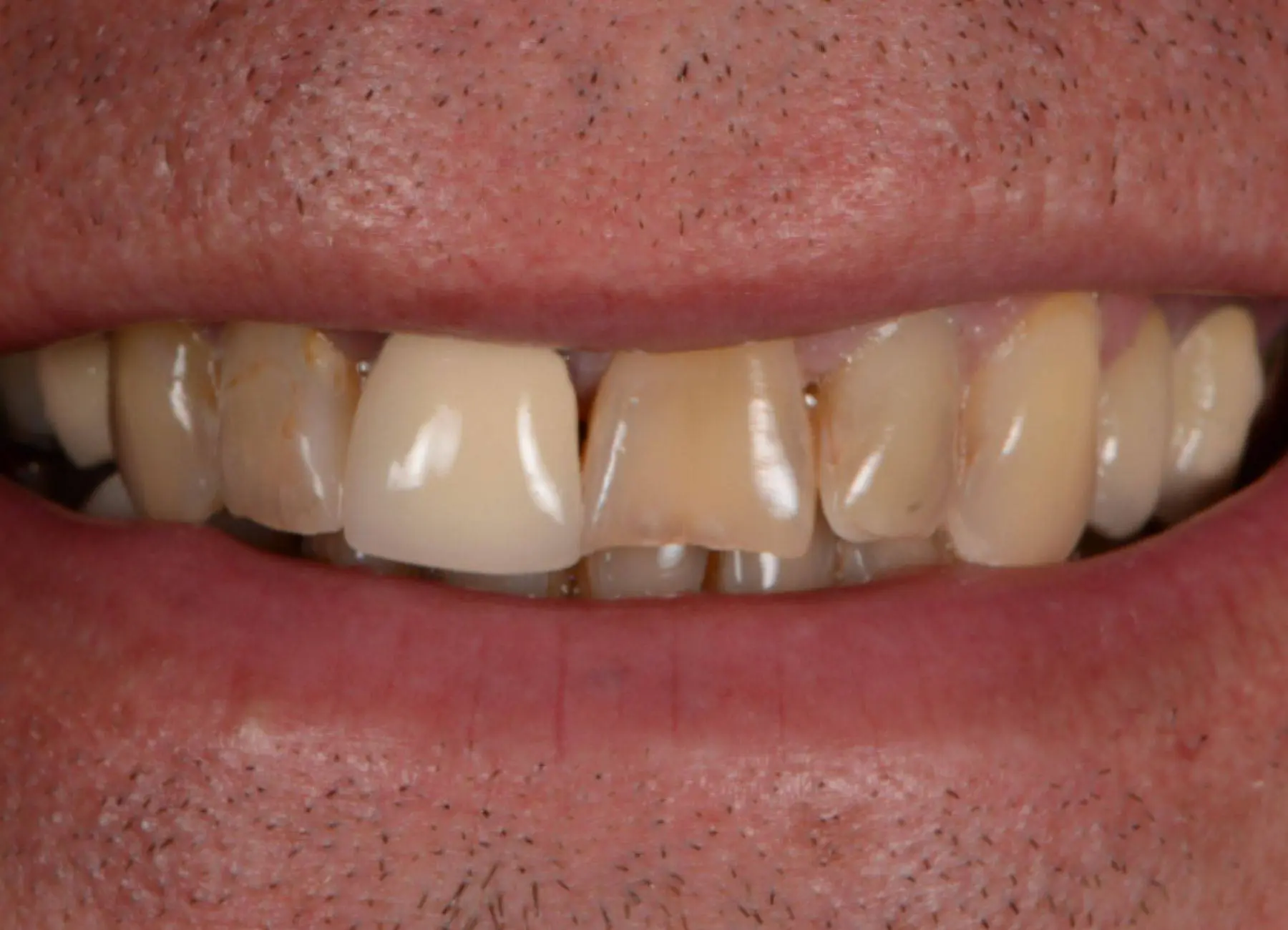
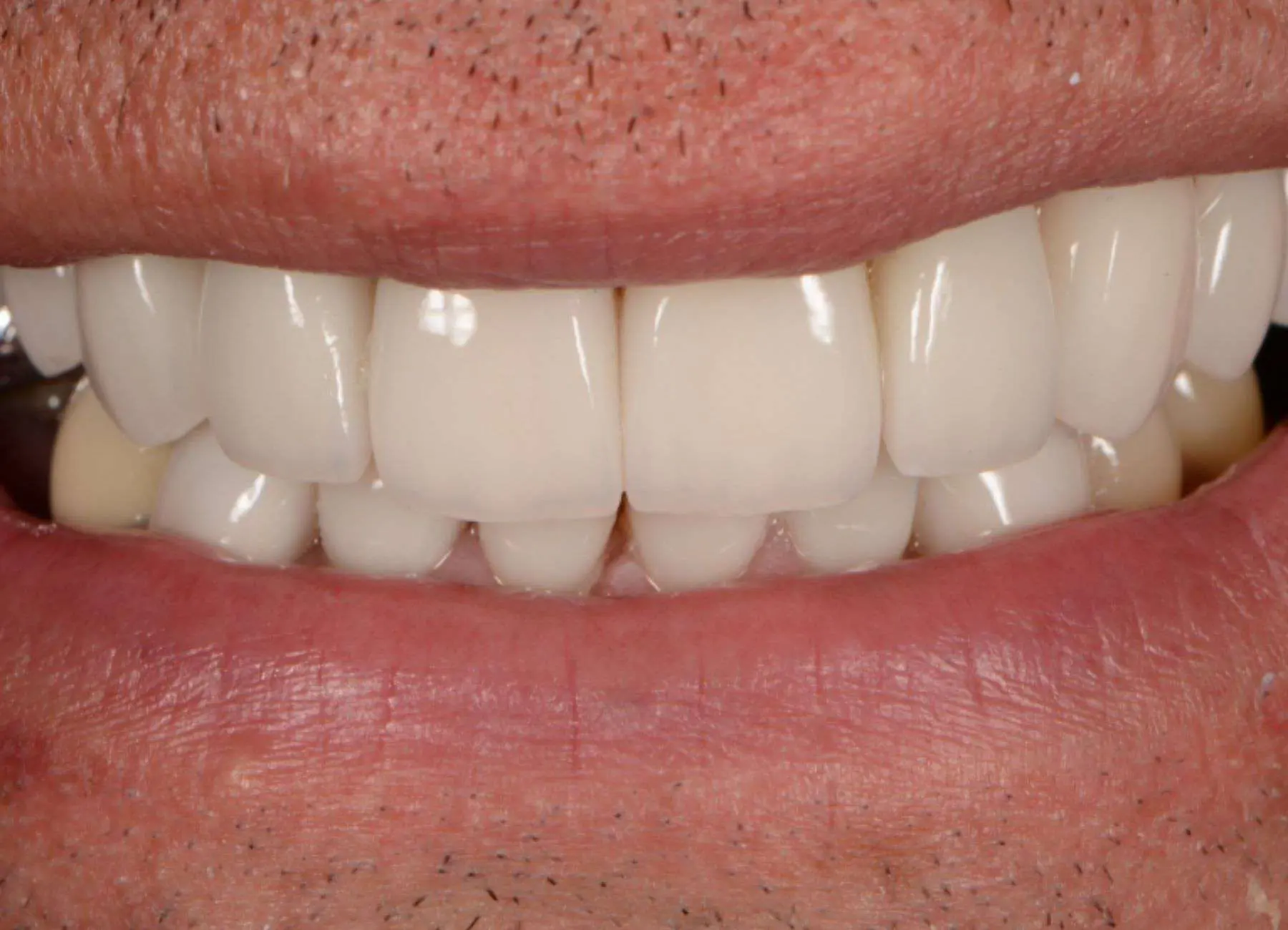
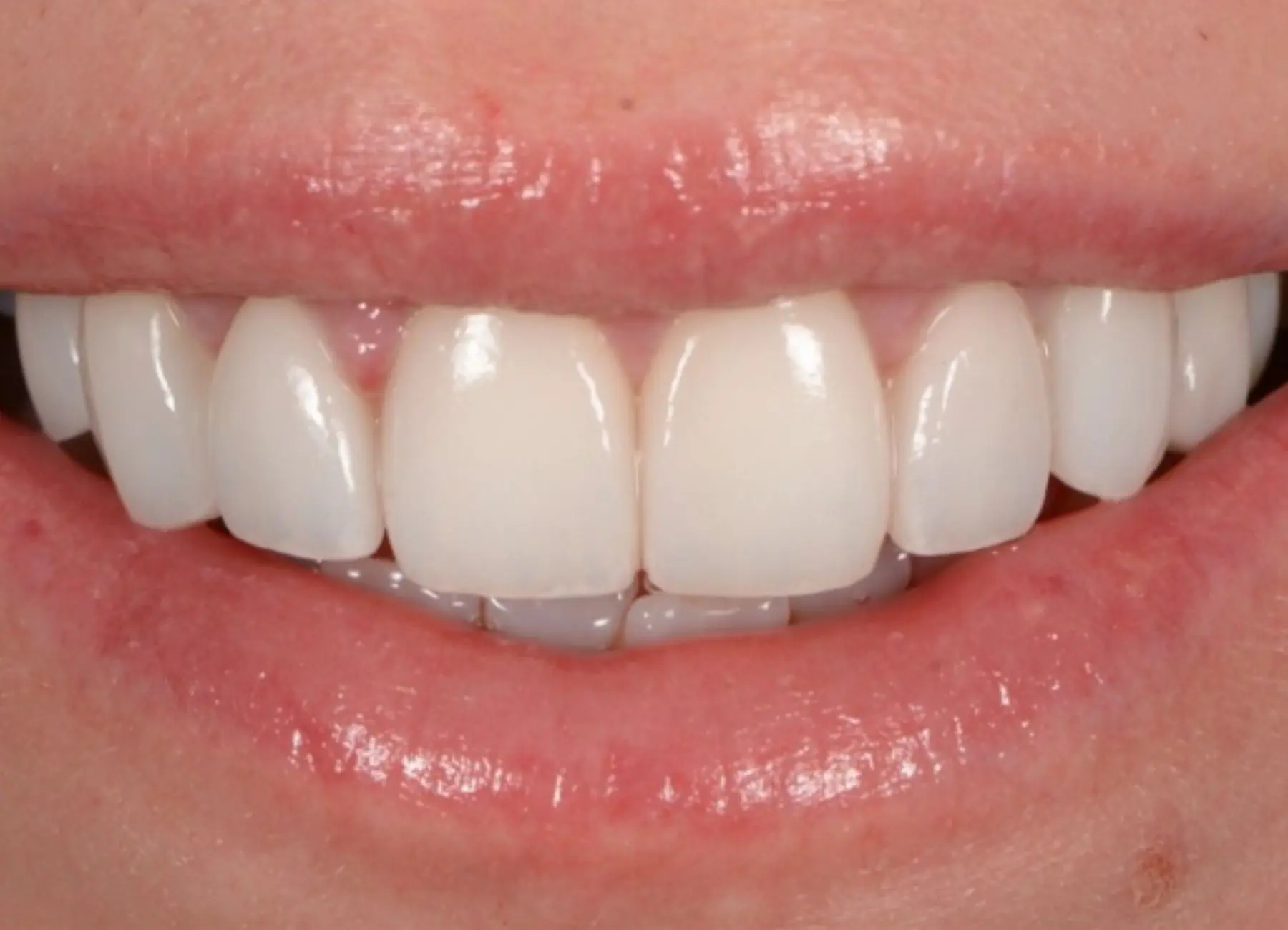
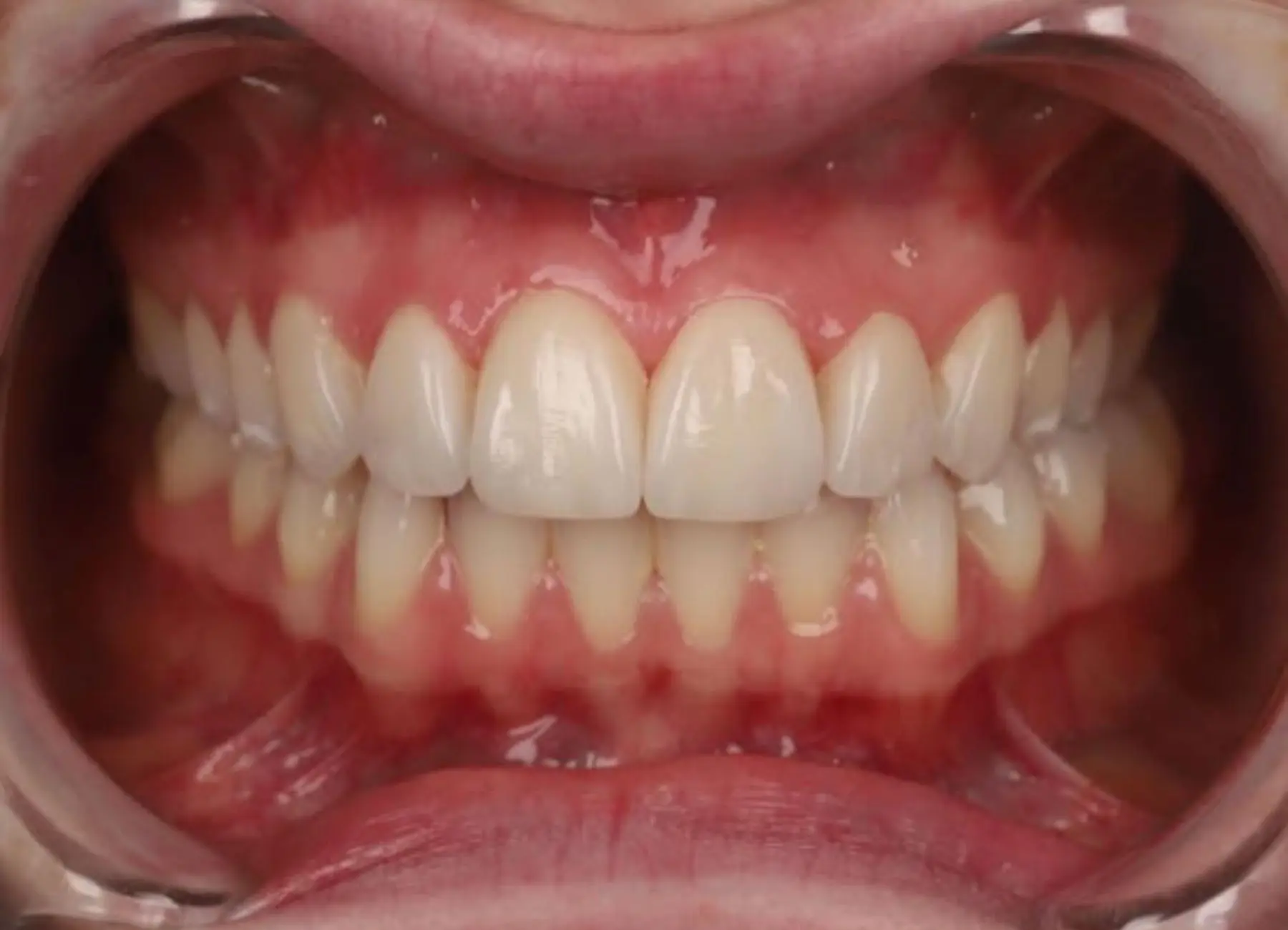
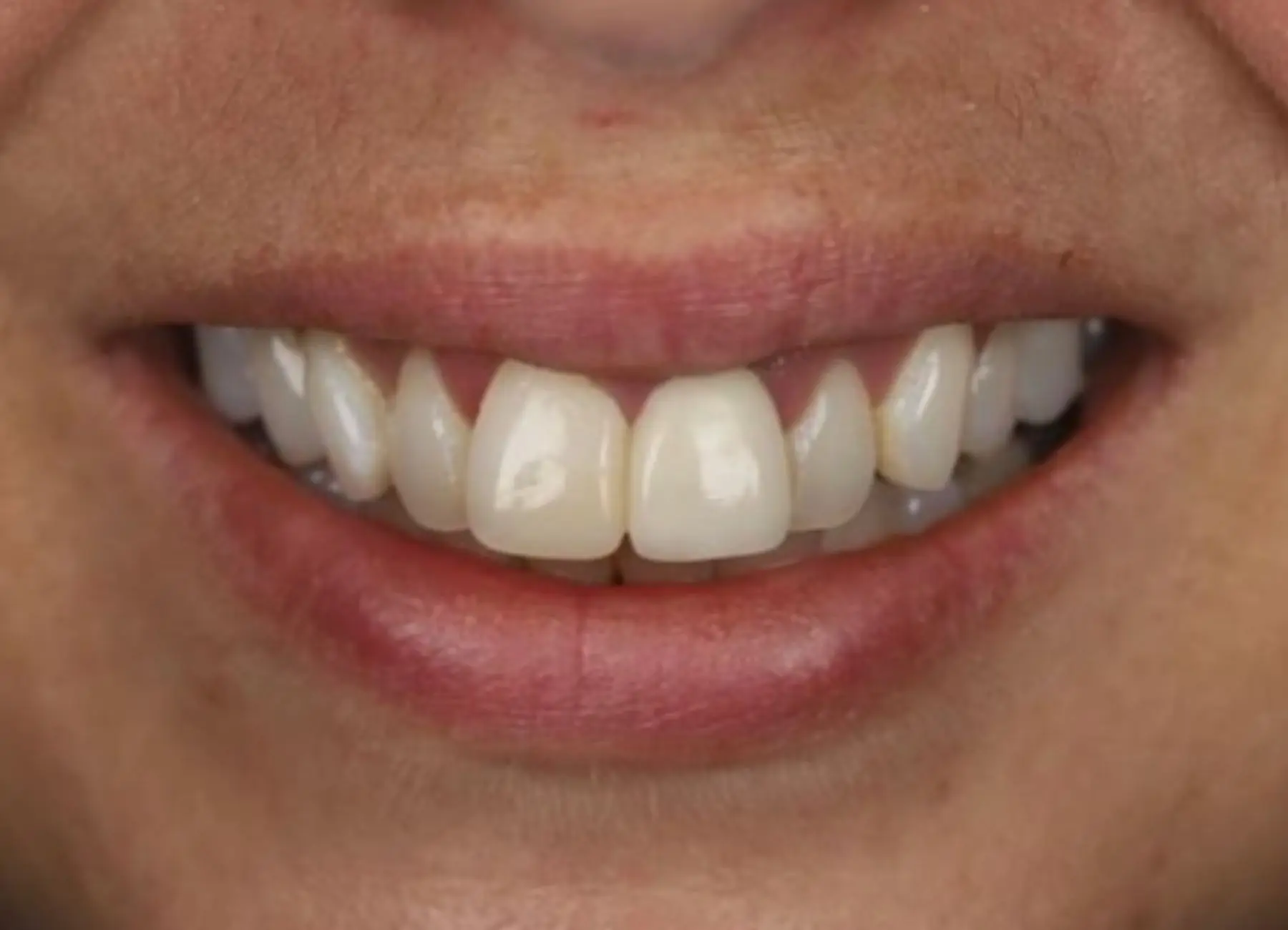
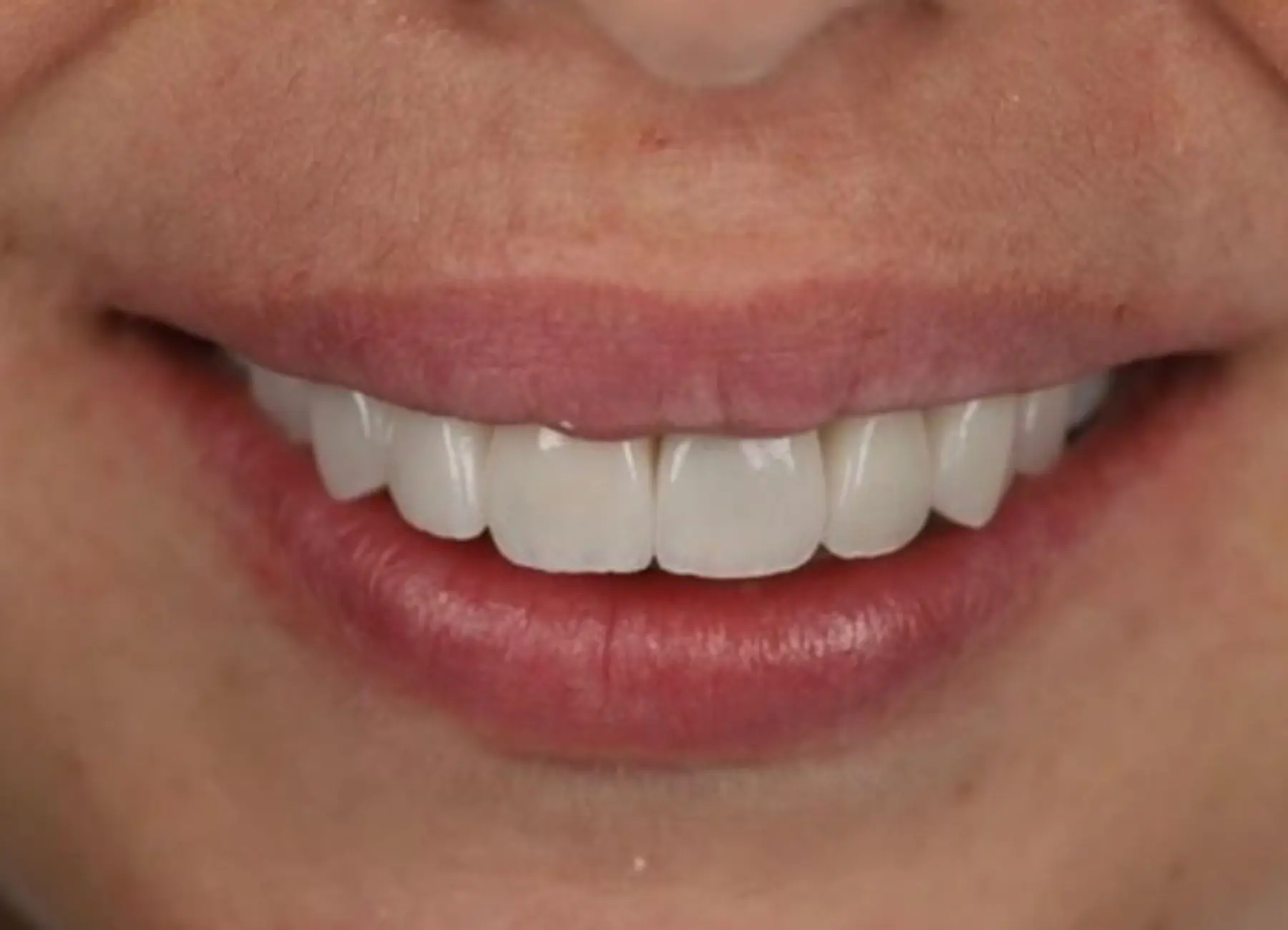
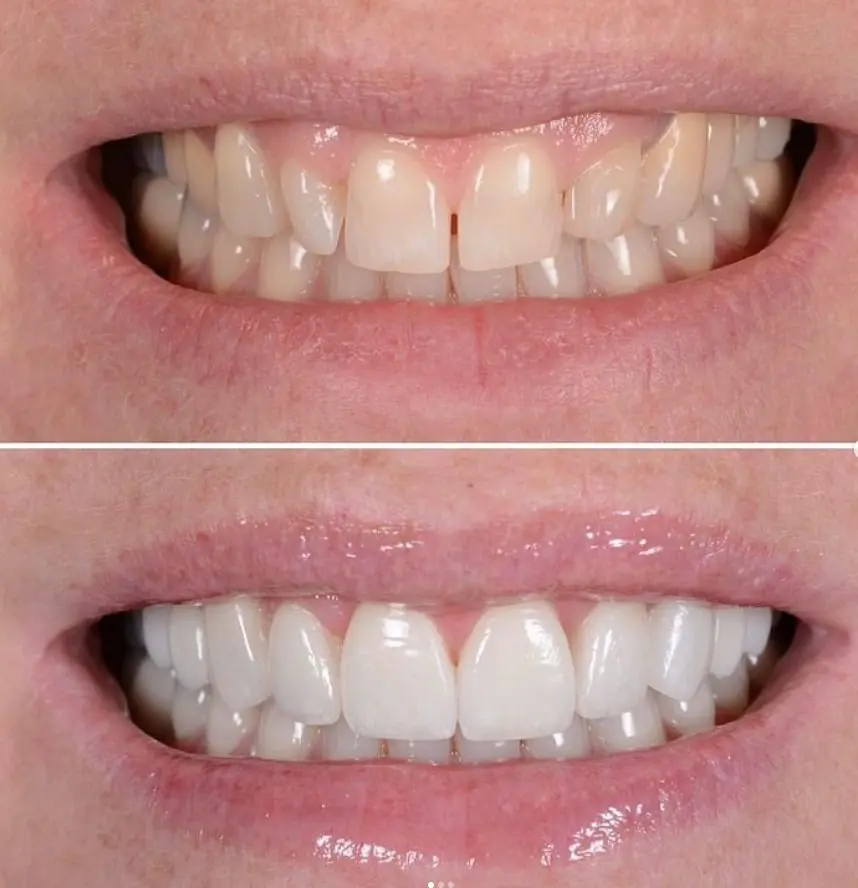
Results achieved in one appointment.
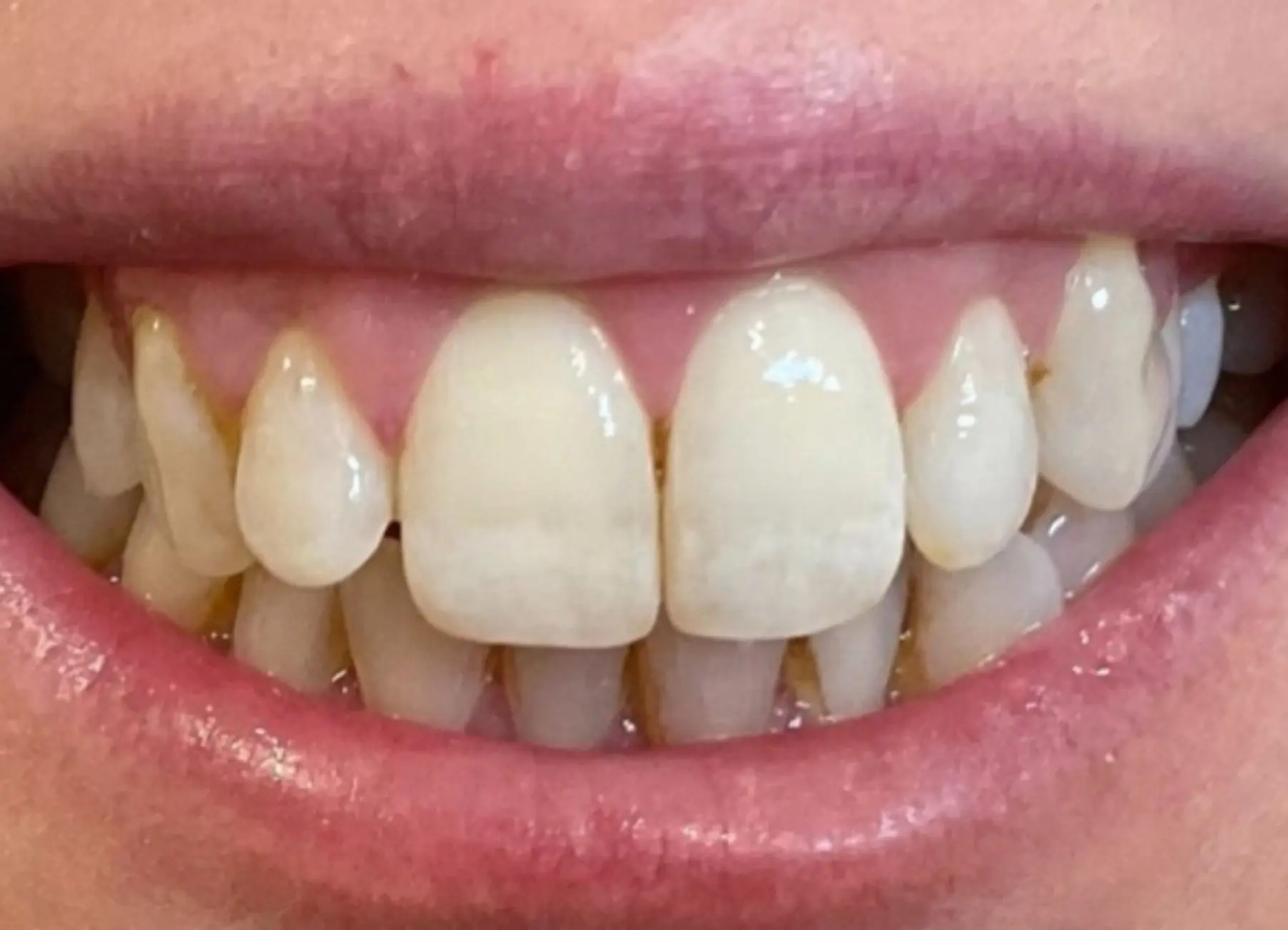
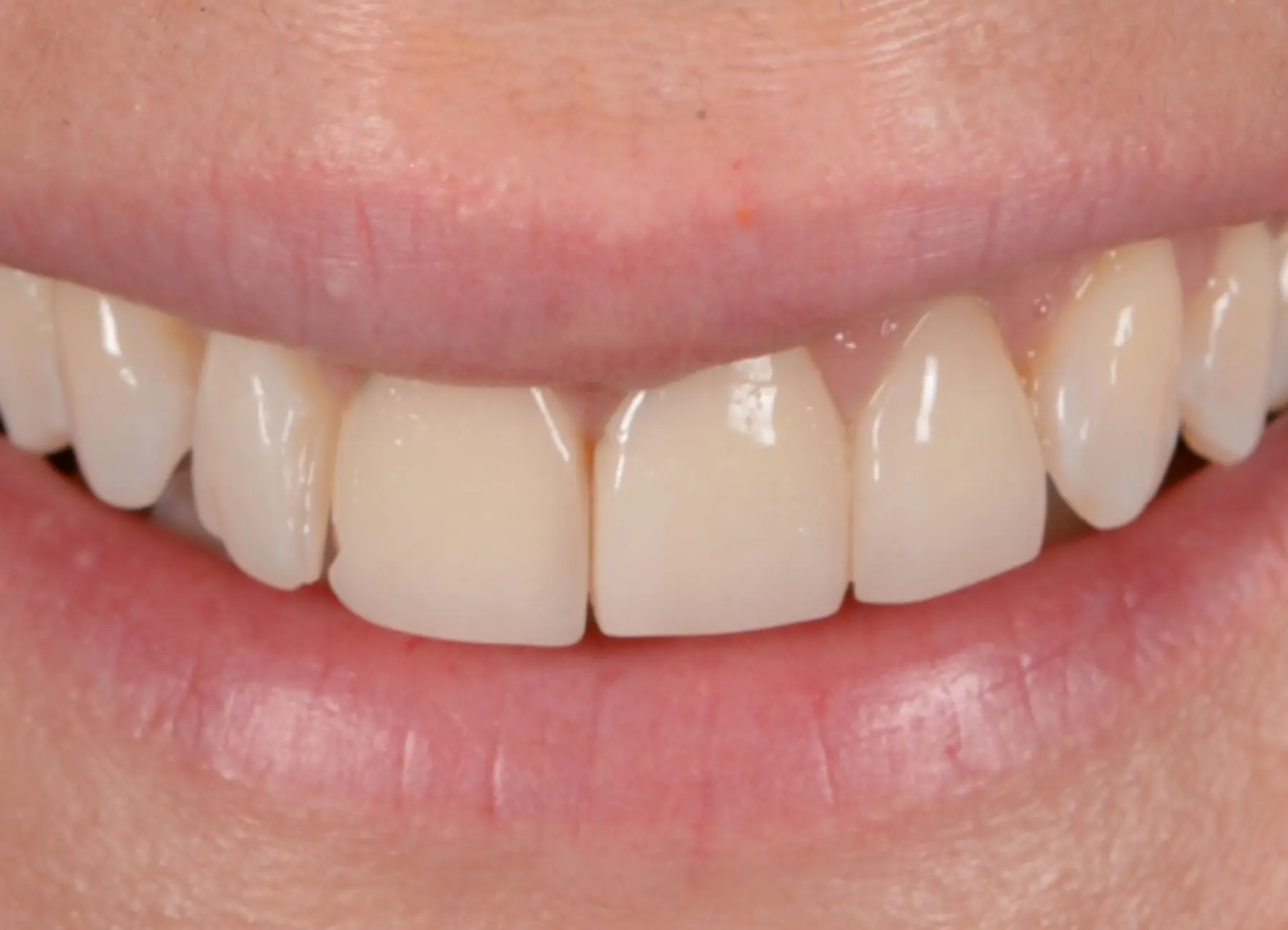
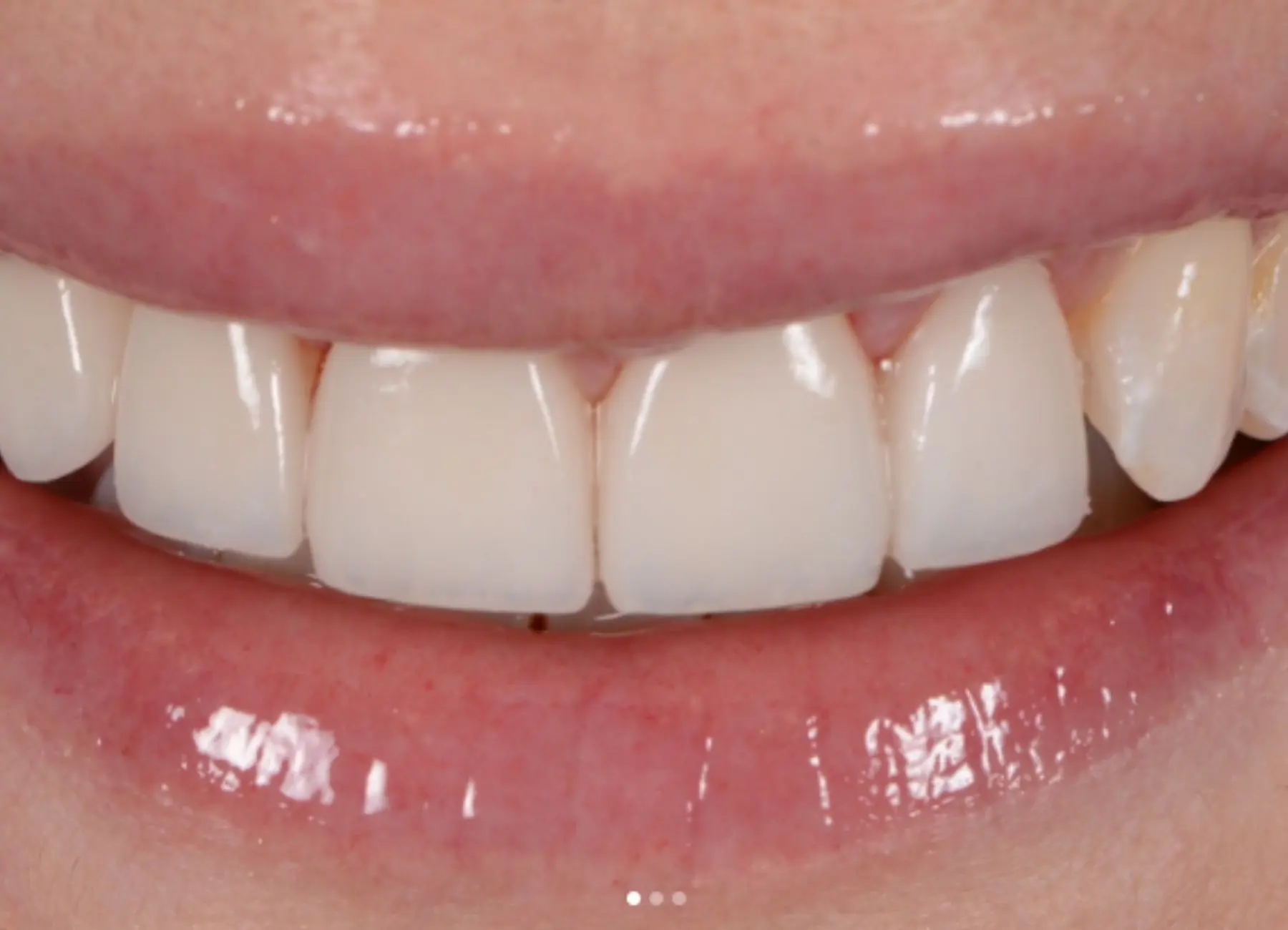
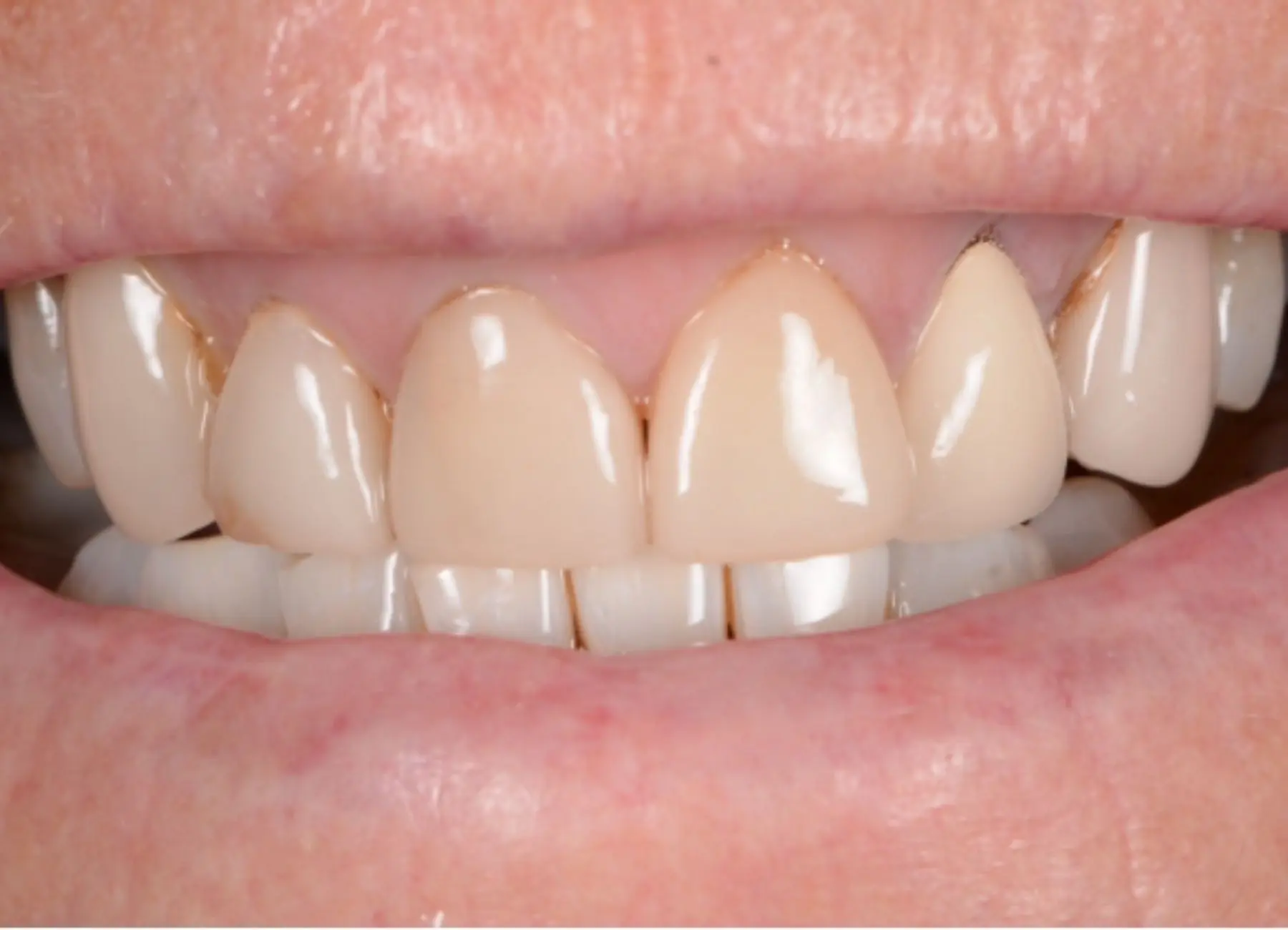
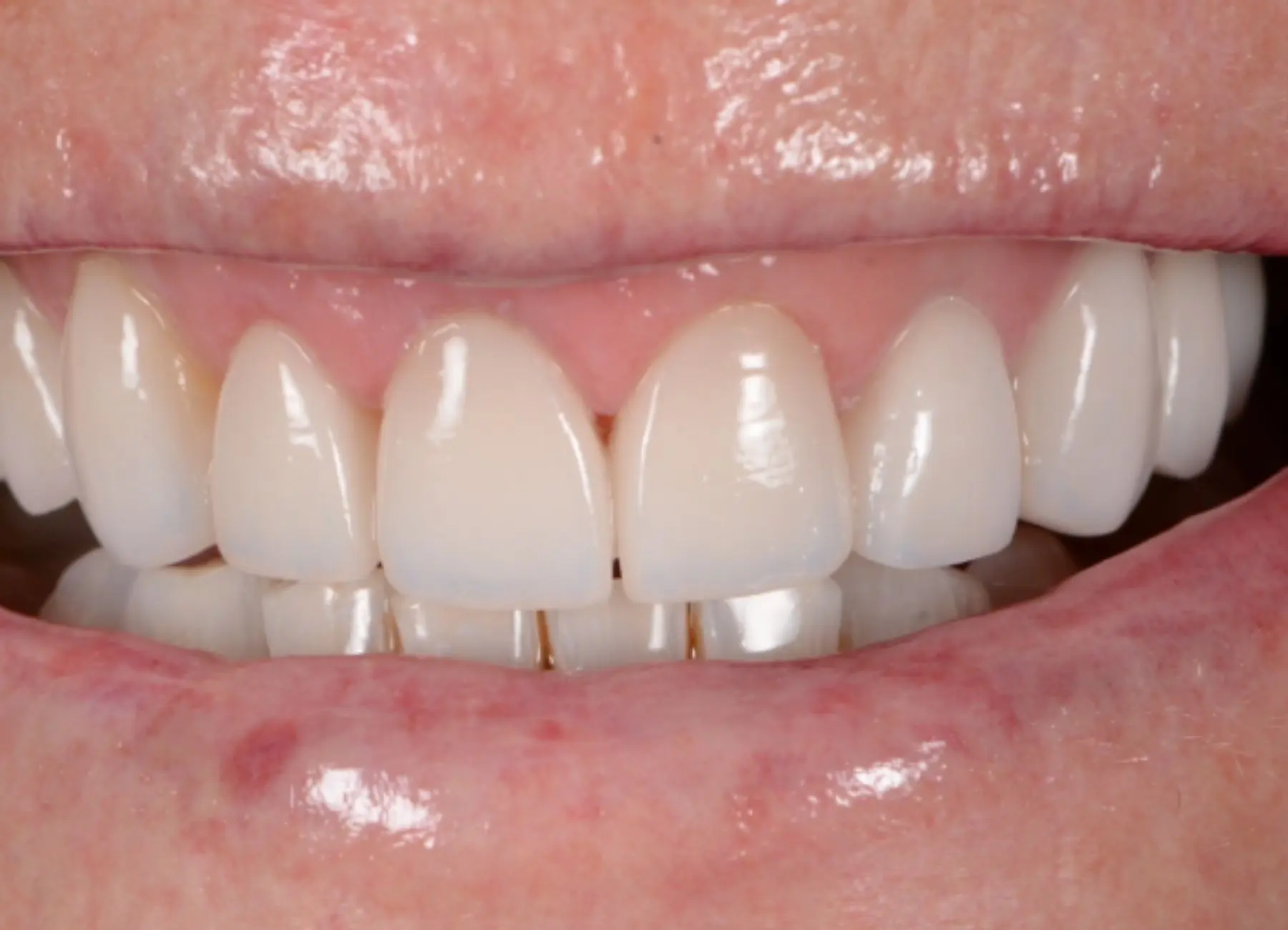
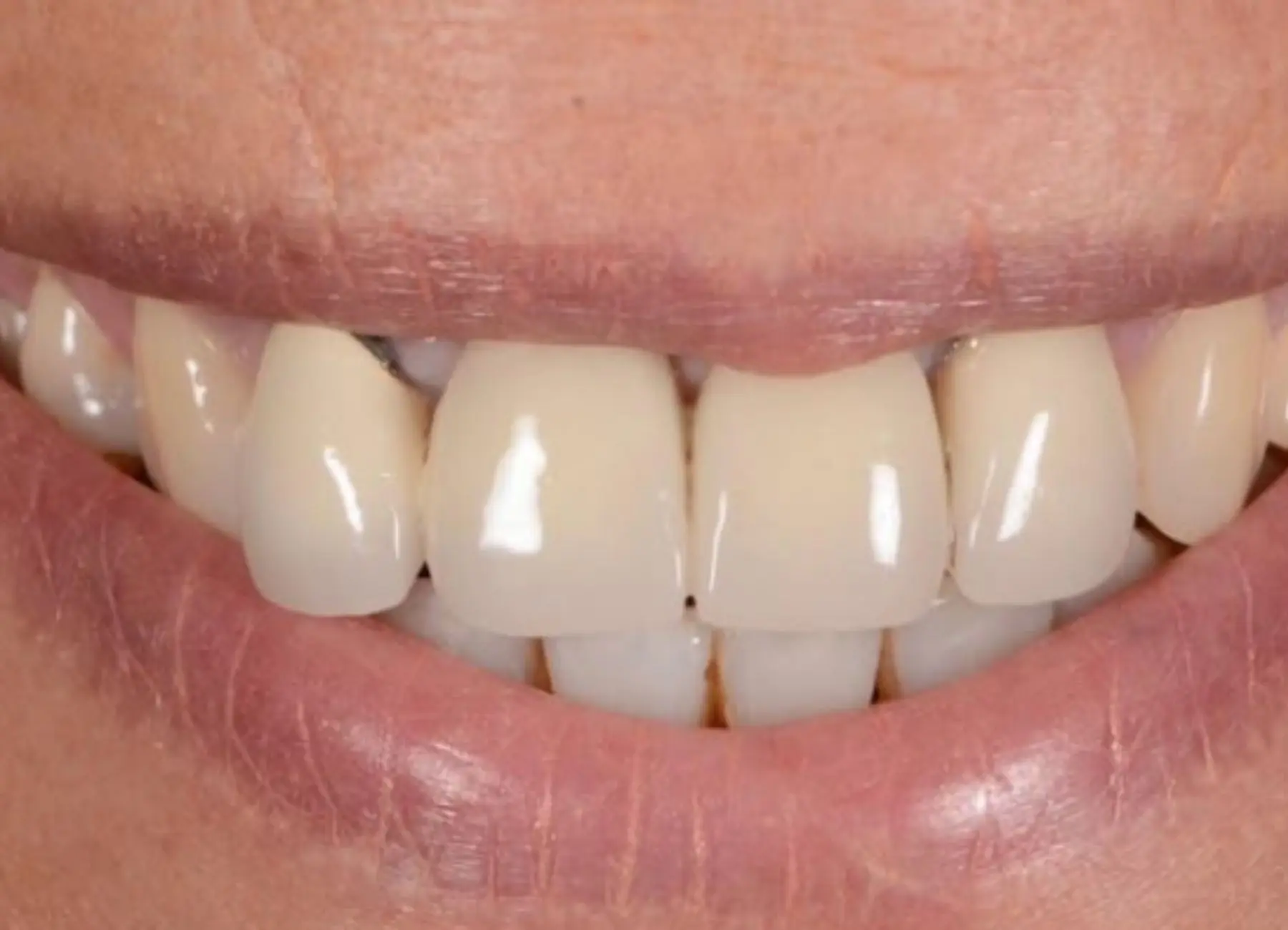
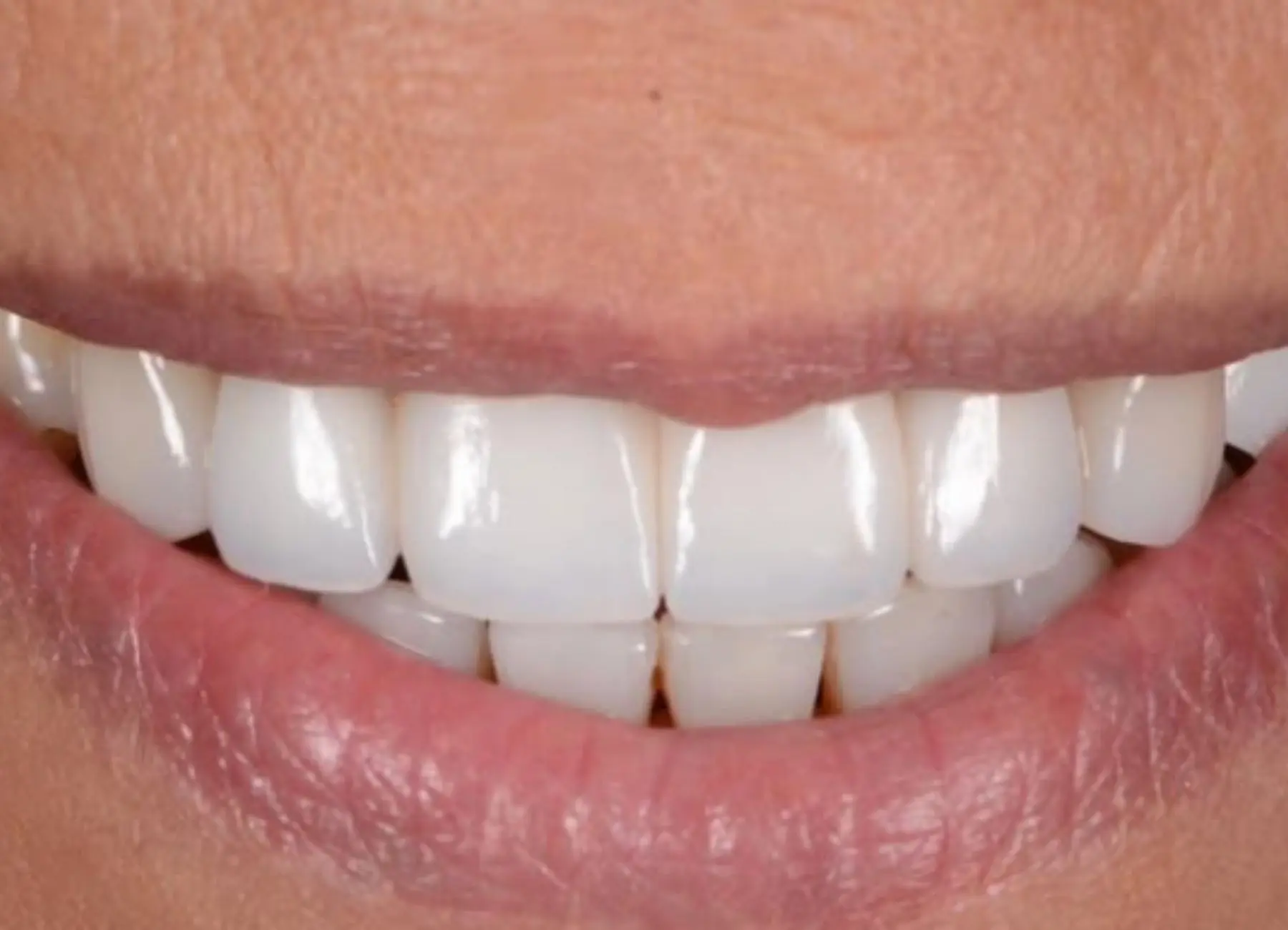
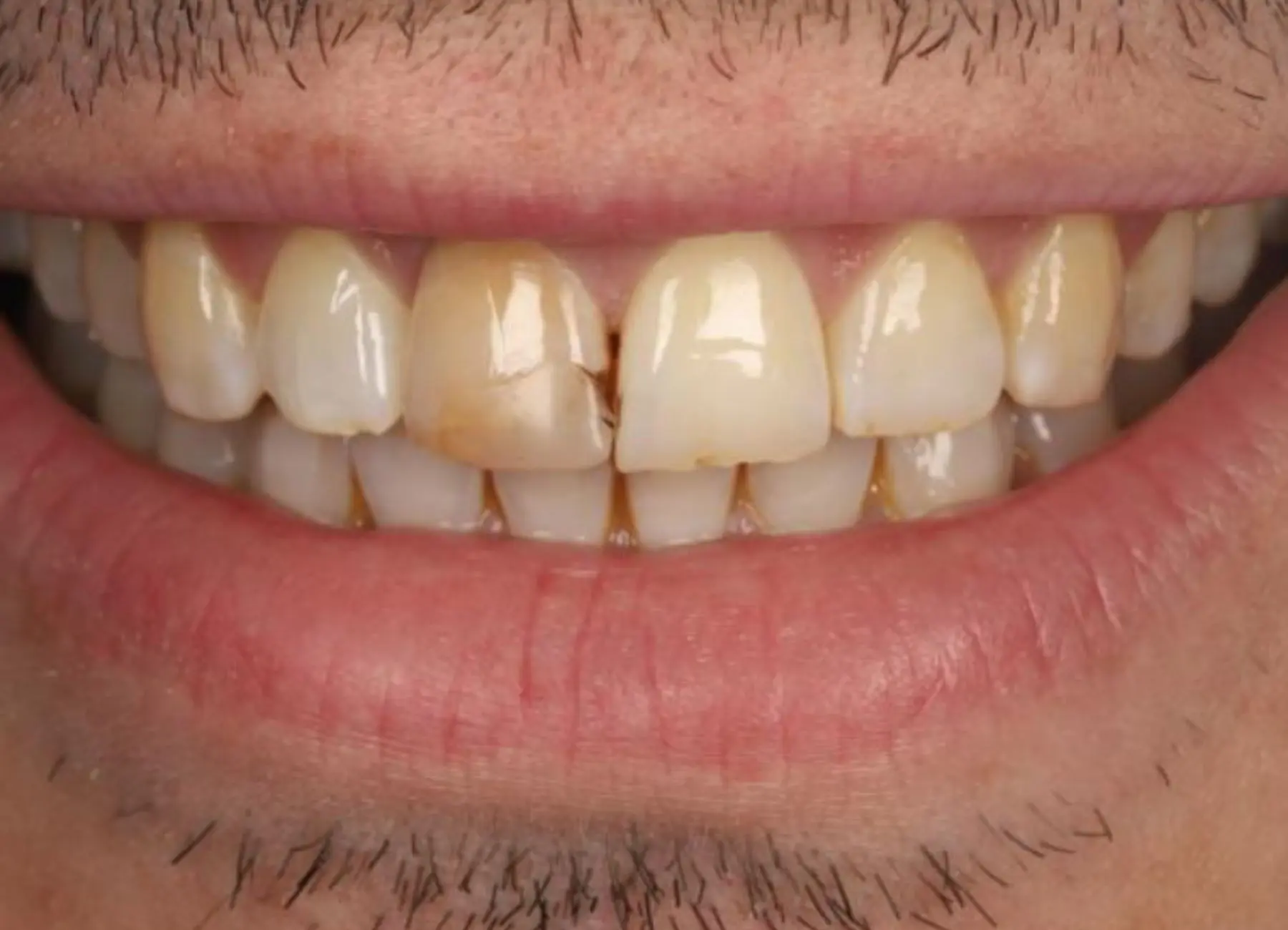
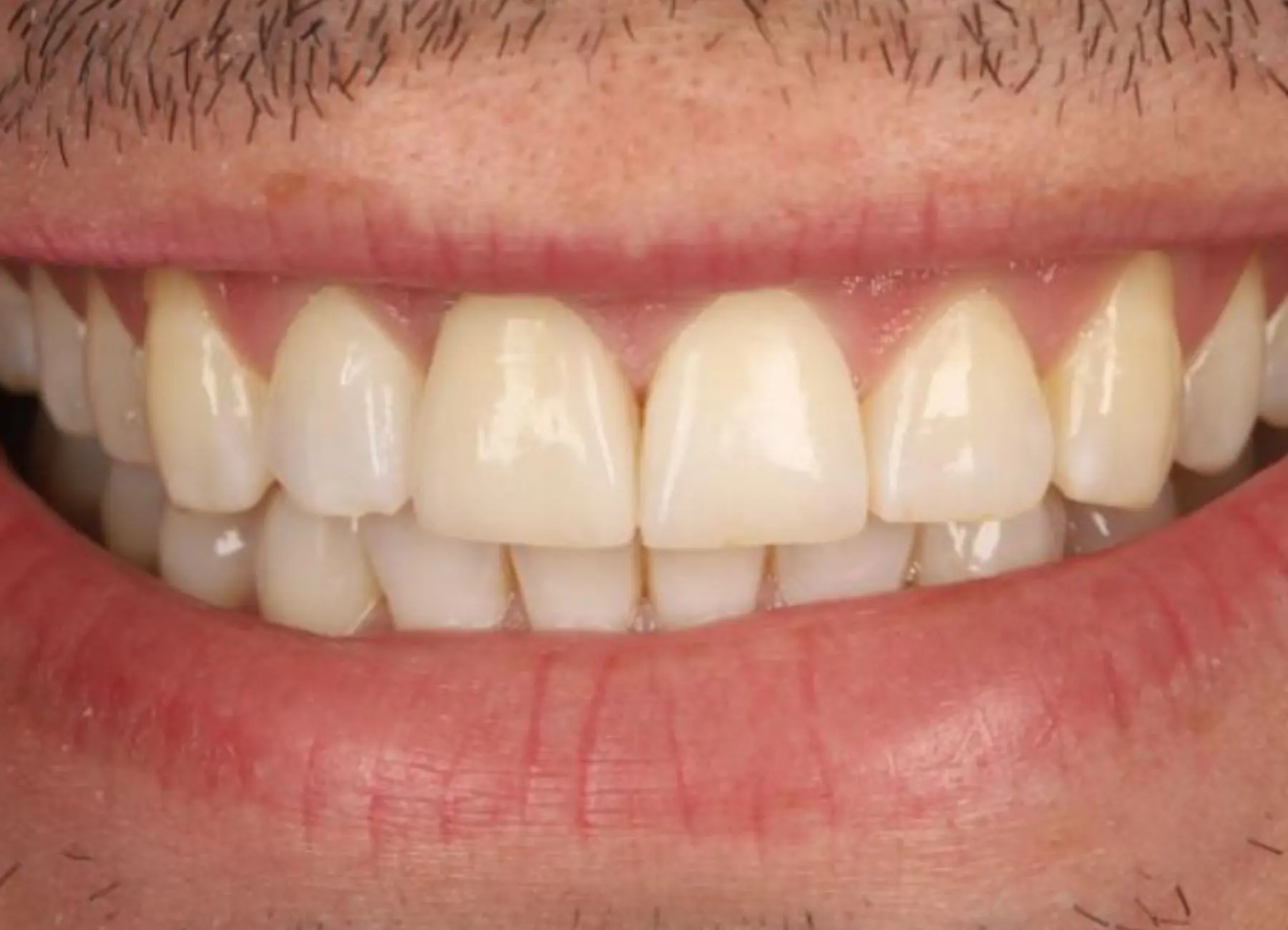
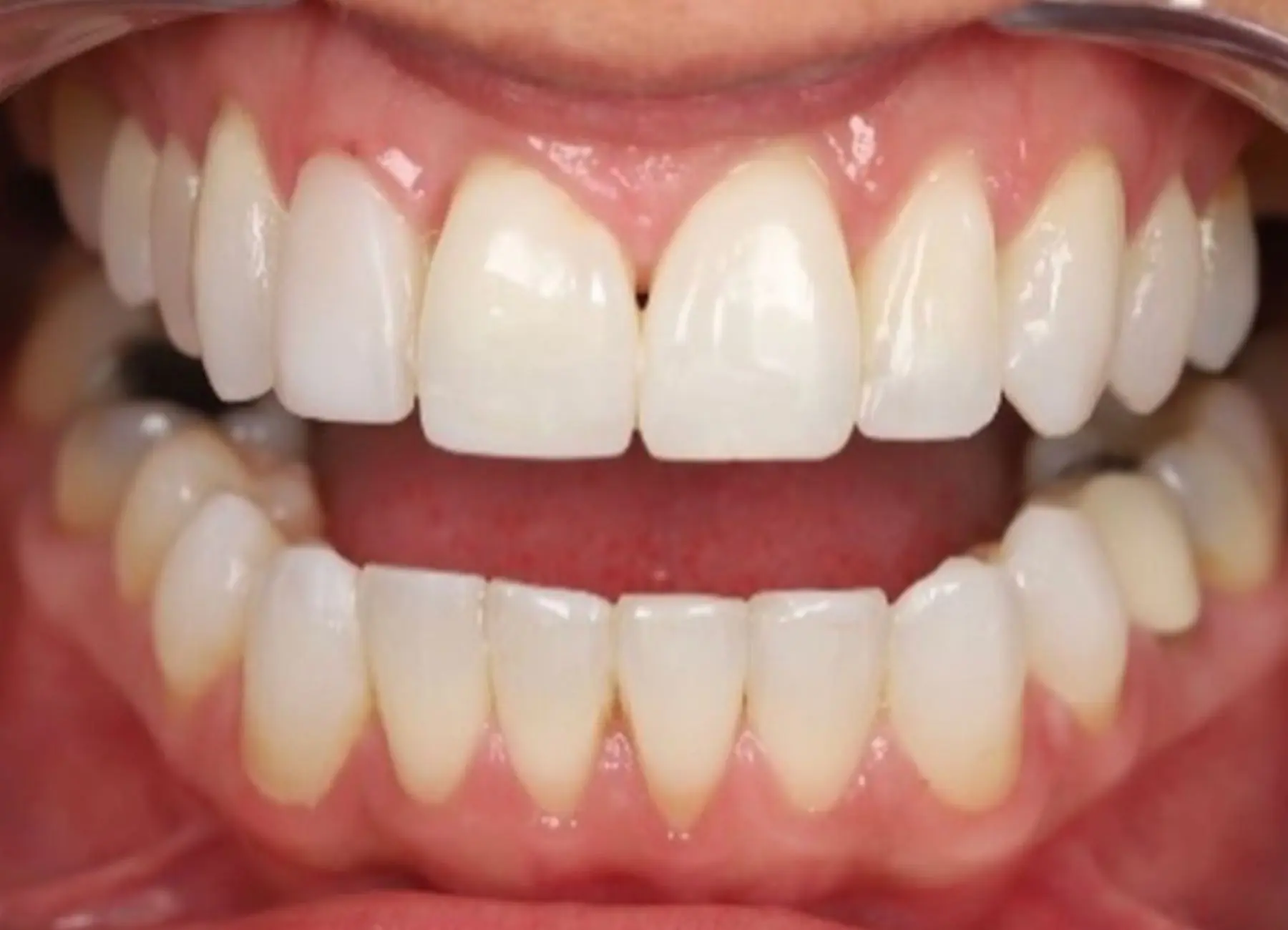
Composite veneers offer a fast & simple process
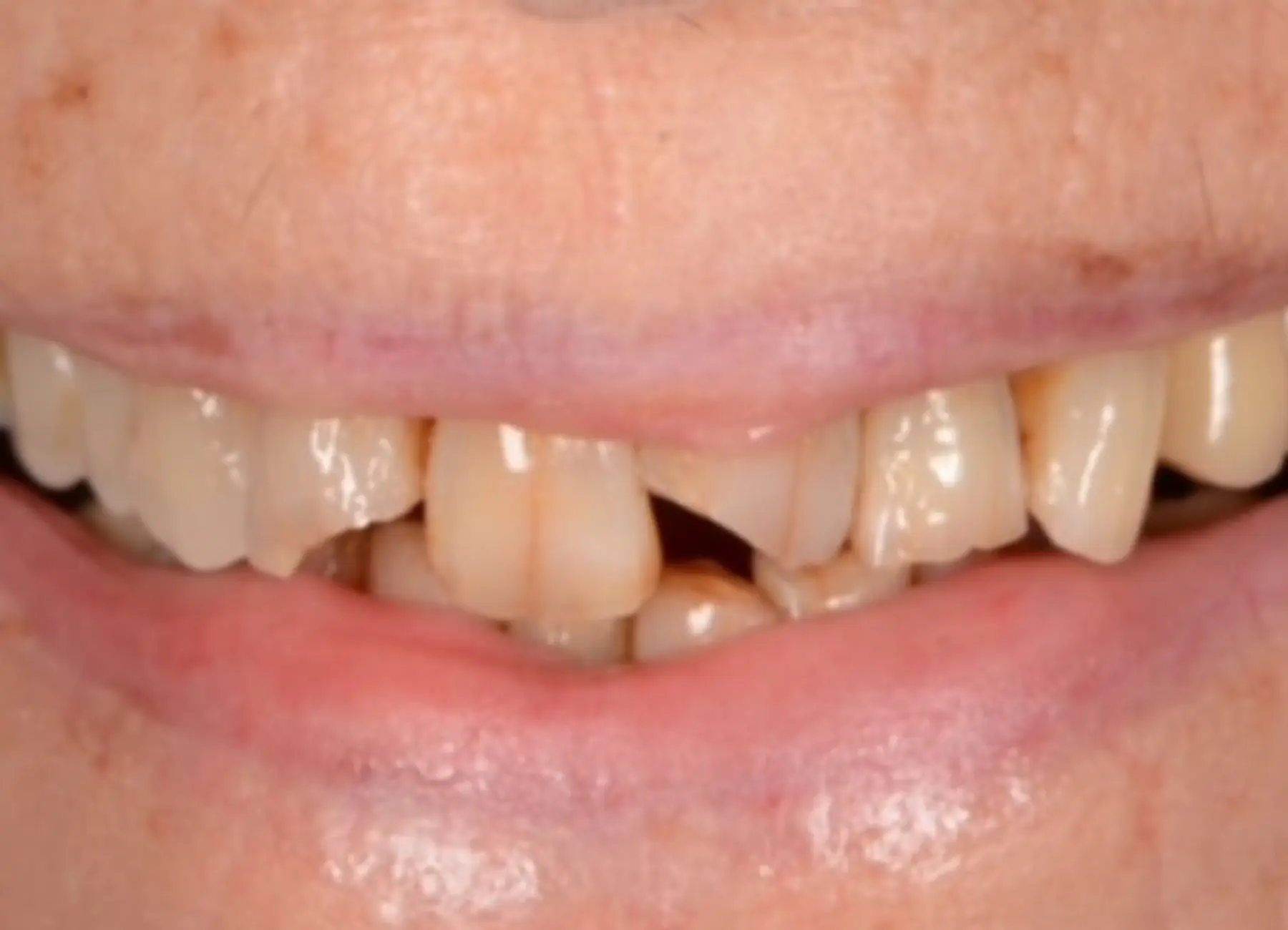
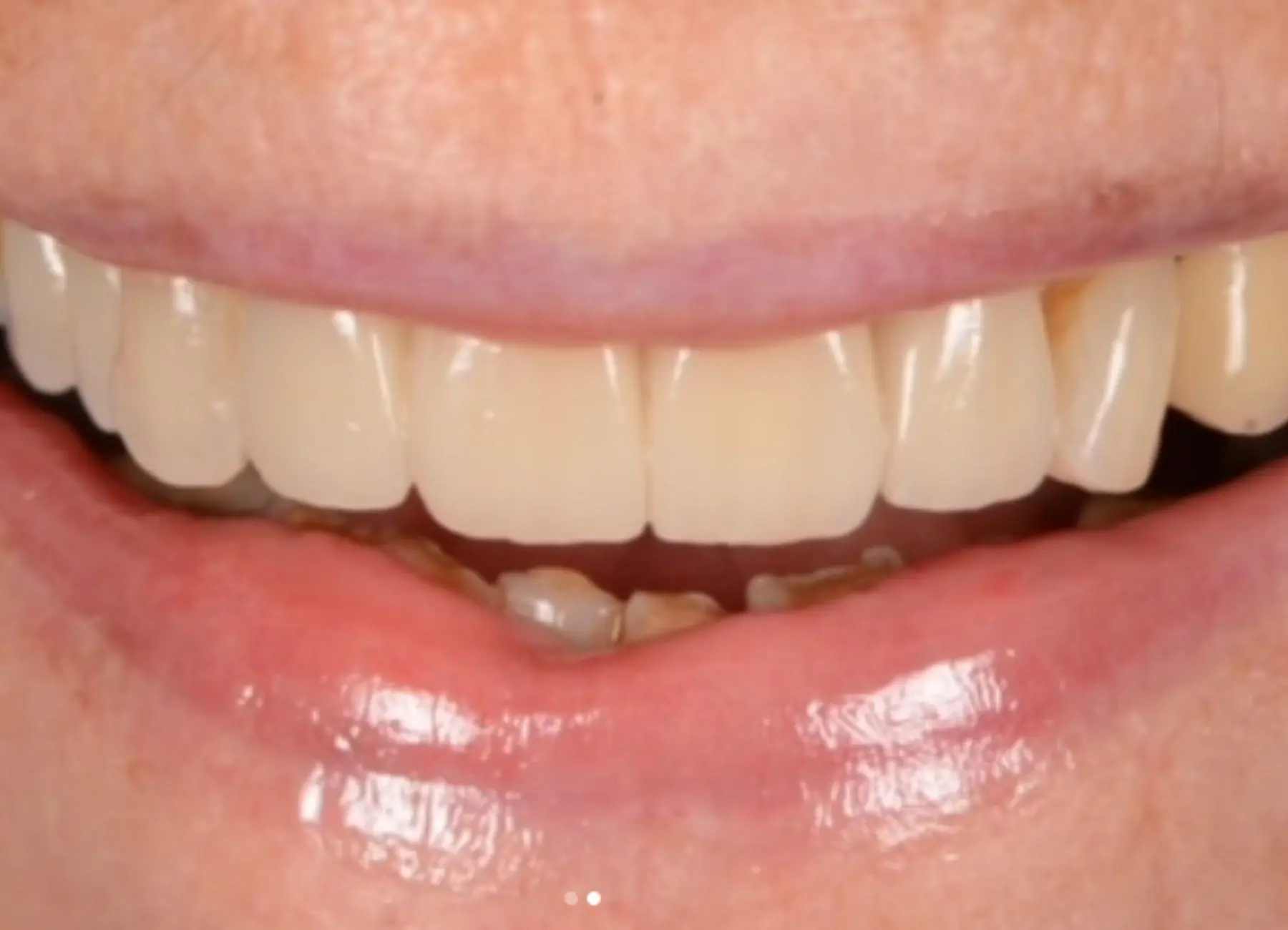
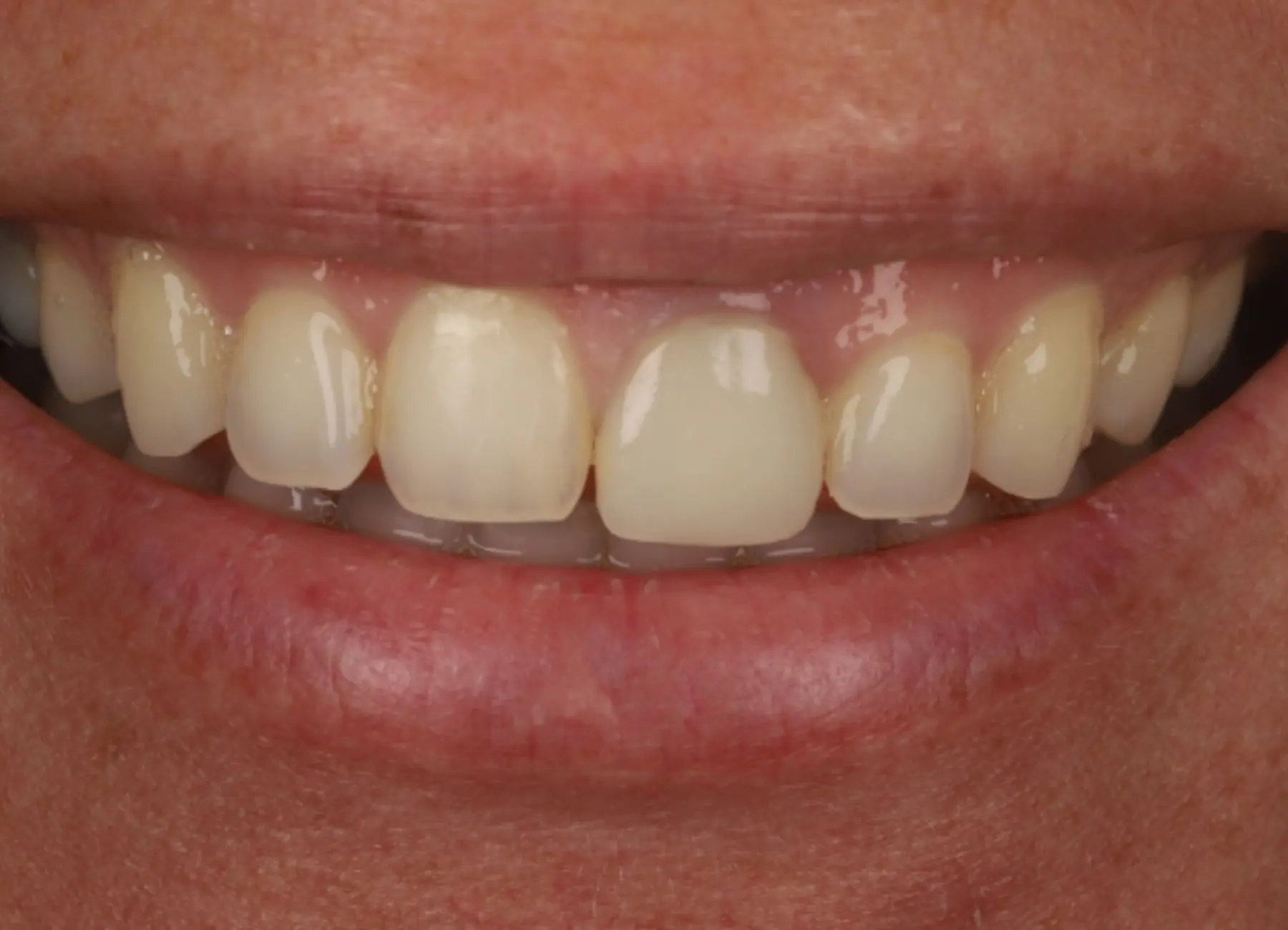
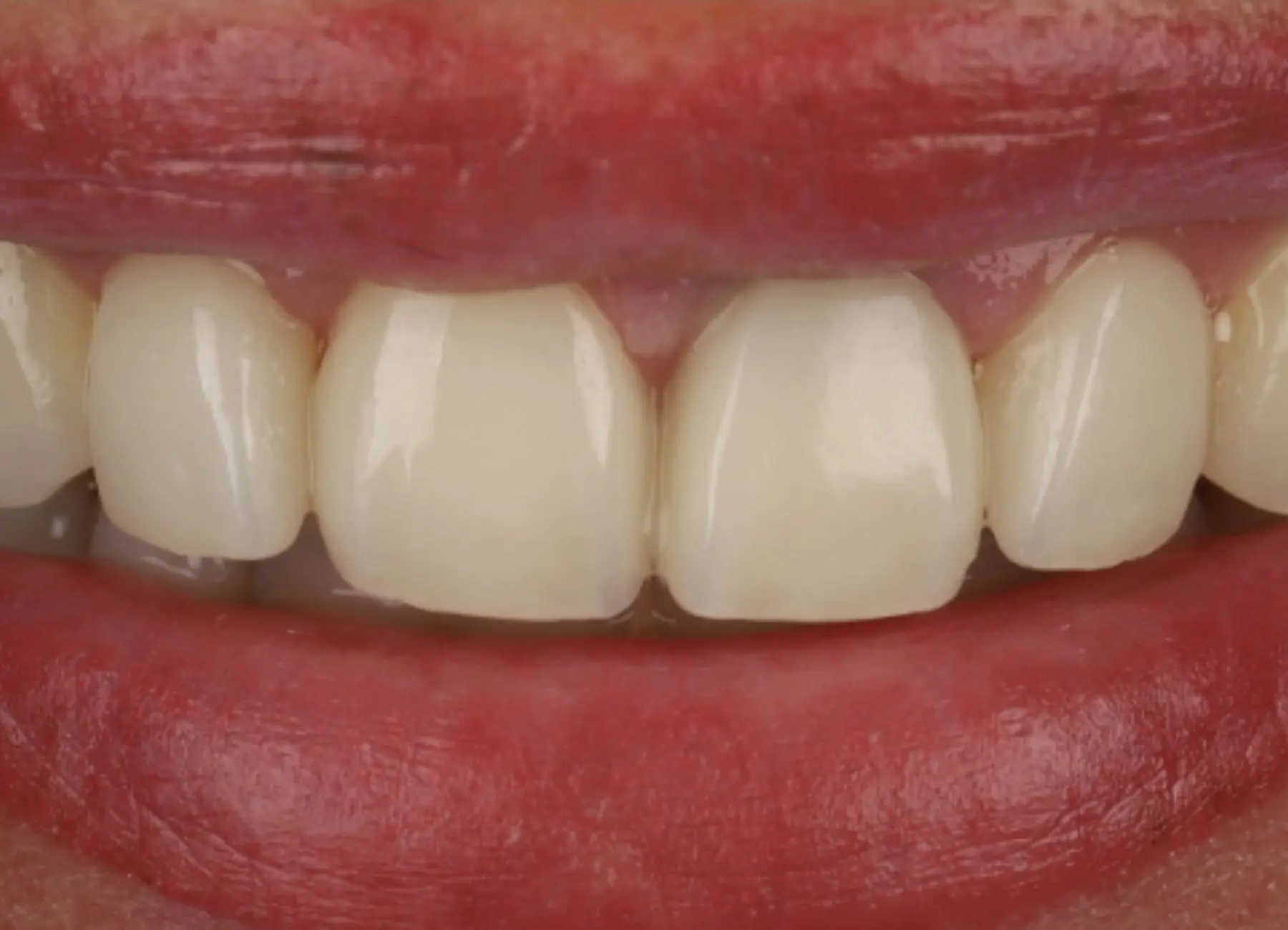
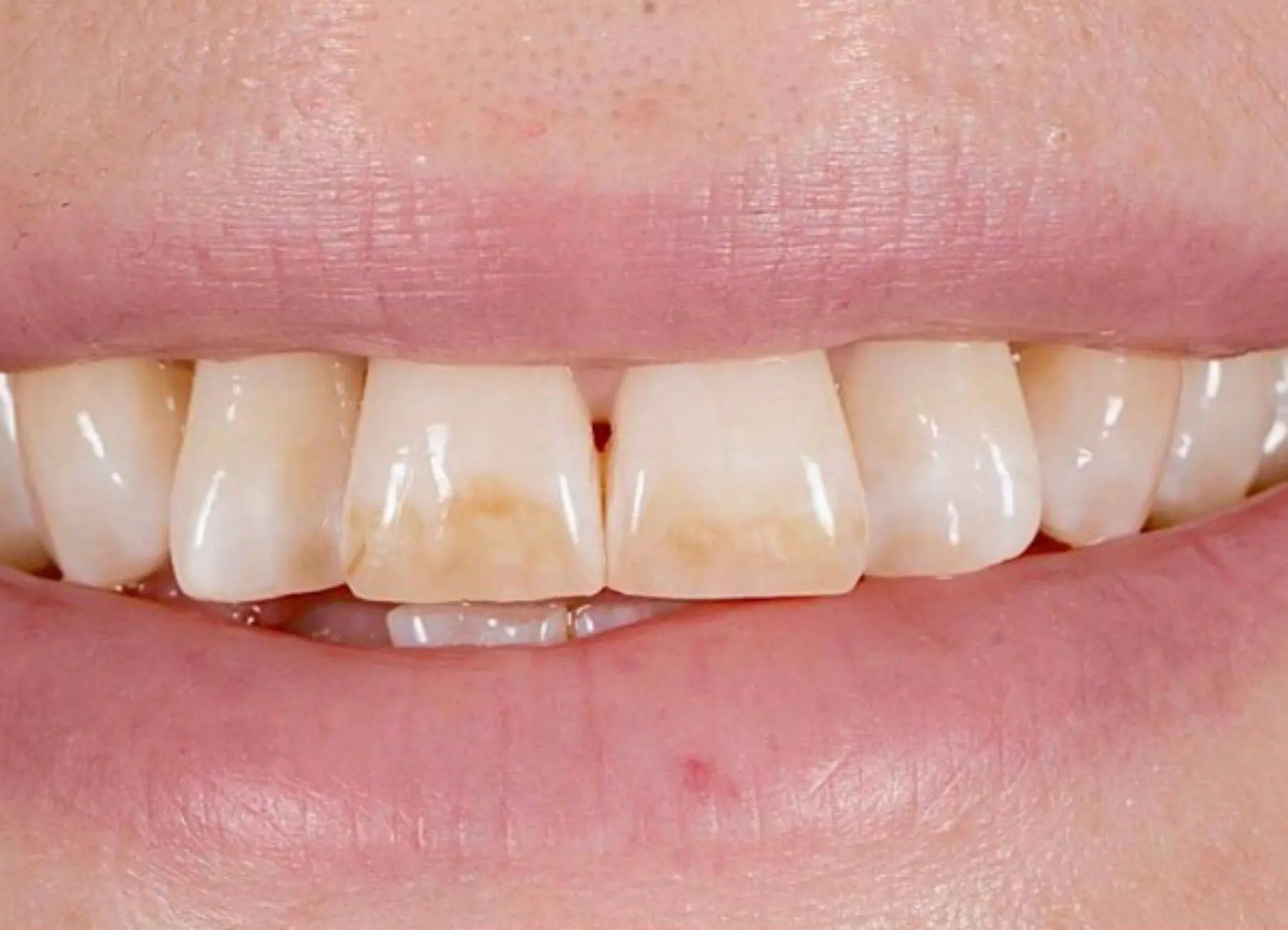
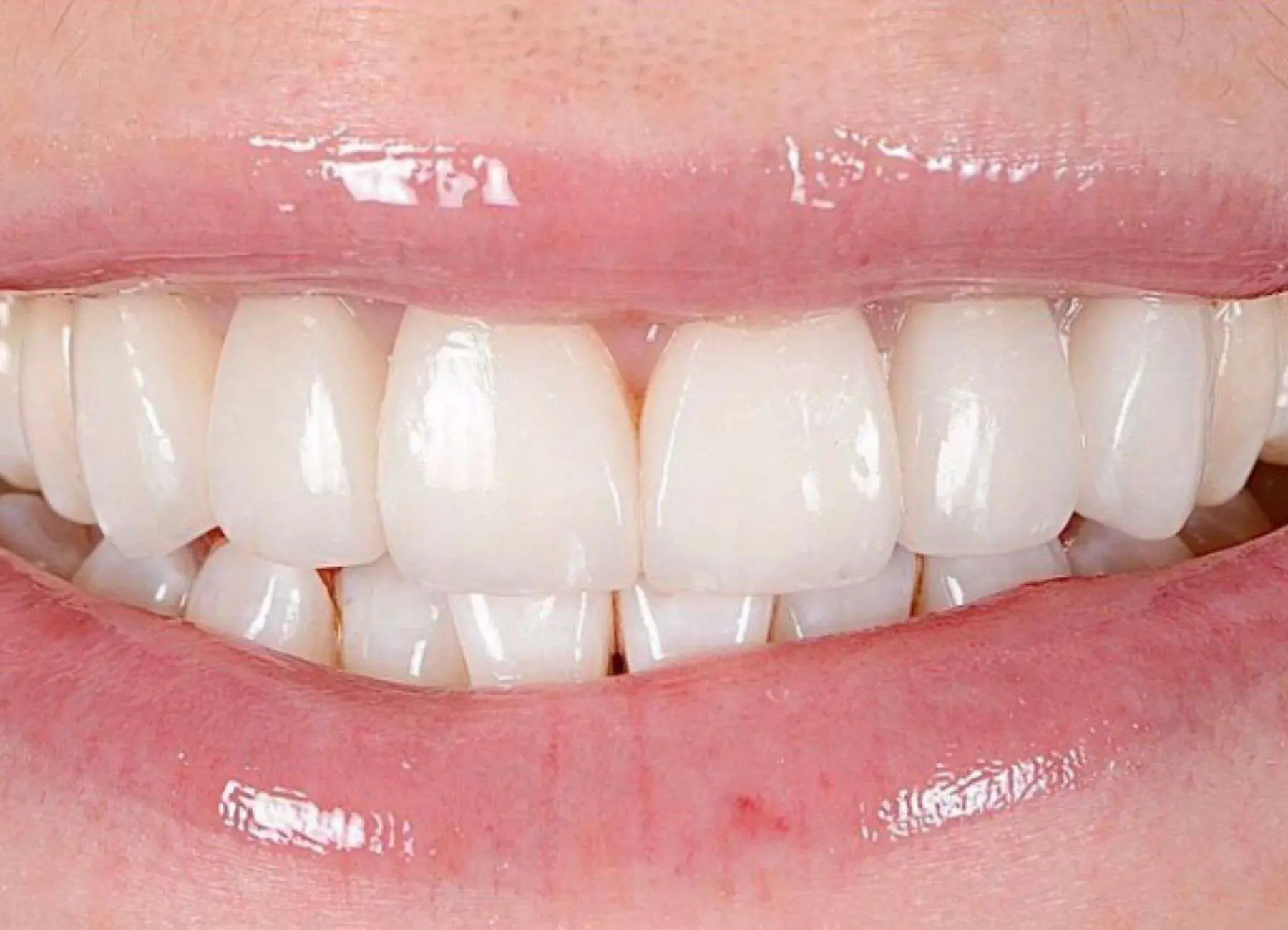
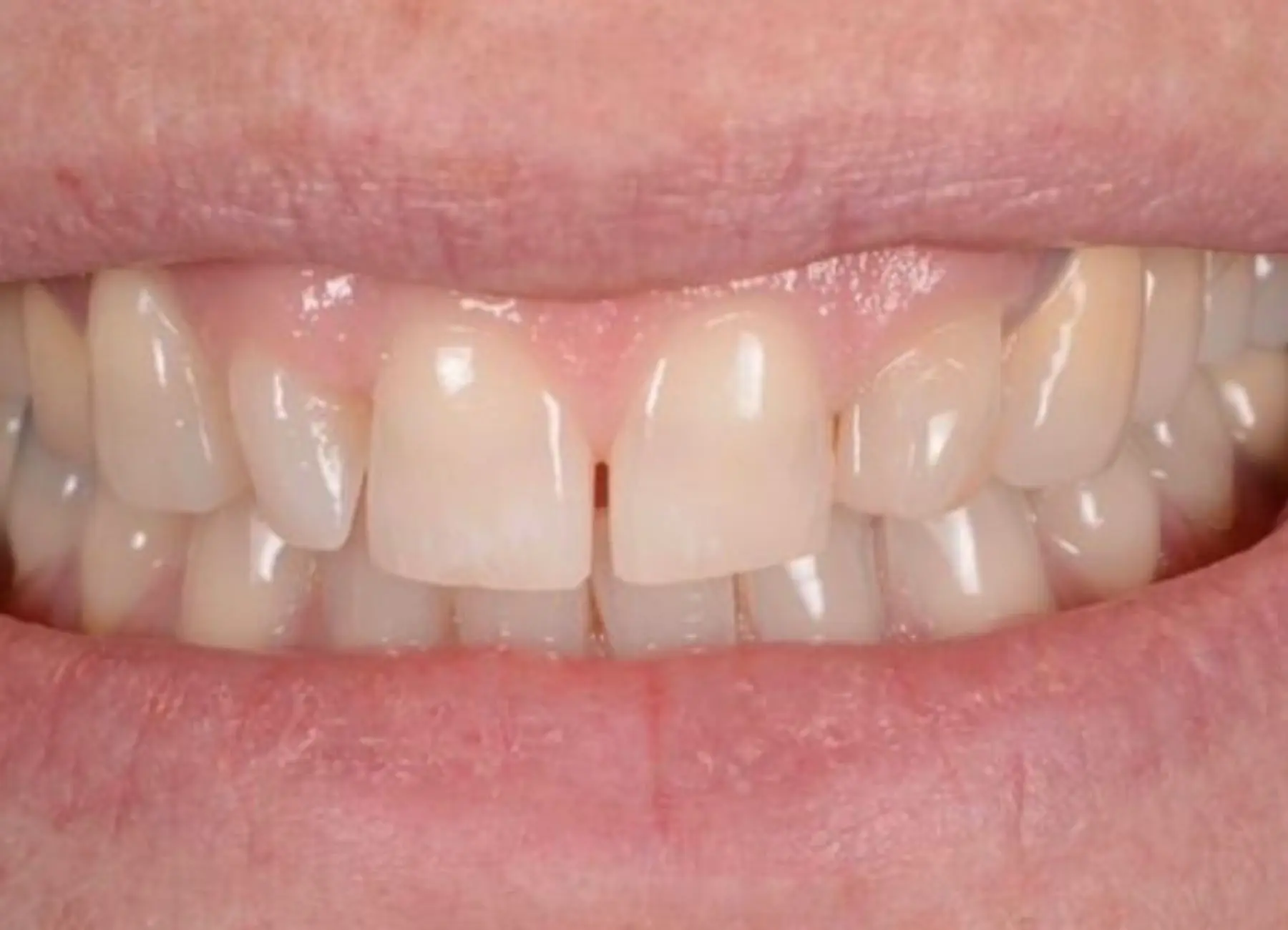
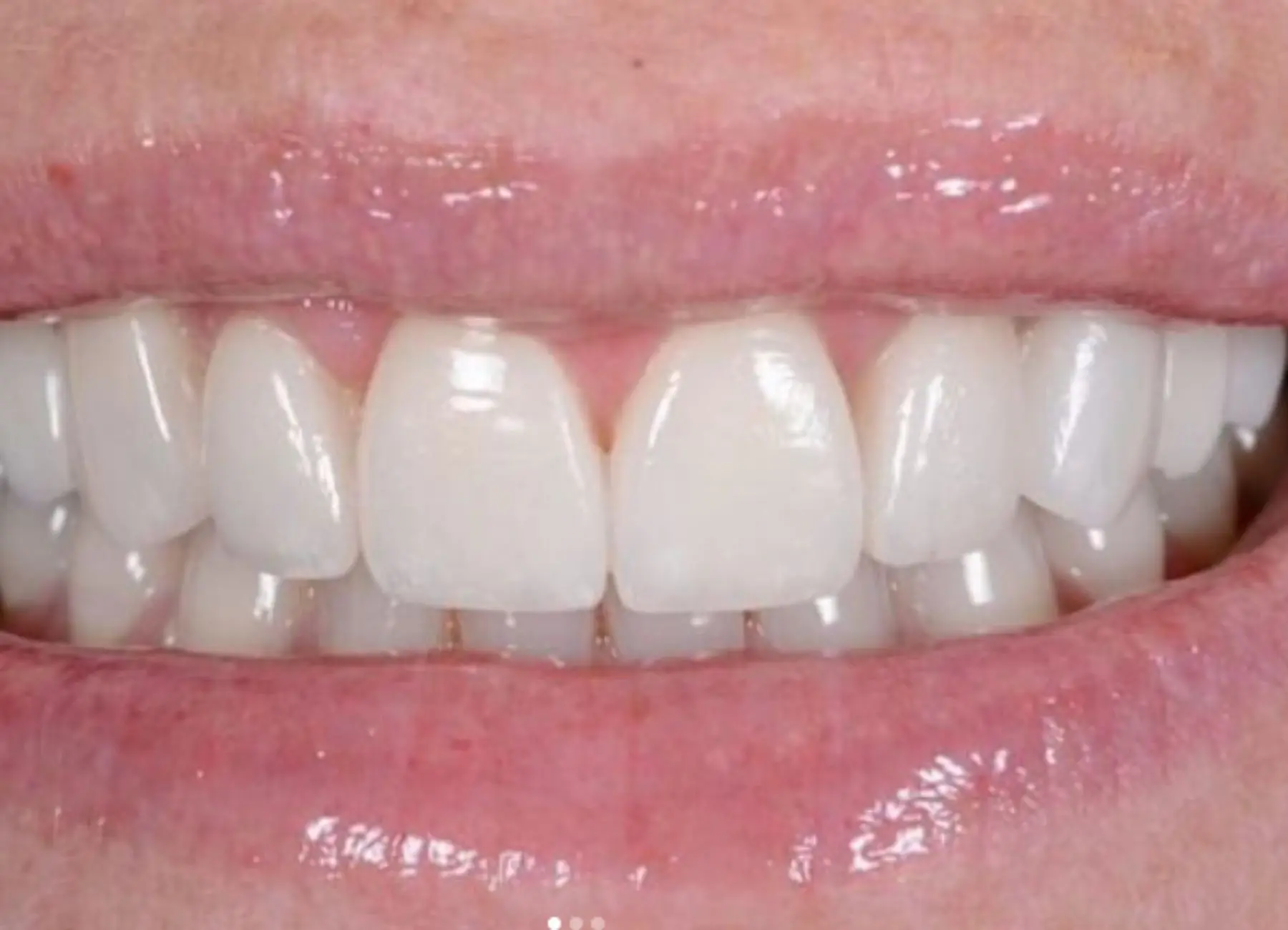
- If you’ve landed here, you’ll likely already know that composite veneers and composite bonding have emerged in recent years as the go-to, immediate cosmetic solution to enhance your smile and mask various dental imperfections without breaking the bank.
- The minimally invasive procedure, which requires no drilling or etching, offers patients a cost-effective way to achieve a better smile in just one appointment.
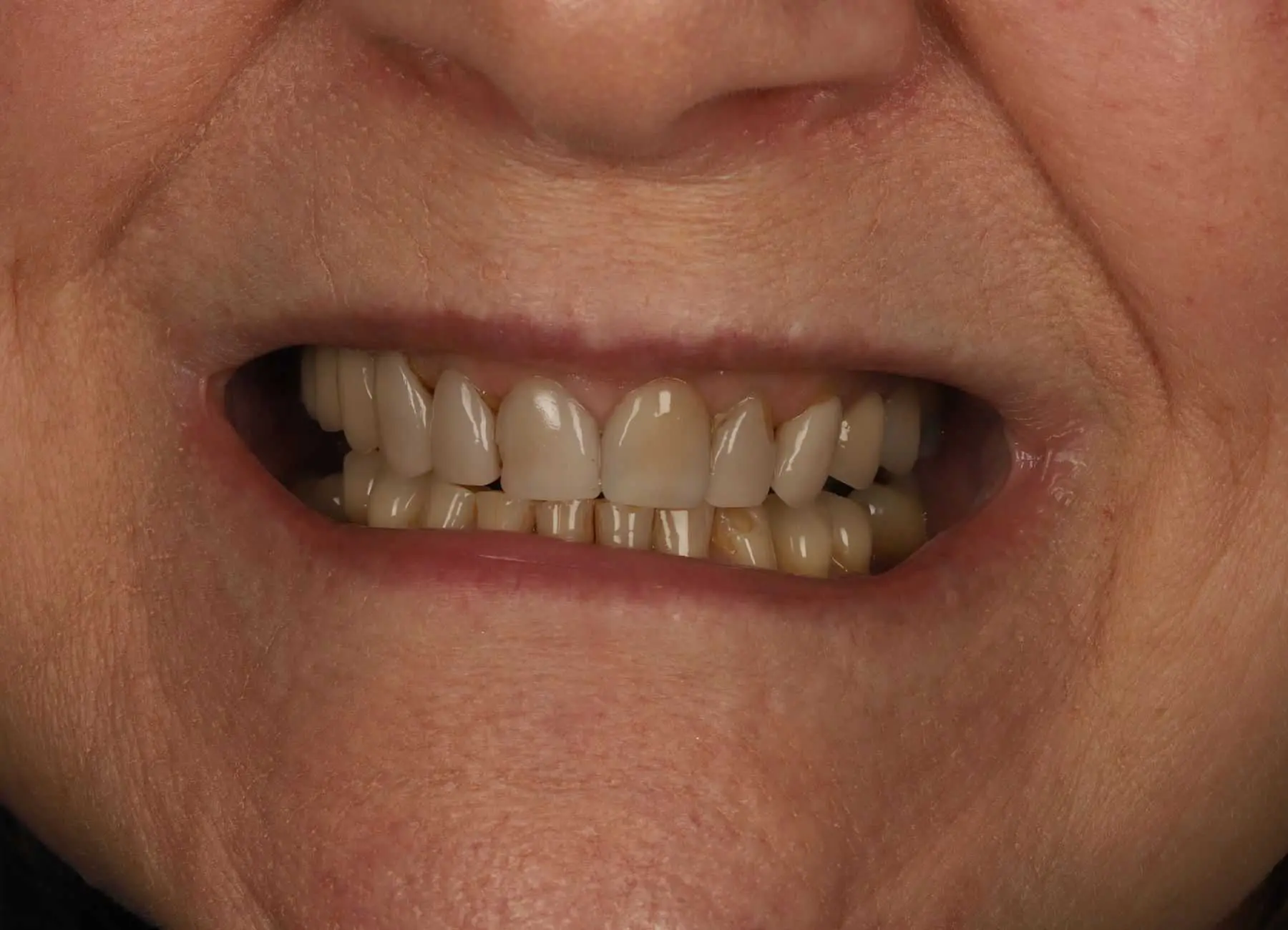
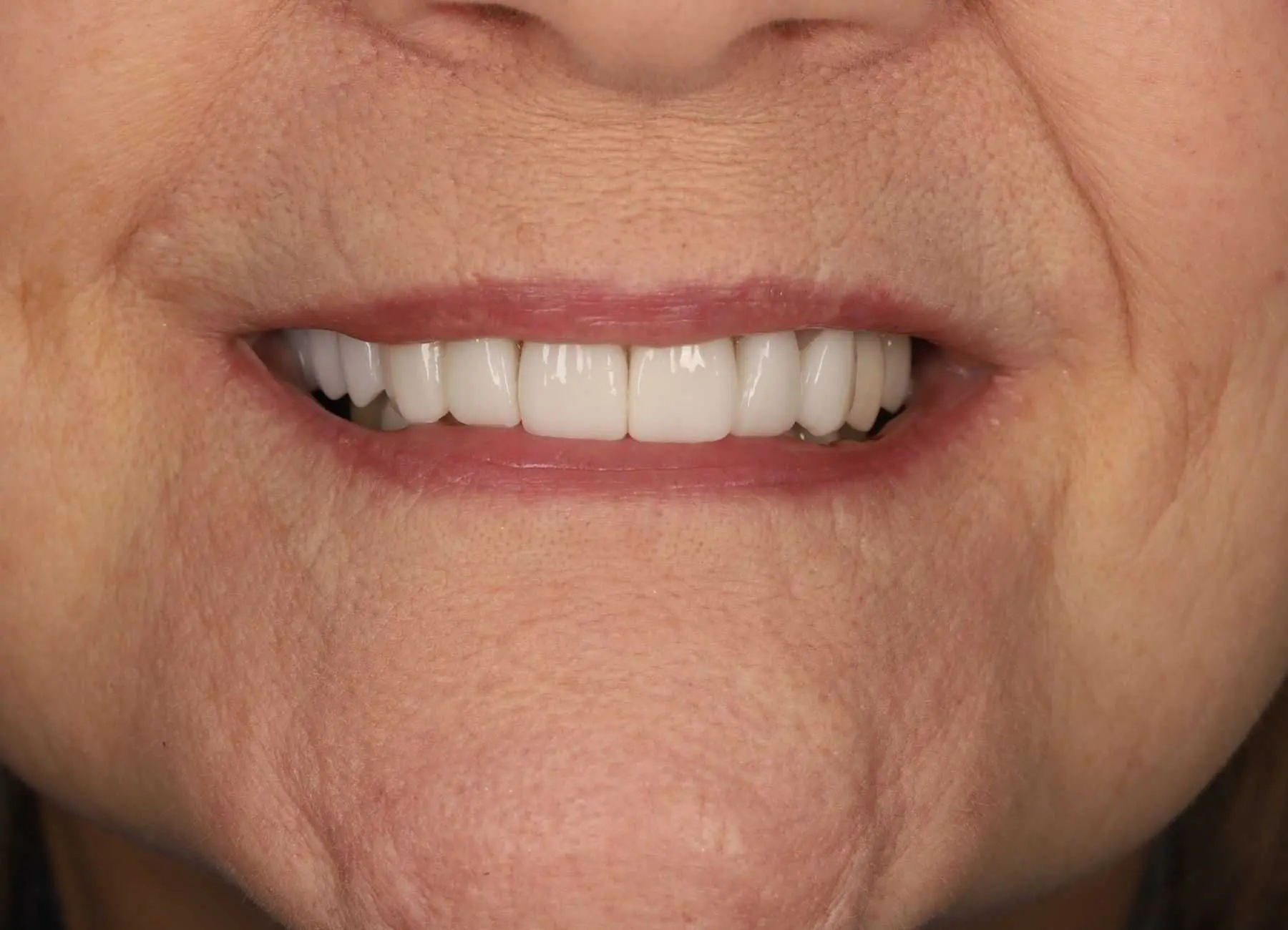
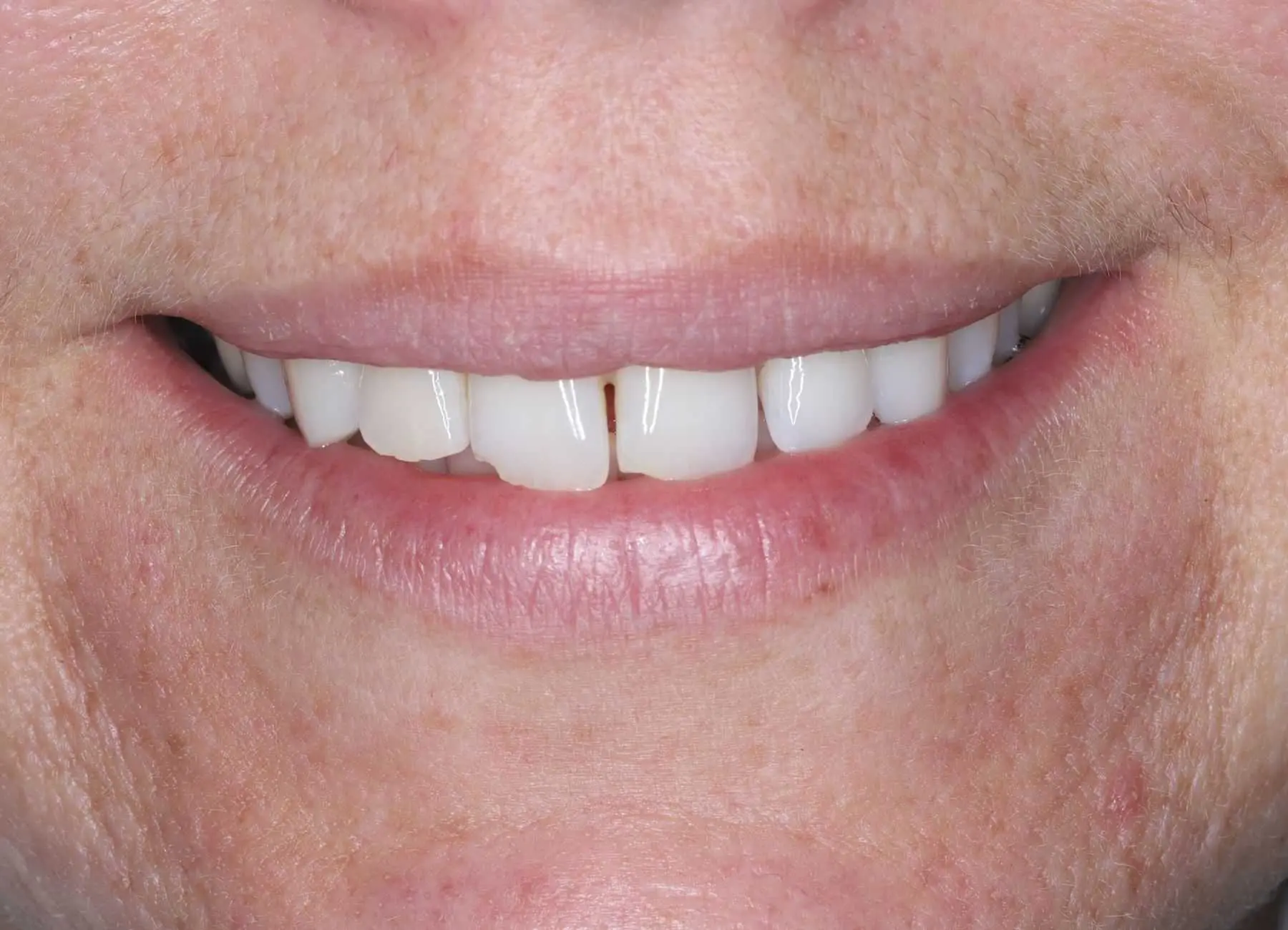
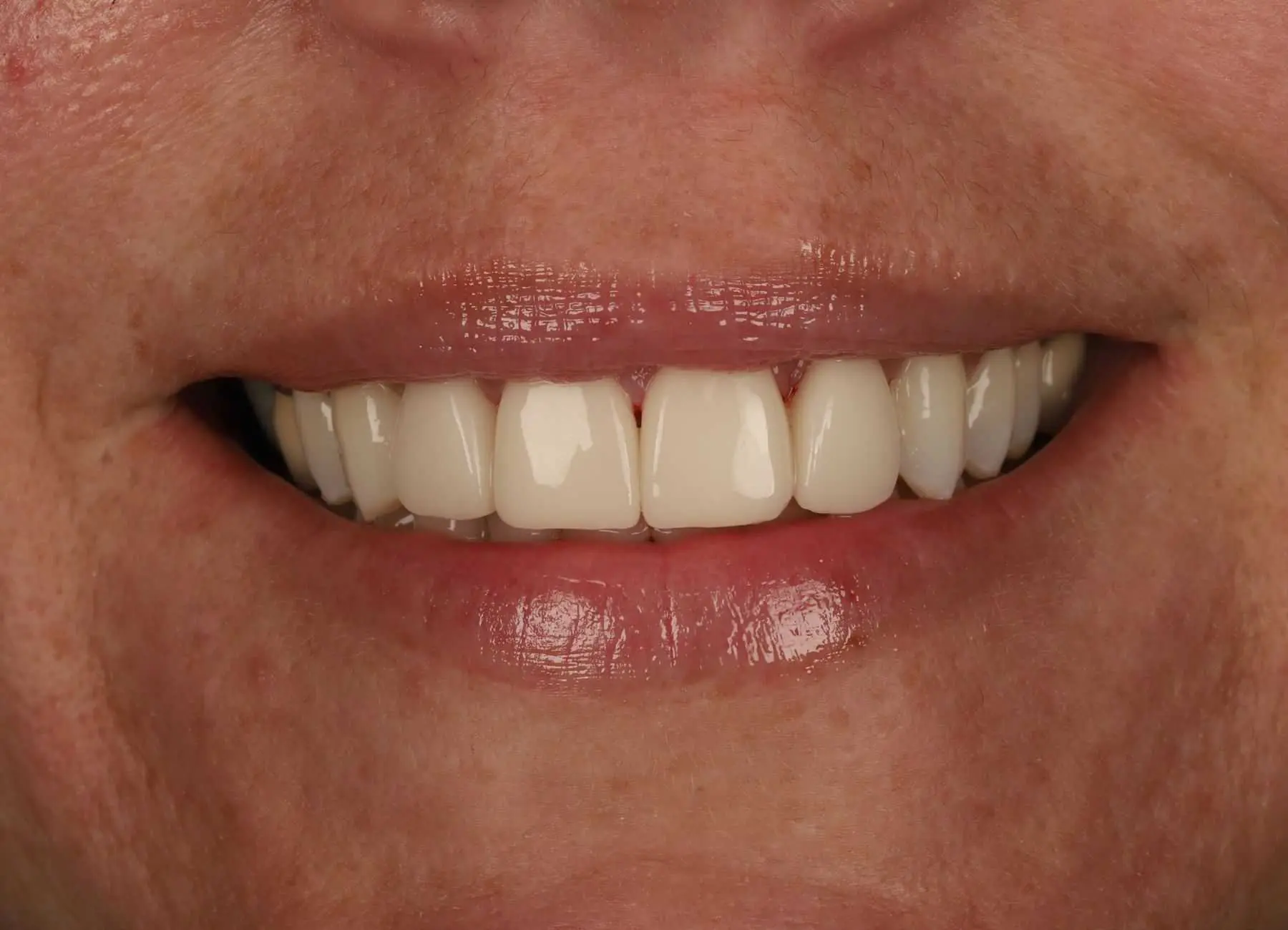
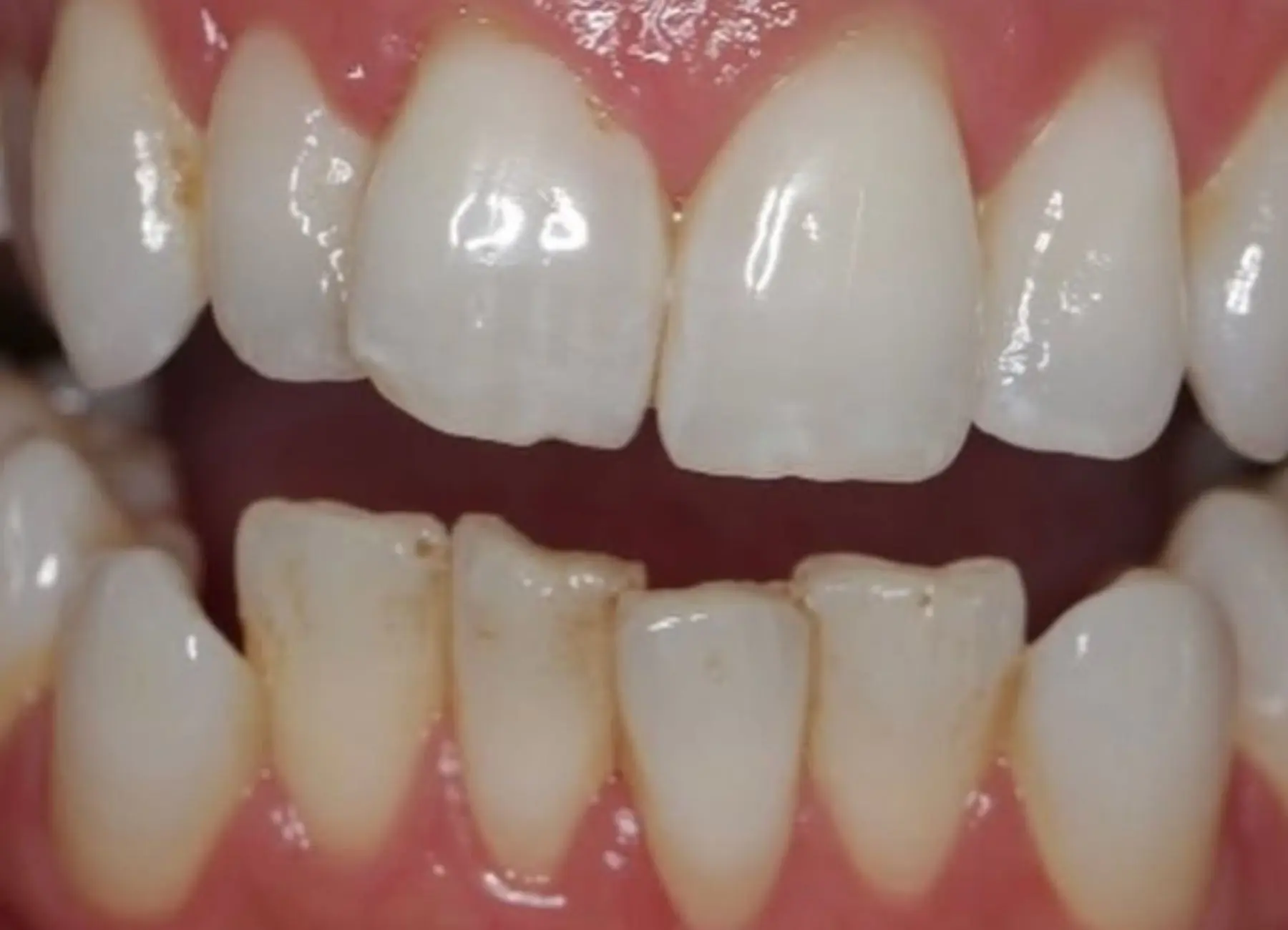
- From correcting tooth discolouration to reshaping minor misaligned teeth, composite veneers are a versatile dental solution perfect for almost any patient.

Procedure facts
Composite veneers offer far more benefits beyond their cosmetic appeal…
- Completed in a single visit, unlike porcelain veneers, which require fabrication in a dental laboratory.
- Are the ideal option for patients seeking immediate results who might otherwise be too busy to opt for porcelain veneers.
- The procedure is more affordable than porcelain alternatives and offers a versatile, minimally invasive solution to transform and correct several smile imperfections at once.


5 Stages of treatment
The procedure begins with a thorough dental examination and consultation with one of our qualified cosmetic dentists. During the initial assessment, one of our cosmetic dentists like Dr Jethwa will evaluate your oral health, and at the same time, discuss your goals for treatment to outline your bespoke treatment plan.
This collaborative approach means that we can meet your expectations and ensure you’re a suitable candidate for the procedure.
Initial consultations are free; however, your check-up exam is likely to cost £99 including your x-rays.
Additionally, the dentist might recommend a professional clean to remove any plaque or tartar build-up from the teeth to ensure optimal adhesion of the composite resin, which will improve the overall longevity of your veneers. Plus, it ensures that the underlying teeth are in a great condition and won’t develop problems like gum disease.
Next, we’ll begin to prepare your teeth to be in the perfect state for your teeth veneers to be applied.
This stage is a lot less invasive, compared to traditional veneers, which will require a significant amount of enamel removal (unless opting for no-prep porcelain veneers).
Composite requires minimal or no enamel reduction – and it’s this conservative approach that helps to preserve the natural tooth structure.
To prepare your teeth, the cosmetic dentist might lightly etch the tooth surface to create a texture surface for better bonding.
This stage will then be followed by the application of the bonding agent, which will allow the composite resin to securely adhere to tooth’s surface.
The dentist will then carefully sculpt and shape the composite material onto the teeth, layer by layer until the desired shape, size and colour is achieved.
The dentist will have greater control over the shaping and contouring of the composite material, which will allow for precise customisation of your smile to help the treatment blend seamlessly with natural teeth.
Throughout this stage of the procedure, the dentist will work meticulously to ensure proper alignment, symmetry and aesthetics until the desired outcome has been achieved – and once this happens, we use a special curing light to harden the composite material, completing your treatment.
Depending on the reason for getting tooth coverings, whether it’s discolouration, chips, gaps, minor misalignment or gaps, the length of the procedure can vary slightly, but it should take no more than a few hours.
Once the composite veneers are fully cured, the cosmetic dentist will make final adjustments, where the teeth will be polished and refined to achieve a natural texture. Patients are then immediately free to enjoy the revitalised smiles, with no need for any additional recovery time.
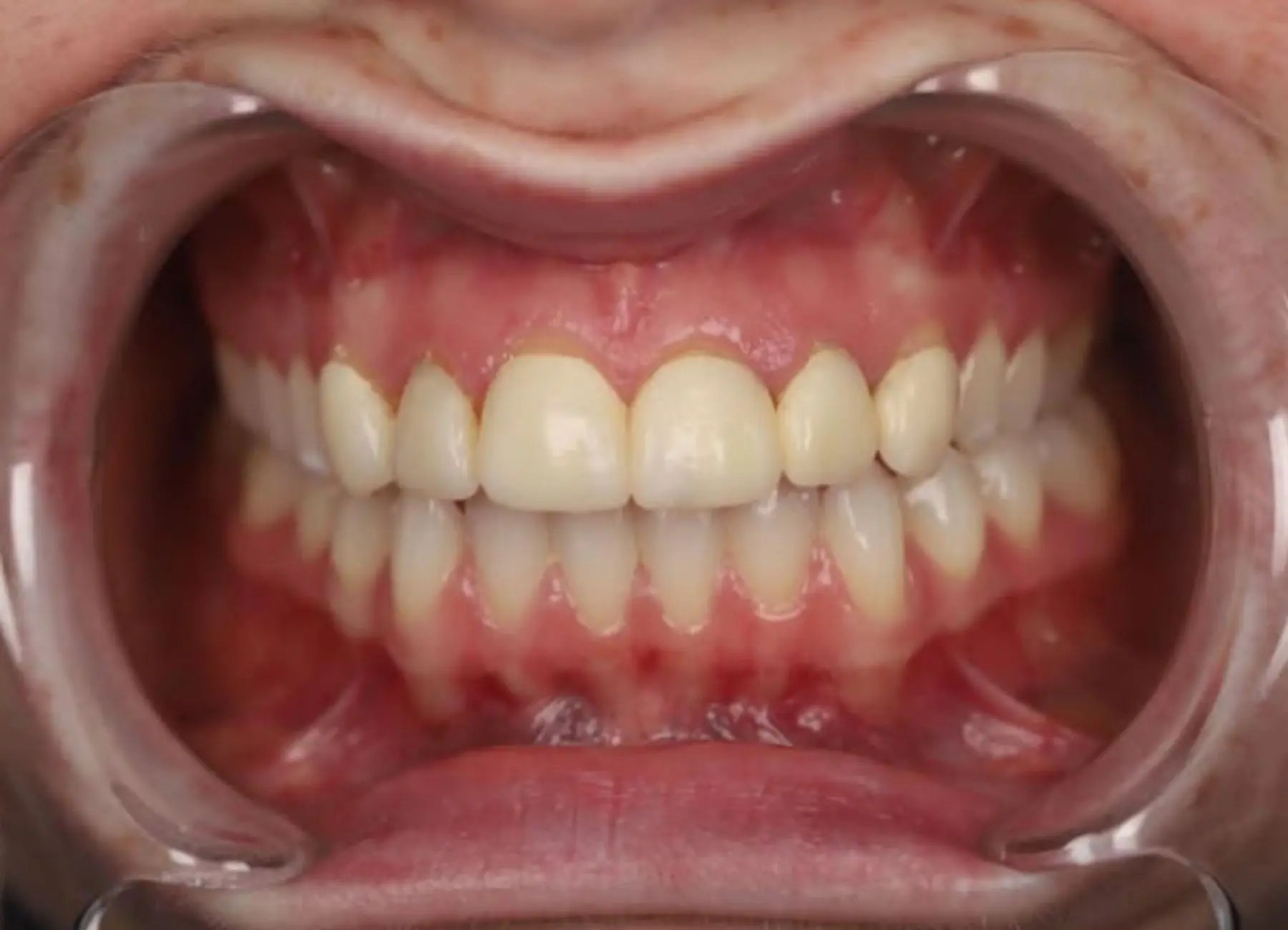
Preparing for the procedure – what to expect
Following your initial consultation the dentist might provide with specific guidelines and instructions to follow before your treatment, which might include:
- Maintaining good oral hygiene like bushing and flossing daily to keep teeth and gums healthy before treatment.
- Avoid teeth staining foods and drinks like coffee, tea, red wine and other substances that might stain your teeth.