

Home | Veneers | Porcelain Veneers | How Long Do They Last?
Porcelain lasts! With the proper aftercare and maintenance, you can enjoy your new smile for up to two decades.
Veneers That Last up to 20 Years
If you’re interested in porcelain dental veneers, you’ve chosen the right type for the best durability. Compared to other materials, porcelain dental veneers boast the longest lifespan, lasting up to 15 years—and even up to 20 years with the proper care and maintenance.
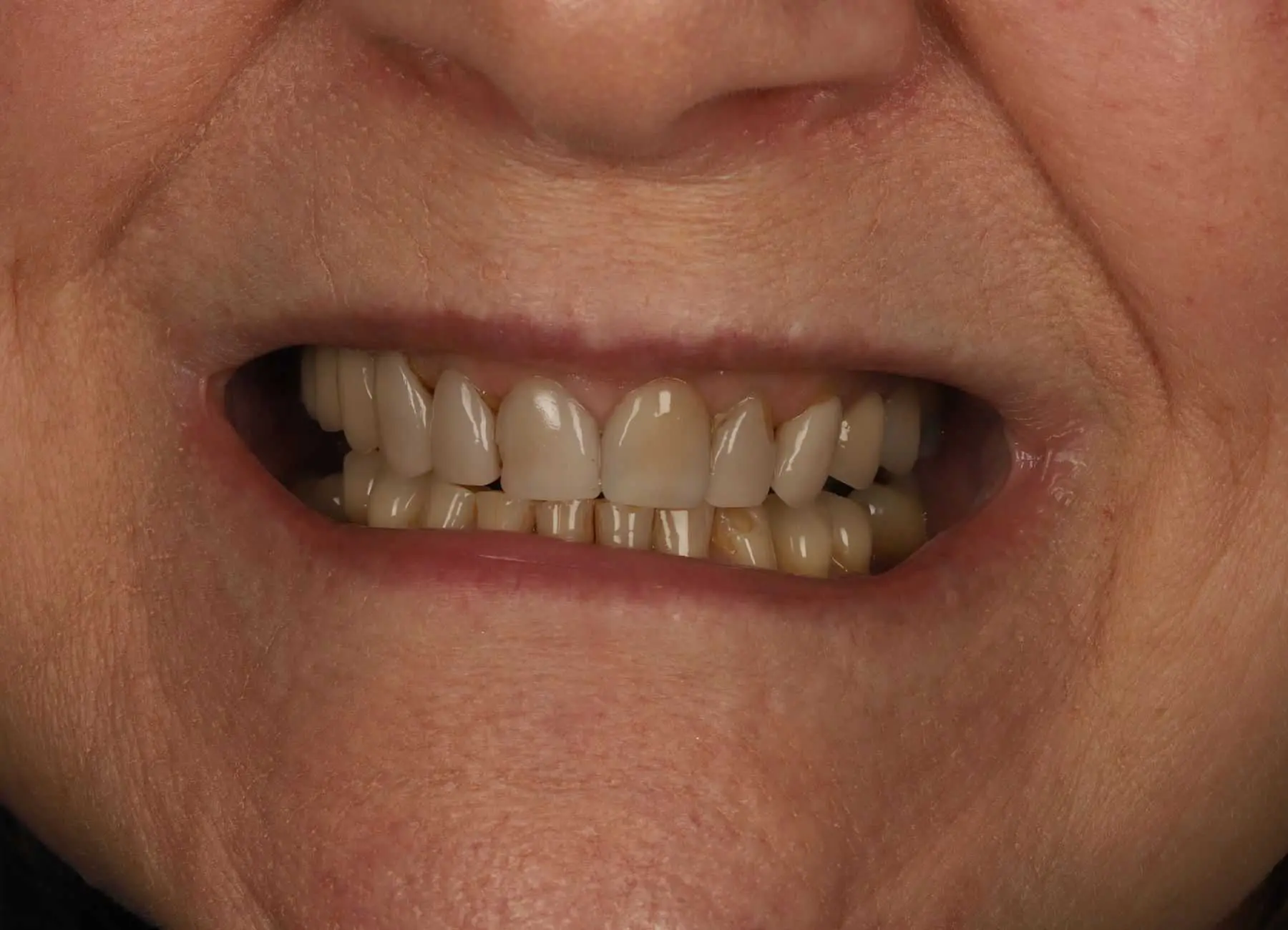
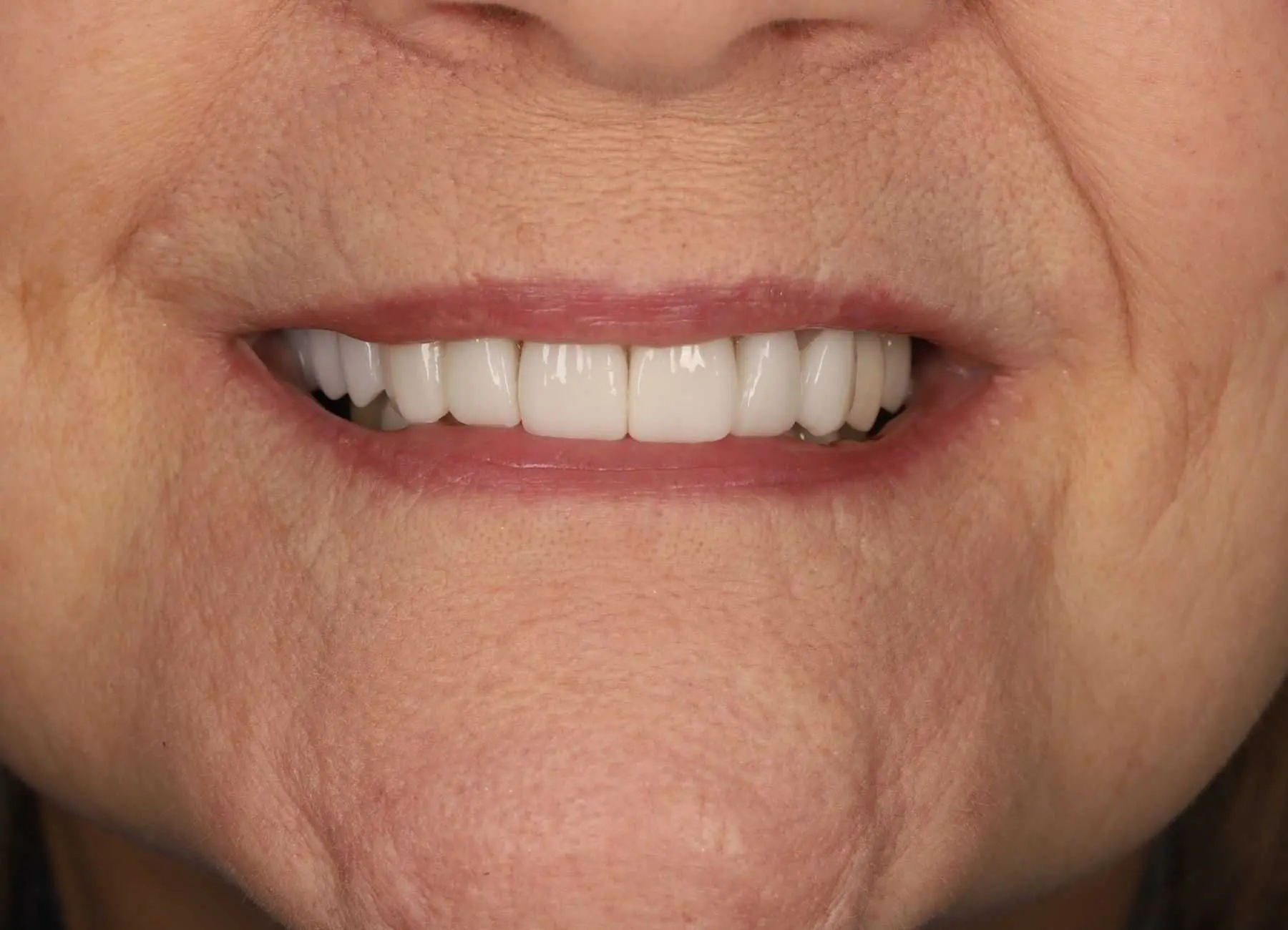
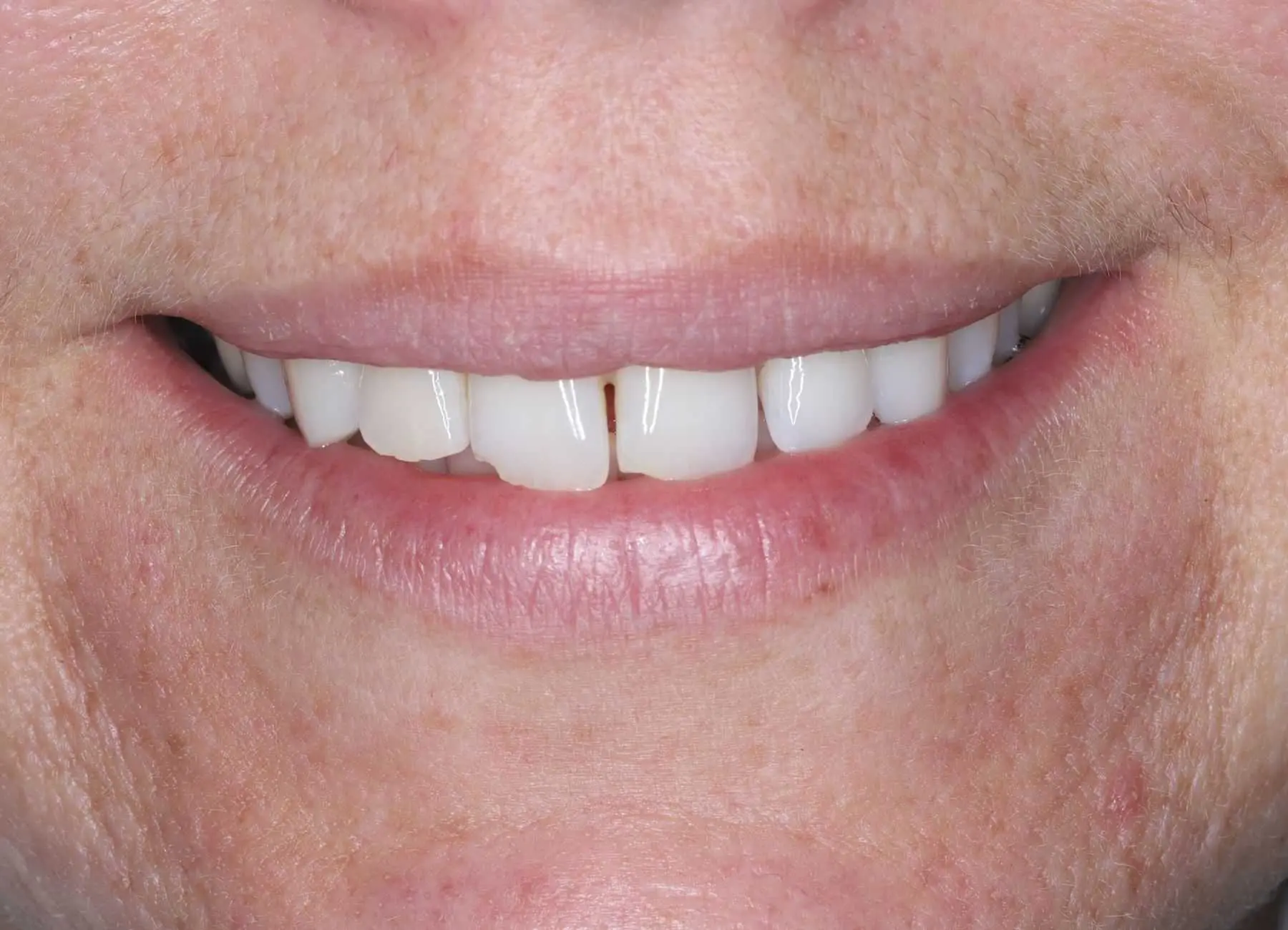
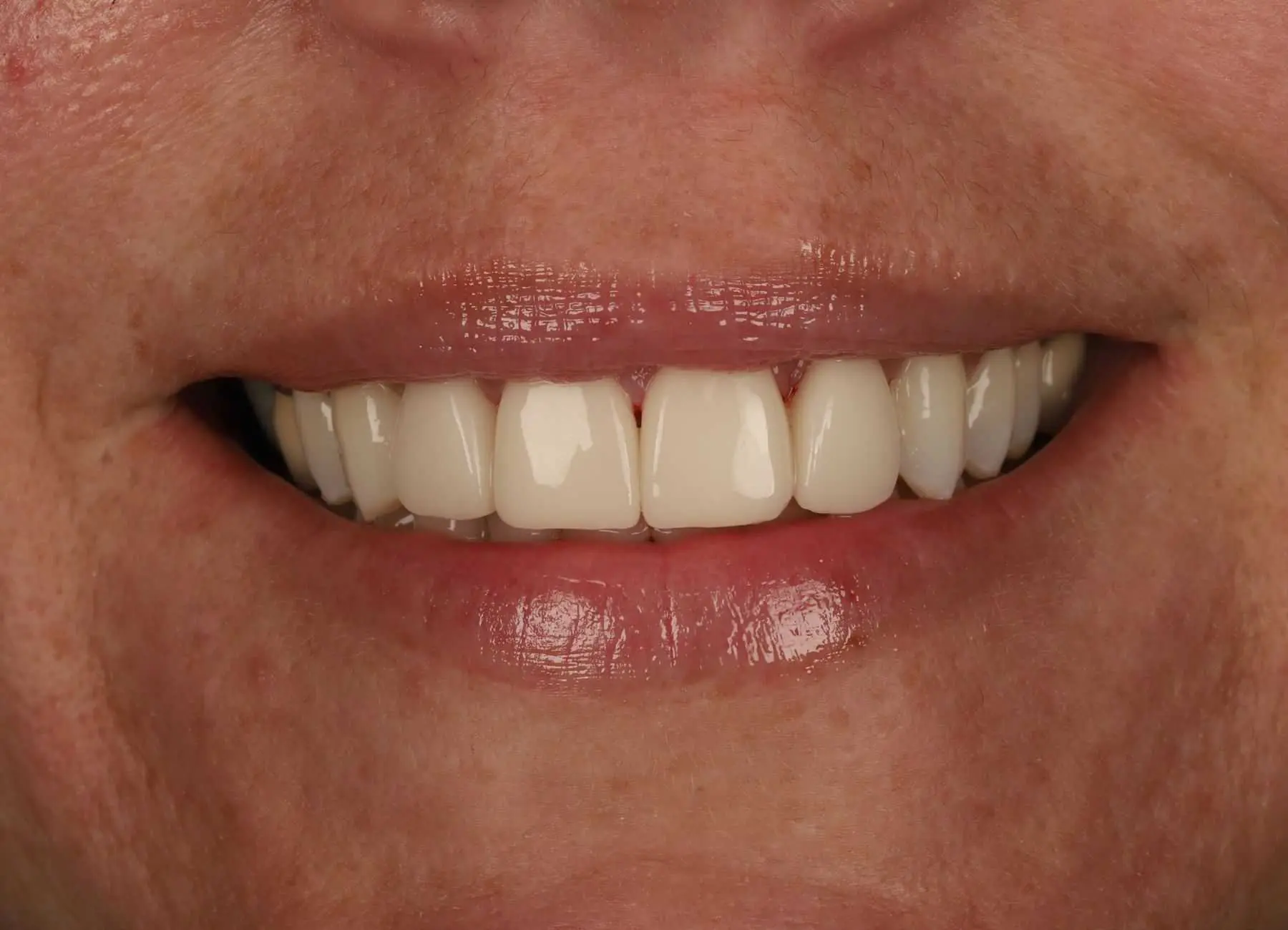
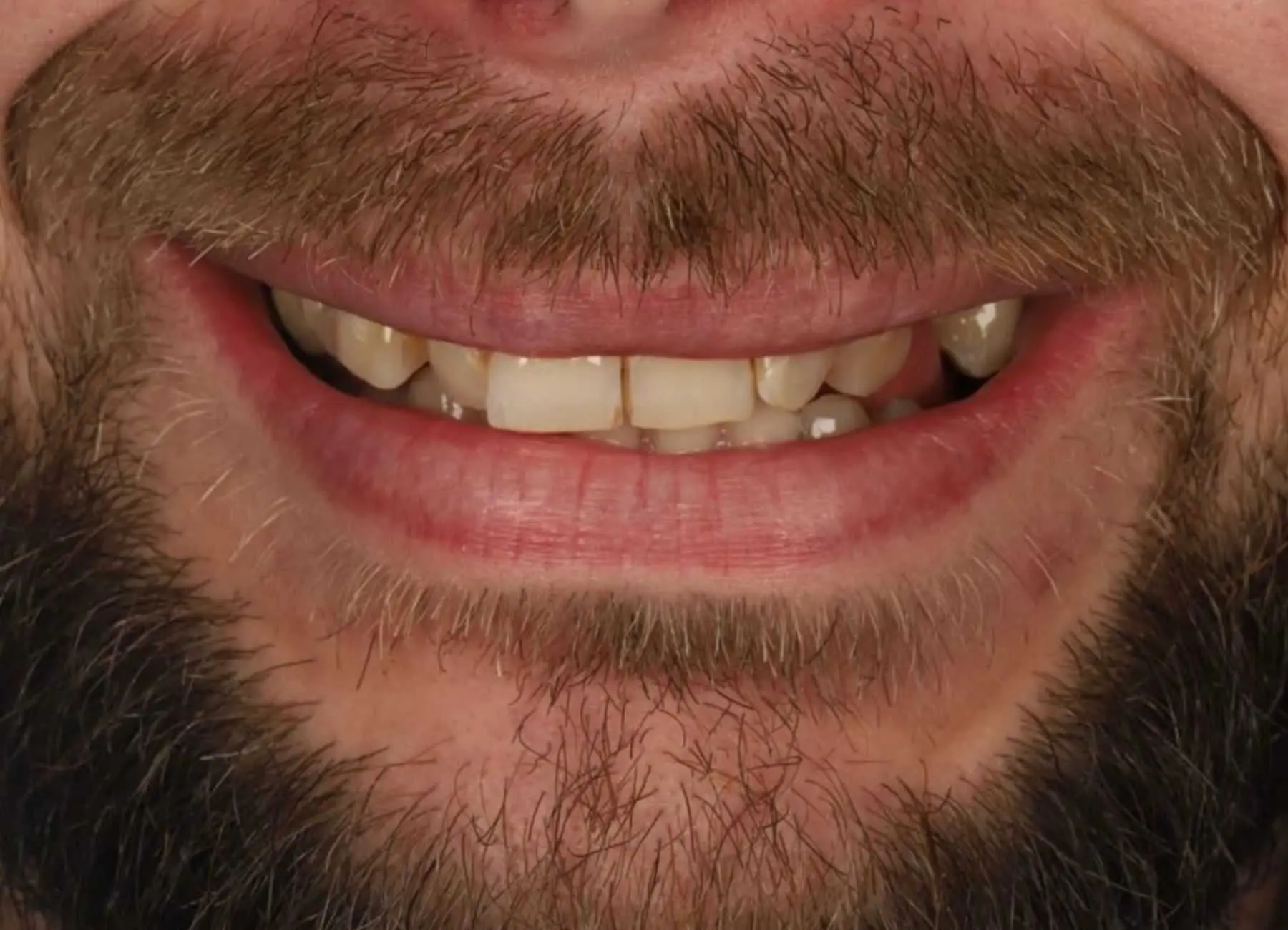
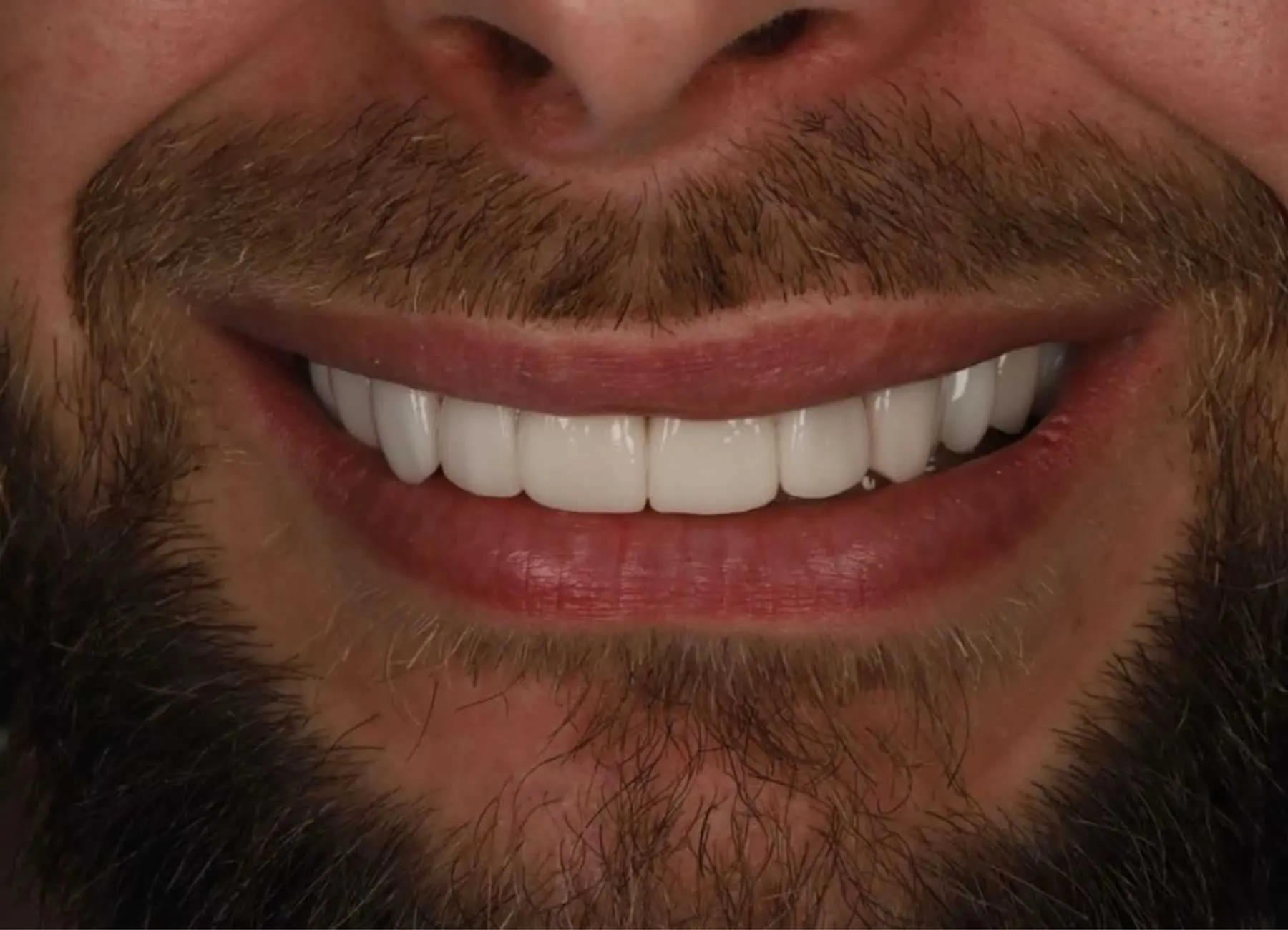
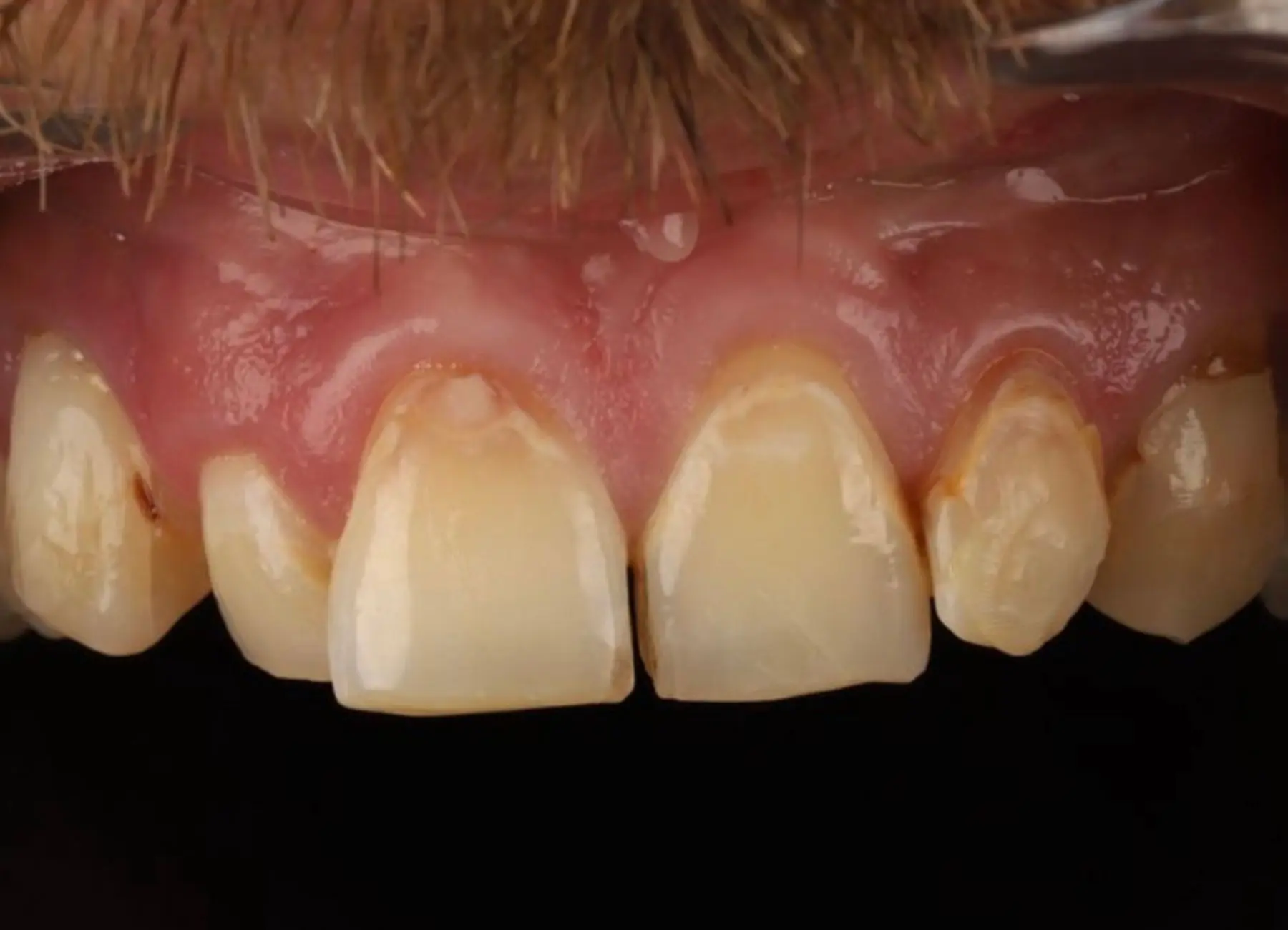
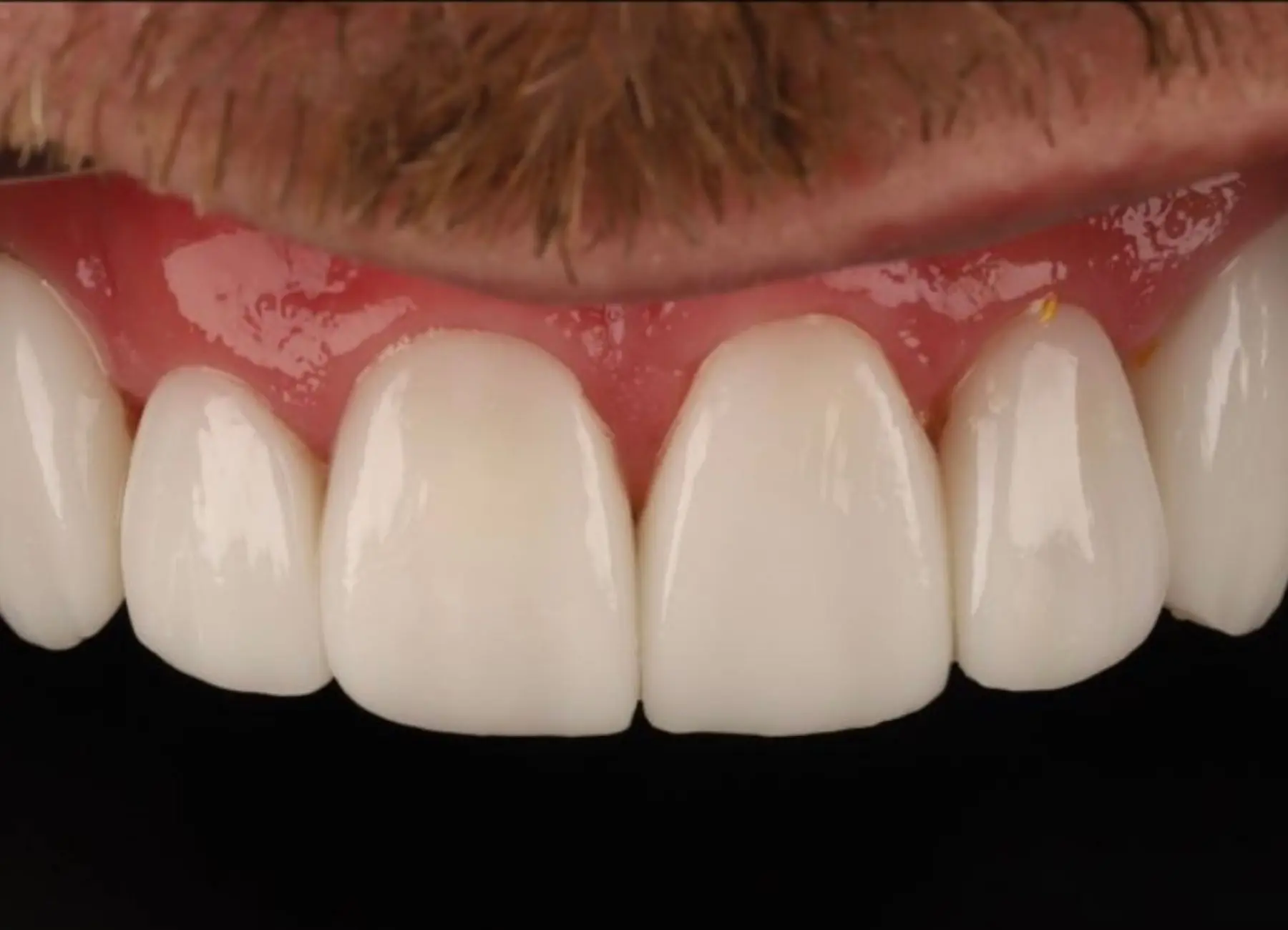
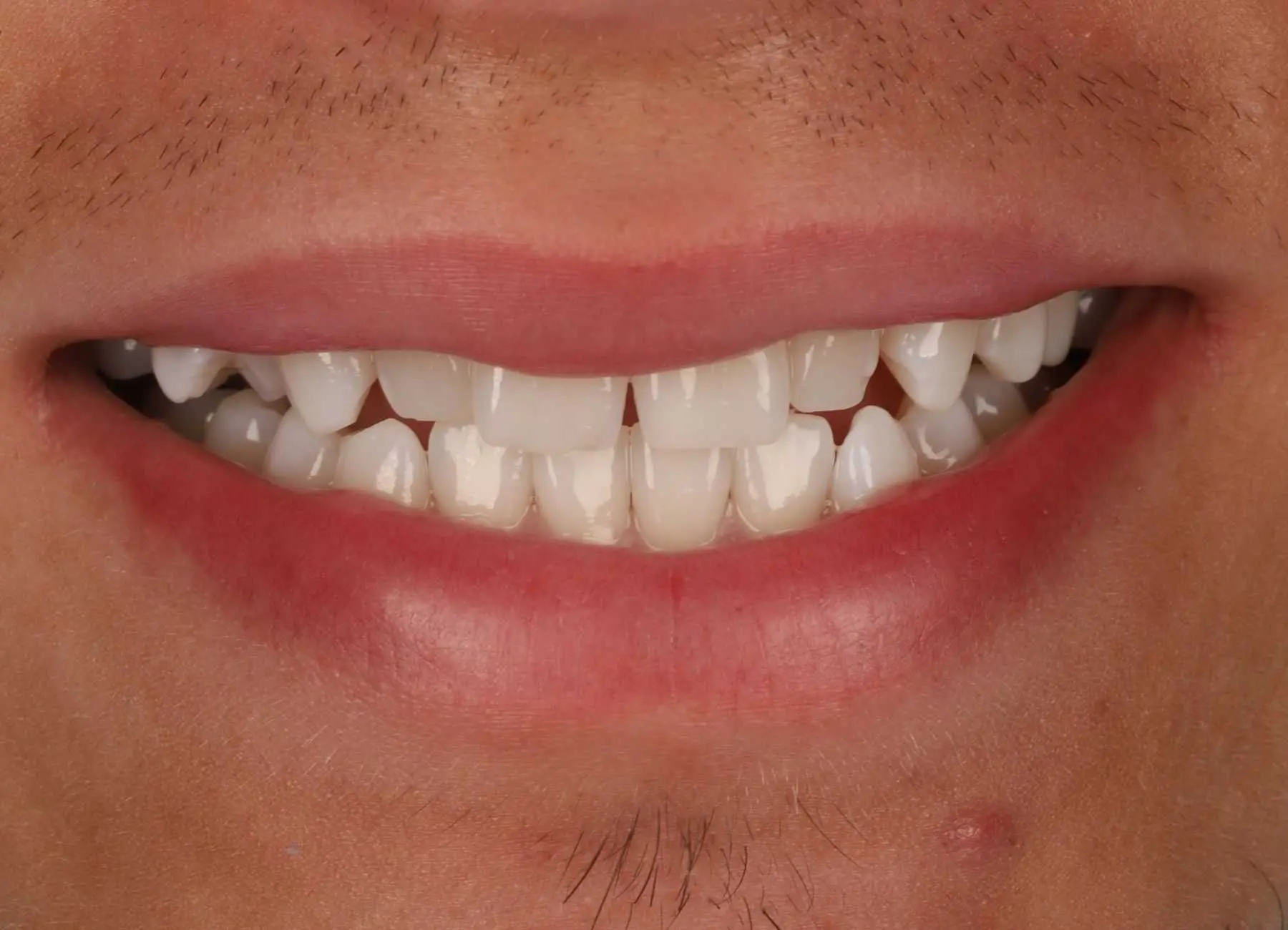
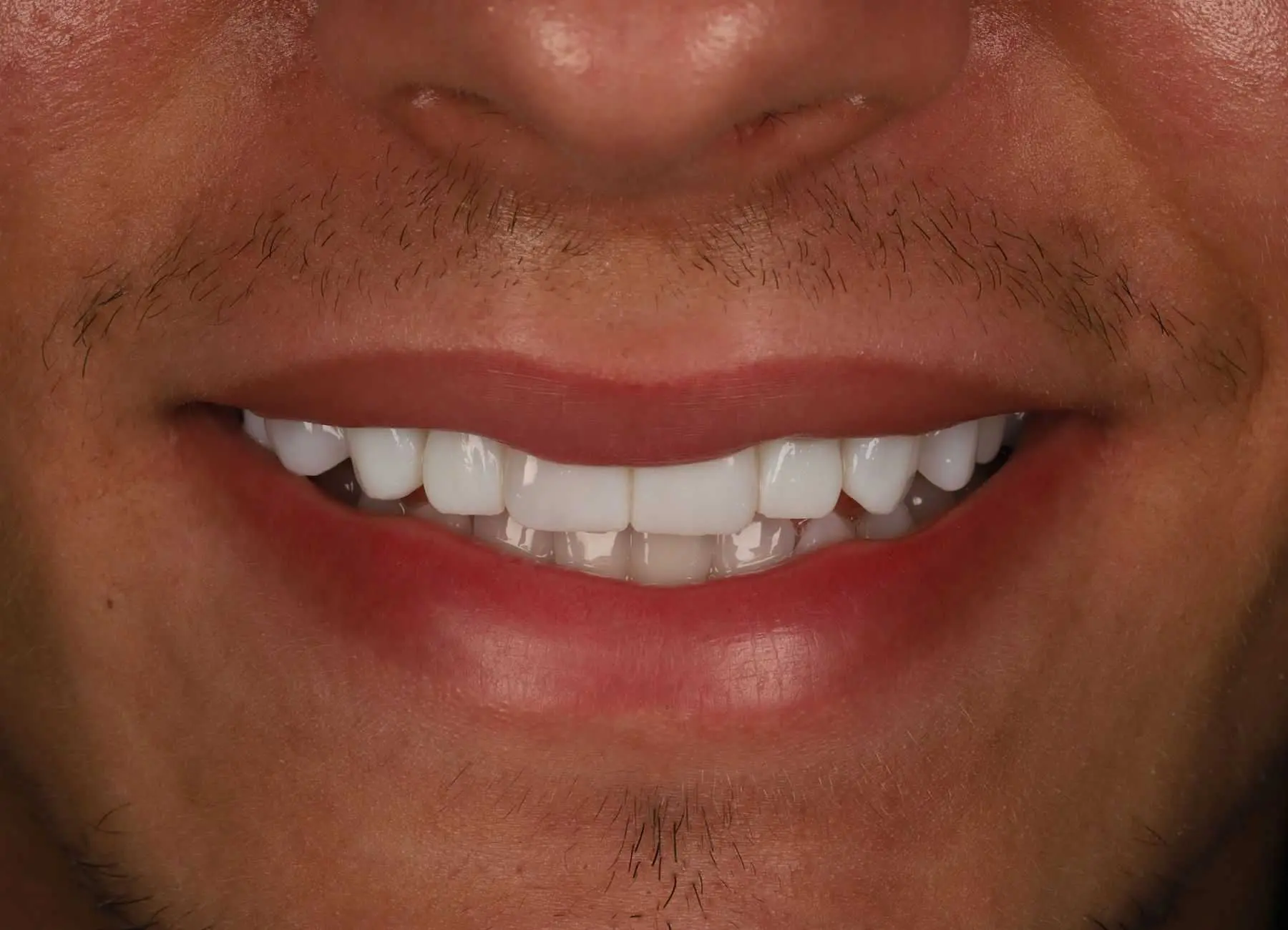
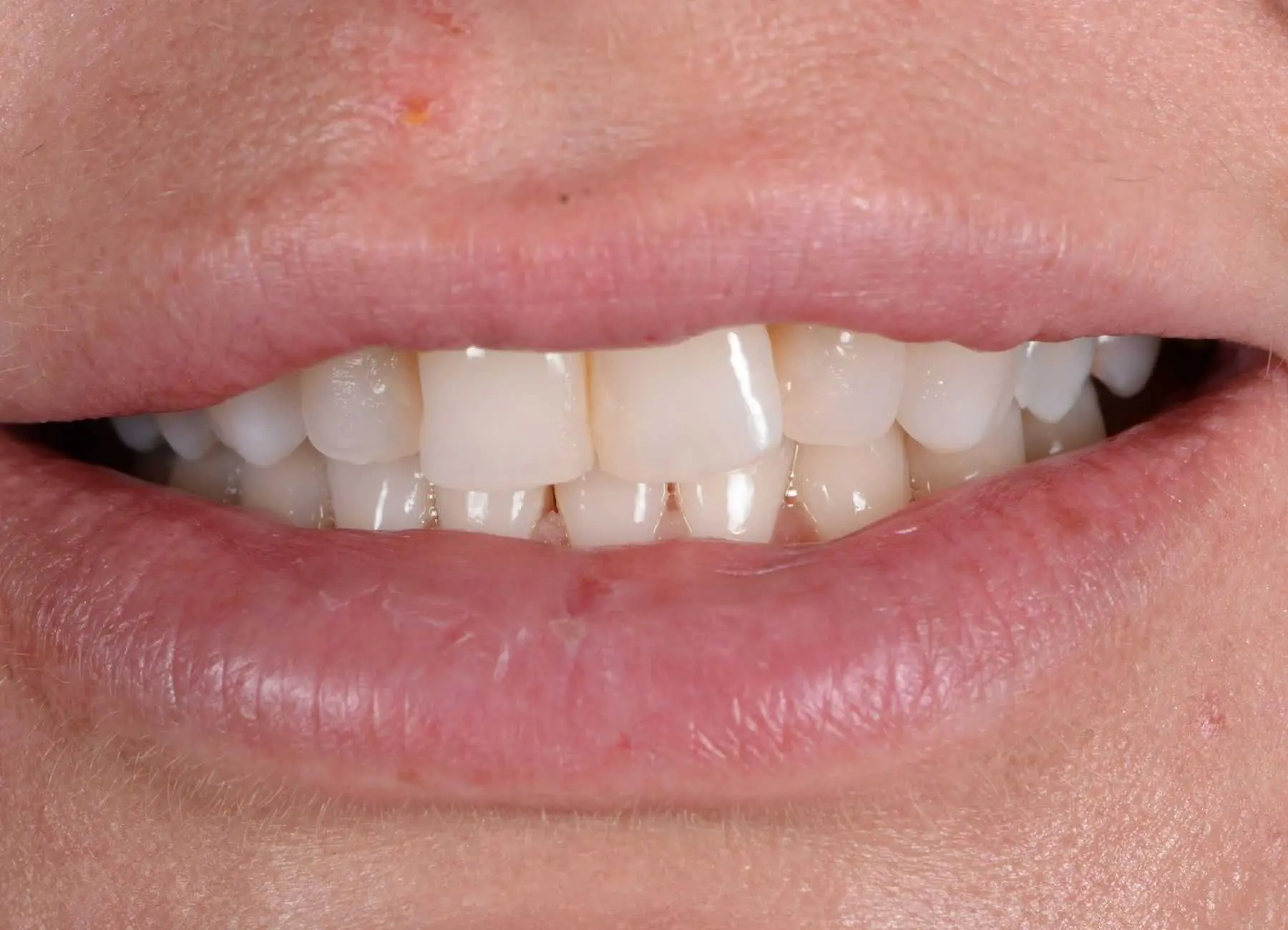
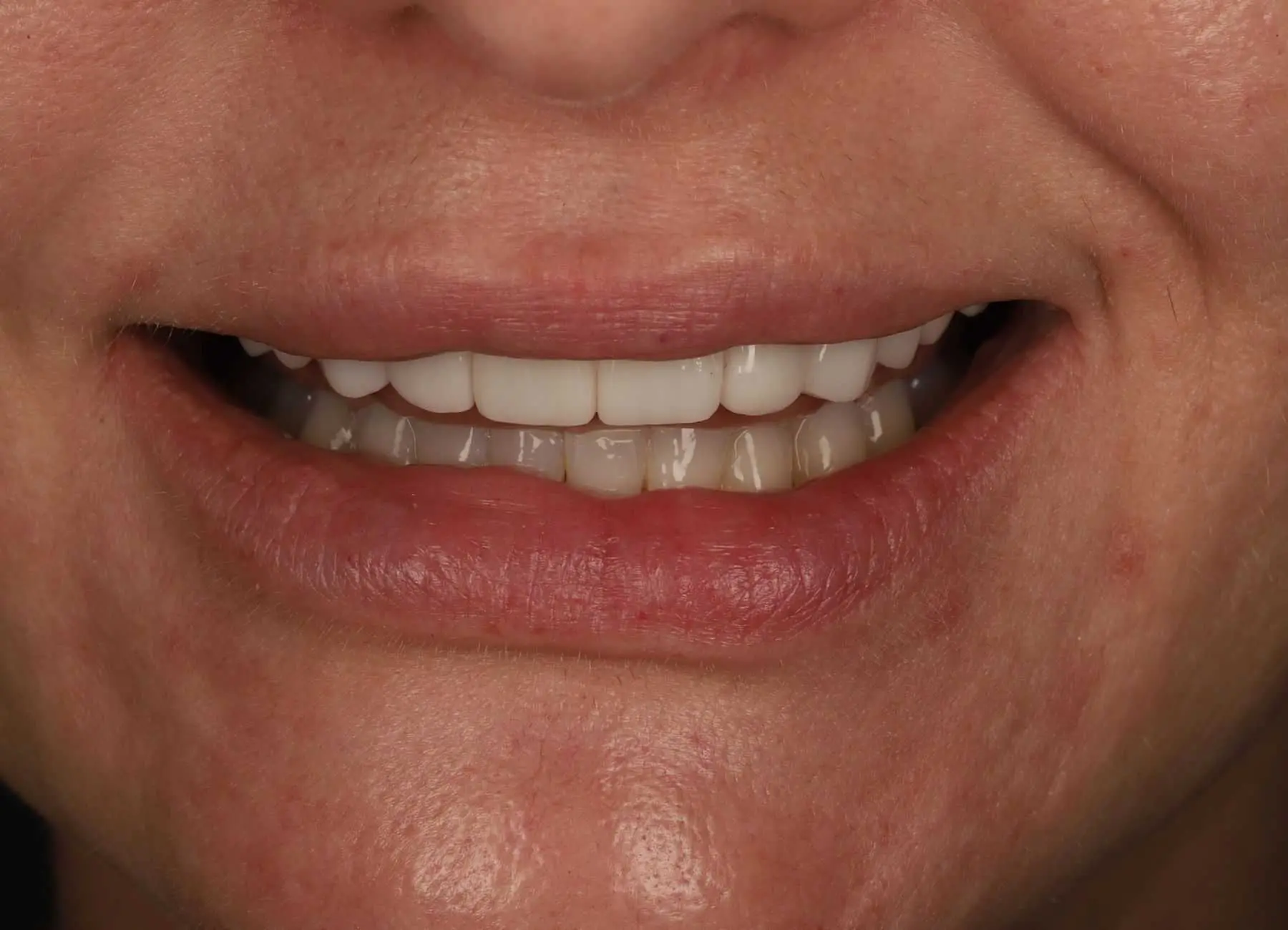
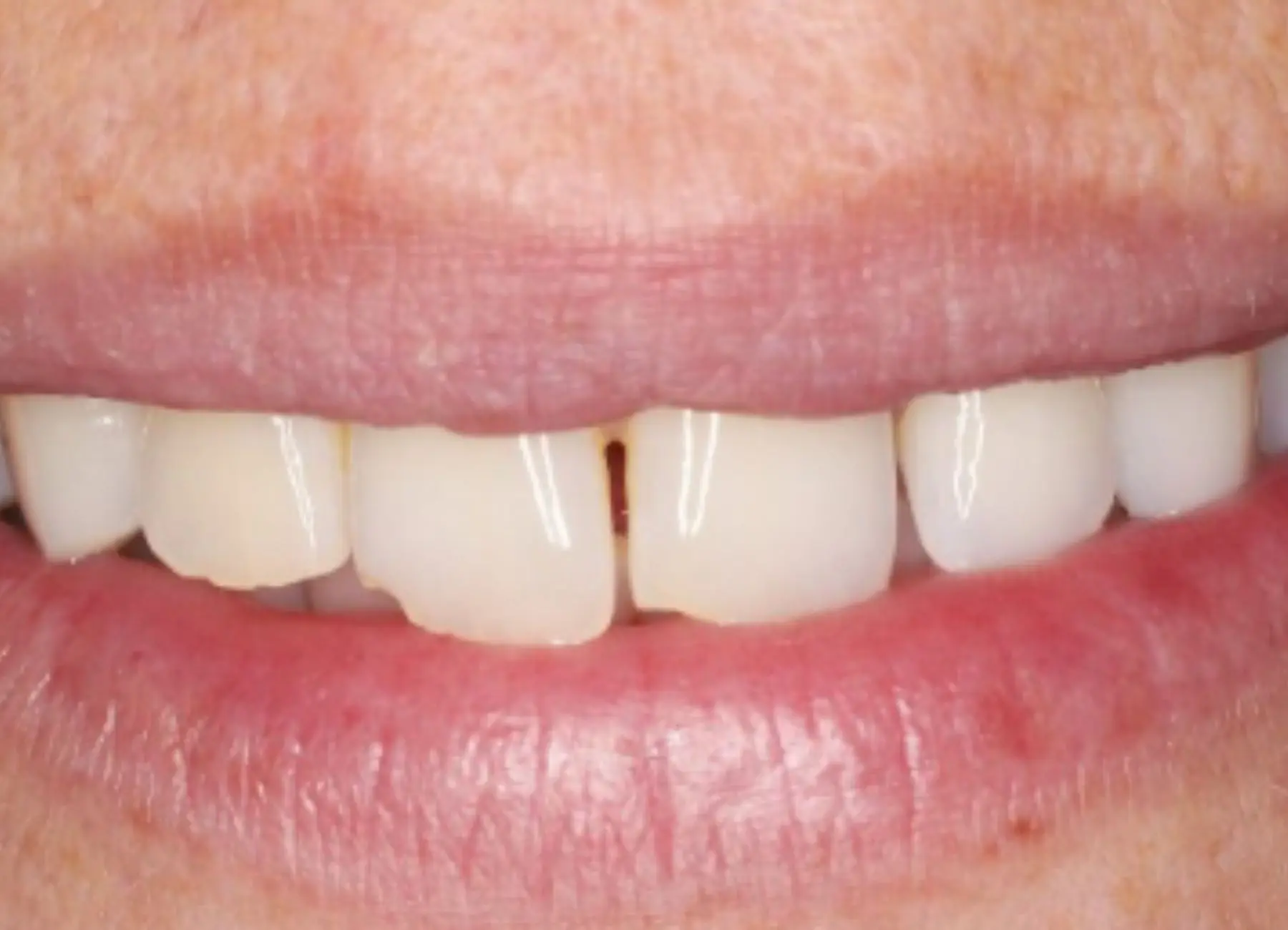
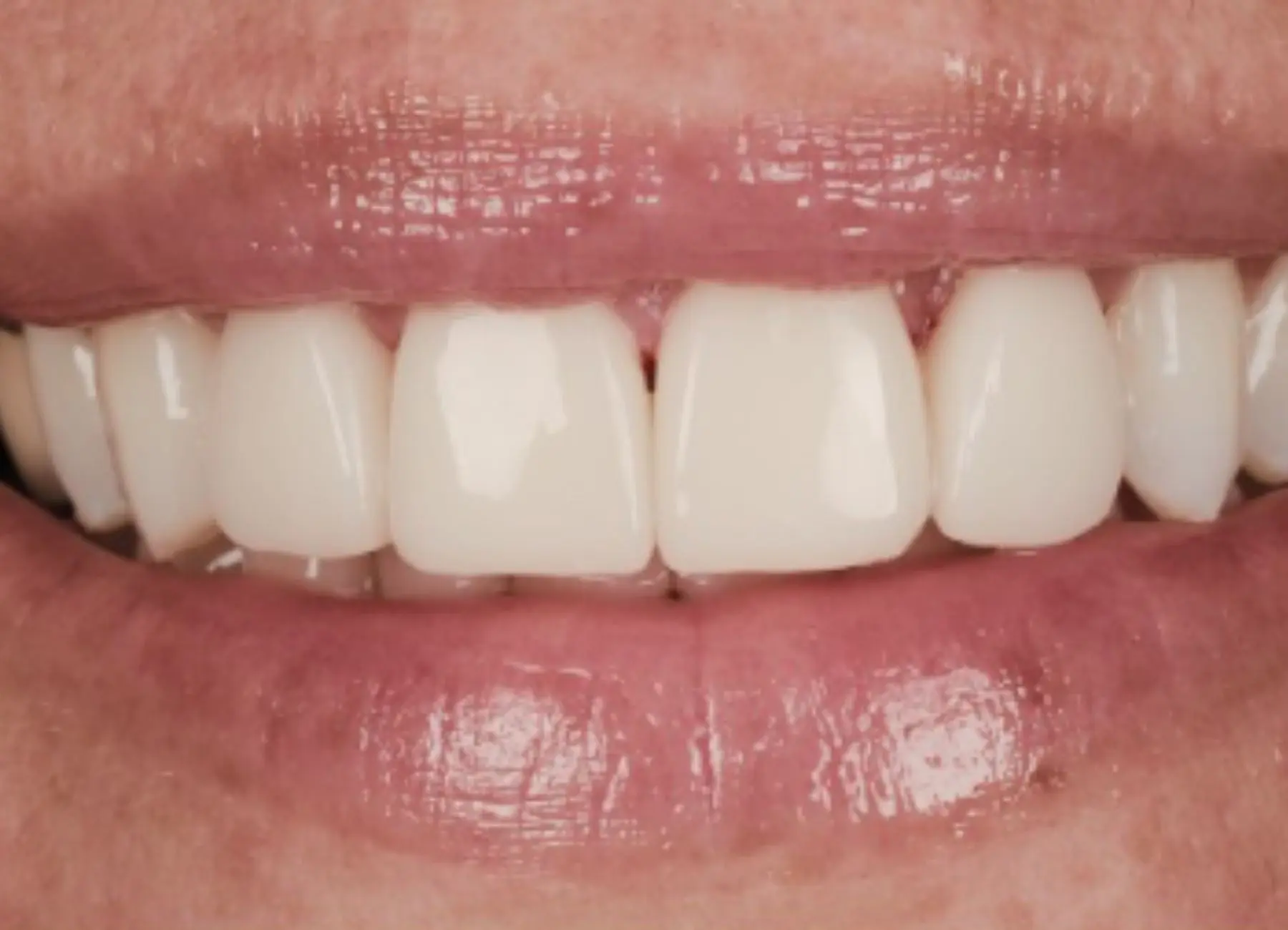
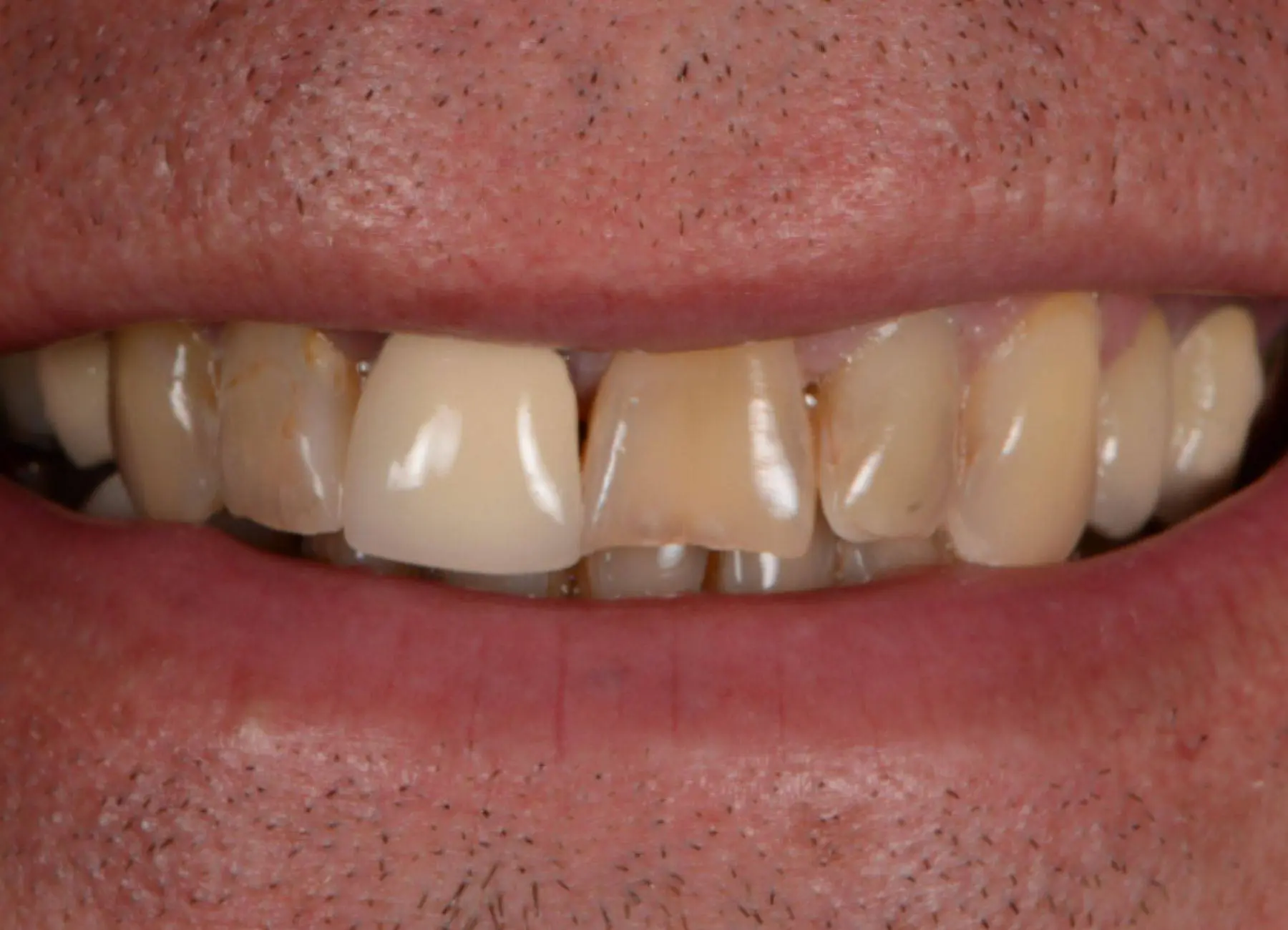
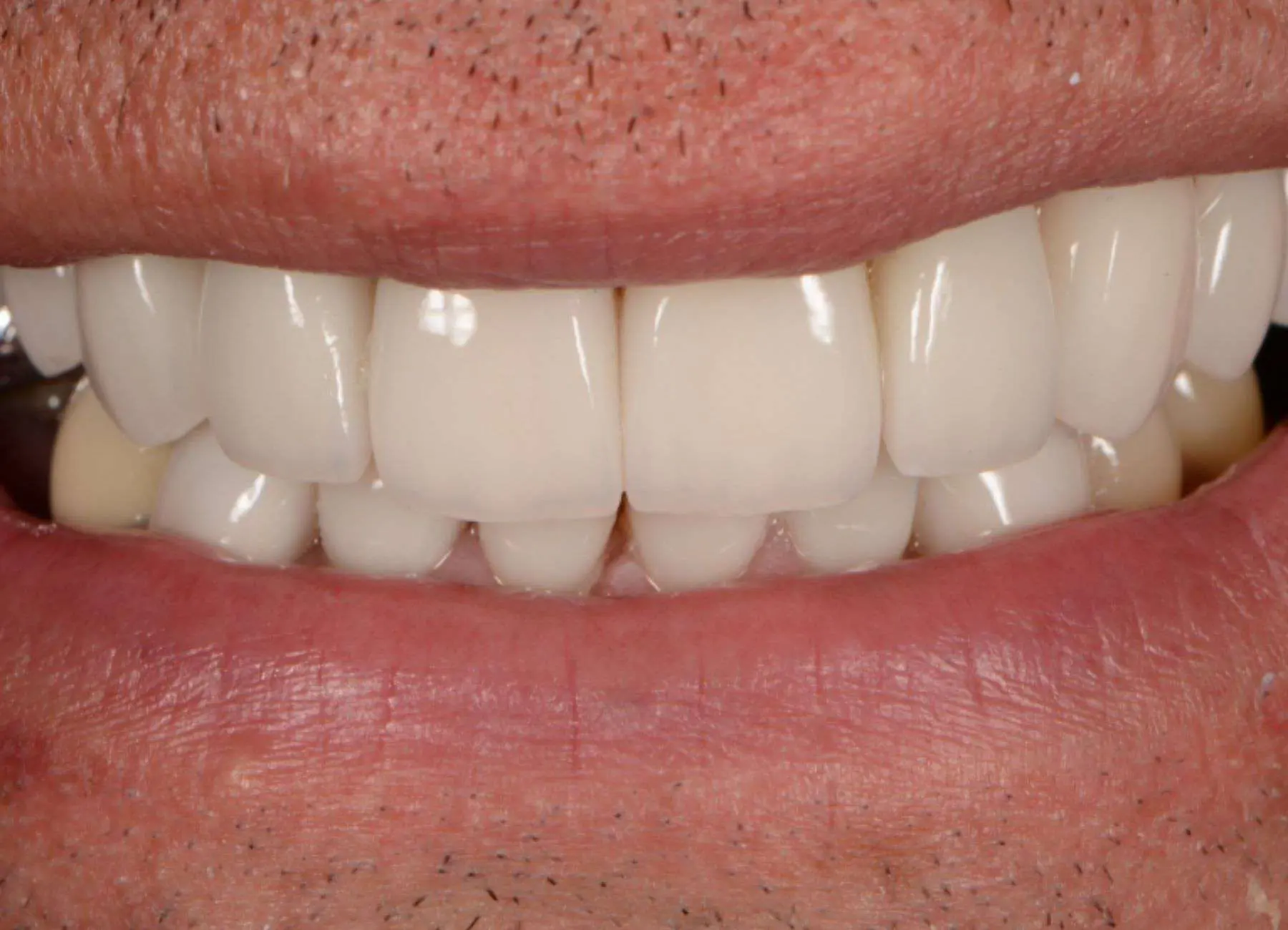
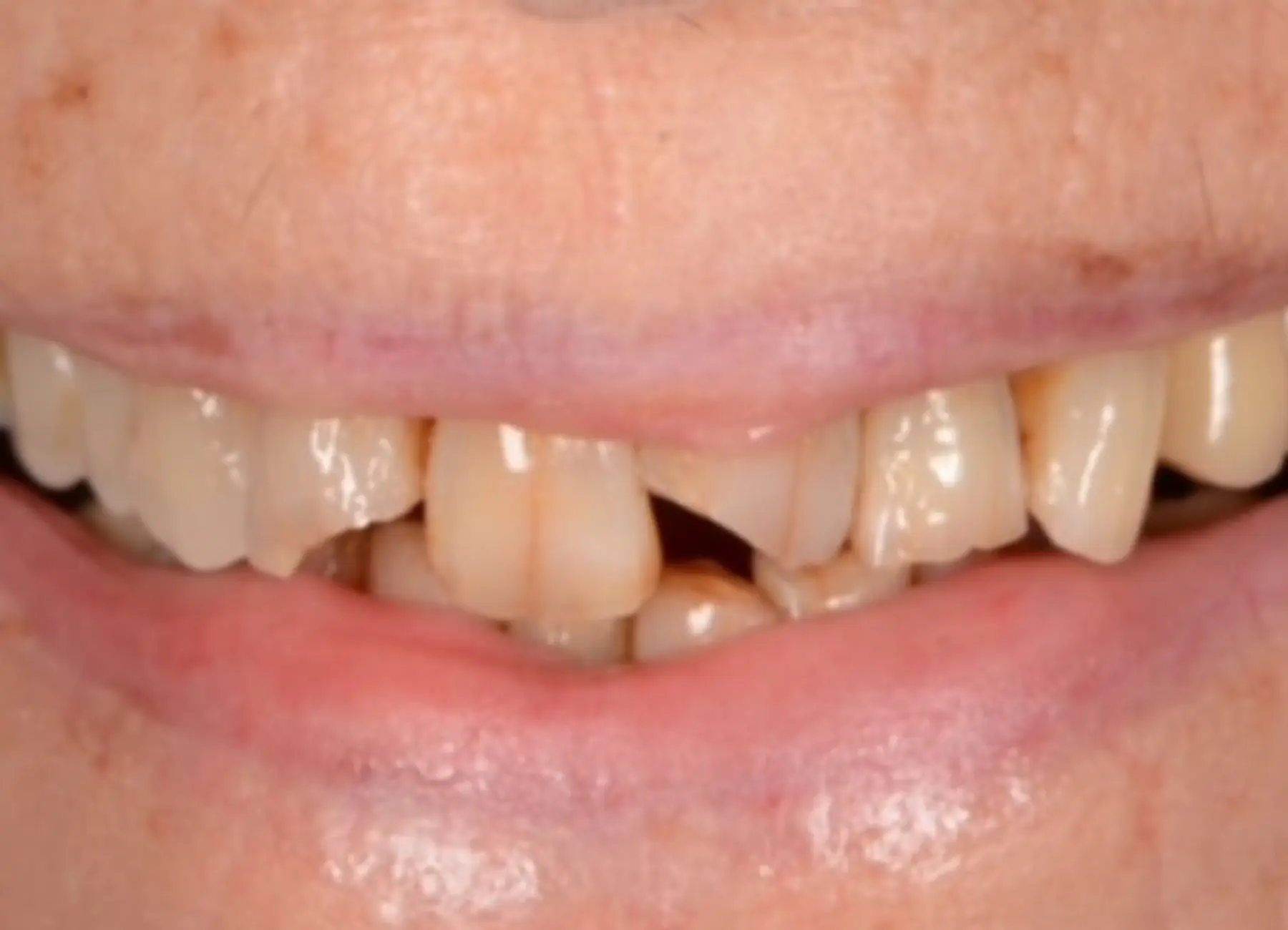
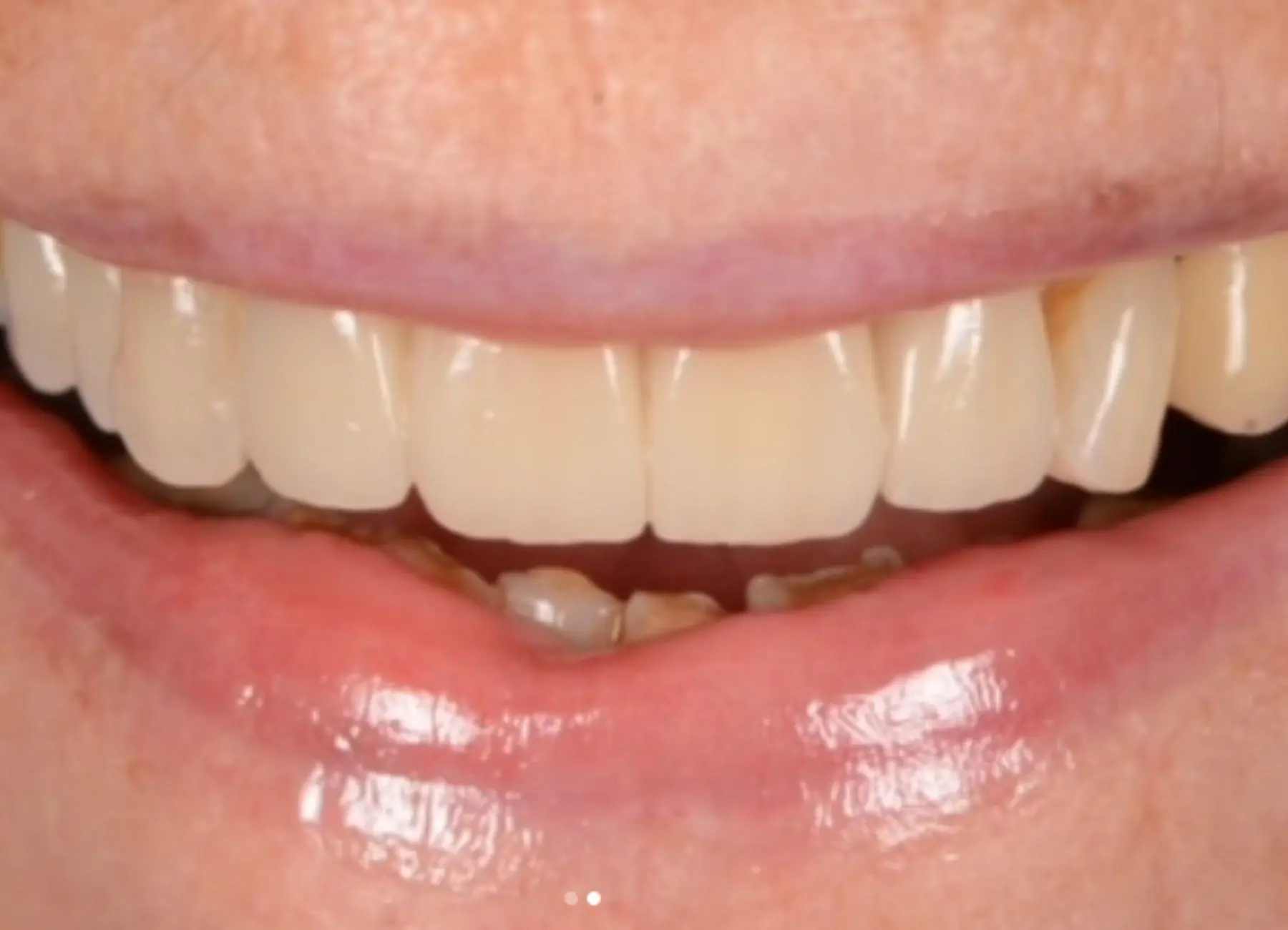
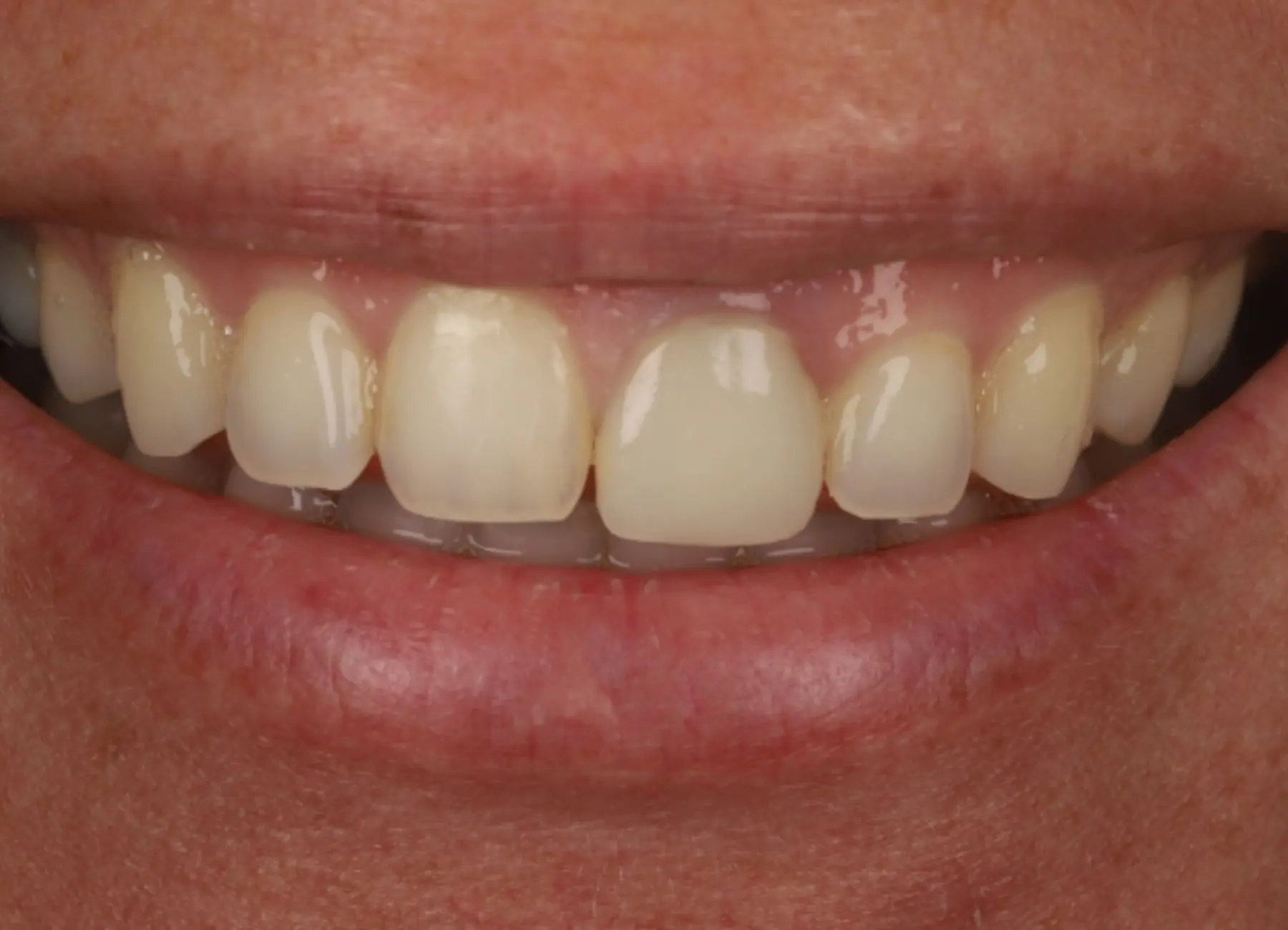
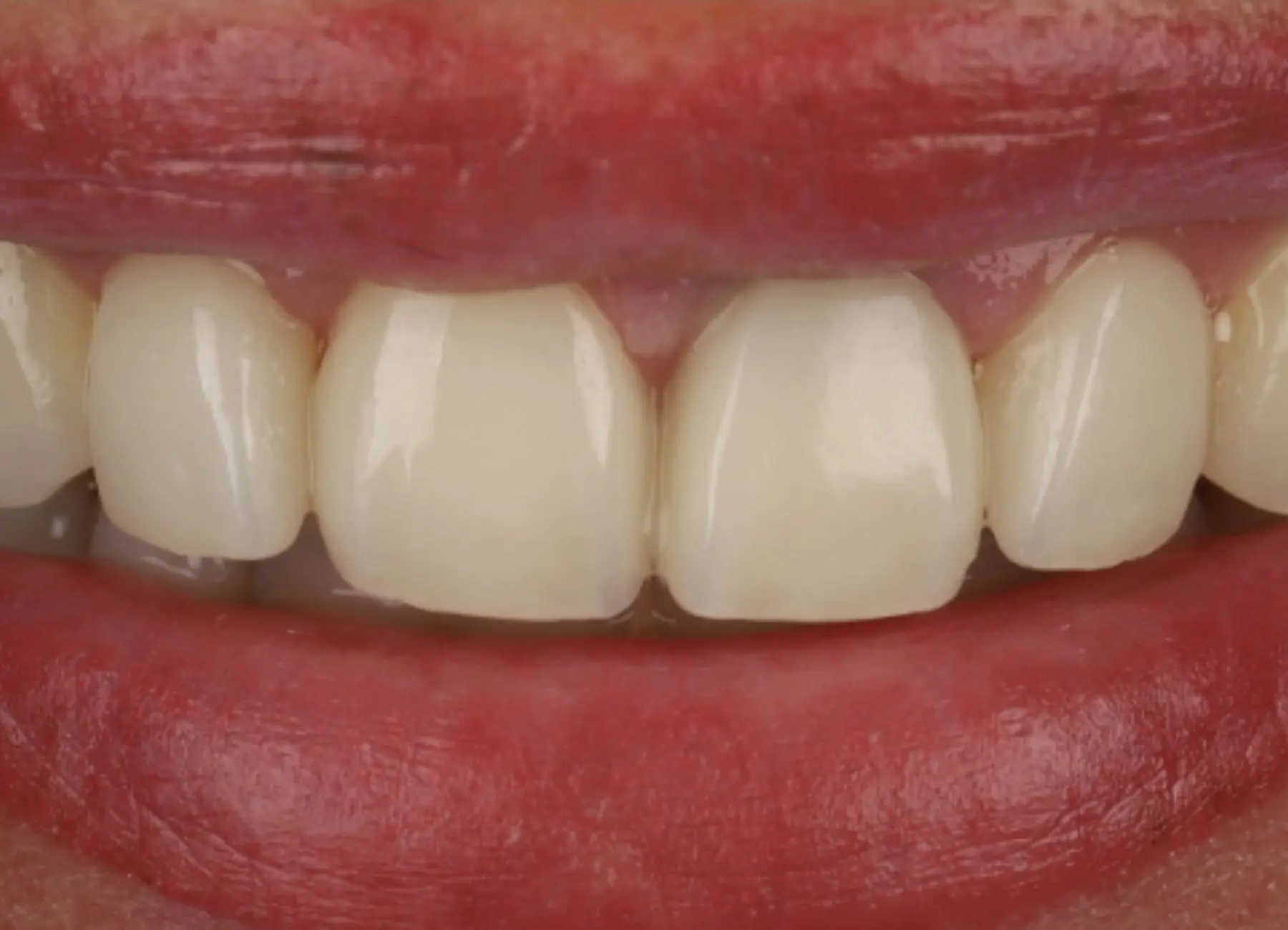
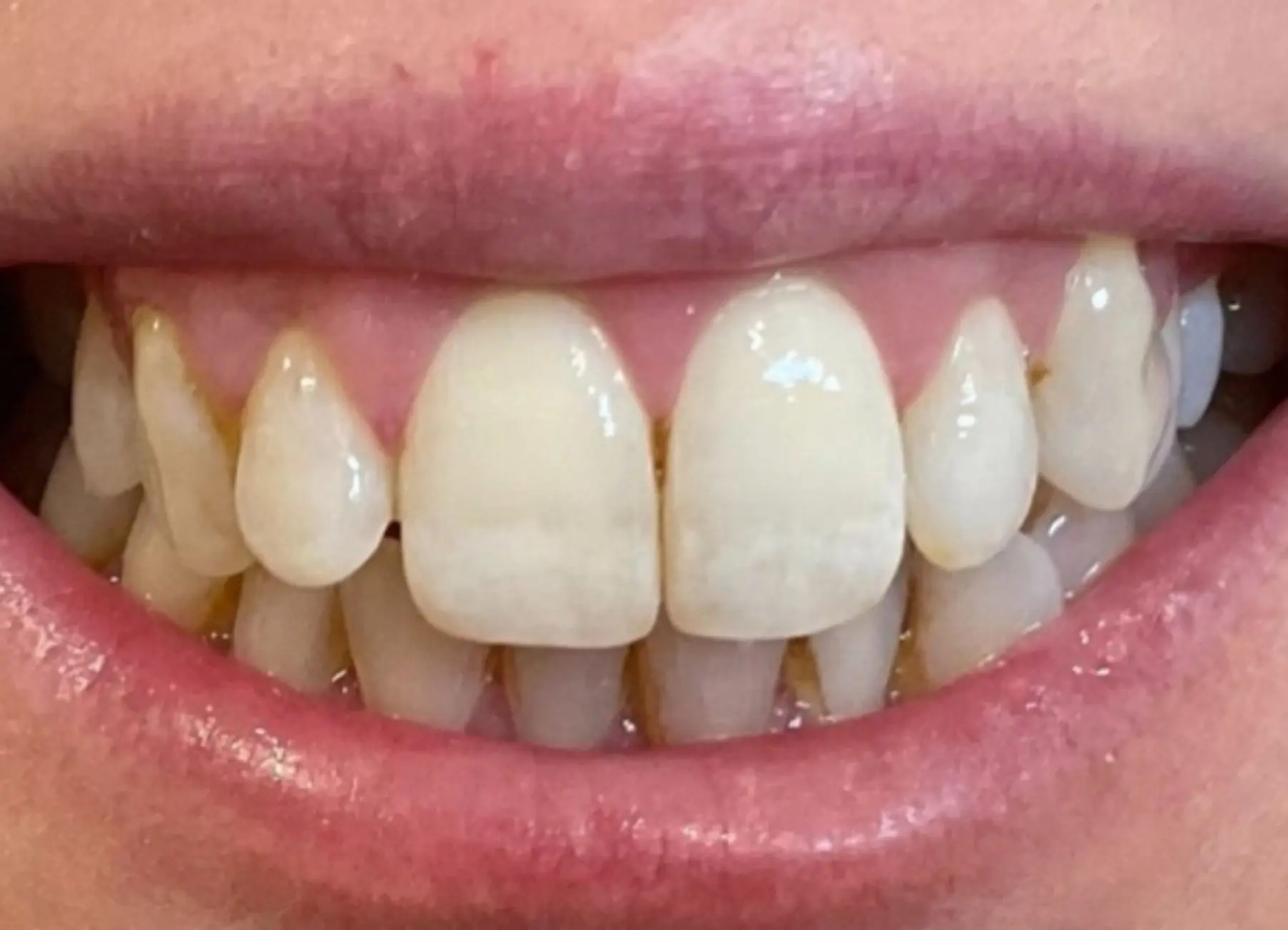
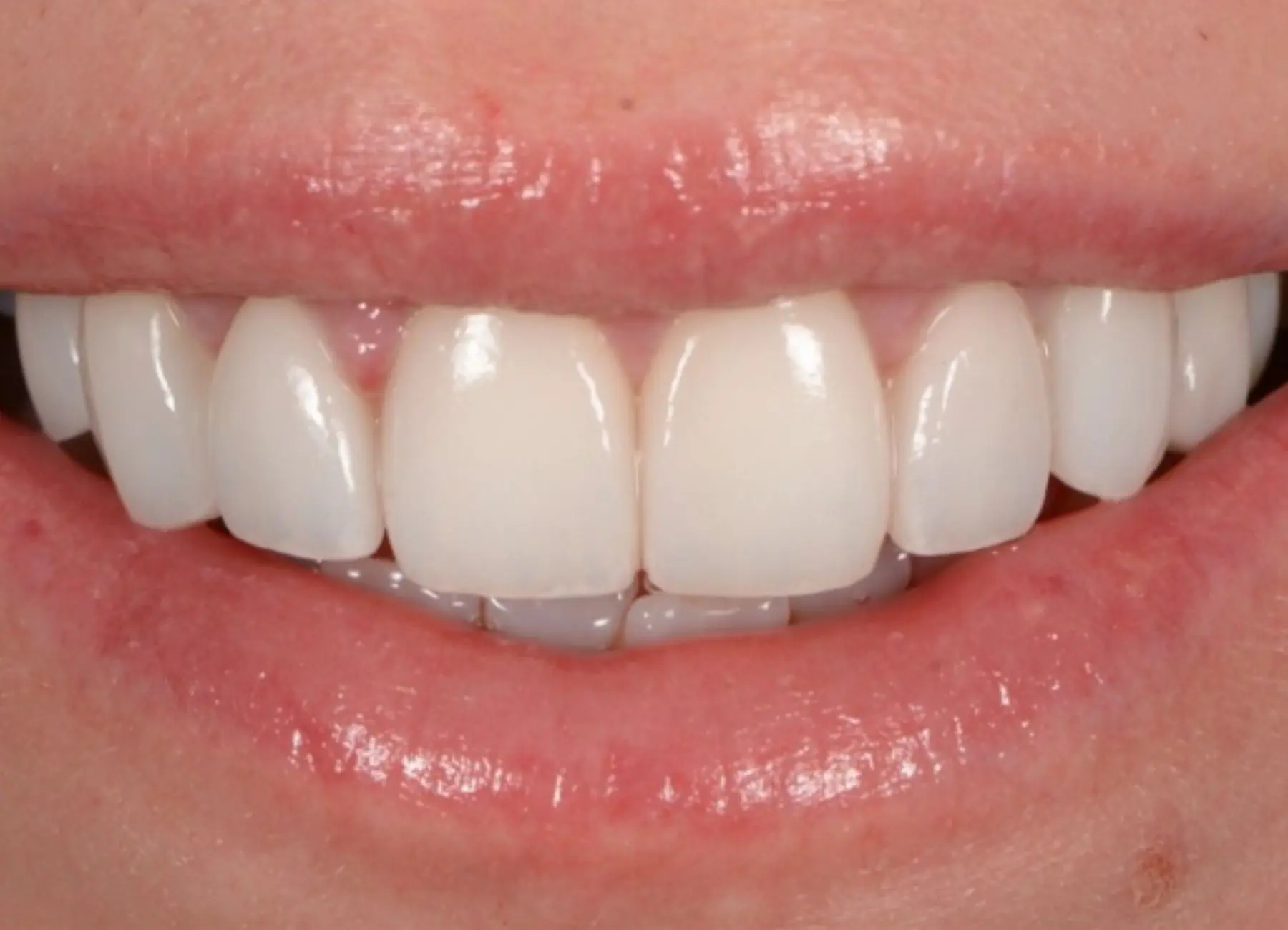
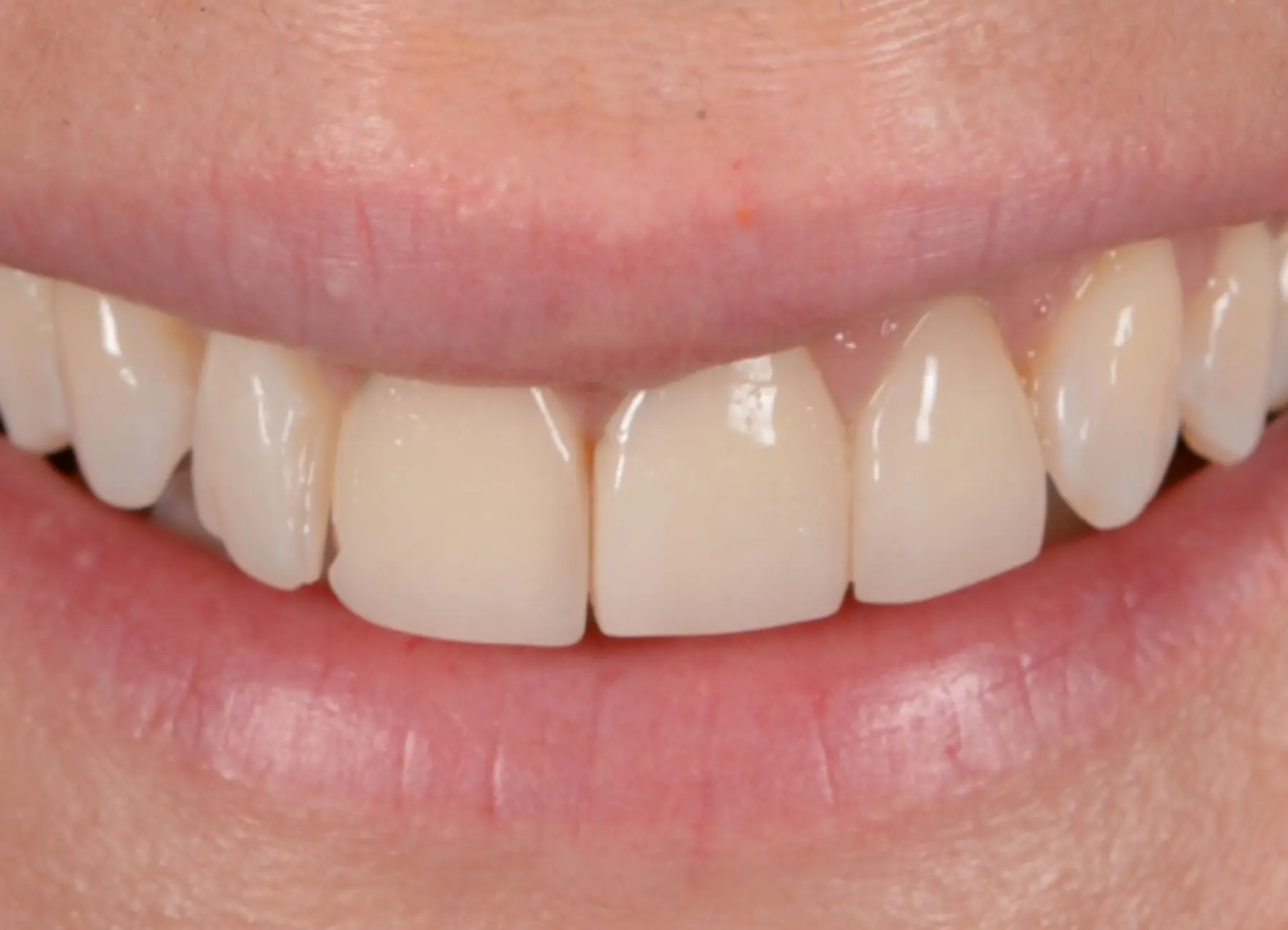
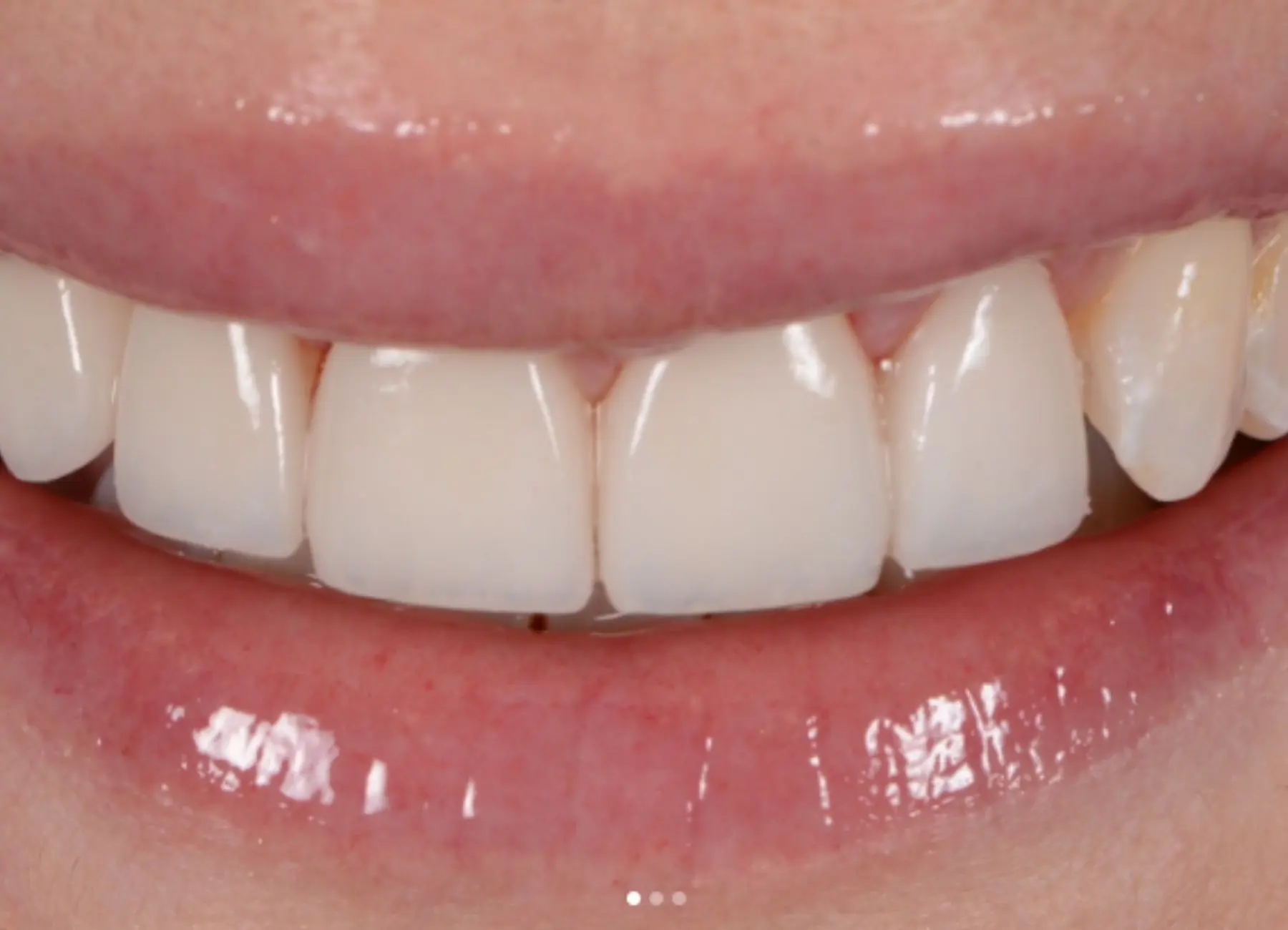
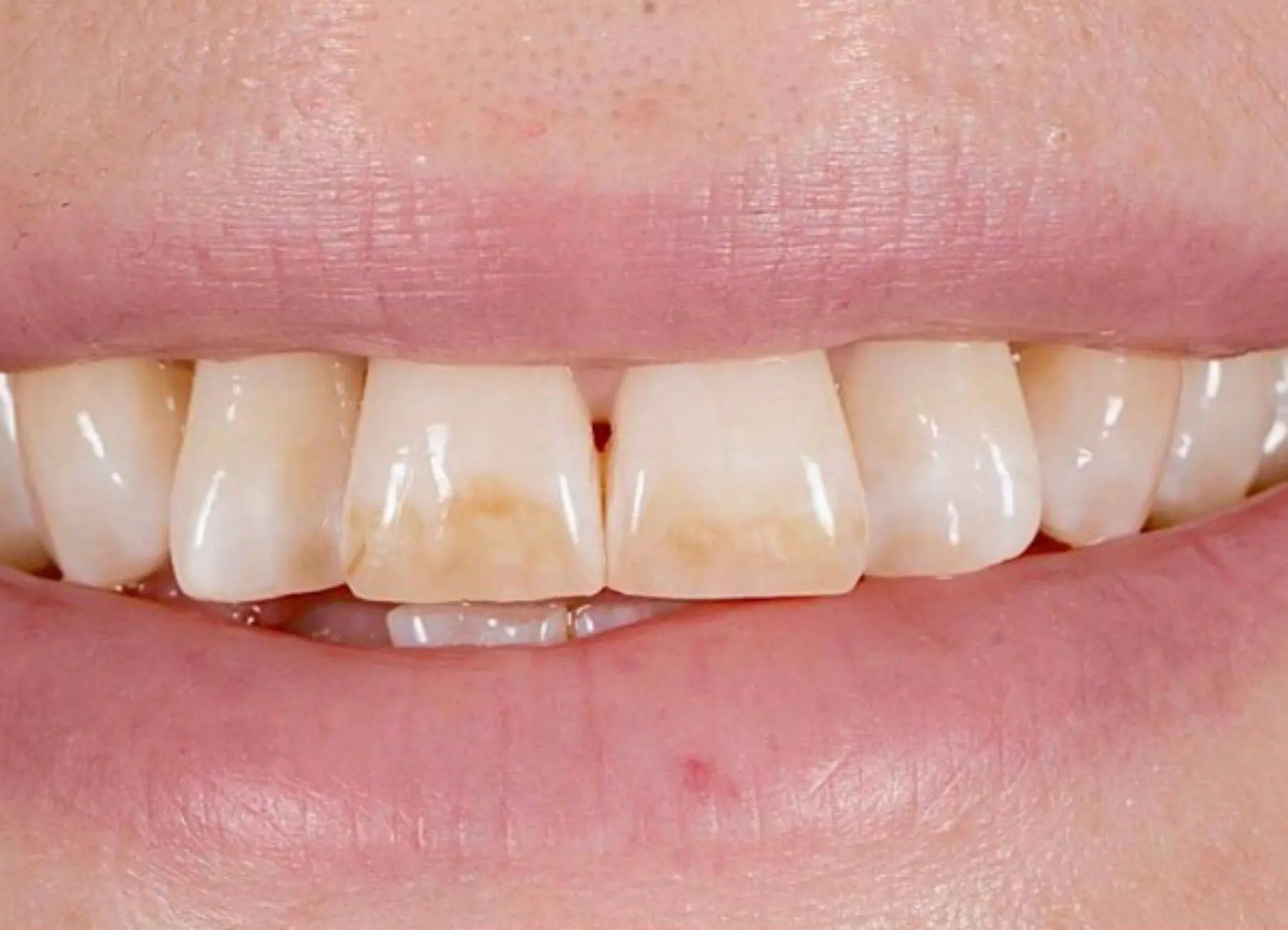
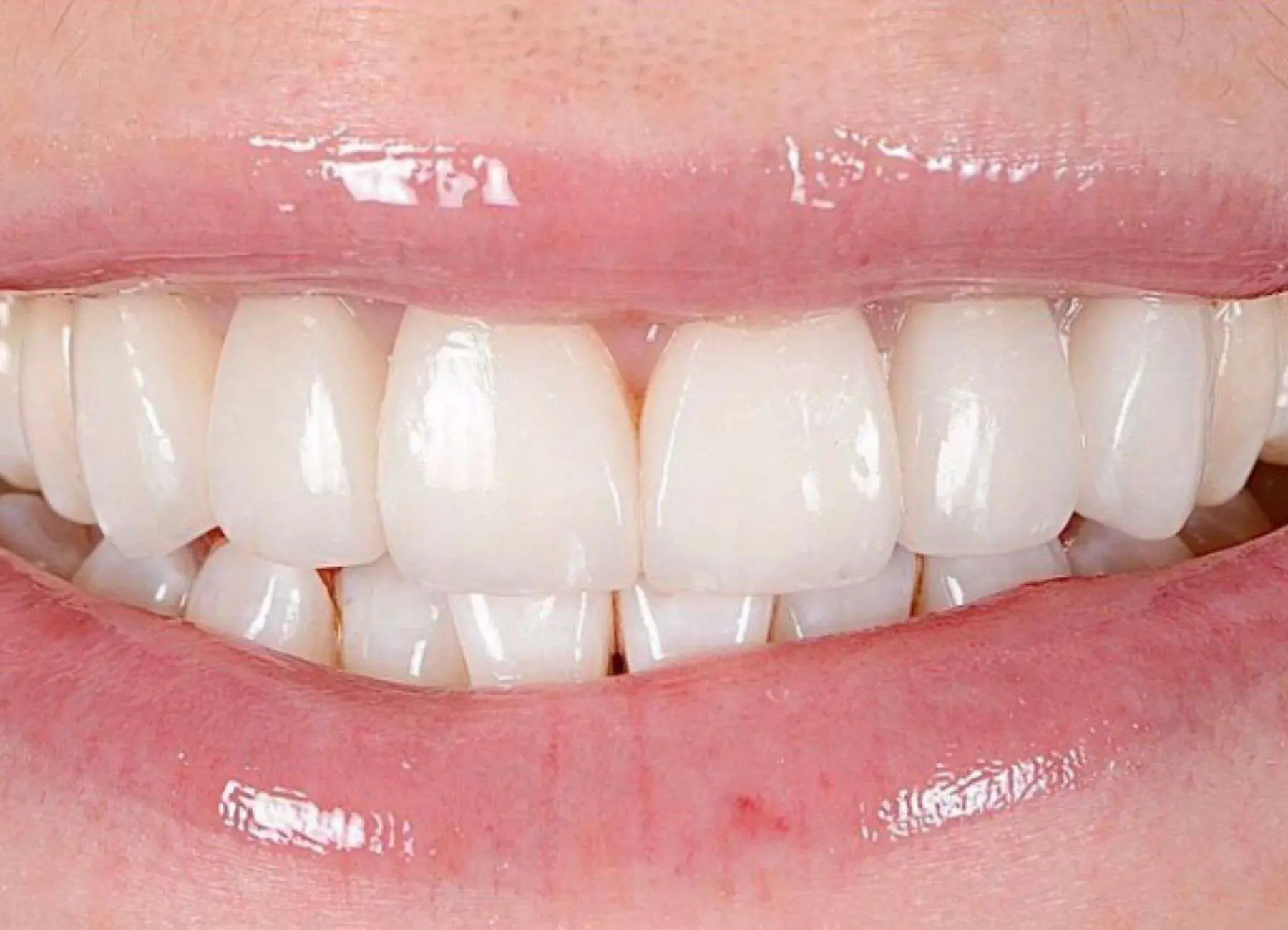
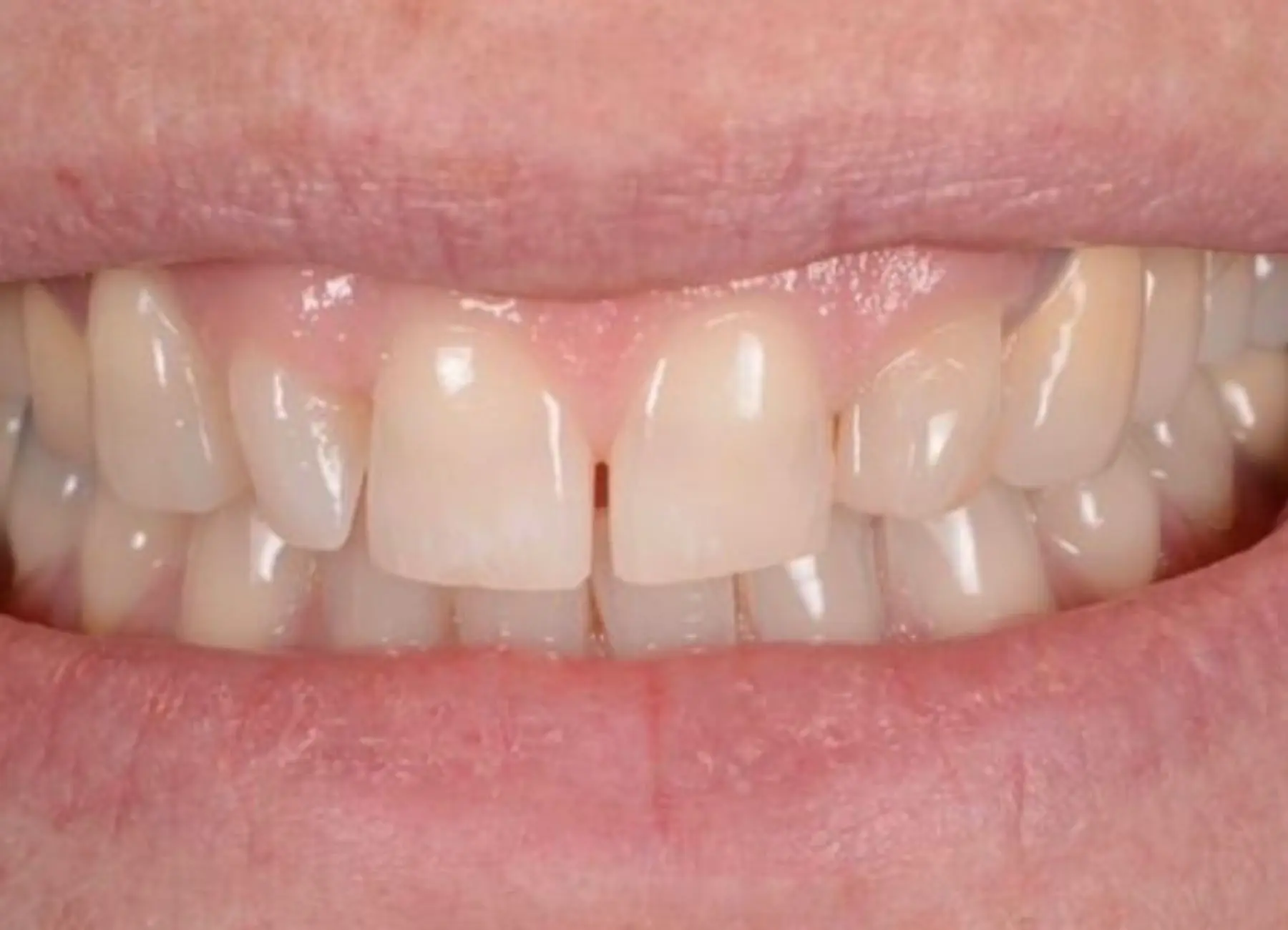
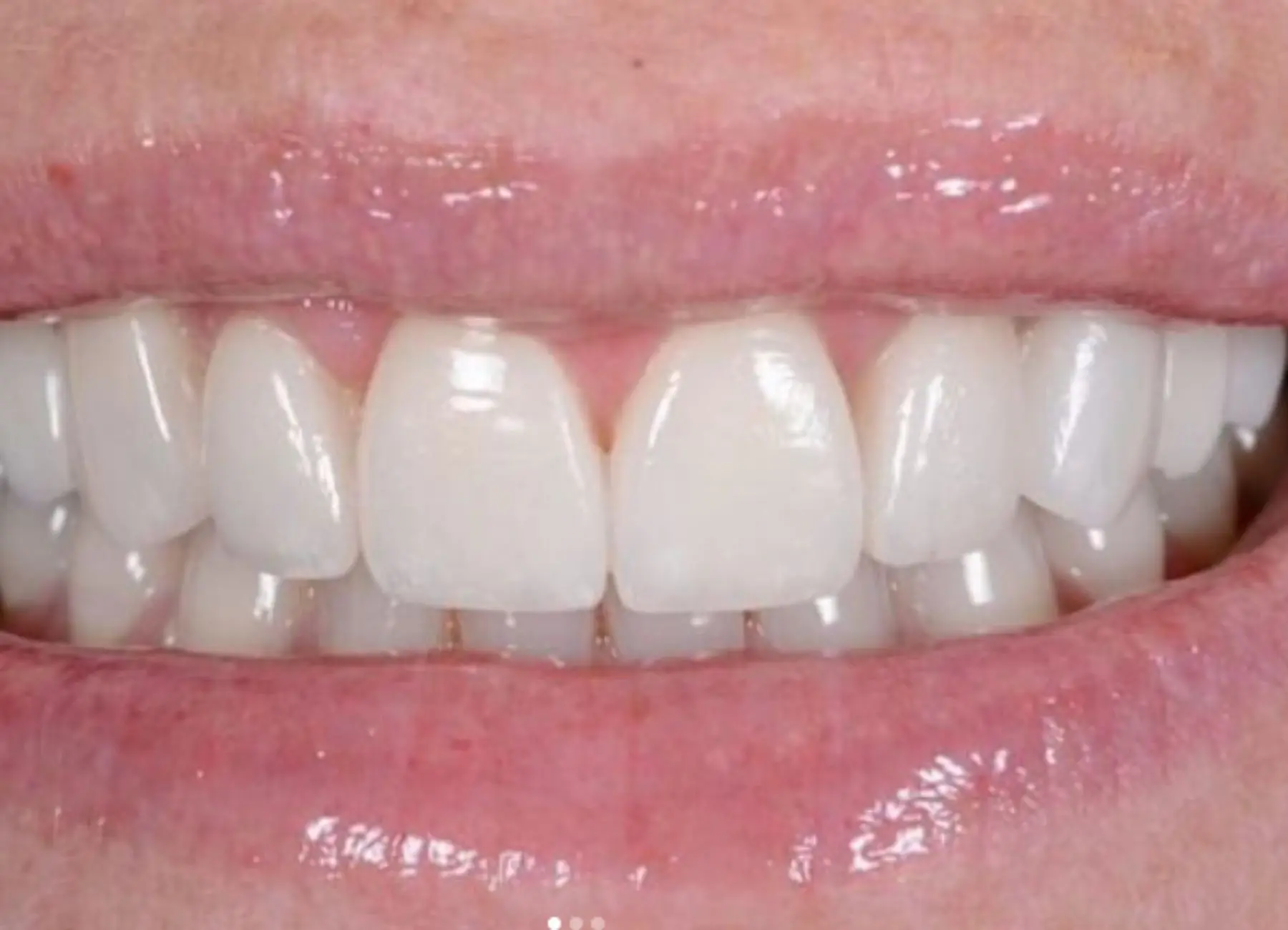
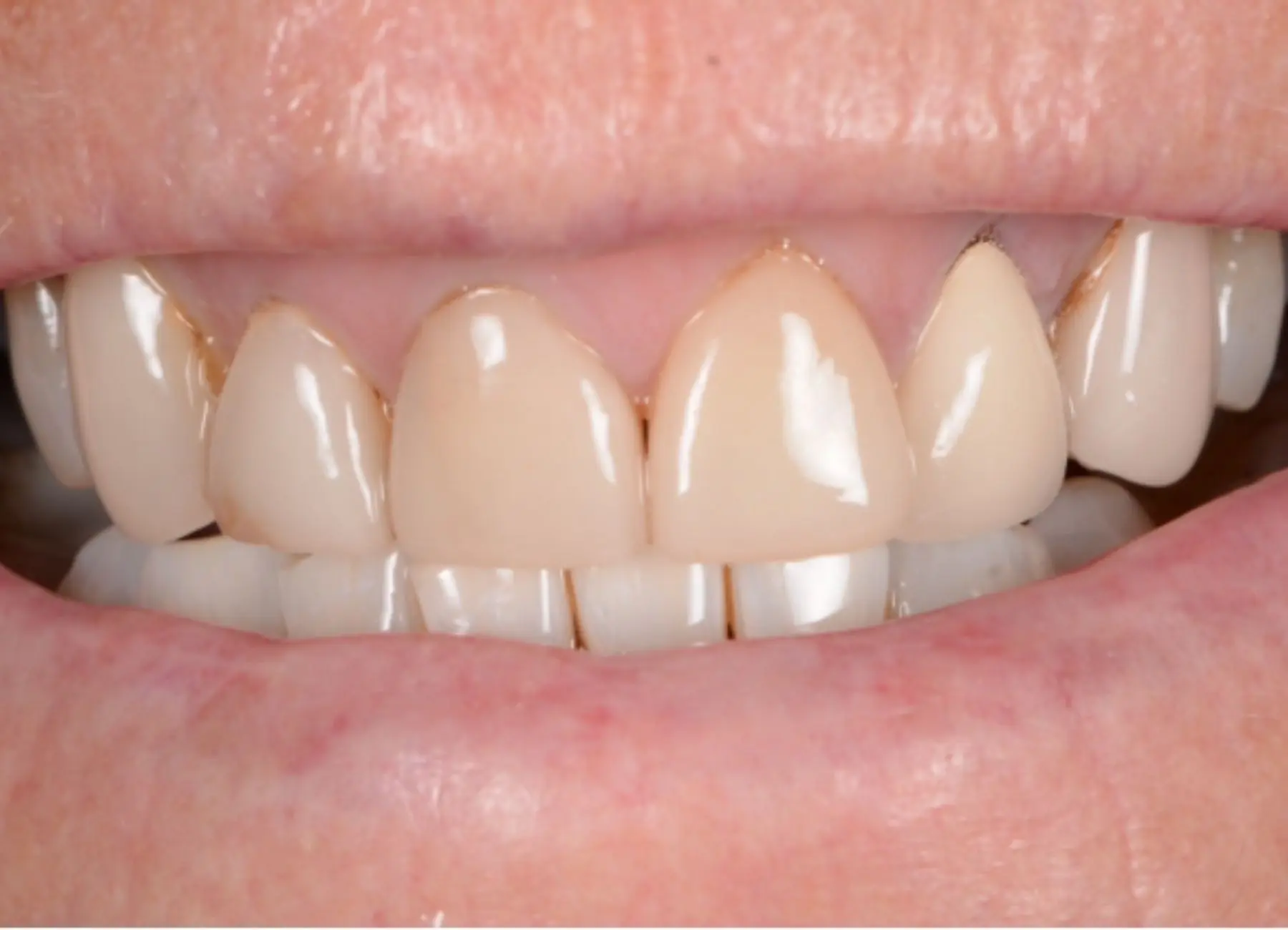
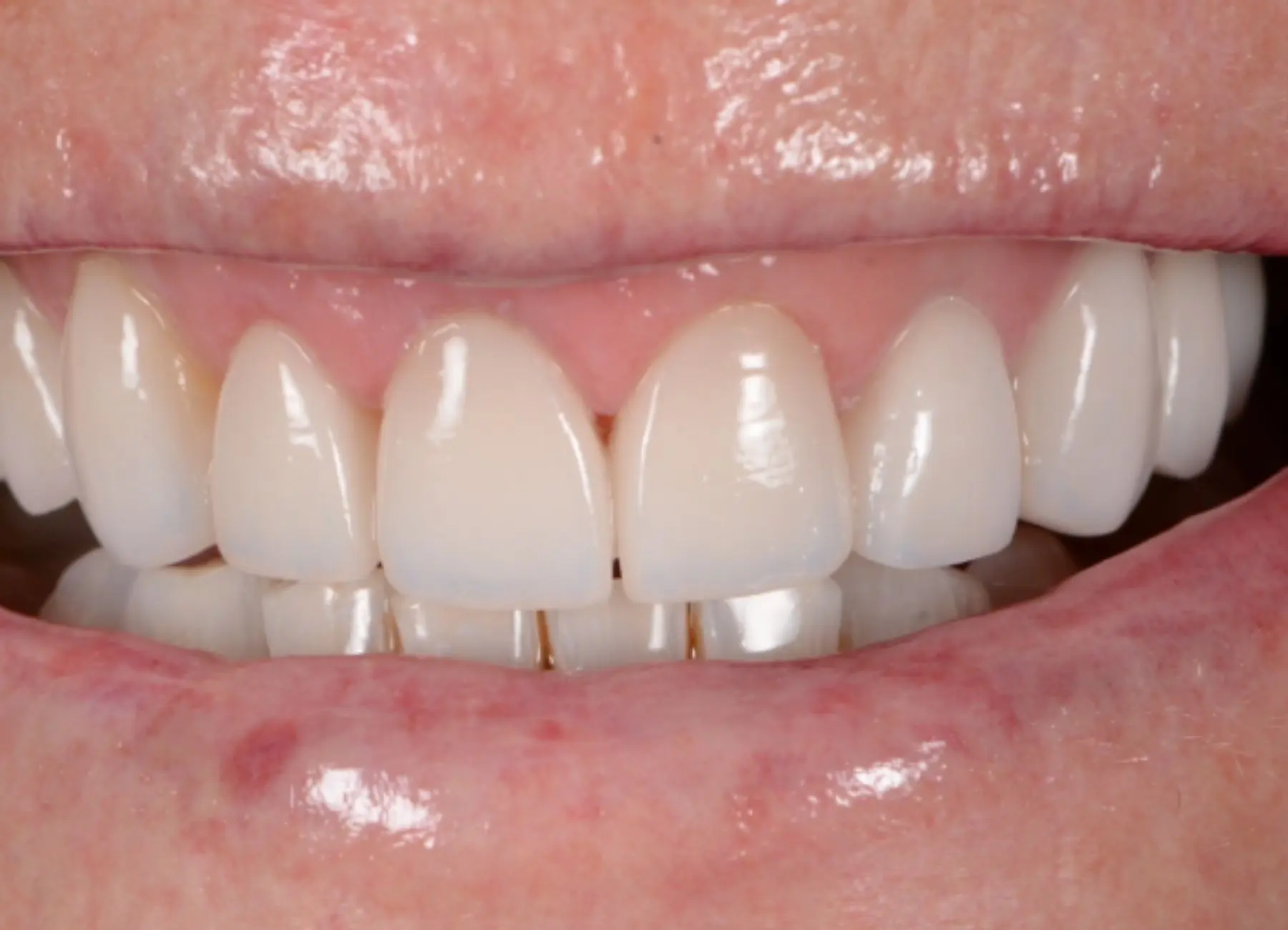
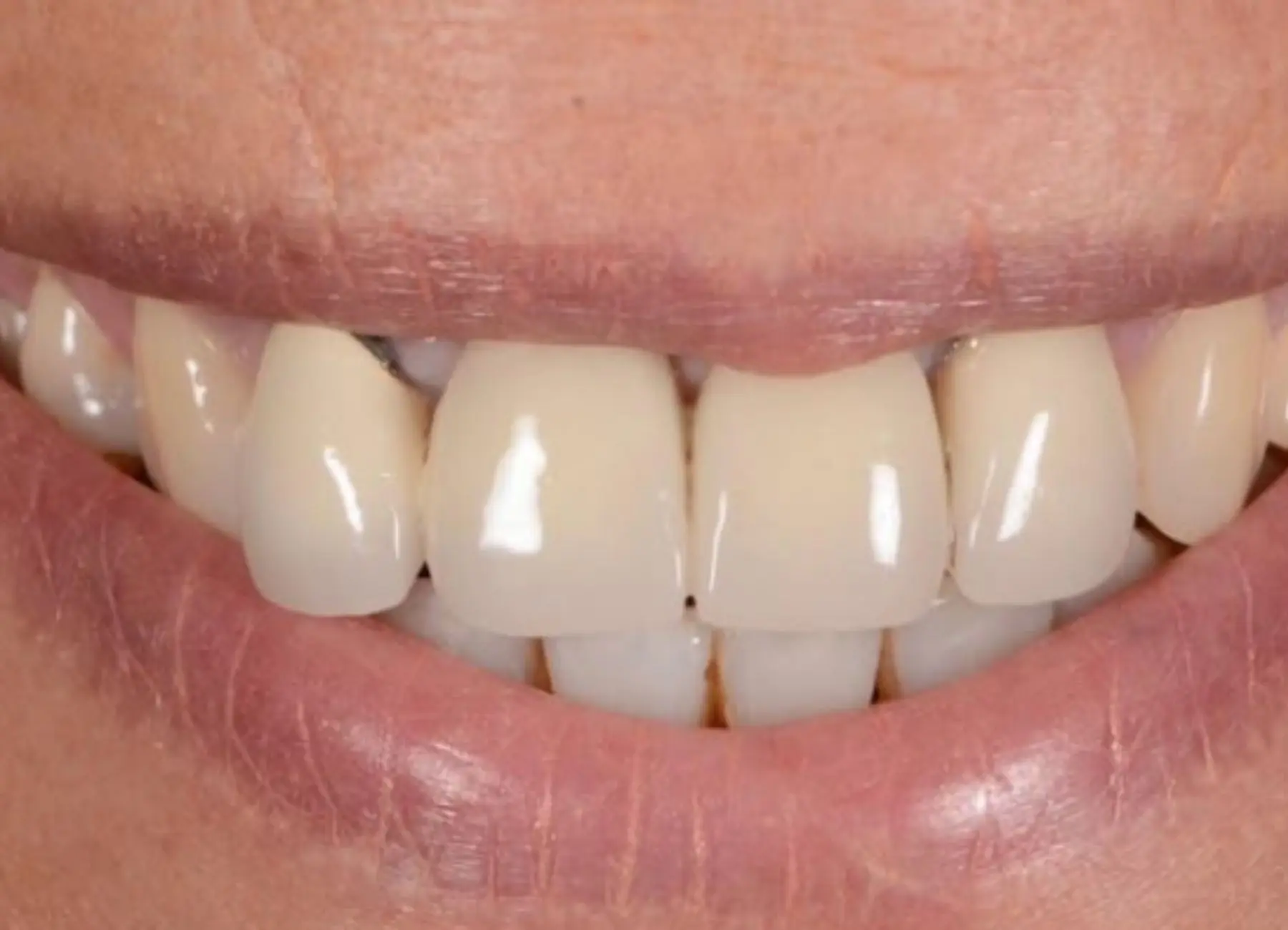
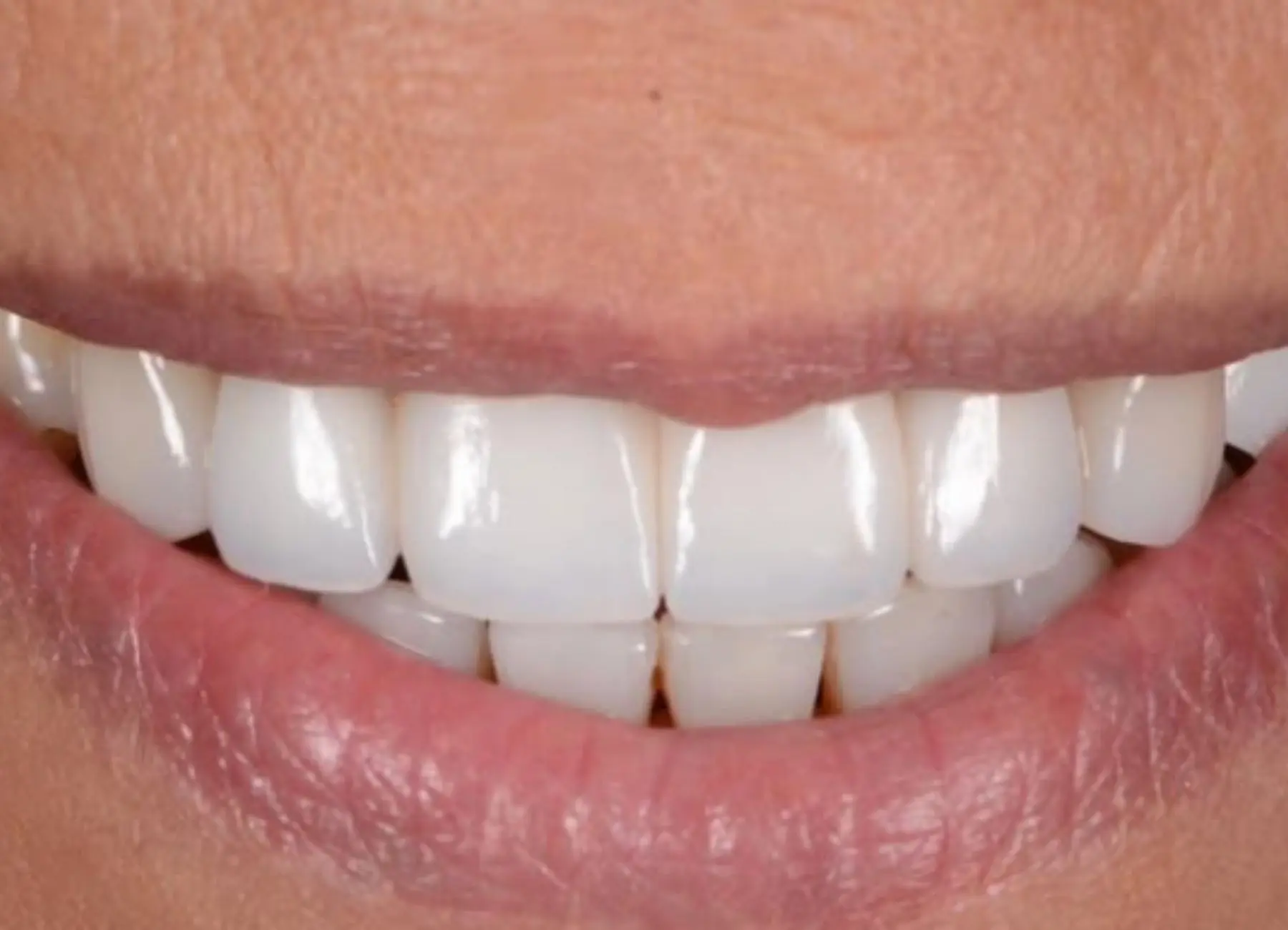
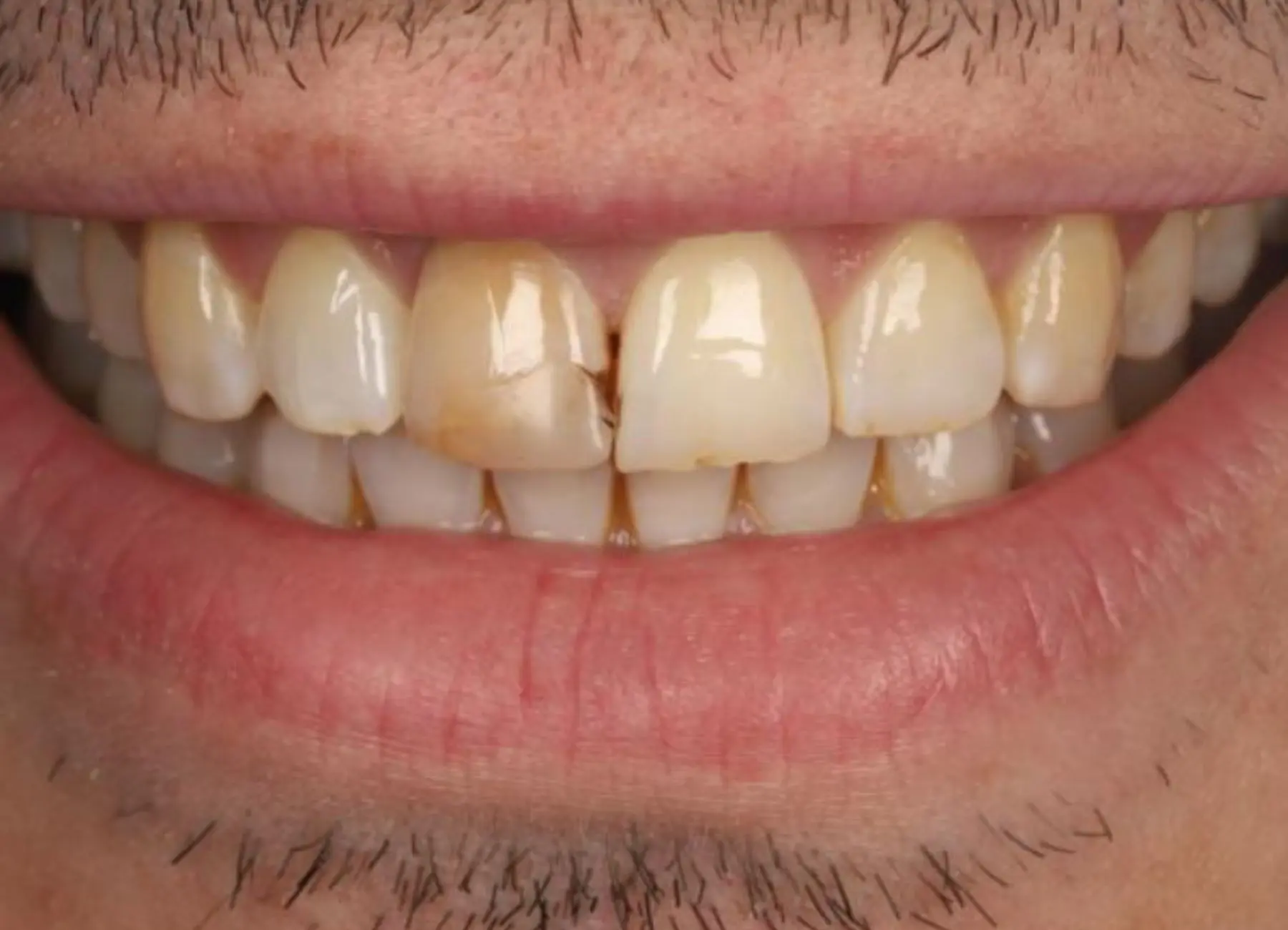
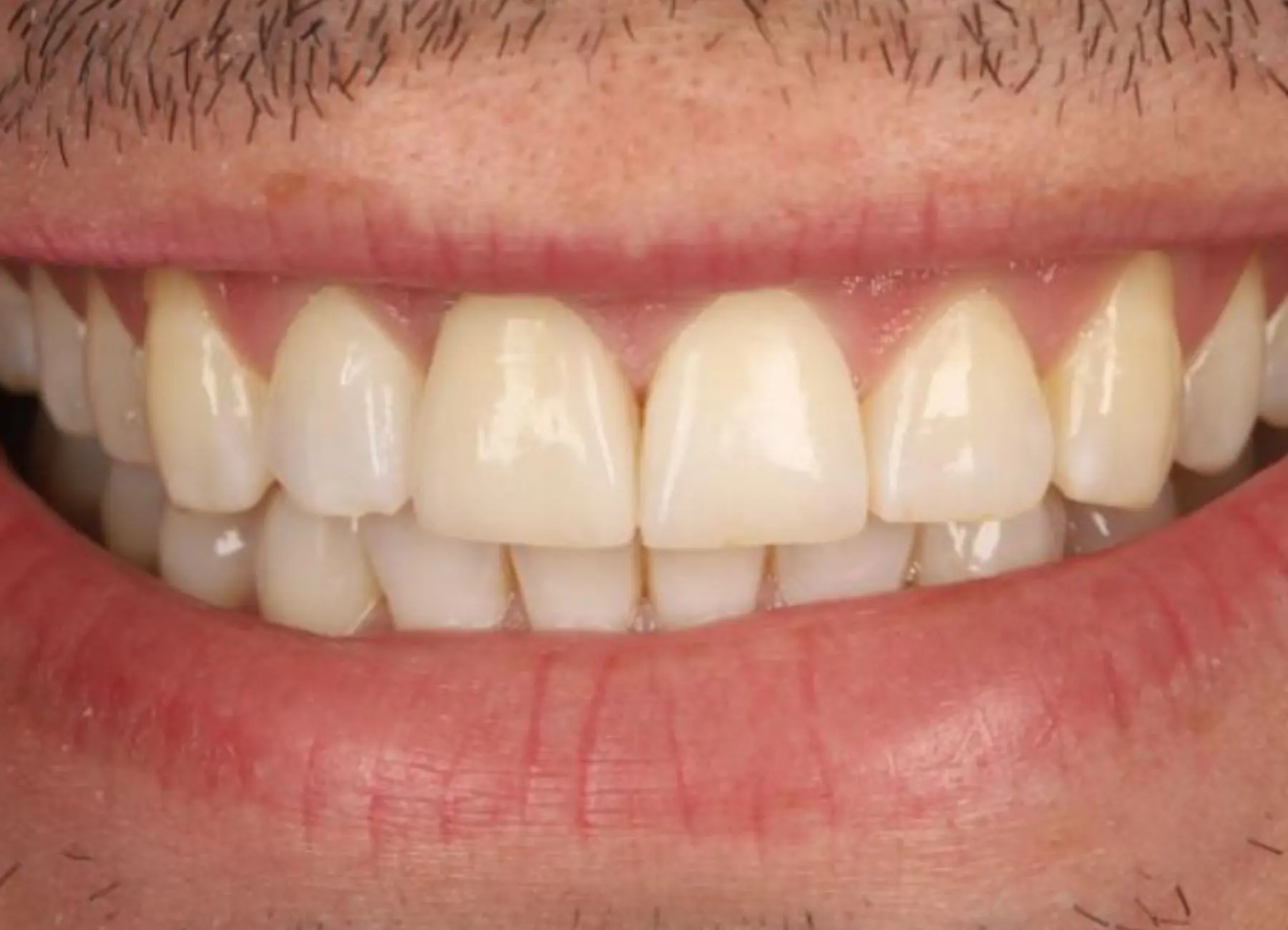
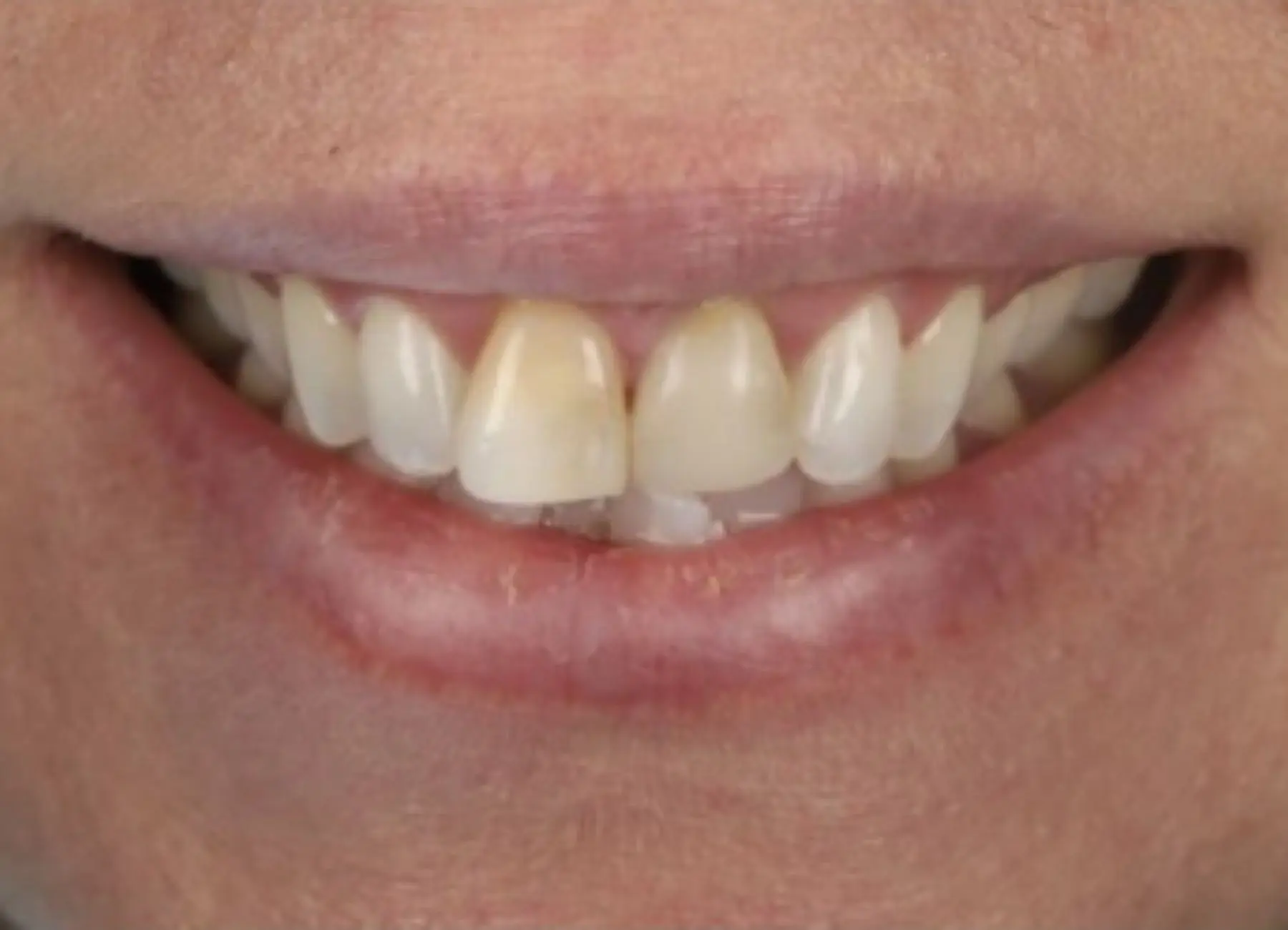
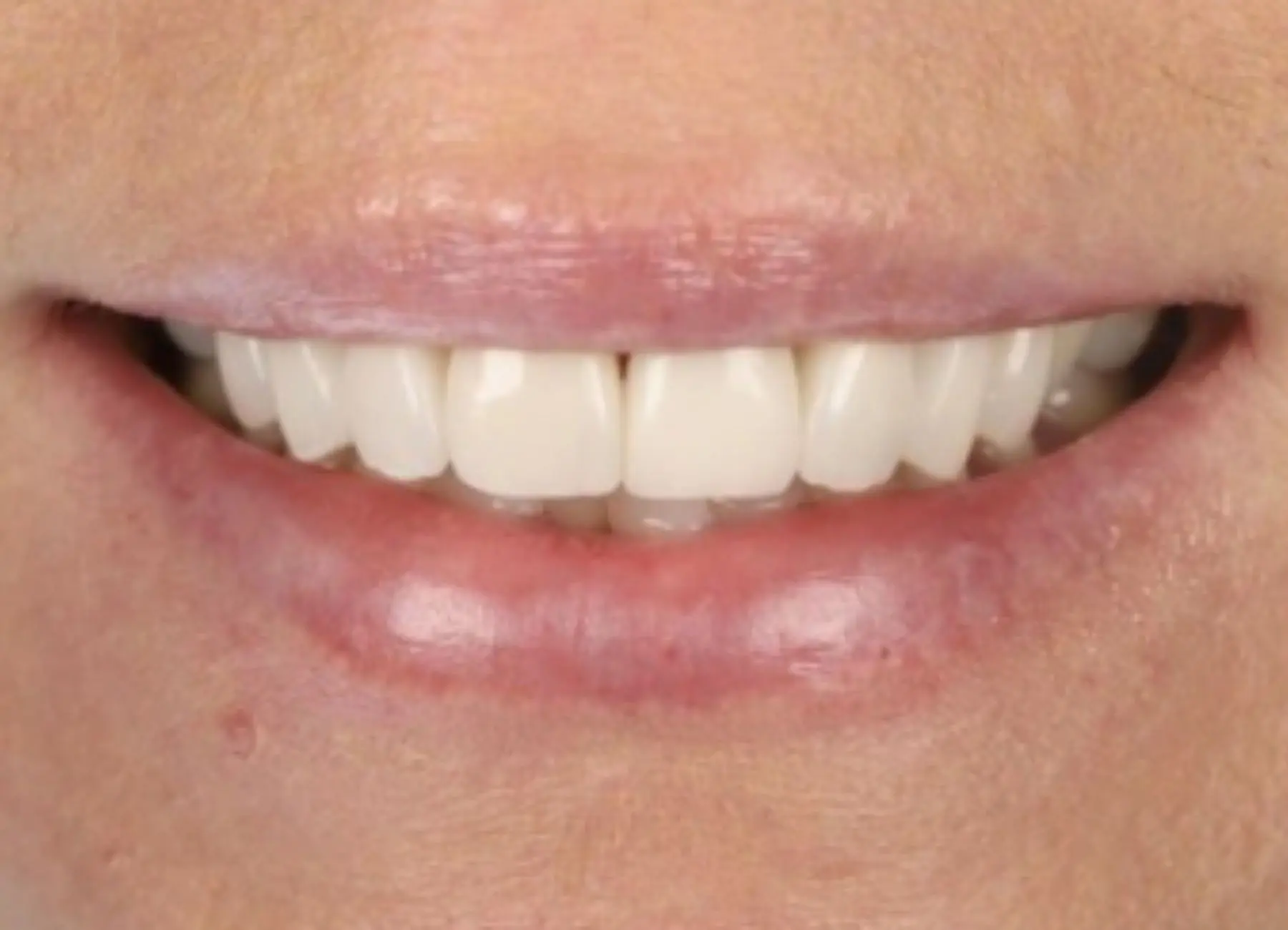
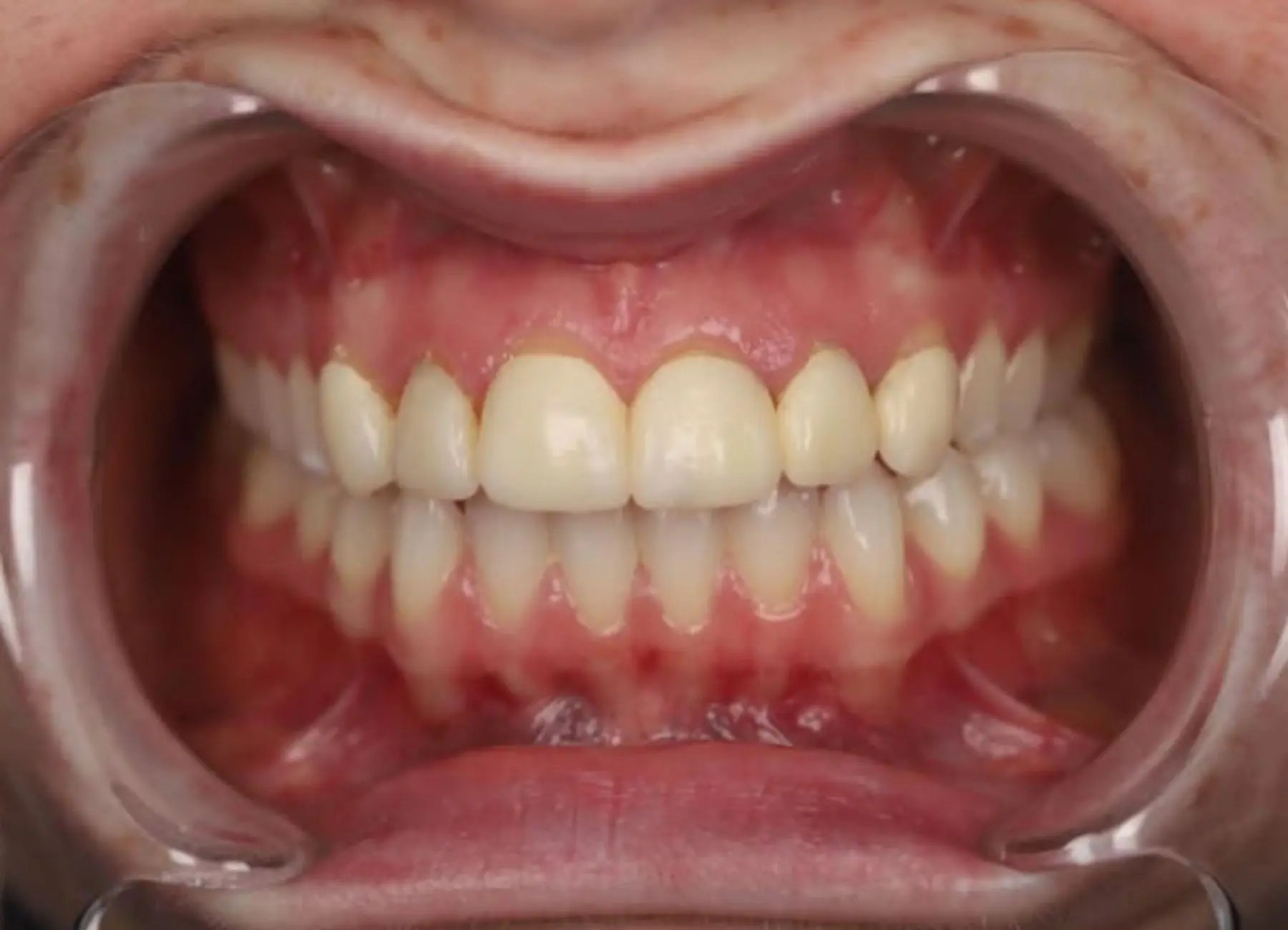
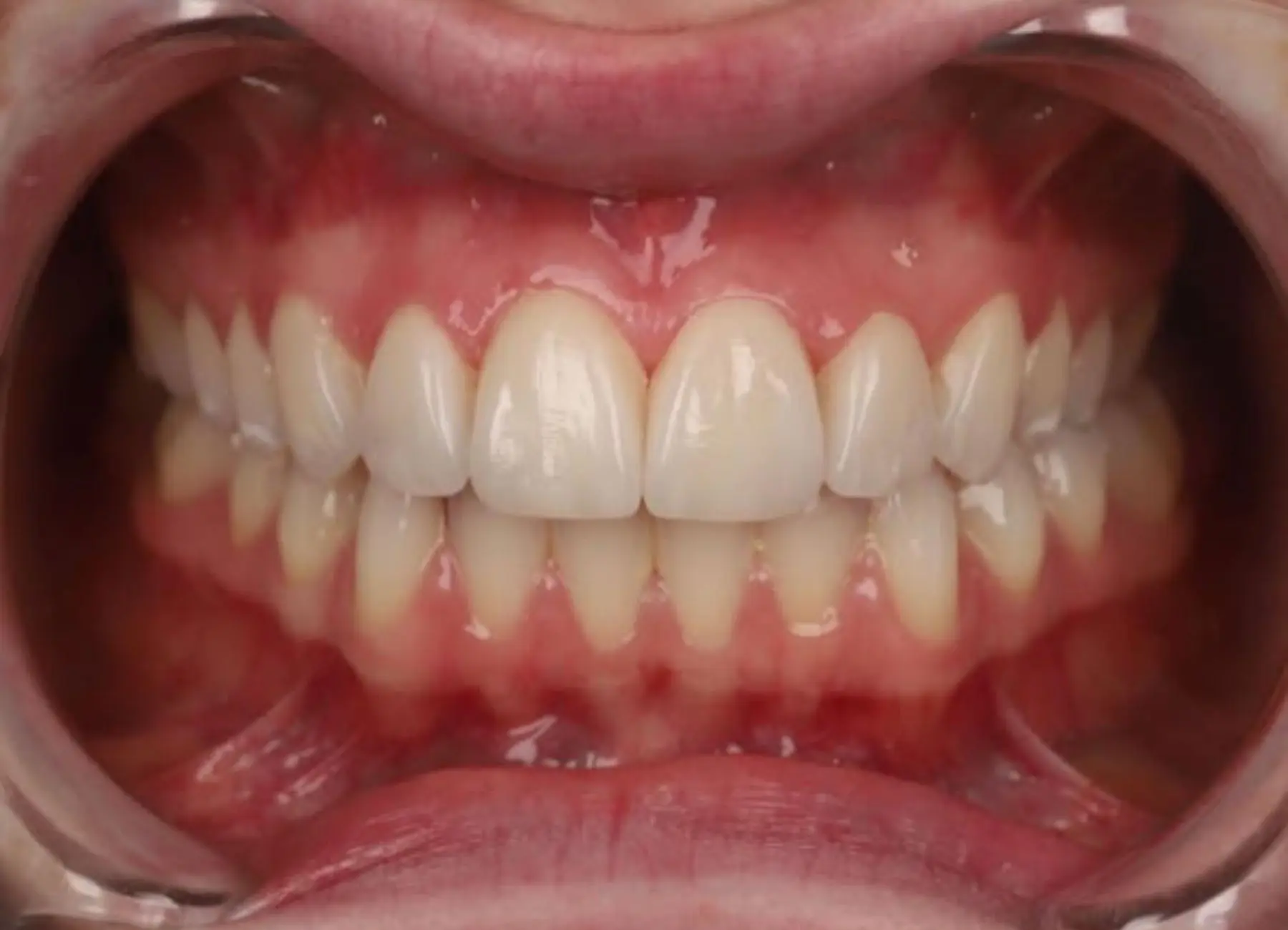
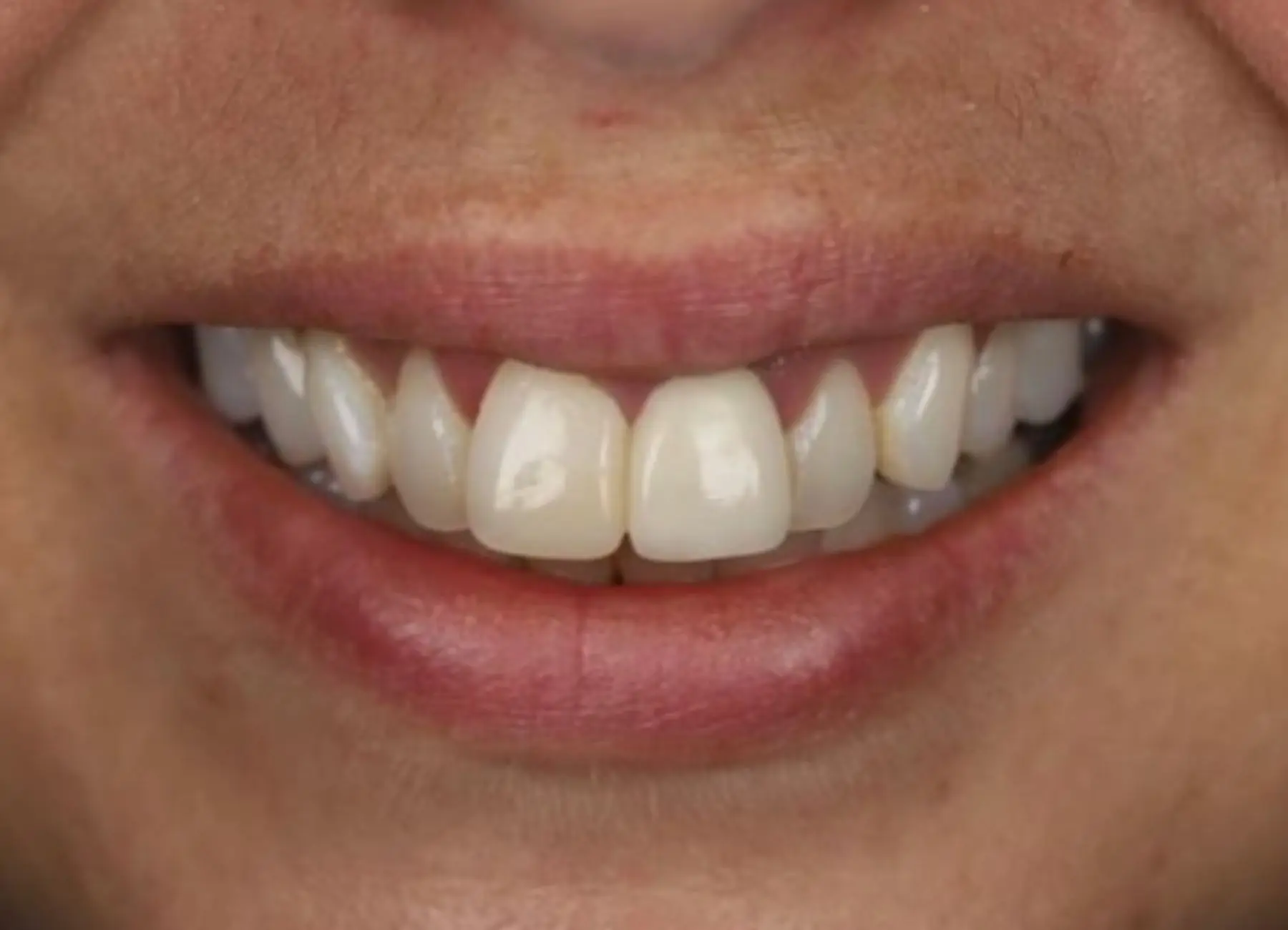
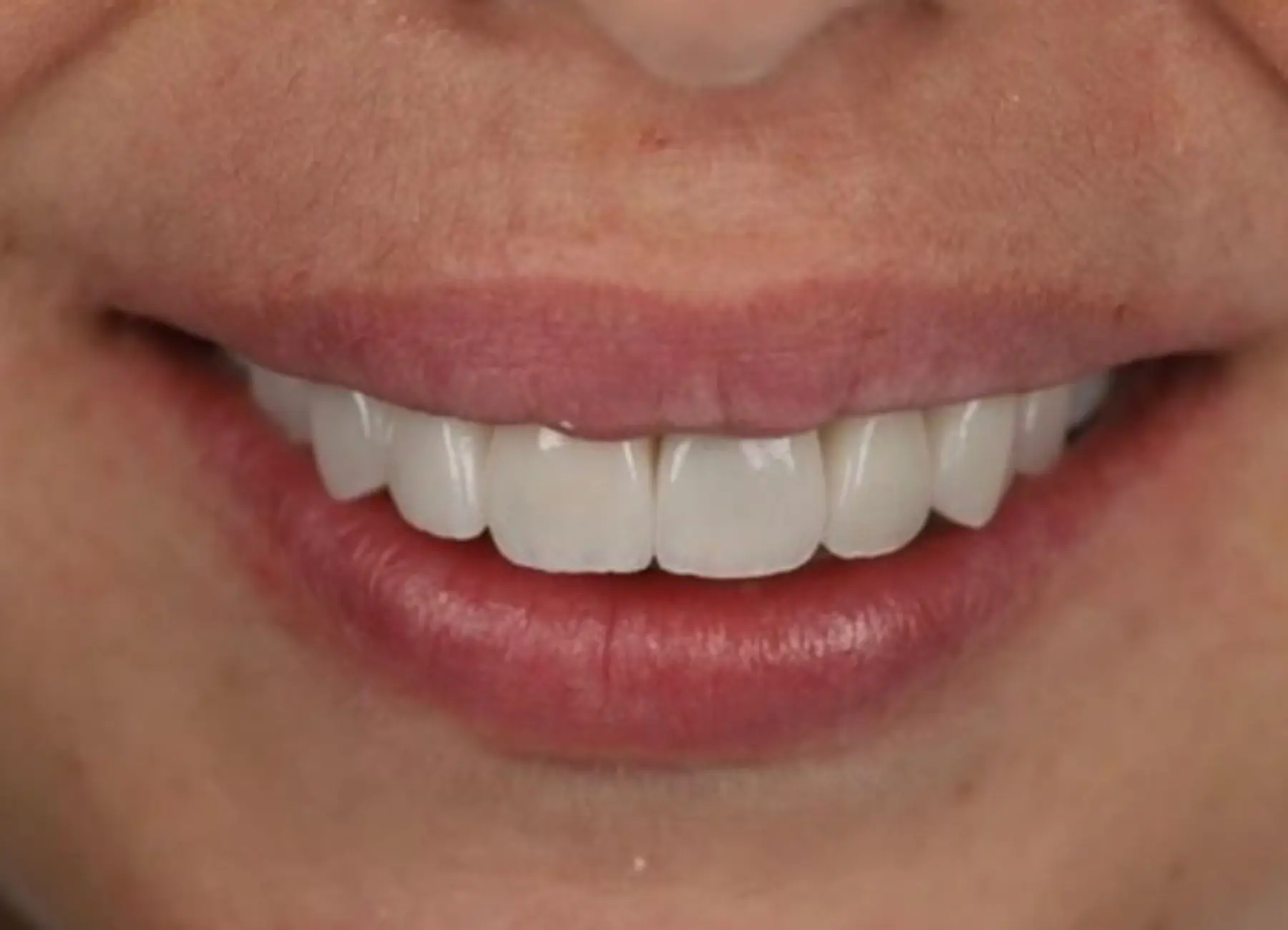
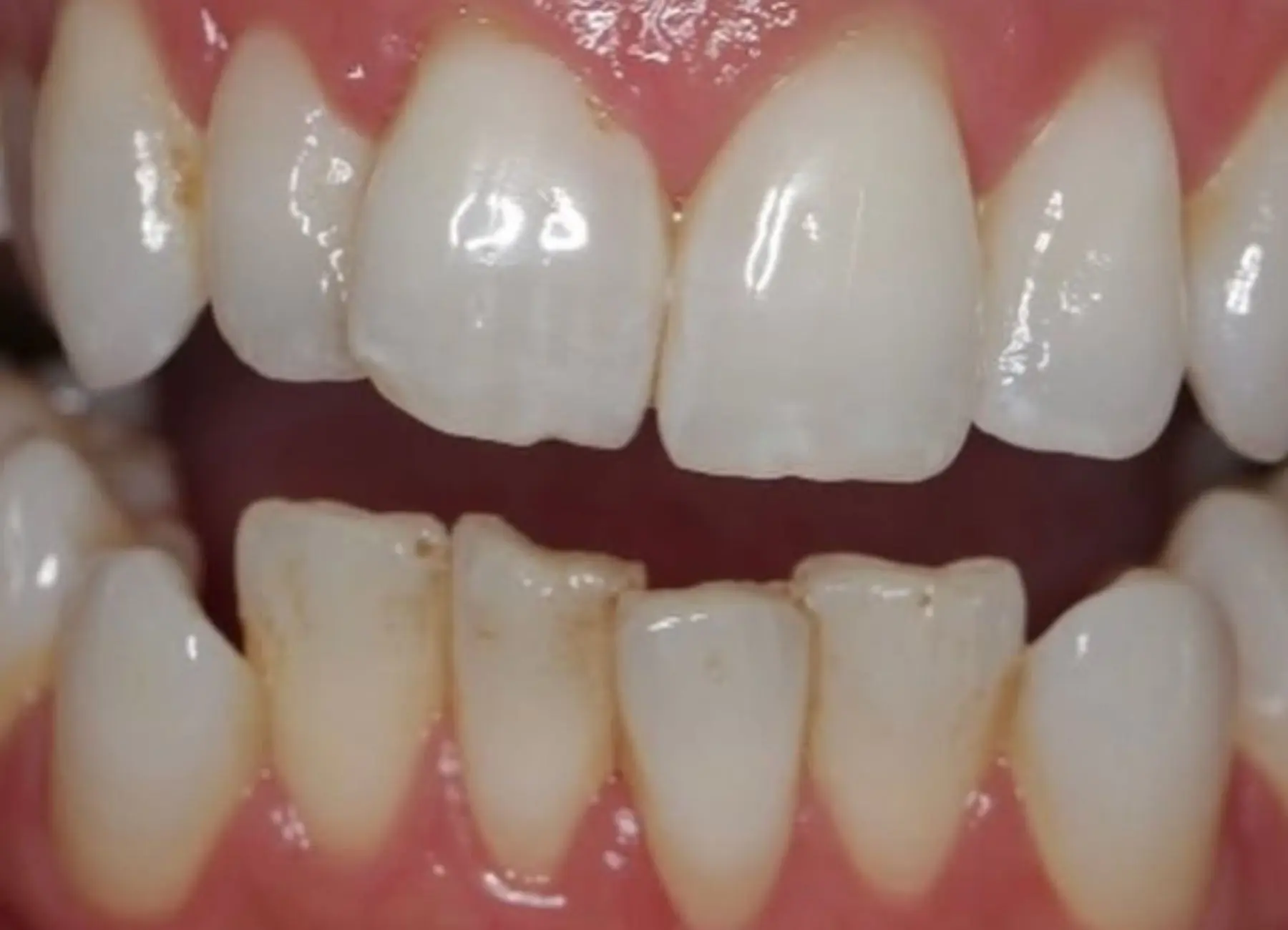
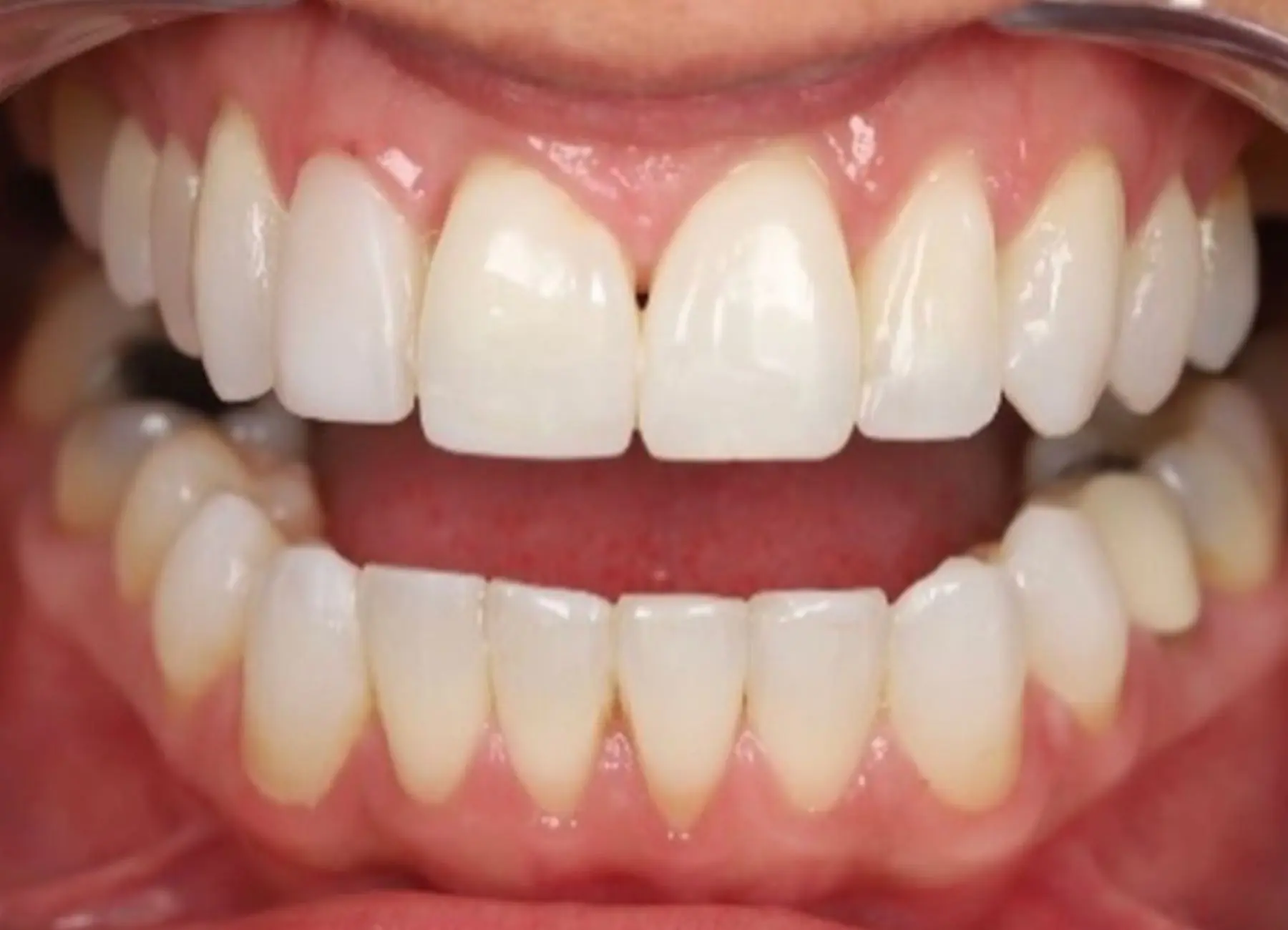
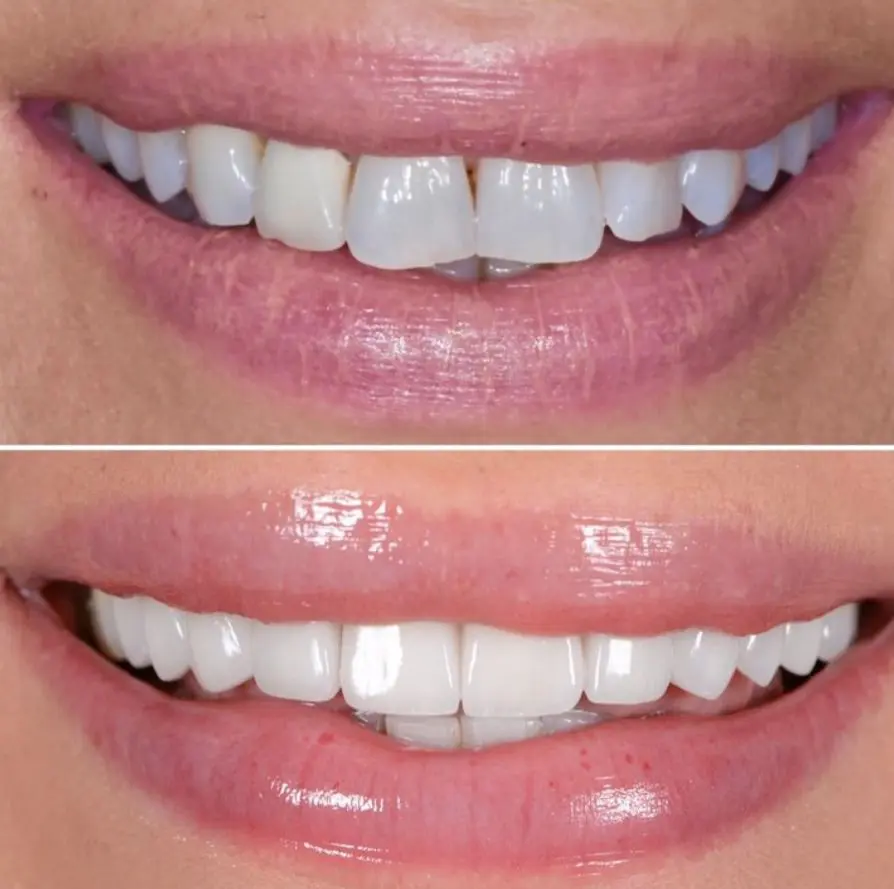
Porcelain is built with endurance
In the dental world, porcelain is the closest material patients will come to their natural enamel.
Dental-grade porcelain used in your veneers is typically just as strong (if not tougher) than your natural tooth enamel. This means they’re resistant to stains and chipping.
How long they last depends on you
Porcelain veneers are not indestructible. While they are made to last and use the best quality materials, they will only last if you have strong oral hygiene habits.
Patients who visit our cosmetic dentists regularly for check-ups and professional cleans will typically have the best long-term success.
How strong are porcelain veneers?
Porcelain’s high-quality ceramic materials provide excellent durability with a compressive strength ranging between 300 and 500 MPa. This means they can confidently withstand everyday chewing and biting forces, so you won’t have to adapt your lifestyle too much. To put this into more perspective, your natural tooth enamel has a compressive strength of around 284 MPa.
The minimum period you can expect them to last
As a bare minimum, patients can typically expect their porcelain veneers to last around 10 years. After the first decade of wearing them, you might notice that they start to show slight signs of aging, like some wear at the edges – but that will be if you look really closely. Patients should remember that porcelain veneers will be just like natural teeth, so putting them under pressure like biting and chewing hard objects can cause them to wear faster.






Start with a Free Telephone Consultation
Our free, no-obligation telephone consultation will be held with our treatment coordinators. The suitability of the options discussed will depend upon your clinical assessment at the practice.
Biting forces and resistance
The average biting forces of the front teeth range from 70-150 N (Newtons).
While porcelain veneers are strong, they won’t be as strong as crowns when exposed to extreme pressure.
That said, it’s not typical for your veneer to pop off after one incident, but usually following a set of poor behaviours.
Certain bad habits that could increase the risk of your veneer fracturing or coming loose include:
- Biting hard objects
- Using your teeth as tools
- Grinding your teeth
Remember that veneers are also bonded using advanced techniques and quality cements. These create a strong chemical bond between the porcelain shell and the tooth’s enamel to prevent fractures or dislodgement.
EXCELLENT

Based on 172 reviews

Posted on Google 

Vanessa Cooper
Trustindex verifies that the original source of the review is Google. I fell over and lost half my tooth and my sons wedding was in 4 days, thank fully perfect smile were able to cap my front tooth. The colour match was amazing, now looks better than it did before. They were incredibly professional and also friendly. Made me feel at ease as soon as I arrived. Thank you again
Posted on Google

Amanda Grover
 Trustindex verifies that the original source of the review is Google.
Lovely friendly staff, Mr shah very helpful
Posted on Google

Steve Taylor
Trustindex verifies that the original source of the review is Google. After years of avoiding the dentist, I know actually enjoy the visits with Lauren, Bruna and the team - almost a miracle!
Posted on Google

Rachel Mccombe
Trustindex verifies that the original source of the review is Google. Choosing The Perfect Smile studio for my smile transformation was absolutely the best choice! Not only am i extremely happy with the end result but the after care and staff are just amazing. Could not recommend enough! Thank you all again ☺️
Posted on Google

Katie Garside
Trustindex verifies that the original source of the review is Google. Veneers at Perfect Smile:
After a recommendation in my home town and another in Turkey, I was still undecided. I was staying in Hertford and stopped in for a free consultation. I was so impressed that I decided to go with them despite the extra travel. If you are going to change your smile, make sure you are in the best of hands. I was fully aware of all costs up front and confident that would be respected. The design was significantly better than my original dentist and that had been fantastic. Dr. Shah is an artist. You will have a personalized, natural smile not an identikit row of horse teeth. He agonizes over the shape, shade, under tone. No detail is spared. I knew that if there were any problems that came up during the process or afterwards that I would be well taken care of. All important details.
I’m thrilled with the result and cannot recommend them highly enough.
Posted on Google

Ian Woodall
Trustindex verifies that the original source of the review is Google. 18 months of work, of which I was unsure about when we first discussed it but I cannot stress enough how it was the best decision to work with Perfect Smile - the results are amazing, far better than I thought and with an exceptionally natural look - thank you to all the team, would HIGHLY recommend
Posted on Google

Stephen Munnelly (Munners)
Trustindex verifies that the original source of the review is Google. Delighted with my new porcelain veneers. Dr Shah and the team at Perfect Smile have all been very informative, professional and excellent from the start to the end of the process and I can’t thank them enough.
I would highly recommend them and my only regret is not getting it done sooner. Big smiles all round.
Posted on Google

Irene, Nightingale
Trustindex verifies that the original source of the review is Google. The best treatment I have ever had. Very nervous with dentists and 89 years old, but Lauren and her colleague treated me with respect which is unusual many times in today’s world. Had a tooth extracted and all good. Thank you.
Posted on Google

Felicia Althamer
Trustindex verifies that the original source of the review is Google. My 13-year-old son, who wears braces, recently visited Bruna @ Perfect Smile Studio for a teeth cleaning appointment with the hygienist, and we had a really positive experience. She was incredibly polite, patient, and professional throughout the visit. Bruna explained the whole cleaning process clearly and made sure my son felt calm and comfortable the entire time. It’s not always easy for teenagers to feel relaxed during dental appointments, especially with braces, but she made the experience smooth, reassuring, and stress-free. Highly recommend her!