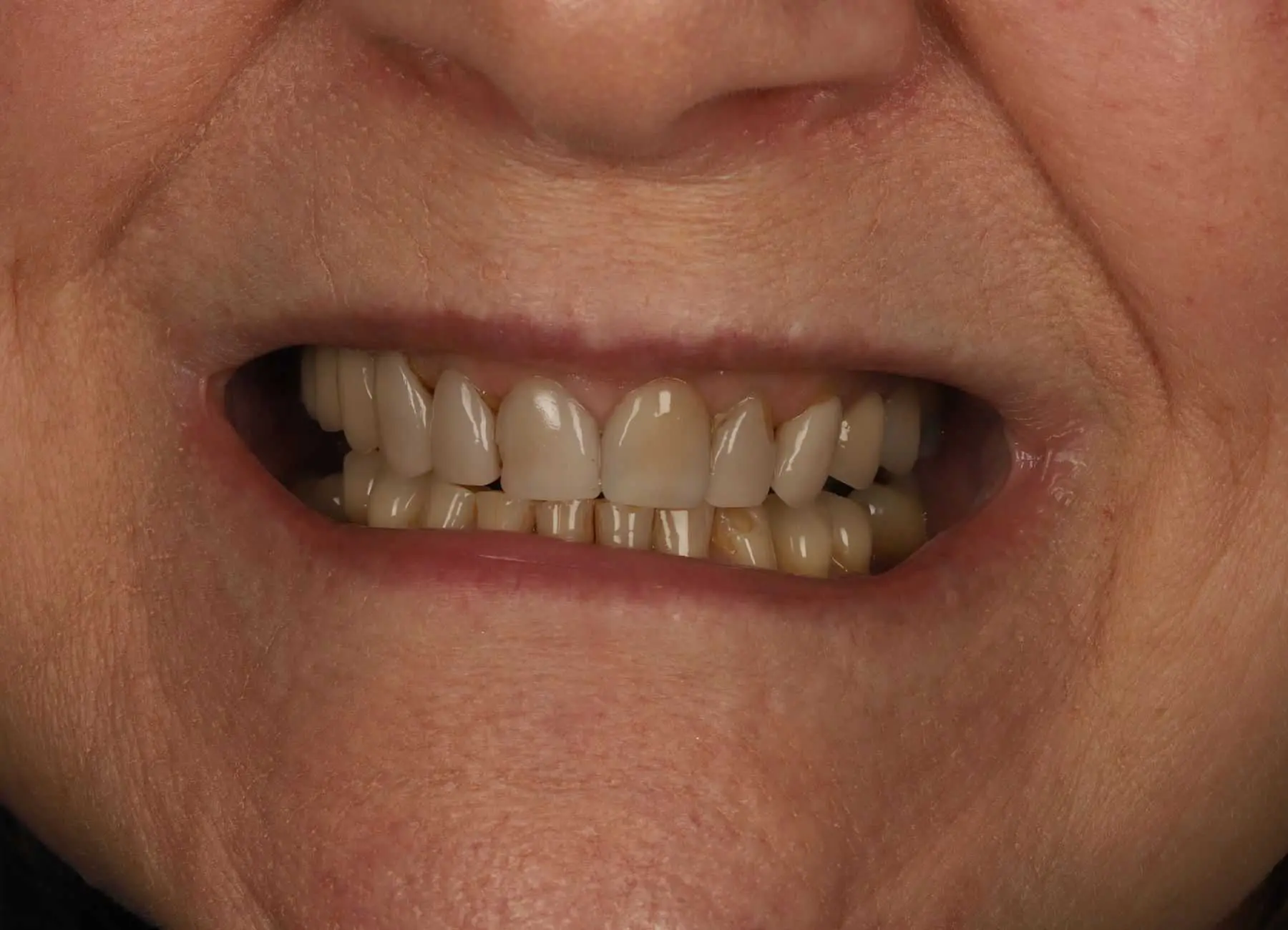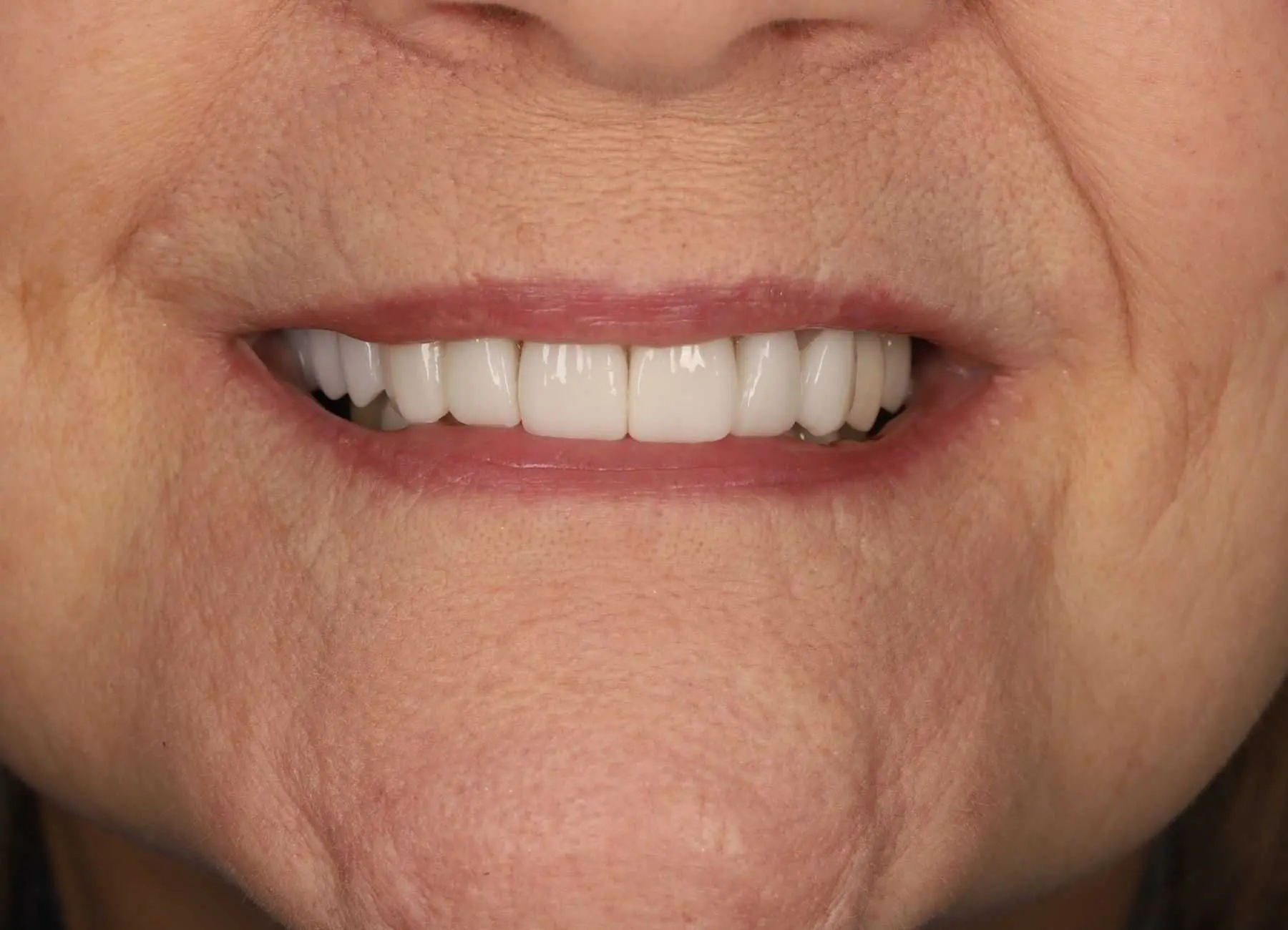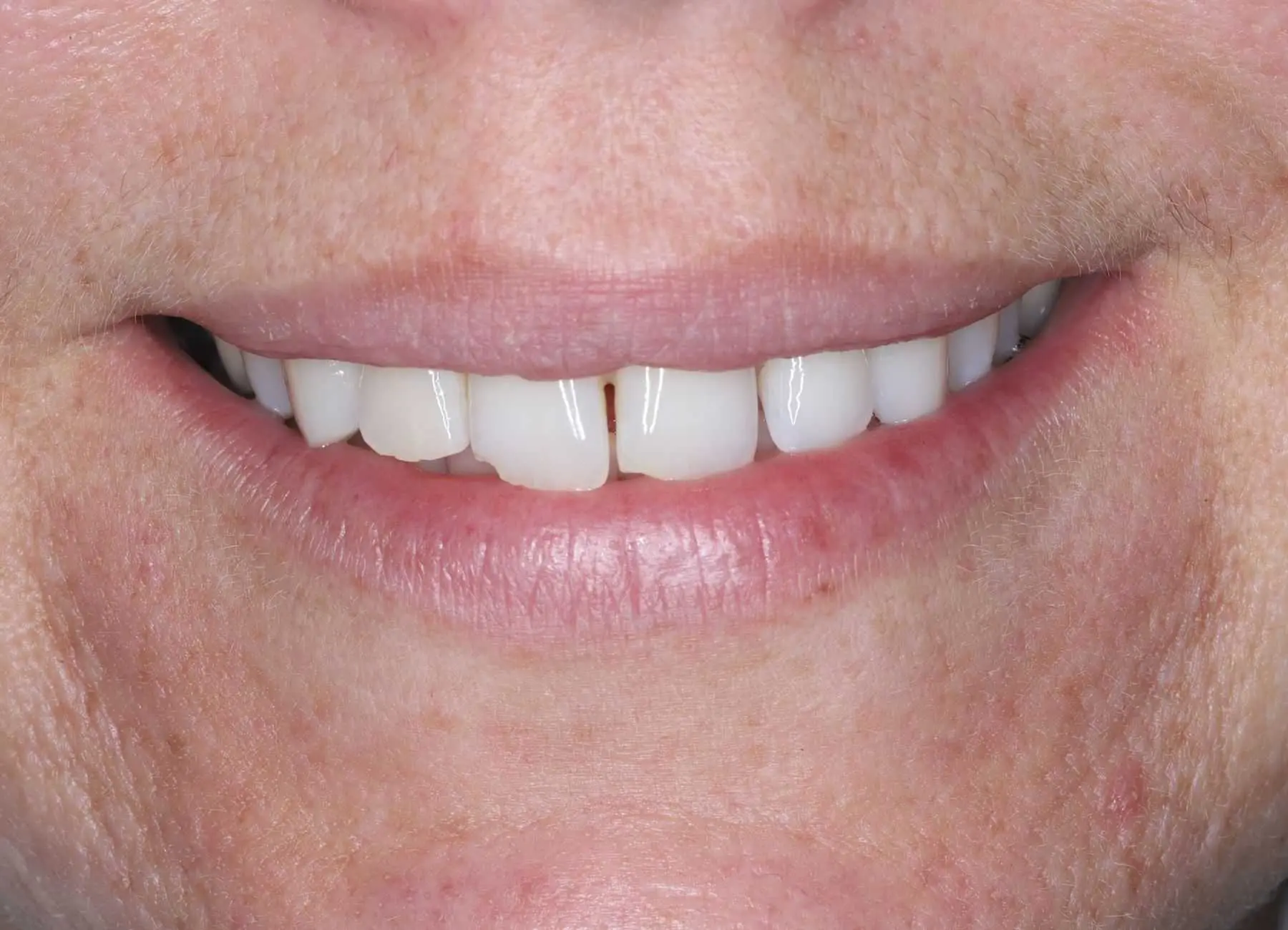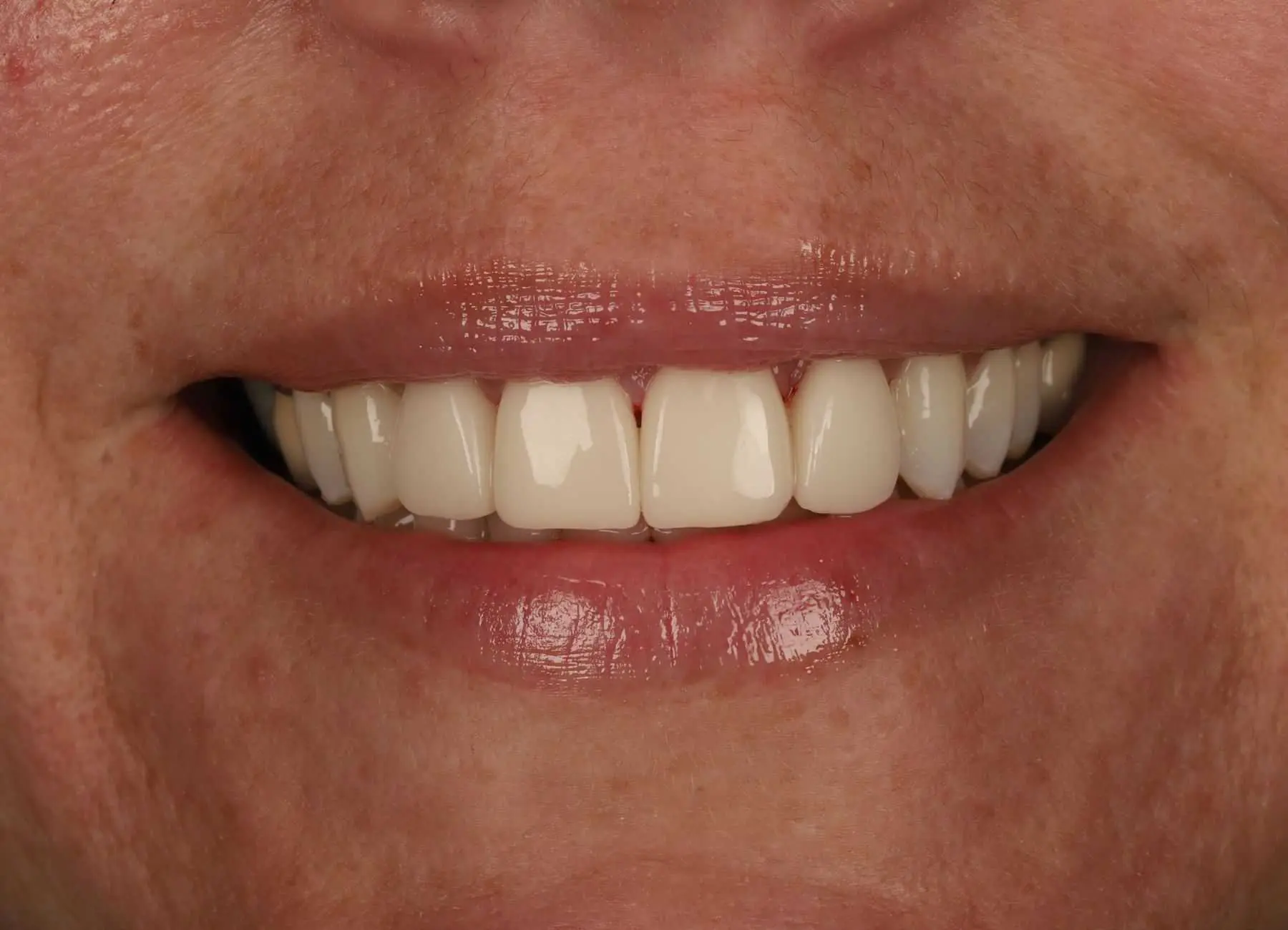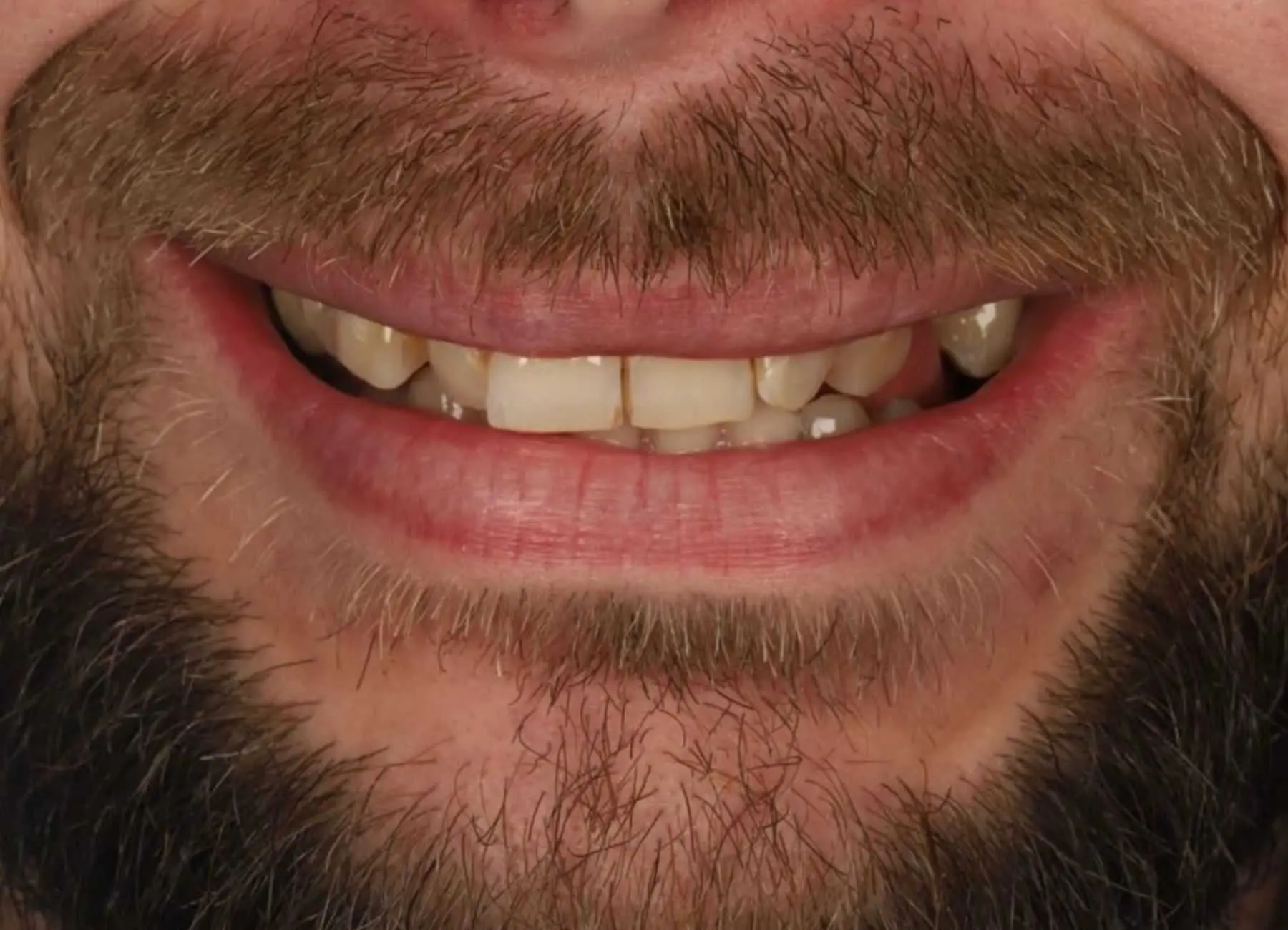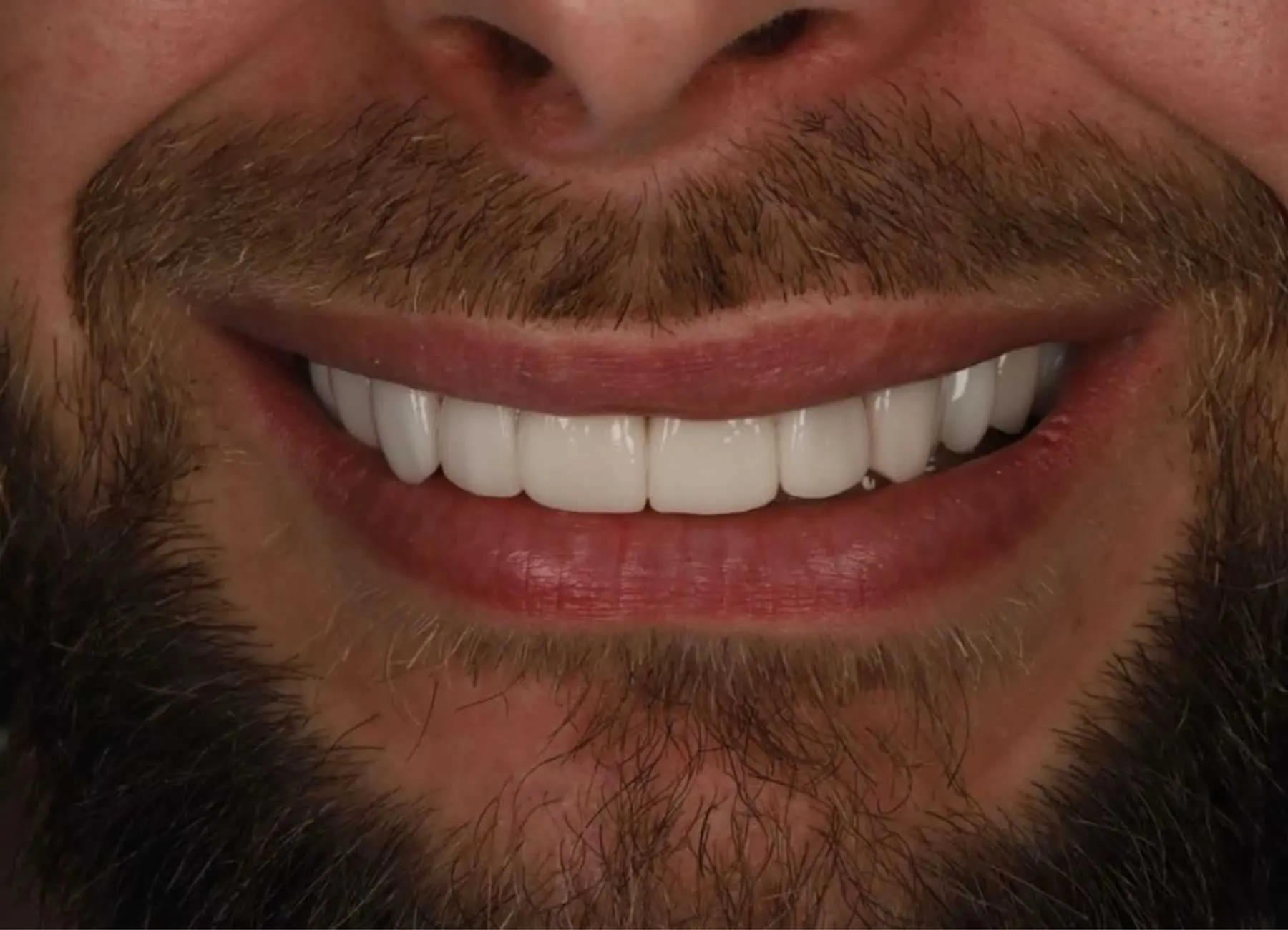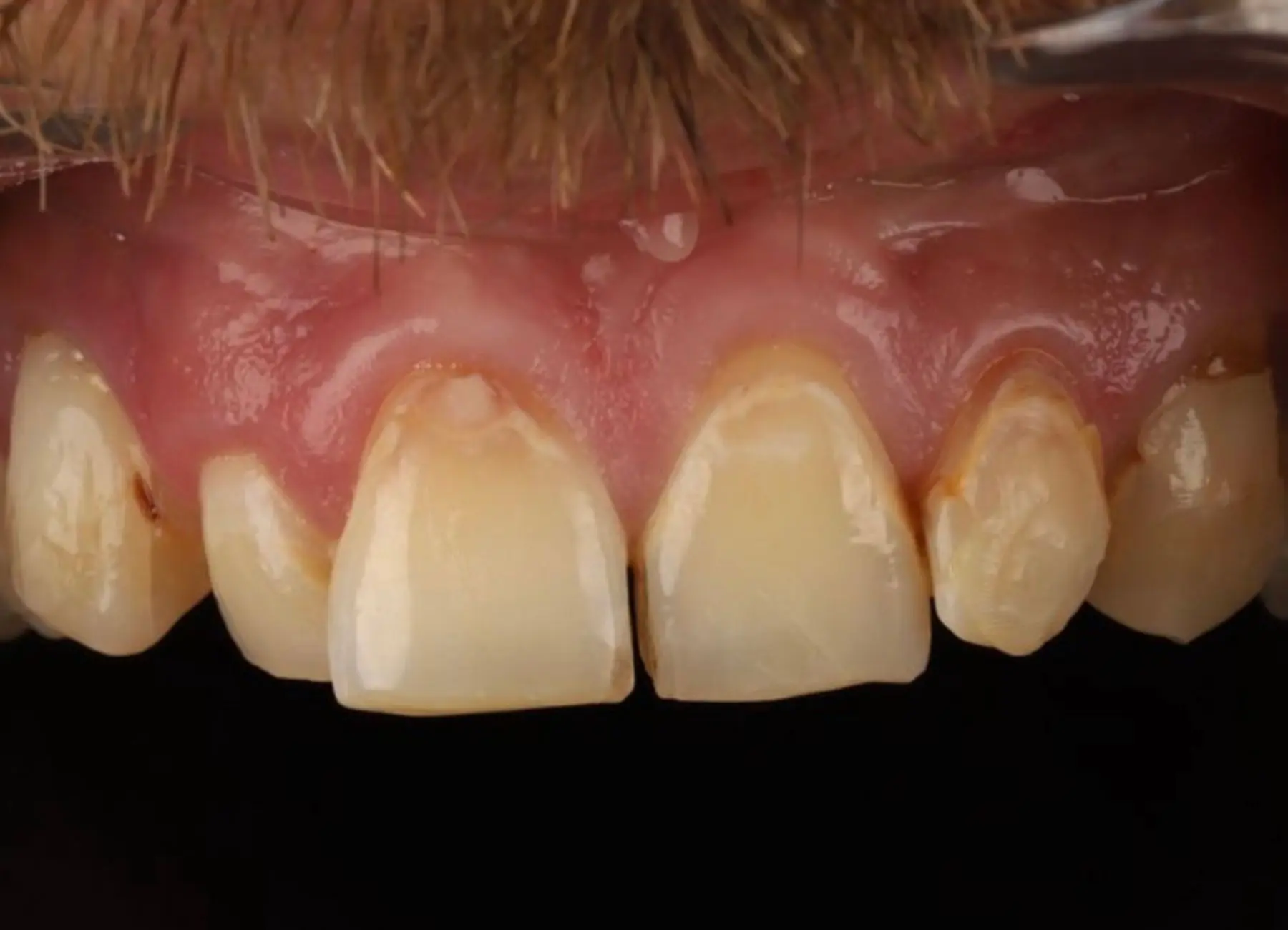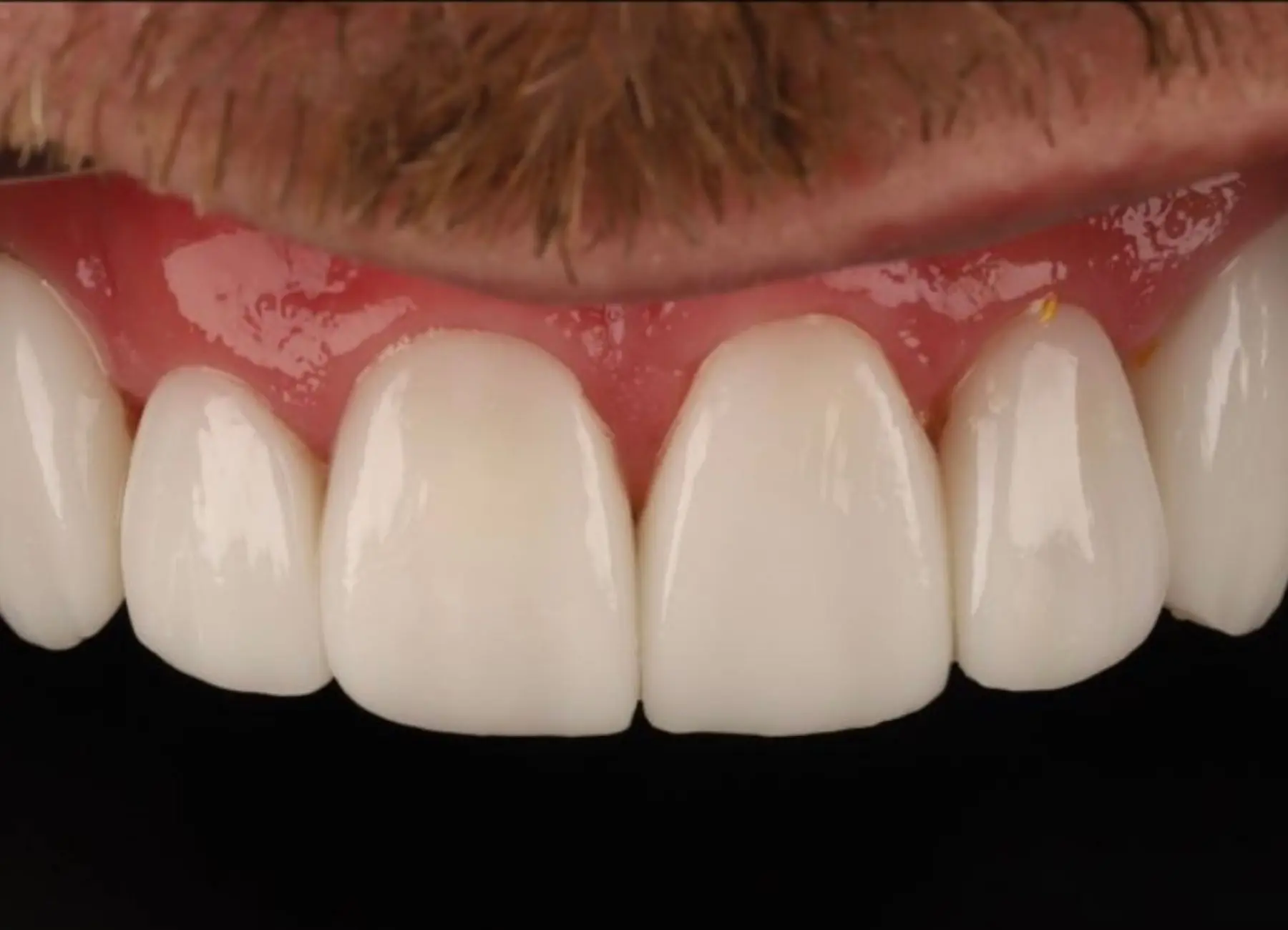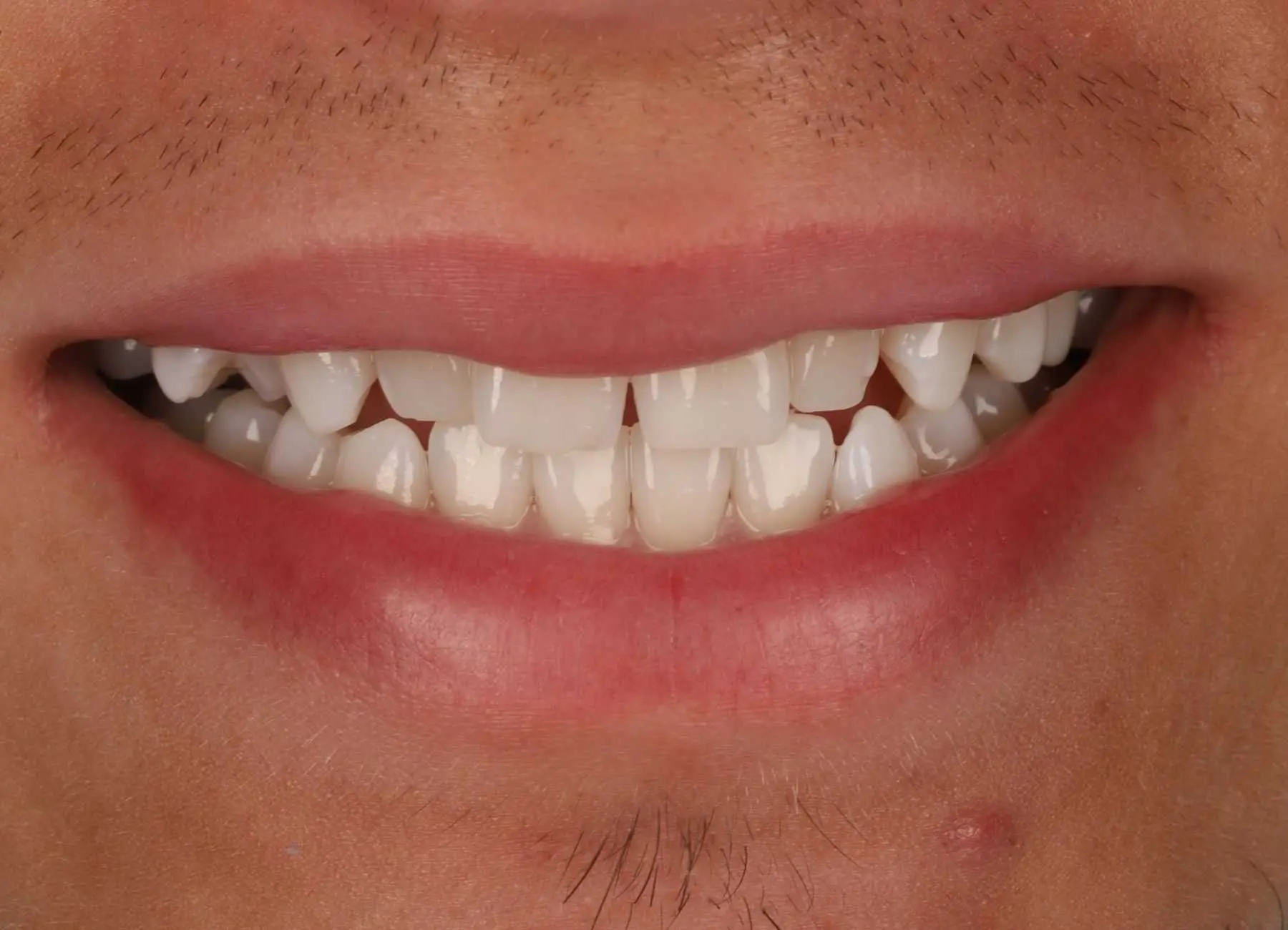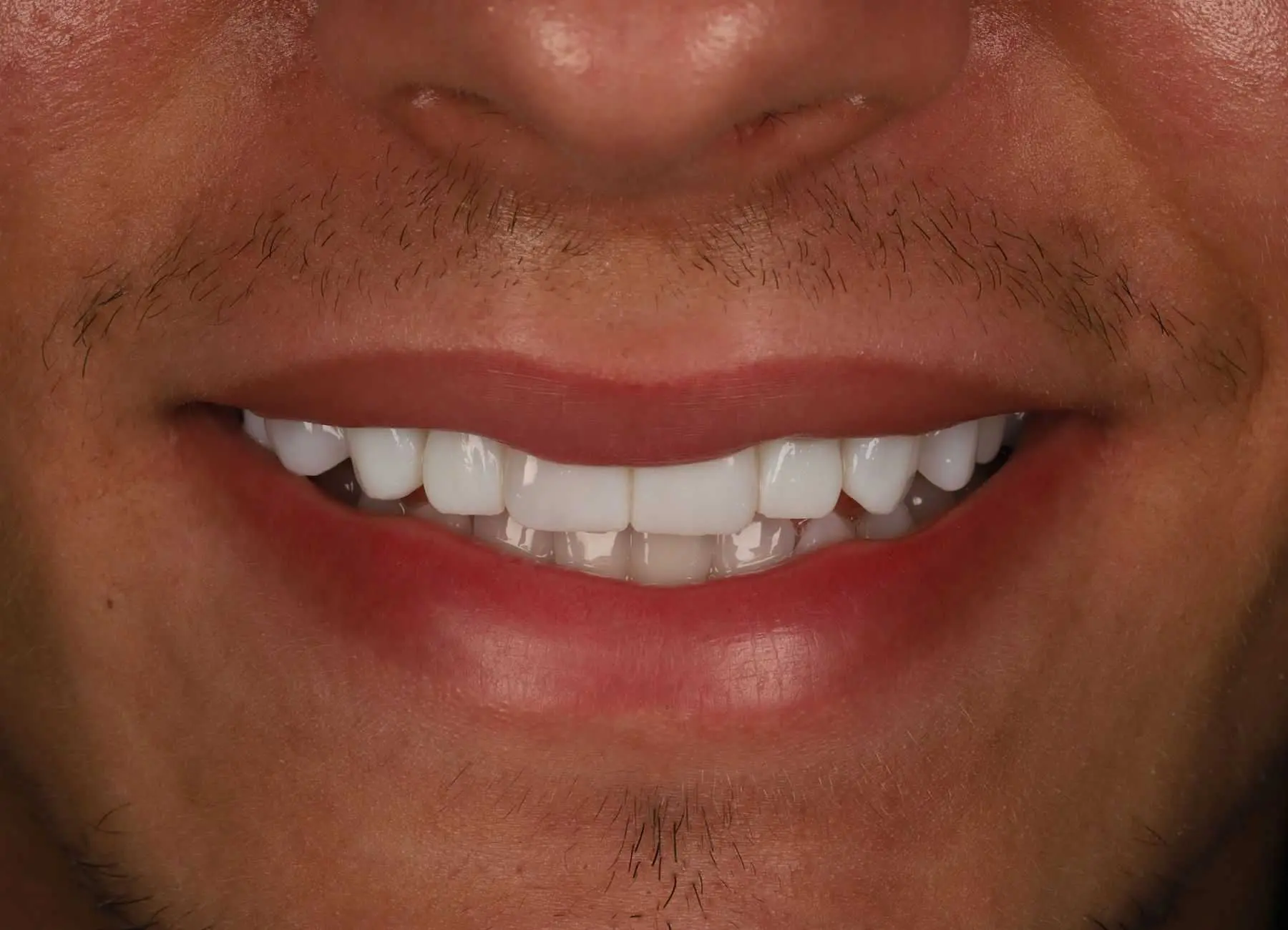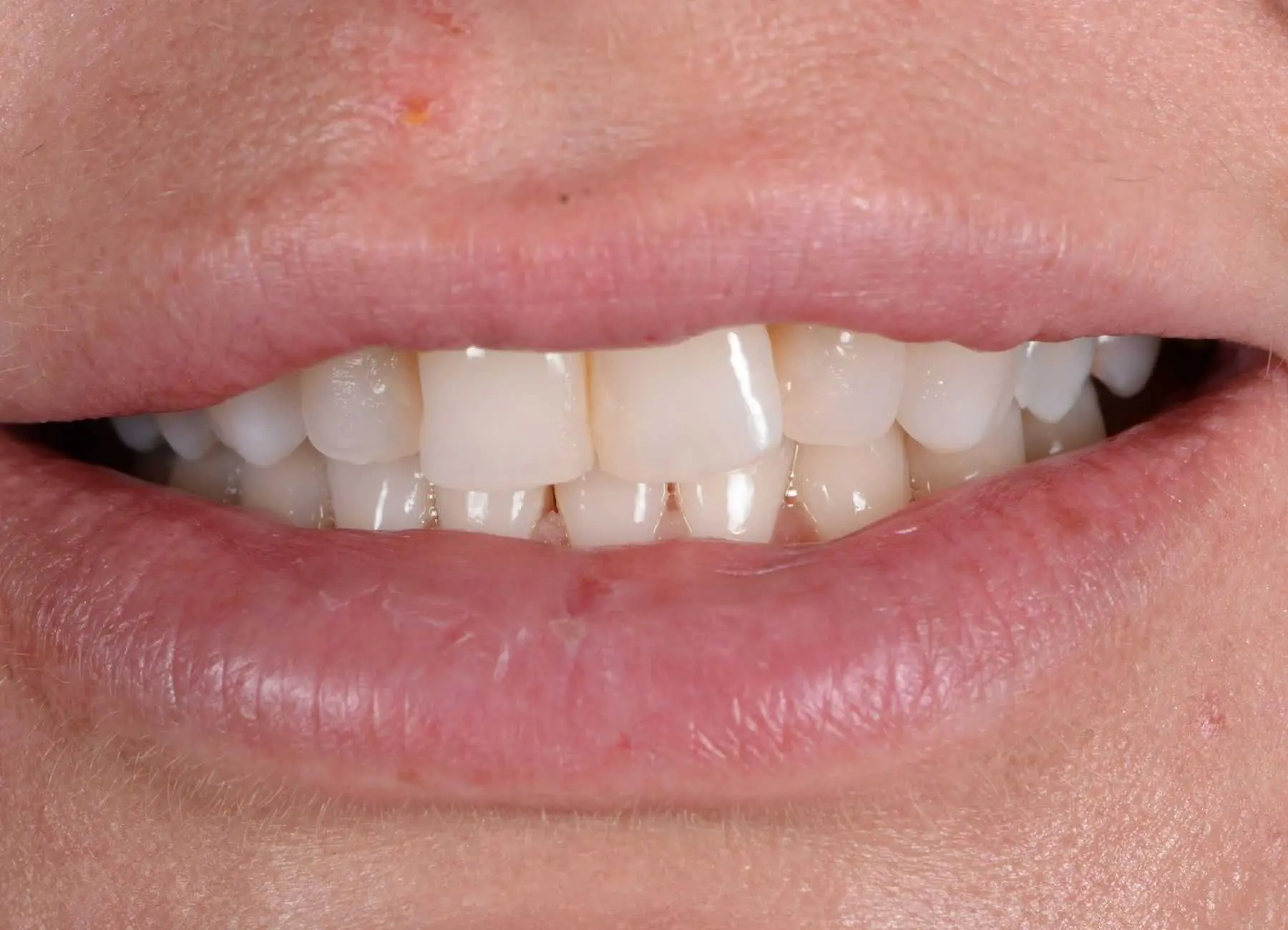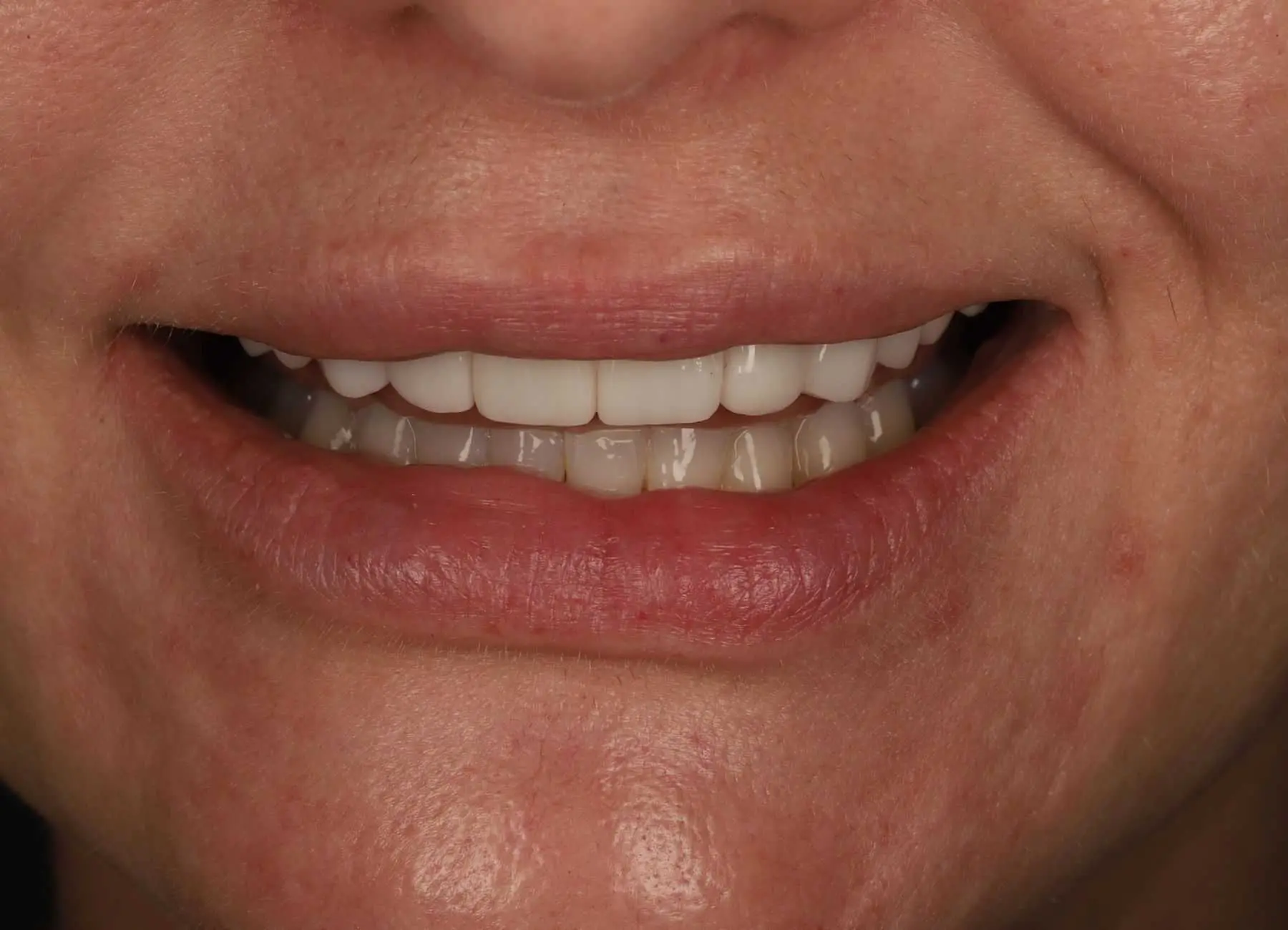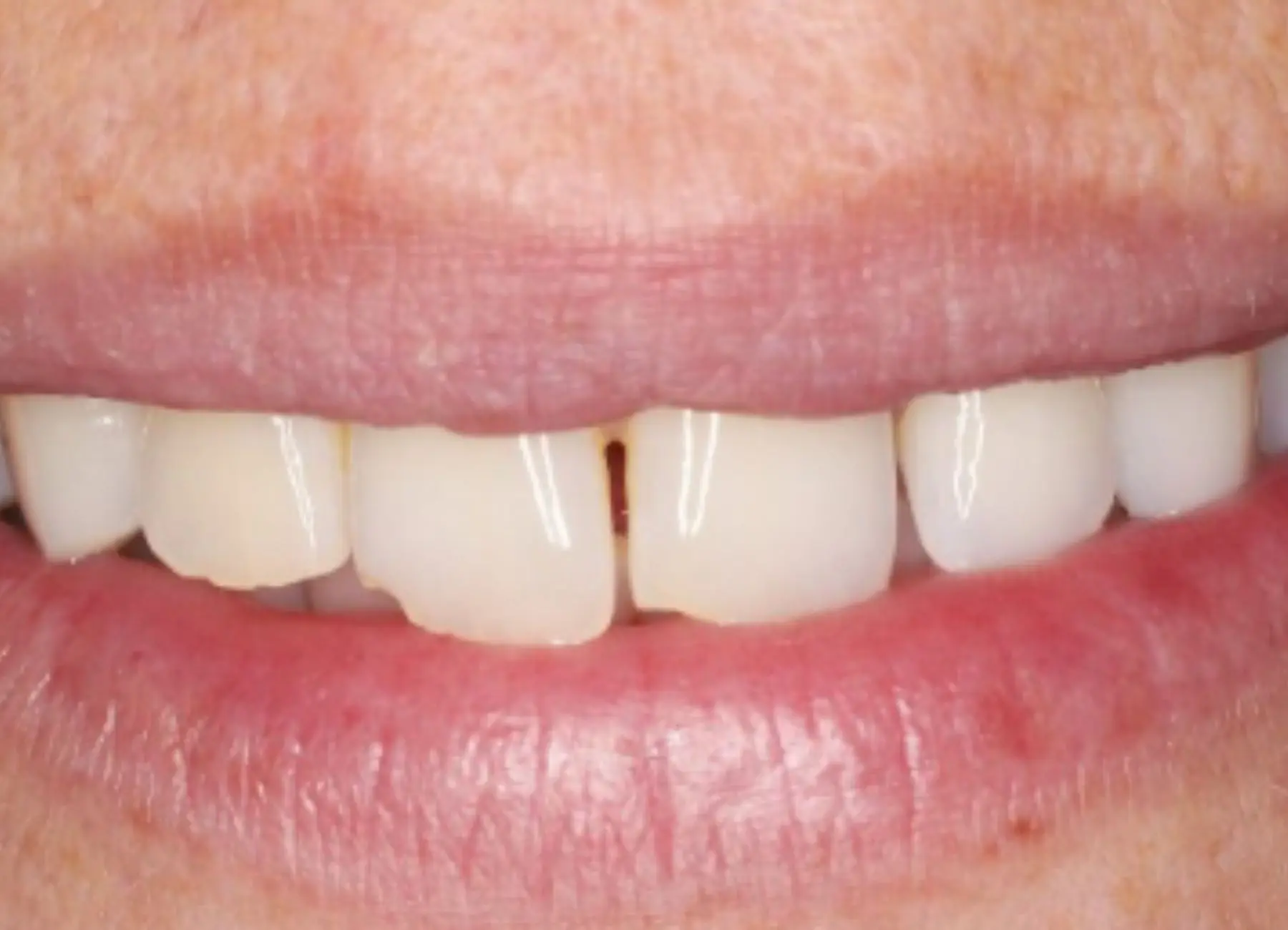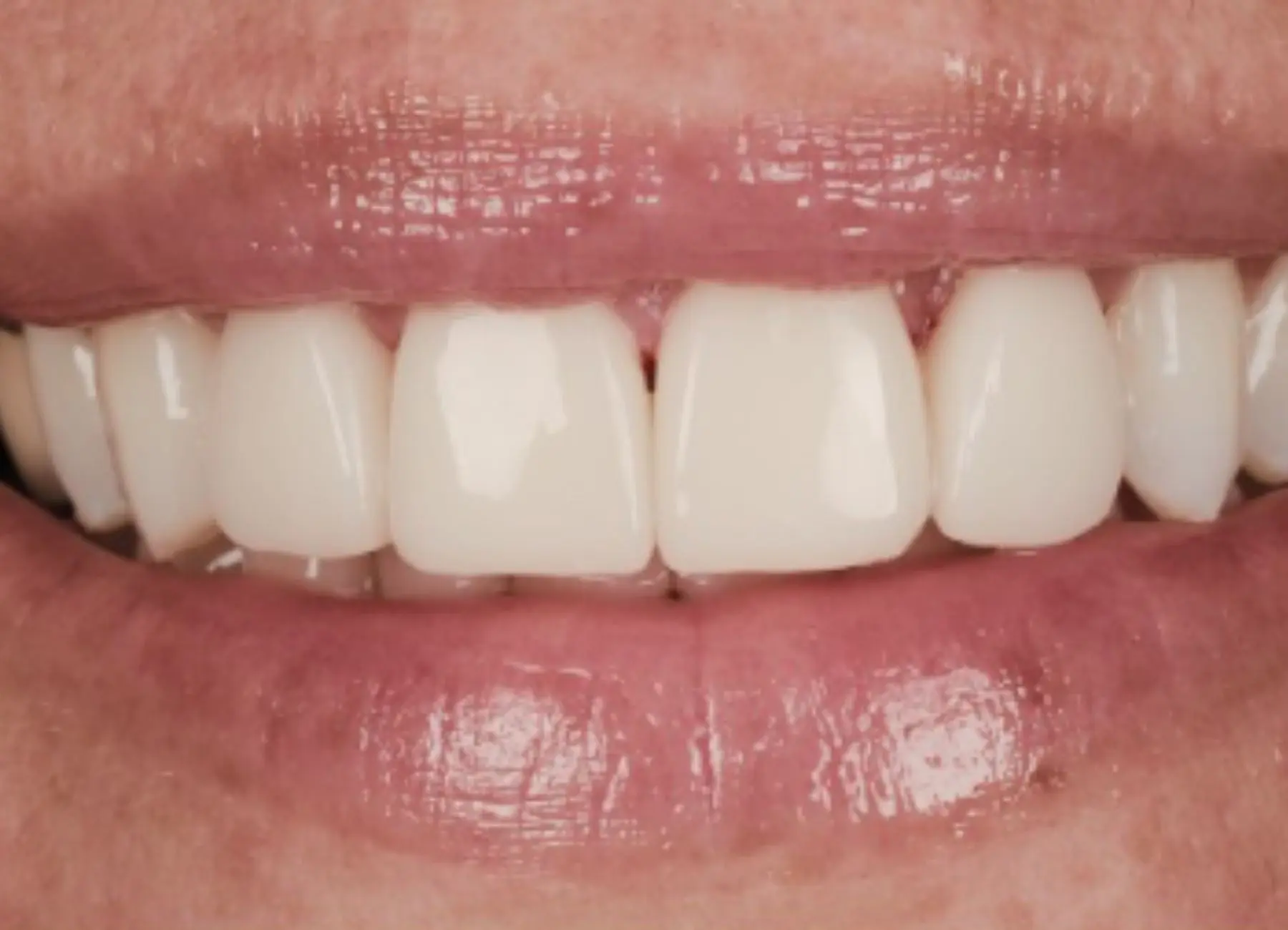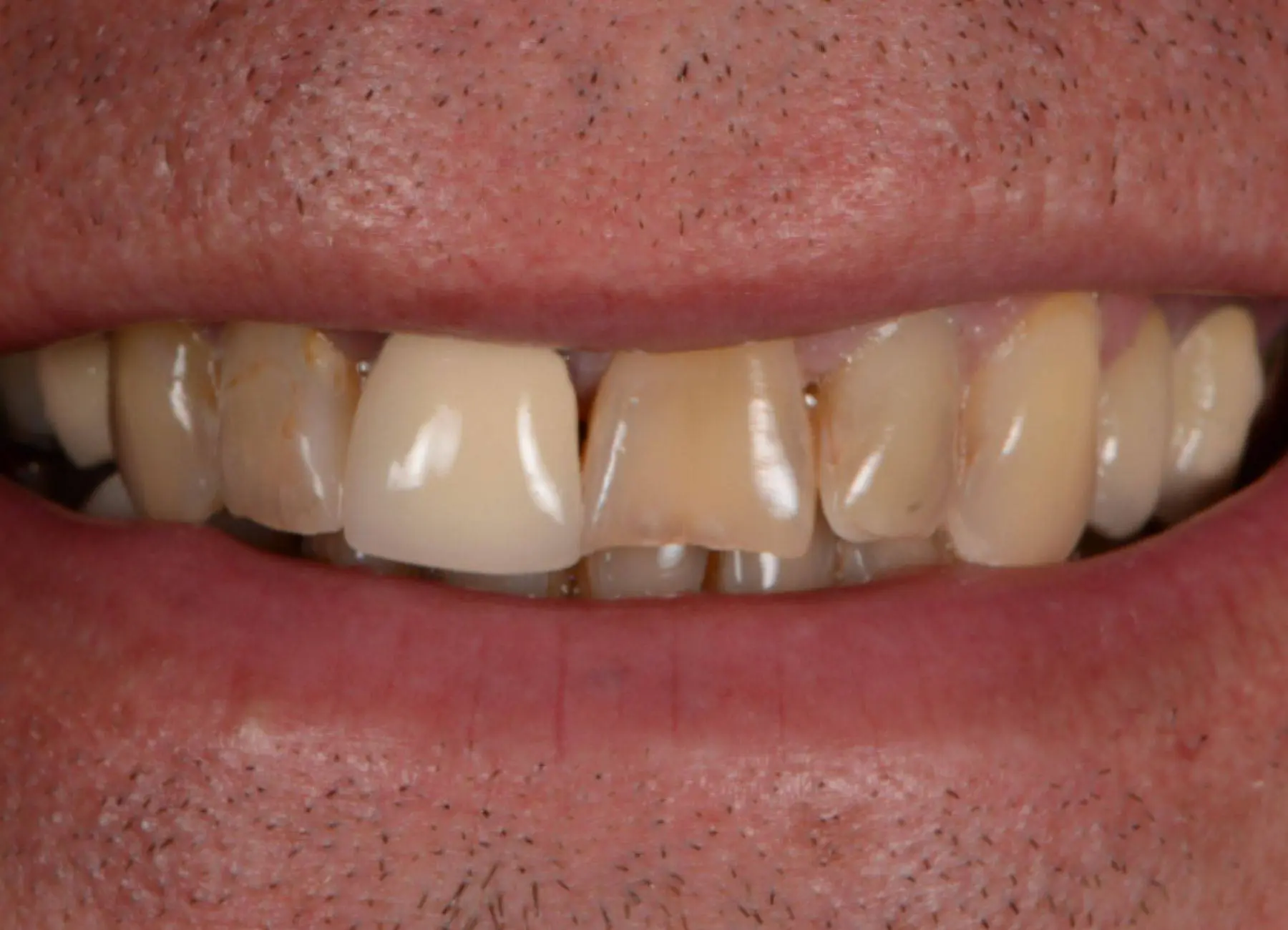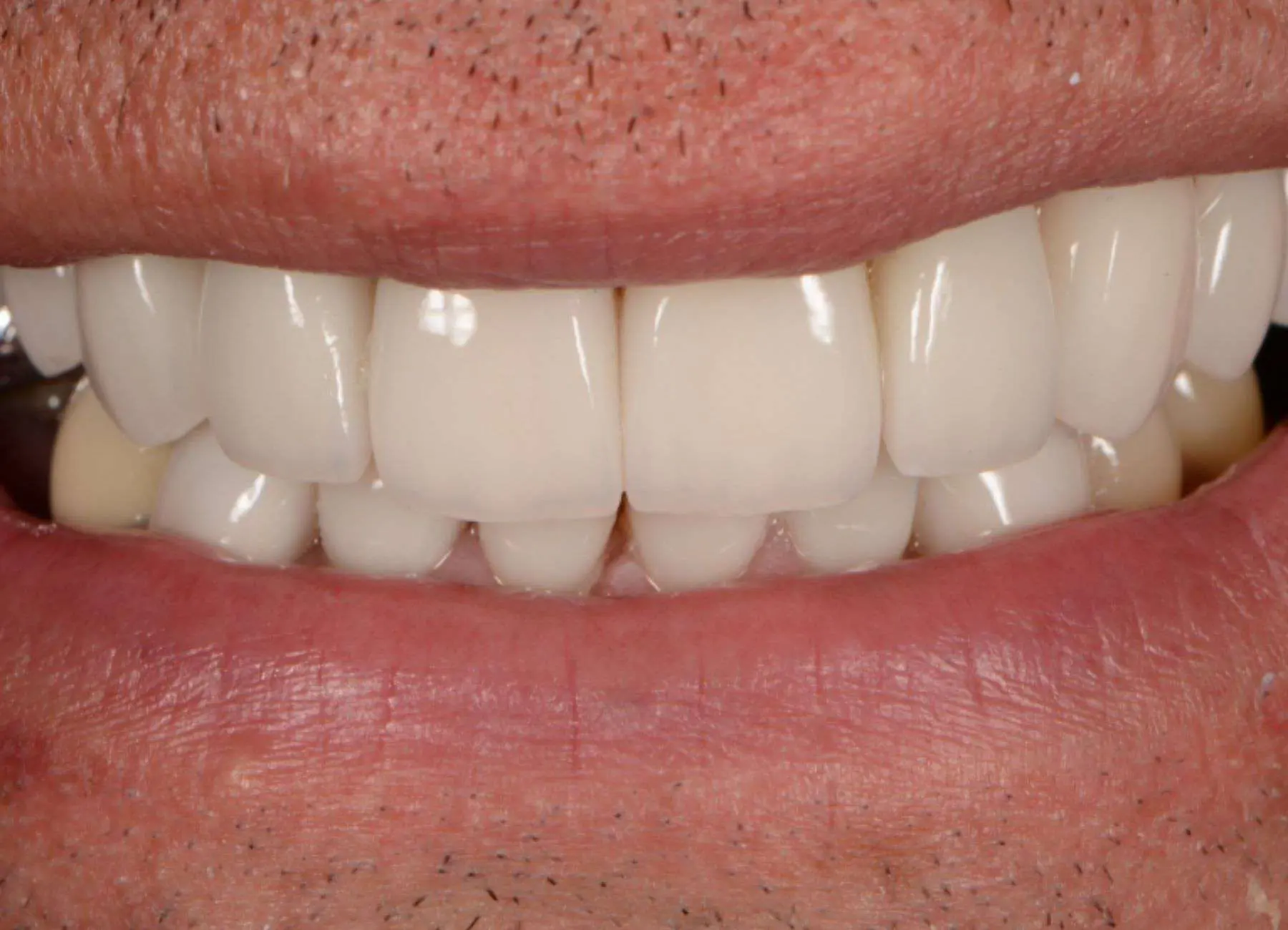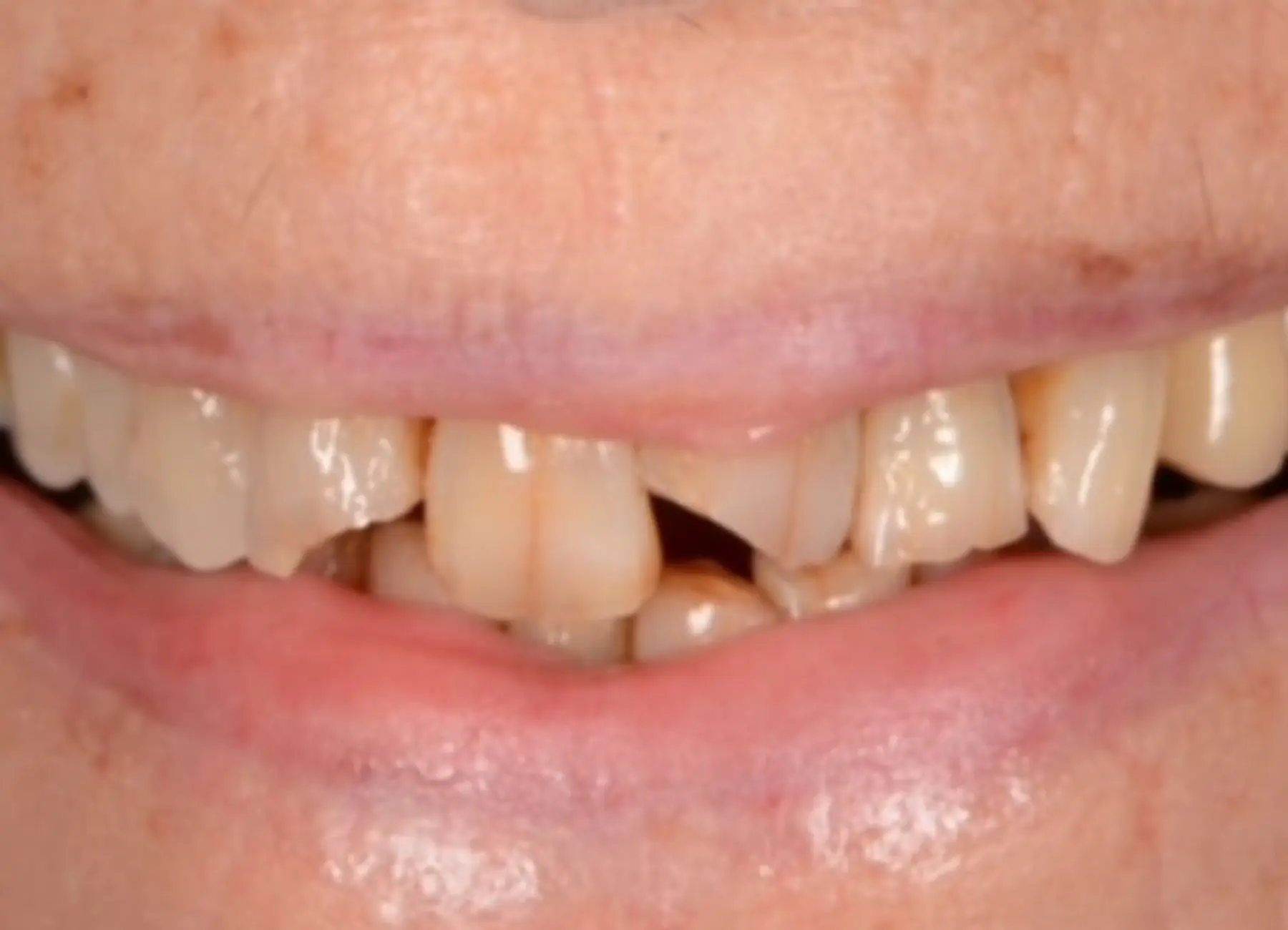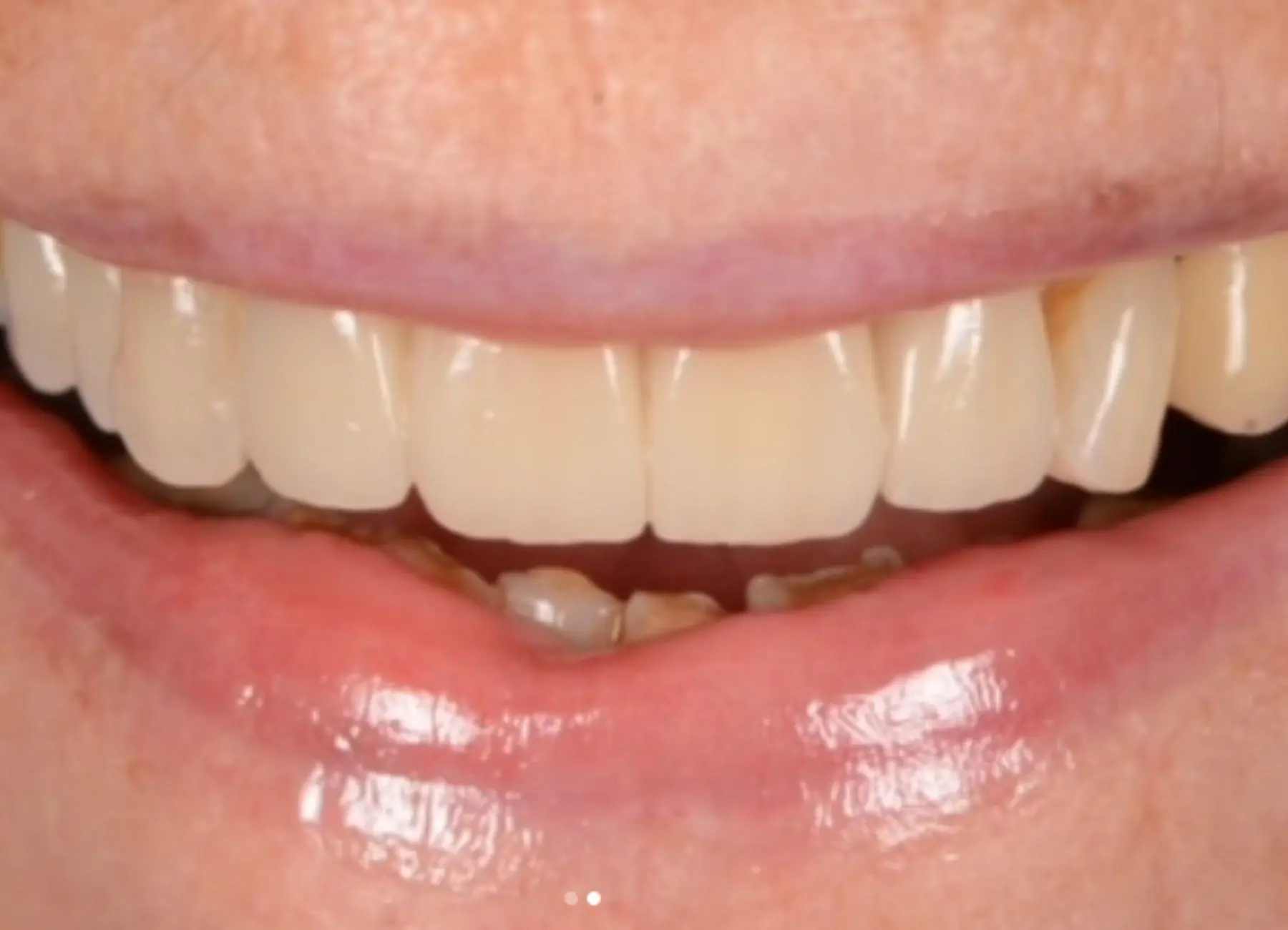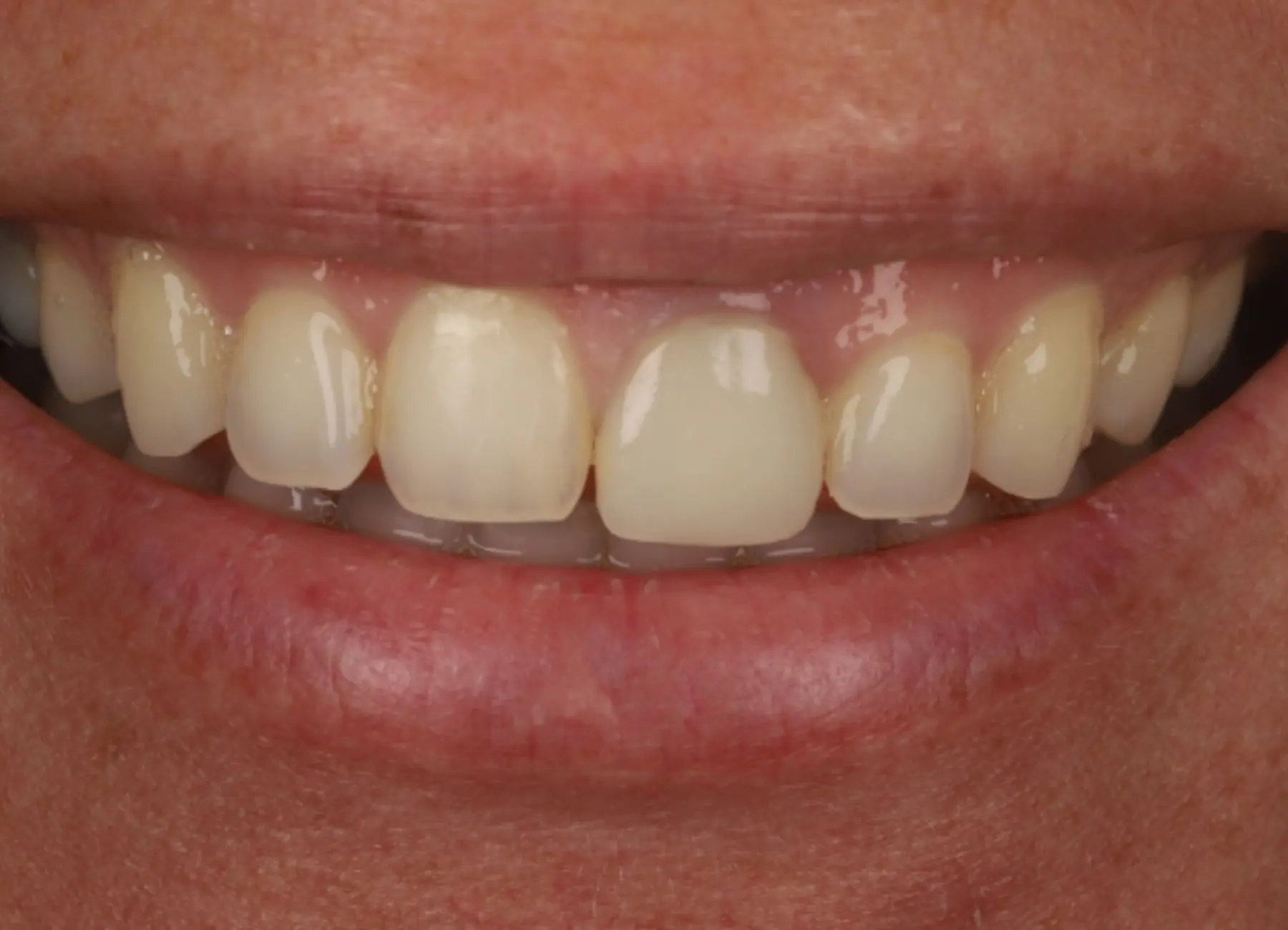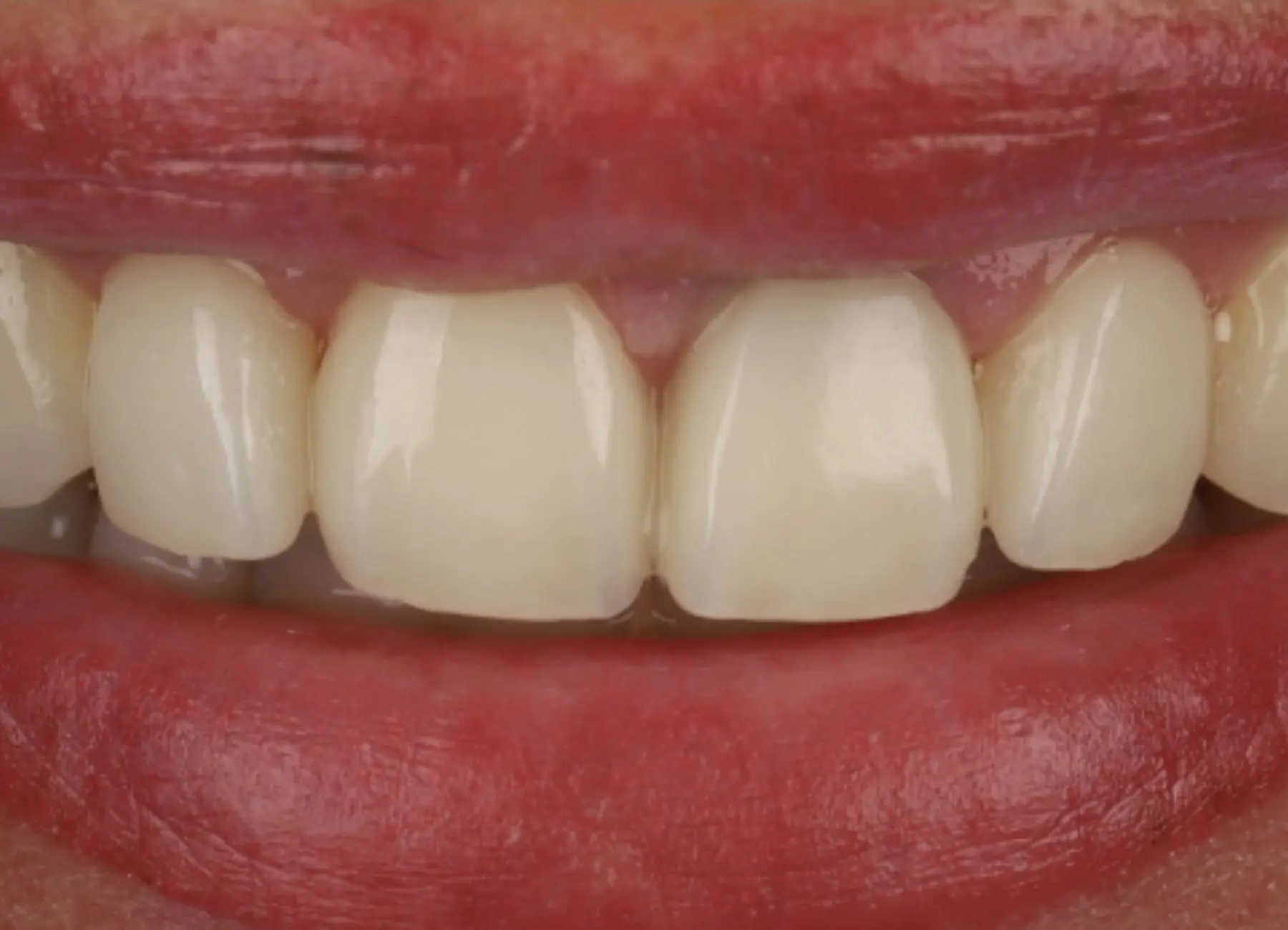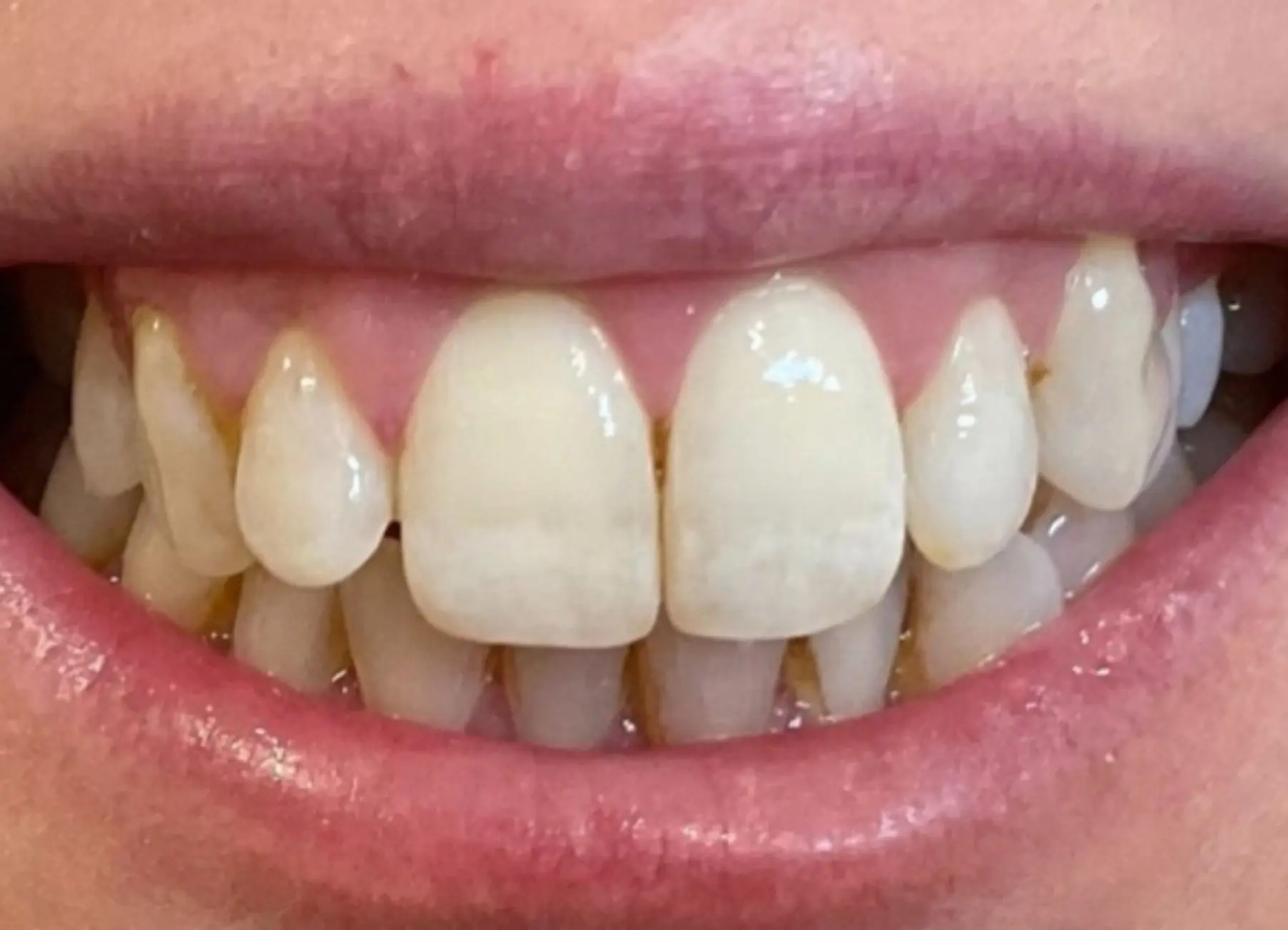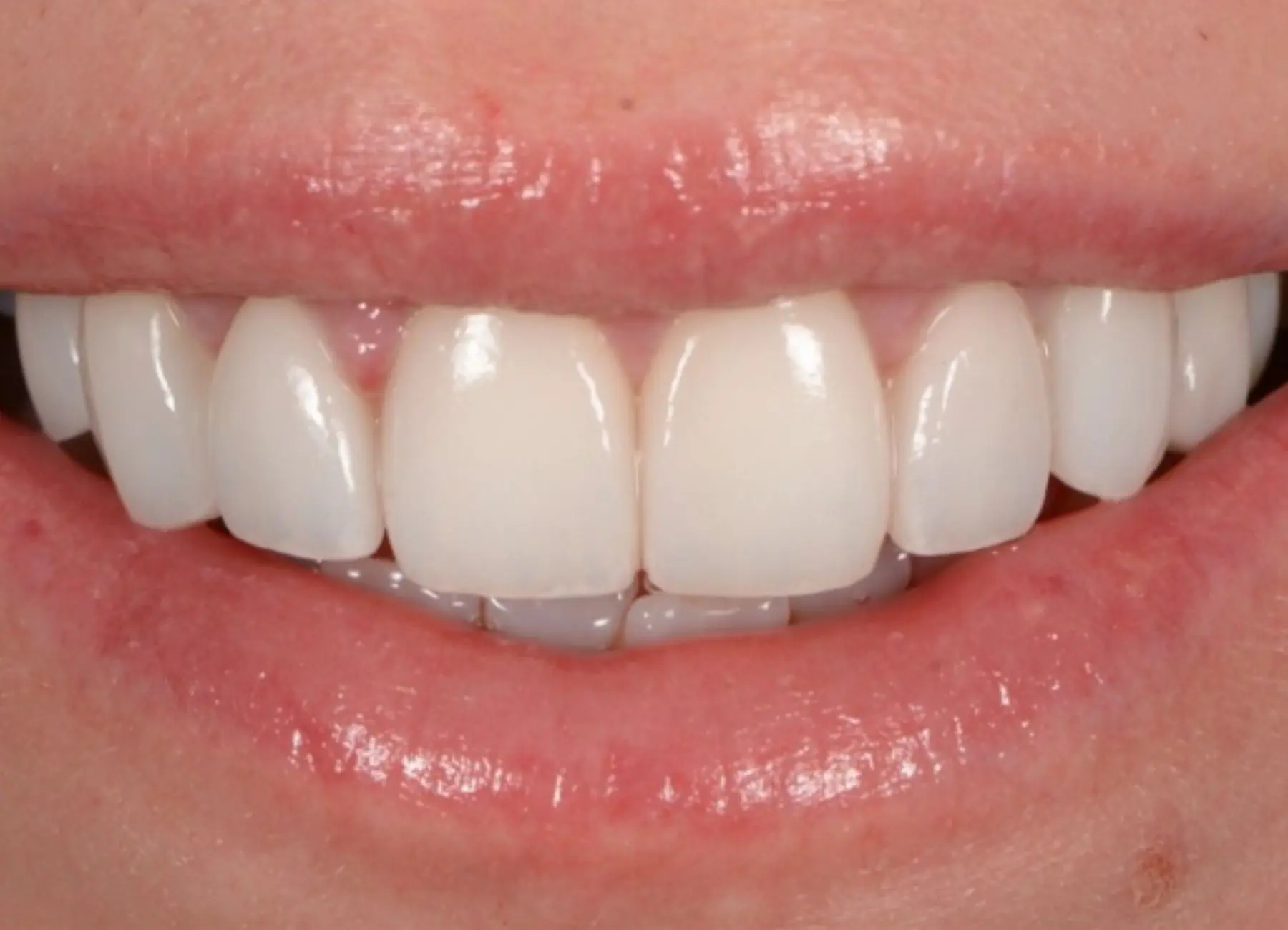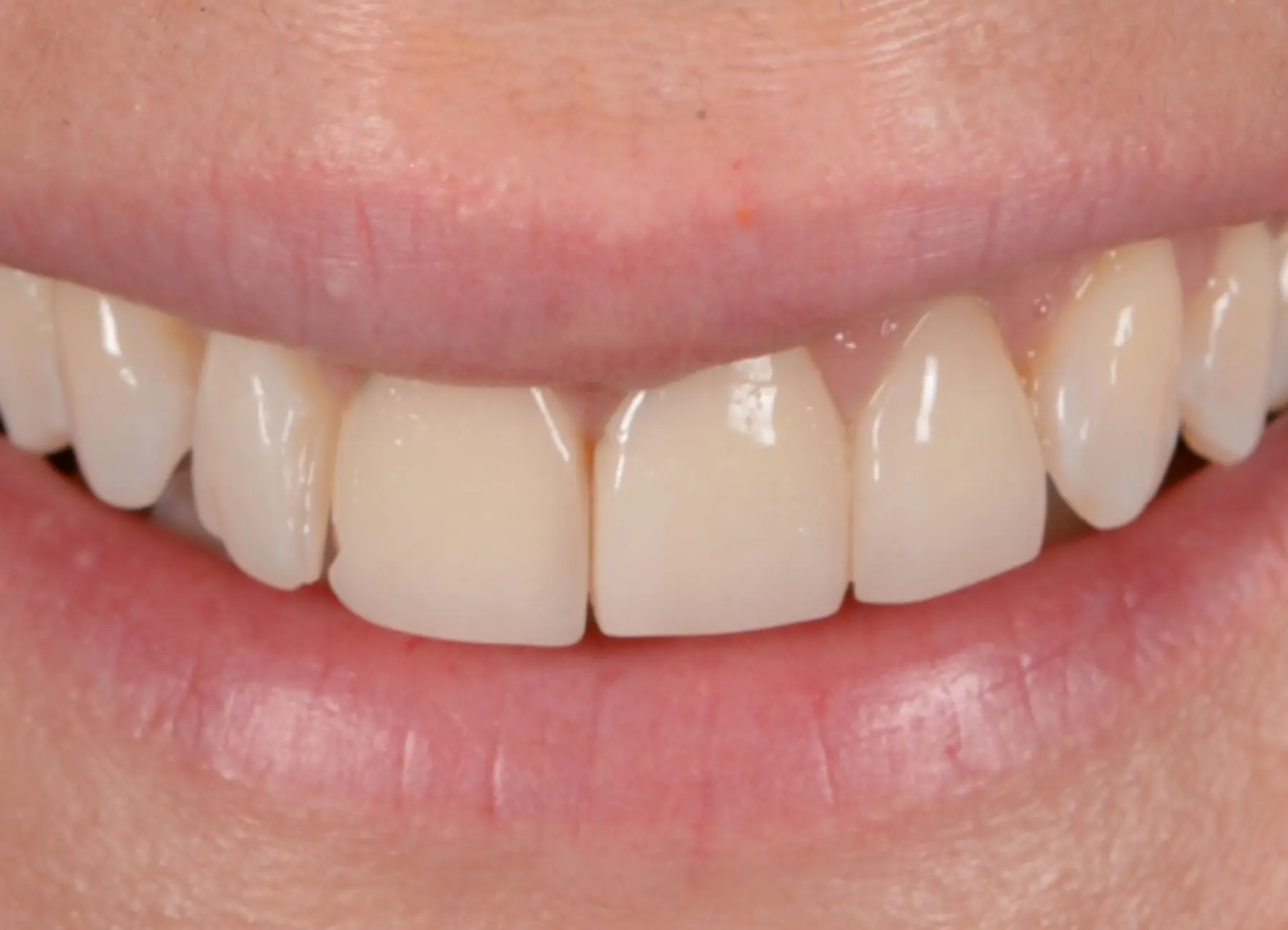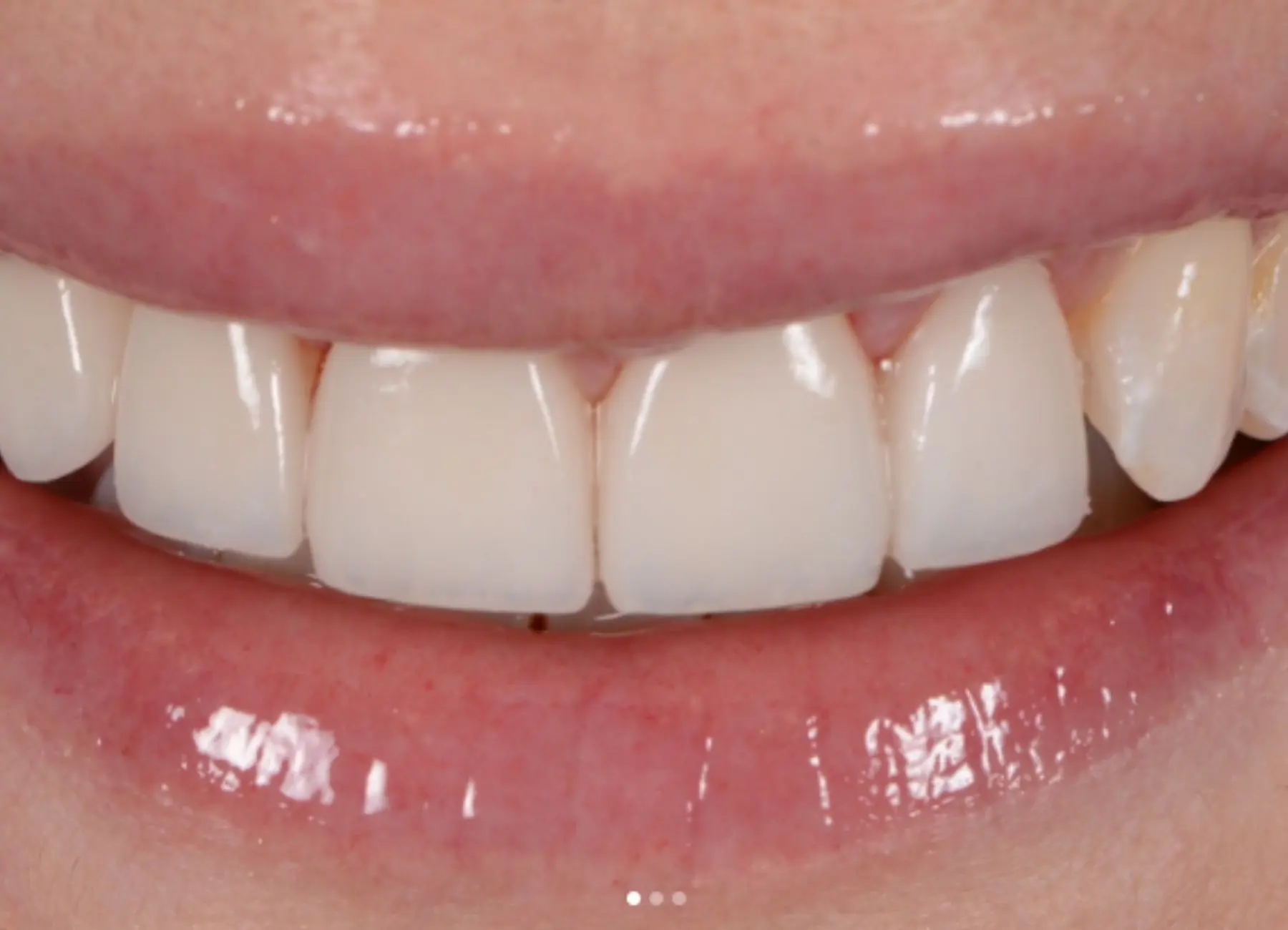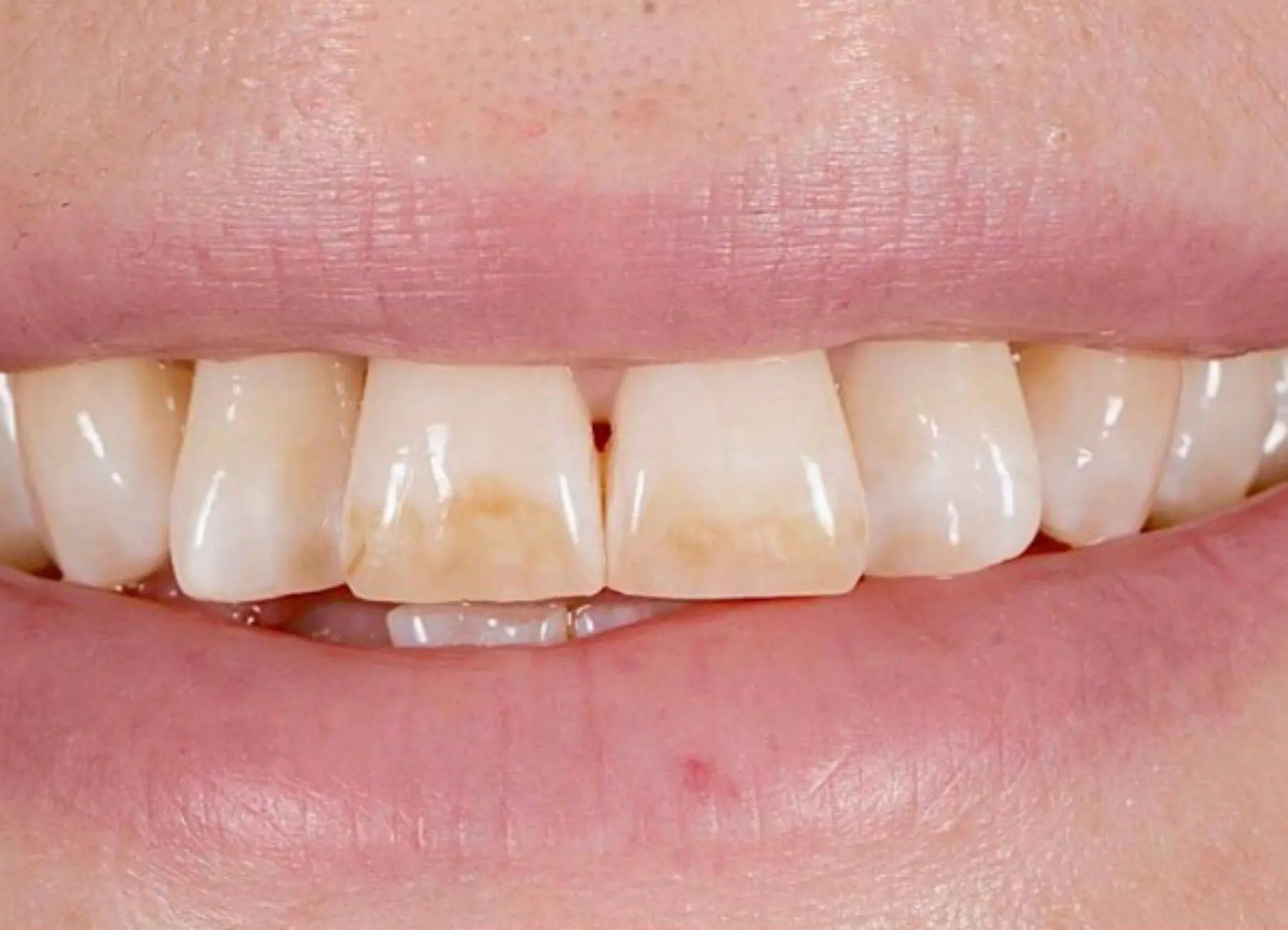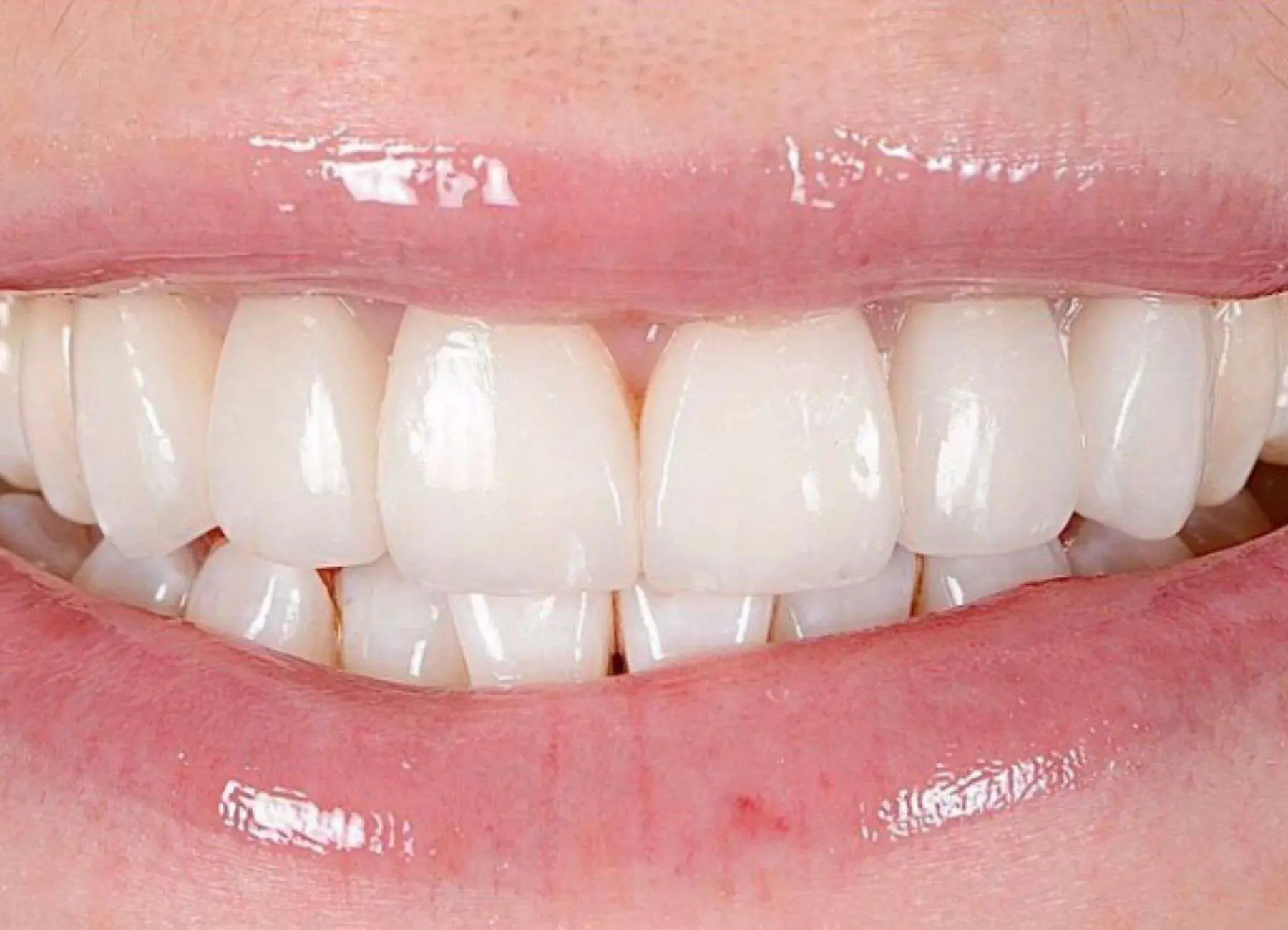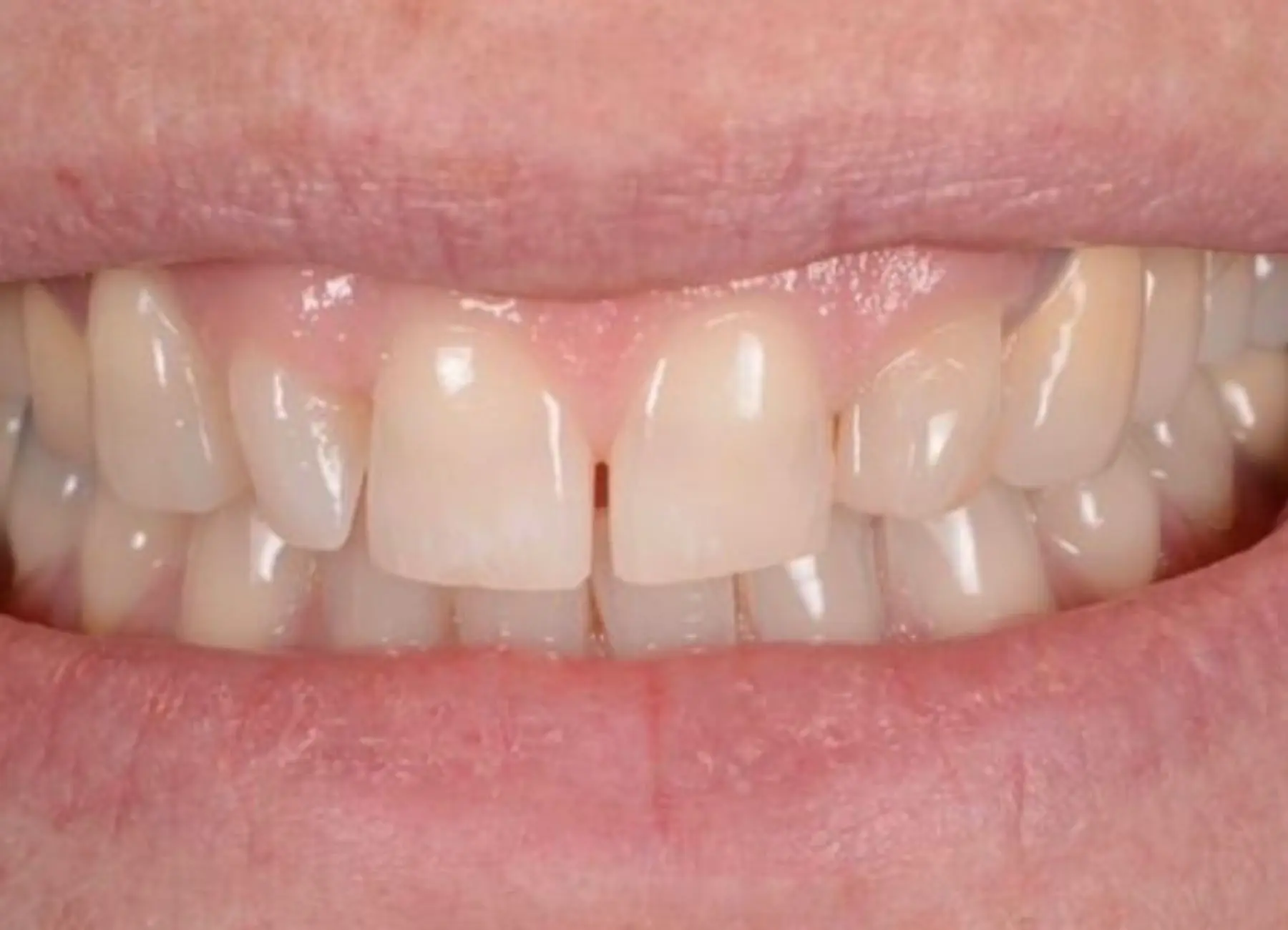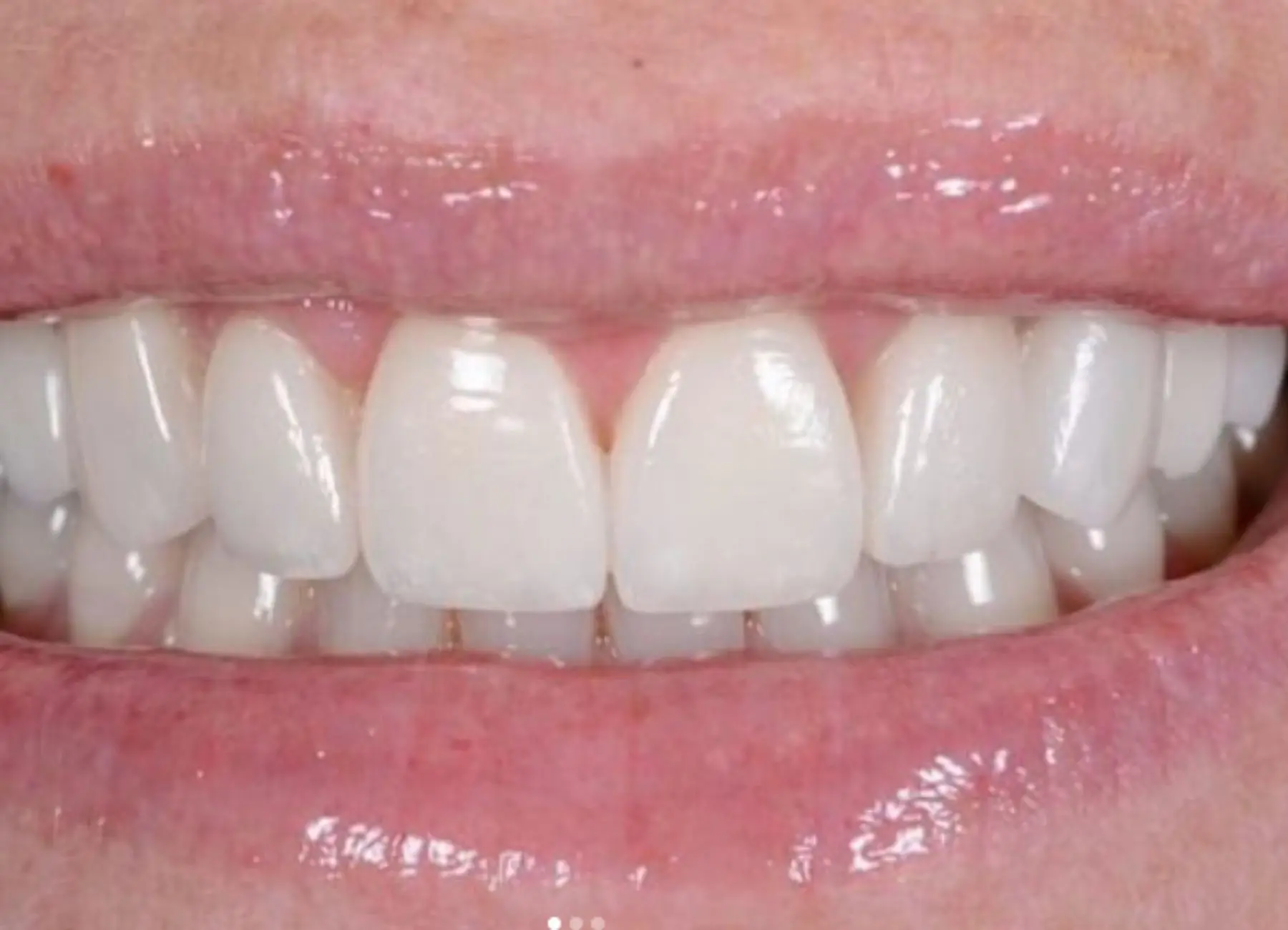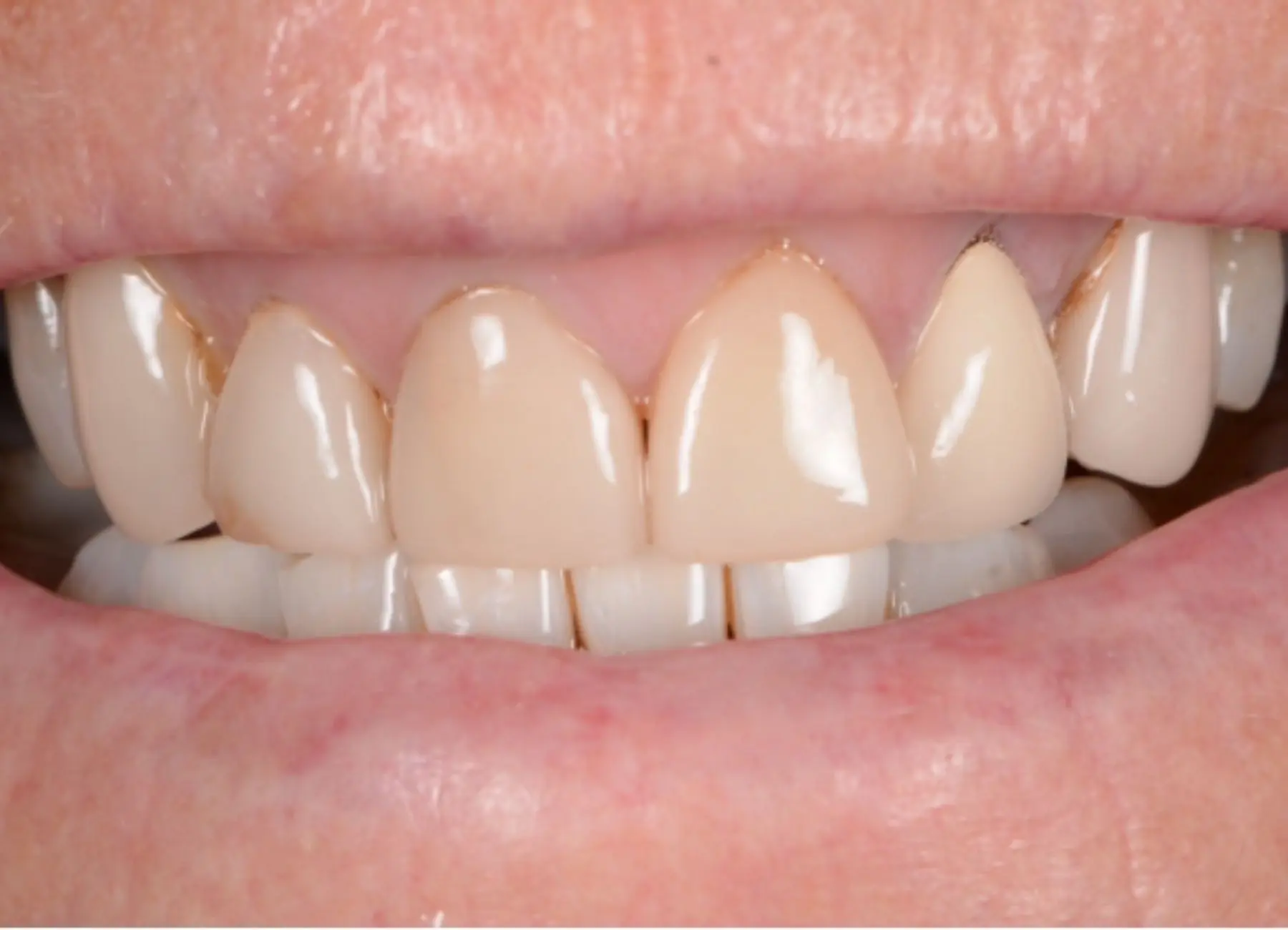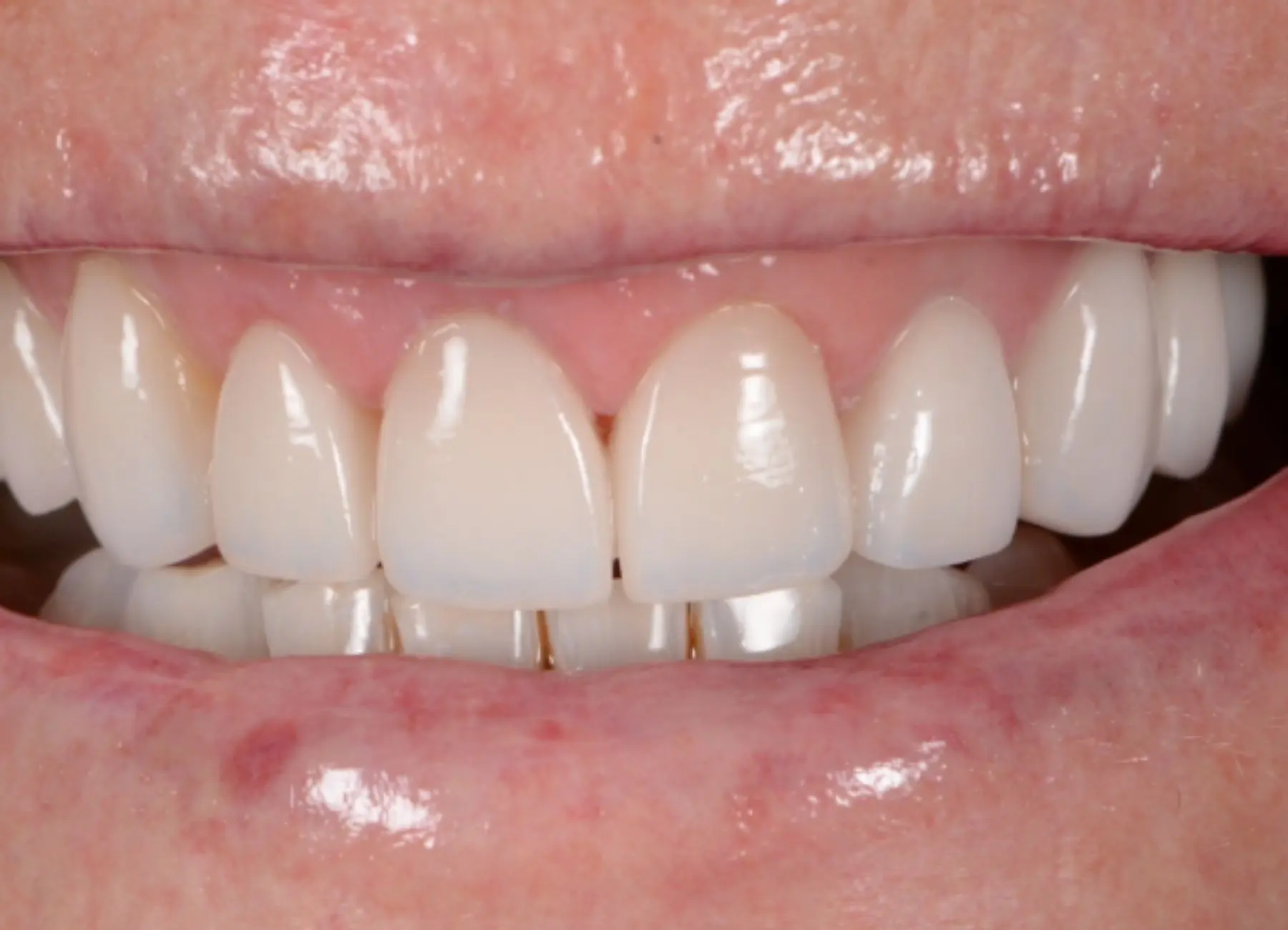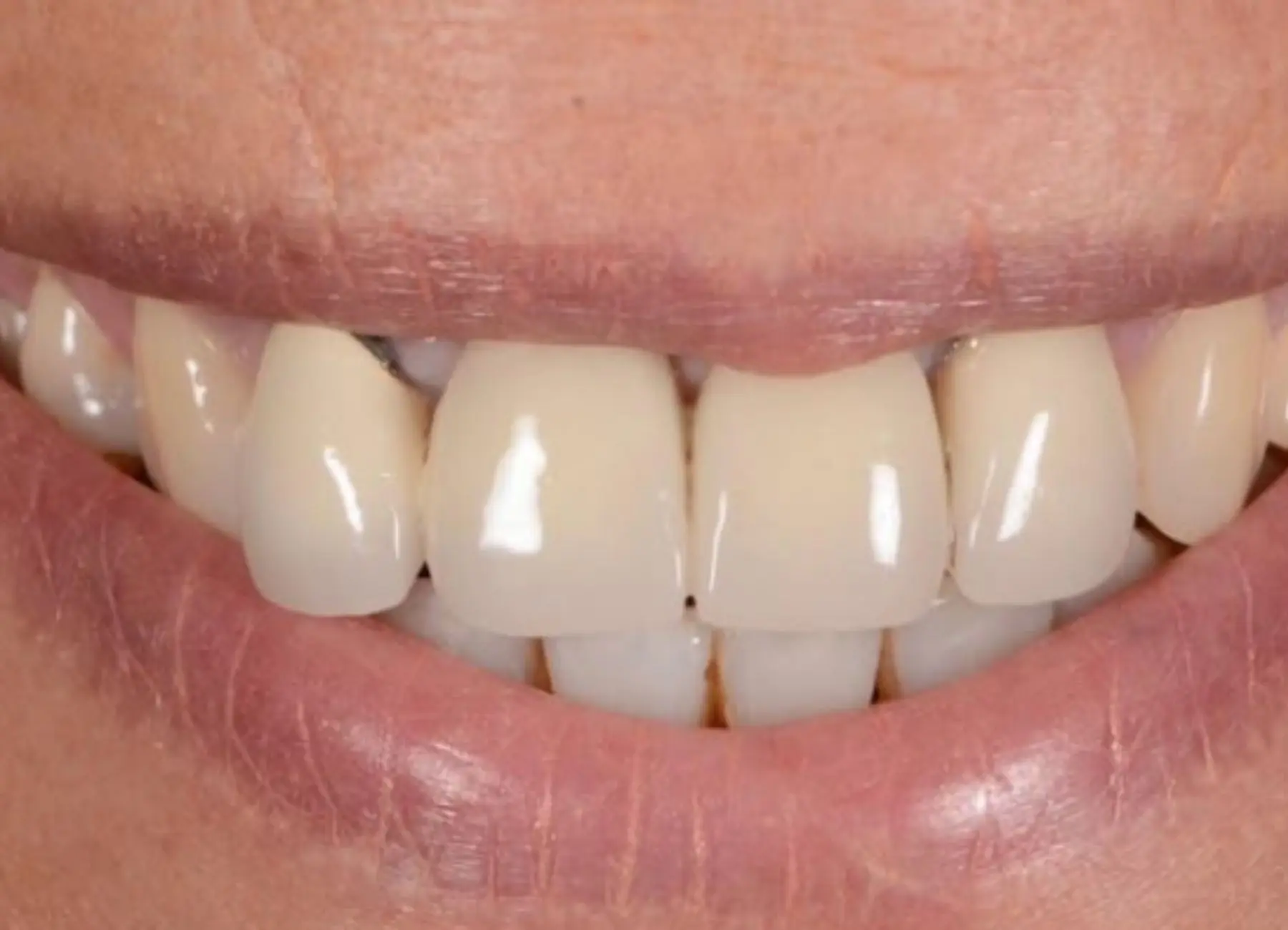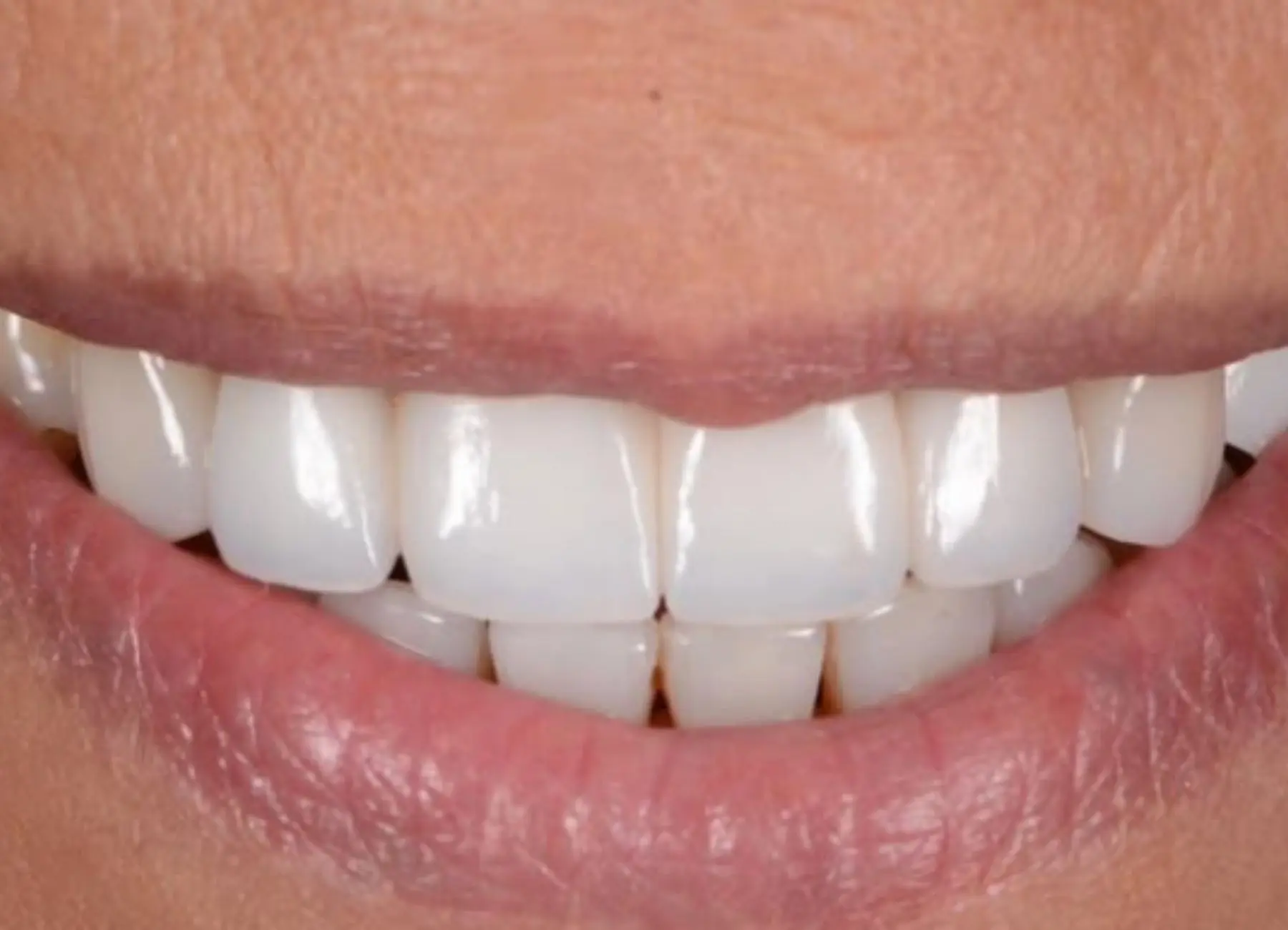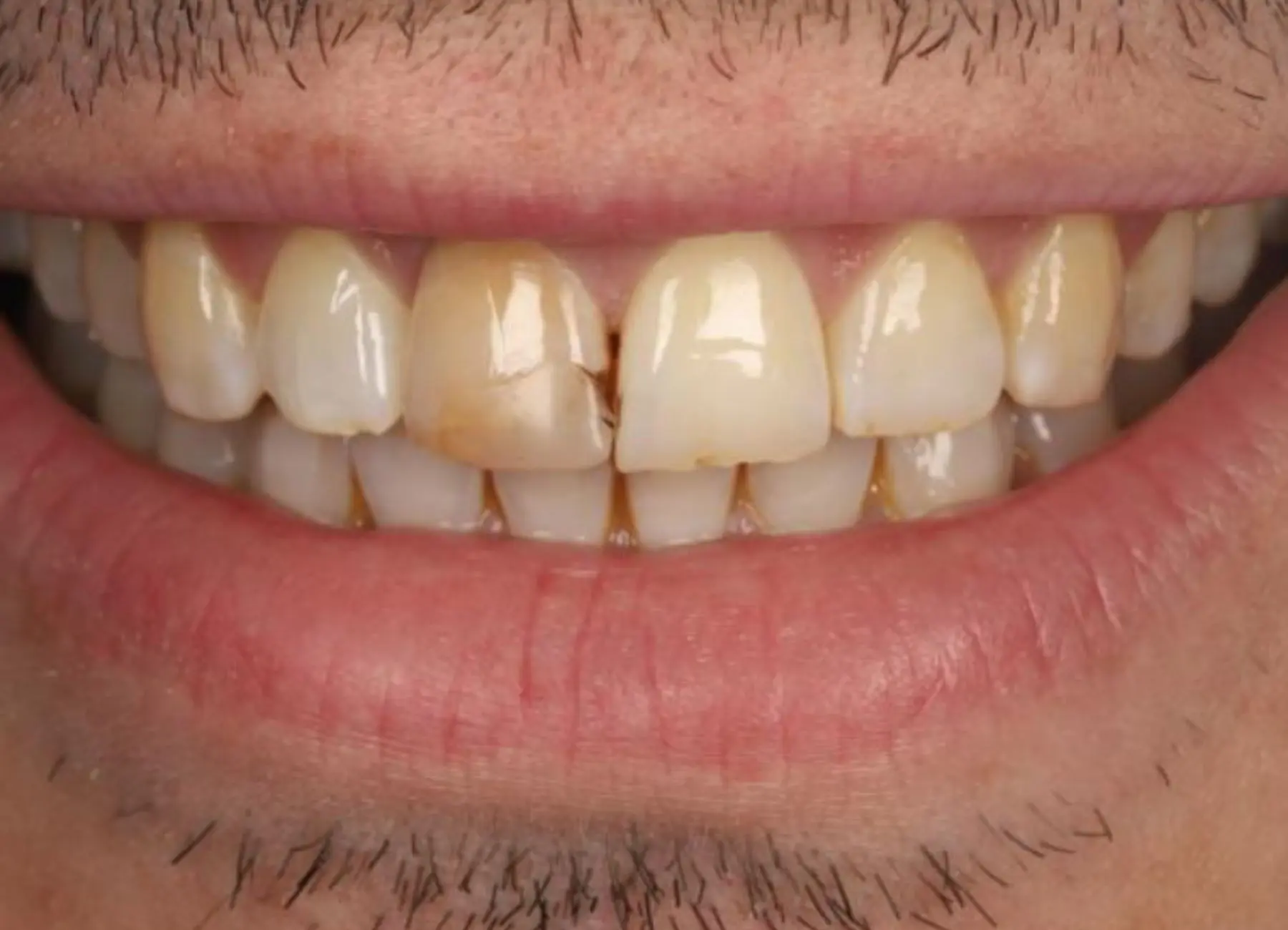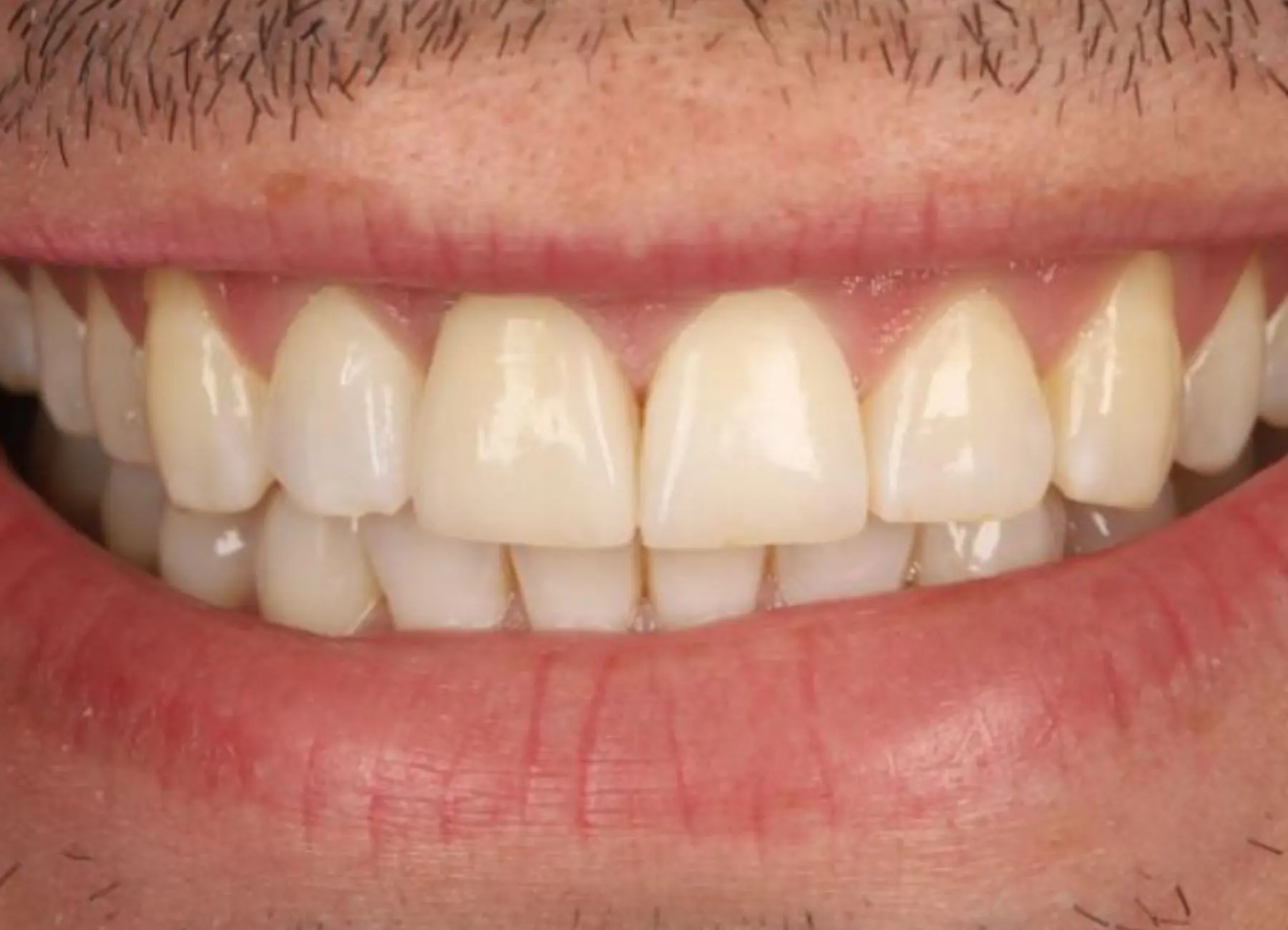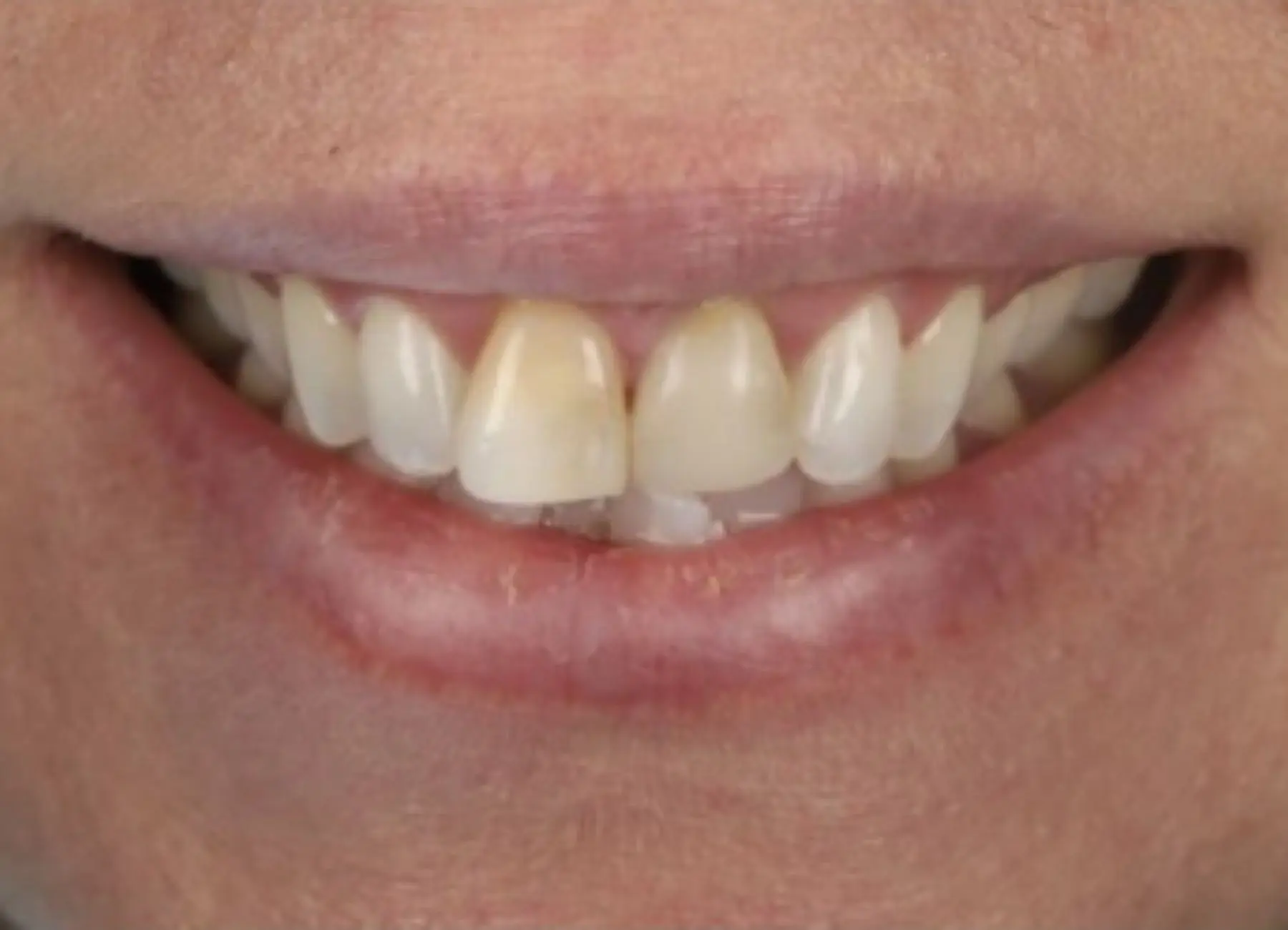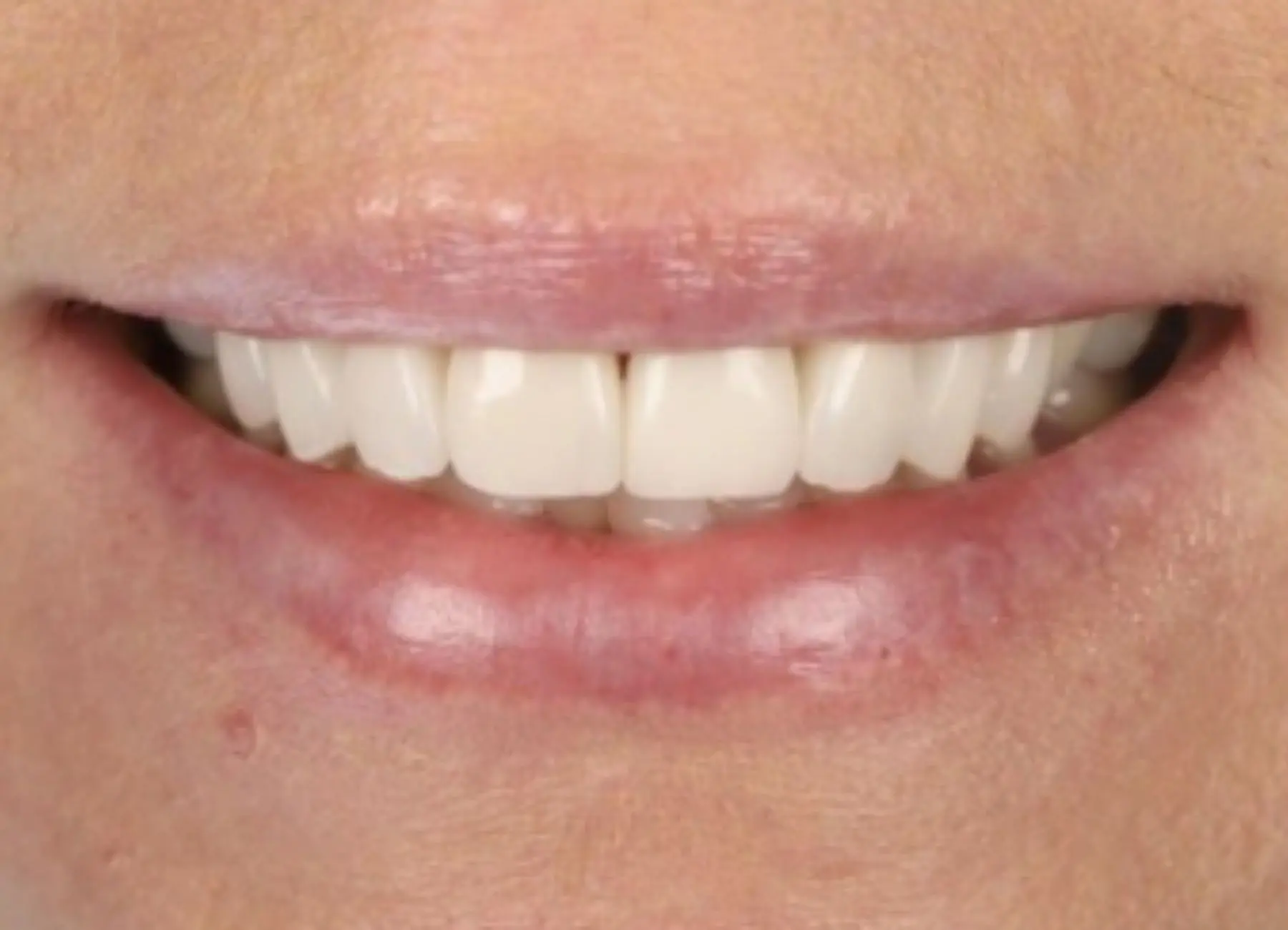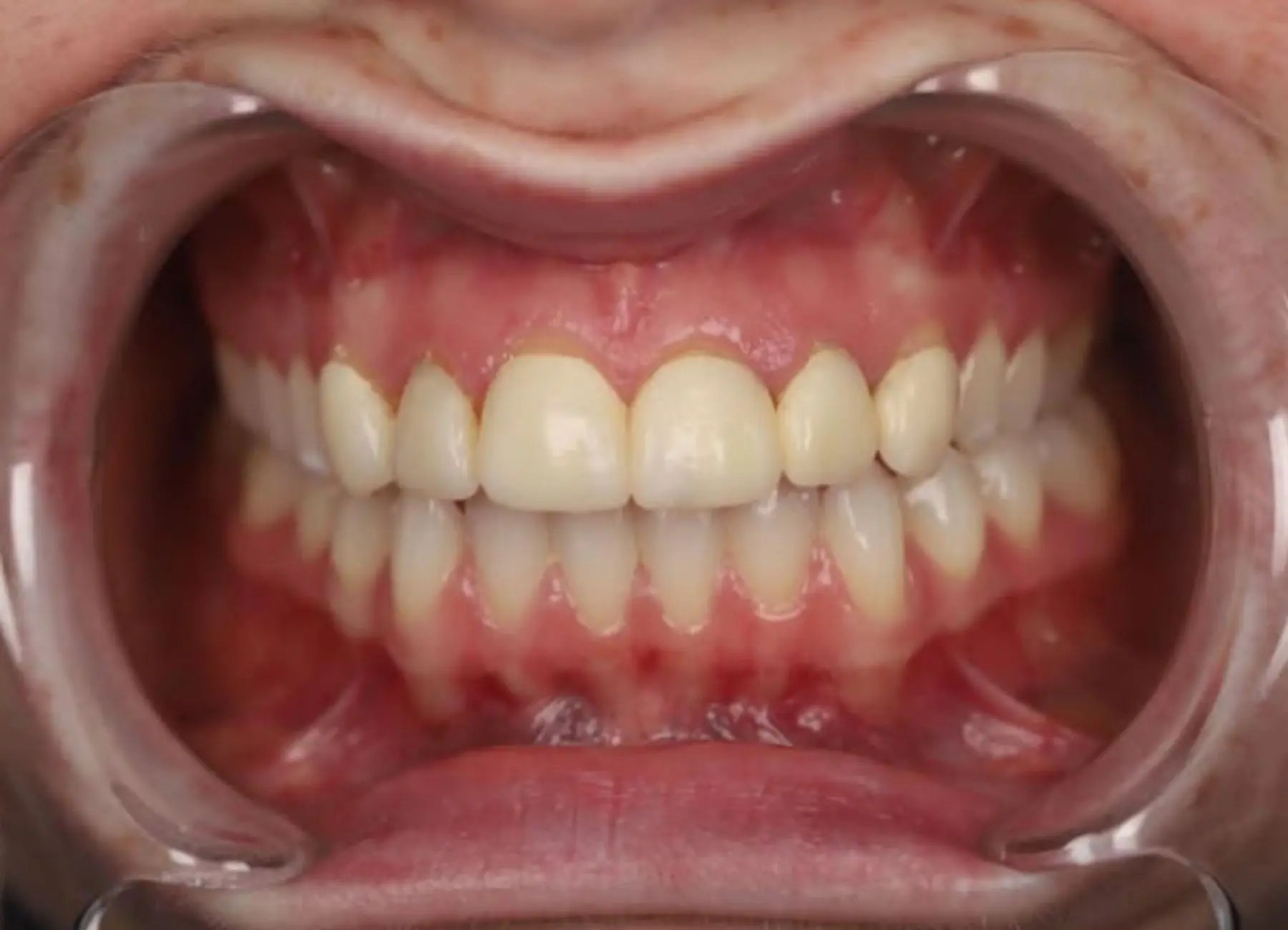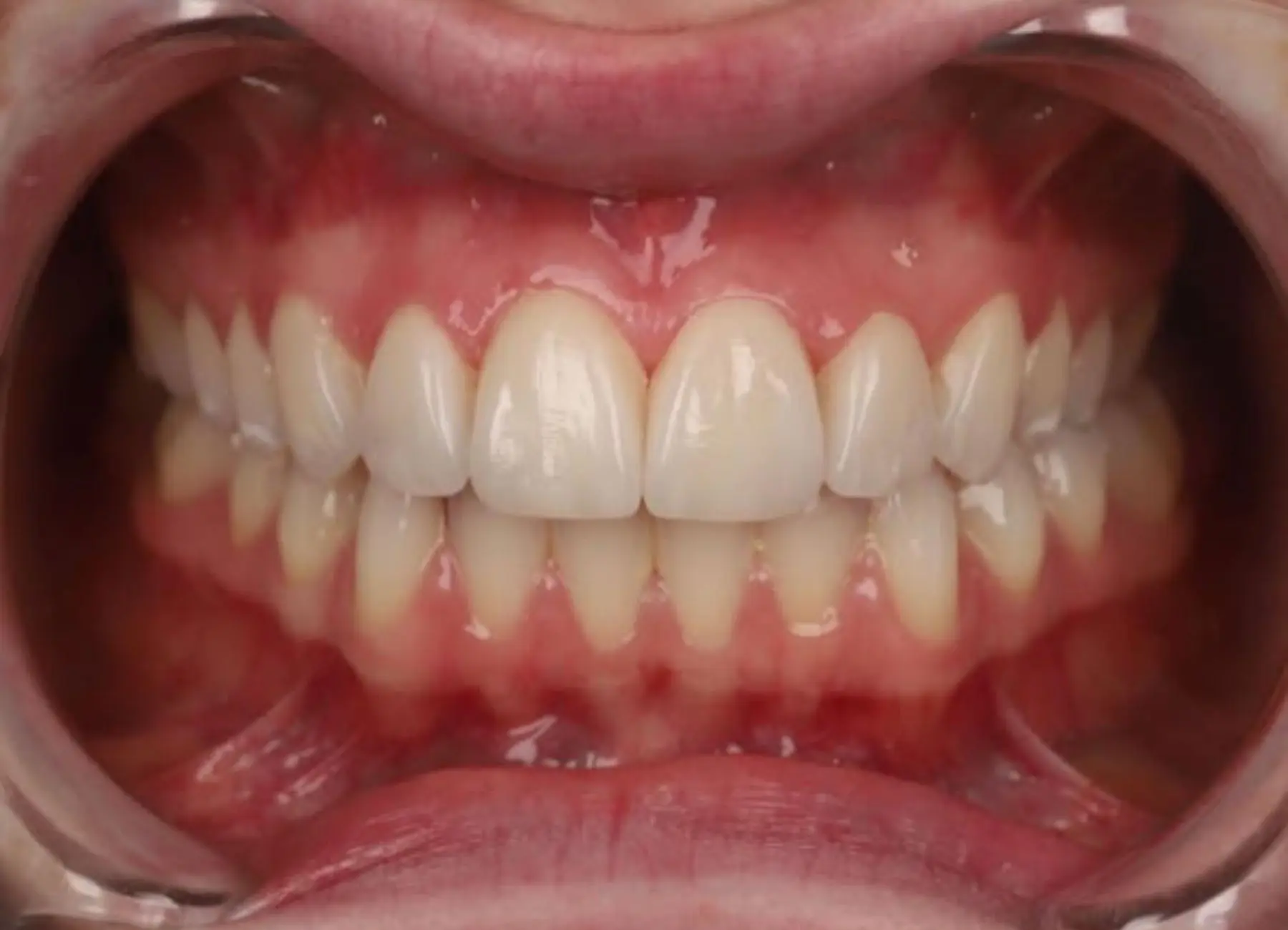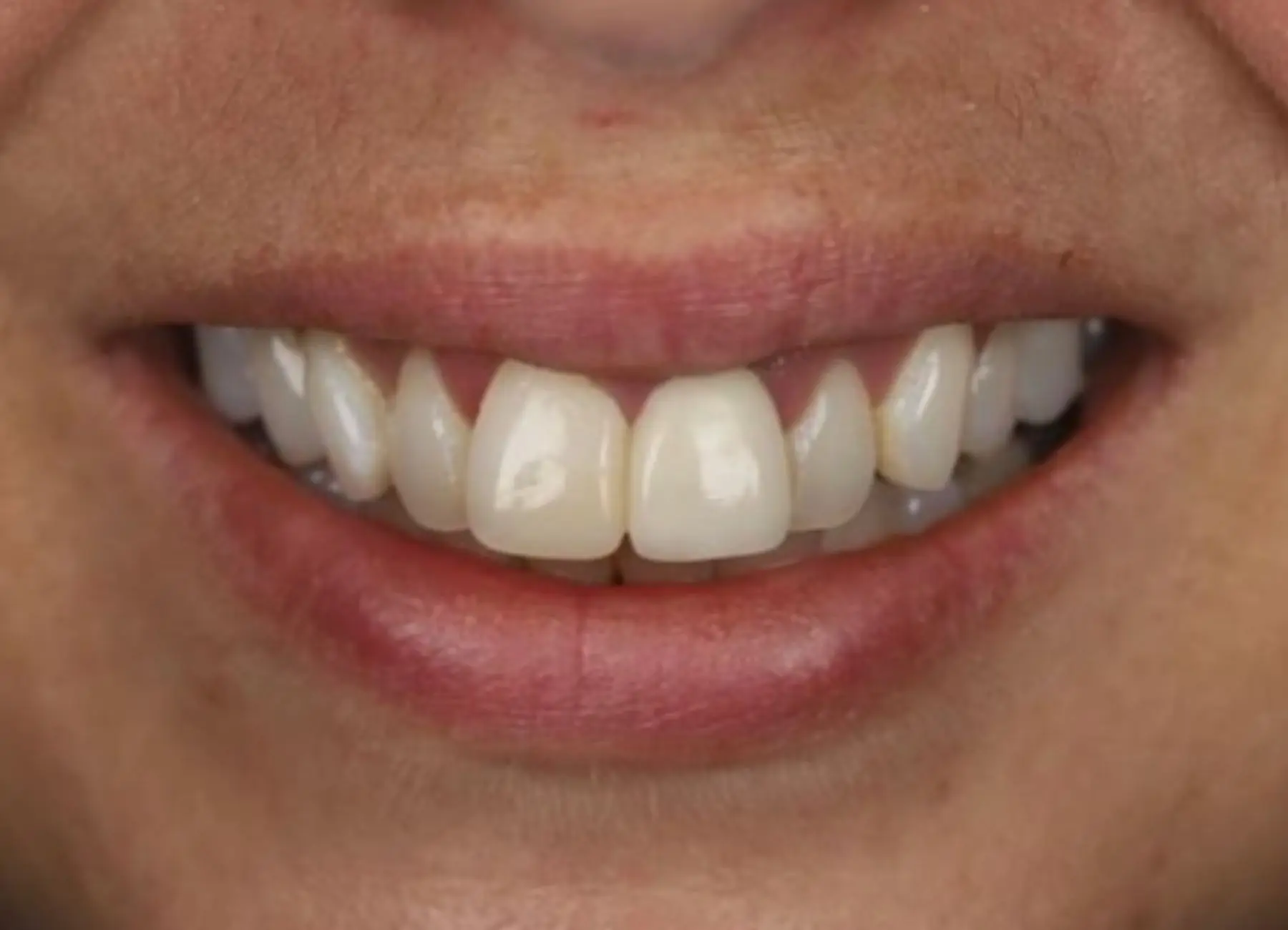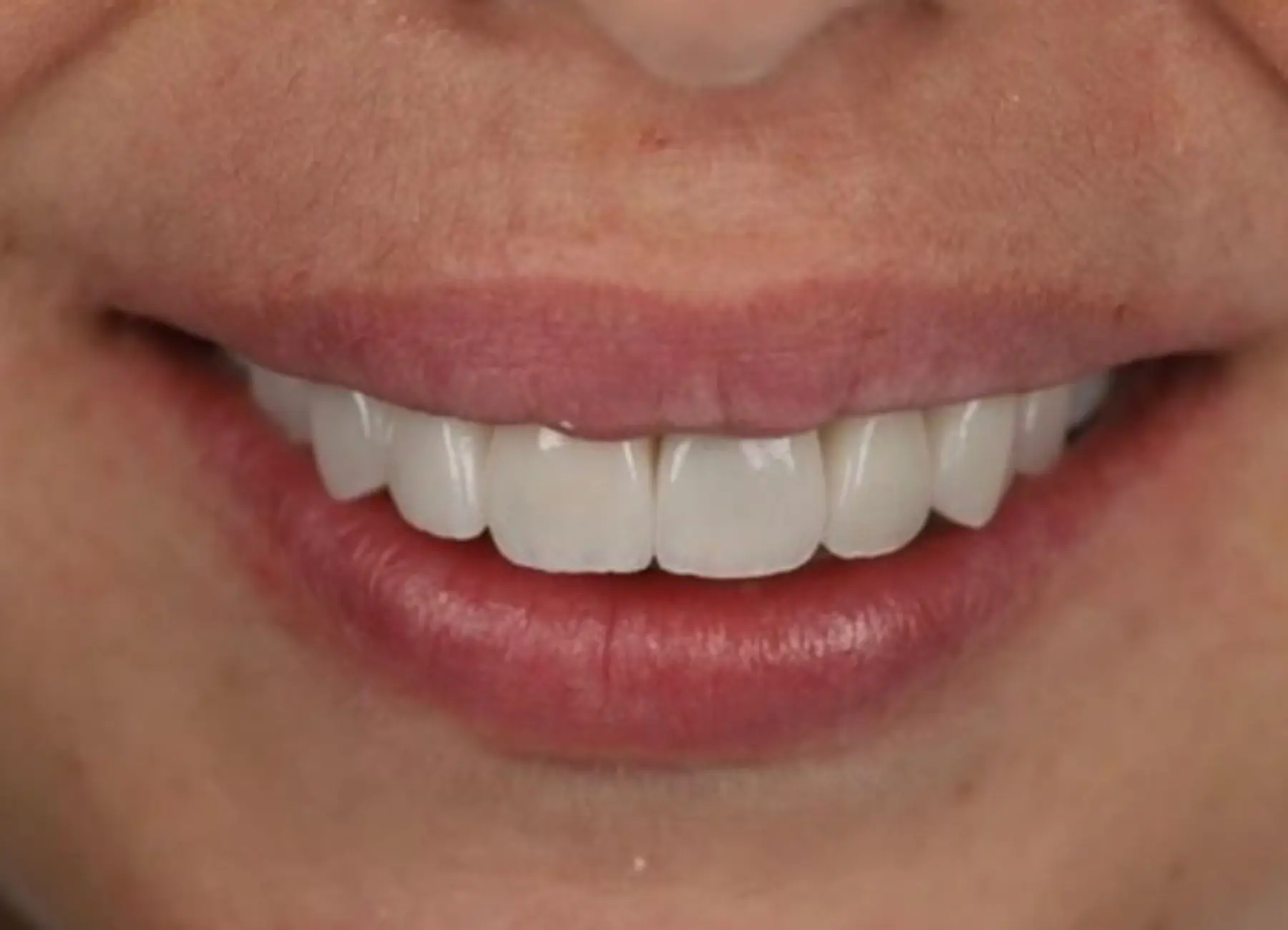
Composite Bonding Closes Gaps & Fixes So Much More
As dentists, we love composite bonding—and patients love it too. It’s cheap, affordable, and causes minuscule damage to teeth, making it one of the most accessible and popular cosmetic treatments in dentistry today.
Composite bonding is an incredible treatment that can treat a wide range of oral conditions and problems with teeth practically within an hour, leaving the underlying tooth’s structure intact.
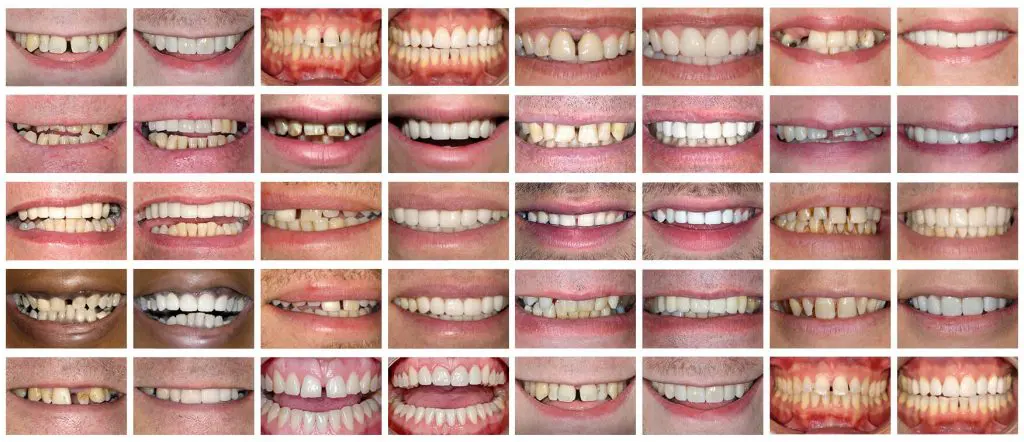
Composite bonding can close gaps – but it depends on the size
If you have gaps between your teeth, whether it’s just a gap between your two front teeth or more prominent spaces throughout your smile, composite bonding can be a great, easy procedure to solve all of your worries. But it’s not a miracle worker, which means it will only effectively close gaps of a certain size.
Let’s break it down for you:
- Composite bonding can close gaps 0.5 mm (0.02 inches) or less per tooth
- Typical gaps in teeth (especially front teeth) are often smaller than this
- Gaps wider than 0.5 millimetres are considered a diastema and require alternative treatment
Is your gap no larger than 0.5mm? Next, explore the cost of composite bonding or arrange a free consultation at our practice in Hertford.

How composite bonding works to close gaps
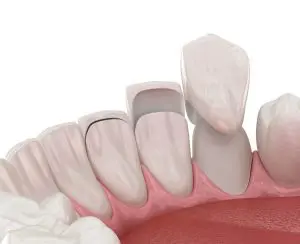
The composite bonding procedure is typically one-stage and completed in a single appointment. Once you’re in the chair, the dentist will apply tooth-coloured resin in layers, sculpting and shaping it to close the gaps between your teeth.
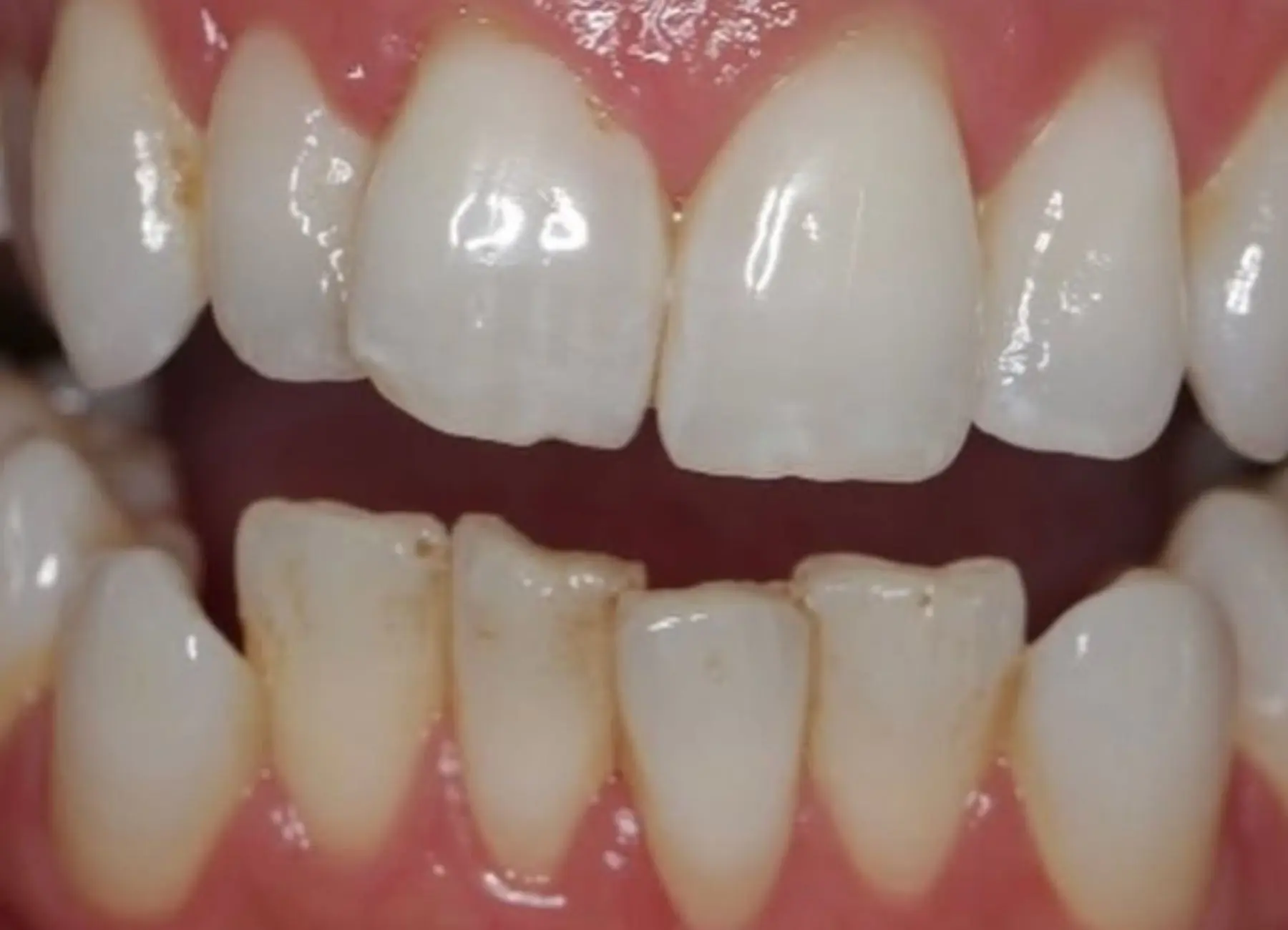
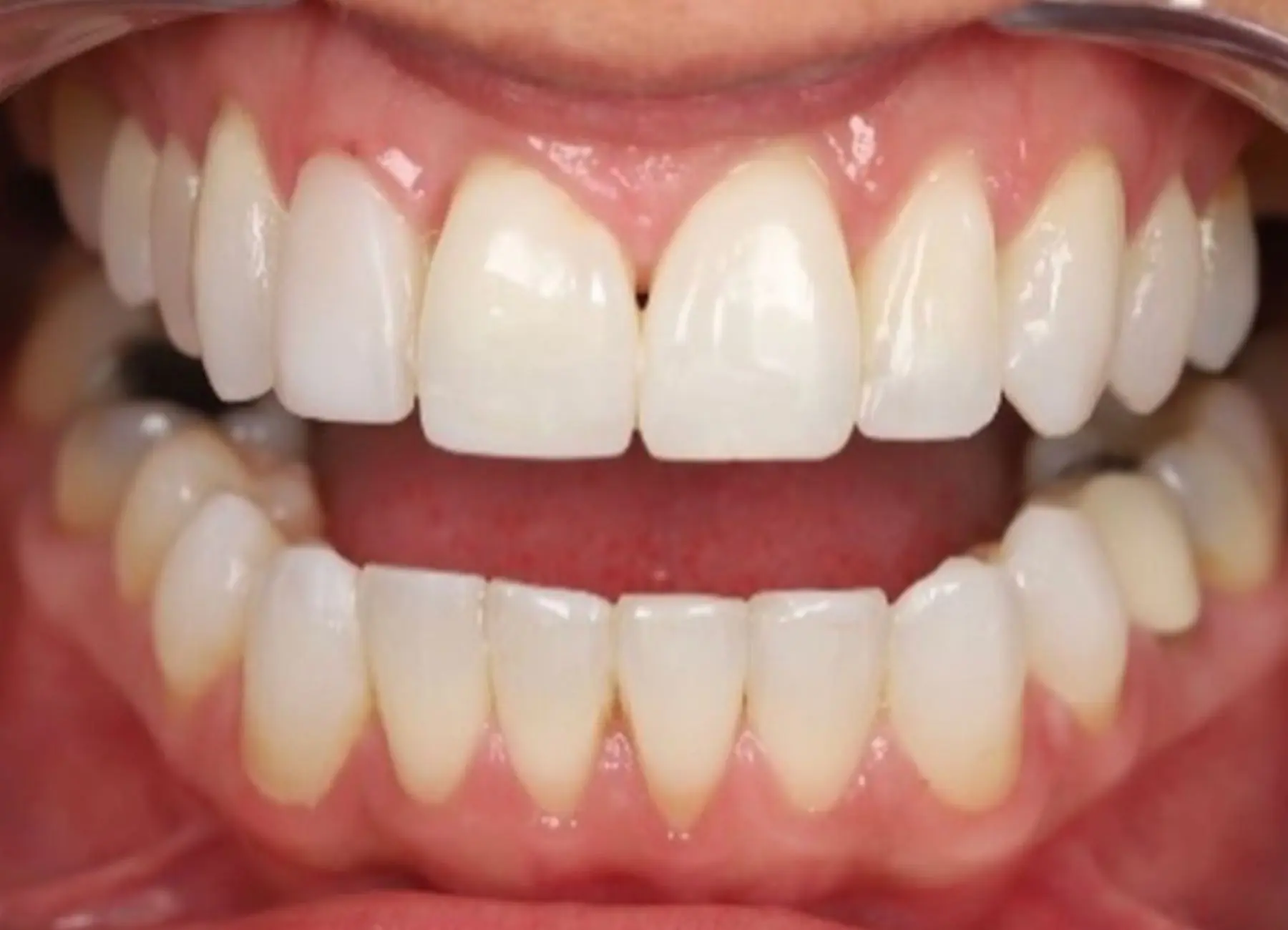
At the same time, composite bonding can fix any visible chips, cracks, and discolouration. The entire procedure is reversible and can take anywhere from 20 minutes to an hour.
As dedicated cosmetic dentists at The Perfect Smile Studios, we can even allow you to preview how your teeth will look before the procedure and before you commit to changing your smile.
When would we recommend composite bonding for gaps
Our dentists typically recommend composite bonding when the gaps are small enough. If, during your consultation, they find the gaps are too large, we might recommend additional treatments like orthodontics first.
What other treatments exist for gaps larger than 0.5 mm
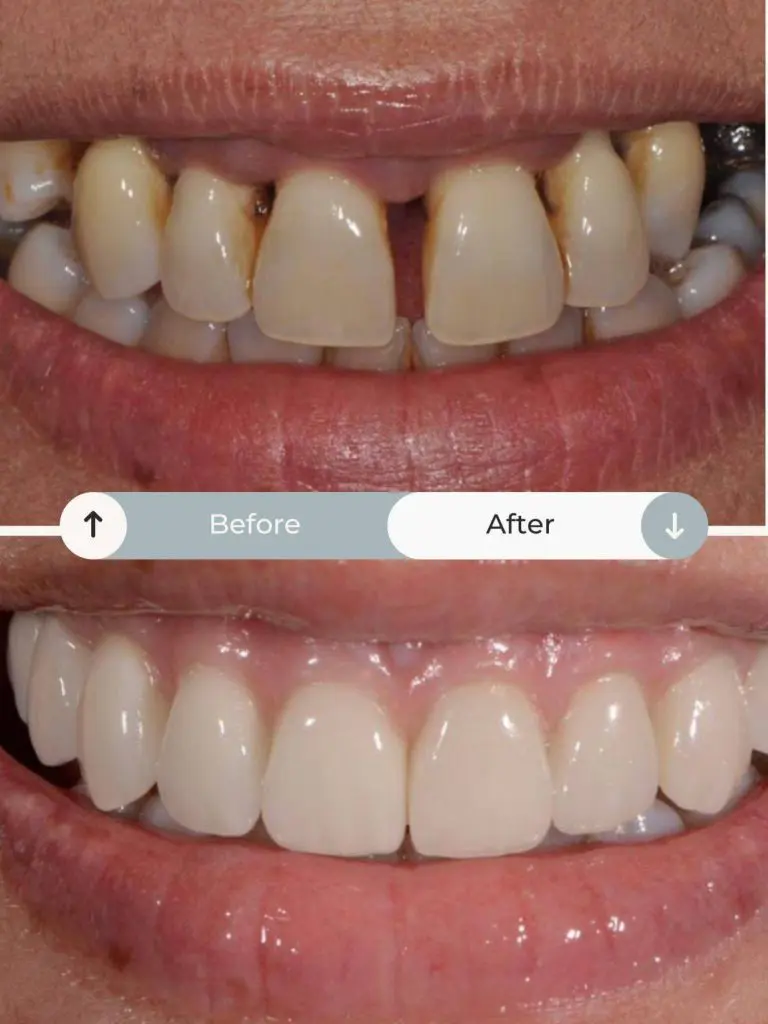
There are a few other options to explore to close larger gaps and treat diastema cases. For example, dental veneers, whether porcelain or composite, can typically close gaps between 1 and 3 millimetres in size, and sometimes larger.
With veneers, it’s dependent on how much enamel is available, which is what the veneers will adhere to for support and stability.
Additionally, you can use orthodontics to close gaps between teeth. Invisalign can close gaps up to 6mm of space per arch, whereas traditional braces can move teeth about four millimetres on average.
Patients don’t always want to wait longer for results with orthodontic treatment, but depending on the size of their gaps, Invisalign can work as fast as 3 months.