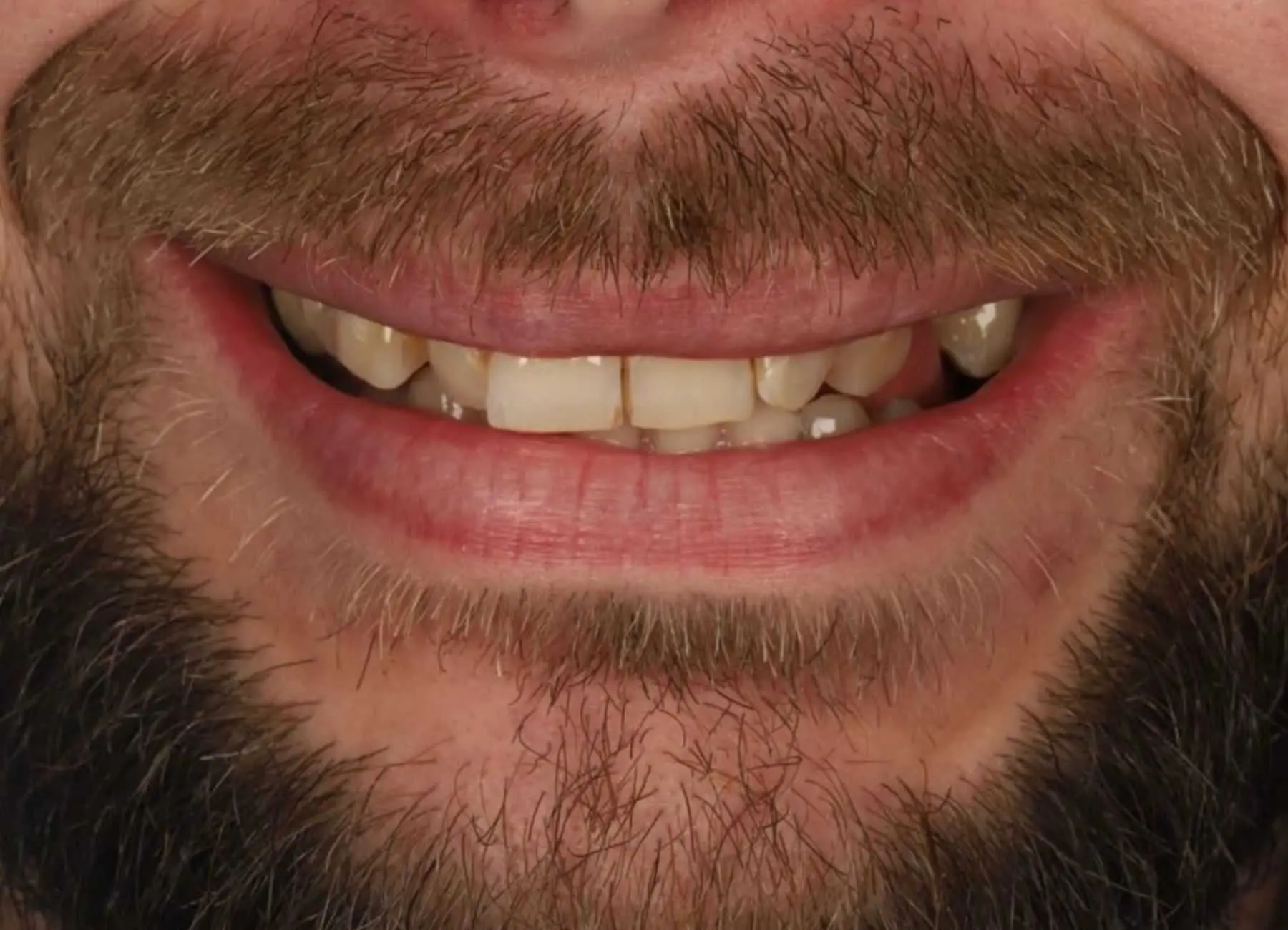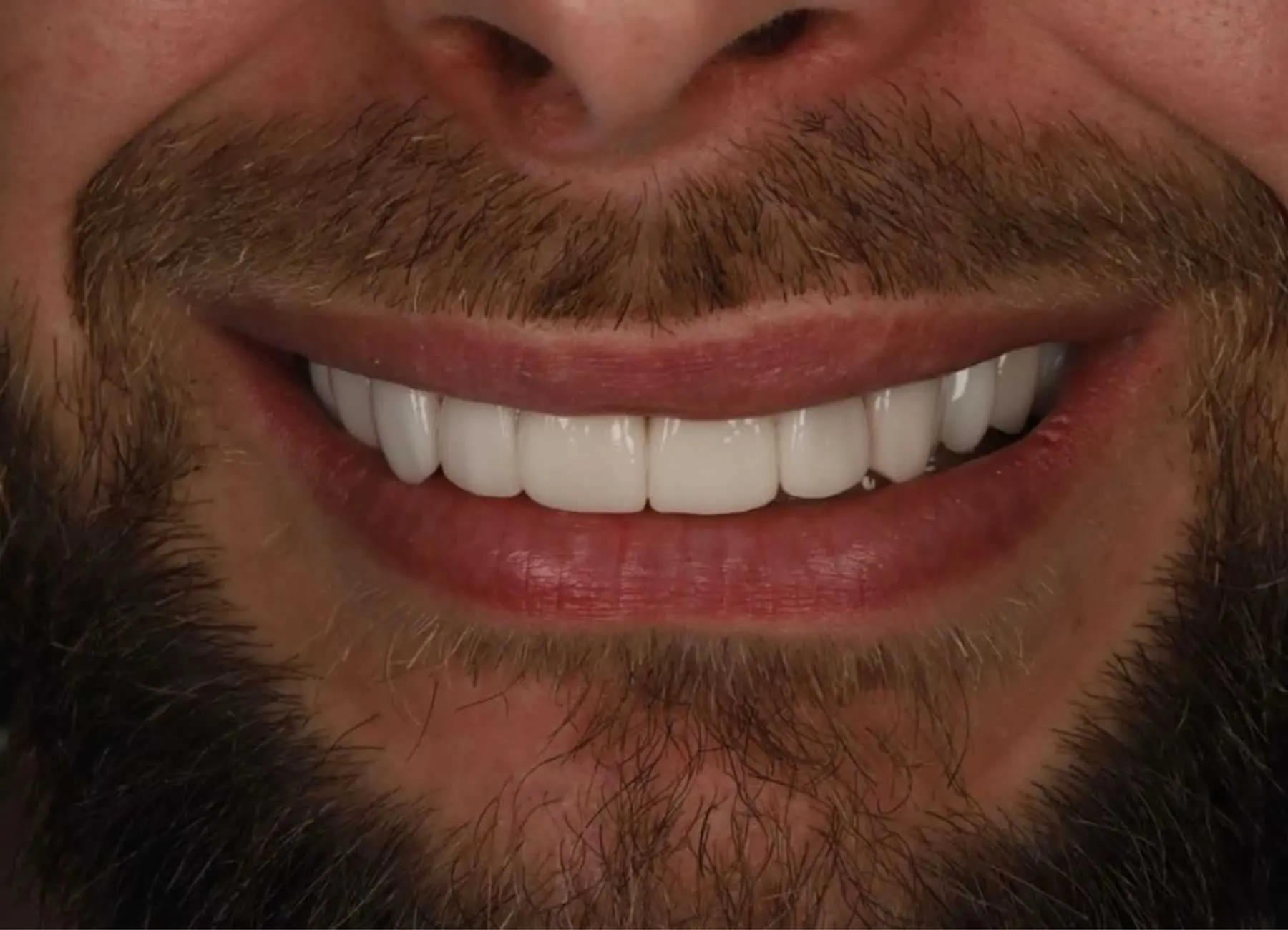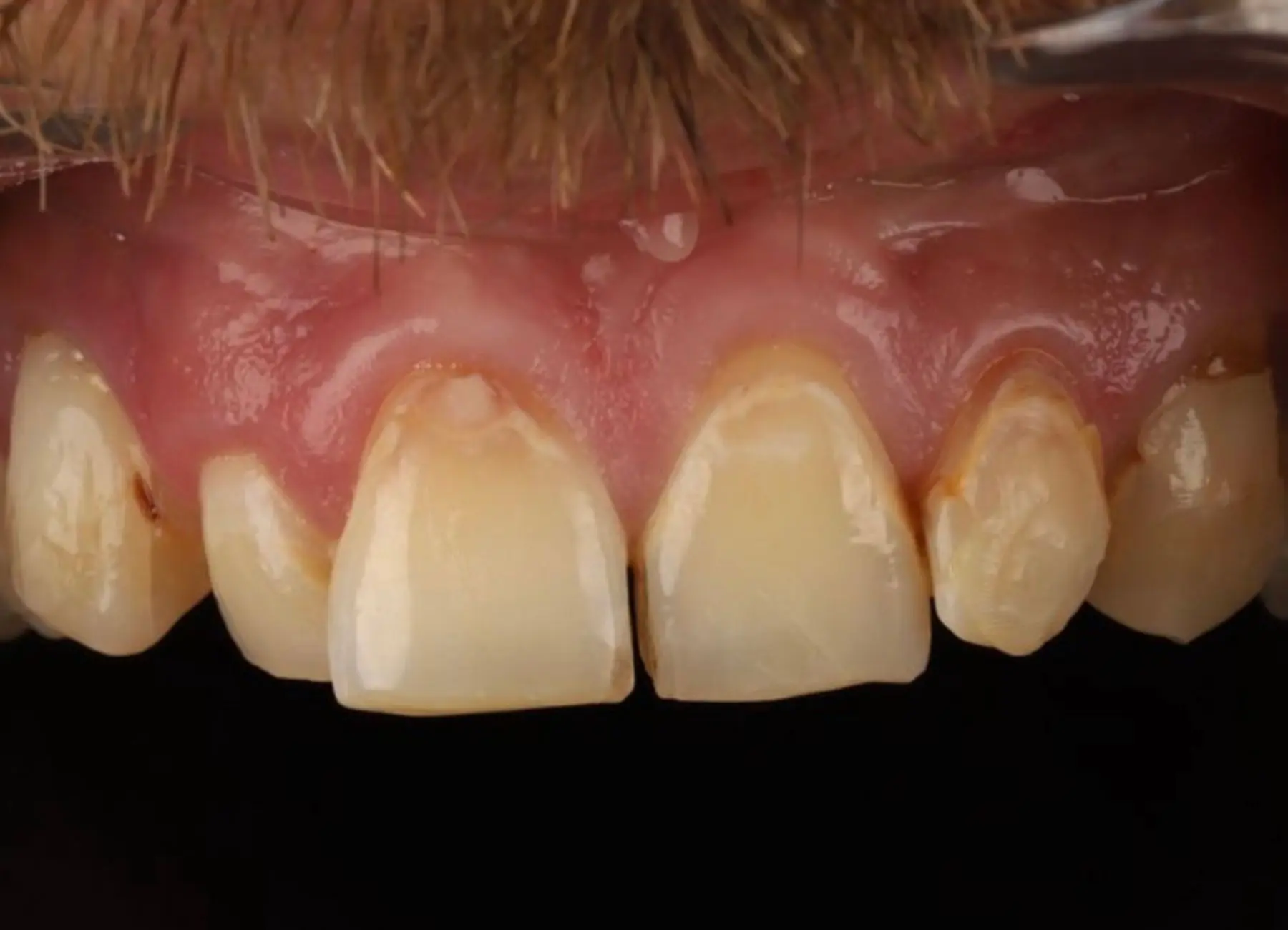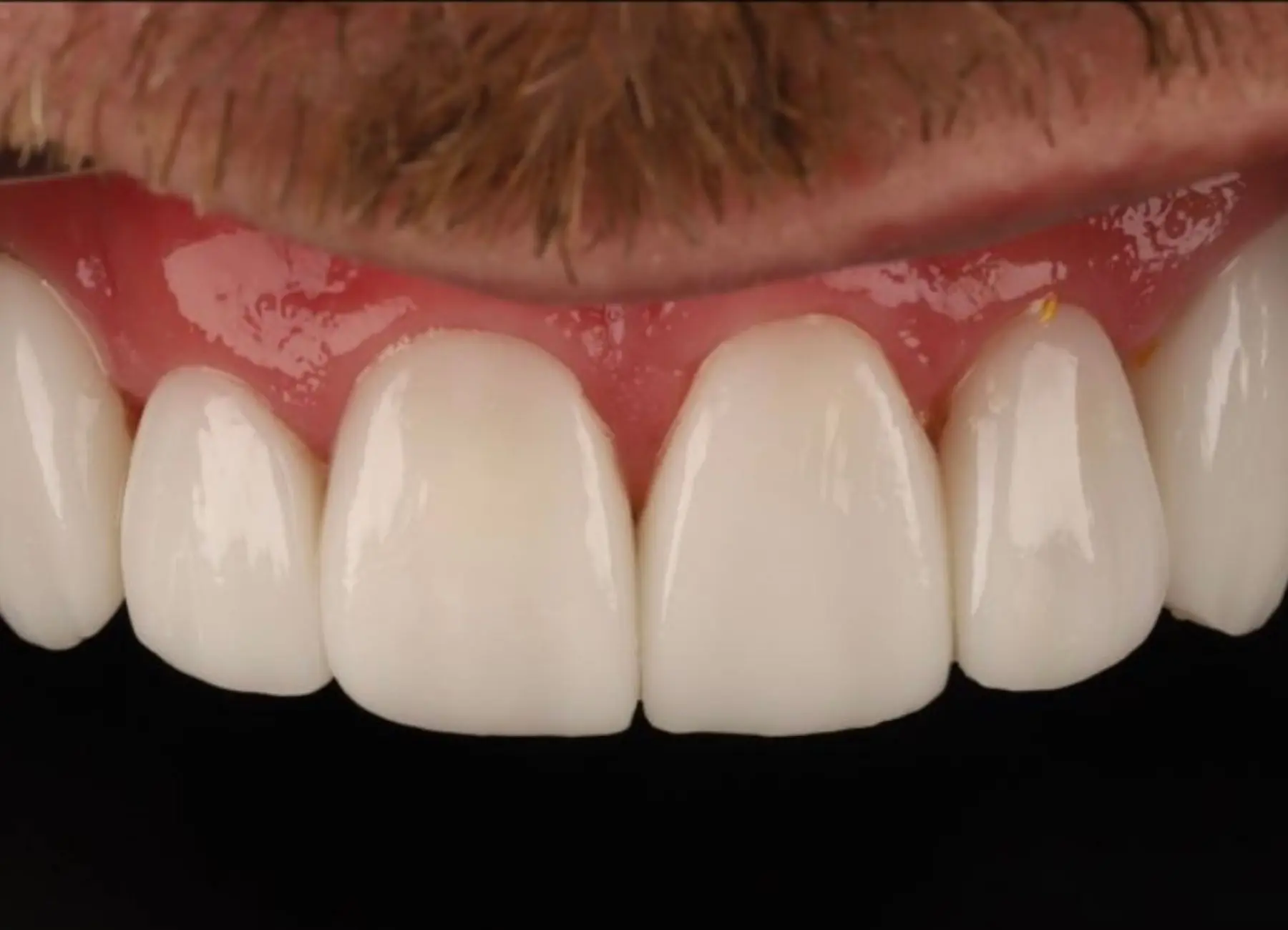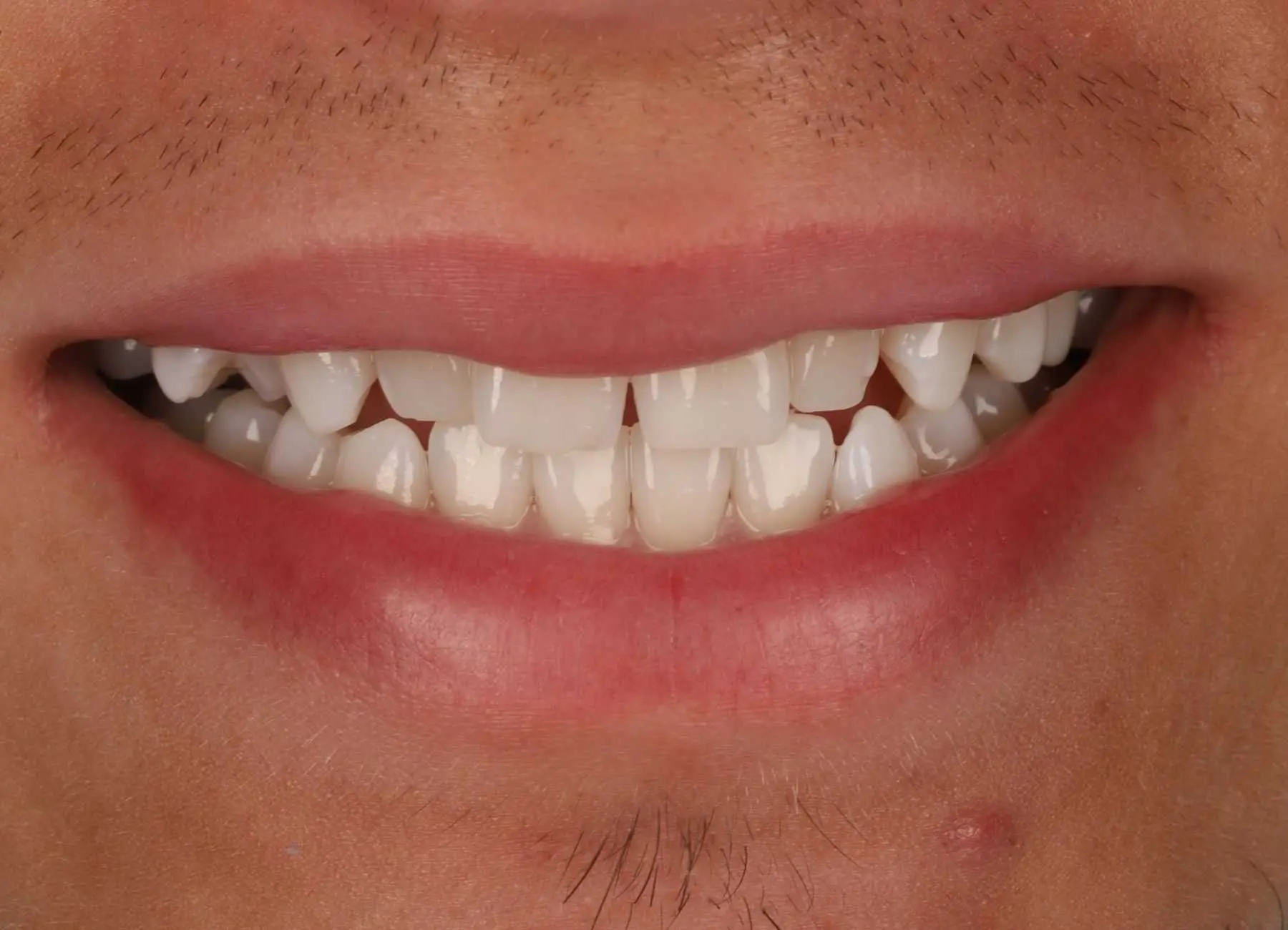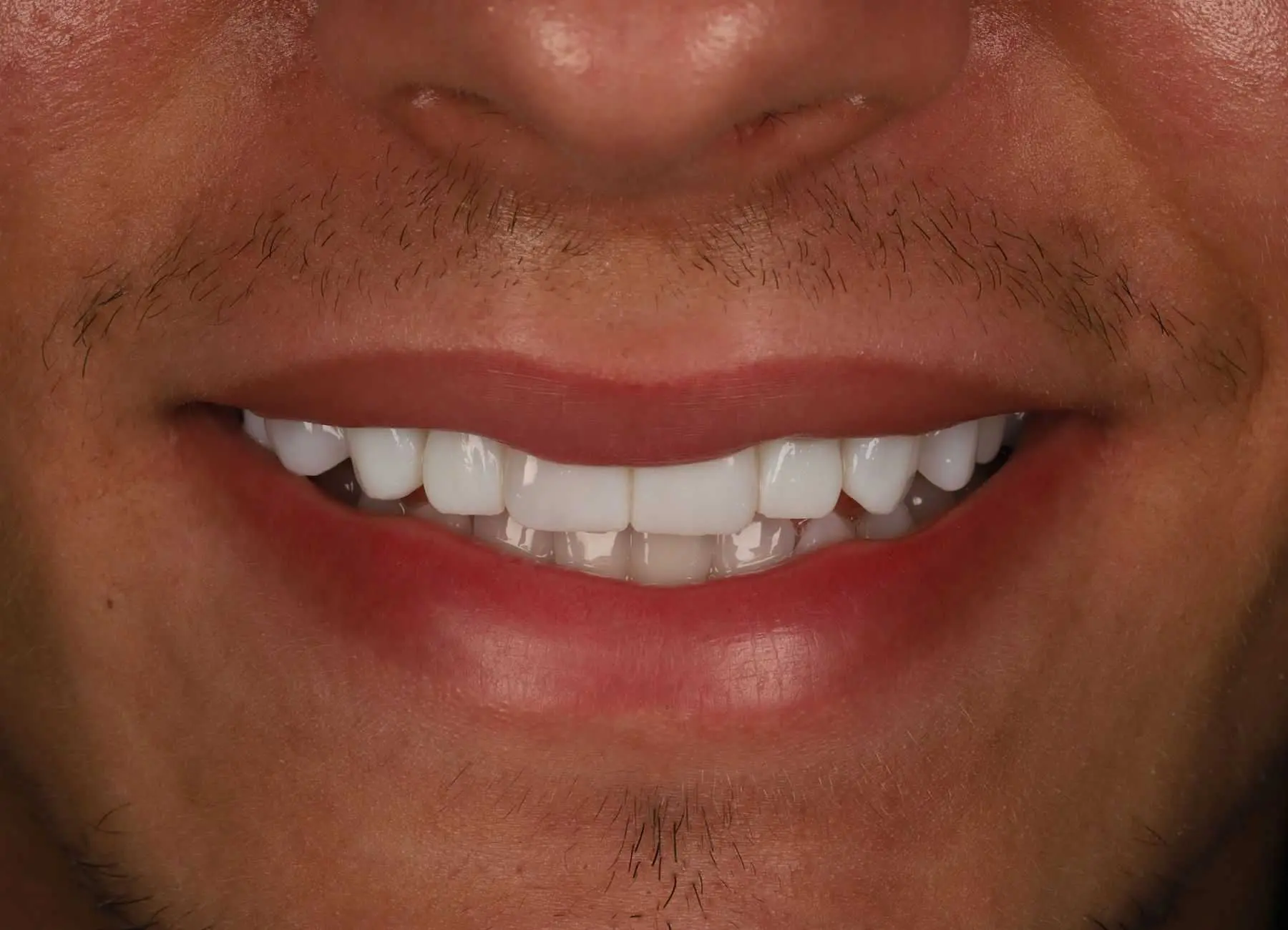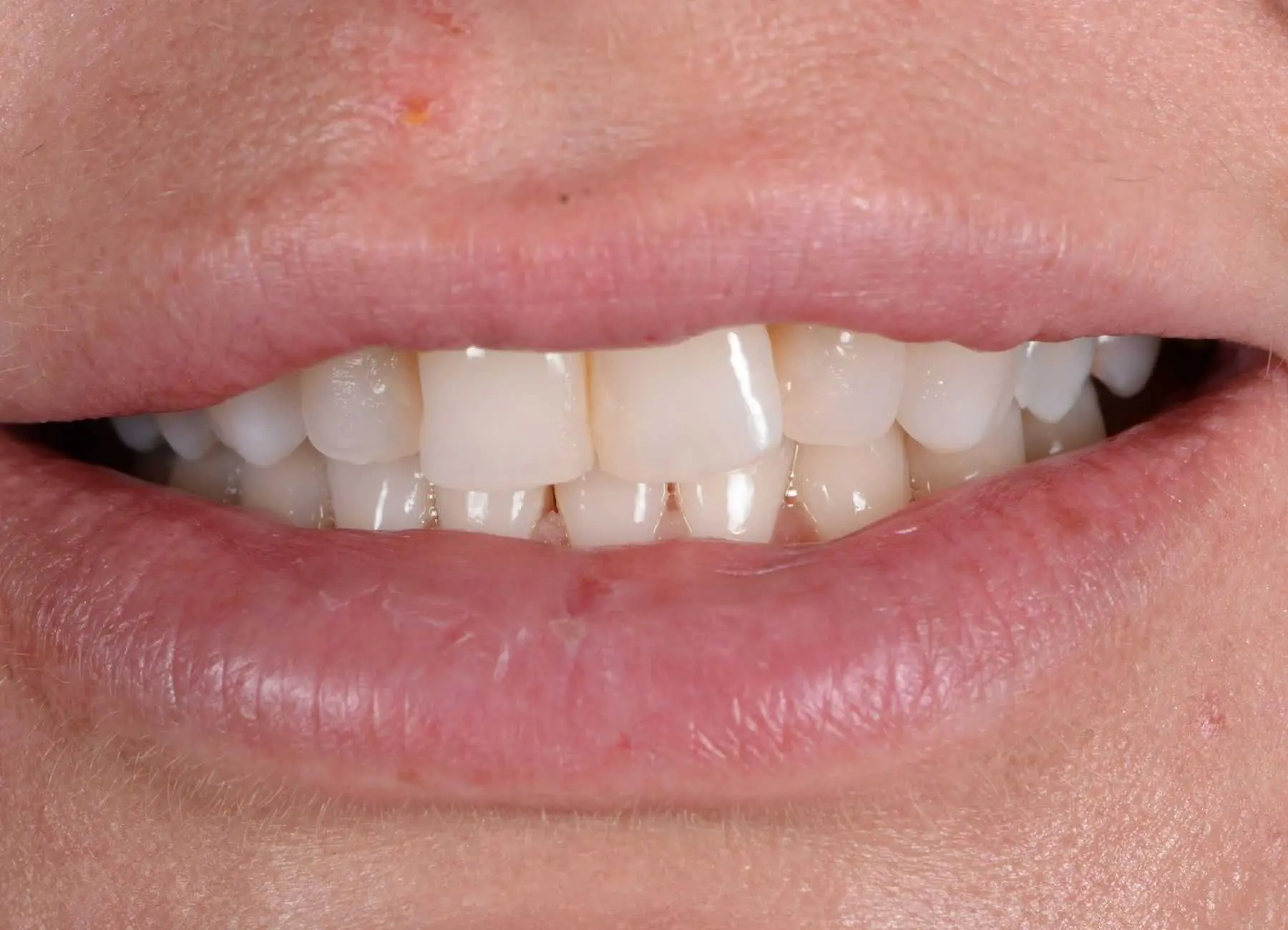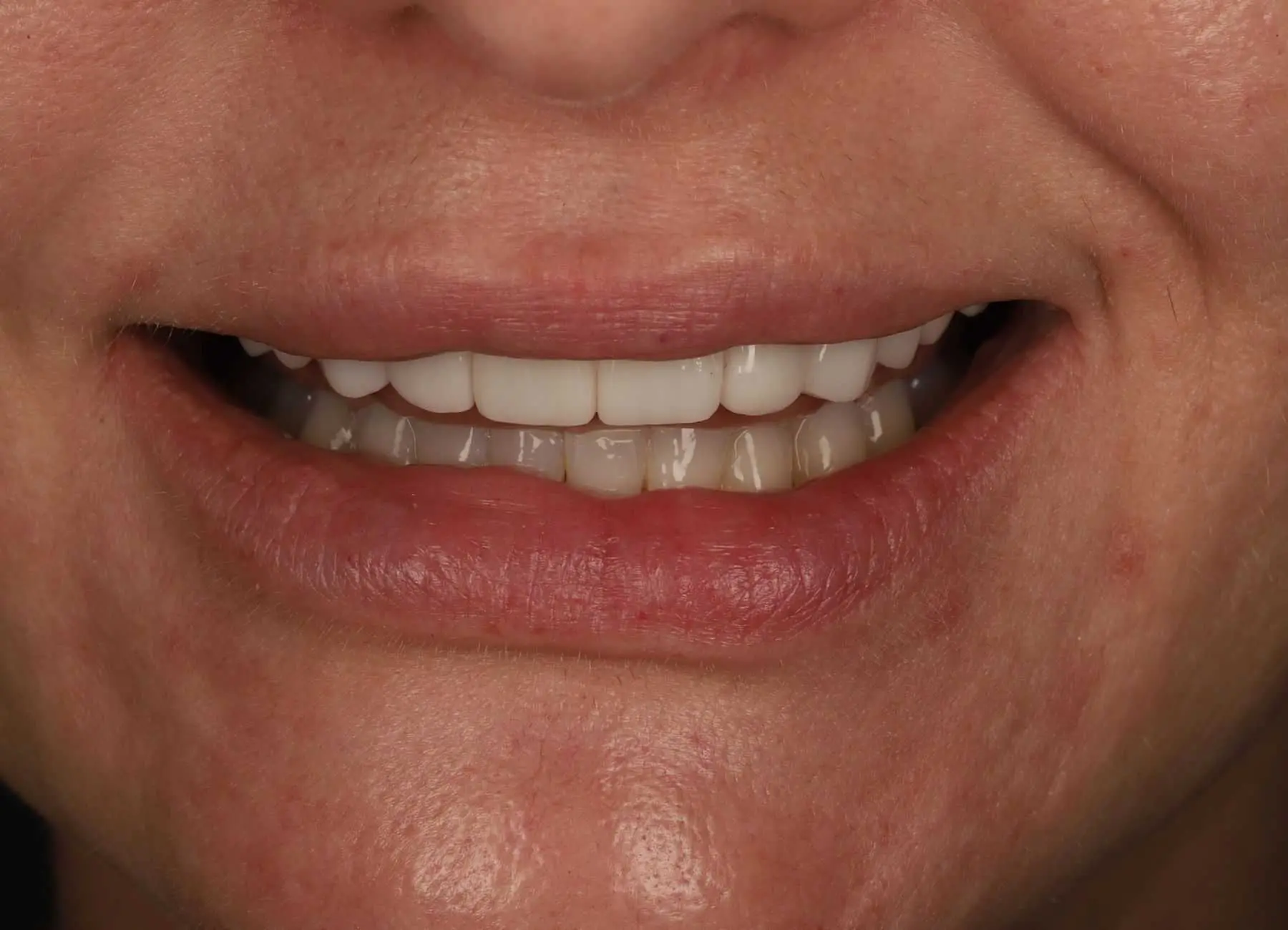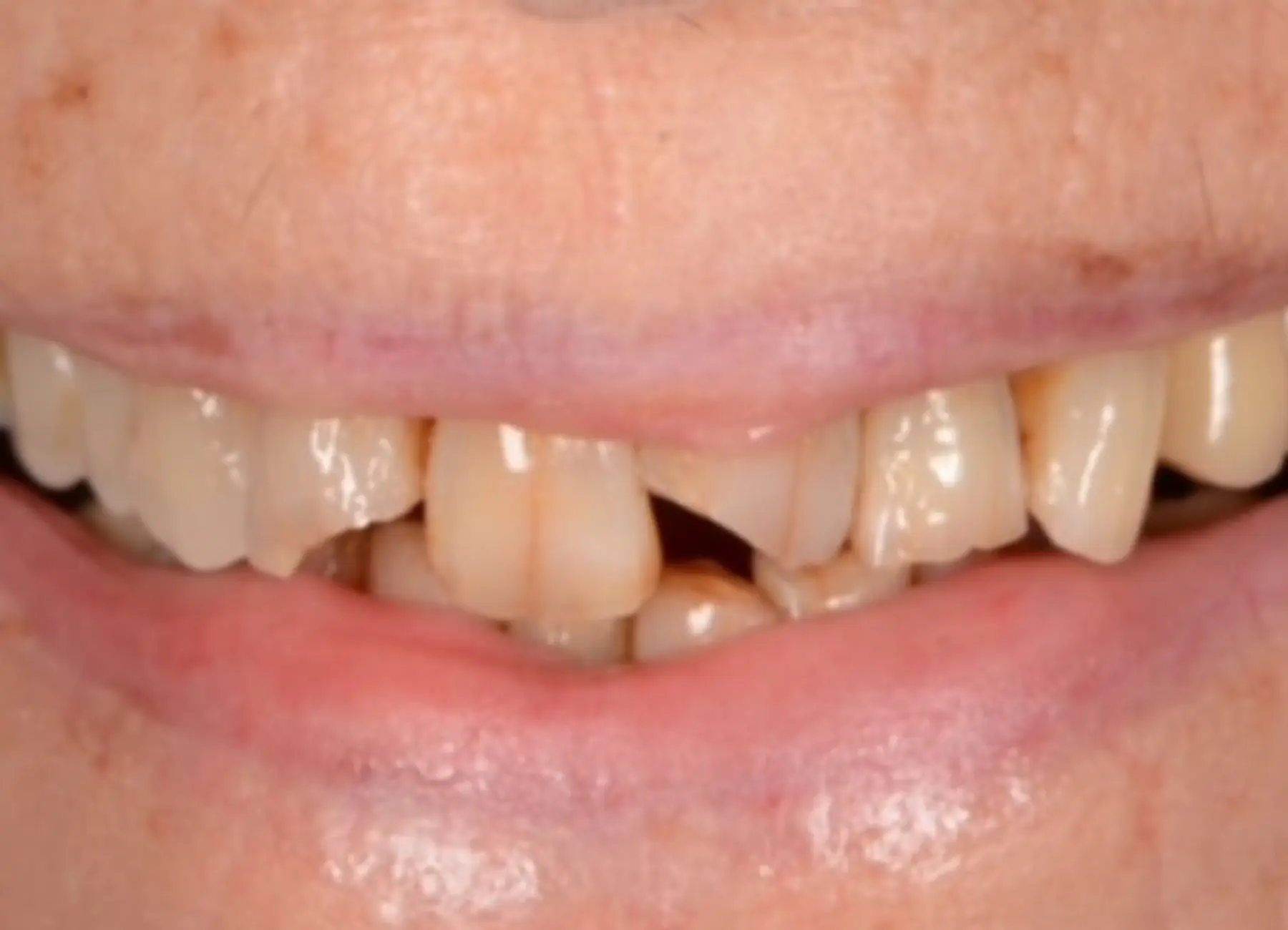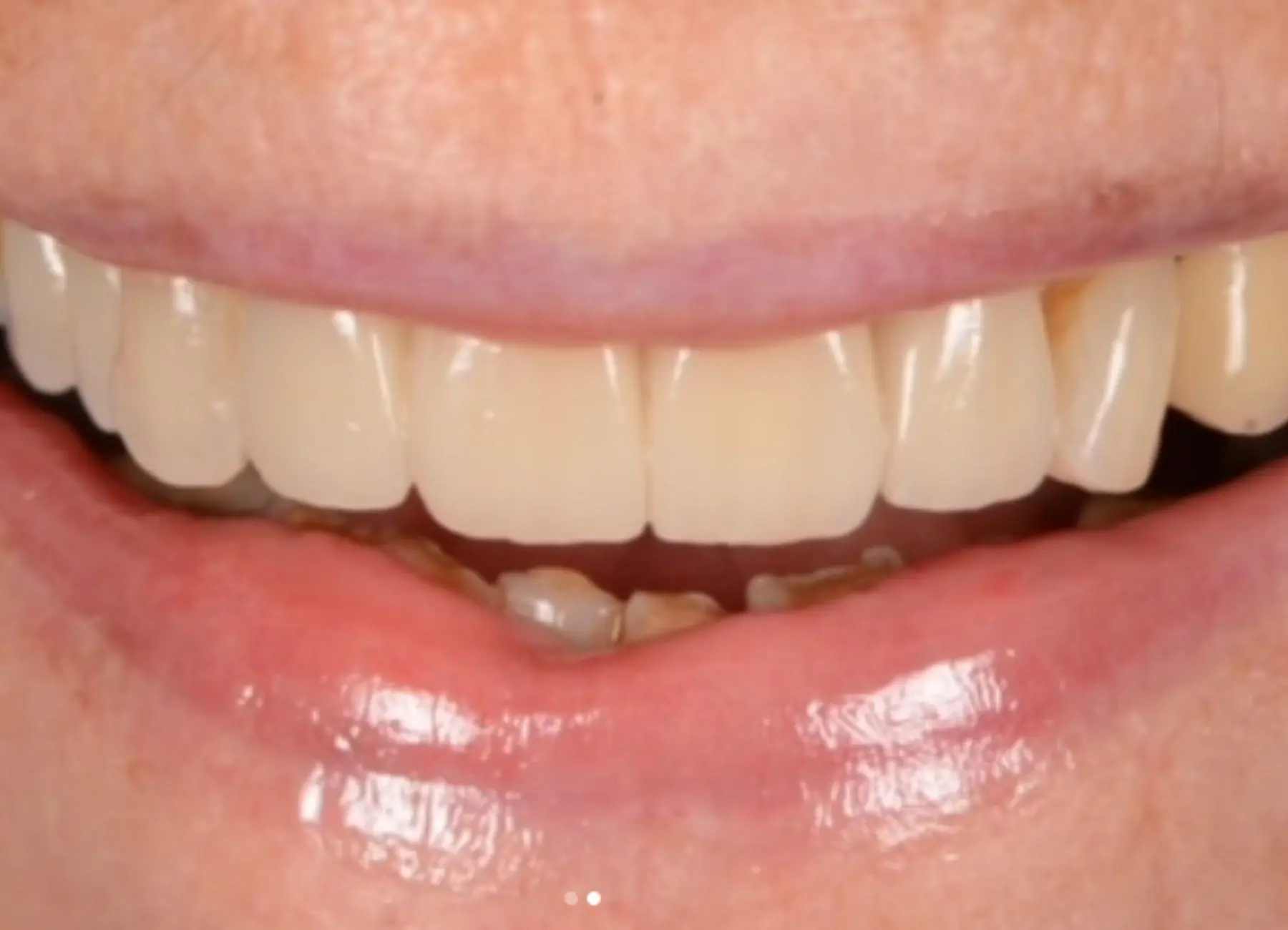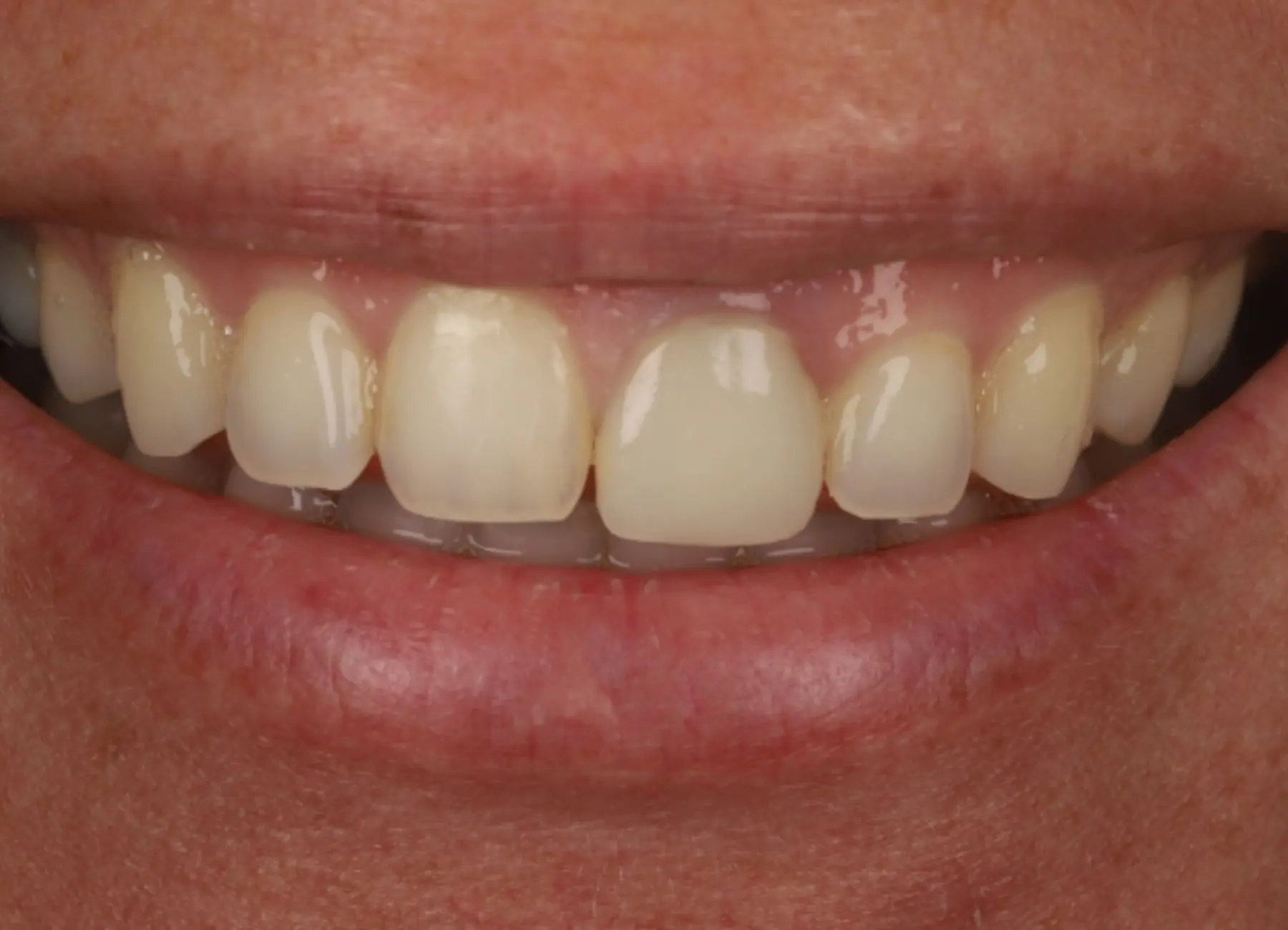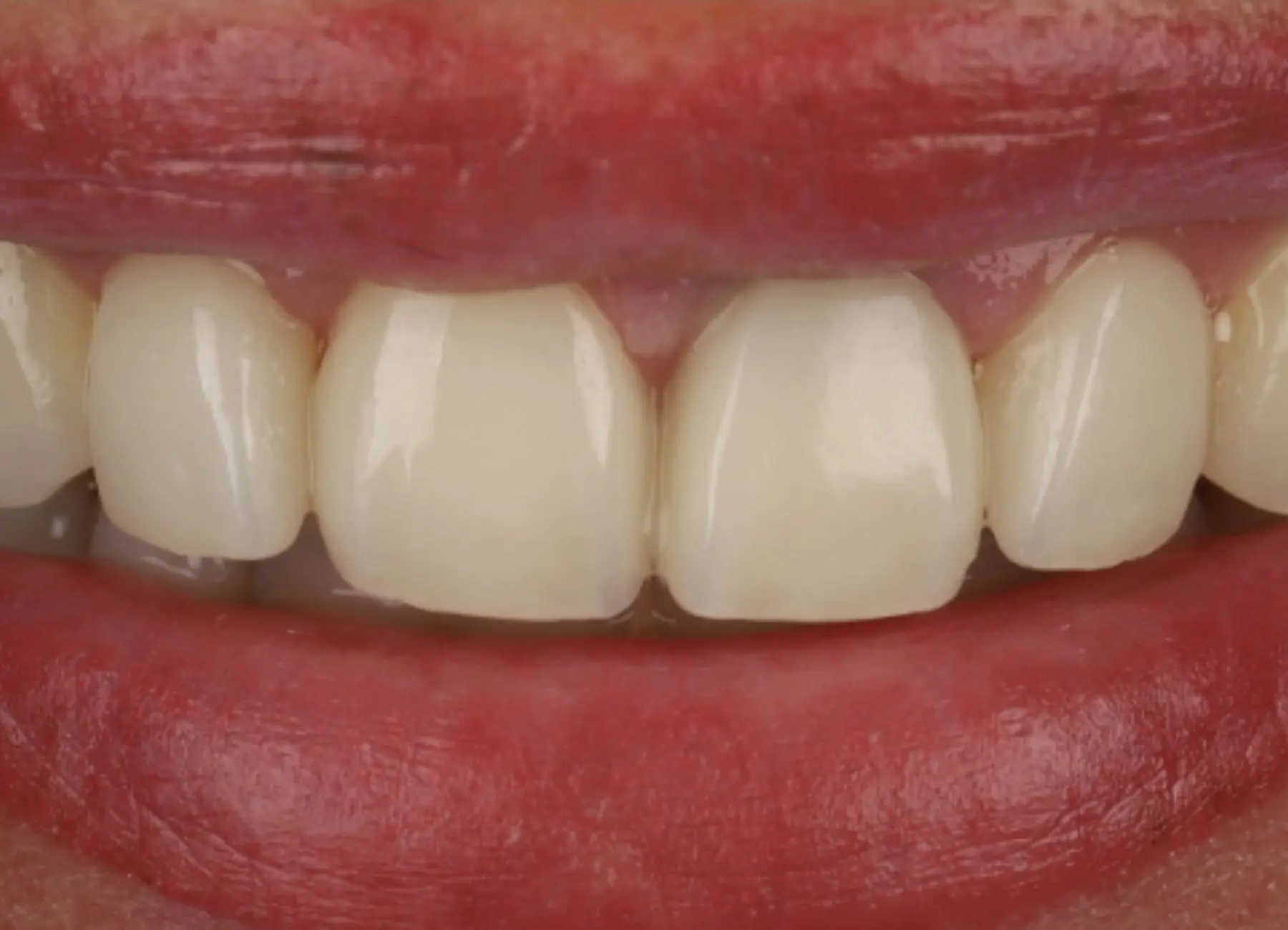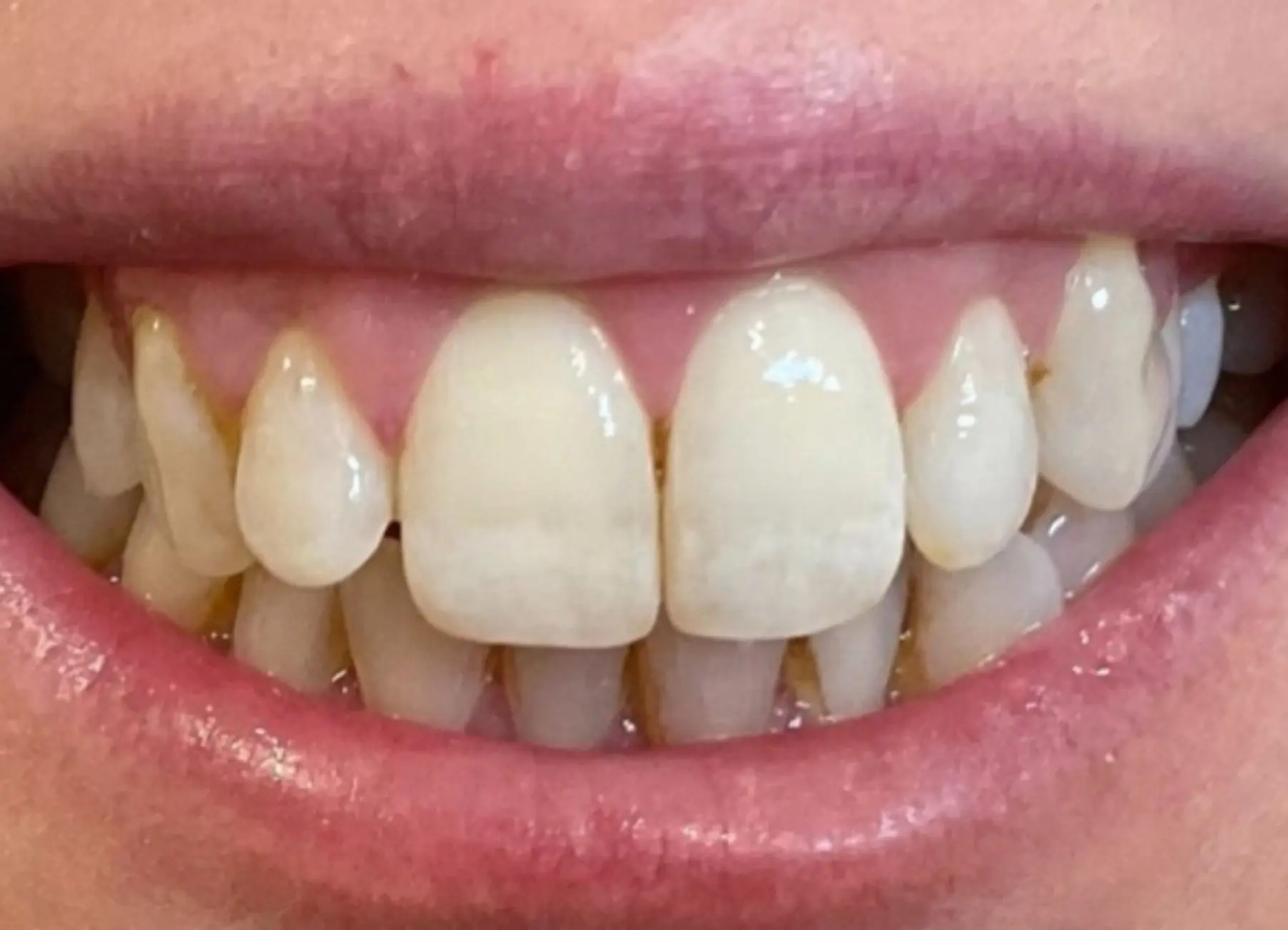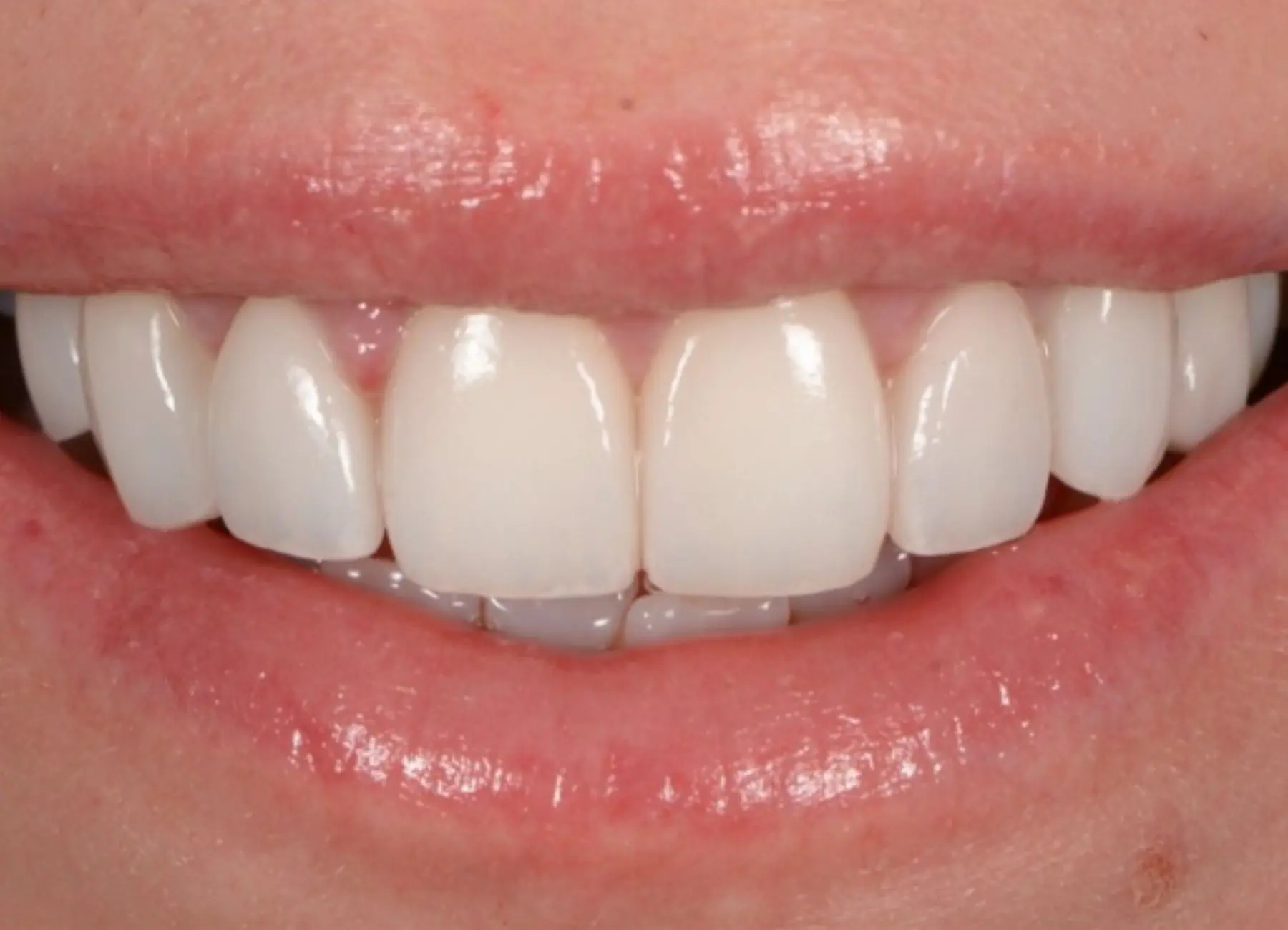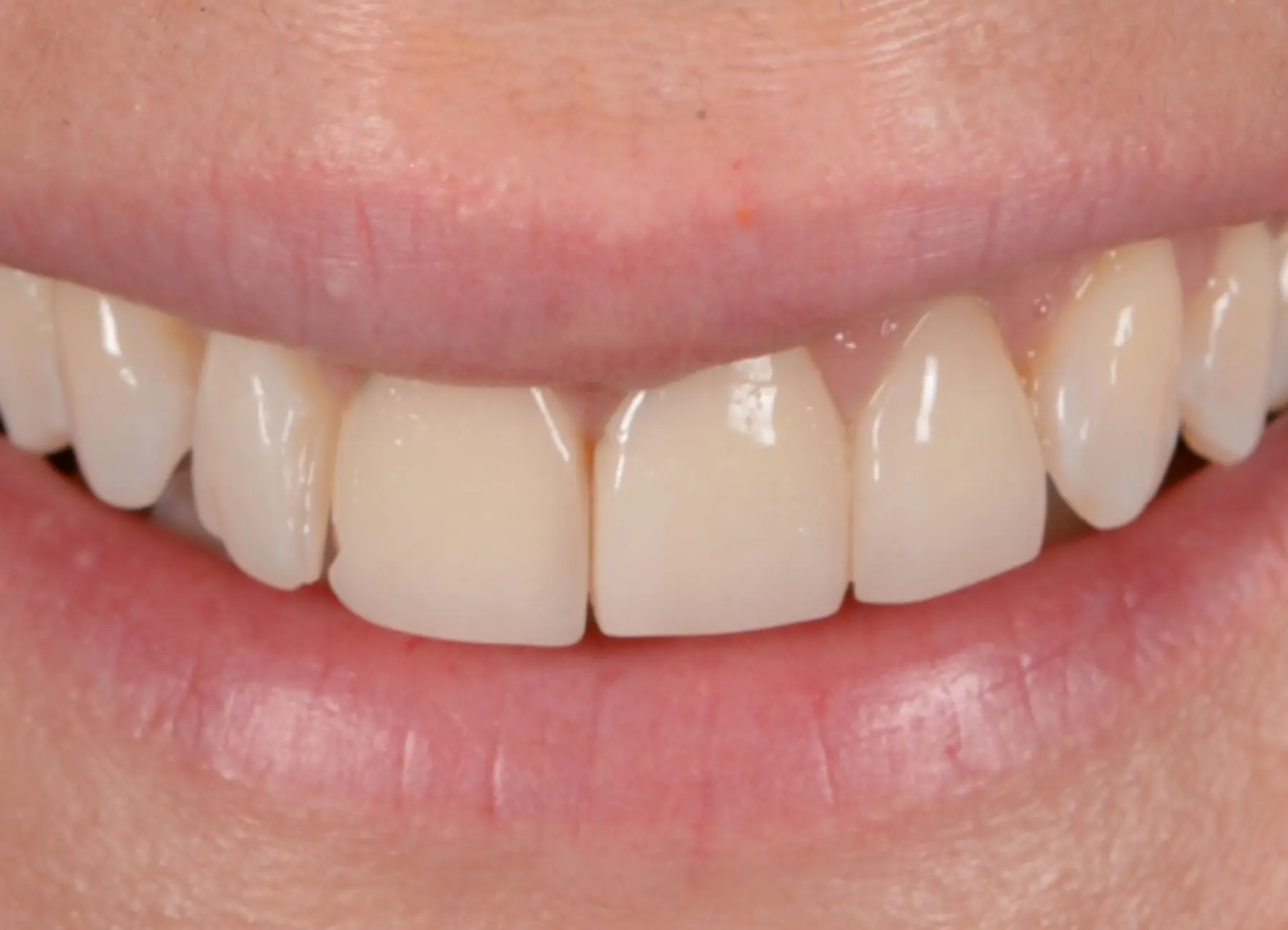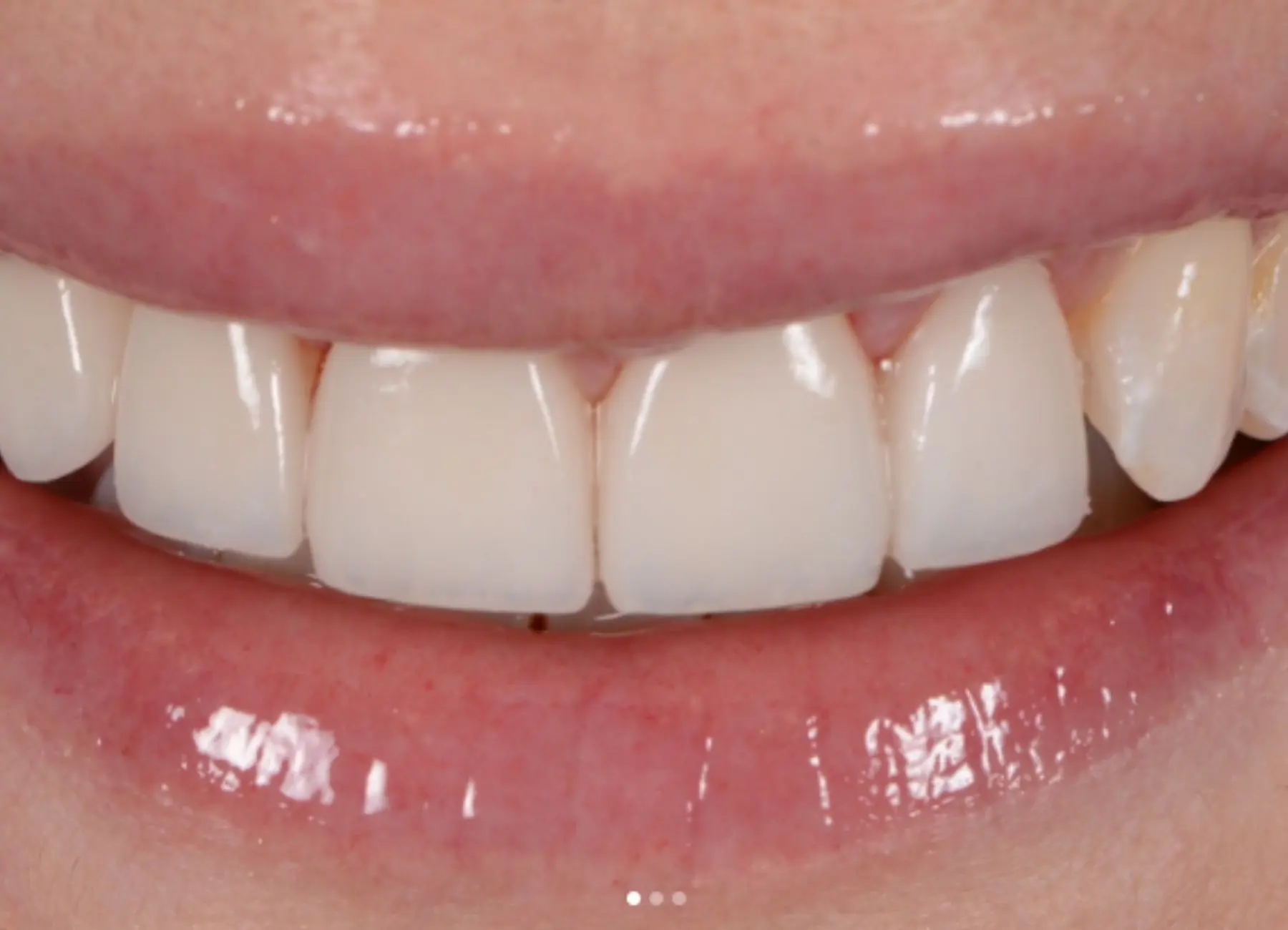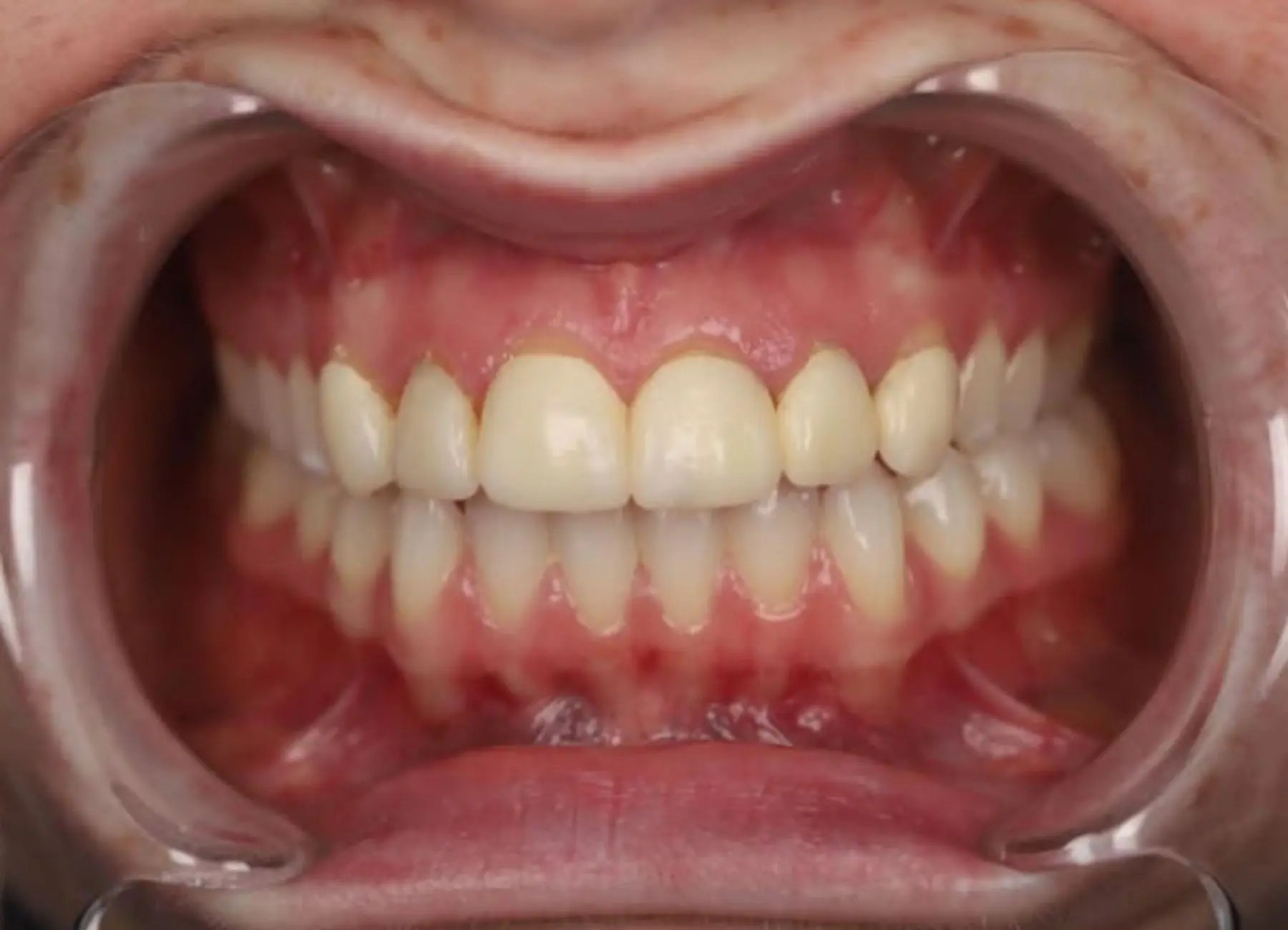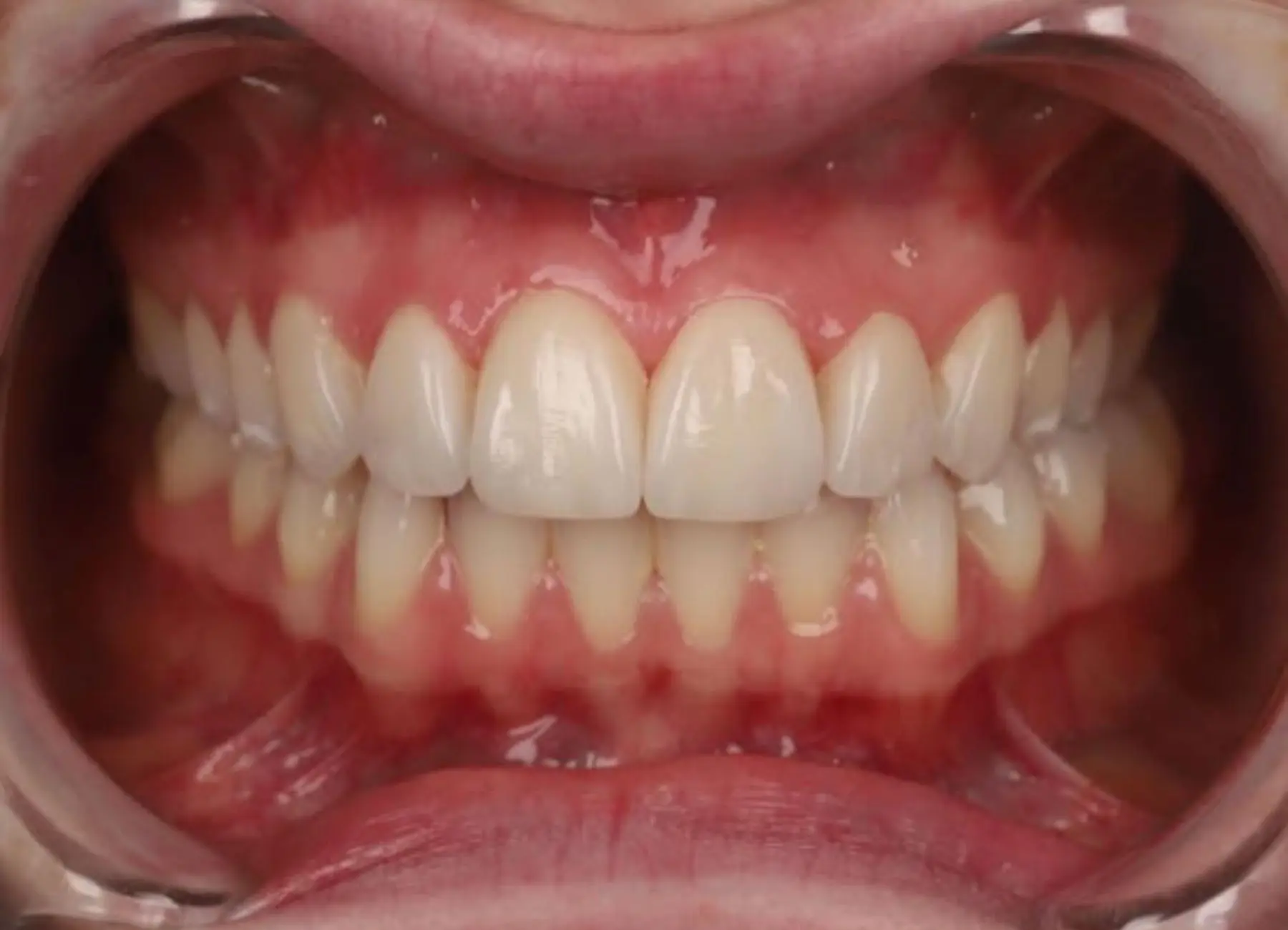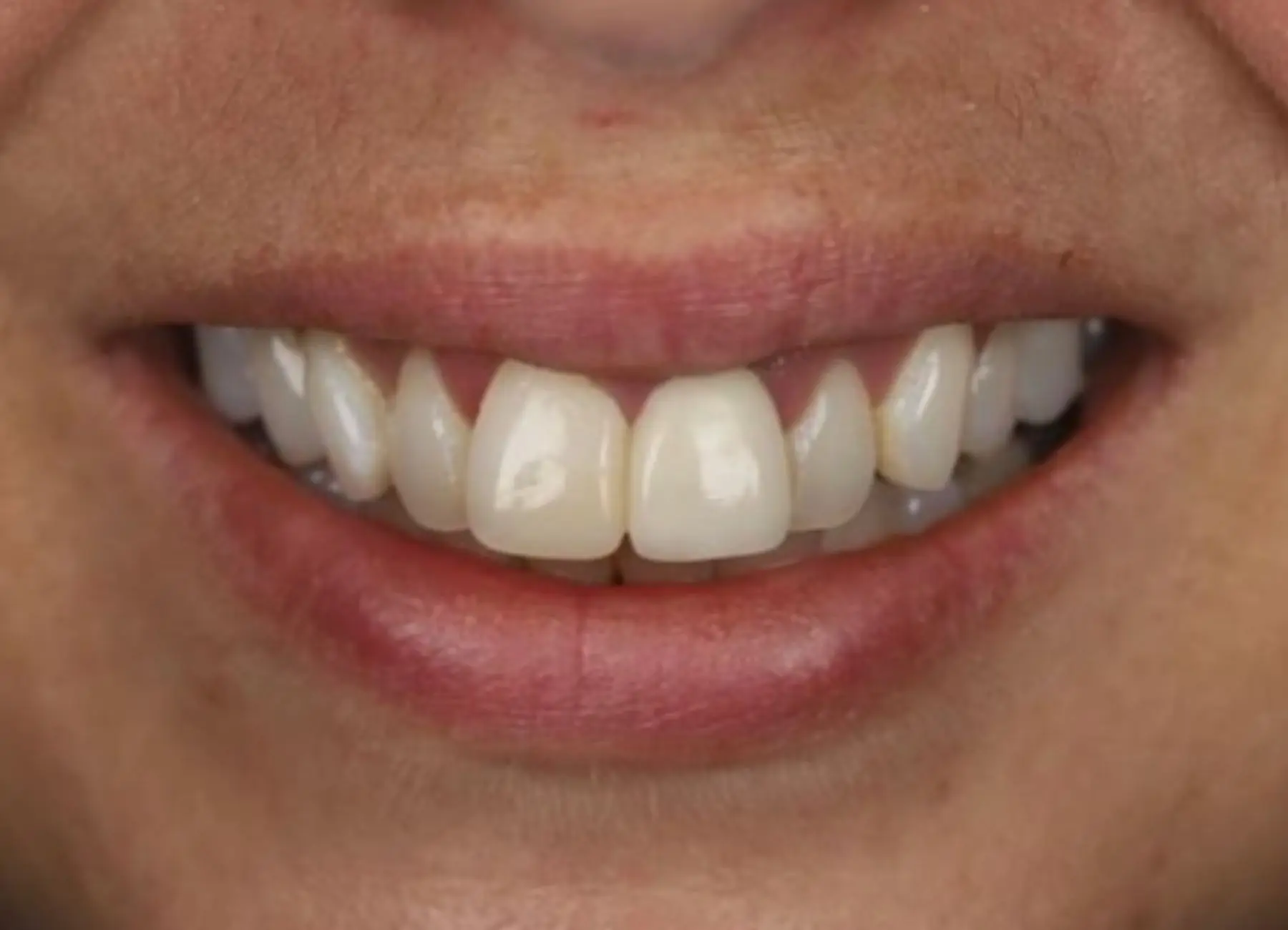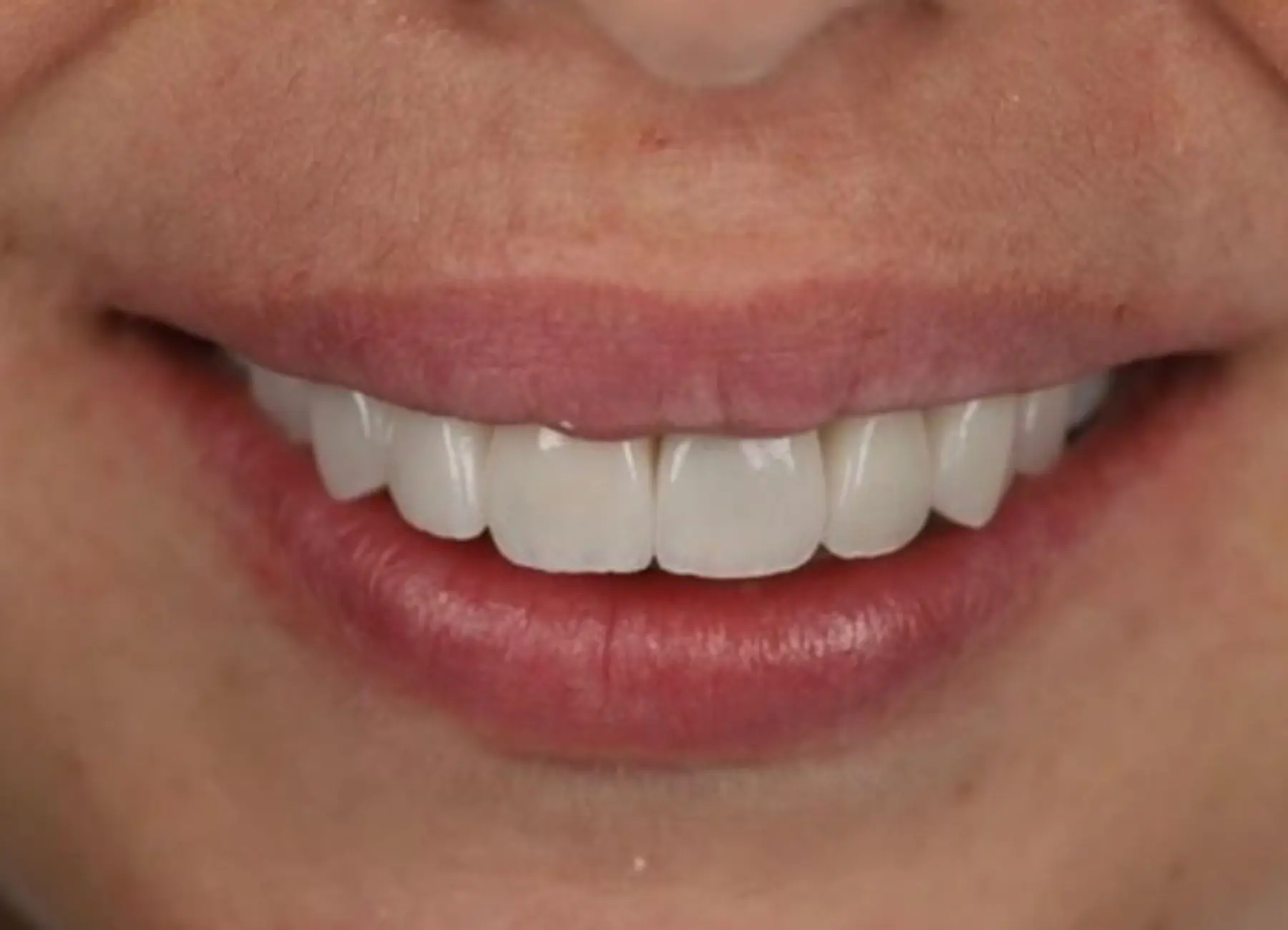
Composite Bonding After 5 Years – What to Expect & Images
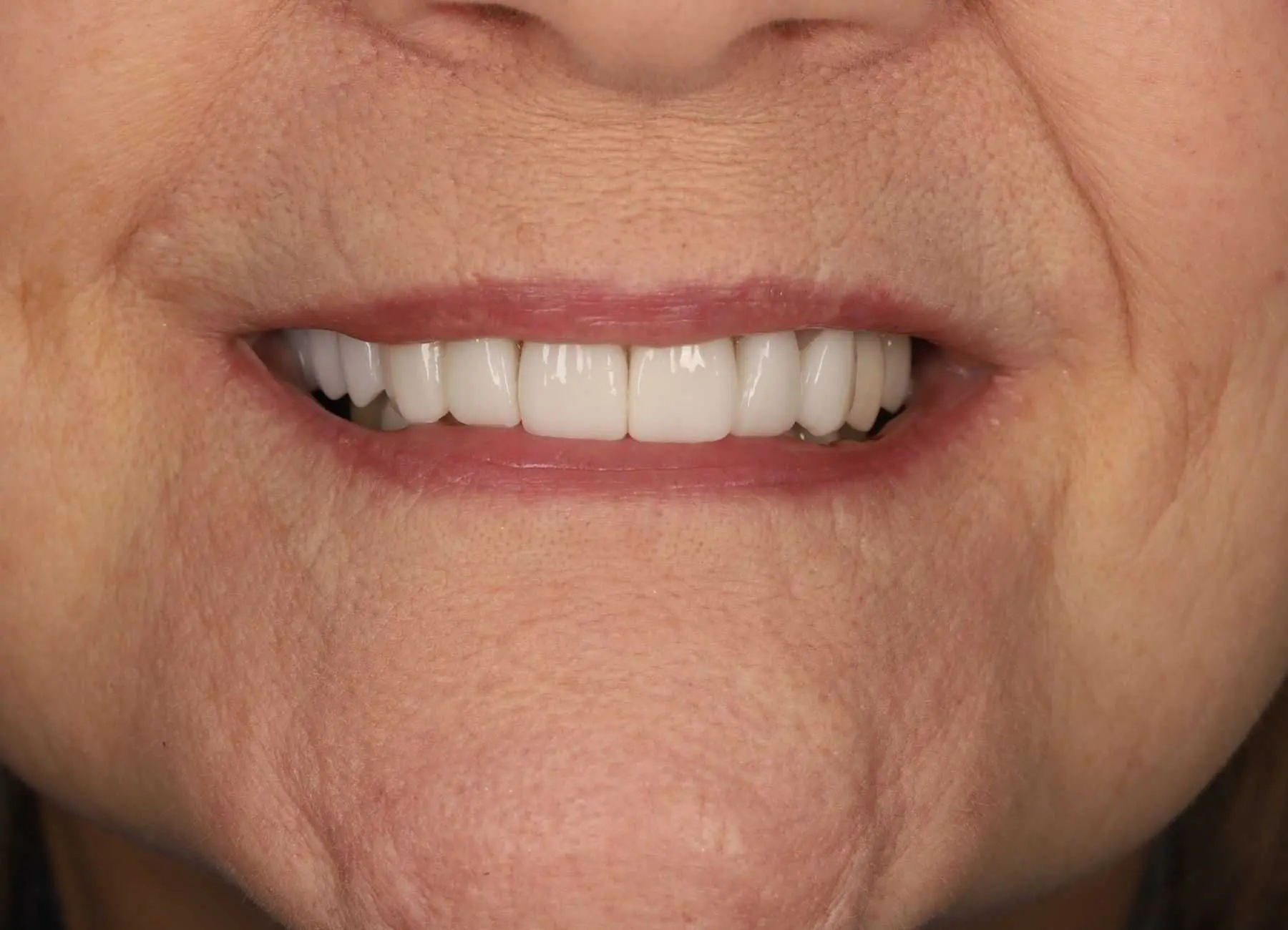
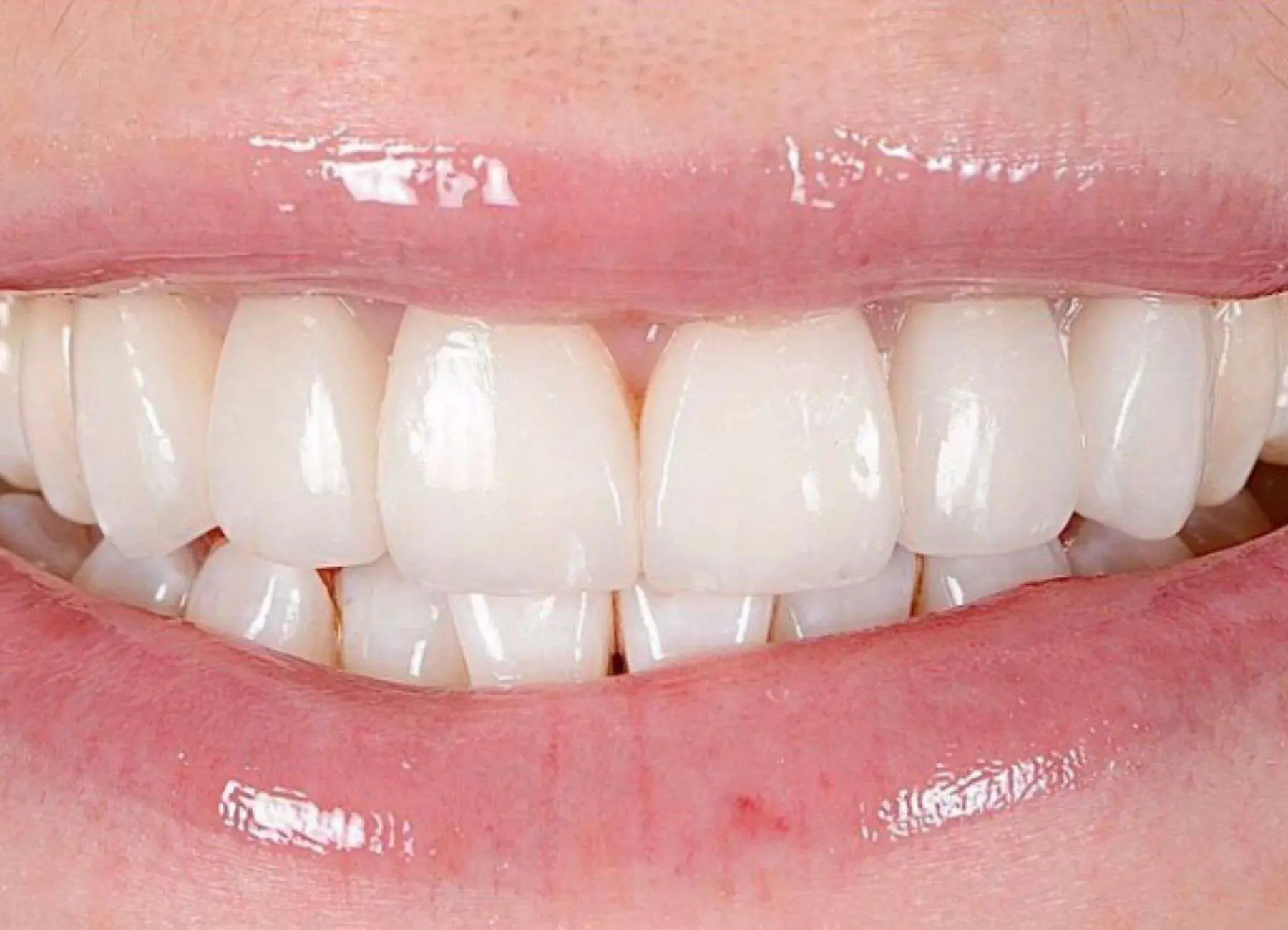
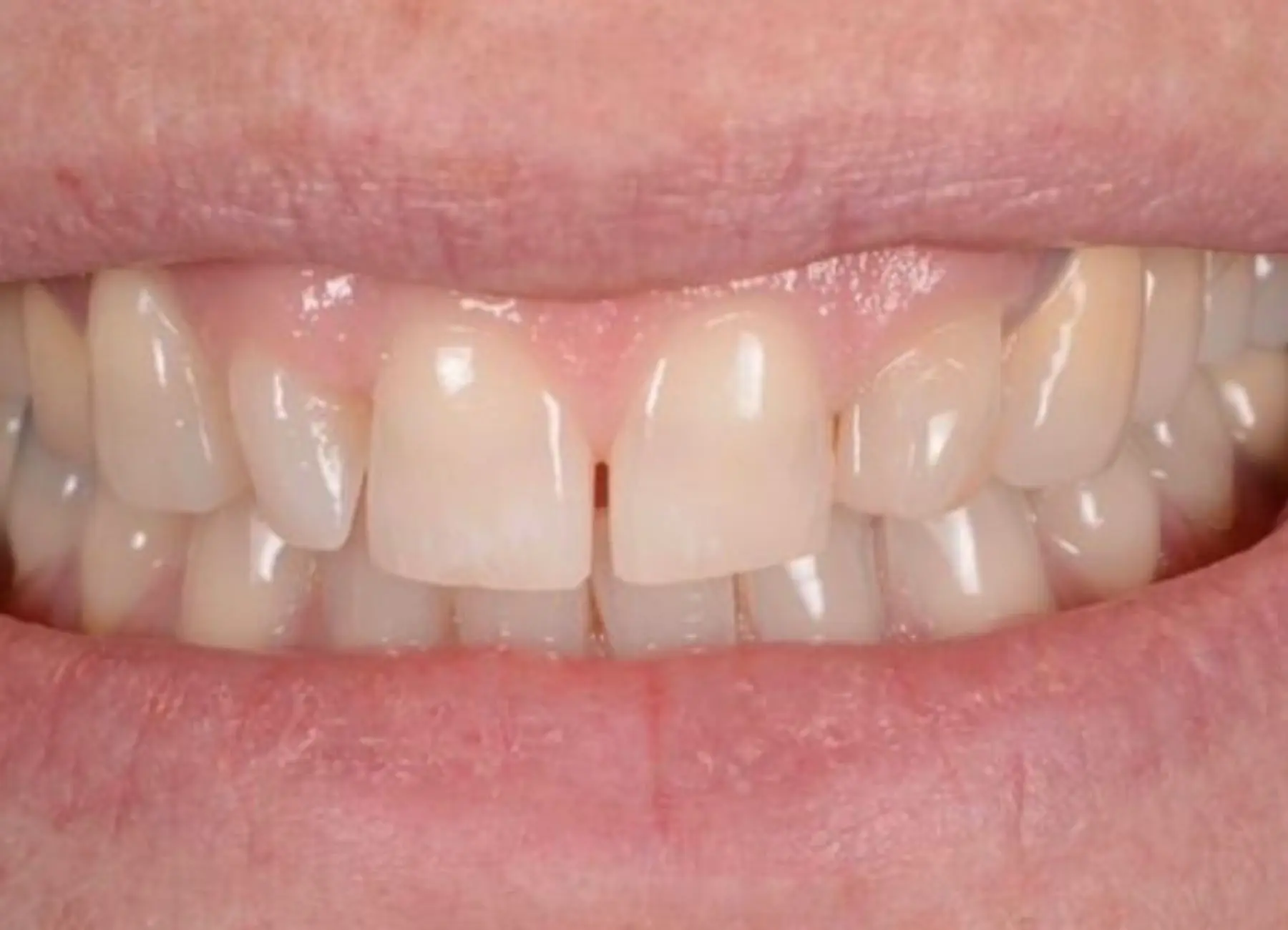
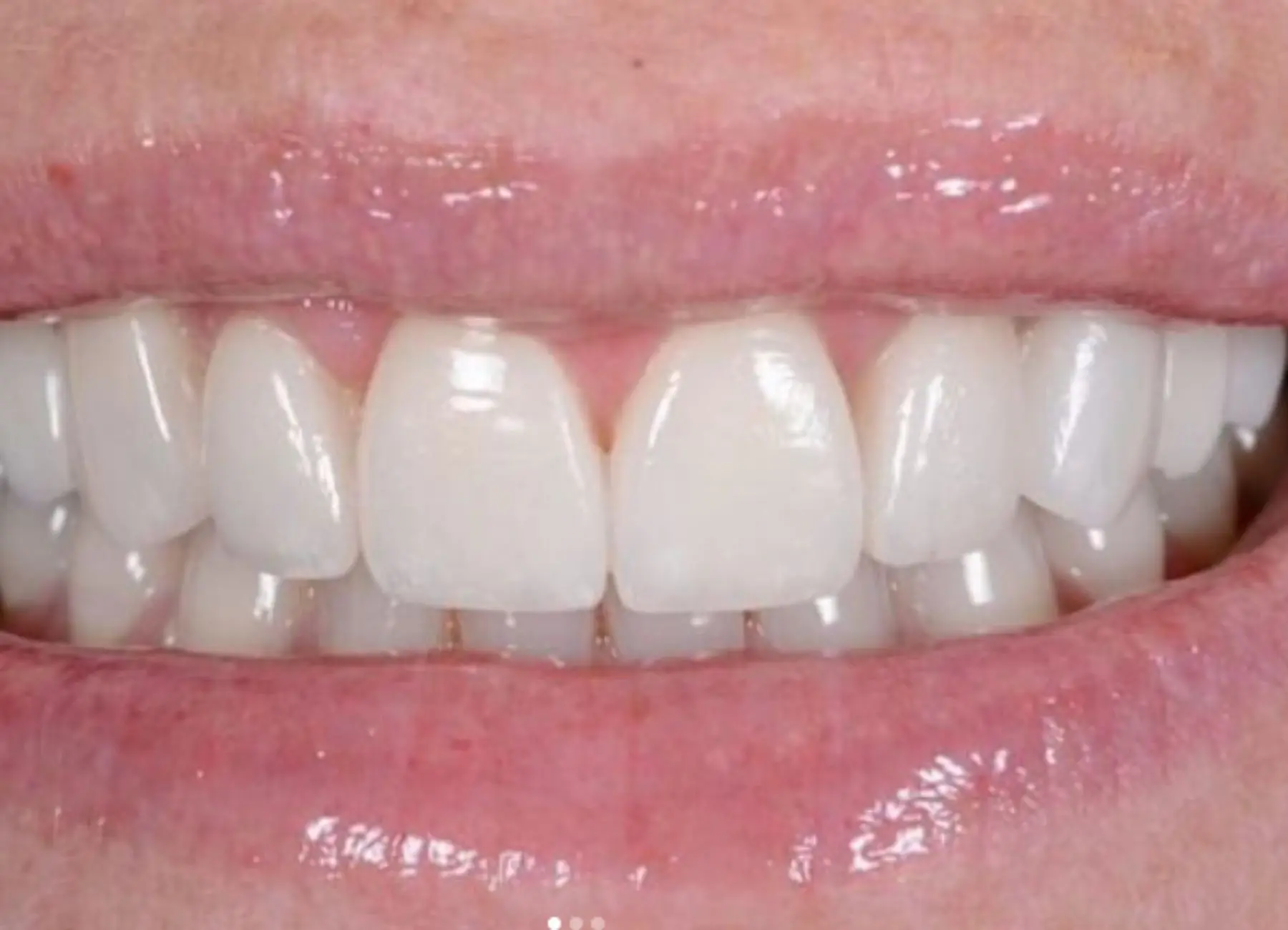
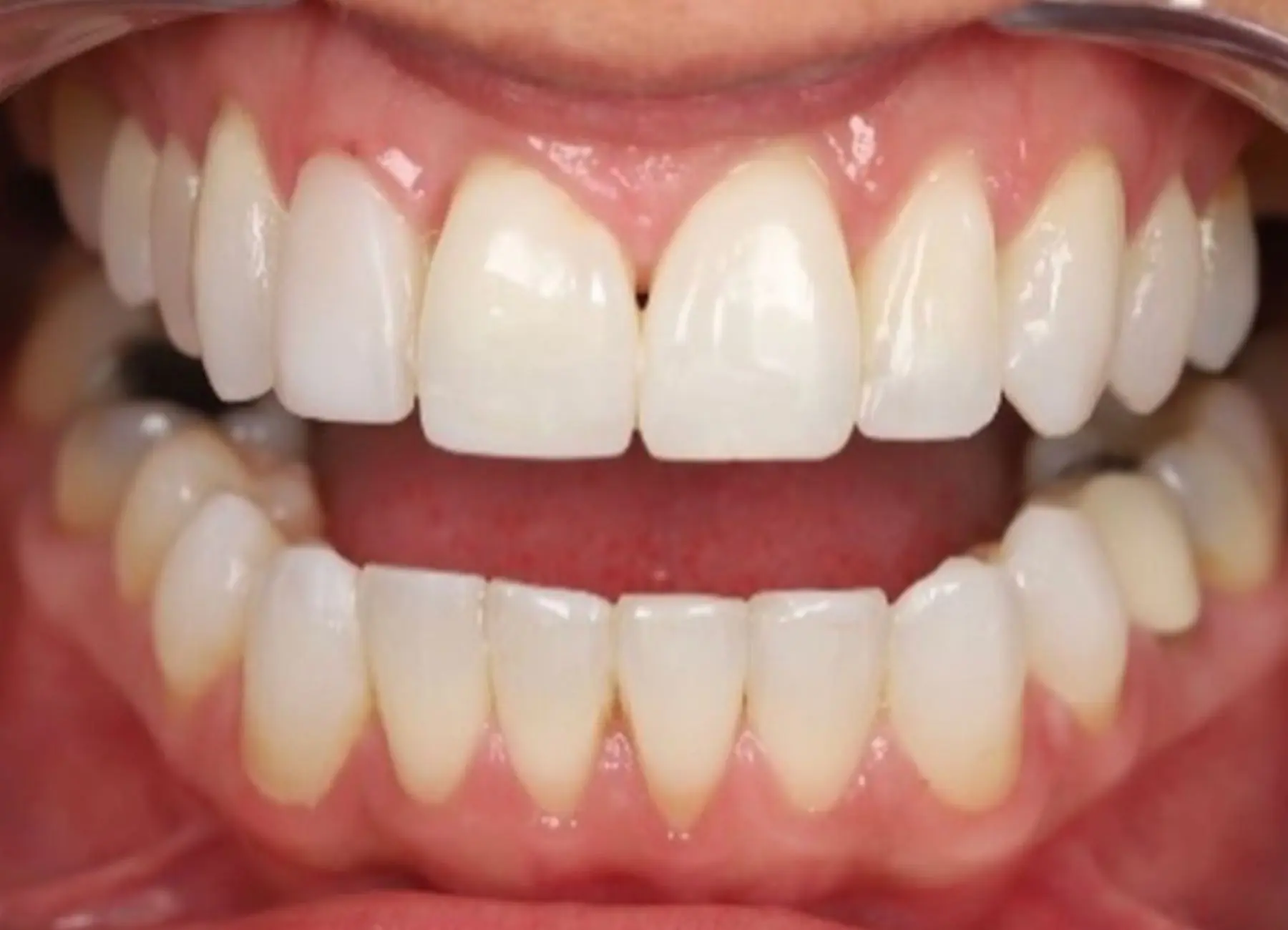
Composite bonding is an excellent and popular cosmetic procedure that can enhance the look of your smile in just 60 minutes – but the results don’t last forever.
The composite resin material has a lifespan of 5-7 years, so by year 5, you can expect the results not to be as bright and shiny.
But let us break down what to expect and how you can extend the resin’s lifespan and keep it looking fresh.

Guide of what to expect
- You won’t just wake up after 5 years and see a problem; it will happen over time
- Composite bonding will last 5-7 years with the right care
- Avoiding staining foods and drinks for longer-lasting results
- Avoid smoking to protect the bonding’s colour
- Attend regular appointments to keep the bonding fresh
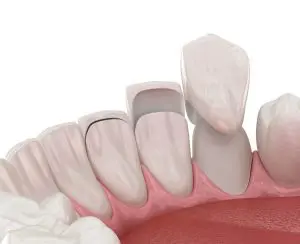
If you don’t want the results of composite bonding to fade over time and want a more long-lasting treatment, you might want to explore dental veneers instead.
Changes you can expect to see after 5 years
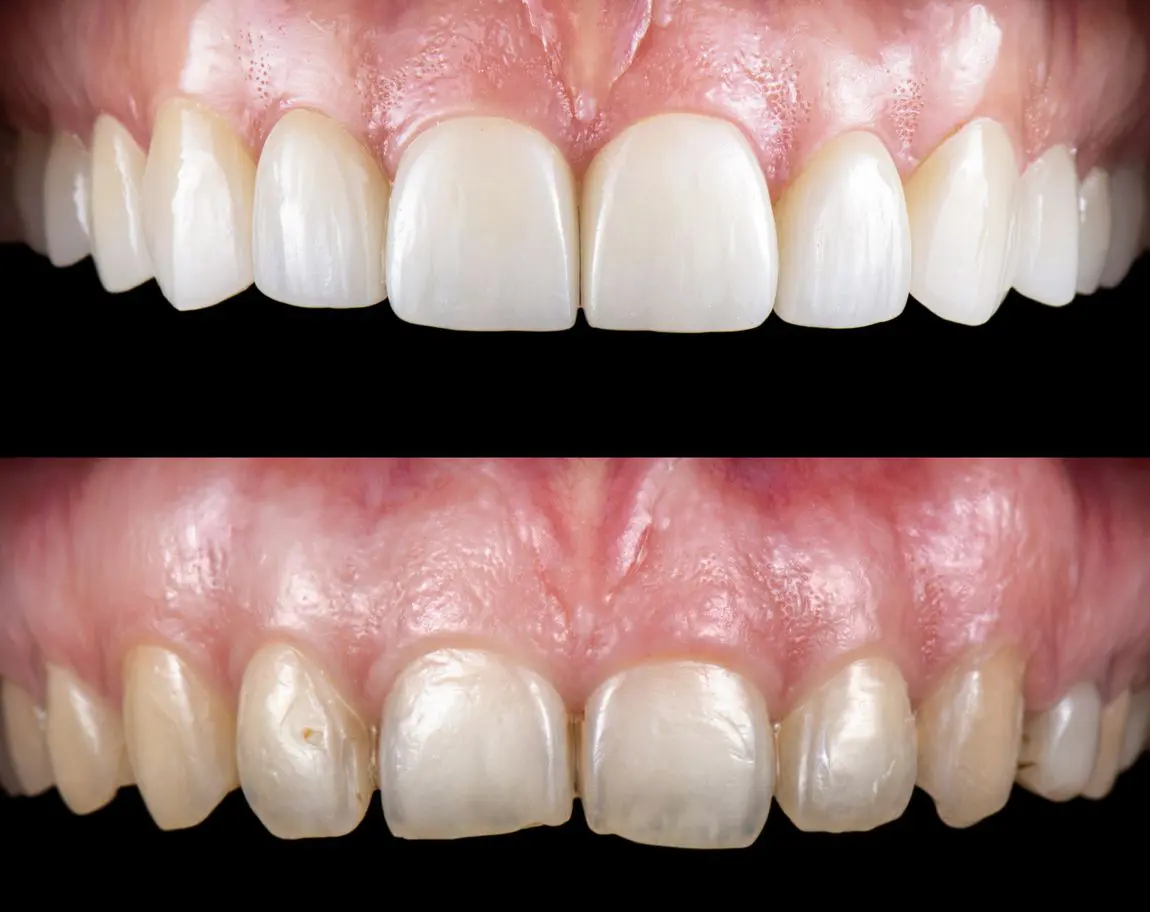
Here are common issues you might experience after five years with composite bonding, especially if you haven’t been visiting the dentist for regular cleanings and polishing.
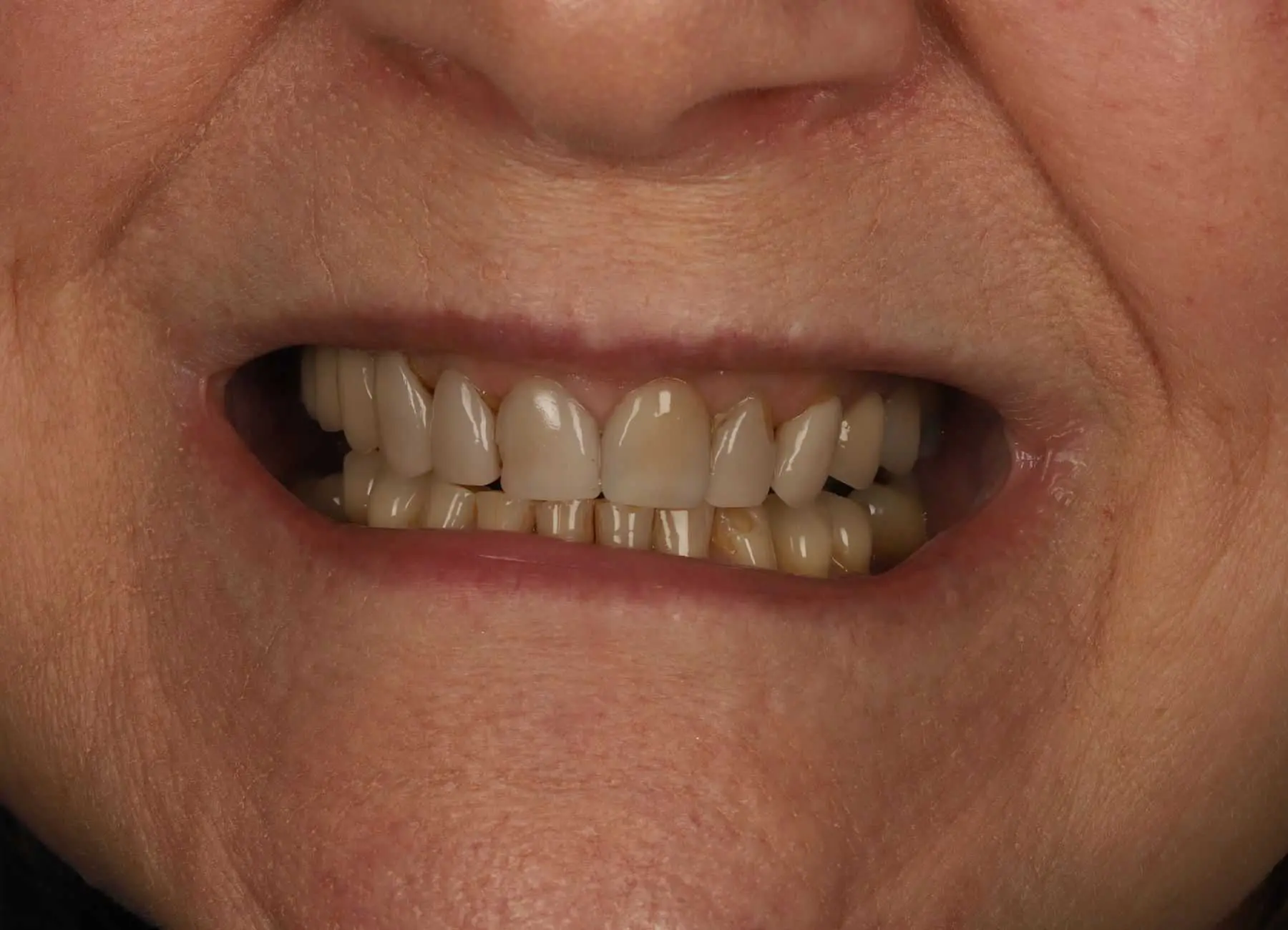
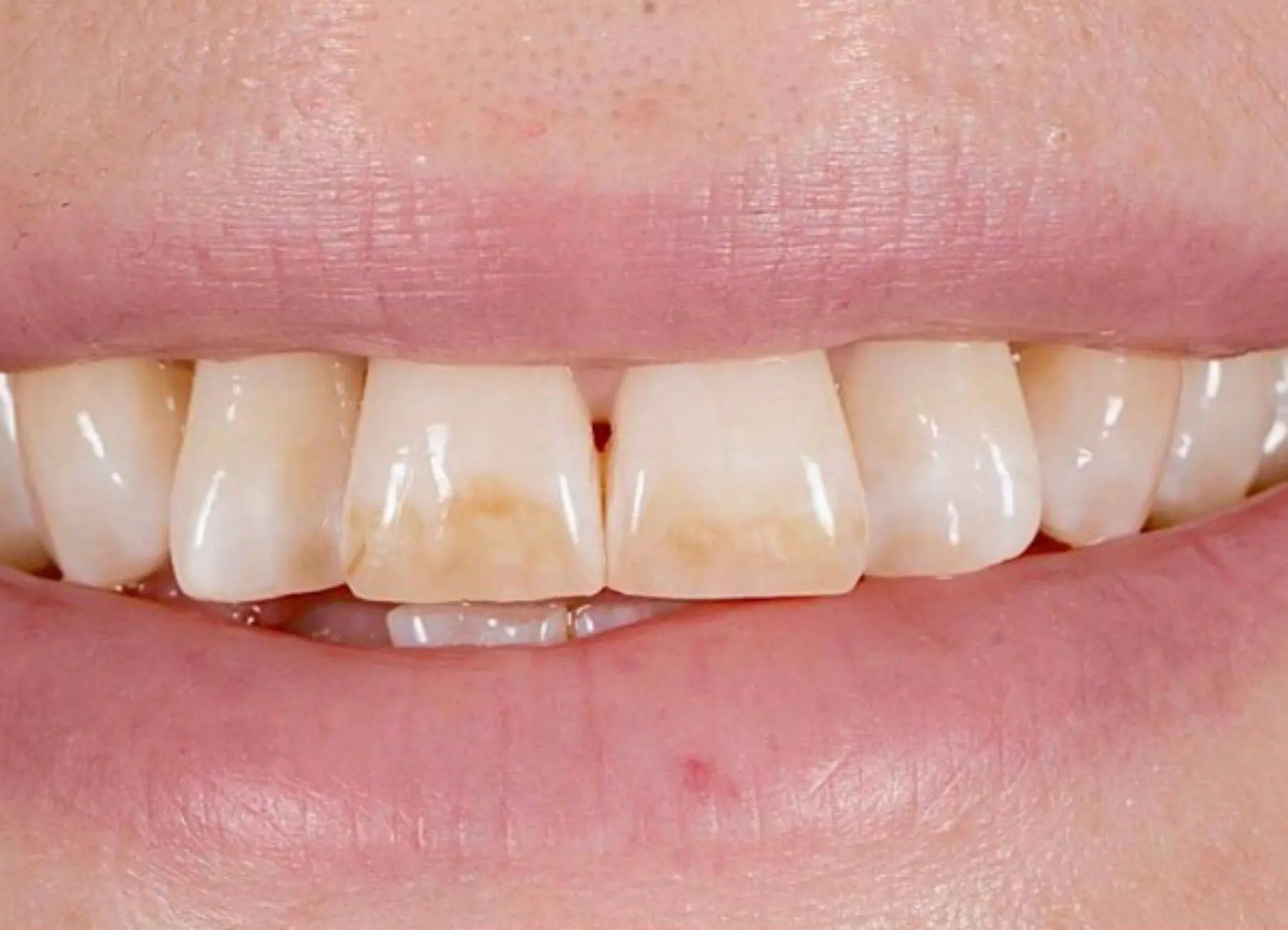
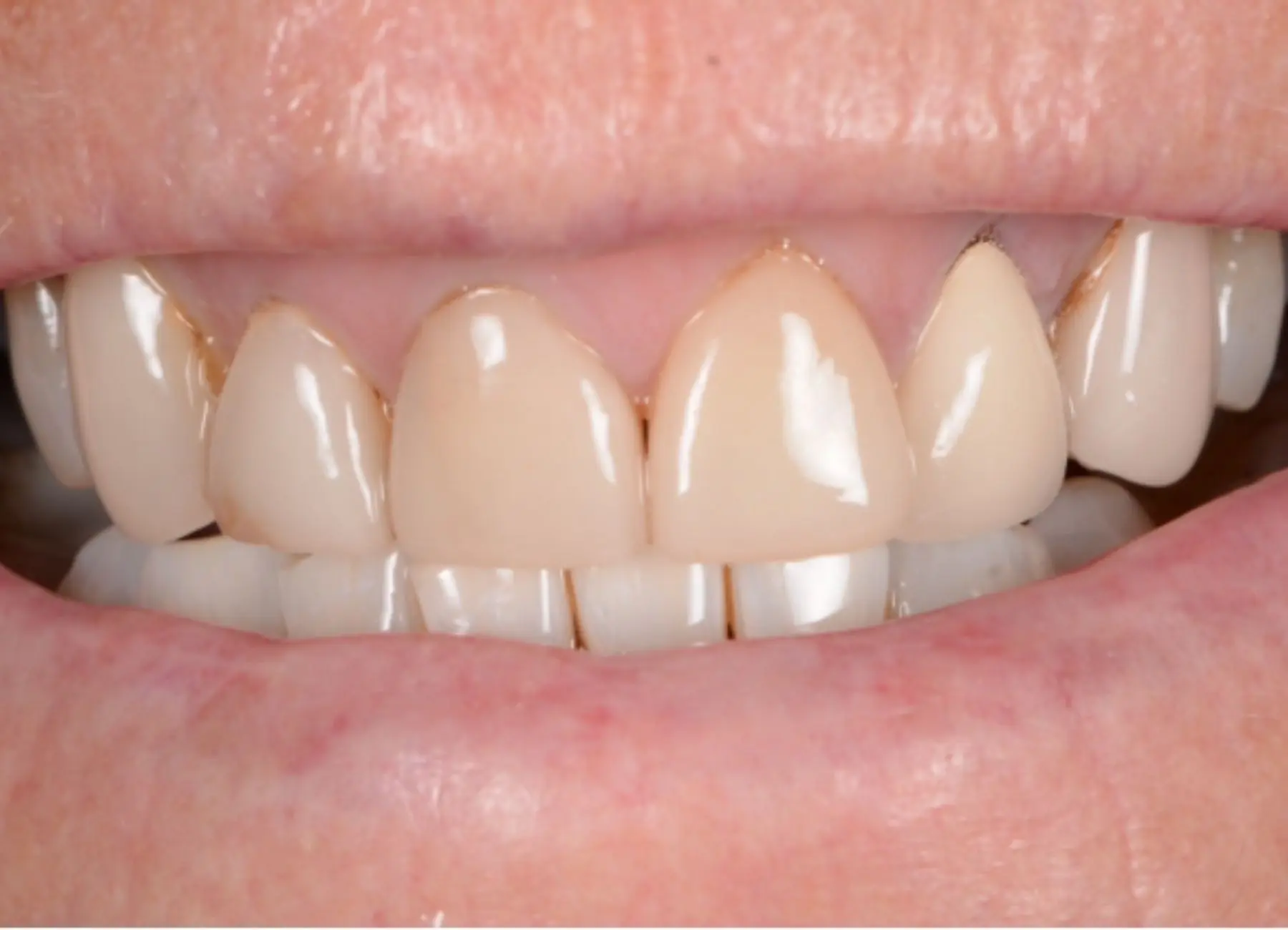
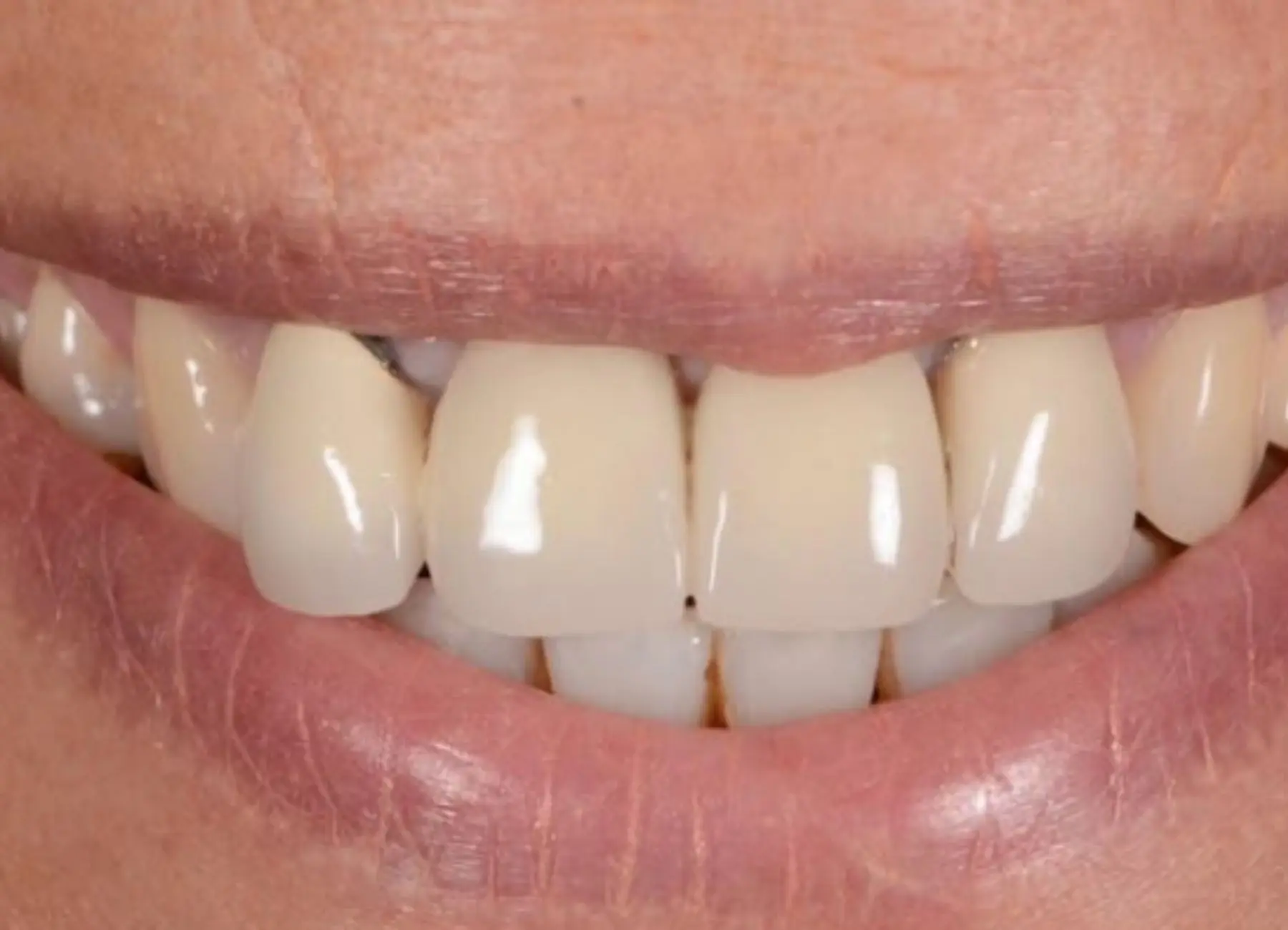
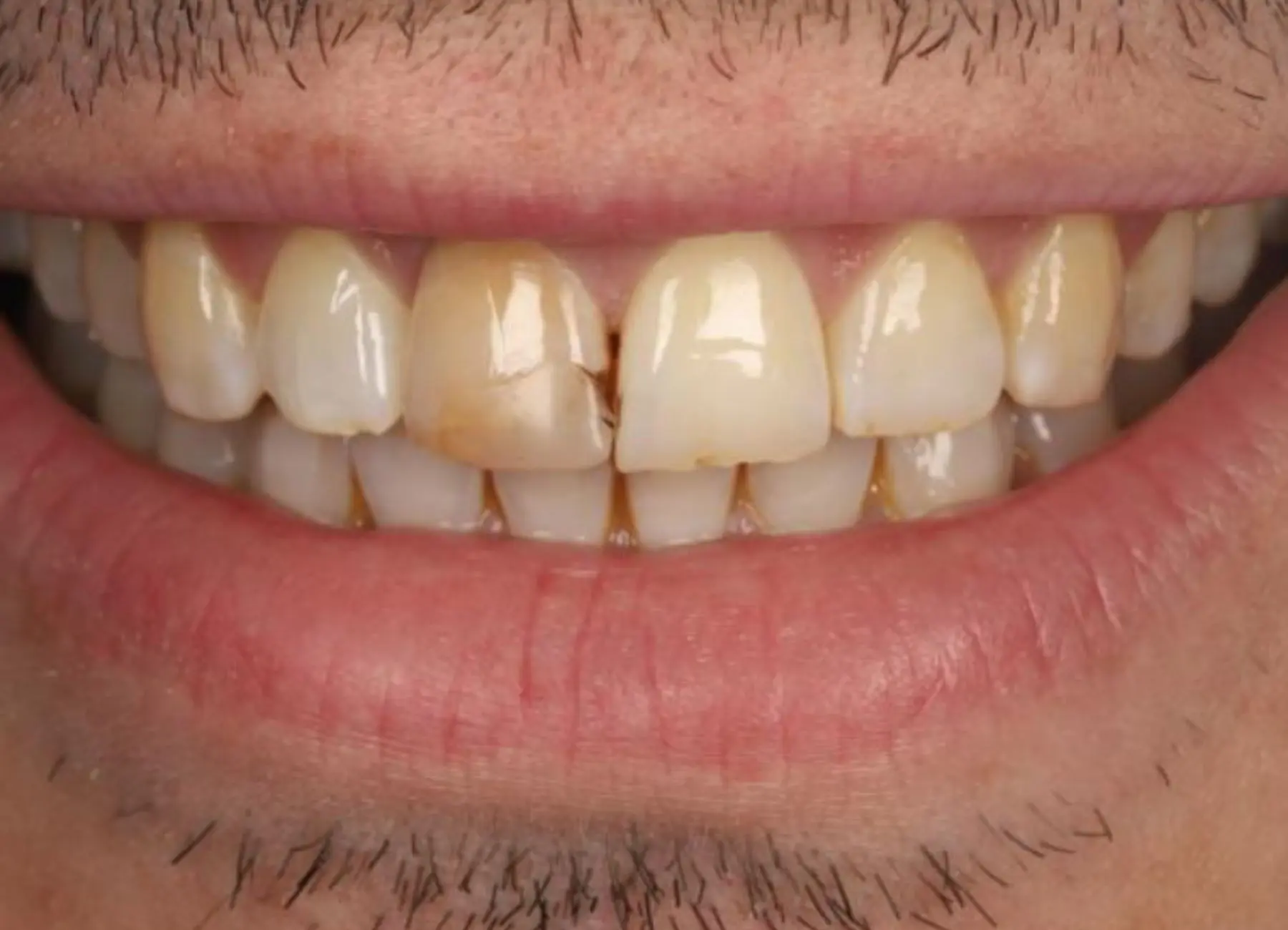
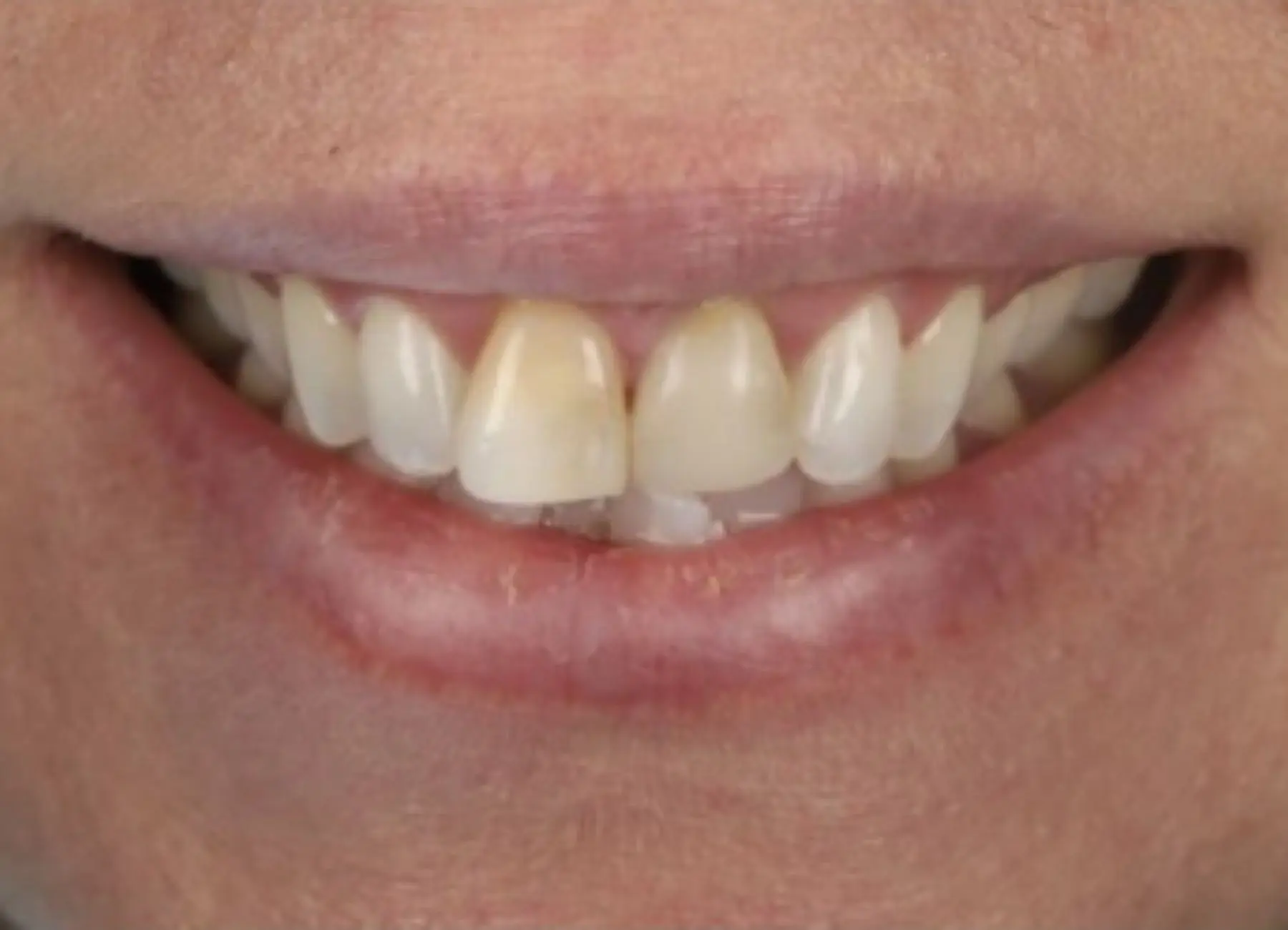
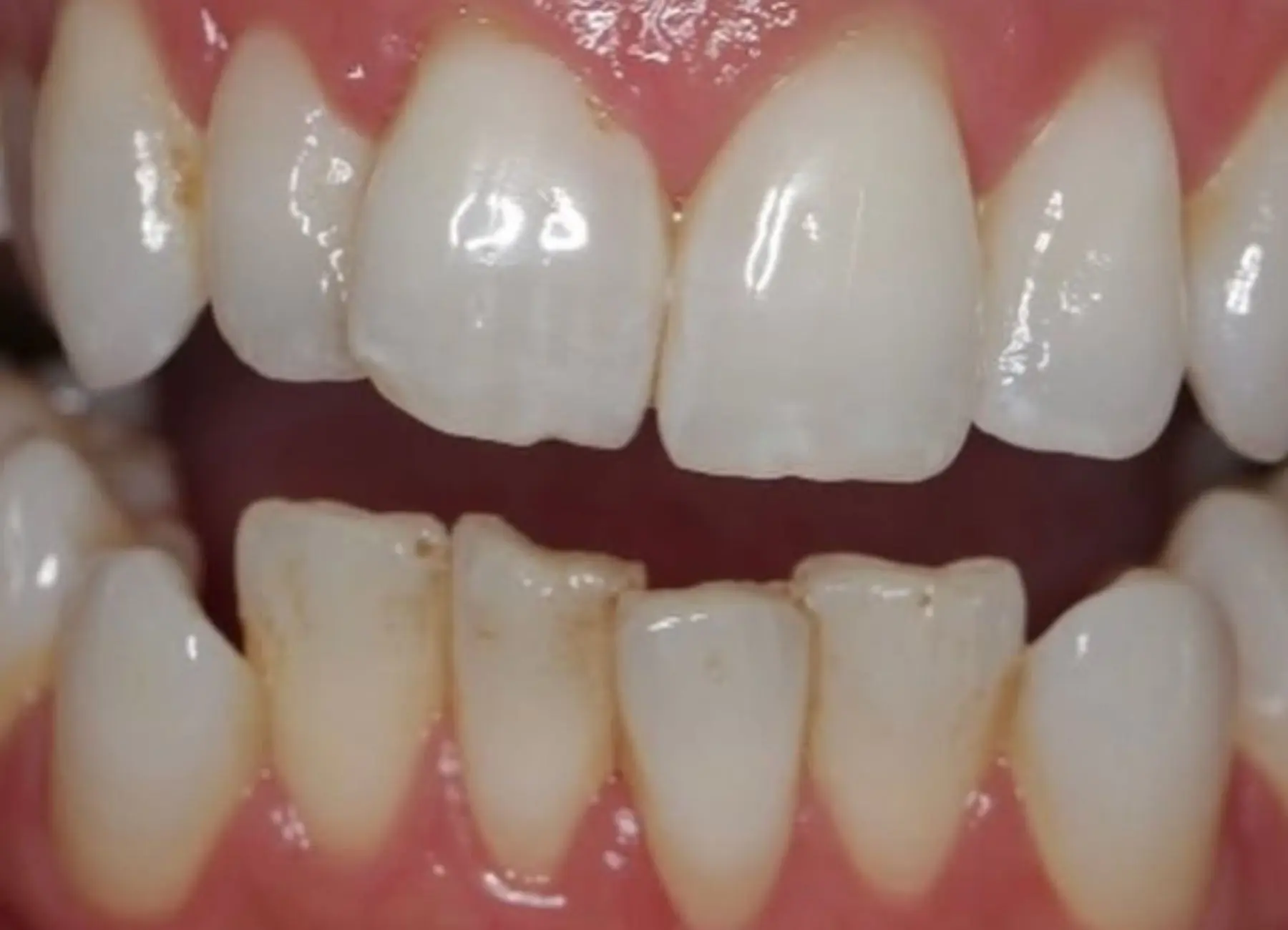
Staining and discolouration
Composite resin is more susceptible to staining than porcelain, especially from products like coffee, tea, and wine.
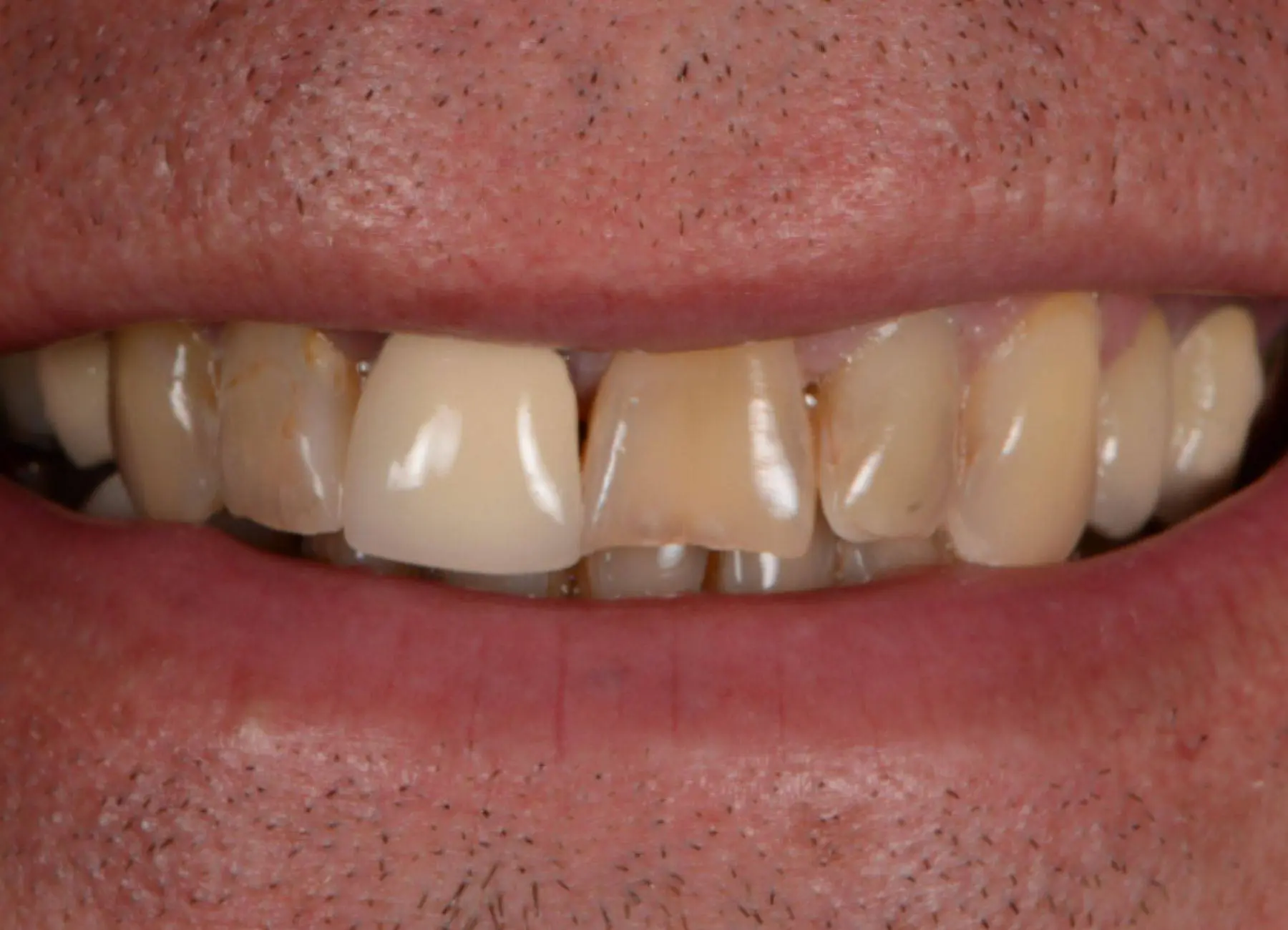
Like natural teeth, you can expect the colour and sheen of your bonding to fade over time, with surface dullness and yellowing often appearing near the gumline.
Tips to prevent
Patients can rinse and brush their teeth after tea, coffee, or curry to remove pigments, and use a soft-bristled toothbrush with non-abrasive toothpaste to help prevent stains.
Professional treatment to correct
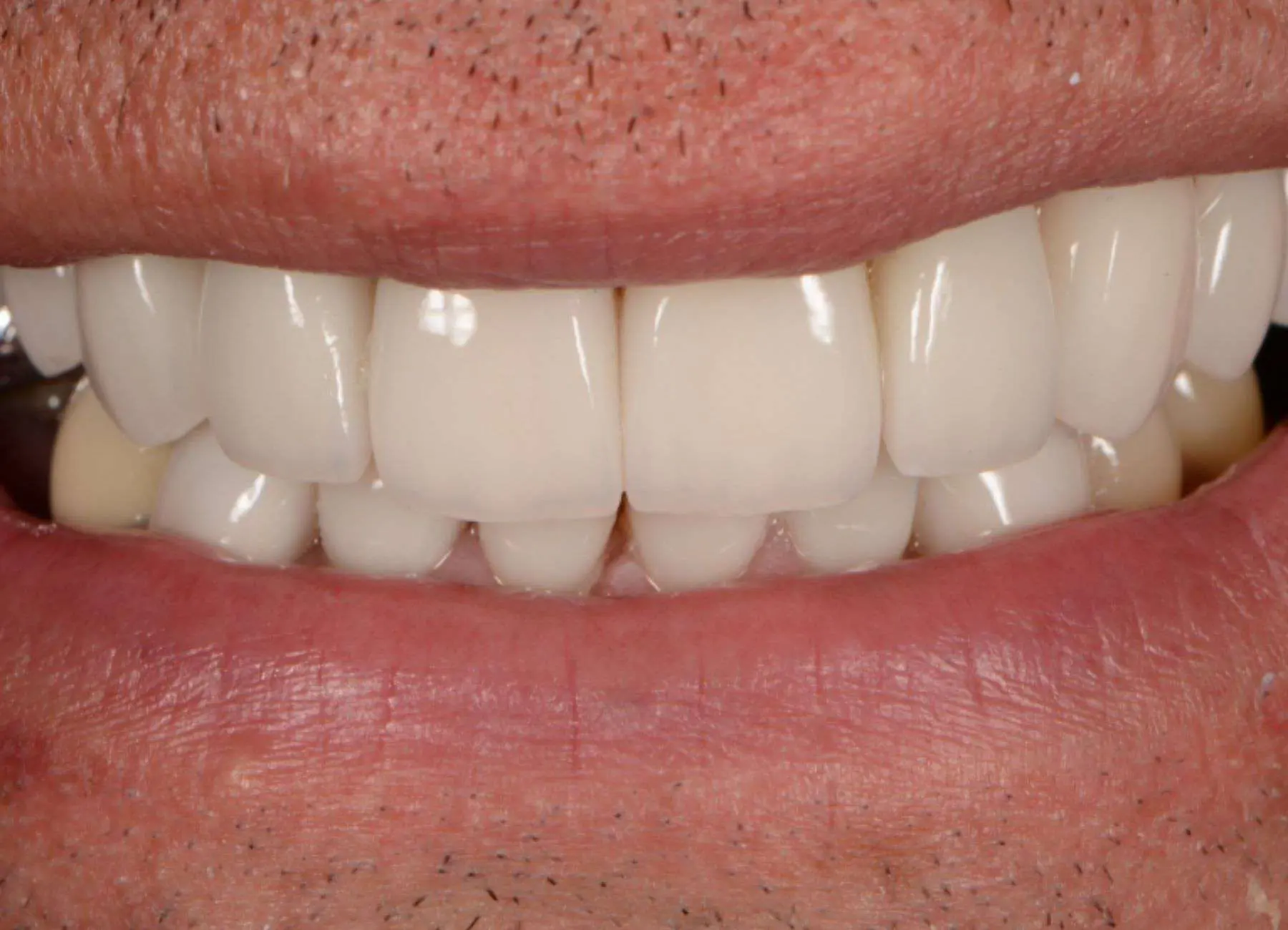
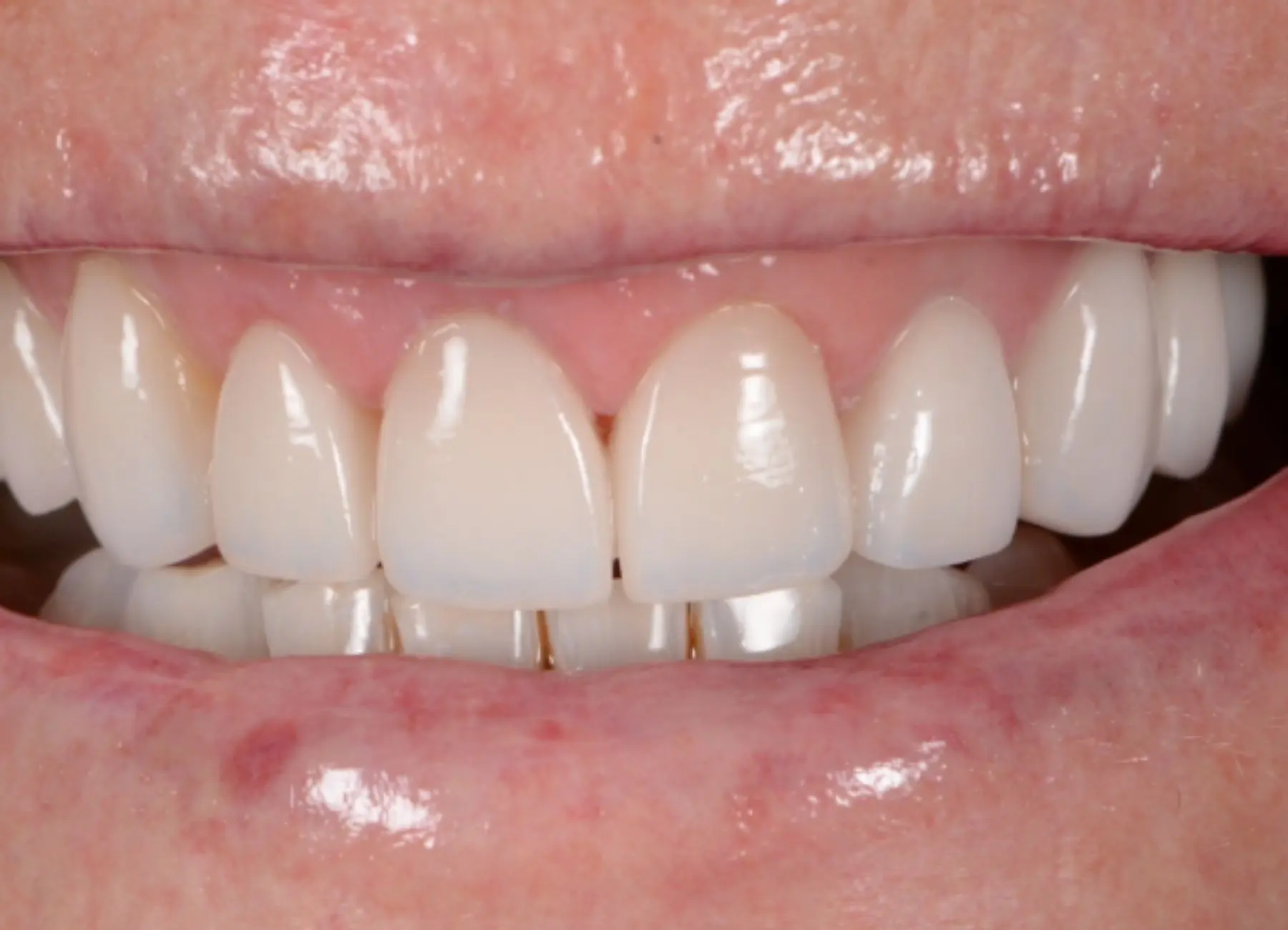
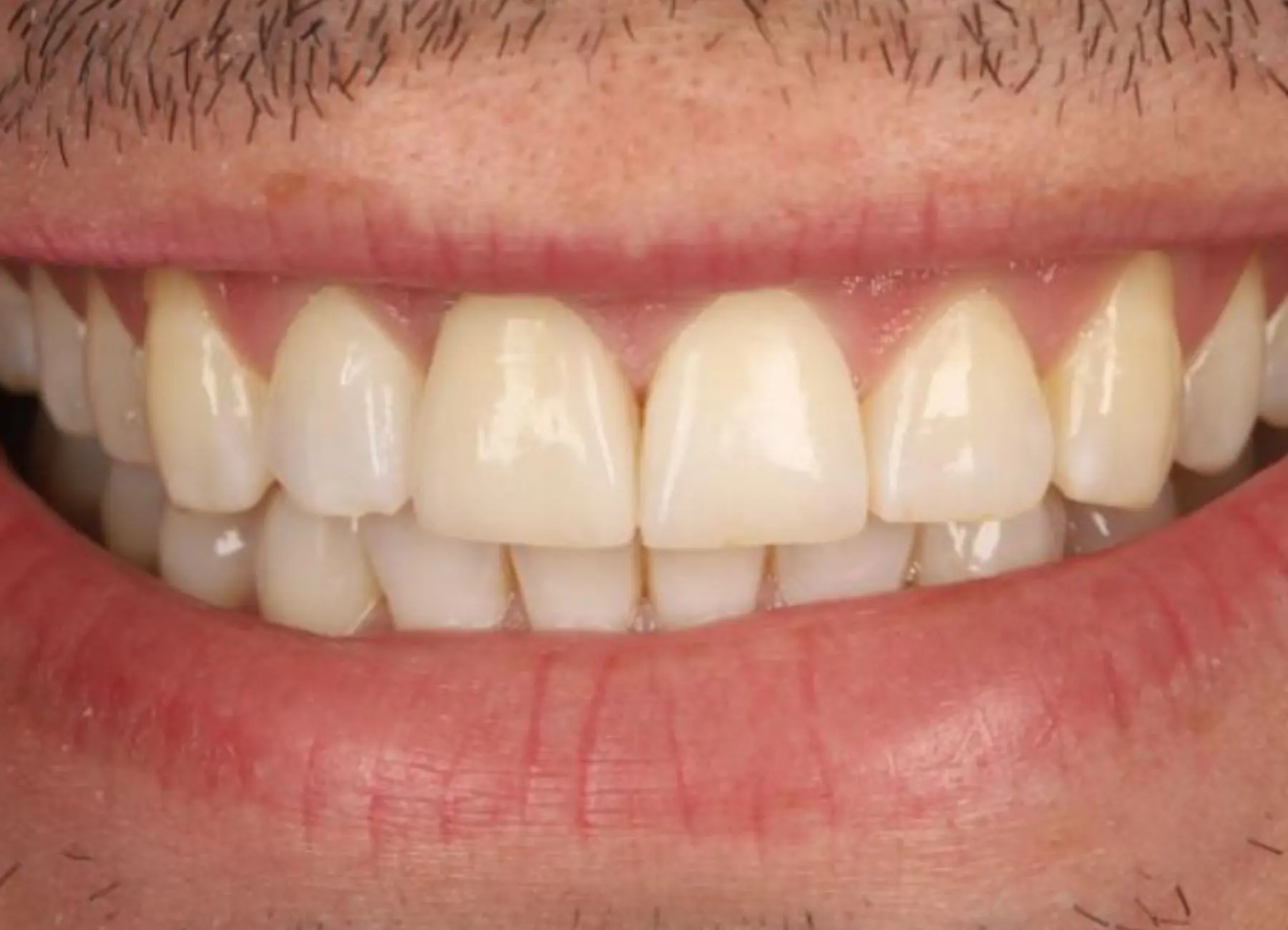
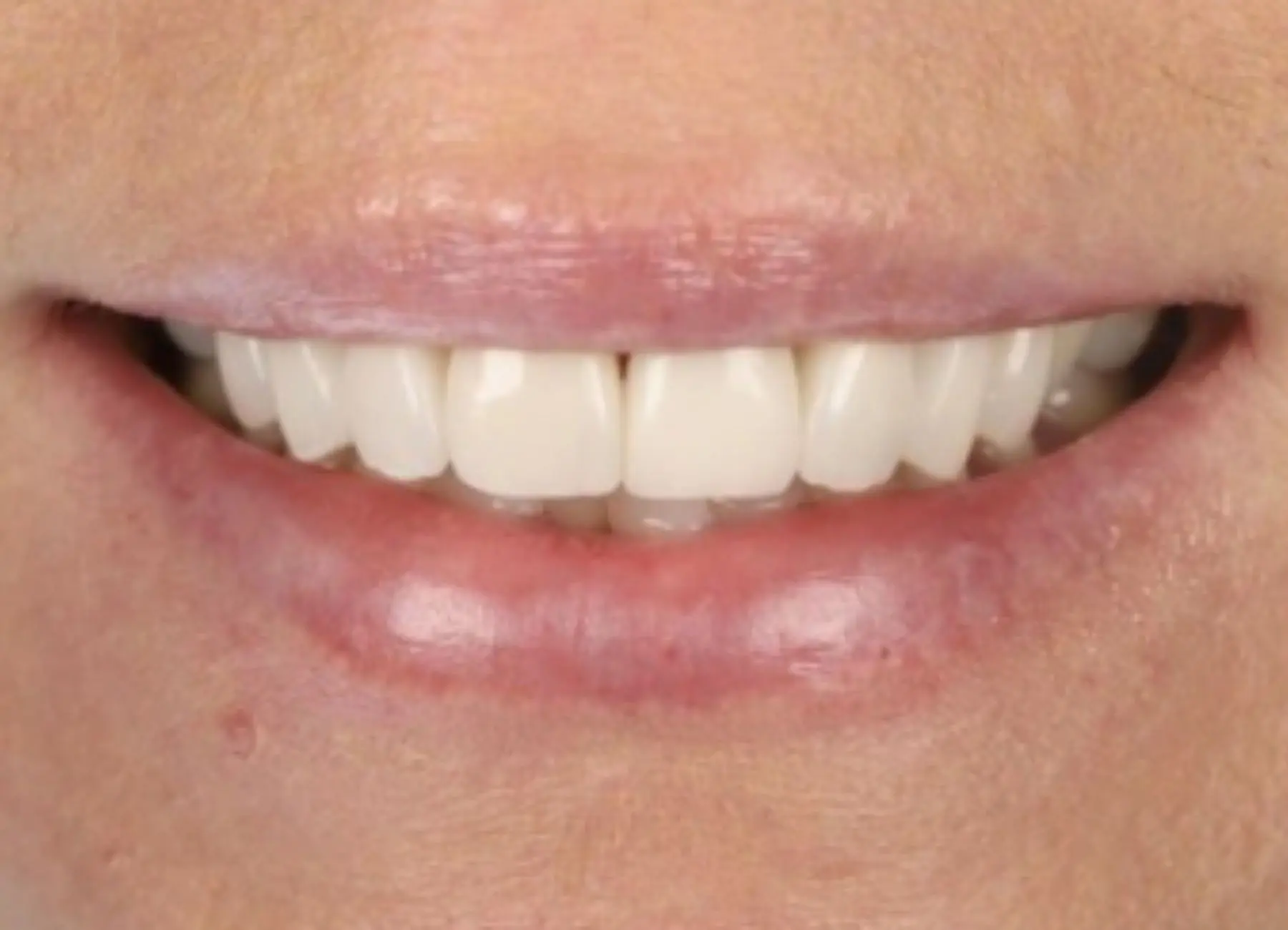
Our cosmetic dentists can remove stains from composite bonding through professional polishing, repair, or replacement, as traditional tooth-whitening agents won’t work on the material.
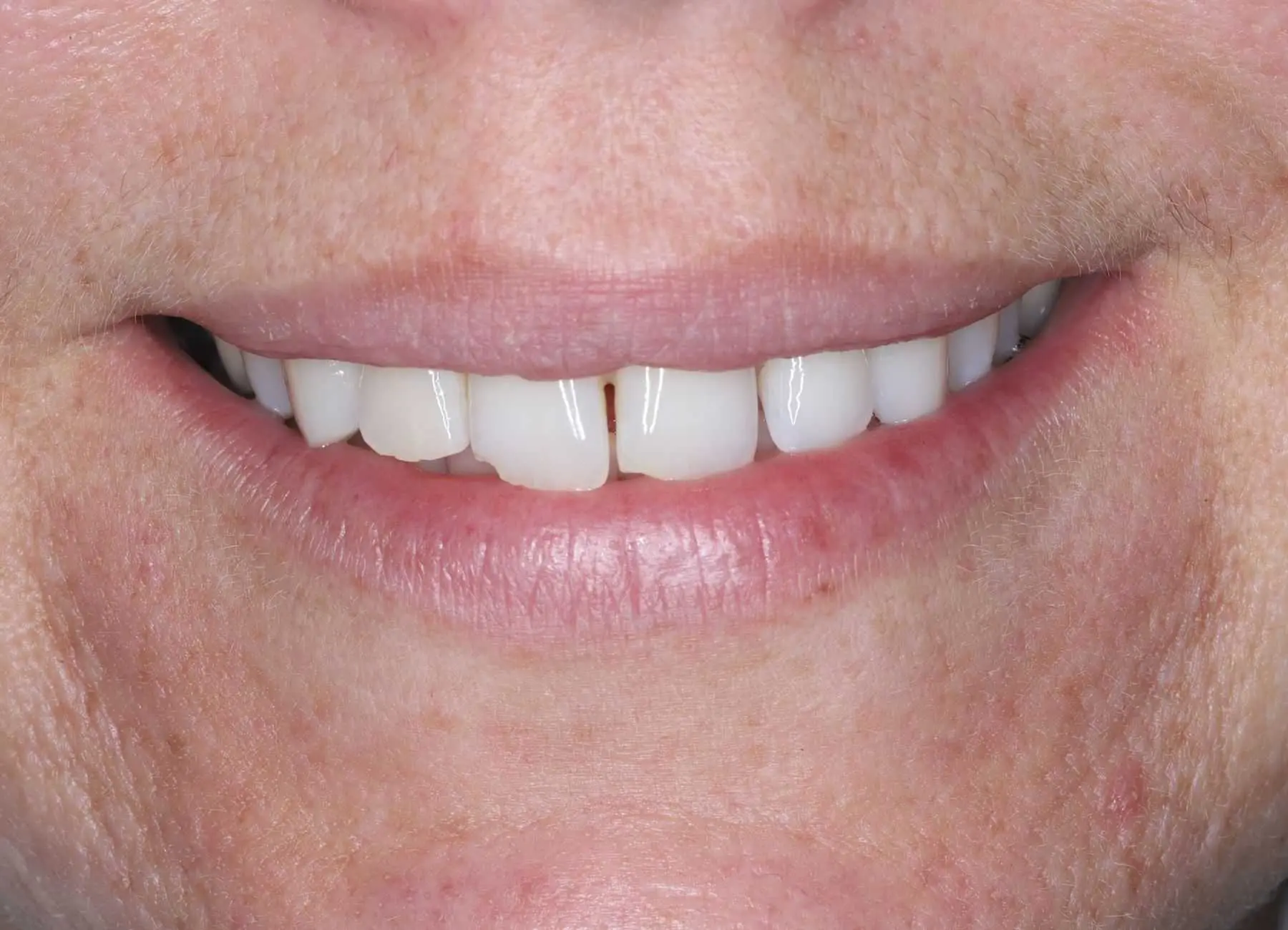
Microchips and surface wear
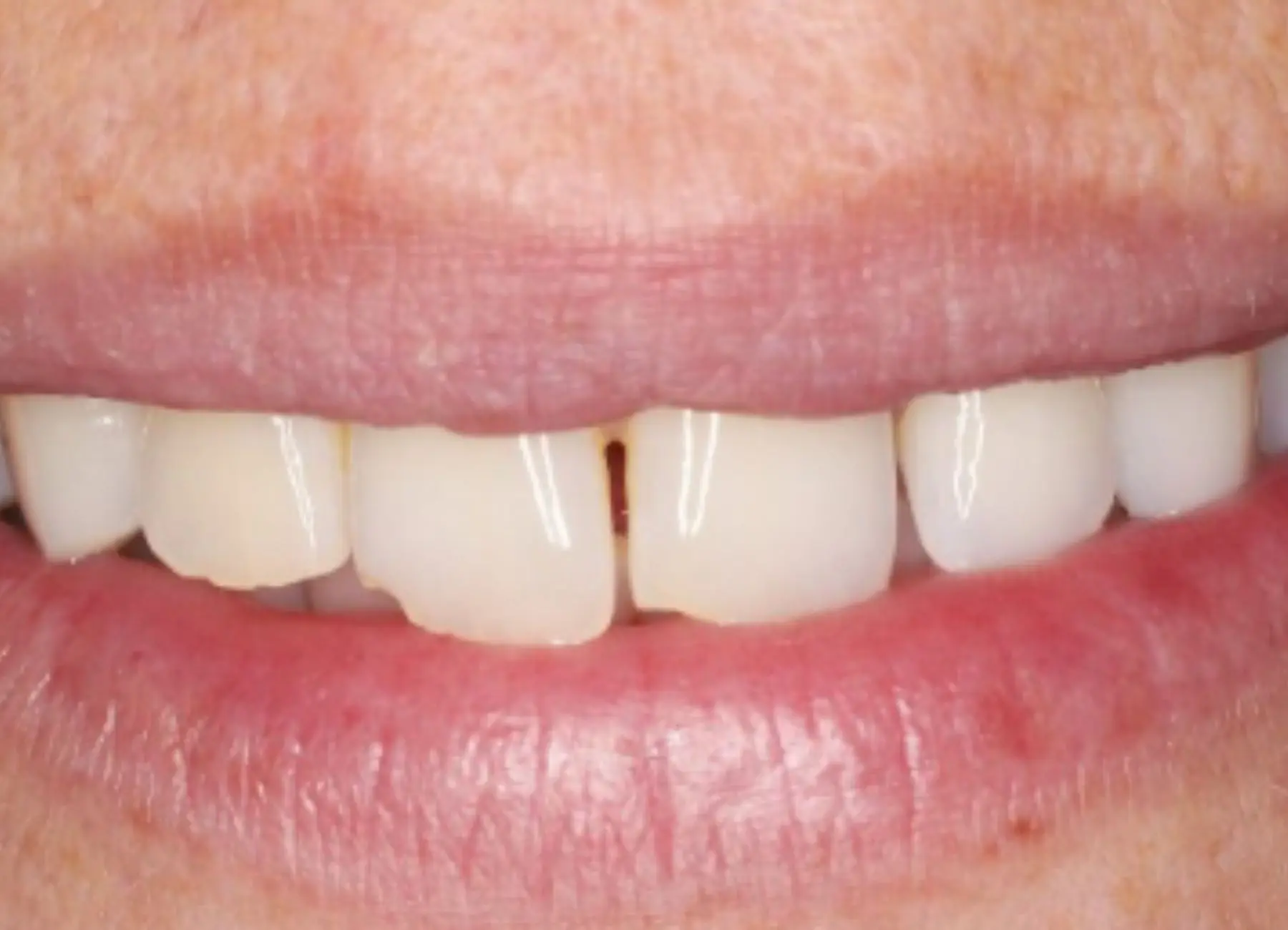
Daily stress on your teeth can cause tiny chips in the composite, especially along the biting edges, where the transition between the bonding and the natural tooth occurs. This will slightly affect the appearance of the composite but should not cause you any pain.
Tips to prevent
Avoid using your teeth as tools and avoid biting your nails or chewing on objects like pens. If you grind your teeth at night, it’s recommended that you wear a mouthguard to prevent damage.
Professional treatment to correct
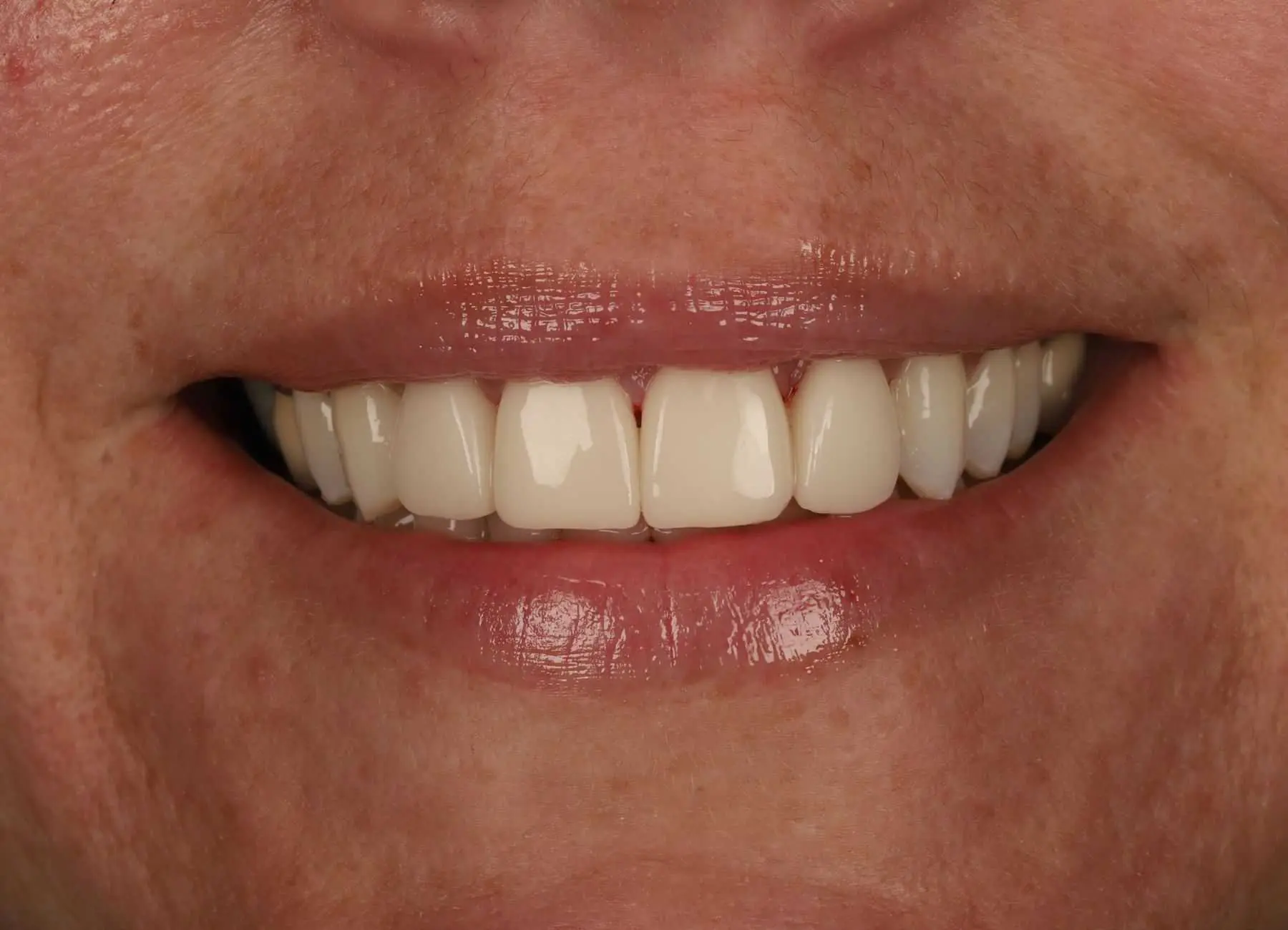
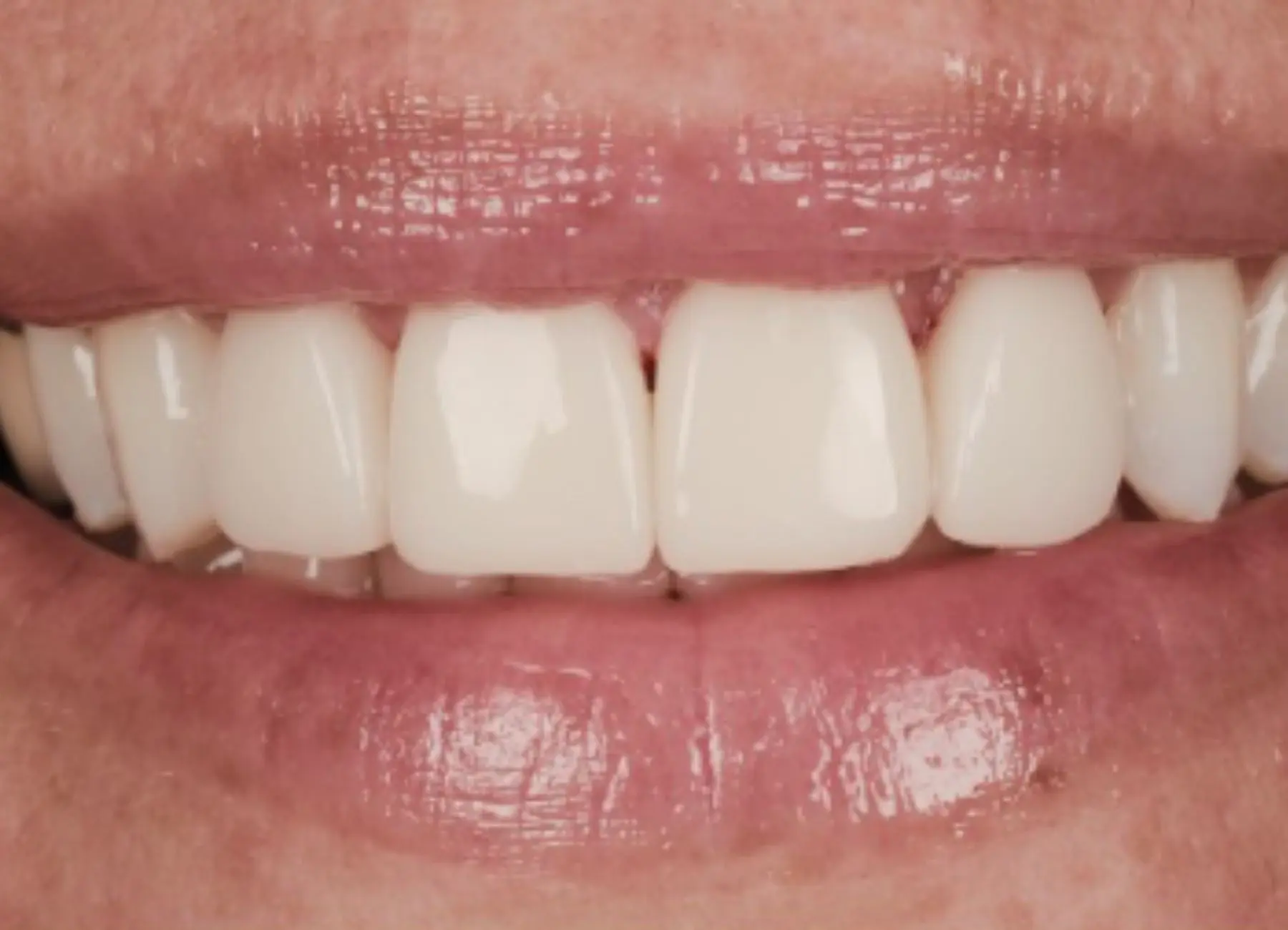
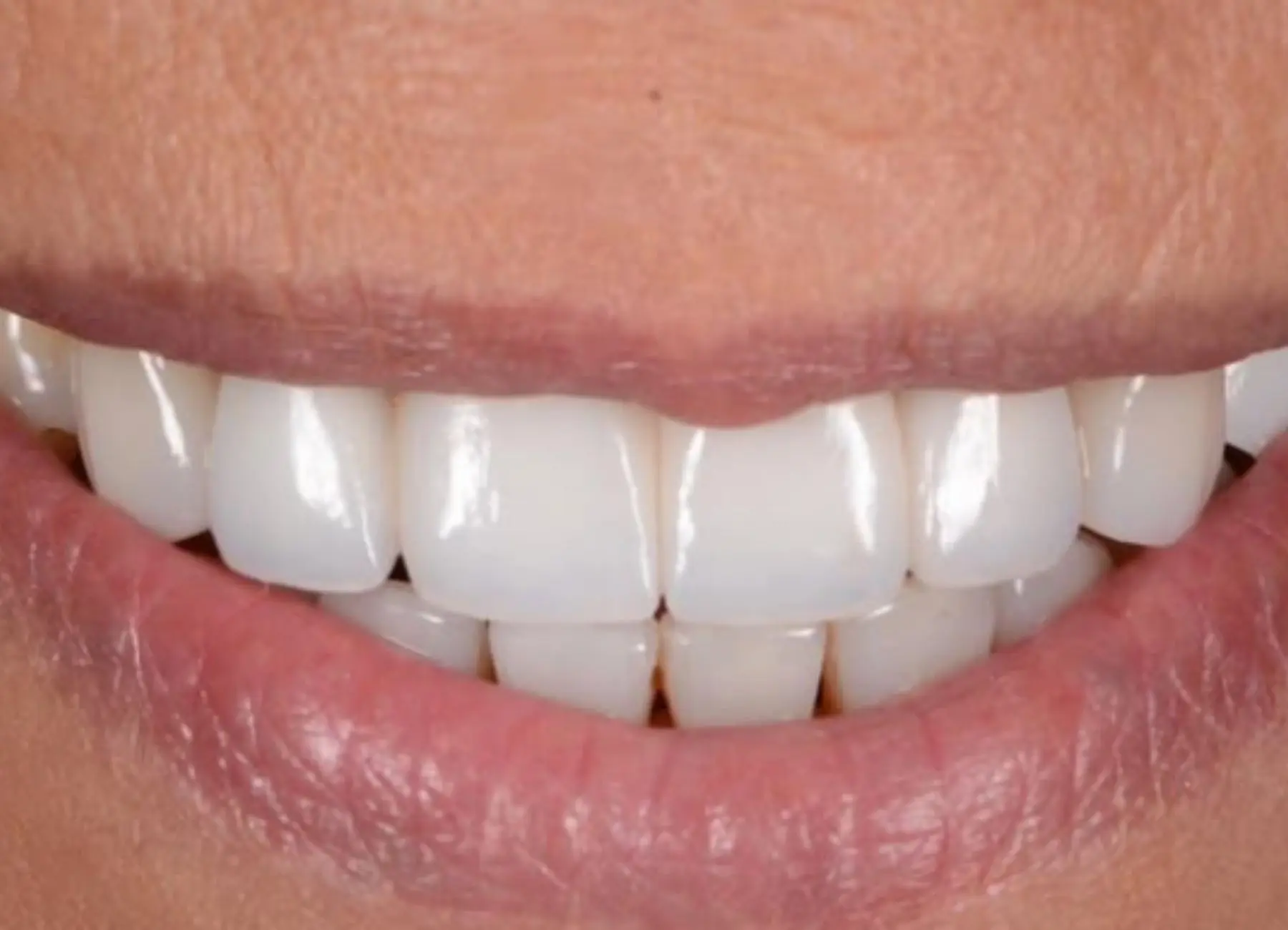
Composite bonding is extremely easy and straightforward for our dentists to repair and renew. For minor chips and rough edges, we can simply polish and reshape your existing bonding to smooth out the imperfection or add new material (re-bonding) to cover the chip.
Edge deterioration
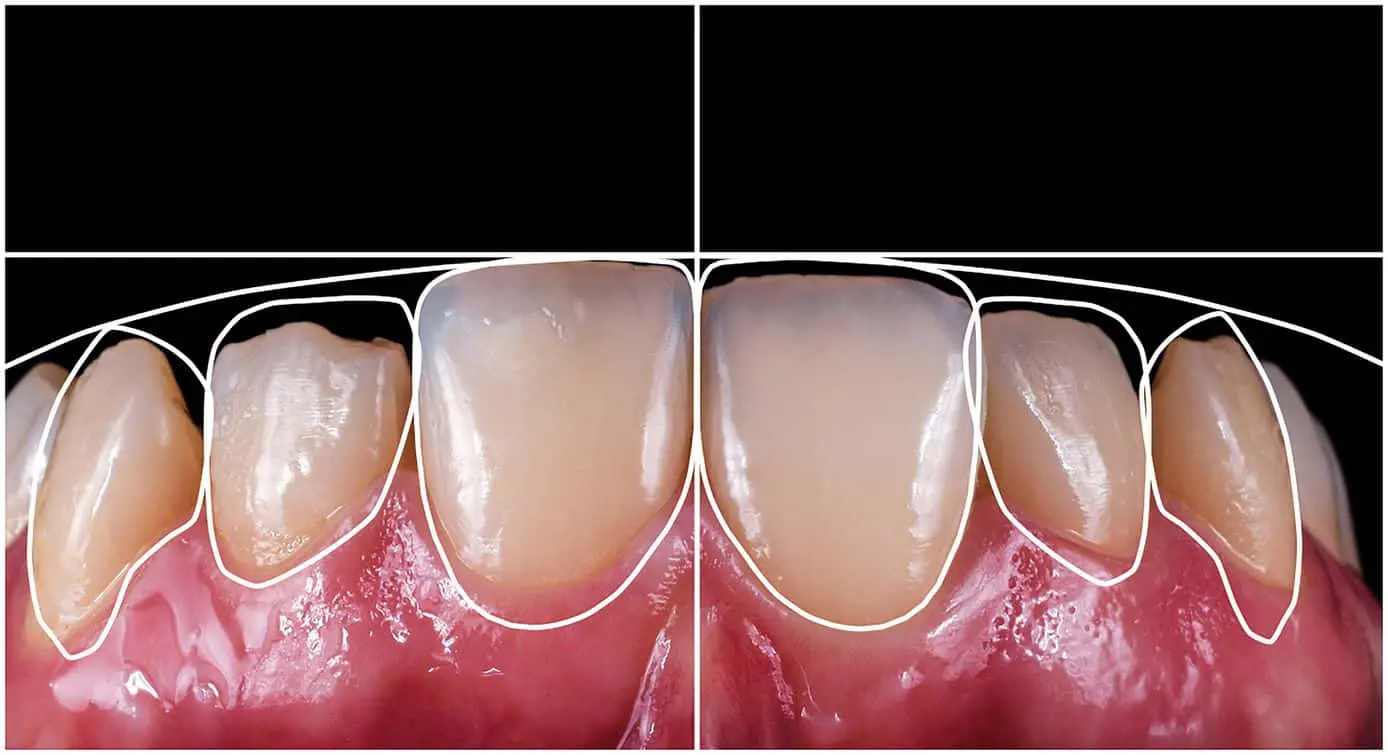
Marginal breakdown, where the composite meets the tooth, can often happen, where the product has broken down and deteriorated over time.
Signs of deterioration include rough or jagged edges, chipping or cracking, and visible gaps forming between the bonding and tooth surface, which will feel rough on your tongue.
Tips to prevent
Edge deterioration is due to normal wear and tear from daily biting and chewing, which naturally wears down the material over several years.
But poor oral hygiene and unhealthy lifestyle habits, such as nail-biting and teeth grinding, can also contribute to the problem.
Professional treatment
At this stage, your composite bonding just needs some maintenance and renewal. Our dentists will repair the issue by adding new material to the affected areas, and in cases of extensive damage, we’ll likely replace the old bonding entirely.
When to see the dentist
If you notice any staining or roughness that doesn’t improve after brushing, or small chips and gaps forming at the edge of the bonding, it’s best to book a cosmetic appointment.
To keep your bonding looking fresh and new over the years, attend regular appointments to stay ahead of wear and tear and keep it looking fresher for longer.