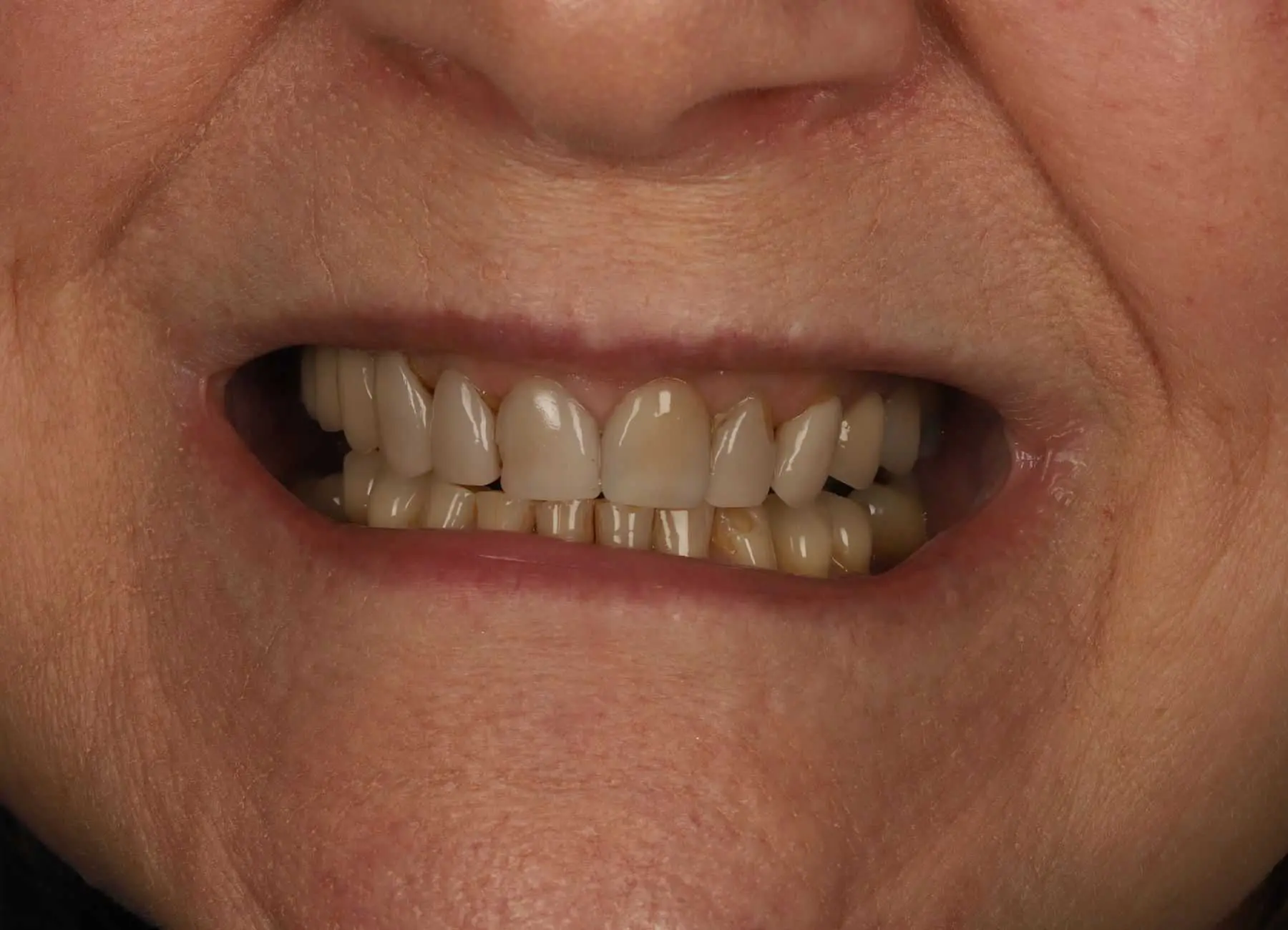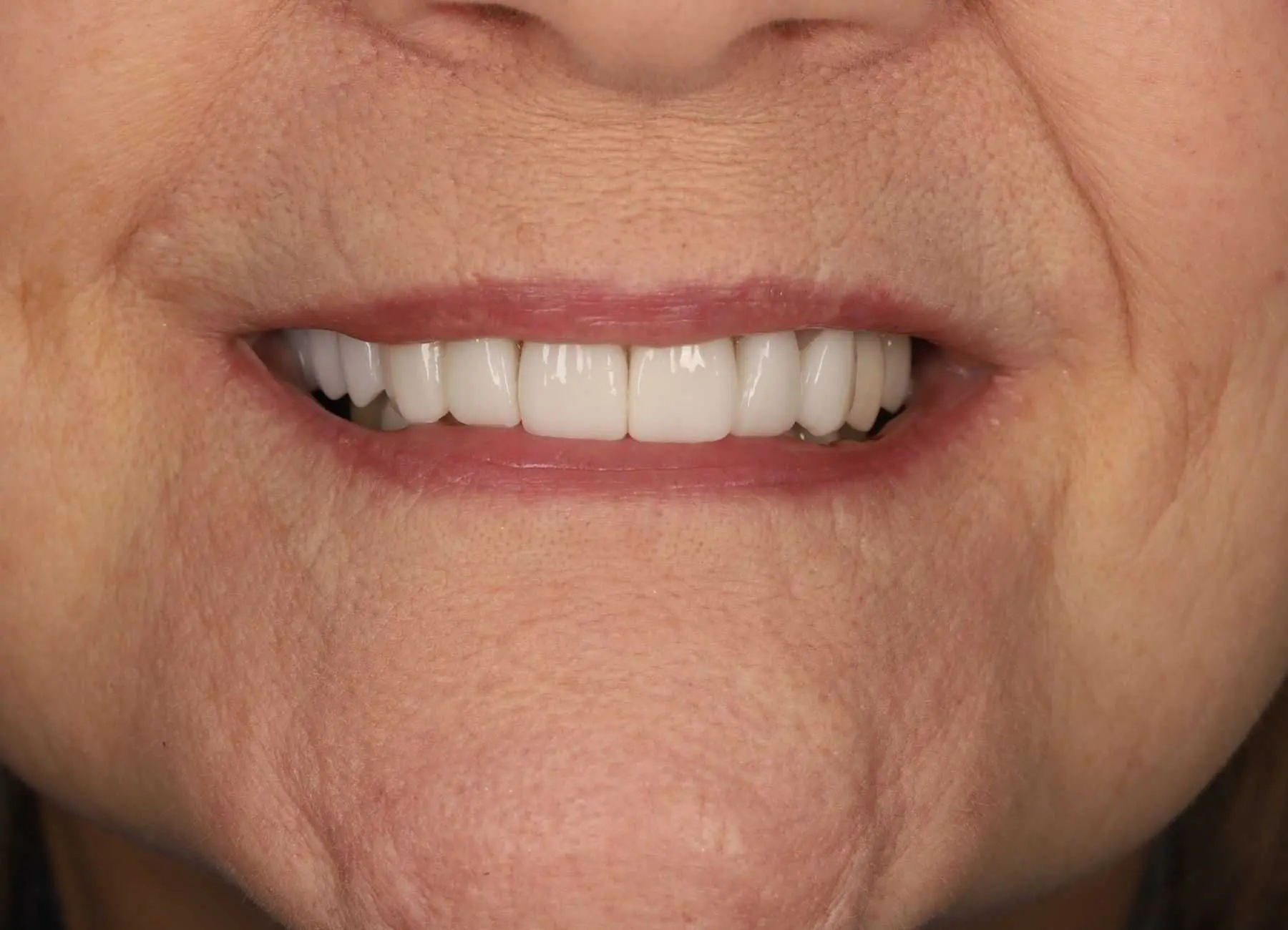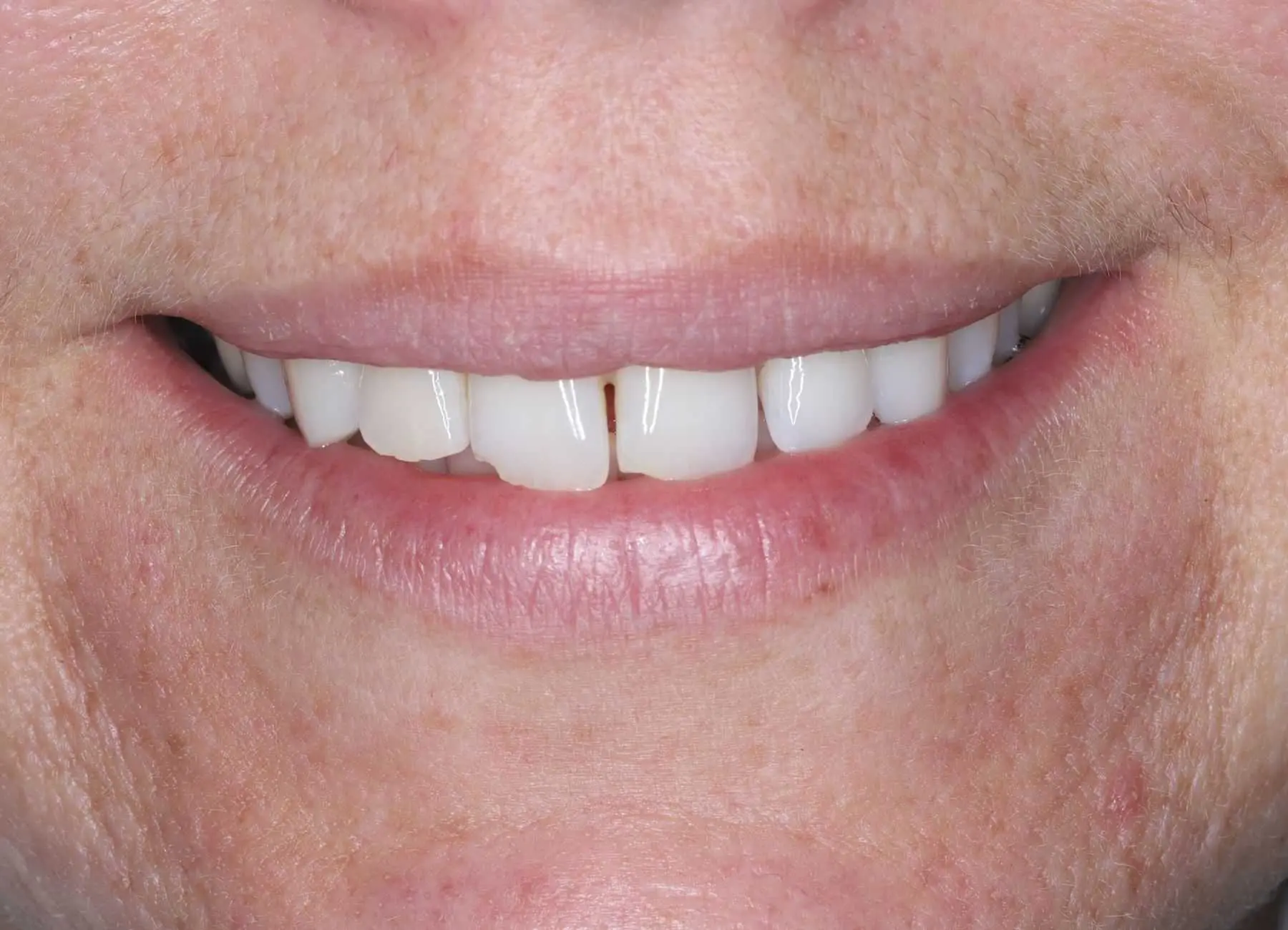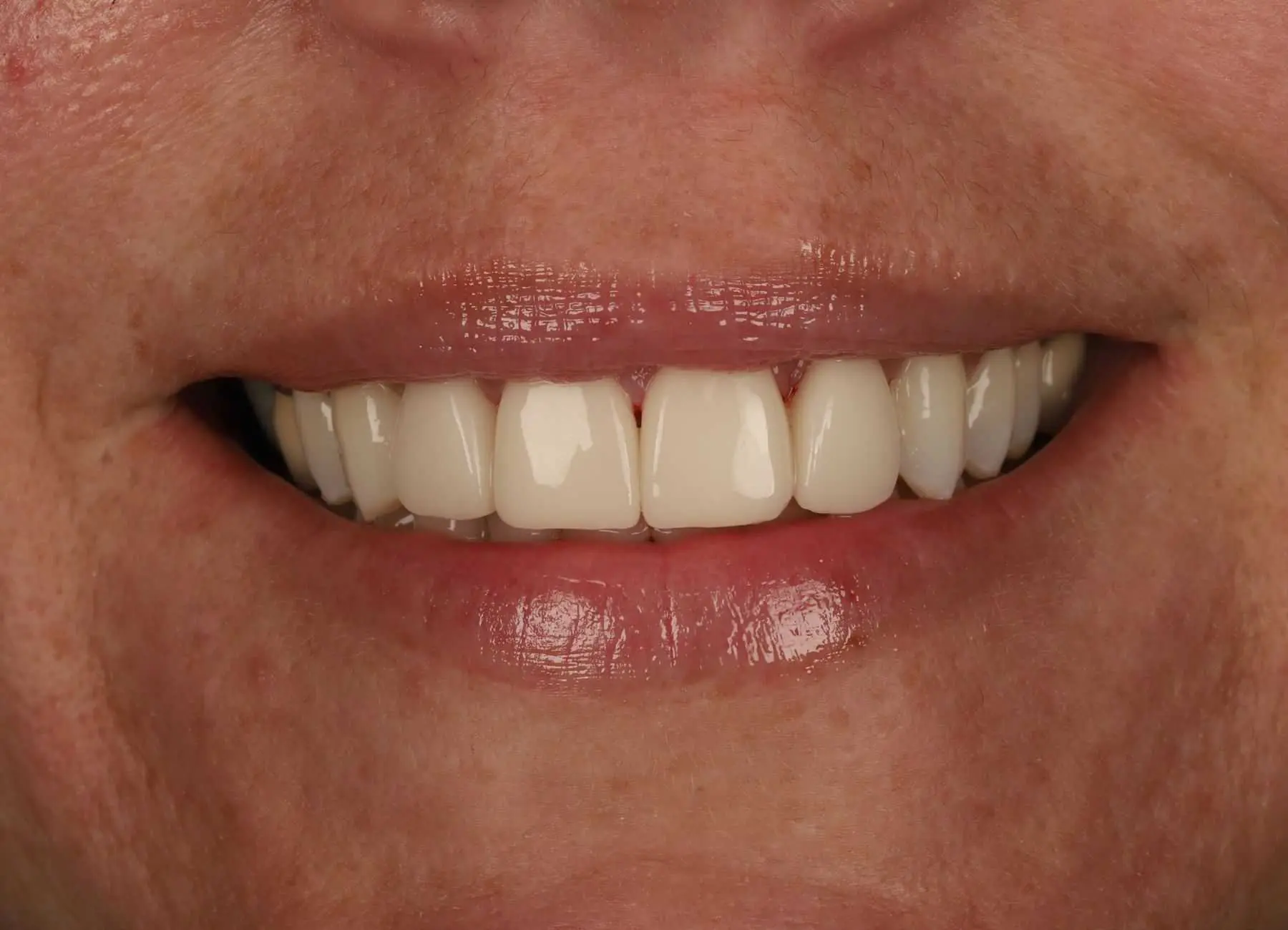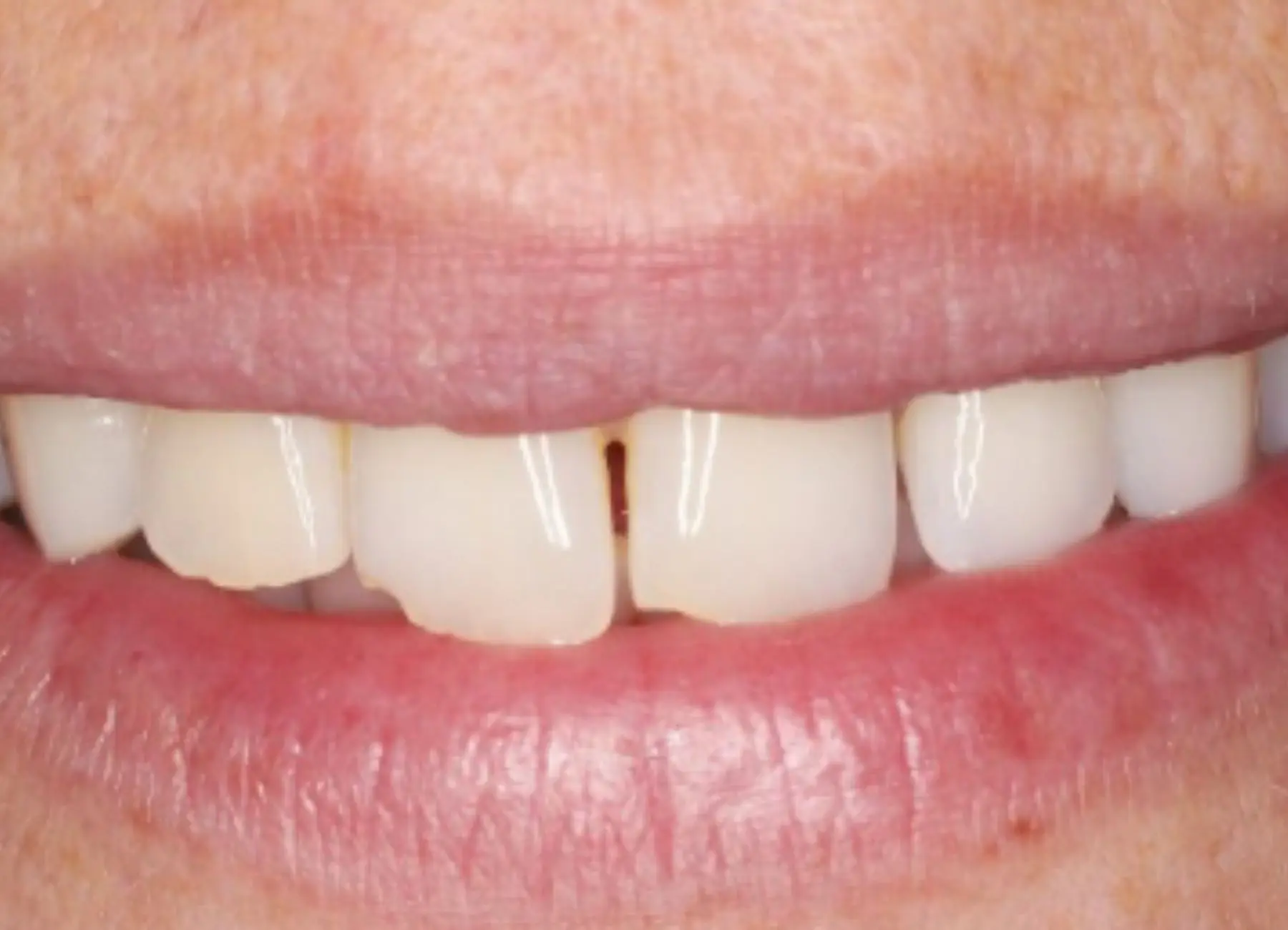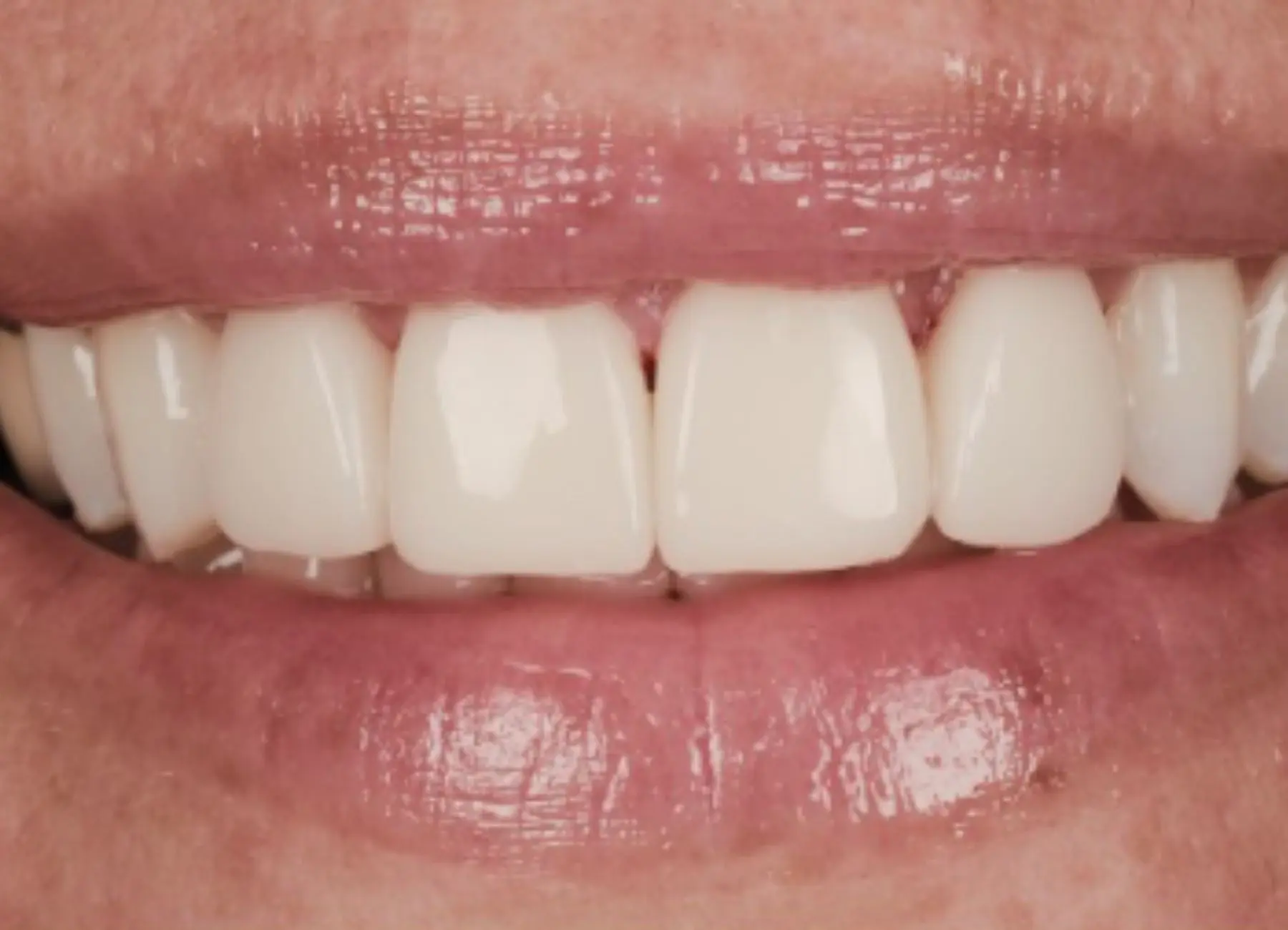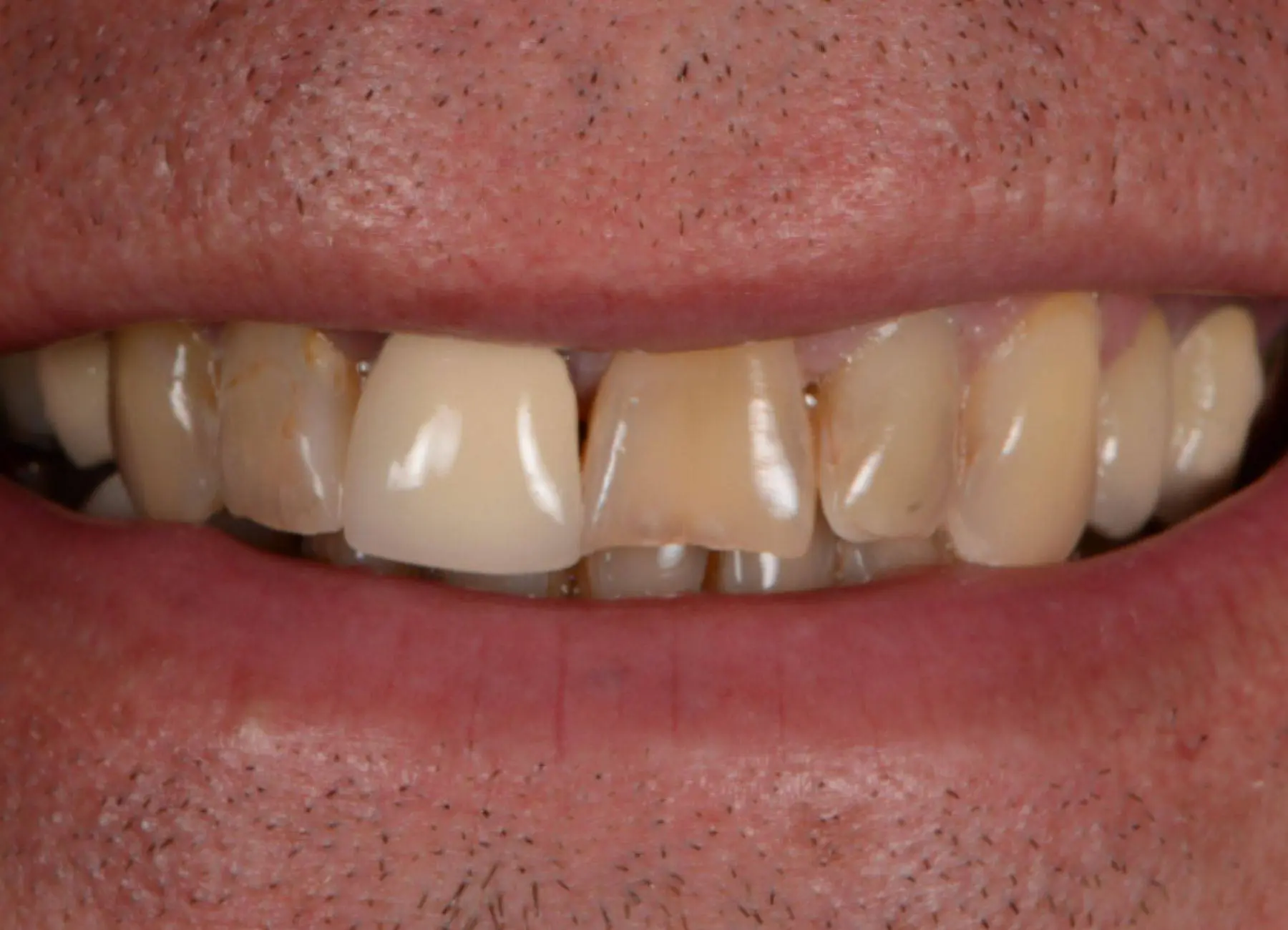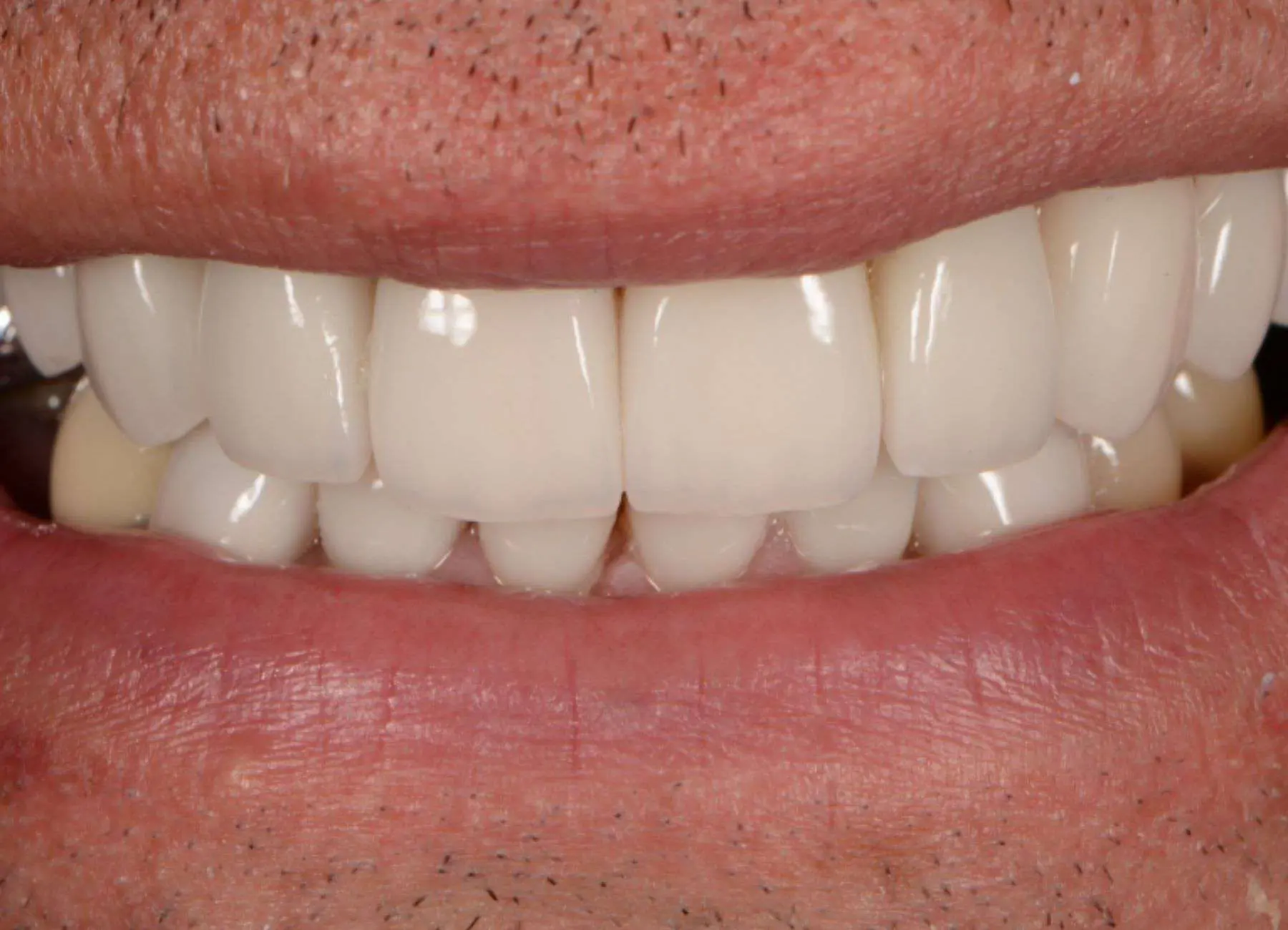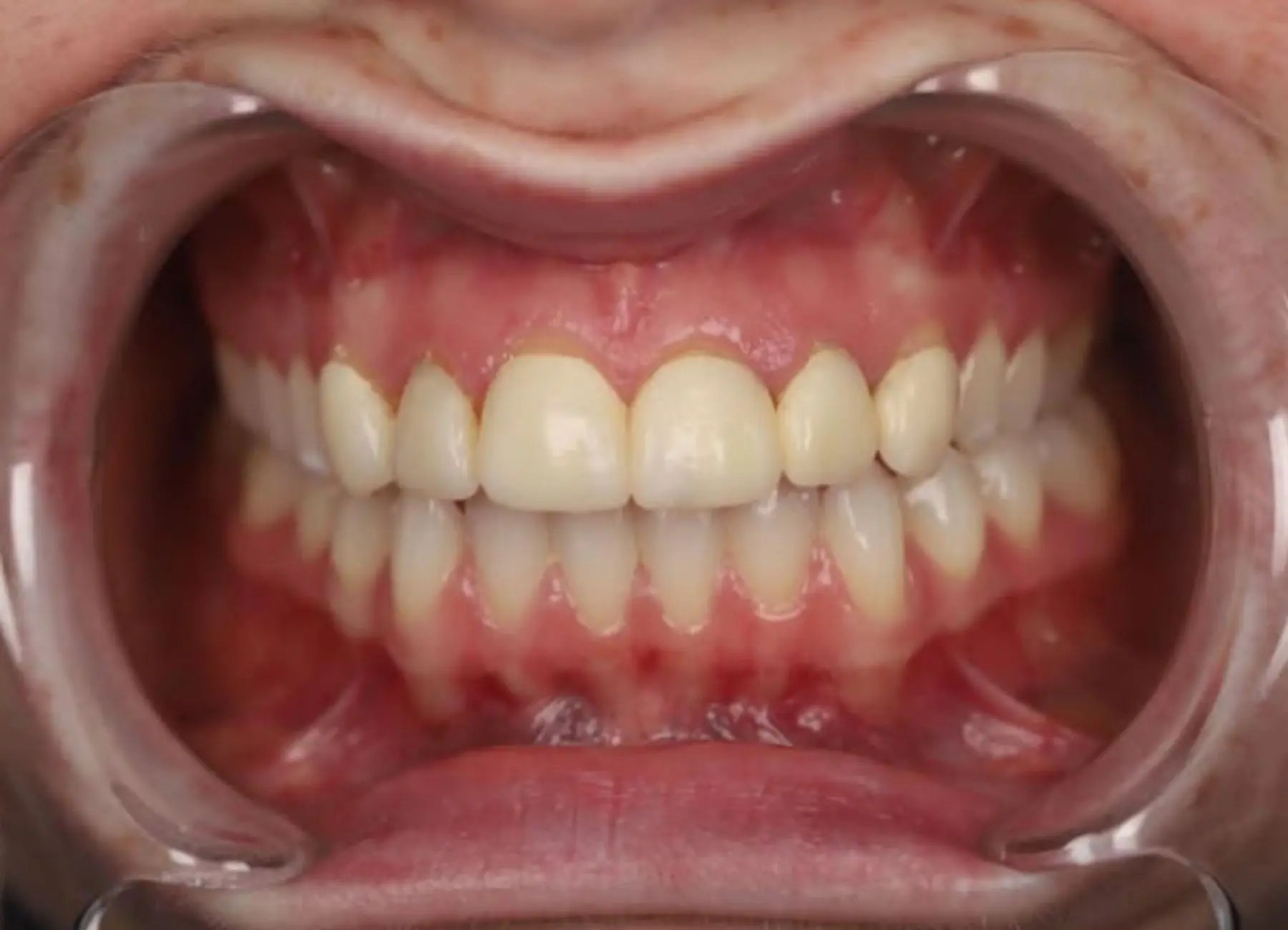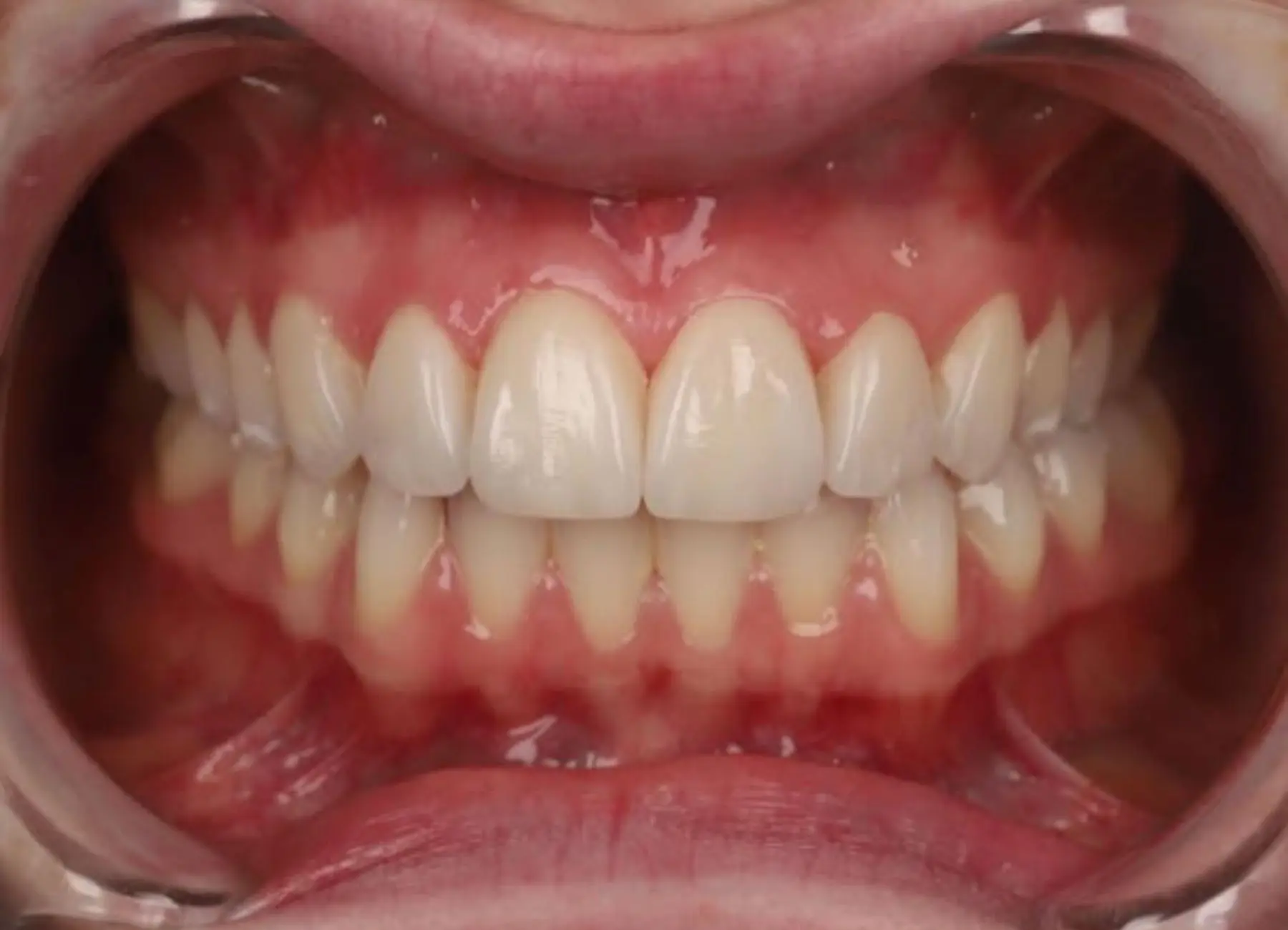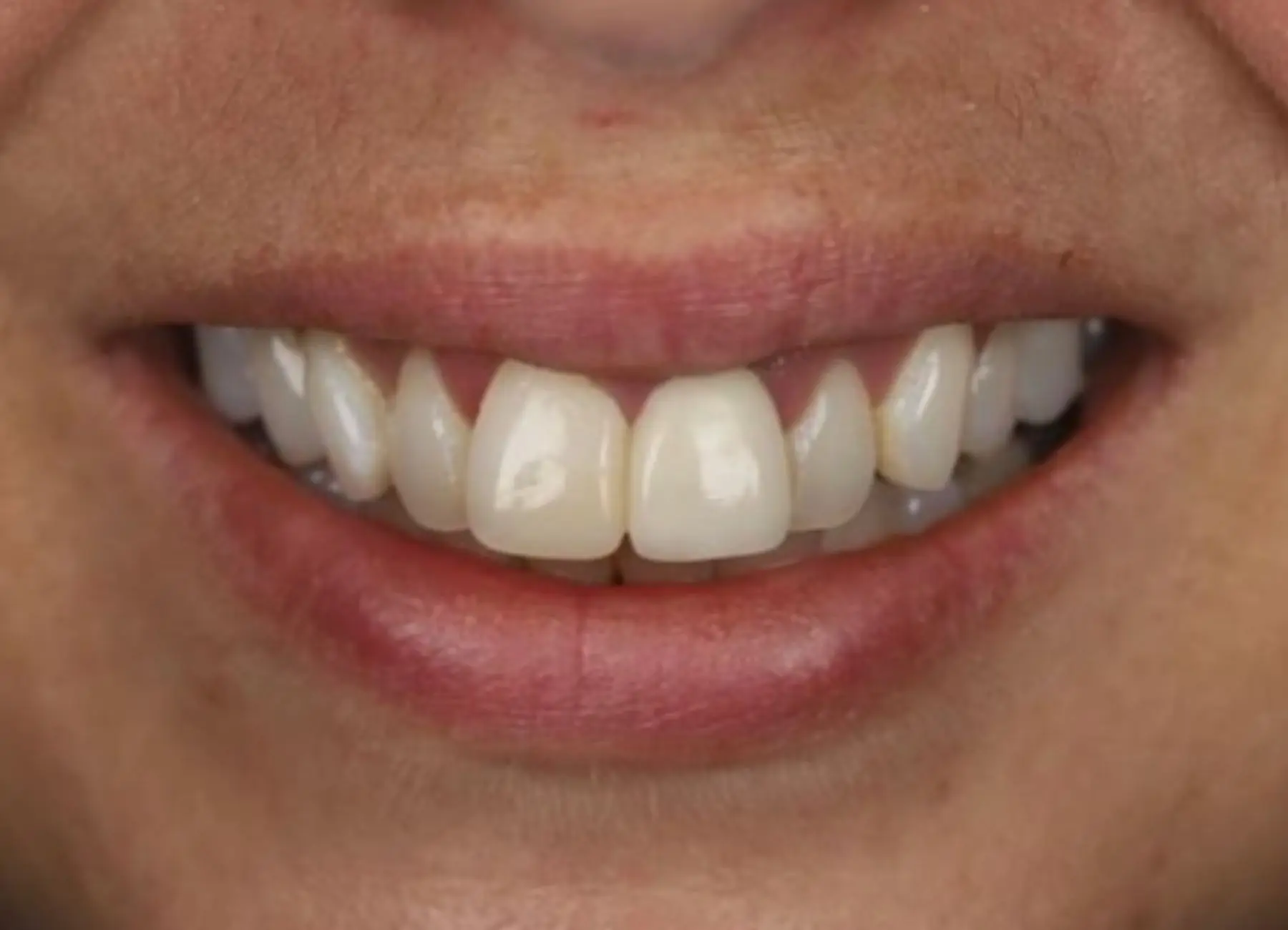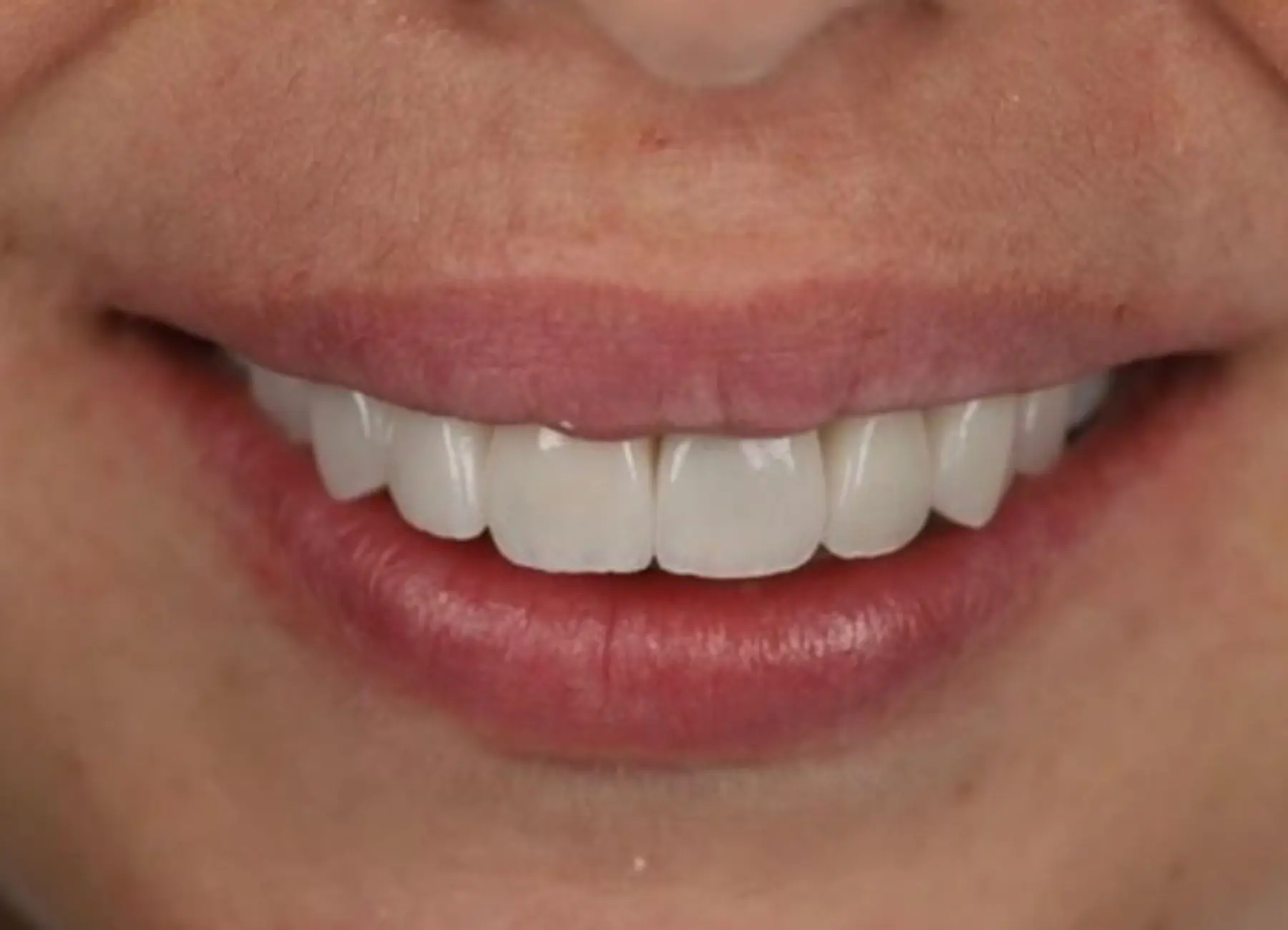
Understanding Composite Bonding Before You Book In For It
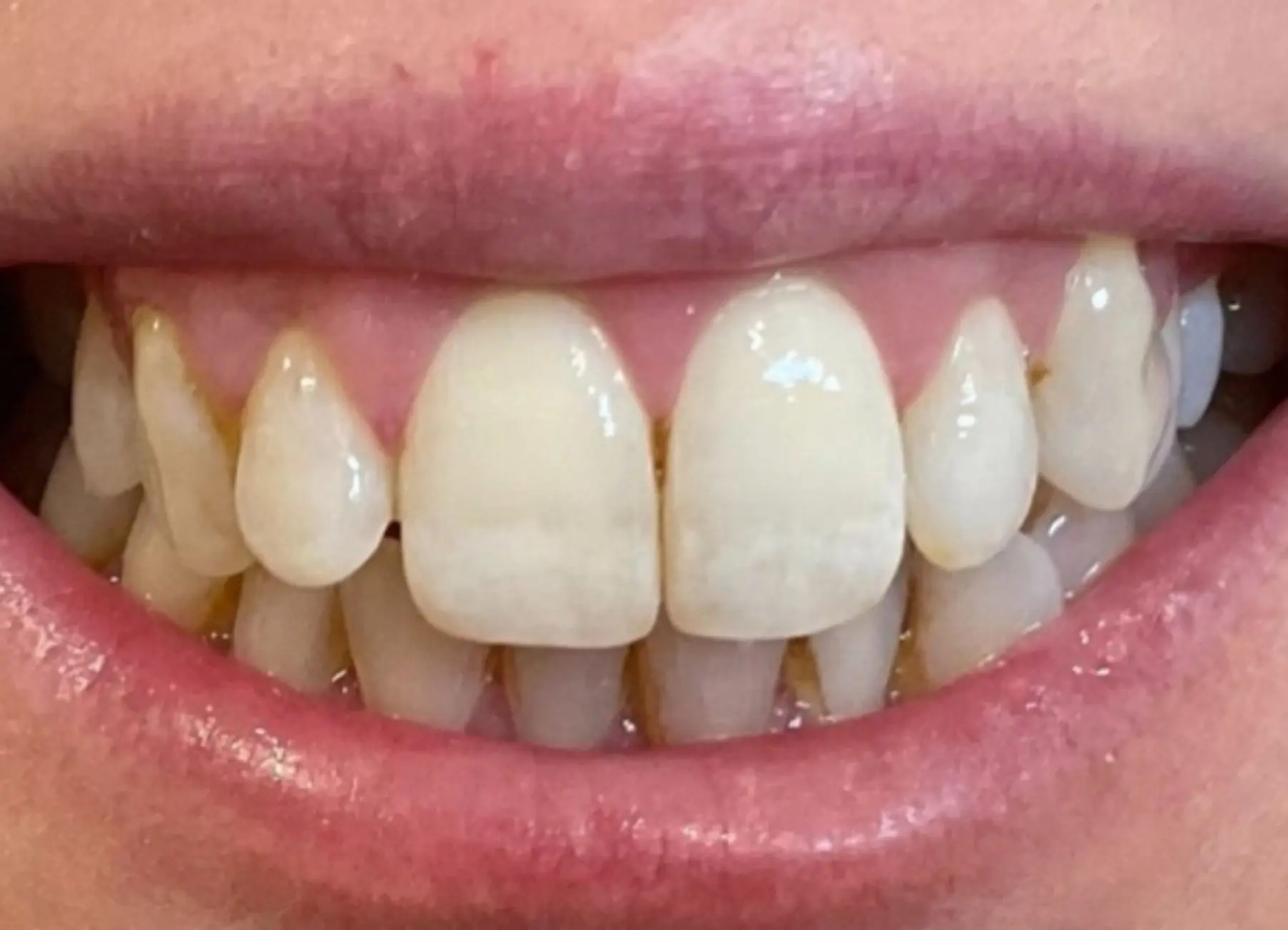
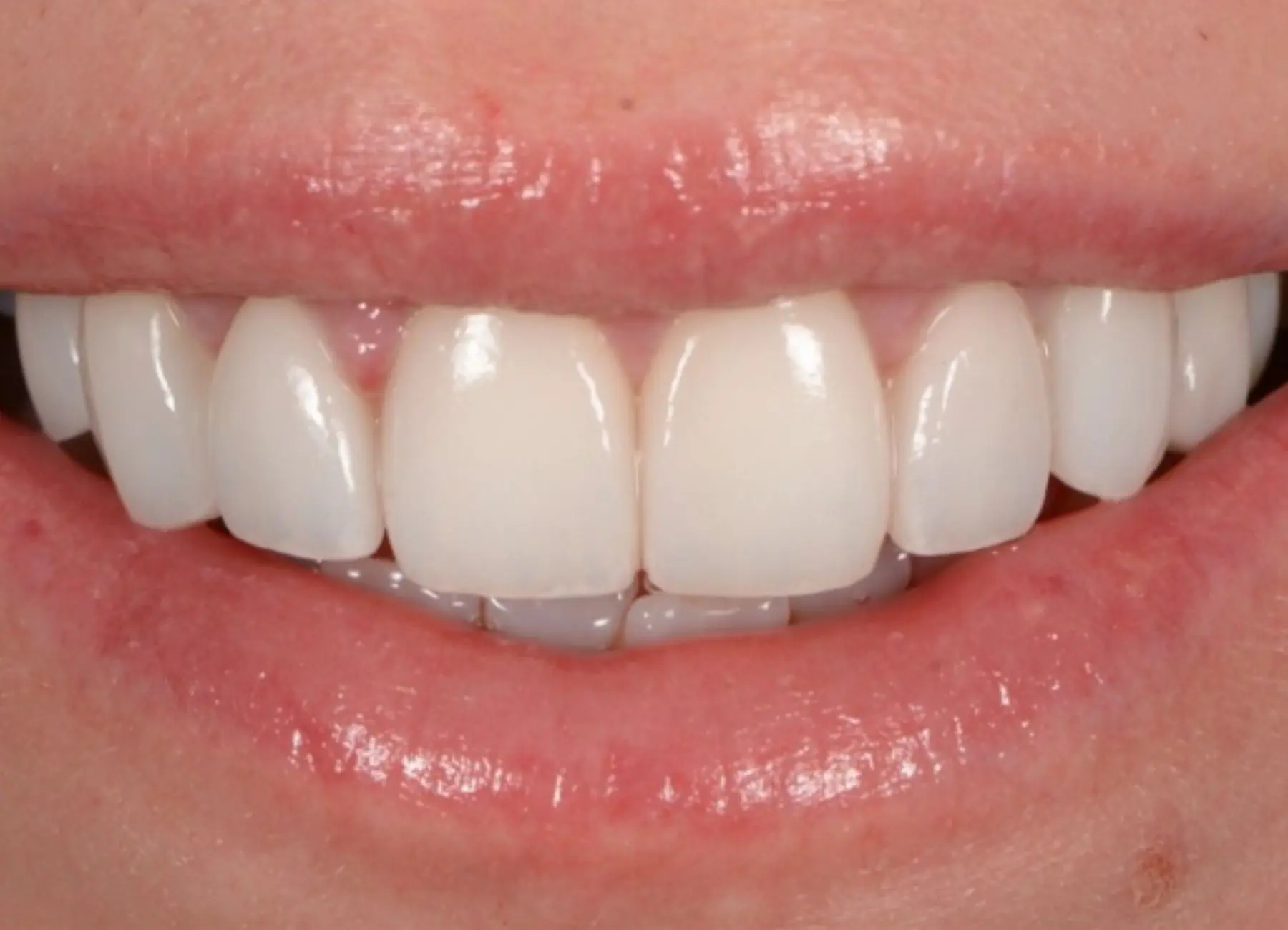
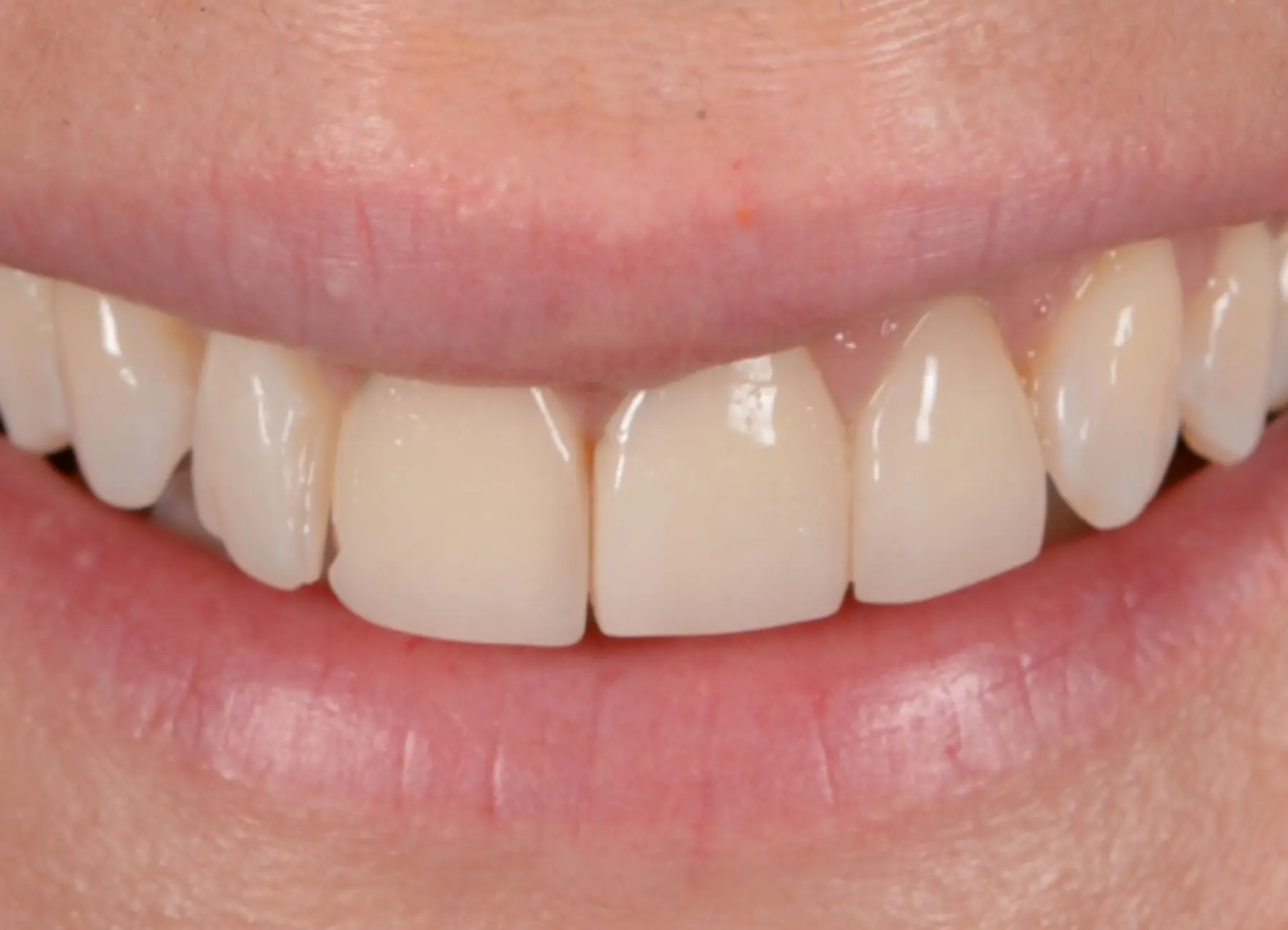
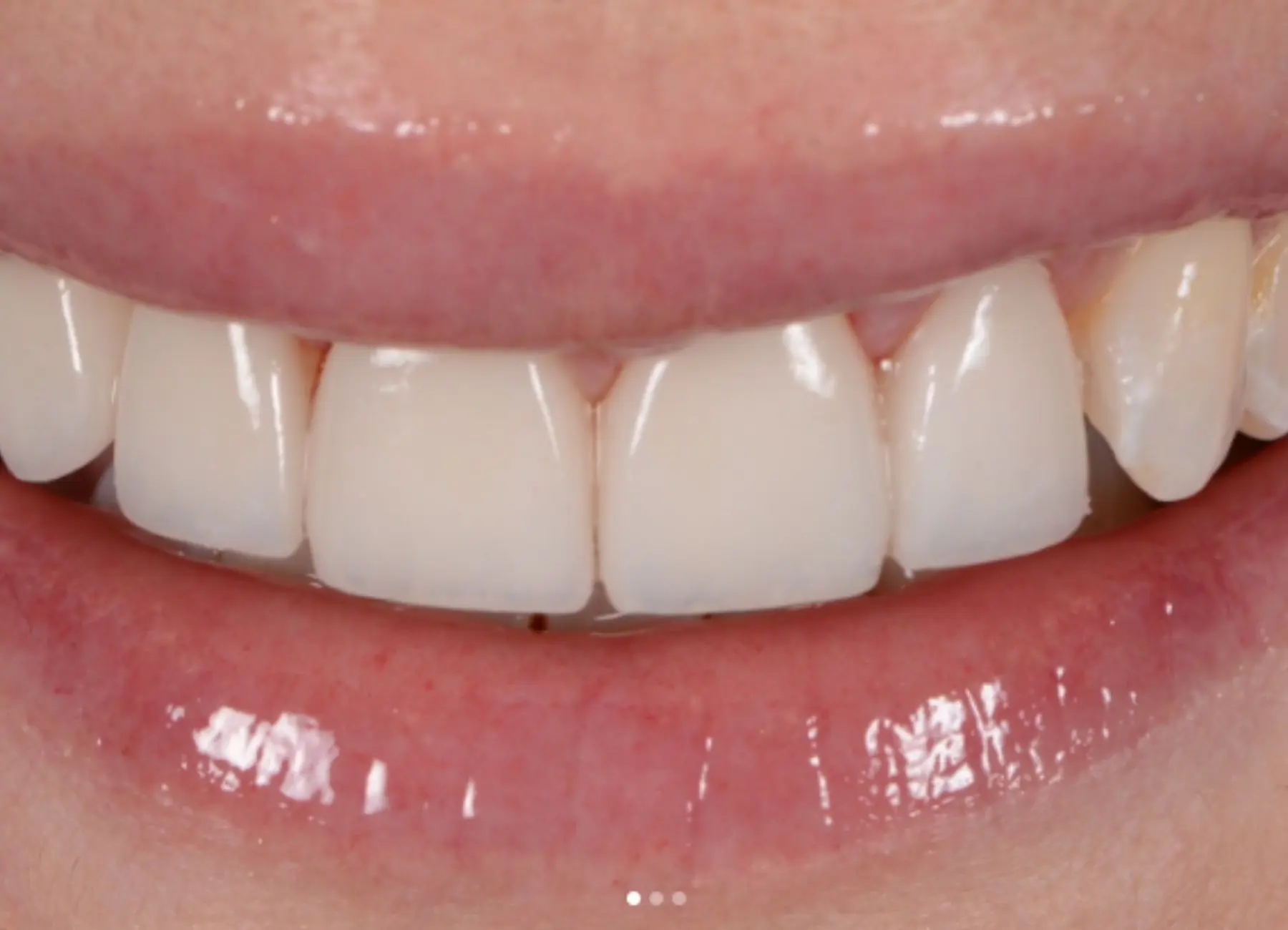
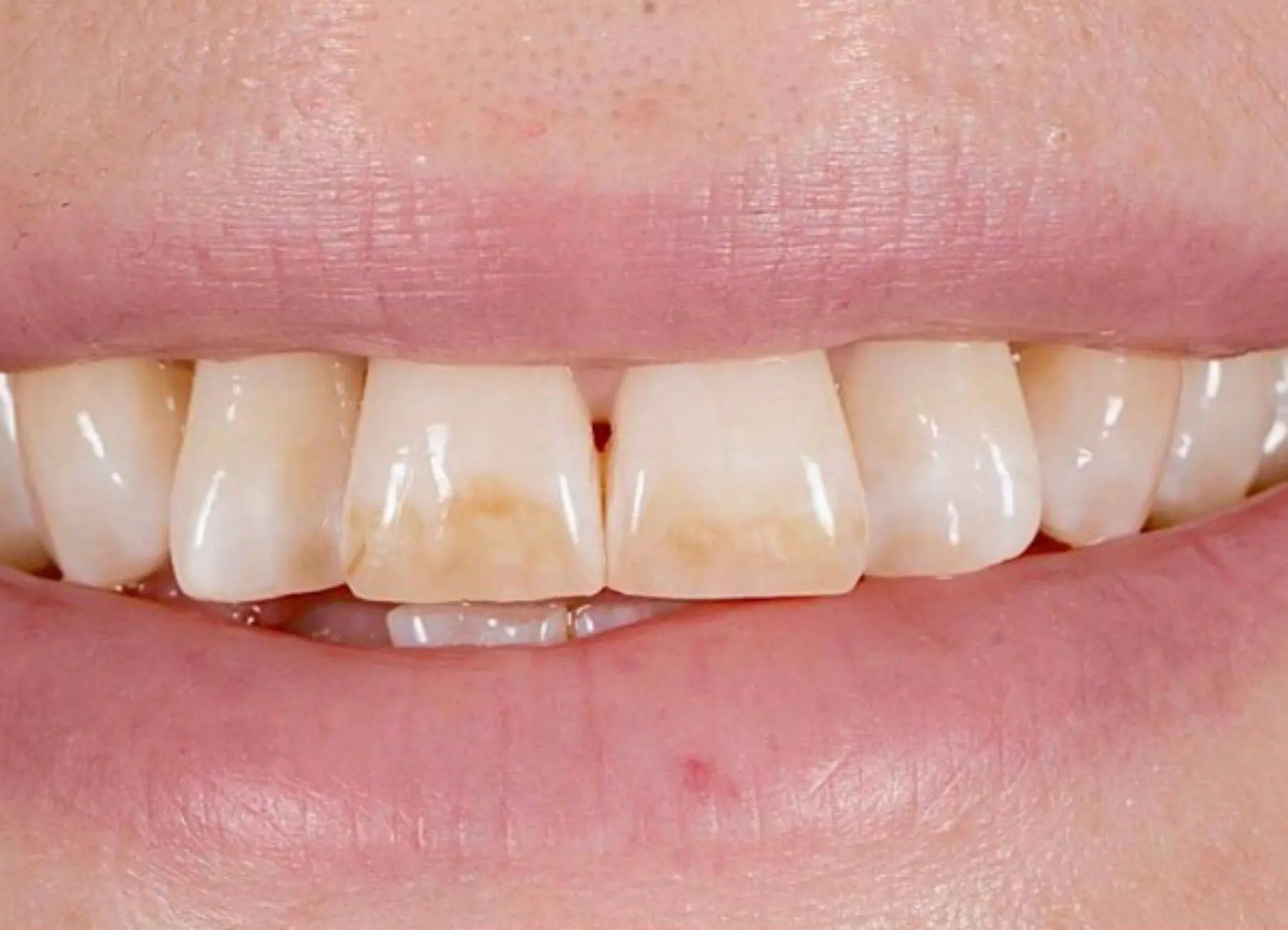
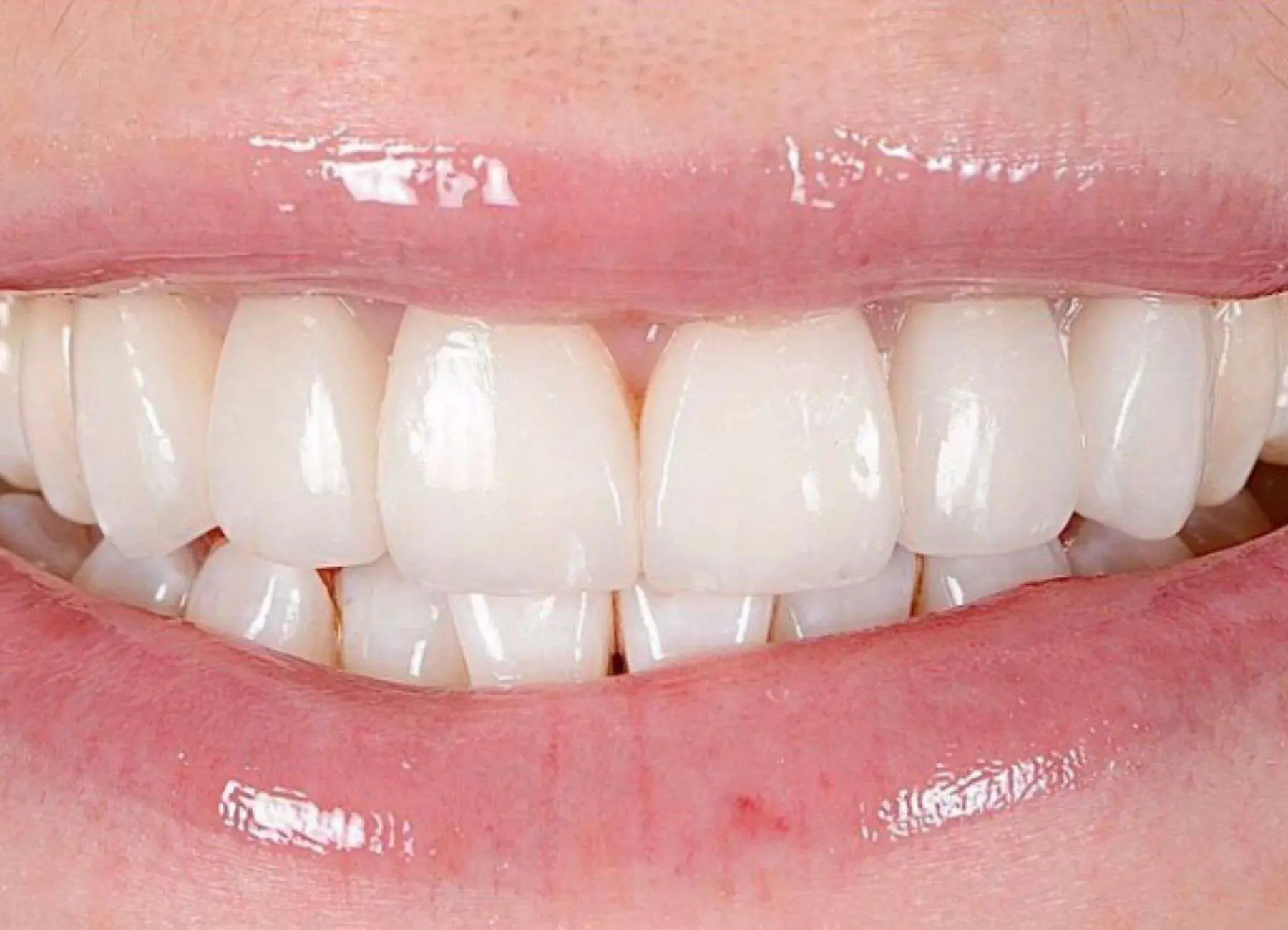
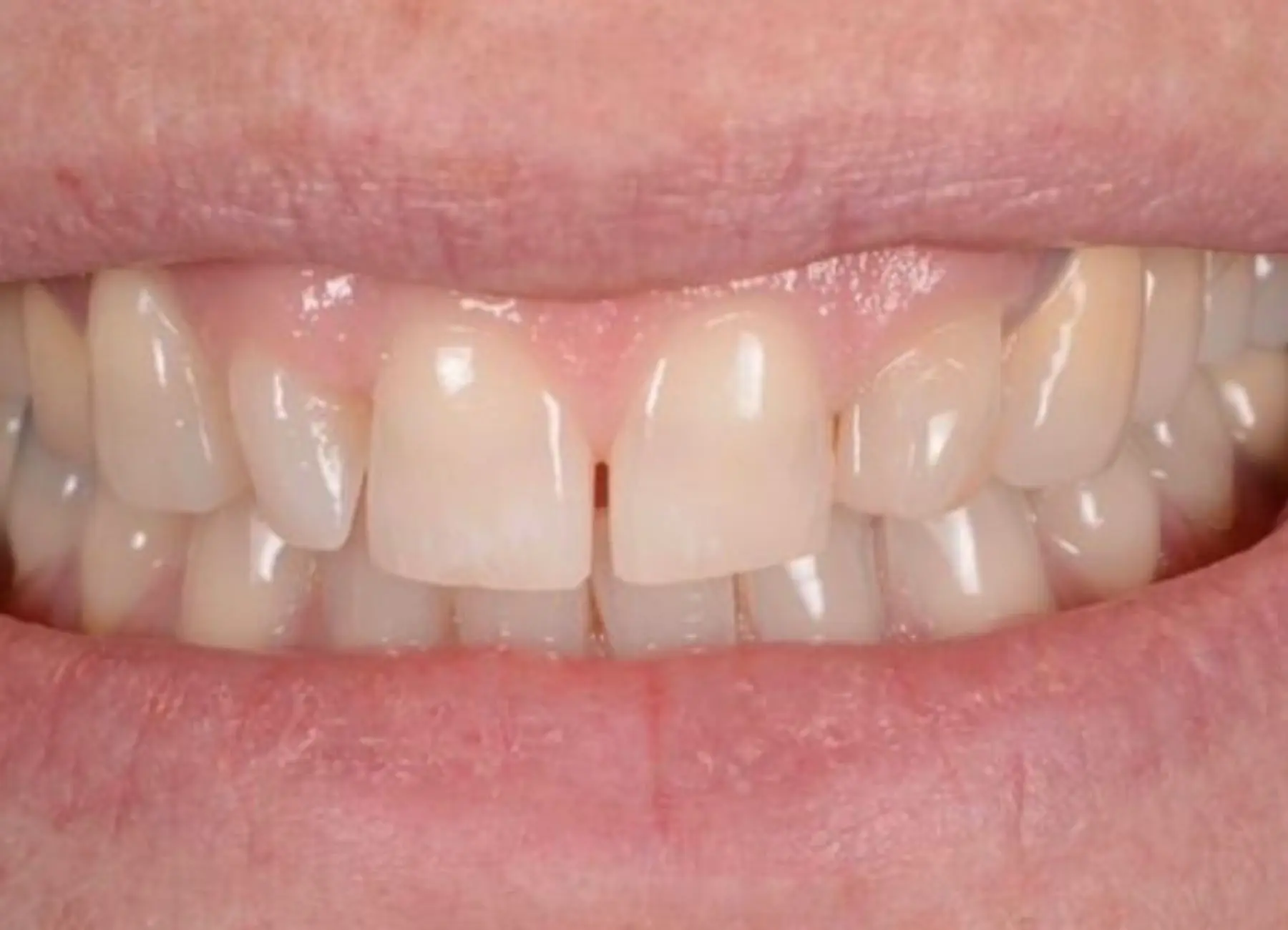
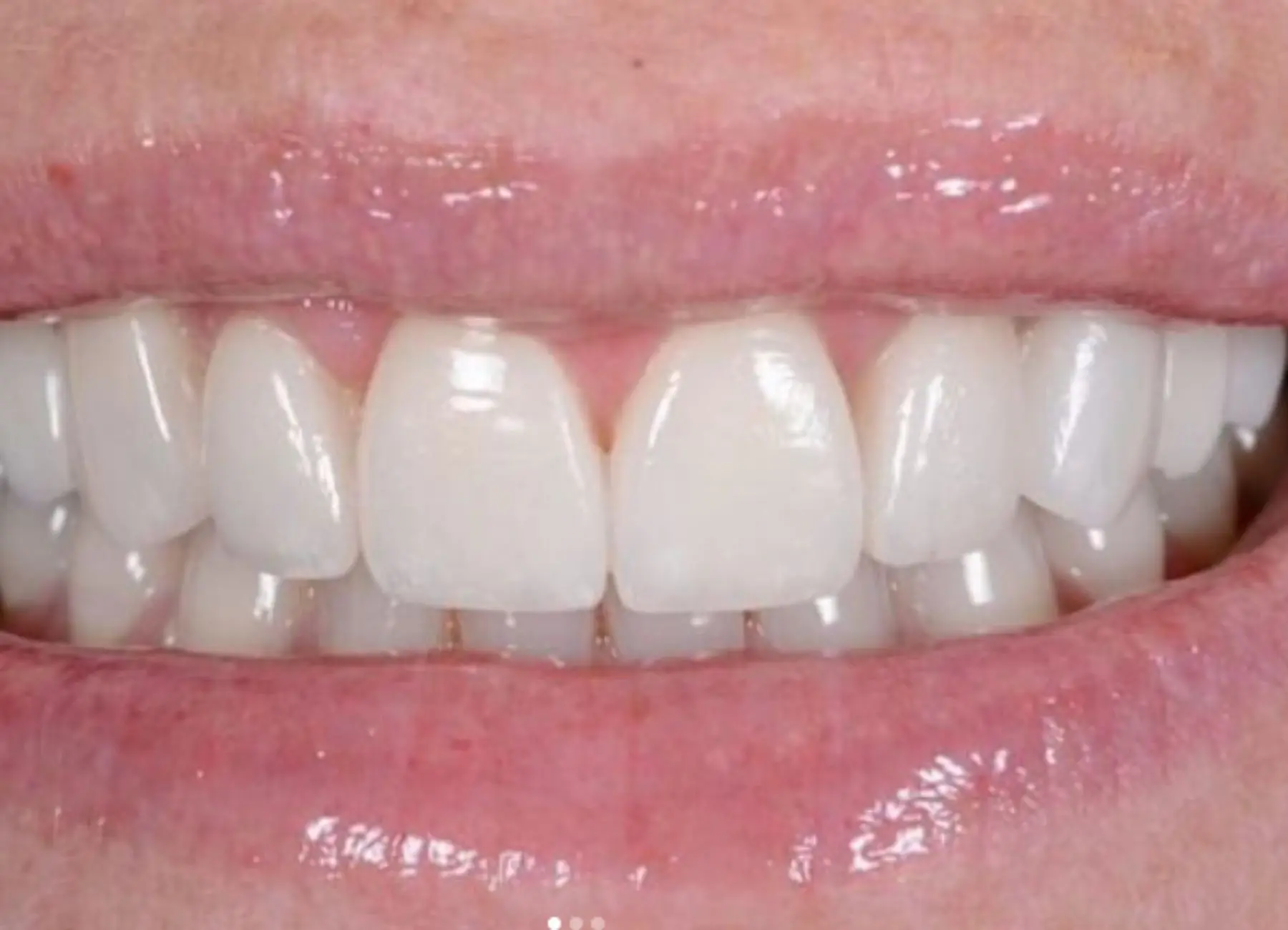
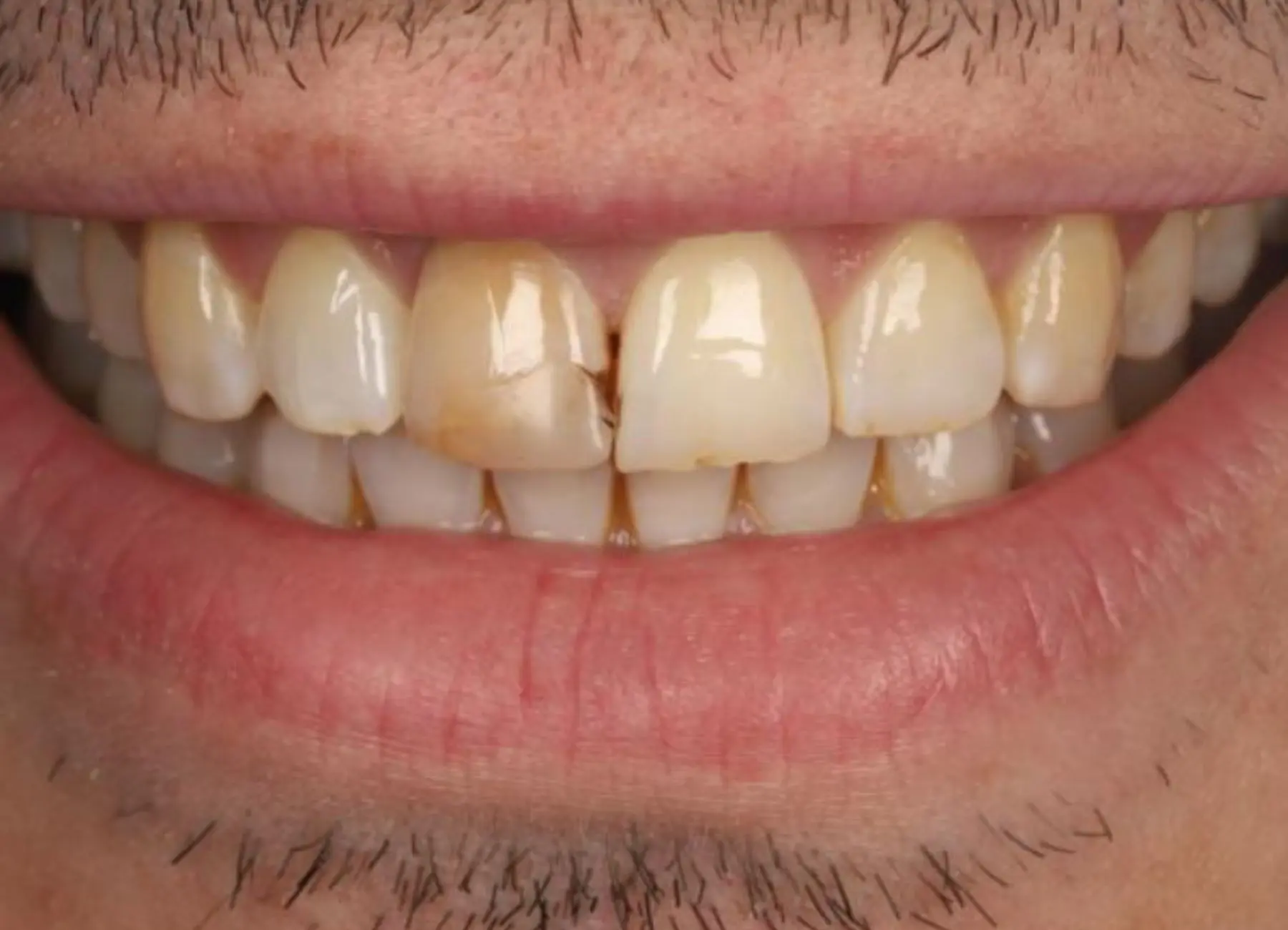
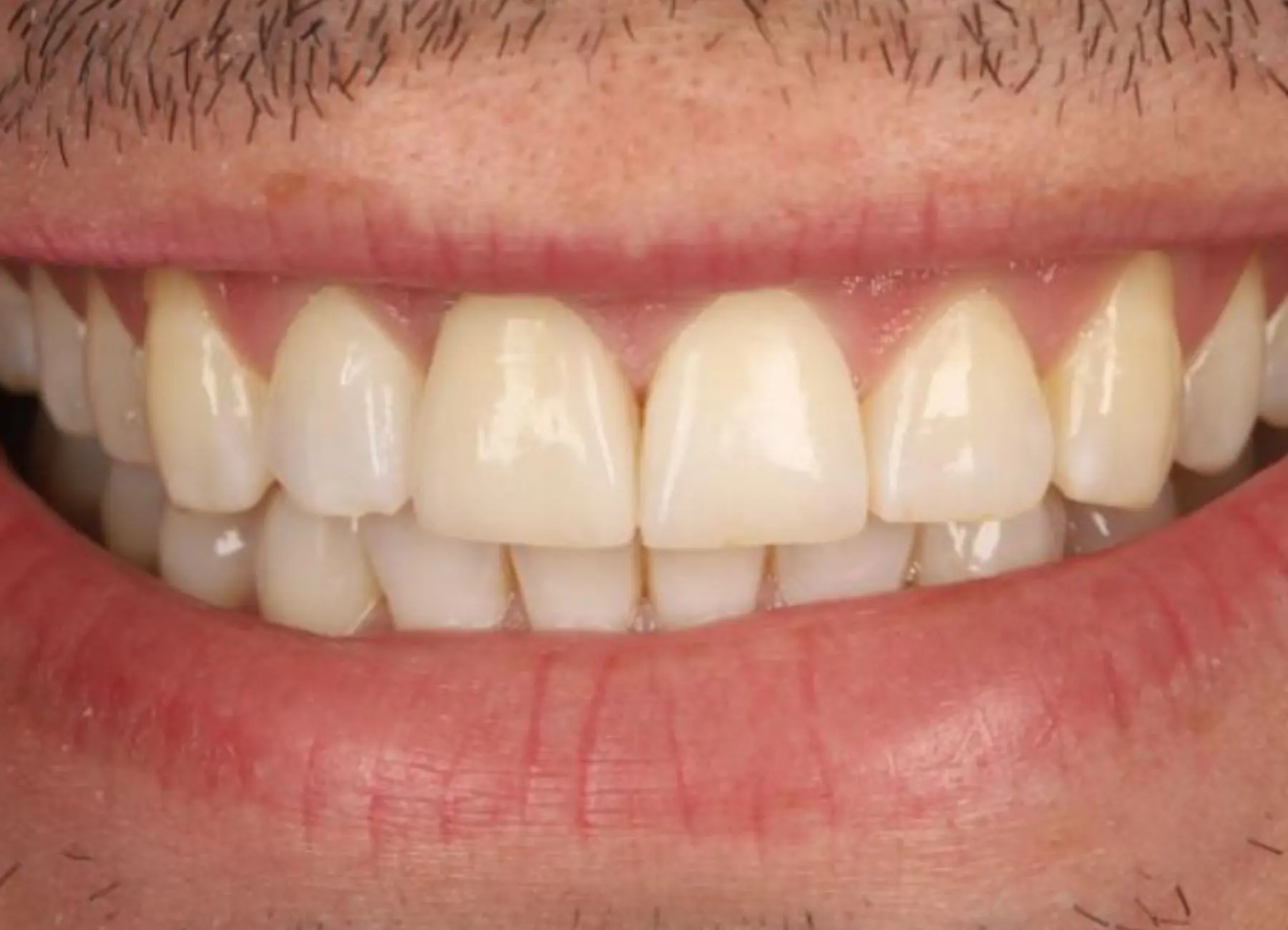
Composite bonding is a new, trending procedure that patients love and dentists approve.
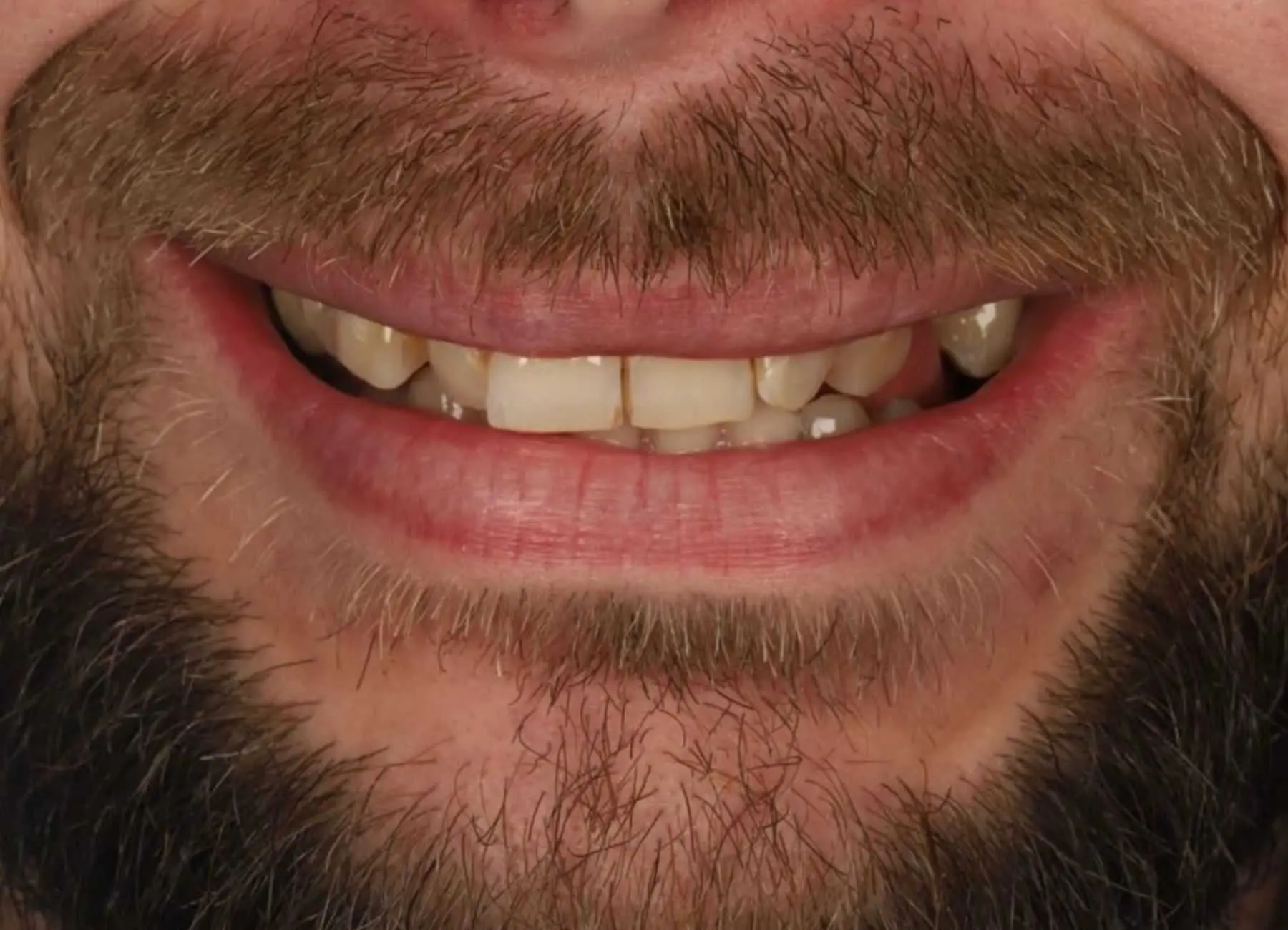
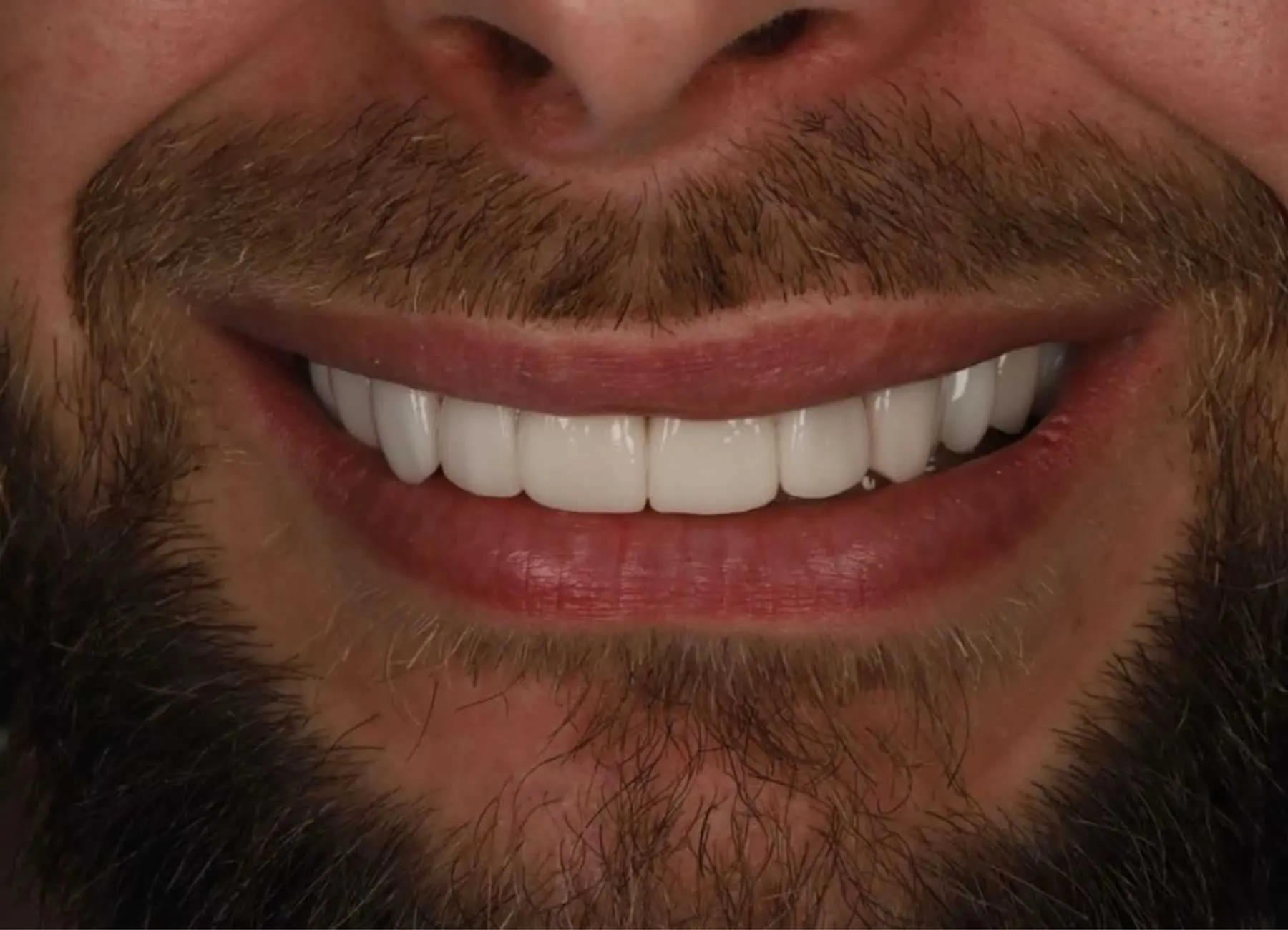
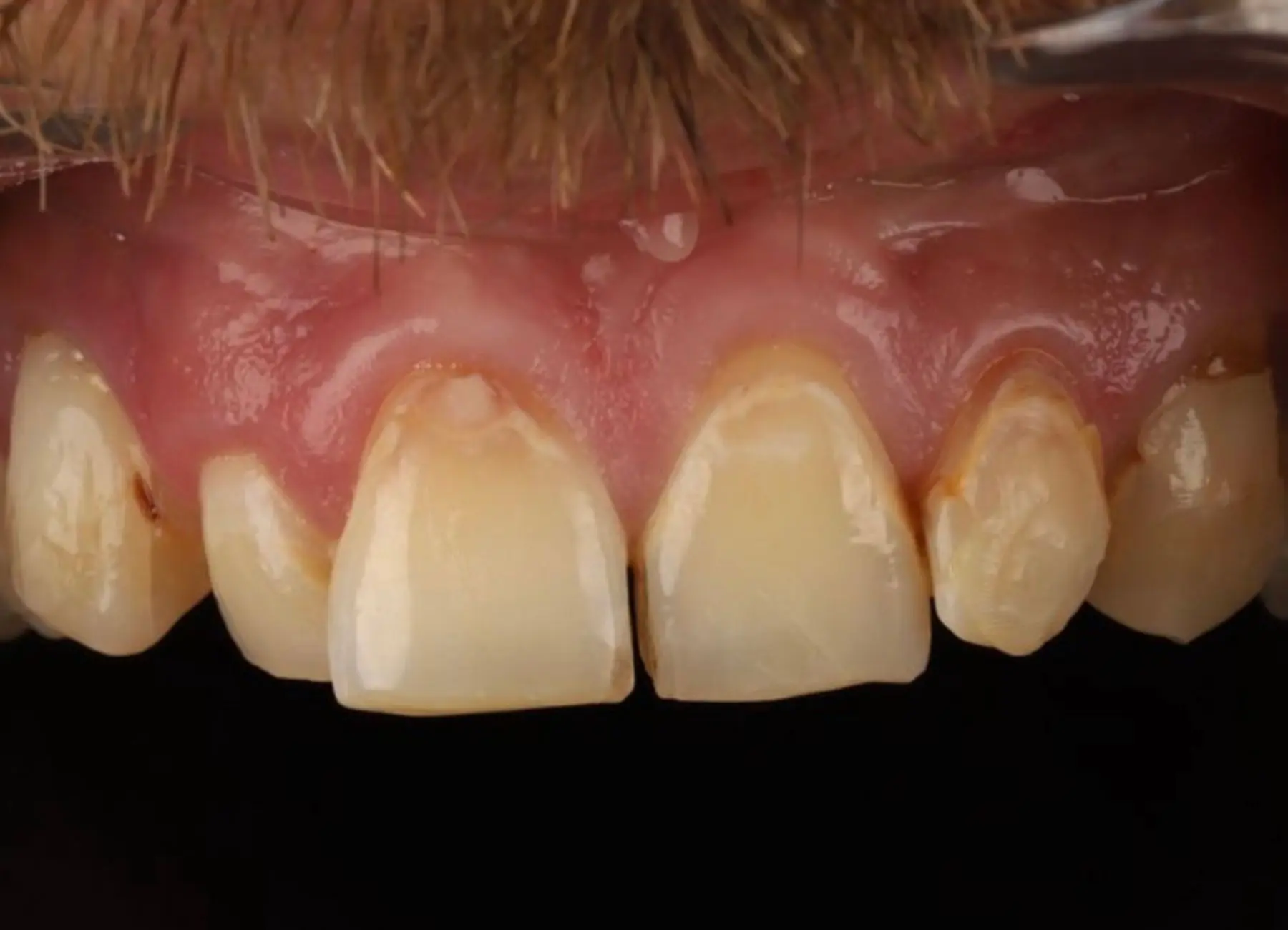
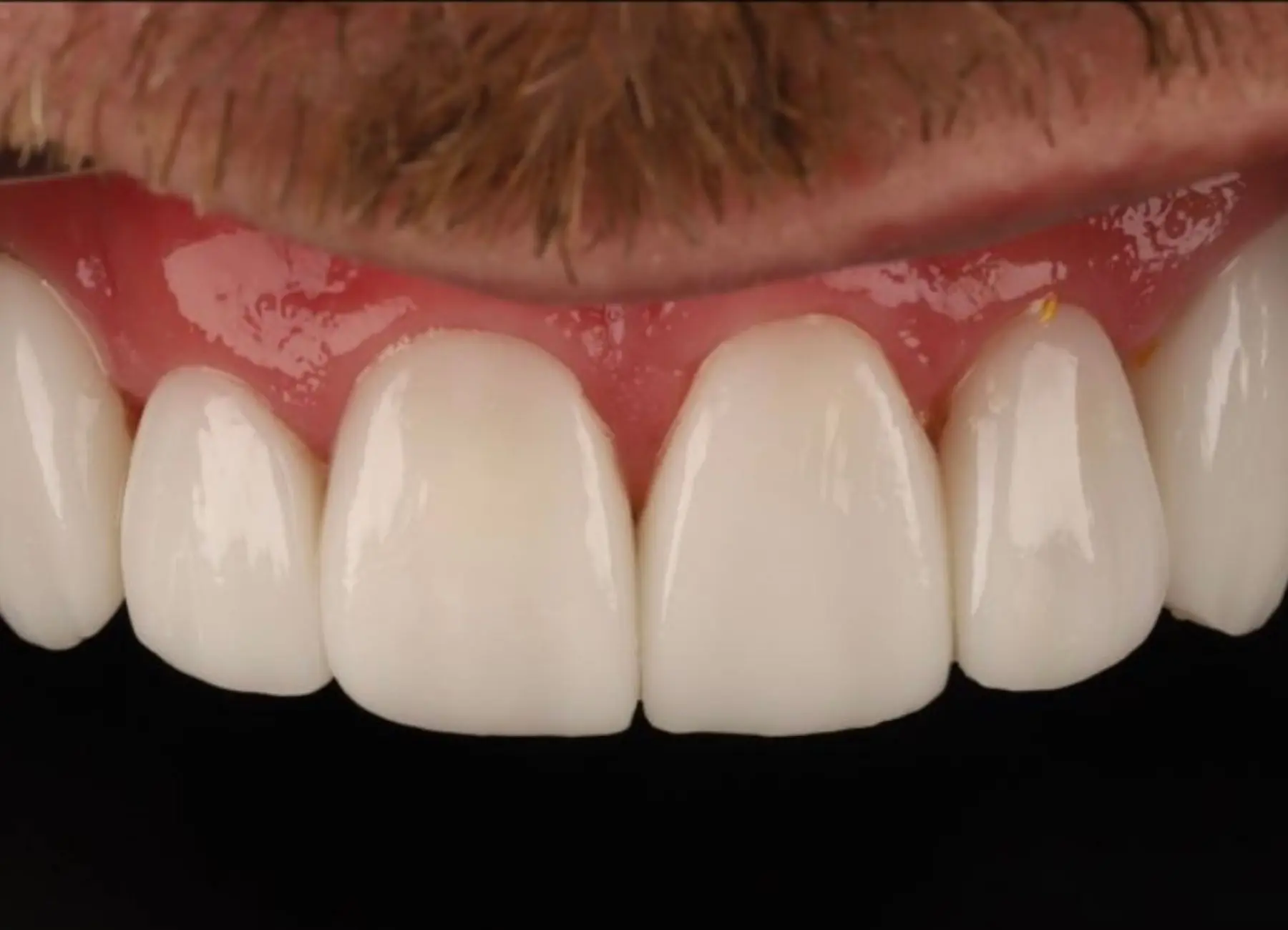
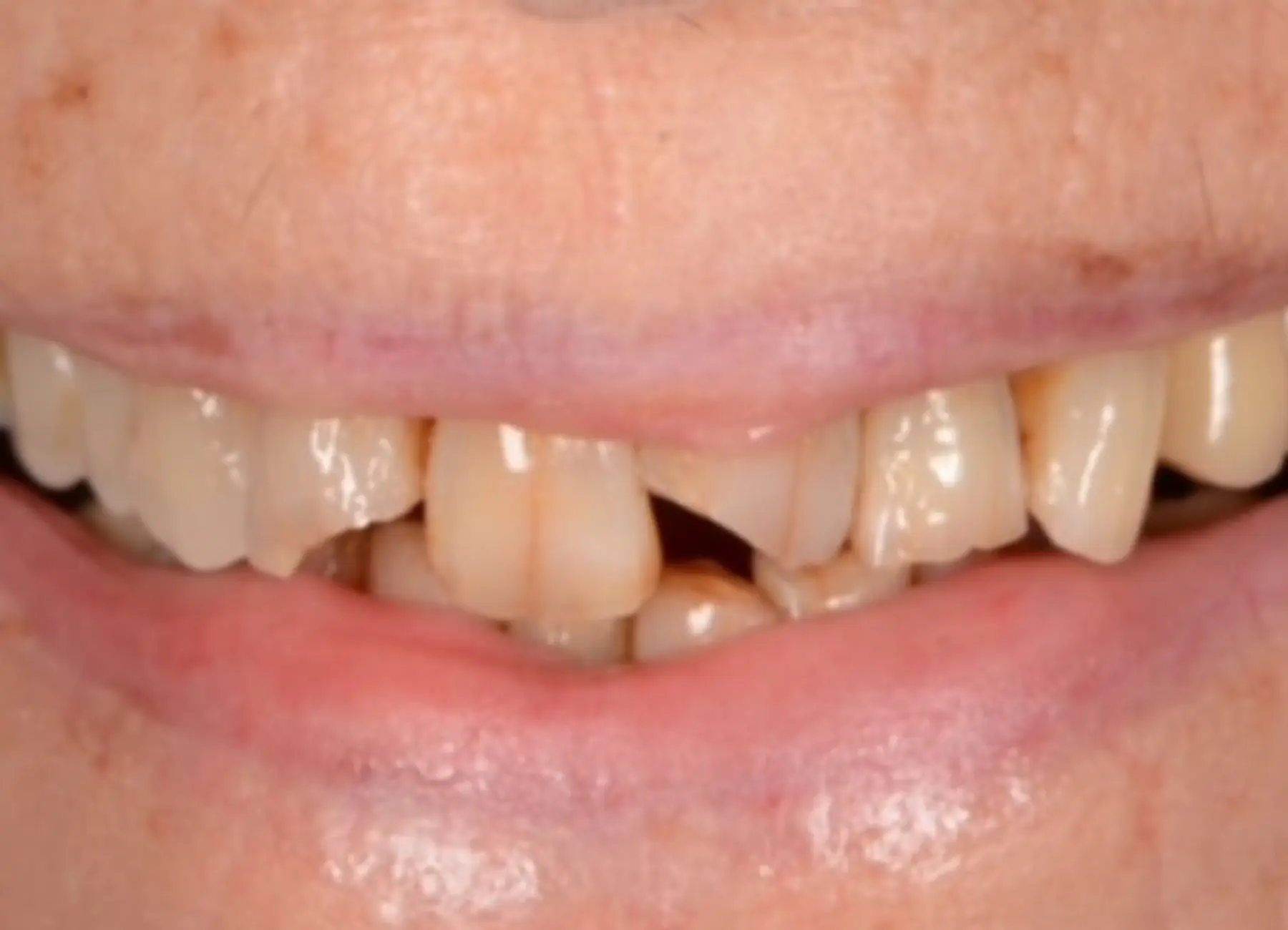
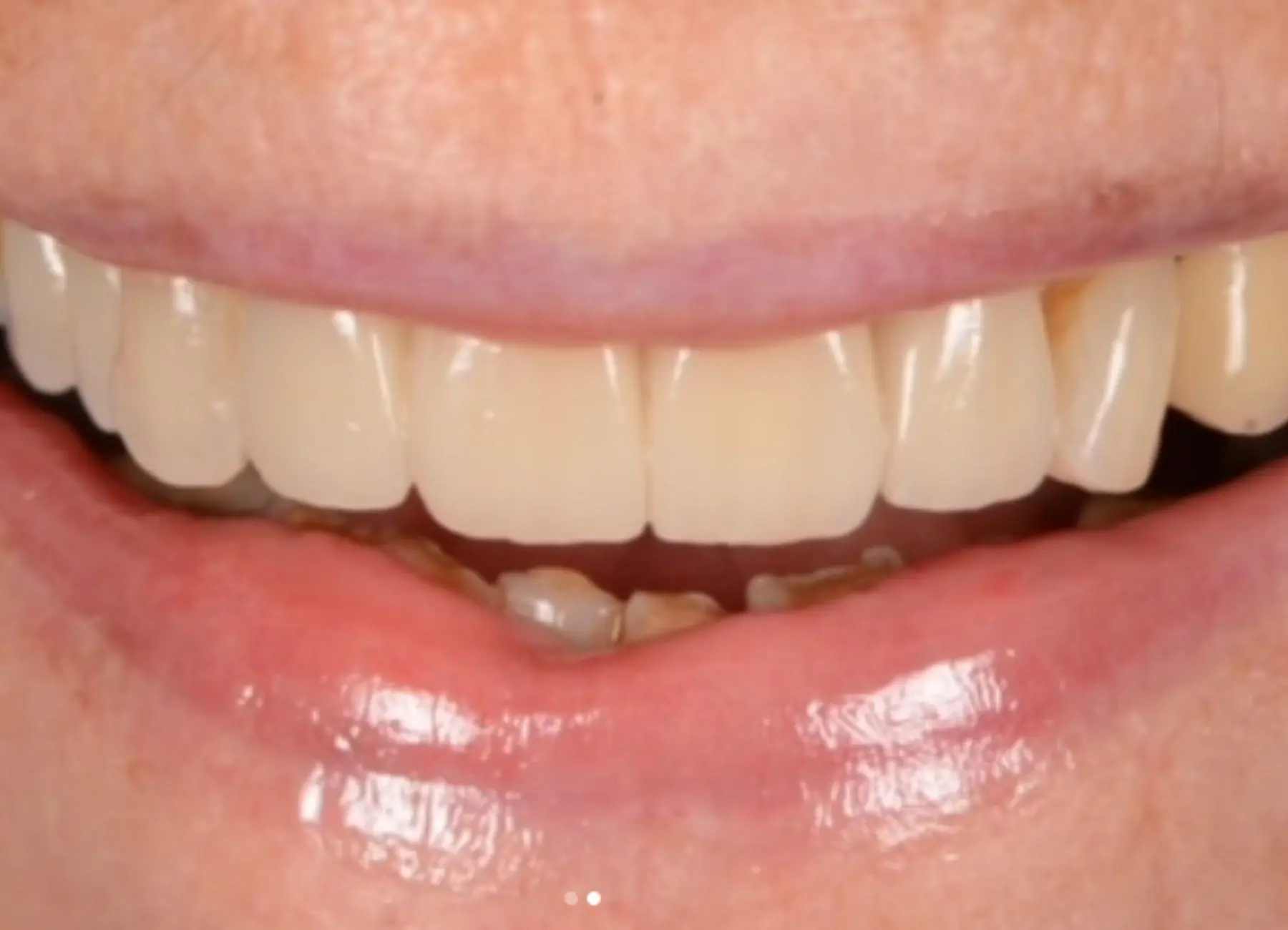
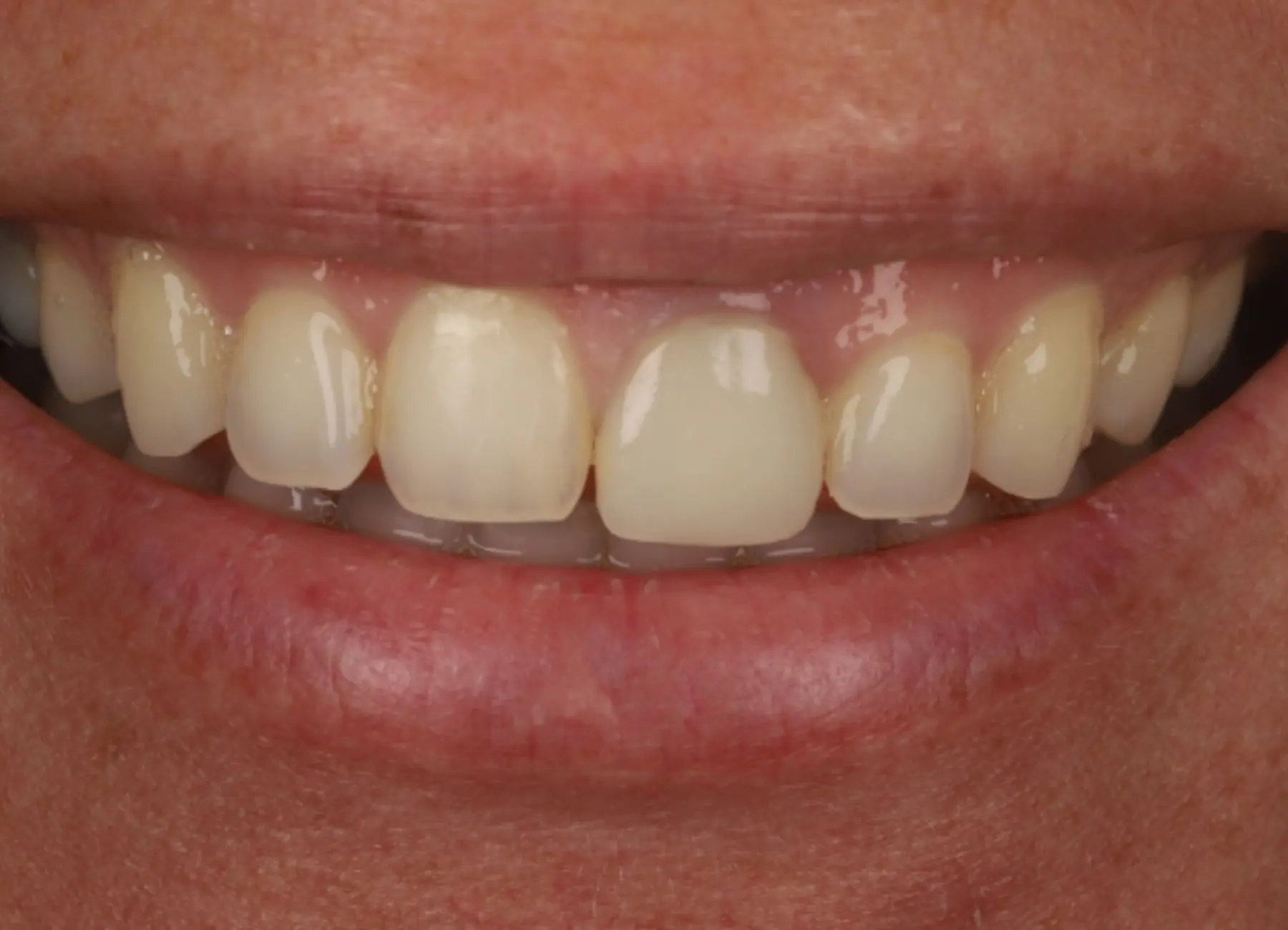
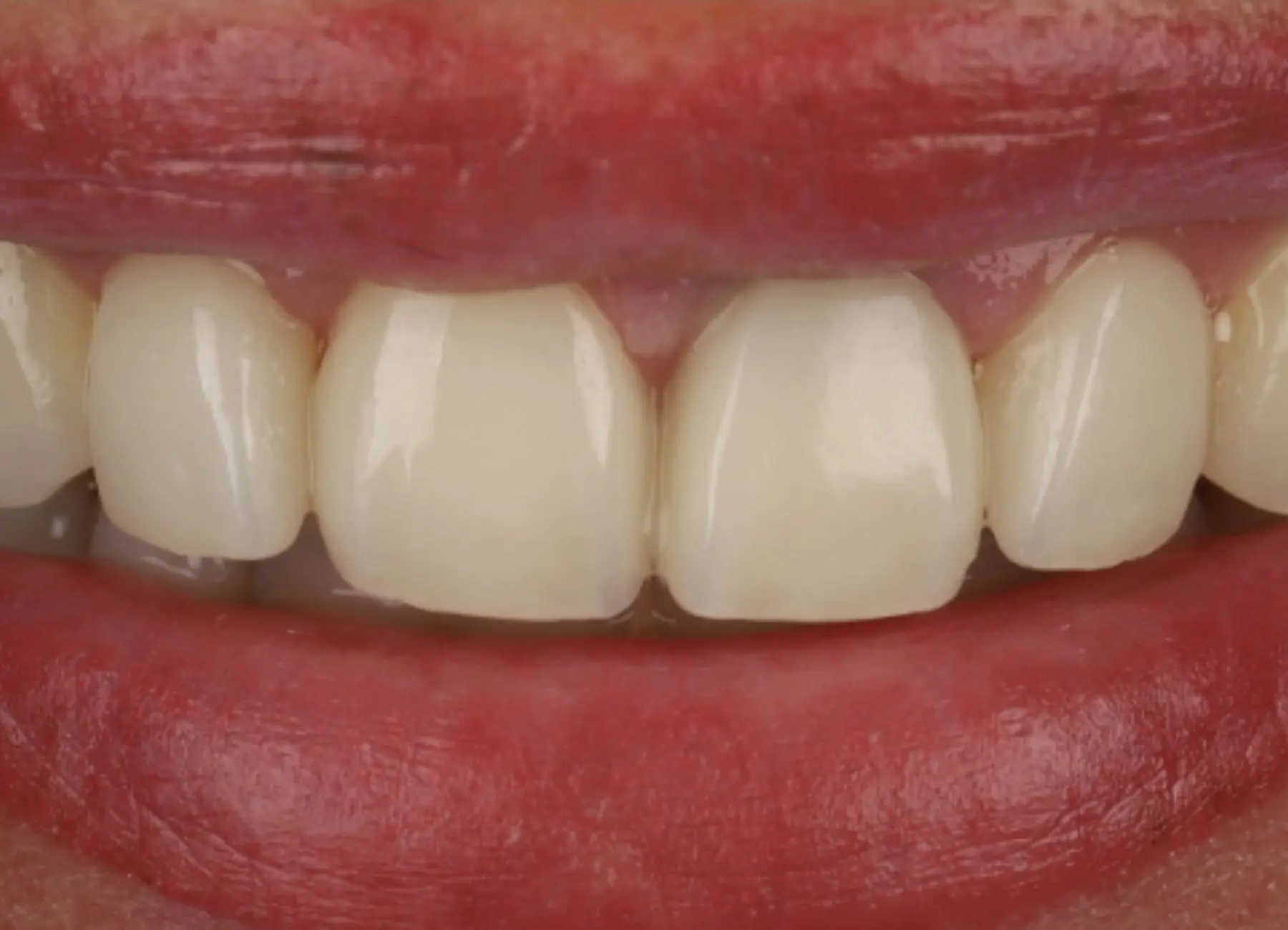
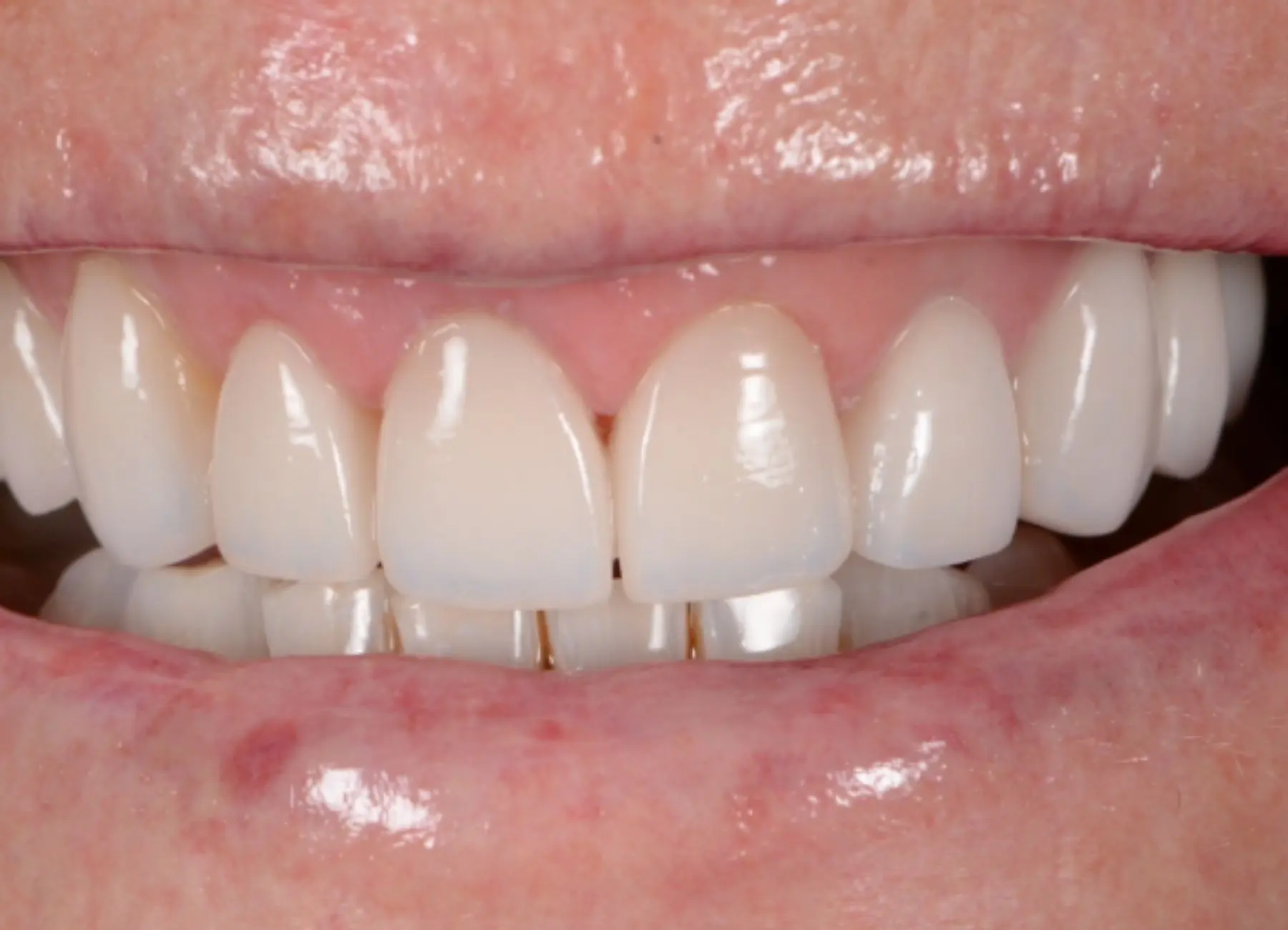
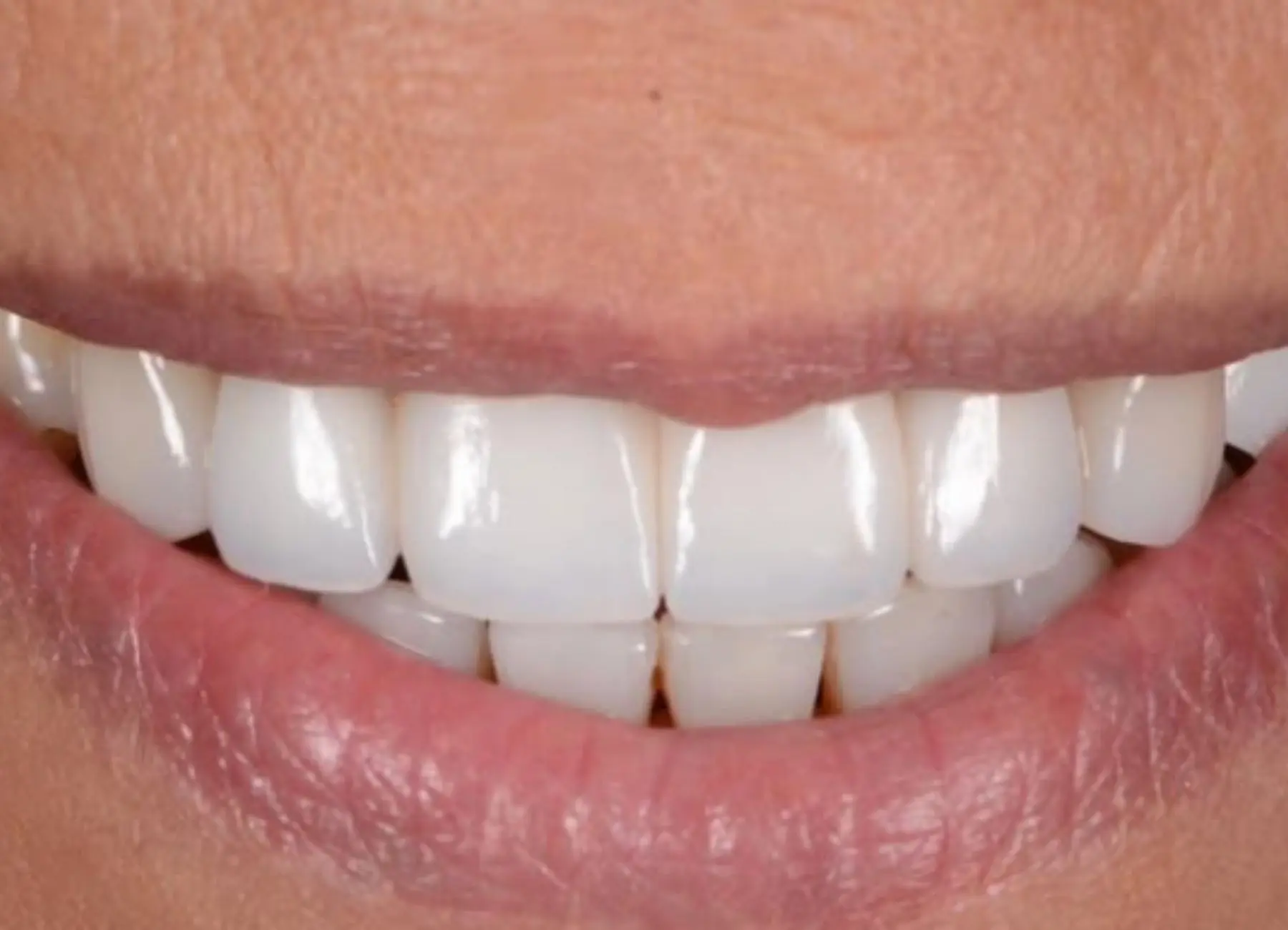
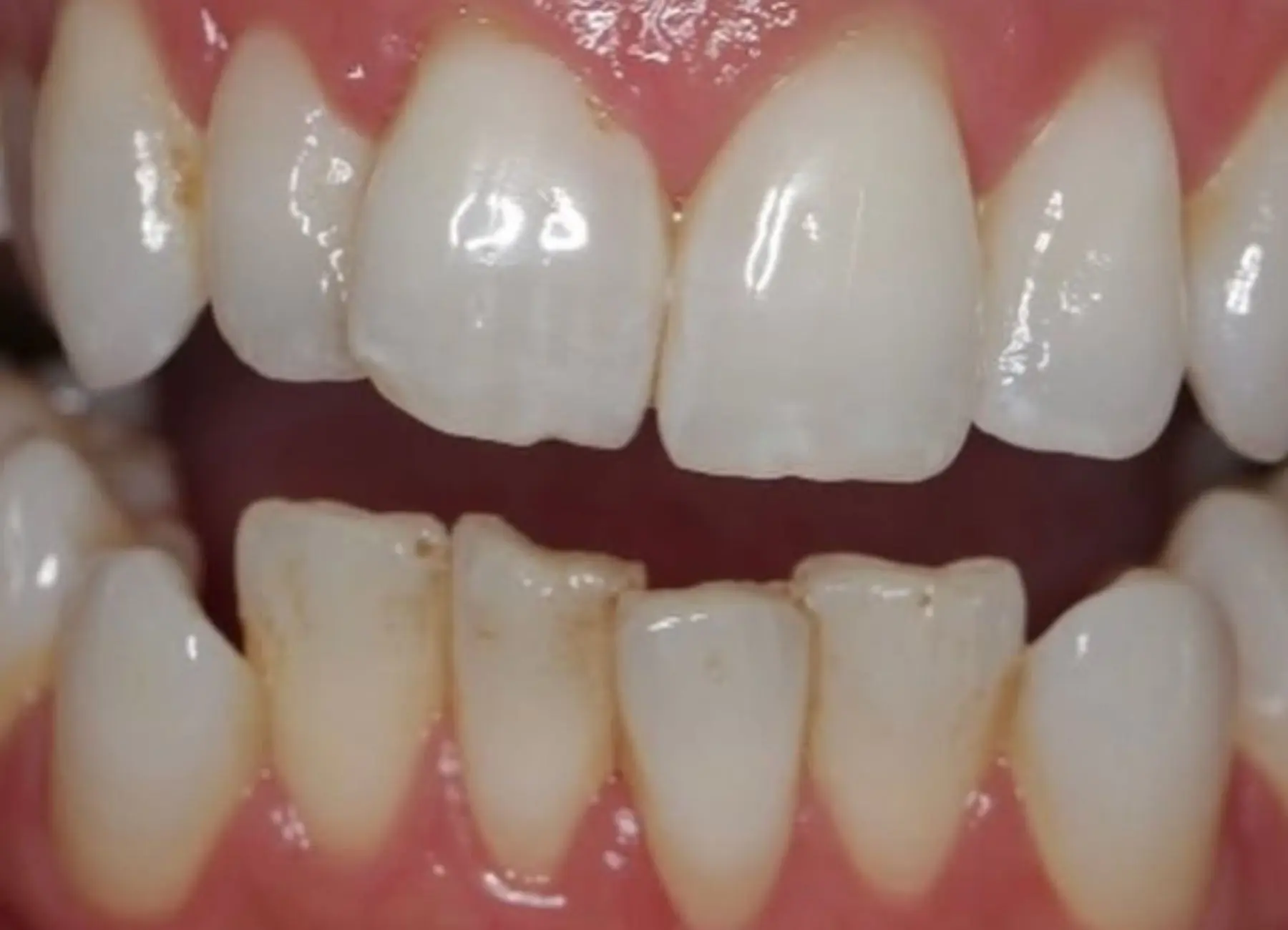
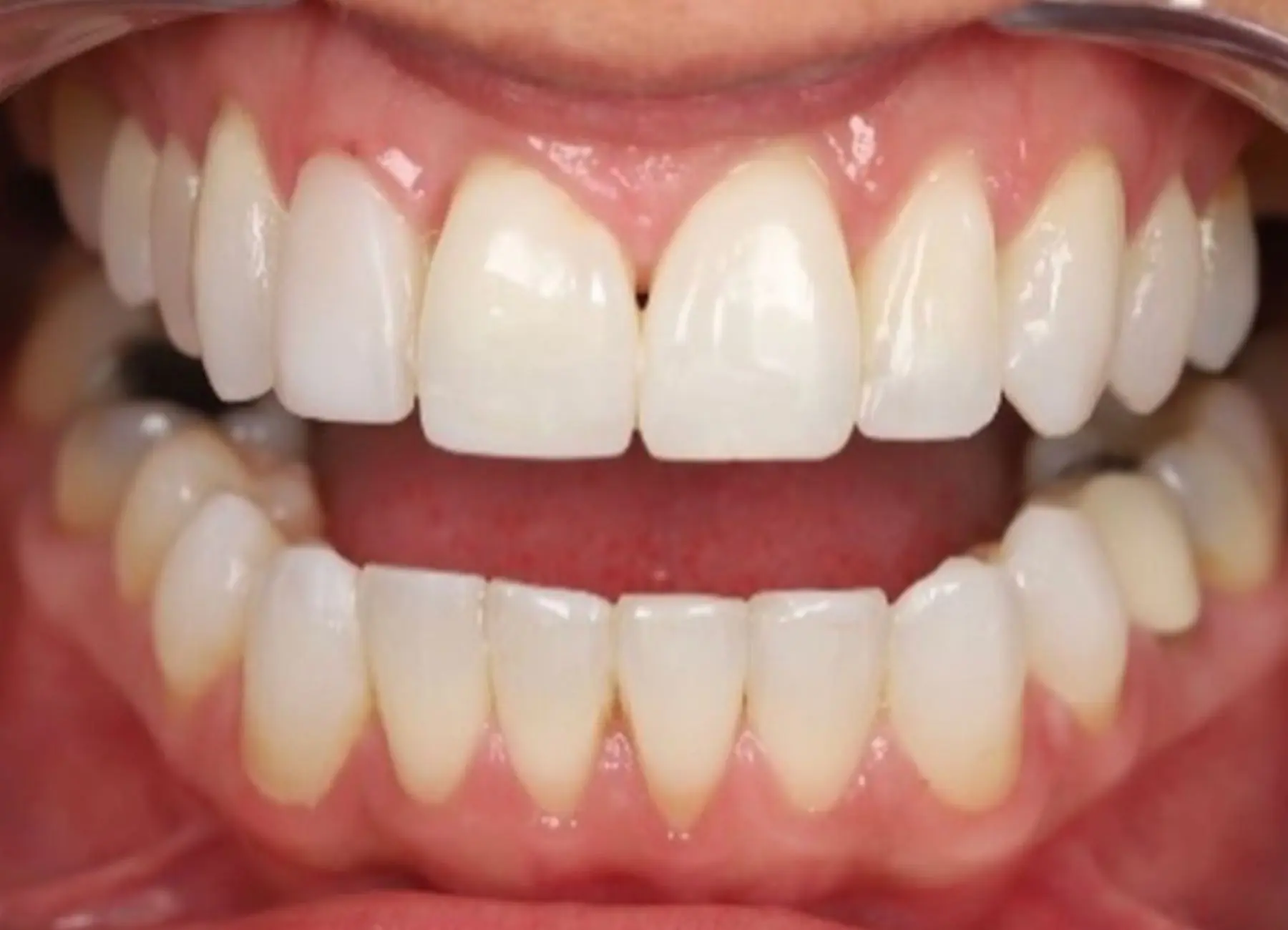
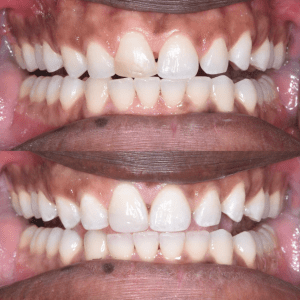
In the age of natural smile enhancements, composite bonding is leading the way – and if you’re sold on using it to makeover your smile, here are some things you should know about the procedure before you book in for it.
While the procedure offers several significant benefits and delivers natural-looking results, it will require more care than alternative treatments such as porcelain veneers.
Here are six things you might not have realised yet…

Not every patient is a suitable candidate
Although composite bonding is suitable for a variety of dental problems, it’s not recommended for certain patients. For example, if you suffer from some habits and diseases, like bruxism, tooth grinding, nail biting, teeth clenching and gum disease, it could limit your chance of receiving composite bonding.
For any patient, your teeth must be healthy before considering any cosmetic treatment. Your underlying teeth must be protected and serve as the foundation for your cosmetic work, which ultimately dictates how long your treatment lasts.
Our cosmetic dentists will assess your teeth during a consultation to determine whether you are immediately eligible for treatment, or if you need a pre-procedural step, such as a few hygiene cleans or restorative work, to ensure your teeth are strong and healthy enough to withstand aesthetic procedures.
It’s not always reversible
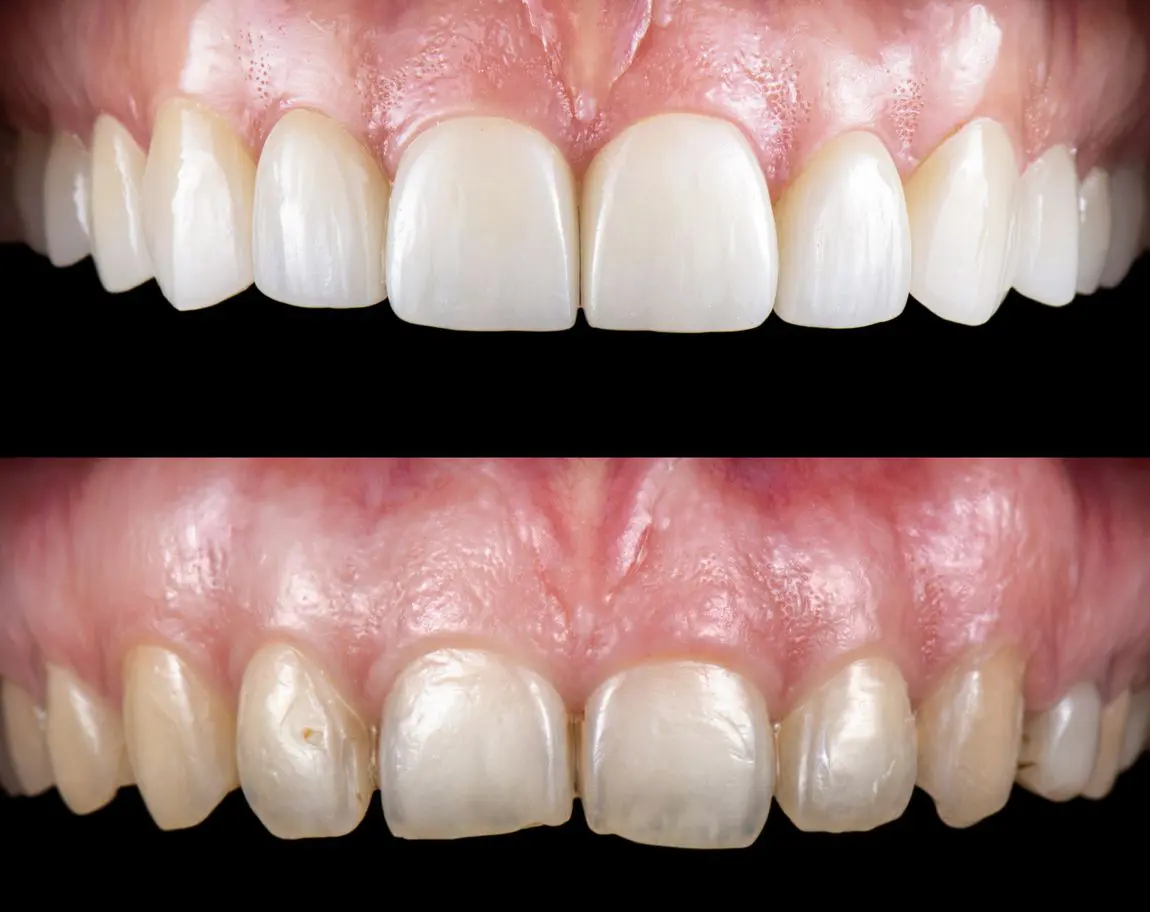
Composite bonding is mostly a reversible procedure, which is one of its best benefits, because it makes no permanent or lasting changes to your underlying tooth structure, which forces you to maintain your treatment for the rest of your life.
However, depending on the dentist you choose, their experience, skill set, and technique, composite bonding may not be fully reversible.
While the procedure will always remain to be minimally invasive, in some cases, it might require some removal of the tooth’s enamel to ensure the resin adheres properly – and that’s permanent.
Please consult your cosmetic dentist to confirm whether the changes to your smile are reversible.
They’ll need to be replaced in future
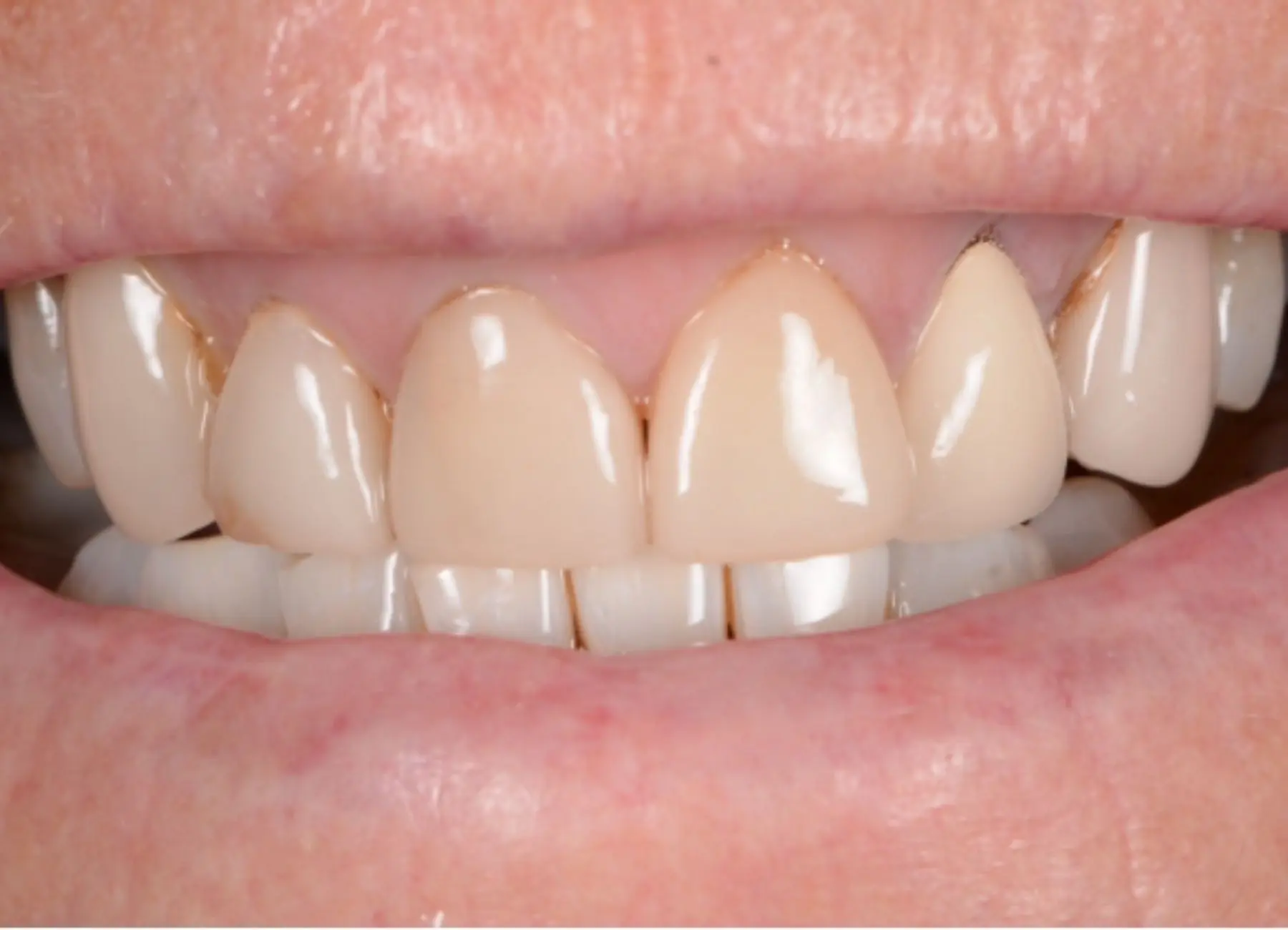
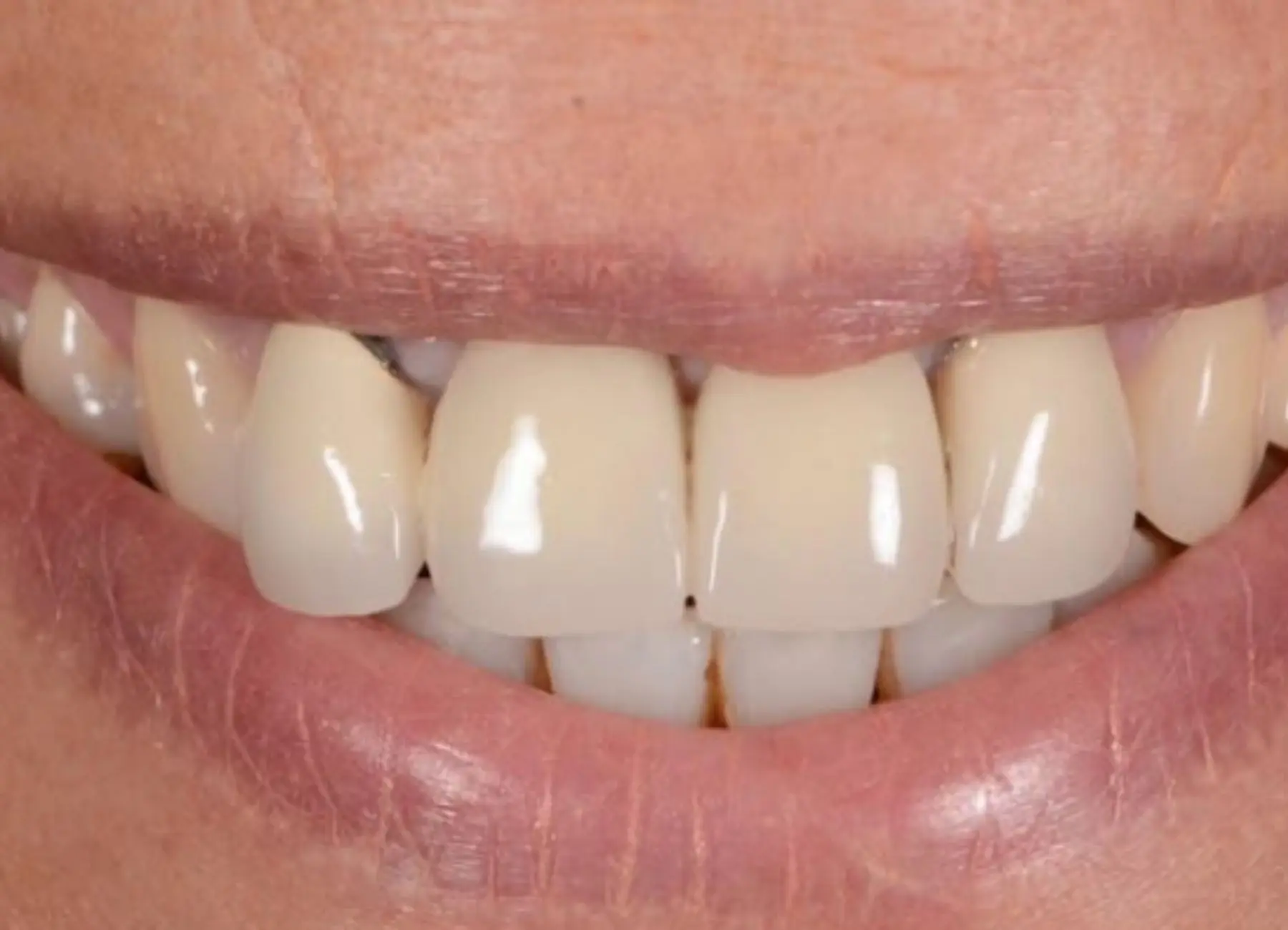
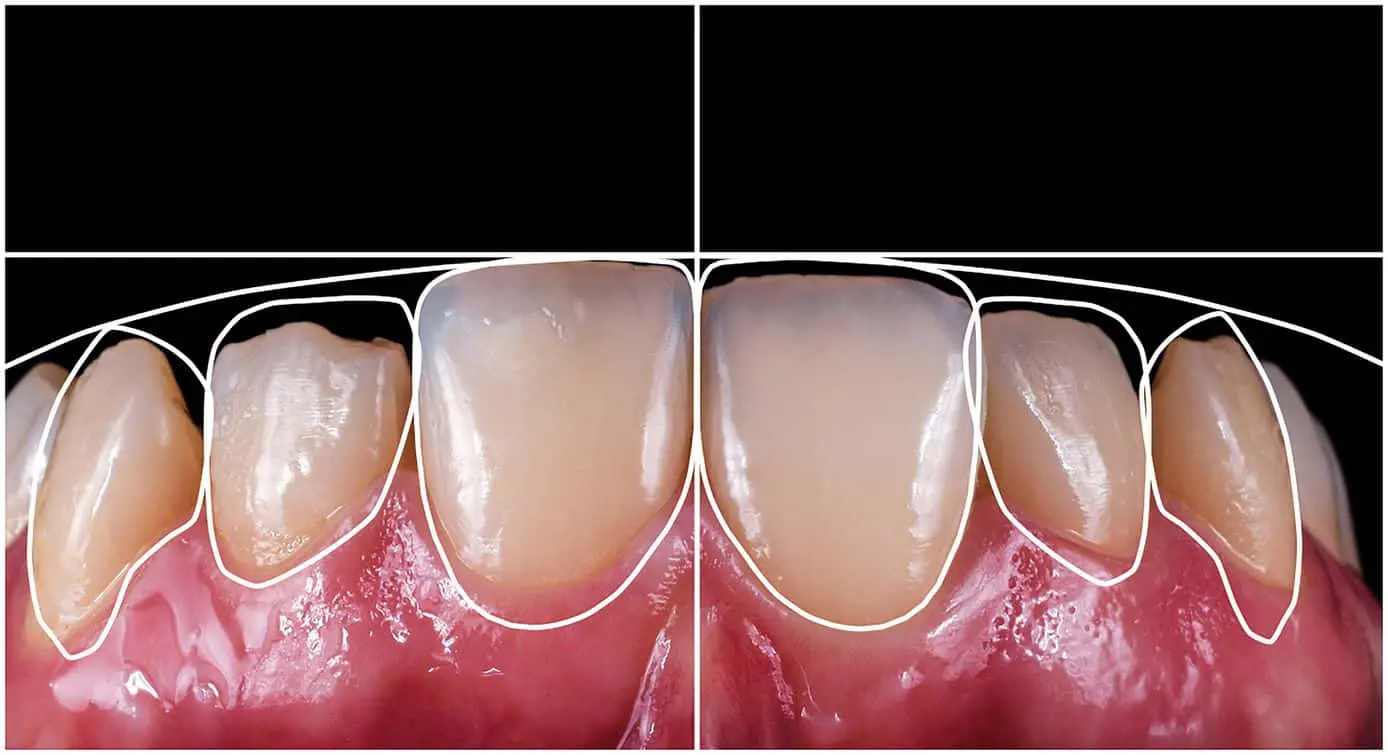
Composite bonding is a durable and effective solution to improve your smile, but its effects won’t last forever. Over time, the composite resin material will begin to wear down, chip and even discolour.
Unlike porcelain veneers, it’s not chip- or stain-resistant, so if you enjoy beverages and foods that stain, such as coffee, you may need to limit your intake to keep your smile looking fresh for longer.
While composite resin can last 10 years, you may notice signs of wear depending on your oral hygiene, lifestyle, and the number of dental visits you have. Please note that you’ll need to have your bonding touched up or replaced in the future to maintain the appearance you first saw.
That said, composite bonding is easy to repair, renew, or replace, and it is affordable.
Read next: How long composite bonding lasts.

The procedure is not painful
Some patients might avoid cosmetic procedures because they fear they will be painful or frightening.
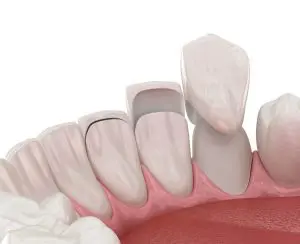
However, with composite bonding, this couldn’t be further from reality. It’s generally considered a painless procedure, with most cases requiring no anaesthetic or injections. This is because it’s hand-sculpted on top of your existing teeth chairside. It involves no tooth reduction; instead, it adds material to your tooth to change its shape and size.
Only in rare cases, where you have overly crooked teeth or thickness, may the underlying tooth have to be trimmed prior.
It’s not as expensive as you might think
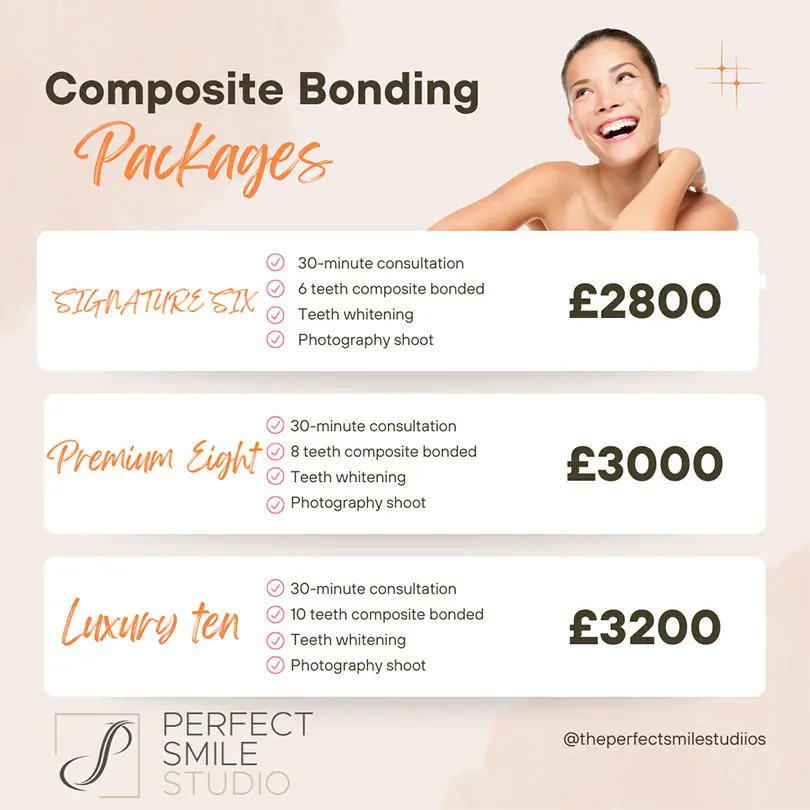
Composite bonding is the least expensive cosmetic treatment, costing about 75% less than veneers.
Composite bonding is charged per tooth and is highly cost-effective, allowing patients to touch up a few teeth at a time.
For example, at our clinic, composite bonding costs £300 per tooth, and you can use 0% dental finance to spread the cost of your final treatment bill.
You’ll have to be careful of staining it
As noted above, composite bonding is susceptible to staining. But what you might not realise is that your bonded teeth cannot be whitened.
The resin material does not respond to whitening agents the same way as natural tooth enamel does, so if your bonded teeth become stained or discoloured over time, they’ll have to be touched up or replaced to restore their appearance.
To maintain dental bonding, commit to good oral hygiene and avoid staining foods and drinks.