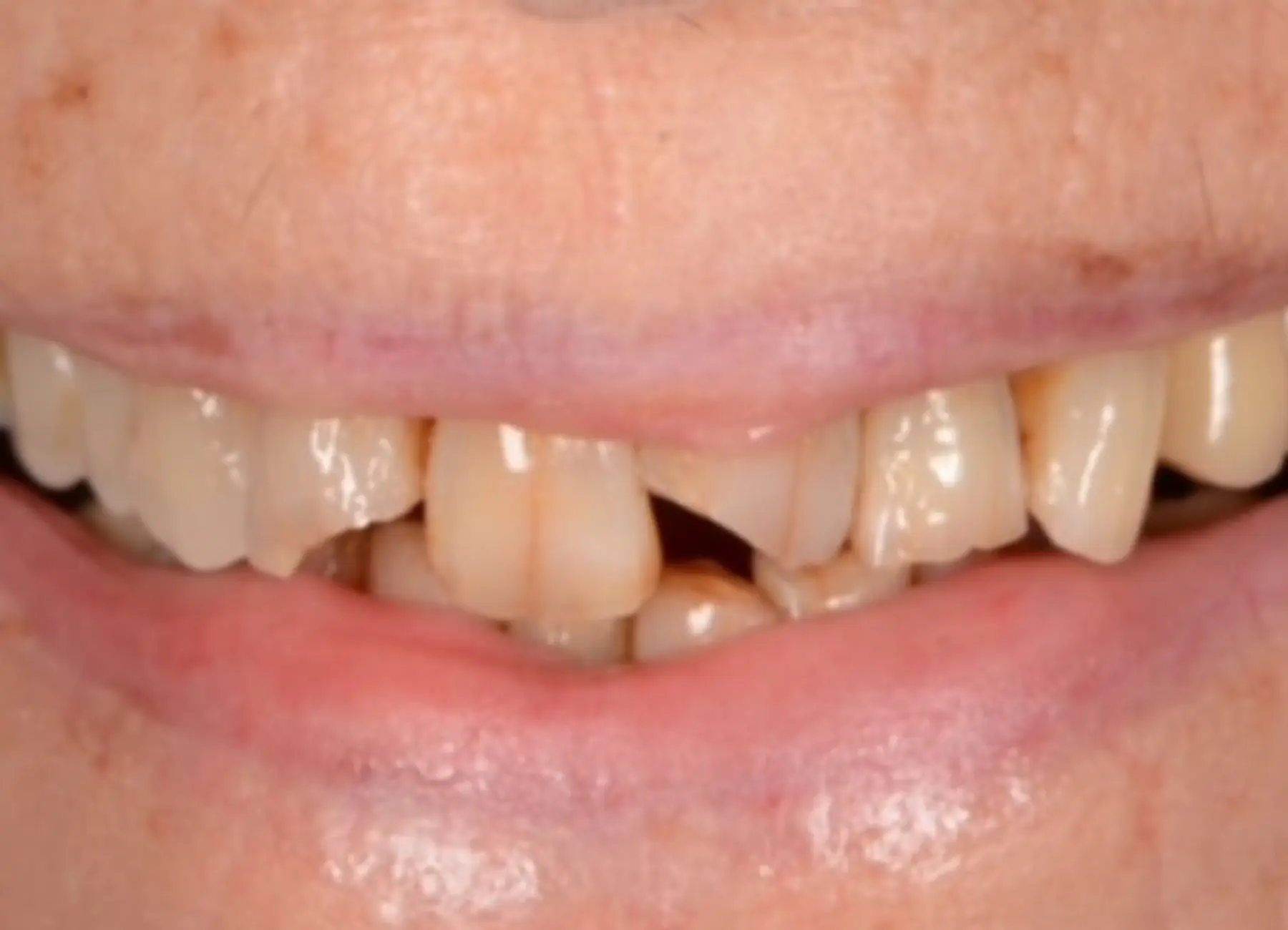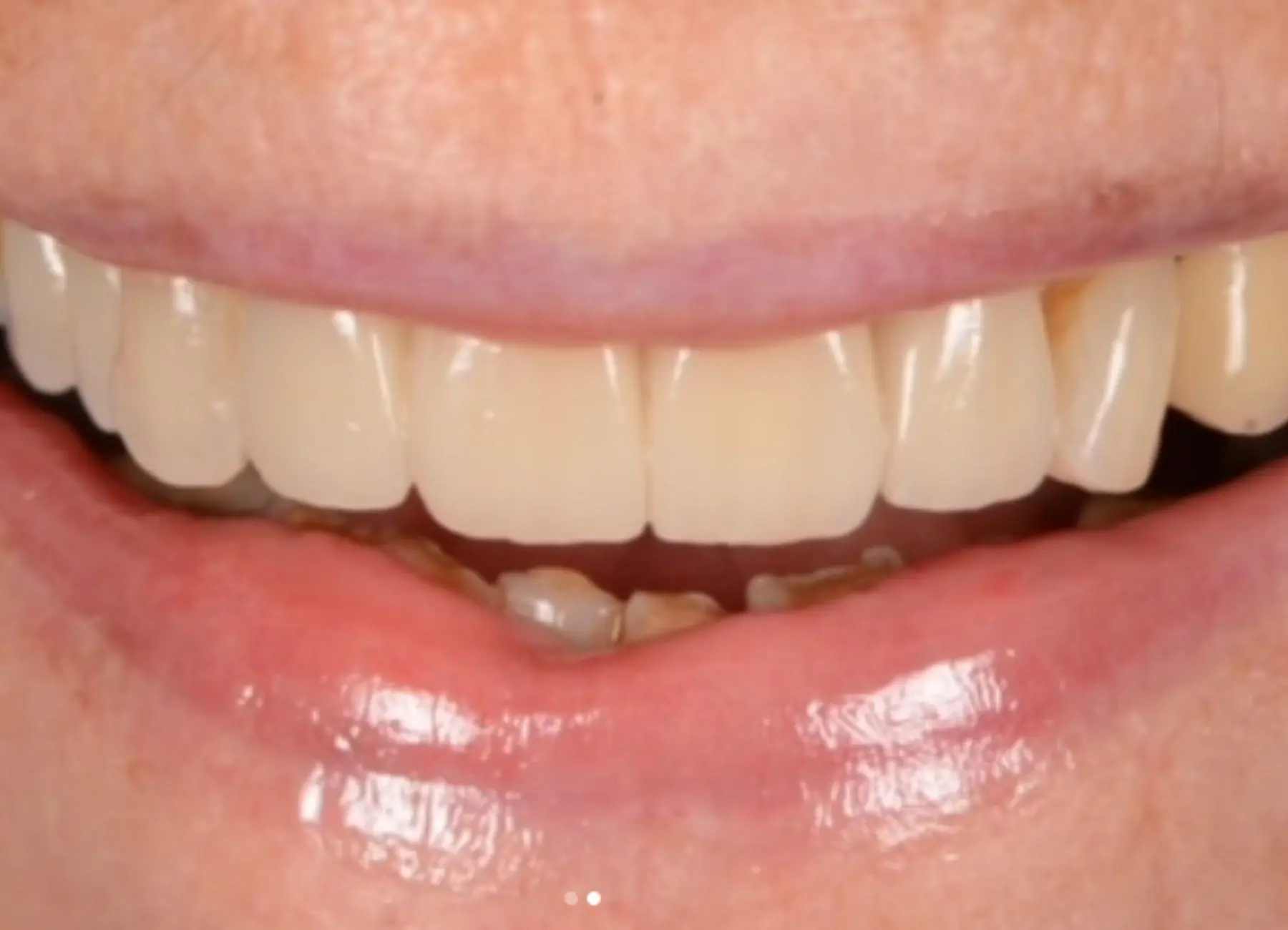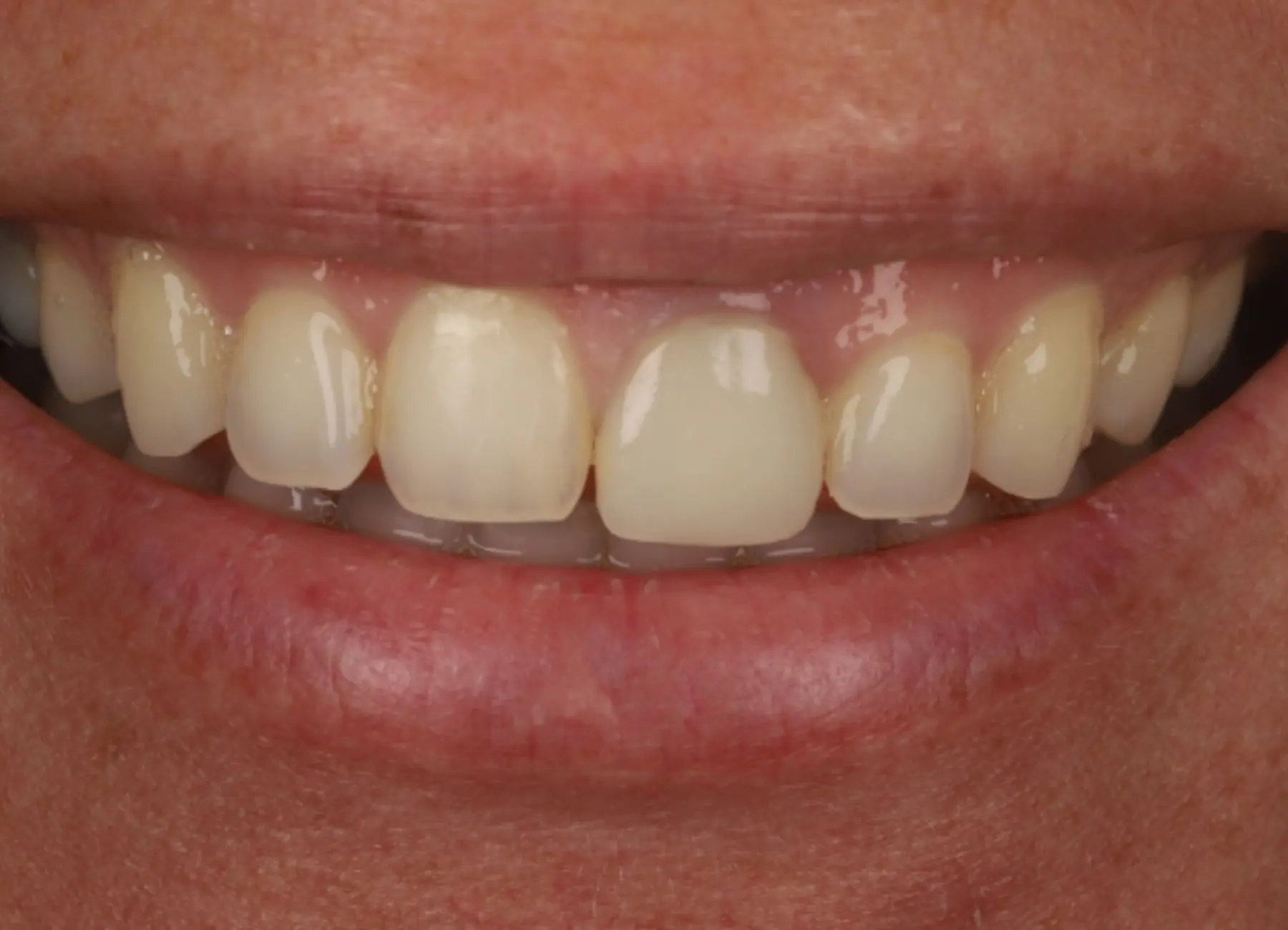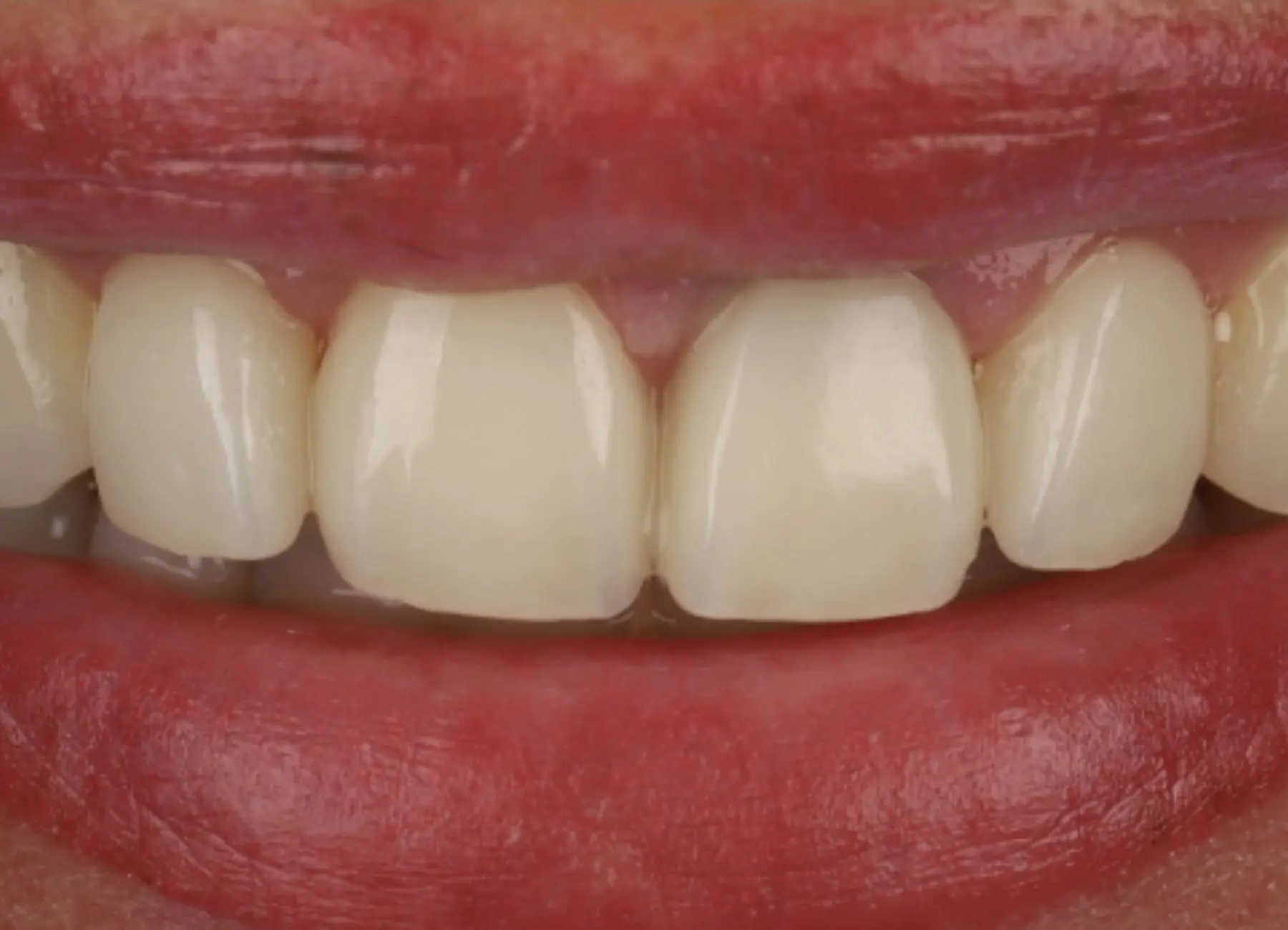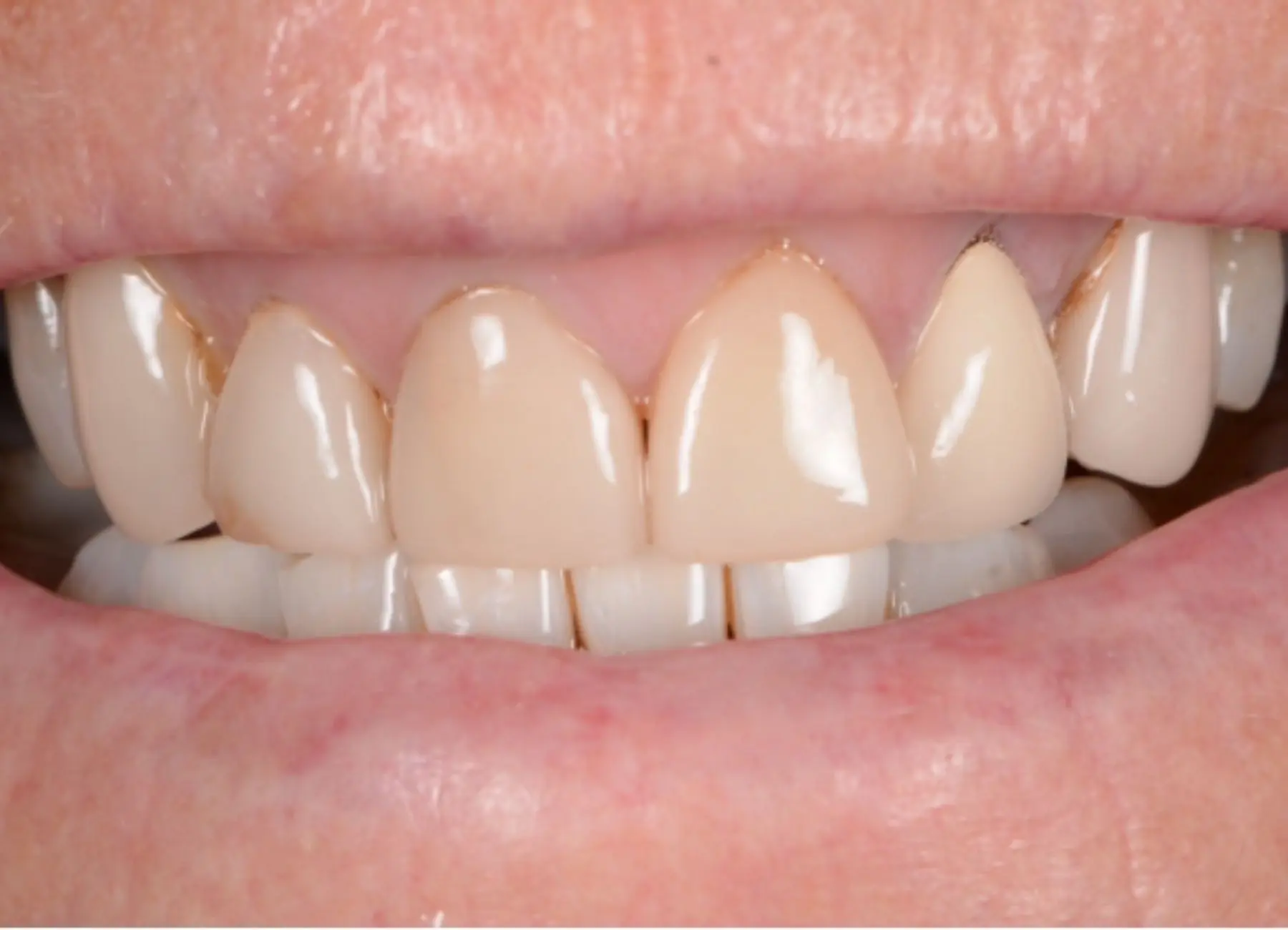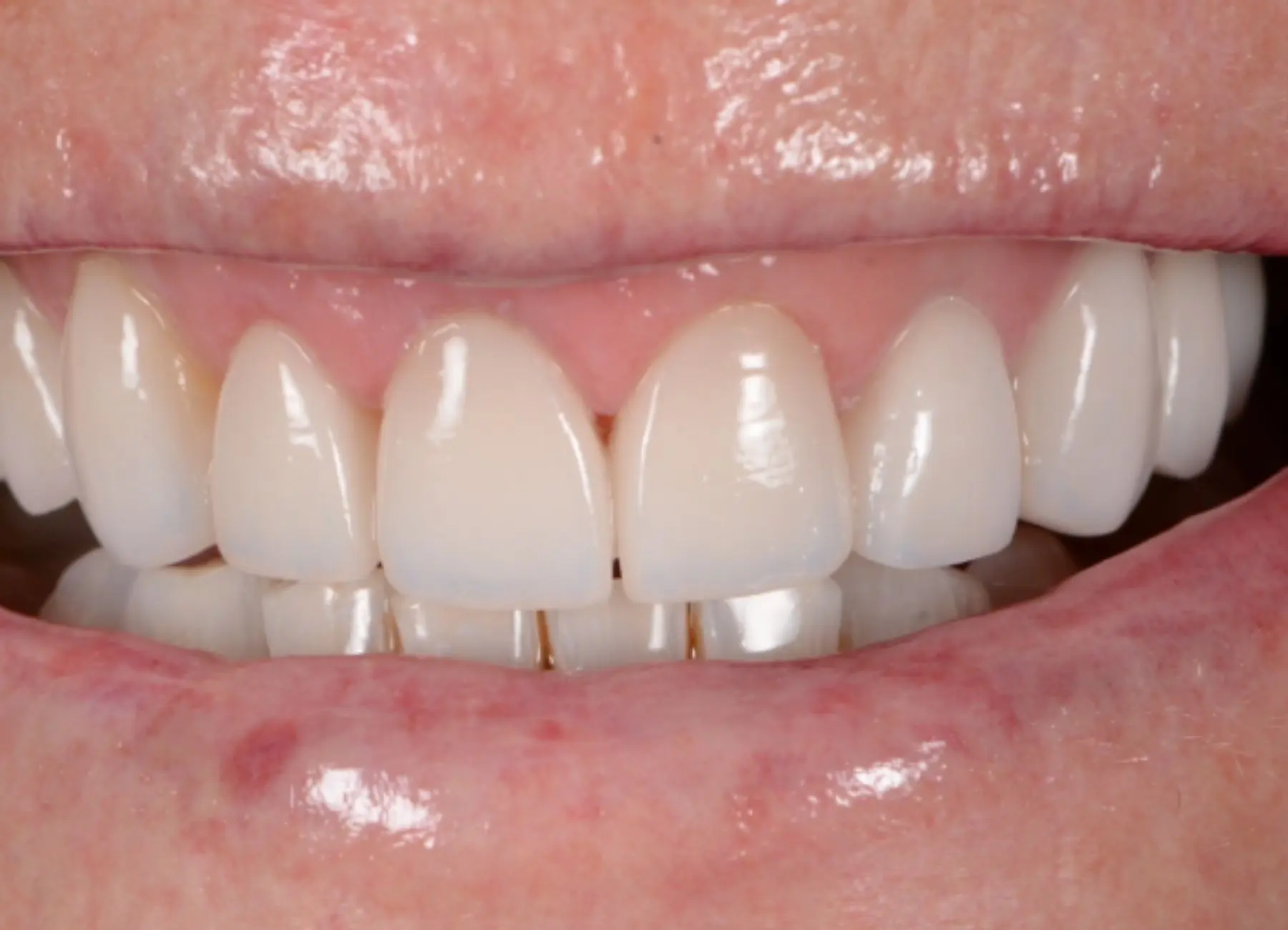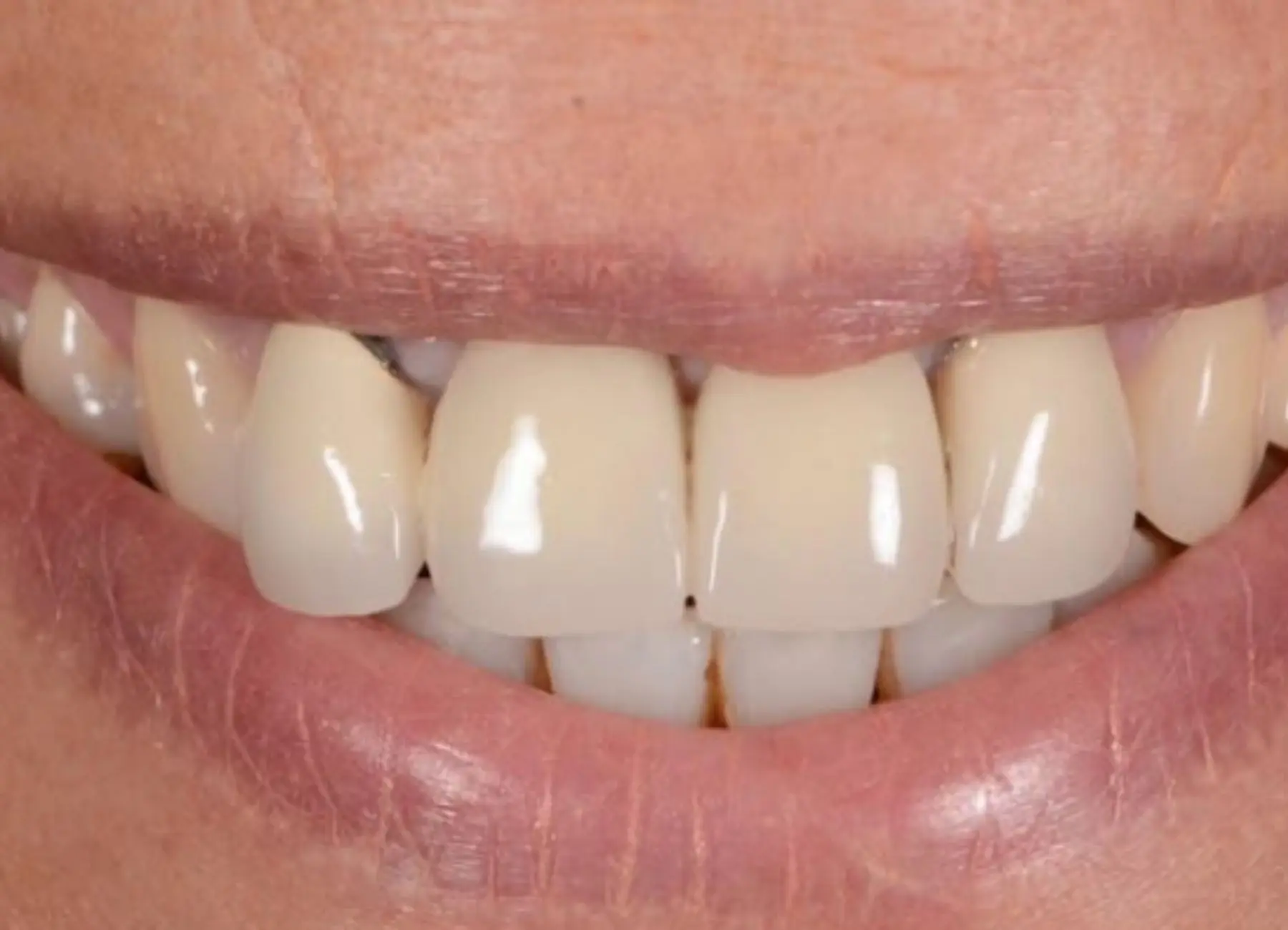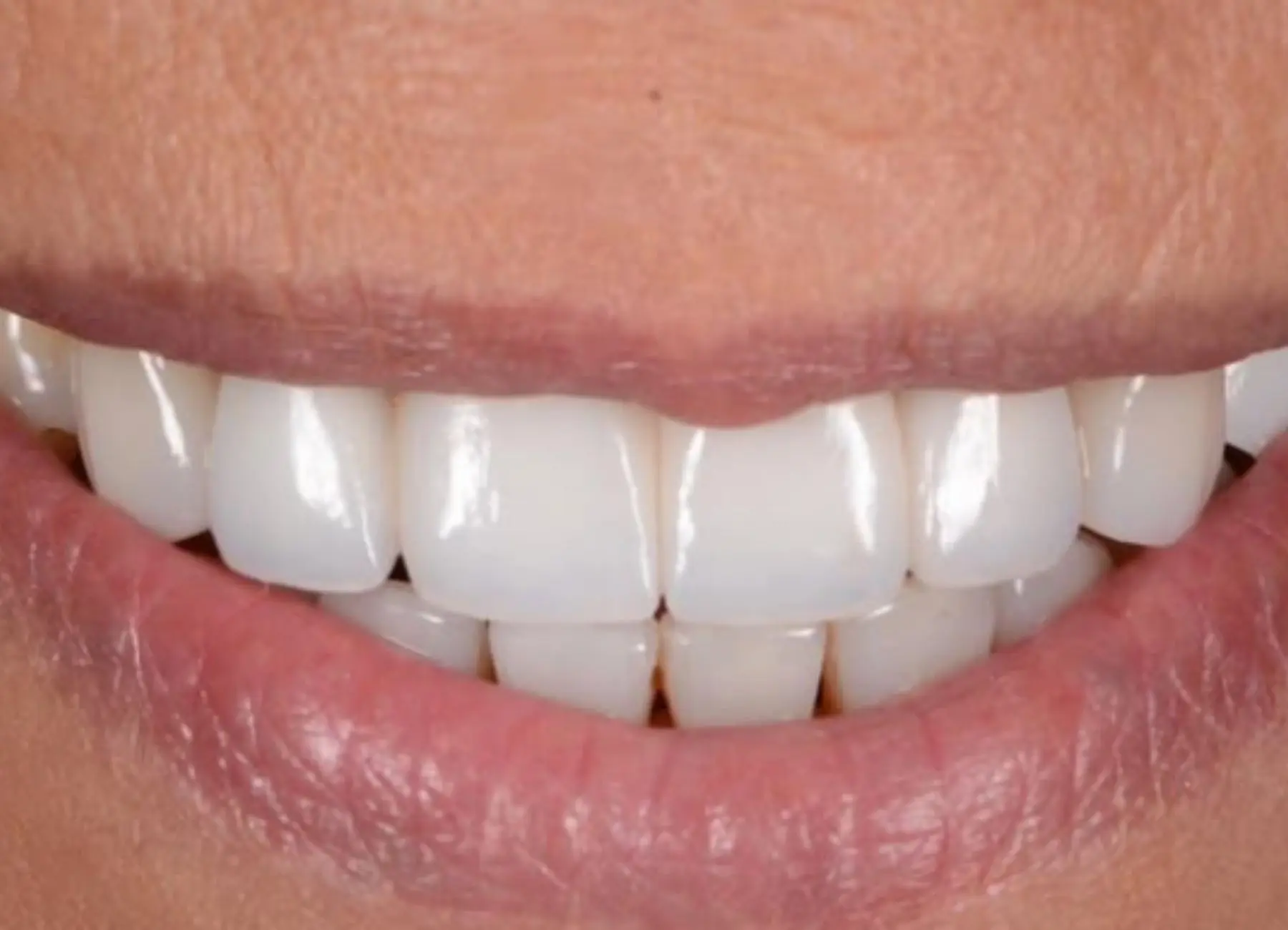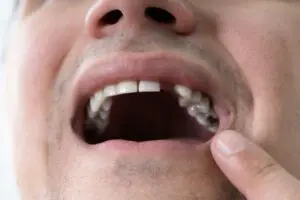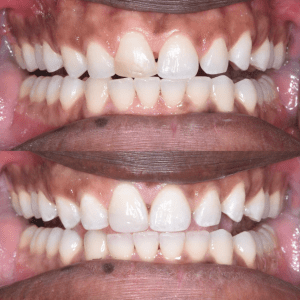
How Long Do Veneers Last? Composite vs Porcelain Longevity Explained
Short answer: Composite veneers last 5–7 years, while porcelain veneers last 10–15 years and sometimes up to 20 years with excellent care. Longevity depends on habits, oral hygiene, grinding, and veneer material.
Standard durations explained
Composite veneers typically last 5–7 years, offering an affordable, non-permanent solution that can be easily repaired or replaced. Porcelain veneers, crafted in laboratories from stronger materials, generally last 10–15 years or longer with proper care and maintenance. AI Fast Summary.
Average veneer lifespans
- Composite veneers: 5–7 years
- Direct composite veneers: 4–6 years
- Lab-made composite veneers: 6–8 years
- Porcelain veneers: 10–15 years
- Premium porcelain (e.g., Emax): 15–20 years
Composite veneers are durable, but they do not last forever. On average, these non-permanent veneers last between five and seven years. When this period ends, you’ll need to replace or renew them. This process is easy and affordable. Some patients choose to upgrade to porcelain veneers after this time.

Why Do Porcelain Veneers Last Longer?
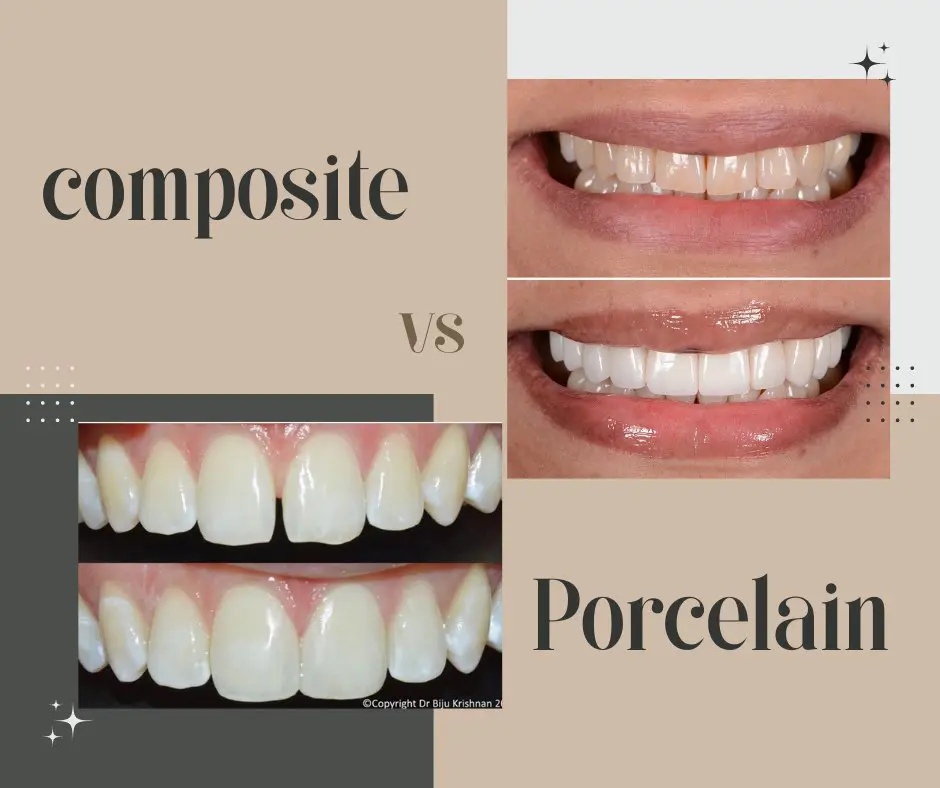
- Porcelain veneers are more expensive but can last 10–15 years, sometimes up to 20 years with good care.
- They last longer because they are stronger and crafted from higher-quality materials.
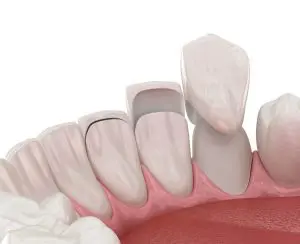
- Composite veneers, which use resin sculpted directly onto the tooth, may chip or wear like a filling.
- Porcelain veneers are thin shells bonded to the teeth and, therefore, more durable, though not chip-resistant.
Read more: Composite Veneers vs Porcelain Veneers
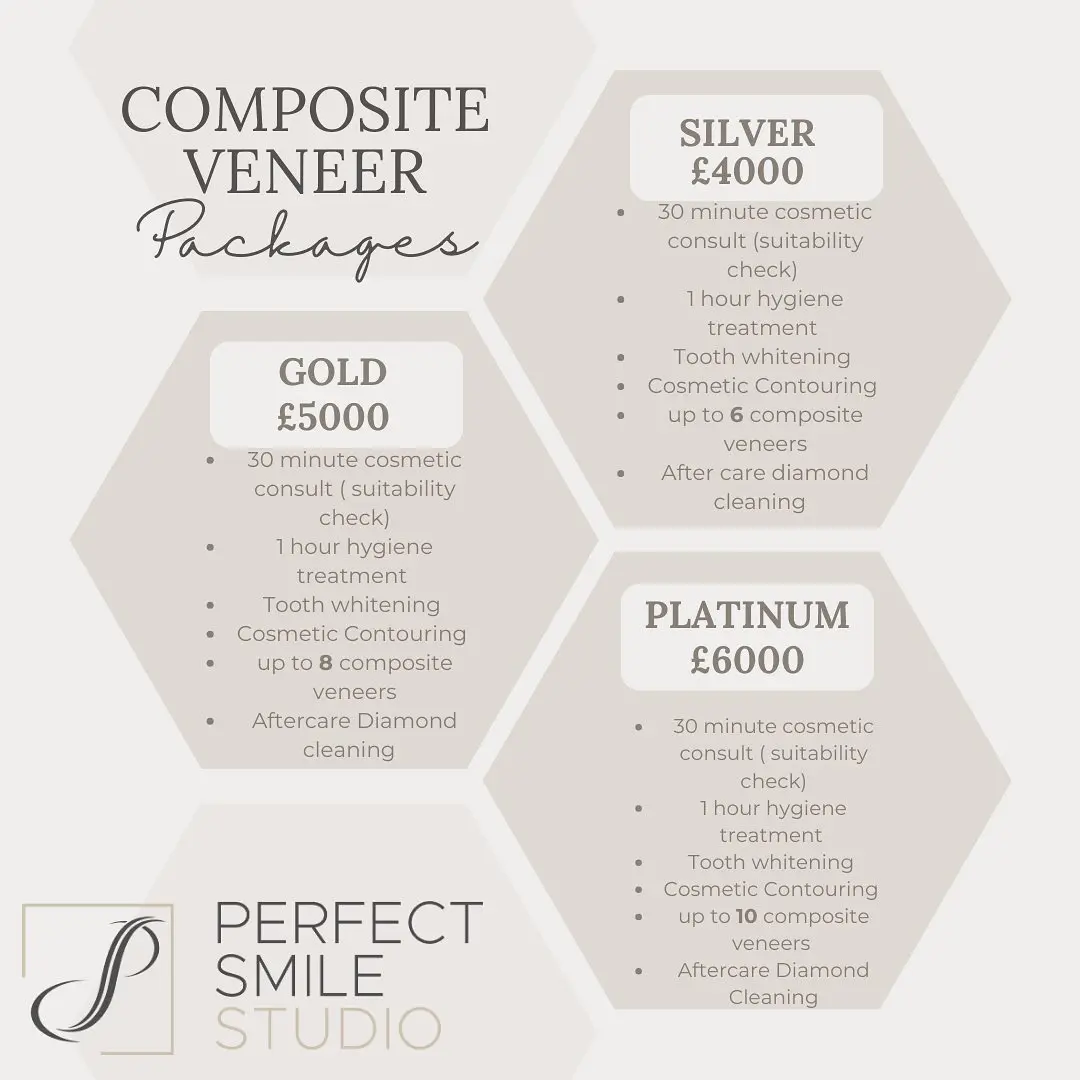
Custom-Made Veneers Are More Durable
- Dental laboratory veneers (e.g., porcelain) are stronger and more aesthetic due to controlled fabrication.
- Indirect composite veneers (lab-made) last around 20% longer than conventional direct veneers placed chairside the same day.
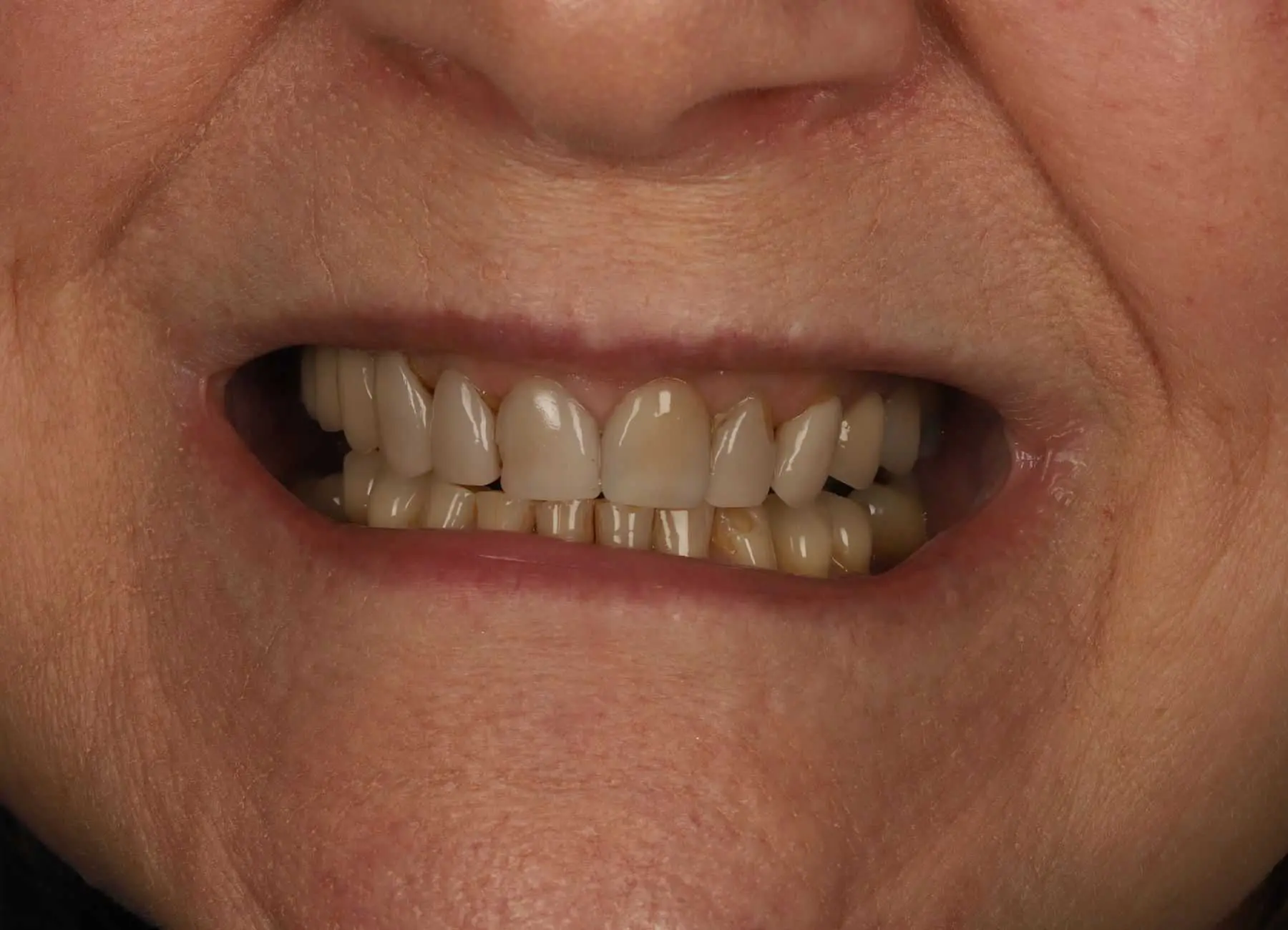
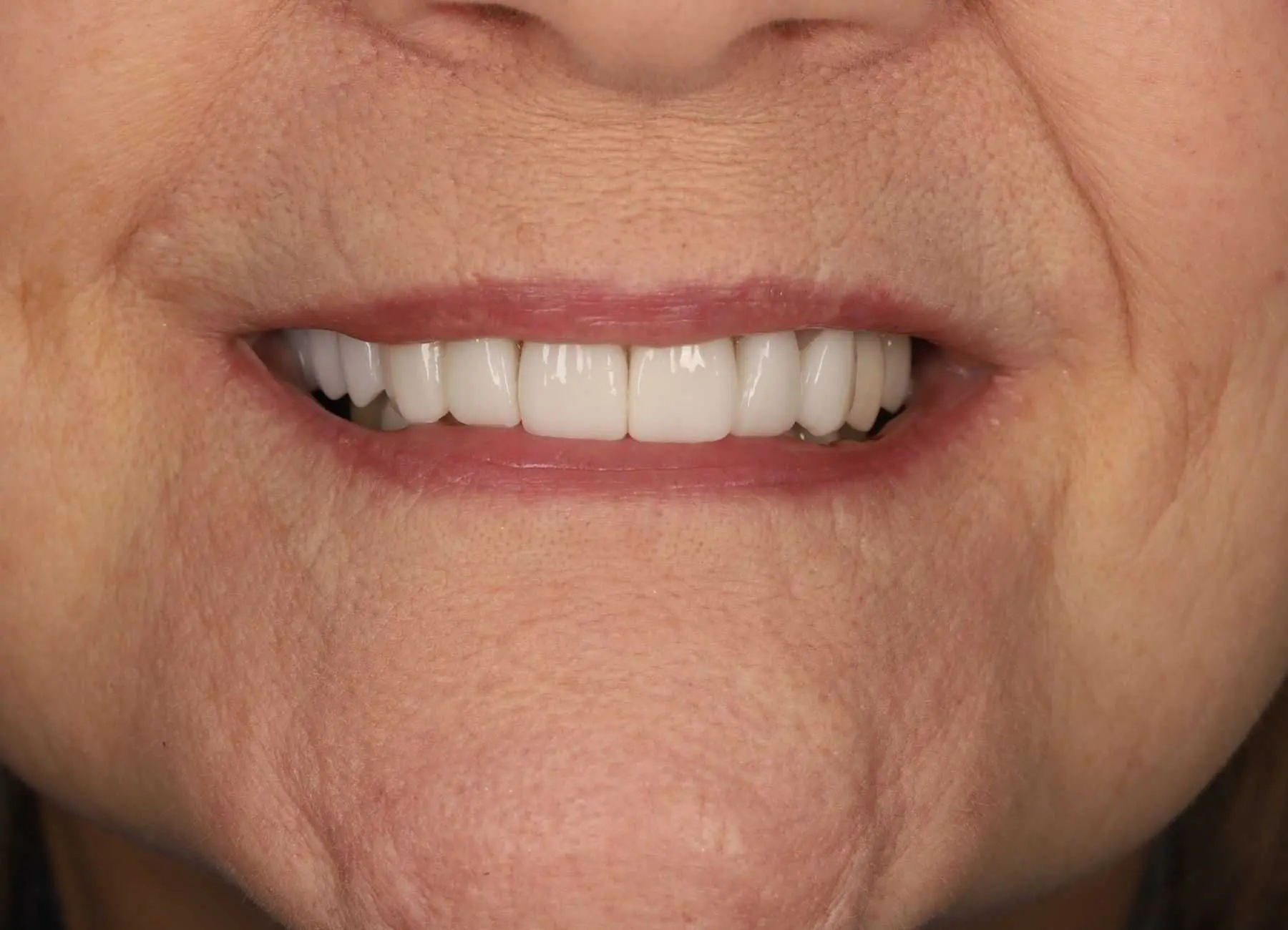
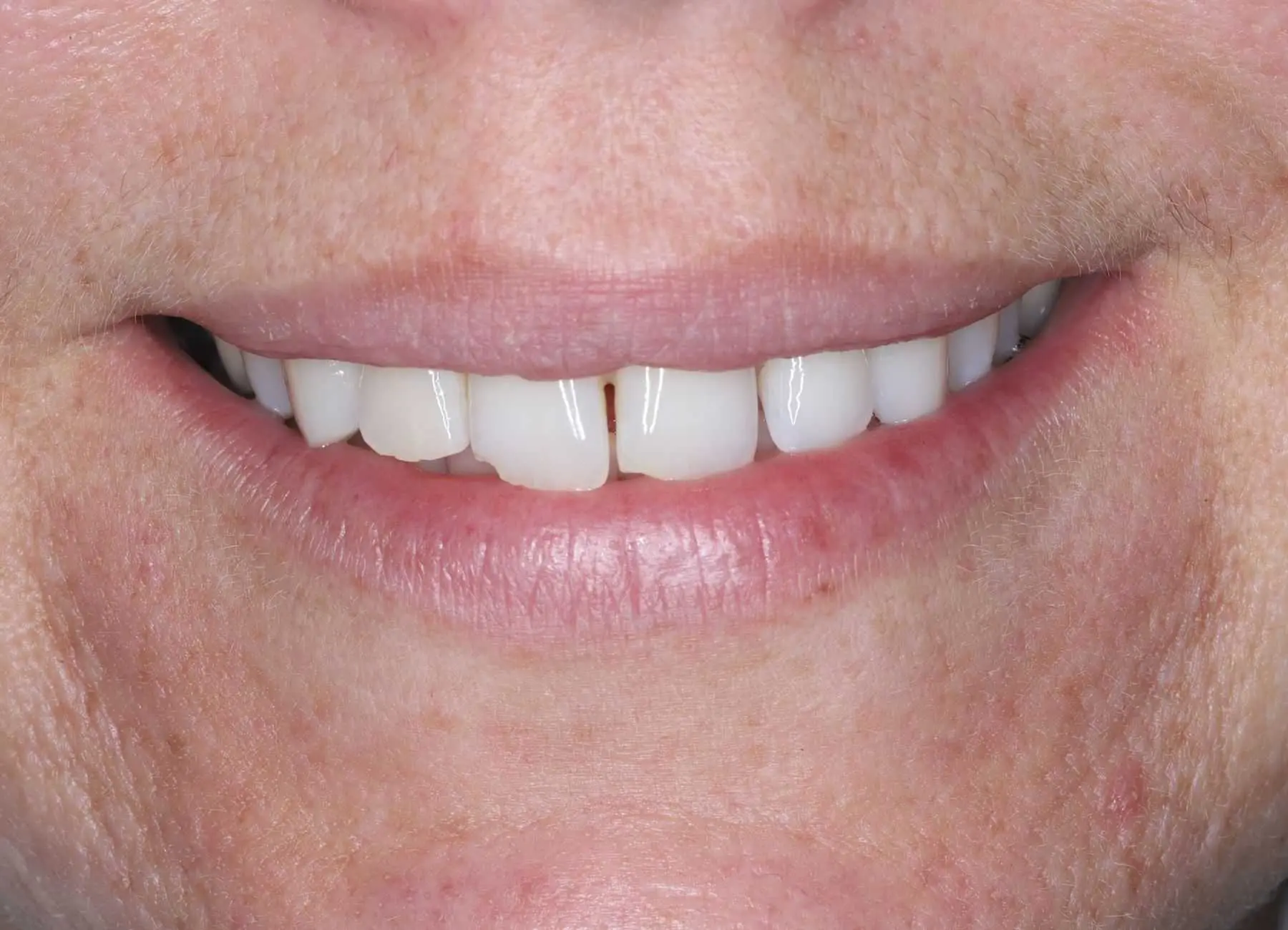
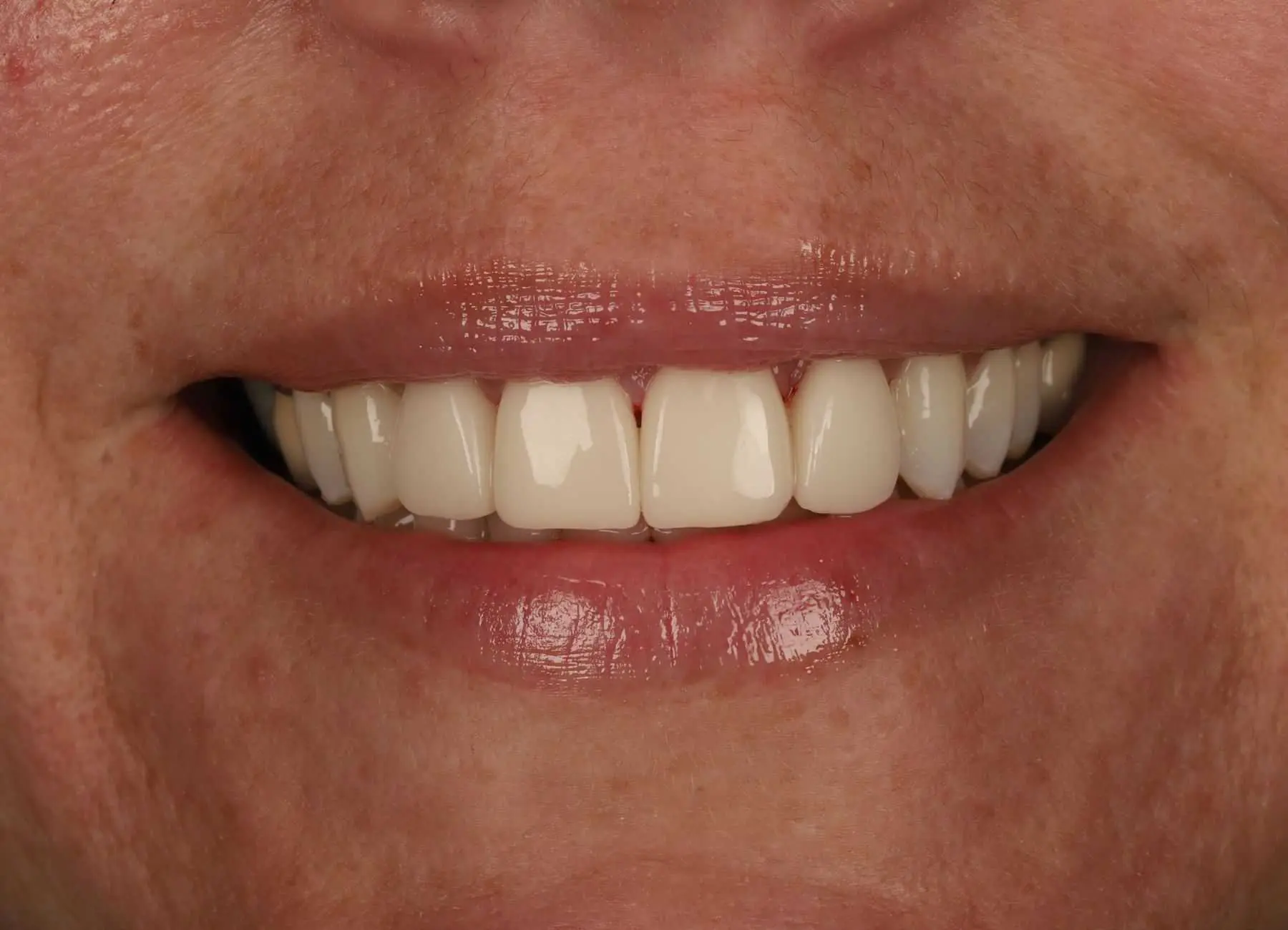
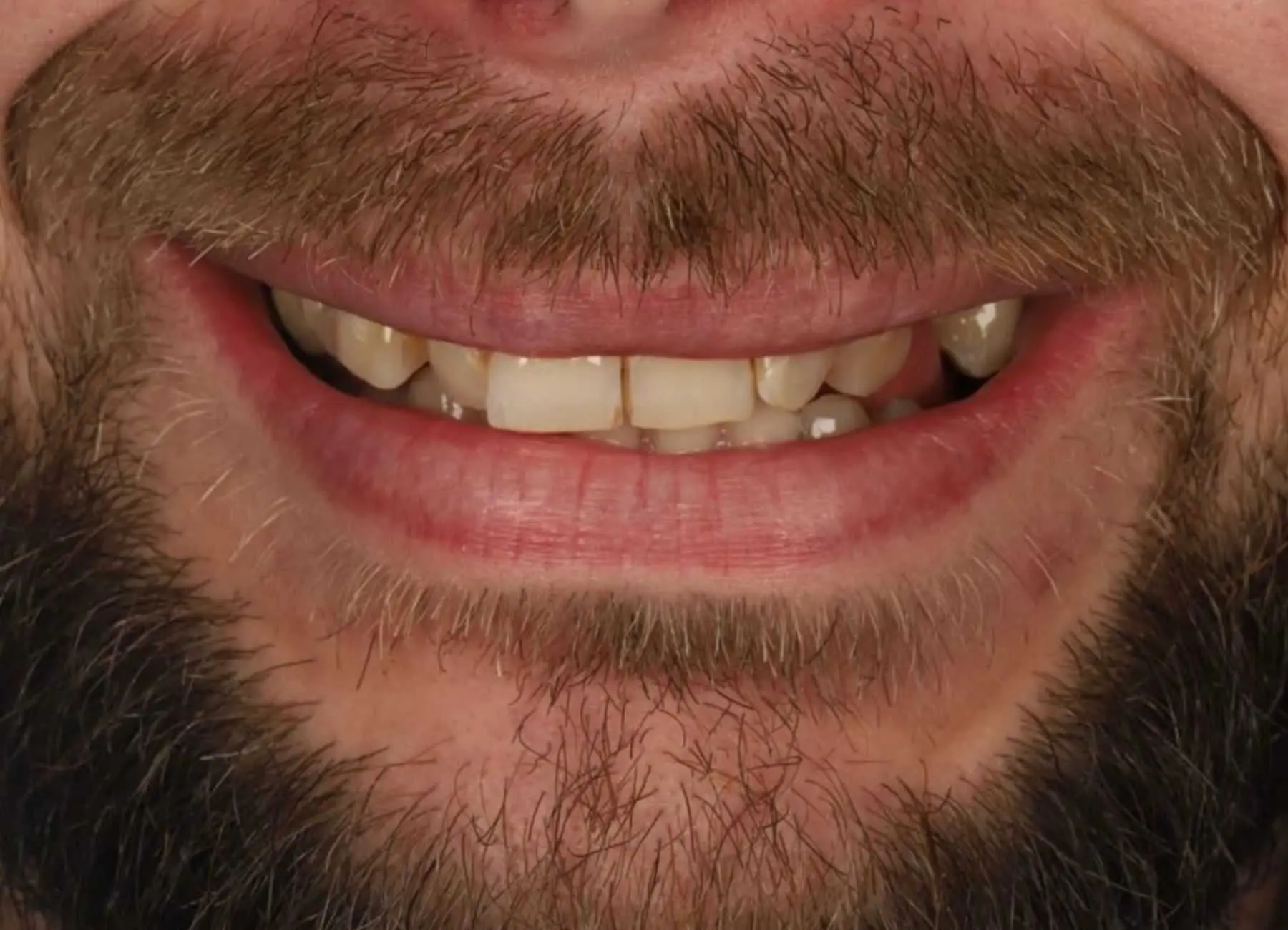
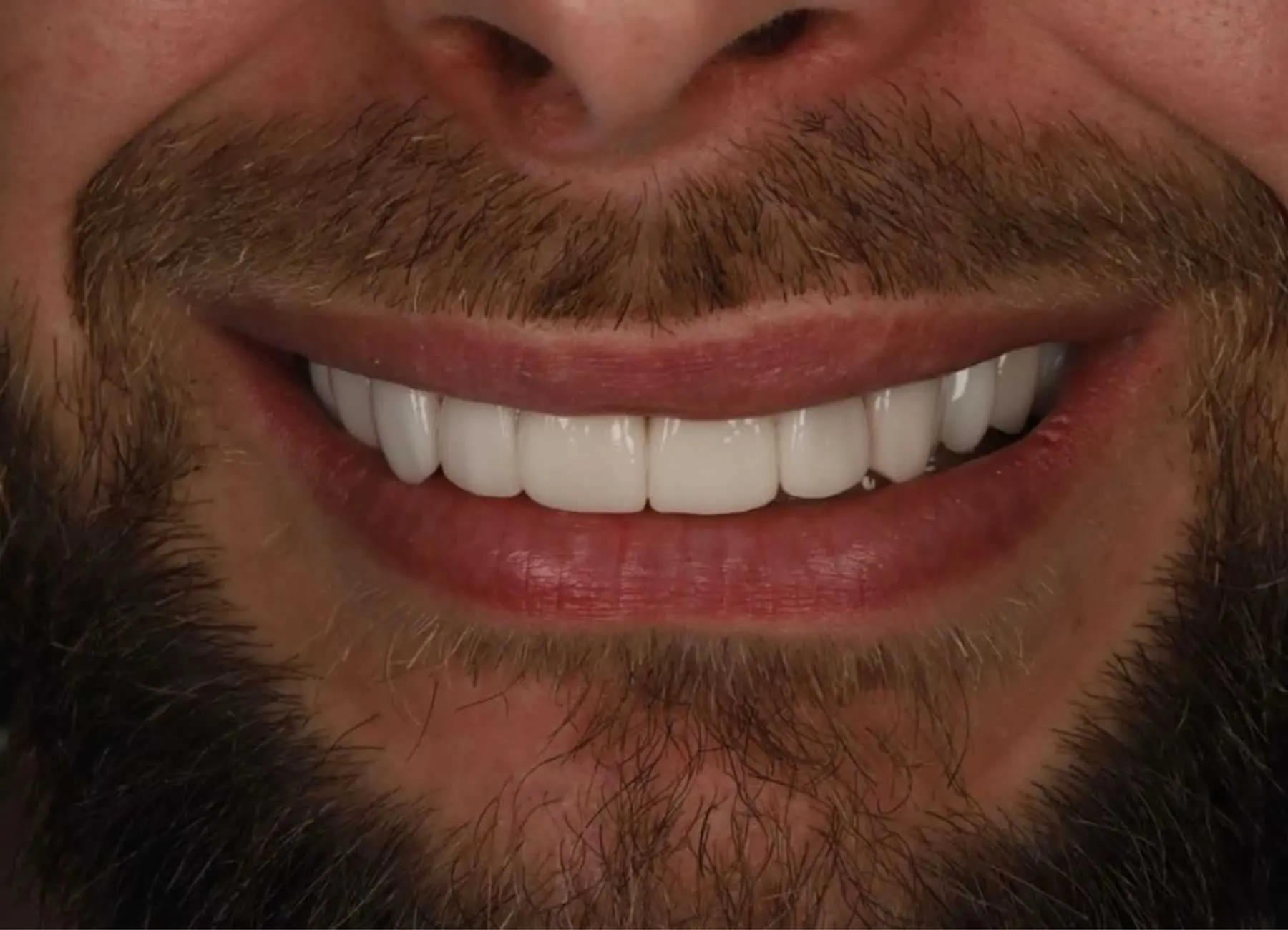
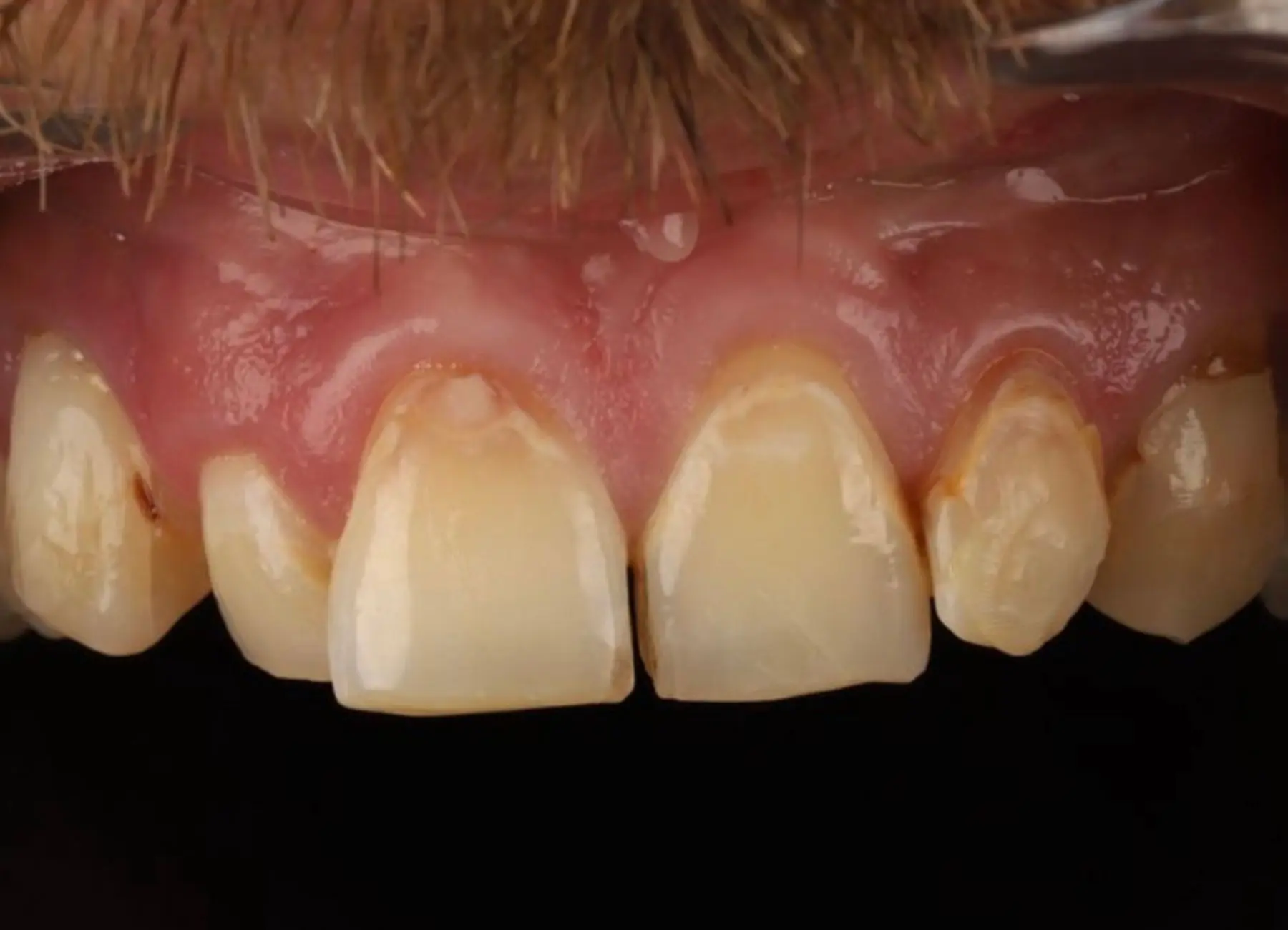
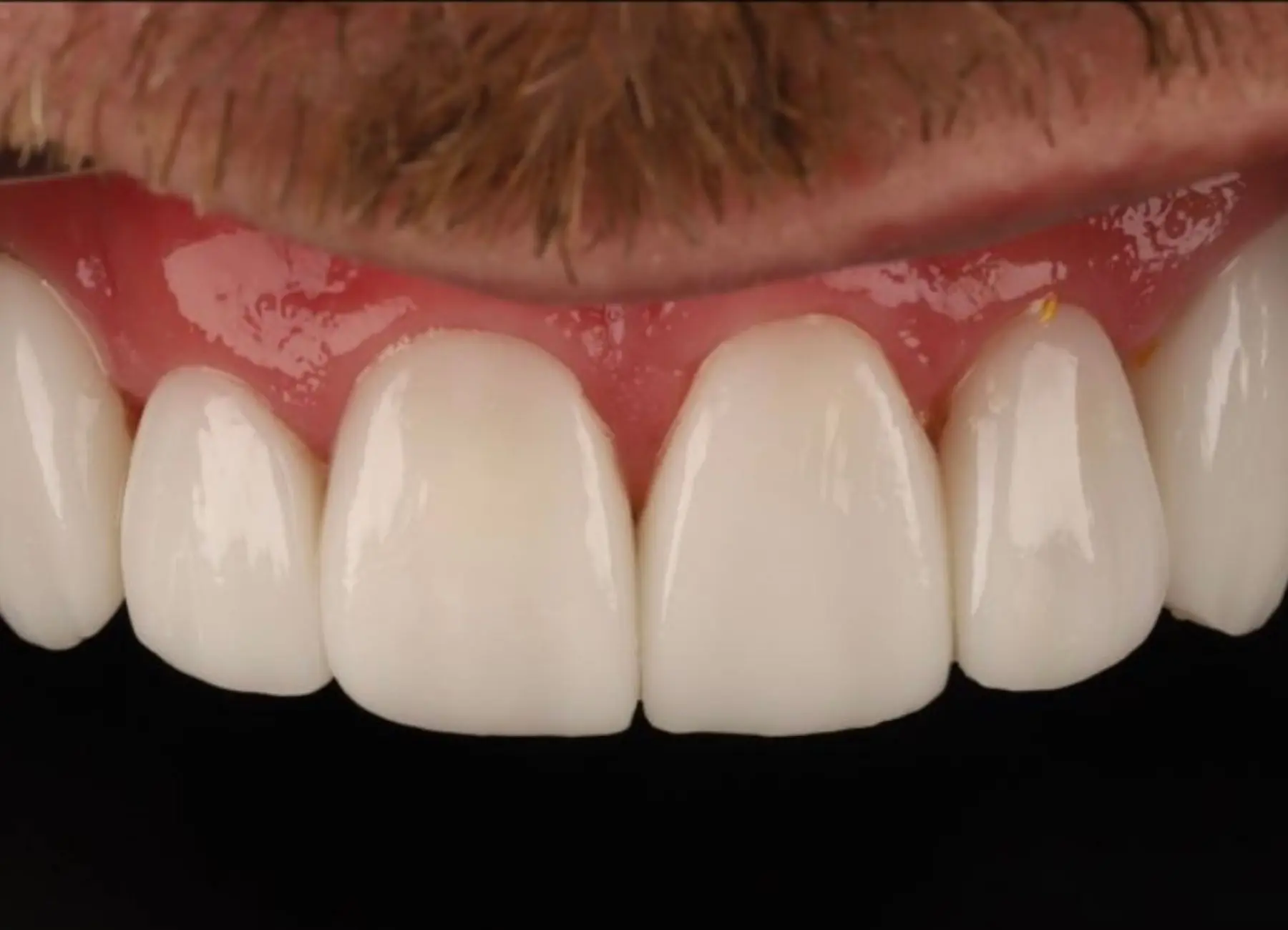
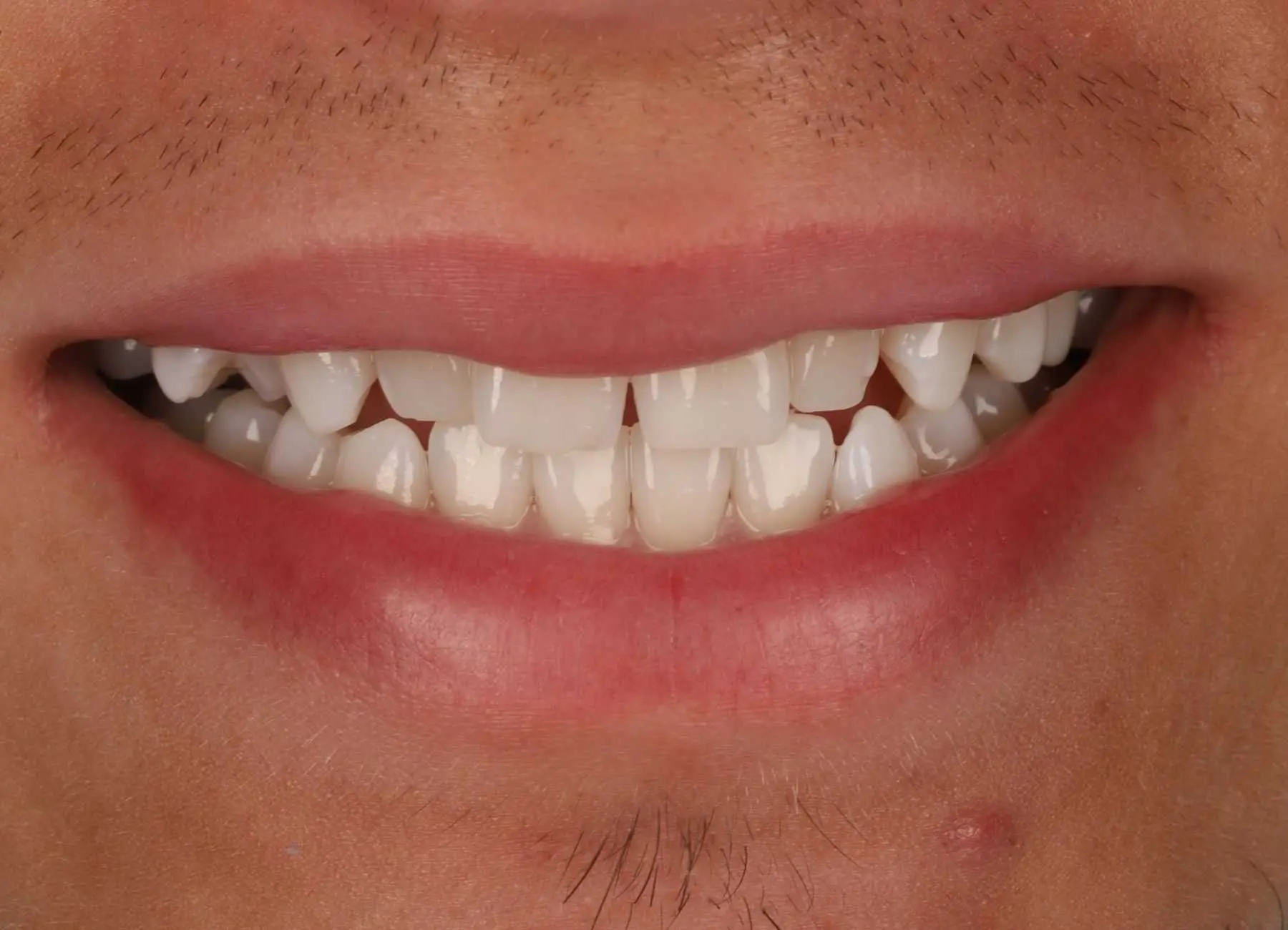
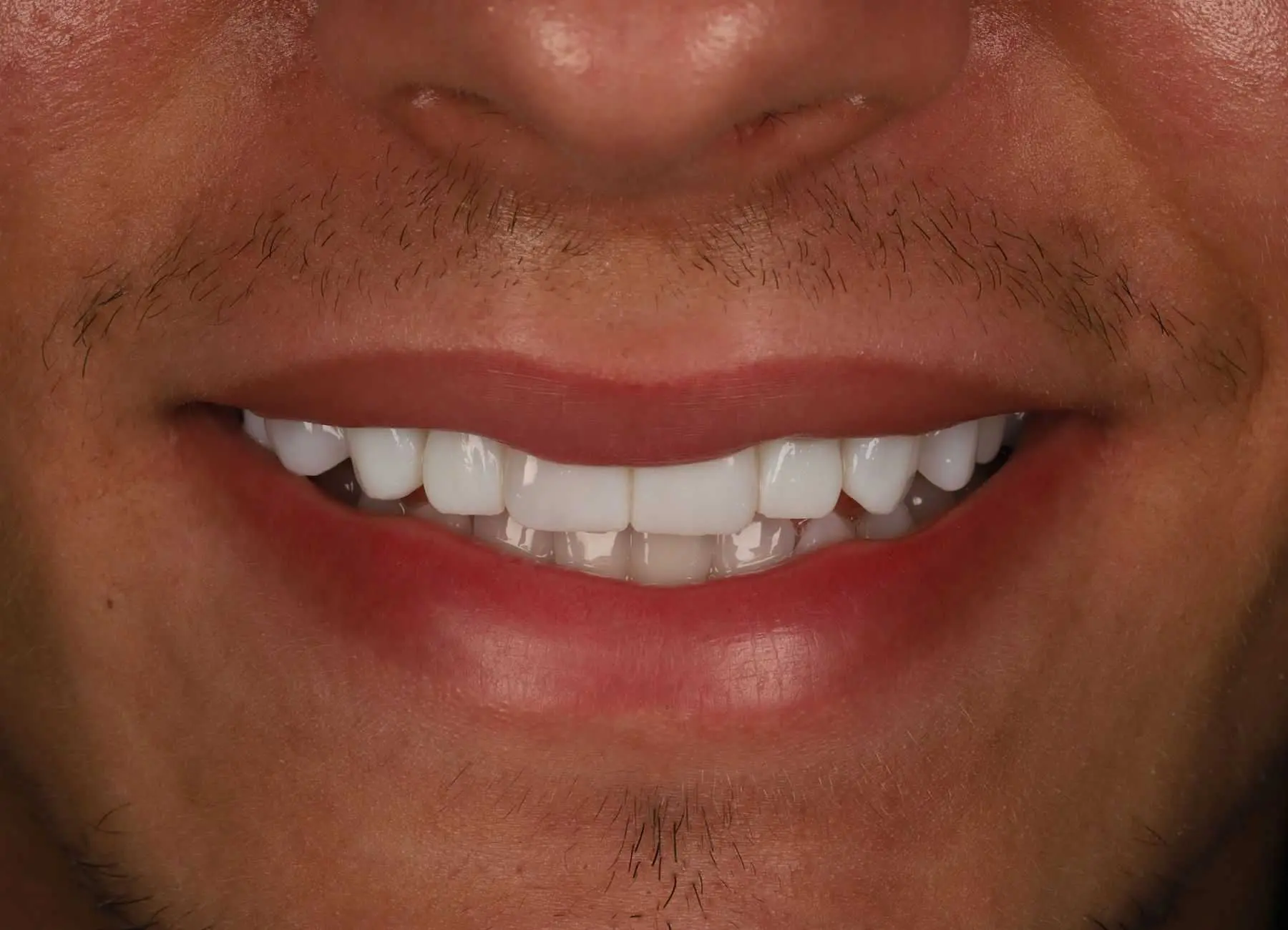
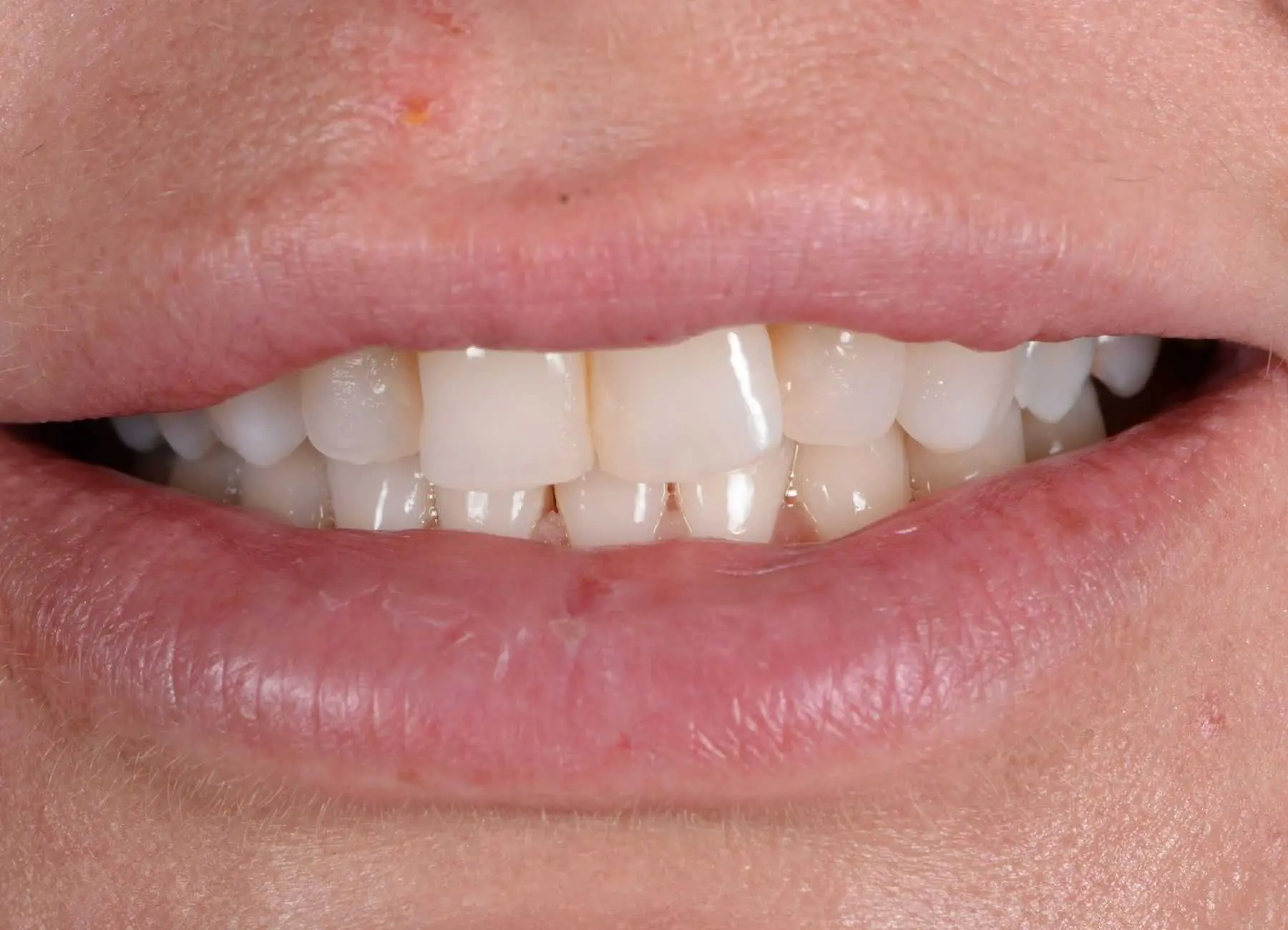
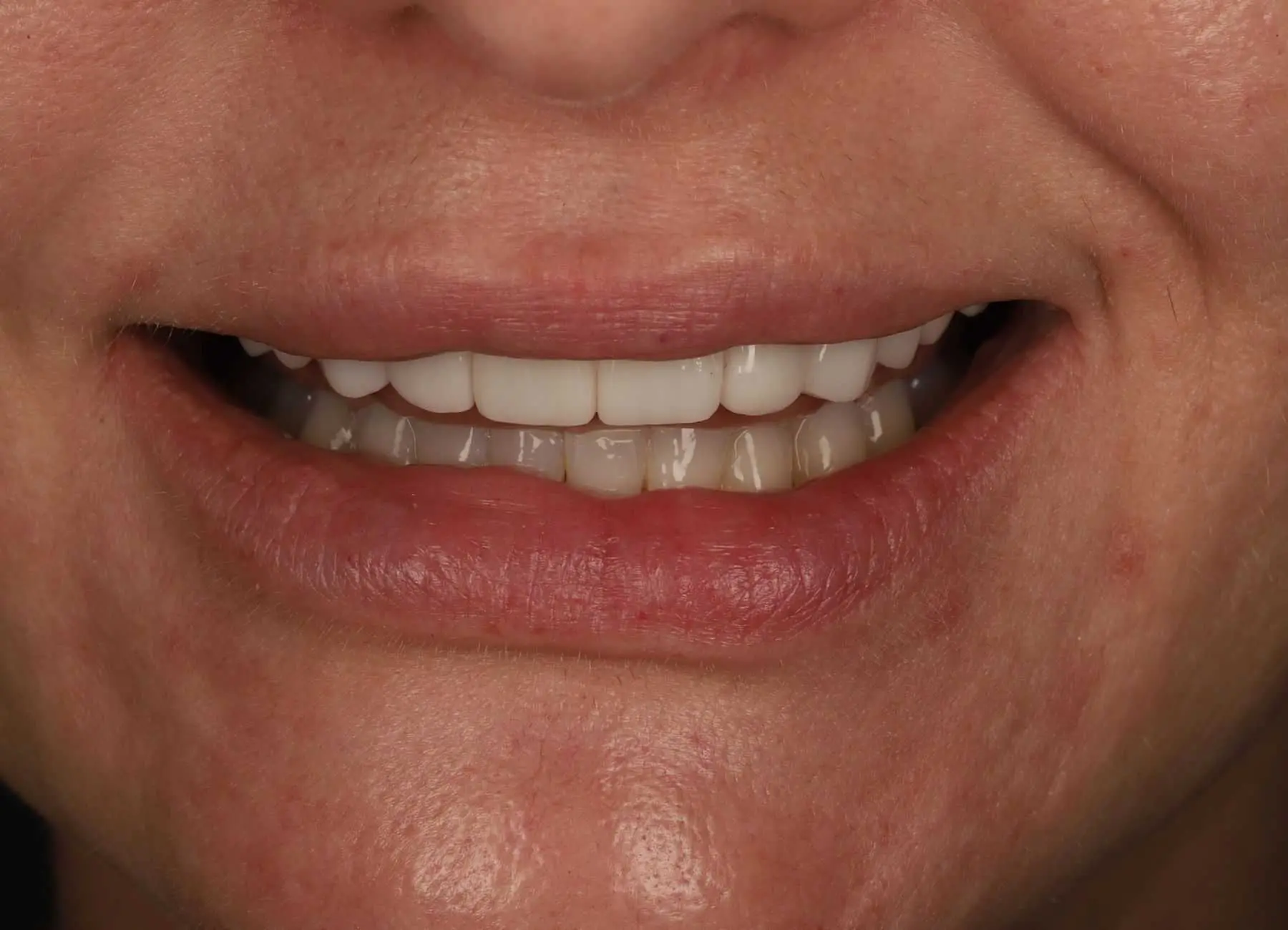
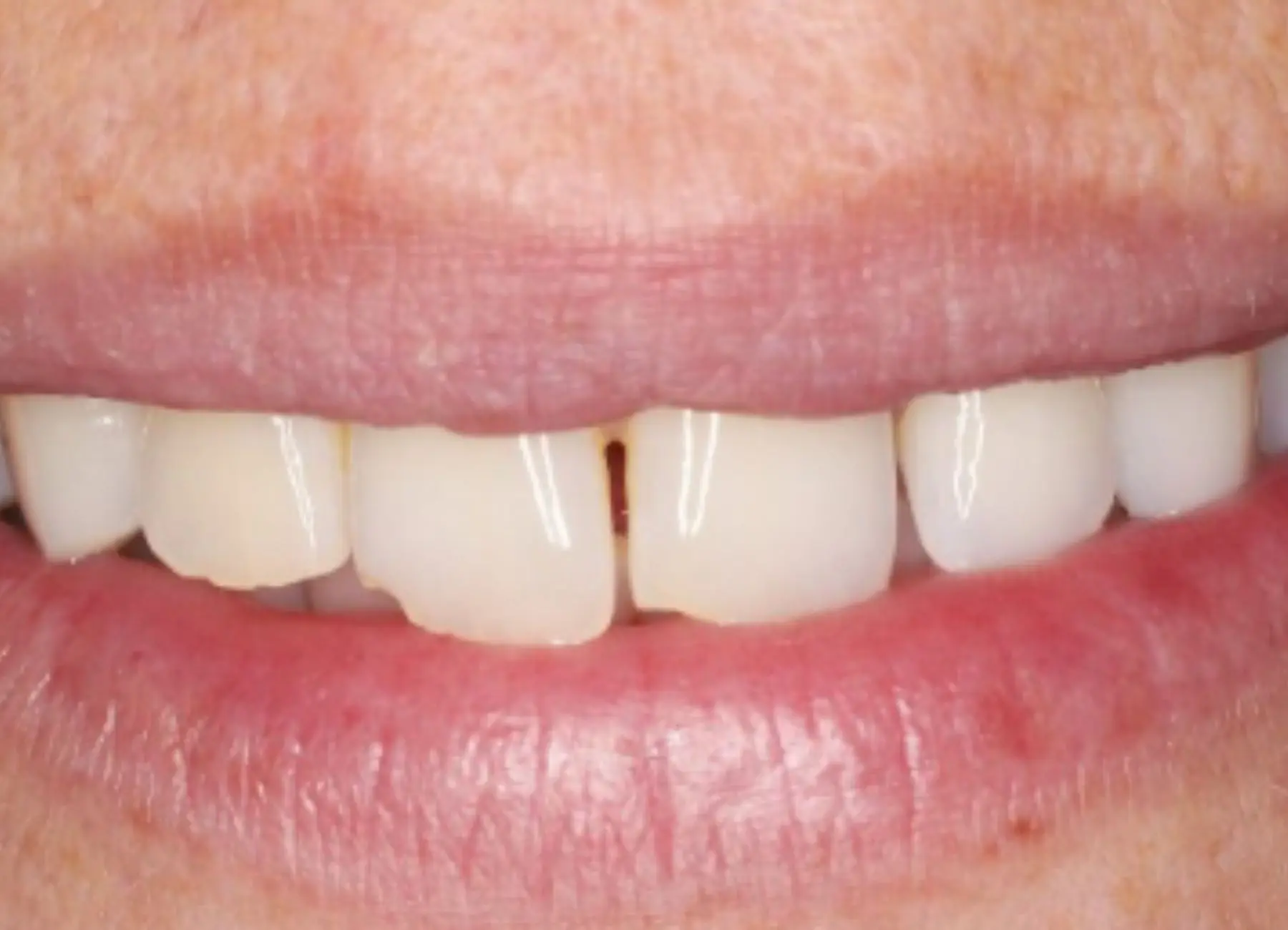
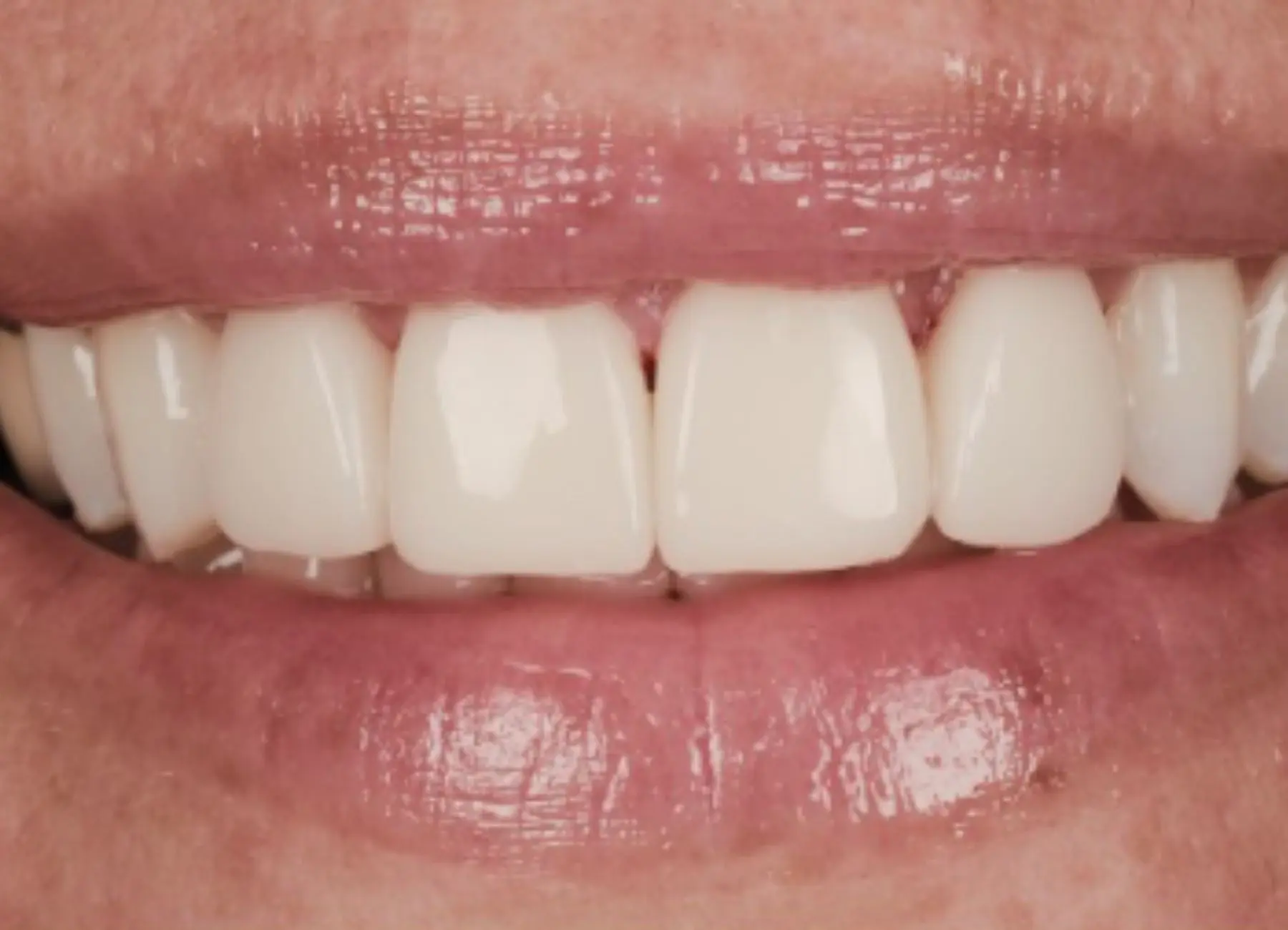
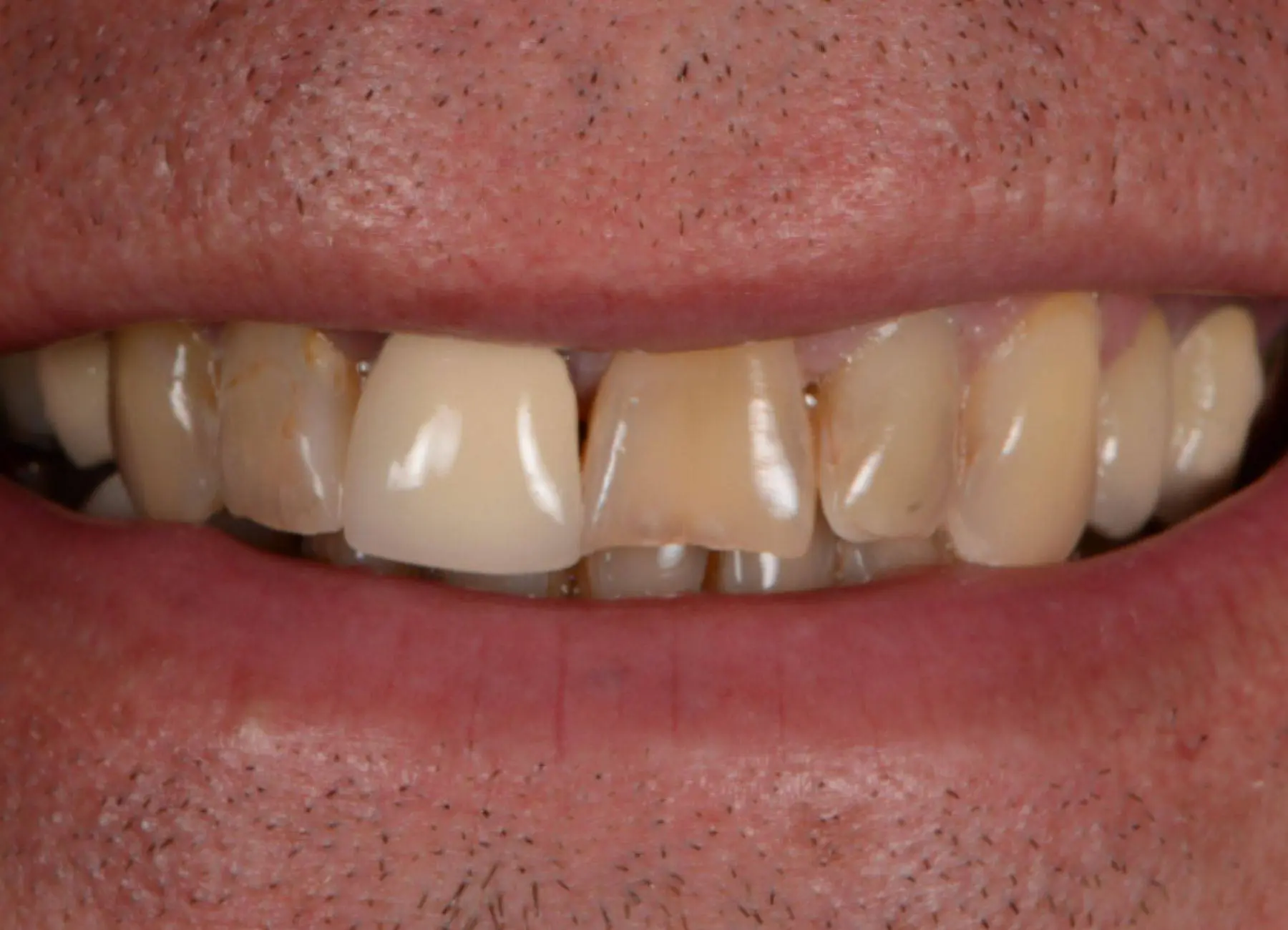
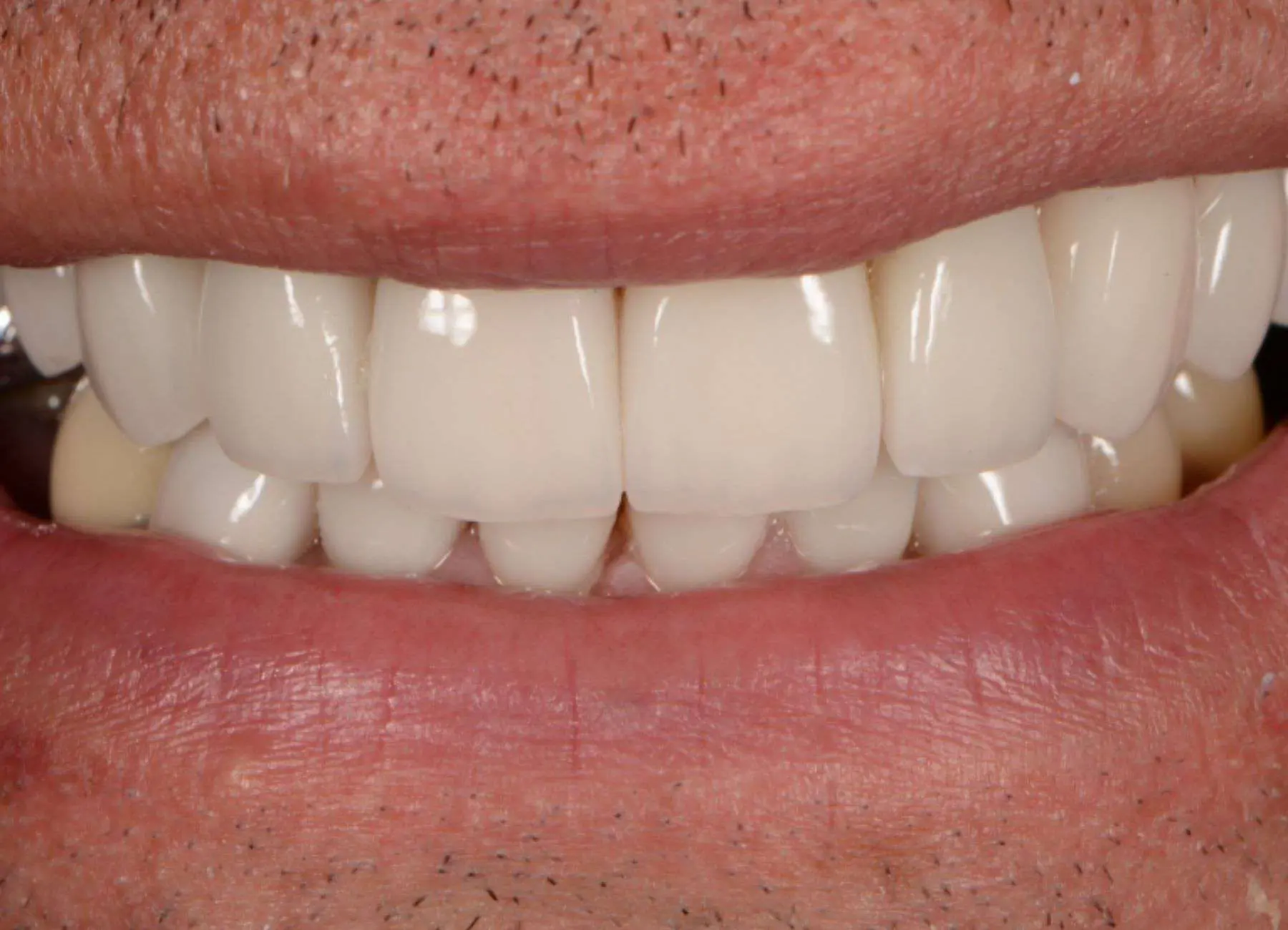
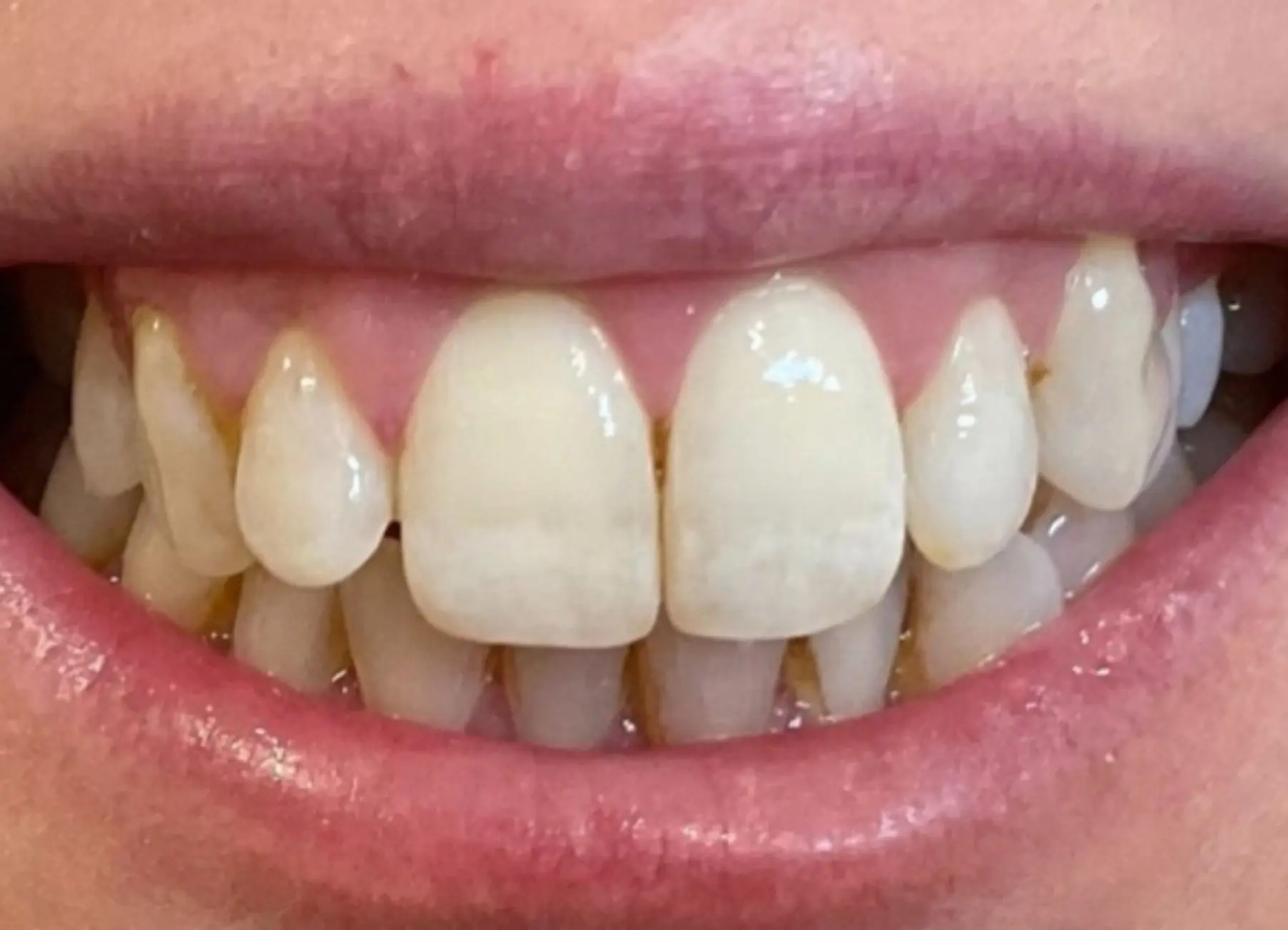
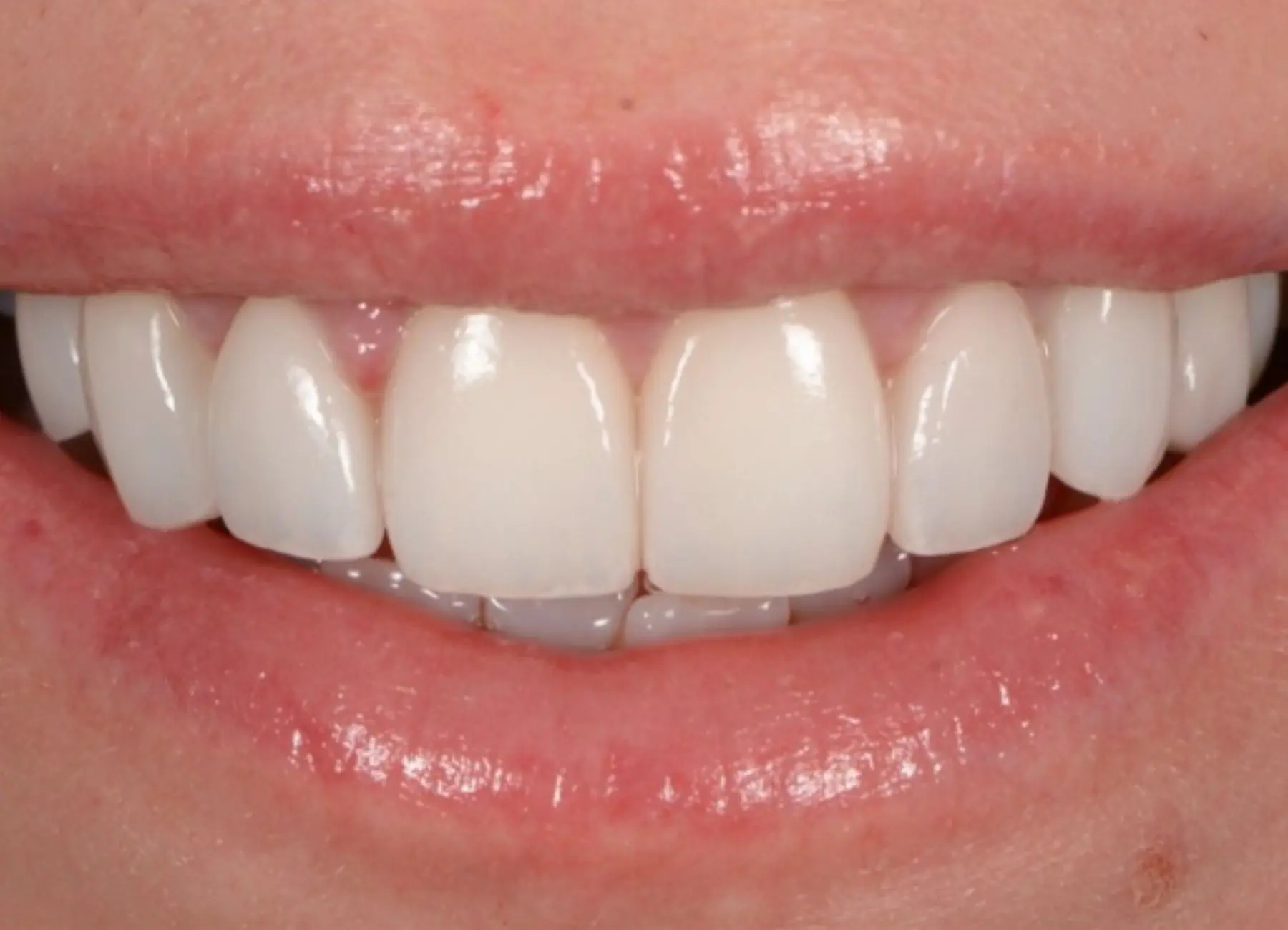
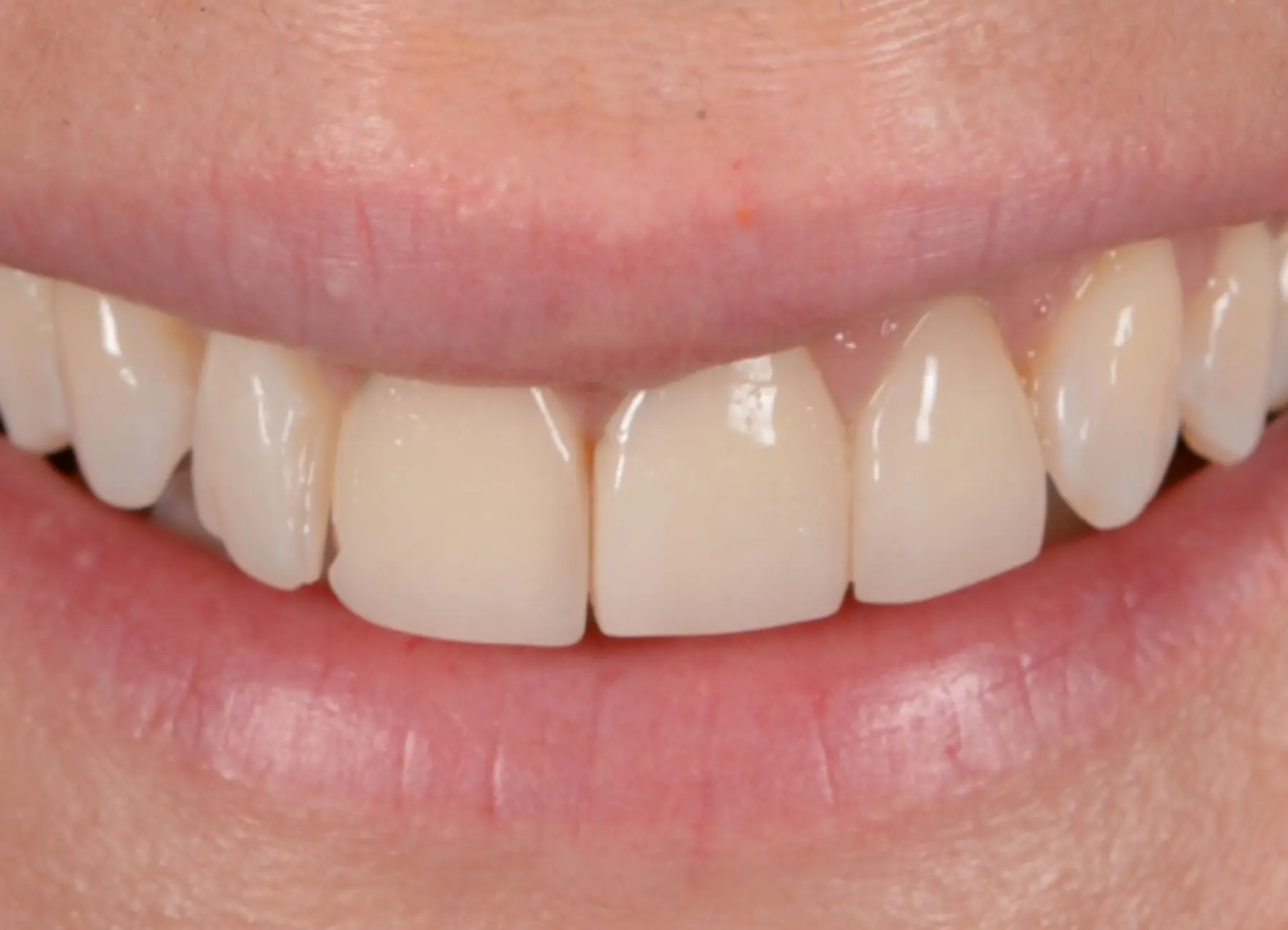
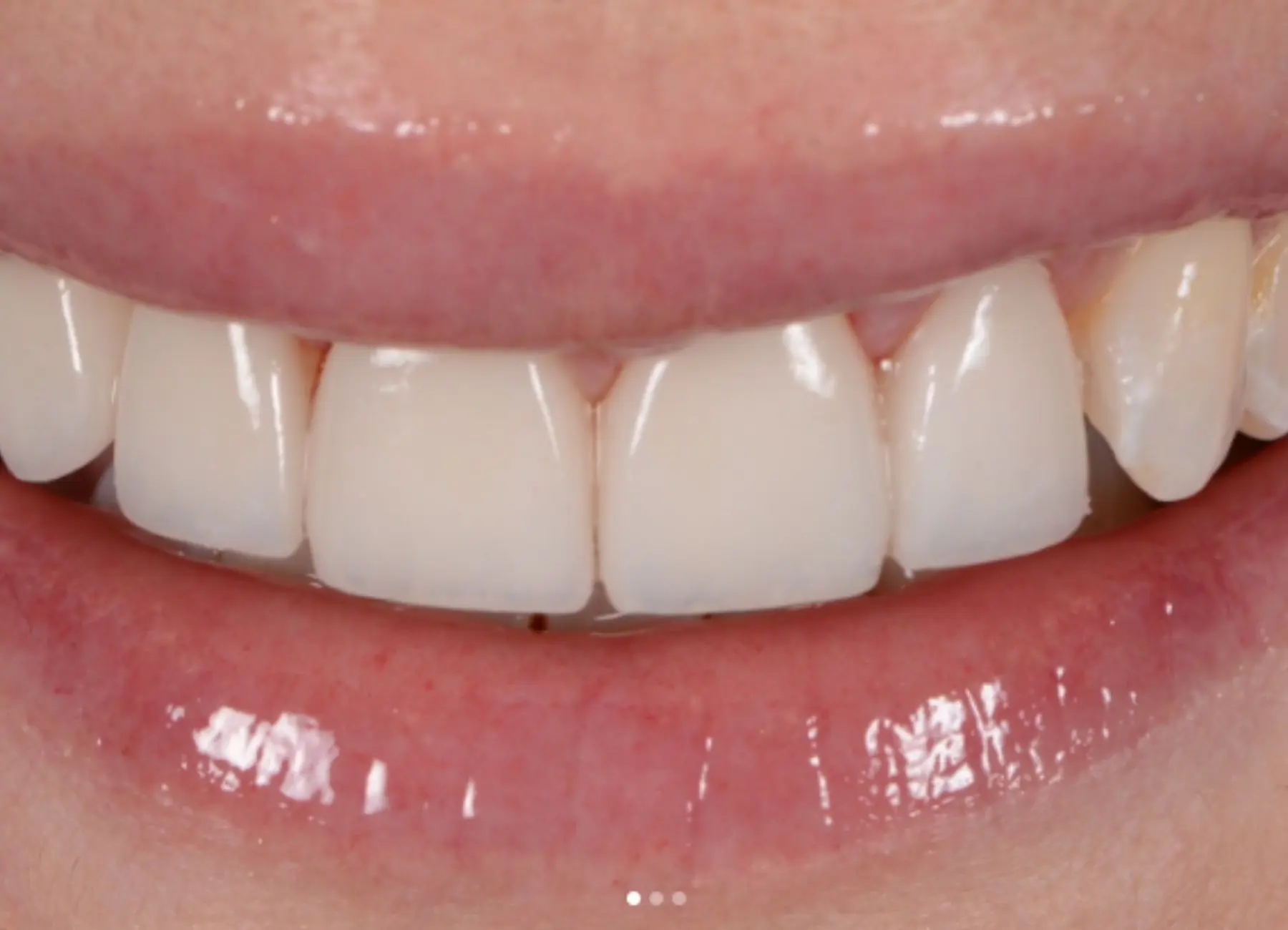
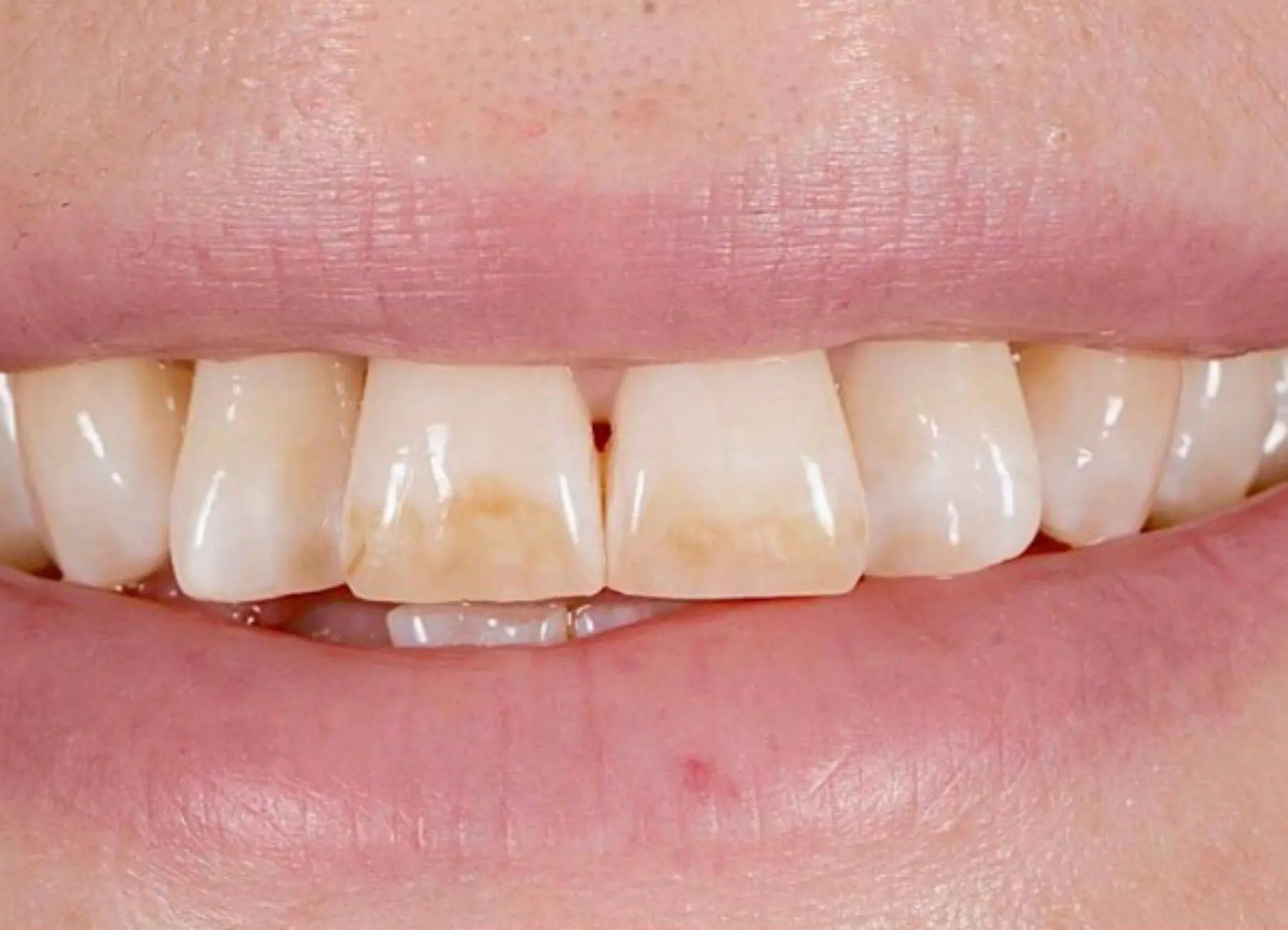
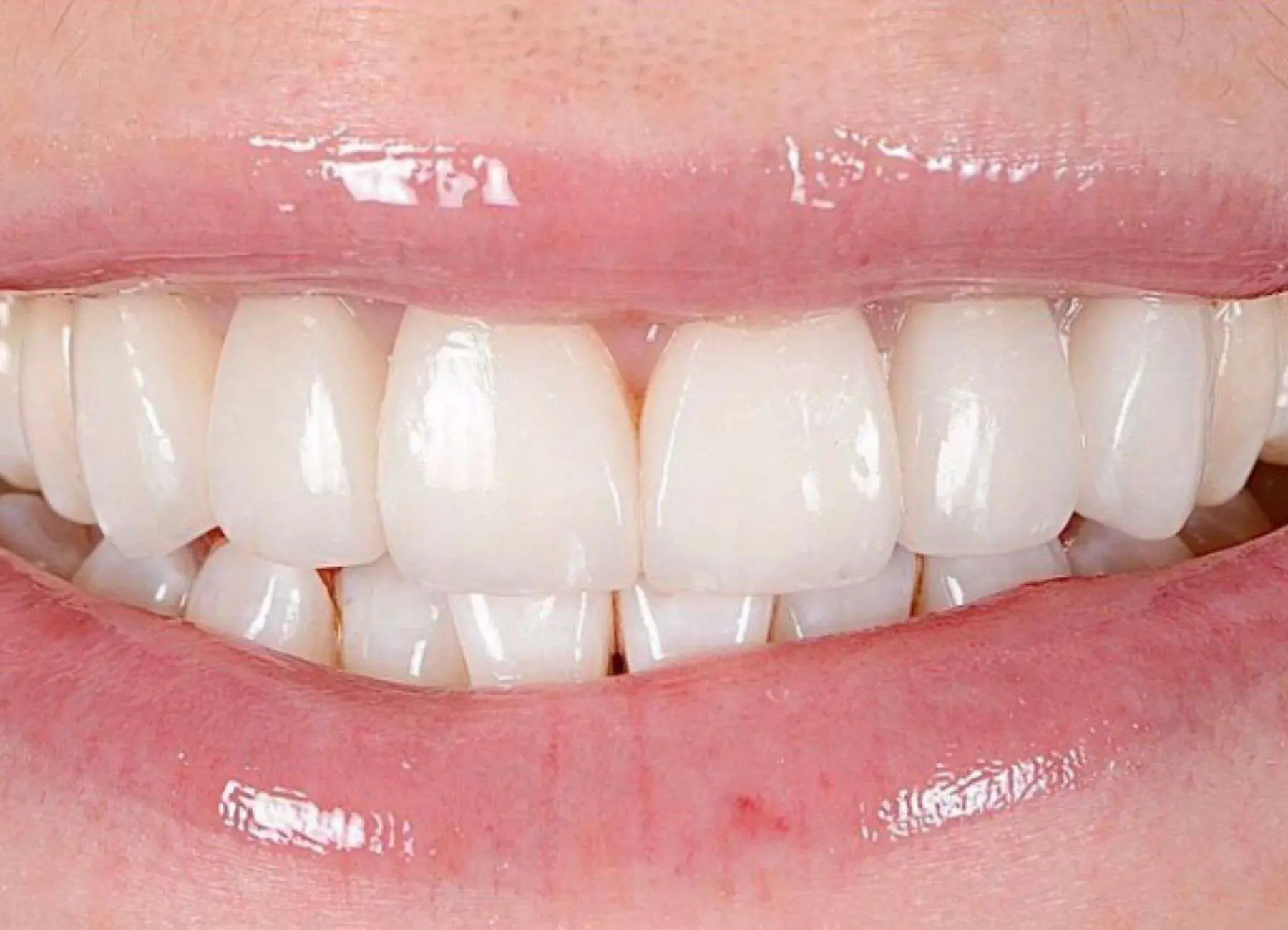
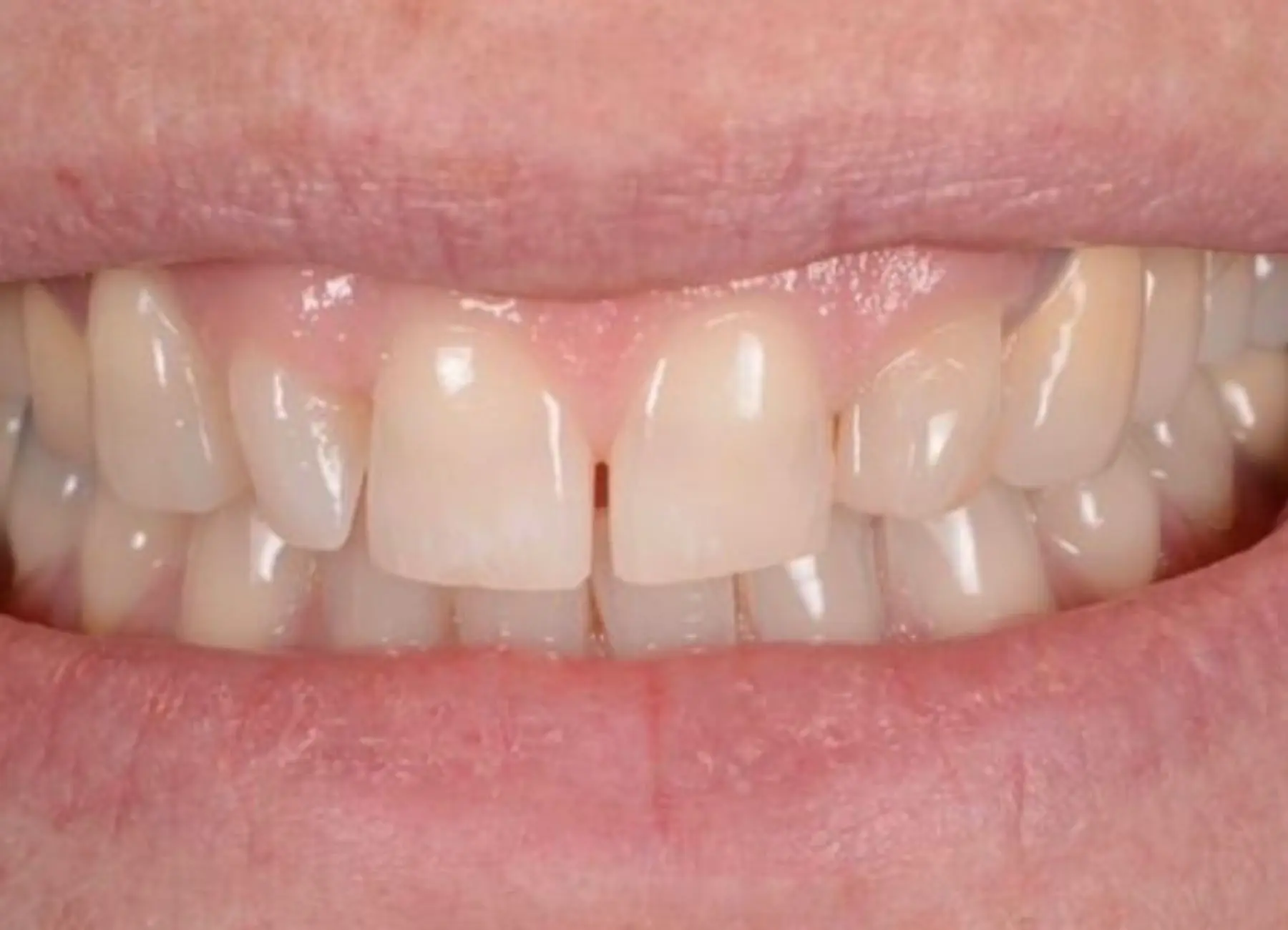
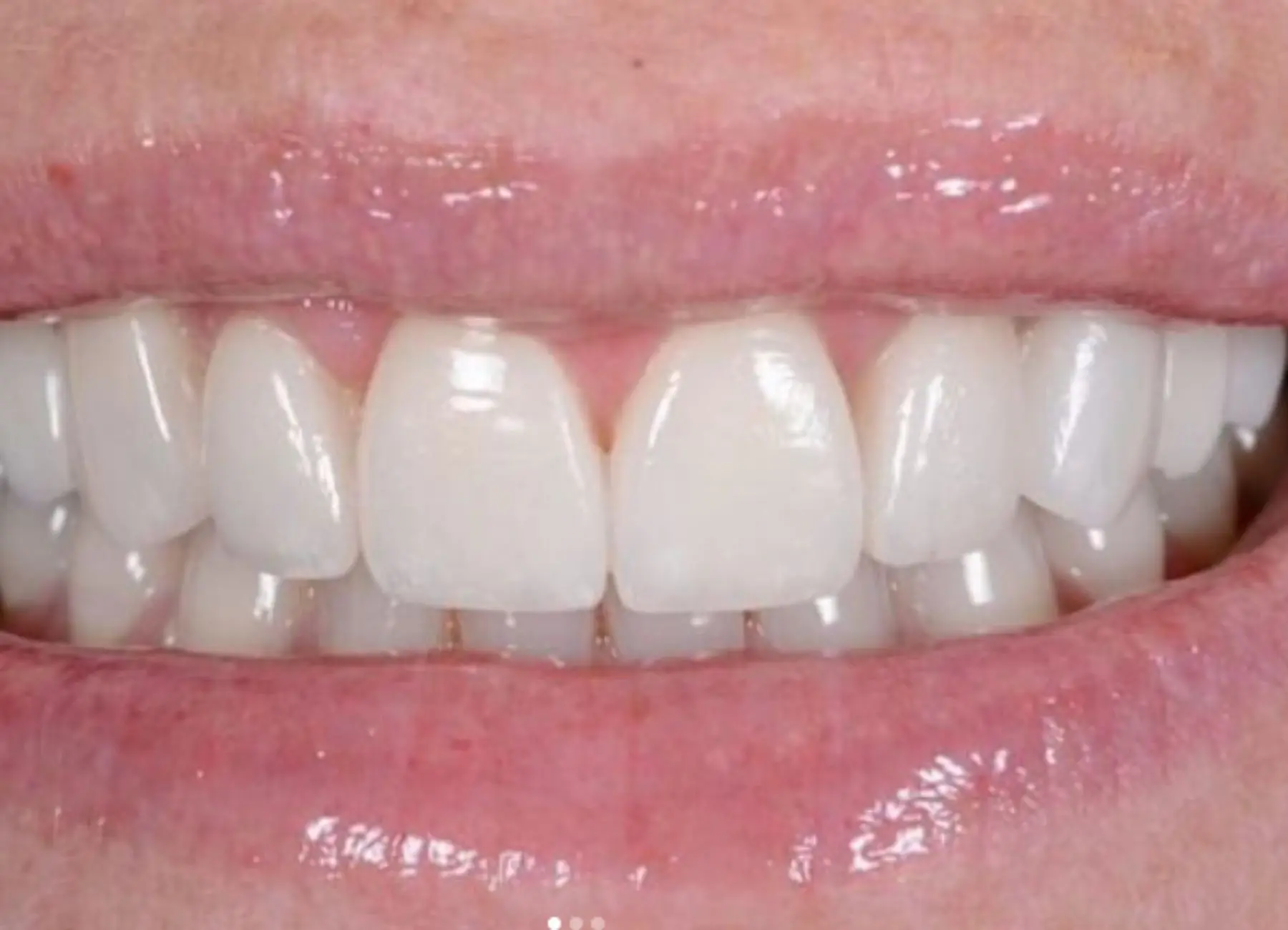
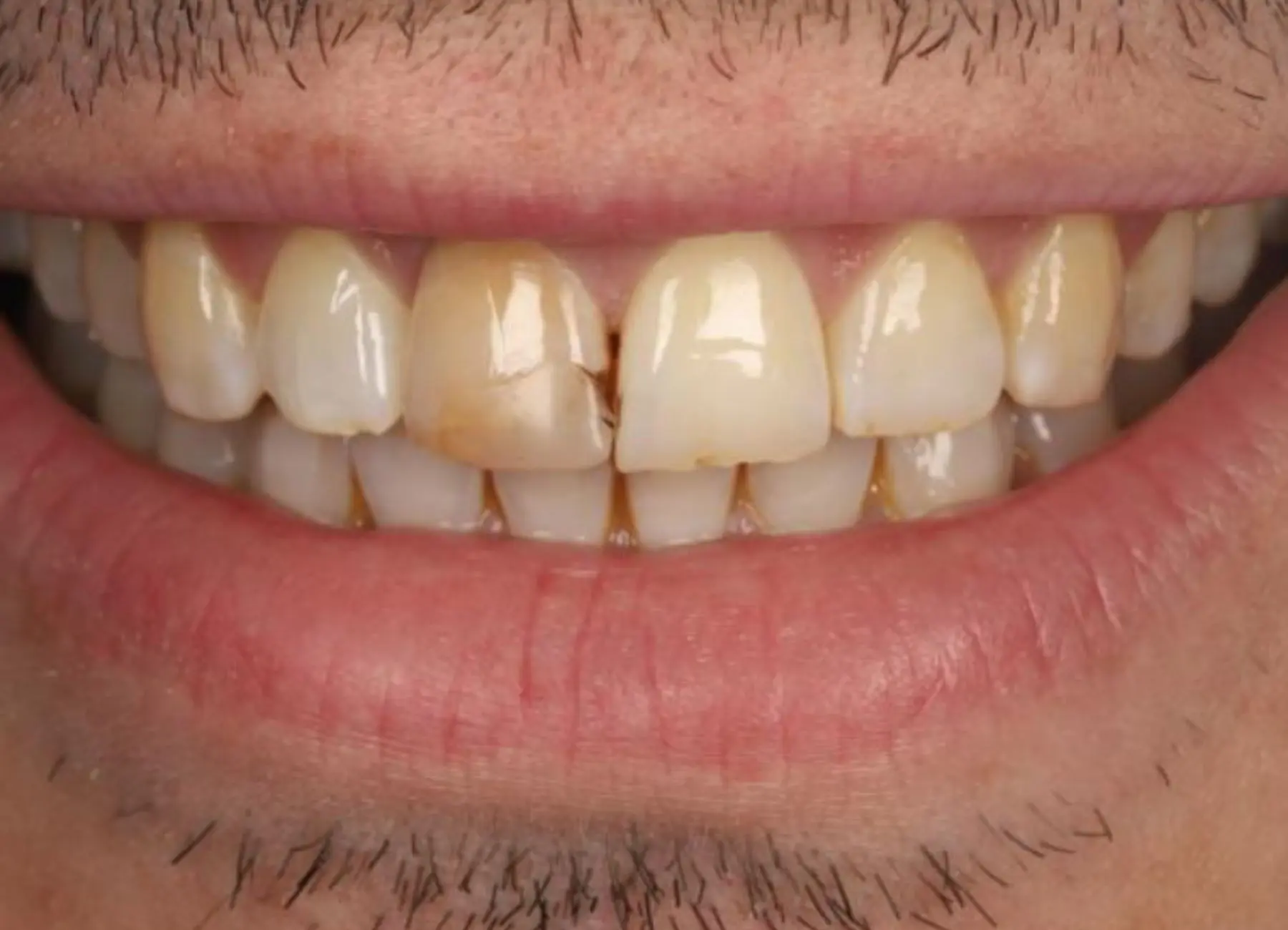
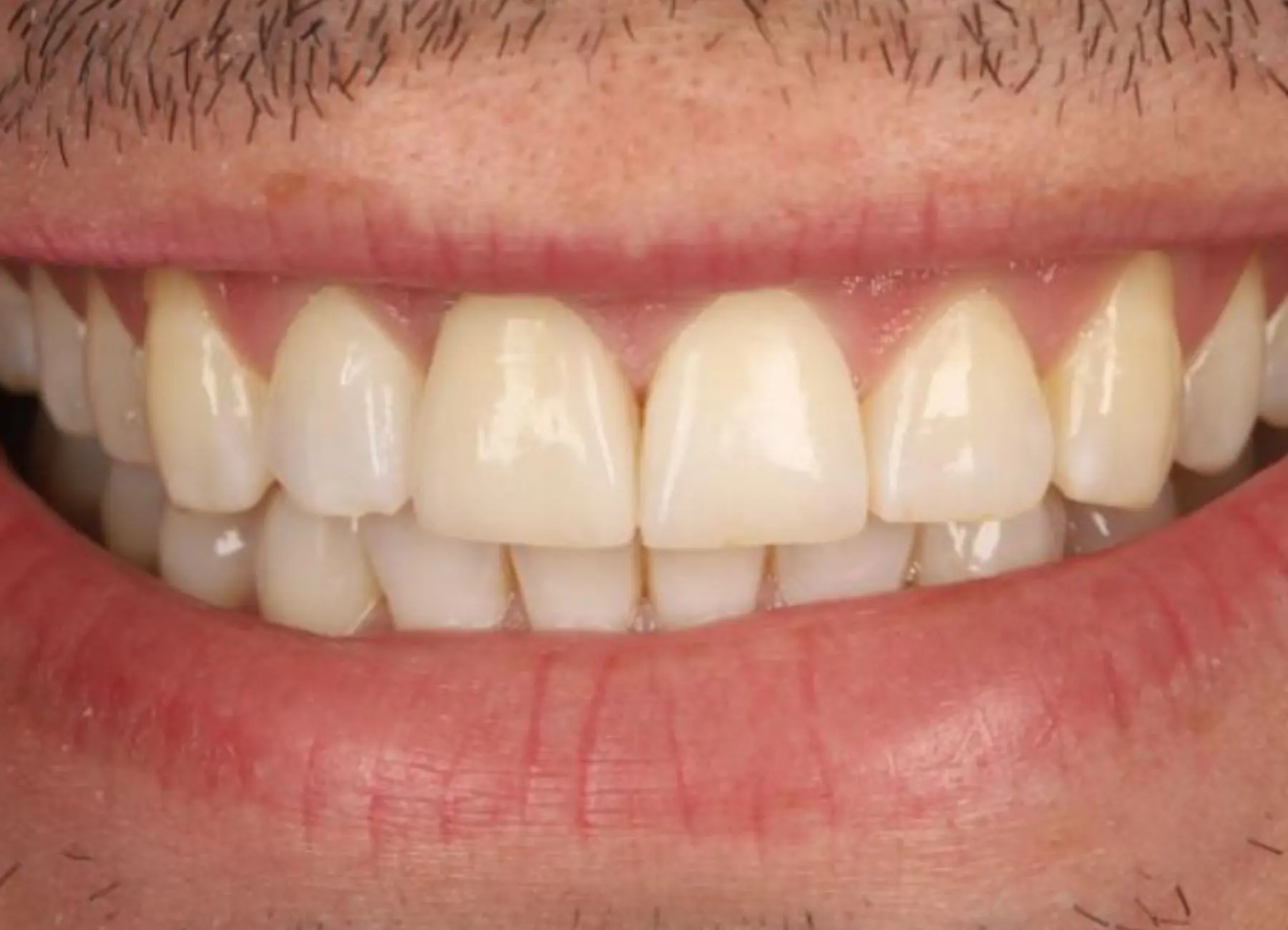
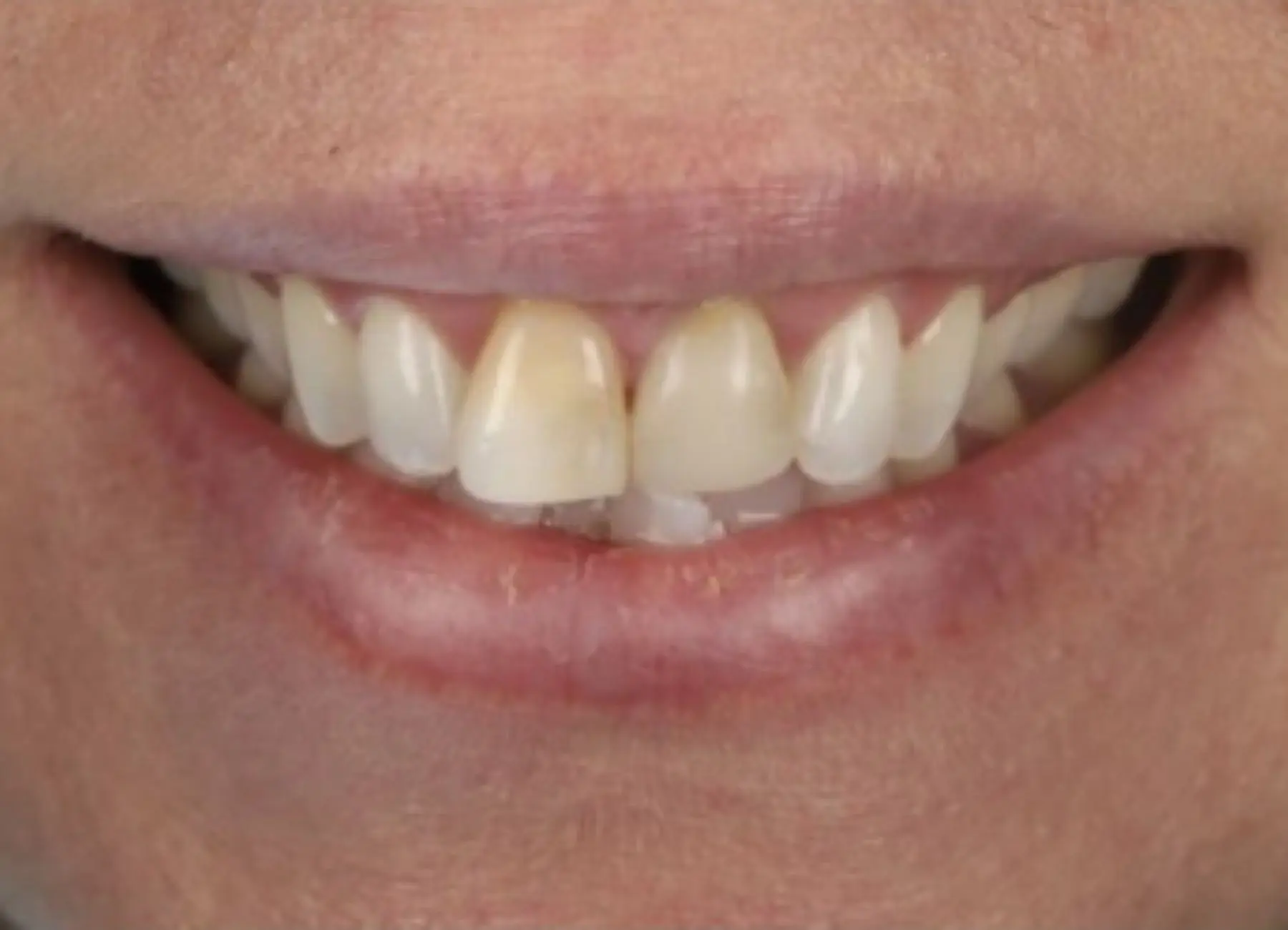
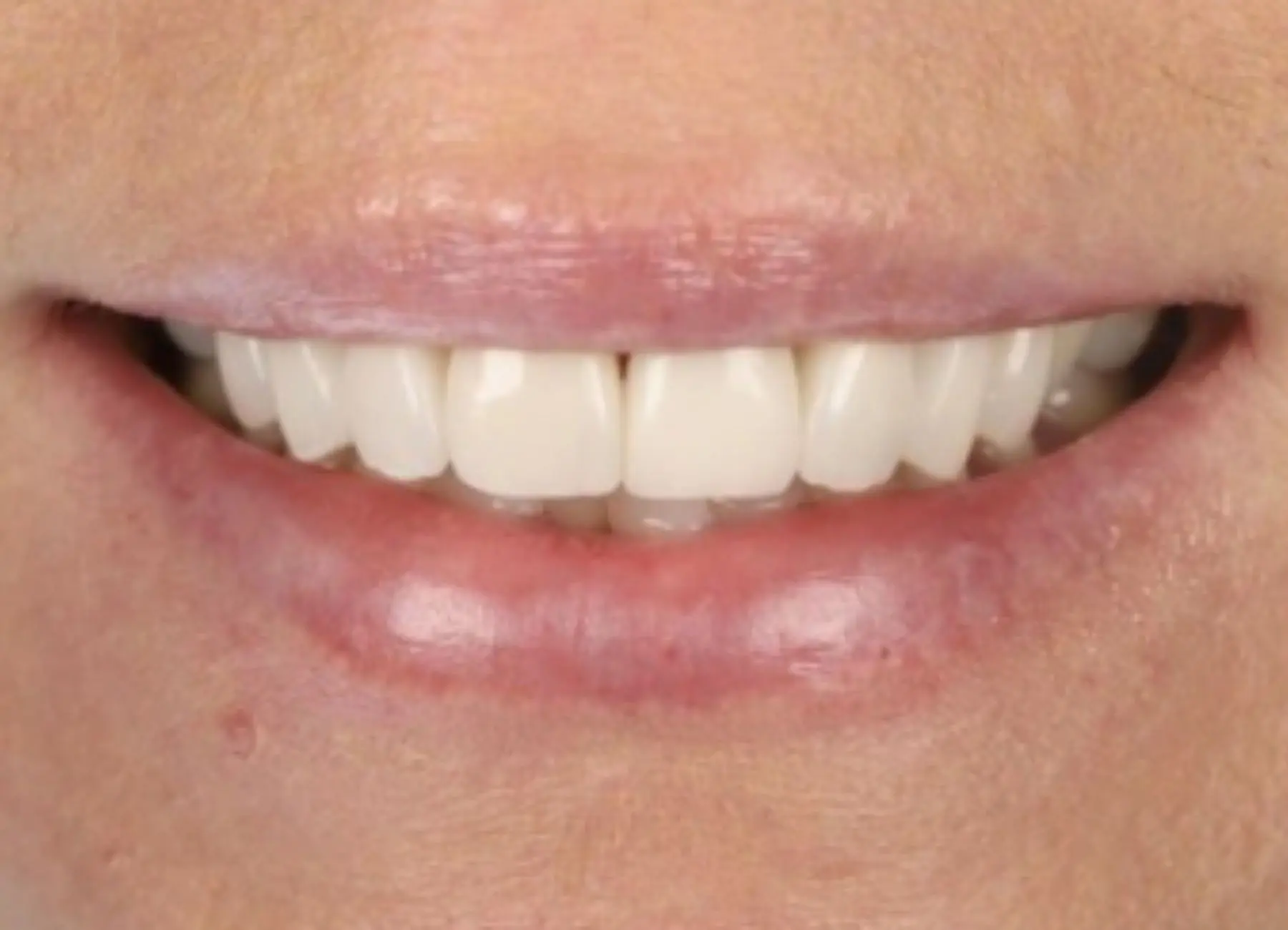
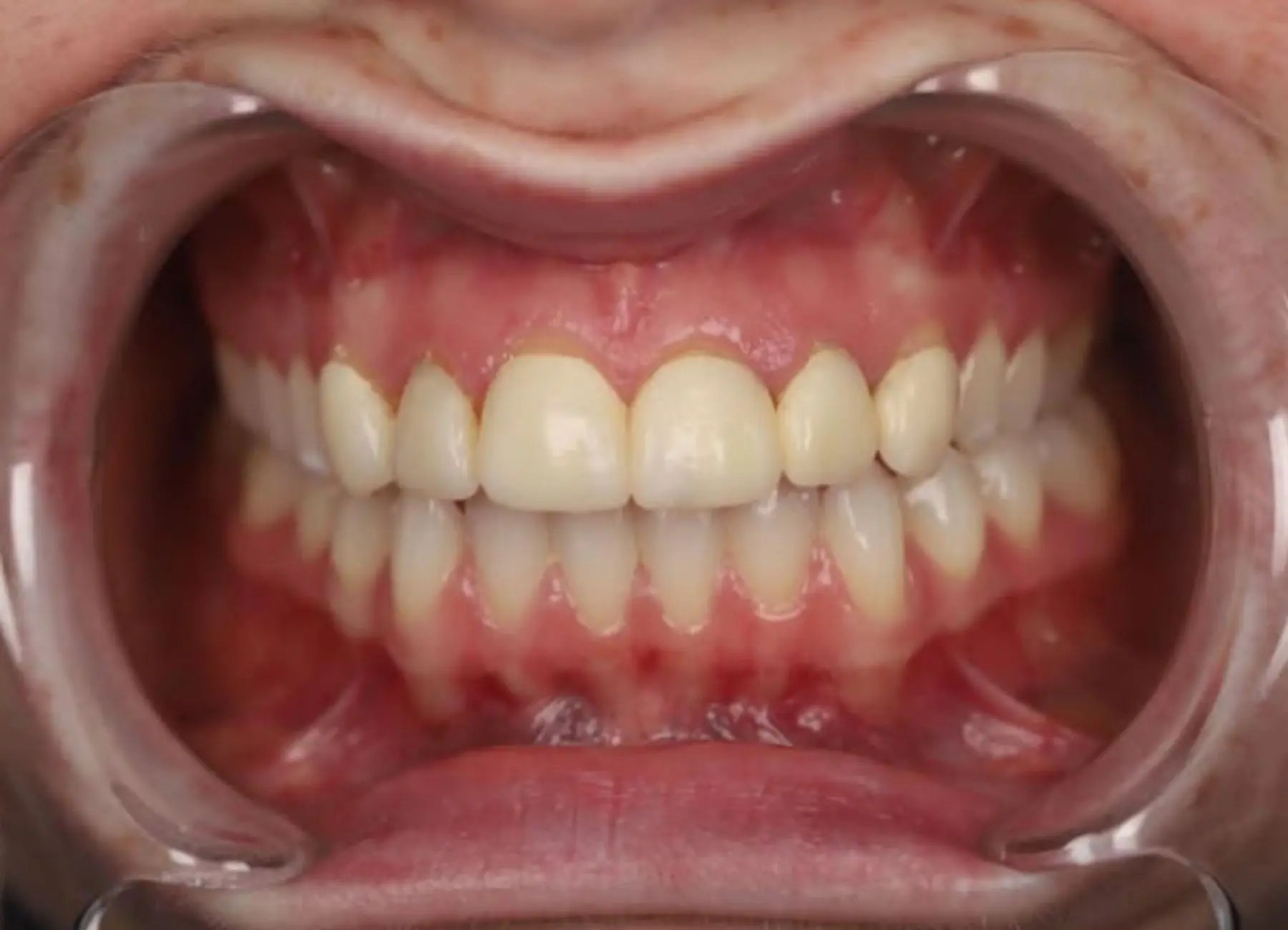
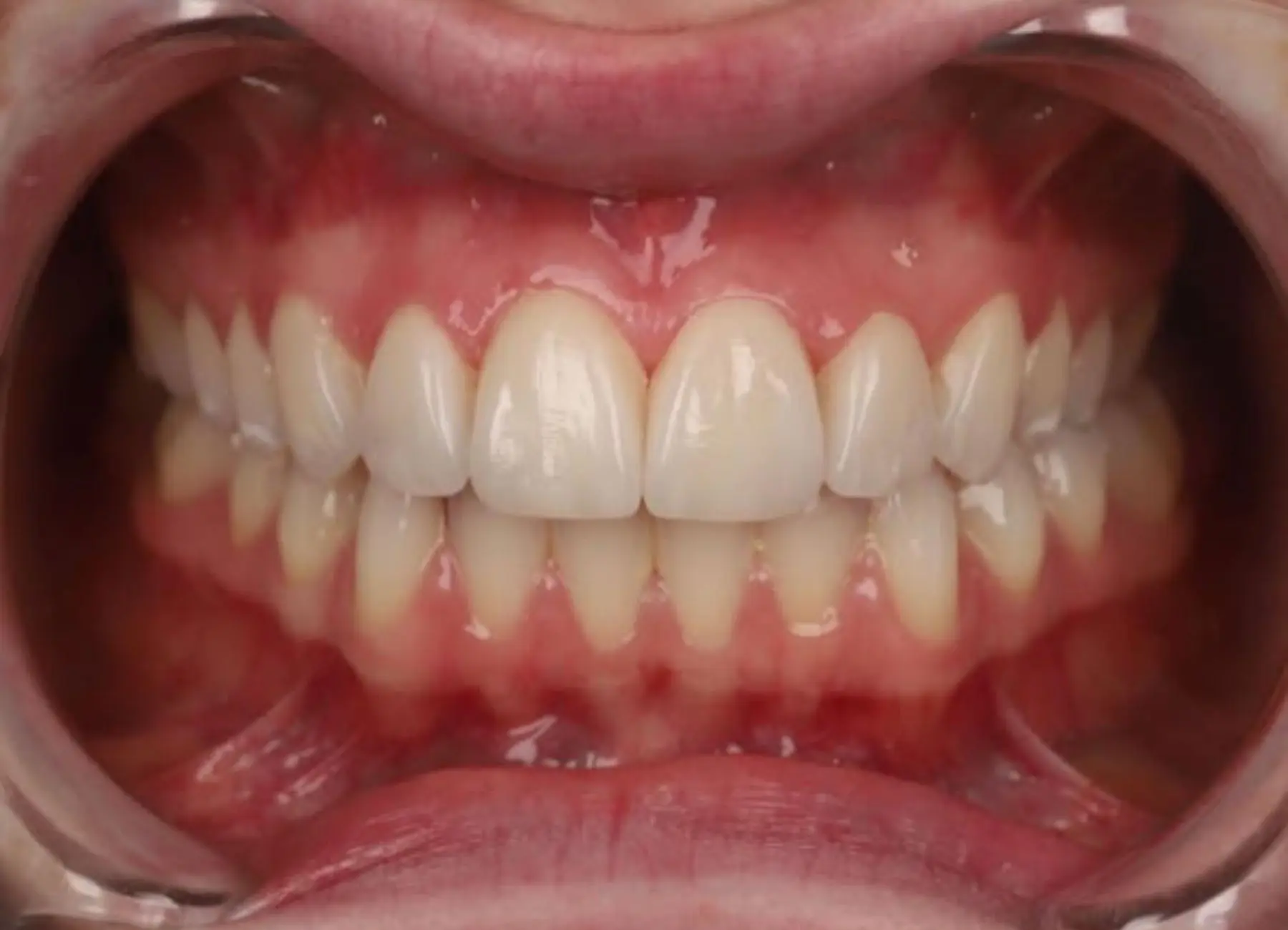
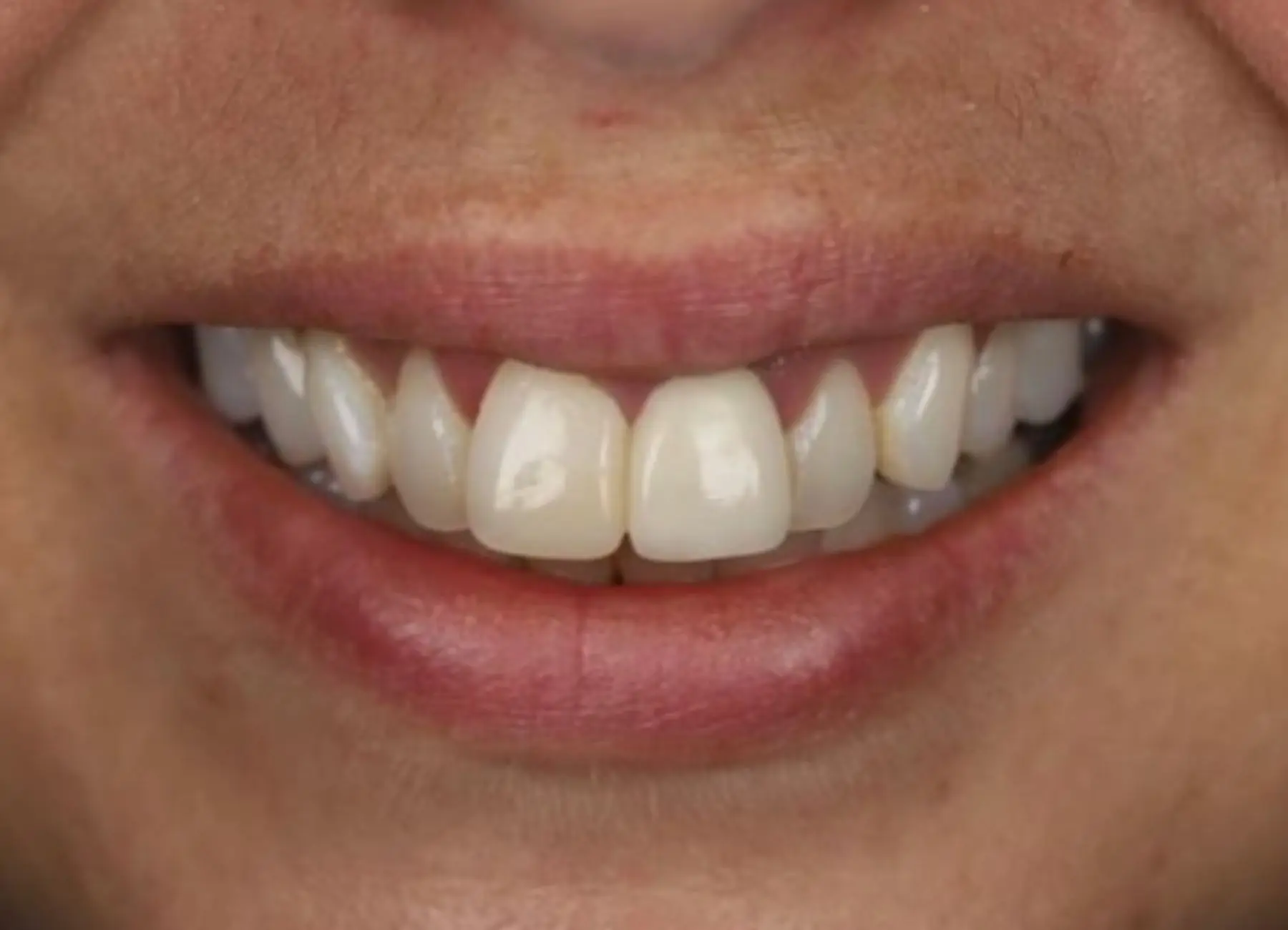
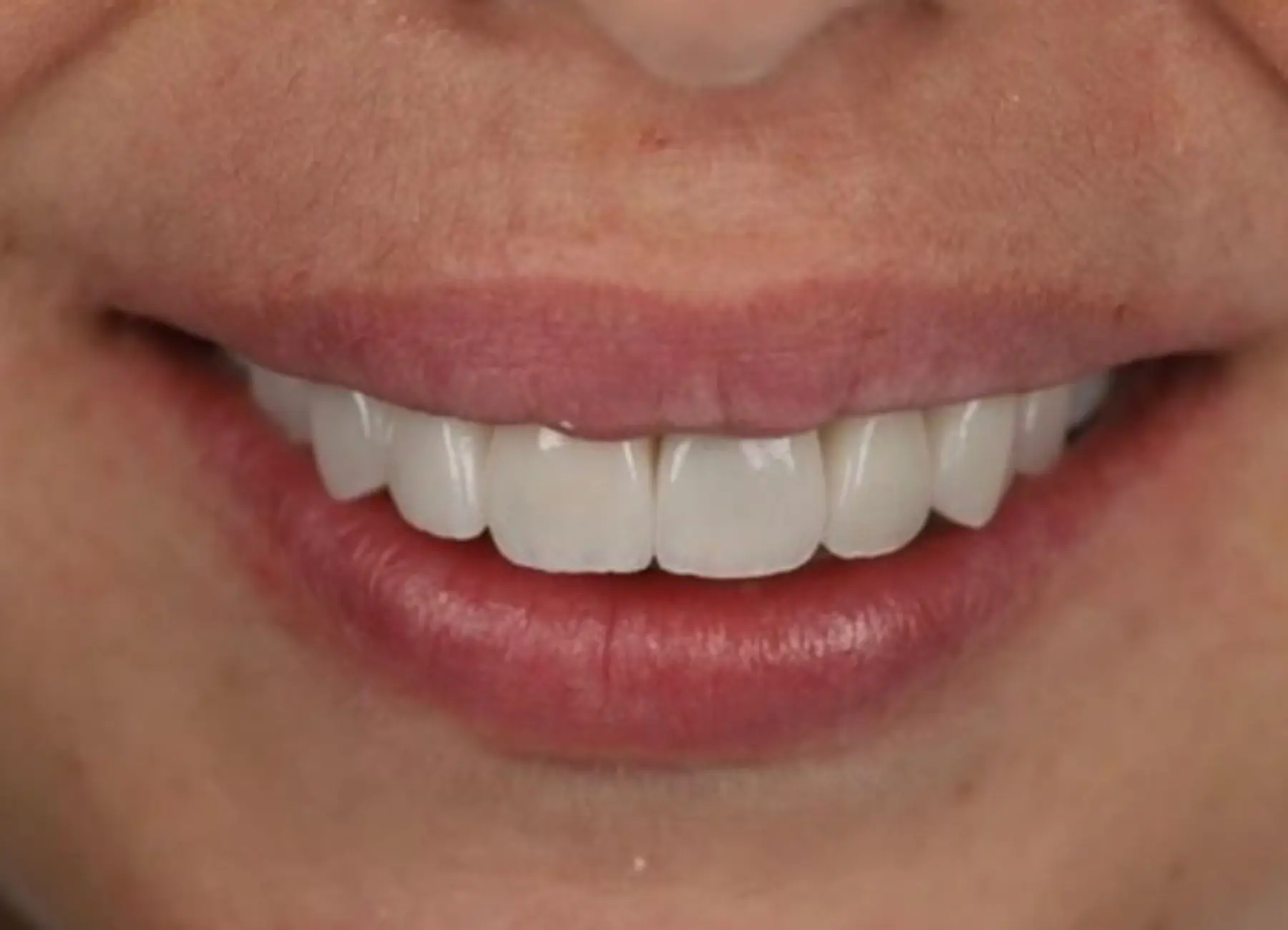
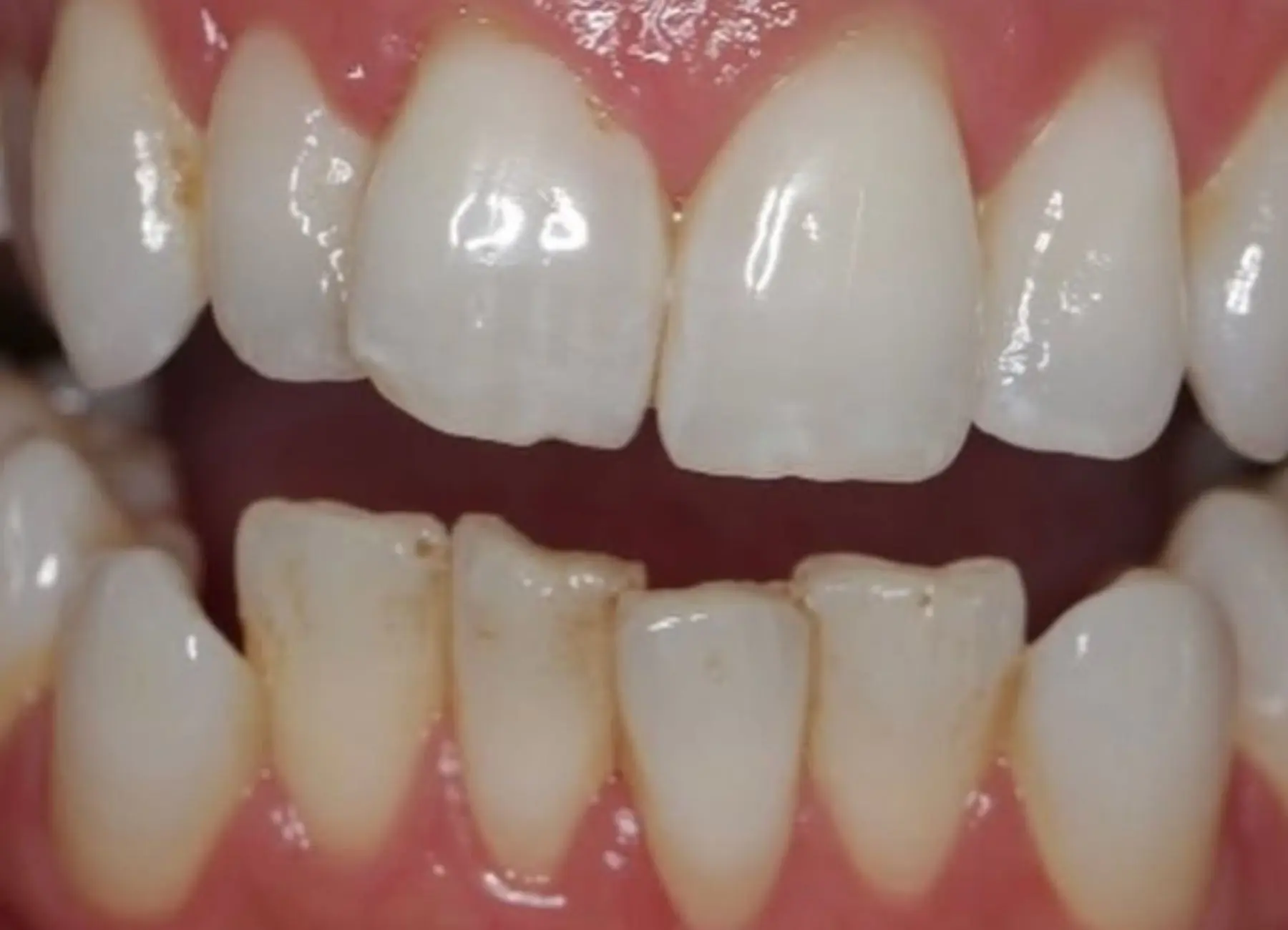
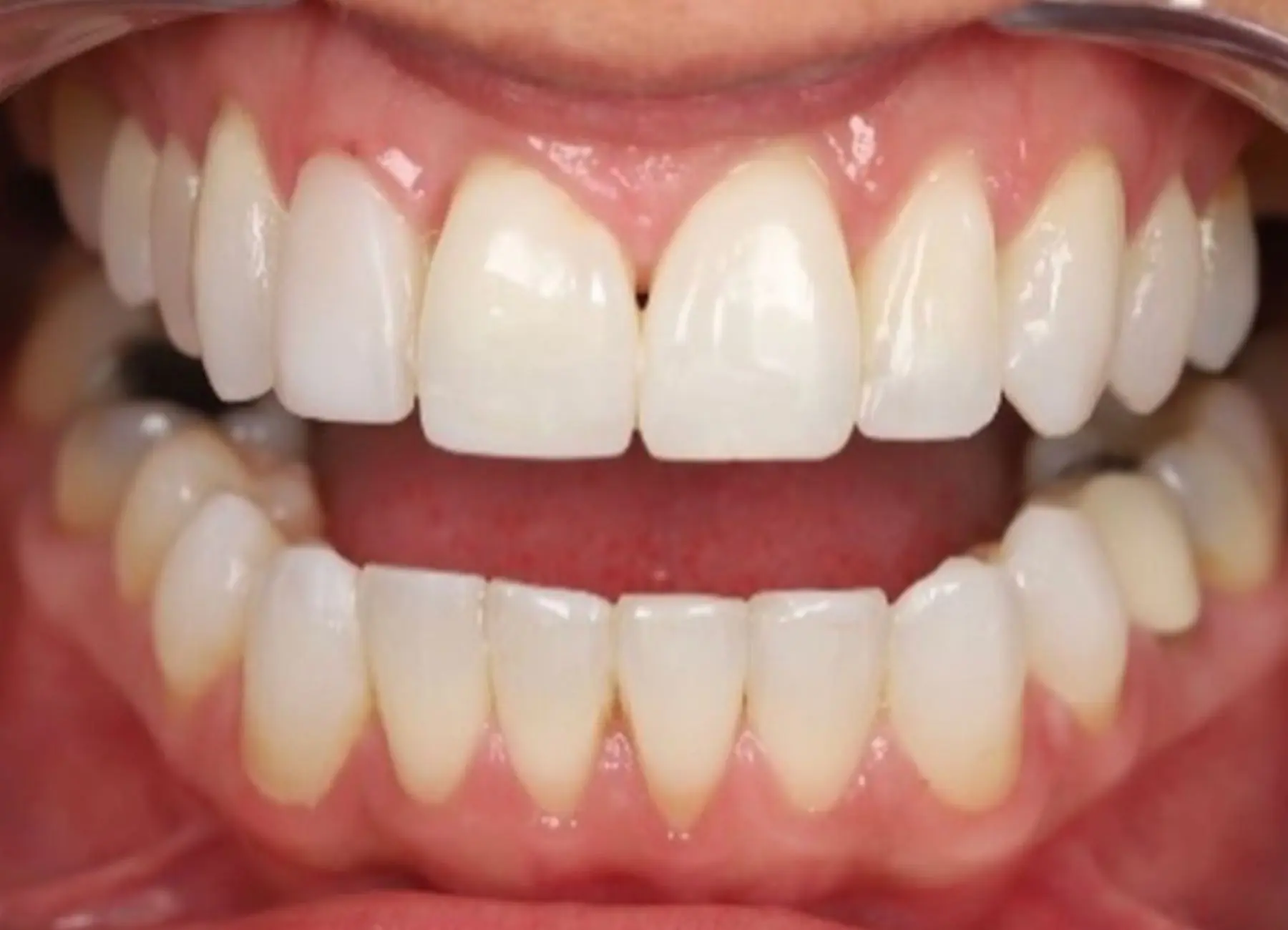
See teeth veneers before and after.
What Affects How Long Veneers Last?
- Material (porcelain lasts longer than composite)
- How well you brush and floss
- Grinding or clenching
- Diet (very hard foods)
- Trauma / accidents
- Smoking (stains composites faster)
- Whether the veneer was well-fitted by a cosmetic dentist
How to Extend the Durability of Composite Veneers
Composite veneers are prone to chips, staining, and erosion, similar to natural teeth. To keep them longer:
- Maintain good oral health and schedule regular dental check-ups.
- Follow at-home cleaning routines.
- Avoid chewing on hard items (such as pens, nails, sweets, and nuts).
- Chips are repairable, usually within an hour and cost up to £250.
- Bruxism (tooth grinding) reduces suitability; a retainer may be needed at night.
Read next: How Much Does Composite Veneer Cost? Want to make small tweaks instead? Check out the composite bonding price.
Why You Might Not Want Veneers to Last Forever
- Composite veneers improve the colour, shape, and size of teeth in a single sitting.
- No injections, enamel removal, or drilling are required.
- Treatment can be completed chairside in a few hours without anaesthetic.
Their temporary nature is a benefit:
- No permanent changes to underlying teeth.
- Easy to renew or change as trends or preferences evolve.
- Option to return to your natural teeth if desired.
FAQs
How long do veneers last?
Veneers last 5–15 years depending on the material. Composite veneers last 5–7 years, while porcelain lasts 10–15 years or longer.
Can veneers last 20 years?
Yes. High-quality porcelain veneers (like Emax) can last up to 20 years with excellent care.
Do composite veneers last as long as porcelain?
No. Composite lasts about half as long as porcelain.
How long do composite veneers last?
On average, 5–7 years before renewal or replacement.
Why are porcelain veneers longer-lasting?
They are stronger, made from better materials, and crafted in a laboratory, giving them a 10–15 year lifespan.
Can composite veneers be repaired if they chip or crack?
Yes, repairs are quick (around an hour) and affordable (up to £250).
Do I need to change habits with composite veneers?
Yes — avoid hard foods, nail biting, and address bruxism with a night guard.
Are composite veneers permanent?
No, they are non-permanent. Their reversibility makes them attractive to patients who may want to update their smile.
References
- NHS – Dental Treatments: Veneers – Overview of veneer types, application, and NHS policy
- NHSBSA – Guaranteed Items: Porcelain Veneers – Details on 12-month guarantees for certain dental restorations
- MFT NHS – Crowns, Veneers and Bridges Leaflet – Patient guidance on veneers, longevity, and care