Composite Bonding Vs Composite Edge Bonding – Which One Do You Need?
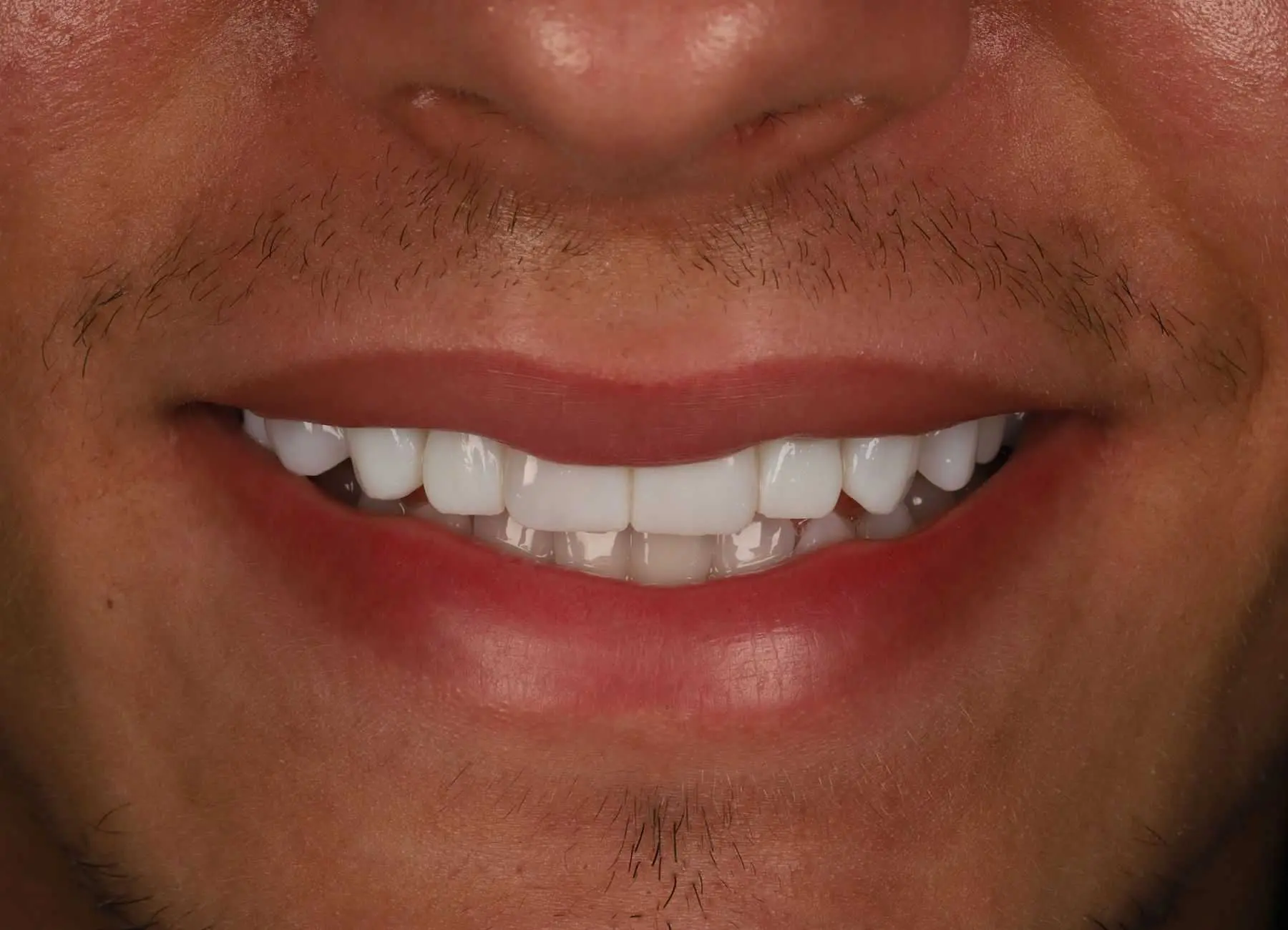
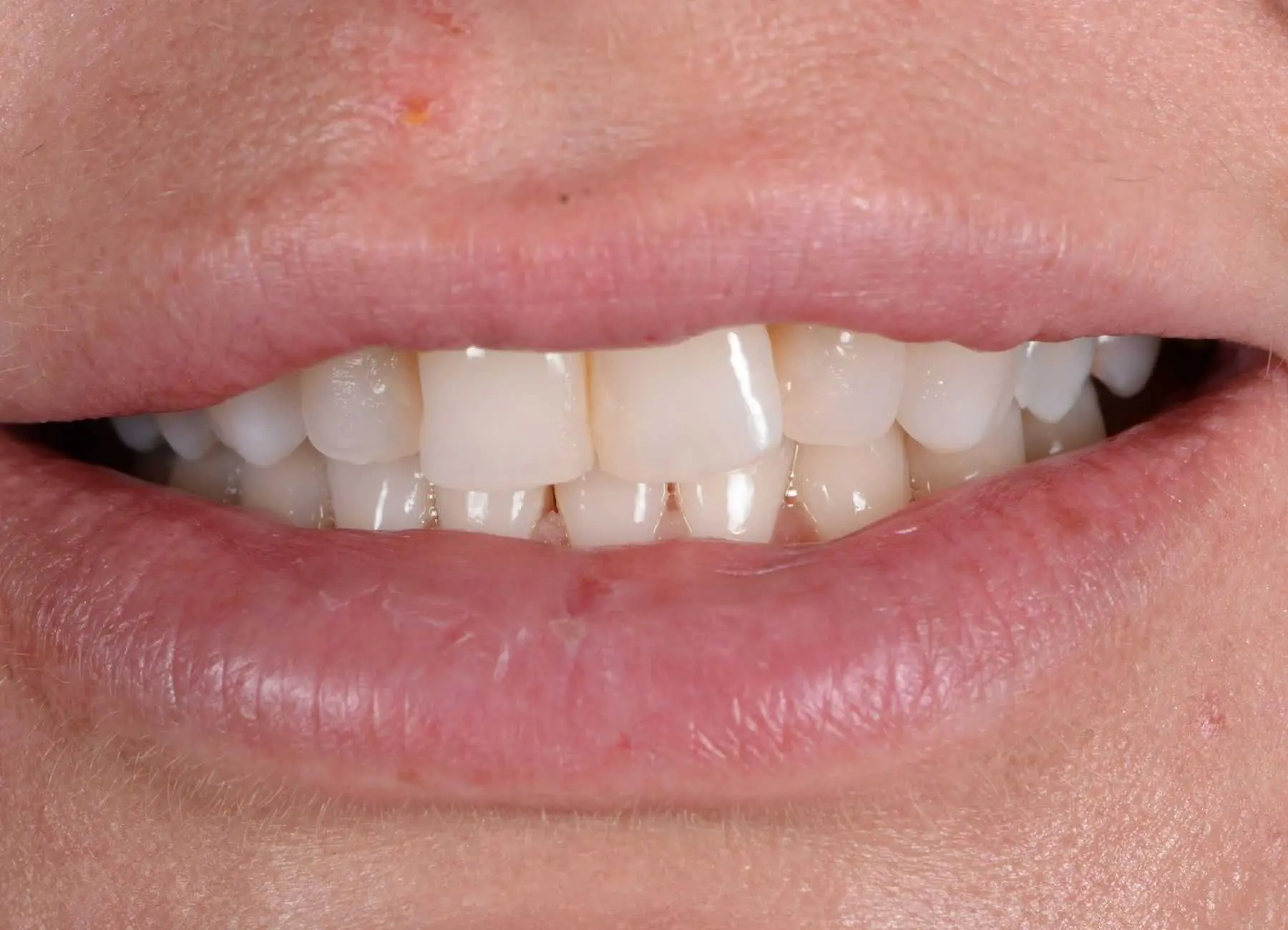
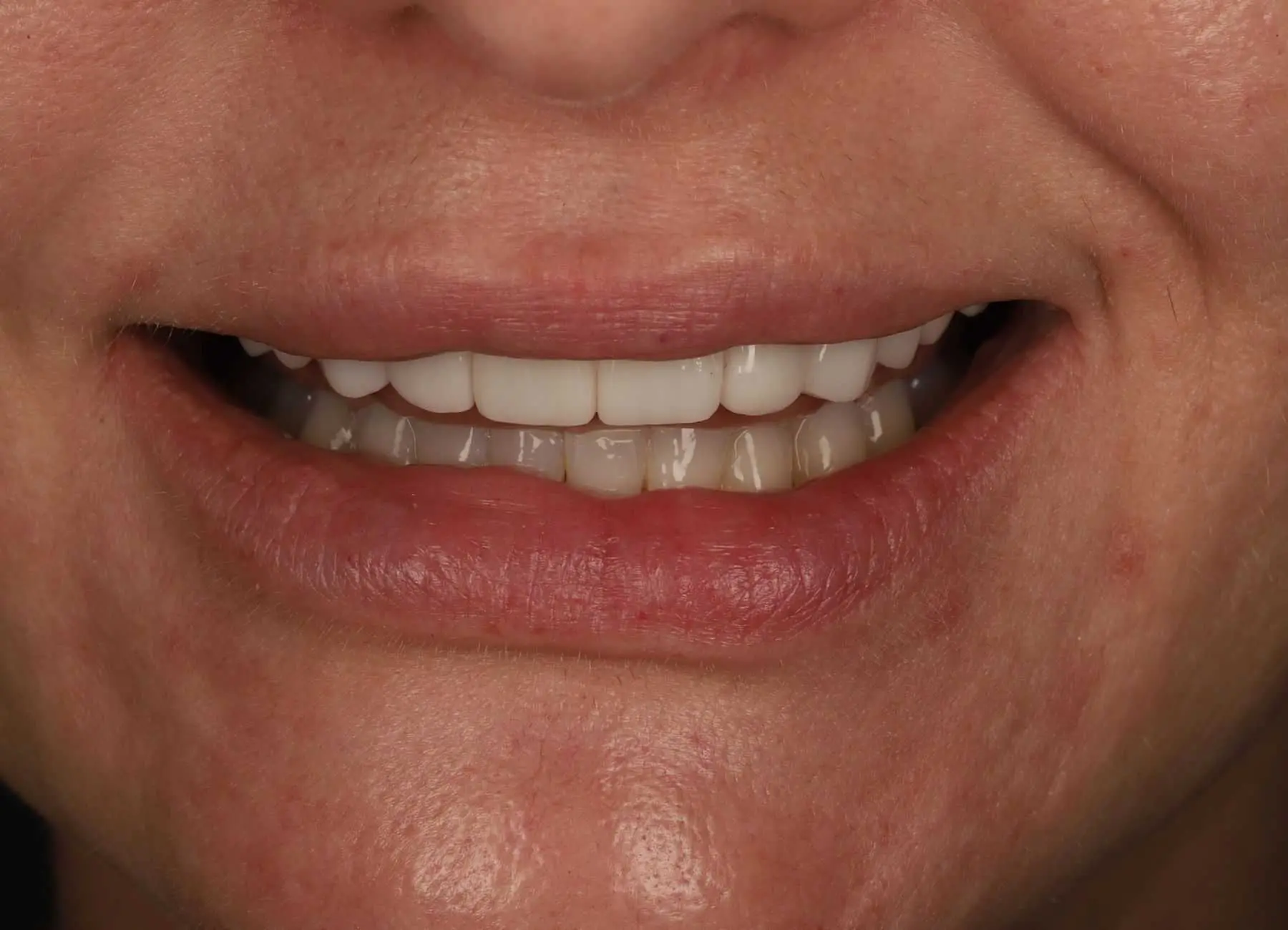
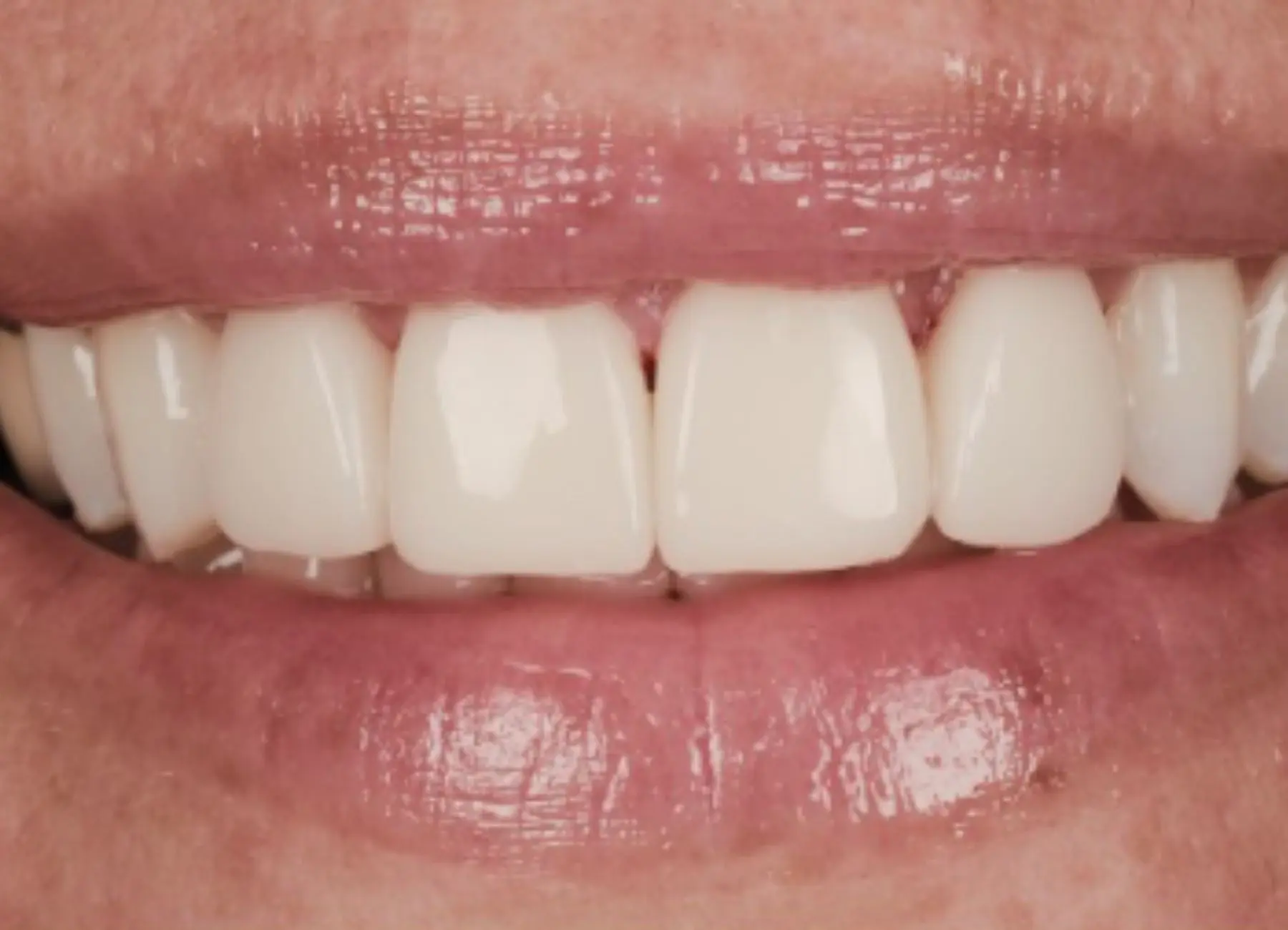
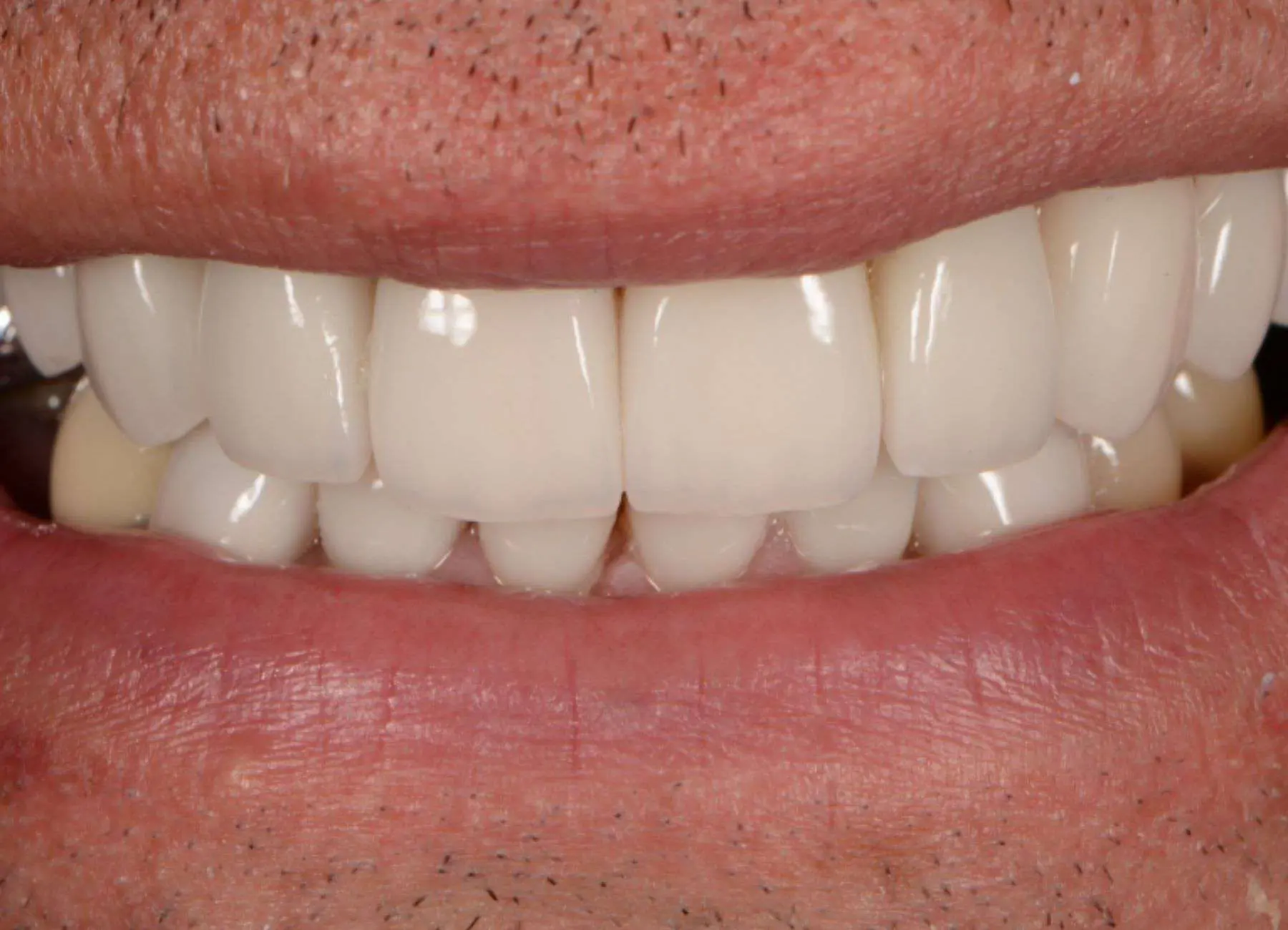
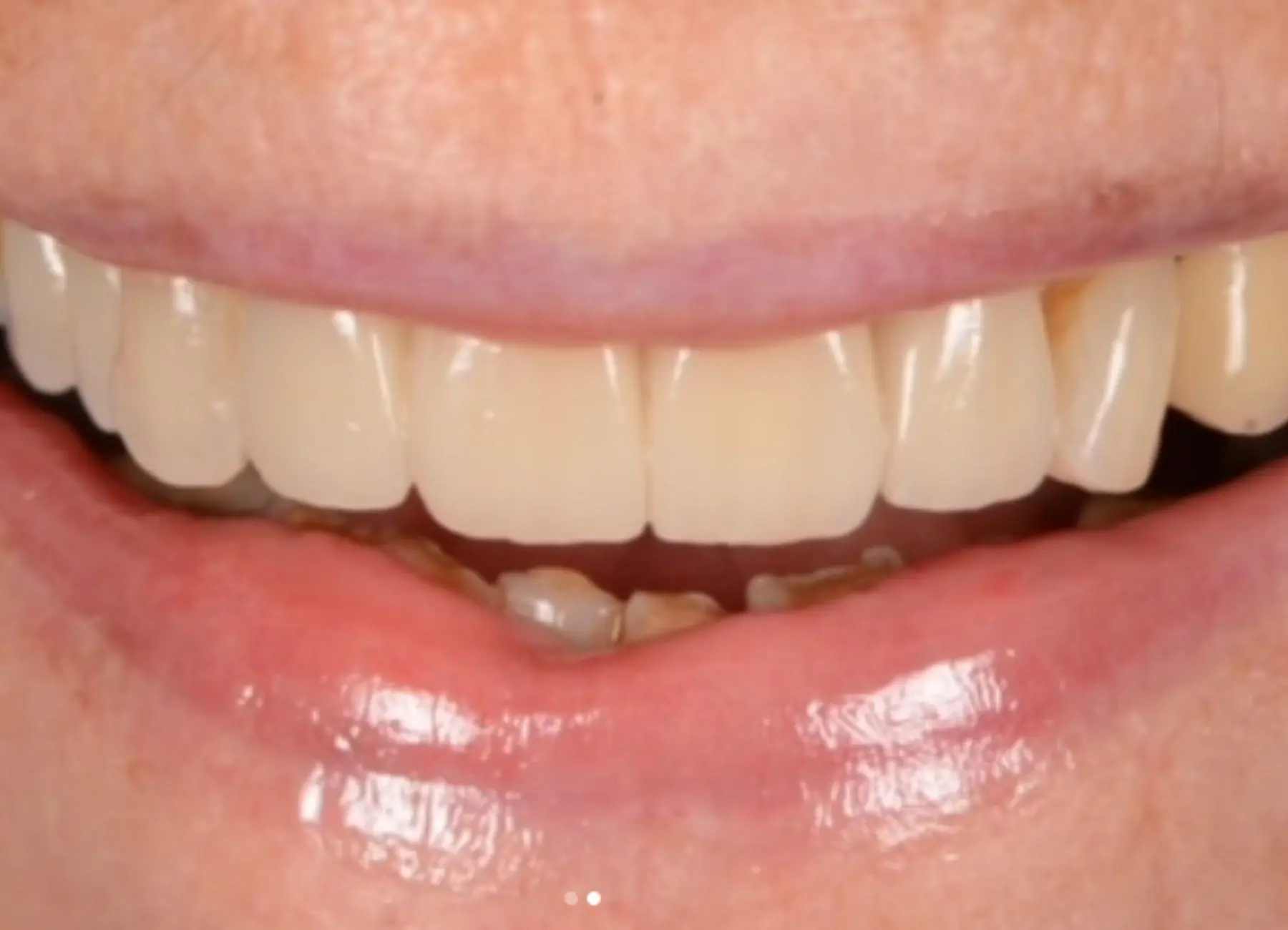
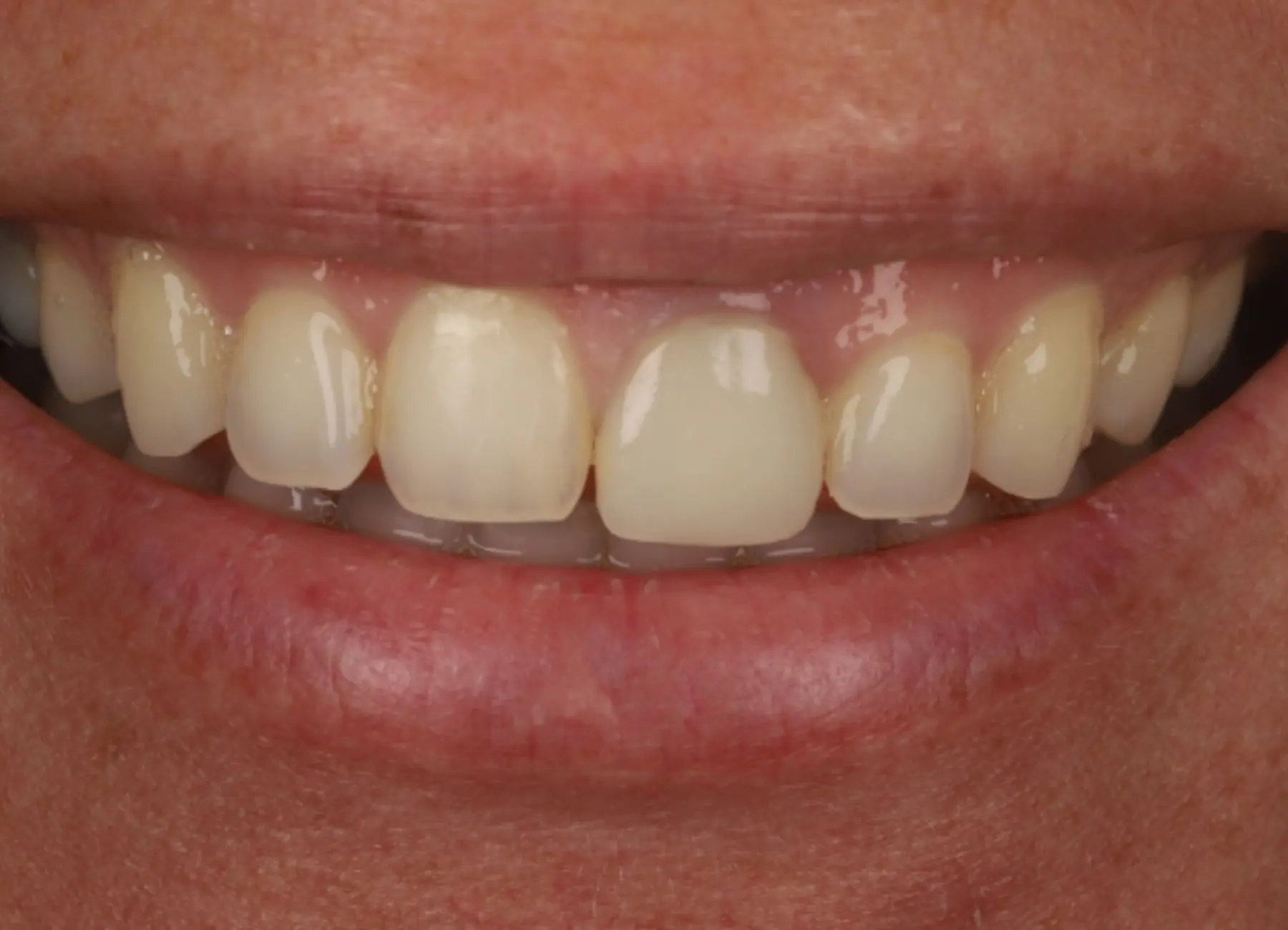
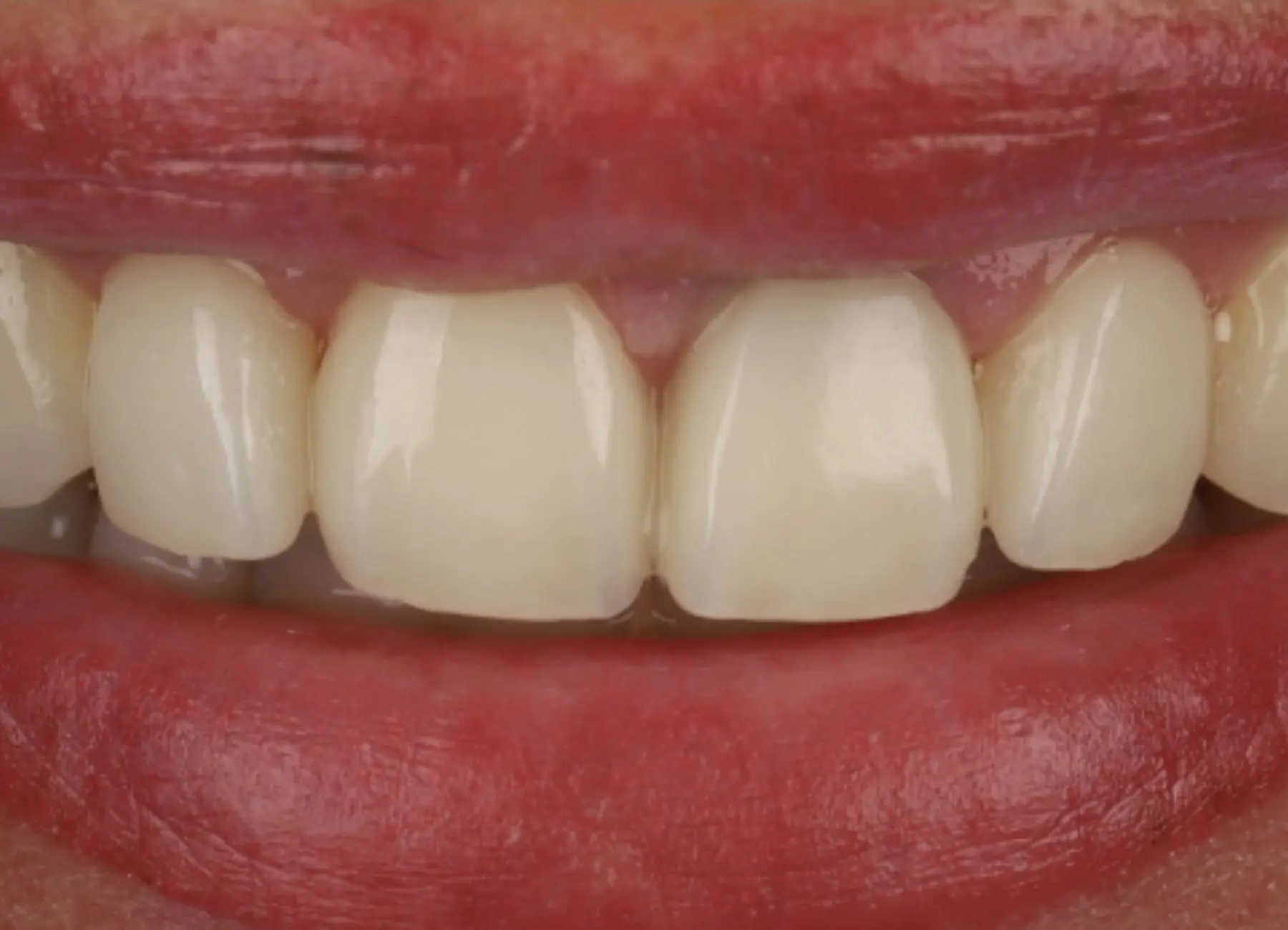
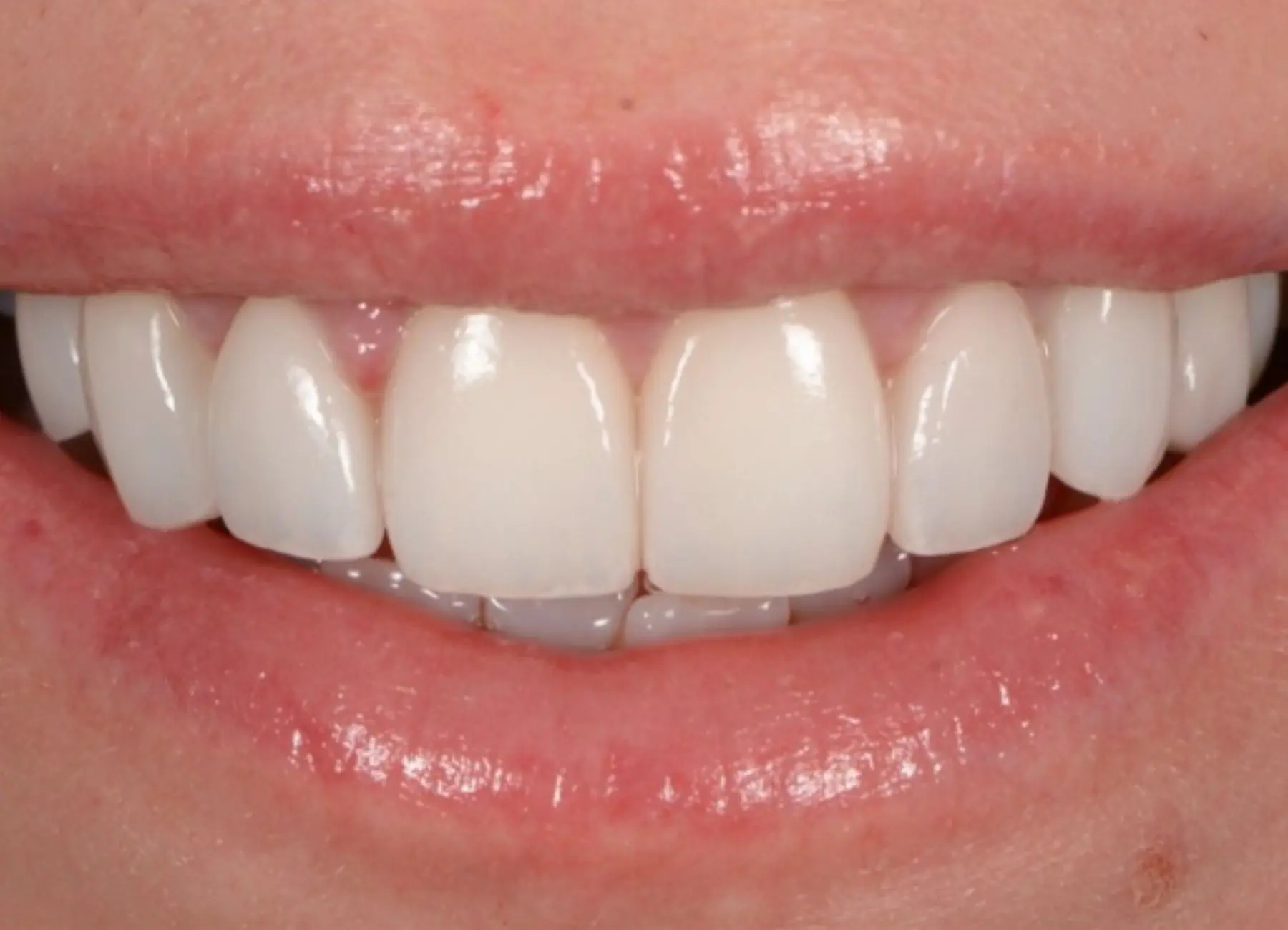
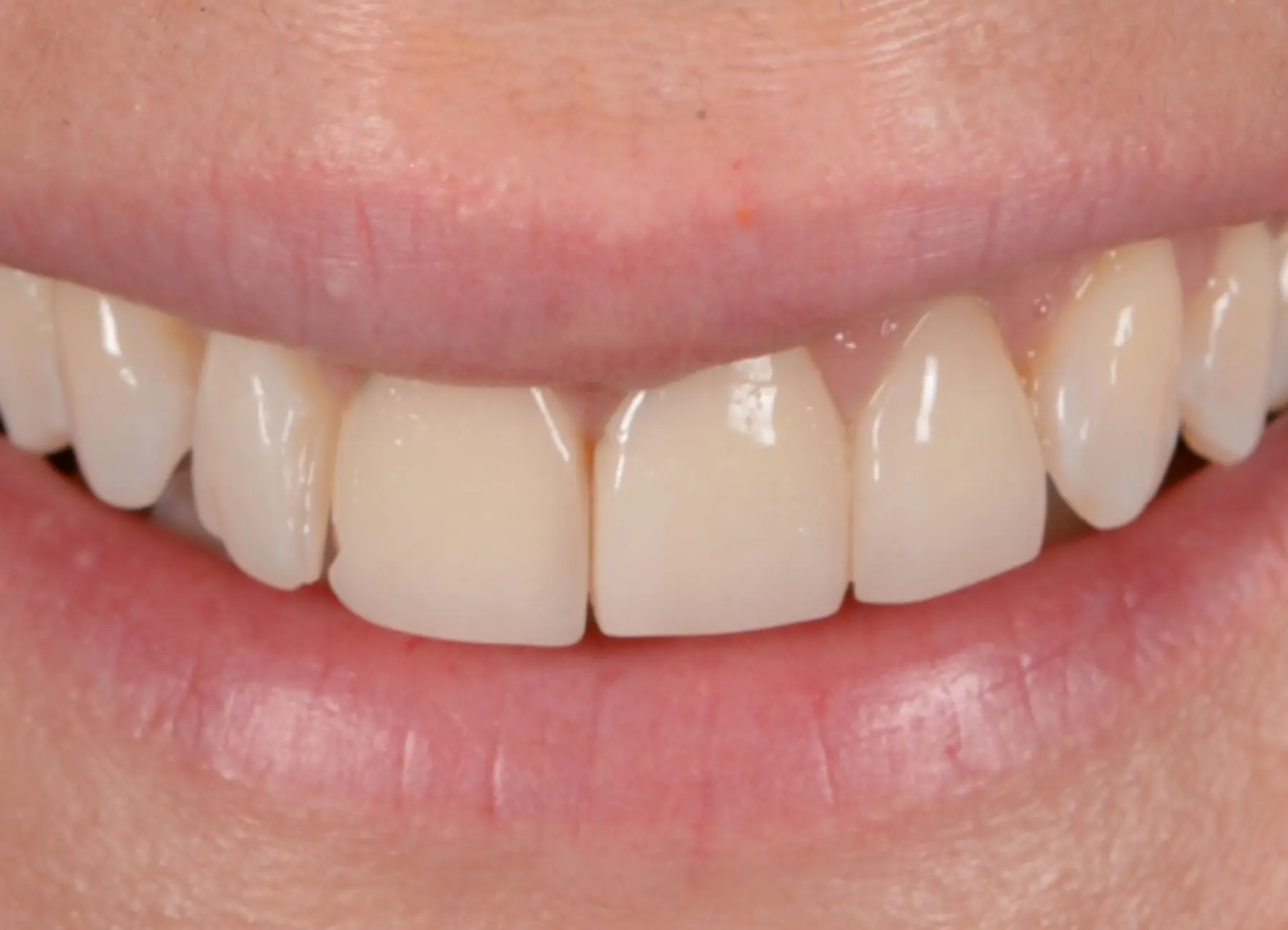
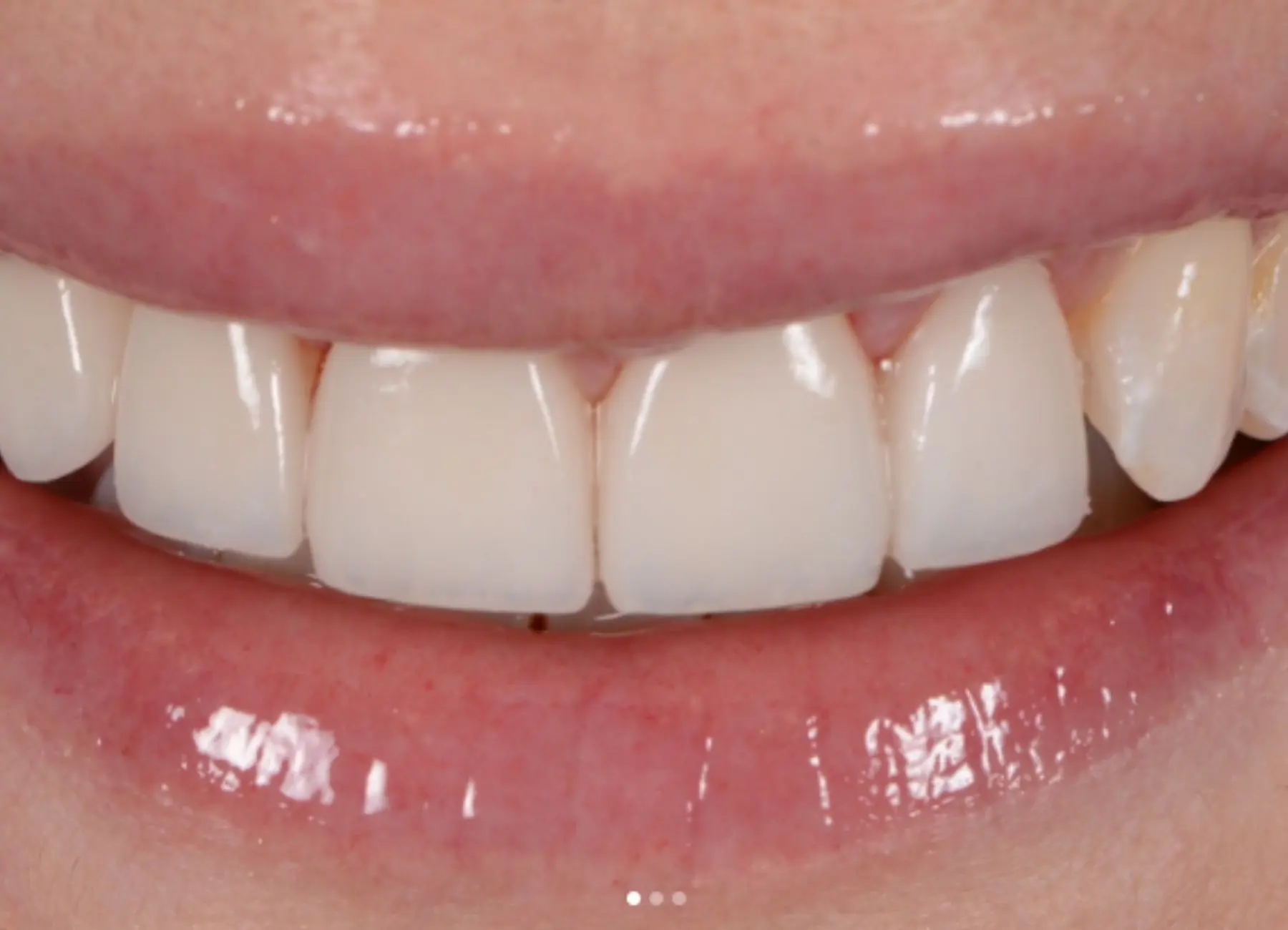
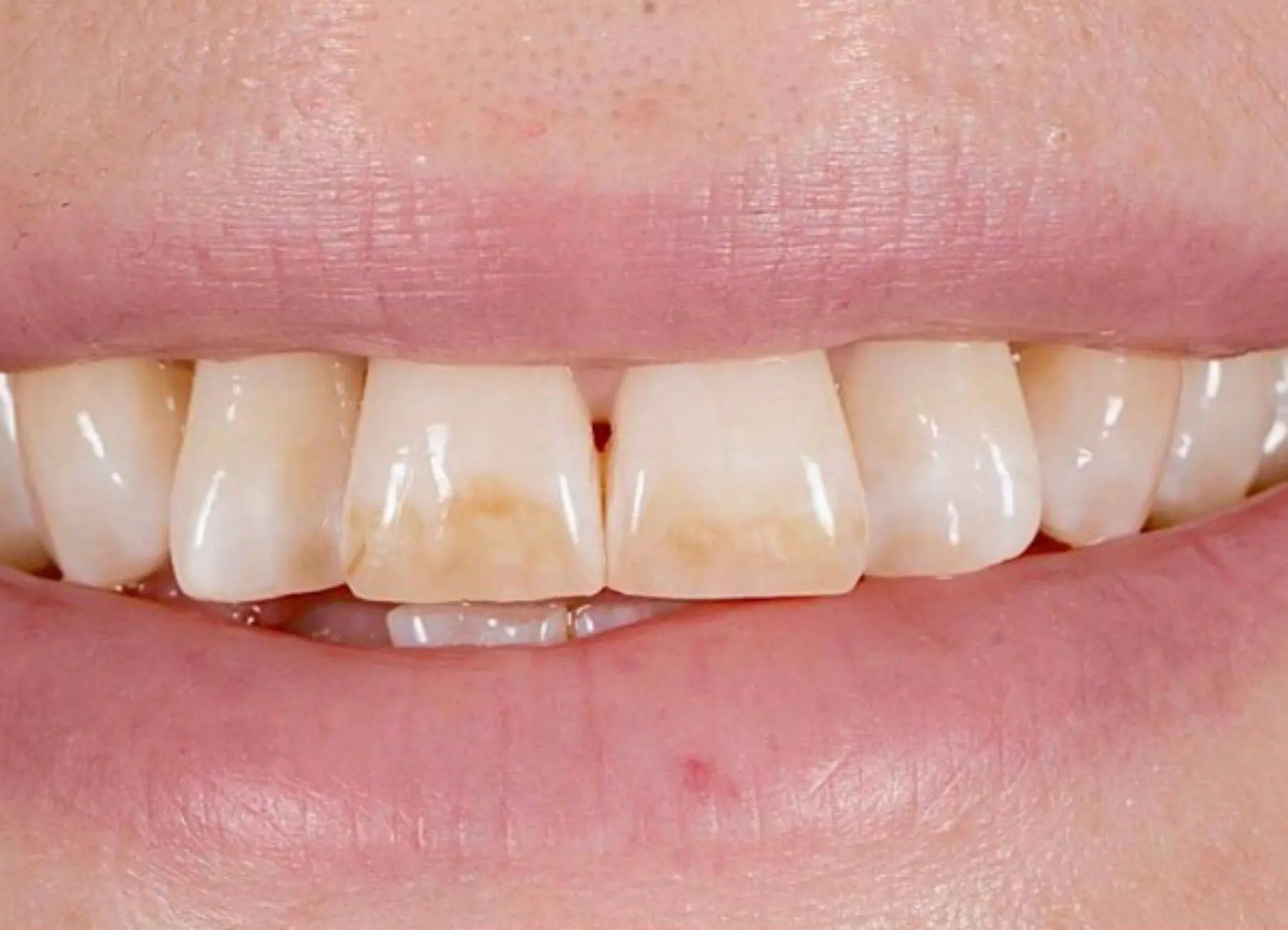
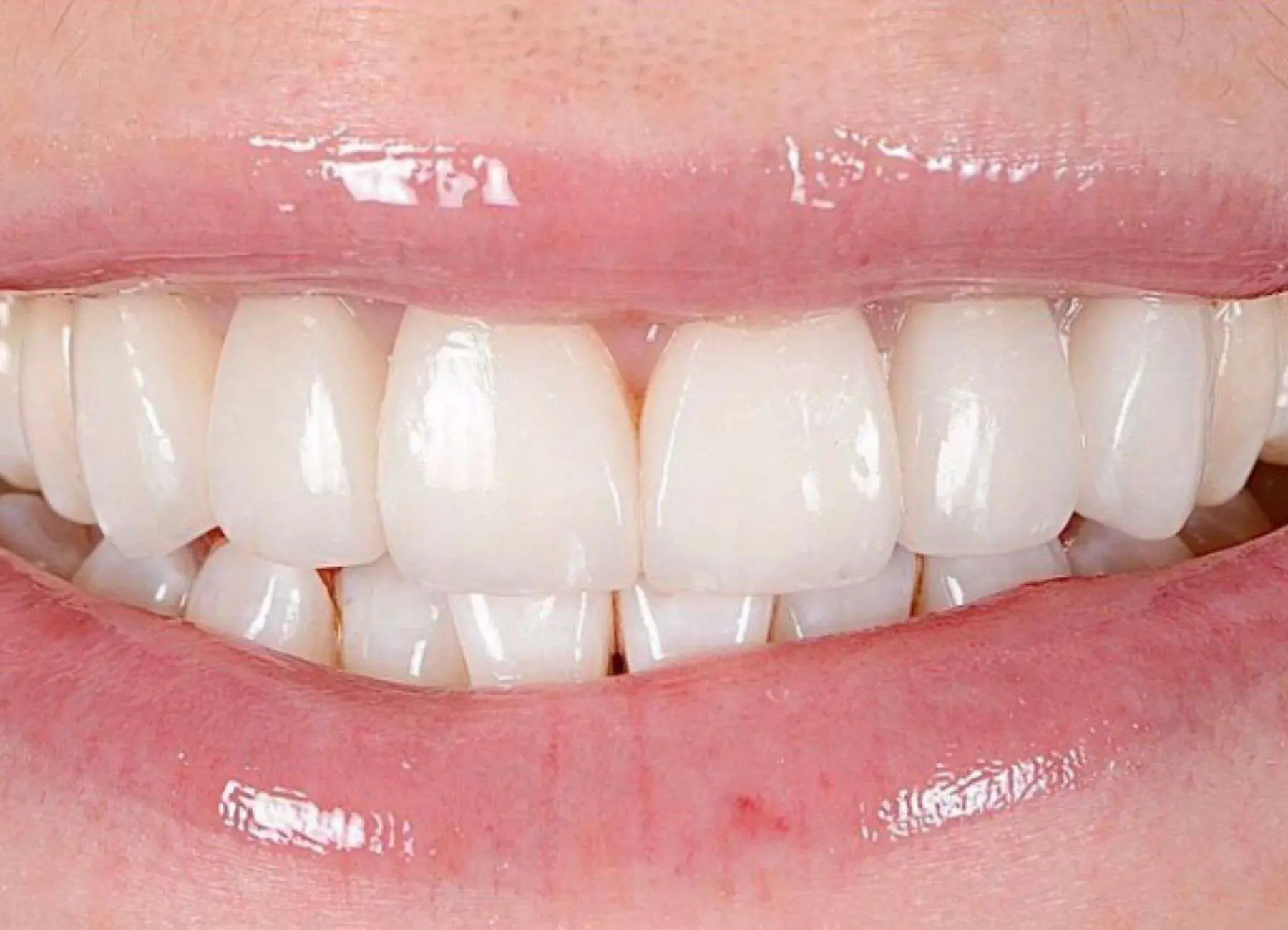
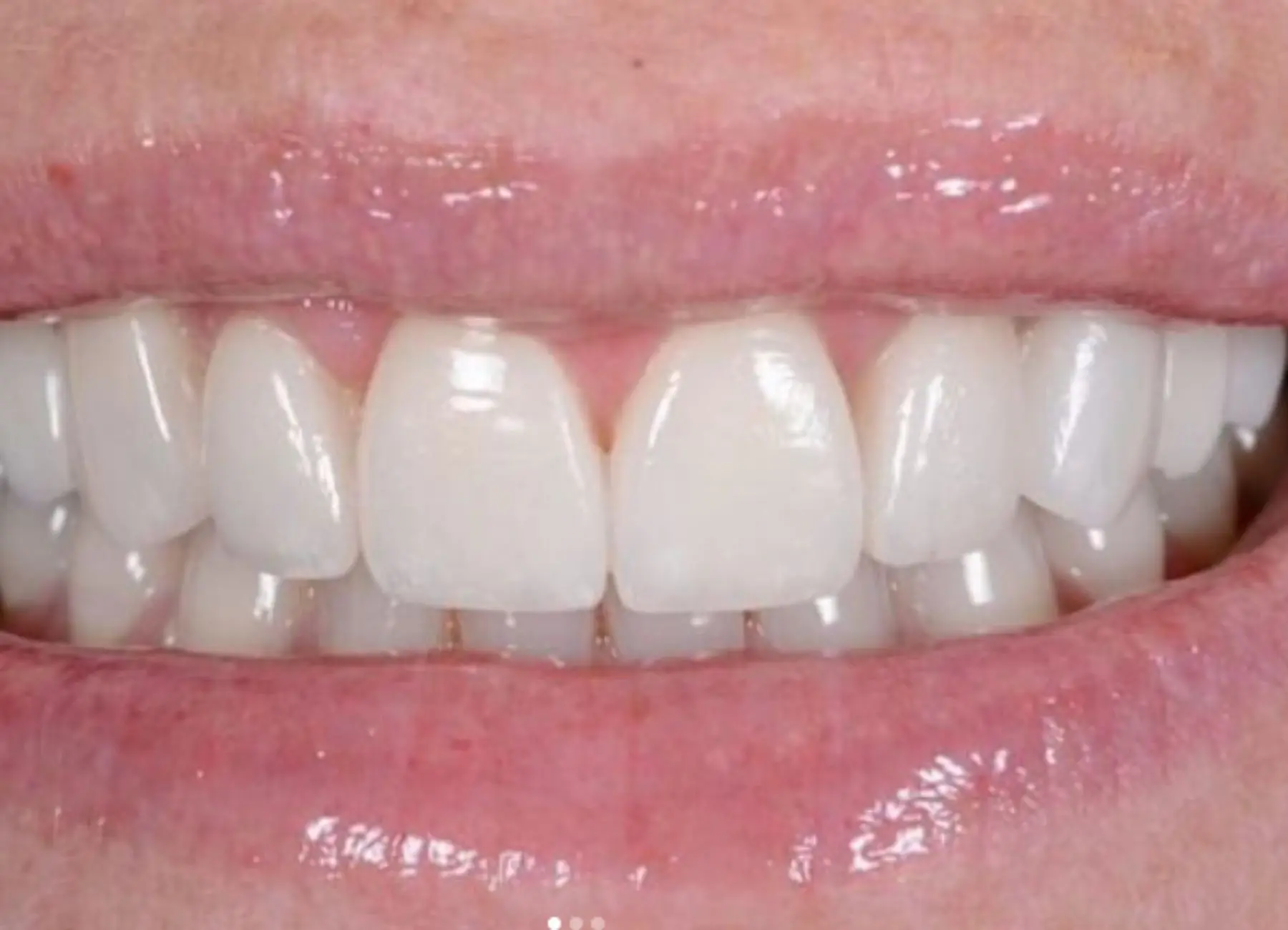
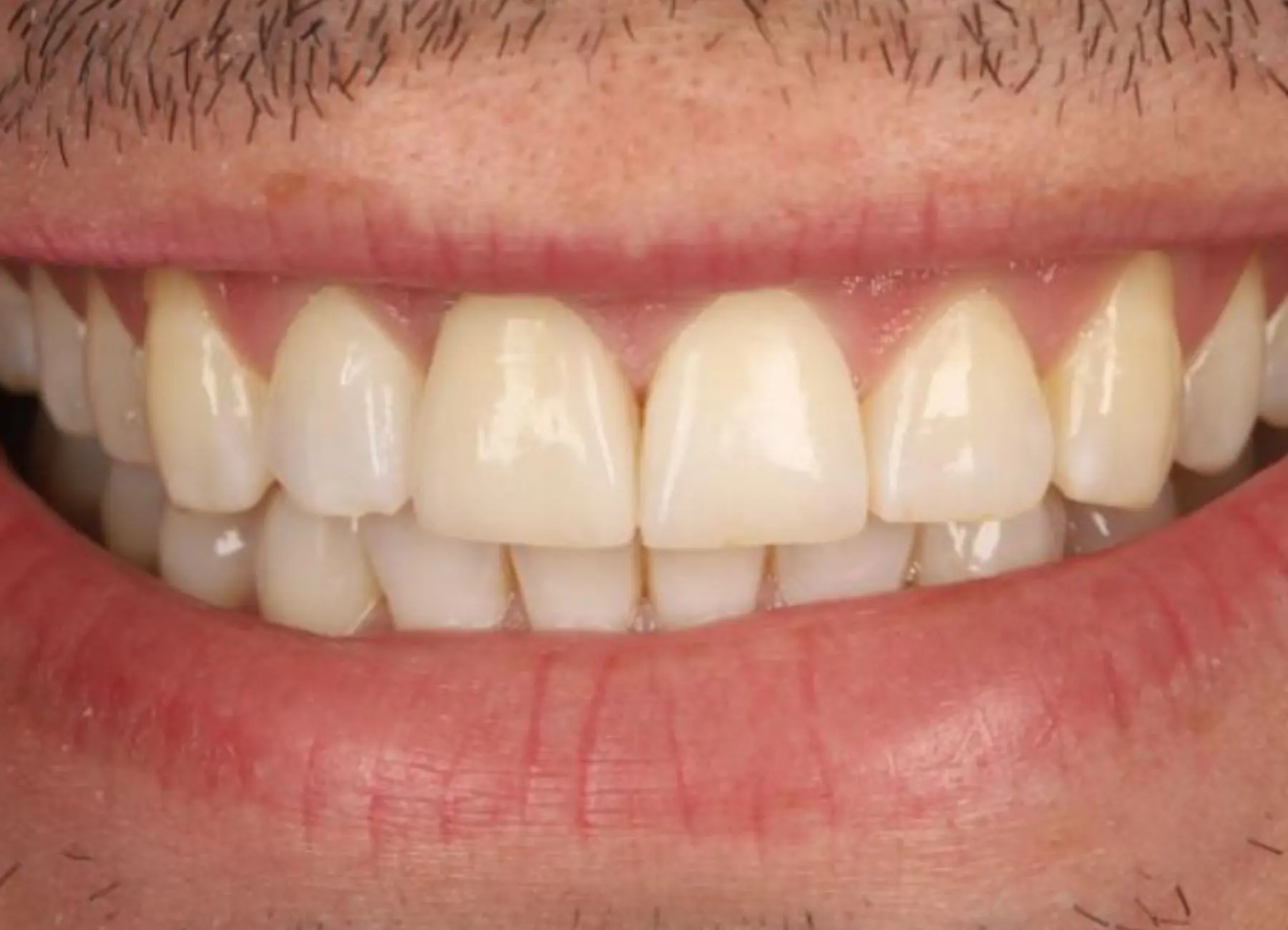
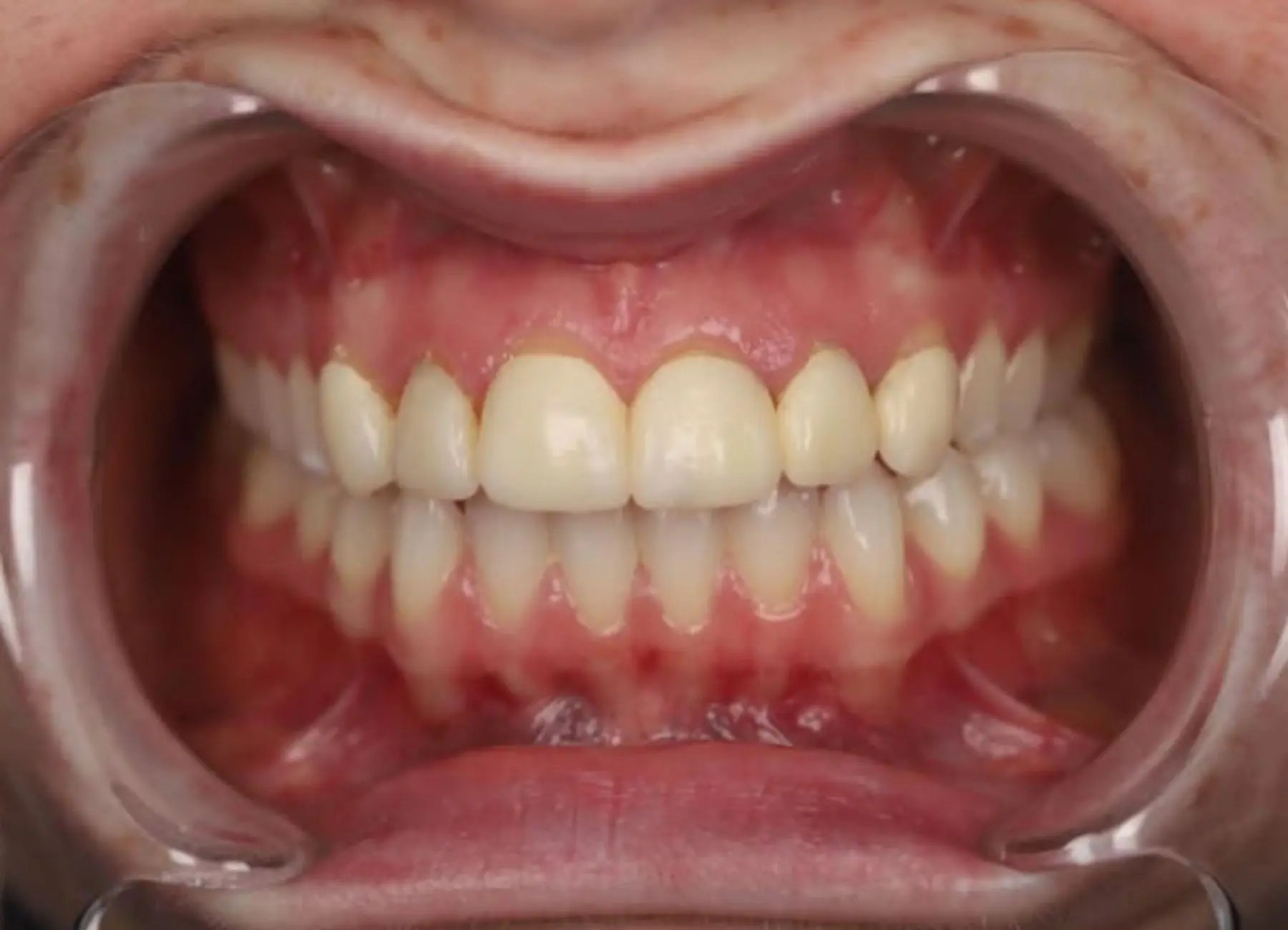
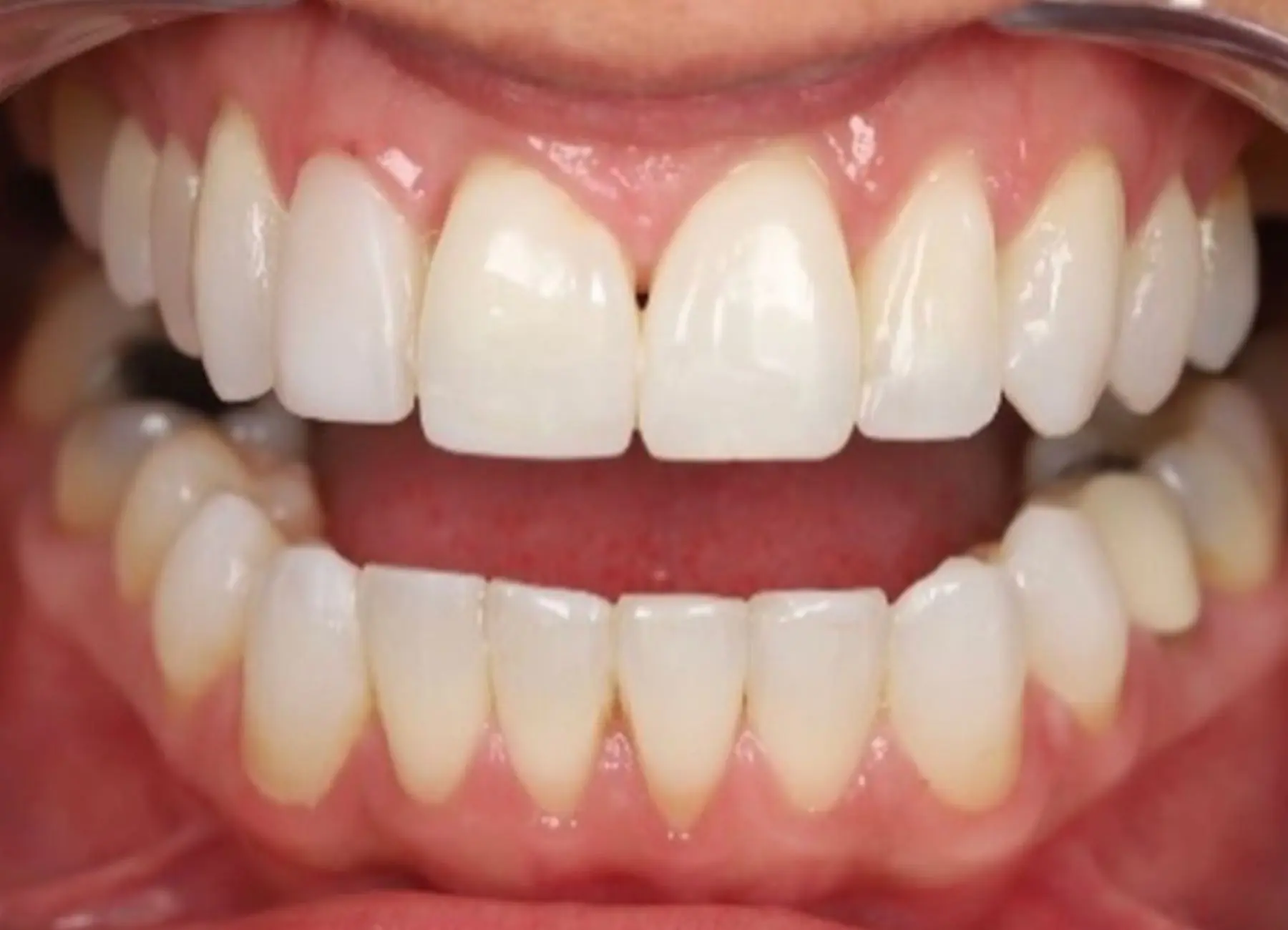
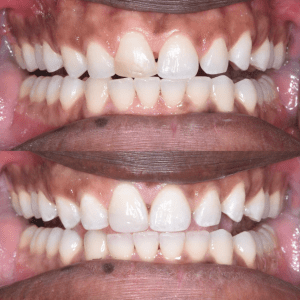
The difference between composite bonding and composite edge bonding is very simple. Compost edge bonding improves the tooth’s shape and structure, where it’s only applied to the edges of the teeth to create a more uniform and even smile.
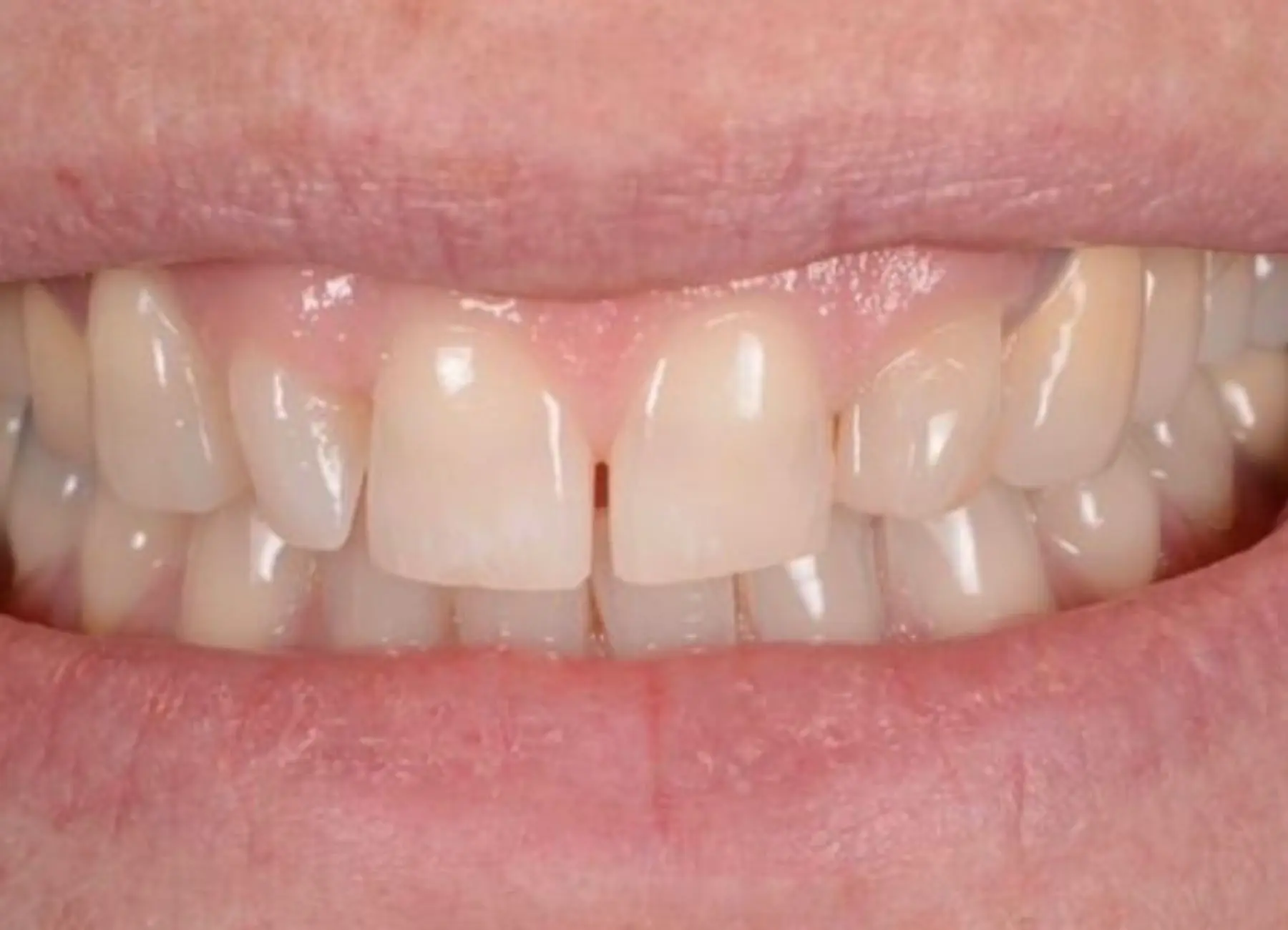
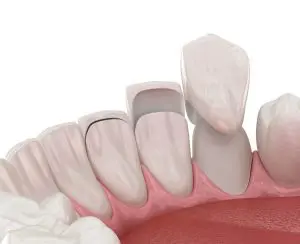
Composite bonding is applied to a larger part of the tooth, for example, where it can even close gaps between teeth. However, it does not cover the whole tooth like composite veneers. Confused?
Let’s break it down:
- Composite edge bonding: Applied to the edges of the tooth
- Composite bonding: Applied to a specific portion of the tooth
- Composite veneers: Applied to the whole tooth (covers it)
Treatment overview
- What it is: A cosmetic procedure to improve the appearance of teeth by applying tooth-coloured composite resin to the edges of teeth. More.
- How it works: A cosmetic dentist roughens the tooth’s surface by applying the resin in thin layers, curing it with a special light, and polishing it to finish.
- Main benefits: Non-invasive, cheapest treatment and natural-looking.
- Where it’s used: Best used on the front teeth (low-pressure areas).
Patients must be over 18 years old for composite bonding, and prior consultations are necessary, where a dentist can determine your suitability for the treatment as not every patient immediately qualifies for the treatment.
How it can be used to improve your smile
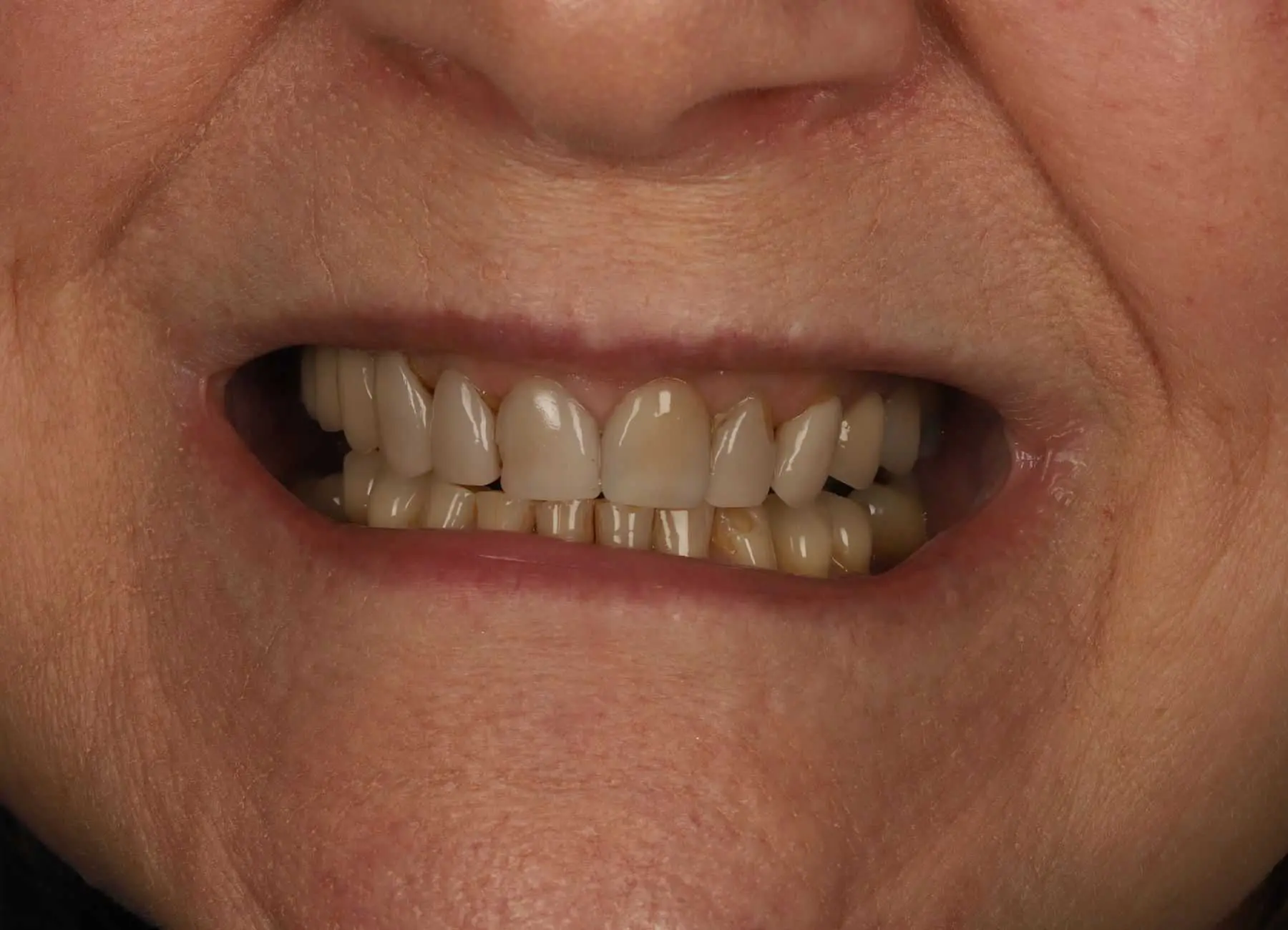
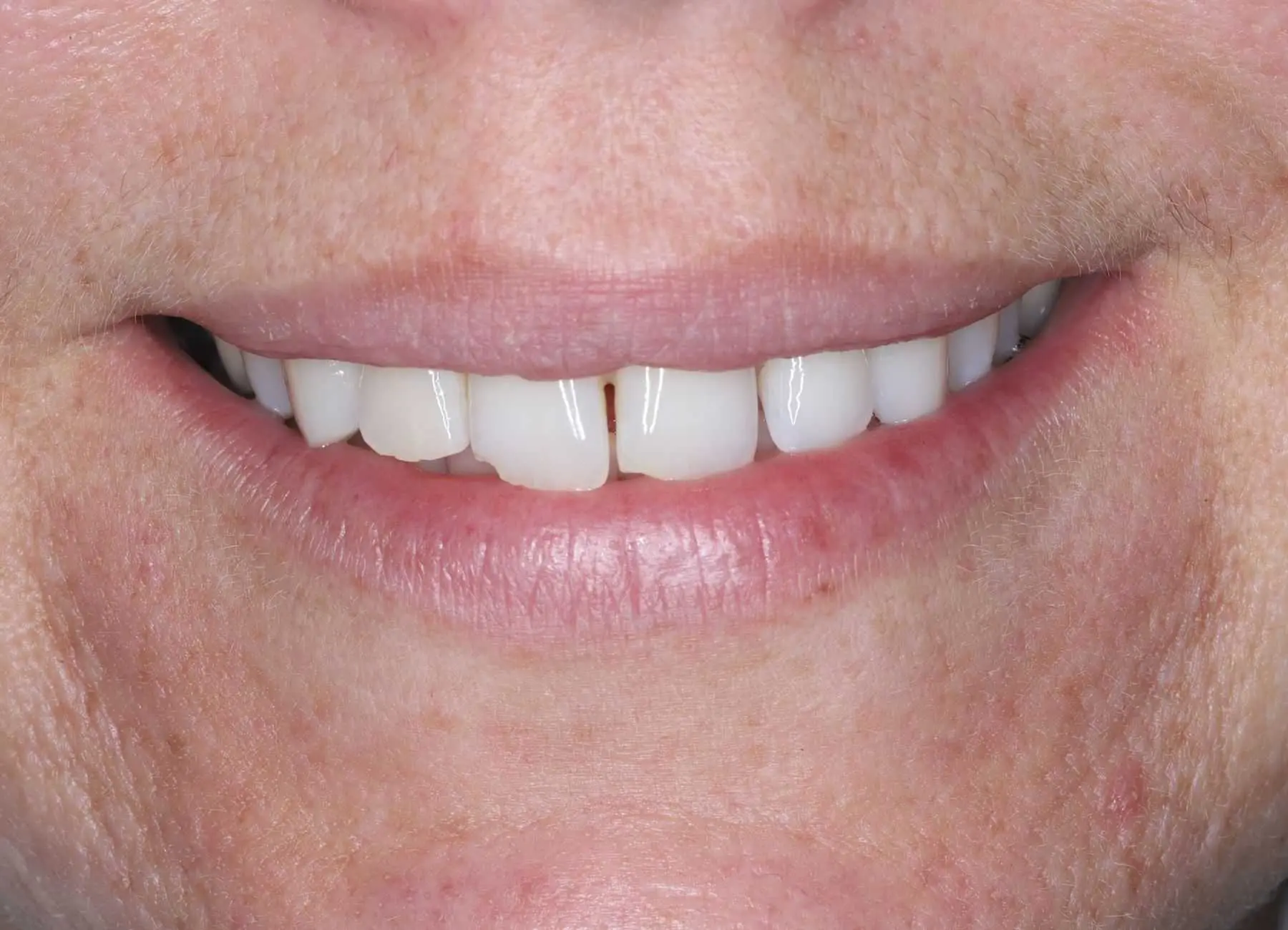
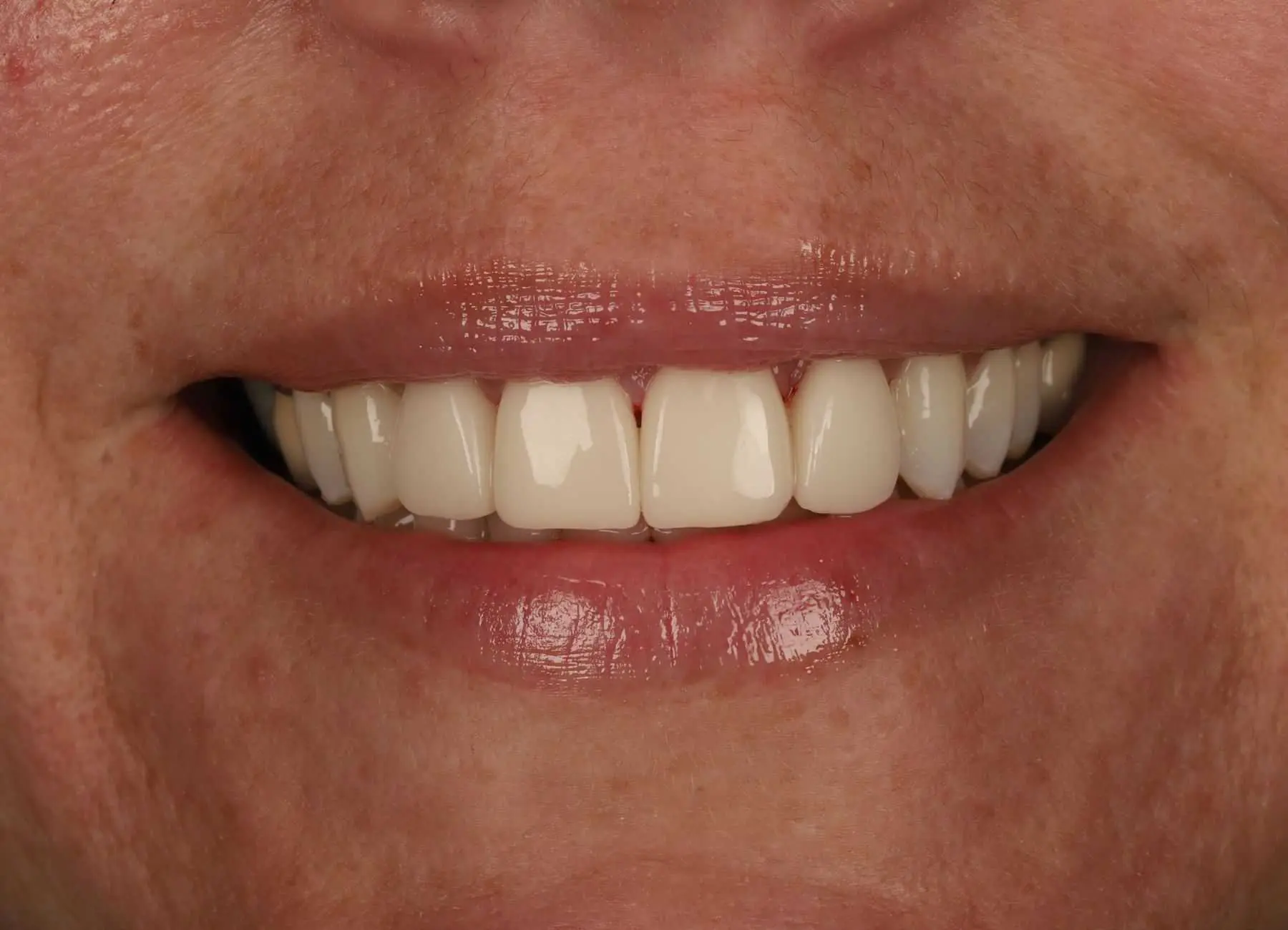
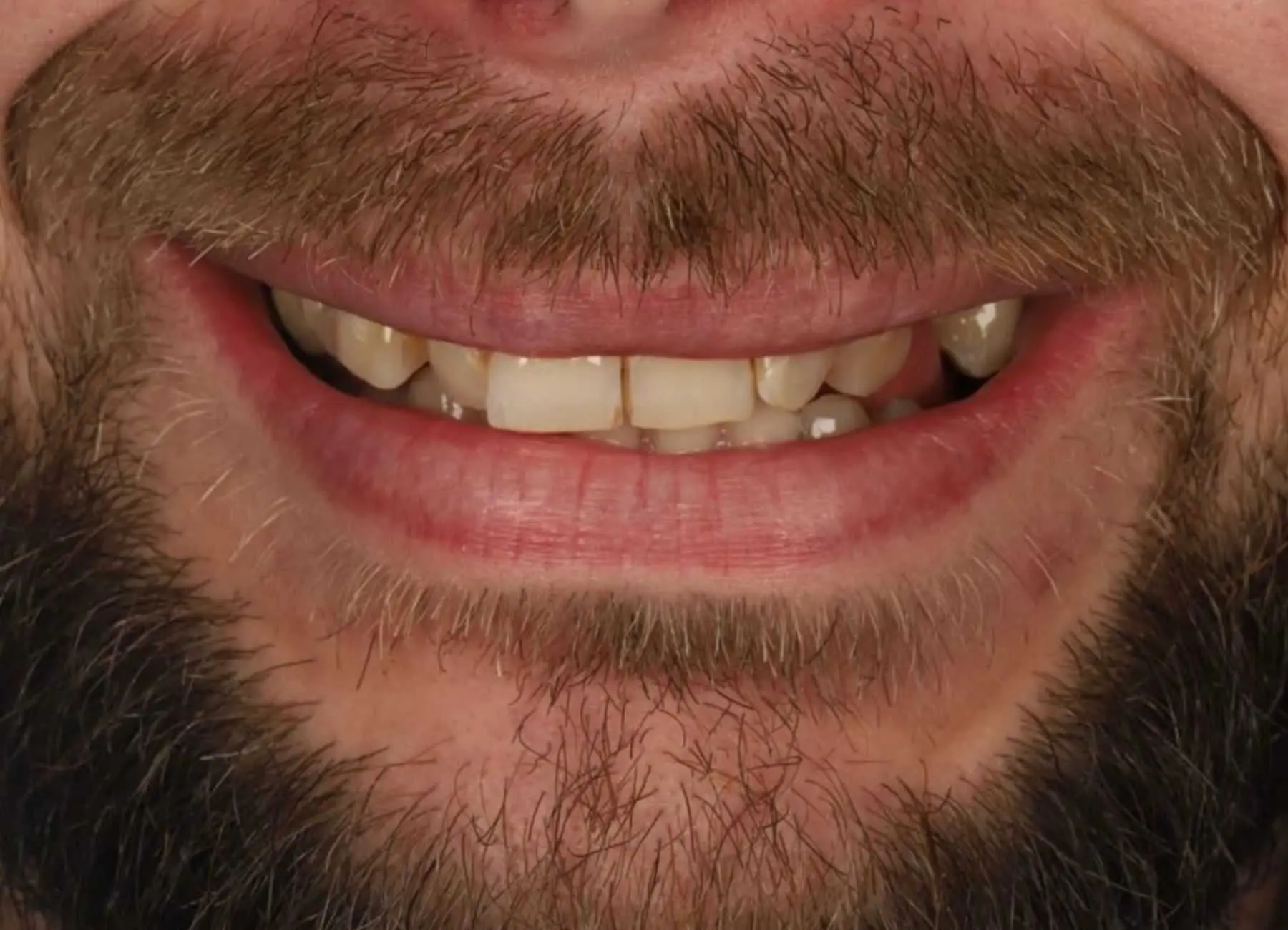
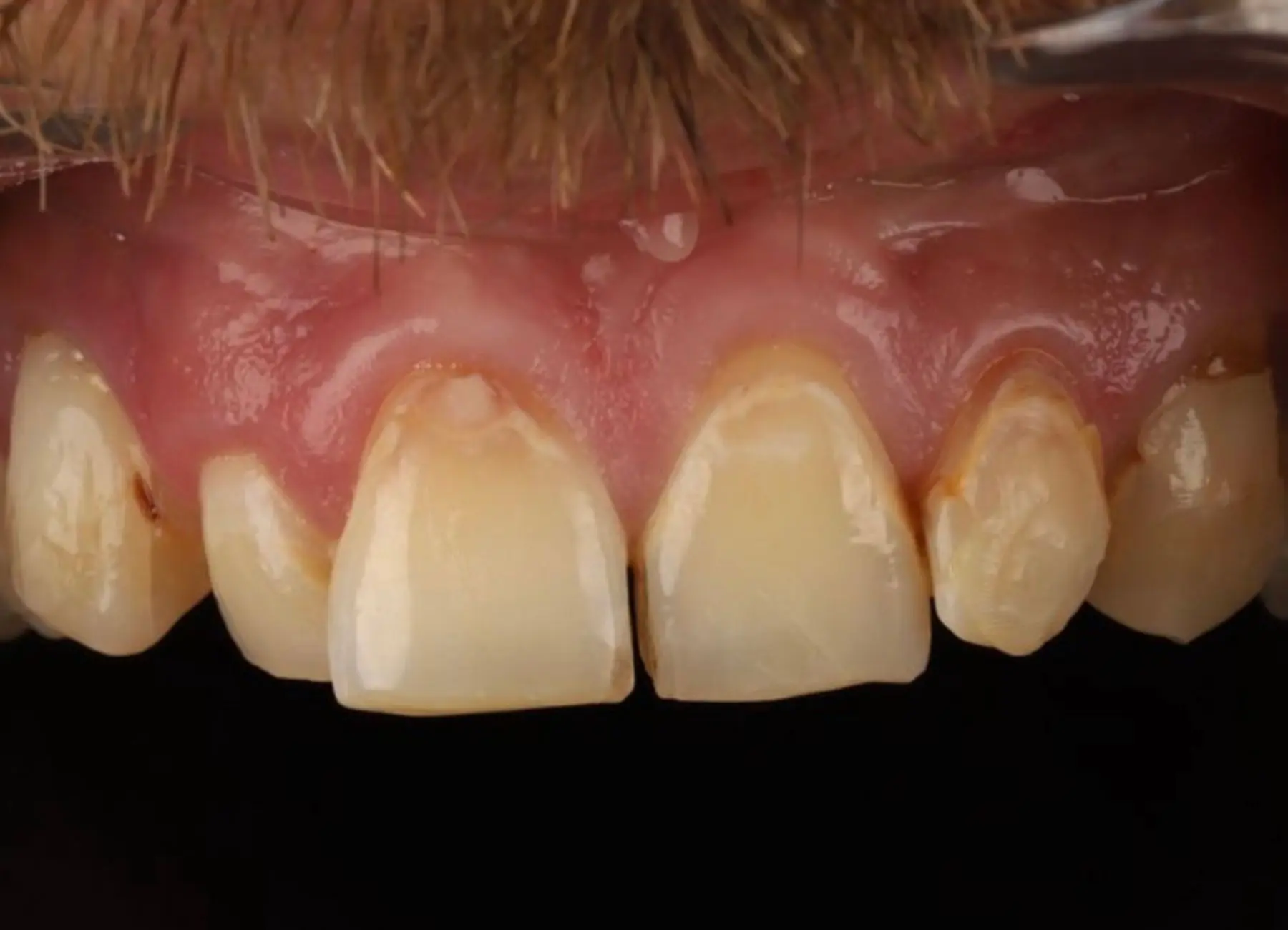
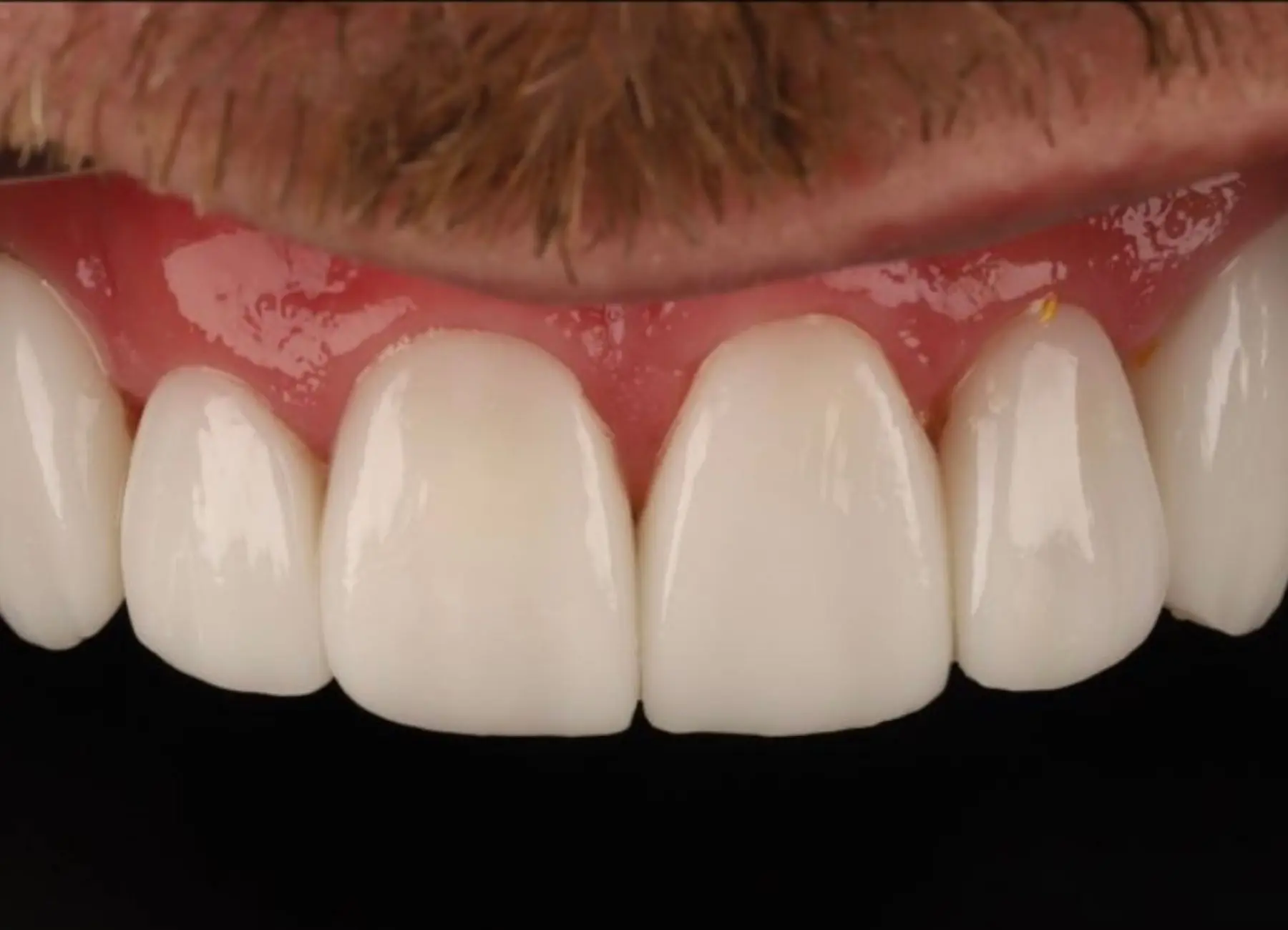
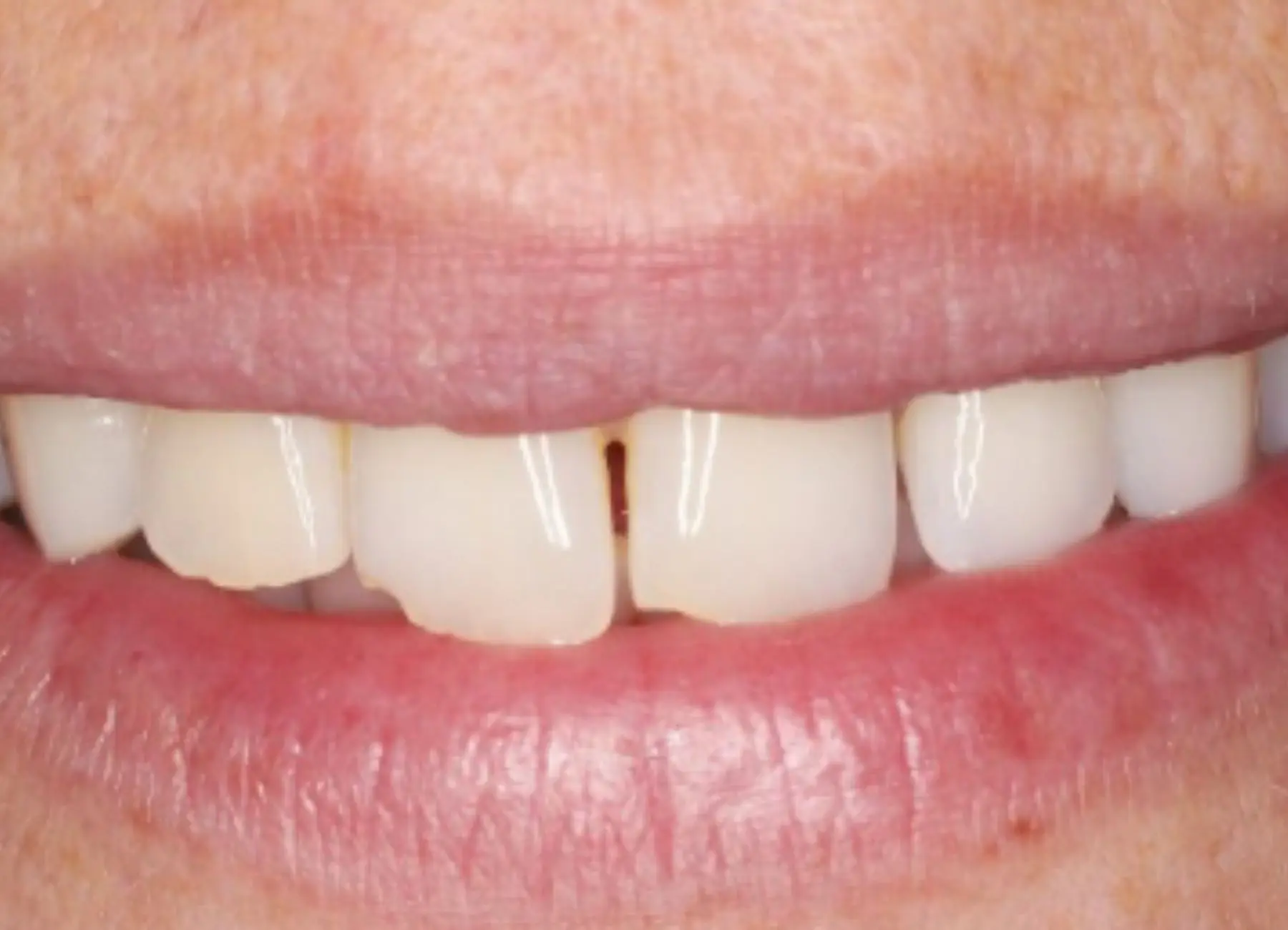
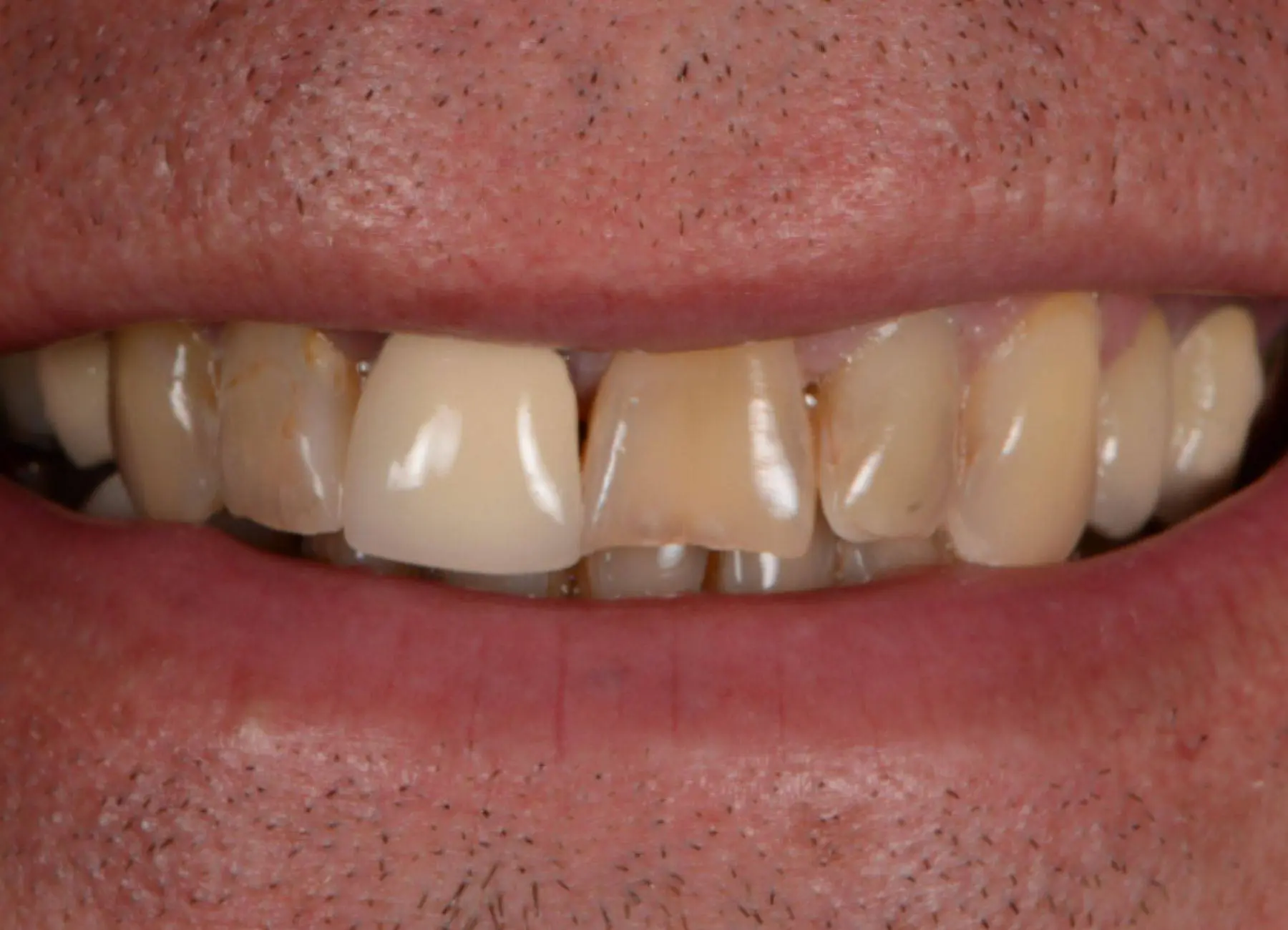
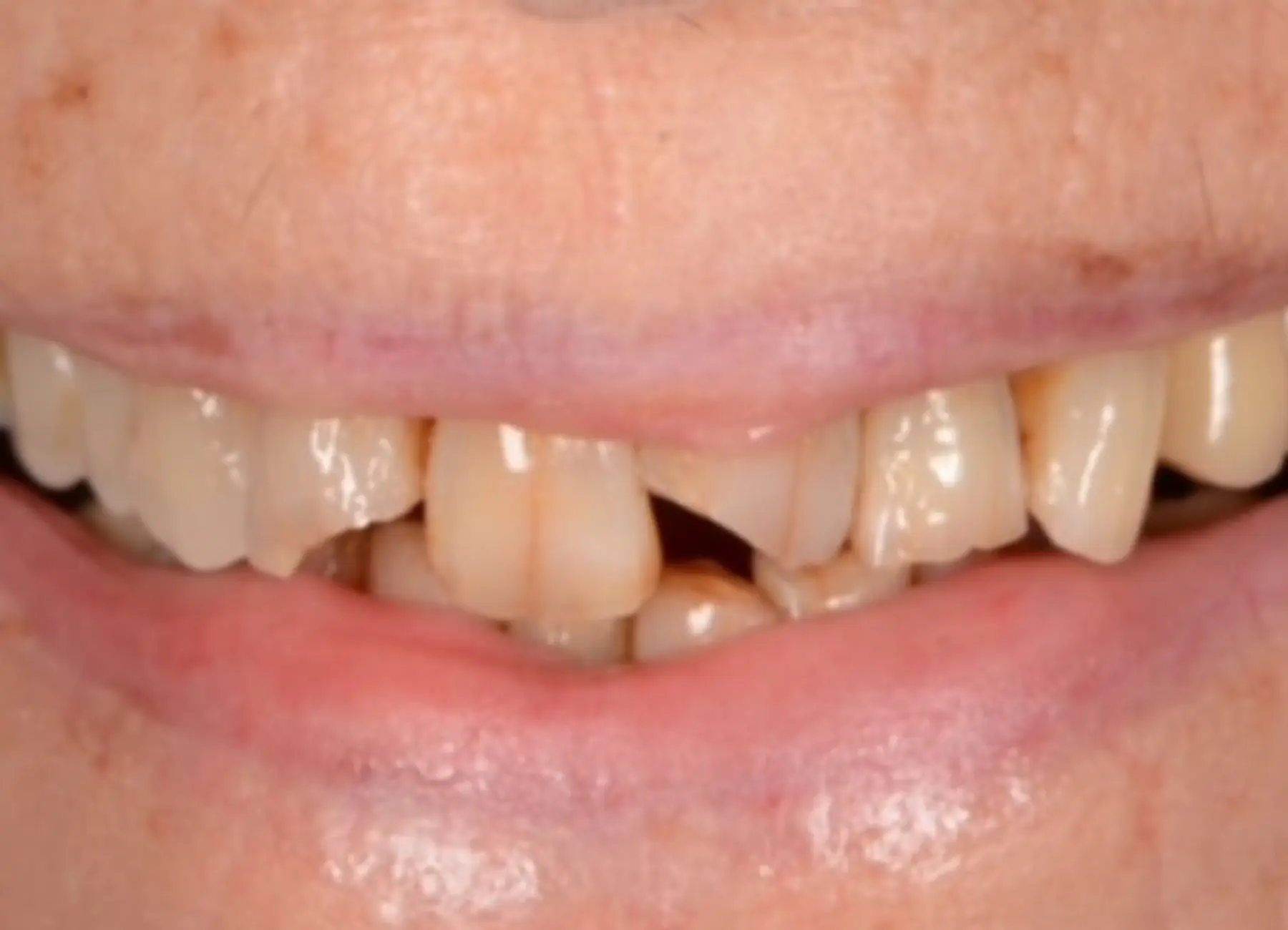
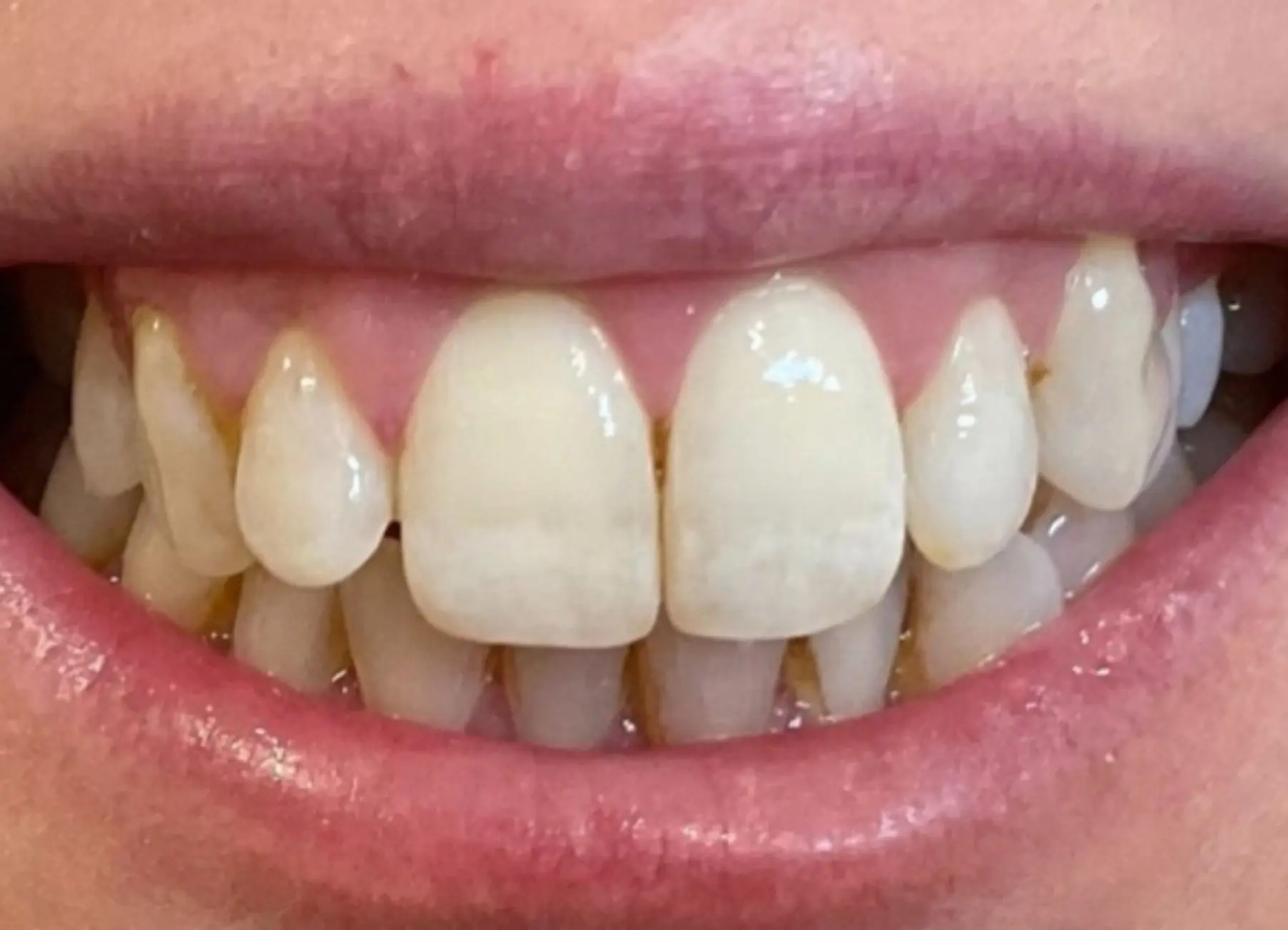
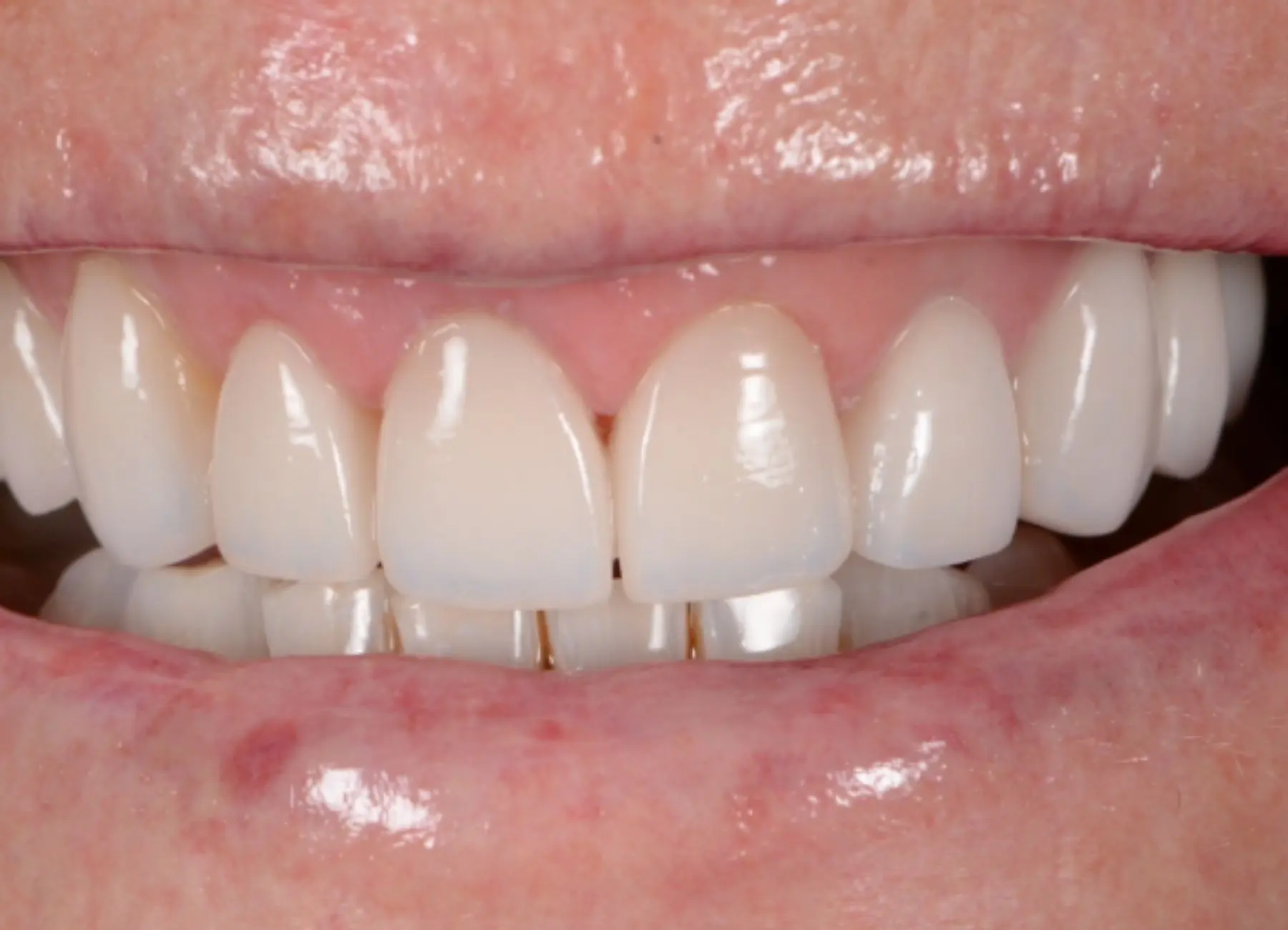
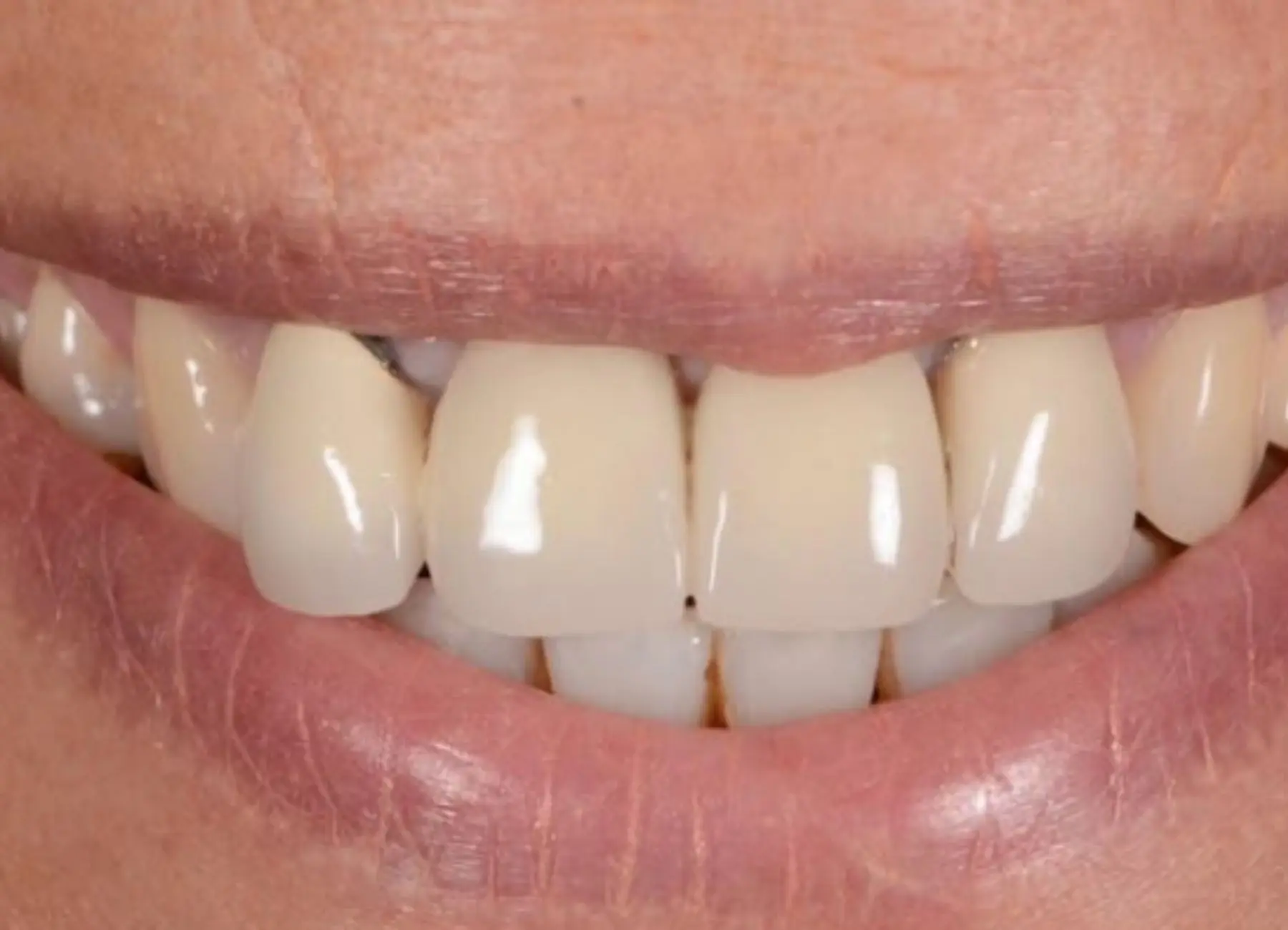
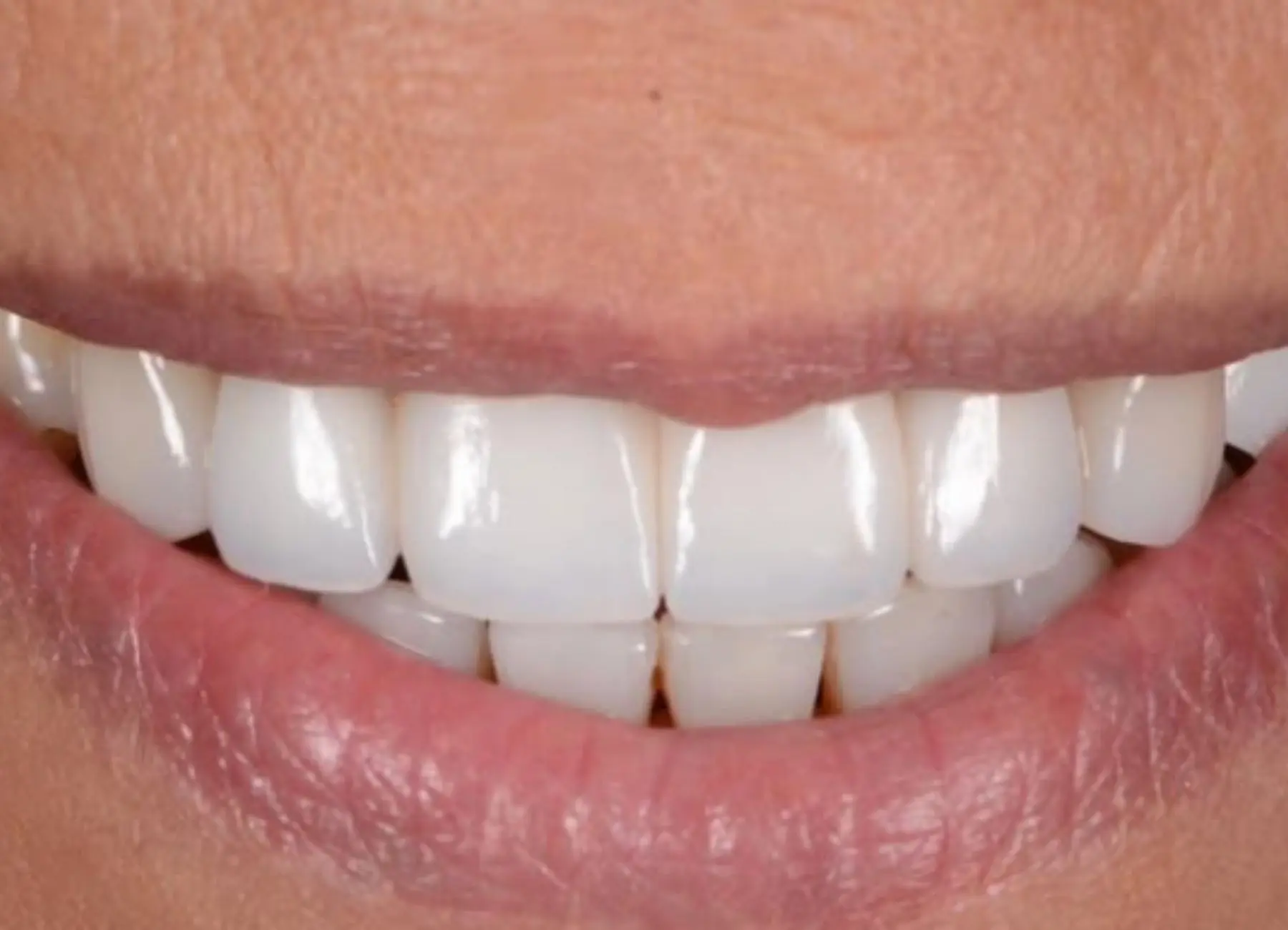
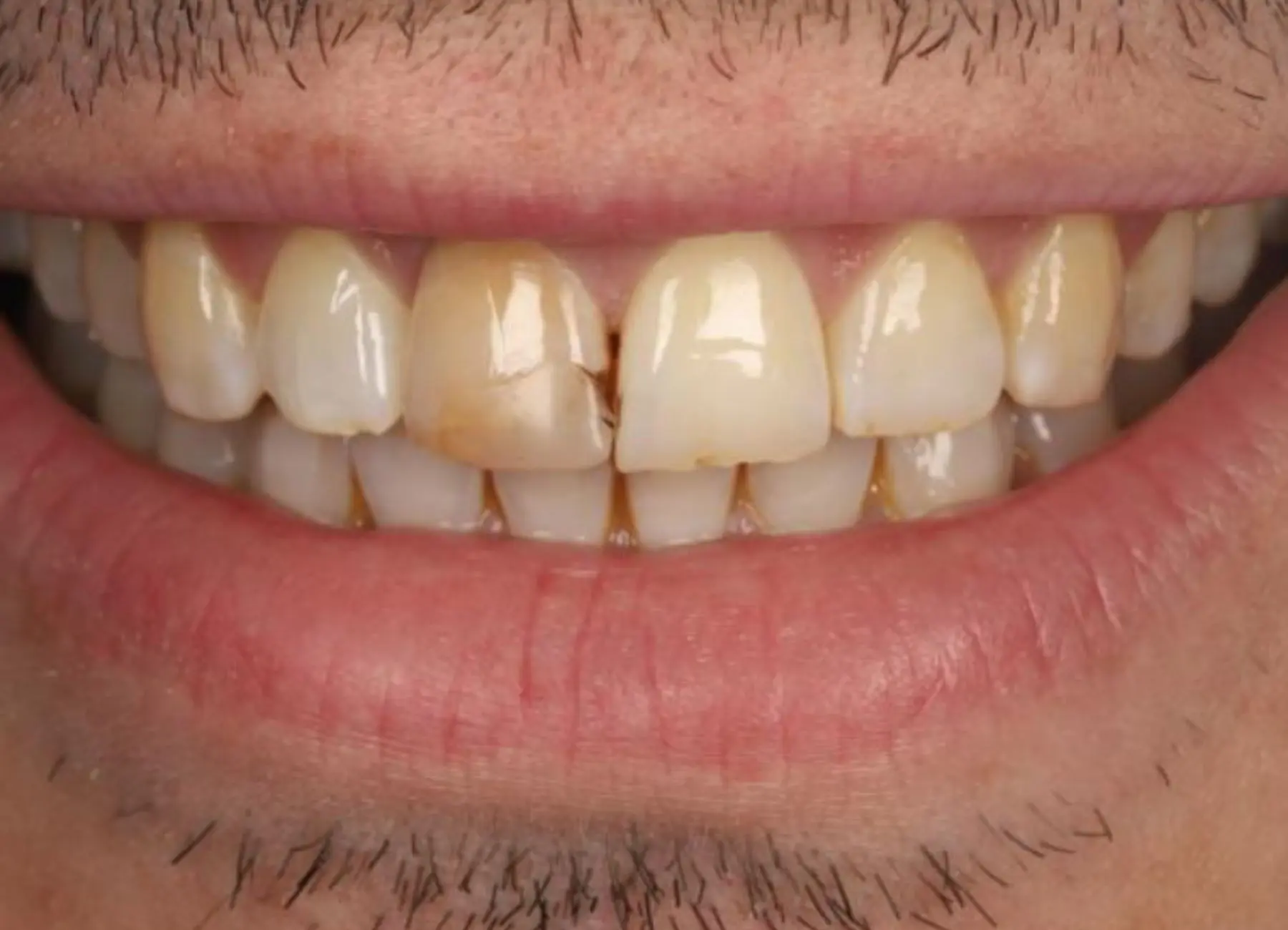
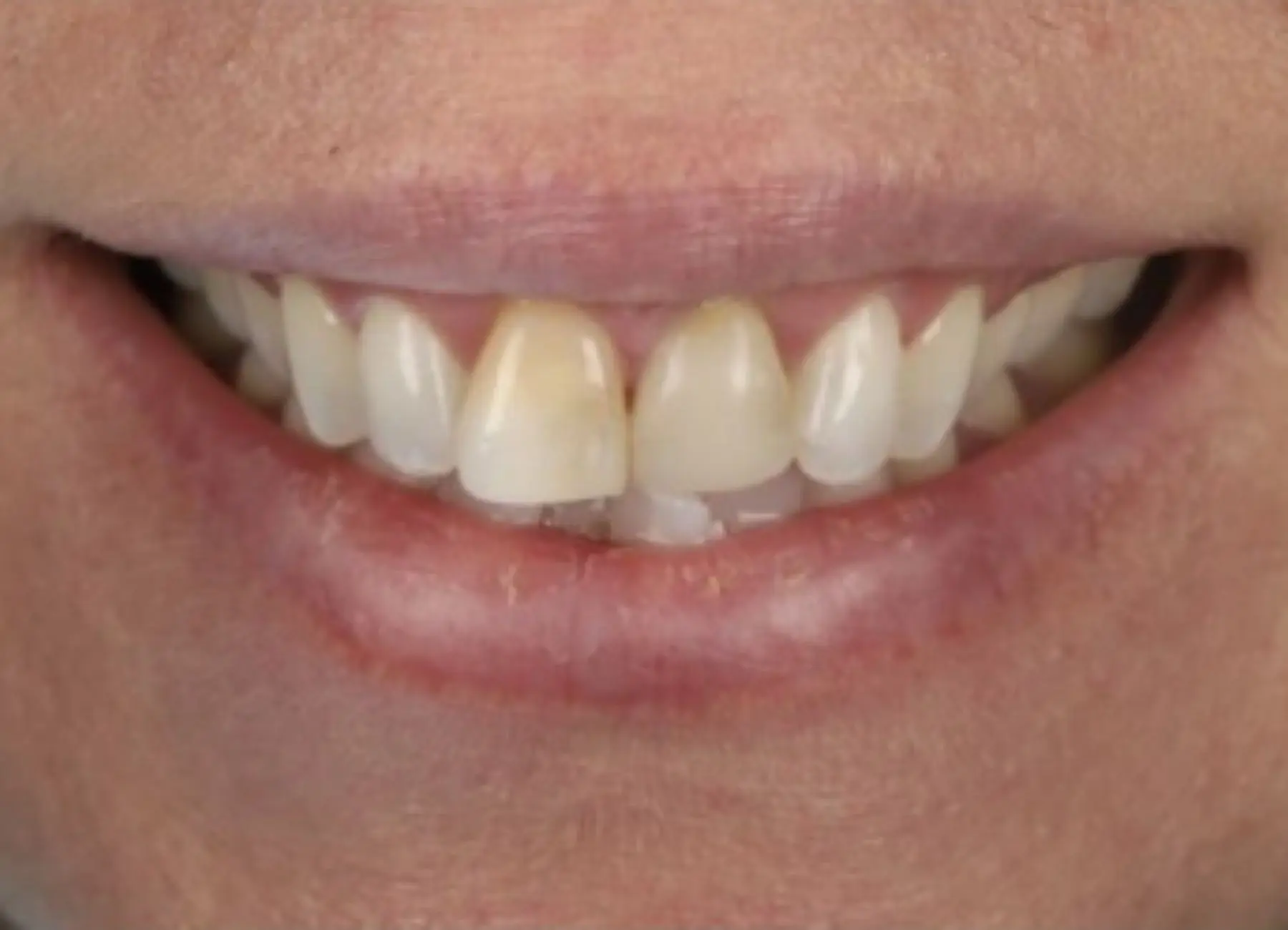
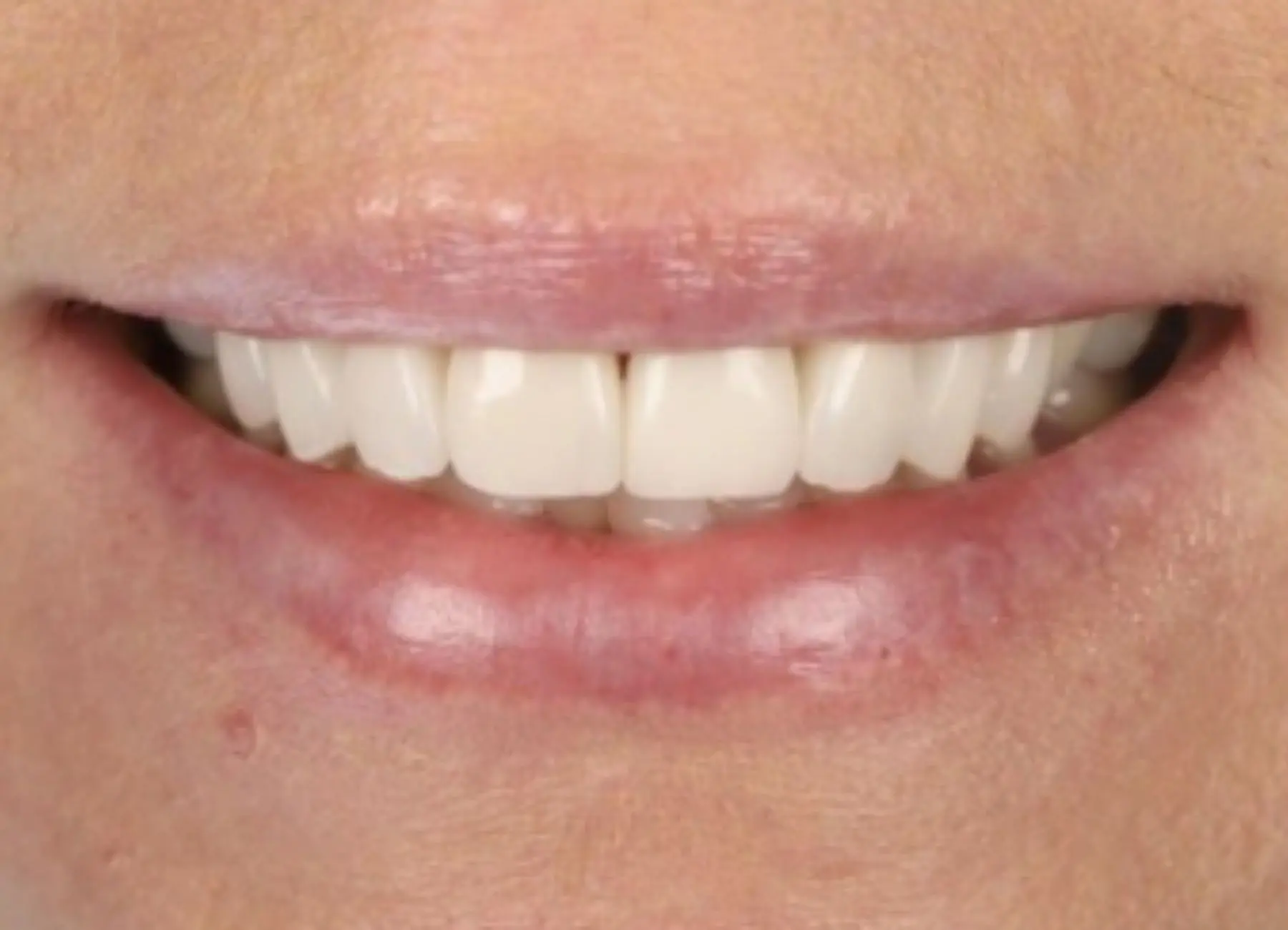
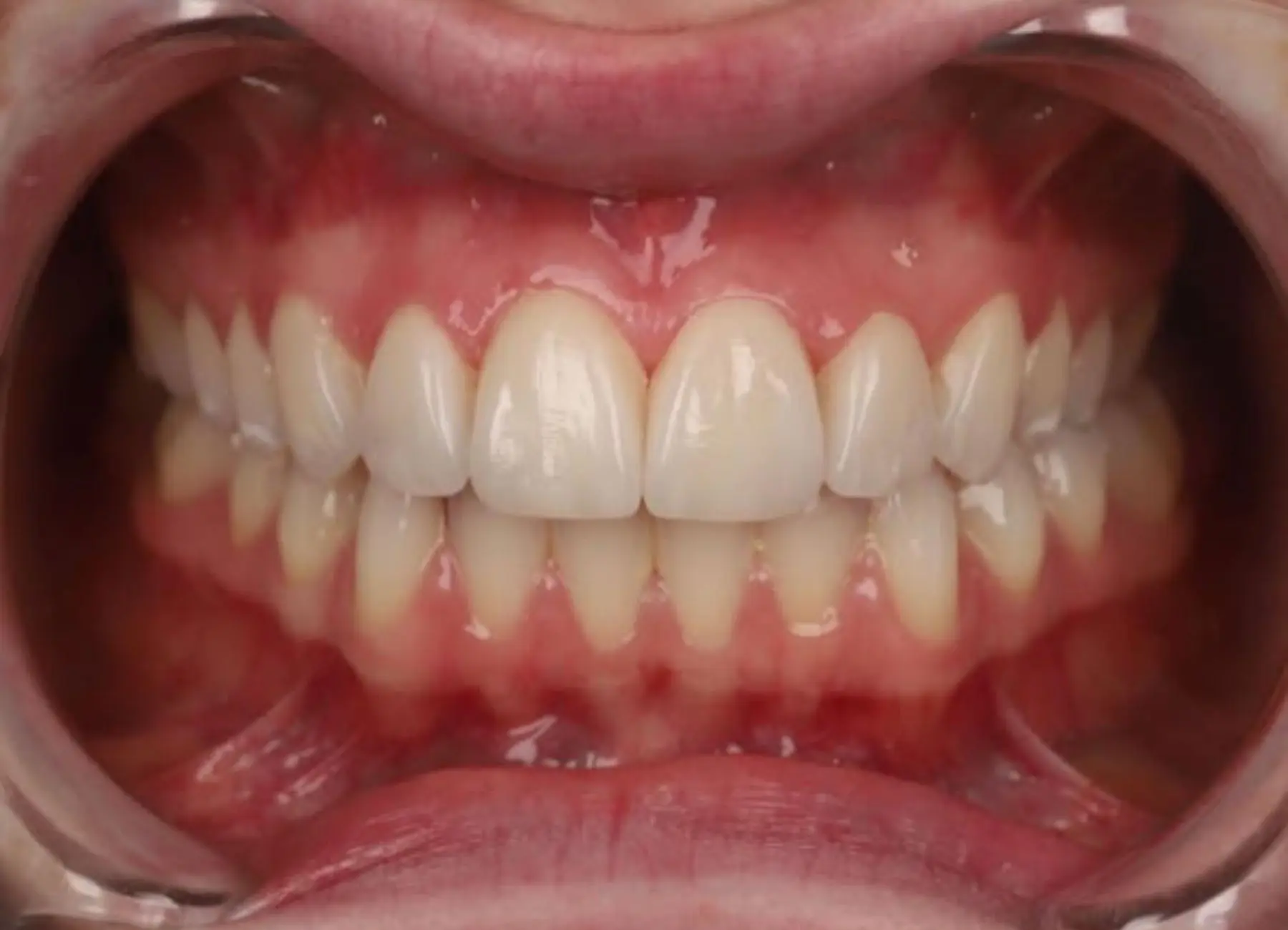
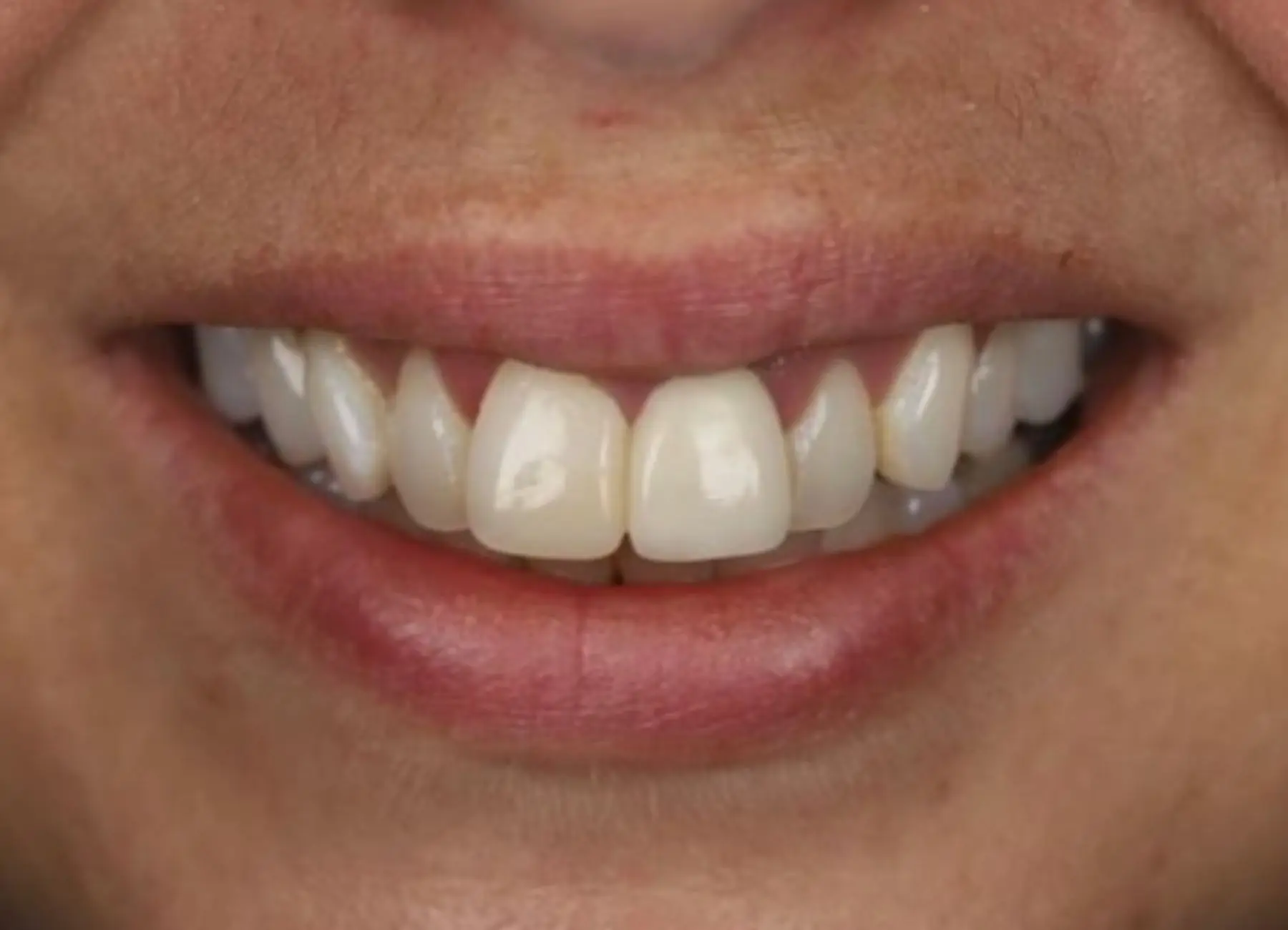
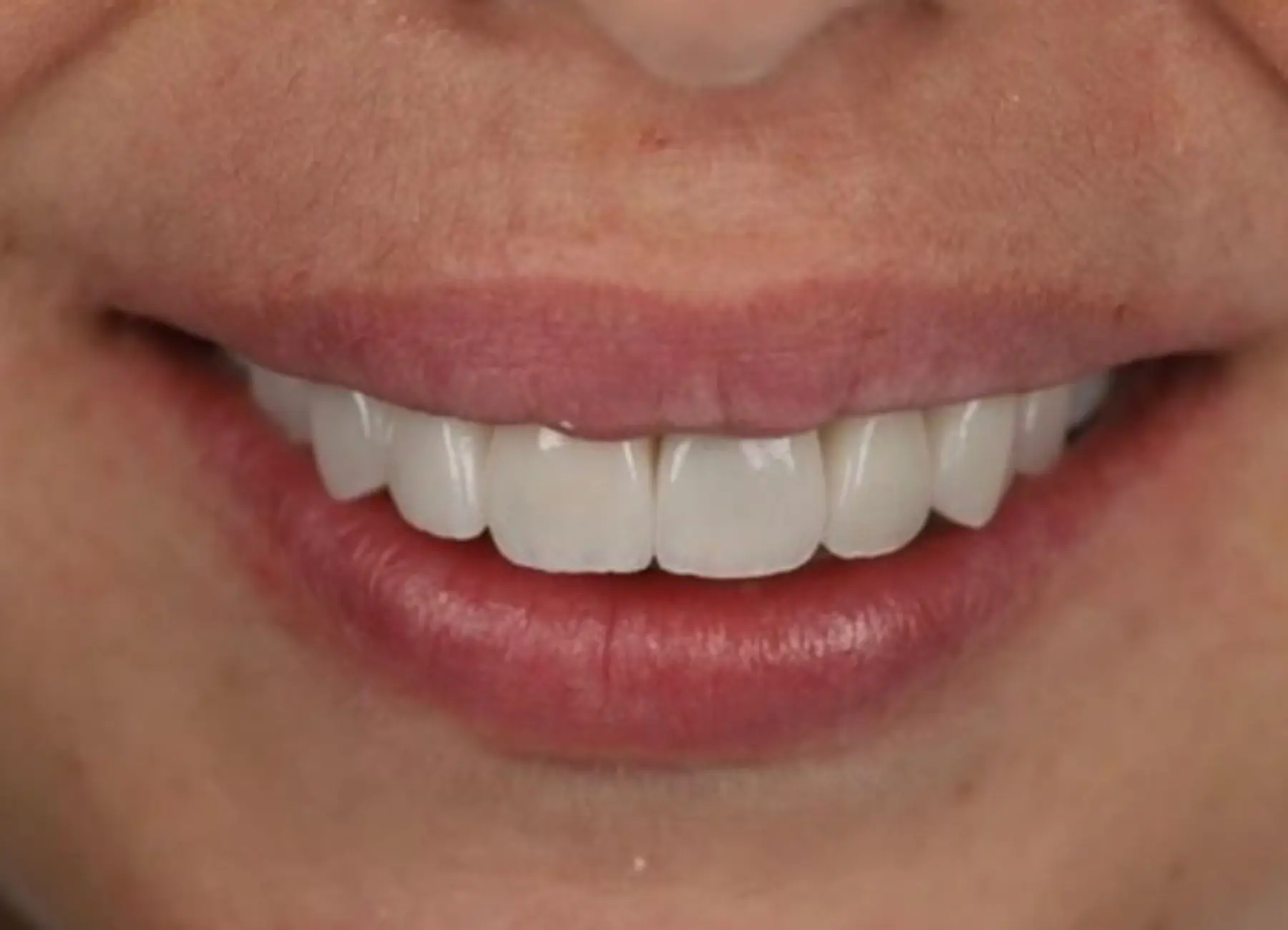
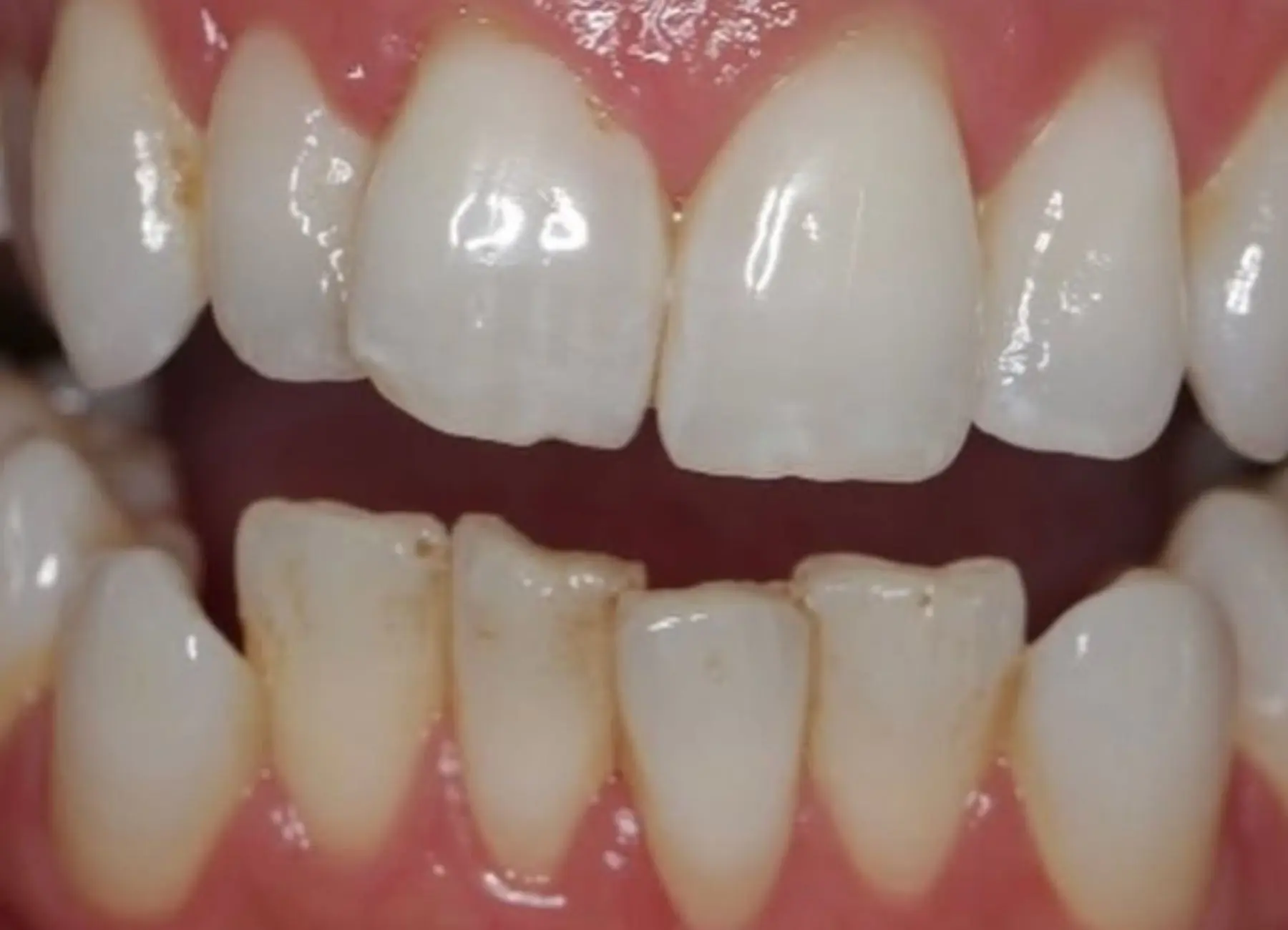
You can make worn, uneven, or jagged teeth appear straighter and level or make a chipped tooth appear smooth.
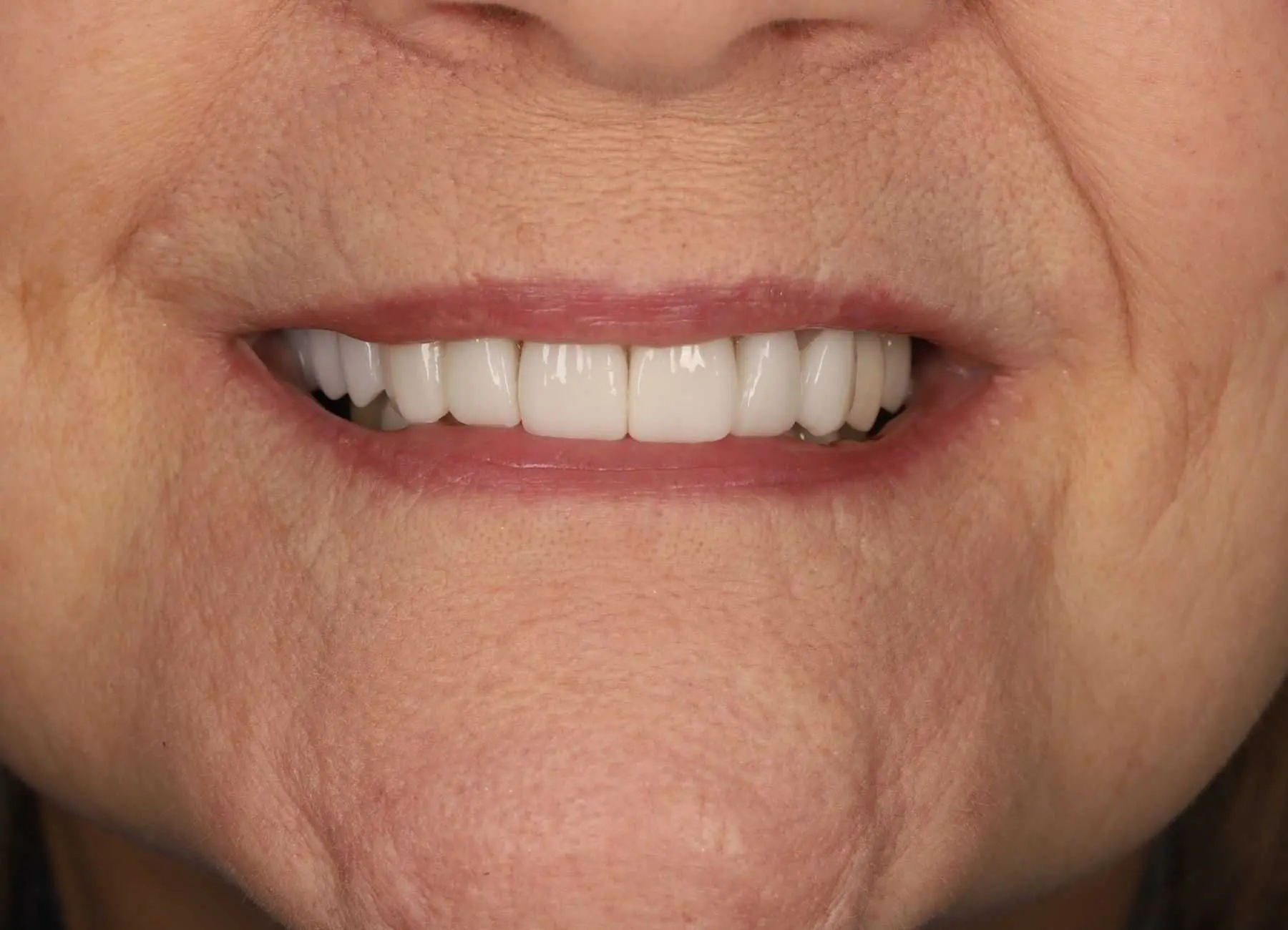
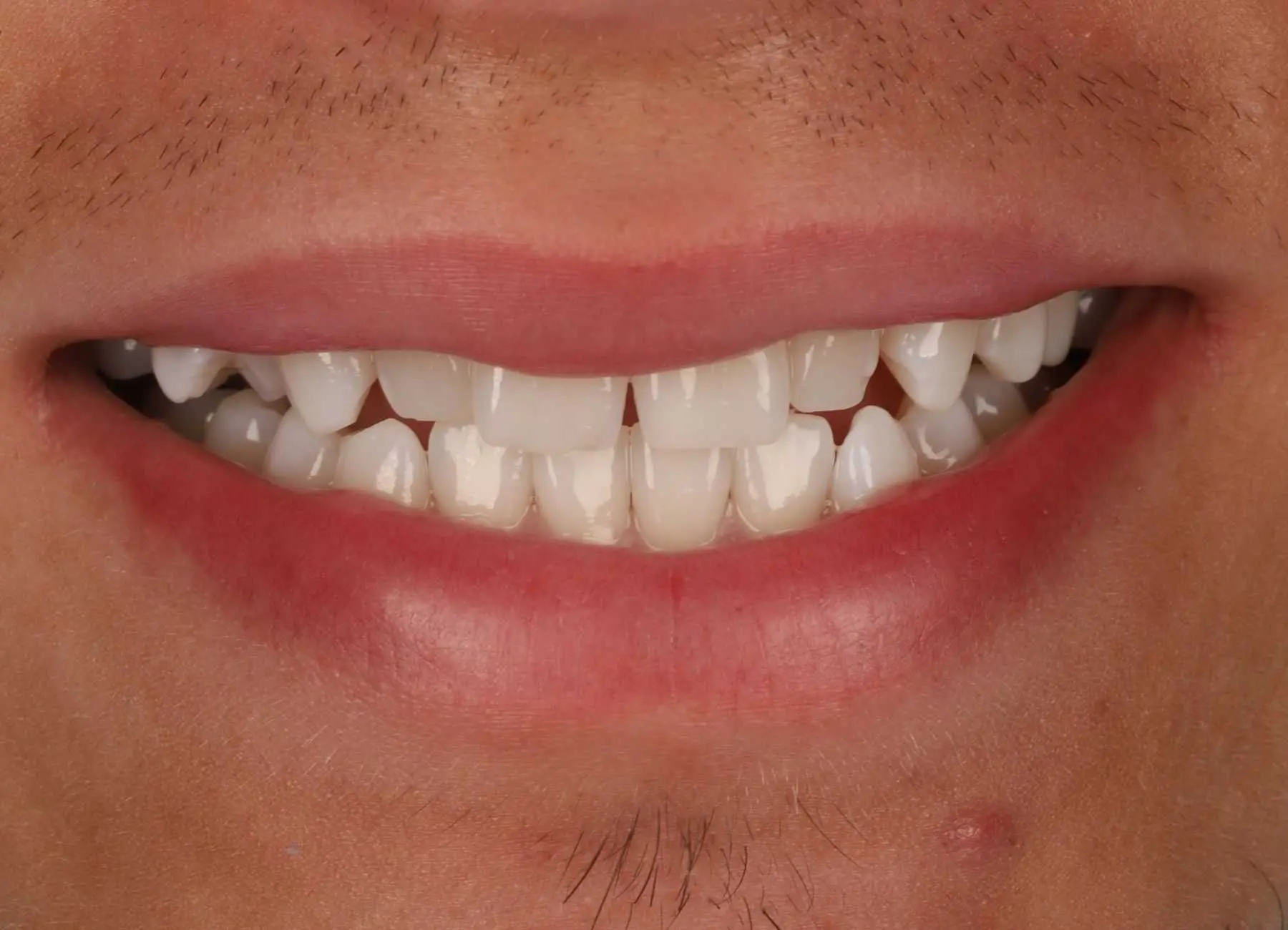
Composite bonding is a trending procedure used in many smile makeovers nationwide. It’s become the go-to treatment for its results, speed, and low costs, whether as the perfect enhancement for teeth after braces or for patients looking simply to improve the shape of their teeth.
Composite edge bonding is becoming just as popular, with patients using the treatment to cover transparent teeth (where enamel has begun to erode from the tooth’s edge) and conceal little chips and uneven ridges.

A quick guide to composite edge bonding
How long does composite edging last?
Like normal composite bonding, composite edging lasts 5-10 years, and the repair and renewal process is as simple as placing it. Depending on the number of teeth, it typically takes around one hour.
How much is composite edge bonding in the UK?
As composite edge bonding is applied just to the edges of teeth, you think it would be cheaper, right? And it is, but only slightly – and prices will vary depending on where you are in the UK. Composite bonding can cost £150-£450 per tooth, with prices in 2024 usually around £350 per tooth. Composite veneers, on the other hand, typically cost from £500.
What are the downsides of composite bonding?
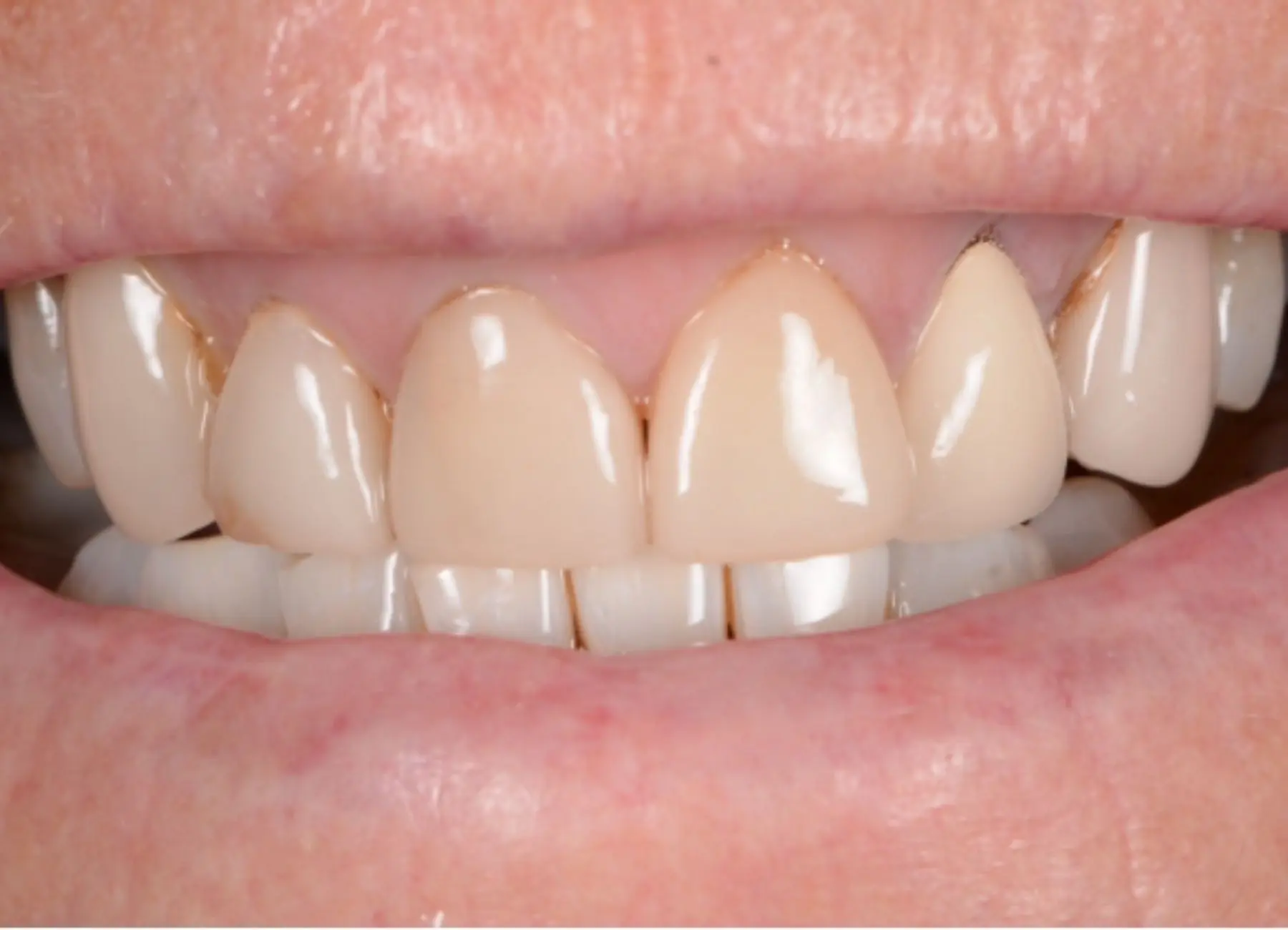
Composite bonding is an inexpensive alternative to porcelain veneers because it has a shorter shelf life. However, the material can be at risk for stains, discolouration, and even chipping. Over time, the composite resin will begin to wear and not look as fresh; however, it’s easy to repair and renew.
Differences between composite bonding and edging
Edge bonding and composite bonding are techniques used in cosmetic dentistry to address various dental concerns and improve teeth’ appearance. Both use tooth-coloured resin; however, edge bonding works in thin layers to reinforce the tooth structure and enhance aesthetics, while composite bonding can be used more extensively to reshape and resize teeth.