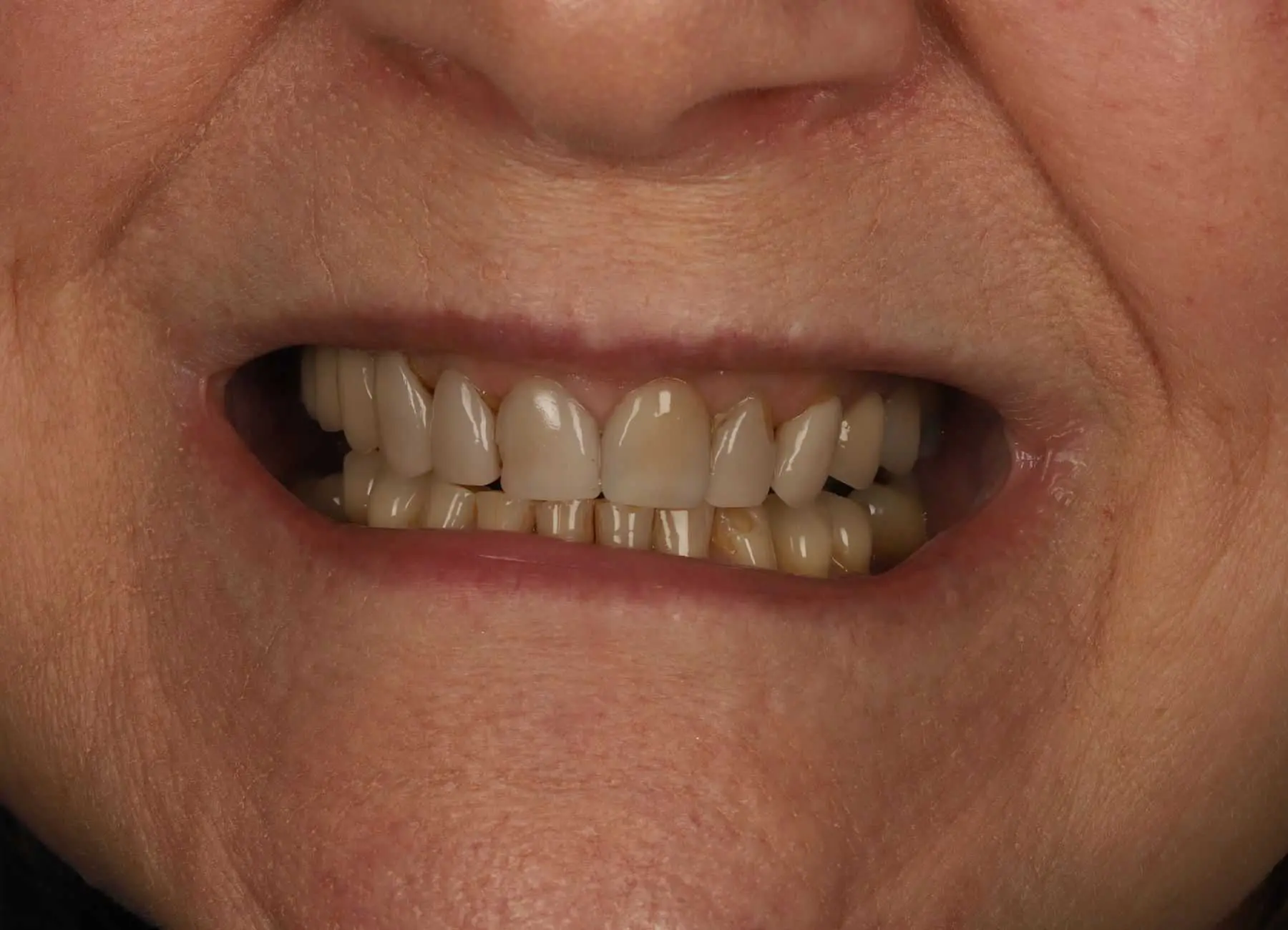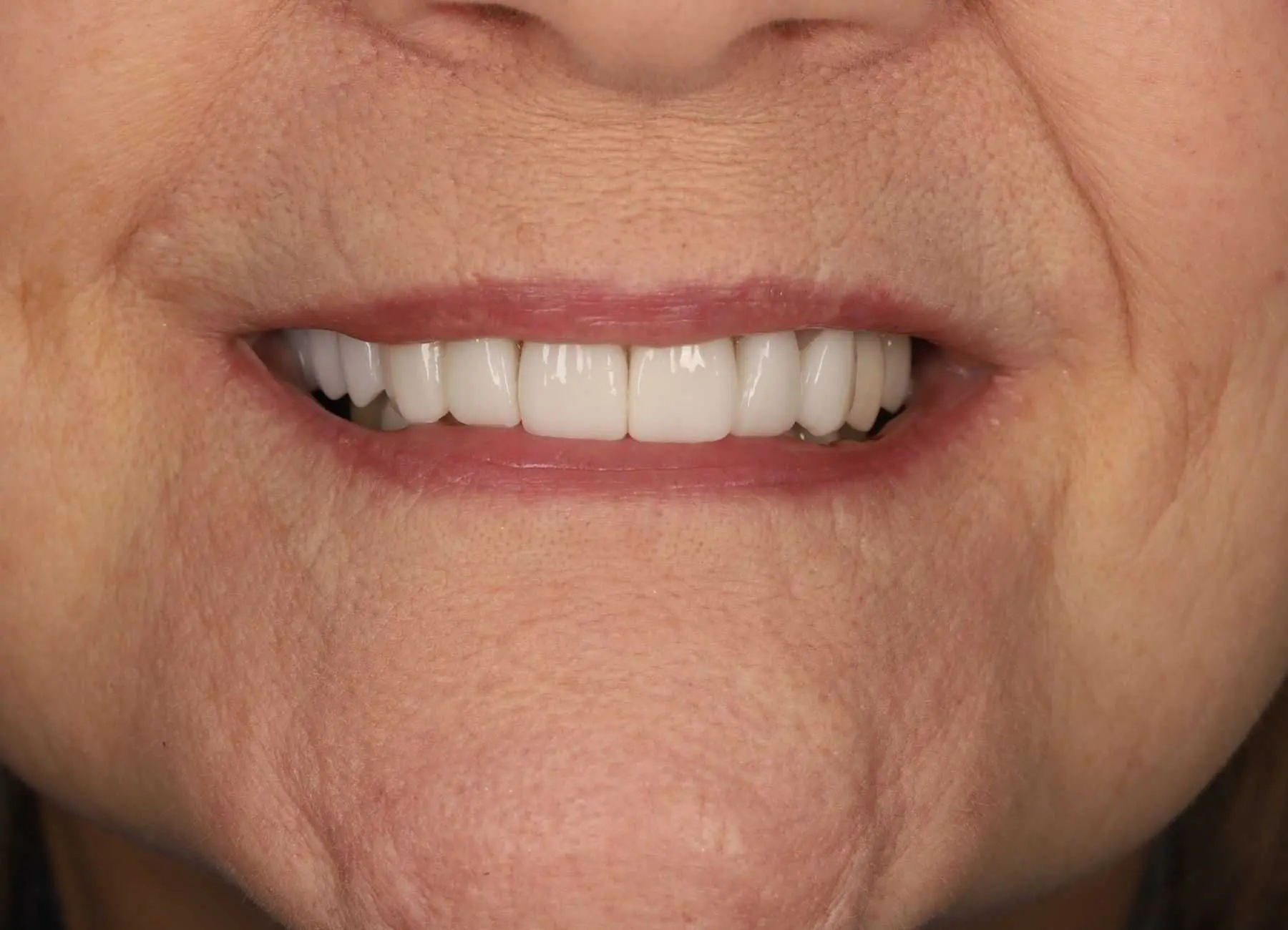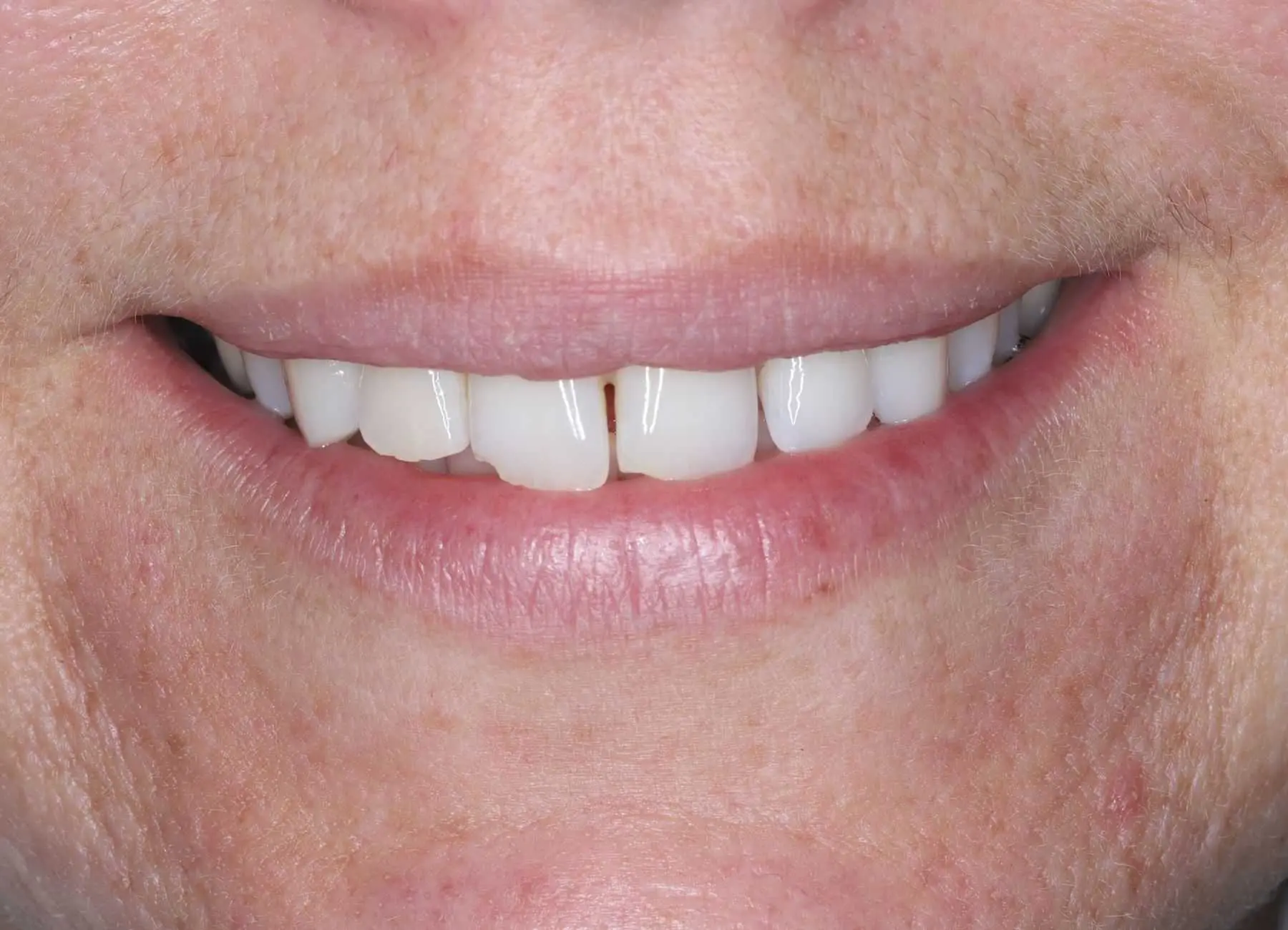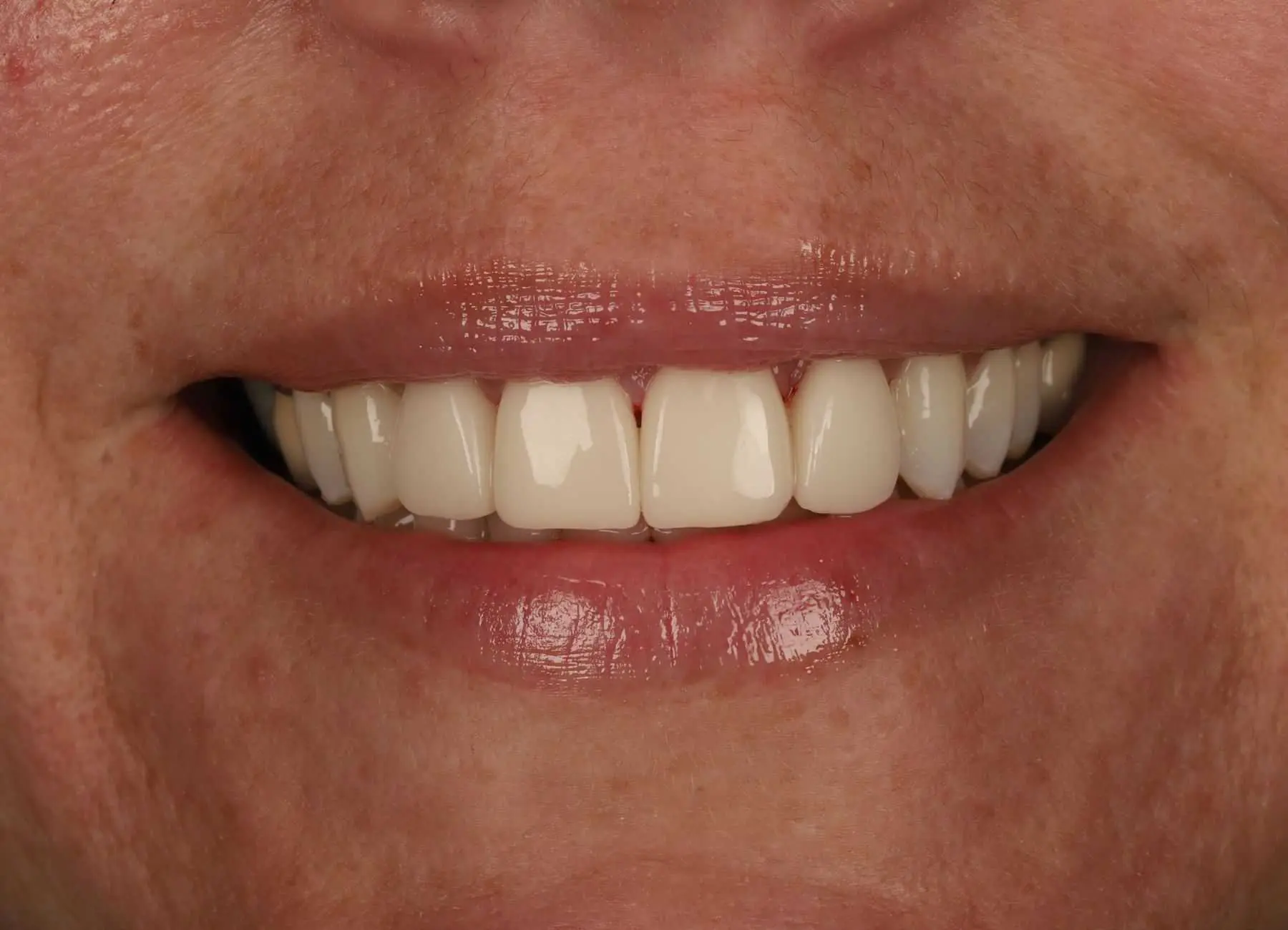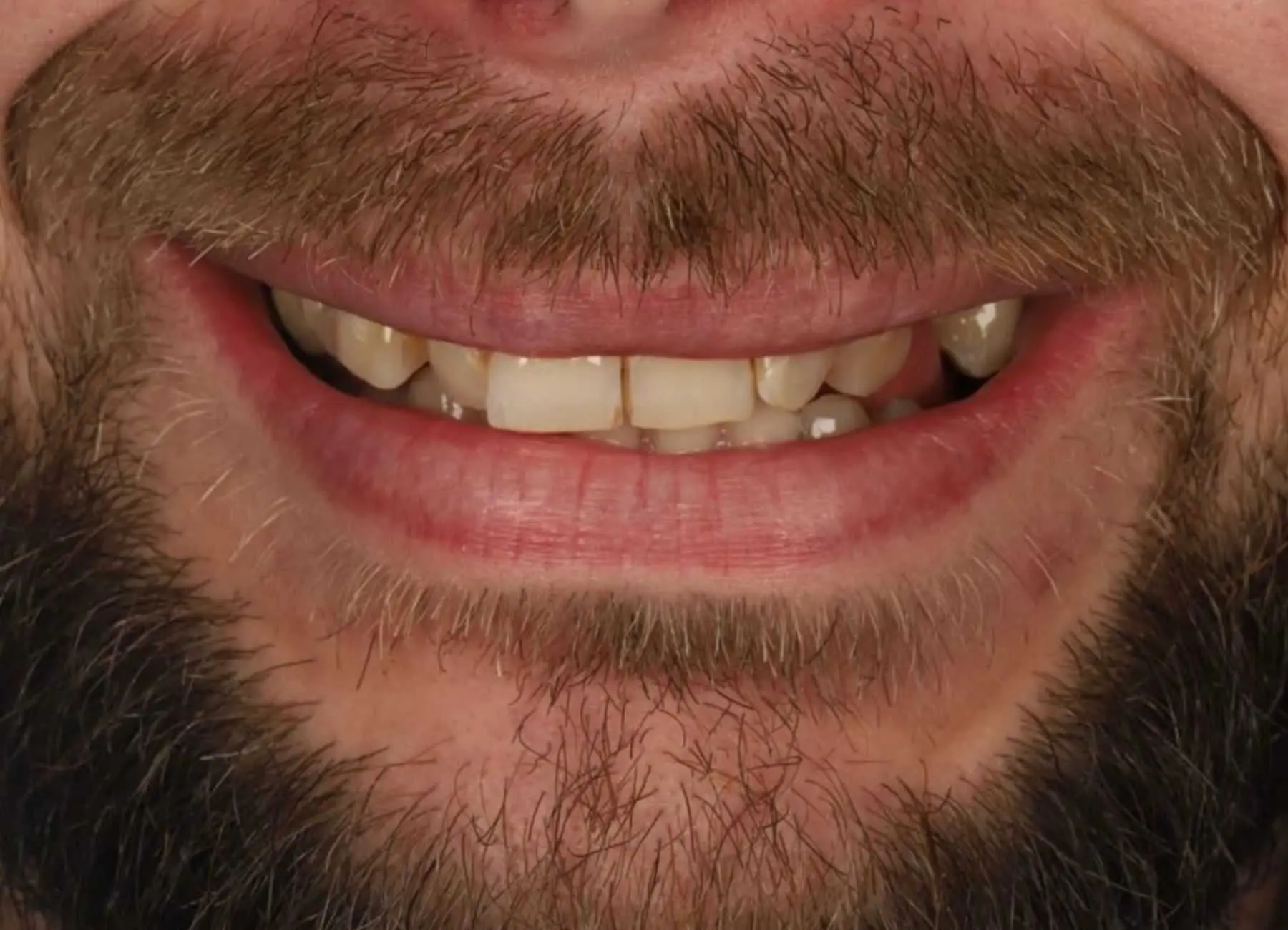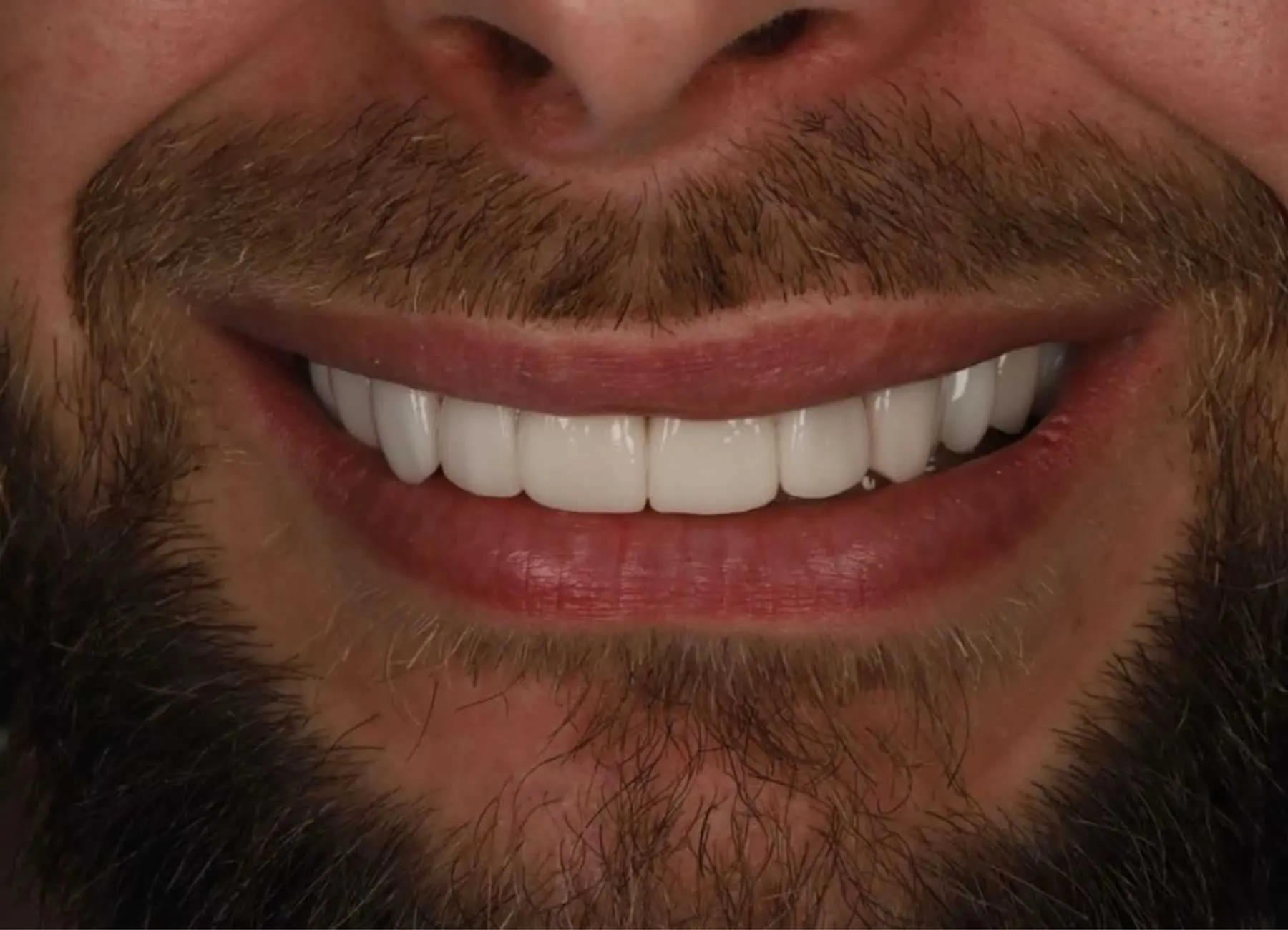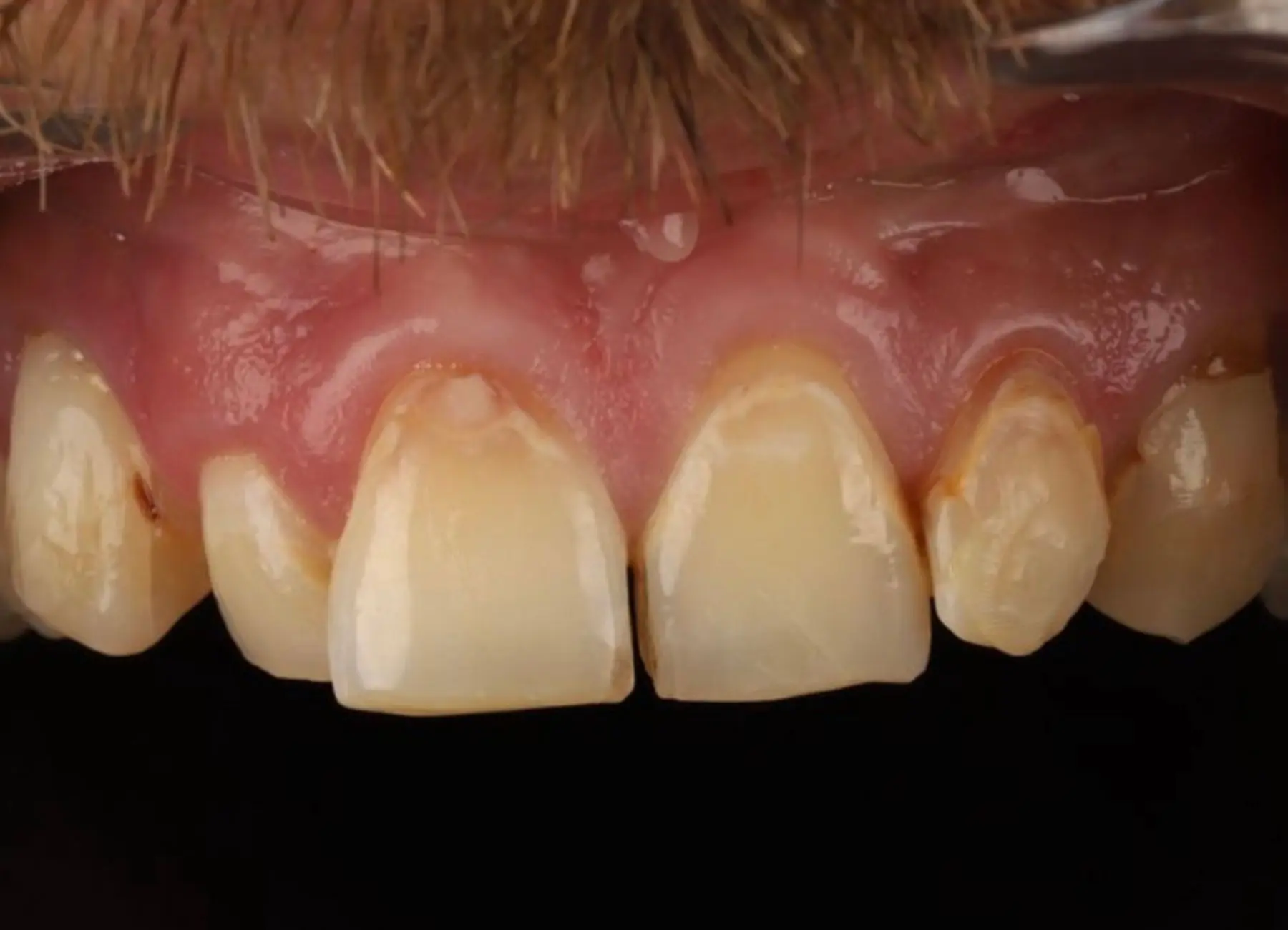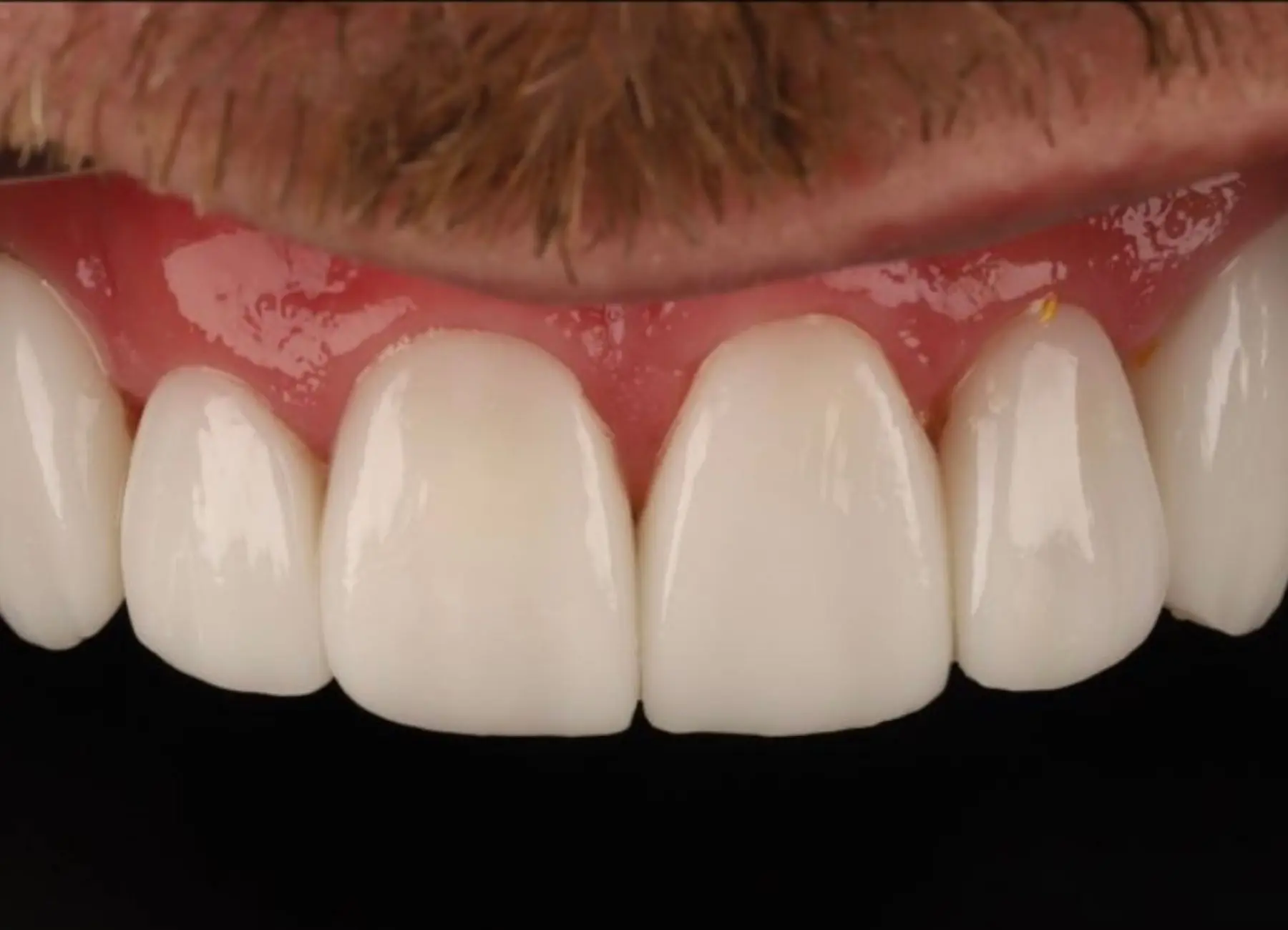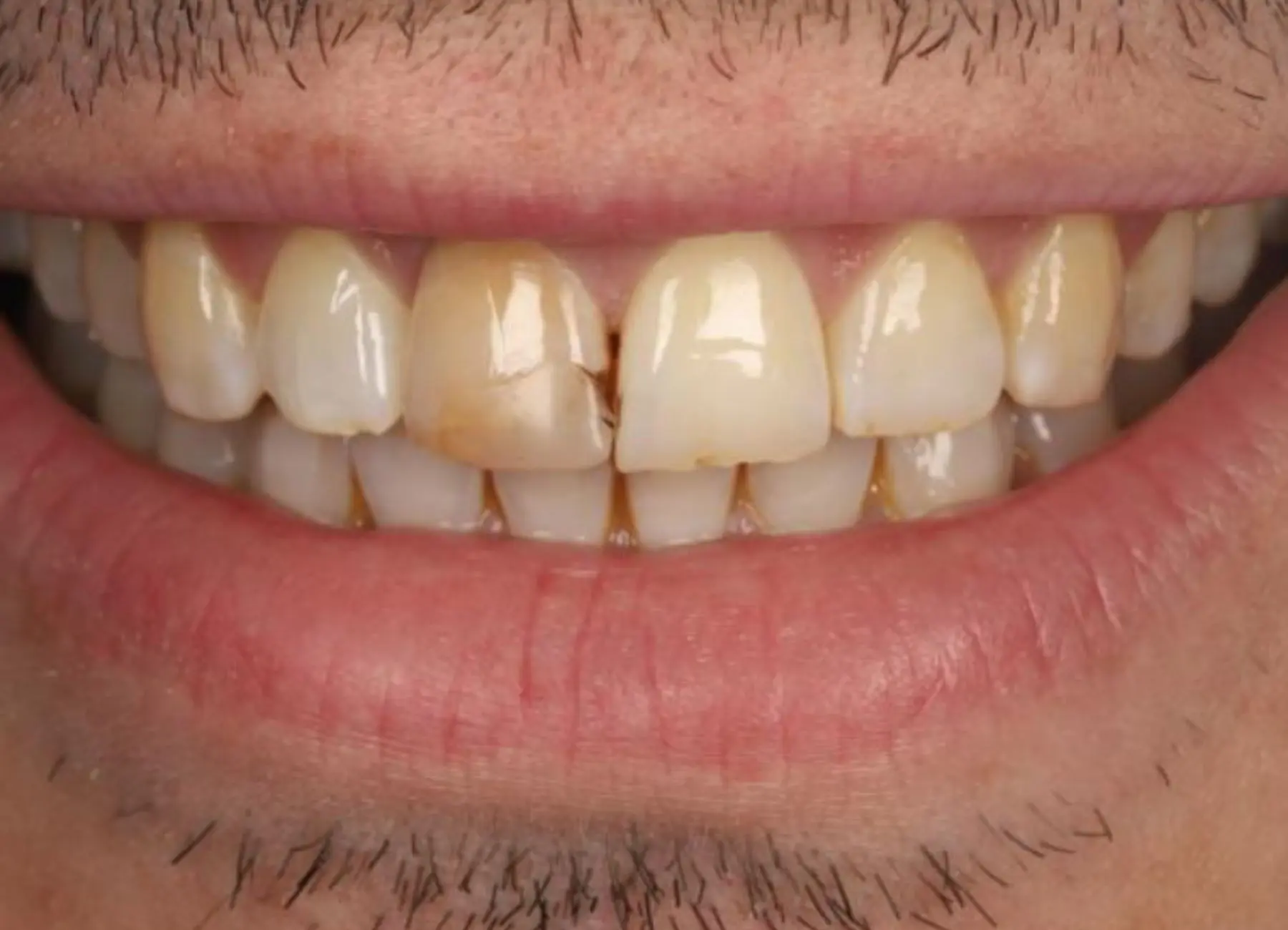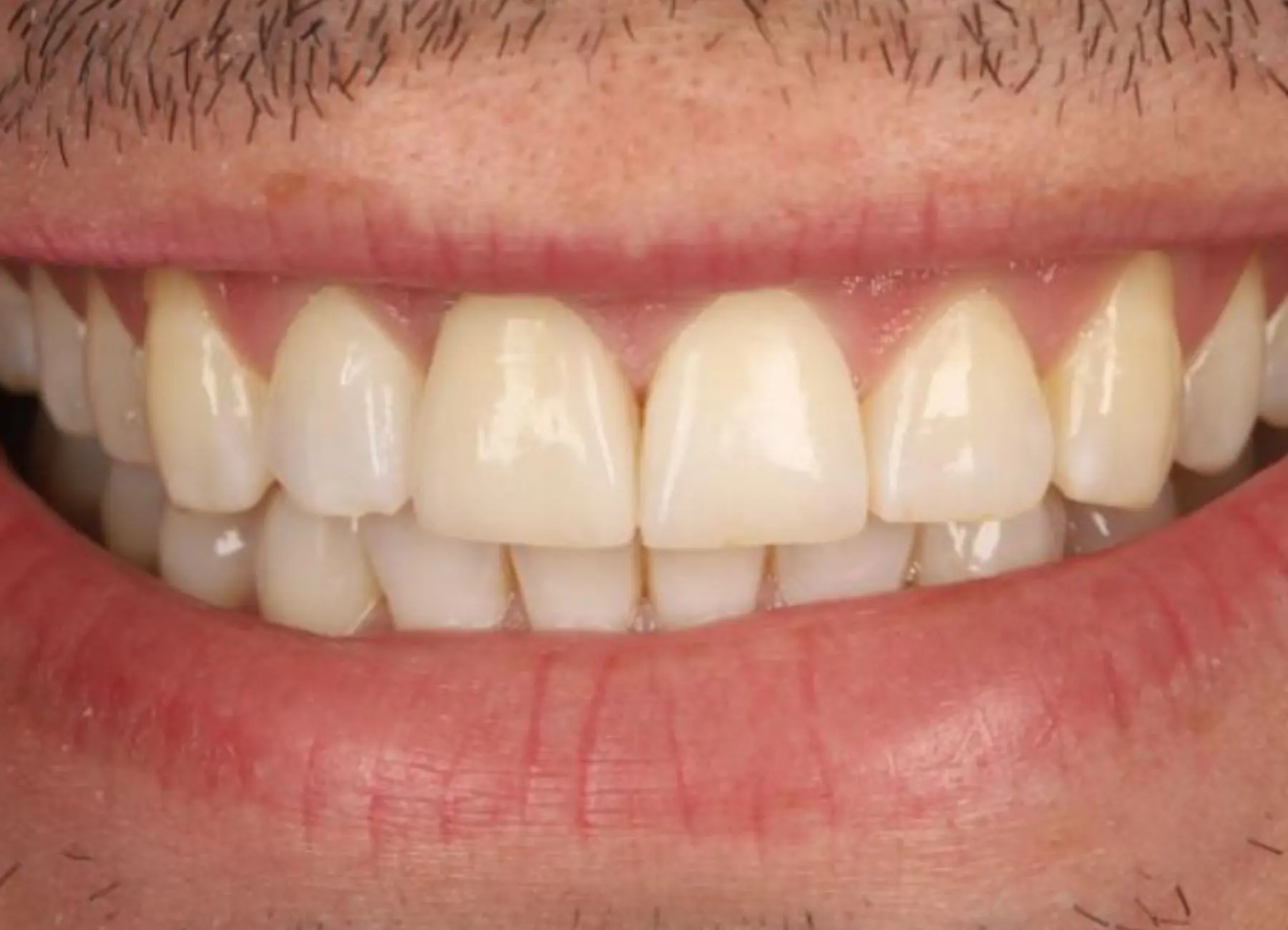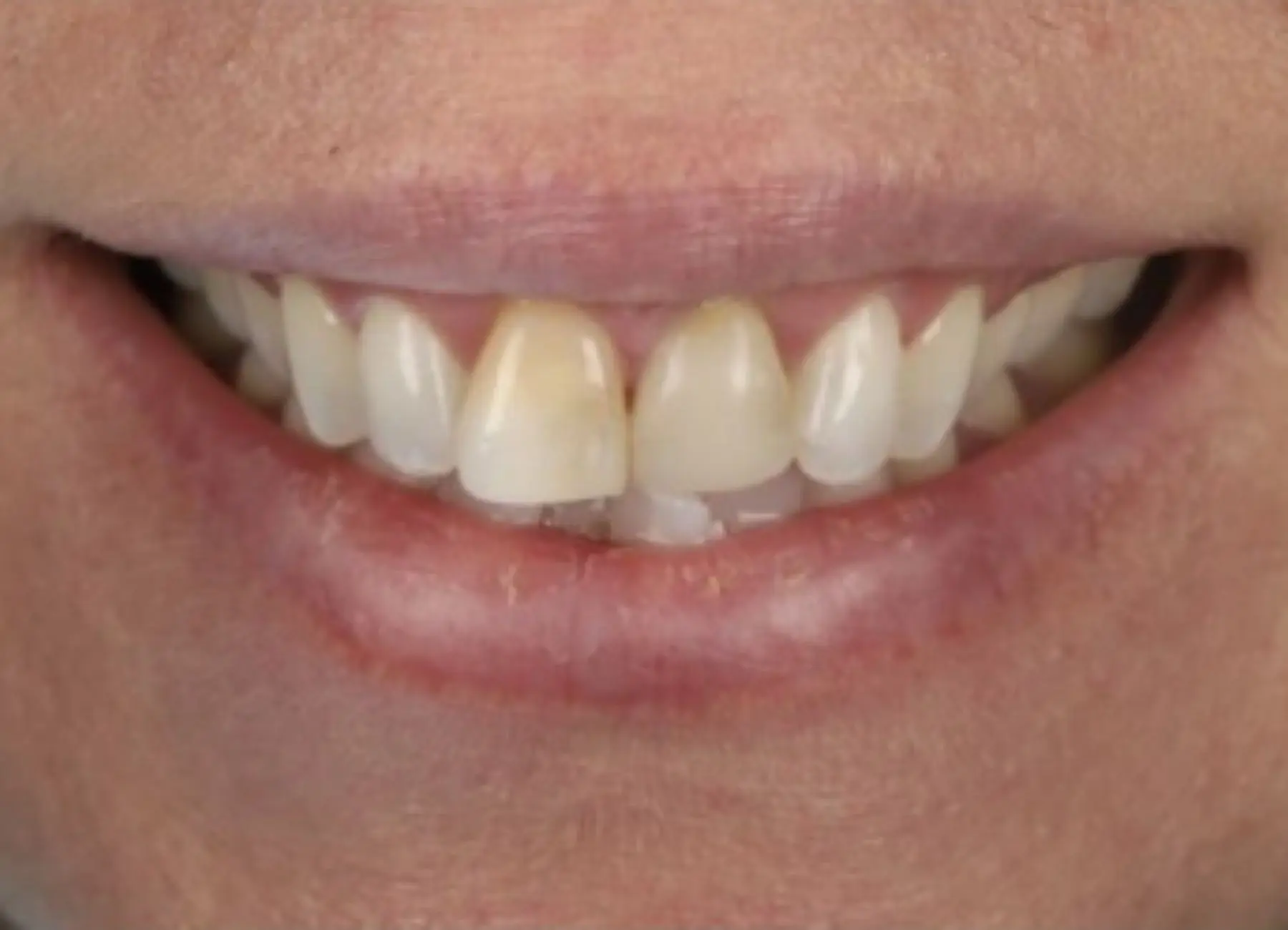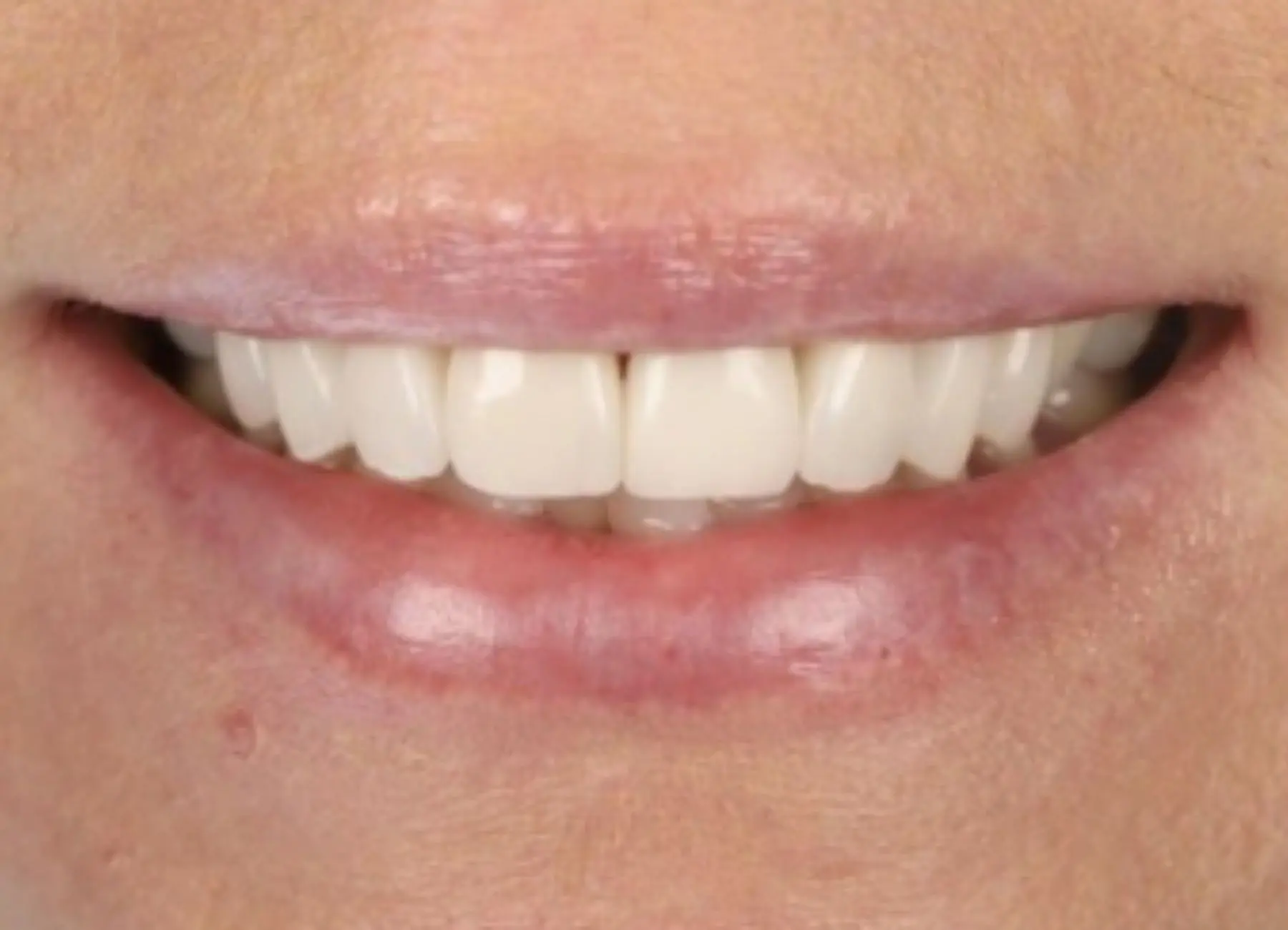
Periodontal Disease, When Left Untreated, Will Eat Away at Gums & Confidence
We hate to start this blog off negatively, and when we often discuss periodontal disease, it can always feel like a lot of doom and gloom. But it doesn’t have to be.
Don’t wait for it to happen
Yes, if you have periodontal disease, you’ll have it for life, leading you to wonder how long you have left until you lose your teeth. However, you don’t have to lose your teeth at all – but you do have to be consistent with your treatment and at-home care.
When left untreated, periodontal disease will inevitably lead to tooth loss – we’ve seen it time and time again when we’re brought in at a stage where teeth have already fallen out, and there’s nothing we can do to save them.
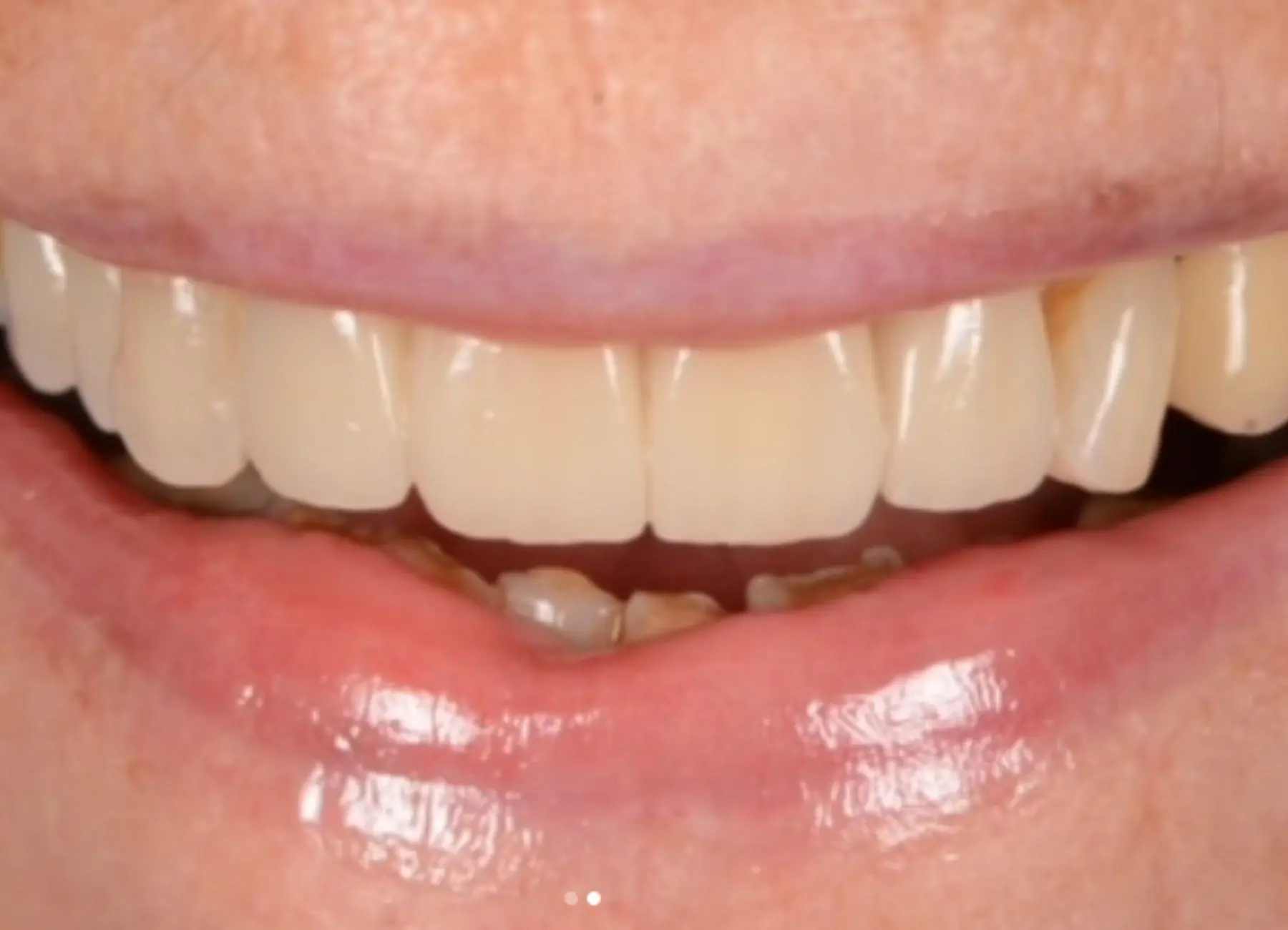
But by not waiting for this eventuality and acting on it by seeking out a periodontist to help manage your condition, you can save your smile and live quite comfortably. Get help.
How fast can periodontal disease take your teeth?
It’s not an easy question to answer, especially without taking a look at your smile and understanding how long you’ve been suffering from periodontal disease and what you’ve been doing so far to manage the condition.
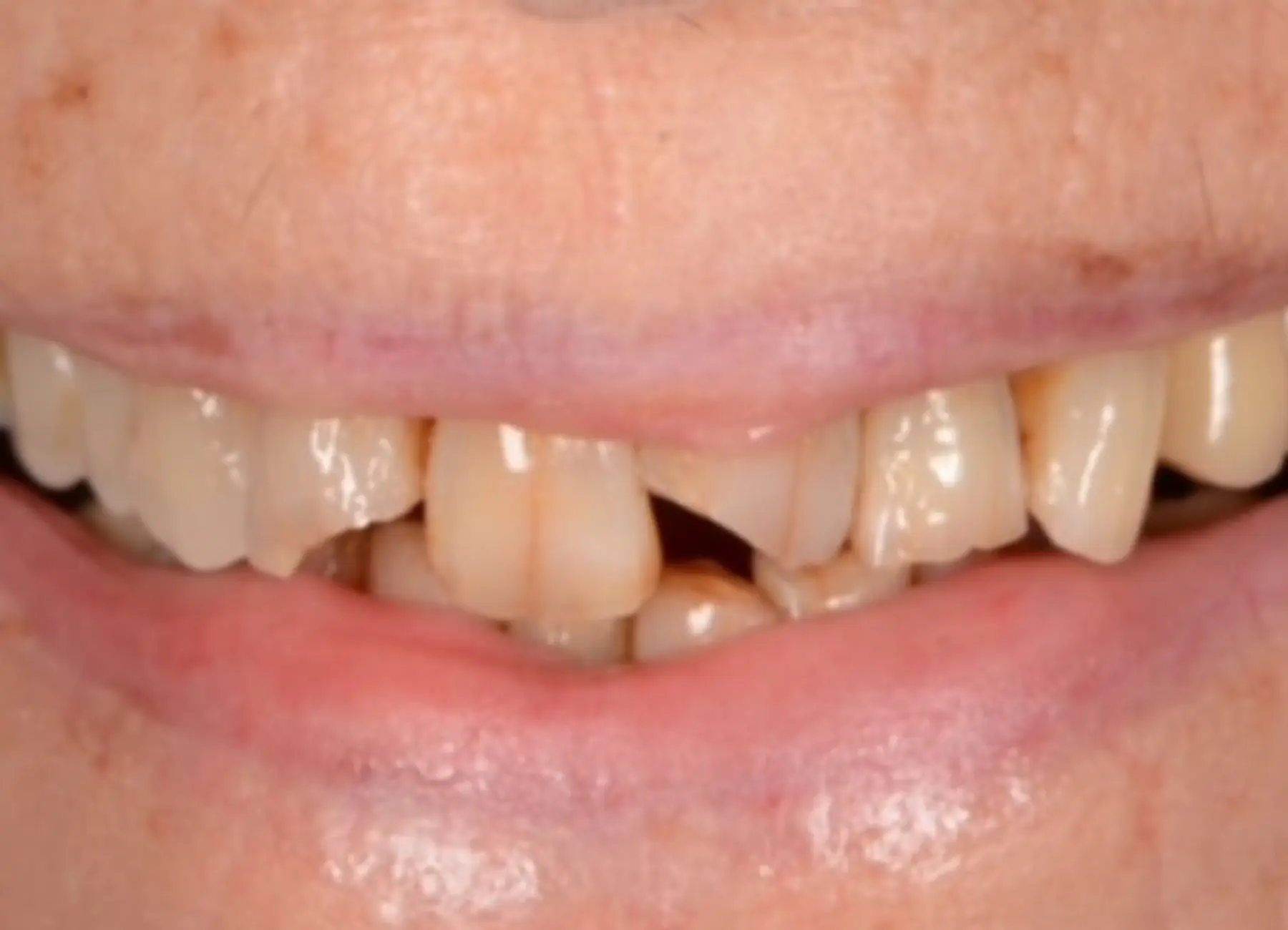
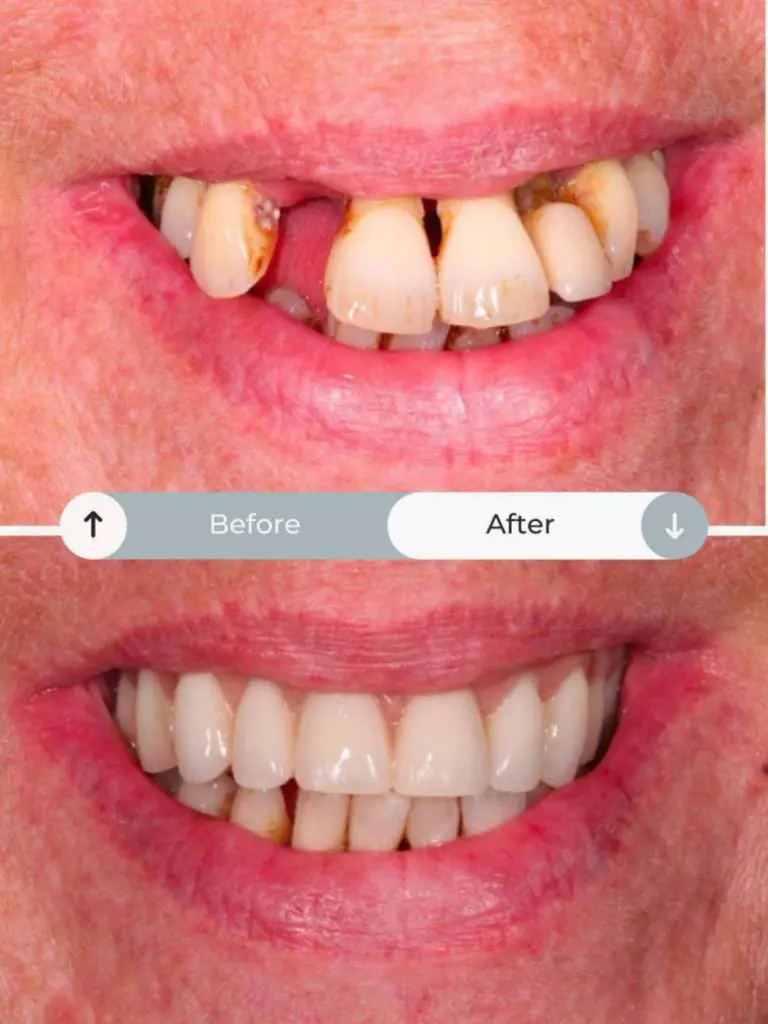
If your symptoms have progressed to advanced periodontal disease or periodontitis (often the last two stages), then you would have already experienced loose or wobbly teeth, and from here, it’s only a matter of time before they fall out.
However, if you have moderate periodontal disease or are in the earlier stages, you have some time yet—and some hope. Periodontics is an entire field of dentistry dedicated to treating gum problems, from receding gums to gum disease.
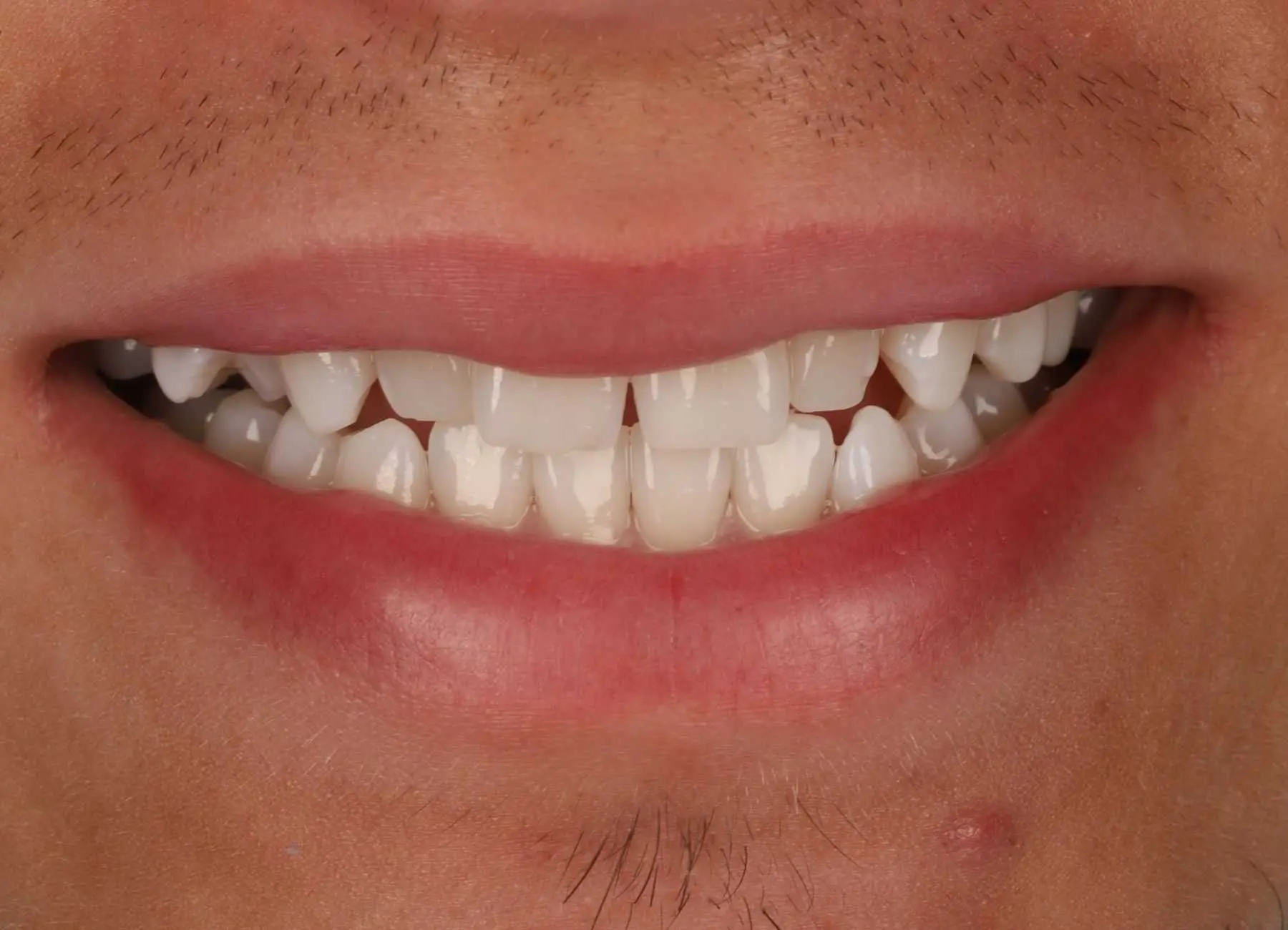
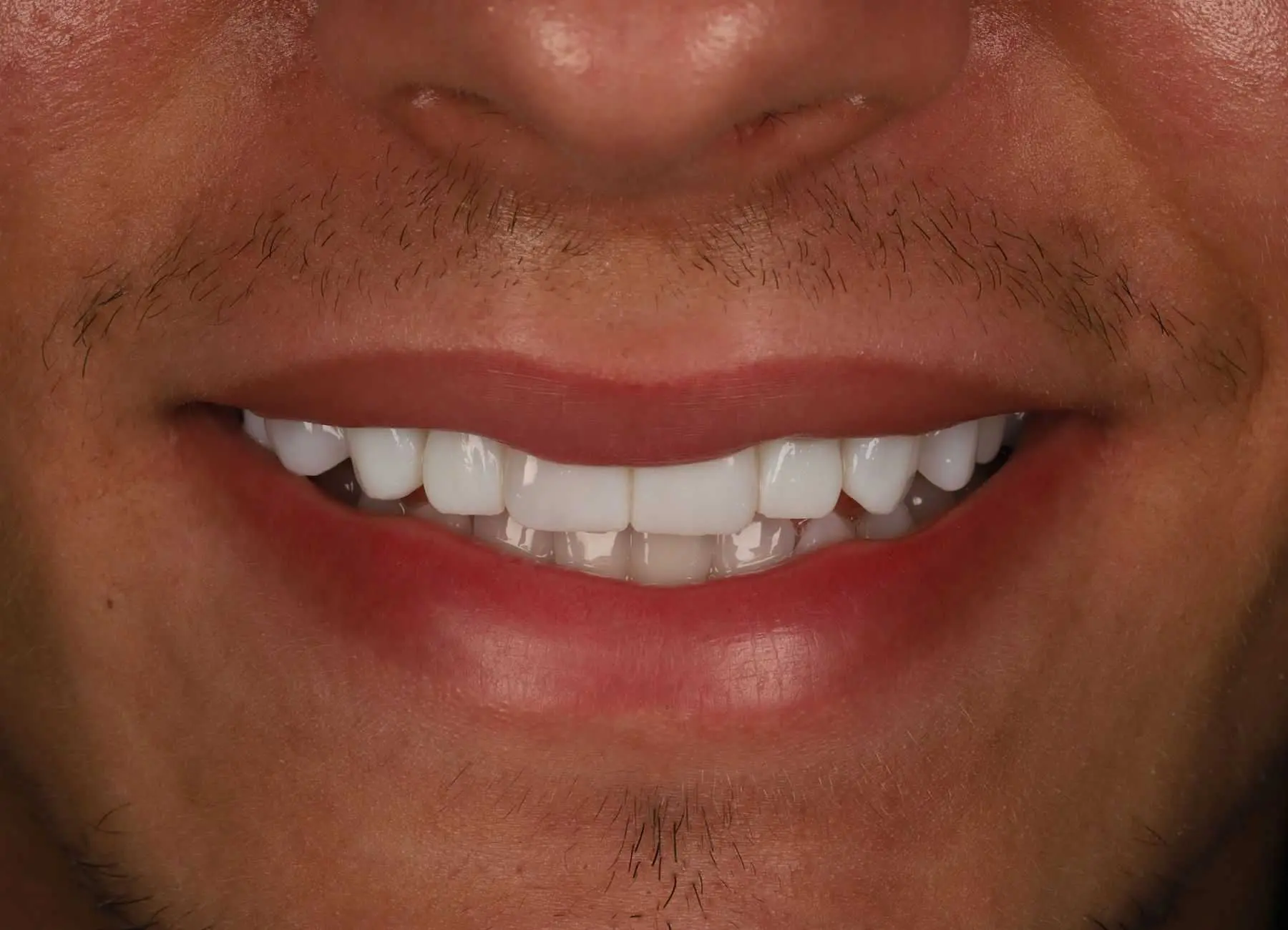
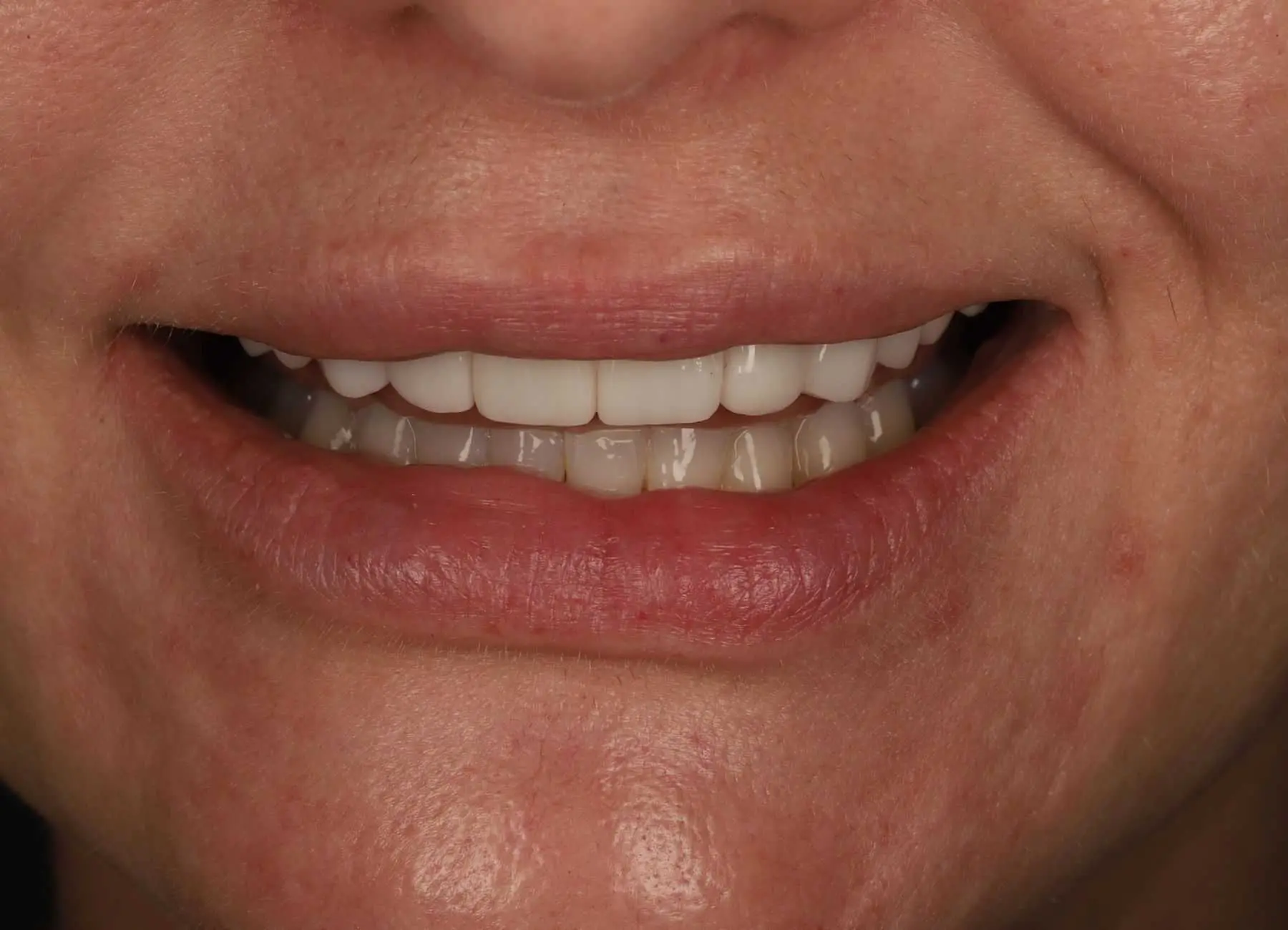
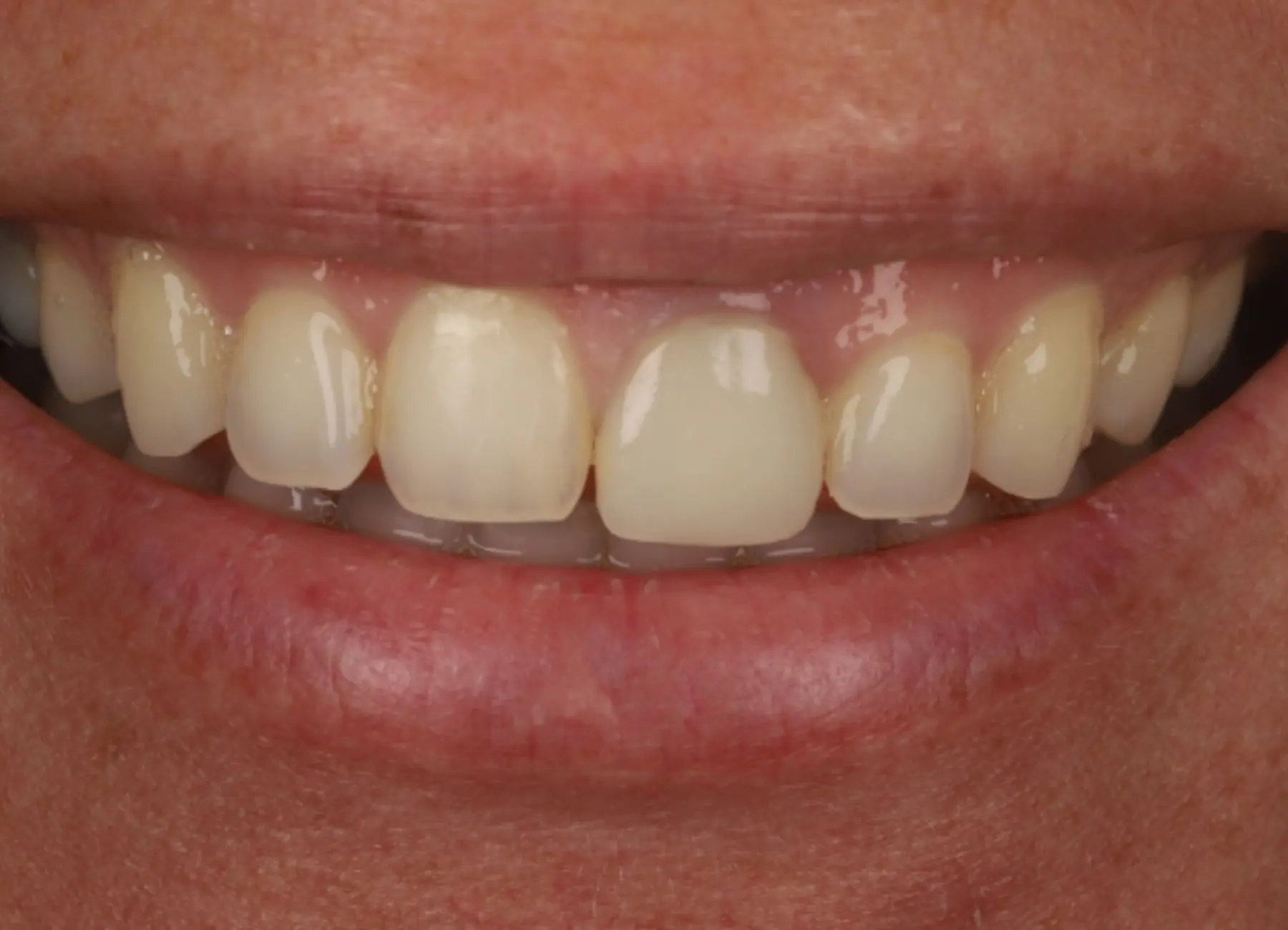
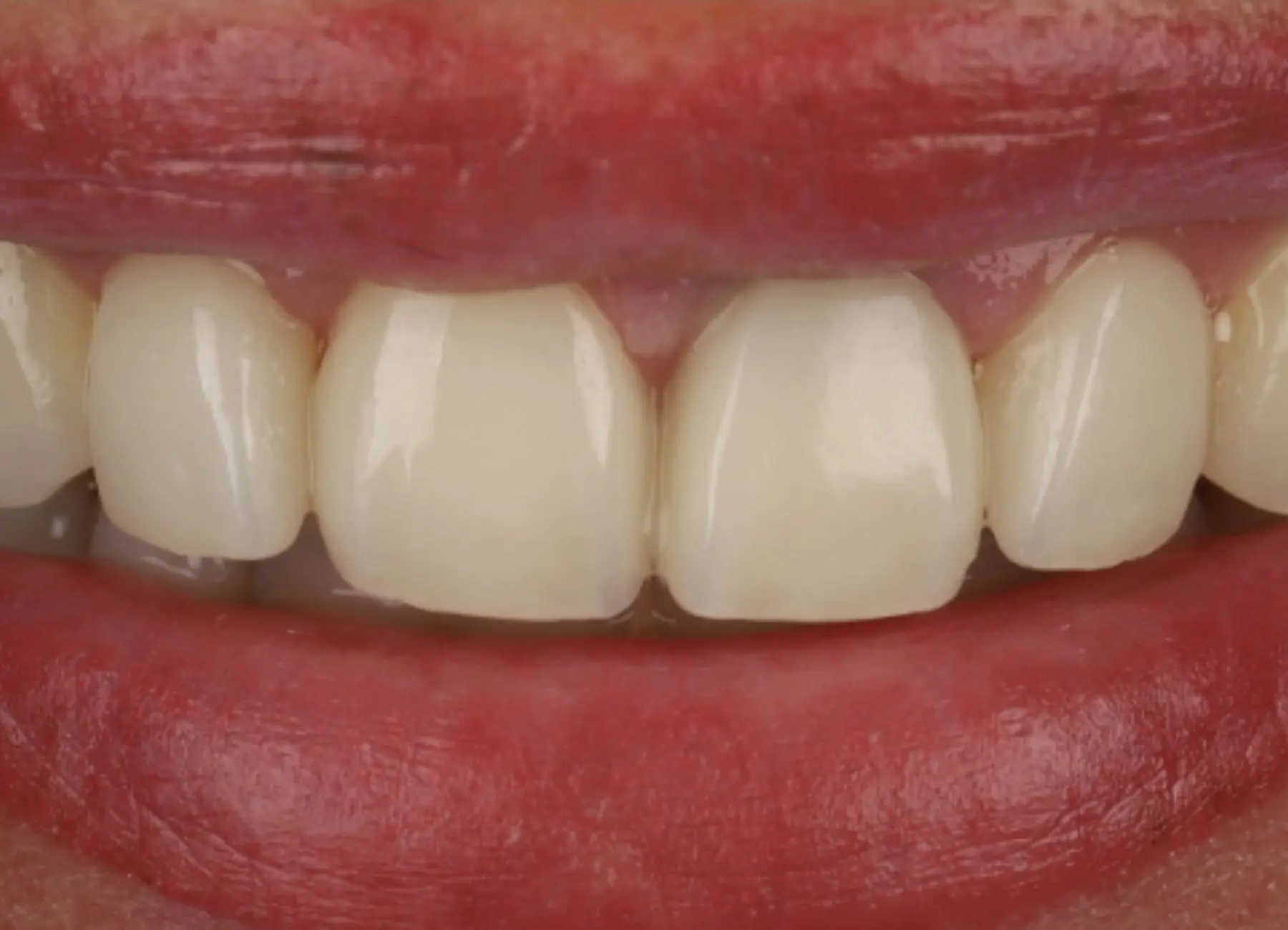
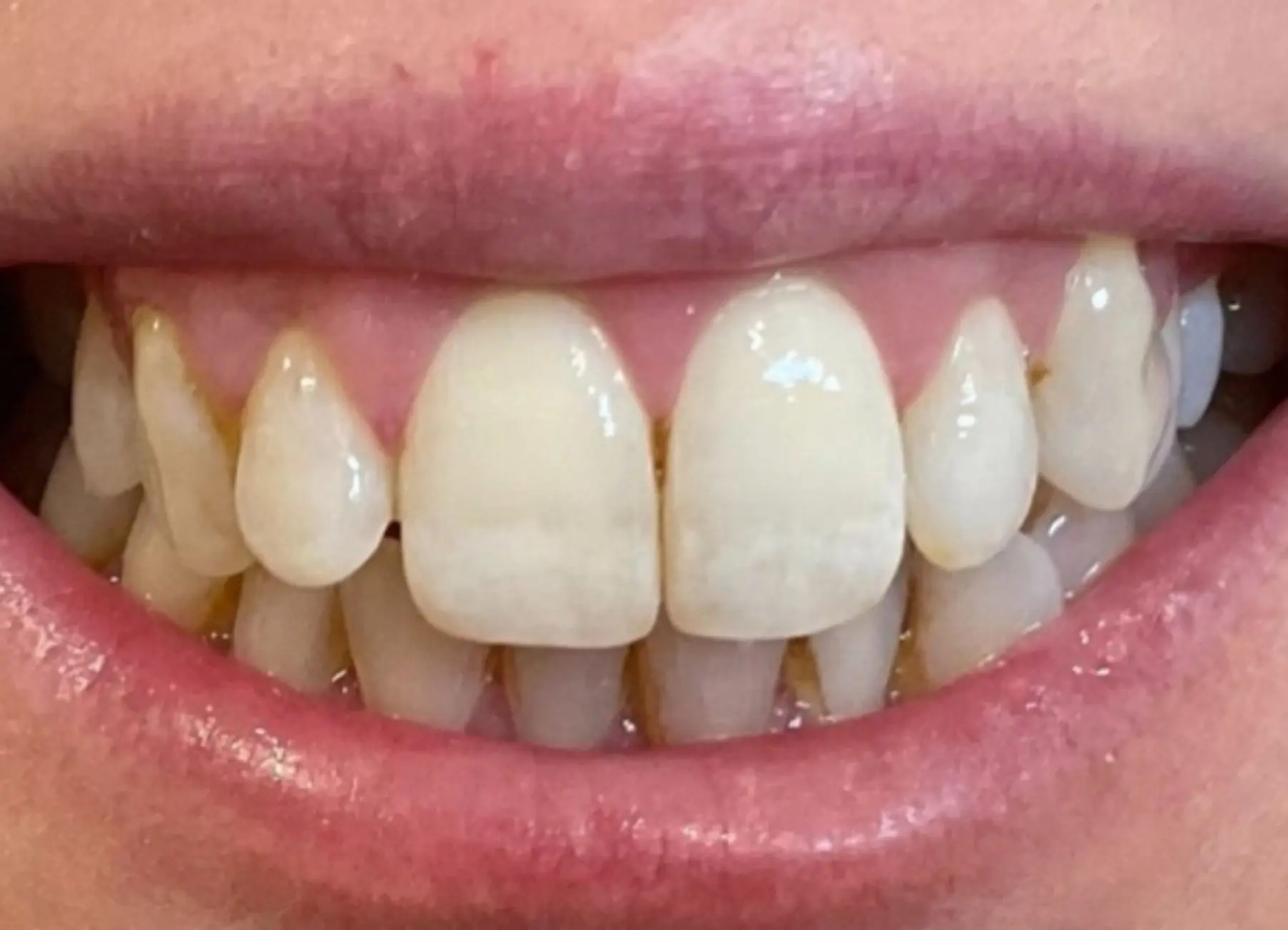
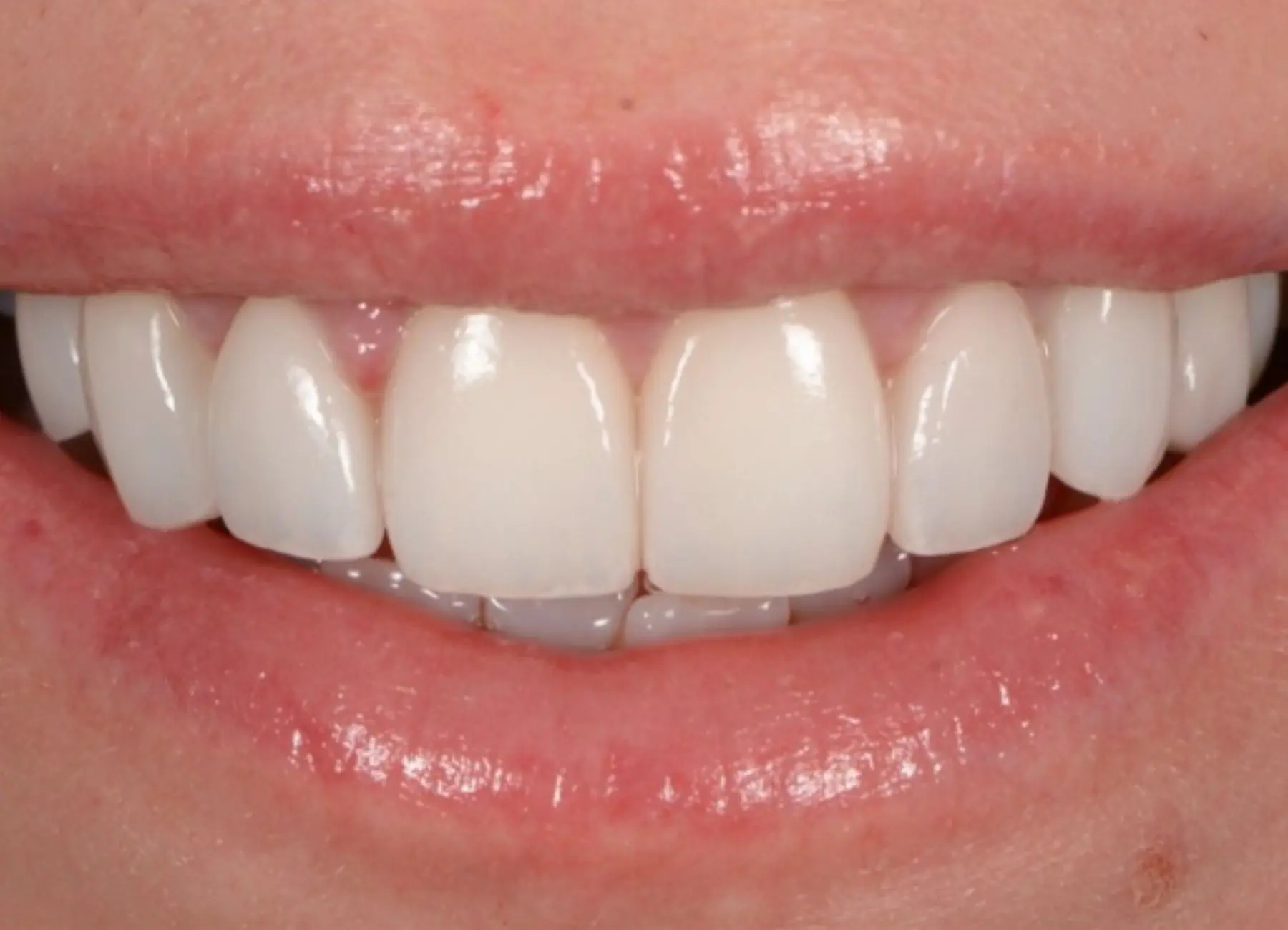
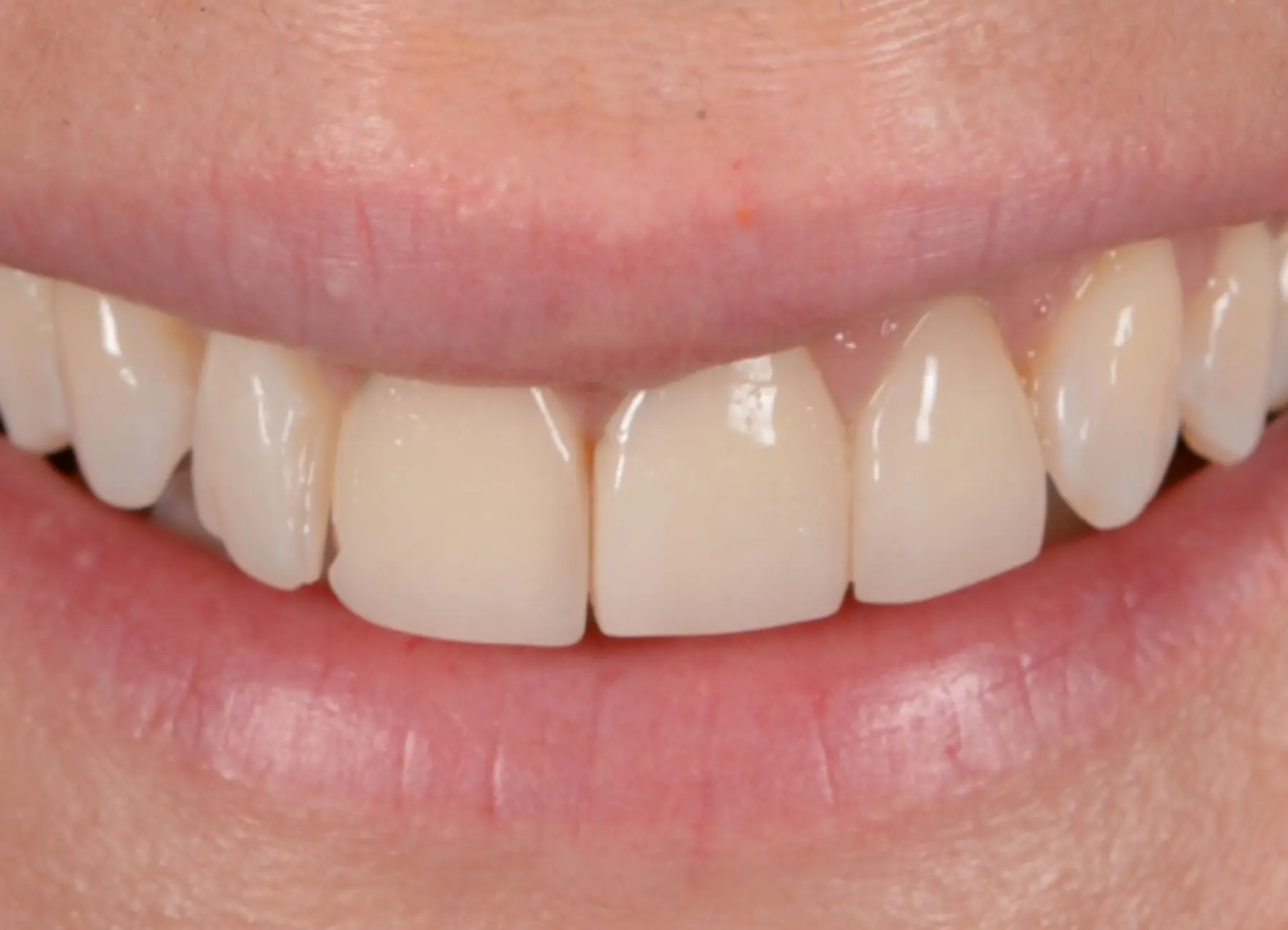
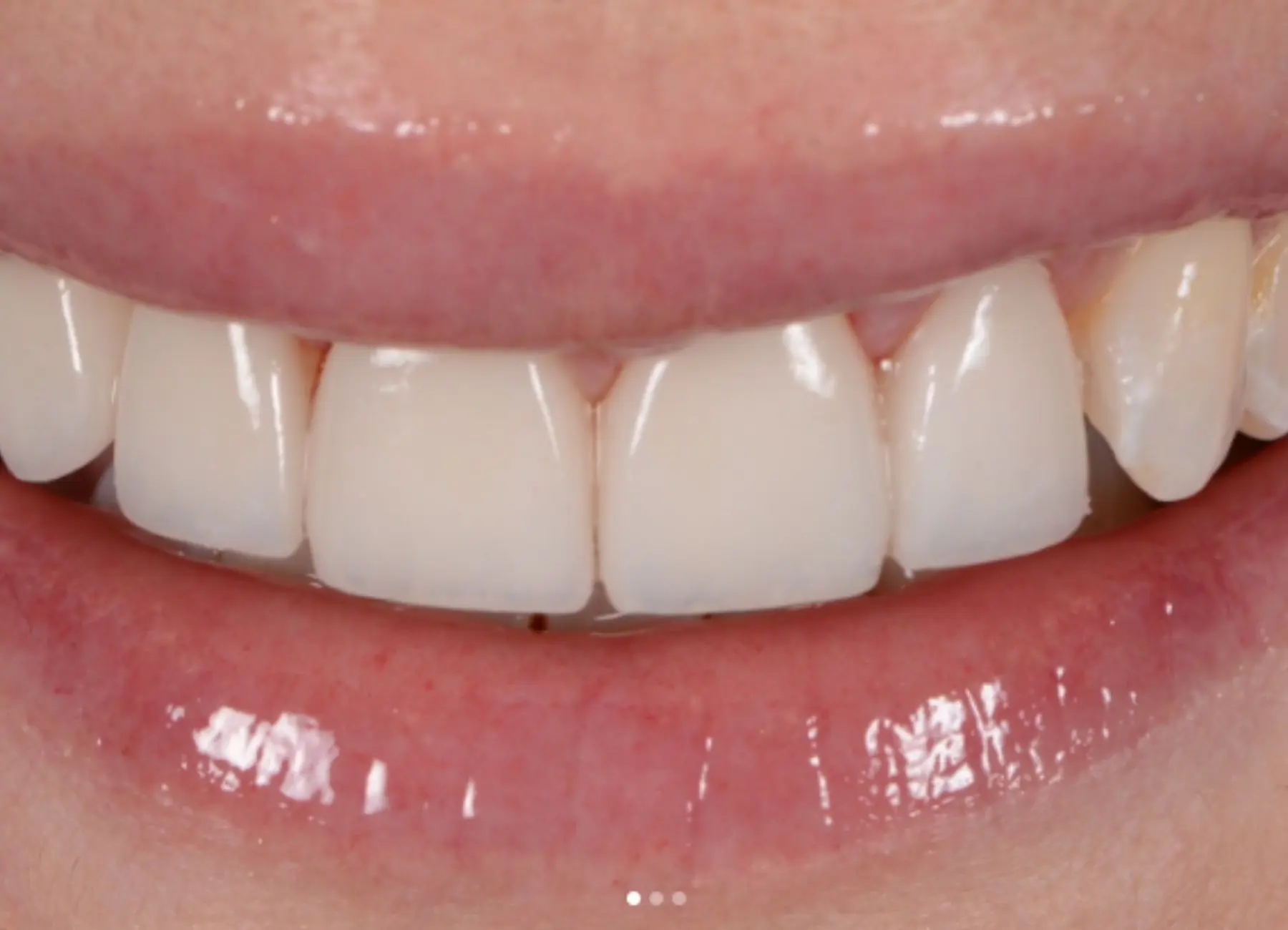
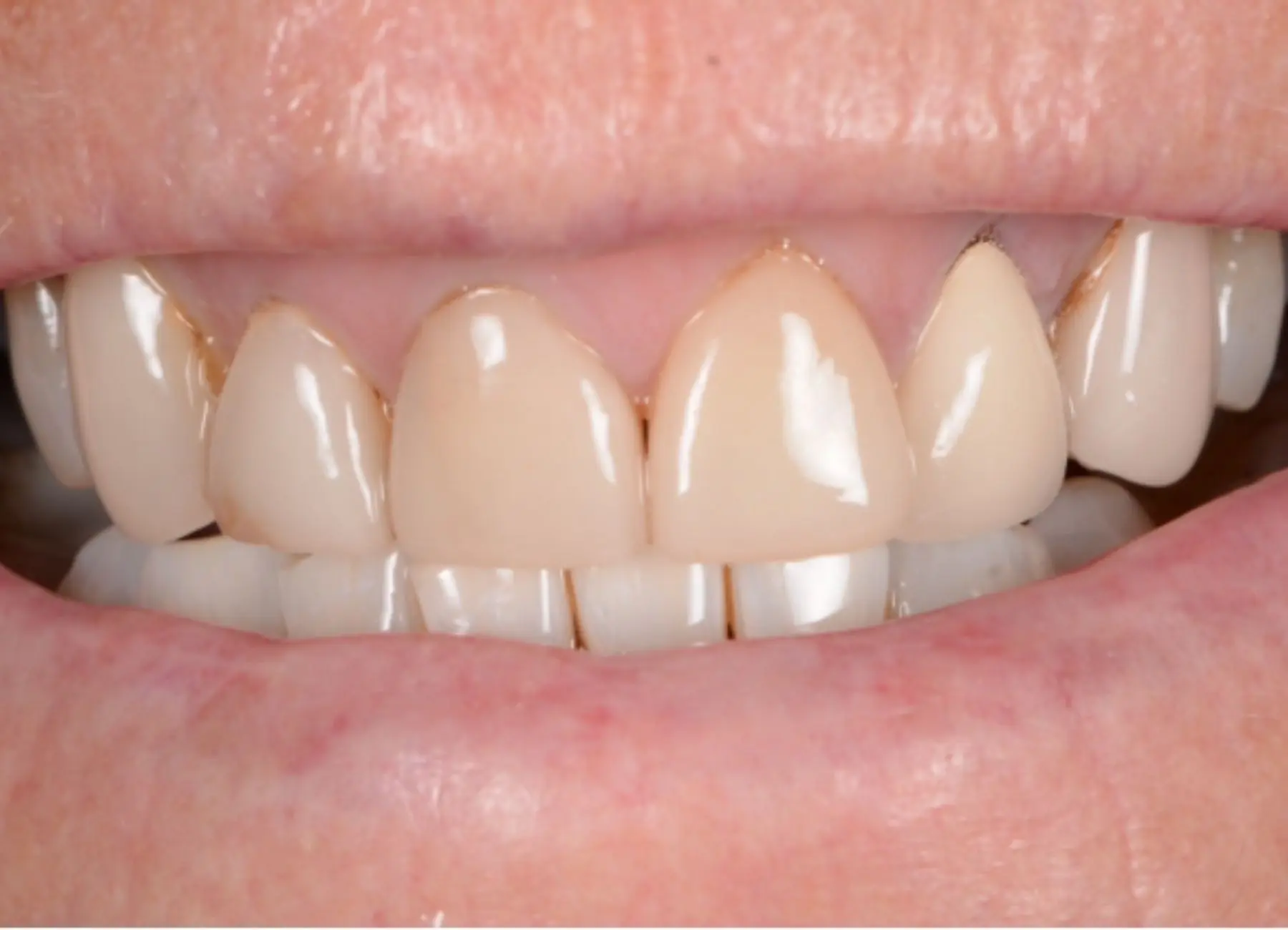
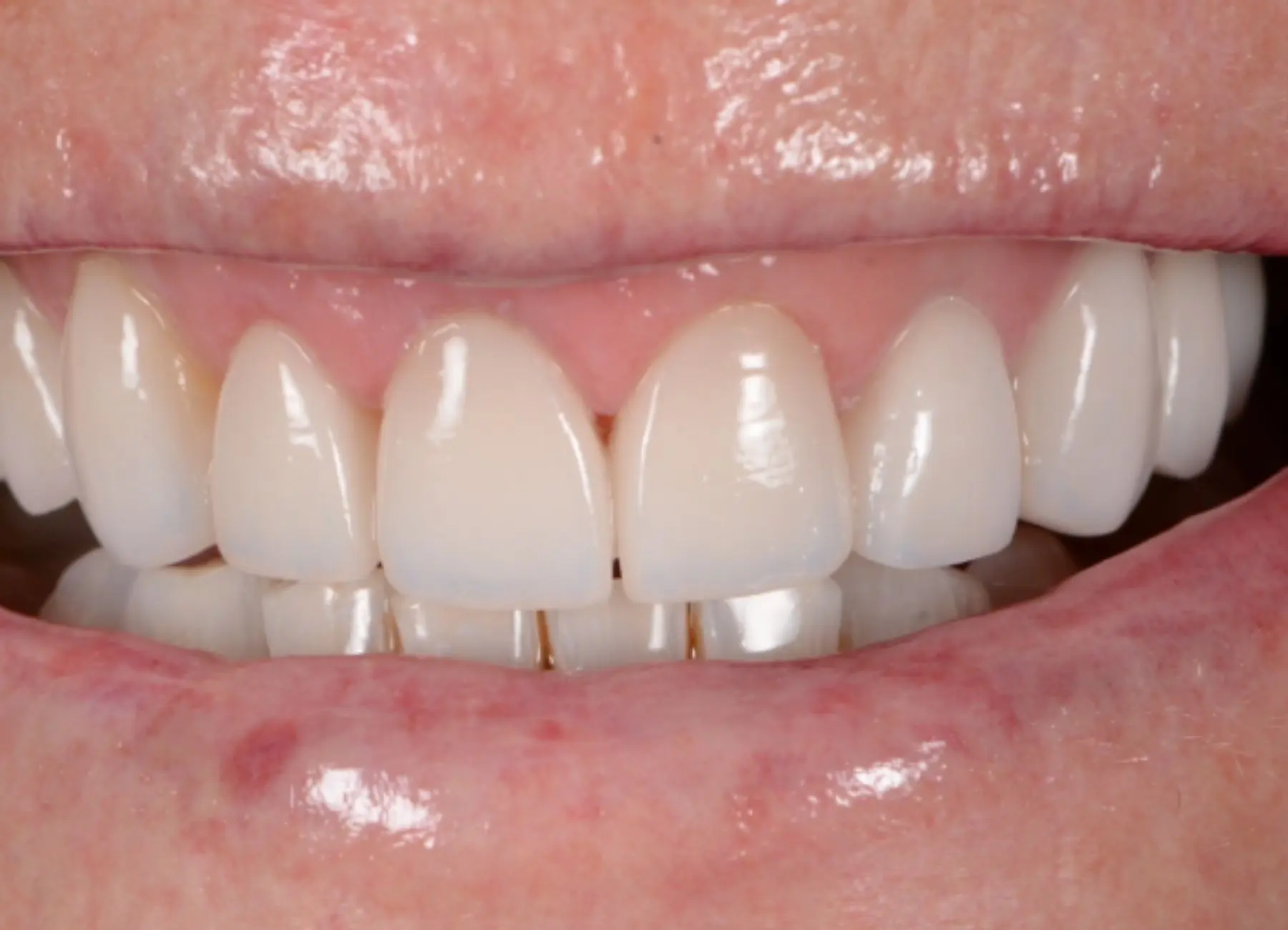
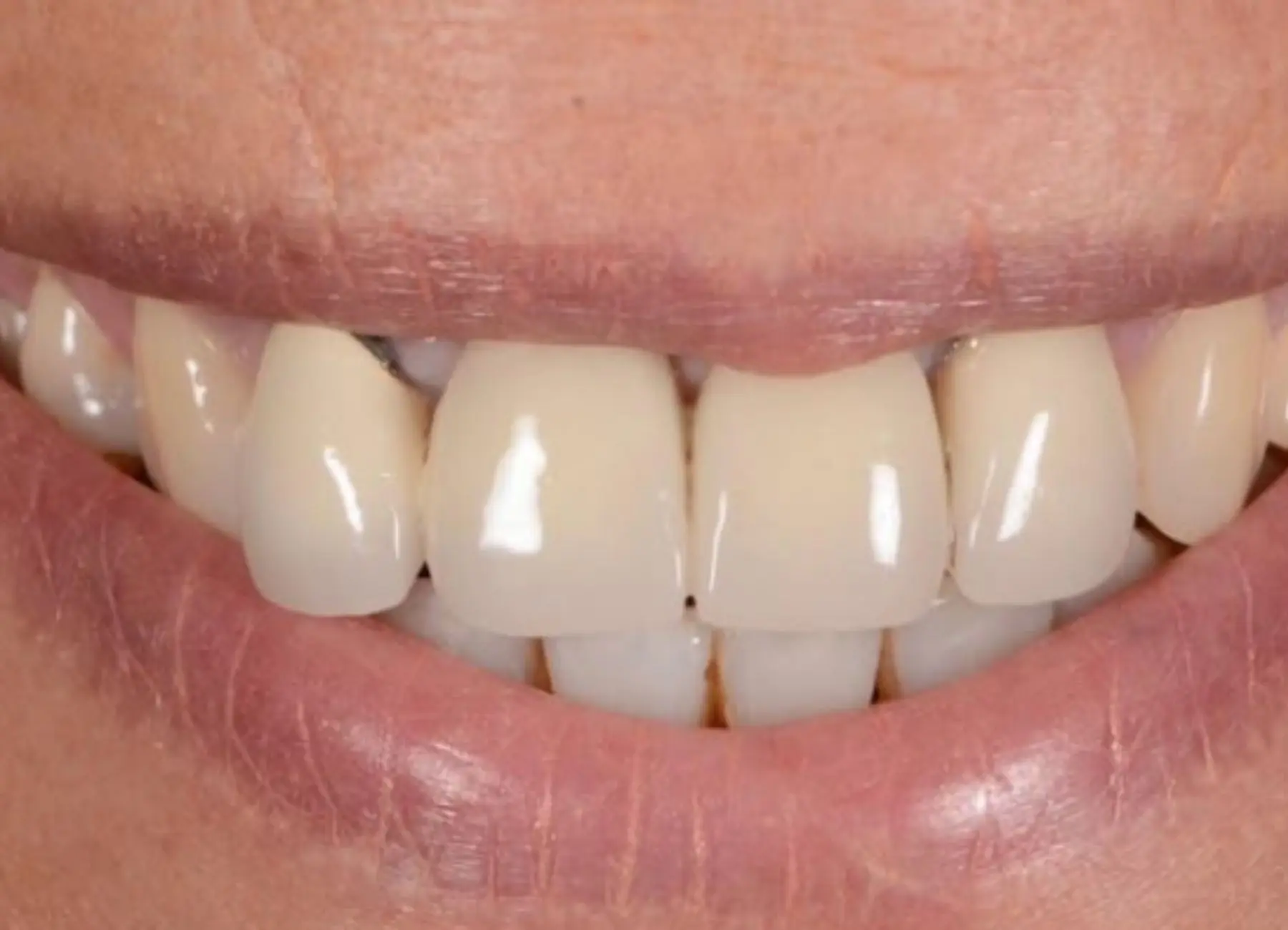
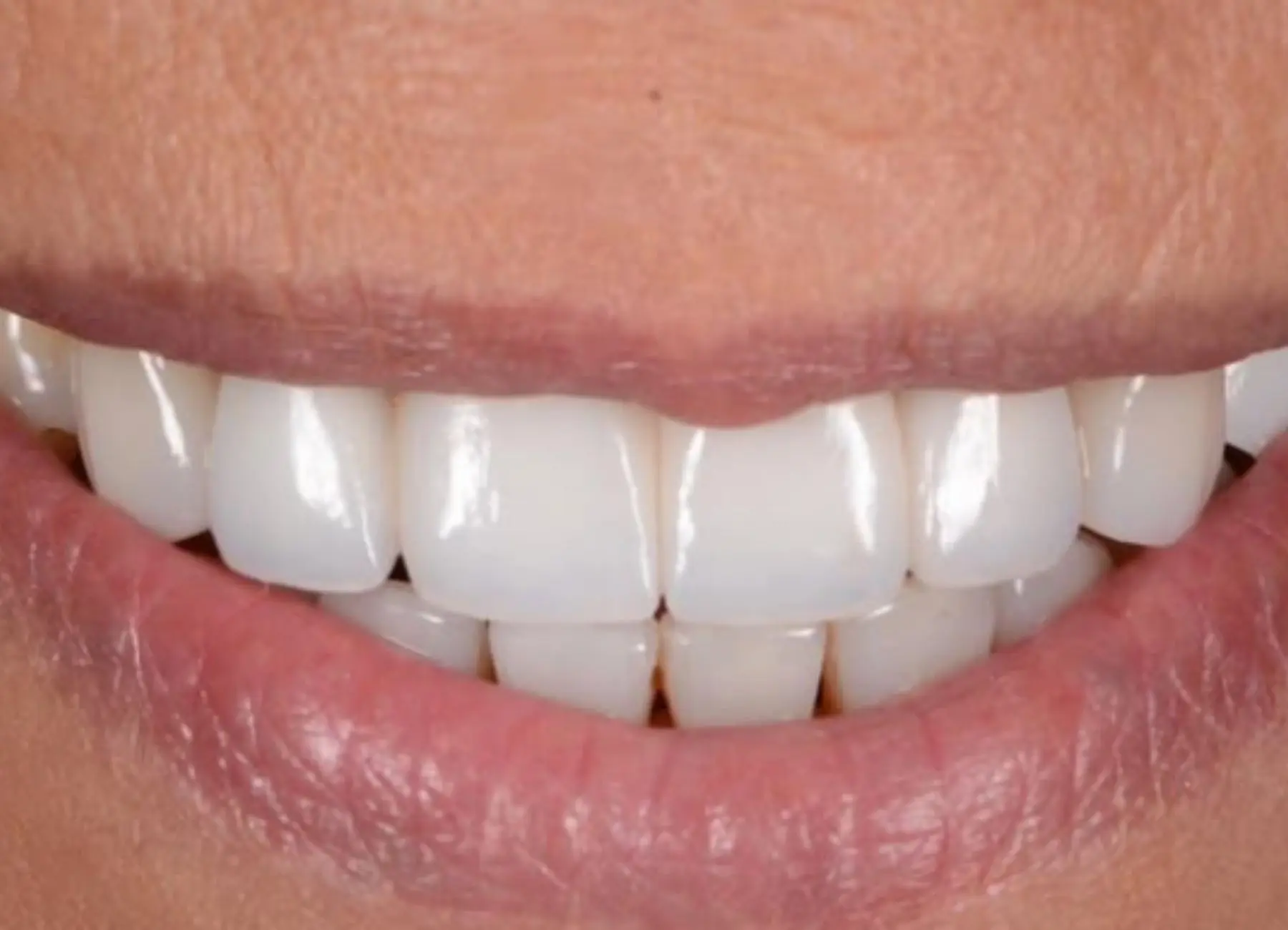
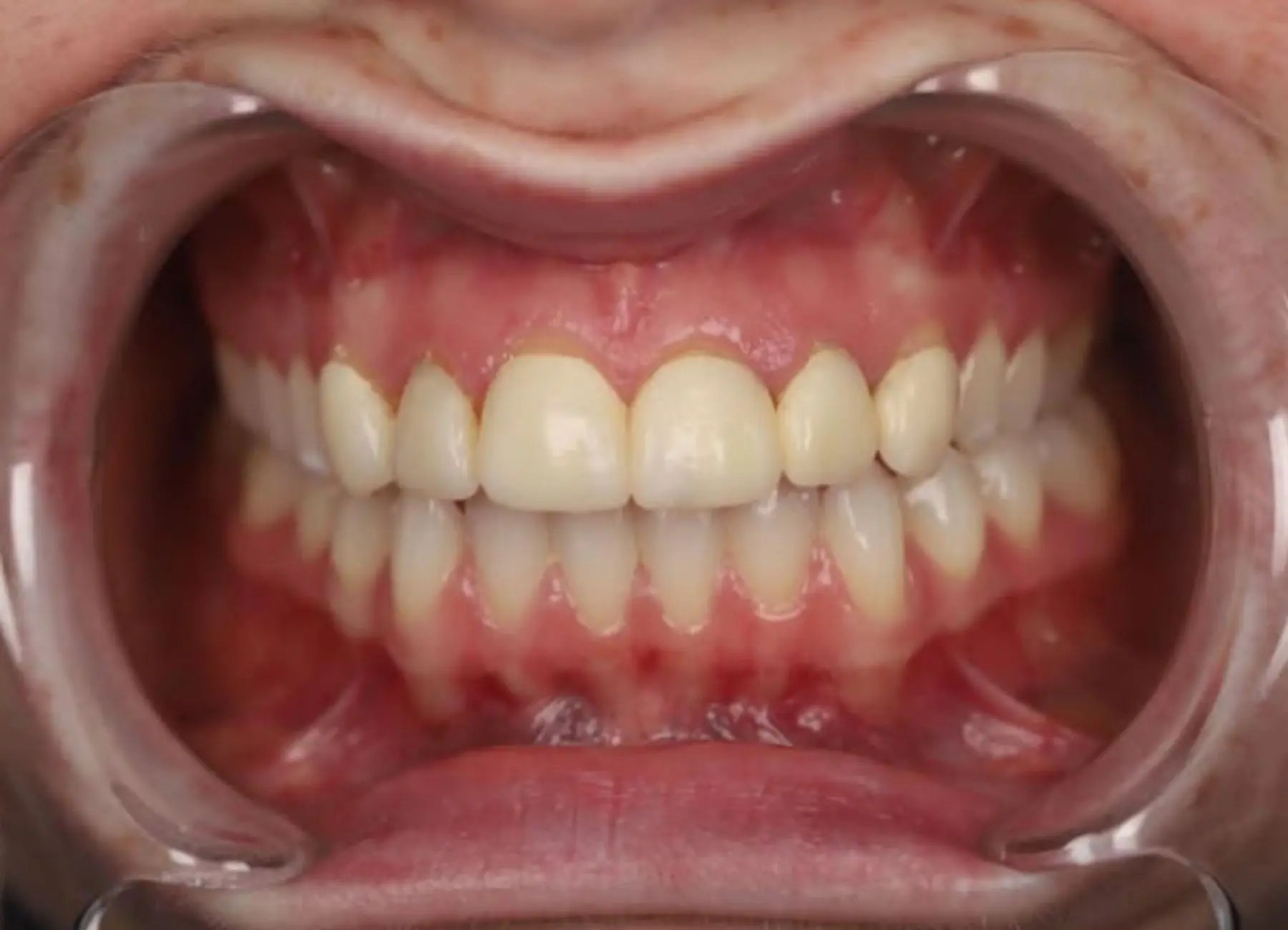
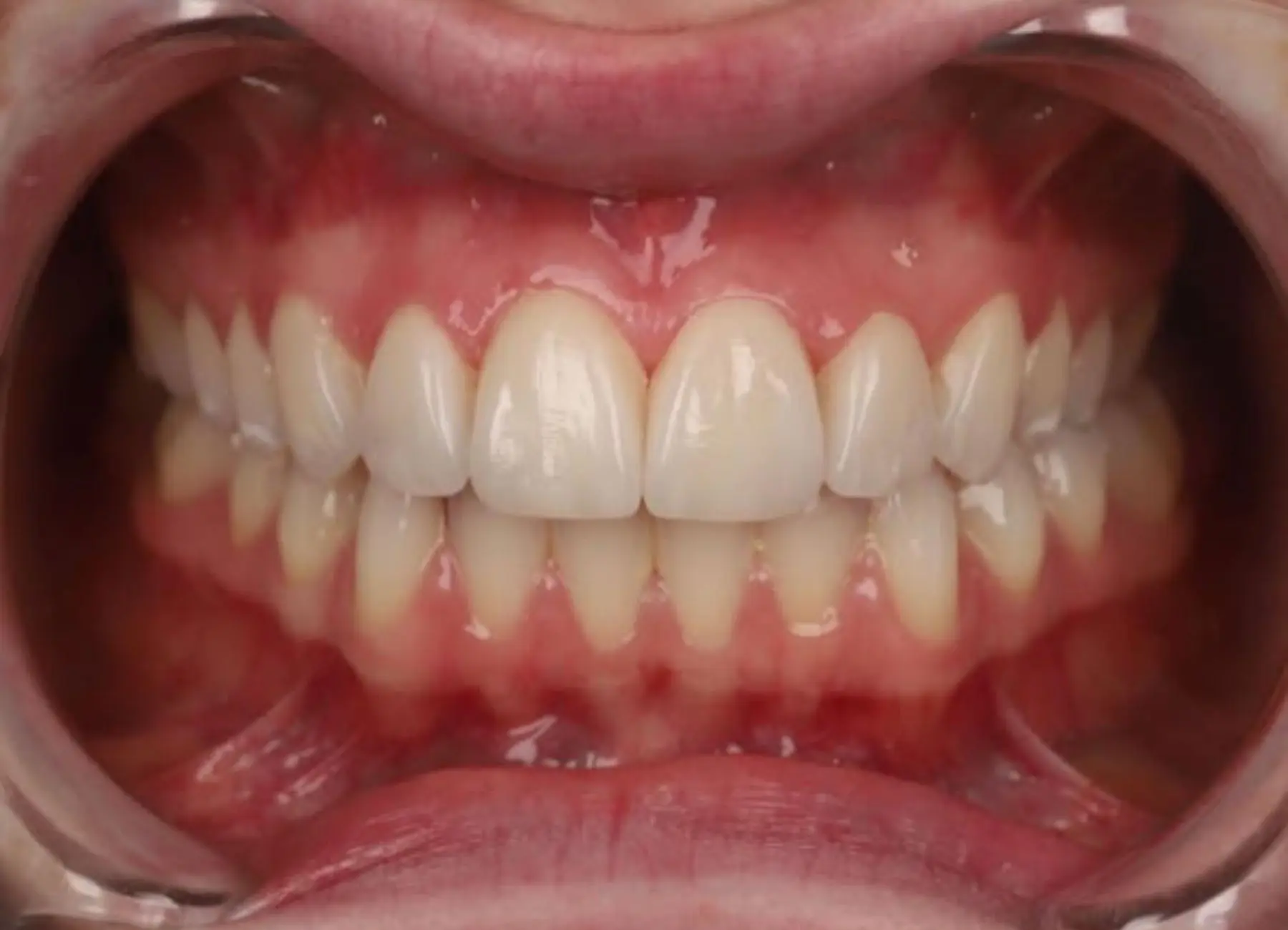
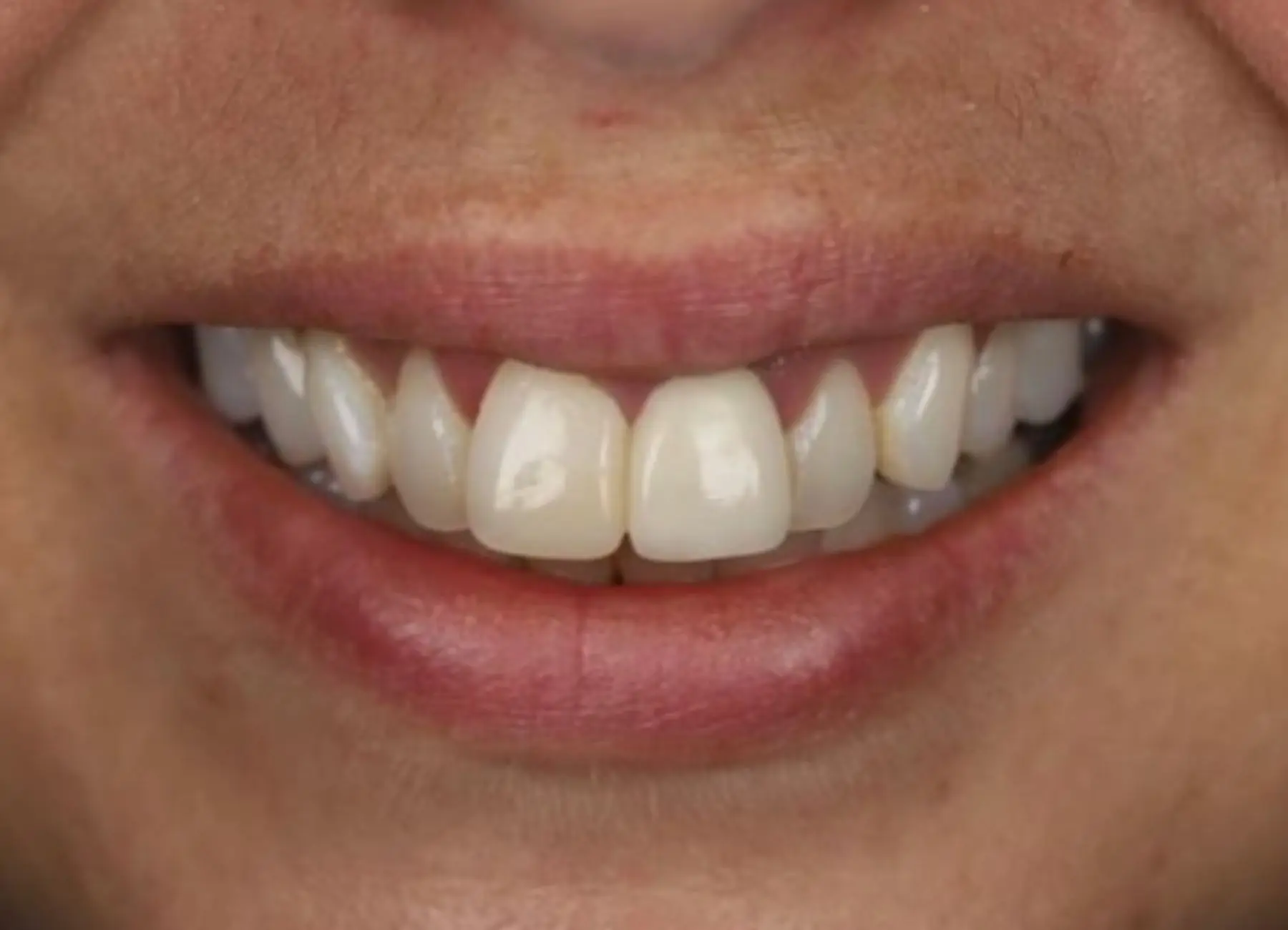
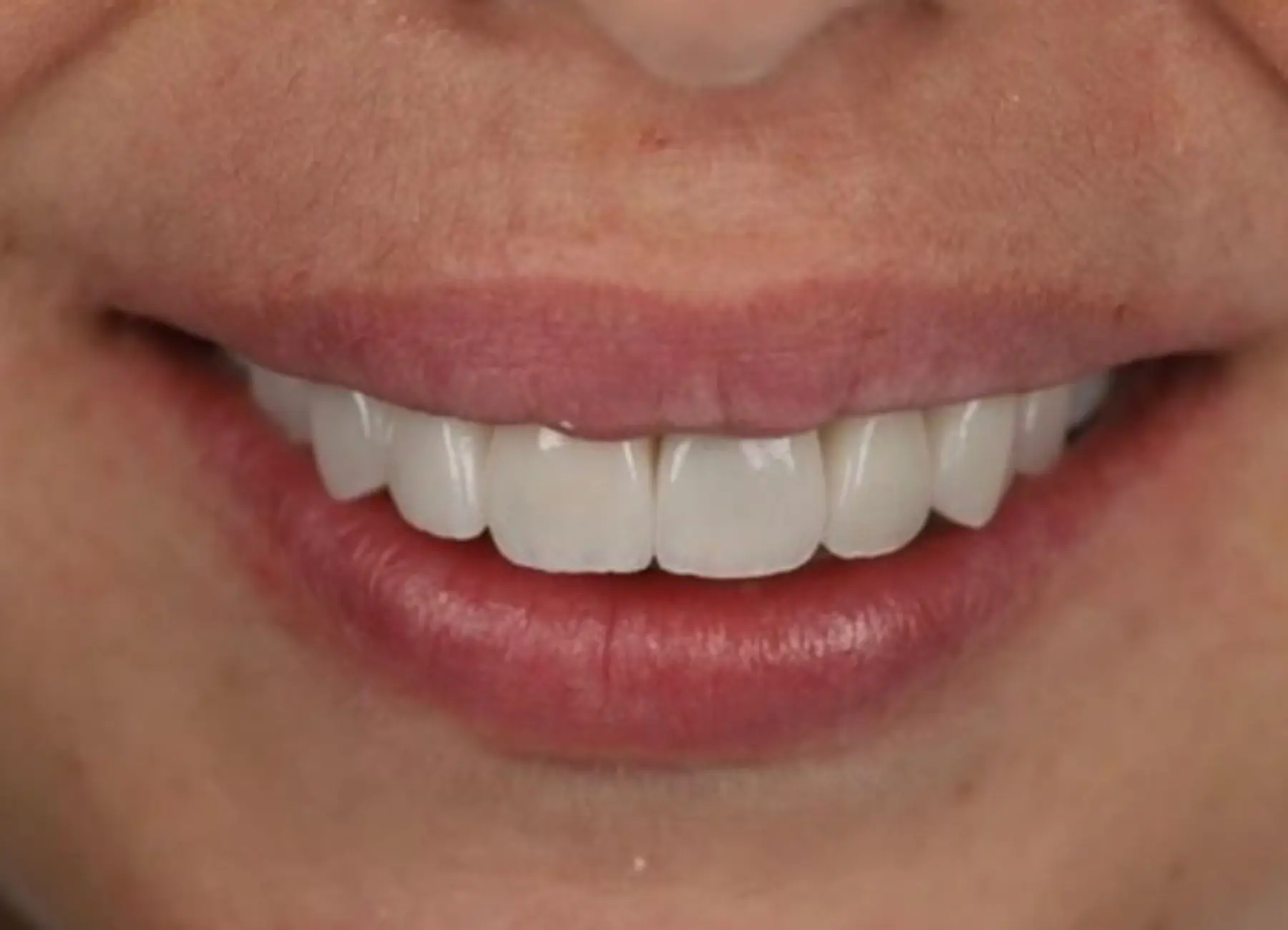
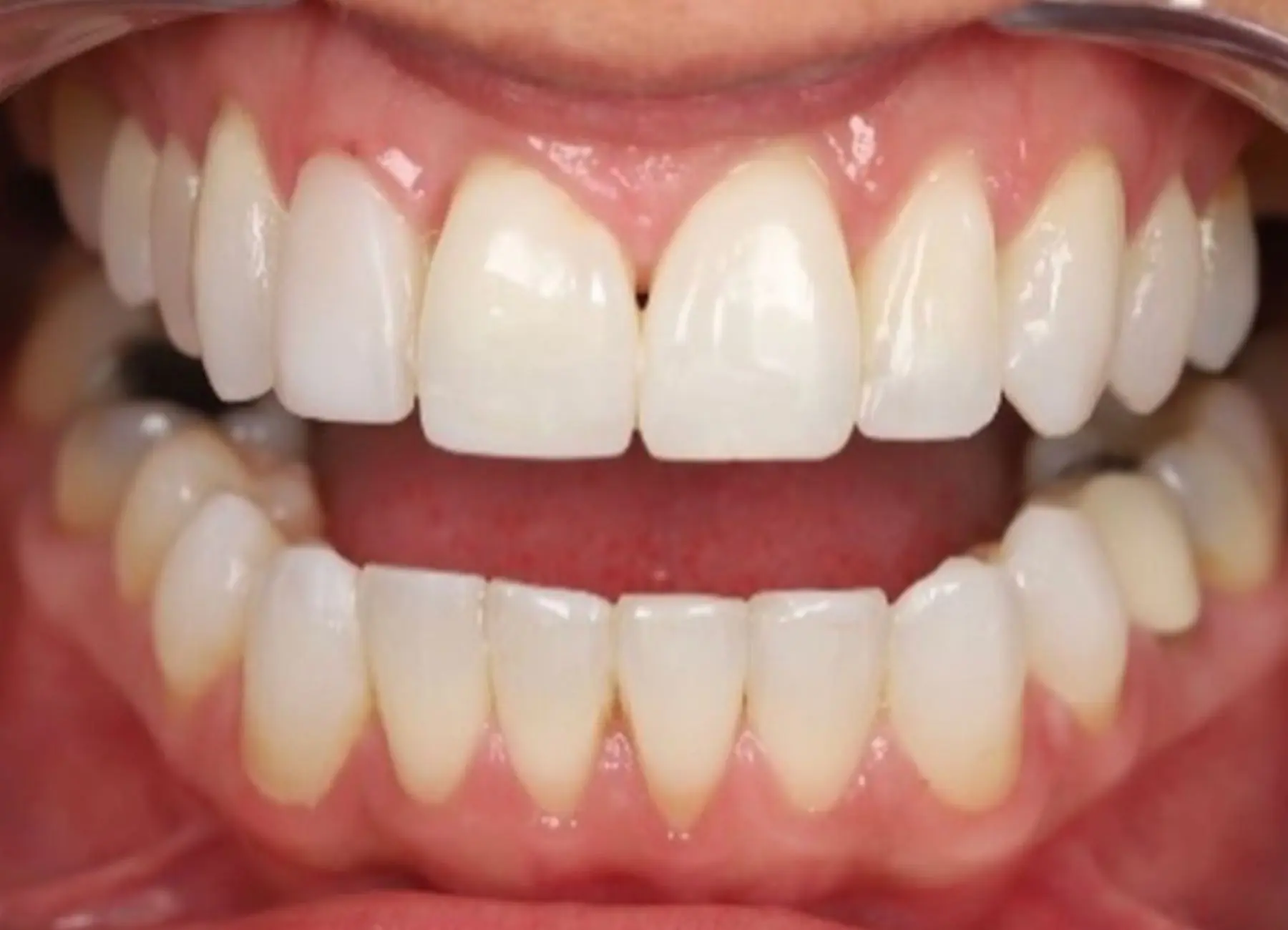
Plus, several treatments address the aesthetics of receding gums and can help prevent them from worsening.
If you’re experiencing these symptoms, tooth loss won’t be far away
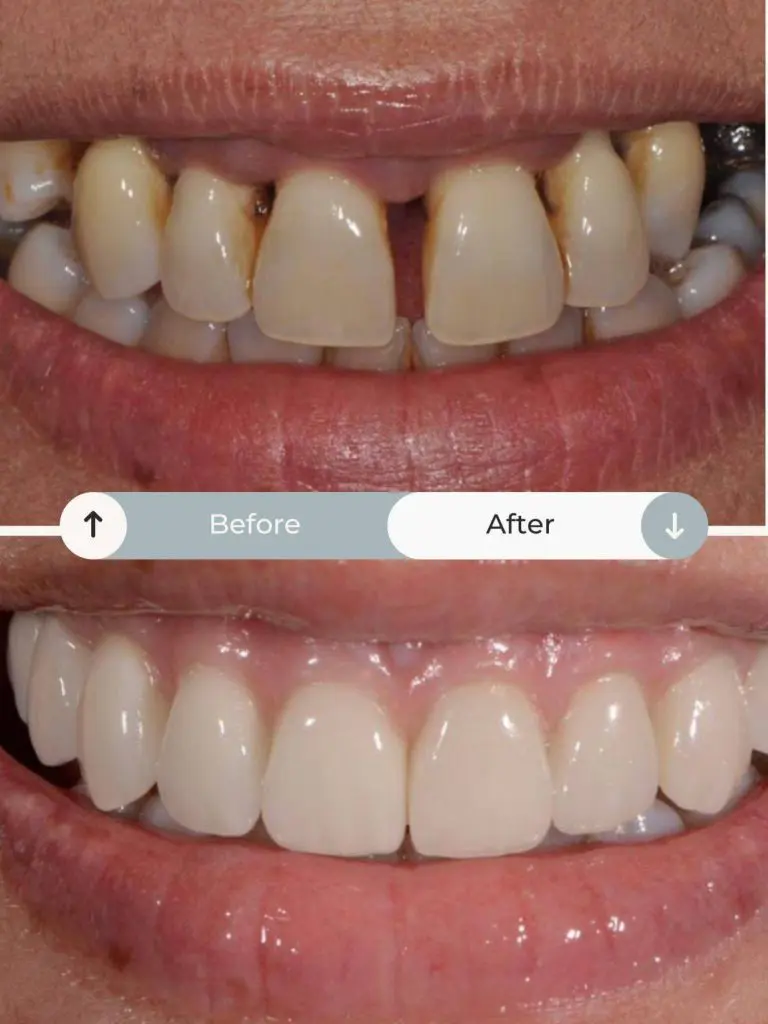
Please note that these symptoms are a general overview – each case is different and is assessed individually. For example, don’t let the below list frighten you if you experience any of these symptoms – a lot of the symptoms can also be experienced when patients are progressing through the earlier stages. It’s always best to consult a dentist to understand the stage of periodontal disease you’re currently in and what can be done about it.
- Extremely swollen or puffy gums
- Bright red, dark red, or purplish gums
- Gums that feel tender or bleed easily (to the touch)
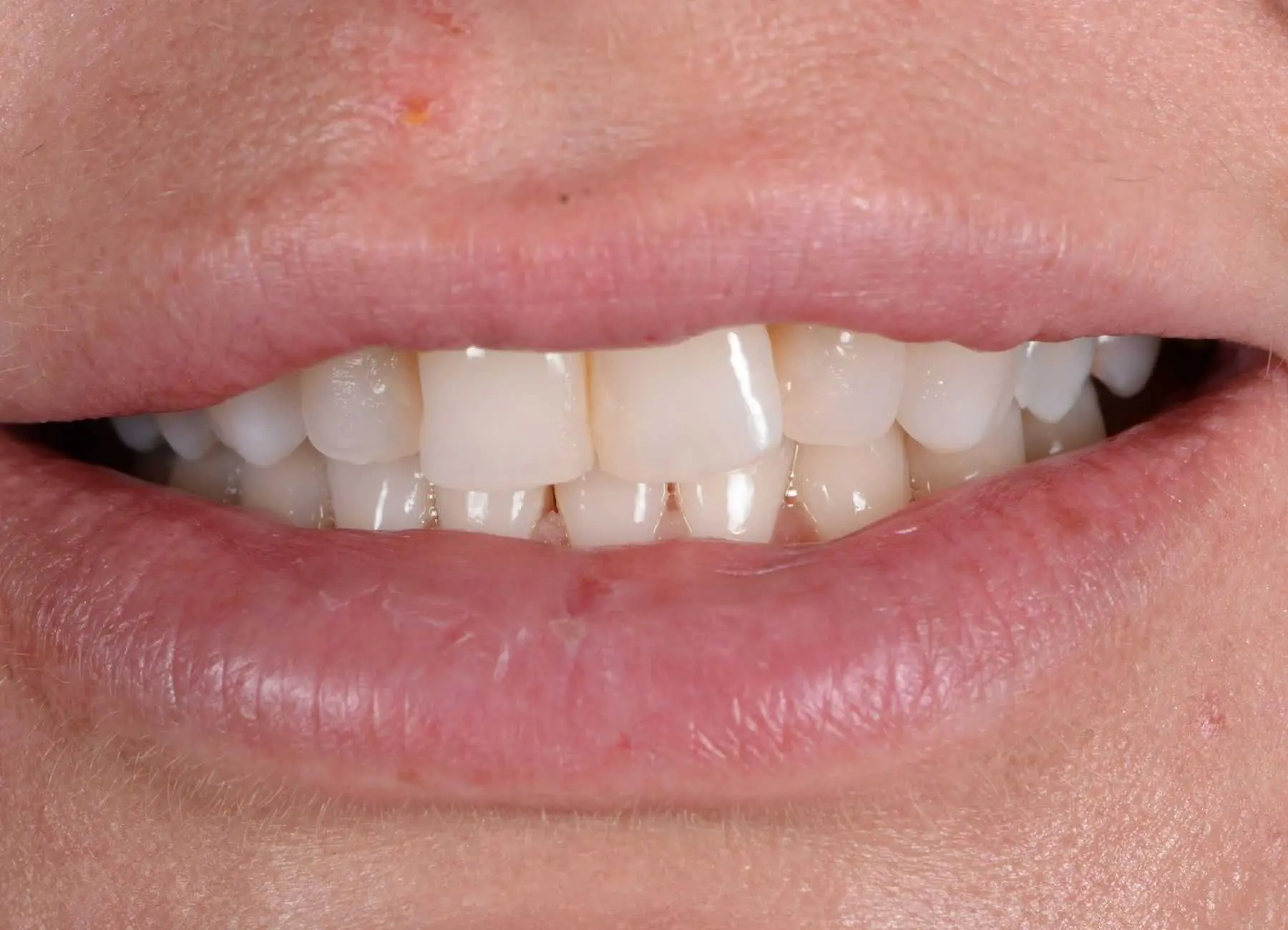
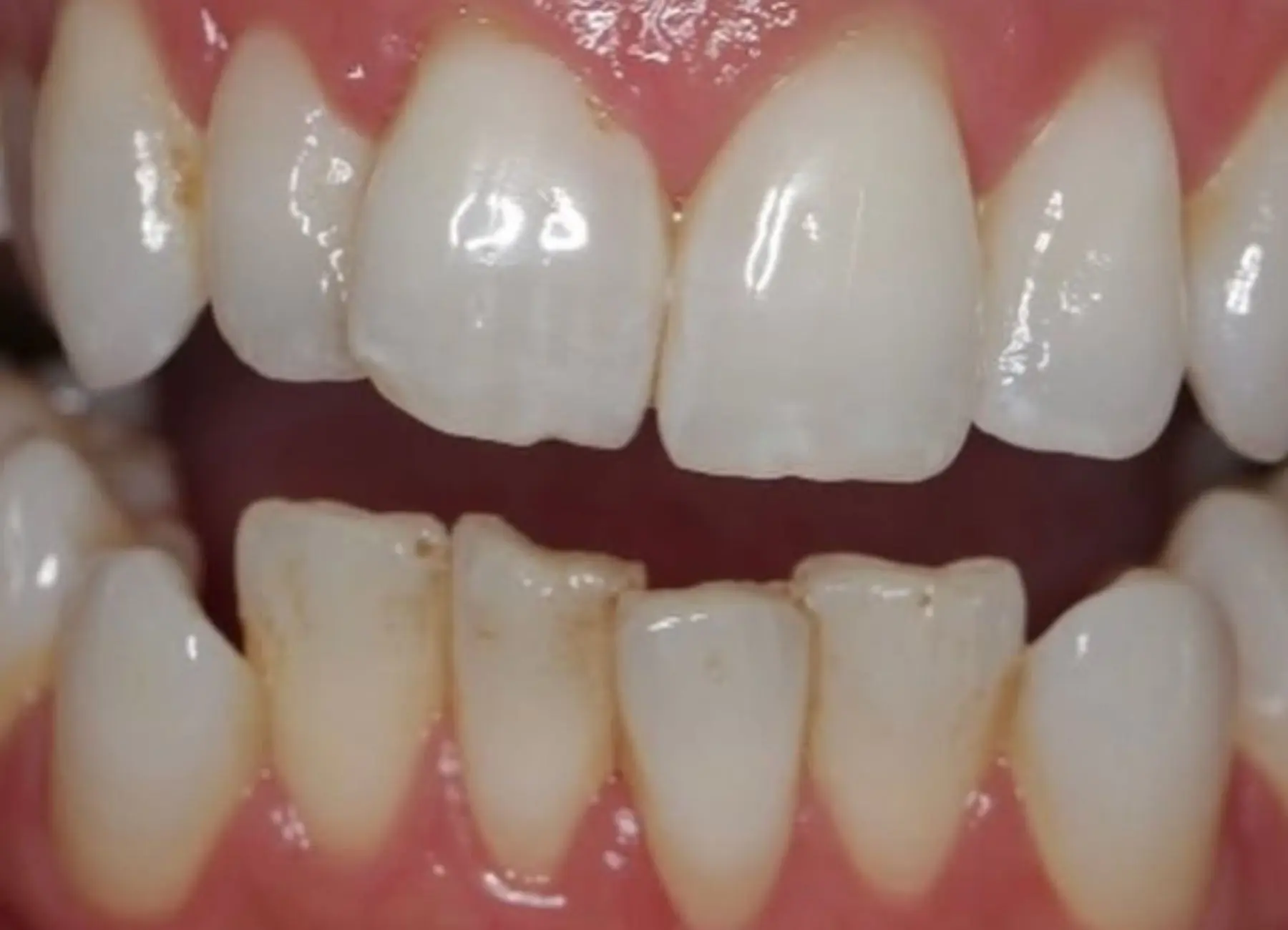
- Heavily receding gums, where tooth roots are exposed (see stages)
- Persistent bad breath (halitosis) and a metallic taste in the mouth
- Loose or shifting teeth
- Pus between the teeth and gums
- Painful chewing and heightened gum sensitivity
- Changes in the way teeth fit together when biting
- Large gaps are developing between teeth
Get treatment with a specialist in gums
Our periodontist is Dr Panayiotis Kaimakamis, a specialist in periodontal disease.
Treatments he offers to manage, treat and control gum disease:
- Treatment of periodontitis & peri-implantitis
- Surgical treatment of non-responsive periodontal defect areas
- Periodontal regeneration
- Soft tissue aesthetics & mucogingival defects
- Crown lengthening procedures