

Gum disease usually involves infection of the gums and bone and can only be reversed in its early stages.
Home | General Dentistry | Gum Health
How To Keep Your Gums Healthy
Hygiene Appointments | Fresh Breath | Your Visit | Periodontal Programs
Gum disease can range from a simple inflammation of the gums to a widespread infection that causes teeth to become loose.
Guide to gum disease
Gingivitis is when there is a minor inflammation of the gums, which is caused by bacteria building up in the mouth. Symptoms include pink, tender and bleeding gums.
Periodontitis is a serious gum infection which causes damage to soft tissue around the teeth. Non-reversible, periodontitis can only be managed rather than cured.
- Red, inflamed gums
- Discoloured gums
- Gum swelling or receding gums
- Loose teeth
- Bleeding gums
- Bad breath and abscess
- Painful teeth or unstable teeth
80% of the population has some level of gum disease, and it’s a condition that should be taken seriously.
As gum disease progresses, your gums may pull away from your teeth to form pockets or gaps called Periodontal Pockets, which are difficult to clean and can cause teeth to become loose.
Regularly removing bacteria, plaque and tartar with the hygienist is essential for treatment as well as excellent home care.
Gum disease is also known as the silent disease since you might not be aware of symptoms until the situation advances beyond reversal.
If you don’t remove plaque daily, you may find that your gums become swollen, red and bleed easily when you brush your teeth.
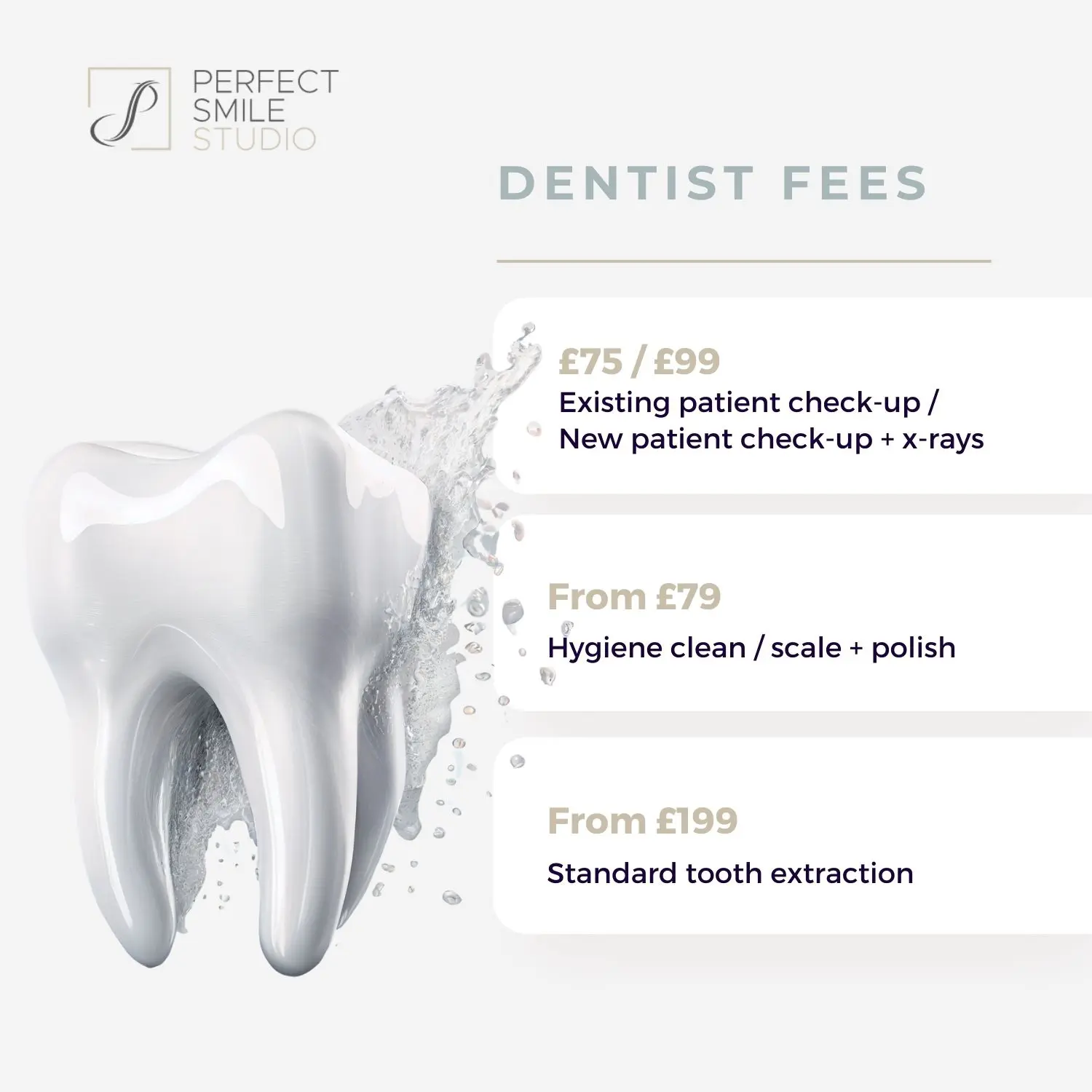
Book in for a comprehensive assessment with one of our dentists, who will look at your teeth, gums and soft tissues. From this check-up, they can successfully formulate a customised periodontal plan specifically for your situation, where you’ll be passed over to our hygienists and periodontists to manage your gum disease better.
New Patient Registration Form
New Patient Registration Form