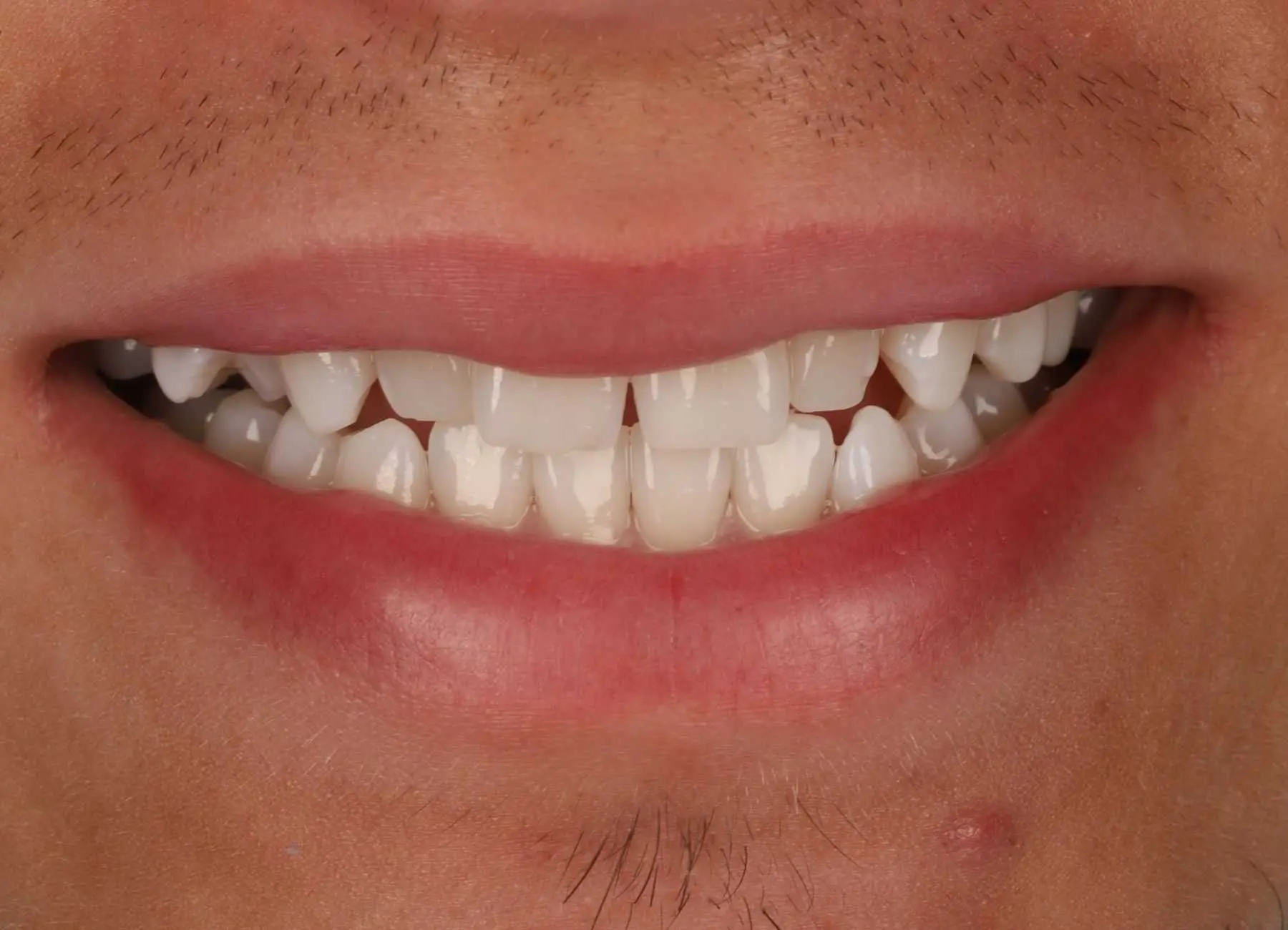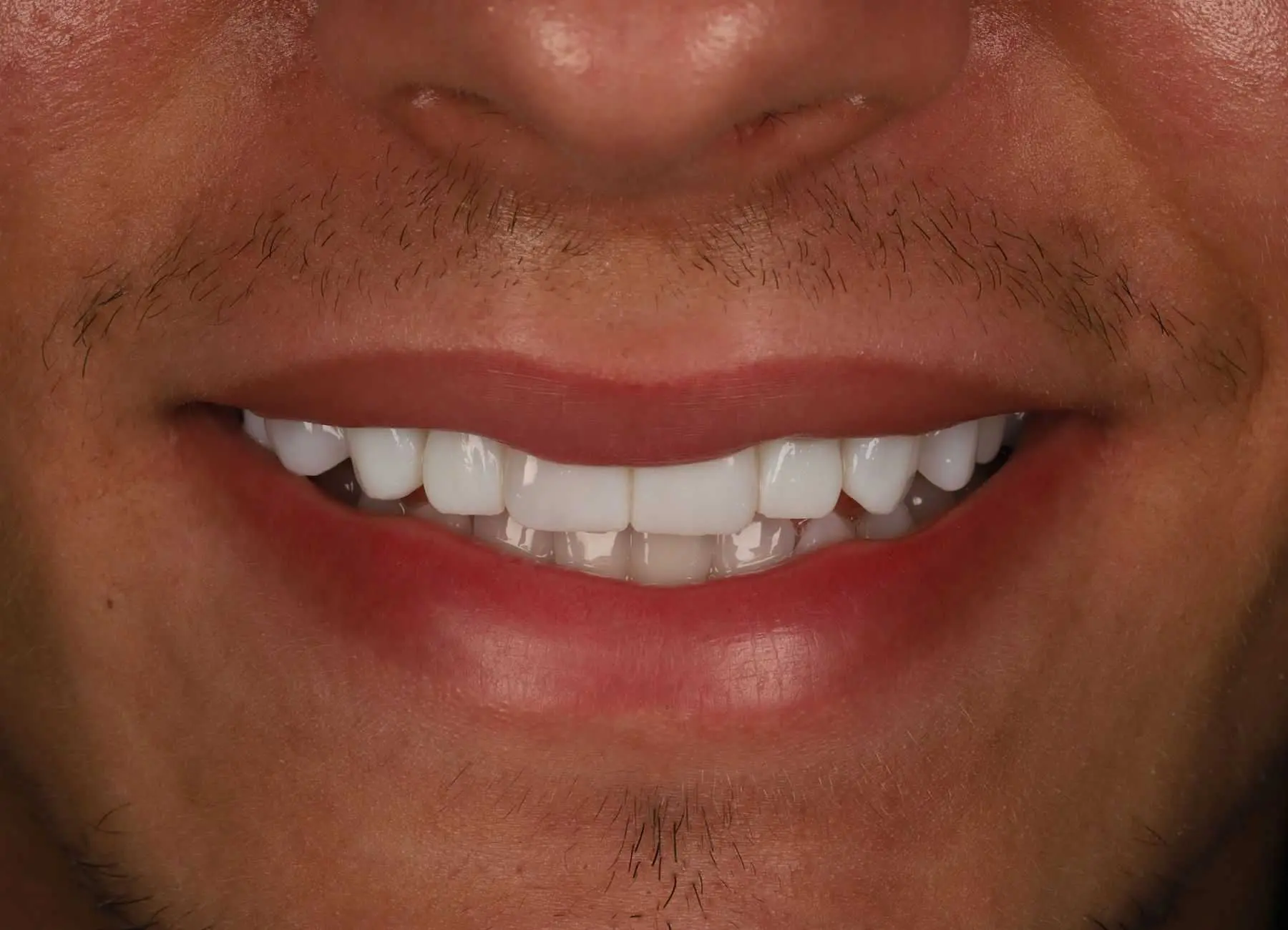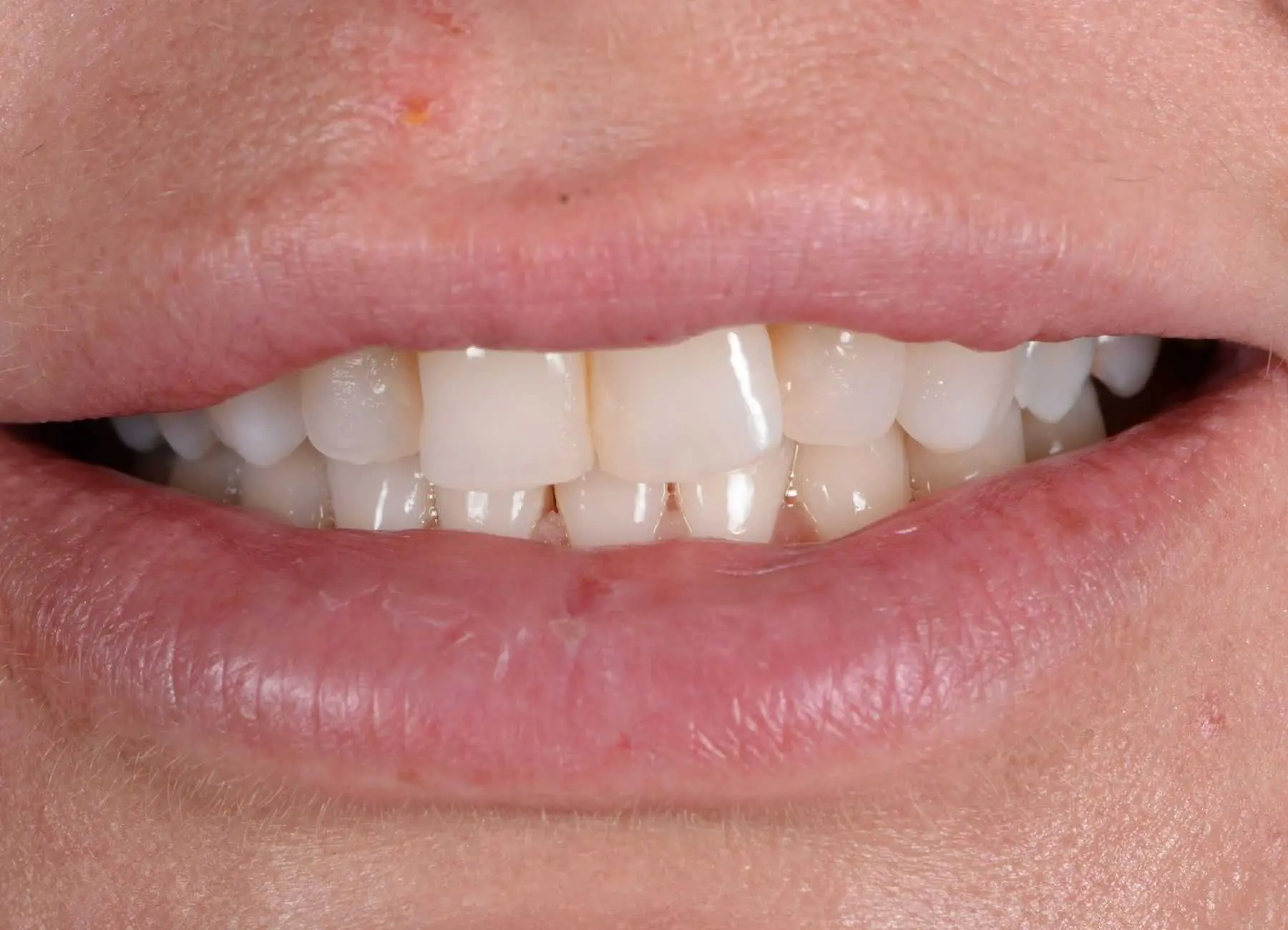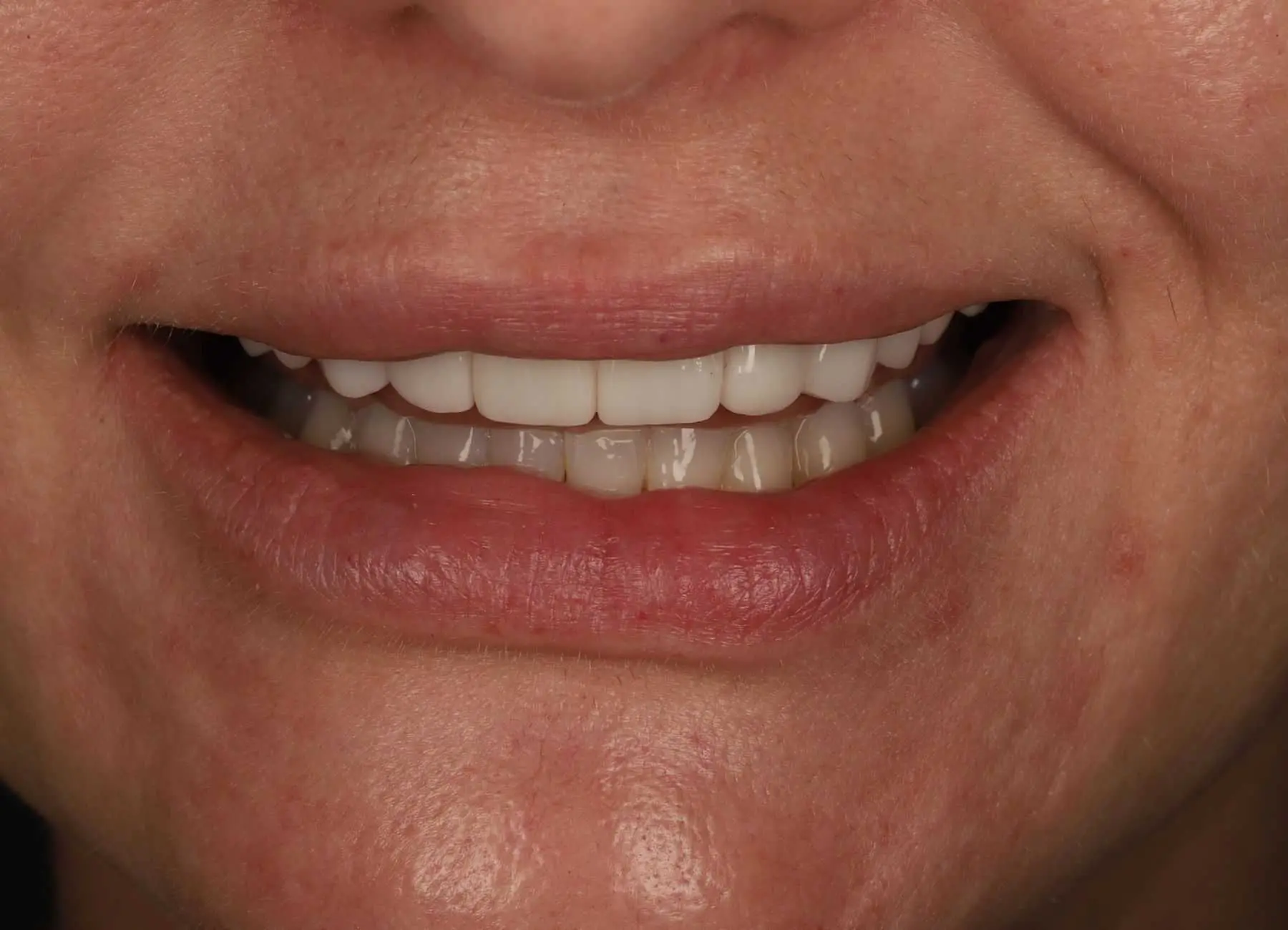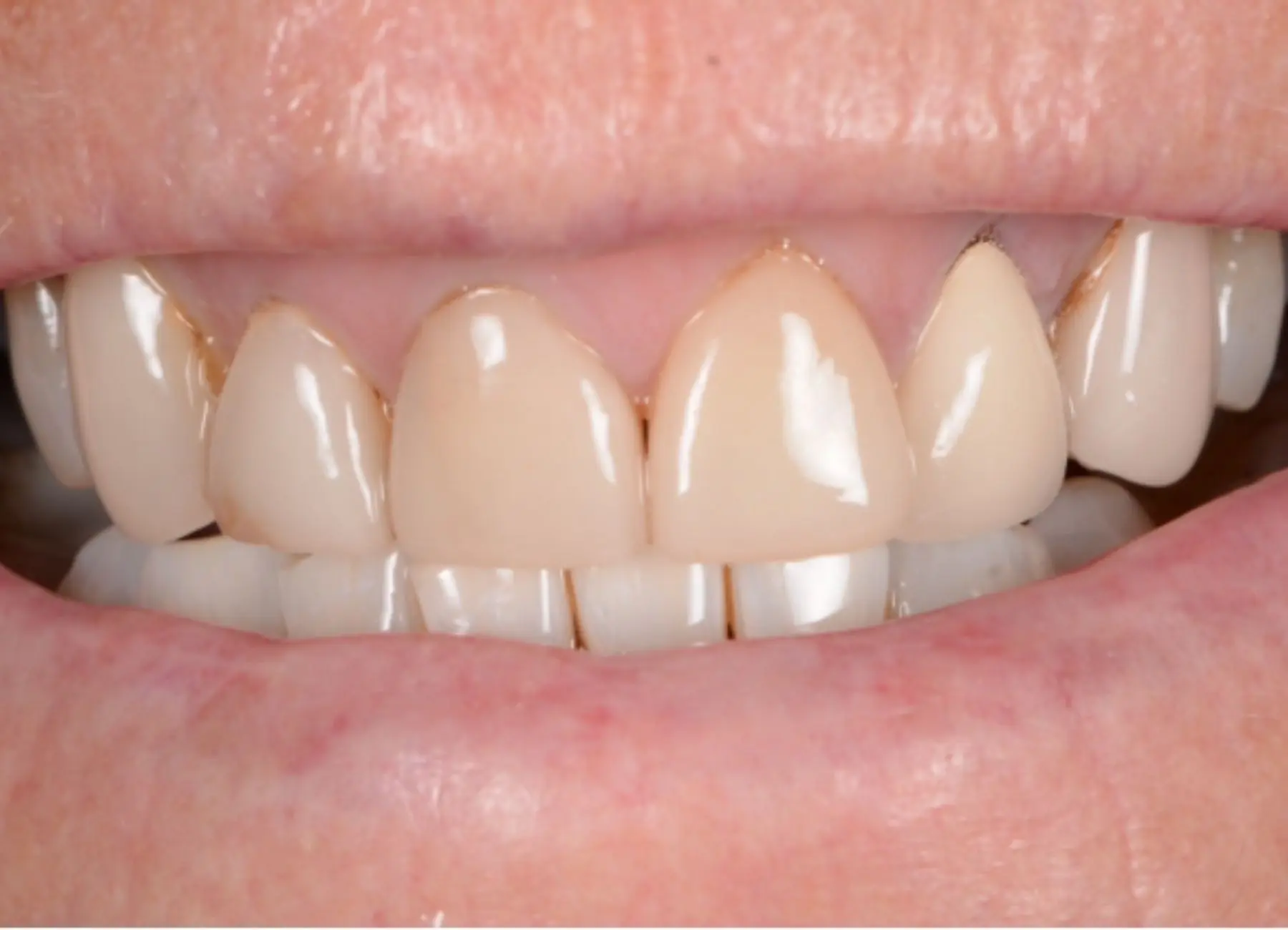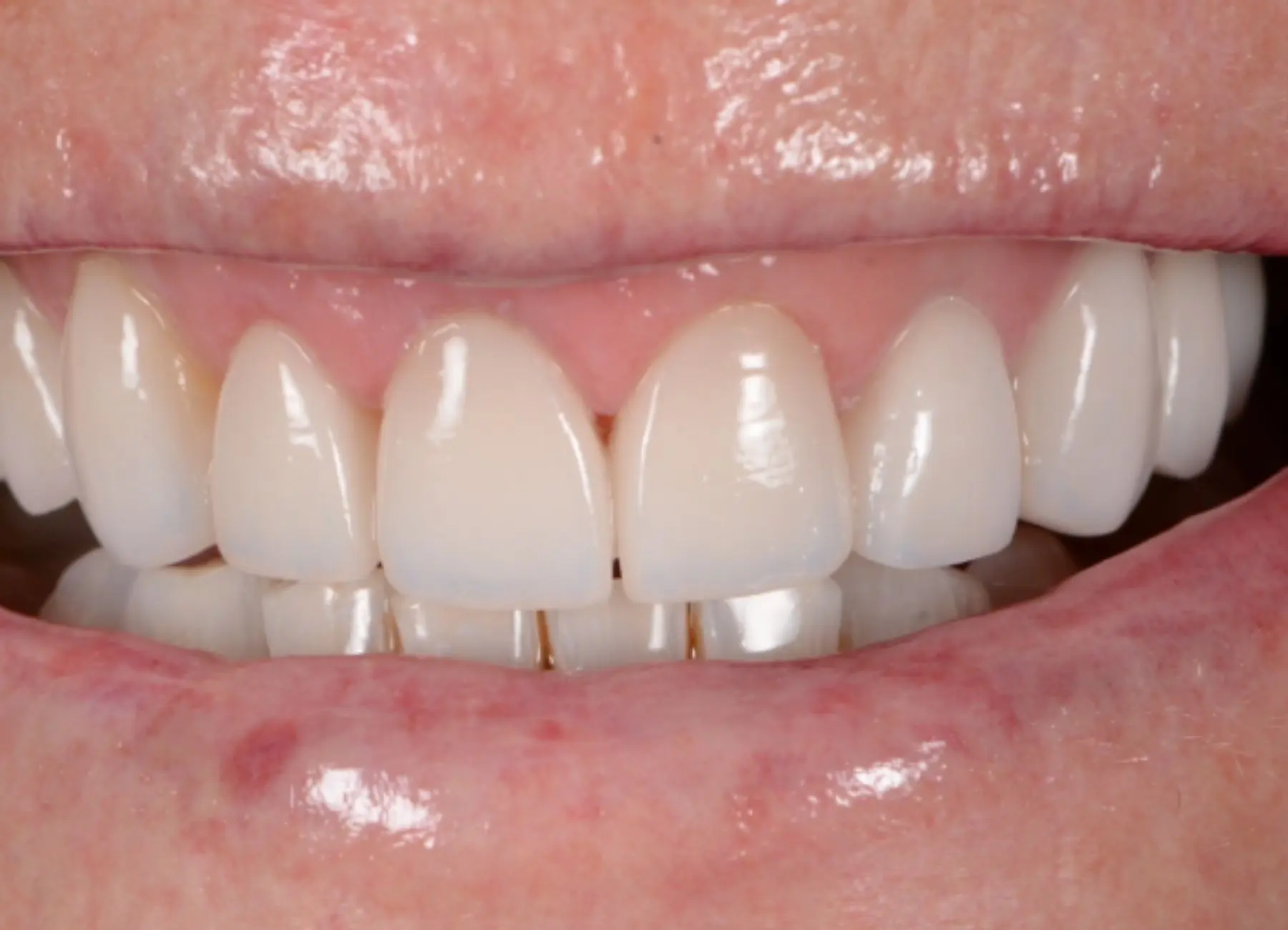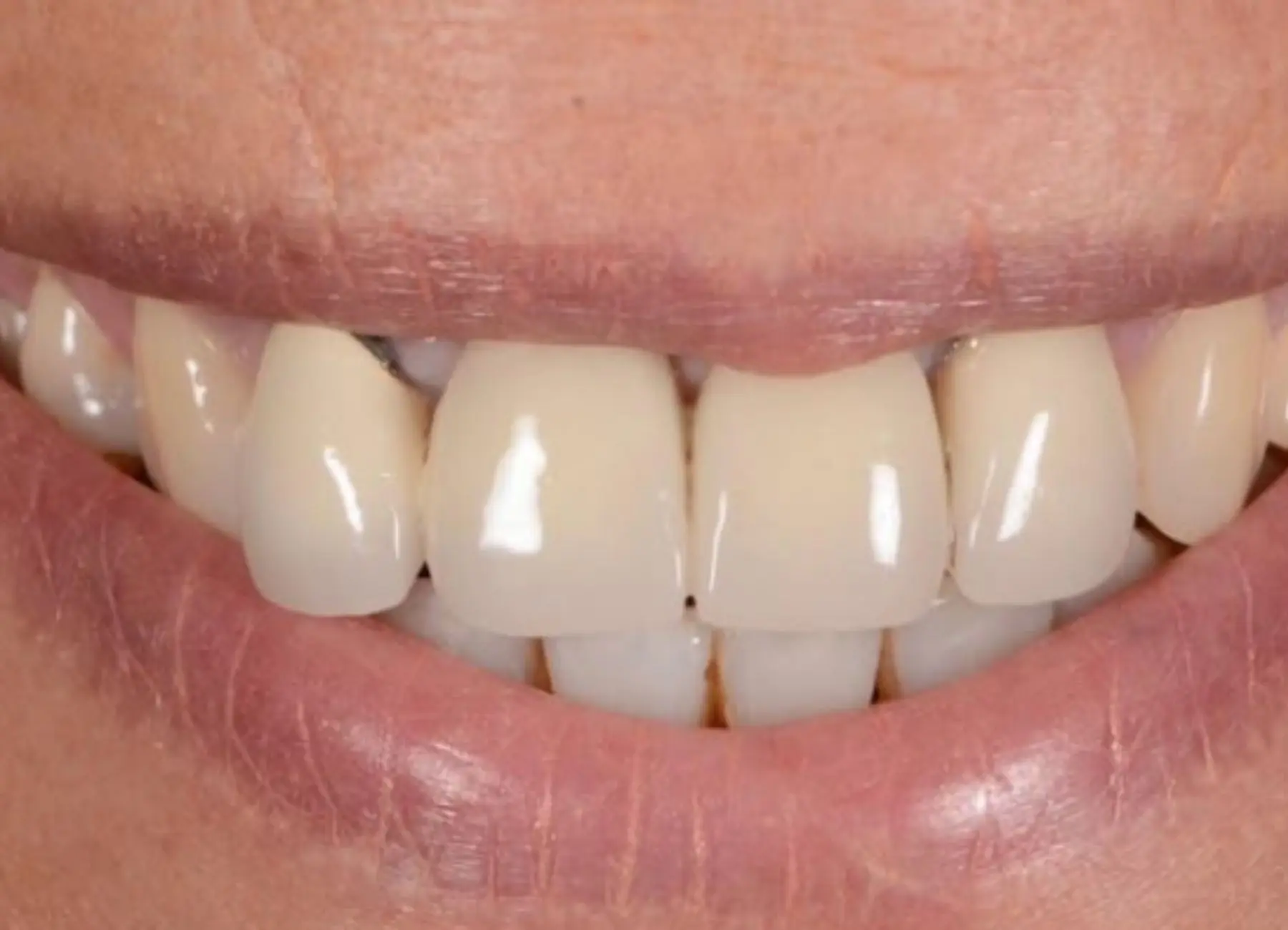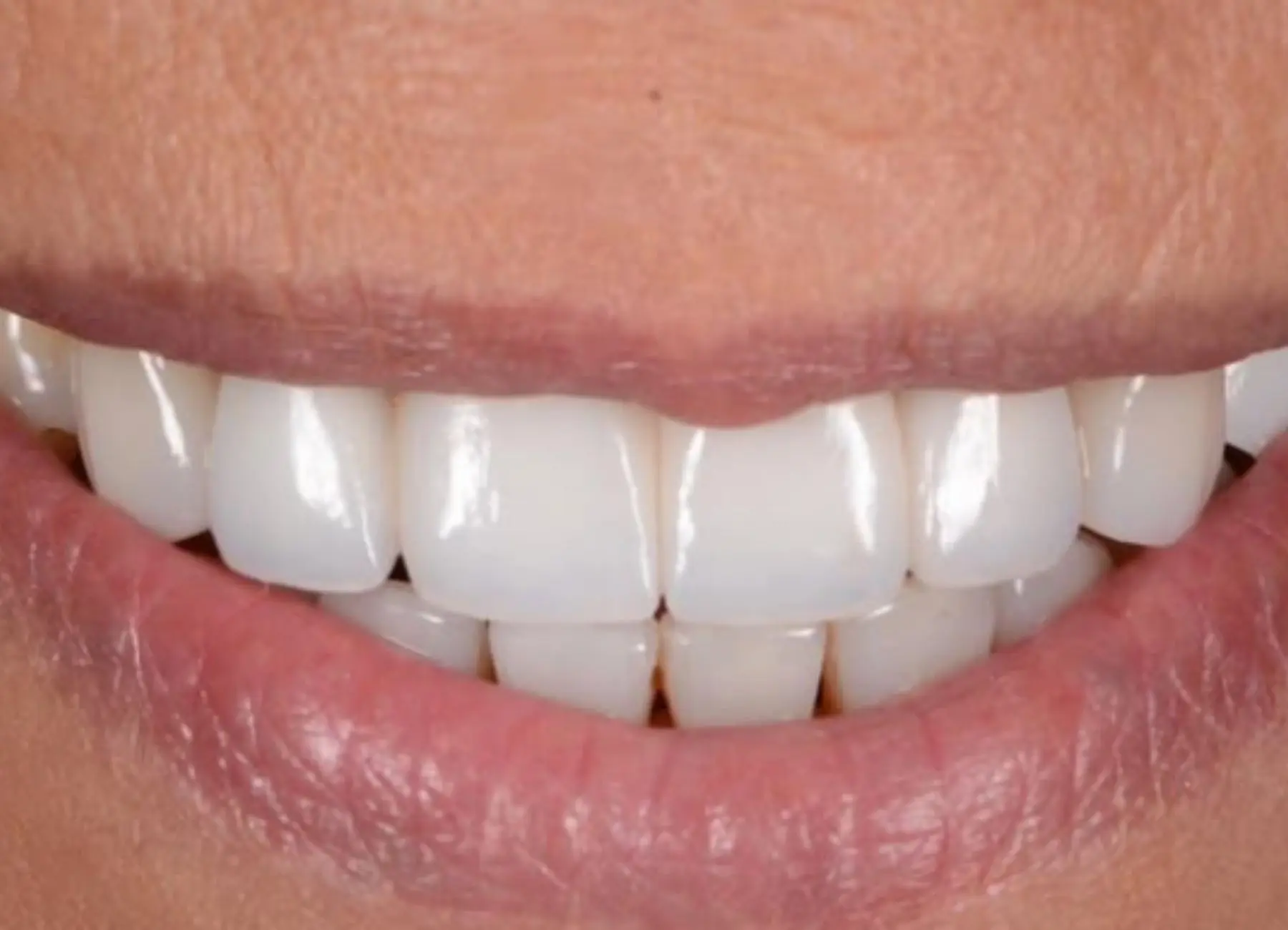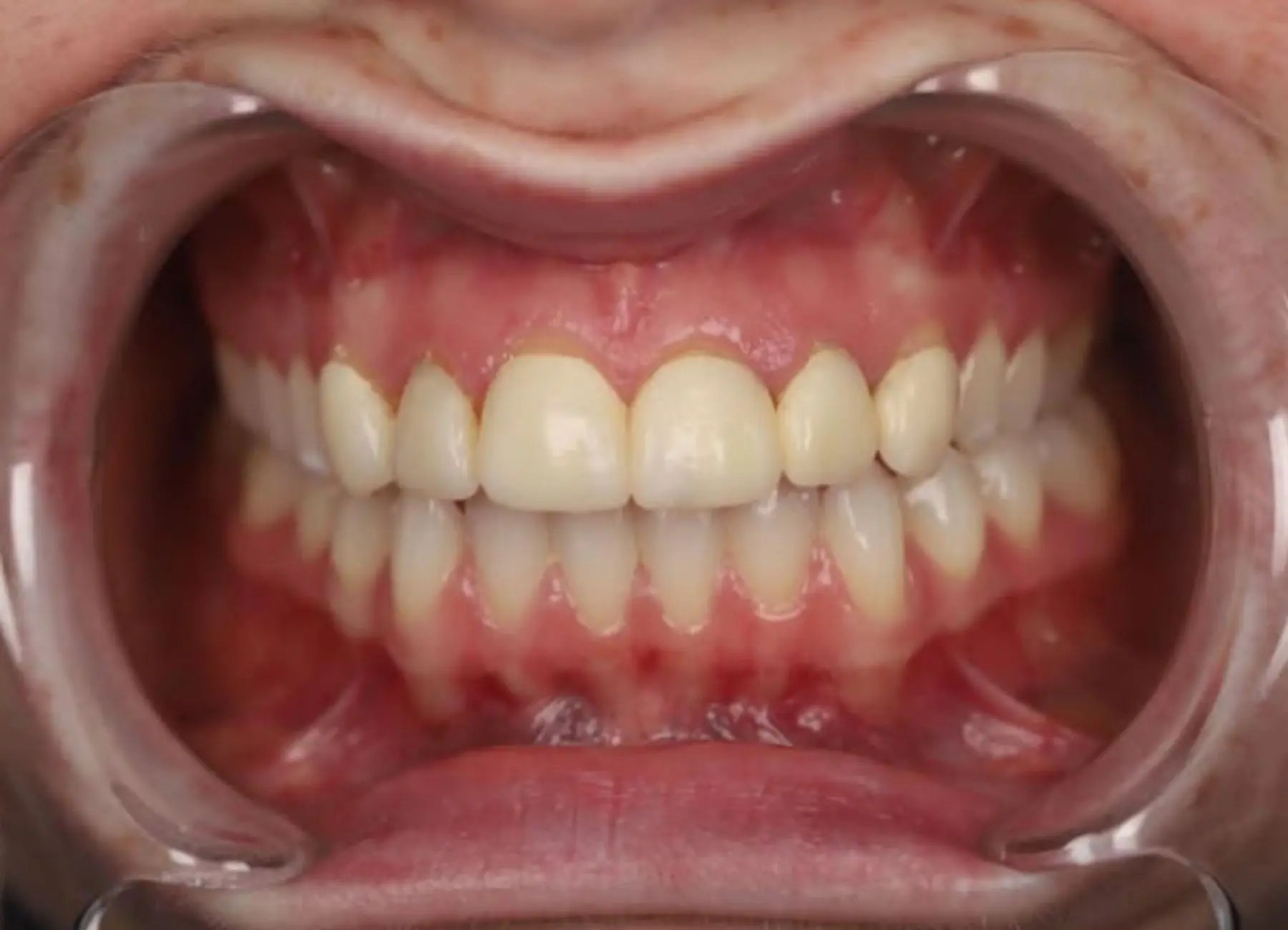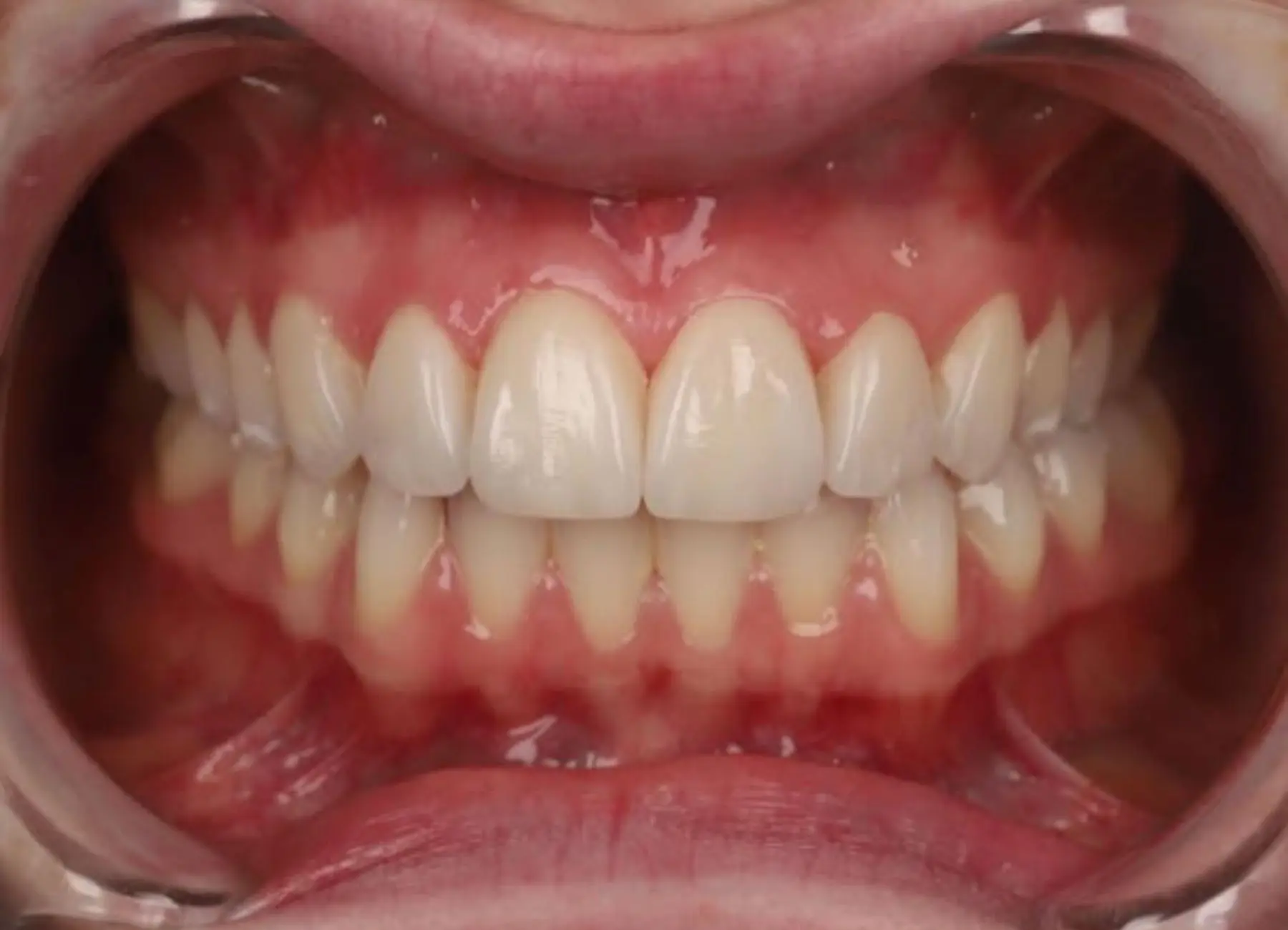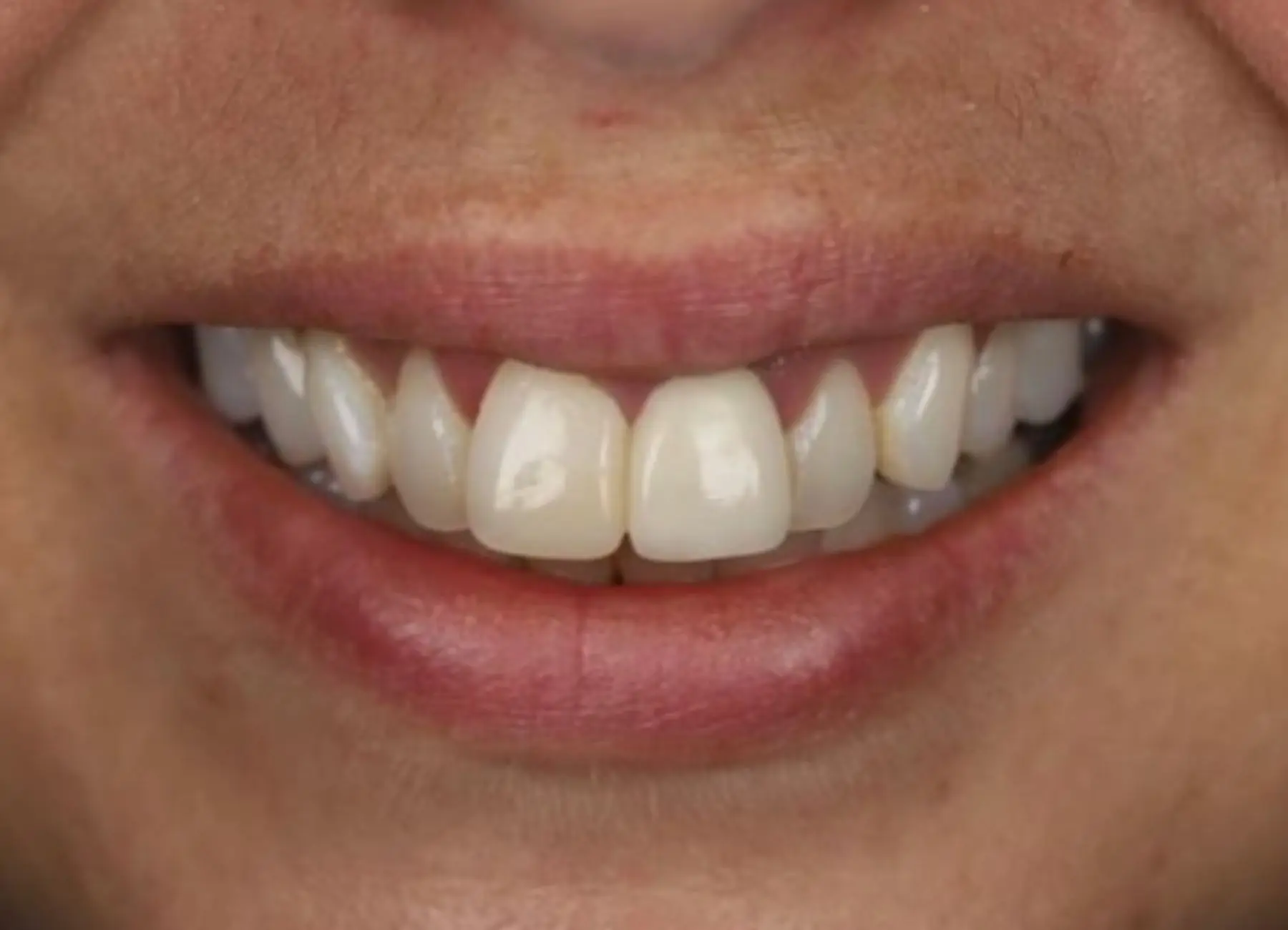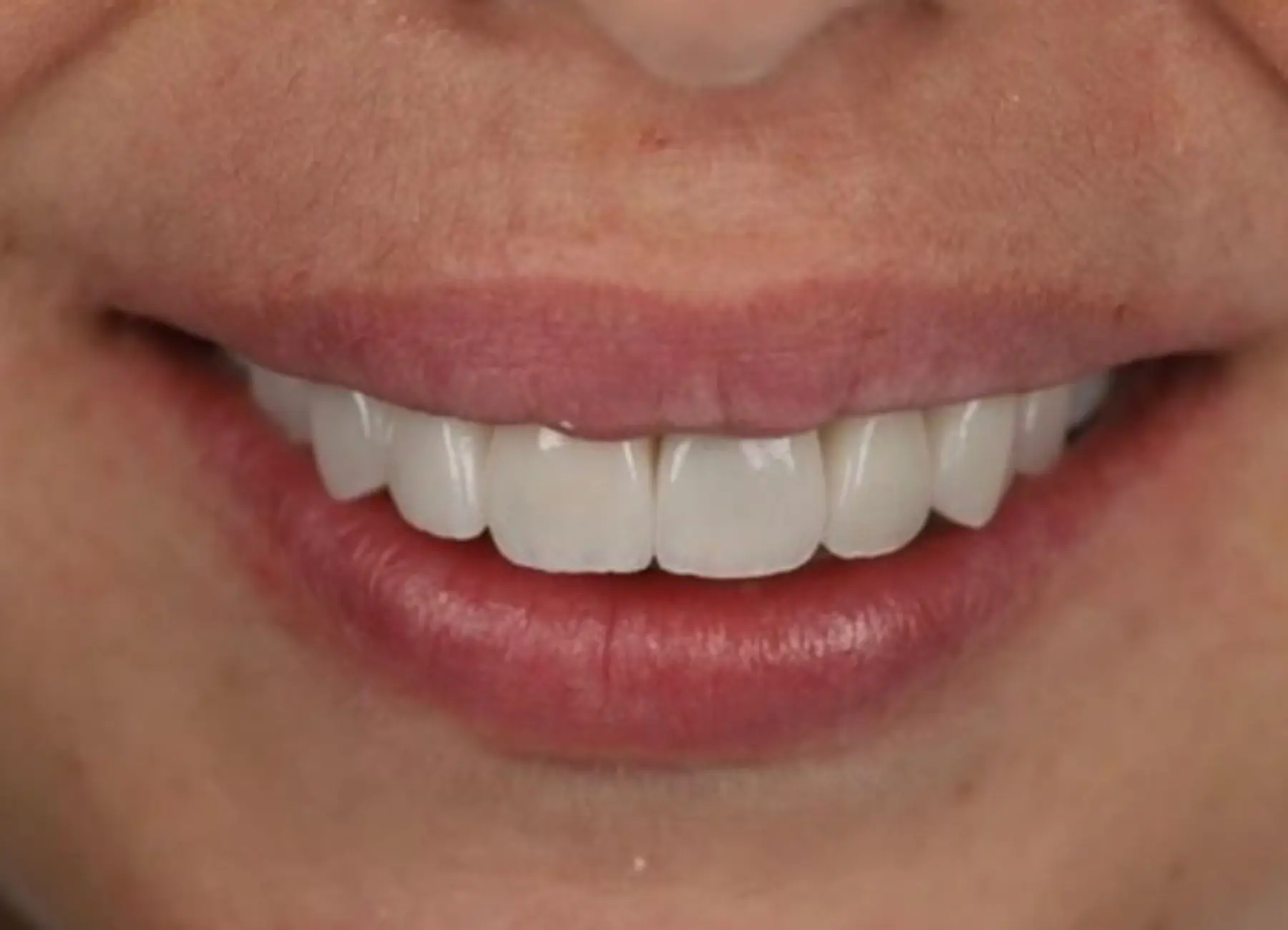
Composite Bonding for Crooked Teeth – Does it Work?
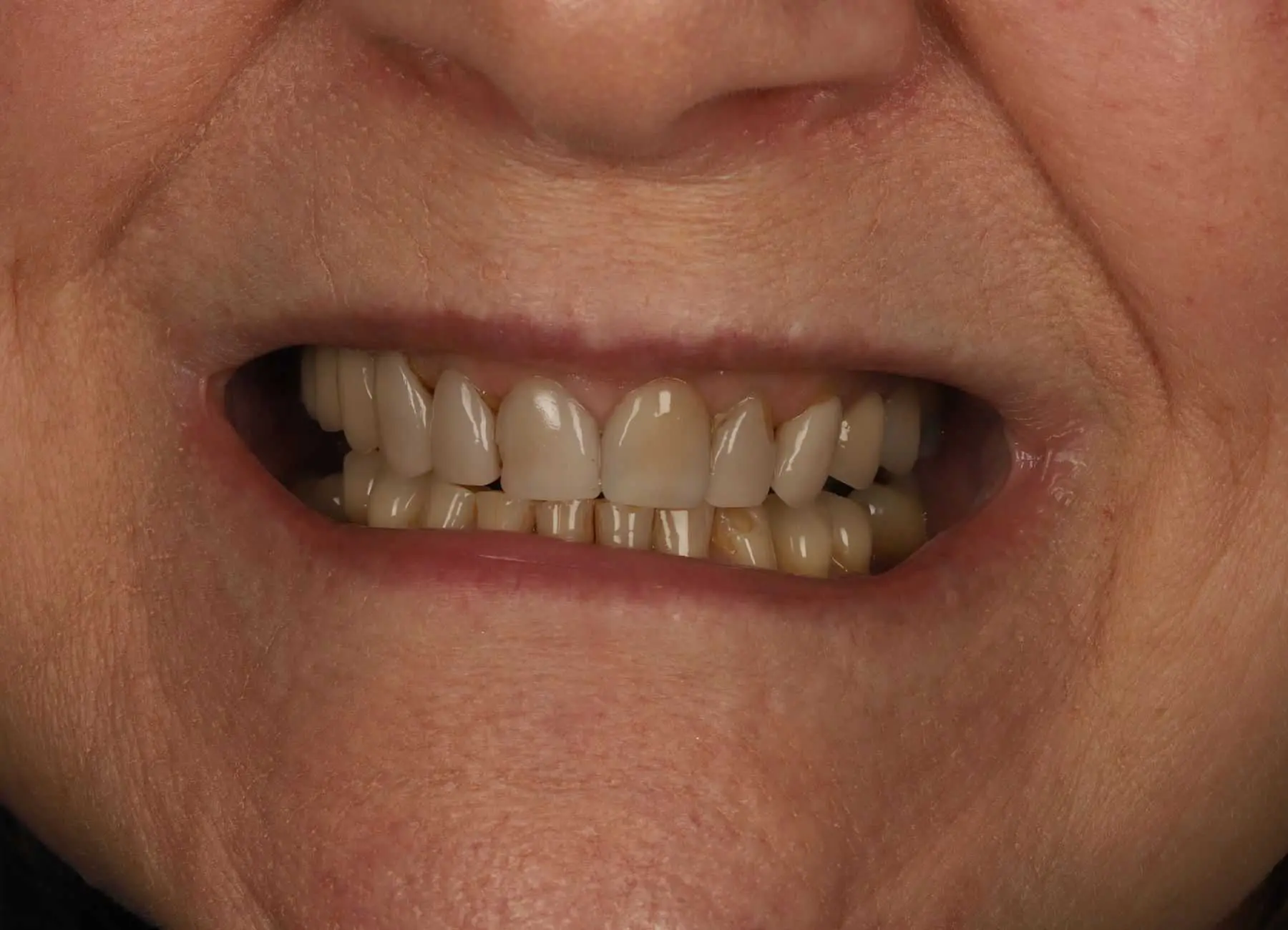
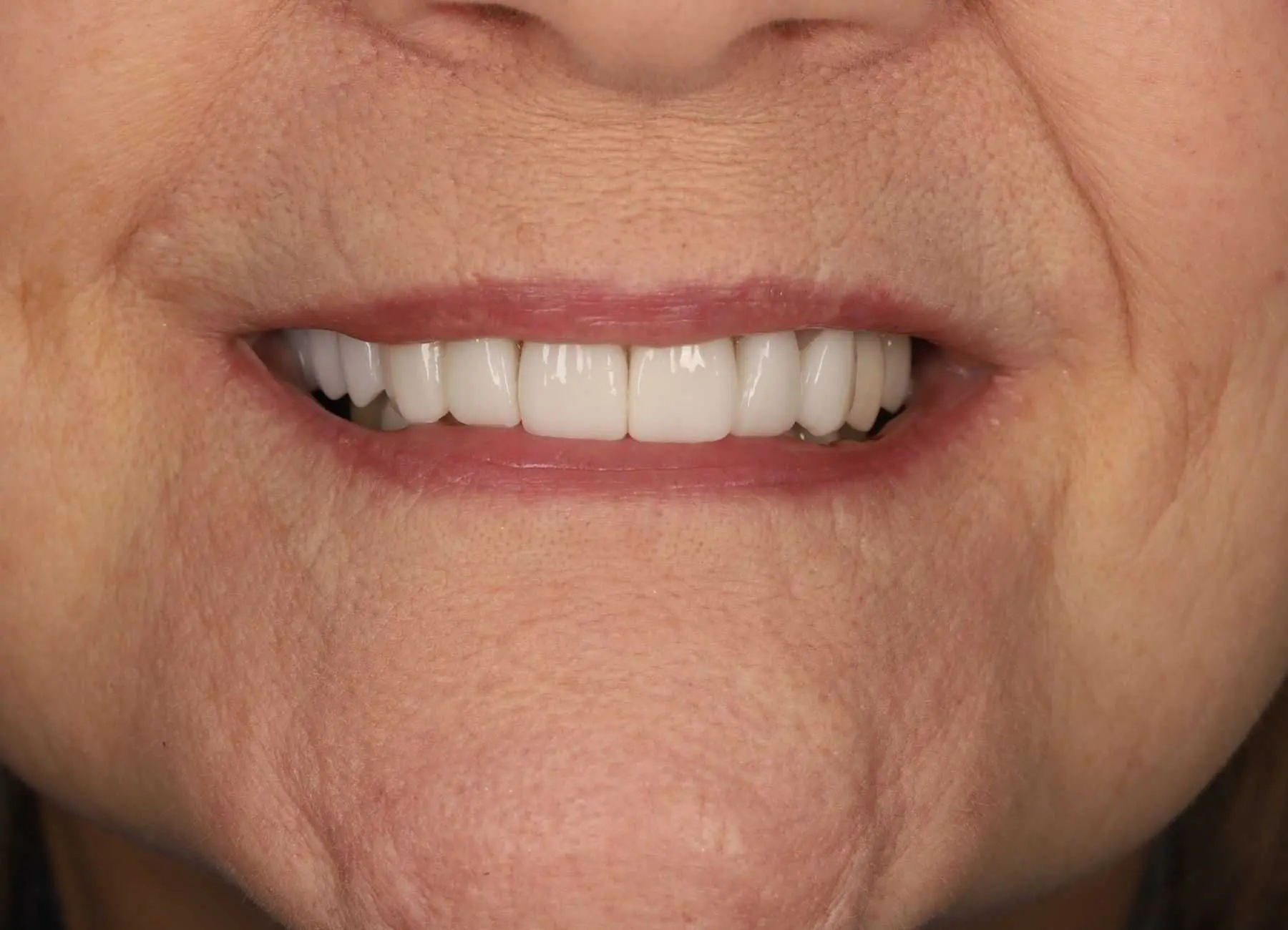
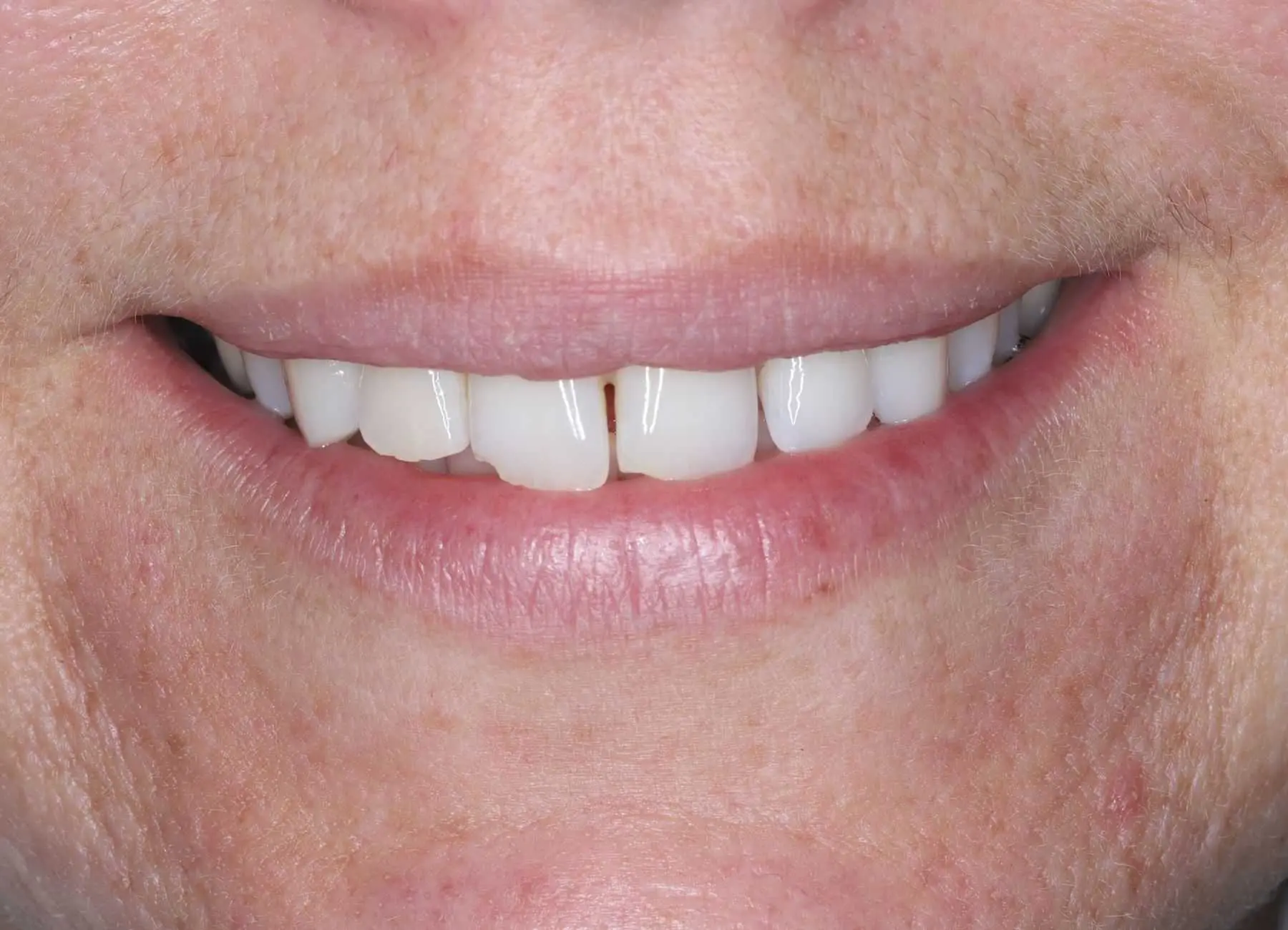
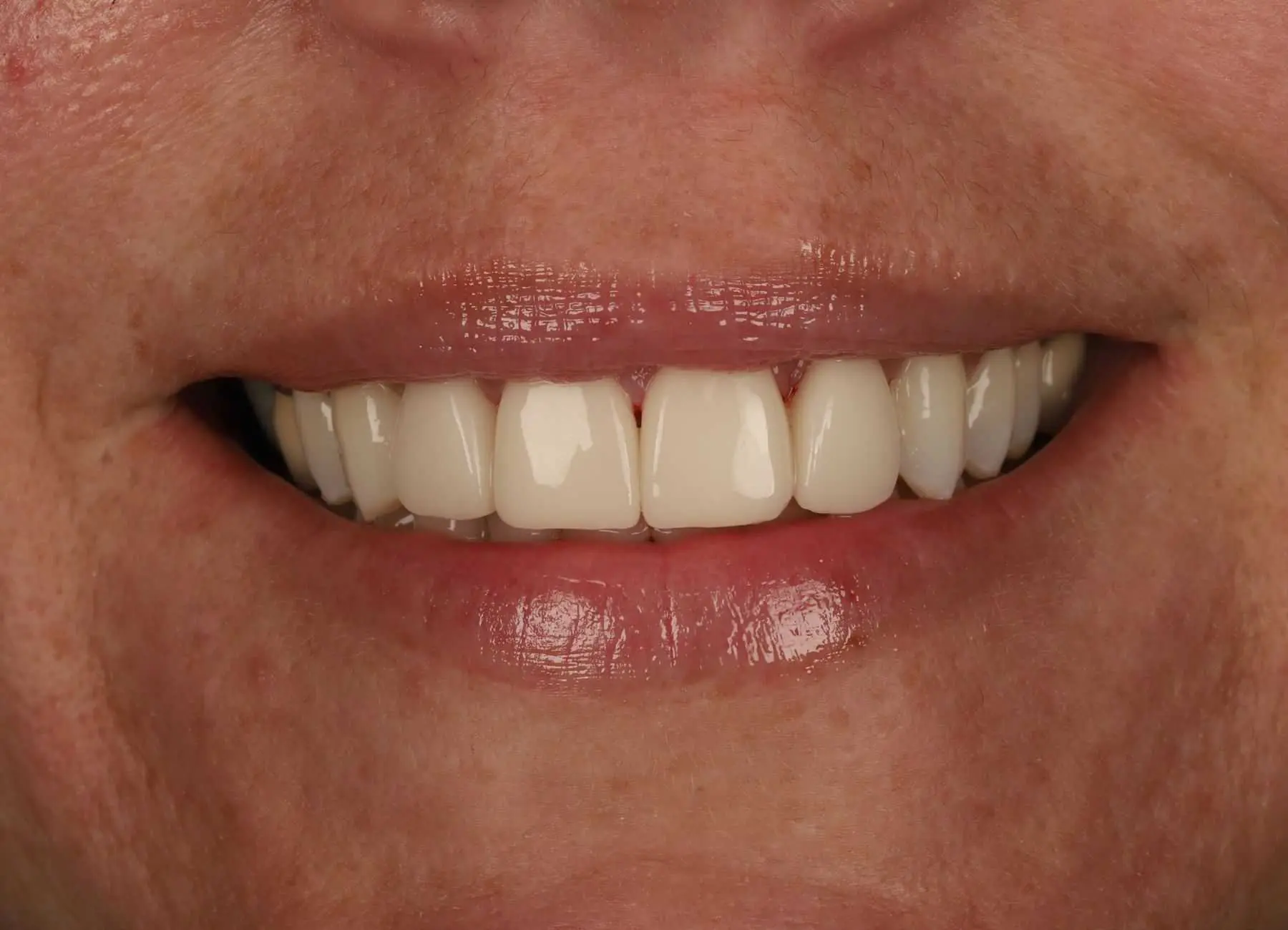
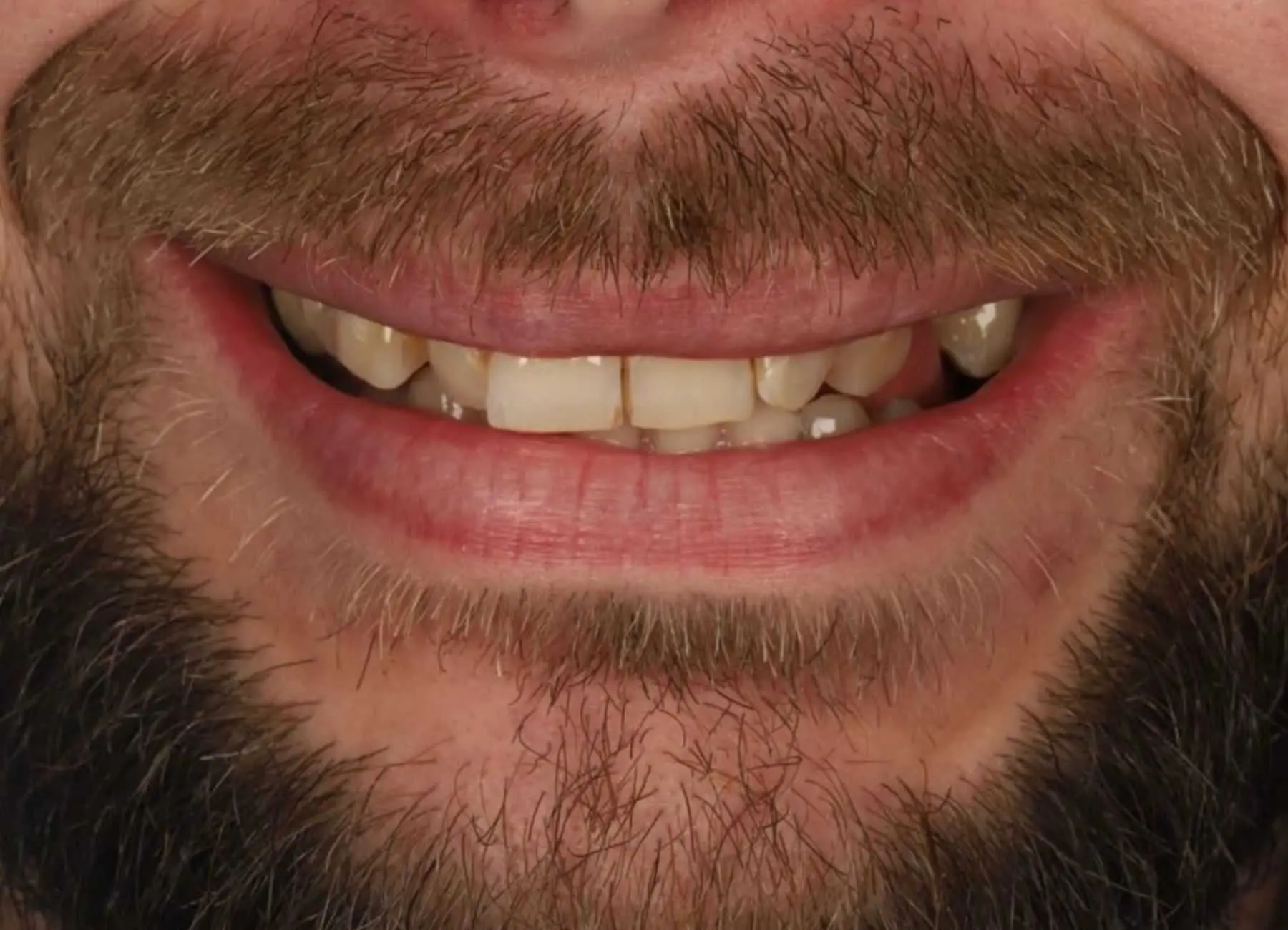
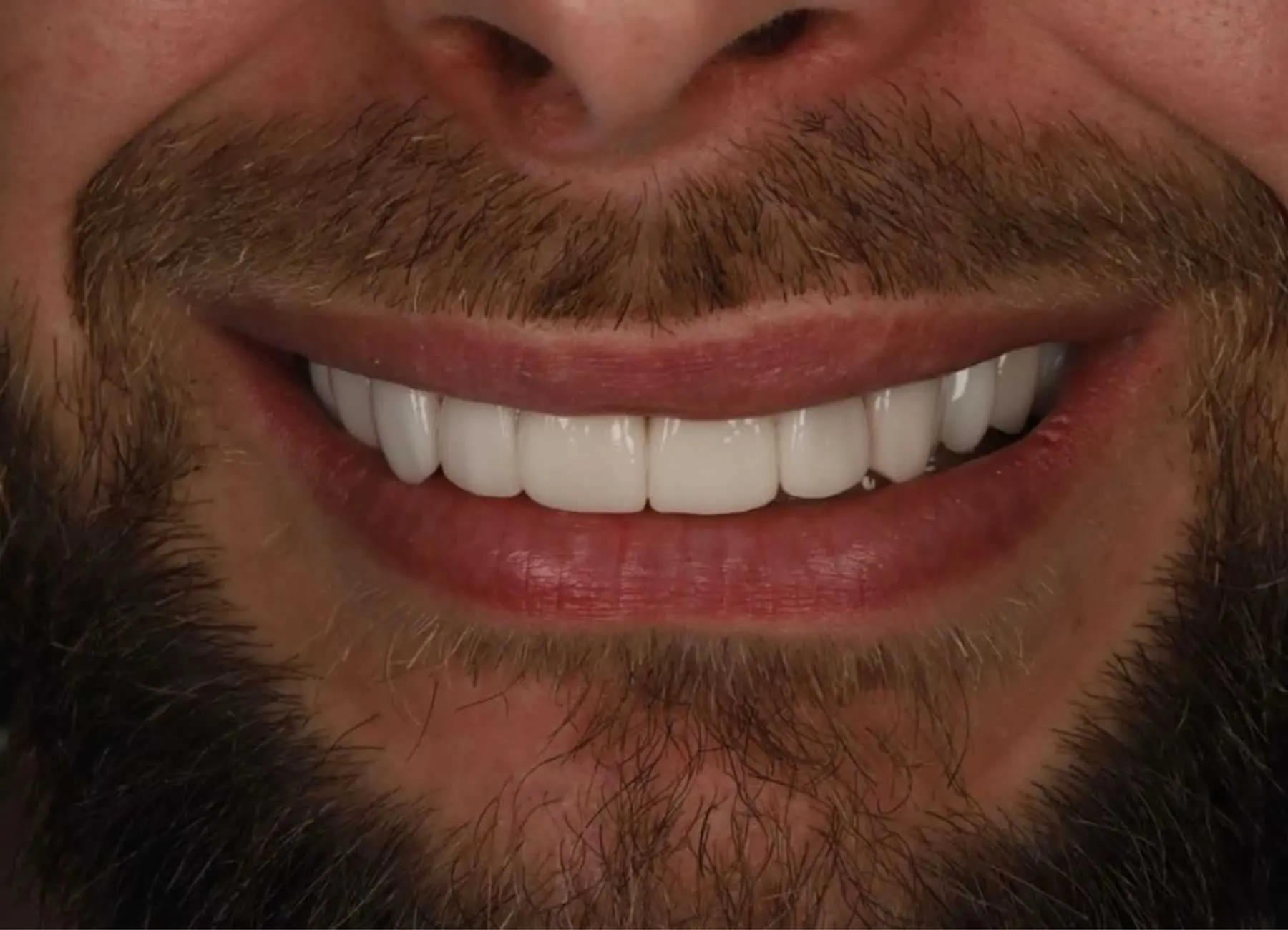
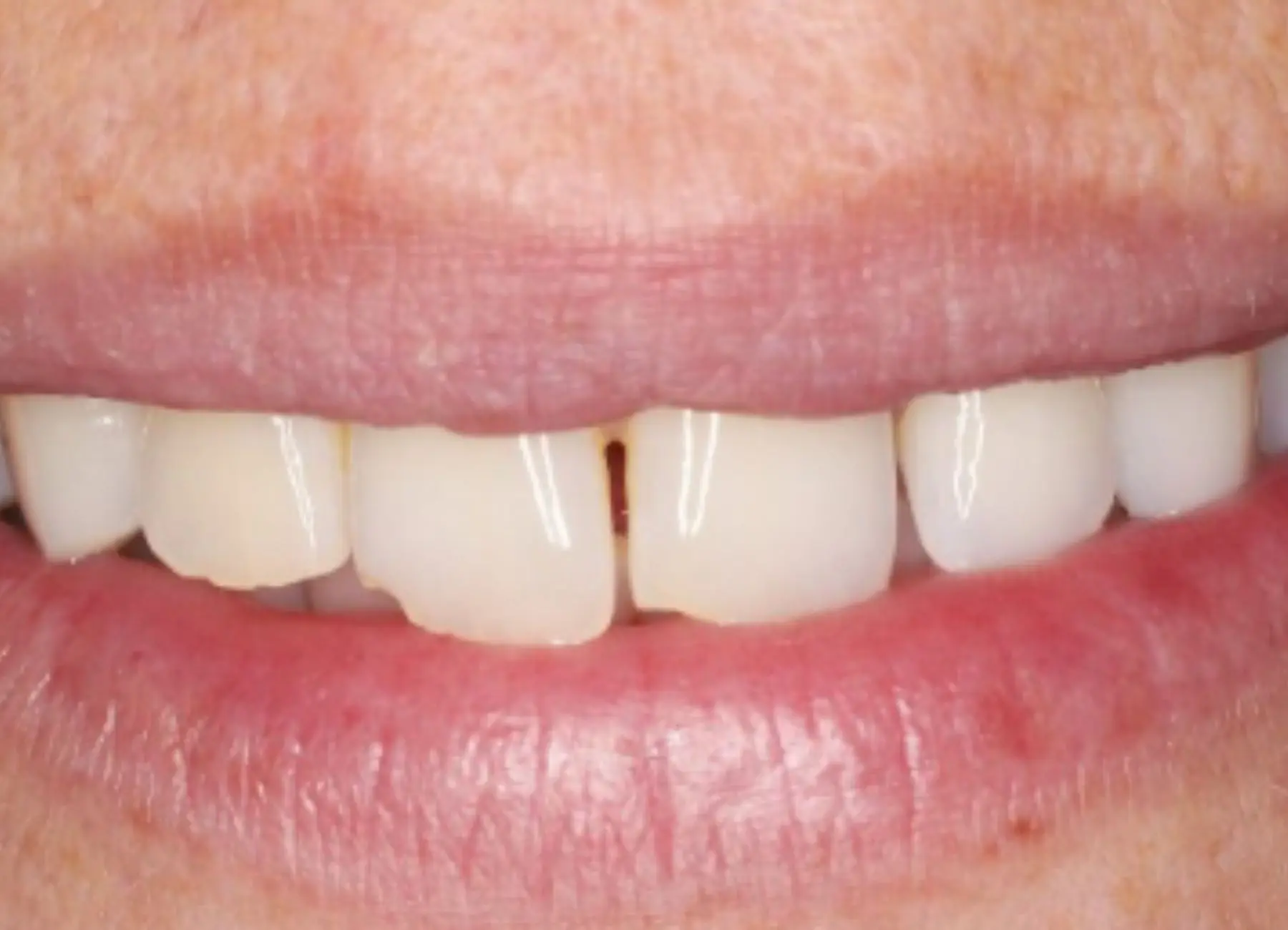
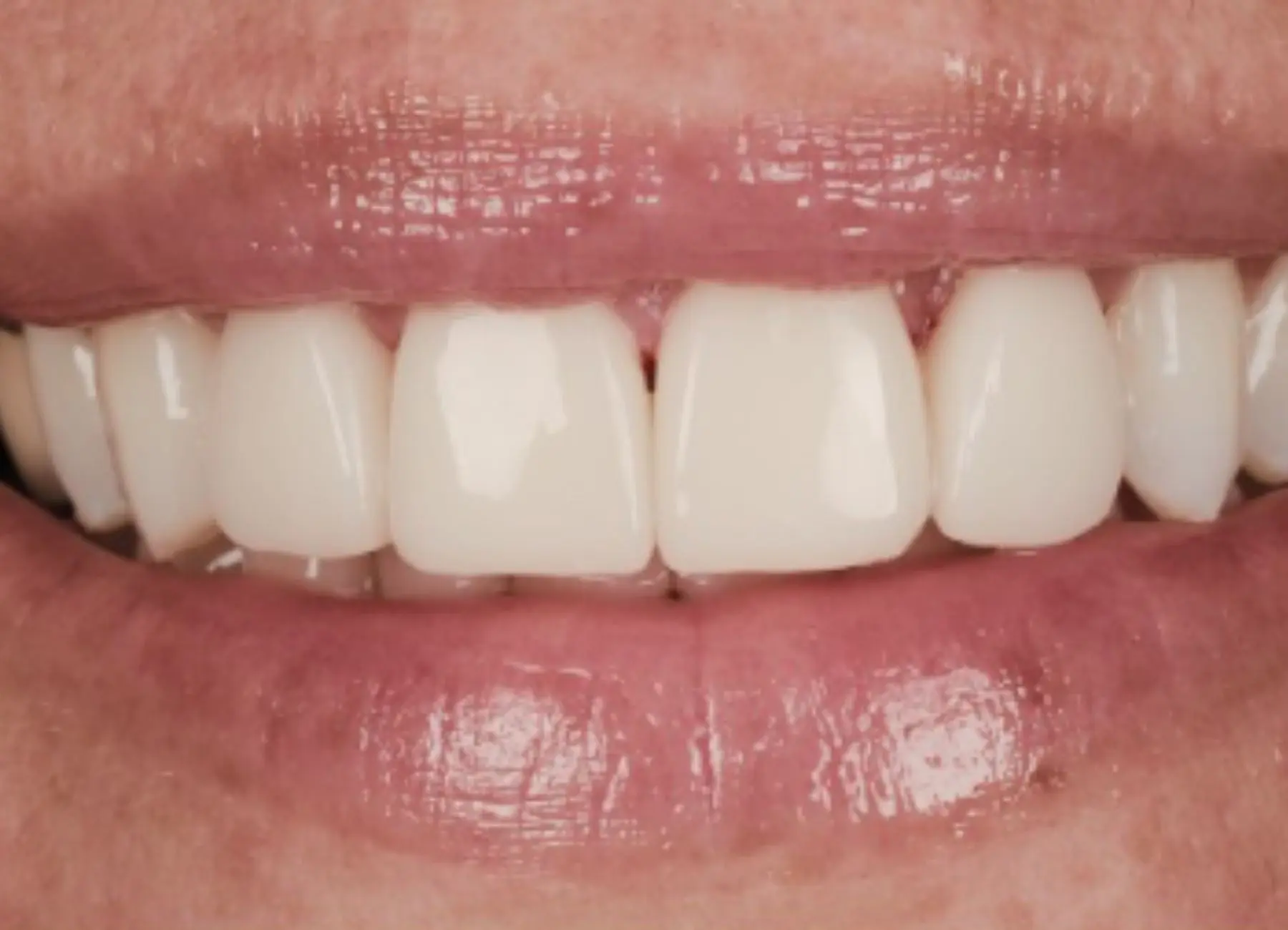
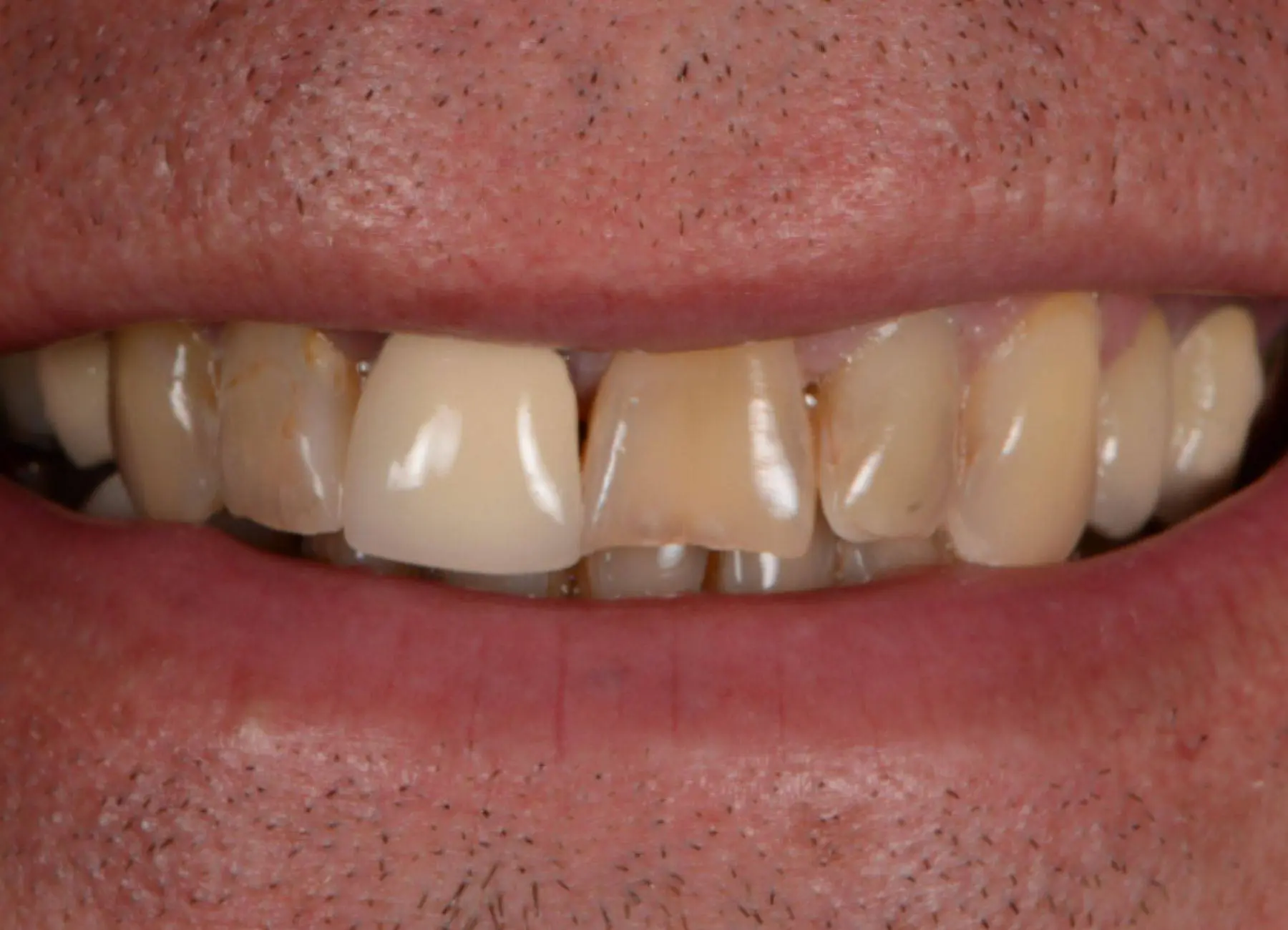
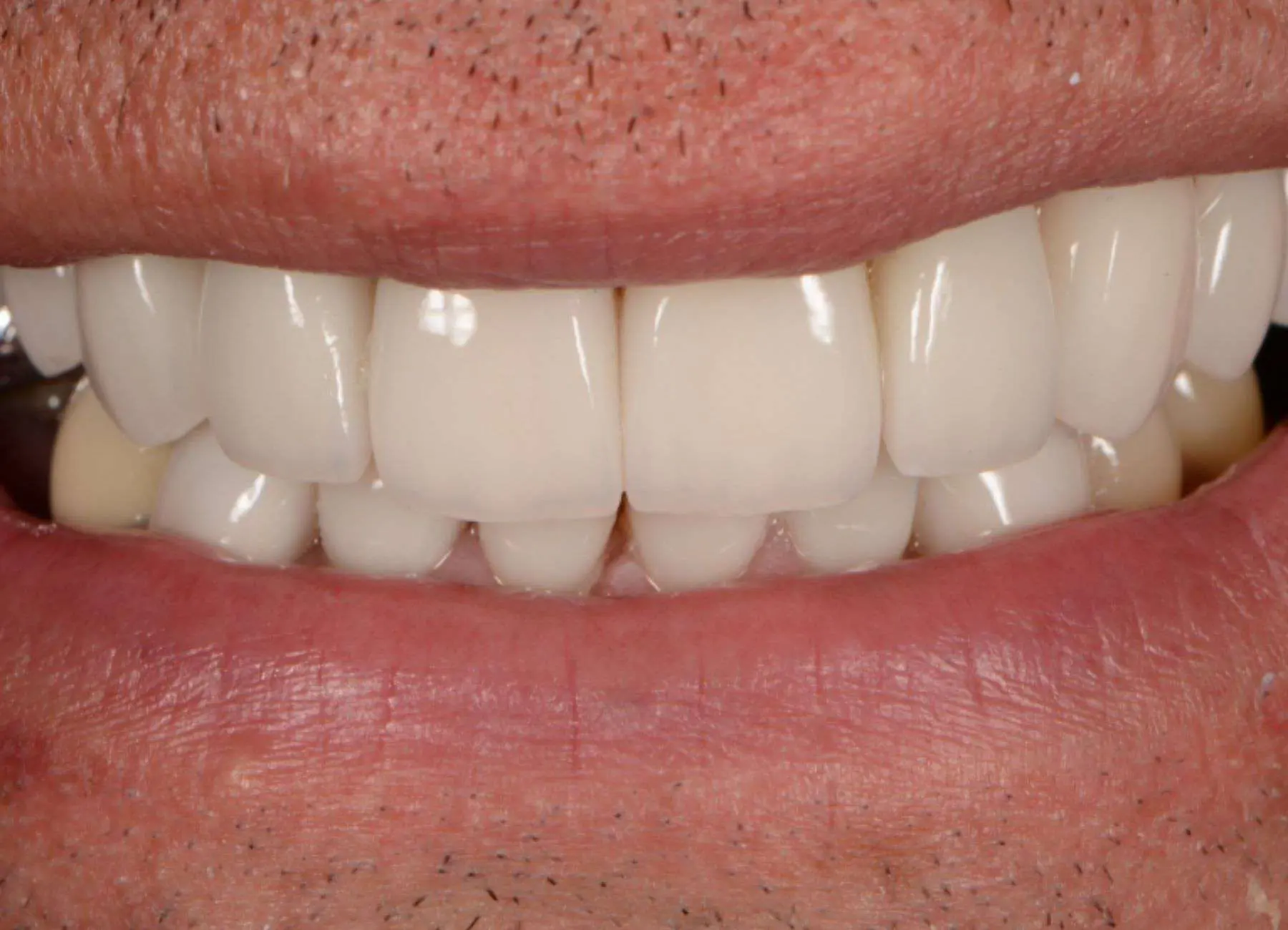
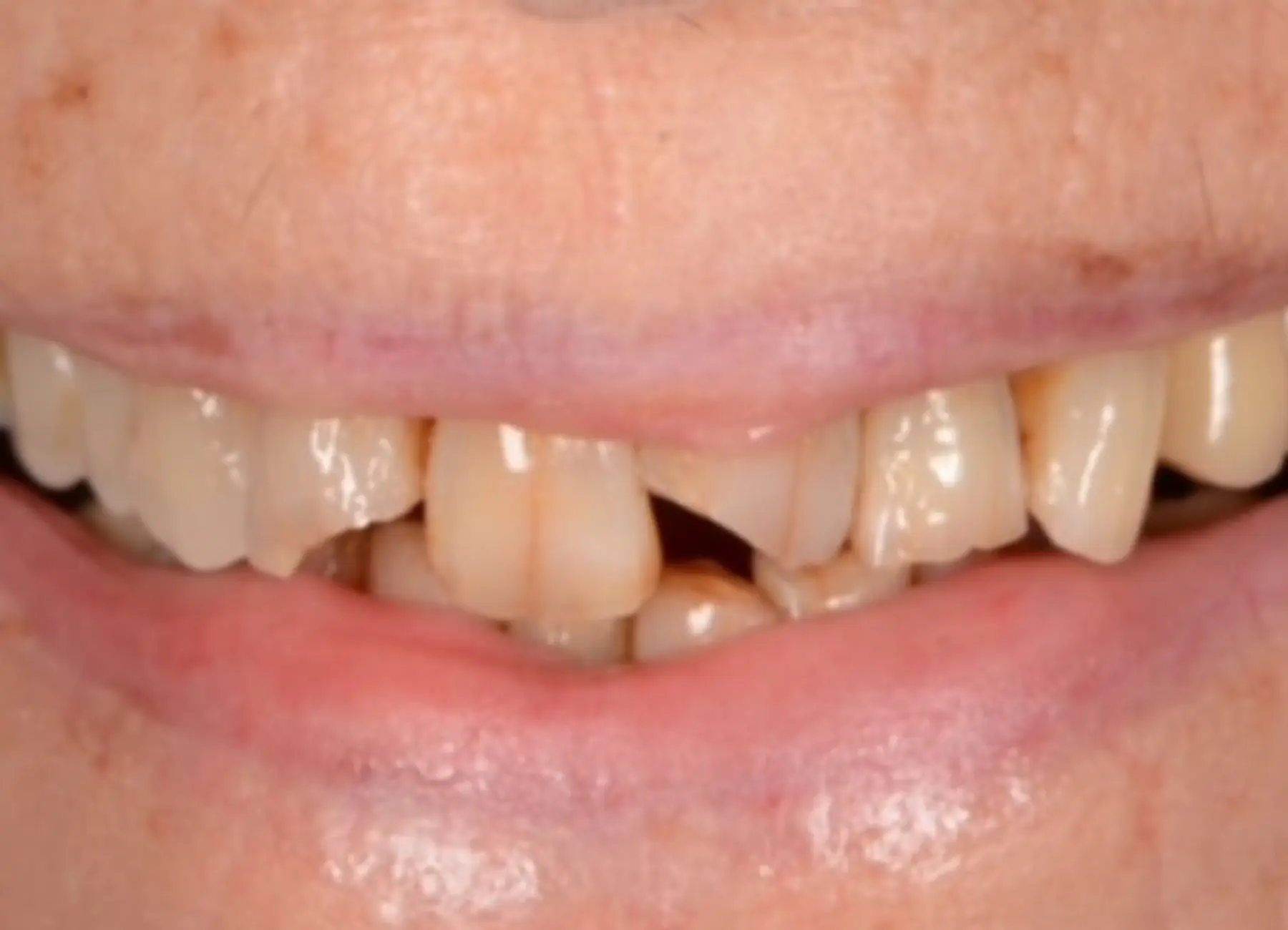
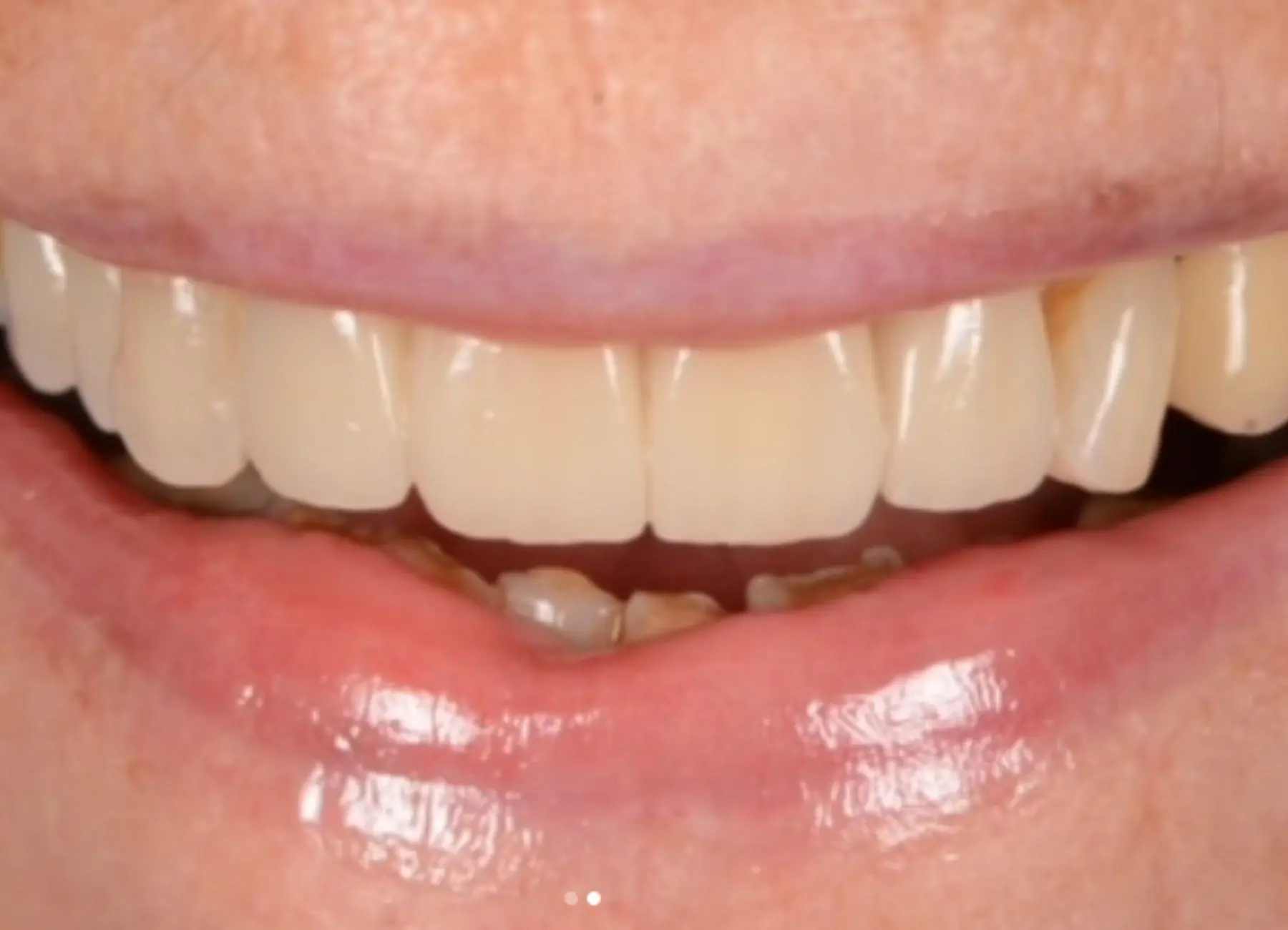
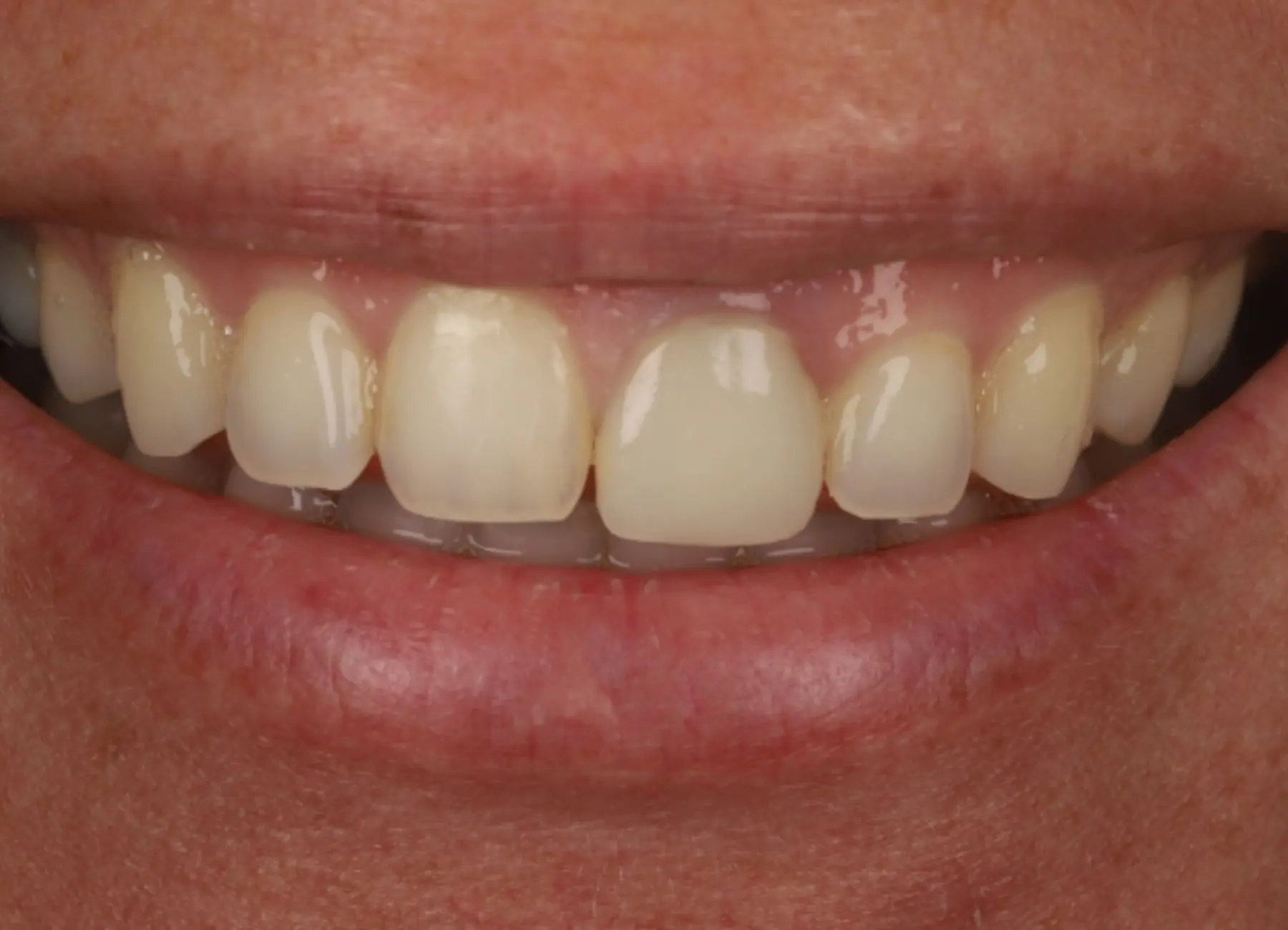
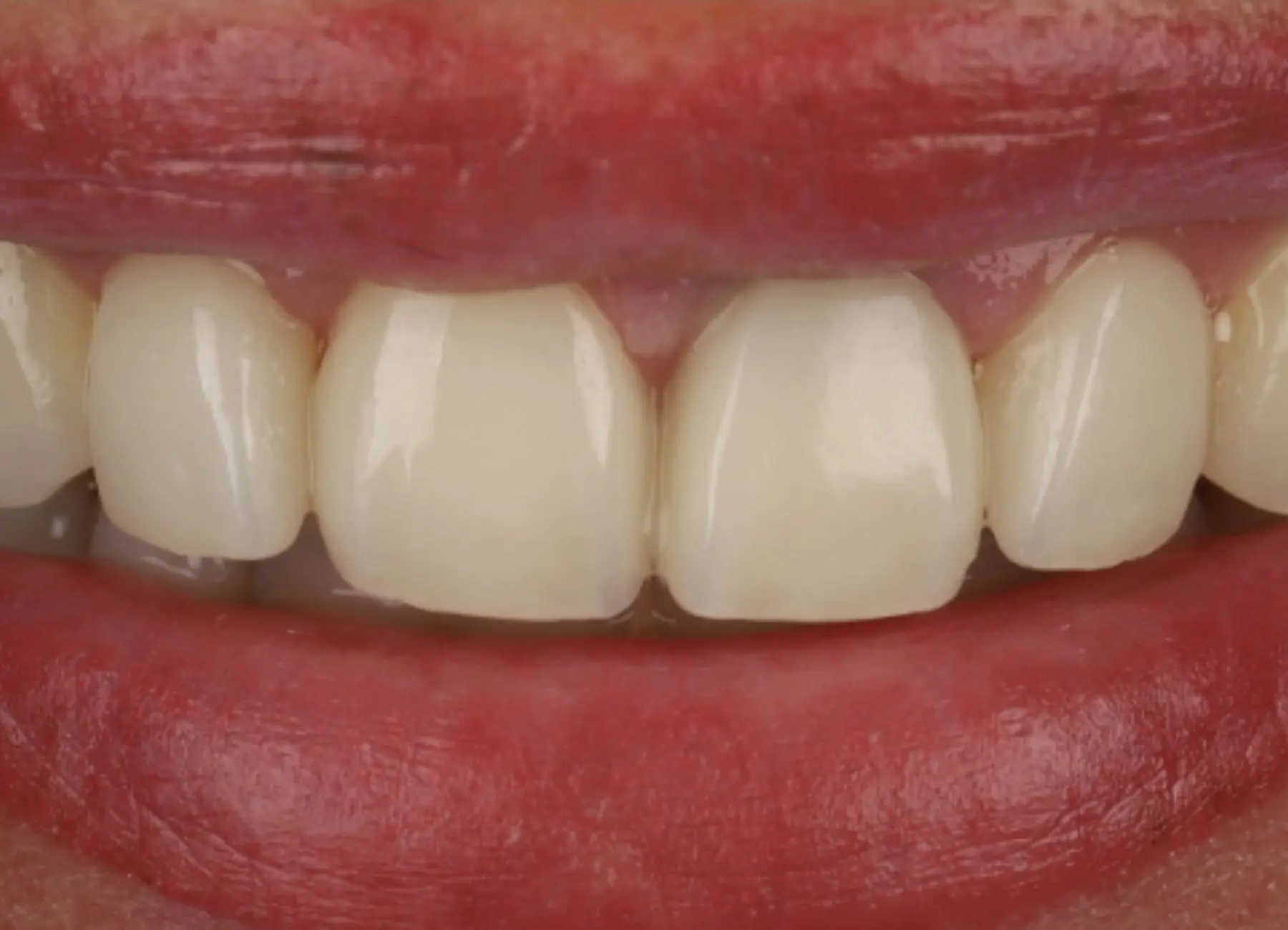
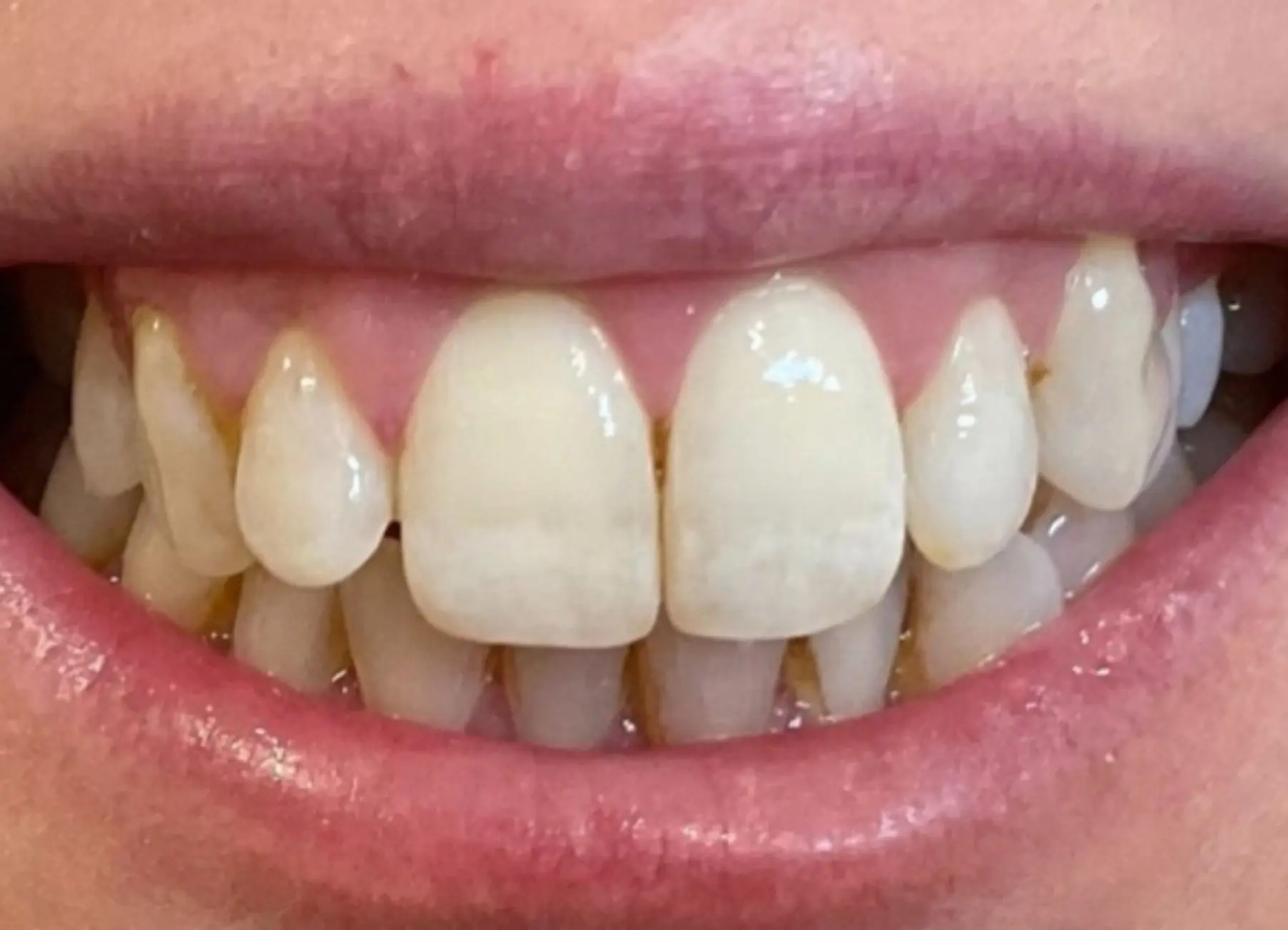
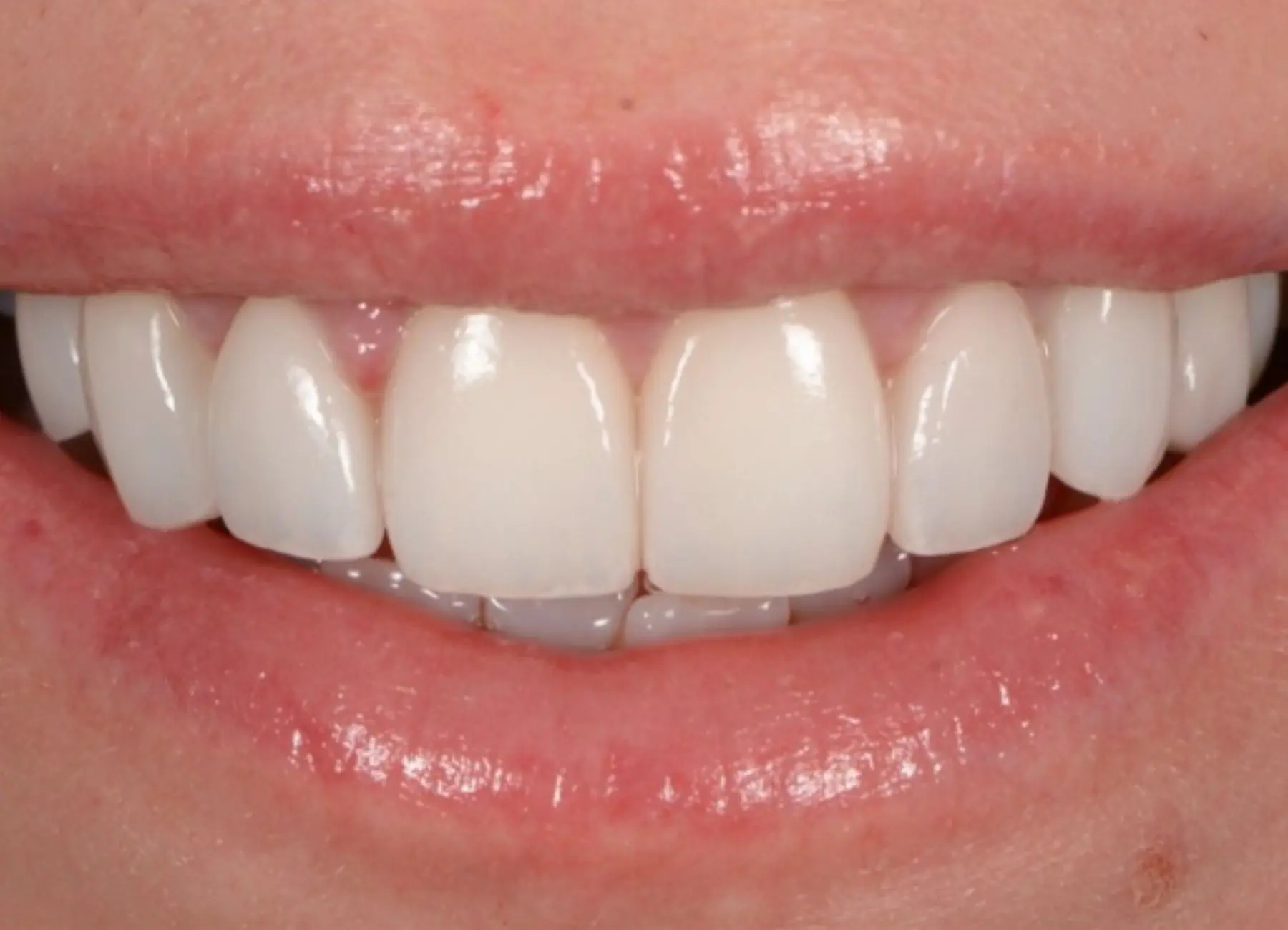
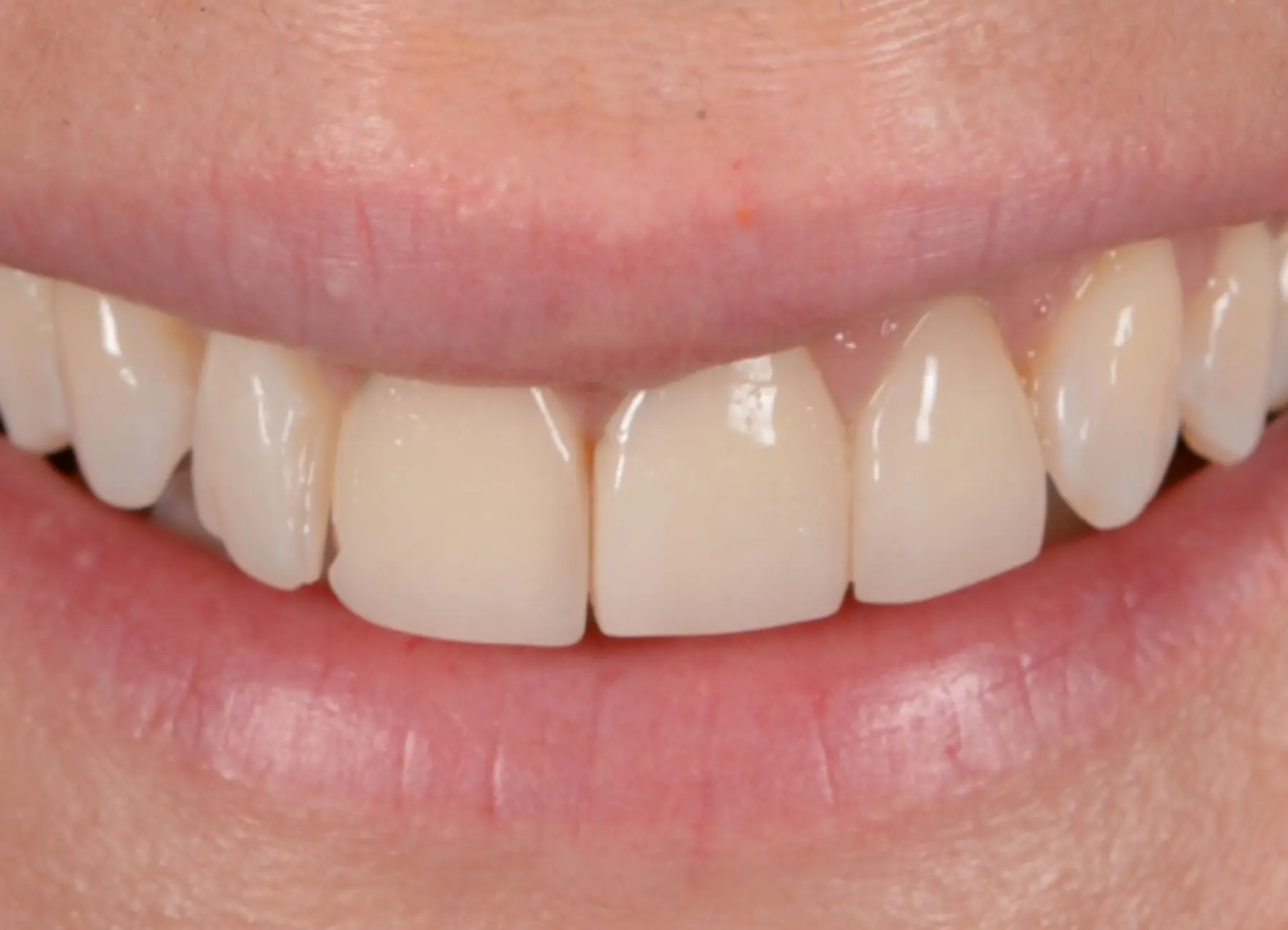
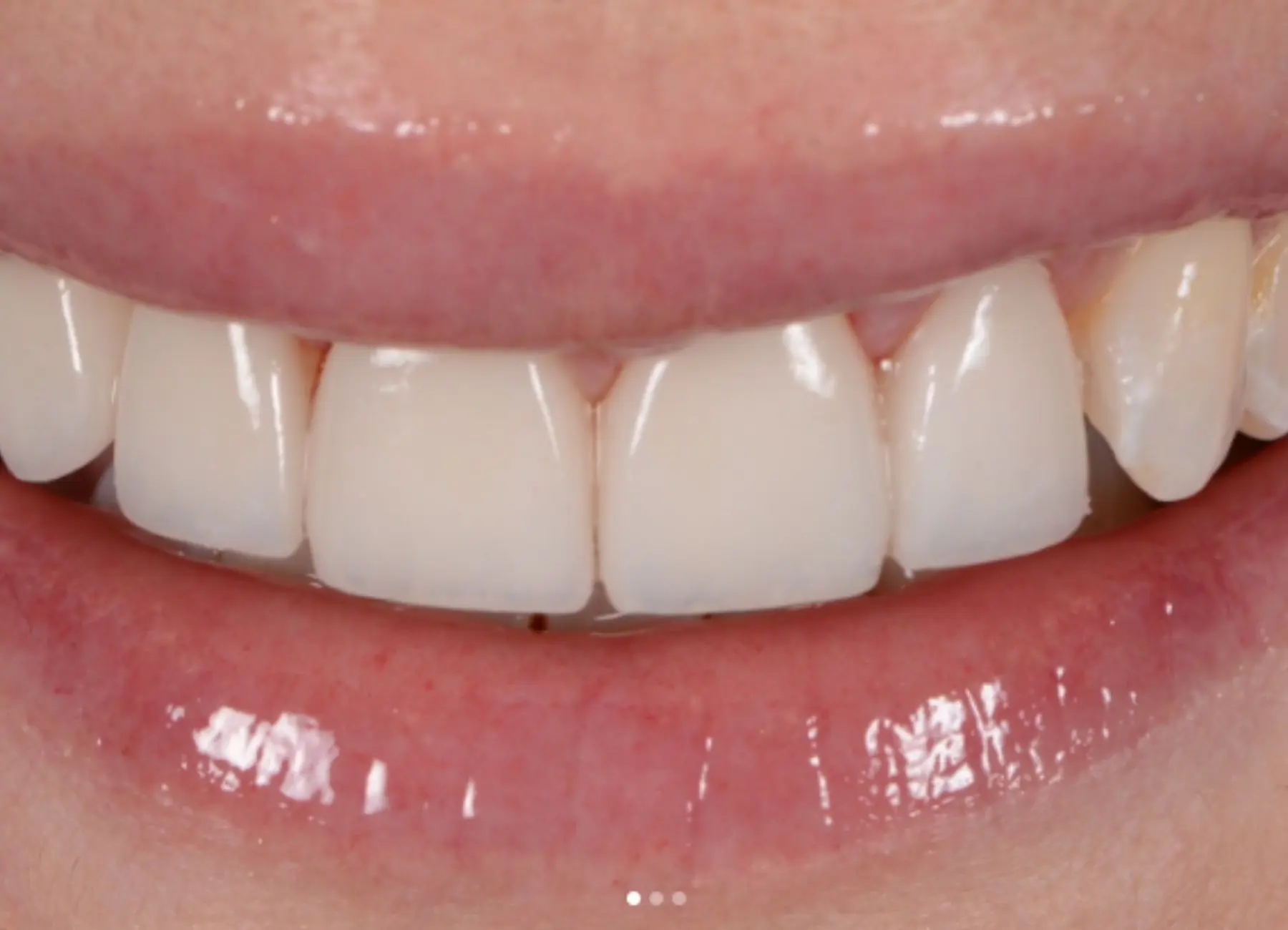
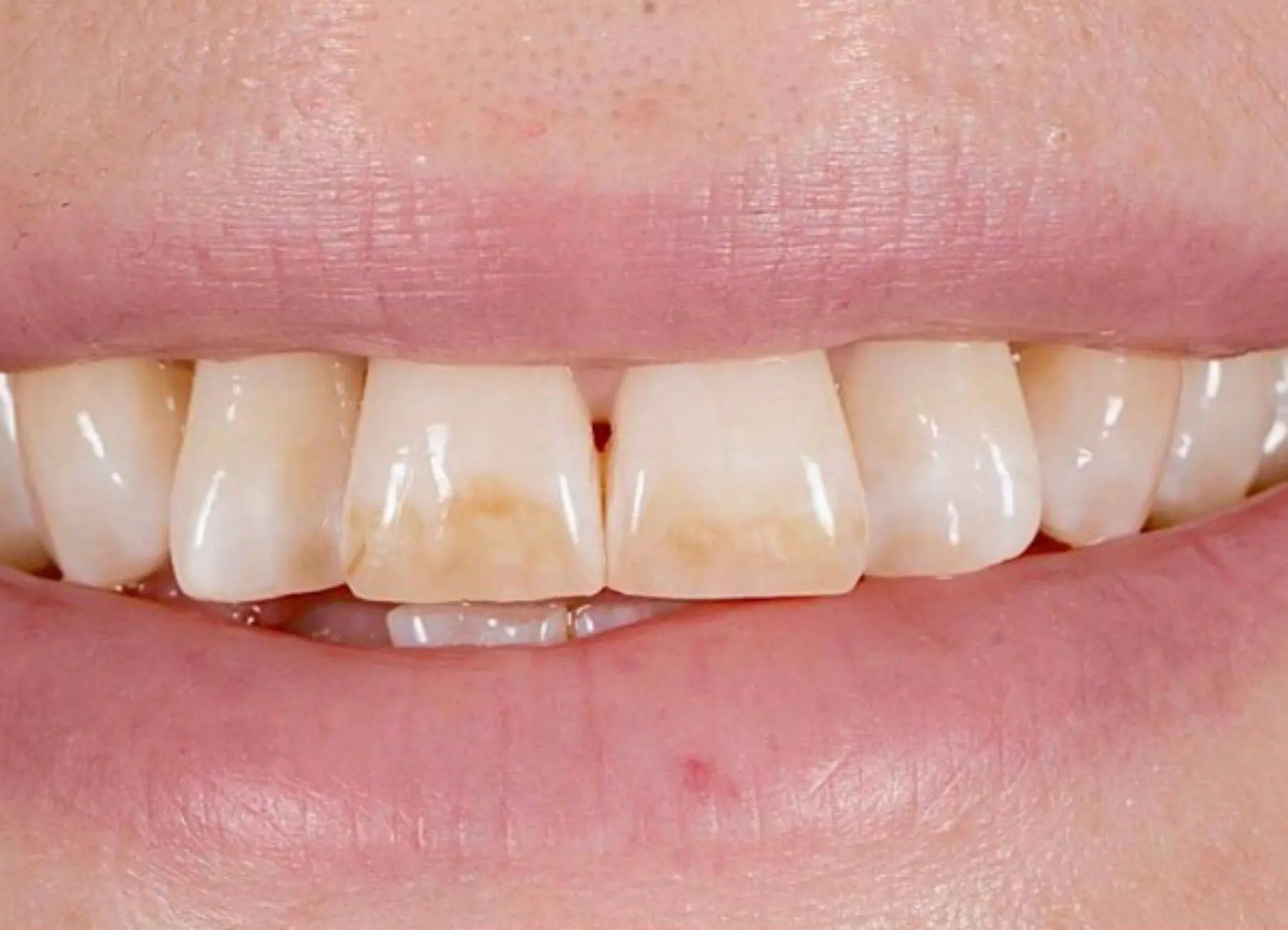
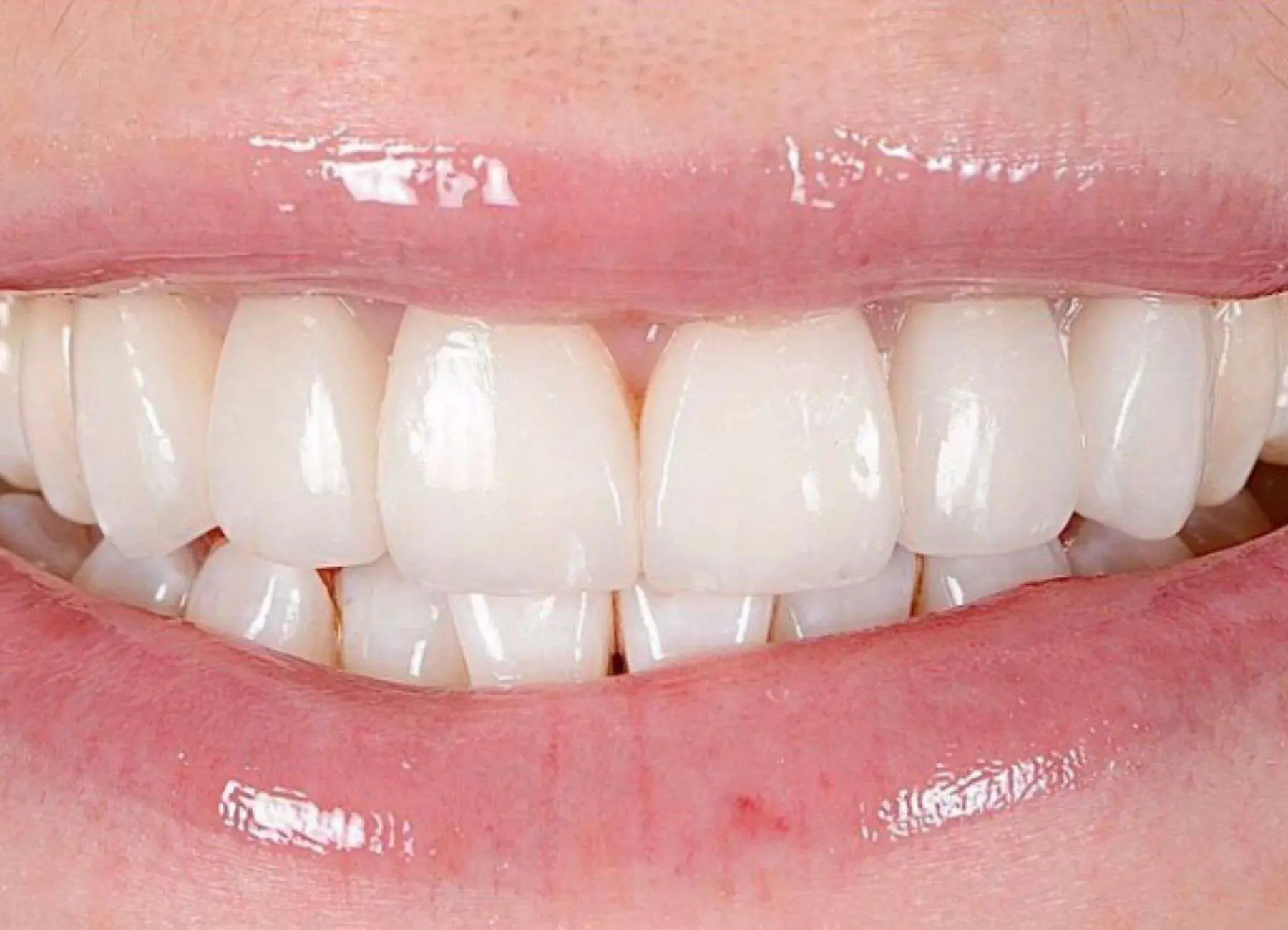
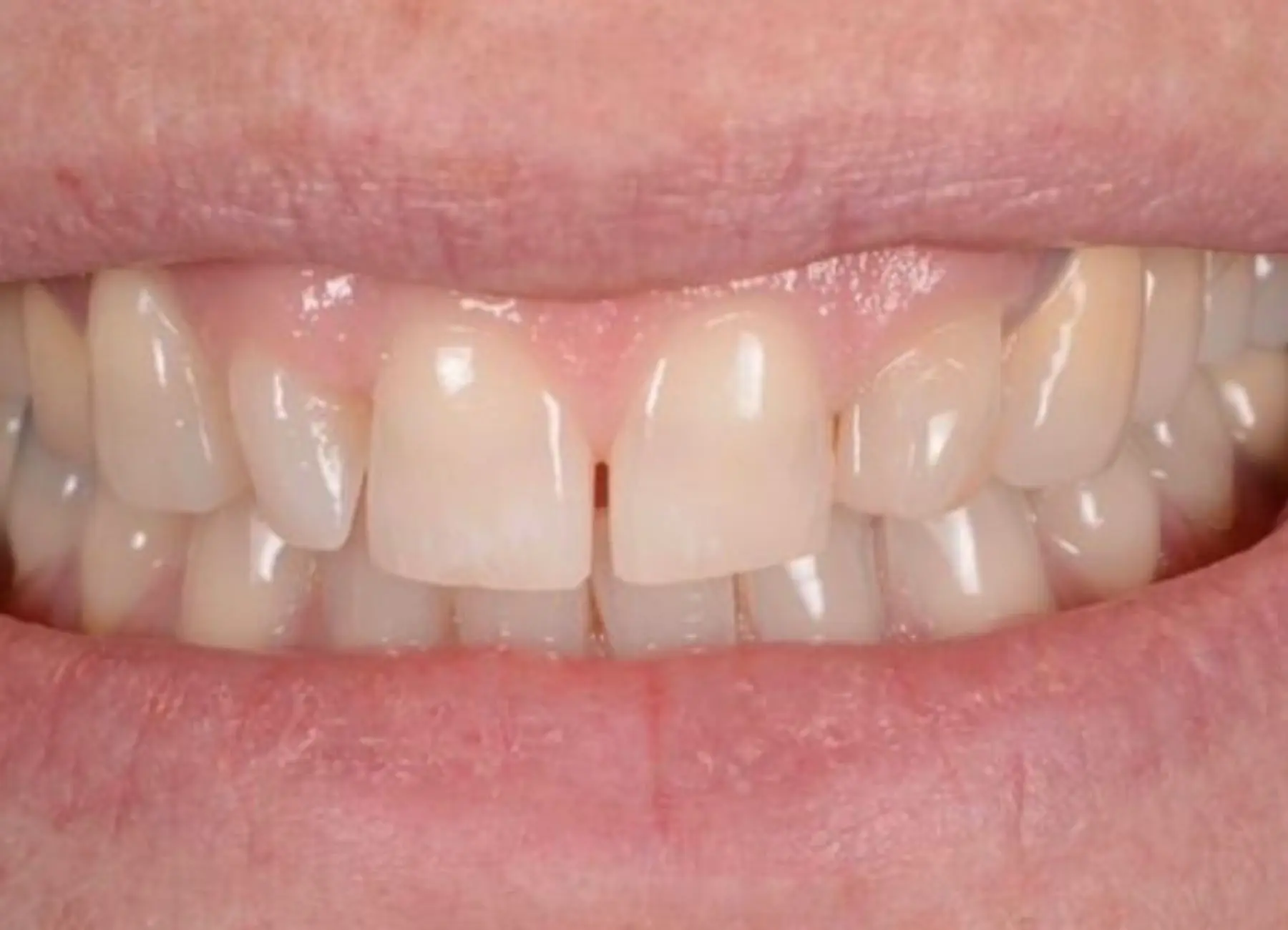
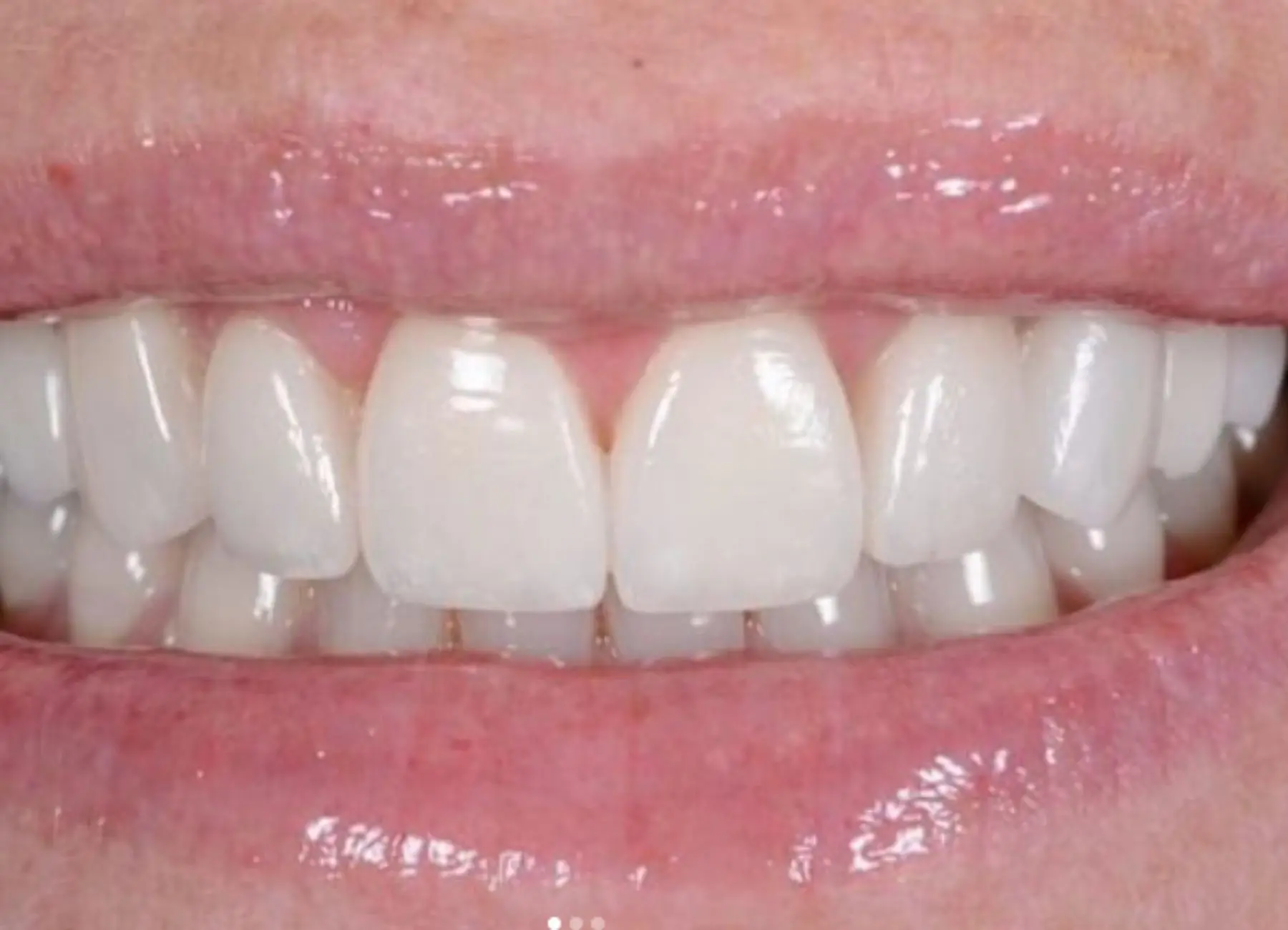
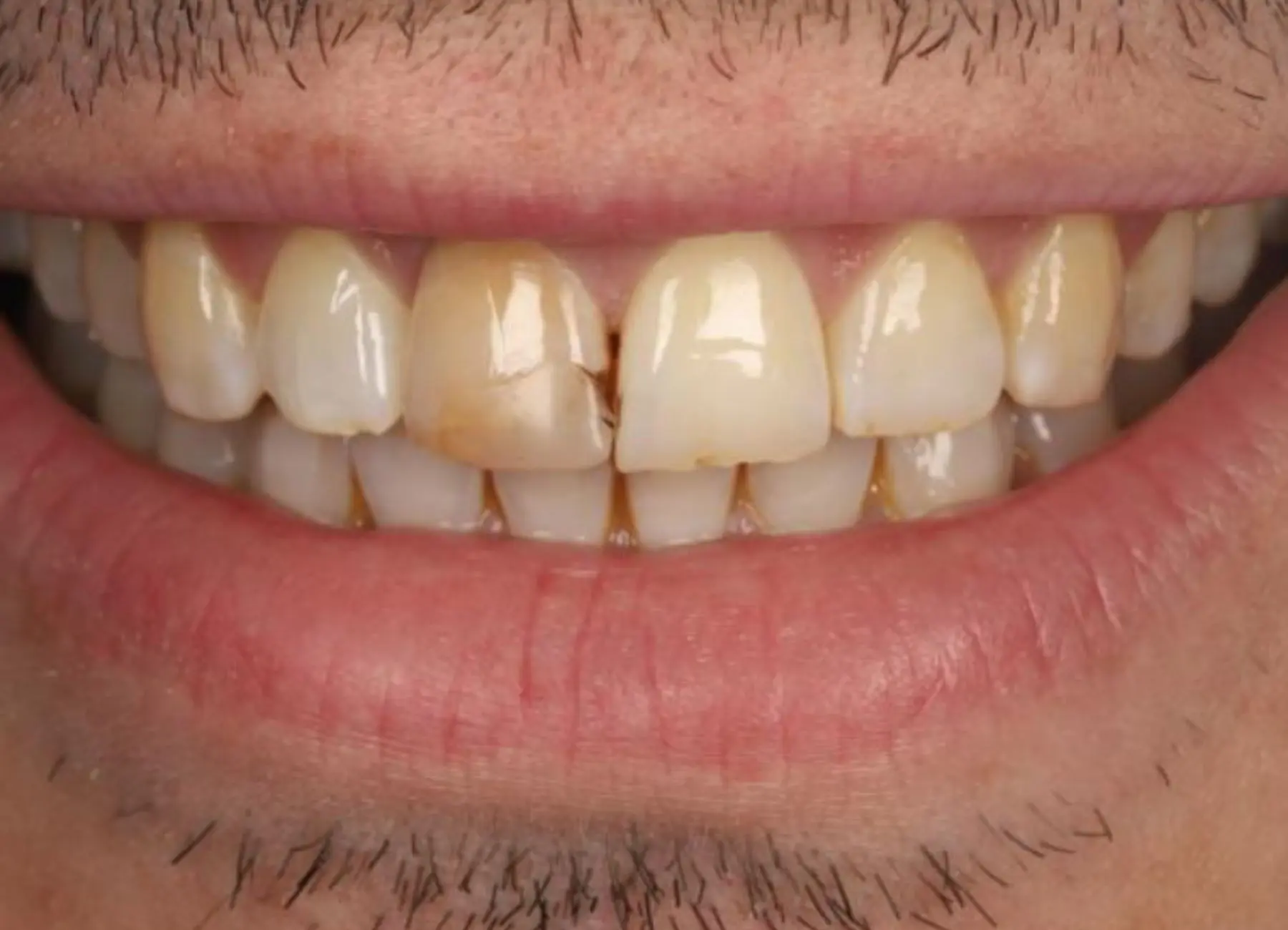
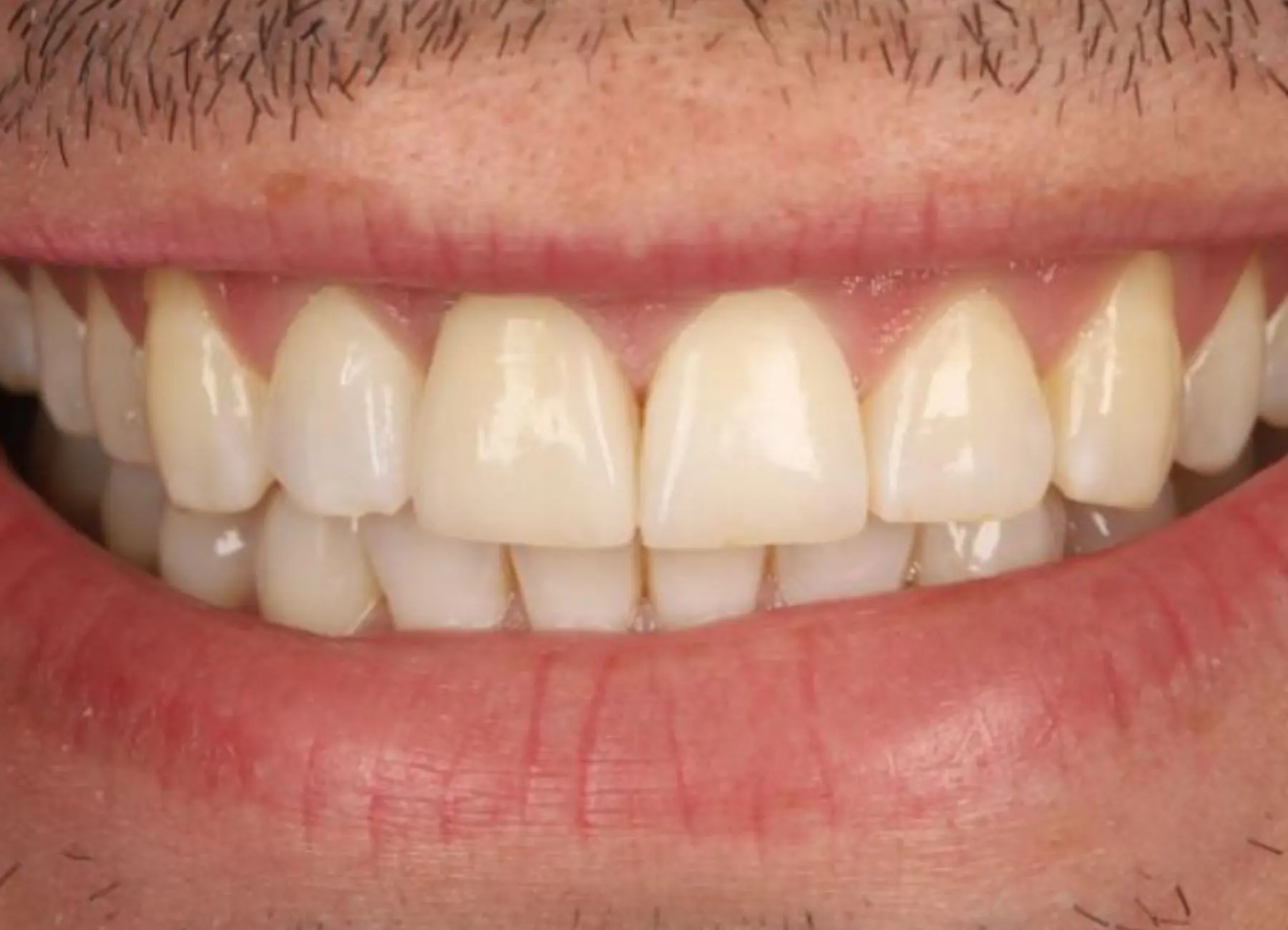
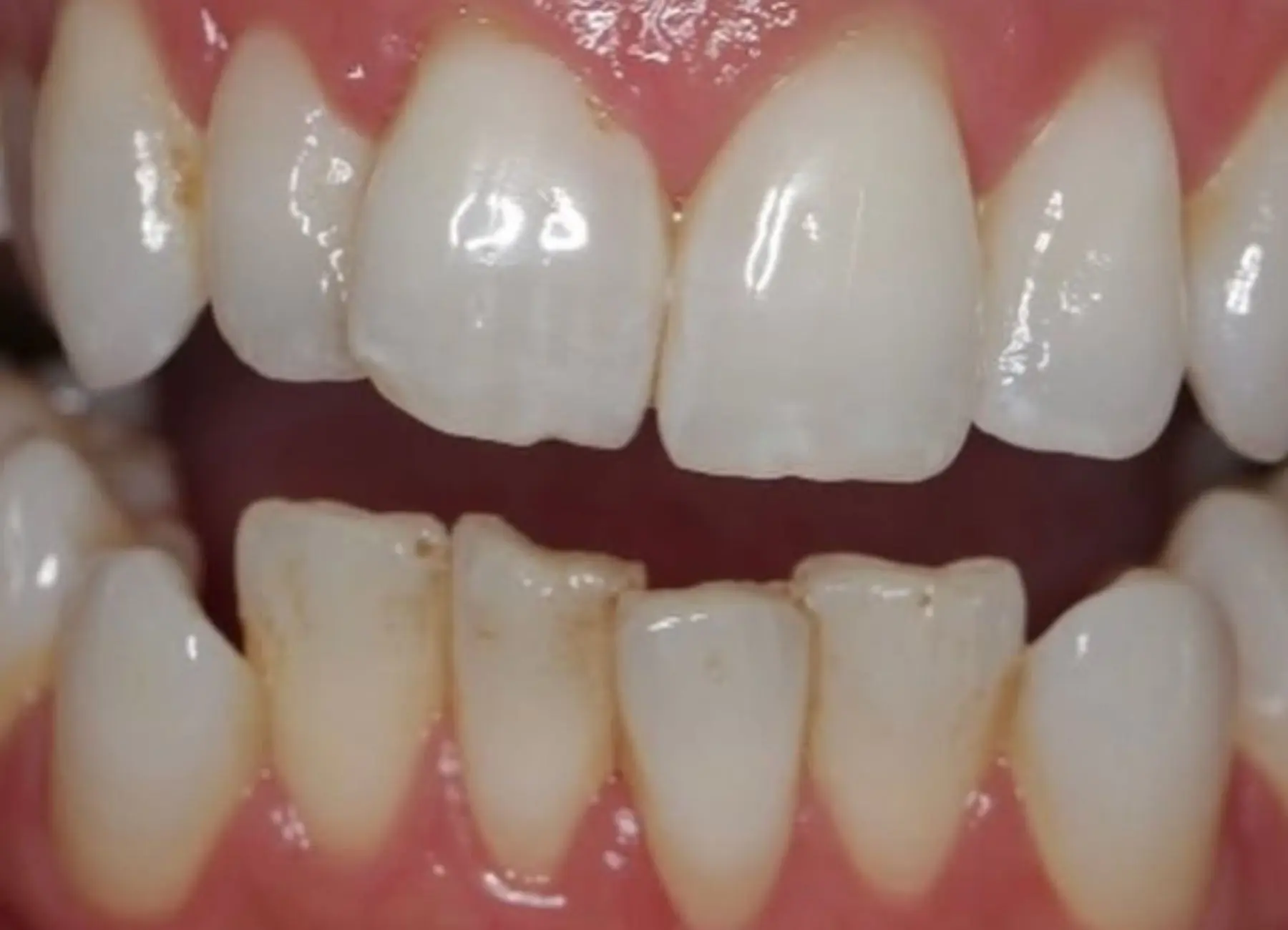
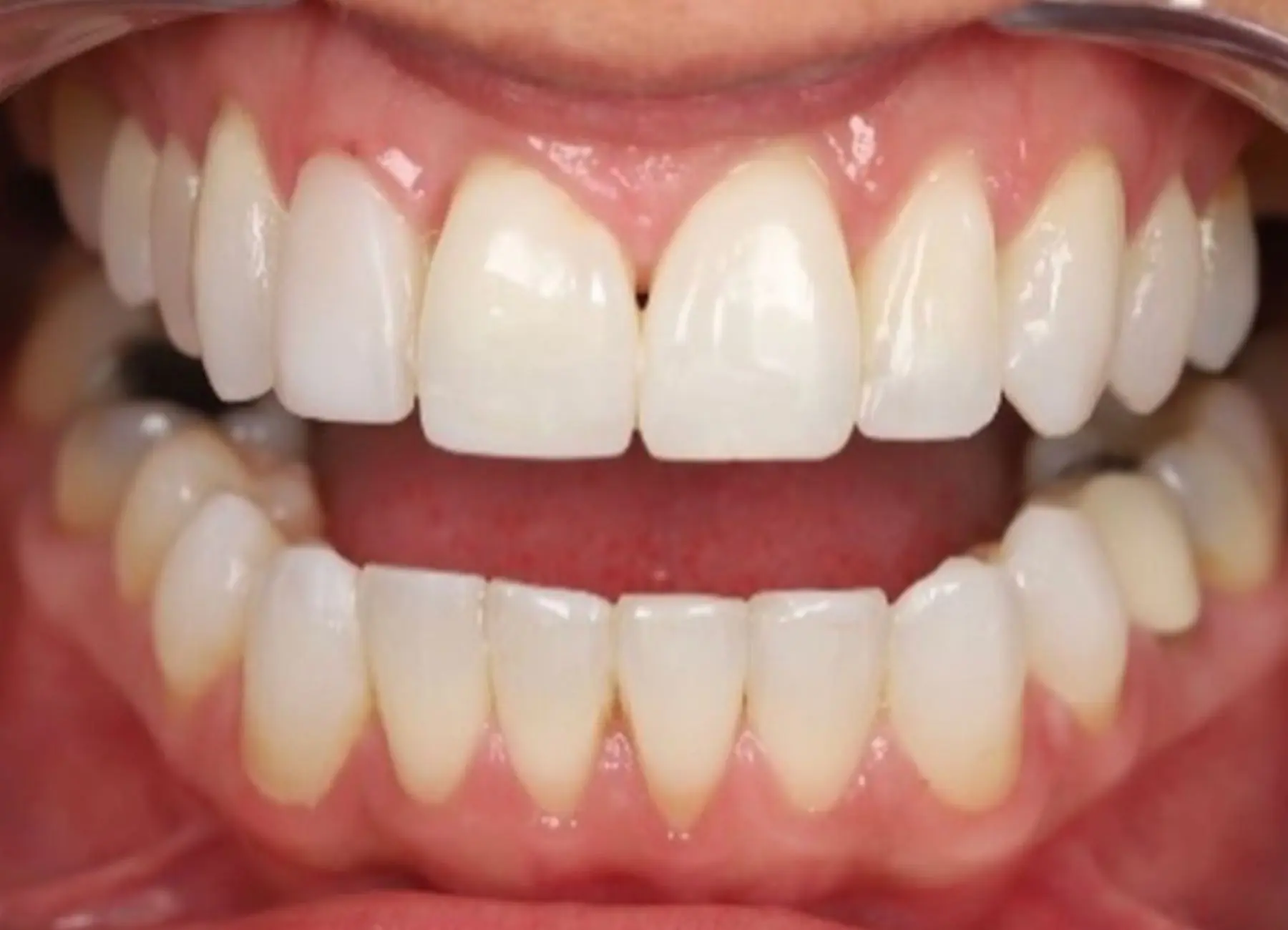
Do you fall into the 81% of people who hate how their teeth look? Or the 28% who avoid bearing their teeth when they smile in photographs? Do you have slightly crooked teeth and are looking for an alternative to wearing braces? Depending on the extent of your overlap, composite bonding can be used in specific areas to help the teeth appear more even and straight.
How much is composite bonding UK? Composite bonding costs from £300.

Composite bonding treatment overview:
- What is it? Composite bonding uses a tooth-coloured resin to improve cosmetic dental concerns, like slightly crooked teeth (not for severe misalignment).
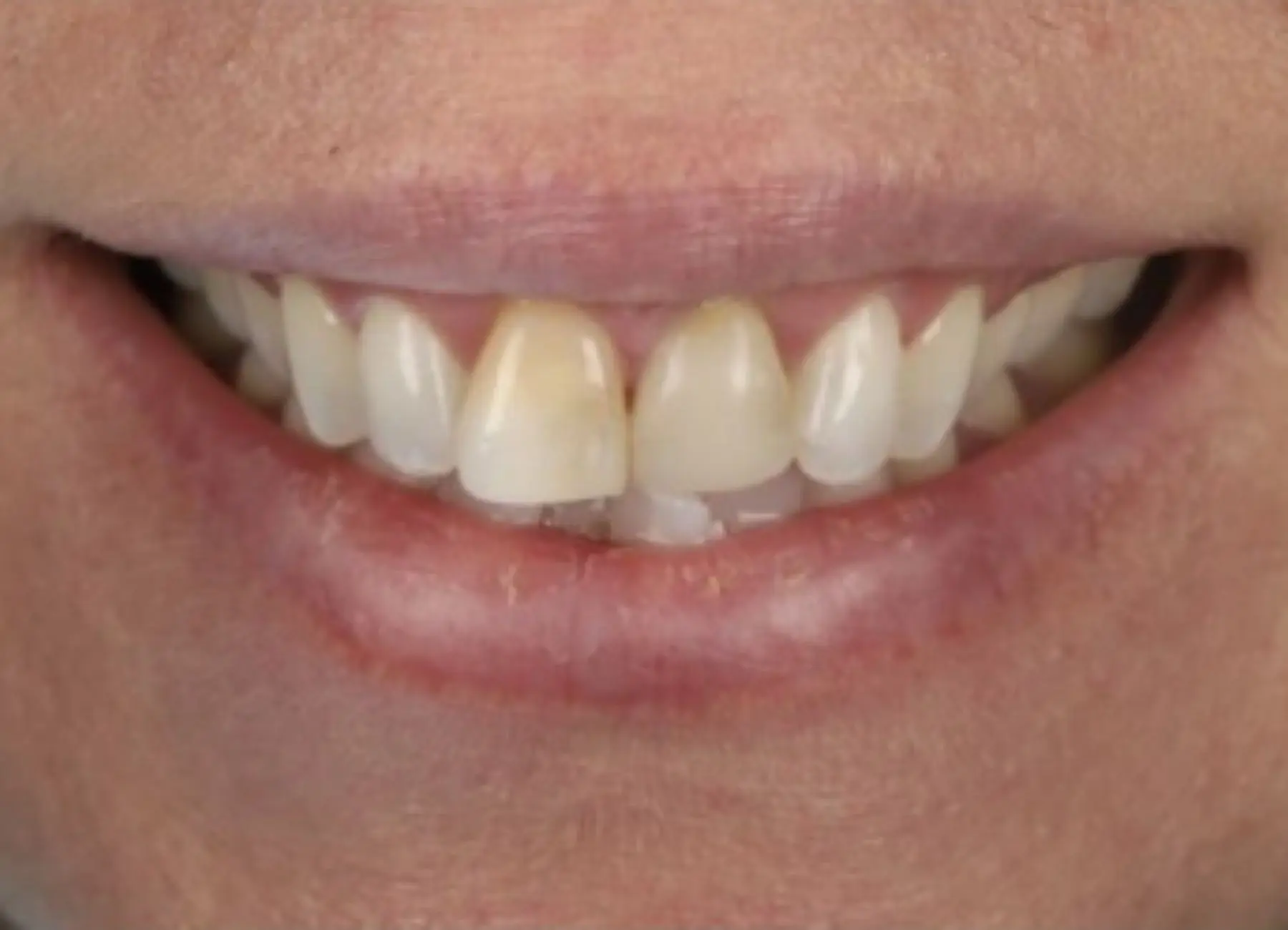
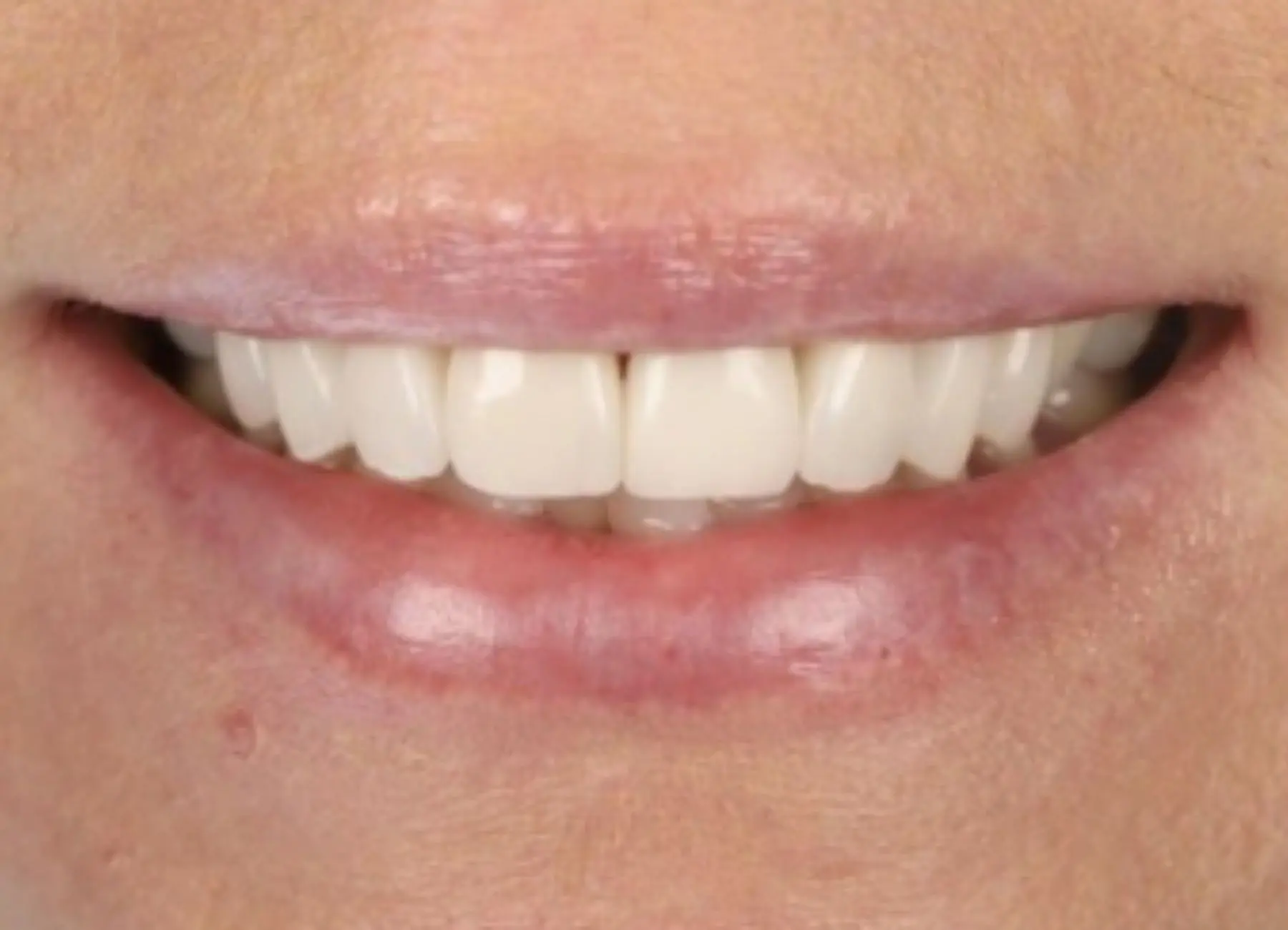
- How it works: The cosmetic dentist will apply composite resin to areas of the teeth that allow us to hide misalignment and help teeth look straighter.
- Qualifying patients: Patients over 18 with minor misalignments or gaps between teeth.
- What the procedure is like: It is painless, quick, and often completed in one dental appointment (not including your consultation).
- How long it lasts: Composite bonding lasts between 5 and 10 years. Longevity depends on your lifestyle and how you care for your teeth.
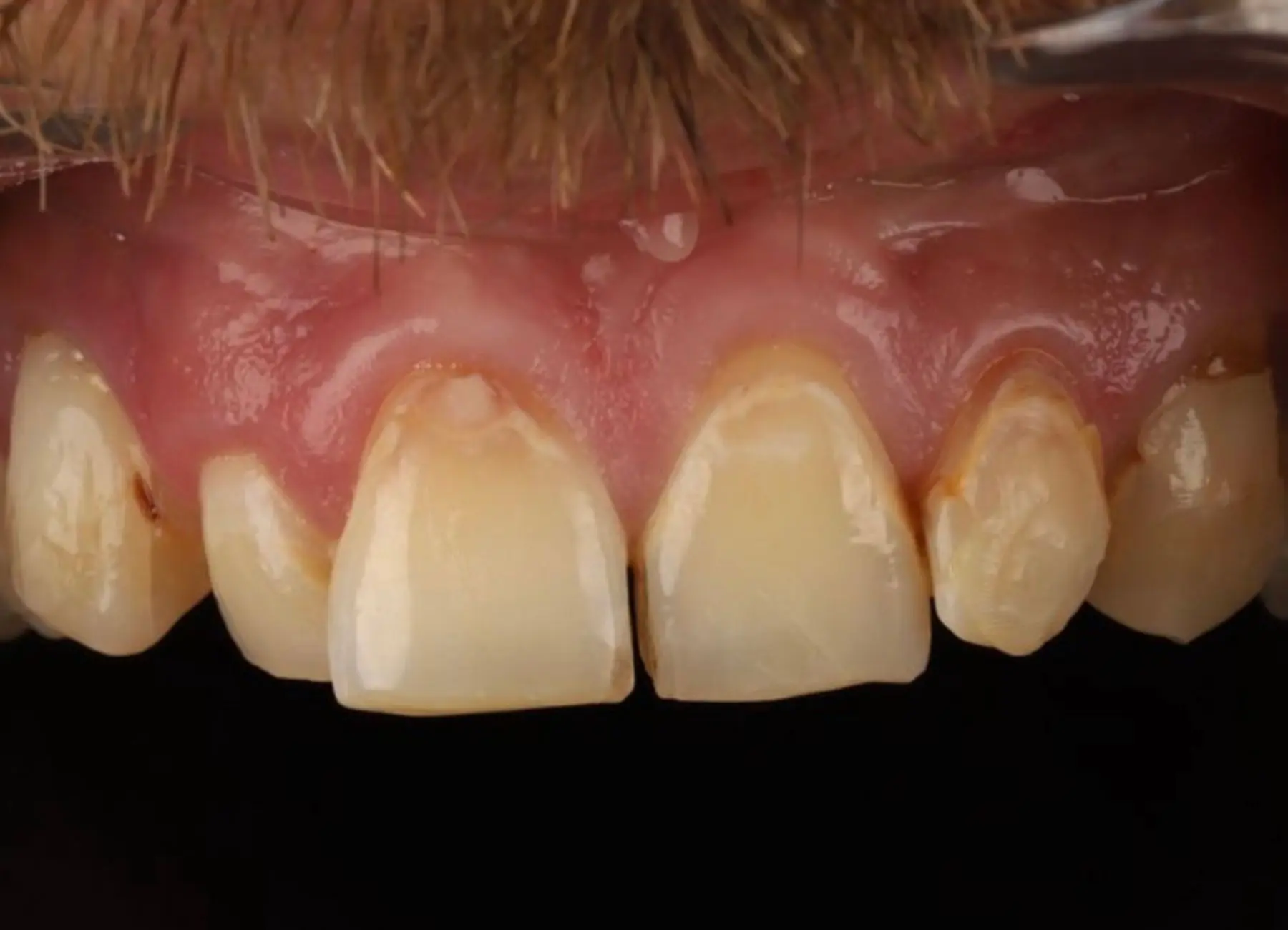
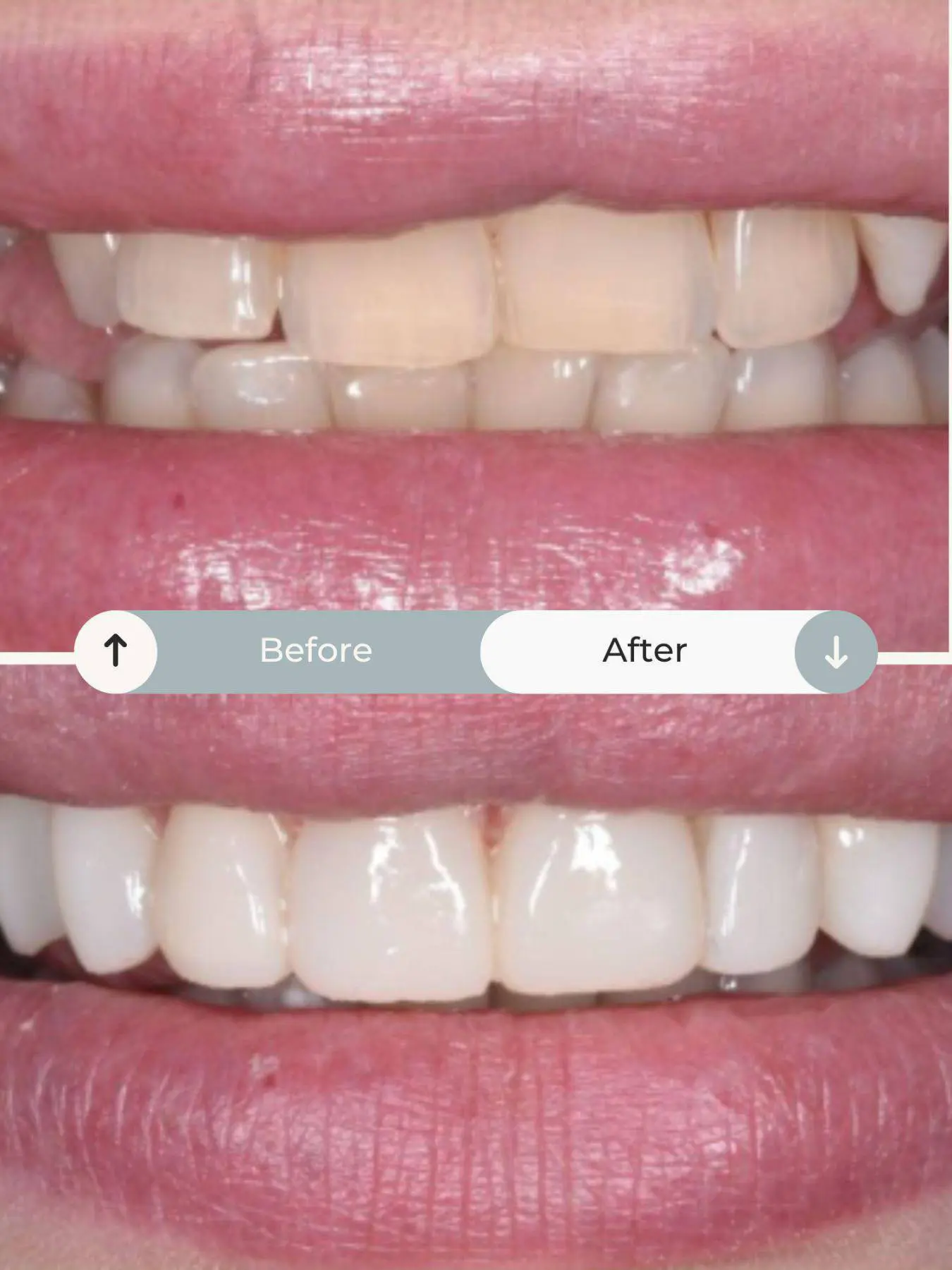
Composite bonding is only appropriate for slight misalignment cases with minor crooked teeth. It is not recommended for patients with severe crowding or misalignment, as the teeth will look bulkier and less natural. Alternative procedures like braces, clear aligners, or dental veneers should be considered in severe misalignment cases.
Composite bonding is not suitable for:
❌ Severe misalignment
❌ Overbites, overjets (class II)
❌ Large gaps between teeth
❌ Patients under 18
❌ Significant tooth decay
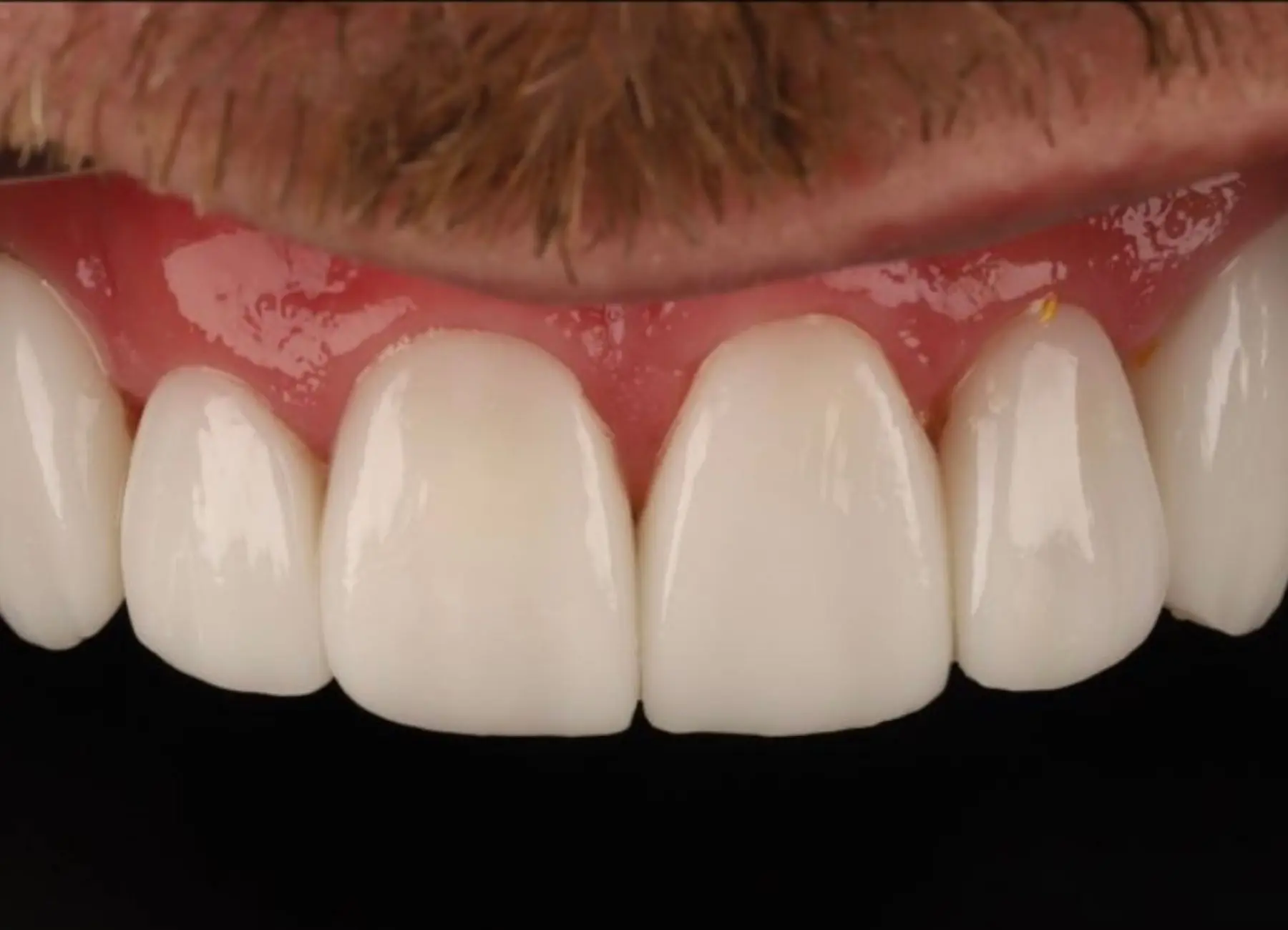
Typically, composite bonding looks its best on perfectly straight teeth, but it can also be used for patients with slightly crooked teeth and misalignments; they can just expect the results to look a bit thicker than normal. We must apply more resin to make teeth appear straight and even.
To learn whether composite bonding will work for your crooked teeth, enjoy a free consultation at our Hertford clinic. Call 01992 552115 or book online.

The procedure for composite bonding on crooked teeth
✅ Cheaper and faster process than veneers or crowns
✅ Requires no tooth removal or shaving
✅ Can be completed in 60 minutes
✅ Requires no local anaesthetic
✅ Shade matched to your teeth
When applying composite resin to crooked teeth, our cosmetic dentists will use a tooth-coloured material and apply it in thin layers on the affected teeth.
Here’s how the process works:
- The dentist will begin cleaning your teeth – and trim them if required (tooth contouring).
- The tooth’s surface will be etched with an acidic tooth conditioner (a gel placed for around 15 seconds where the bonding will be placed).
- The dentist will apply the bonding agents to your tooth and cure them (sometimes without any etching if the tooth conditioner is incorporated into the bonding agent).
- We’ll conduct a bite check using carbon paper to ensure the bonding does not affect your jaw’s function or motion.
- We’ll polish the bonding – and you’re done.
Cost of composite bonding for crooked teeth
Dental bonding is the cheapest and most affordable of all cosmetic dental procedures, ranging from £250 to £450 per tooth, depending on the extent, quality of work and which dental practice you visit in the UK. Often, higher prices for composite bonding reflect high-quality materials.
Sometimes, the cost of composite bonding can be higher for crooked teeth as more material and artistic techniques might be used to create a more natural-looking finish.
Call 01992 552115 or book online.