Who Can Apply Composite Bonding?
General dentists are pretty much qualified to handle most dental scenarios and problems. In fact, as cosmetic dentistry is not a specialism, any type of dentist can apply composite bonding and other cosmetic treatments like veneers and teeth whitening.
General dentists who have completed additional training, either with a Master’s degree in cosmetic dentistry or a one-year vocational training programme, can even build up a portfolio with specific cosmetic dentistry treatments to be classified as cosmetic dentists, which means many clinics throughout the UK can now offer the treatment.
While composite bonding is readily accessible from a private clinic to a private clinic, if you want to use the treatment to naturally enhance your smile and are hugely concerned about the final look, you might want to do your research first.
Learn more about composite bonding:
- Composite Bonding on Crooked Teeth
- Things Patients Should Know Before Using Composite Bonding
- What is Composite Bonding For Teeth?
- Composite Edge Bonding
- How Much is Composite Bonding UK?

You don’t want any dentist to do your cosmetic work
Composite bonding is an easy material to work with and can be applied in just one appointment with no follow-up. Not every dentist will offer the same composite bonding, and each dentist will vary in skill, qualifications, and commitment to dentistry, which can affect the quality of work, including how the material is used and placed.
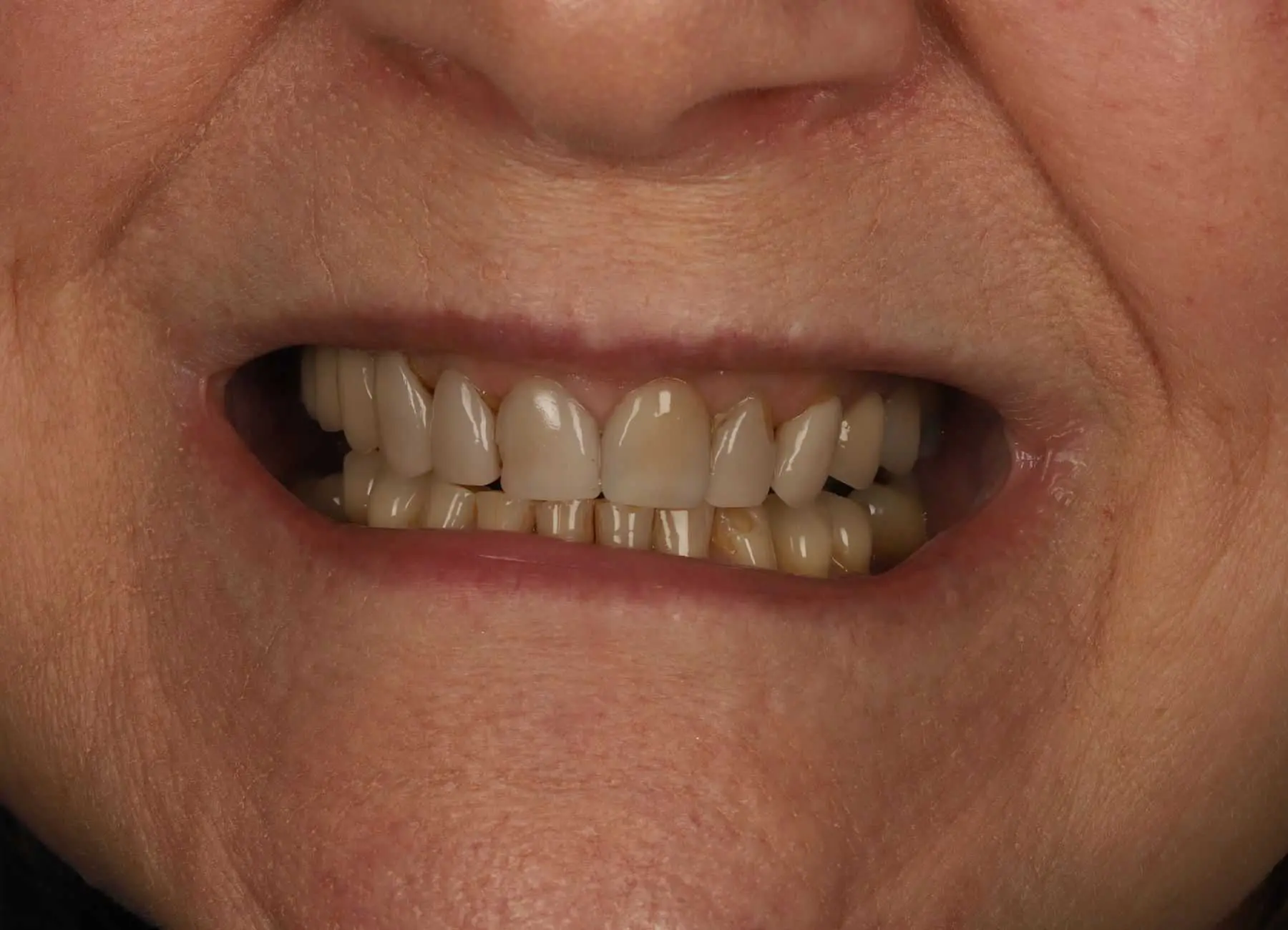
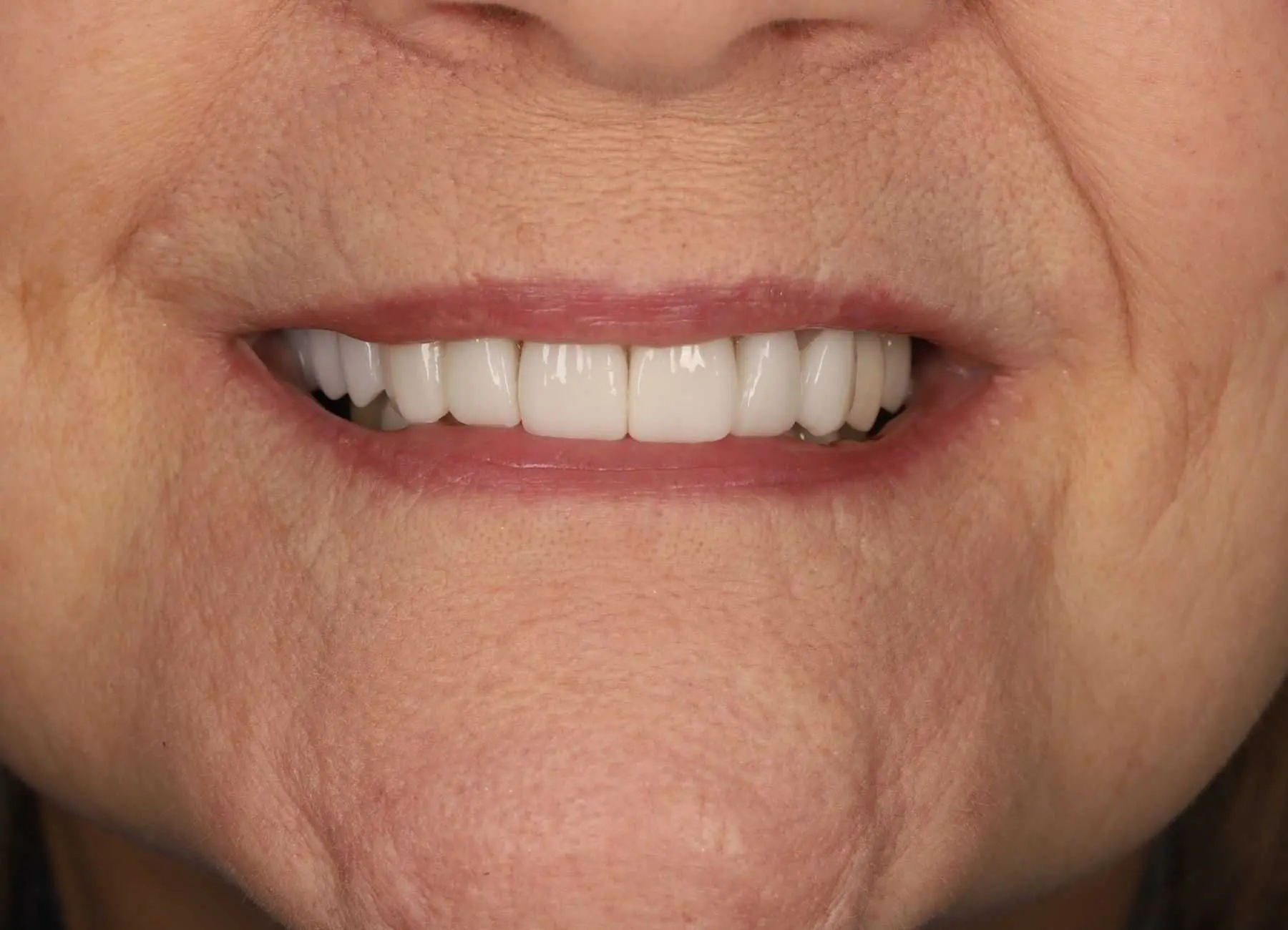
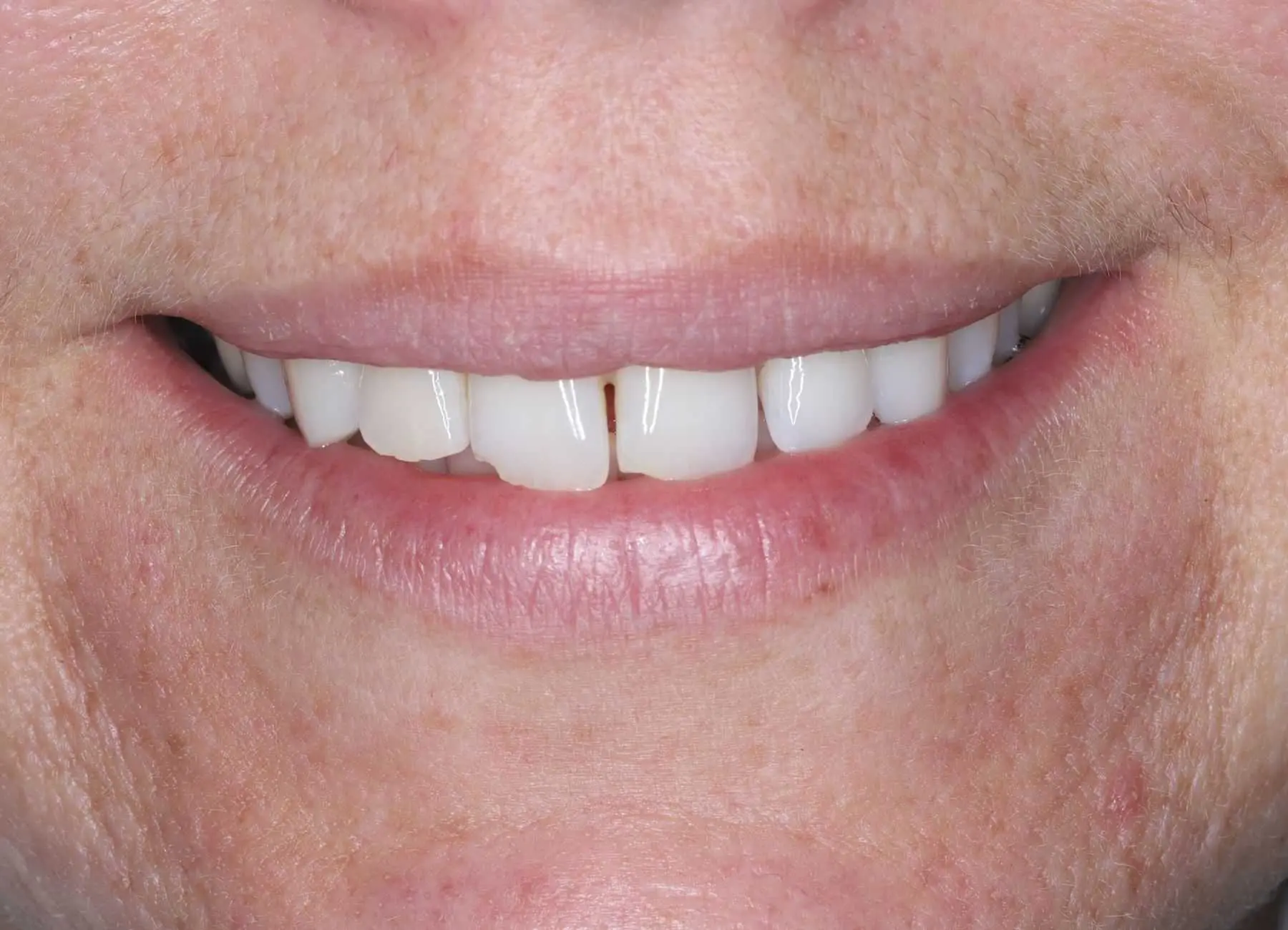
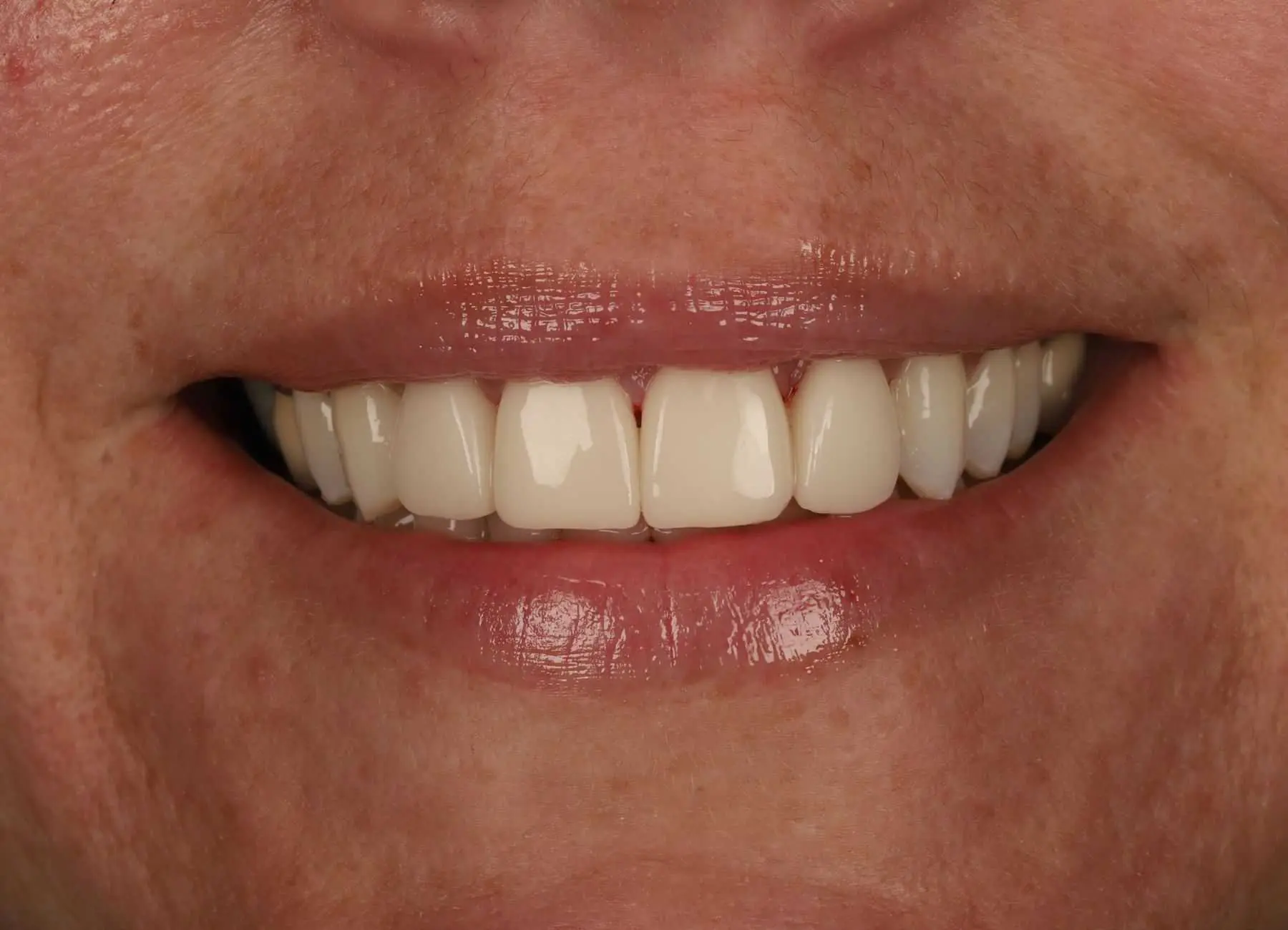
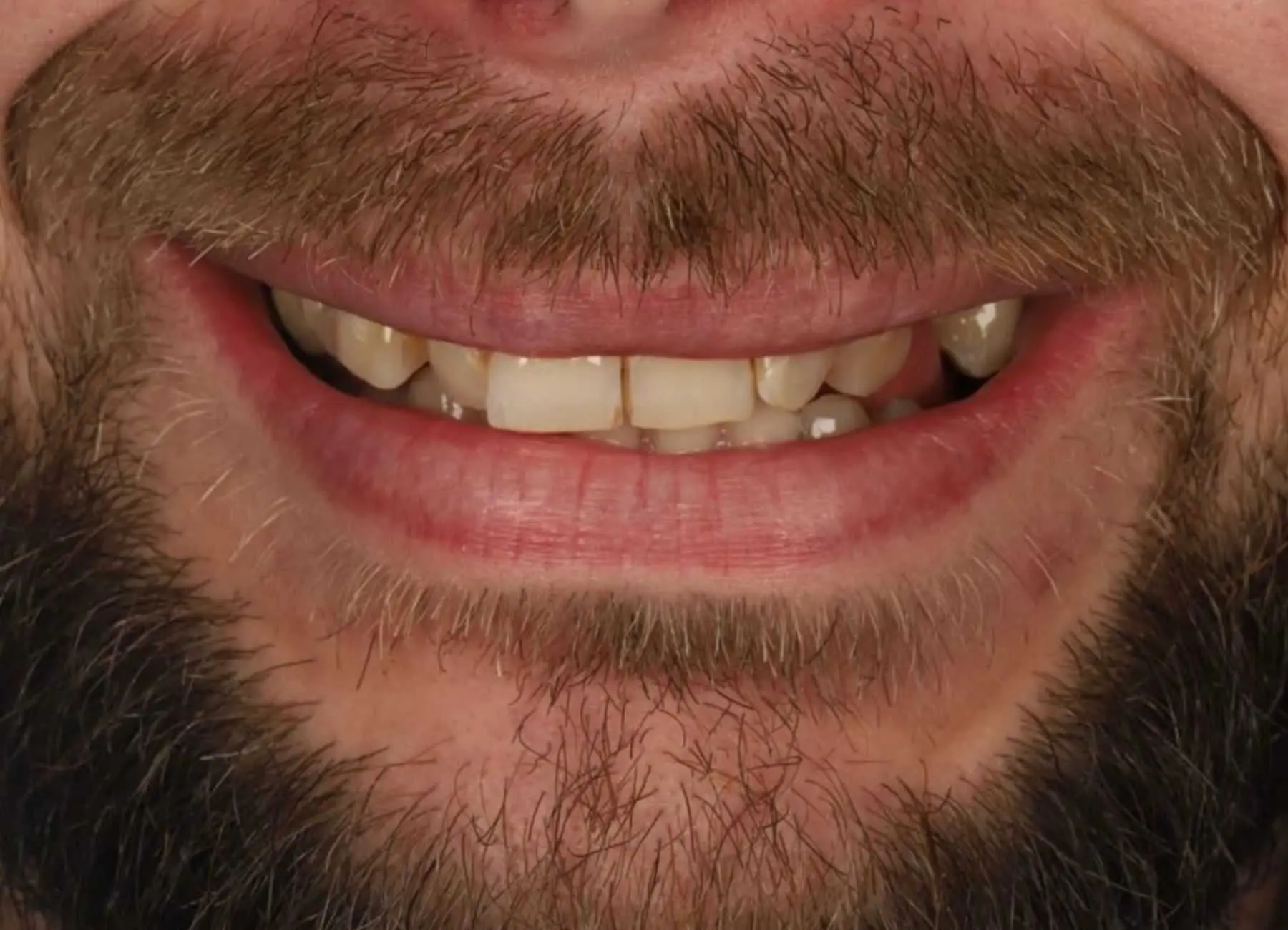
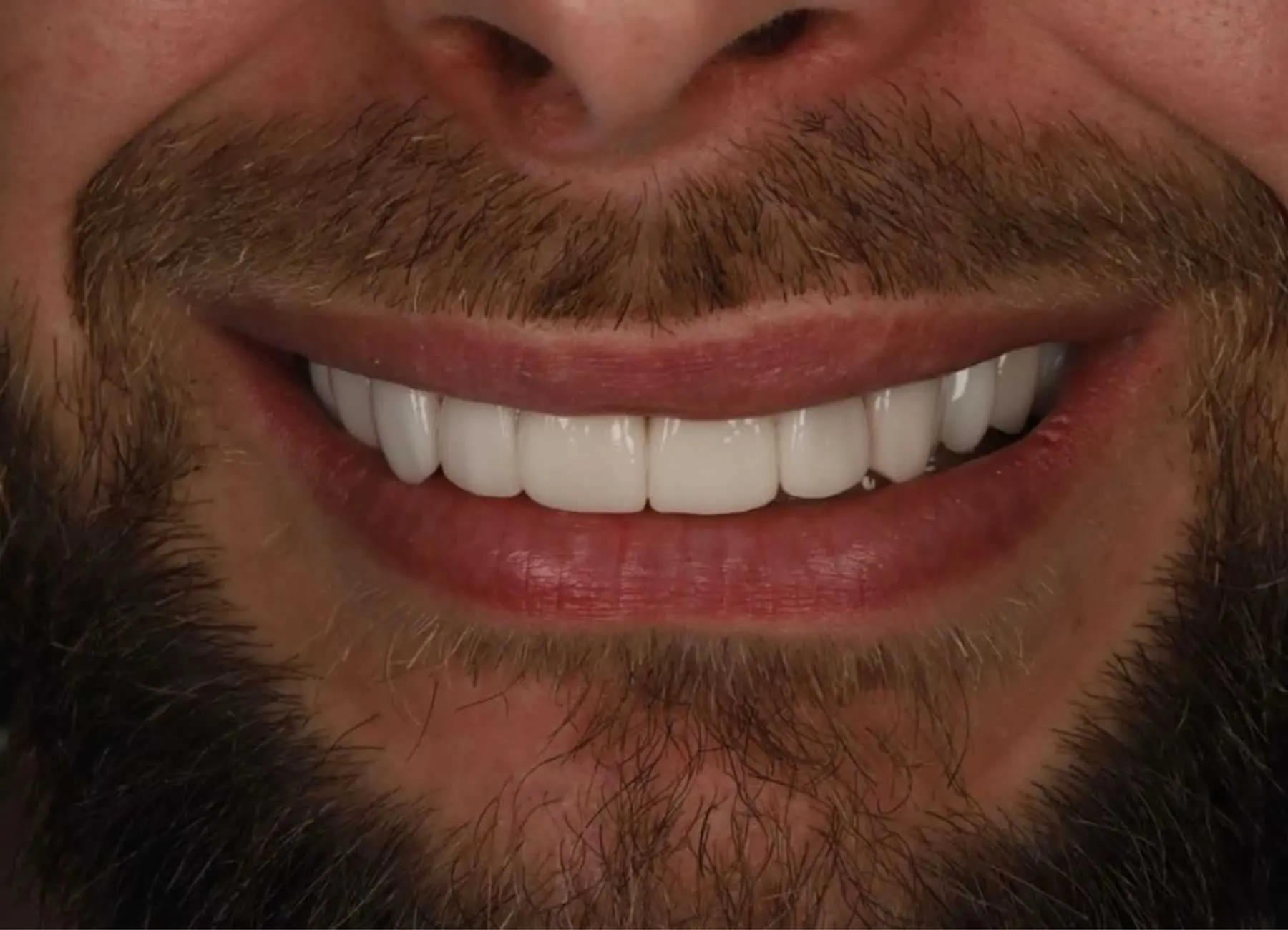
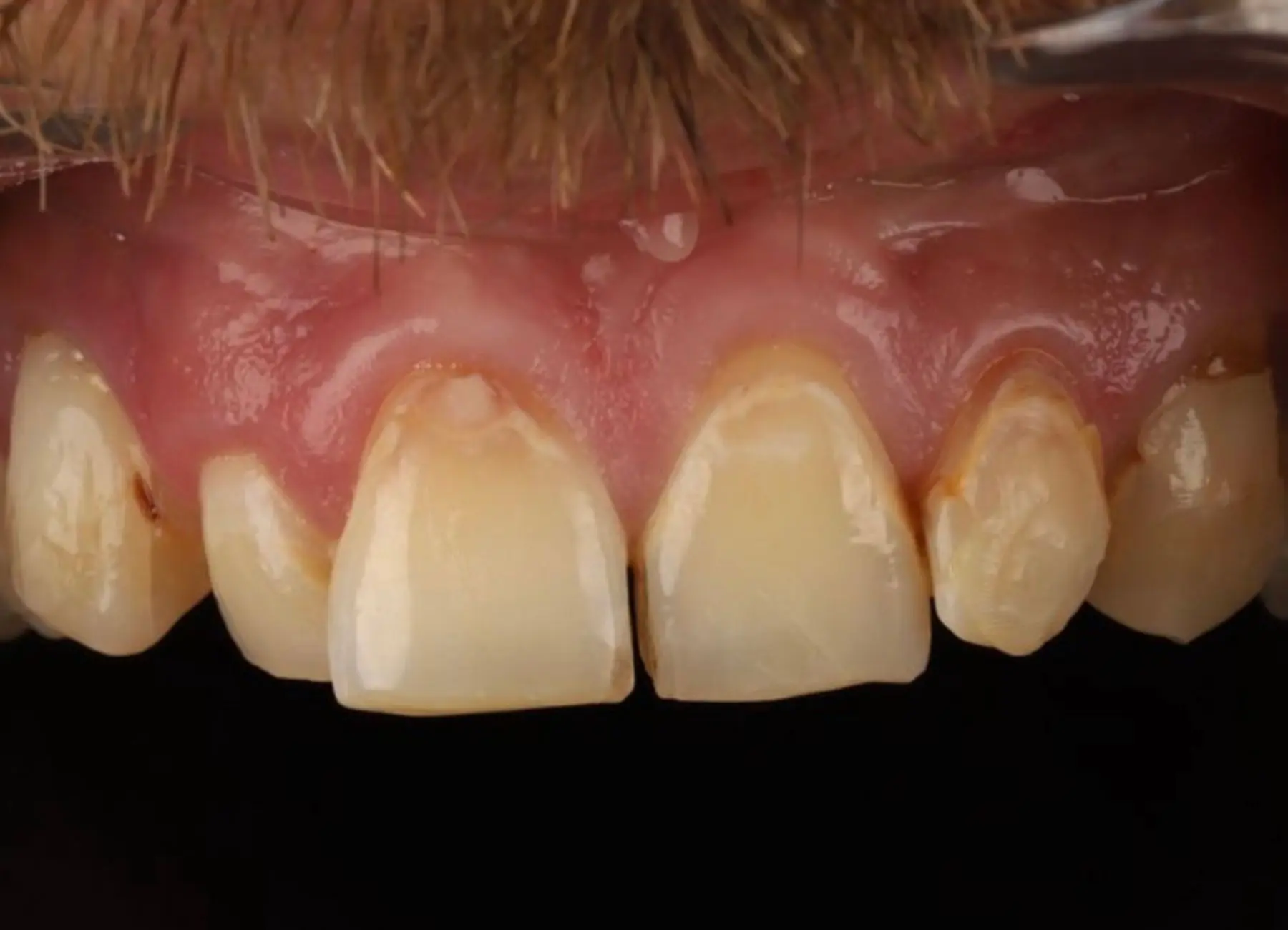
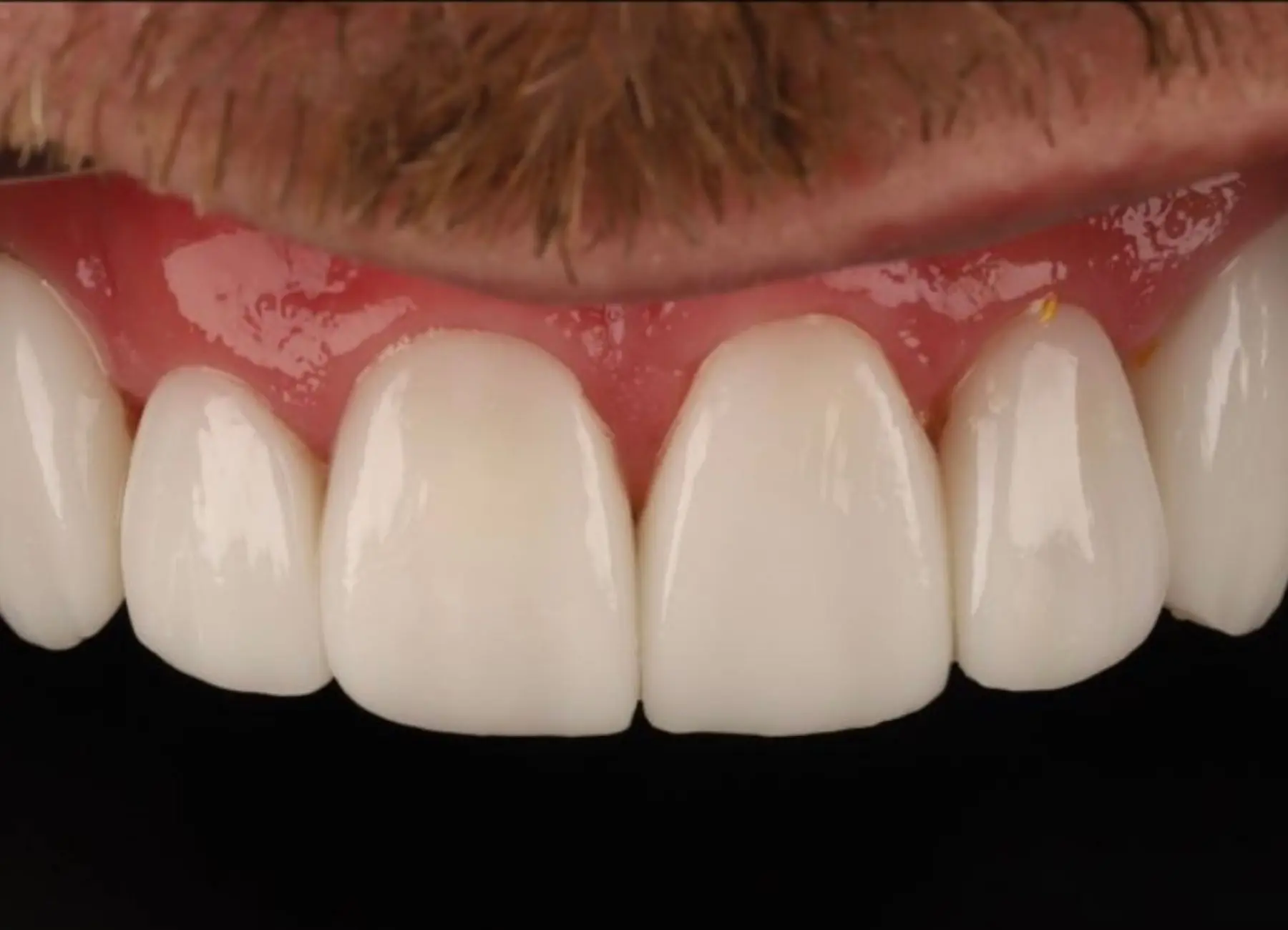
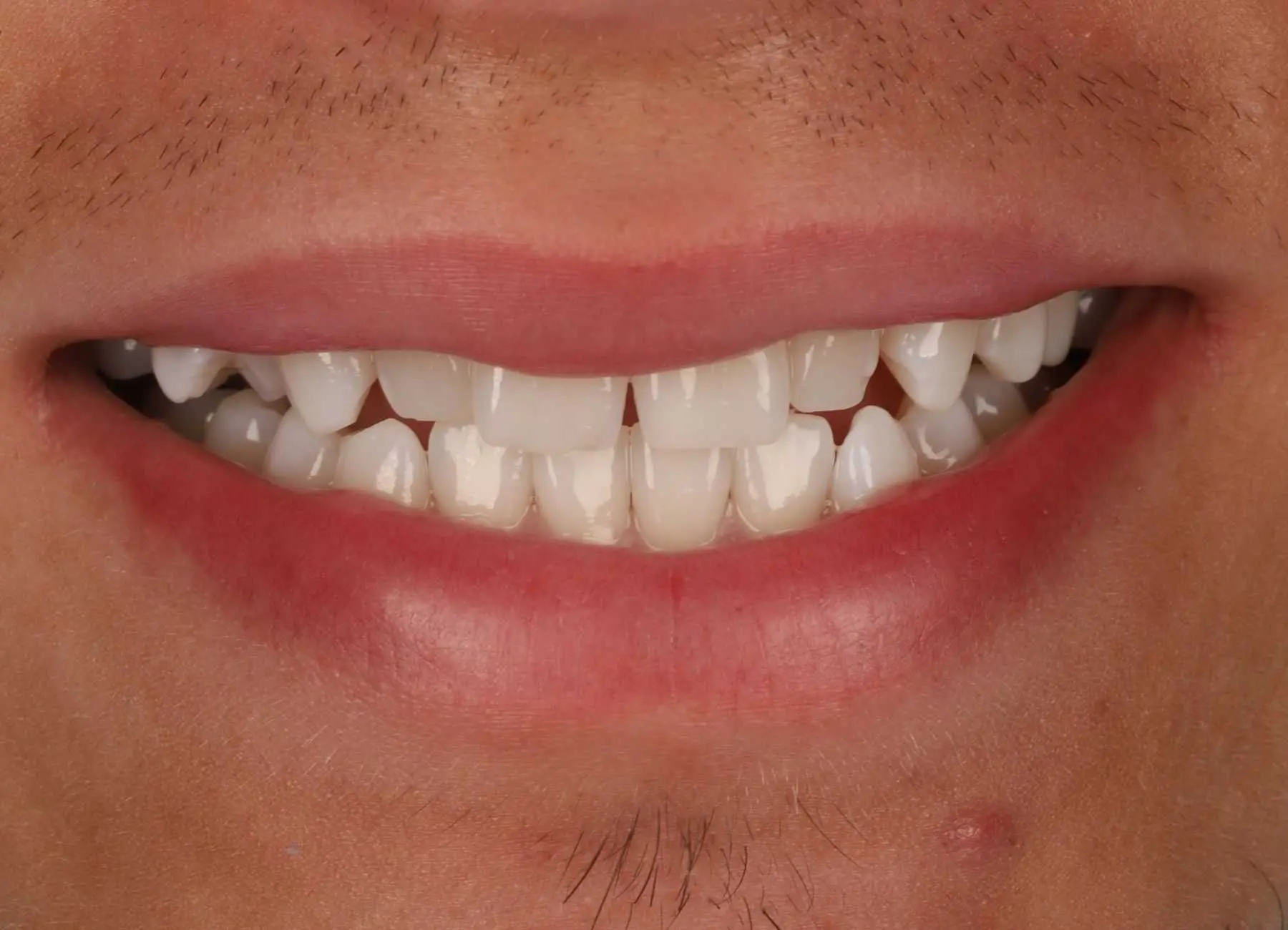
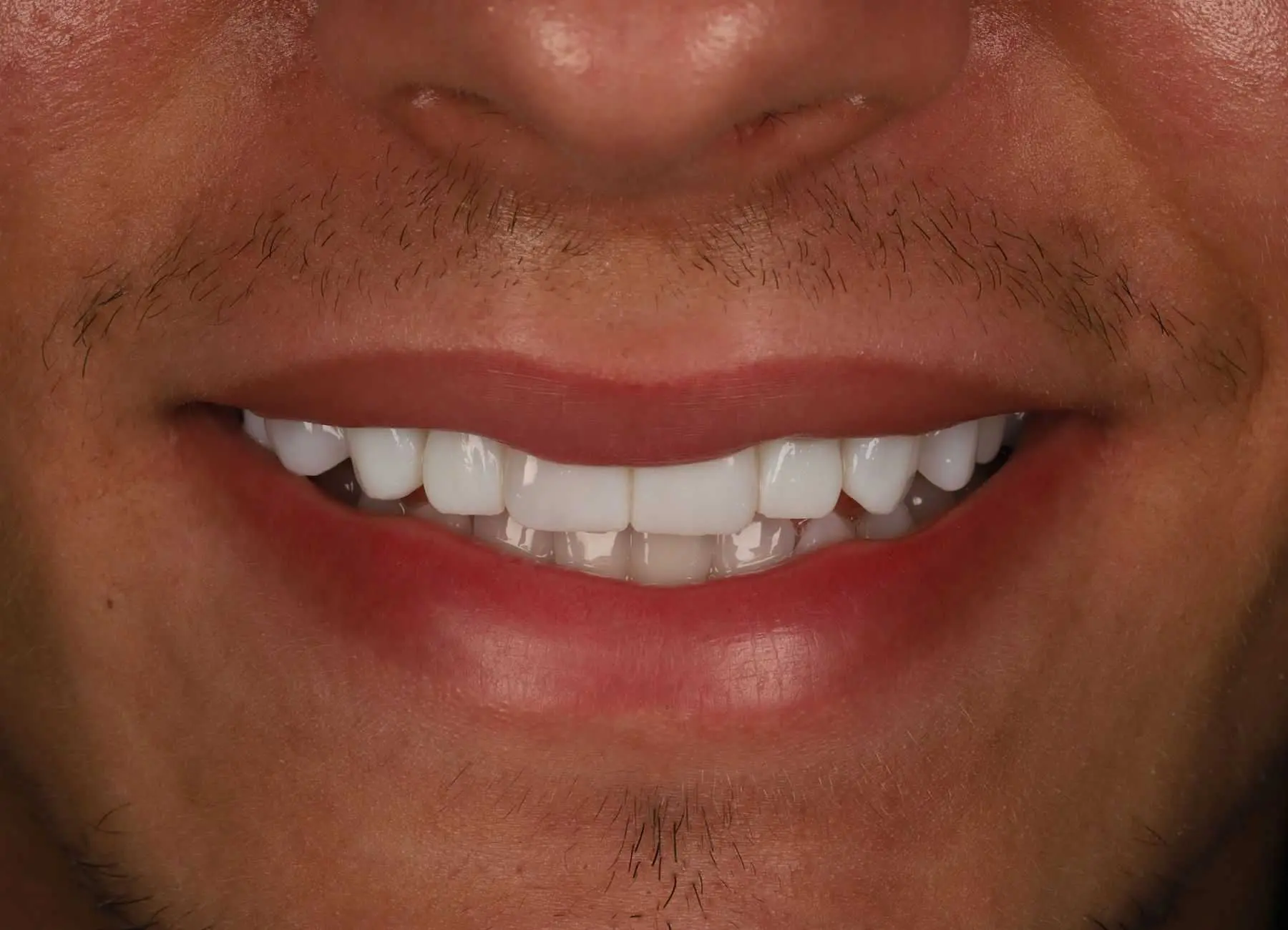
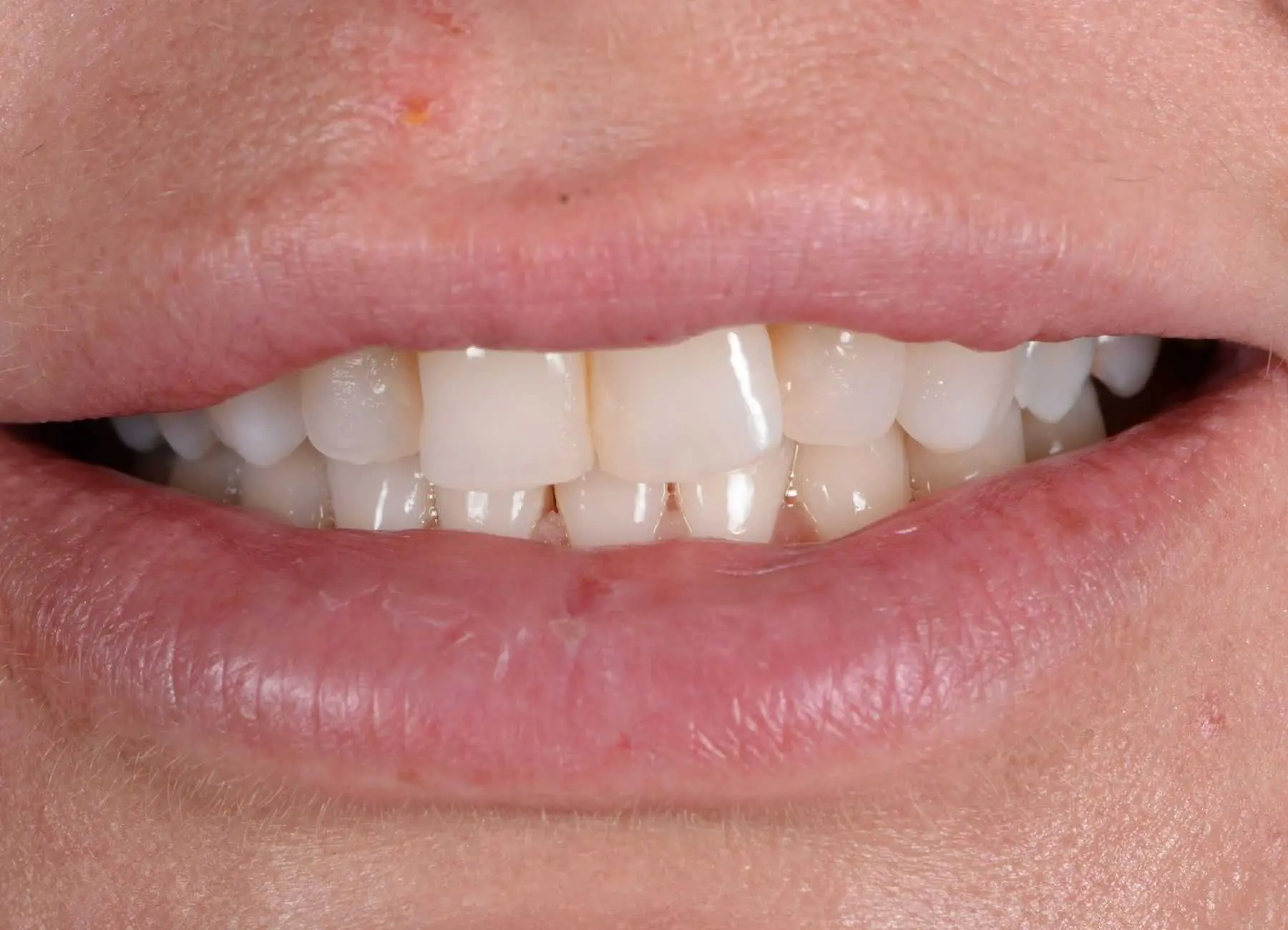
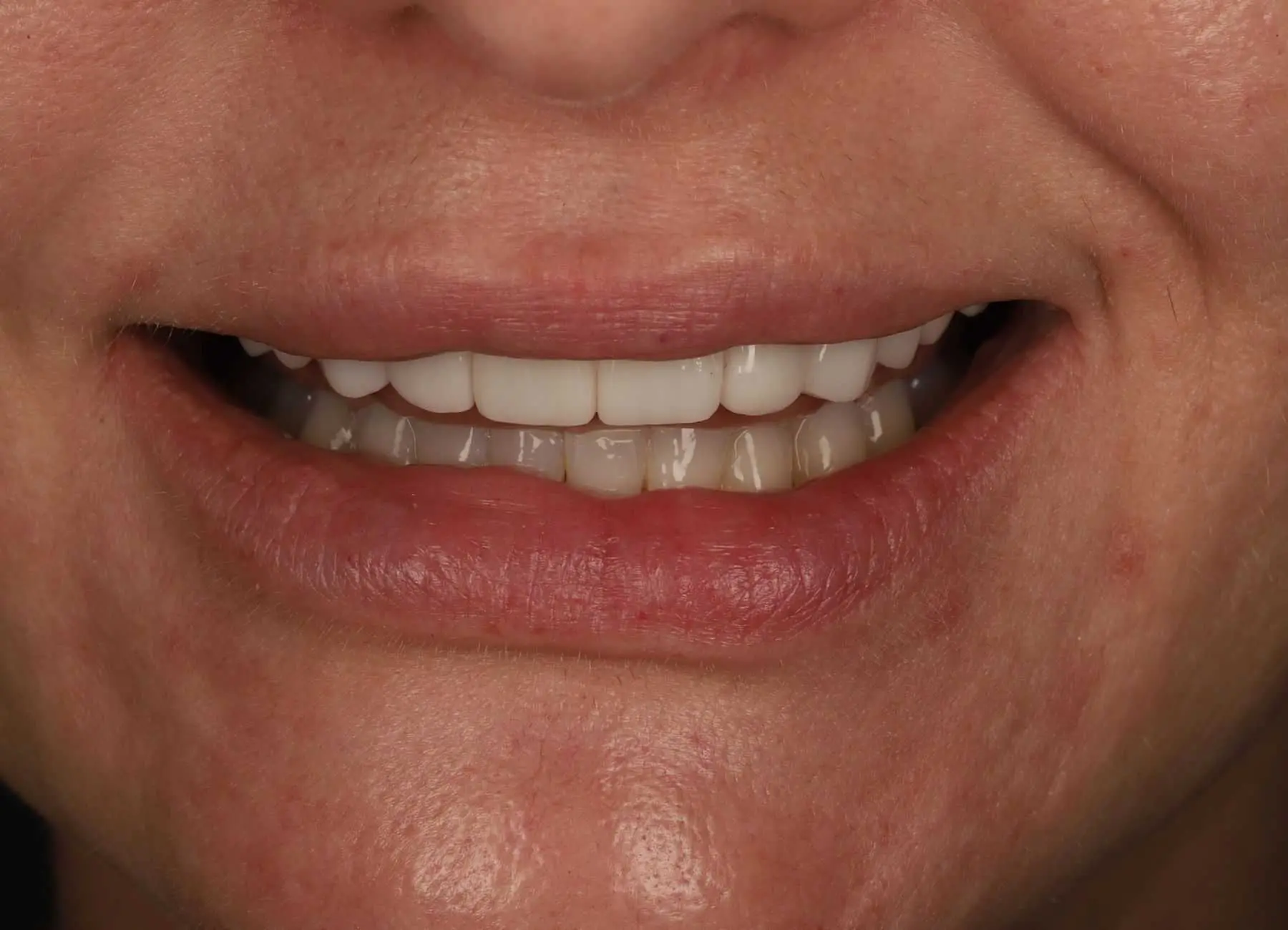
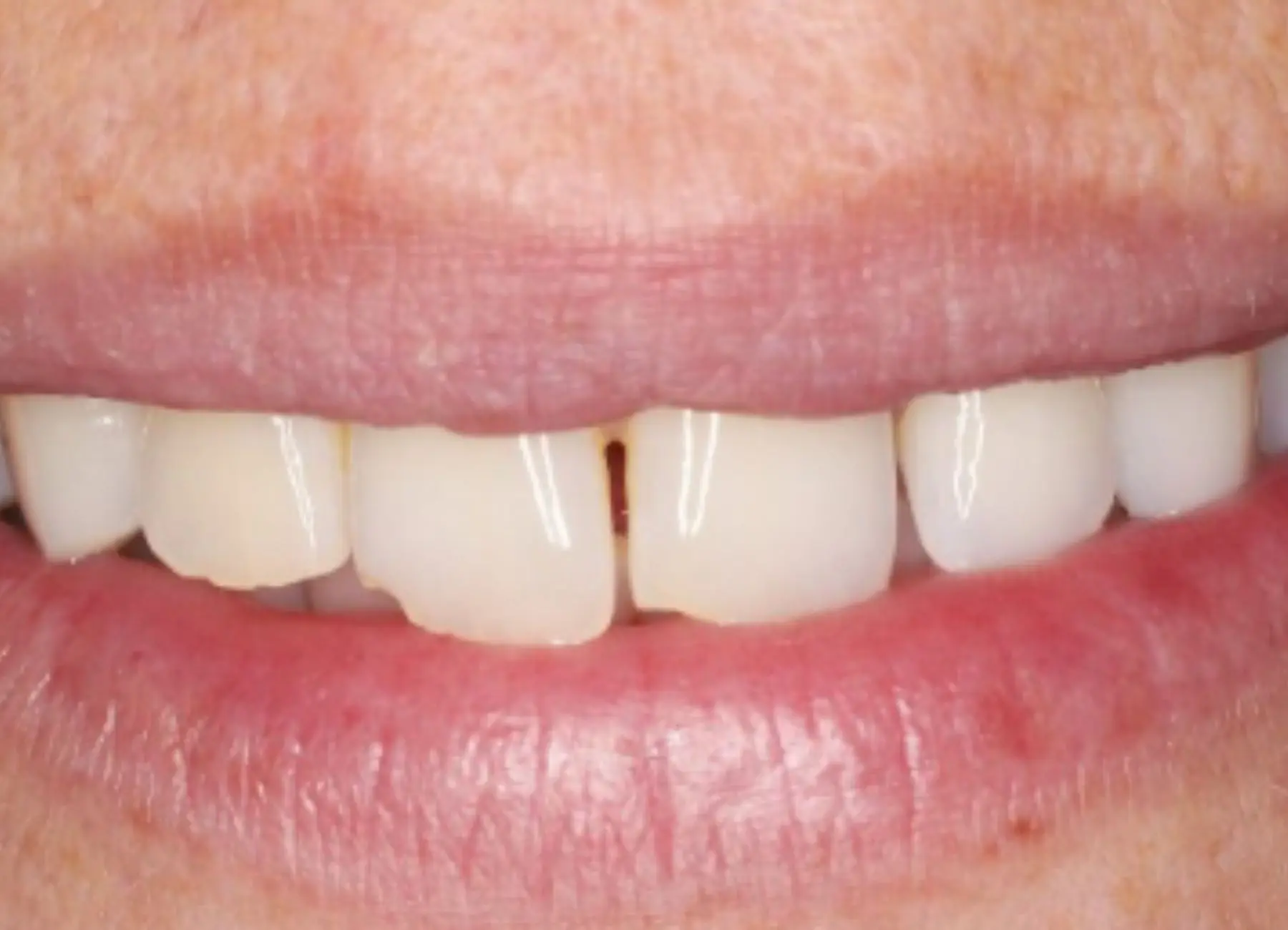
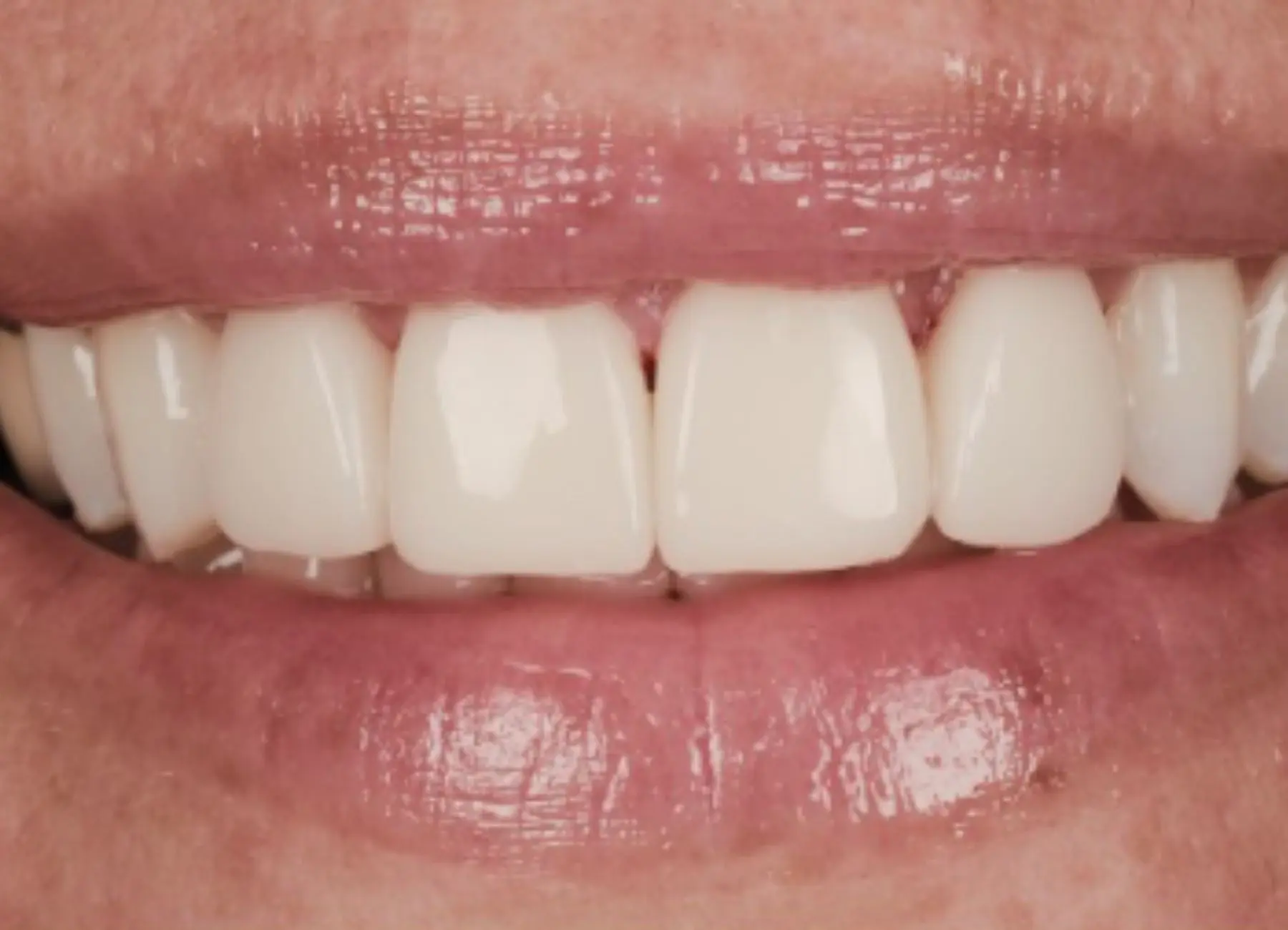
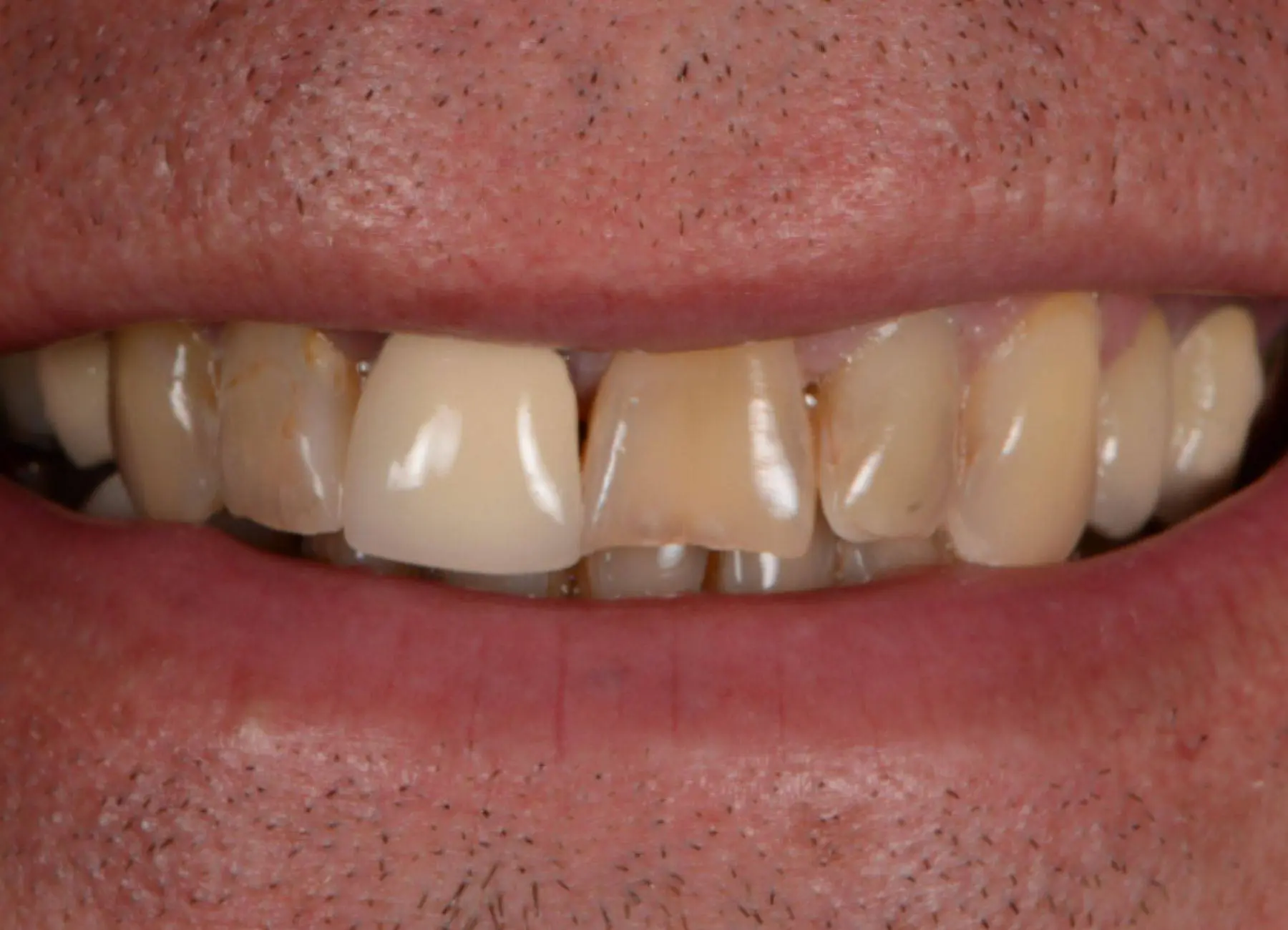
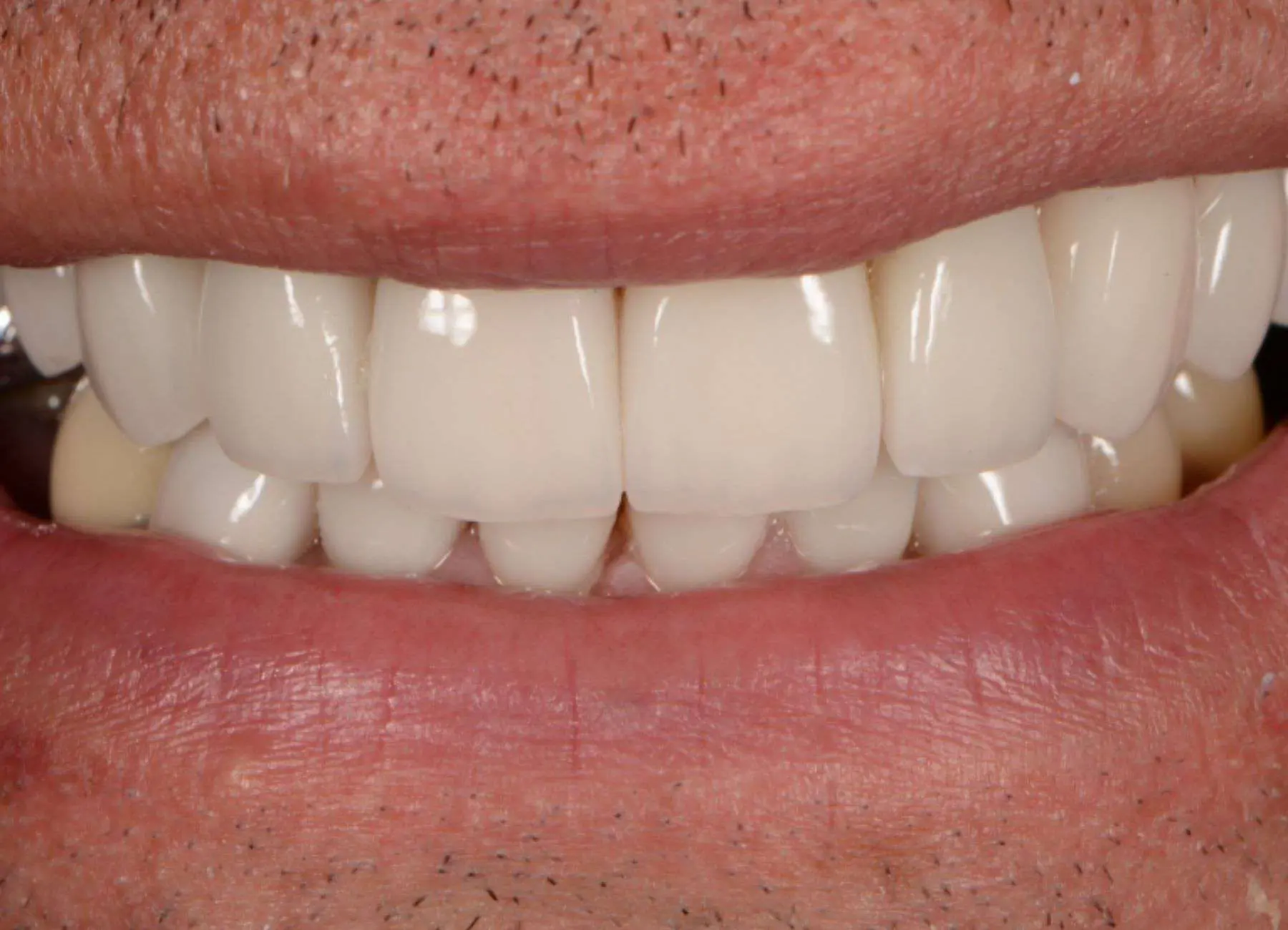
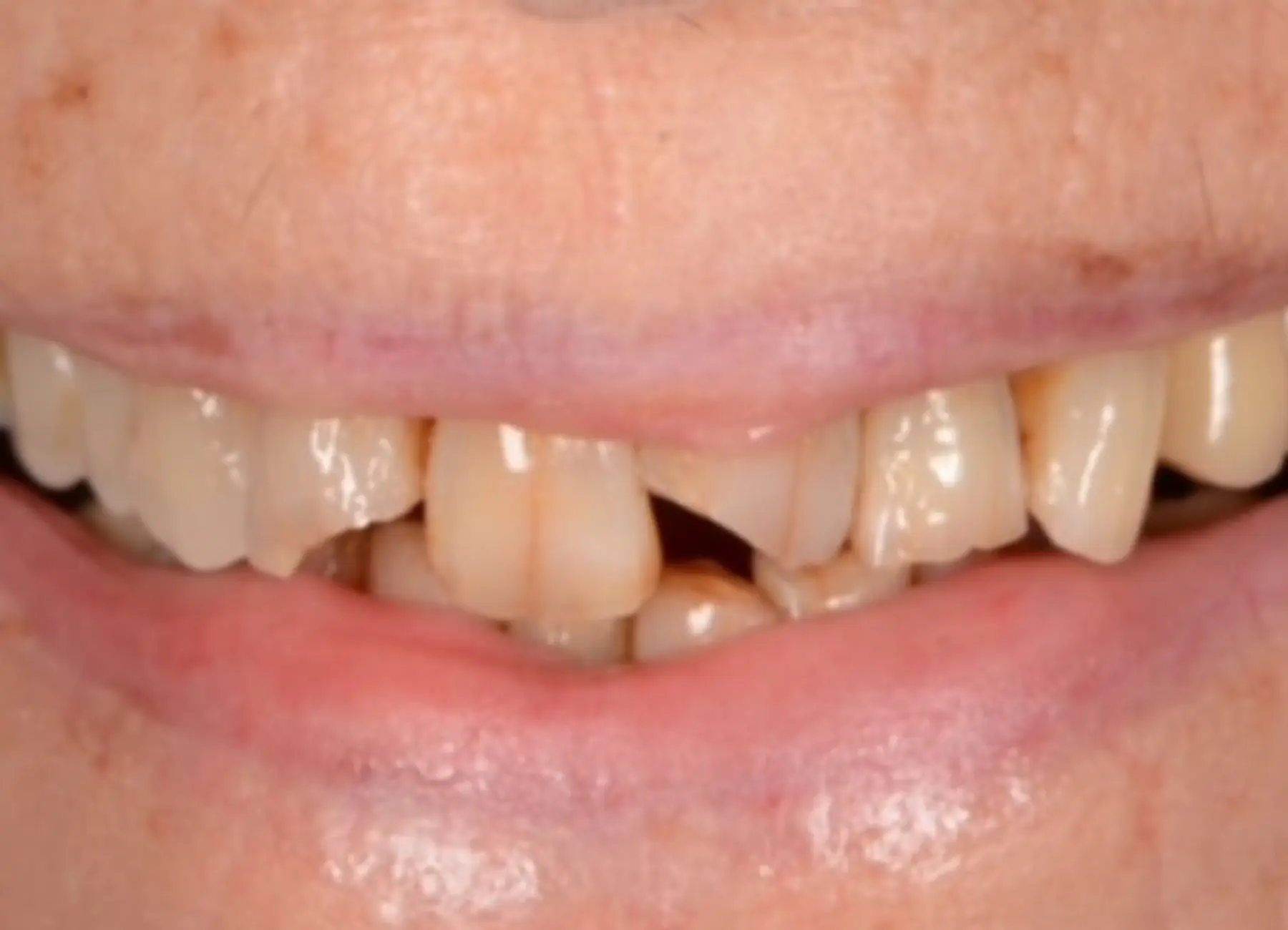
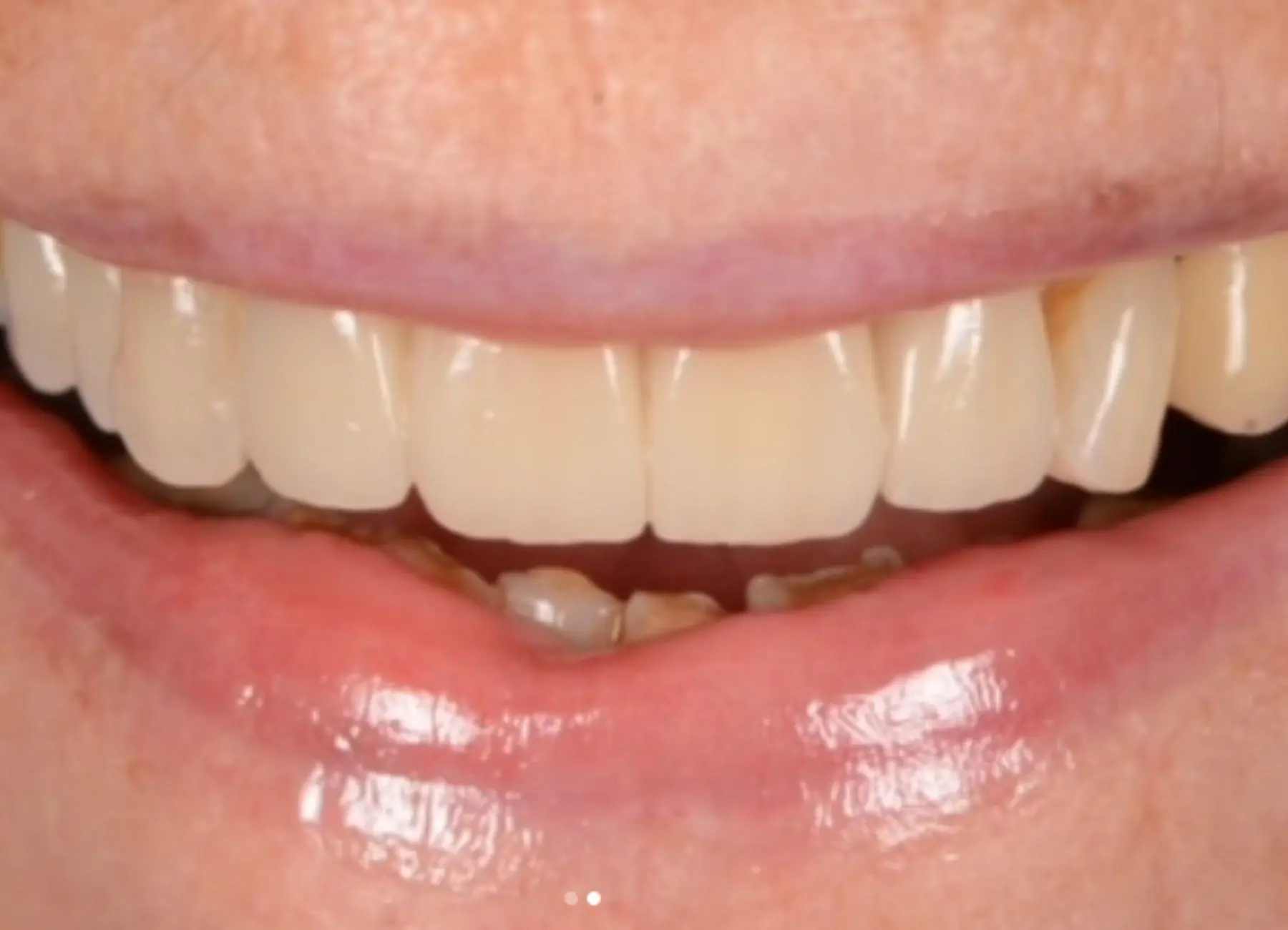
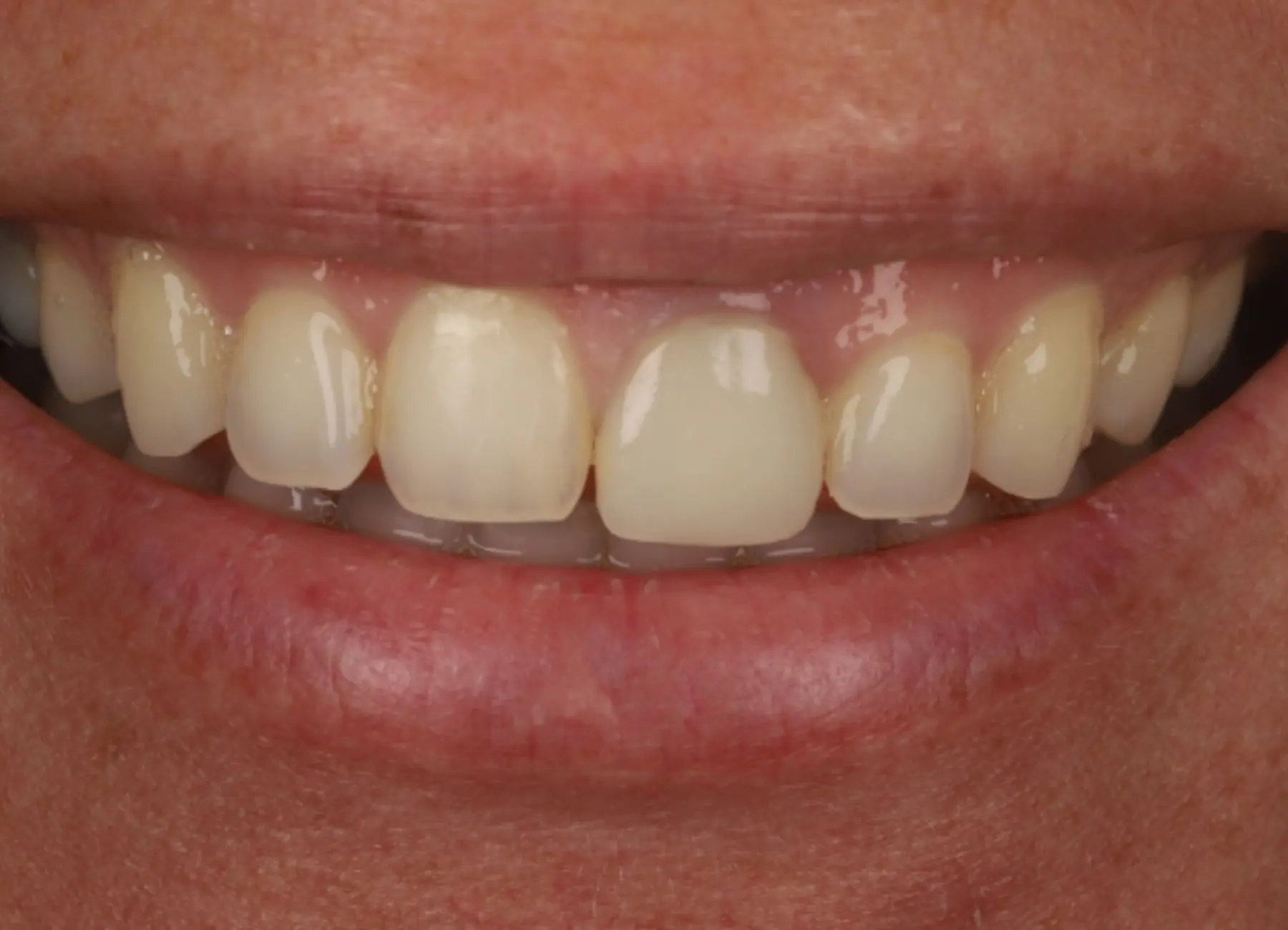
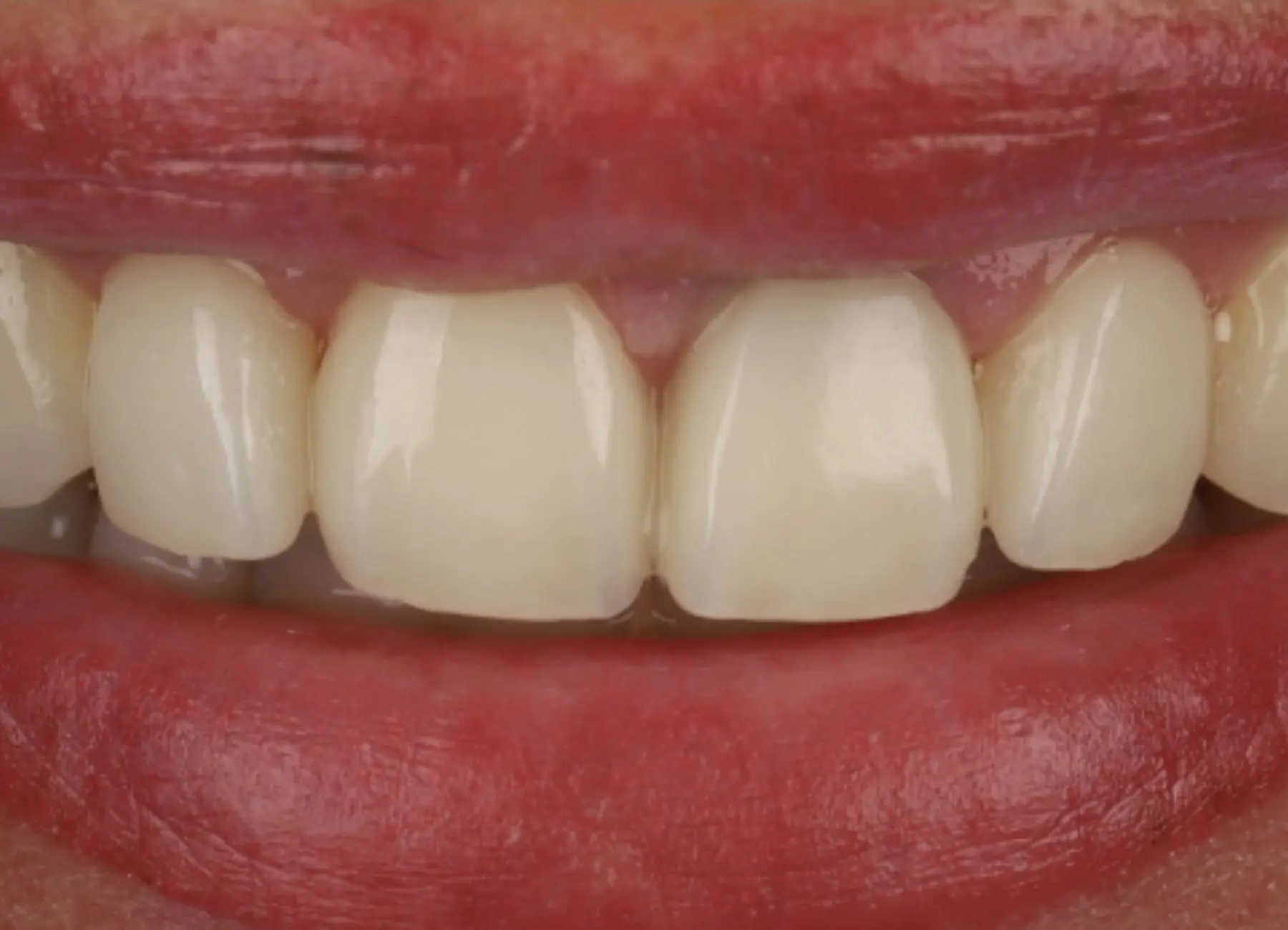
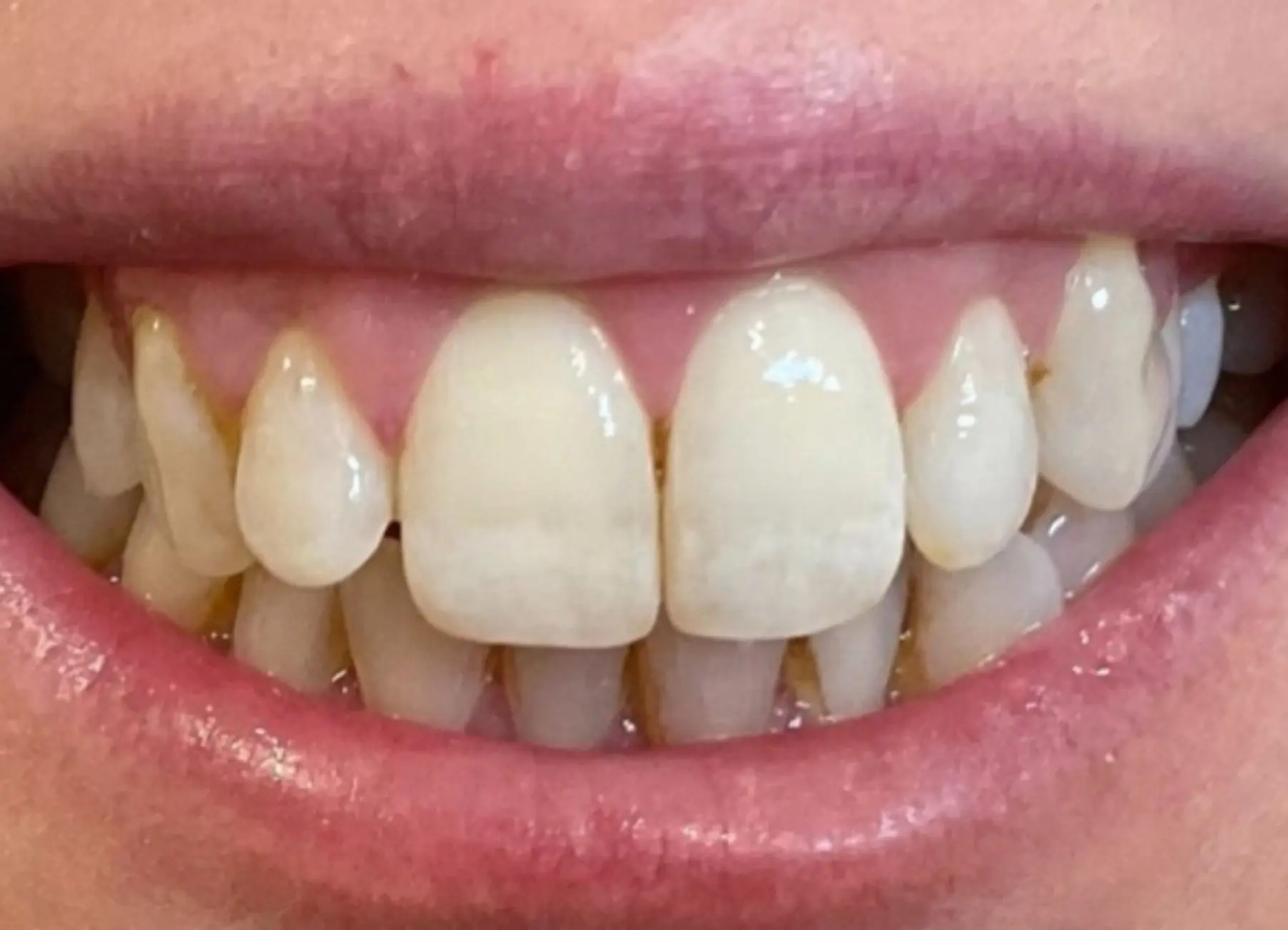
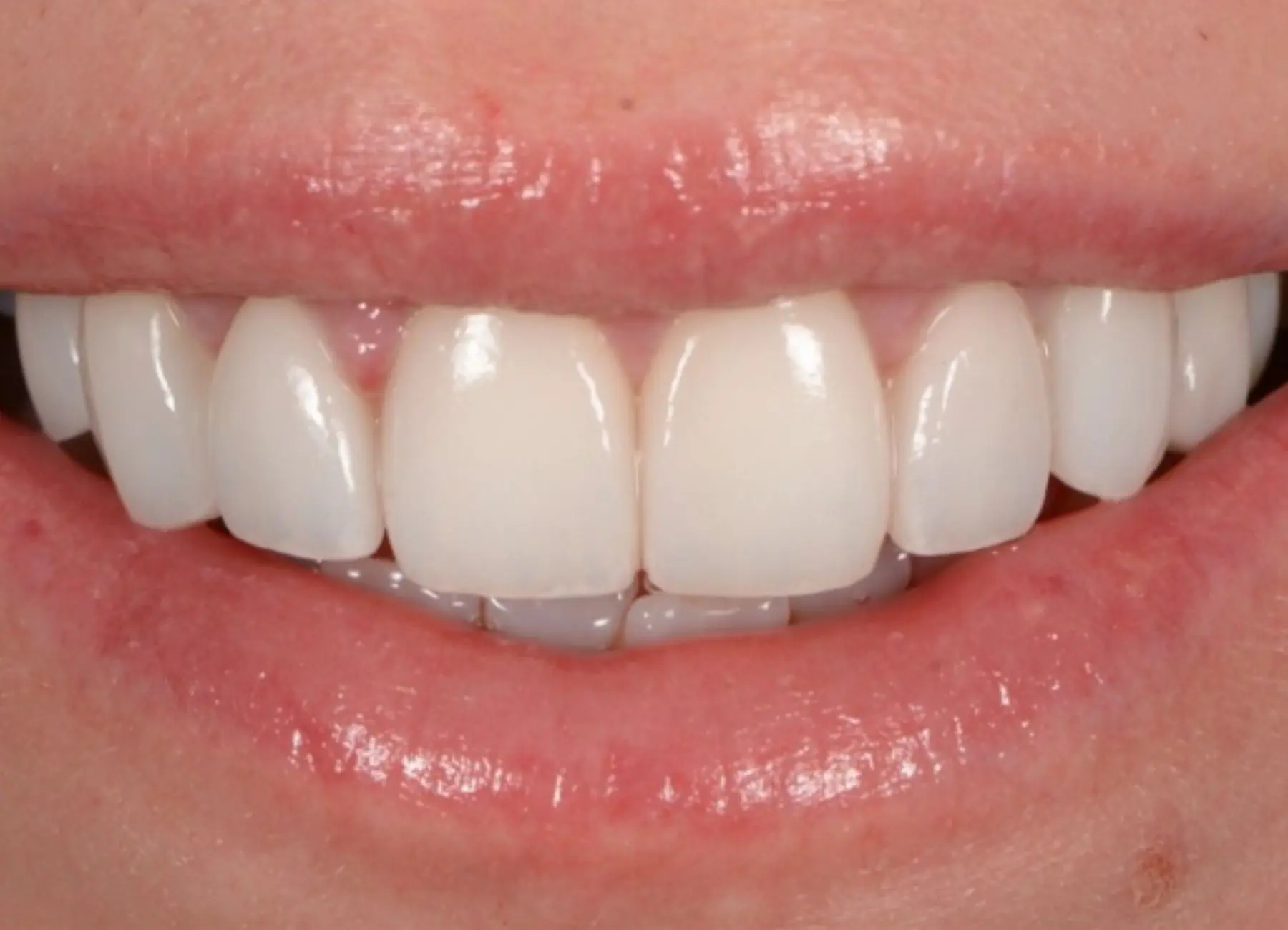
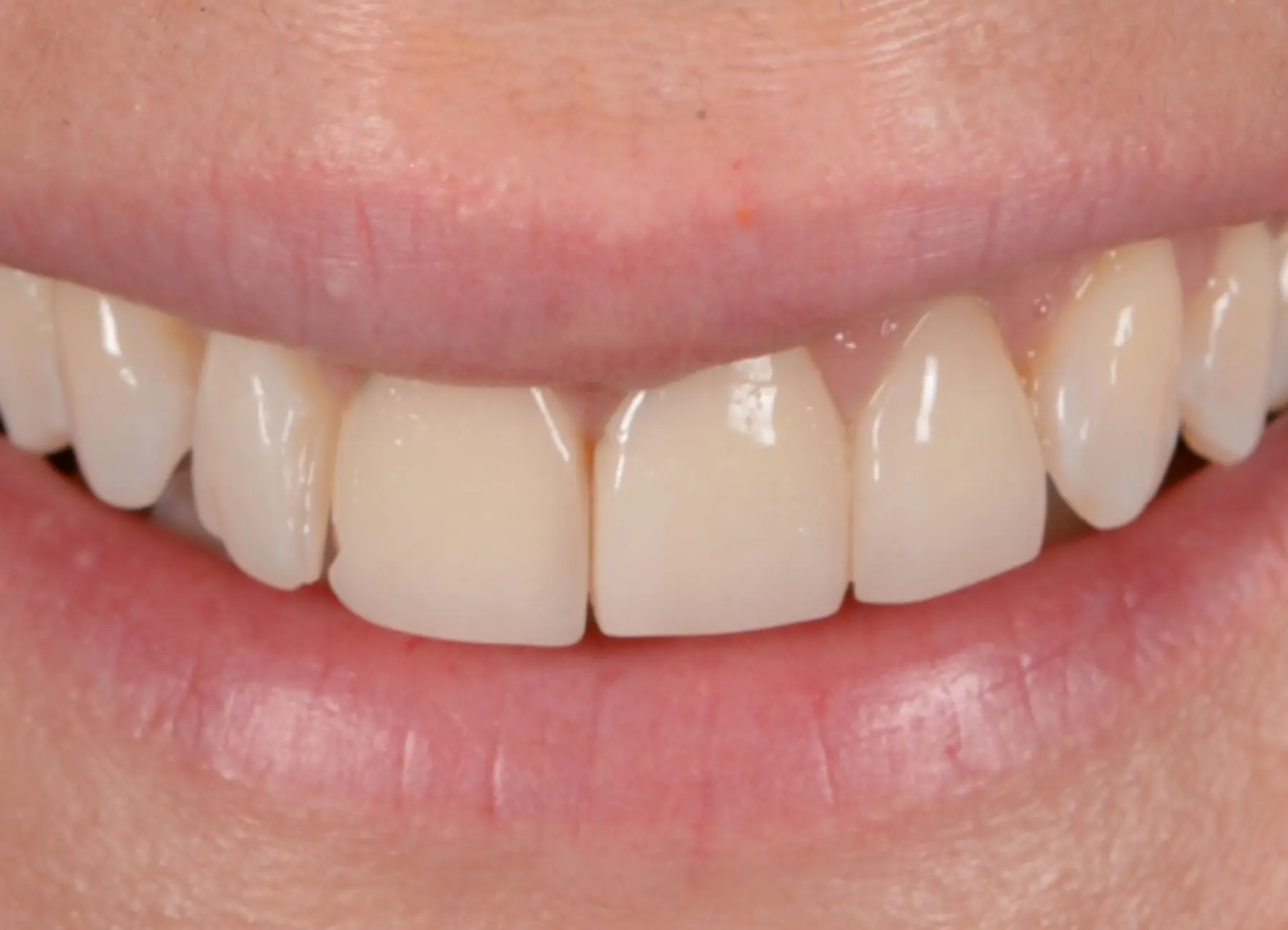
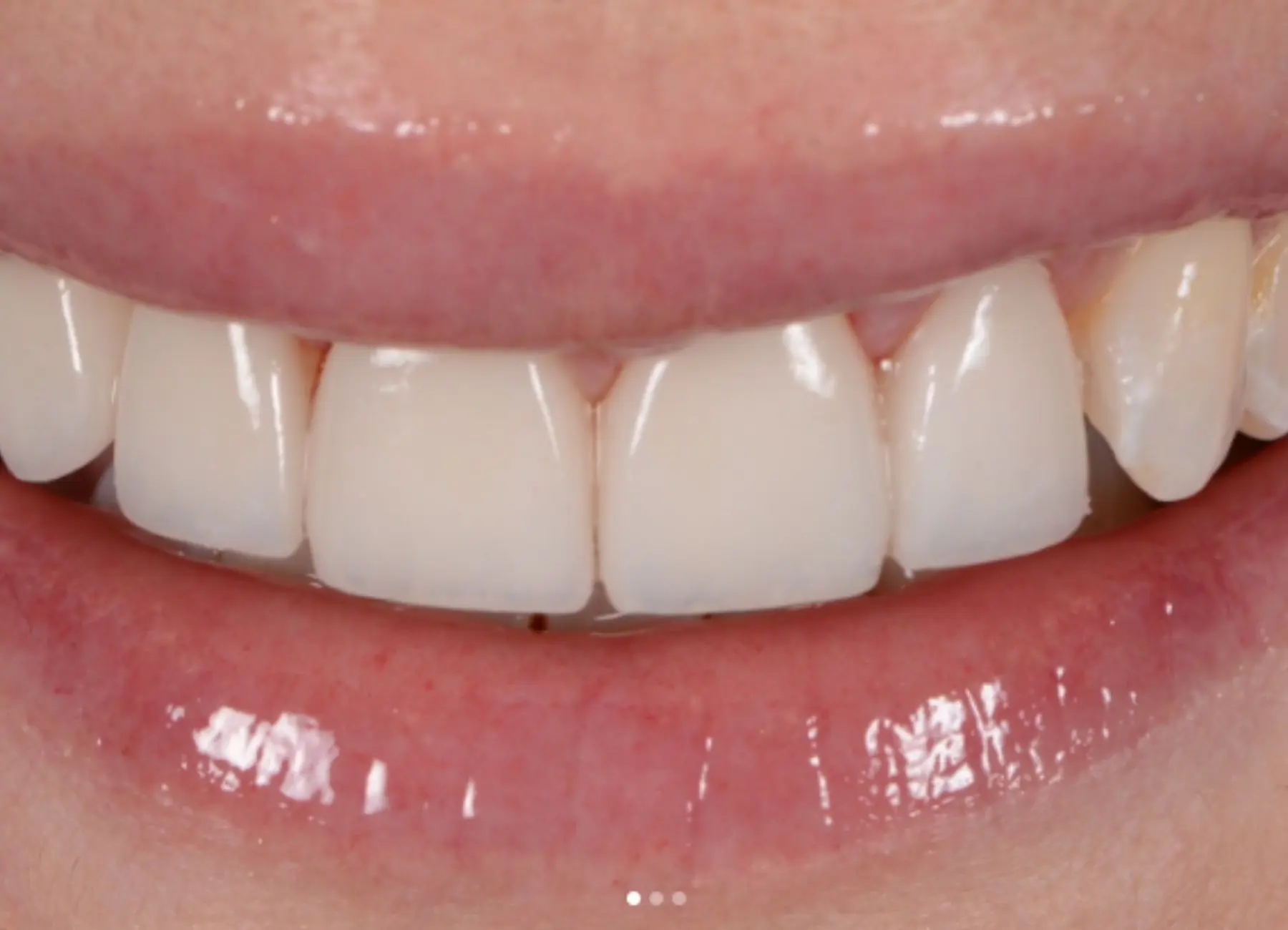
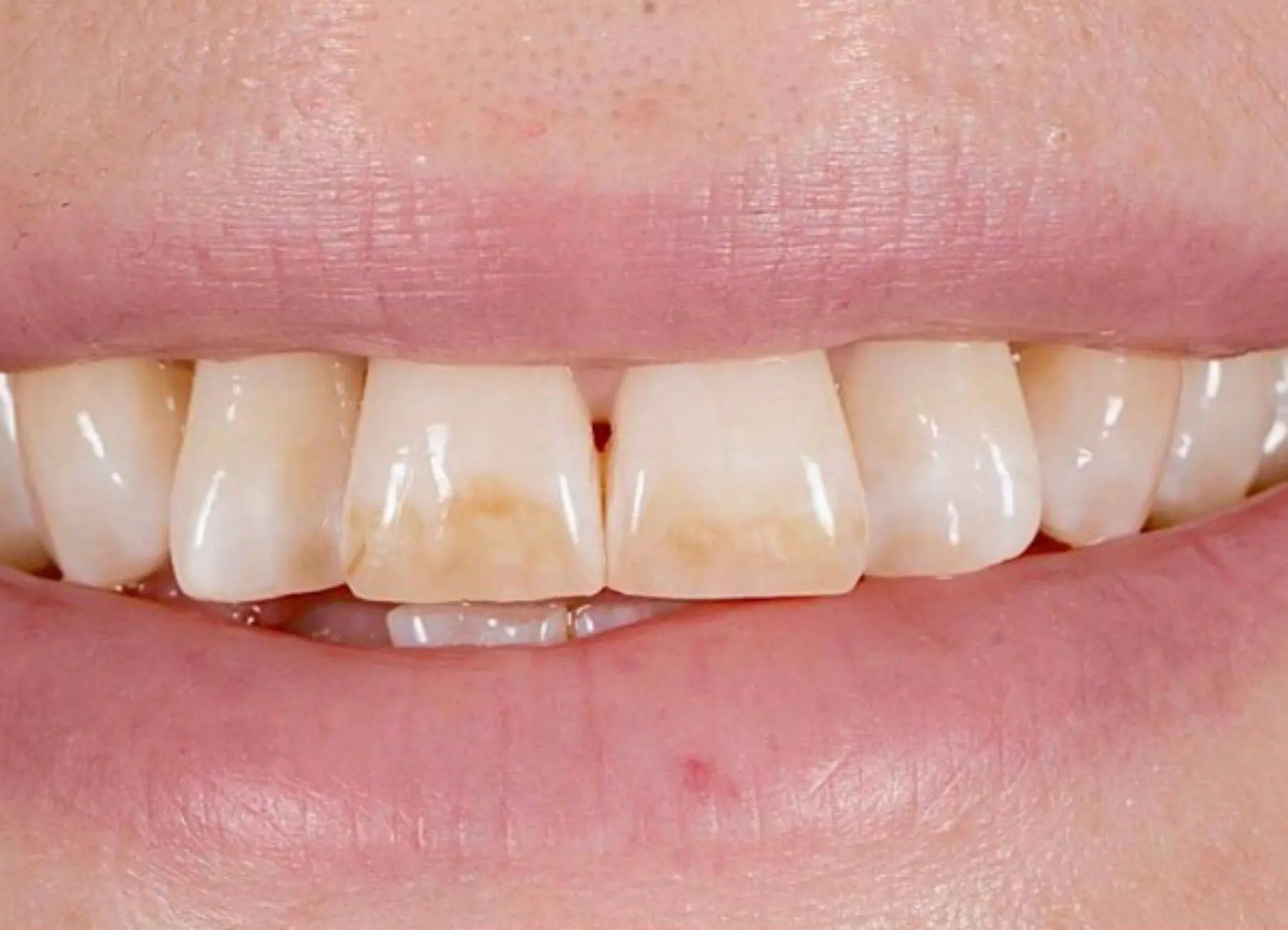
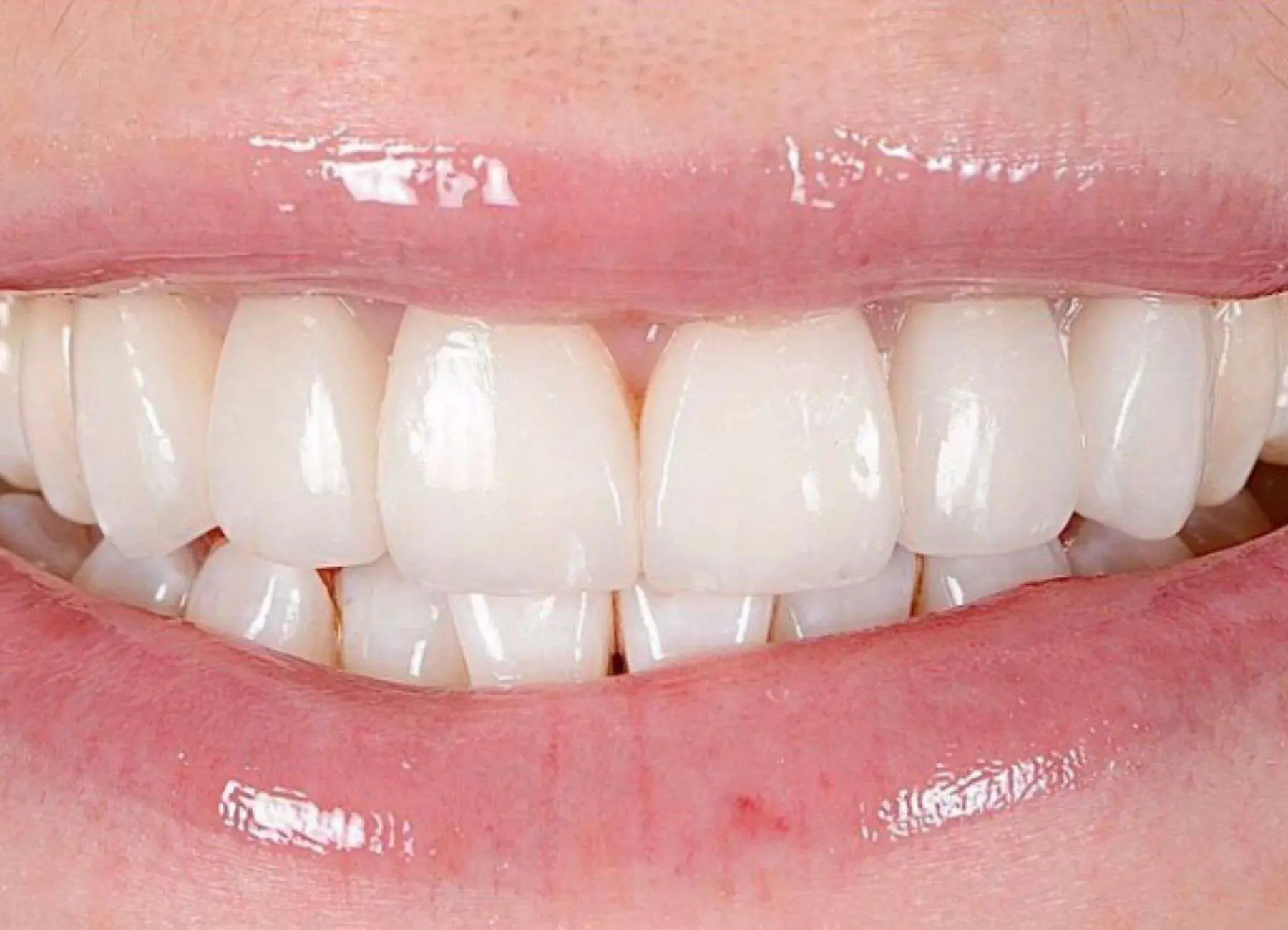
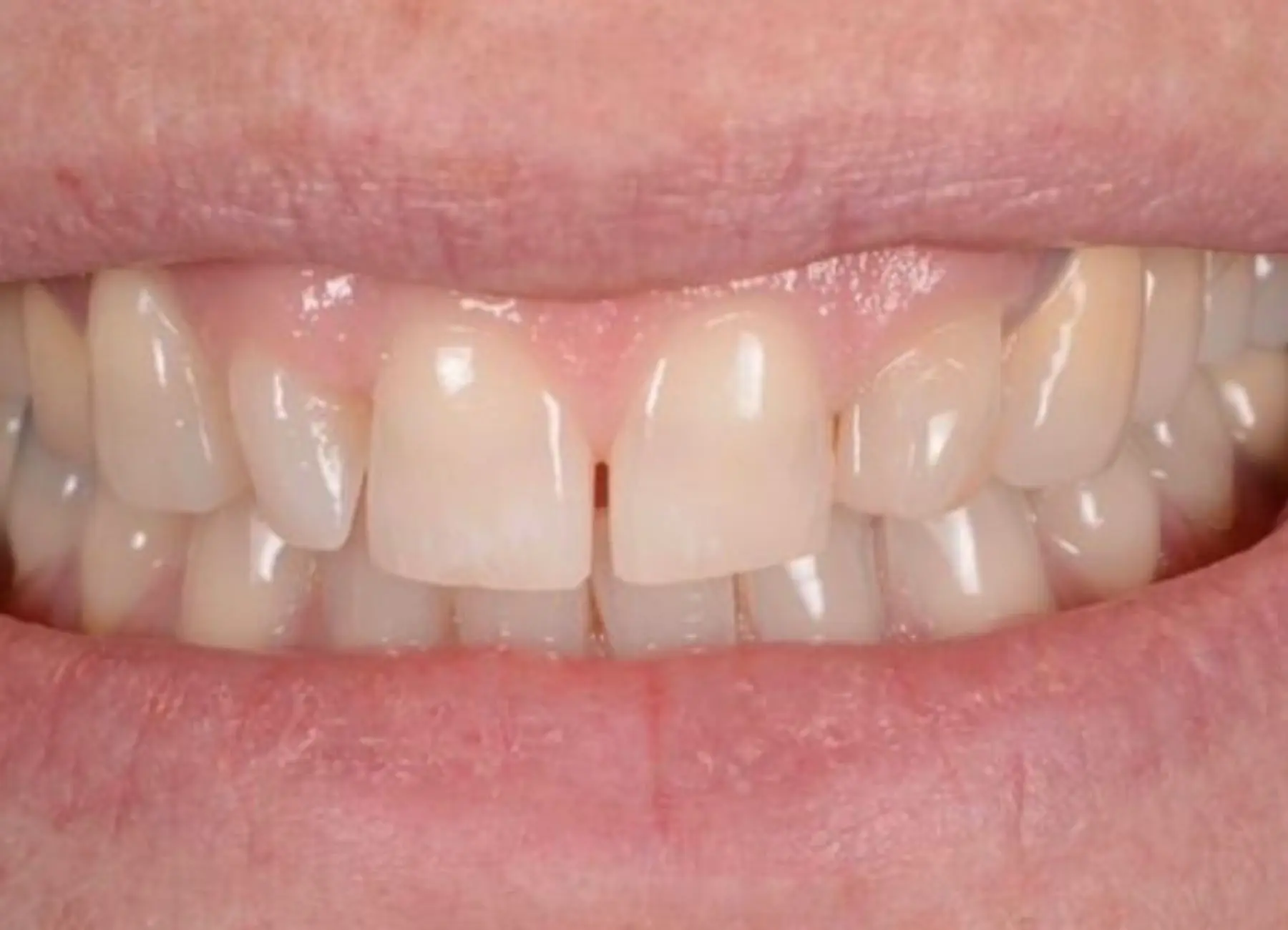
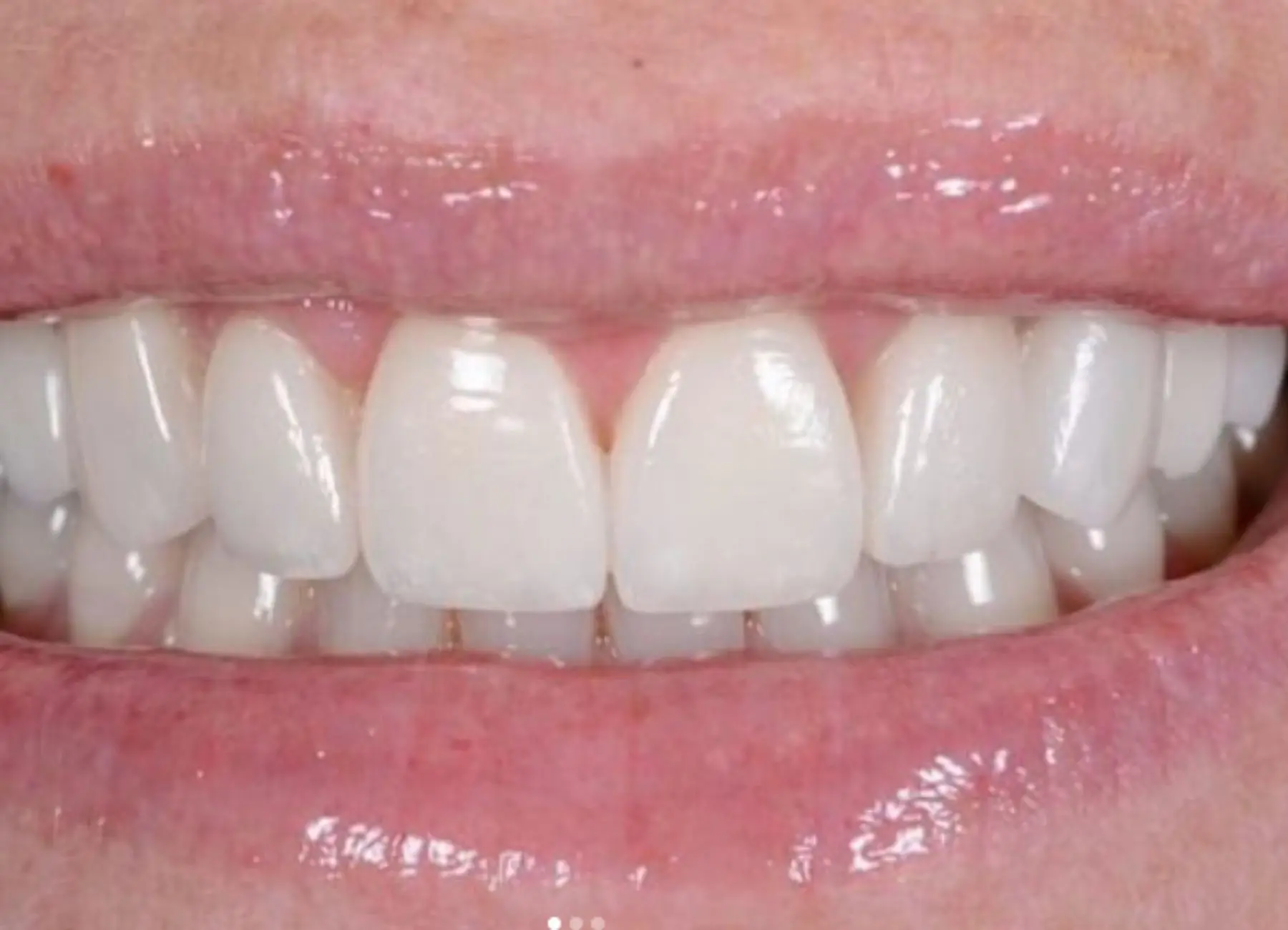
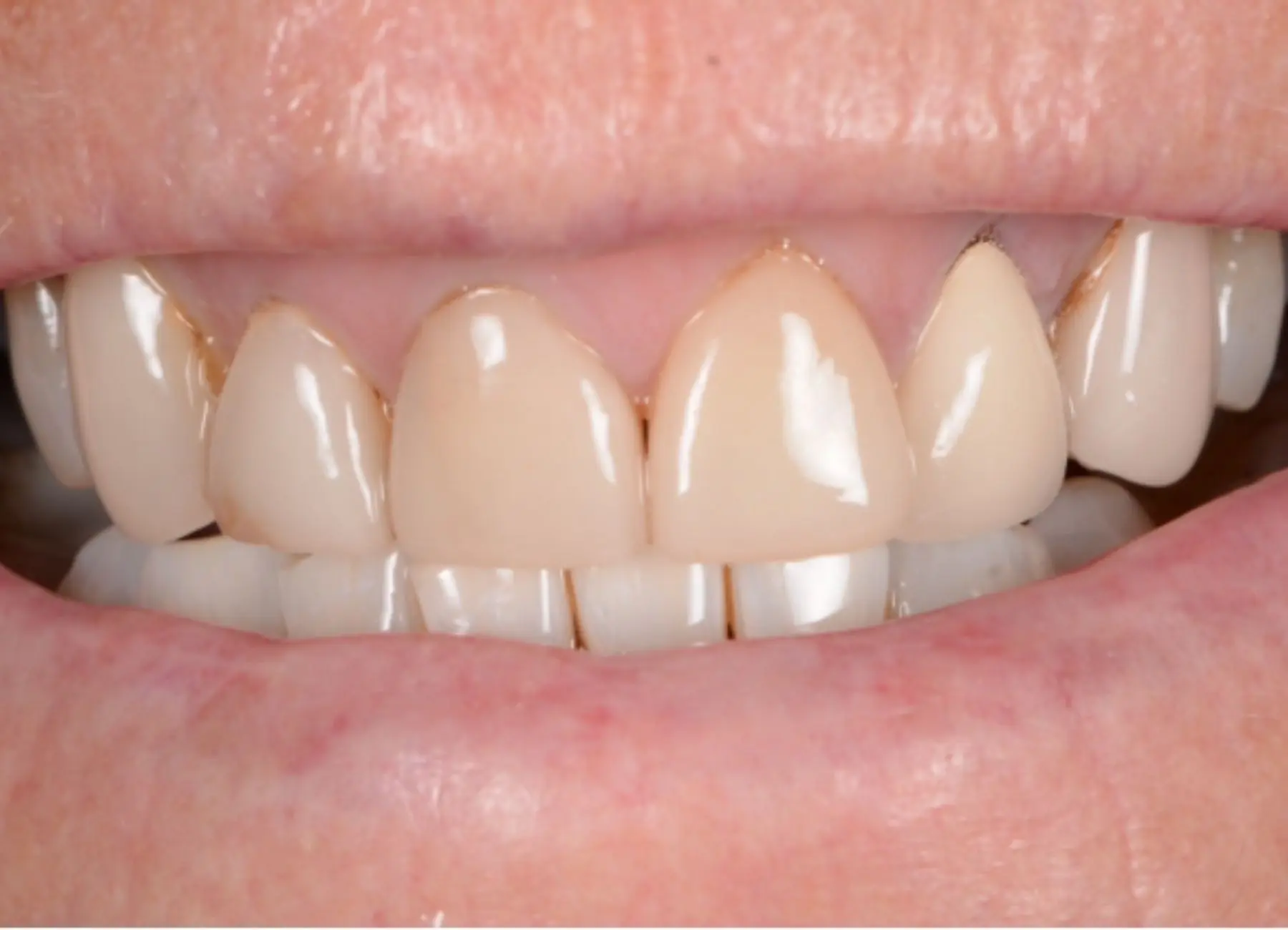
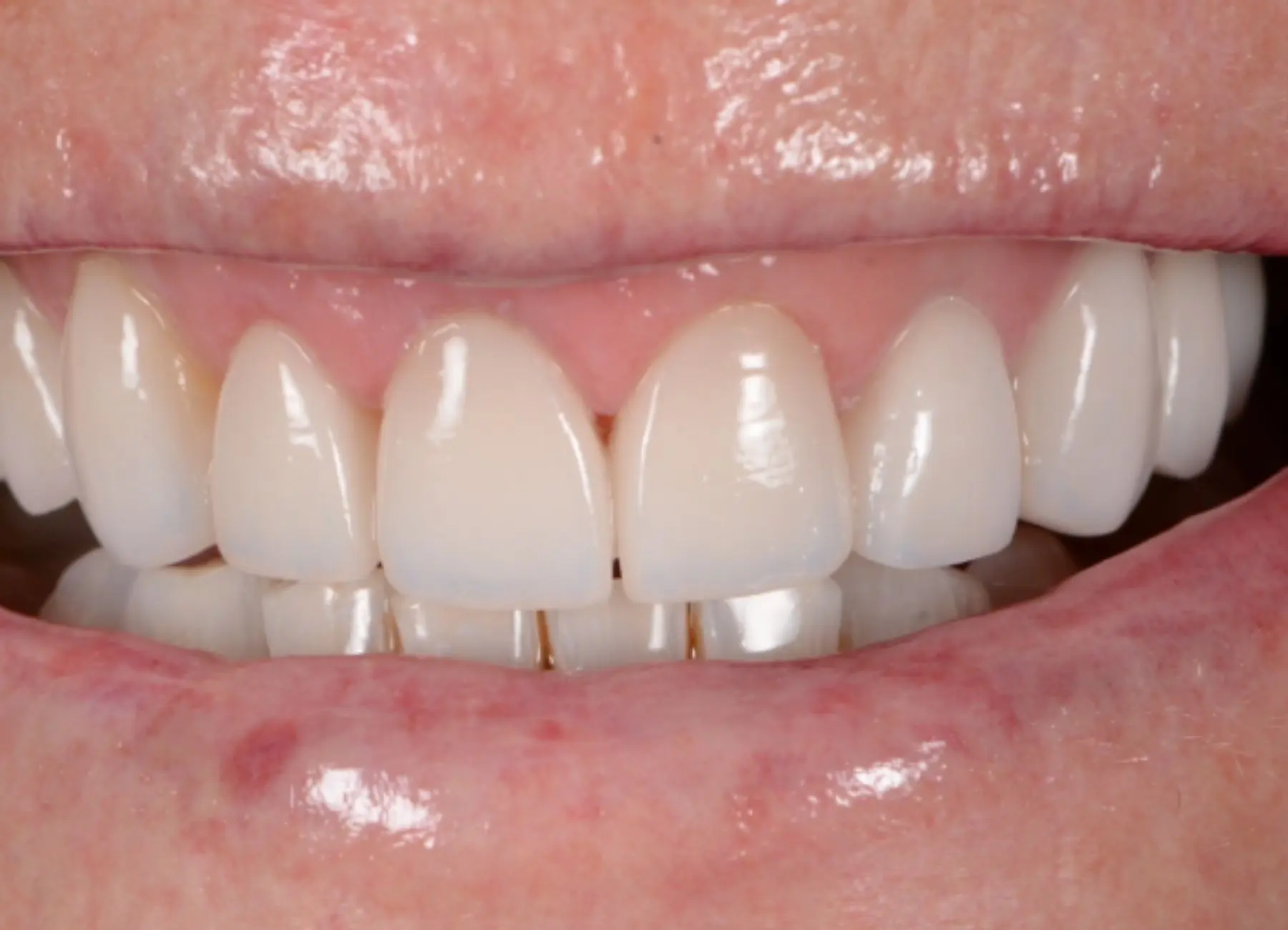
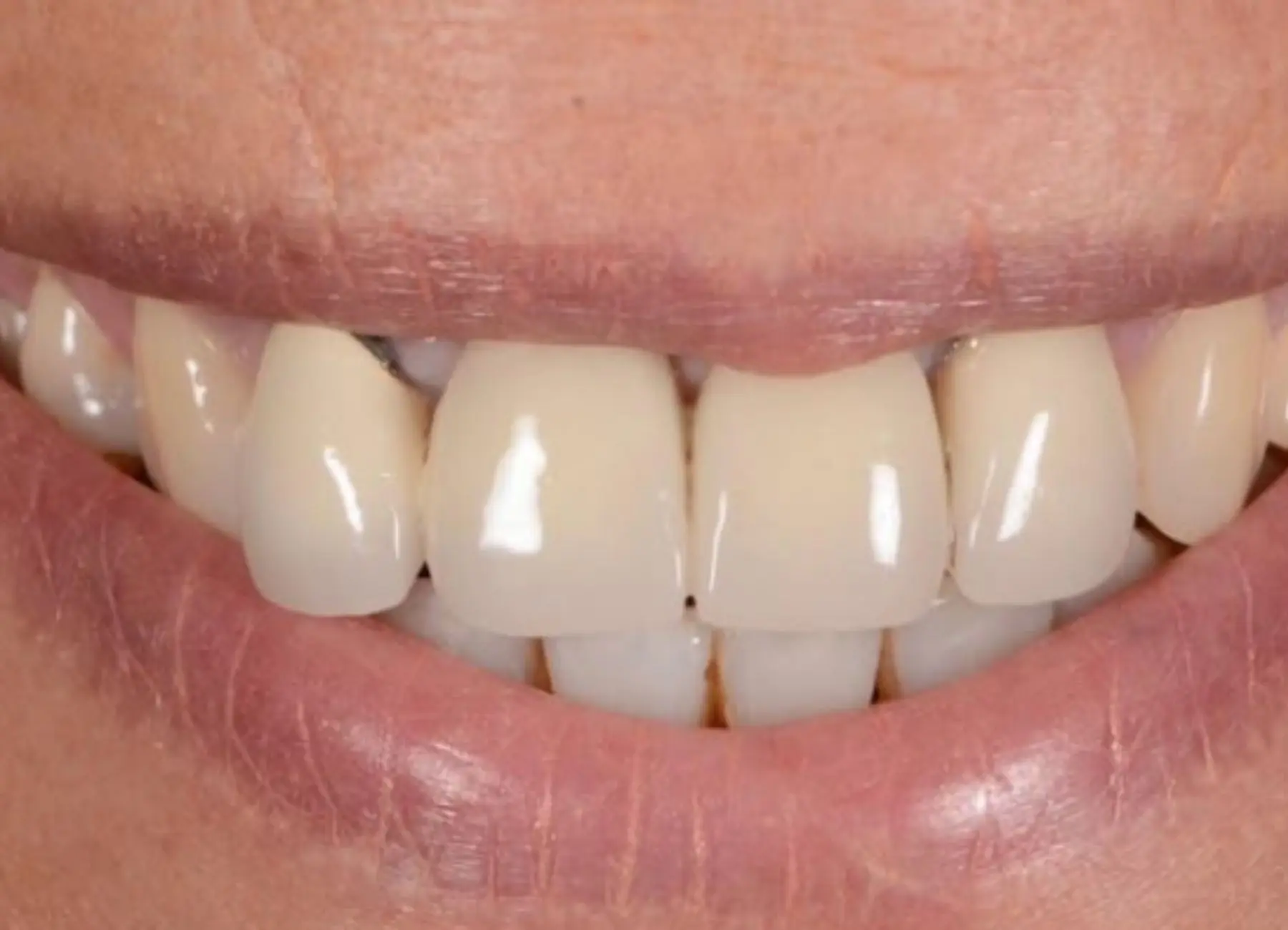
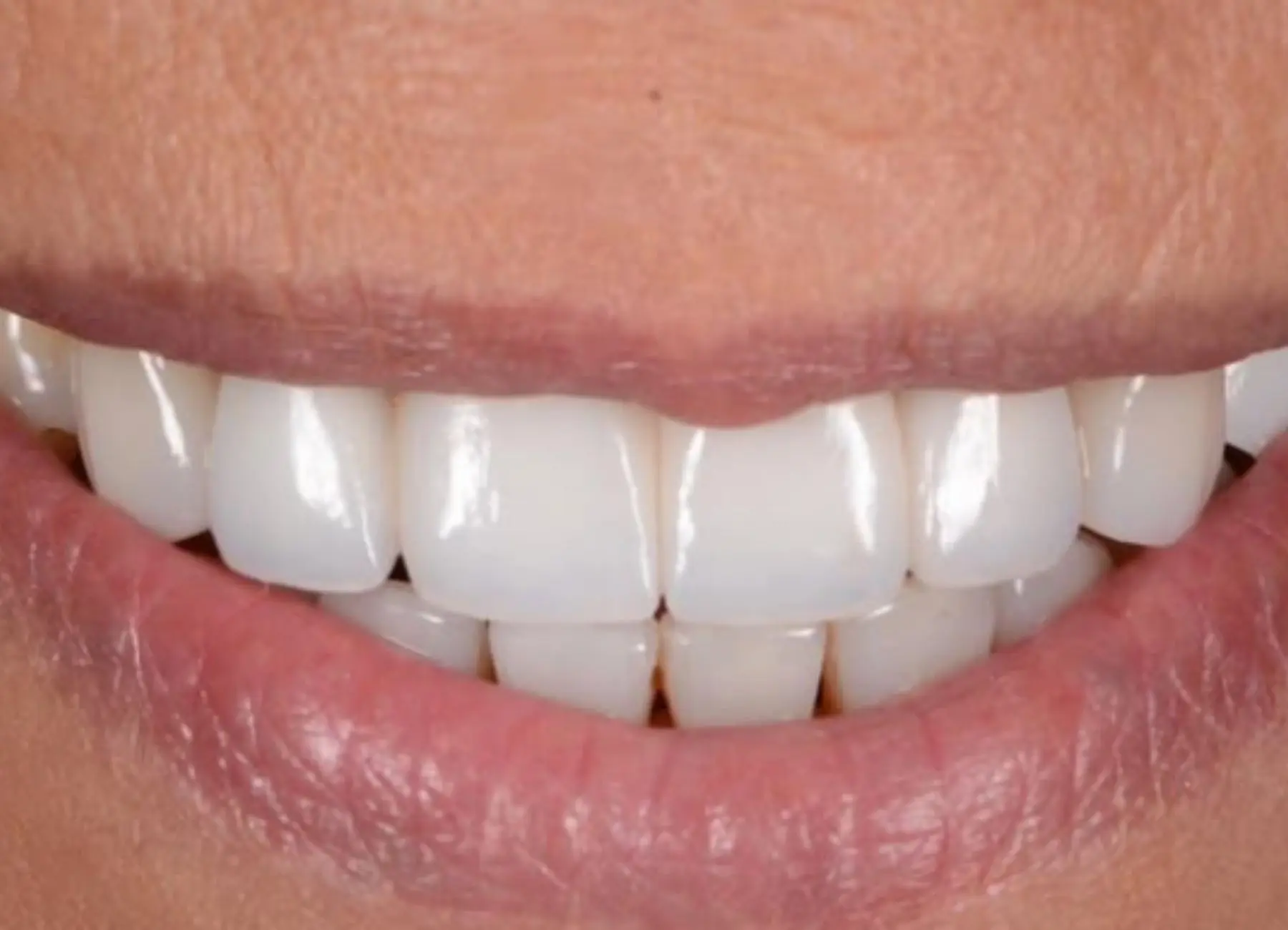
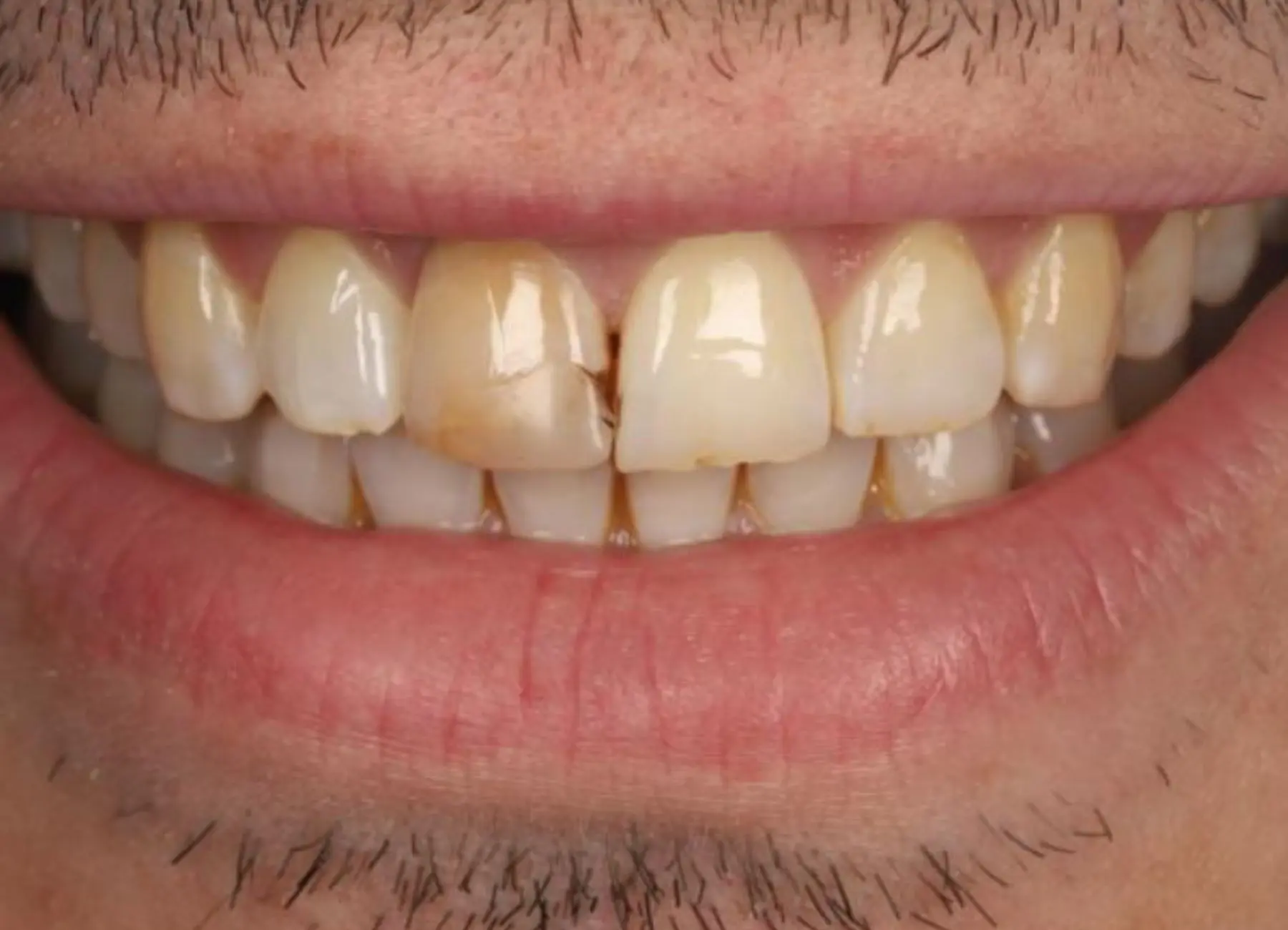
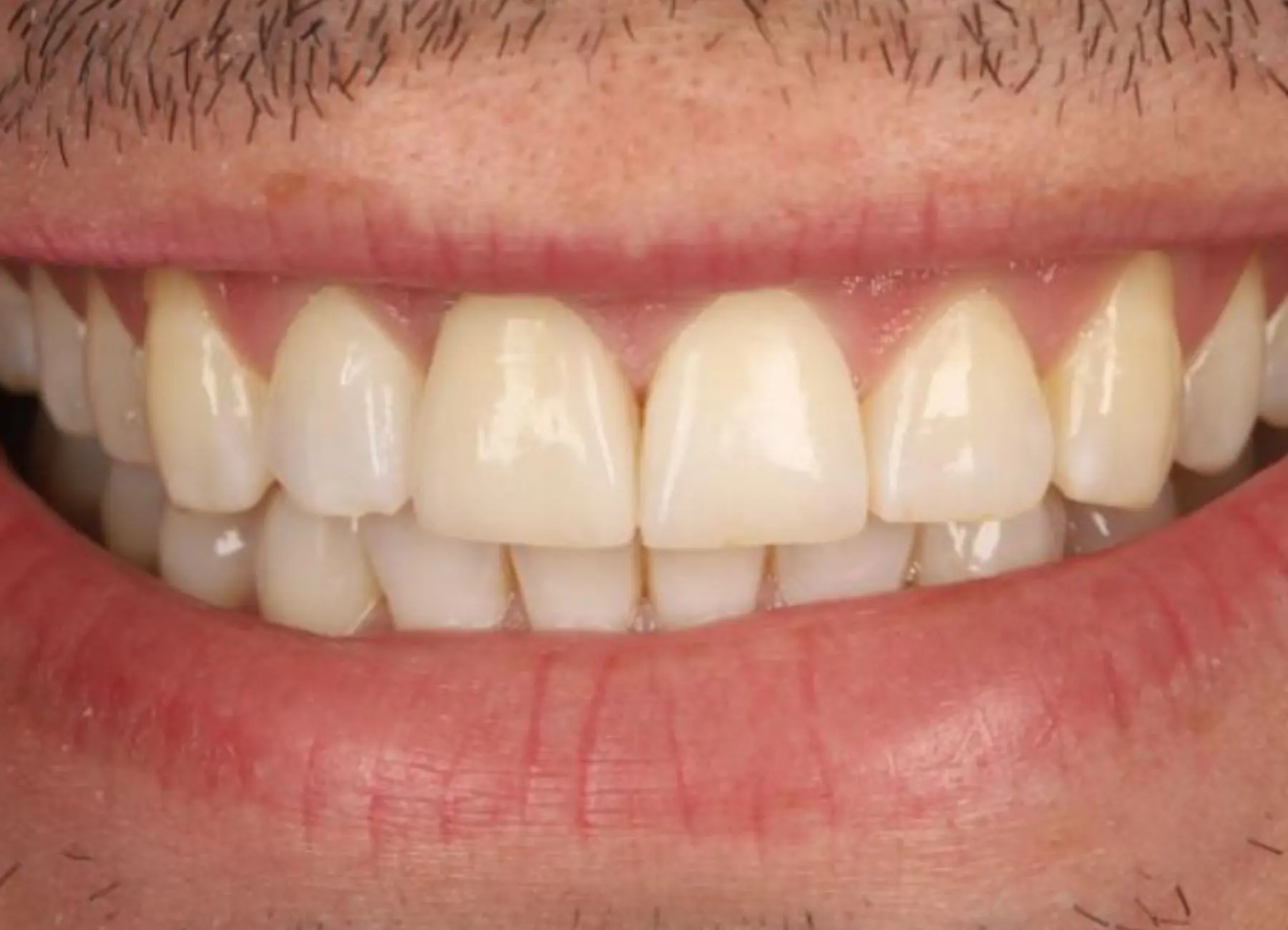
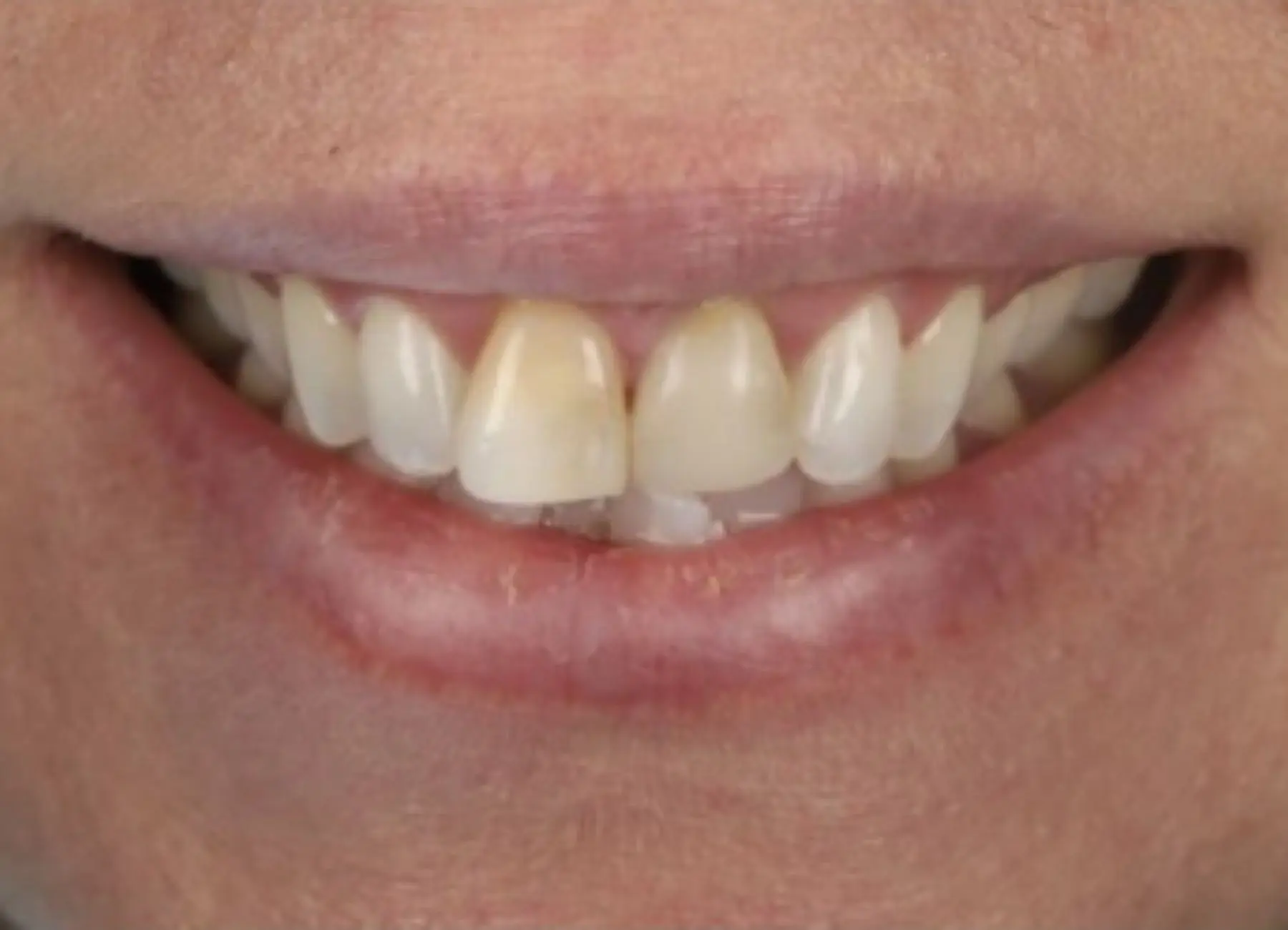
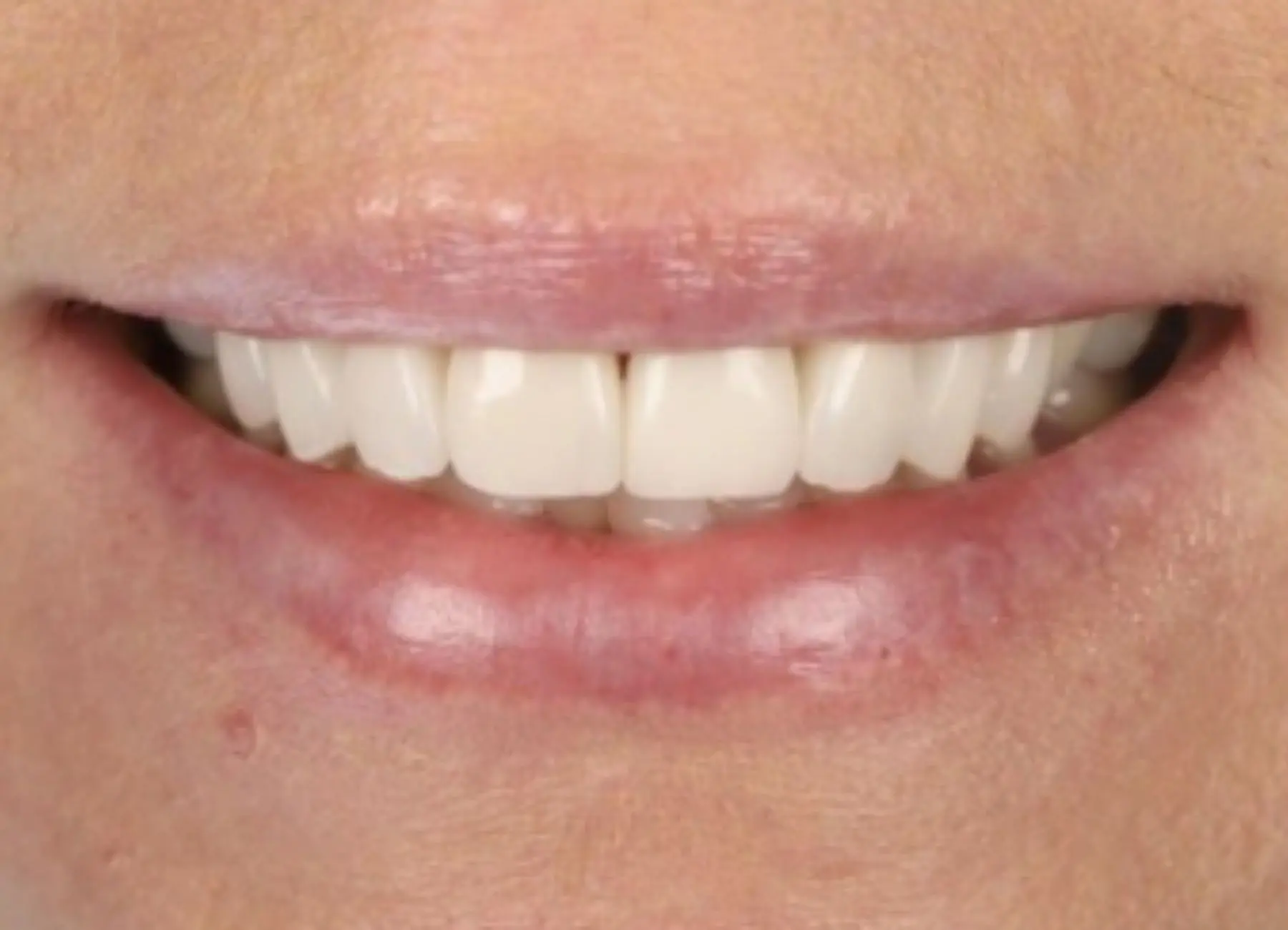
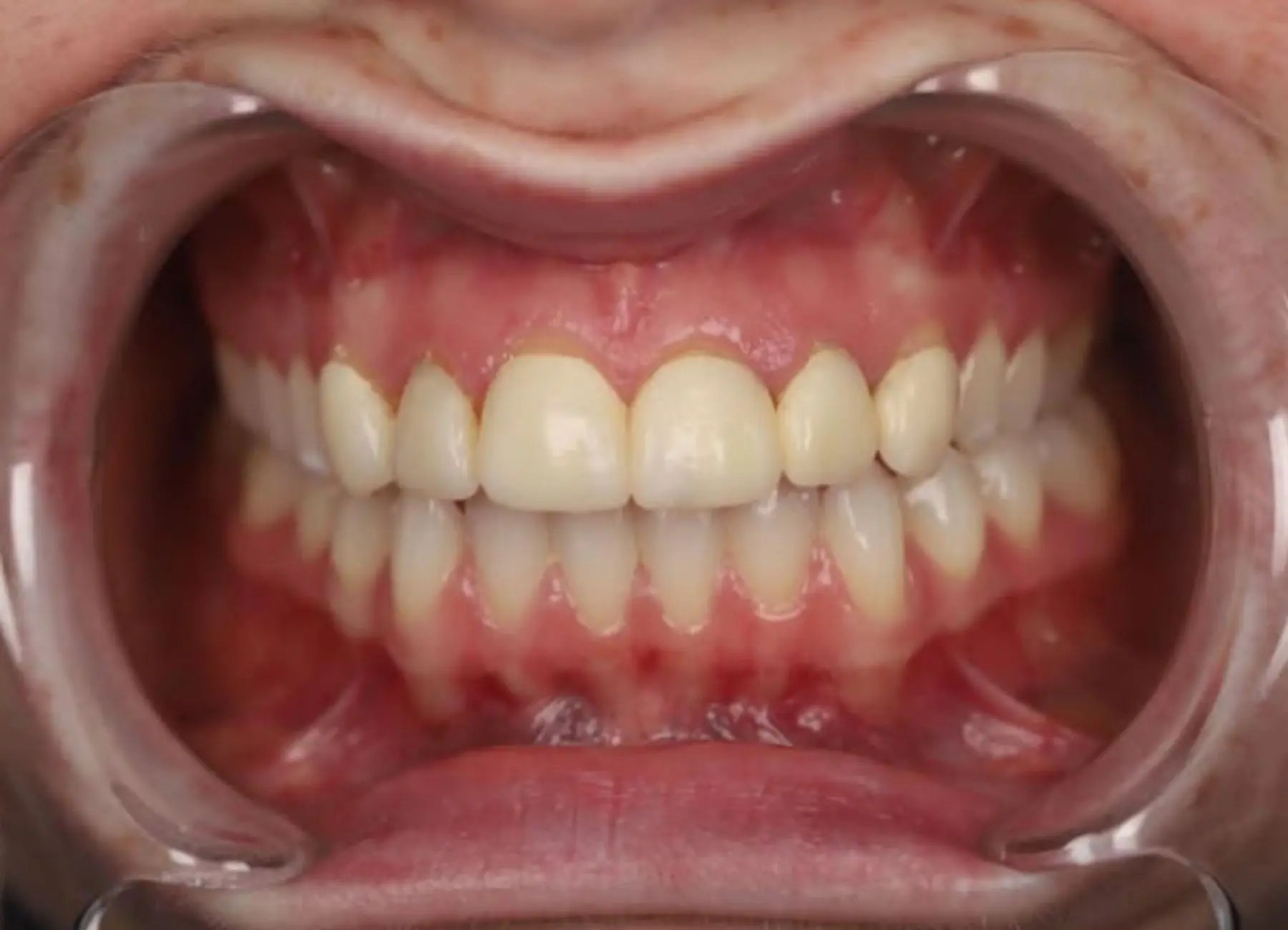
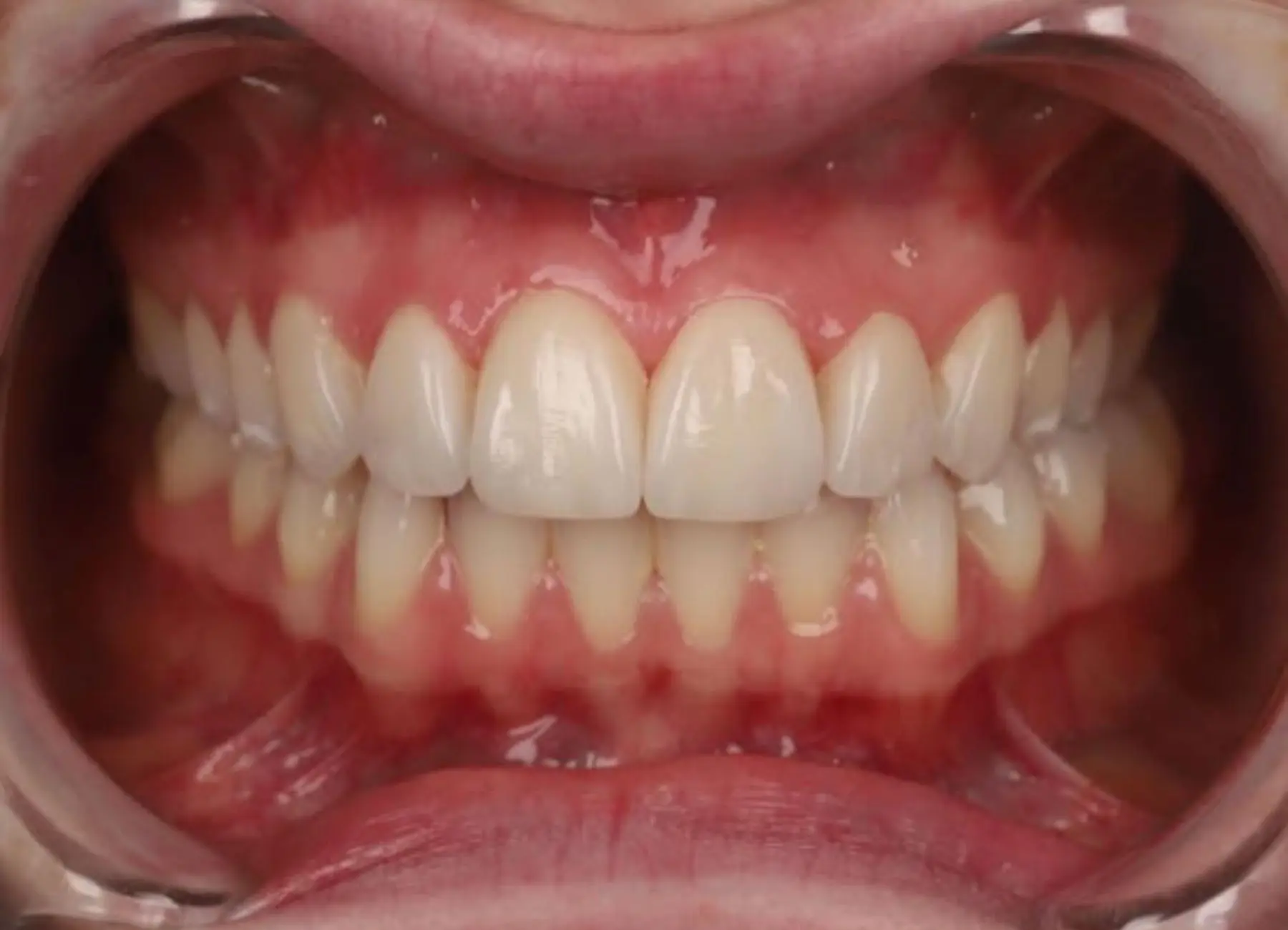
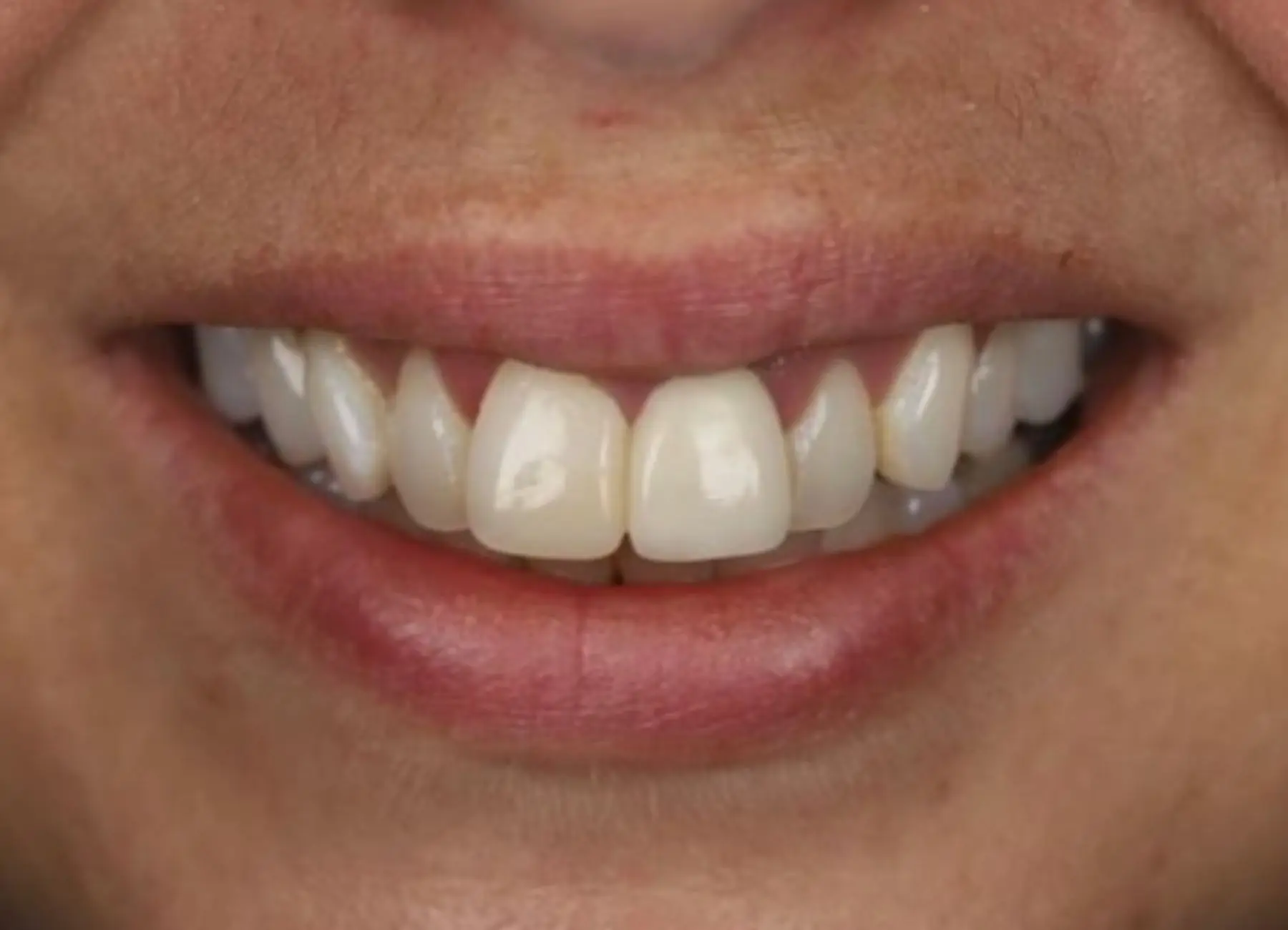
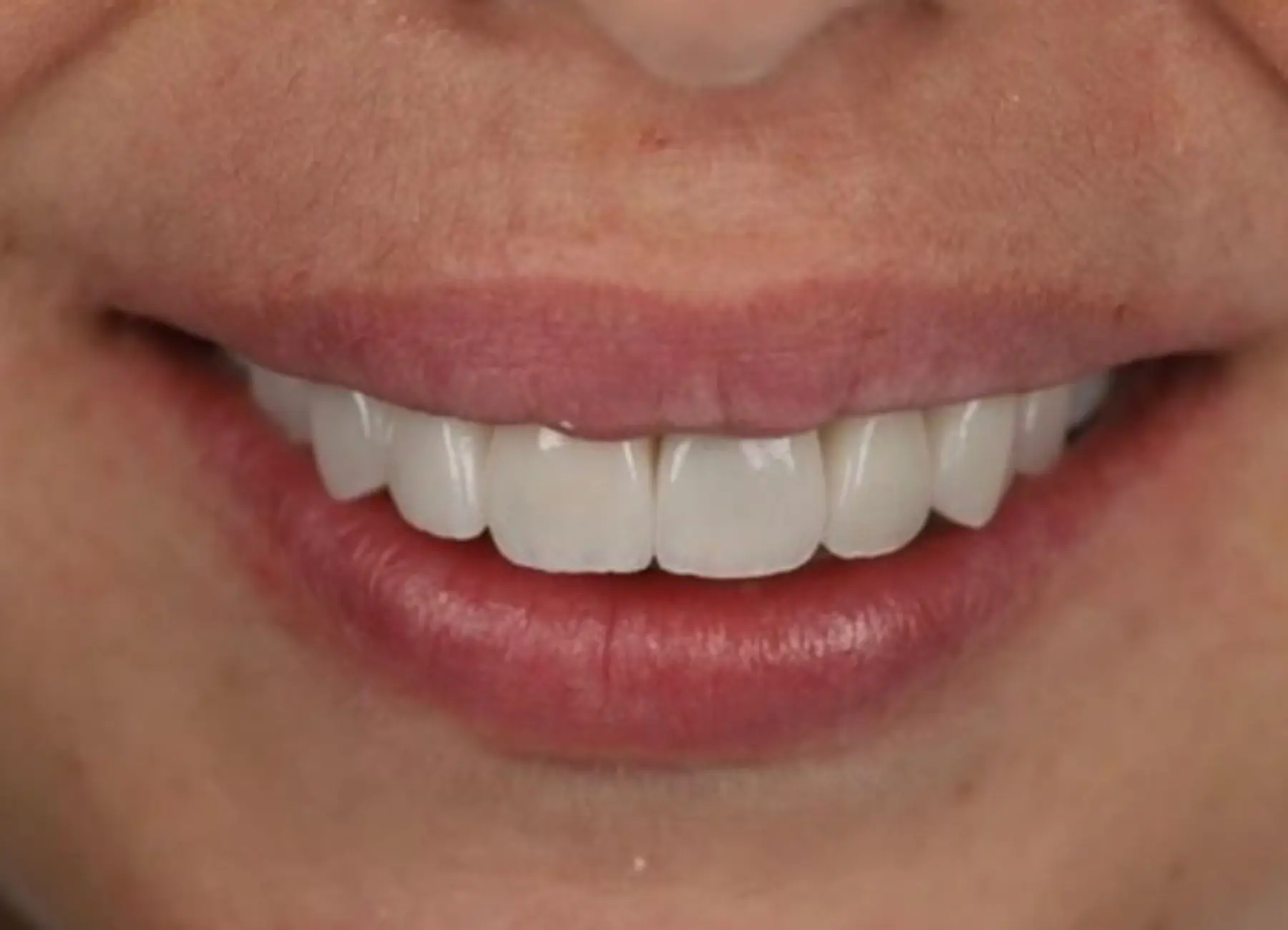
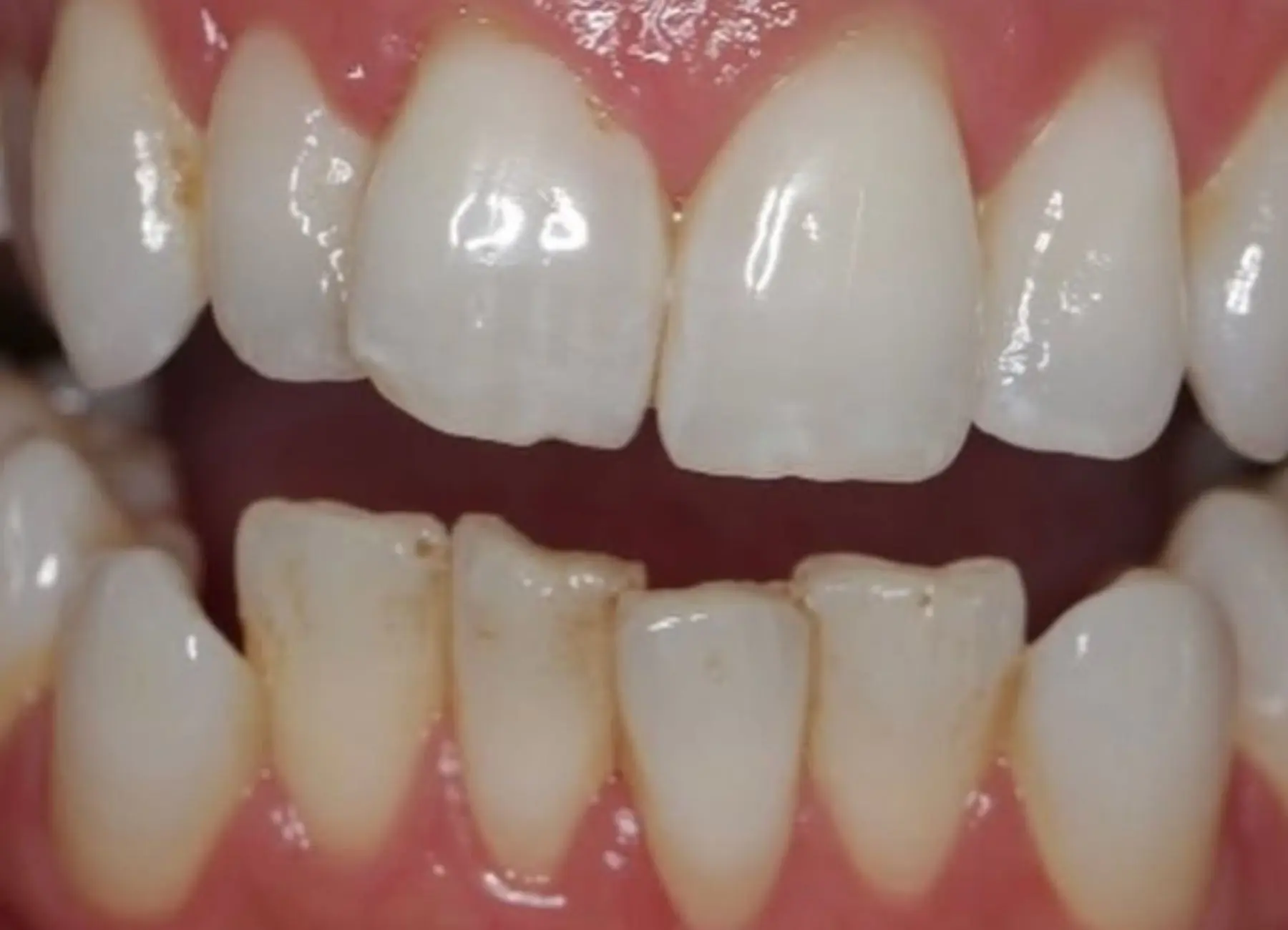
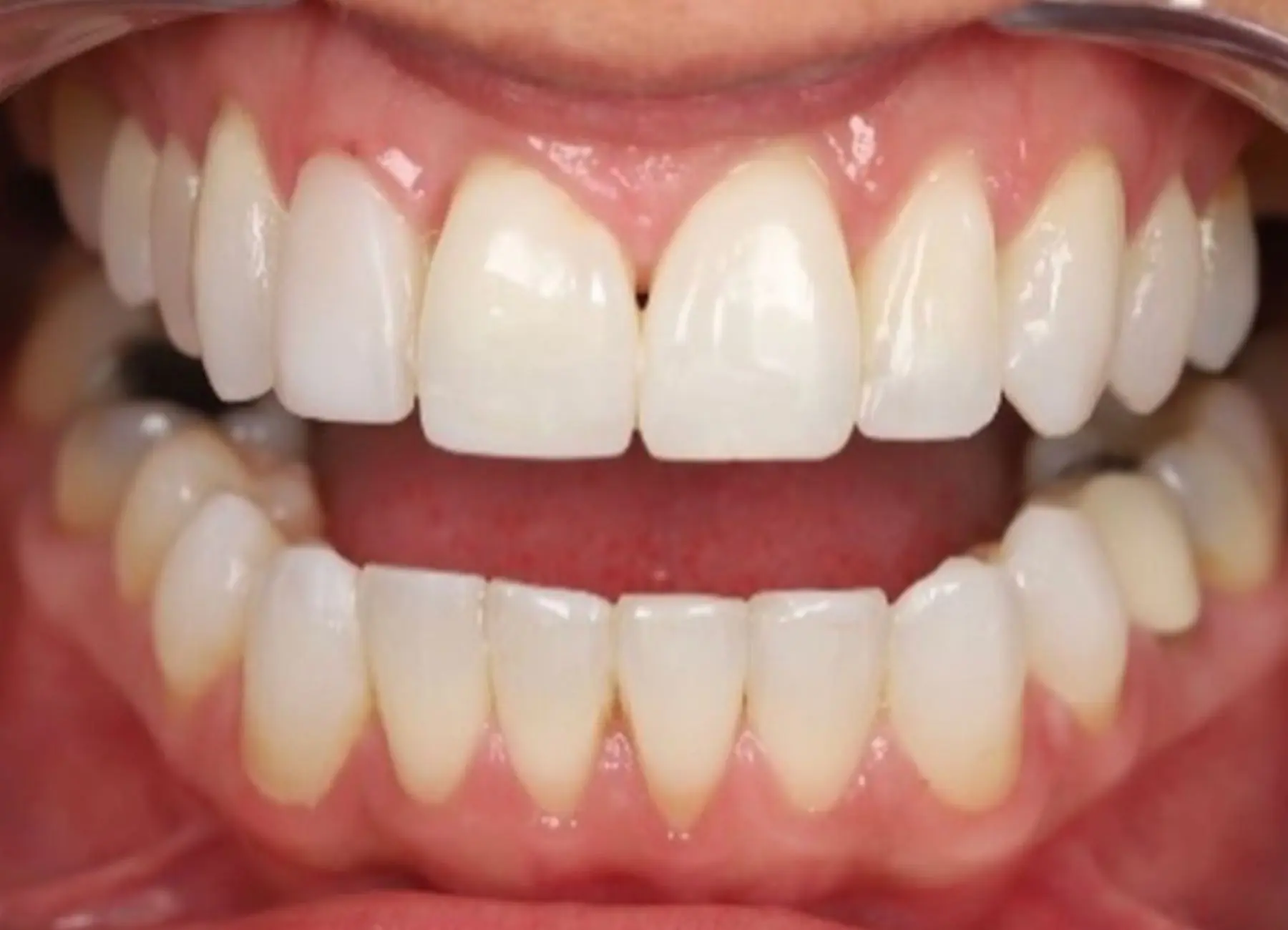
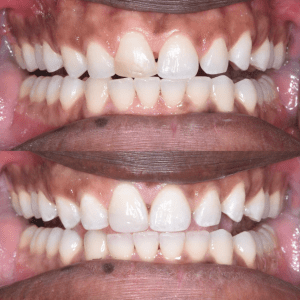
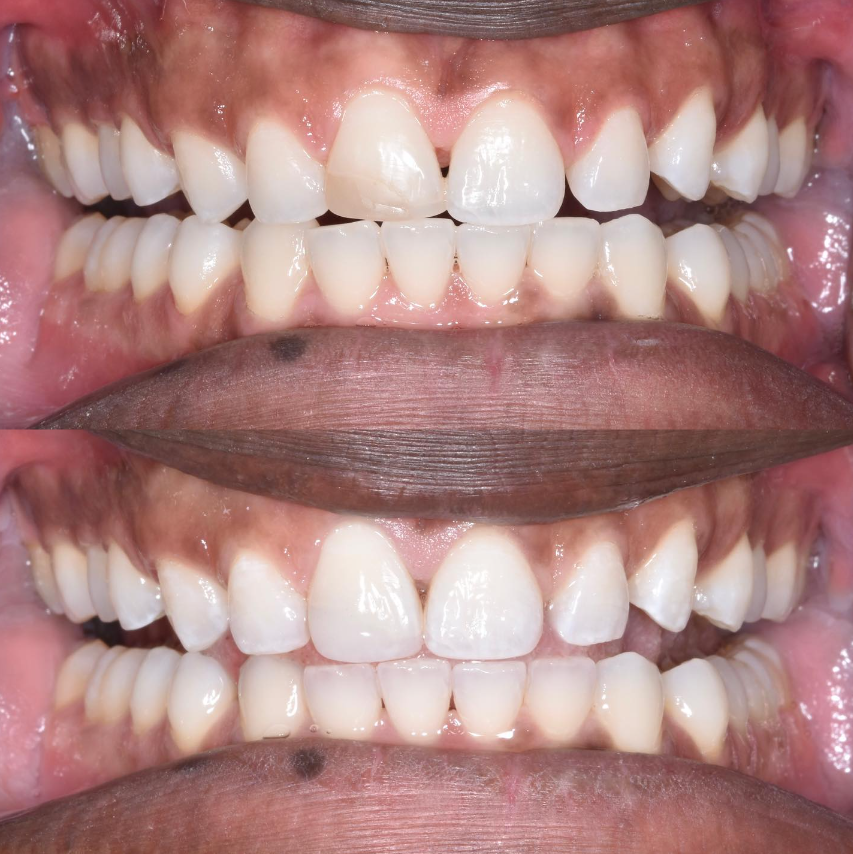
When it comes to the cosmetics of the smile, we always recommend that patients shop around and check the practices before and after photos to see the results they produce for a wide range of patient problems.
For example, composite bonding can be placed on slightly crooked teeth to make them appear straighter, but if the extent of your crooked teeth is too severe, causing the composite to be too thick-looking, some dentists, like ourselves, will recommend alternative solutions to ensure the best aesthetic outcome.
When searching for a clinic near you for composite bonding, be thorough. You can choose general dentist practices, but look at their team page, for example. Here at The Perfect Smile, we have a mix of general and cosmetic dentists – but the two never interchange. Our cosmetic dentists have committed their careers to cosmetic dentistry and the treatments that fall under this category.
You want to choose a cosmetic clinic that are not afraid of bonding
Most dentists throughout the UK will have no problem applying the treatment, and the majority will be incredibly capable. But not many will be as confident when it comes to removing it—nor will as many take their time with the process to ensure a seamless, cosmetic finish.
Dentists who have chosen not to practice general dentistry but dedicate the majority of their time to cosmetic dentistry tend to classify themselves as dental artists. This means they take their time and go to extra lengths to design your smile, plan your treatment, and ensure it all blends flawlessly with your natural teeth.
Furthermore, because composite bonding is so easy to apply, not every dentist considers the future and longevity of these treatments in the same way dedicated cosmetics might. For example, as smile trends change and composite bonding begins to wear, some patients might opt to remove their bonding—and not every general dentist will be immediately confident about doing so.
Removing composite bonding is not as easy as applying it, and there’s much more risk to the natural tooth when we remove it. In this instance, cosmetic experience will be required to remove the composite bonding without causing unnecessary damage to the underlying tooth and causing as little disruption as possible to the makeup underneath.

General dentists might not offer advanced versions of composite
There are two types of composites: anterior composites and posterior composites. Anterior composites are used in class III, IV, and V restorations, with the main priority always being aesthetics.
Anterior composites comprise smaller filler particles that increase smoothness and have a higher opacity than standard shades, making them ideal for cosmetic touch-ups.
On the other hand, posterior composites are used for restorations that require strength and wear resistance and are typically used in the back of the mouth. Anterior composites are more difficult to work with and execute because they’re more visible.