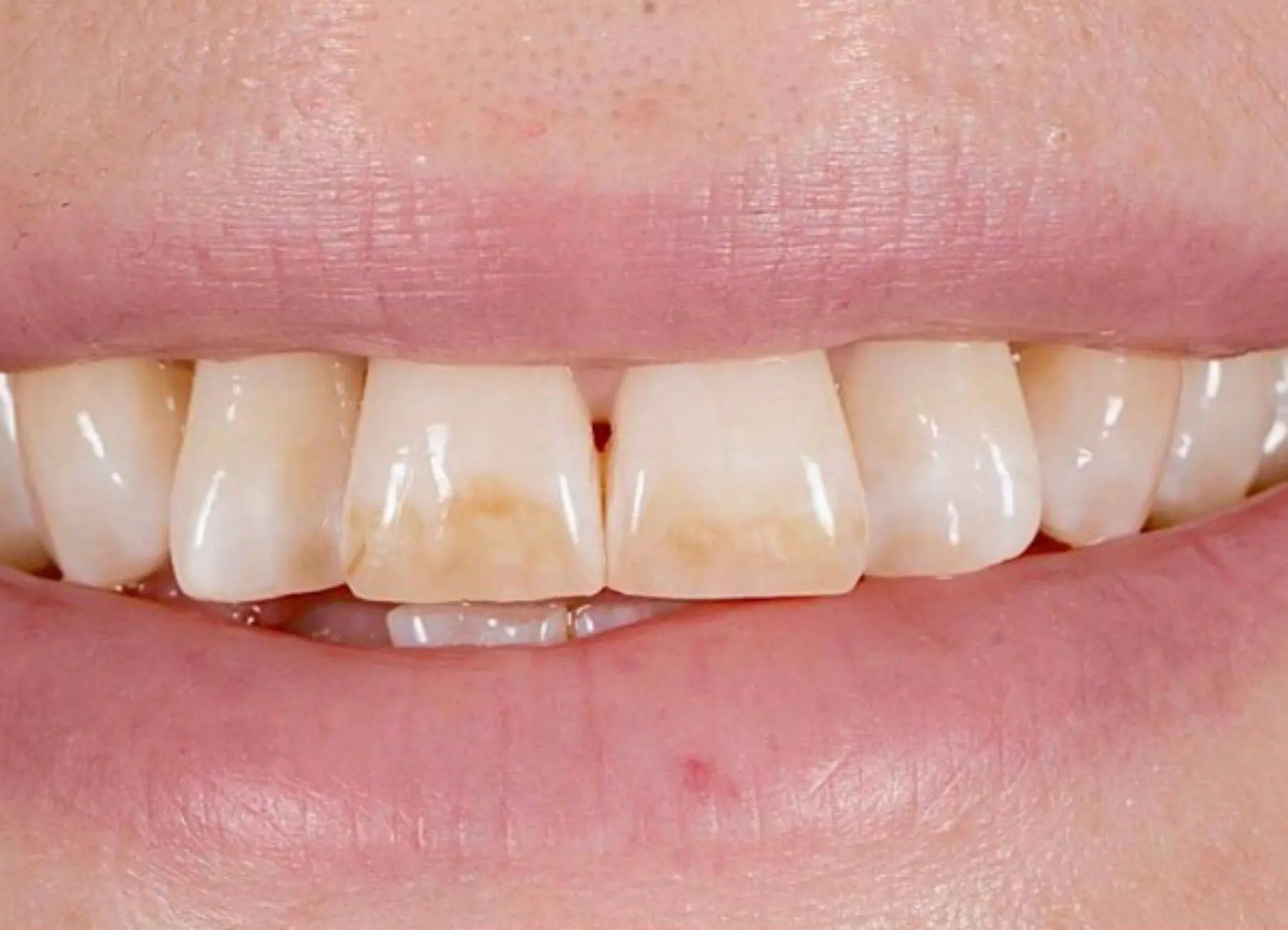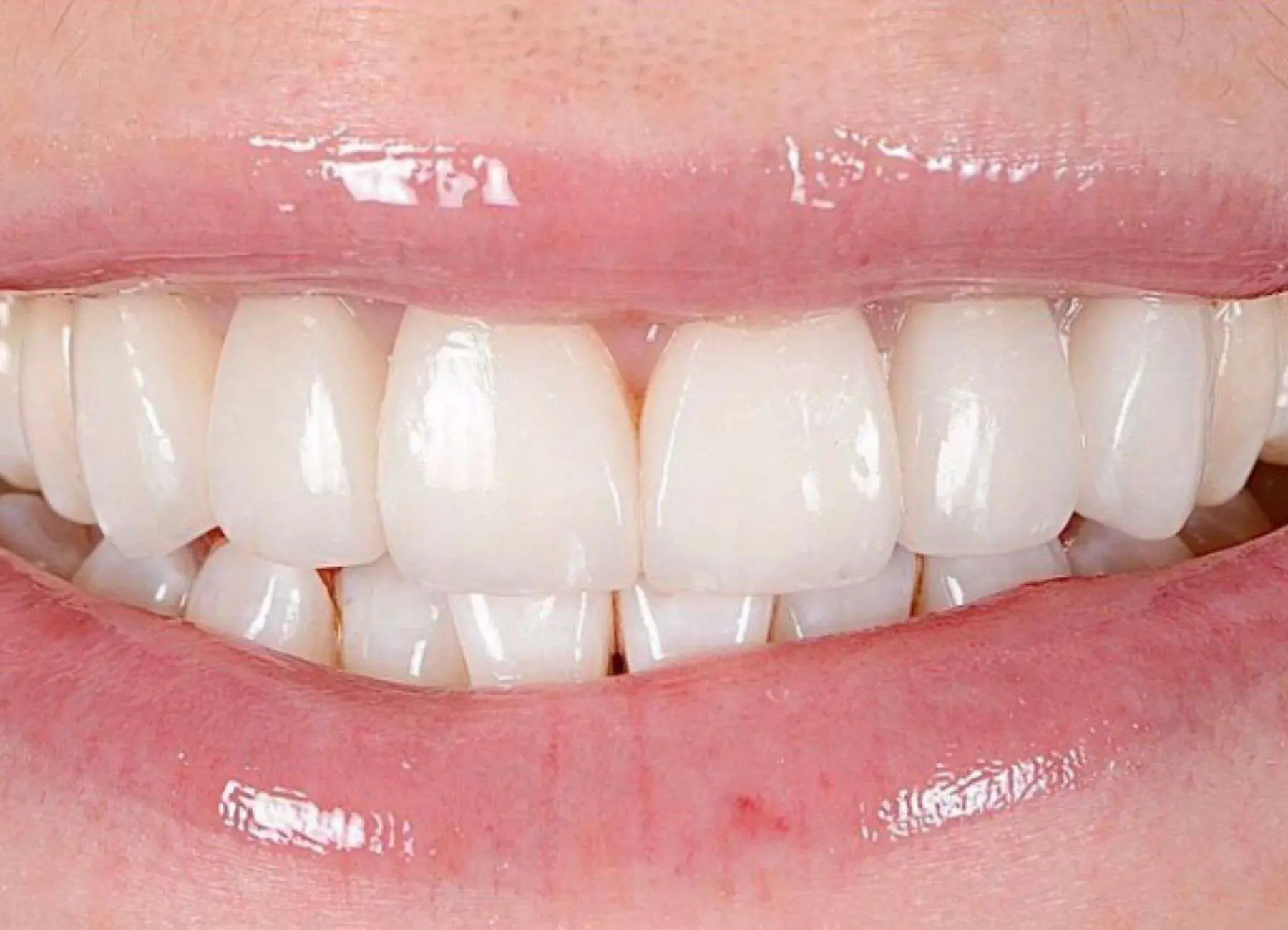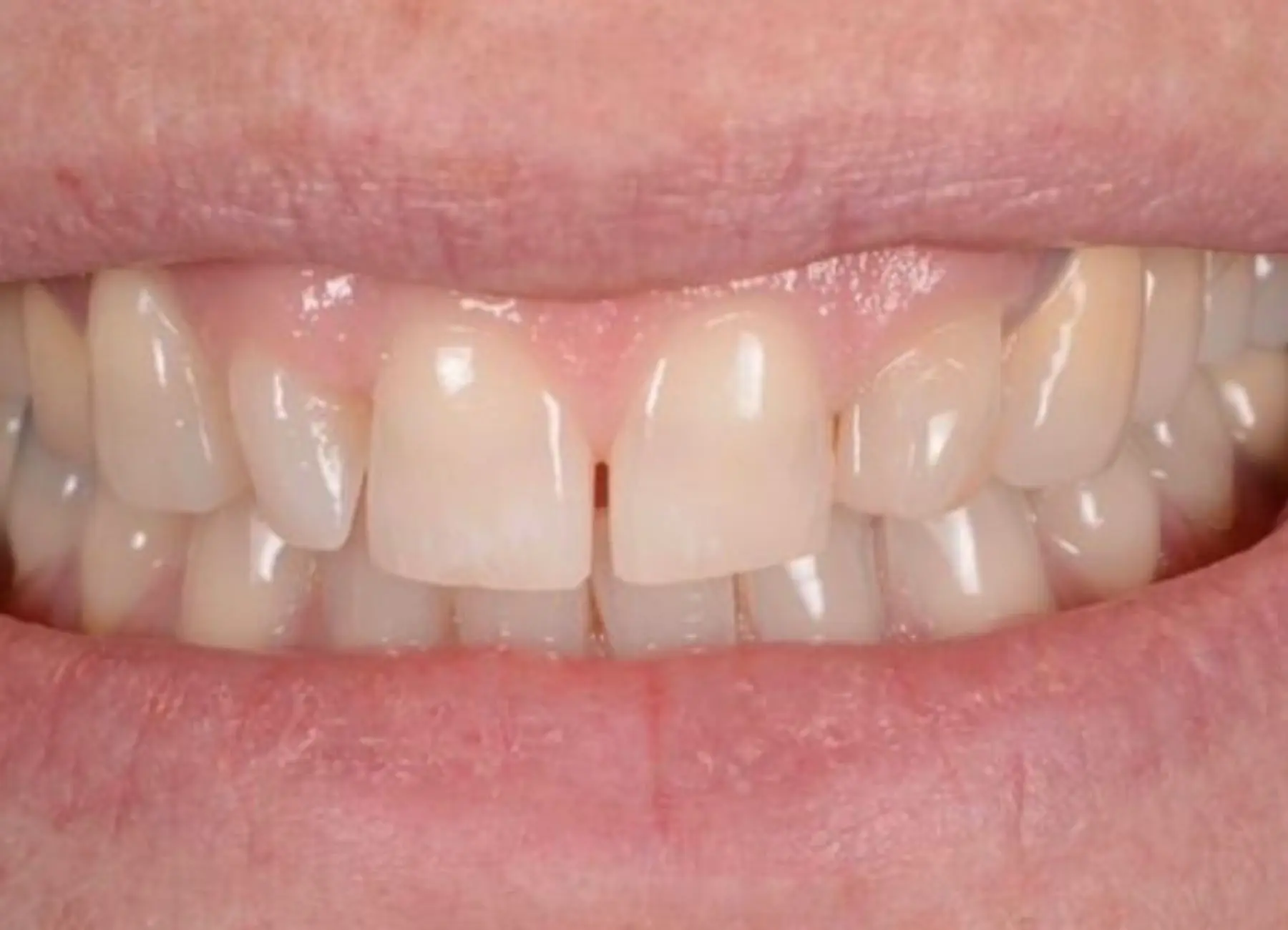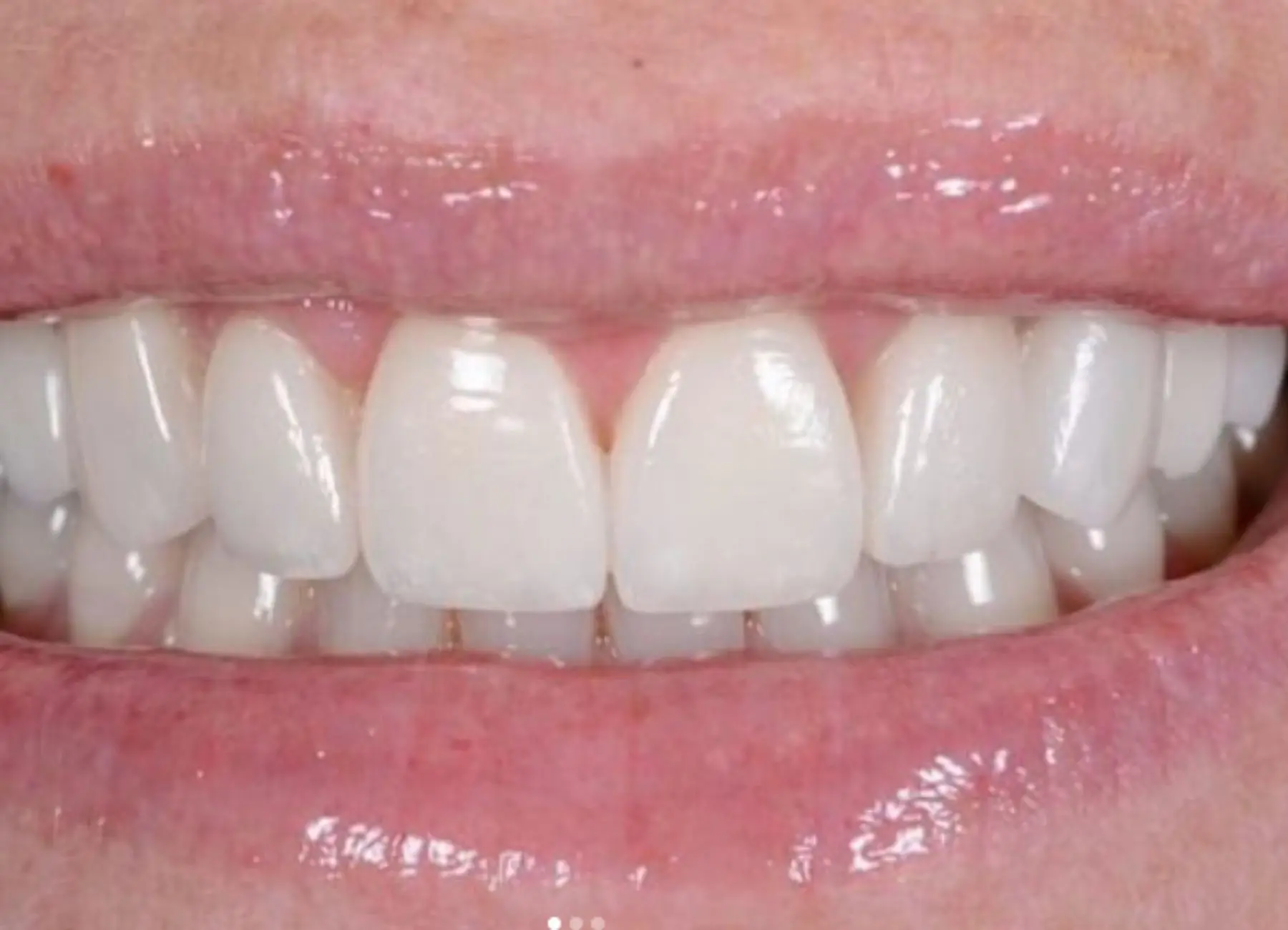
Here at Perfect Smile, a burning question we often receive from patients is, “How long will I have to wear a retainer?”
However, many factors will determine and influence the duration you will need to wear a retainer after your teeth straightening system; these include:
- The type of teeth straightening system you use
- The severity of your orthodontic issue
- What additional treatments are required as part of your treatment
Removable retainers are generally only worn at night and perhaps for a year.
It is important to note that each case is unique and different; therefore, the dentist will advise you according to your situation.
Retainers are very comfortable, and most patients do not seem to have problems with them.
They provide the peace of mind that the aligned teeth will remain straight.
The importance of wearing a retainer
There are two types of retainers:
- Removable Retainers. These can be removed from your mouth to eat and clean your teeth. They can also be made clear.
- Fixed Retainers. These are bonded directly to the backs of your front teeth, securing them in place.
Following on from any type of orthodontic (teeth straightening) treatment, especially in adults, the teeth need to be “fixed” in their new positions.
Retainers are devices that fix the teeth into their new place. The danger of not wearing a retainer will increase the chance of teeth moving out of their corrected positions.
The major problem with this is that teeth can move into unpredictable positions.
Your treatment can relapse
Teeth can relapse to varying degrees, so some people may find their teeth take years to move out of place and others notice changes within the first year of treatment.
It is important to note that adult teeth are much more likely to relapse as their mouths are not in the developmental stages of a growing child.
Adult teeth tend to return to their original positions. This is because the bone and facial muscles, such as the cheek and tongue, have all gotten used to a certain amount of space in the mouth.
So, when teeth are moved into a new position, your body responds by placing pressure on them to recapture their original space.
Therefore, adults should continue to wear a retainer after their treatment.
Retainer wear times and durations
Times will differ depending on the treatment, for example:
- Invisalign (virtually invisible): Wear aligners 12 months after treatment to ensure sufficient bone is deposited around the teeth to keep them stable. It is recommended to wear them 3-5 times a week.
- CFast (most affordable): It is advisable to wear your removable aligner 3-4 nights a week for the first year.
- Six-Month Smiles (super fast): You can either have a fixed retainer bonded to the back of your teeth or wear one a few nights a week to prevent the teeth from shifting.
- Fixed Braces (traditional form): In some cases, you will need to wear a retainer all day, every day, between four and 12 months. You will find that many orthodontists prescribe wearing a retained every night once your braces have been removed.
The above is based on mild orthodontic cases. After speaking with a dentist about your misalignment problems and concerns, more accurate descriptions can be given.
Retainers after braces: use & cleaning guidelines
Taking care of your retainer can be easy. Every time you remove it, make sure to clean it with lukewarm water.
Rinsing your retainer when it is still wet from saliva will help prevent food from hardening and sticking to the device. We take great pride in the orthodontic treatments we carry out.
You can visit us at our Hertfordshire or London consultancy rooms by booking a free consultation.
Call us on 01992 552115 for more information today.