We’re Treated Differently Because of “Bad Teeth”, So How Are We Treated Differently When We Use Treatments Like Veneers to Improve Them?
- 2/5 people hide their smiles to avoid being judged by others.
- 16/25 people are too self-conscious to show their smile fully when taking pictures.
- 12/20 people believe the way their smile looks has impacted their personal relationships.
- 2/25 people avoid socialising altogether because of how their teeth make them feel.
Did you read the statistics above?
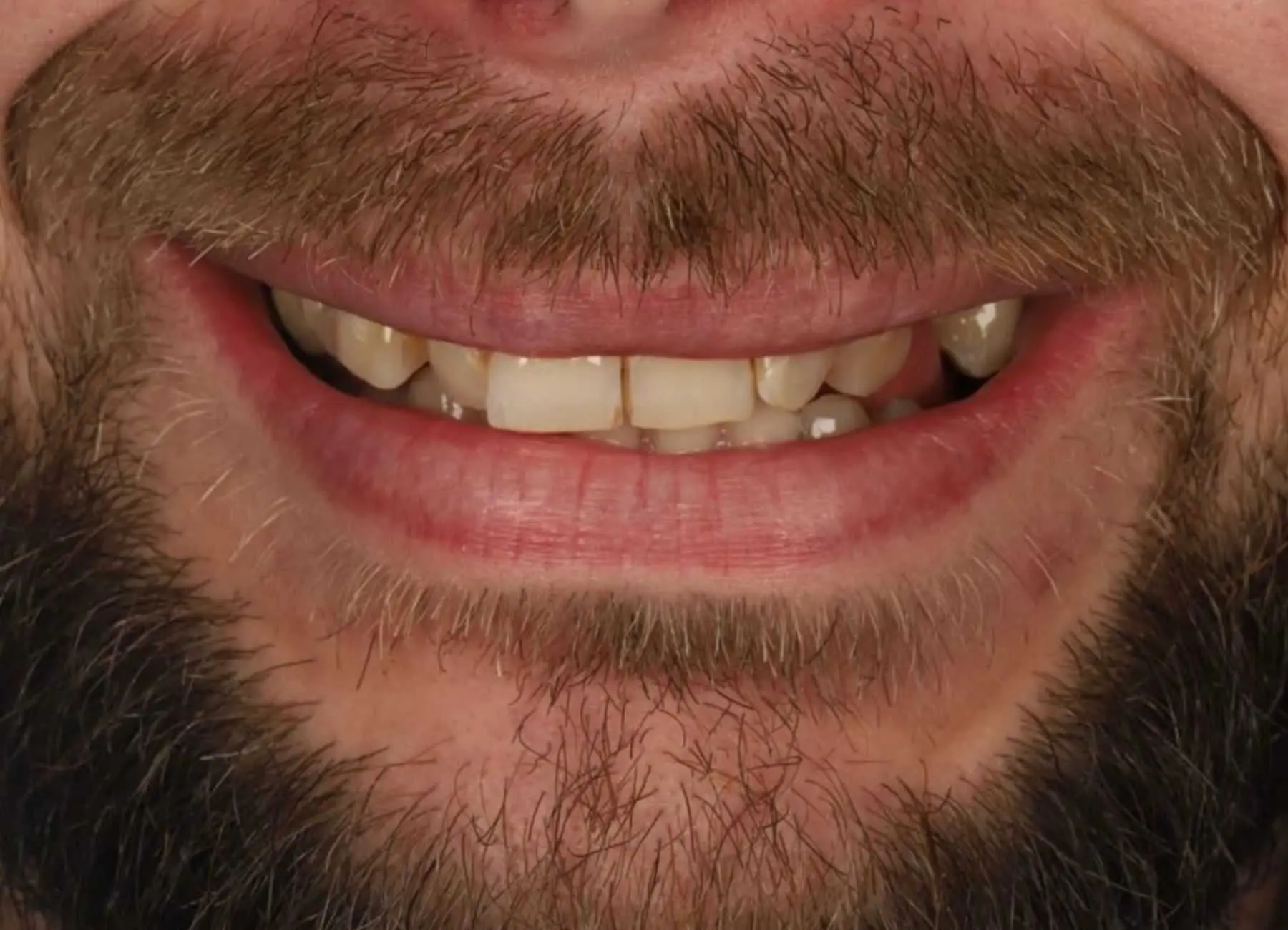
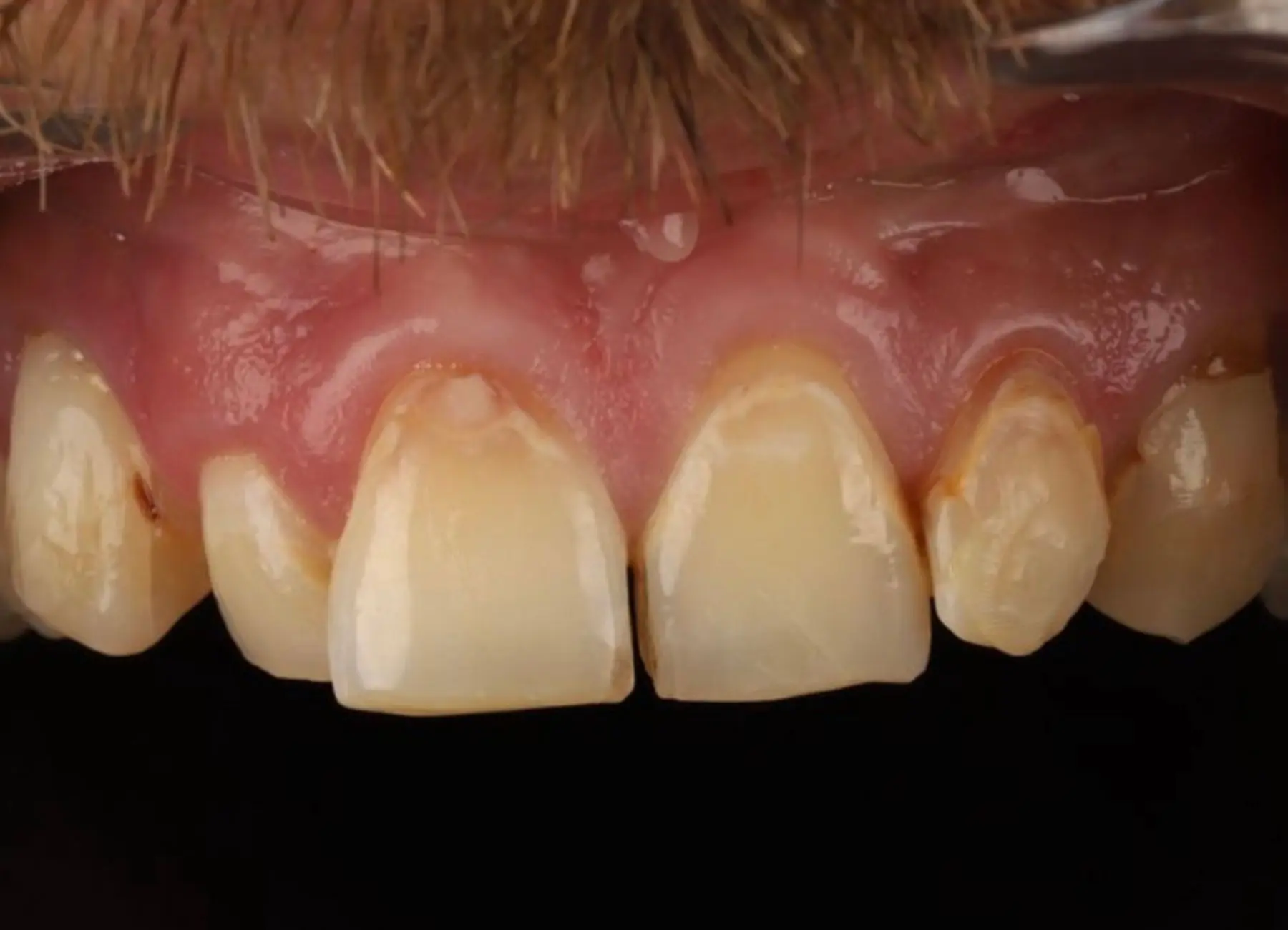
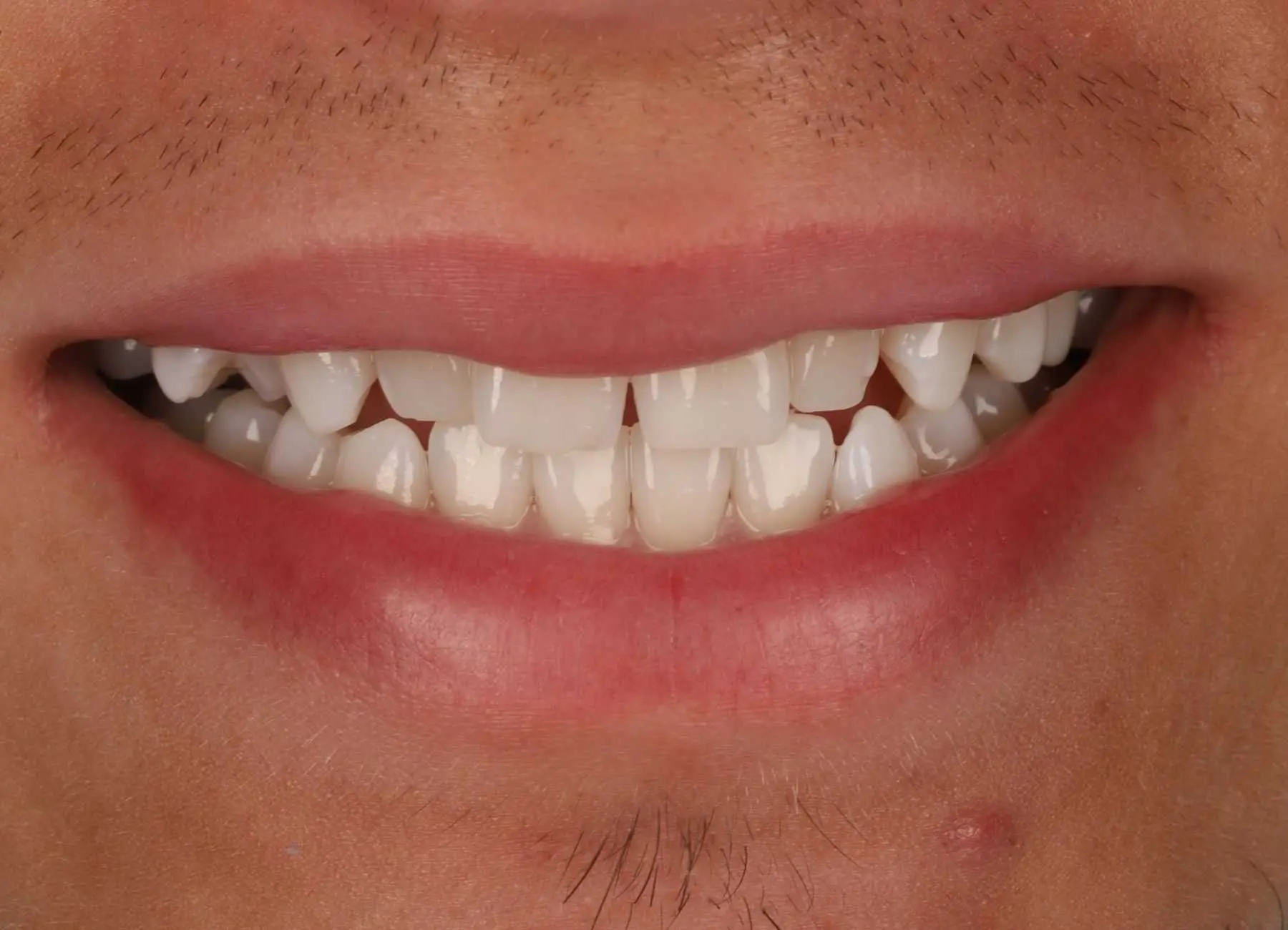
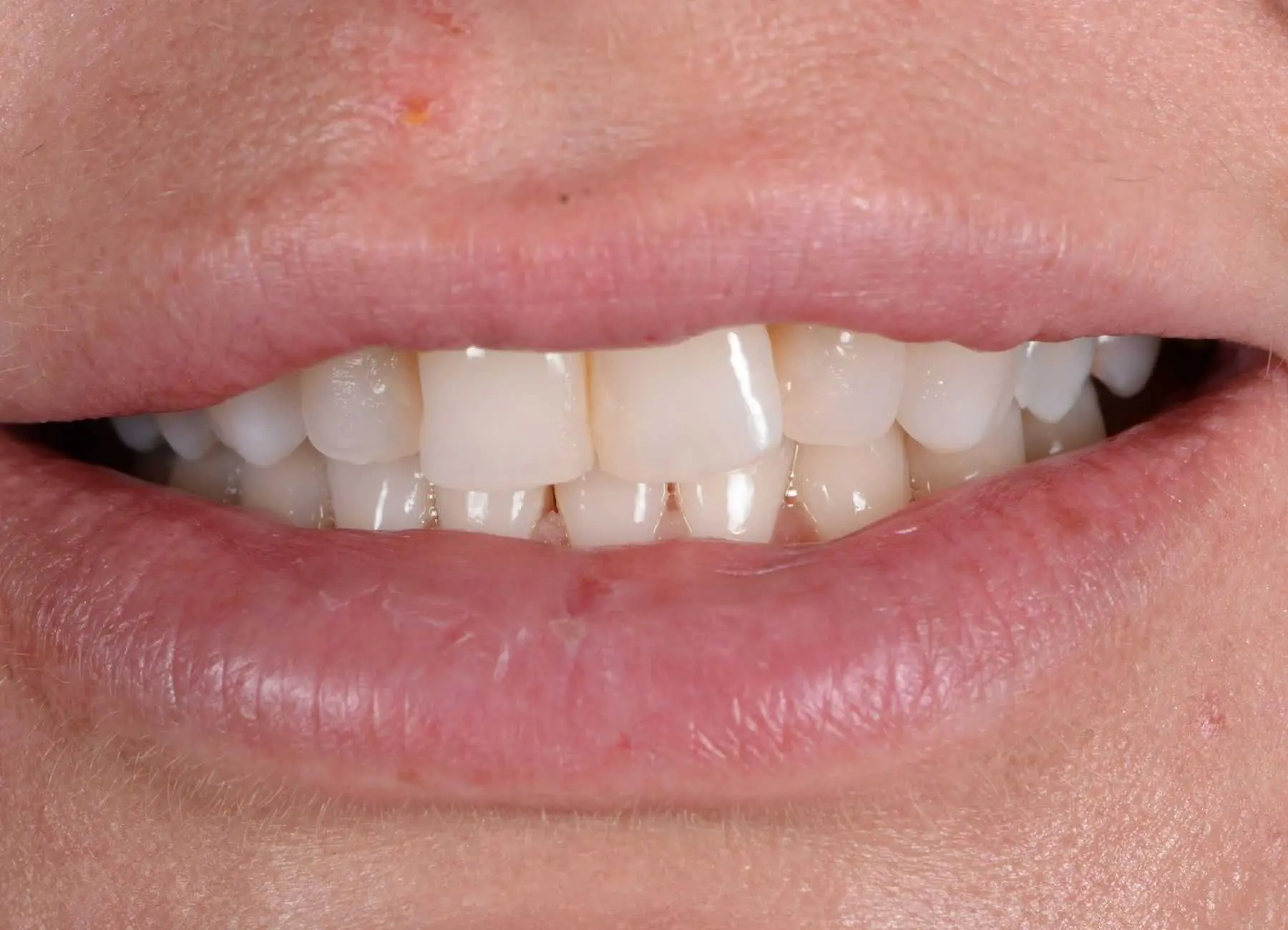
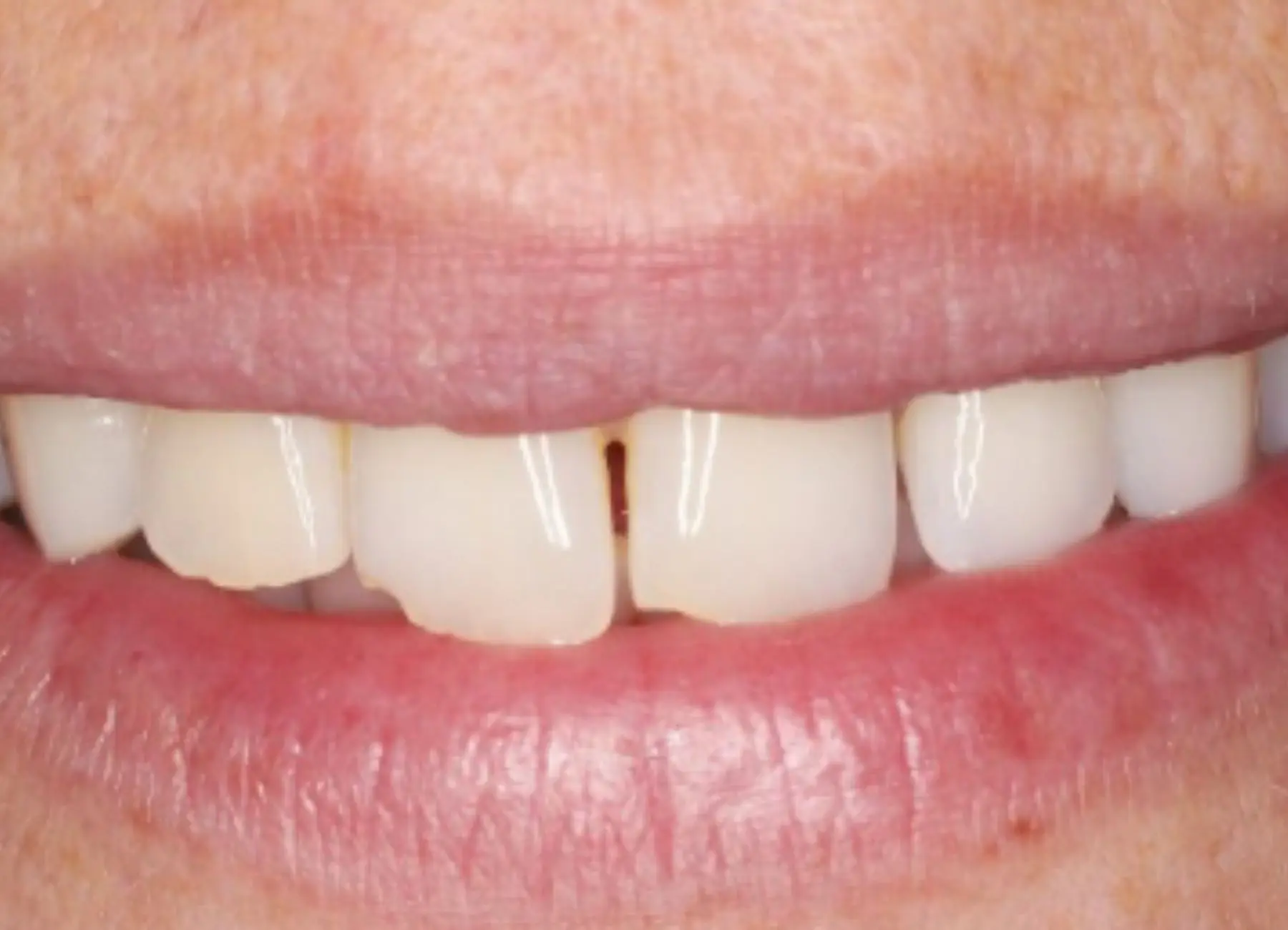
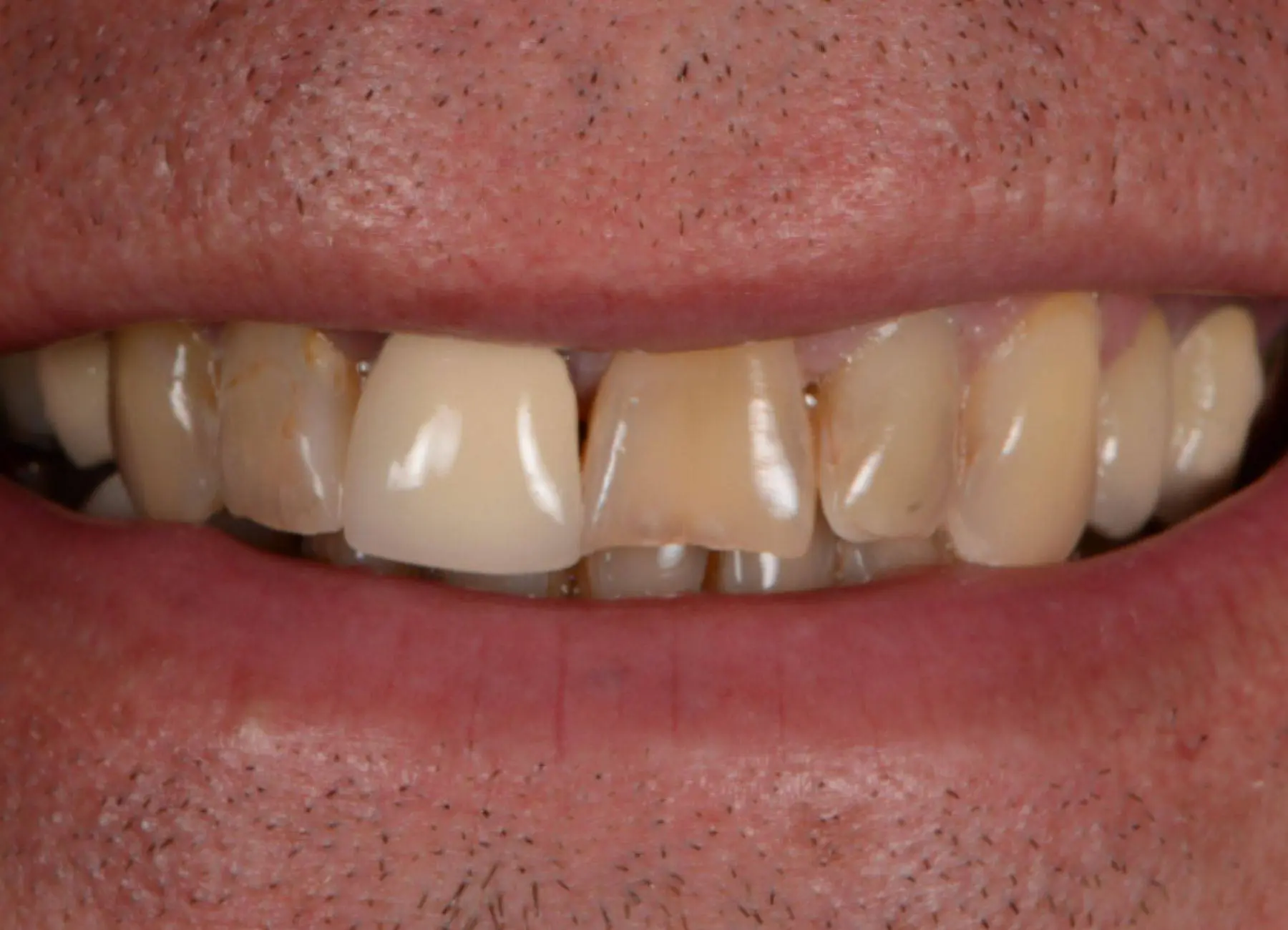
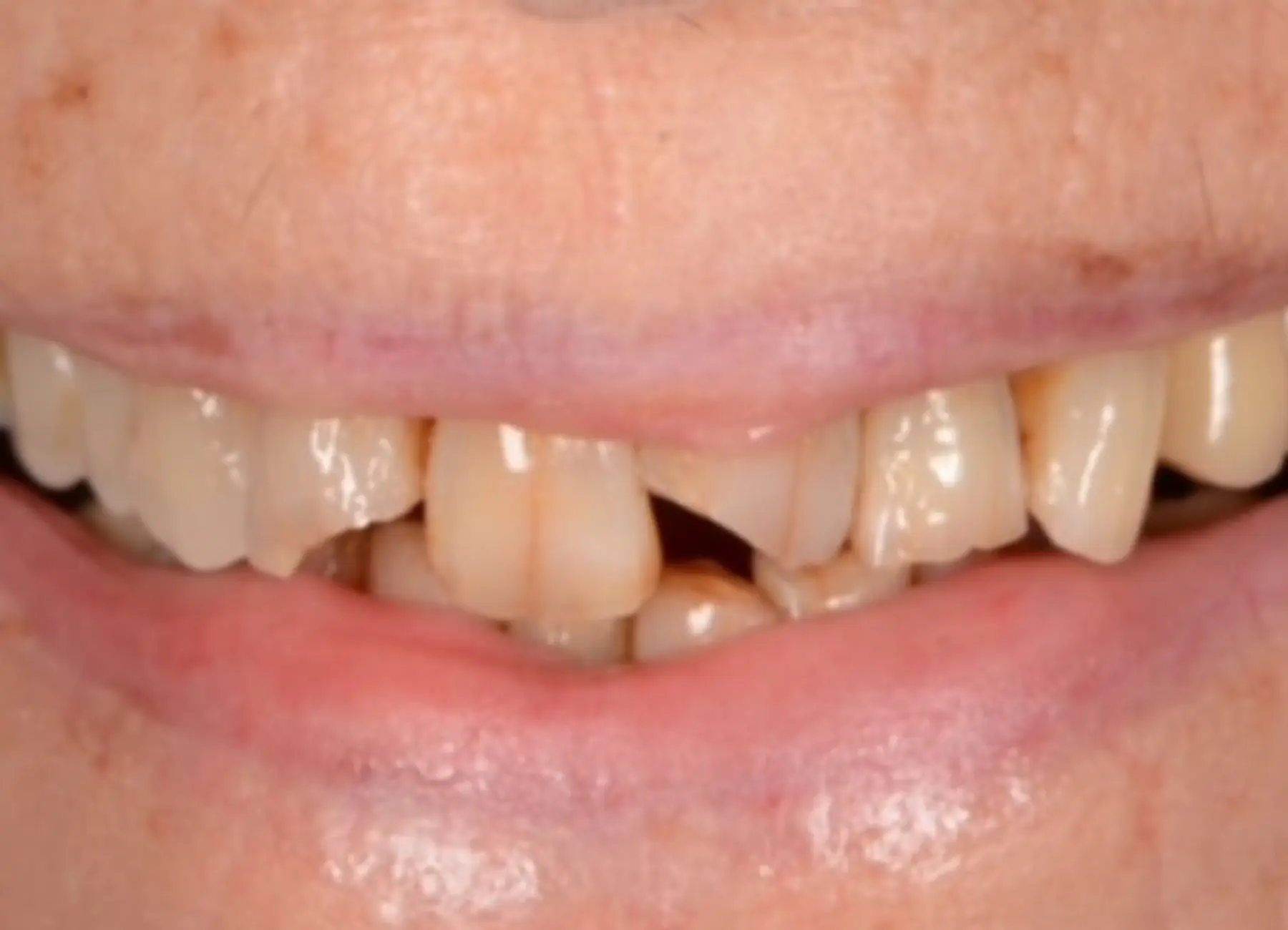
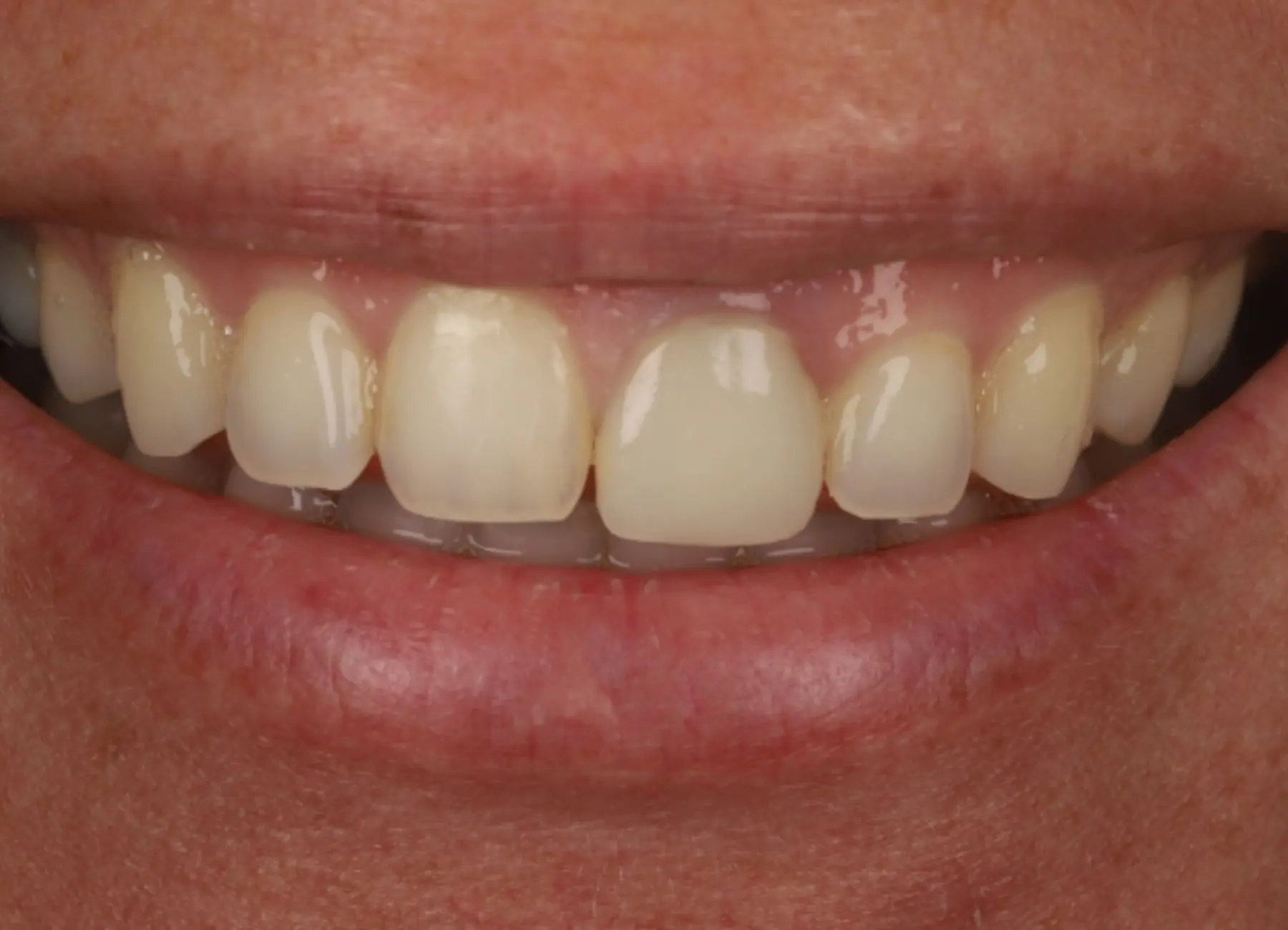
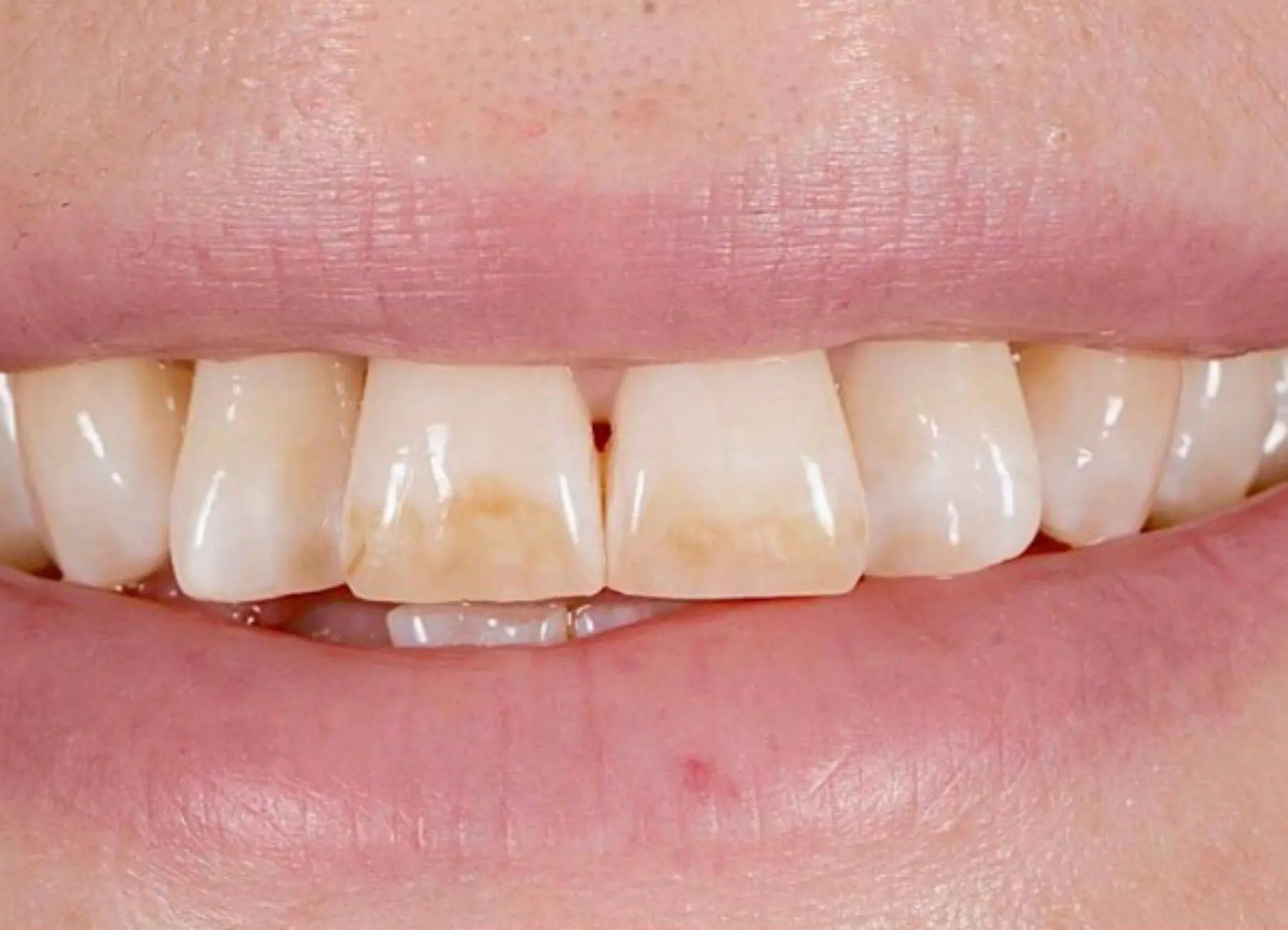
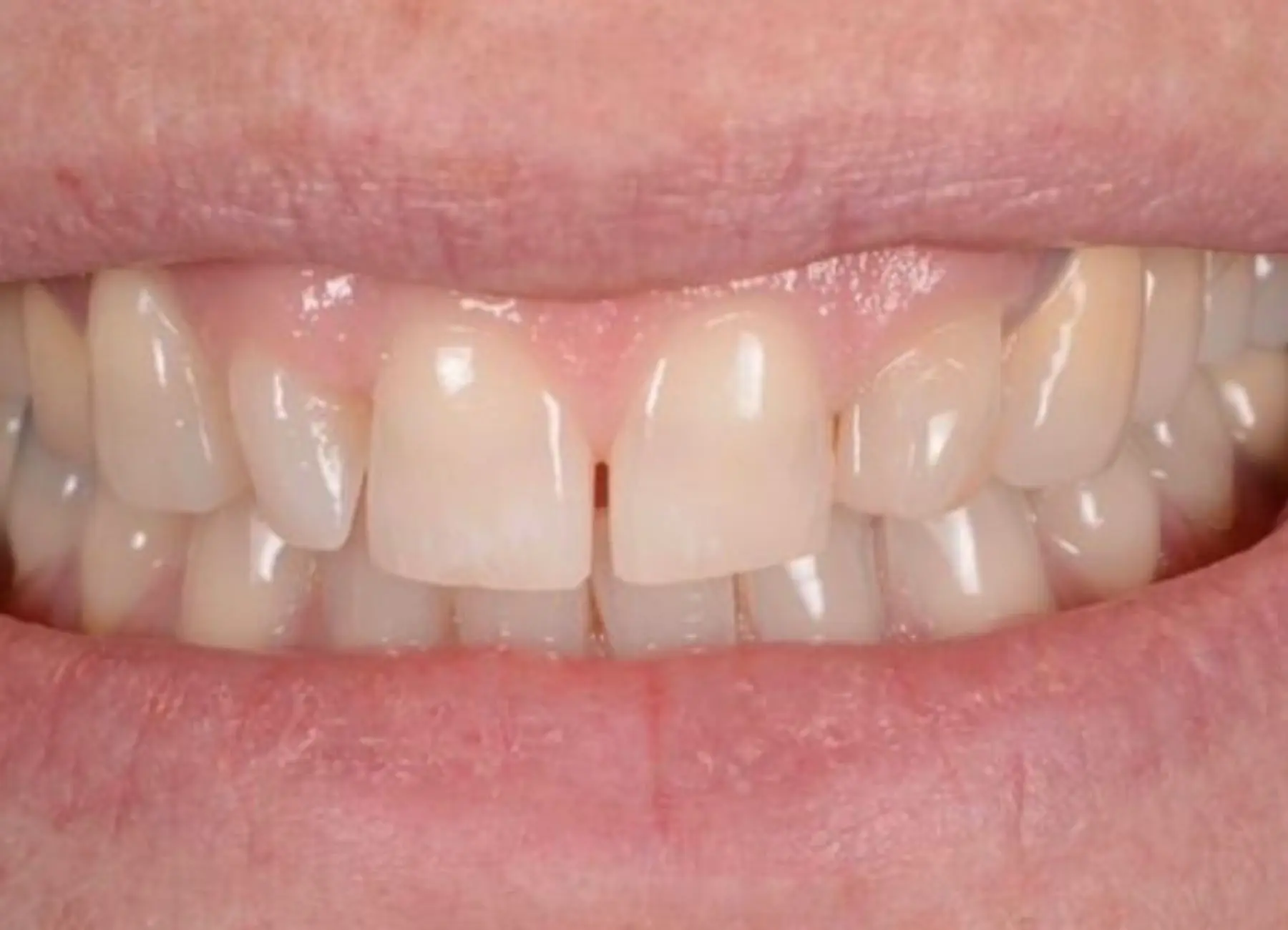
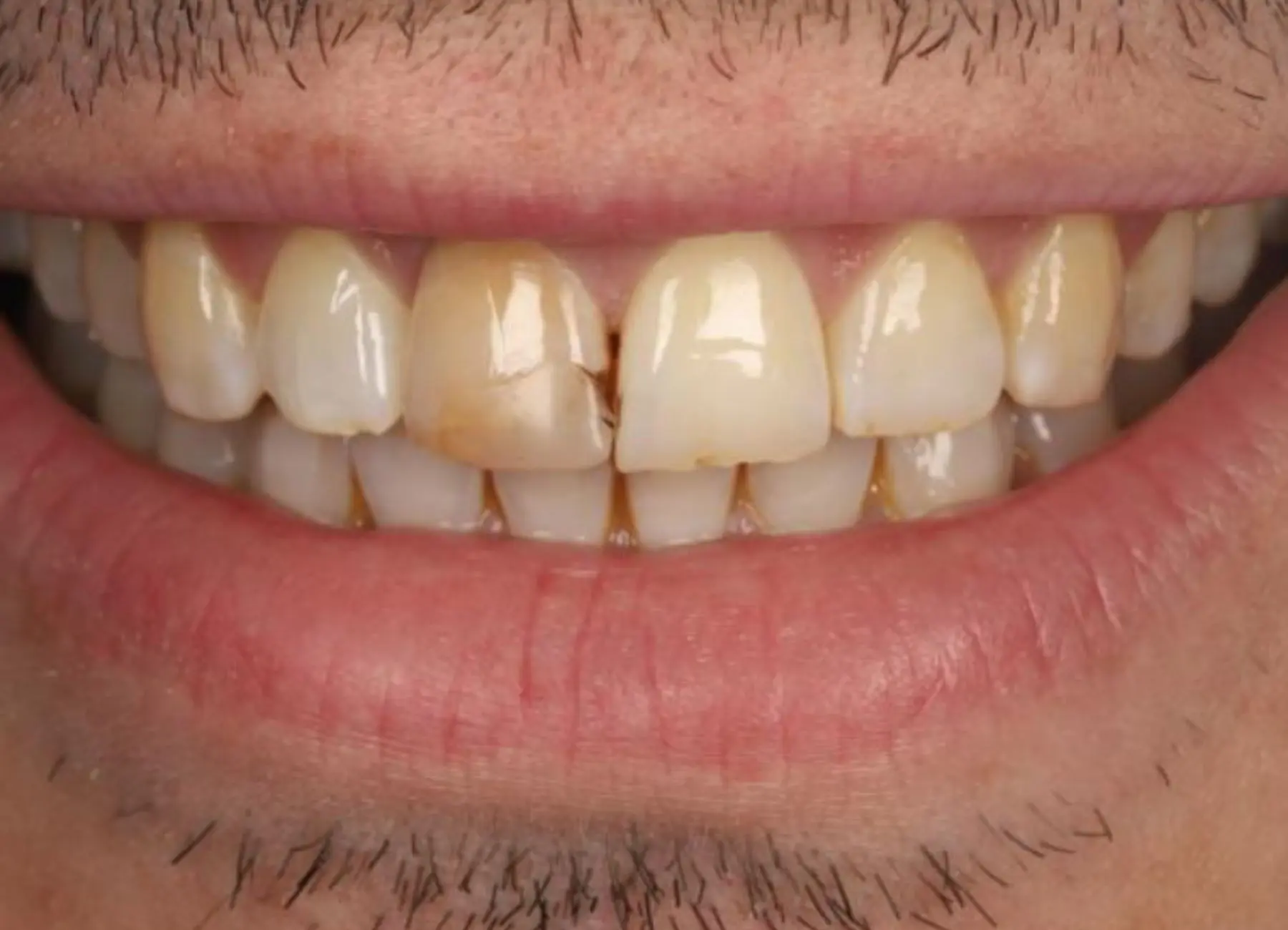
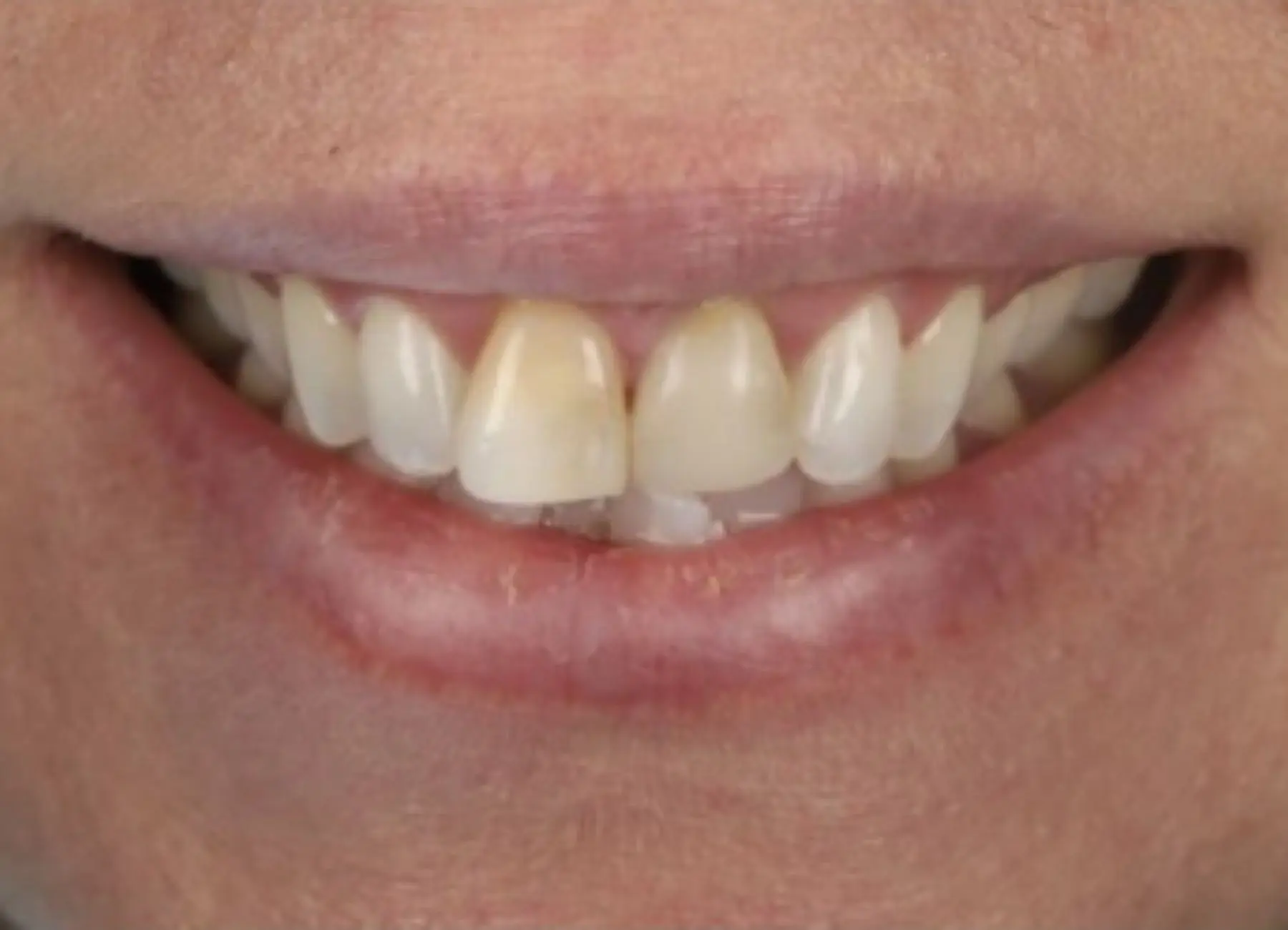
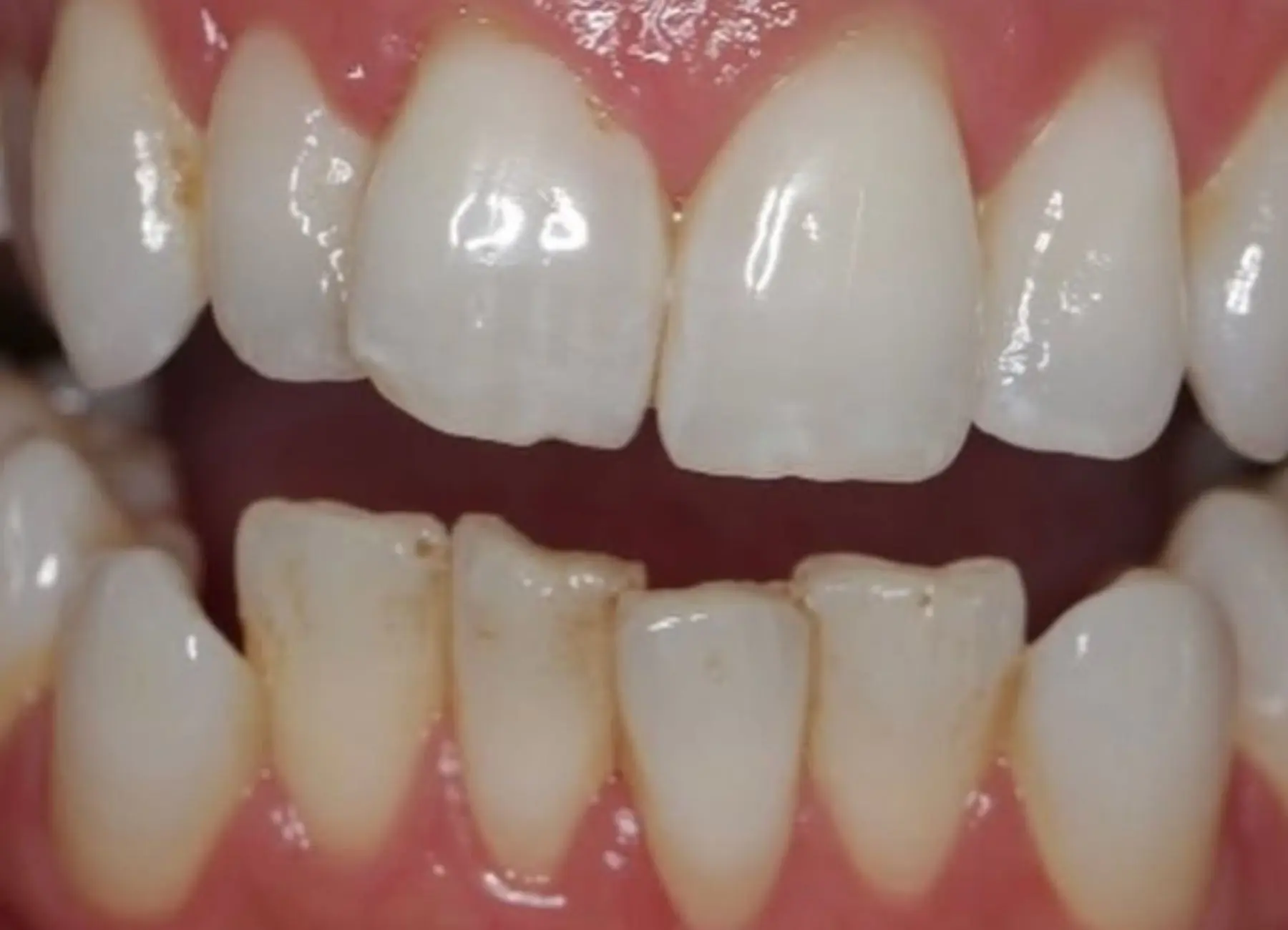
We live in a world where first impressions matter – even if we don’t want to believe it. And our teeth’ appearance plays a crucial role in our social interactions. While it is possible to see past smile problems like overbites, wonky or yellow teeth, we still notice them – and if you’re the one with the problem, then you would have likely experienced people looking too.
“The appearance of teeth can play a key role in developing the first impression about another person. It was established that the judgment of some personal characteristics of other people is affected by dental appearance. ” Research Gate.
How hating your smile affects your behaviour
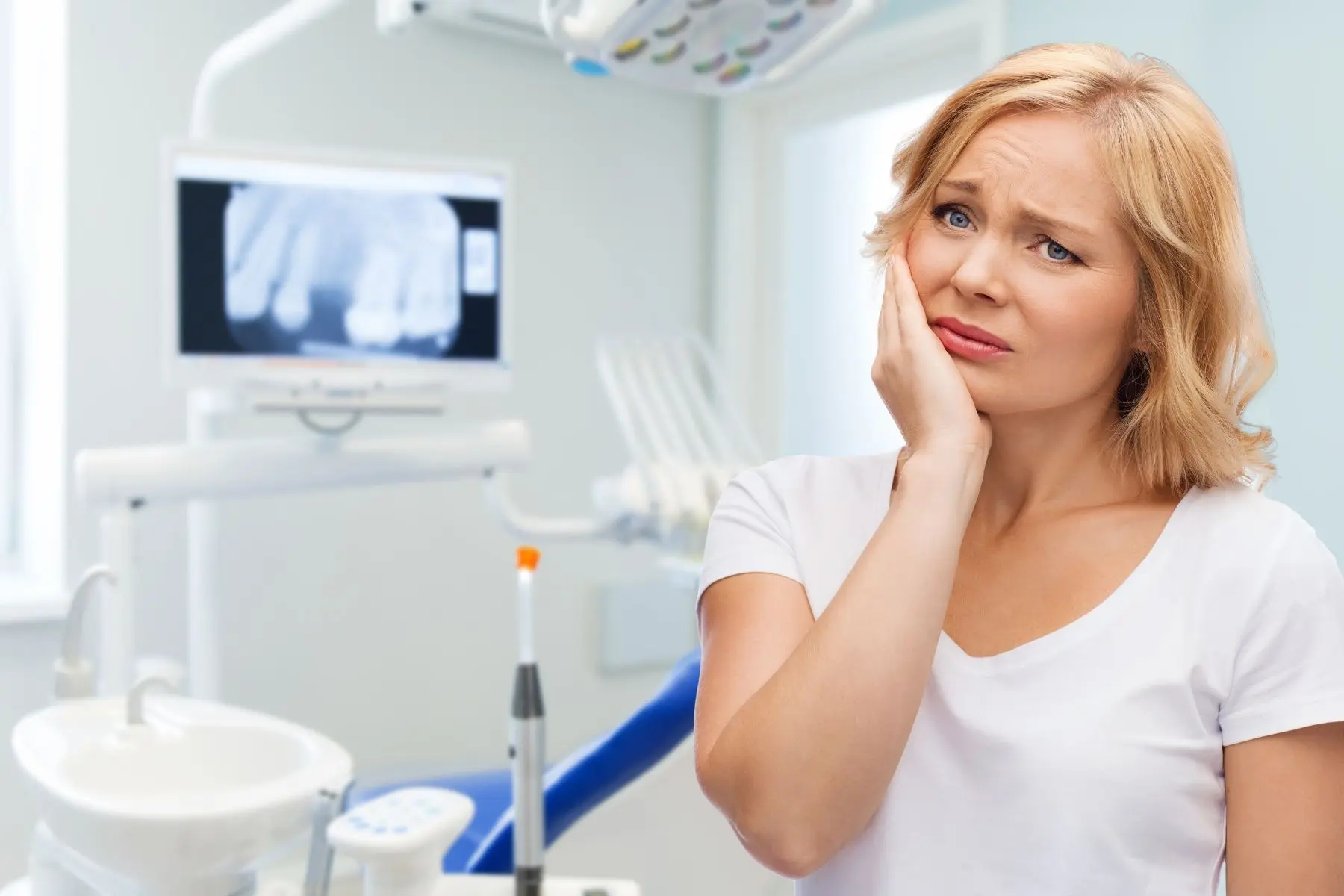
From a psychological perspective, this would have affected you. It might have changed how wide you smile or caused you to put a hand over your face when you laugh.
These small behaviour changes are often subconscious tells and attempts to minimise and mask your insecurity, whether spurred on by a fear of judgement, ridicule, or a worry that the other might not find you as attractive.
Only 44% of people do not hide their smile in a wide variety of situations, showing that over half of people do, with a further 34% hiding their teeth in photos, and 15% editing the appearance of their teeth before posting it to social media.
“Even kids as young as 4 years old may exhibit unconscious sensitivity about the health and appearance of their smiles and be reticent to smile as frequently as kids who have higher levels of oral health (Patel, Tootla, & Inglehart, 2007).” Psychology Today.
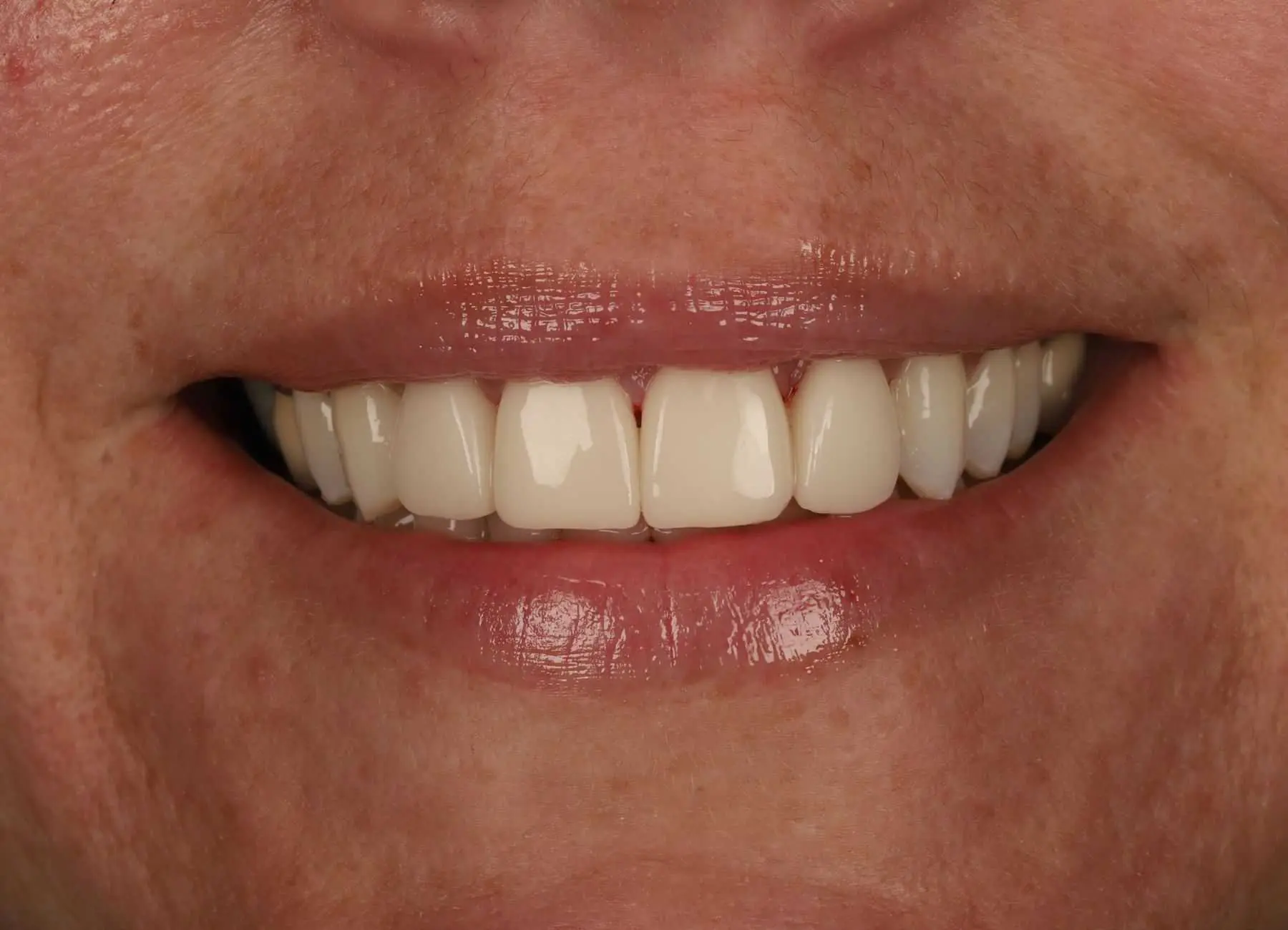
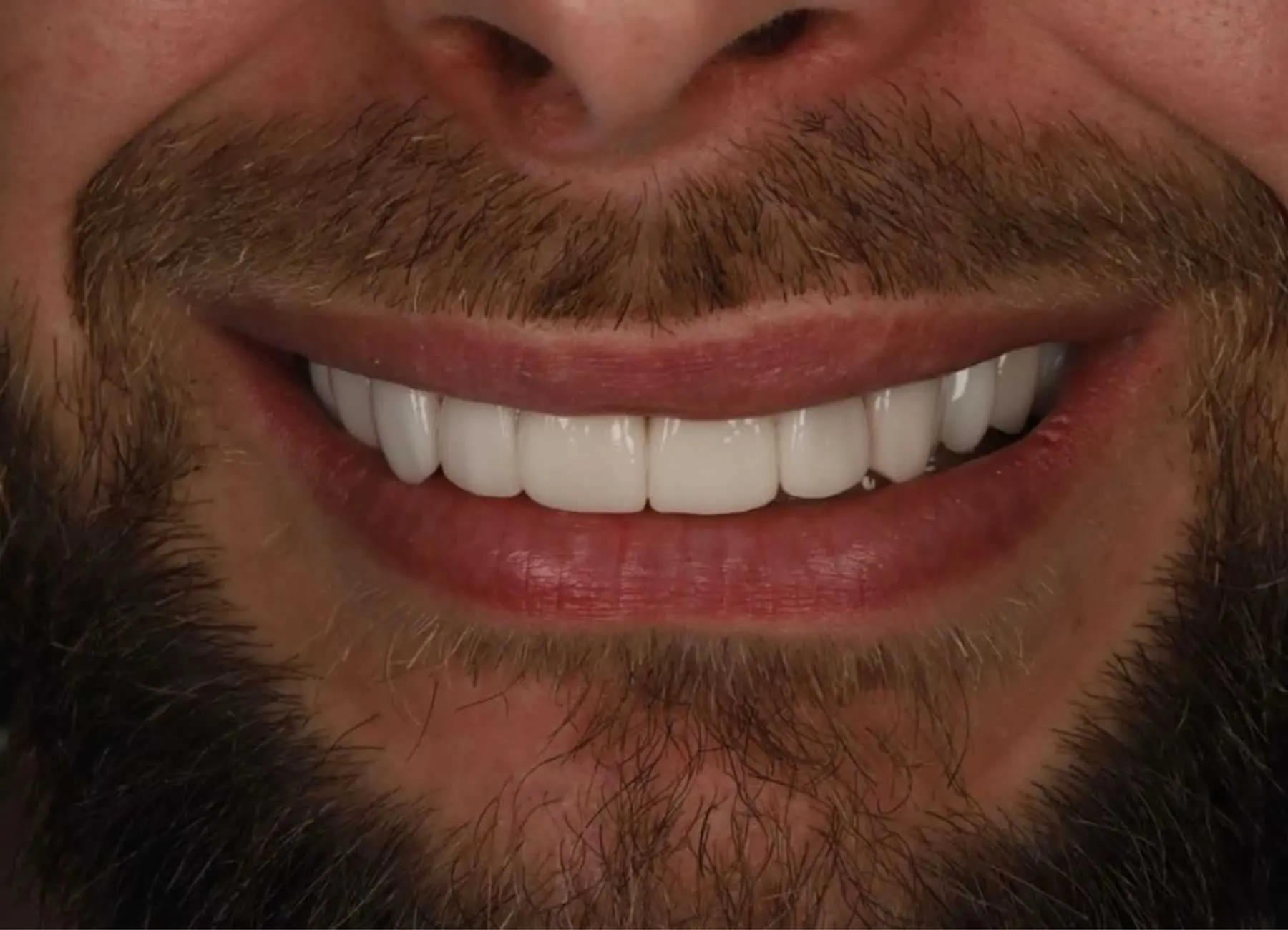
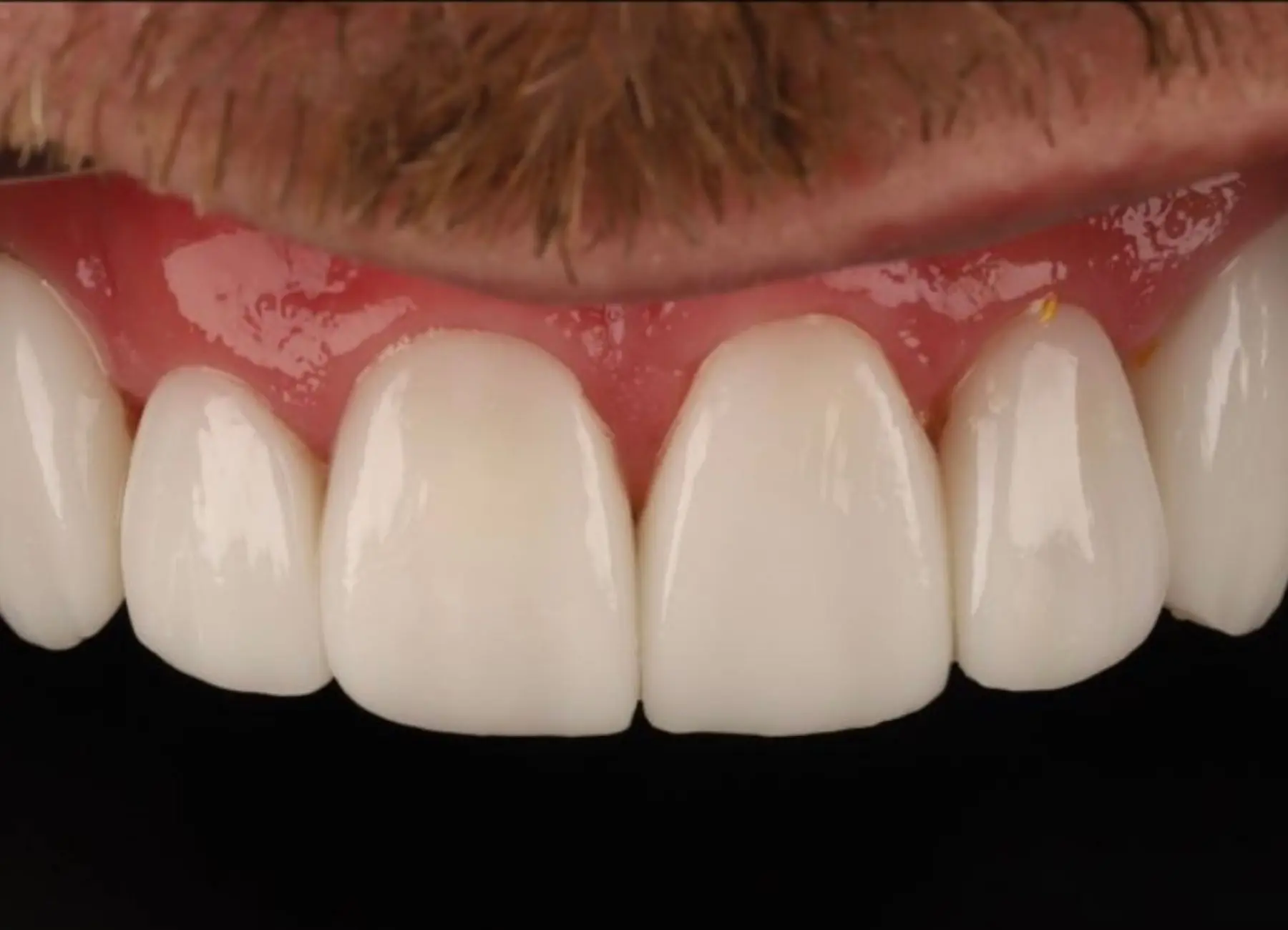
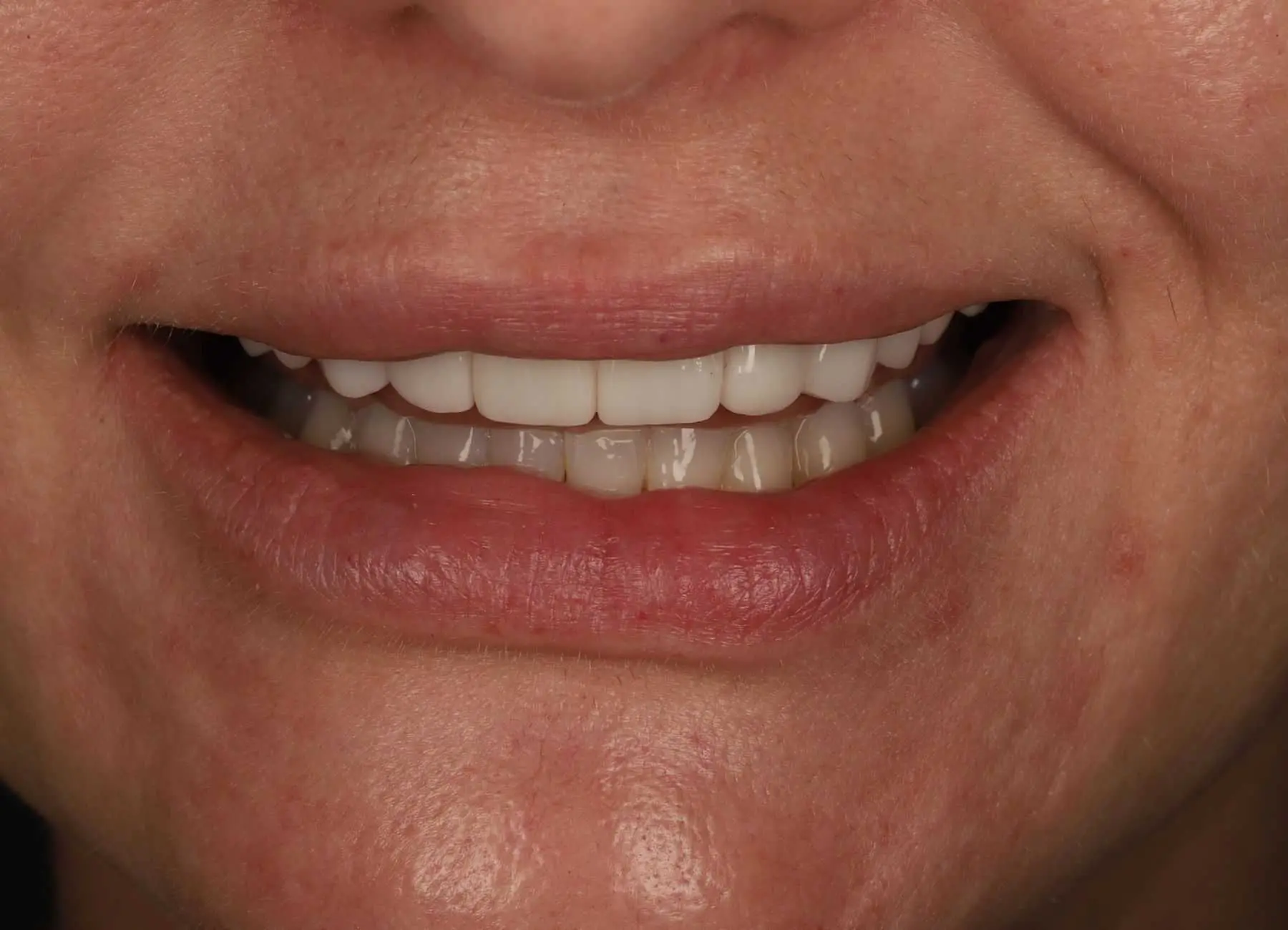
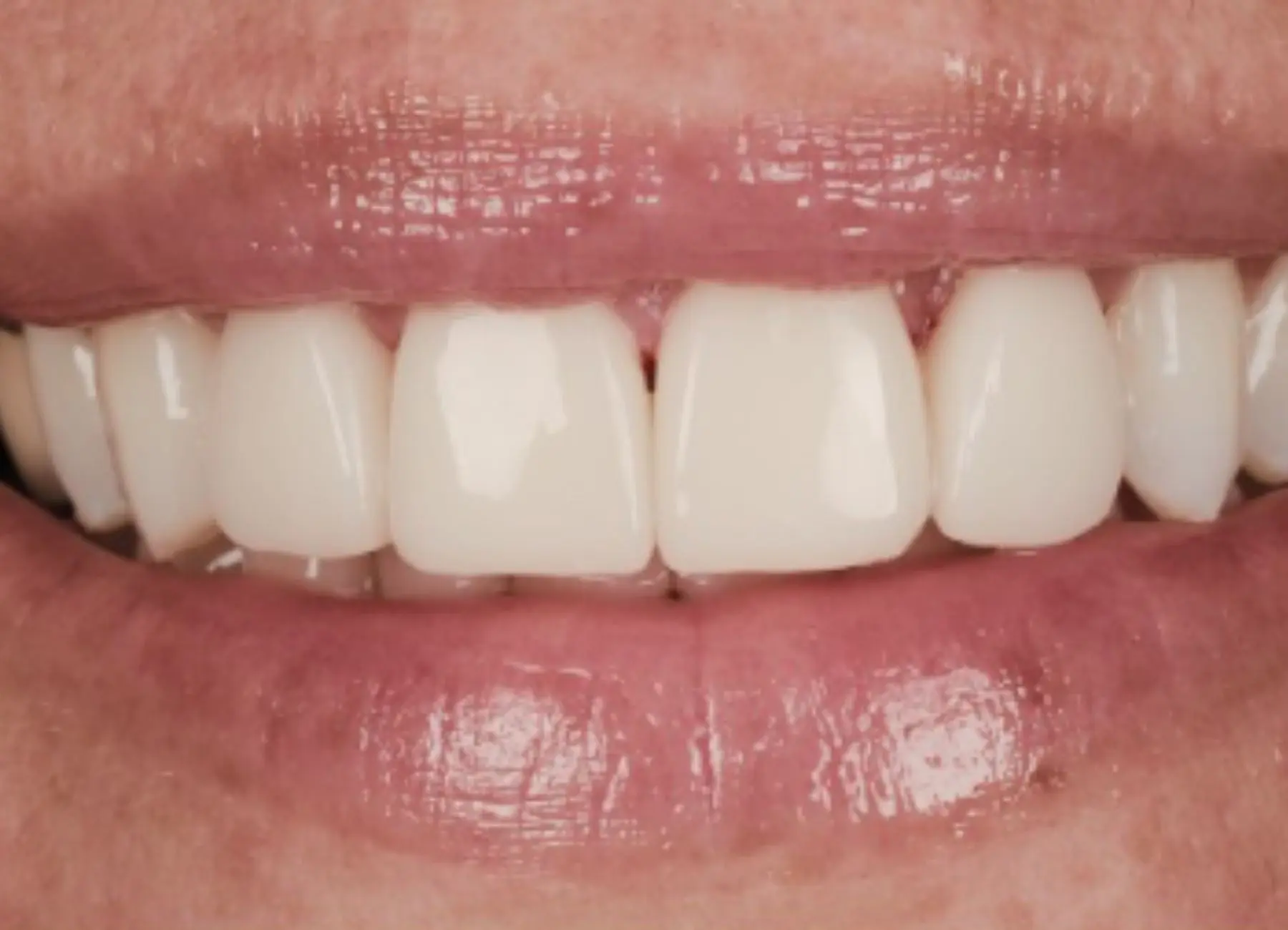
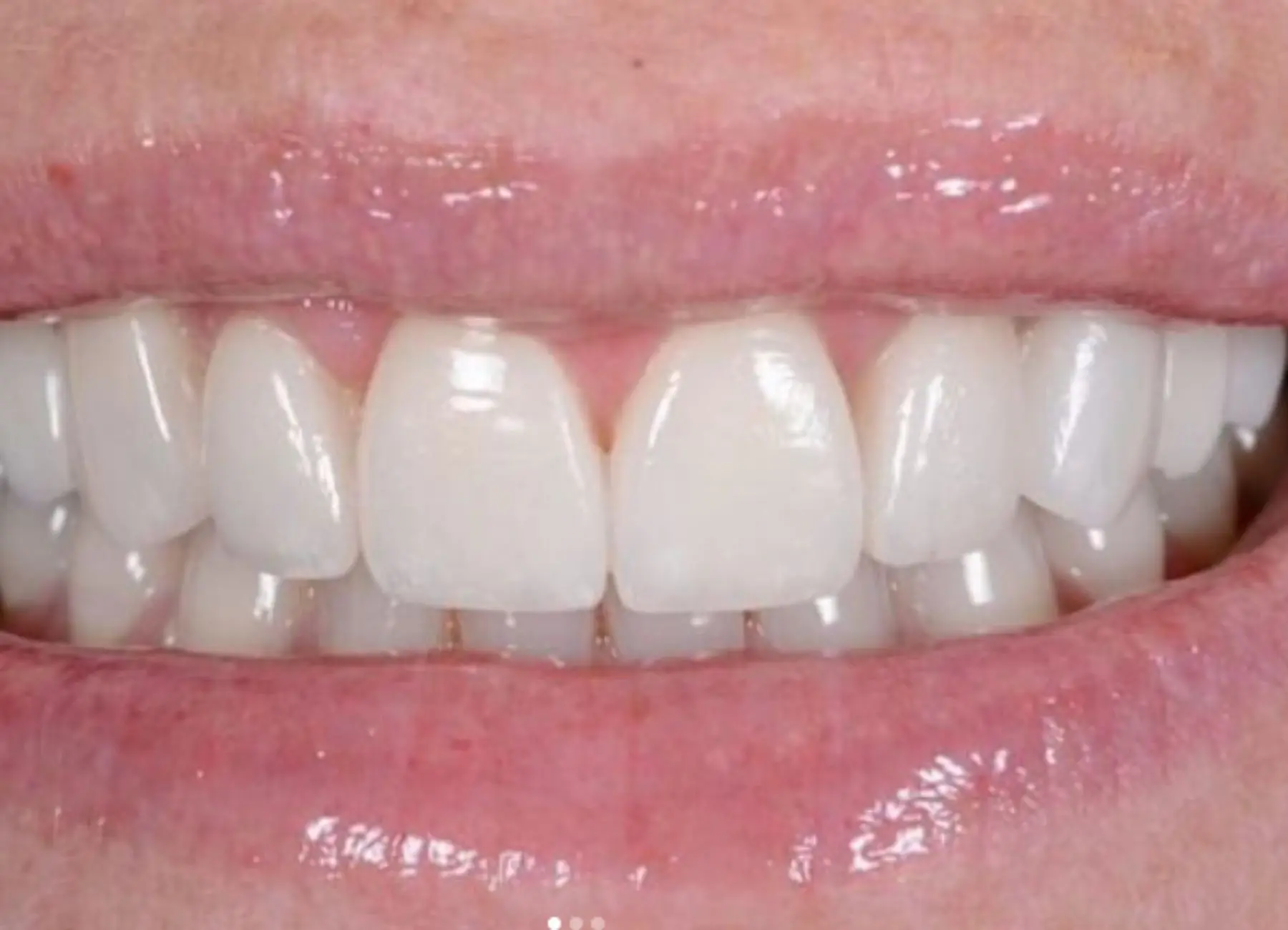
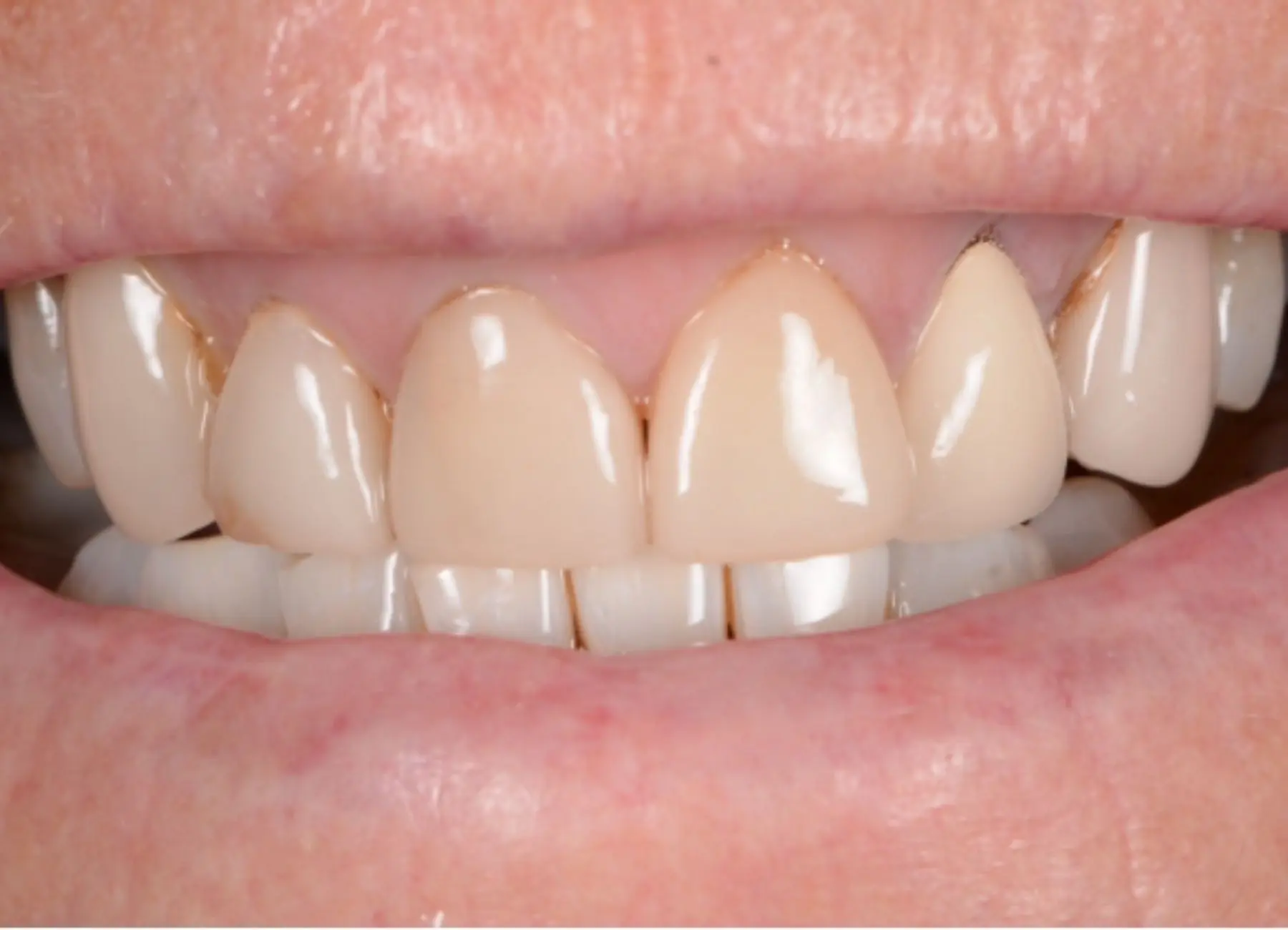
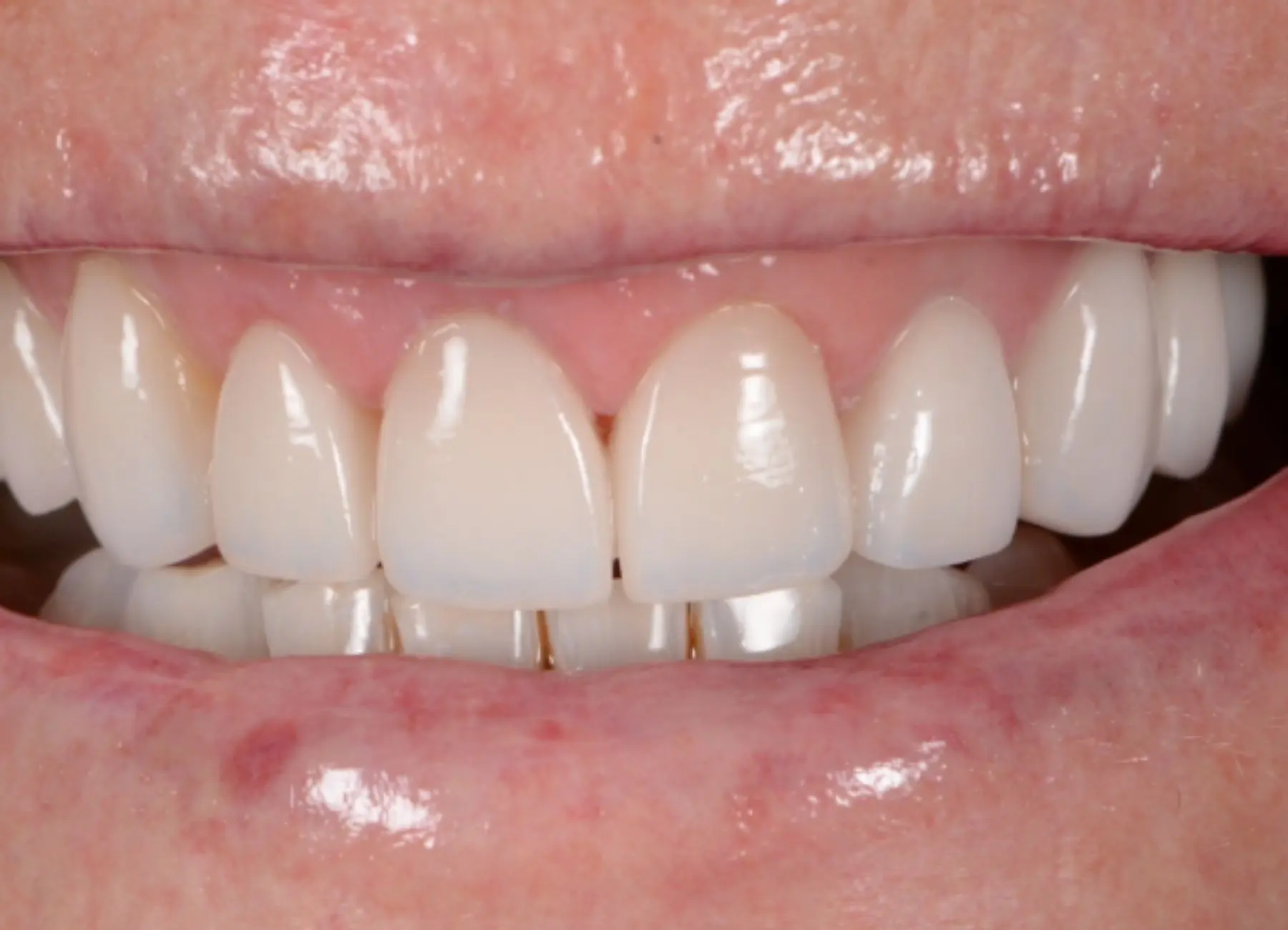
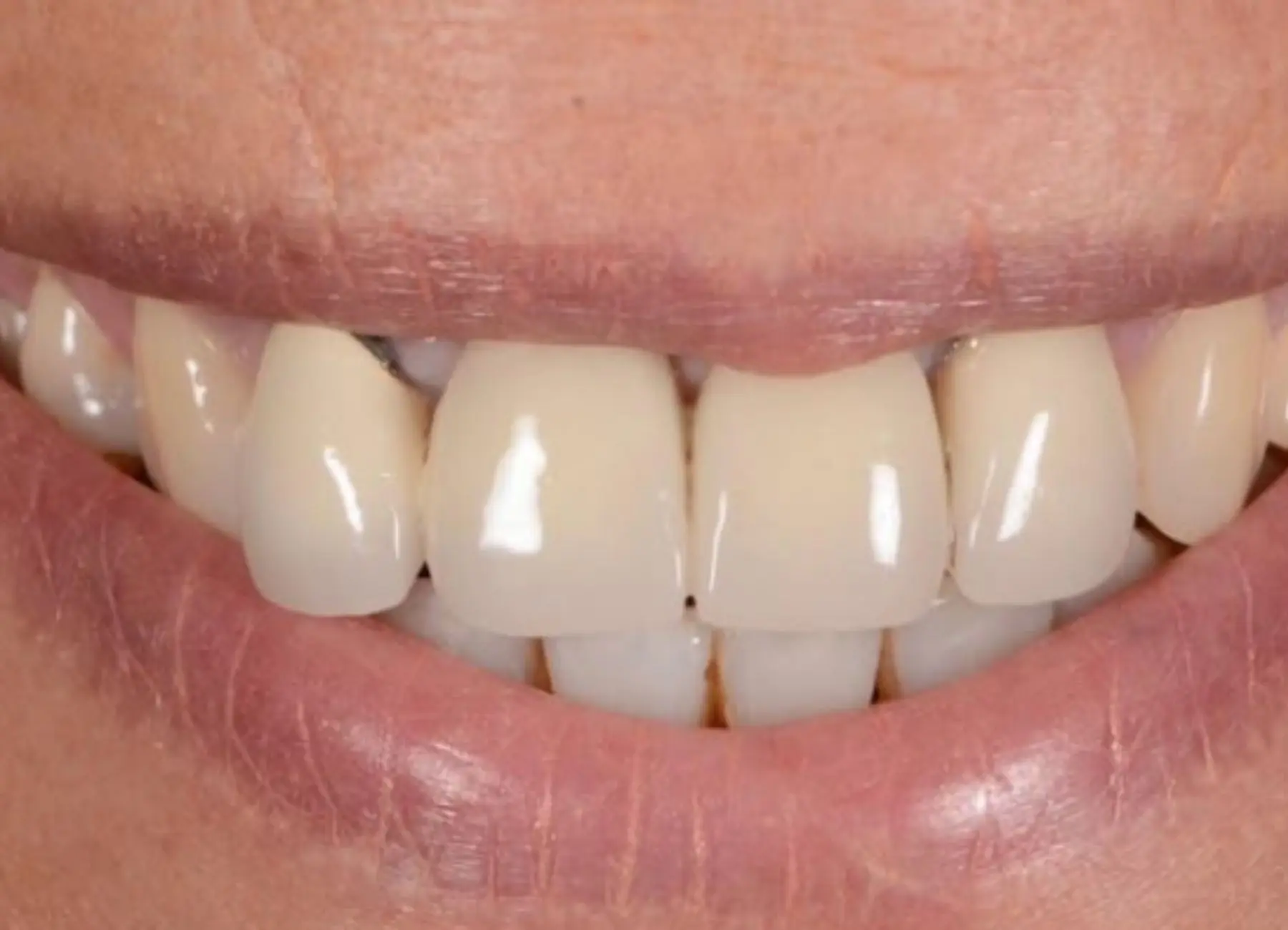
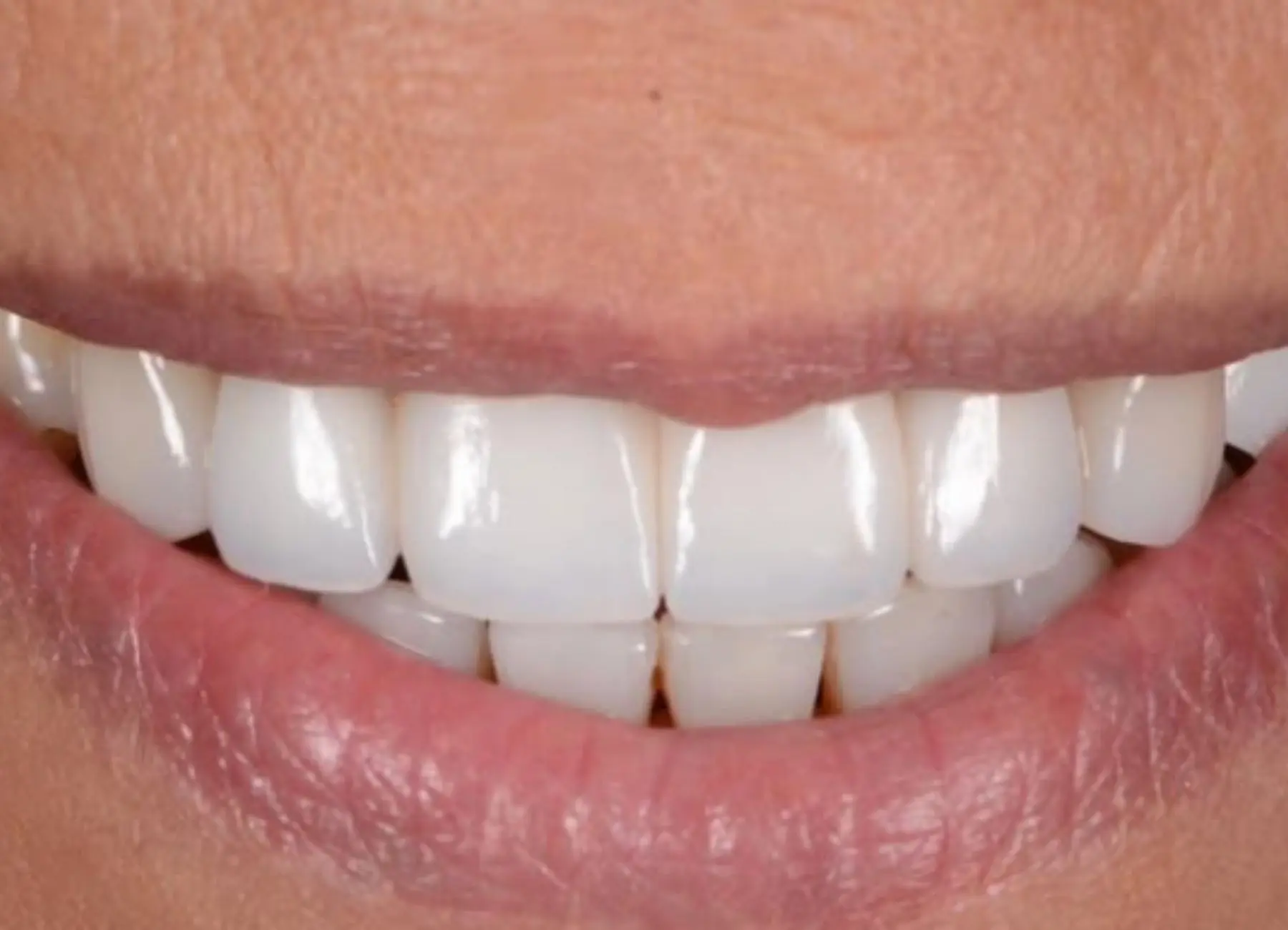
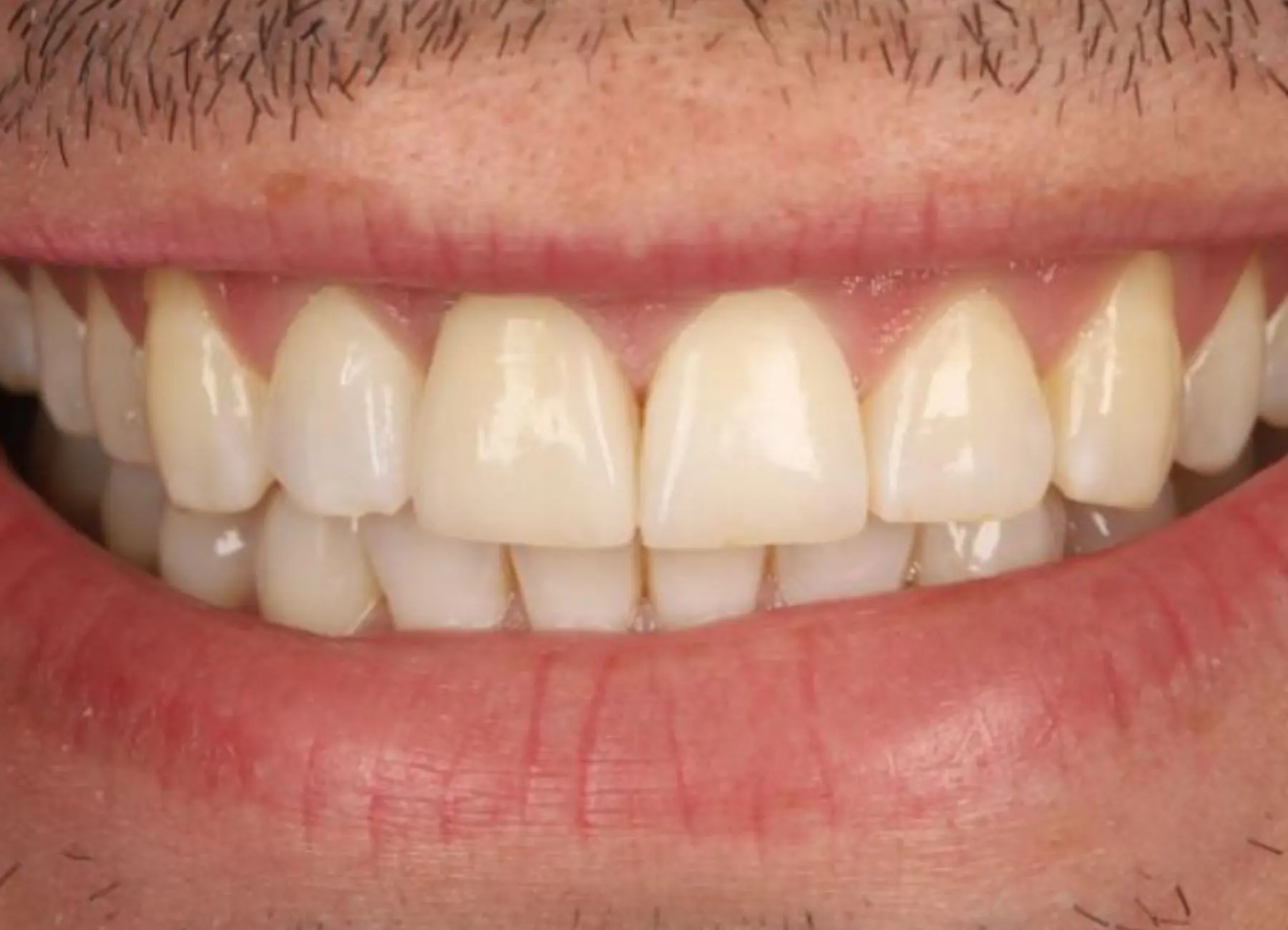
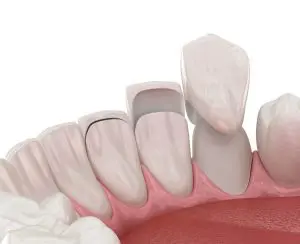
That said, I try to remain on the side that declares “beauty is in the eye of the beholder.” However, as beauty is subjective and dictated much by the opposite sex, research shows that people notice the differences, which is why dental solutions like porcelain veneers have emerged as popular solutions for celebrities and everyday people like you and me.
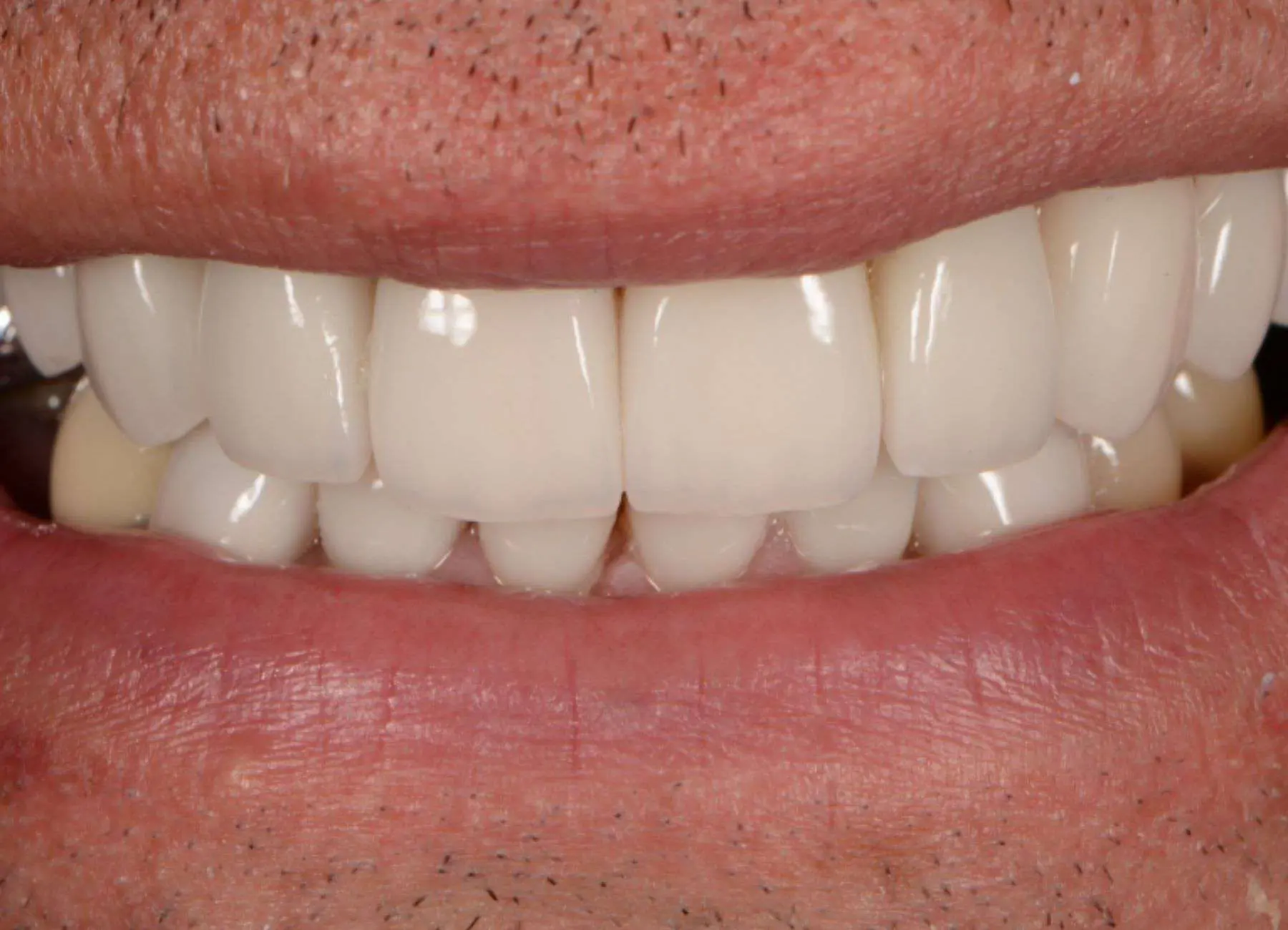
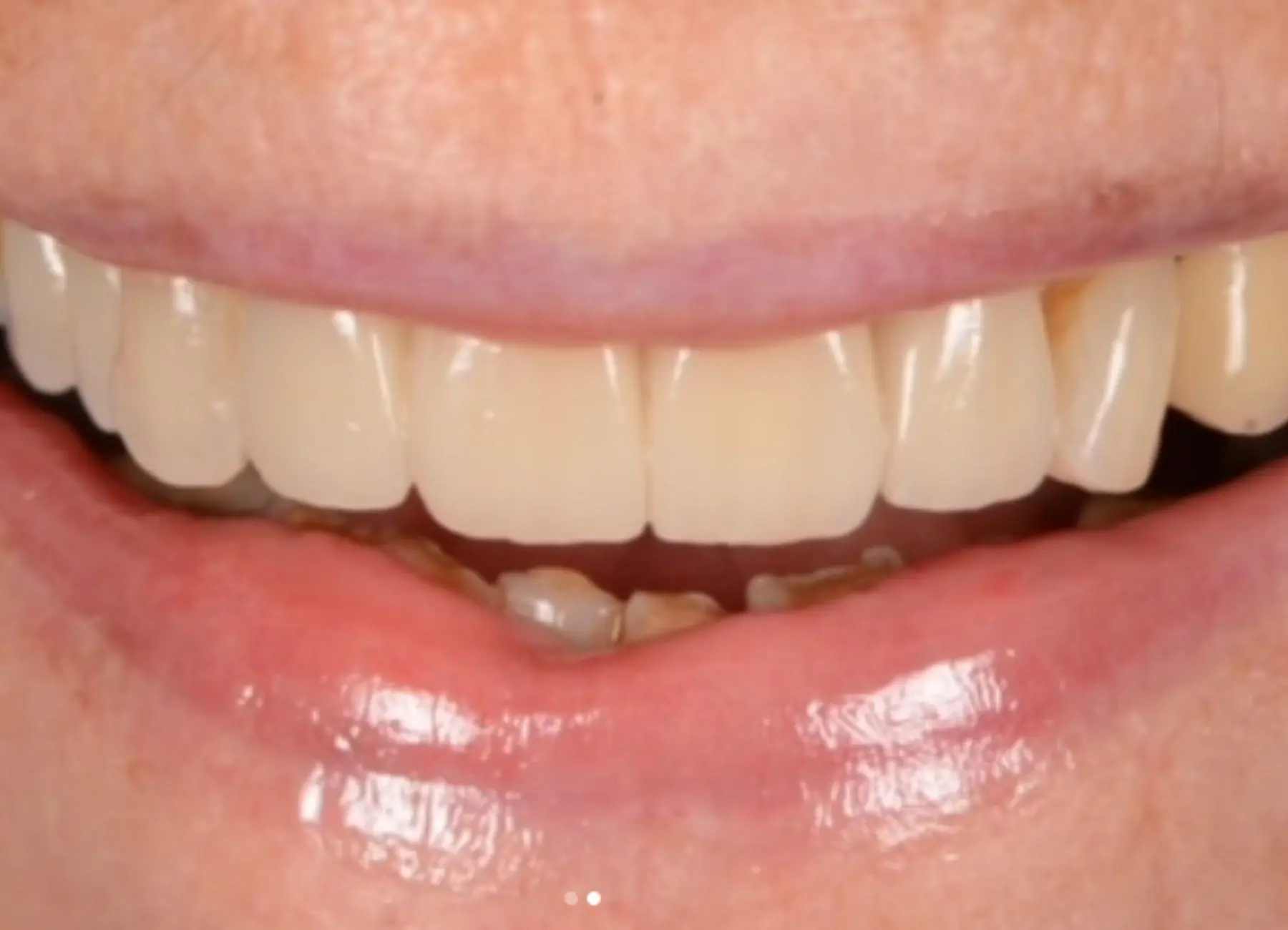
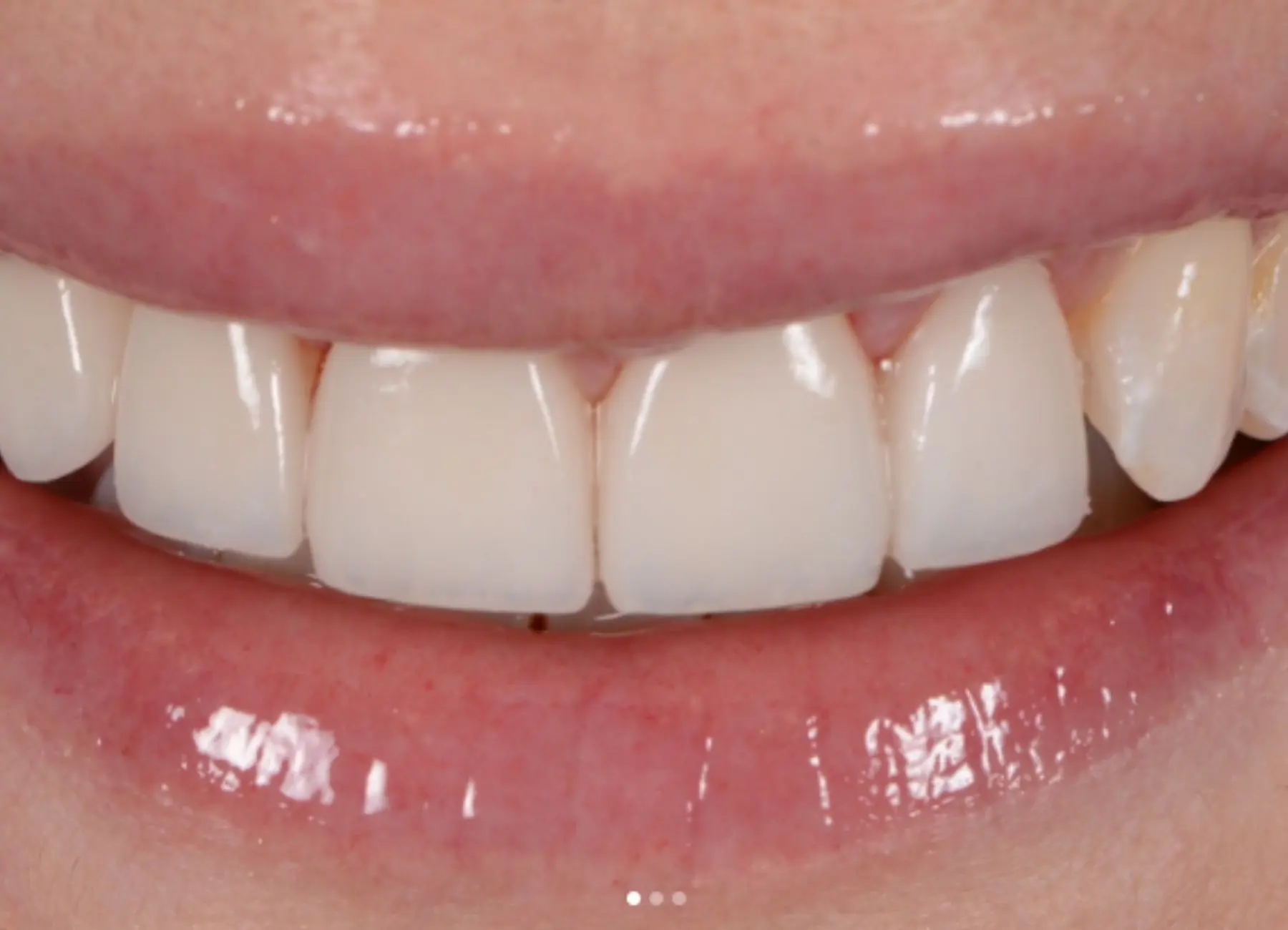
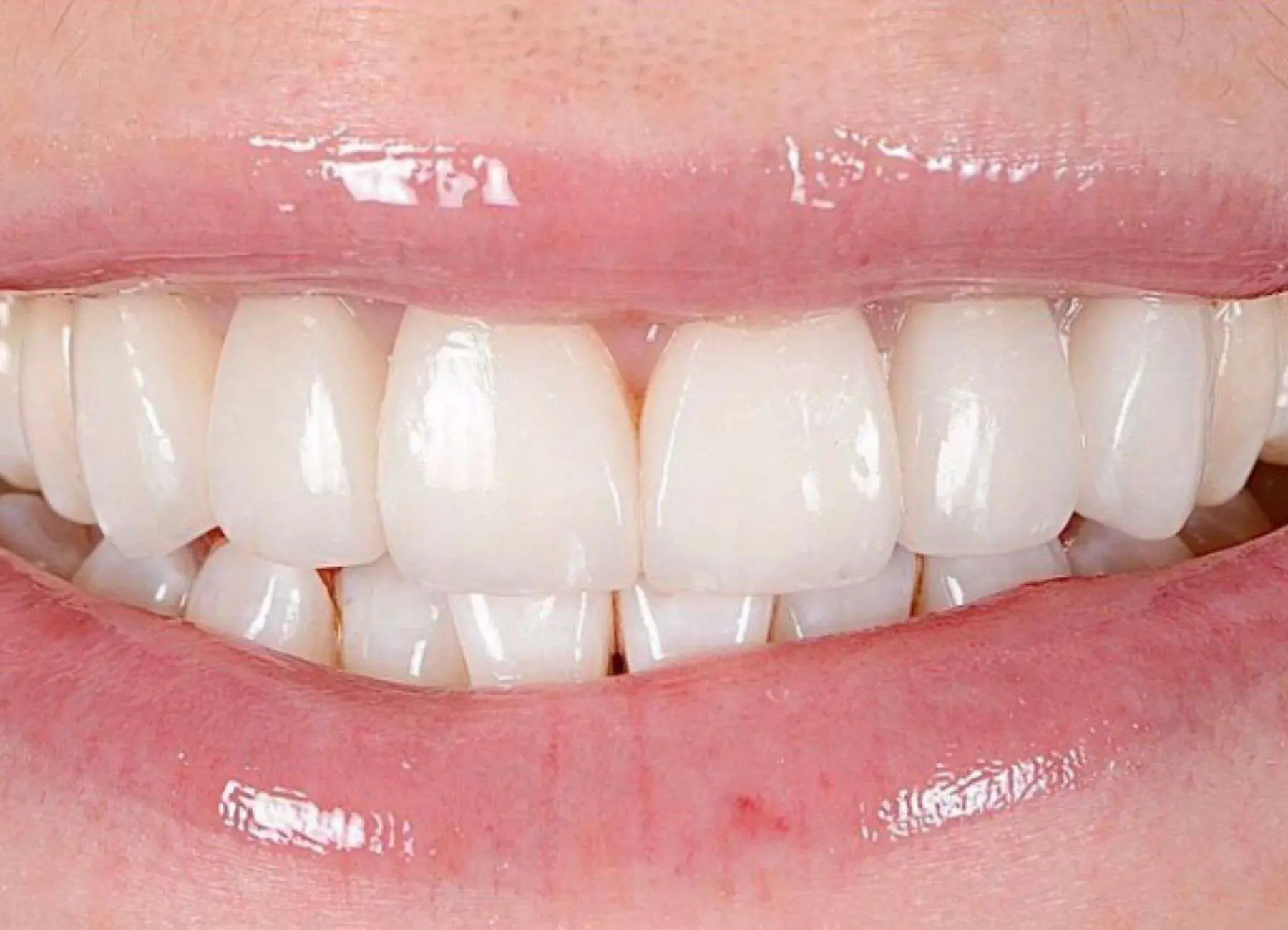
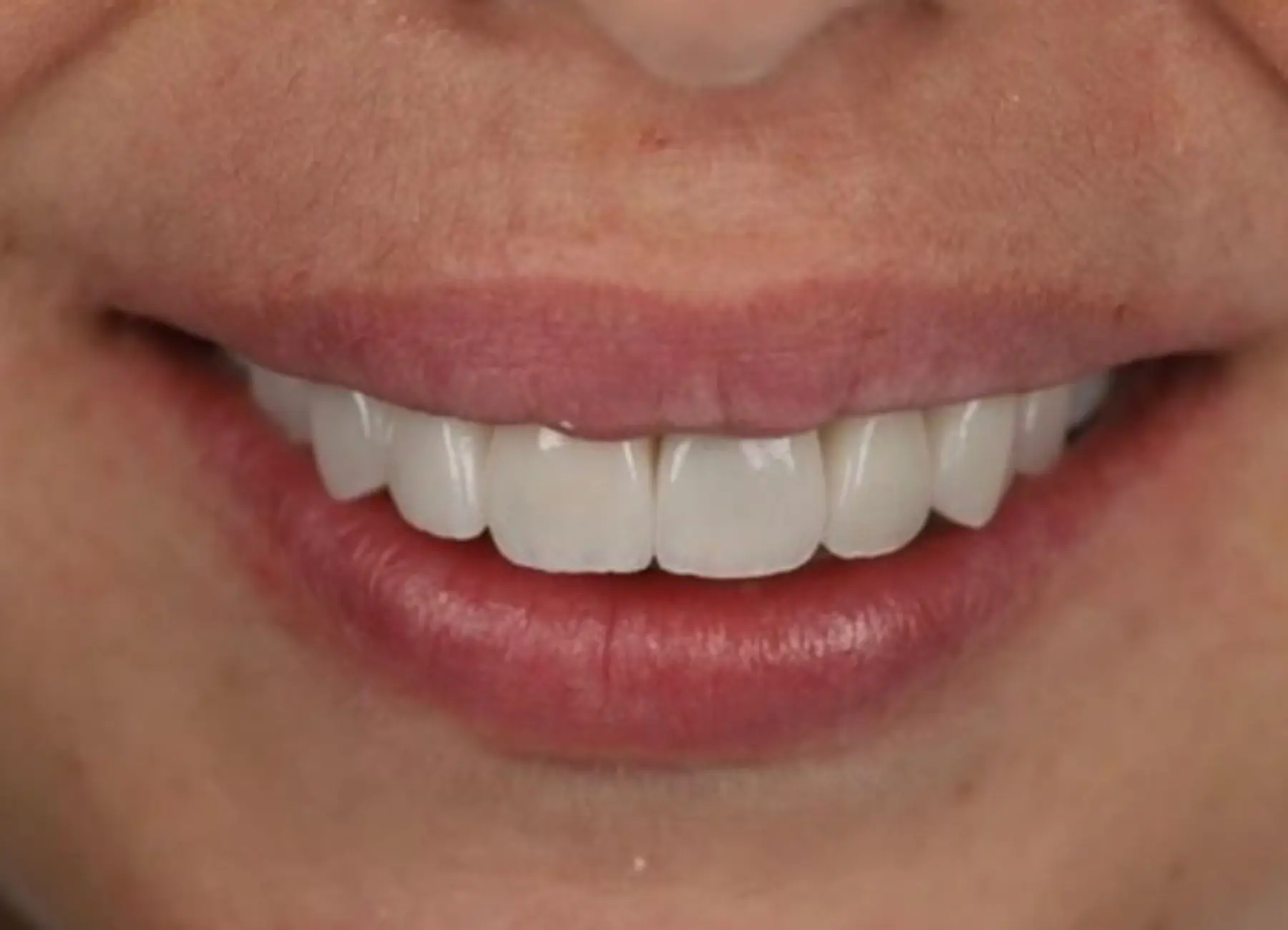
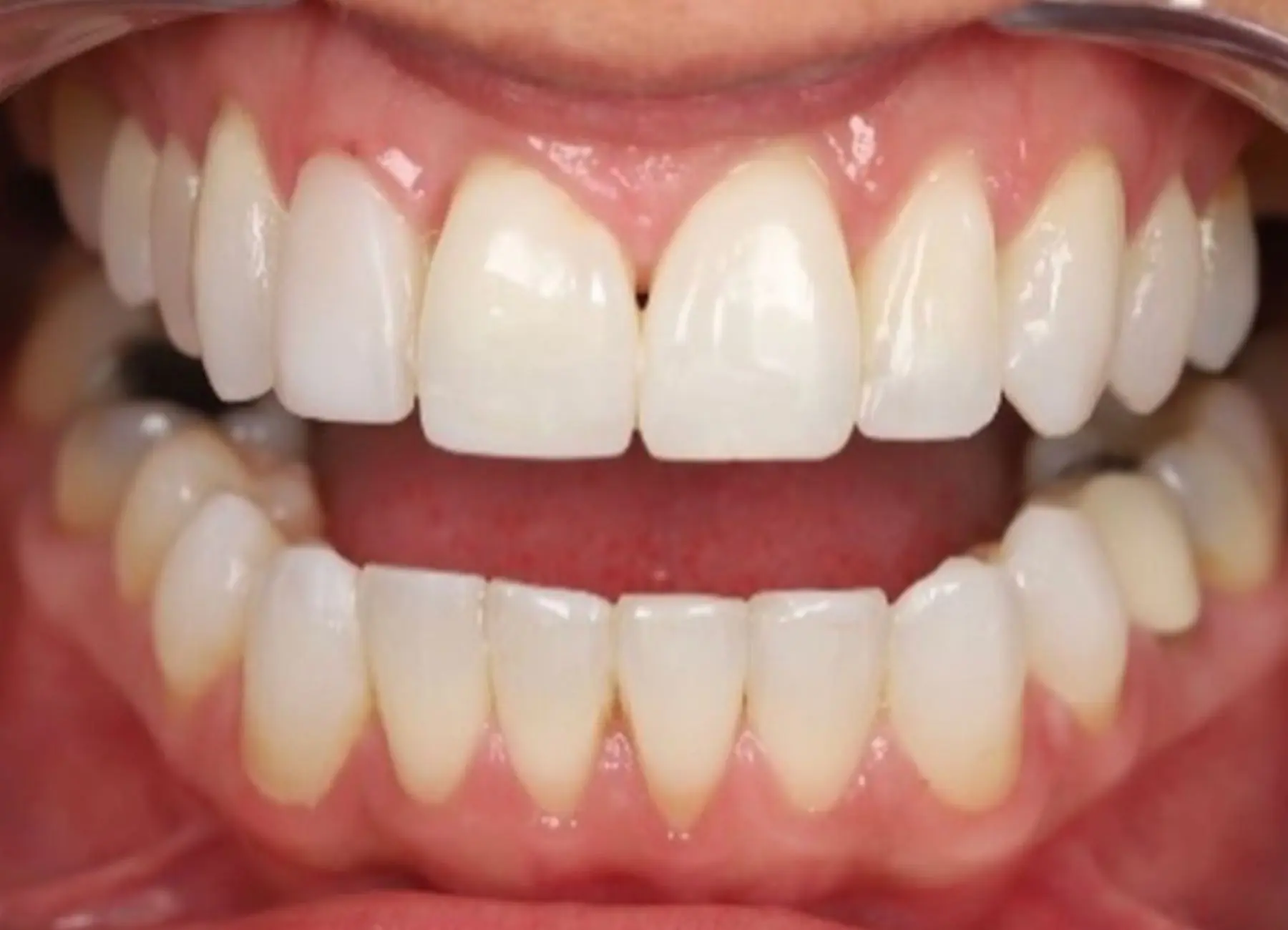
In the pursuit of achieving the perfect smile to improve our appearance, veneers seem to offer a long-term fix. But beyond aesthetics, how does the treatment truly affect how society welcomes and treats individuals? We’ve explored the psychology and statistics behind this phenomenon to uncover its fundamental truths.
The psychology of a good-looking smile
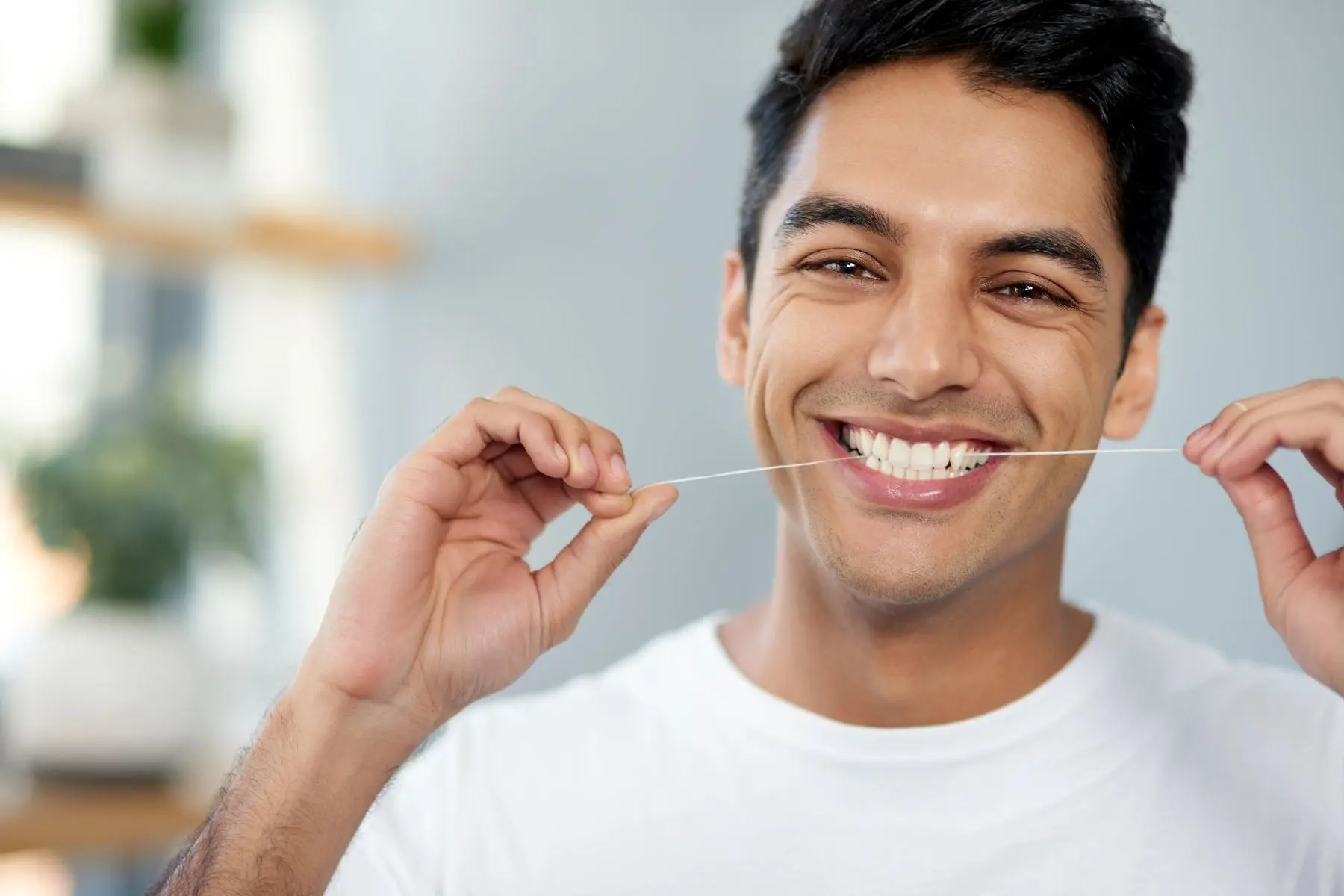
It’s not just our perception that a bad-looking smile closes some doors, but research shows that the appearance of your teeth significantly influences how you’re perceived.
A study published in BMC Oral Health showed that those with well-aligned and white teeth were perceived to be more attractive and confident. This can also be attributed to the individual’s high self-esteem and confidence, which would affect their body language and psychological behaviours.
A further study in The Journal of Prosthetic Dentistry went a step further and reported that individuals with an aesthetically pleasing smile are perceived to be more successful, higher-earning, intelligent and trustworthy than those with poor dental health and imperfections.

Social and economic implications
It’s not just a confidence issue—the impact of dental aesthetics influences how others treat you, too. How can you not be affected? An article published in Allure in March 2025 touched on this aspect, showing it’s still relevant today for Gen Z, just as it was for me as a millennial growing up.
The article touches on how people with “perfect teeth” are typically associated with having a higher socioeconomic status – a judgment even I’ve been guilty of making in the past, as historically for us, a sparkling, perfect smile has been associated with money and wealth.
“25% of employers would be less likely to employ or promote a staff member who has bad teeth.” HR Magazine
Taking it one step further, the article claims that when it comes to employment, candidates with straight, white teeth were more likely to be hired over those with visible dental issues. And as discriminatory and horrible as this sounds, it’s true, especially considering 50% of adults believe a smile is the most memorable feature after meeting someone for the first time.
“Other aging imperfections or flaws such as excess weight (48%), dark under-eye circles (33%), and wrinkles (31%) are more likely to be ignored than their teeth.” AACD.
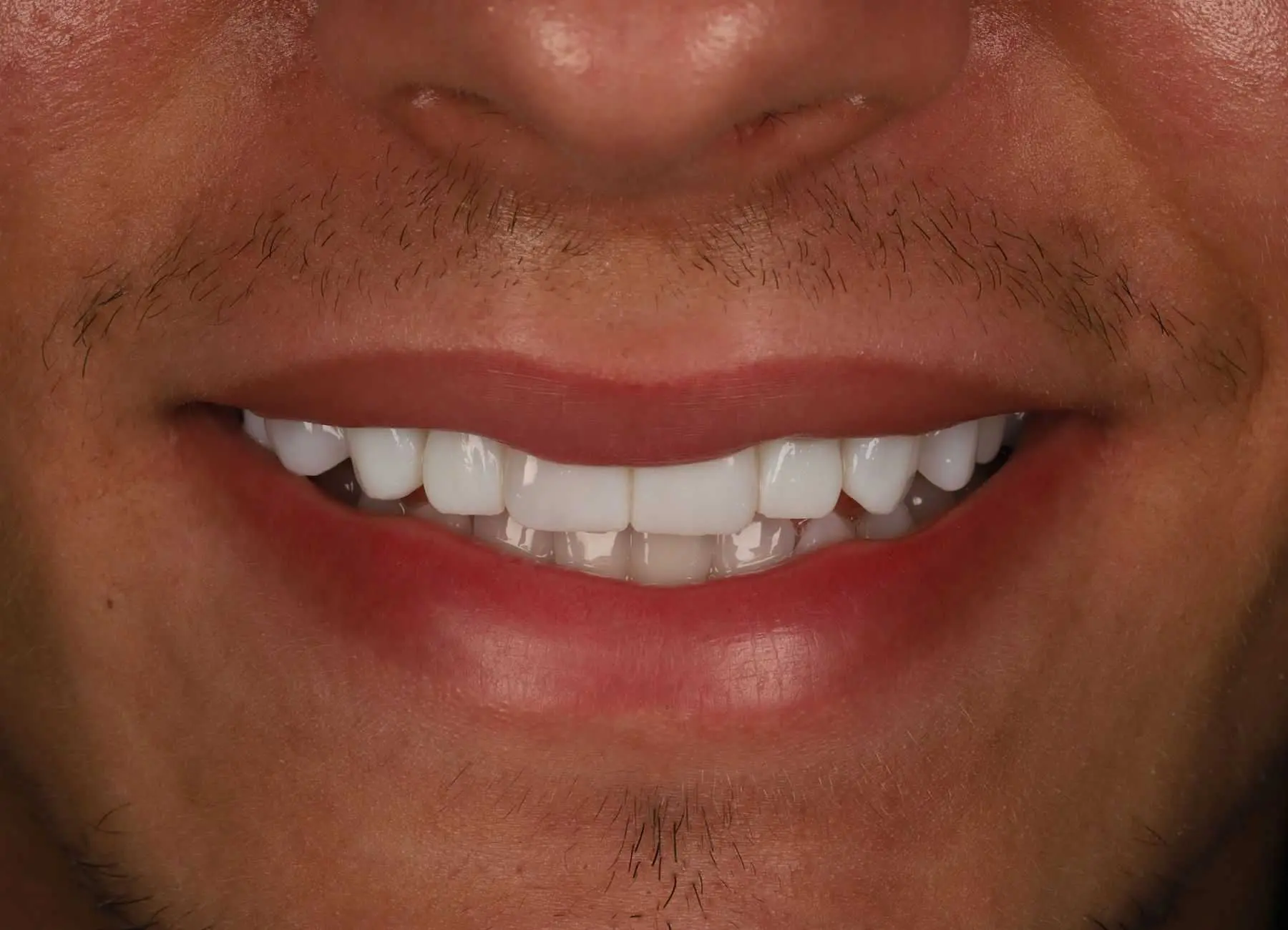
So, when you weigh this against individuals who have improved their smiles with porcelain veneers, the data suggests that their better-looking smiles better shape their first impressions and influence their career advancement. You only have to look at Forbes 30 under 30 to see this in action.
The conclusion – do veneers change the way people are treated?
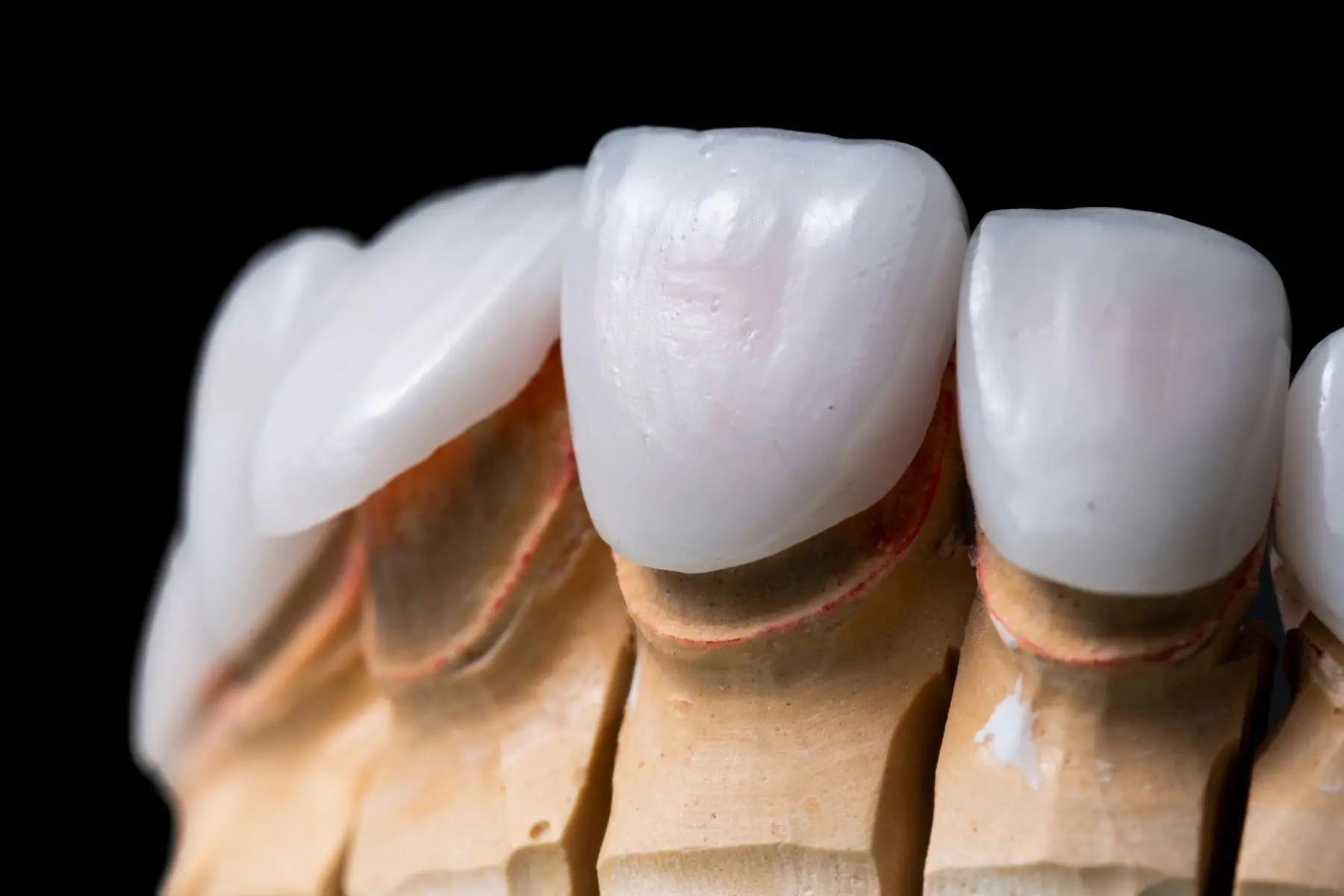
While there’s no study to reveal this answer plainly, we can see from other dental aesthetic studies that those with bad teeth are treated differently from those who have straighter, whiter teeth. From this, we can conclude that individuals with veneers may experience:
- Increased social acceptable: People with good-looking smiles are more likeable and approachable. They’re also perceived to be wealthier and more trustworthy.
- Professional opportunities: Studies show that people with perfect-looking teeth are more likely to get promoted, hired, or advance in their careers.
- More confident and happier: Healthier, whiter teeth are associated with improved self-esteem and higher confidence levels, which lead to more positive social interactions and greater economic opportunities.
But let’s leave you with the fact that no matter how much you improve your smile, you’ll still be open to judgment. You can’t please everyone all at once.
Others might judge you for having a perfect smile, especially if your cosmetic work looks unnatural or excessive. What matters is how you feel and how your current smile impacts your overall body language and confidence, as well as the society around you.