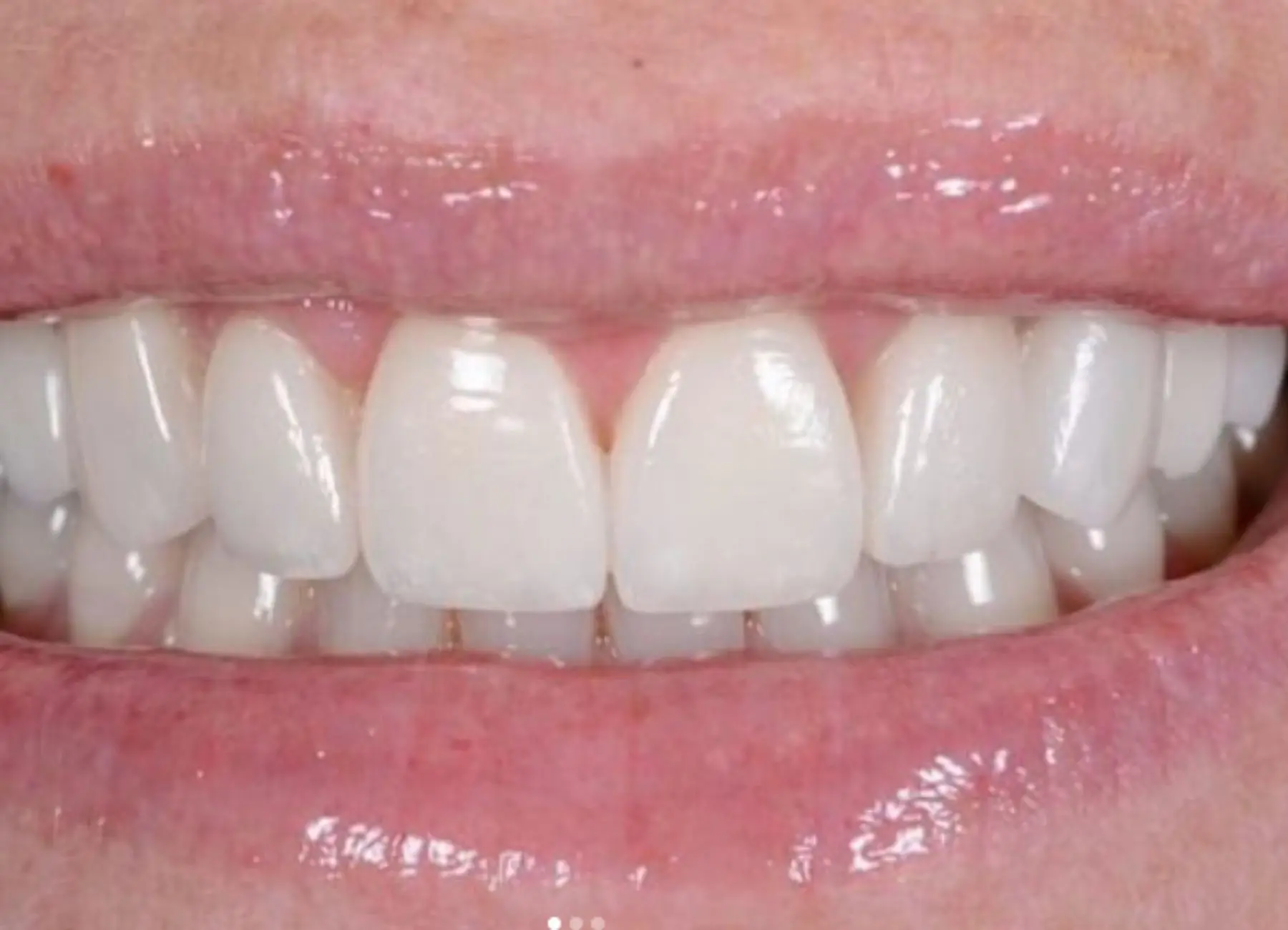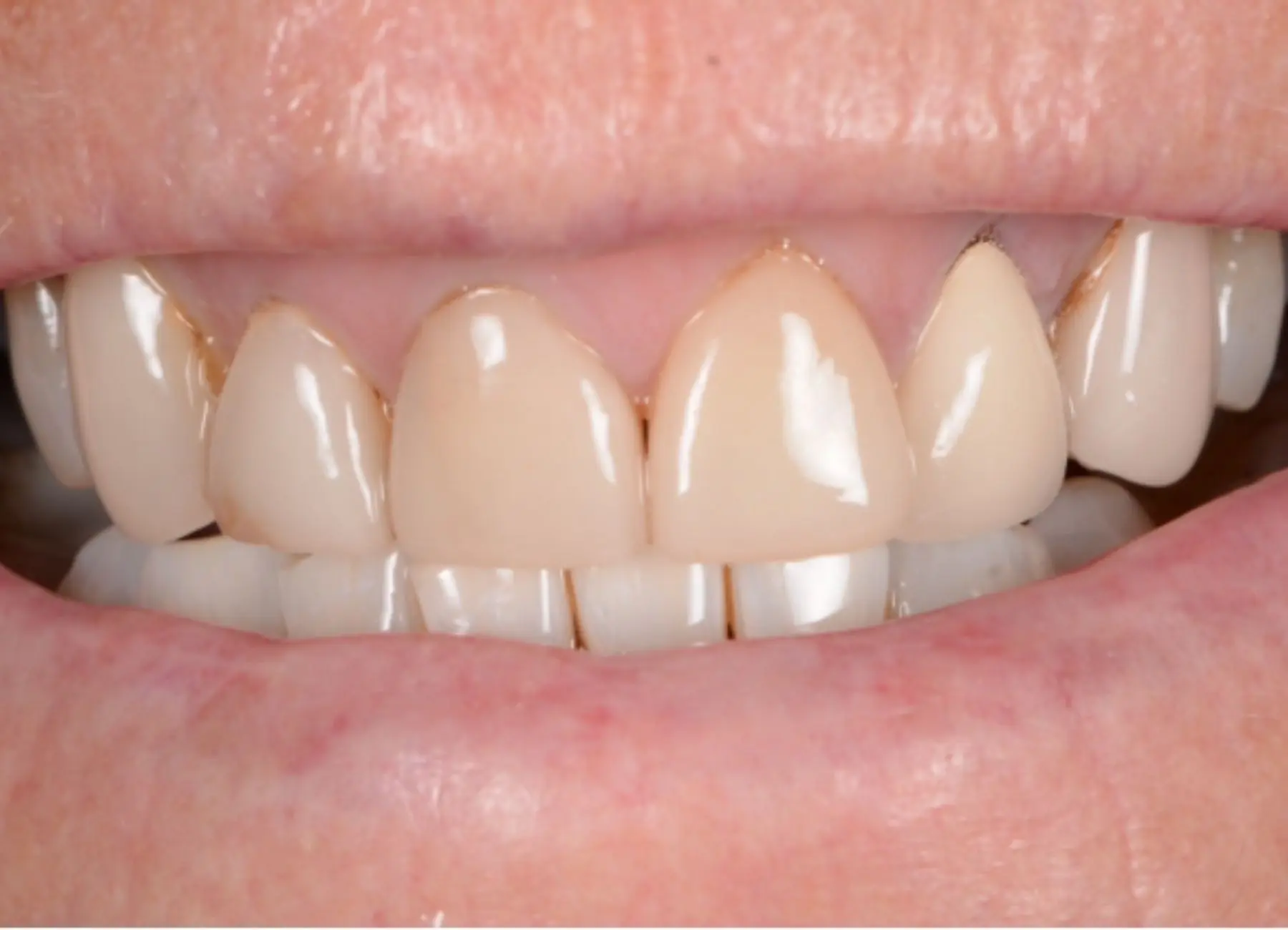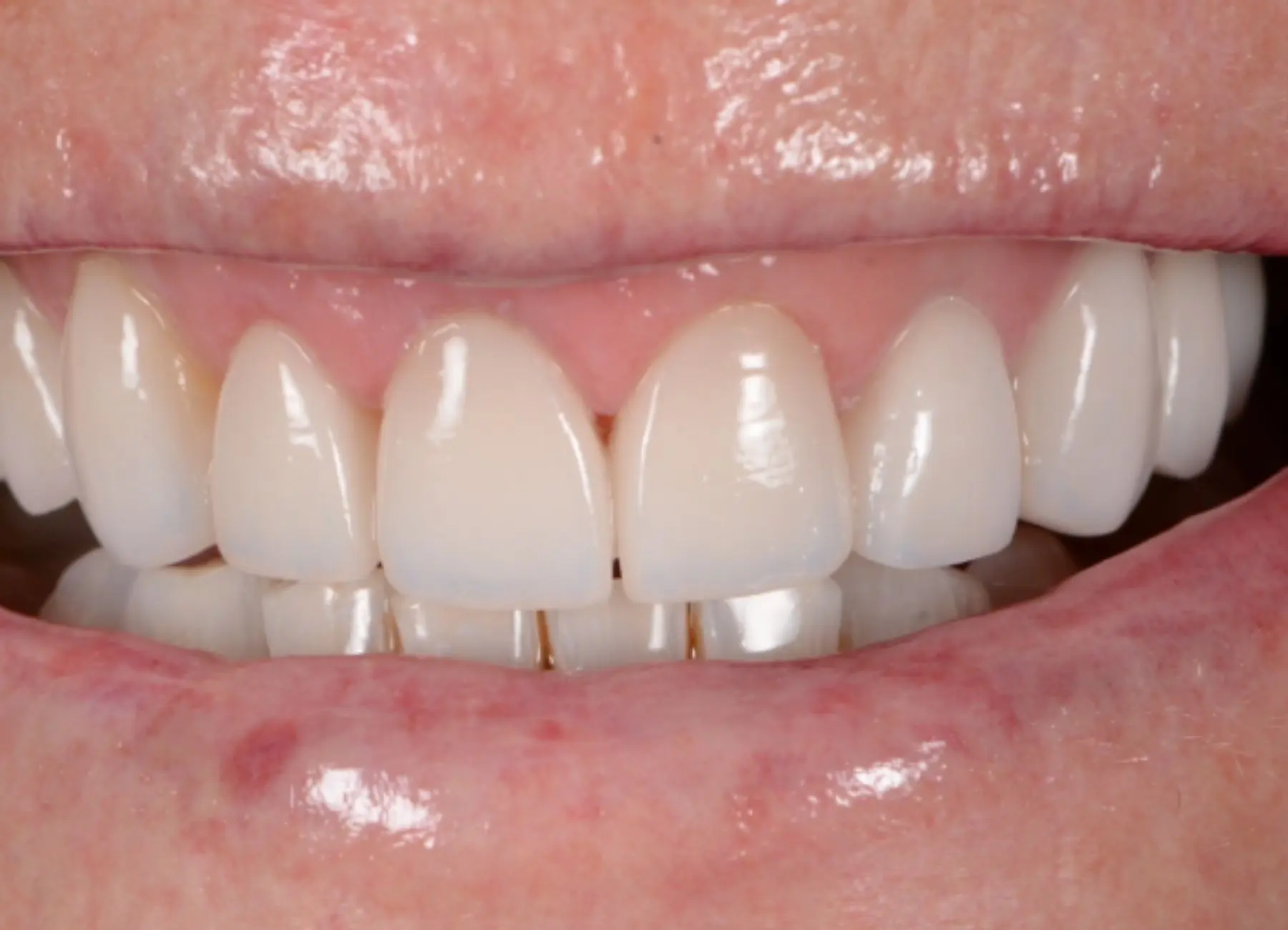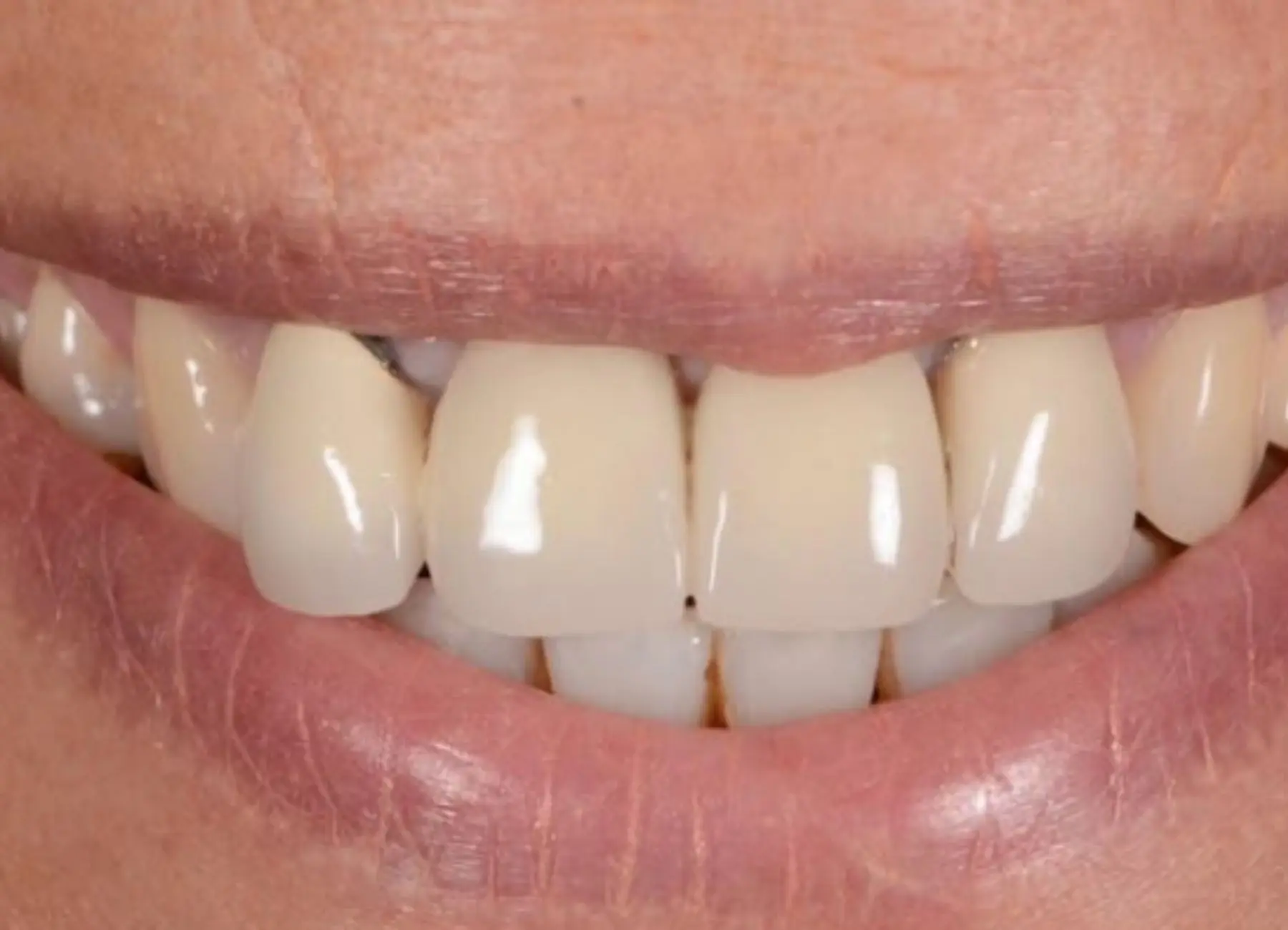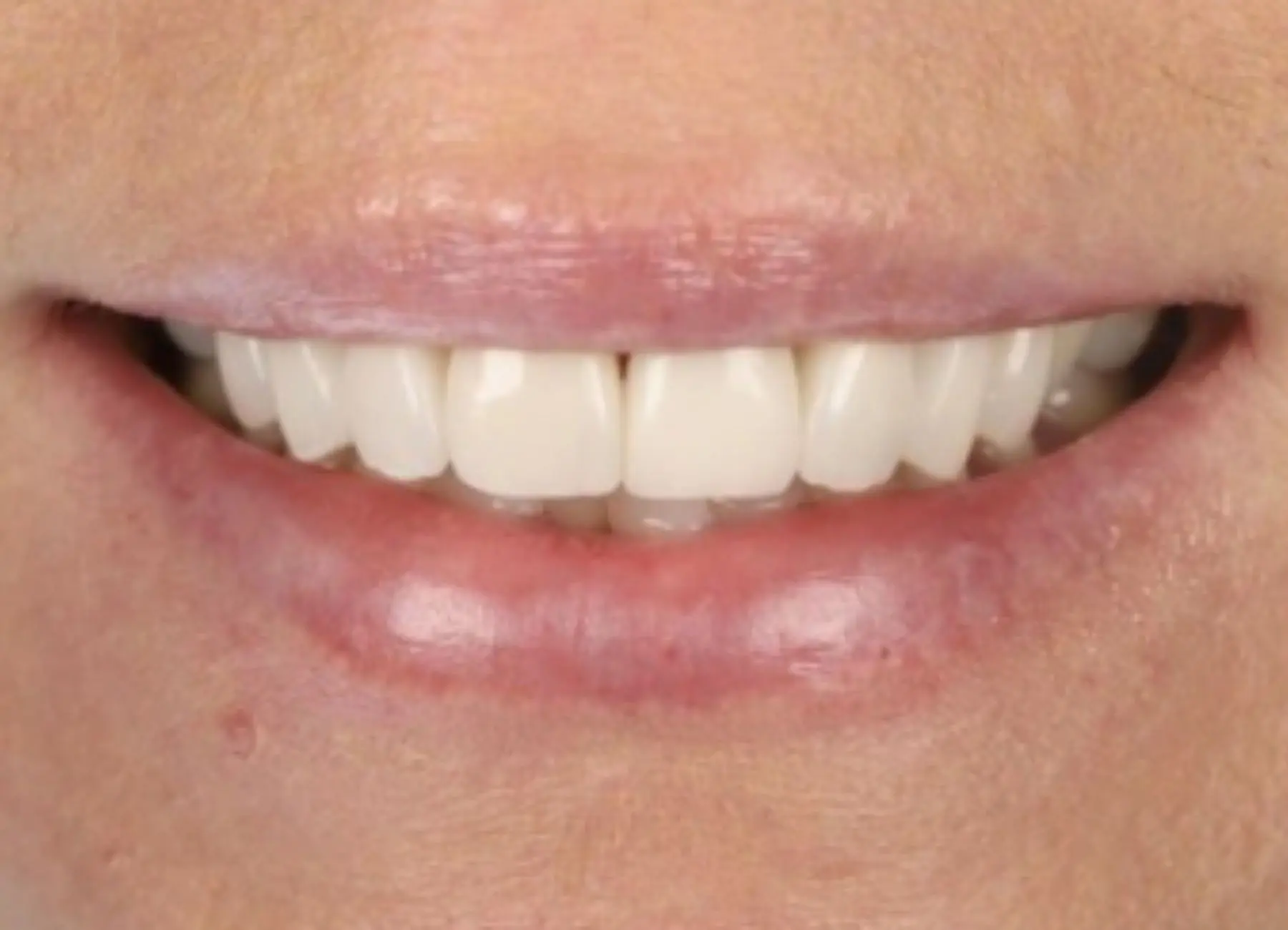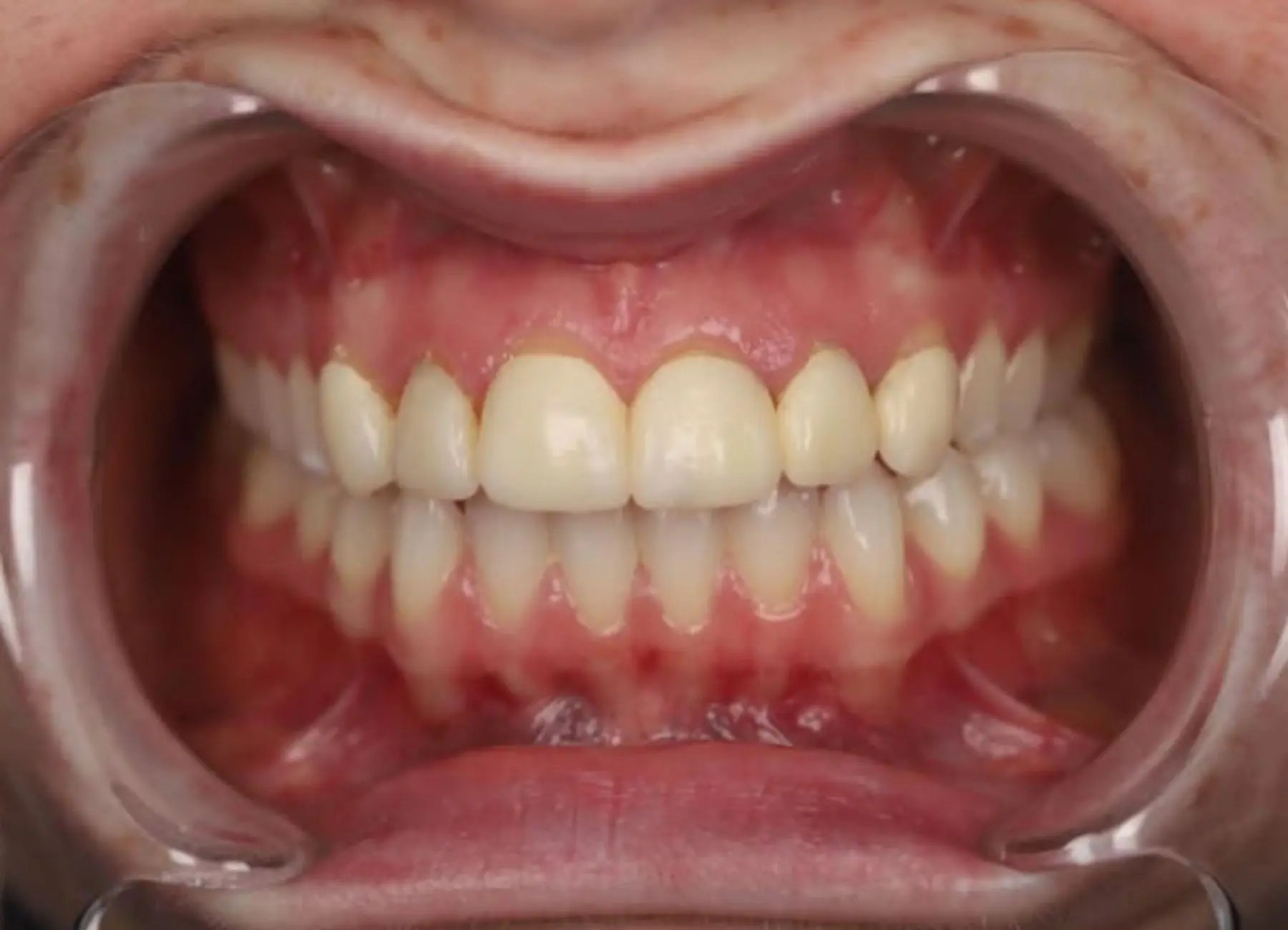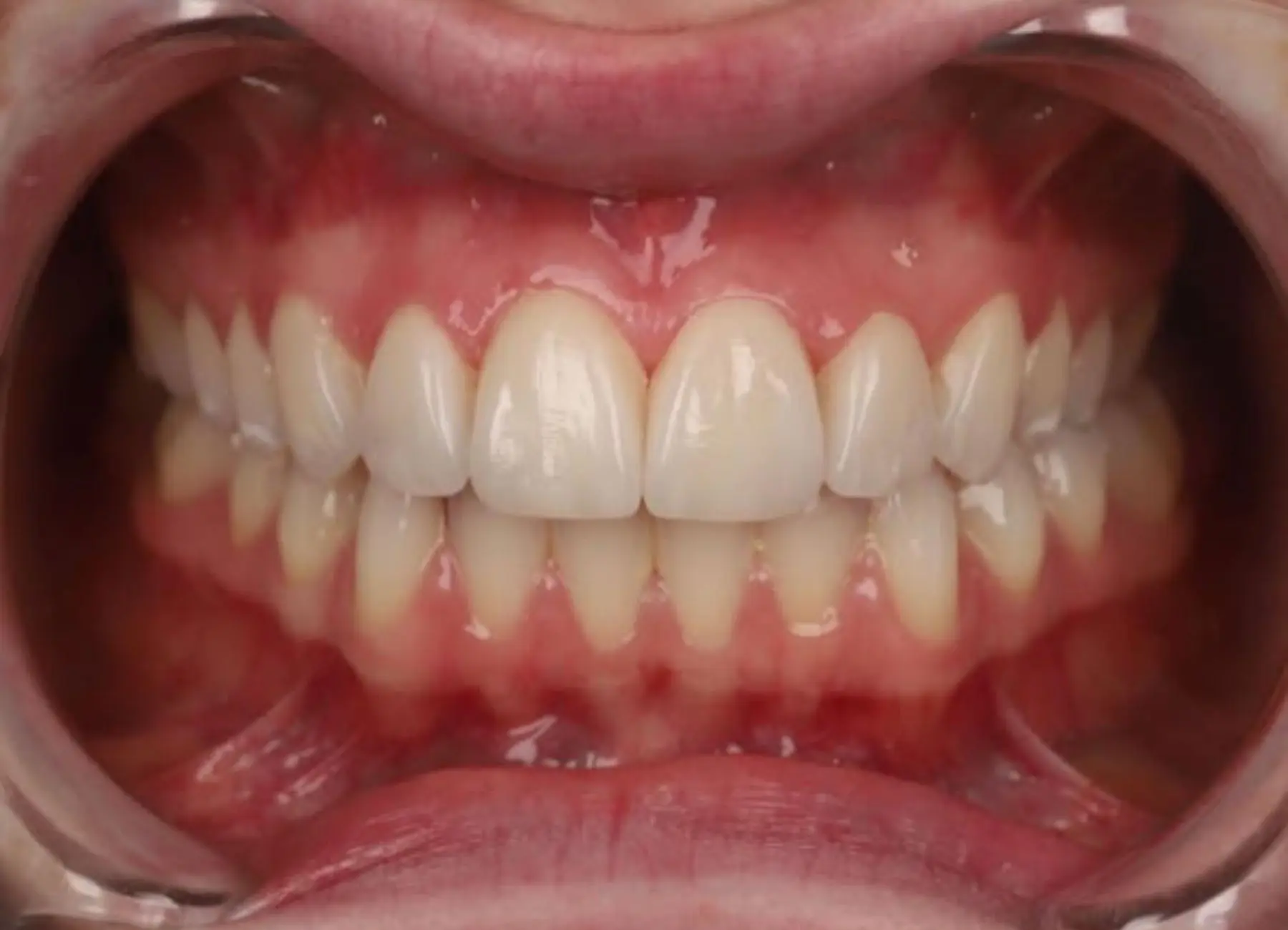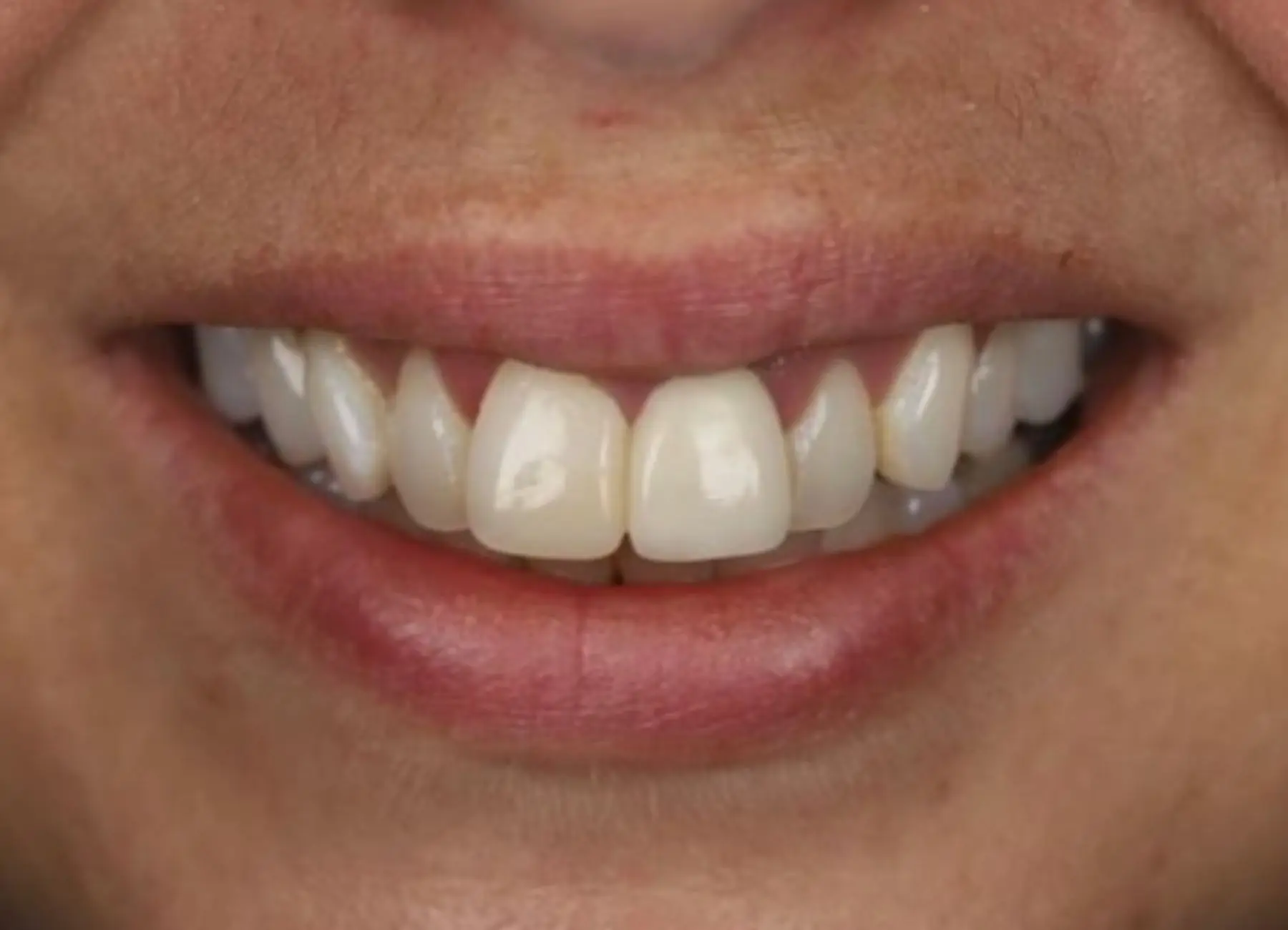
Exploring the connection between perfect smiles and happiness
A smile, when bared, is seen as the universal sign of happiness, sending good vibes to anyone who pays attention. But can improving how it looks actually make you happier?
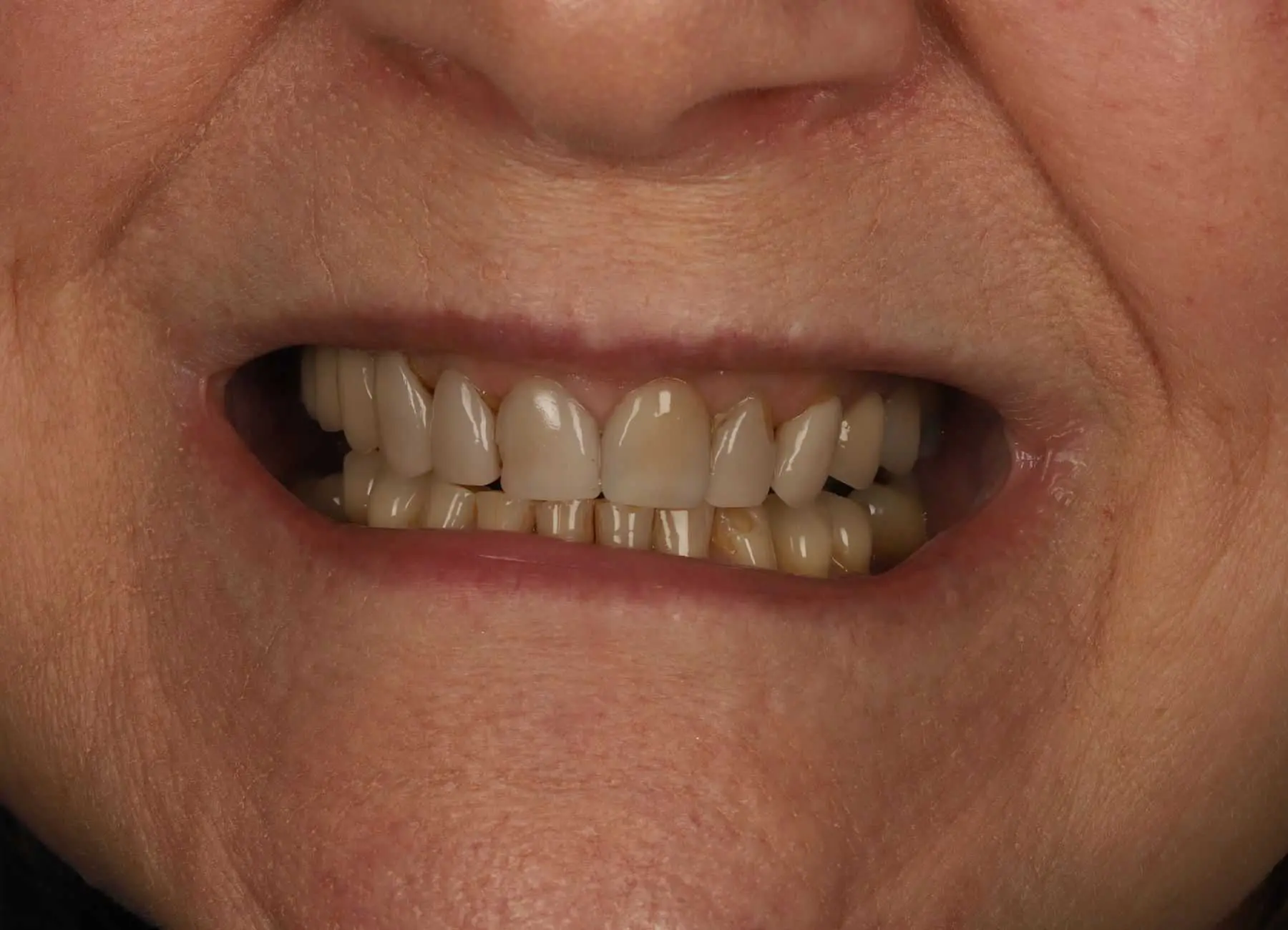
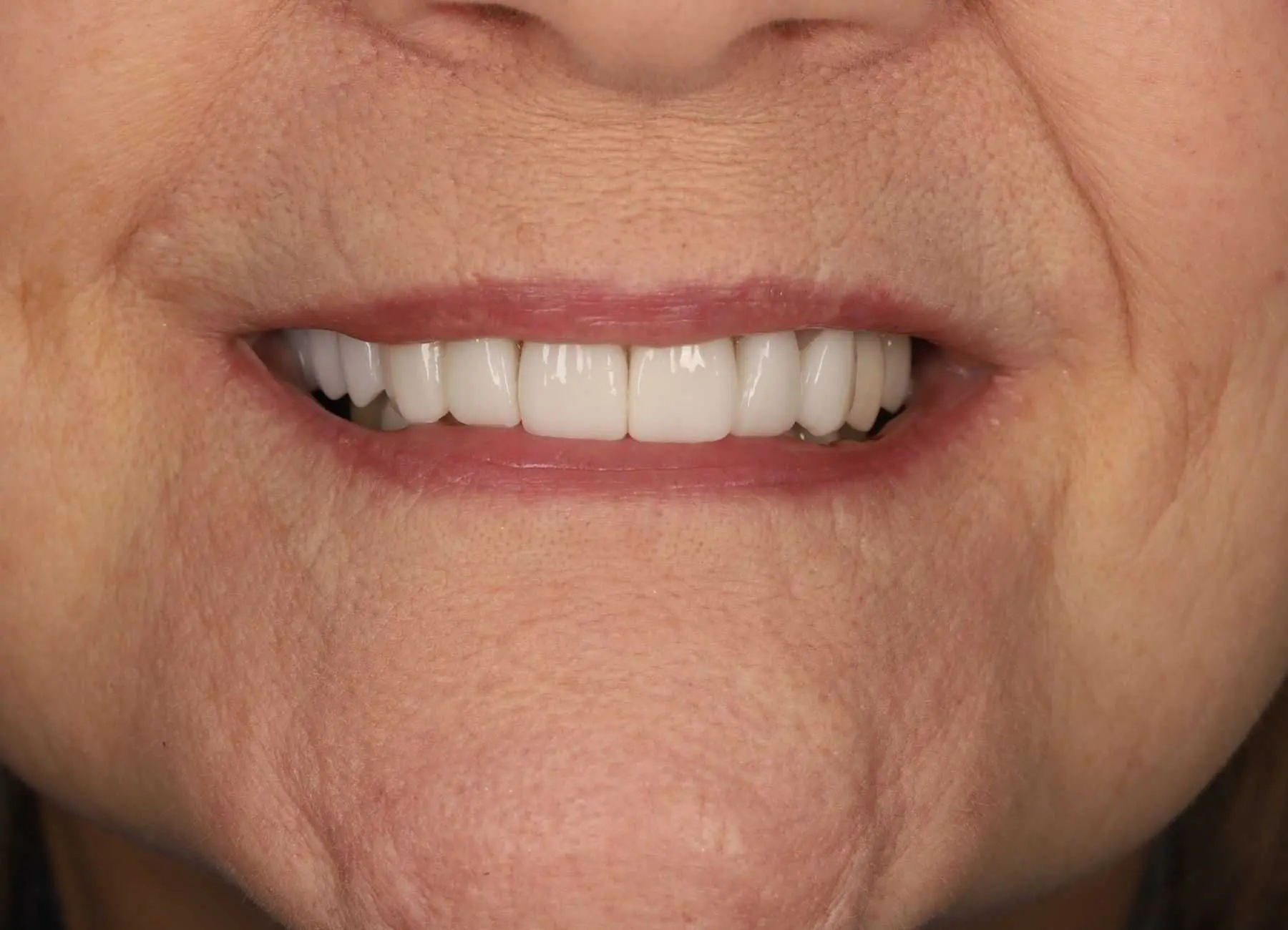
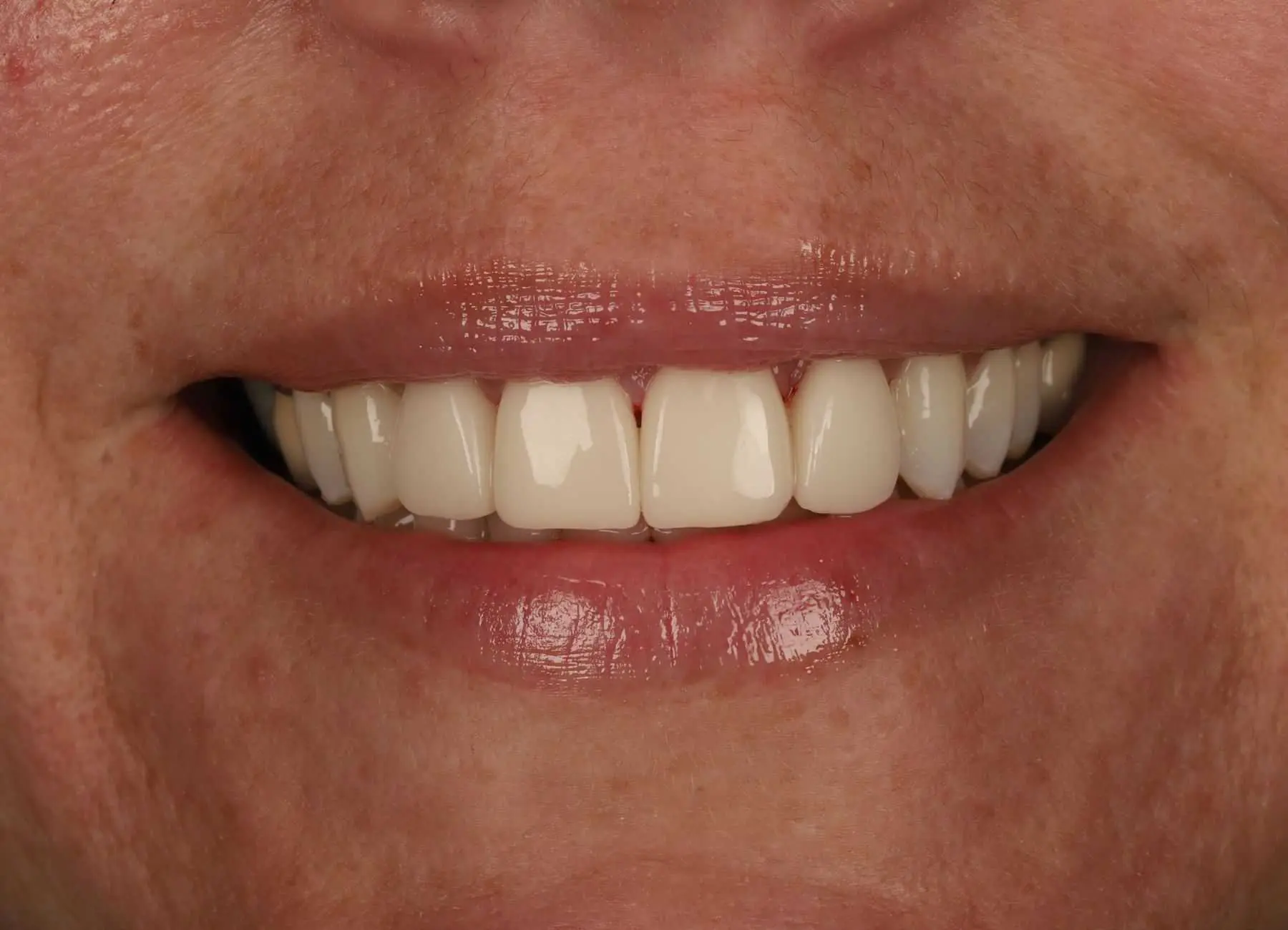
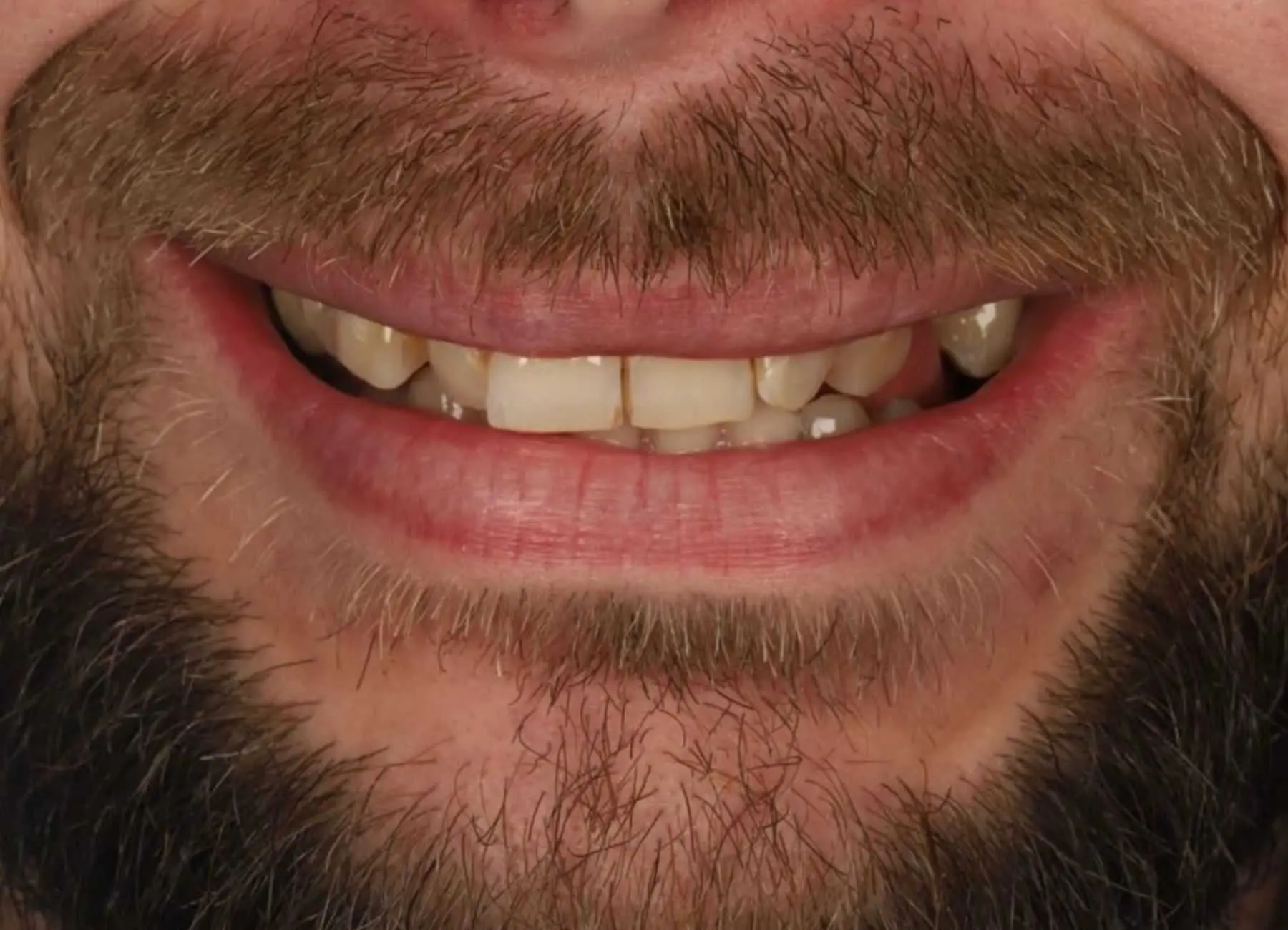
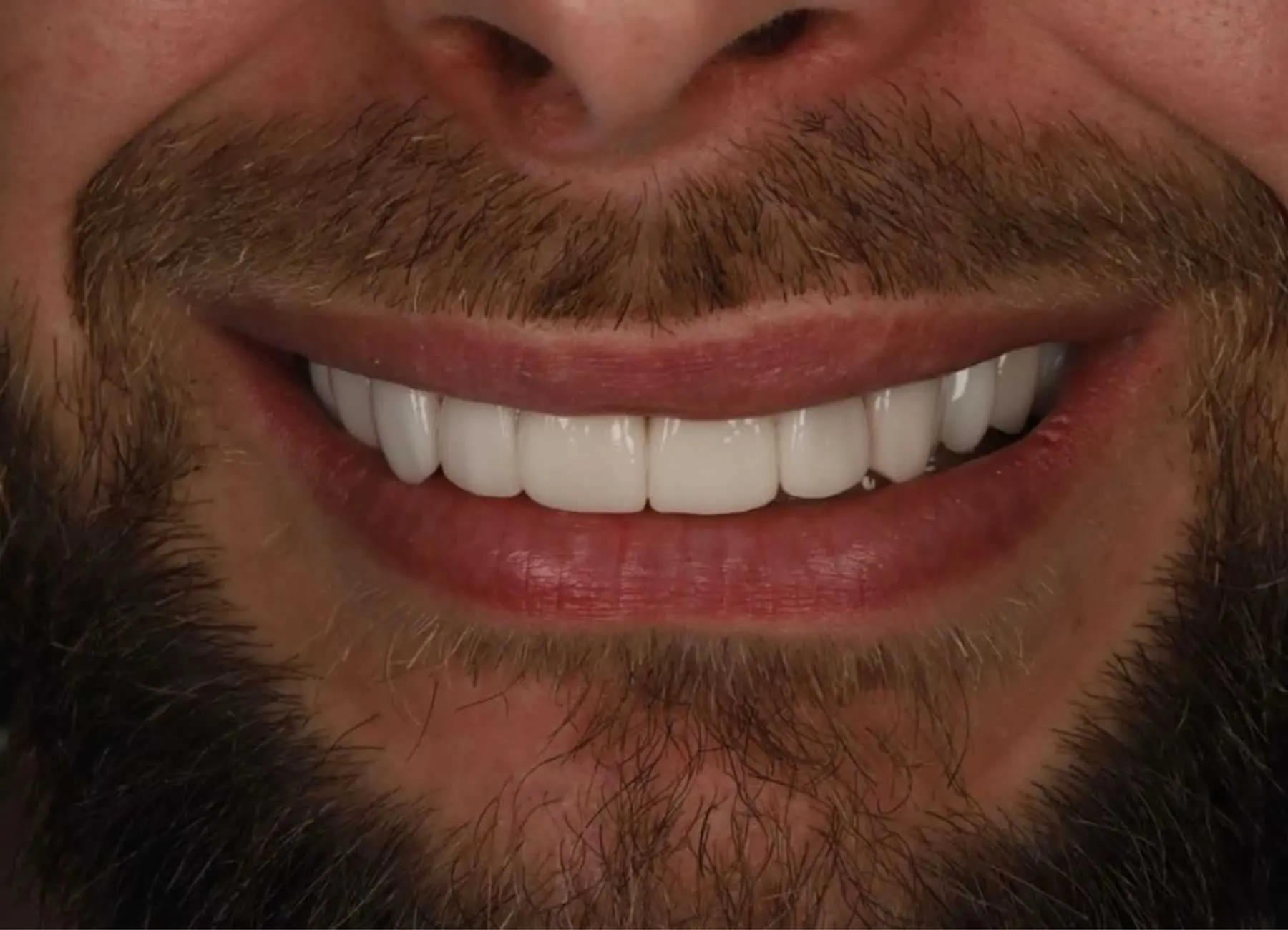
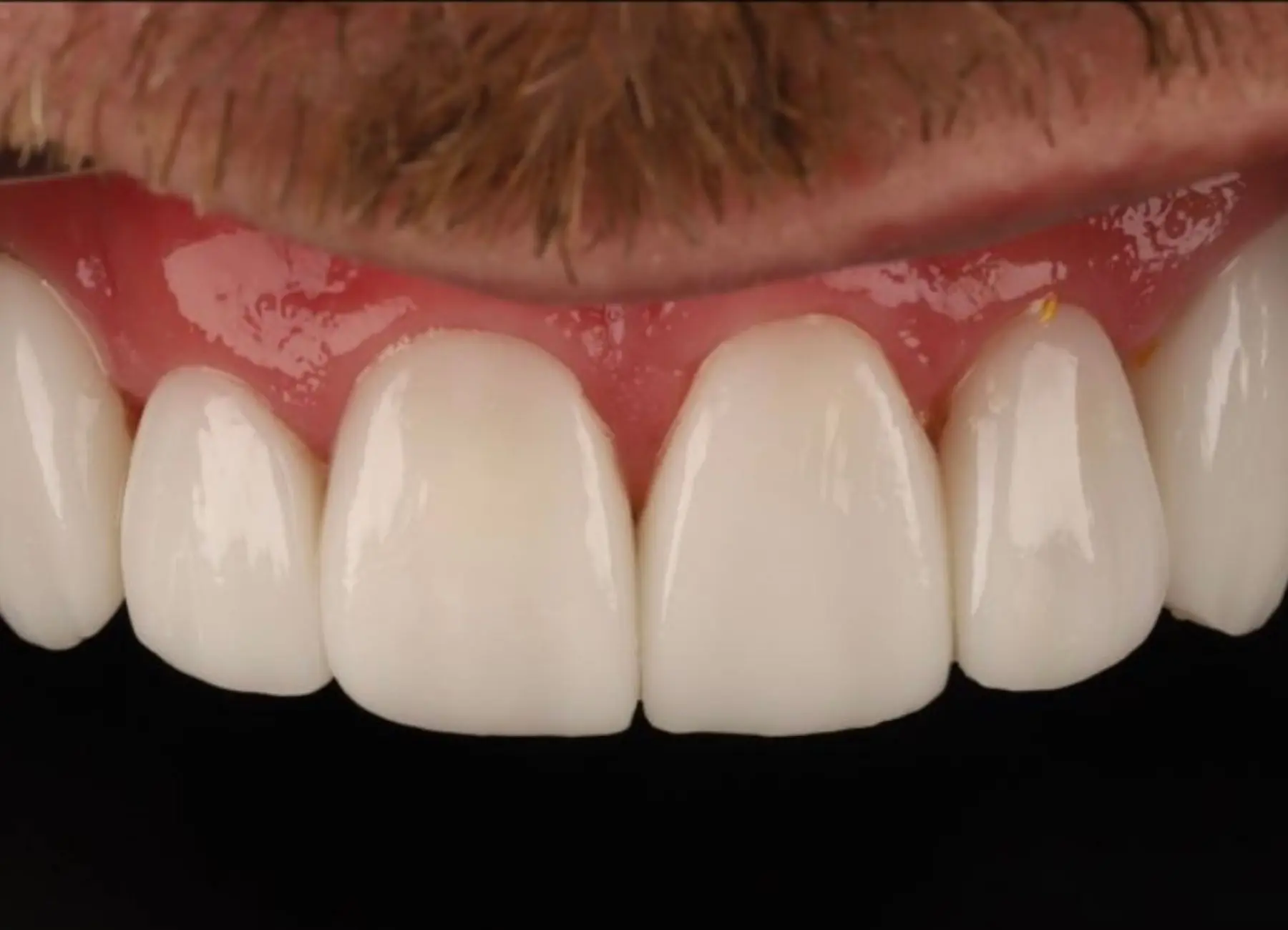
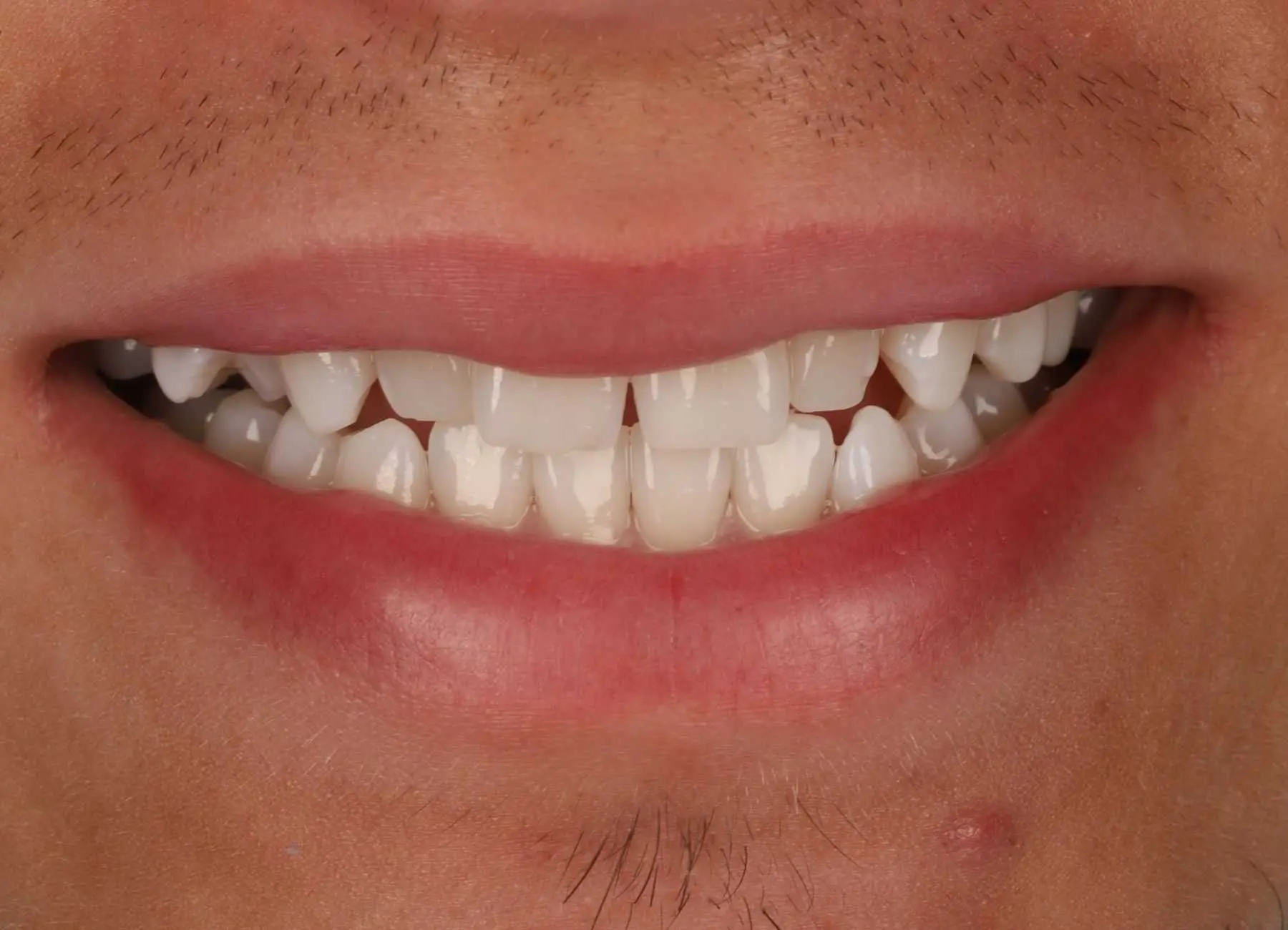
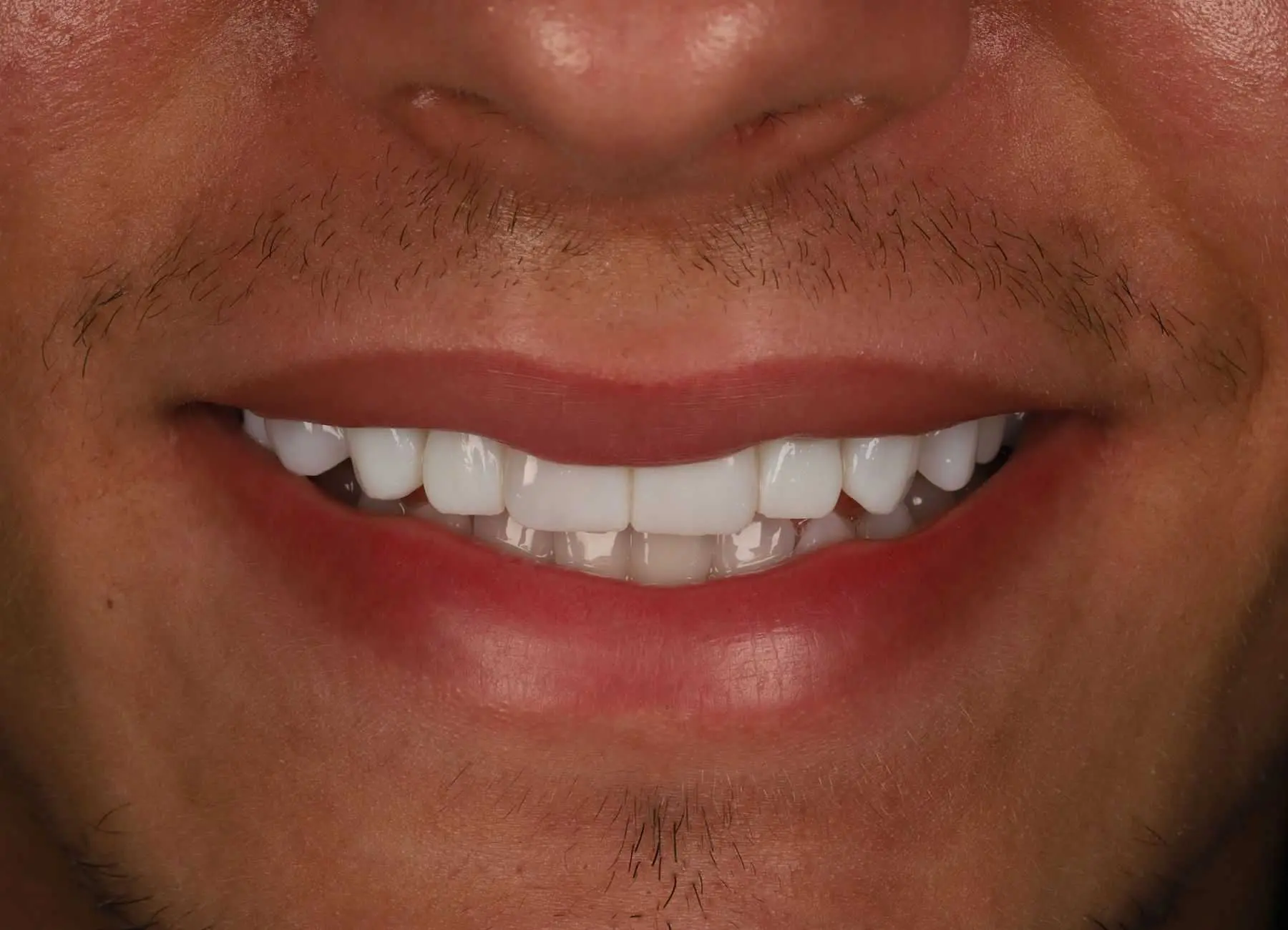
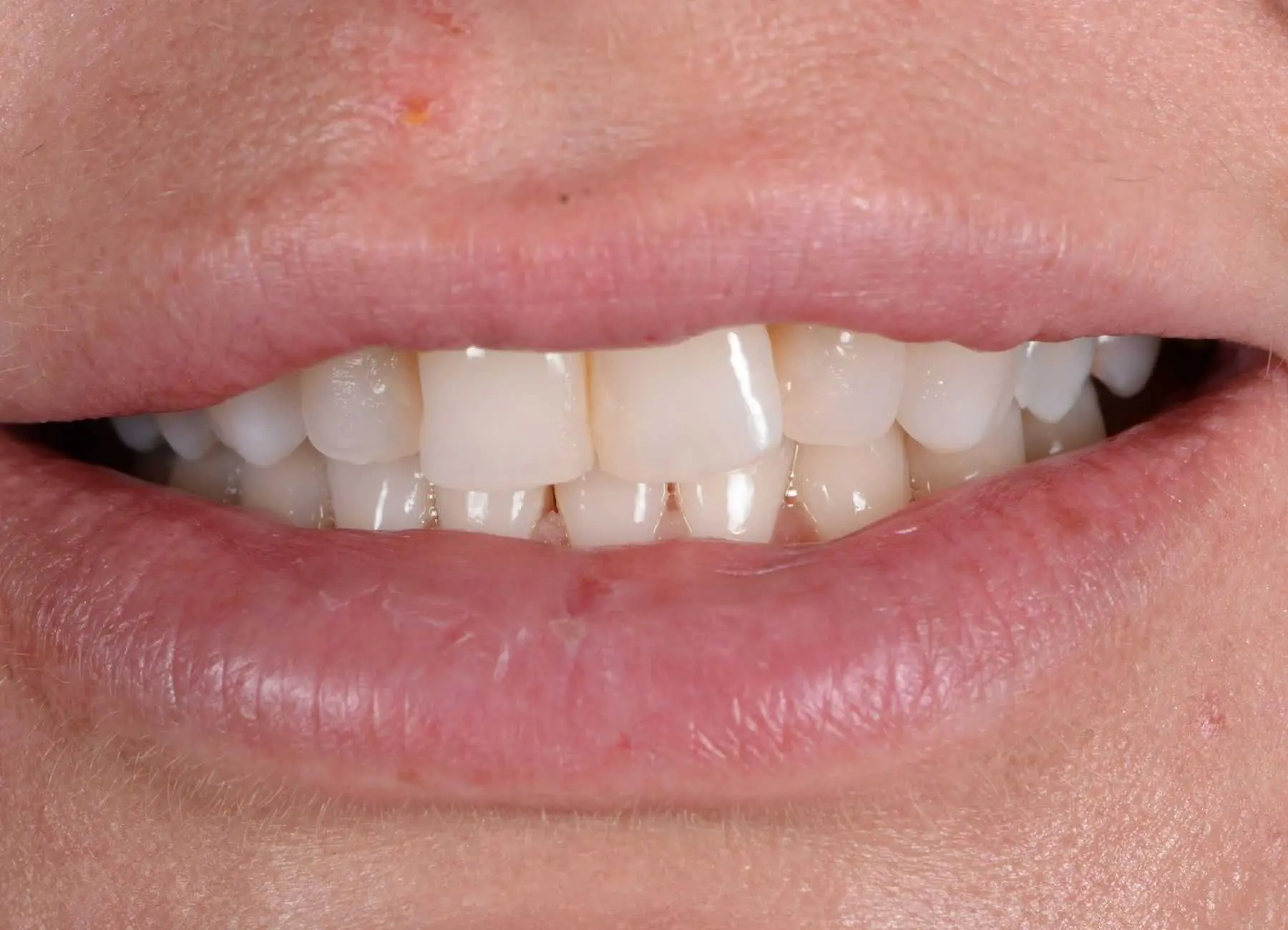
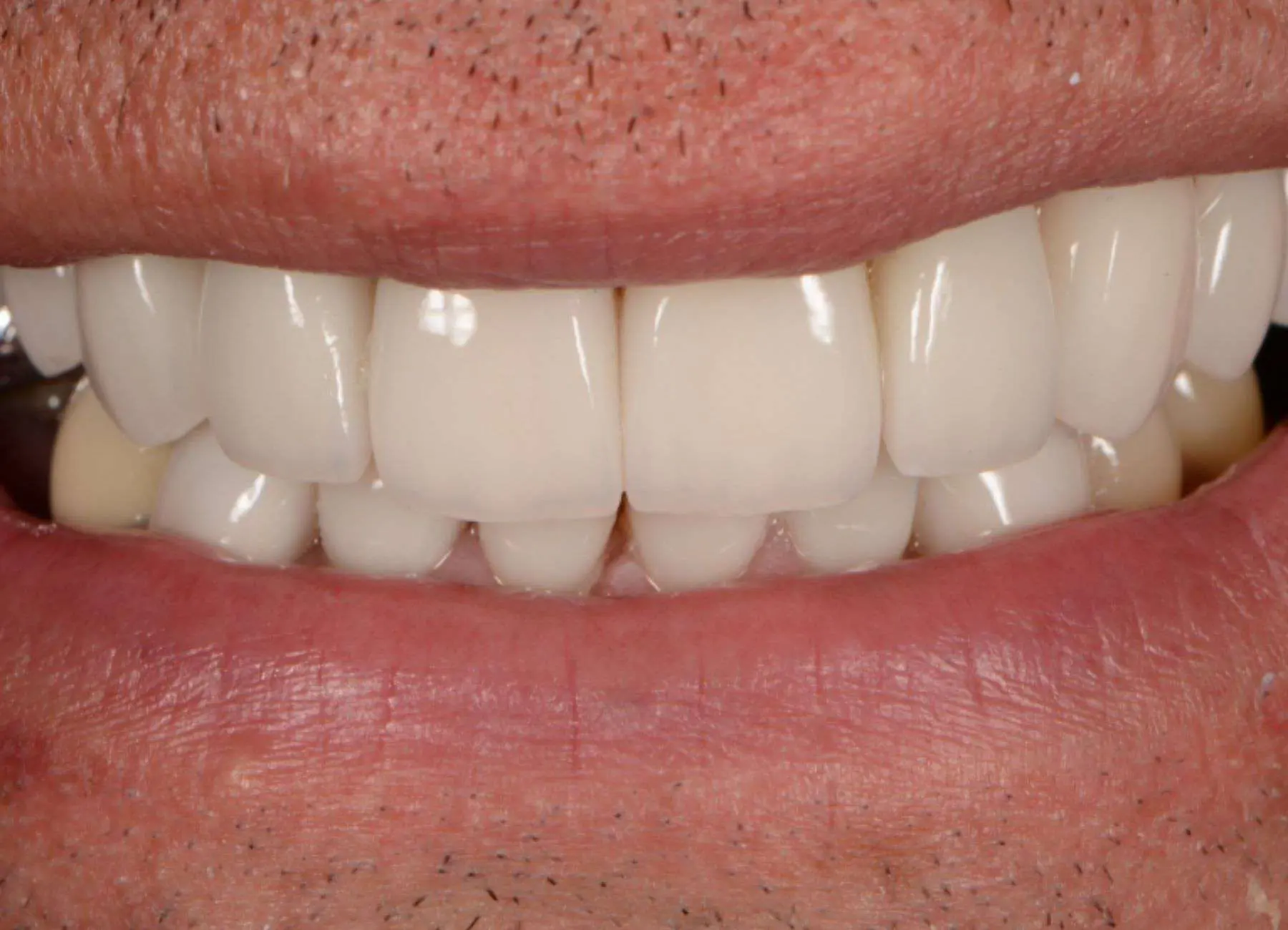
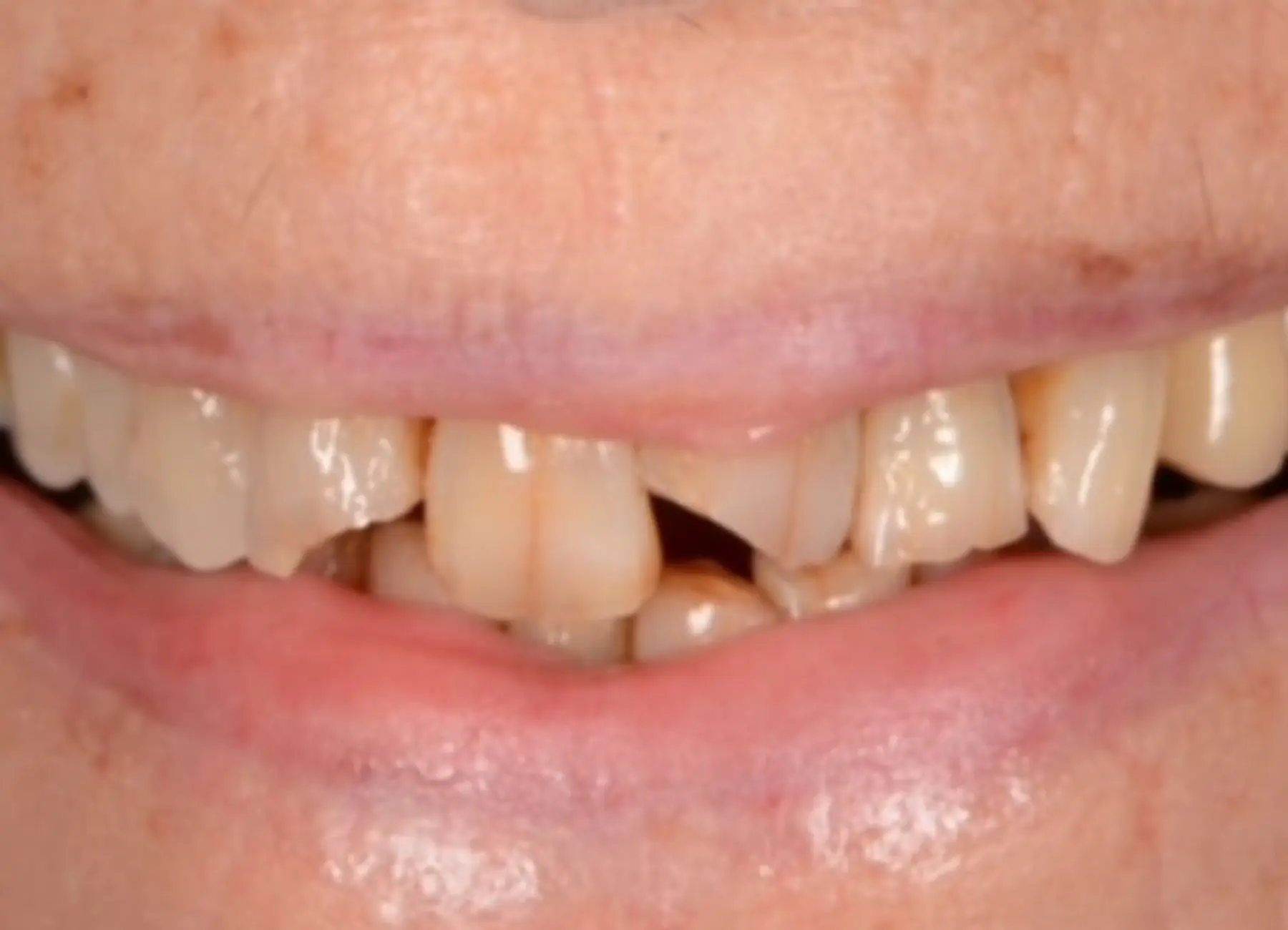
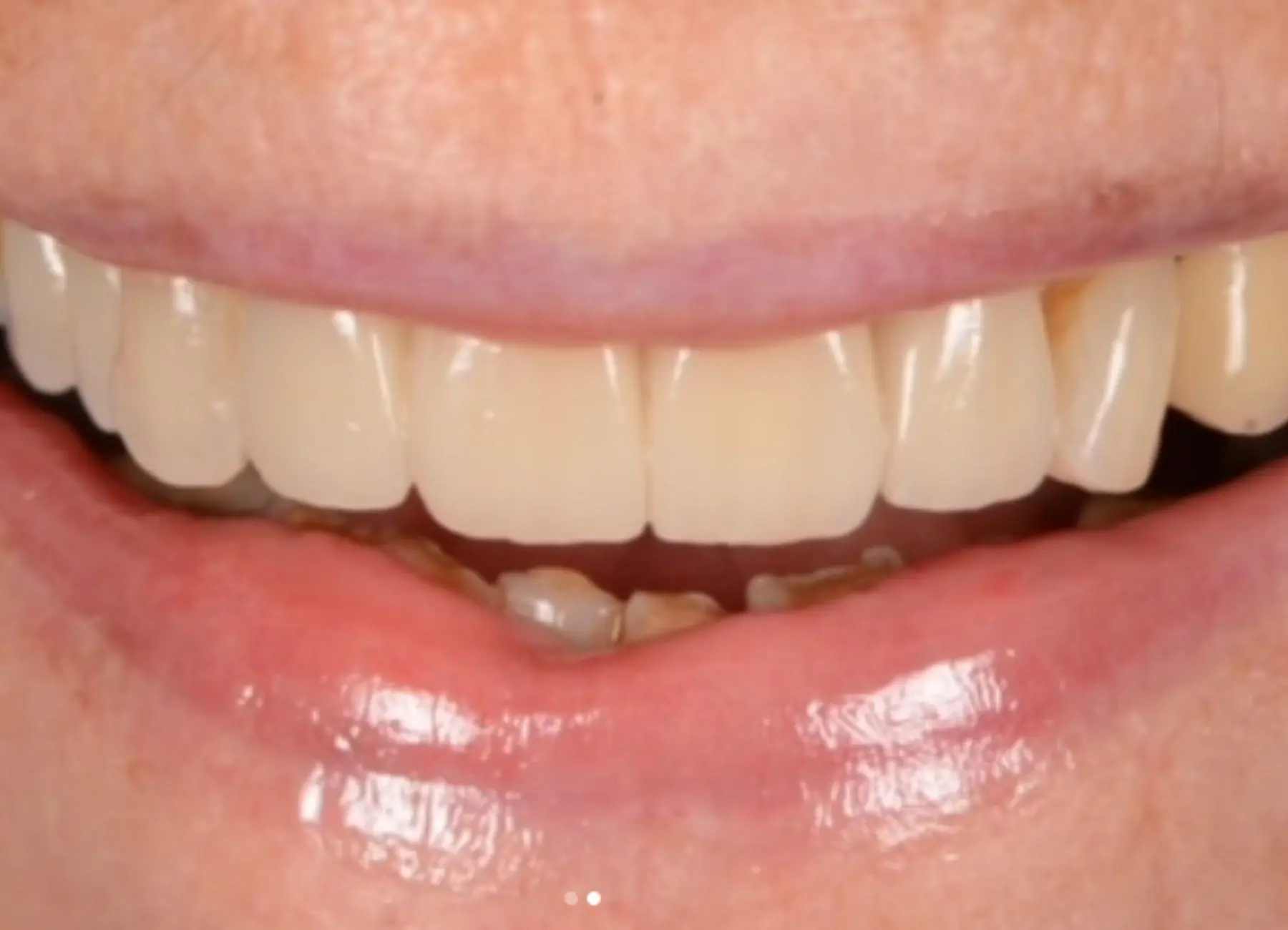
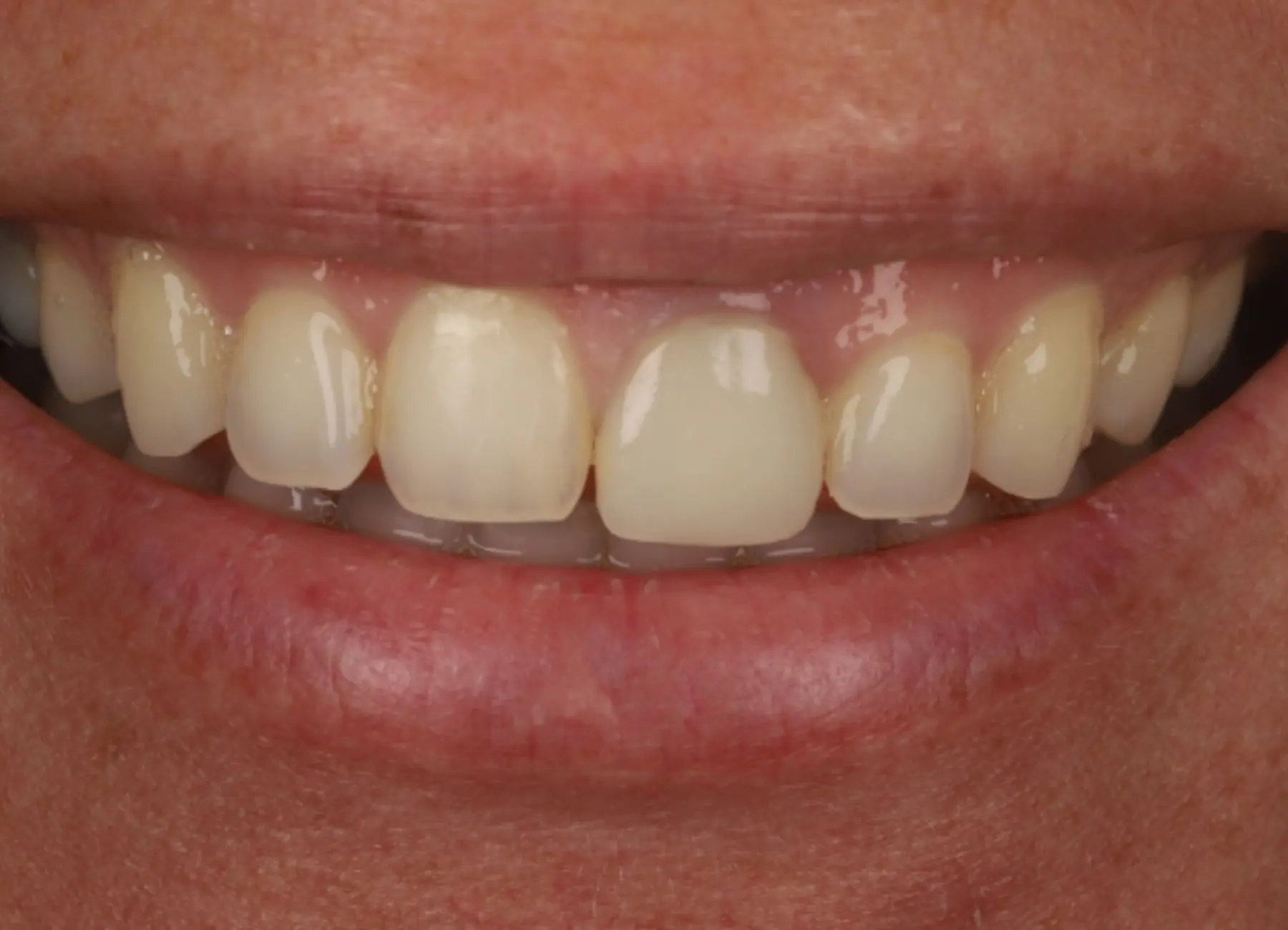
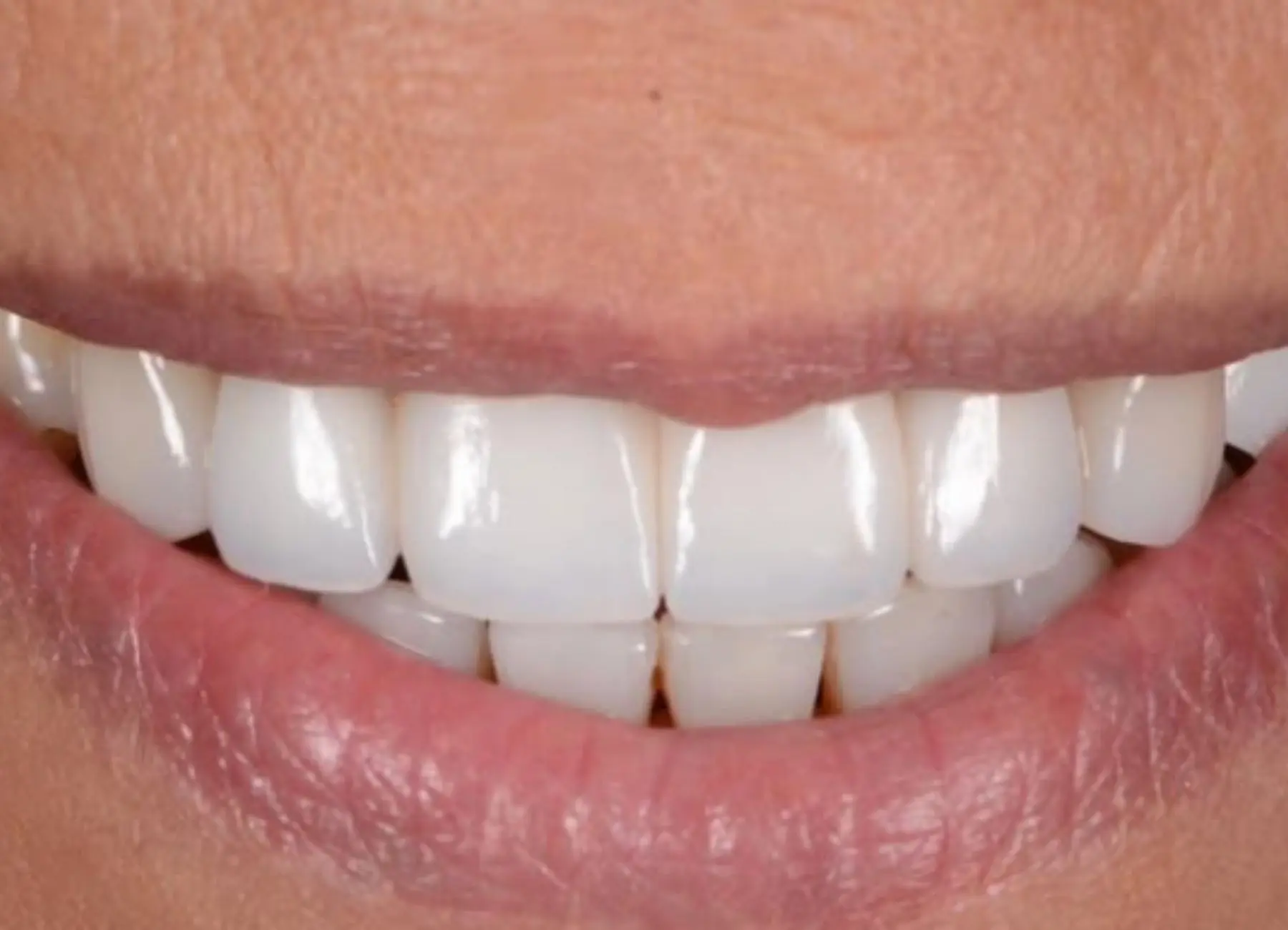
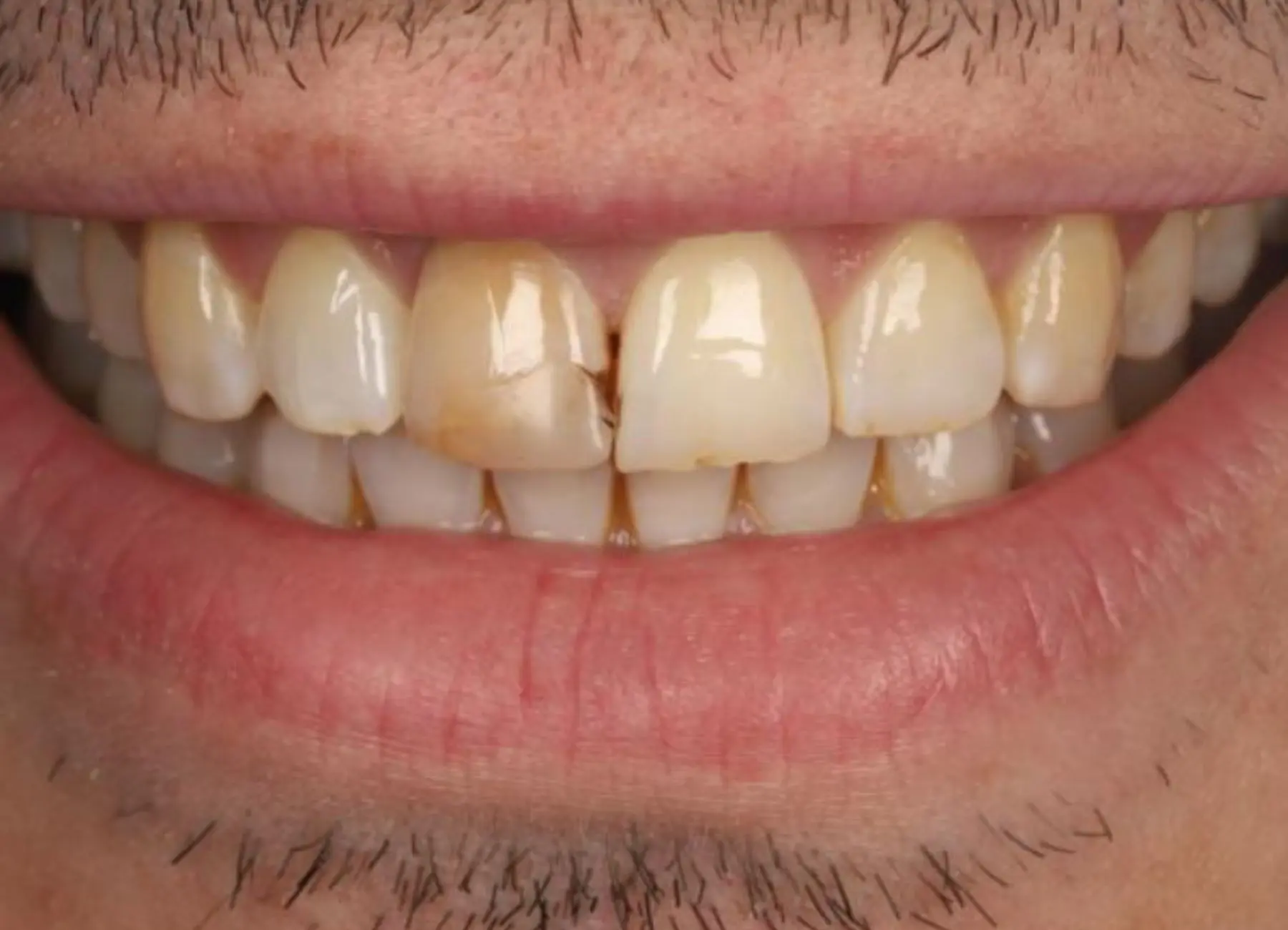
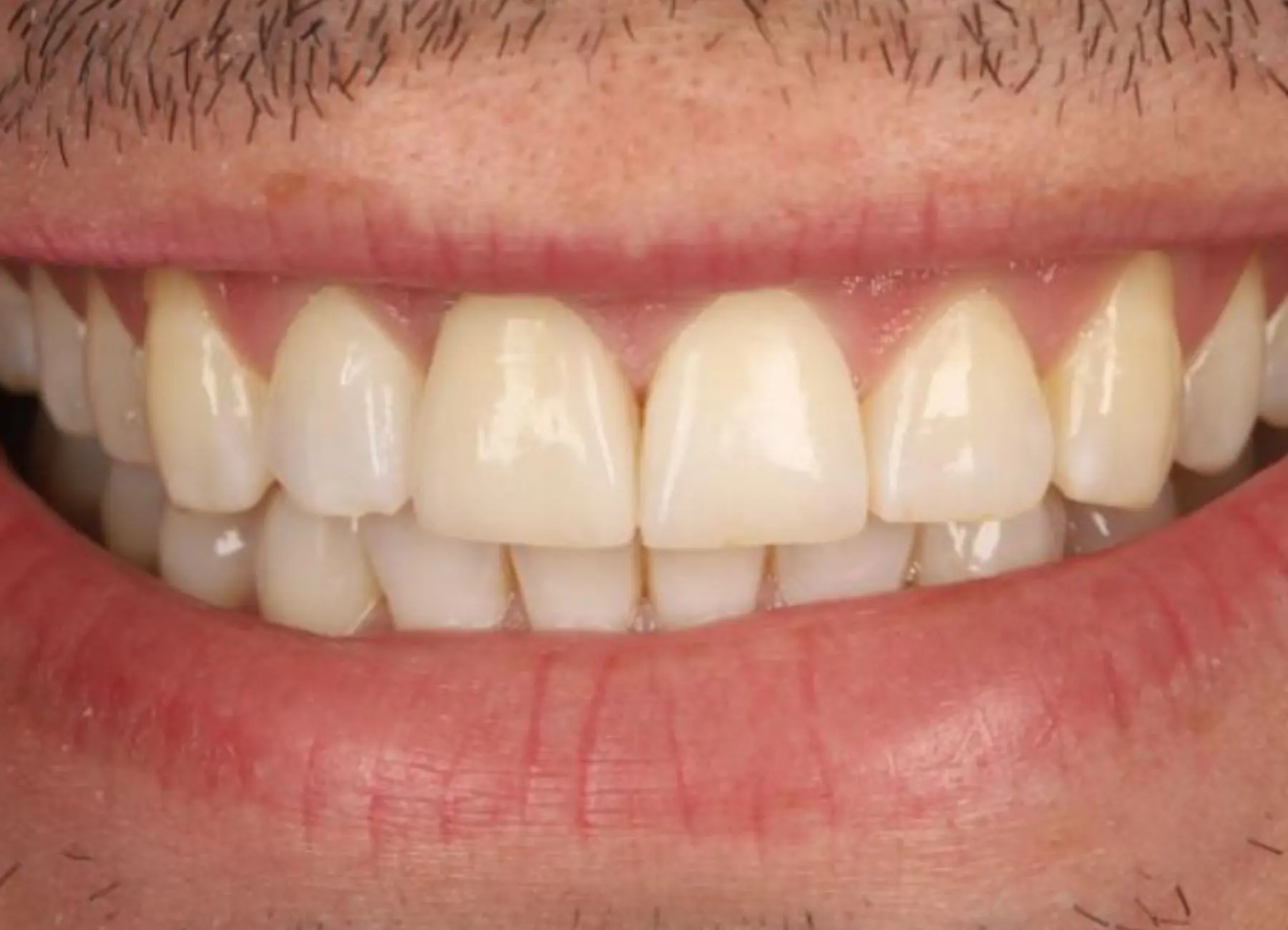
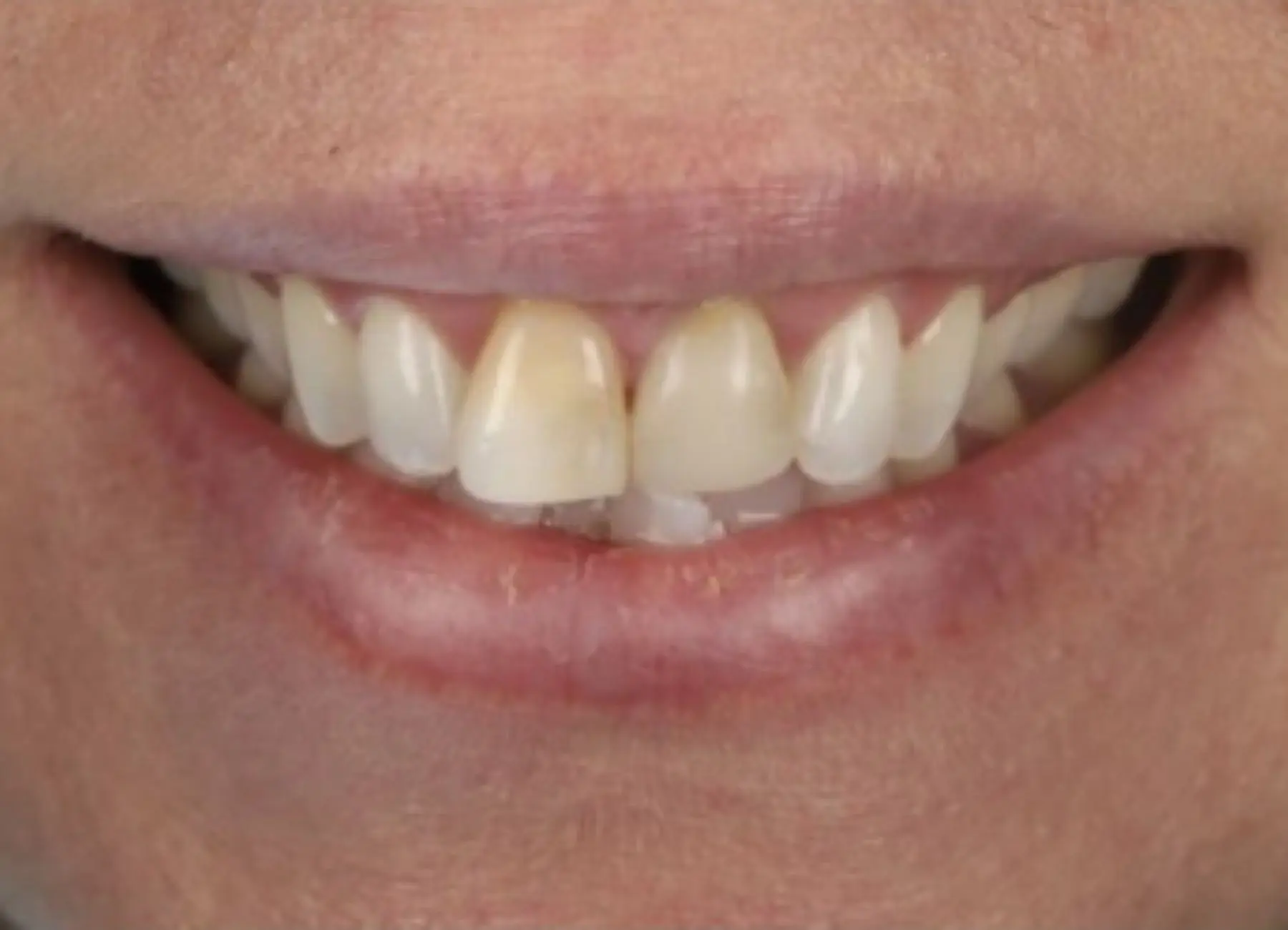
For a start, we know that bad teeth and poor oral health can worsen mental health and quality of life – and as a cosmetic dentist who has transformed thousands of smiles using porcelain veneers, we can at least attest that our patients have been so happy following treatment.
Patients have even gone as far as giving us flowers and writing thank you cards at length, further highlighting just how much power cosmetic dentistry has on their self-esteem, confidence and happiness.
But let’s explore this from a scientific point of view, using statistics and data to answer the question: Does achieving the “perfect smile” genuinely lead to a happier life, or is it just a temporary emotional boost?

First, the science behind smiling
A survey of 1,300 adults in the UK found that 45% of Brits hate their smile, with 4 in 5 highlighting some type of insecurity around it. So, it’s no surprise that many of us avoid smiling altogether.
“Smiling is a lot easier for those individuals who possess healthy teeth and gums.” Psychology Today.
However, scientifically, not smiling enough (even to fake it) can affect your overall happiness. This comes from the Facial Feedback Hypothesis, which proposes that your actual facial expressions influence your emotions. When you smile, your brain receives these signals and releases neurotransmitters like serotonin and dopamine in response.
Studies that prove smiling proudly makes you happier:
- Only 12% of 3,878 participants across 19 countries showed no significant emotional change from smiling, while 82% showed measurable increases in happiness. Many Smiles Collaboration published in Nature Human Behaviour.
- Even a weak smile for 500 milliseconds was enough to boost perceived happiness levels by 74%. Source: University of Essex.
- When copied or made voluntarily, smiling improved happiness in 63% of cases. Source: British Psychological Society Study.
The role of veneers in smile satisfaction
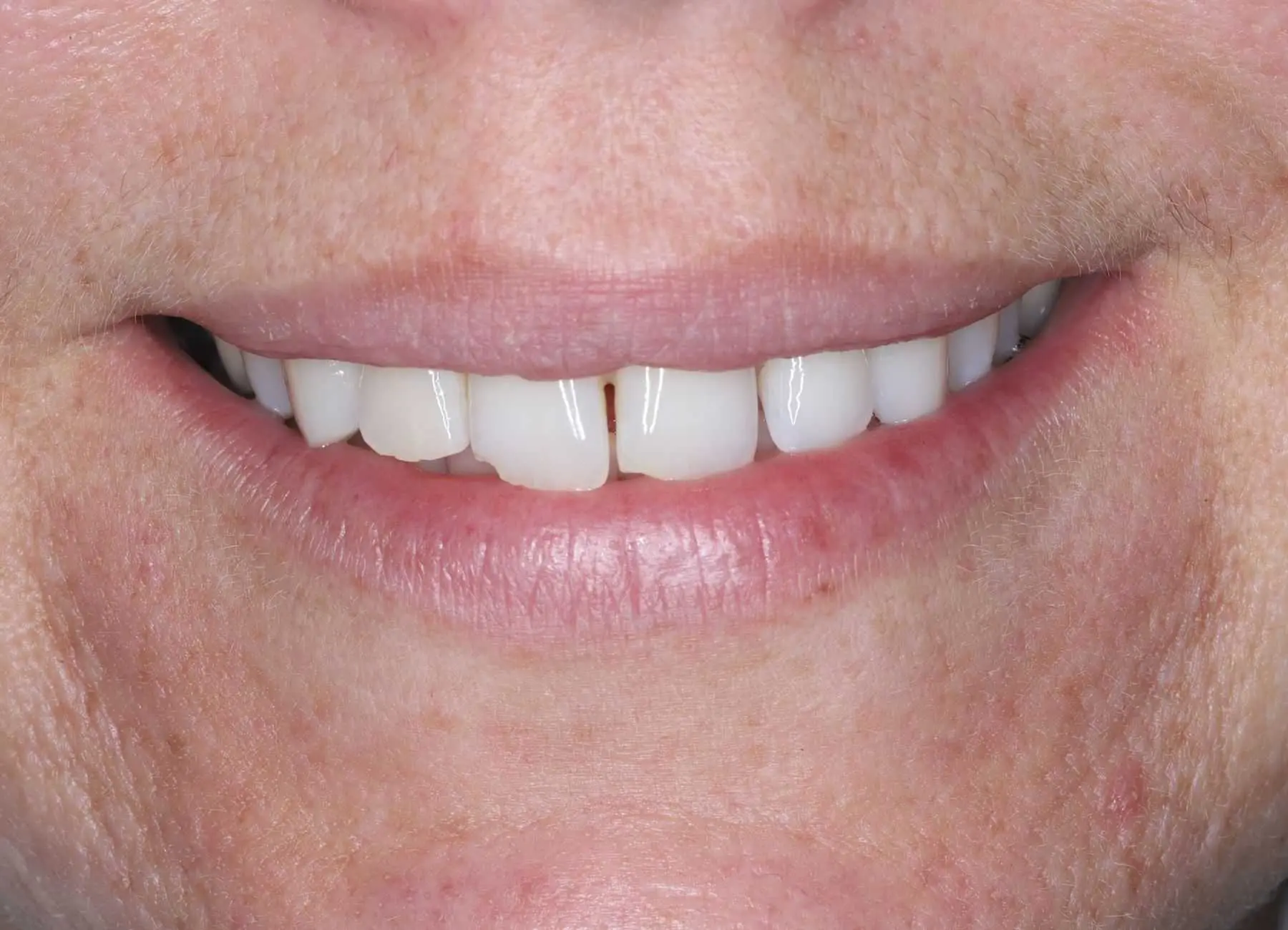
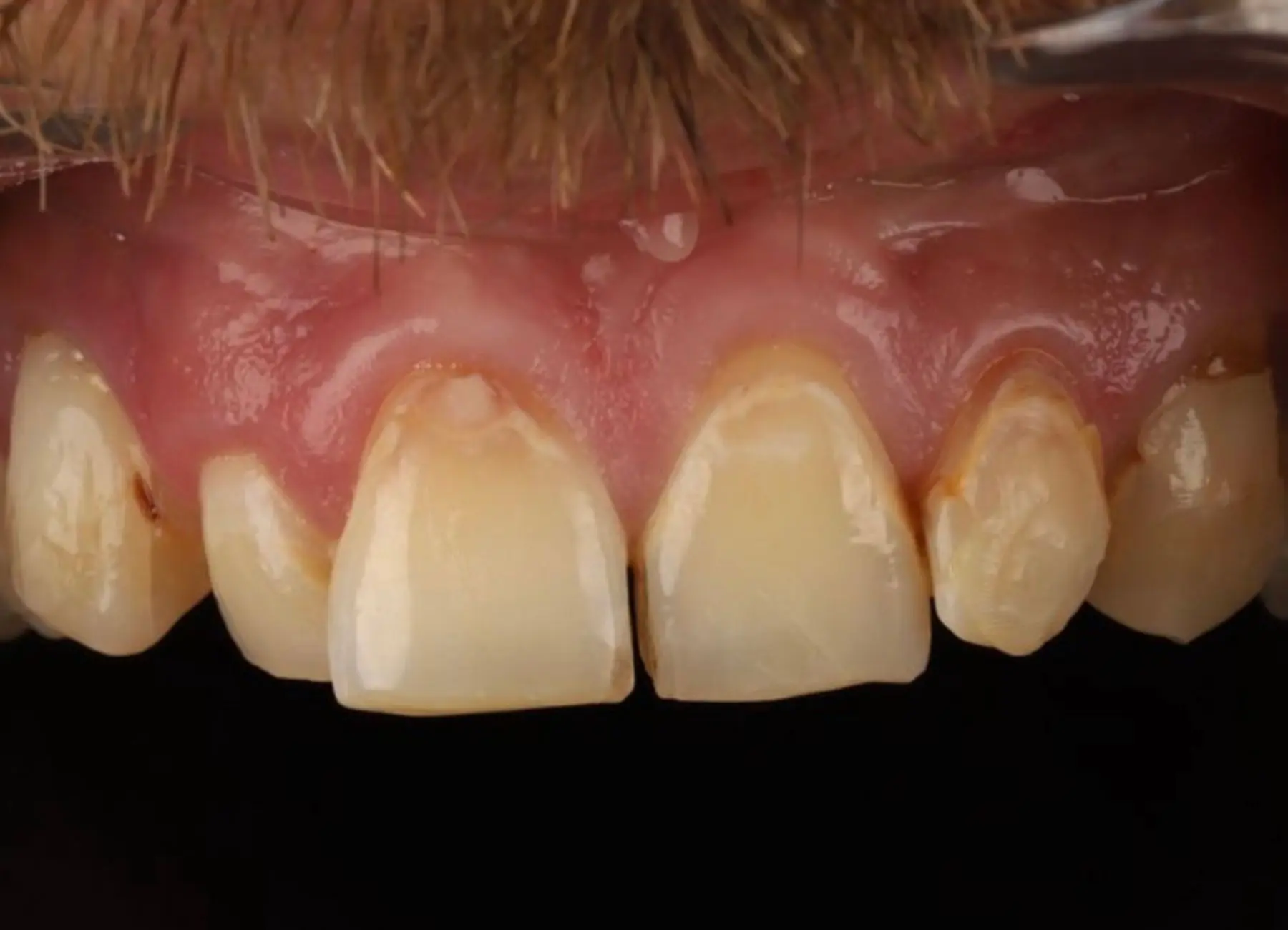
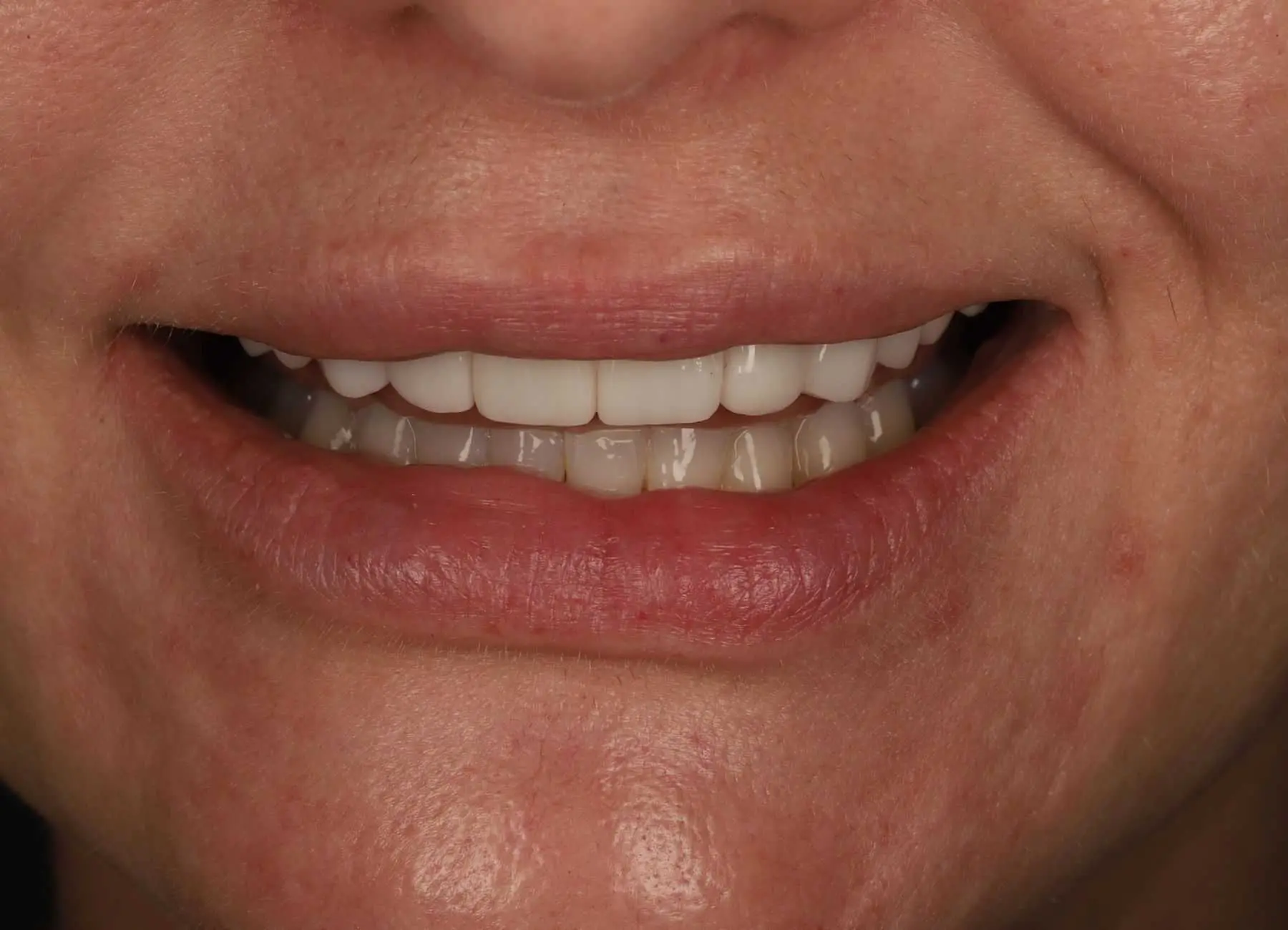
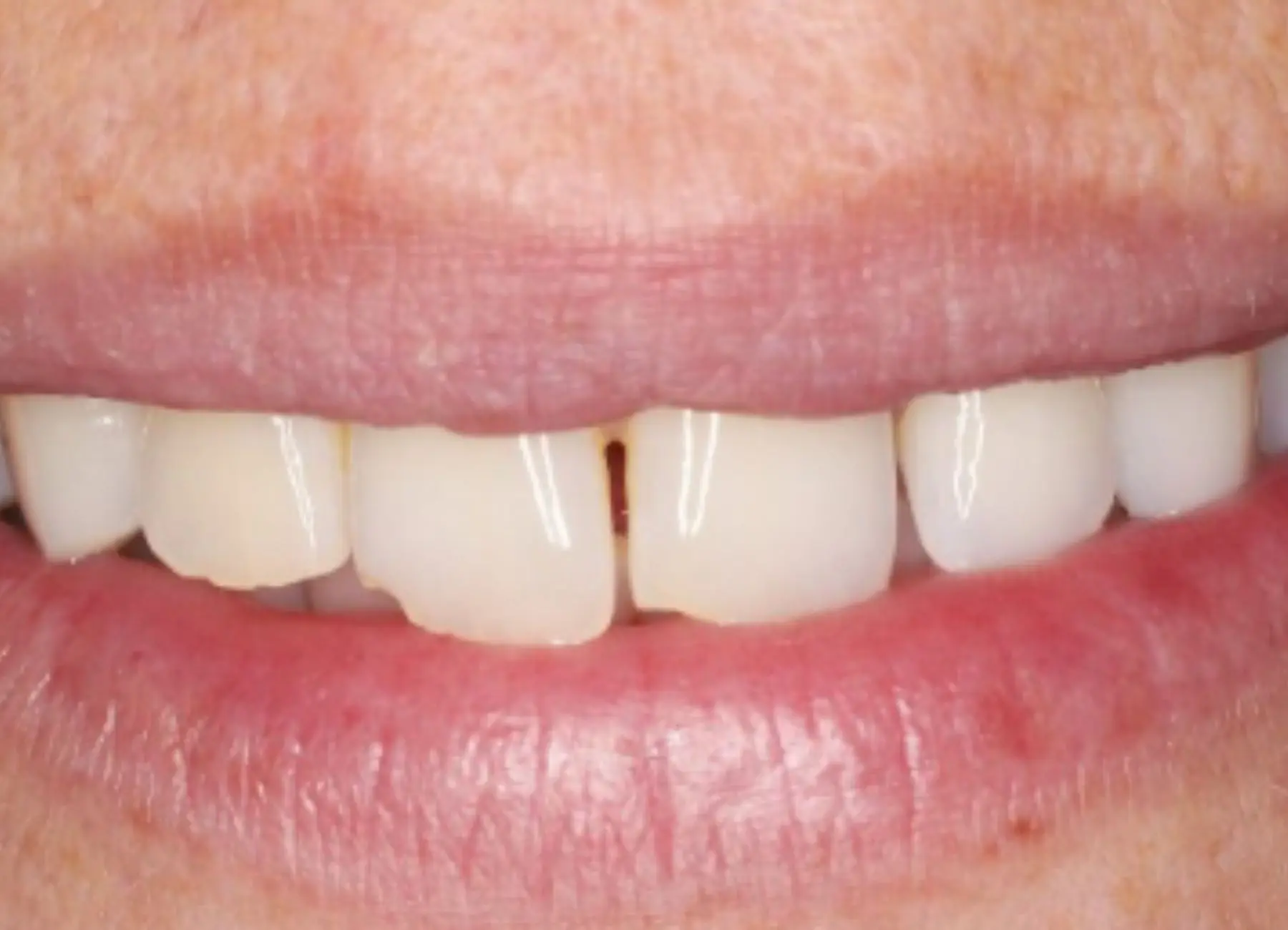
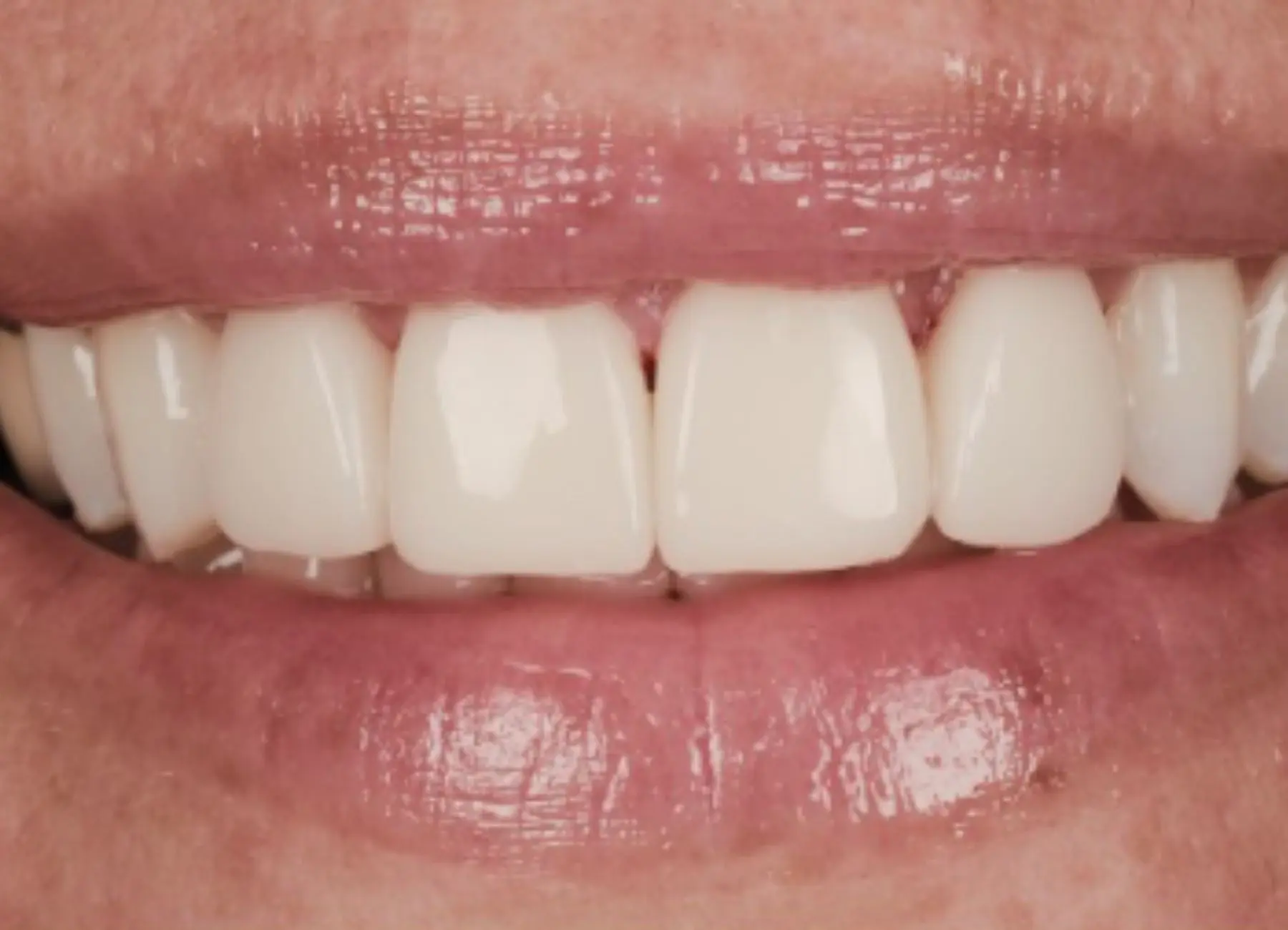
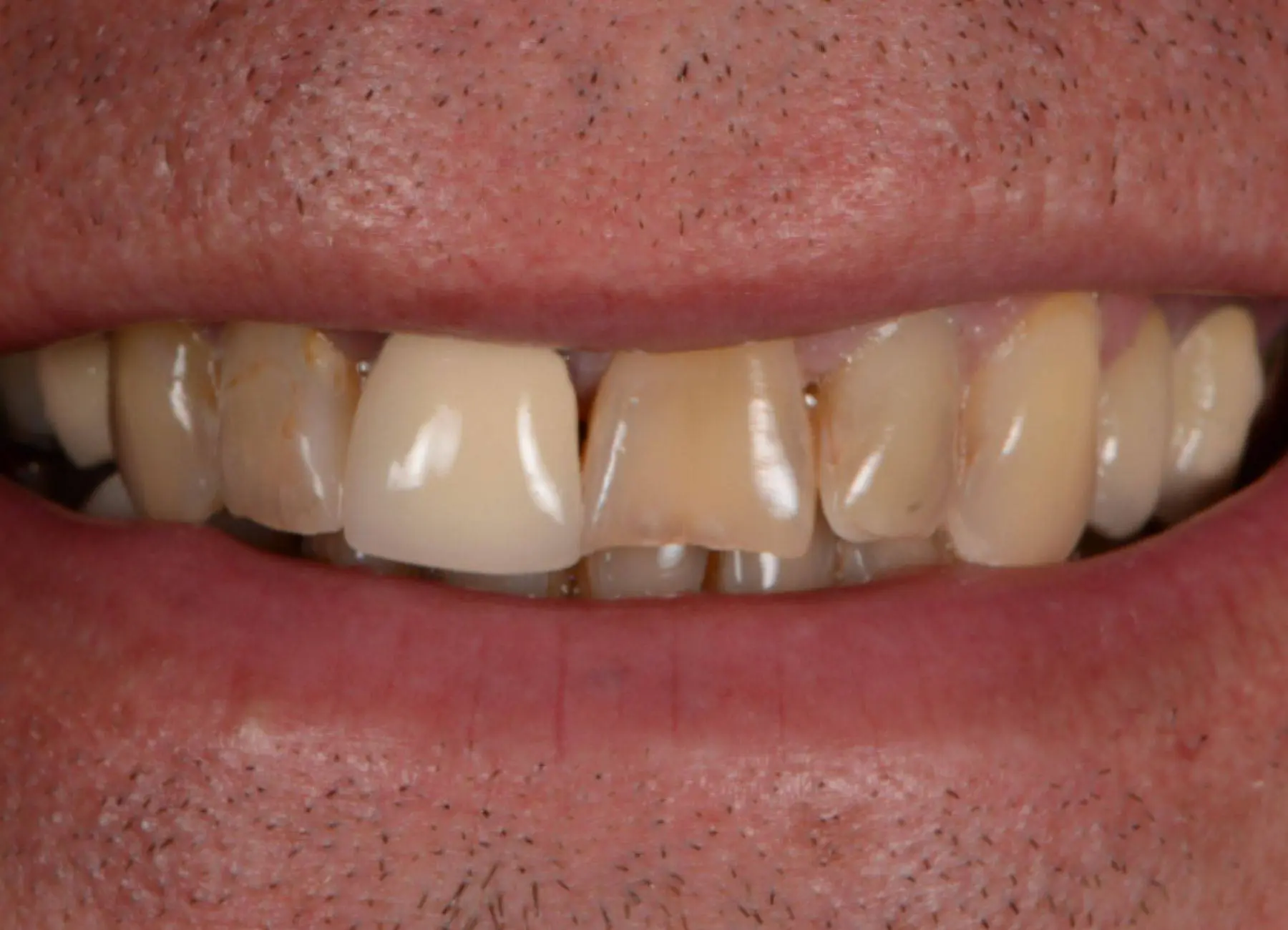
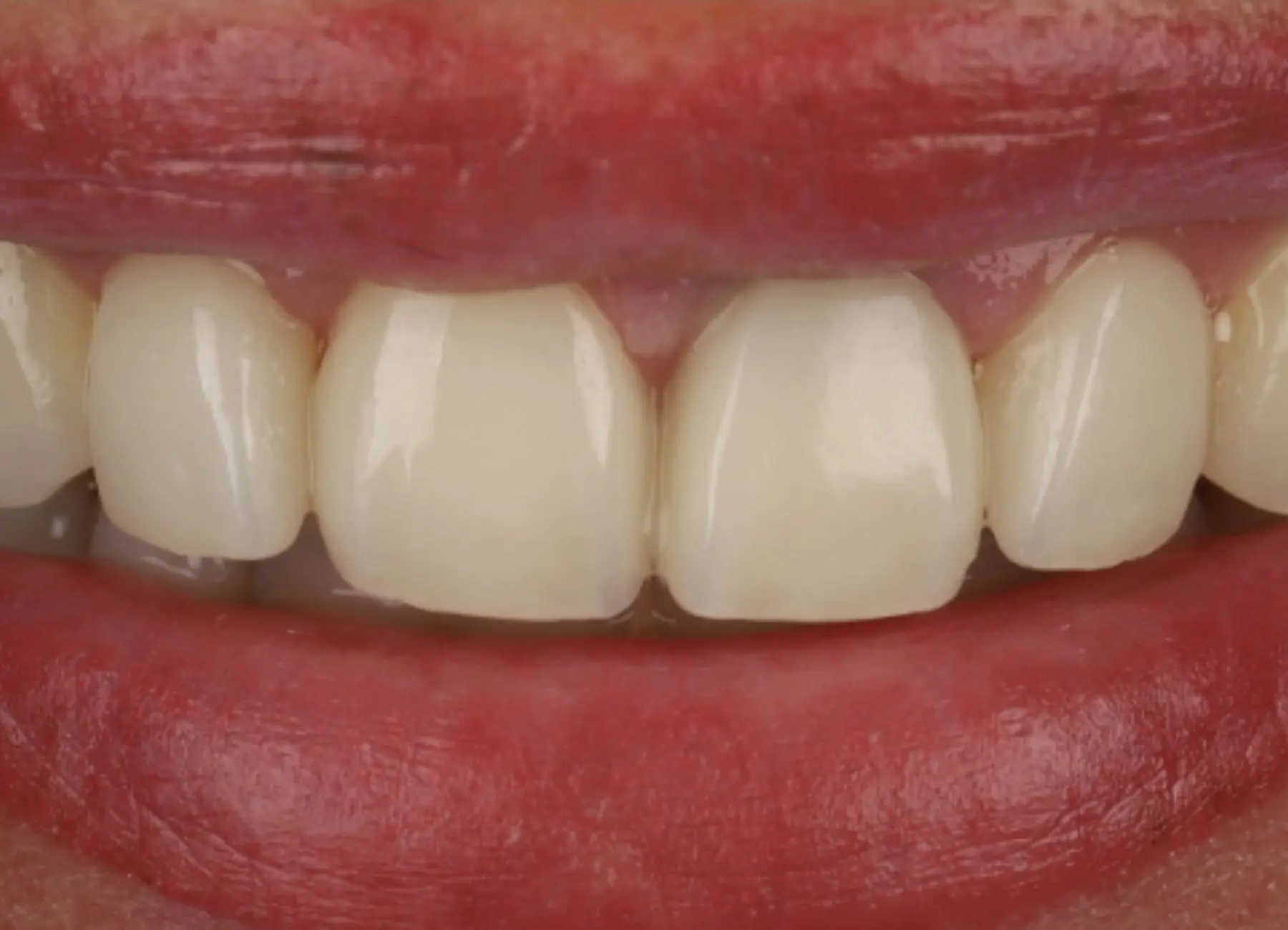
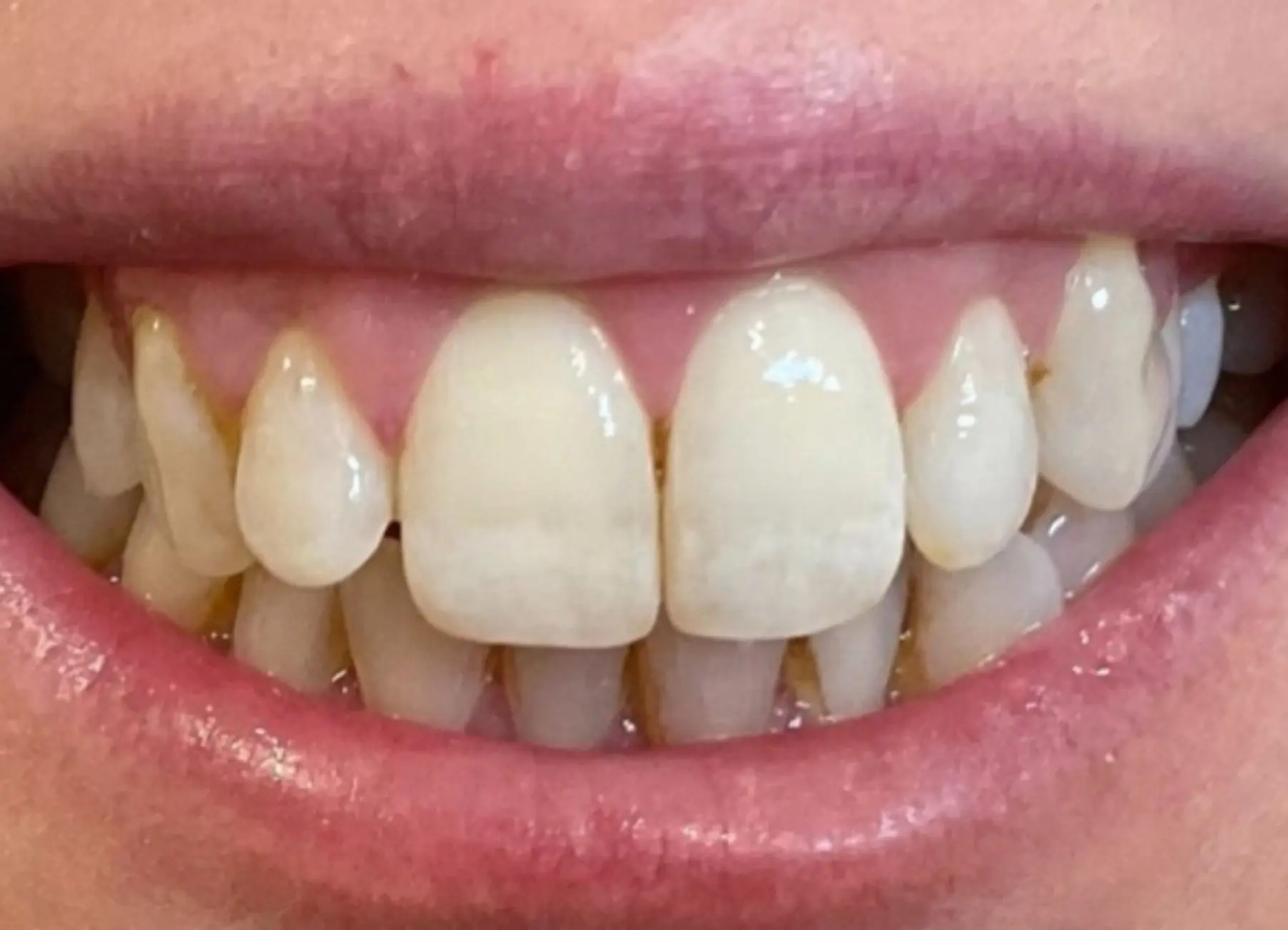
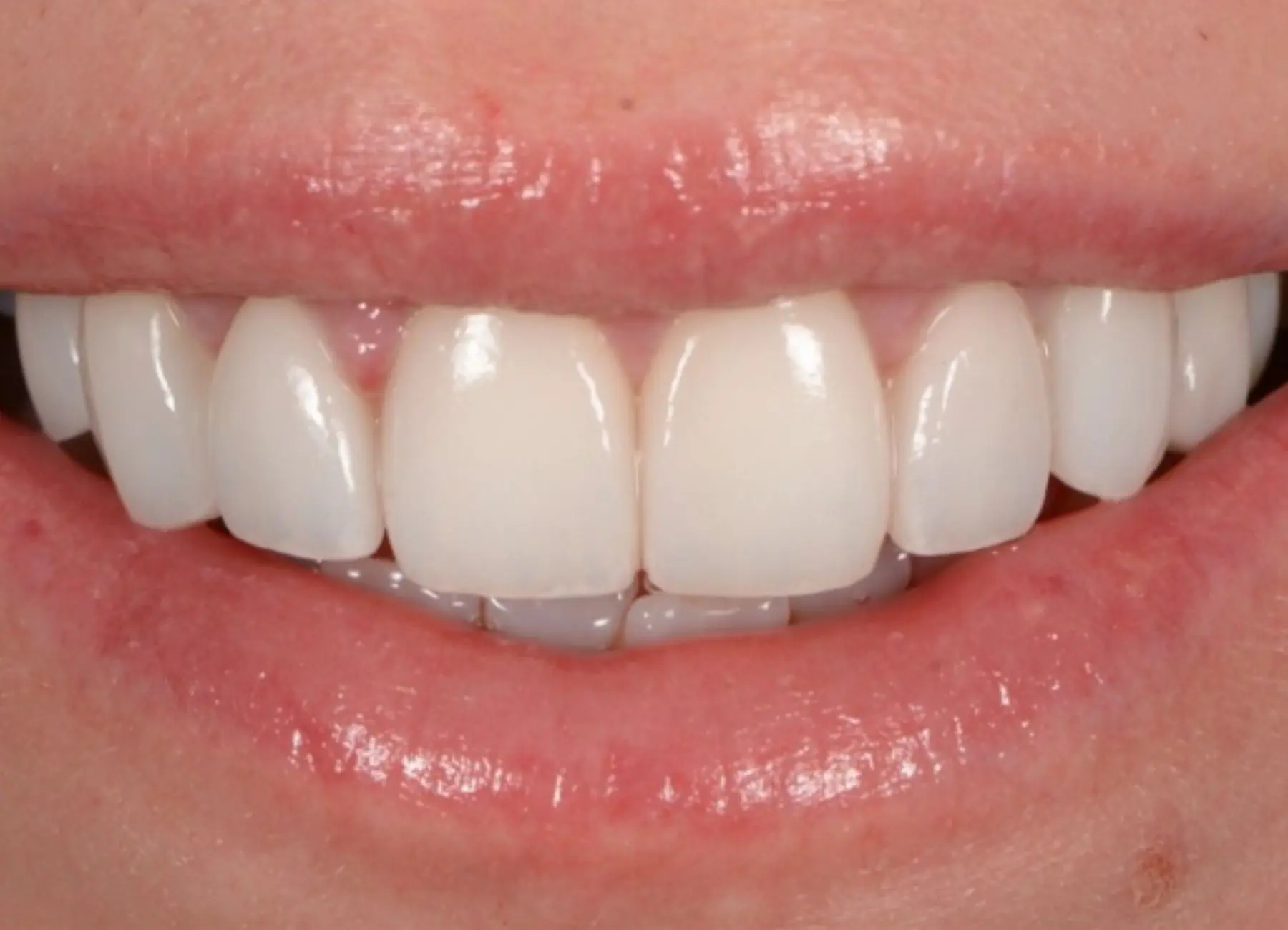
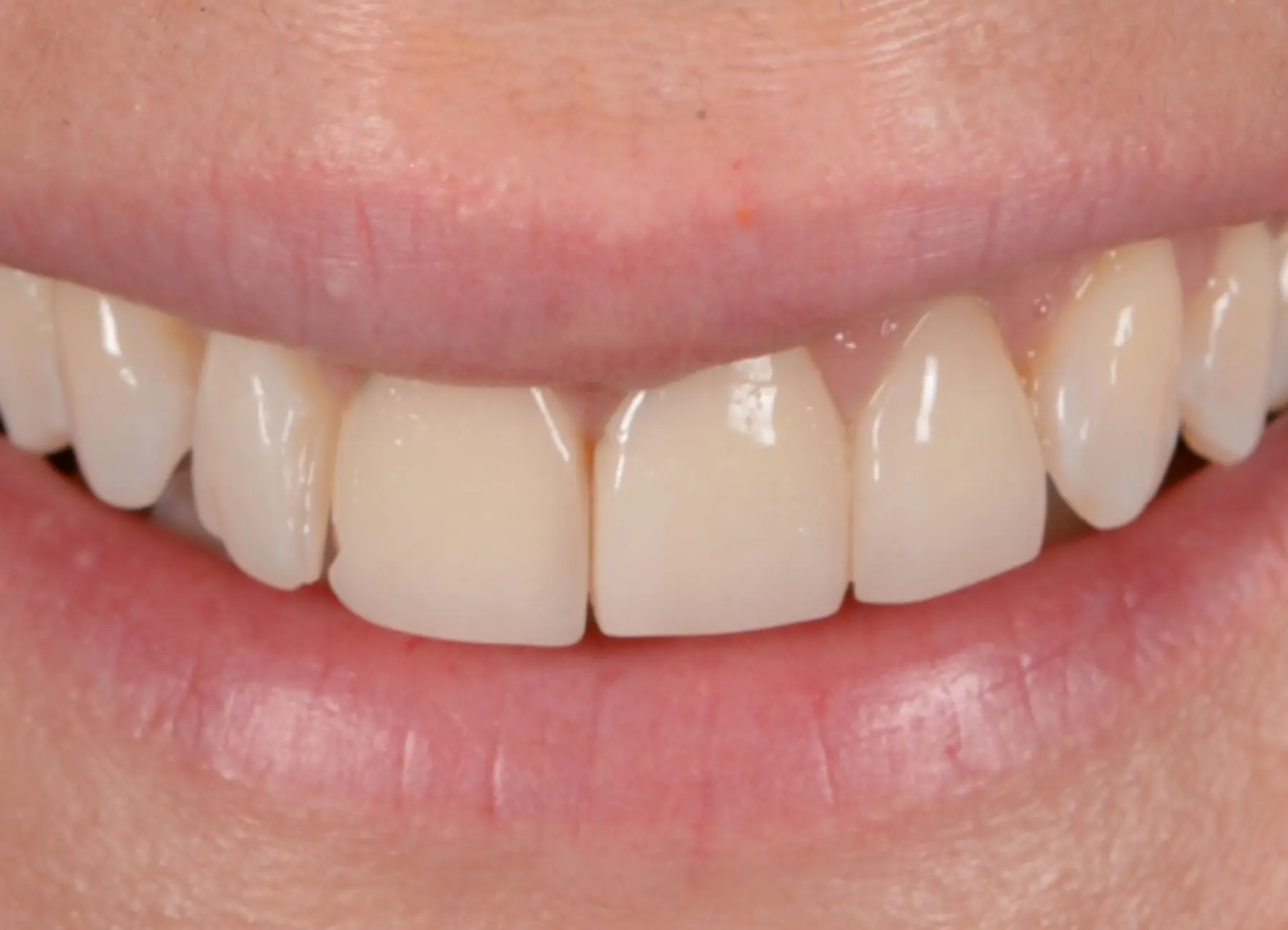
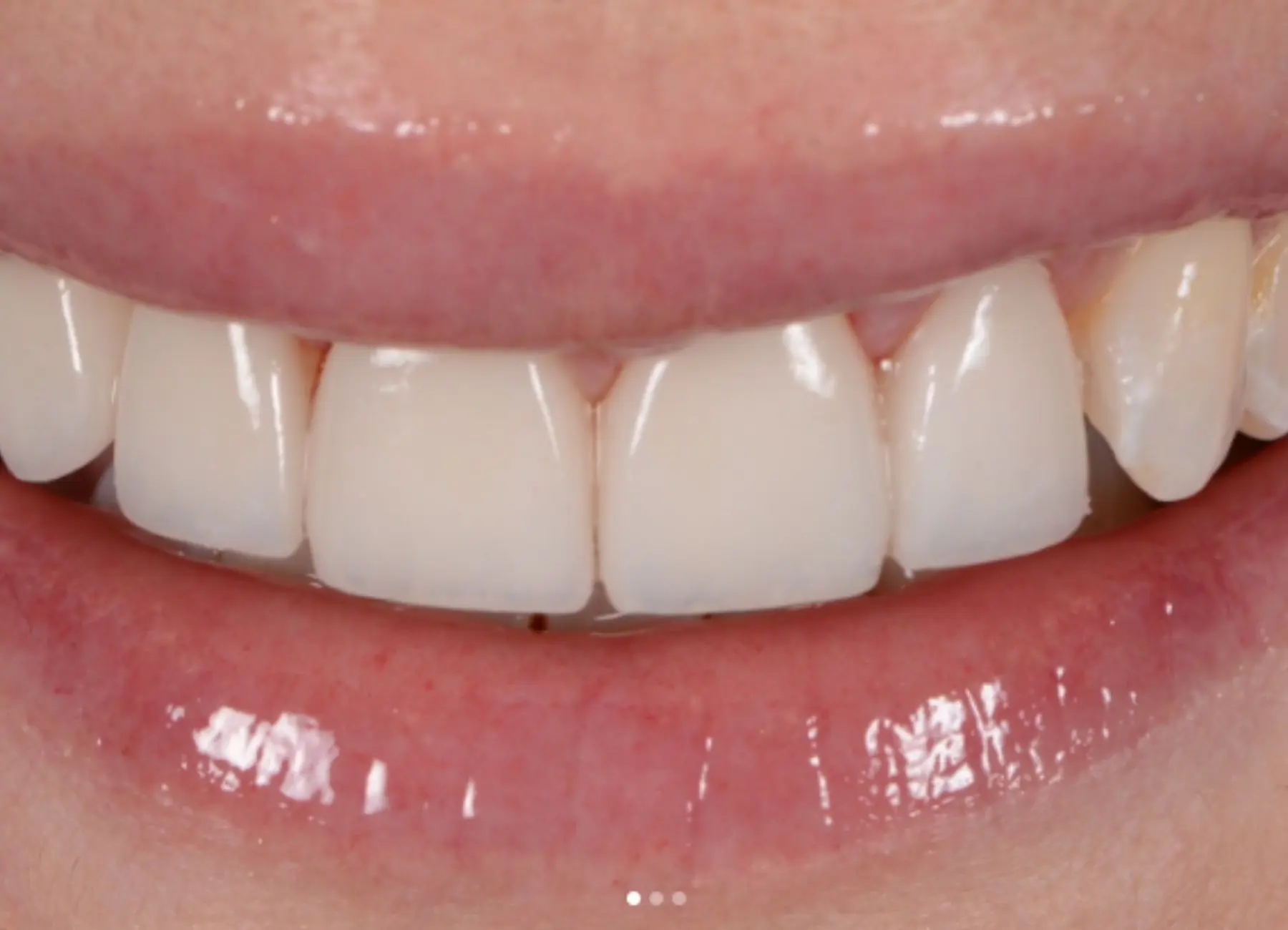
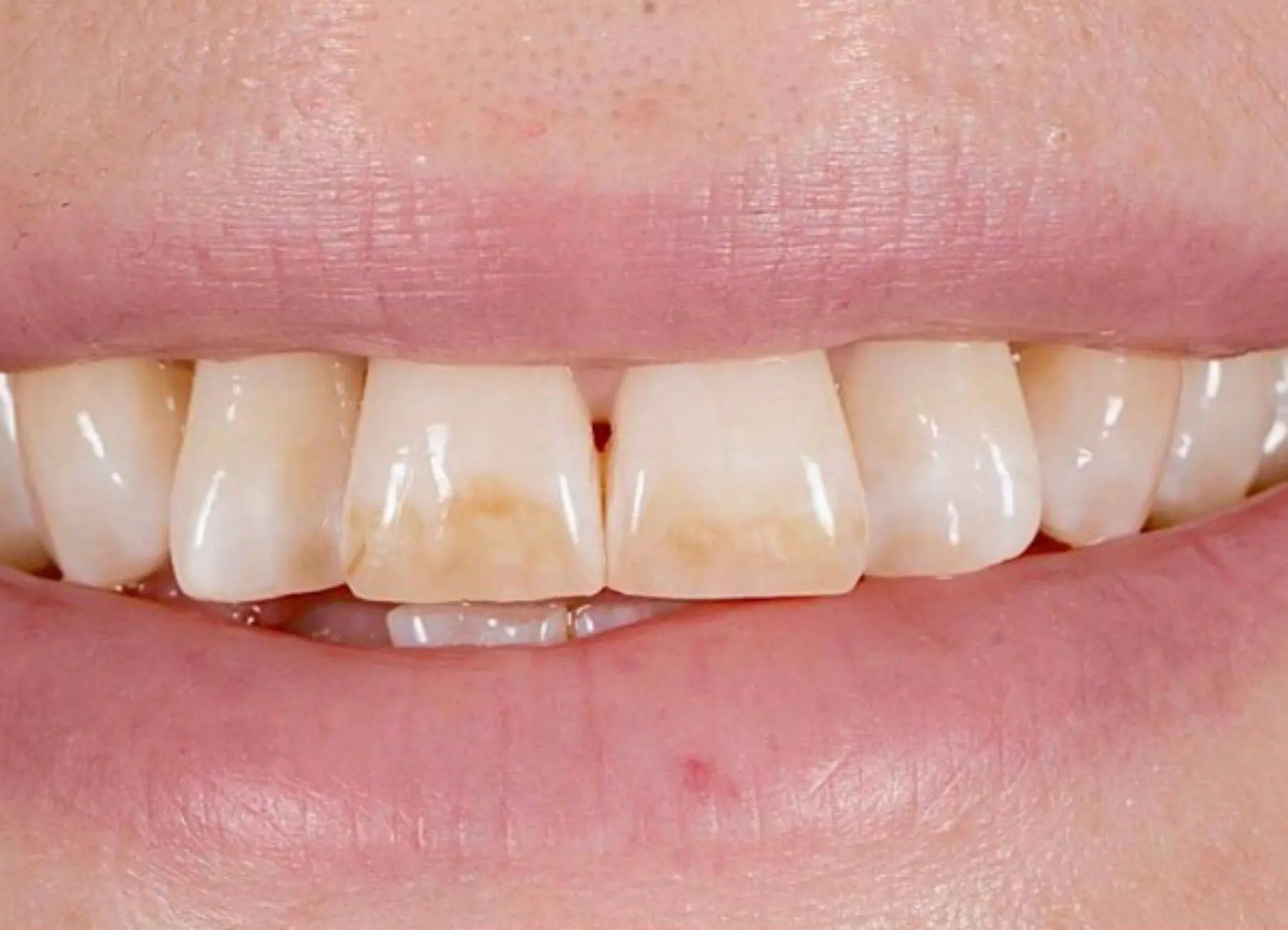
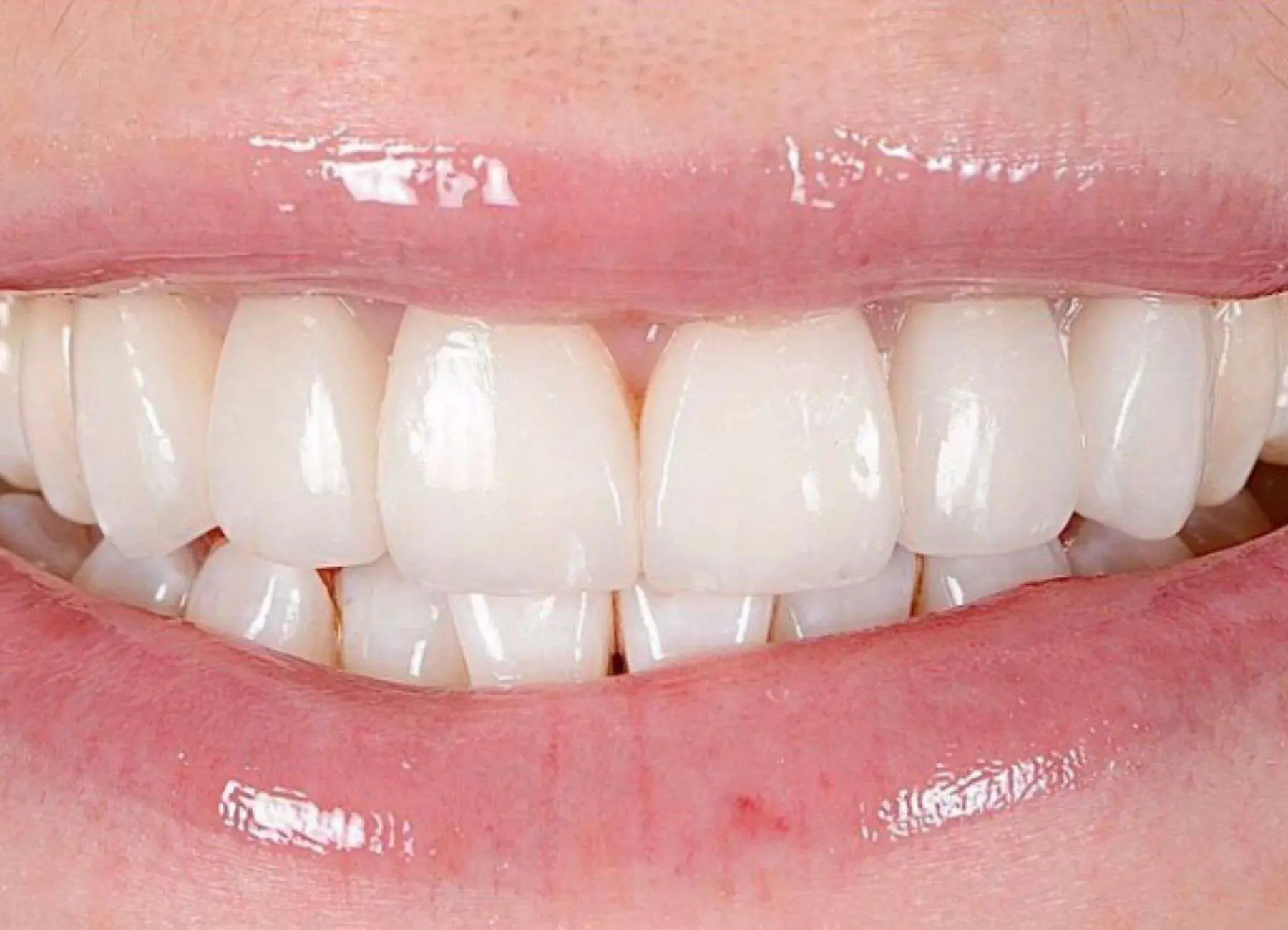
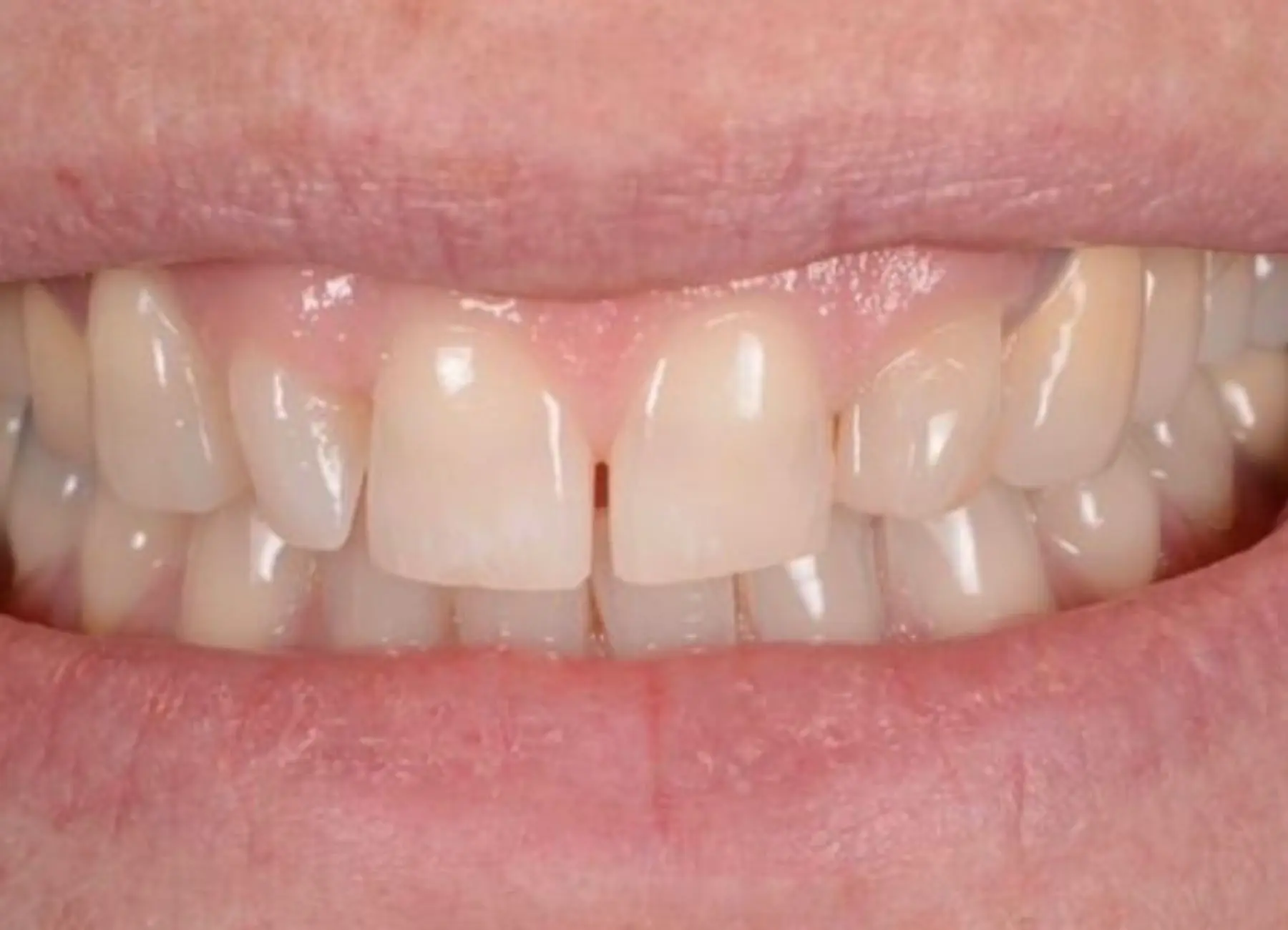
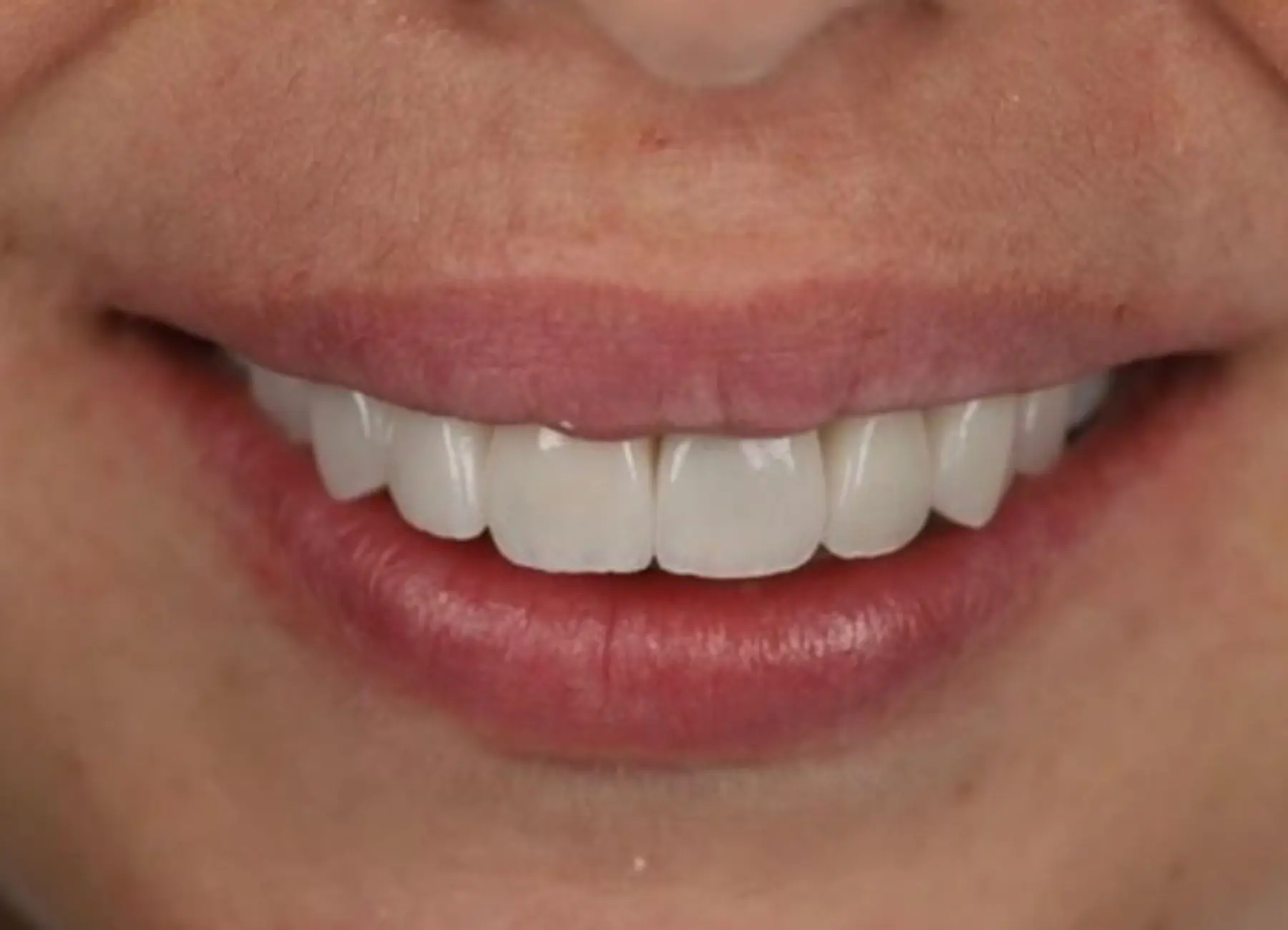
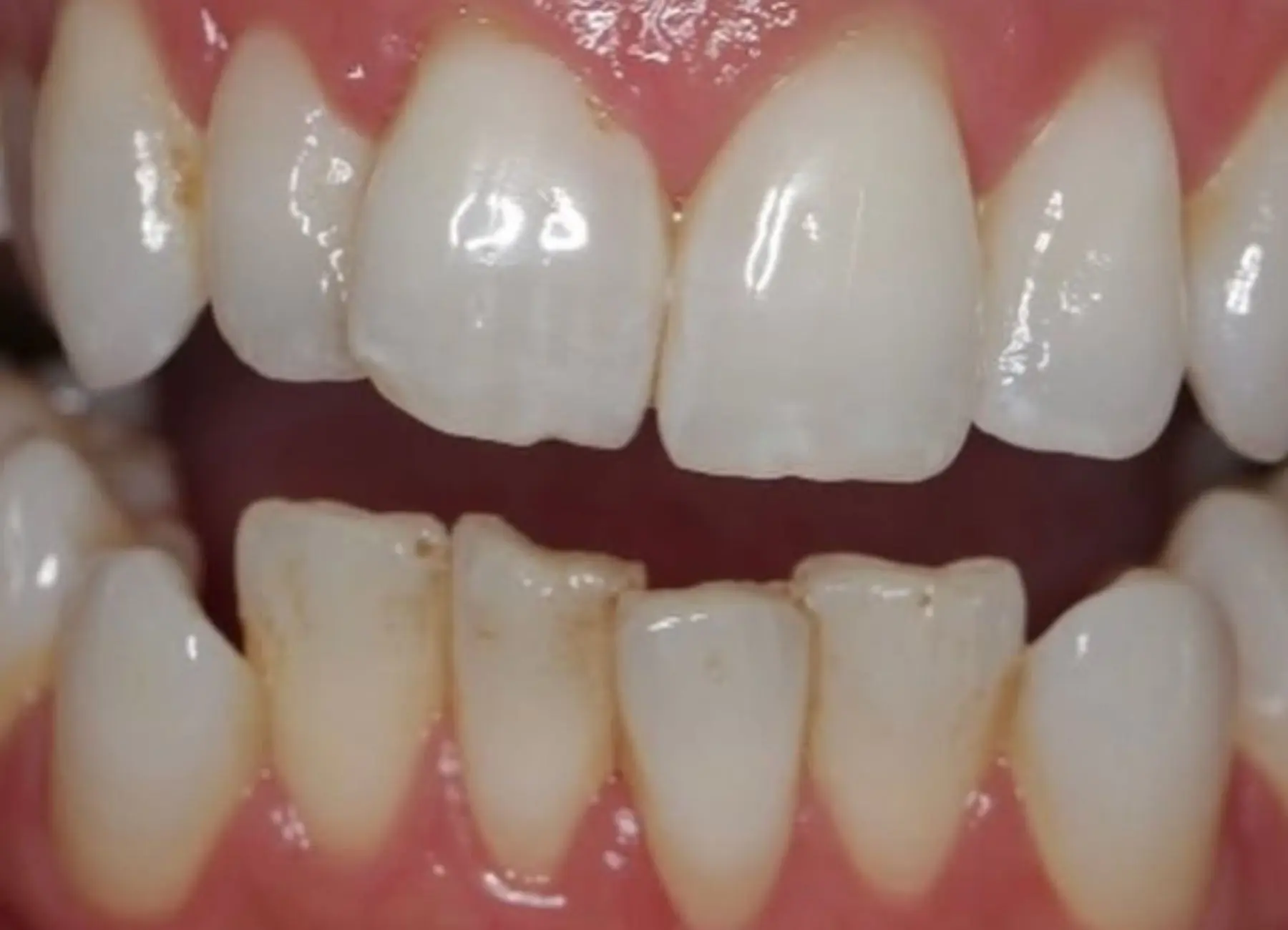
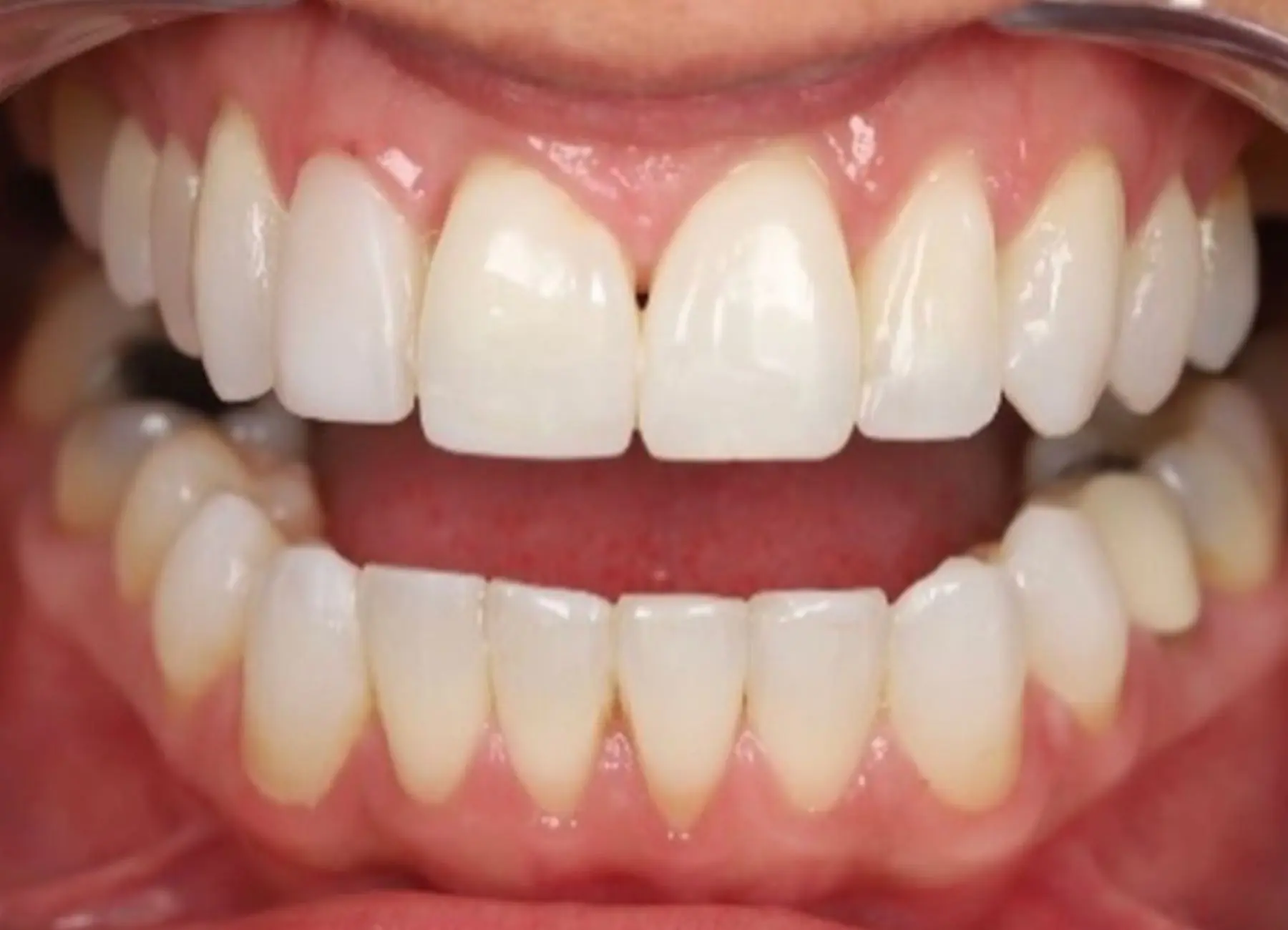
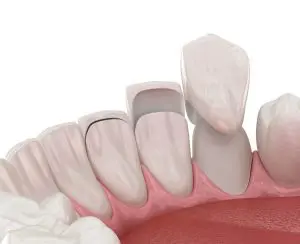
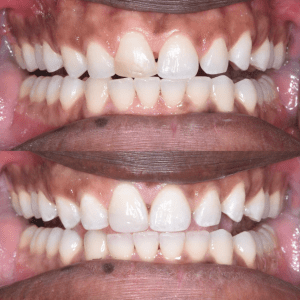
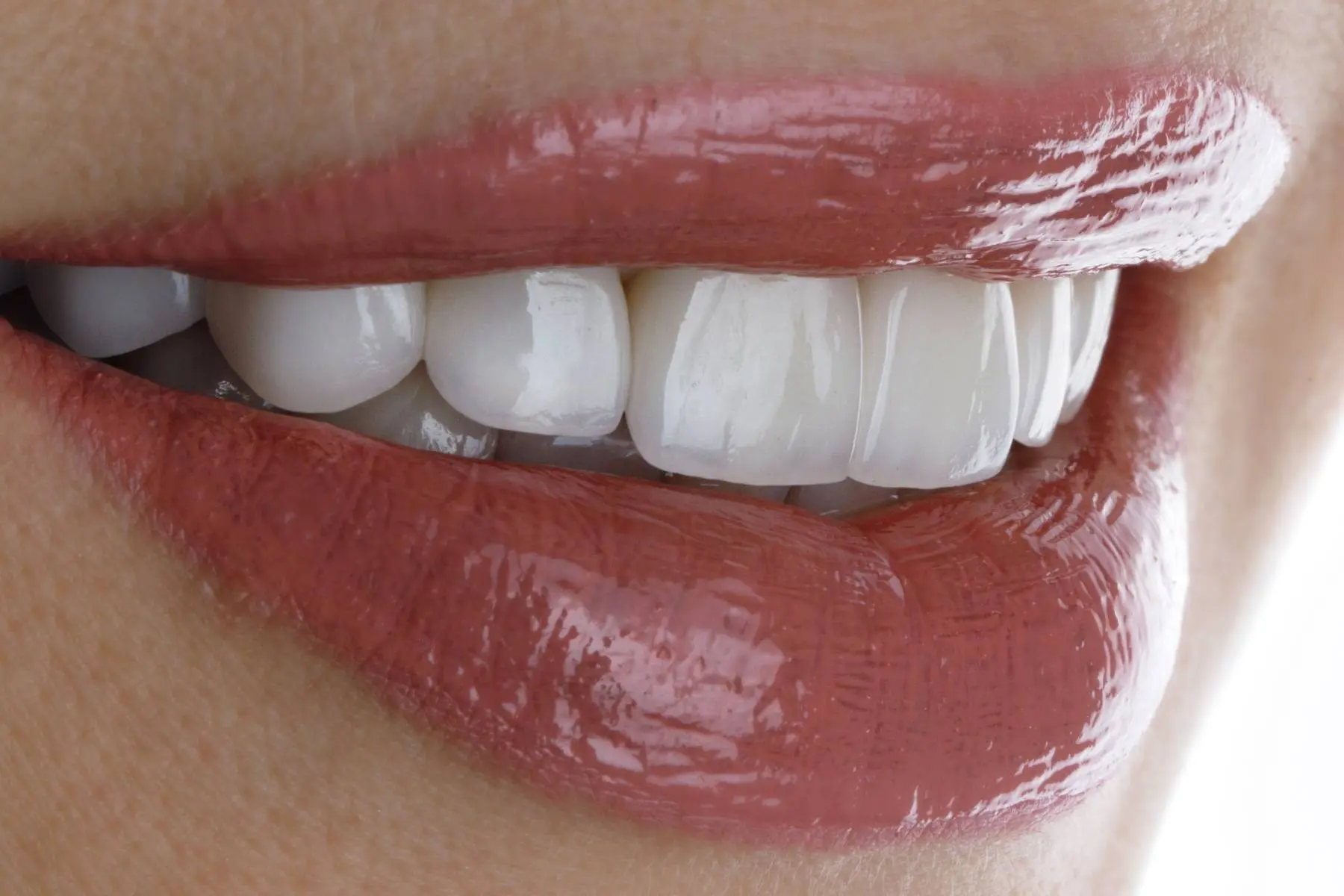
Now that we’ve evaluated the connection between smiling and happiness, where do veneers come into play? For patients who hide their smiles because they feel insecure about discolouration, gaps, or misalignment, veneers provide the ultimate solution. They can give you a smile to feel proud of, one you want to show off, meaning you’ll smile more and, as a scientific consequence, feel happier.
19 out of 25 patients who have had veneer treatment, or other types of cosmetic dental treatment to improve their smile reported a boost to their overall happiness and self-esteem. Journal of Cosmetic Dentistry.
But is that boost to happiness only temporary?
In addition to the fact that smiling makes you happy, feeling better about your appearance after receiving veneers also leads to an immediate confidence boost.
From a psychological perspective, psychologists suggest that self-image plays a significant role in emotional well-being. When you feel good, you carry yourself differently, walk differently, take on new opportunities, and engage more positively in social settings—all of which contribute to feeling happy.
But the long-term impact of this will depend on various factors
For example, patients who see their new smile as the catalyst for greater social perception, engagement, and self-assurance tend to maintain a higher level of happiness. While veneers can do so much to improve one’s appearance, they cannot solve deeper insecurities that are unrelated to one’s appearance; otherwise, in these instances, it will only be a temporary uplift in happiness.
So, do veneers make you happier
A large survey in the UK found that only 58% of the British public felt good about their smile, leaving 42% unhappy. These numbers are nearly double than those unearthed a decade ago.
People in the UK, who feel insecure about their smile, now have better access to cosmetic treatments like veneers or teeth whitening that can help them address problems with their smile and, as a result, feel more attractive. The pursuit of the perfect smile is more than a mere trend influenced by 100s of social media users, but rather a reflection of deeper societal and psychological dynamics.
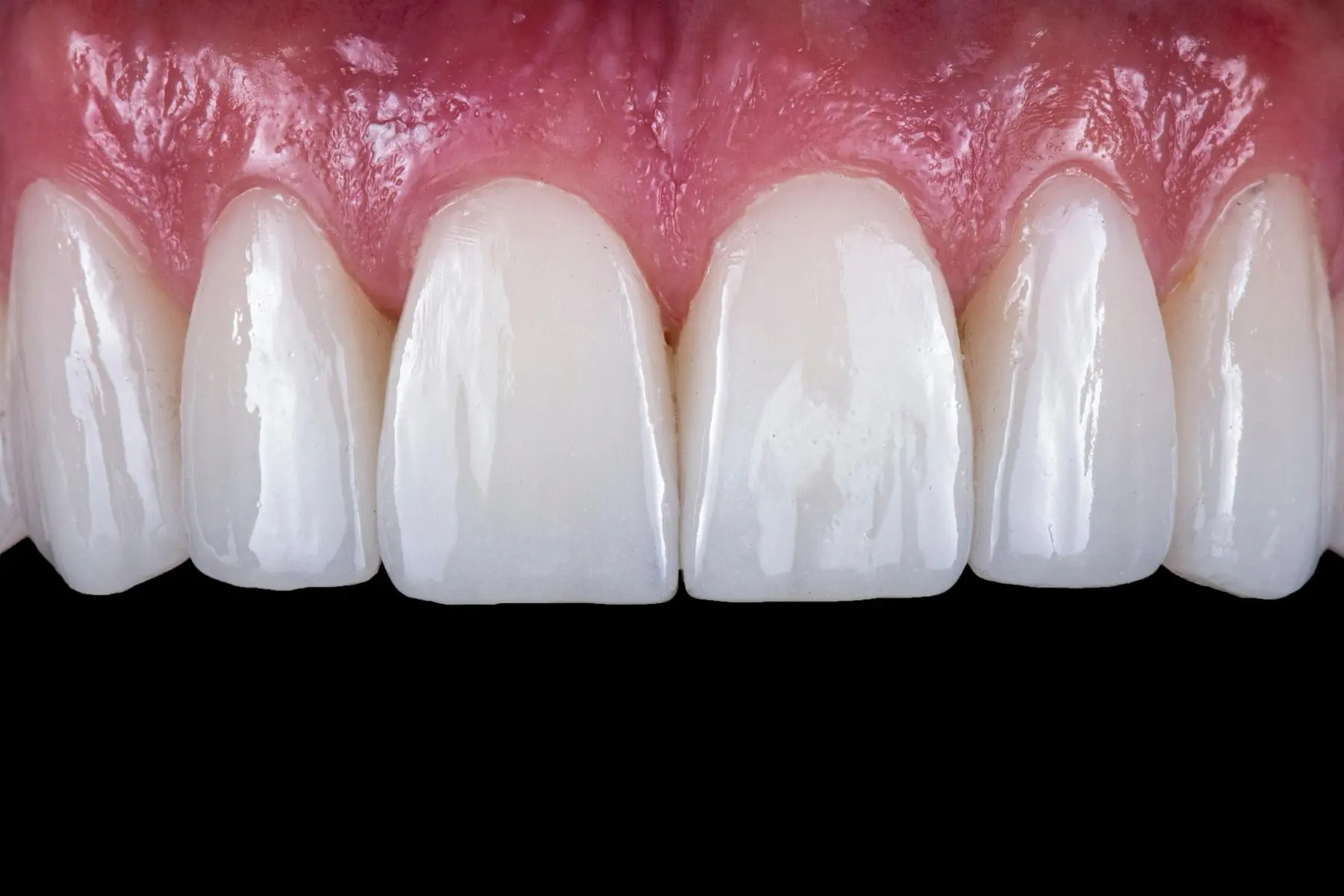
I think we’ve proven the question to be true. Veneers make you happy as they significantly improve your self-perception, leading to greater confidence. But long-term happiness relies on you.
Lasting happiness comes from within, and while a beautiful smile is a powerful tool to boost your confidence, it should also be backed up by self-acceptance. So, if insecurities around your smile have been holding you back, investing in cosmetic dentistry, particularly porcelain veneers, could be your step to a more confident, happier self.