

Here at The Perfect Smile Studios in Hertford, we never judge patients for having rotten teeth. We know that certain lifestyle habits and triggers outside of your control can sometimes affect your oral health.
But don’t worry—as expert dentists in restorative procedures and cosmetic enhancements, we can restore your smile to its former glory and even ensure it looks better than ever before.
Home | Cosmetic Dentistry | Rotten Teeth
Types, Causes, Symptoms & Treatments
Rotten teeth often develop from cavities that worsen due to lack of treatment. At first, patients might notice simple problems like food getting stuck in the holes of their teeth. As decay and bacteria enter the tooth’s internal structure, patients develop more serious symptoms like black or brown discolouration, bad breath, infections, sensitivity and pain when biting down.
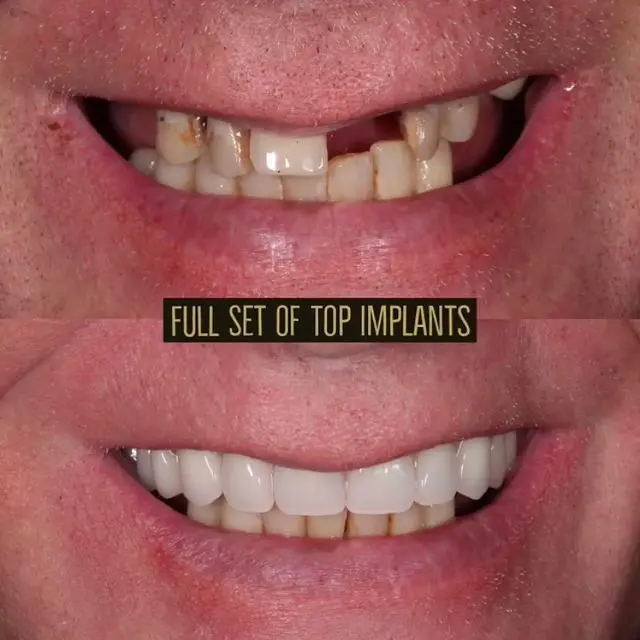
All my teeth are rotten what can I do? Easy fixes to rotten teeth
When it comes to rotten teeth, it’s too late to involve preventive measures – the damage has already occurred.
Whether you have one problem tooth or a full mouth, now is the time to take action to save your tooth, preserve its structure, and avoid extraction at all costs.
At The Perfect Smile, we take a unique approach to treating rotten teeth. We’ll first treat the underlying cause of your problem, remedy the situation, save what we can, and then recommend certain cosmetic procedures to help your smile look brand new.
Treatments that typically treat the underlying problem
Dental fillings, cleans and fluoride for early stages of rotten teeth
Depending on the stage of your tooth rot, during a check-up a dentist can identify any cavities, assessing their size, and if appropriate can treat them with dental fillings or fluoride applications, which can stop the tooth rot from progressing.
The dentist will begin by removing the decayed parts of the tooth, then place a tooth-coloured composite filling to fill the hole.
In cases of more severe damage to the tooth’s structure, a dental crown might be recommended instead to sit on top of the decayed tooth and protect it.
Root Canals for advanced treatments of rotten teeth
Root canals are the typical treatment our dentists recommend in the case of rotten teeth, because often the tooth has an infection in the pulp, causing them pain.
Root canals, which sound scary, are straight-forward procedures which uses a drill to removal the infected pulp and then is followed up with a crown placement a few weeks later to now protect the weakened tooth.
Tooth Extraction
If a patient chooses not to opt for a root canal, or we cannot save the tooth, tooth extraction might be recommended – but is always a last resort.
Patients concerned about having a missing tooth, can put their worries aside as innovative missing tooth treatments like dental implants exist, which not only restore the appearance of a missing tooth, but replaces its root too, meaning you can preserve your bone structure and prevent teeth from shifting into the gap.
Other cheaper, missing tooth treatments include a dental bridge or denture.
Treatments that improve the cosmetics of the smile
Rotten teeth can cause several aesthetic issues with your smile.
For example, teeth can look discoloured, bitten and generally mishappen. Permanent changes to your smile can occur like brown or black spots, discolouration, holes on the surface of teeth, changes in tooth shape and rough or uneven texture and edges.
In these situations, after treating the underlying cause of the rot, cosmetic dental procedures are then used to restore the smile’s beauty.
Cosmetic dental treatments for rotten teeth include:
Guide to Rotten Teeth
As you know, poor oral health puts you at risk for tooth decay, leading to cavities and rotten teeth.
Rotten teeth are defined by a permanently damaged area on the tooth’s surface.
When left untreated, teeth can become severely decayed as the cavities become larger, affecting deeper layers of the tooth, causing the tooth to eventually become loose and fall out, which is why it’s important to recognise these symptoms so you can do something about it before it’s too late:
How much it costs to fix rotten teeth
- Dental fillings from £150
- Root canals from £520
- Dental crowns from £1,200
- Tooth extraction from £150
- Composite bonding from £
- Composite veneers from £250
- Porcelain veneers from £900
- Teeth whitening from £260
Symptoms of rotten teeth
- Toothache or throbbing pain
- Tooth sensitivity to hot, cold and touch
- Brown, black or white spots on teeth
- Persistent bad breath and unpleasant tastes and odours
- Gum swelling, abscesses or infection
- Brittle and crumbling teeth
- Visible pits in your enamel and holes in teeth
- Chipped, cracked or fractured teeth
It’s important to note that dental treatments don’t last forever – if you’ve had a filling in the past, it isn’t going to last a lifetime.
So, if it’s been a while since you’ve visited the dentist, it’s best to book a check-up to check the health of your current restorations and identify any new areas of concern.
Rotten teeth in kids
A rotten tooth isn’t just a problem for adults. It’s easy for children’s teeth to slip out of control, this is because they’re oral health is not always on point, leading to a build up plaque, tartar and decay, which is worsened by consuming too many sugary drinks and foods. But do cavities in baby teeth really need to be filled and treated?
Sometimes, parents might not feel concerned about untreated cavities in baby teeth, as their permanent teeth are on the way. But this is down to a lack of understanding and education around oral health – and we get it, you’re not dentists. However, ignoring untreated cavities in baby teeth can cause significant problems like dental infections, which can cause long-term issues for your child’s oral health, affecting their future adult teeth.
What’s the best thing to do in this situation?
Parents often come to us, asking us what to do, where their child’s oral health is beginning to deteriorate – and the best thing they can do is book a check-up with our dentists as soon as possible.
Not only can we address the issues that have been building up, but help your child understand the important of their oral health and introduce new techniques, which can make taking care of teeth more fun.