Is It Possible To Cure Gum Disease Without Going to a Dentist?
Here’s the thing: Gum disease is a life-long condition that can be reversed in its early stages. With the risks of gum disease being major, like tooth and bone loss, the question is, why do you want to take on the responsibility of curing it yourself with no dental experience whatsoever?
Dealing with dental problems like gum disease or dental abscesses at home without professional treatment or advice is seriously not recommended. You will lose your teeth at some point, and trying to cure the problem alone at home is impossible without a dentist.
The truth about gum disease
Don’t ever underestimate gum disease. If you’ve been diagnosed, you must understand that there is no cure, especially if you’ve progressed past a certain stage. Even a dentist won’t be able to reverse the condition in advanced stages, but that doesn’t mean to say you forget treatment altogether.
Just because you have gum disease doesn’t mean you have to experience or live through the worst of it. Through regular dental intervention and at-home methods, you can manage your symptoms and do a lot to improve your oral health.
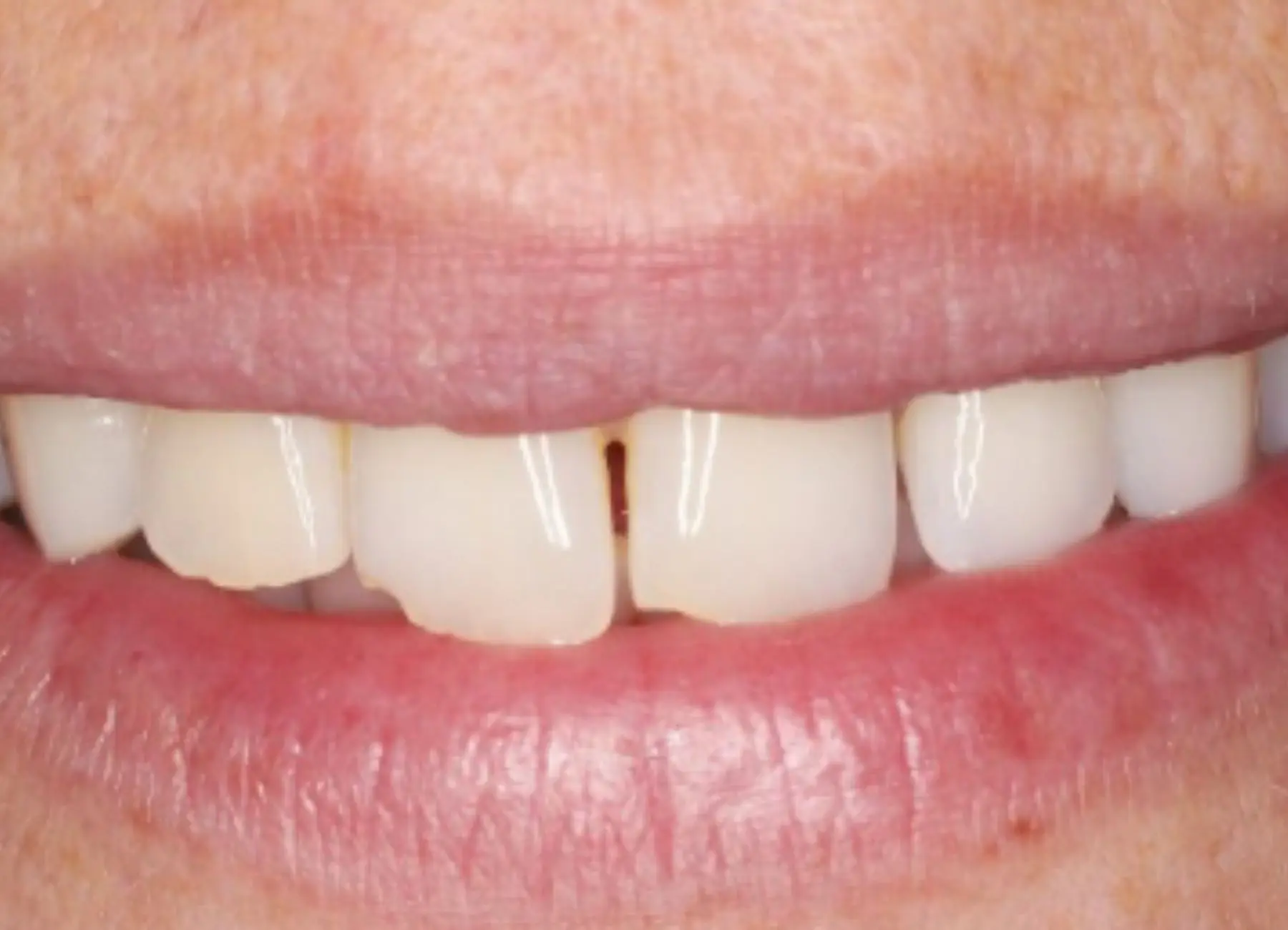
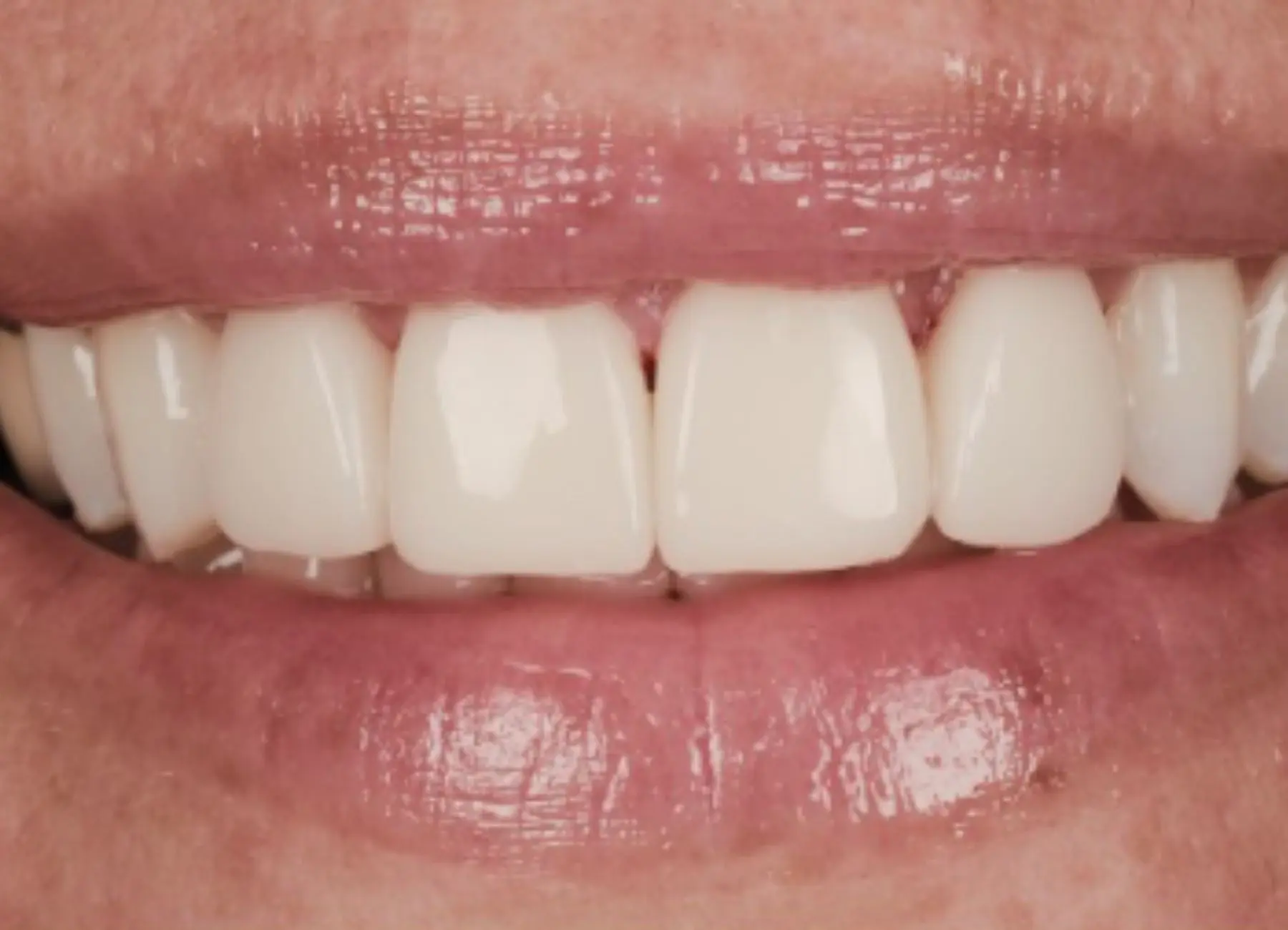
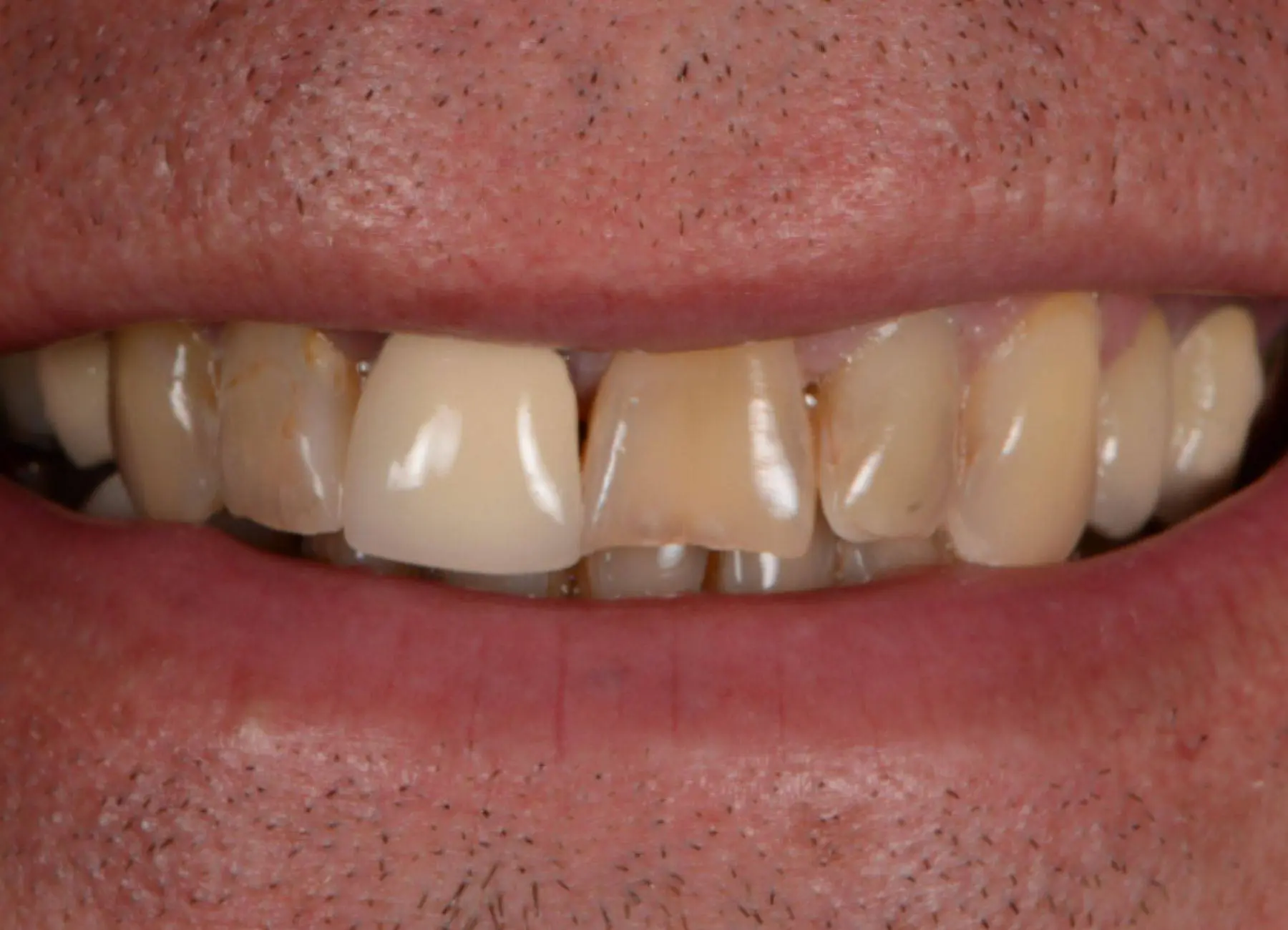
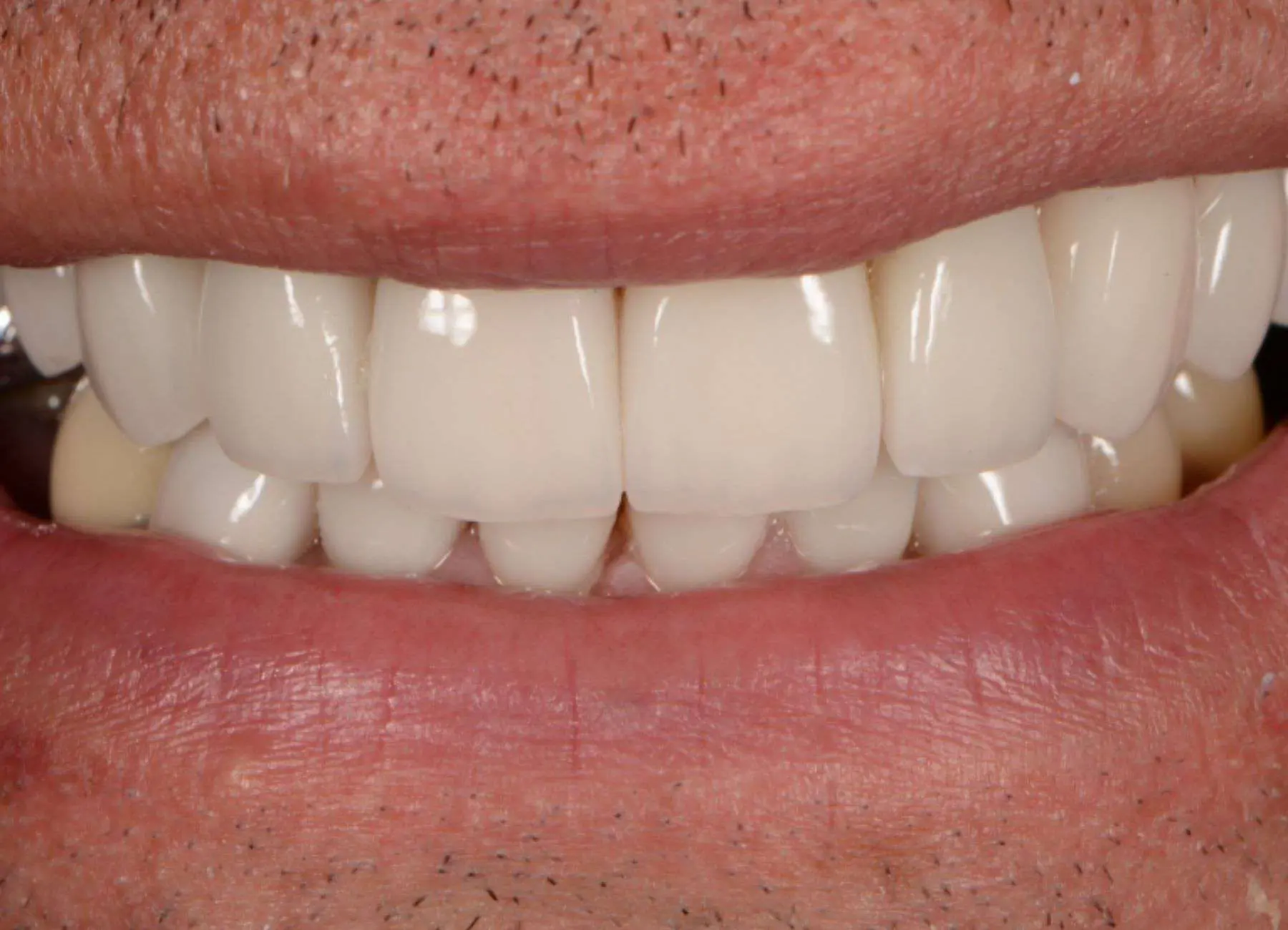
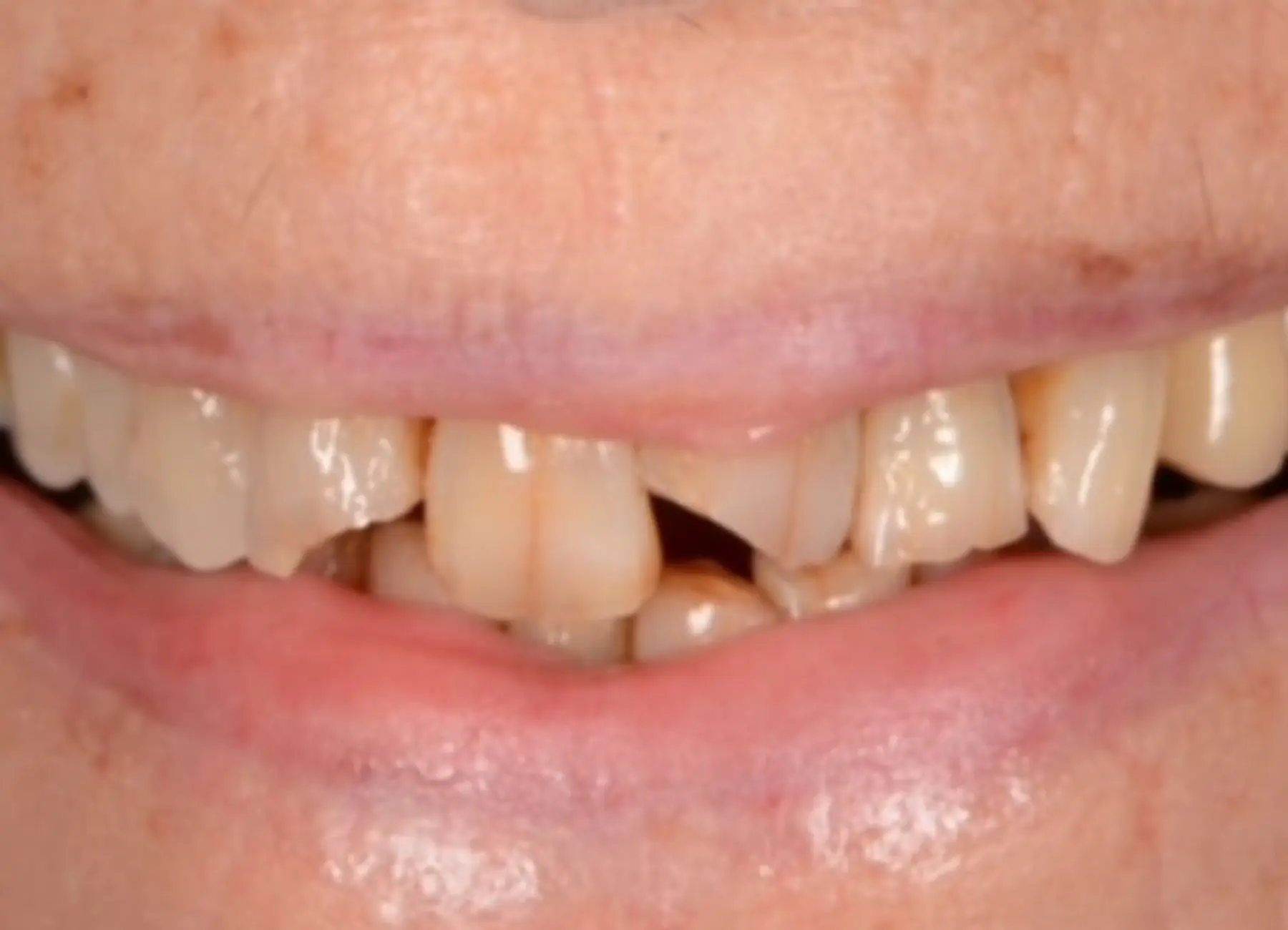
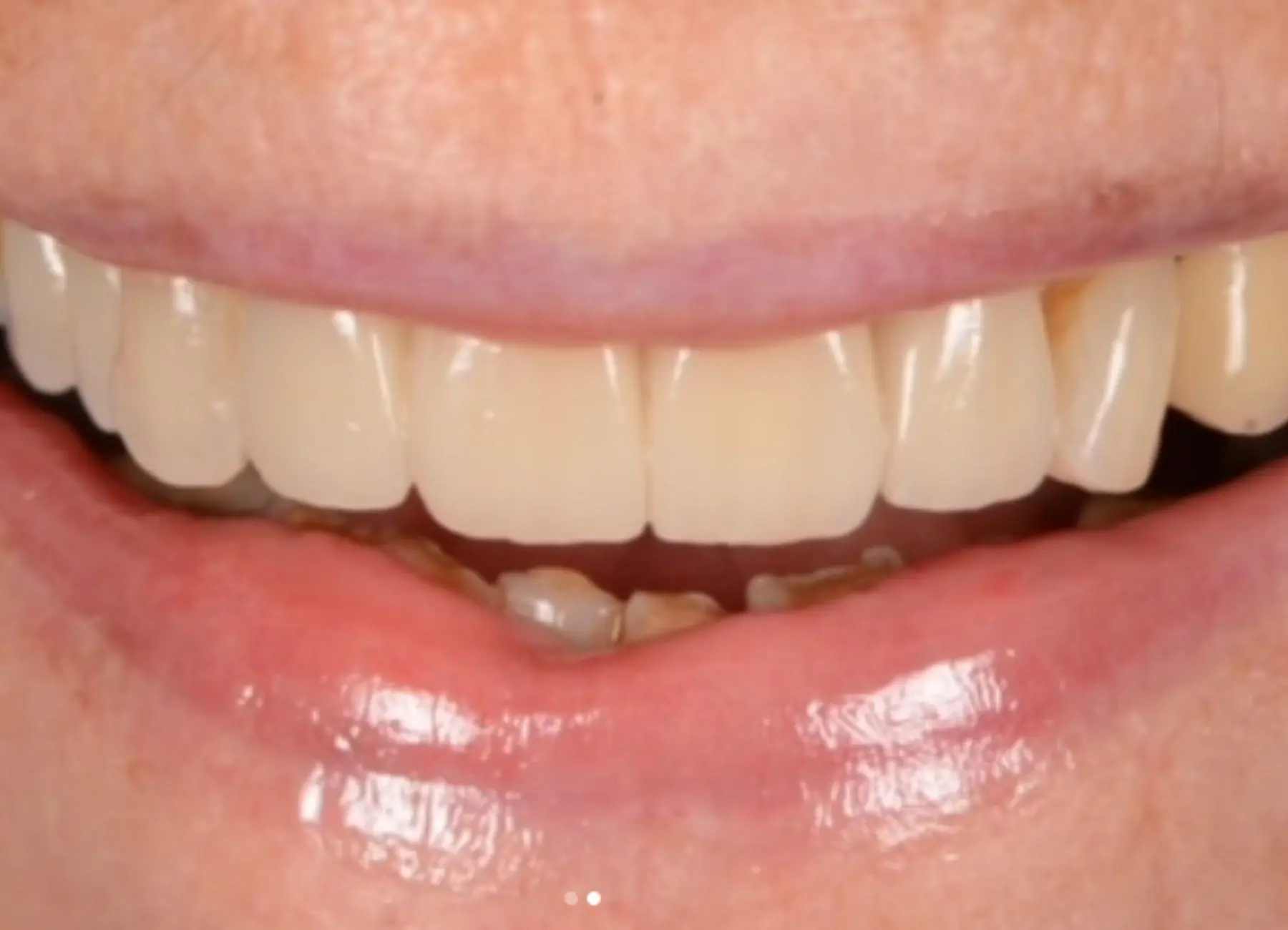
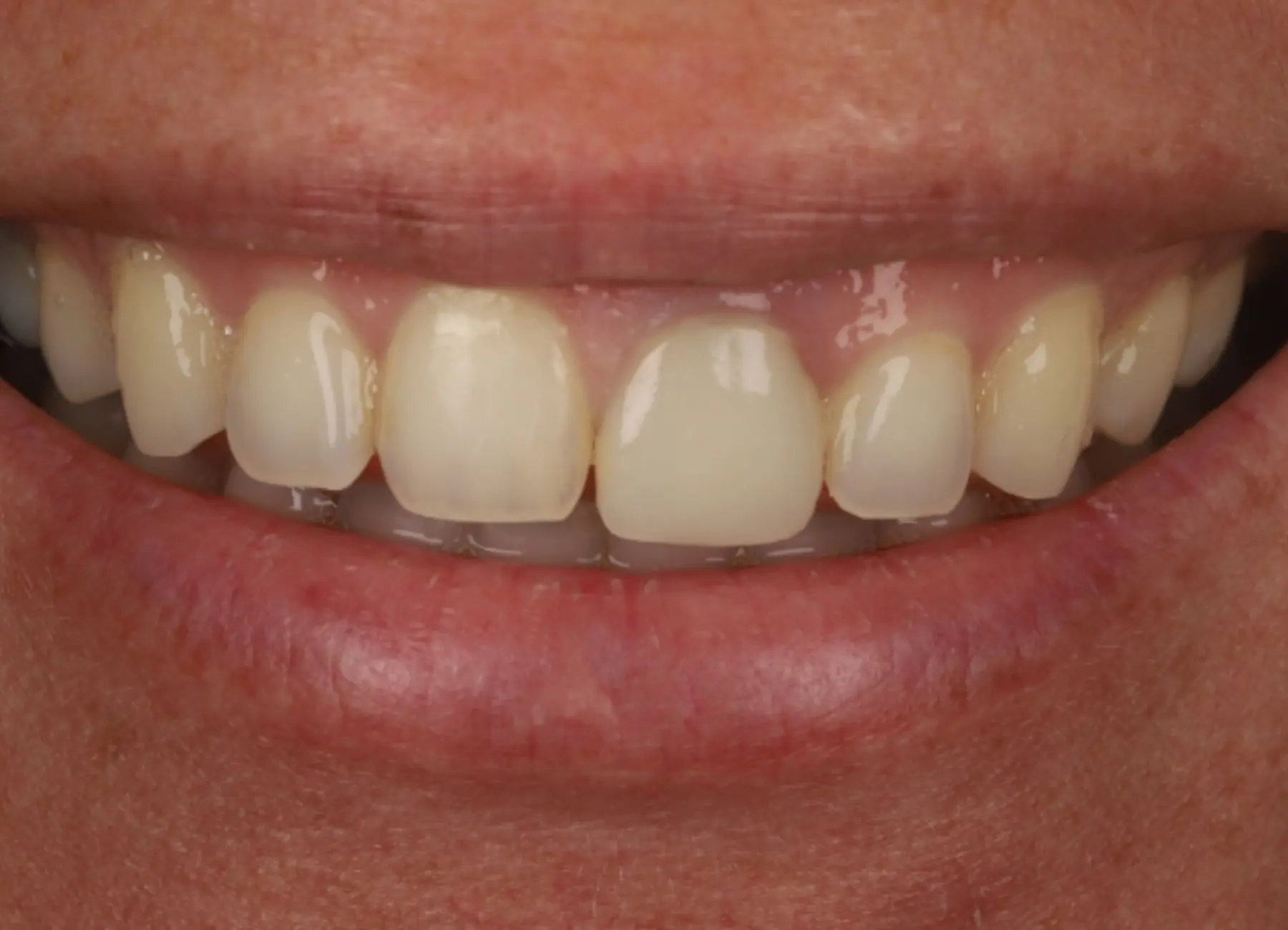
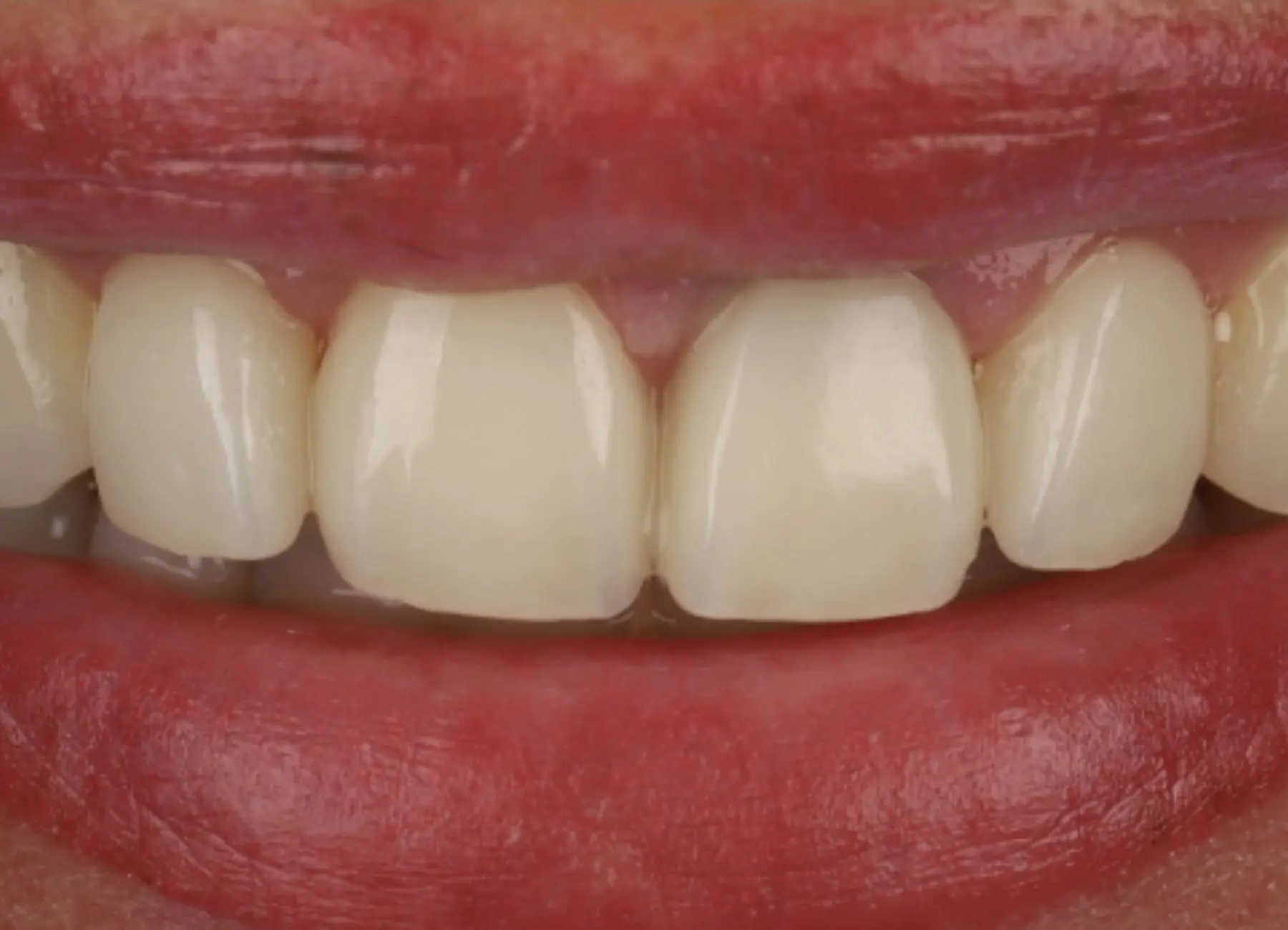
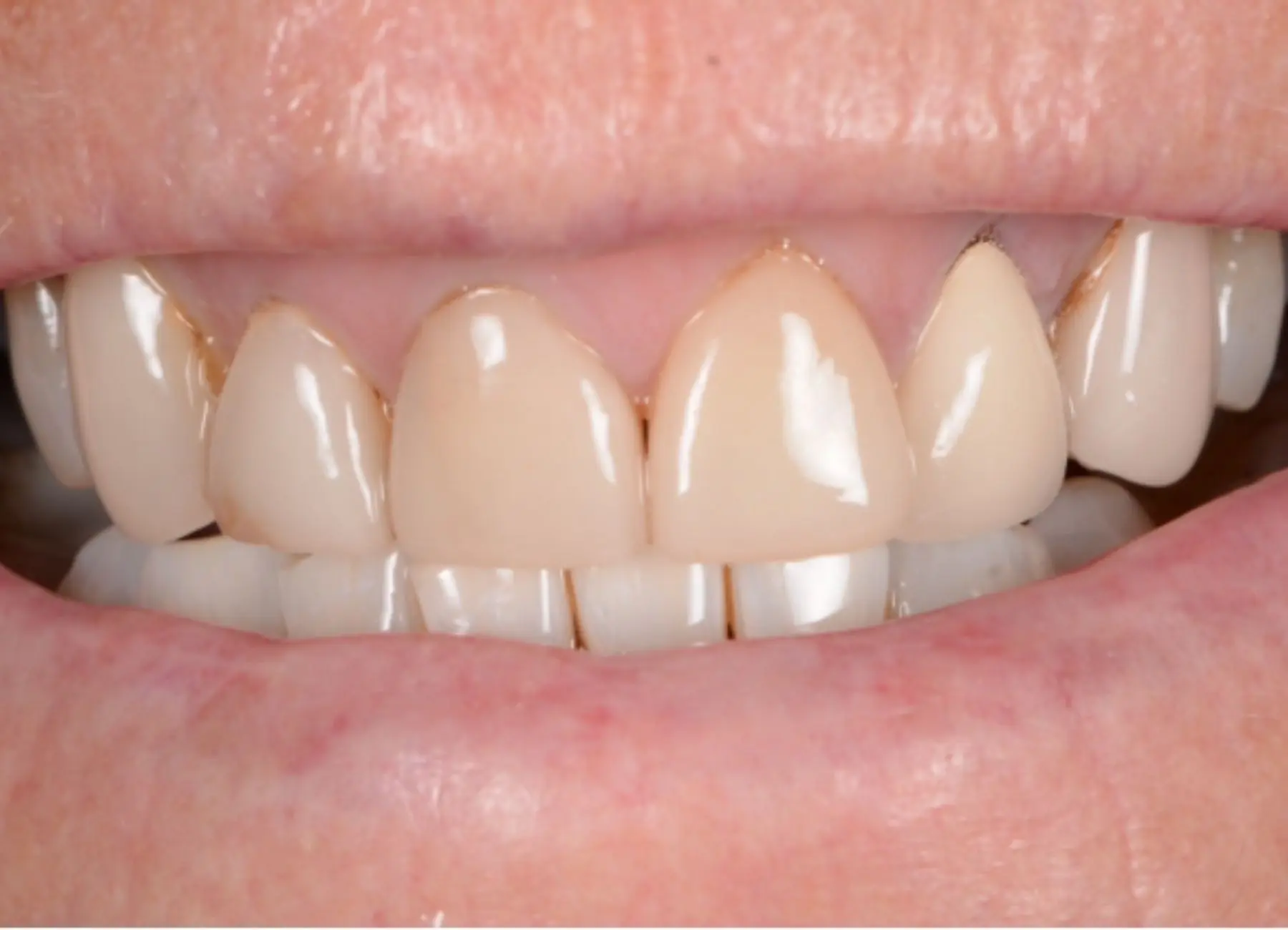
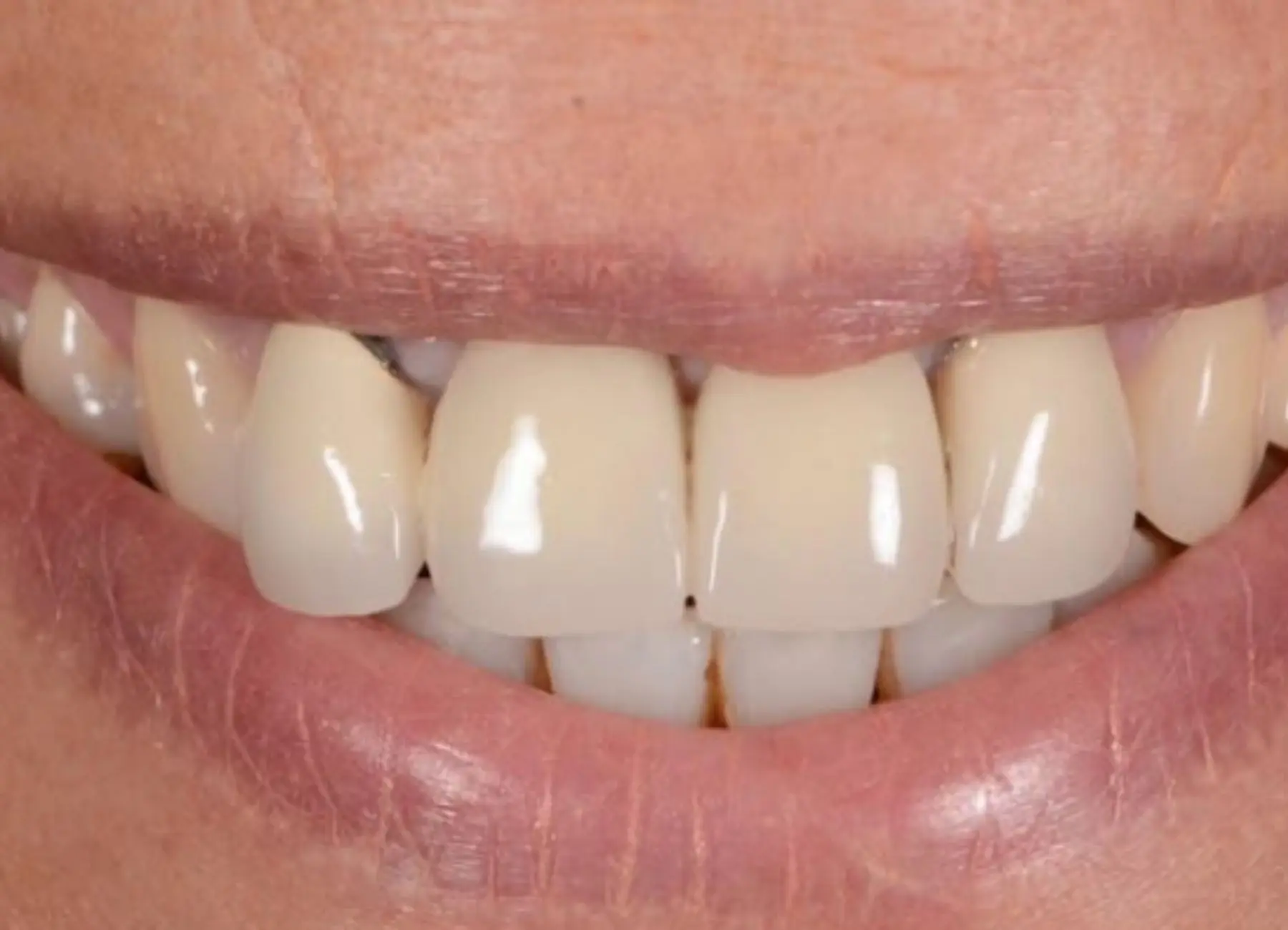
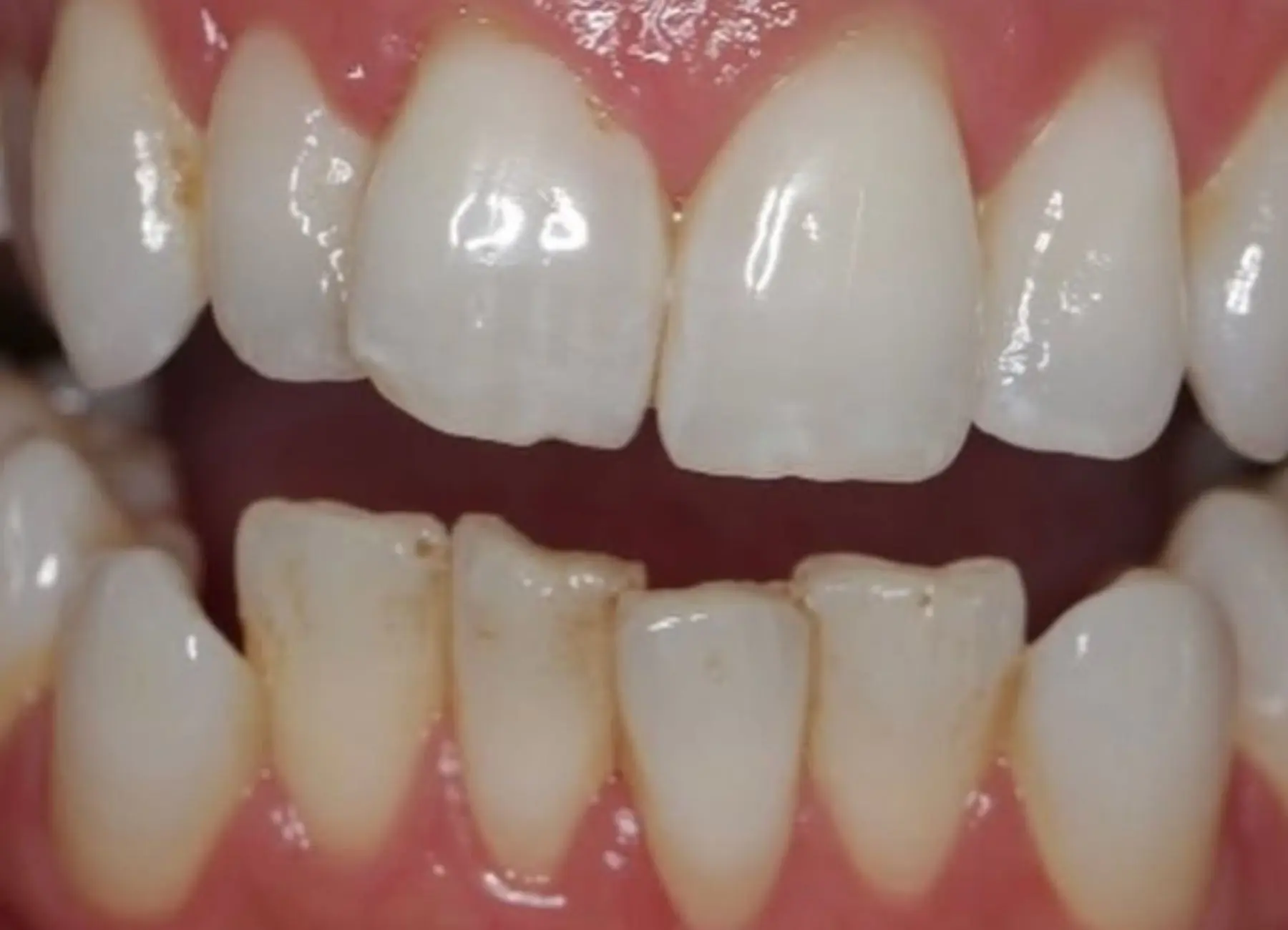
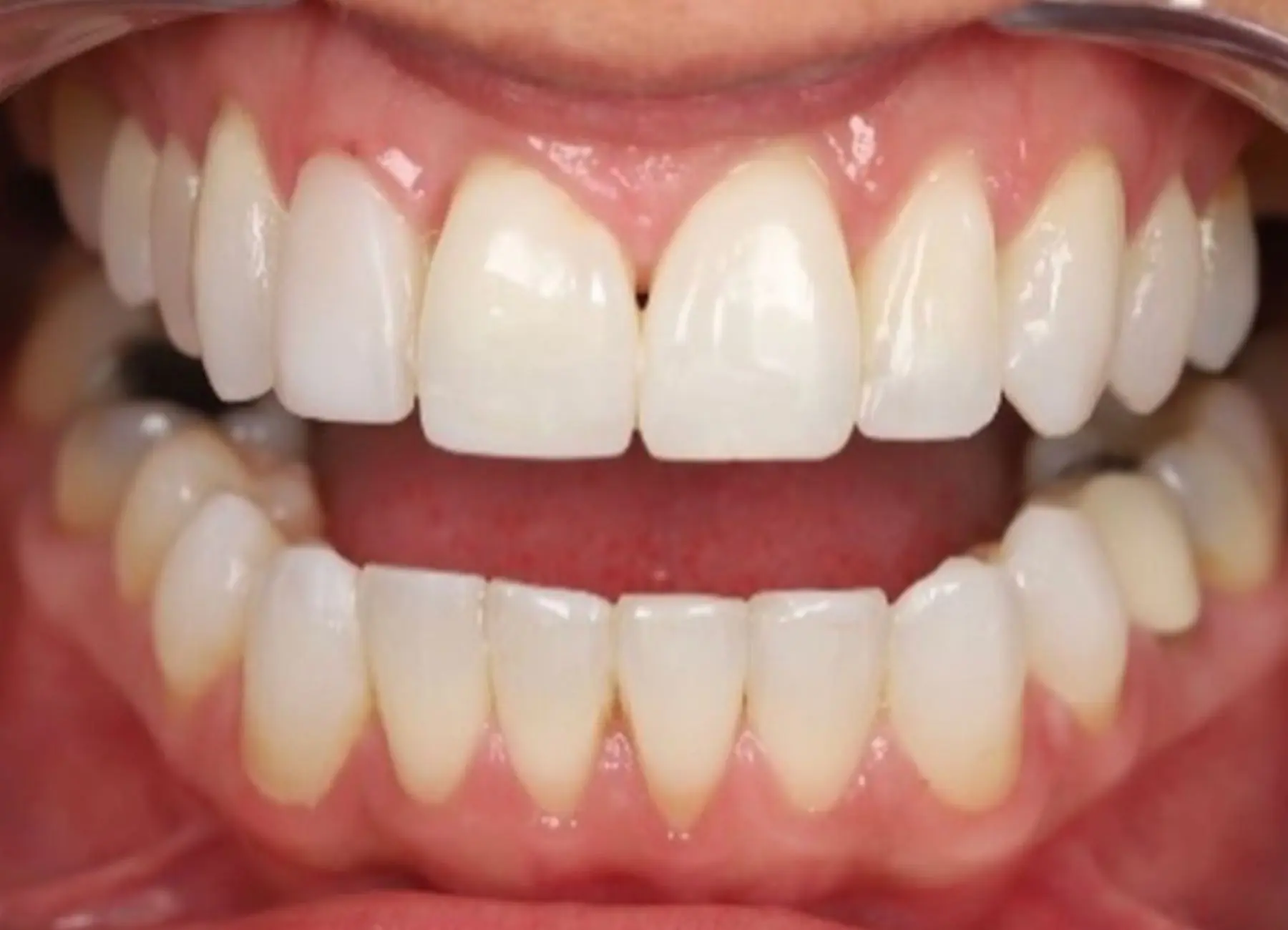
Acting now, doing what you can at home, and seeking dental intervention can prevent receding gums, black triangular pockets between teeth, and tooth loss.
There is stuff you could and should be doing at home
Now, don’t get us wrong – there are lots of things you can do at home that can hugely help manage your symptoms or reverse the problem if you’re in the early gingivitis stages. However, if your gum disease has progressed to more advanced stages like periodontal disease or periodontitis, you will 100% need to seek regular treatment not just from our hygienists, who can give you deep cleans to clean and reach where you can’t, but a periodontist too, who can save your teeth and gums from complete collapse.
Curing gum disease will never happen without a dentist, but here are some steps to follow at home:
Remember, consistency is key:
- Never skip a day of brushing your teeth – ensure you brush twice a day.
- Floss daily (preferably twice a day).
- Quit smoking and maintain a healthy diet rich in foods with Vitamins C and D.
- Drink plenty of water to flush out food particles and bacteria.
- Consider using a water flosser, which can help clean better under the gumline and between teeth.
- Follow a periodontal treatment plan or medication prescribed by a periodontist.
Meet our periodontist for help.

Reversing and managing gingivitis at home
If you have early signs of gum disease, like gingivitis, you can help reverse the condition by making simple changes to your oral hygiene routine. You can improve your at-home oral hygiene routine by incorporating certain tools, visiting the hygienist more regularly, and slightly changing your diet.
Our best tips:
- You’ll want to ensure you’ve invested in a good-quality electric toothbrush, which can ensure effective cleaning and will be particularly helpful if you suffer from diabetes. If you have diabetes, higher blood sugar levels can increase the sugar levels in your saliva, which feeds bacteria in plaque, which can cause gum disease. Brushing with an electric toothbrush can help alleviate this problem. However, be careful of brushing your teeth too hard, which can result in receding gums.
- After eating, you should floss each time or at least twice daily to ensure food does not get trapped between your teeth’s gaps.
- After brushing your teeth, you should also consider using a mouthwash to minimise harmful bacteria that allow gum disease to thrive. Certain medicated types of mouthwash exist for gum disease, too, like Colgate Peroxyl Medicated, which relieves minor gum germs, preventing them from spreading and causing infection. It’s all particularly good if you’re experiencing discomfort, like throbbing gums, as it provides some relief. Lots of types of medicated mouthwash exist.
- Natural remedies also exist. Saltwater rinses are a traditional solution, as they work like a natural disinfectant. They can eliminate the bacteria that fuels gum disease and allow your gum tissues to heal—although they’re not as tasty!
- Patients can also explore other natural remedies, like green tea. Due to its antioxidants, green tea can reduce inflammation, so switching from coffee to green tea can make a small difference.
There are plenty of natural and at-home methods you can explore, whether using coconut oil or baking soda.
But in all honesty, the most effective way to improve your condition is to ensure you have high oral hygiene standards and habits and visit the hygienist regularly to clean in areas you simply cannot reach.
Plus, by involving a dentist in your care, they can help assess the progression of your gum disease and outline the next steps and custom treatment plans for you to follow to keep it at bay or from worsening.
We’re based in Hertfordshire and have specialist gum disease dentists on our team. Ask us for help.