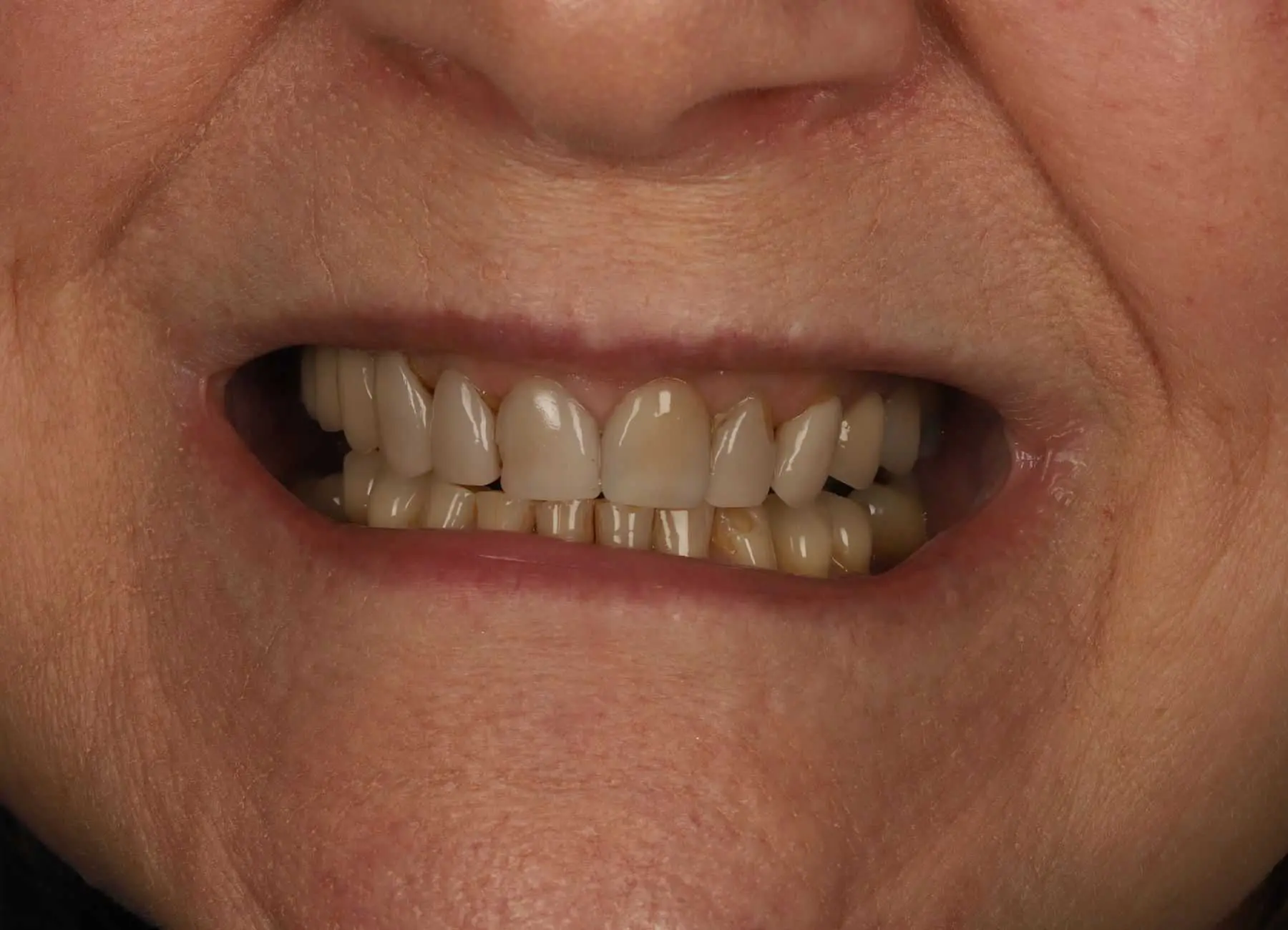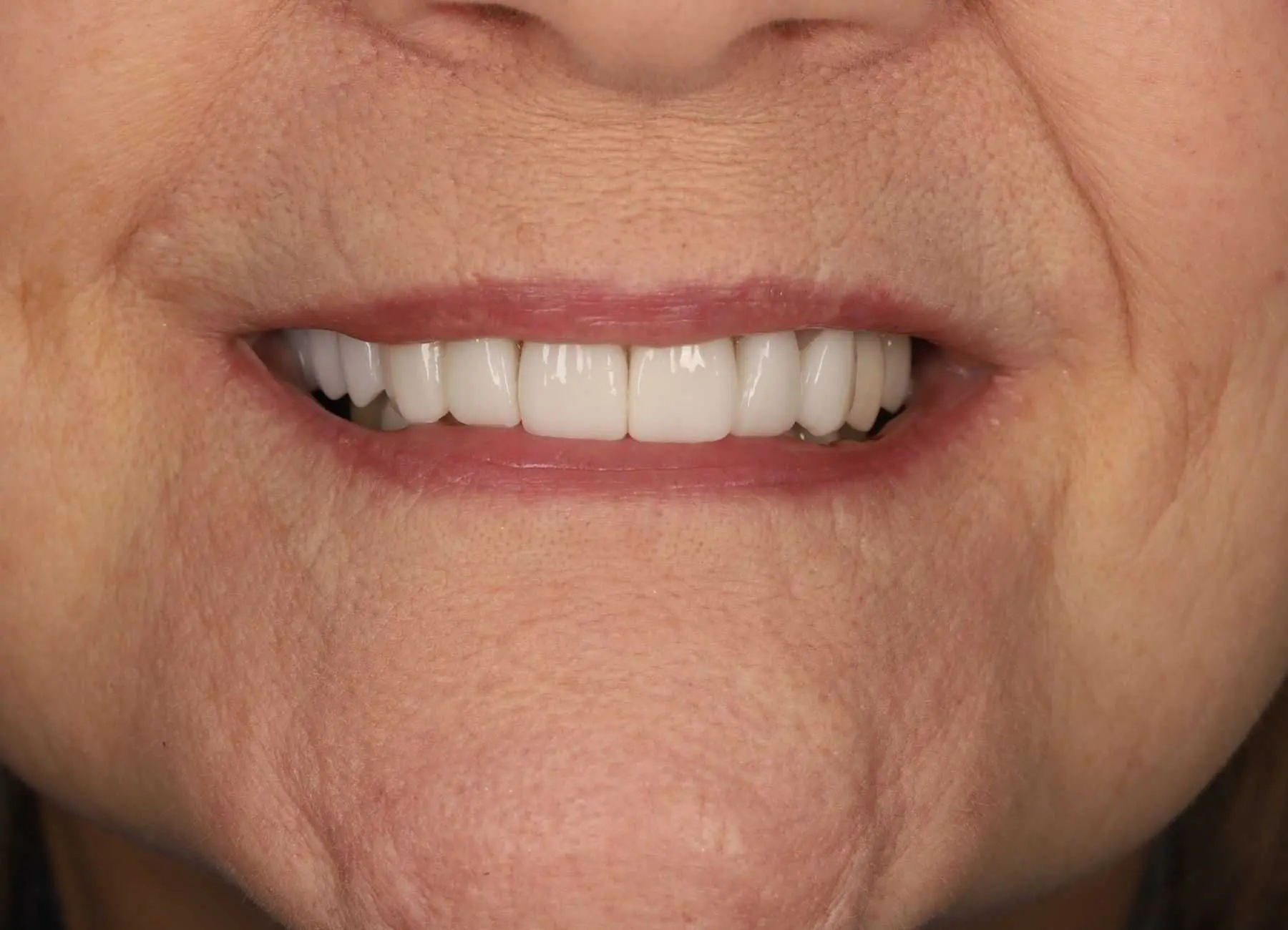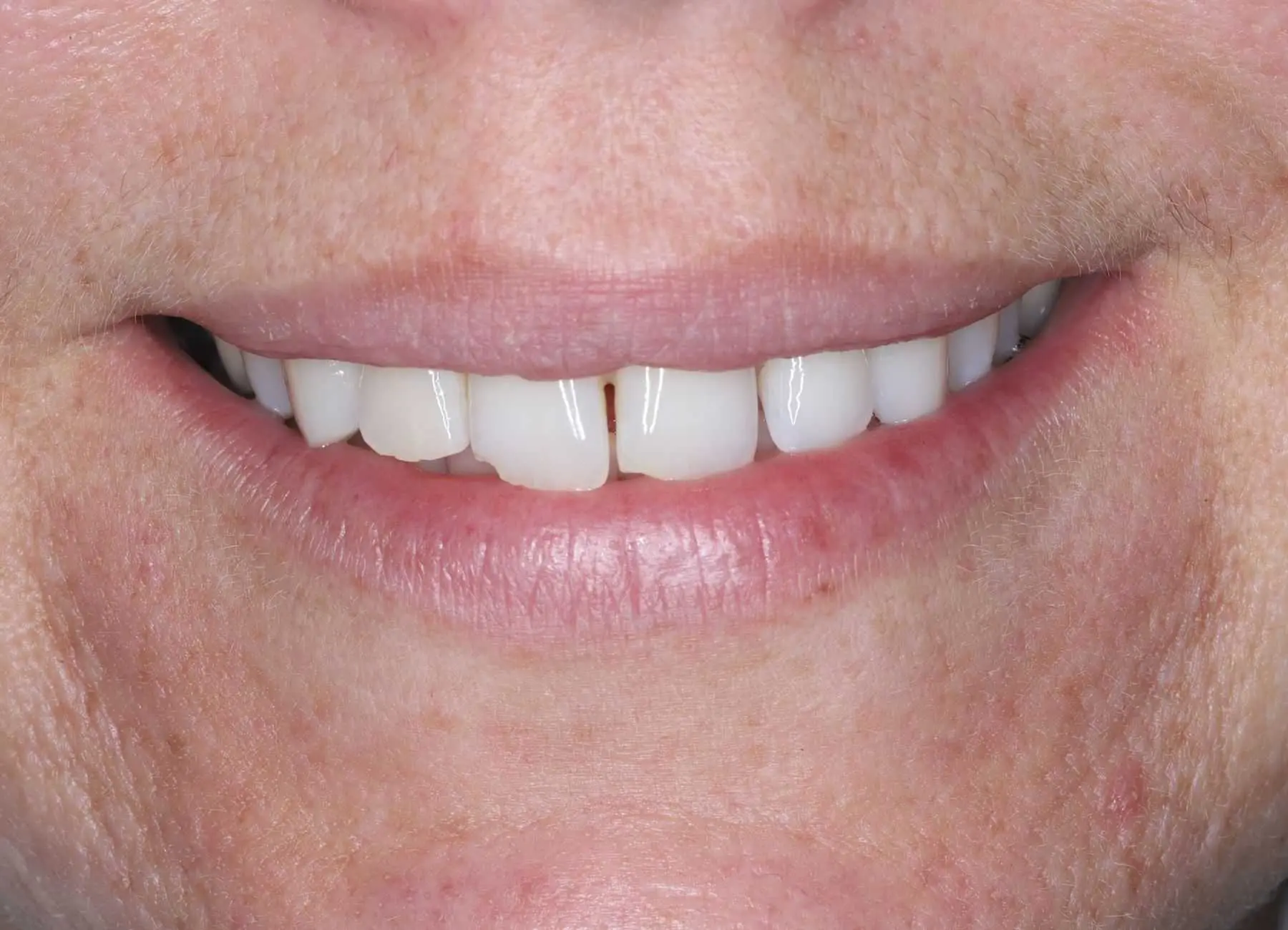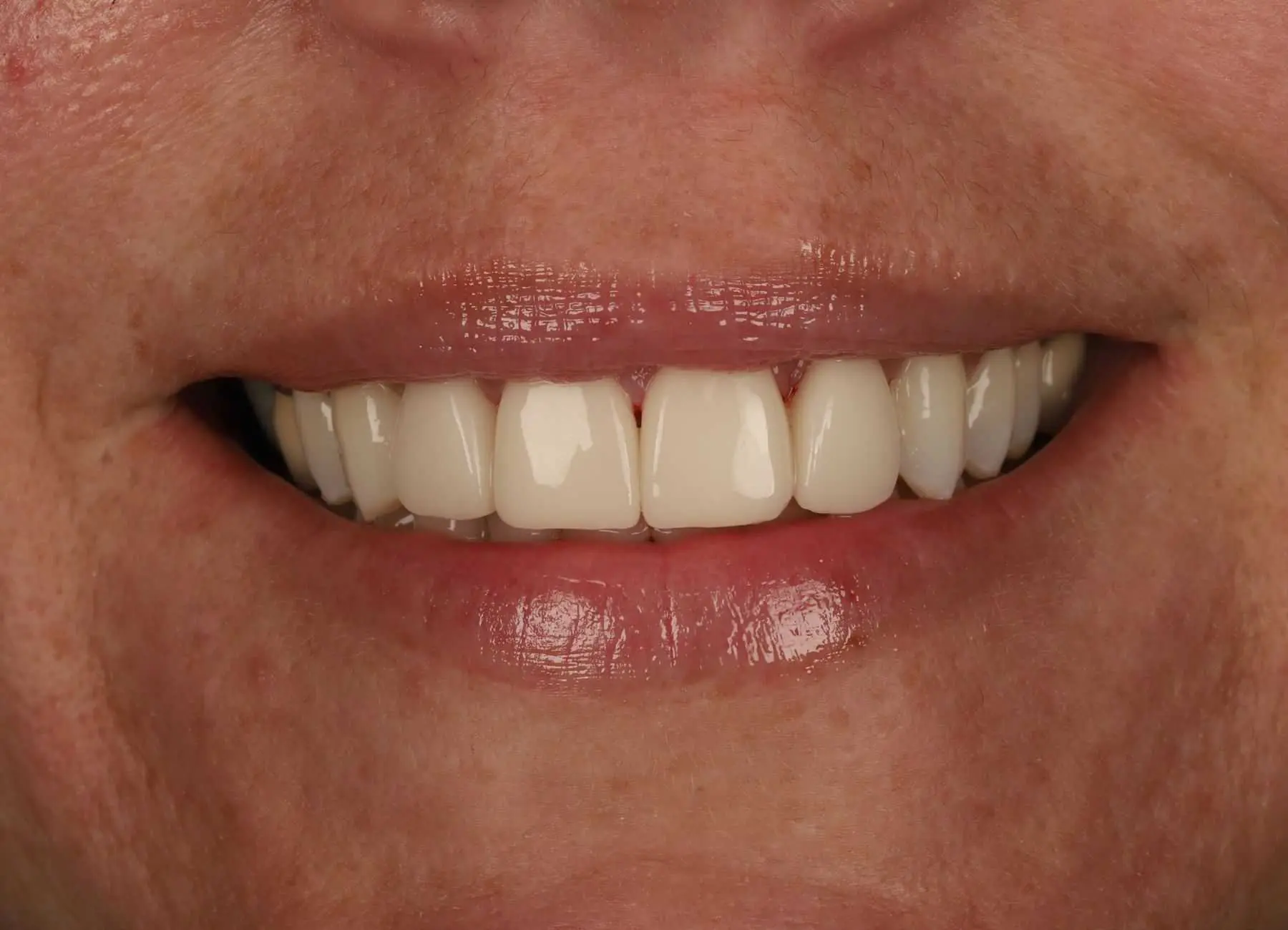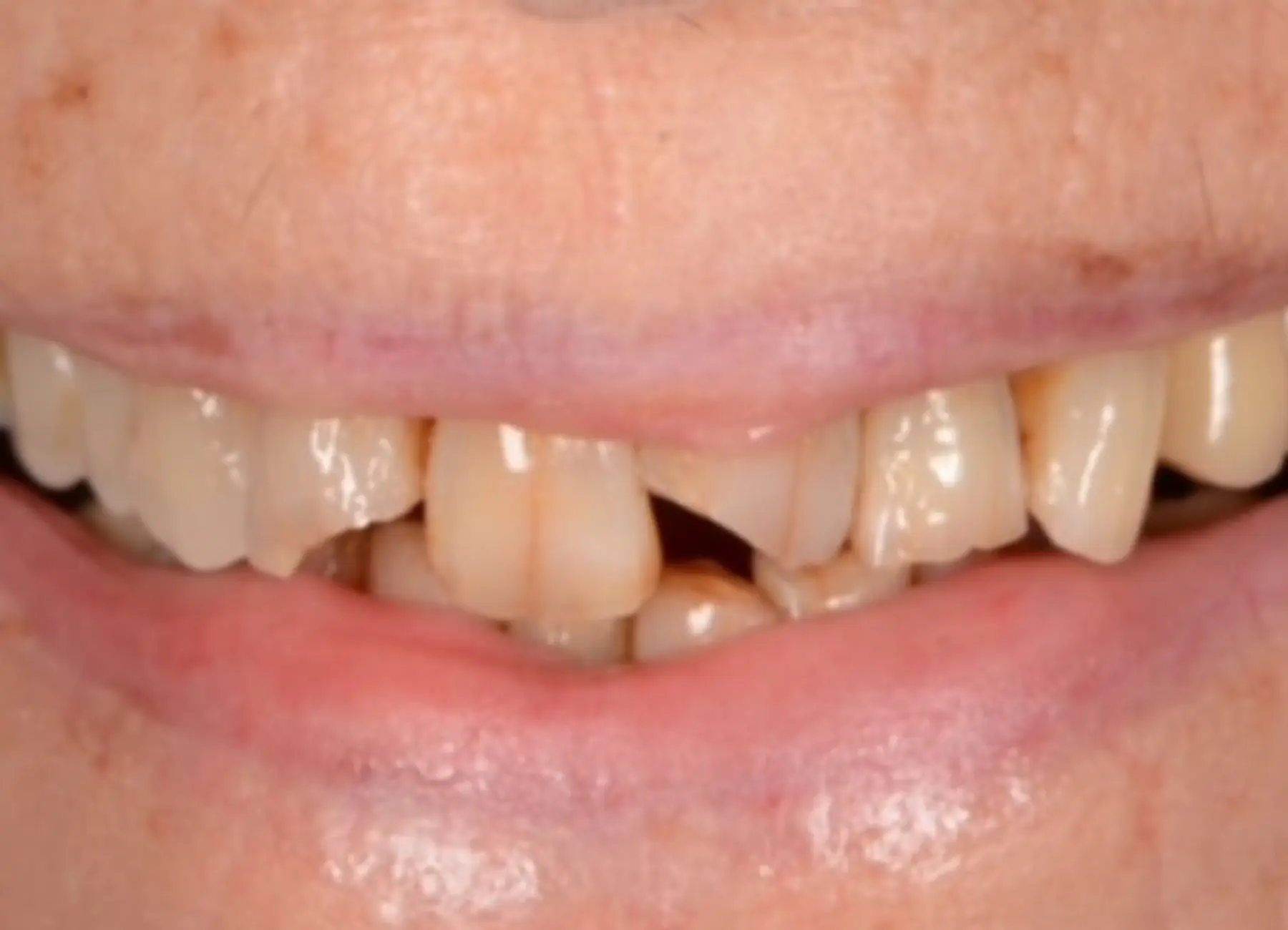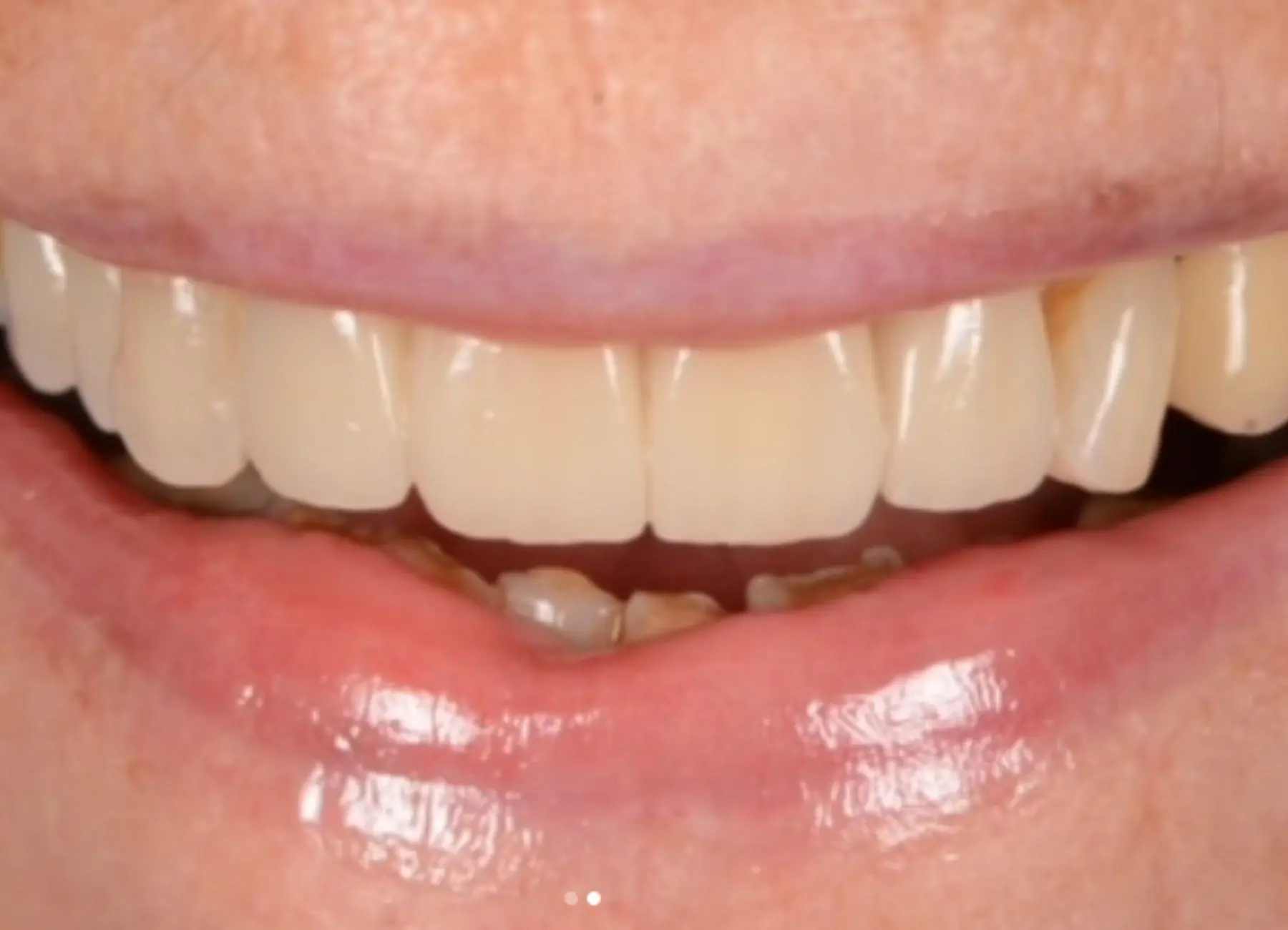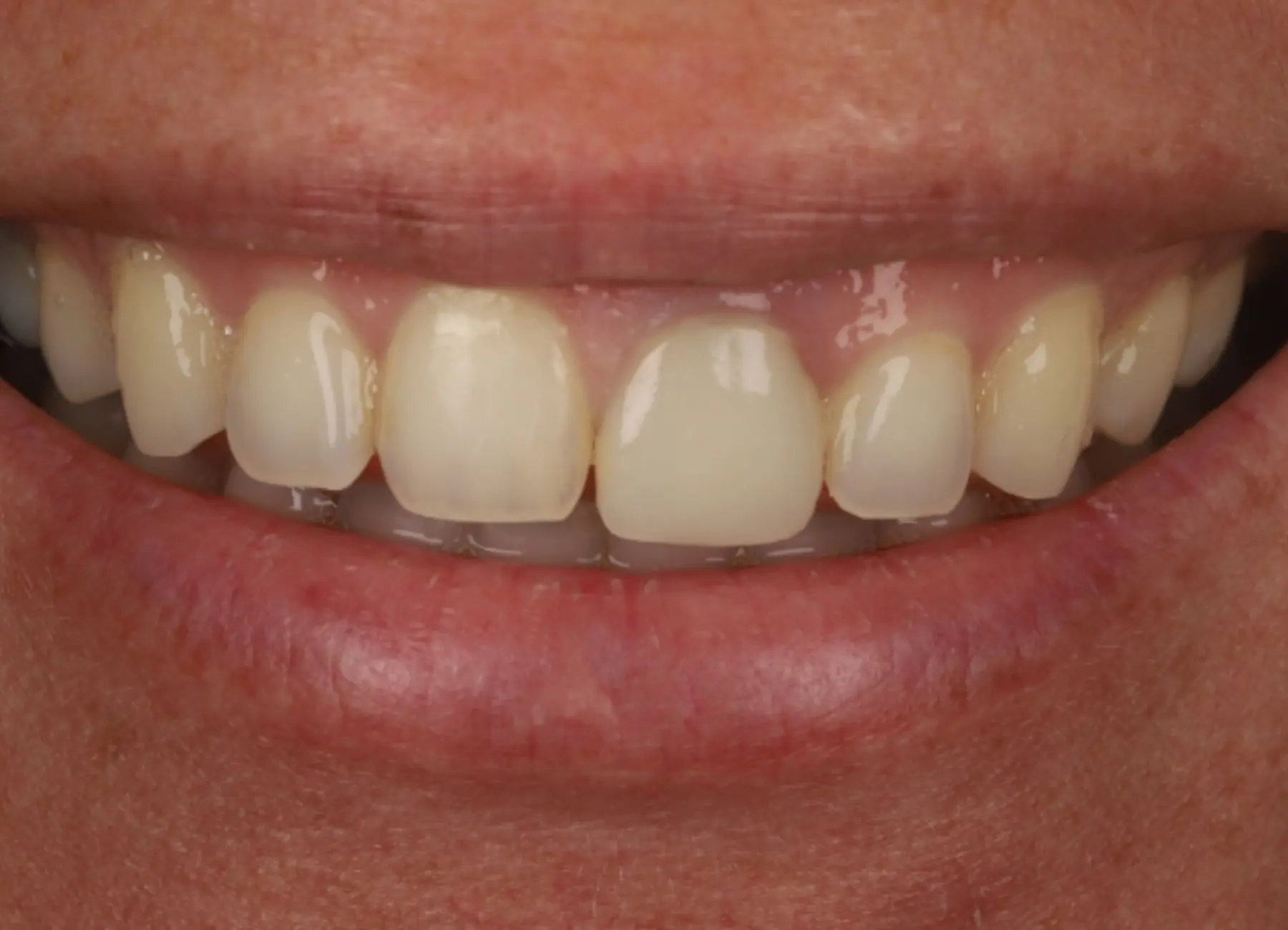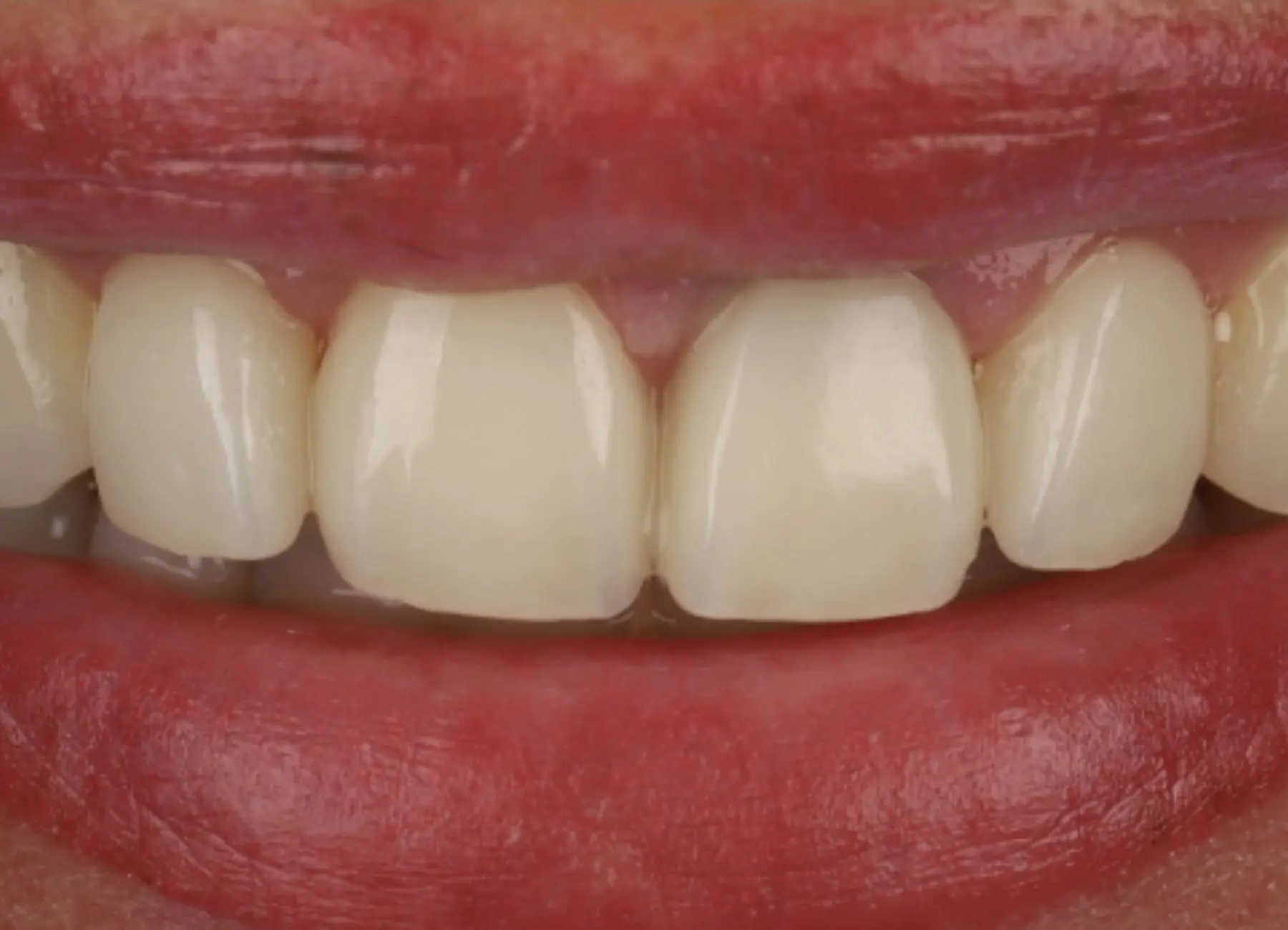
The Stages of Receding Gums & The Worrying Decline
I remember when I was first told I had gum disease. I must have only been 17 – and the dentist said it like an accusation and never followed up with the next steps to treat the problem. At 17, I thought nothing of it – I didn’t care.
Looking back now, with more education on the harmful condition, if that dentist had stepped in to help me, then I might have avoided where I am now, and I might have had a chance at reversing the condition altogether. But now it’s just simply too late.
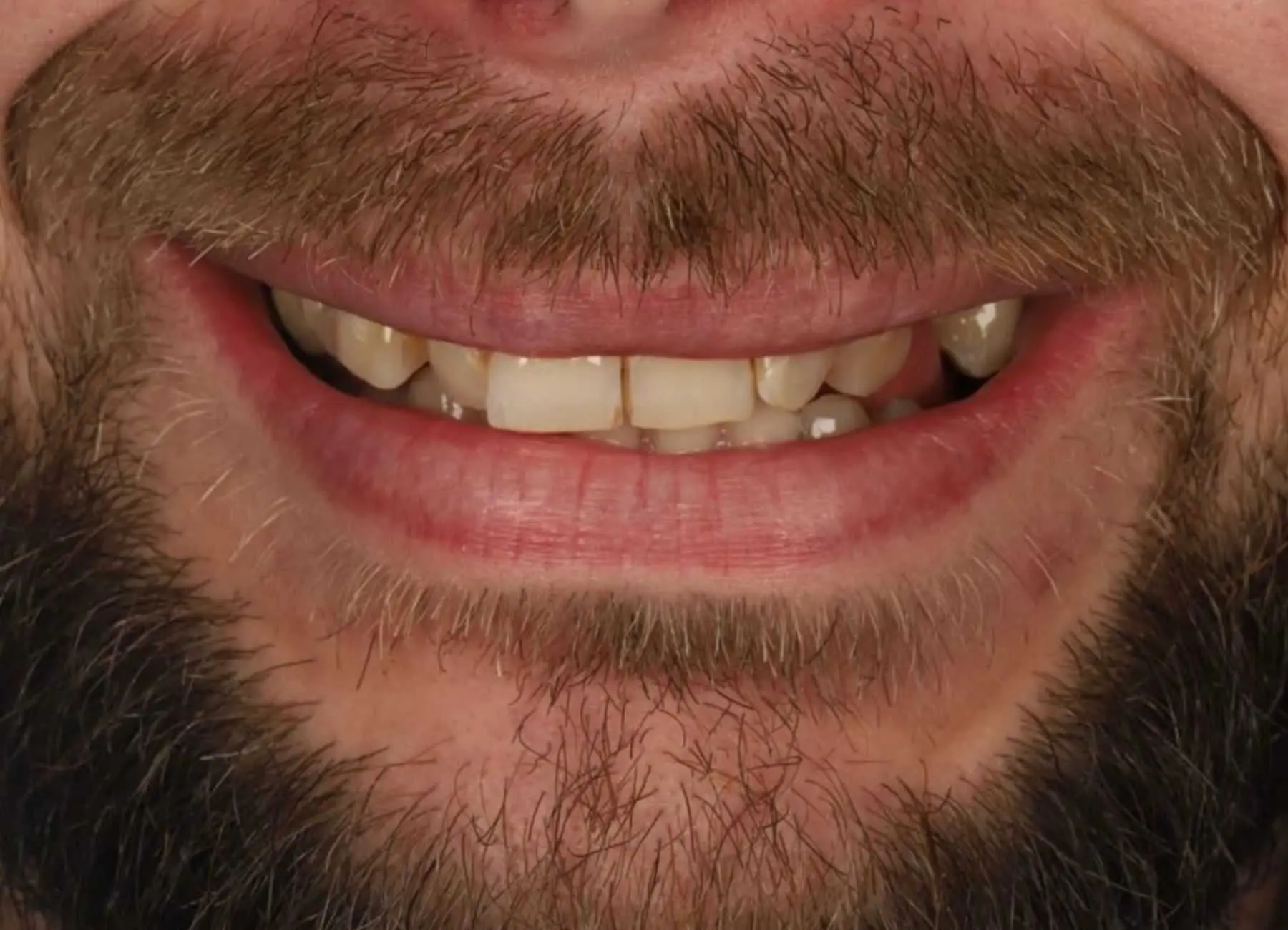
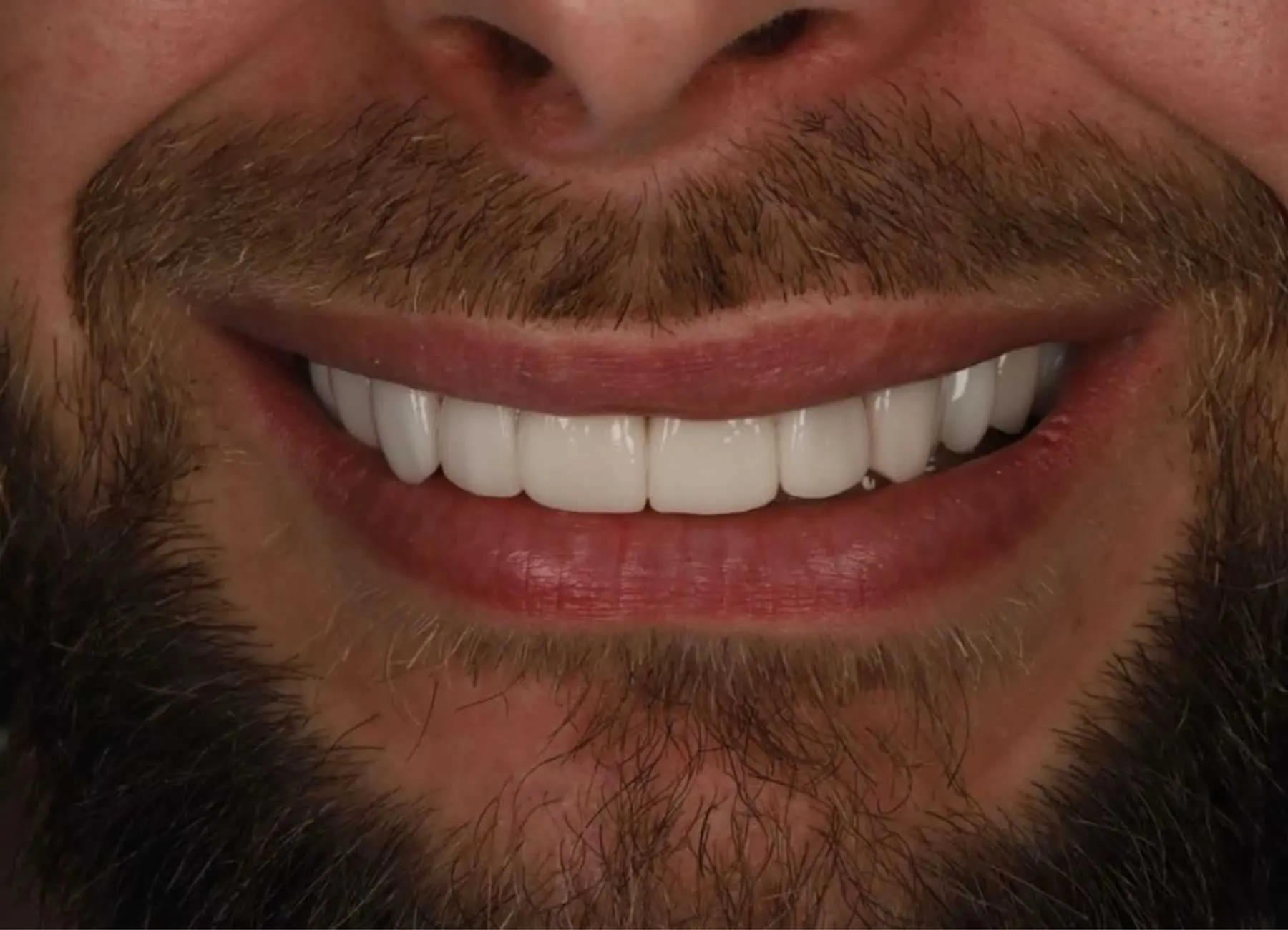
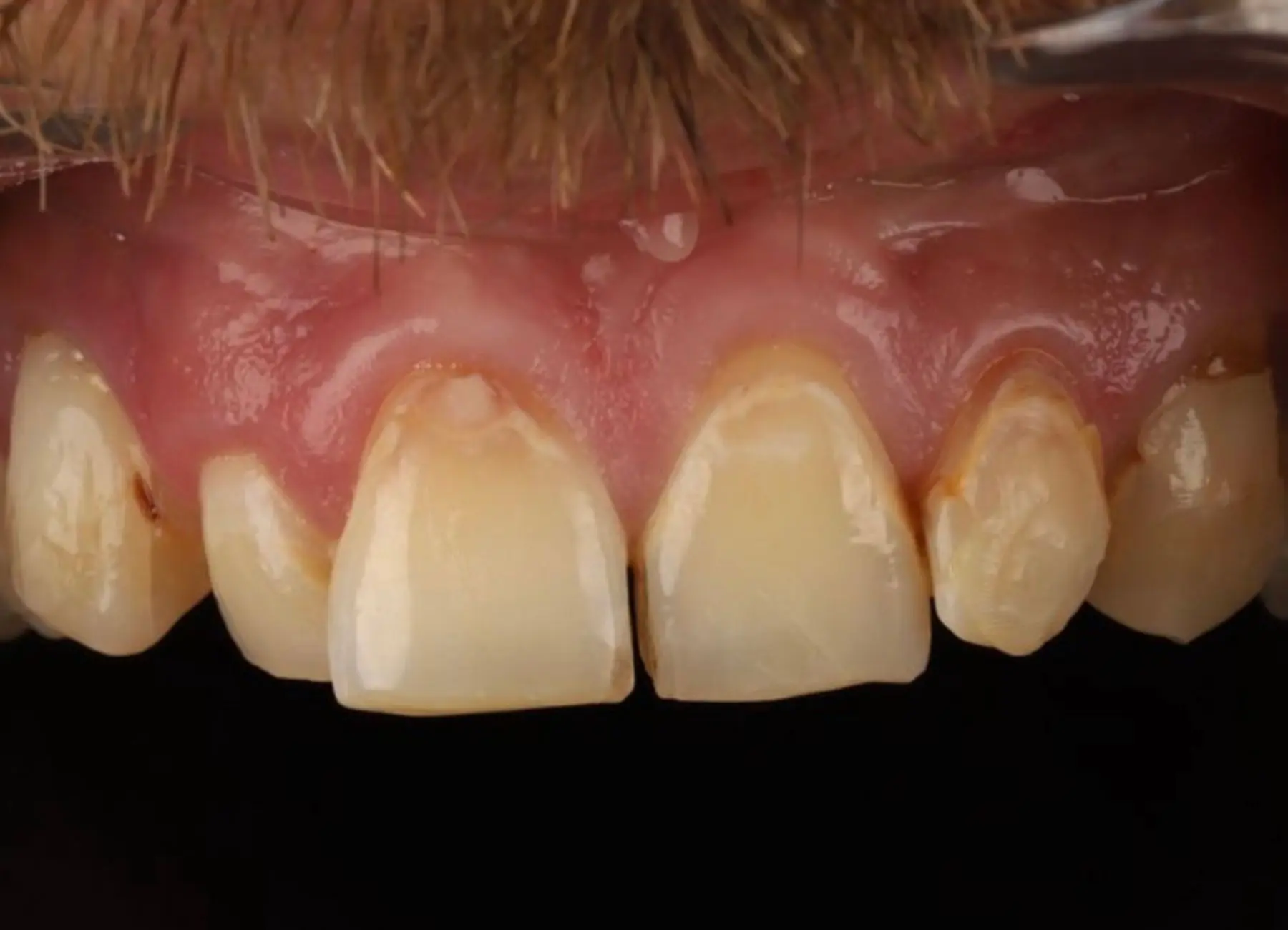
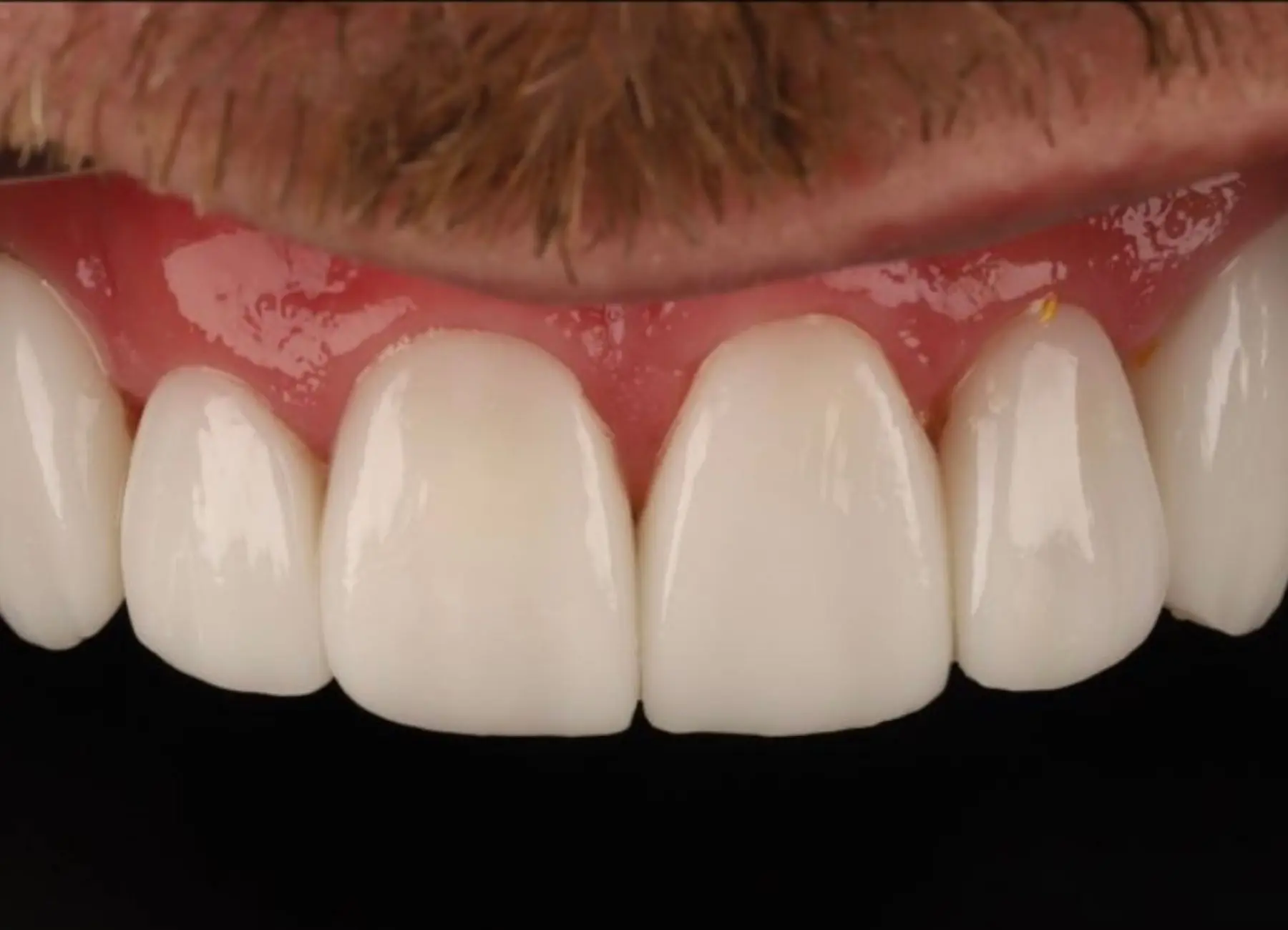
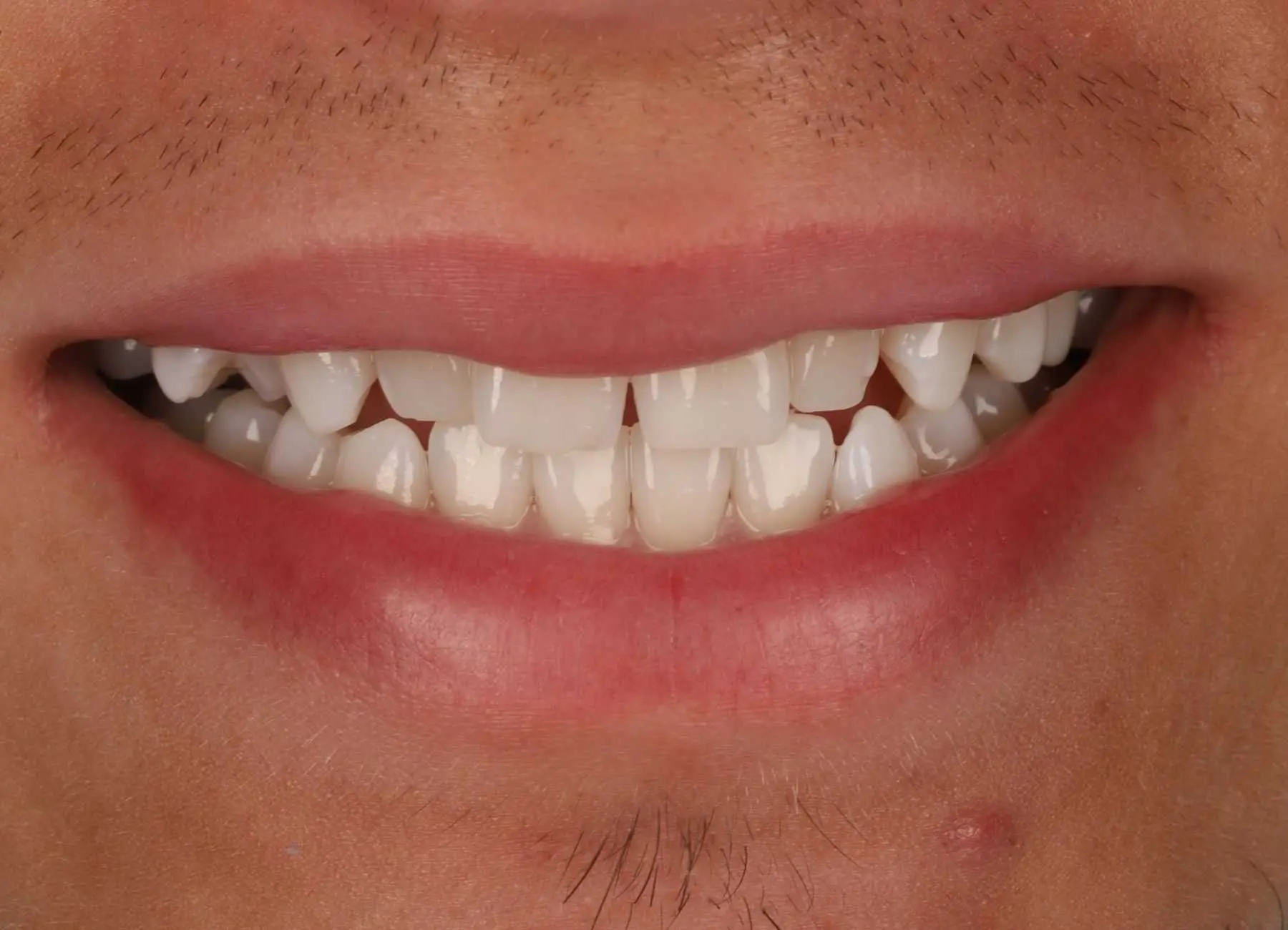
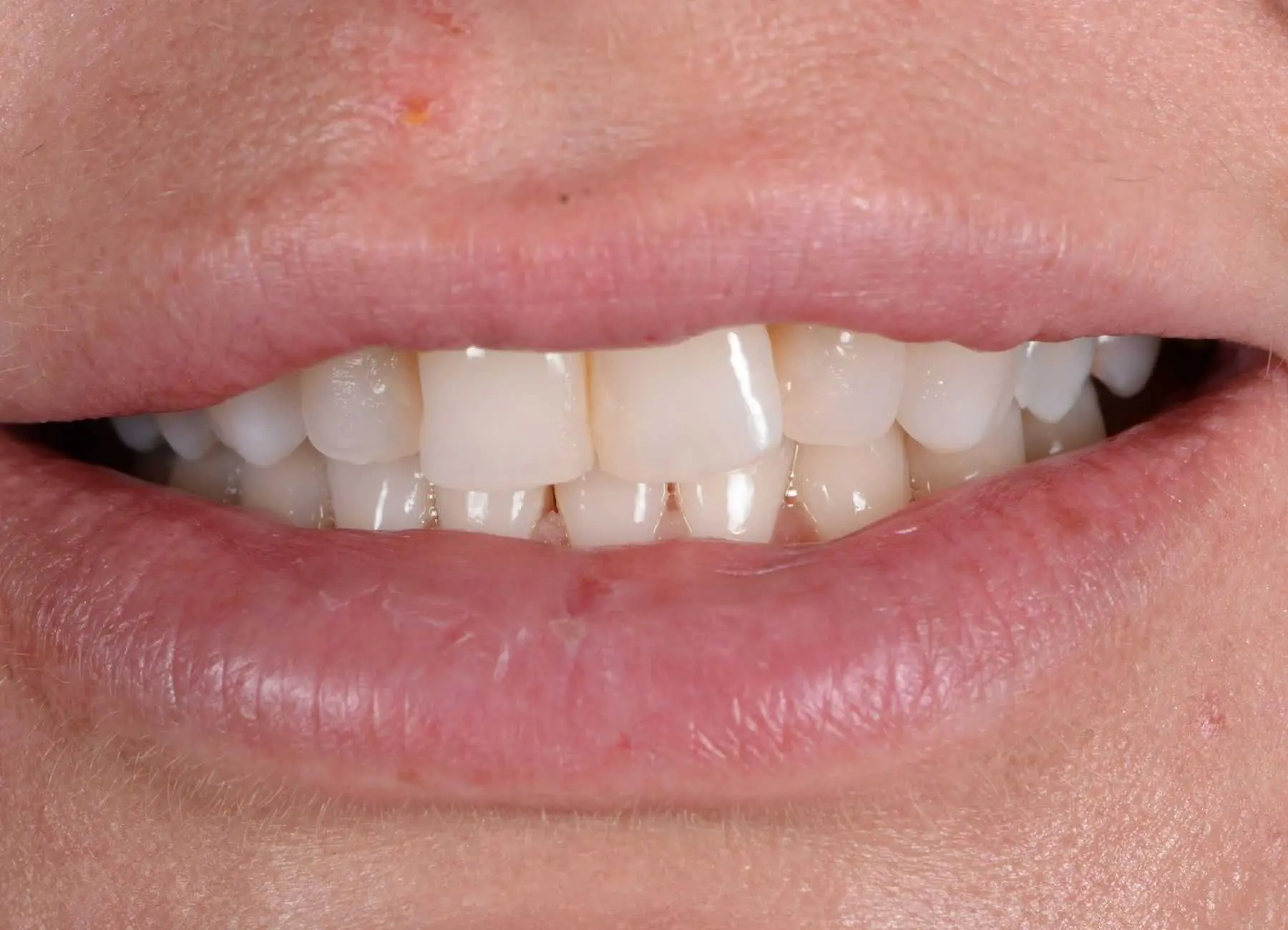
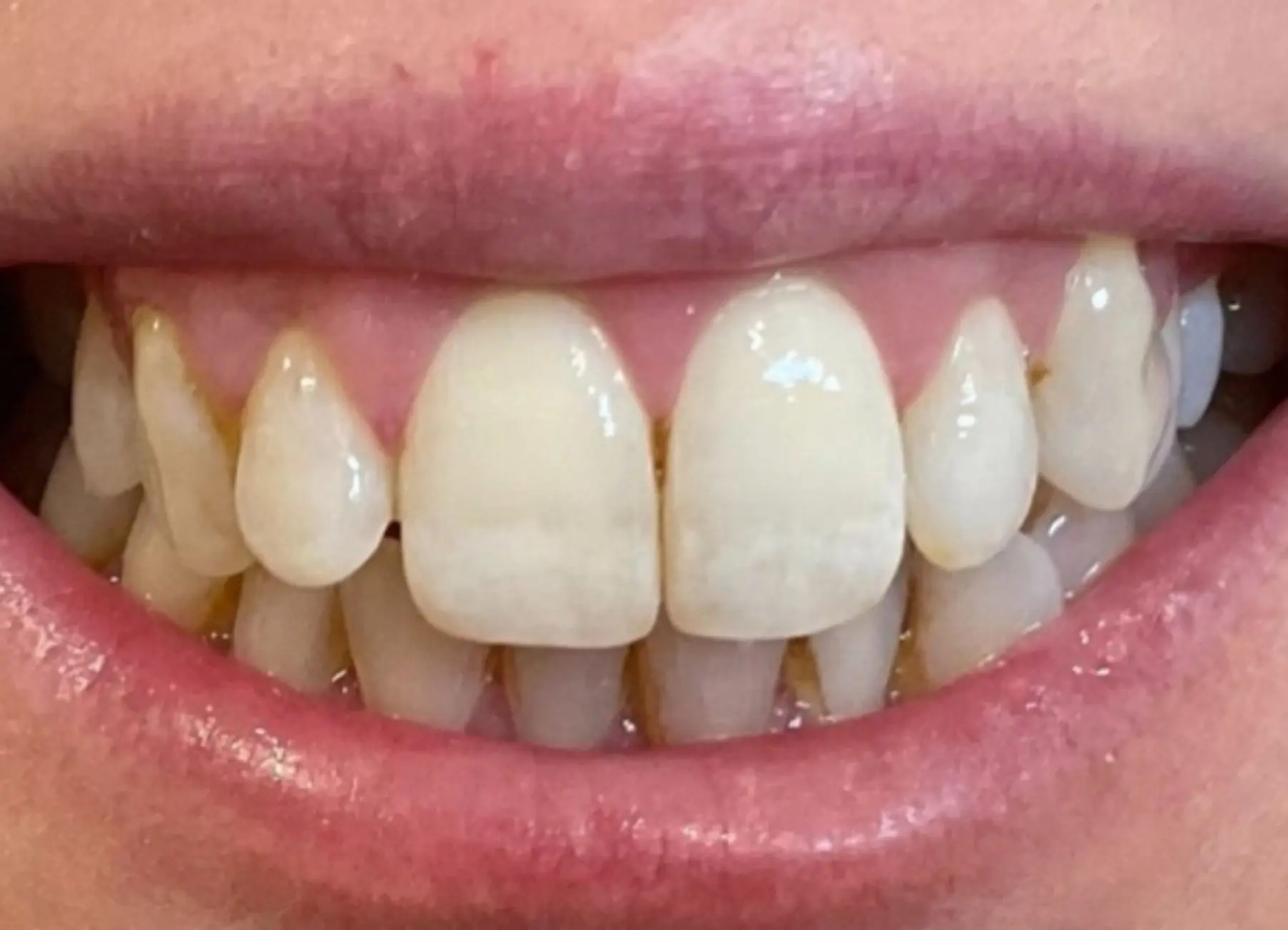
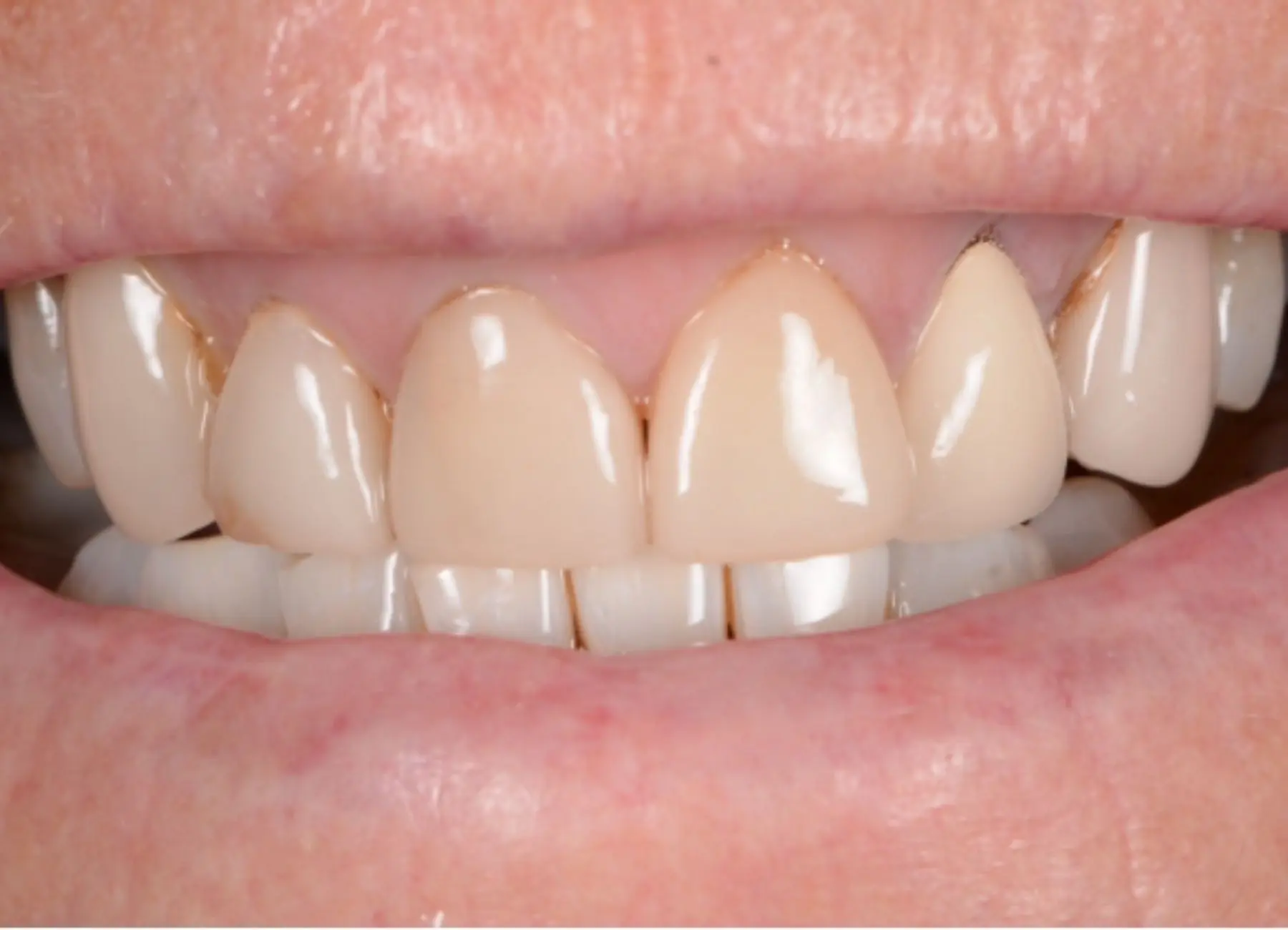
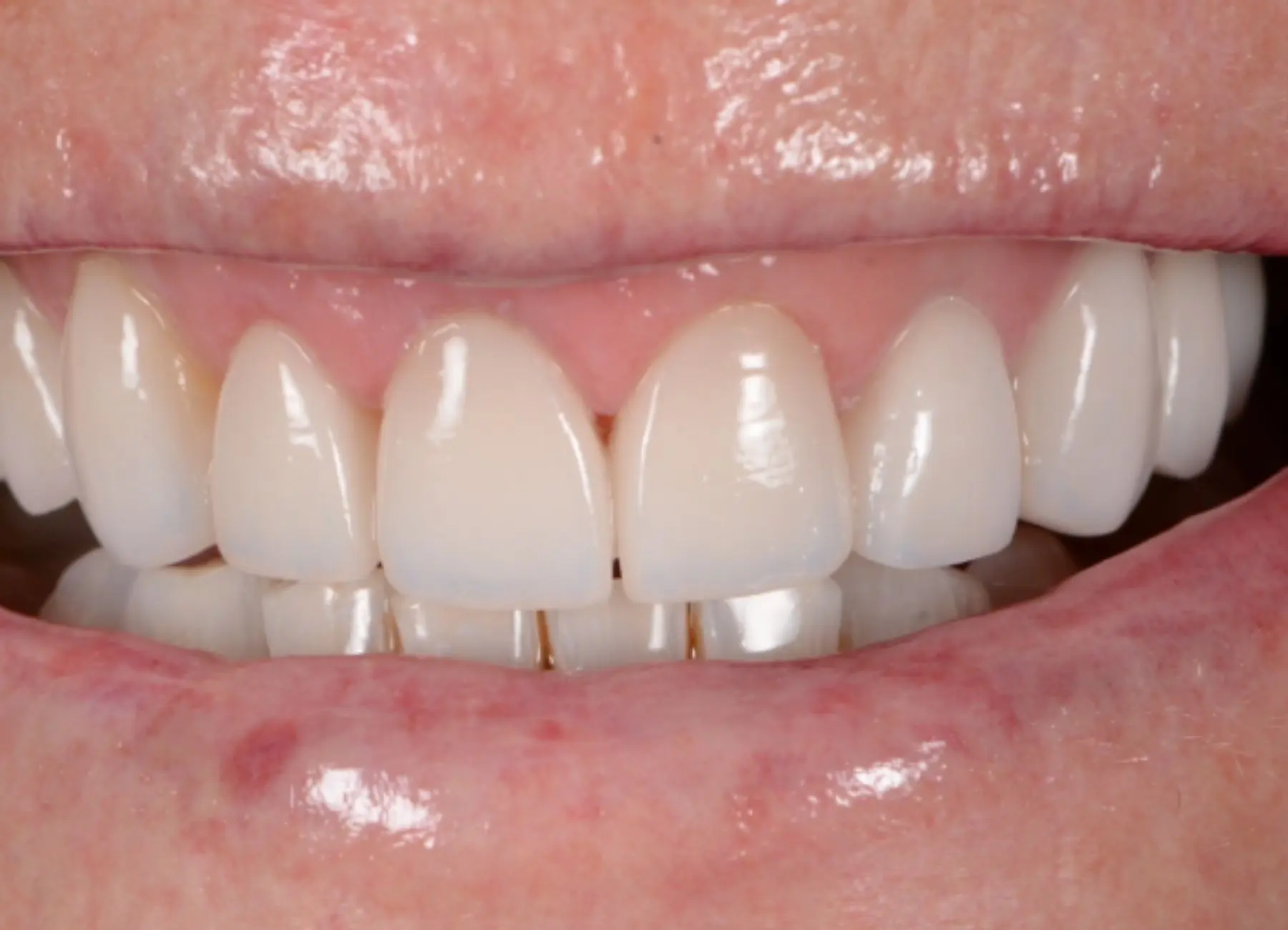
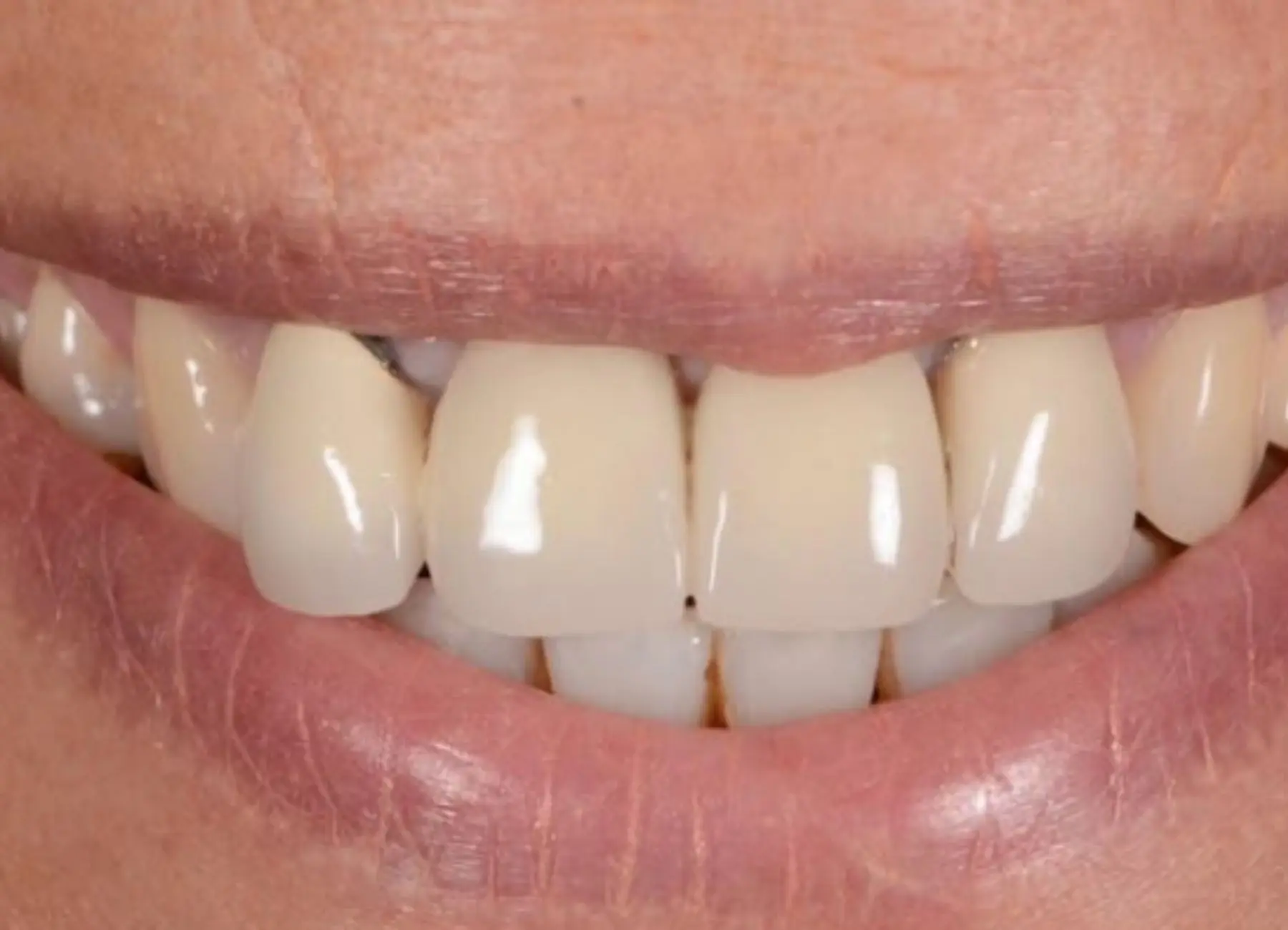
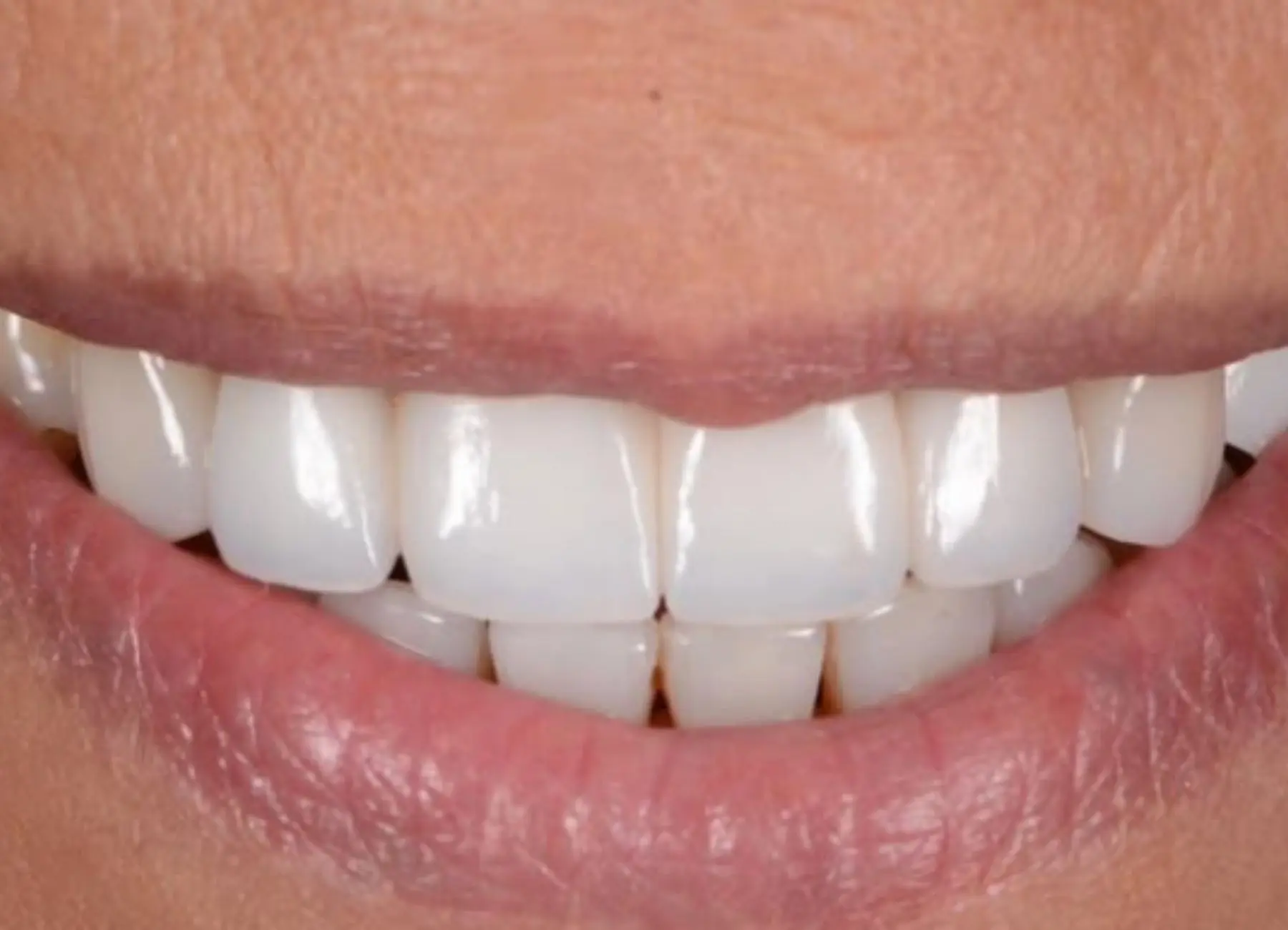
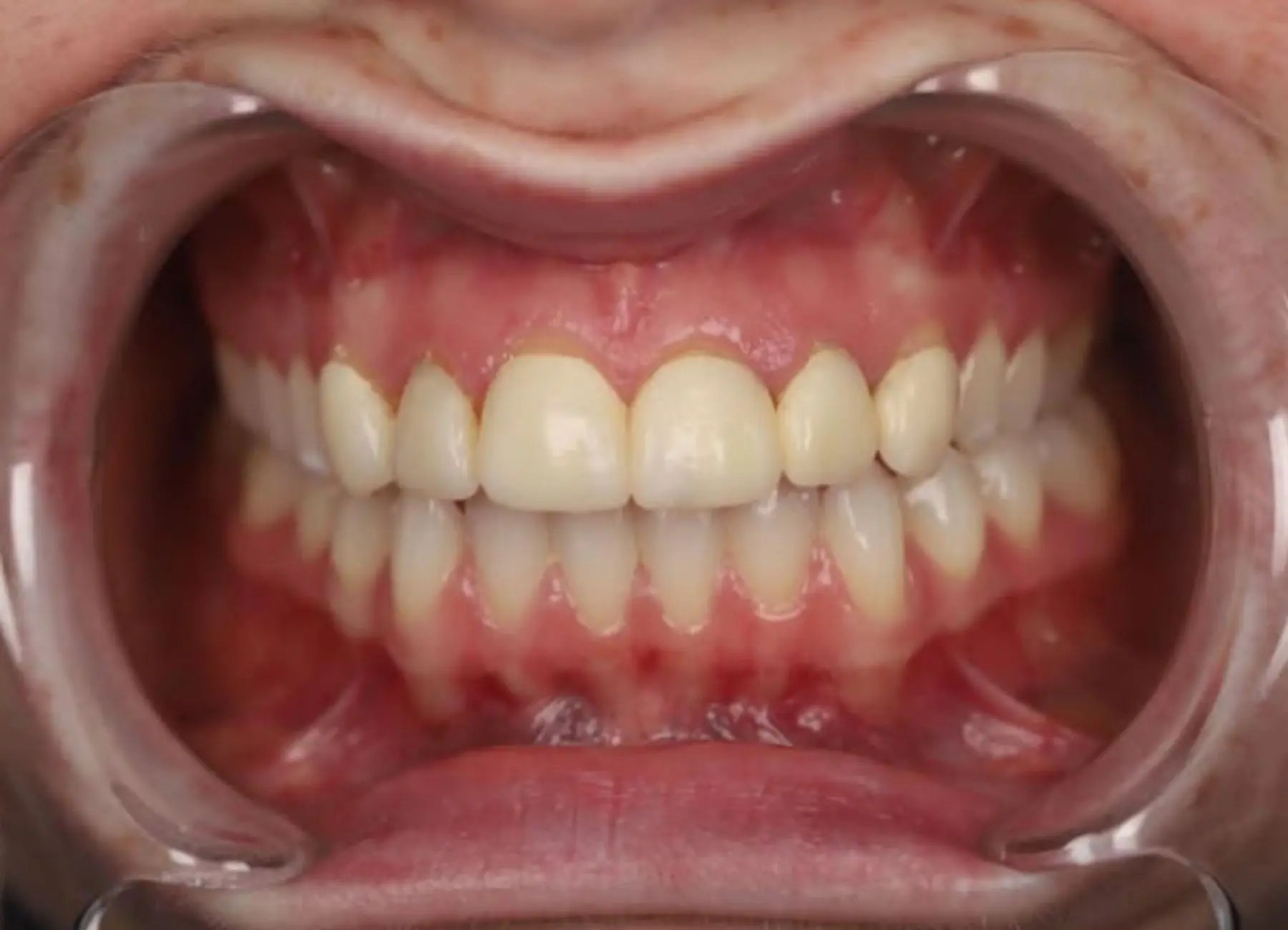
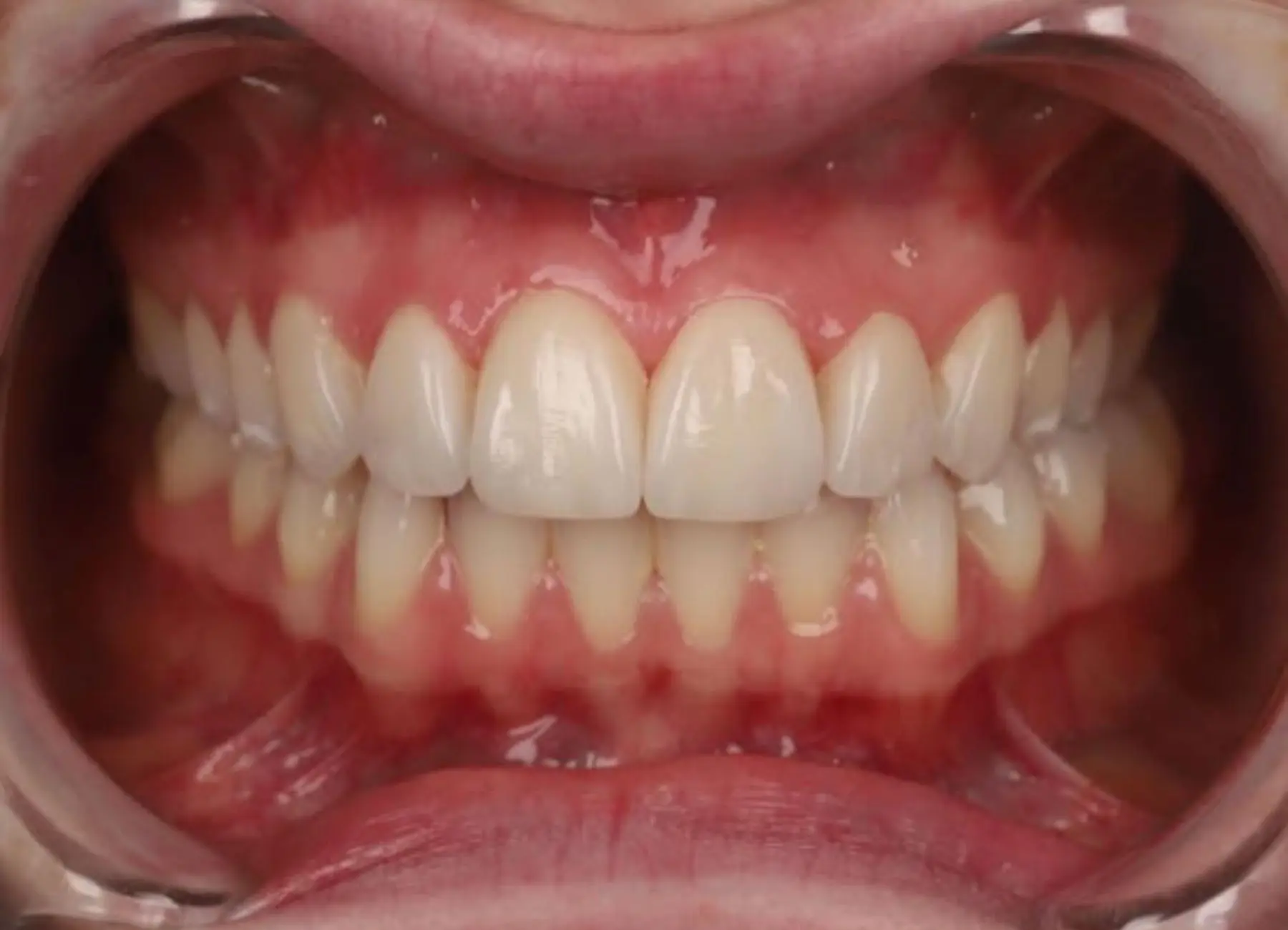
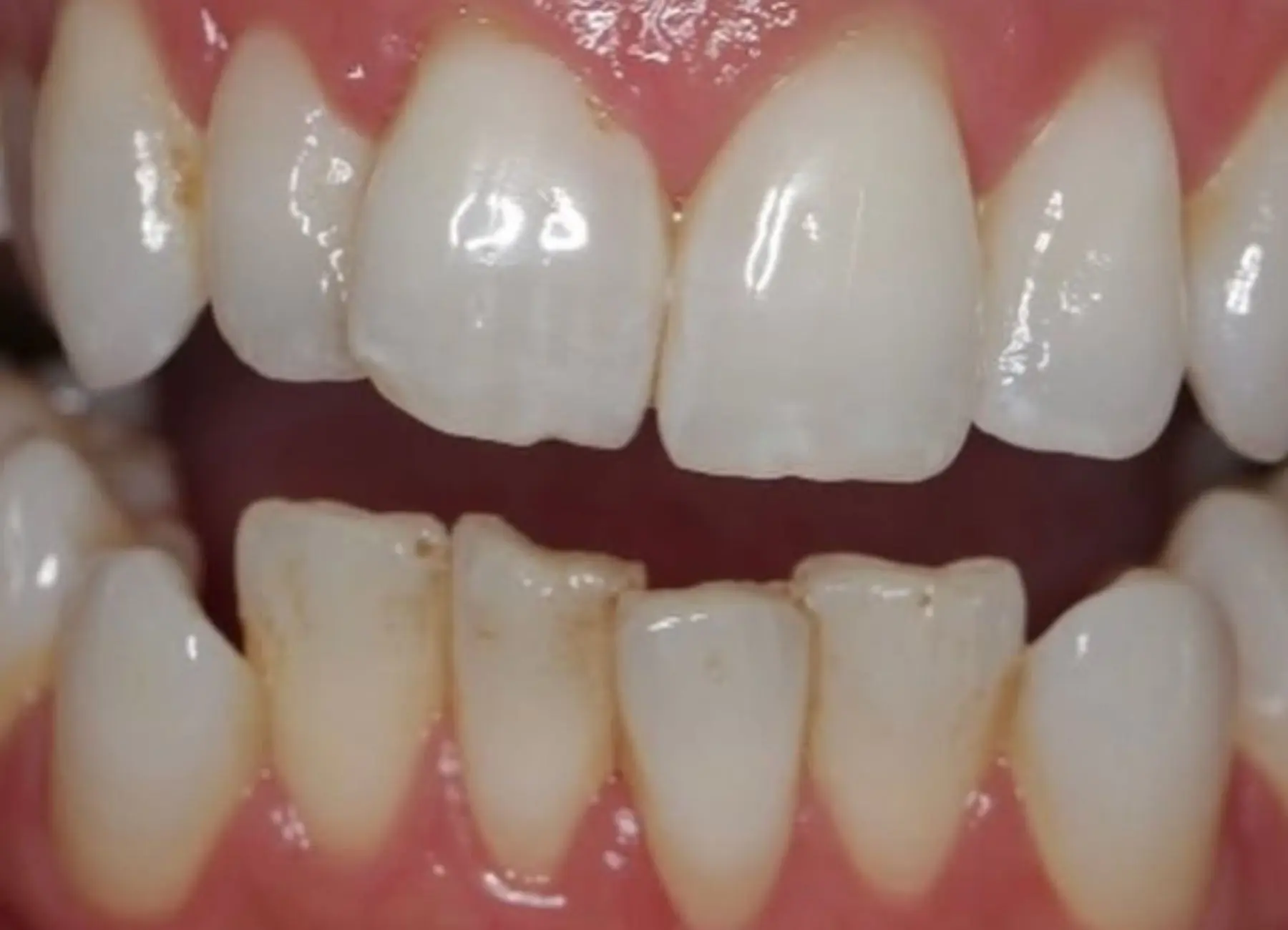
I learned the hard lesson in my 30s after noticing black triangular pockets between my teeth and receding gums: Gum disease is, in fact, serious. Today, it’s progressed into something much more frightening and concerning. If I didn’t up my game now, then, likely in another 10 years, I’d begin to lose teeth.
So, before I dive into the stages of receding gums to help you identify where you are and seek the treatment you need, I thought I’d leave you with some advice from my own awful experience…
Heed my advice
- Don’t wait; see a dentist now – the earlier you go, the better. Make the time and get over the fear. For example, I didn’t go to a dentist since I was 17, simply because my oral health deteriorated and I had acquired a lot of plaque and tartar build-up in my front two bottom teeth. As my gums here had also started receding and had black pockets, I was worried that removing the tartar would reveal an even worse state underneath. But obviously, the plaque and tartar were already making the problem worse. We can’t coexist.
- It’s important to know that gum disease will progress. It will get worse, and symptoms like bleeding gums, which were easy to ignore in the beginning, will become more difficult to ignore now. Another example is throbbing gums, which just feel uncomfortable.
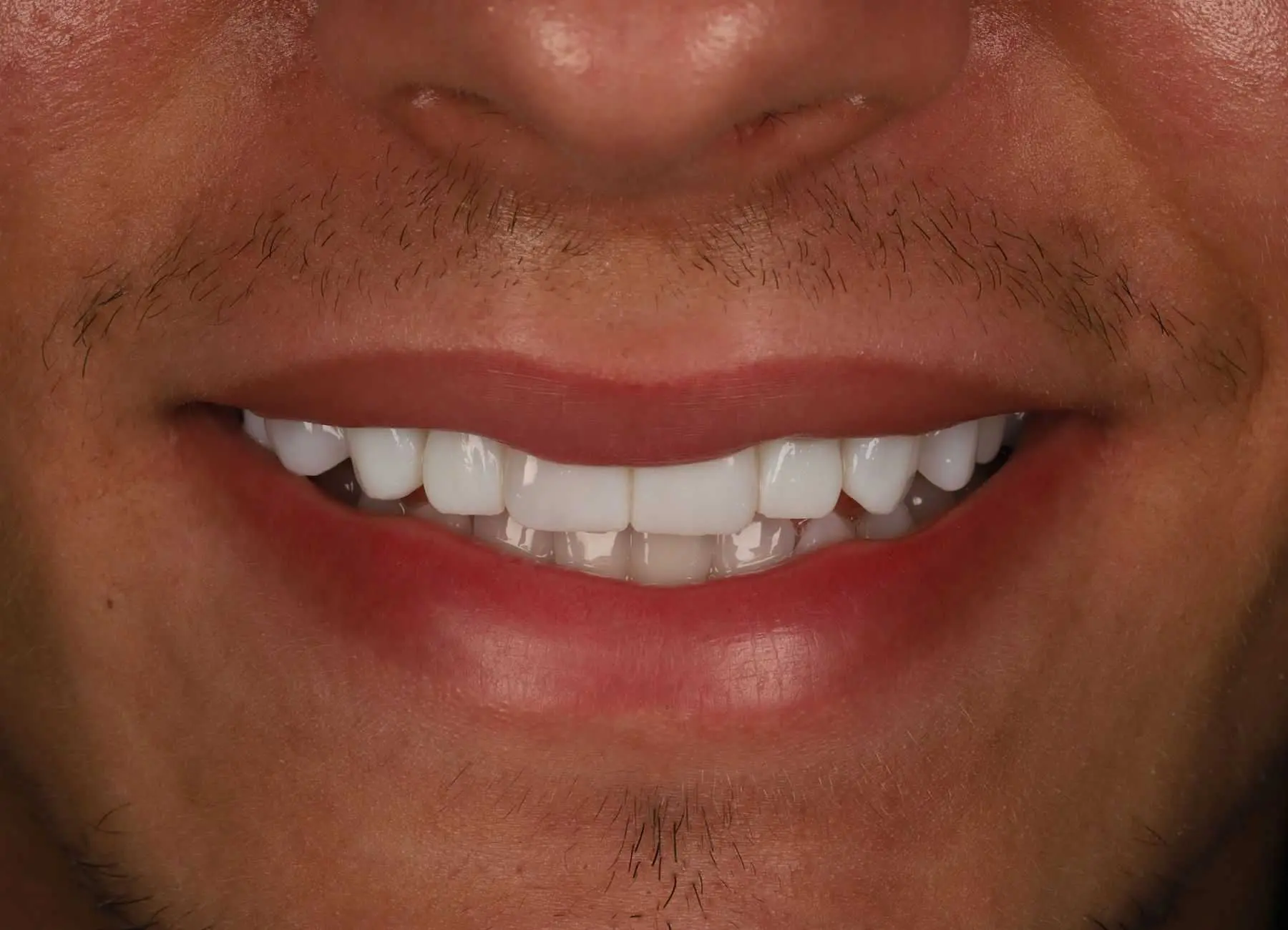
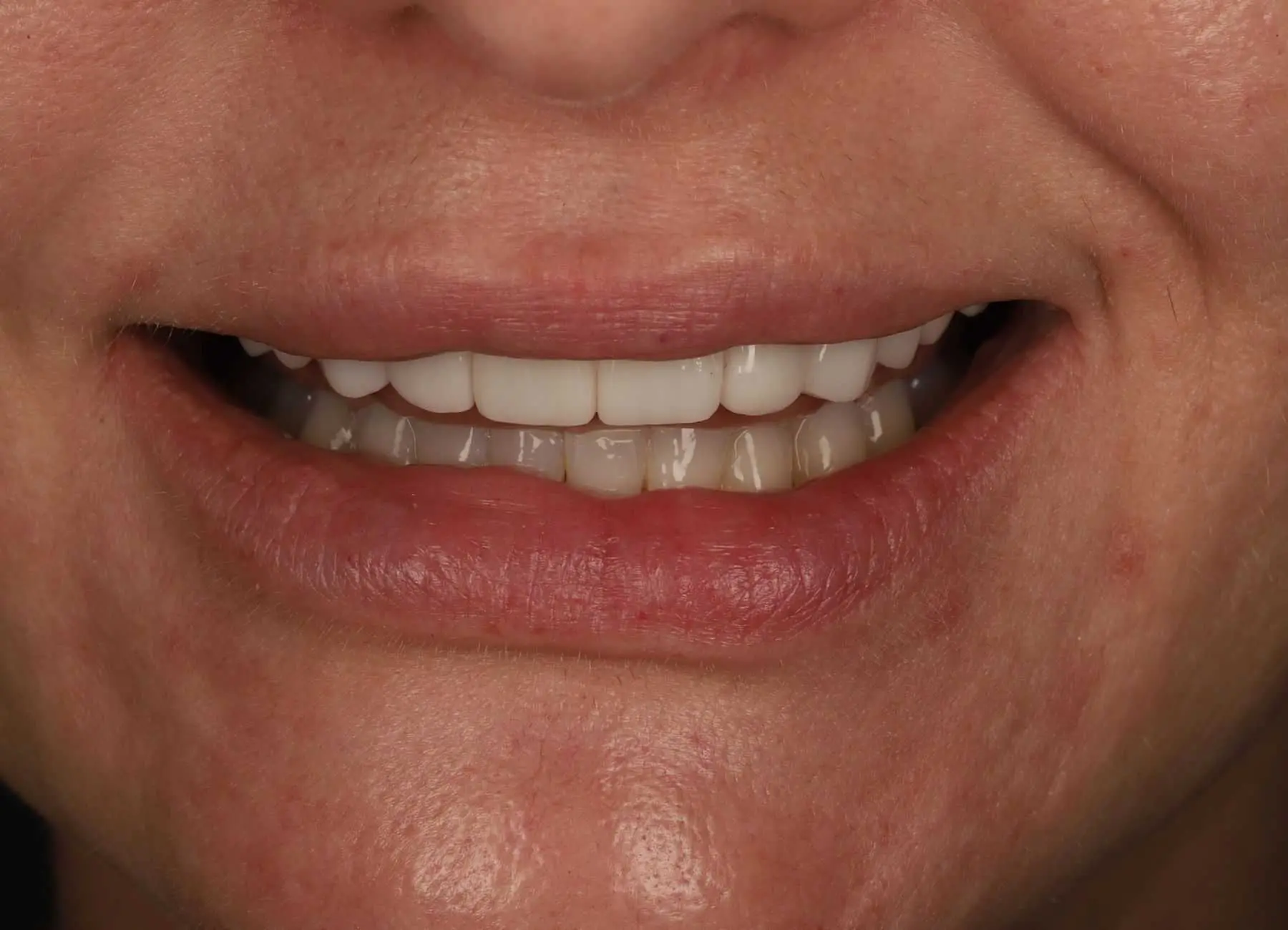
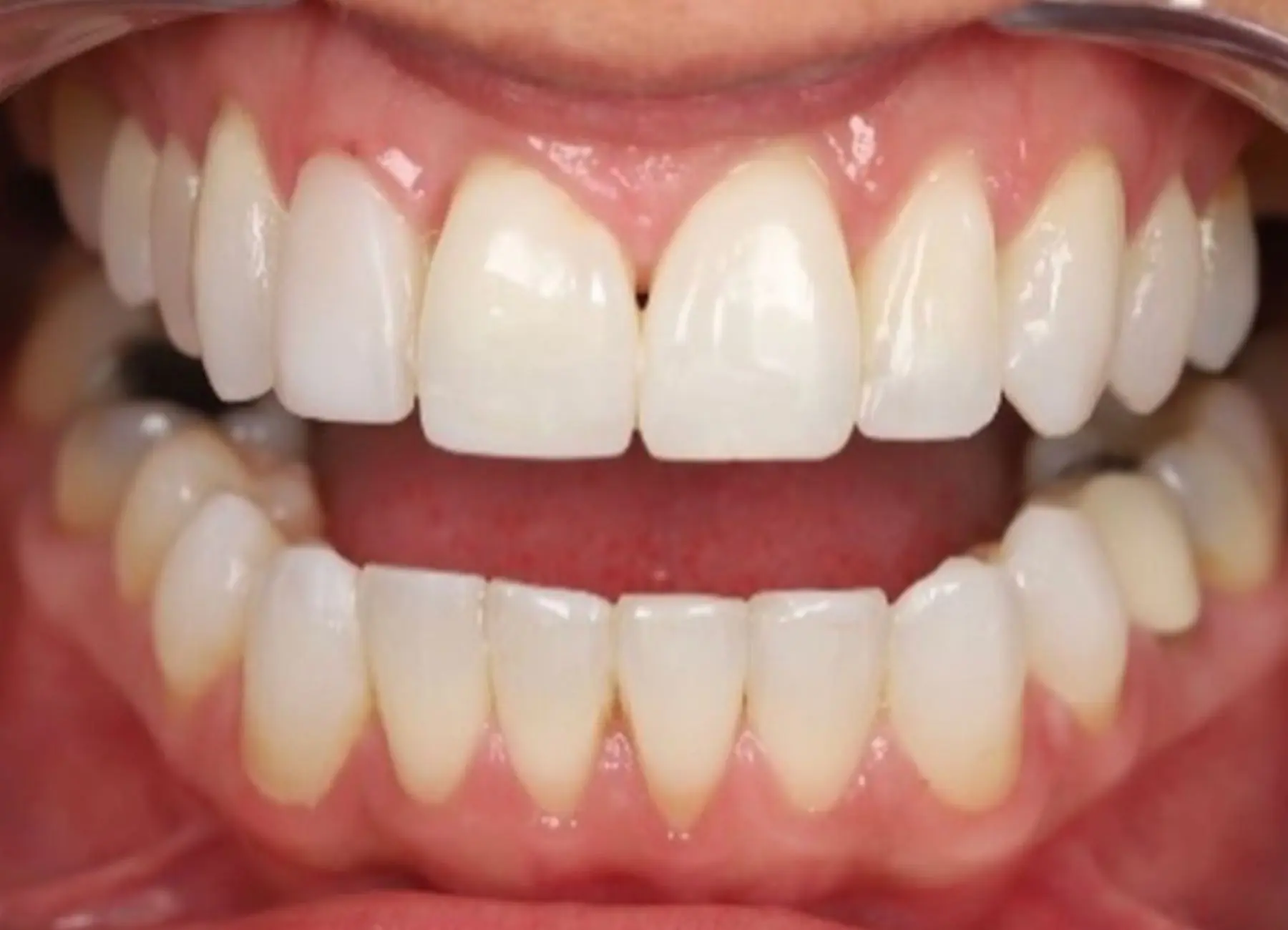
- If I could go back and see a dentist sooner, I 100% would. By acting sooner, I could have prevented many problems that are now irreversible and have to be corrected with more invasive procedures and cosmetic dentistry, which means I’ve had to spend a lot more on my dental care.
- Don’t waste time on a general dentist—while most are great and will ensure you’ve had a good clean, many of them do not cater specifically to gum disease treatment. Find a clinic, like Perfect Smile Studios, that has a periodontist who specialises in gums so you can ensure you have targeted treatments that stop you from progressing through the stages.
Receding Gum Stages
First stage – Gingivitis:
- Patients will typically present symptoms like red, swollen and bleeding gums.
- No gum recession (or very minimal), but inflamed gums are present.
Treatment:
Proper oral hygiene and professional cleaning can reverse gum disease at this stage. You should book a dental check-up and combine it with a hygiene appointment to clean the teeth and gums.
Second stage – Mild Gum Recession
- Gums start to pull away from the teeth, causing gaps
- Certain teeth might appear longer than normal due to recession
- Teeth will become more sensitive to temperature changes and brushing
Treatment:
You’ll likely be recommended to have more frequent professional cleans and follow an at-home treatment plan to manage your symptoms. At this stage, we might even involve antibiotic therapy.
Third stage – Moderate Gum Recession
This is where I currently am…
- Recession is more noticeable near the gumline, exposing more of the tooth’s root.
- Patients are now experiencing increased sensitivity and some mild discomfort.
- Pockets form between the teeth and gums, trapping plaque and bacteria.
Treatment:
Several periodontal treatments alongside hygienist appointments can help, such as pocket reduction surgery to reduce the depths of the gum pockets, bone grafting for broken-down bone, pinhole surgery to restore gum coverage over exposed roots, and antibiotic therapy.
Fourth stage – Severe Gum Recession
- Significant loss of gum tissue
- Tooth roots are now visibly exposed
- Deeper pockets cause bone and tissue damage
- Teeth feel looser and begin to move
Treatment:
The same treatment methods apply as stage 3. Meet our periodontist for help.
Fifth stage – Advanced Gum Recession (Periodontitis)
- Extensive gum and bone loss
- Potential tooth loss or wobbly teeth
- Severe sensitivity and pain
- Noticeable, larger gaps between teeth
Treatment:
At this stage, you’ll require aggressive periodontal treatment from a periodontist, which might involve gum grafting and surgery to prevent any further progression.
We’re based in Hertfordshire and have specialist gum disease dentists on our team. Ask us for help.