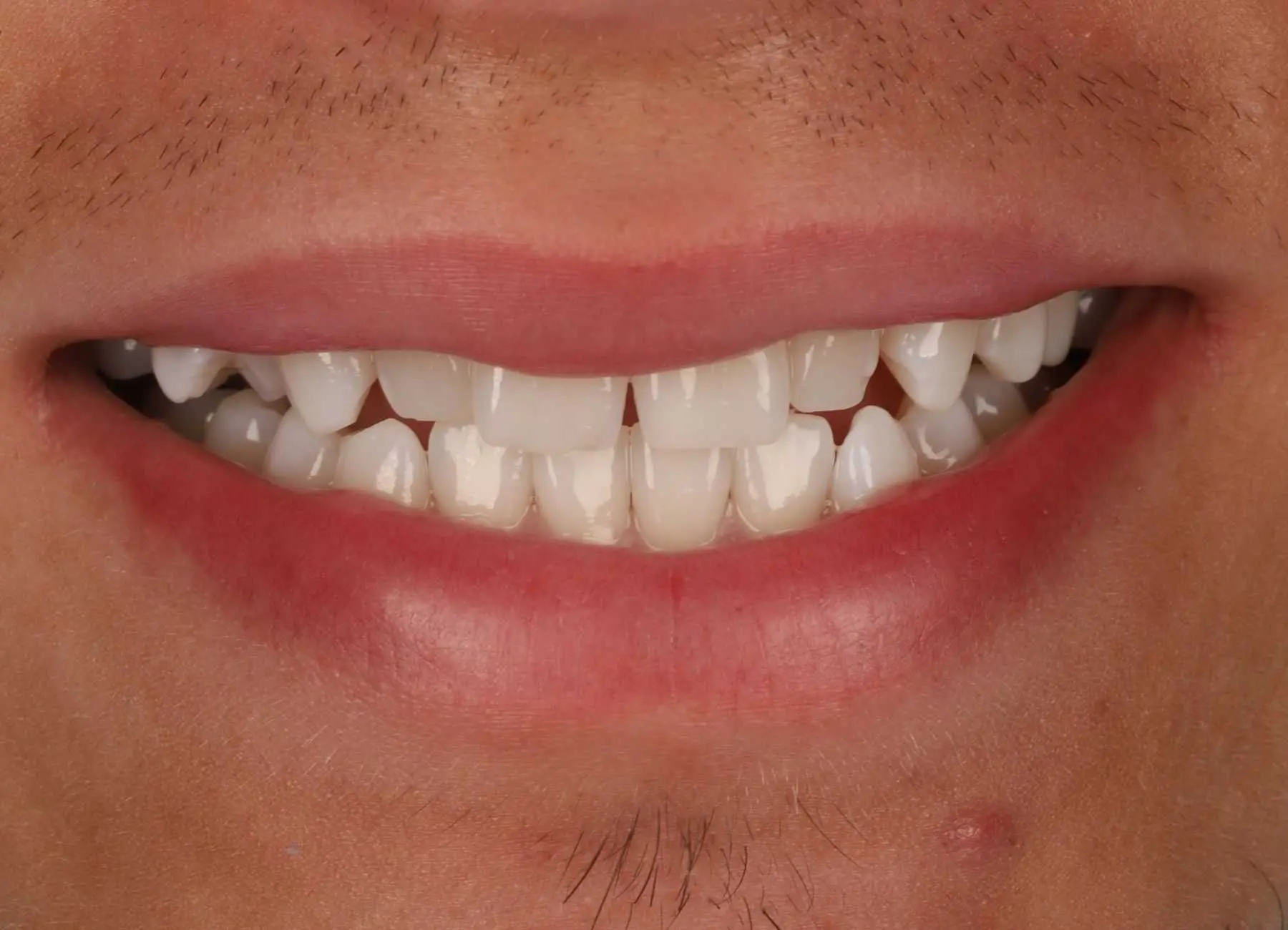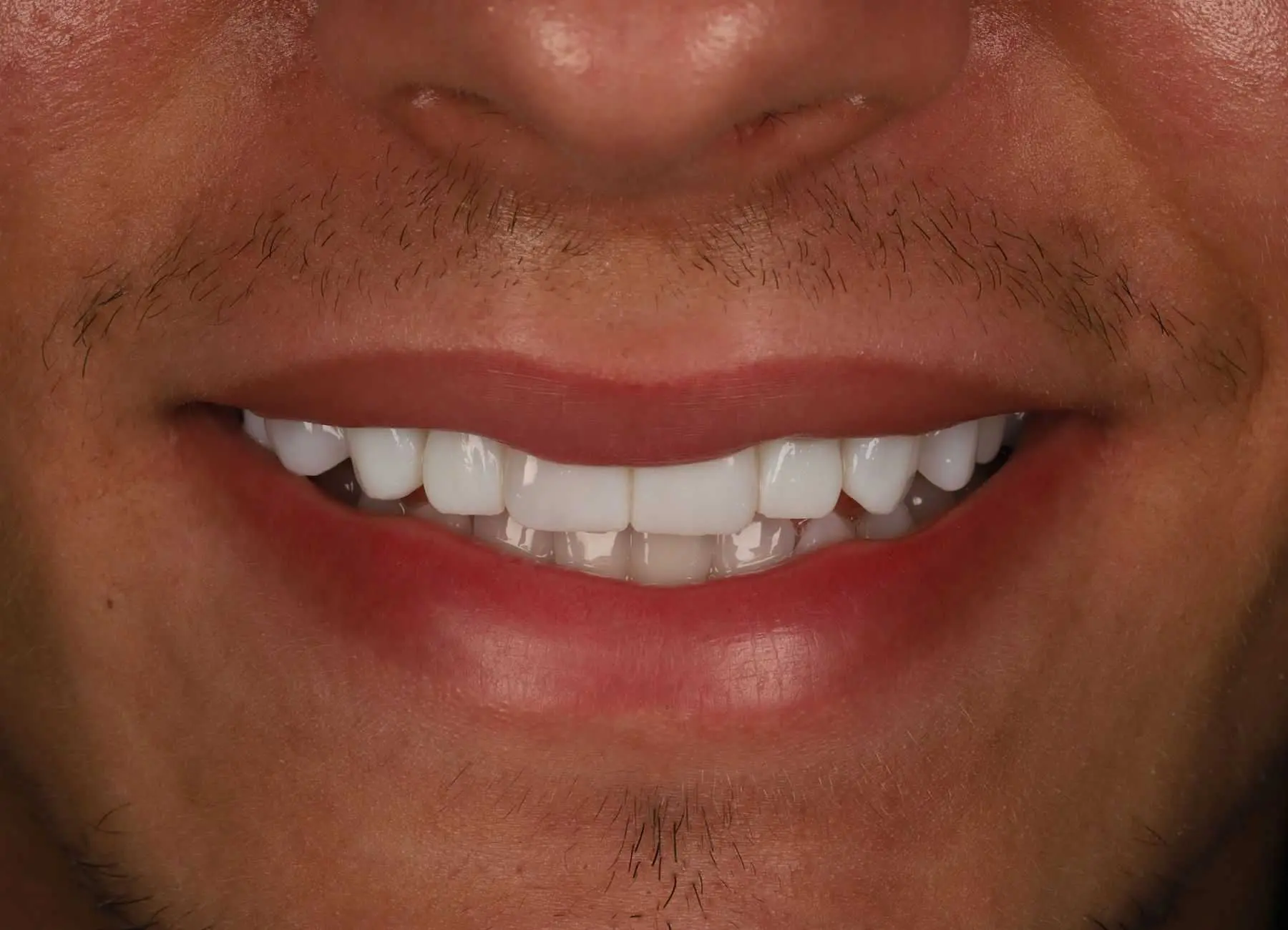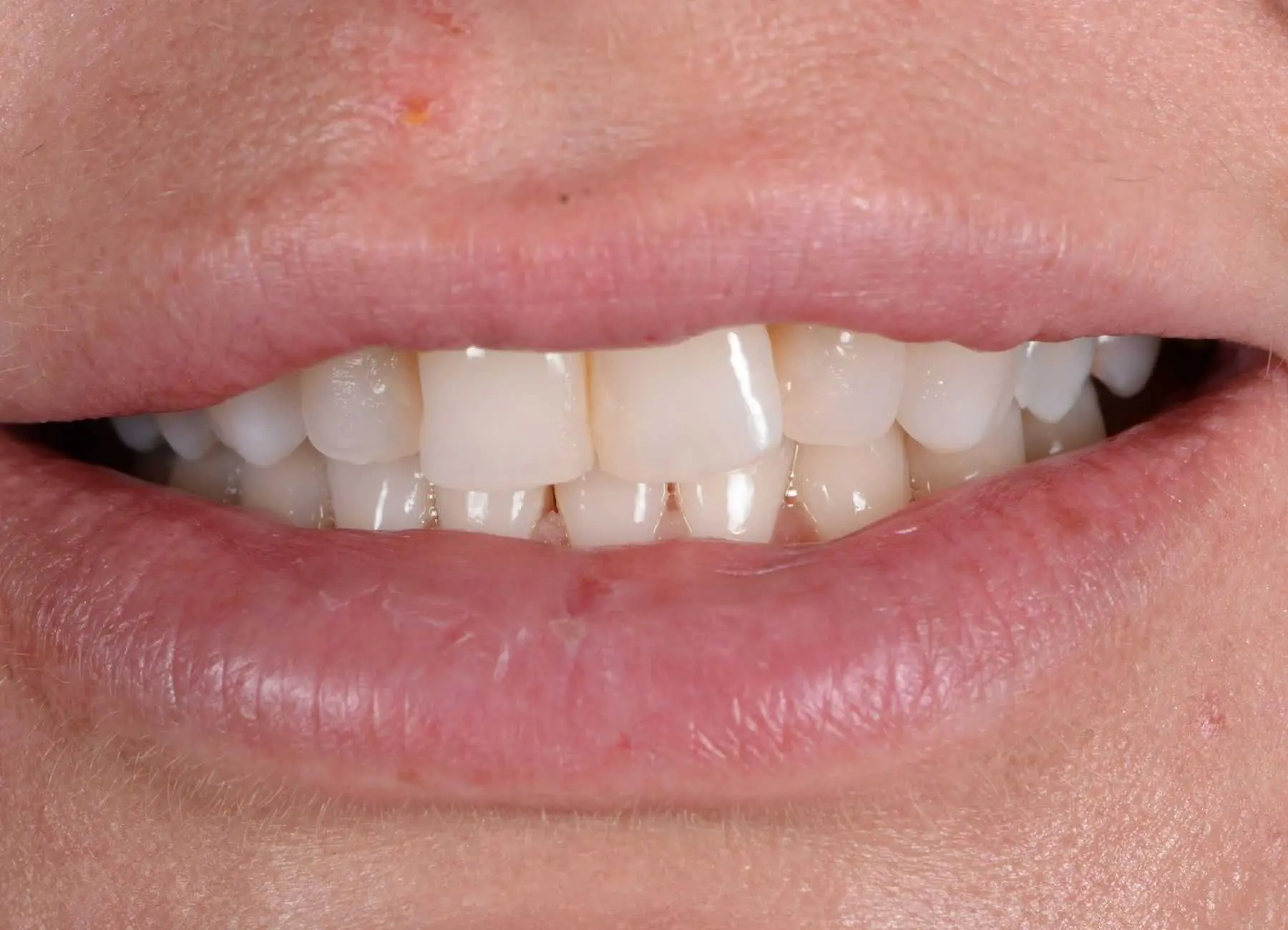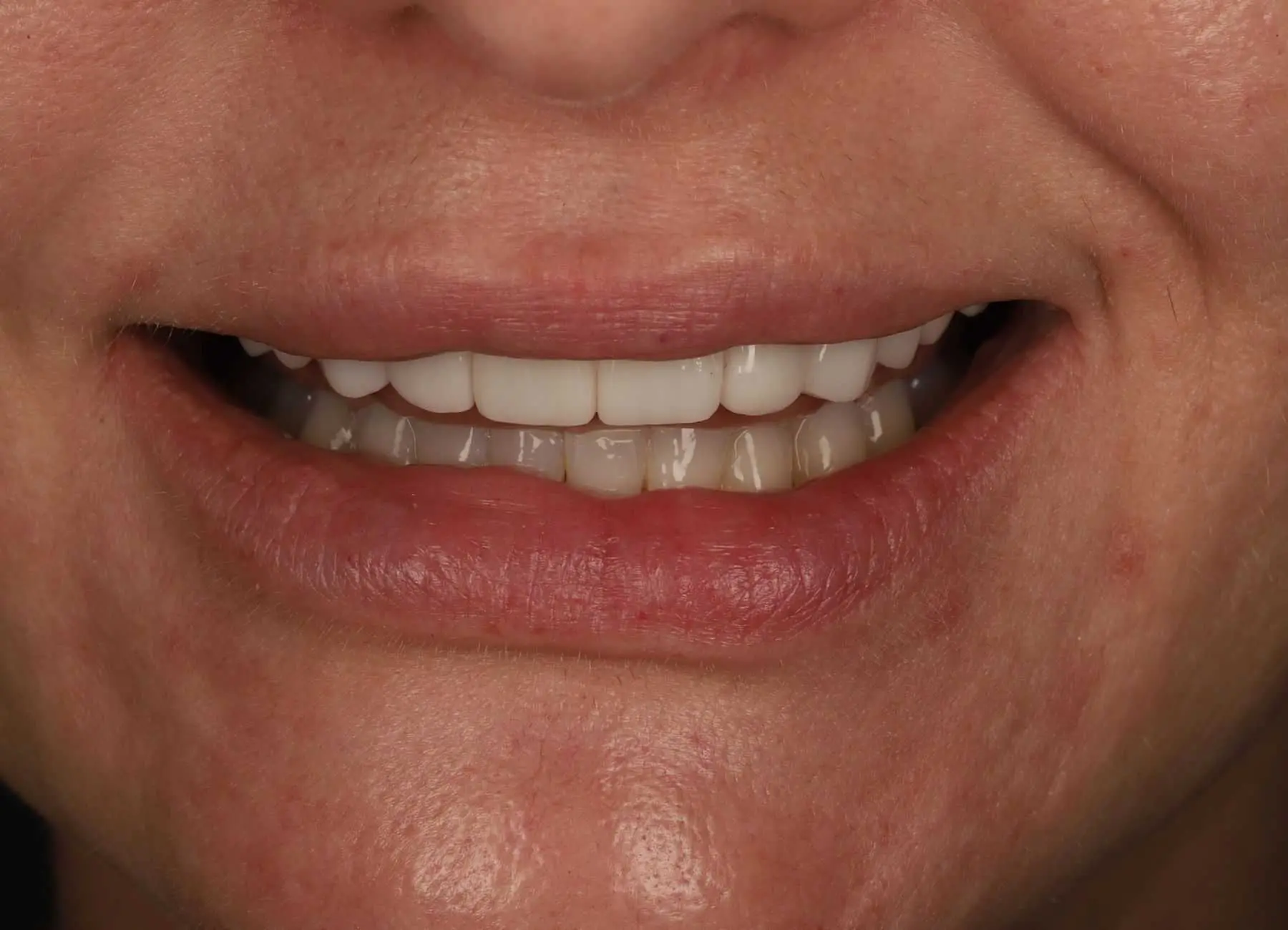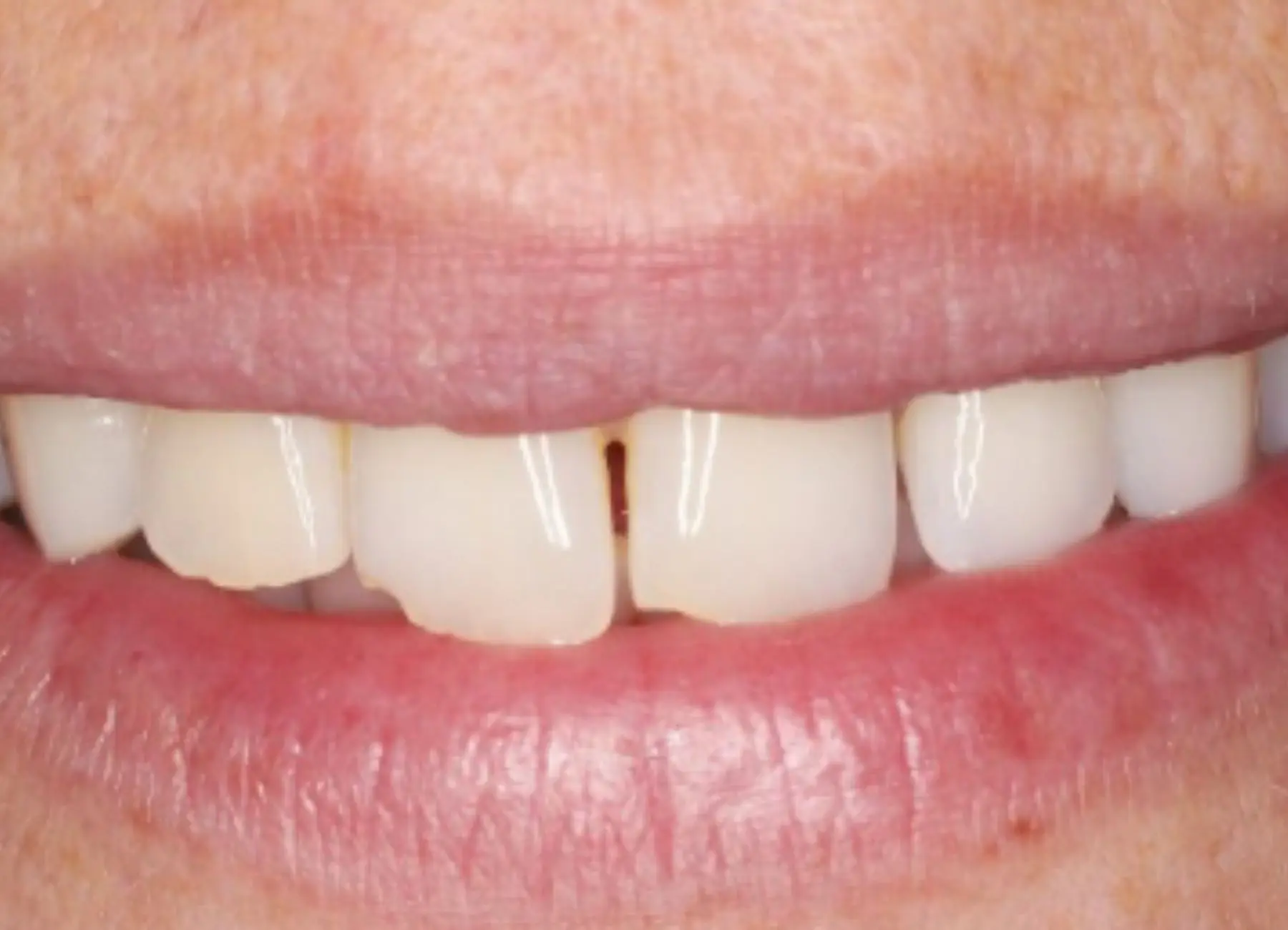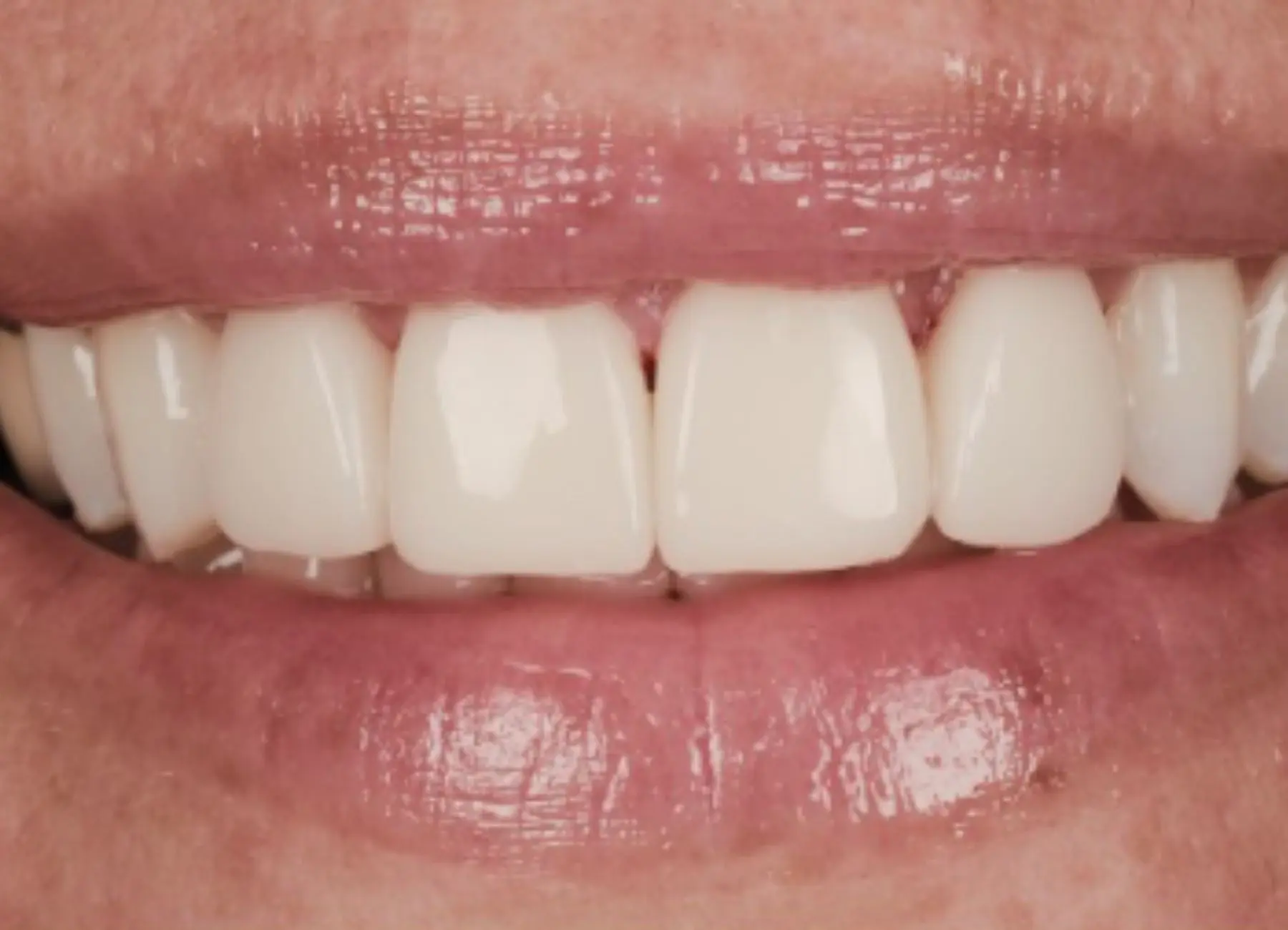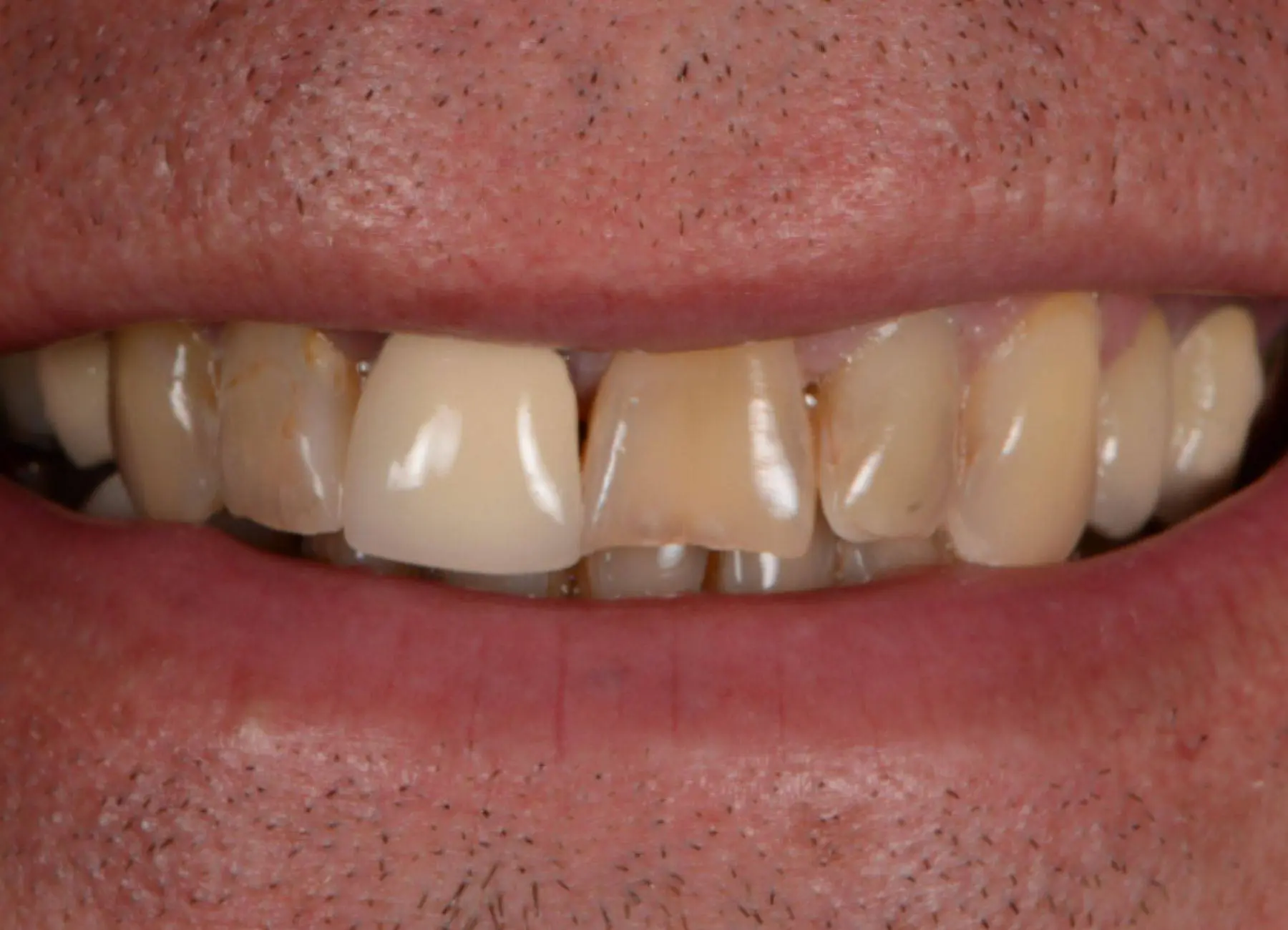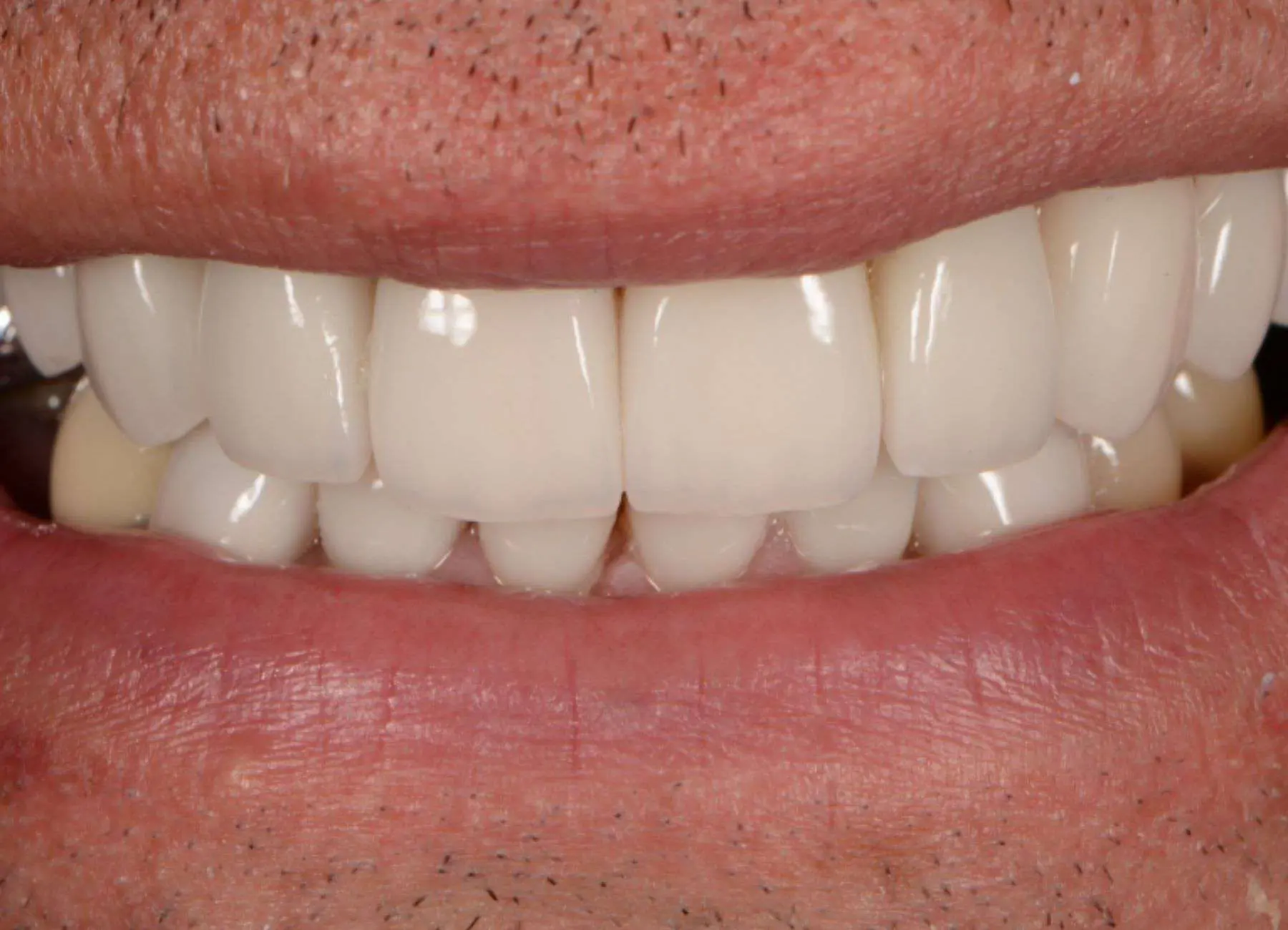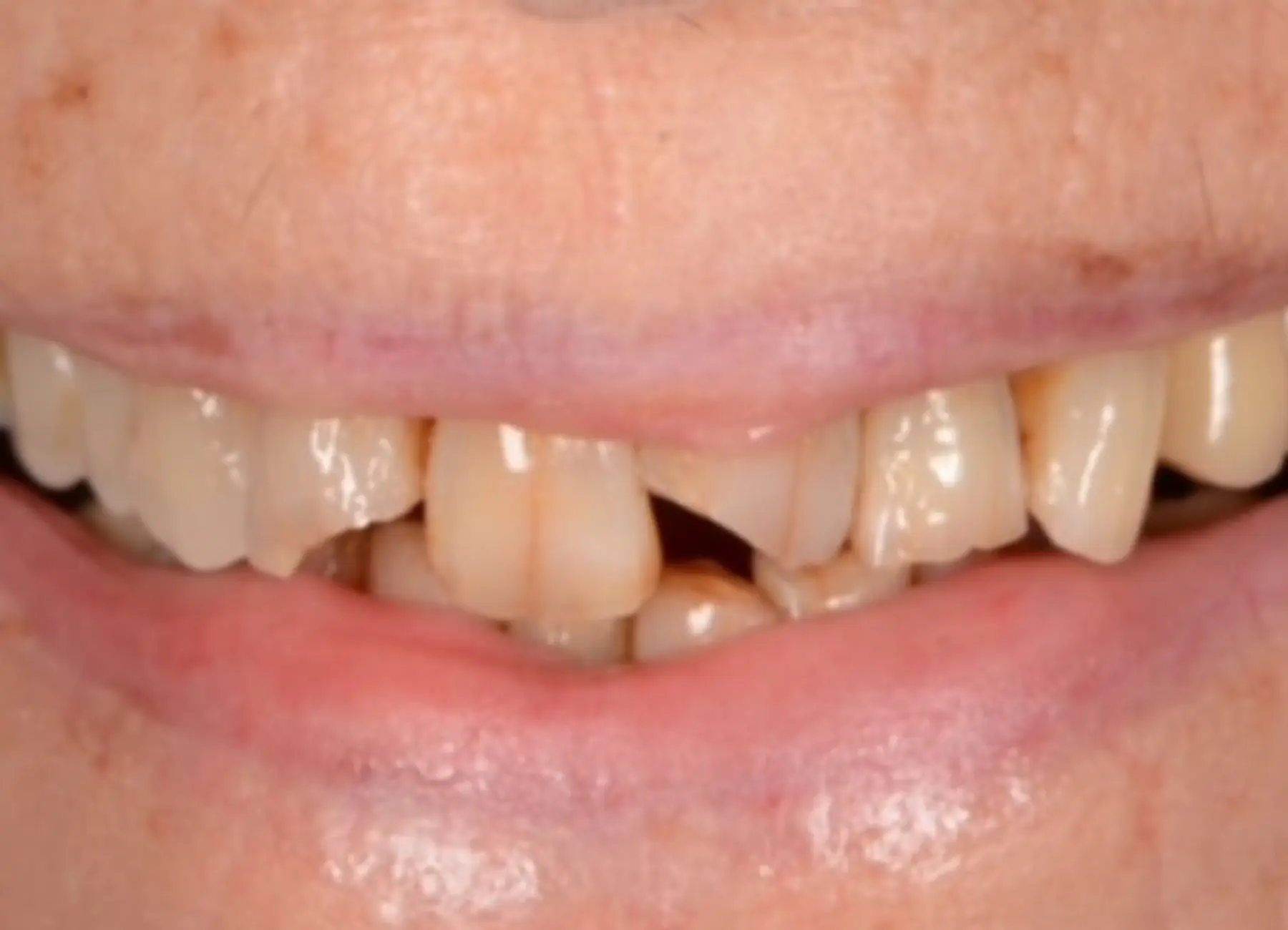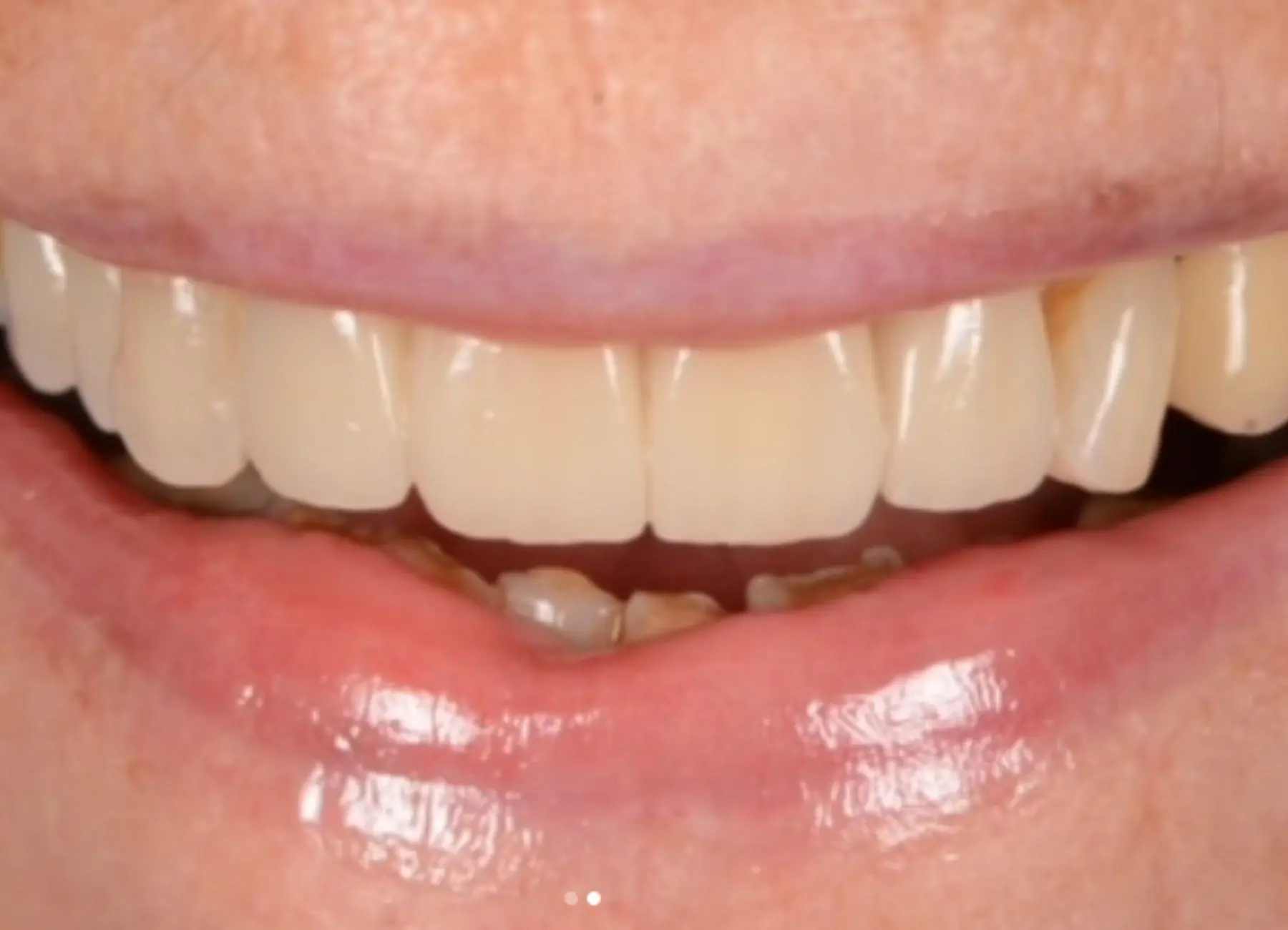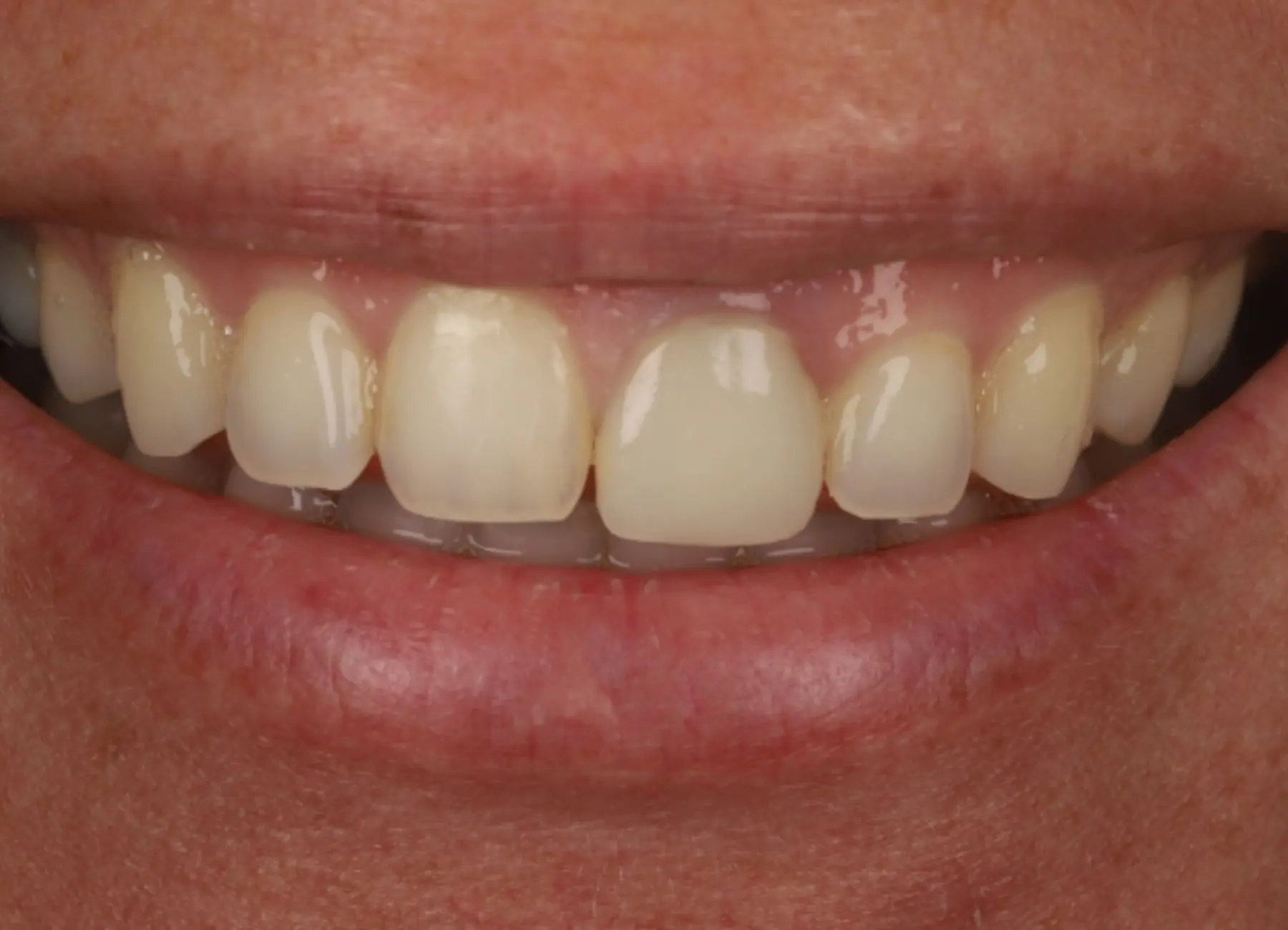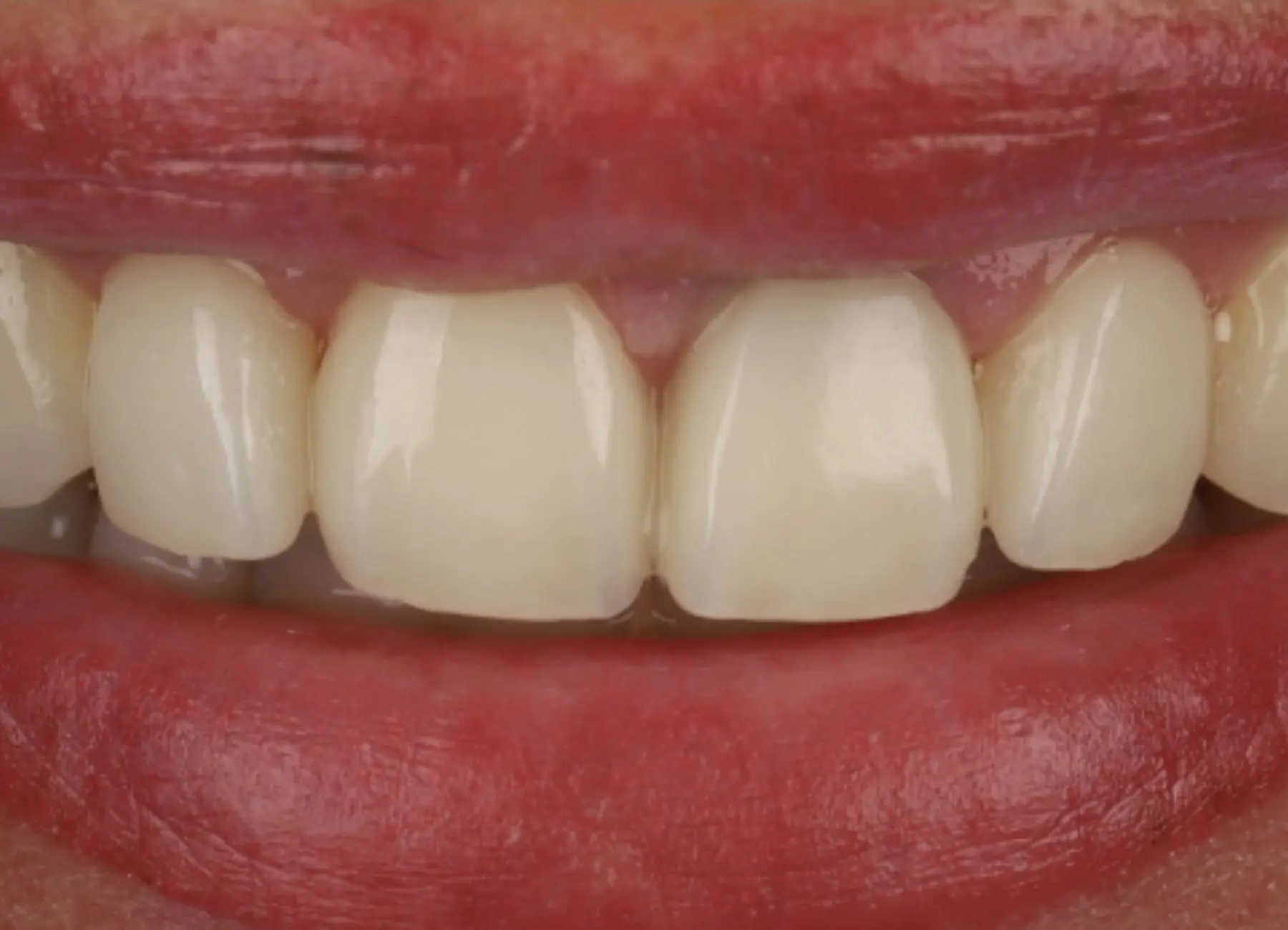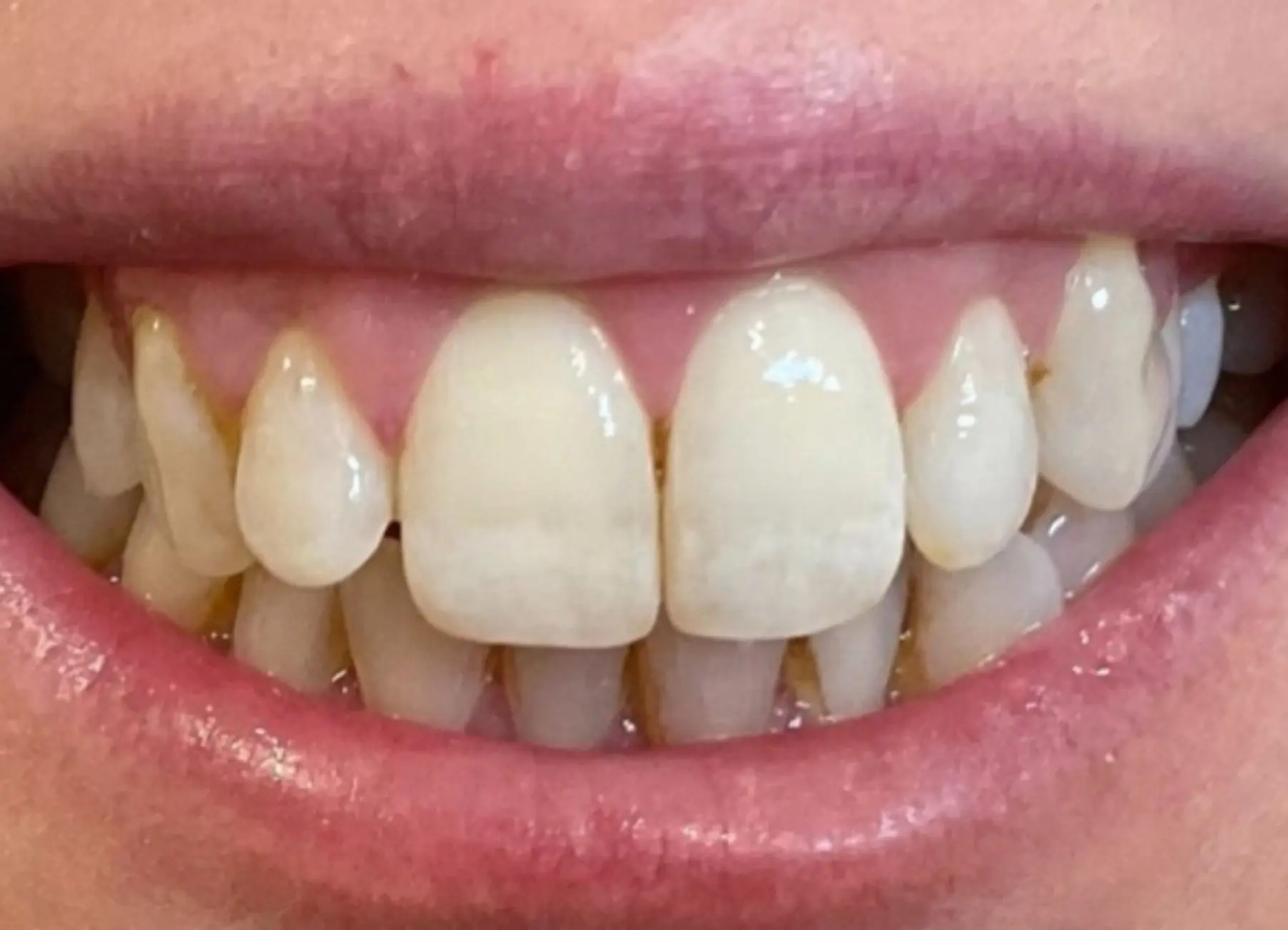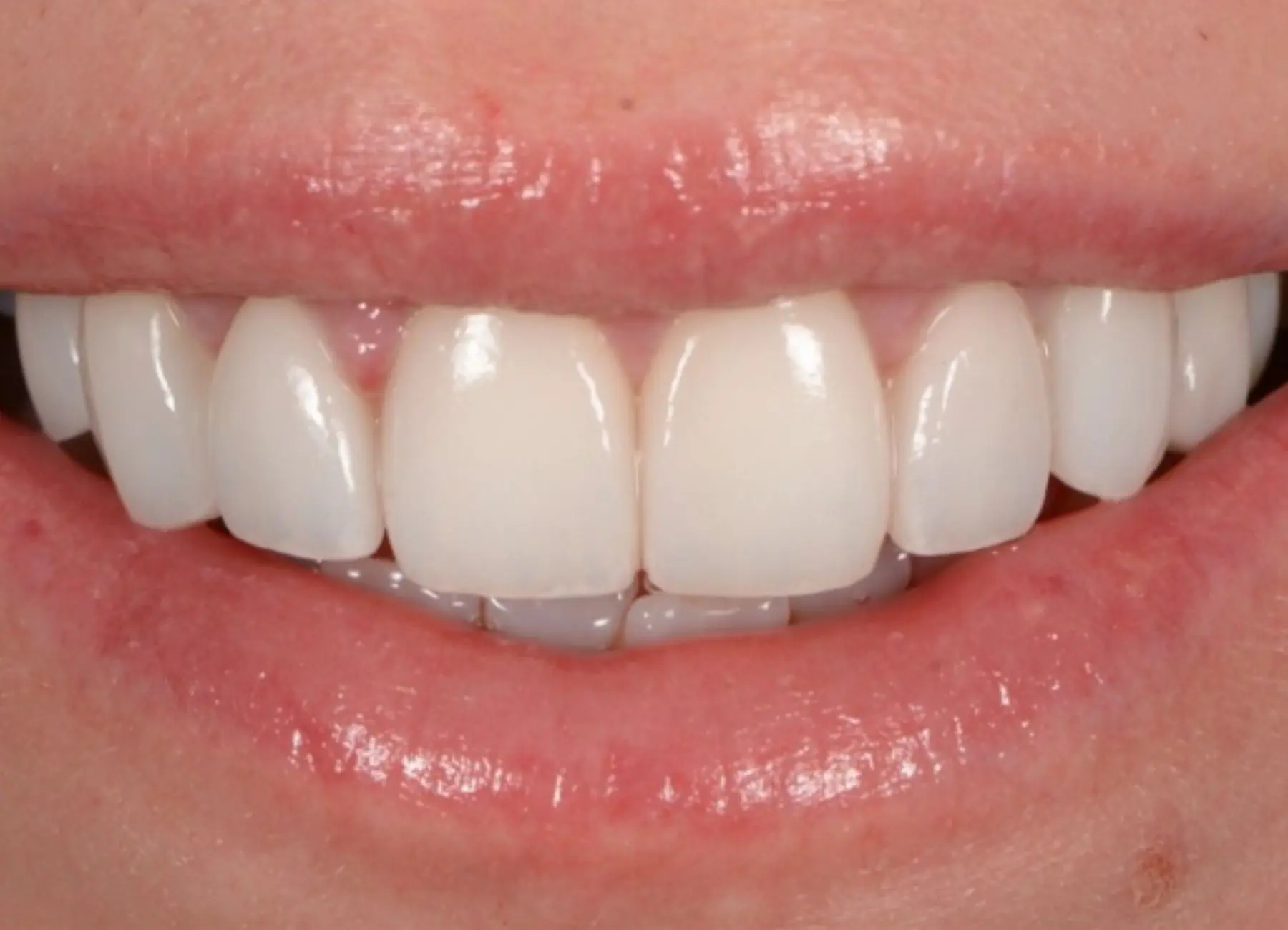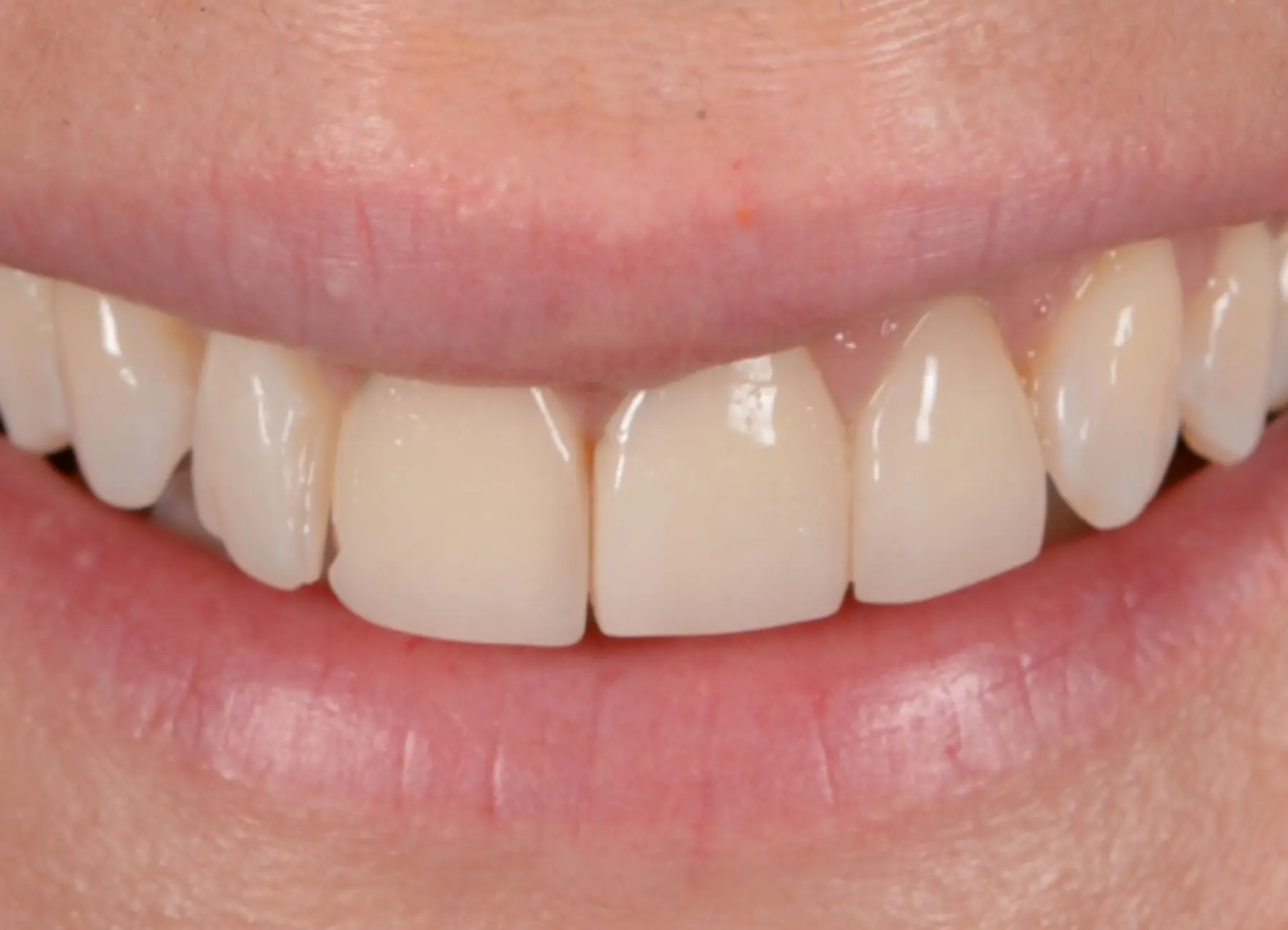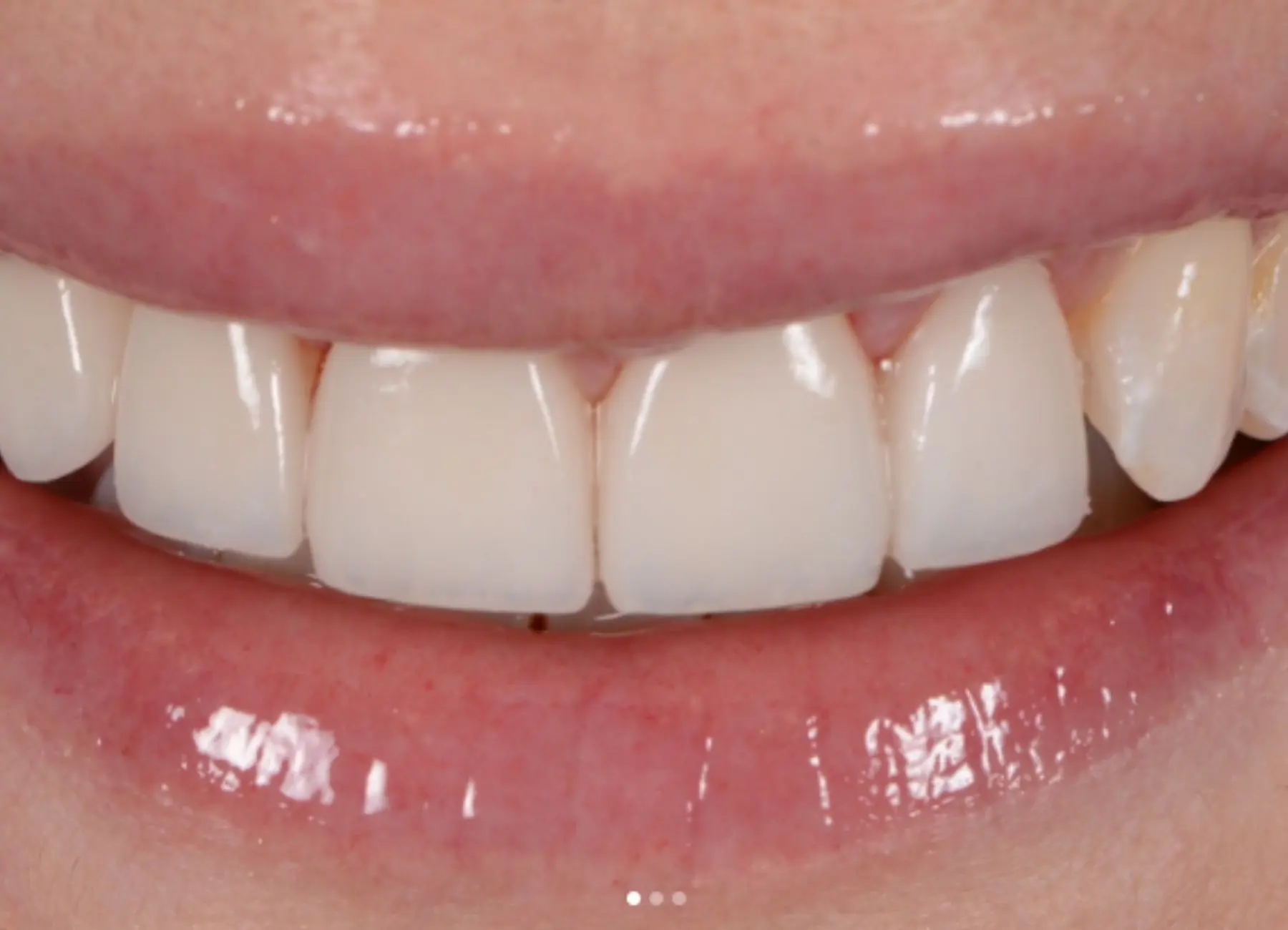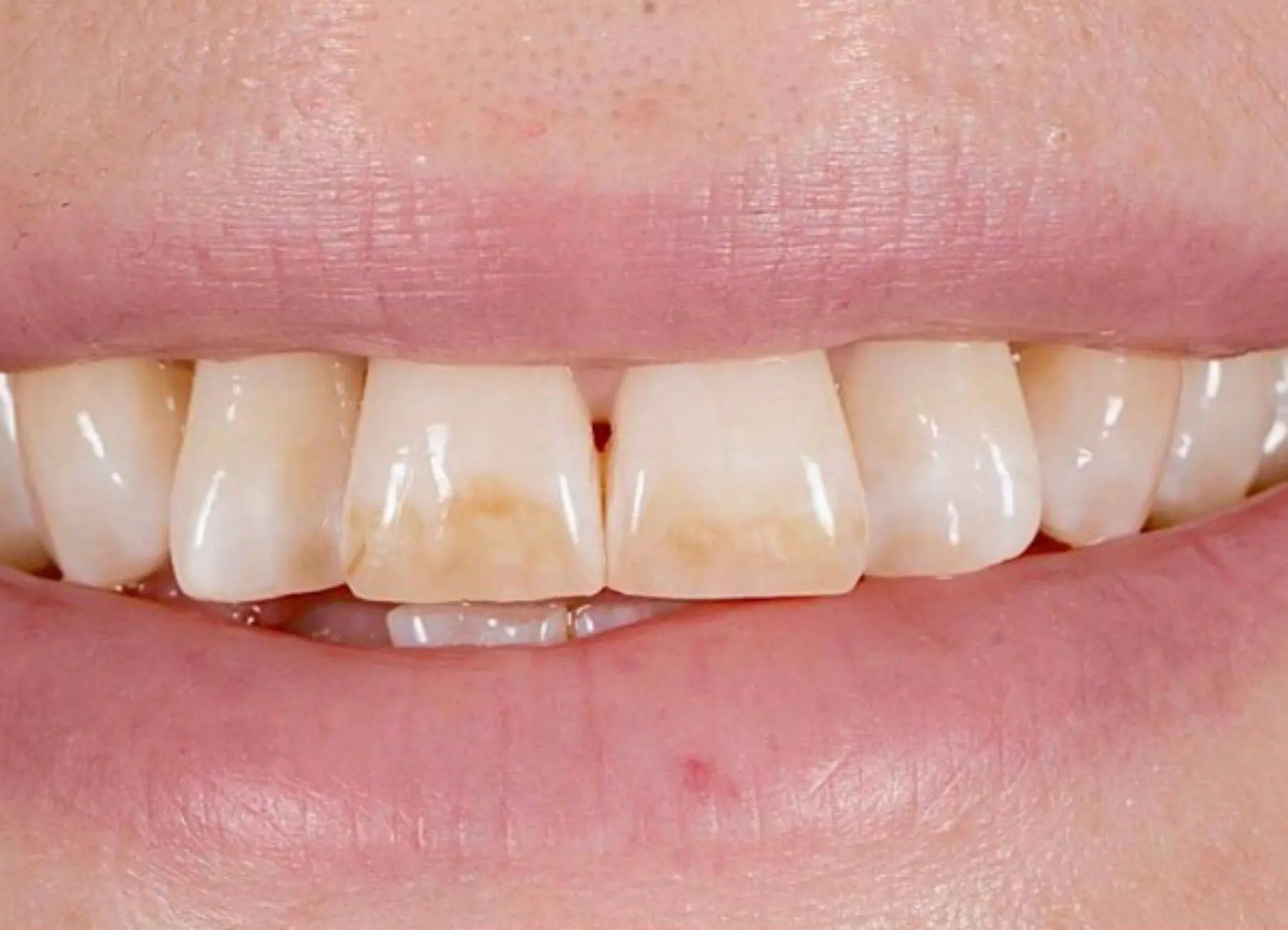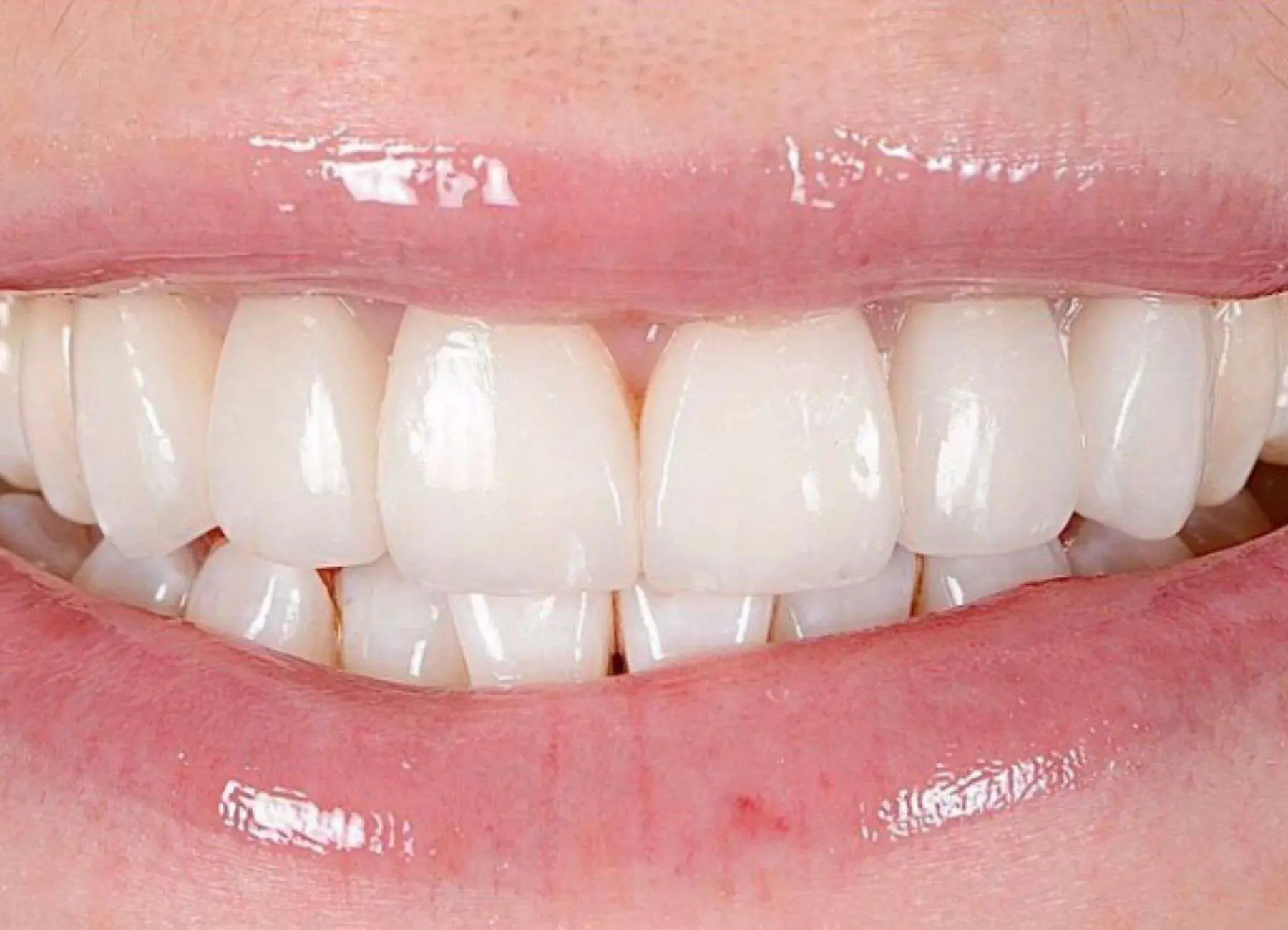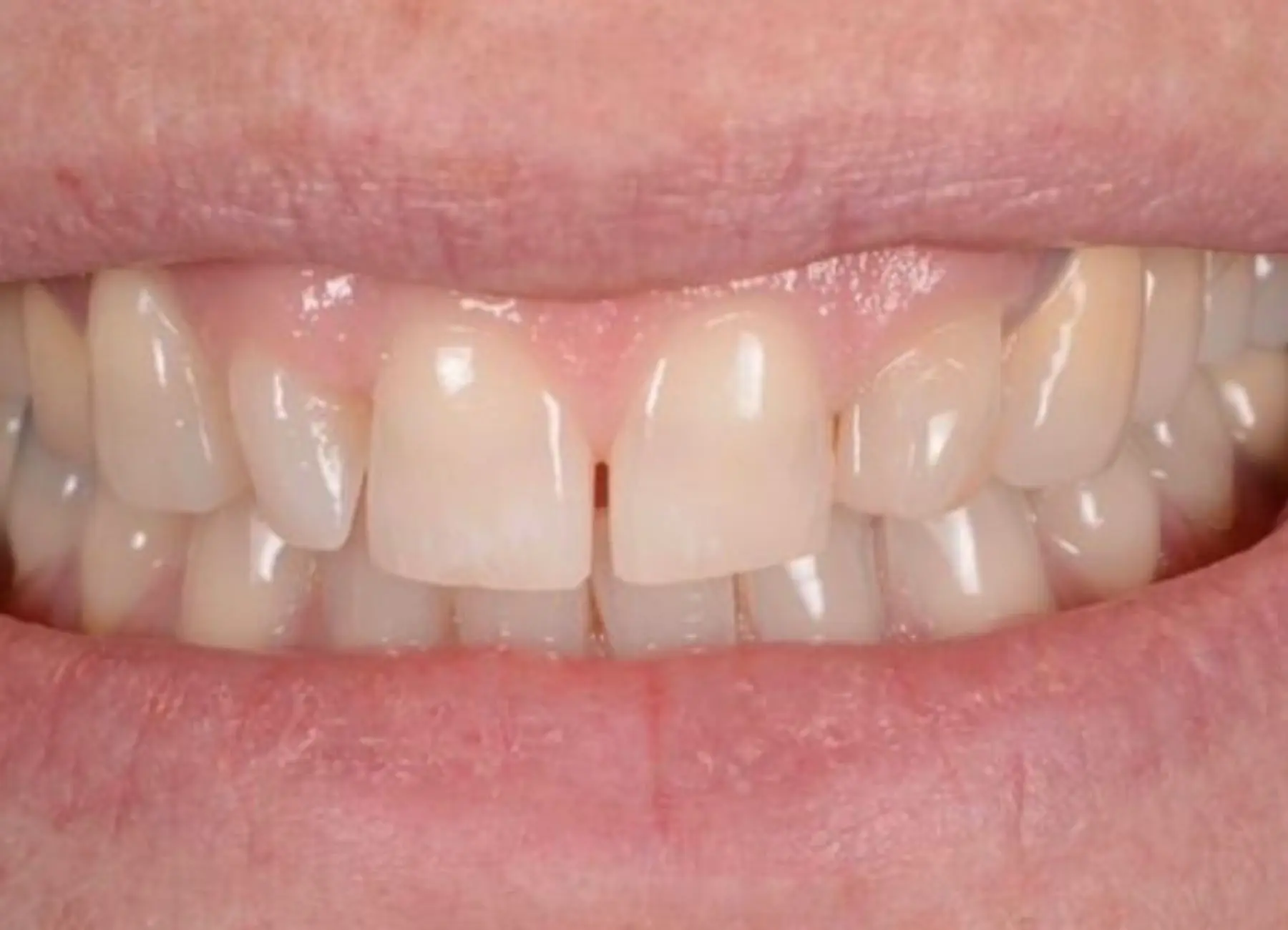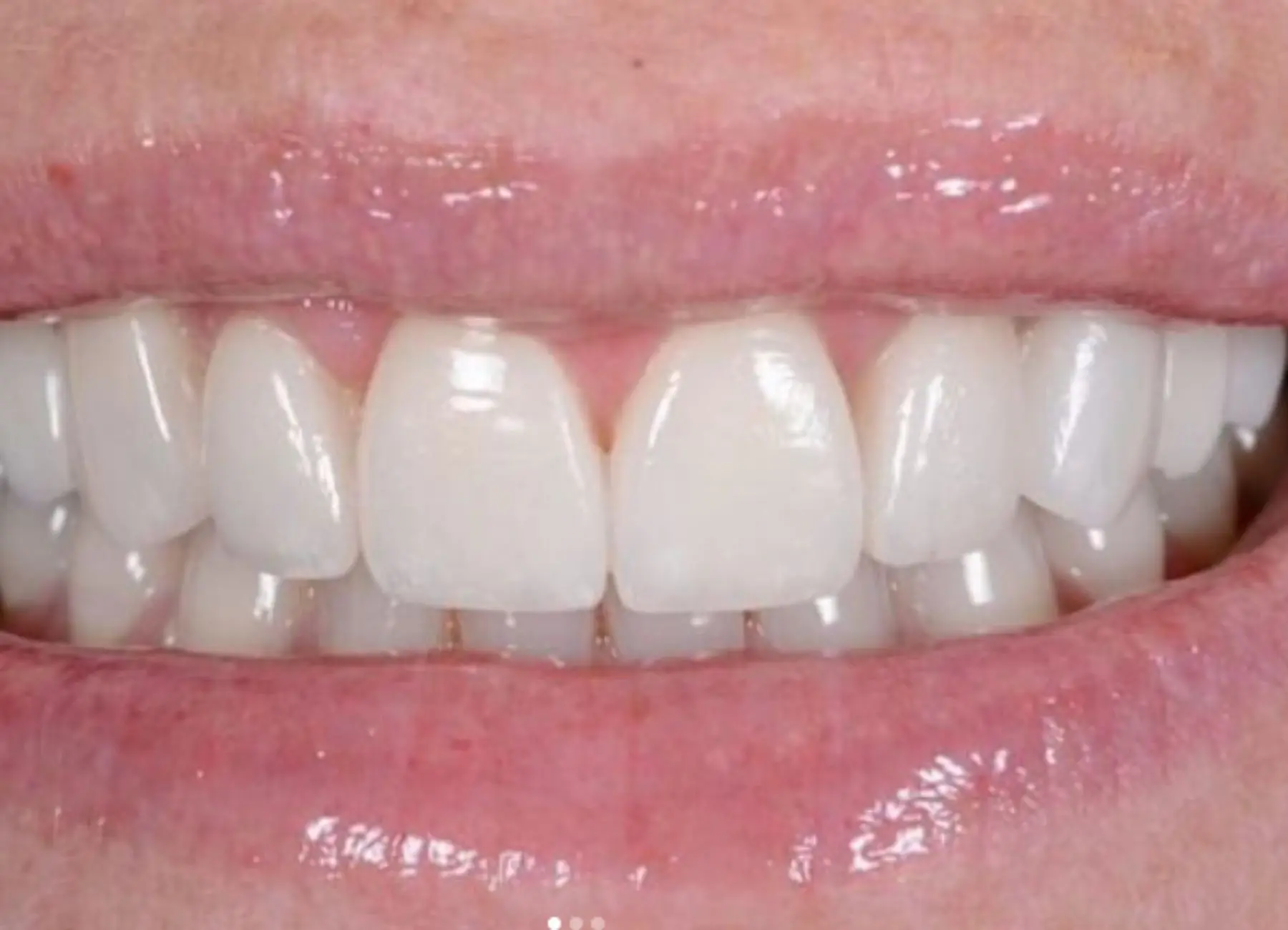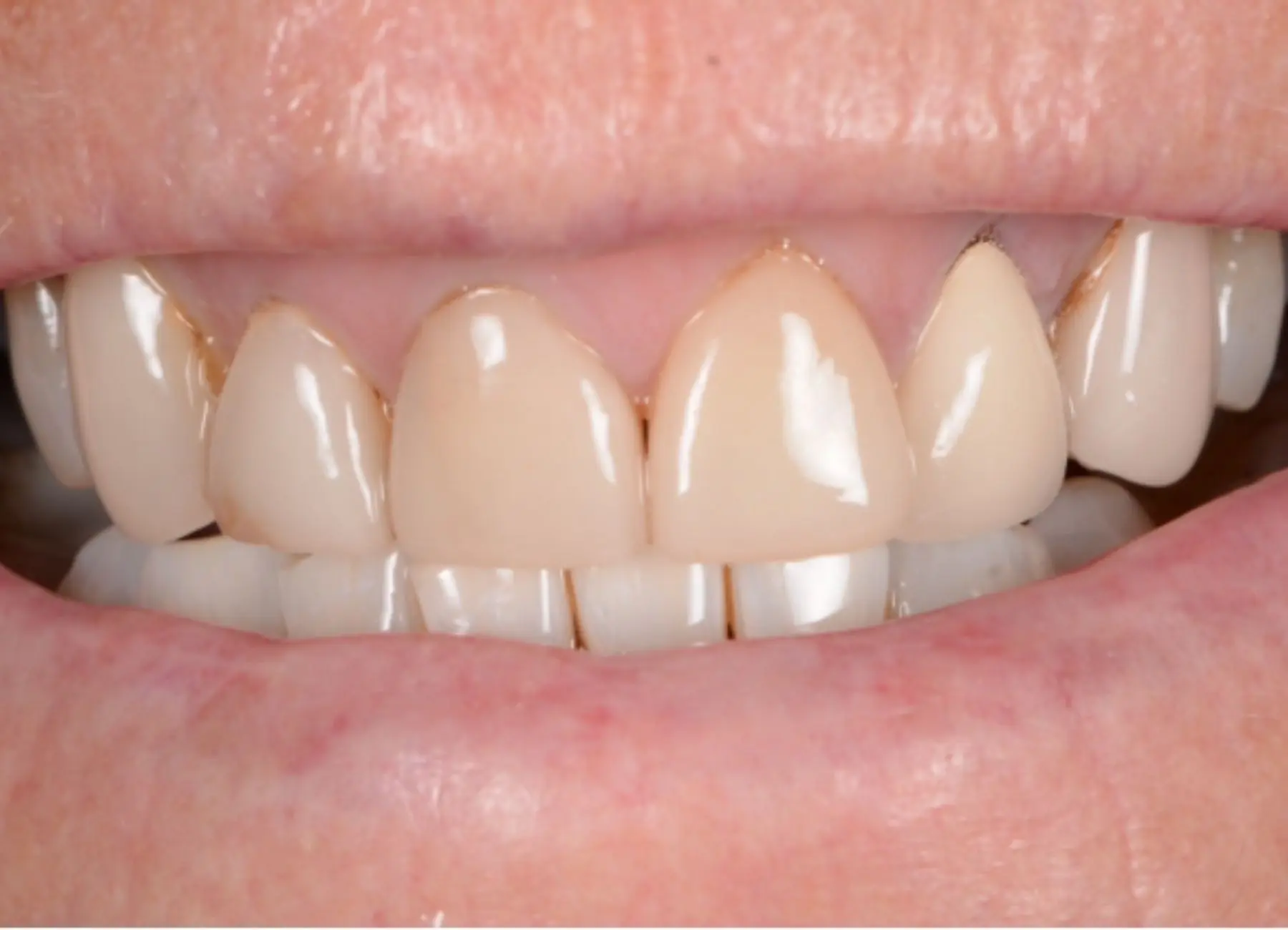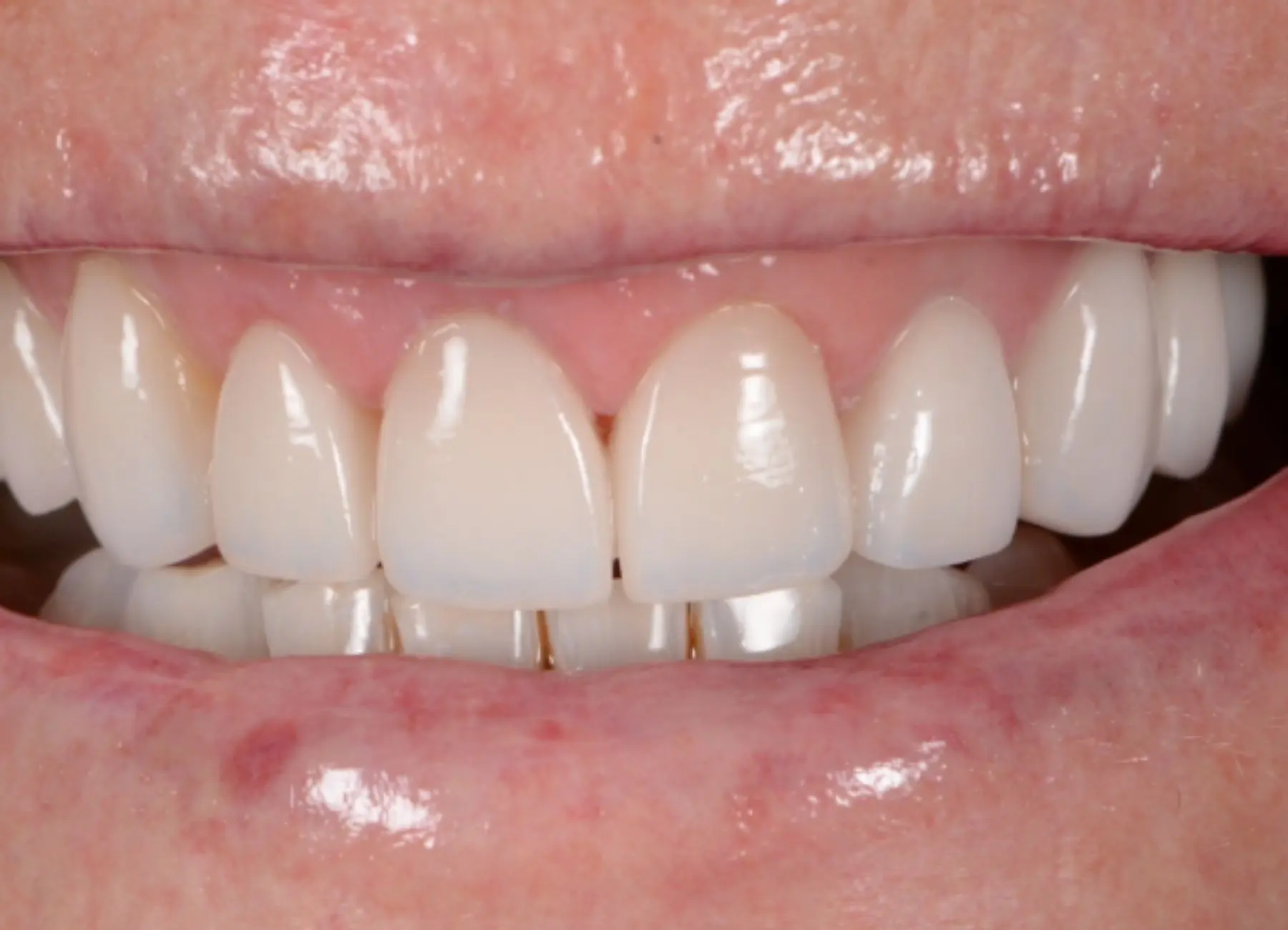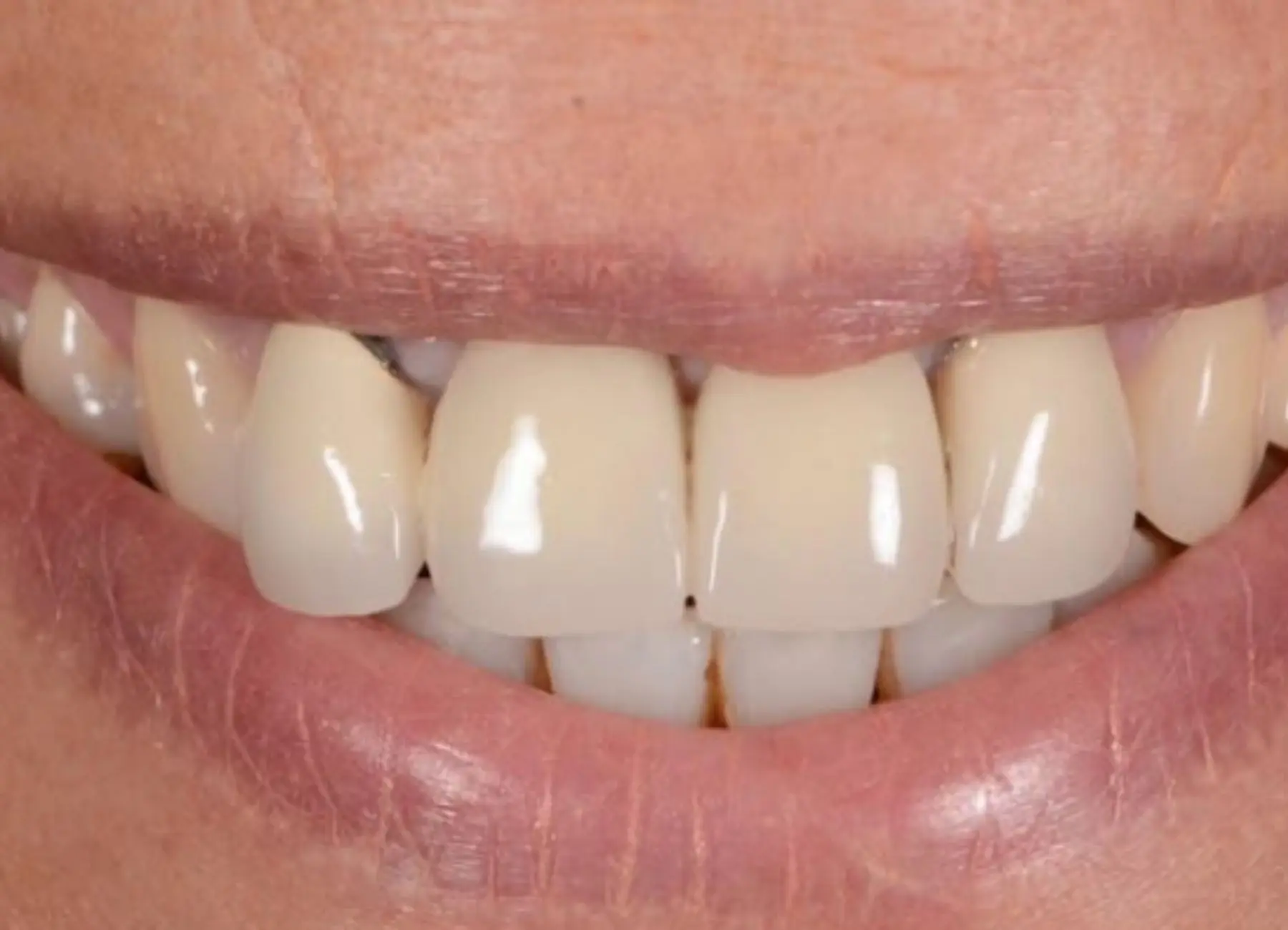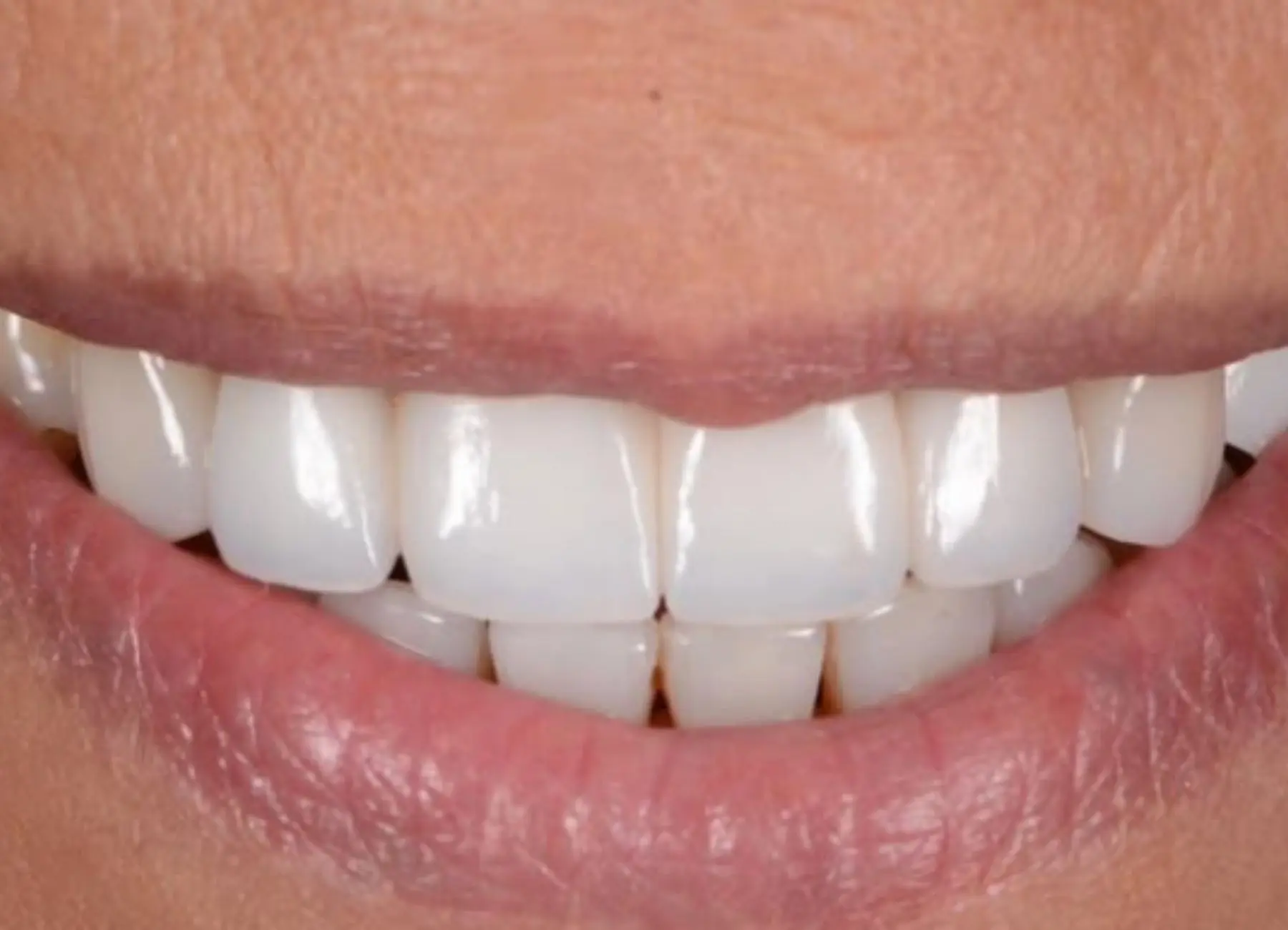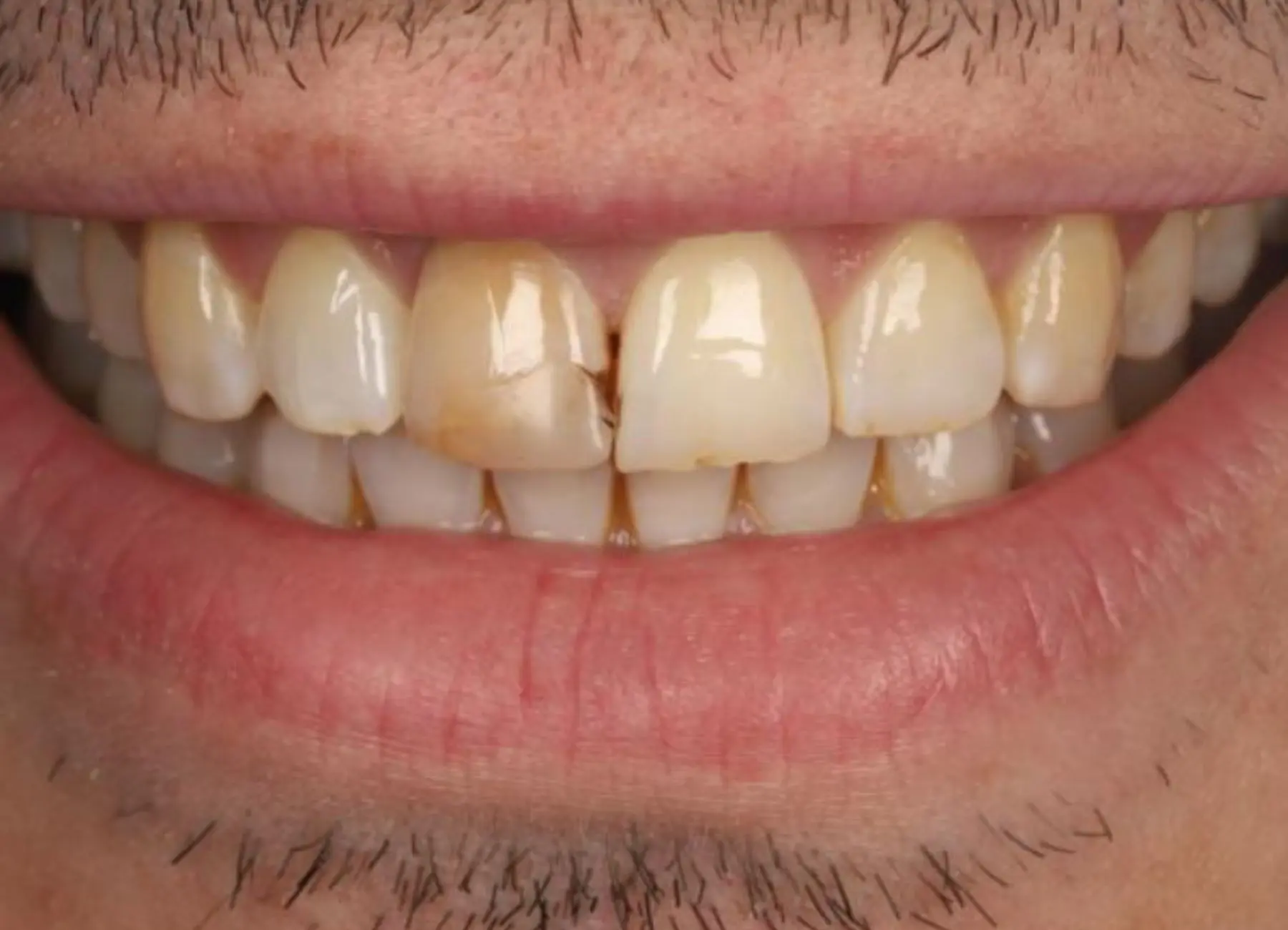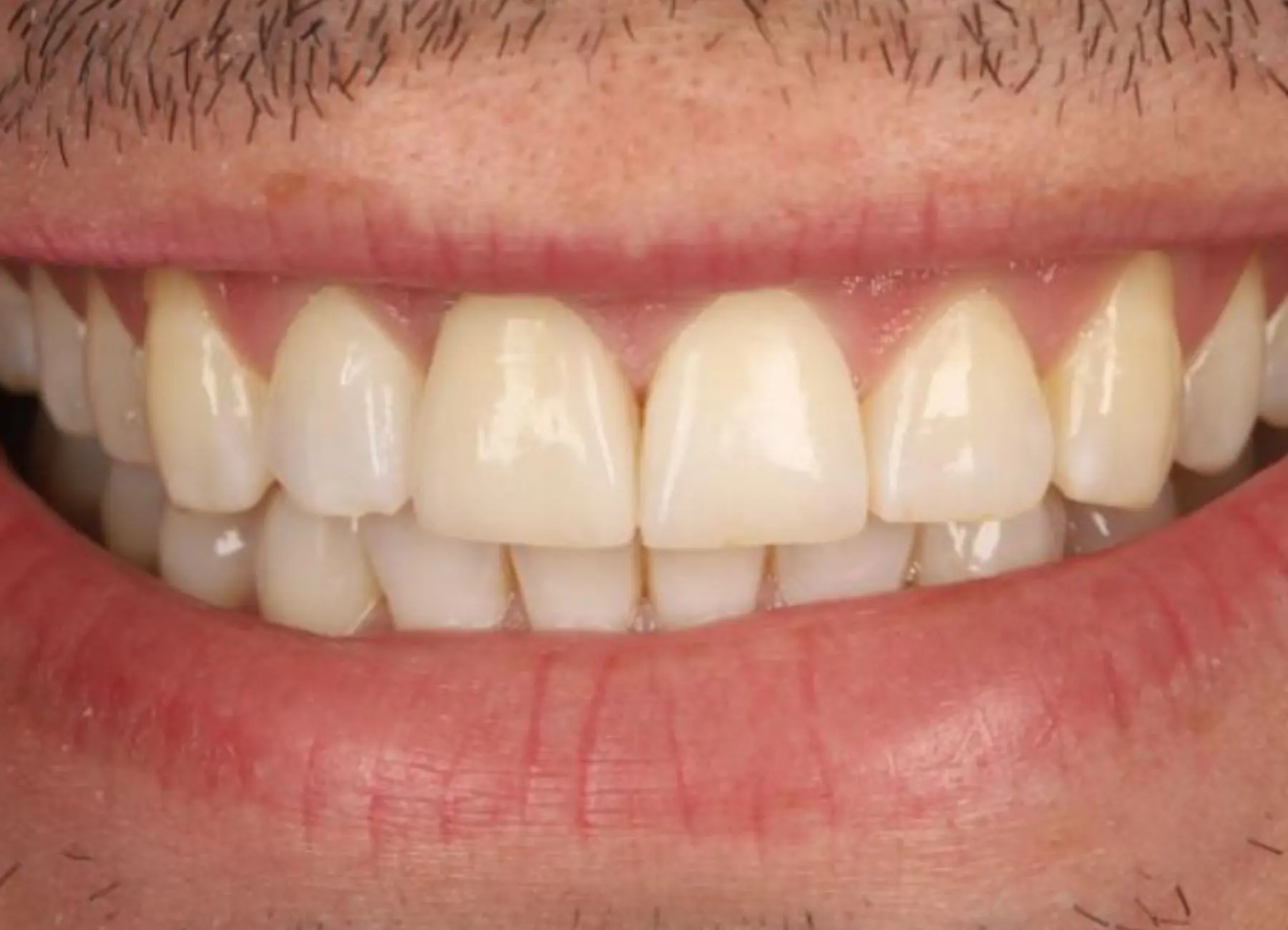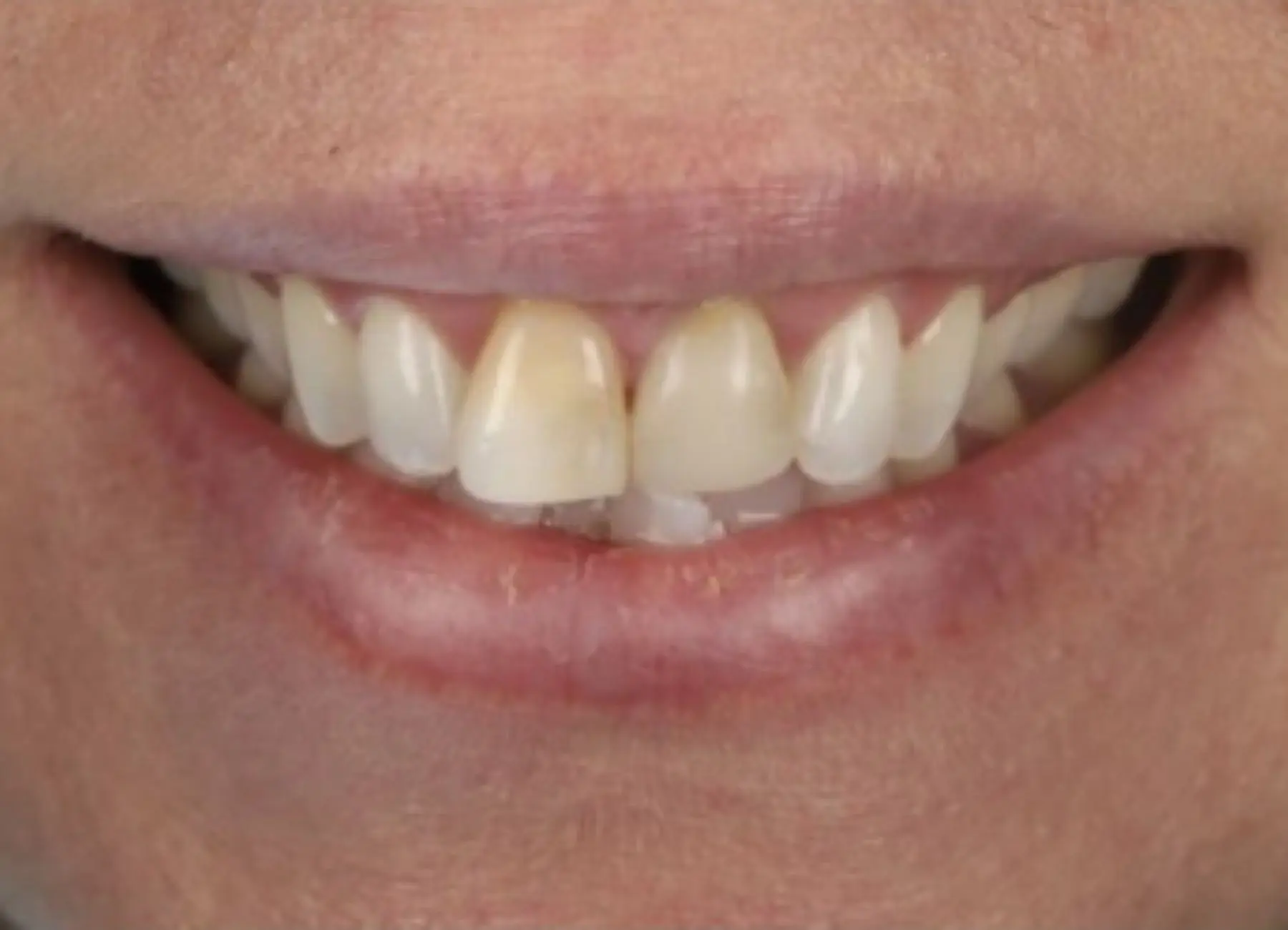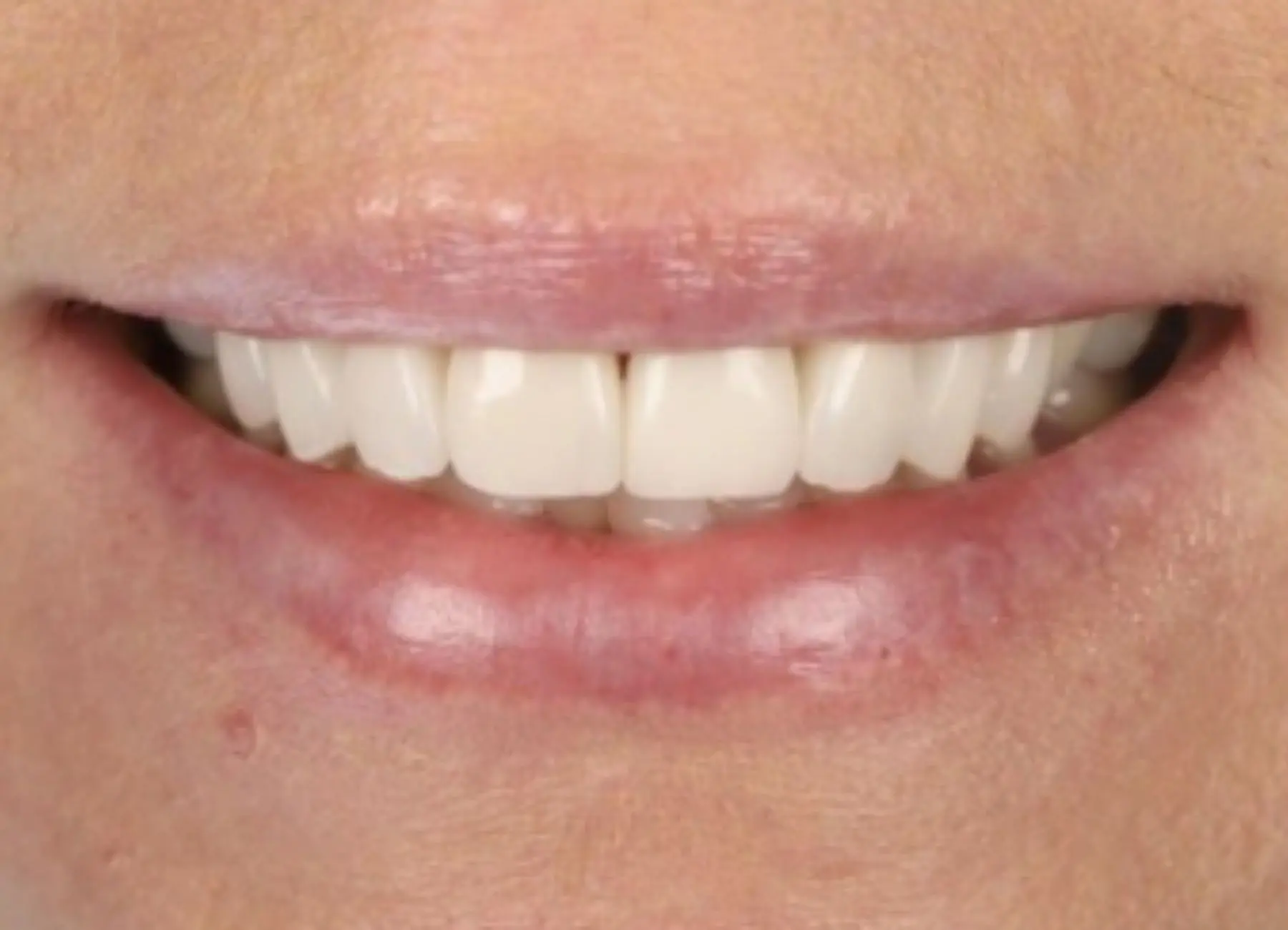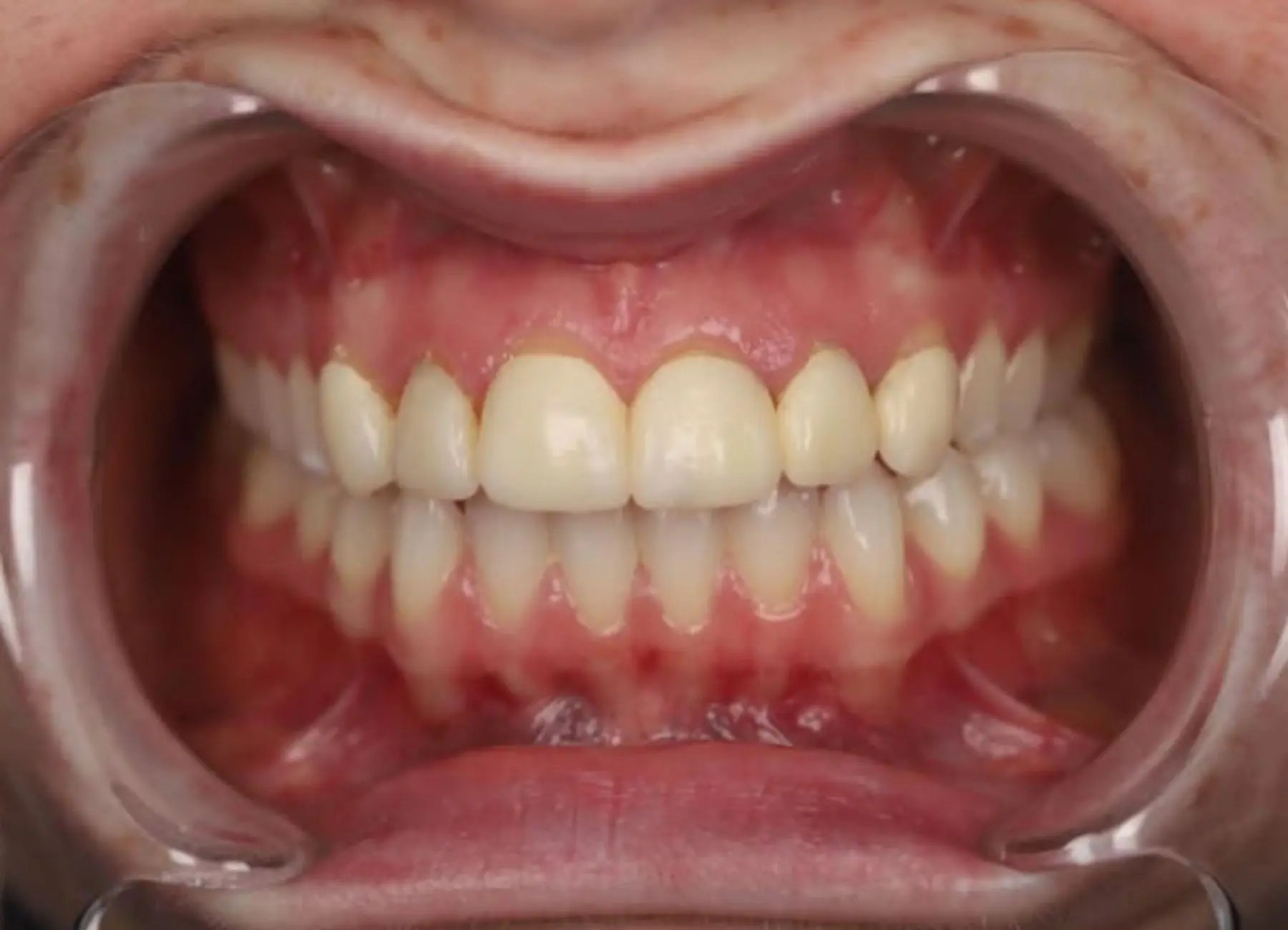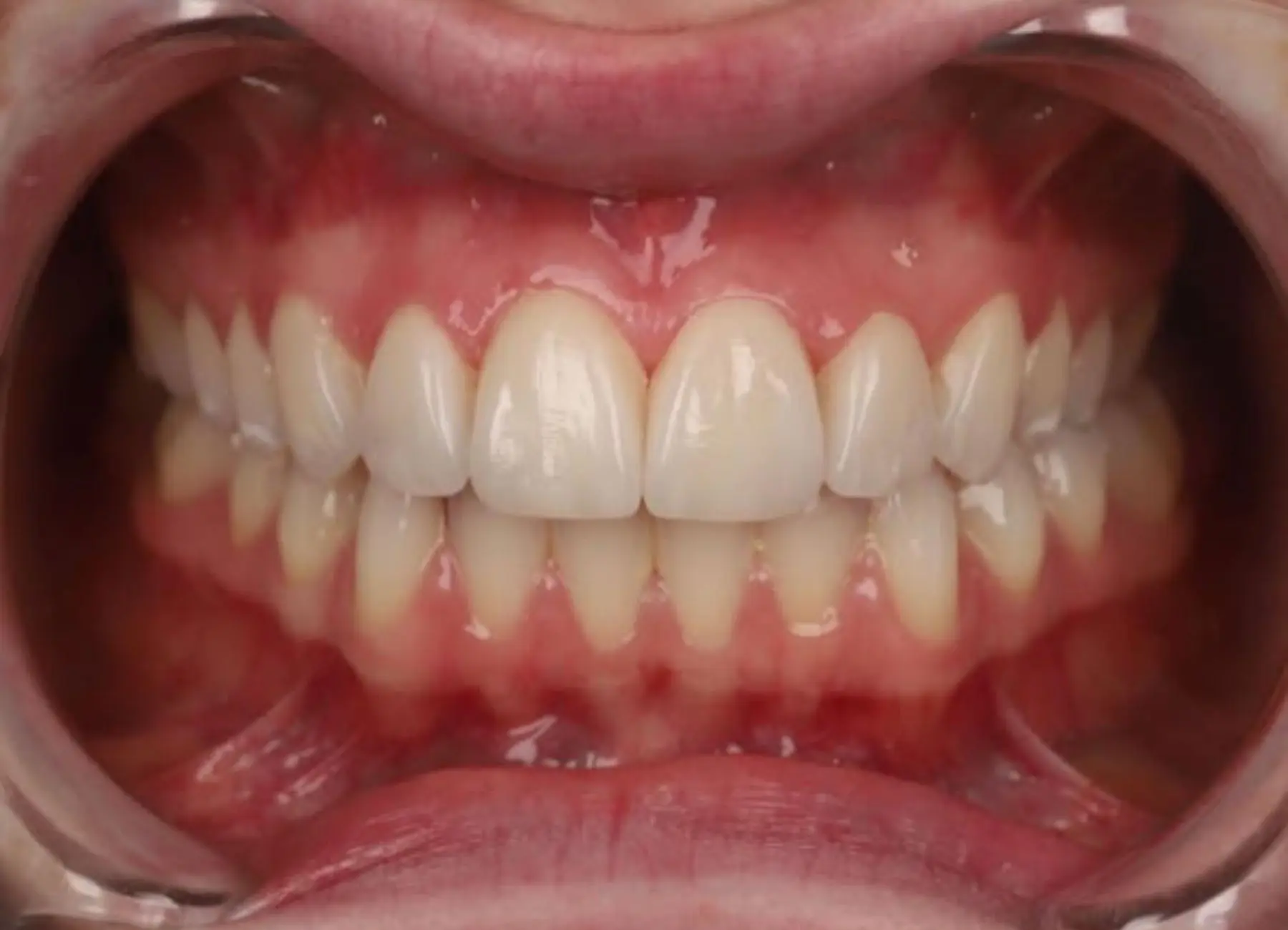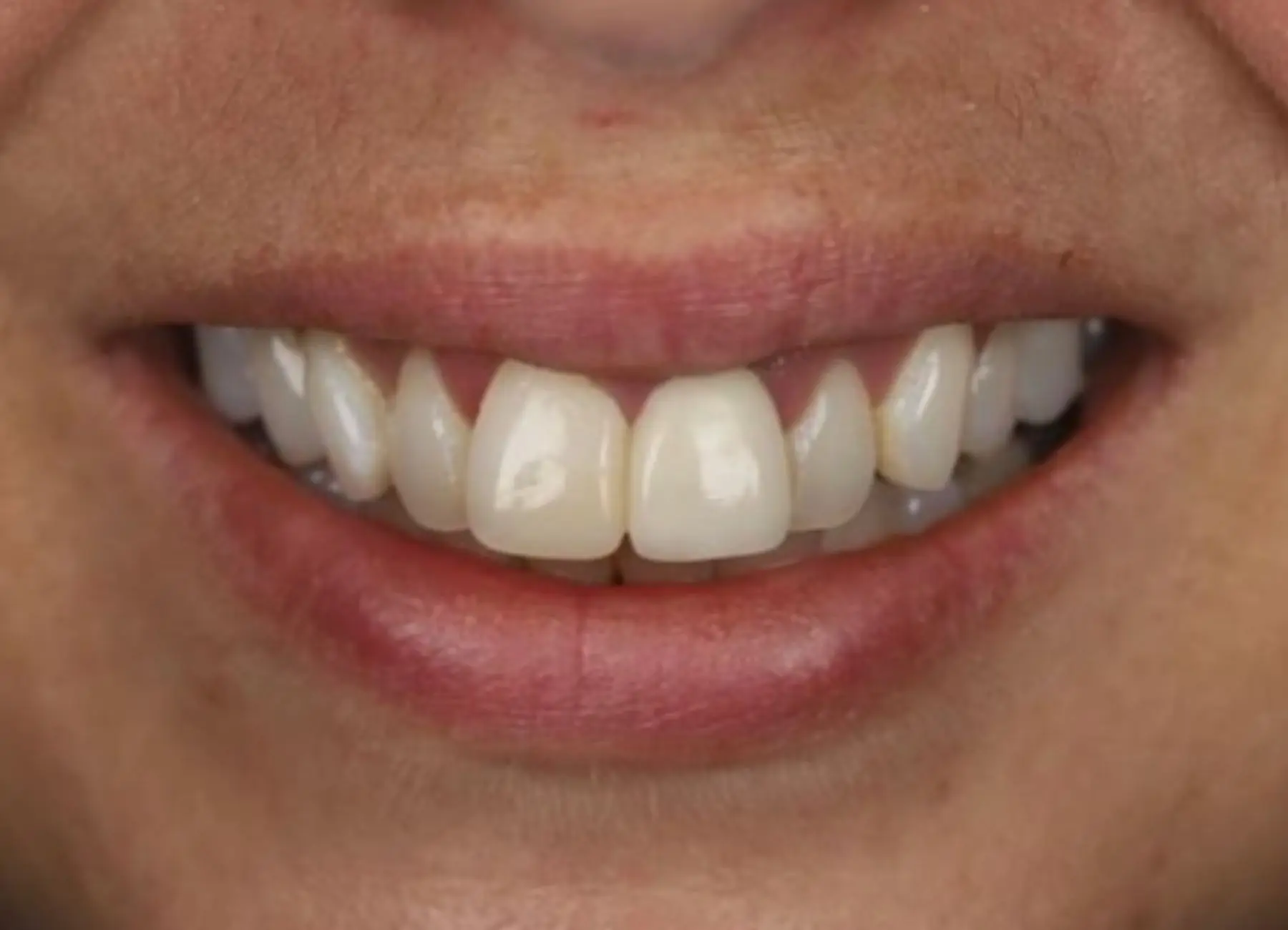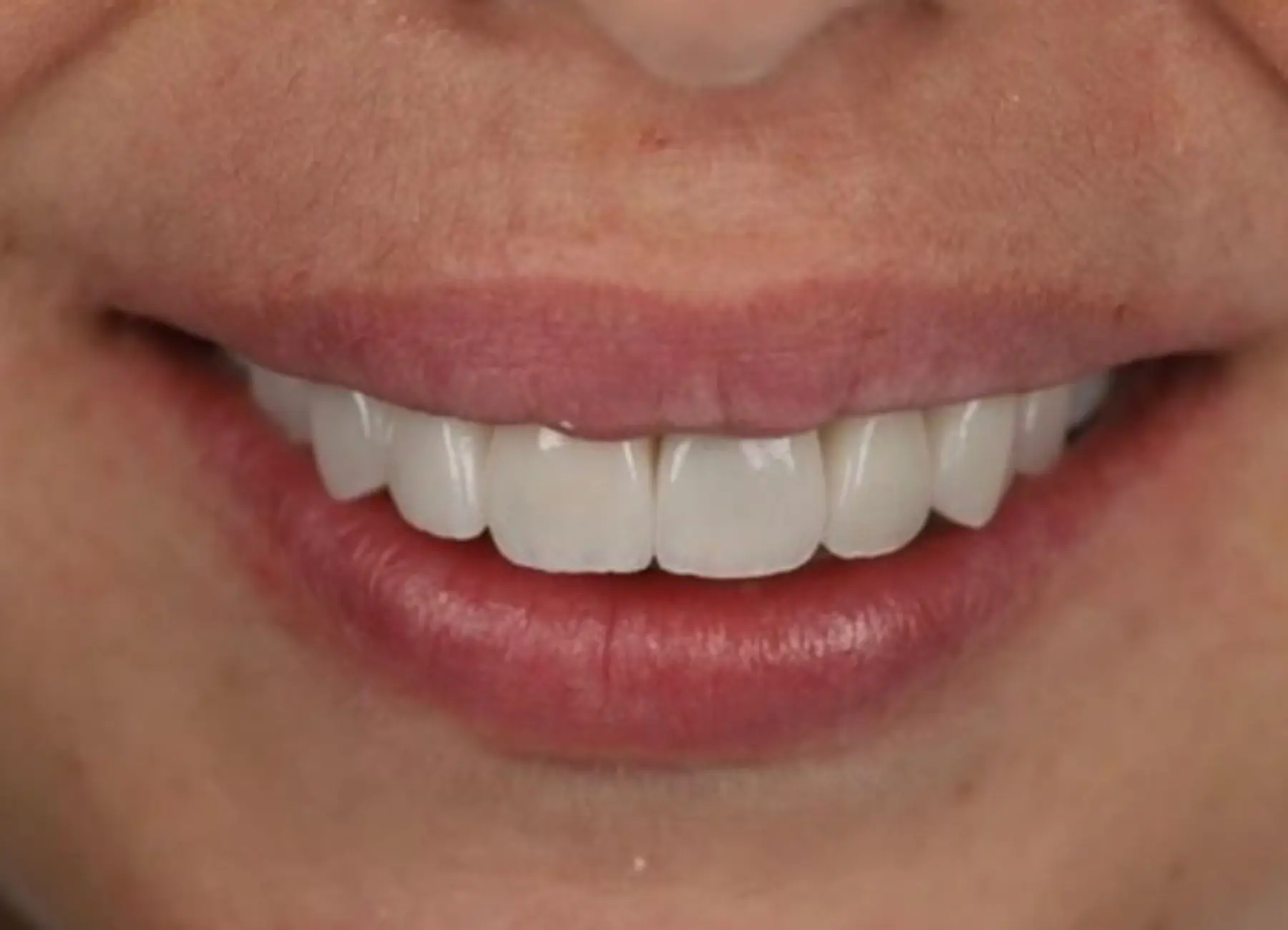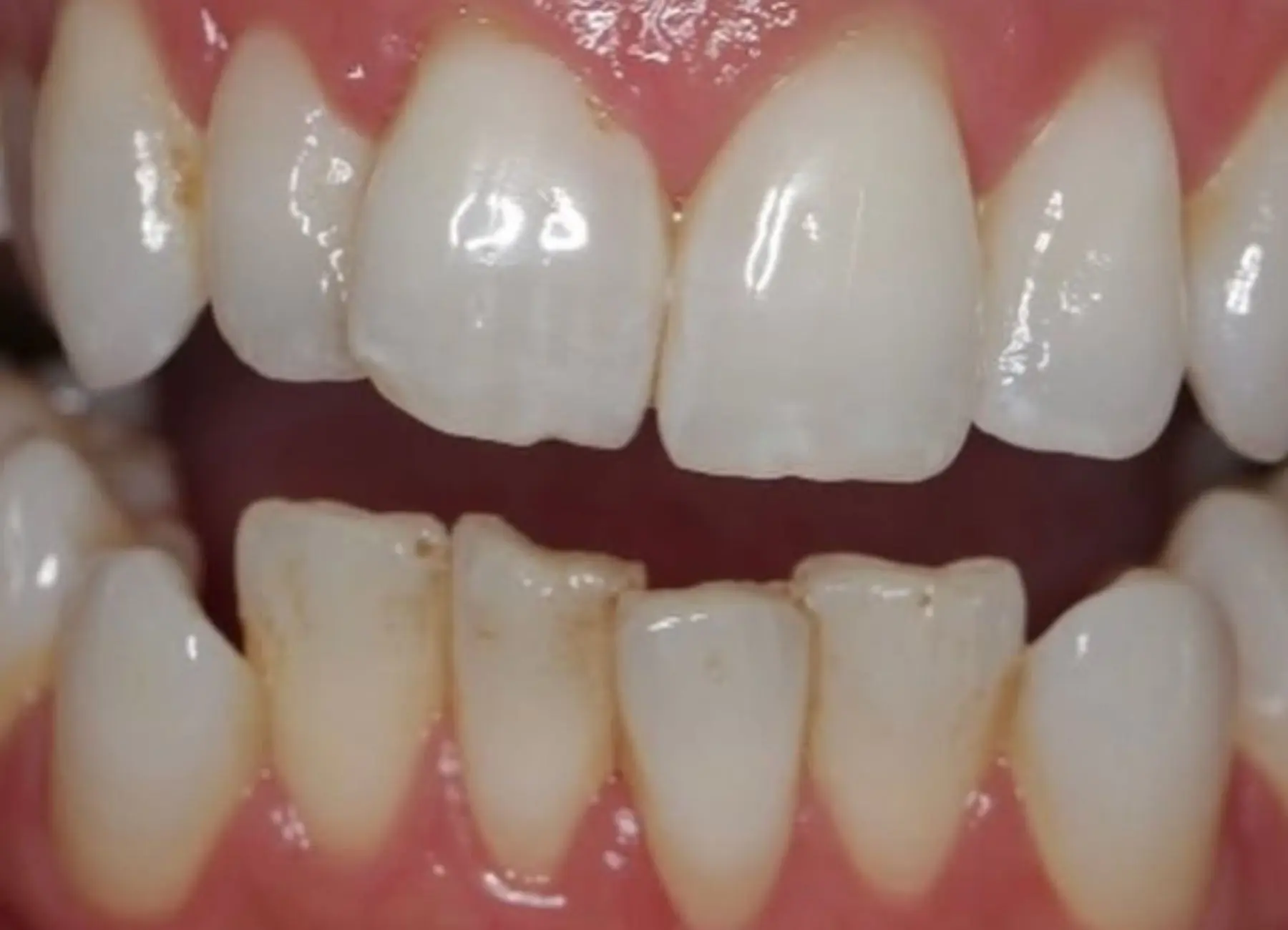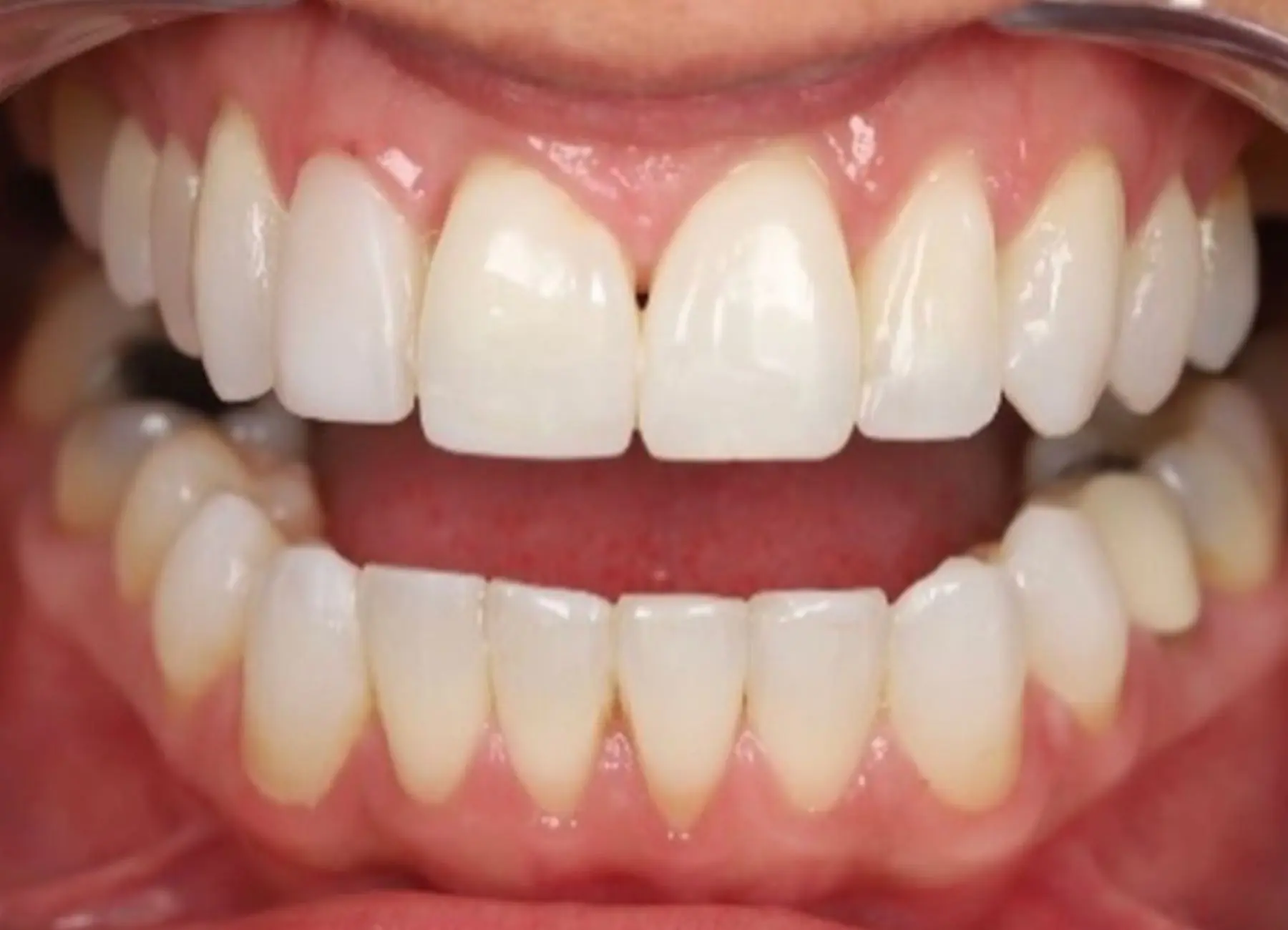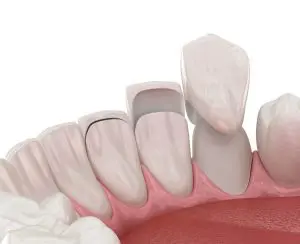
Composite Bonding is Not Considered a Permanent Procedure – Here’s Why
- Dental bonding doesn’t require enamel removal
- It can be reversed at any time
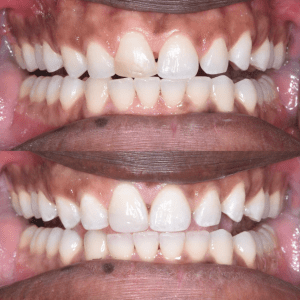
Composite bonding is not considered permanent; it will last only up to 7 years, and it does not make any “permanent” changes to the underlying tooth. In cosmetic dentistry, very few treatments are truly permanent, as in the fact, they won’t last forever, or make permanent, lasting changes to your natural tooth that can’t be “undone”. The only exception is with treatments like porcelain veneers or tooth contouring.

In cosmetic dentistry, permanent means two things
- The treatment never needs redoing – results that last forever
- The treatment makes permanent changes to your tooth, enamel or structure
Composite bonding doesn’t fit into these two definitions because resin can wear, stain or chip over time, so the results aren’t lasting, nor does it make any permanent changes to the tooth.
While composite bonding is durable, the results will fade and wear over time, requiring renewal at some point. Additionally, no permanent changes are made to the tooth, so you won’t have to commit to composite bonding if you change your mind later.
Composite bonding is minimally invasive
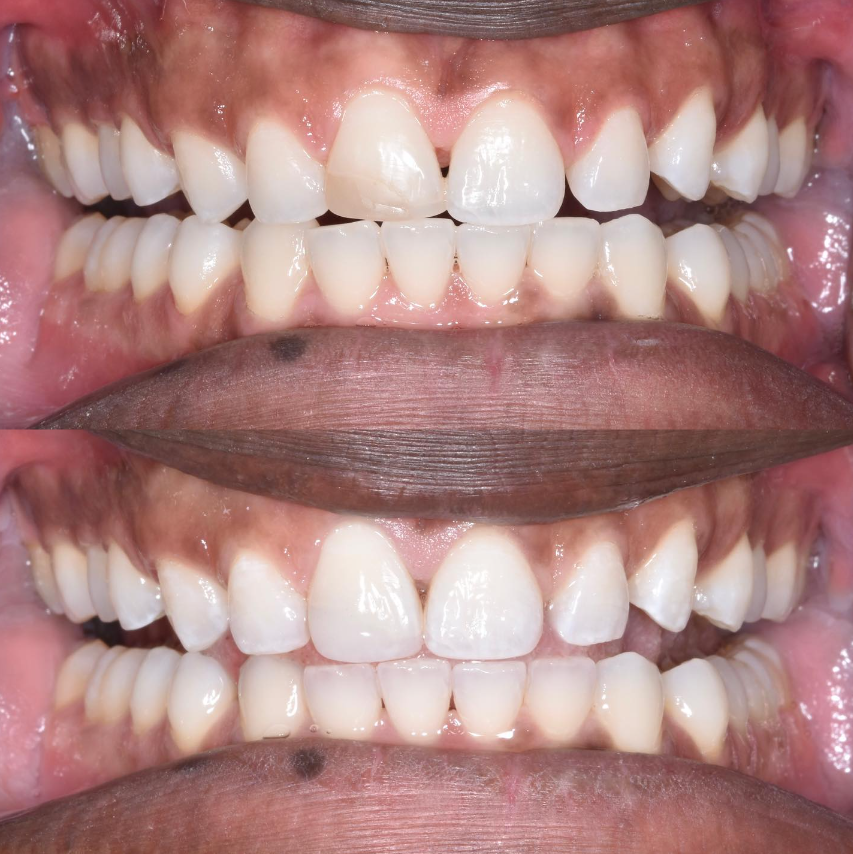
Composite bonding is not considered permanent in its long-term effect on your natural tooth because it requires no preparation.
For many smile improvements (chips, small gaps, slight reshaping), bonding is applied directly to enamel with minimal or no tooth removal.
That means:
- The tooth structure is largely unchanged
- The look can be adjusted later
- Repairs are usually straightforward

In certain situations, there can be permanent changes
A cosmetic dentist might make permanent changes, sometimes with minimal preparation, if your teeth are crooked, prominent or have large gaps between teeth, which means we might need to contour or smooth small areas for a better finished look and bite. This is still typically far less invasive than veneers, but it may involve a small, permanent change.
The advantage of being no prep
As a treatment that’s an additive, it’s often completely reversible and changeable if you want to make changes to your smile later. For example:
- Want them slightly shorter/less “square”? Bonding can often be refined.
- Want a different shape next year? It can often be adjusted or redone.
- Tiny chip? Usually repaired without replacing everything.
Being reversible is one of composite’s biggest advantages, as patients won’t need to commit to the treatment for life if they choose to change their mind later. For example, this is not always possible with certain veneer procedures.

Traditional porcelain veneers, for example, are considered permanent
Traditional porcelain veneers often require the dentist to remove a layer of enamel to create space for the ceramic shell. Because that enamel doesn’t grow back, veneers are commonly considered a more permanent commitment, as you’ll always need them to protect your tooth once they’ve been placed, which is why composite bonding can be a better stepping stone.
However, this only involves certain brands and veneer types. No prep versions of veneers exist. Explore them here.