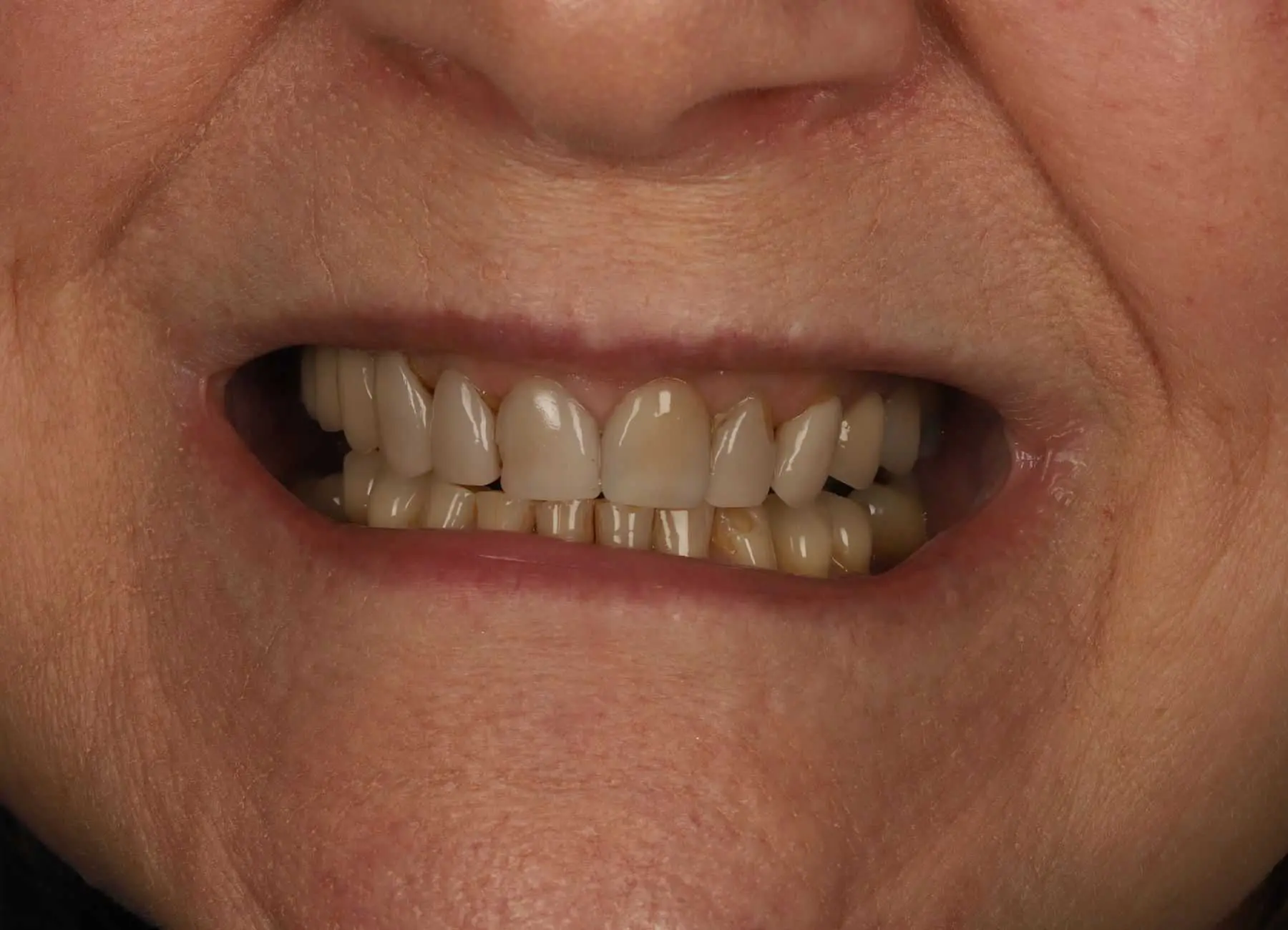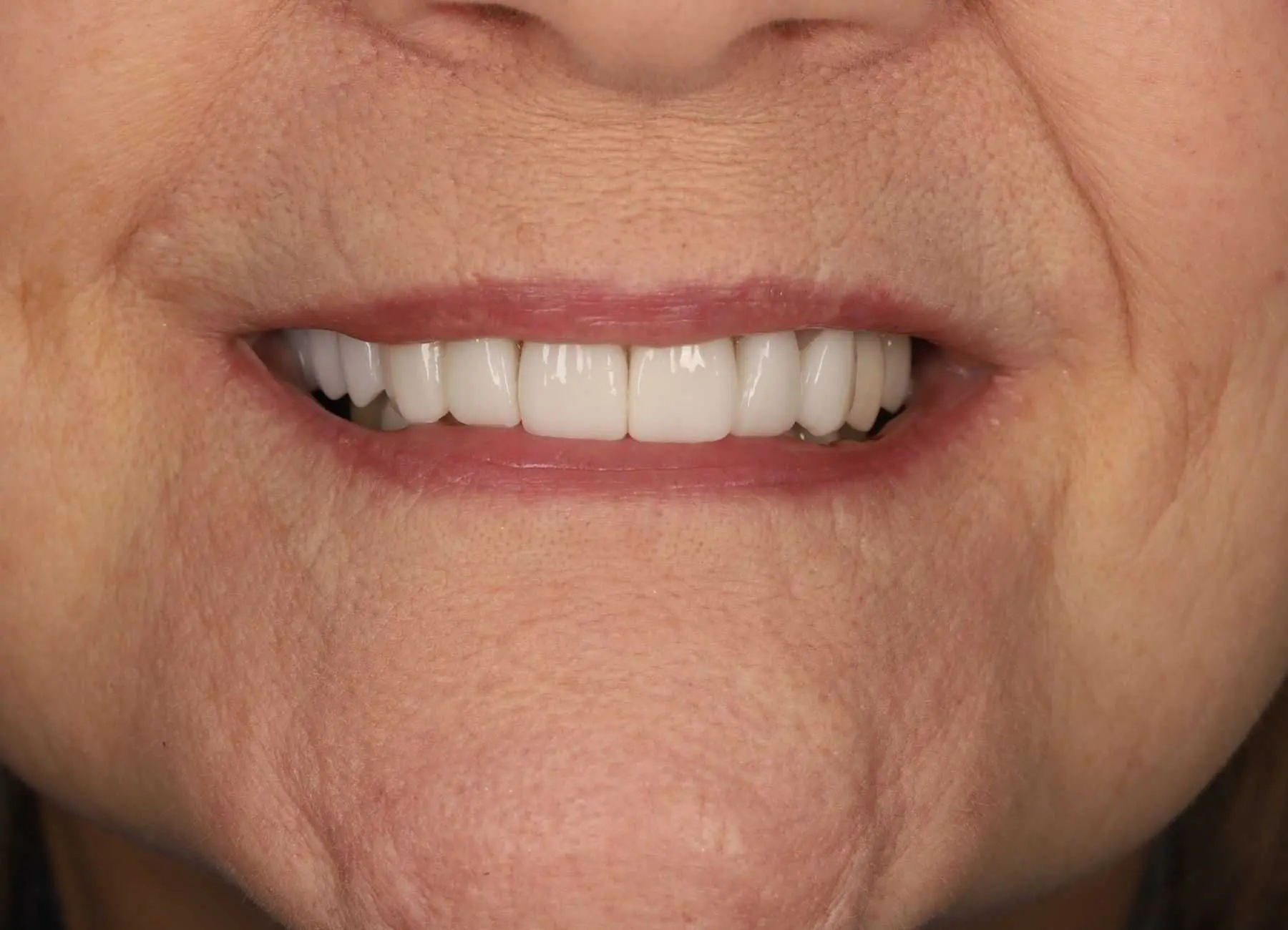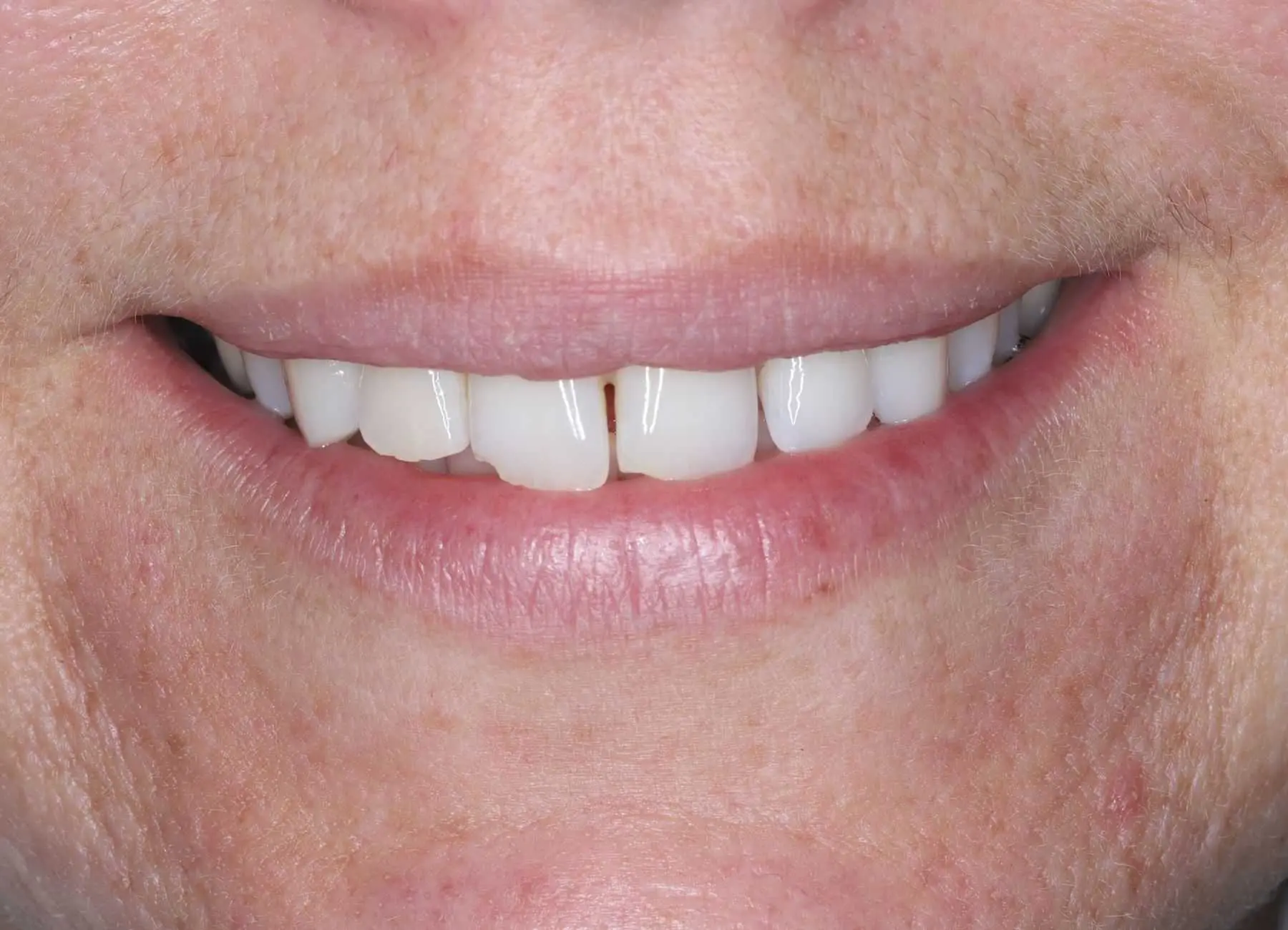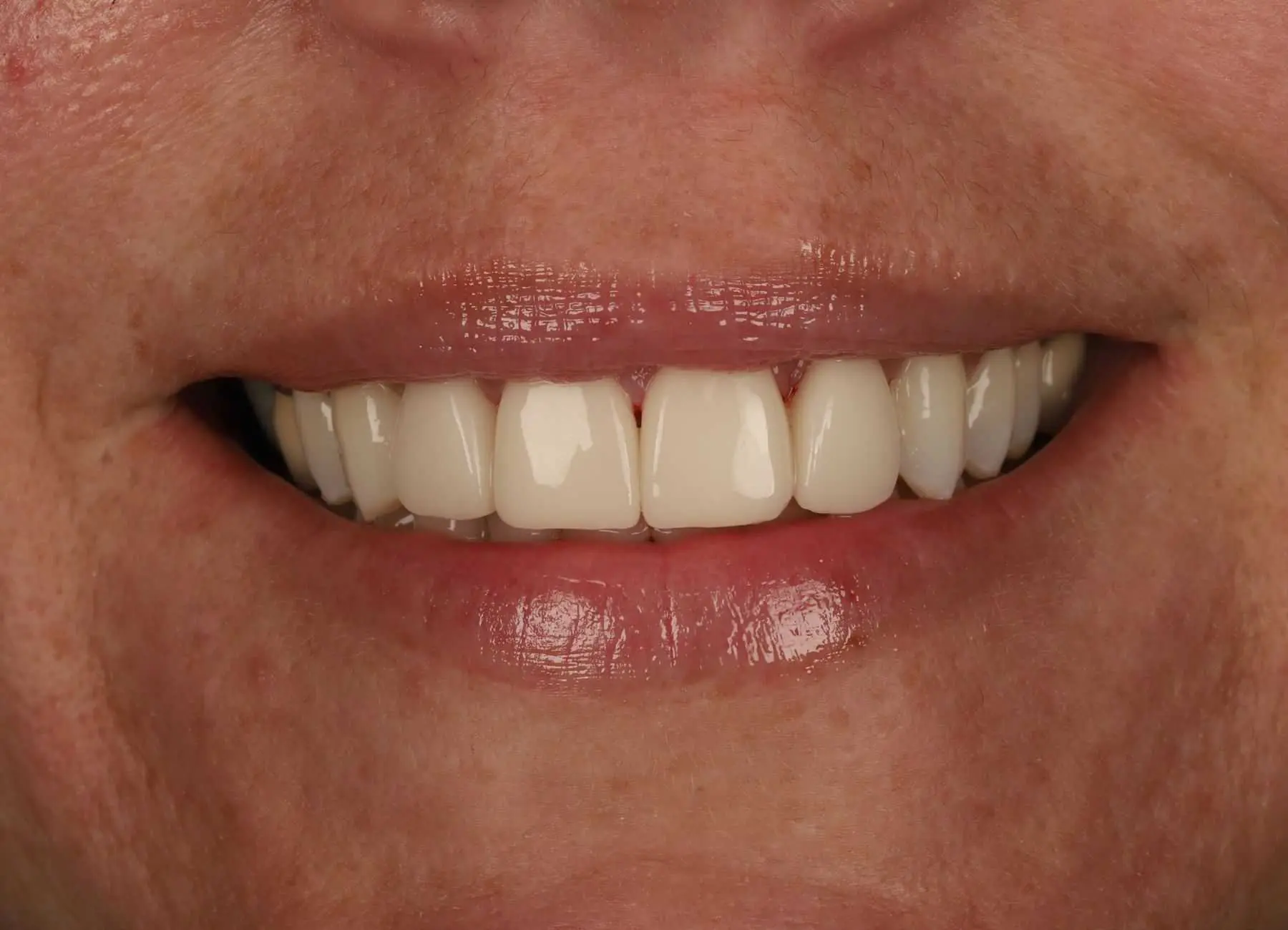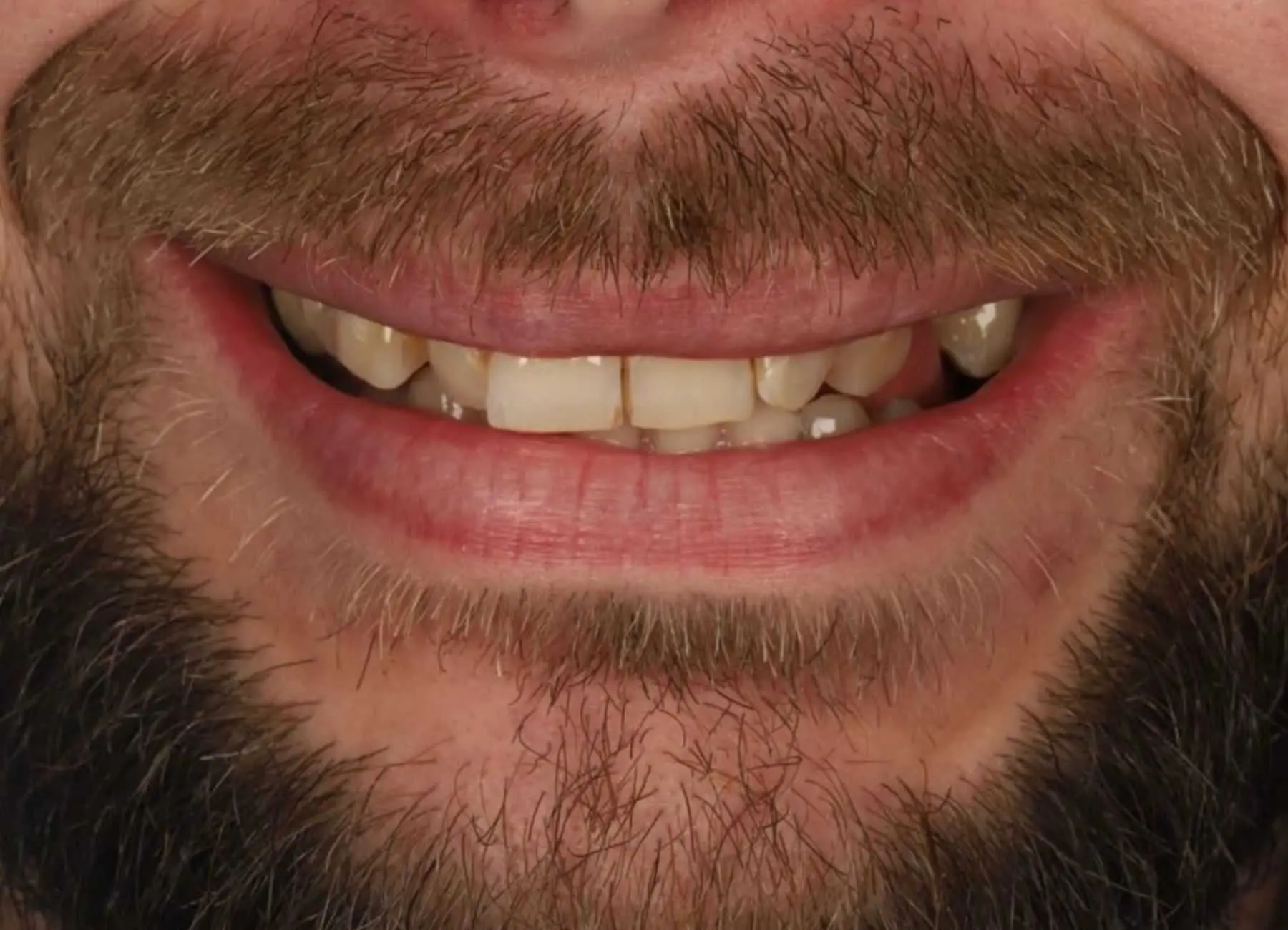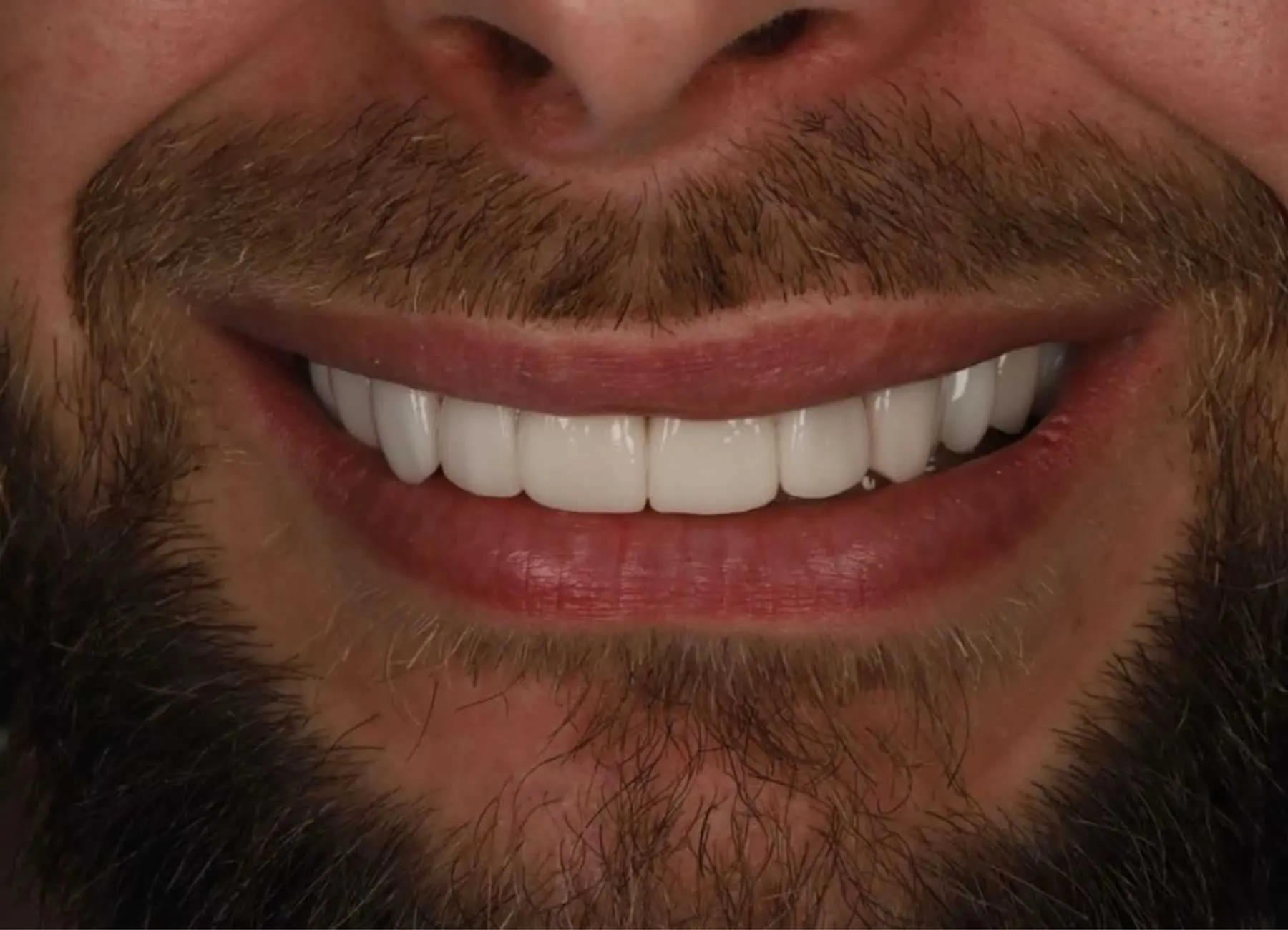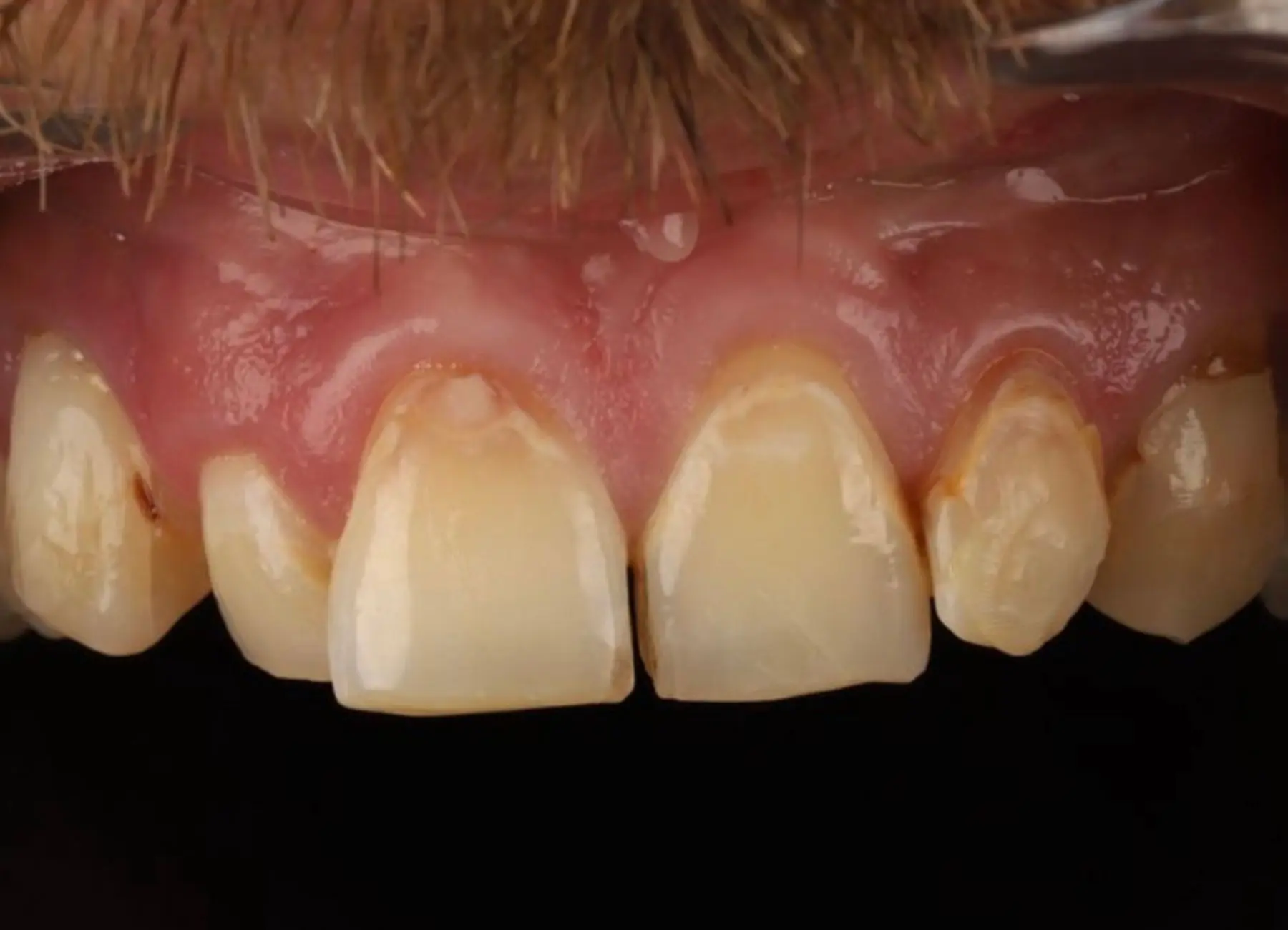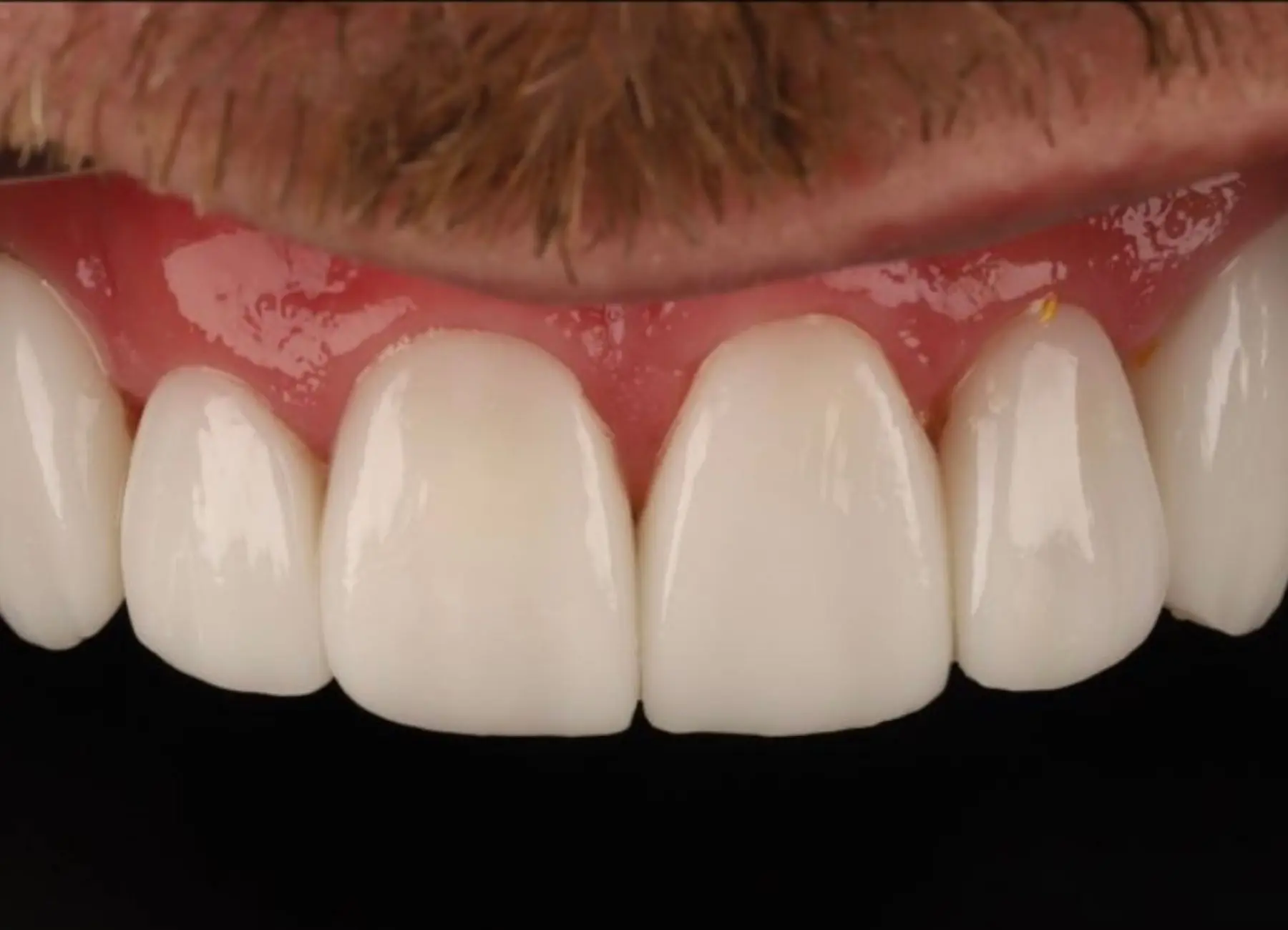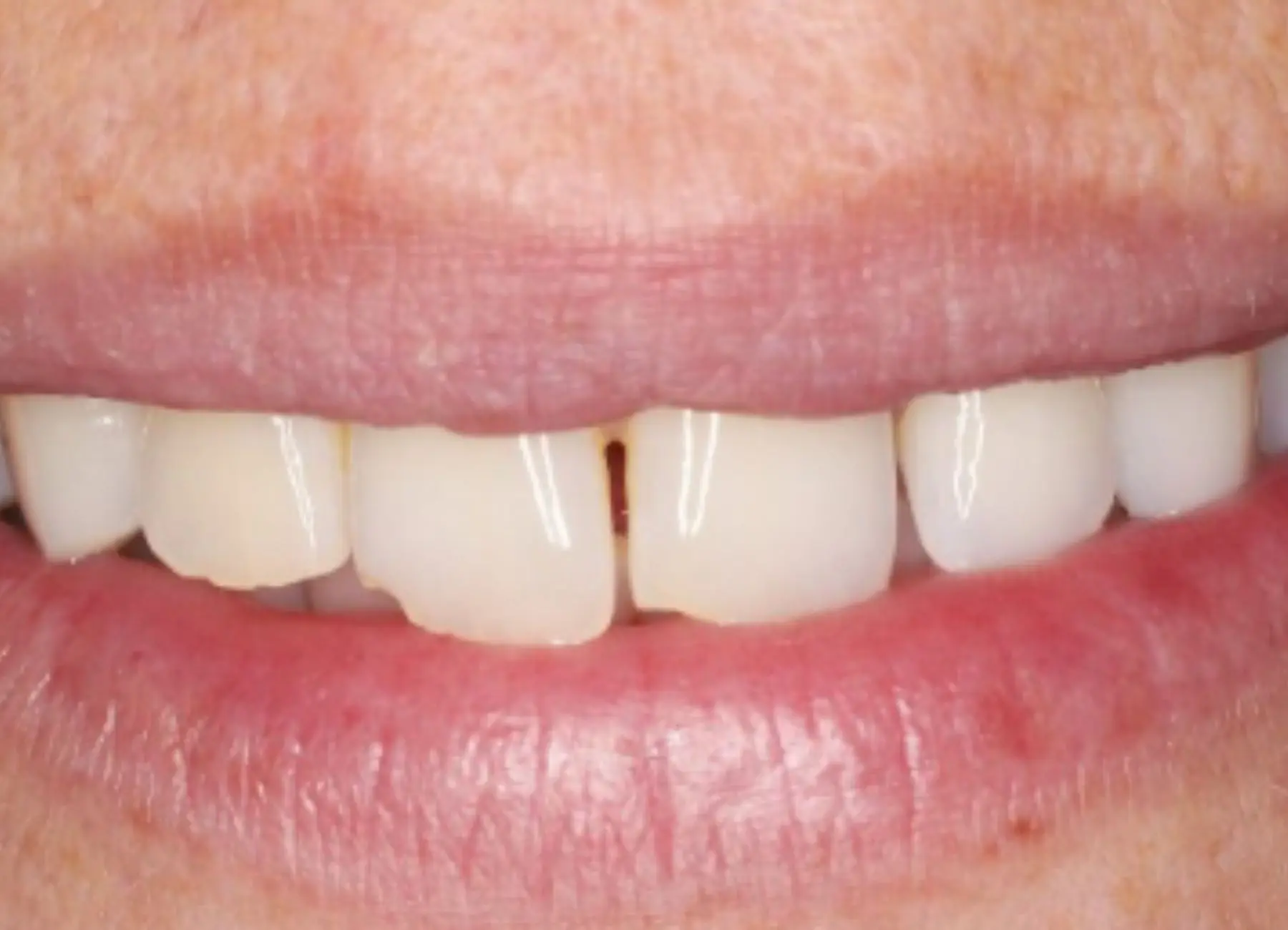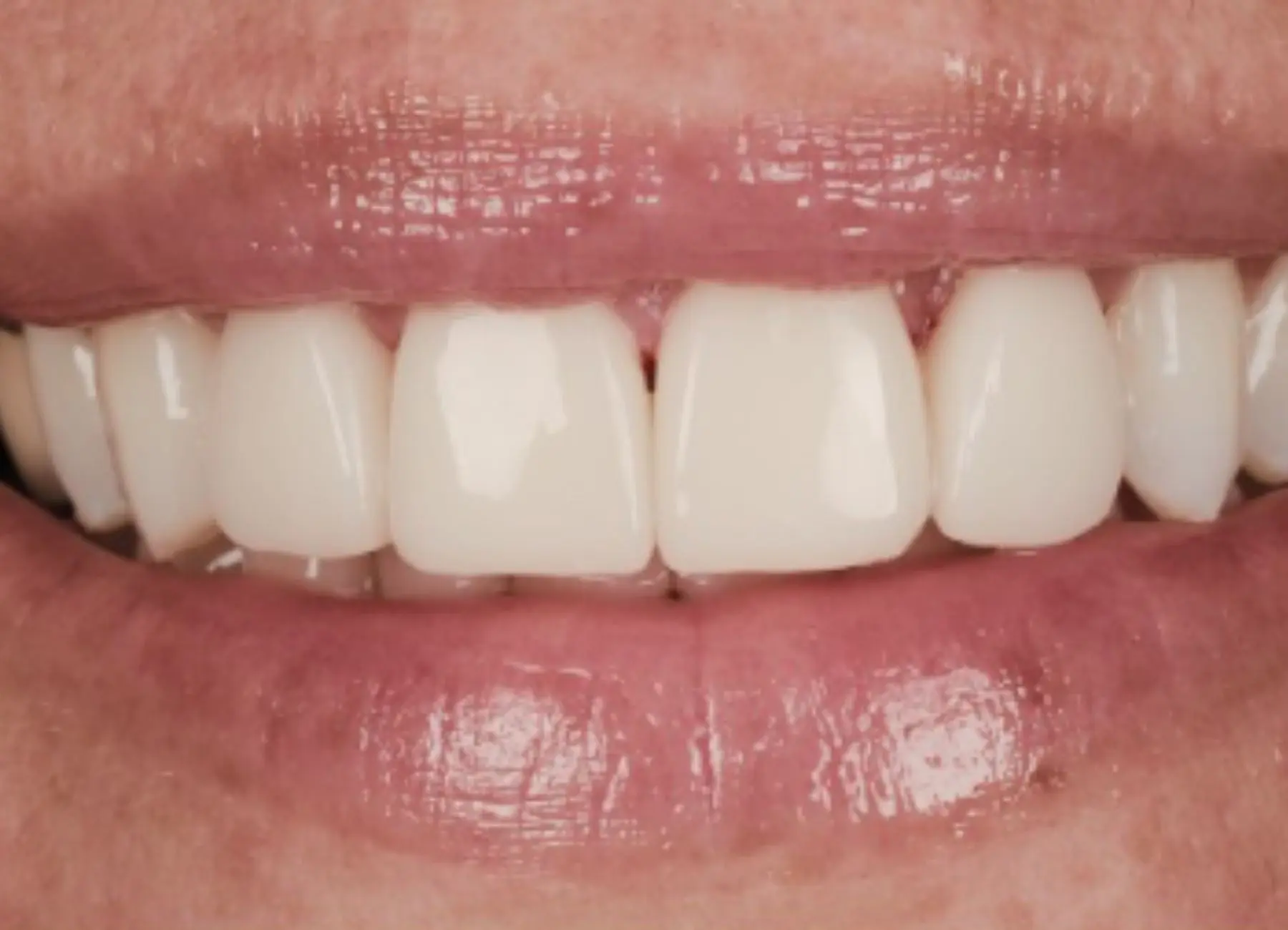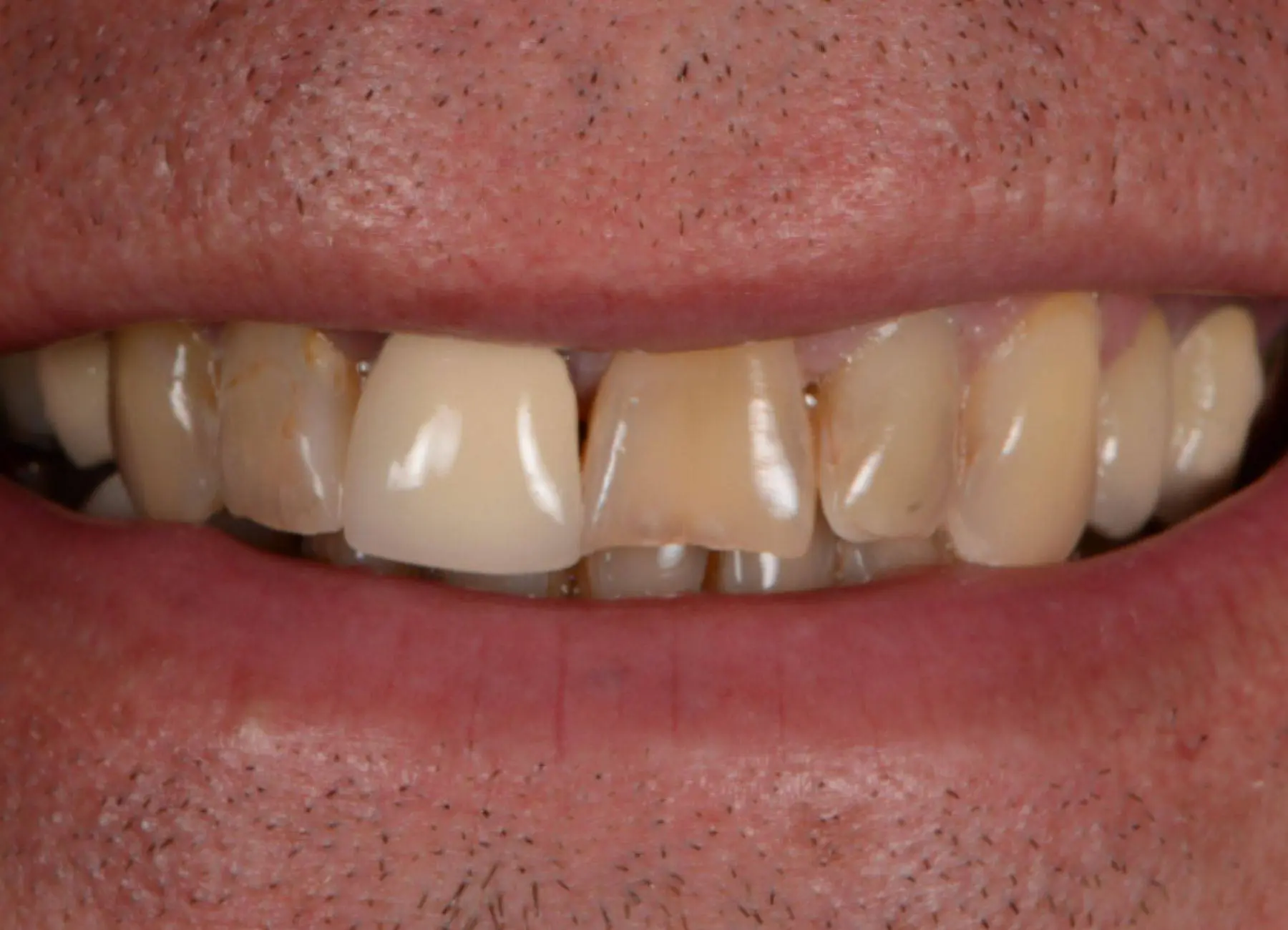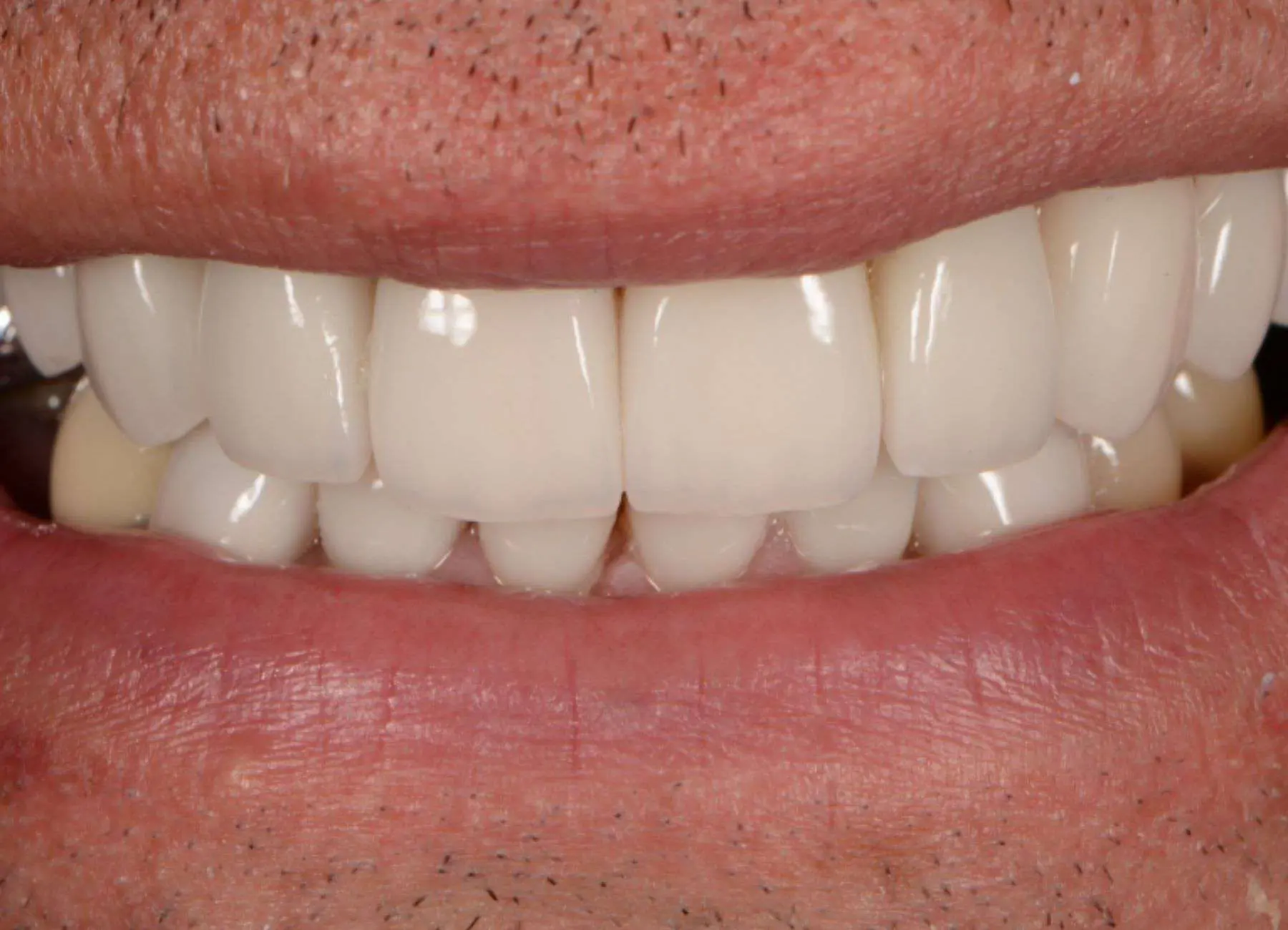
How Teeth Look Under Dental Veneers
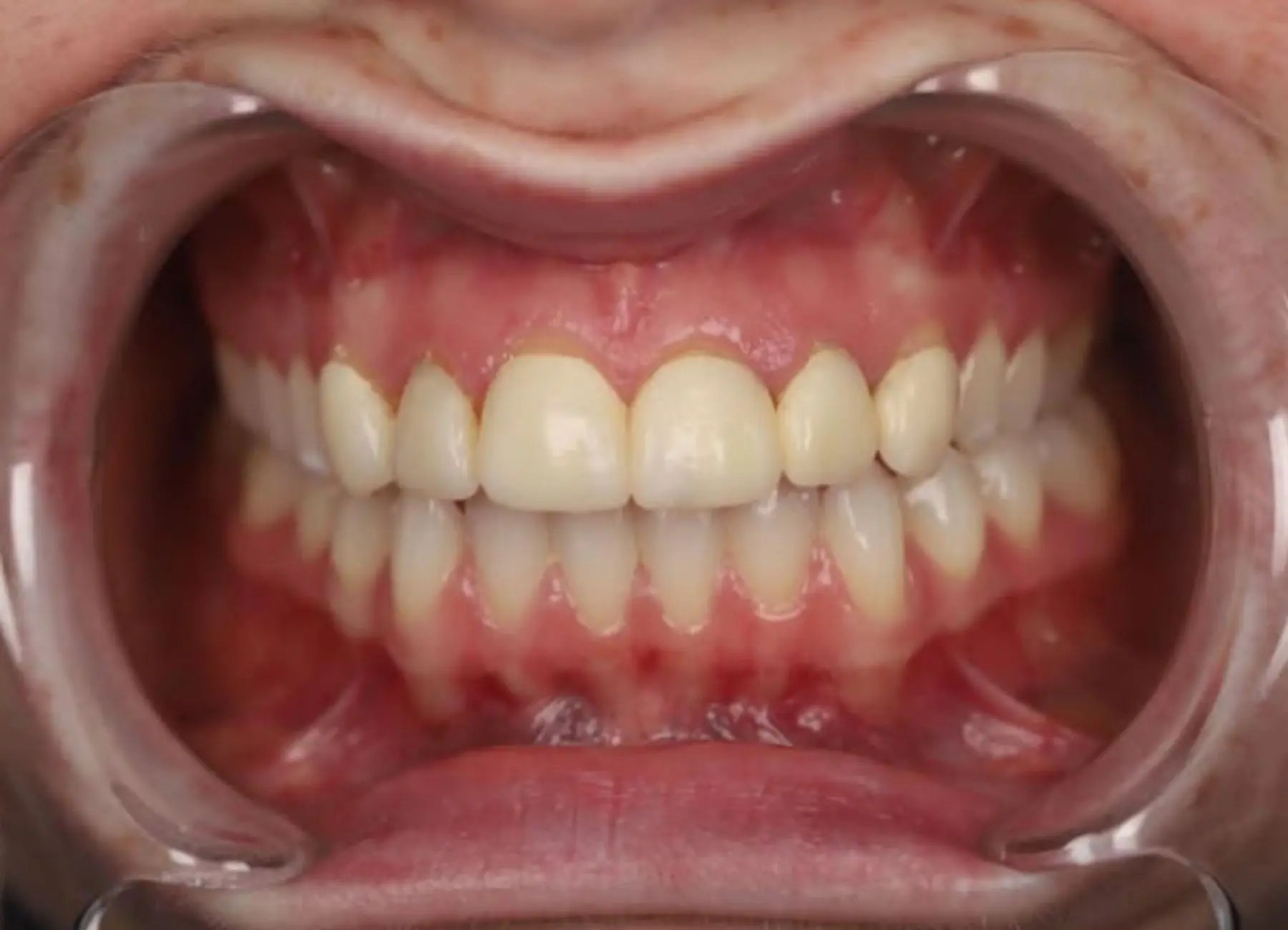
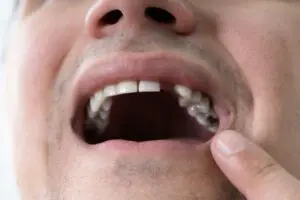
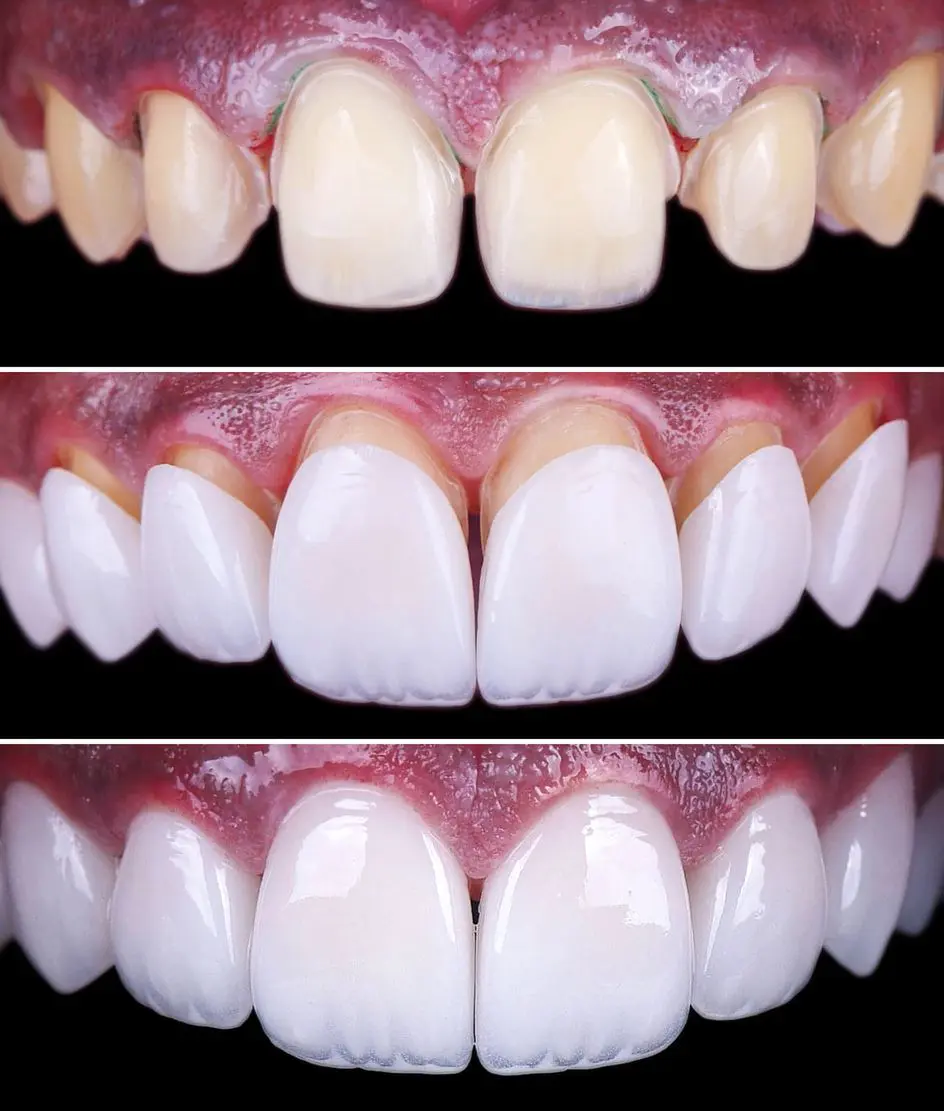
Concerned about how your teeth will look under veneers and if they’ll be permanently damaged or altered? If you’ve seen photos (like the one below) online where teeth appear to be filed down to stubs, you’re not looking at veneer-treated teeth; rather, you’re seeing what teeth look like under dental crowns, which has led to significant misconceptions in the industry.
Key points on how teeth look under veneers:
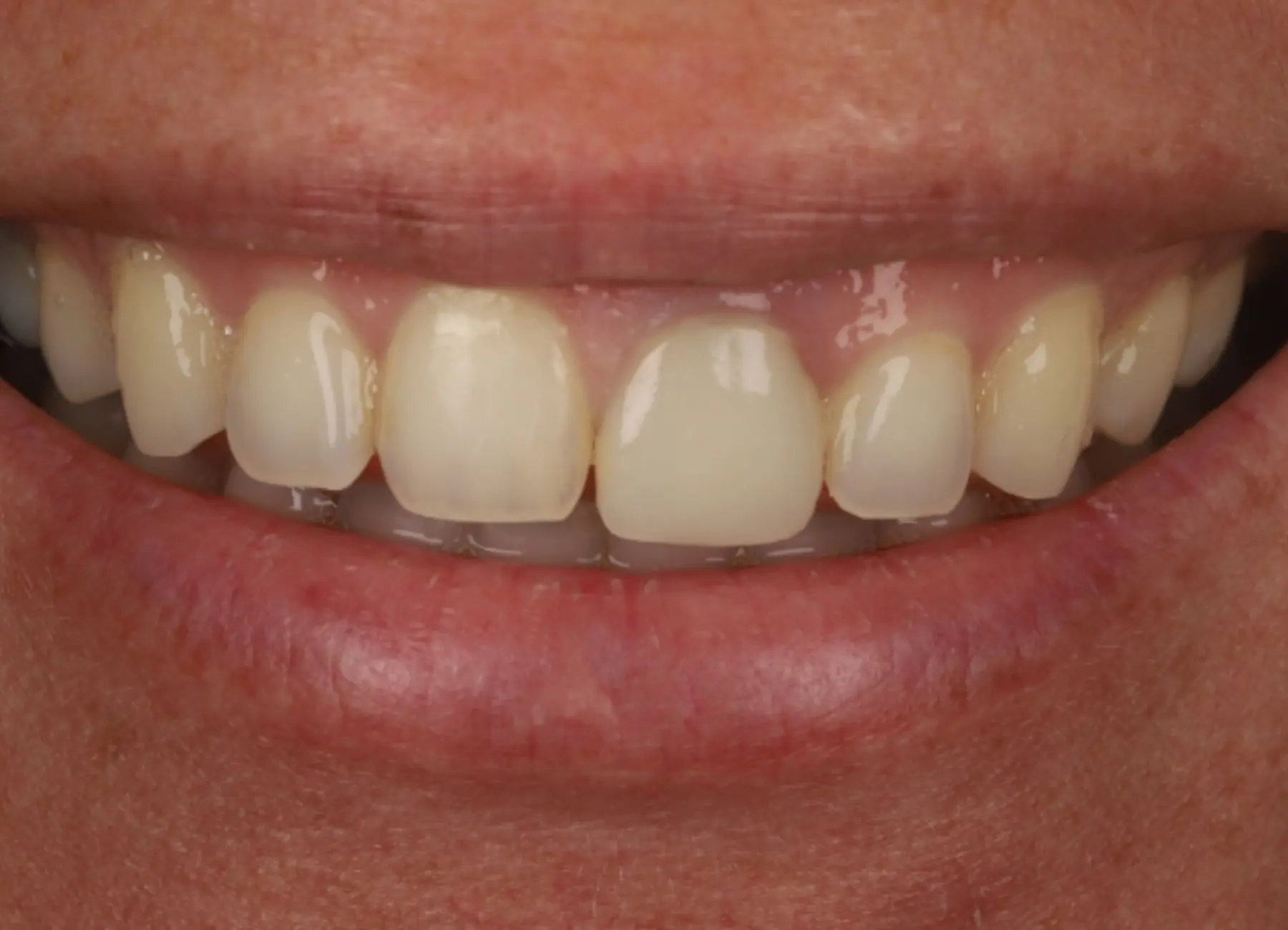
- Teeth are not filed or shaved down to stubs like Turkey Teeth
- Only enamel is removed to place the veneer
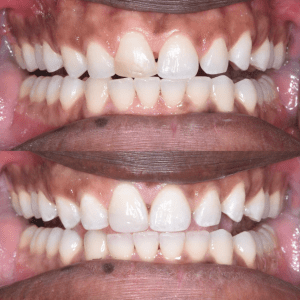
- The shape and structure of the tooth remain the same
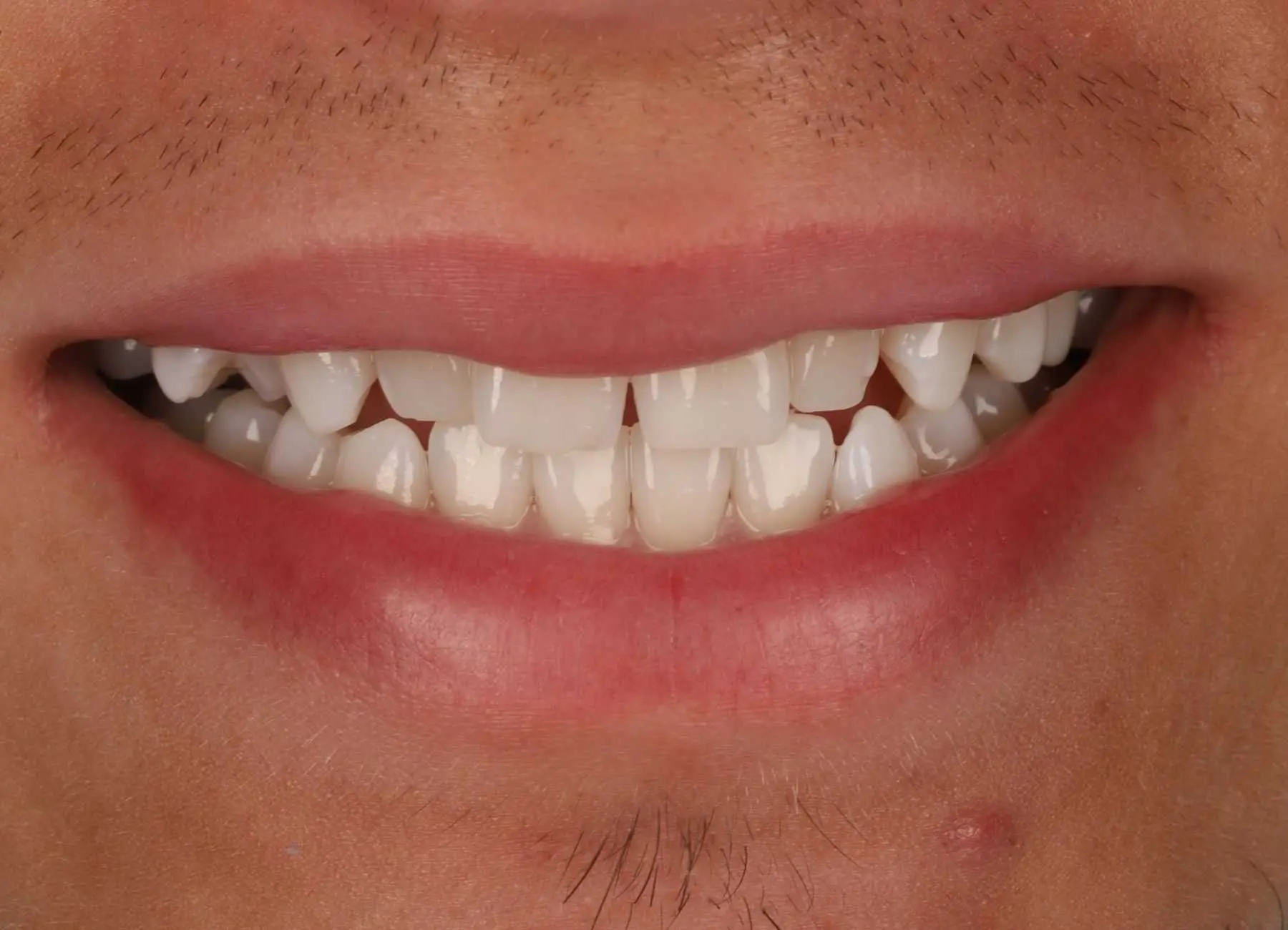
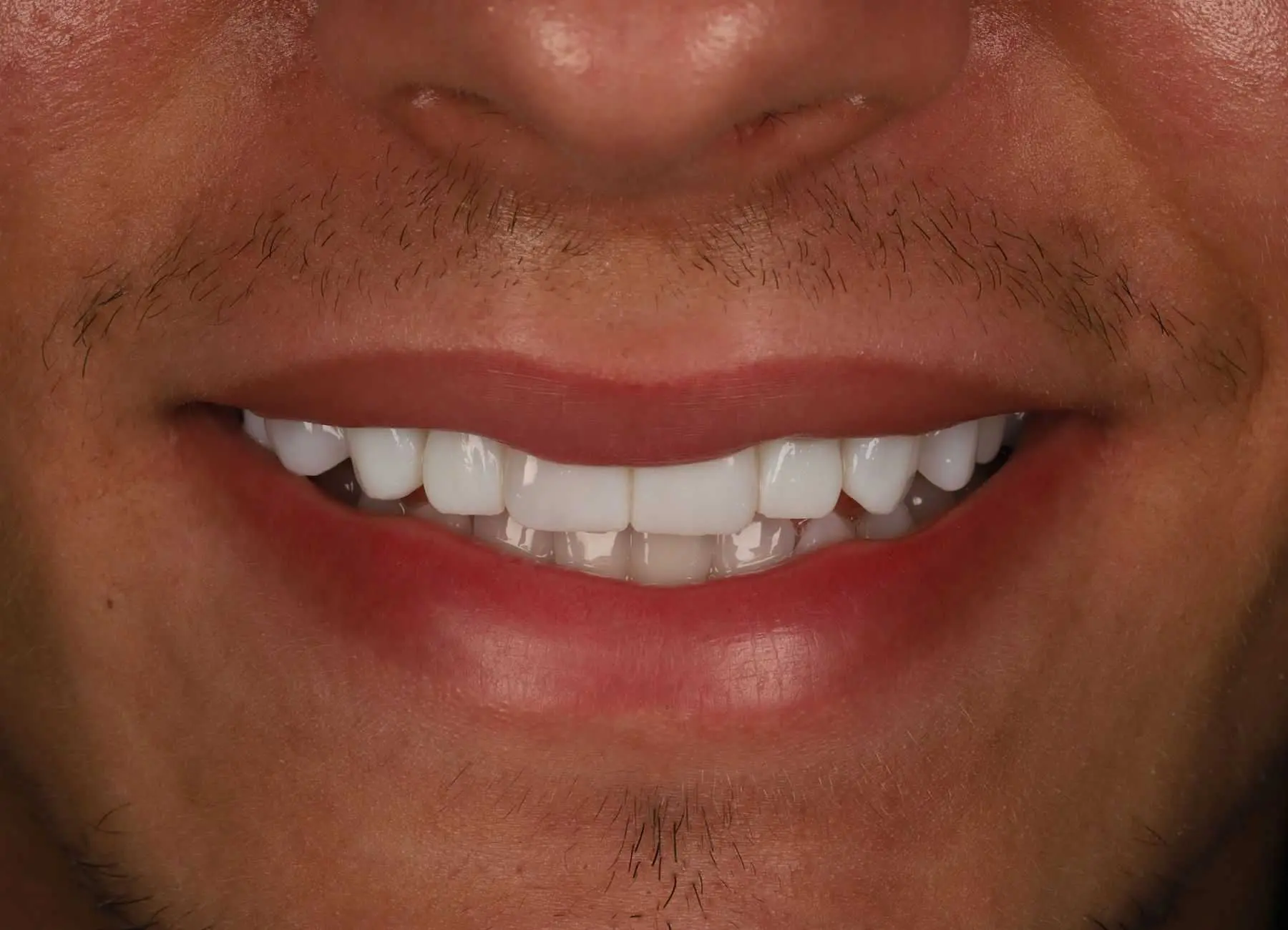
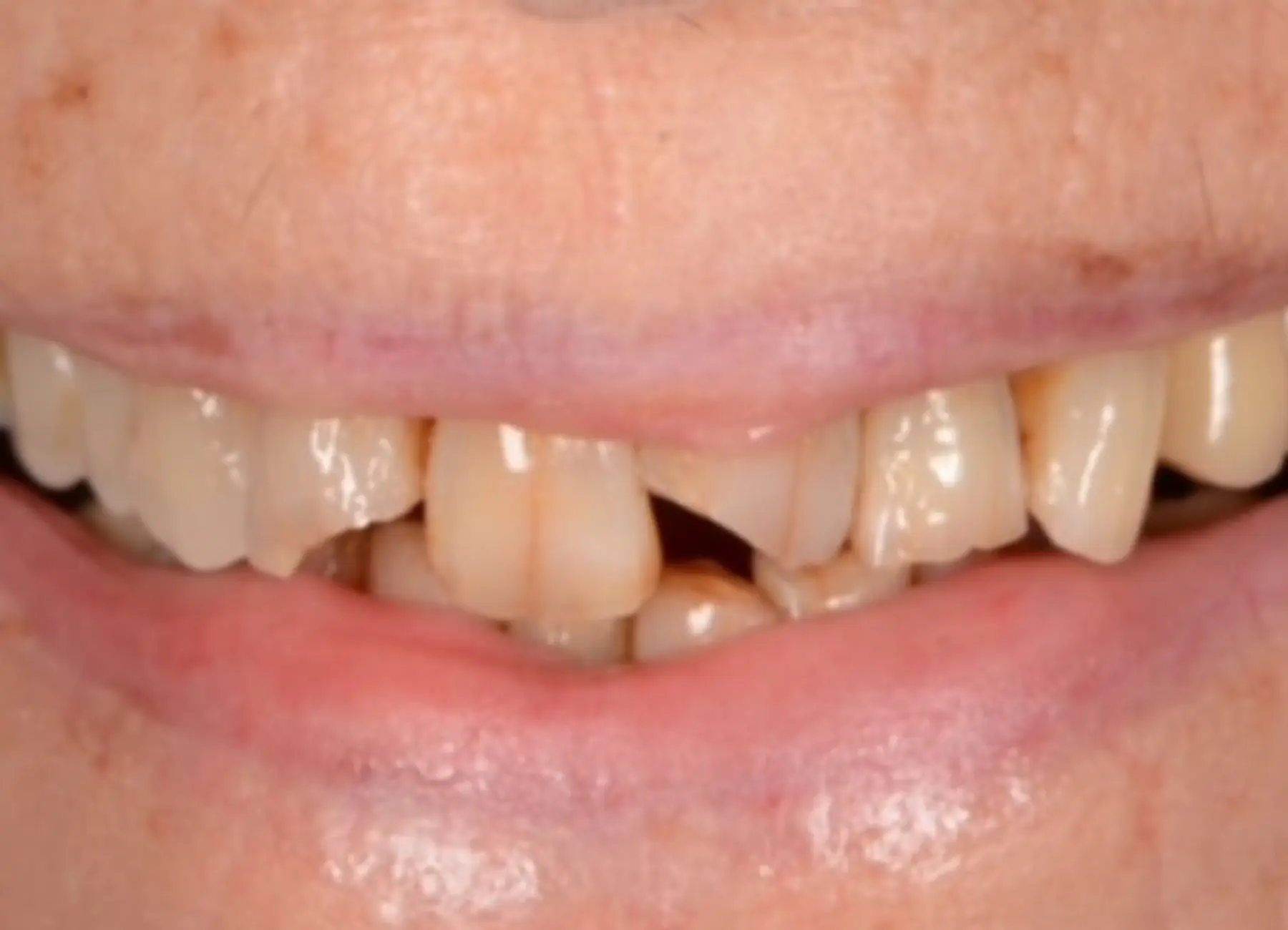
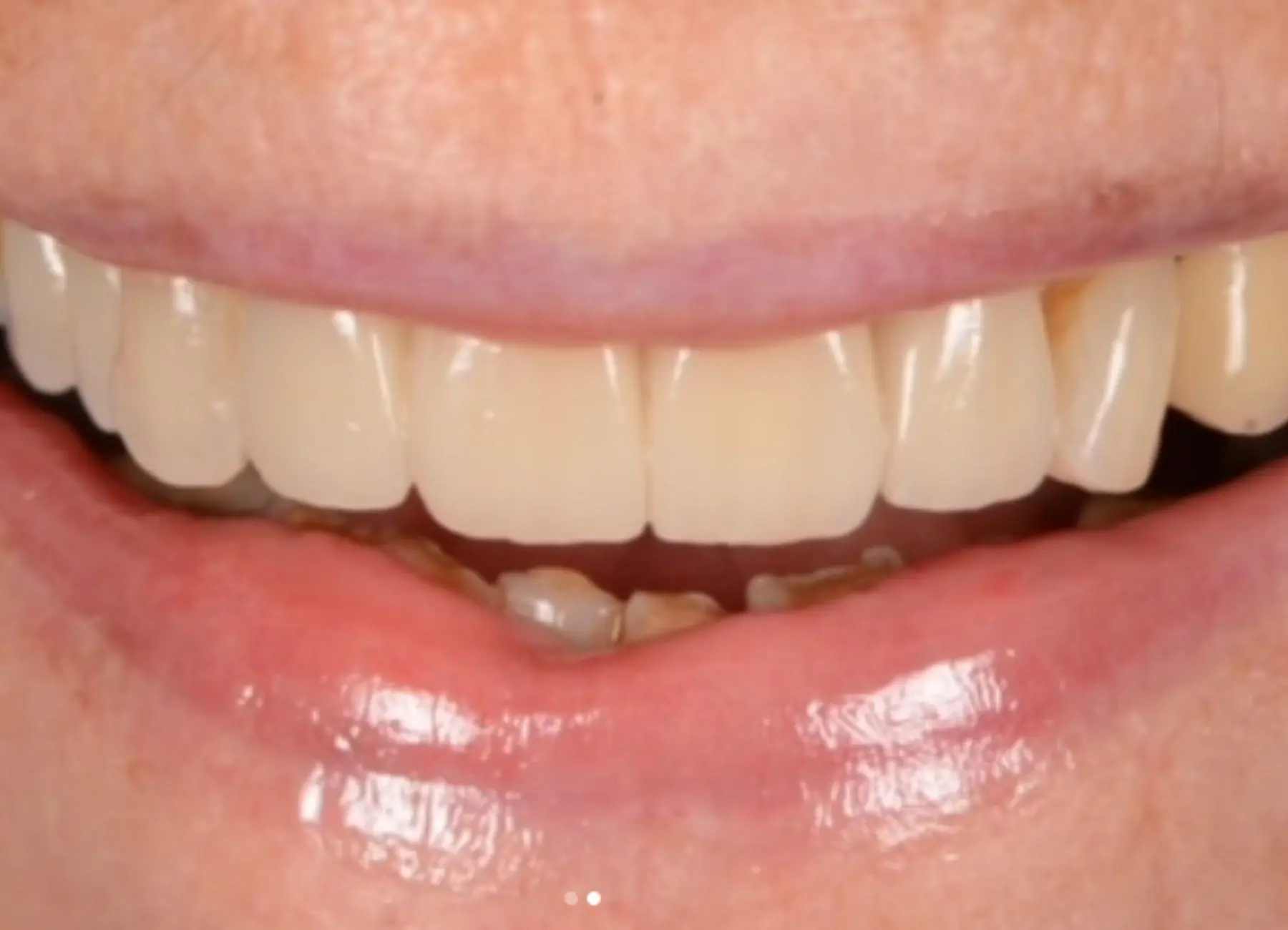
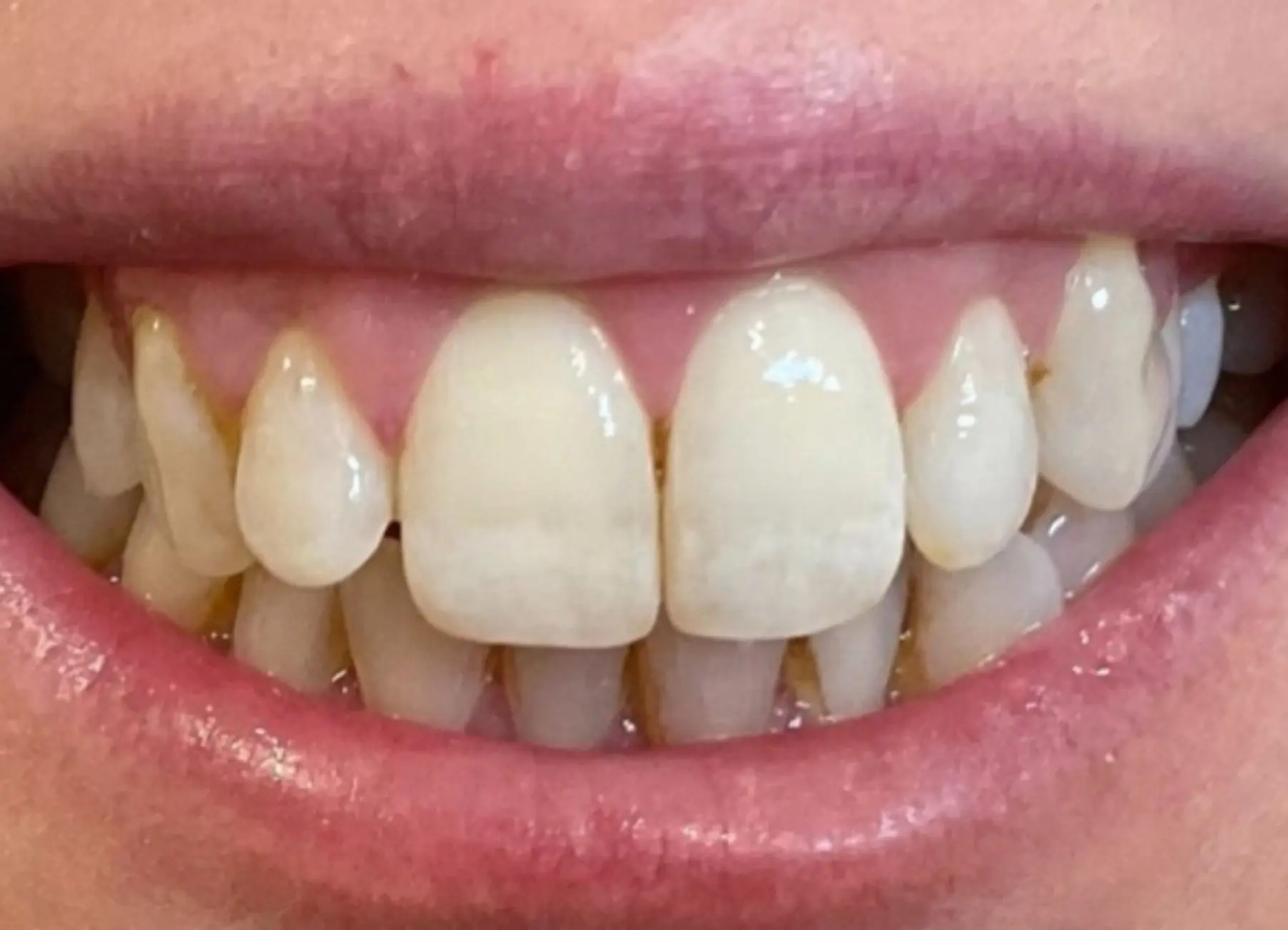
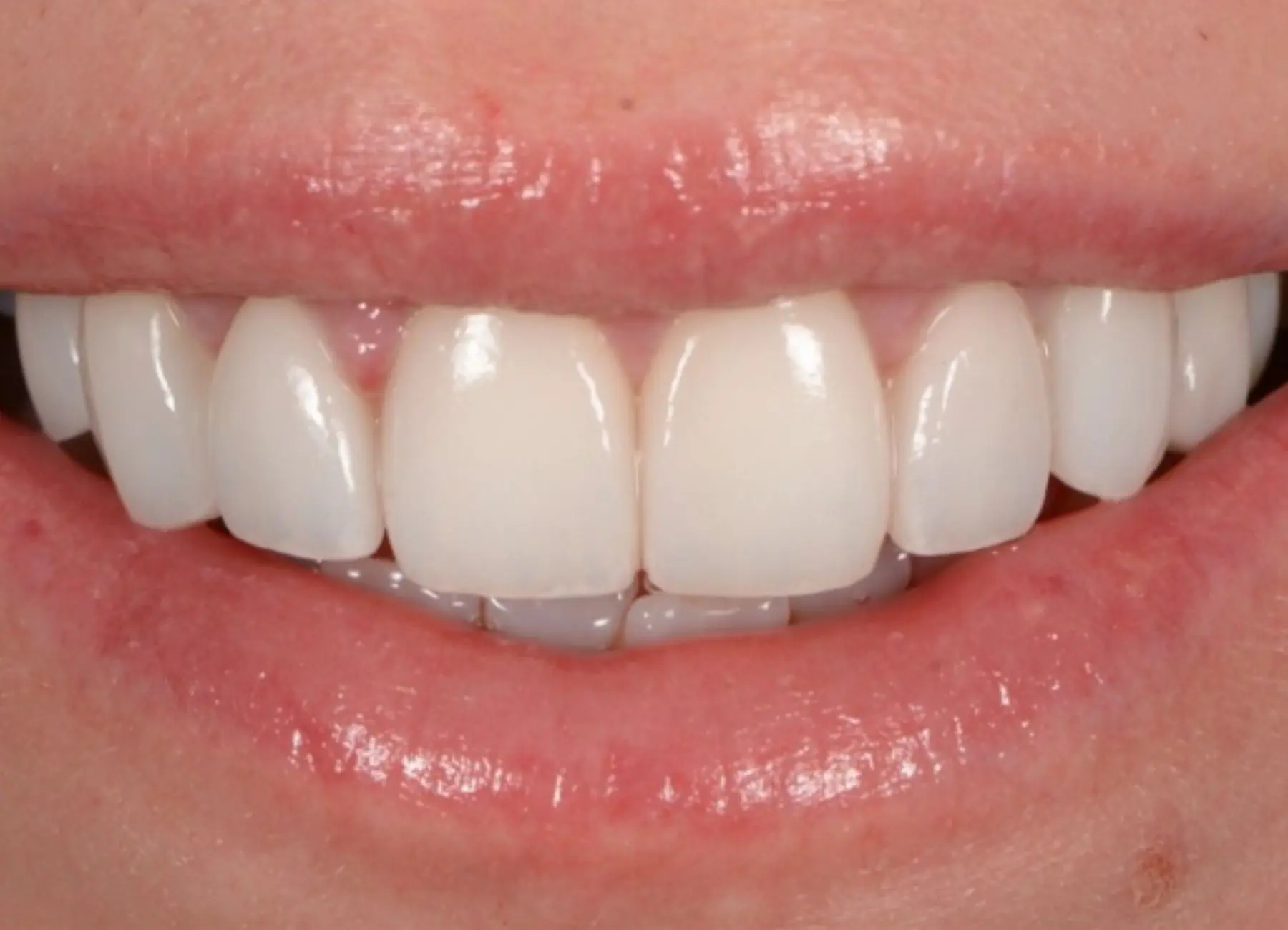
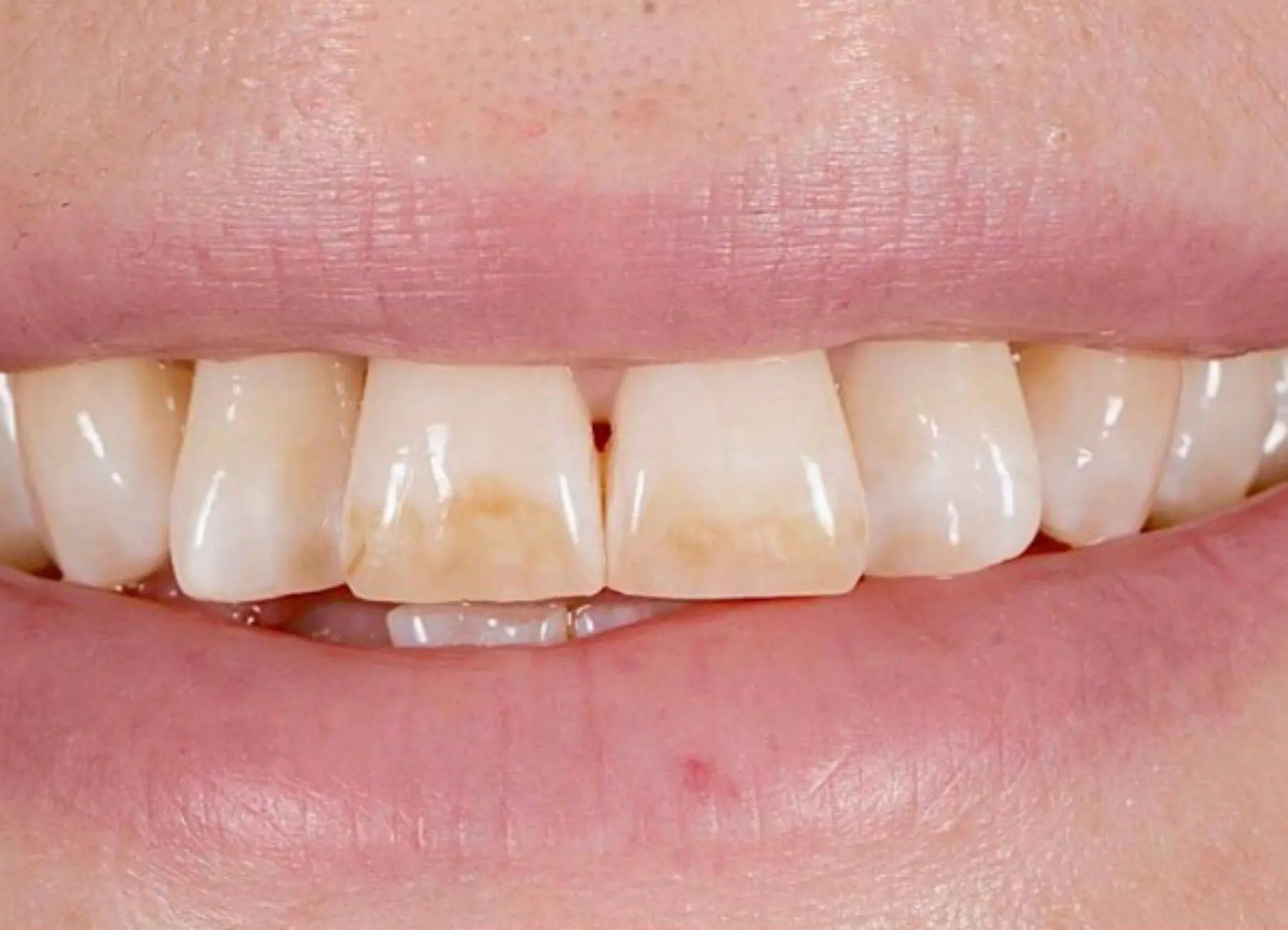
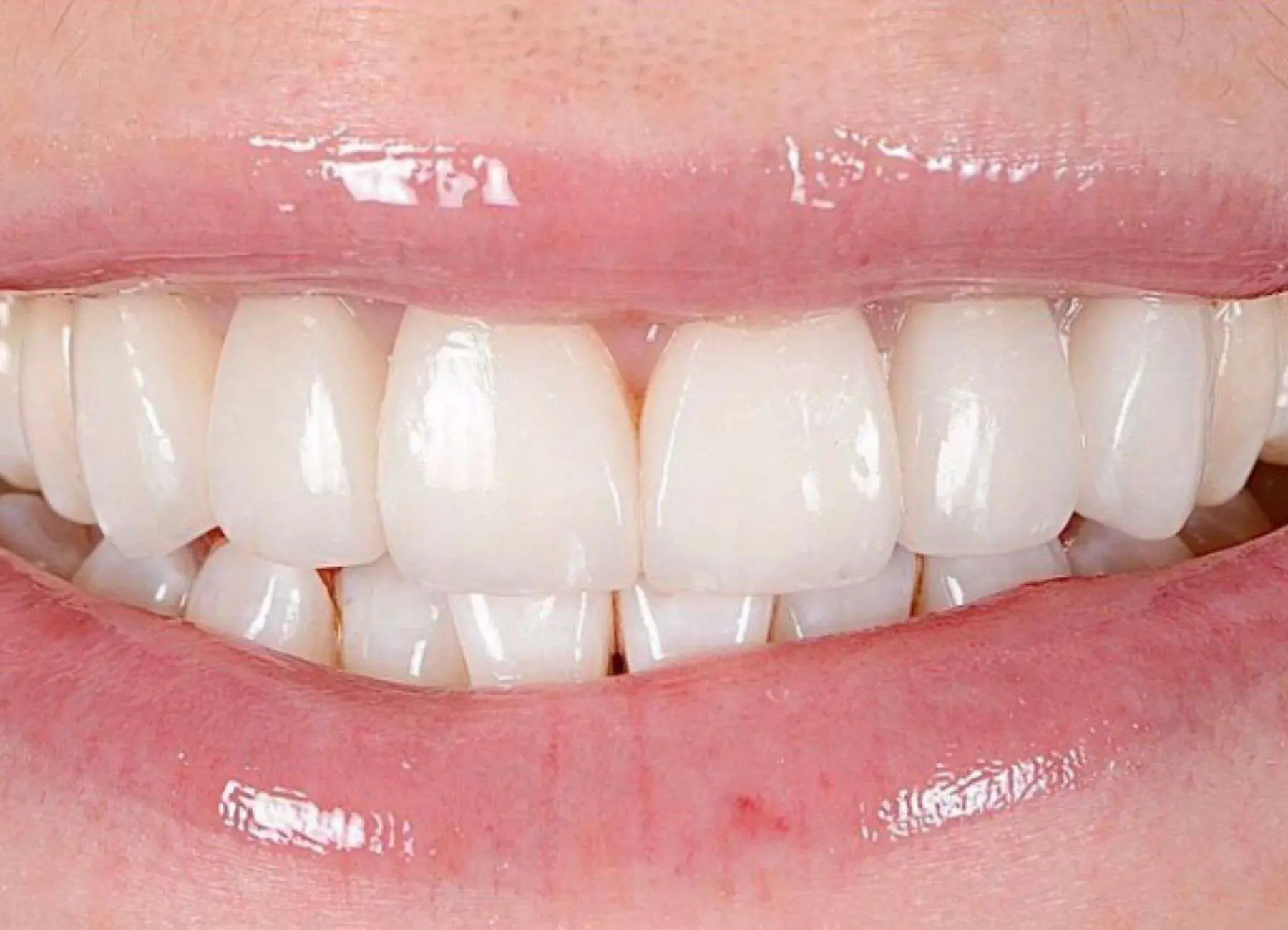
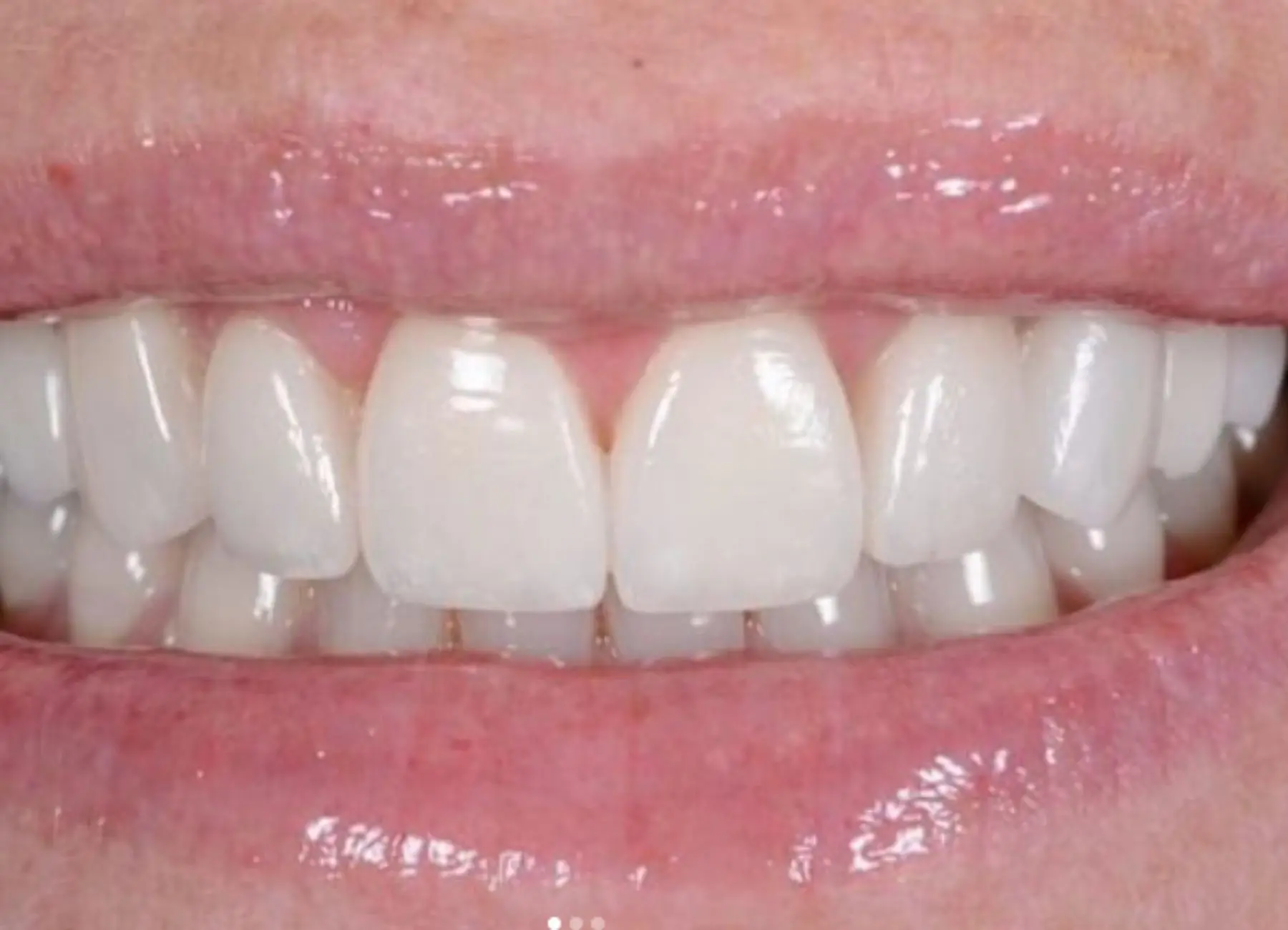
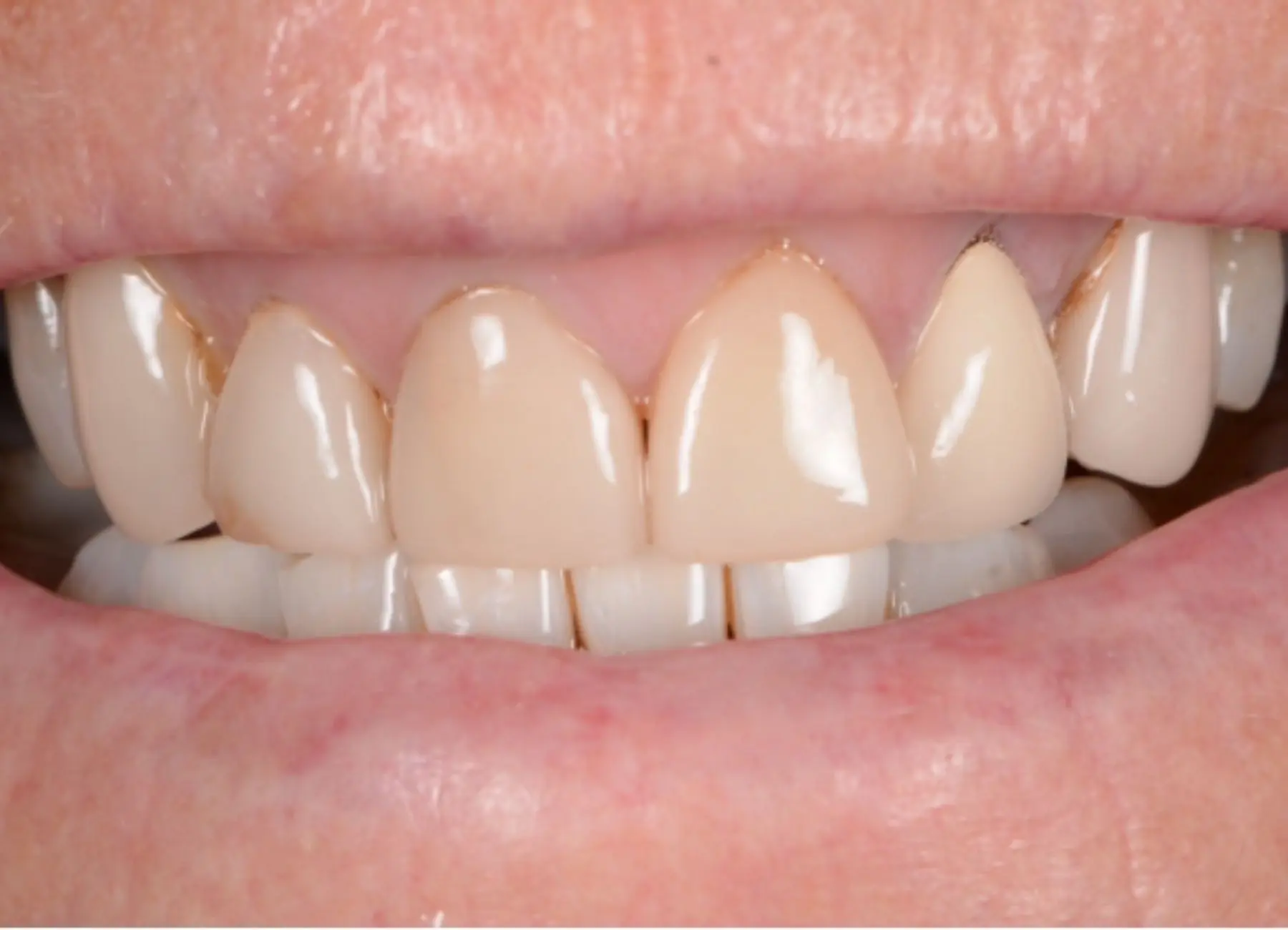
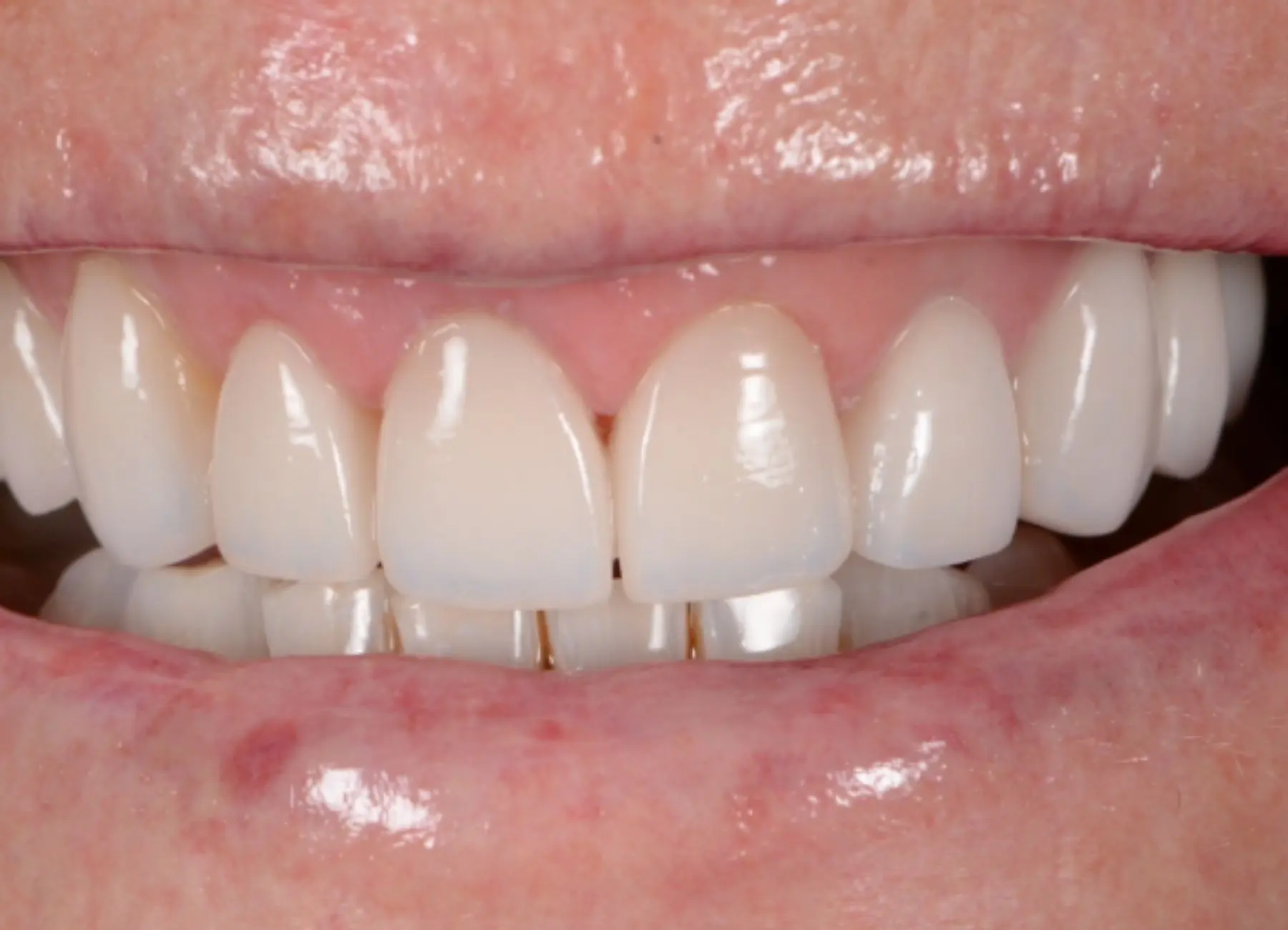
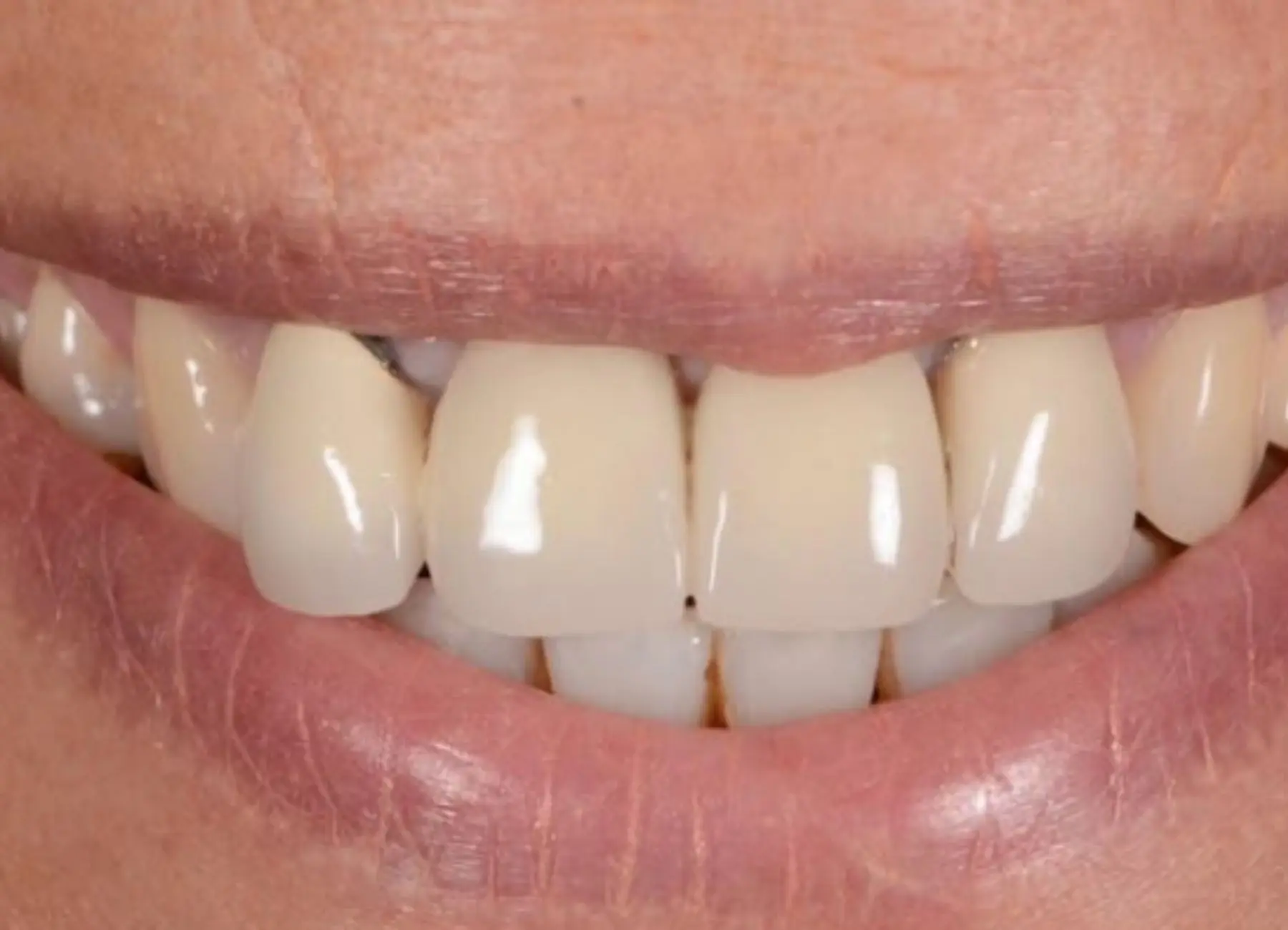
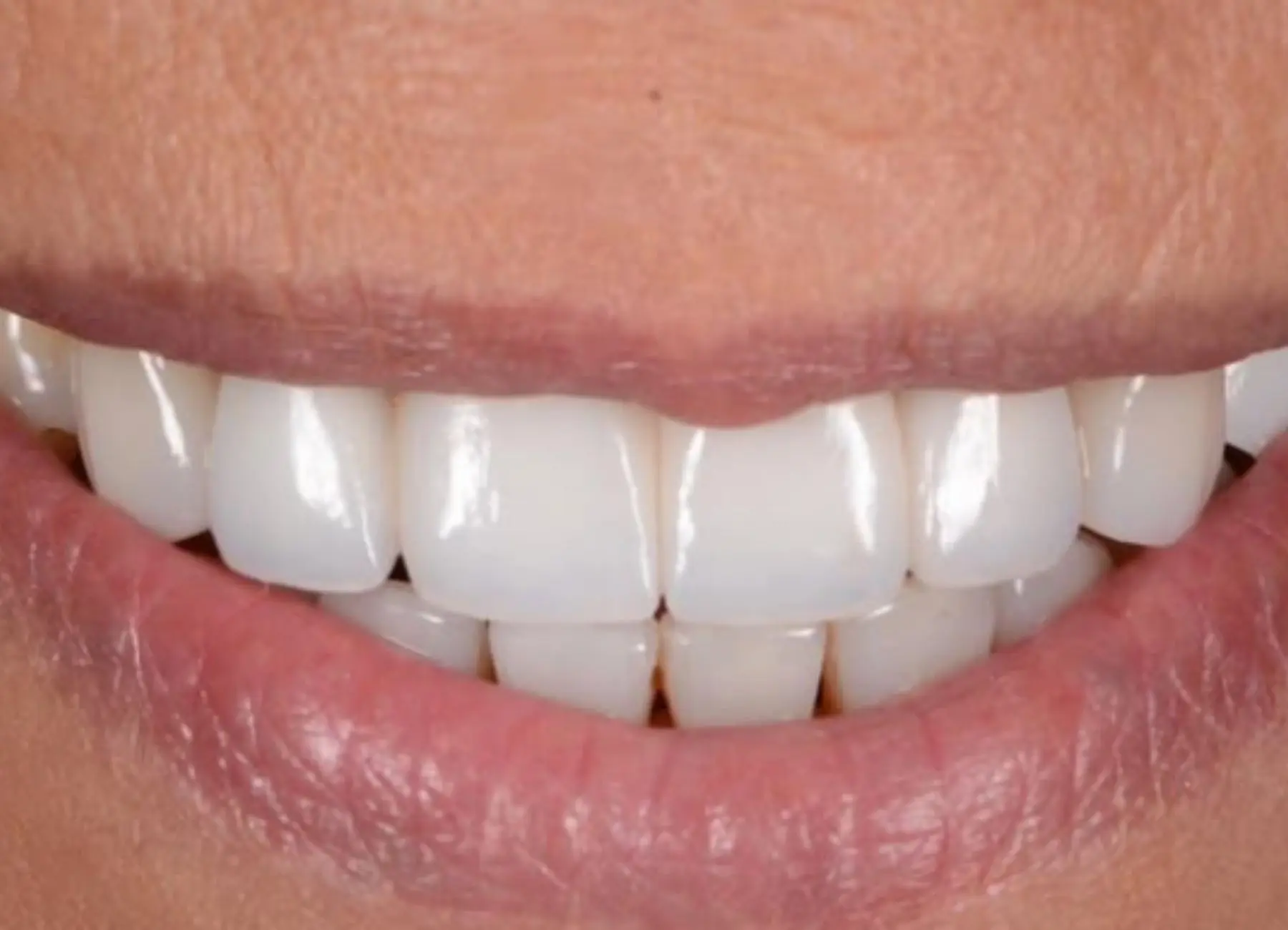
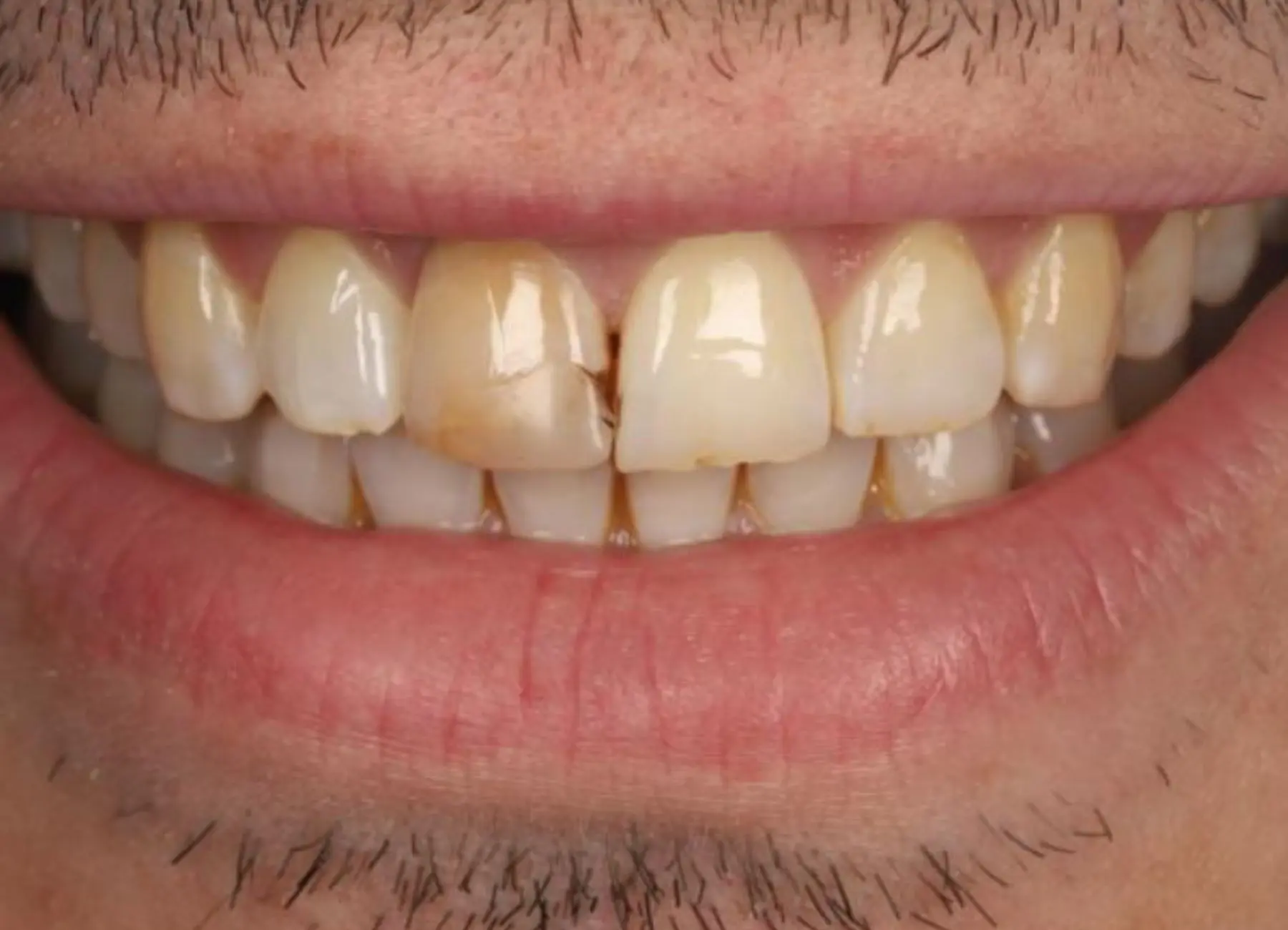
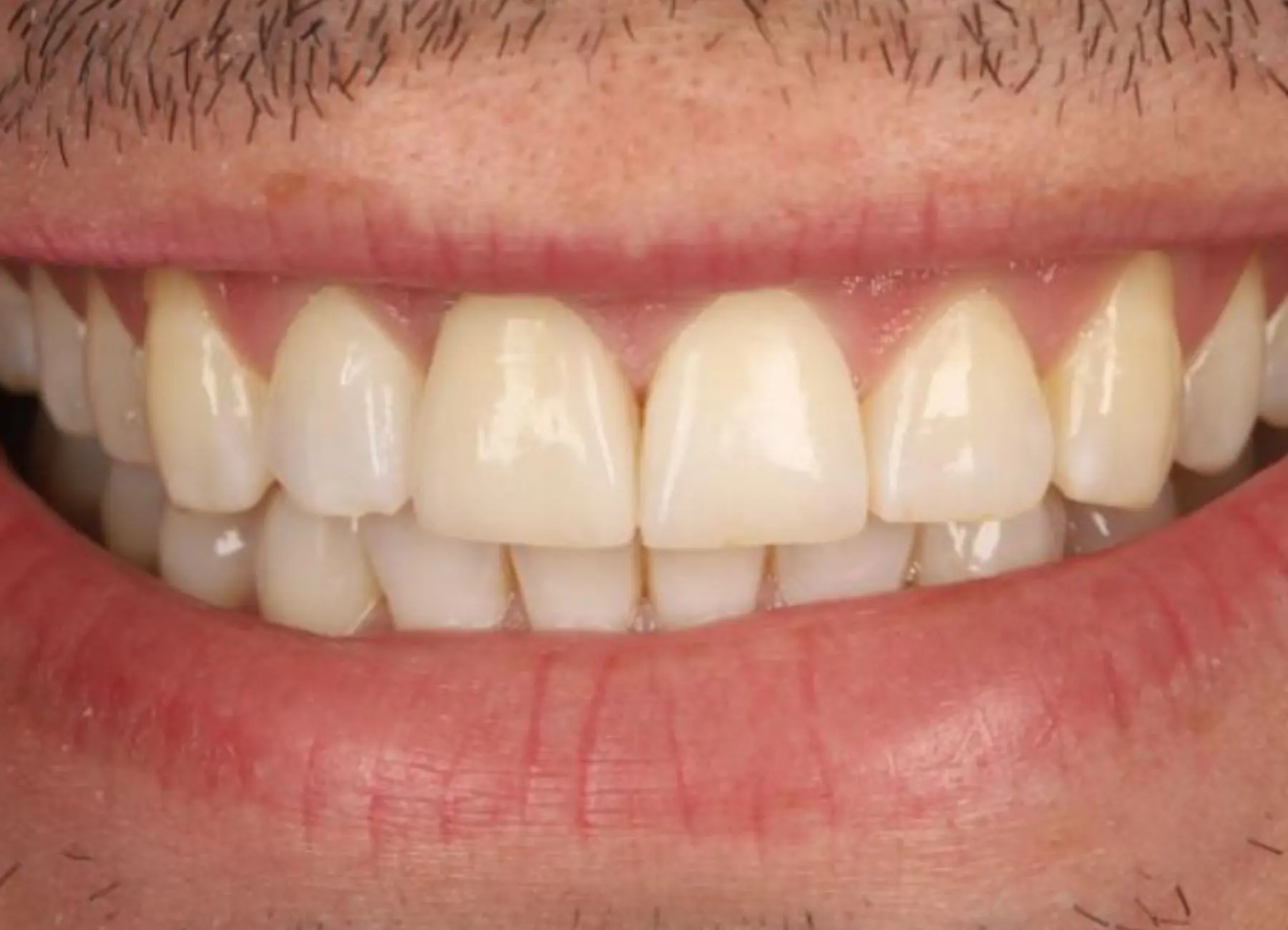
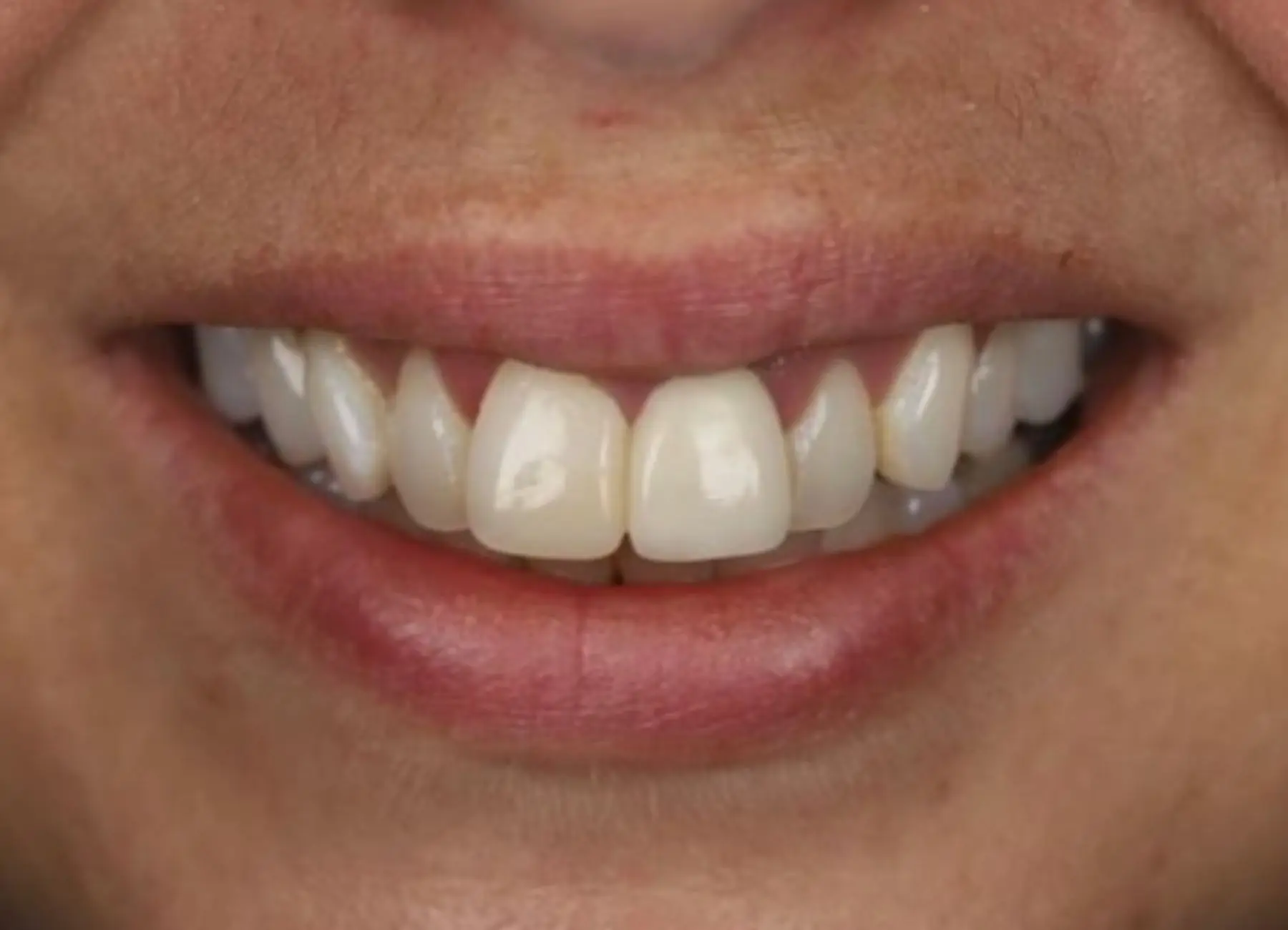
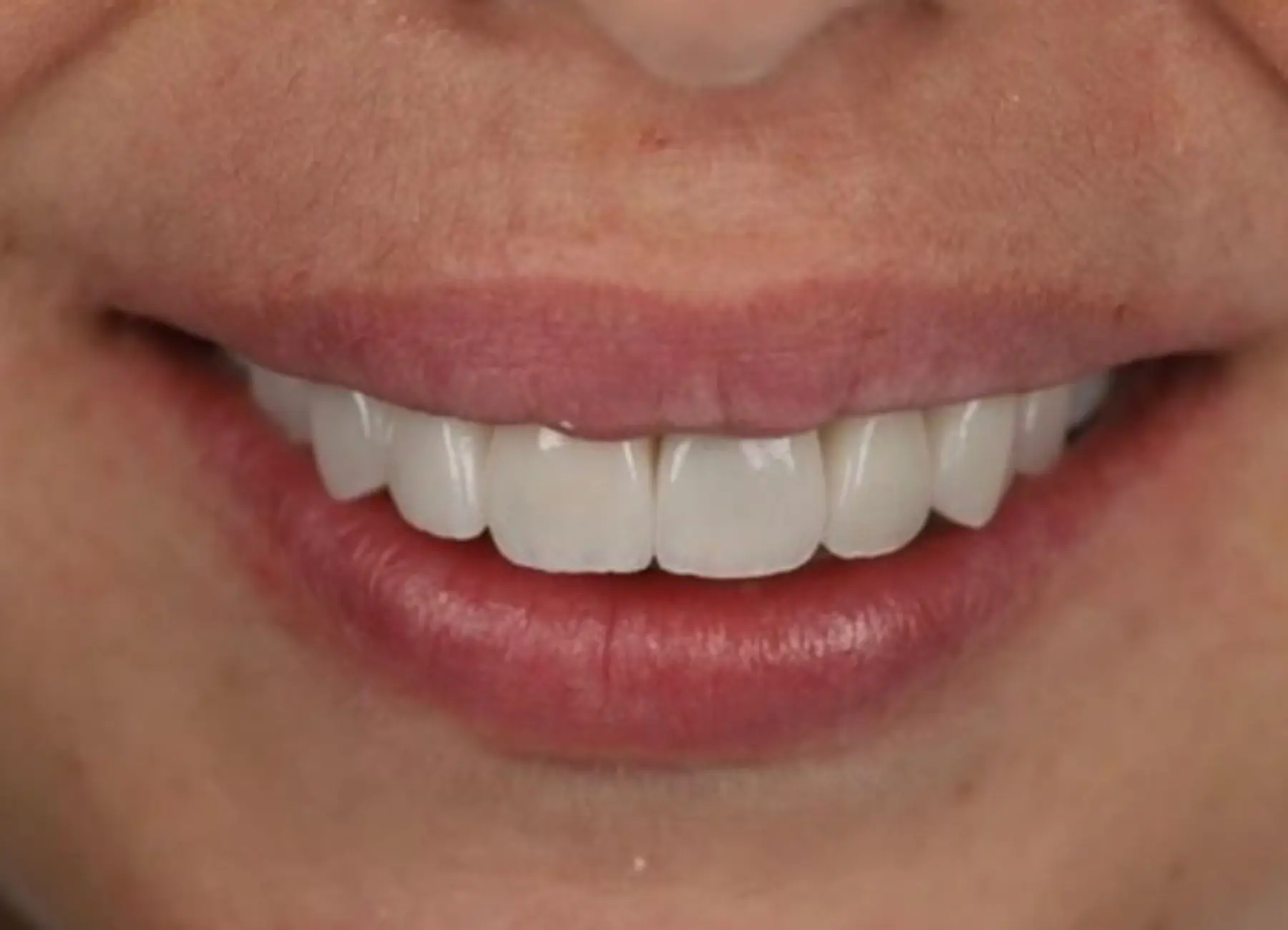
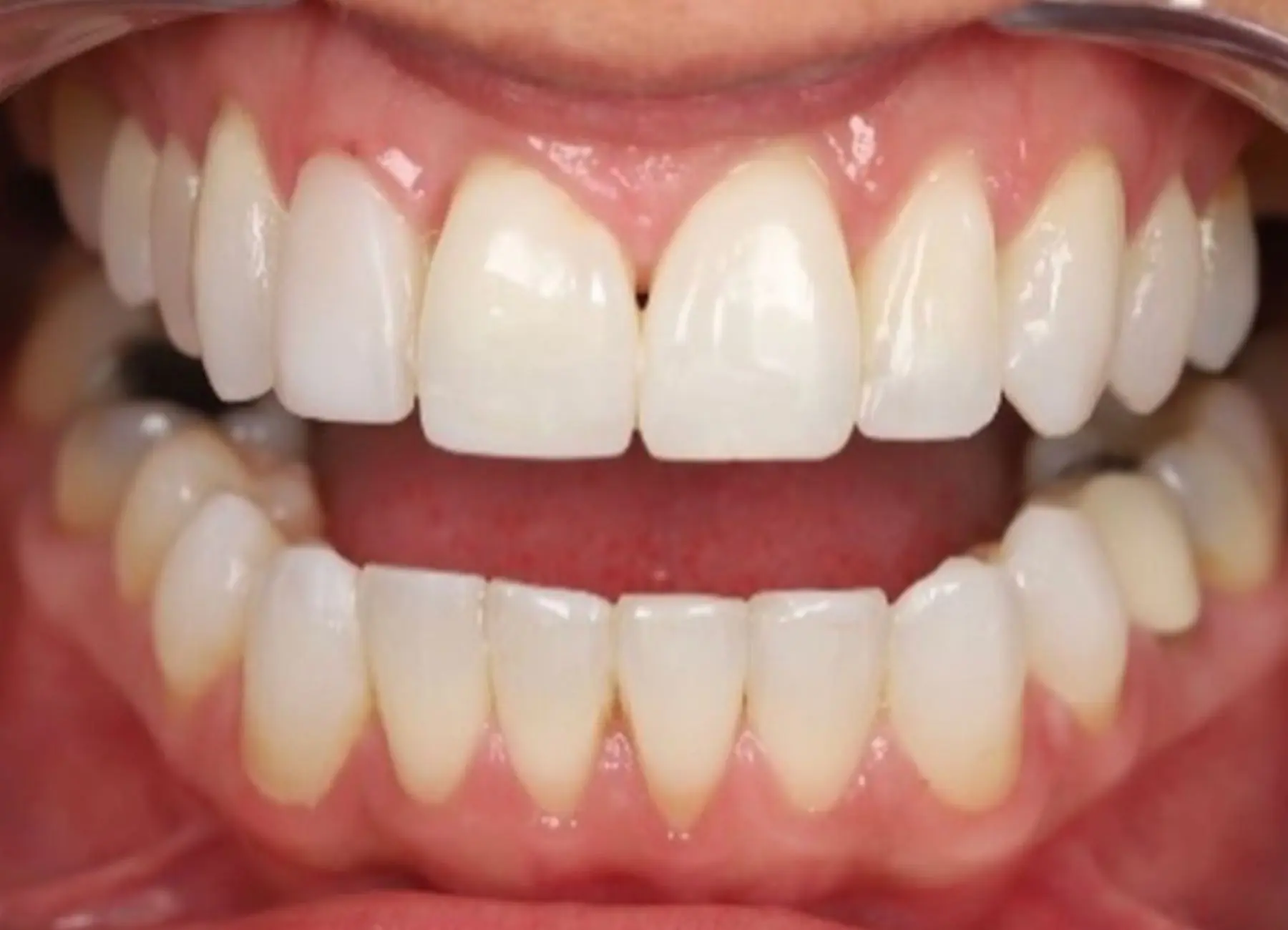
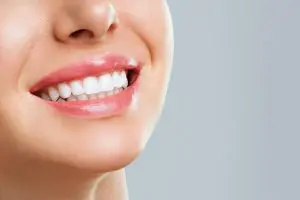
What you’ll see on the outside
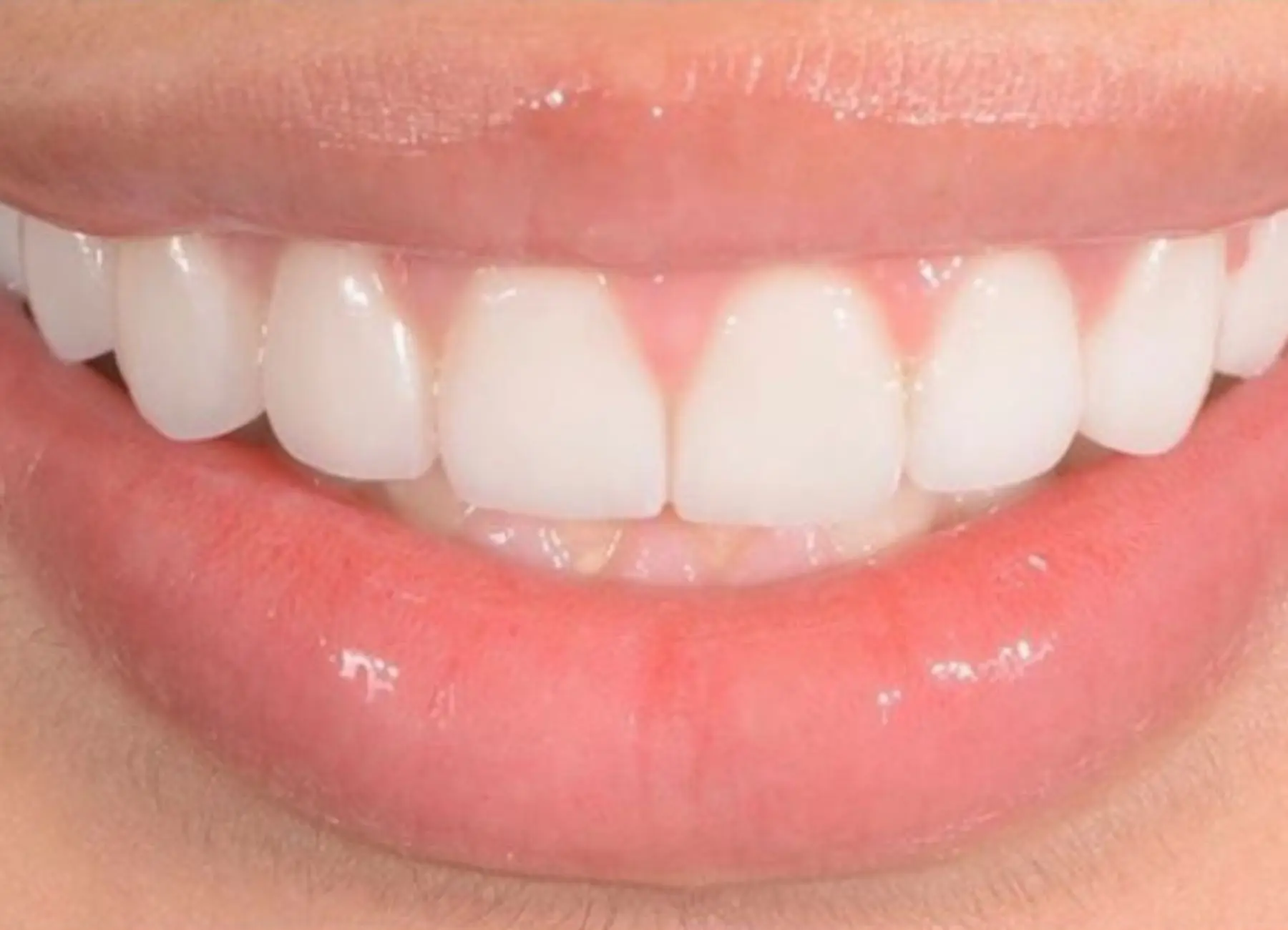
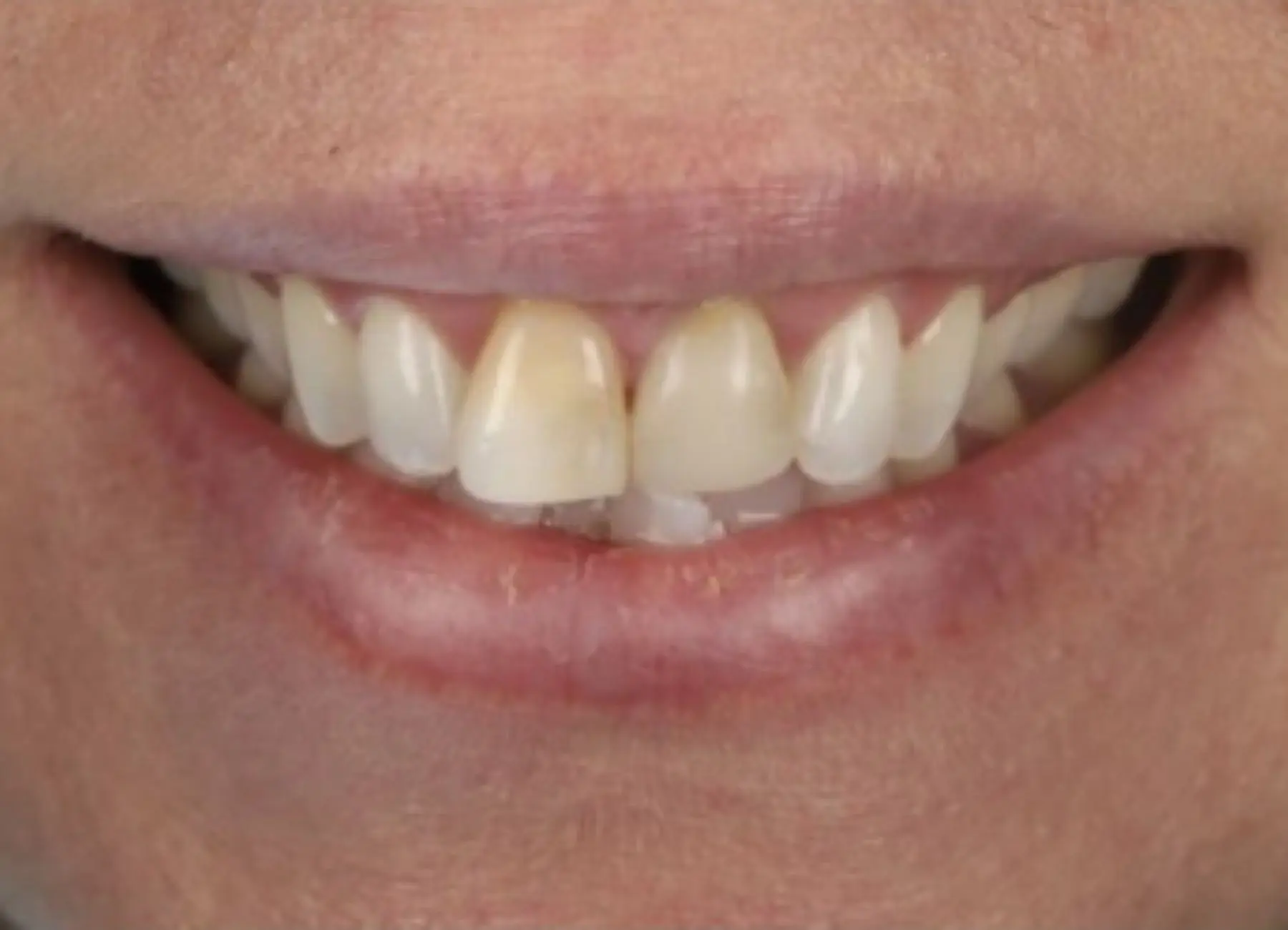
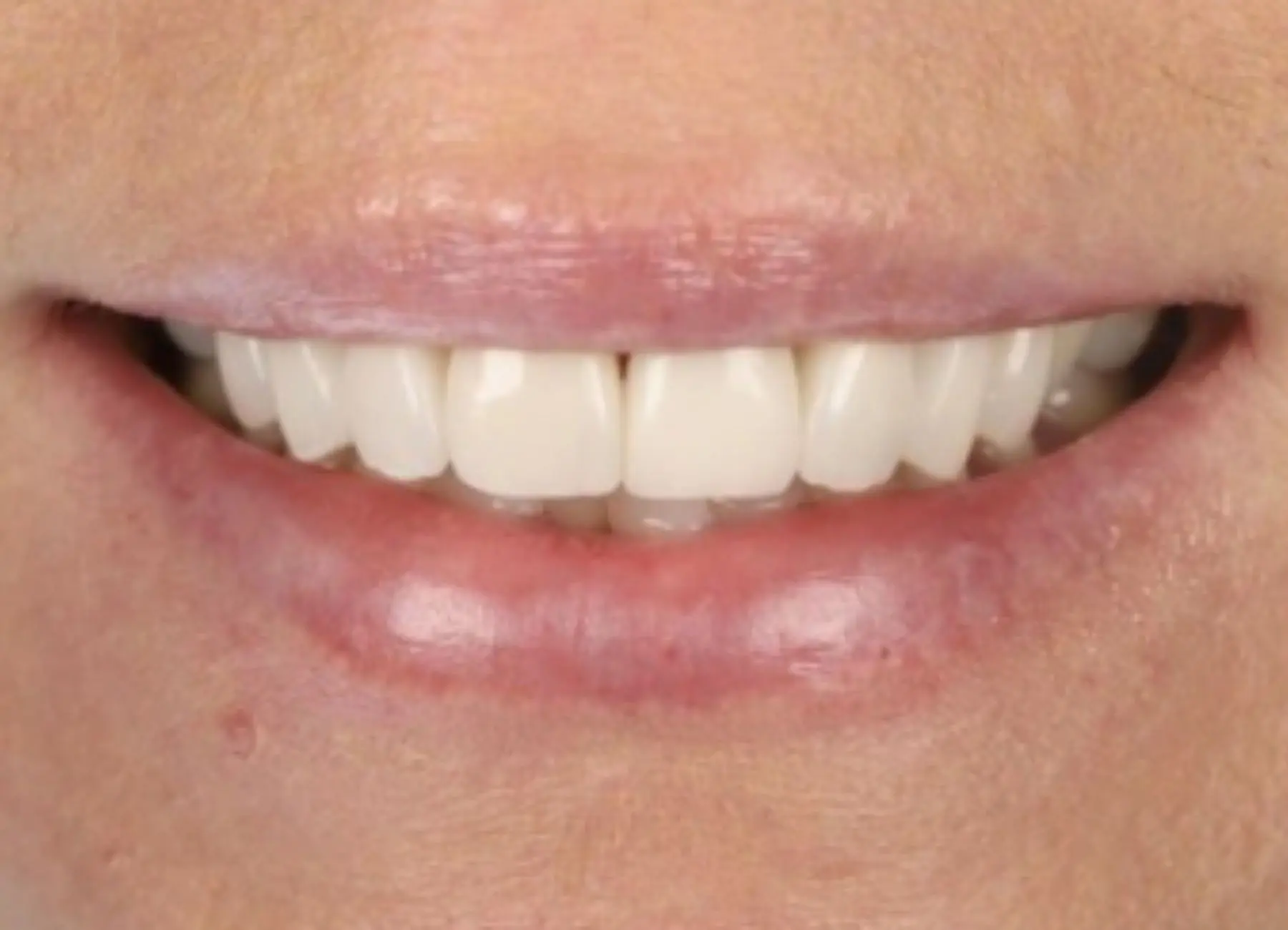
See more veneer before and afters.
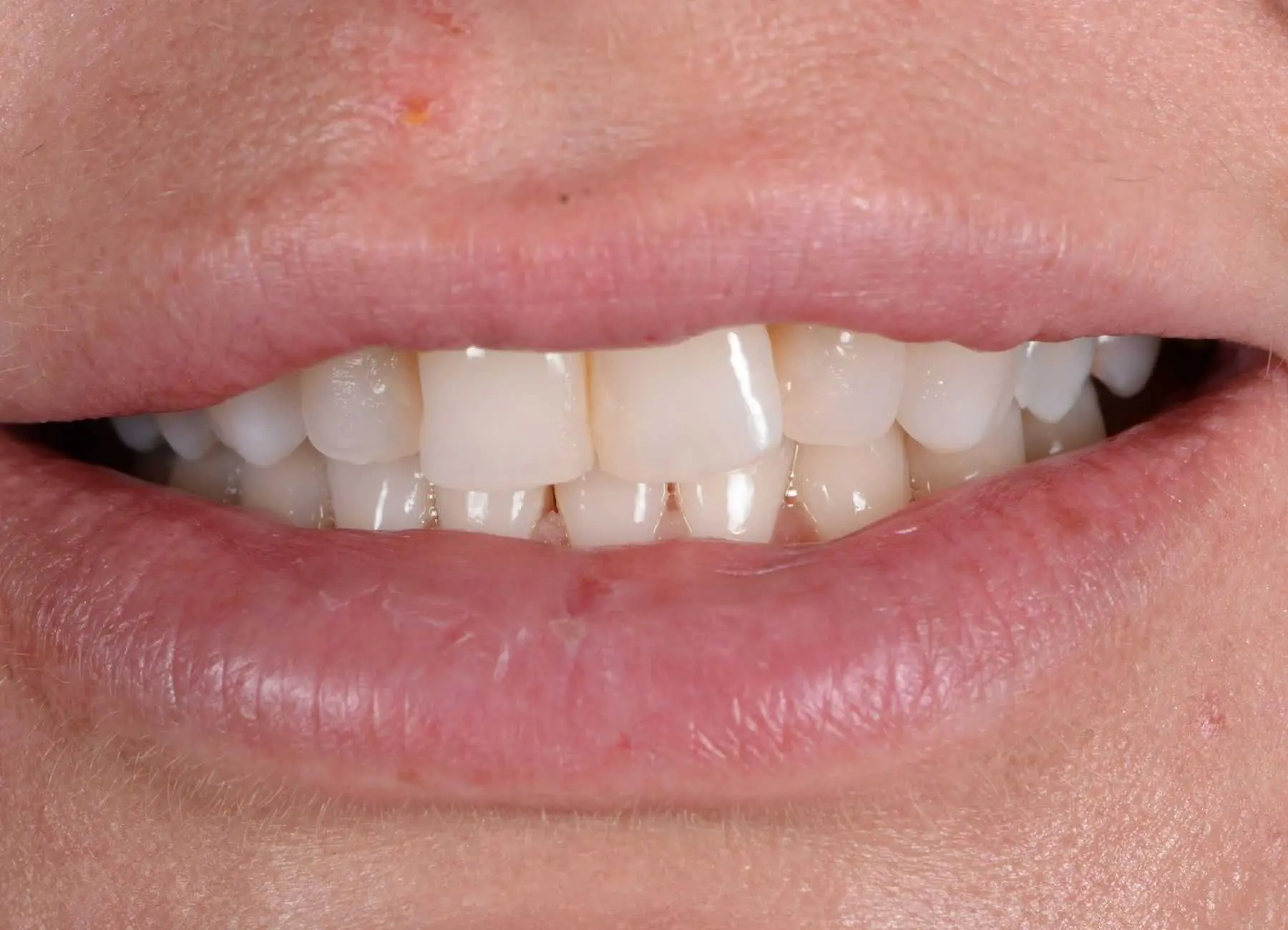
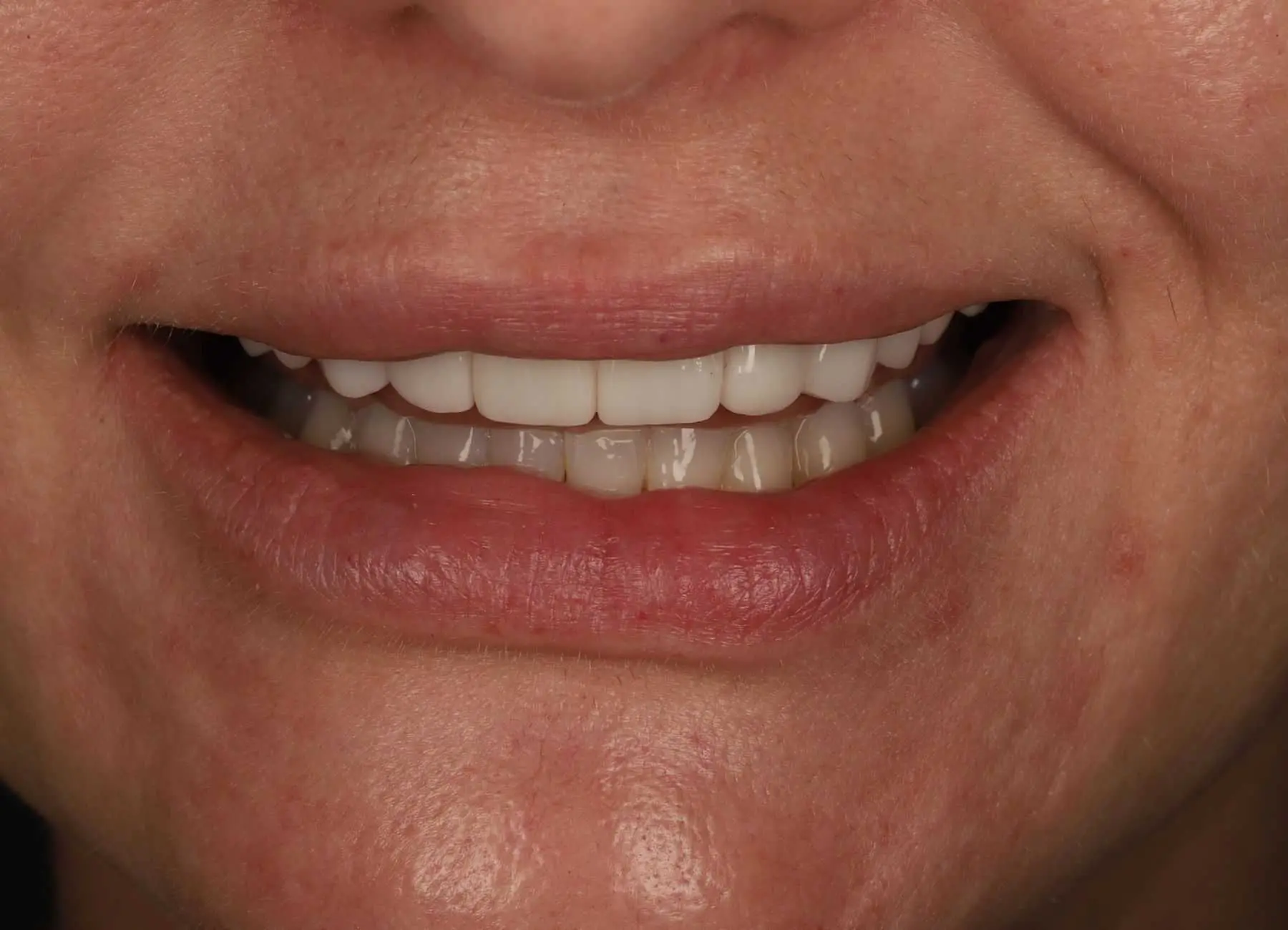
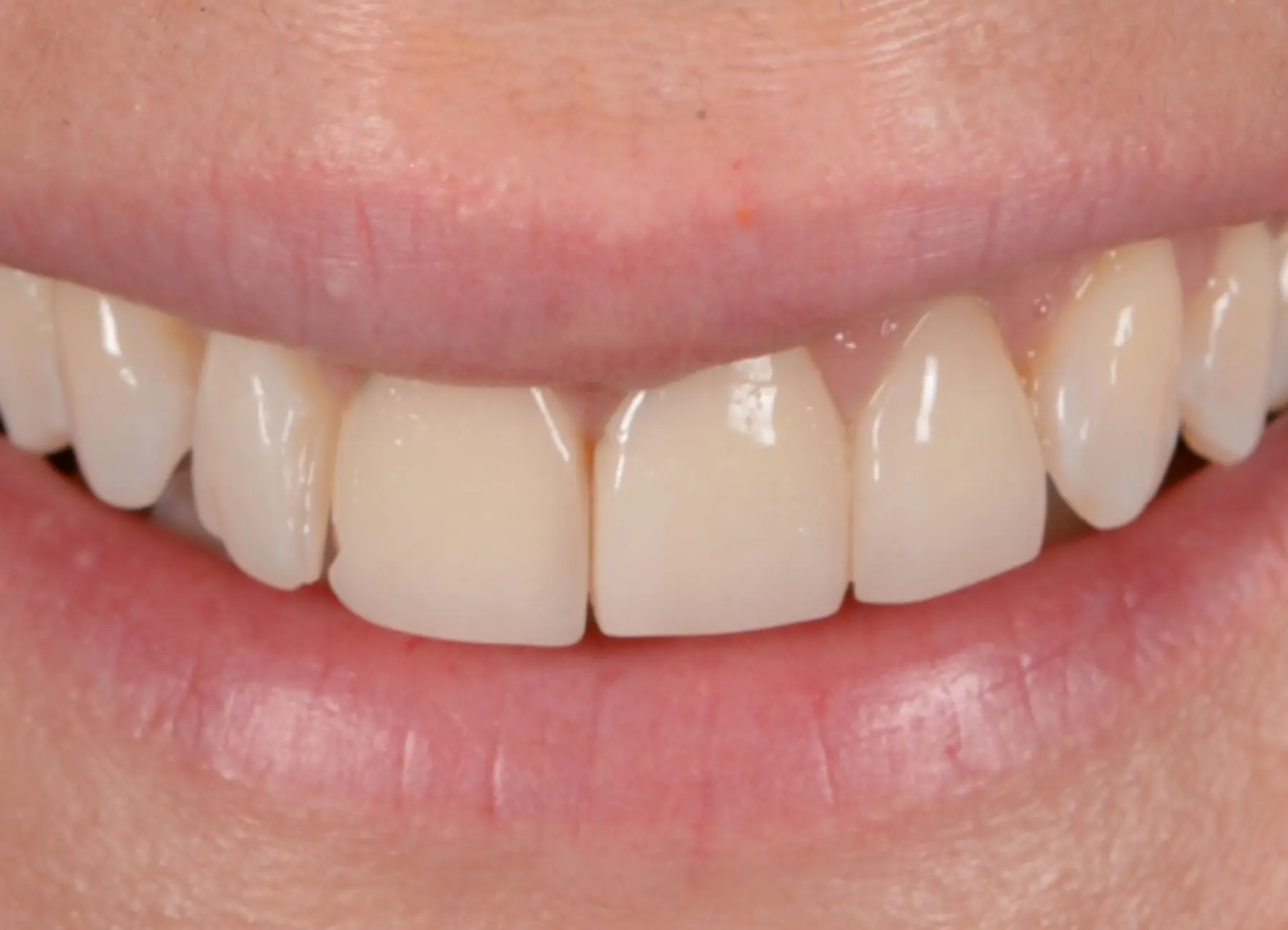
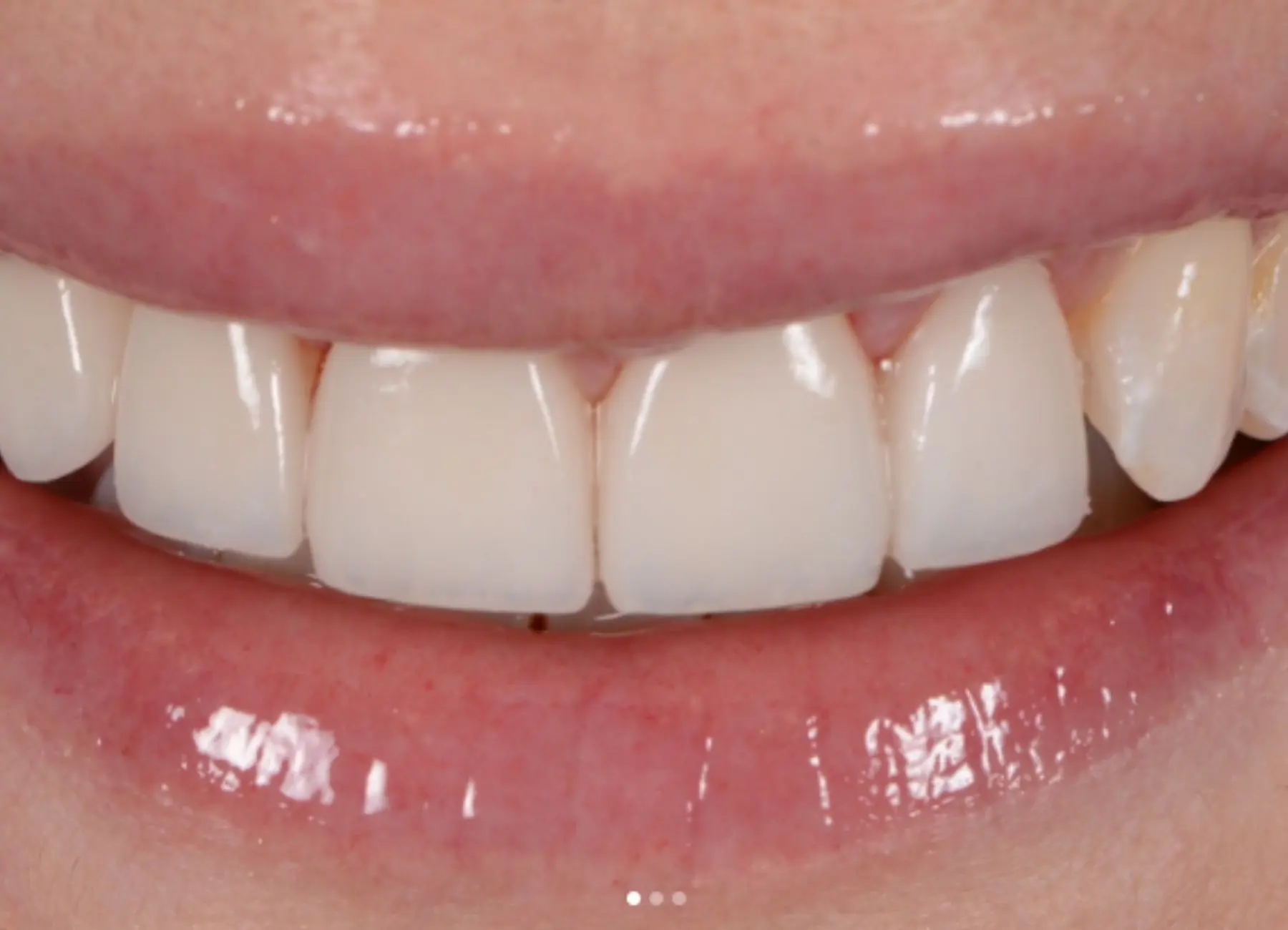
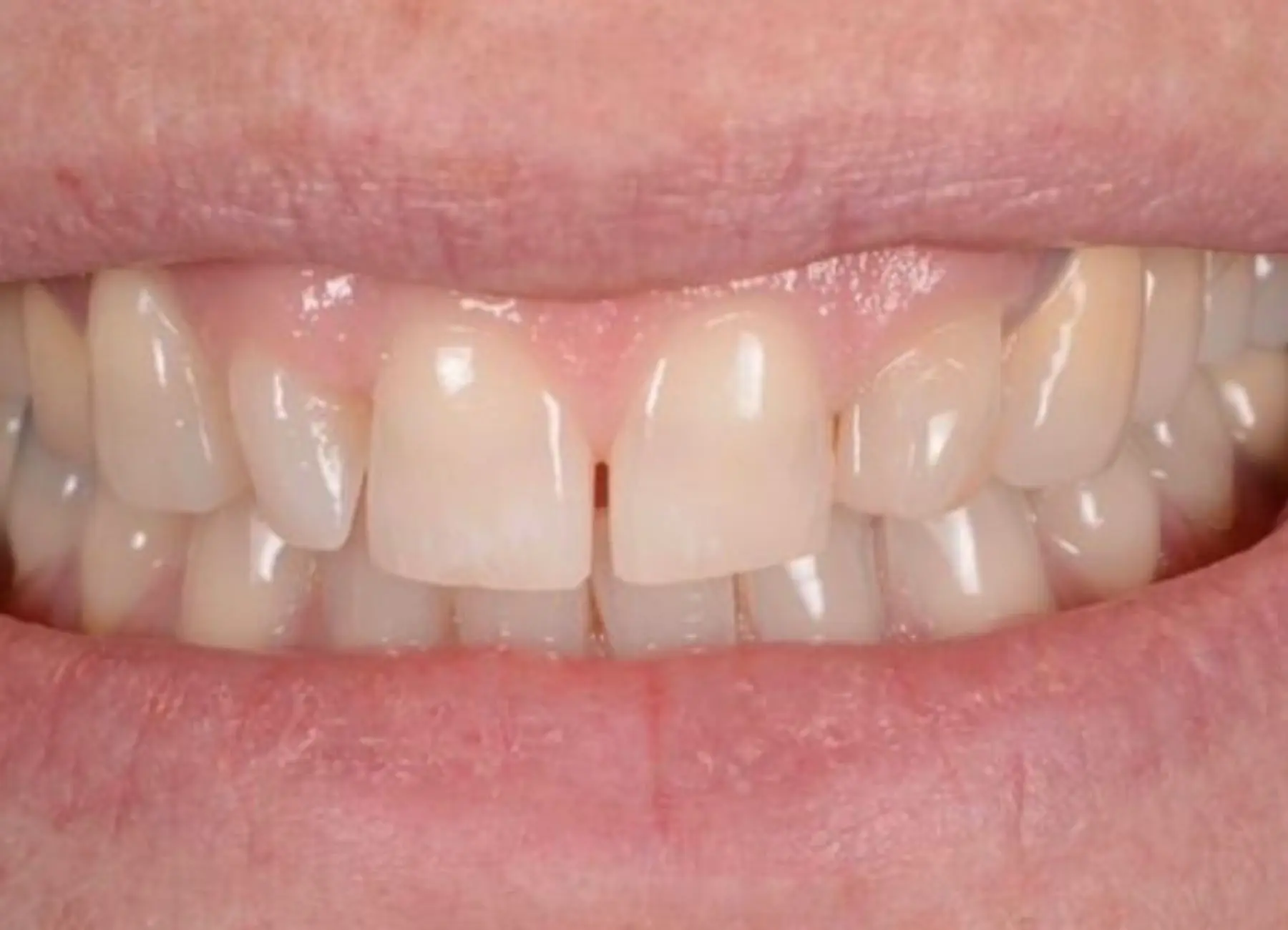
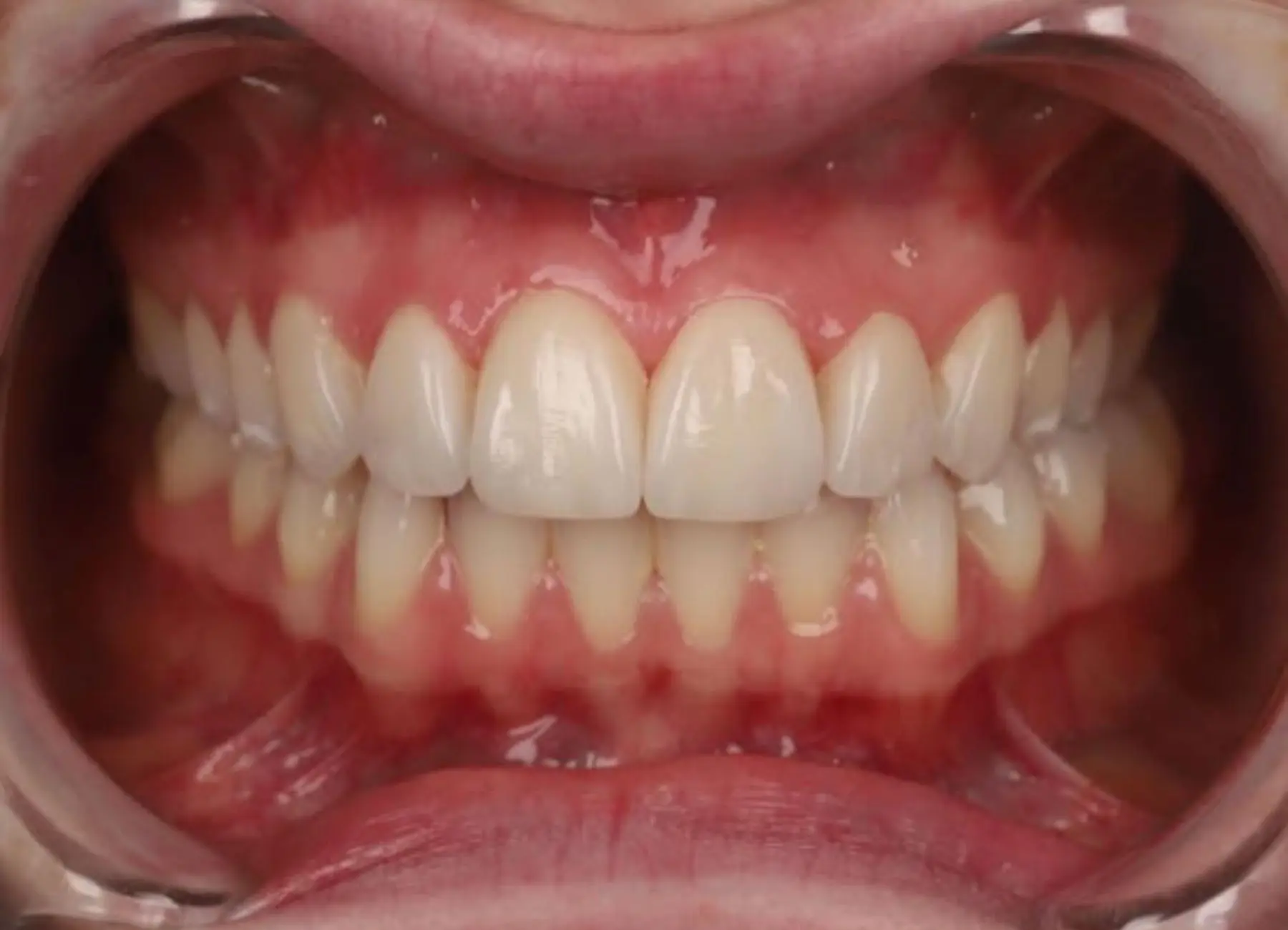
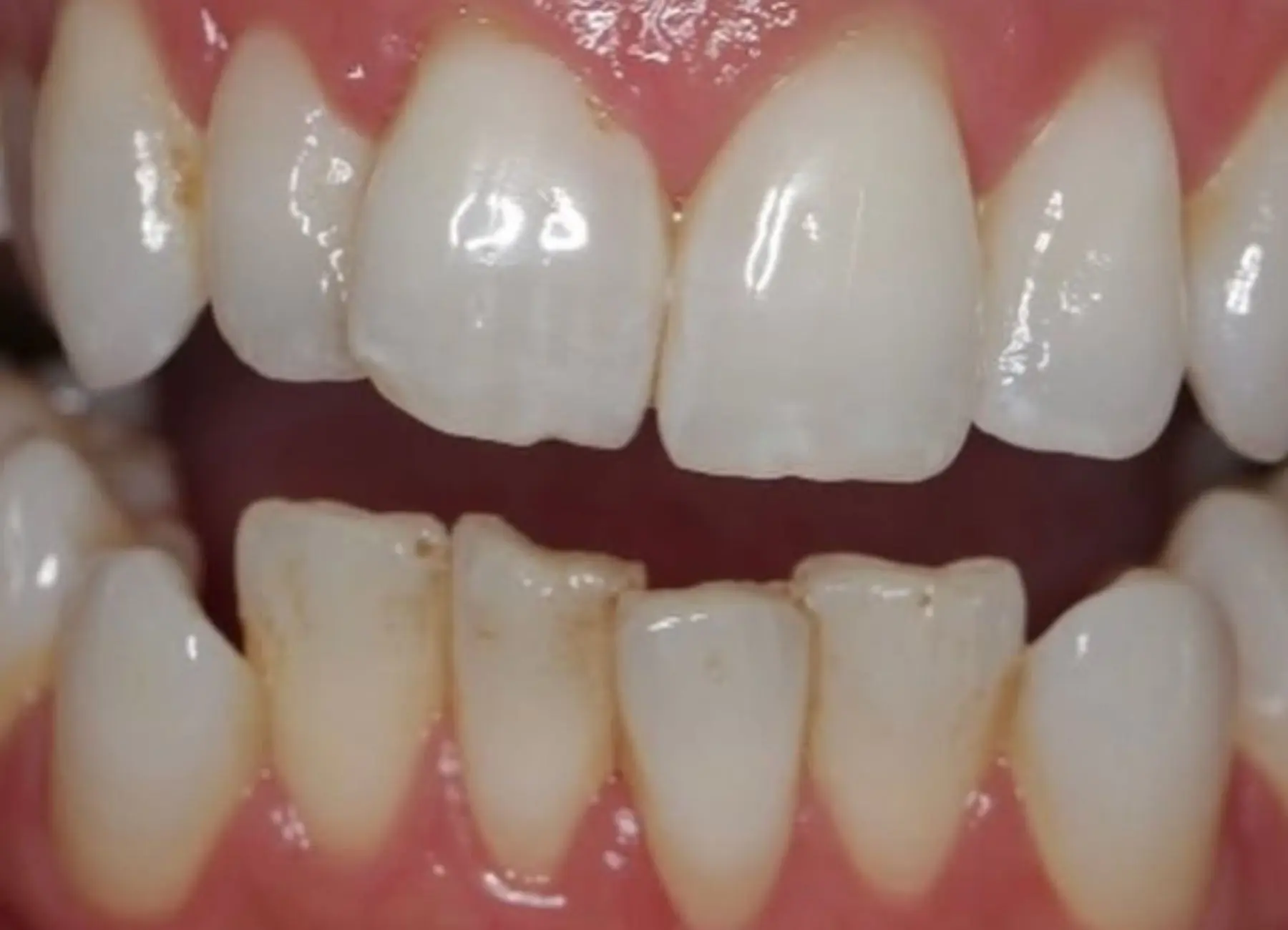
What teeth look like underneath
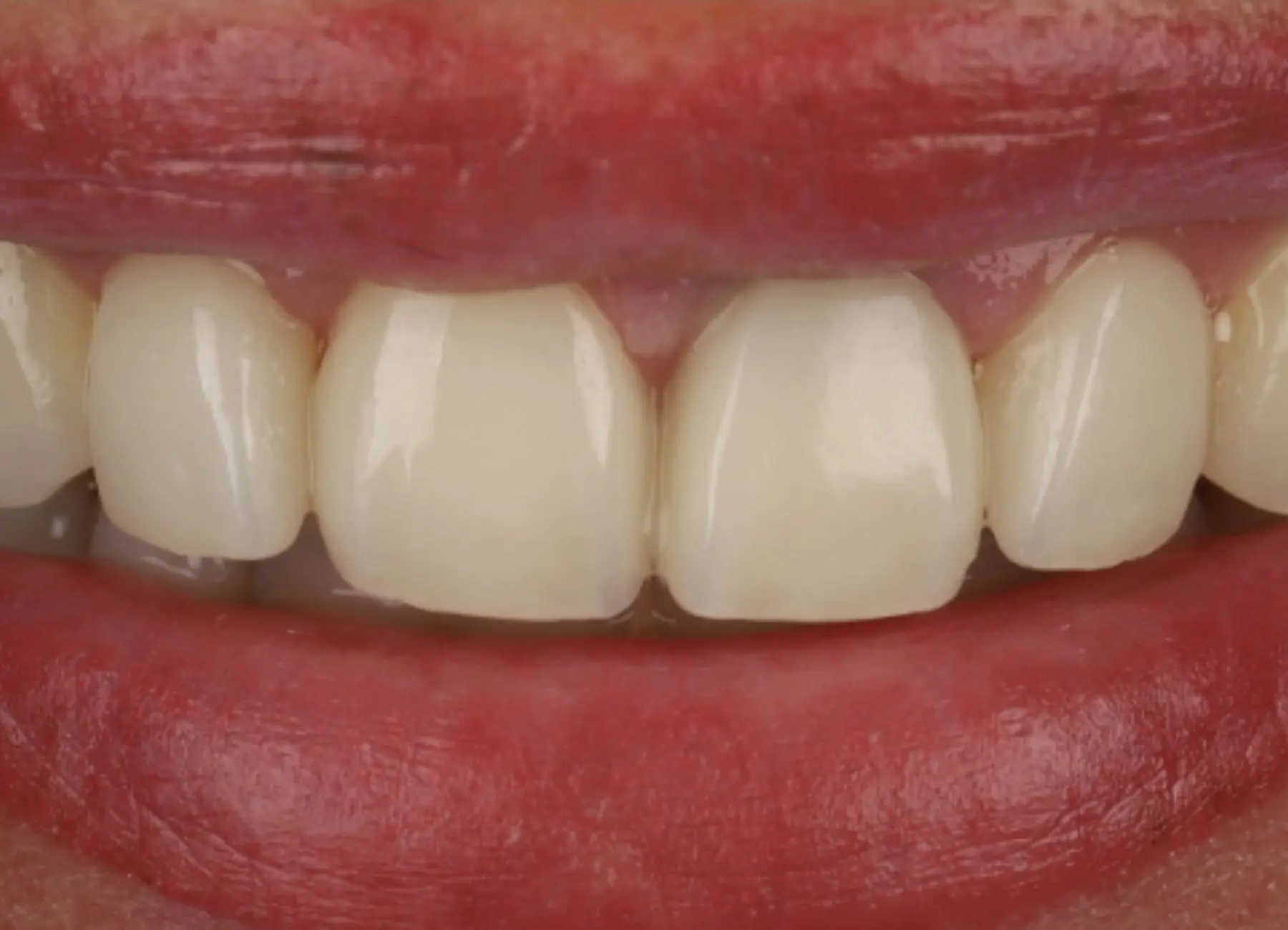
What teeth look like under Turkey Teeth in comparison
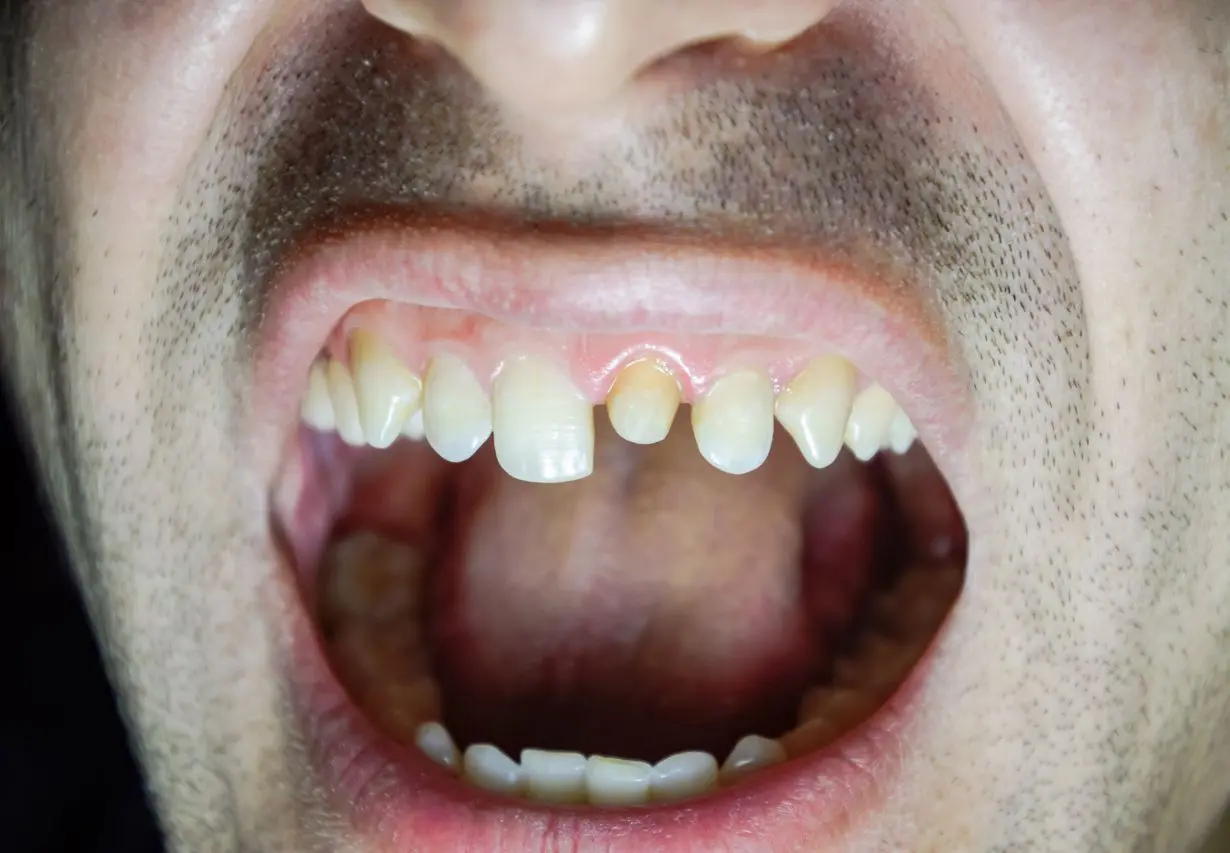
This is an example of how teeth look after being prepared for dental crowns.
What are dental veneers? Understanding what they are will help you know how they’re applied and how they work with your underlying natural tooth
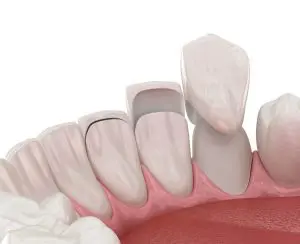
Dental veneers are thin shells that are placed onto the front side of your tooth, leaving the main tooth structure underneath unaltered.
Dental veneers only remove a small amount of enamel to be bonded (often only around 0.2-0.5mm worth), so the main tooth structure remains.
Dental veneers mask imperfections in your smile, so that they do not look bulky or thick, the enamel is etched slightly to make room for the veneer.
The size of your veneer will dictate how much enamel is removed – and seeing as veneers are incredibly thin, it’s only a small fraction.
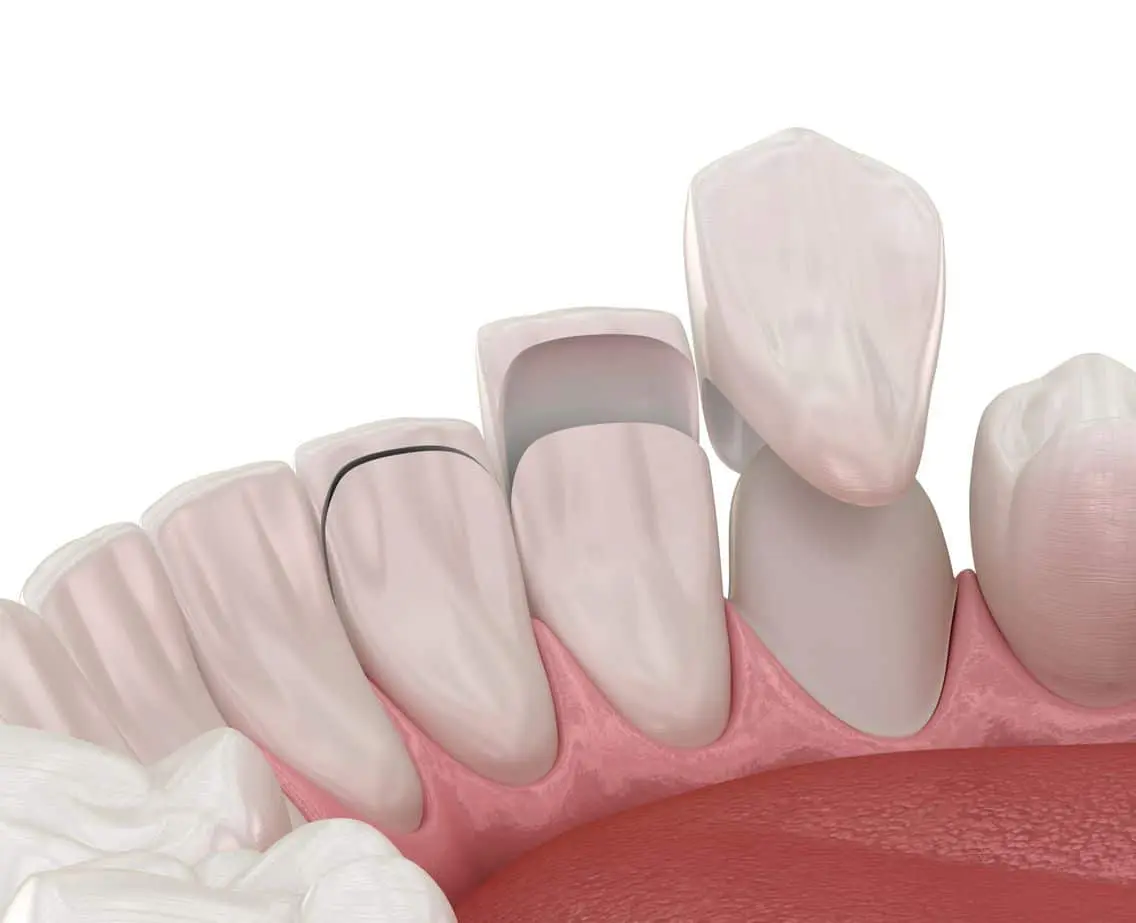
What happens and how the tooth changes due to enamel removal
When enamel is removed from your teeth, you won’t notice any dramatic appearance changes.
Still, enamel removal is permanent (it’s the white protective layer on top of the dentin), so when it’s removed, patients can expect the following changes:
- The teeth appear slightly smaller
- Teeth will be less shiny without the enamel’s gloss
- Teeth will be darker as the underlying dentin is exposed
- The surface of the tooth will feel rougher
It’s important to note that dental veneers, which require some enamel removal, are not reversible. It’s a permanent change, so you’ll need to commit to dental veneers long-term, as they will now protect and strengthen the underlying tooth. Without a veneer, your teeth will be highly sensitive because enamel is absent to protect them.
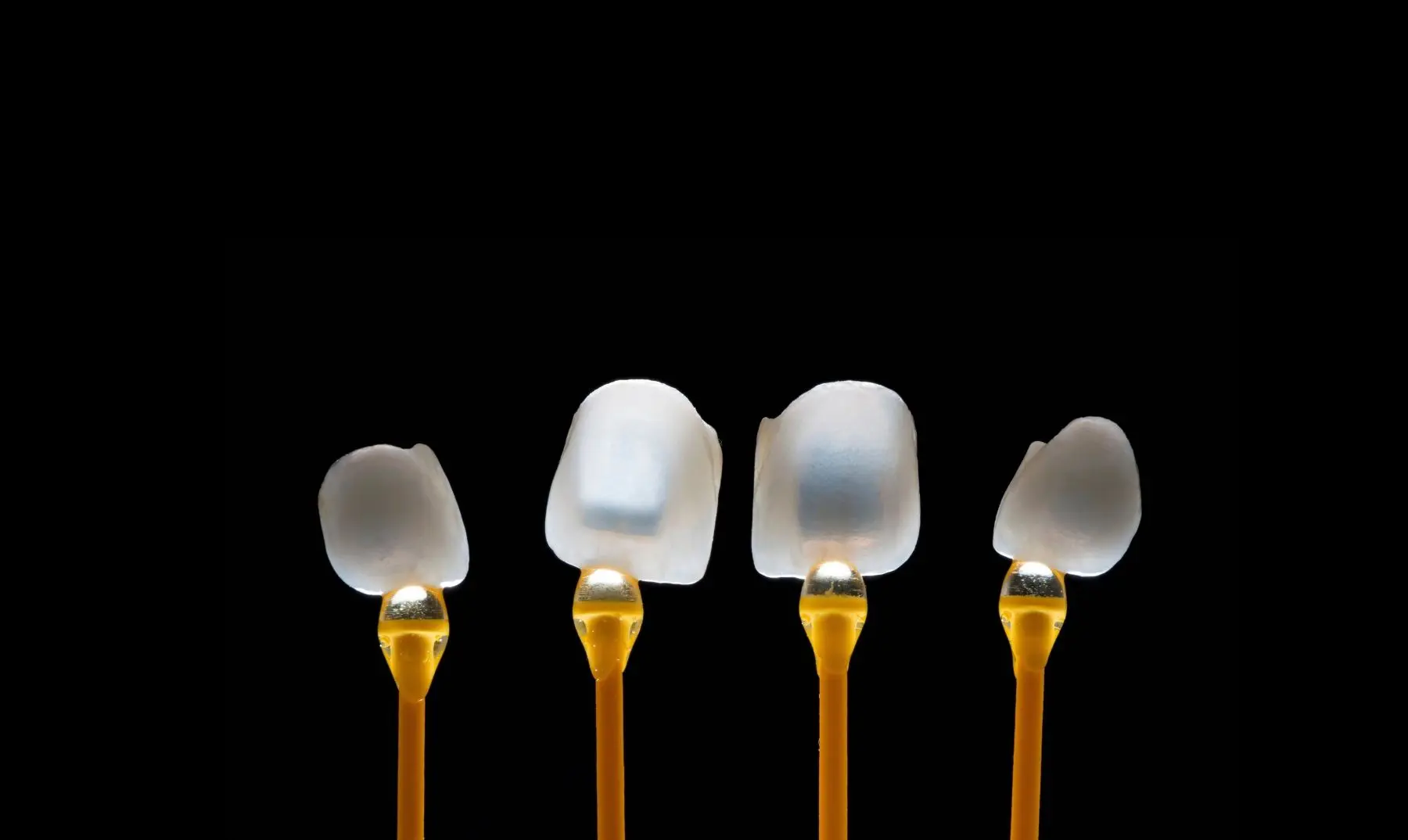
The only exception is no prep veneers, which avoid enamel removal
When you opt for no prep veneers like Ultrathin, Durathin, Lumineers or even Composite Veneers, no changes to the underlying tooth, including the enamel, are not required.
Using no-prep veneers, patients can enjoy a completely reversible, non-permanent process, which causes no changes or damage to their underlying teeth. This means your smile underneath remains unchanged, so patients can revert to their original smile if they choose in the future.
Talk to us about no-prep veneer options: