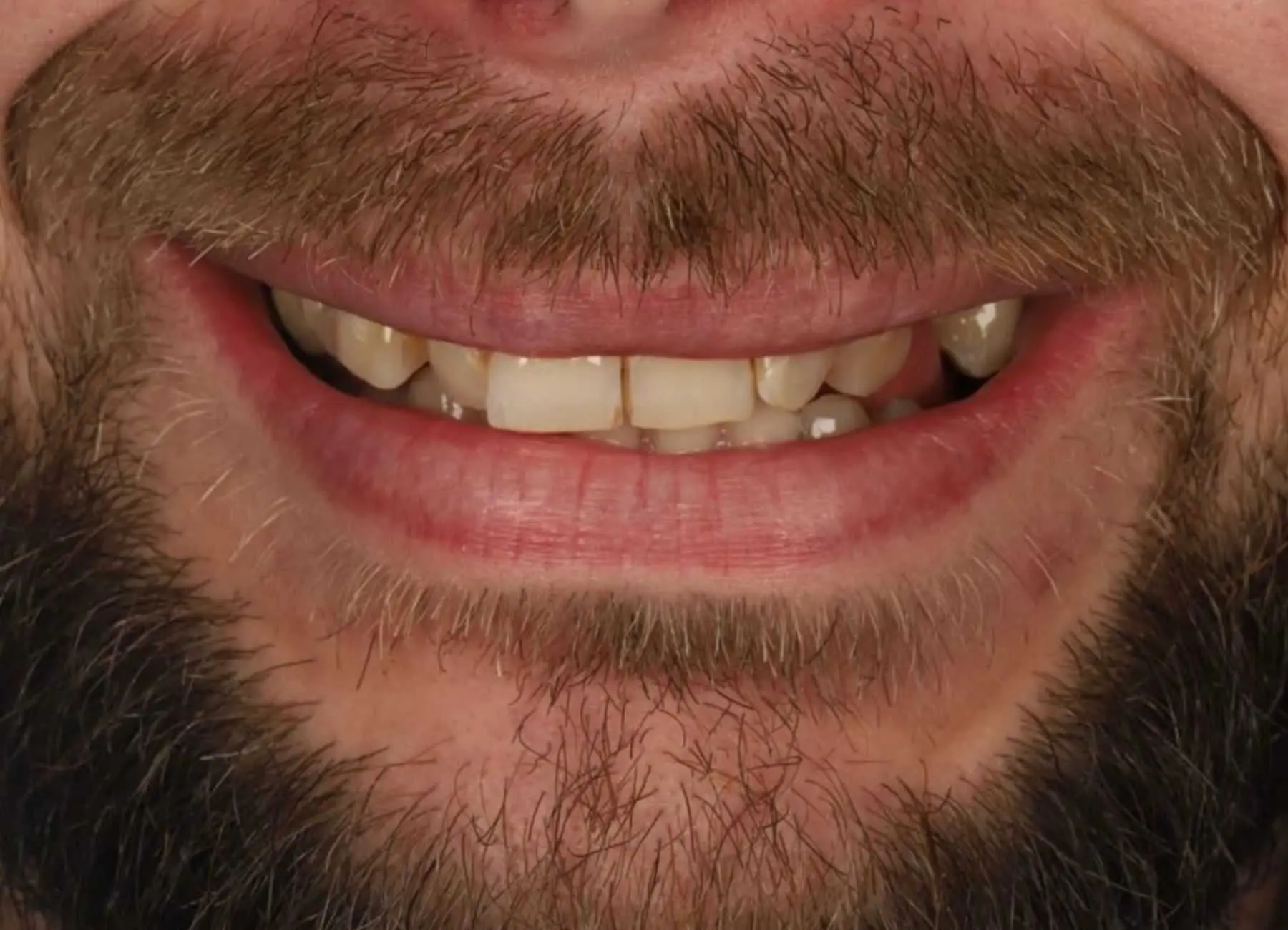
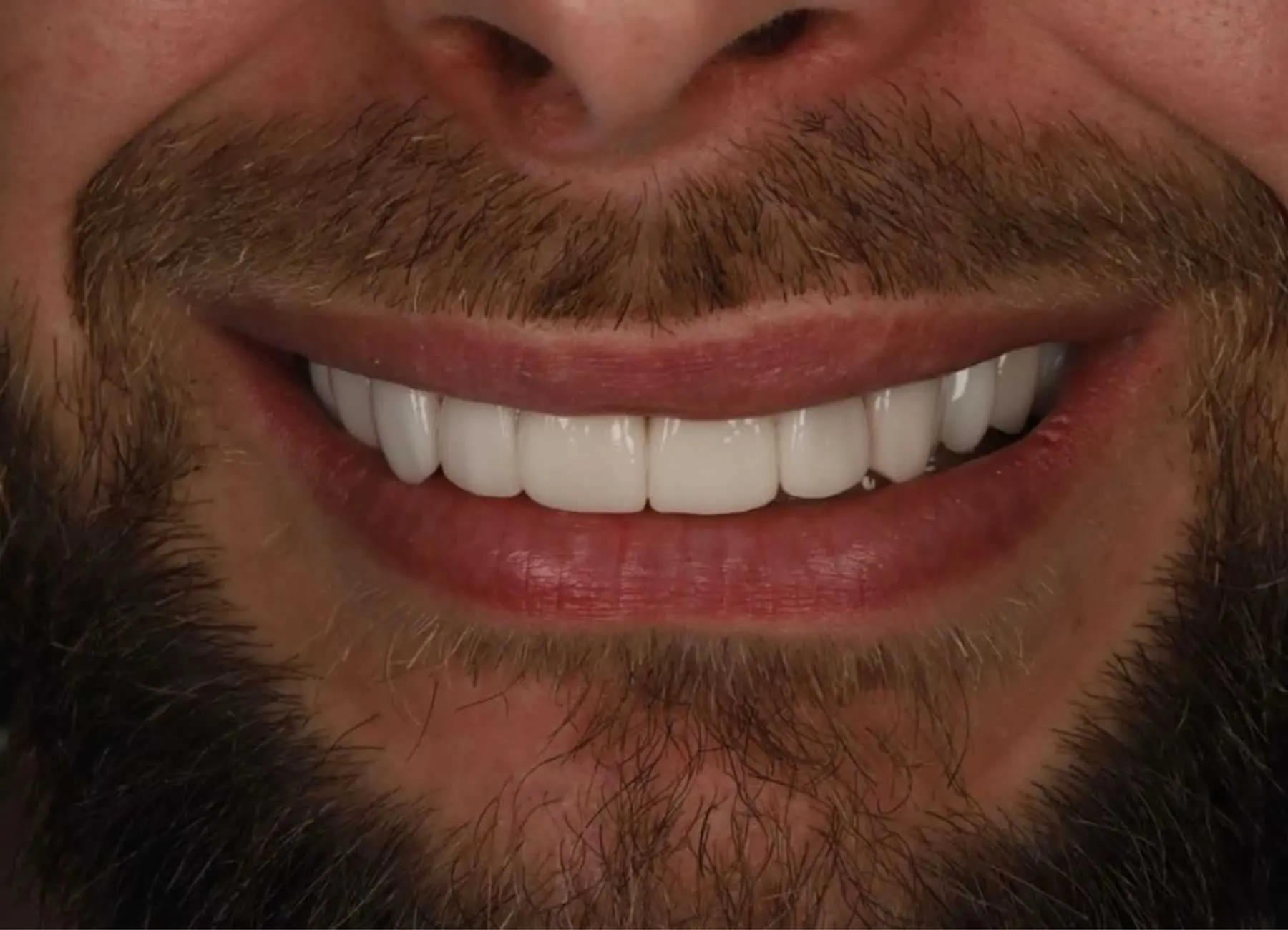
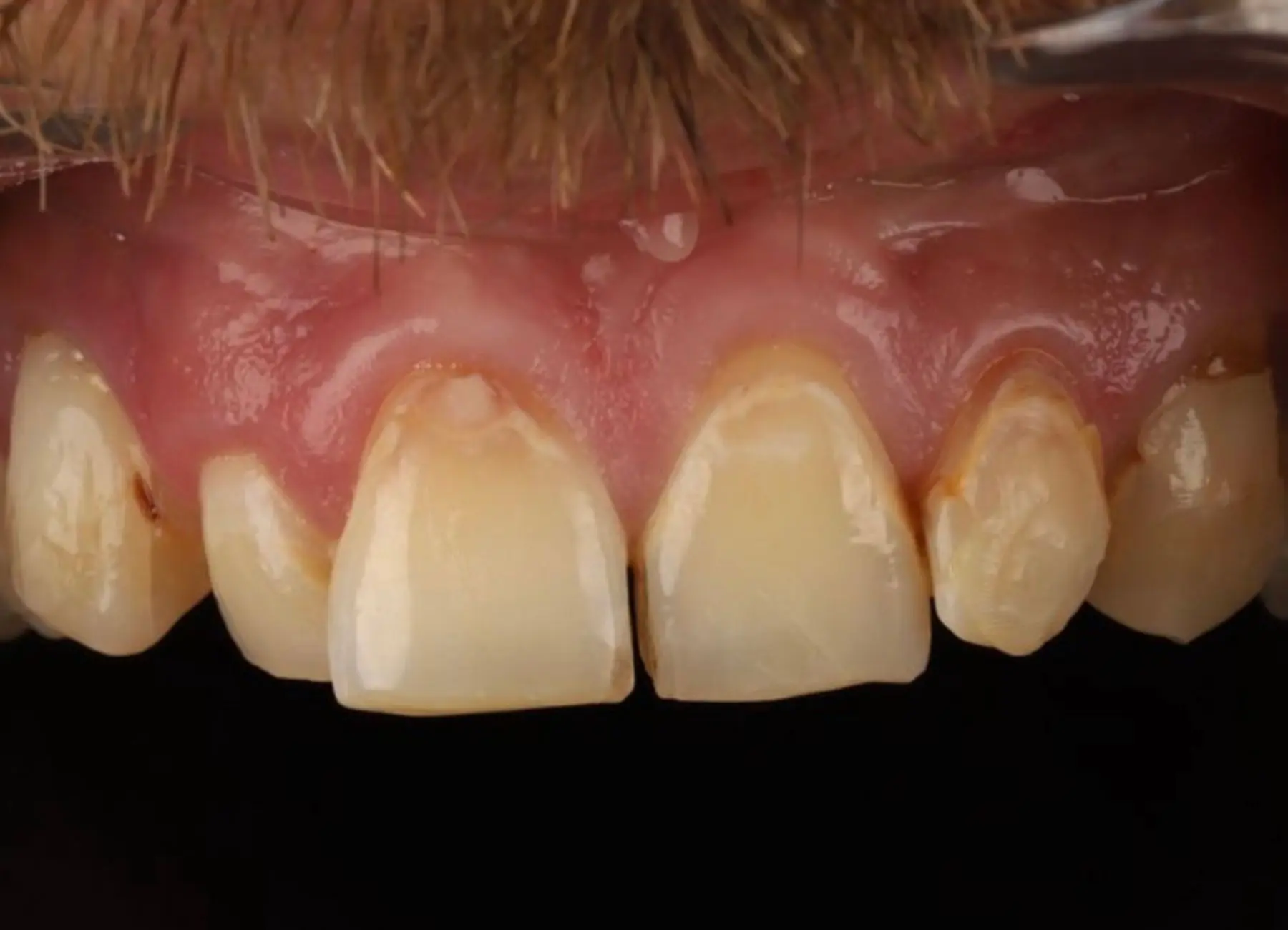
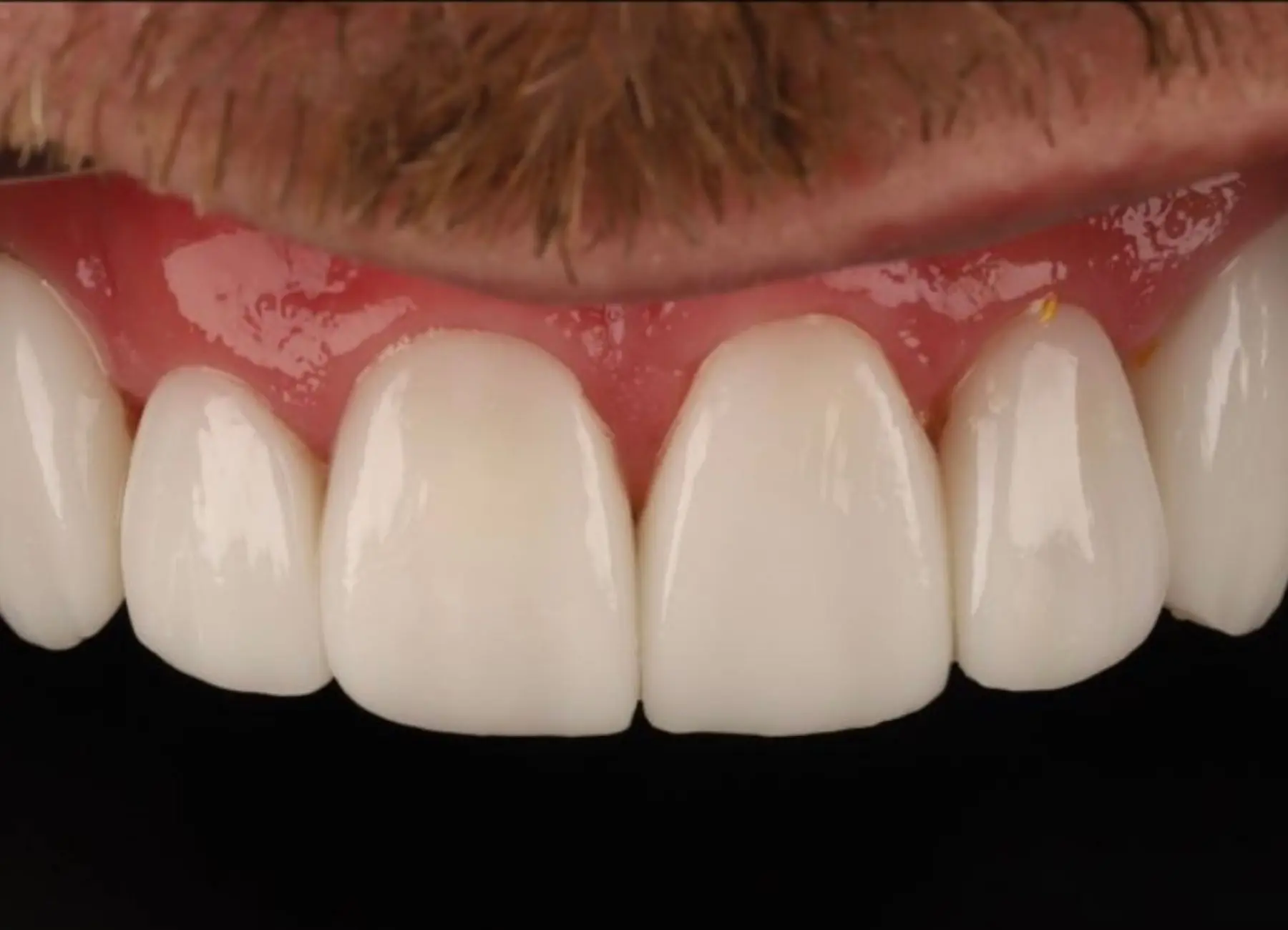
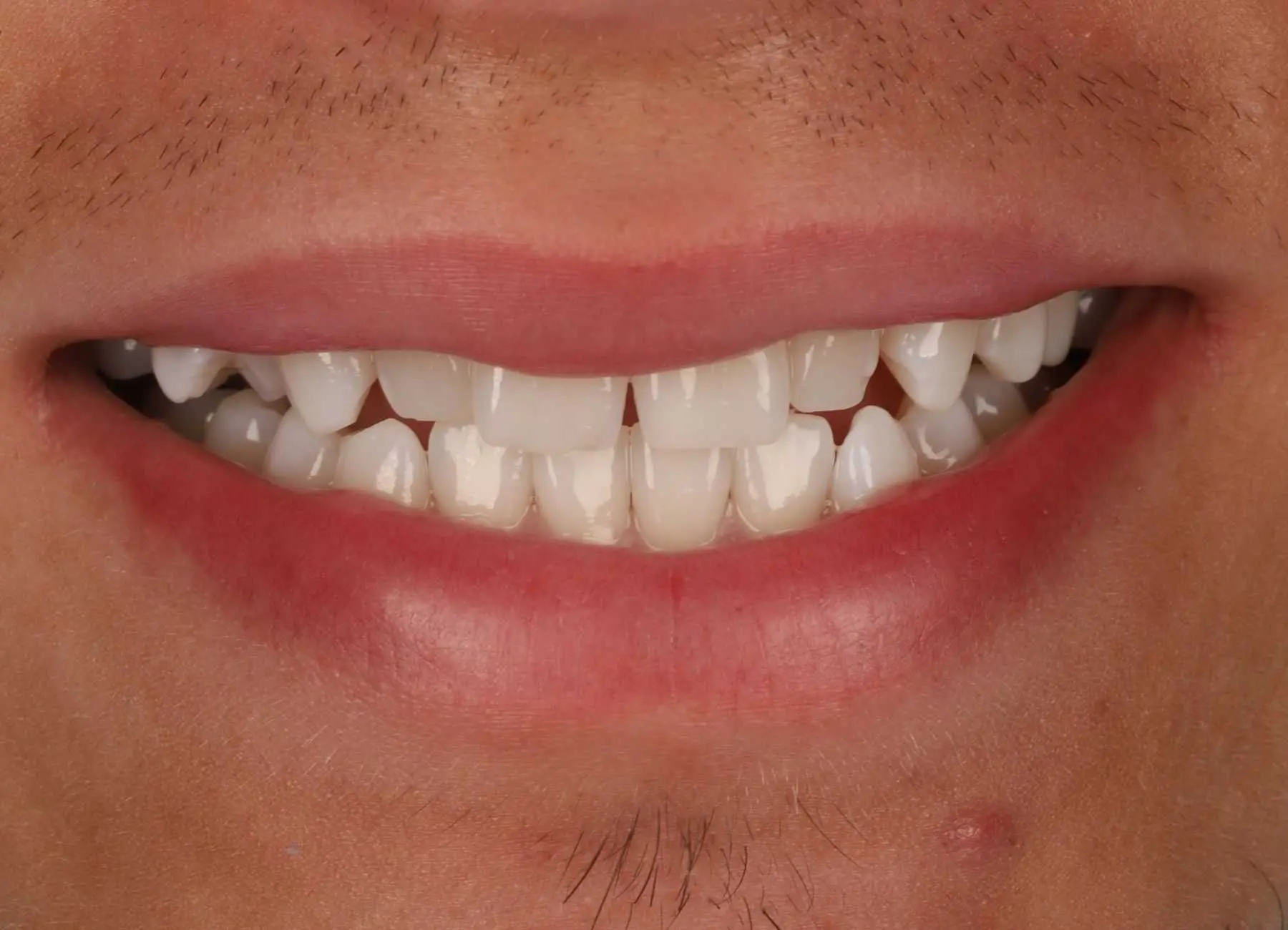
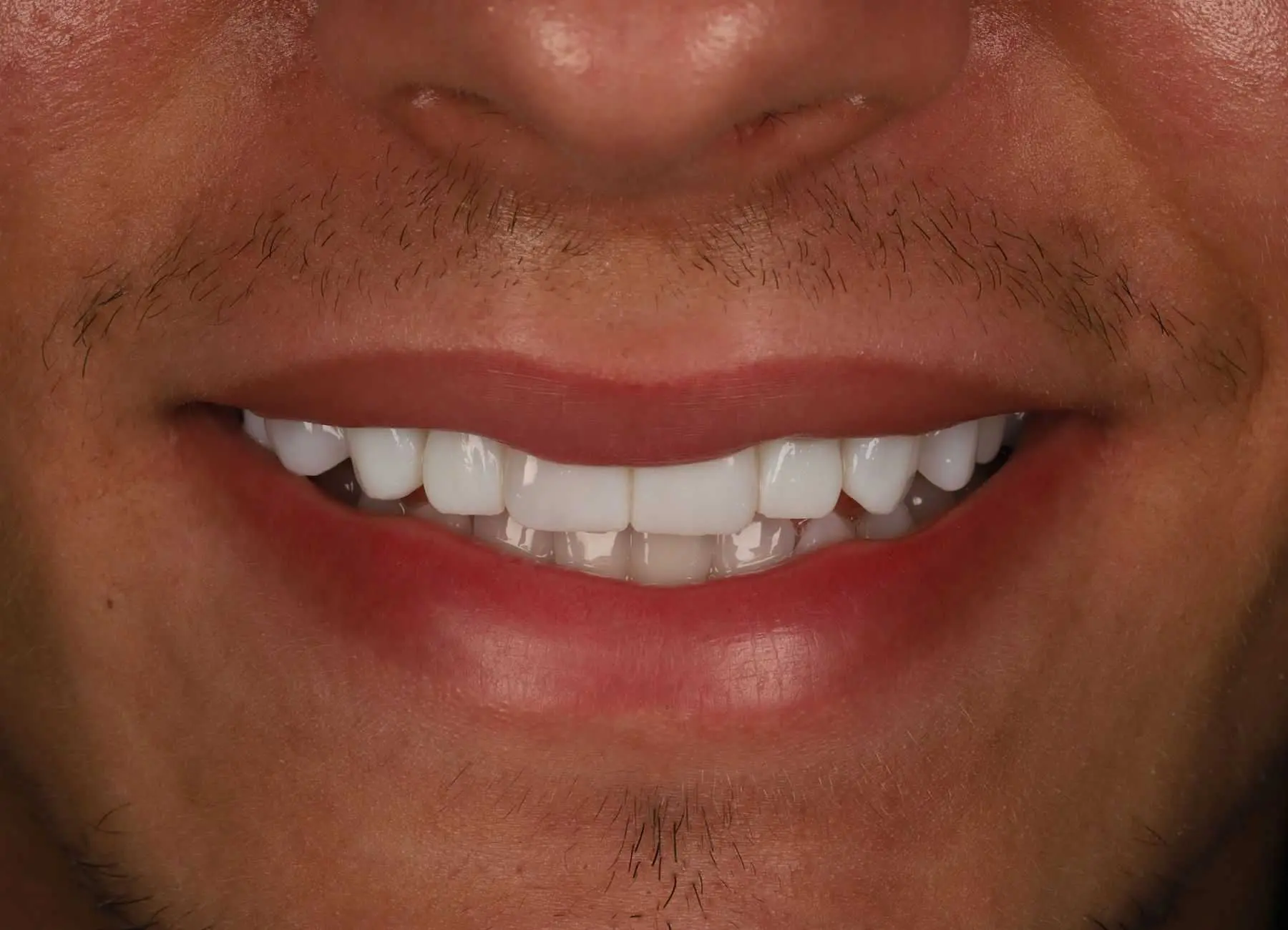
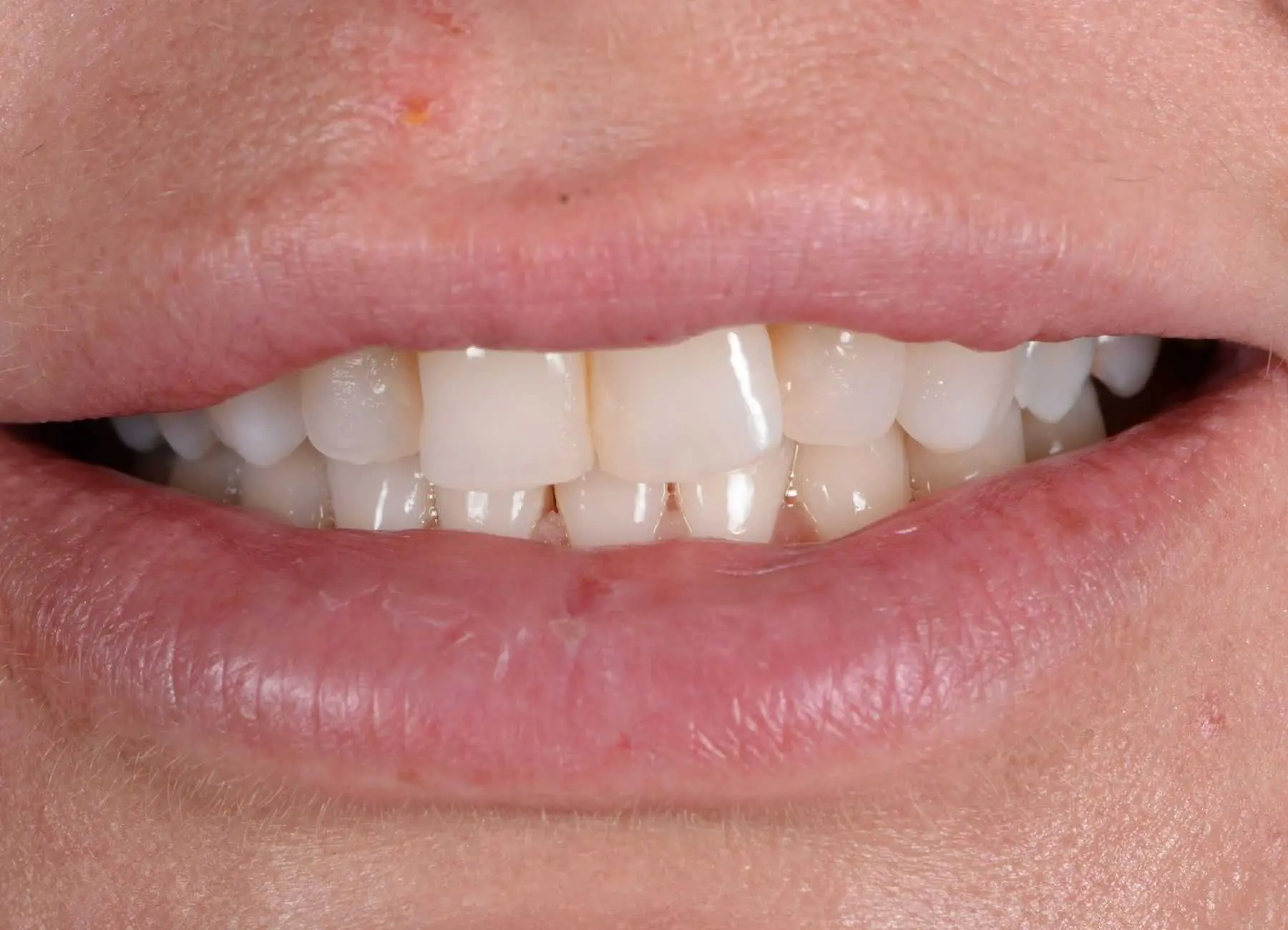
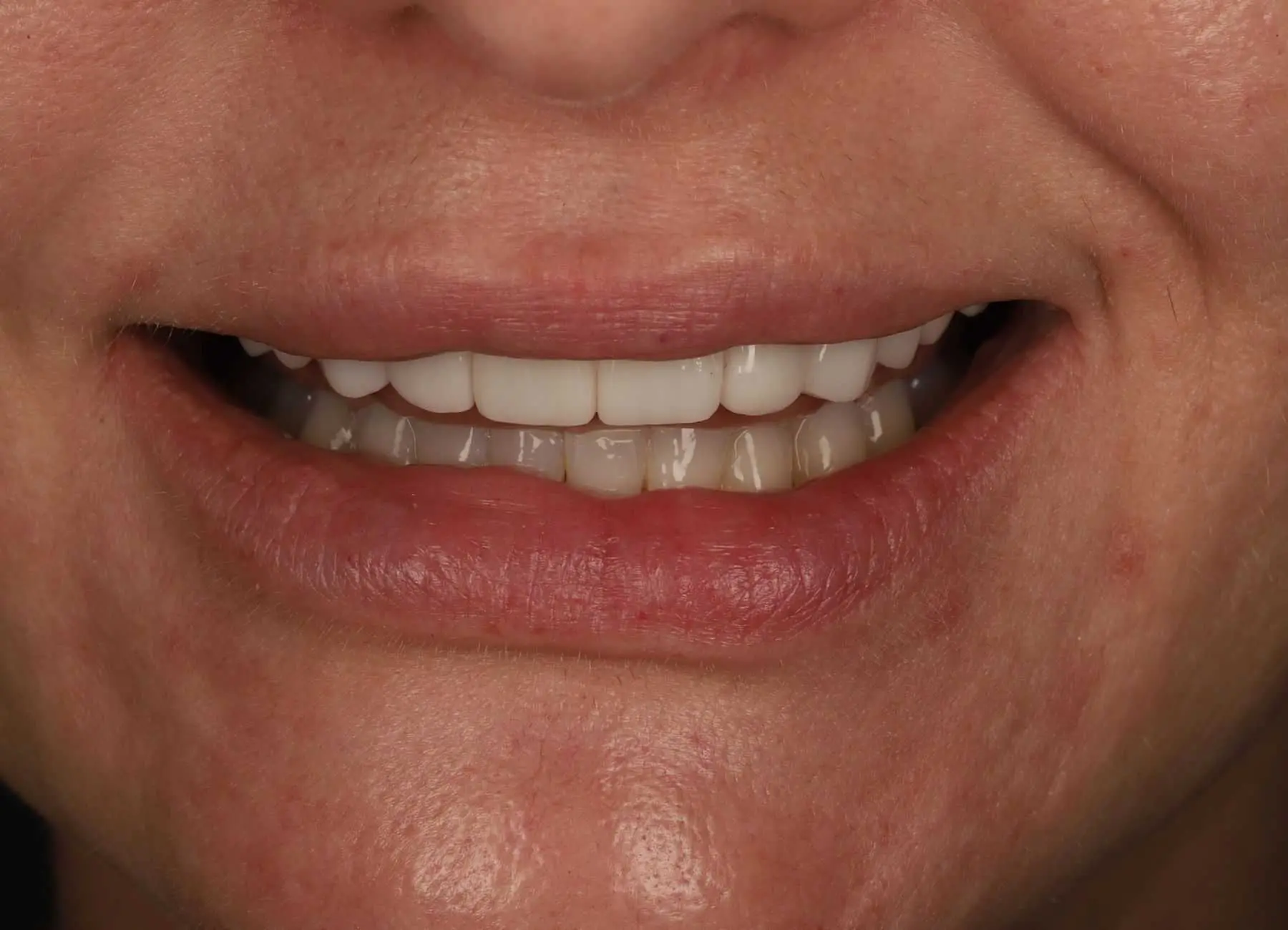
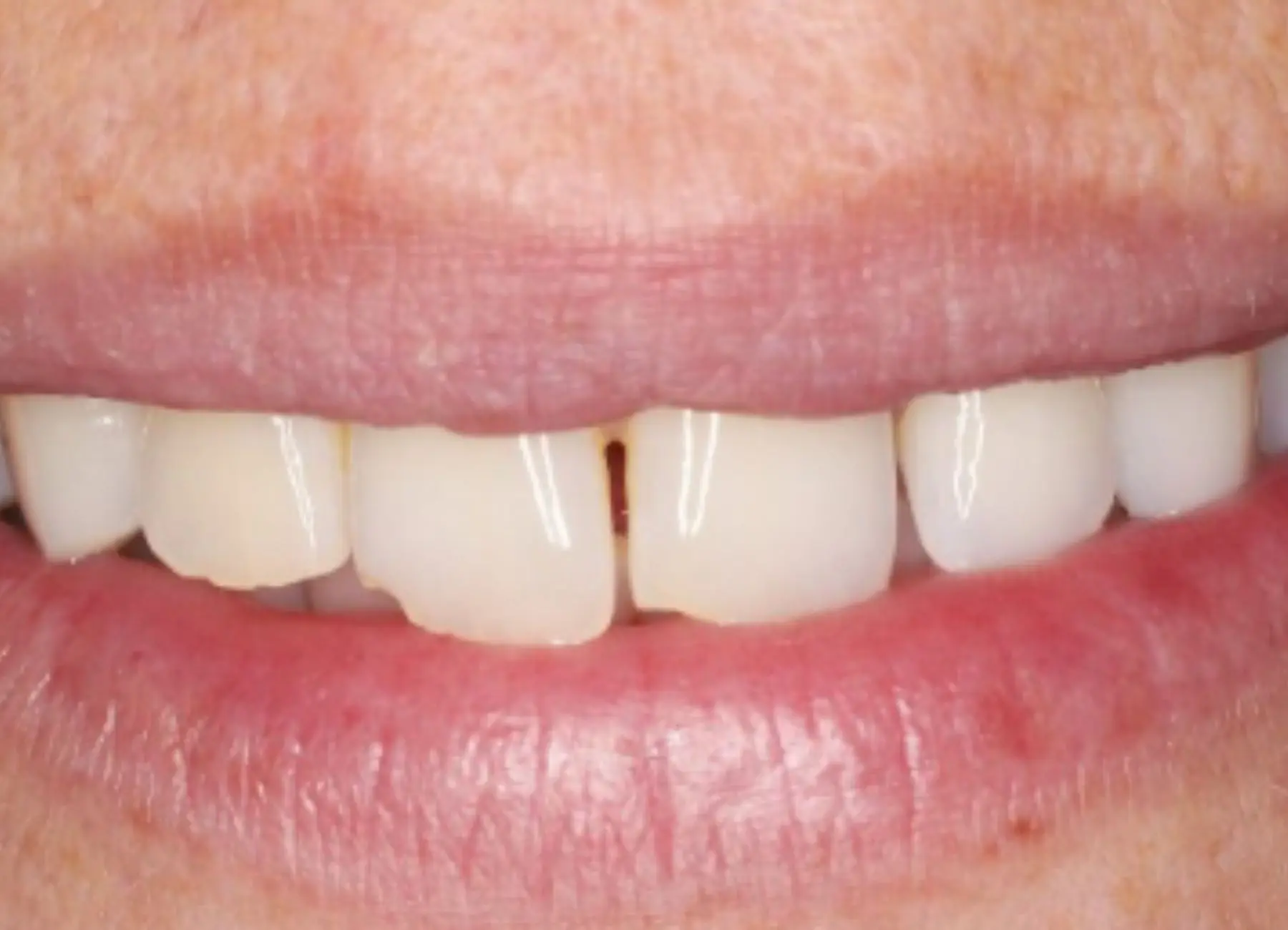
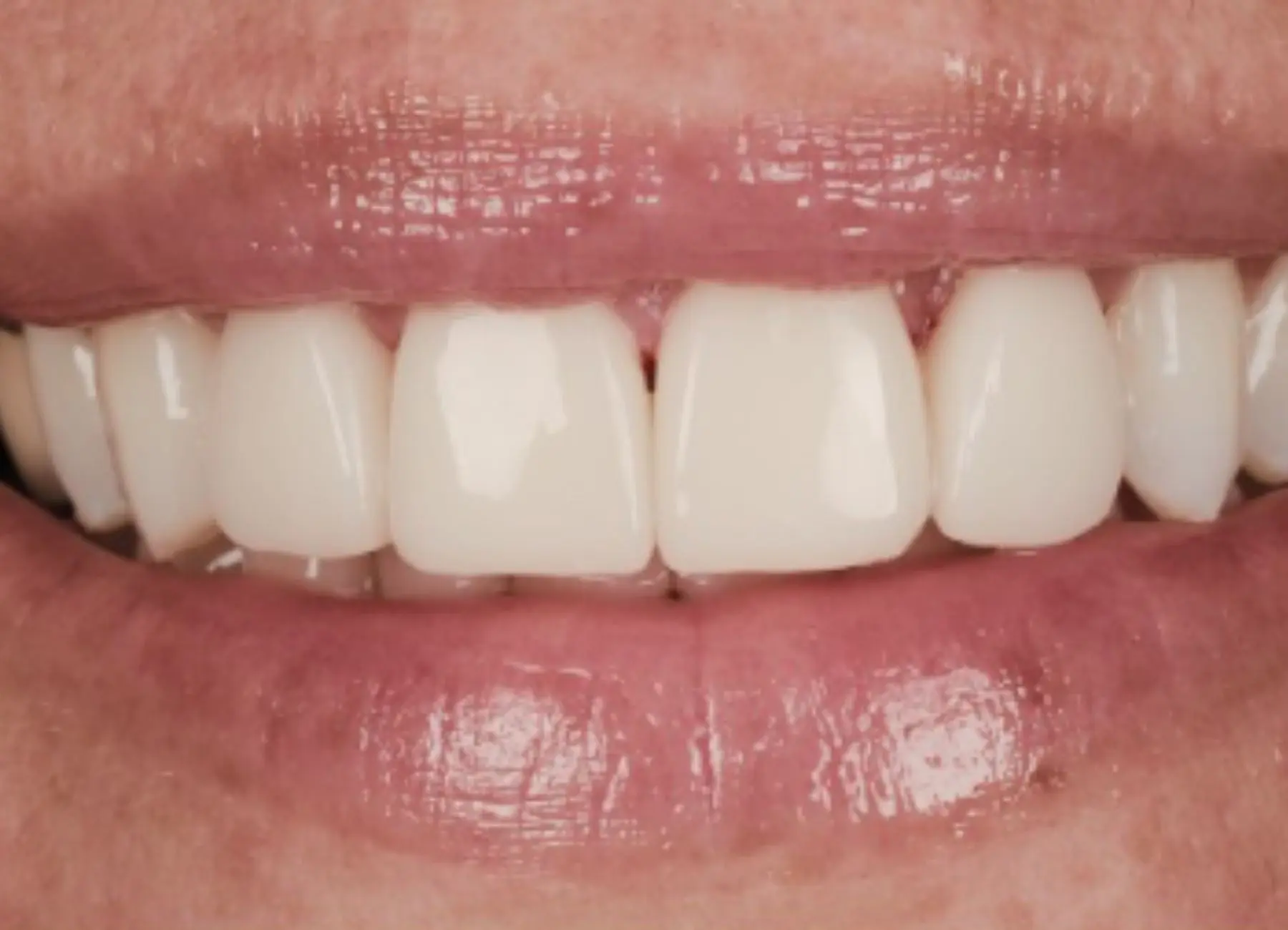
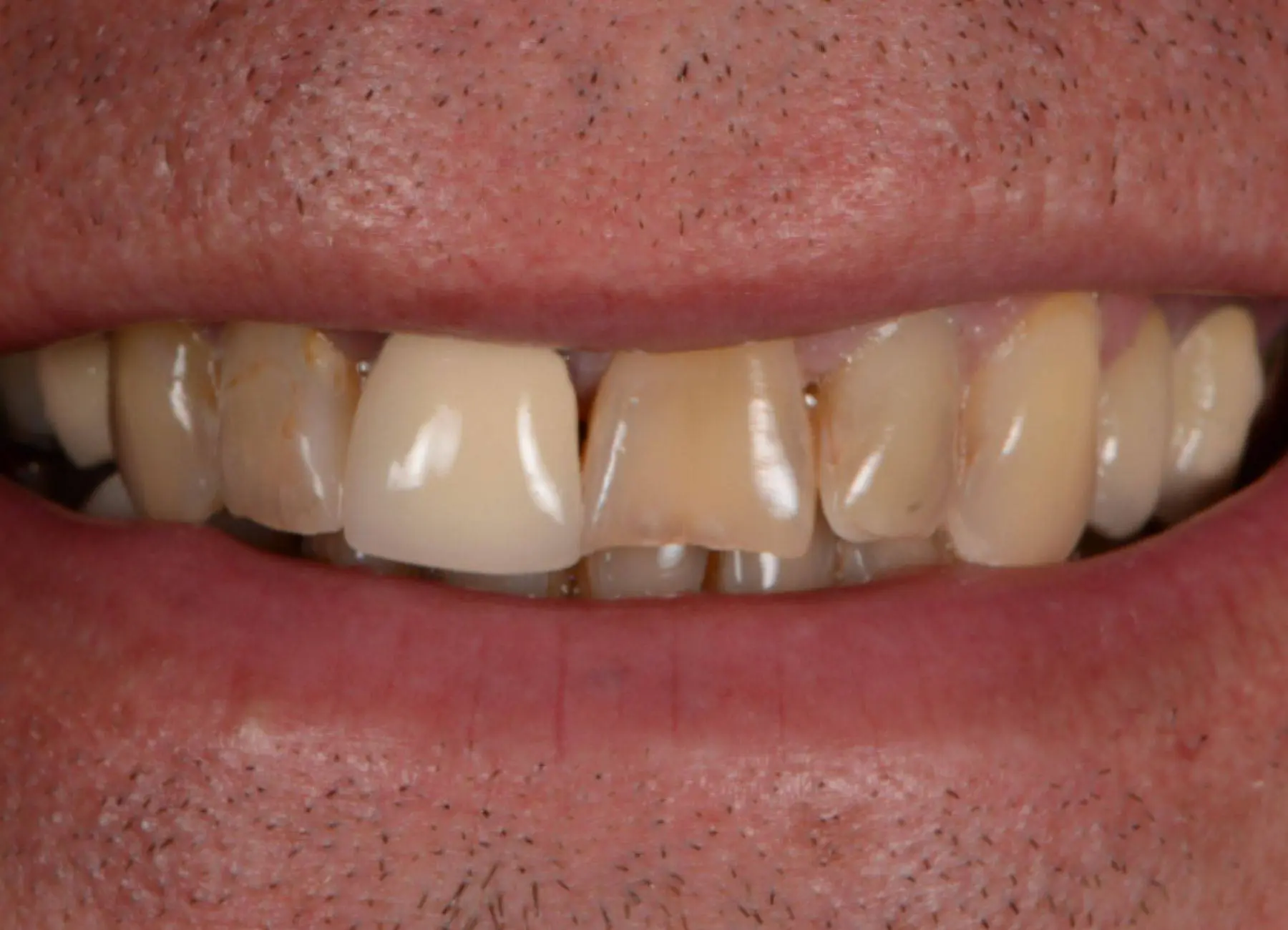
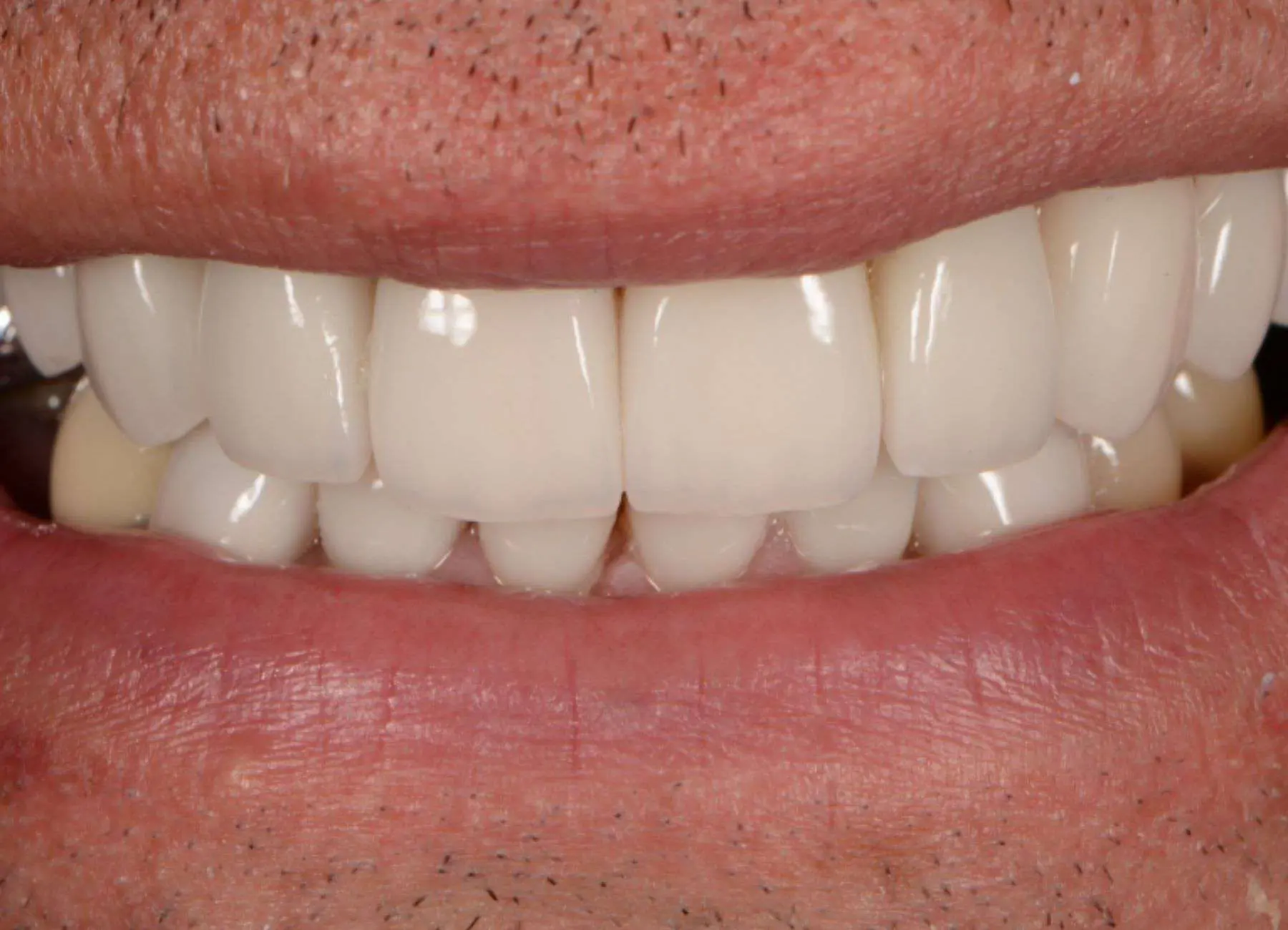
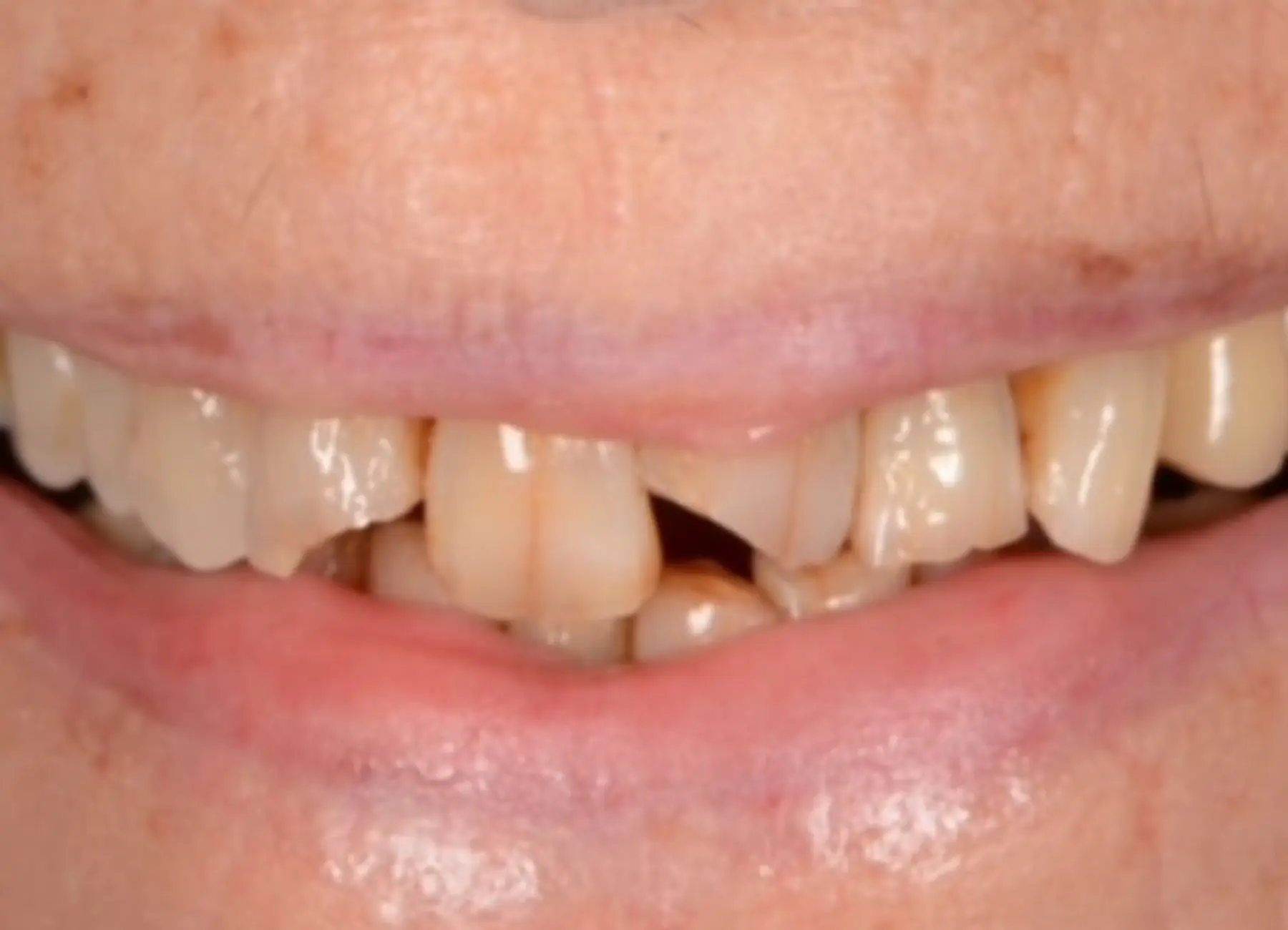
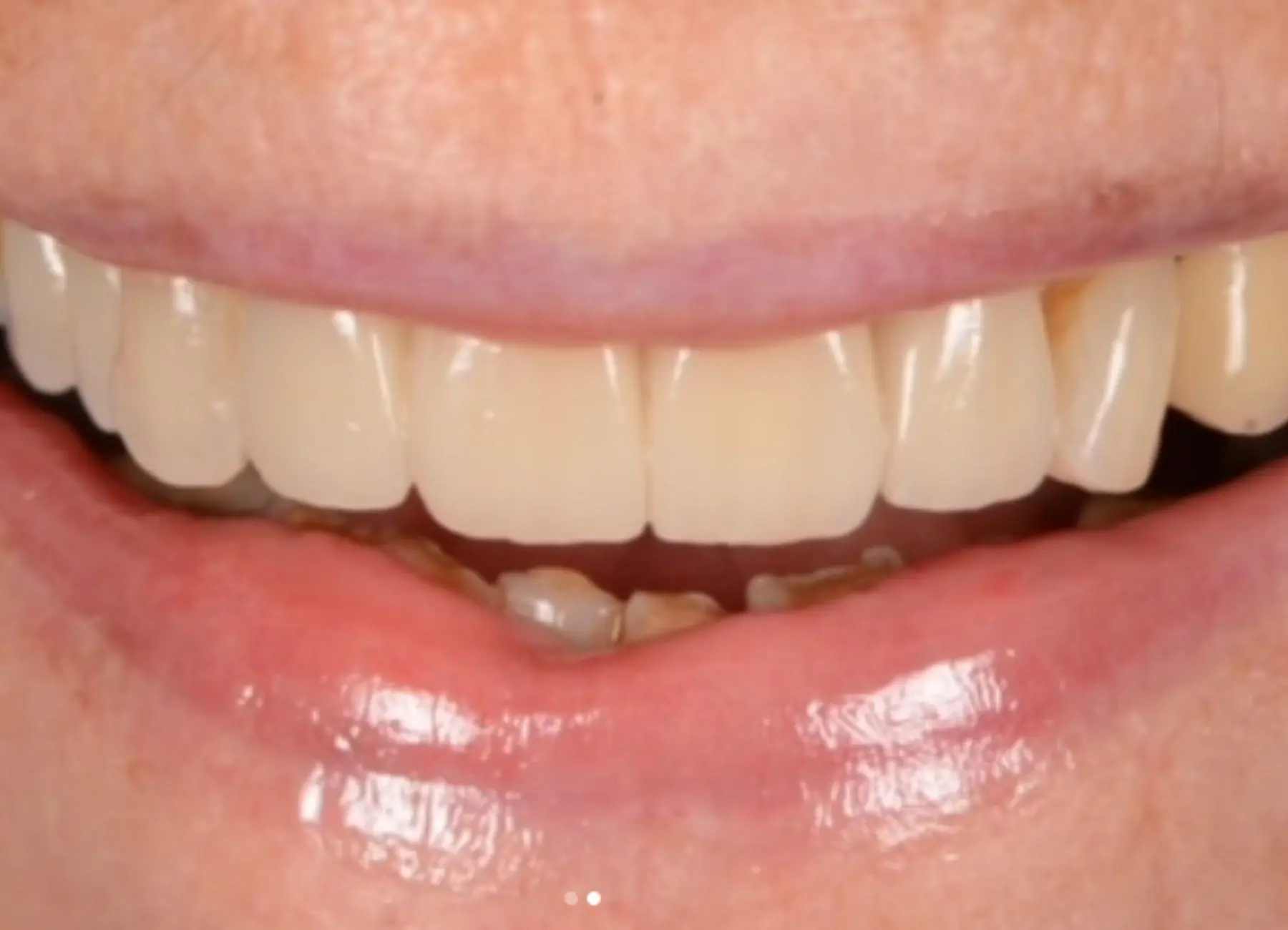
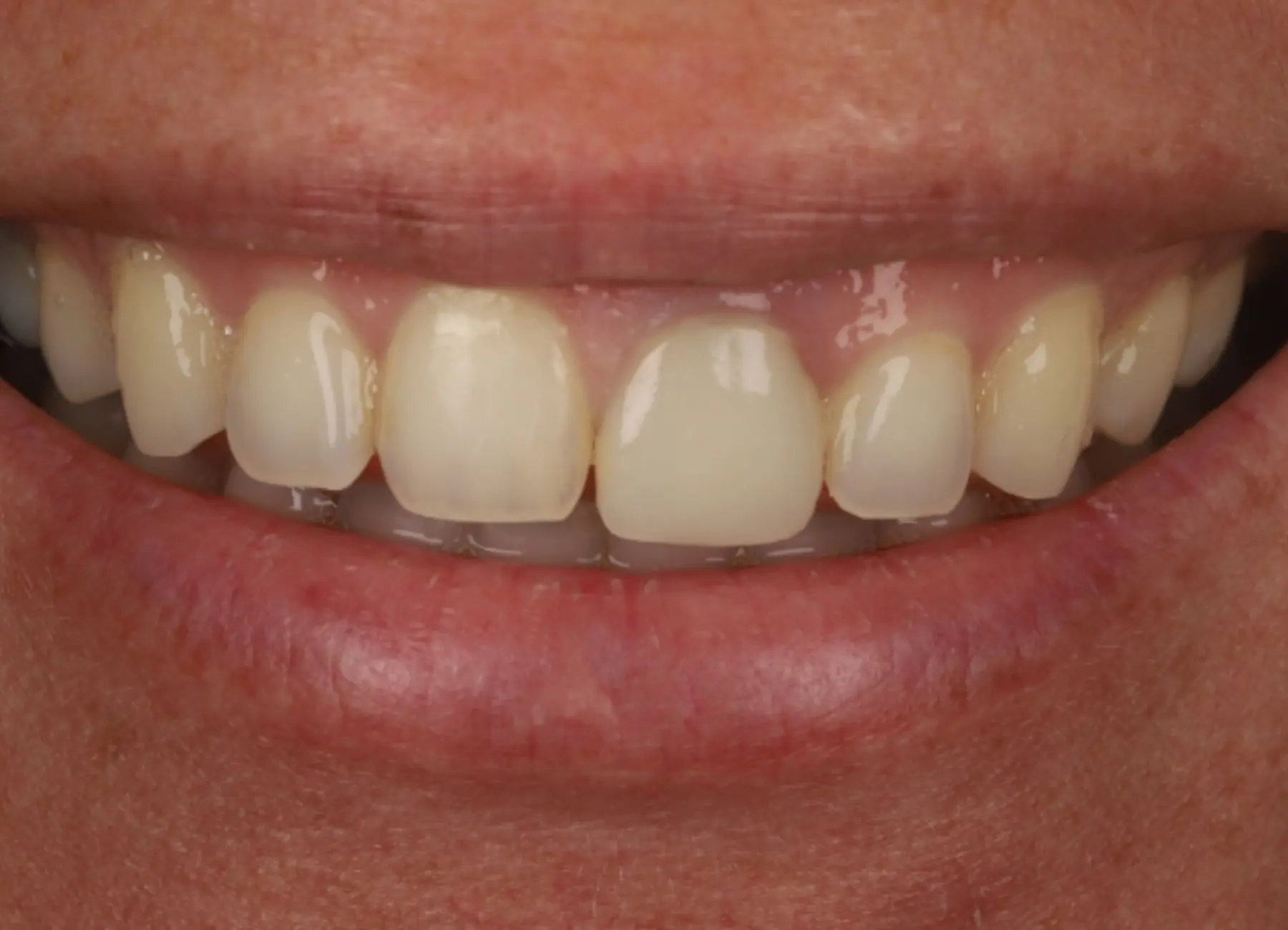
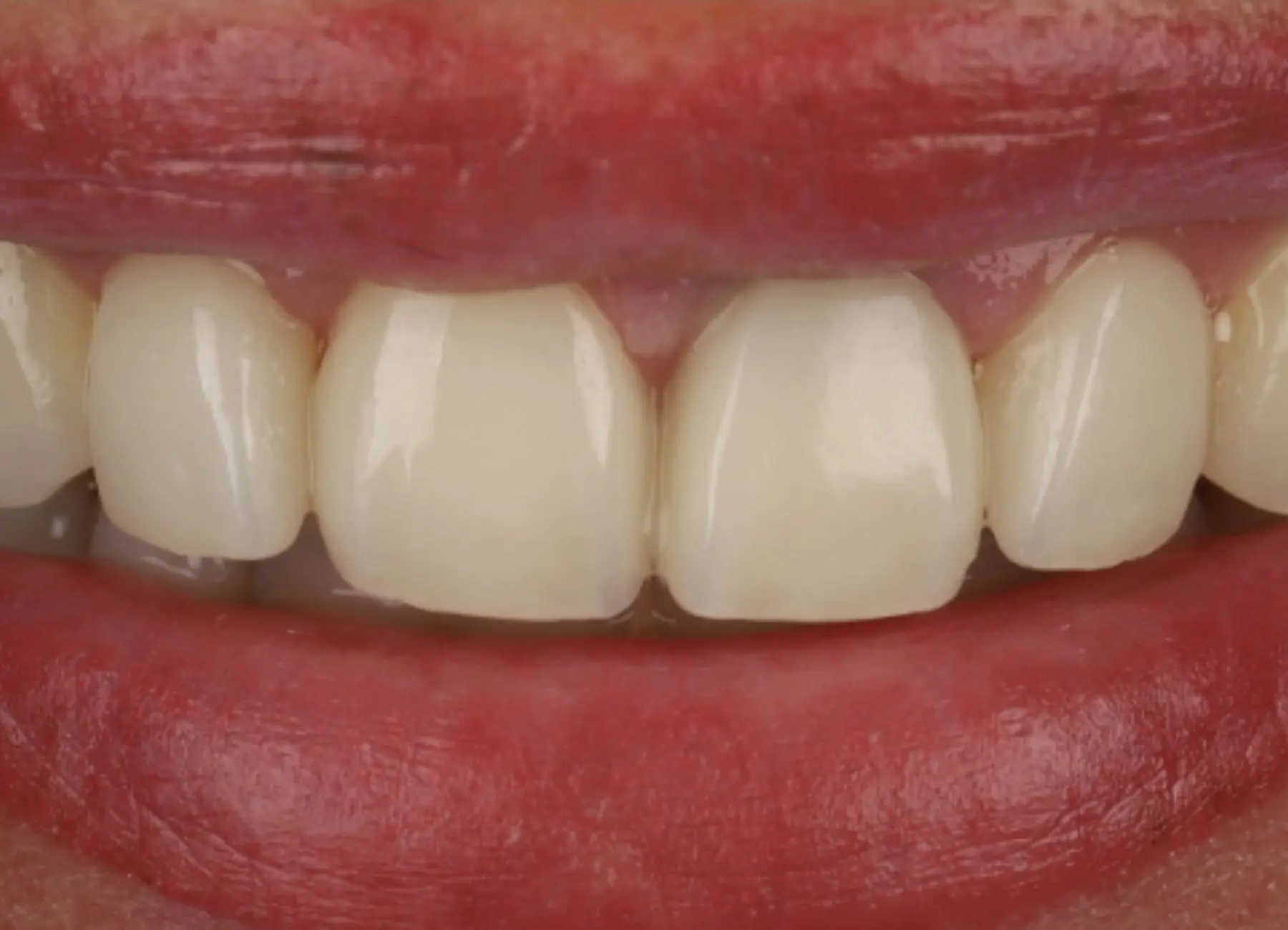
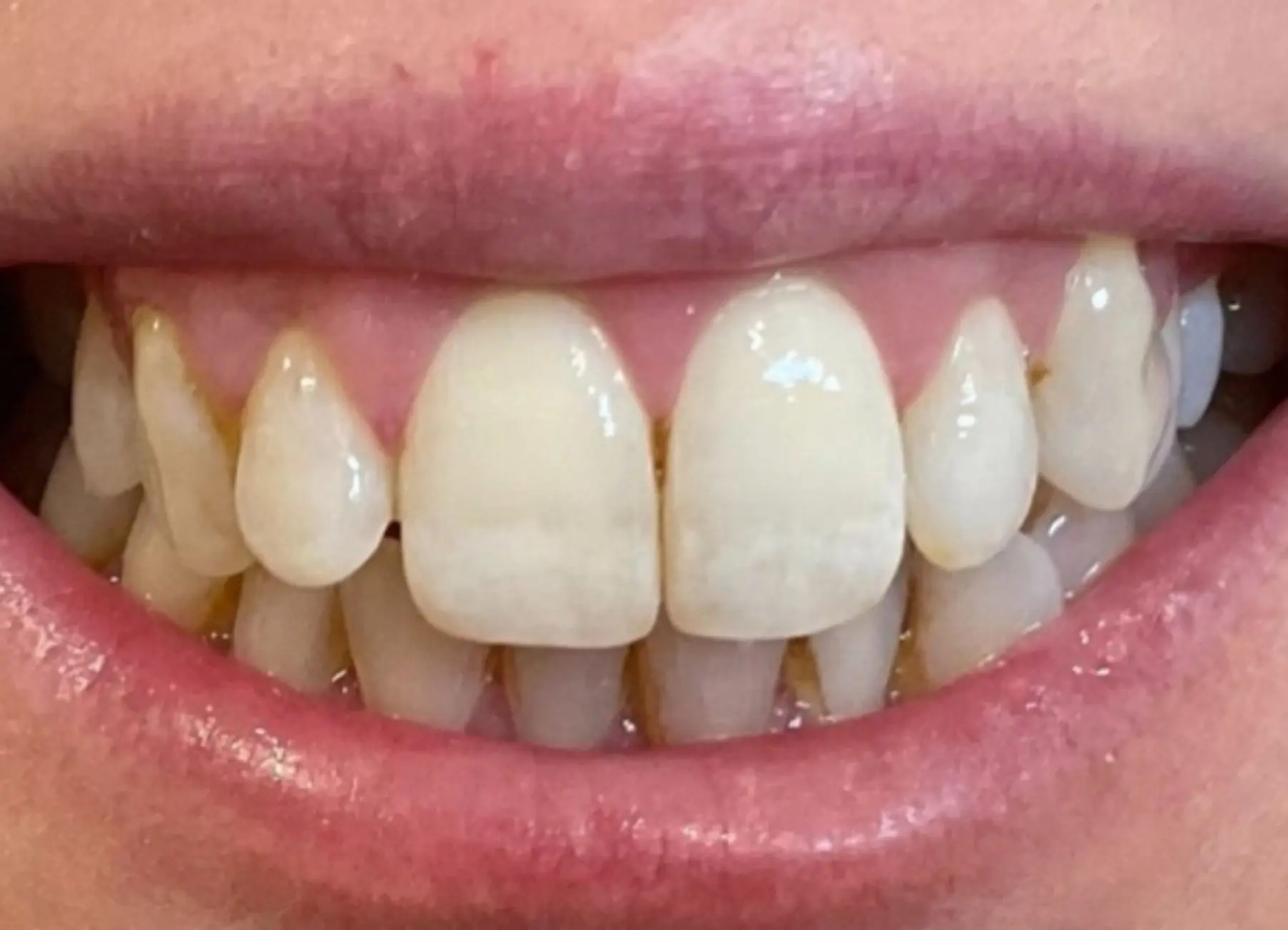
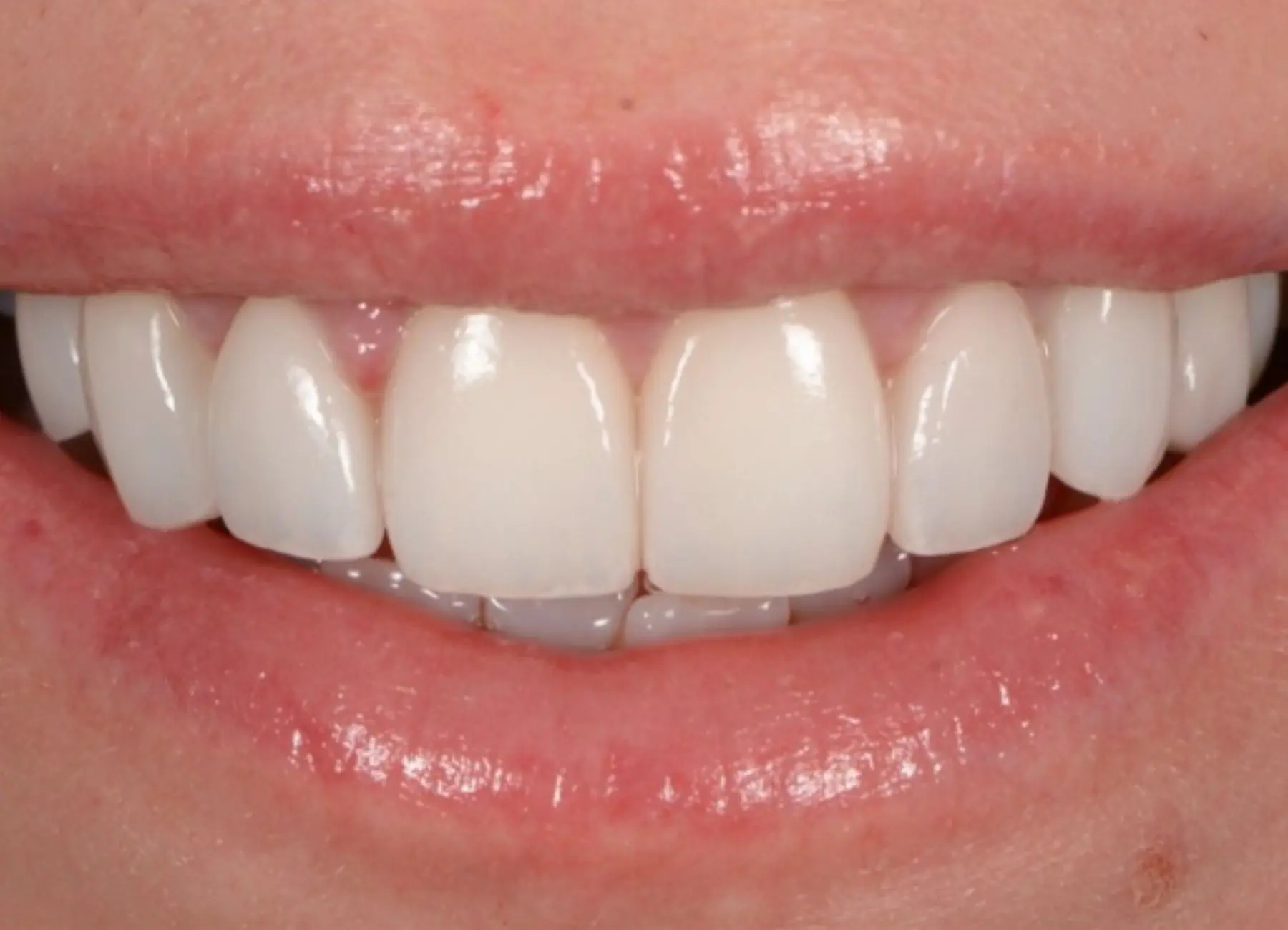
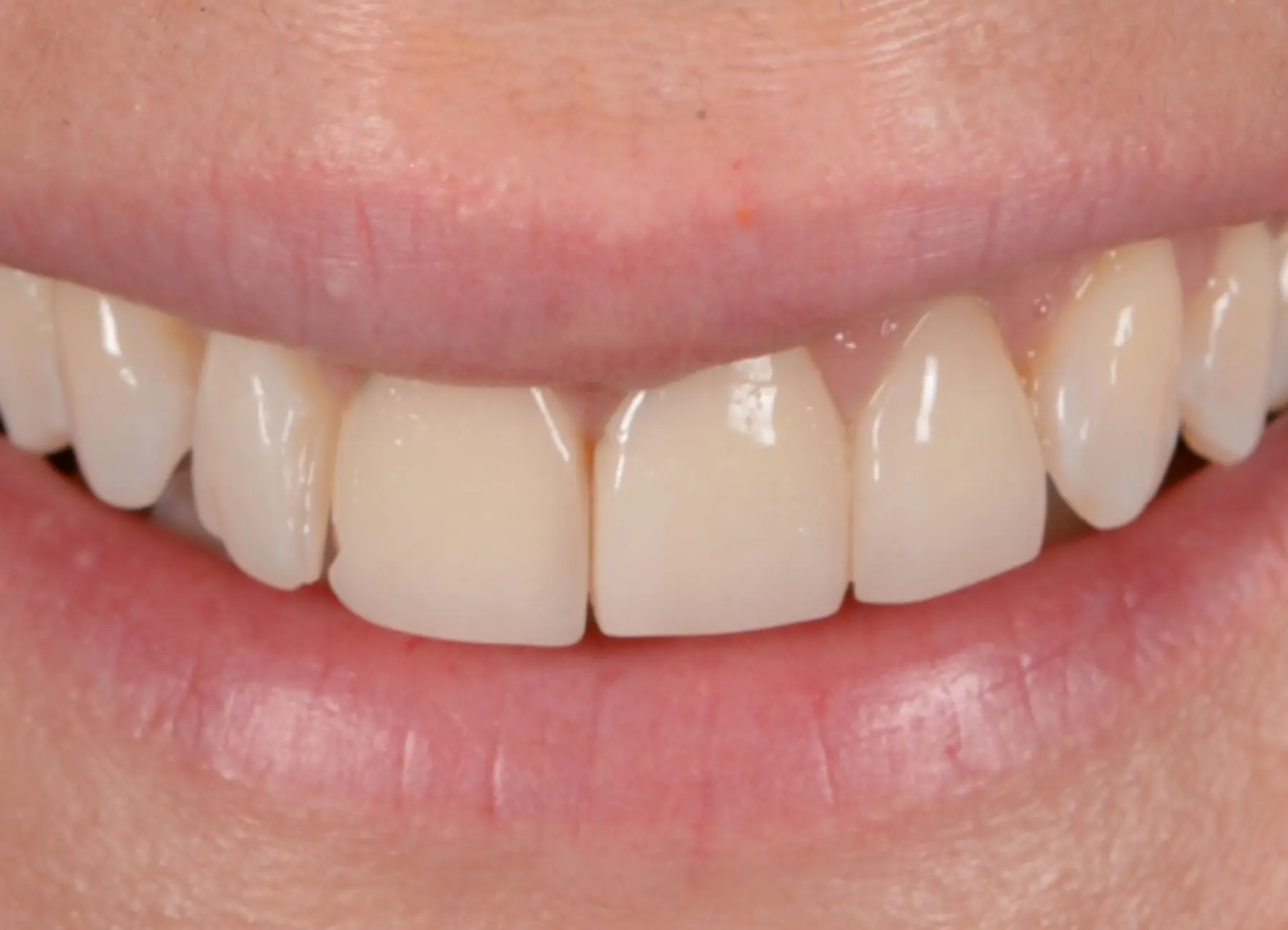
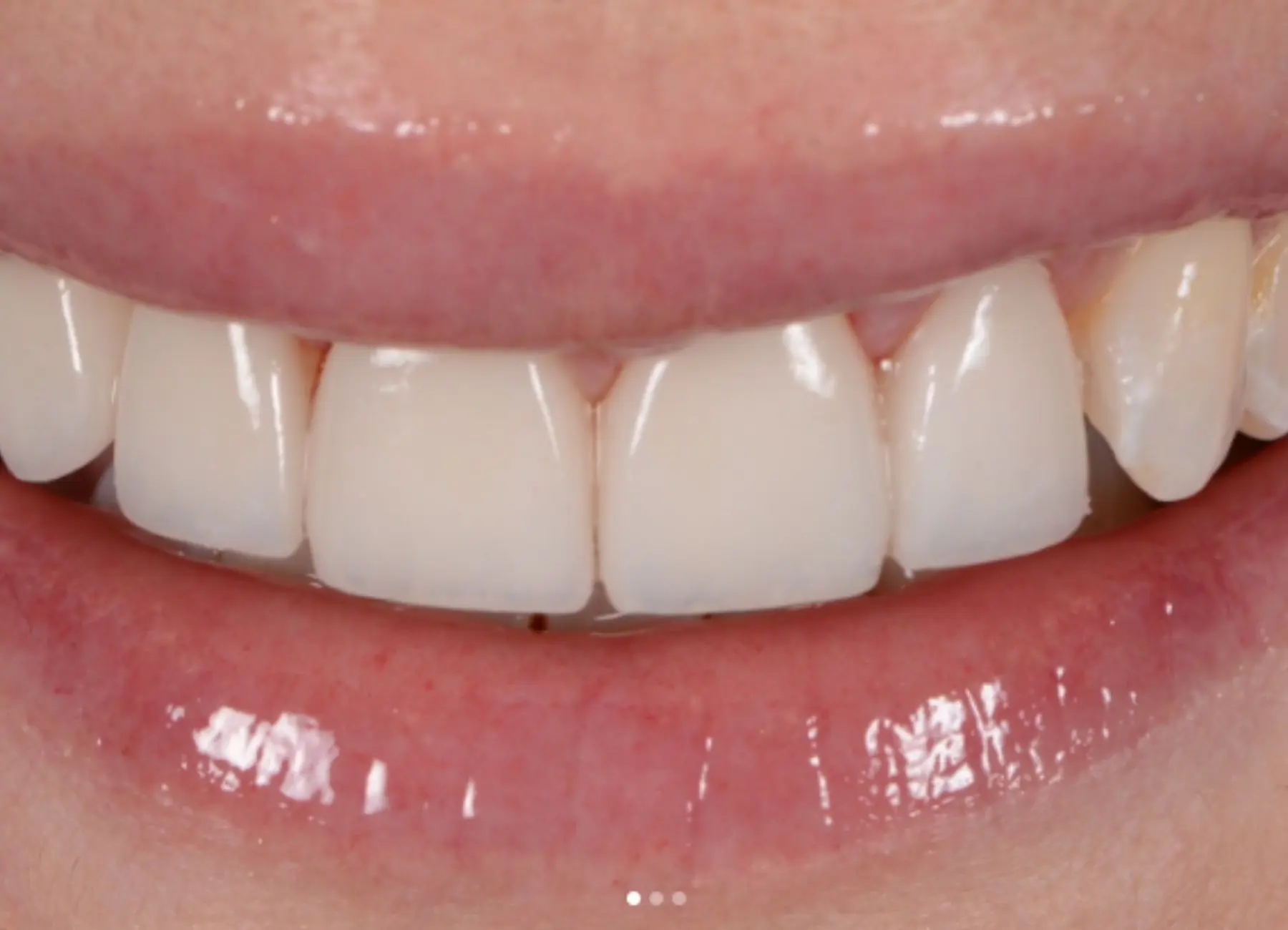
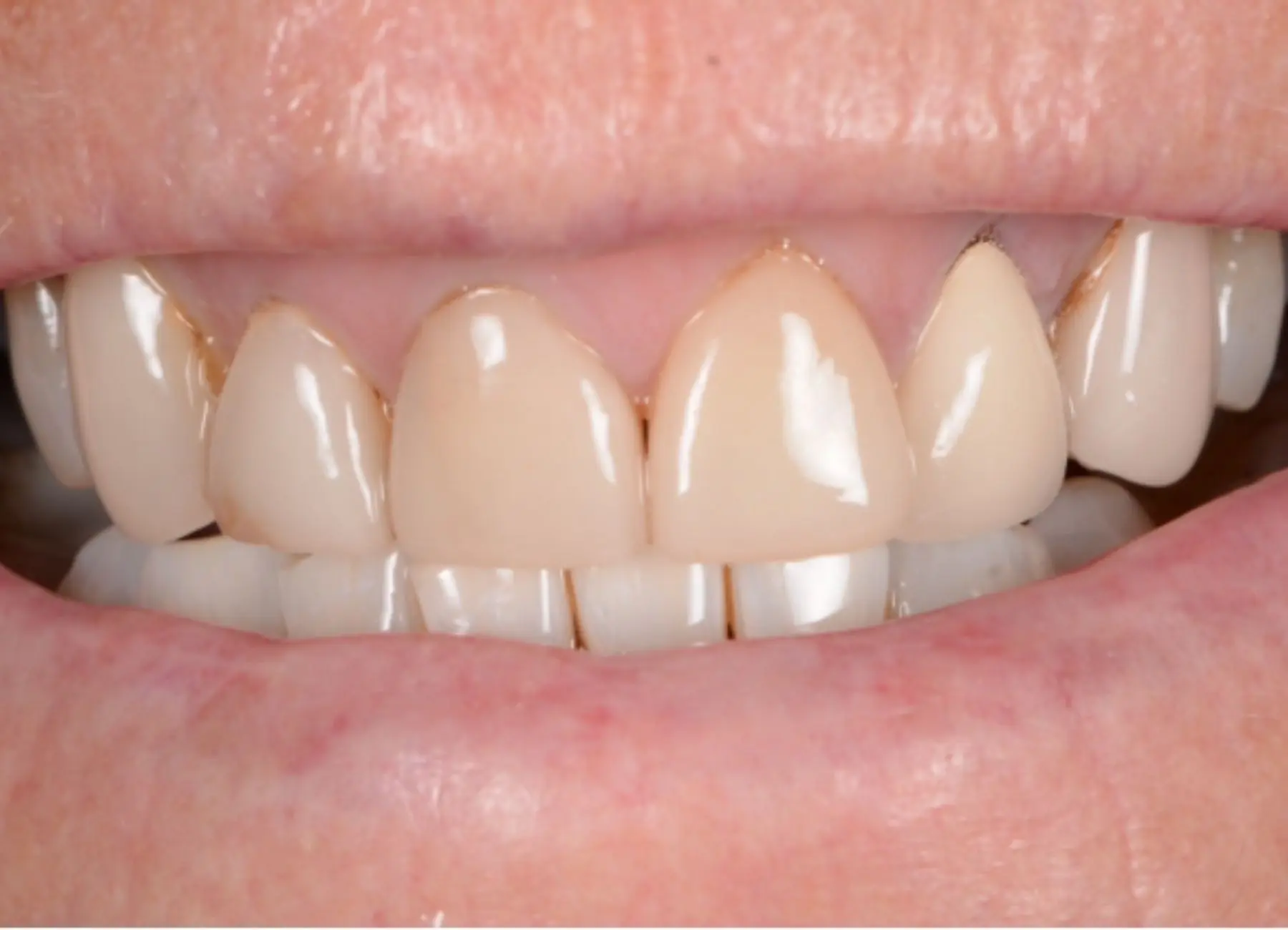
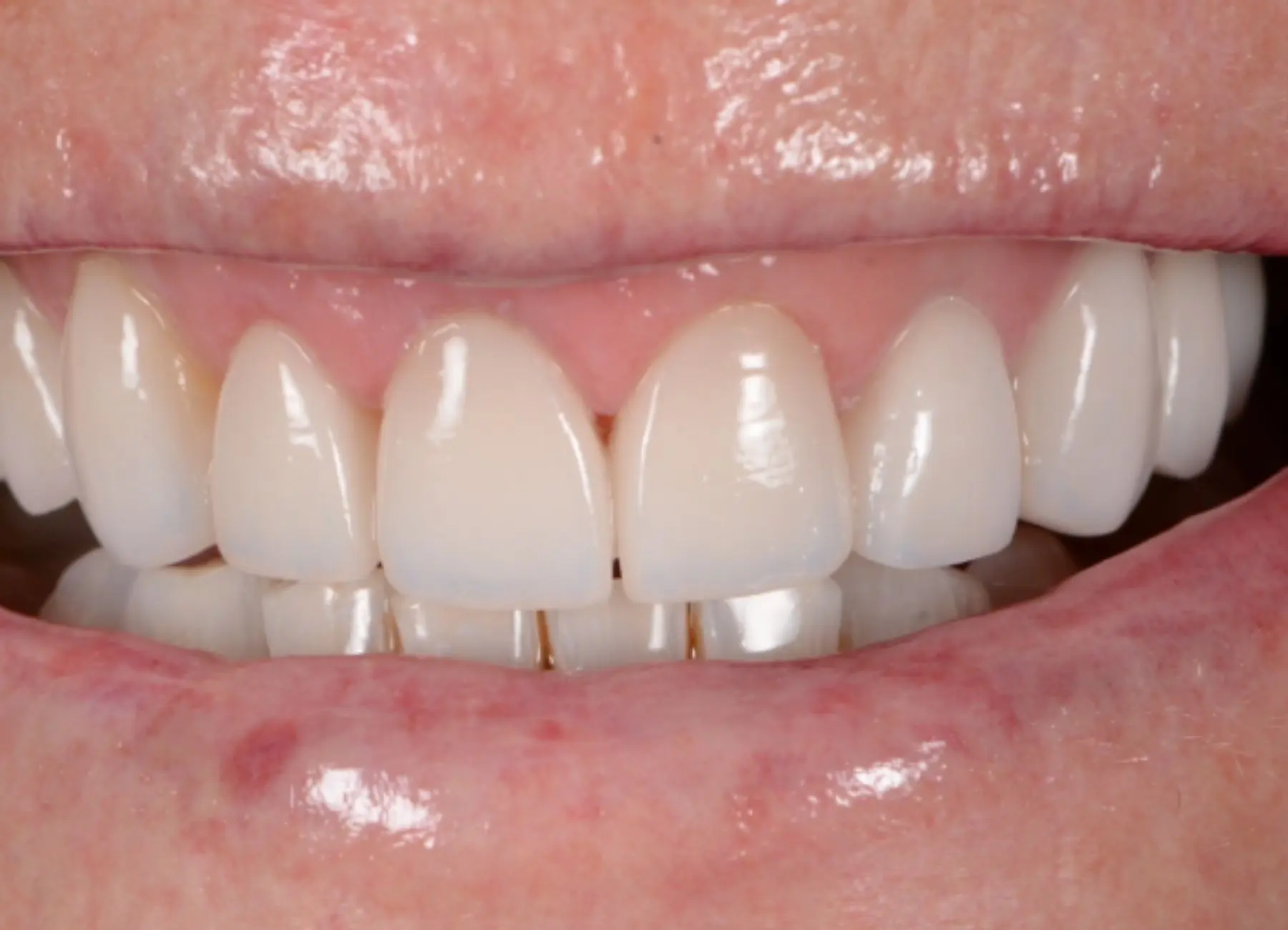
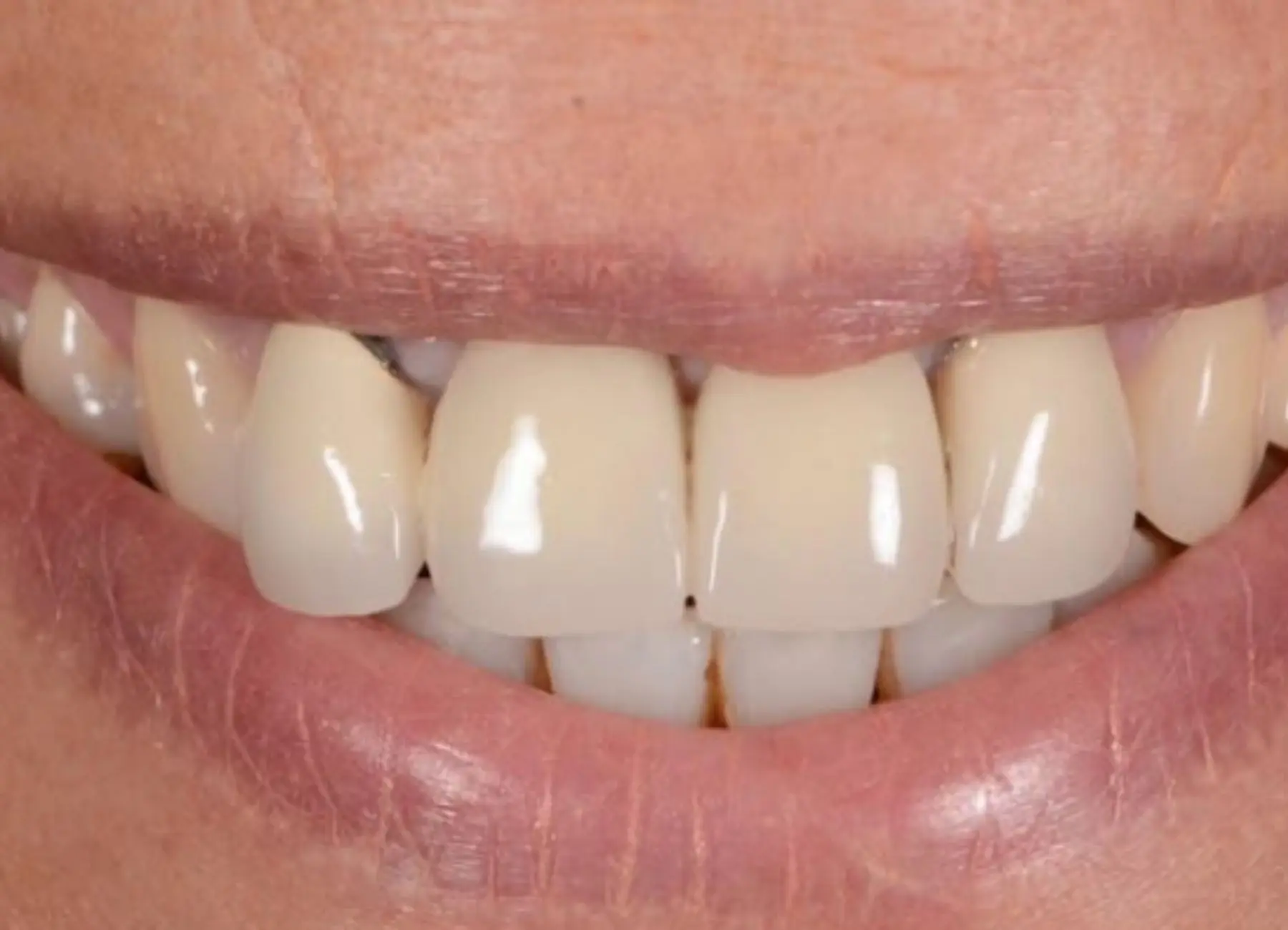
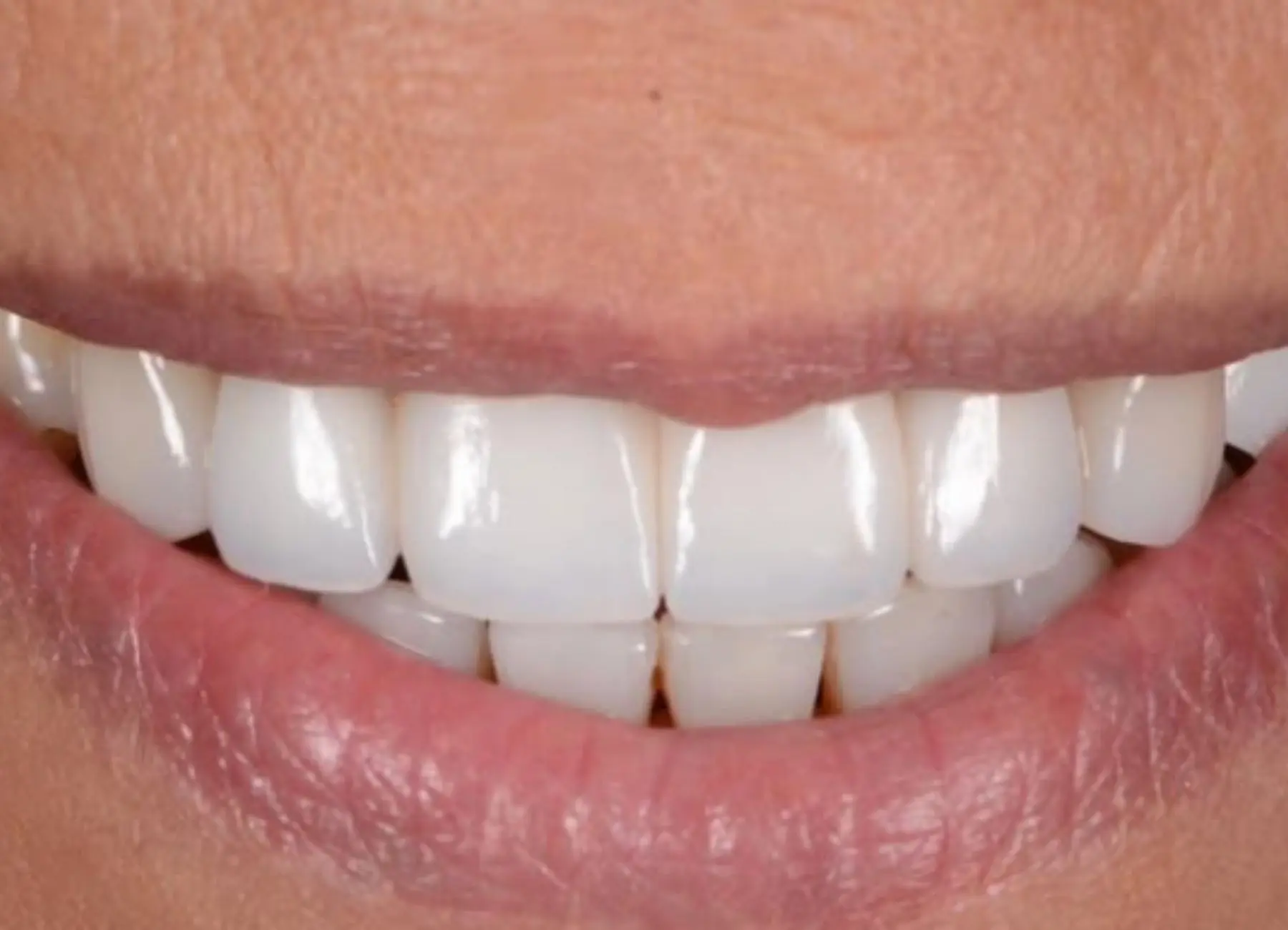
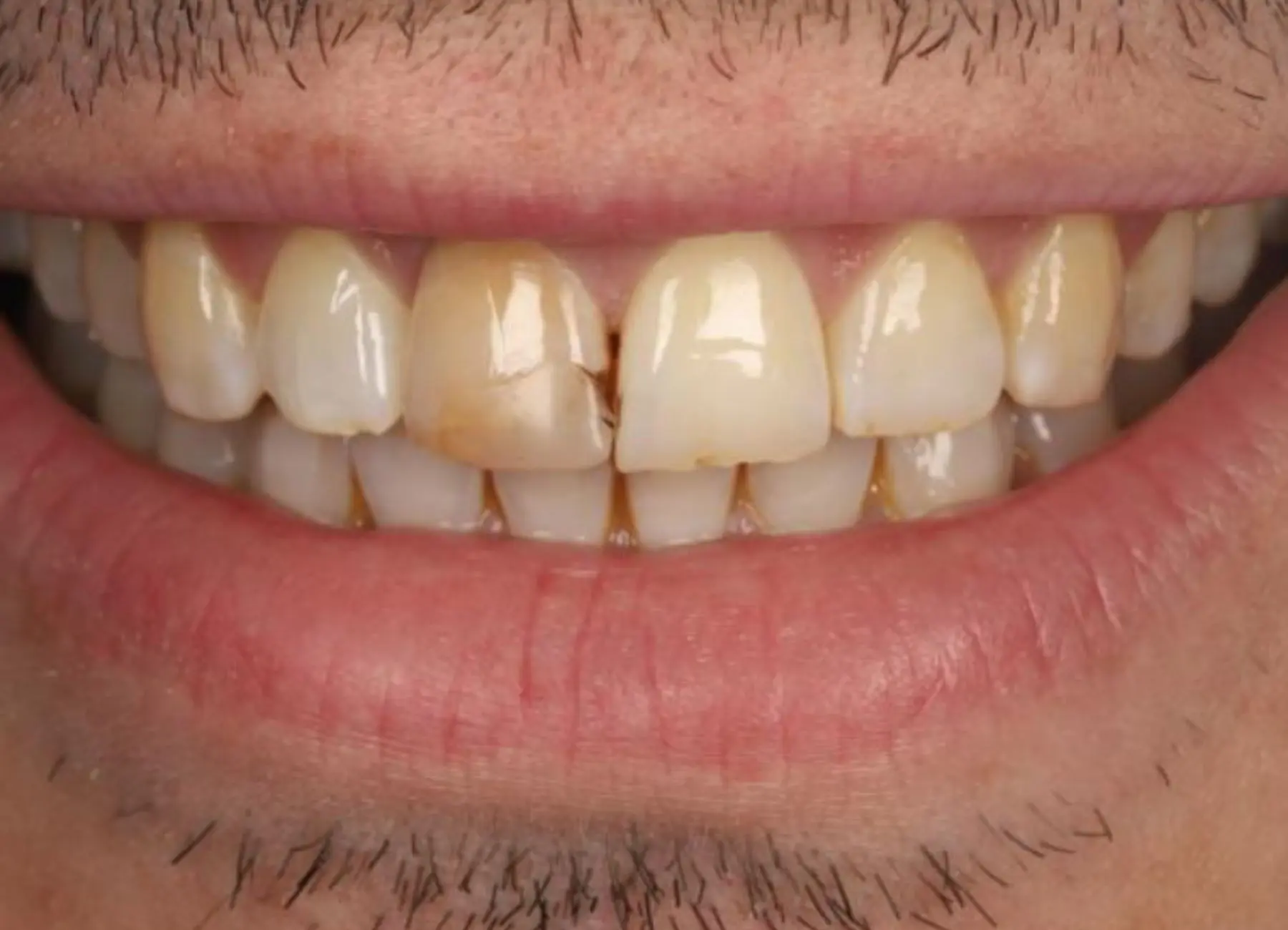
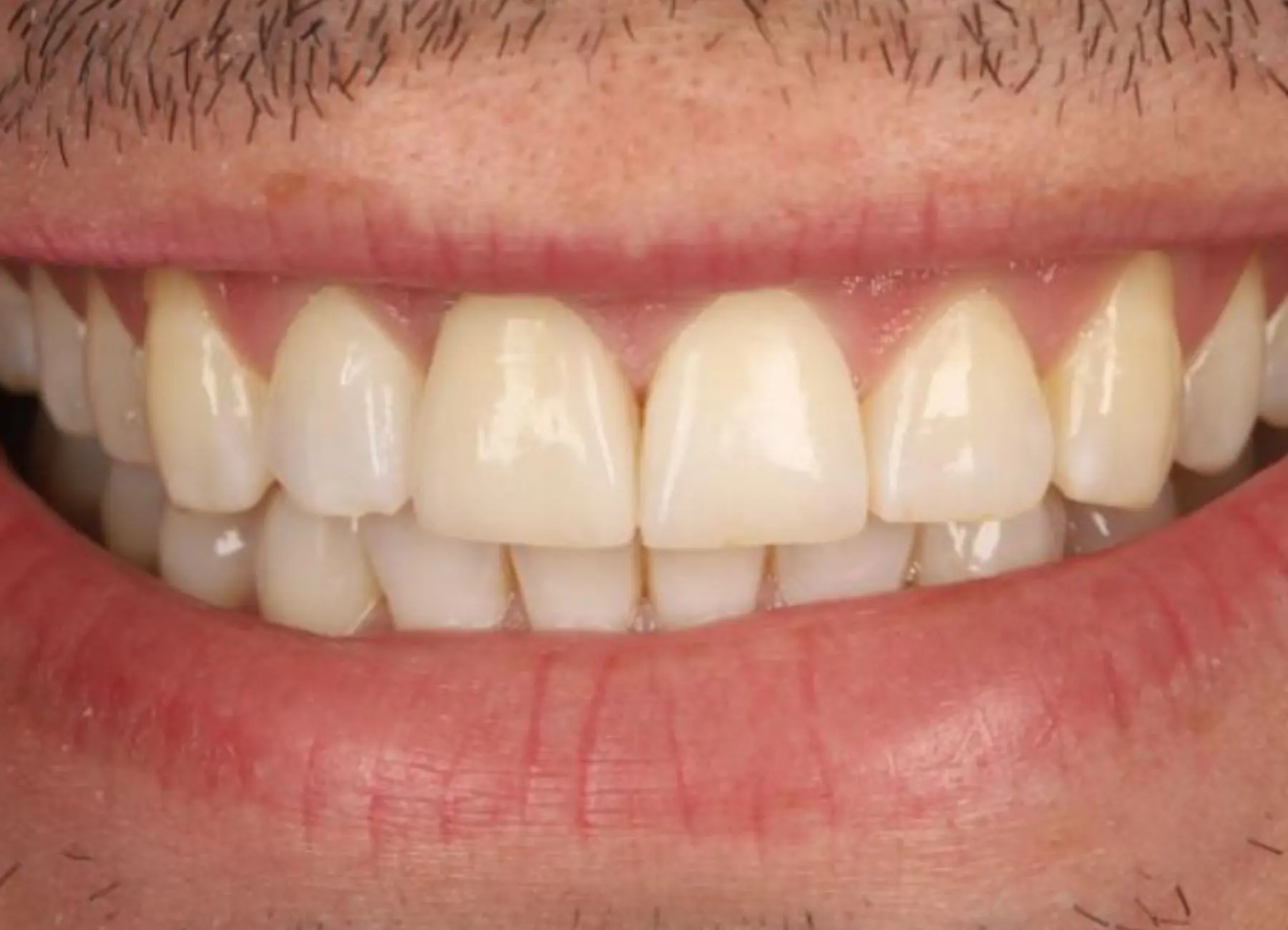
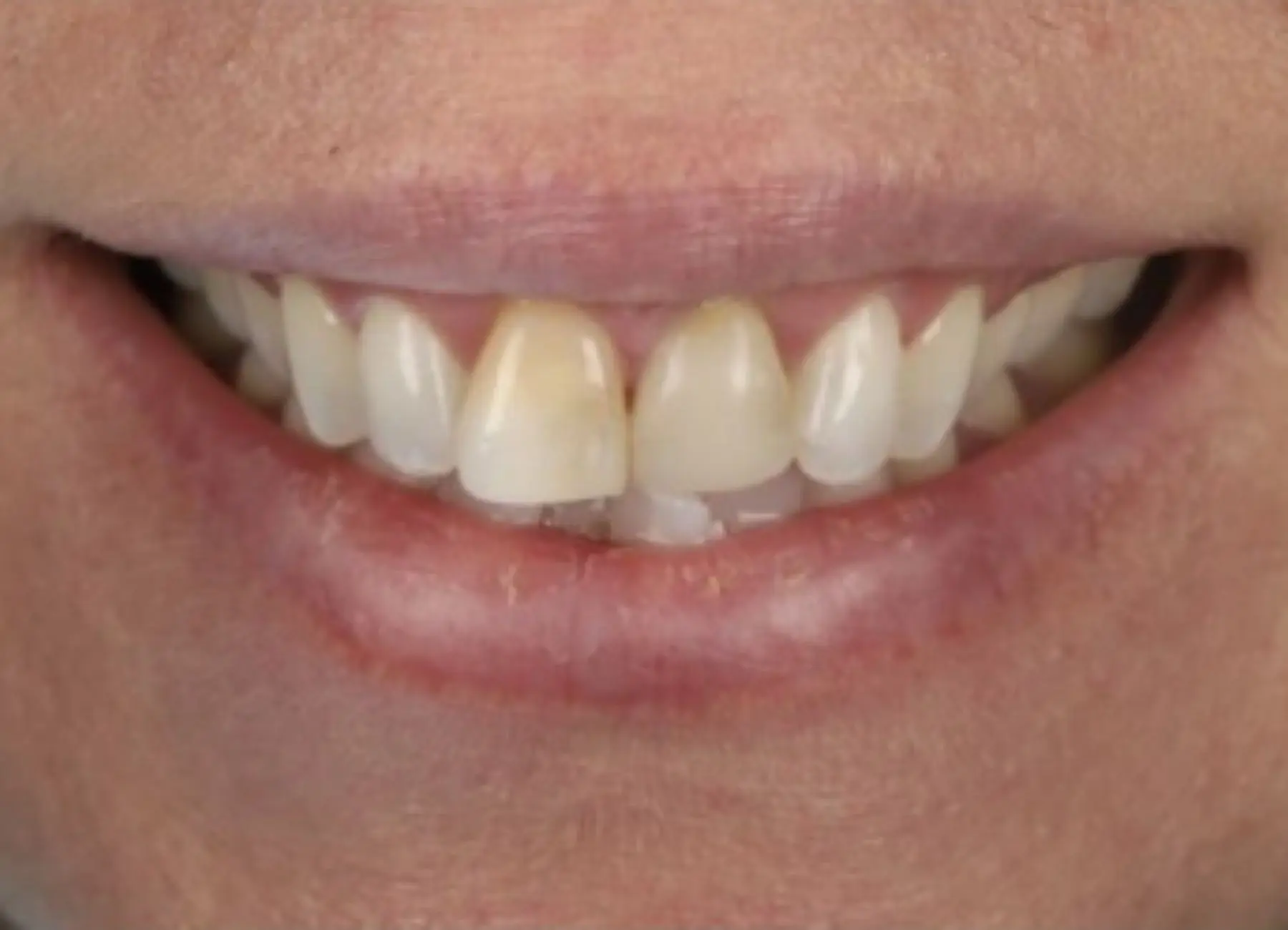
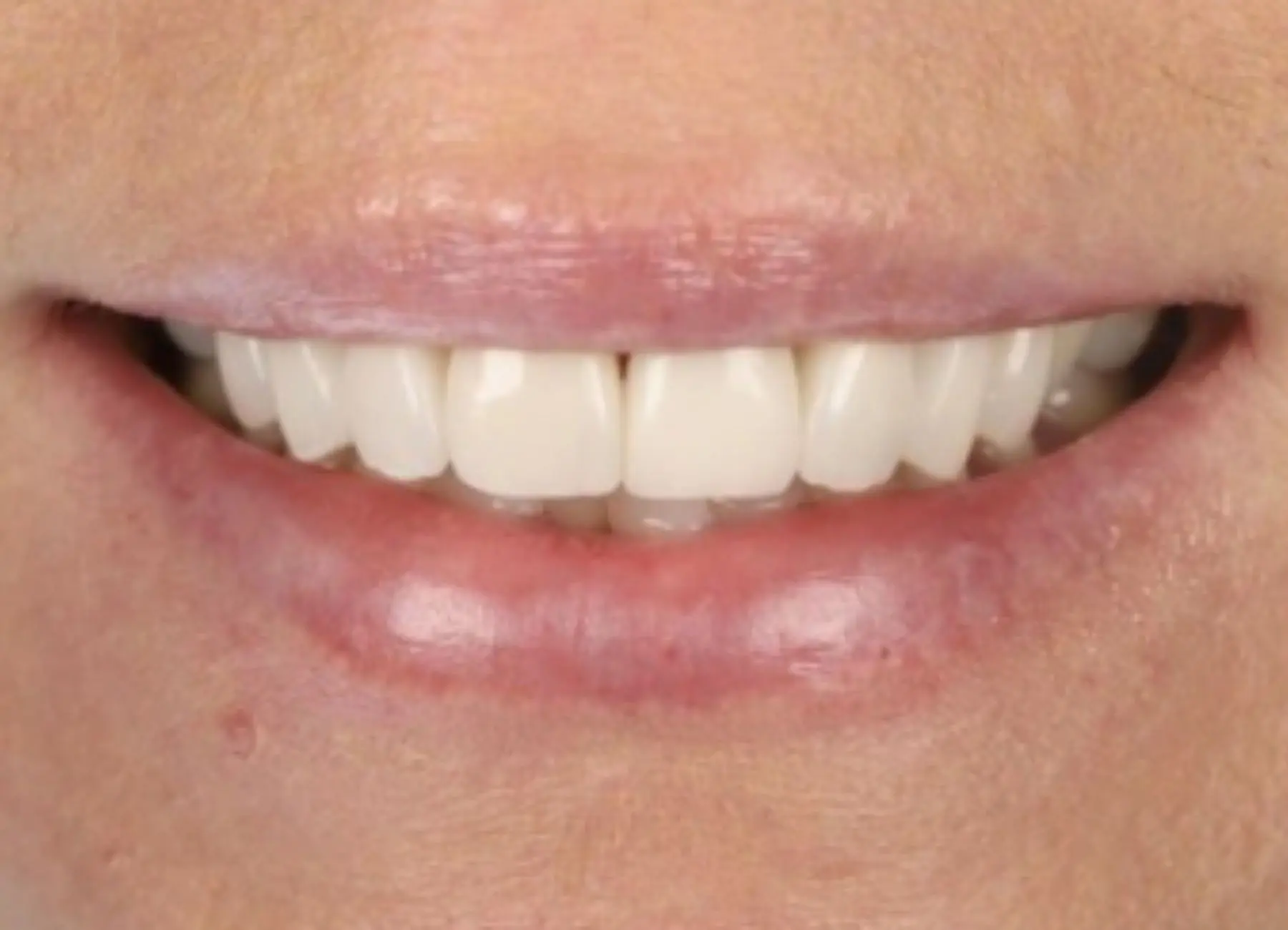
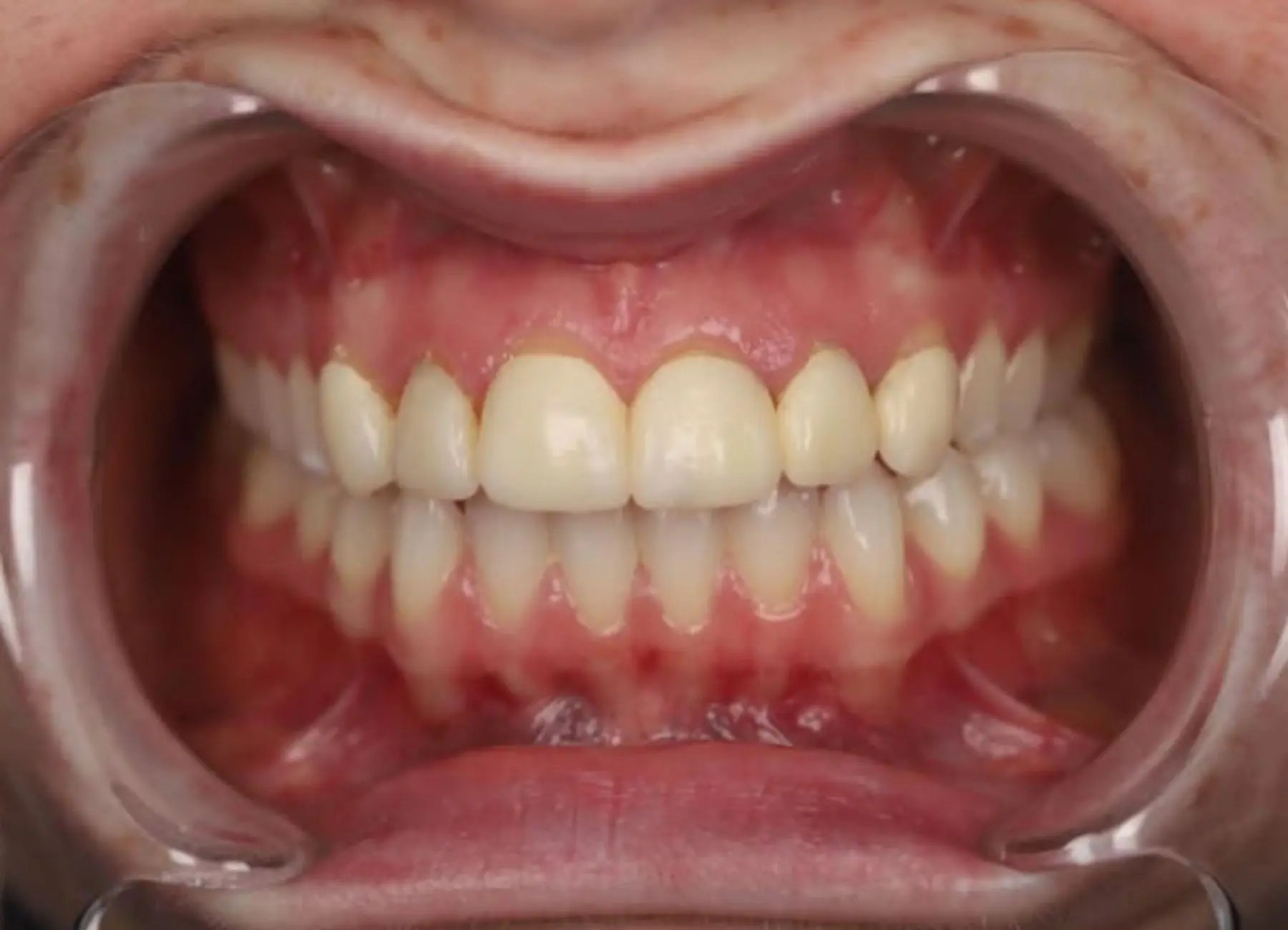
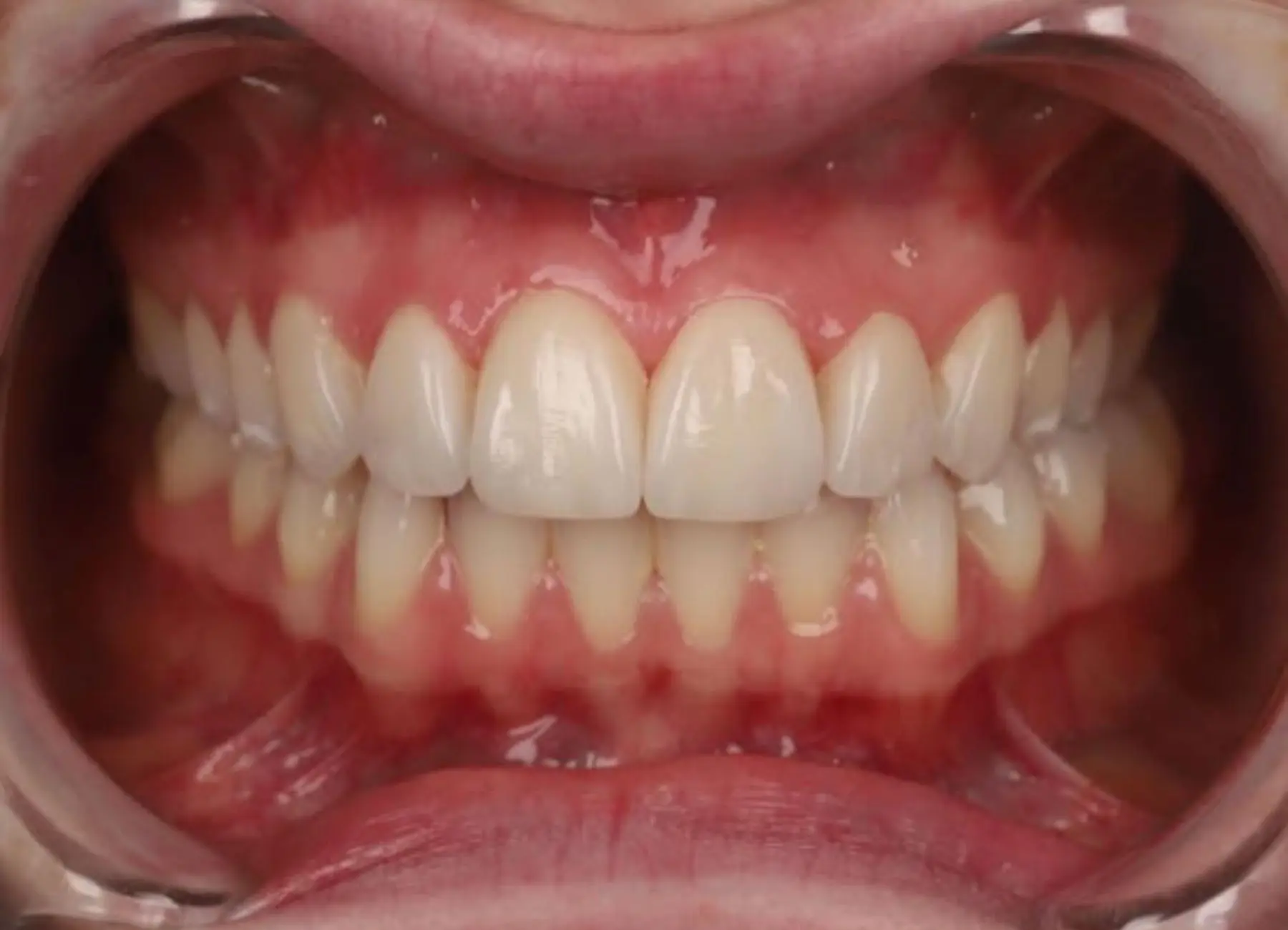
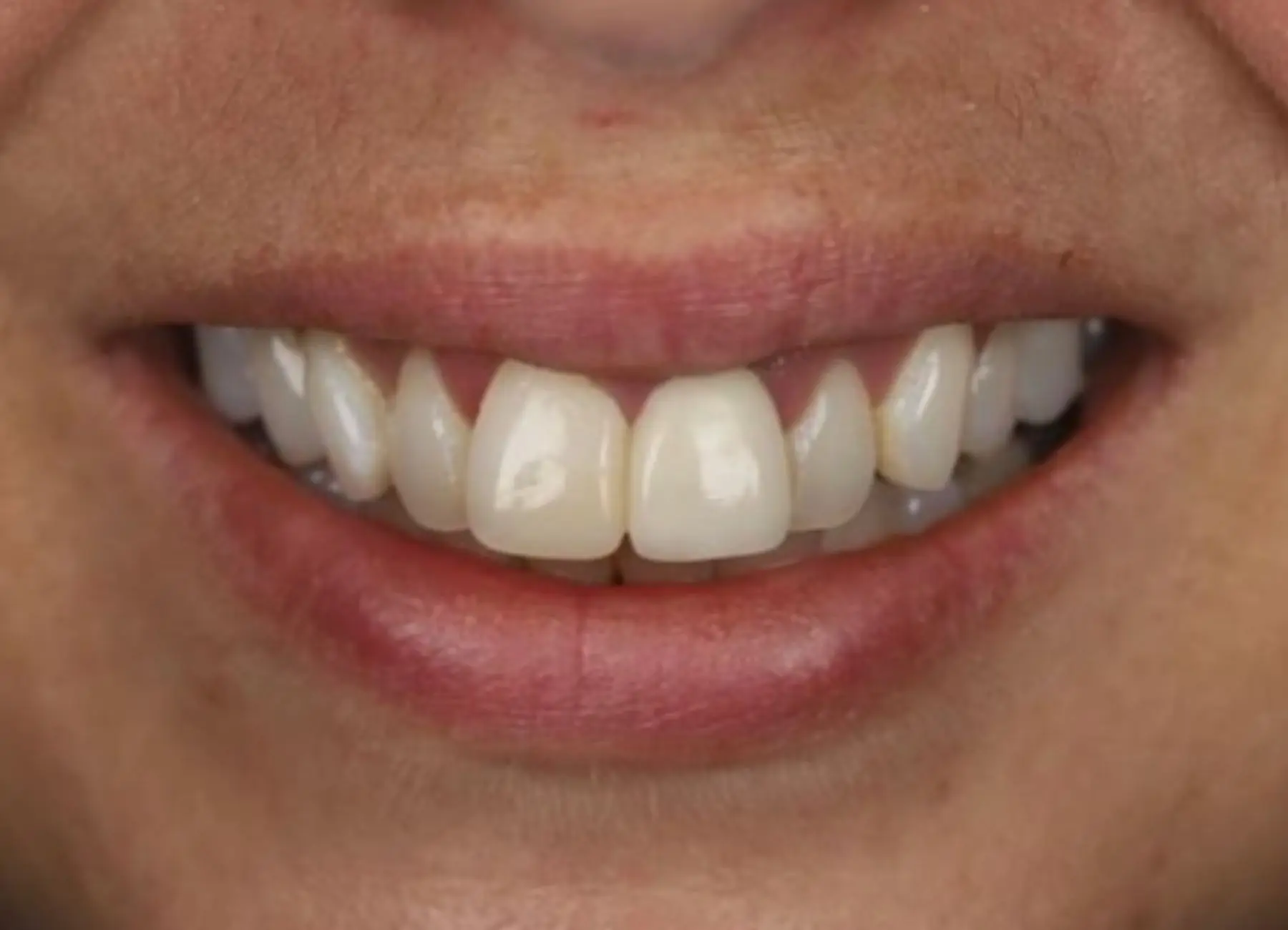
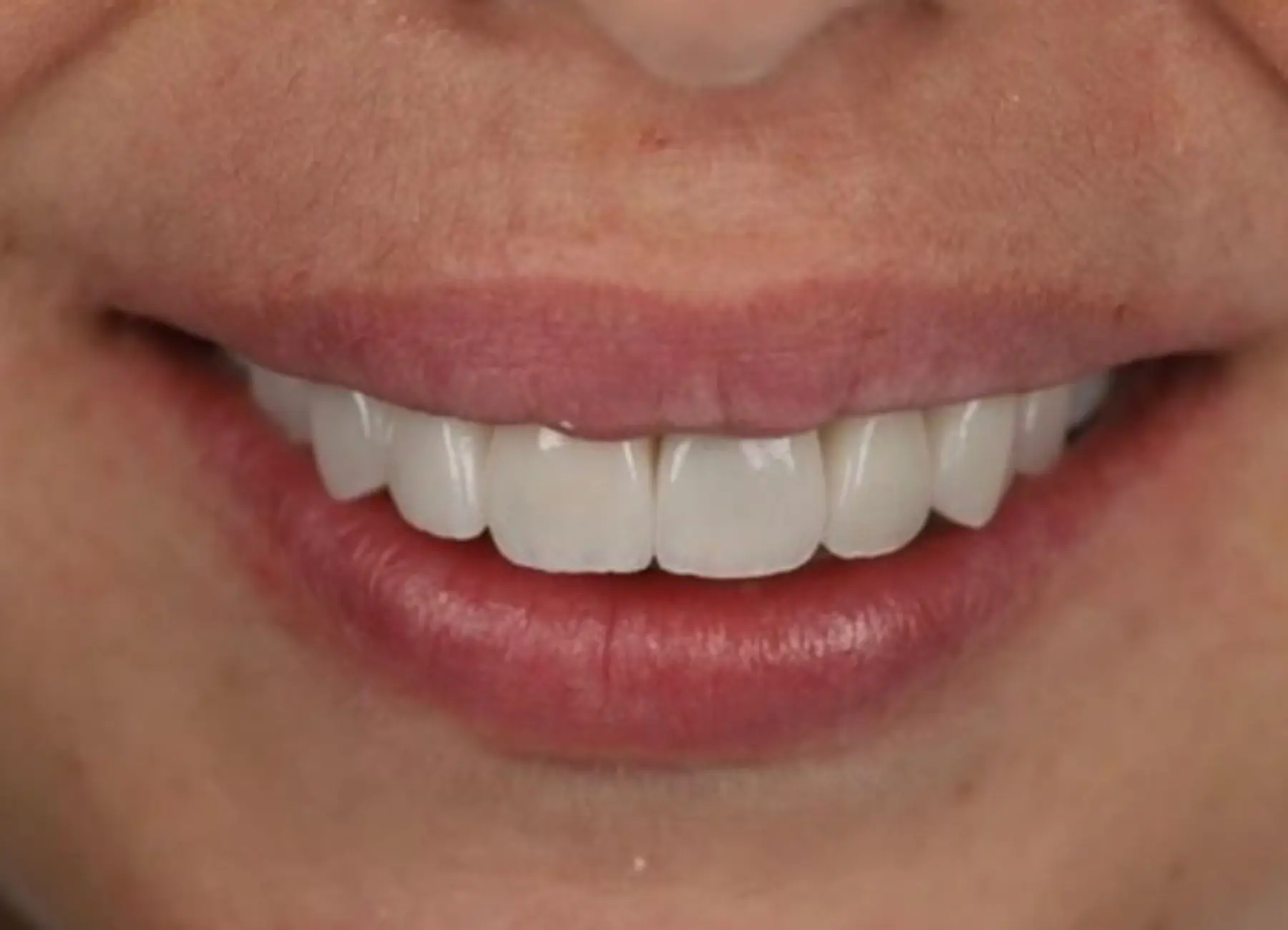
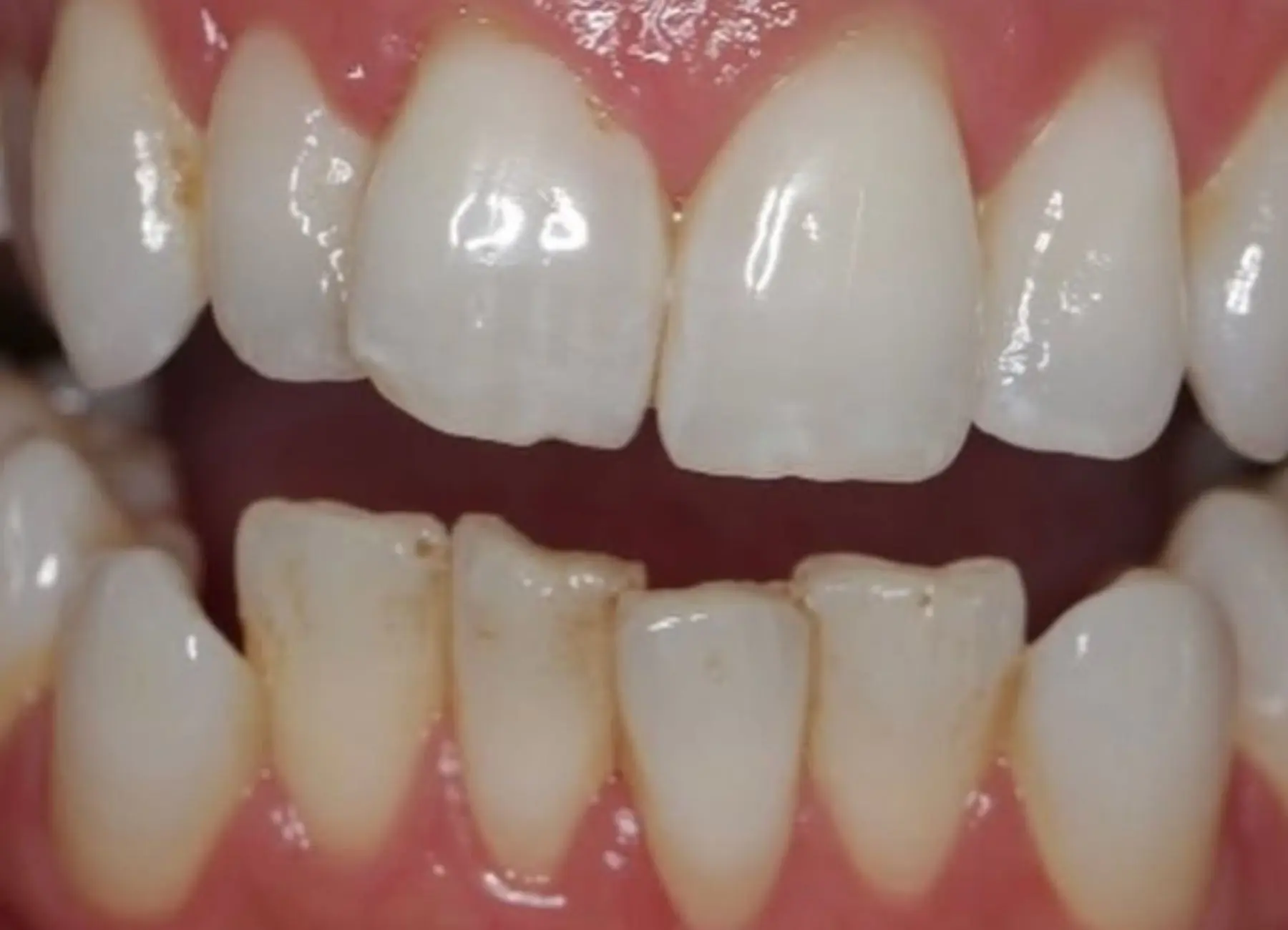
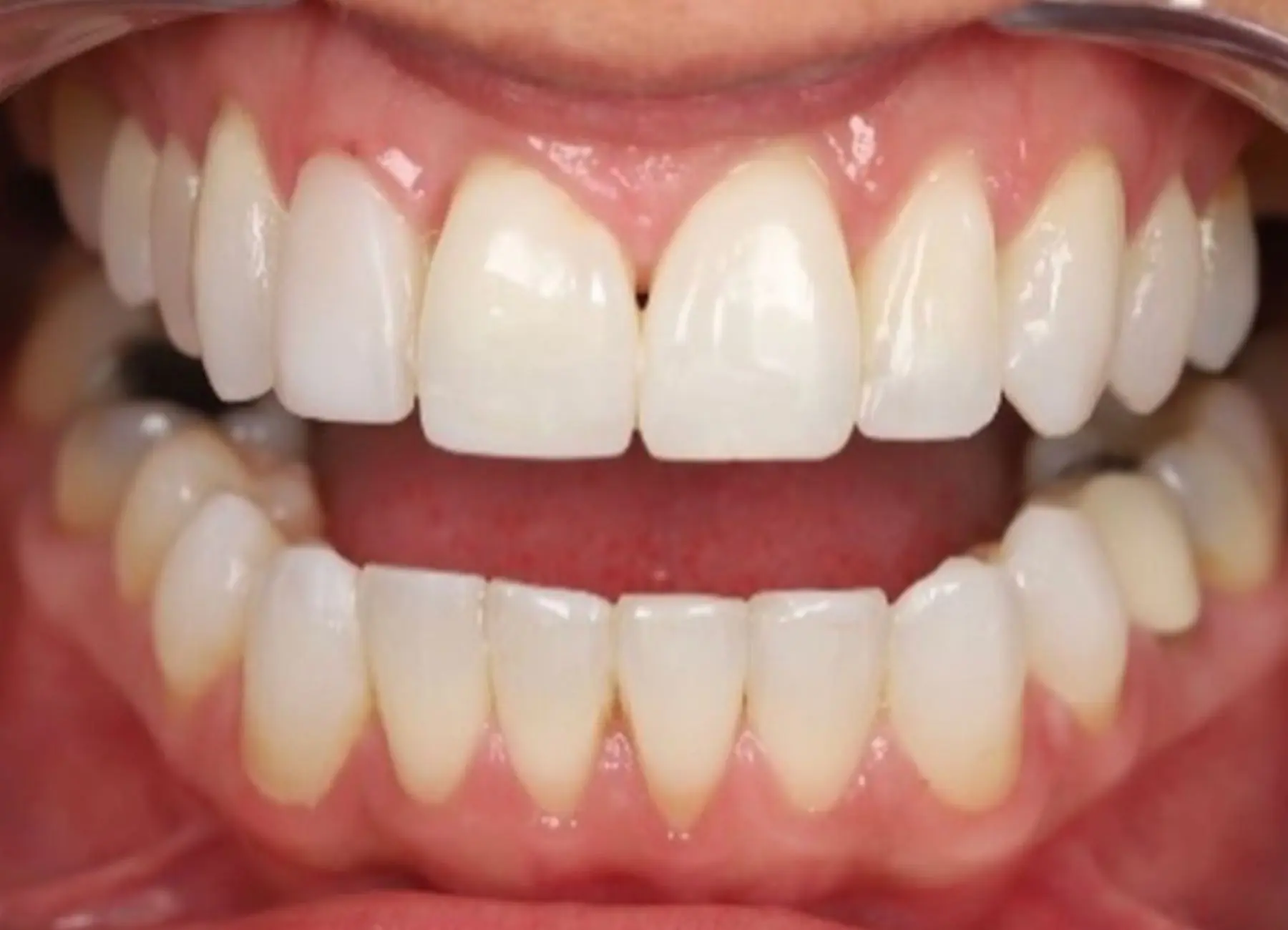
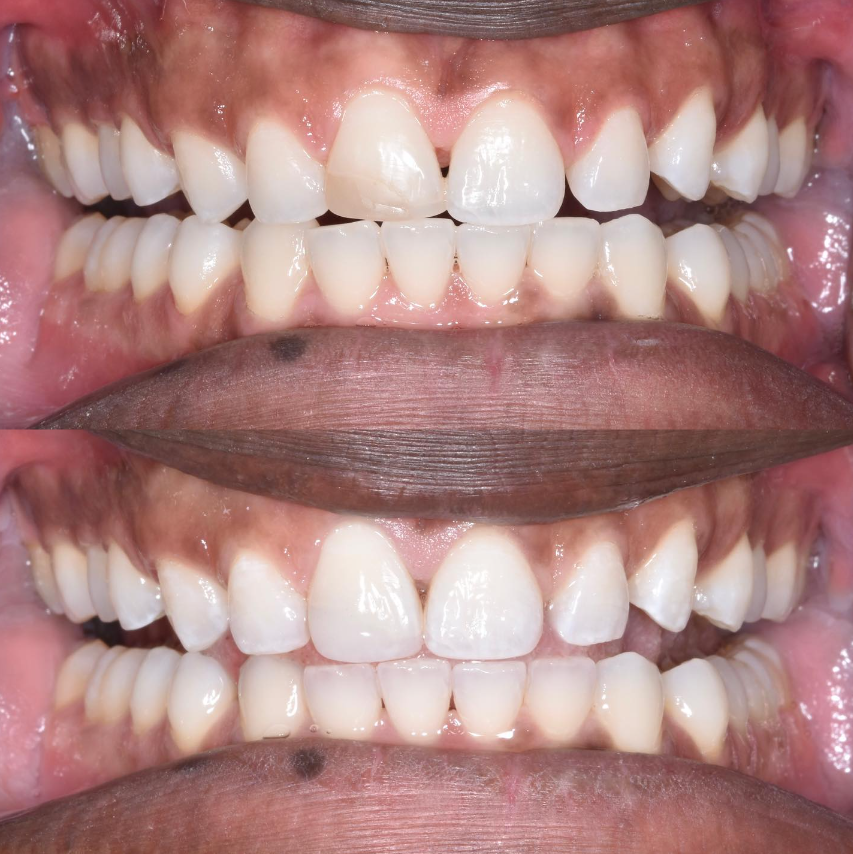
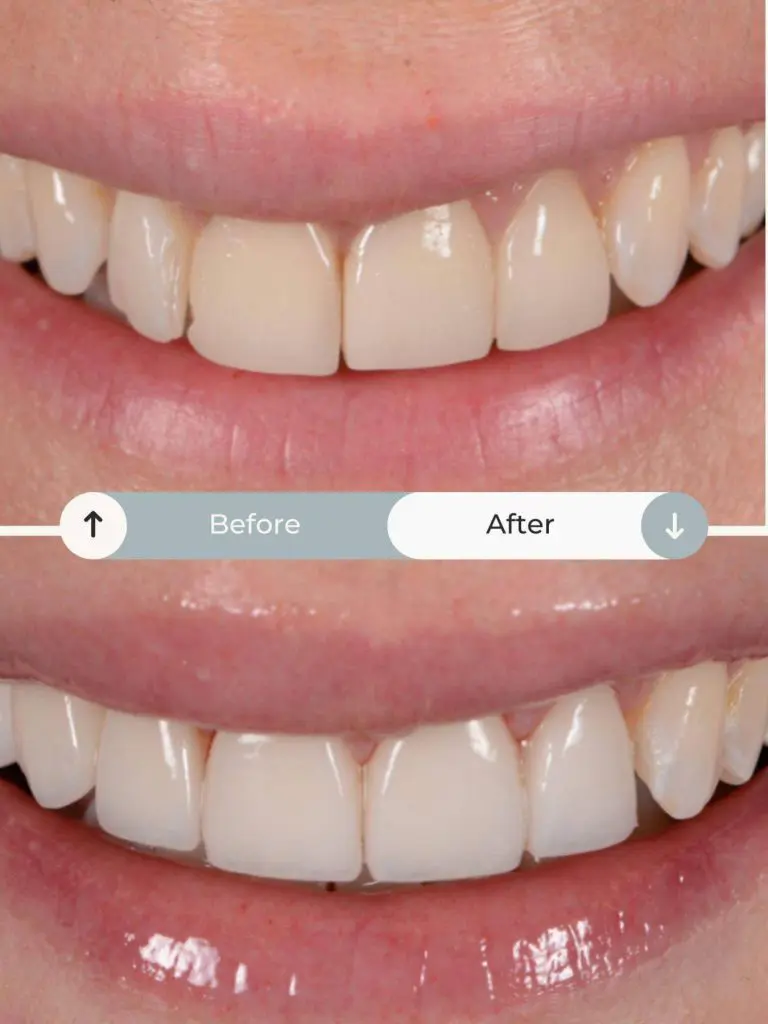
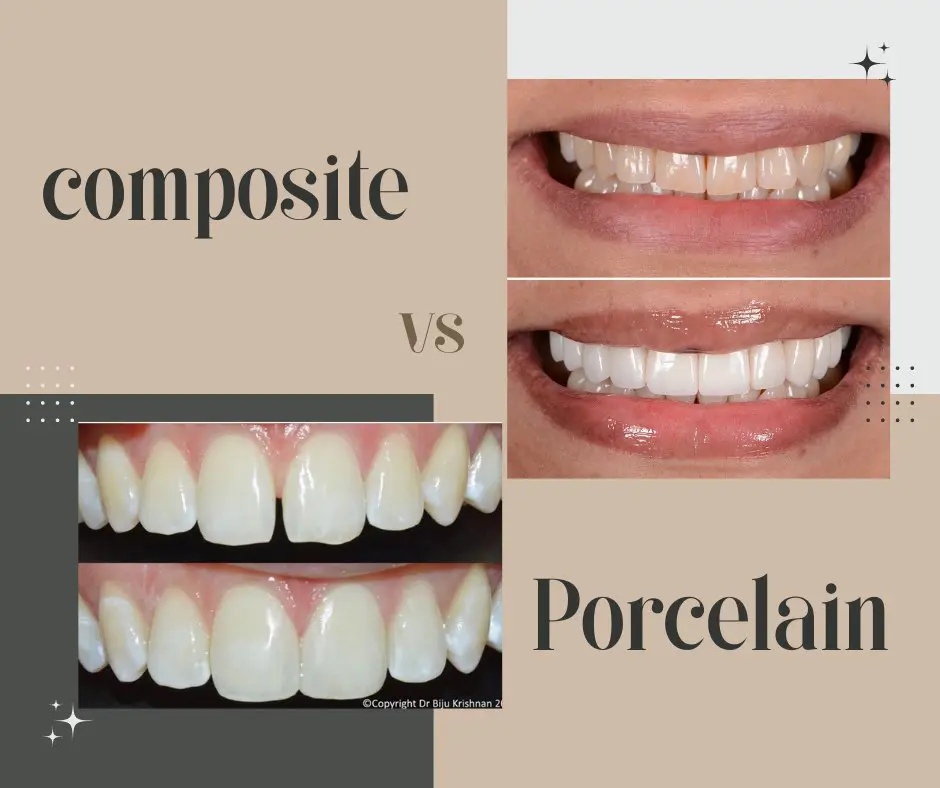
Composite bonding and dental veneers both treat the same smile problems, but how do they differ – and which one will make the most sense for you in terms of results, finances and time.
It’s easy to confuse composite bonding with veneers—and that’s before we’ve even considered composite veneers or edge bonding.
The cosmetic dental world is full of incredible treatments whose sole purpose is to target a particular smile concern, whether it be gaps, discolouration or crooked teeth. But it also means that you, the patient, have endless options and methods to fix your issue, which can get confusing. So, let us break it down…
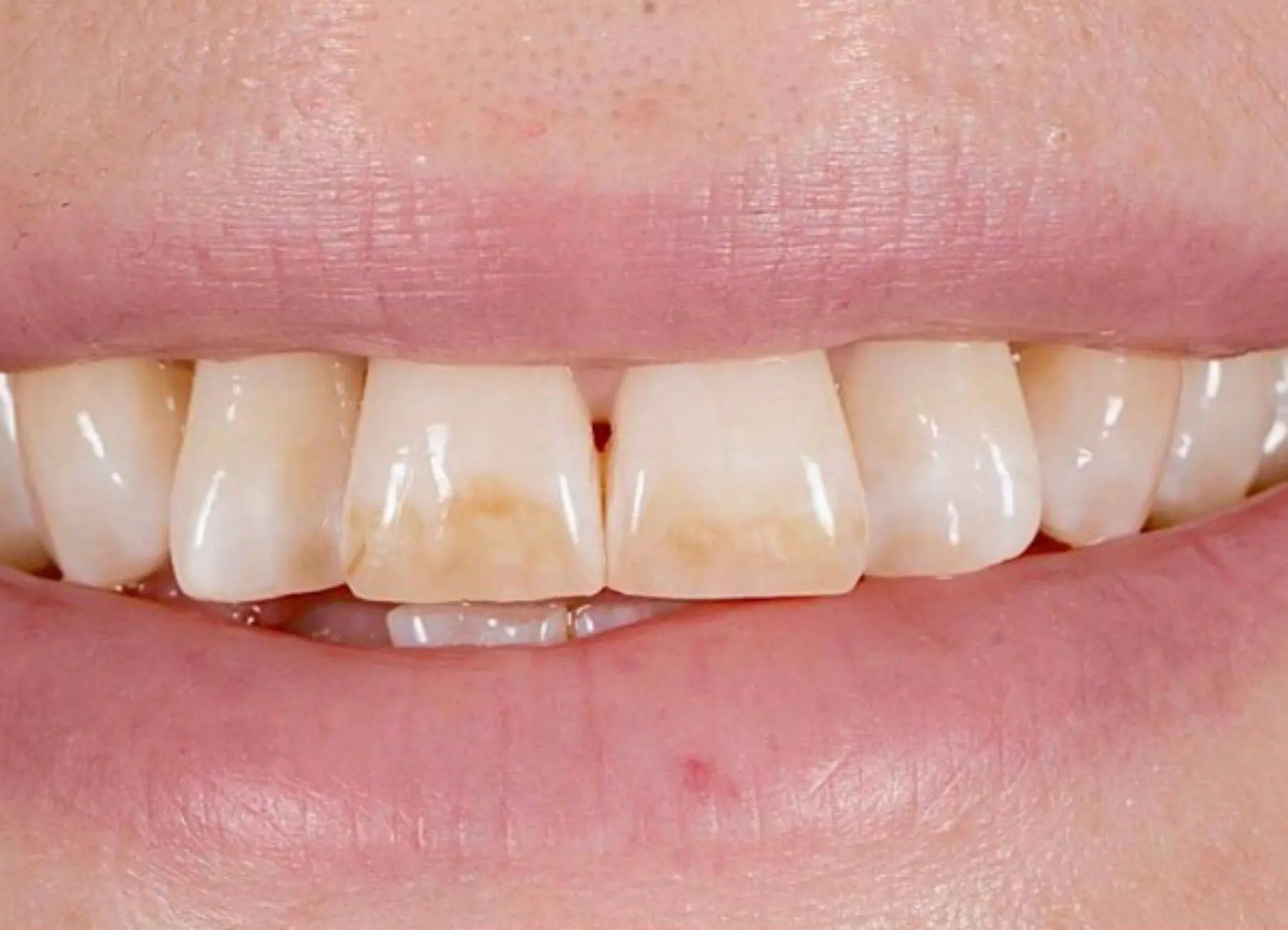
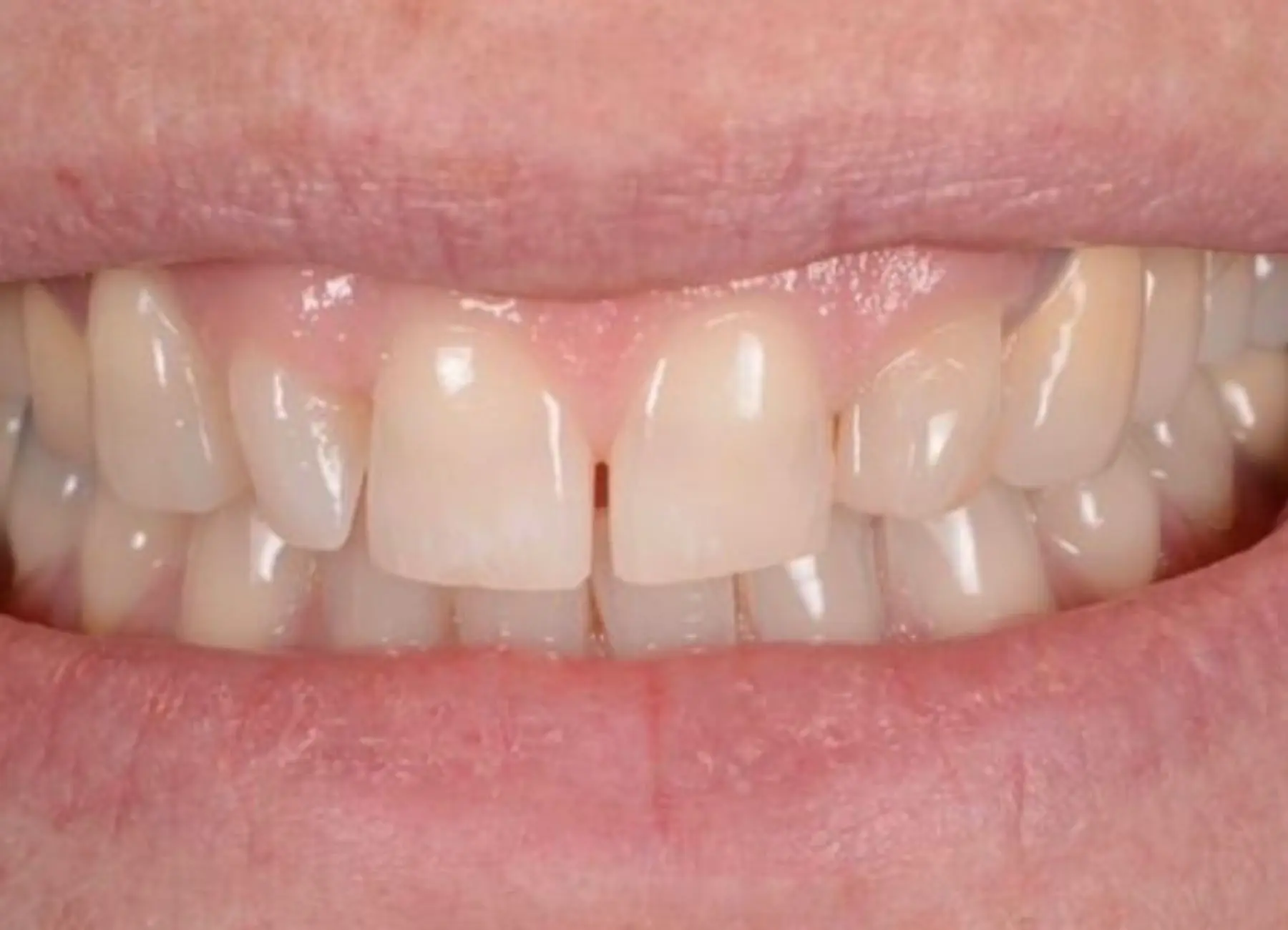
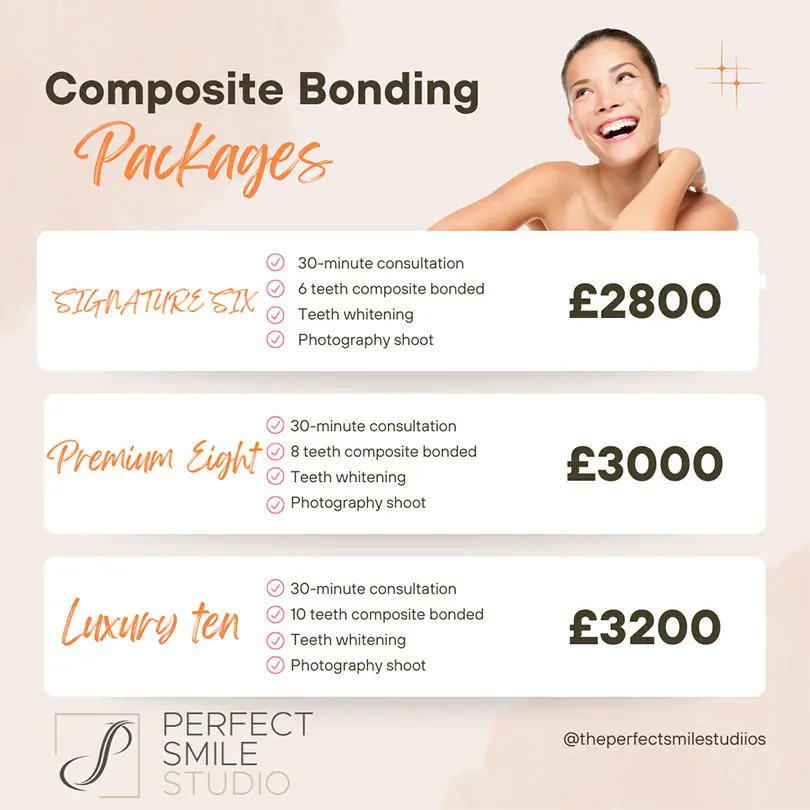
There’s a big difference in cost between composite bonding and dental veneers, but that’s because composite bonding is used to treat minor smile imperfections, or a particular area of the tooth.
At the same time, a veneer is a hand-made shell that covers the whole tooth, which is why it costs more.
Composite bonding is so affordable: it helps patients who want minor tweaks achieve this without getting a veneer.
Now, if your problem requires treatment of the entire tooth or is more severe, you might want to start looking into composite veneers instead if you’re sold on bonding benefits.
You’ll get all the same advantages and just pay a bit extra for more material.
Our free, no-obligation telephone consultation will be held with our treatment coordinators. The suitability of the options discussed will depend upon your clinical assessment at the practice.
It’s a totally different application process
Composite bonding is completed chairside in one appointment, taking 30-60 minutes.
It’s a simple procedure that requires no anaesthetic and is 100% pain-free, as we’re only adding material to your tooth, not taking any of the structure away.
Typically, you’ll require two appointments, the first being your consultation to assess your suitability, and then the treatment appointment.
Porcelain veneers, on the other hand, are a three-step process, usually split over three appointments. They are designed and hand-crafted in a dental laboratory.
But in your second appointment, you can expect temporary veneers, where you’ll get a good idea of your new smile and how it will feel. Applying your final veneers involves a bit of preparation, unless you opt for no-prep brands of porcelain veneers, which are thinner like Lumineers.
A small etching of enamel will be removed (no more than 0.5mm), which ensures your veneers look natural and are not bulky.
The really important bit - are the results totally different?
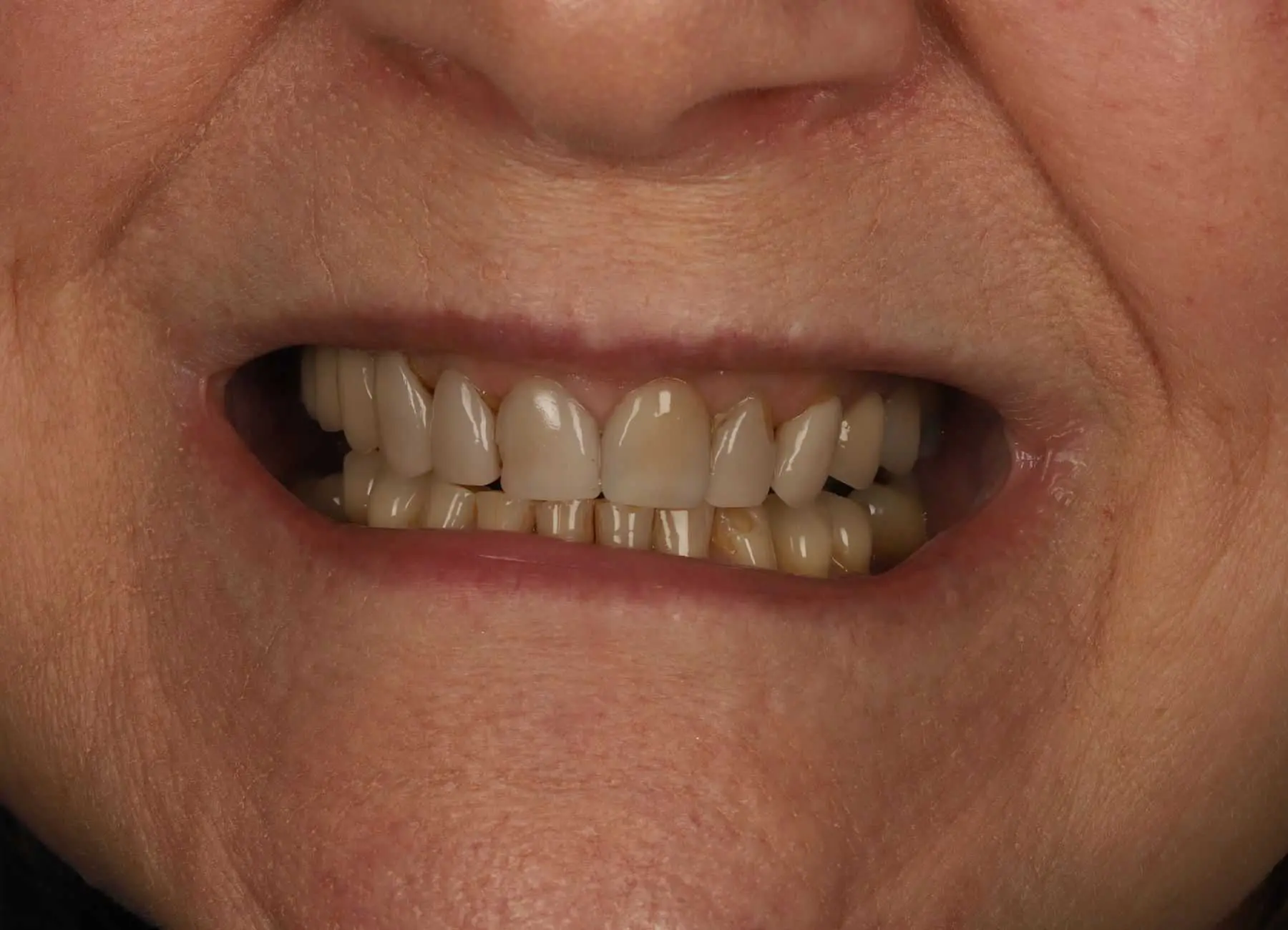
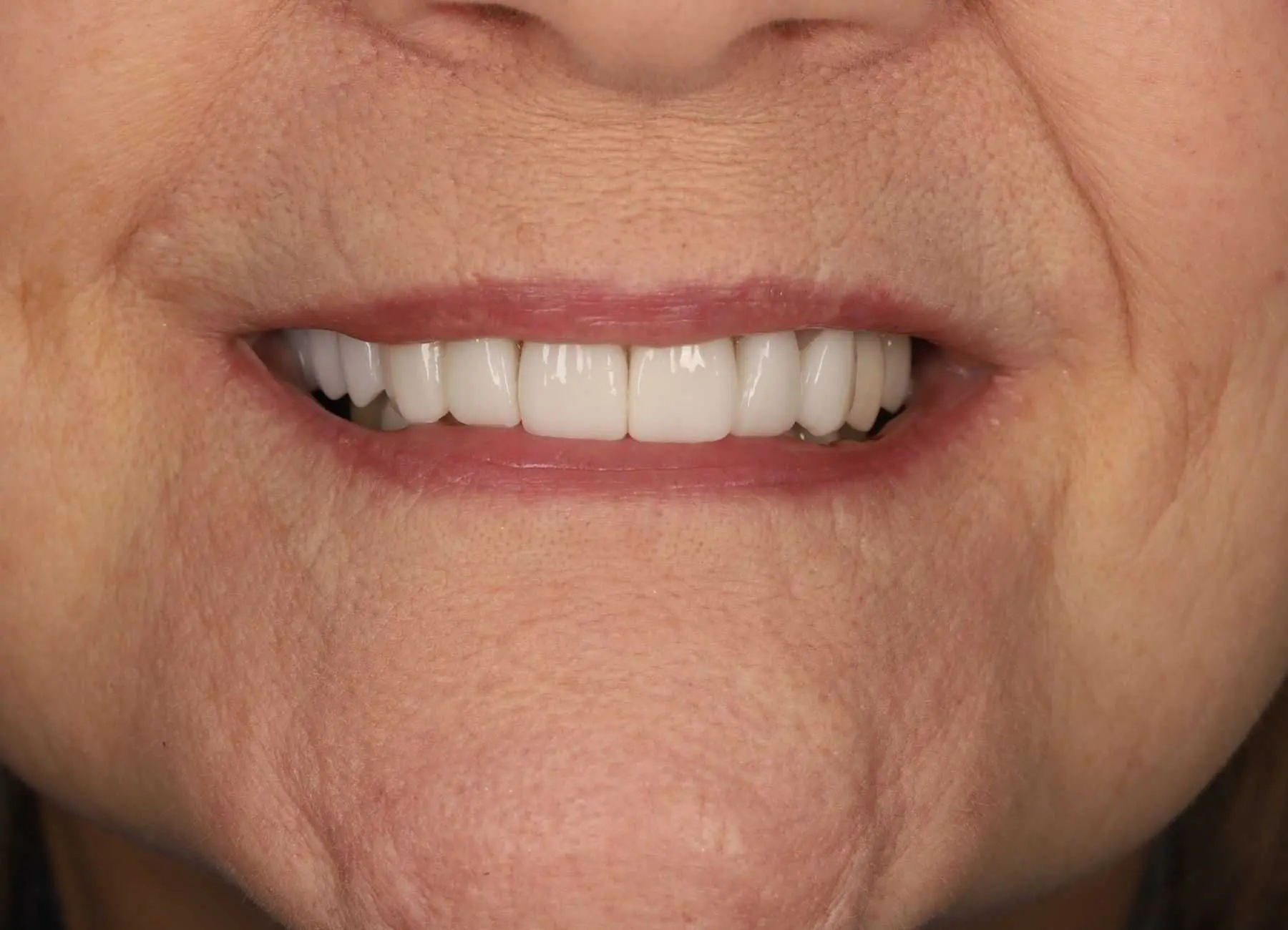
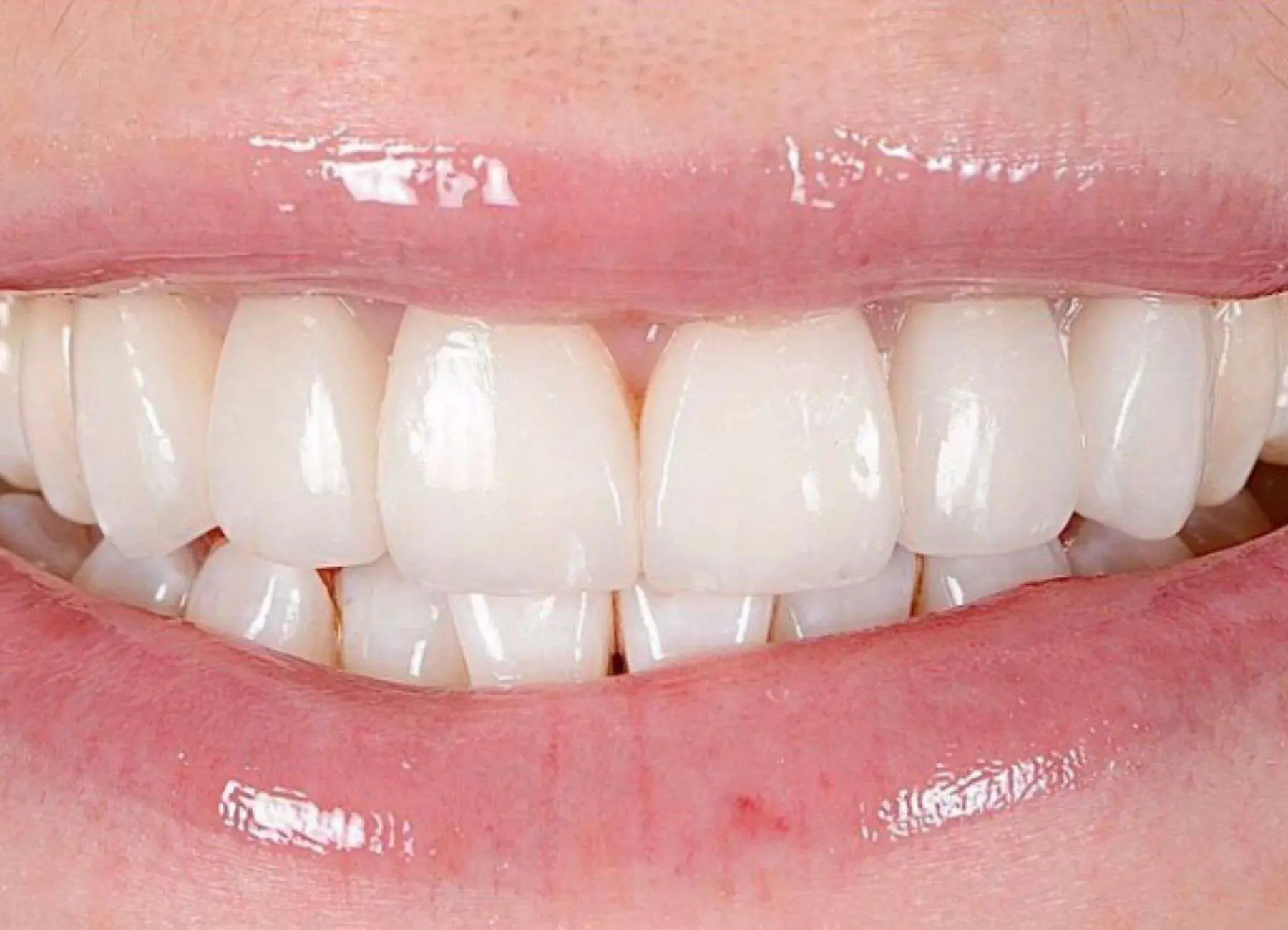
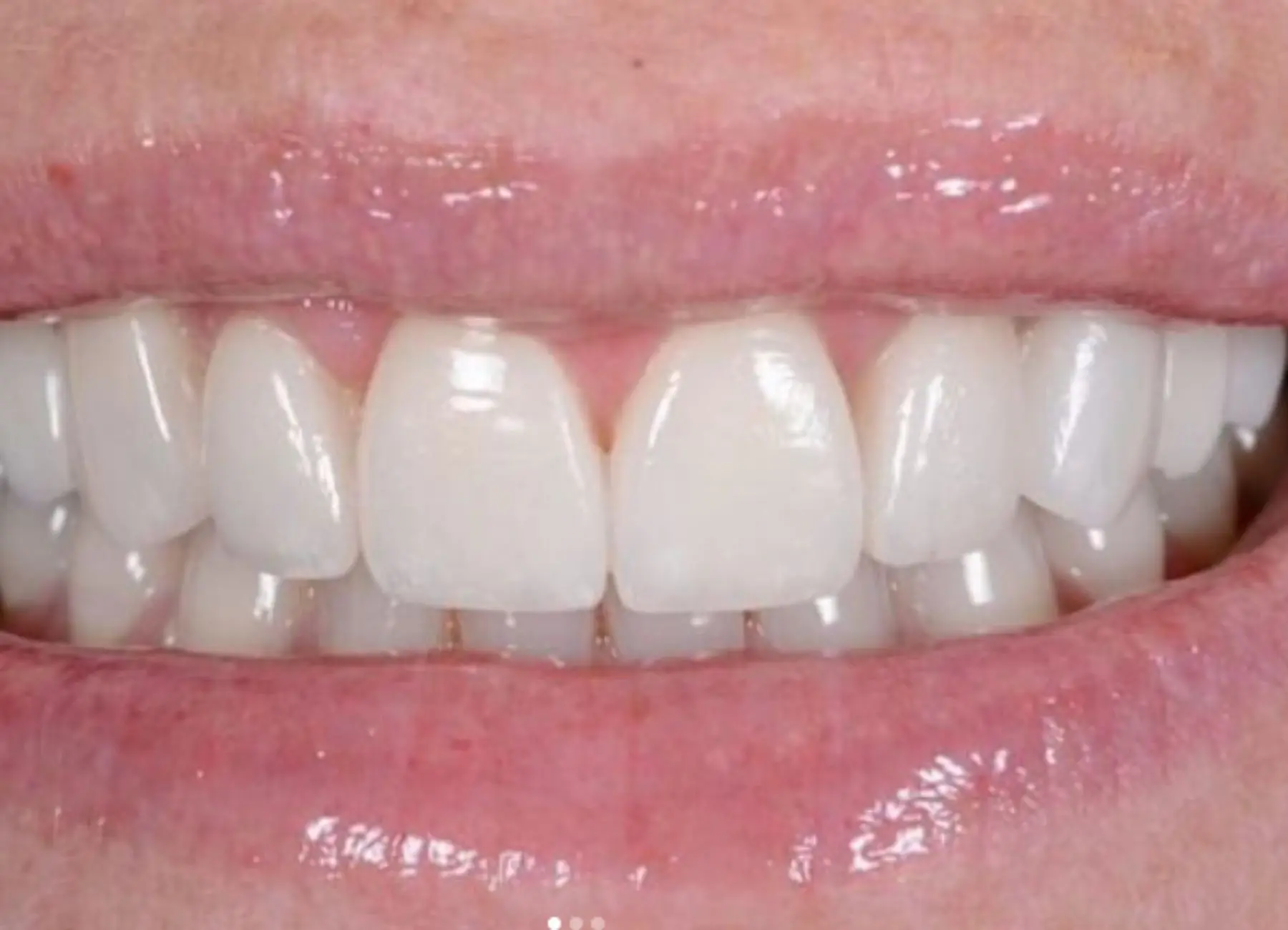
Porcelain veneers win every aesthetic award. No other cosmetic treatment or material can outperform its results – and that’s because it can reflect light, which is the closest dentists can get to mimicking natural teeth.
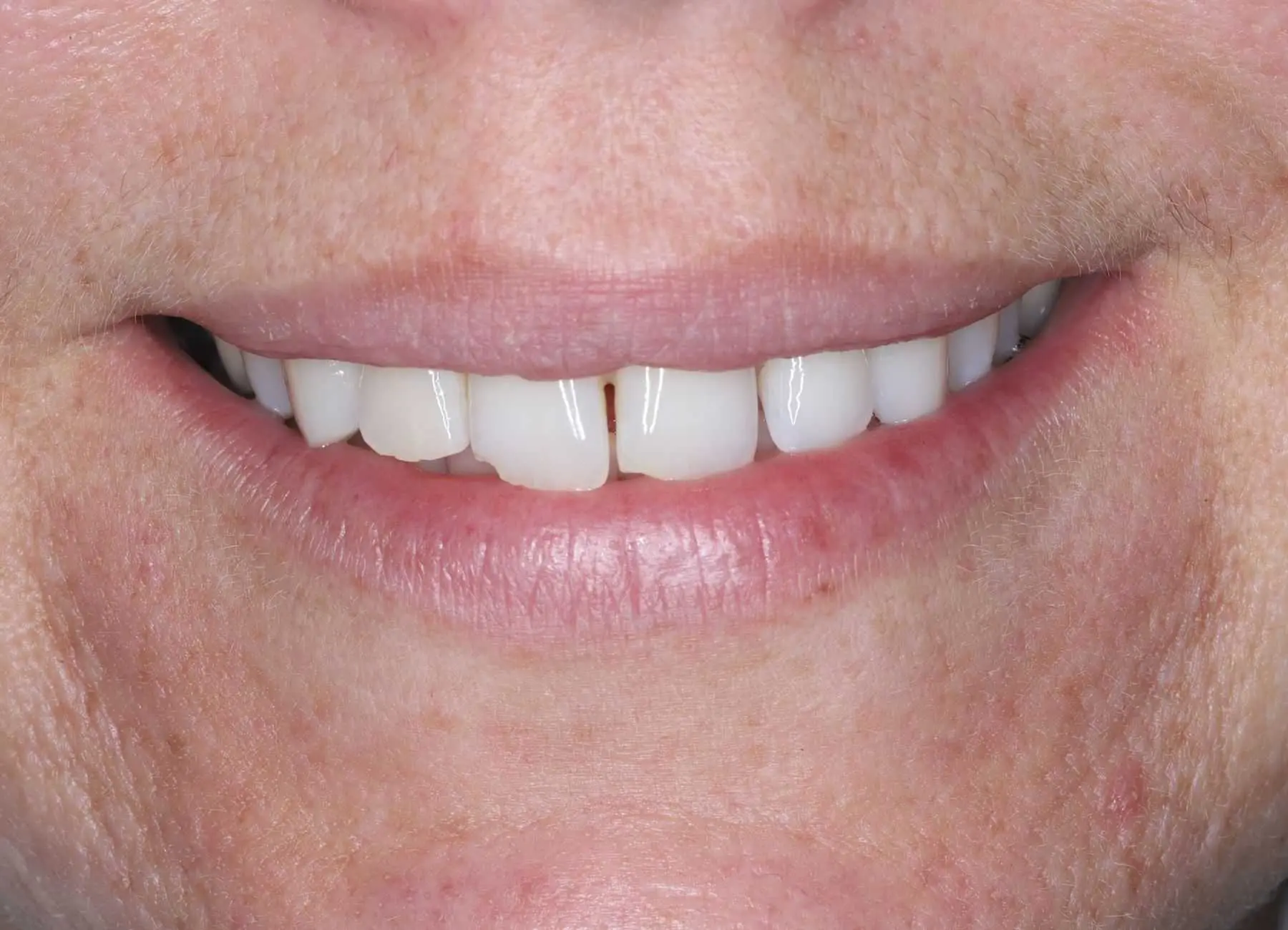
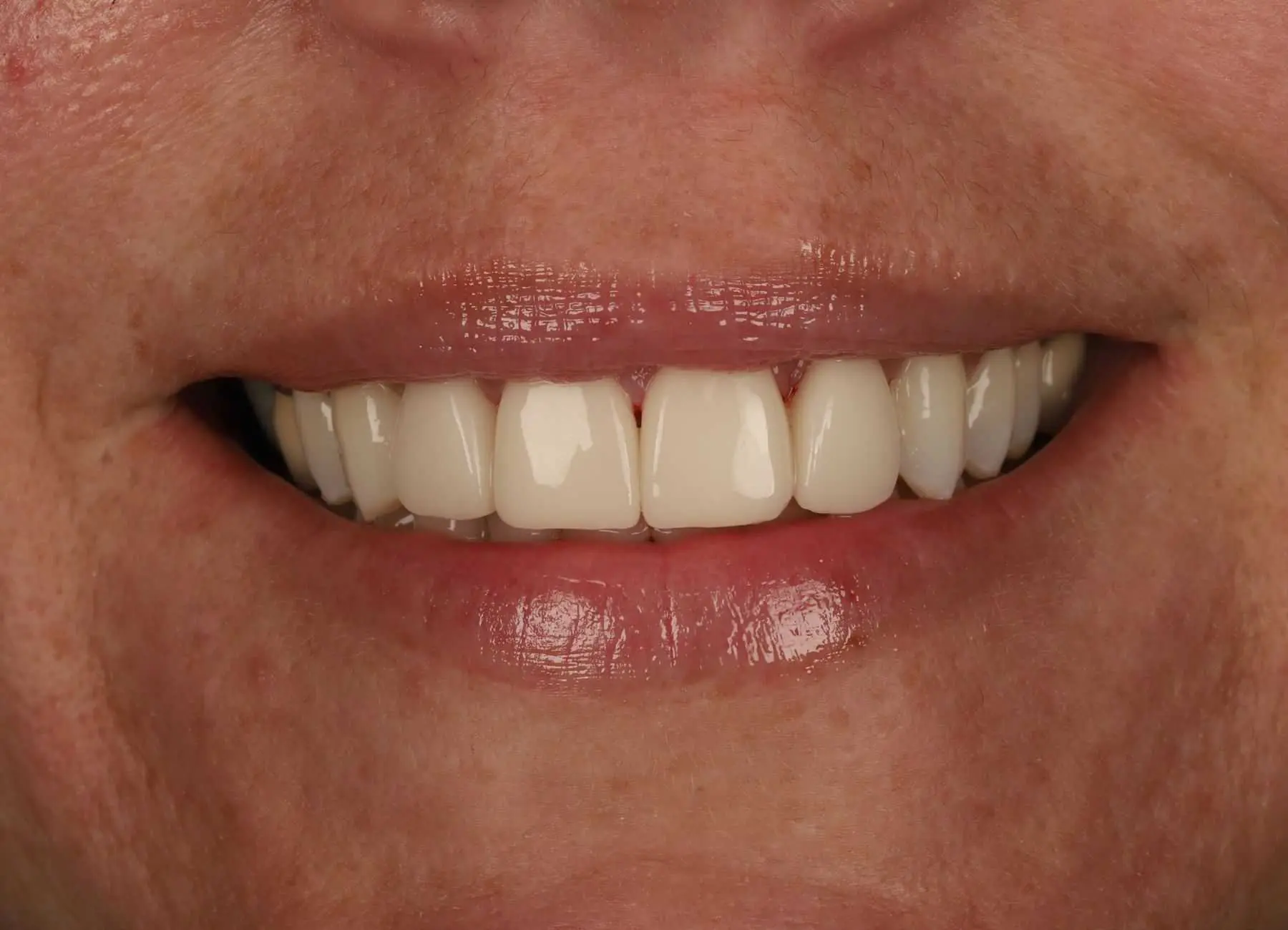
With composite bonding, patients can expect different results, but results that still look unnoticeable and natural.
The goal with composite bonding is to ensure that what’s been applied blends perfectly with the rest of your smile. Remember, composite bonding is not for full smile makeovers like veneers; it’s for little tweaks.