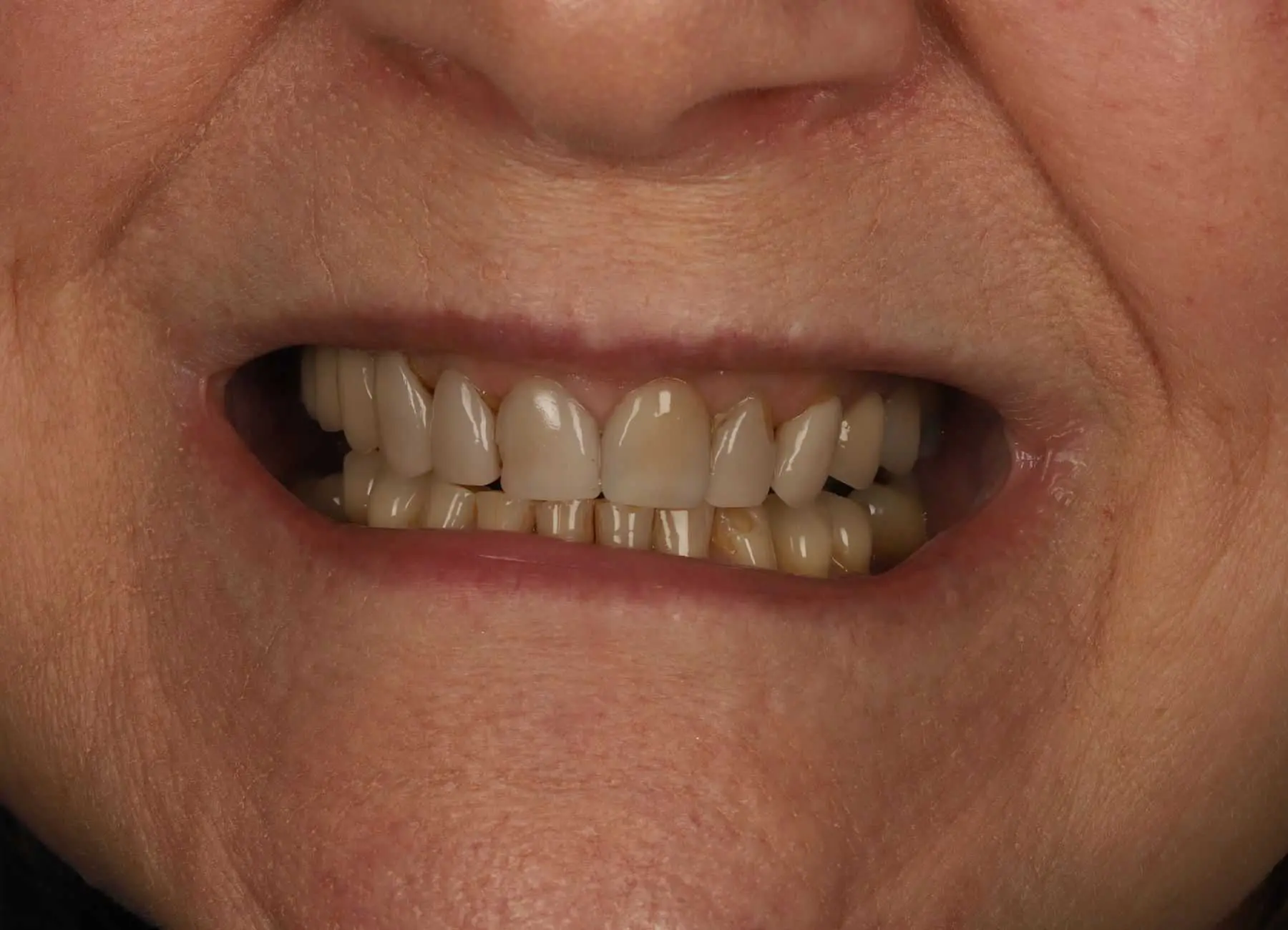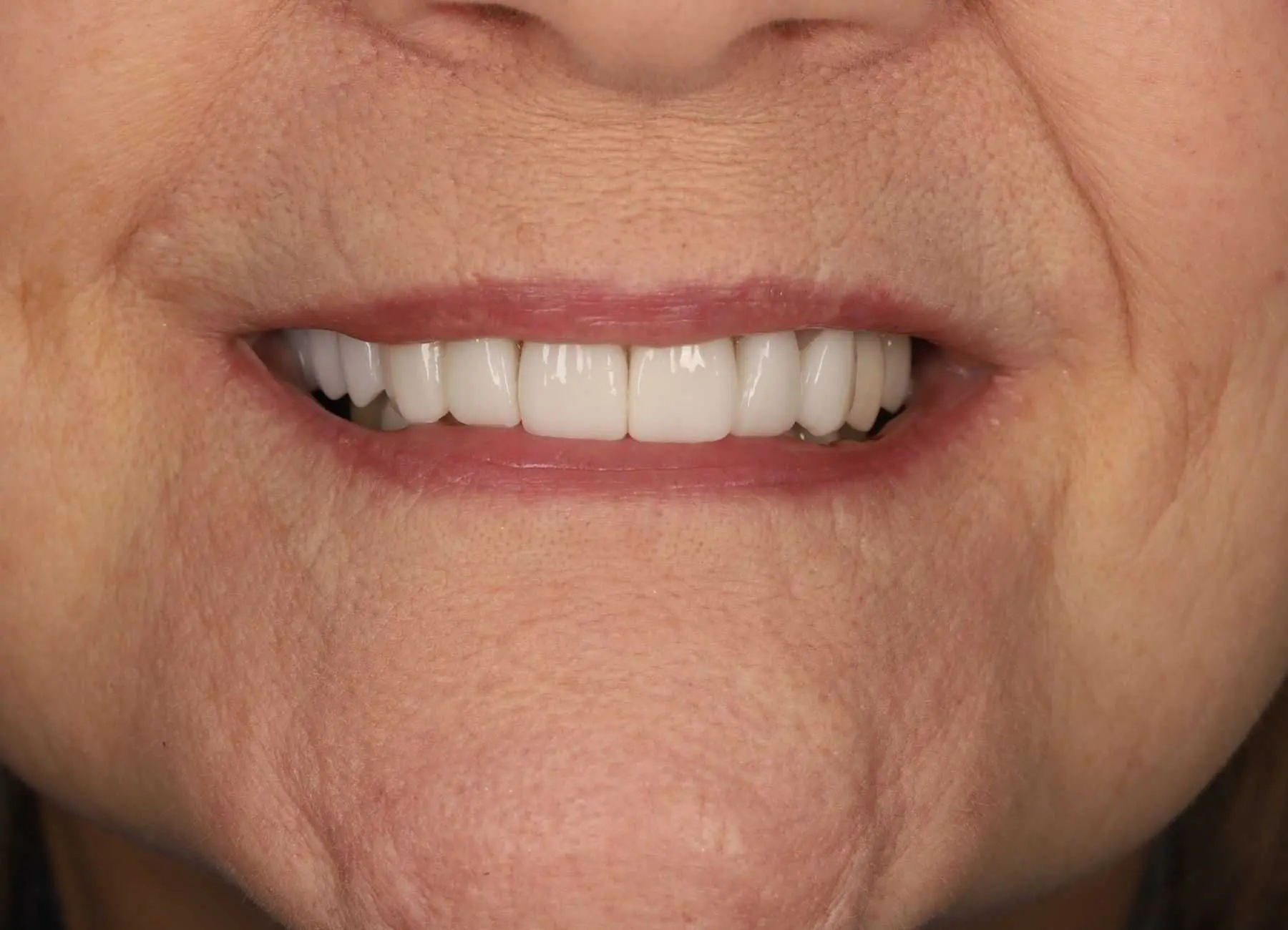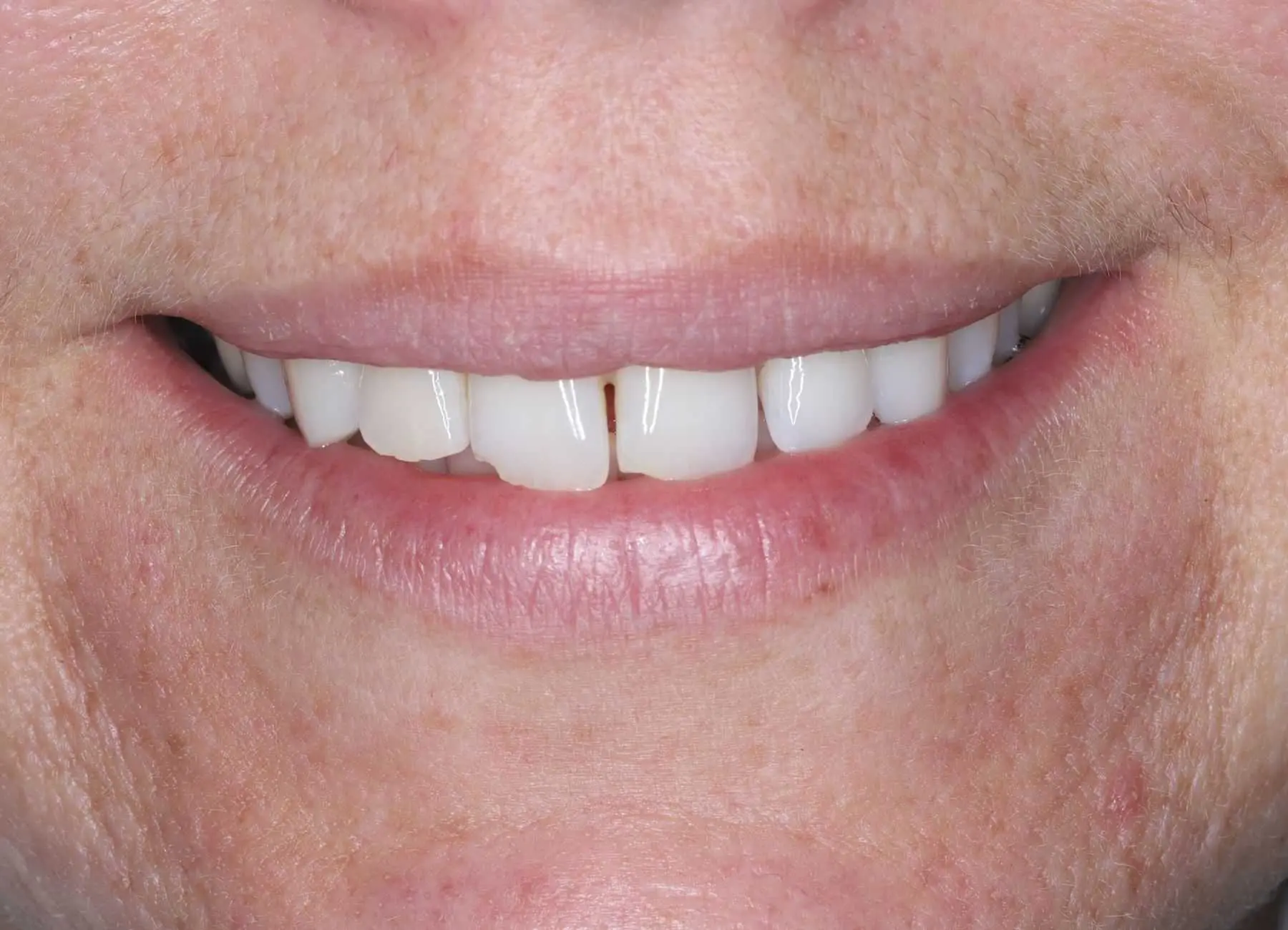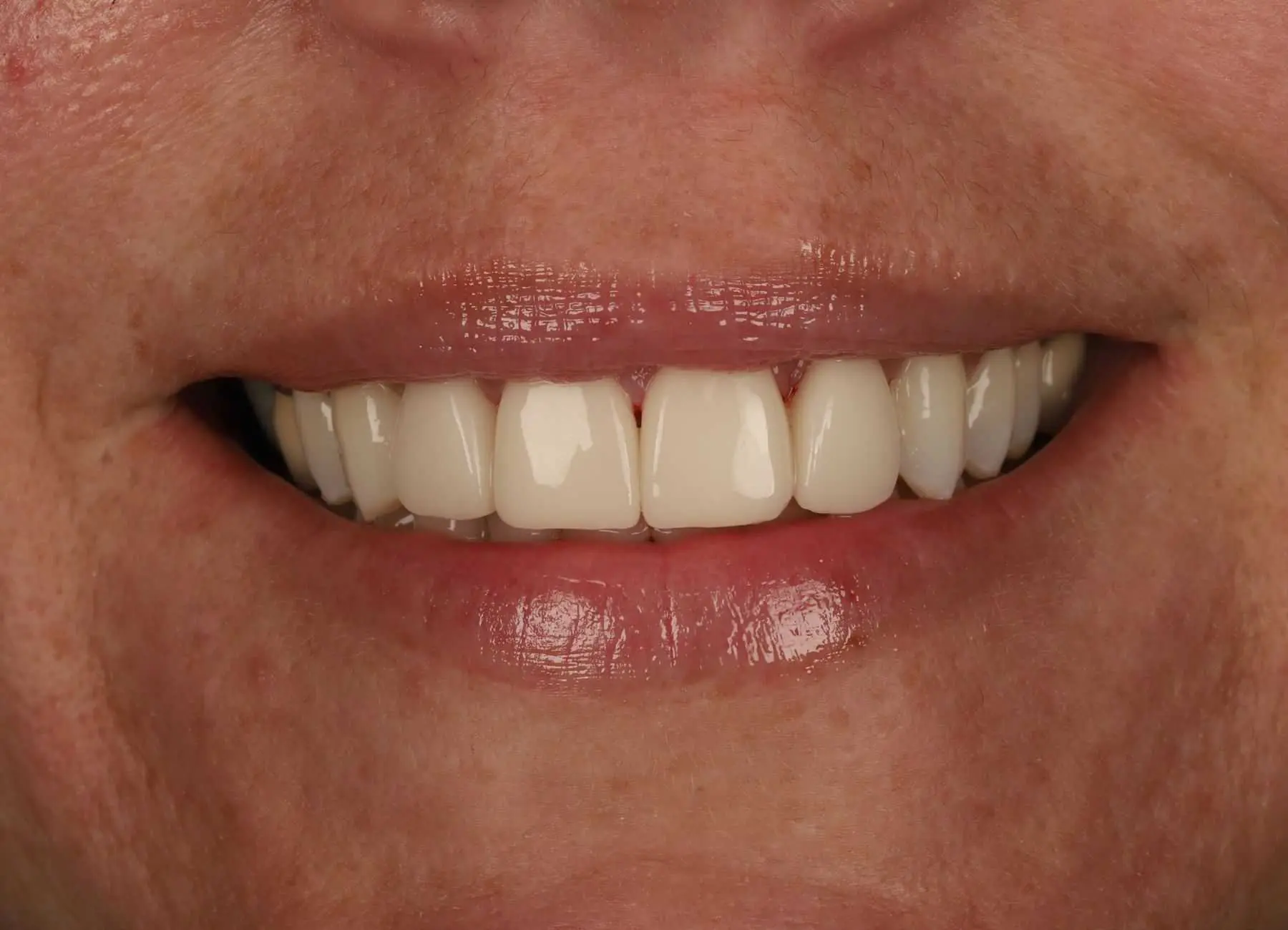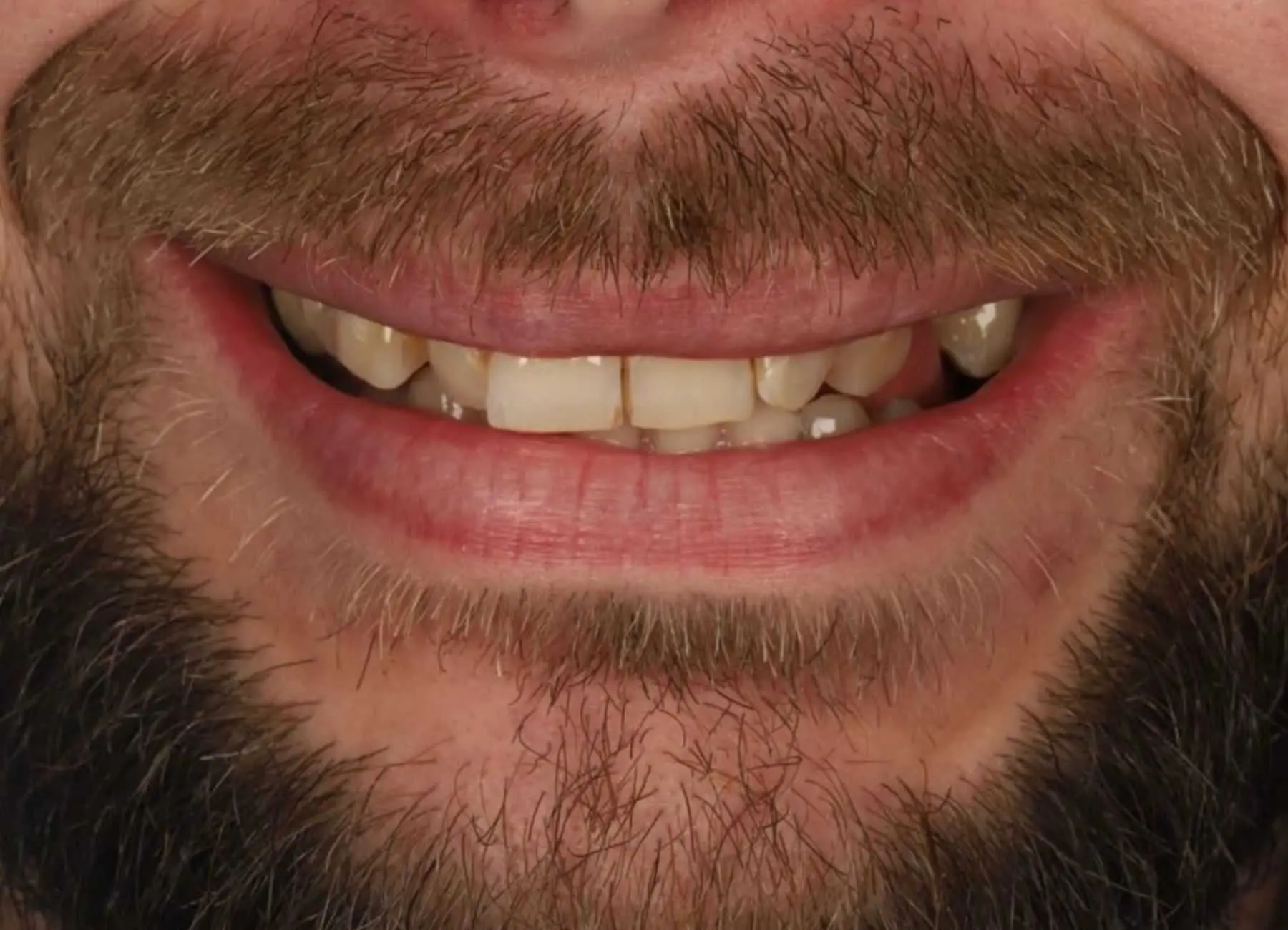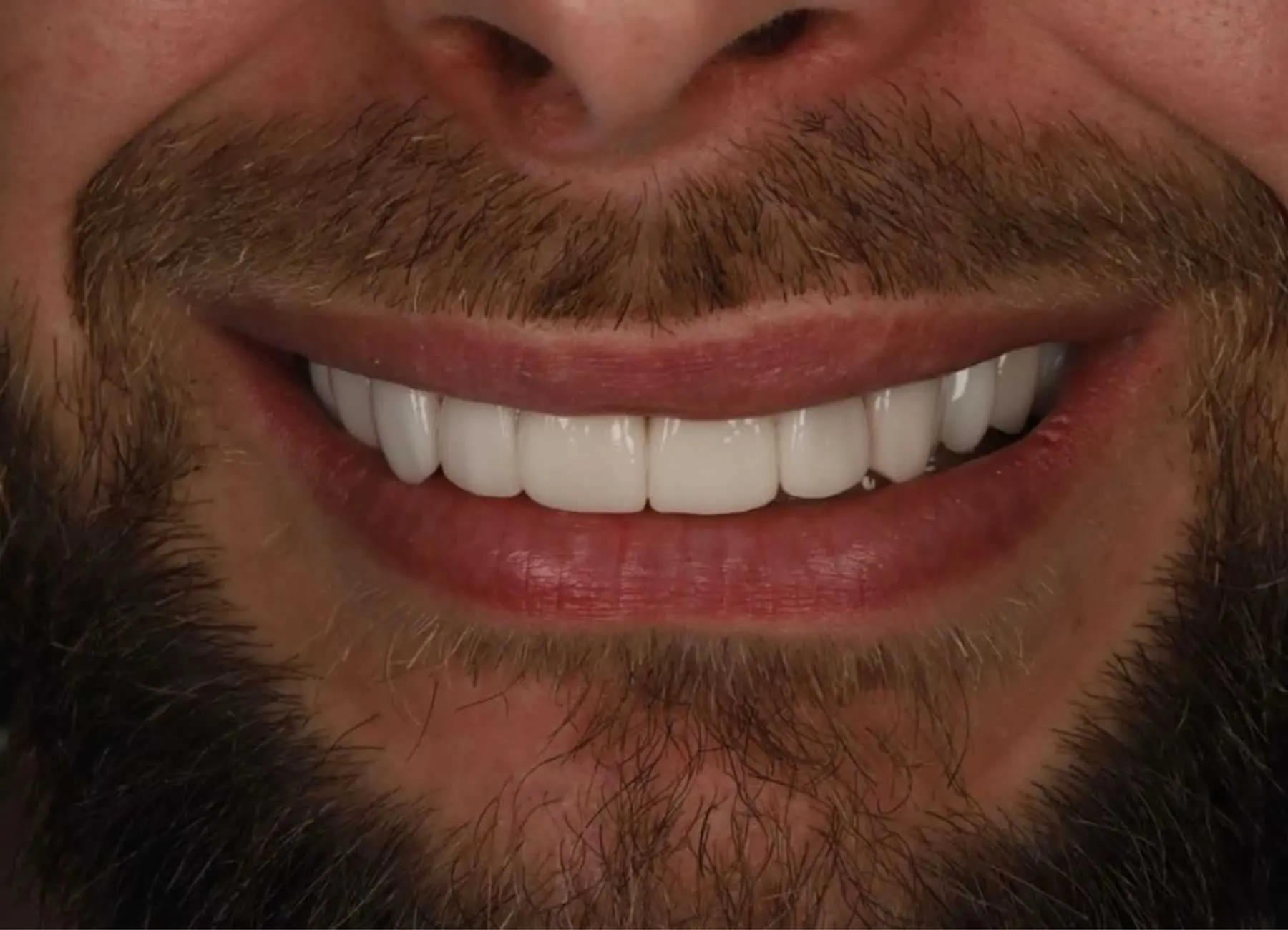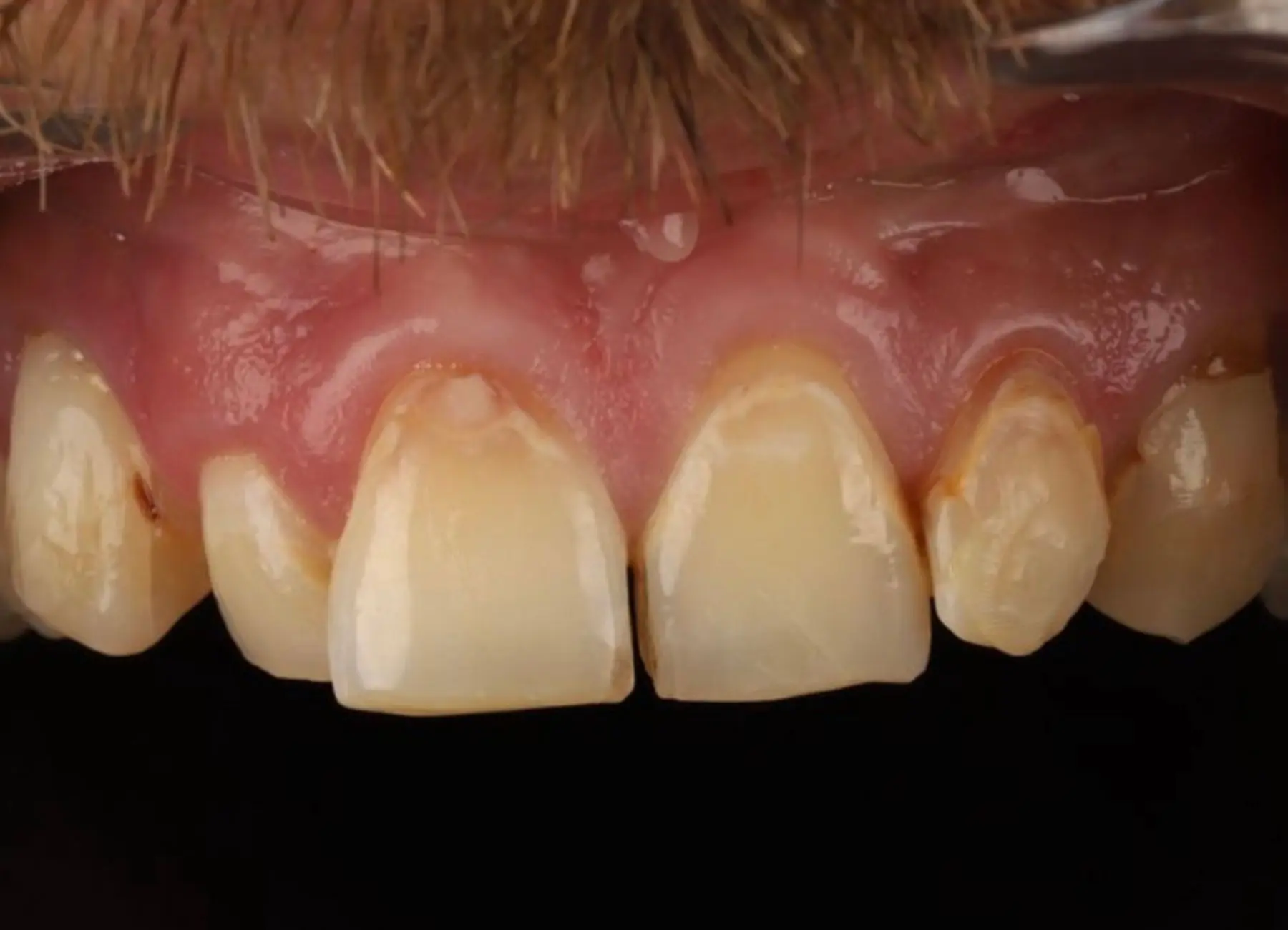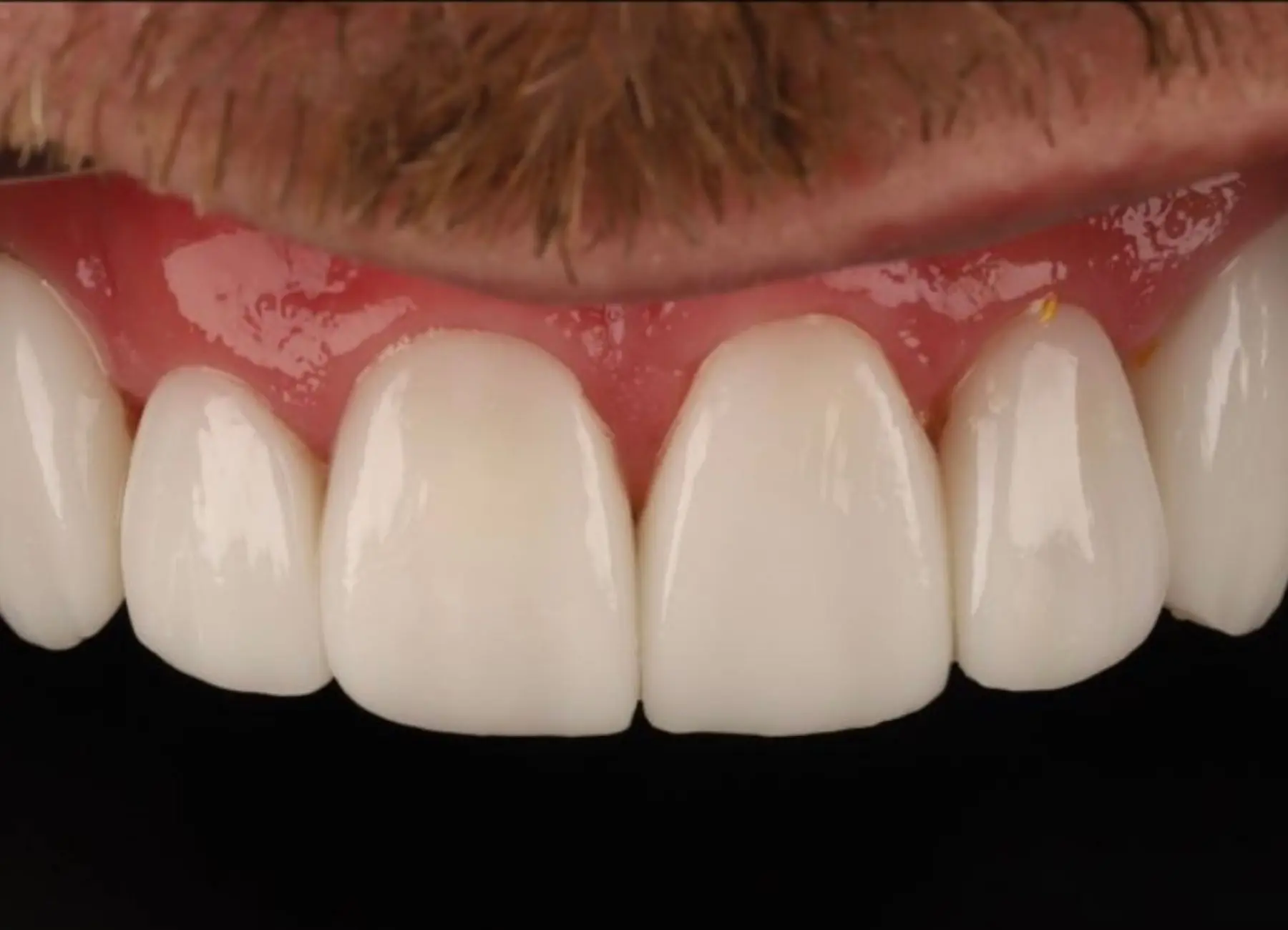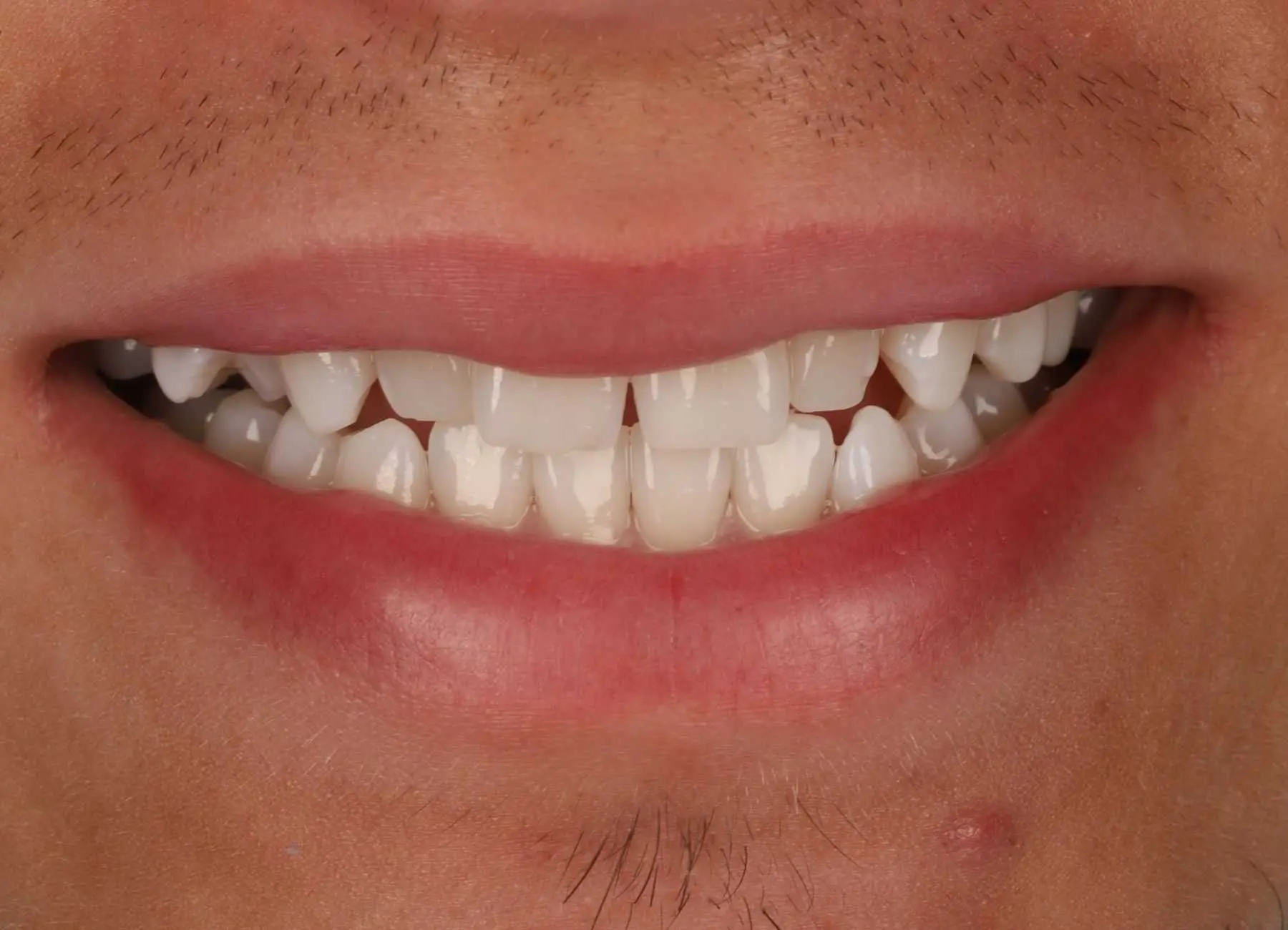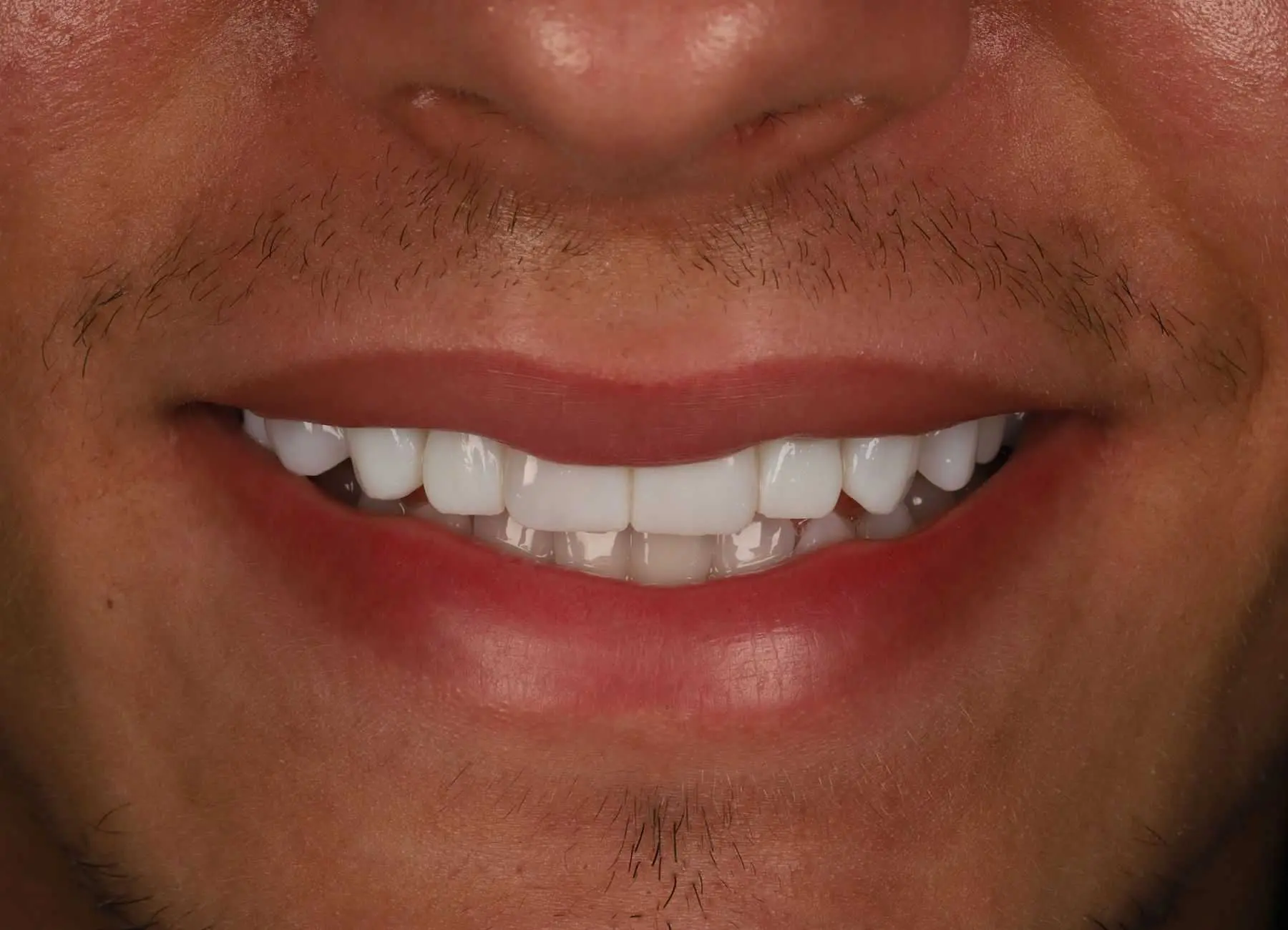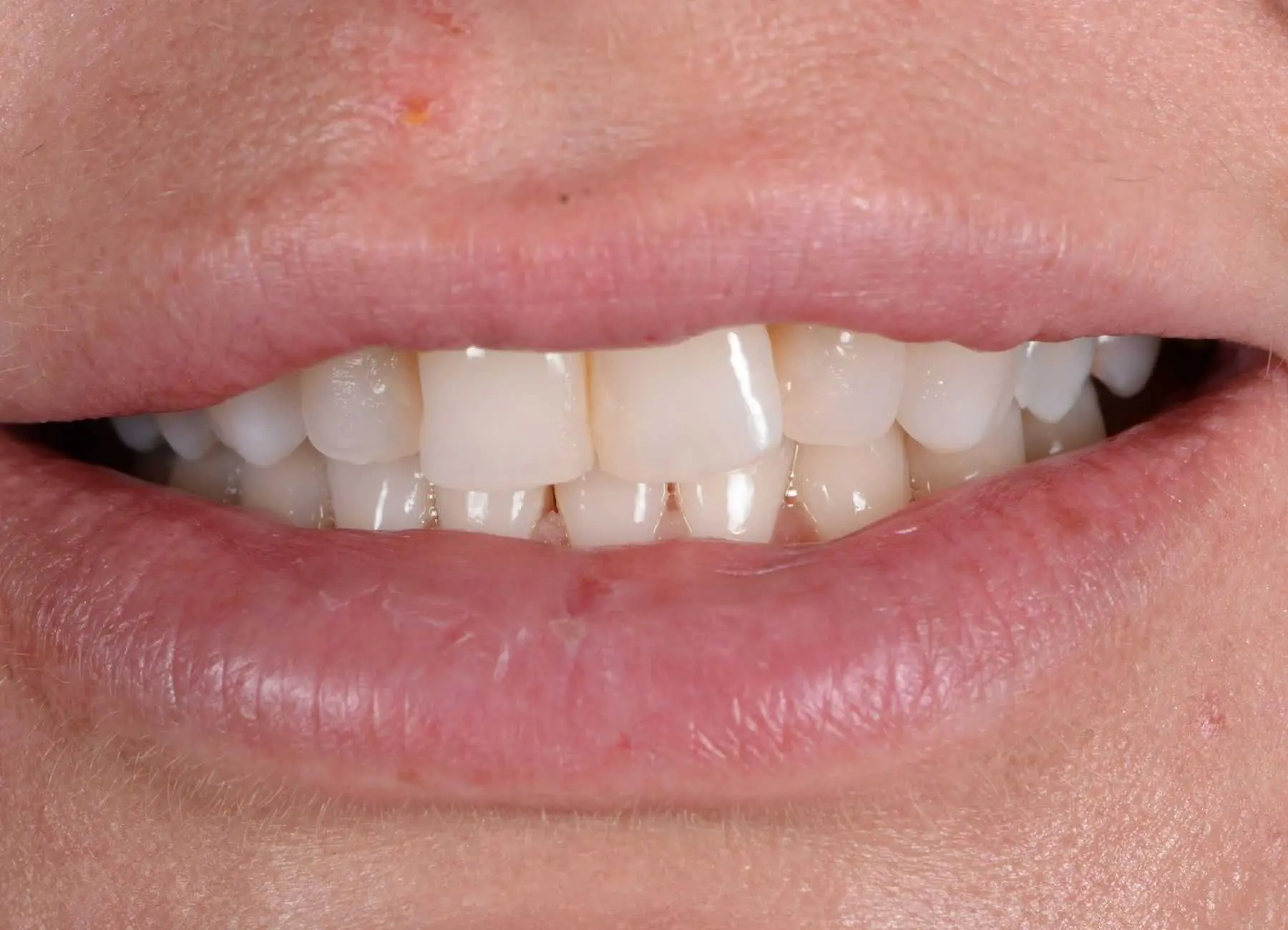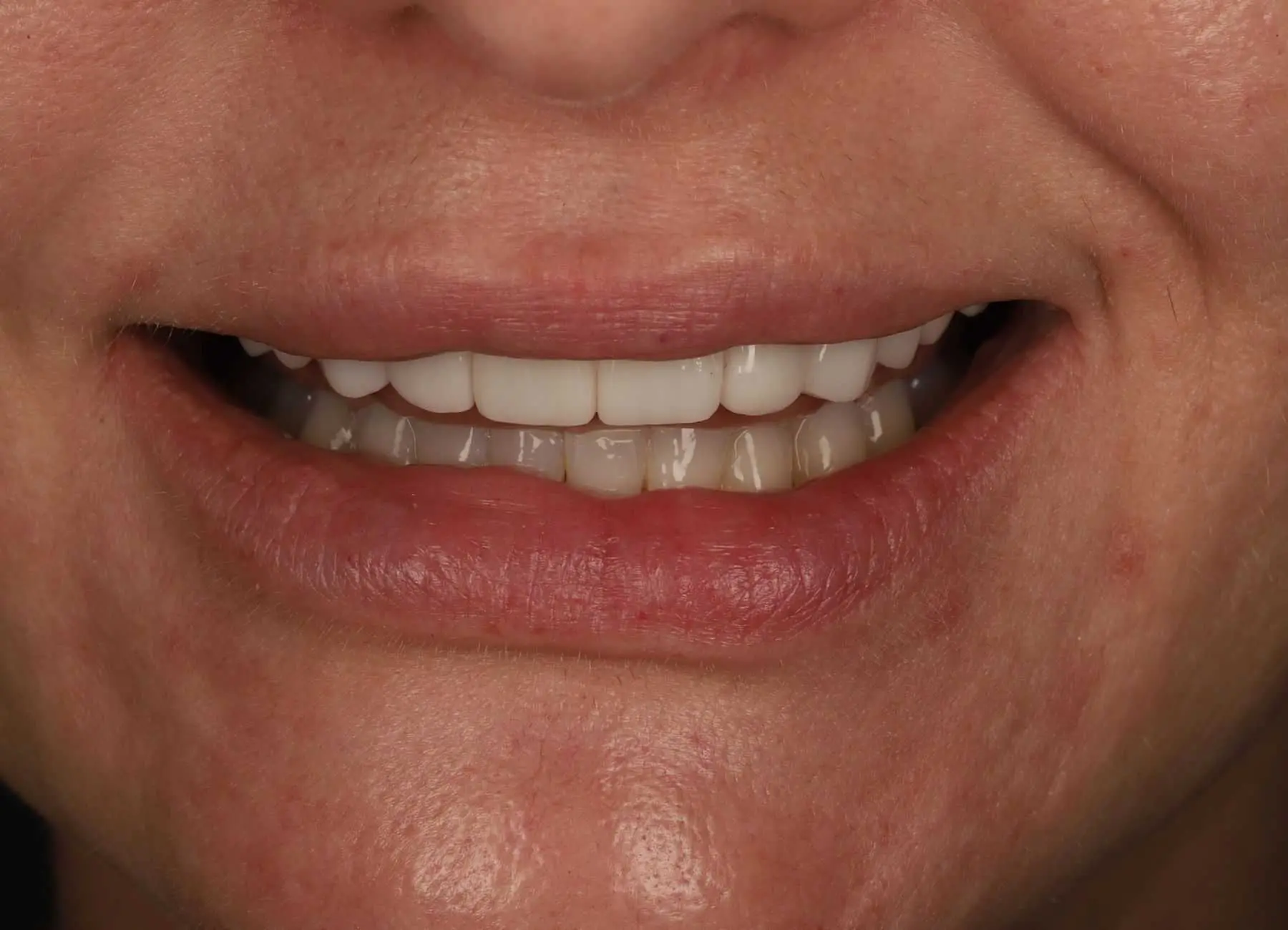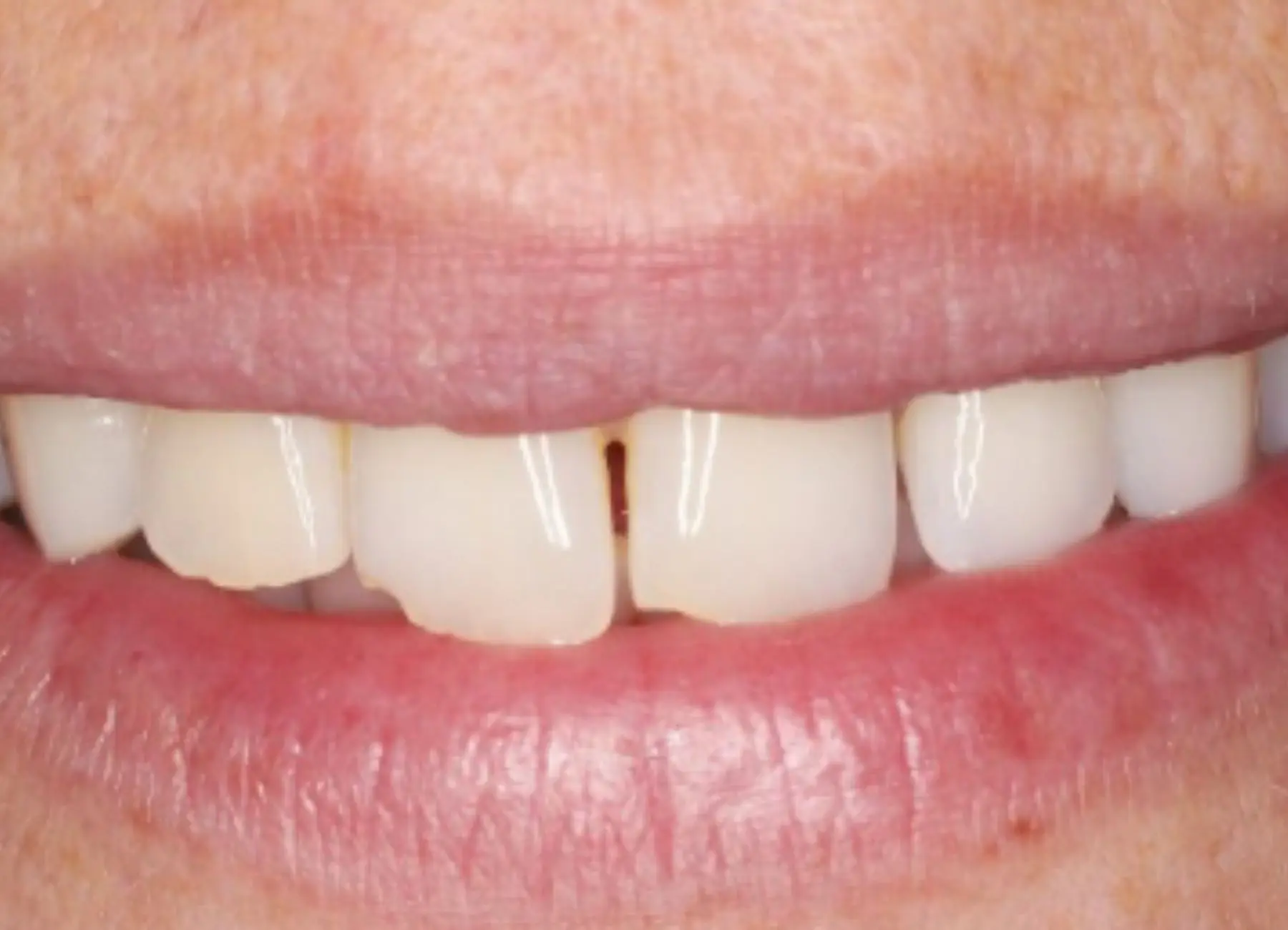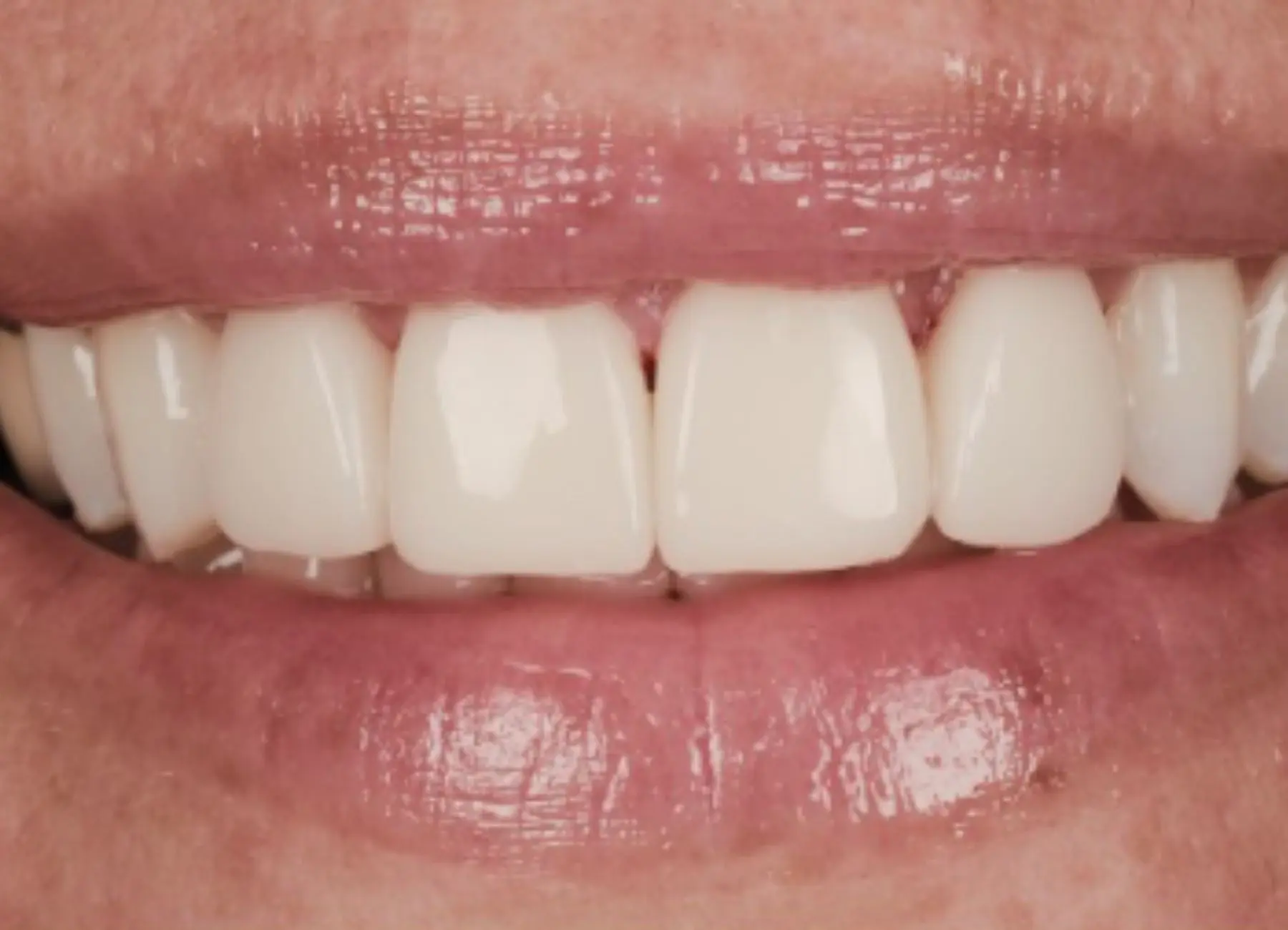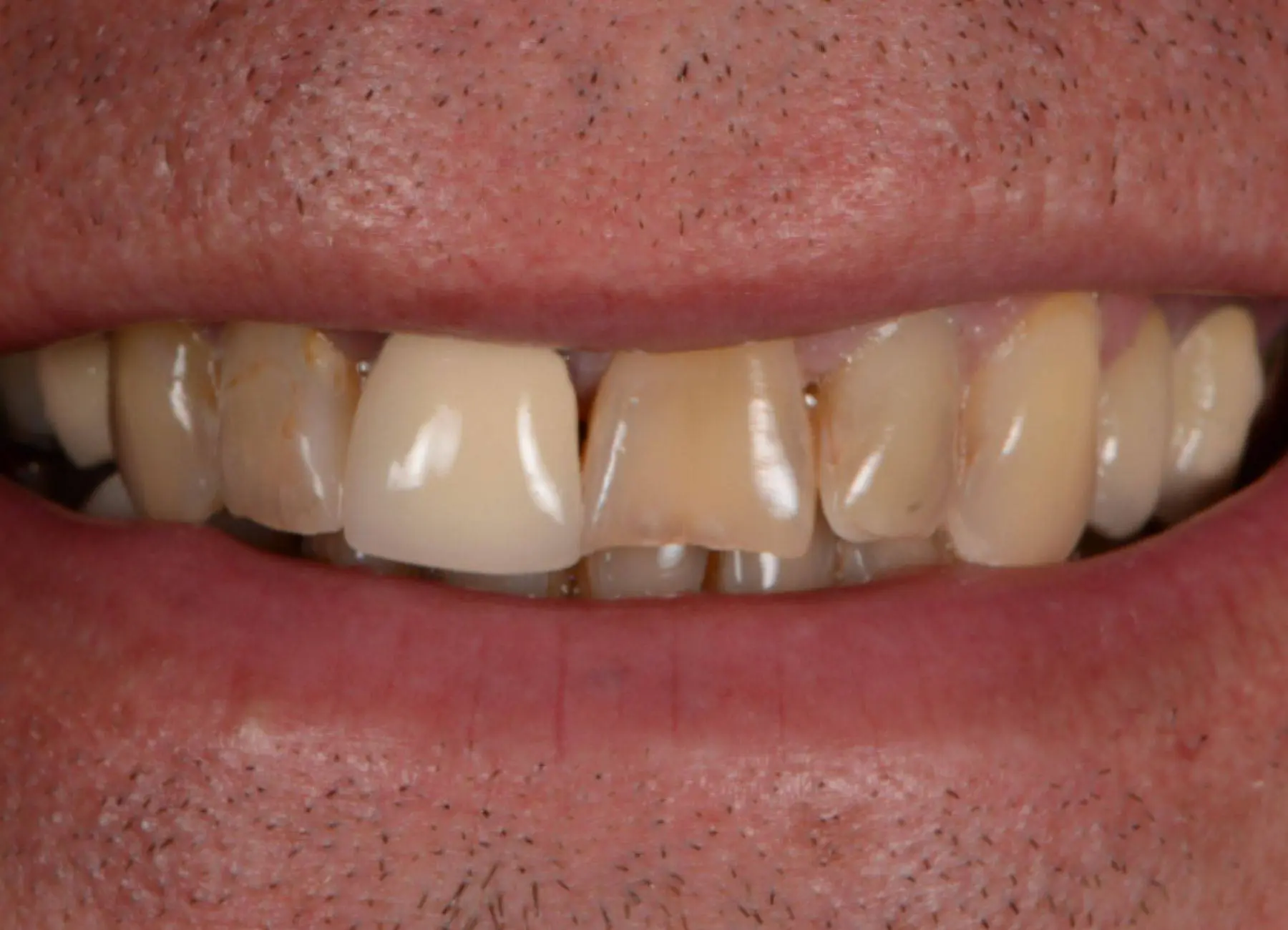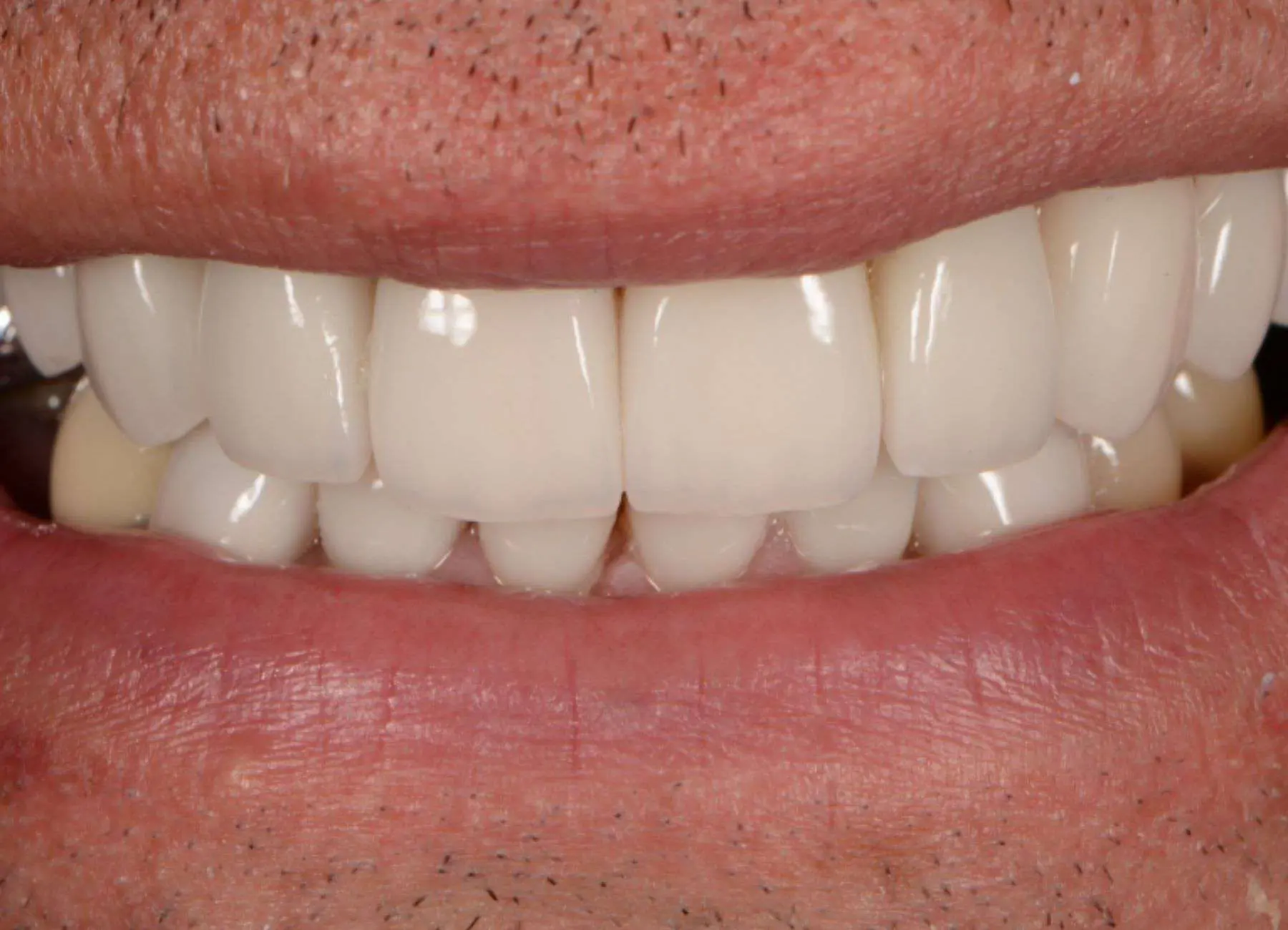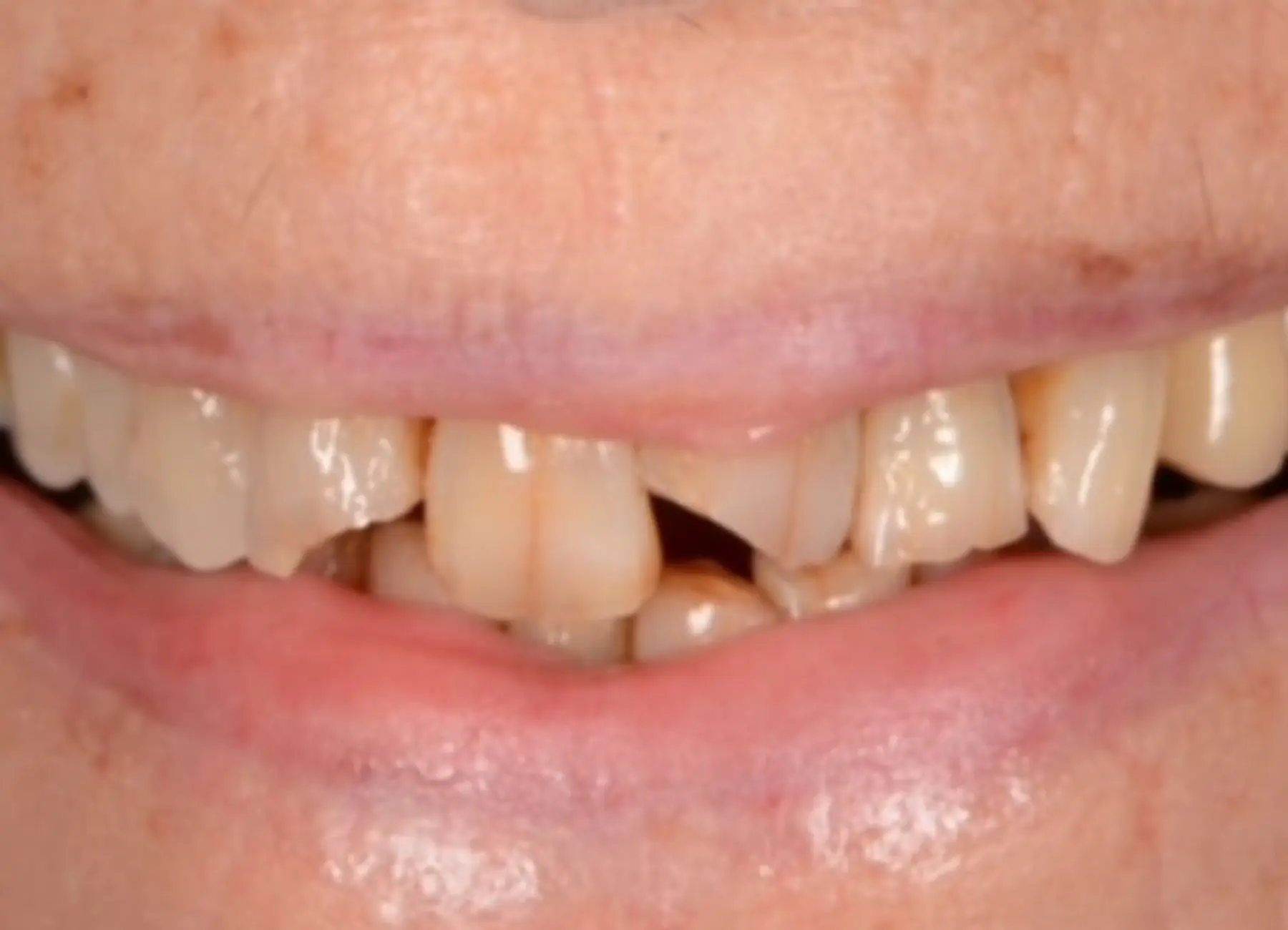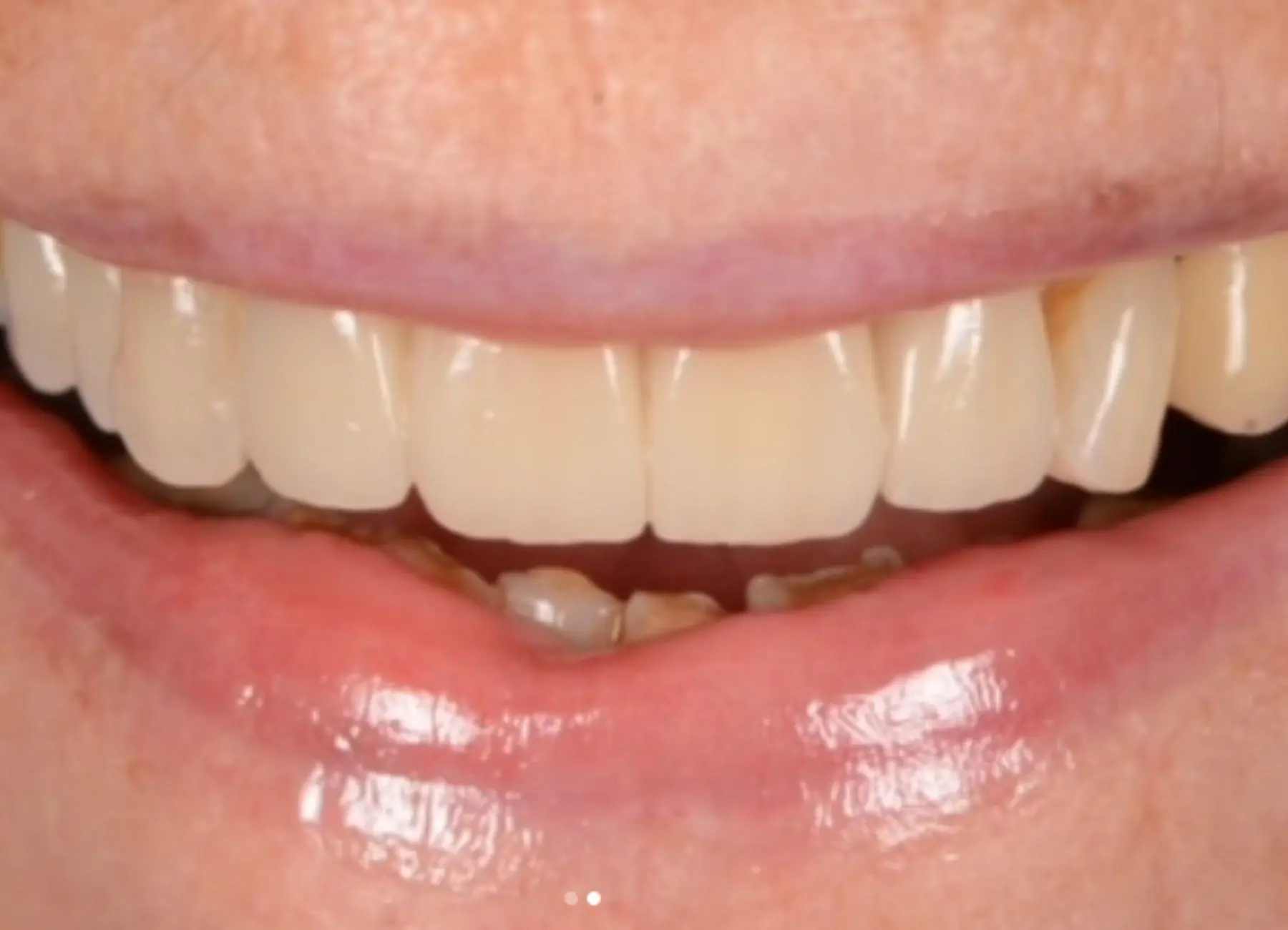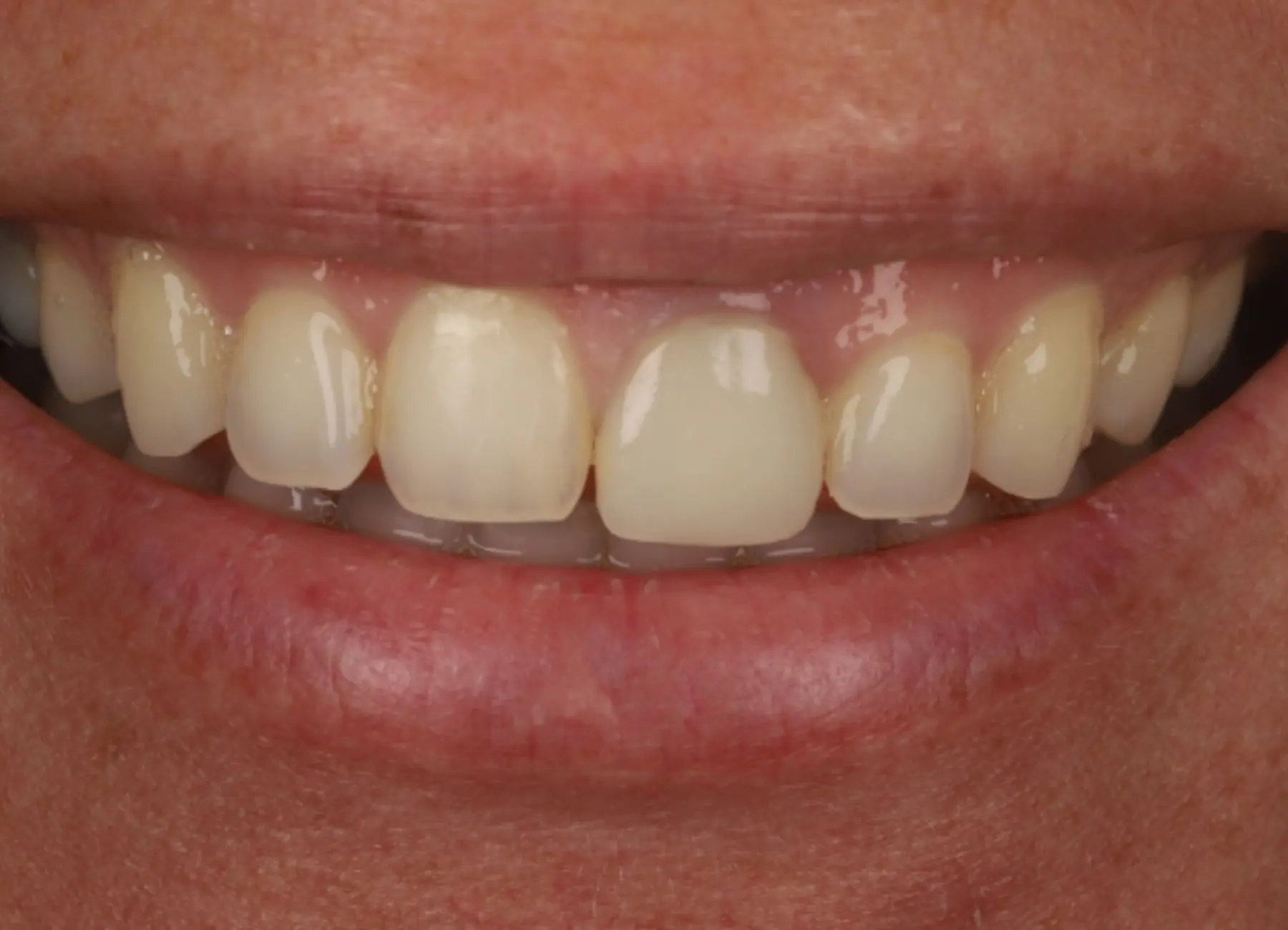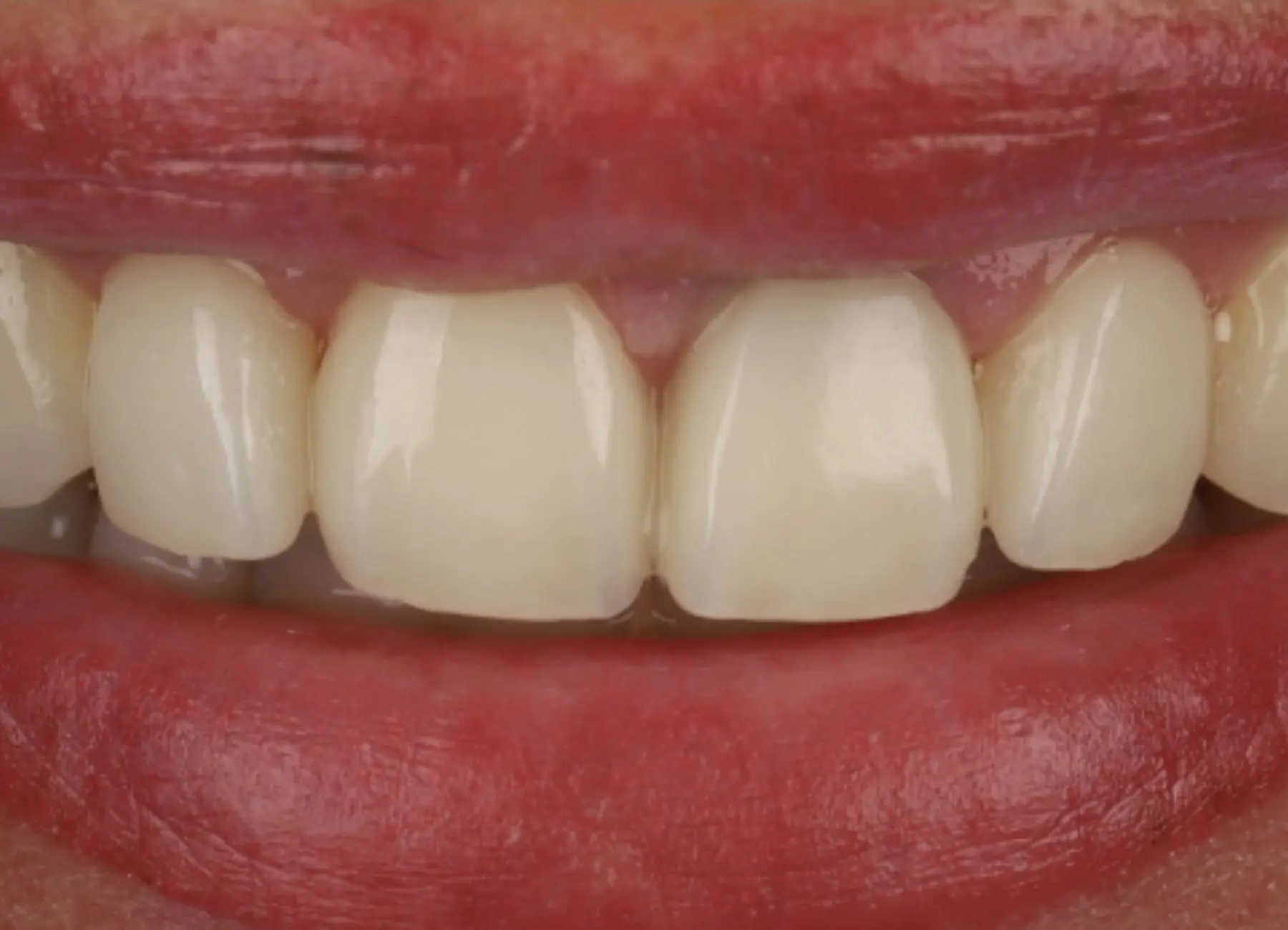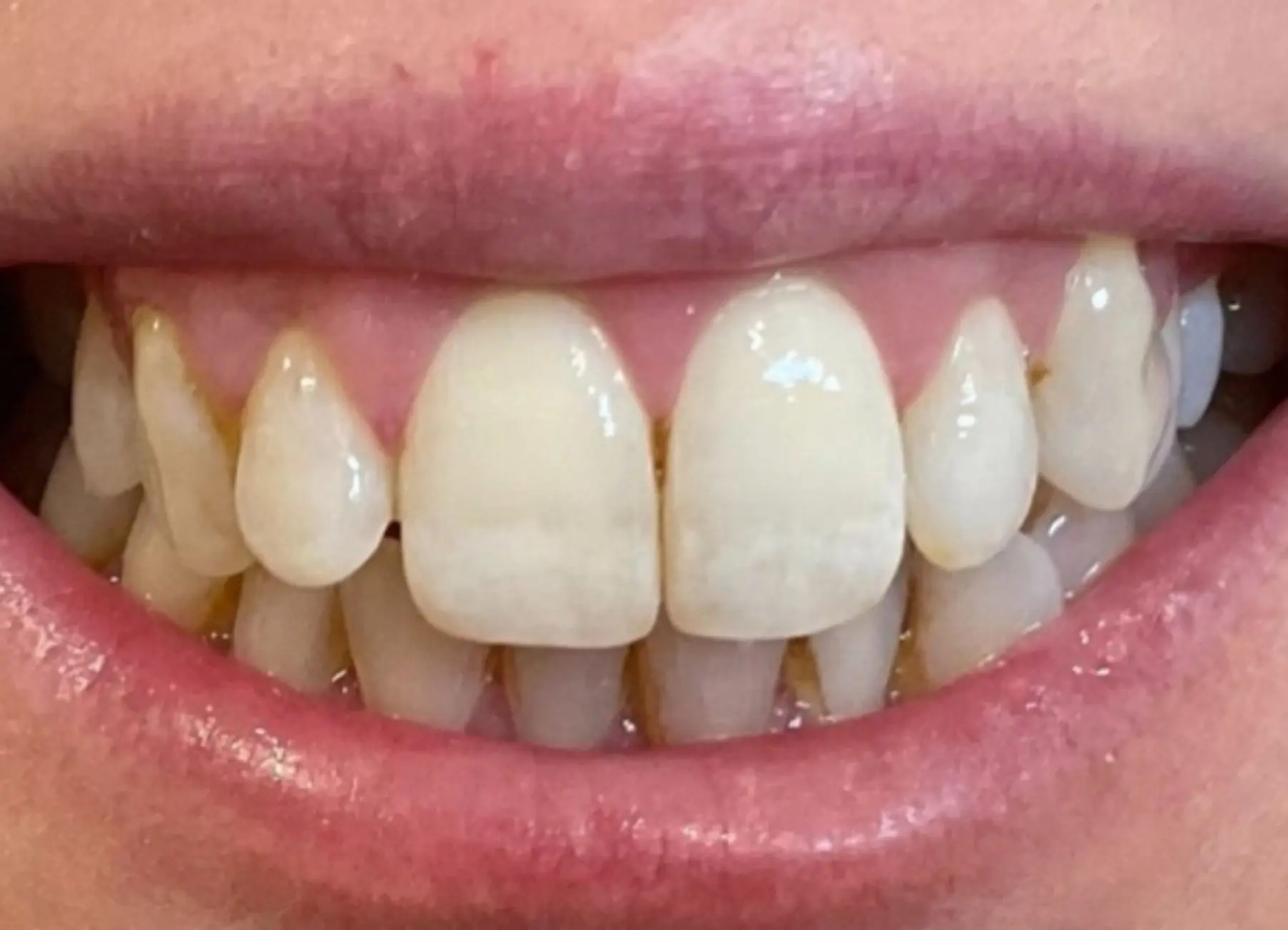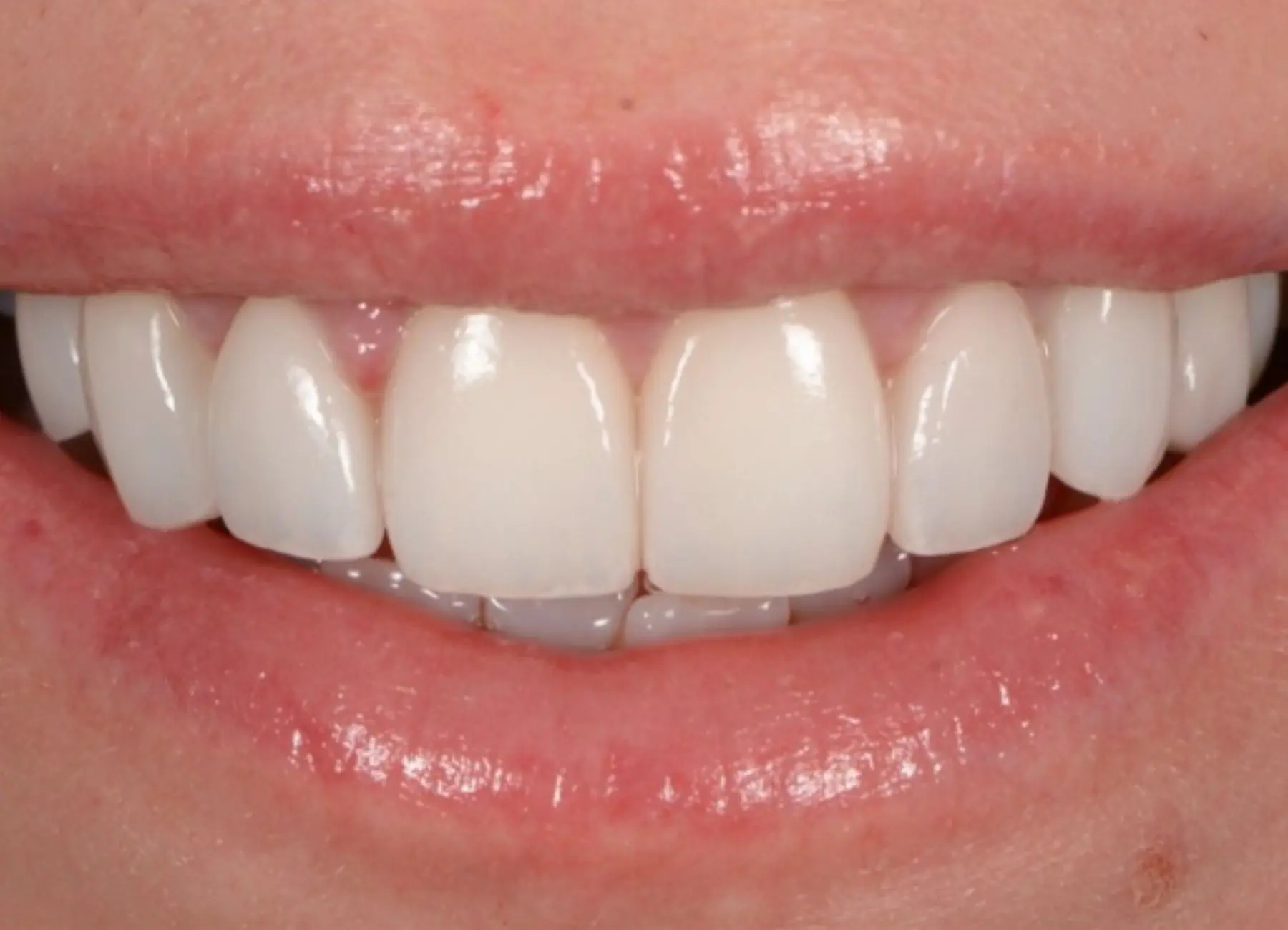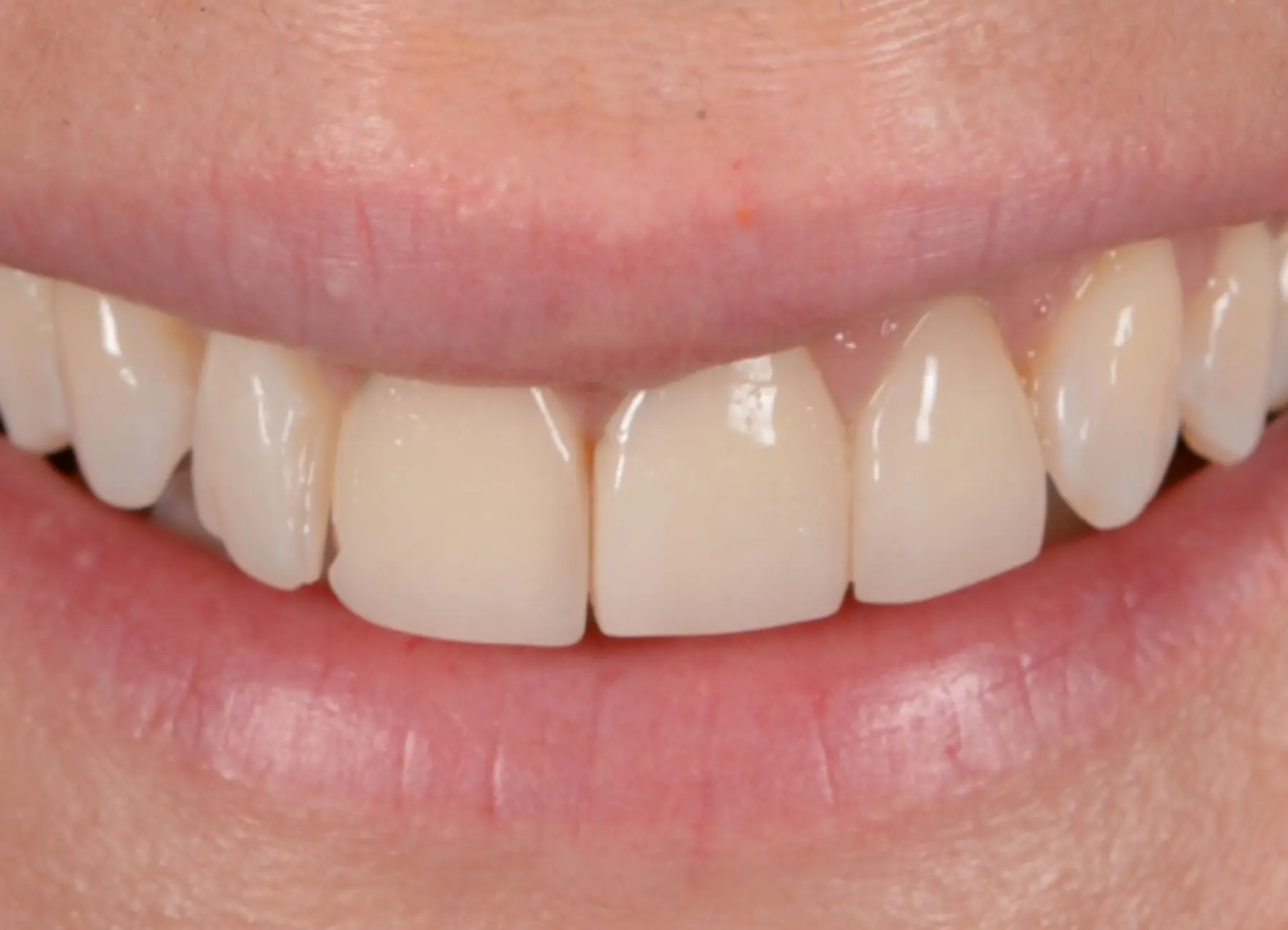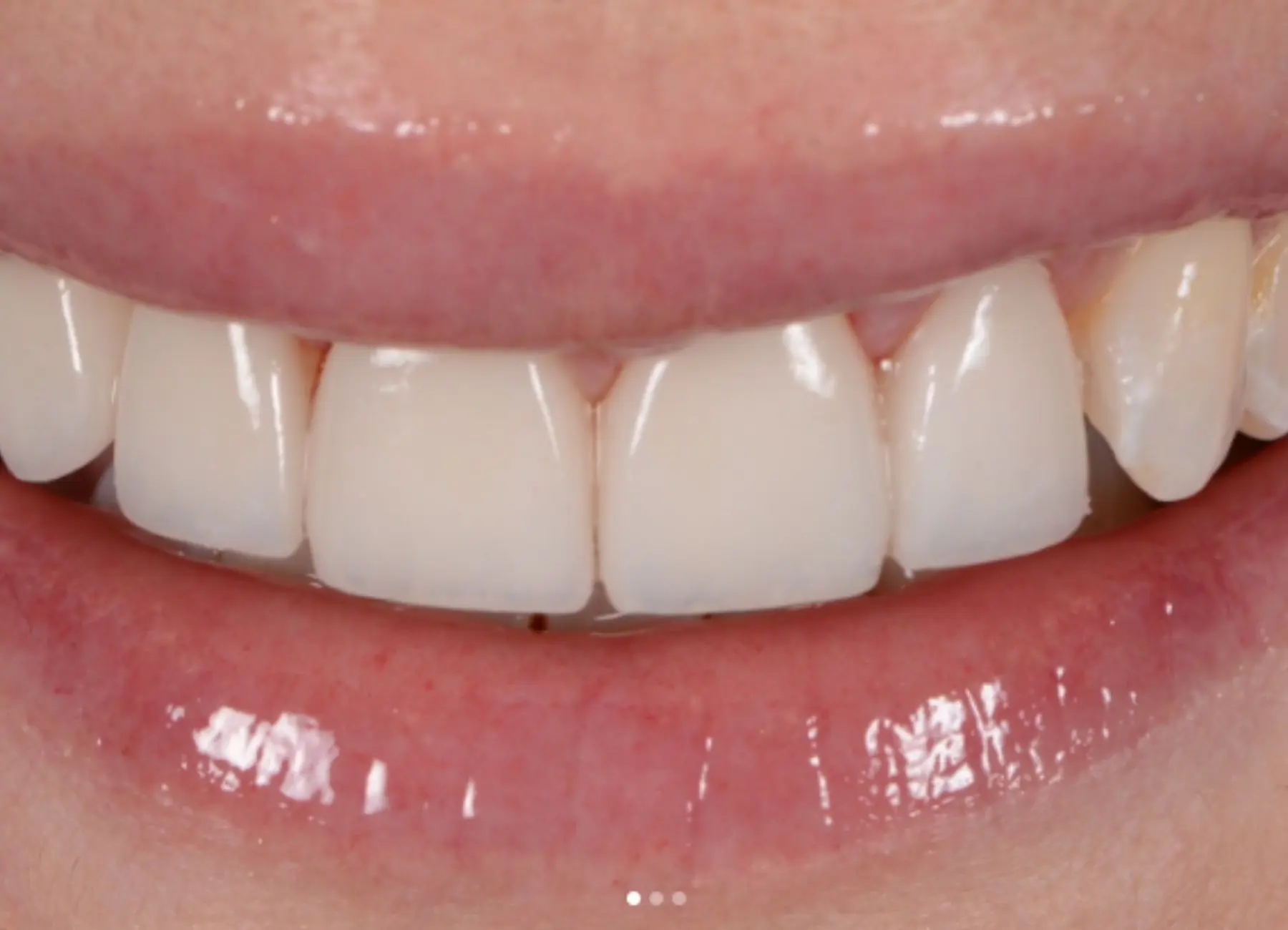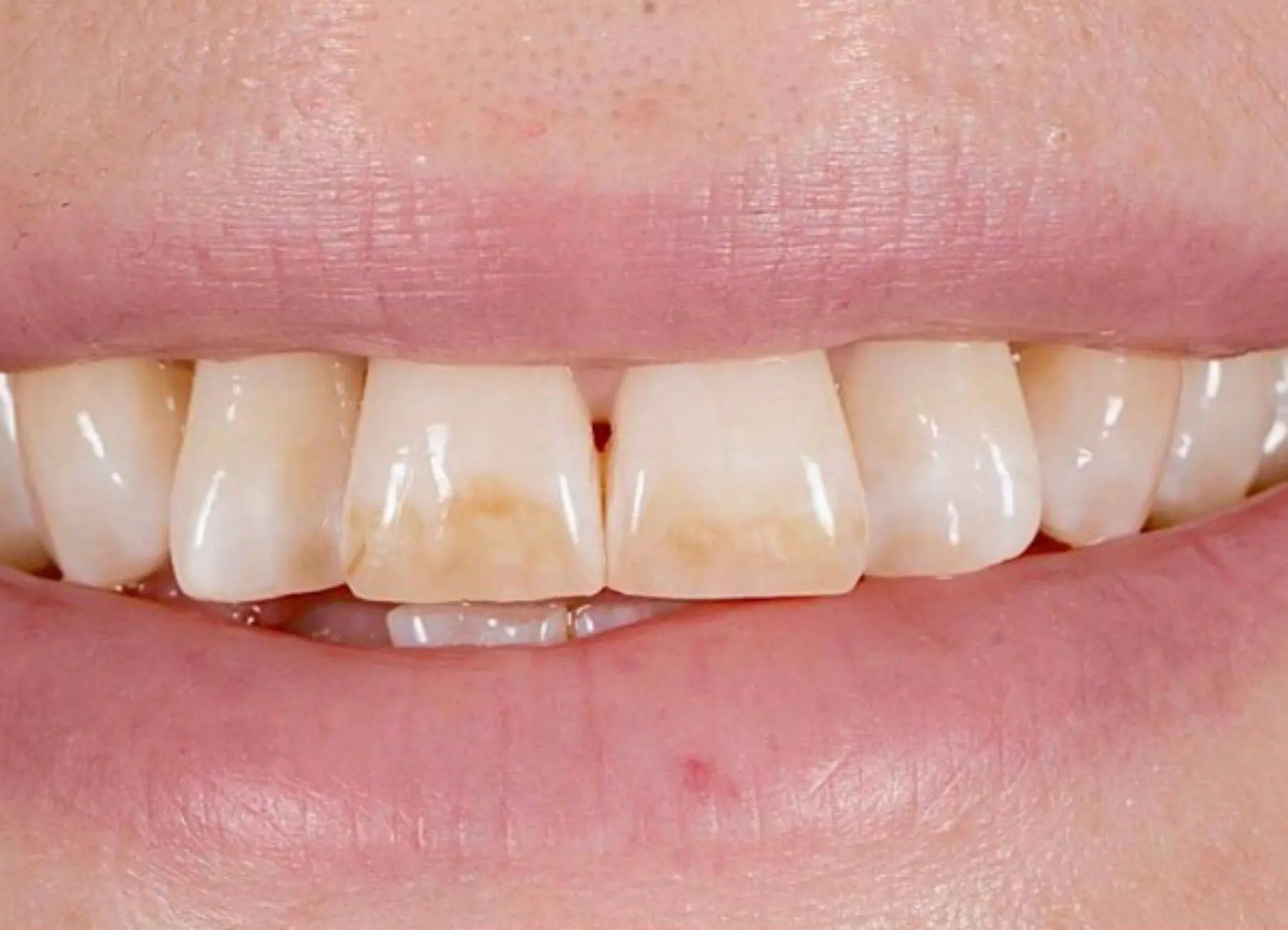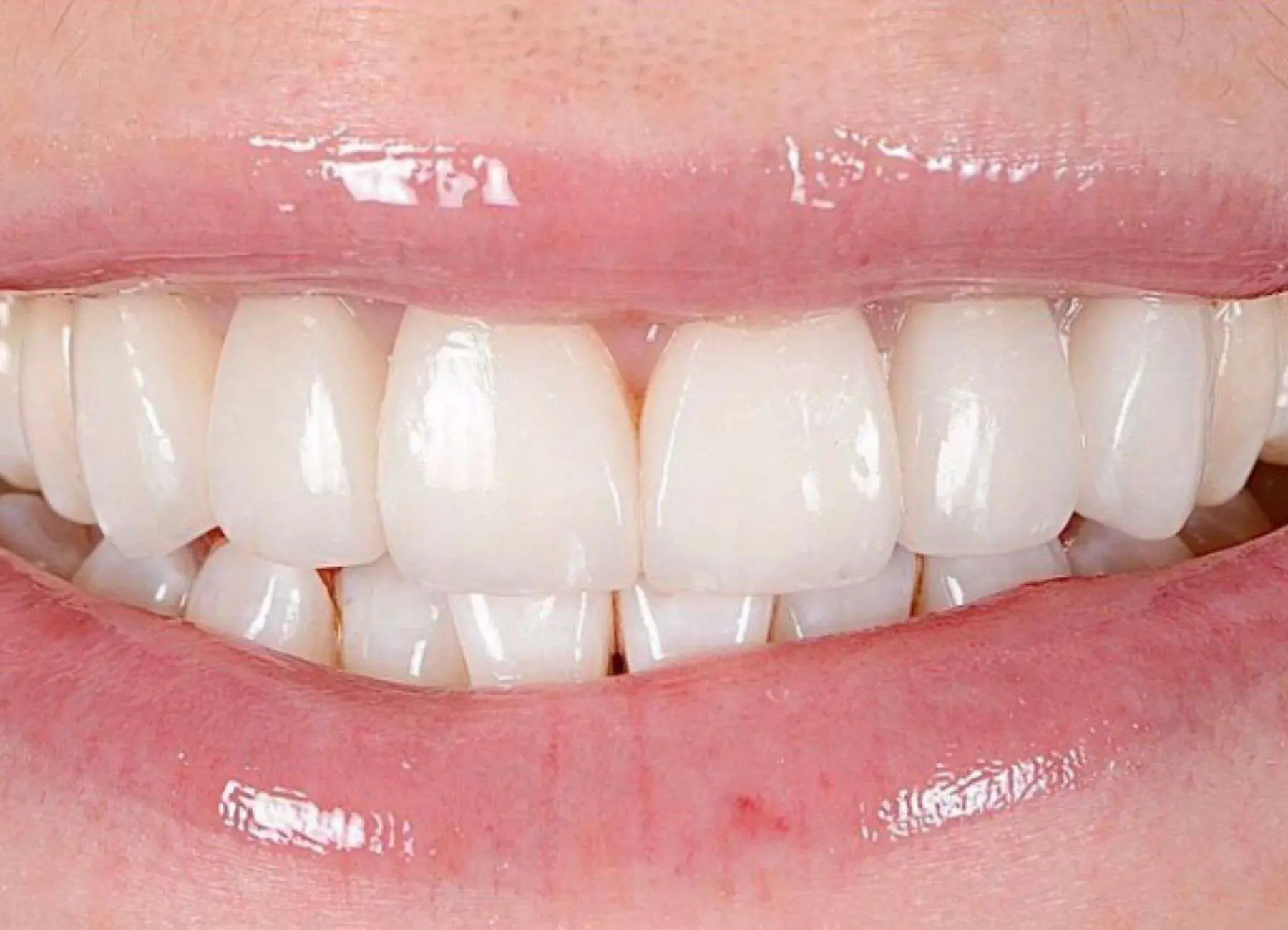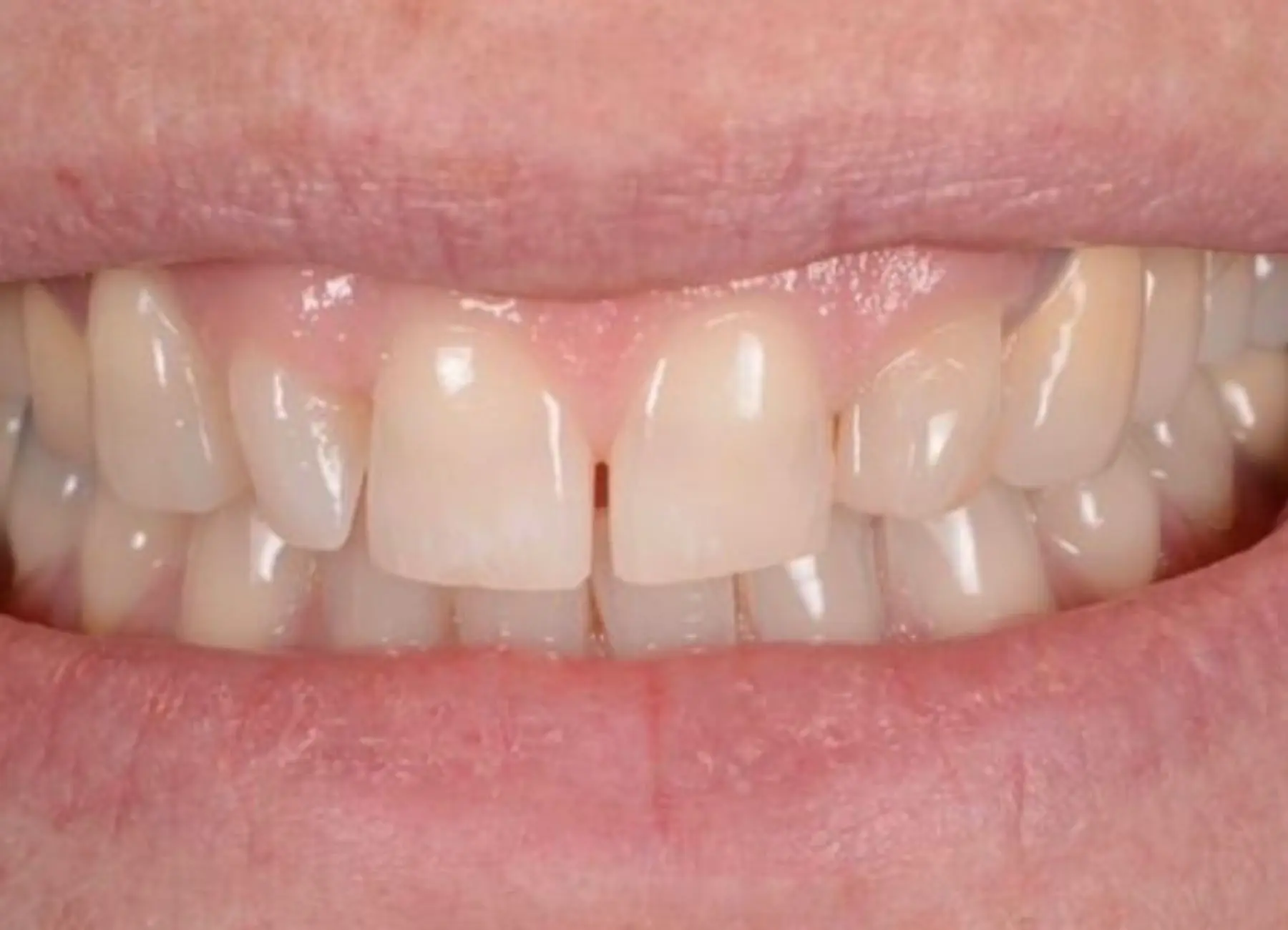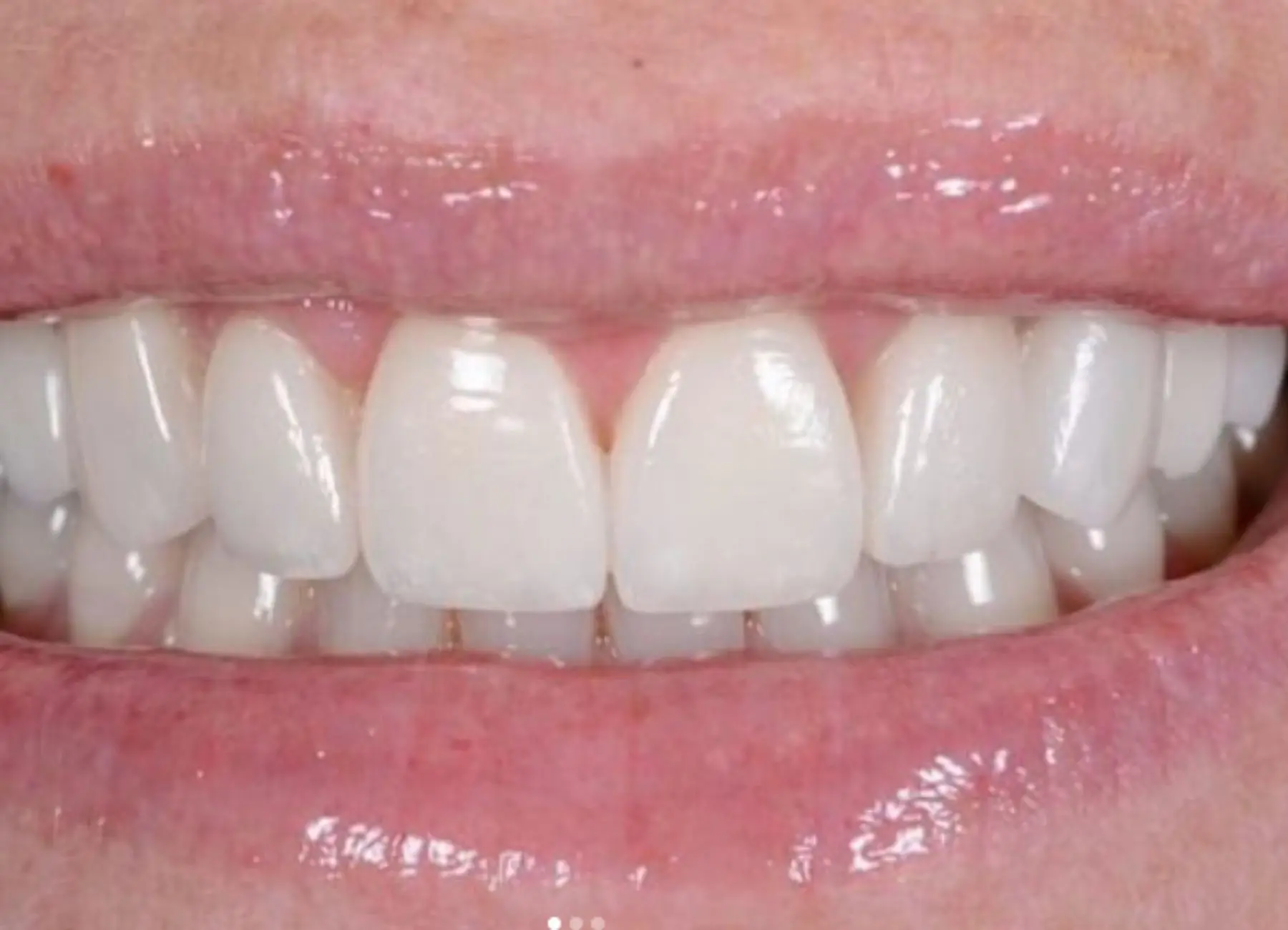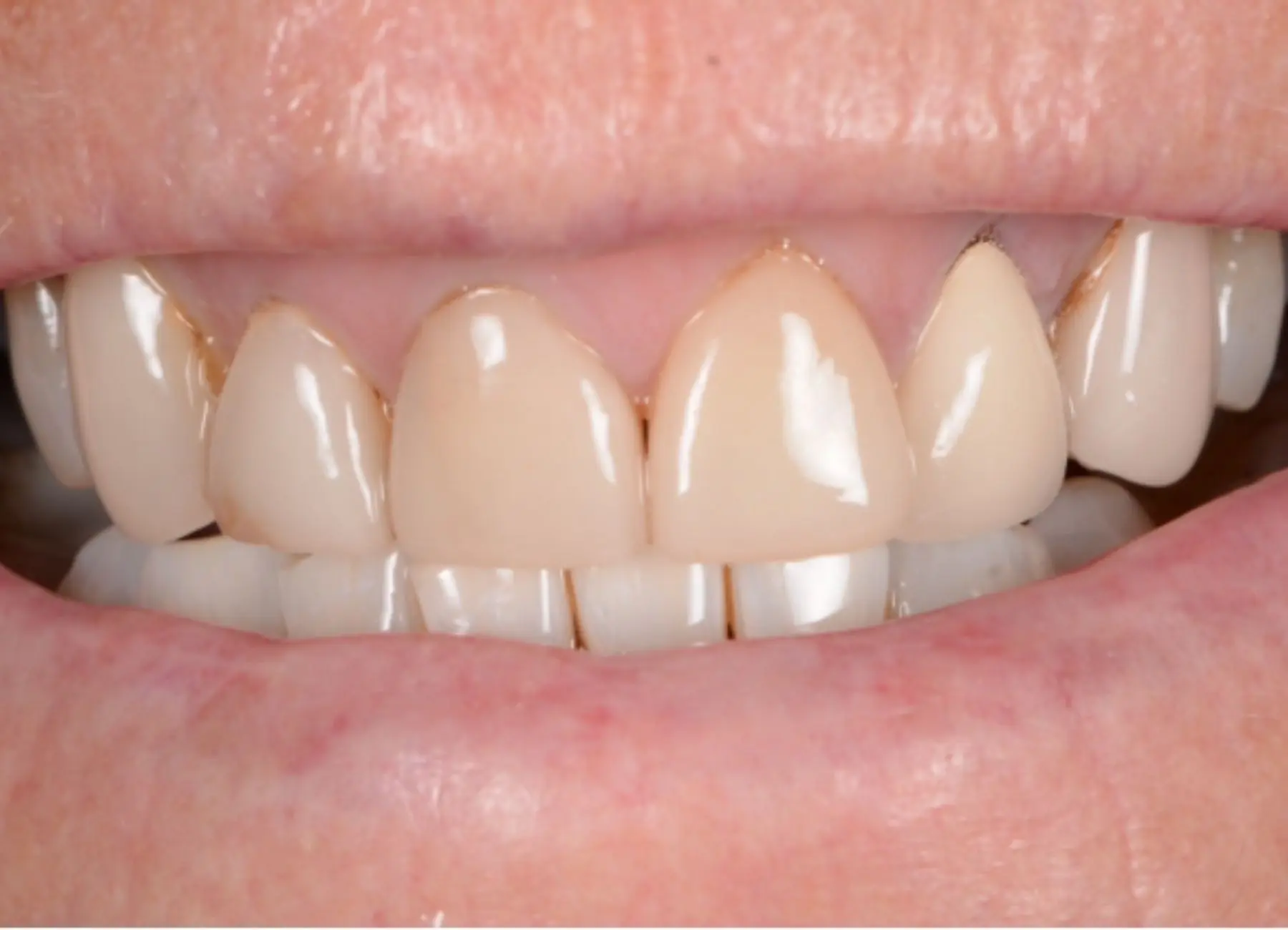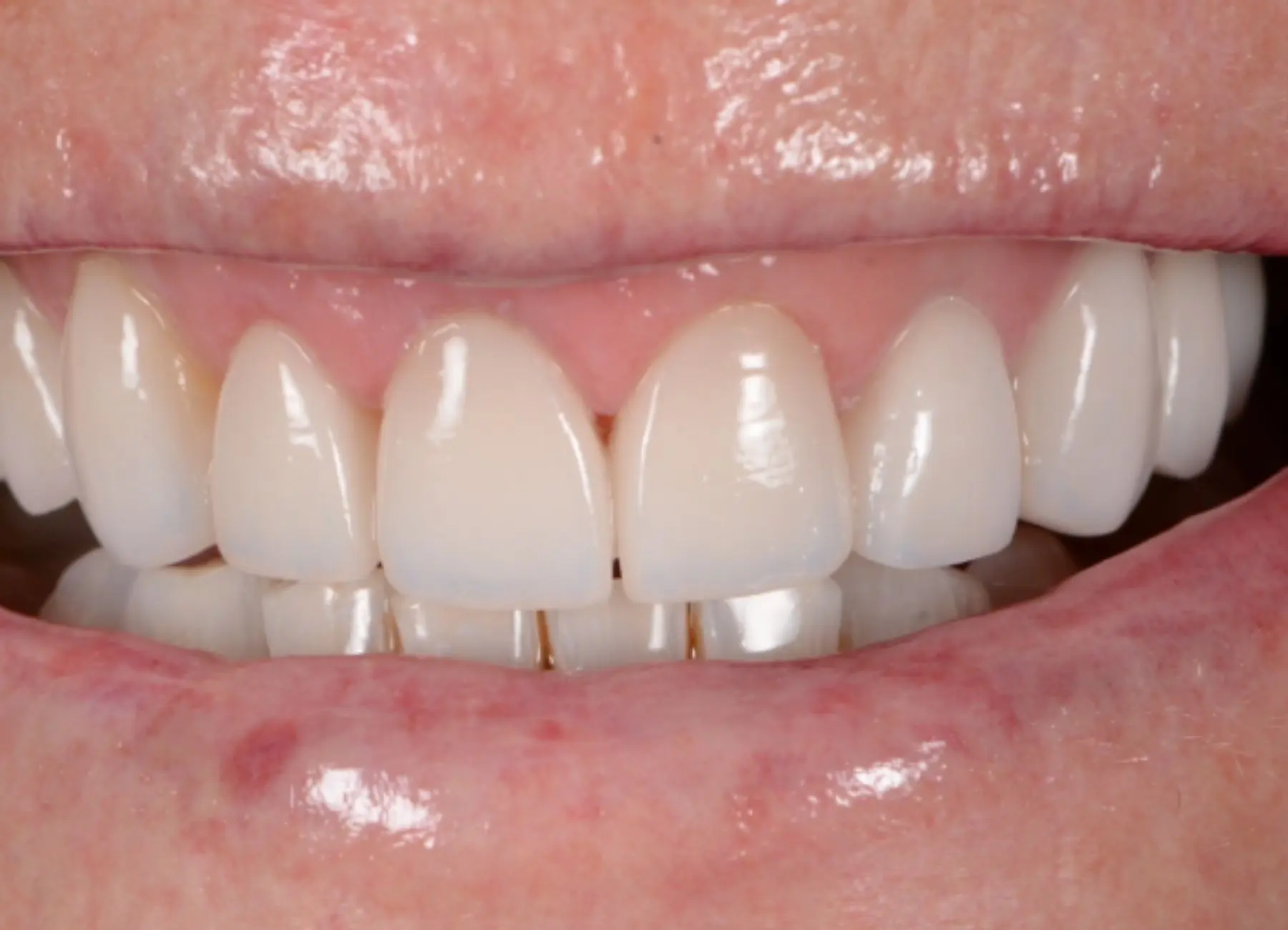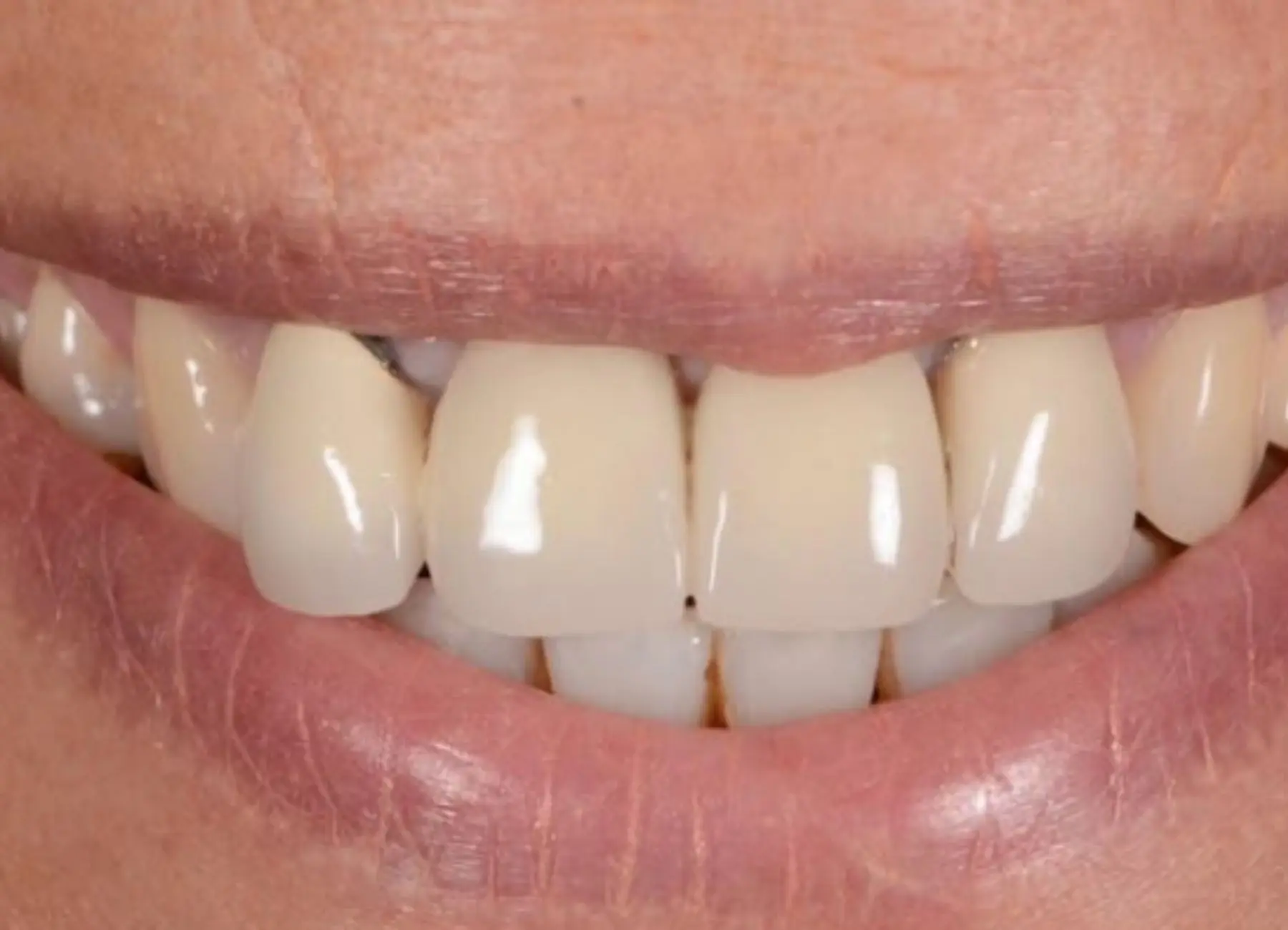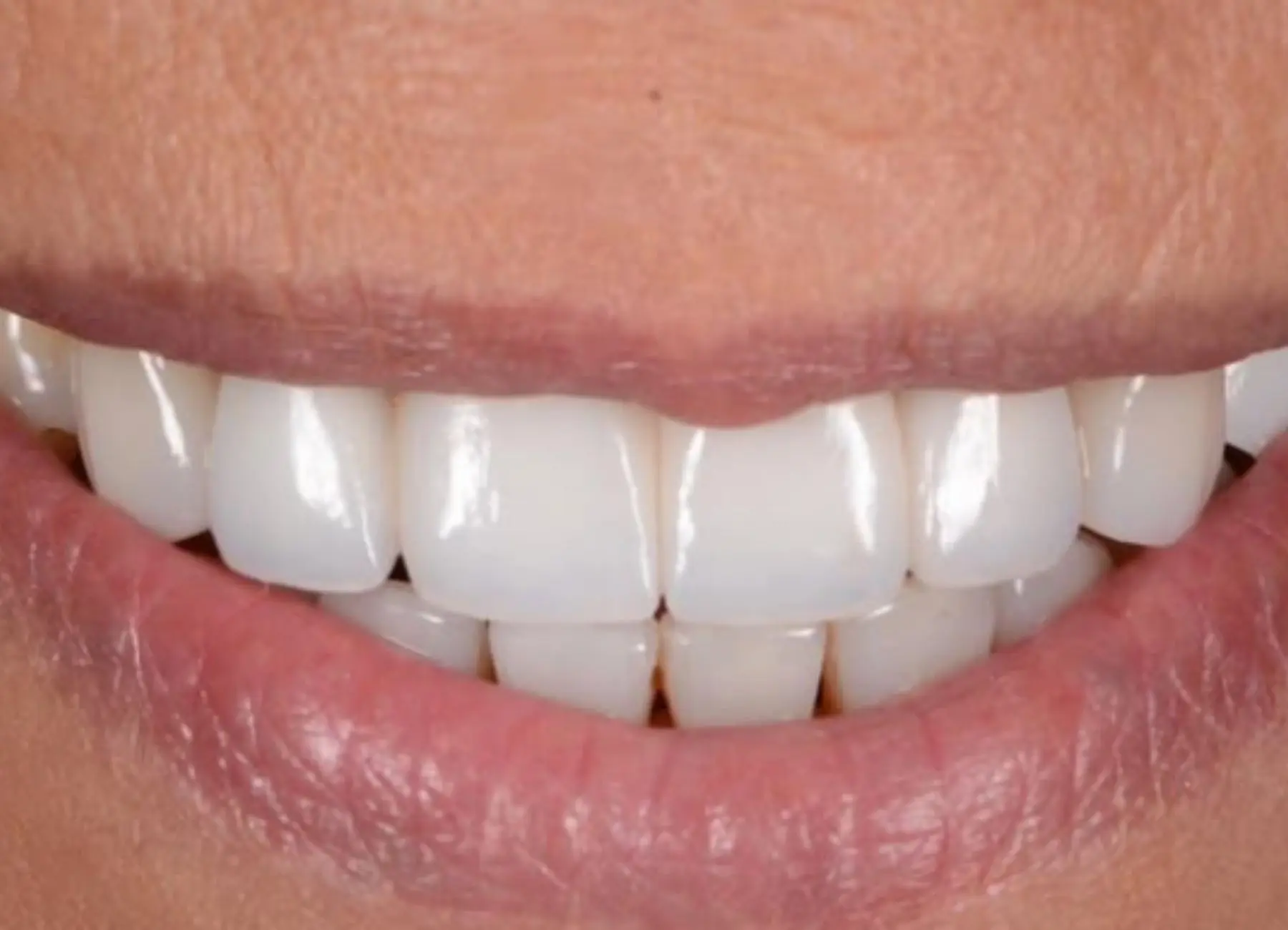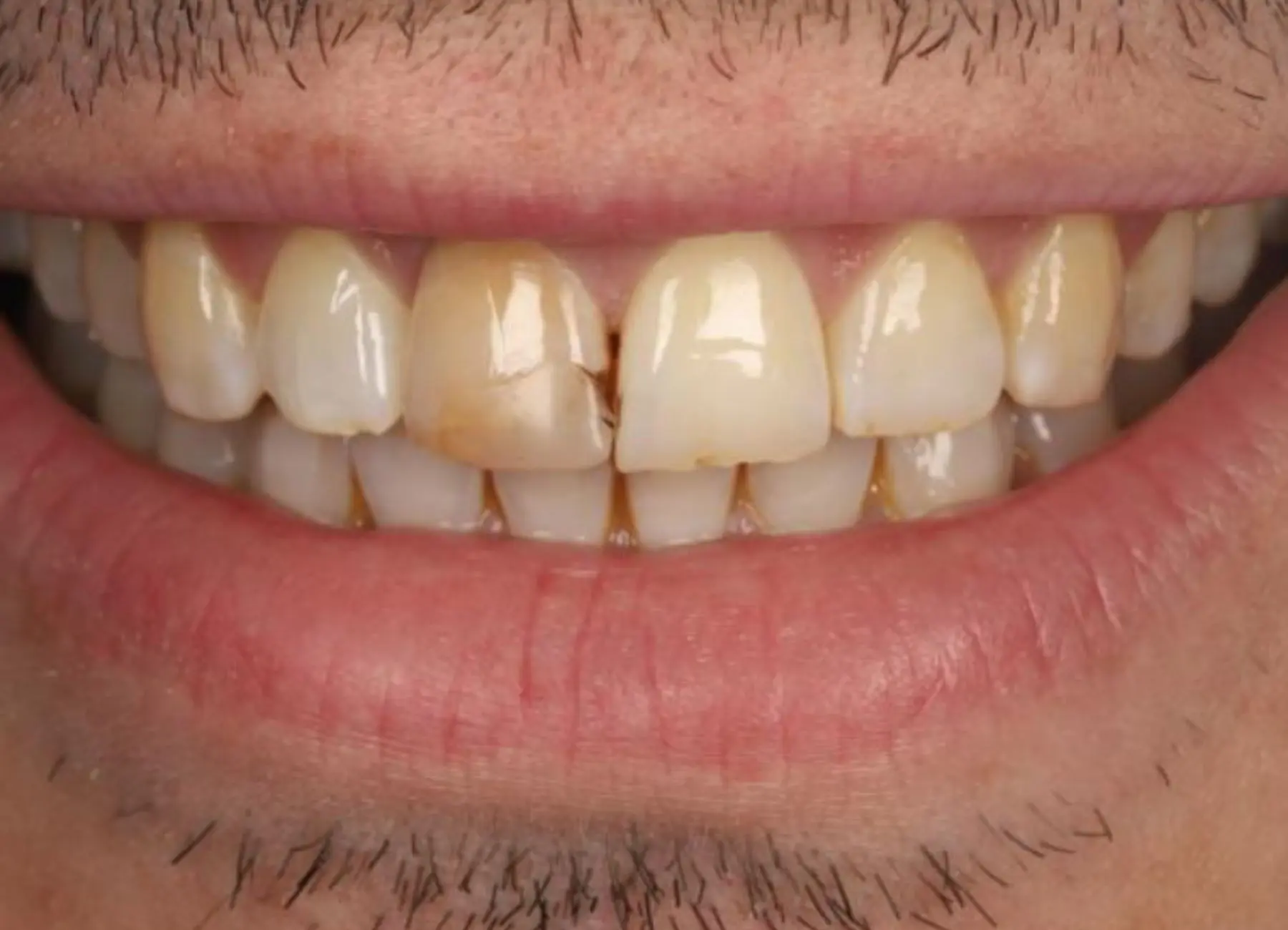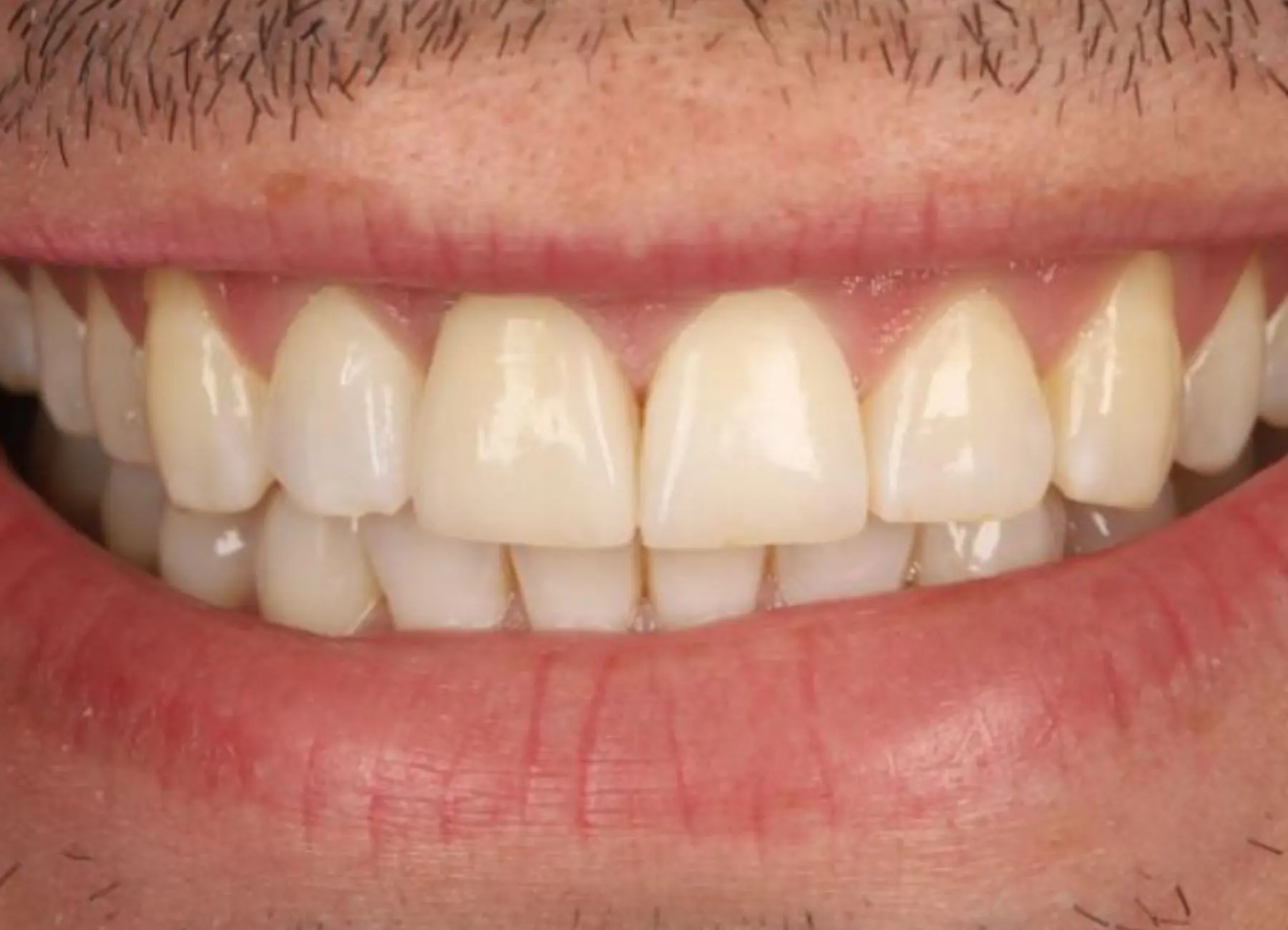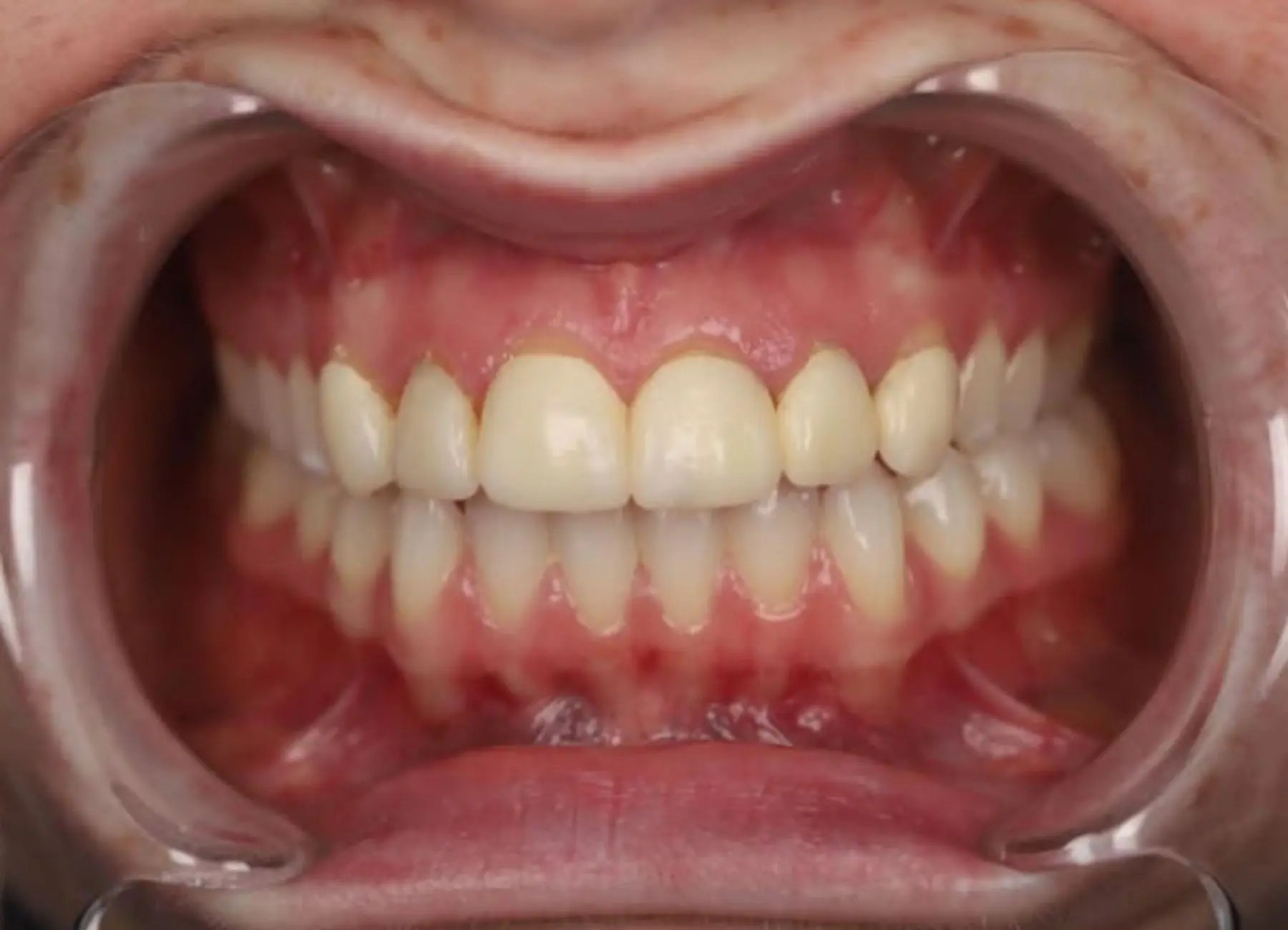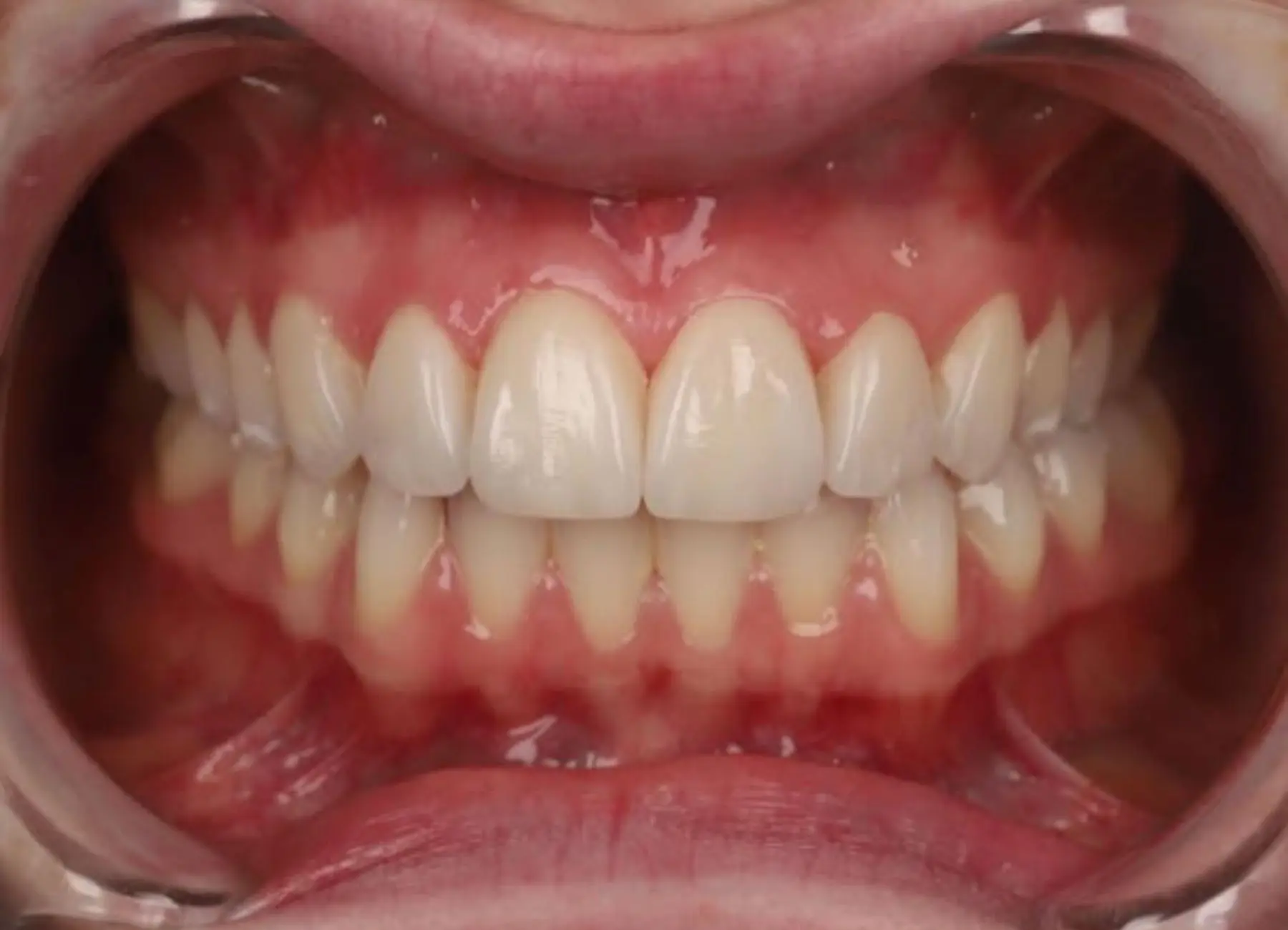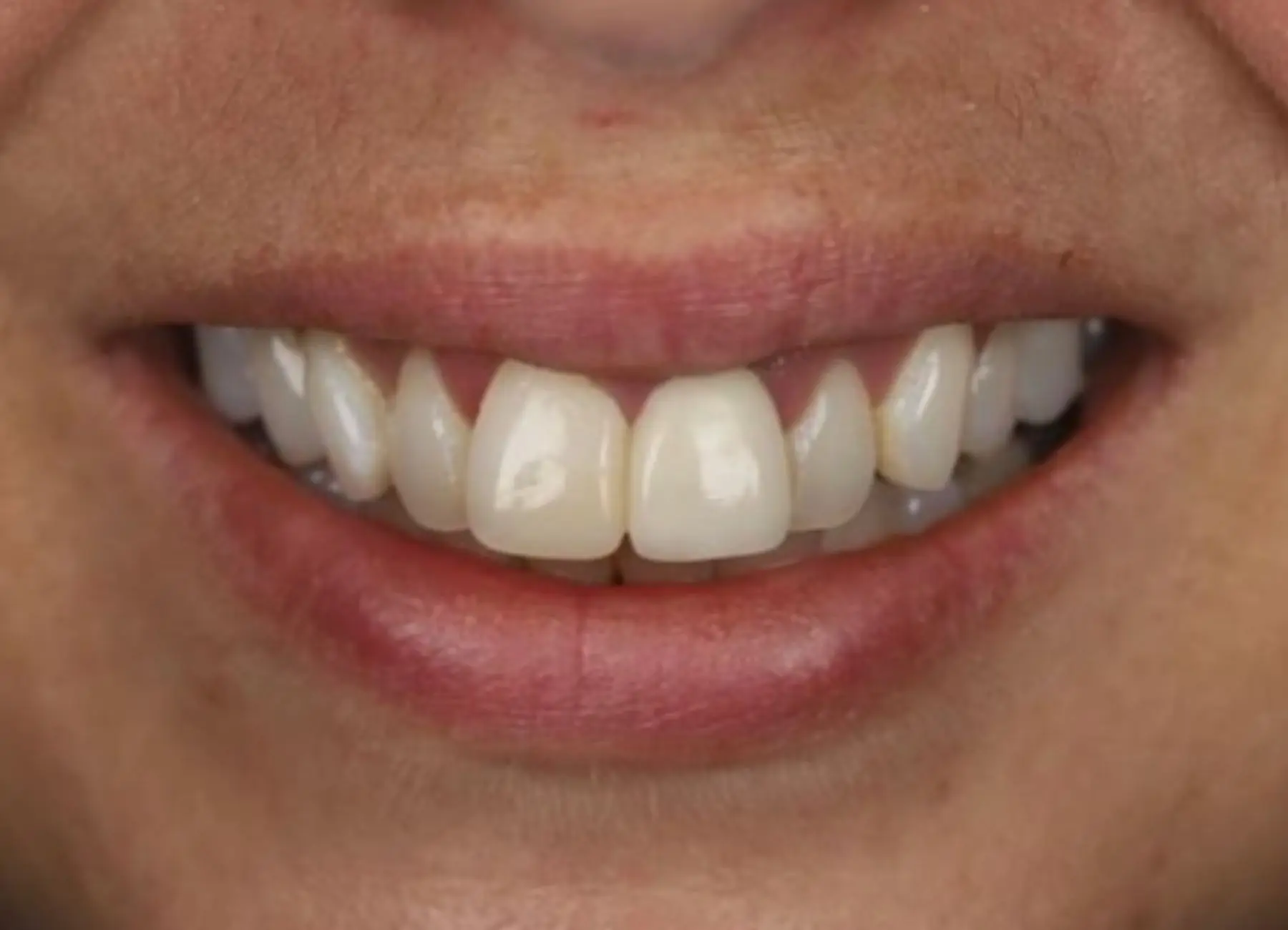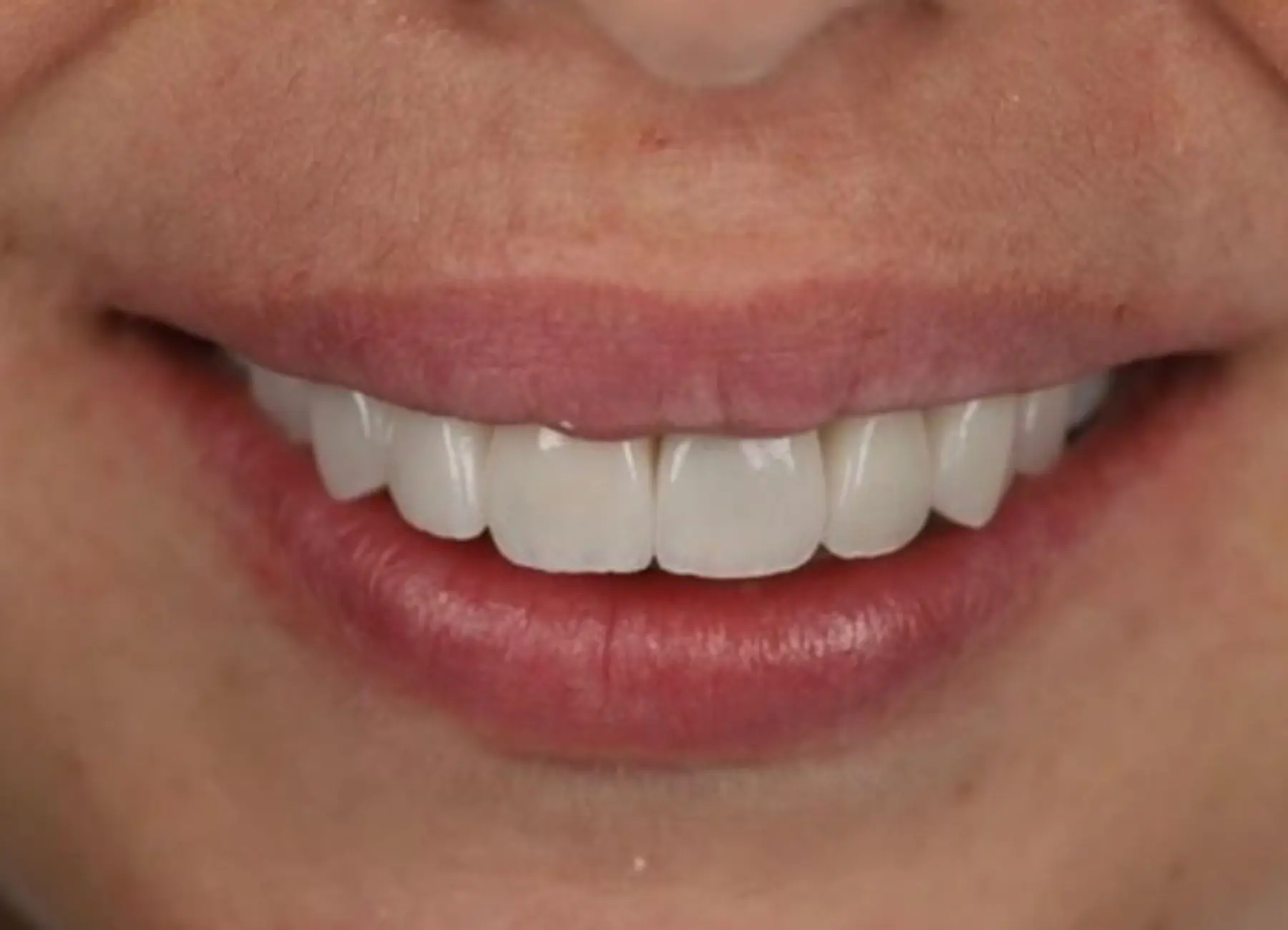
As cosmetic dentists and pioneers, who first introduced some innovative types and brands to the UK many decades ago, we’ve always been at the forefront of new technology in smile design.
So, looking into the future and seeing what’s just around the corner in smile makeovers using veneers is exciting—not just for the advanced results we’ll be able to offer patients, but also for how the entire process is about to change for the better.
Cosmetic dentistry in 2045 at a glance
In 2045, imagine your smile is more than just a feature; it’s a high-tech interface. That might sound advanced, robotic and even a bit scary, but here’s what it really means.
With advances in materials science, digital imaging, and regenerative medicine (yes, regrowing teeth is now in human trials), what we now know as veneers would have evolved into something far more sophisticated.
Dentistry is already in the era of private glow-ups, but over the next two decades, we will enter the era of undetectable treatments and even facial-structure engineering. How will this happen, and what should you expect to see?
Skinification dentistry
Sounding something quite dystopian, skinification highlights how dentistry and skincare will merge. The concept of “oral-facial wellness” is already emerging: think low-abrasion exfoliation not for the face, but for biofilm, and LED/UV light therapy for gums, plus probiotic-infused moisturiser serums—it’s truly something out of the future.
What to expect:
- Veneers are becoming part of broader smile wellness rather than a cosmetic fix.
- Patients seeking preventive/detox treatments for their mouth to optimise gum health.
- The veneer market will merge with wellness, anti-ageing and bioregenerative medicine.
- Cosmetic dental clinics will begin to look like high-end wellness spas than just general drill-and-fill clinics.
Ultrathin, undetectable veneers
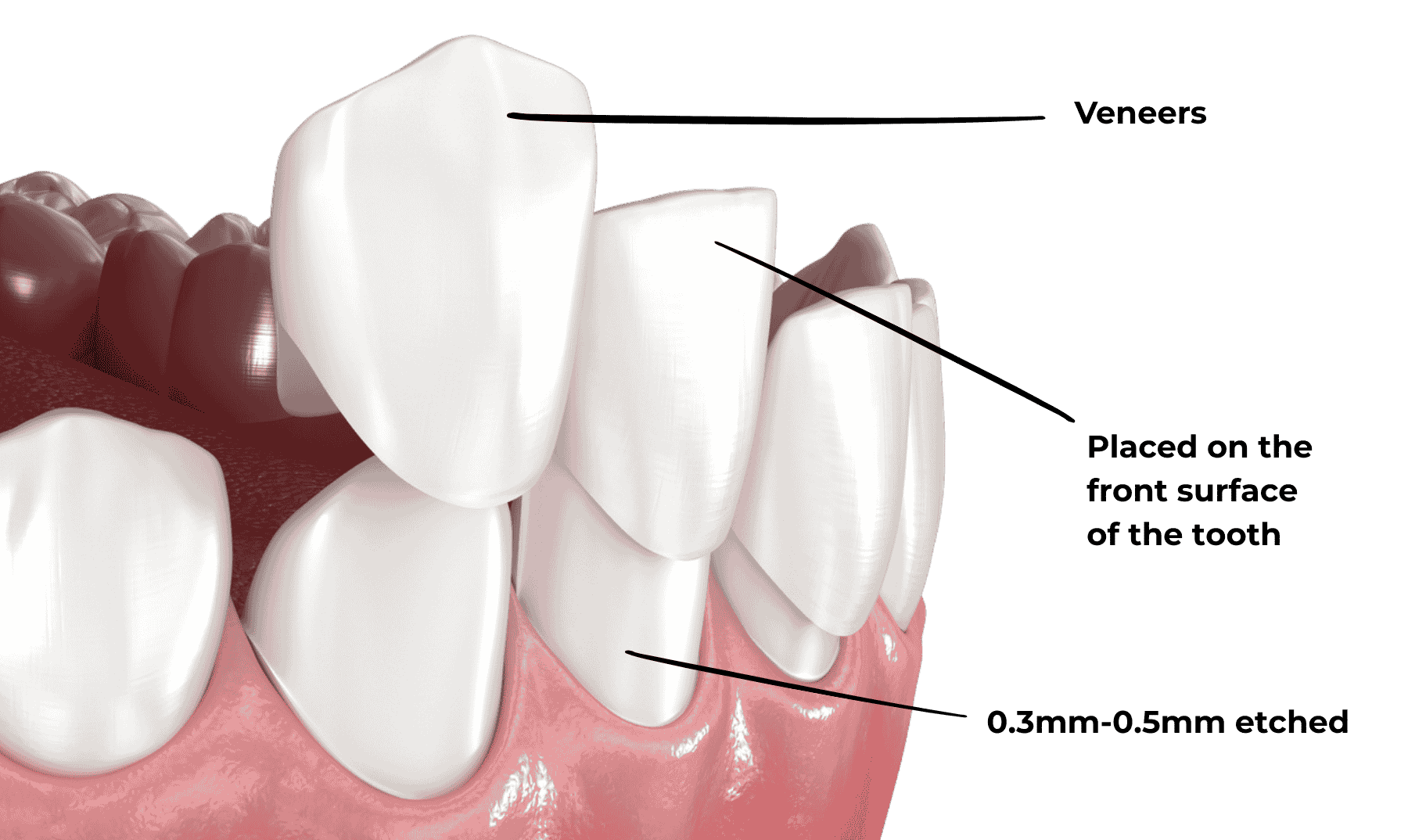
We’re already seeing the rise of no-prep veneers and patients preferring reversible, non-invasive, natural options. But there will be a bigger shift toward veneers that are undetectable, becoming even thinner (the thinnest we offer right now is 0.3mm), which then require no tooth reduction and blend with natural dentition.
What to expect:
- A shift away from bulky-looking veneers, as seen with Turkey Teeth.
- Moving from Hollywood white smiles to more individualised, natural-looking smiles.
- Planning for veneers will involve digital imaging, AI shade matching and simulations of how veneers affect facial structure, not just teeth.
- No-prep veneers become the standard.
From smile aesthetics to facial structure support
A more fascinating shift will be the use of veneers and orthodontics not only for cosmetic smile enhancement but also for structural facial support. Dentists foresee that, as jaw arch width and muscle/bone density are depleted due to softer diets, veneers and orthodontics will be used to open the bite and rebalance the lower face, creating a face-lift effect.
What to expect:
- Veneers in 2045 go beyond colour and shape but focus on functional biomechanics, where the teeth interact with the jaw, muscles and face.
- Smile design will expand to face design.
- Patients will opt for veneers to align their bite, support their bone and preserve enamel.
Regenerative & Bio-material advances
Treatments such as stem cell therapy, biomaterials, and dental tissue regeneration will become more common in dentistry.
What to expect:
- Veneers will incorporate smart materials like coatings that monitor enamel wear, release remineralising agents or change shade slightly in response to the environment.
- Digital manufacturing (3-D printing, nanoceramics) will make custom thin veneers cheaper, faster, more precise and accessible