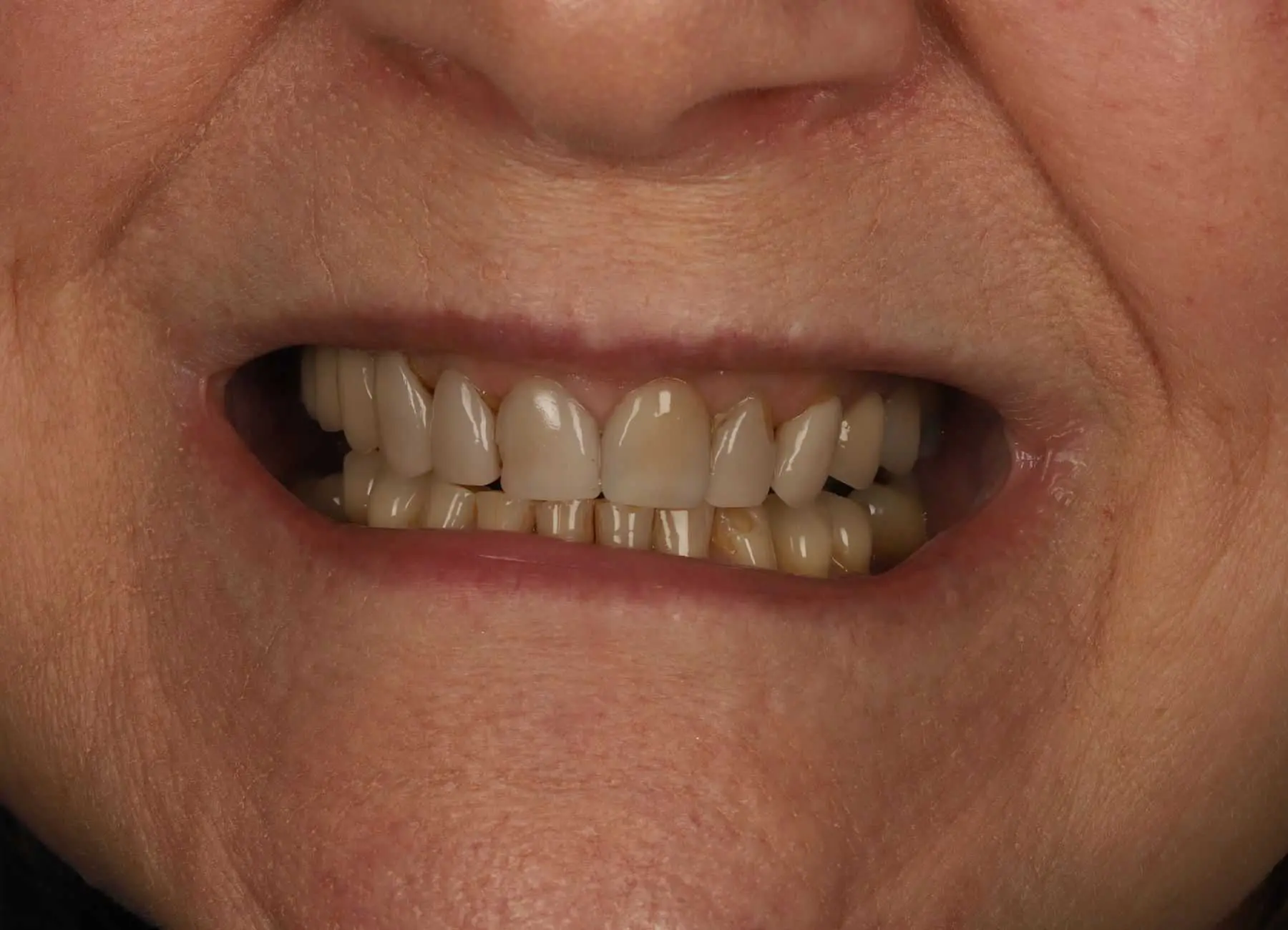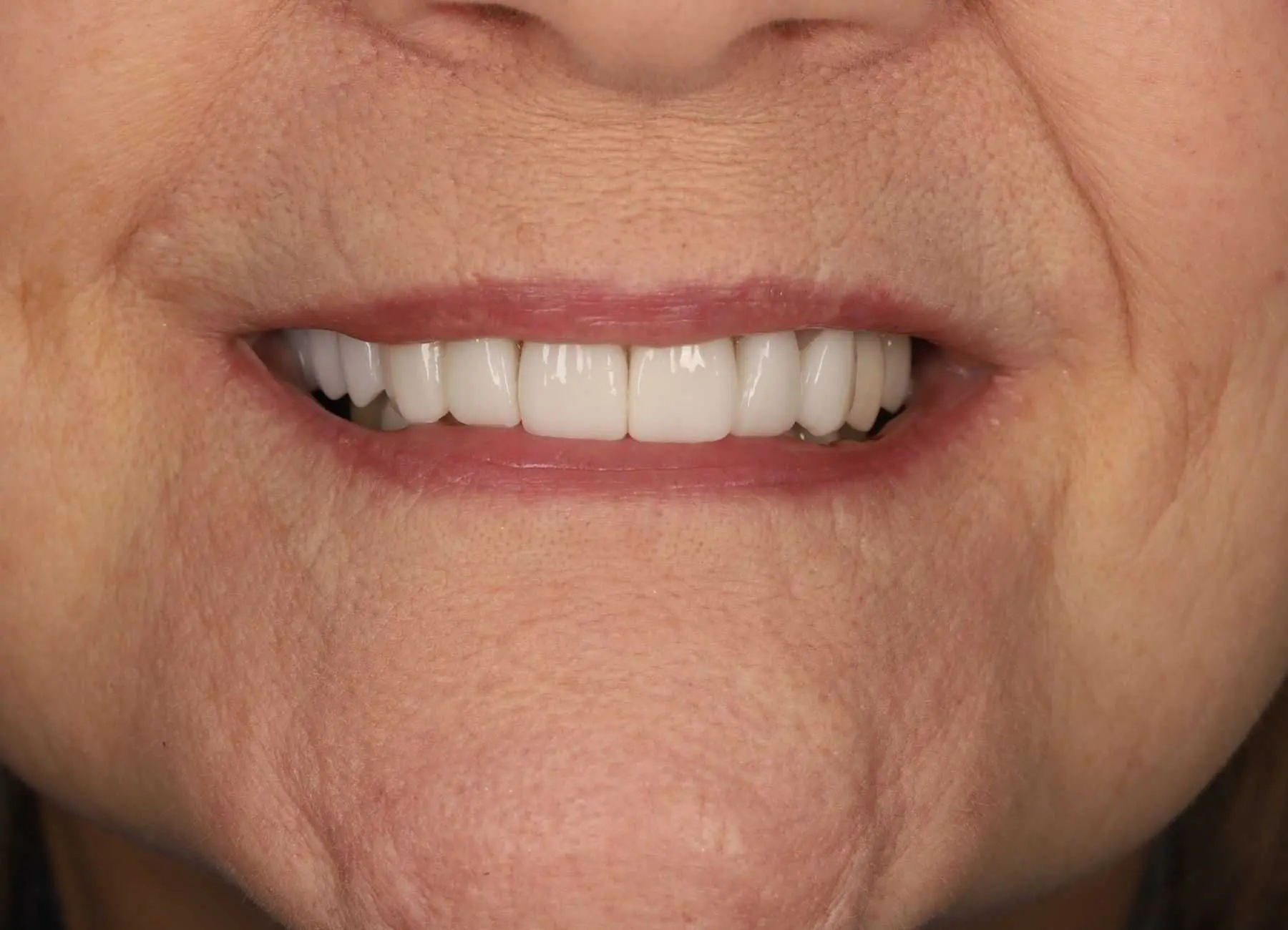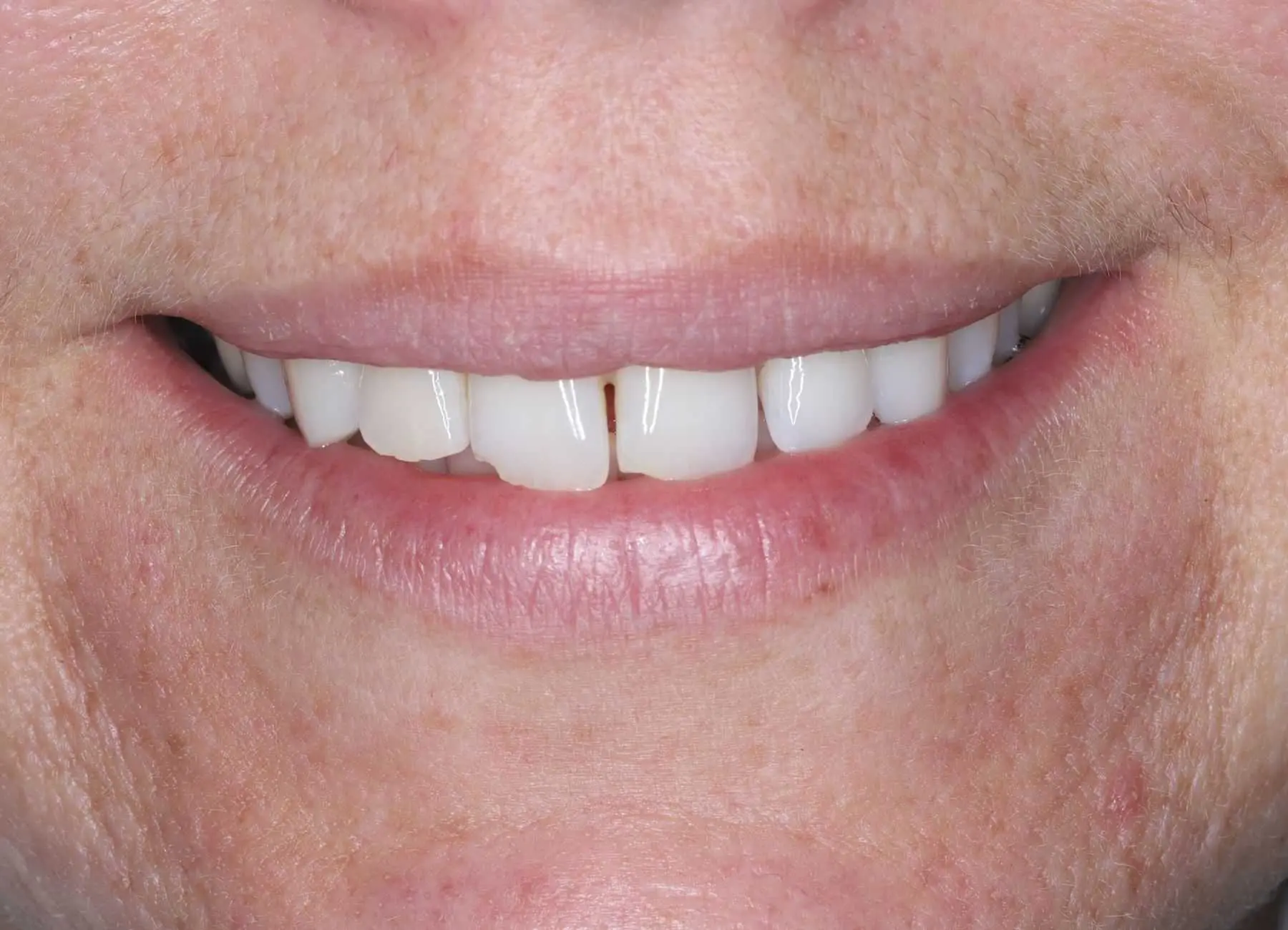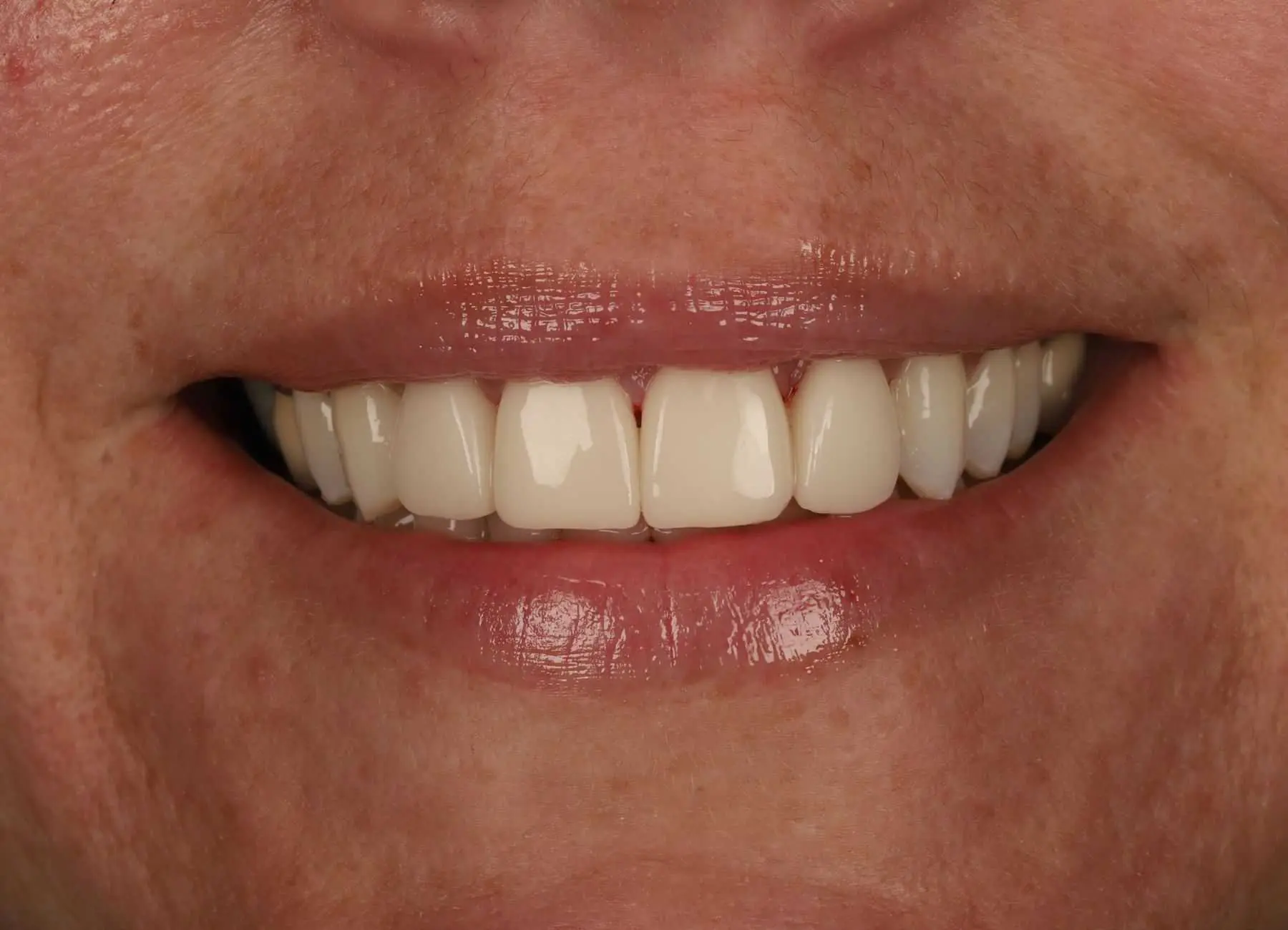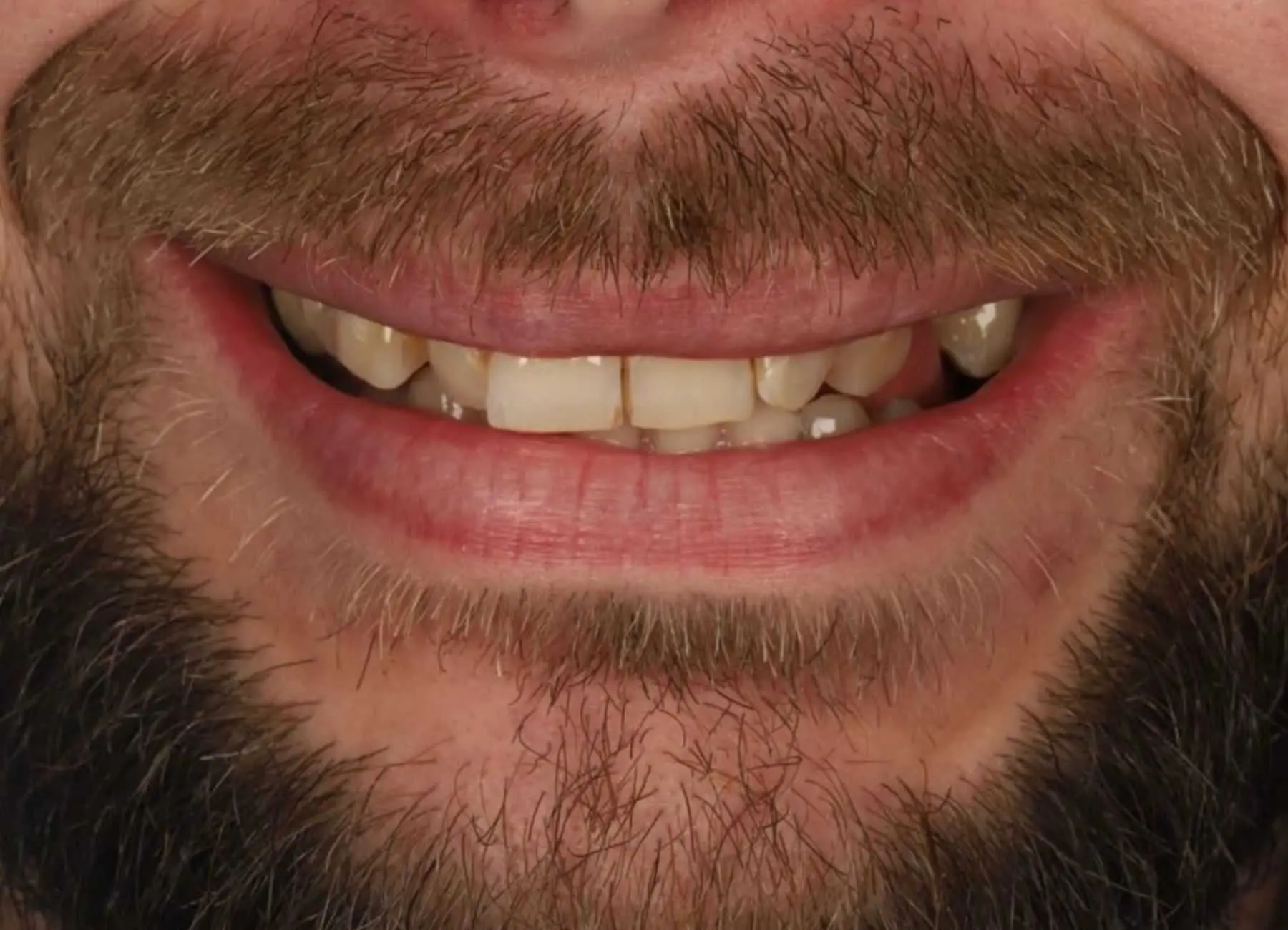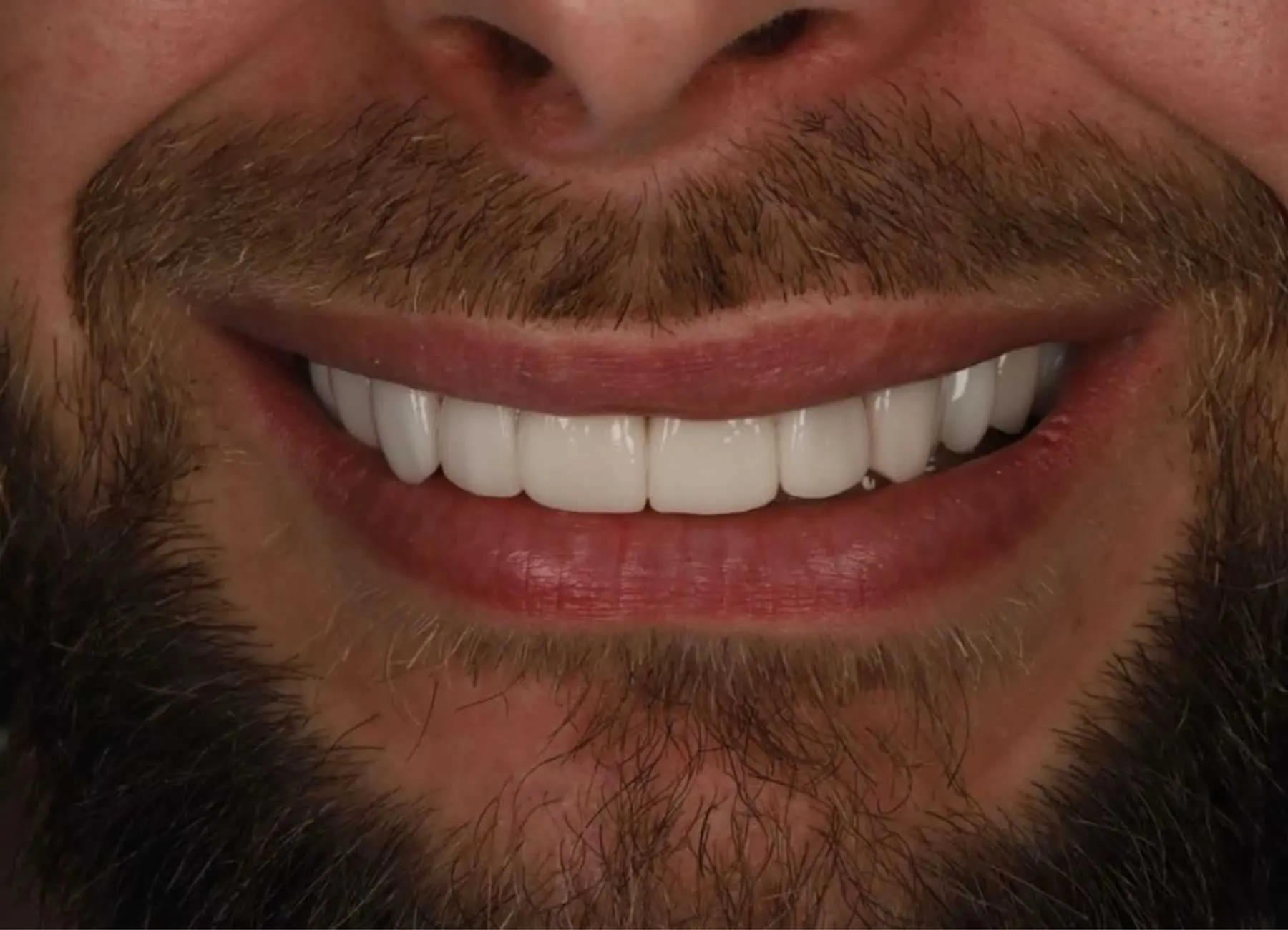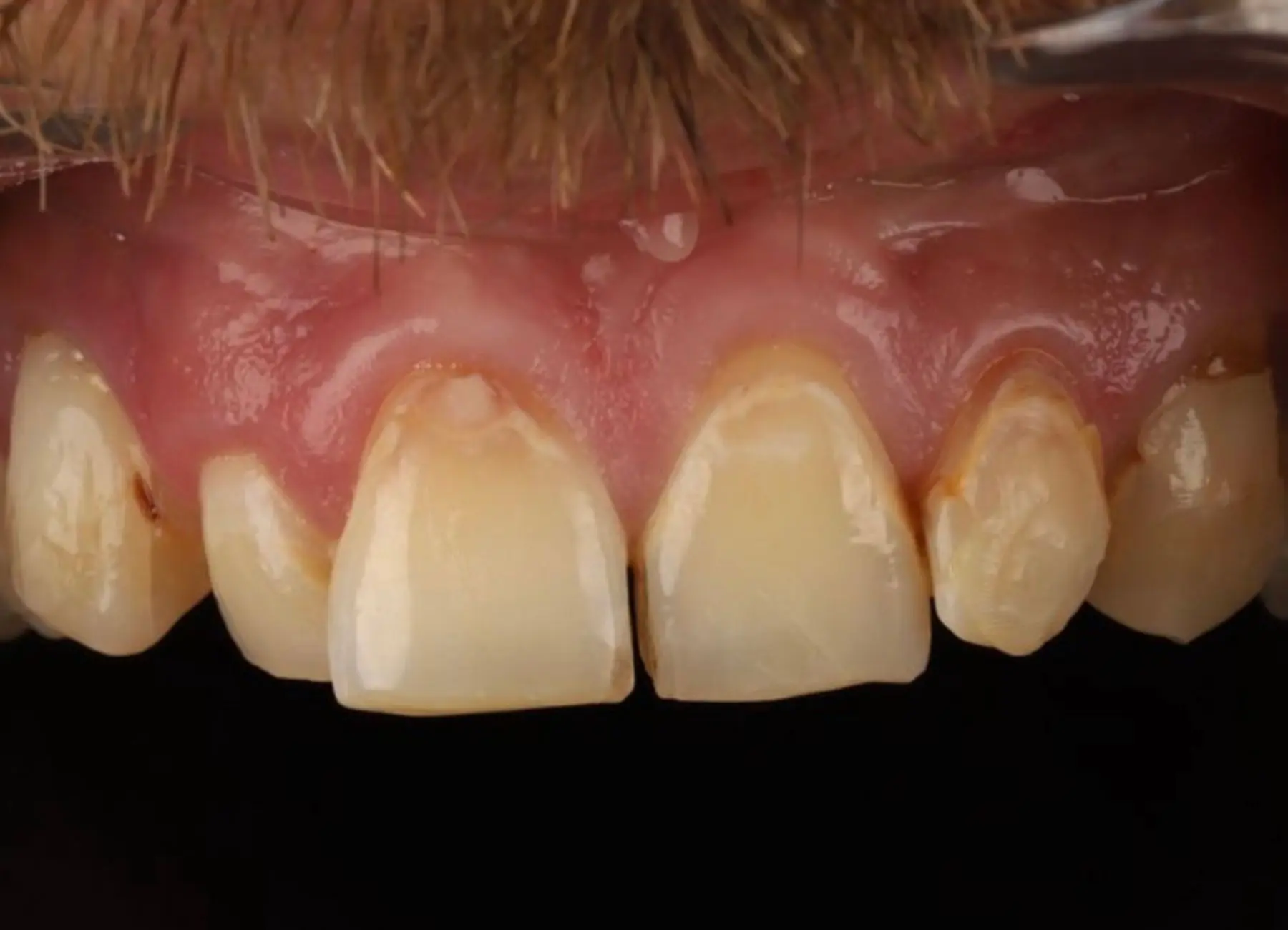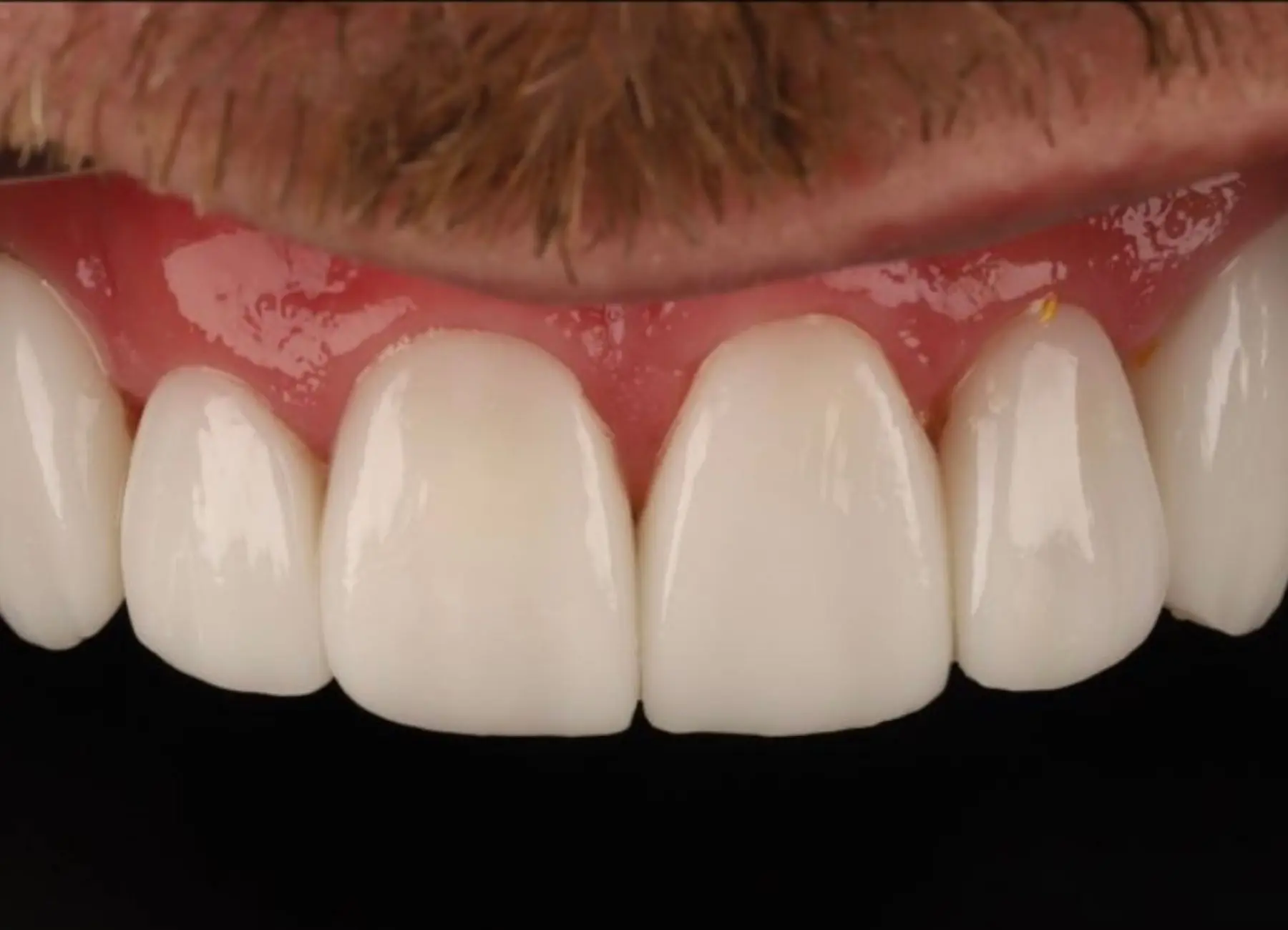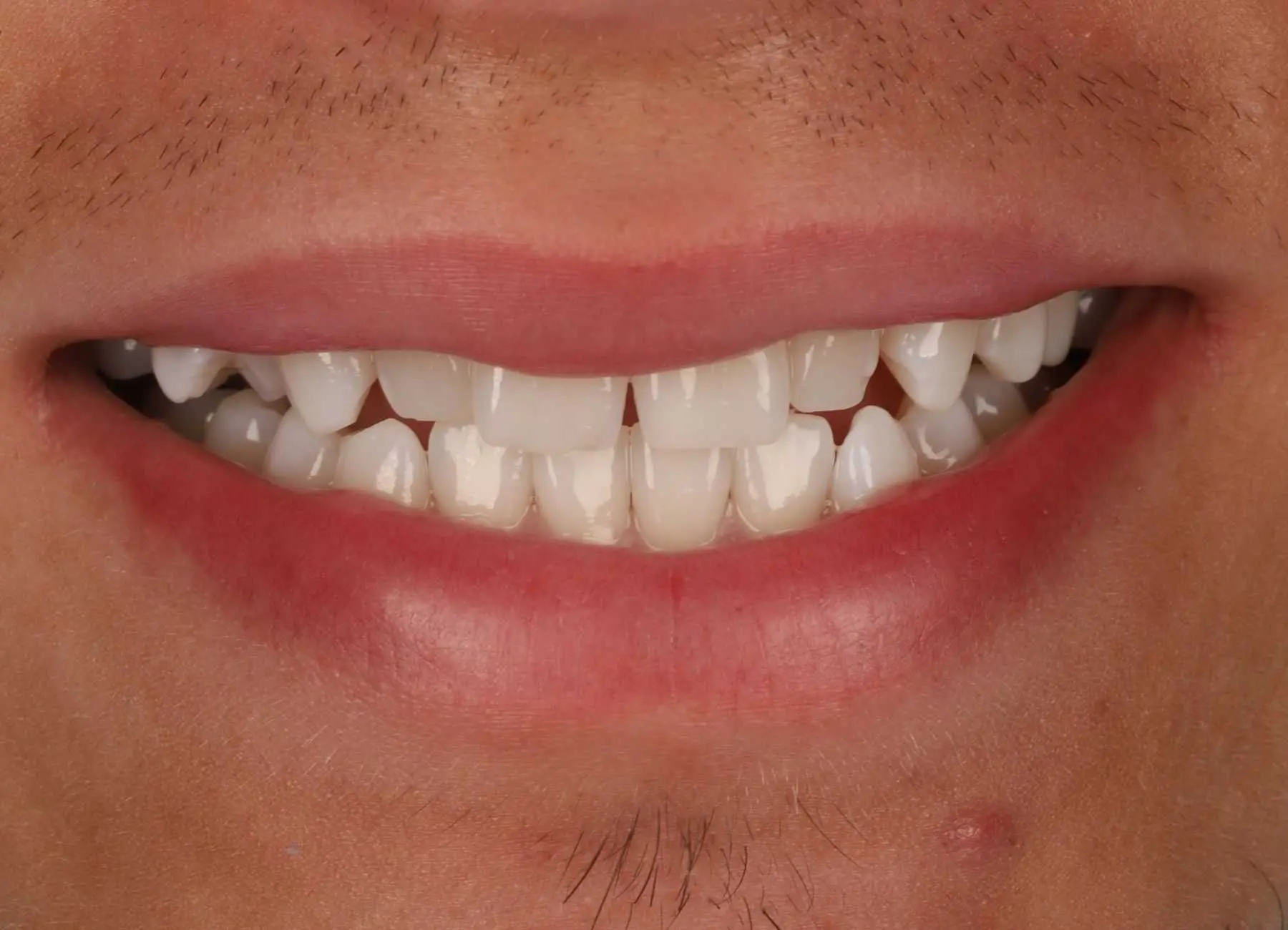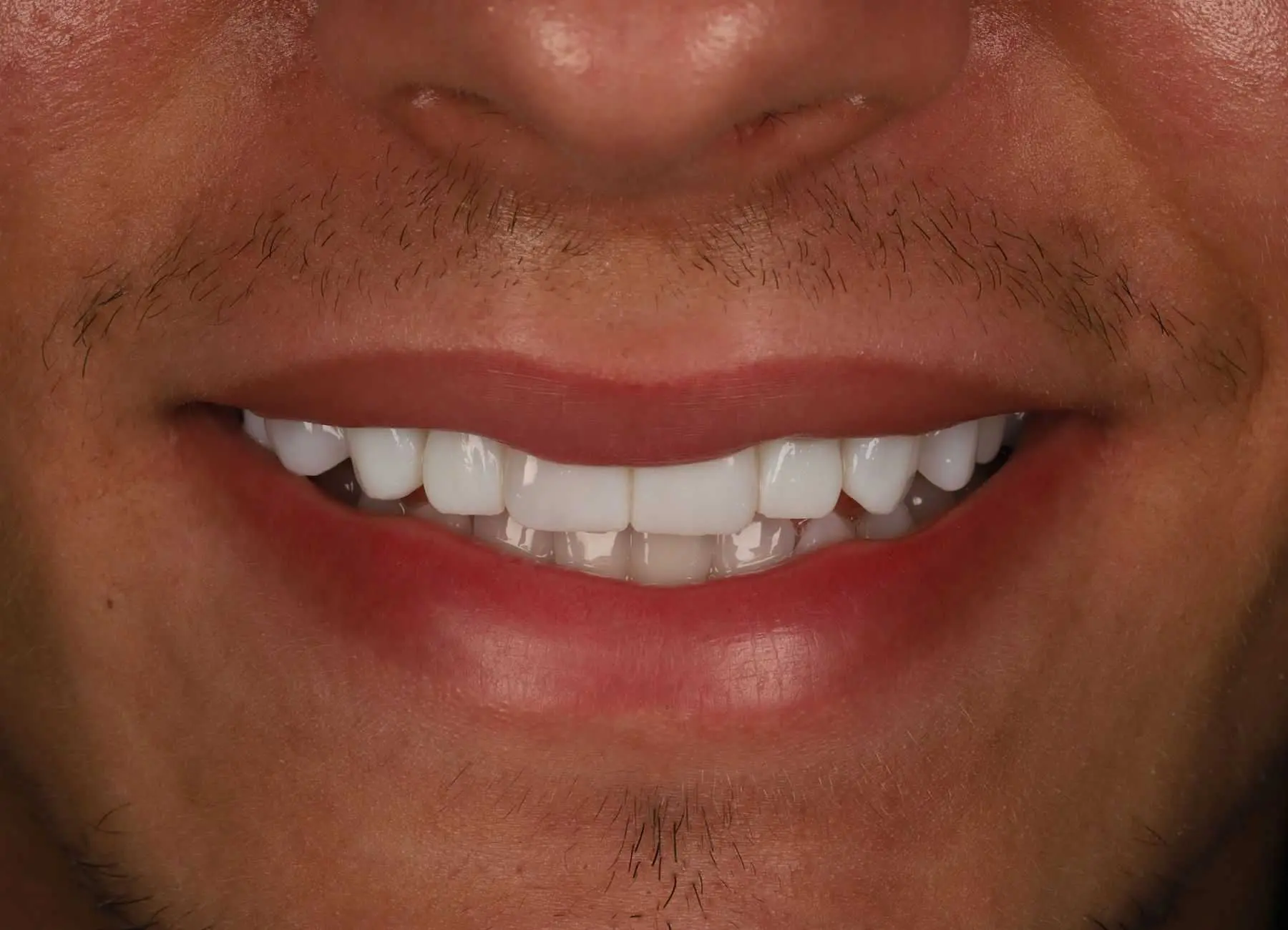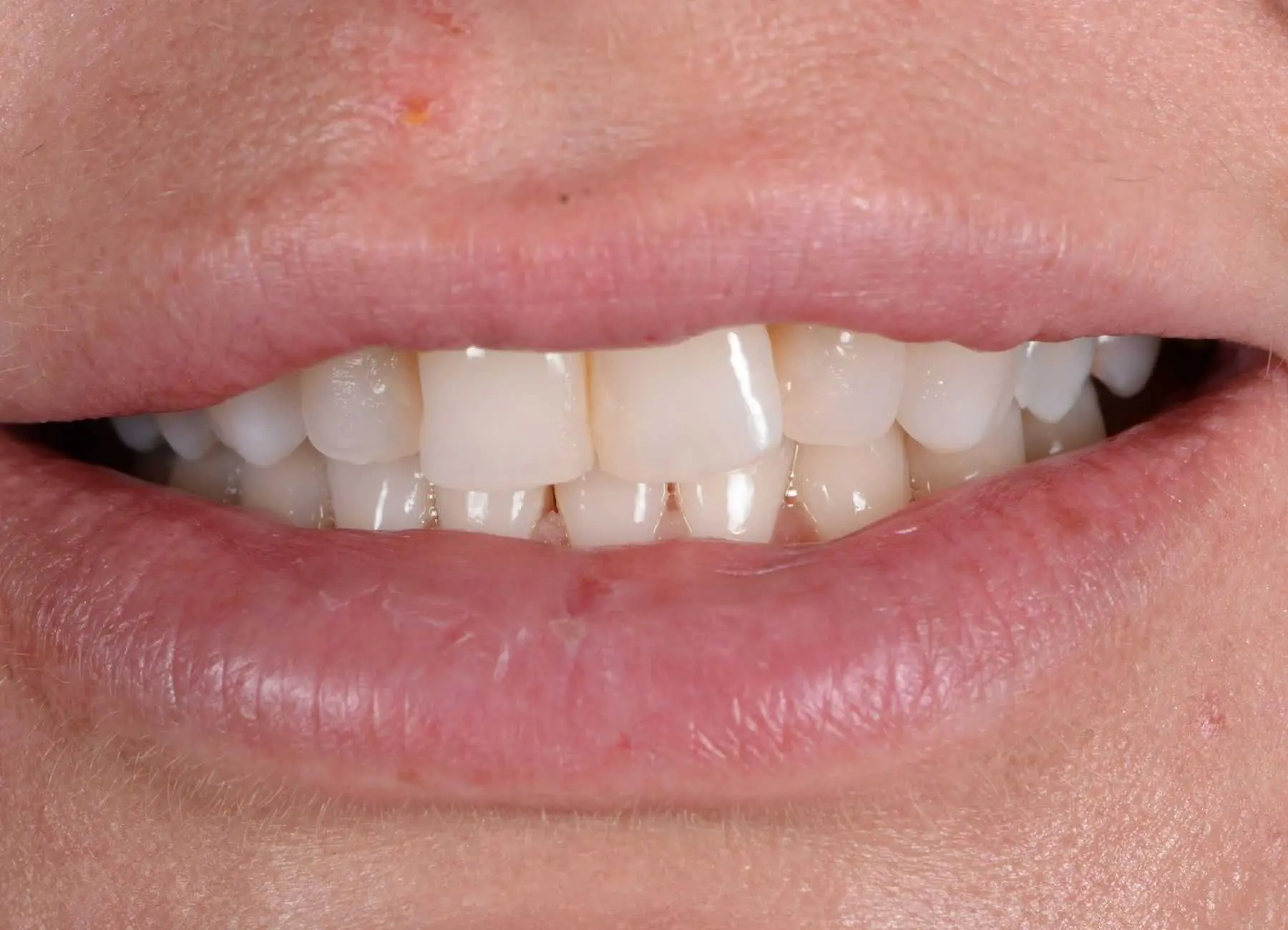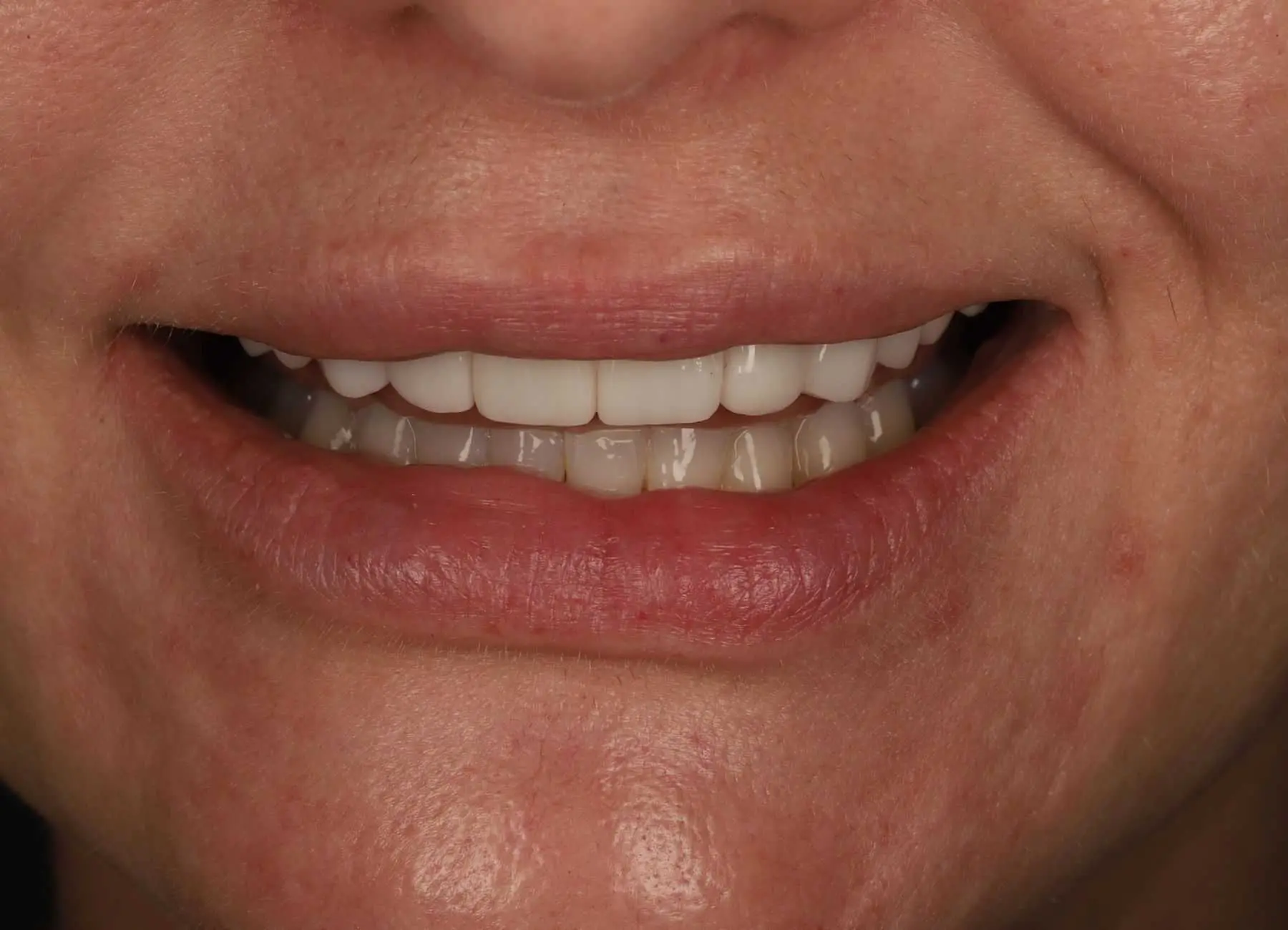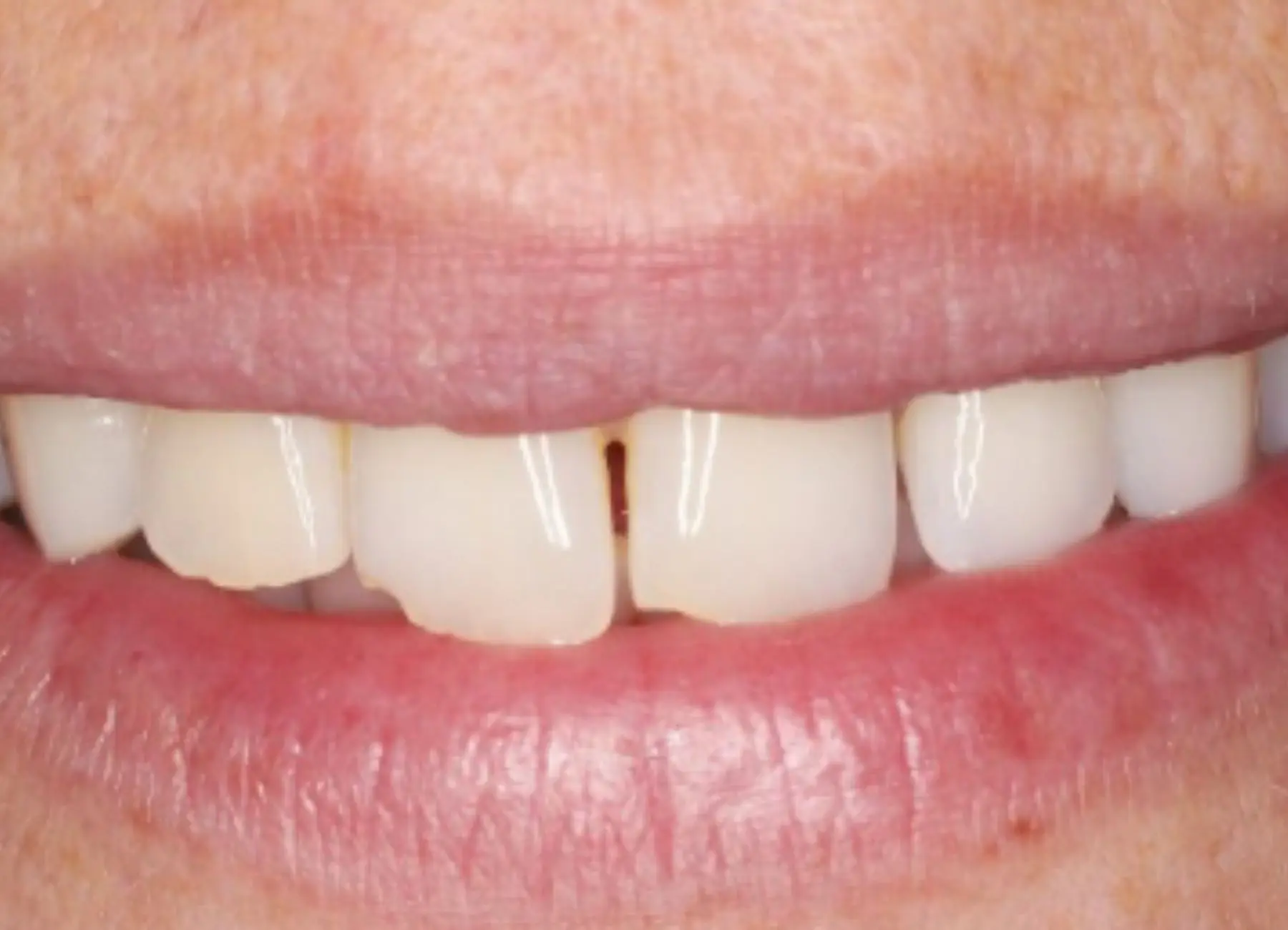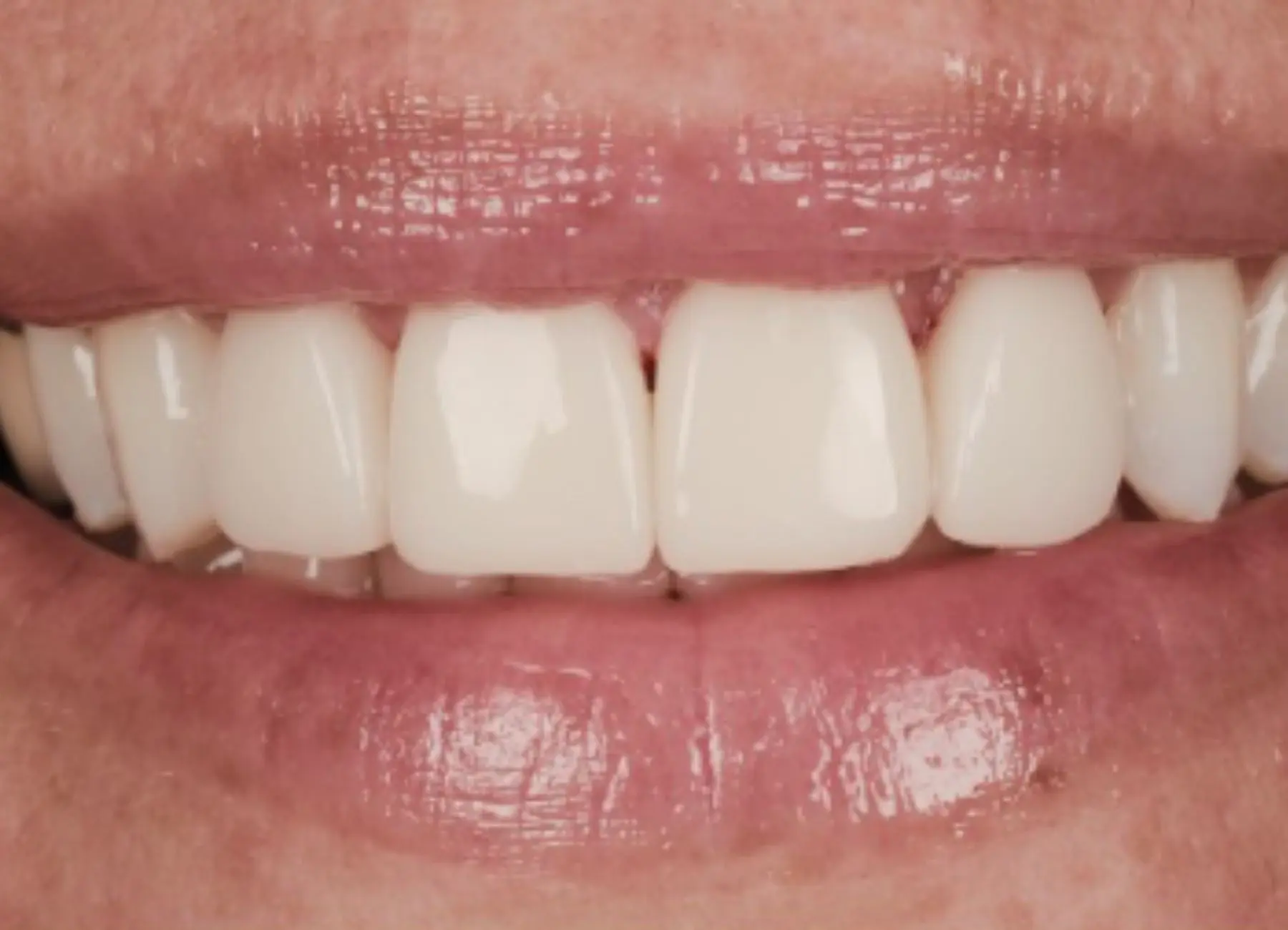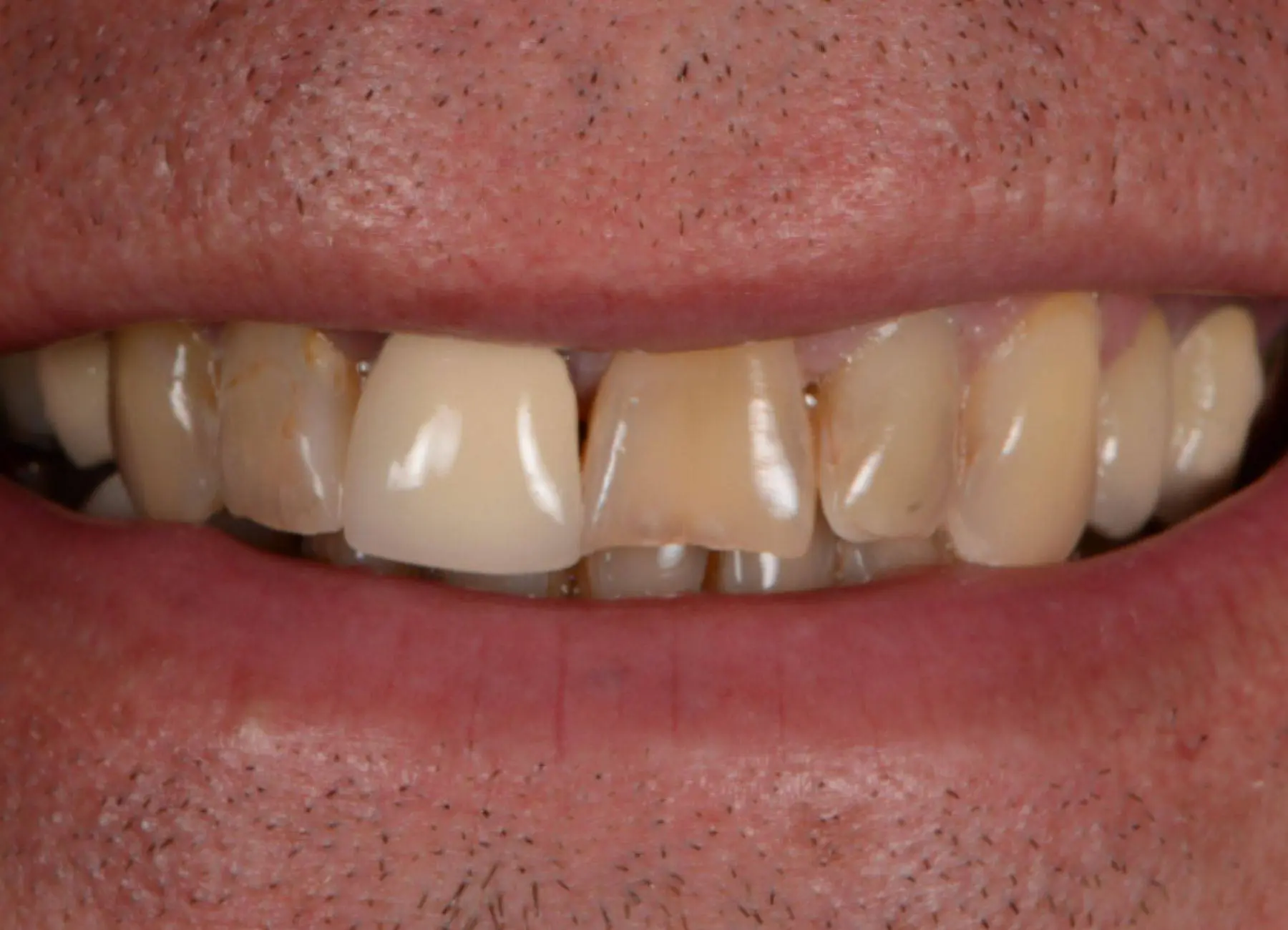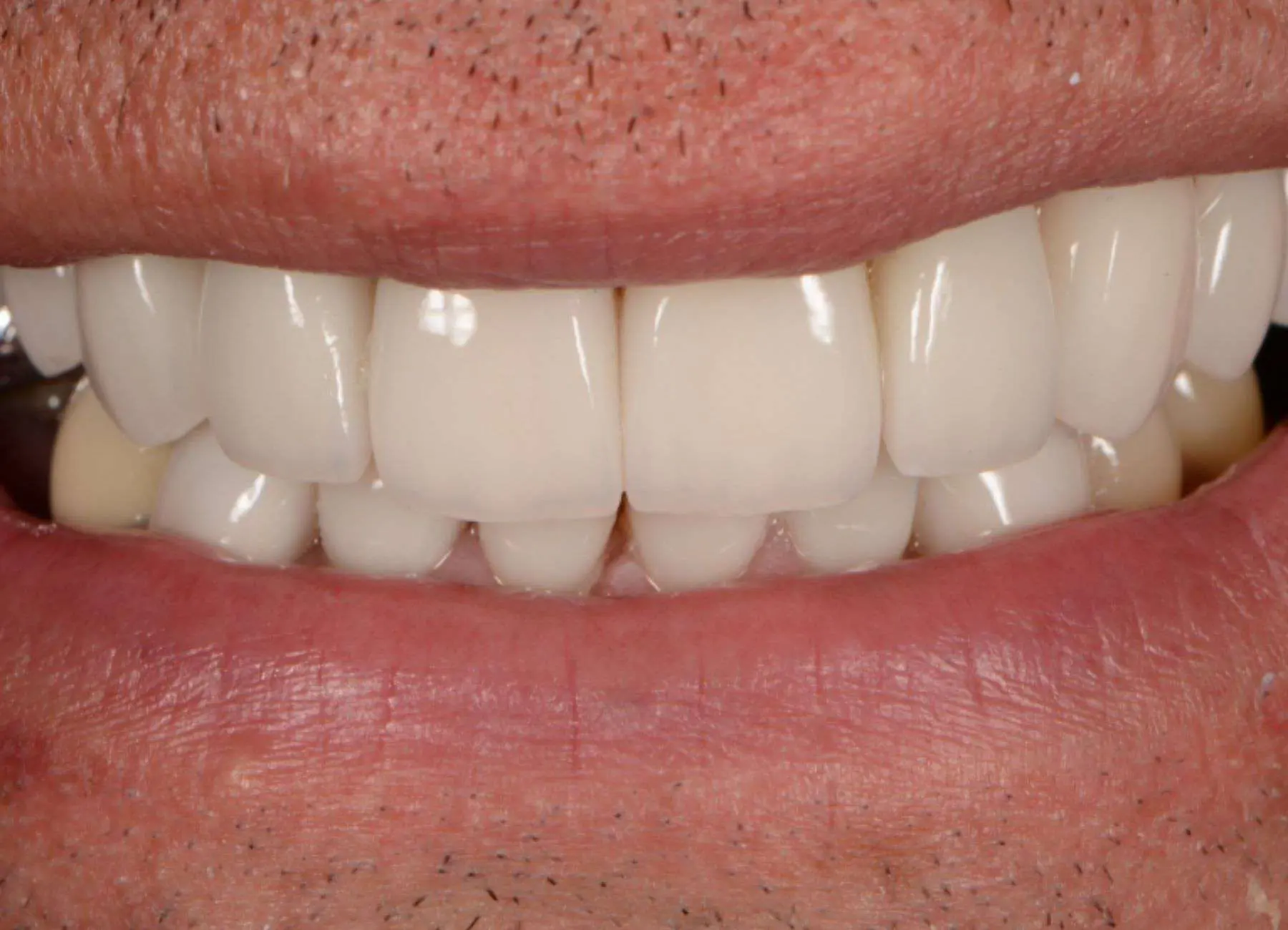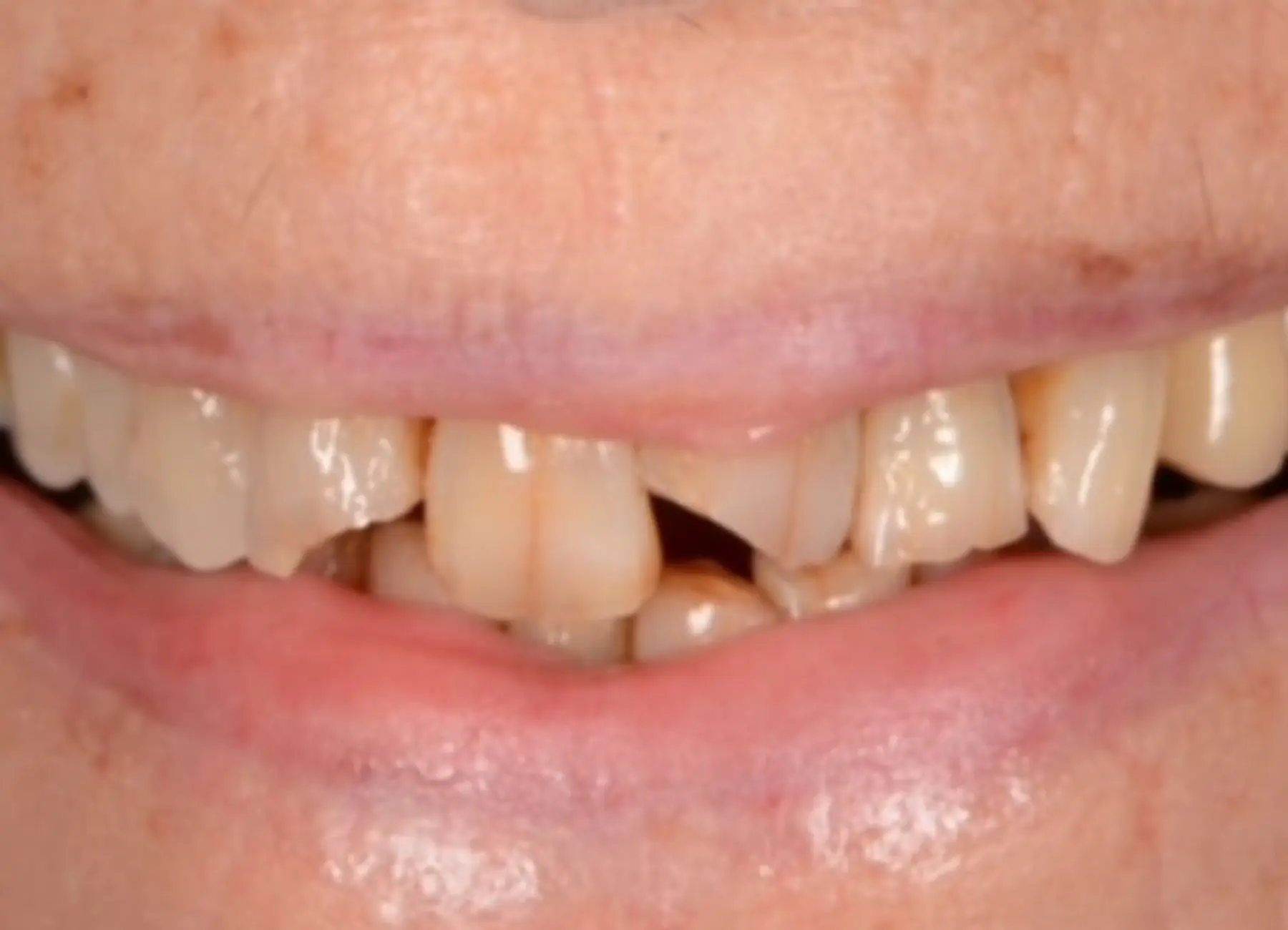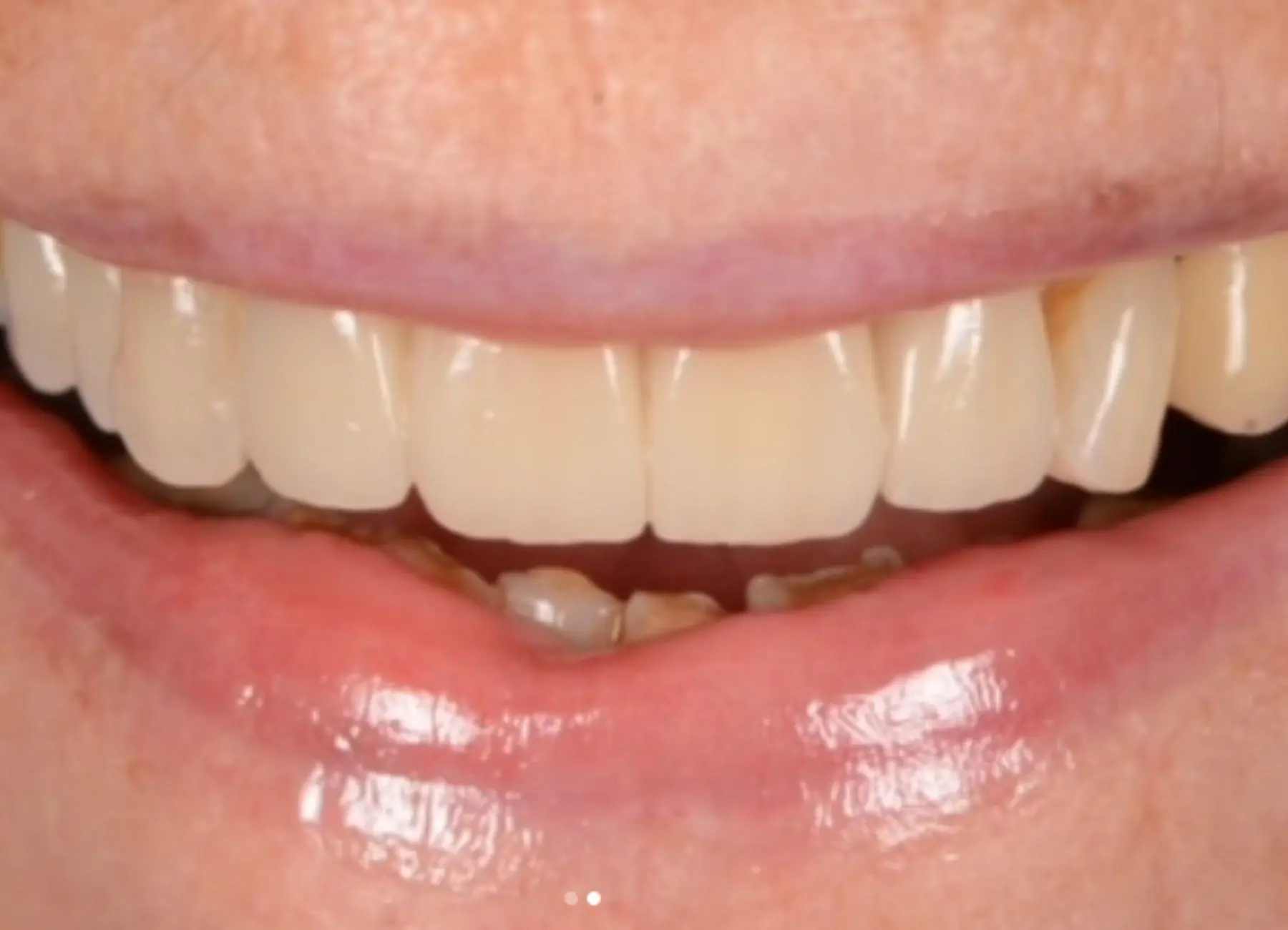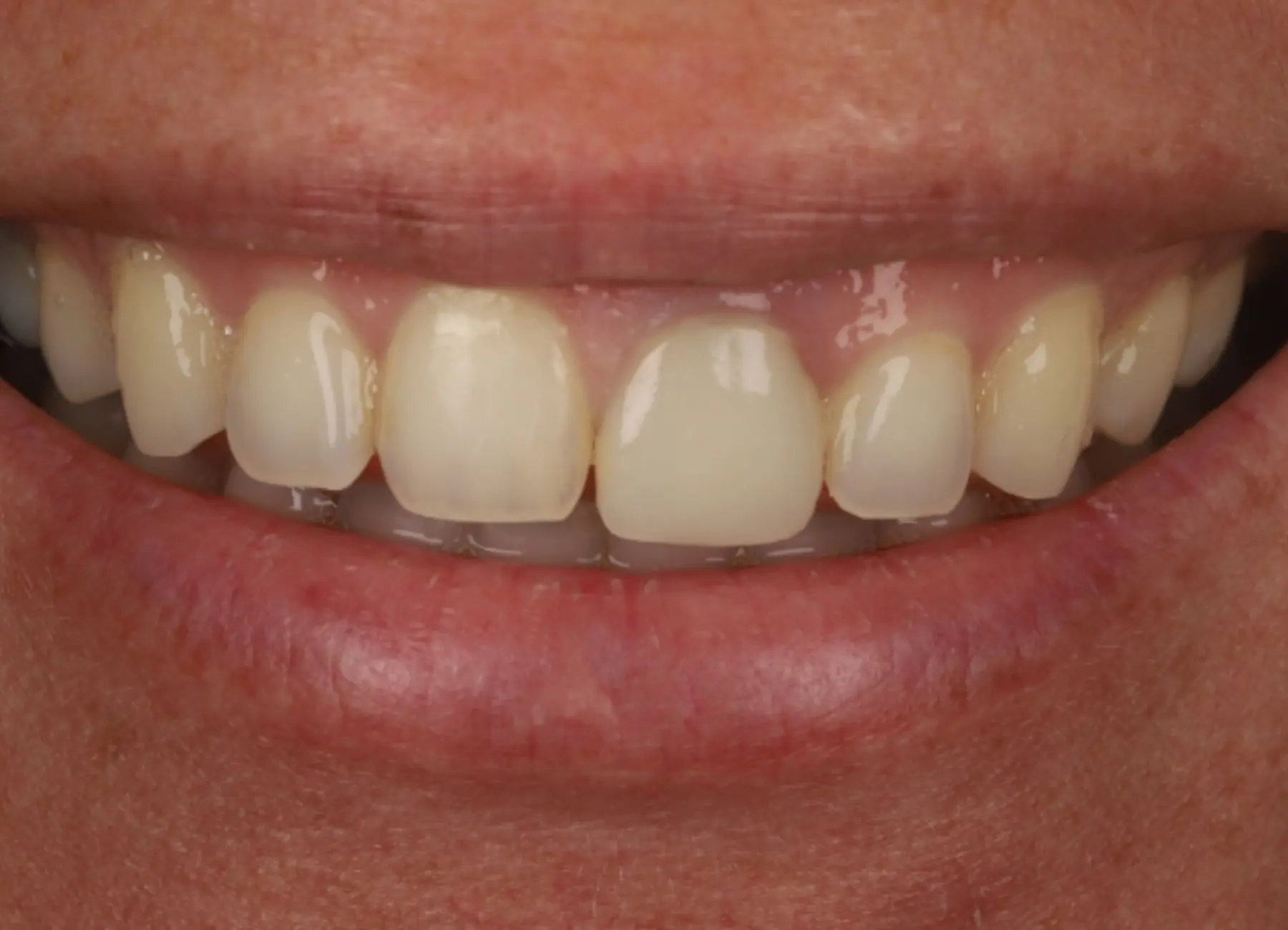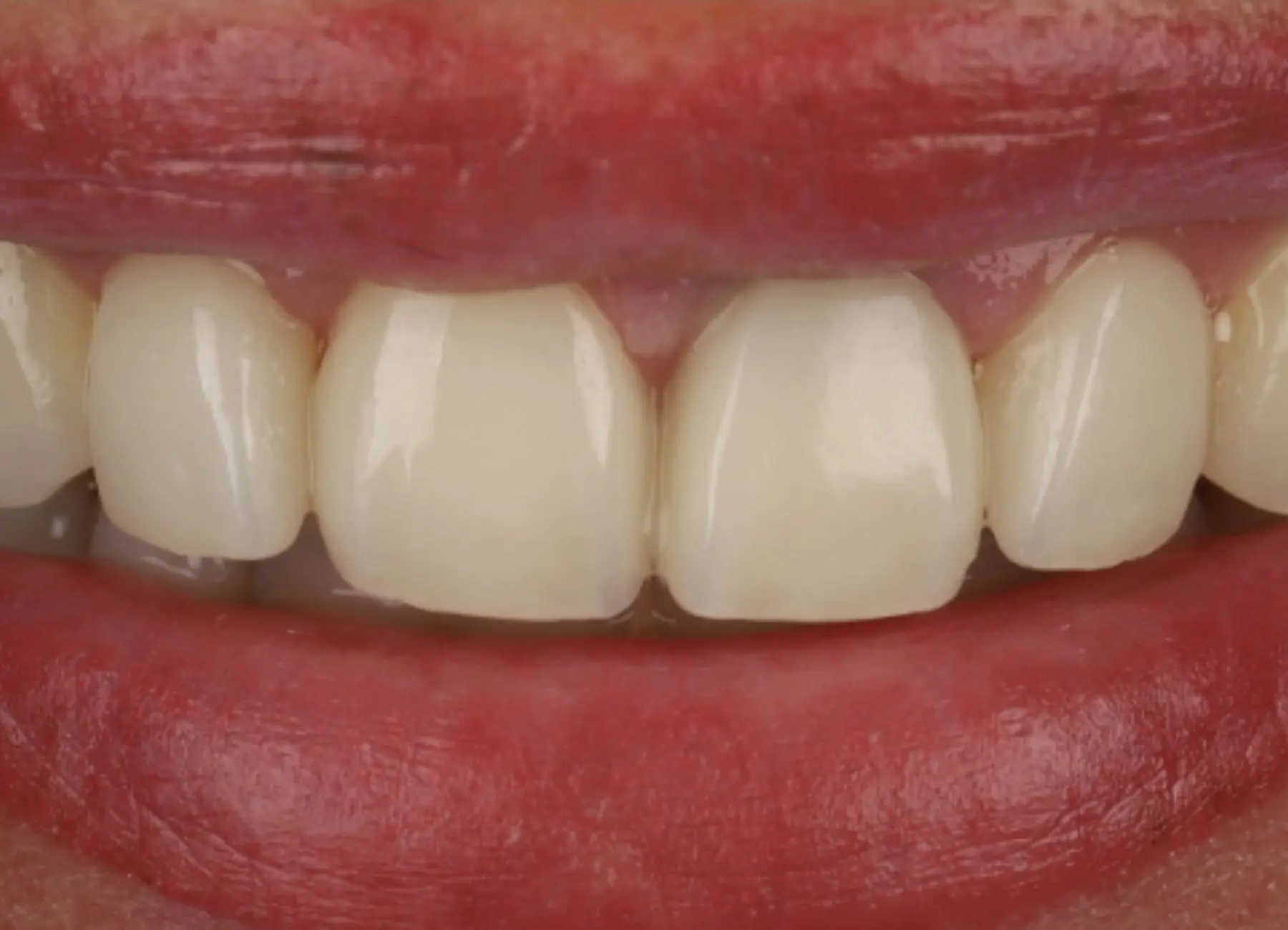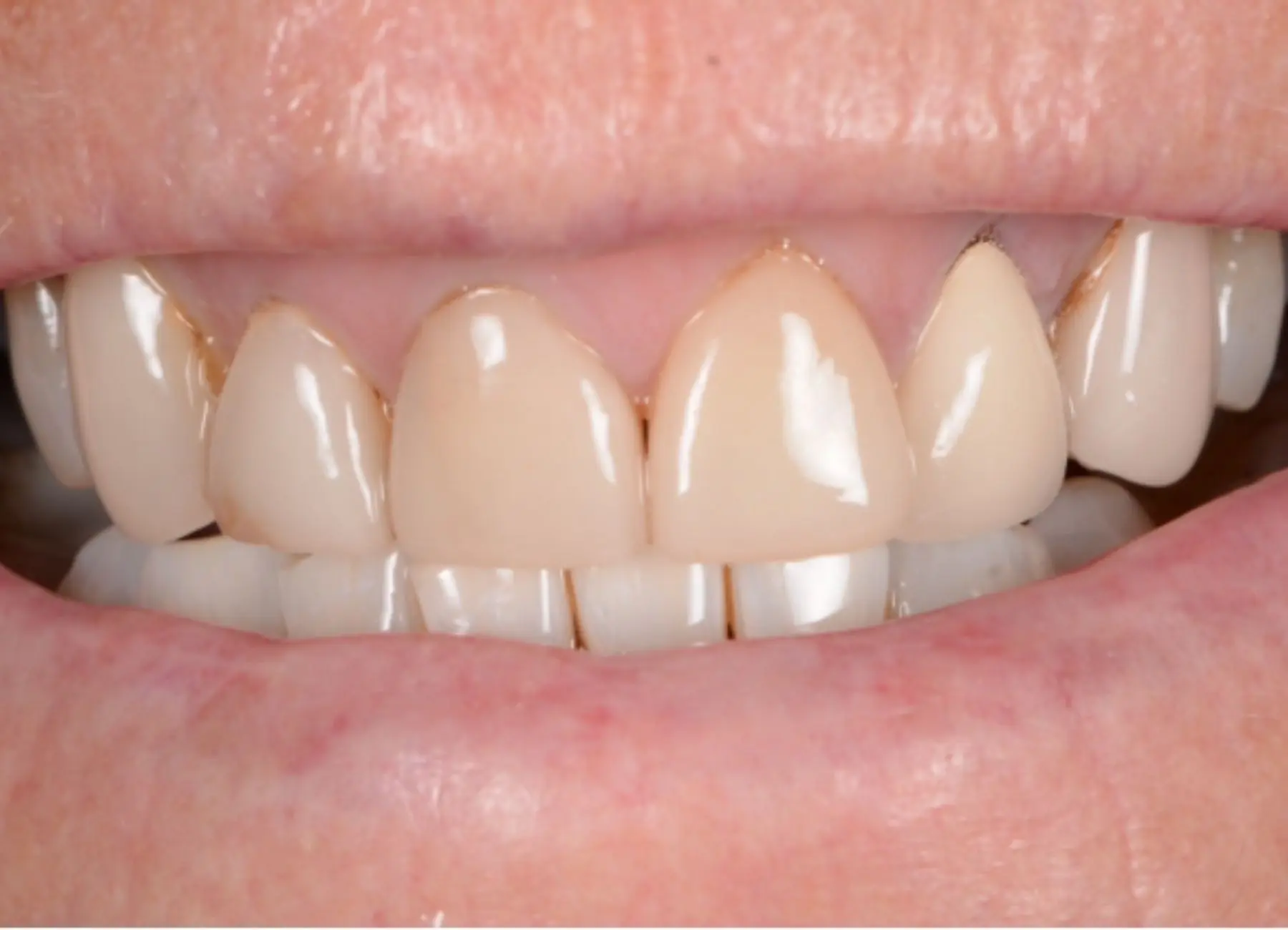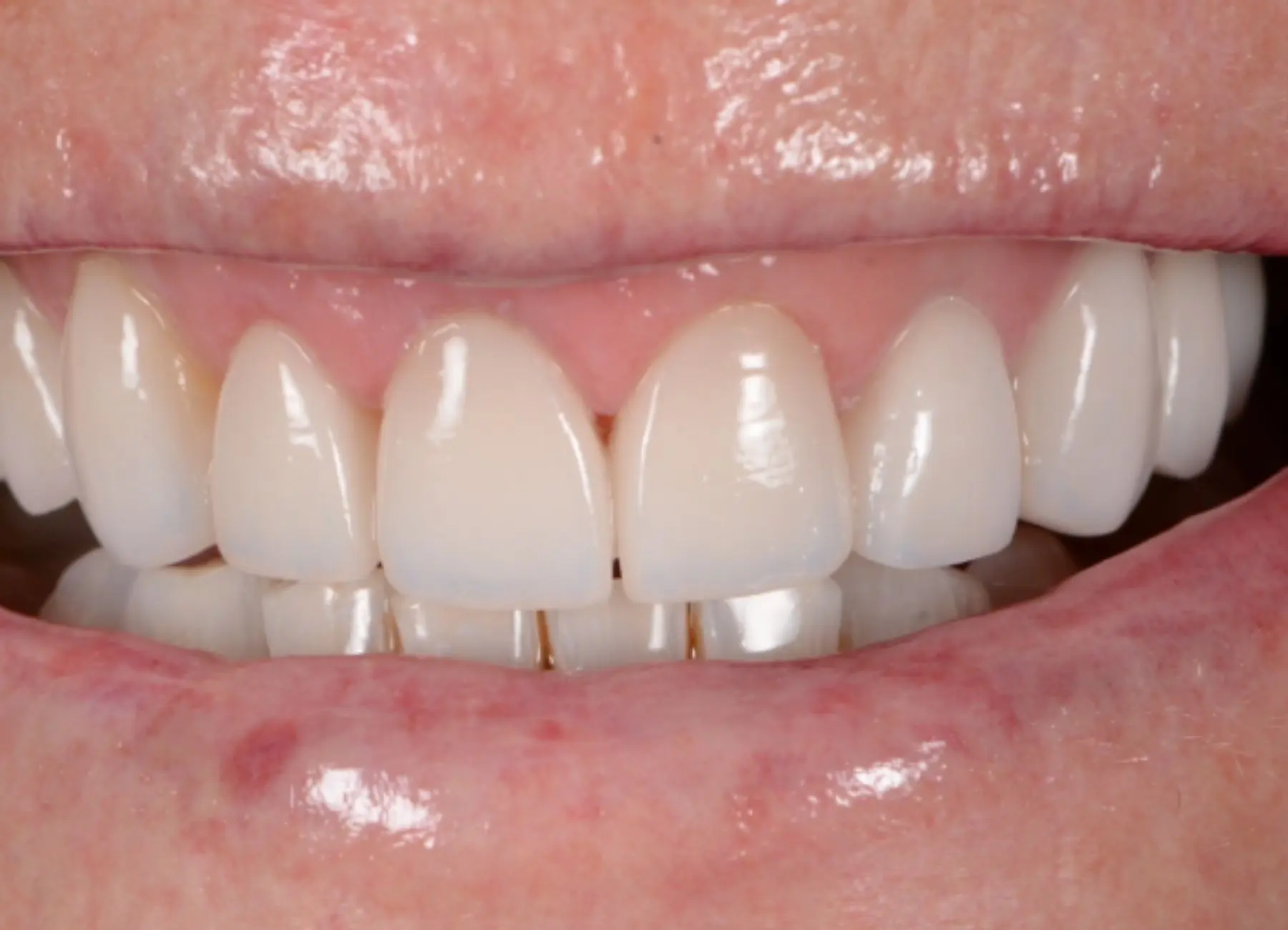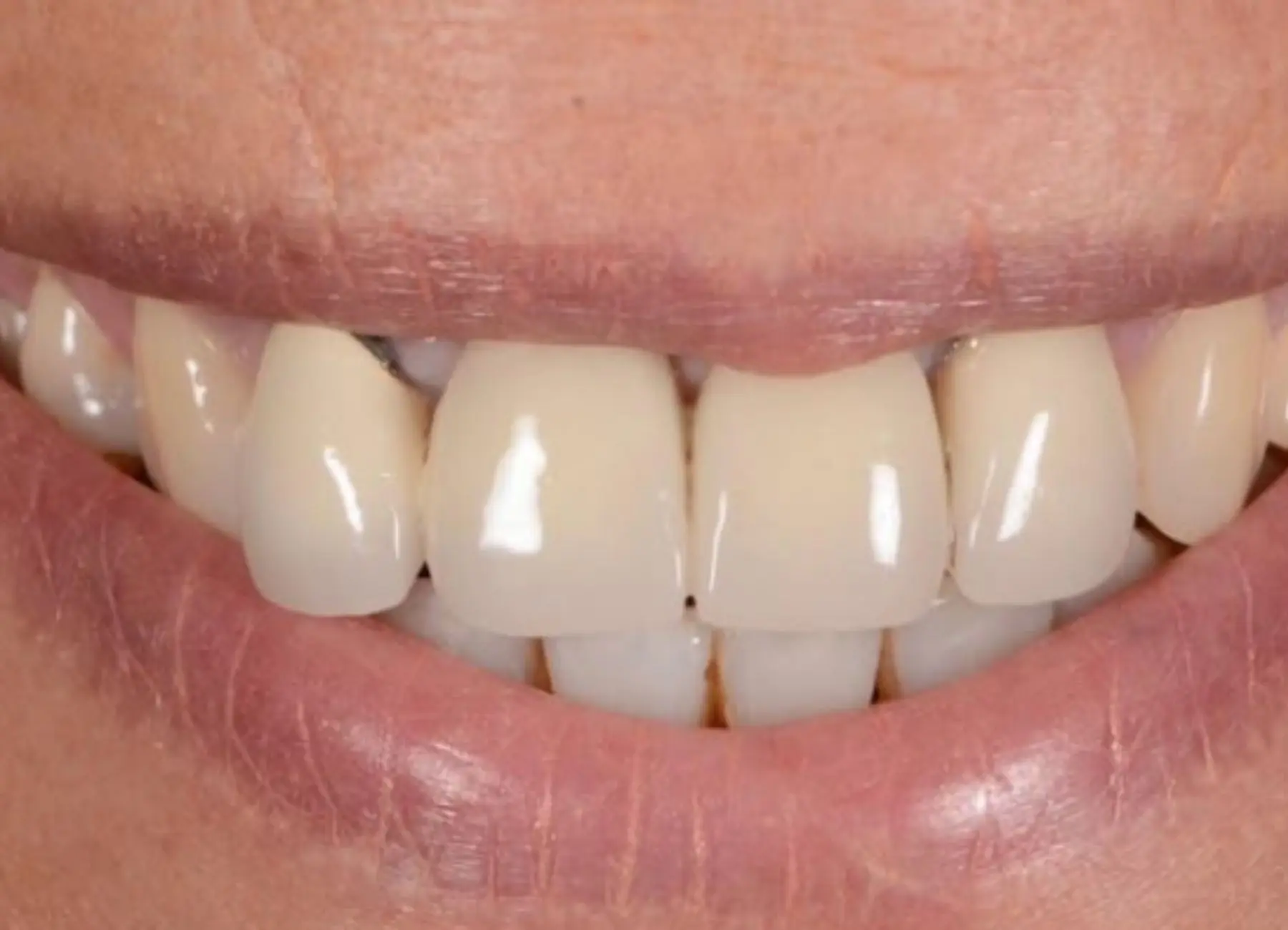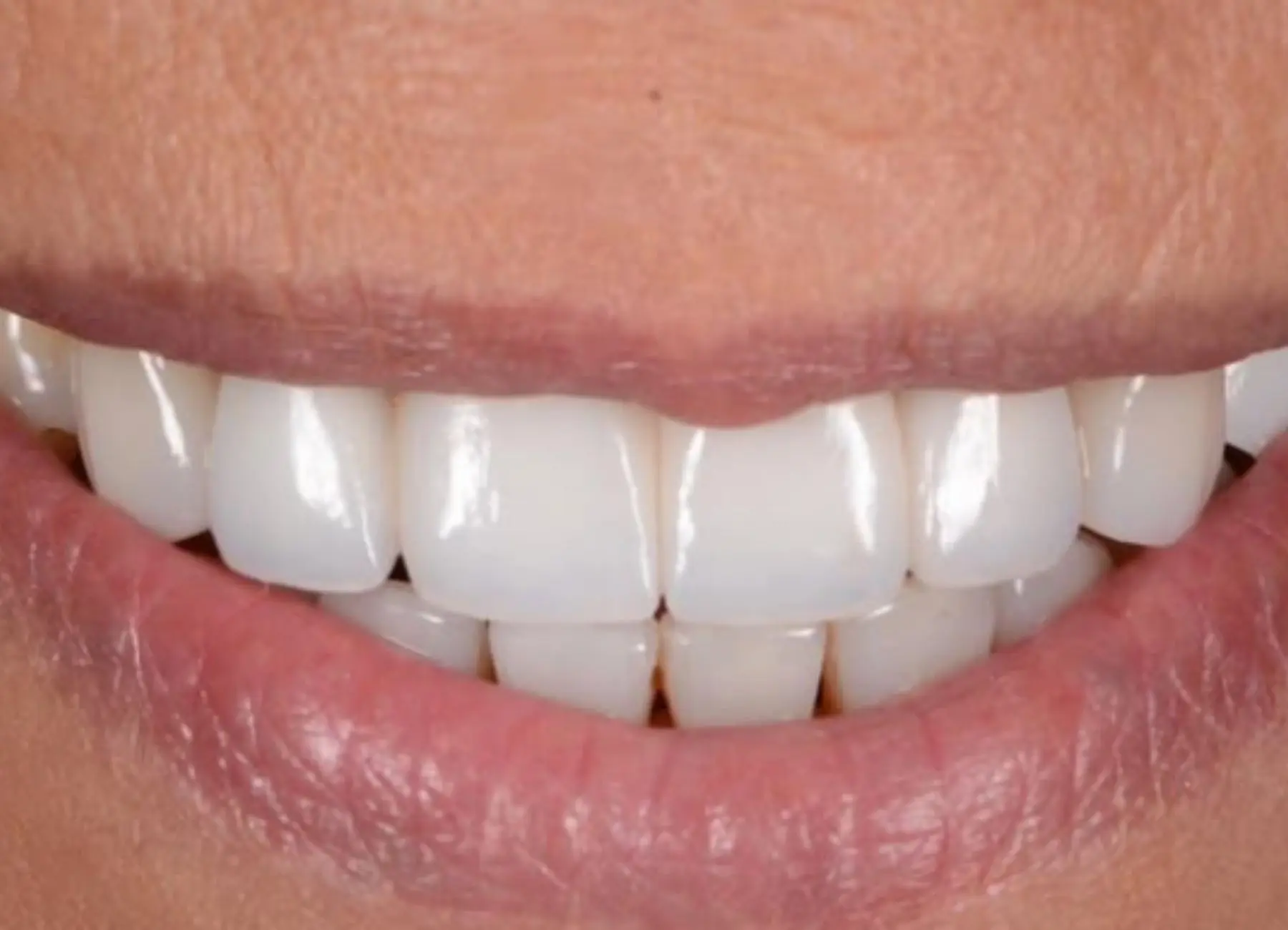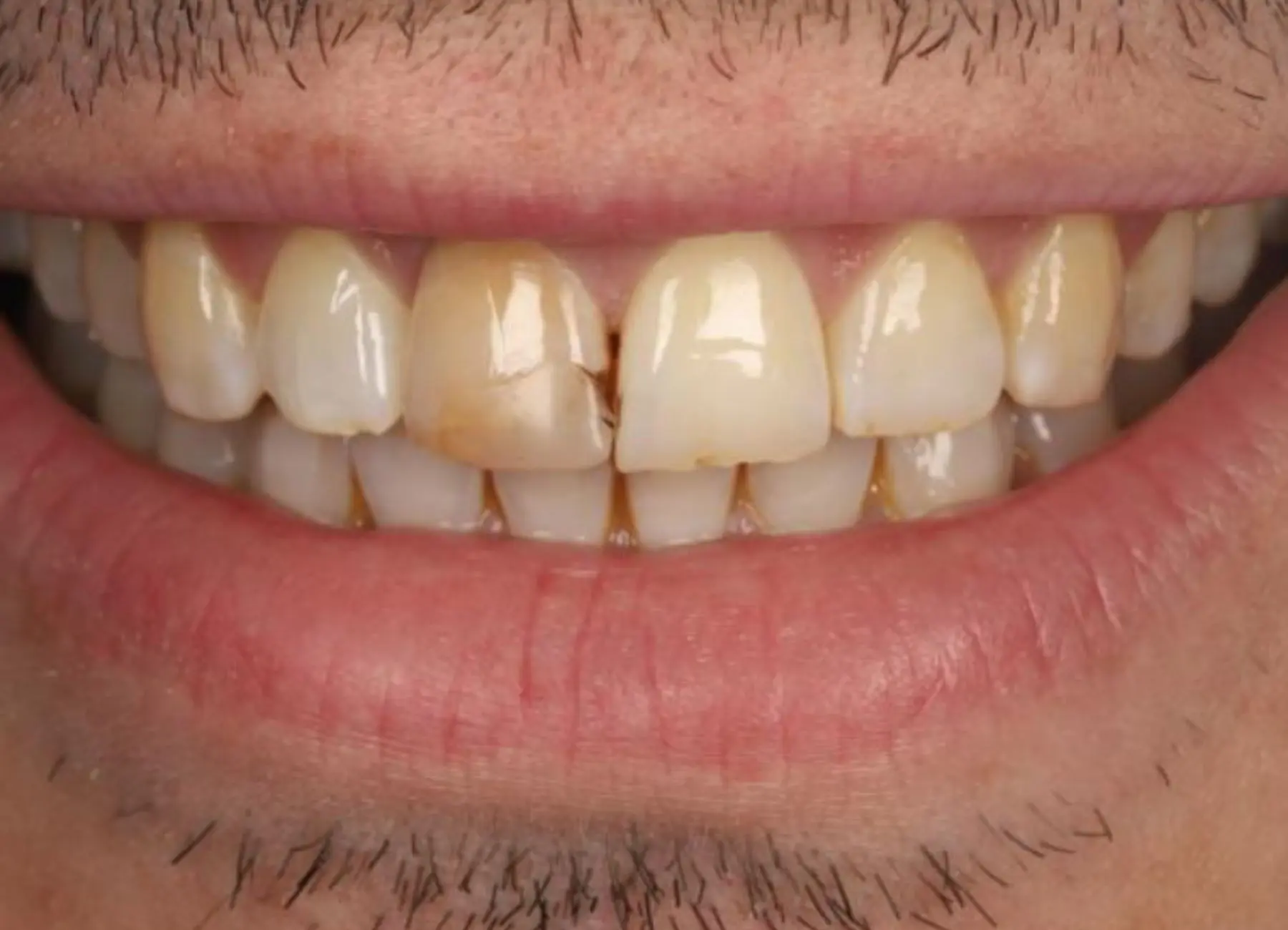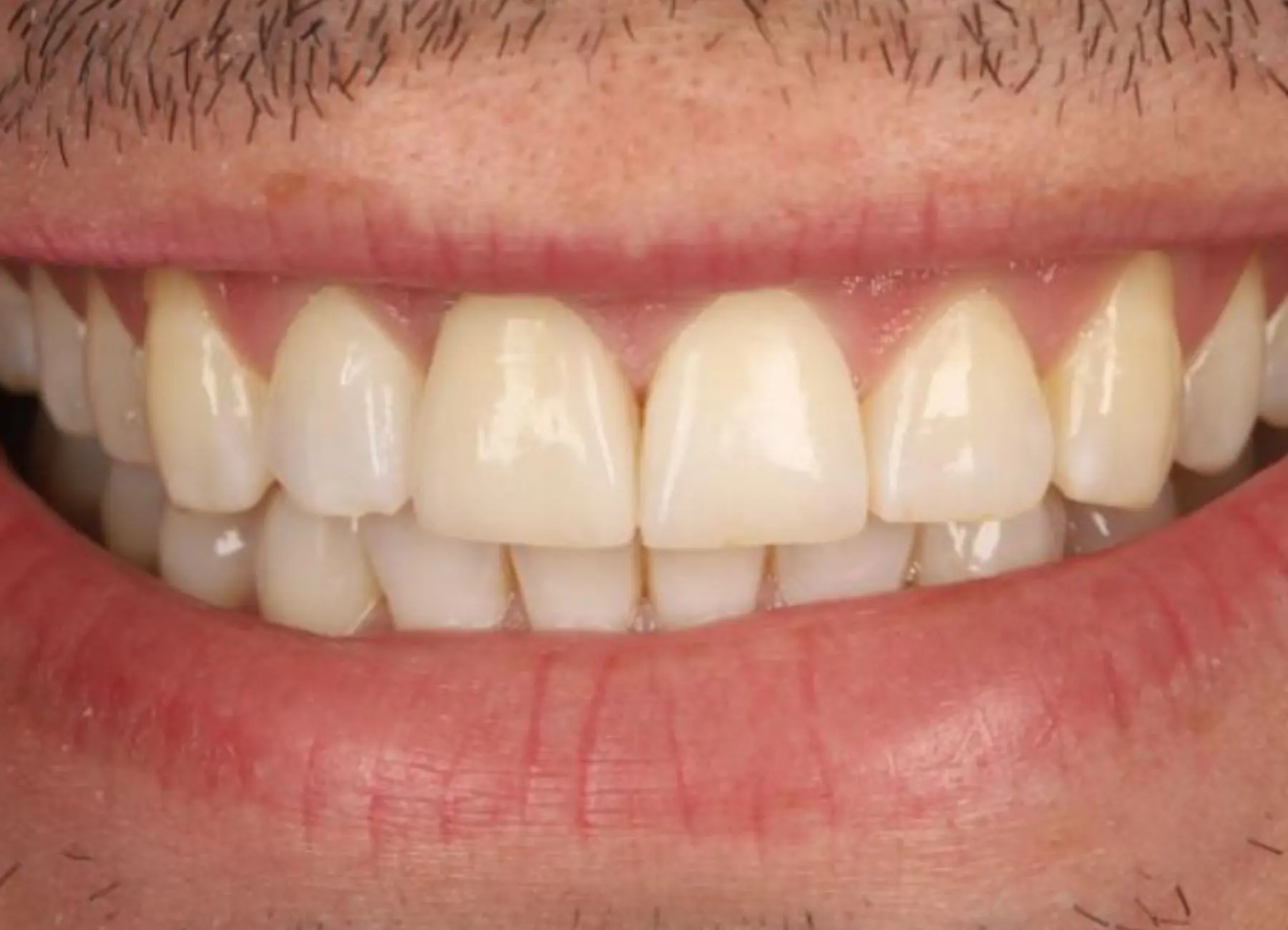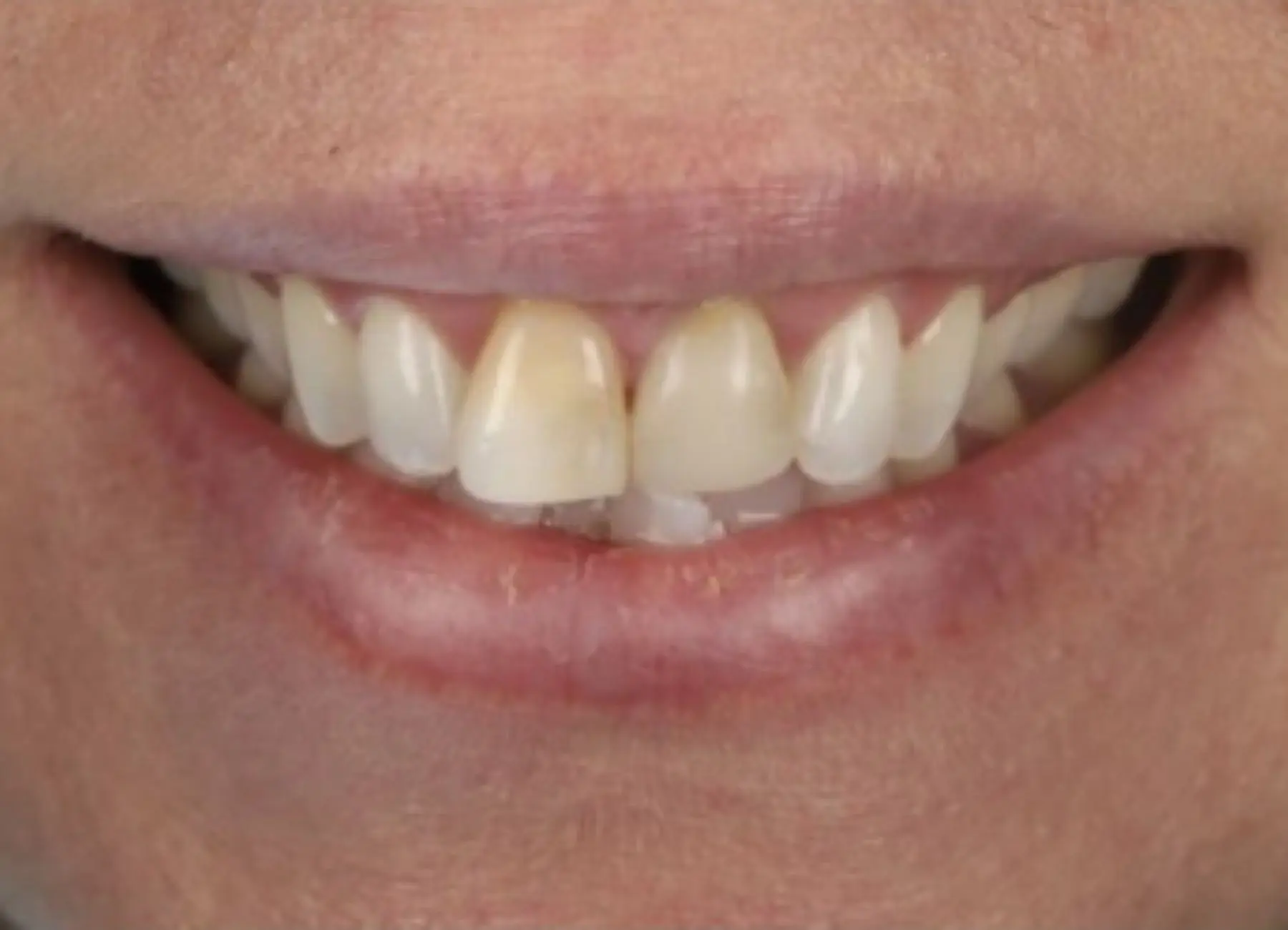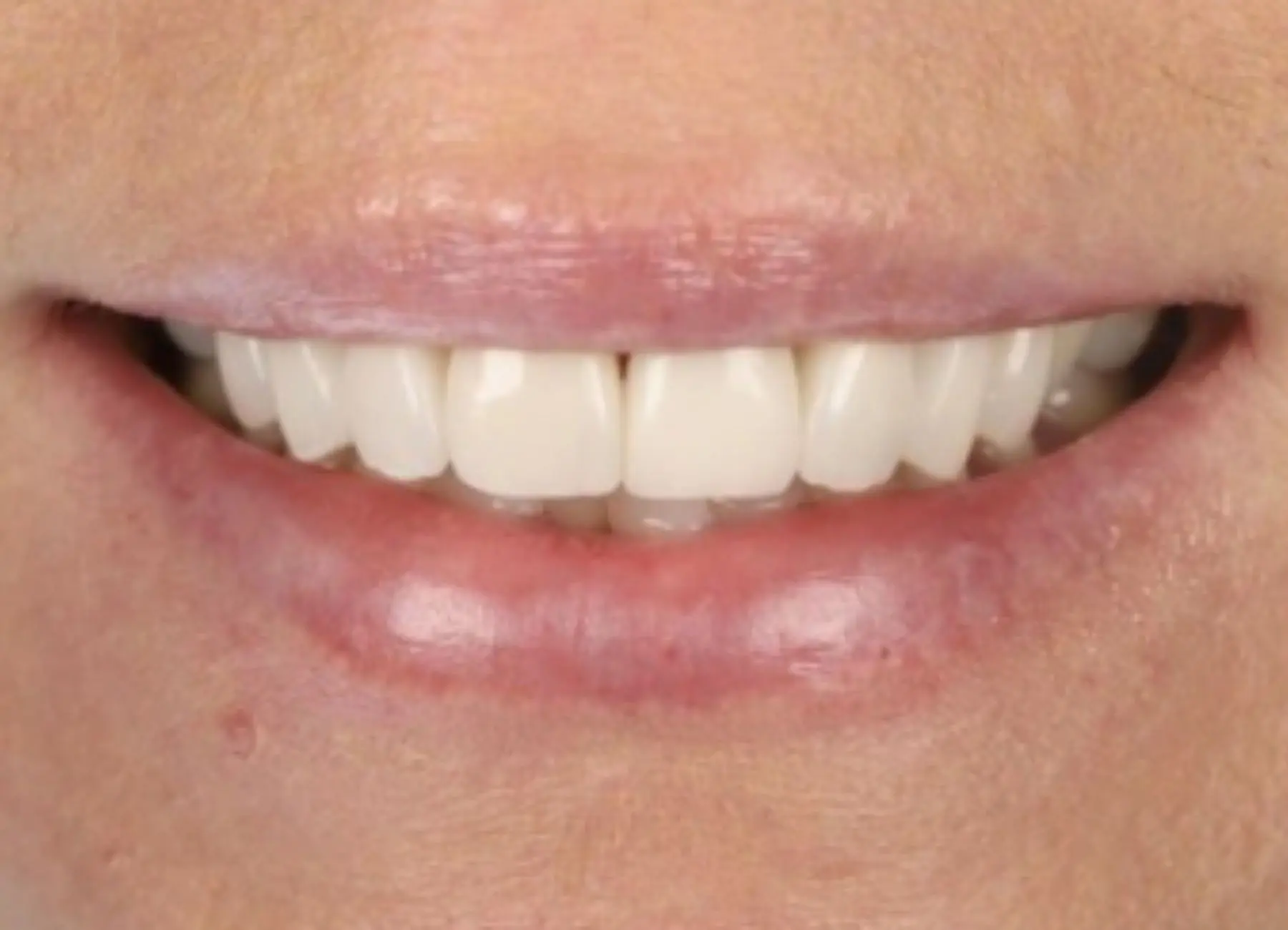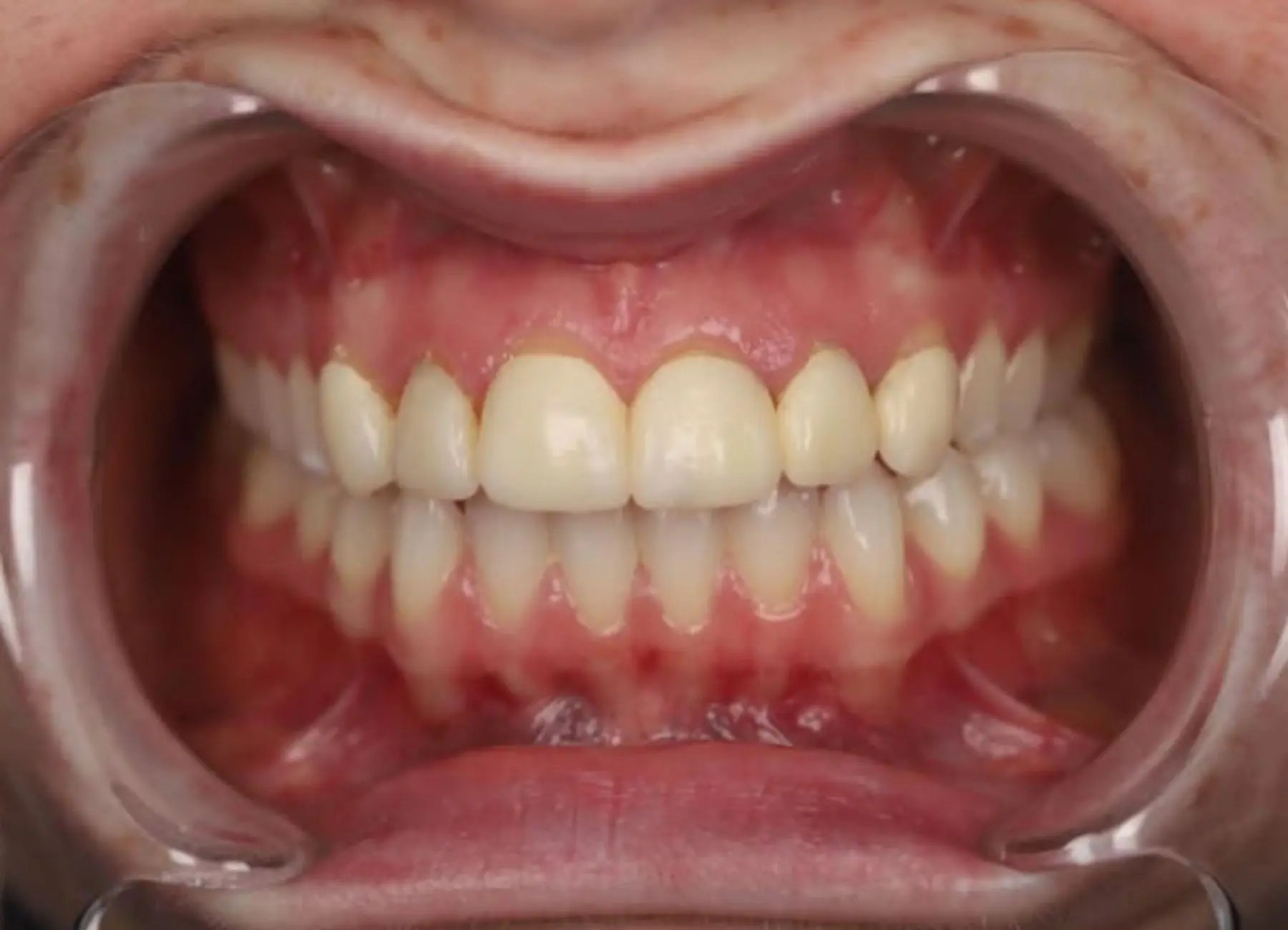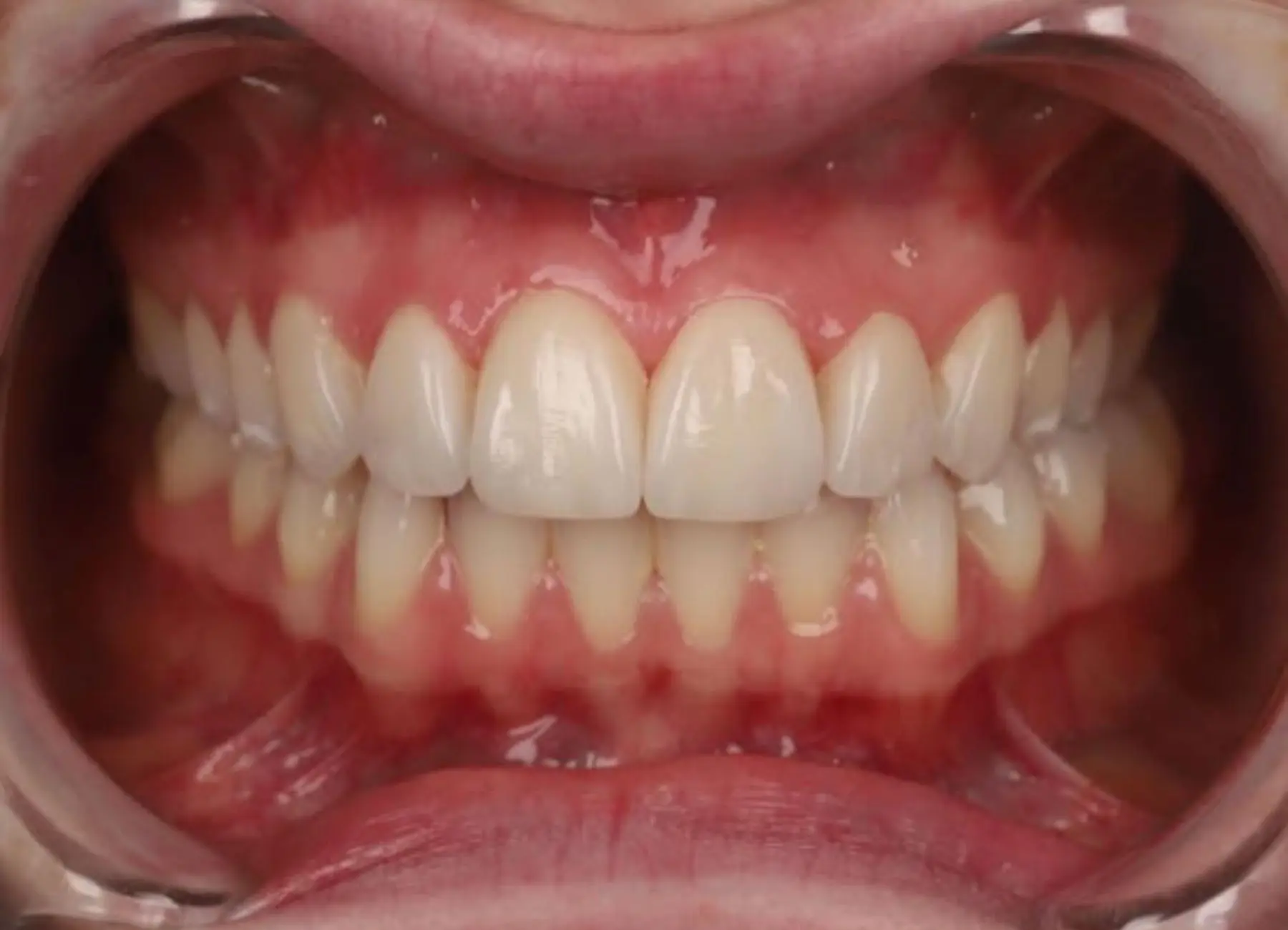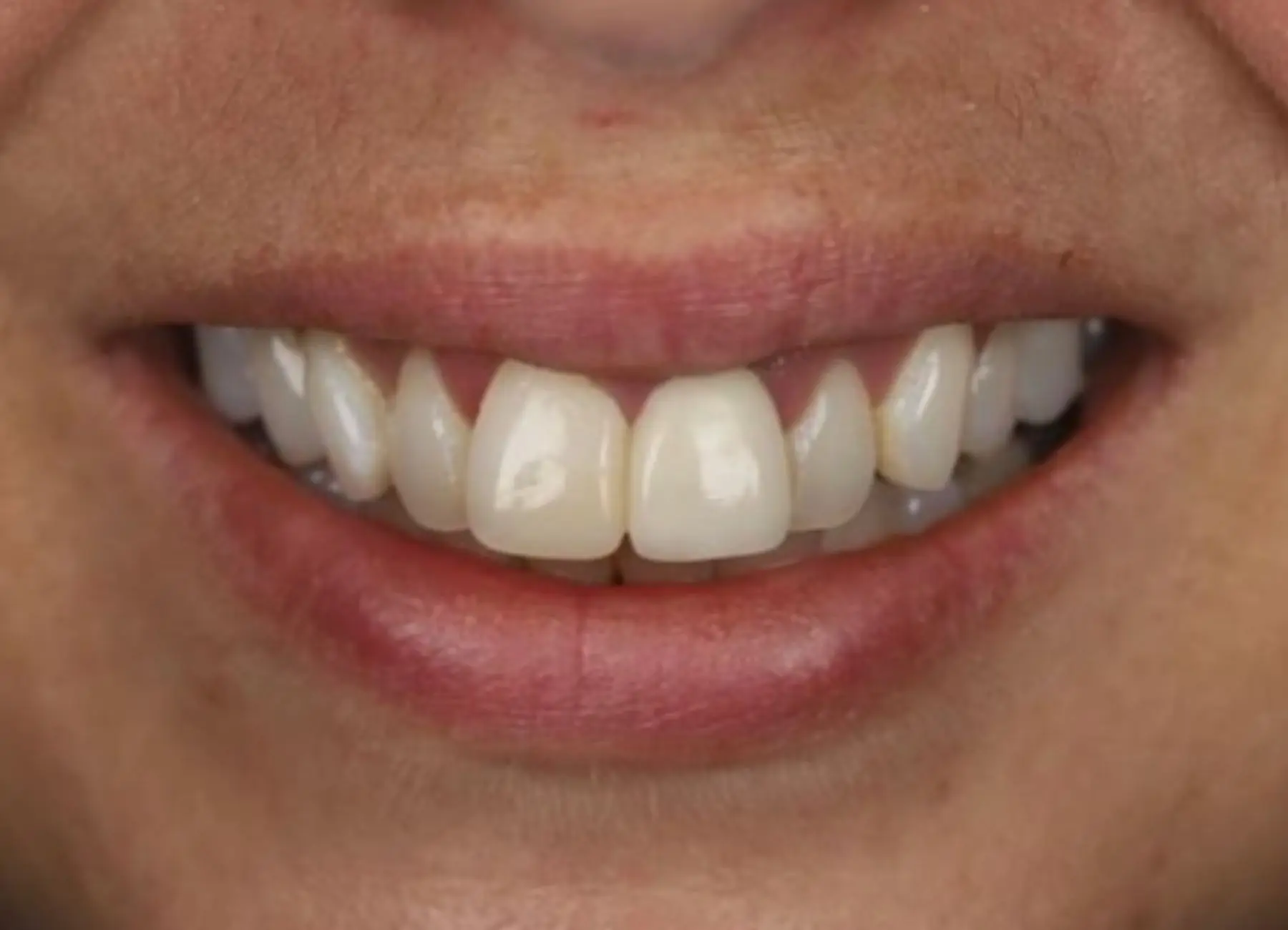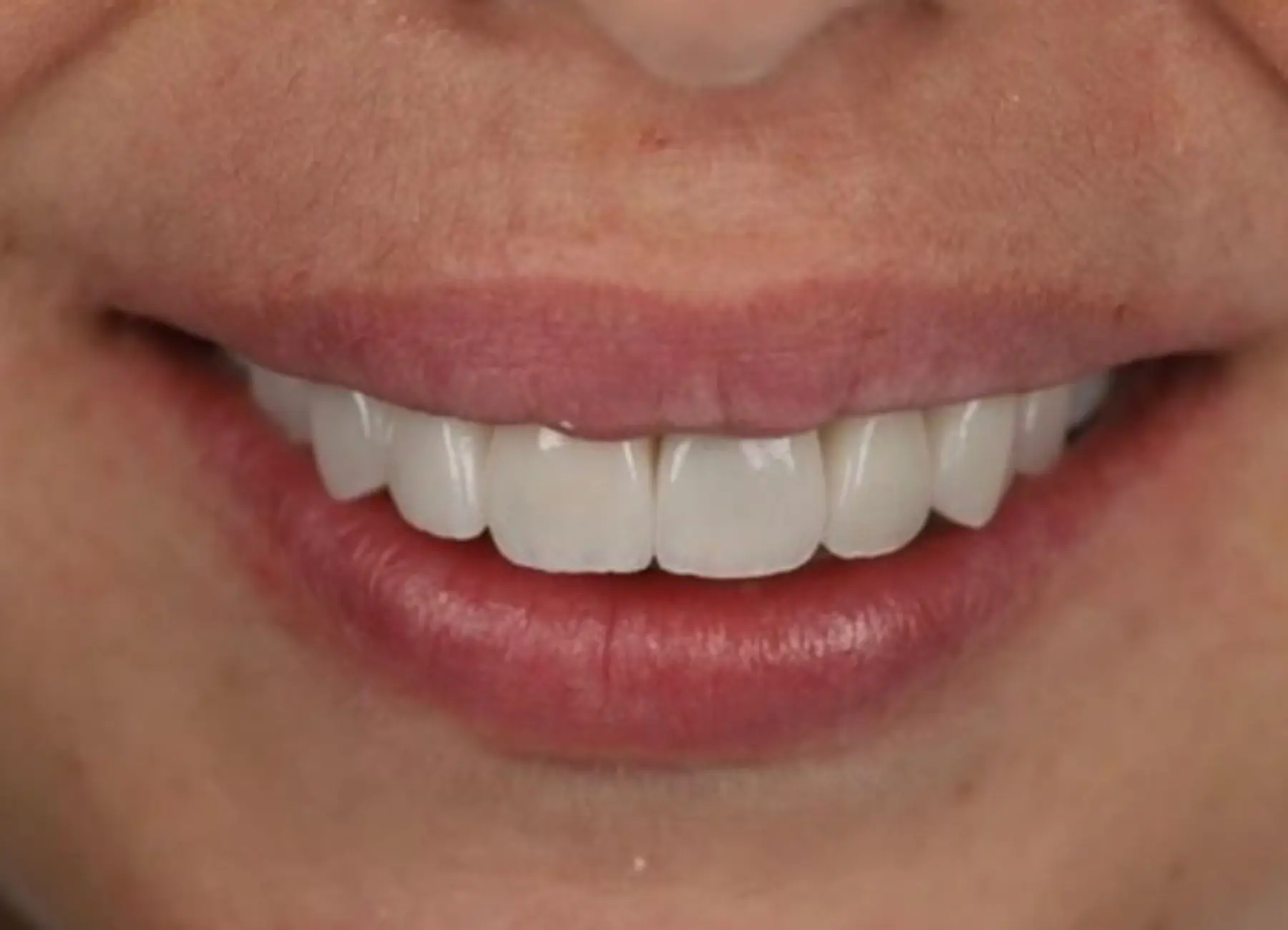
New Study Finds Promise for Ultrathin Veneers as Solution to Tackle Deep Discolouration
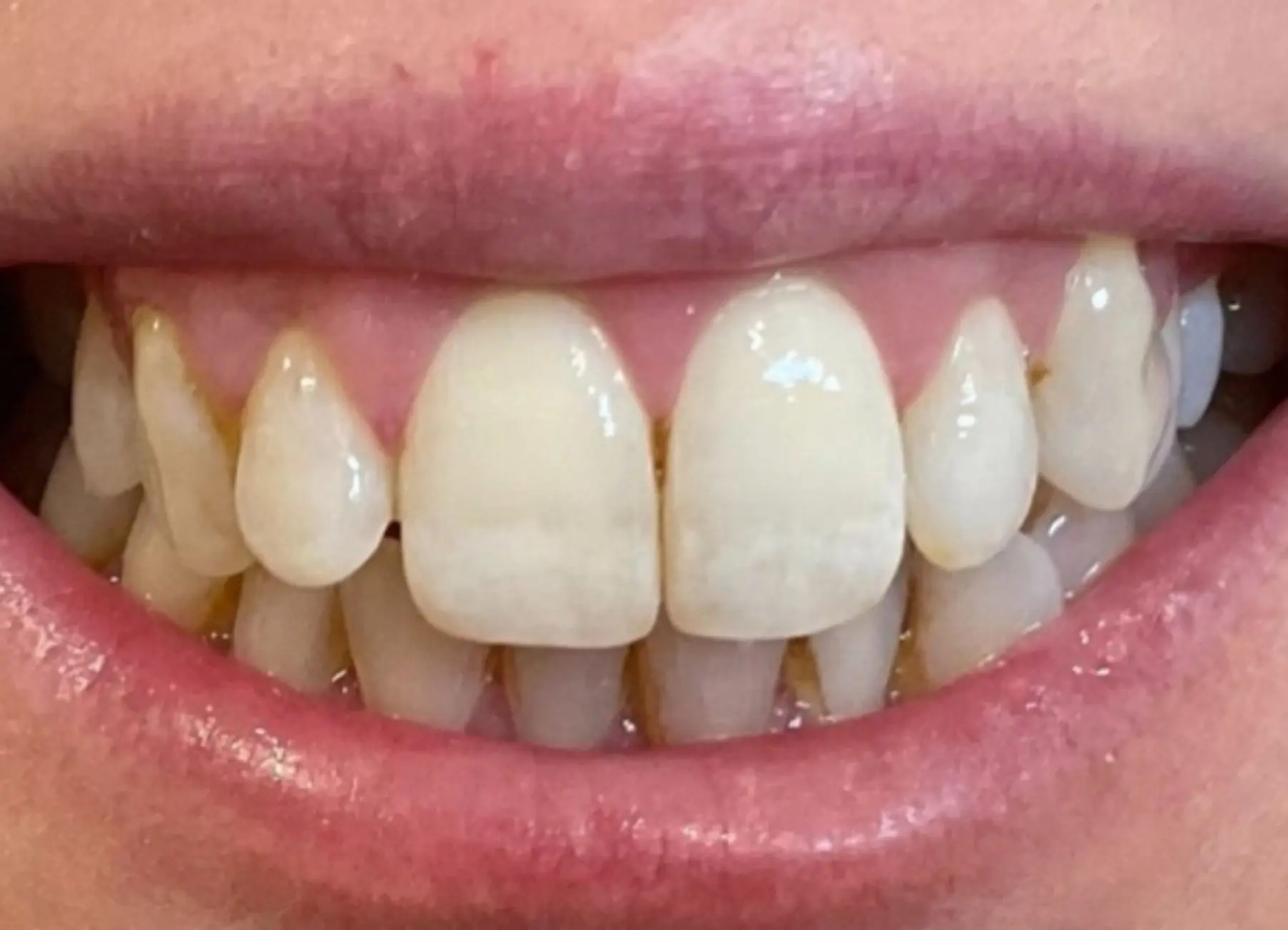
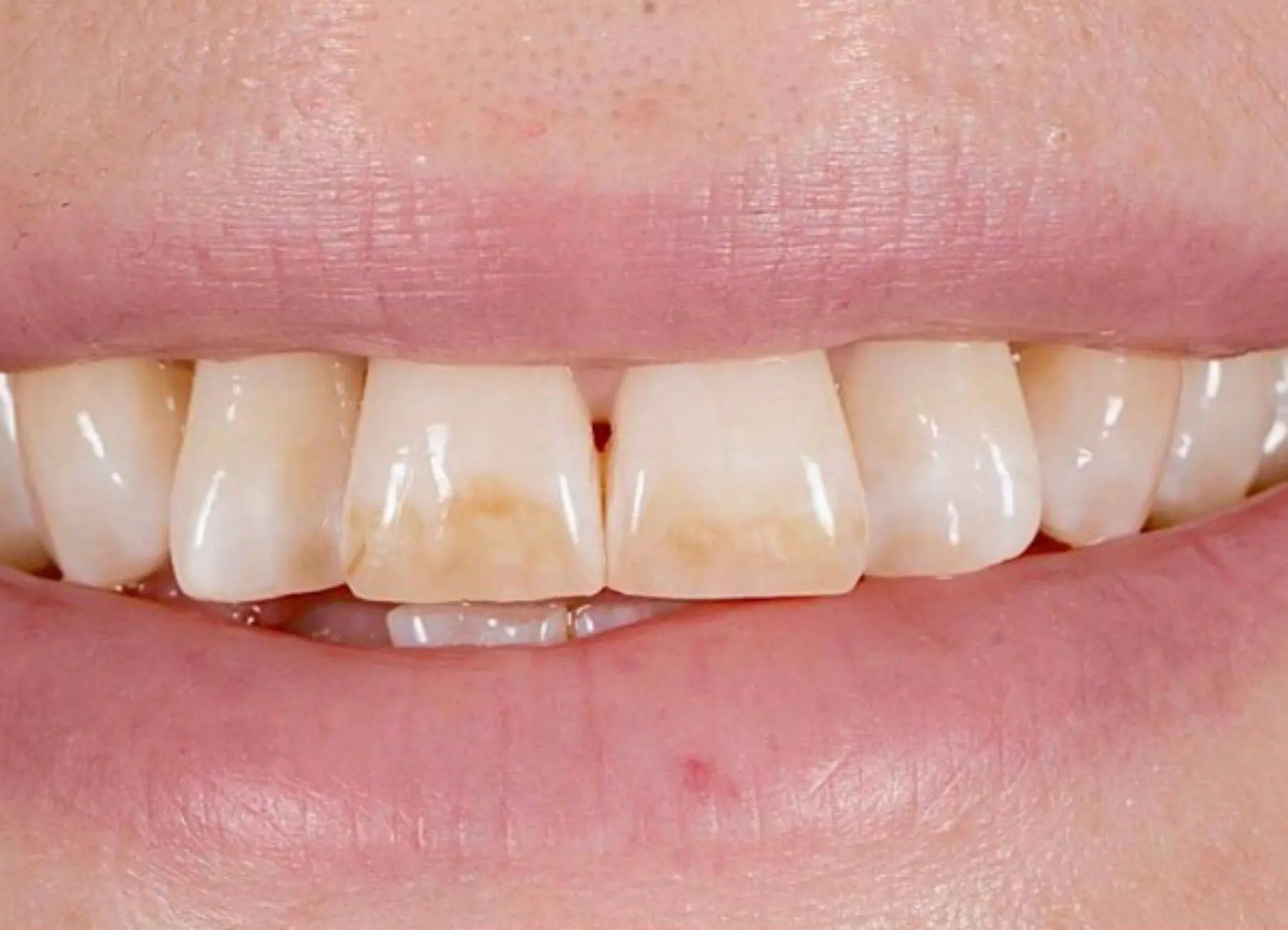
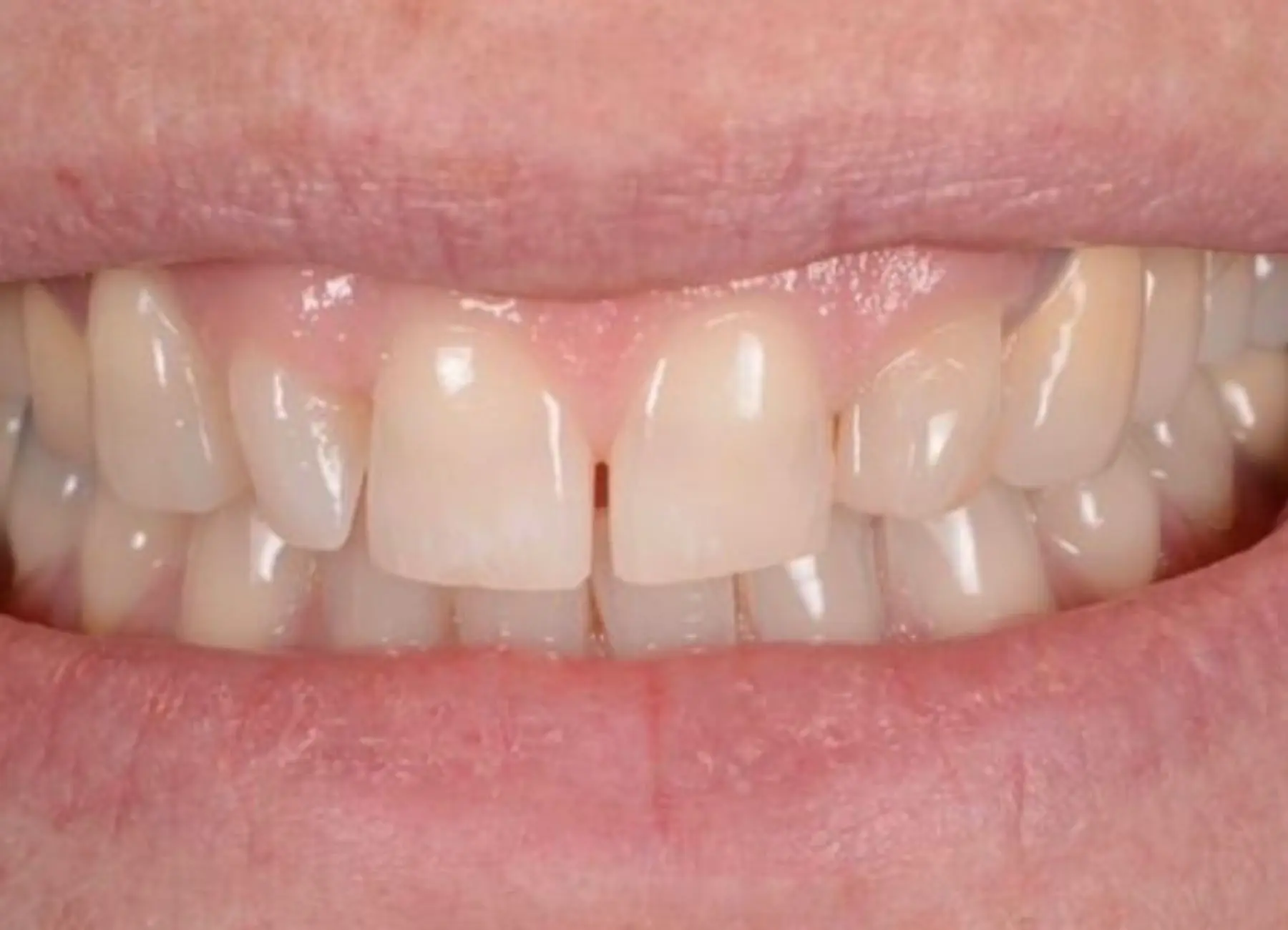
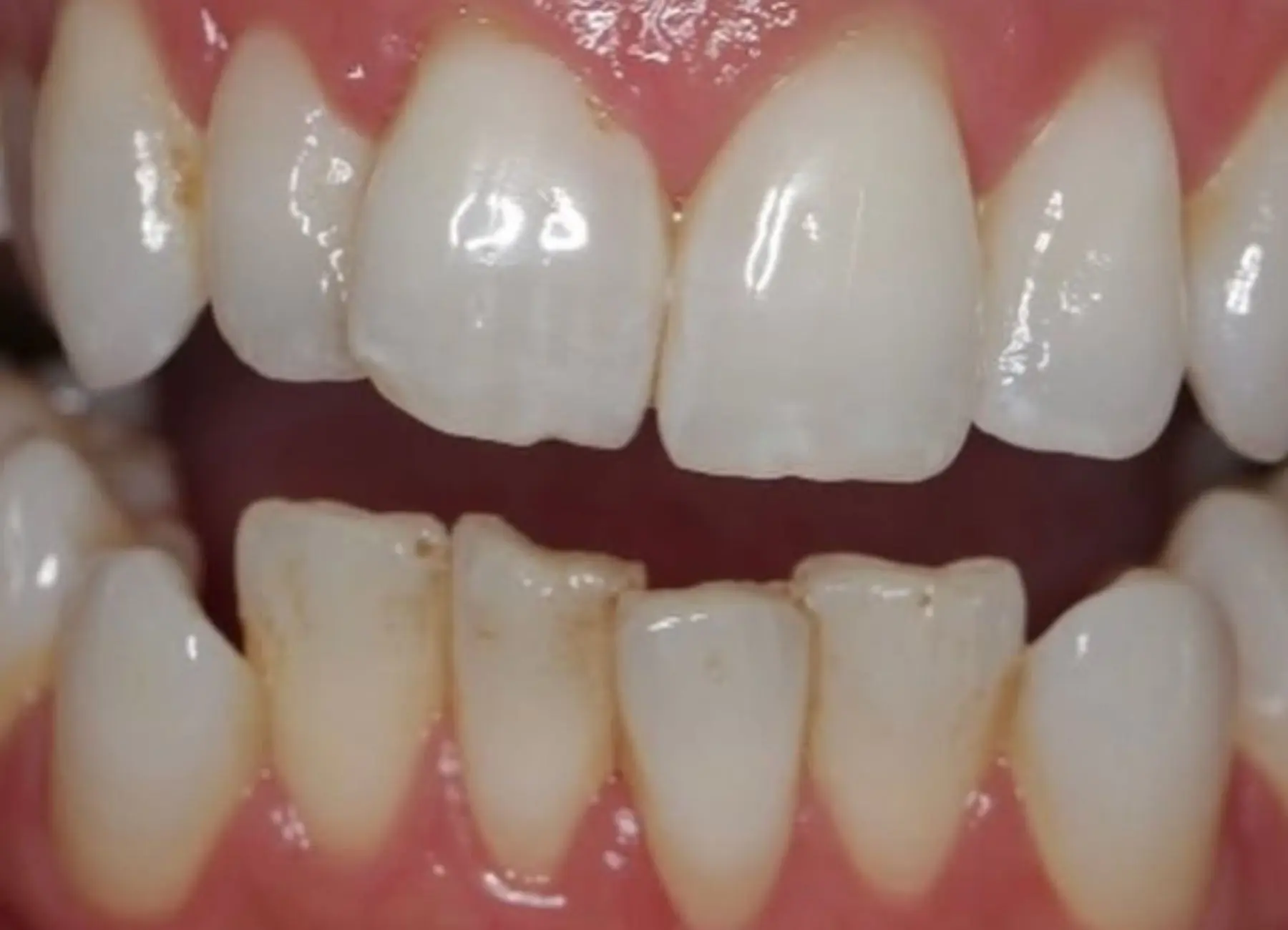
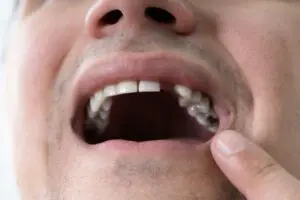
Deep tooth discolouration, or intrinsic tooth staining, refers to colour changes within the tooth structure. This means traditional teeth whitening products that focus on extrinsic, surface staining won’t help.
Unlike stains caused by coffee or smoking, deep discolouration caused by medication, necrosis, or internal bleeding occurs in the dentine or enamel subsurface, making it harder to treat and correct.
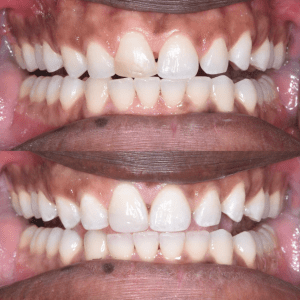
As standard, professional whitening treatments are not sufficient to correct intrinsic discolouration; patients often seek to address the issue with internal bleaching or dental crowns, which are typically more aggressive approaches that require significant enamel removal and greater tooth reduction, compromising long-term tooth health. But now a study finds that Ultrathin veneers can be a one-step solution.
The Ultrathin revolution
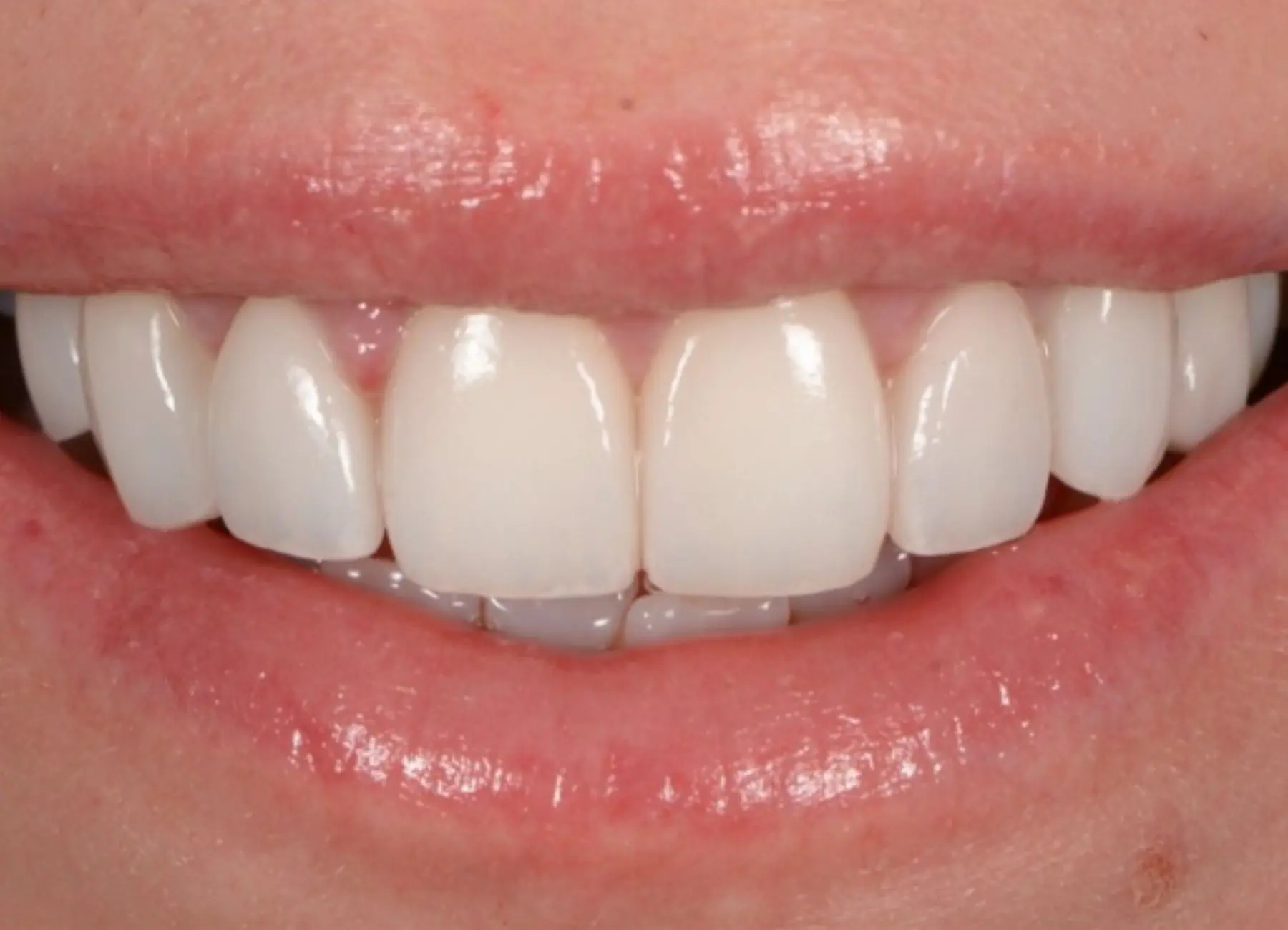
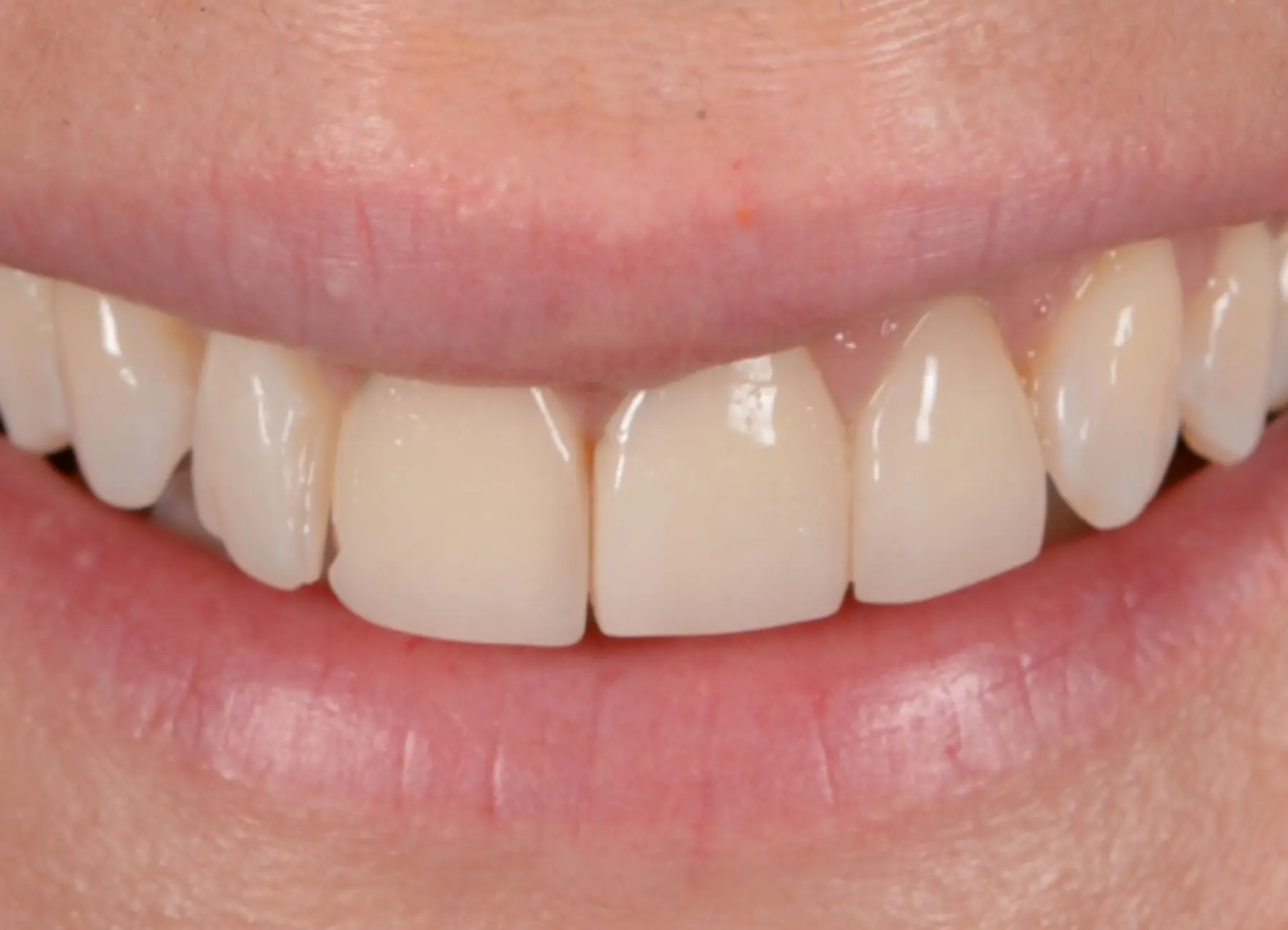
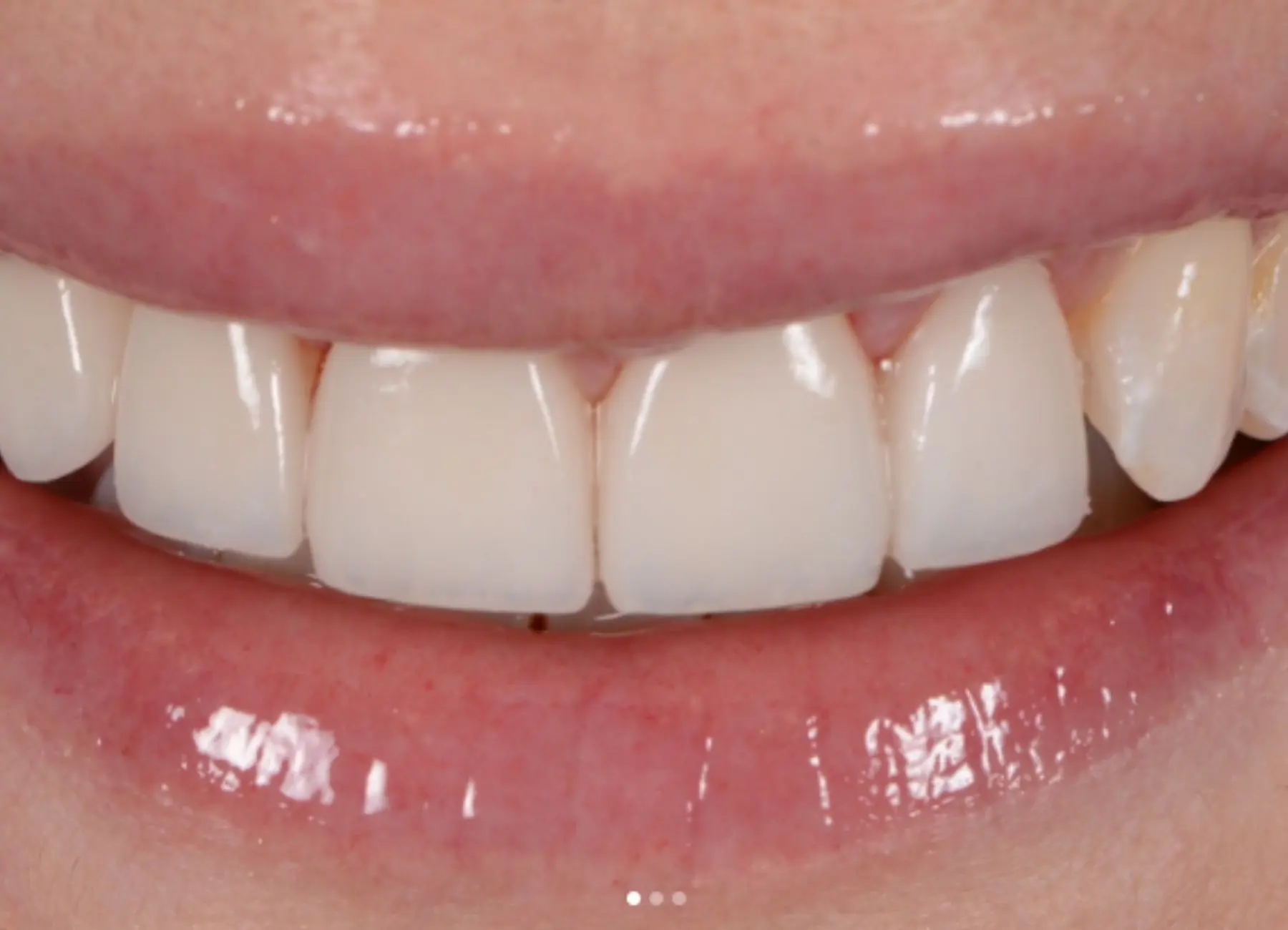
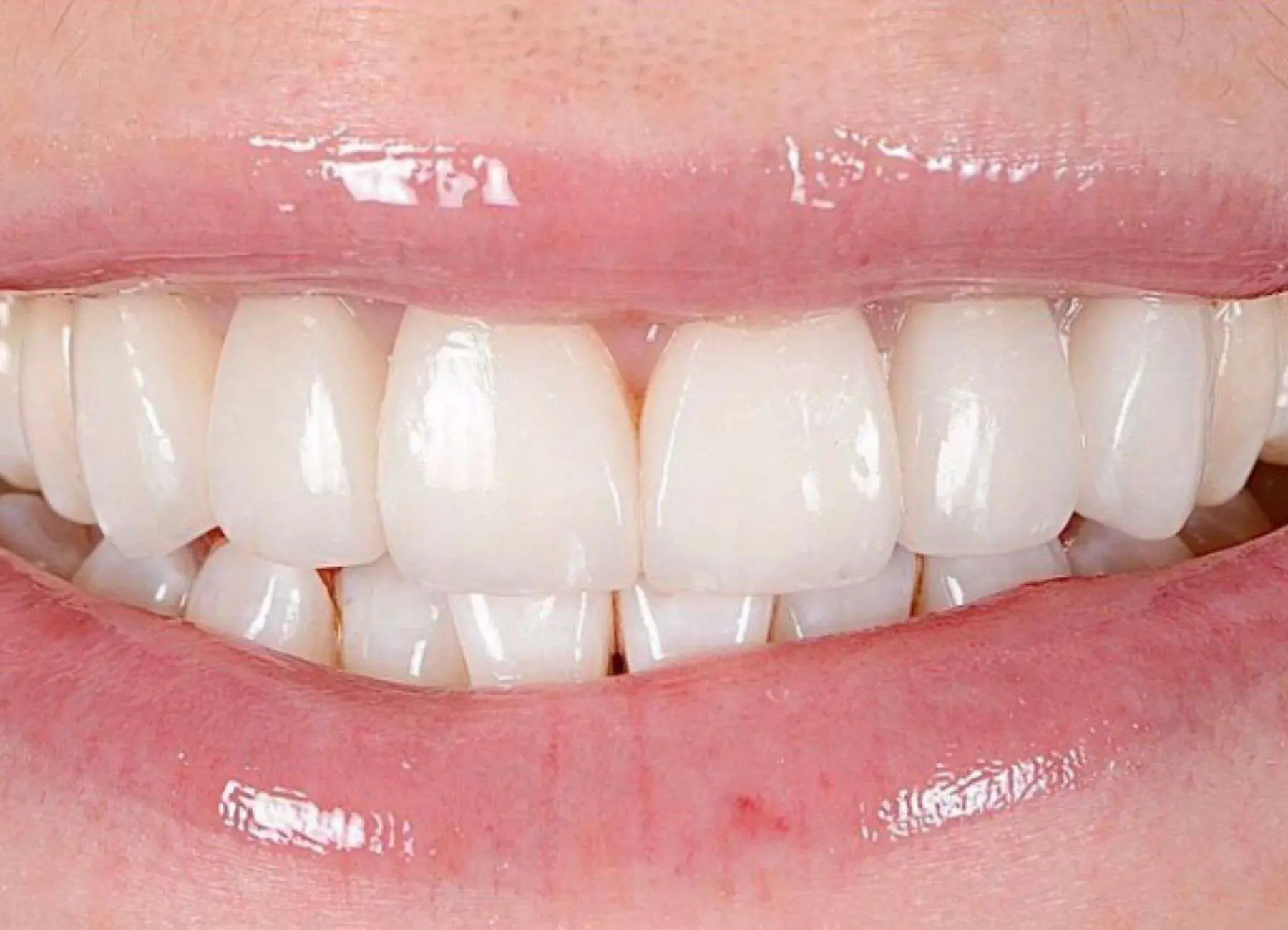
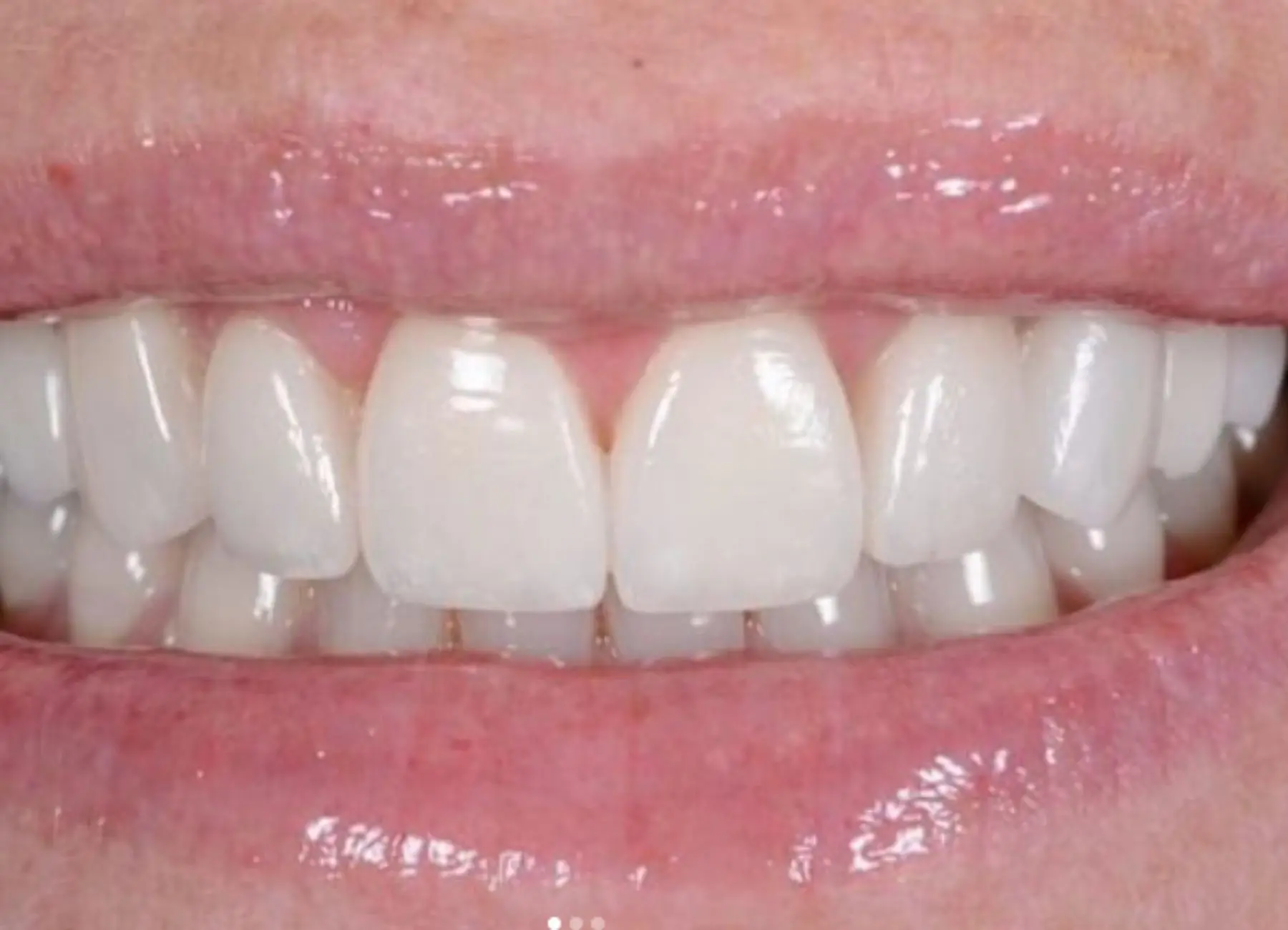
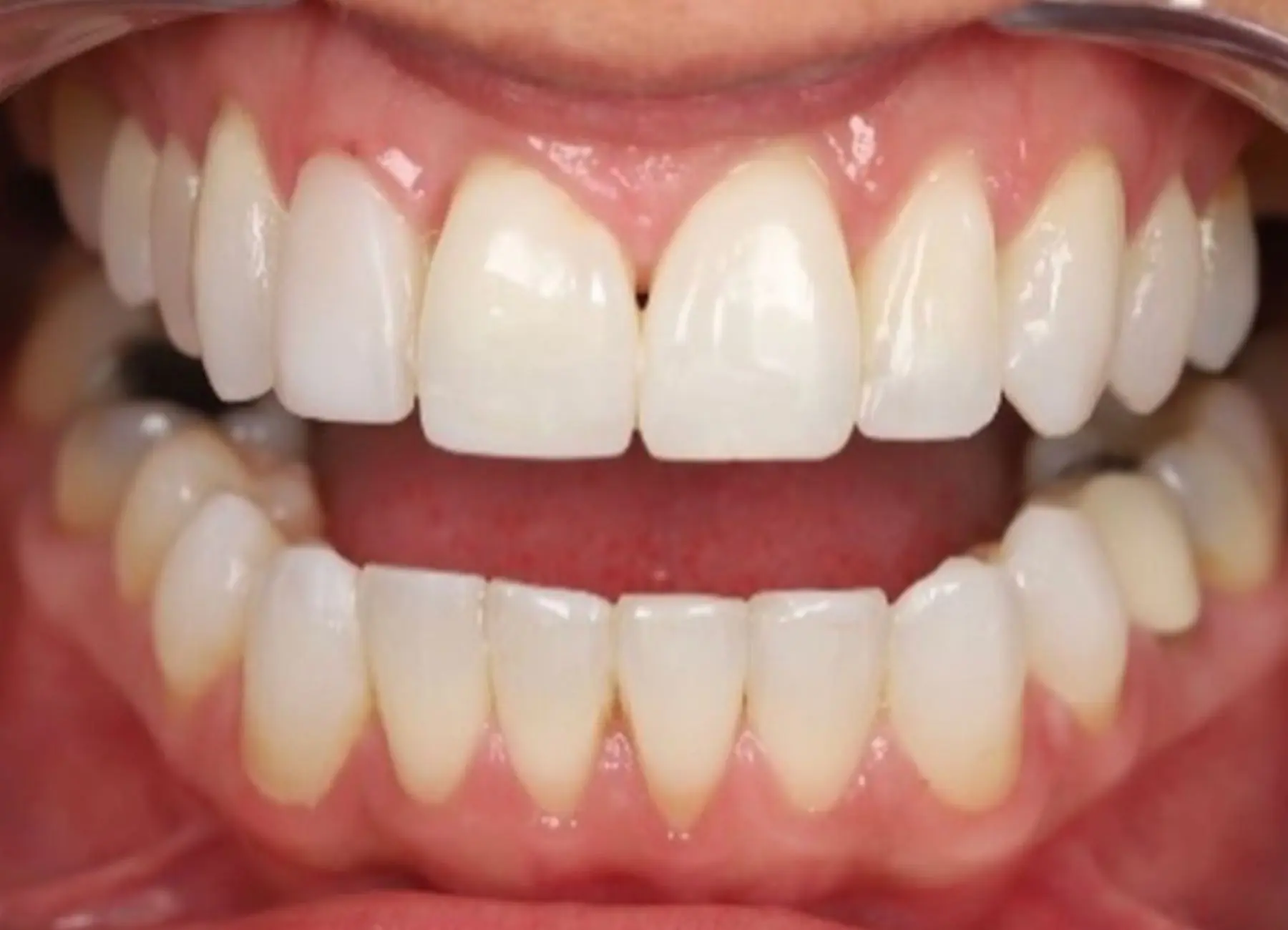
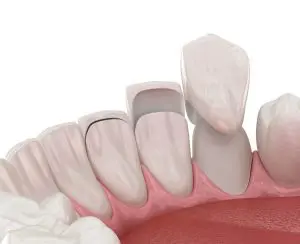
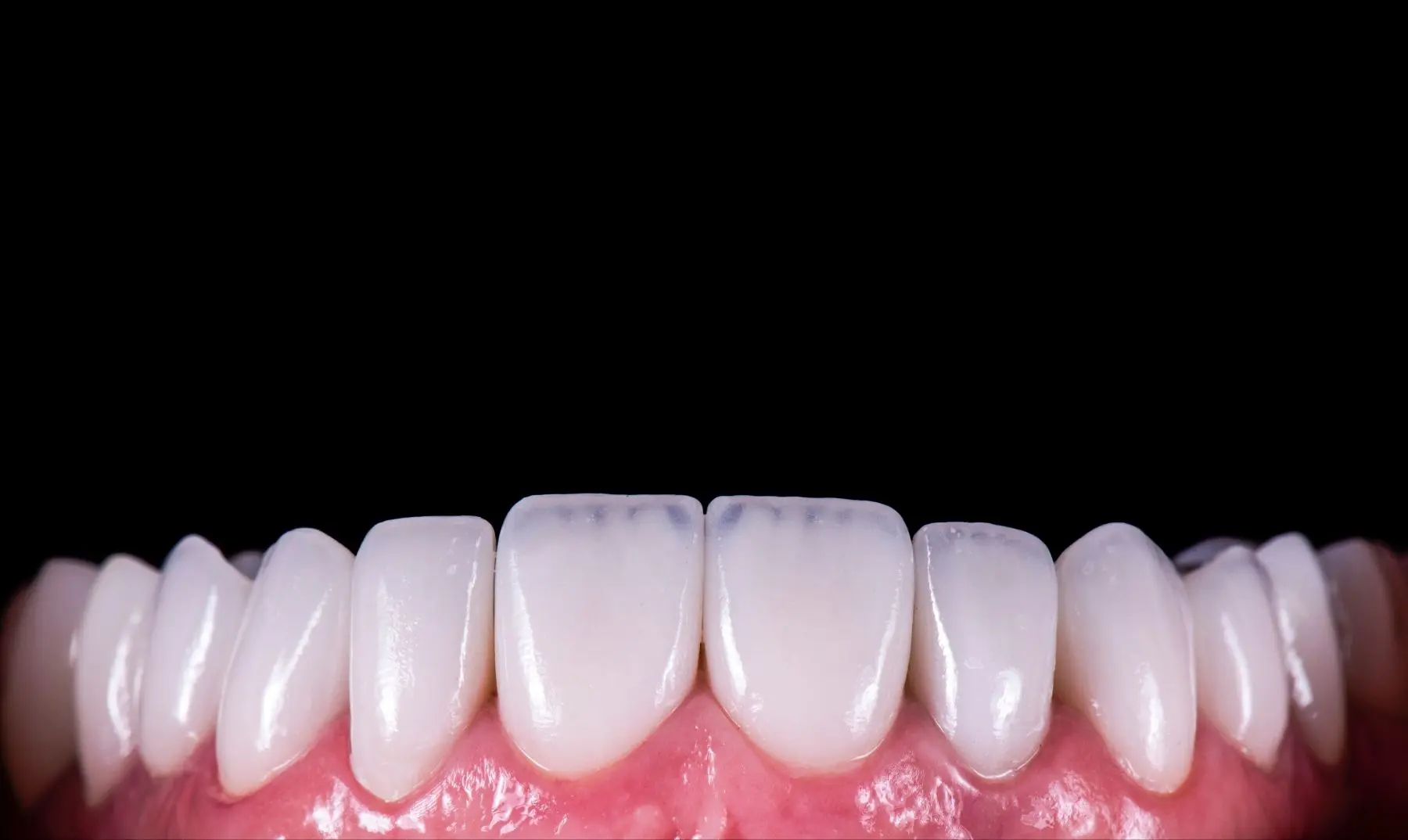
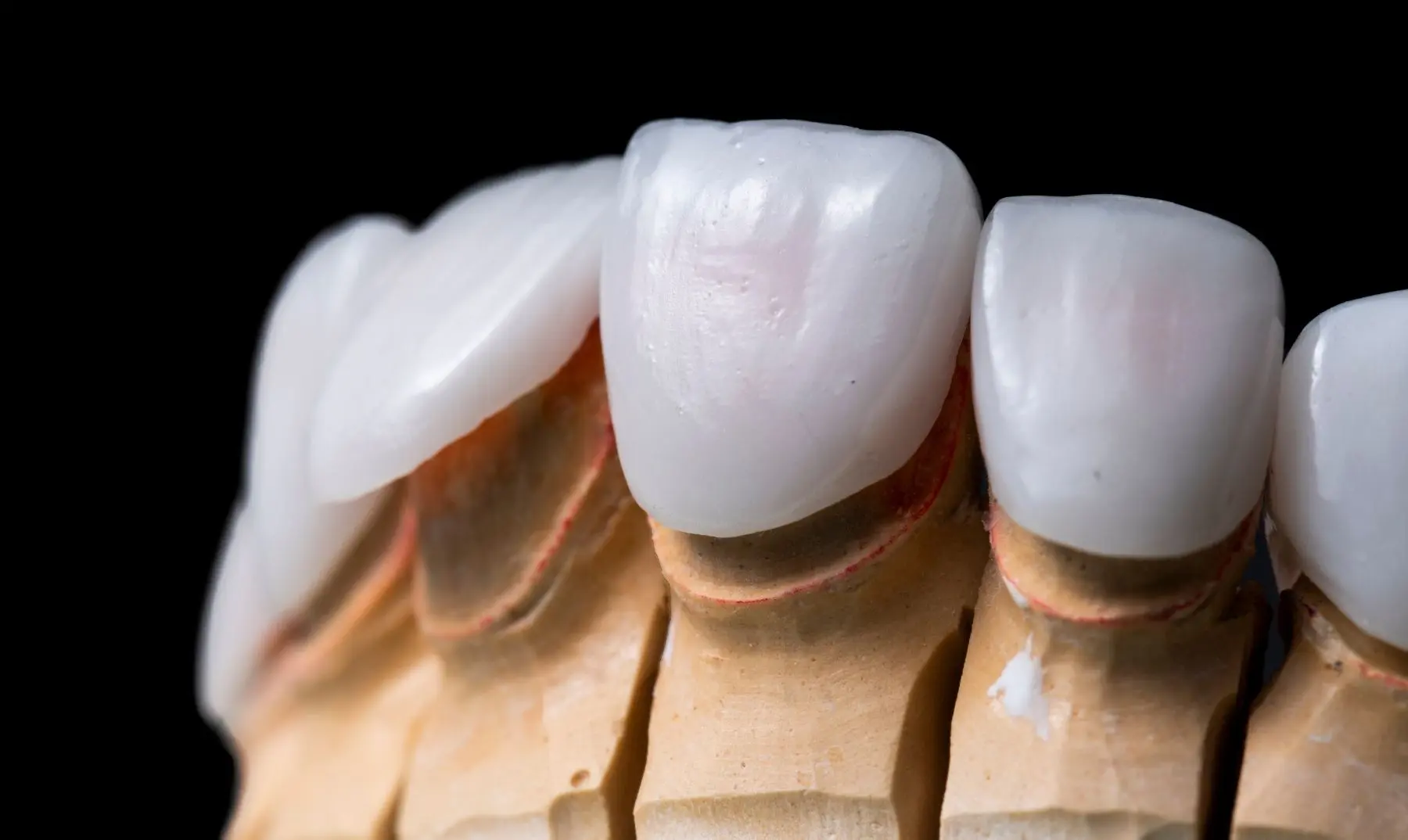
Ultrathin veneers, sometimes as thin as 0.2mm, are showing that modern ceramics and advanced bonding systems now make it possible to improve deep discolouration and shape without sacrificing a patient’s tooth structure and shape.
Compared to traditional veneers, ultrathin offers:
- No-prep technique, preserving the underlying tooth and enamel
- Excellent long-term results and strong bonding
- Natural aesthetics due to porcelain transparency
- Minimal drilling, no injections and reversibility
Until late, ultrathin veneers, because they were so thin and transparent, were considered unsuitable for discolouration and dark teeth (as the underlying colour could shine through).
However, a new 2025 study challenged this assumption, showing that careful material and shade selection can successfully treat intrinsic staining.
The study at a glance
- Authors used disk-shaped veneers 0.3mm thick made of medium translucency lithium disilicate ceramic in shades (BL2, BL3, BL4, B1, A1, A2, A3).
- They paired these with resin substrates (4mm thick) simulating underlying tooth colours (shades A2, A3, A3.5, A4) to mimic discoloured teeth.
- Ultra-thin veneers at 0.3 mm produced substantial shade and whiteness transformations, making them effective for shade enhancement when properly used.
- For example, the largest colour change was seen with a light veneer (BL2) over a dark substrate (A4) (ΔE00 ≈ 6.9, ΔWID ≈ 19), which is quite large
In English, this means the darker the underlying tooth, and the lighter/more colour-transforming the veneer, the greater the effect.
Recent study conducted by Wang et al (“Final shade and whiteness: impact of various ultra-thin CAD/CAM veneers and tooth-coloured resin substrates”, 2025). Source.
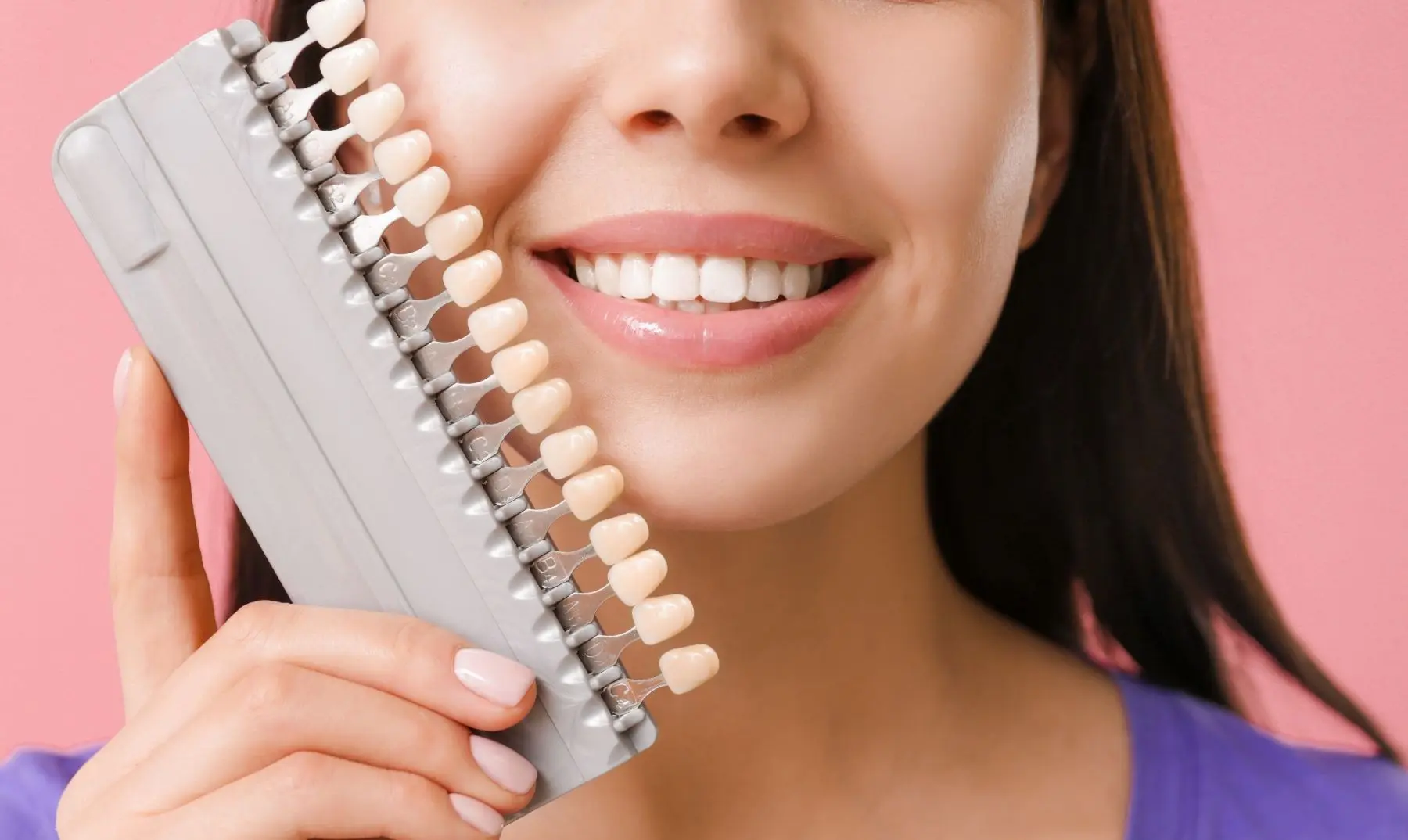
Need to correct intrinsic staining and dark discolouration? Our cosmetic dentists can help
As a UK cosmetic dentist in Hertford, we’re one of the few practices to offer Ultrathin veneers, which we’ve always recommended for their no-prep benefits.
They last up to 20 years and cost from £1,200 per tooth, or £27.90 per month using 60-month finance at 9.9% APR. Explore Ultrathin veneers in more detail.
Other alternative options we can use
Ultrathin veneers can sometimes be the better long-term option because they blend flawlessly and last longer. However, other restorations exist, such as composite bonding, which can also be used for deep discolouration cases, but it does have some limitations.
For patients with deep discolouration, the masking power of composite bonding is limited, so the underlying darkness can sometimes show through, unless we apply more layers, making the tooth thicker. As composite bonding does not stand the test of time, you’ll notice new stains or old ones poking through over time. Composite bonding vs veneers.