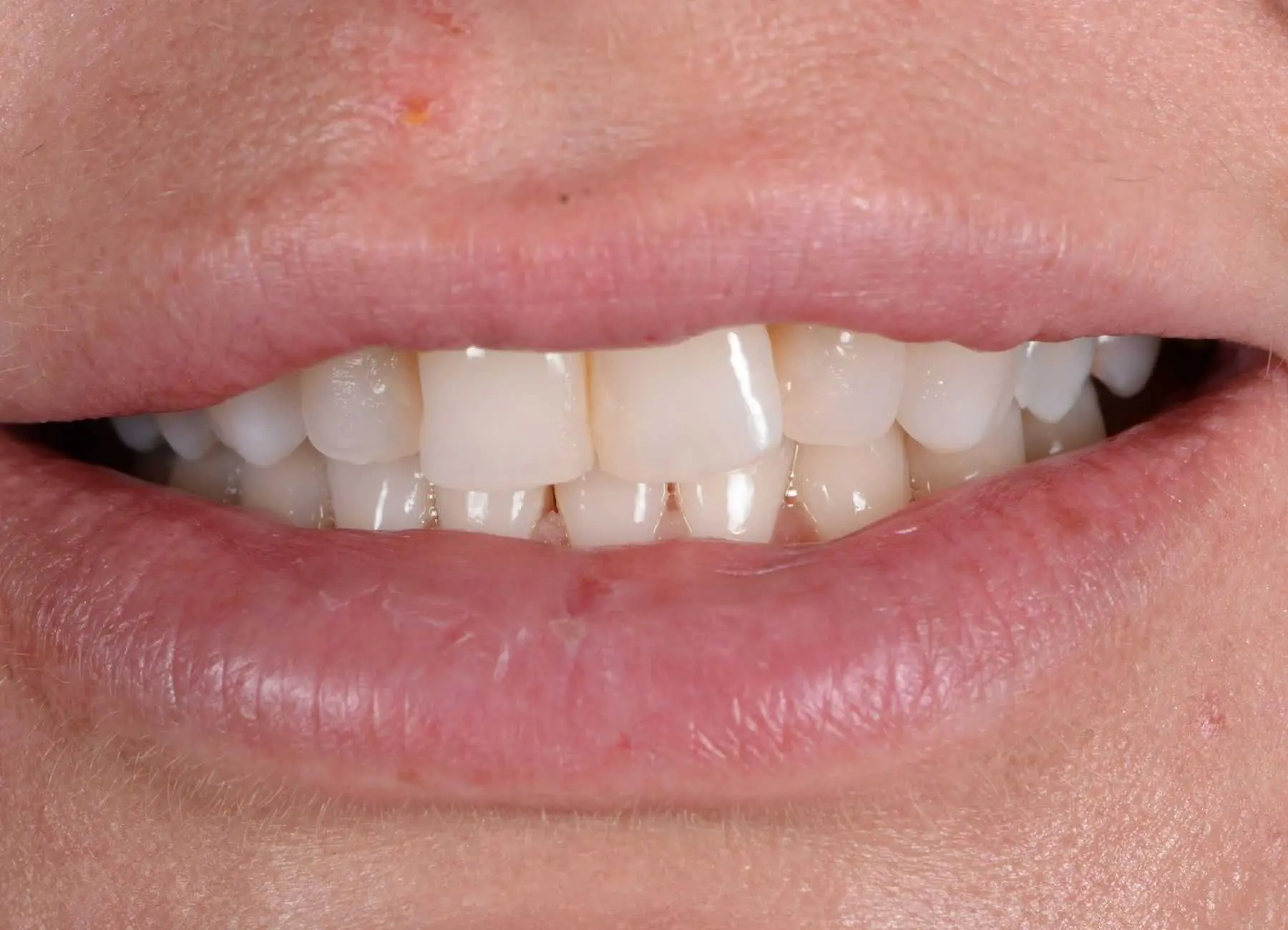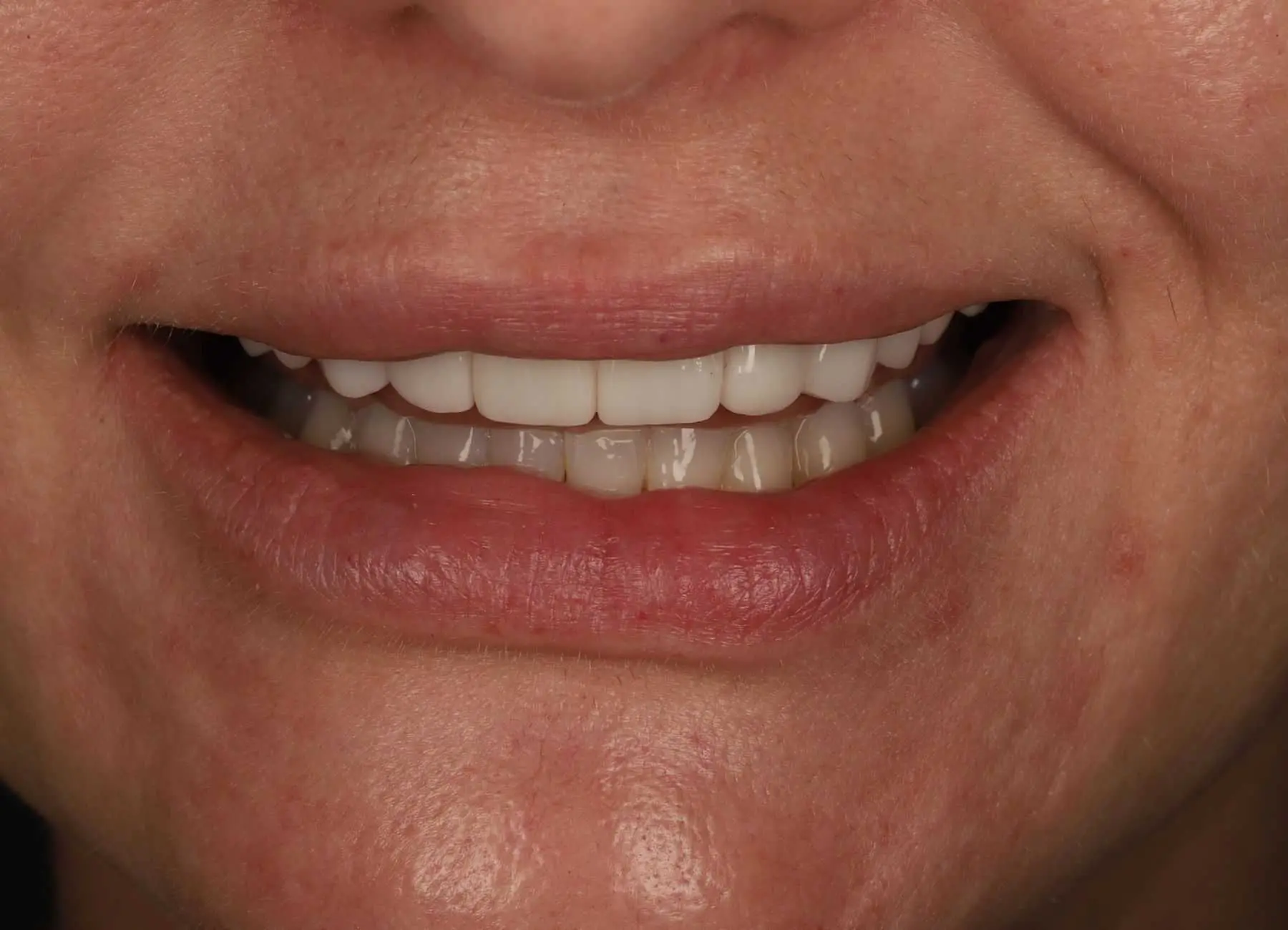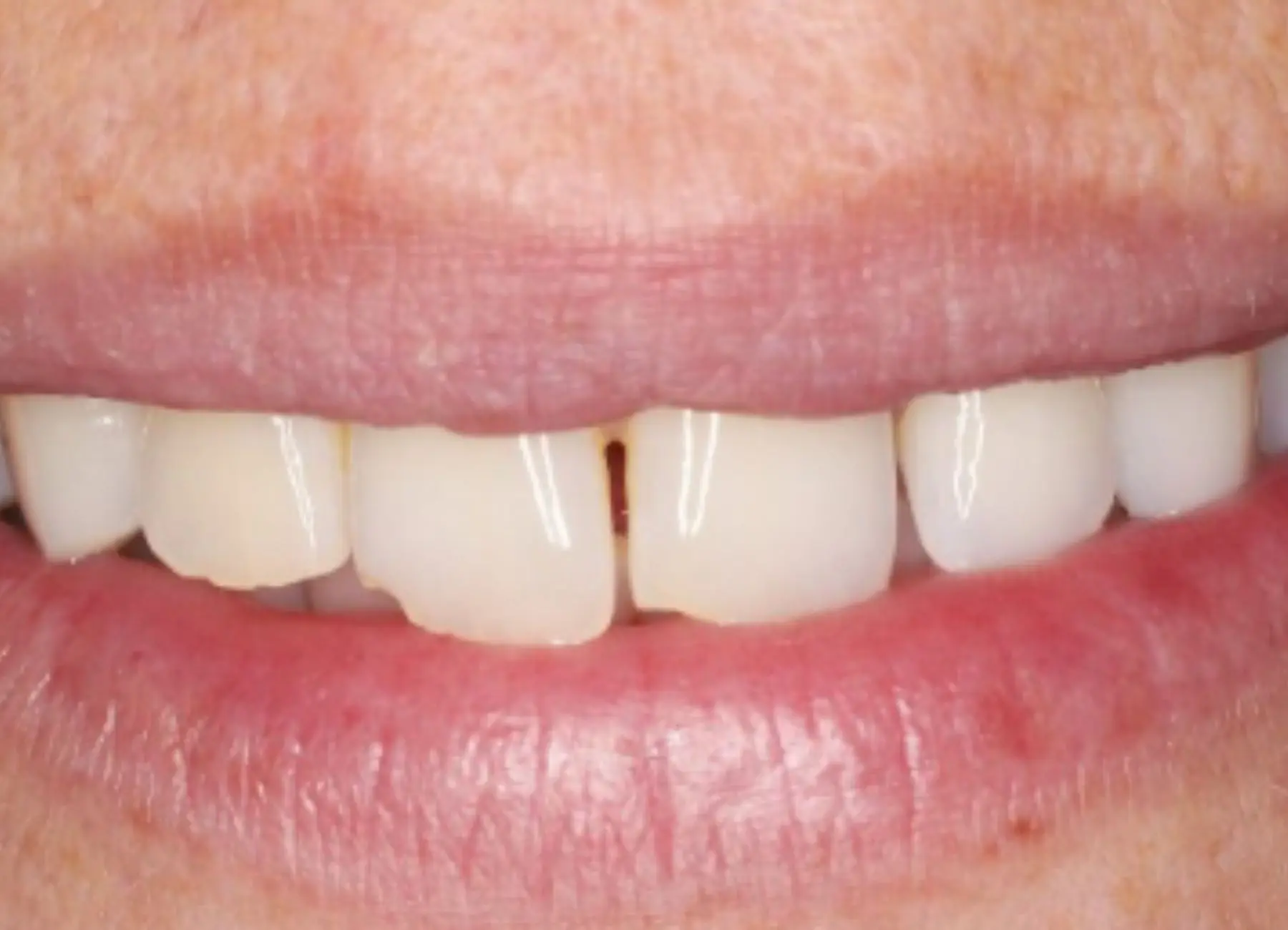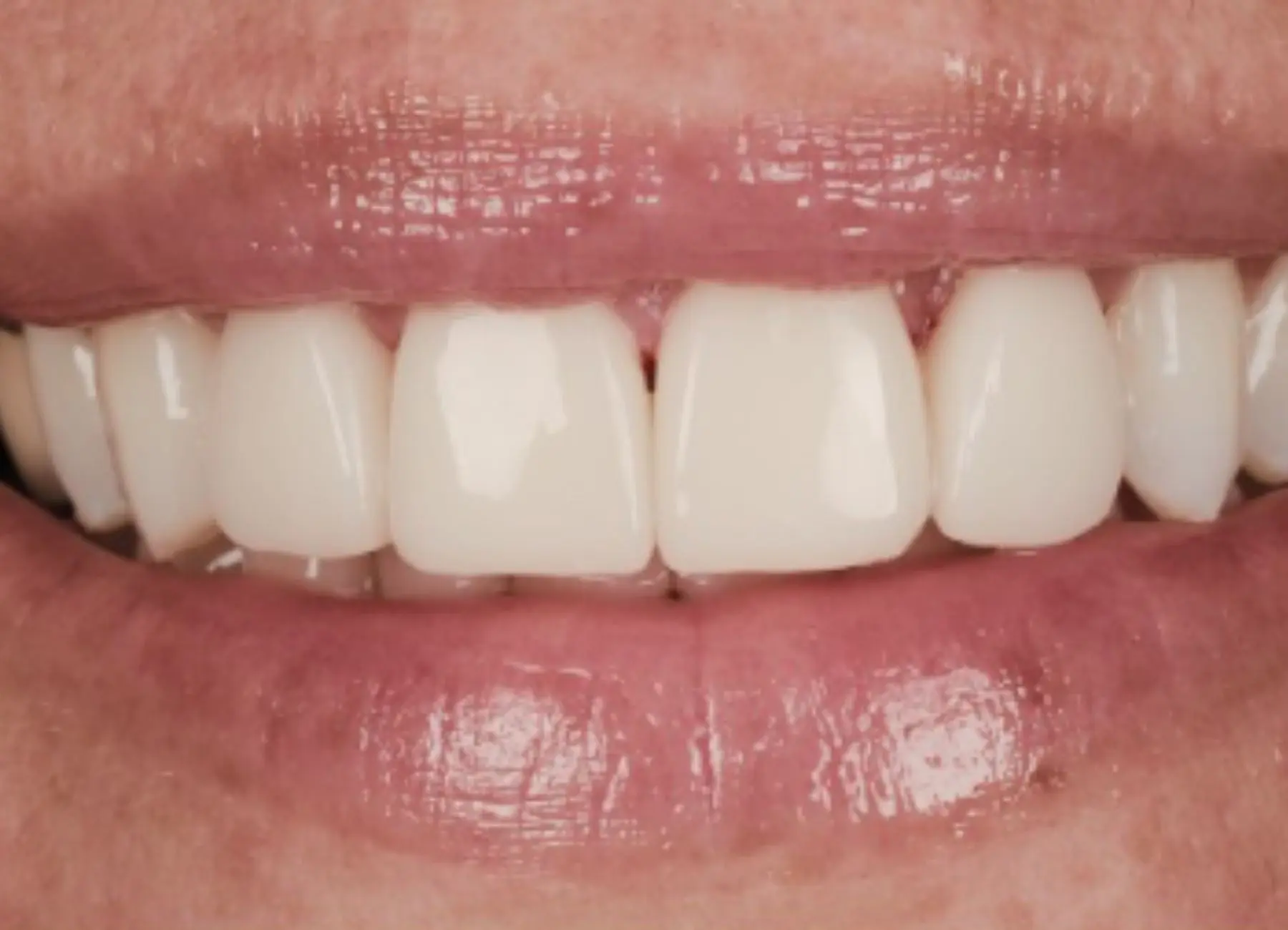
Choosing between composite bonding & veneers – what will be better for your case and goals
When it comes to private glow-ups and subtle cosmetic tweaks, composite bonding and dental veneers are the two trending, popular procedures patients for. But because the two treatments often cross over, sometimes correcting the same problems and offering similar results, patients can be left wondering which one to choose—and which will be best for their long-term goals.
Our cosmetic dentists have broken down each important factor below, highlighting where the treatments compare and where they differ significantly, so you can make an informed decision about which one will work for you, your budget, and your lifestyle.
Eligibility
To be suitable for composite bonding and veneers, both patients should be over 18 and have no underlying oral health problems that might compromise the longevity of the results, such as gum disease.
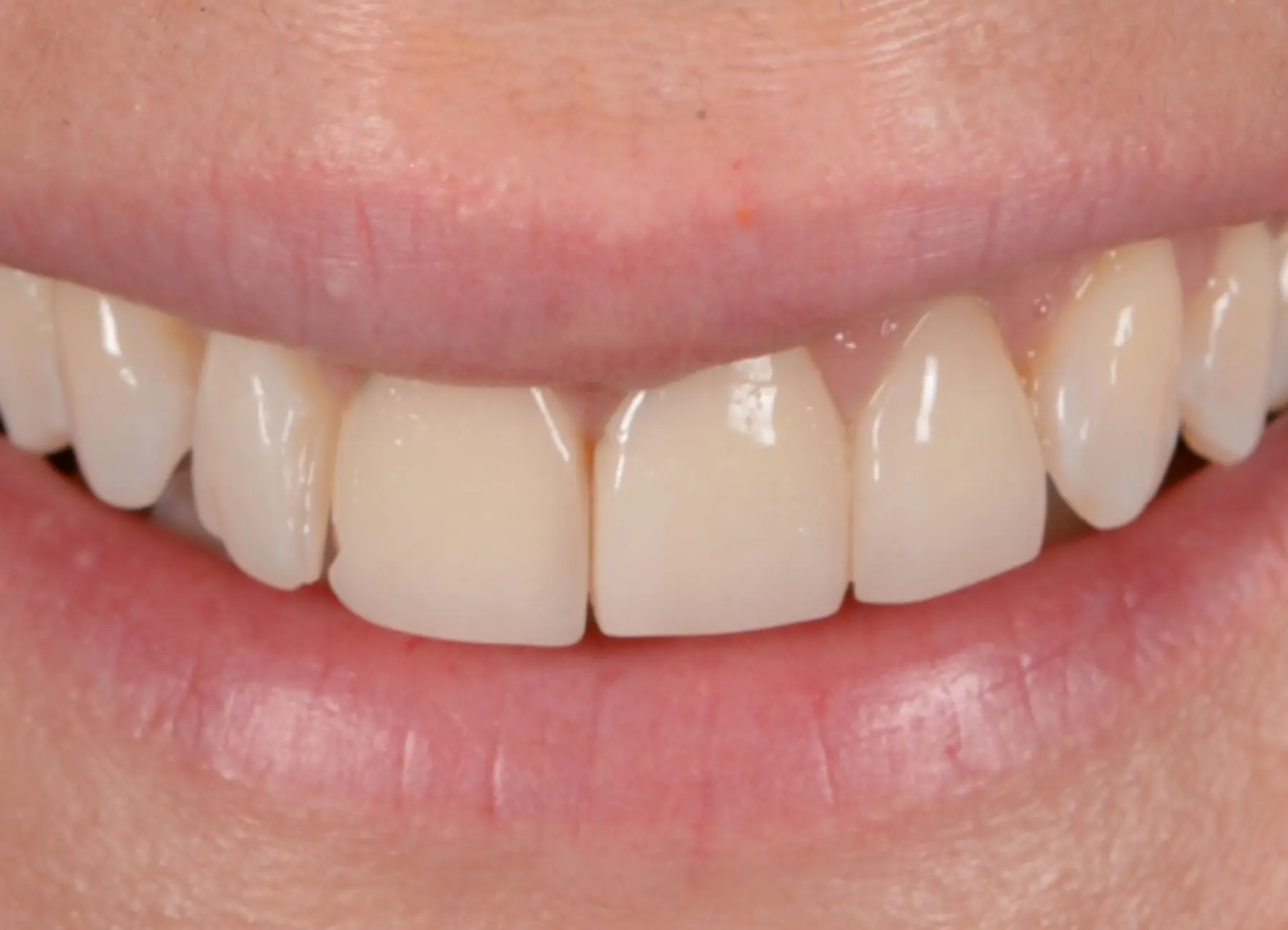
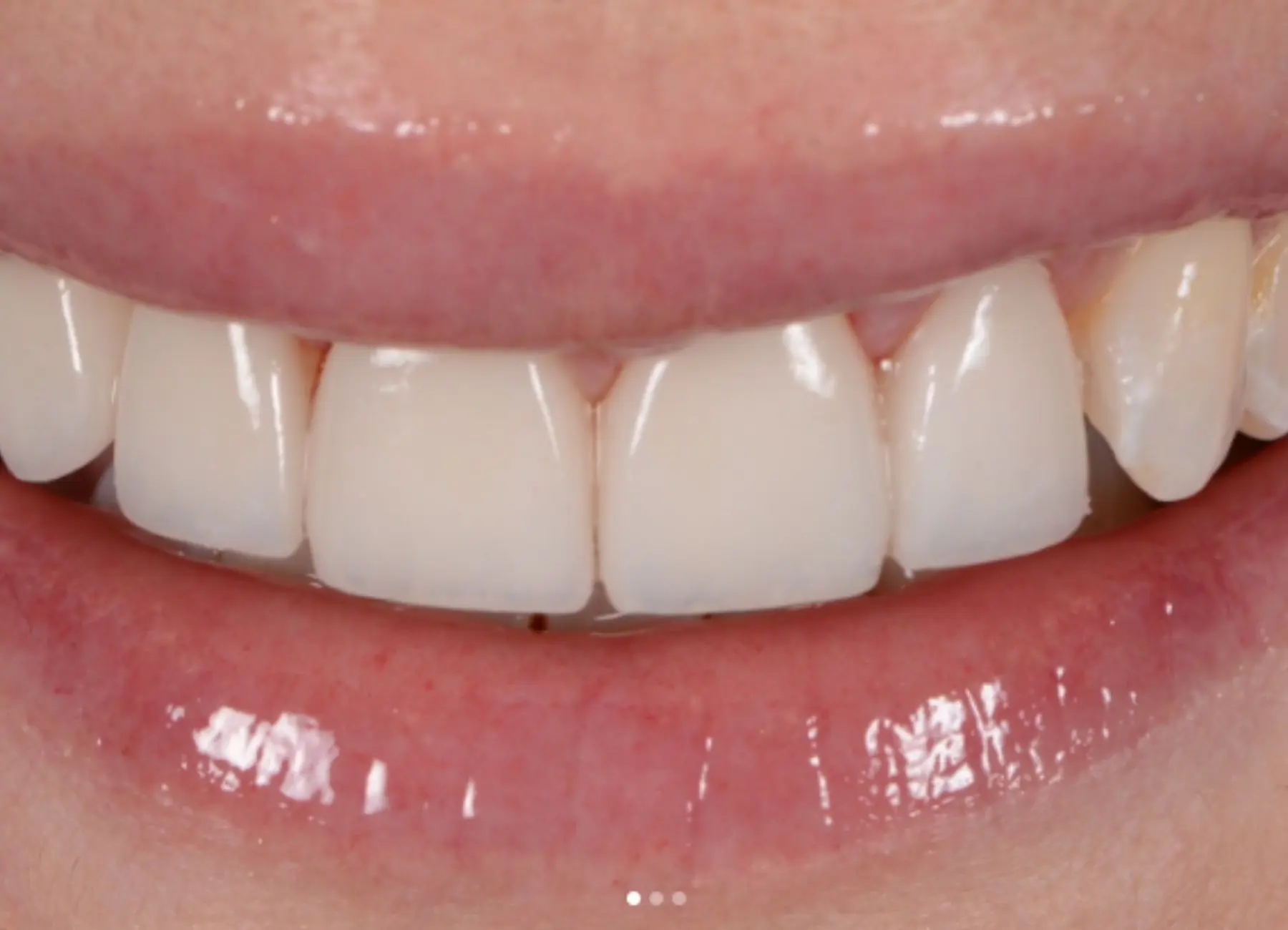
It’s important to note that composite bonding is best suited for patients with minor imperfections, such as chips or jagged edges, that they want to fix. Veneers are better suited for larger, more dramatic changes, as they cover the entire tooth and thus correct multiple cosmetic issues at once.
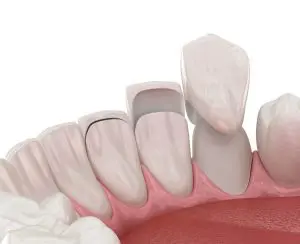
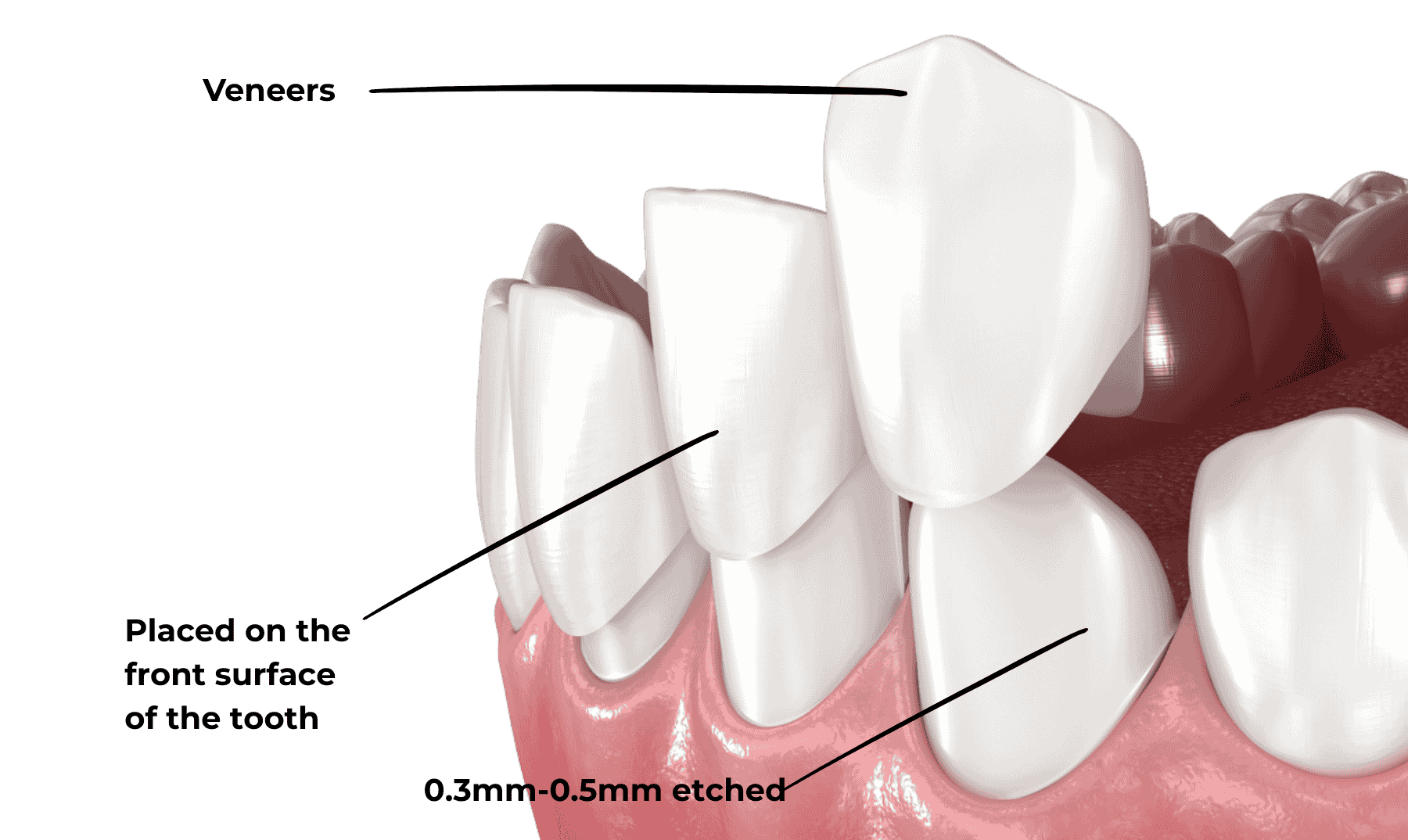
Composite bonding is meant only for small portions of the tooth, whereas veneers mask the entire tooth.
What they’re used for & fix
Composite bonding and veneers address much of the same aesthetic concerns, but as mentioned above, if your problems are more extensive and involve the entire tooth, then veneers will be the better option.
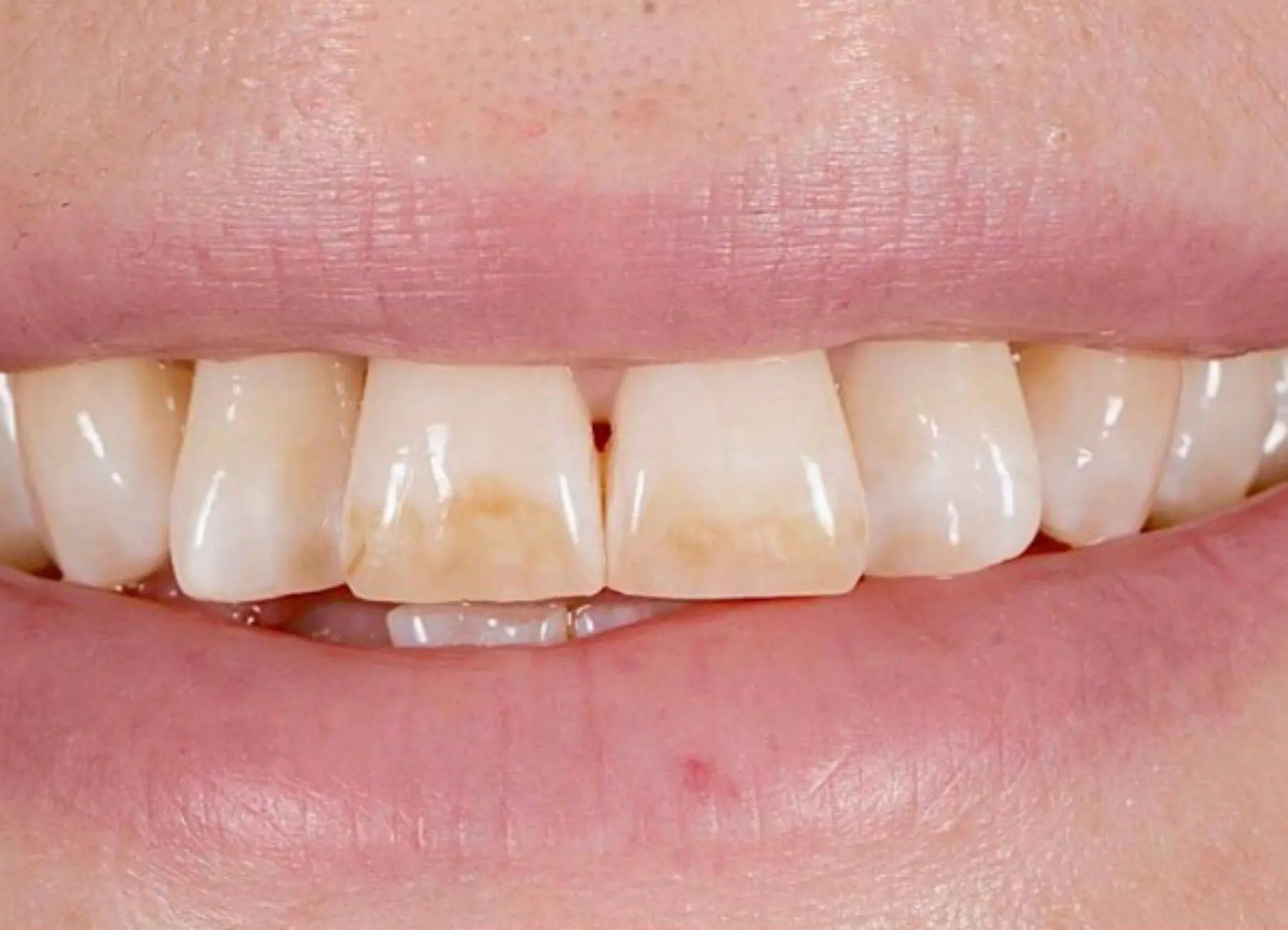
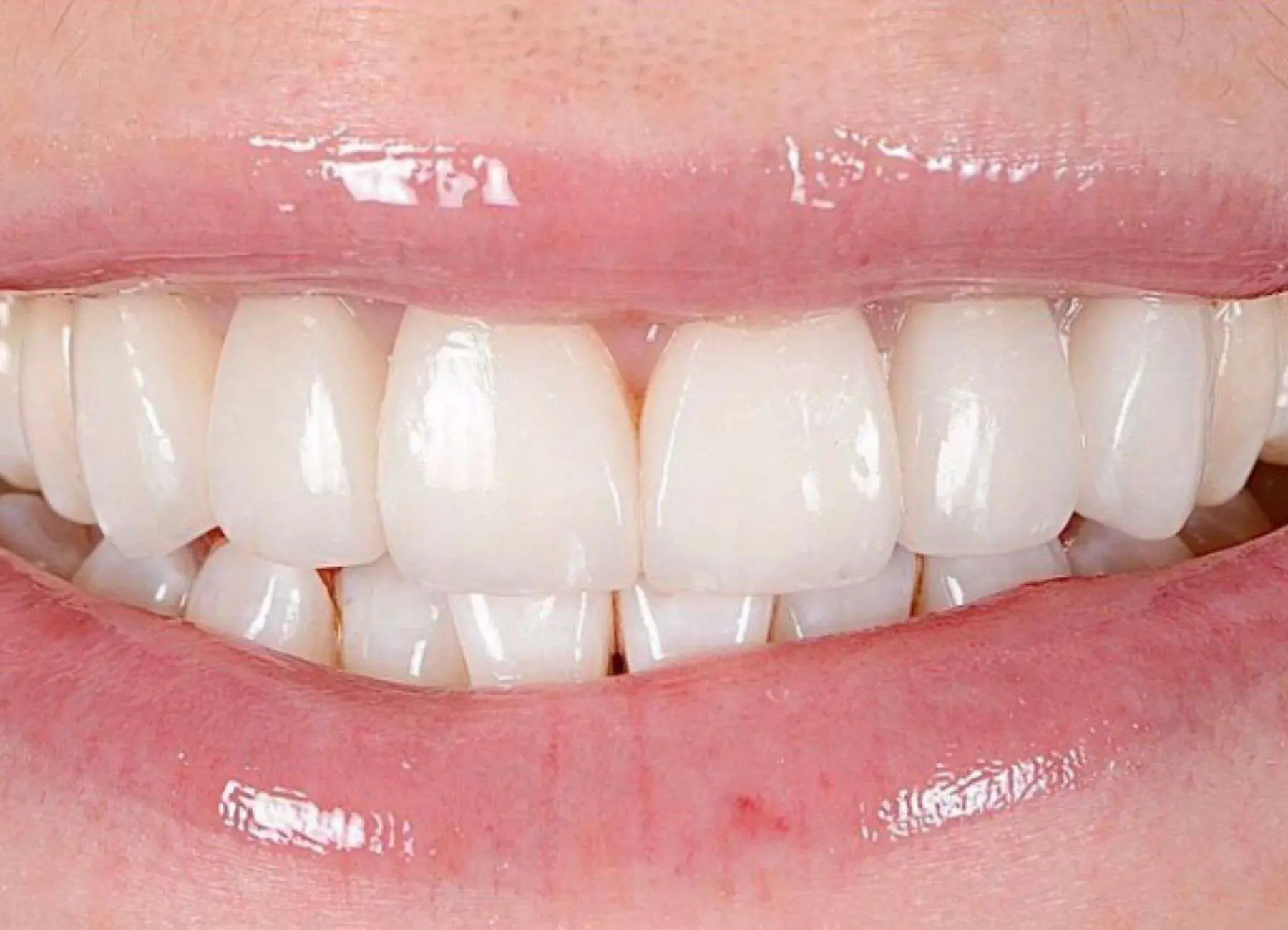
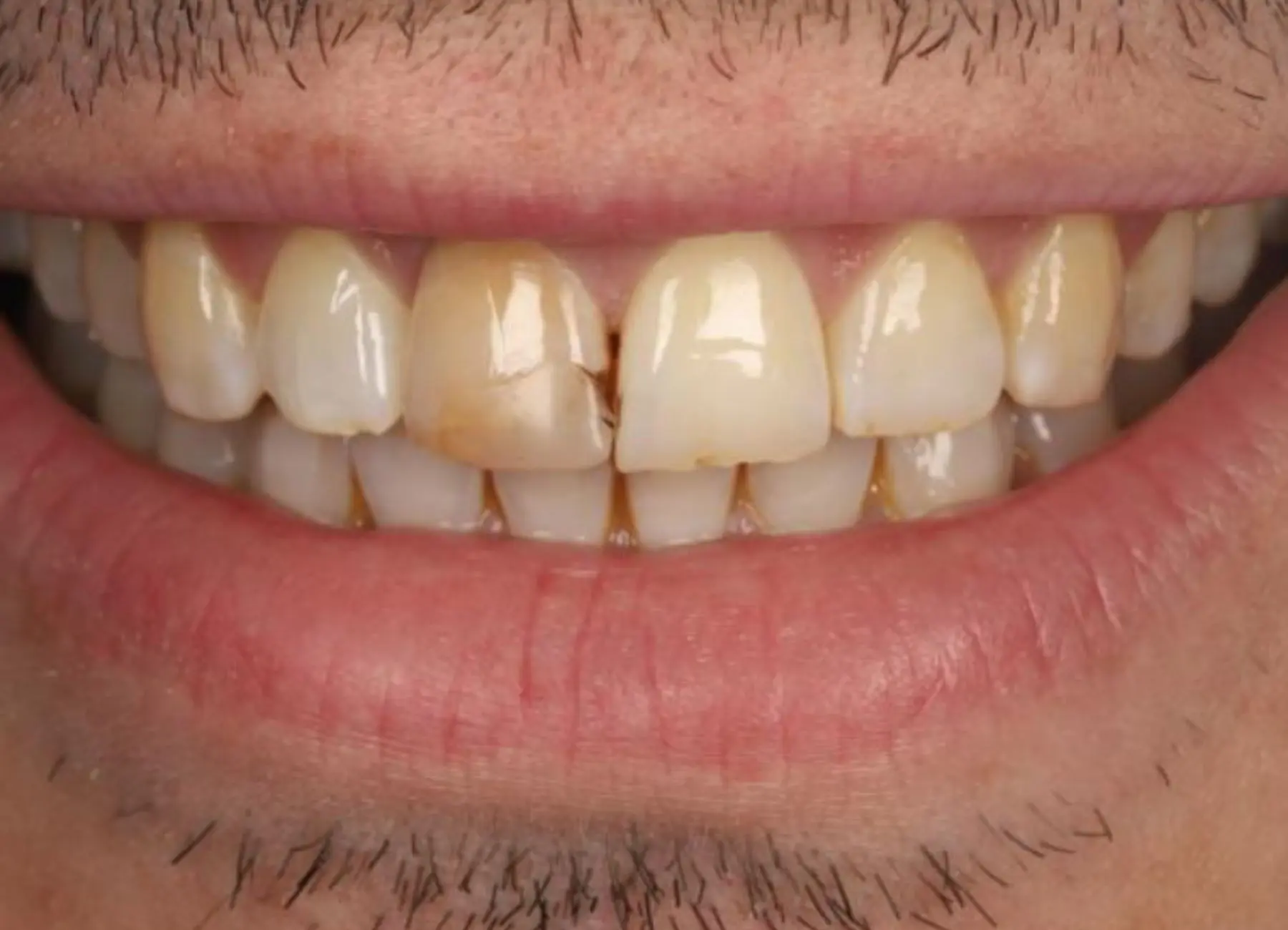
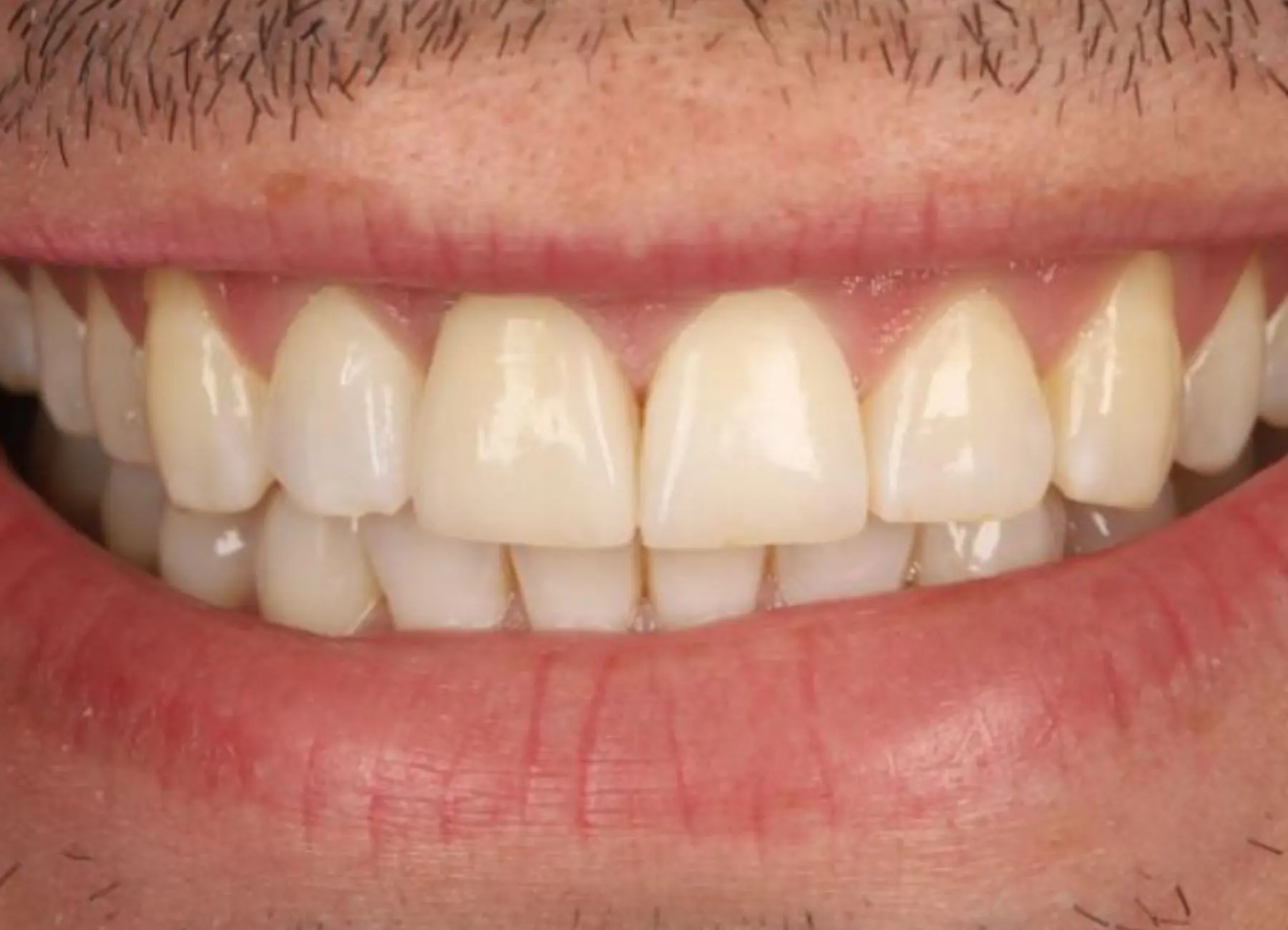
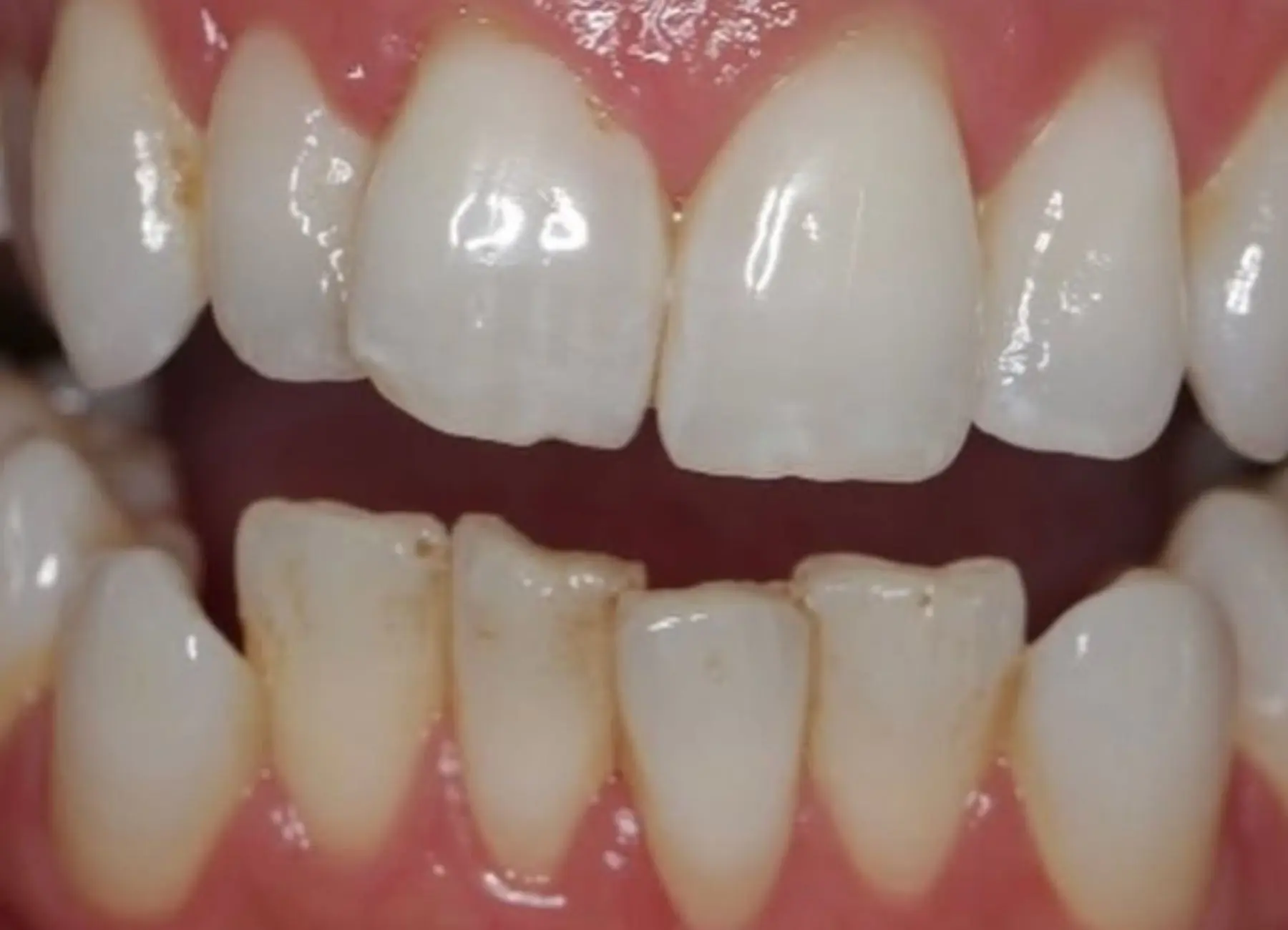
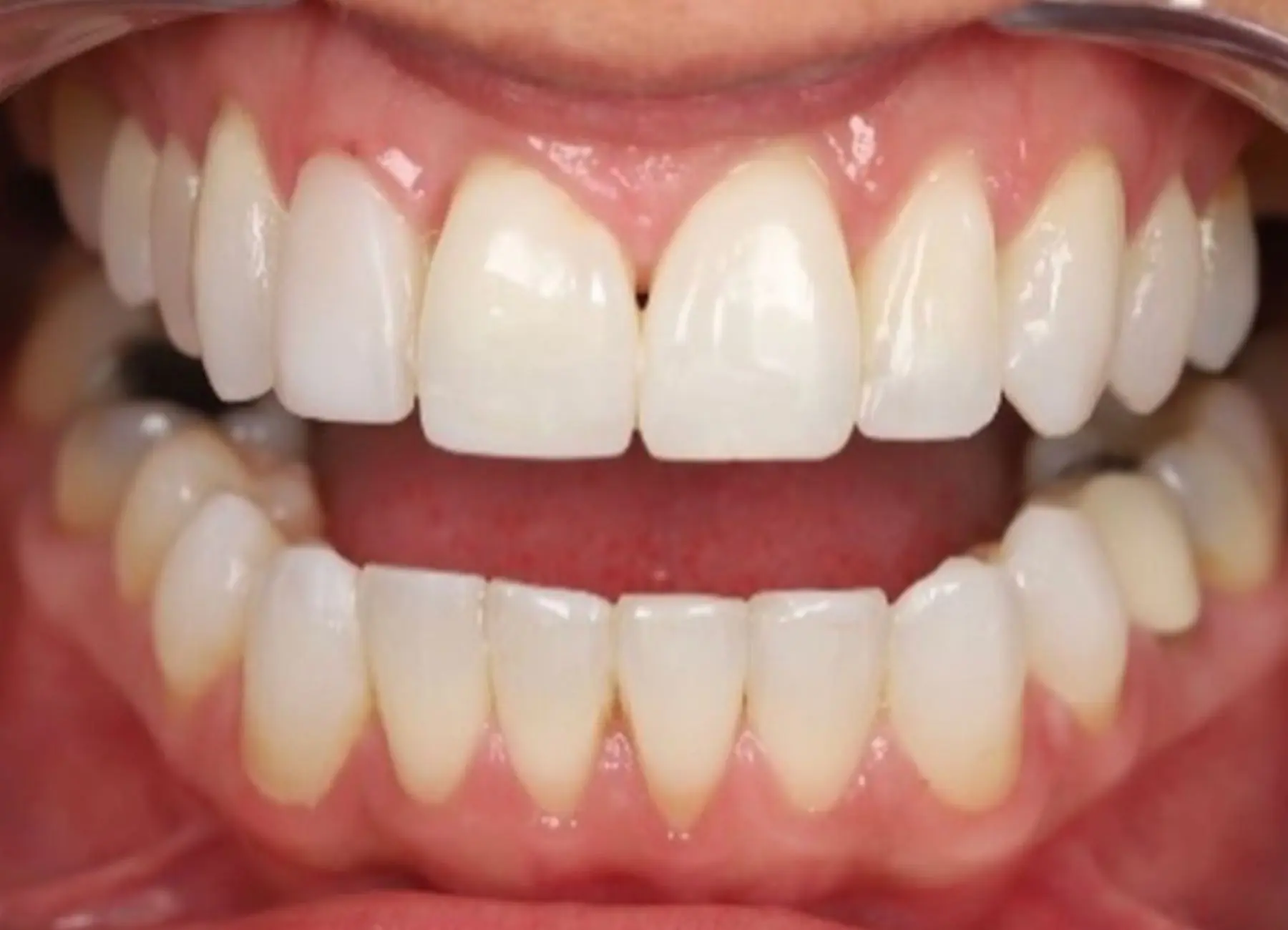
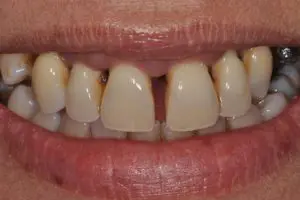
Composite bonding is recommended for repairing small chips and cracks, closing gaps between teeth, and reshaping uneven or worn edges. Veneers, on the other hand, correct discolouration, create uniform shape, size and alignment, and cover misshapen teeth.
The cost
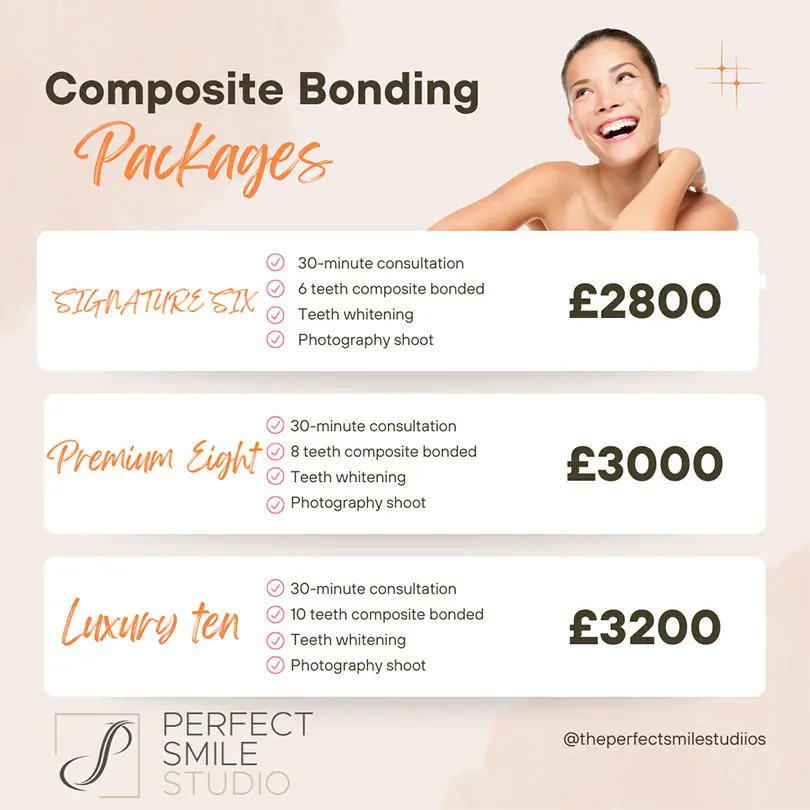
As composite bonding only addresses small fixes and tweaks, it’s the more affordable option, costing from £300 per tooth. It’s cheaper than veneers, particularly porcelain, because it’s applied directly to the tooth without the need for lab work, which keeps costs lower.
Veneers, on the other hand, start from £500 per tooth for composite veneers, and from £1,200 per tooth for ultrathin porcelain alternatives.
Both are available on dental finance:
Results and appearance
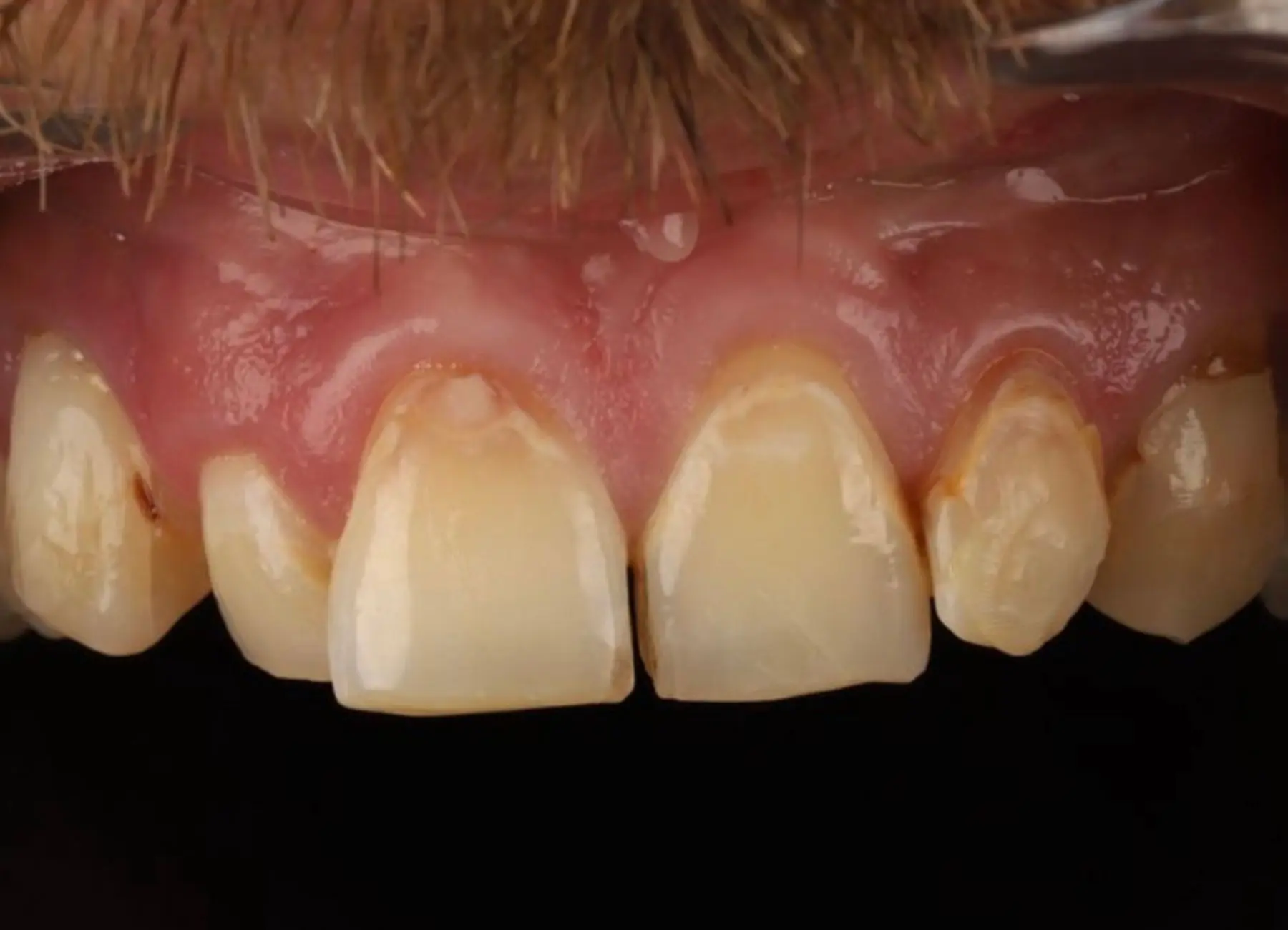
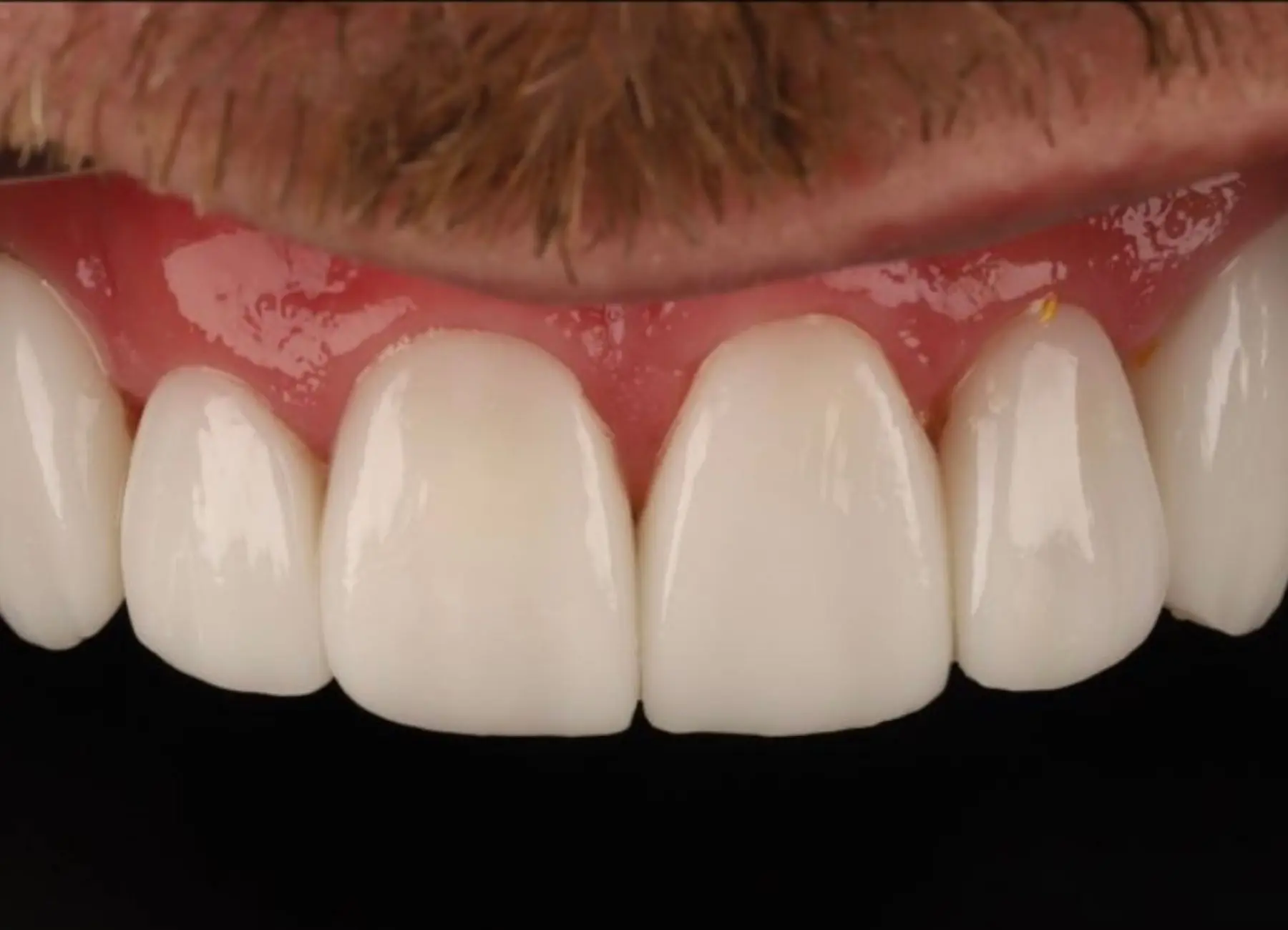
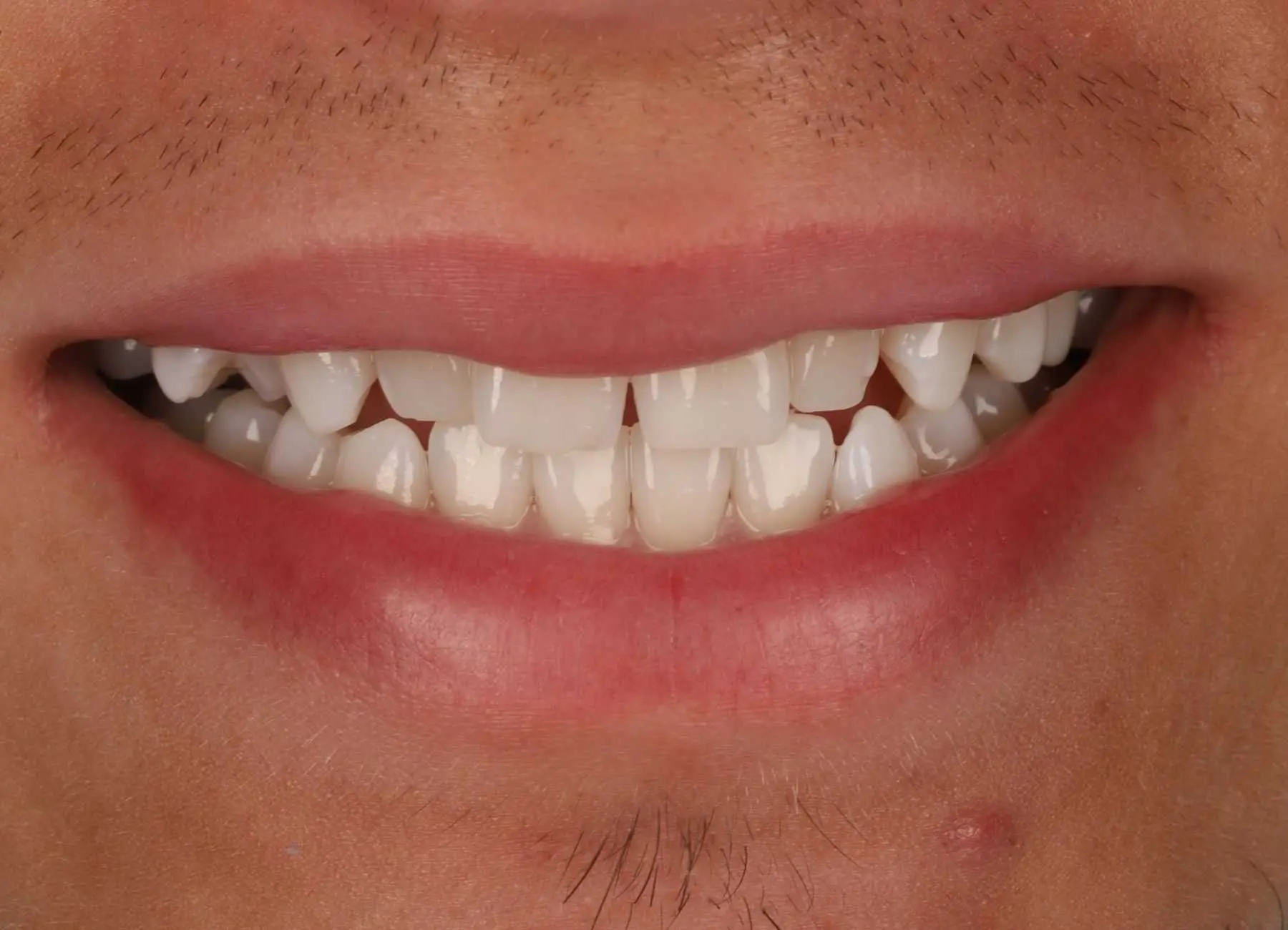
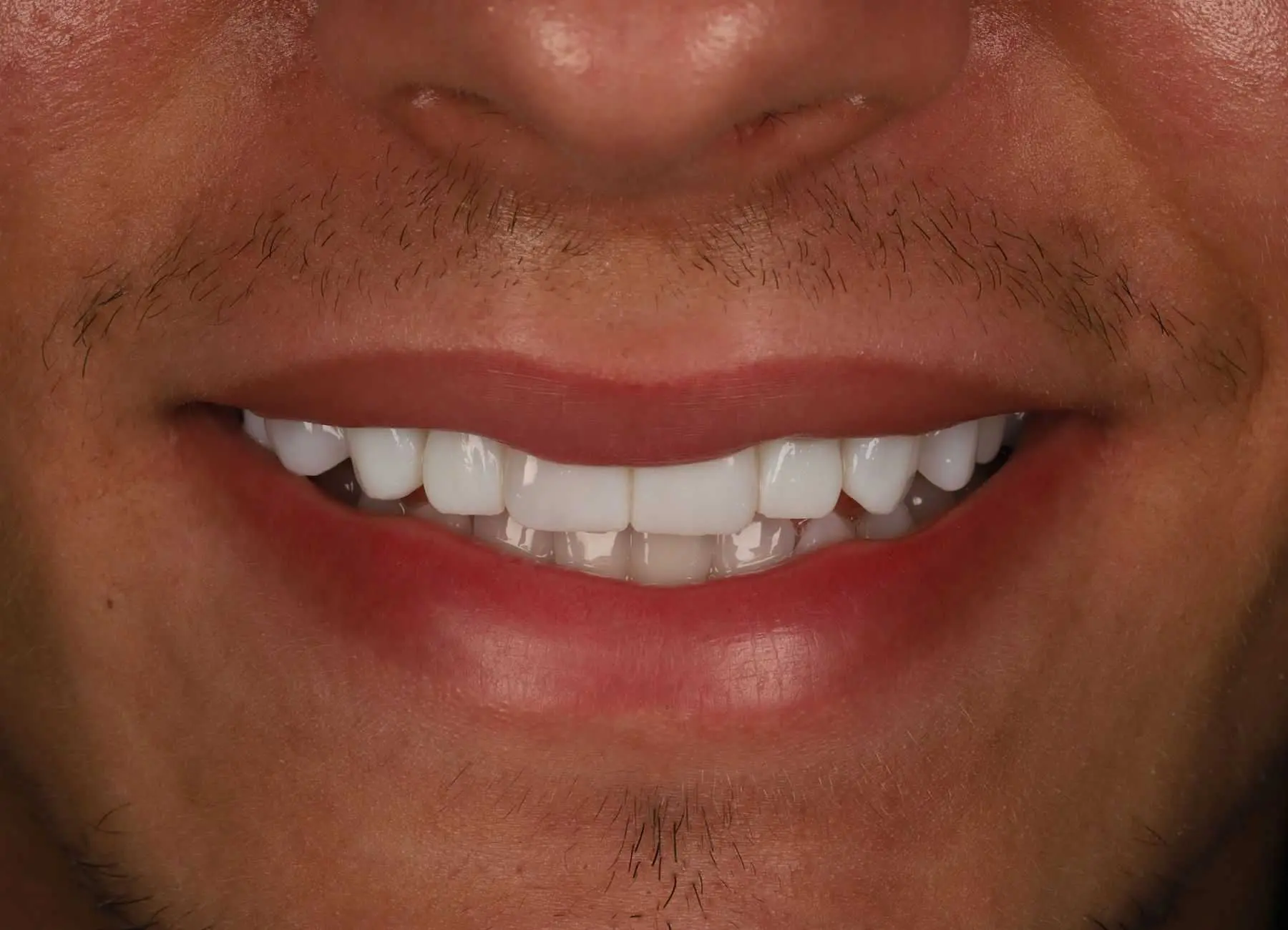
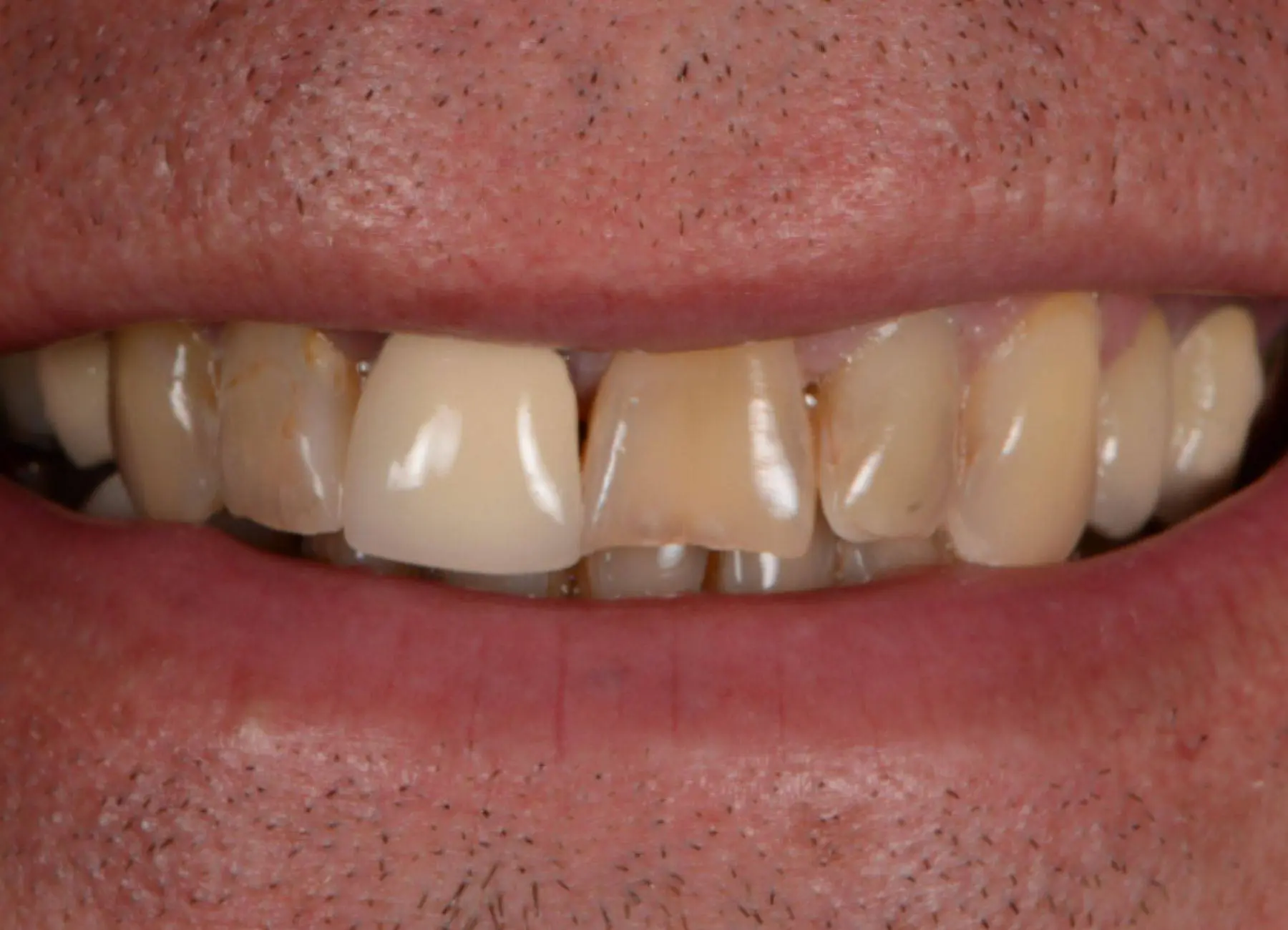
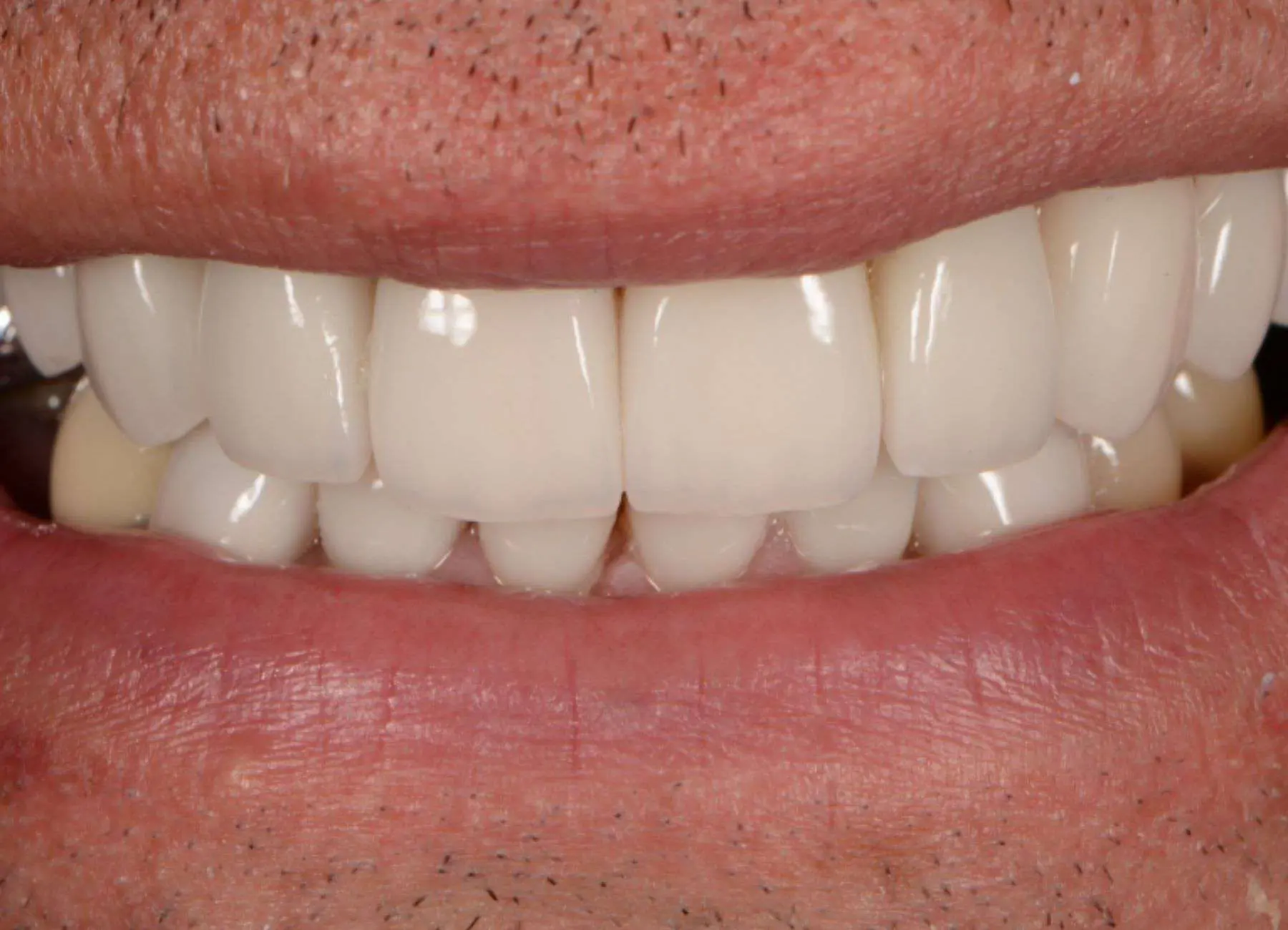
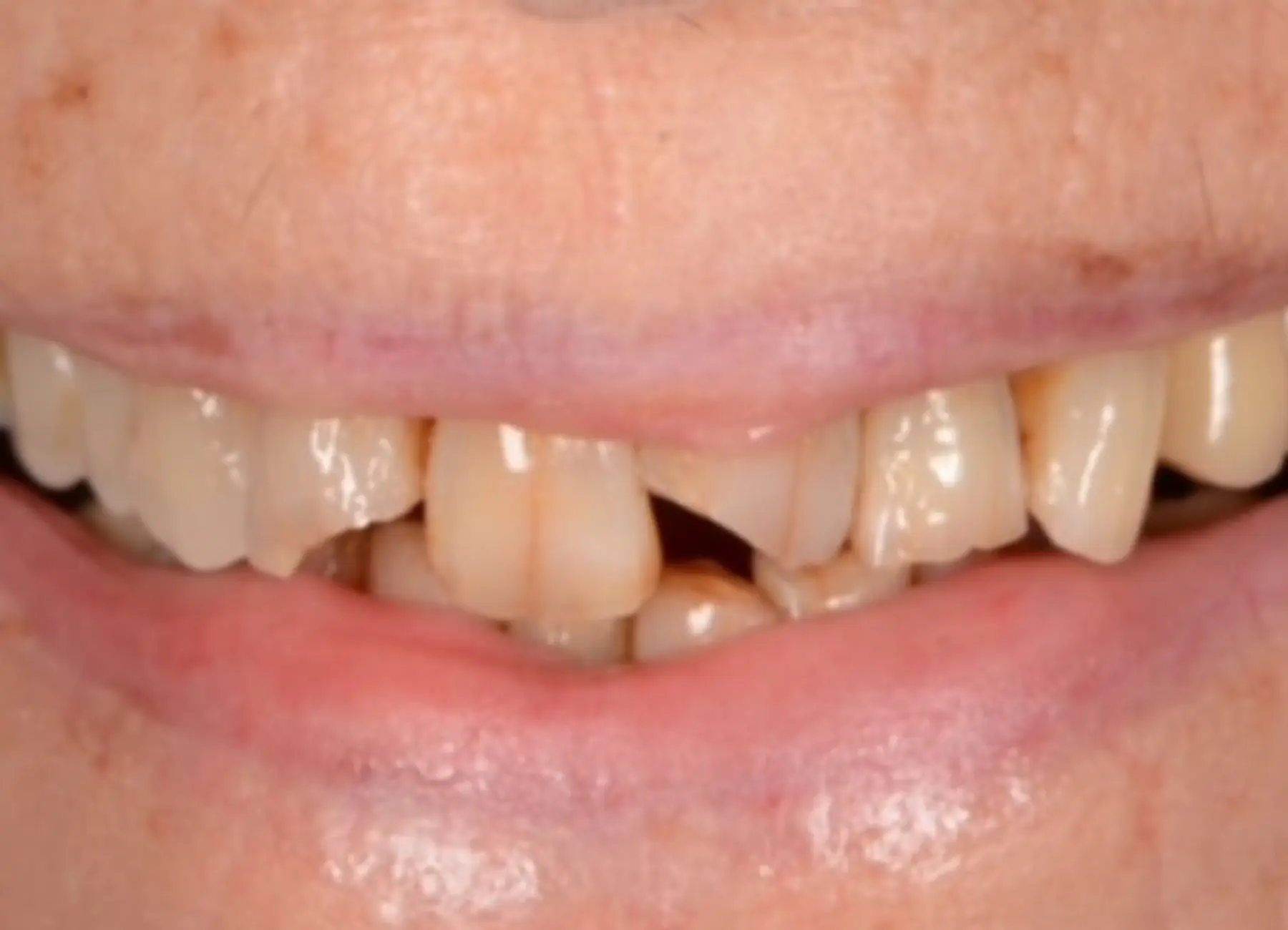
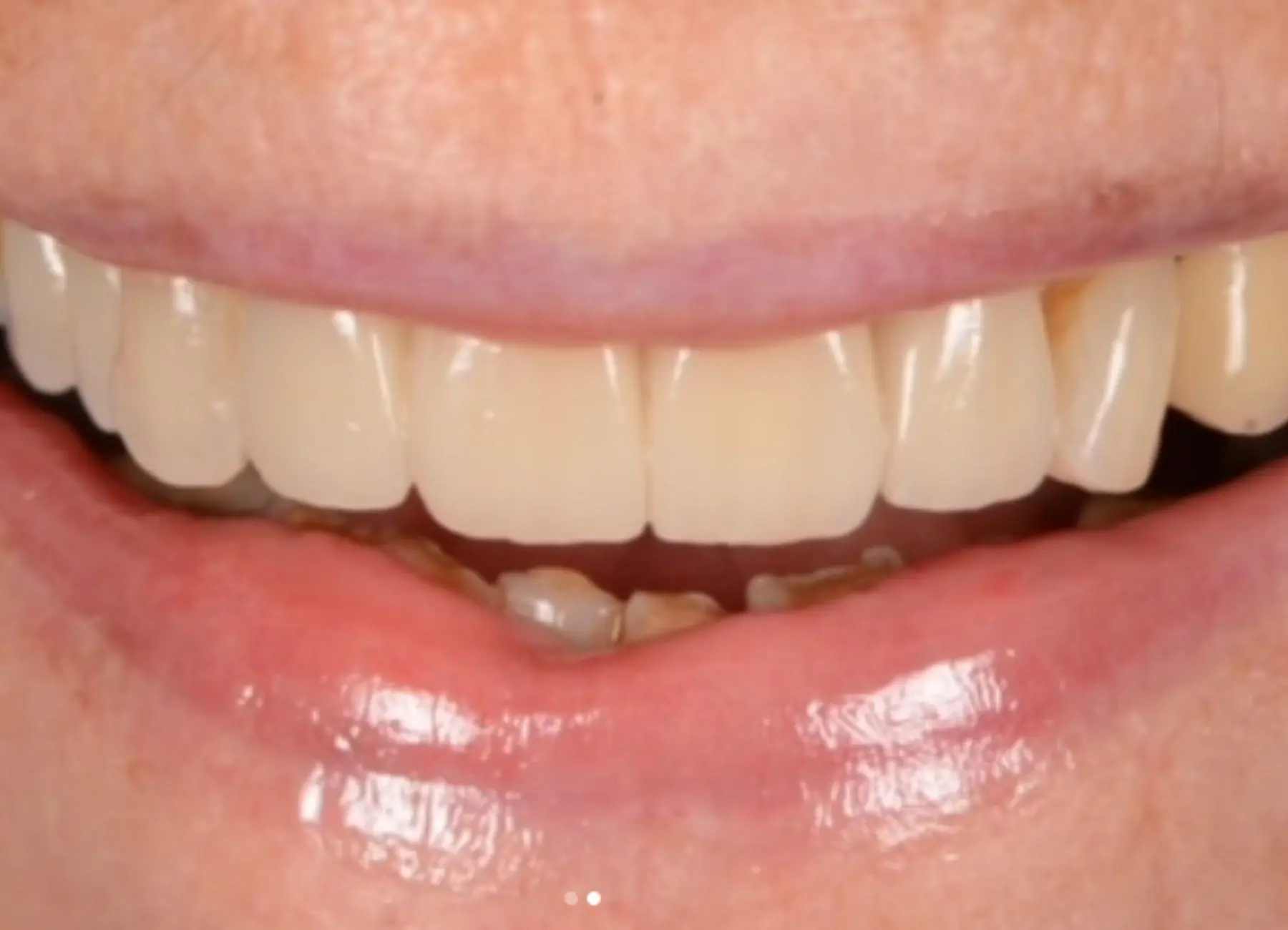
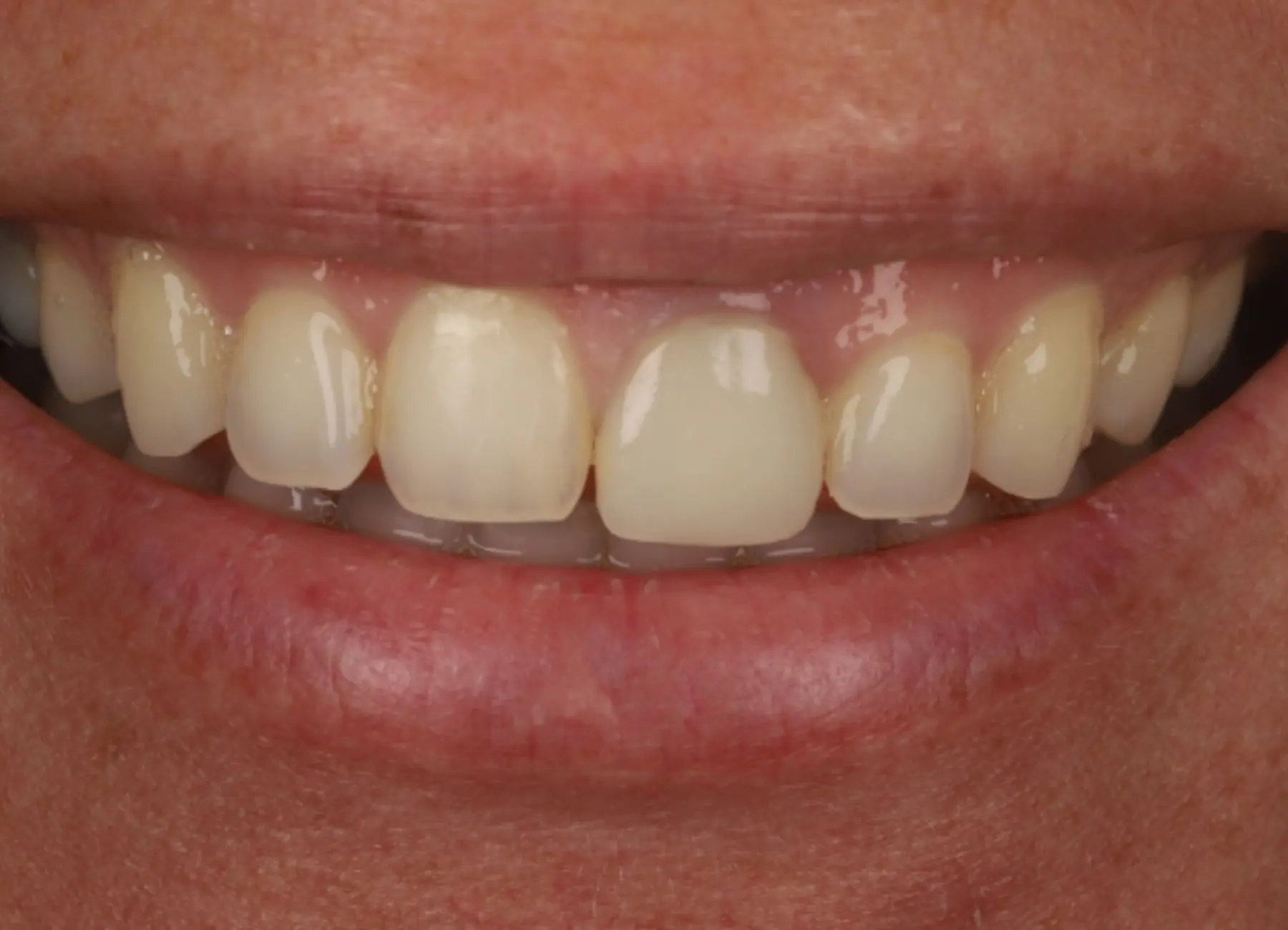
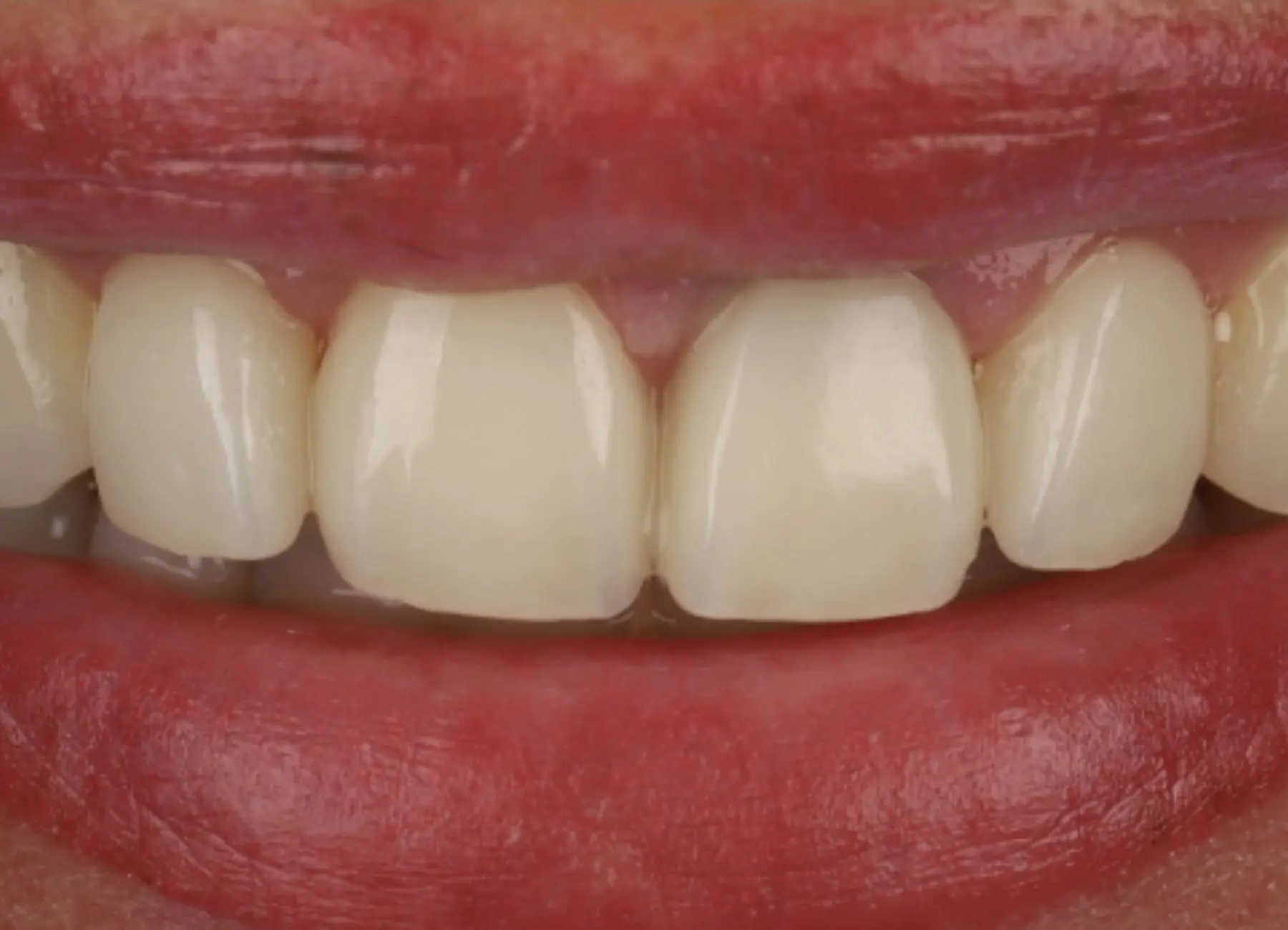
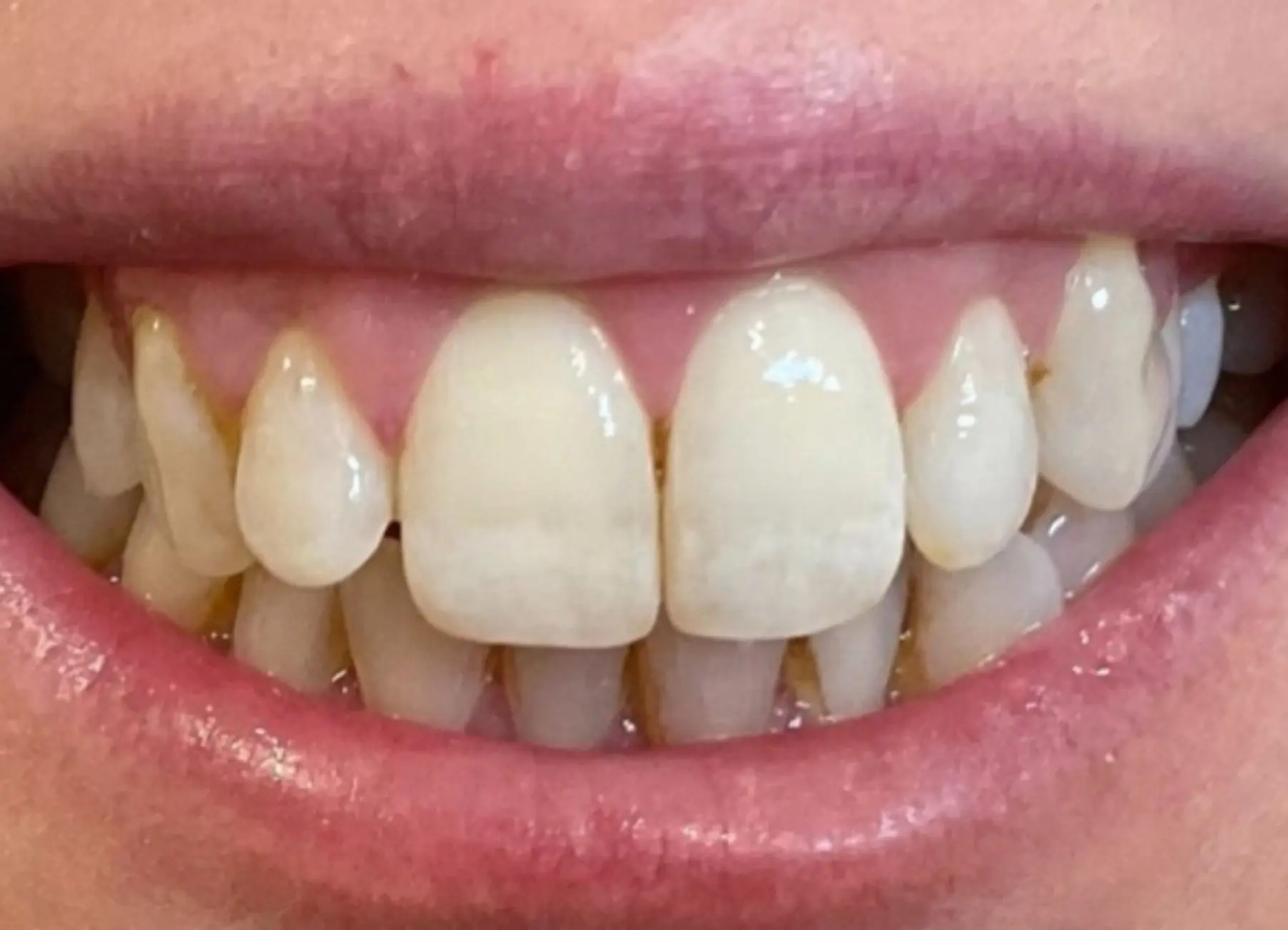
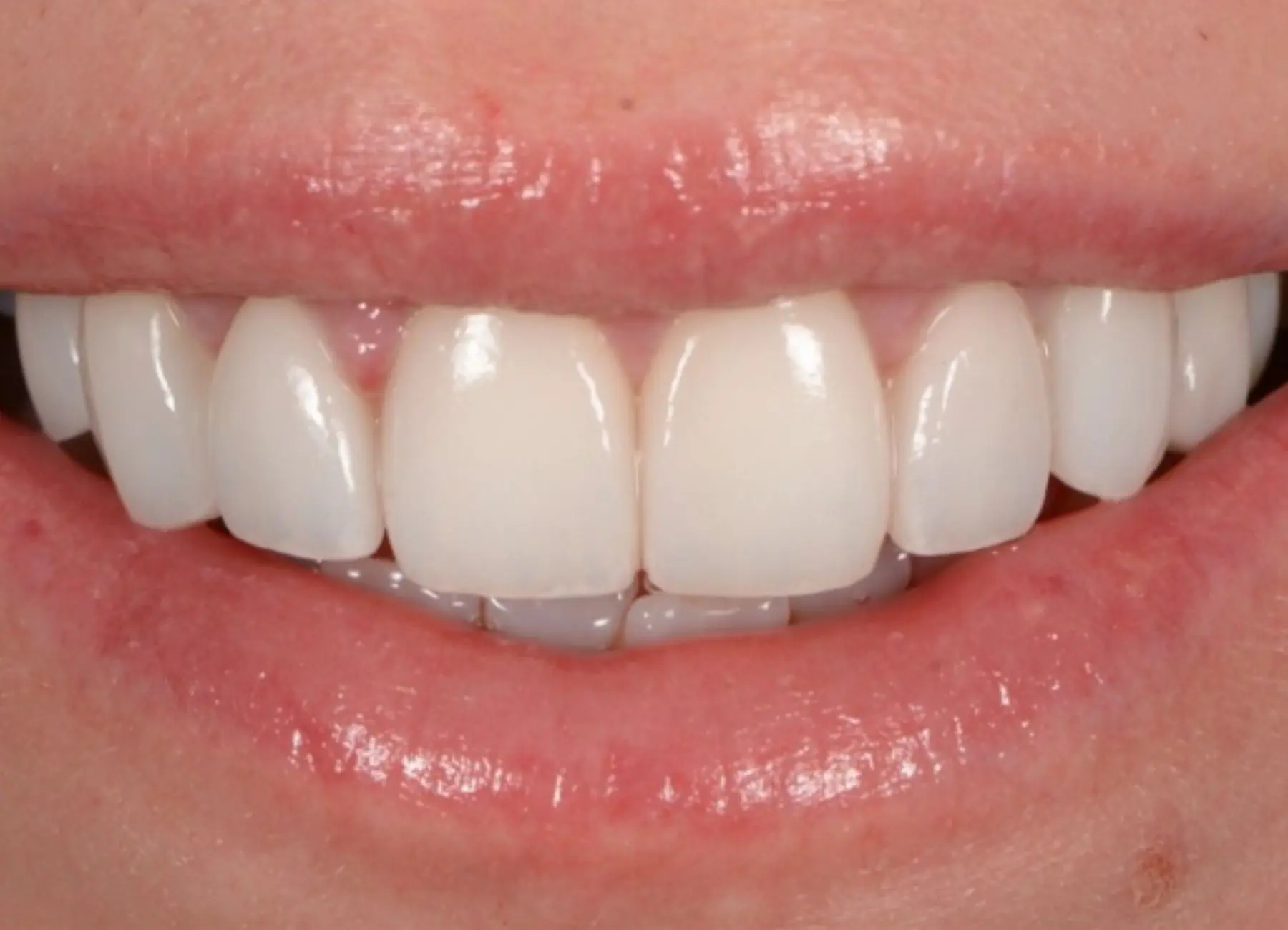
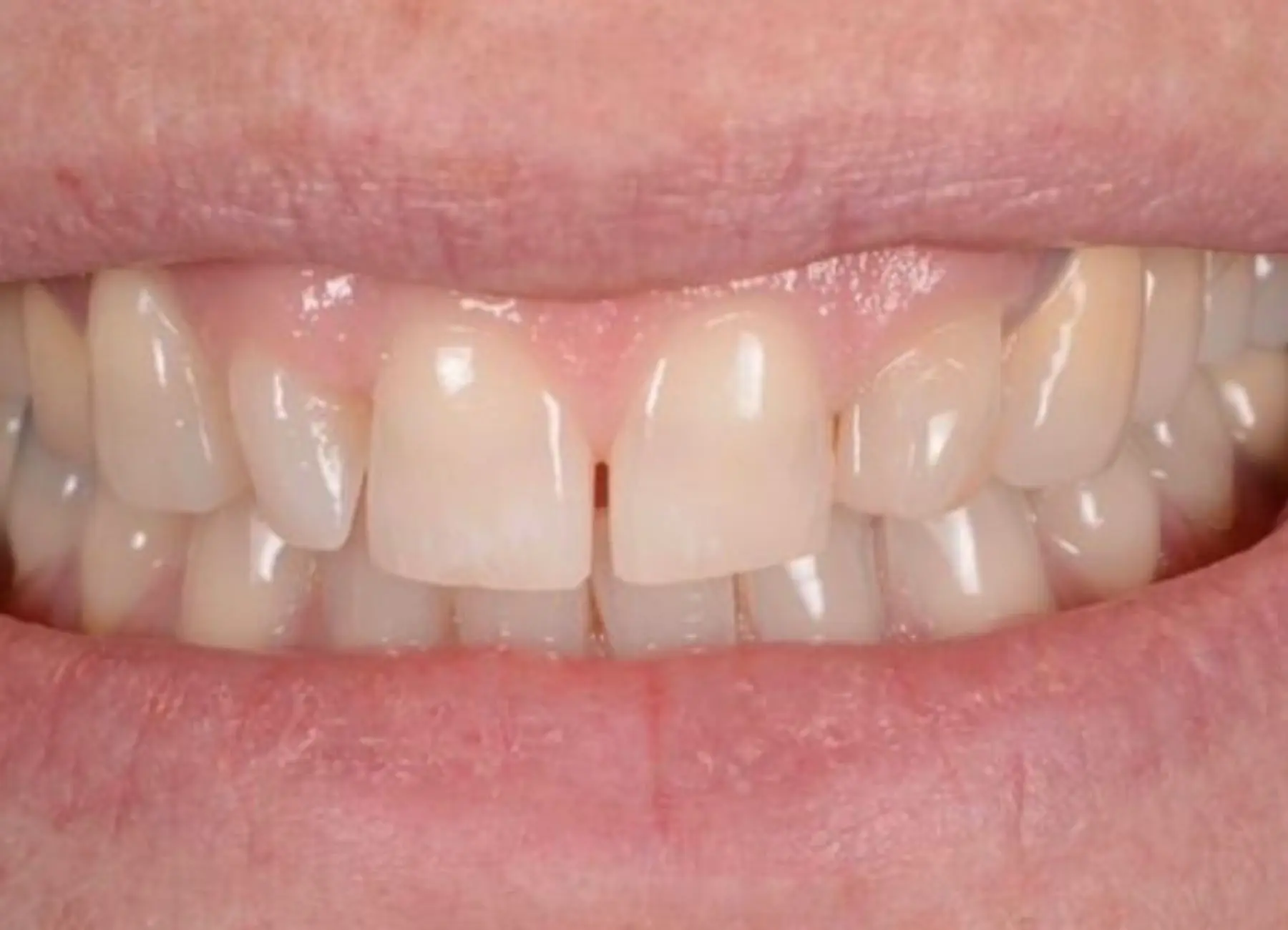
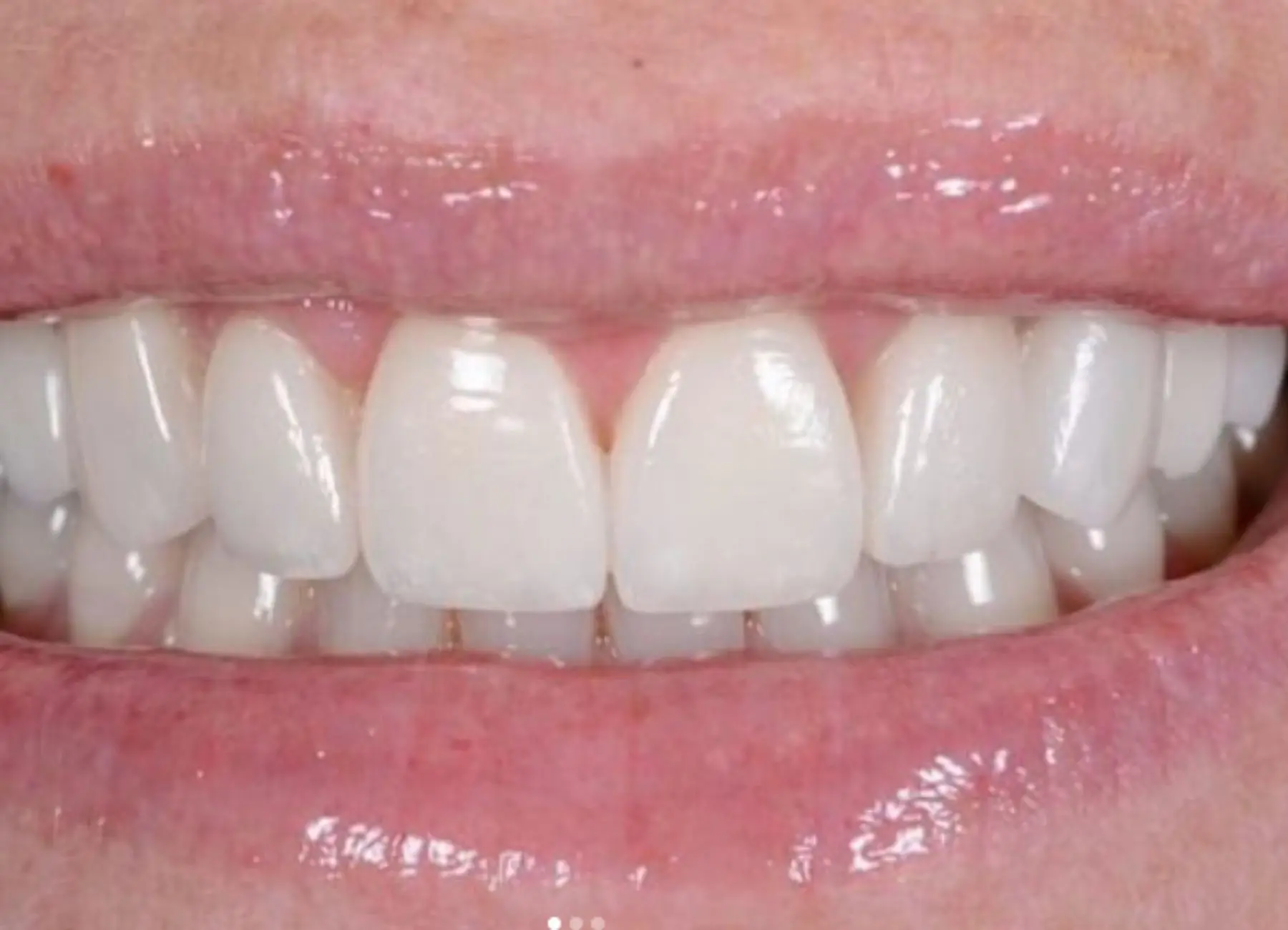
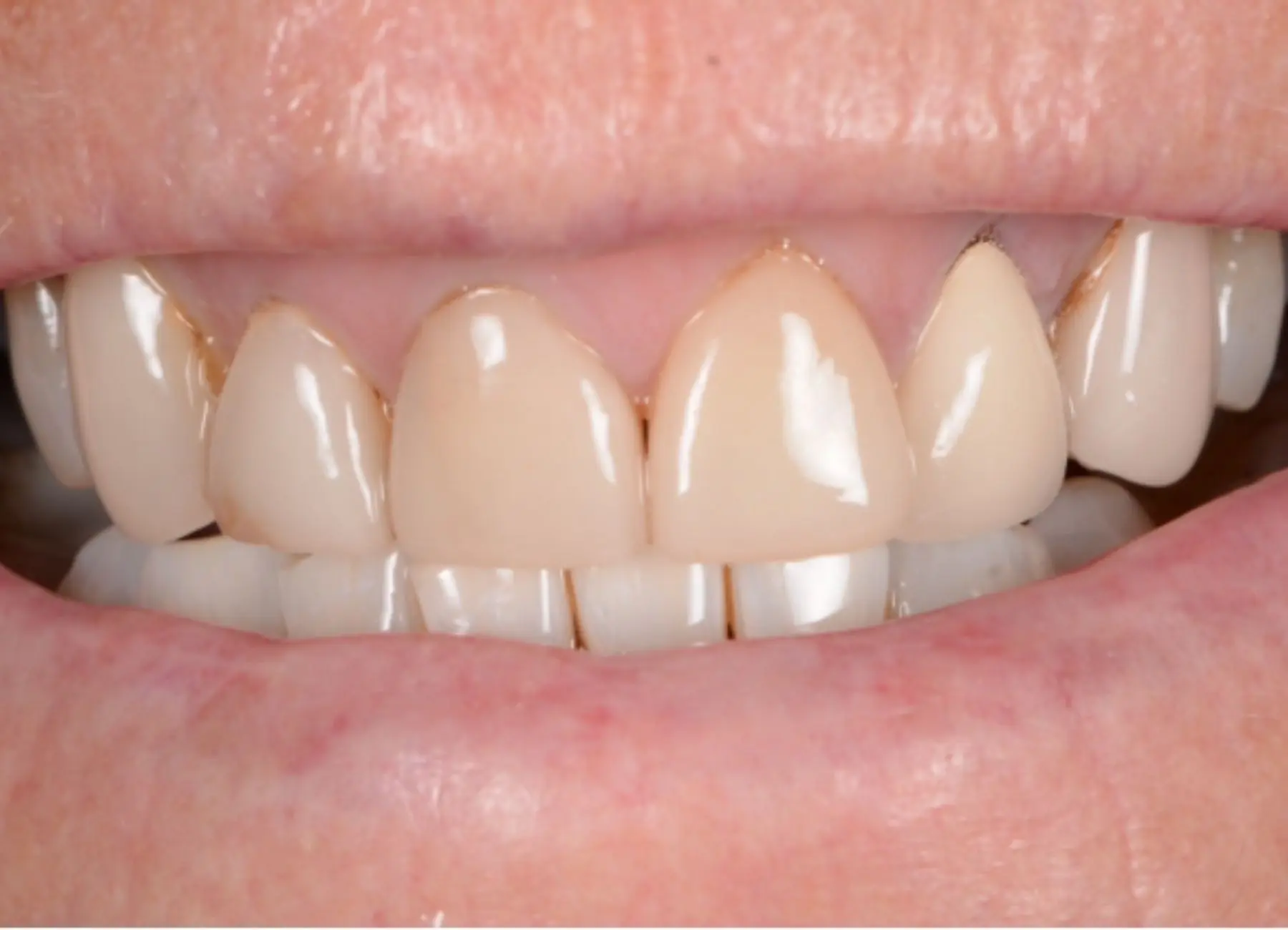
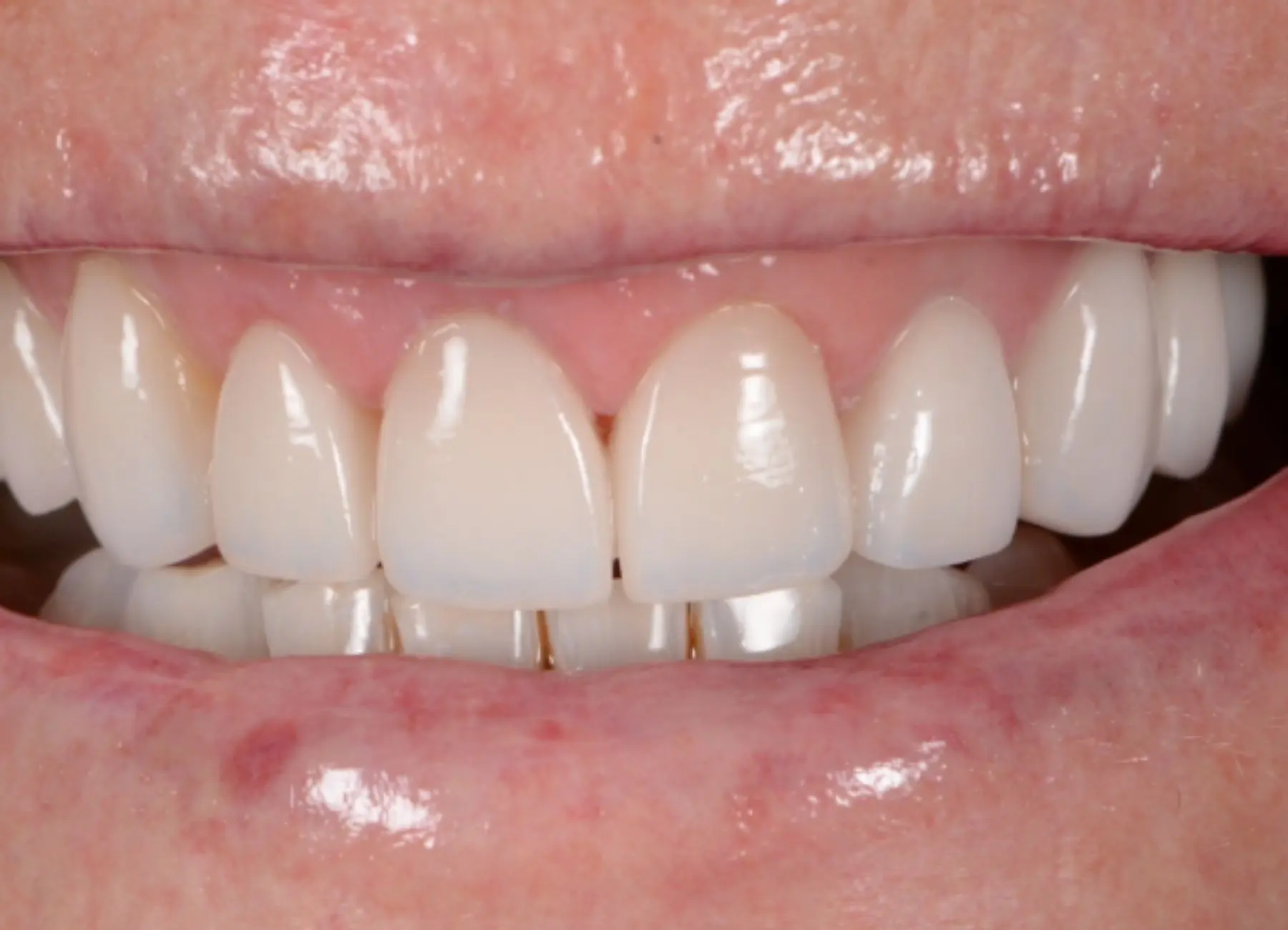
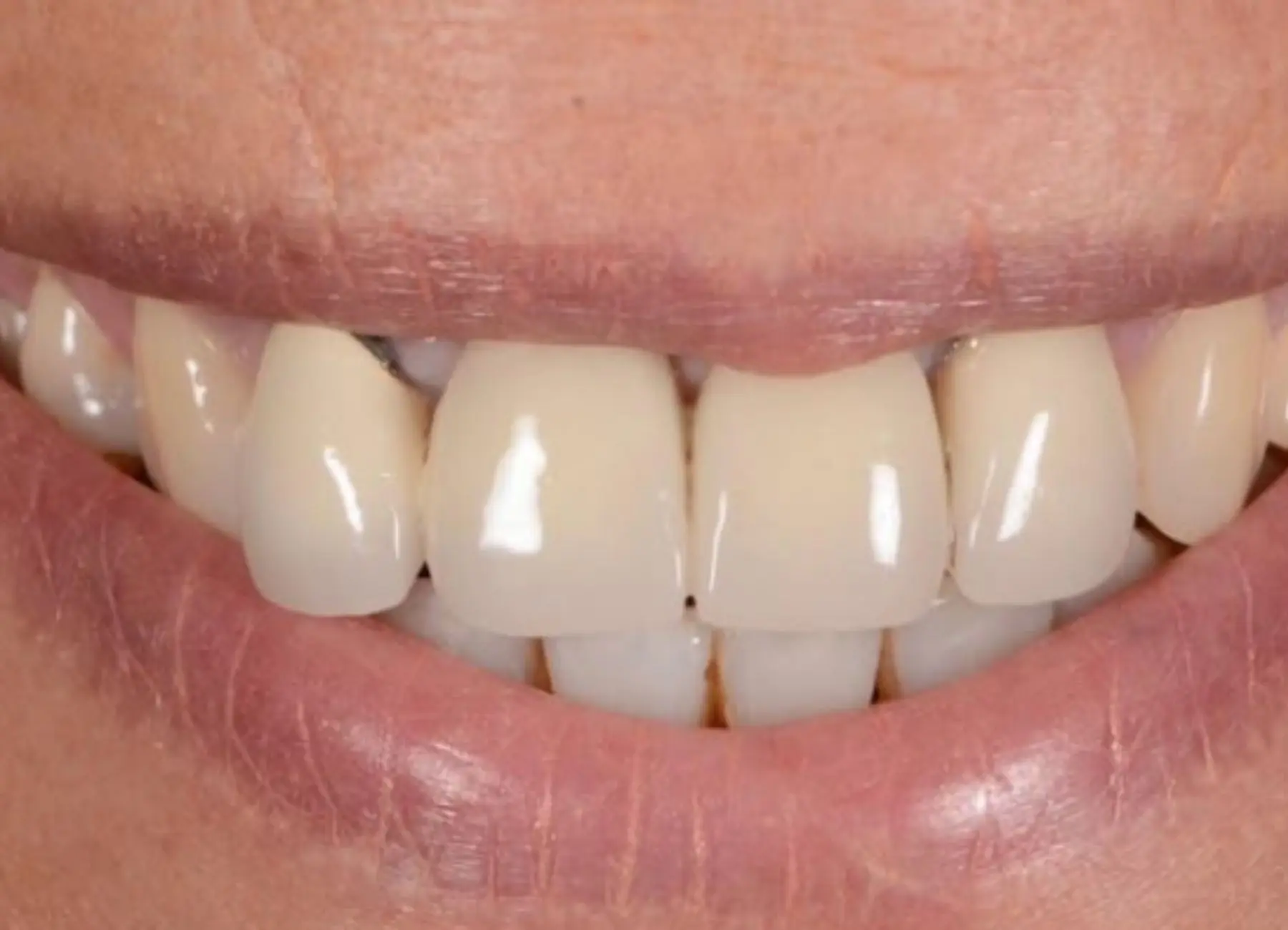
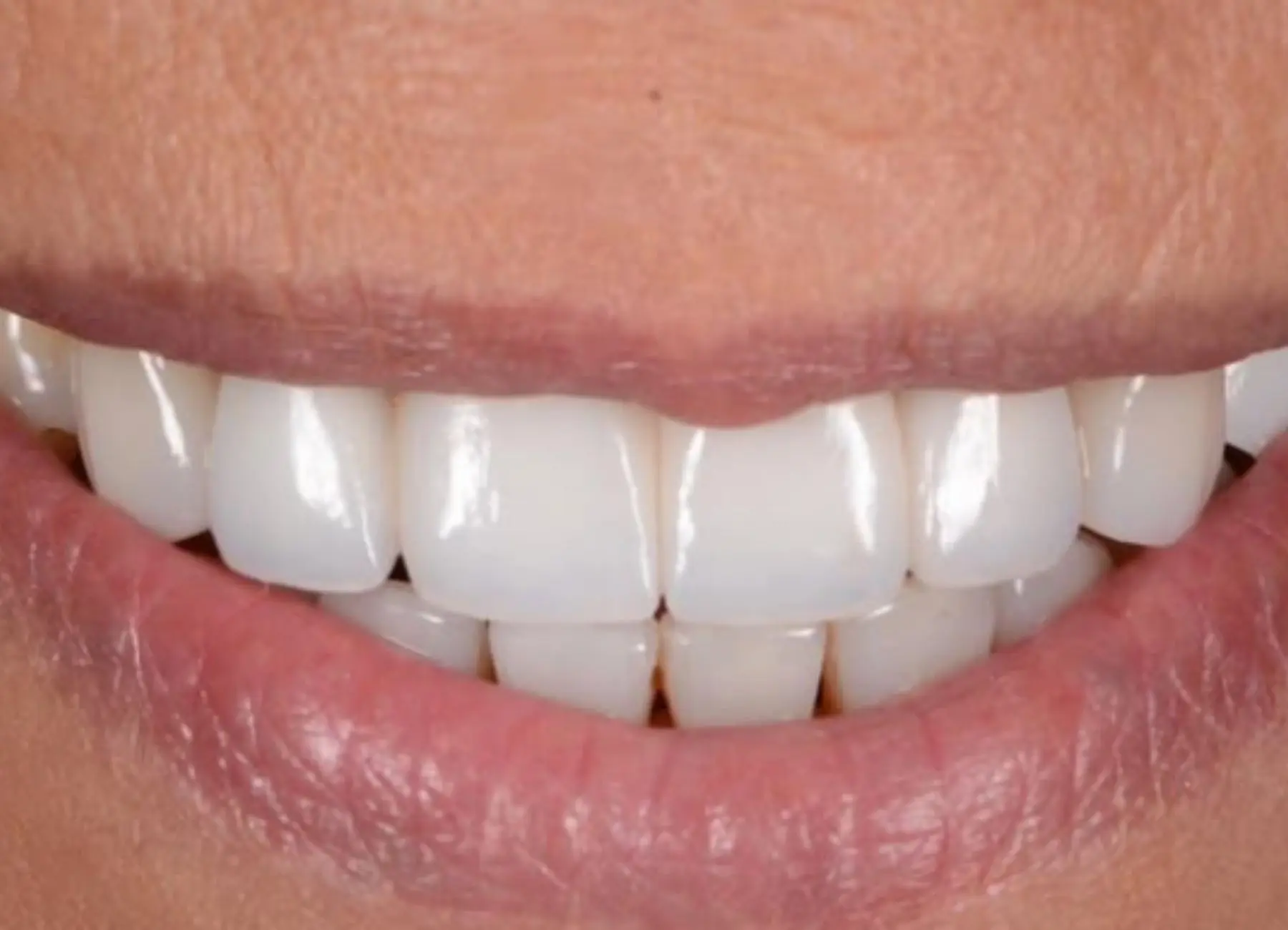
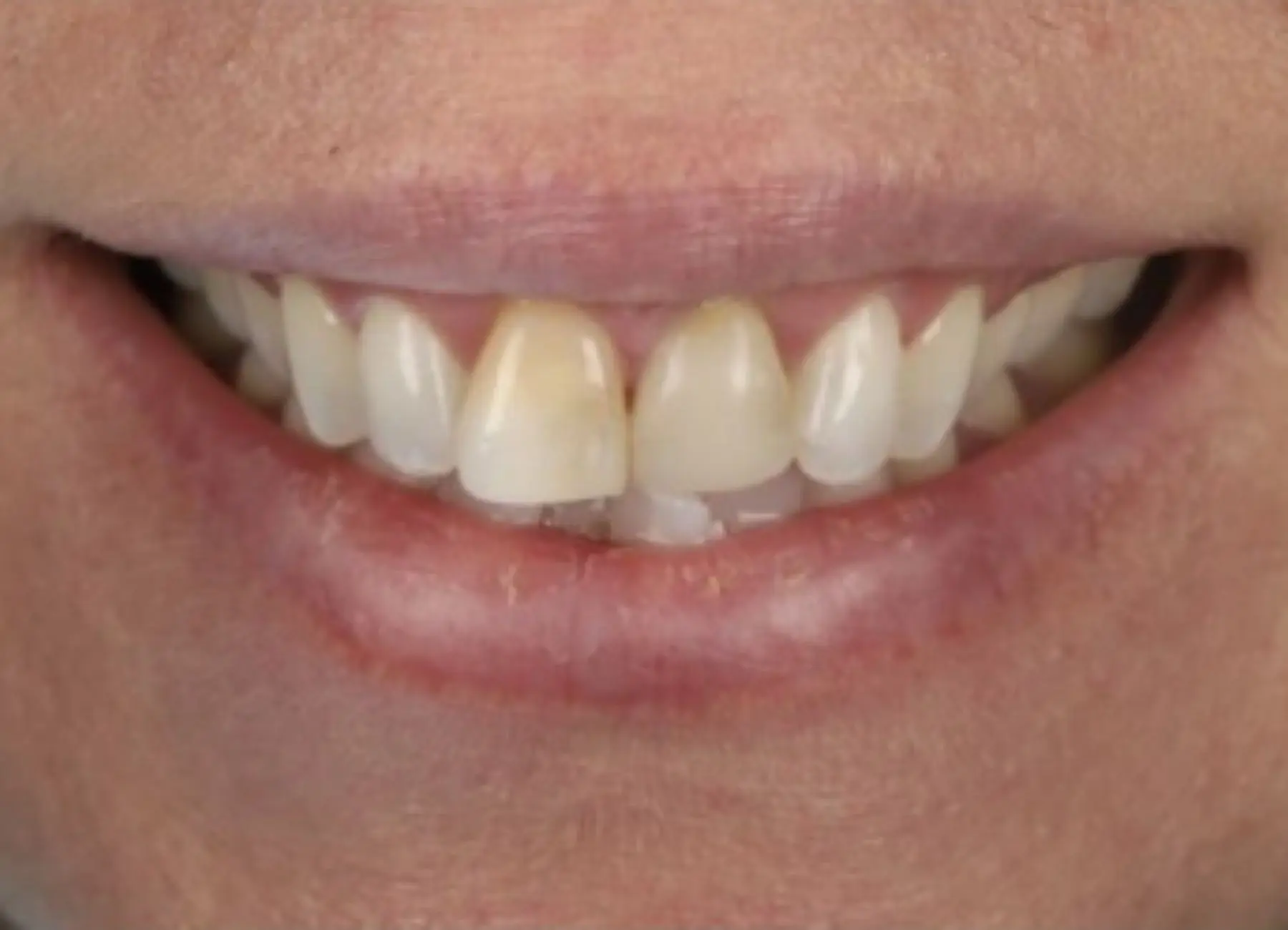
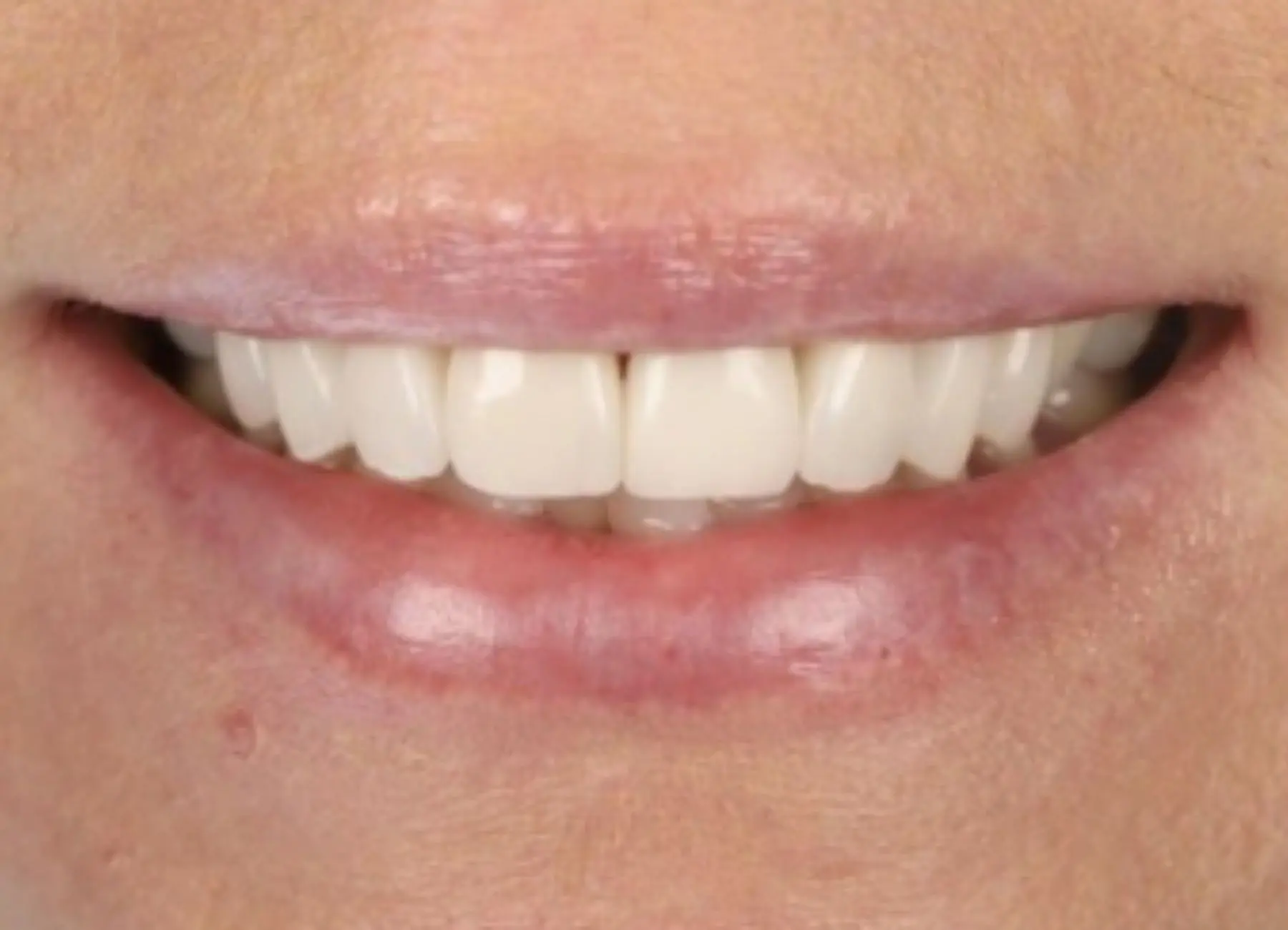
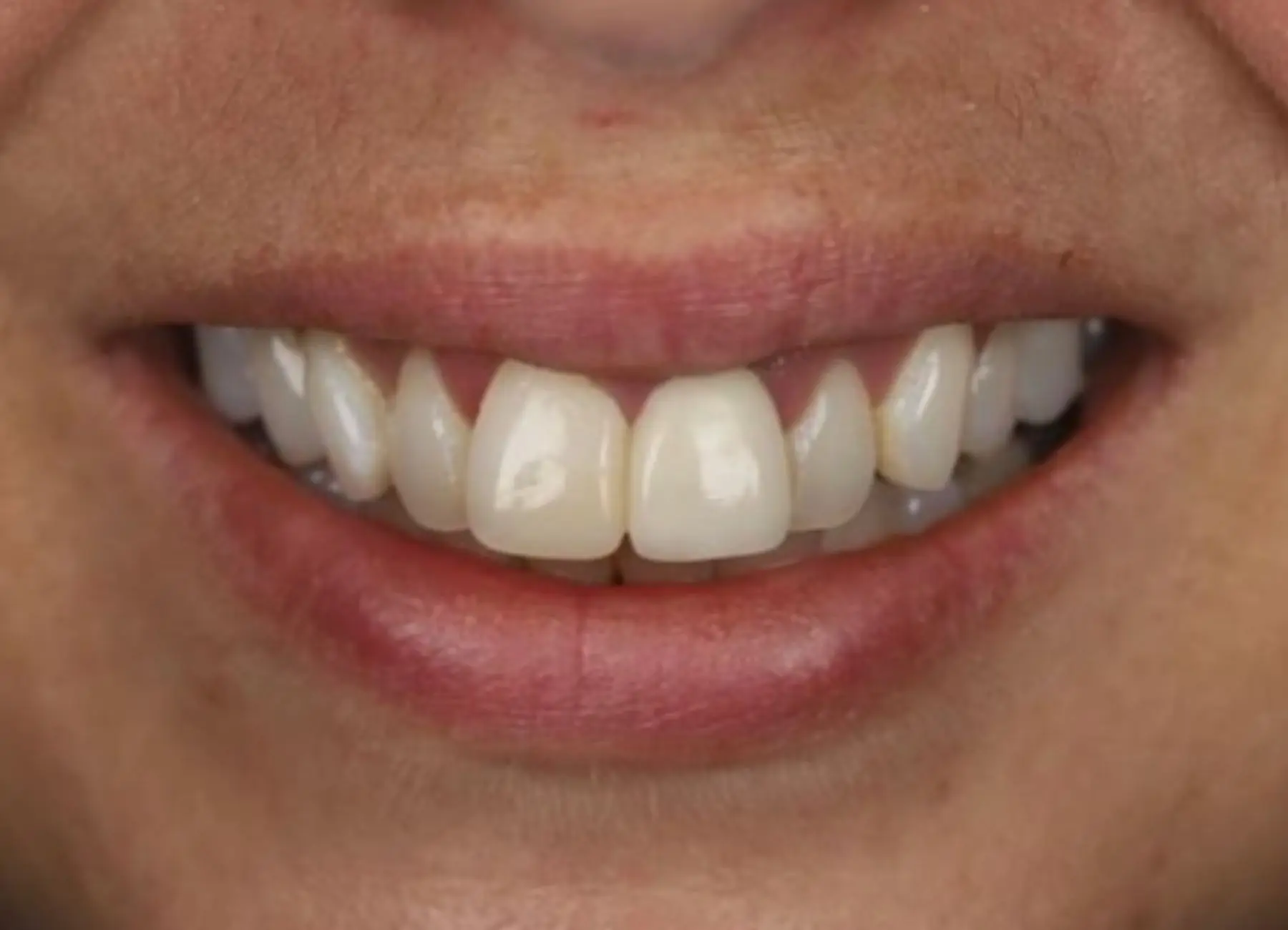
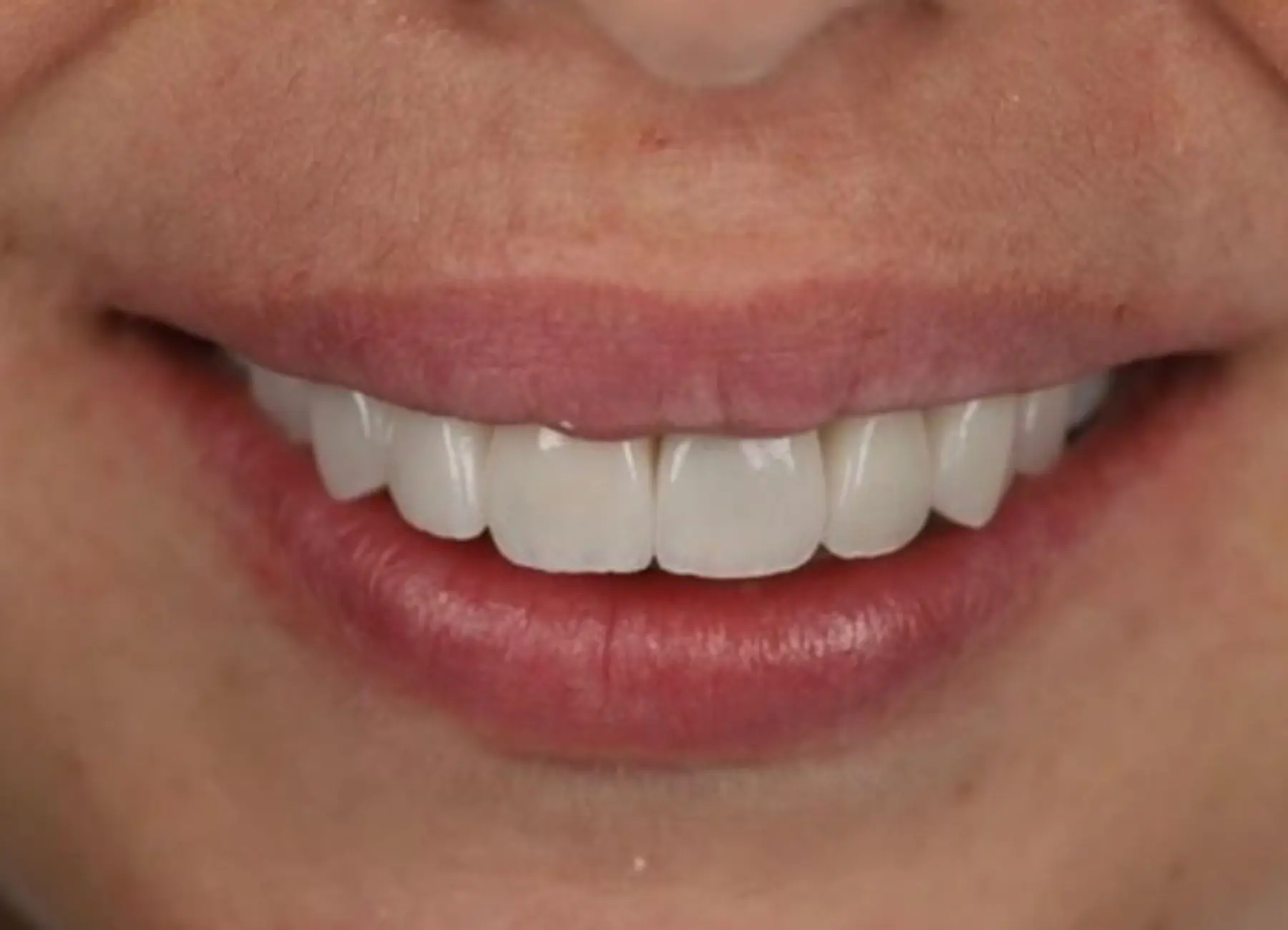
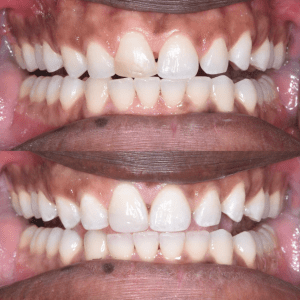
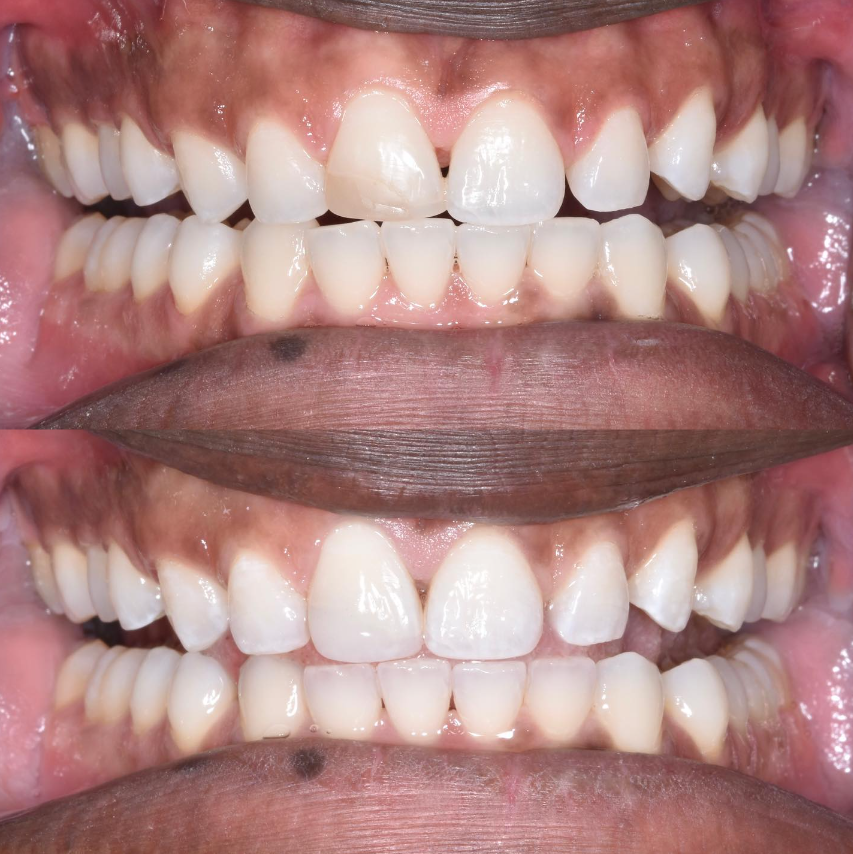
Composite materials are natural and designed to match the shade of your existing teeth. The results are often subtle and refined. Dental veneers can deliver a dramatic change when patients want to mask larger problems; they are applied to the full smile, creating a uniform new smile. Dental veneers are still thin, natural-looking and designed to blend with your existing teeth and facial features.
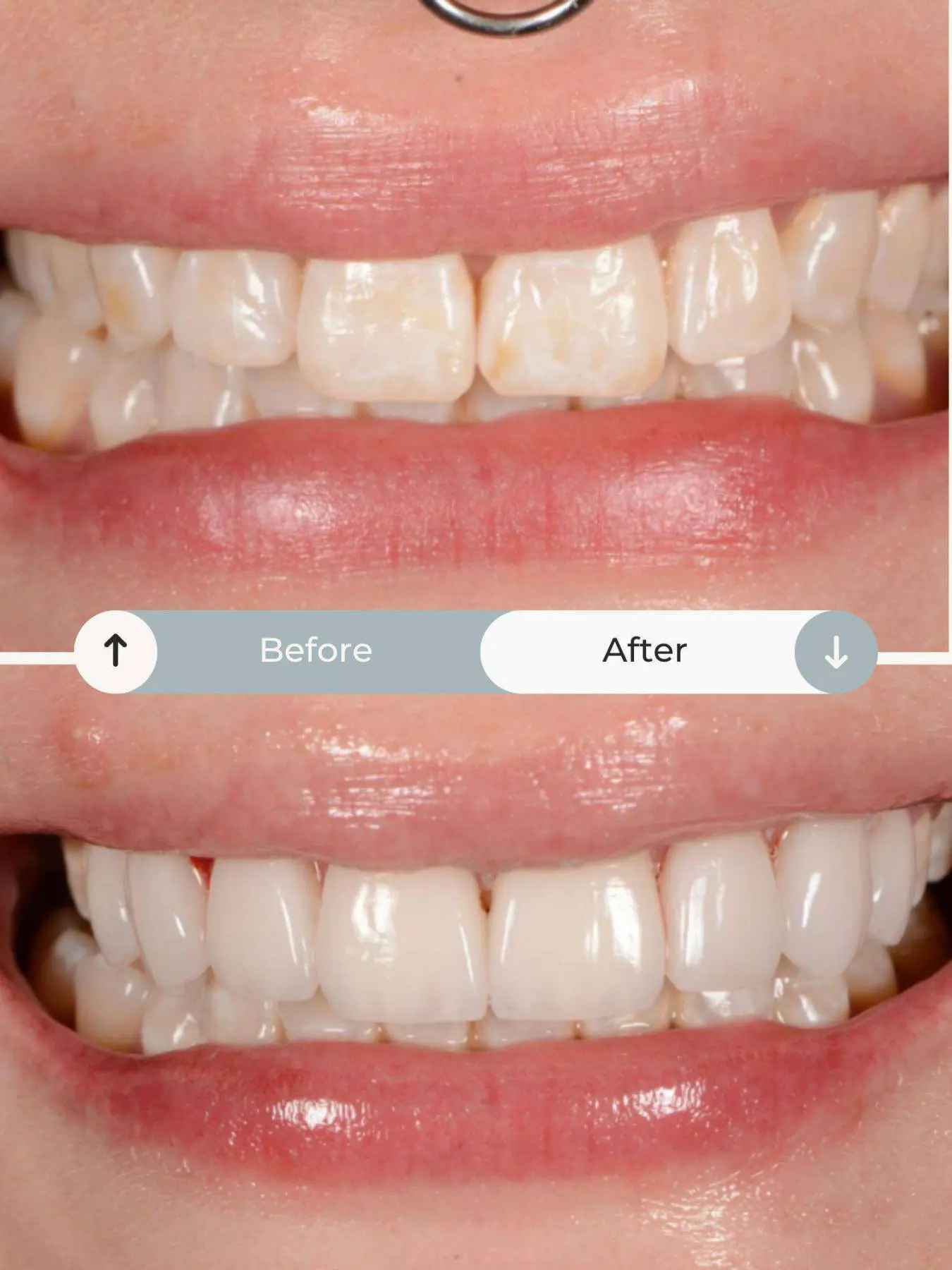
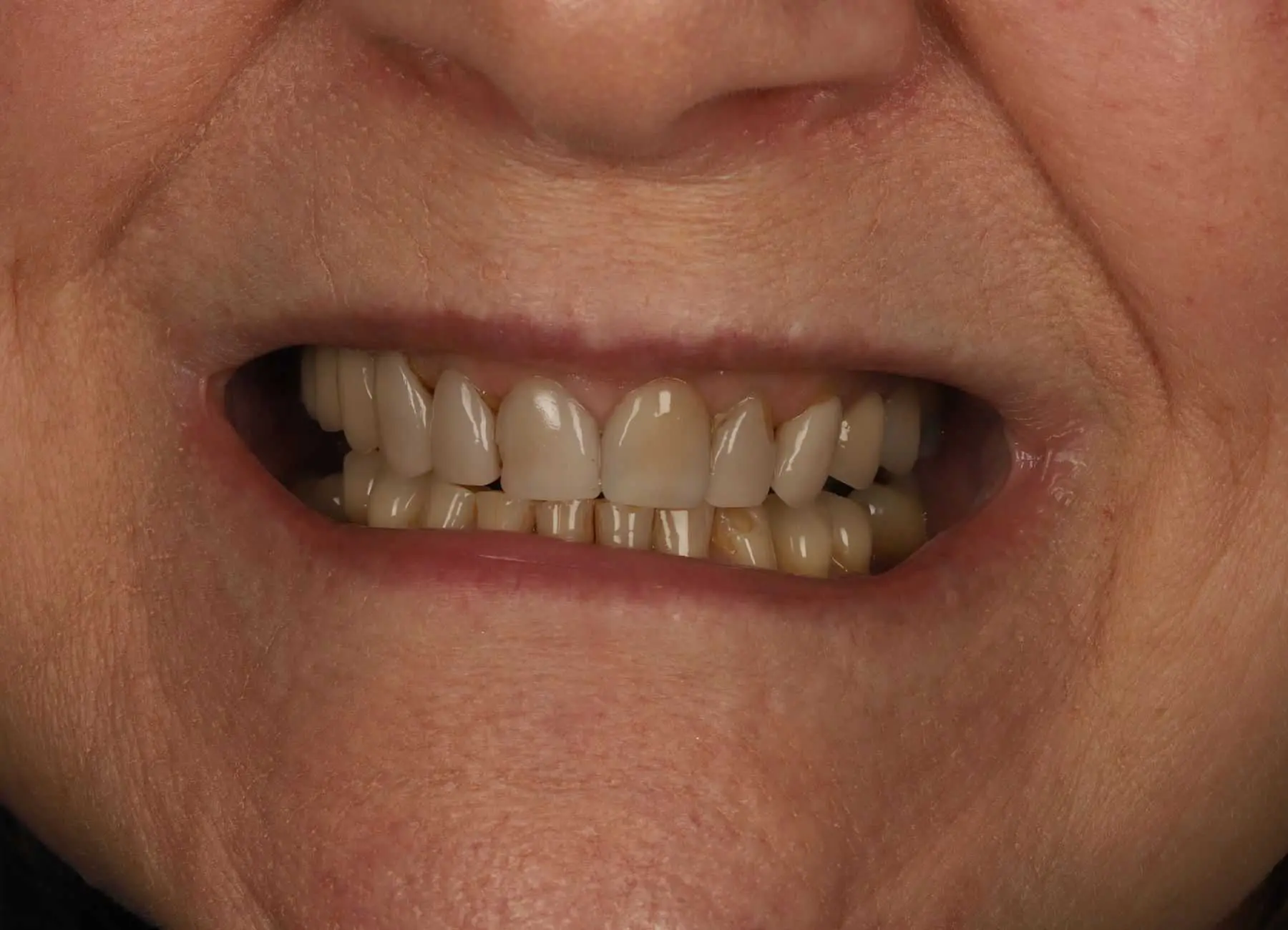
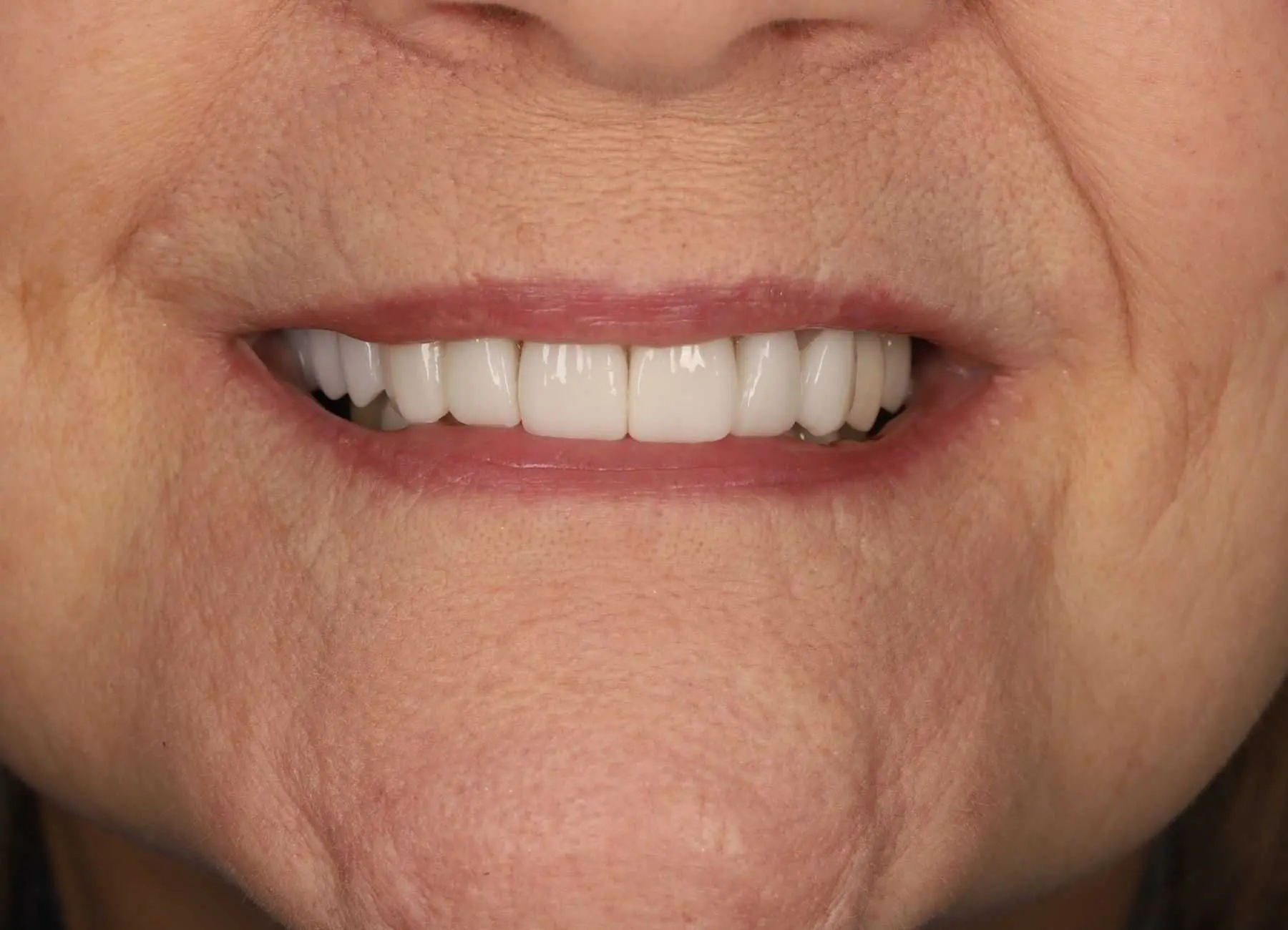
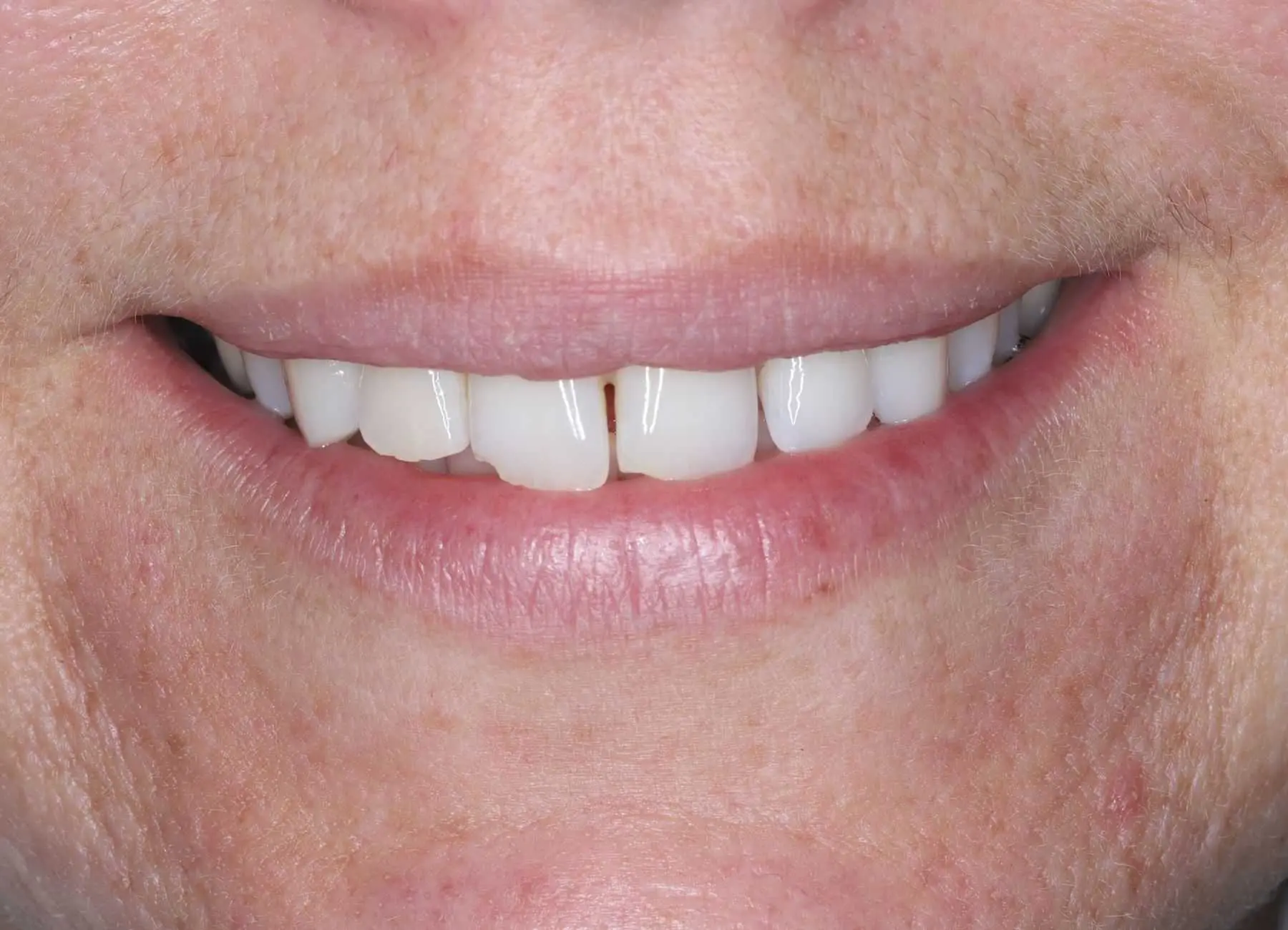
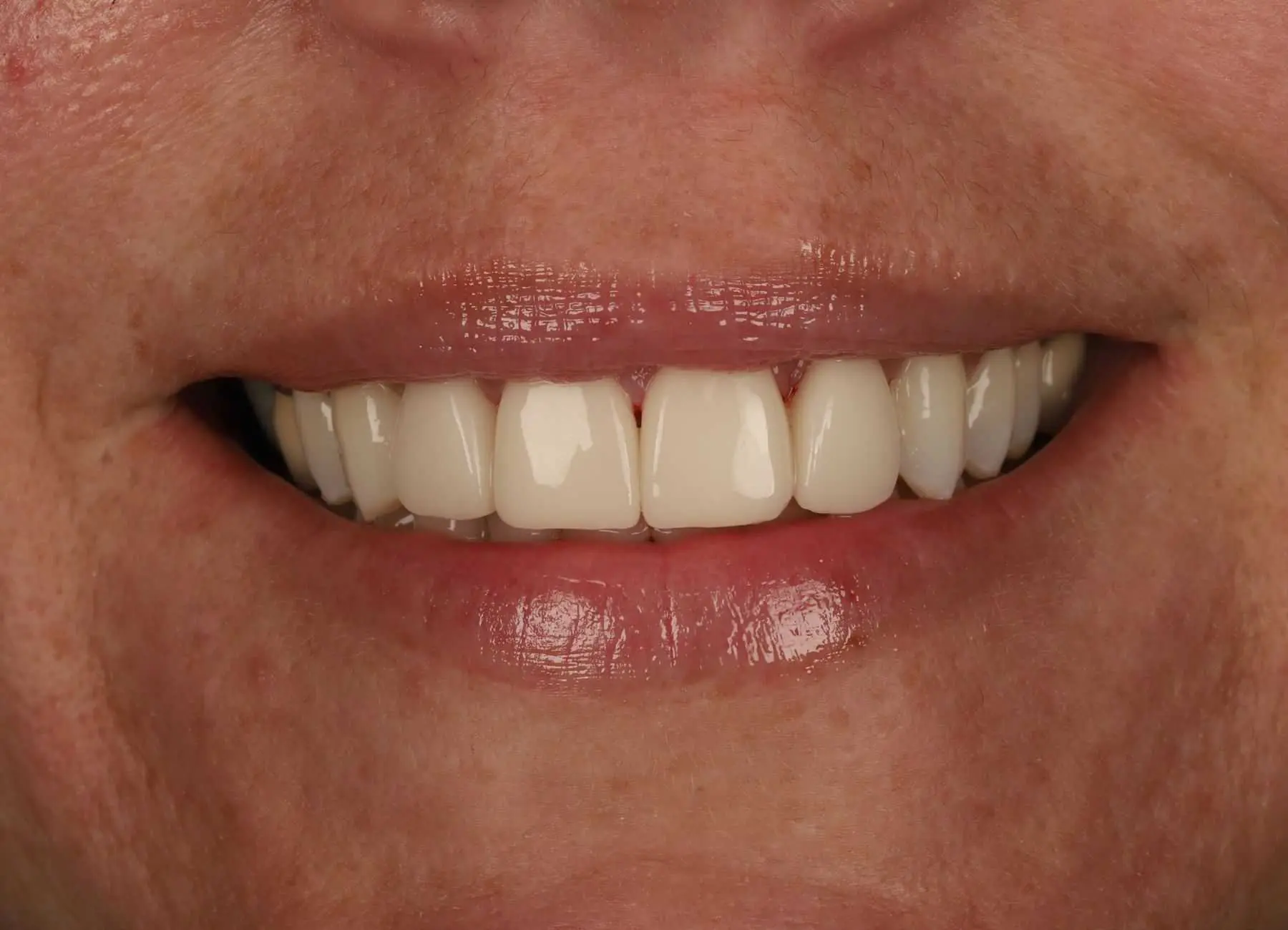
See more veneer before and after results.
Durability and how long they last
Composite bonding typically lasts between 5-7 years and can chip and stain over time, but is easily repaired and renewed. Veneers, particularly porcelain veneers, can last up to 20 years and are resistant to chipping and staining, making them the better option for long-term changes.
Procedure process
Composite Bonding
- Usually completed in a single appointment.
- The tooth is cleaned and gently prepared.
- Composite resin is applied, sculpted to the desired shape, and hardened with a curing light.
- Finally, it’s polished to a natural shine.
- No drilling or anaesthetic is typically needed — a fast, comfortable option.
Veneers
- Completed over two to three appointments (unless for composite veneers)
- The dentist gently reshapes the tooth surface to allow space for the veneer.
- A digital scan or impression is taken and sent to the lab.
- Temporary veneers may be fitted while your custom set is crafted.
- Once ready, the veneers are bonded permanently to your teeth.

Which one is right for you?
If you’re looking for a quick, affordable way to improve your smile, composite bonding might be the right option. But if you want a more durable, long-lasting, and dramatic result, veneers could be the perfect solution.
During your free consultation, our cosmetic dentists will use digital smile analysis to show you what’s possible – helping you make an informed choice that matches your goals, budget, and lifestyle, while seeing what the results look like on the screen before treatment even begins.
Read next: The benefits of each treatment and which one wins.