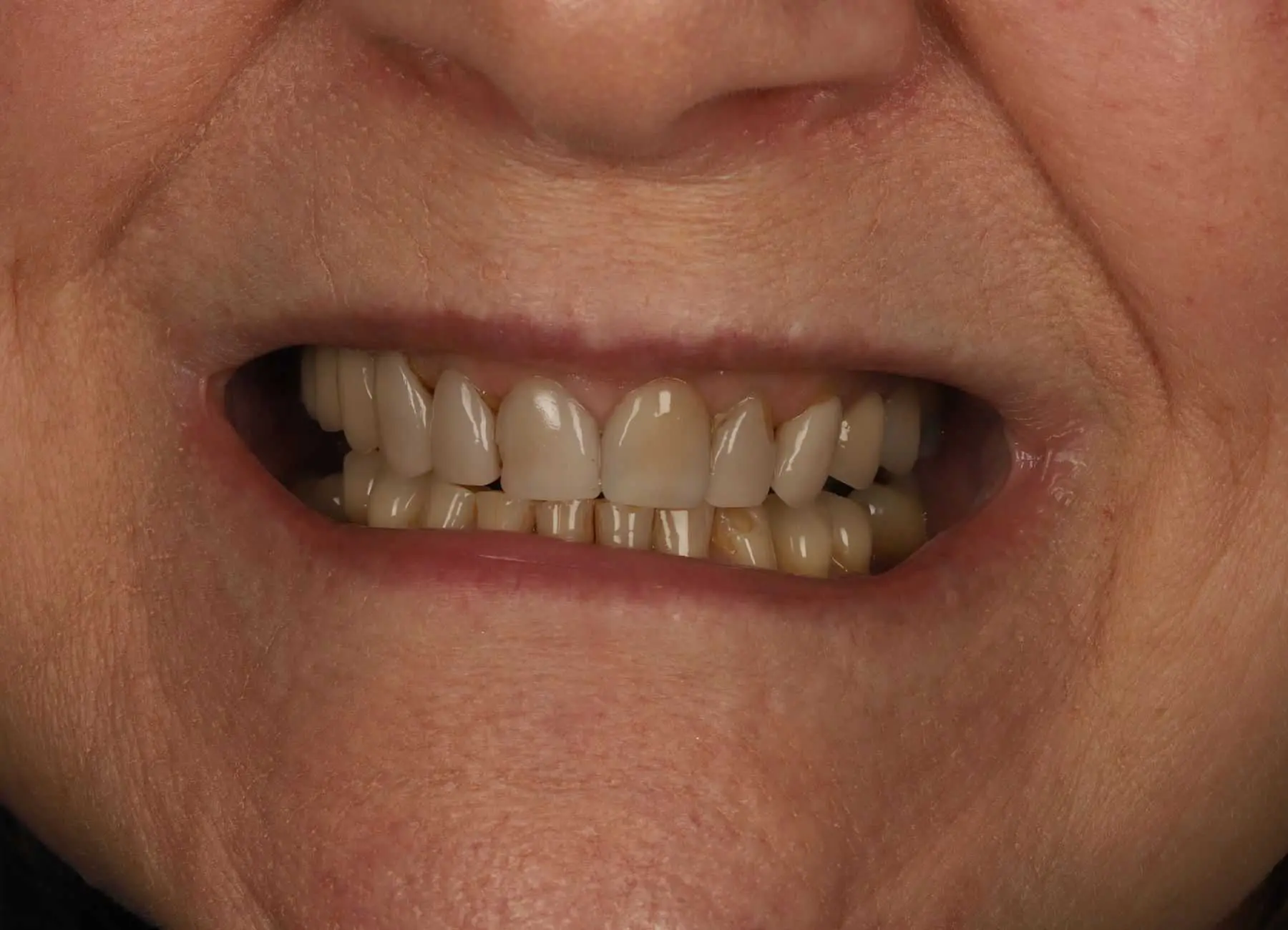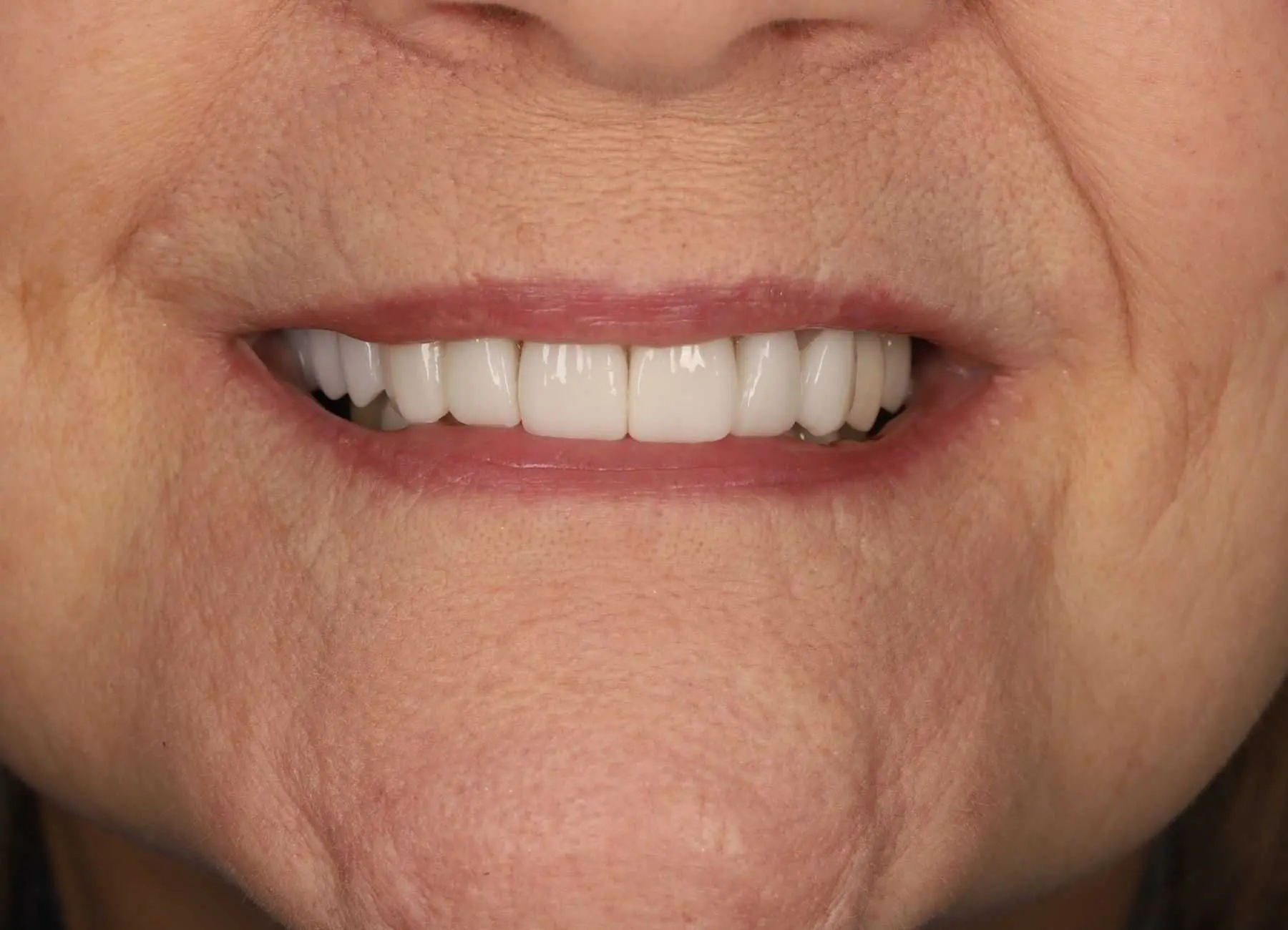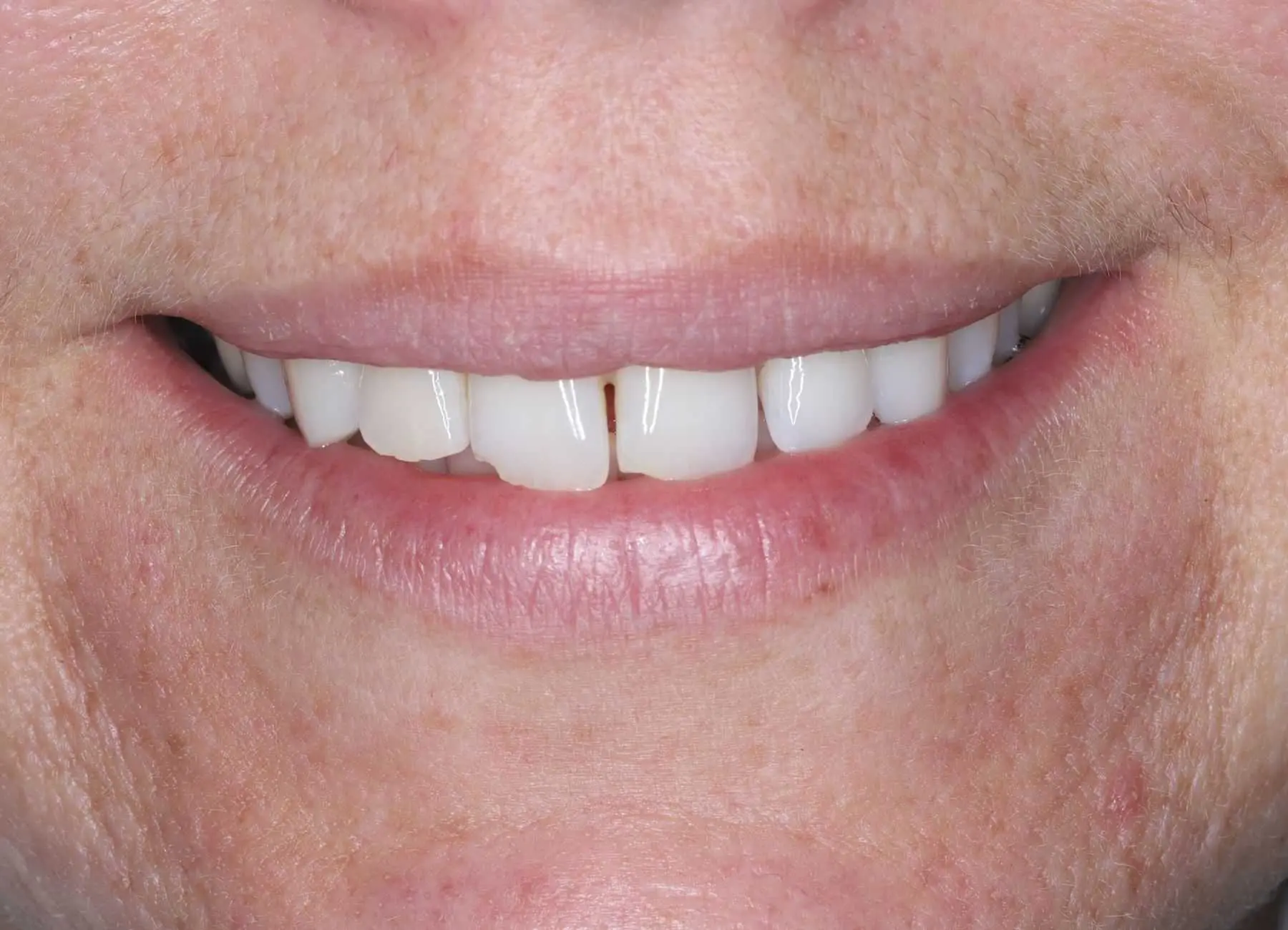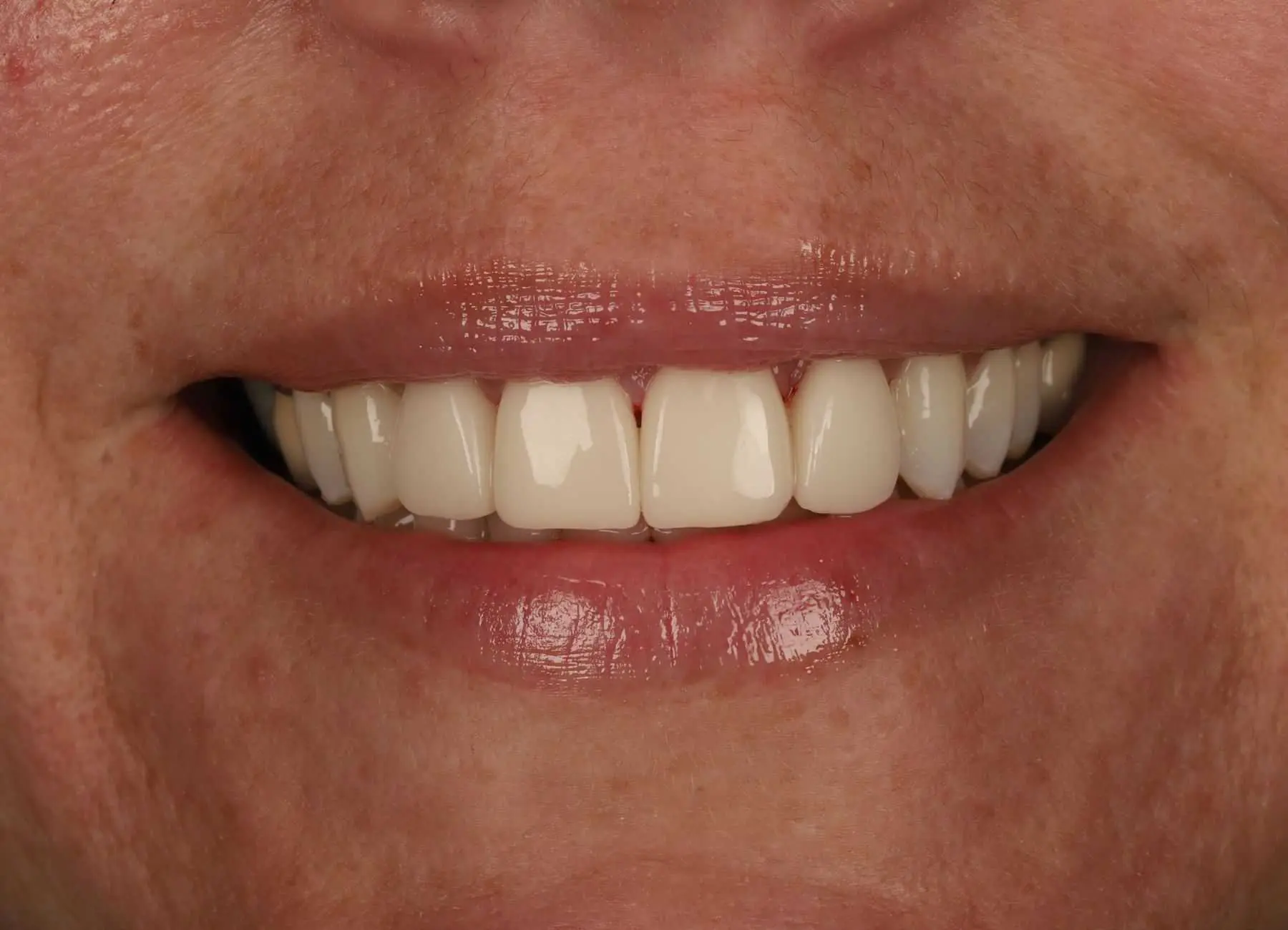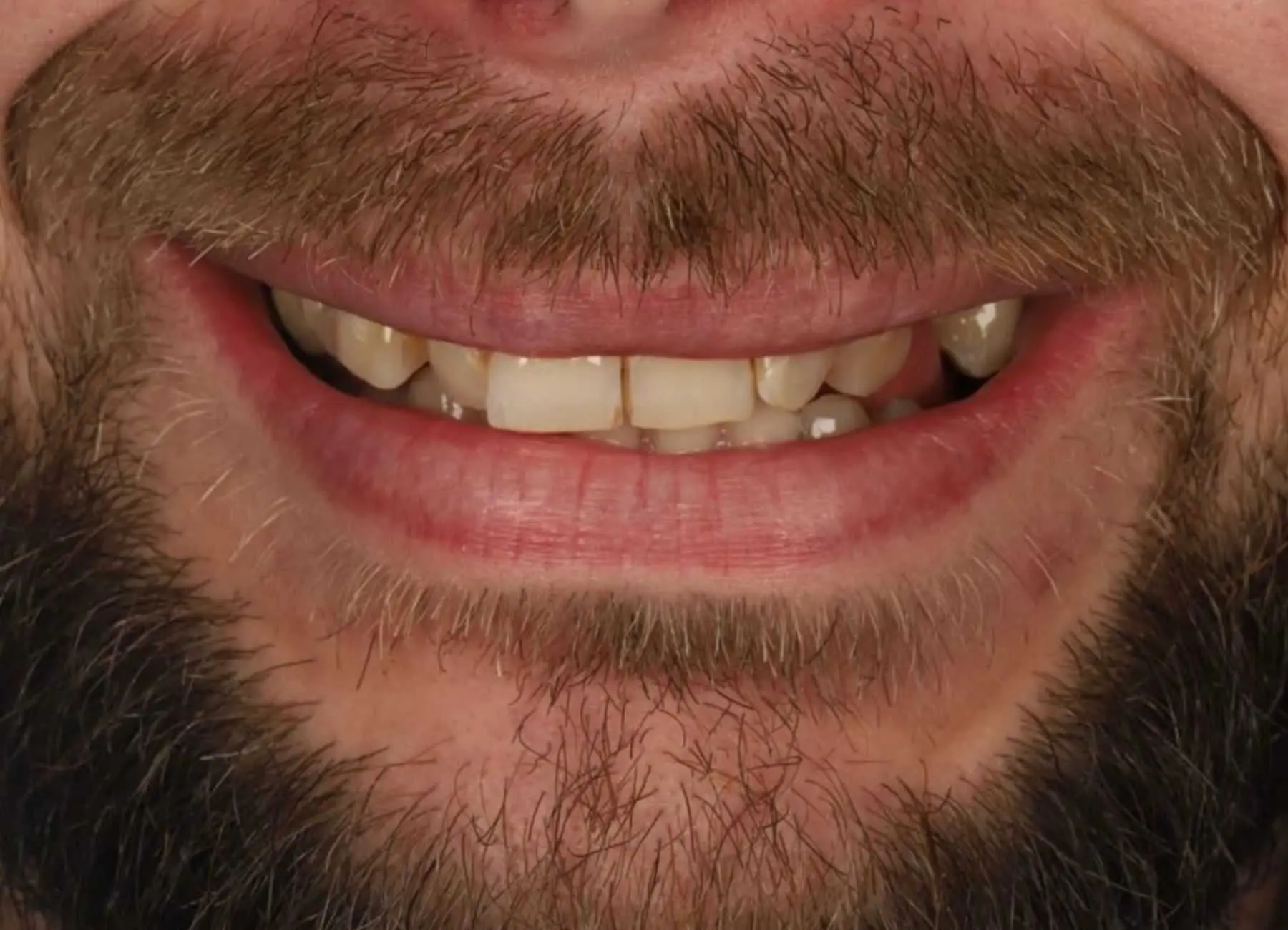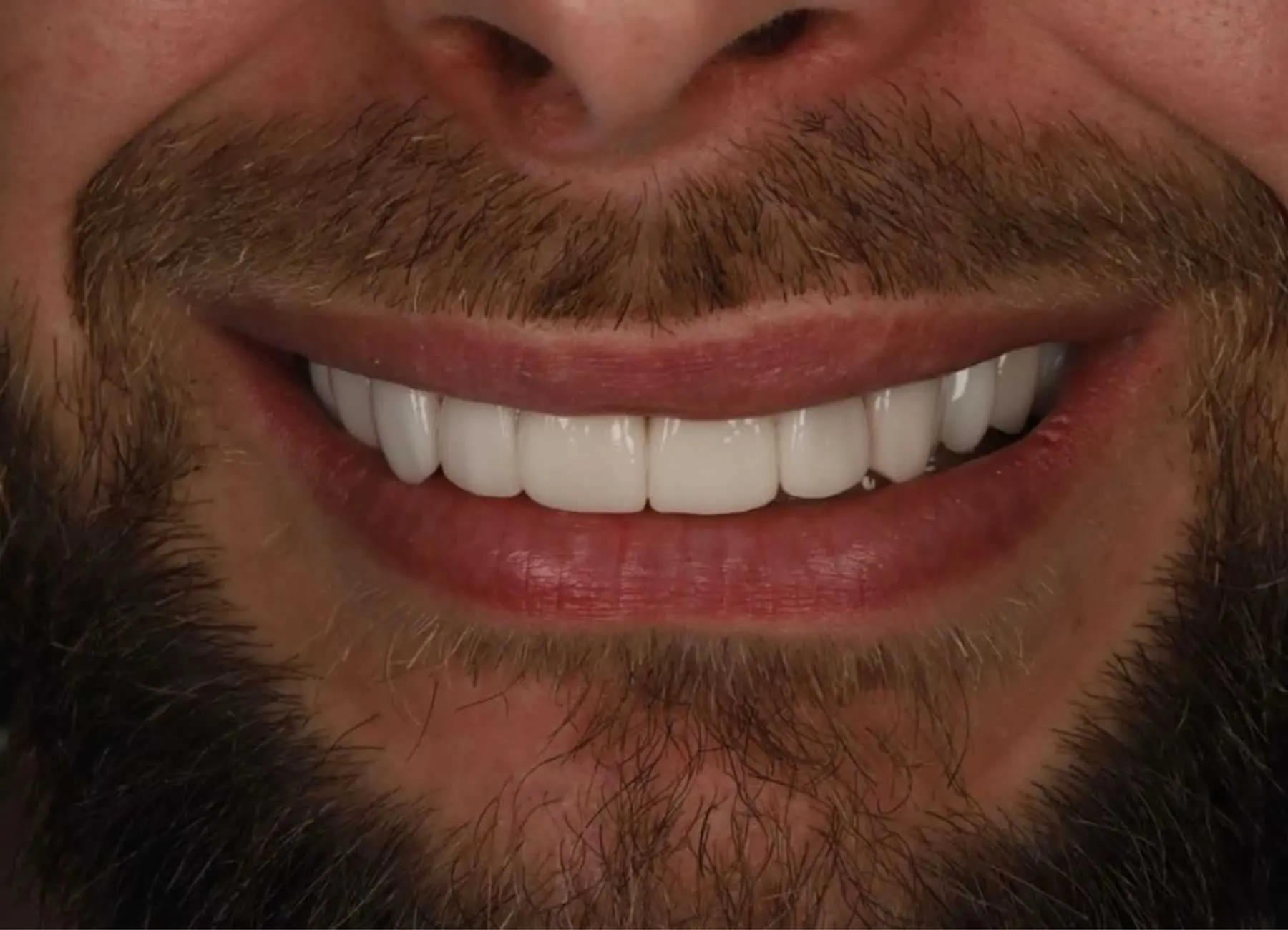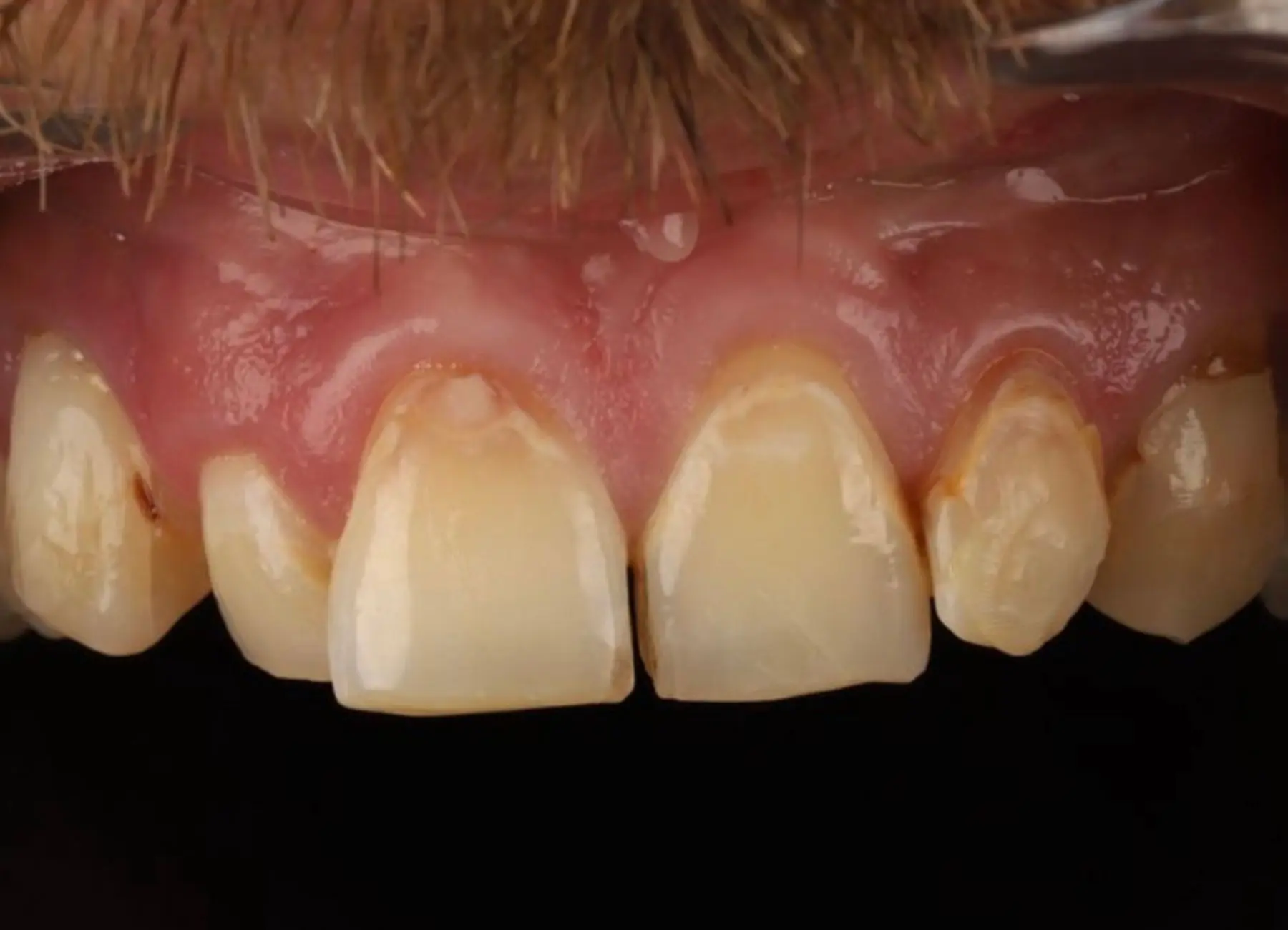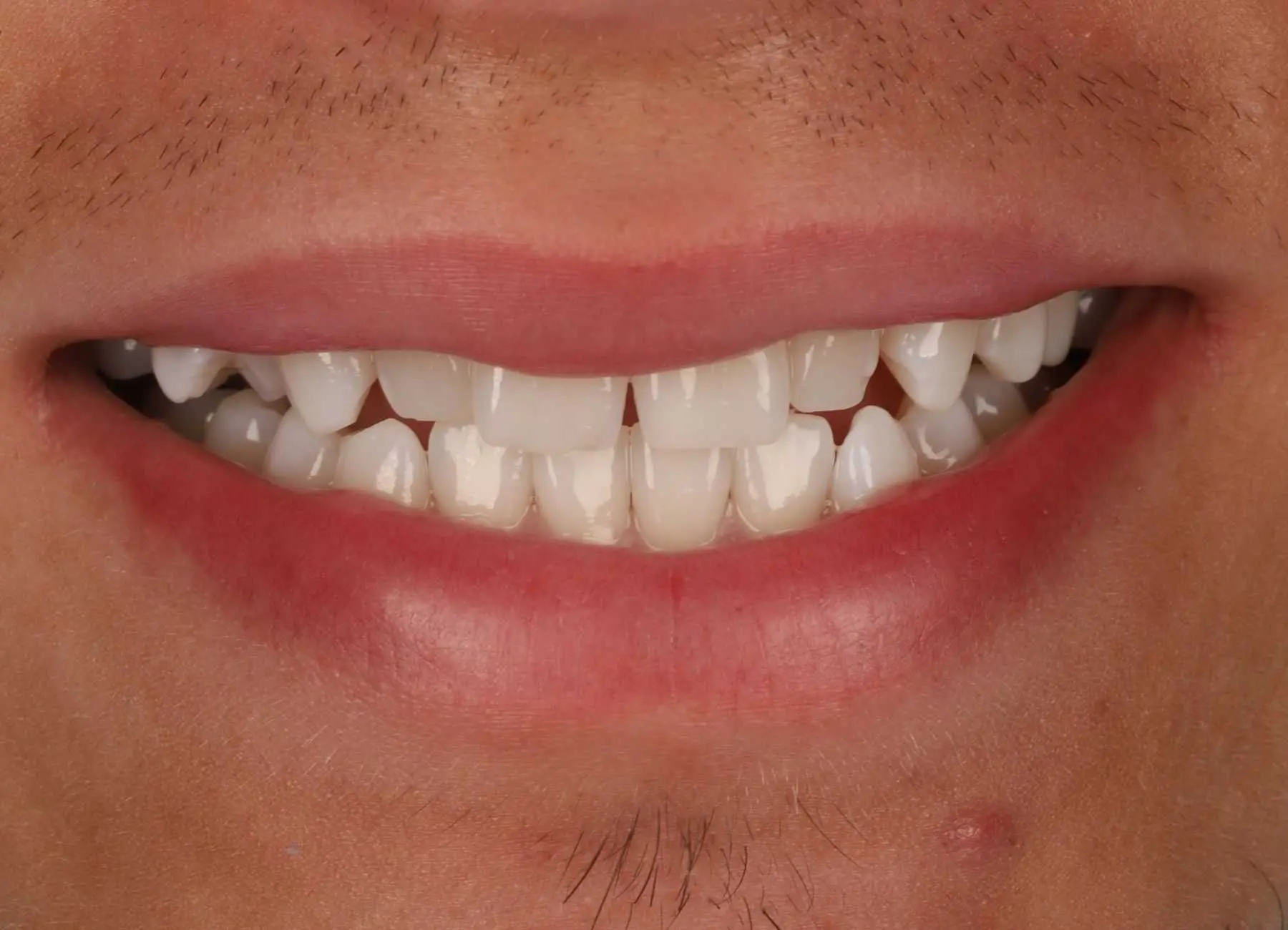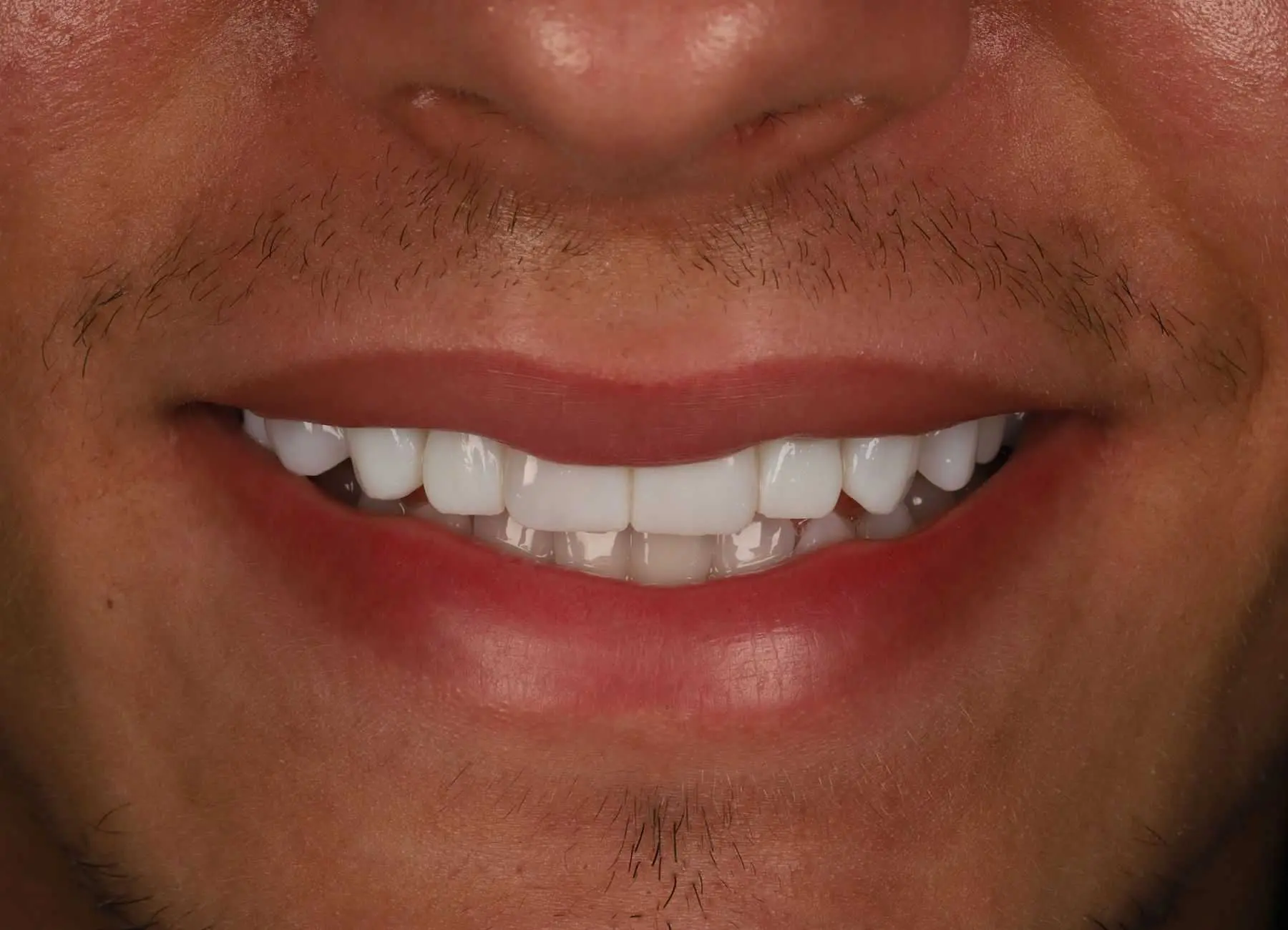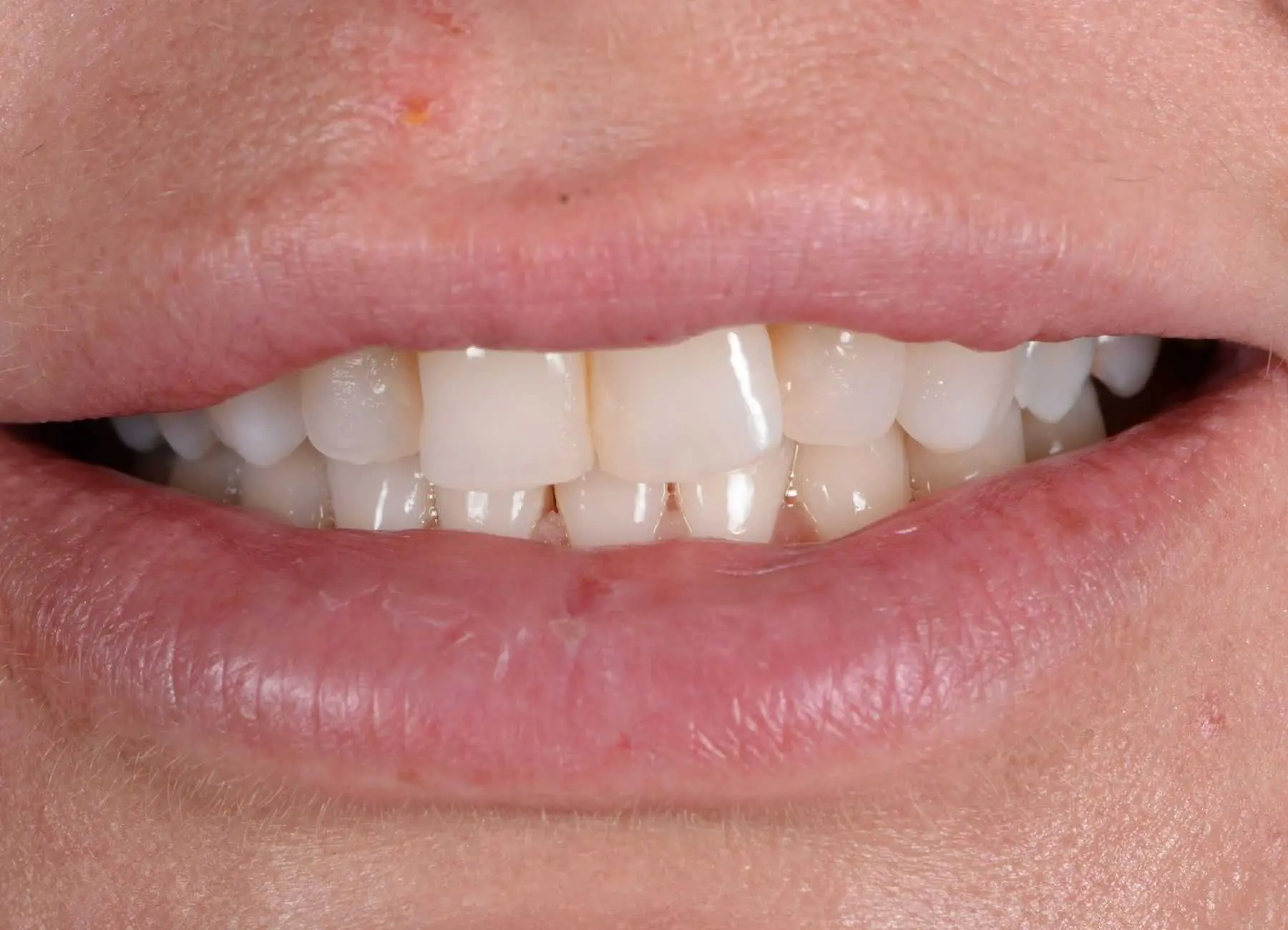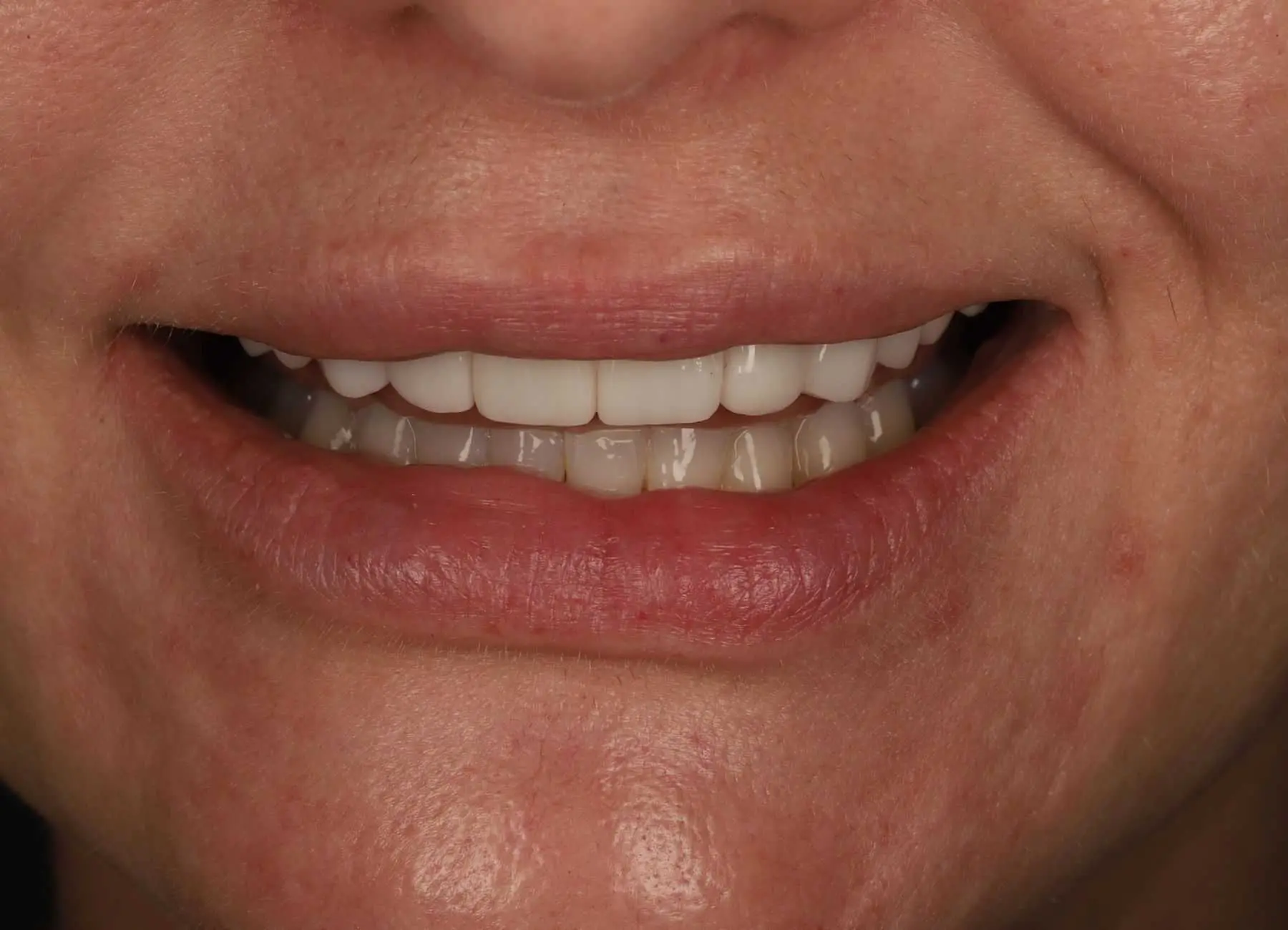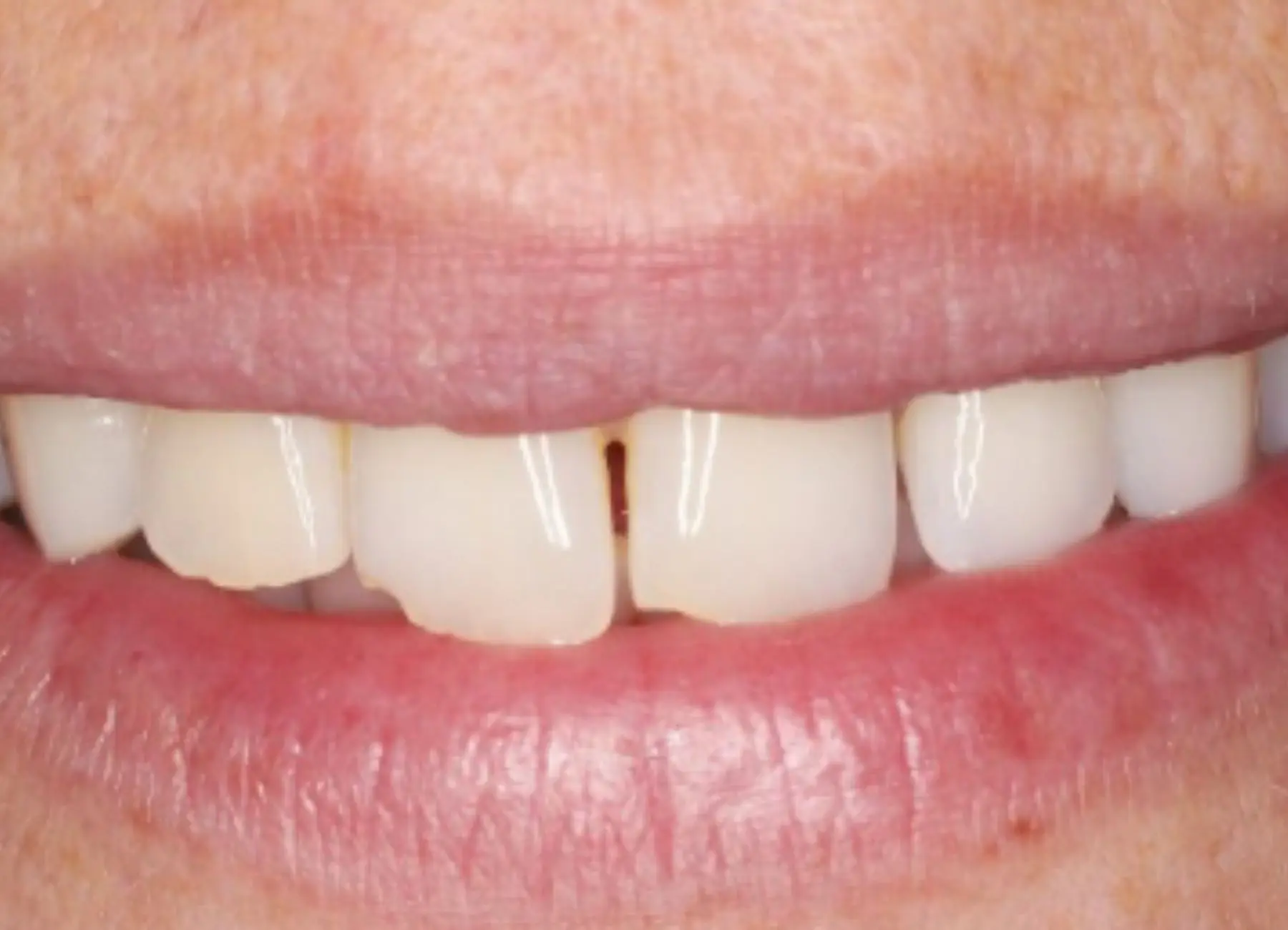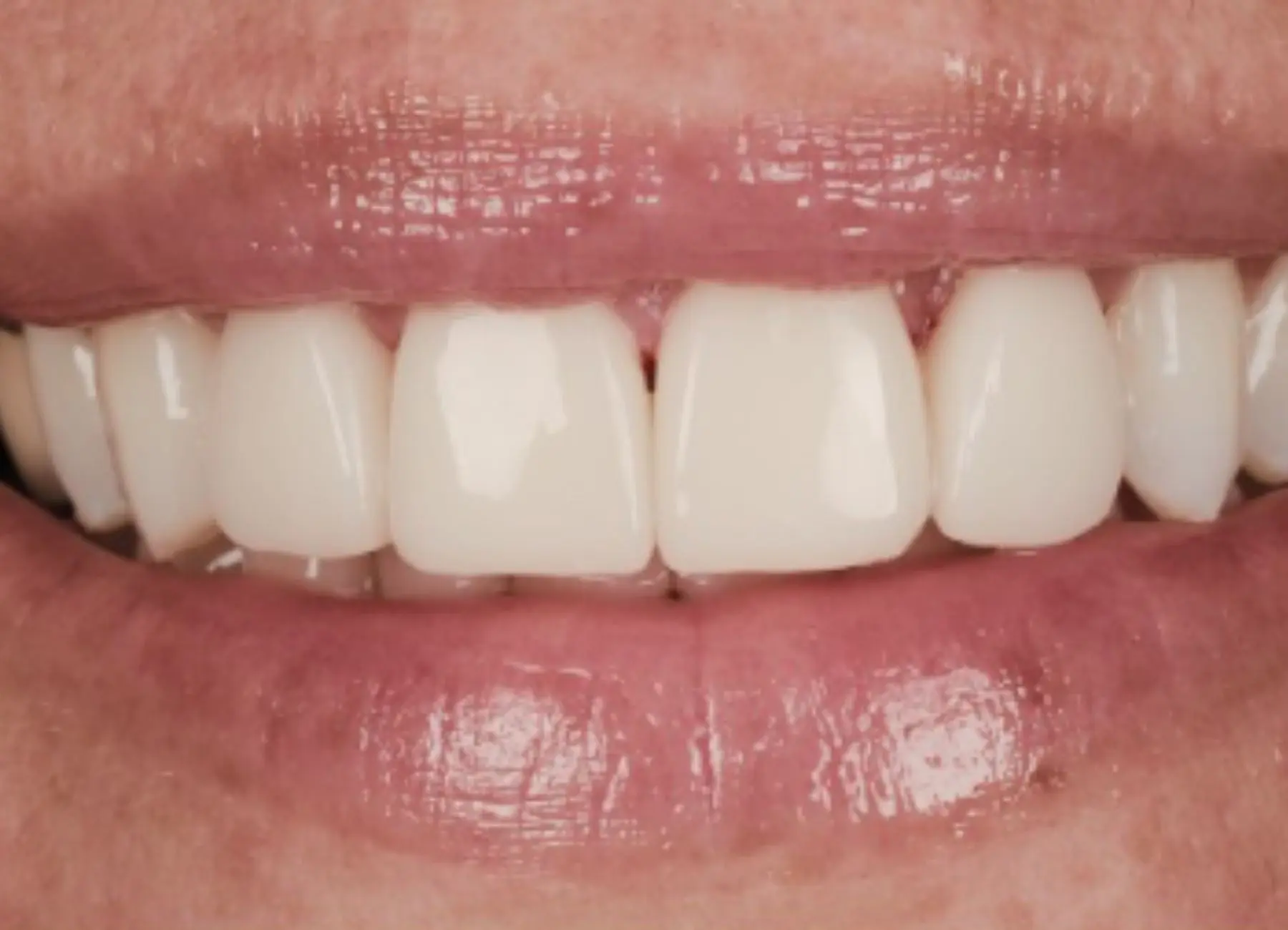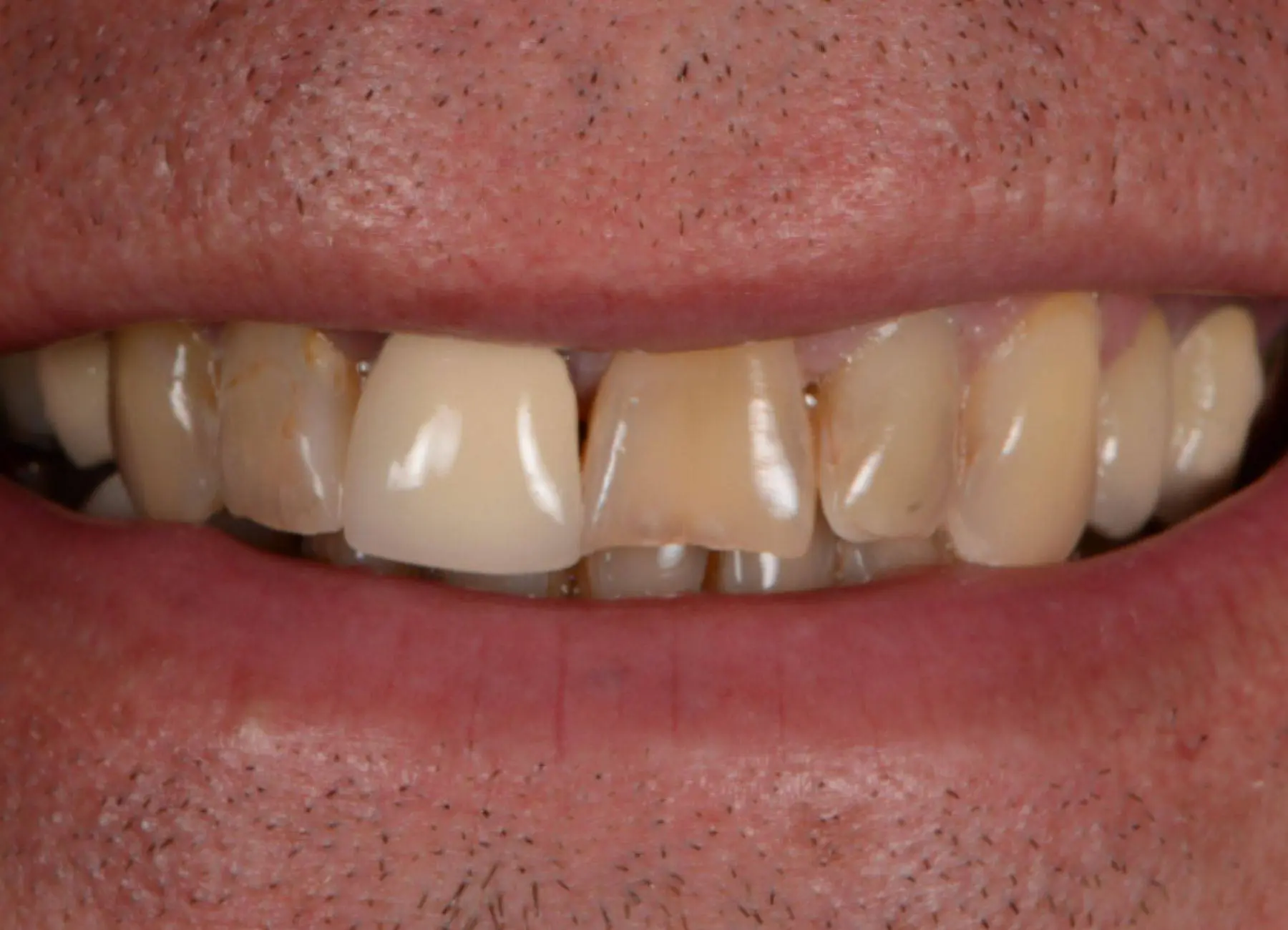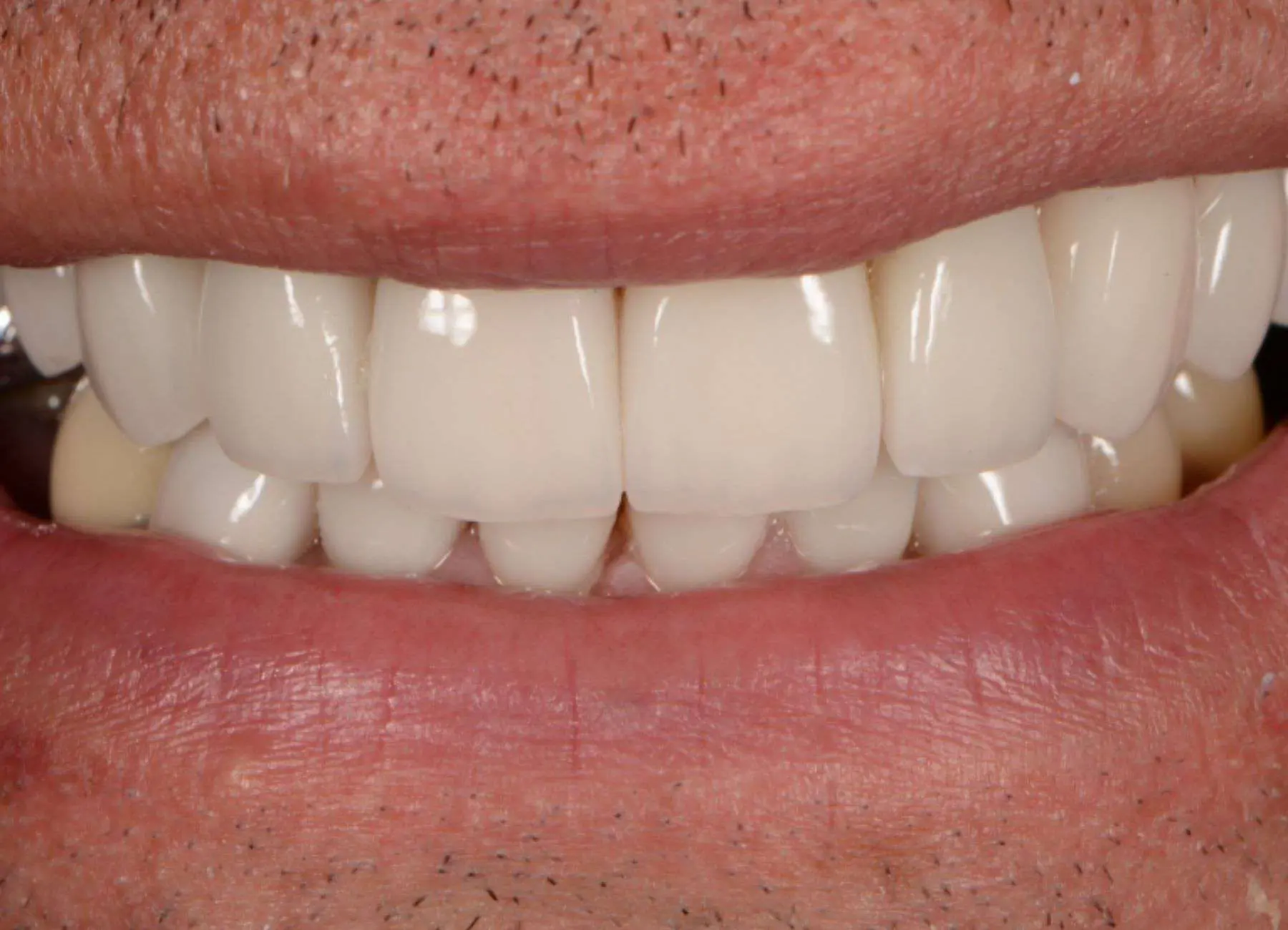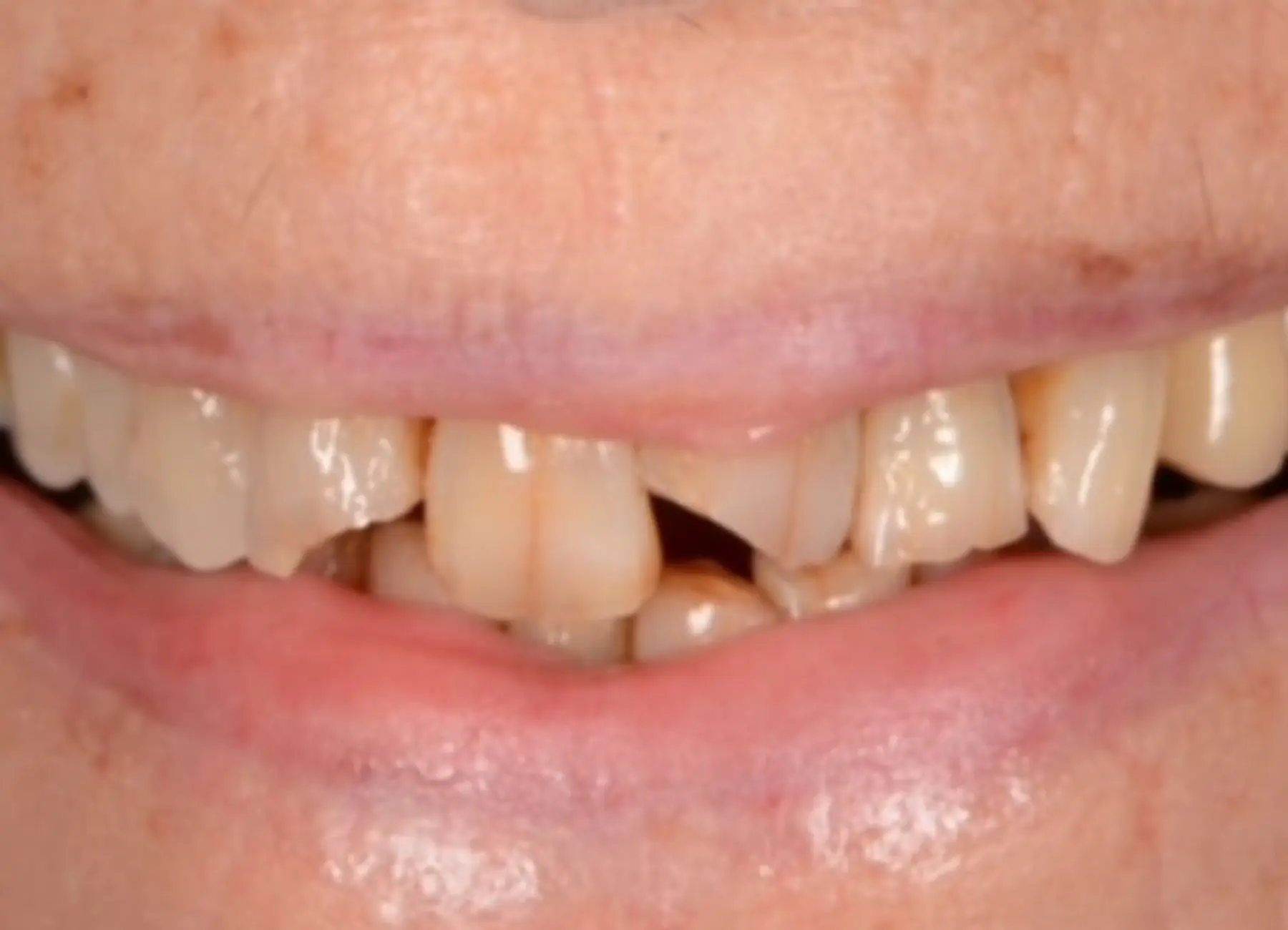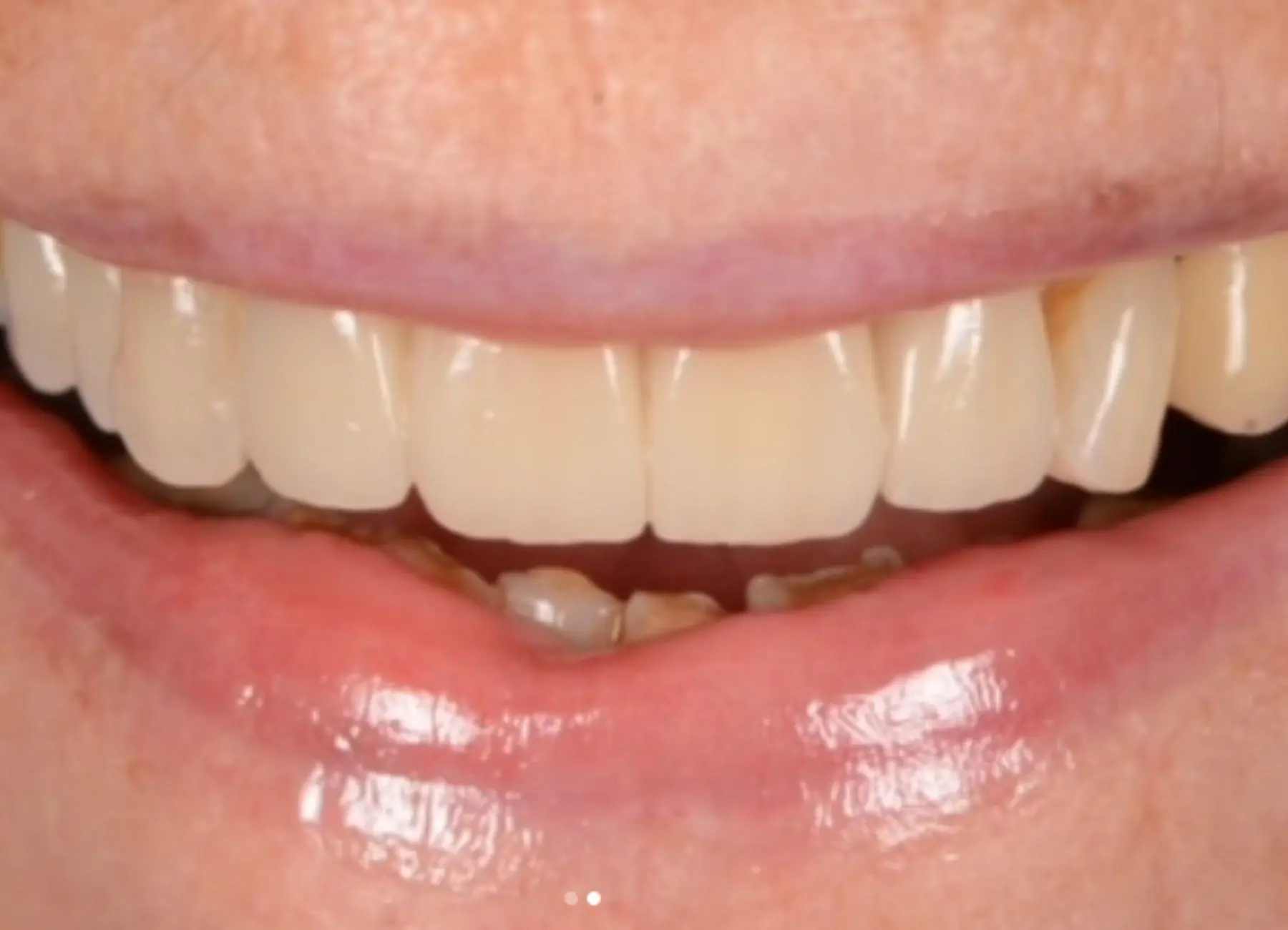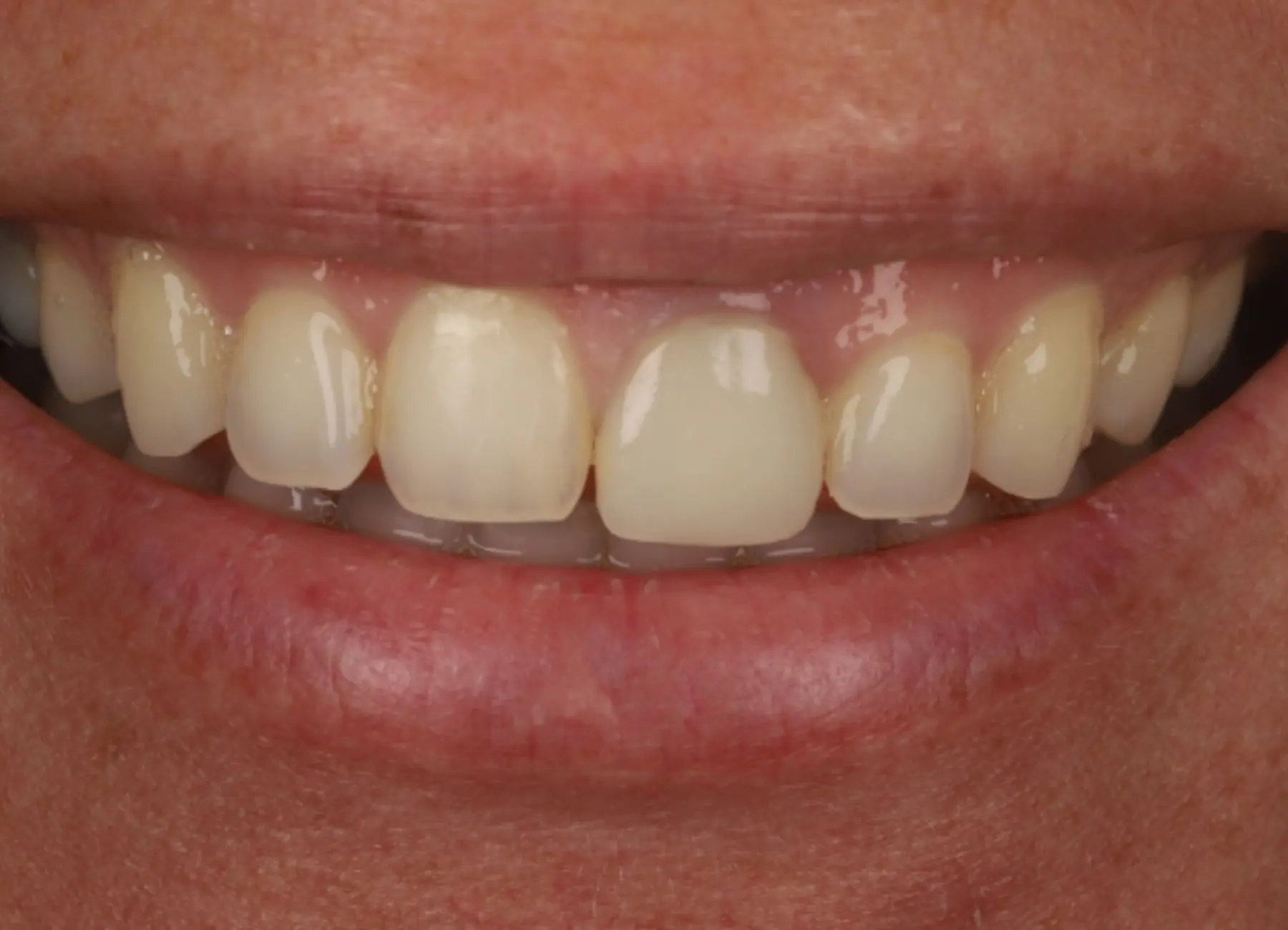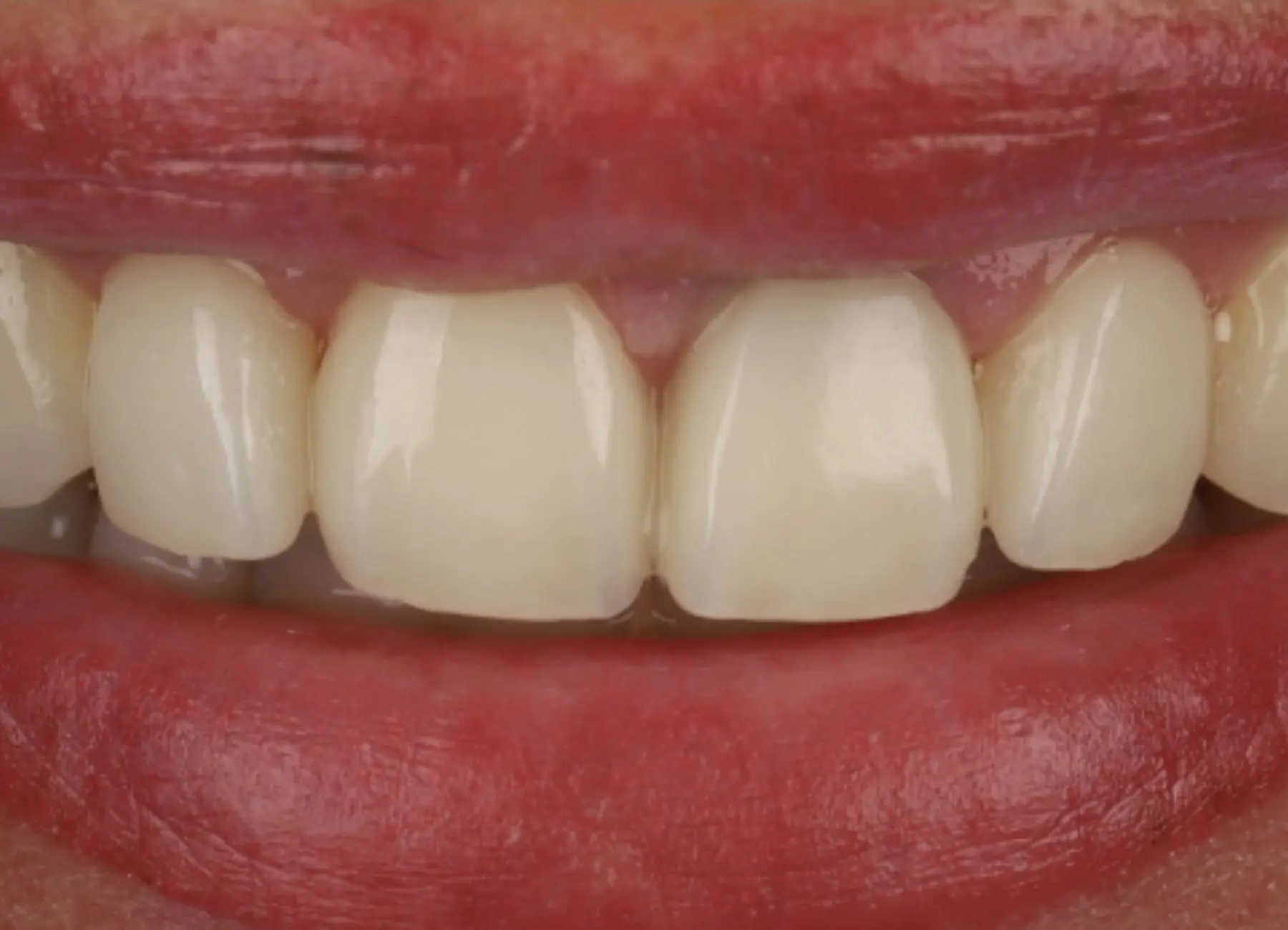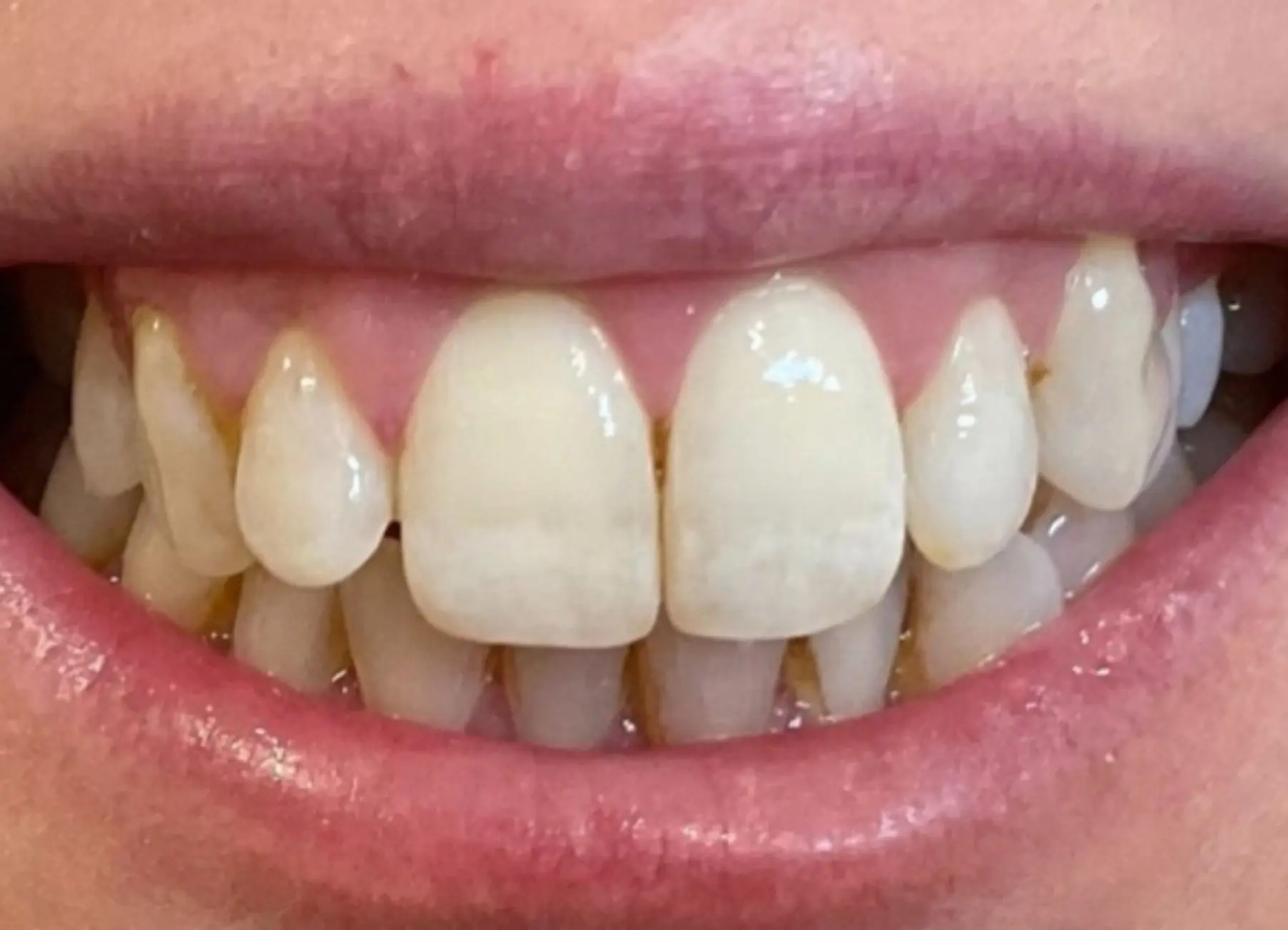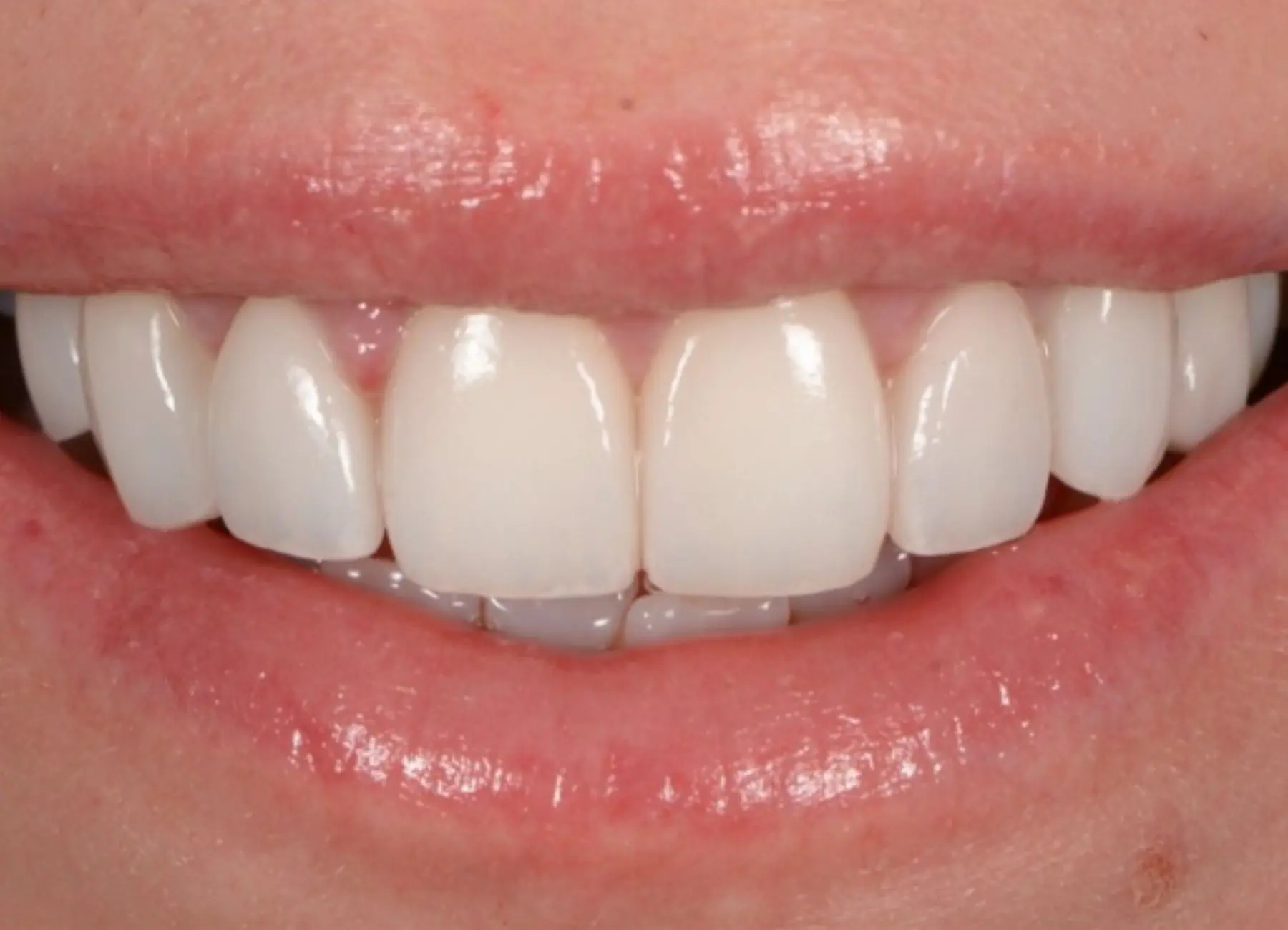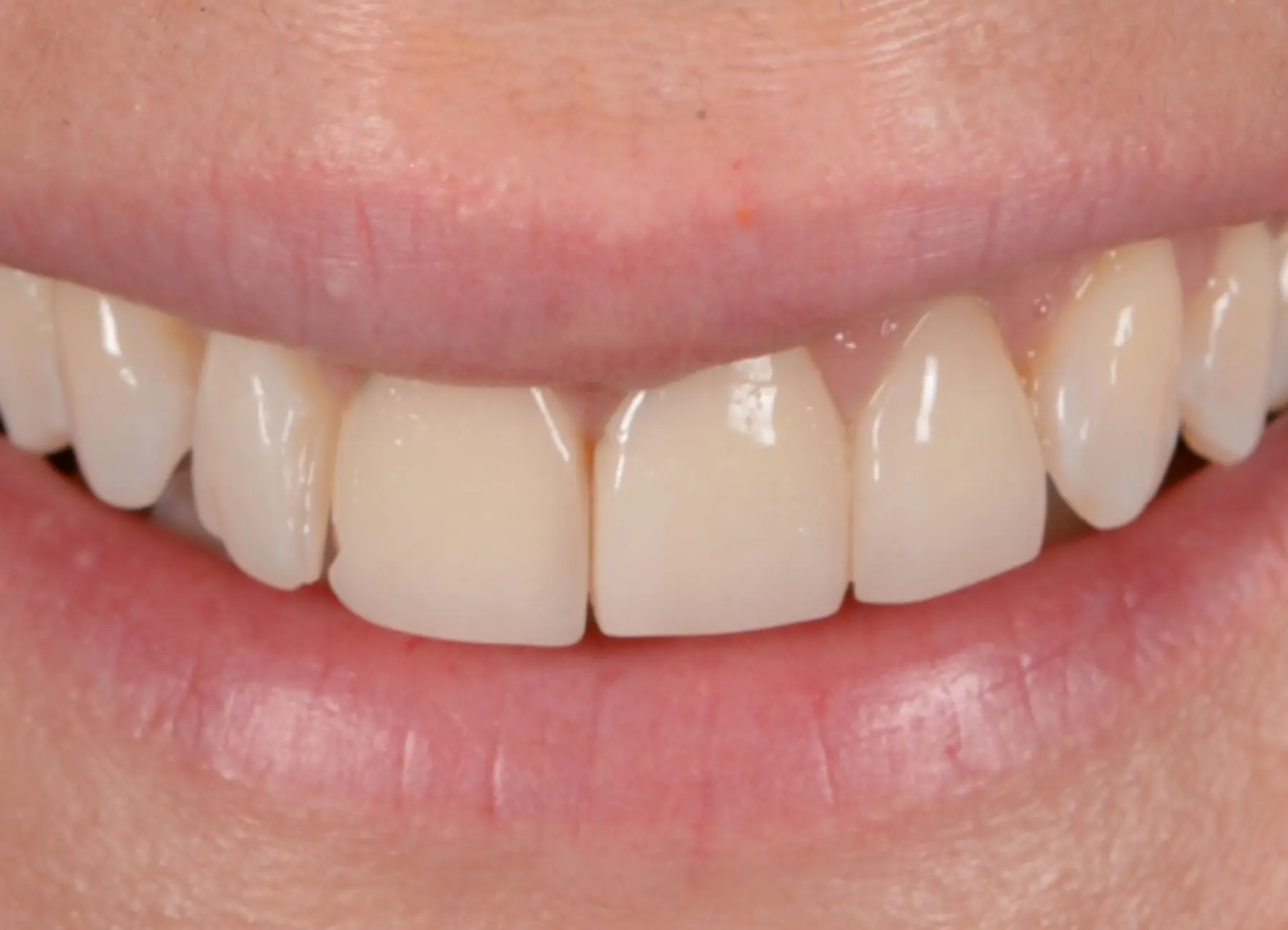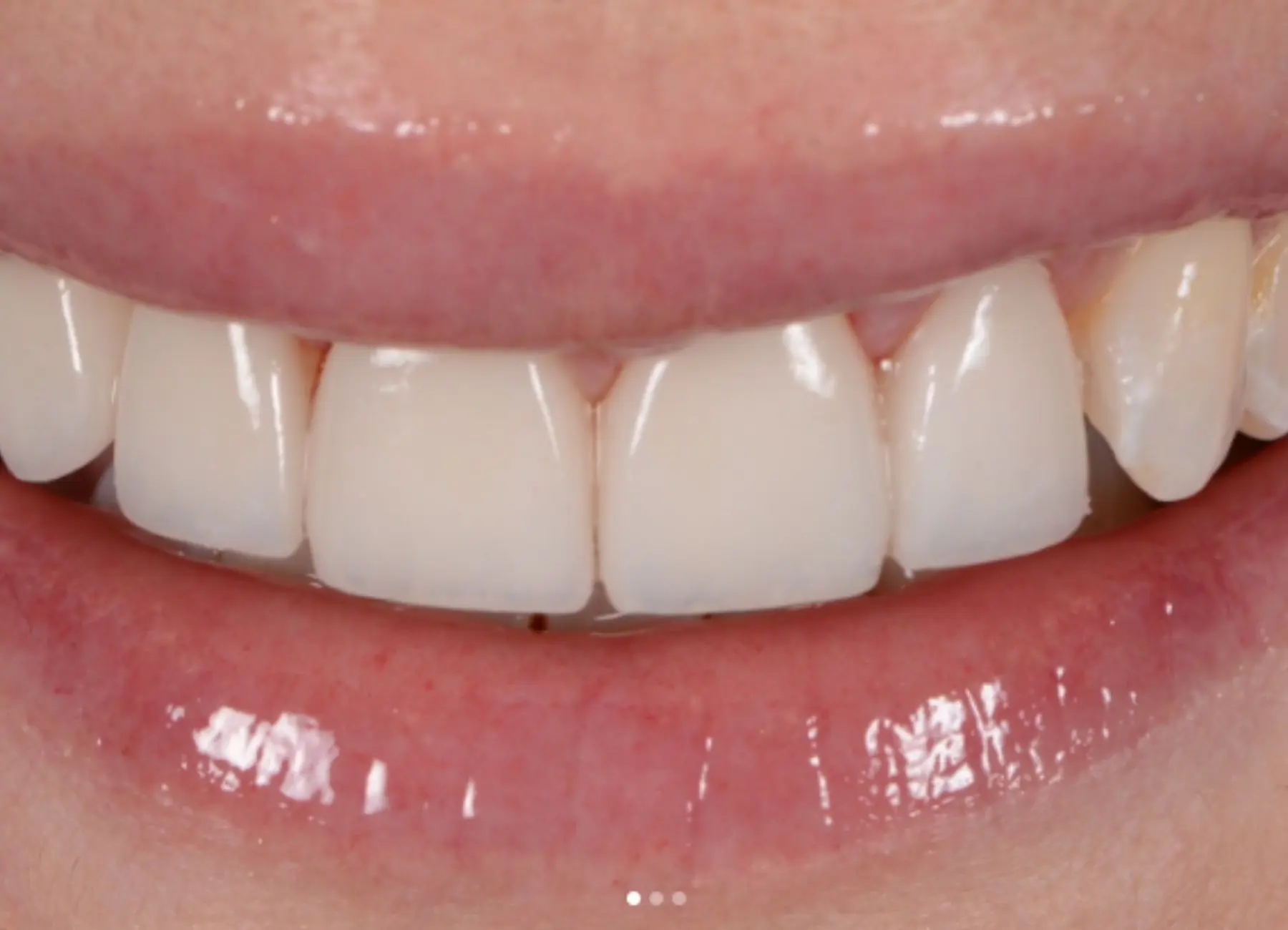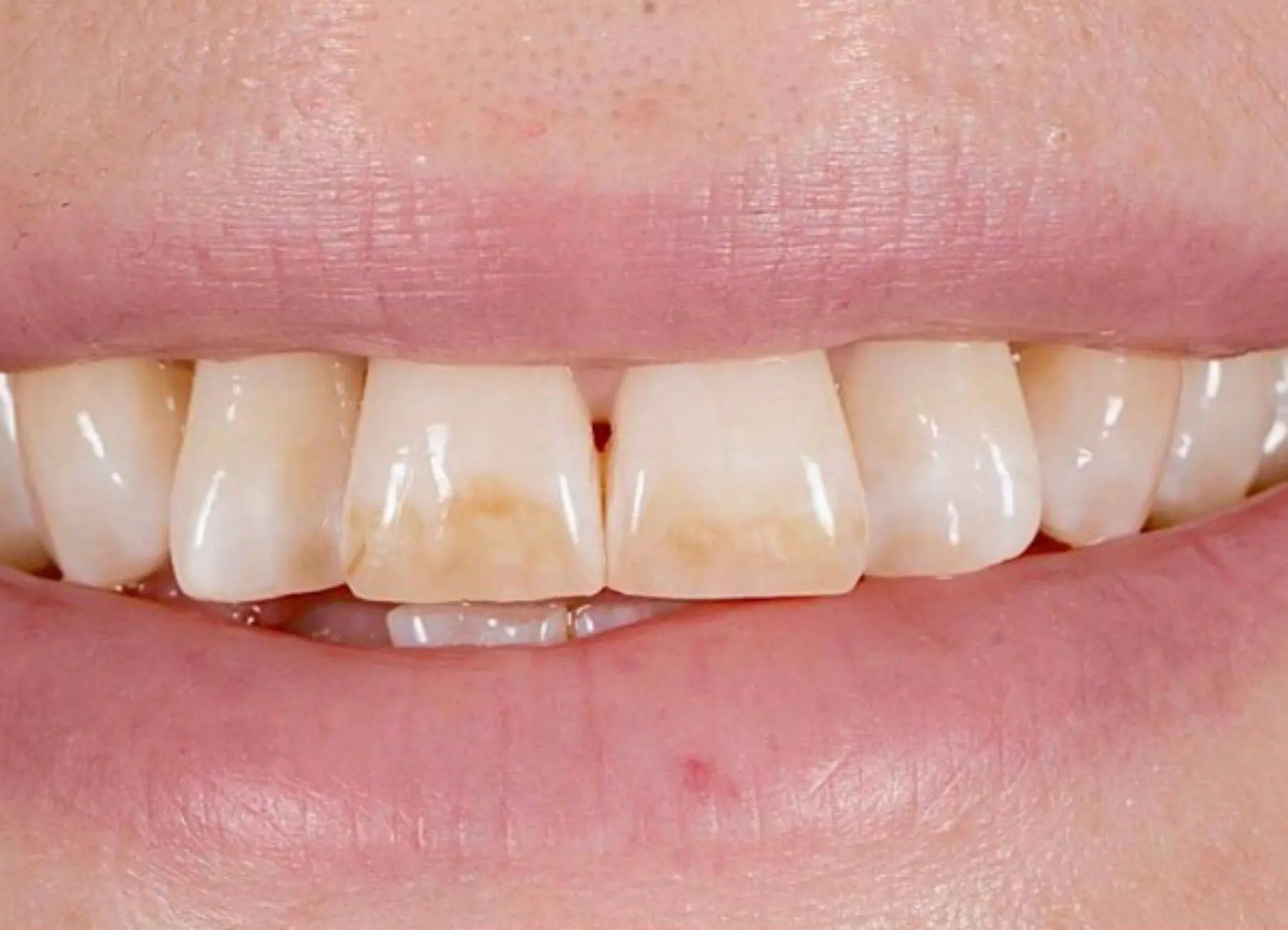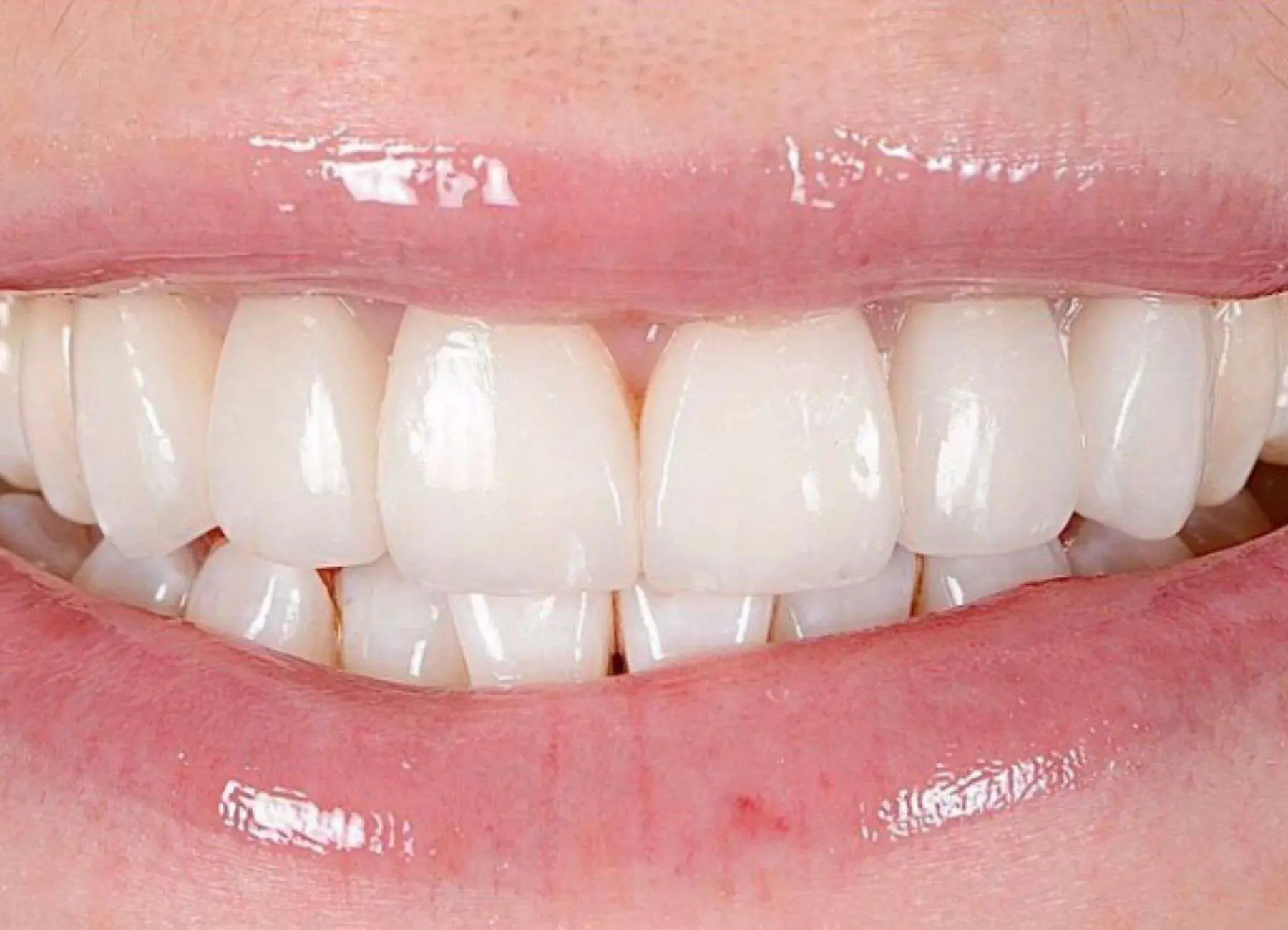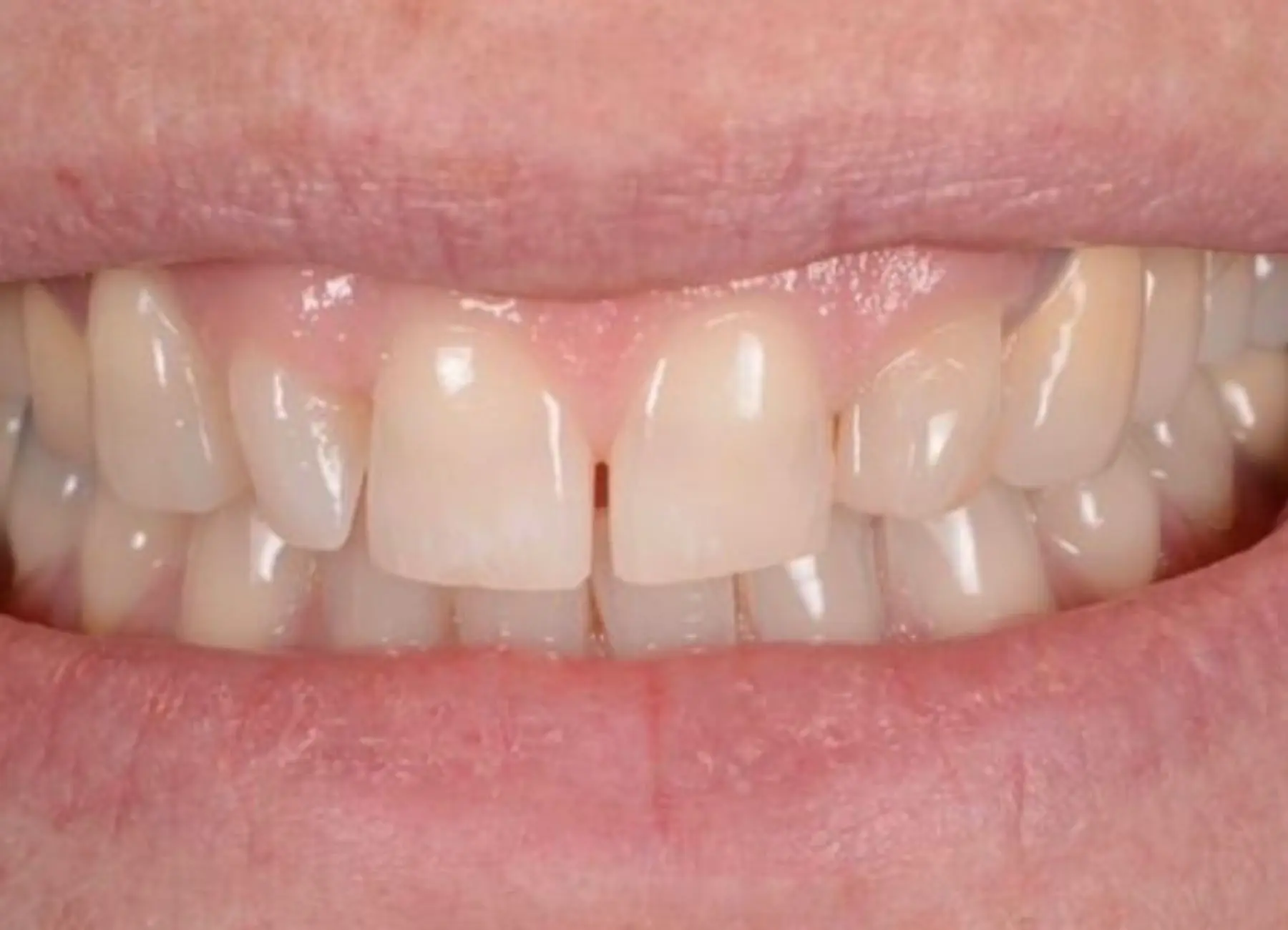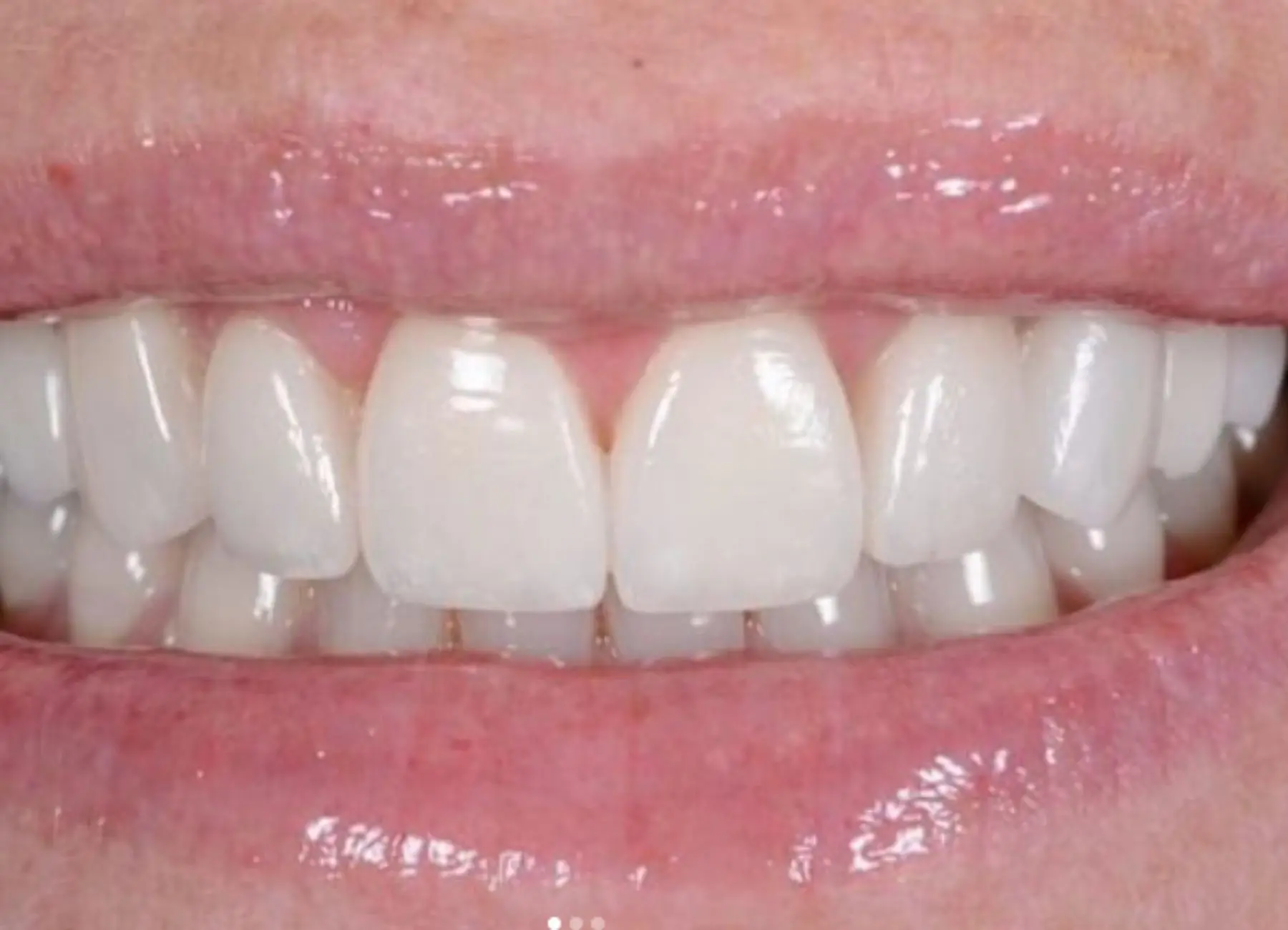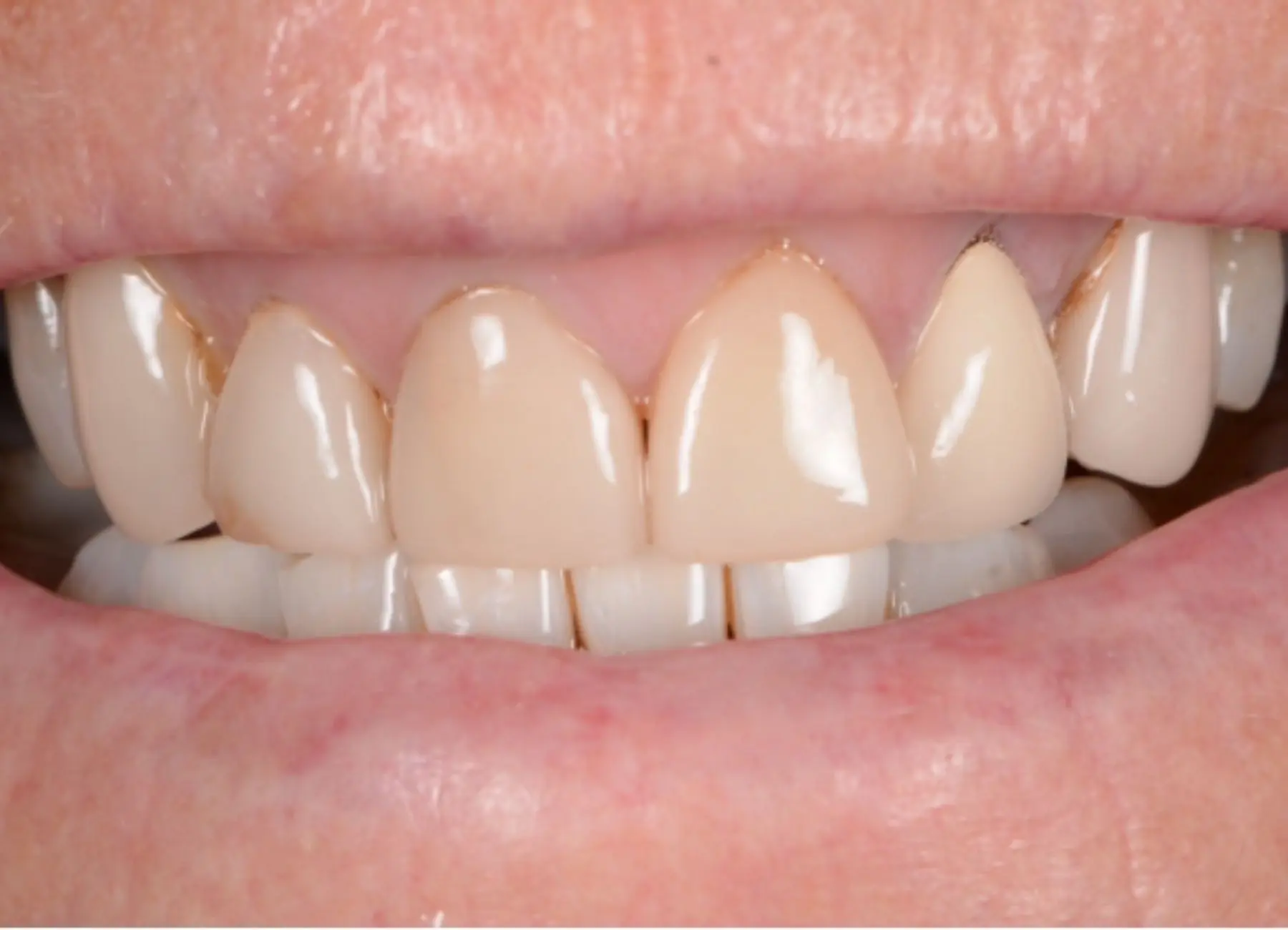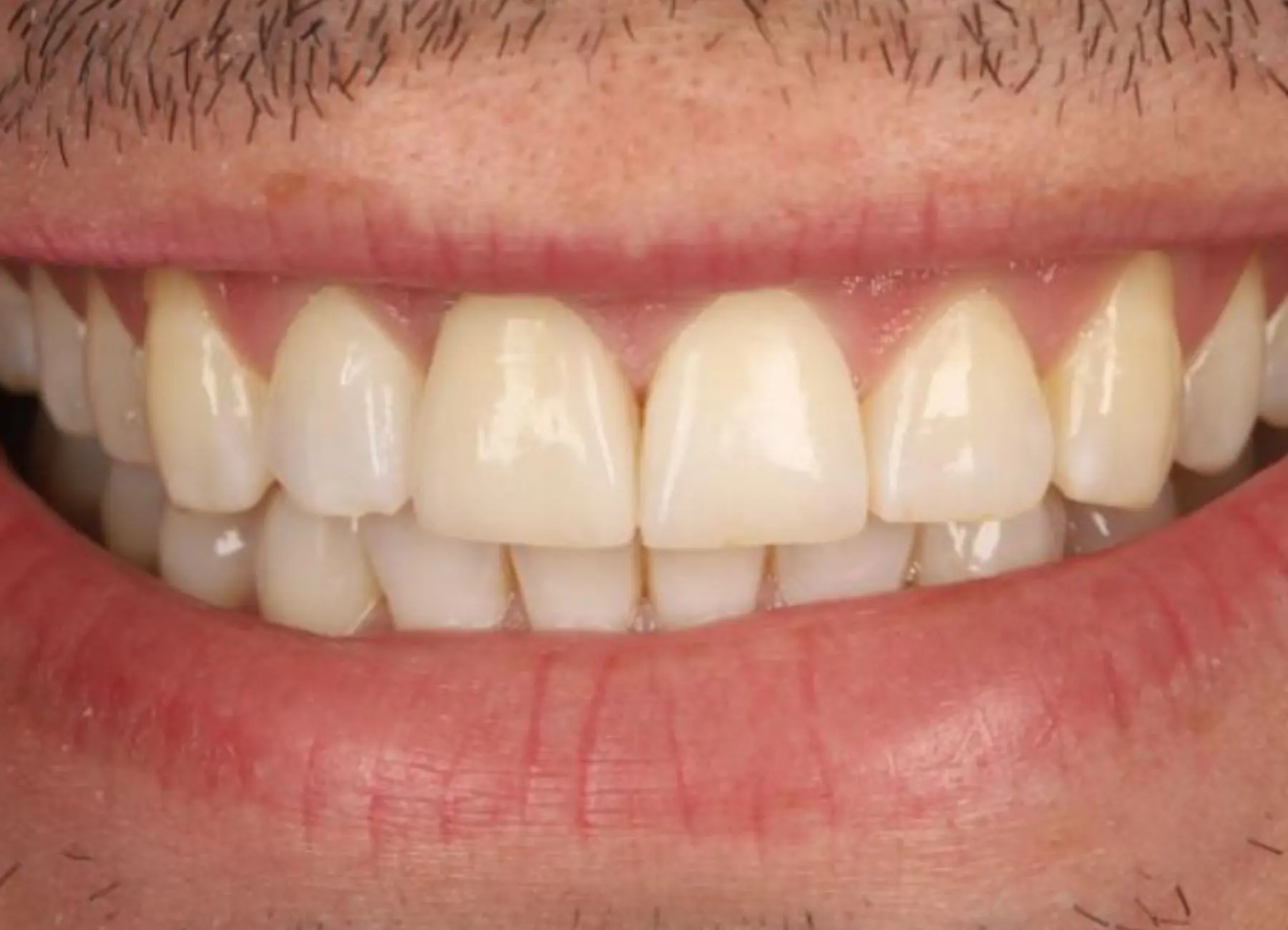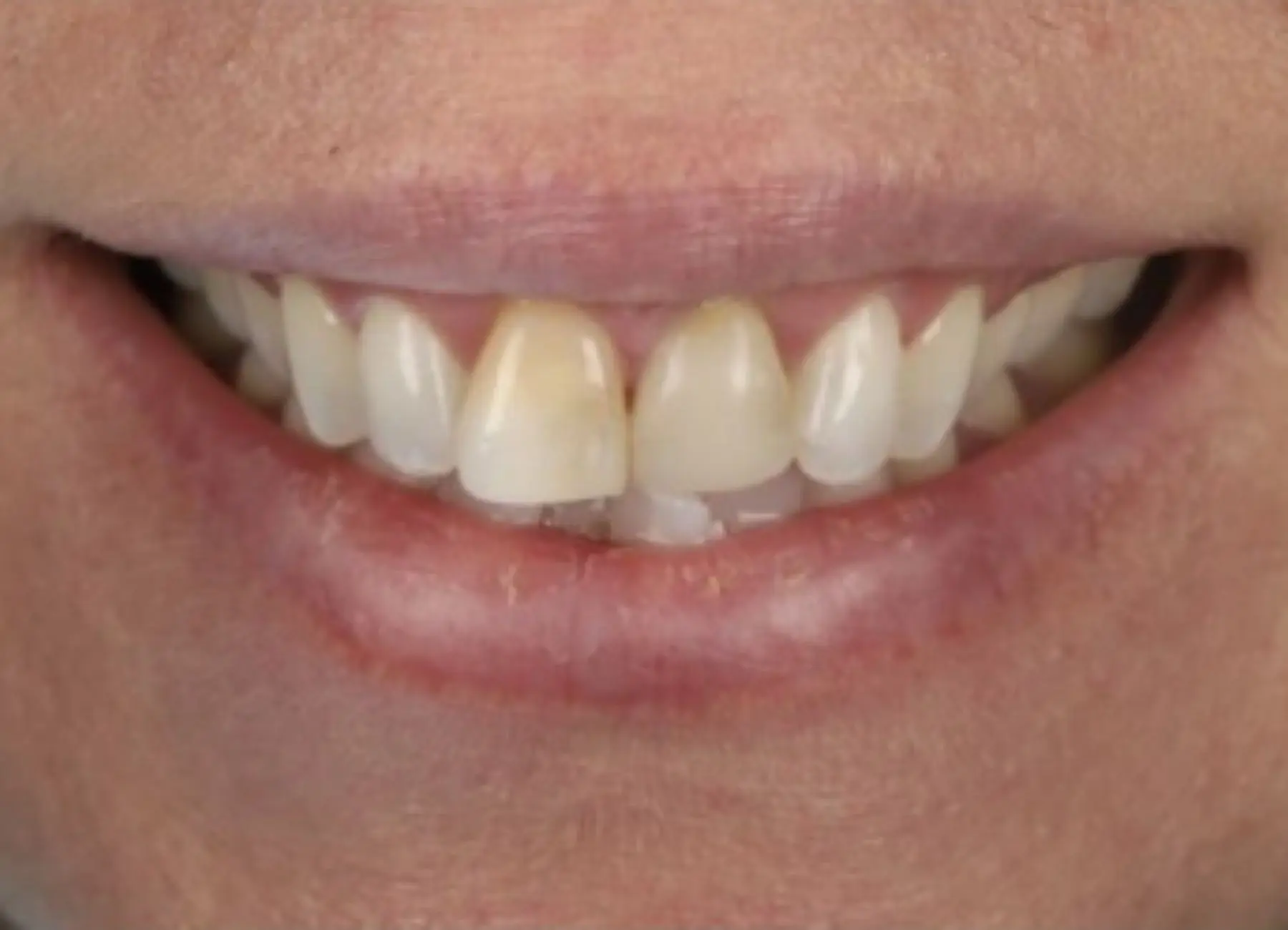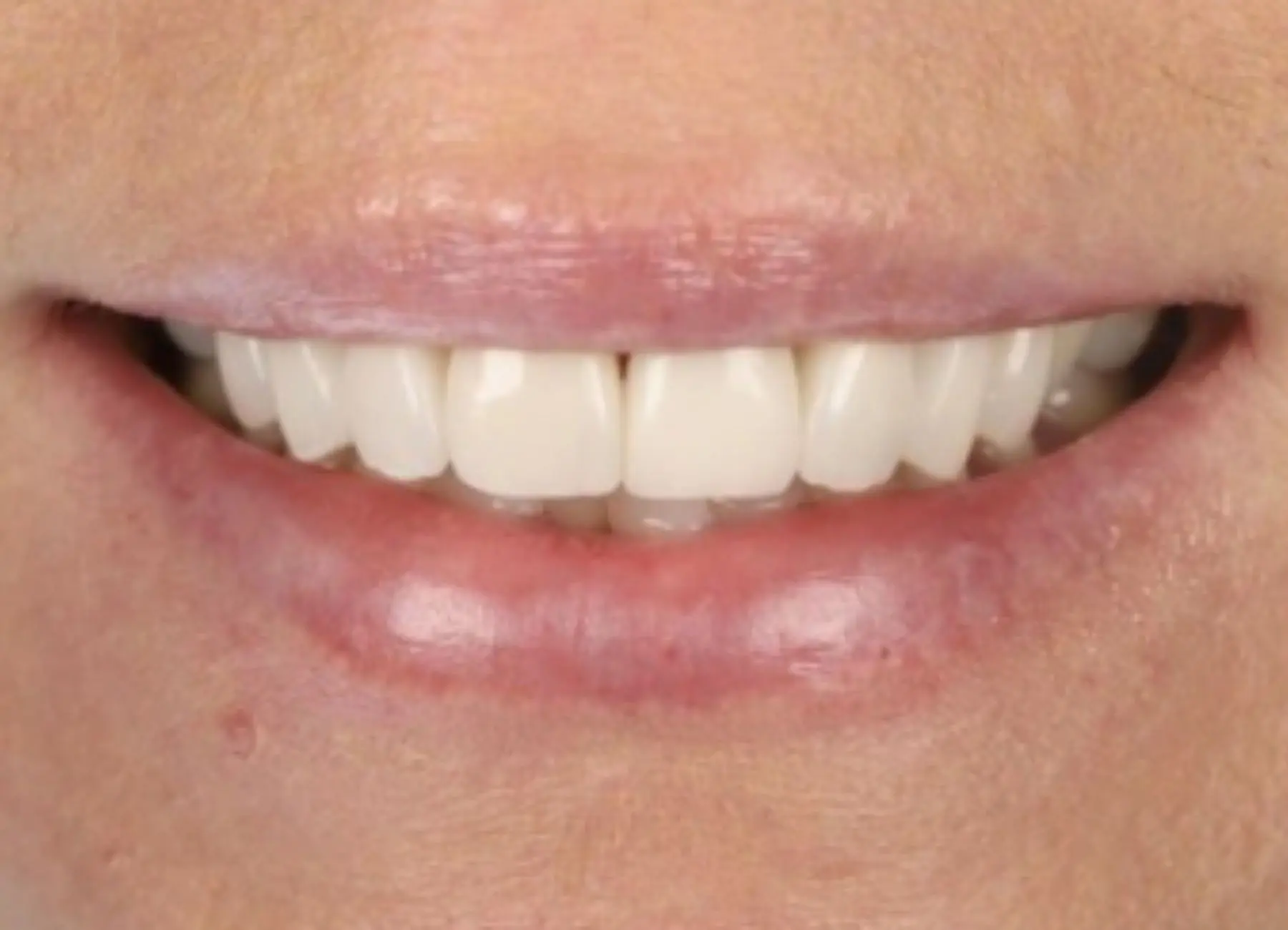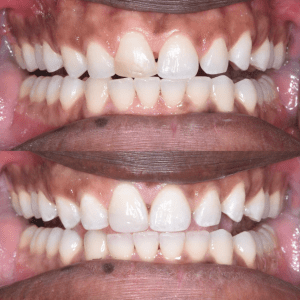
Can You Still Get Veneers If You Have Gum Disease?
Any cosmetic dentist who cares about their work and the longevity of your treatment would not proceed with veneer treatment, or any type of cosmetic treatment for that matter, if your gums are not in a good state to support them. Veneers and other cosmetic treatments are only recommended when your gums are healthy and stable.
That does not mean veneers are impossible
As cosmetic dentists, we need to ensure we have a healthy foundation to work off, which will ensure your treatment lasts as long as it’s intended to (in this case, up to 20+ years with porcelain veneers). You’ll still be able to receive veneers, but for the safest, best-looking results, we need to get your gum inflammation under control first.
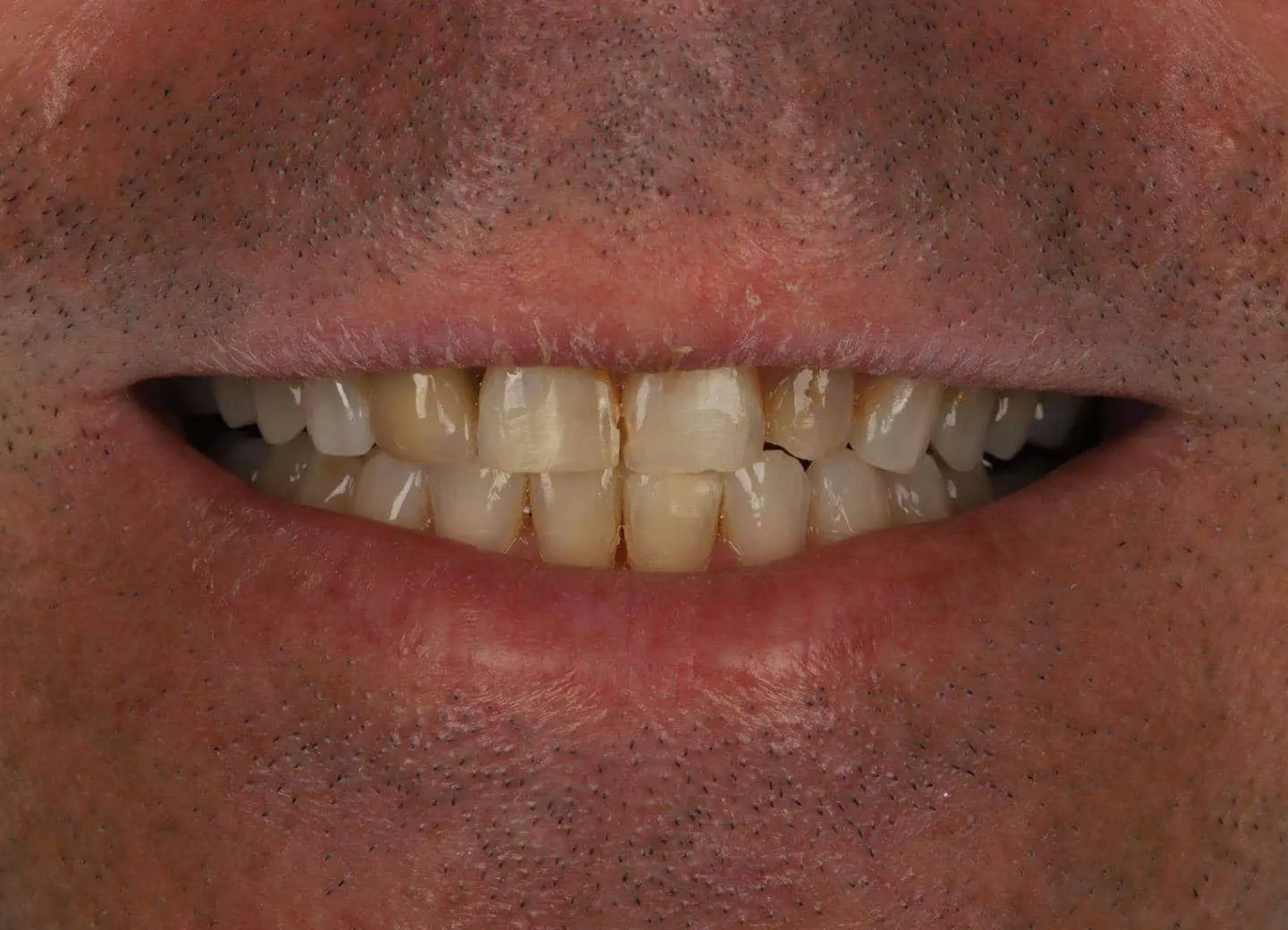
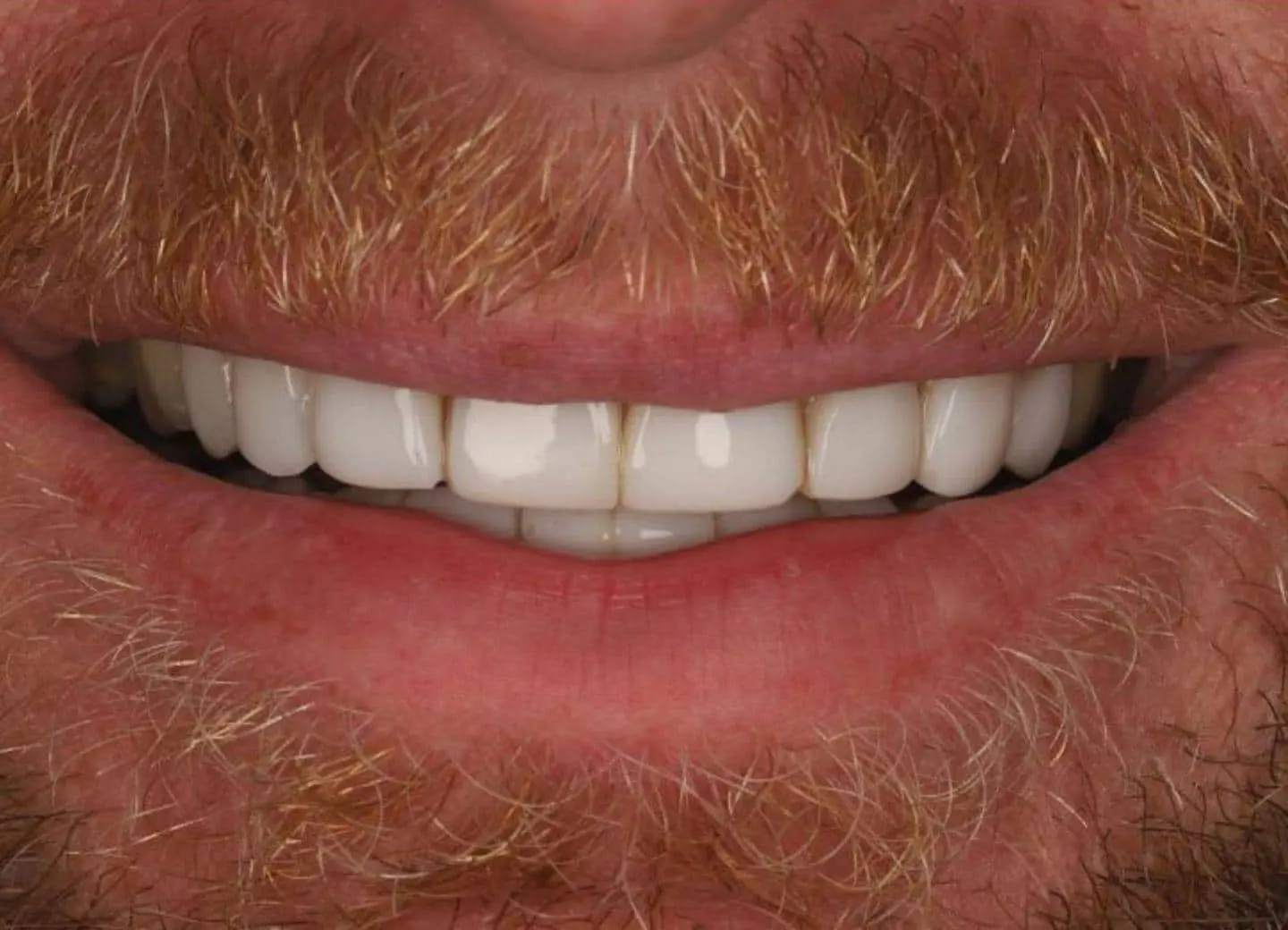
Why it’s important to treat gum disease before veneer placement
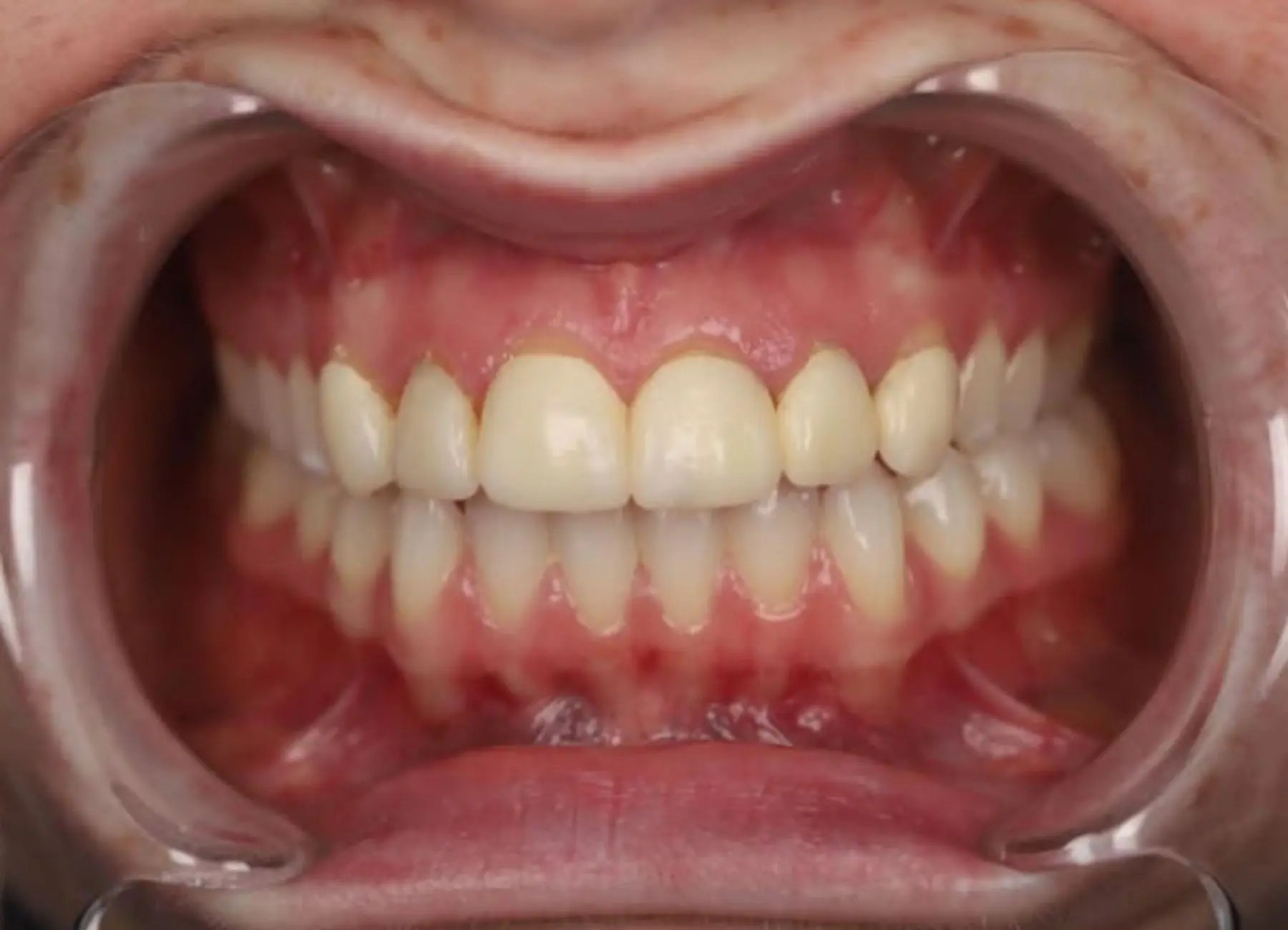
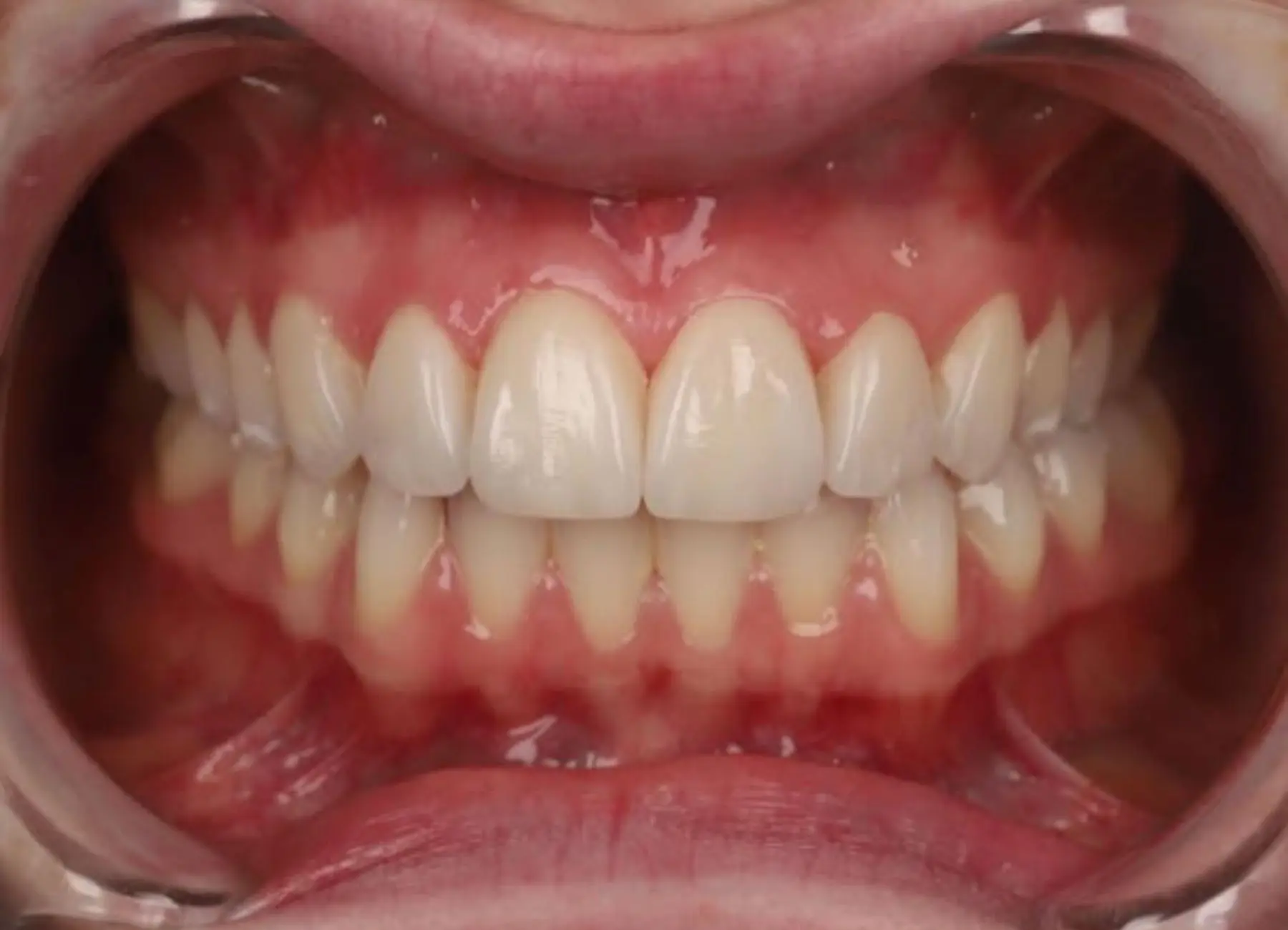
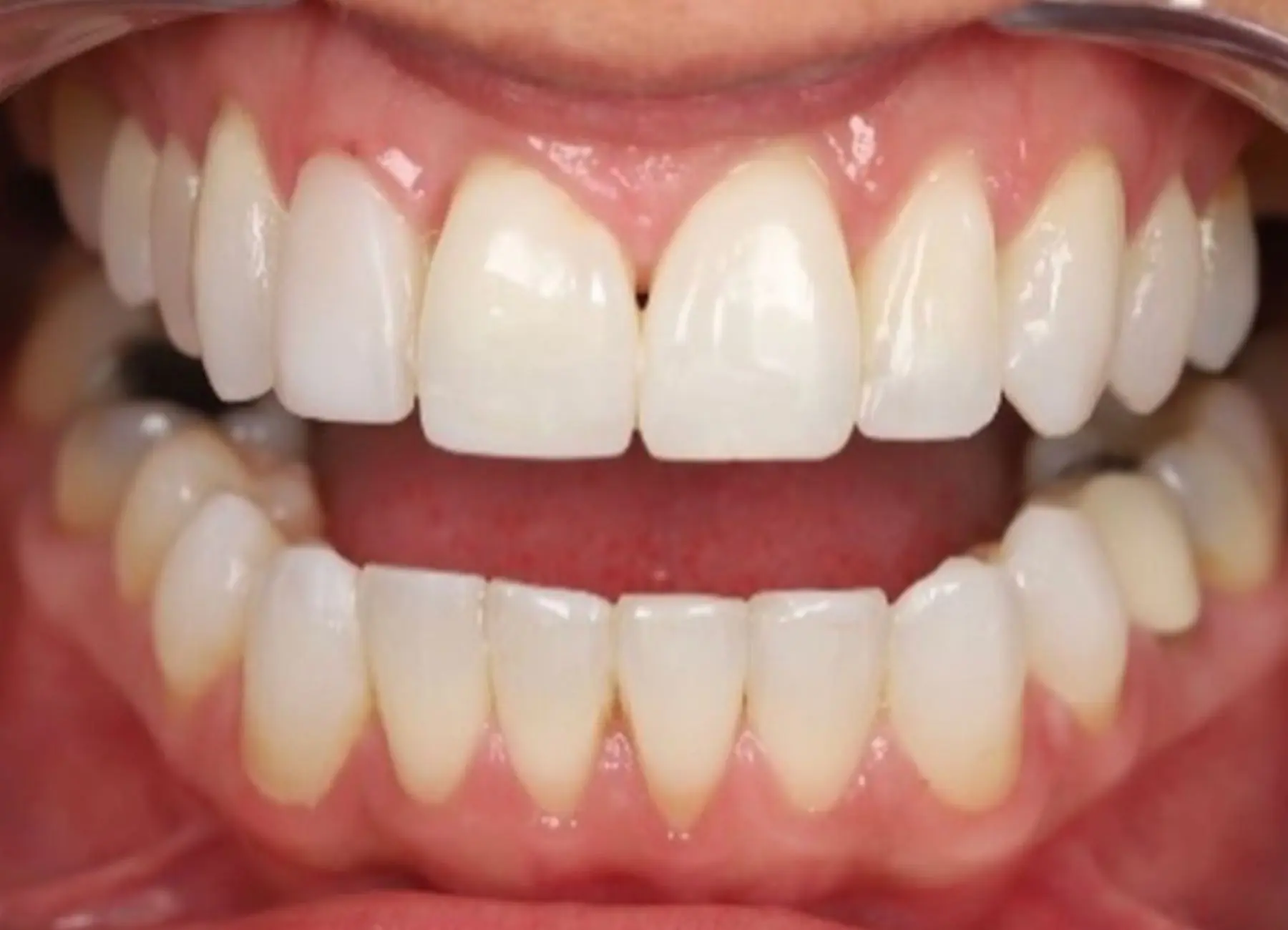
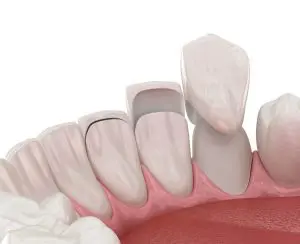
Veneers sit right at the gum margin (where the tooth meets the gum). If your gums are inflamed or receding, it can lead to:
- Bleeding and swelling, making it difficult to take accurate scans/impressions
- A higher risk of gum recession, which can expose veneer edges and make teeth look longer
- Poor bonding and shorter veneer lifespan
- Ongoing infection that can cause bone loss and tooth mobility (especially in periodontitis)
- Aesthetic issues like uneven gum lines or “black triangles”
Treating gum disease first will protect your investment in your smile.

How long it will delay your treatment will depend on the type of gum disease you have
If your gum disease is in the early reversible stages, it will only take a few hygiene sessions to bring your gums into optimal health, and you’ll be ready to explore cosmetic treatment. But if you’re in the later stages of the disease, you’ll require more extensive work to reach a point where you’re ready. Don’t try and estimate which stage you’re in (many patients get this wrong, making them afraid to visit the dentist). Book an appointment with our periodontists to learn about your gums’ current health and feel a lot better with a treatment plan in place.
Gingivitis (early-stage gum disease)
Gingivitis is inflammation of the gums without bone loss. The good news is that it’s usually reversible with professional cleaning and good at-home oral care and hygiene. If gingivitis is treated and your gums settle, veneers may be a viable option quicker than you thought.
Periodontitis (advanced gum disease)
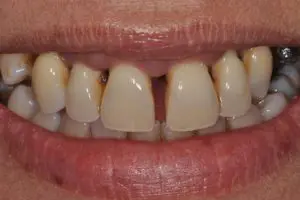
Periodontitis involves bone loss and can lead to gum recession, loose teeth, and a persistent risk of infection. With periodontitis, veneers may still be possible in some cases, but only if:
- The disease is stabilised
- Your gum condition is maintainable long-term
- The teeth are strong and stable enough to support cosmetic work
If your gum disease is causing teeth to fall out, you might want to explore implant solutions instead.
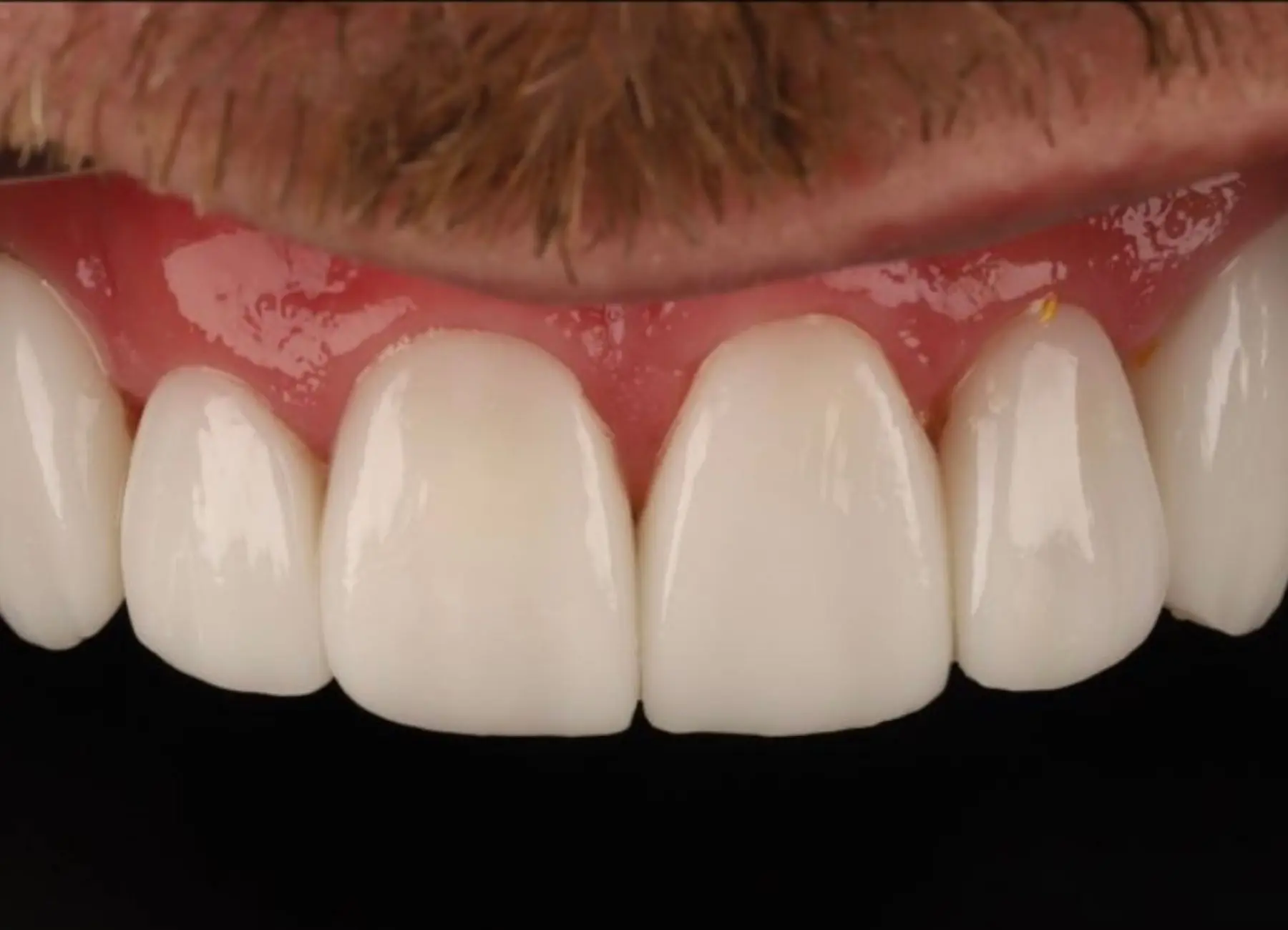
Getting your gums ready for veneers
- Gum assessment: We examine your gums for bleeding, pocket depths, plaque levels, and, if indicated, take X-rays.
- Initial treatment: This may include a scale and polish, deeper cleaning, hygiene visits, and a home-care plan.
- Reassessment: Once inflammation is reduced, we re-check your gum health and stability.
- Cosmetic planning: Only then do we plan veneers.
How long after gum treatment can you get veneers?
There is no single timeline—it depends on whether it’s gingivitis or periodontitis and how quickly your gums respond. The practical benchmark is: no ongoing bleeding/inflammation, stable gum levels, and good cleaning control before proceeding.
FAQs
Can I get veneers if my gums bleed when brushing?
Bleeding is often a sign of inflammation. It’s usually best to address this with hygienist appointments first so that veneers can be placed safely.
What if my gums have receded already?
Veneers may still be possible, but planning is important to avoid visible margins and to improve symmetry. Veneers can often be a great solution for receding gums; we just need to ensure your gum disease is under control first before placement.
Will veneers hide “black triangles” from gum recession?
Sometimes, veneers (or bonding) can reduce the look of black triangles by reshaping tooth edges, but the best approach depends on the cause and severity.