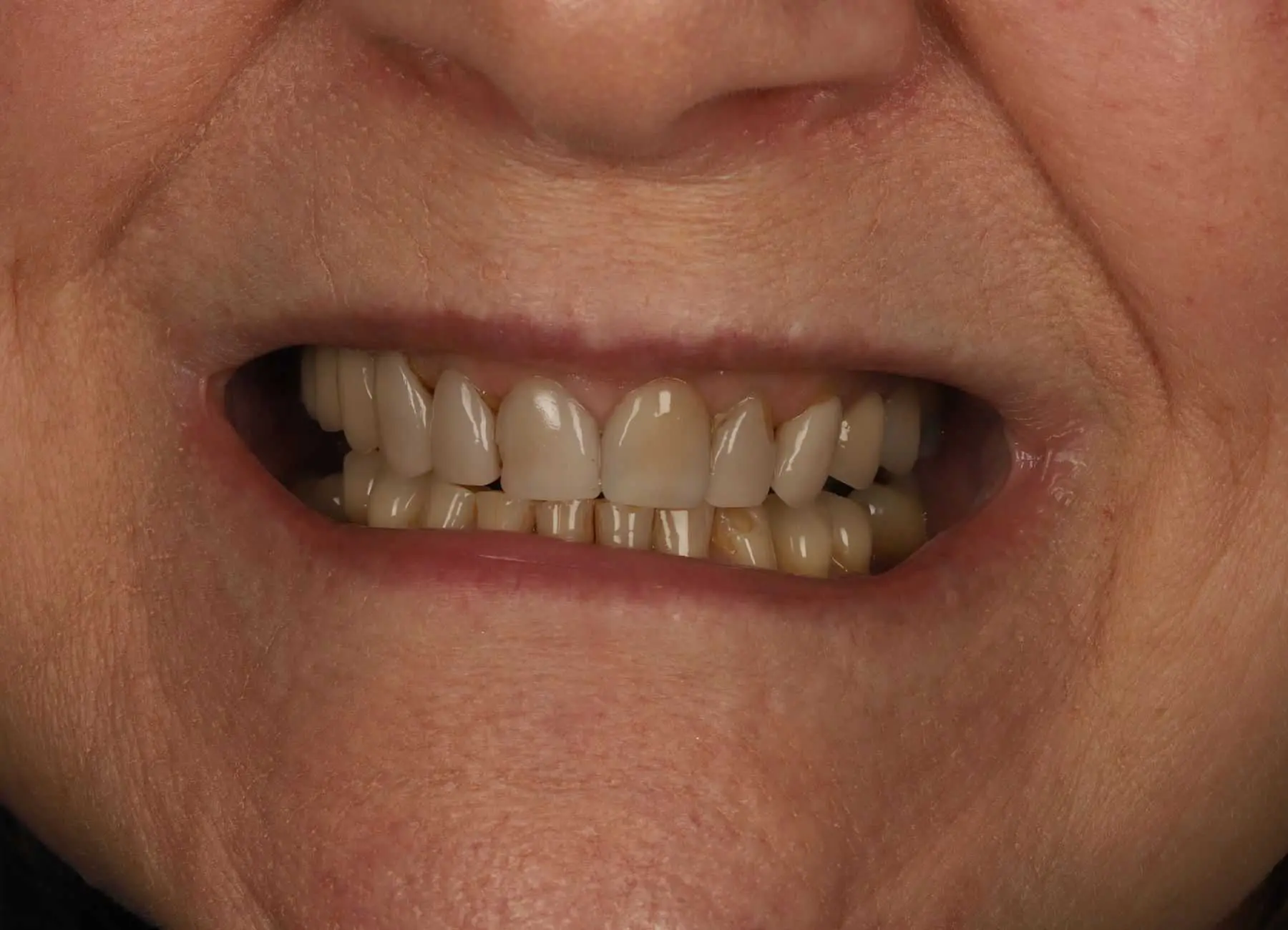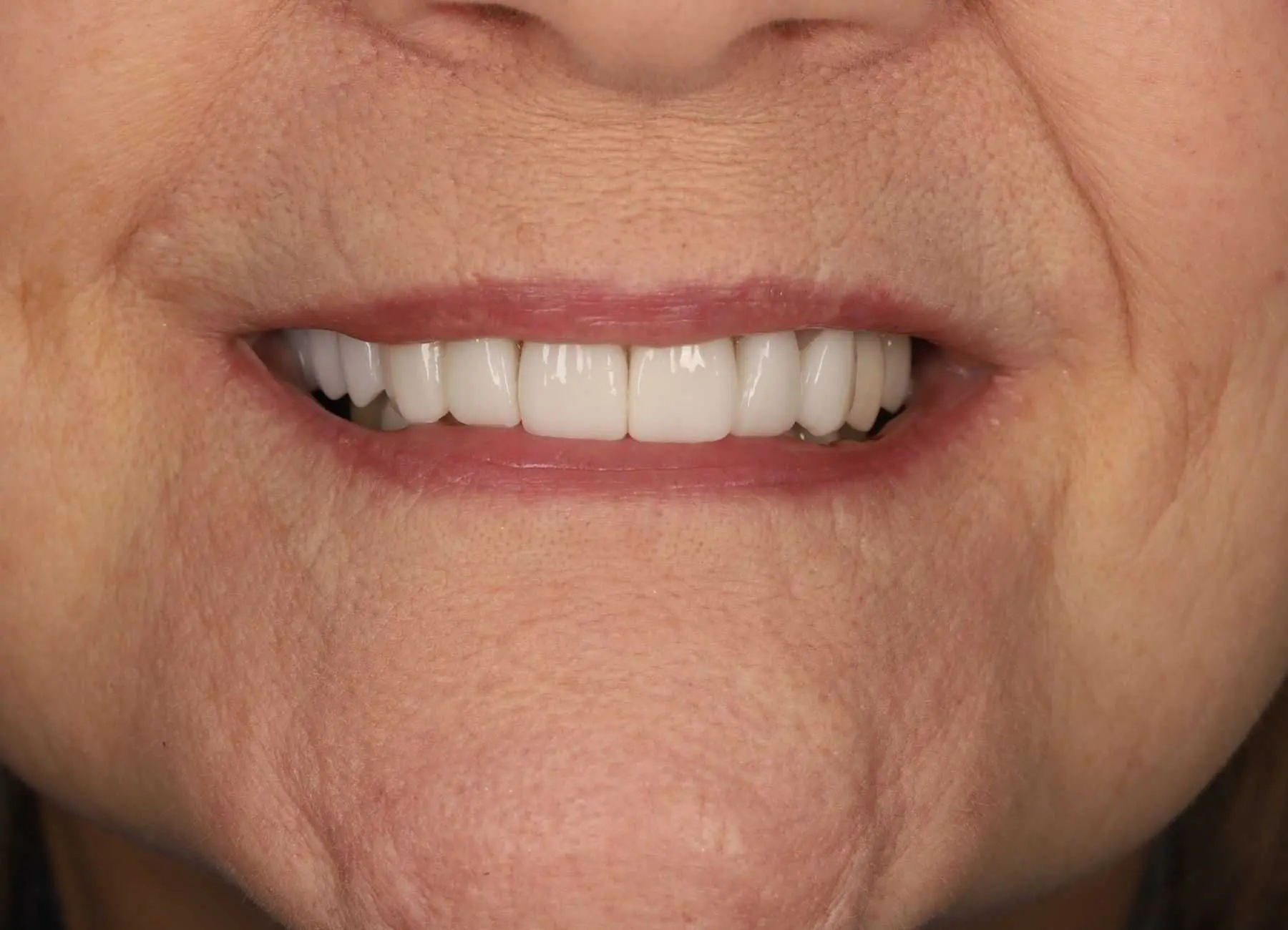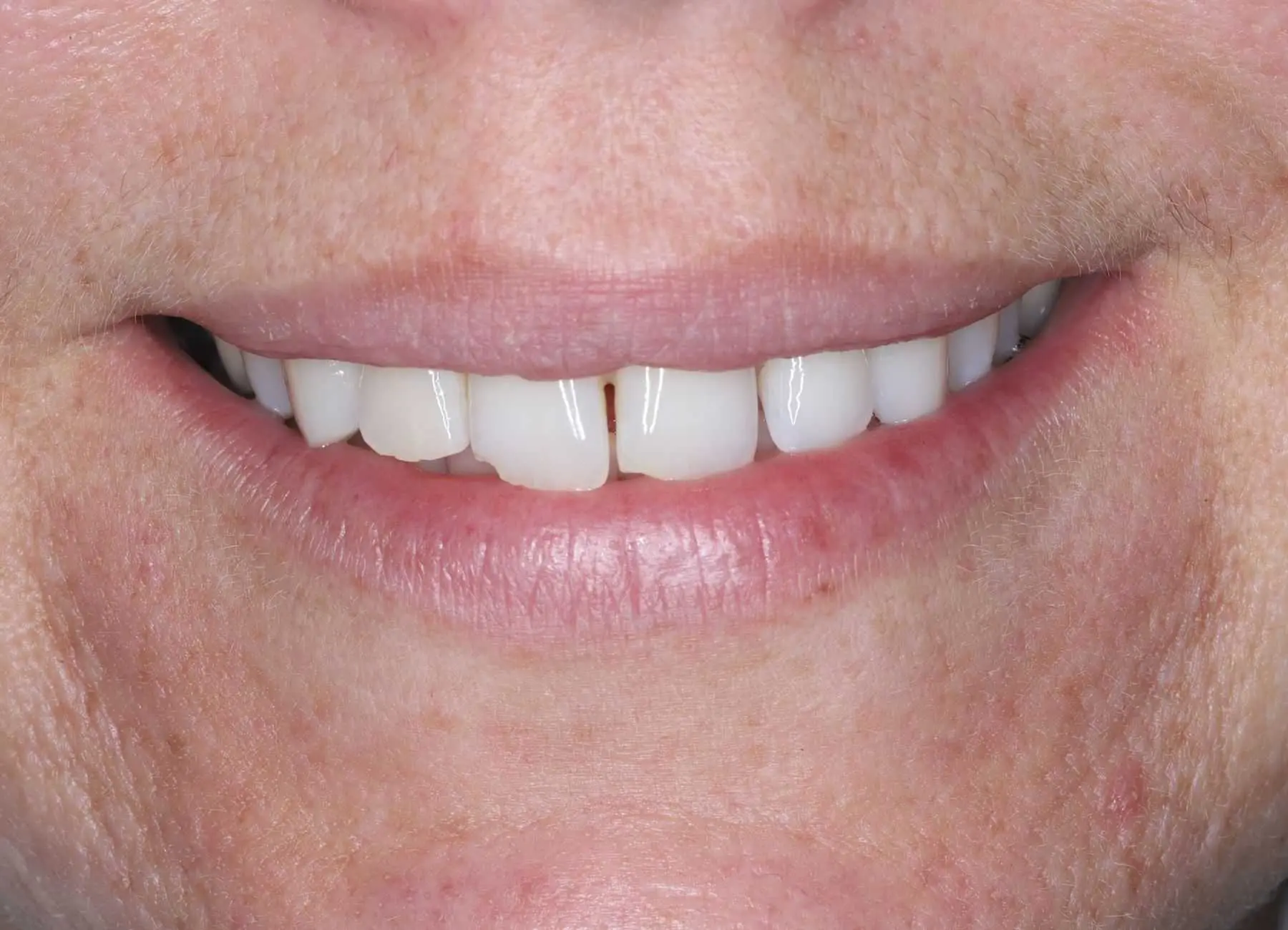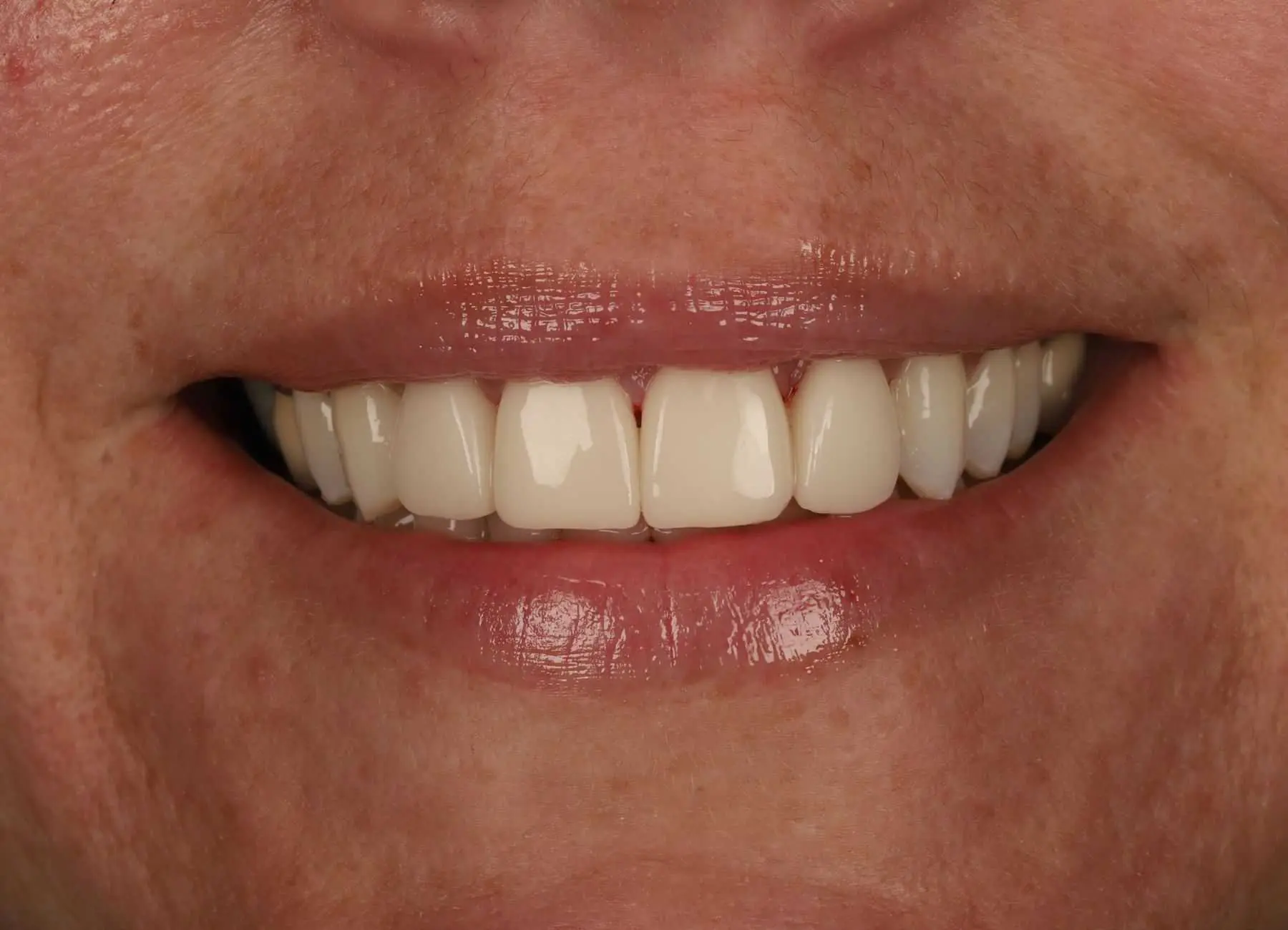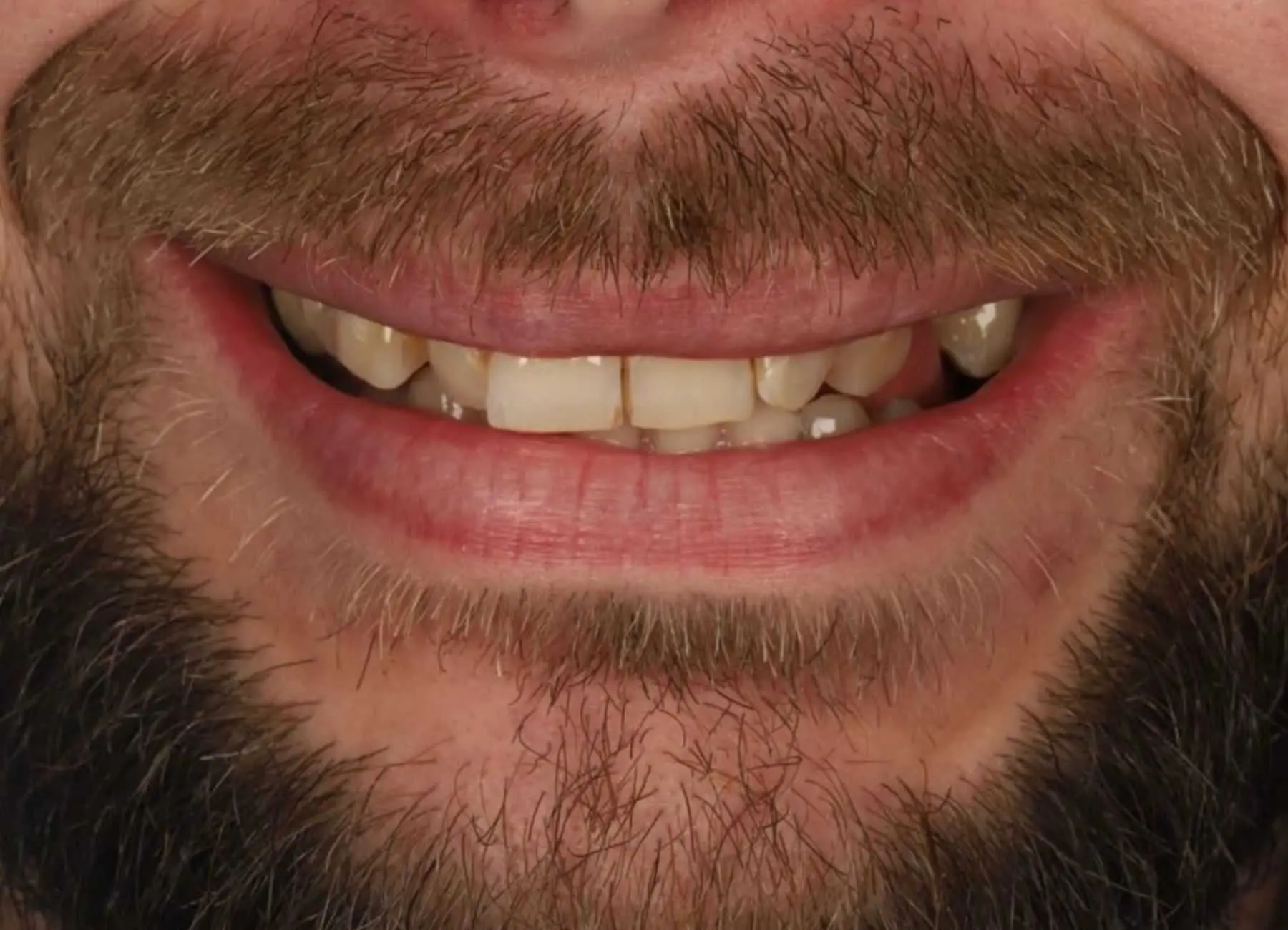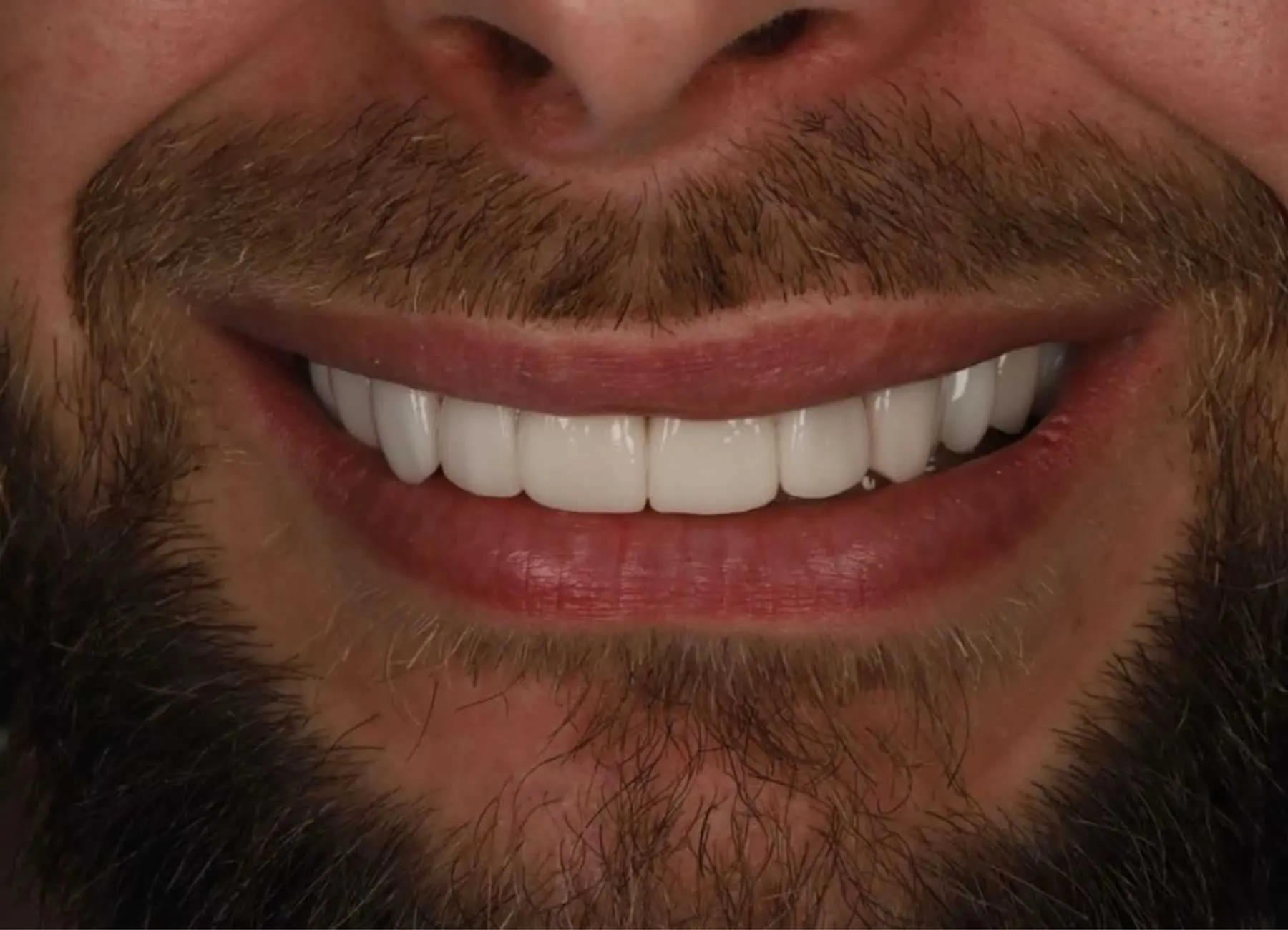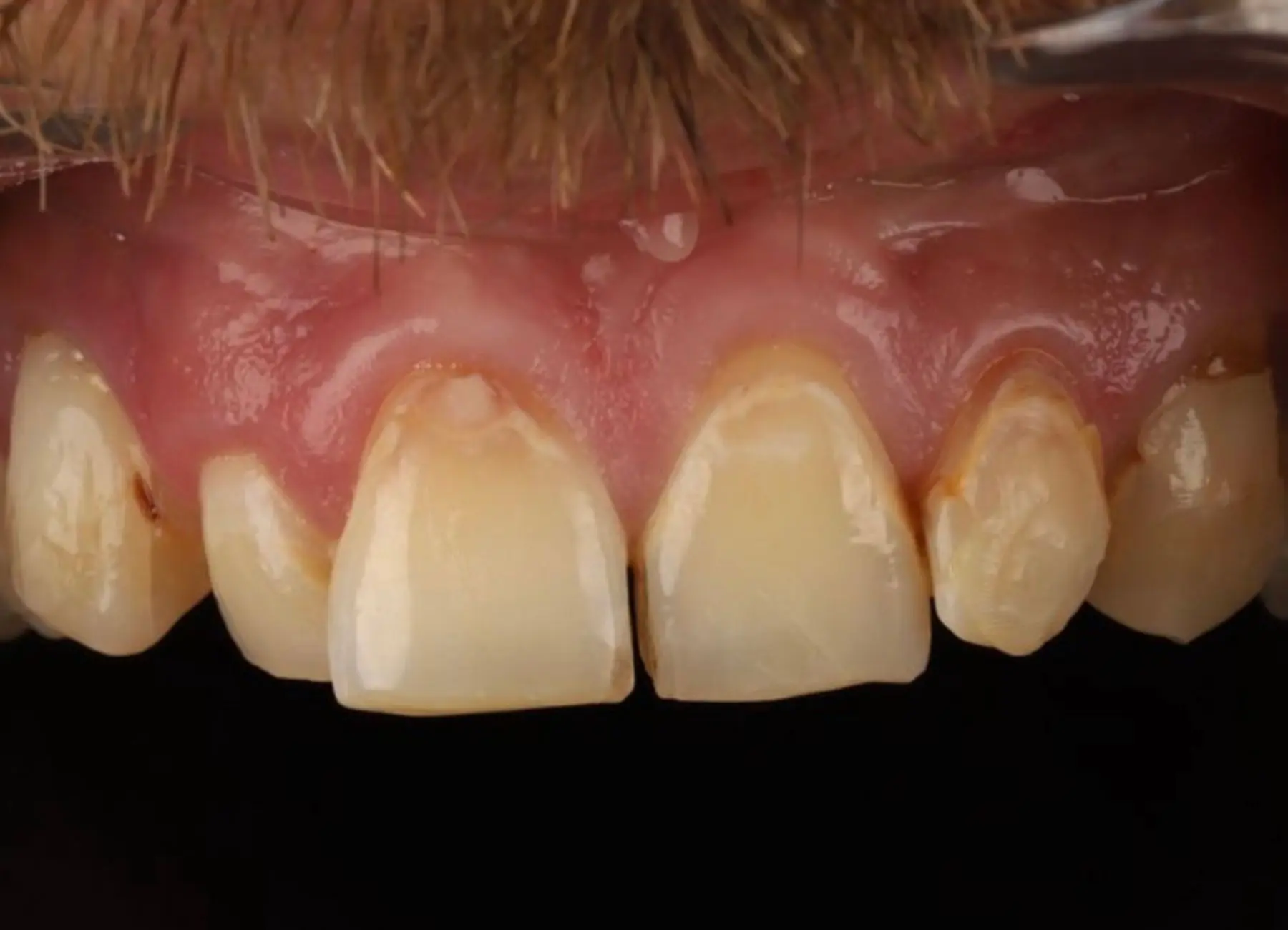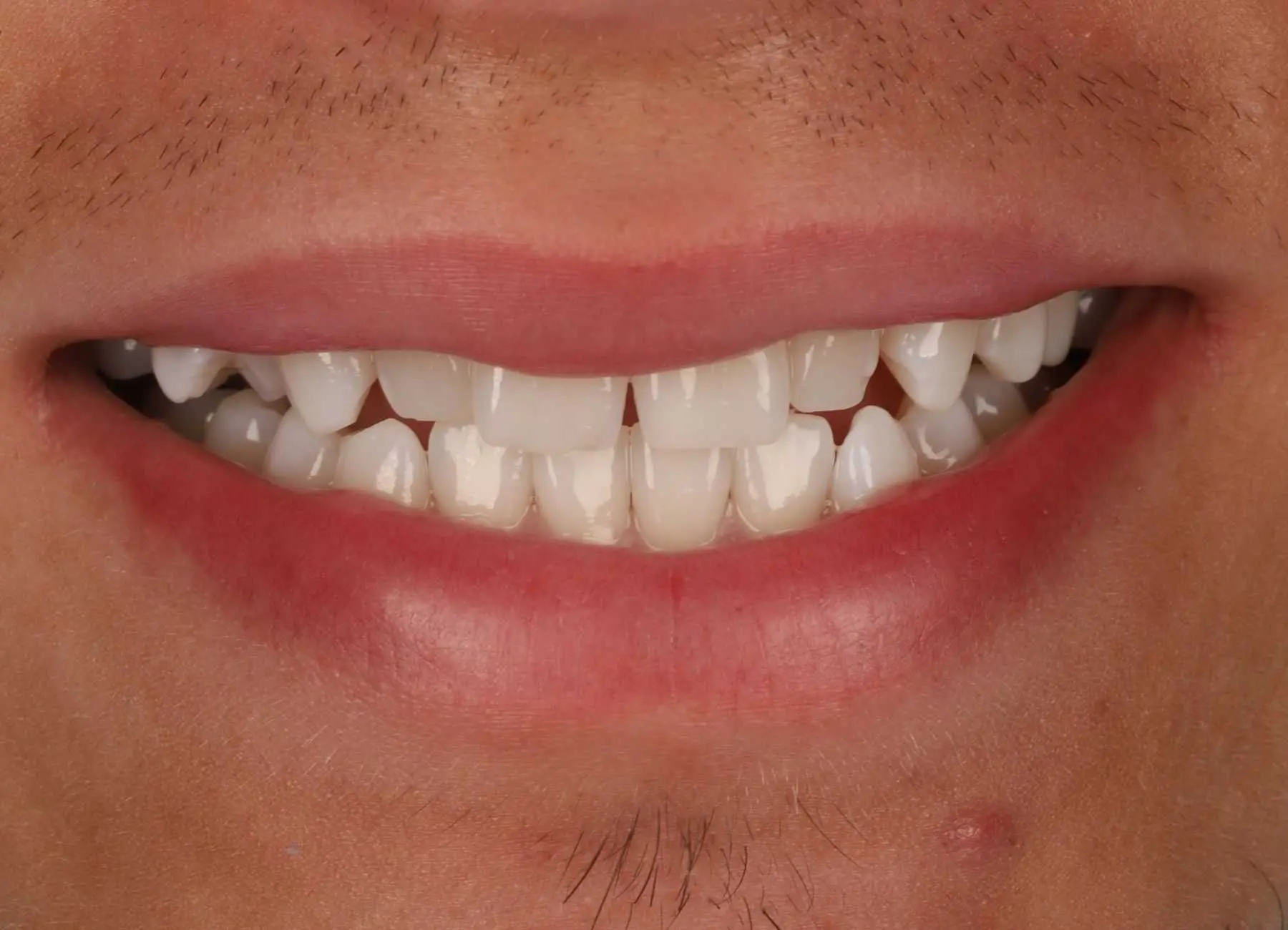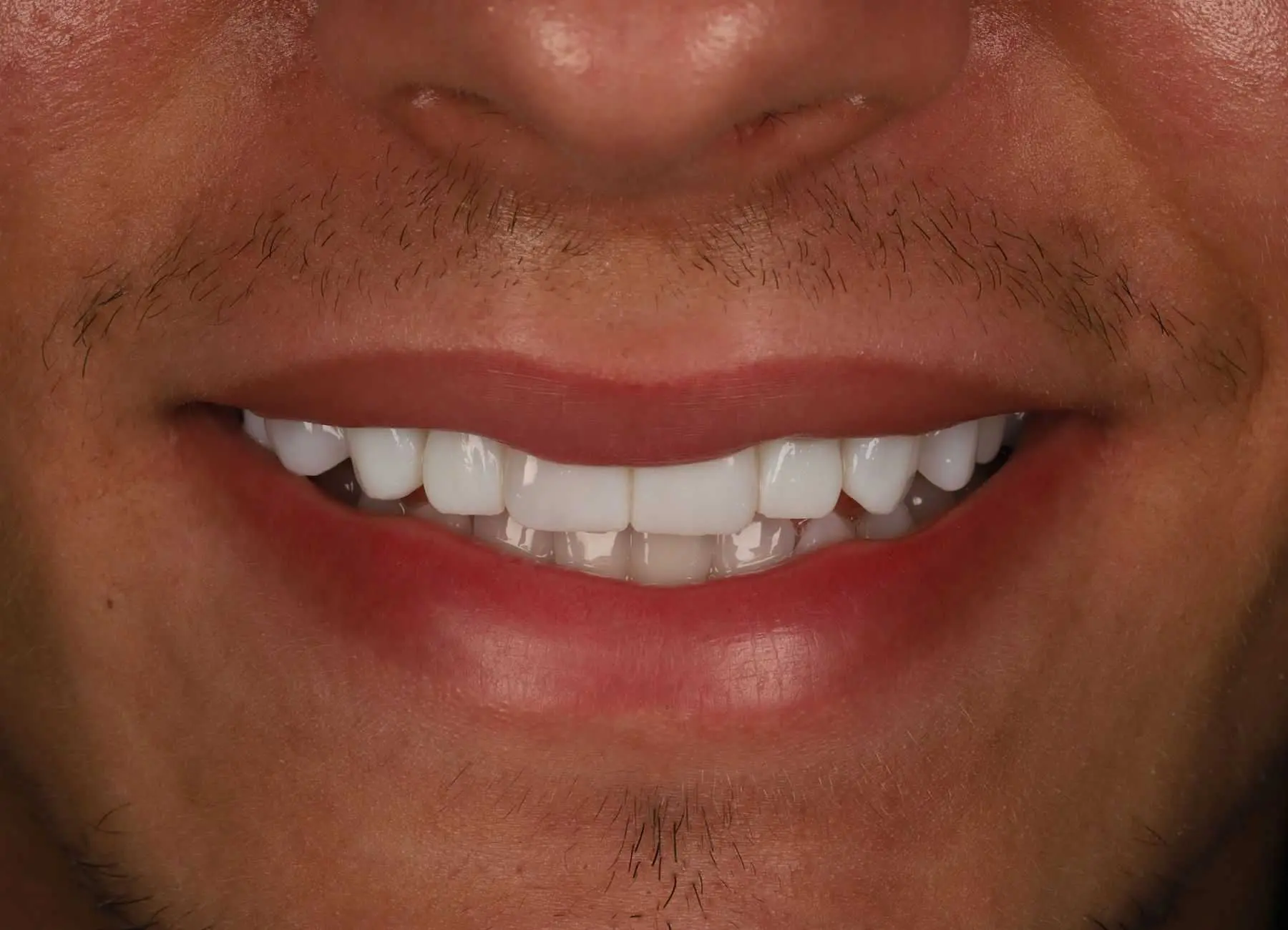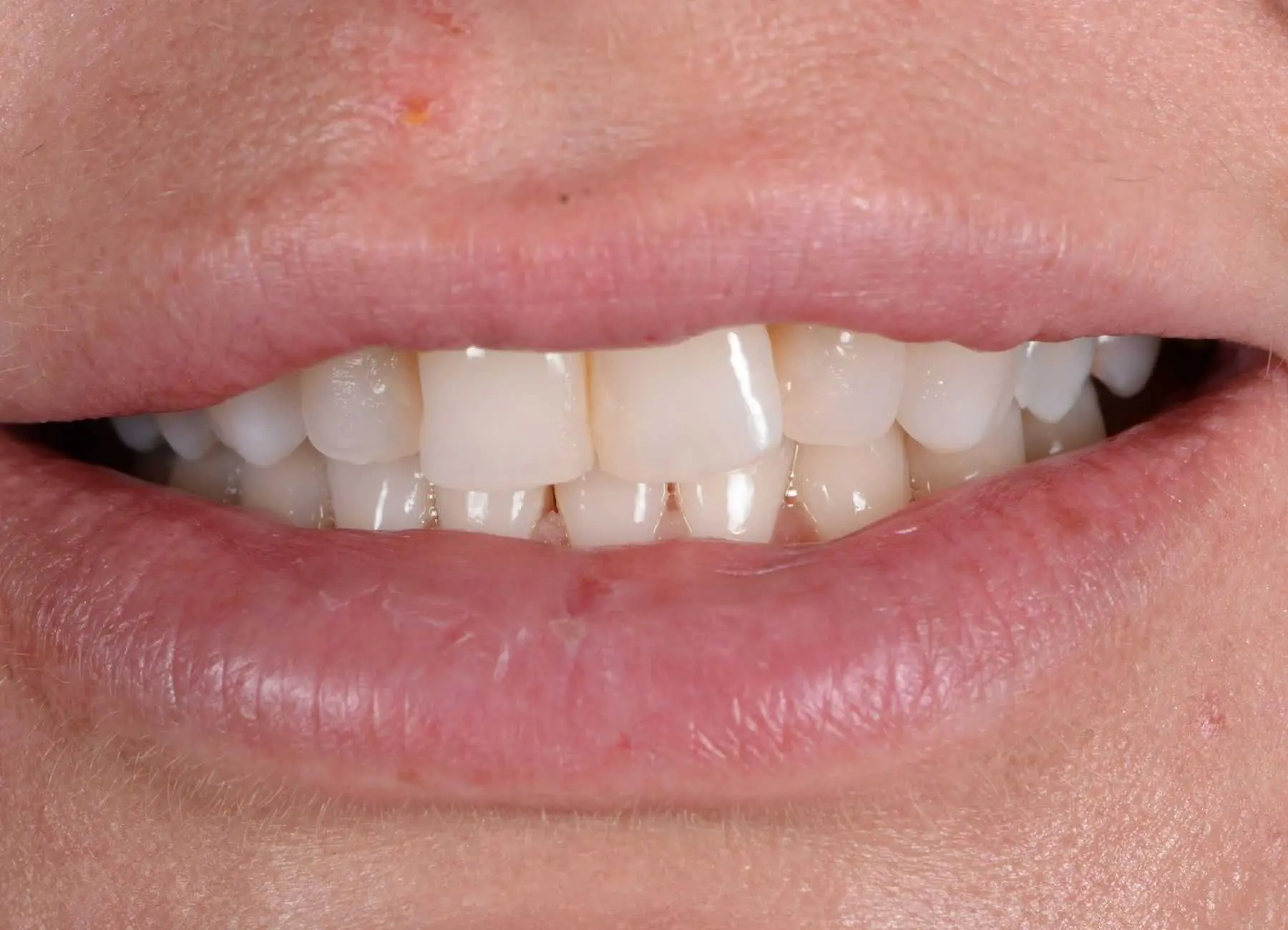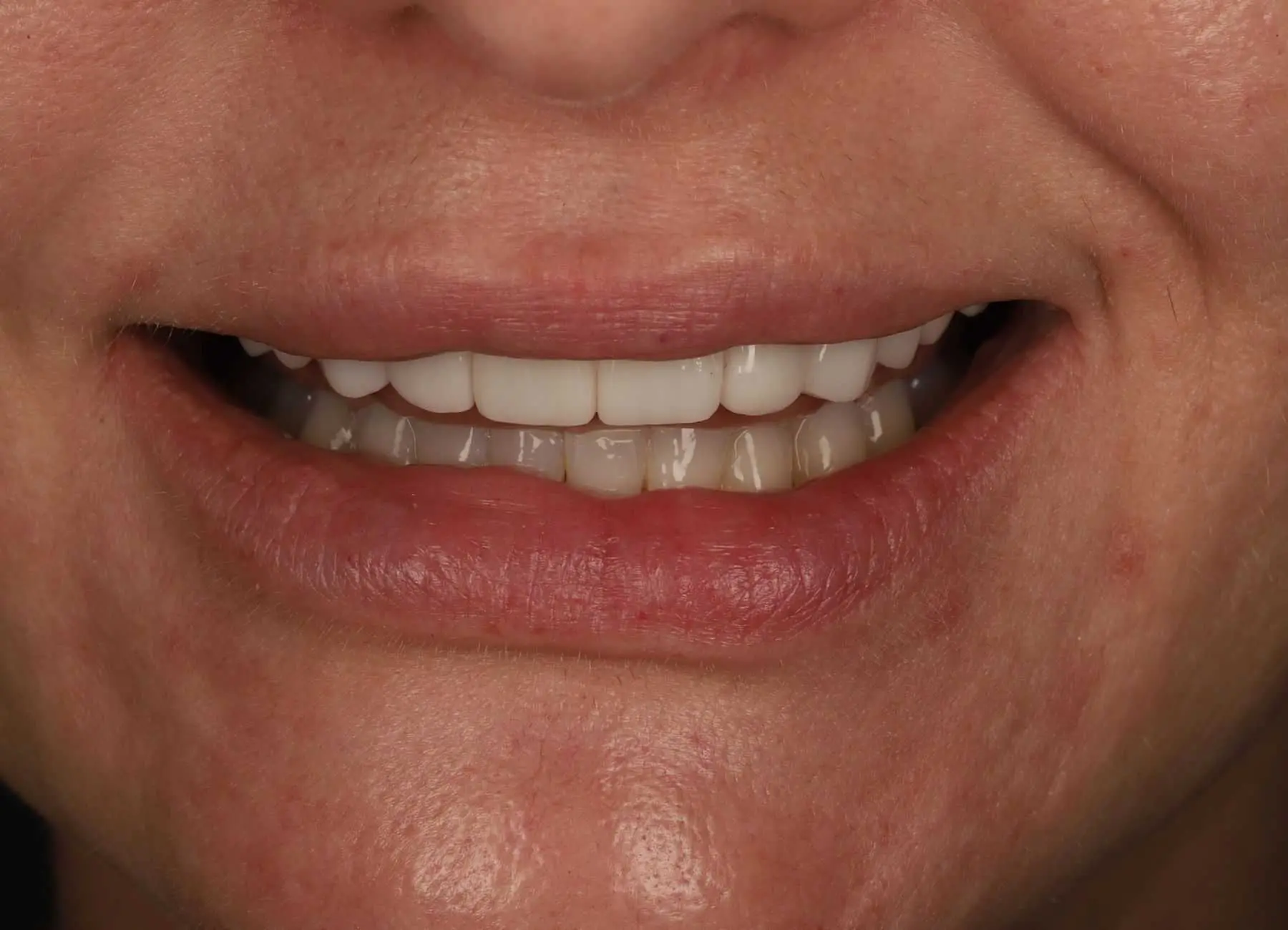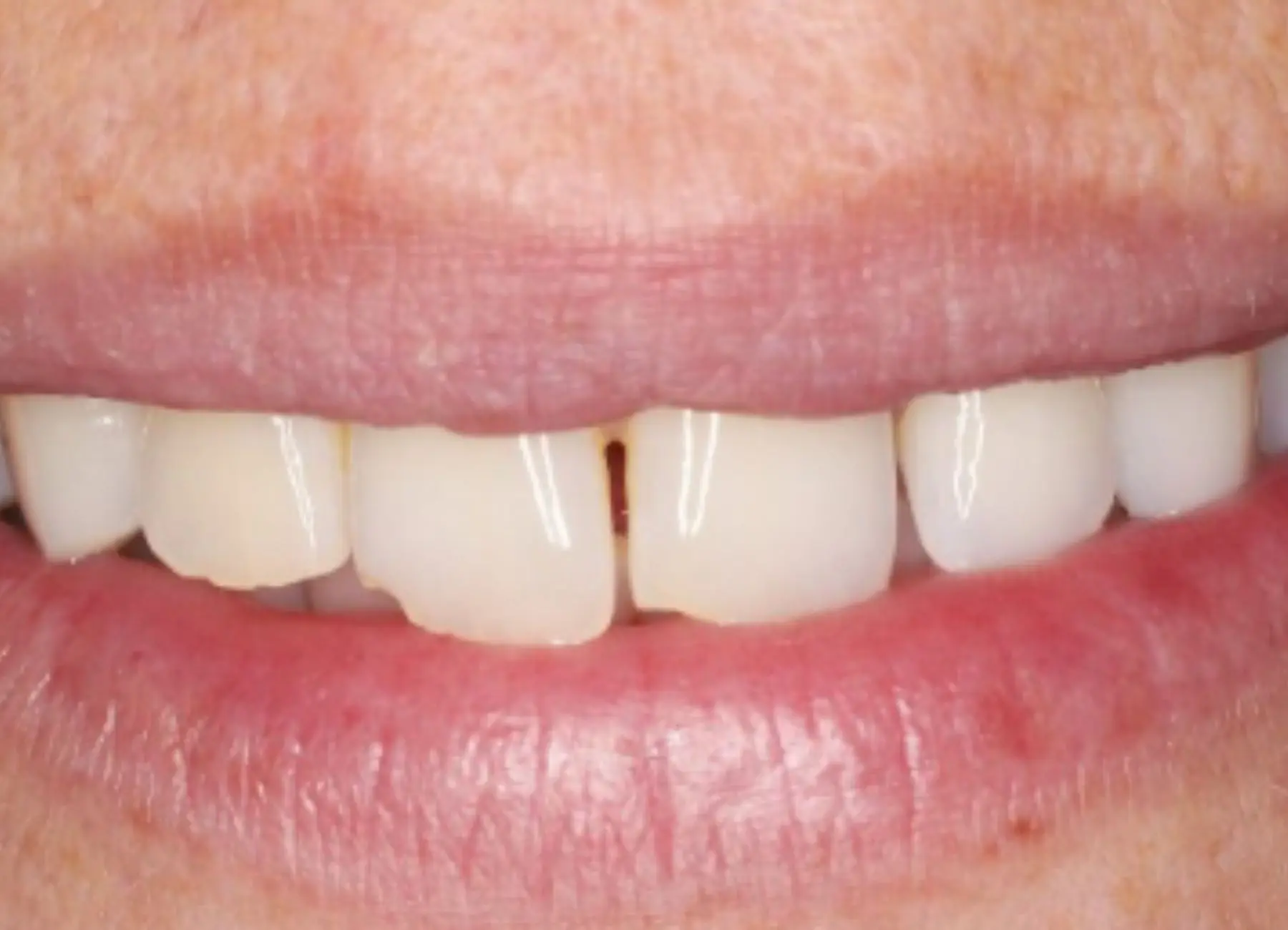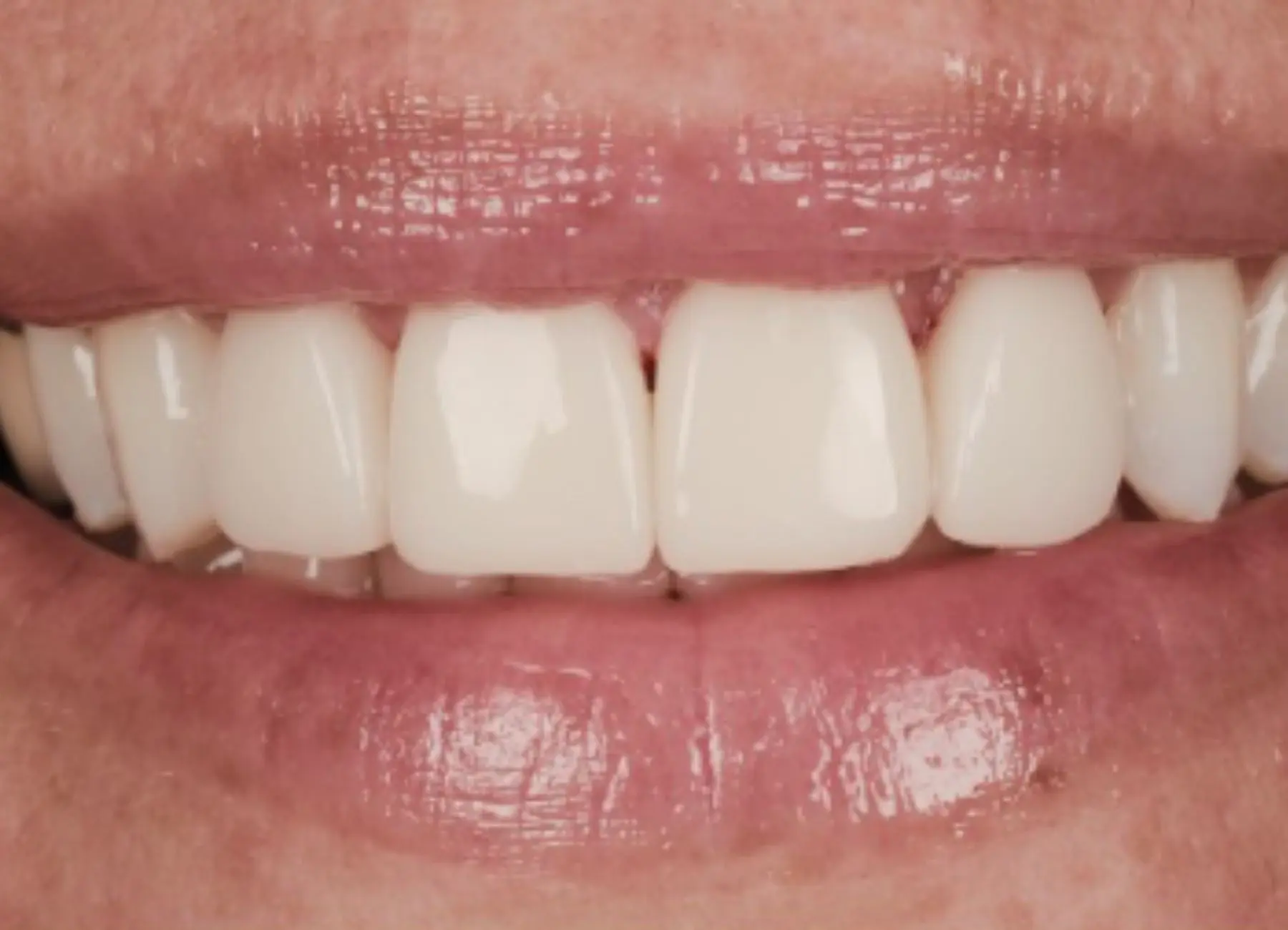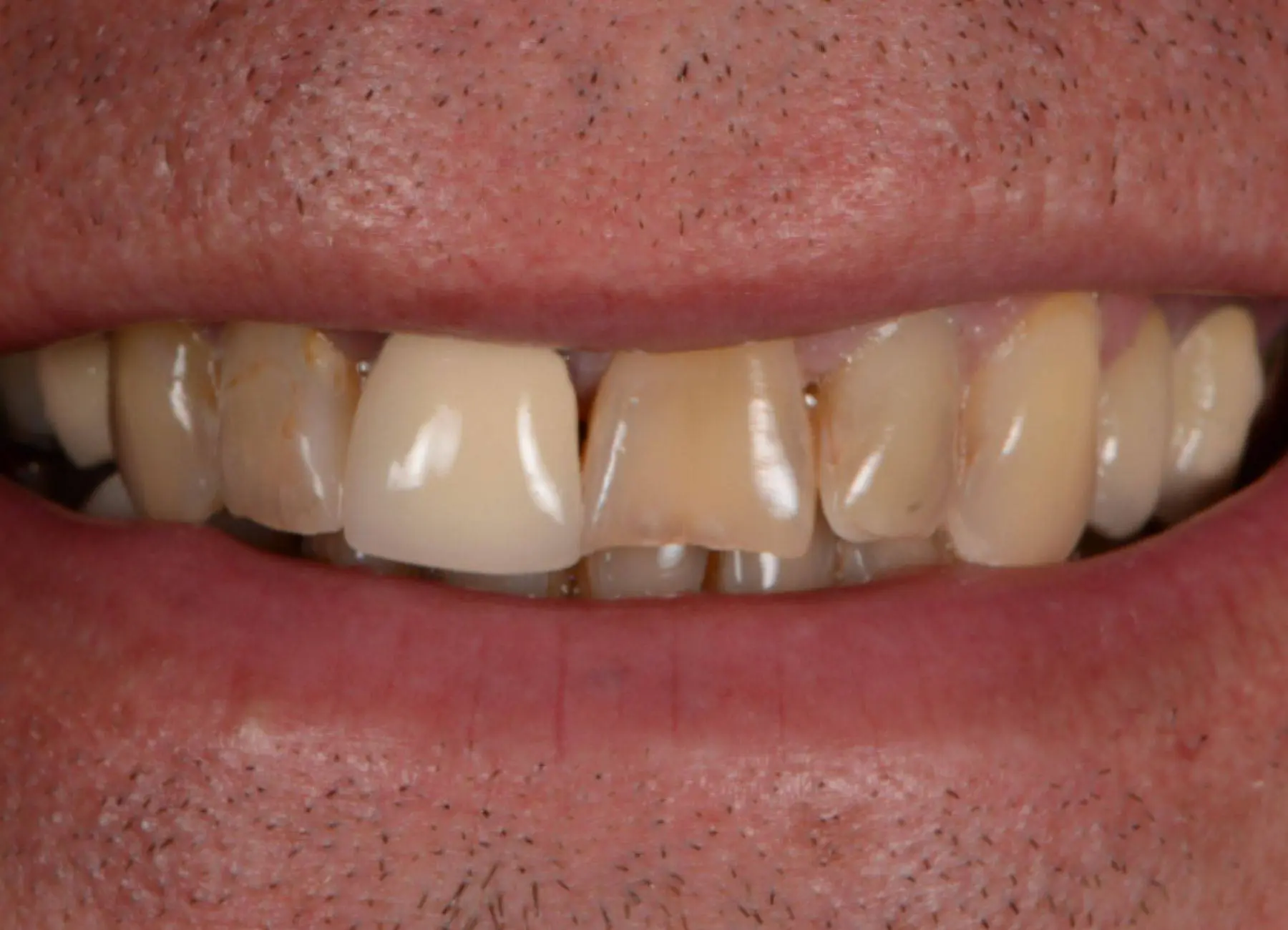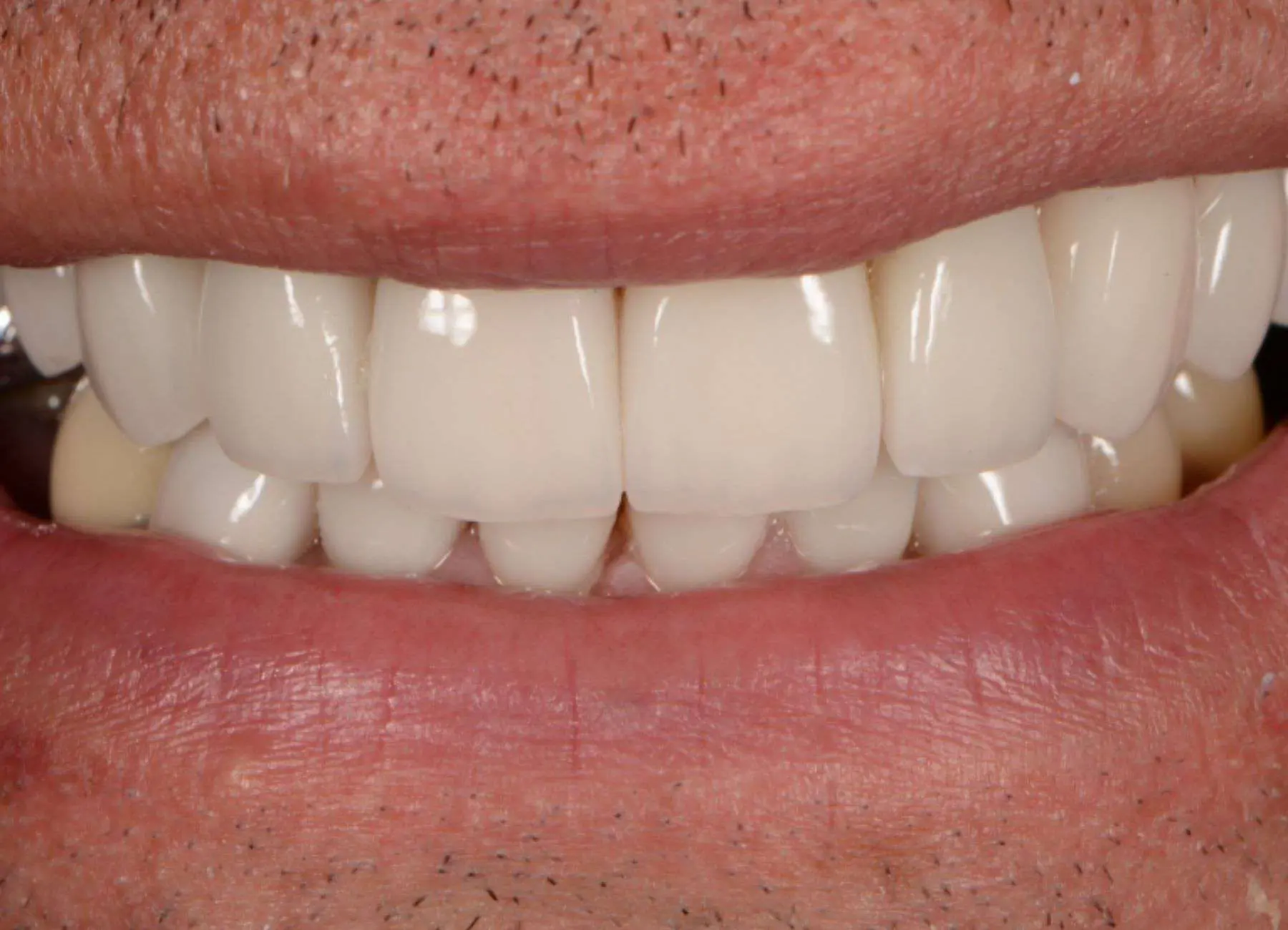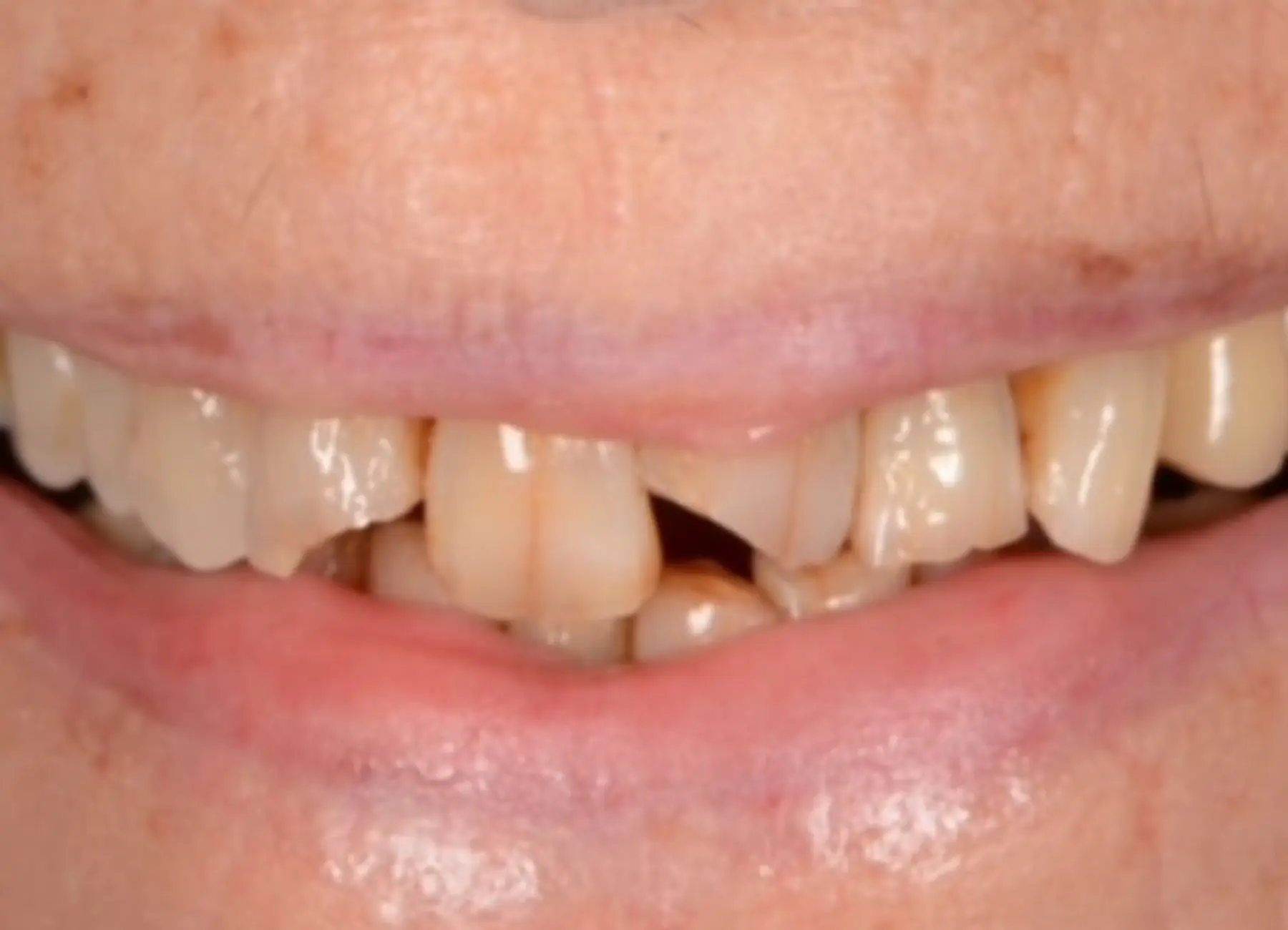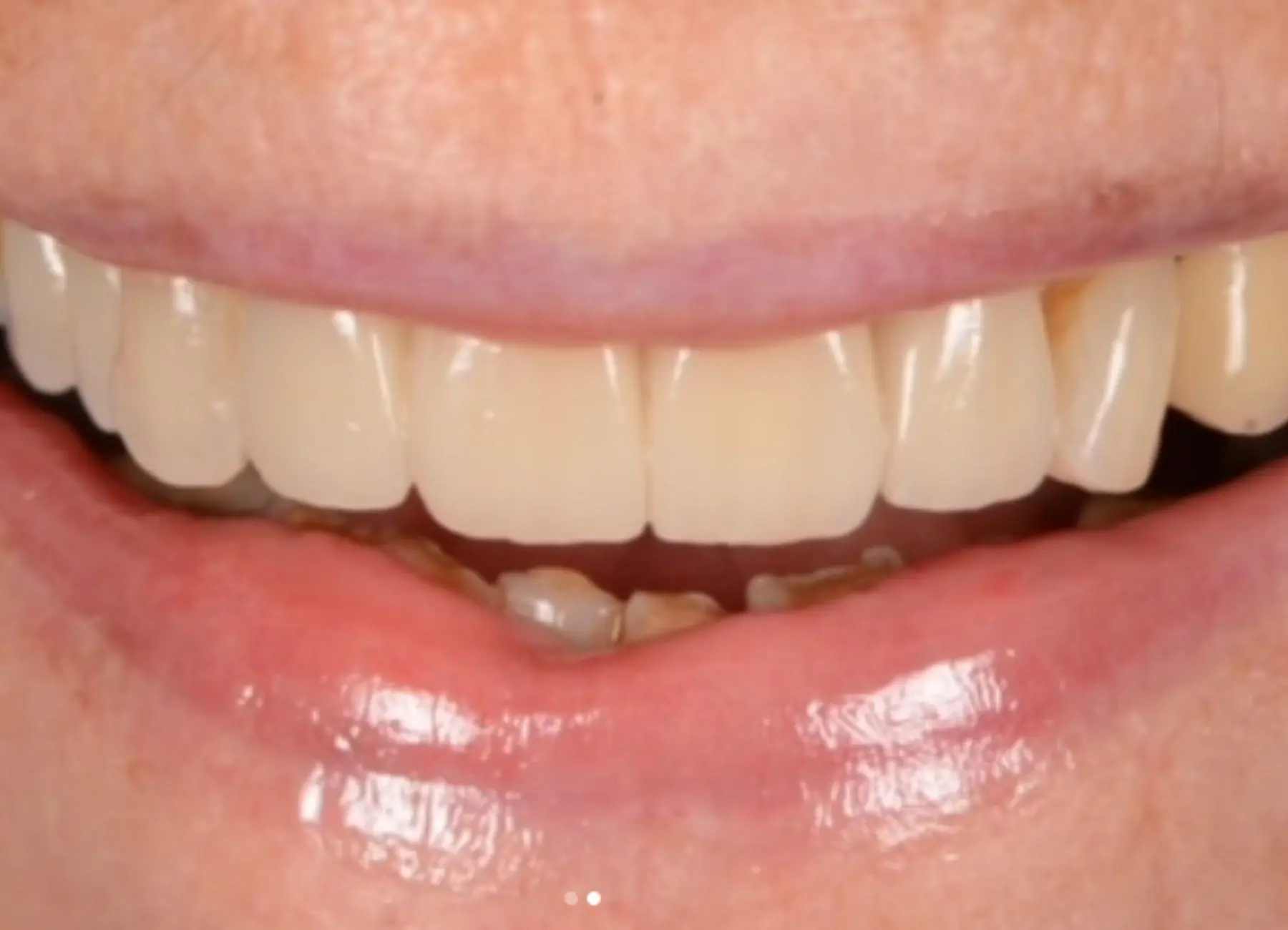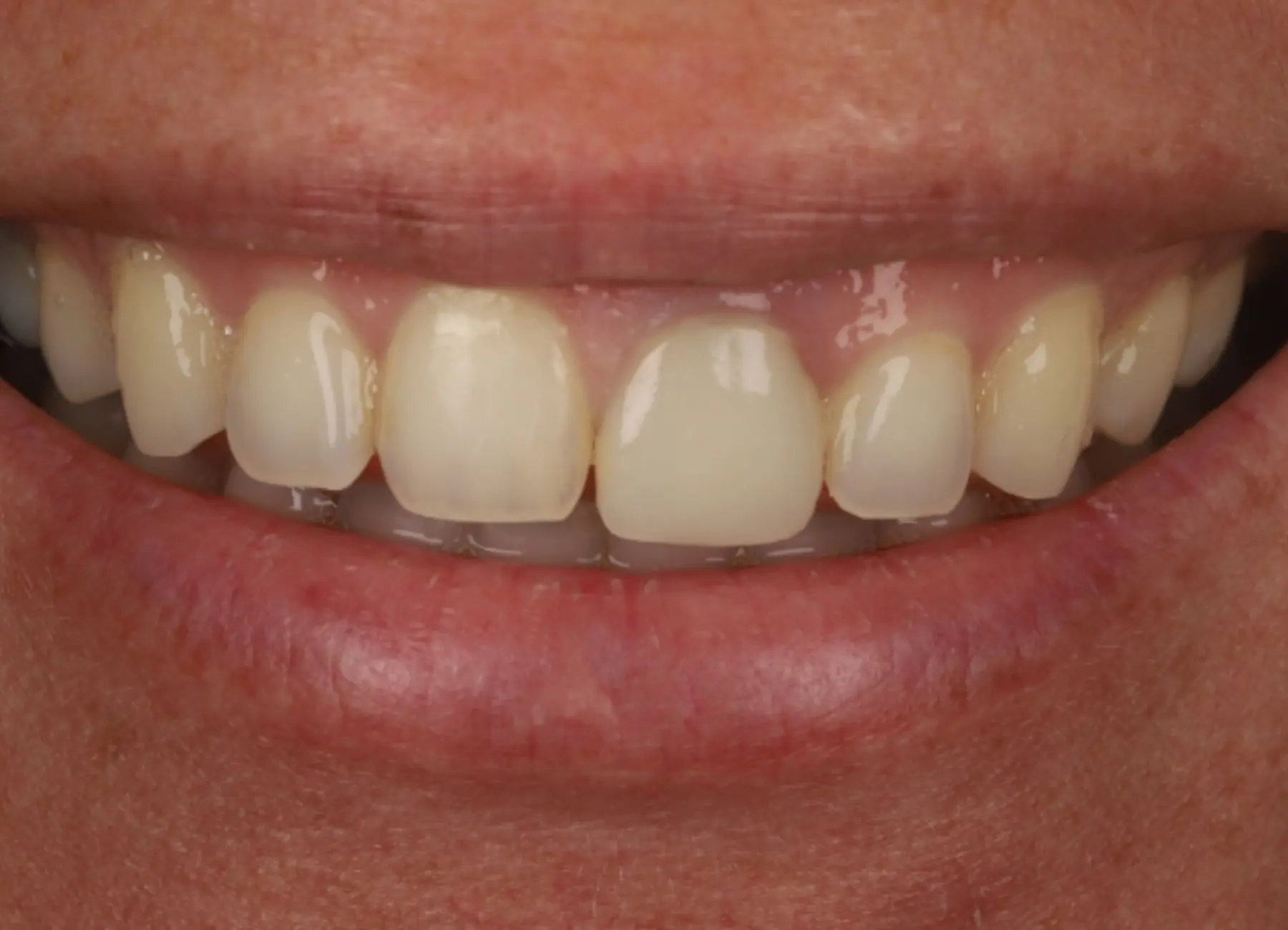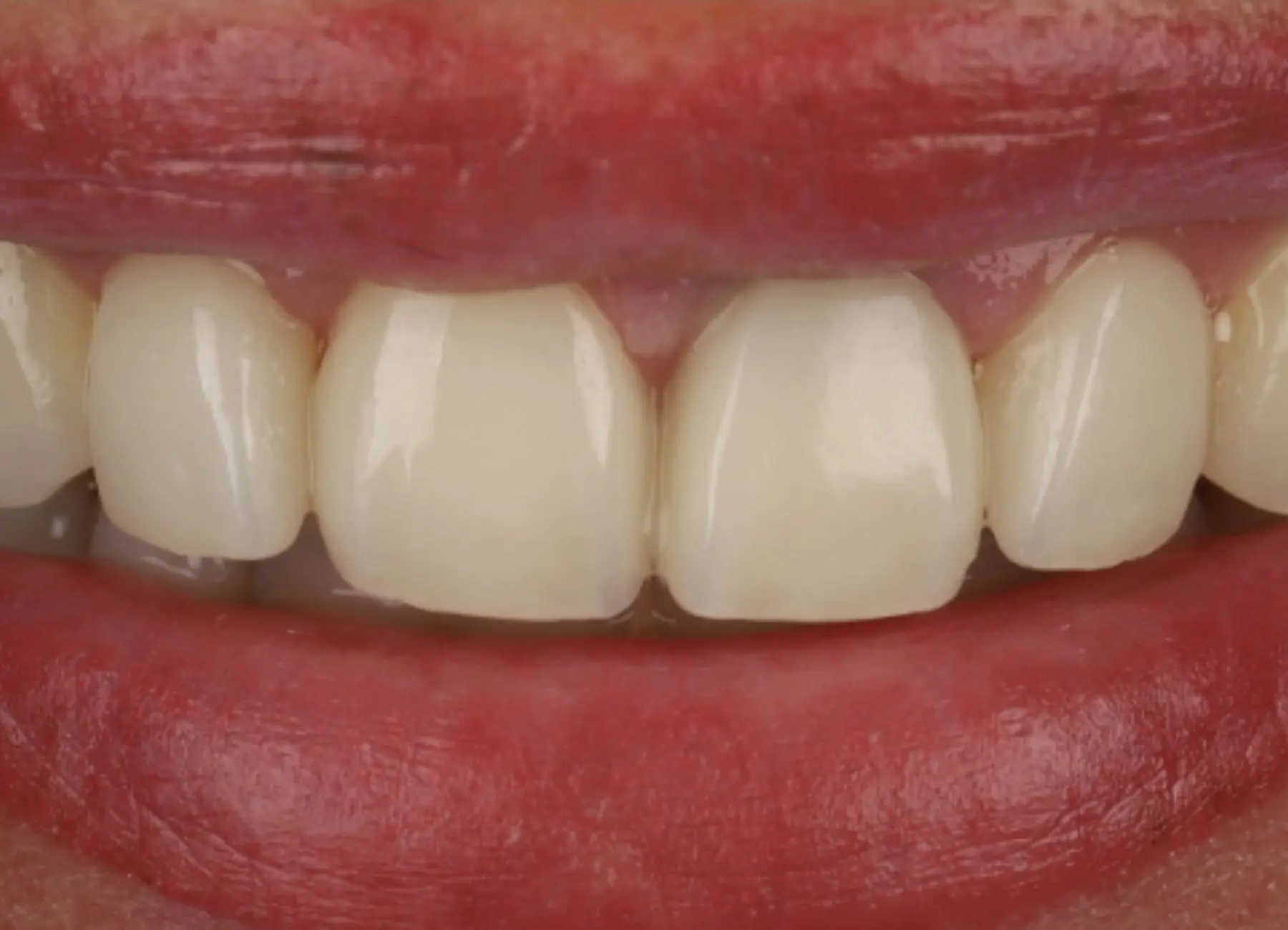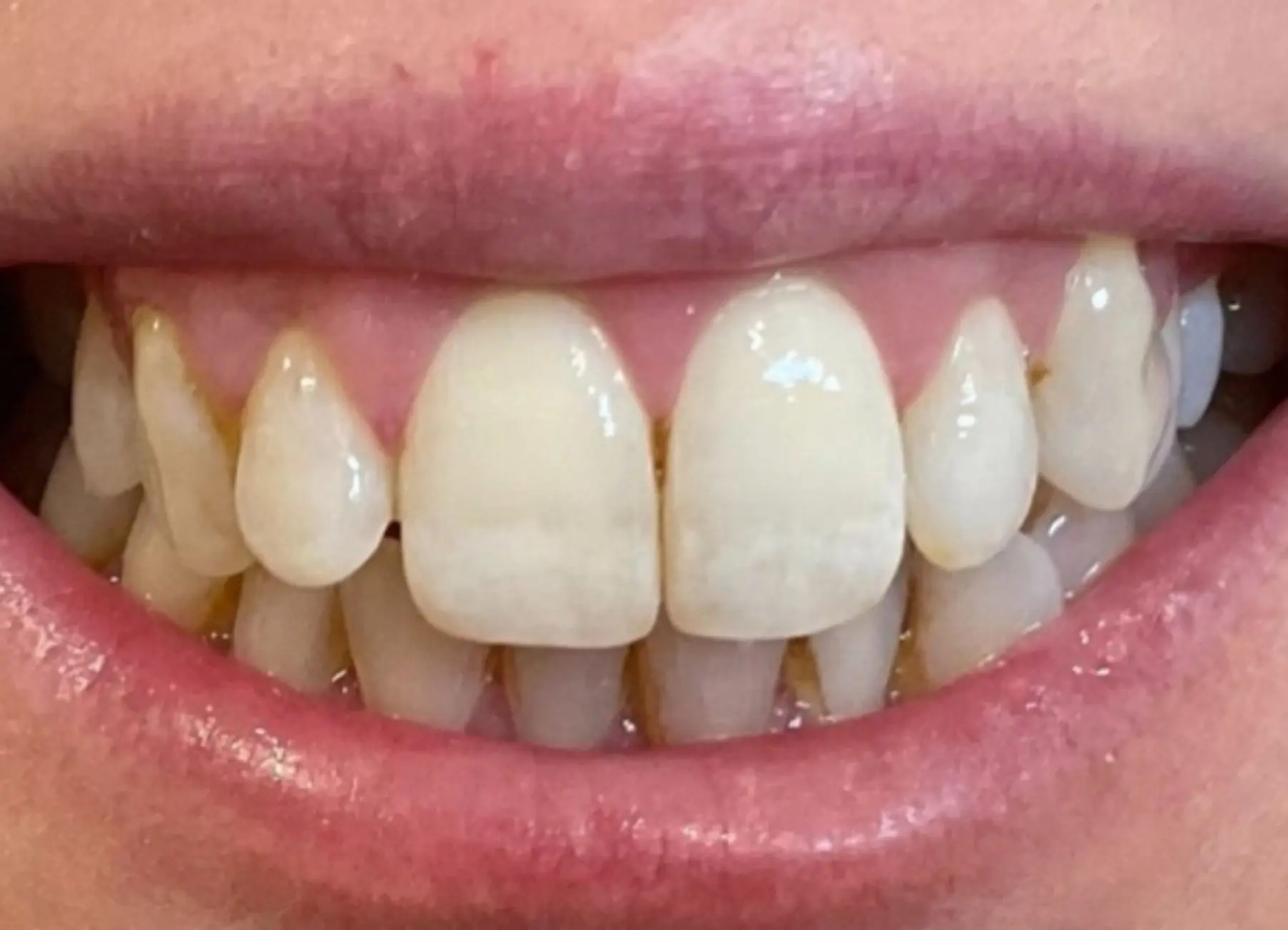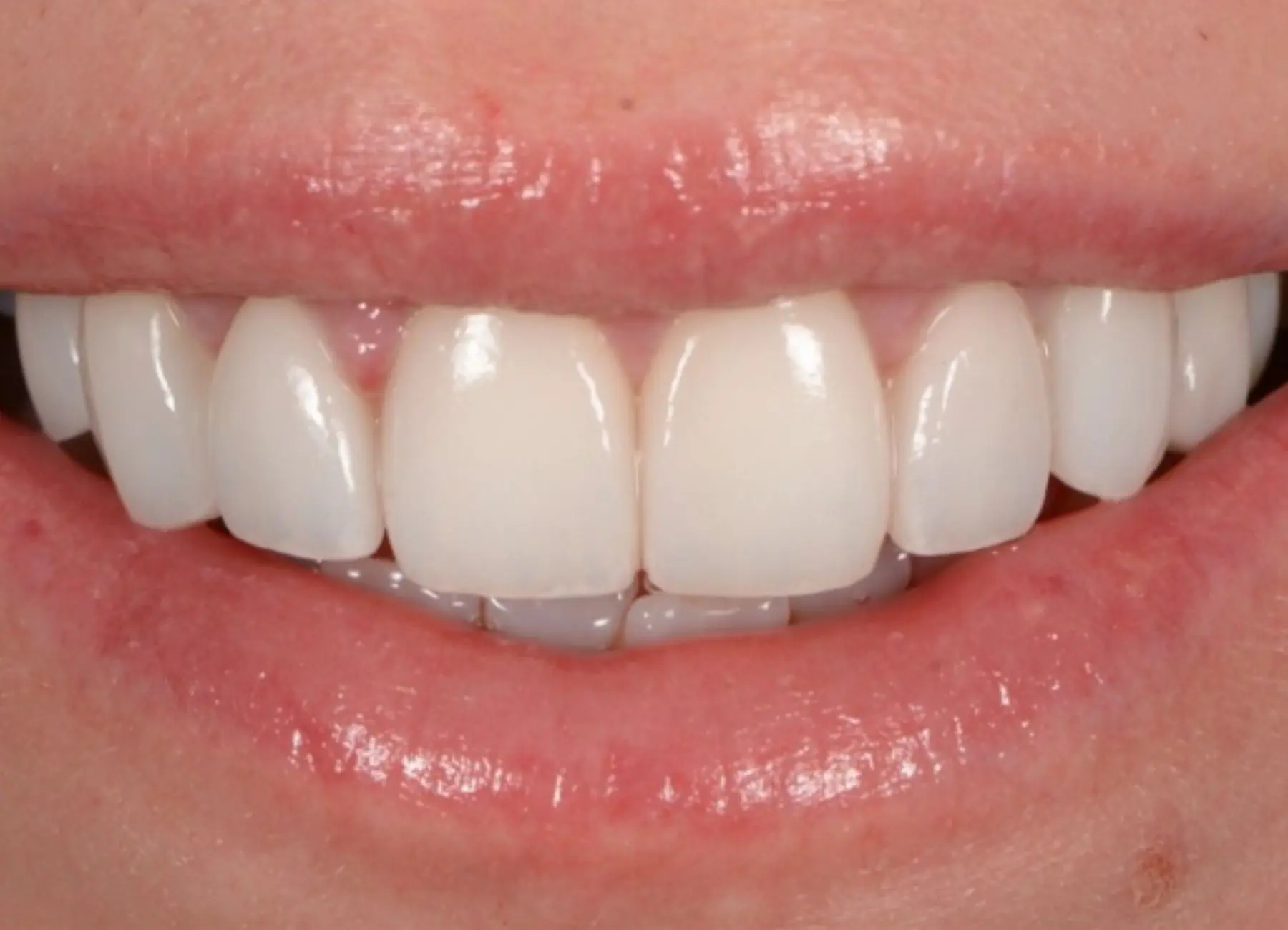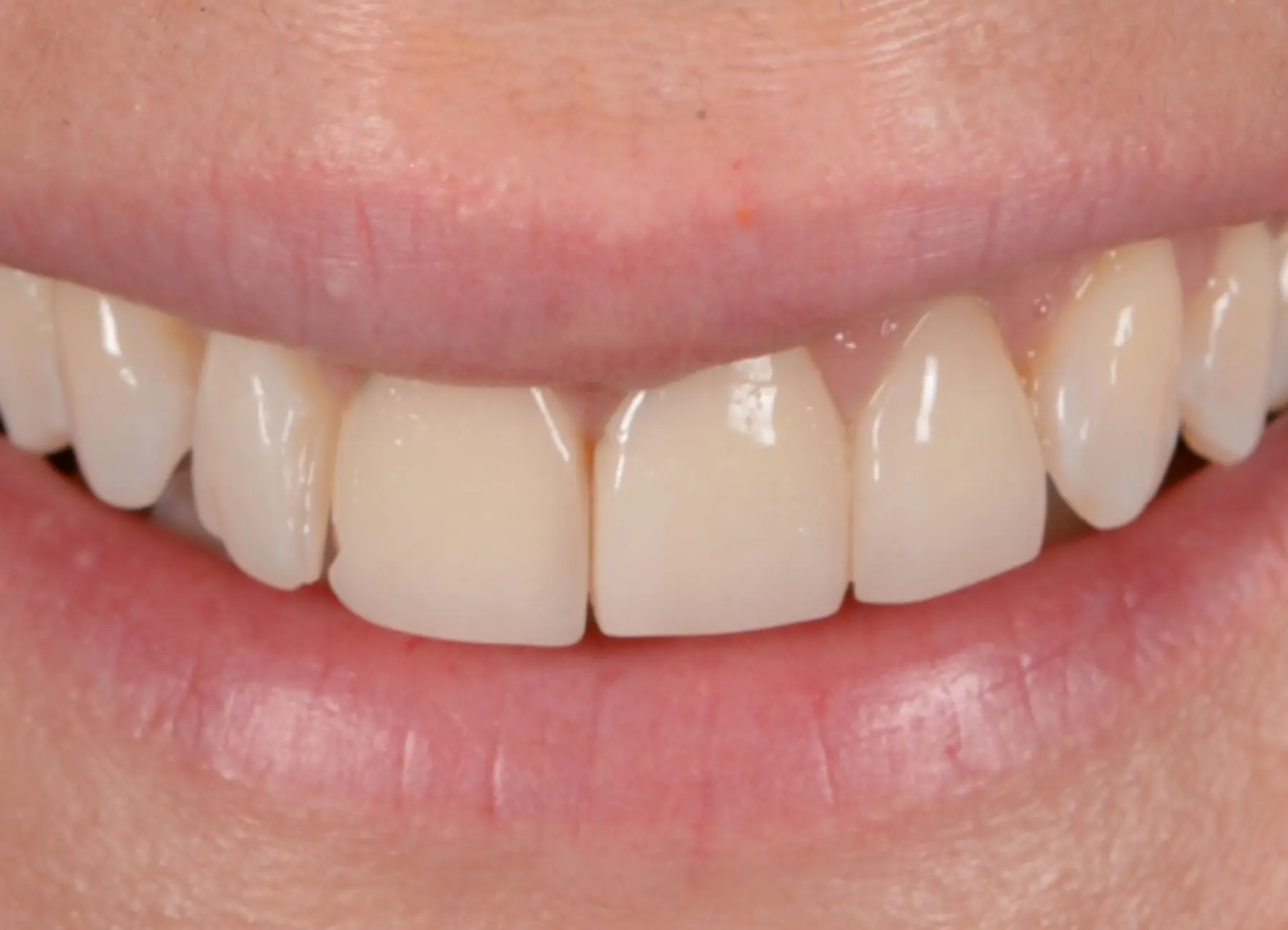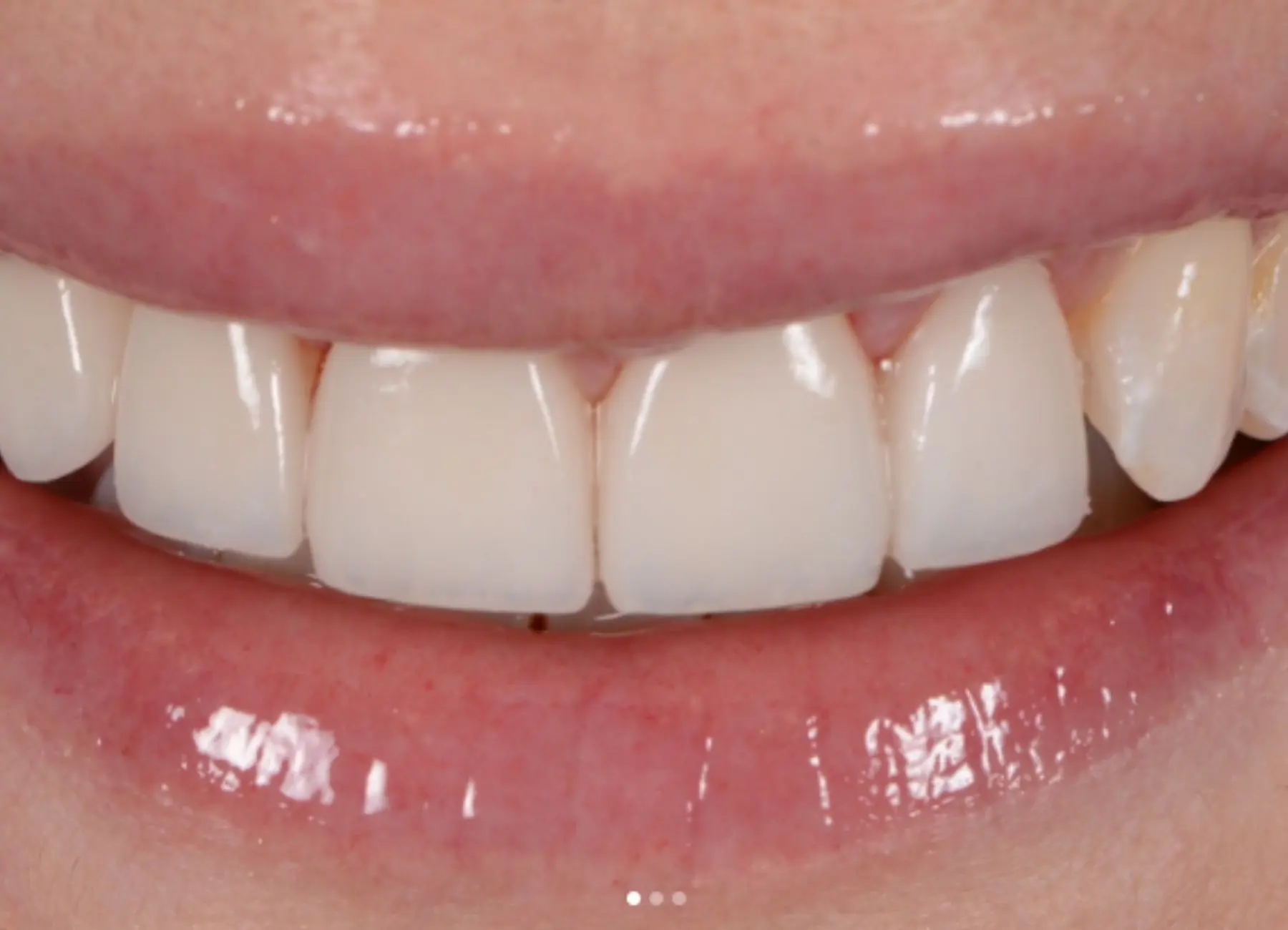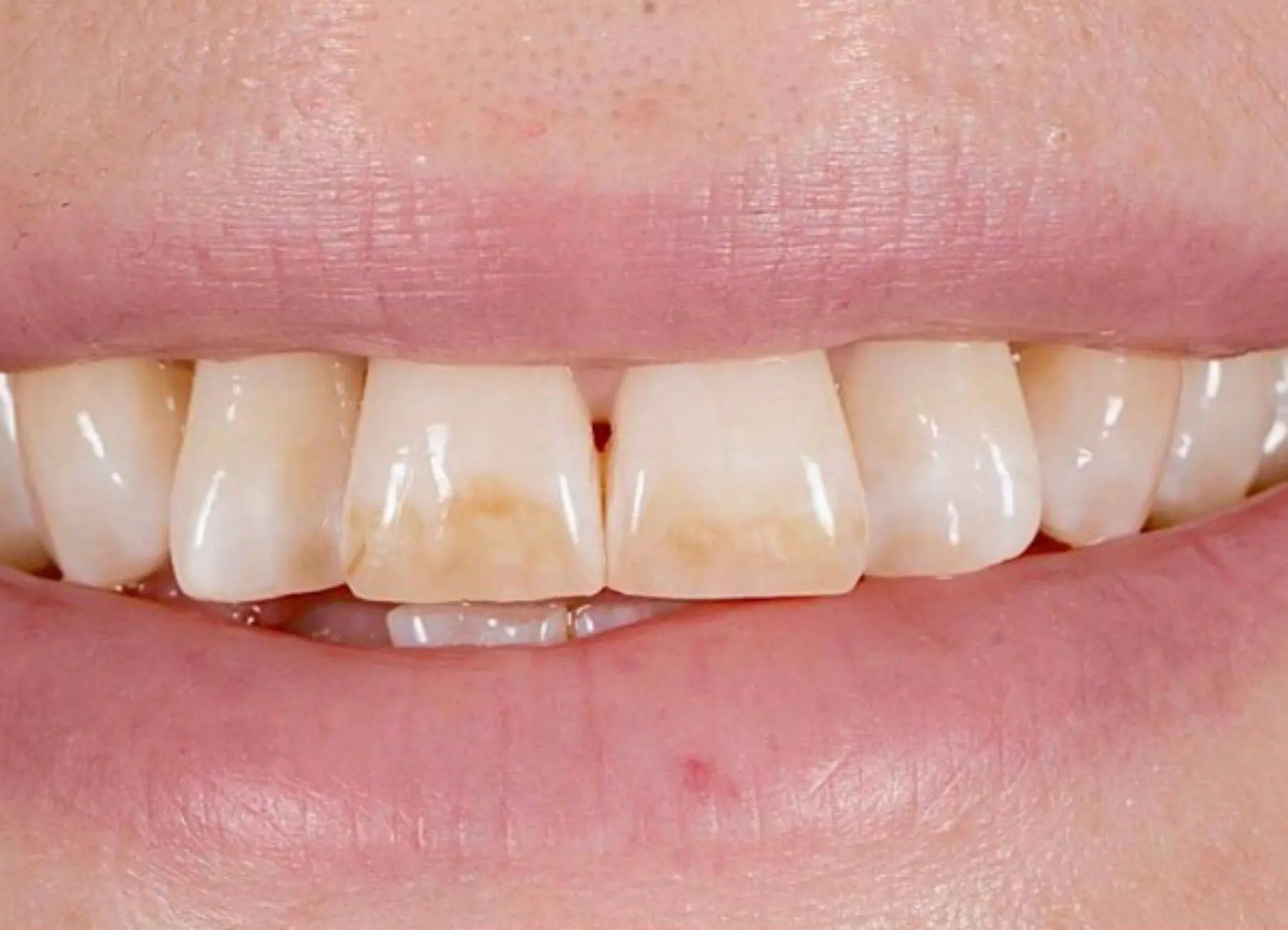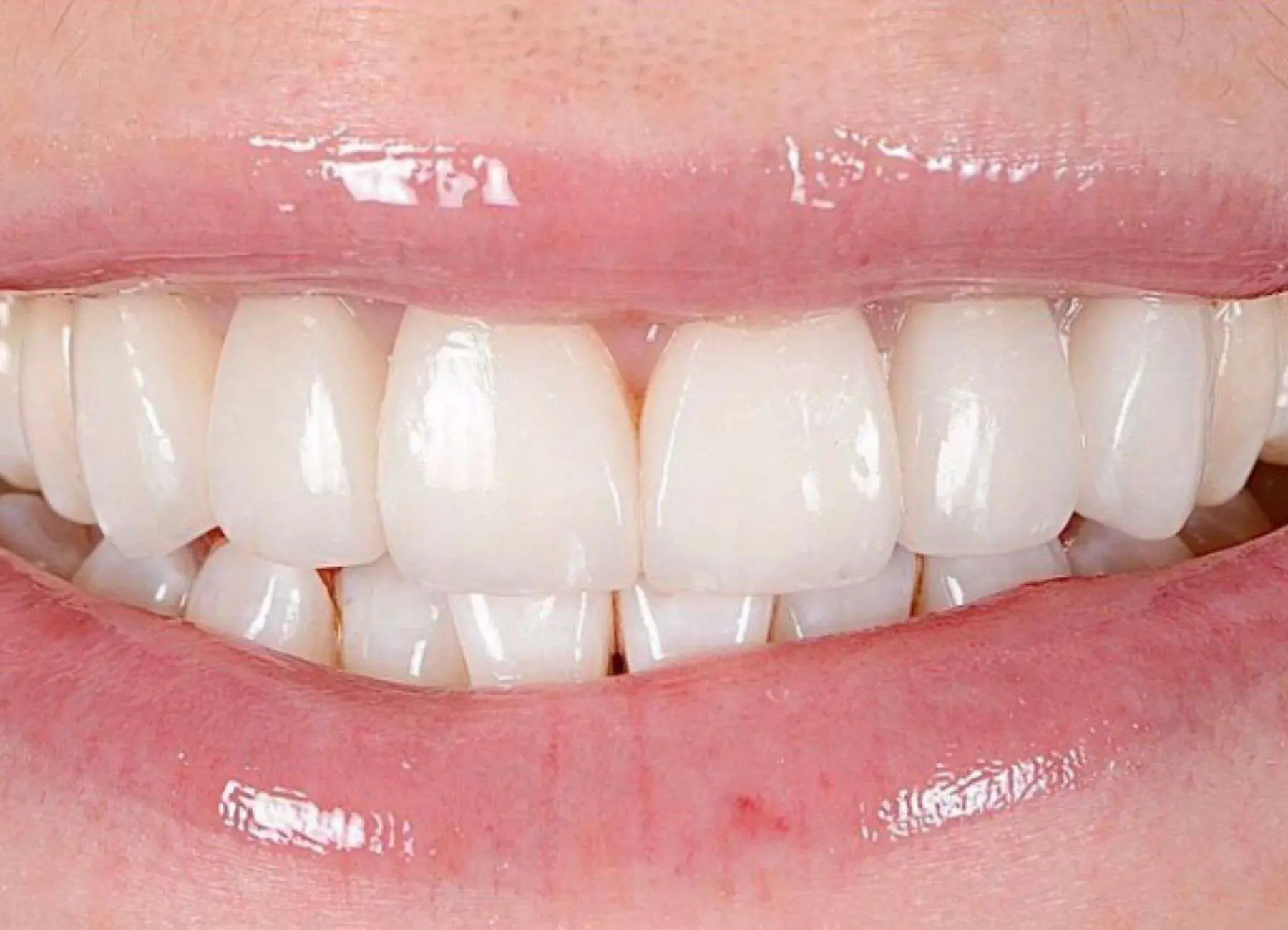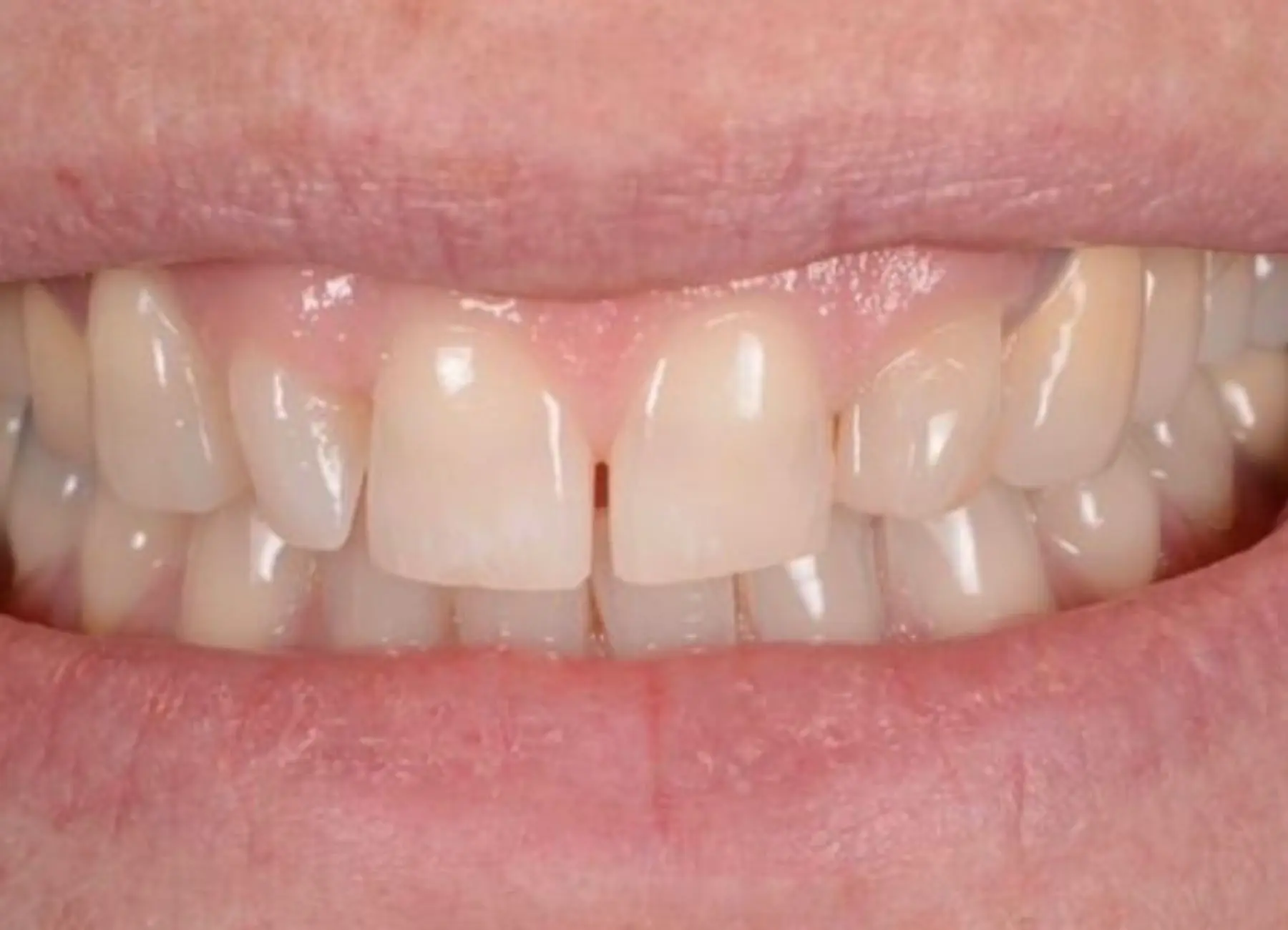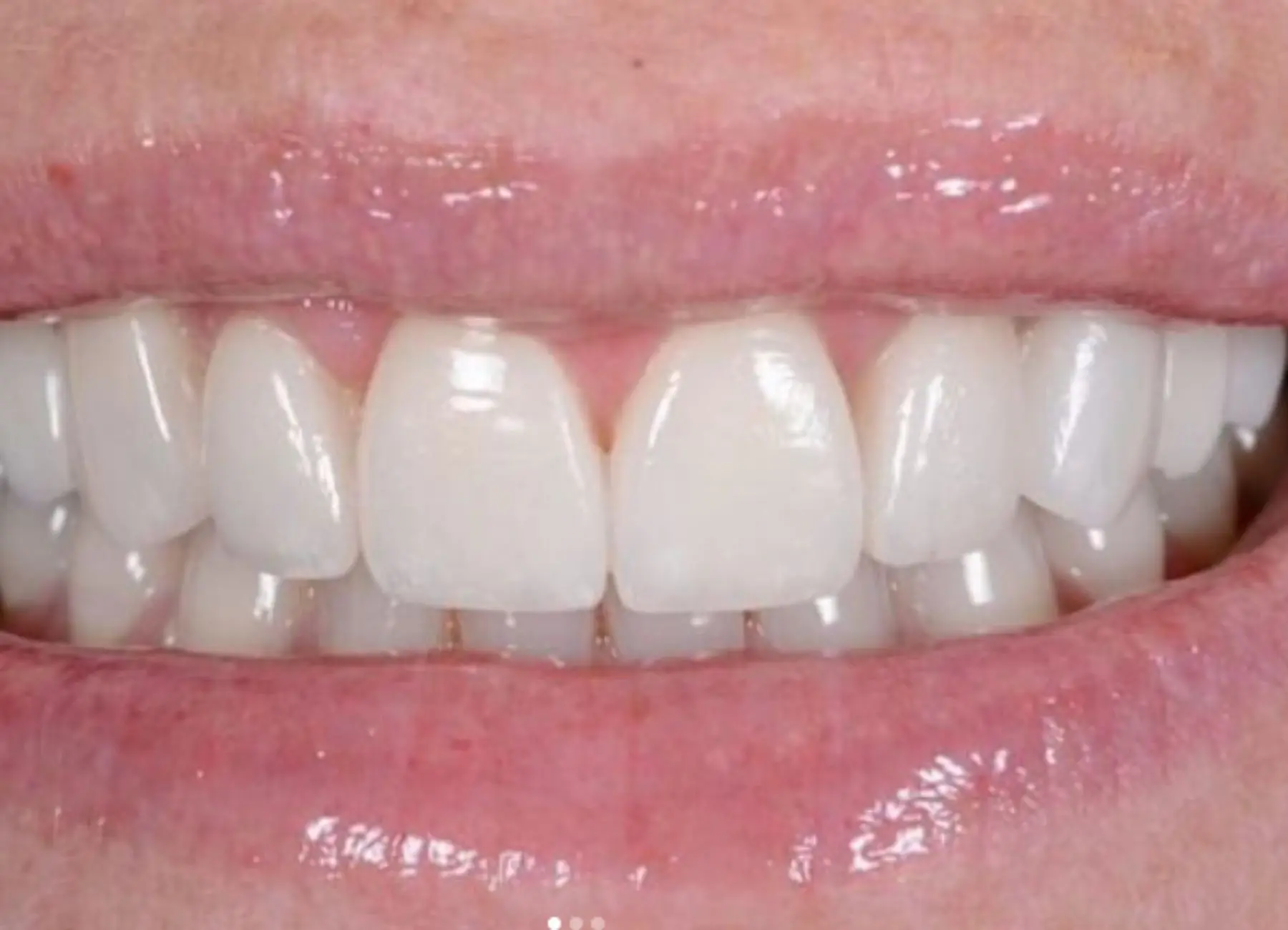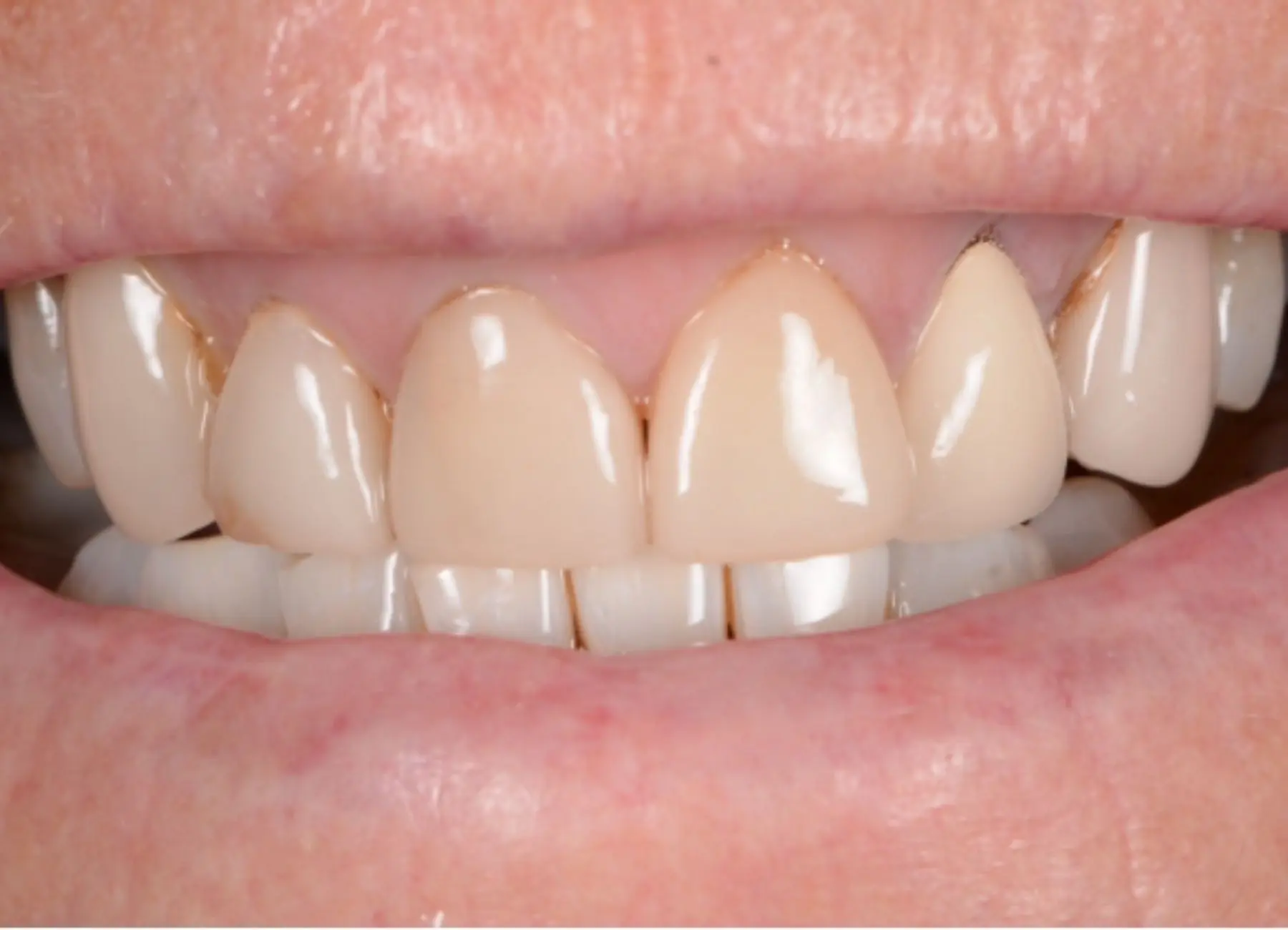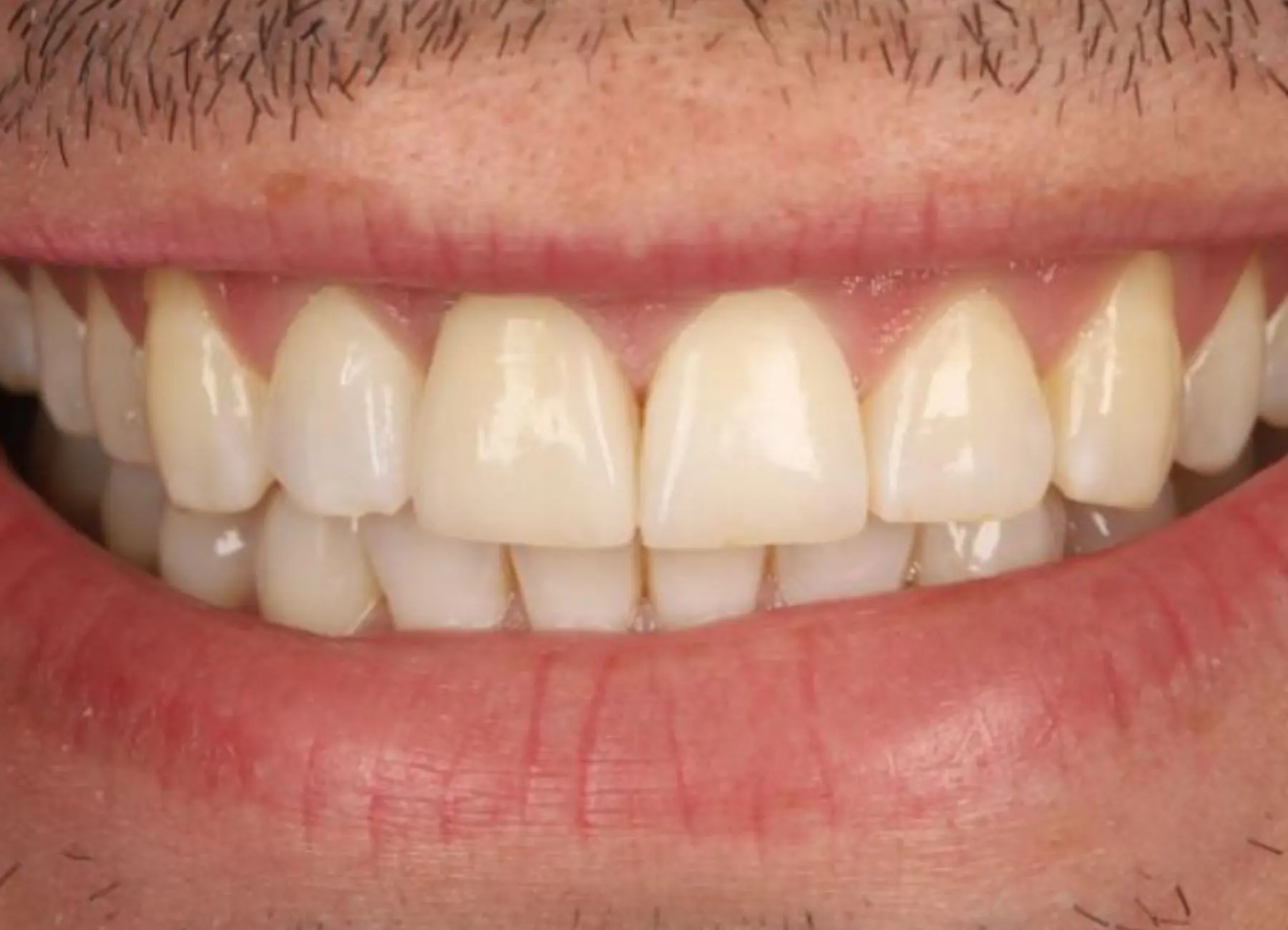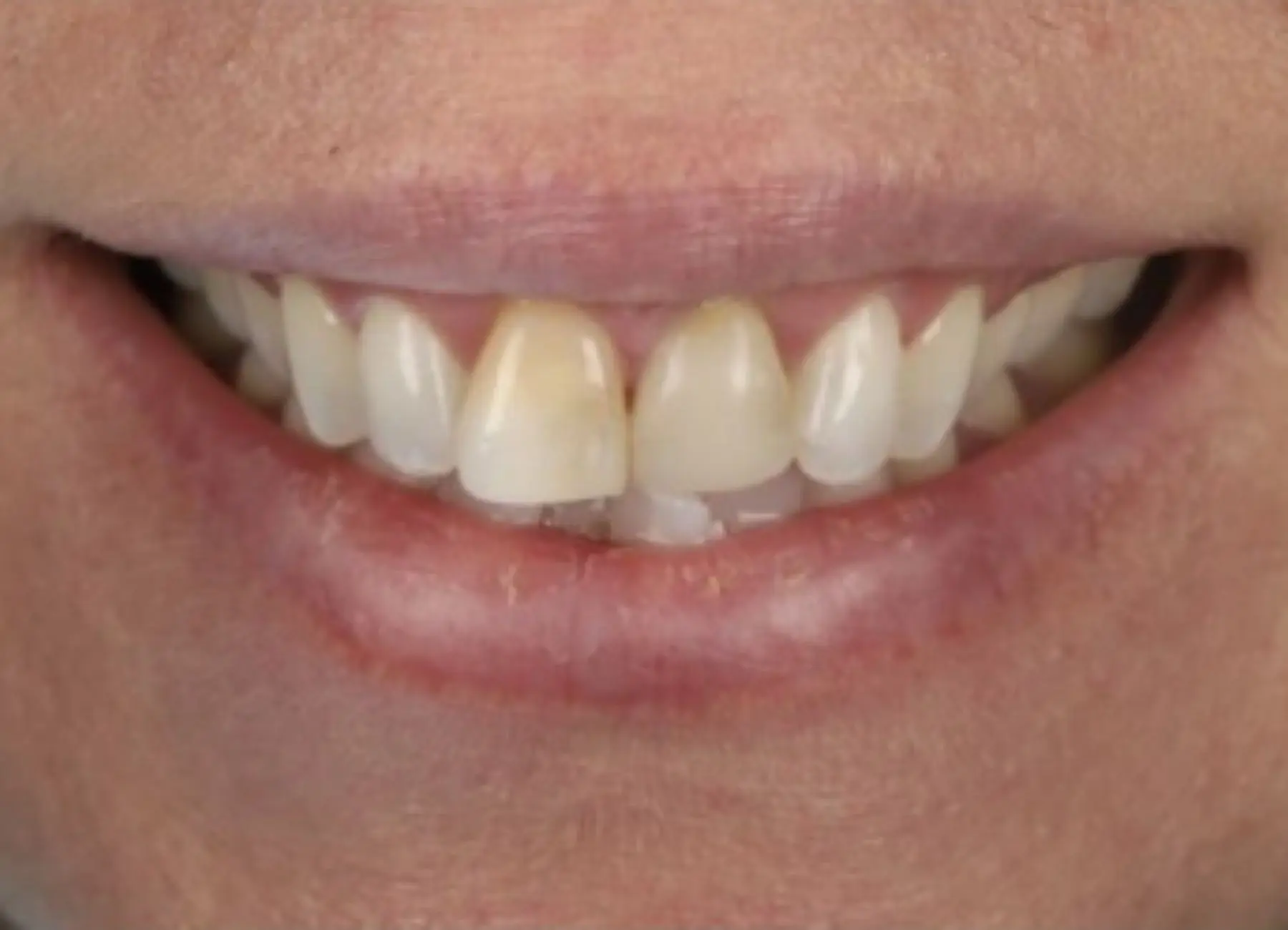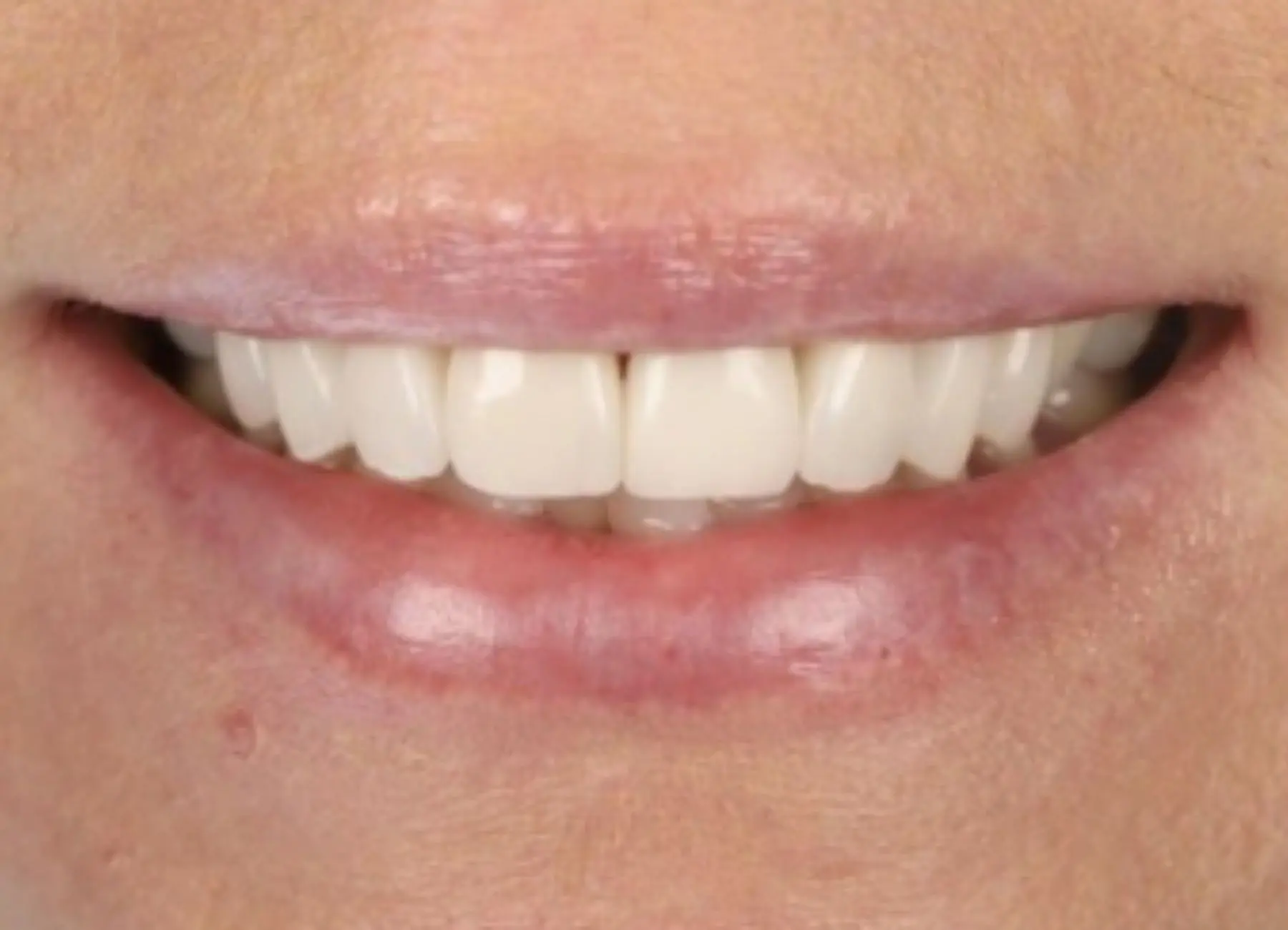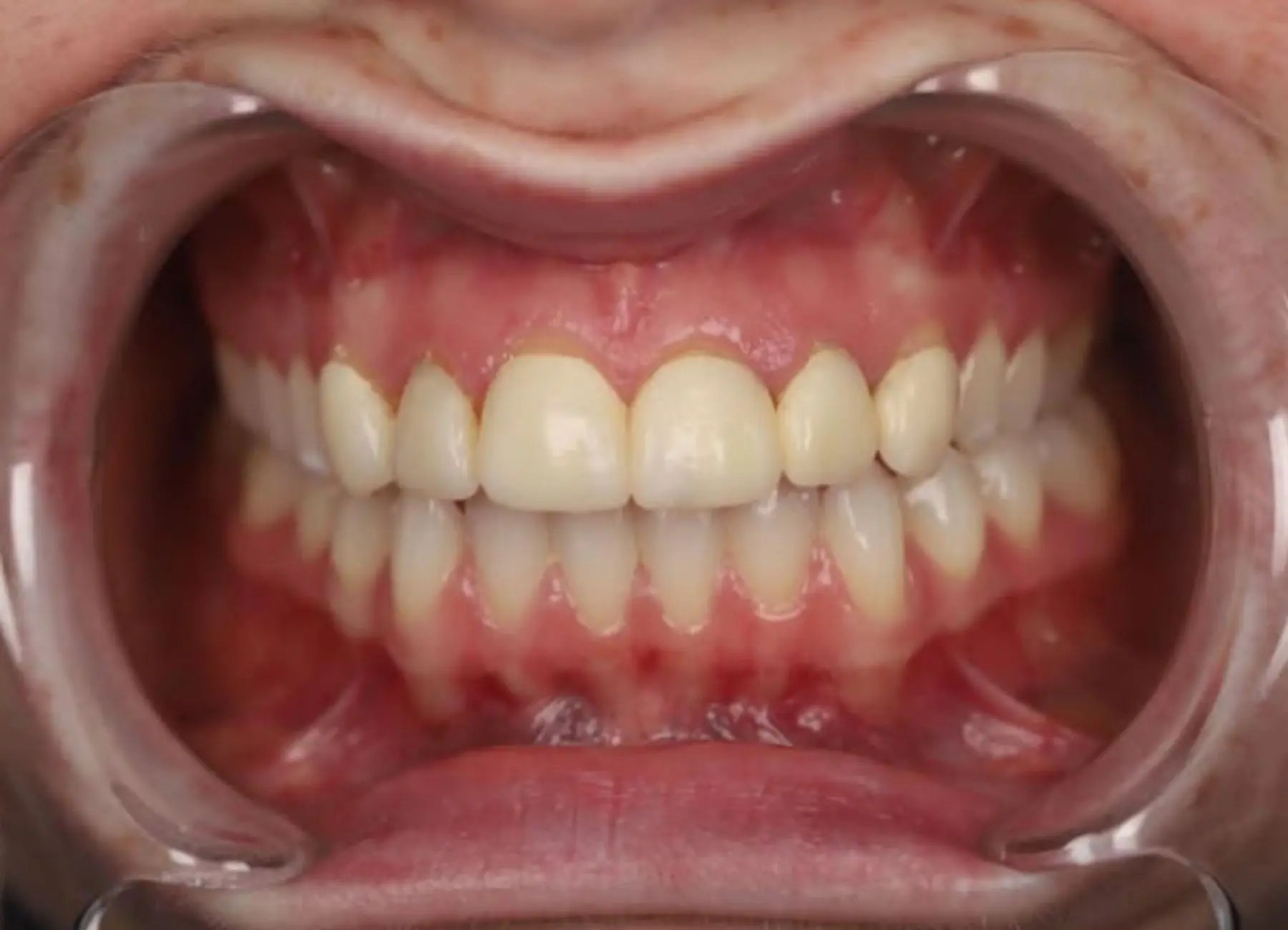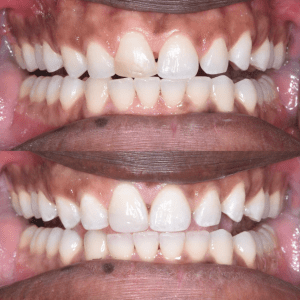
Do Veneers Replace Missing Teeth?
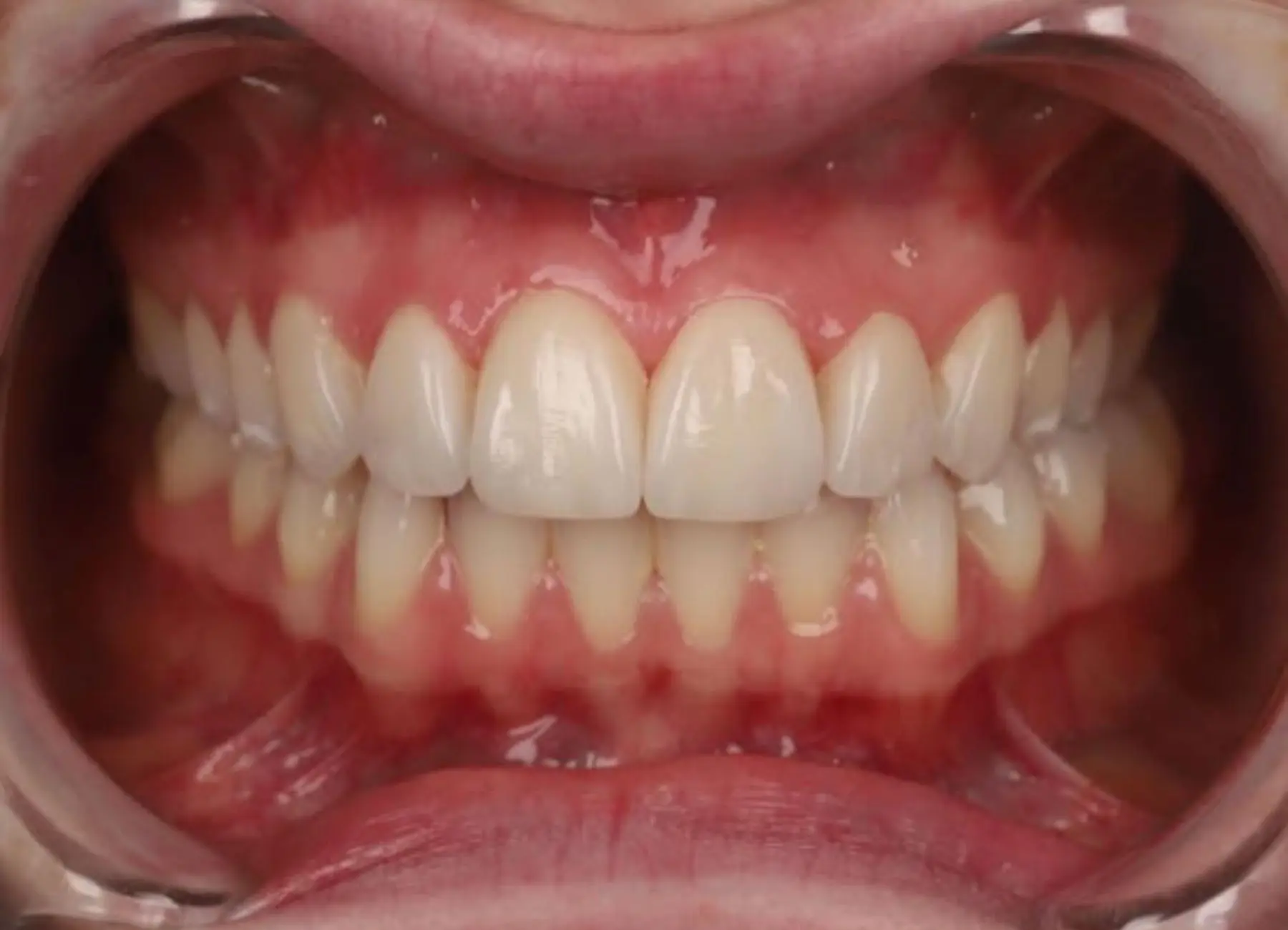
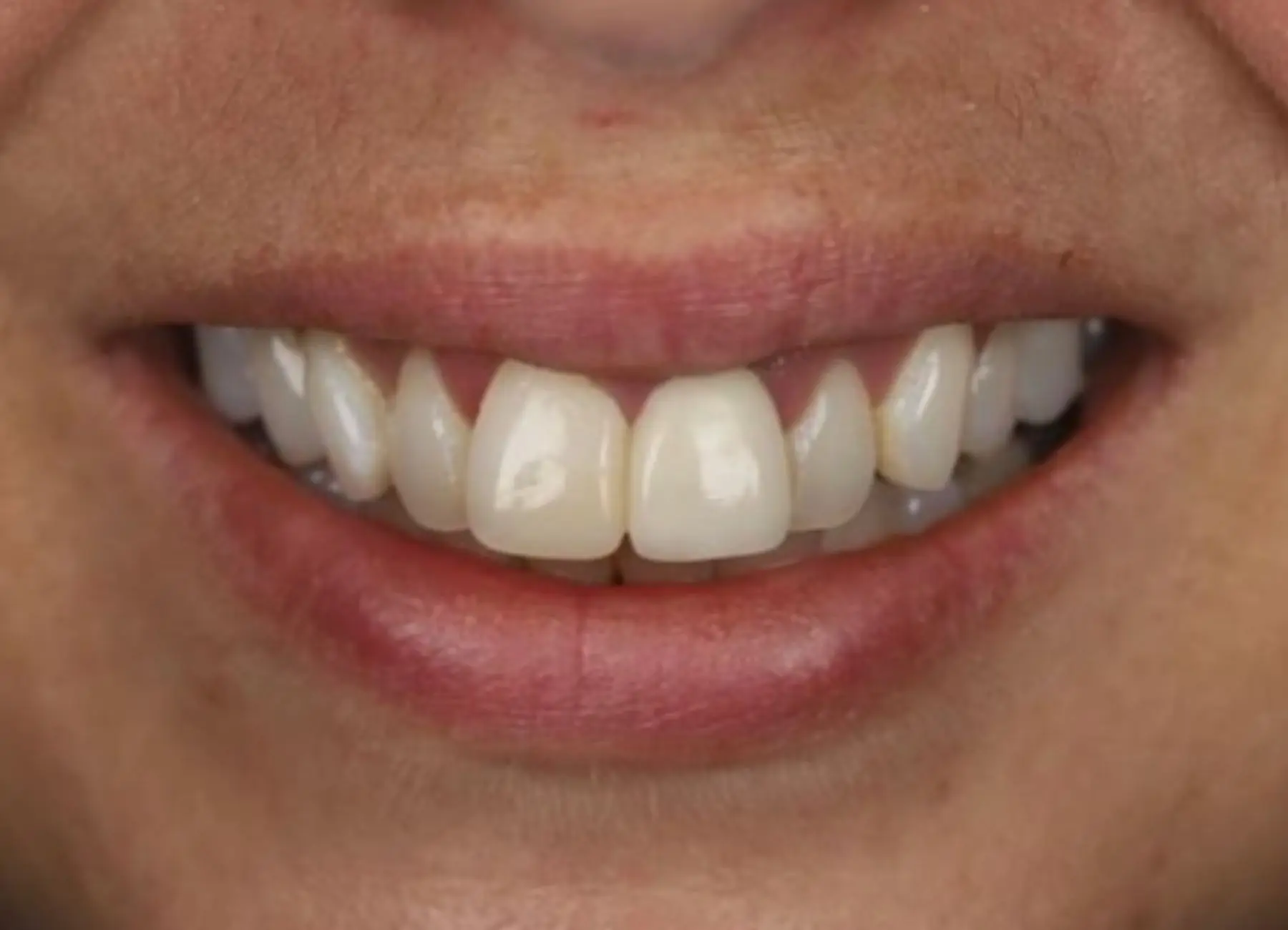
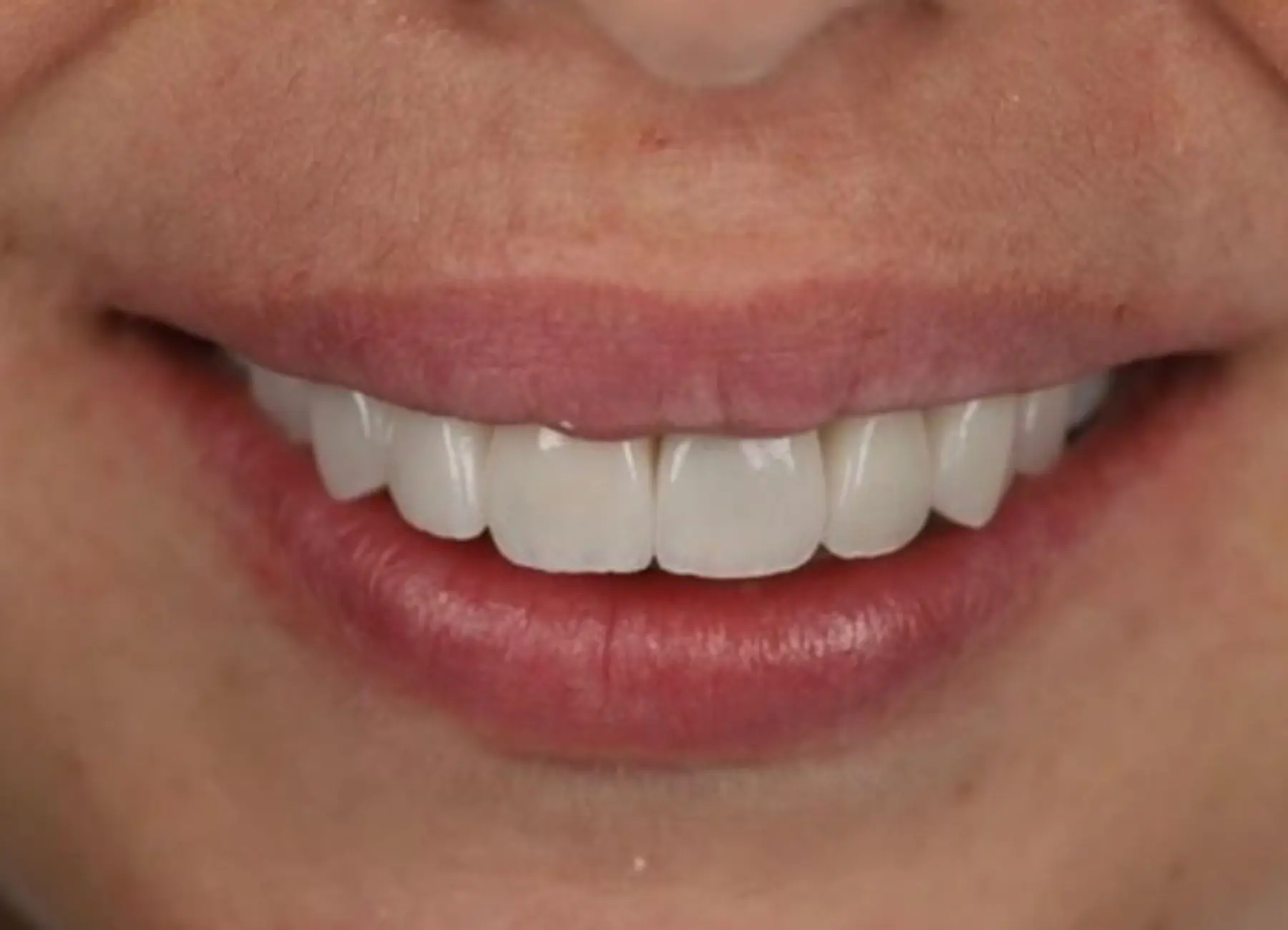
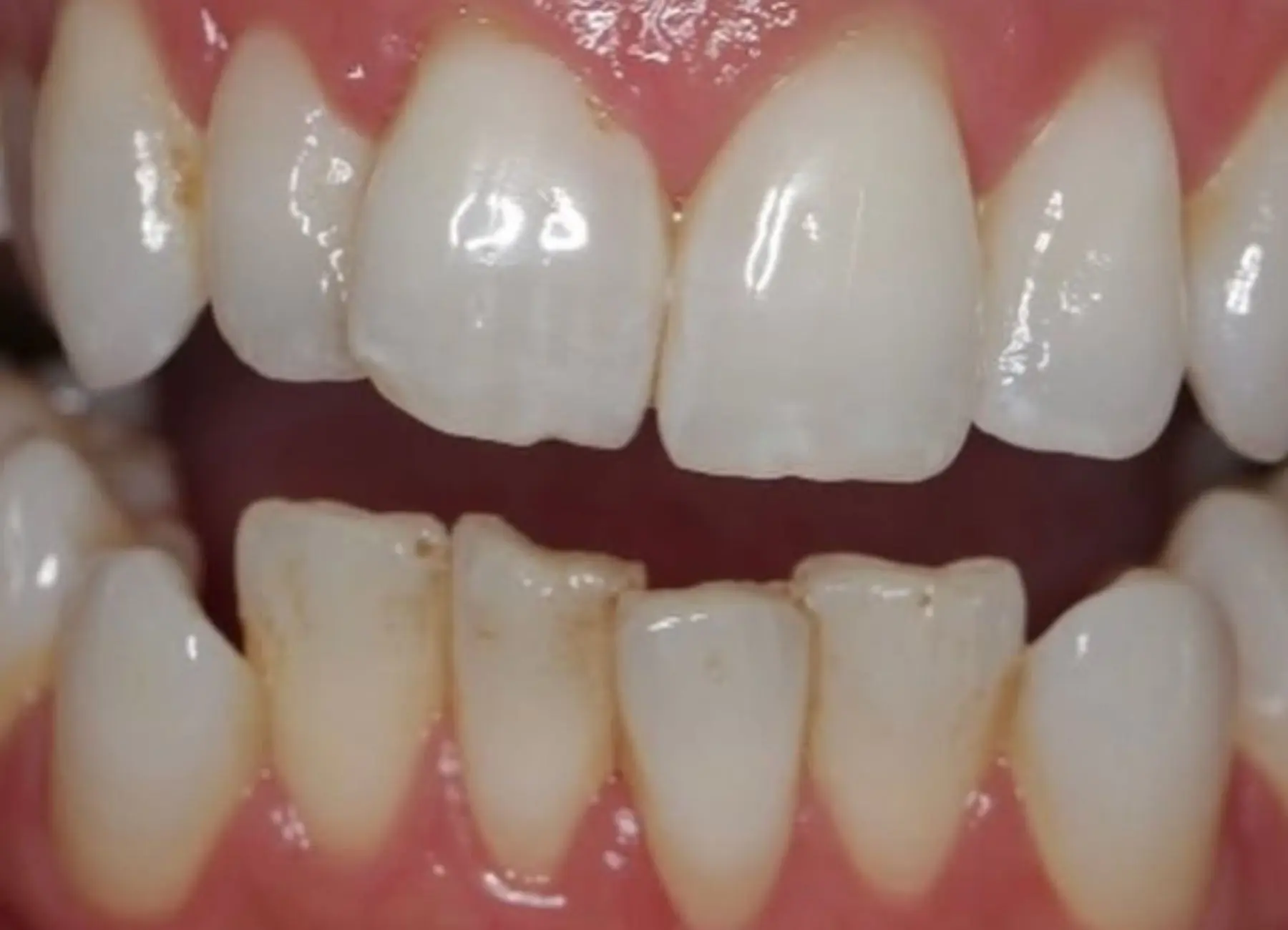
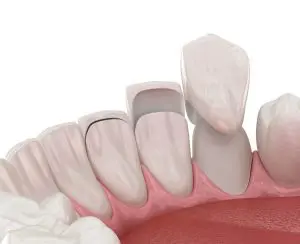
Do you have one or more missing teeth and want veneers? You can have veneers for your remaining teeth, but they won’t replace the missing tooth (you’ll need a dental implant for that). Veneers are thin shells bonded to the front surface of a tooth; they require a healthy tooth to attach to. Without one, they can’t be placed.
Therefore, if you’re considering a smile makeover, dental veneers can play a role, but they’ll need to be combined with tooth replacement treatment to fill the gap caused by tooth loss.
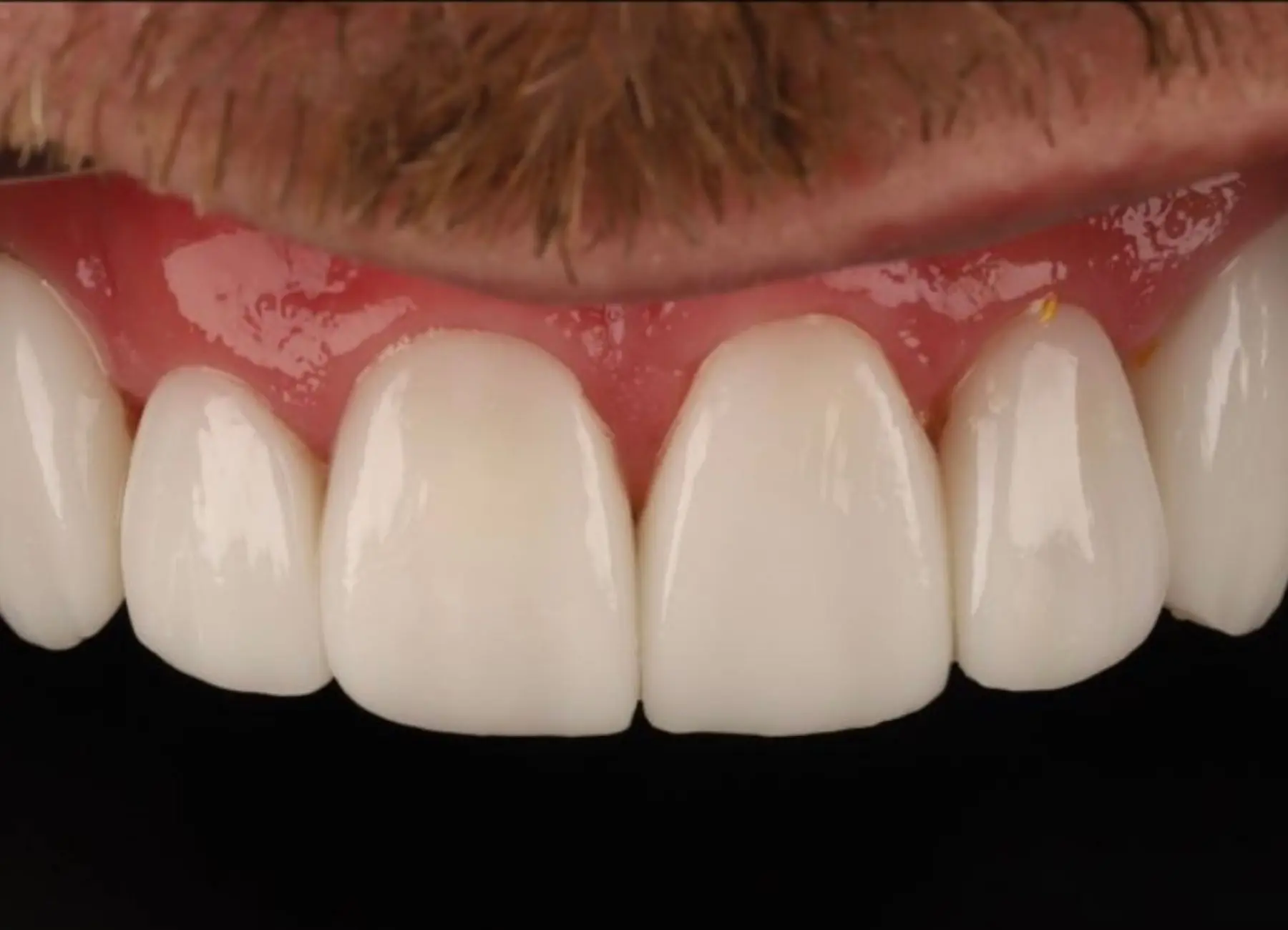
What veneers can and can’t do if you have missing teeth
Veneers can:
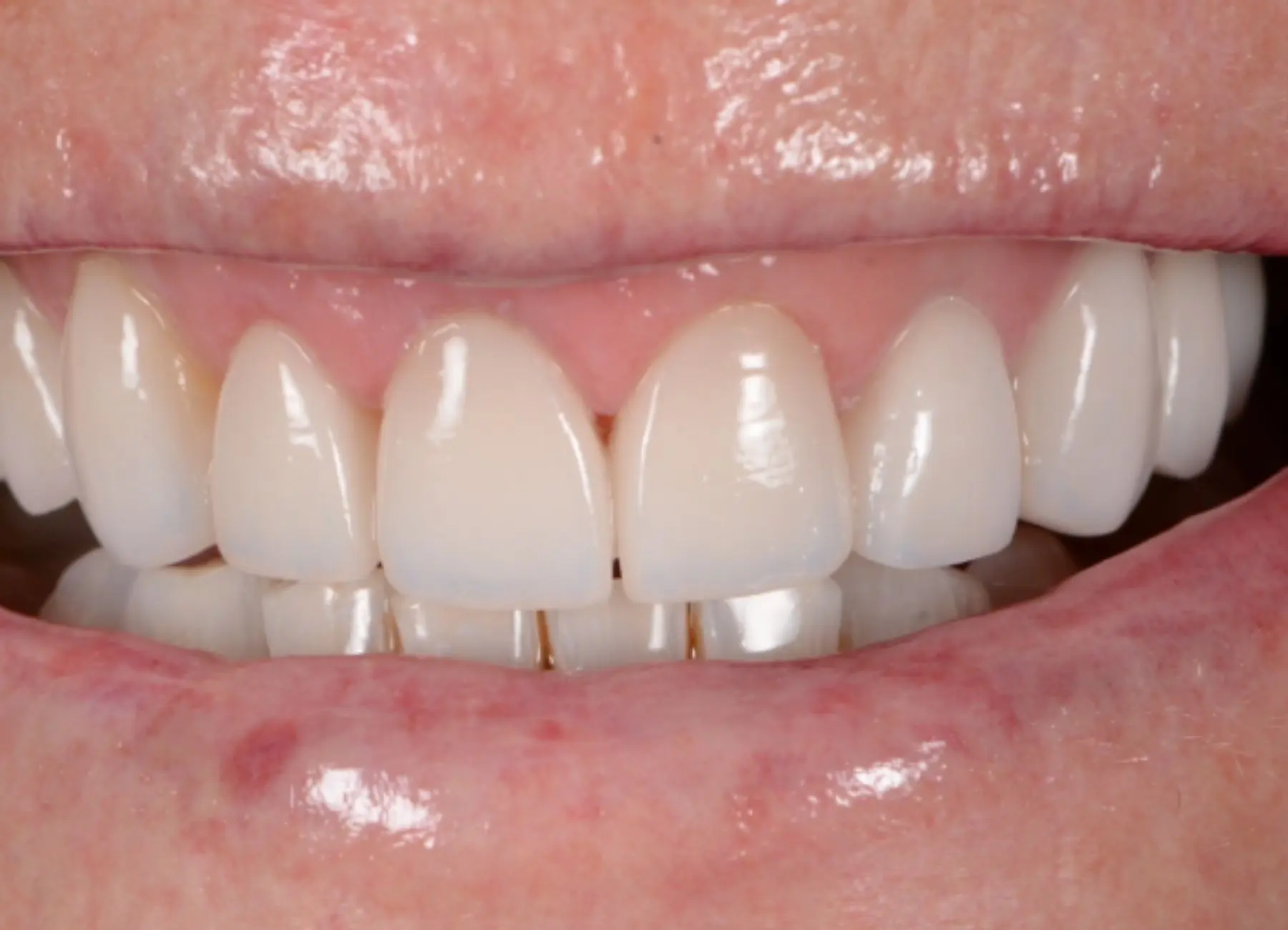
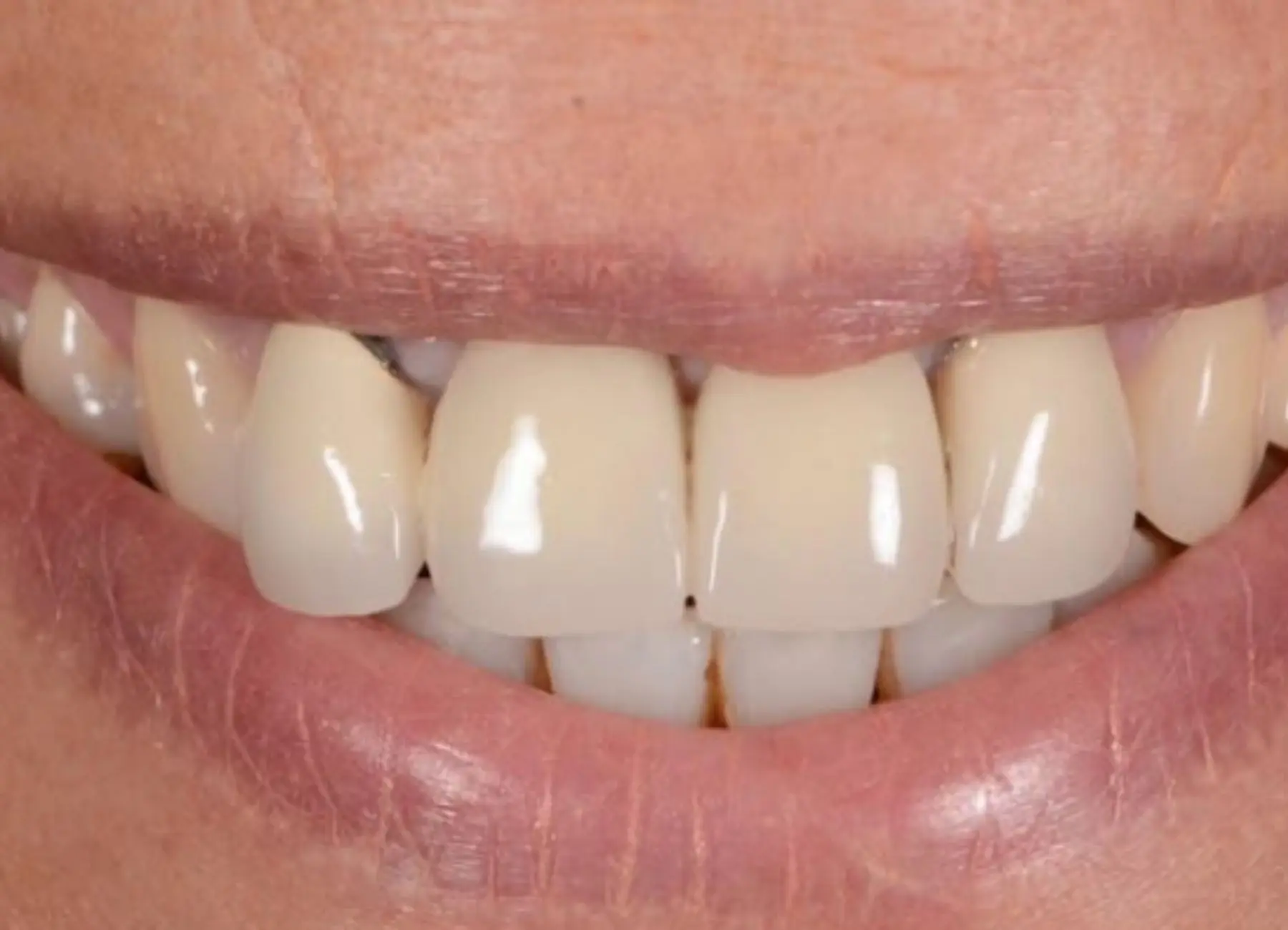
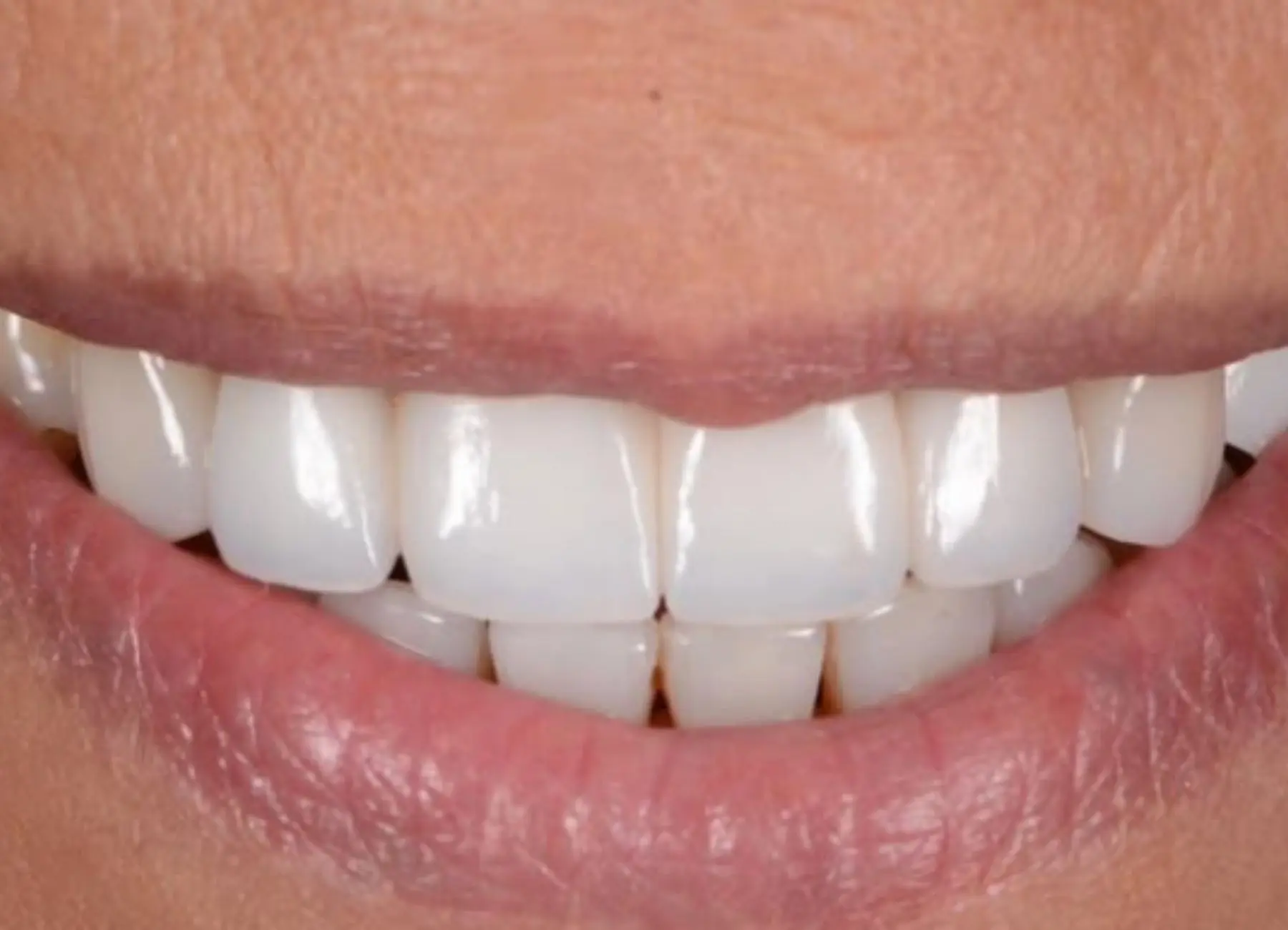
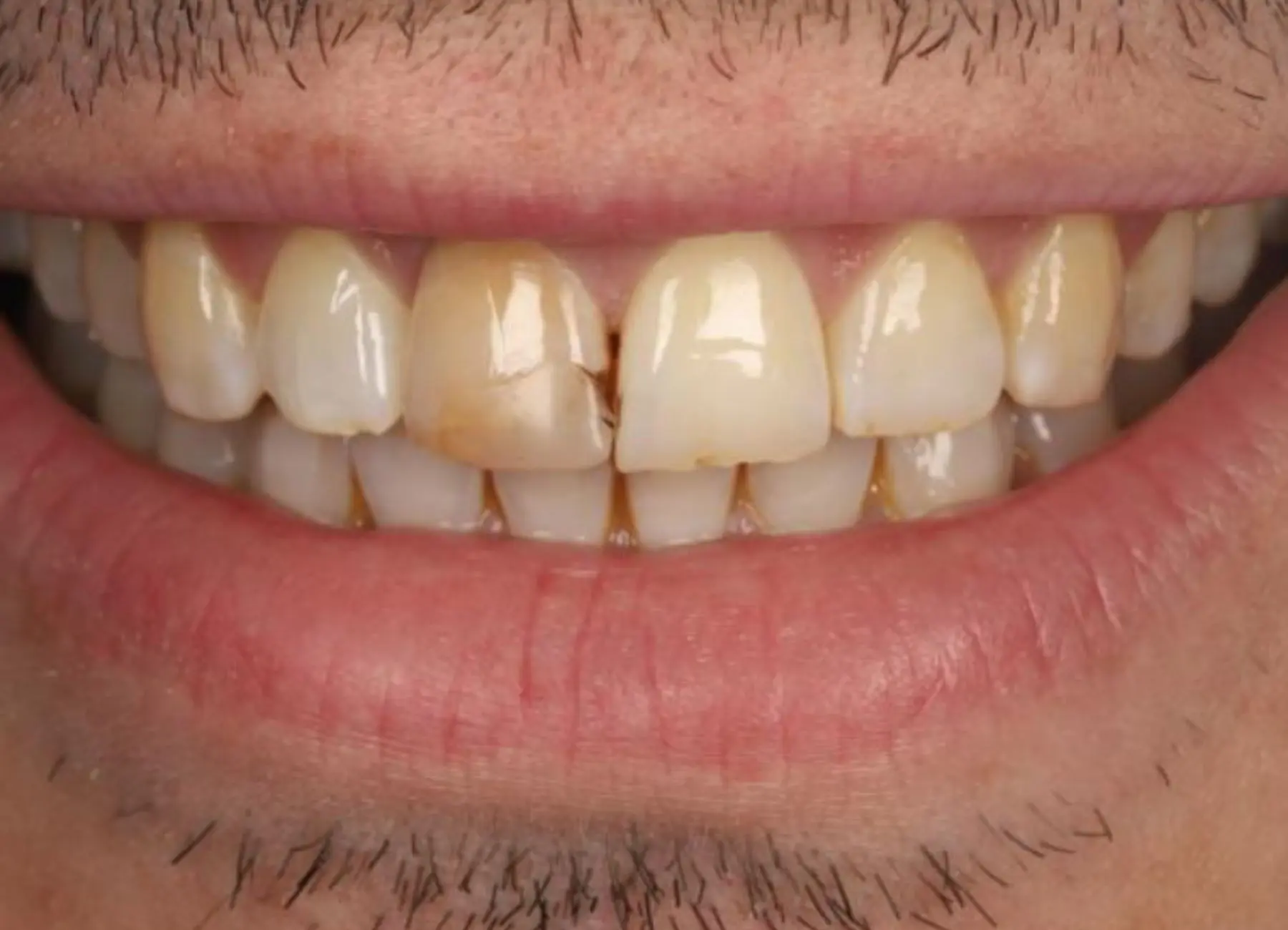
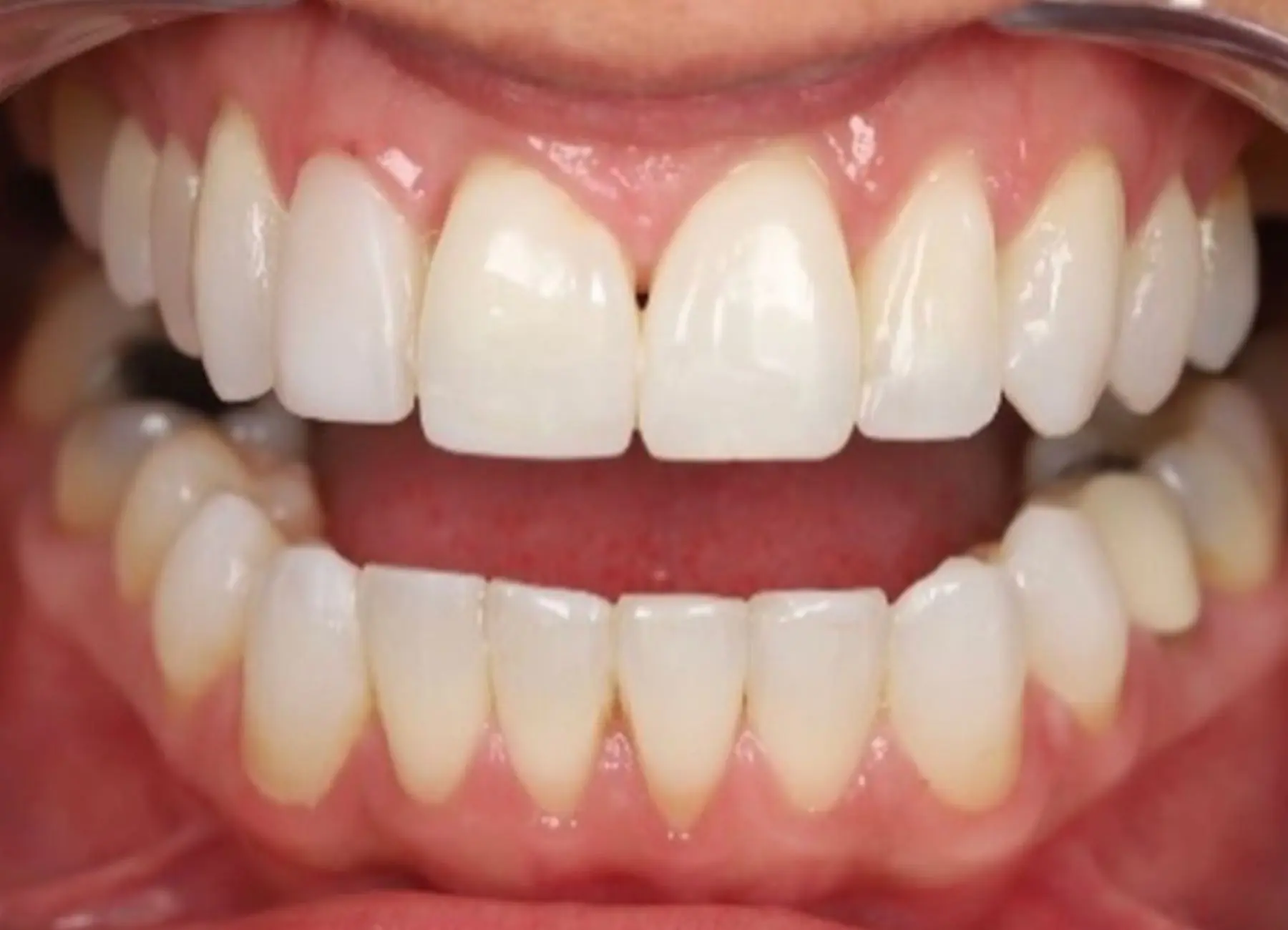
- Improve the shape, colour, and symmetry of the teeth you still have
- Help close small gaps between teeth
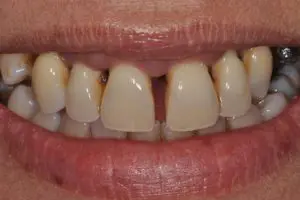
- Create a more even smile around a missing tooth space
- Be used as part of a wider plan (e.g., veneers + implant/crown/bridge)
Explore our dental veneer types.
Veneers can’t:
- Replace a missing tooth on their own
- Be placed “on the gum” where a tooth is absent
- Provide the chewing support that missing teeth prosthetics provide
When you have a missing tooth, you’ll need to explore tooth replacement options, such as implants, bridges, or dentures, and then veneers can be used to refine the overall look. An important point to note is that even when you replace a tooth, you won’t need a veneer, as it will use a crown that perfectly matches the rest of your smile and will not need further refinement.
Explore missing tooth solutions and their costs:
Dental implants | Dental bridges | Dentures
If you have missing teeth and are considering veneers, the next best step is to book a consultation to develop a tailored plan. We’ll assess the gap, your bite, and your cosmetic goals, then explain the best options, whether that’s implants, a bridge, bonding, veneers, or a combination.
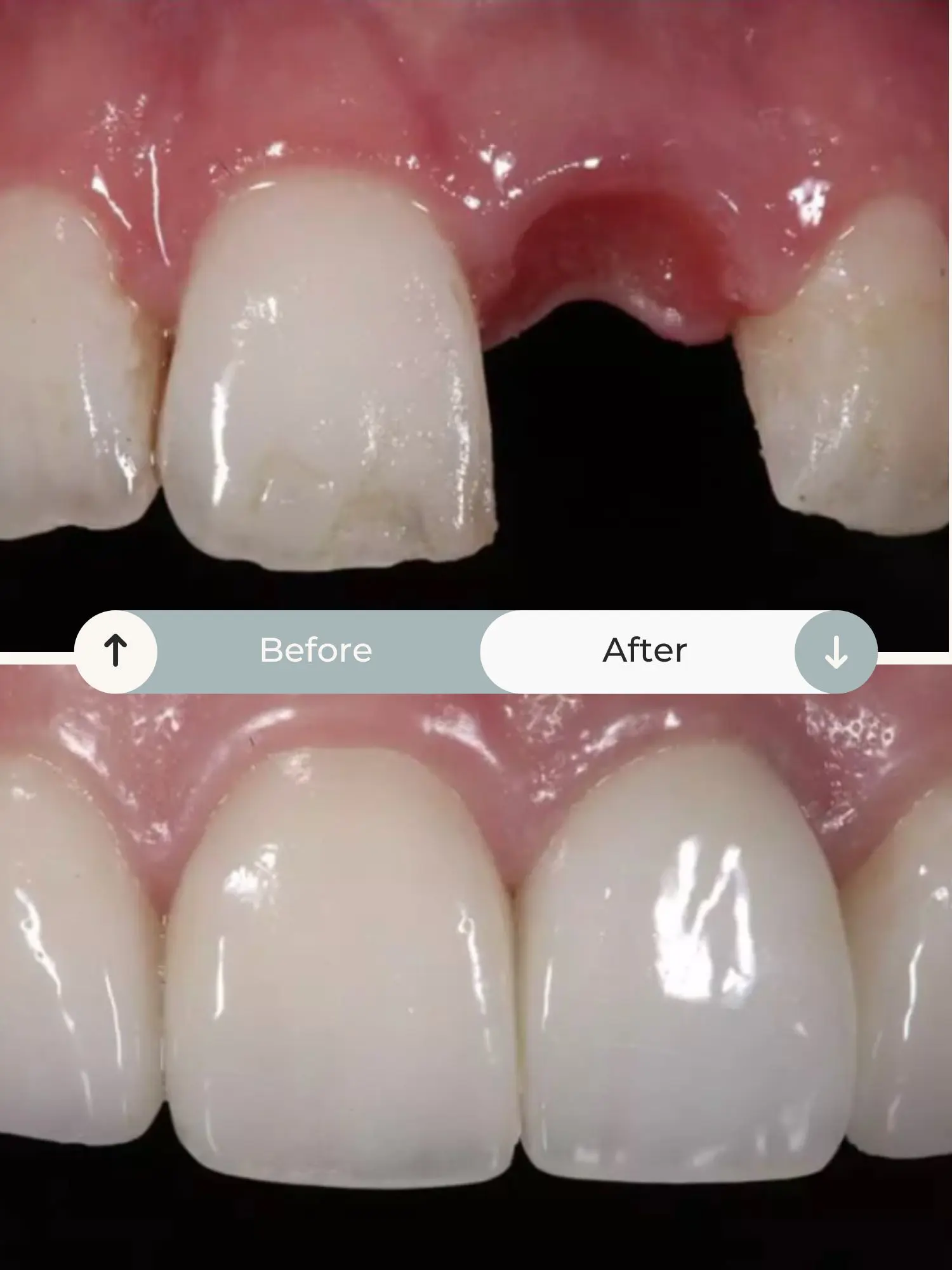
Can veneers be used to close a gap from a missing tooth?
Sometimes, but only in very specific cases. If the gap is very small and there’s enough tooth structure to bond to, veneers might close it cosmetically.
To see if this is possible, our dentists in Hertford will assess:
- The size of the gap
- Midline and smile symmetry
- Bite forces and jaw movement
- Gum health and bone levels
- Whether orthodontics is needed first
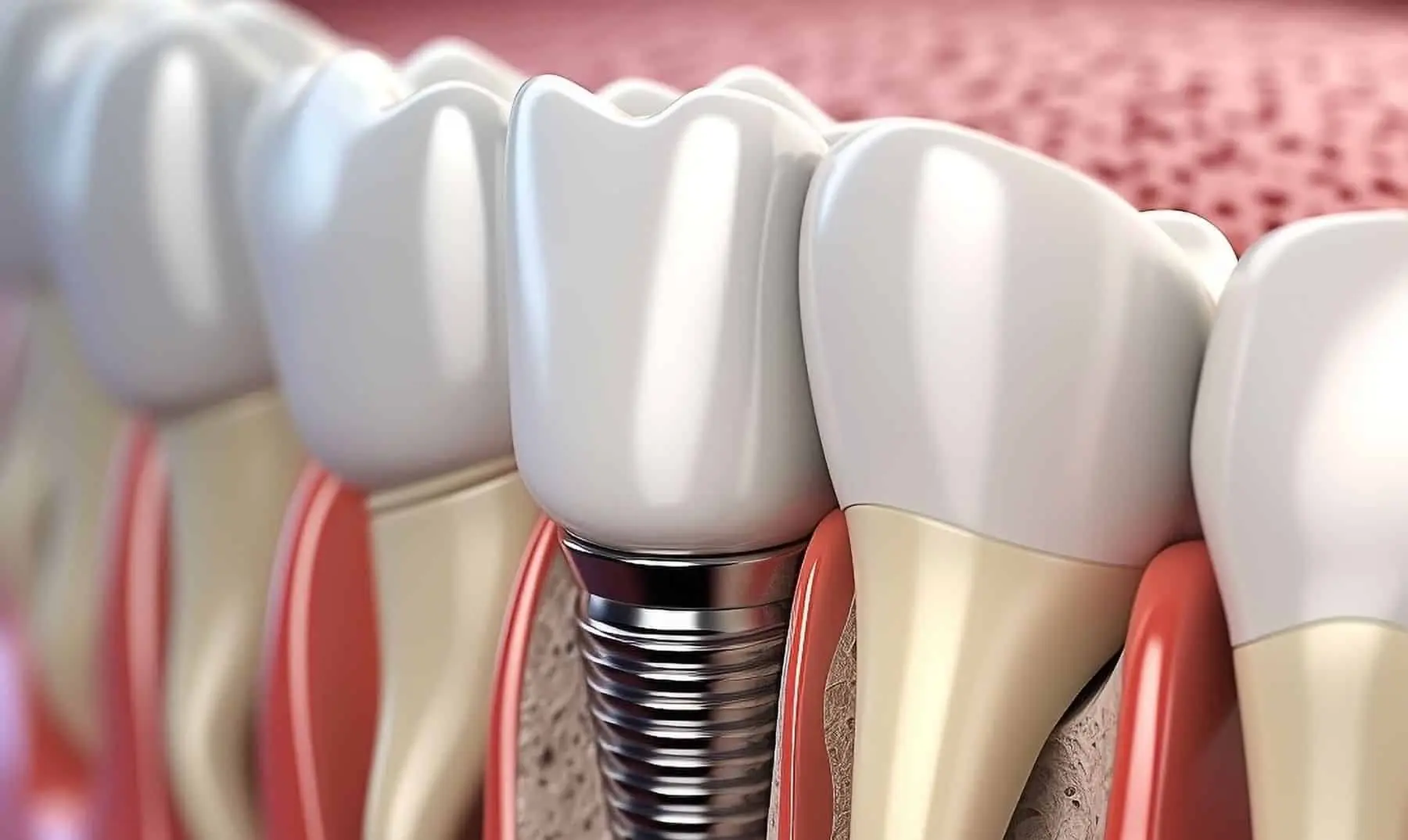
Do you need to replace the tooth before veneer treatment?
In many cases of missing teeth, it is recommended that we replace the missing tooth before improving the remaining teeth with veneers.
The common process in order typically looks like this:
- Health first: gum assessment, hygiene, and any decay treated
- Replace the gap: implant/bridge/denture
- Match aesthetics: veneers or bonding to perfect colour/shape
This sequenced approach gives a result that looks good and functions properly.
How veneers work with tooth replacement
Finding the right missing tooth solution will depend on the location of the missing teeth, the health of your gums and surrounding teeth and your budget.
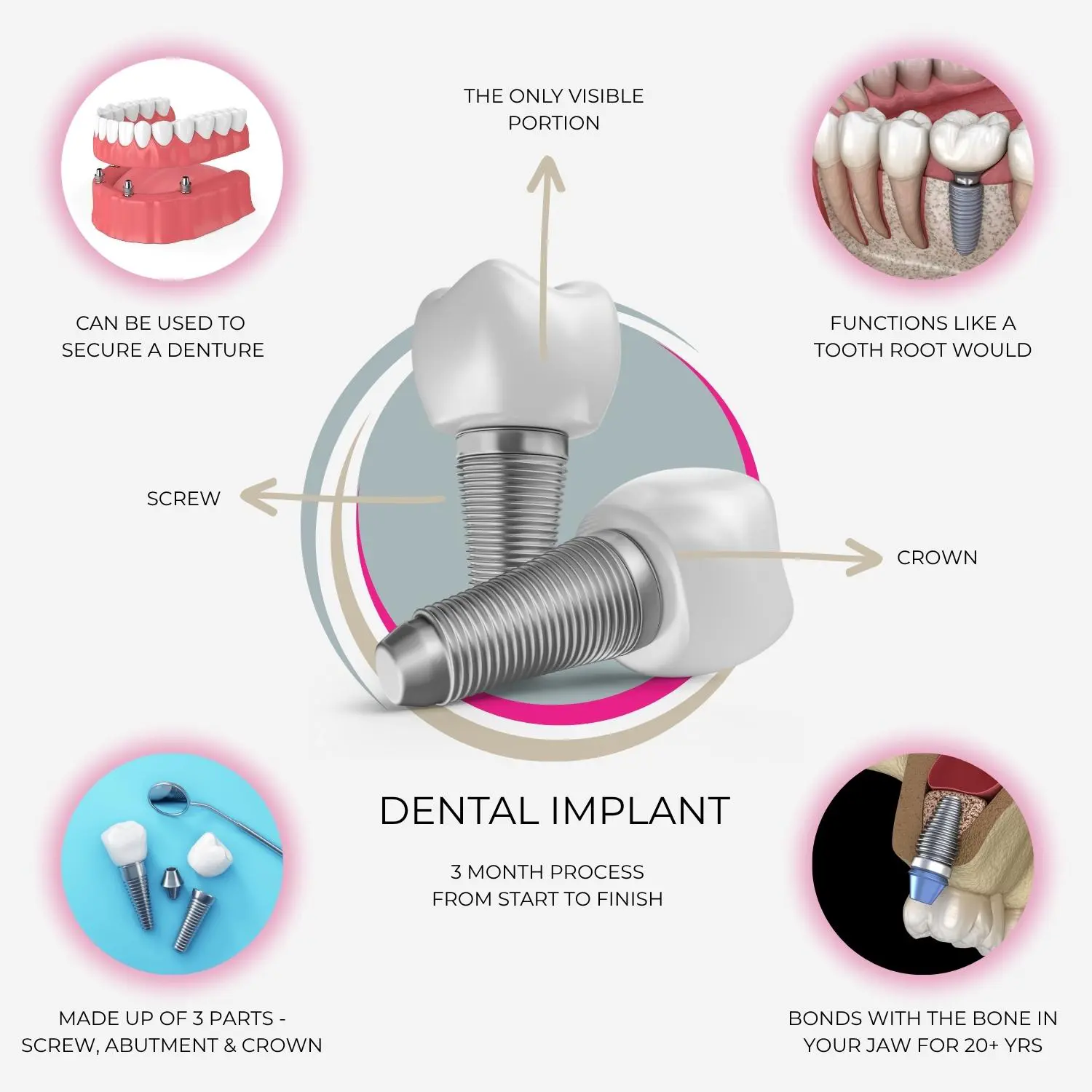
Veneers and dental implants (most like a natural tooth)
- The implant will replace the missing tooth root.
- The implant will fix a crown that replaces the tooth.
- Veneers can be used on adjacent teeth to improve their appearance.
Veneers and dental implants combined are the best option for single missing teeth, especially when the lost tooth is visible in the smile. Patients opt for this treatment combination when they want a stable, long-lasting, natural-looking solution that doesn’t rely on suction or support from nearby teeth. Veneers cost from £500 and dental implants from £2,950.
Veneers + bridge (fills the gap without surgery)
- The bridge replaces the missing tooth by anchoring onto neighbouring teeth for support.
- The adjacent supporting teeth will be replaced by crowns, so won’t require veneers.
- Any other nearby teeth can then be improved with veneers.
Combining dental veneers and bridges isn’t a common pairing, but it’s possible. Patients tend to opt for dental bridges when they want a faster, fixed solution that’s more affordable than implants. But it does require otherwise healthy teeth to be filed down and replaced with crowns. In these situations, you might explore composite bonding instead of veneers to improve the look of your remaining teeth.
Veneers + a partial denture (not the best pairing)
Dental veneers and removable partial dentures aren’t always the best pairing, because it means you’ll need to plan treatment more carefully to make sure the dentures fit in line with the veneers. They really only work together when:
- You’re missing multiple teeth and want a non-surgical tooth replacement option
- You want whiter, more even front teeth, while your partial denture fills the gaps
- You’re looking for a budget-friendly or temporary stage before implants/bridgework
- You have some natural teeth that are healthy but worn, uneven, or discoloured
Want to know what would work best for your smile? Book a veneer and smile assessment, and we’ll map out your options and costs clearly.
FAQs
Can you get veneers if the tooth is broken off at the gum?
It will depend on how much healthy tooth remains – there needs to be enough to bond to the tooth securely. Typically, in this scenario, our dentists might recommend a crown instead, or if the tooth cannot be saved, extraction and replacement.
Can veneers be placed on implants?
Not directly. Implants receive crowns, not veneers. But veneers can be used on neighbouring natural teeth to help everything blend in.
What if I’m missing multiple teeth?
You might want to explore other restorative issues like implant bridgework, or implant dentures, which might be a more affordable approach to makeover your smile than combining with veneers.