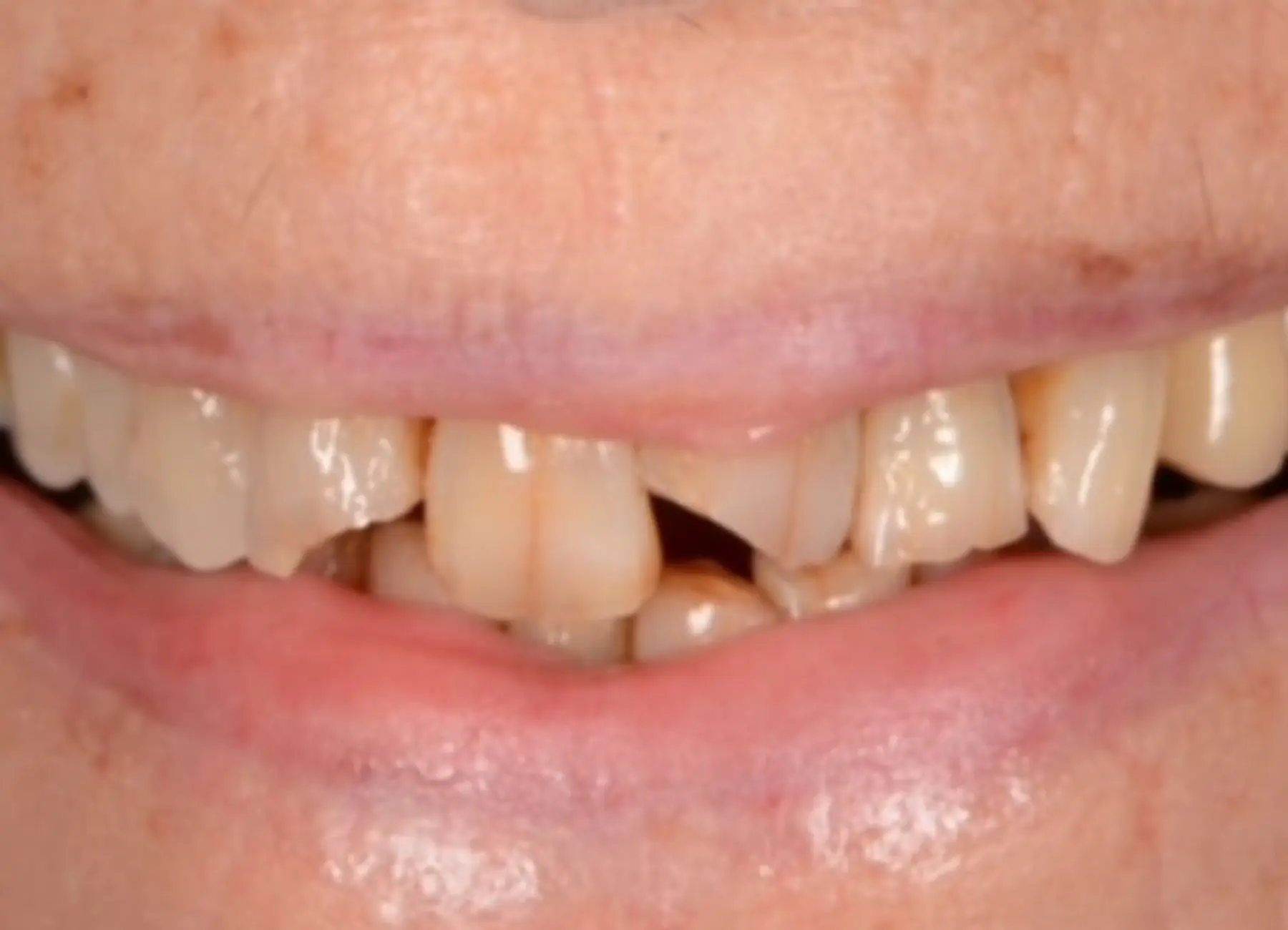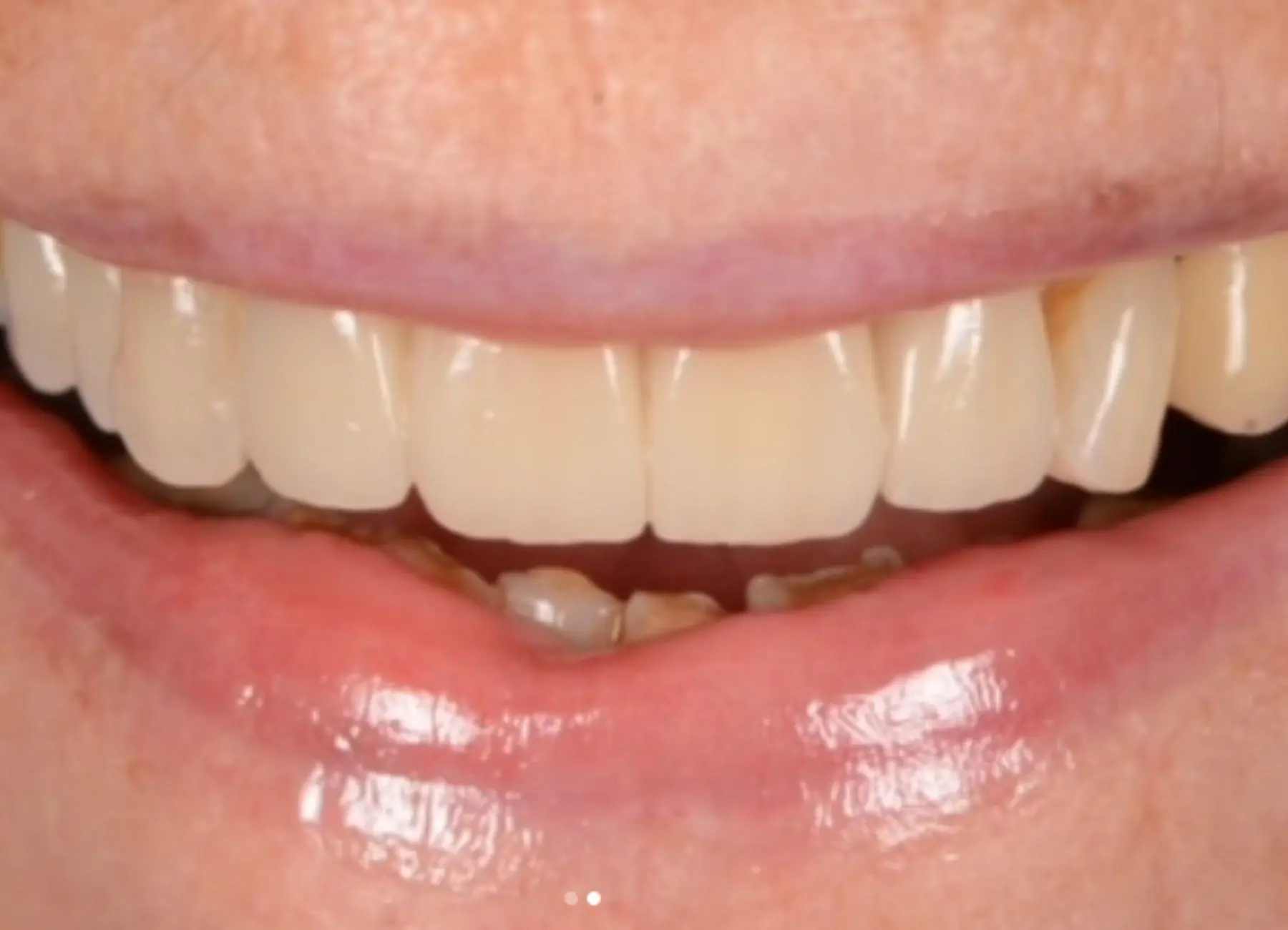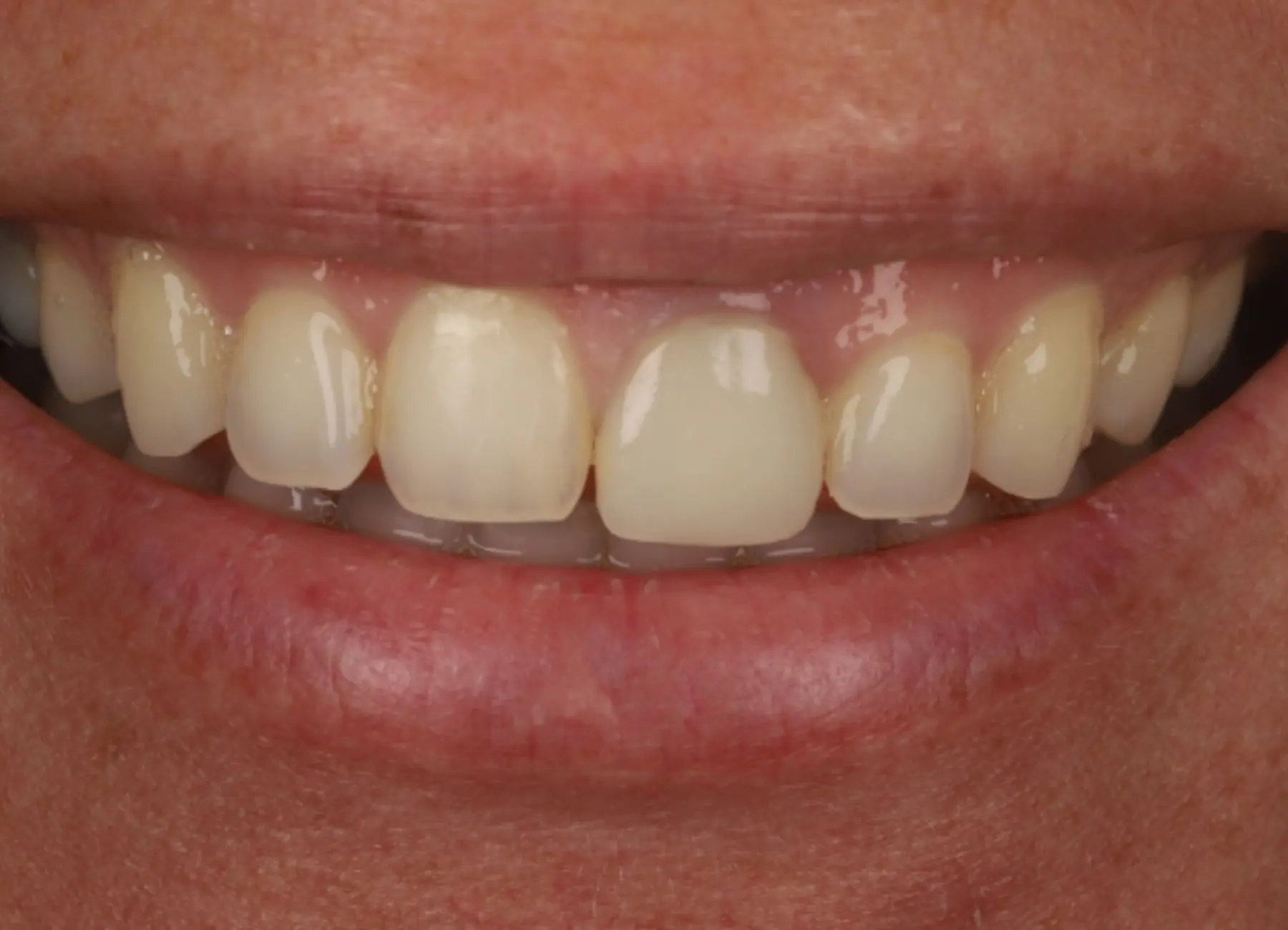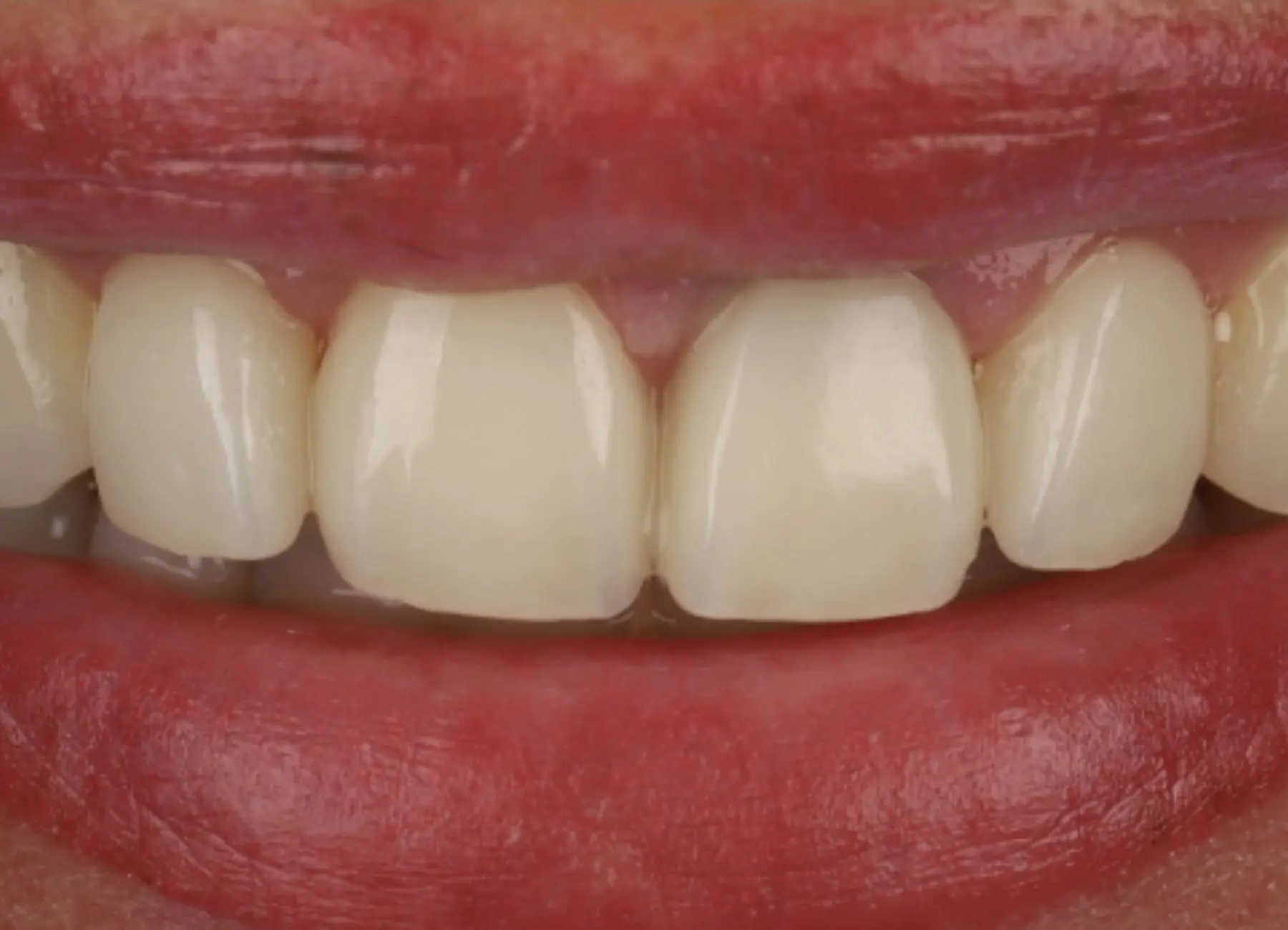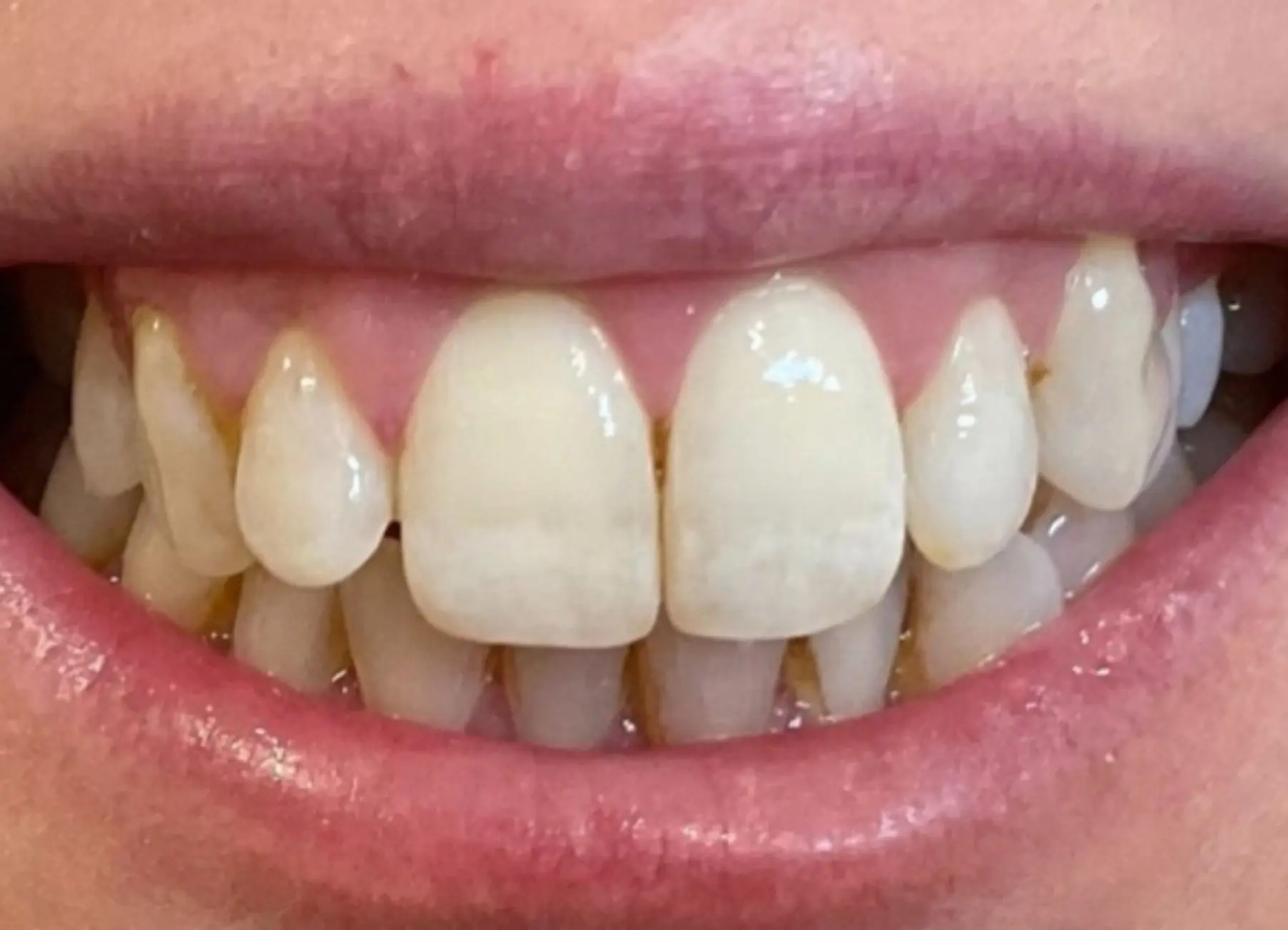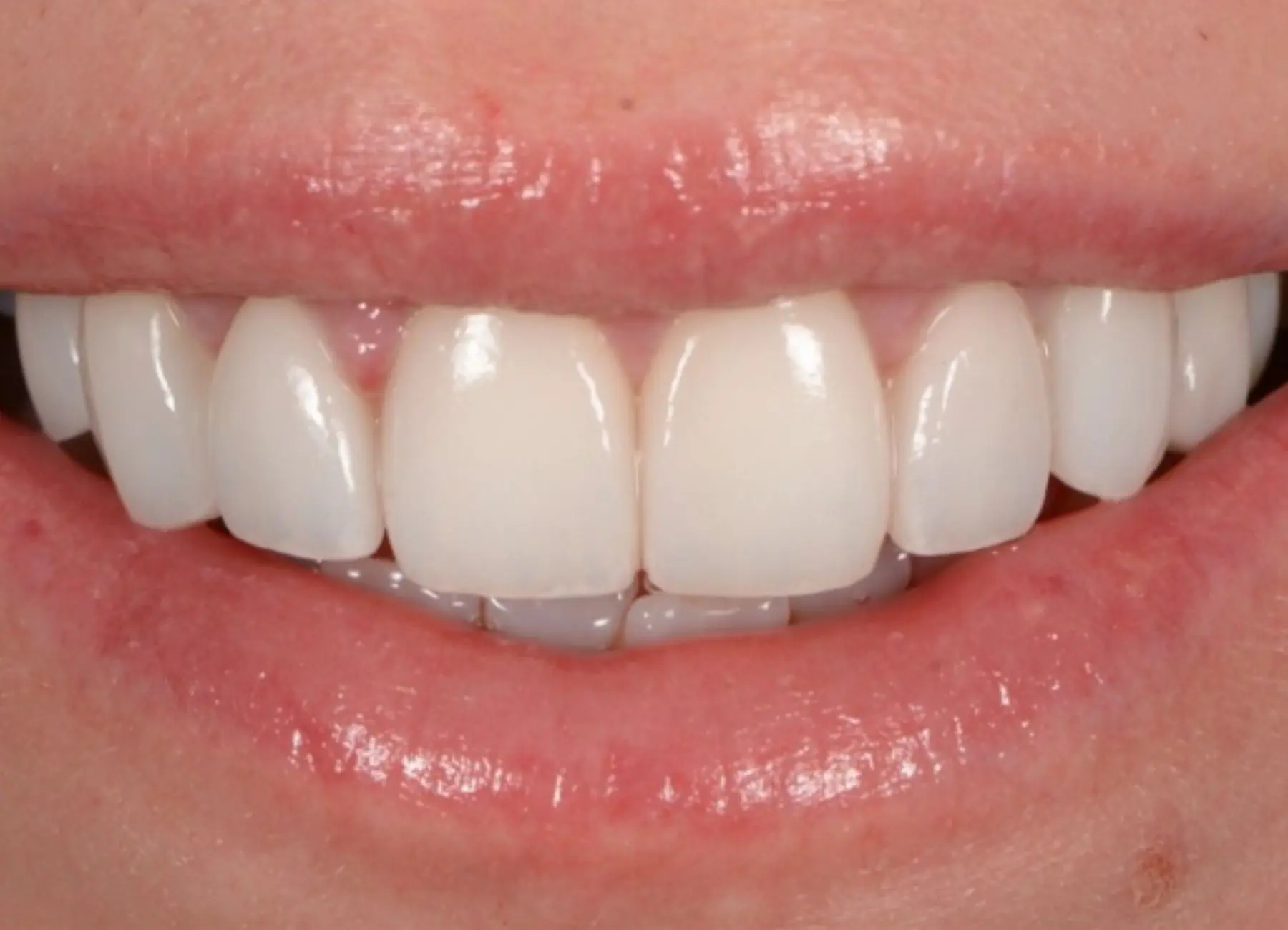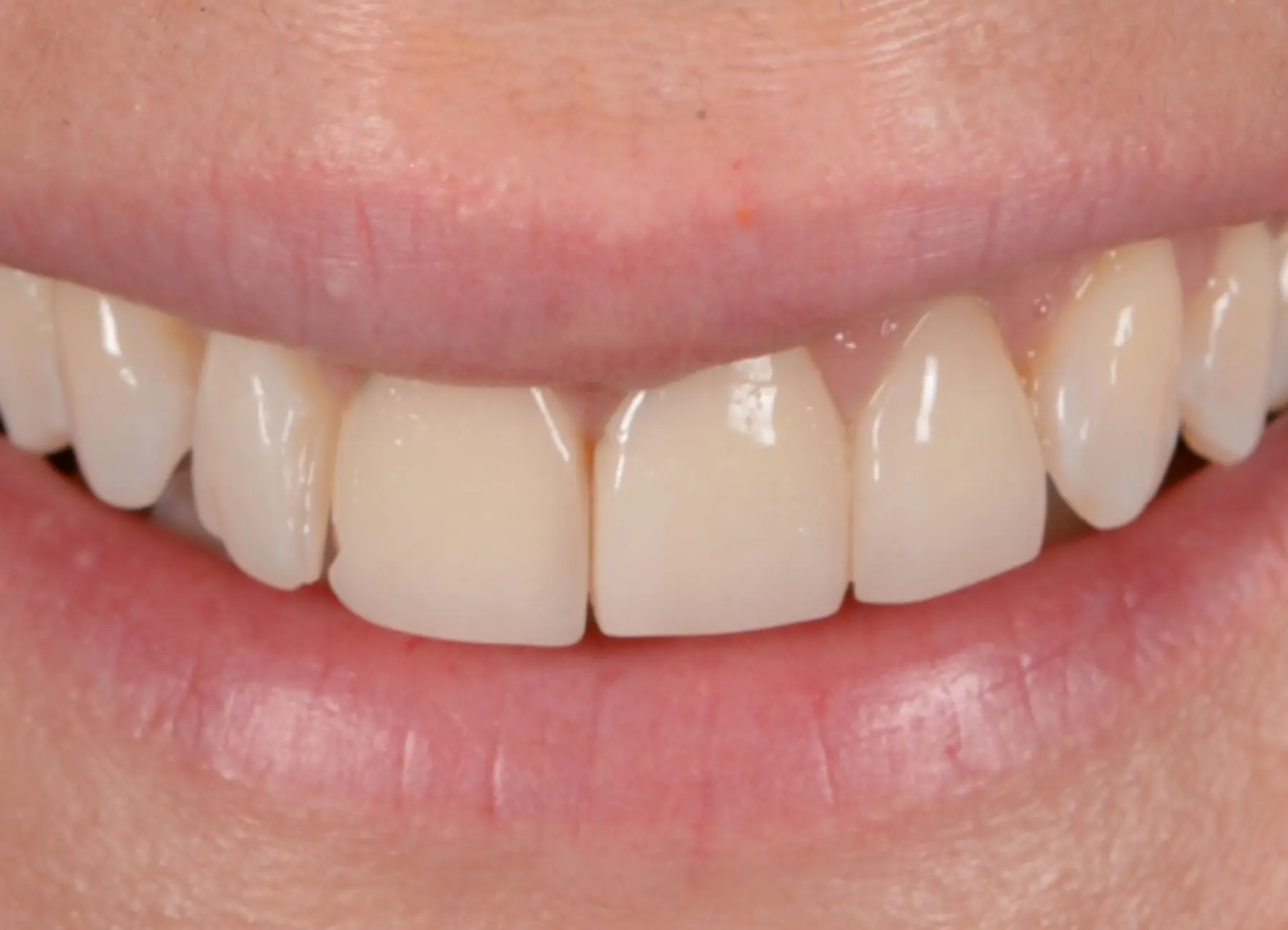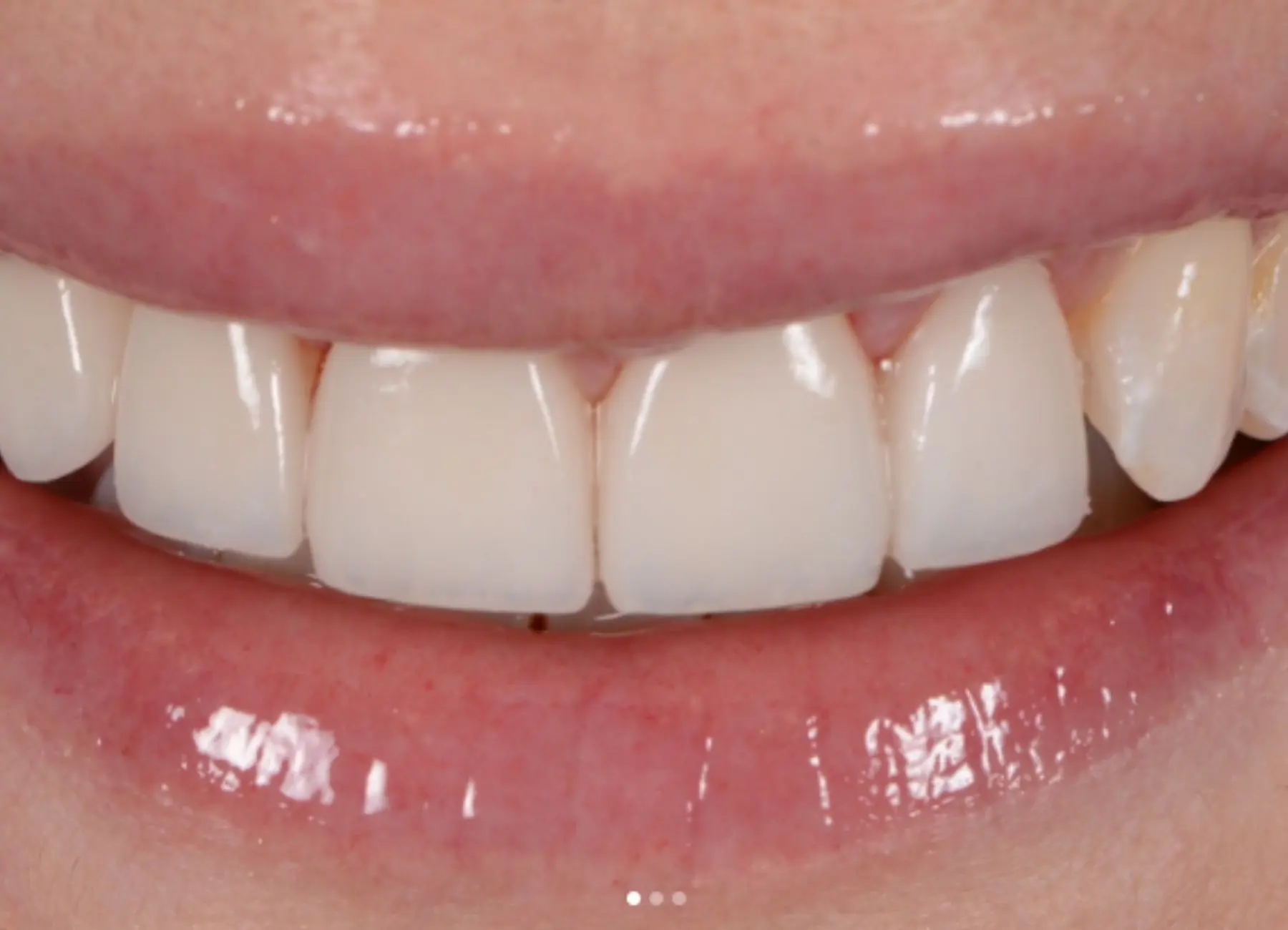
Types of Veneers – A Complete Guide to Porcelain, Composite & No-Prep Options
There are four main types of veneers: porcelain, composite, Lumineers, and no-prep veneers. Porcelain is the most durable, composite is the most affordable, Lumineers are ultra-thin, and no-prep veneers avoid enamel removal. Each type varies in cost, thickness, preparation, and longevity.
As far as many patients are concerned, veneers are veneers; they don’t have different types, thicknesses or luminosity. But as cosmetic dentists who have dedicated much of our careers to dental veneer applications, we’re here to tell you that isn’t the case. And if you’re thinking about starting the process and undergoing a veneer smile makeover, then who better to break down the types for you so you can make a better-informed choice for the future of your smile?
Different Types of Veneers Explained
Which type of veneer is best?
- Choose porcelain for durability and natural translucency
- Choose composite for affordability and a fast treatment
- Choose Lumineers if you want ultra-thin, no-drill veneers
- Choose no-prep veneers if you want the most conservative option
Scroll to explore the various types of veneers, all with unique advantages and considerations (prices also included).
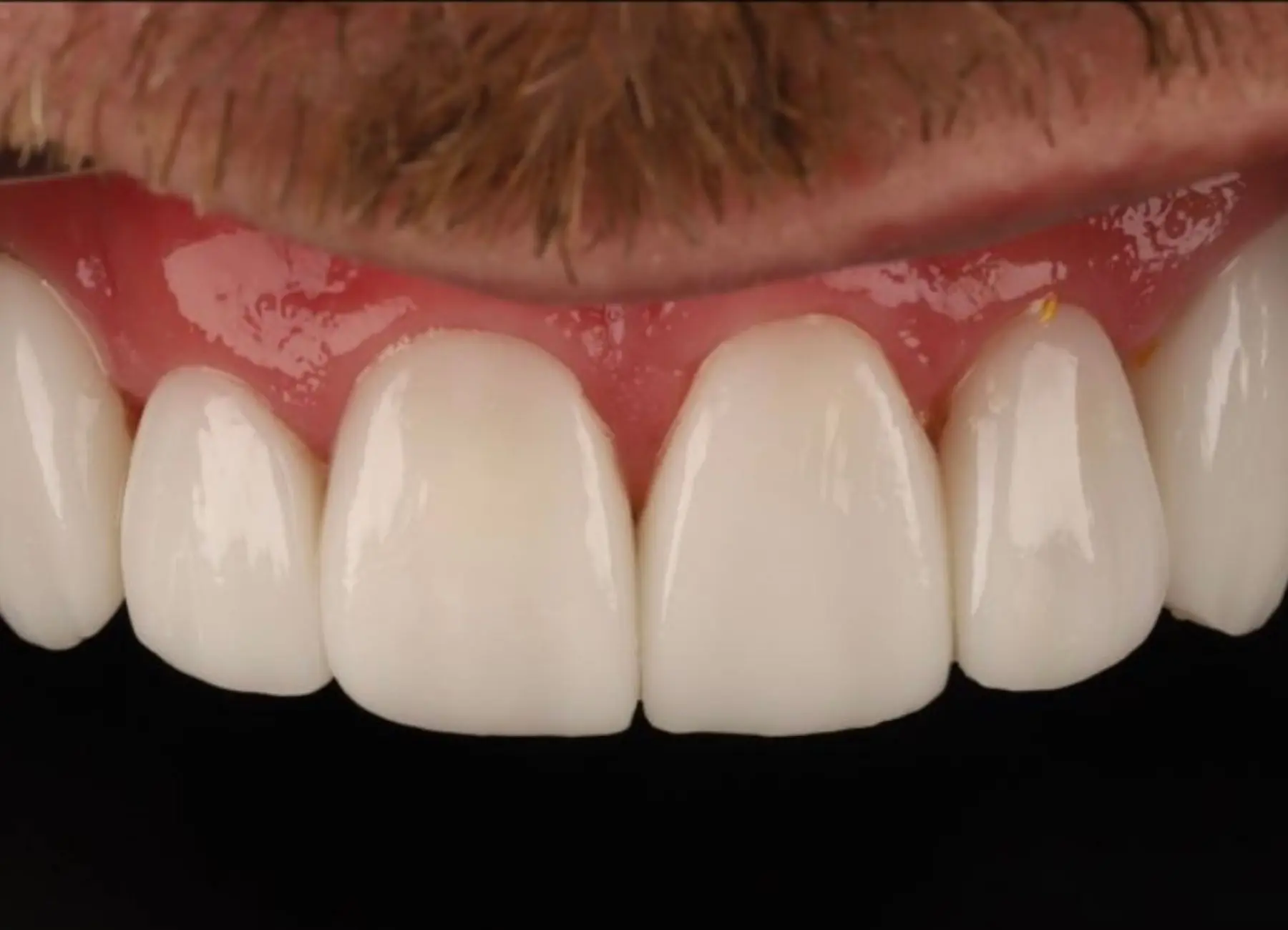
1. Porcelain Veneers
- Costs from £1,200
- Two appointments
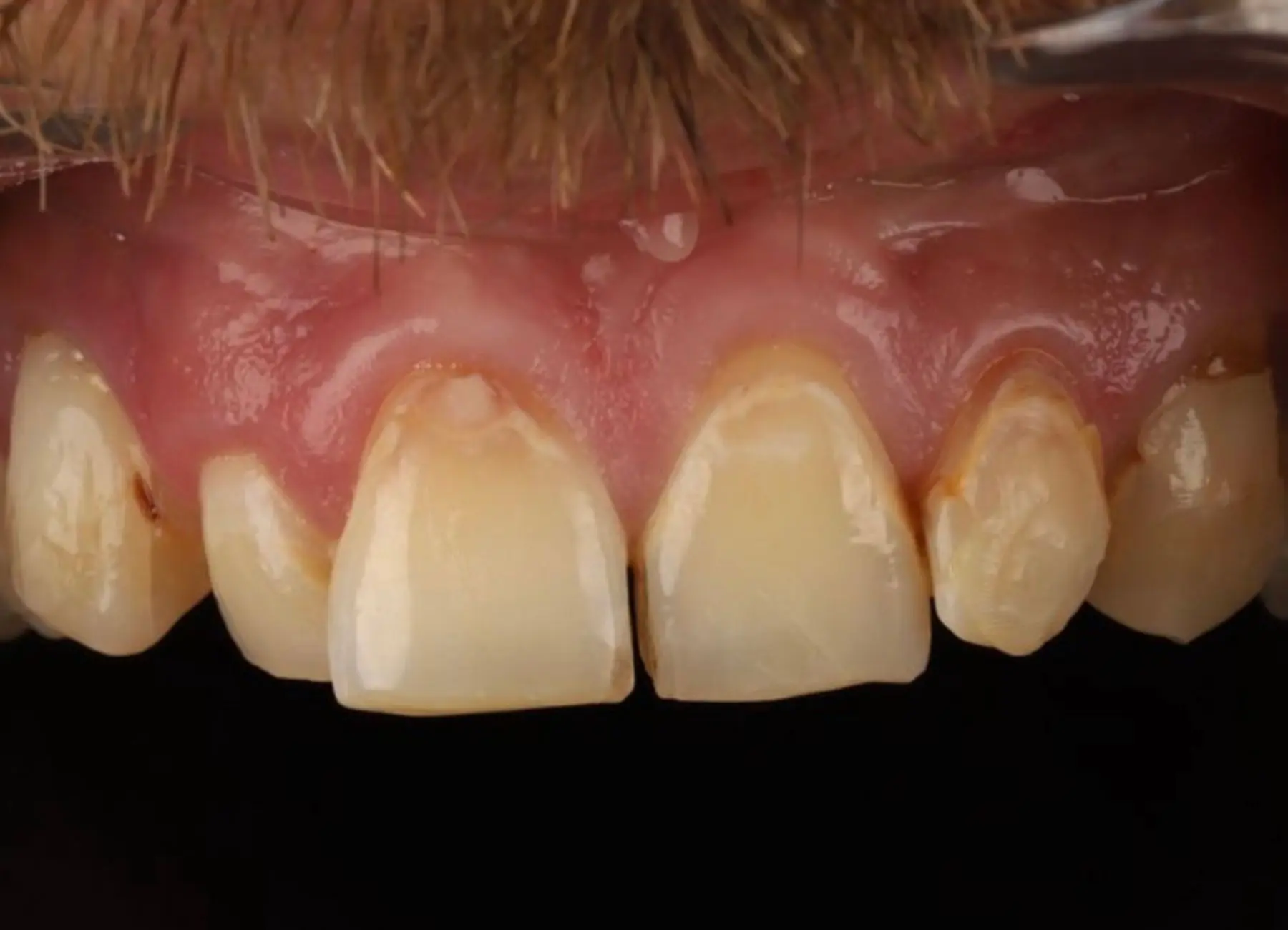
- Some preparation
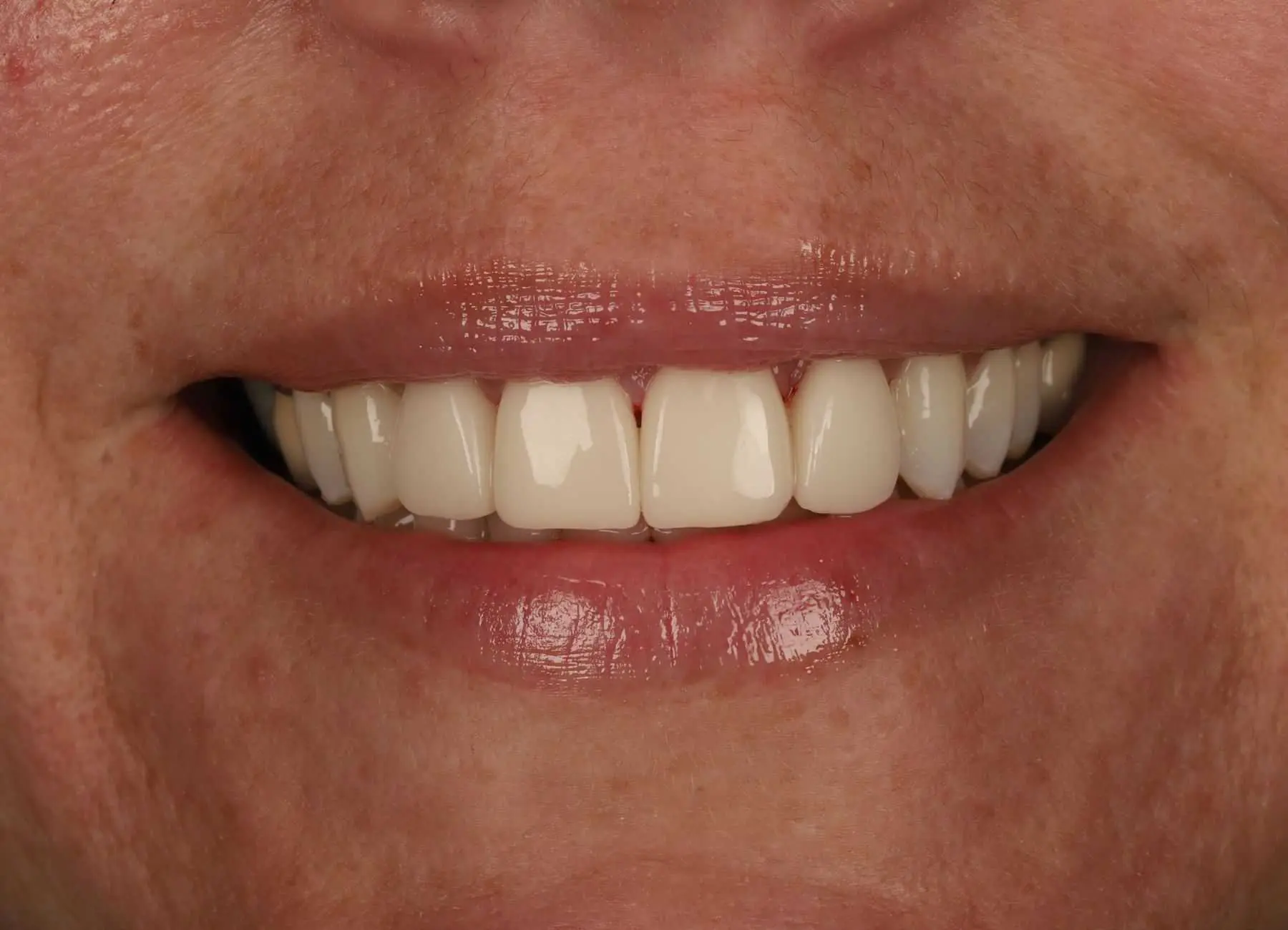
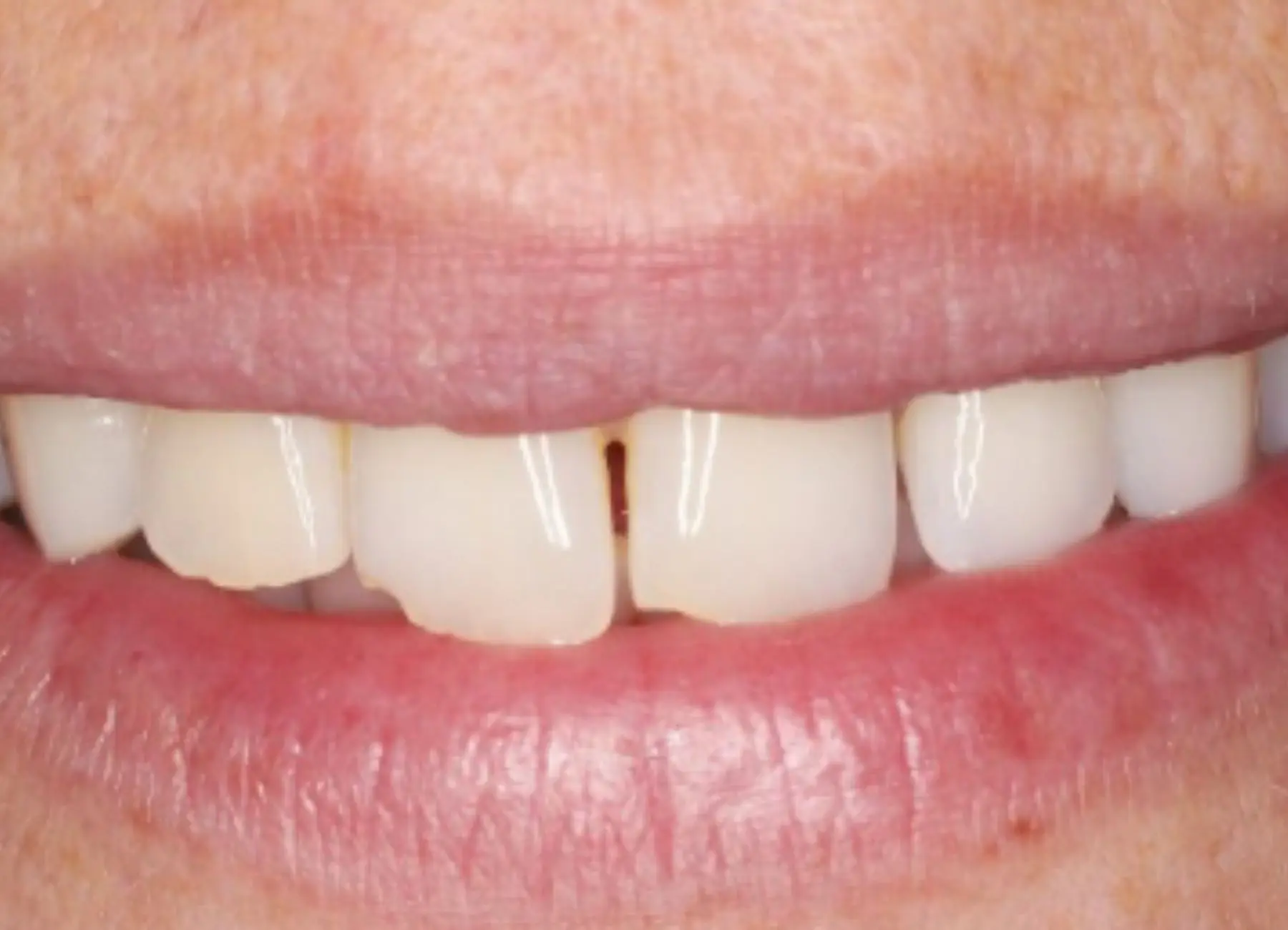
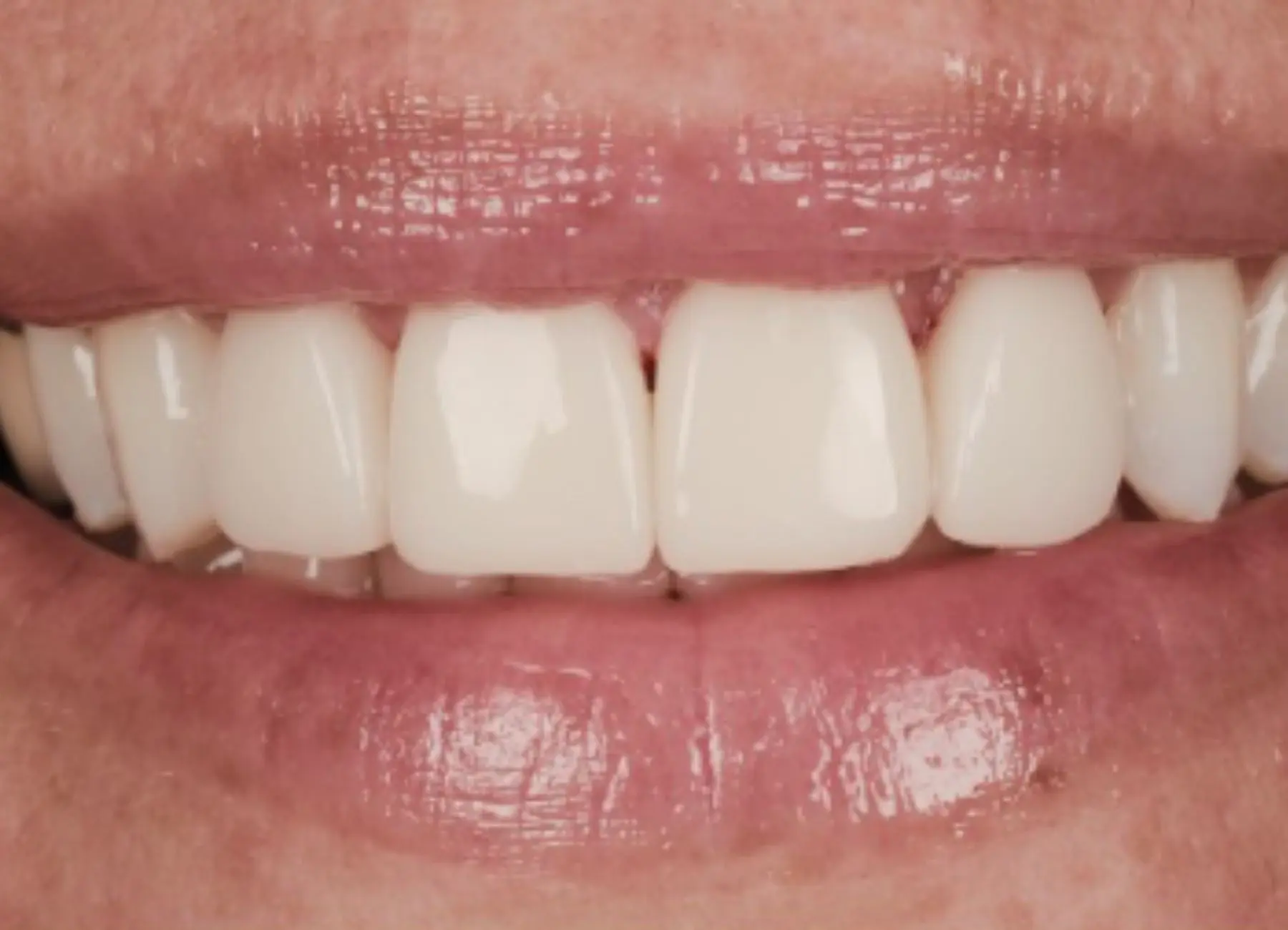
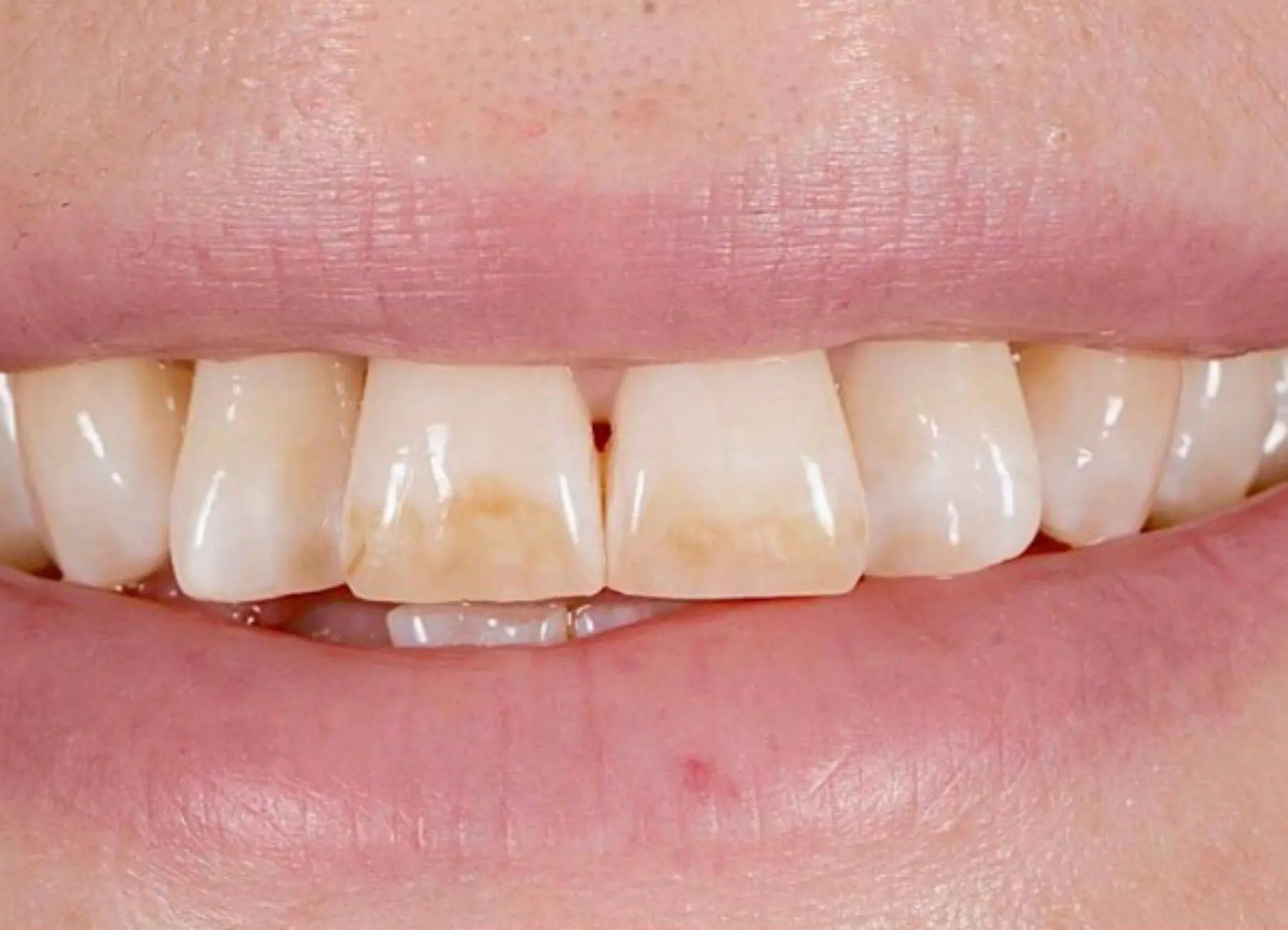
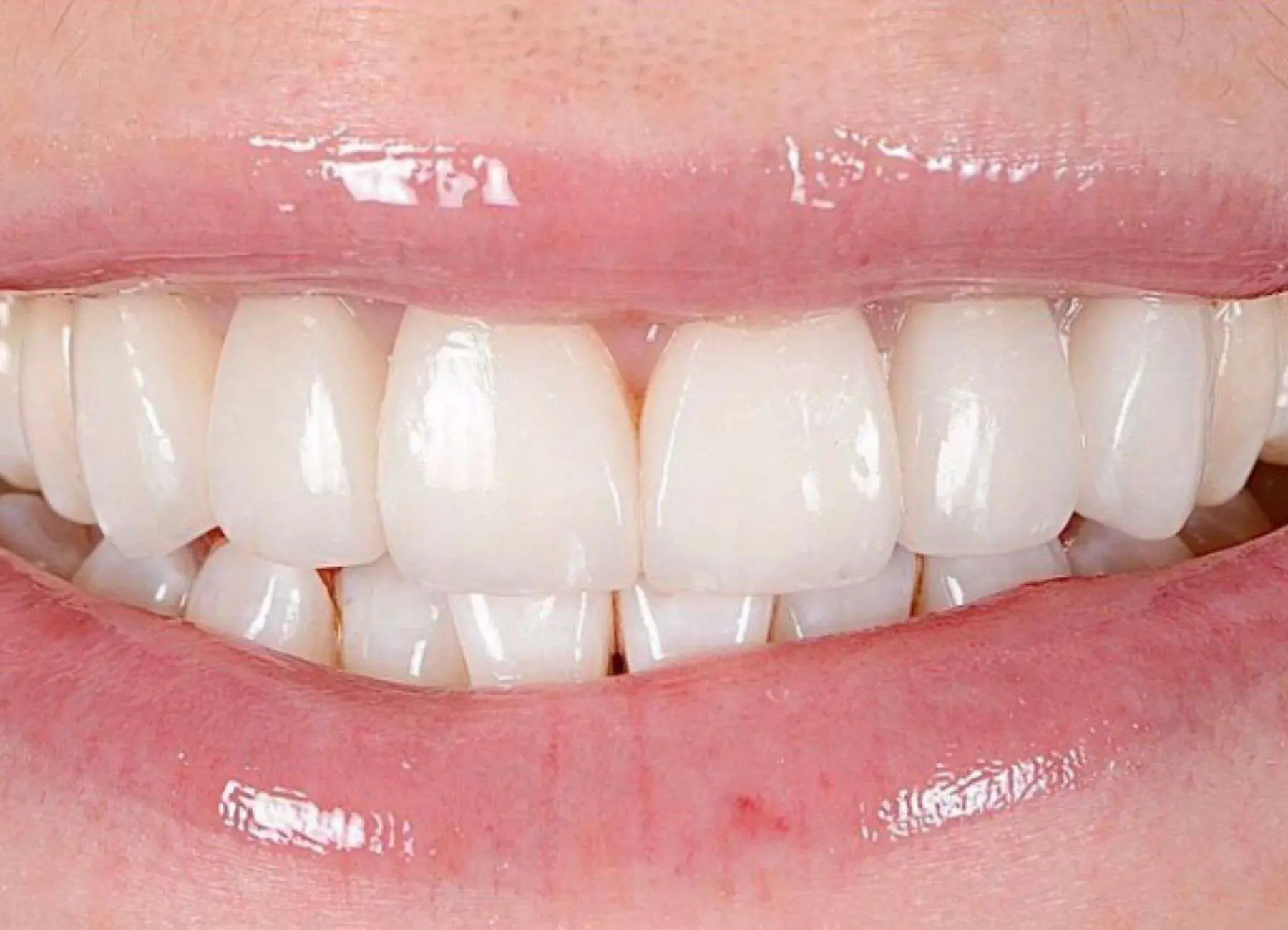
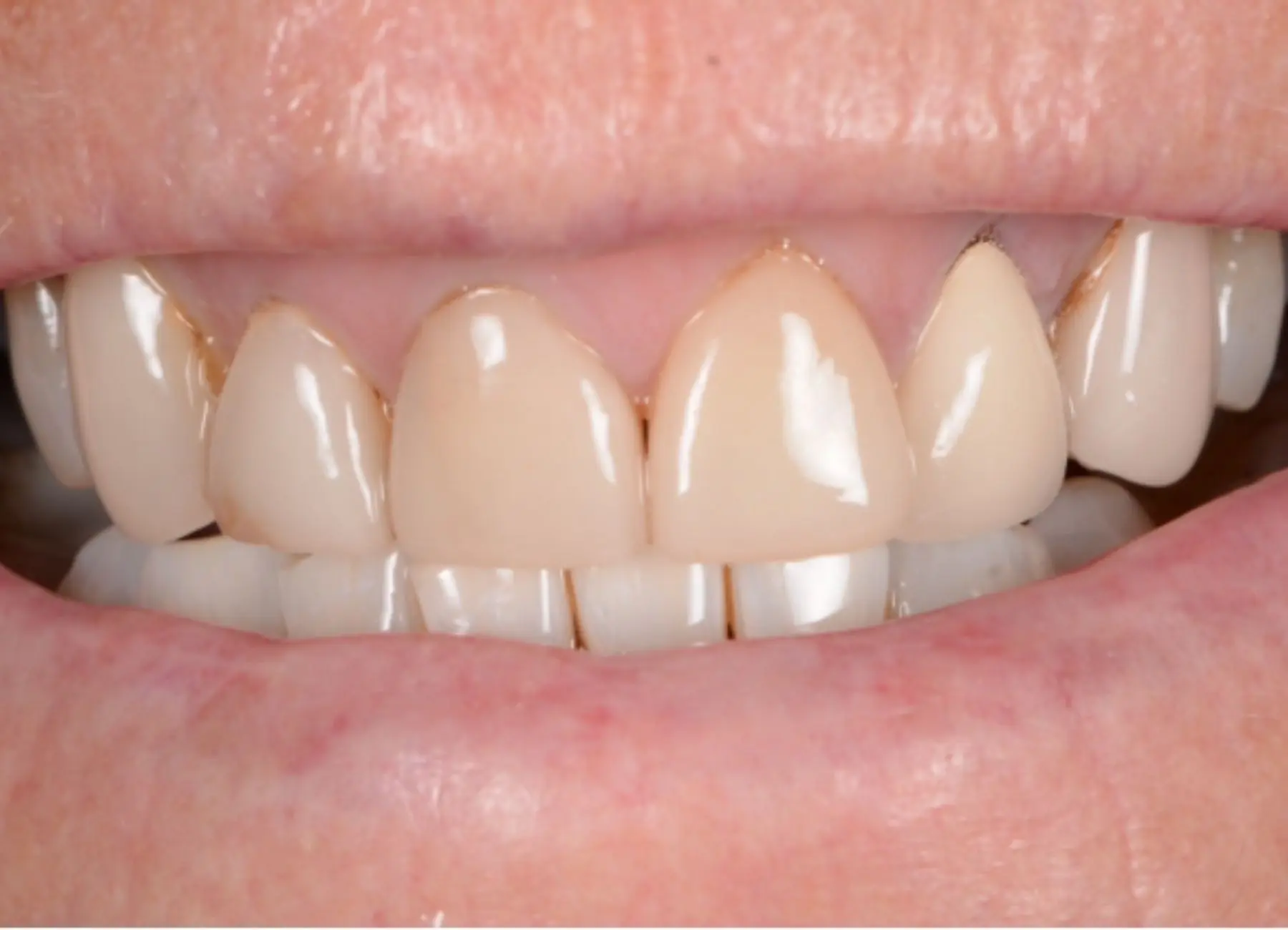
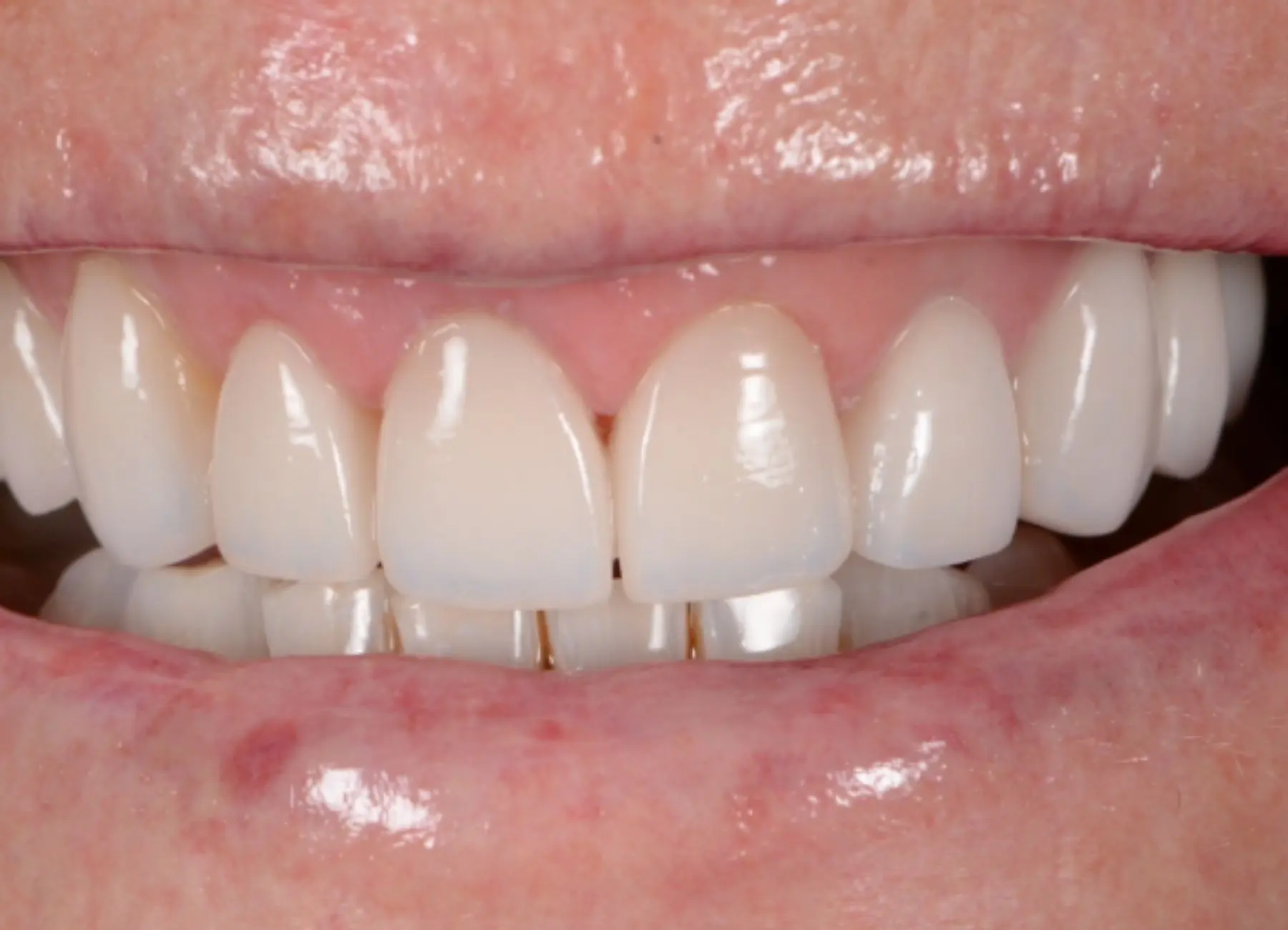
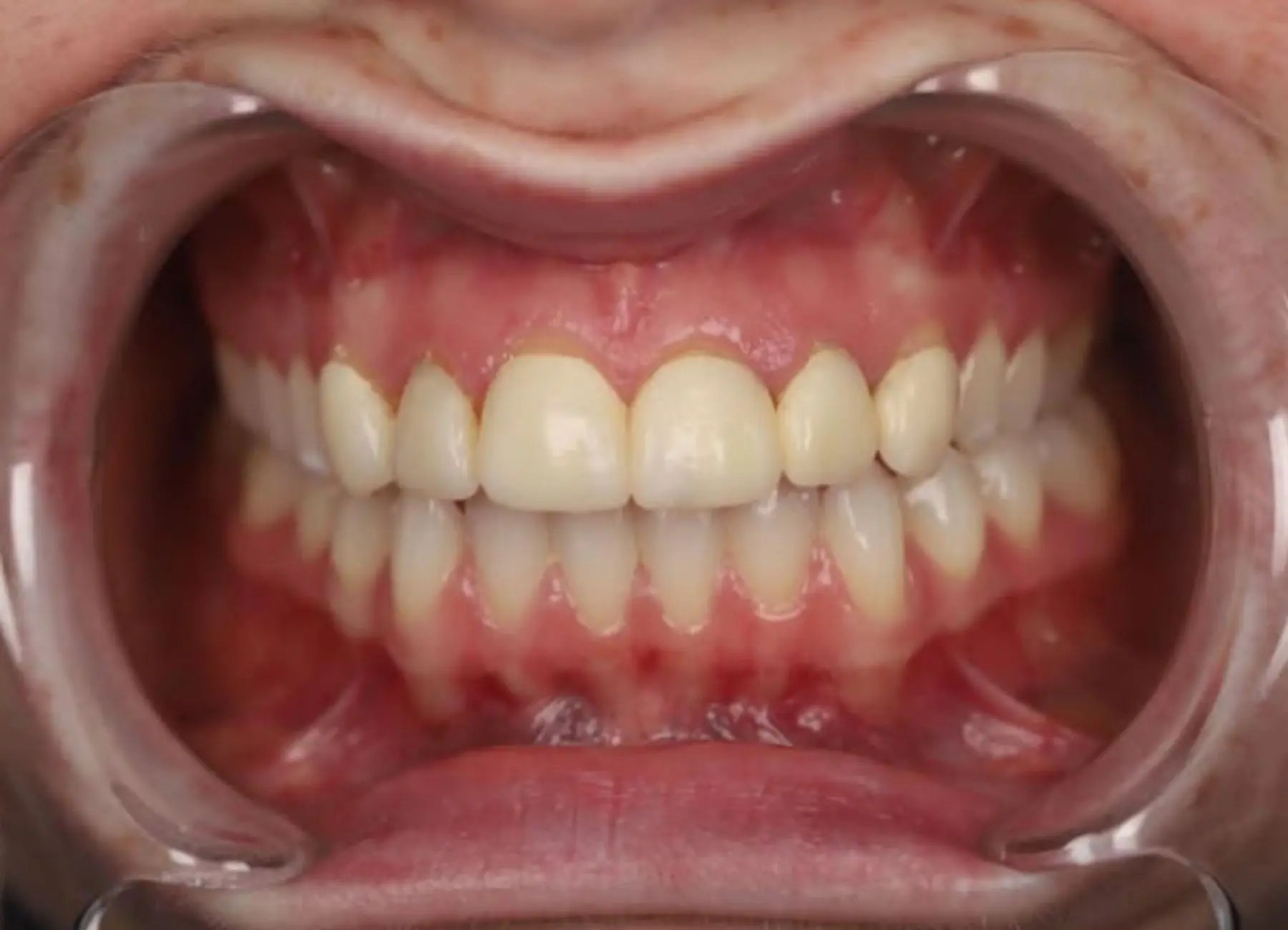
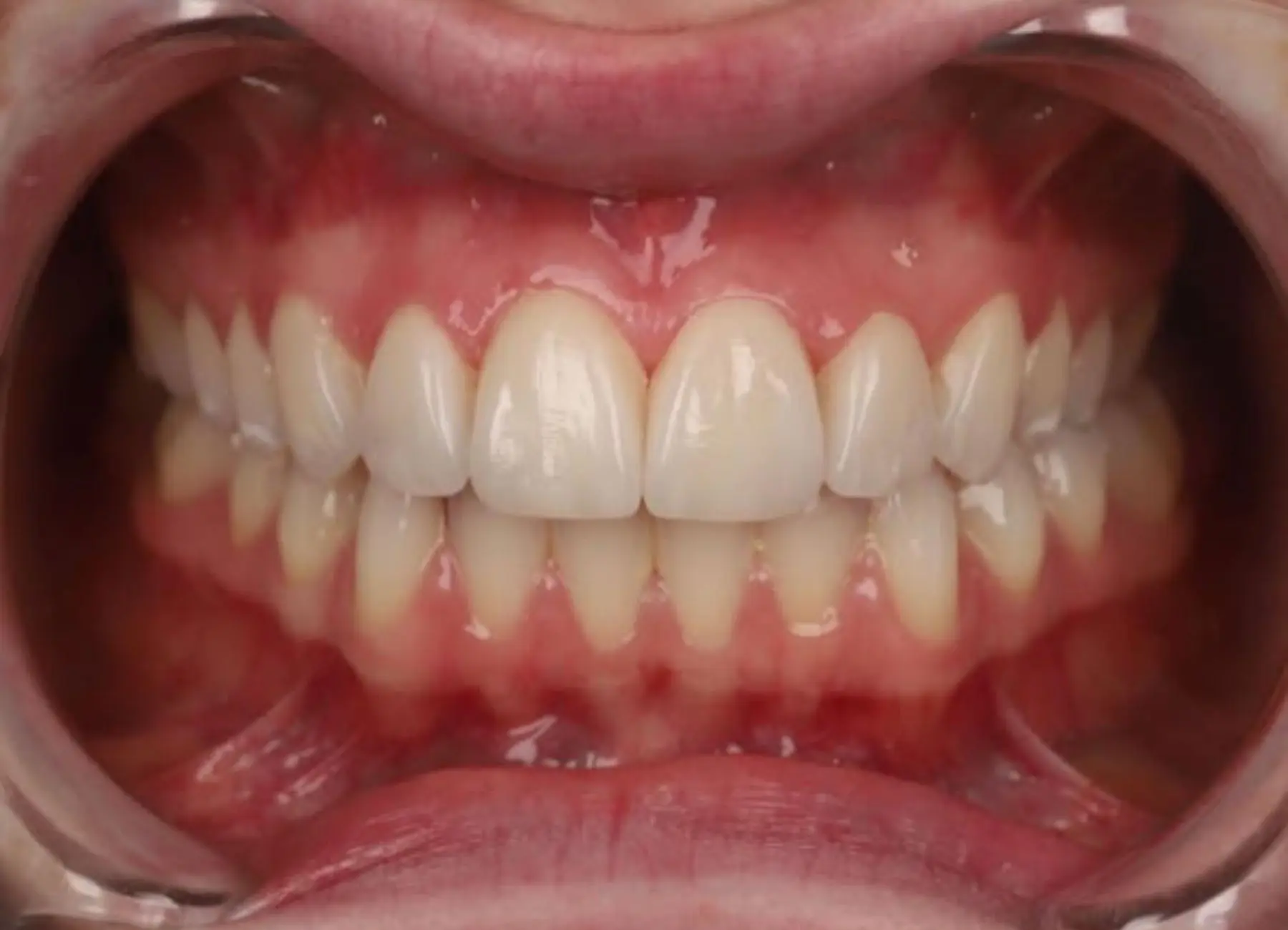
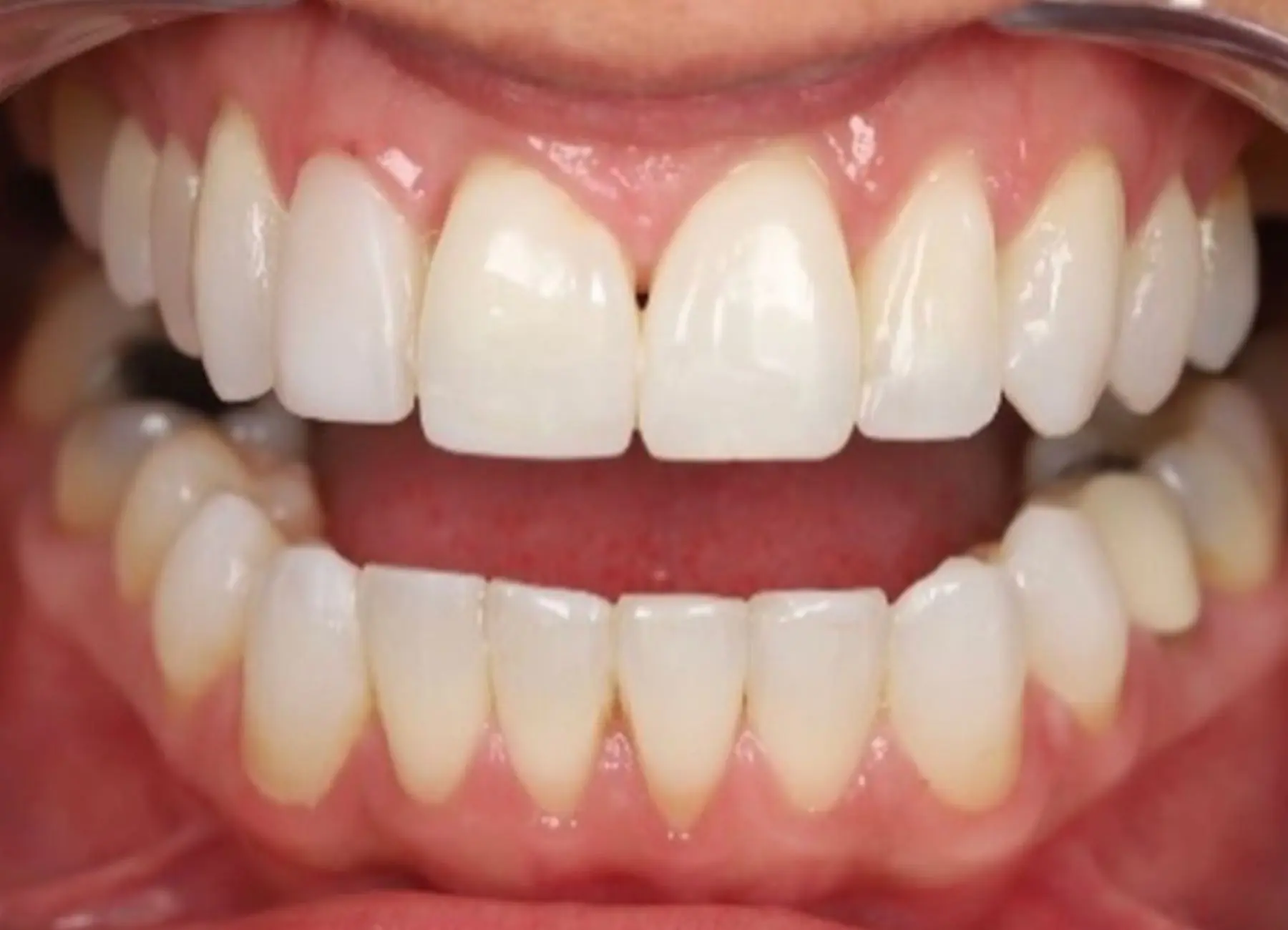
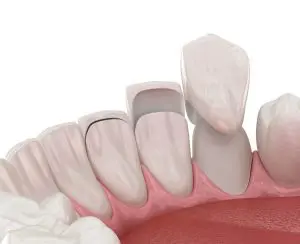
Porcelain veneers are the industry’s best. They are crafted from high-quality ceramic and resemble natural teeth. Porcelain veneers provide a natural-looking smile because they are known for their durability (lasting up to 20 years), stain resistance, and translucency of natural enamel. They come in various types and brands, with various thicknesses and strengths, like Emax, Durathin, and Ultrathin.
They require two appointments to apply, as the porcelain veneer shells are custom-made in a dental laboratory based on impressions taken during your first appointment.
Next: How much is a full set of veneers?
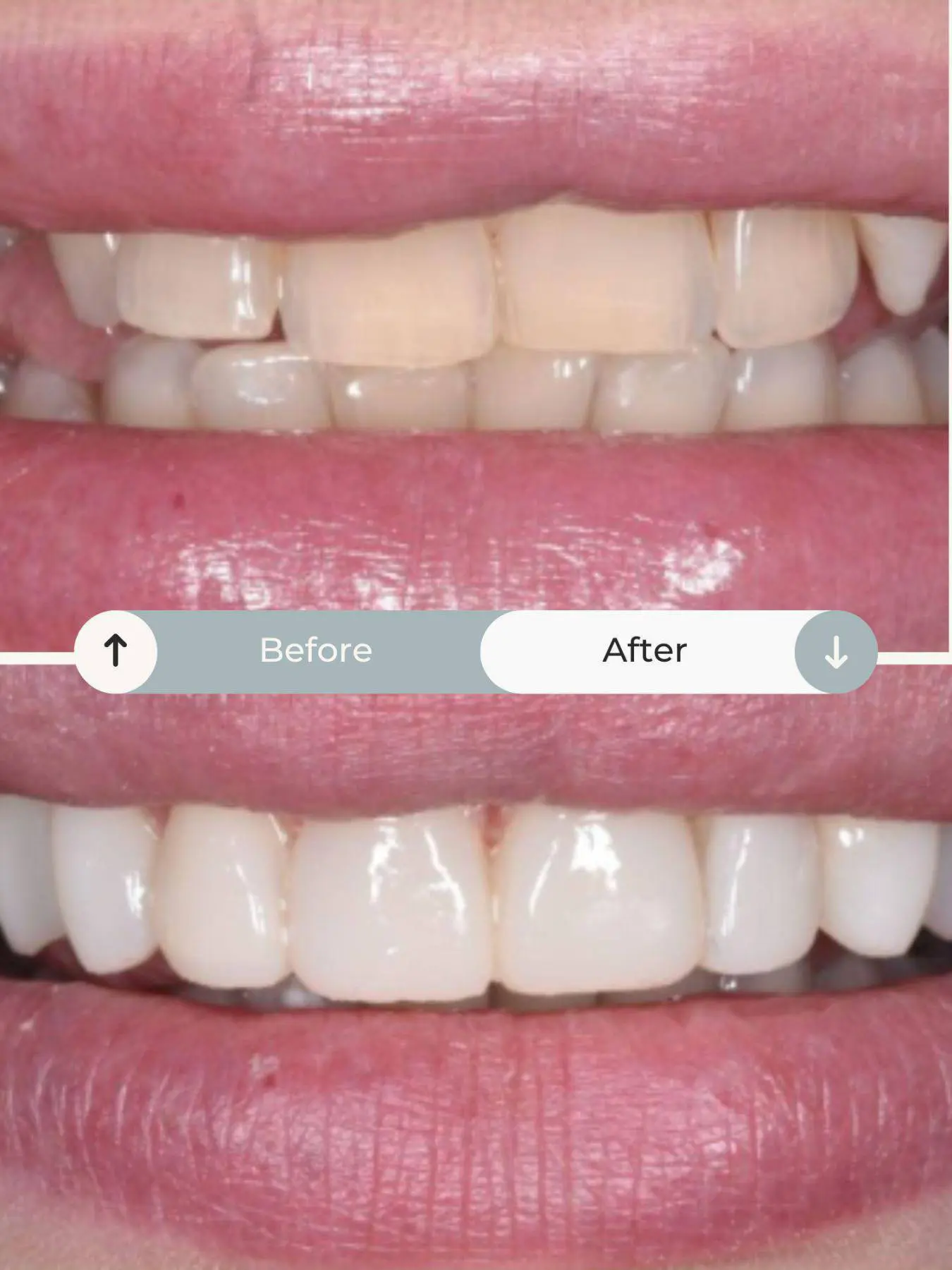
2. Composite Veneers (or instant veneers)
- Costs from £500
- One appointment
- No preparation
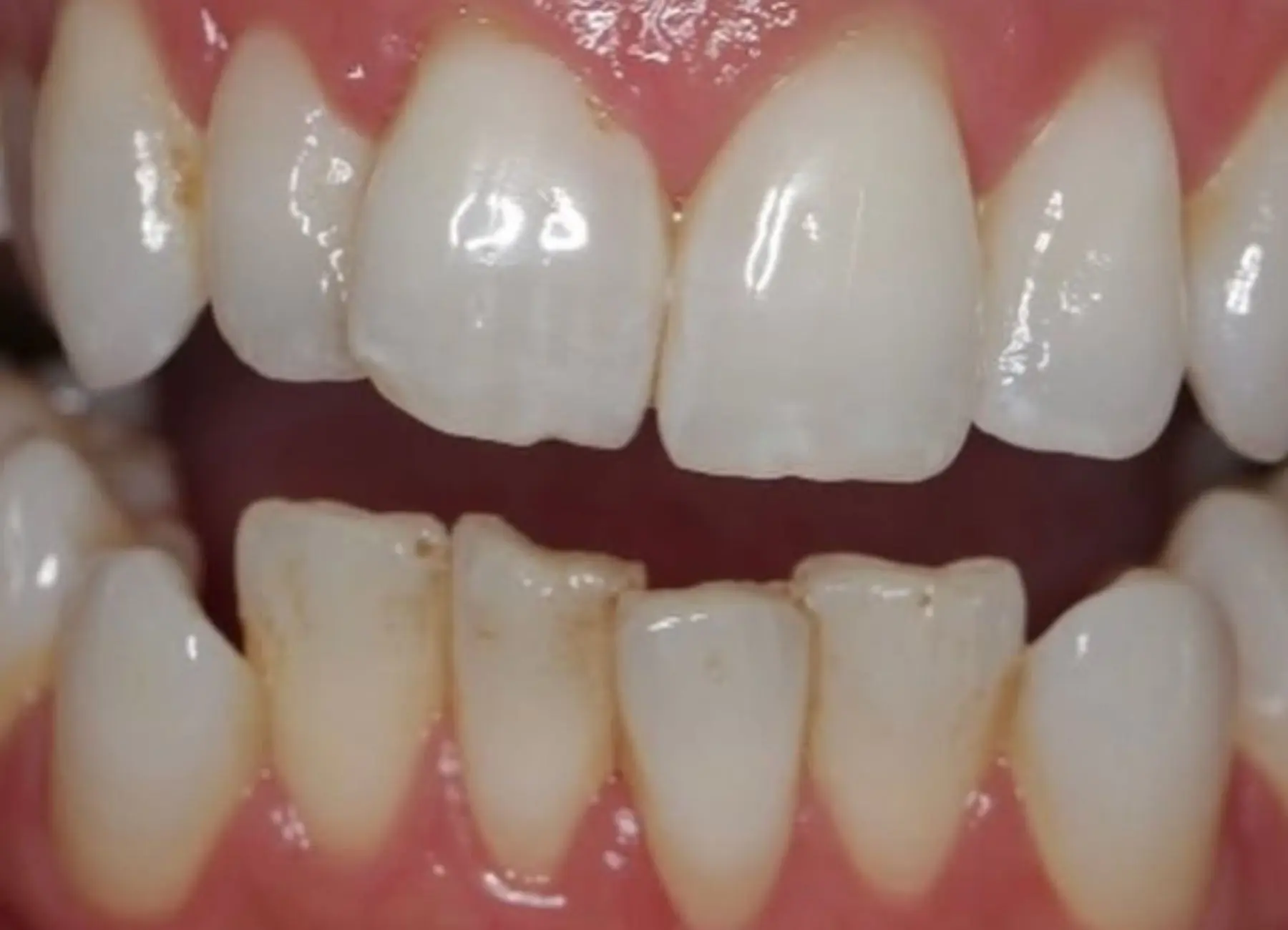
Composite veneers are made from tooth-coloured composite resin, which is directly sculpted onto the teeth and shaped by a cosmetic dentist. Because composite veneers are not fabricated in a dental laboratory, they can be applied in a single appointment. One benefit is their price point; composite veneers are much more affordable per tooth, but that said, they do not last as long and are more prone to staining and chipping, although they are easily repaired.

3. Lumineers
- Costs from £1,200
- Two appointments
- Minimal preparation
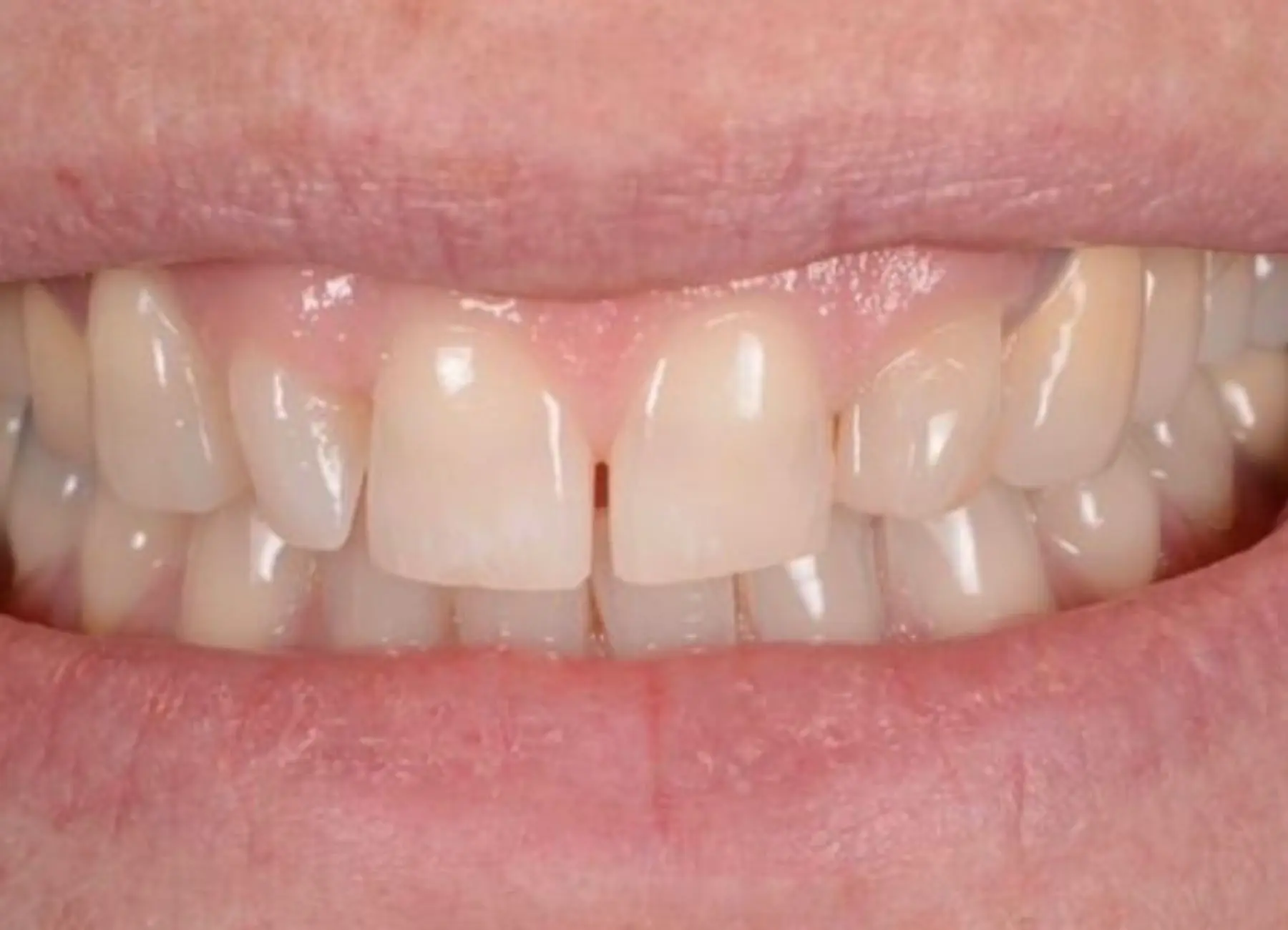
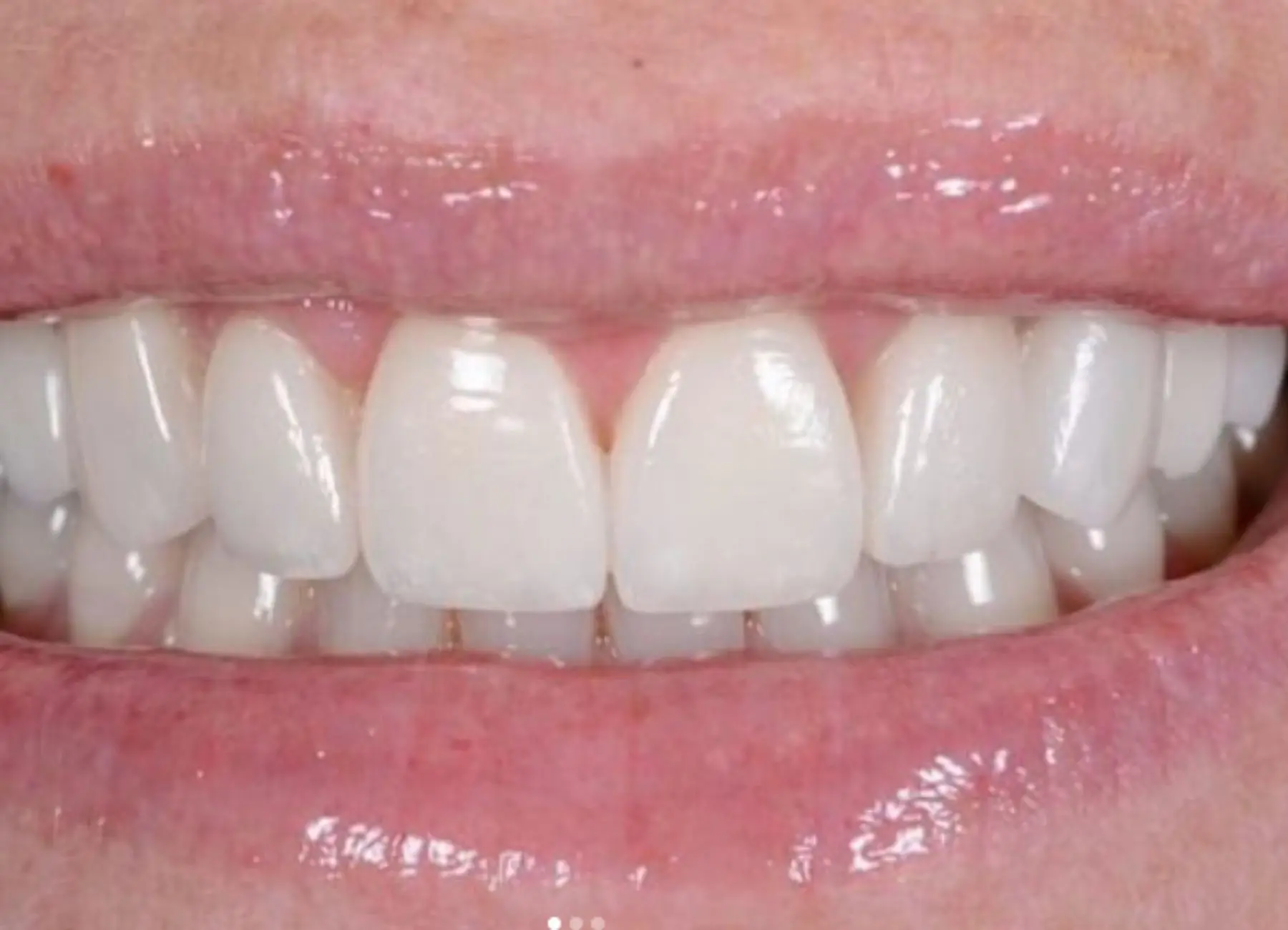
Lumineers are a specific brand of ultra-thin porcelain veneers that are widely used and recommended because they involve minimal application preparation. Unlike standard porcelain veneers, which might require some enamel removal to ensure a proper fit, Lumineers can be bonded directly to the tooth without extensive preparation or etching because they are incredibly thin (the size of a contact lens). The benefit of Lumineers is that they preserve more of the natural tooth structure, making them an appealing choice for patients concerned about enamel reduction.
4. No-prep veneers
- Costs from £500
- One-two appointments
- Minimal or no preparation
As the name suggests, no-prep veneers require minimal to no tooth preparation before placement. Like Lumineers, they preserve as much natural tooth structure as possible and are offered by brands like Ultrathin, Durathin and Emax.
Made from an ultra-thin porcelain or composite material, they are a conservation option for patients wanting to keep their underlying teeth intact. But they’re unsuitable for all cases, and candidacy is based on the patient’s needs and goals.
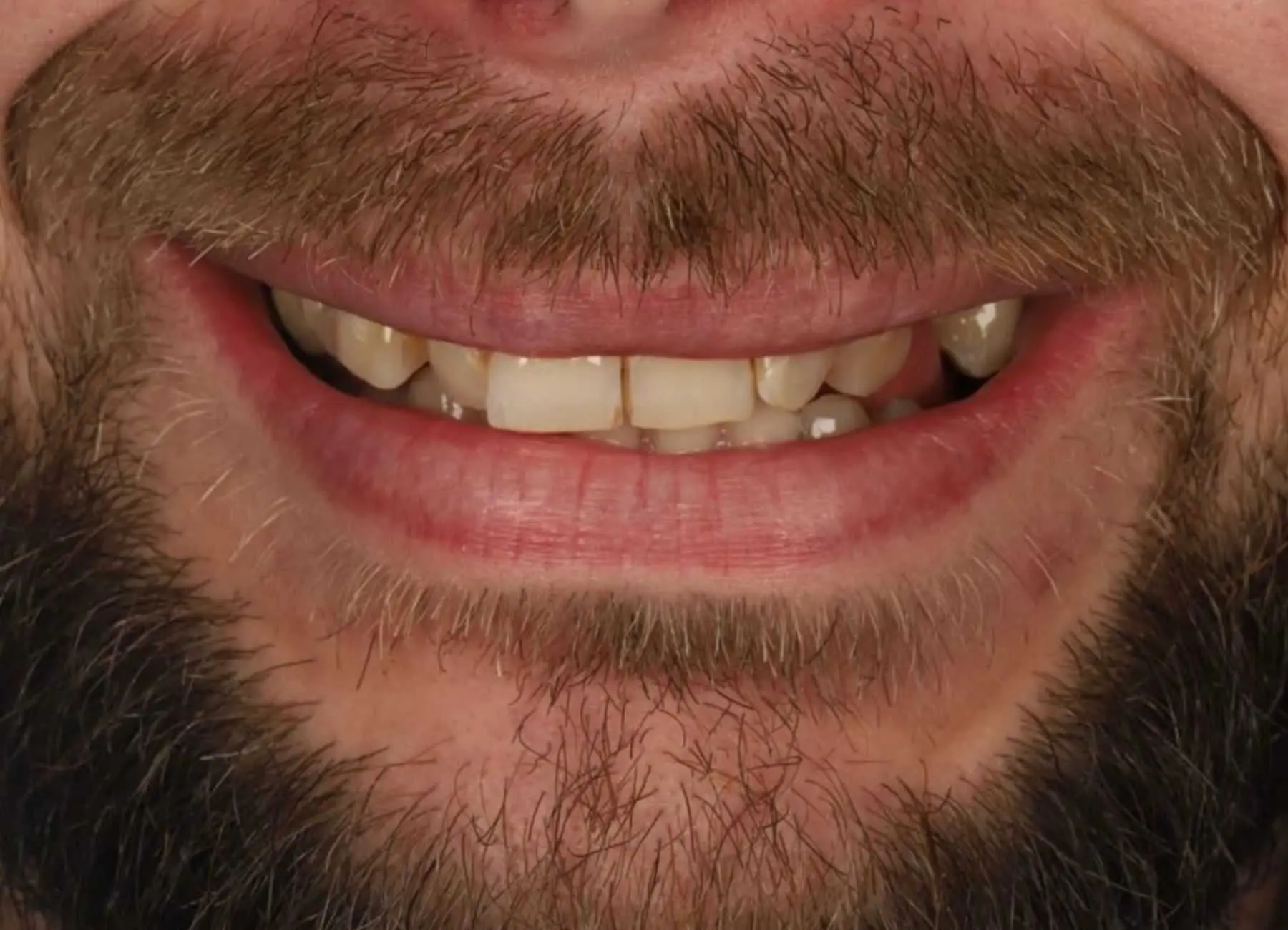
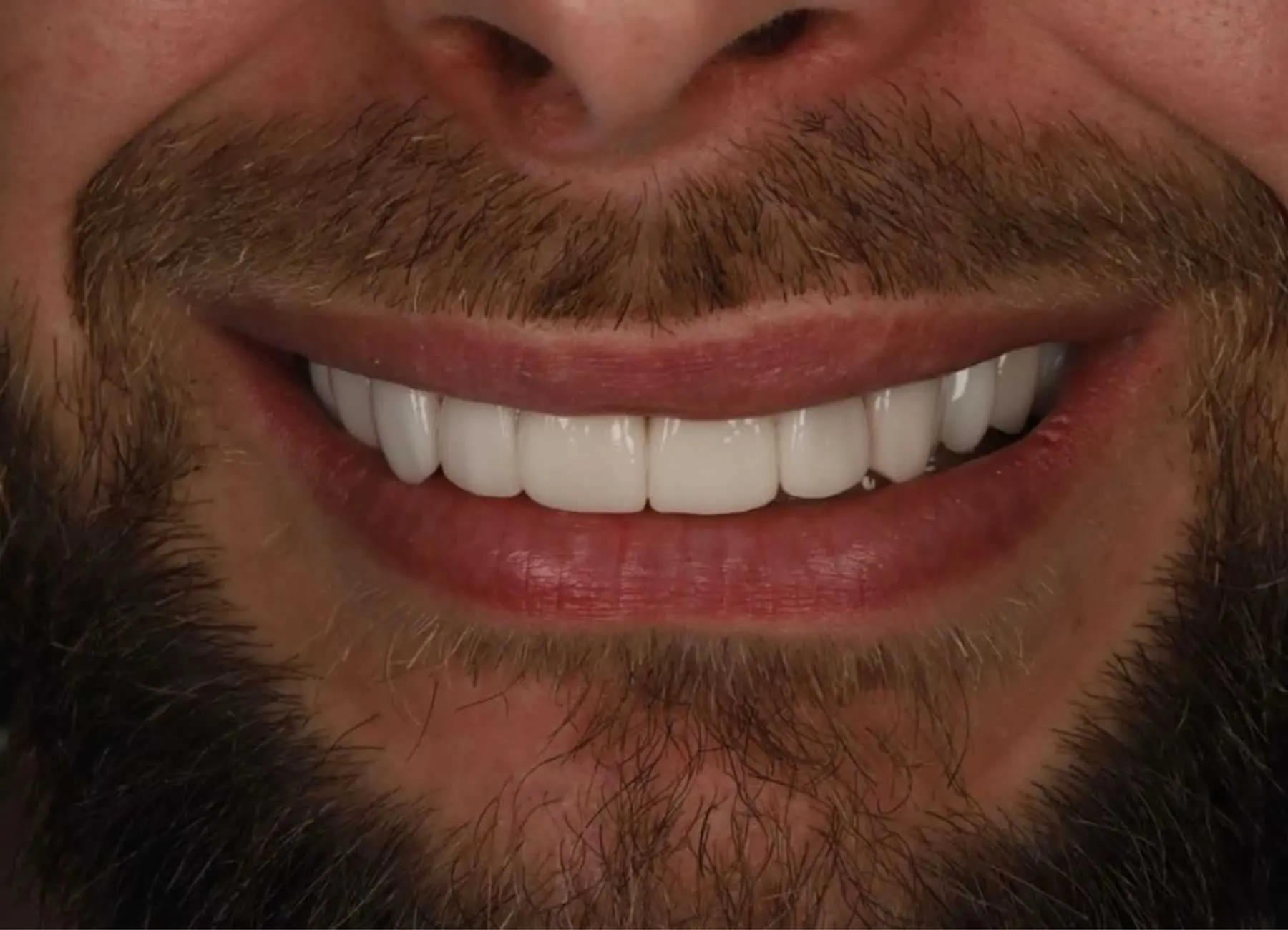
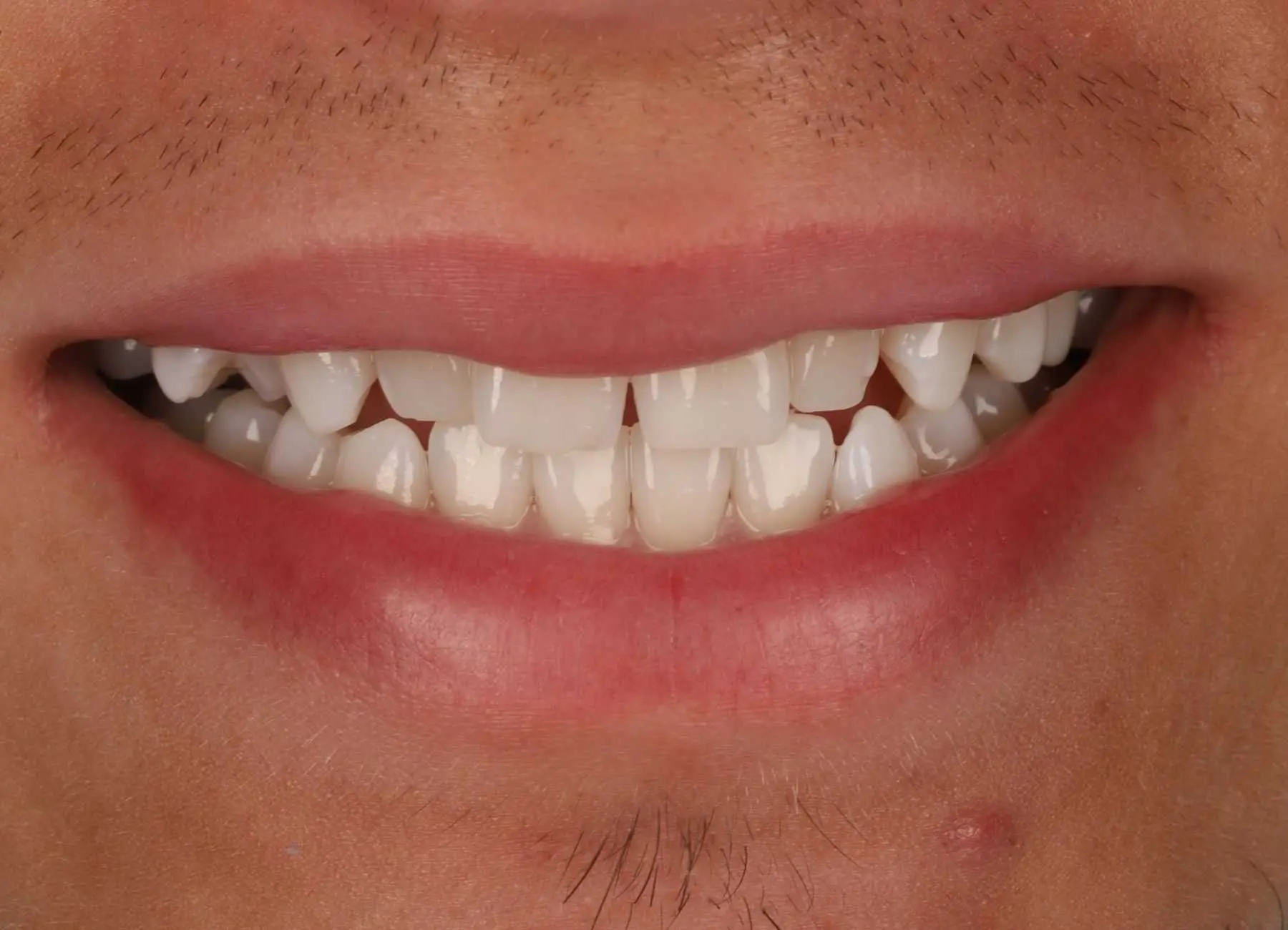
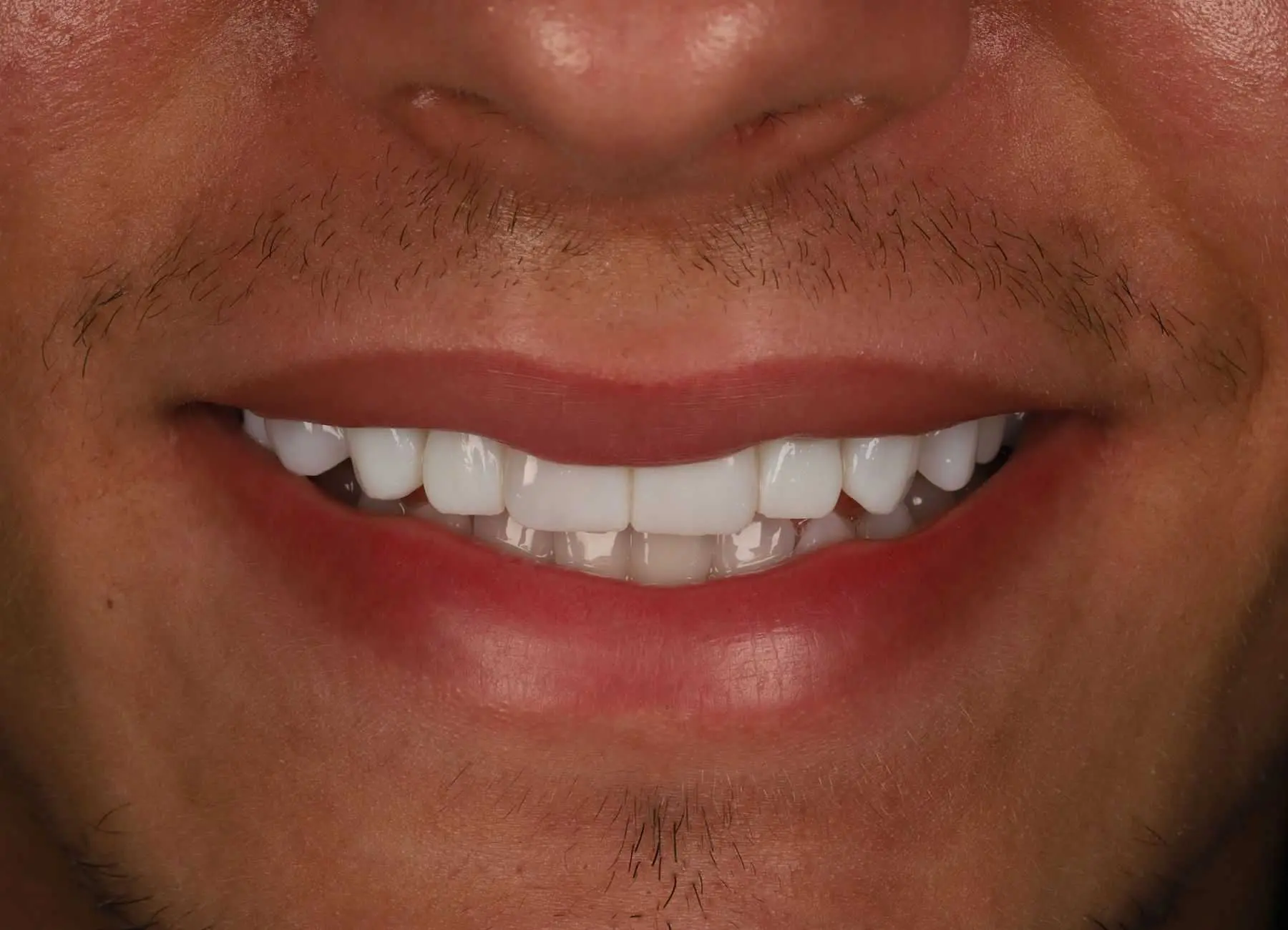
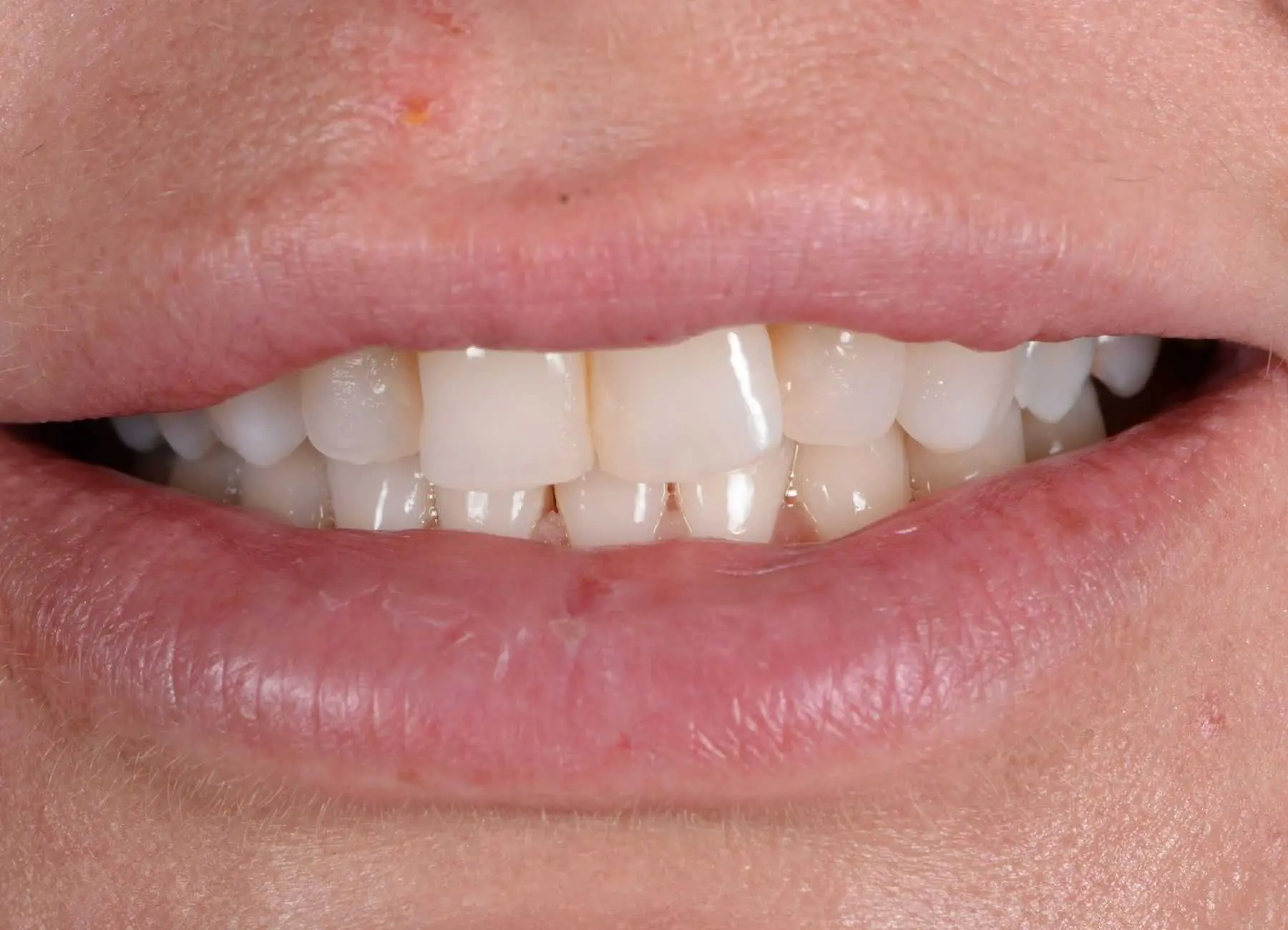
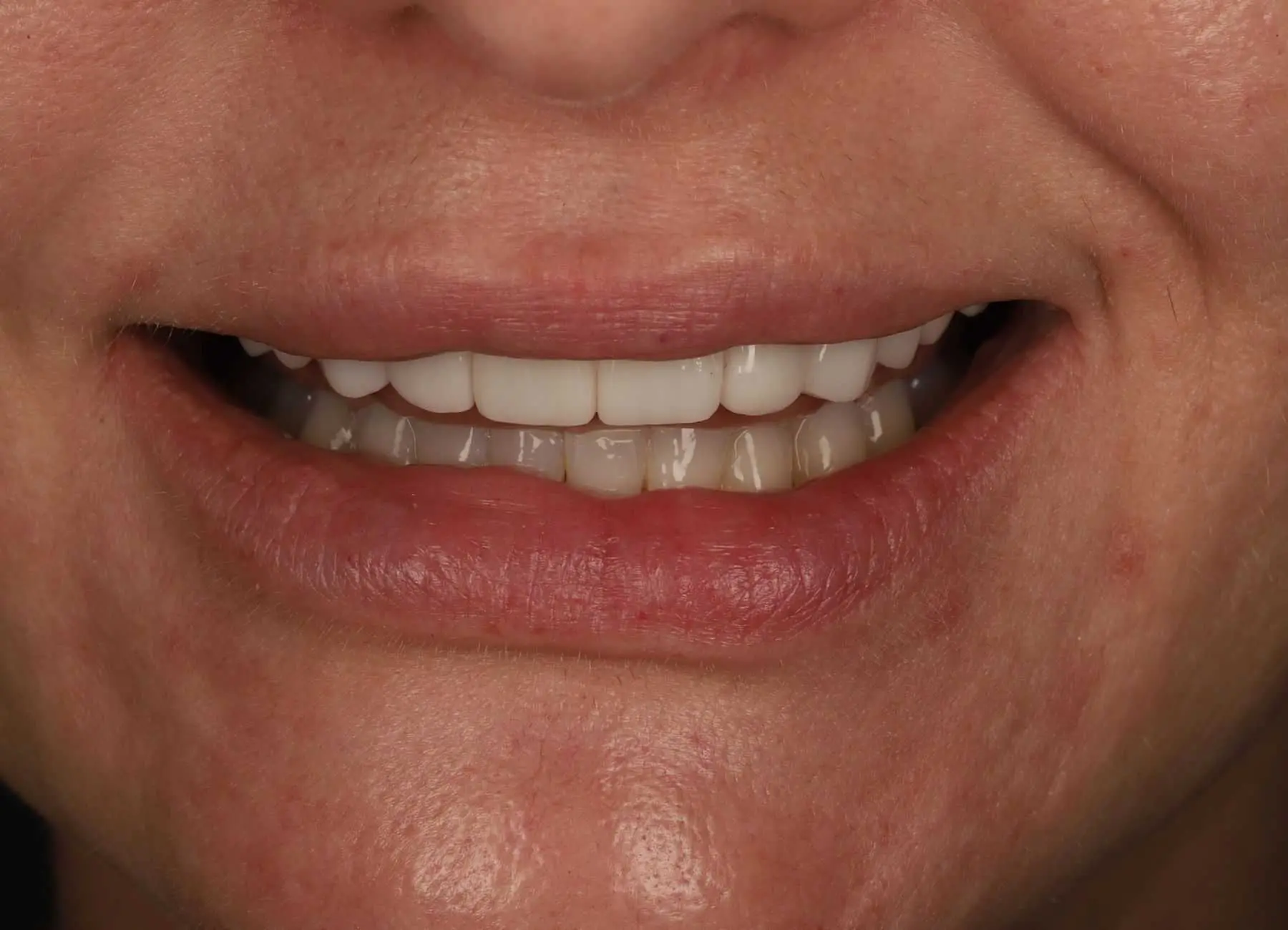
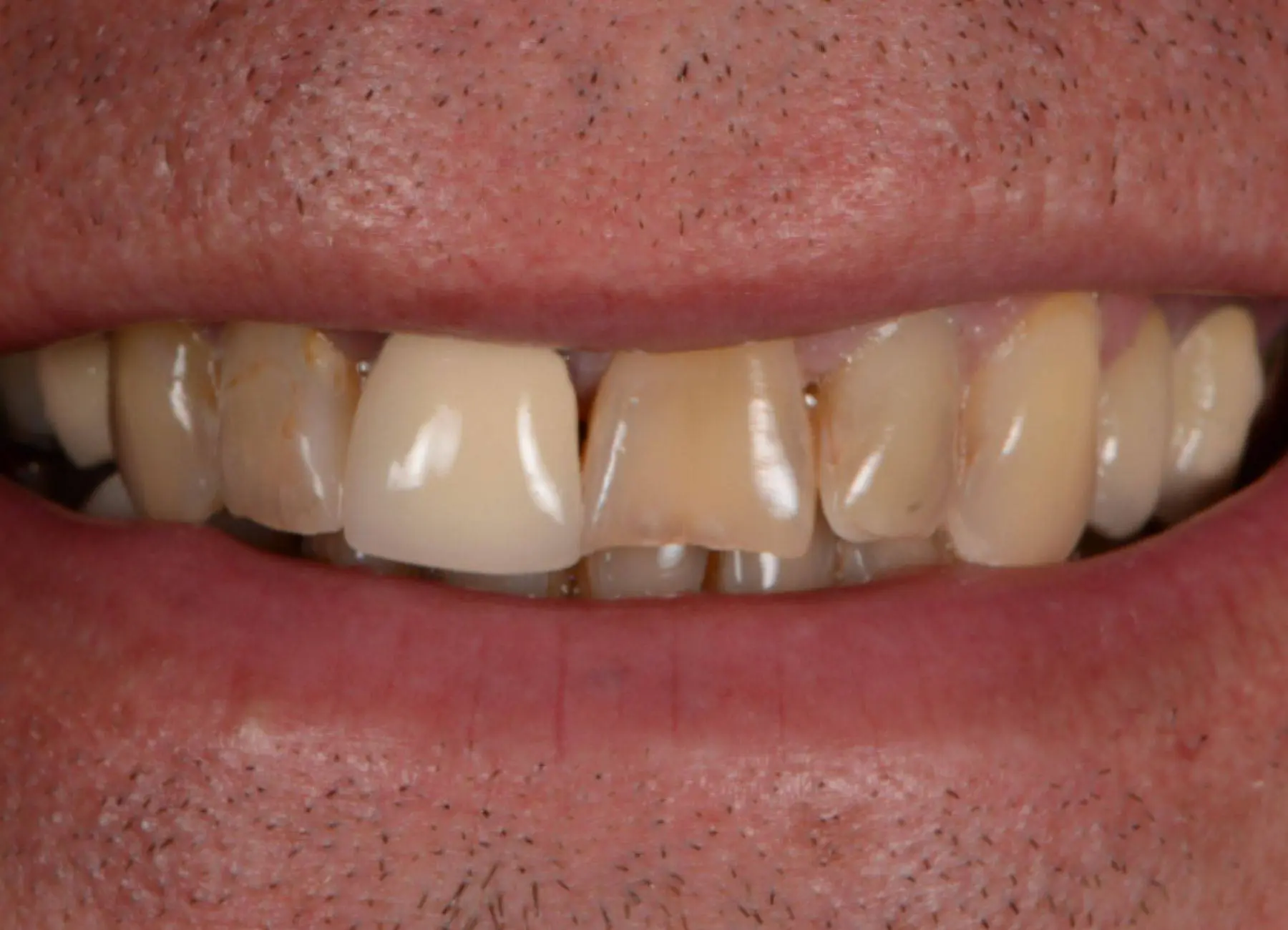
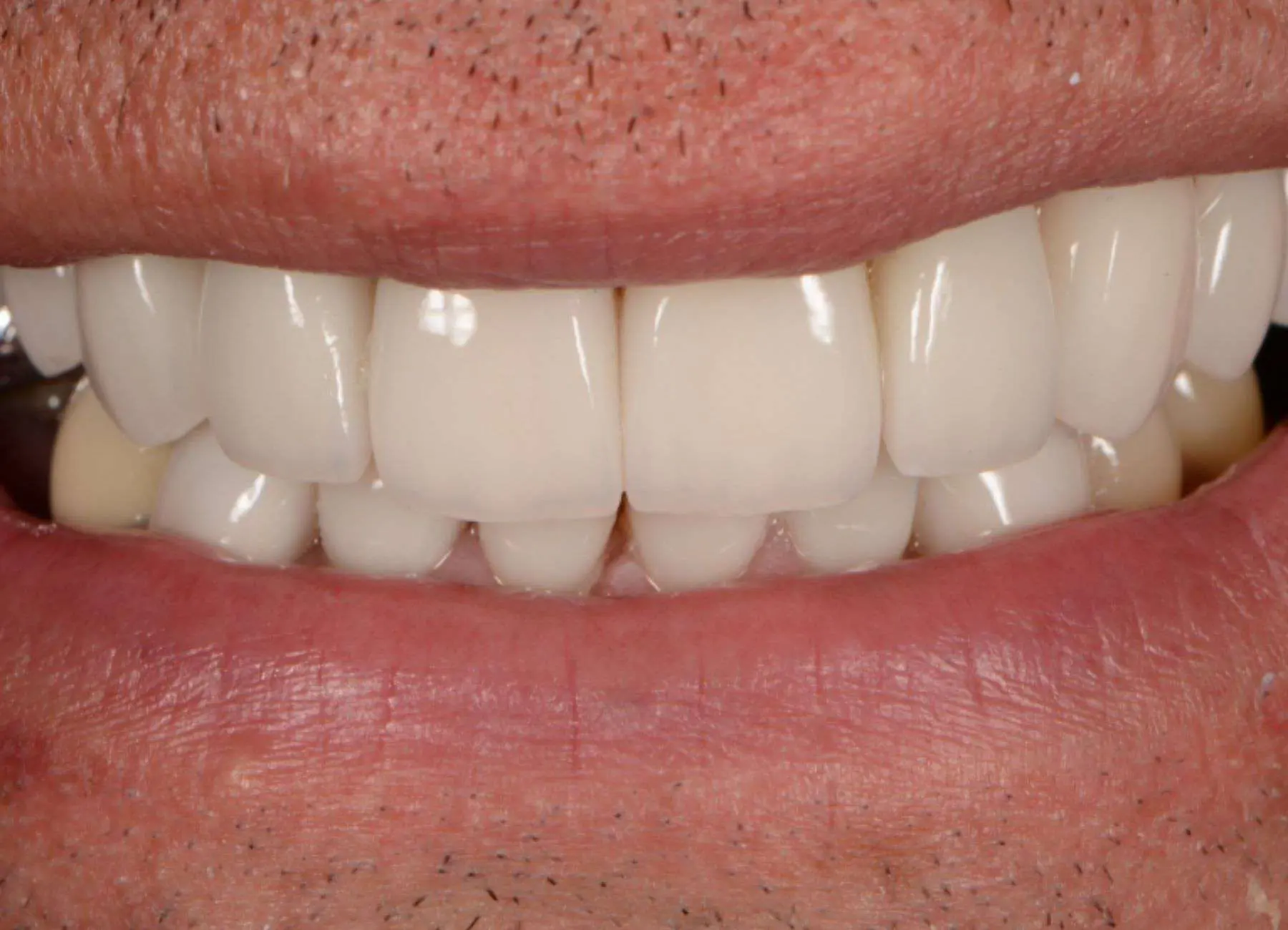
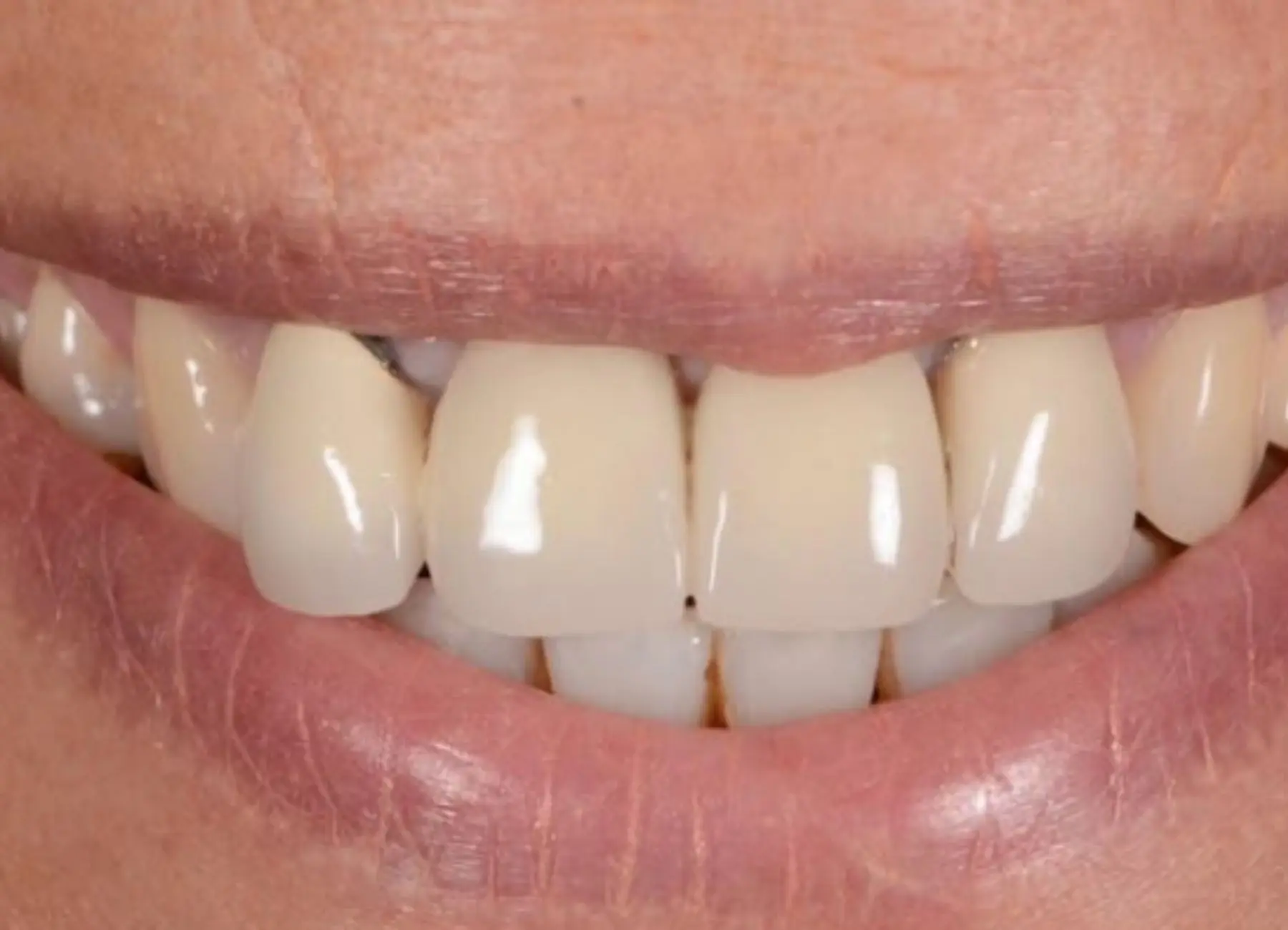
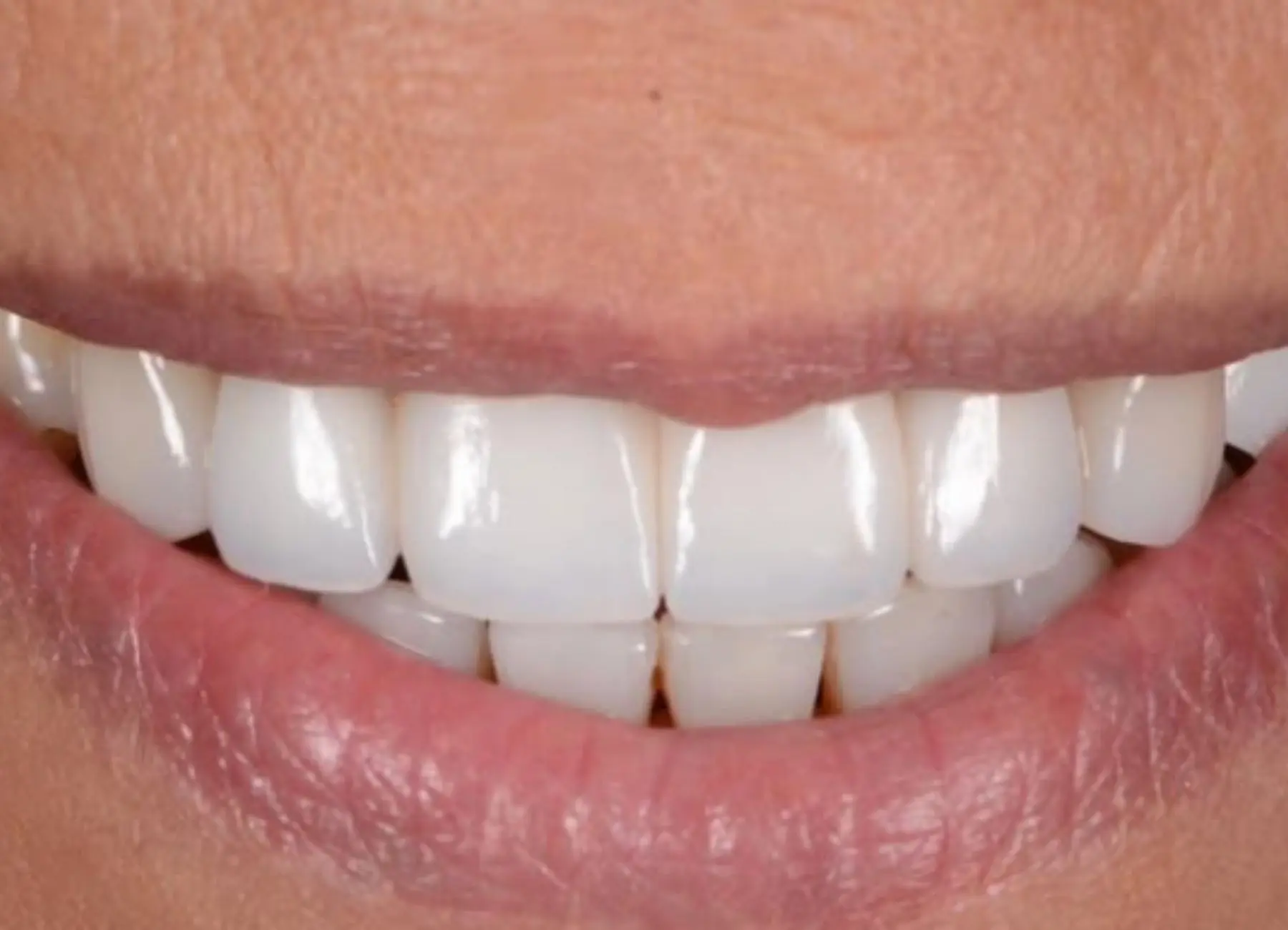
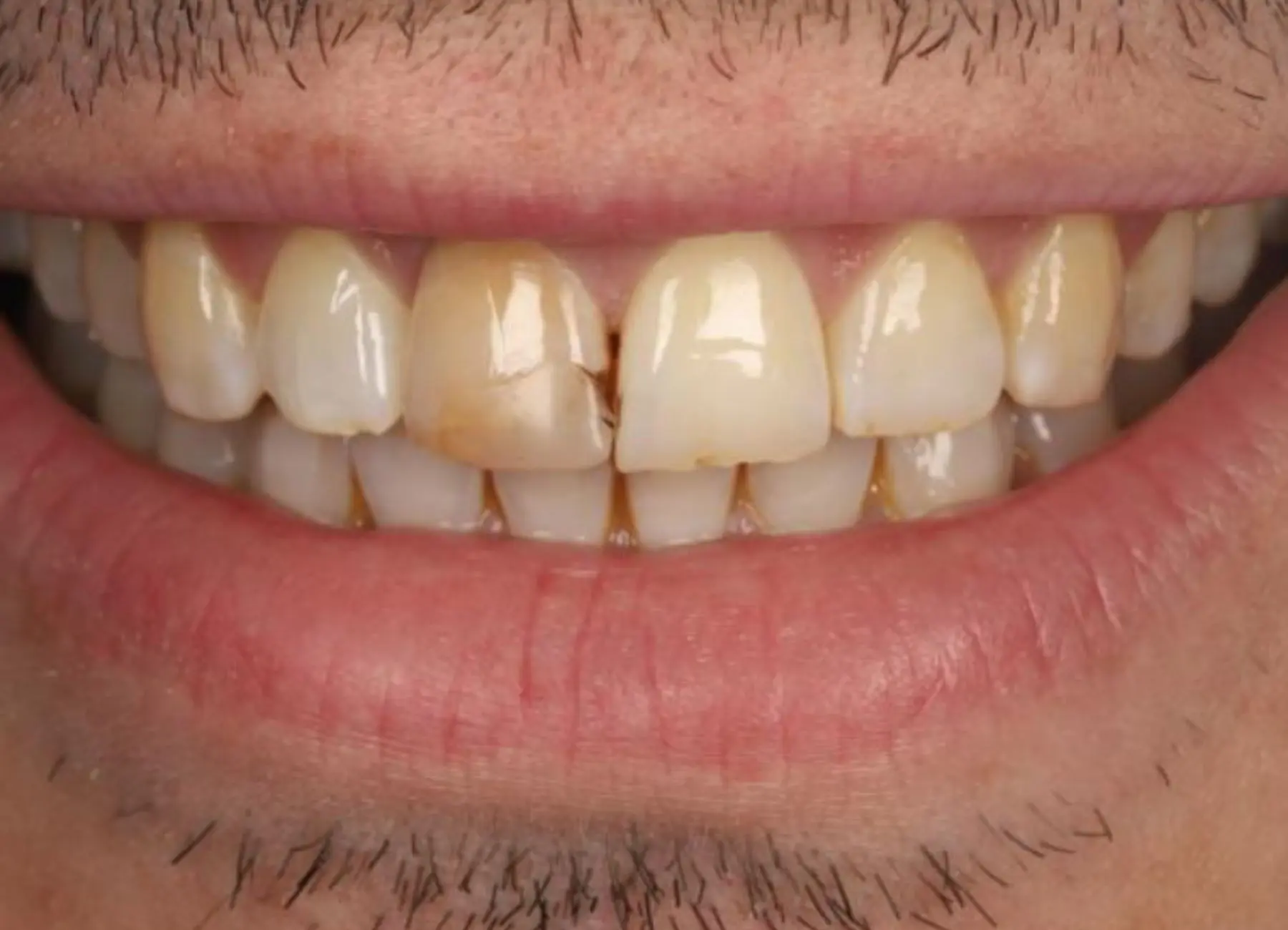
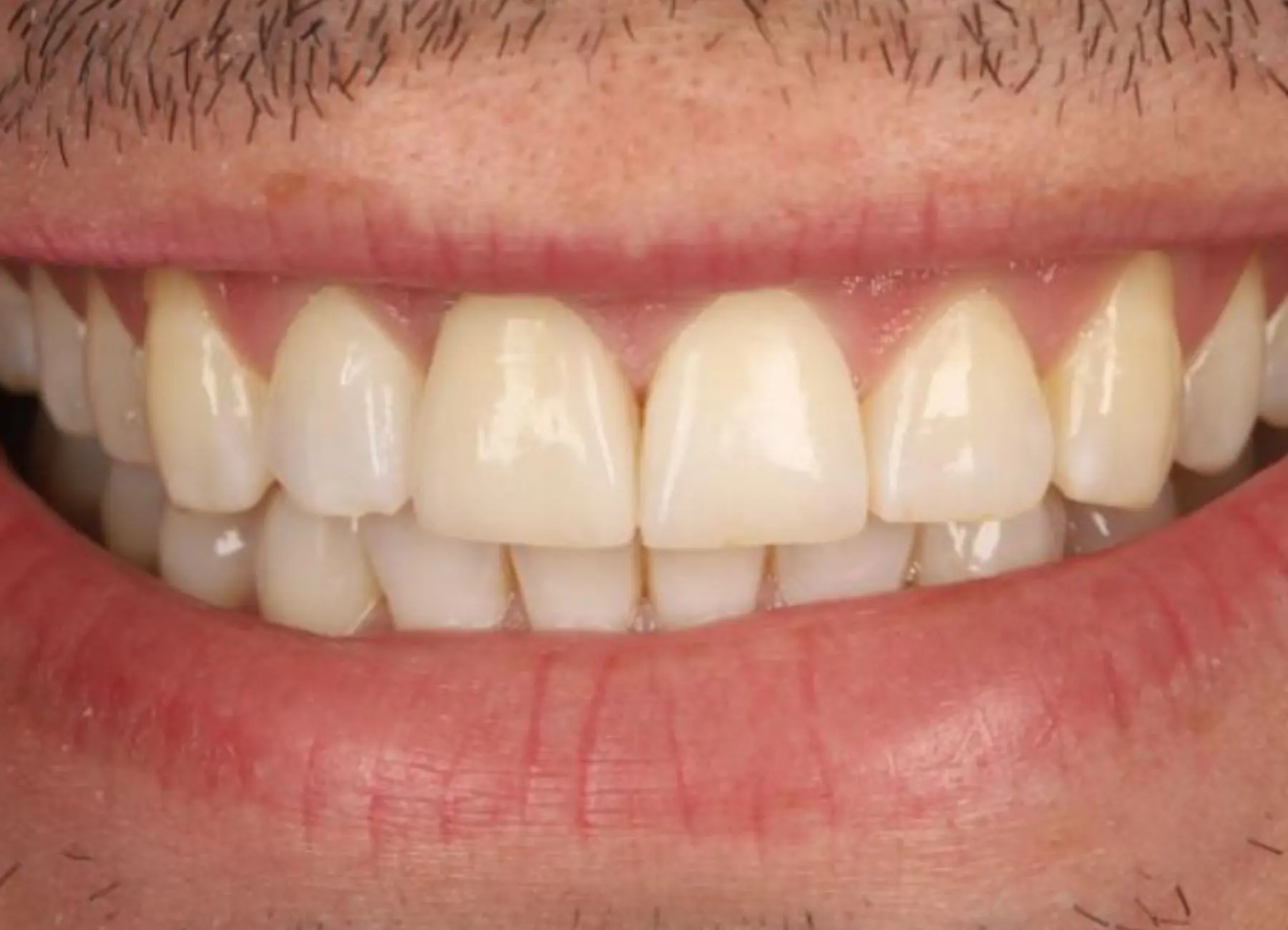
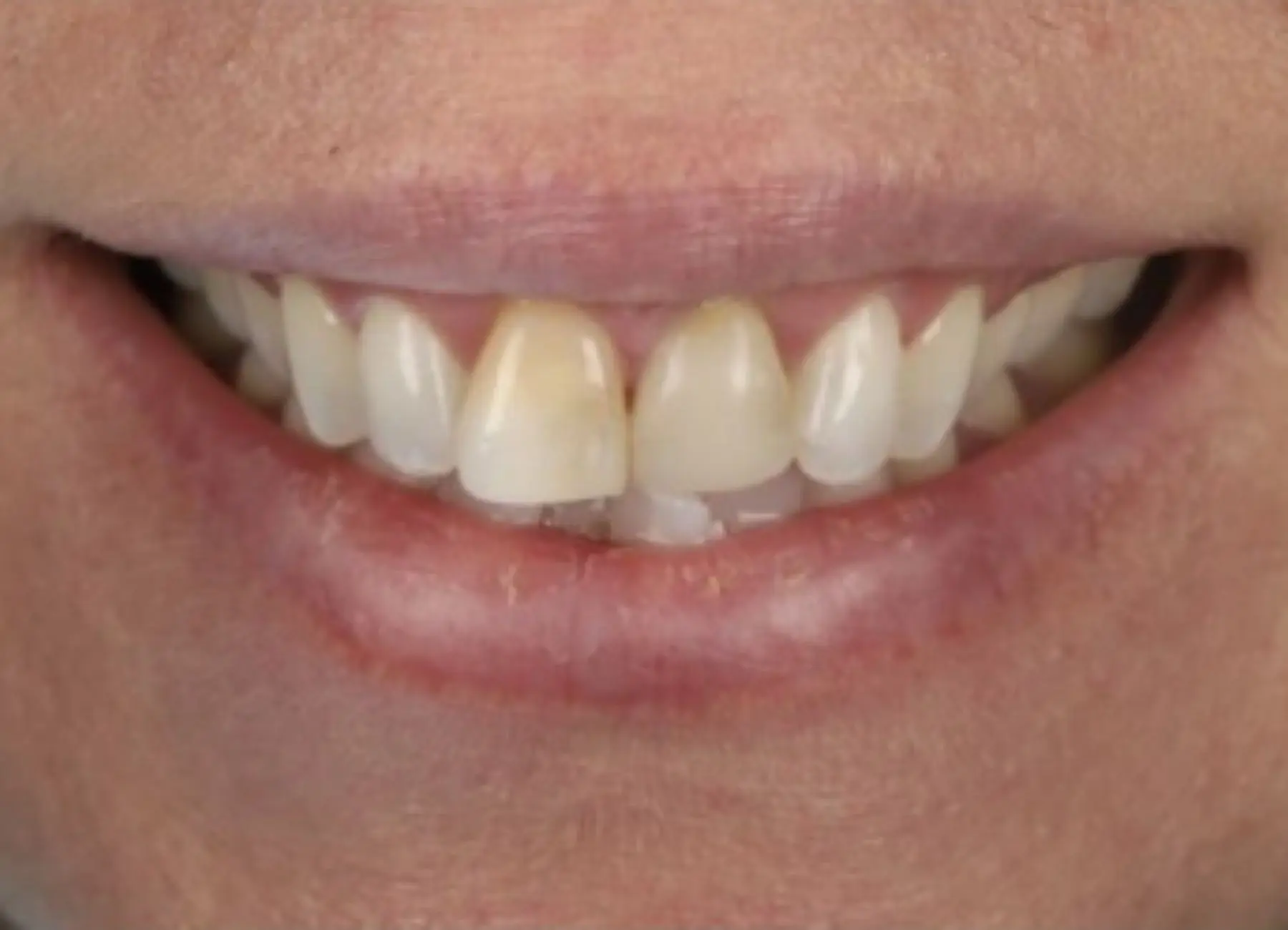
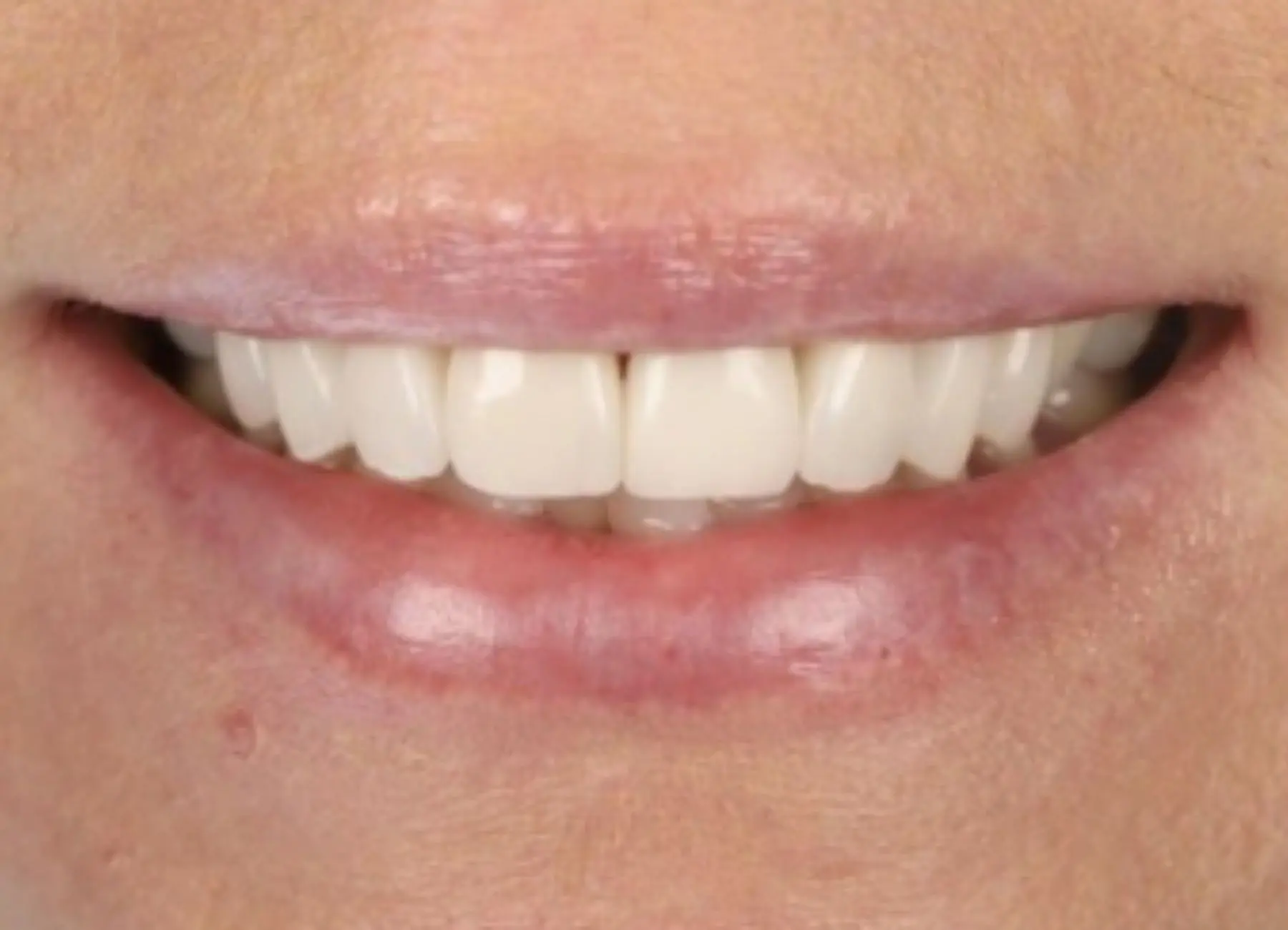
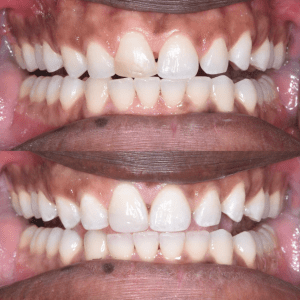
See teeth veneers before and after.
Book a consultation to see what type works for you
Porcelain, composite, Lumineers and no-prep veneers each offer unique benefits depending on your smile goals, budget and tooth condition. Exploring the different types of veneers with a cosmetic dentist ensures you choose the right option for long-lasting, natural results.
As veneers come in various types, sizes and thicknesses, each with advantages and limits, choosing which type to opt for will depend on your dental condition and aesthetic goals. Your consultation will also walk you through your total costs and finance plans to fit your budget.
Veneer type FAQs
How many types of veneers are there?
There are four main types: porcelain, composite, Lumineers, and no-prep veneers.
What is the most natural-looking veneer?
Porcelain veneers (especially Emax, Ultrathin and Durathin) offer the most lifelike results.
What is the cheapest type of veneer?
Composite veneers, starting from £500 per tooth.
Which veneer type lasts the longest?
Porcelain veneers last 10–20 years, depending on care.
Are no-prep veneers suitable for everyone?
Not always; suitability depends on your bite, tooth shape and level of discolouration.