Reading Time: 3 minutes
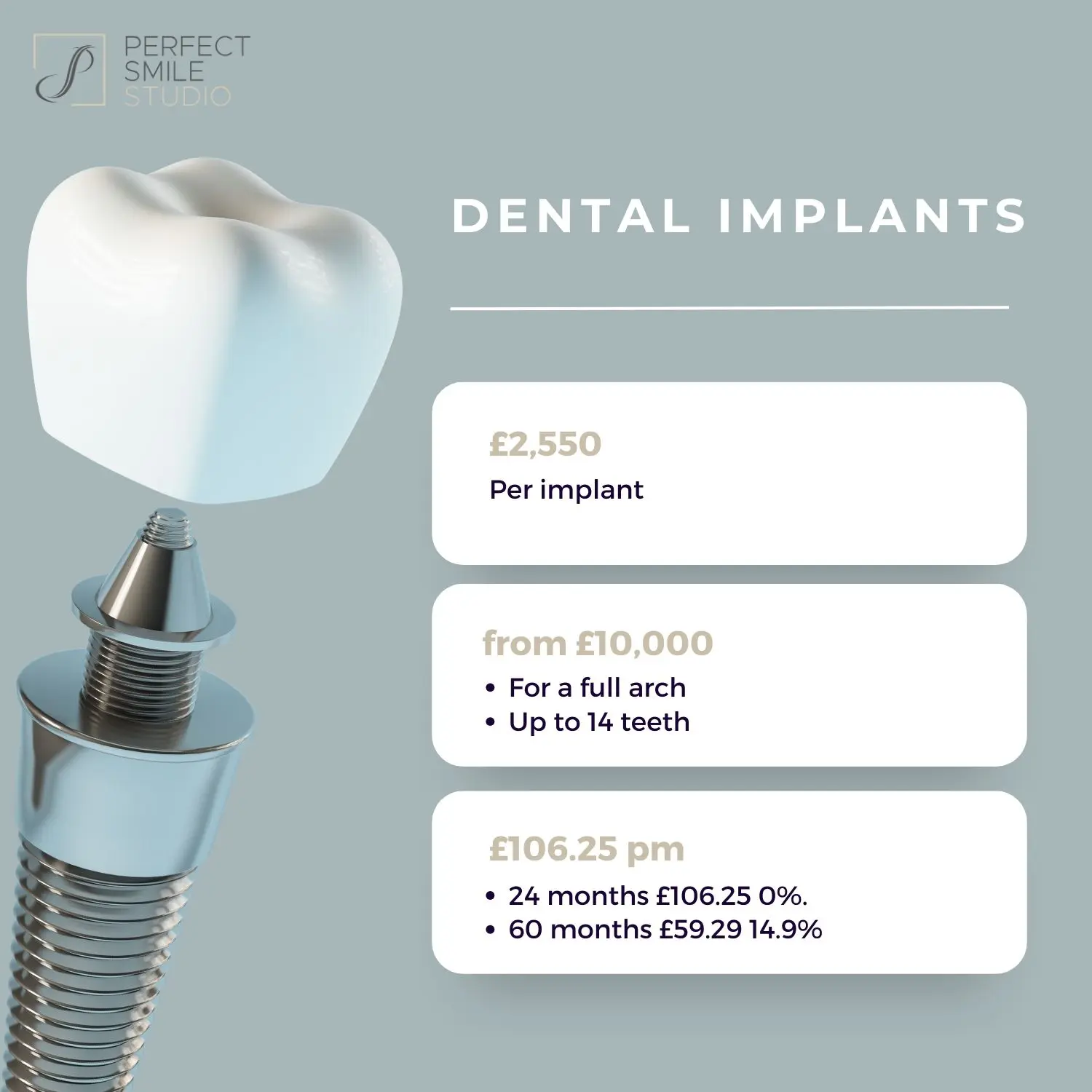
 It’s more likely that you’ll have to fund your dental implant treatment. Start with a free consultation at our clinic in Hertford to explore your options, have your scans taken, and have your treatment priced up so you can begin to explore different ways you can fund it.
Call us today on 01992 552115 to speak with our expert team, or book online by selecting Free Consultation.
We offer 0% interest finance across all of our restorative and cosmetic options. Our patients can break down the cost of treatment over manageable monthly instalments without paying a penny more for up to 24 months. In addition, our finance terms extend up to five years for those happy to be charged APR. Learn more.
Want to know how much dental implant treatment will cost you? Explore our finance calculator or book a FREE consultation with us to price your treatment.
Implants on the NHS: Criteria, Costs & Availability
If you’ve done your research, you’ll know that dental professionals consider dental implants the best tooth replacement method worldwide. However, you’ll also likely be aware that the cost of dental implants in the UK is not always so affordable. So, it’s no surprise that many Brits want to know if they can access this life-saving treatment through the NHS and, if so, how to go about obtaining it. In this post, we’ll examine the NHS’s criteria for dental implants and specific ways to increase your chances of being accepted. We’ll also explore the cost of dental implants and discuss ways to reduce the treatment price. Book a Free Consultation.
Can I get dental implants on the NHS?
The concise answer is yes, you can. However, before you start running to your local NHS dentist, we must tell you there’s much more to it. The NHS offers dental implants to patients with a clear medical and clinical need in certain circumstances. Even though missing teeth is a severe problem, it’s not enough to get you considered. Many people who would like NHS implants will not be eligible and will be forced to settle for non-permanent, cheaper restoration treatments like bridgework or dentures or opt for private care to receive dental implants. View types. The massive demand for implants and a small budget to supply them means that the NHS prioritise patients according to their medical needs.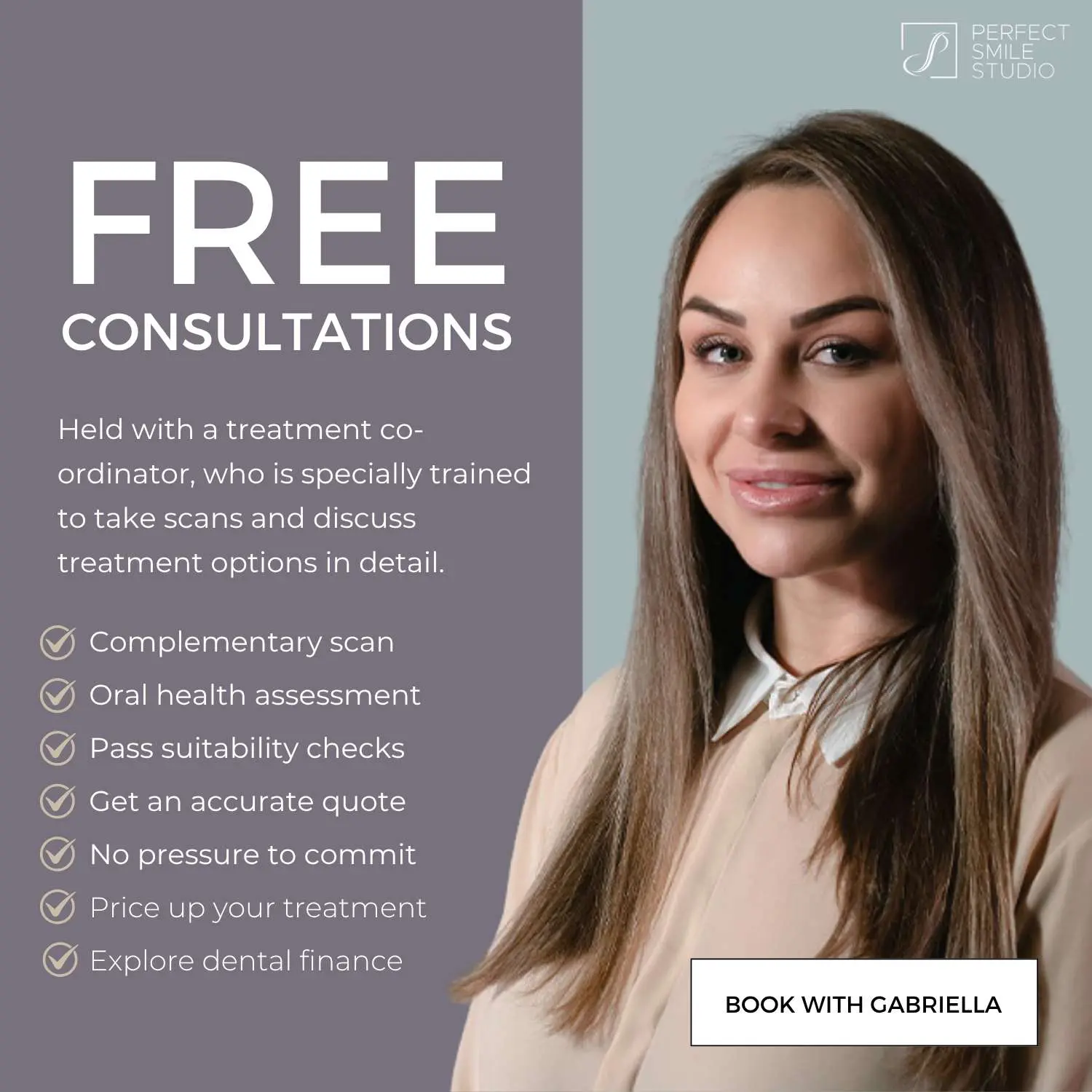 It’s more likely that you’ll have to fund your dental implant treatment. Start with a free consultation at our clinic in Hertford to explore your options, have your scans taken, and have your treatment priced up so you can begin to explore different ways you can fund it.
Call us today on 01992 552115 to speak with our expert team, or book online by selecting Free Consultation.
The NHS-funded criteria:
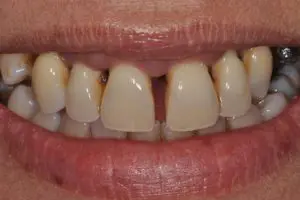
We’re sharing points from the report published by the Royal College of Surgeons in 2019, which outlines the eligibility criteria for NHS-funded dental implants. Your chances of getting NHS-funded implants increase if:- You have missing or malformed teeth because of an inherited or genetic condition. For example, patients with congenitally missing teeth.
- However, those who have lost their teeth due to trauma have no guarantee that they will be accepted for implant treatment after a concussion, as guidelines state that other, more conventional replacement methods should be explored first.
- If you have lost your teeth because of cancer or other conditions, your teeth must be removed as part of treatment.
- Those experiencing total tooth loss in one or both jaws are unsuitable for dentures. First, a professional must confirm that all conventional options have been exhausted and deemed unsuccessful.
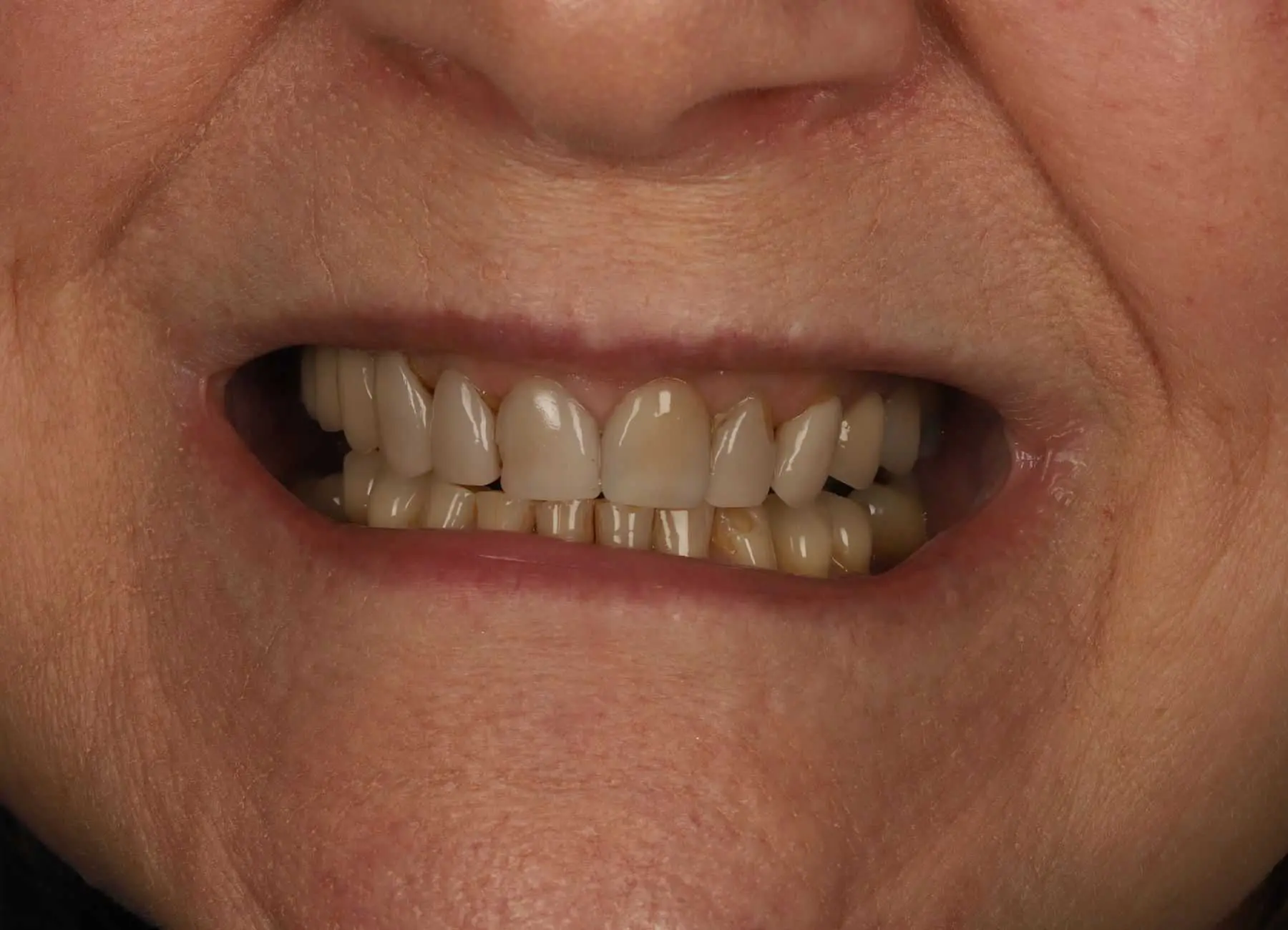
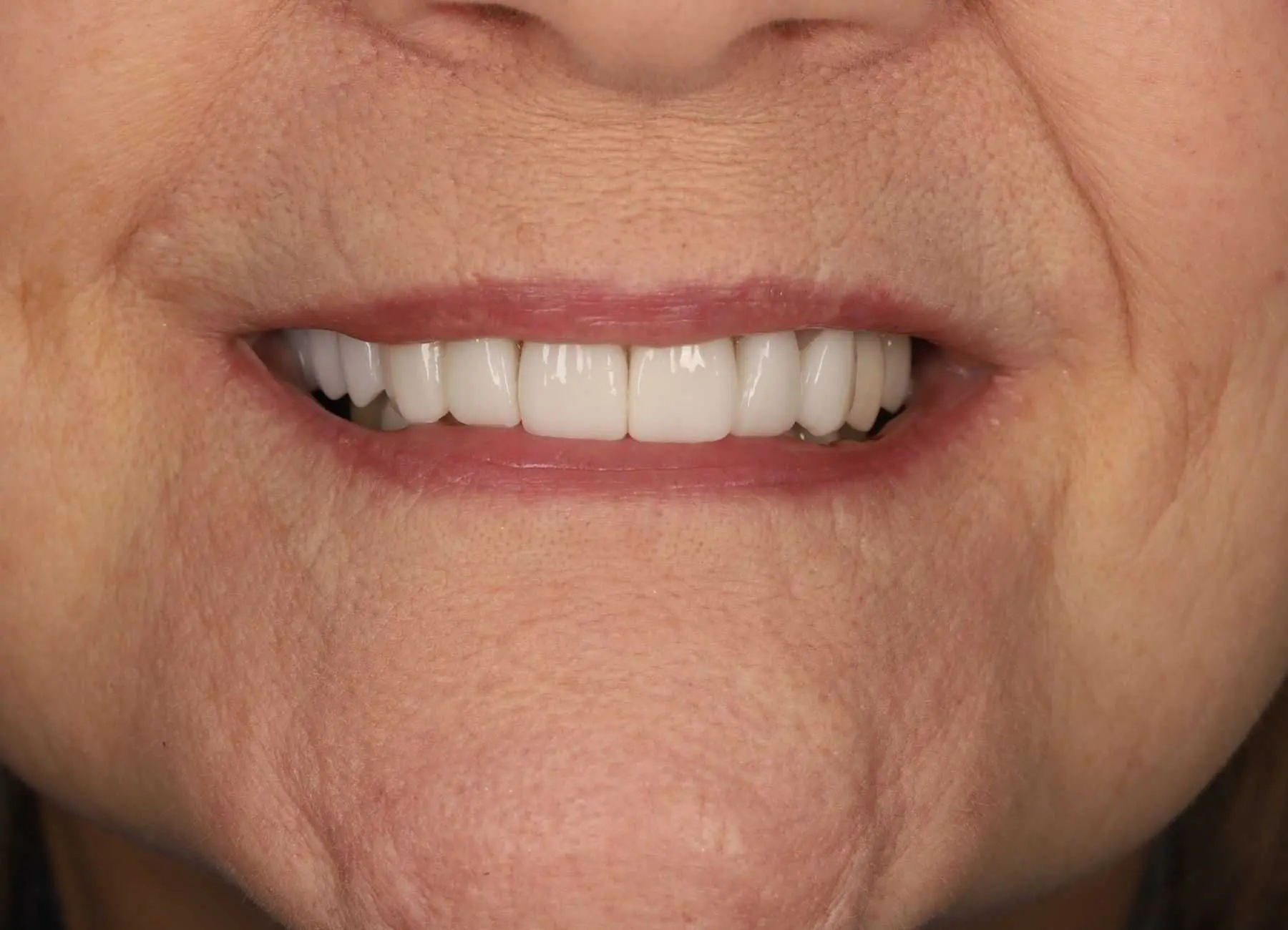
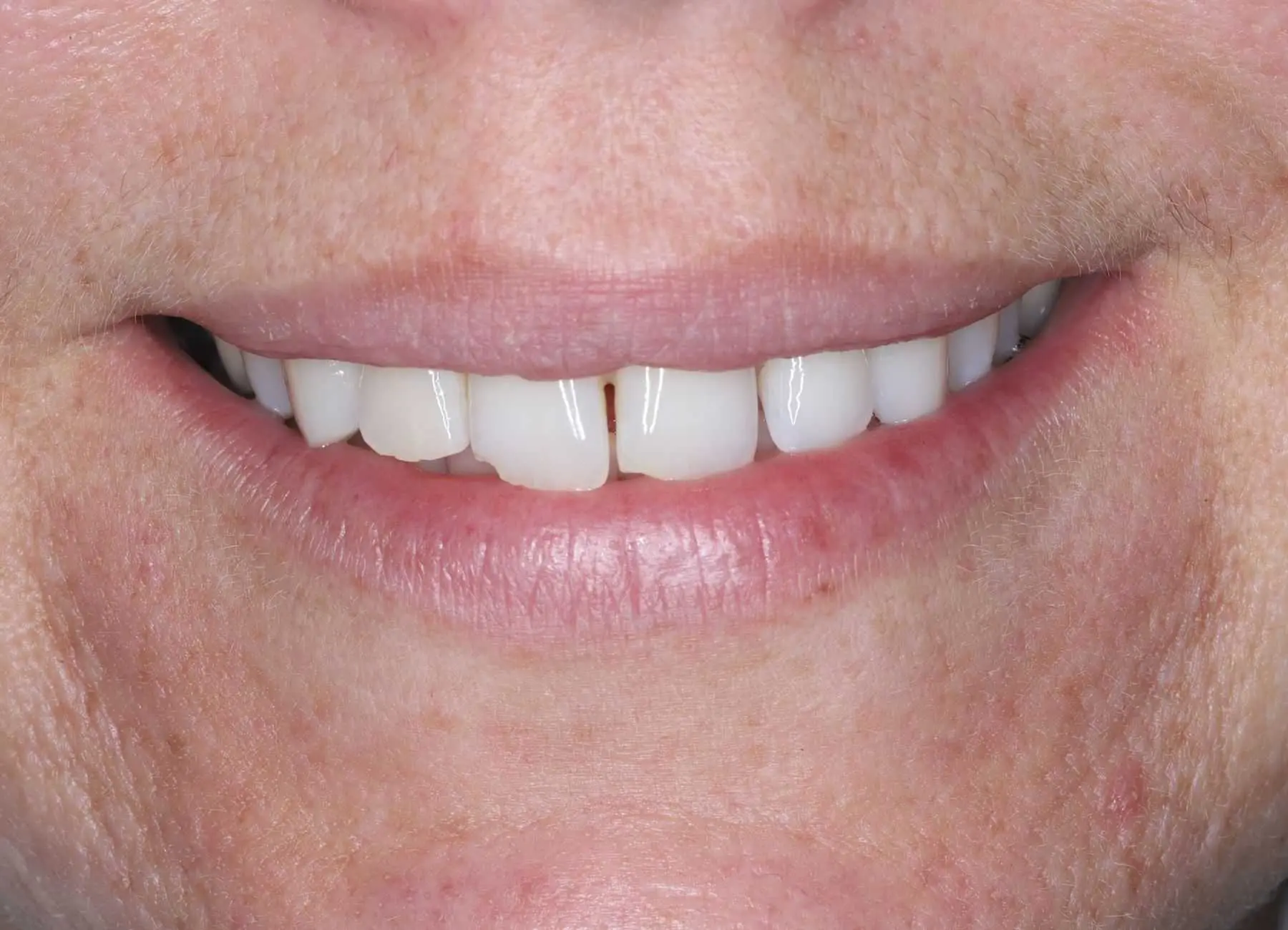
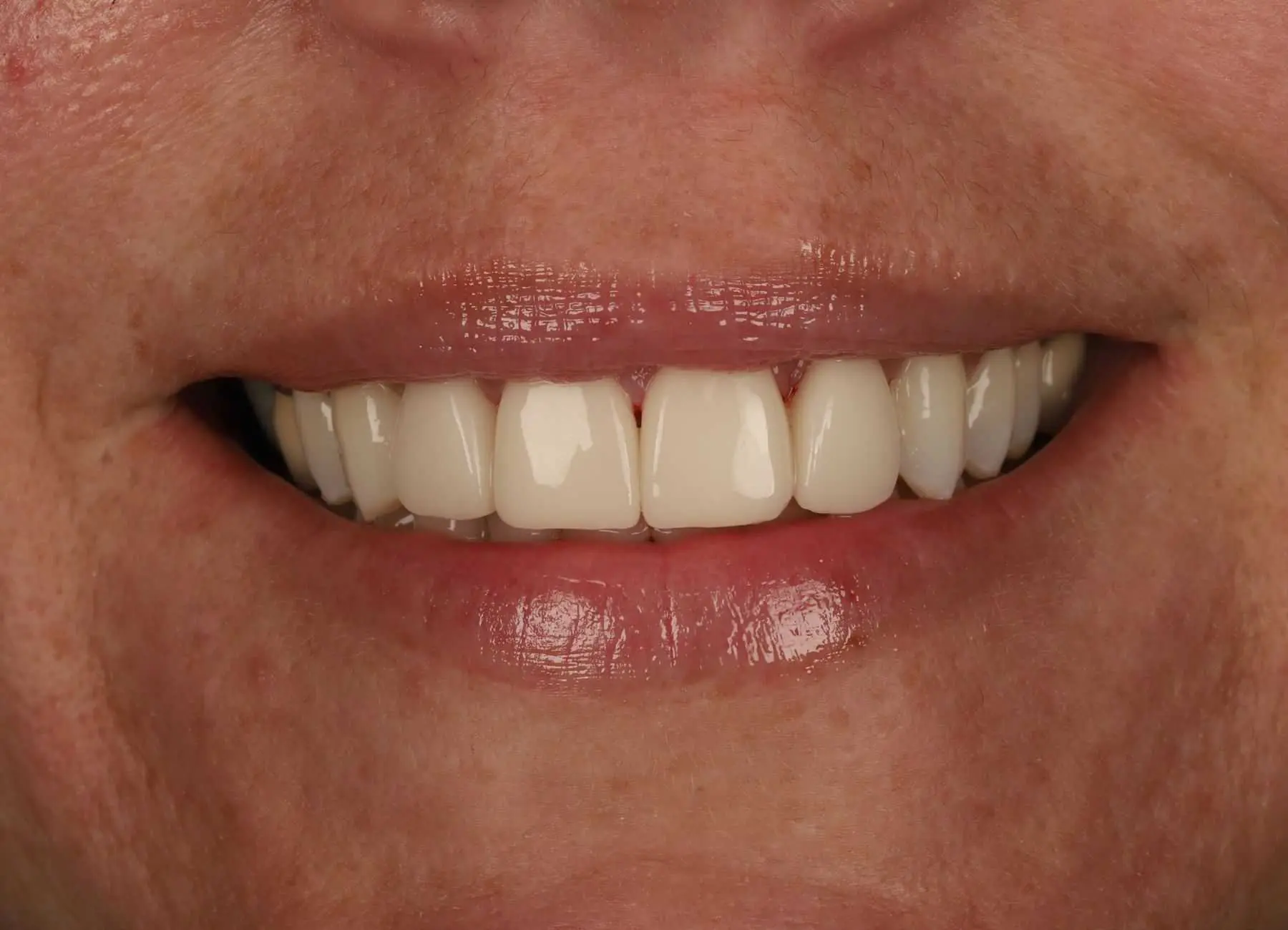
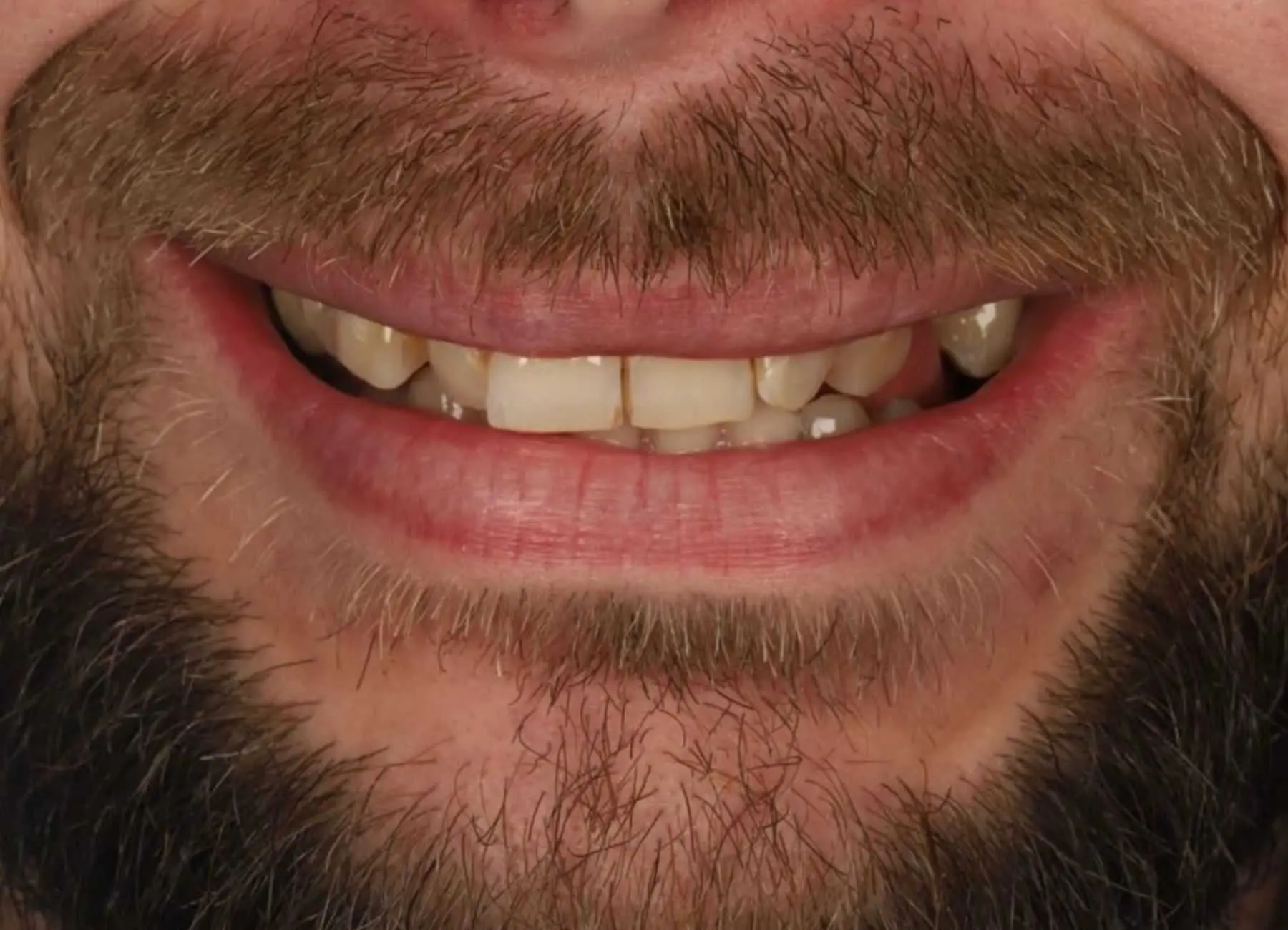
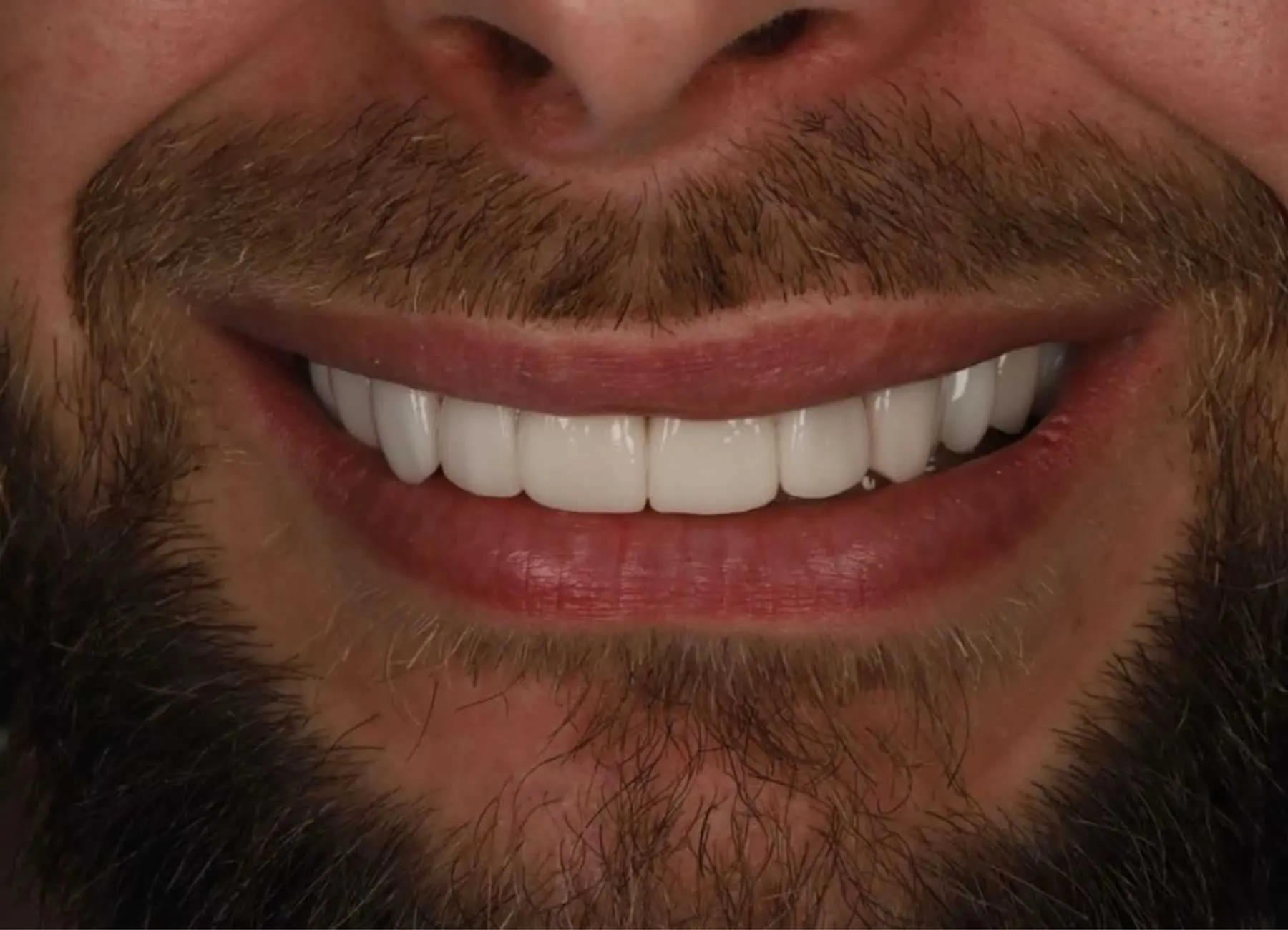
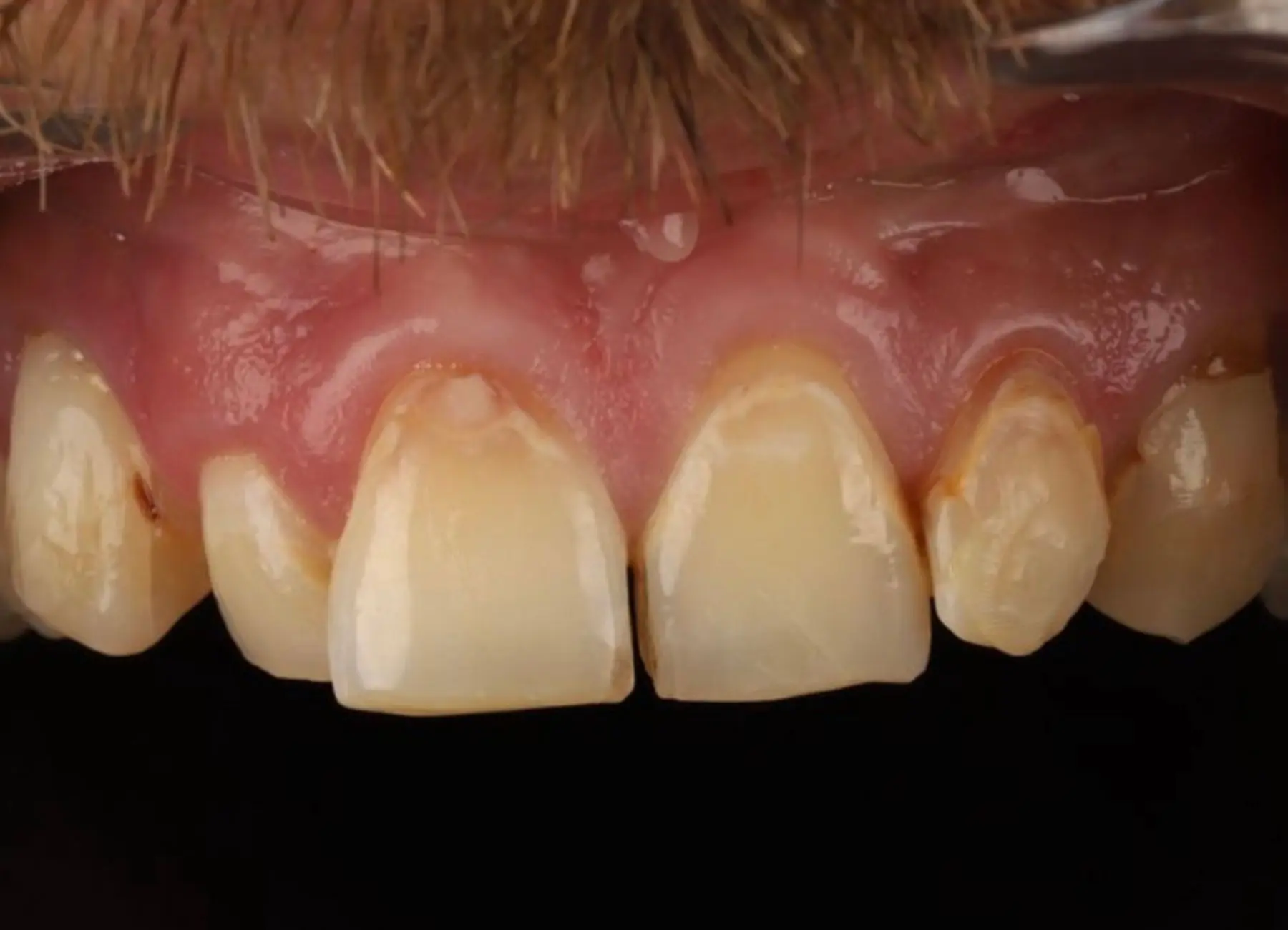
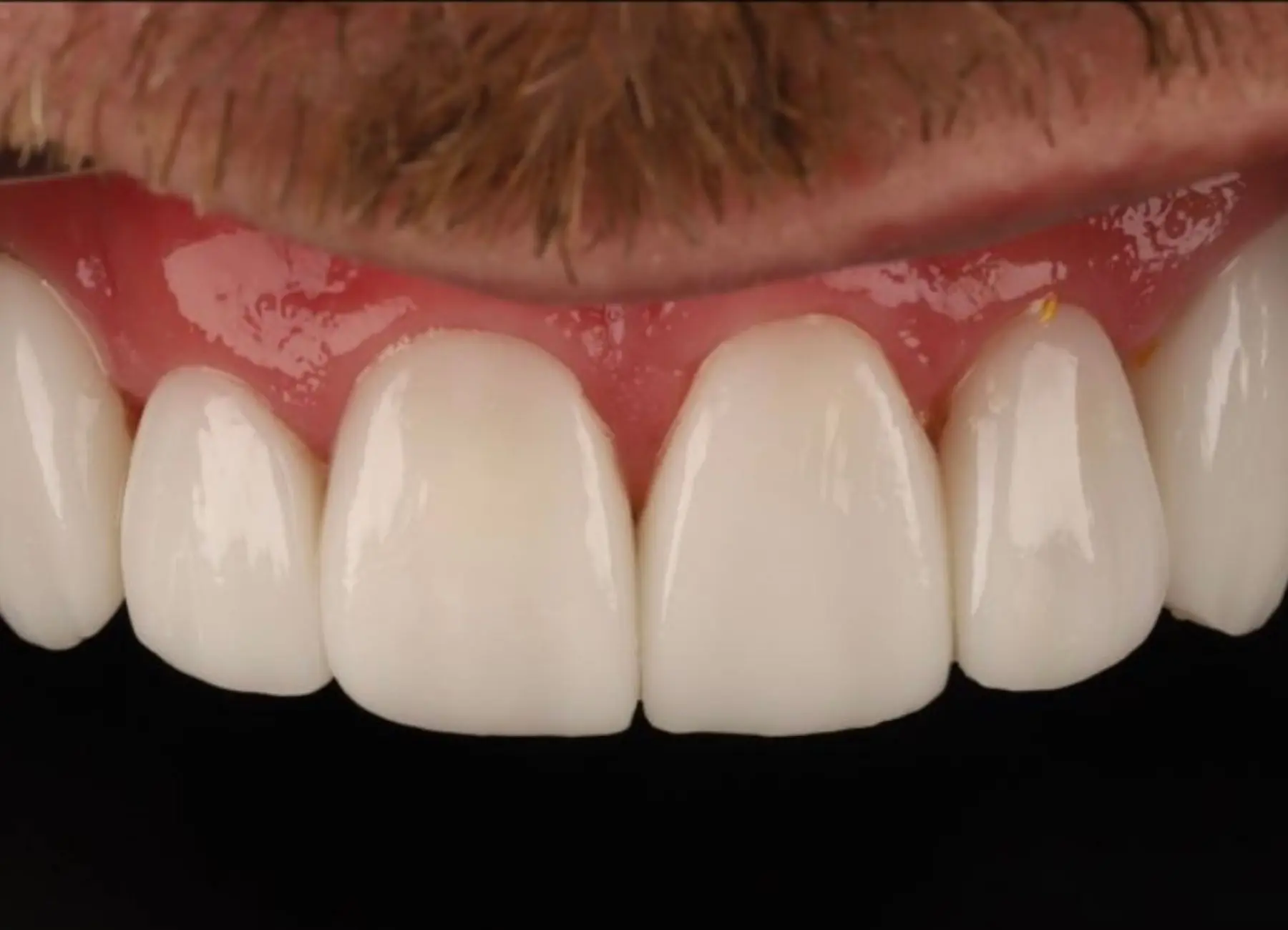
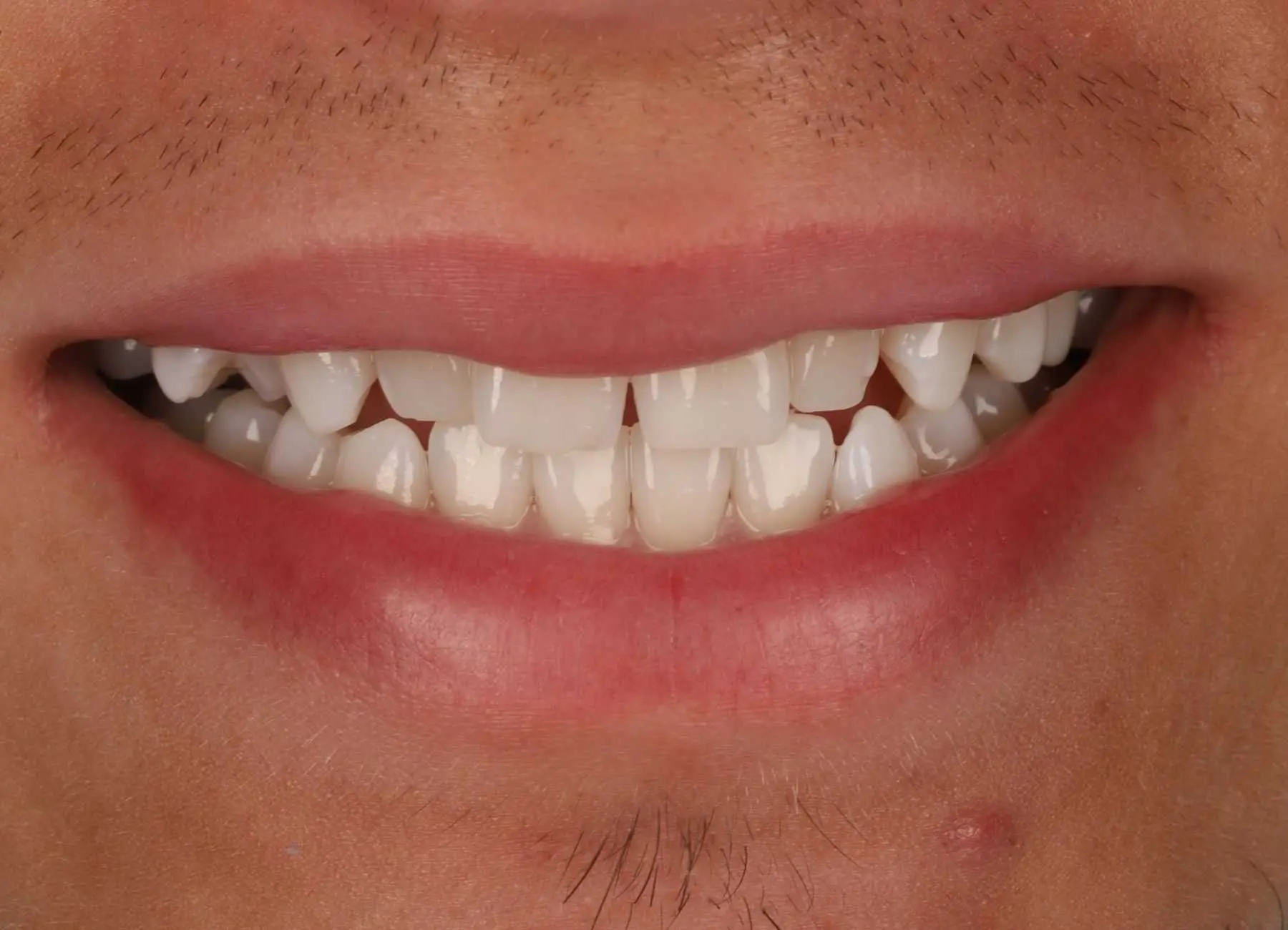
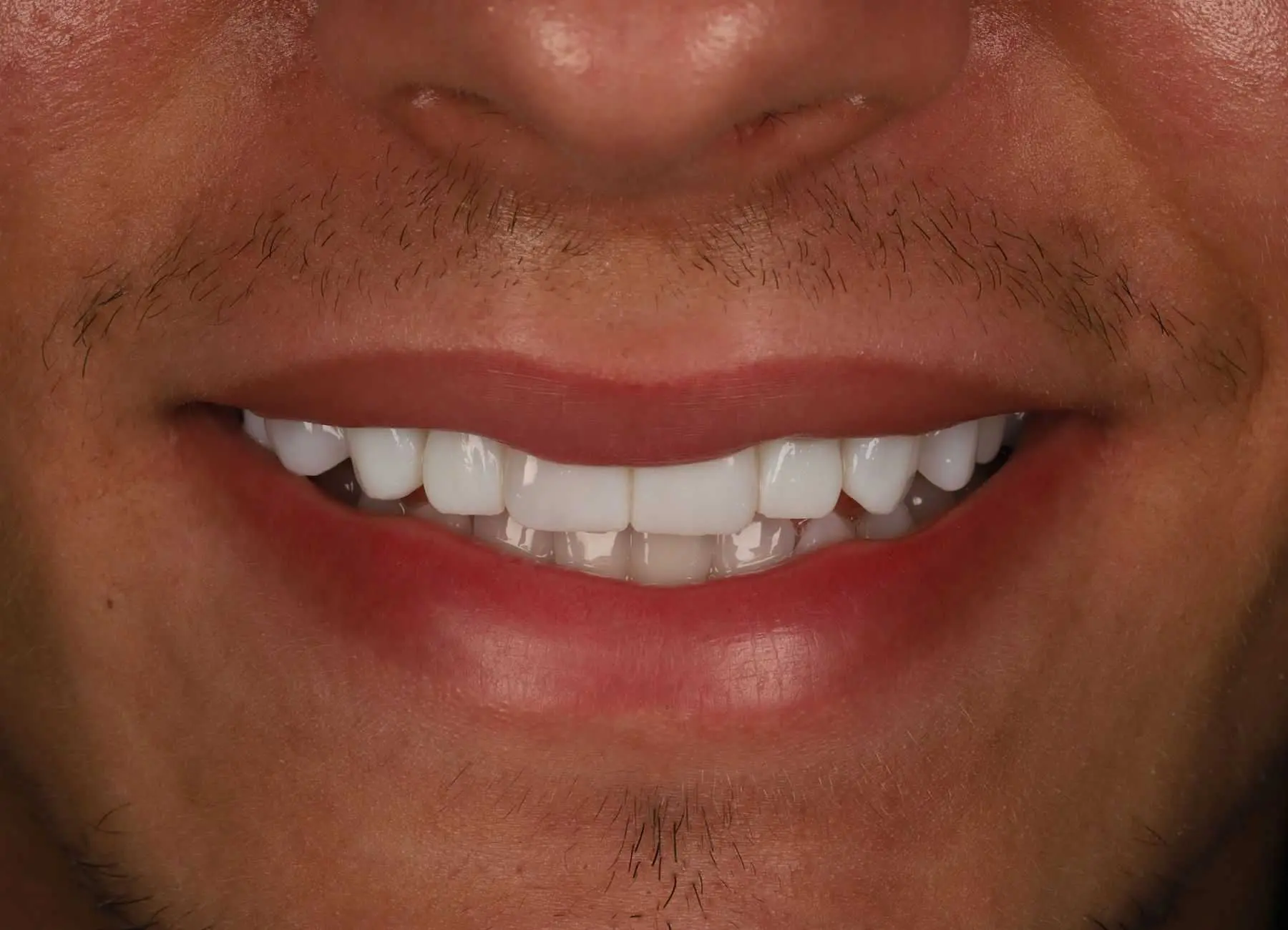
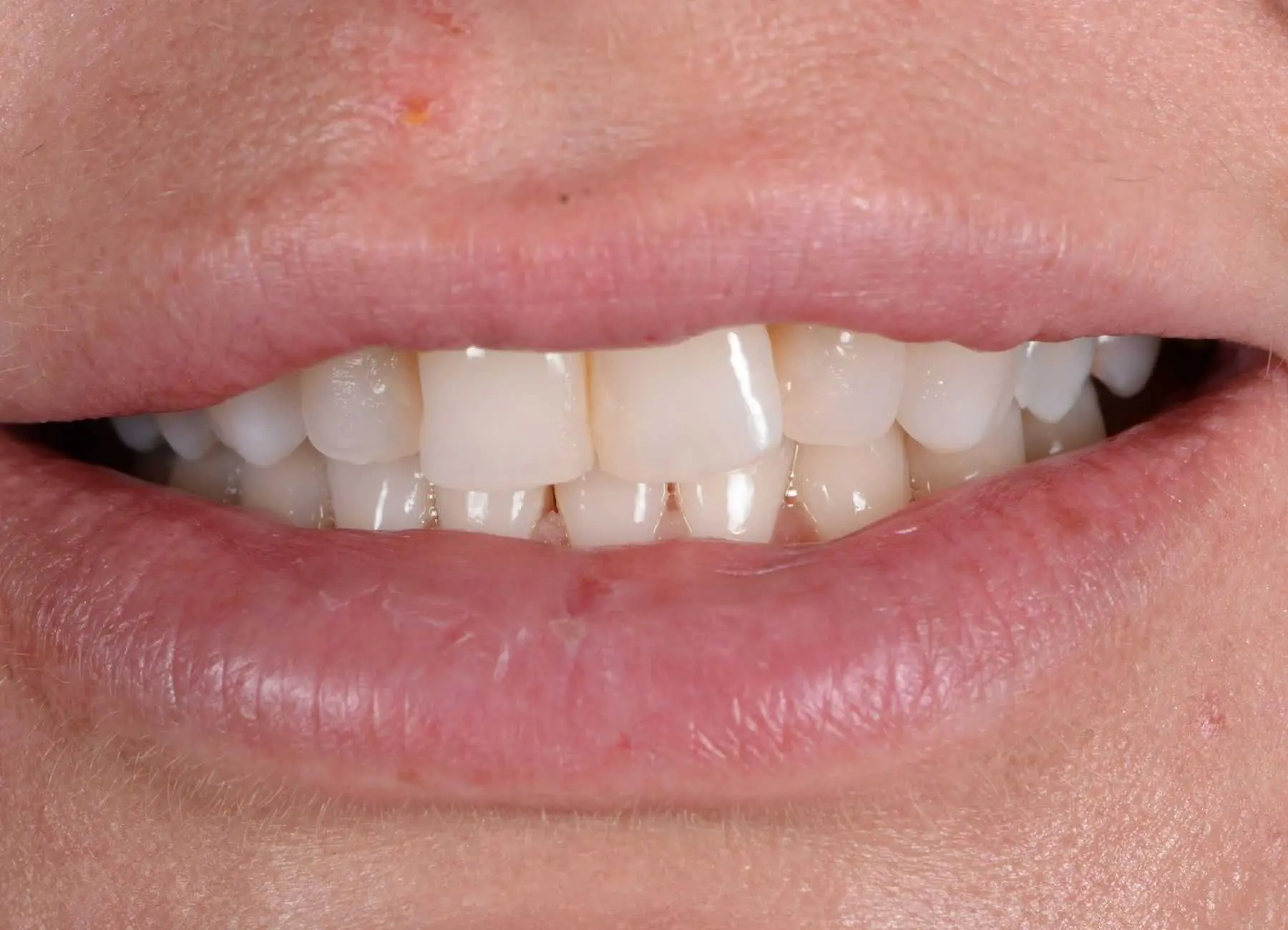
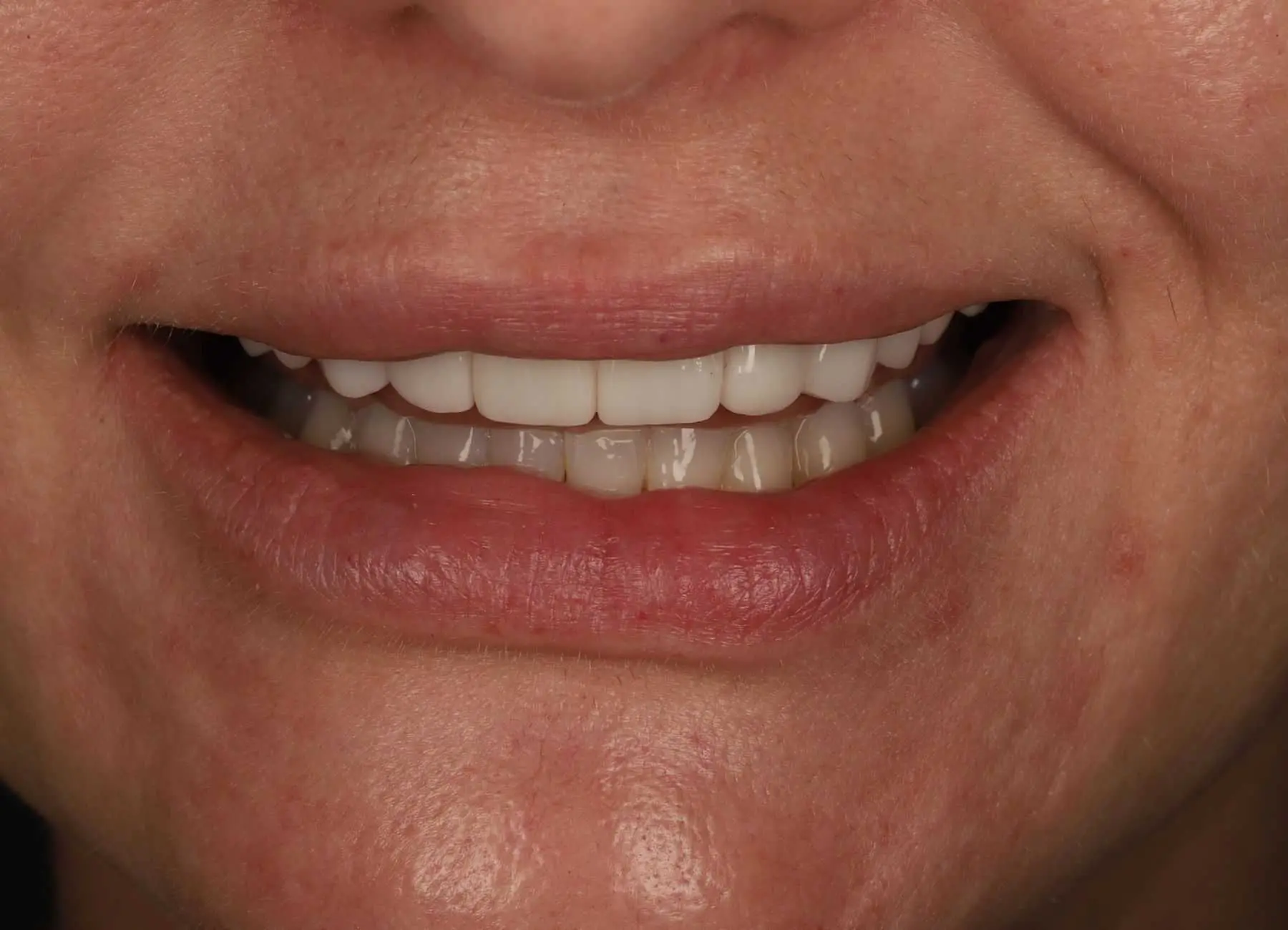
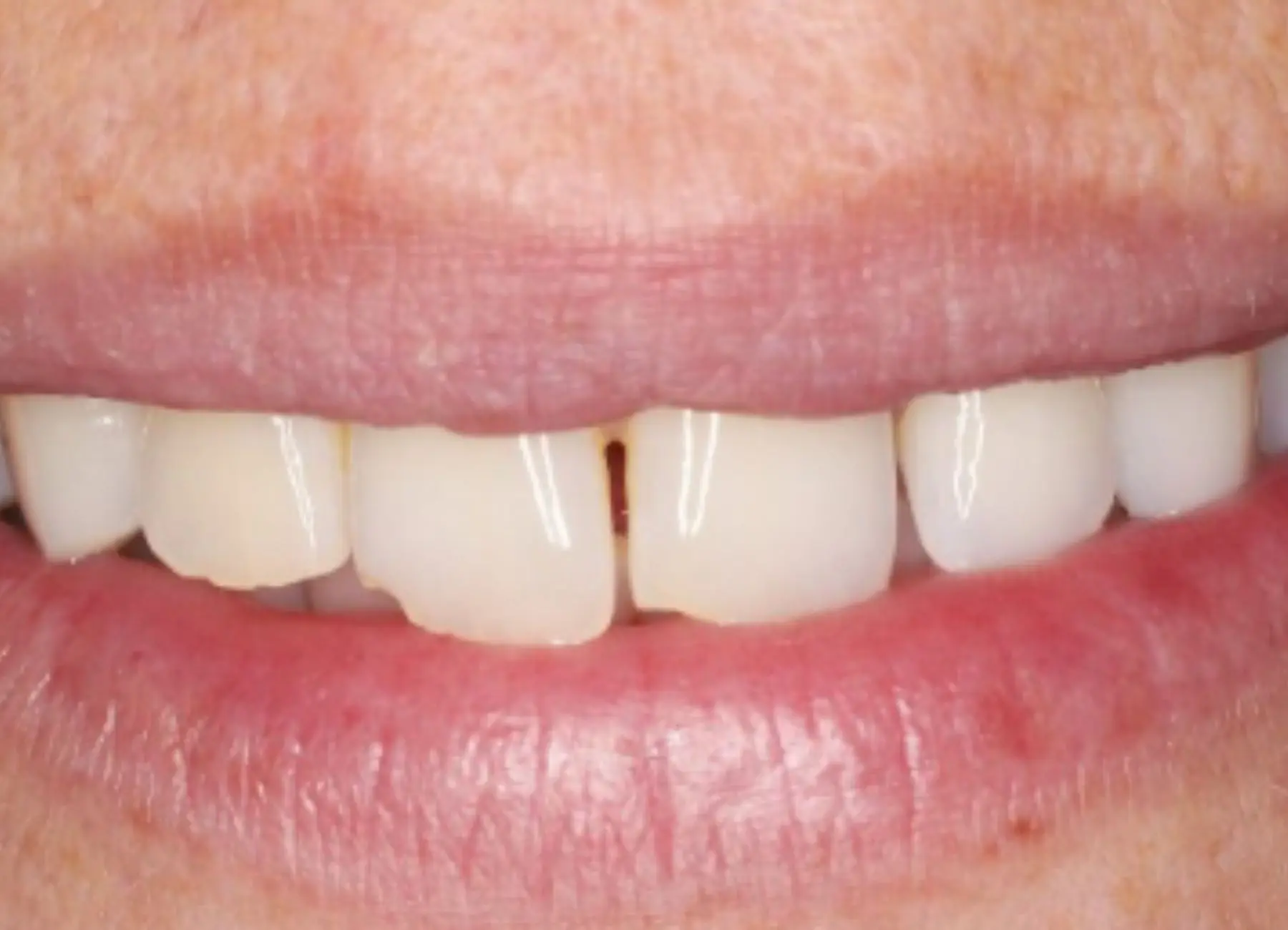
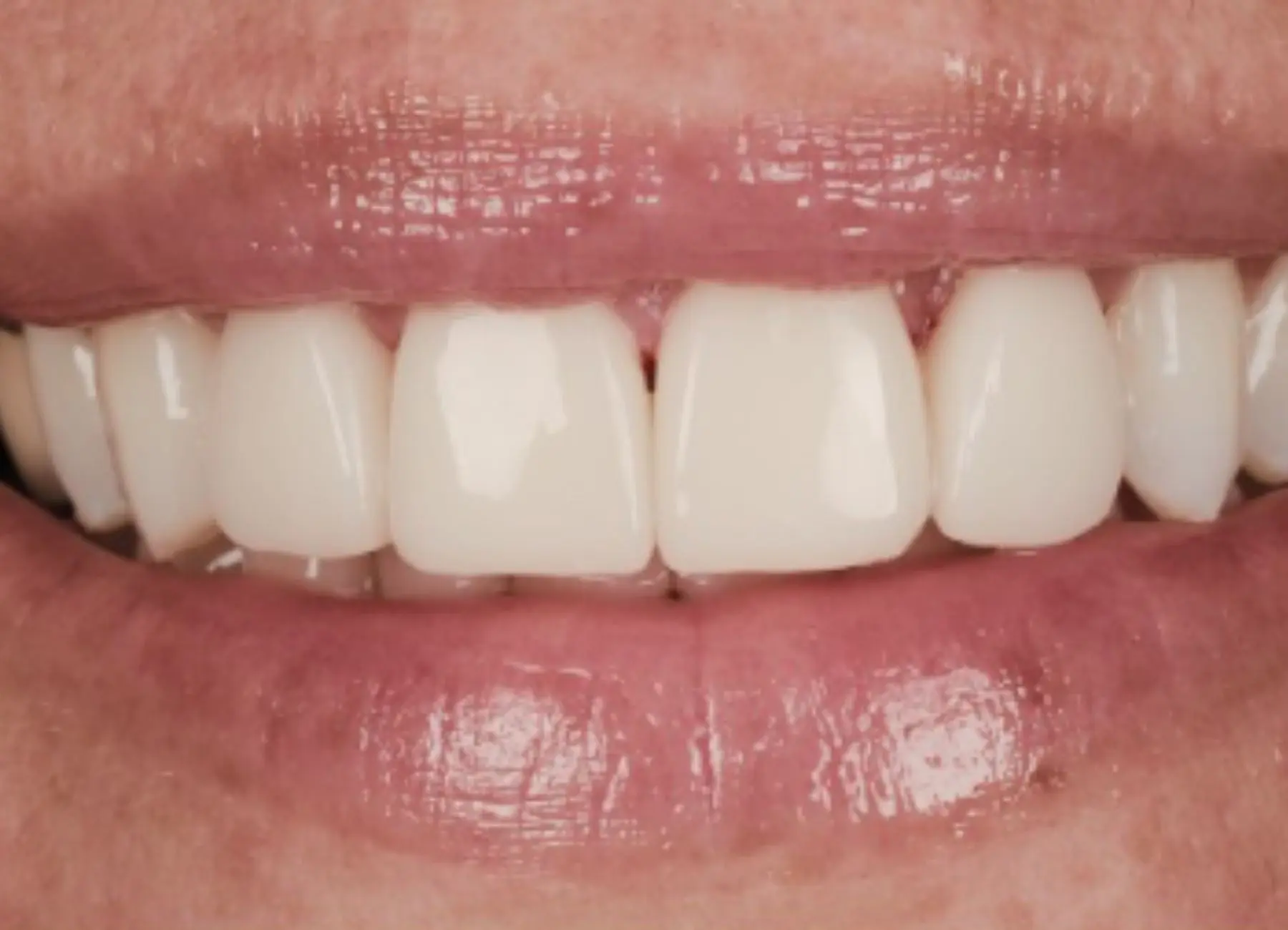
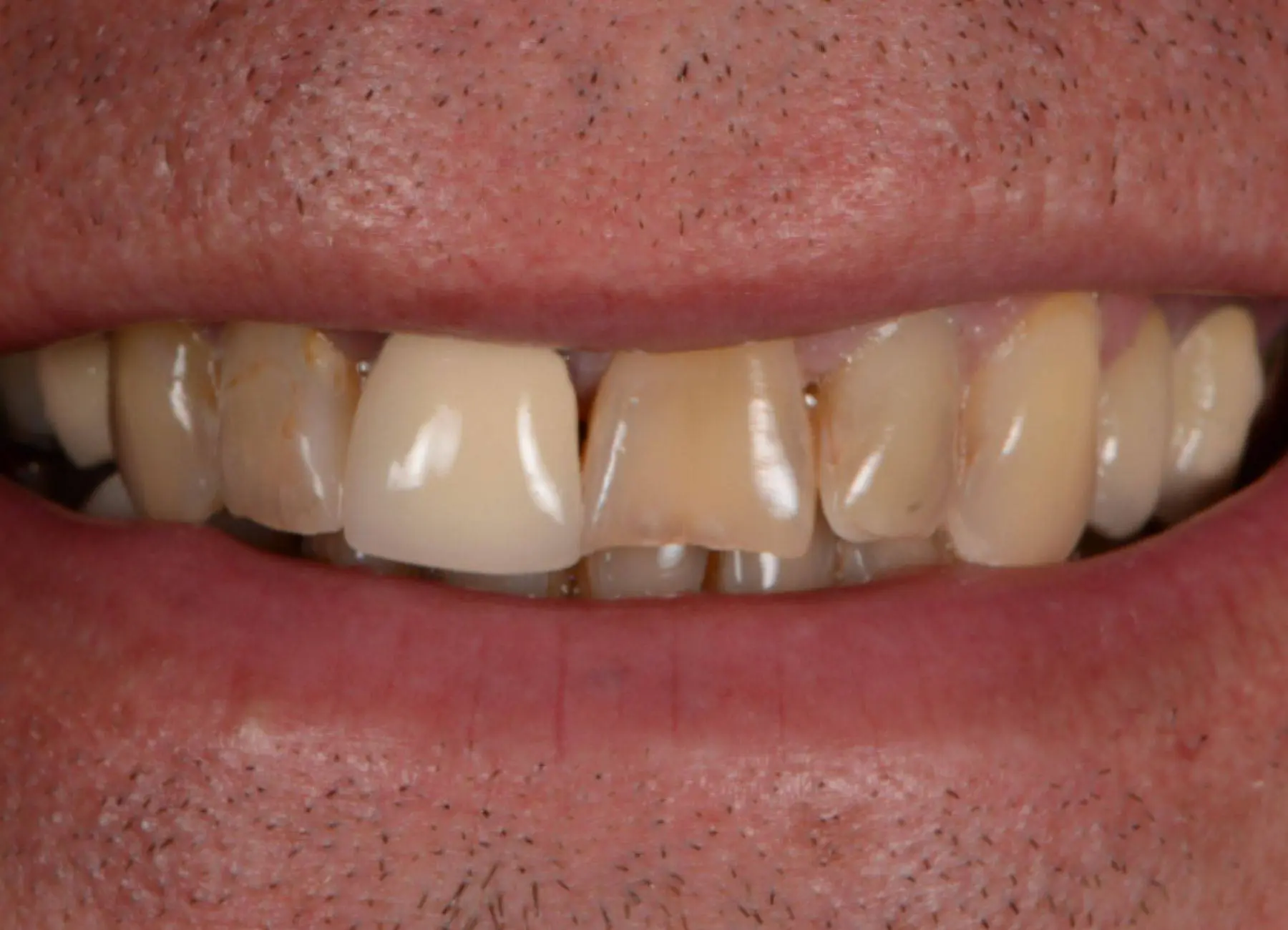
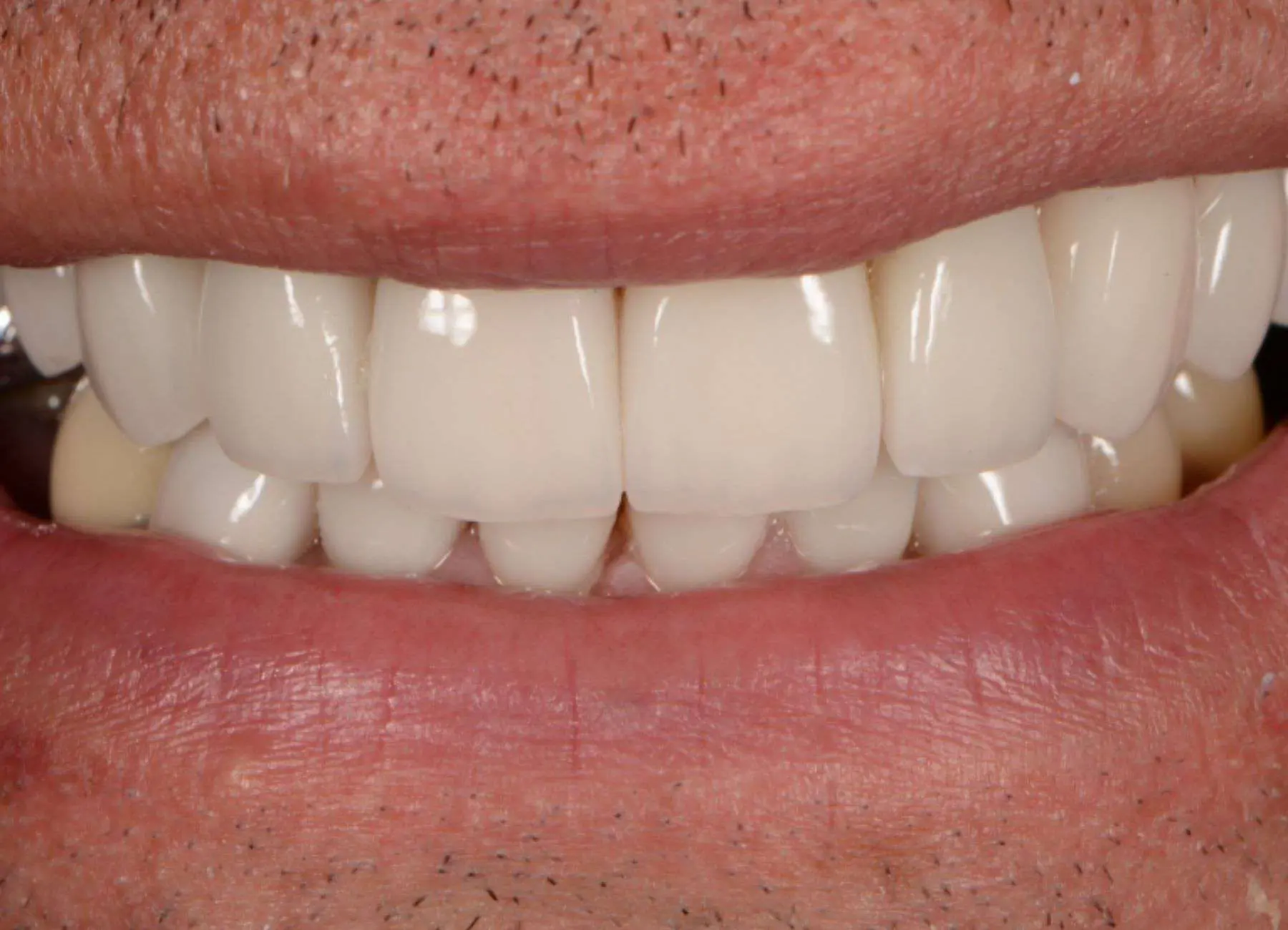
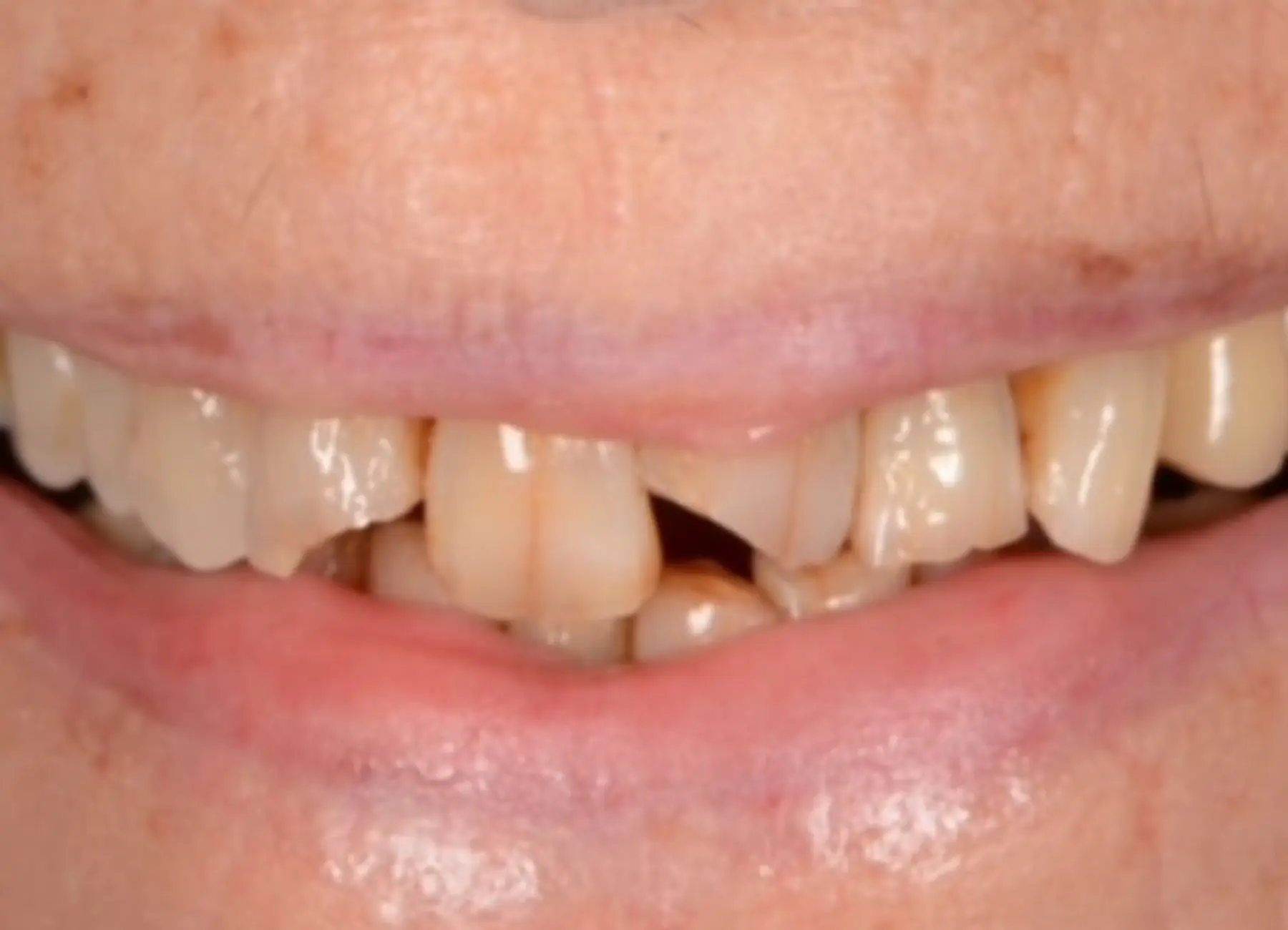
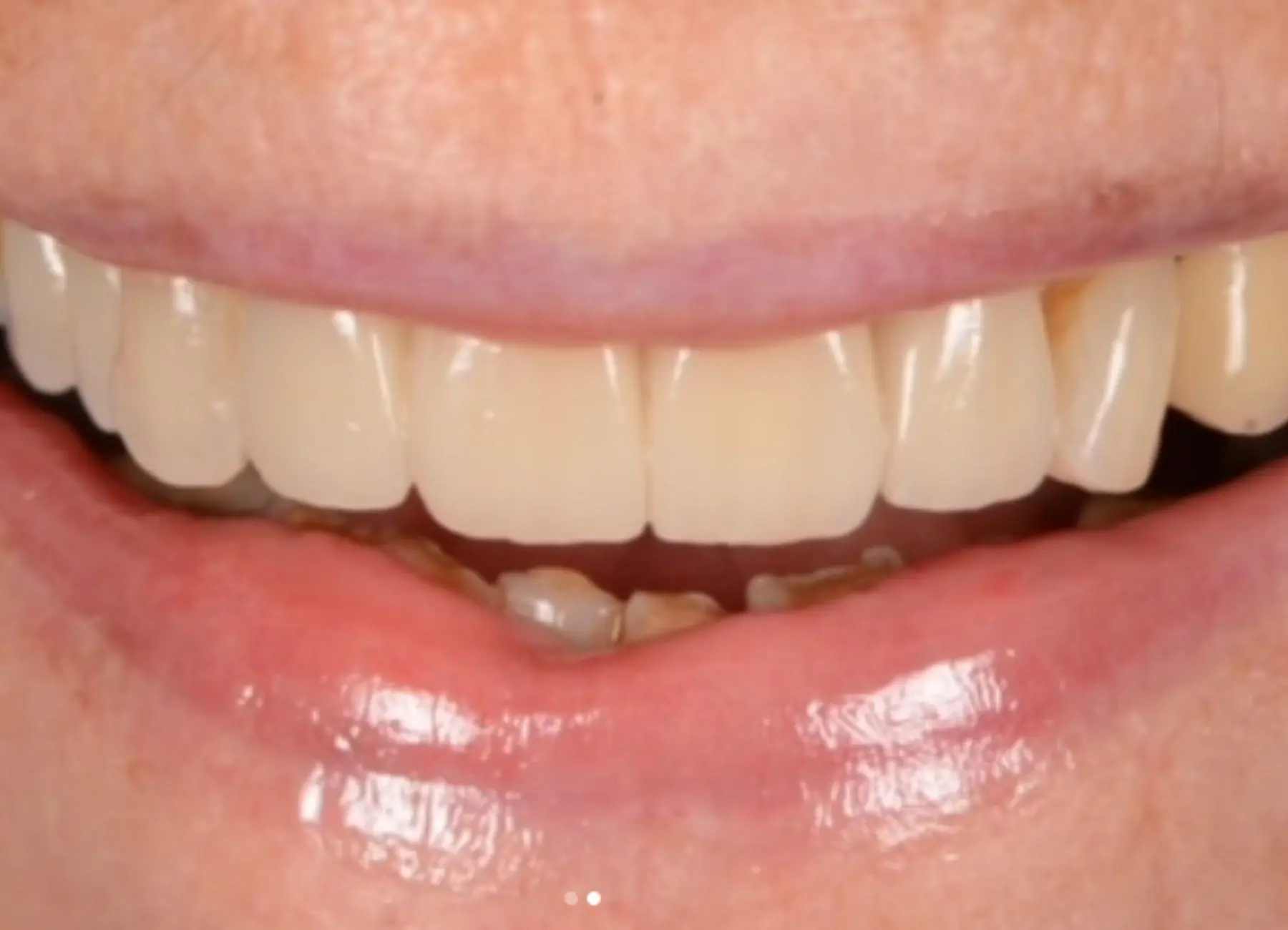
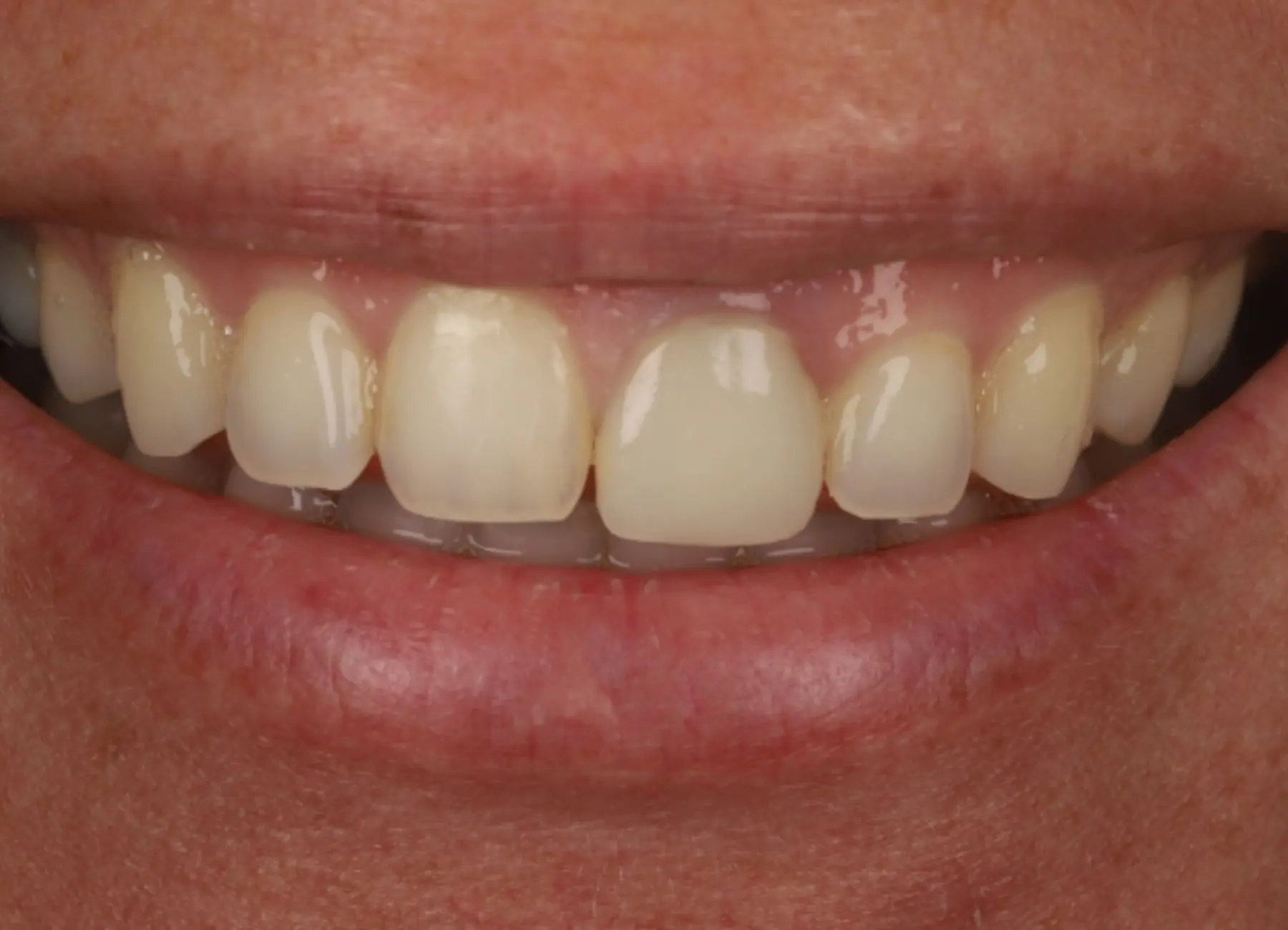
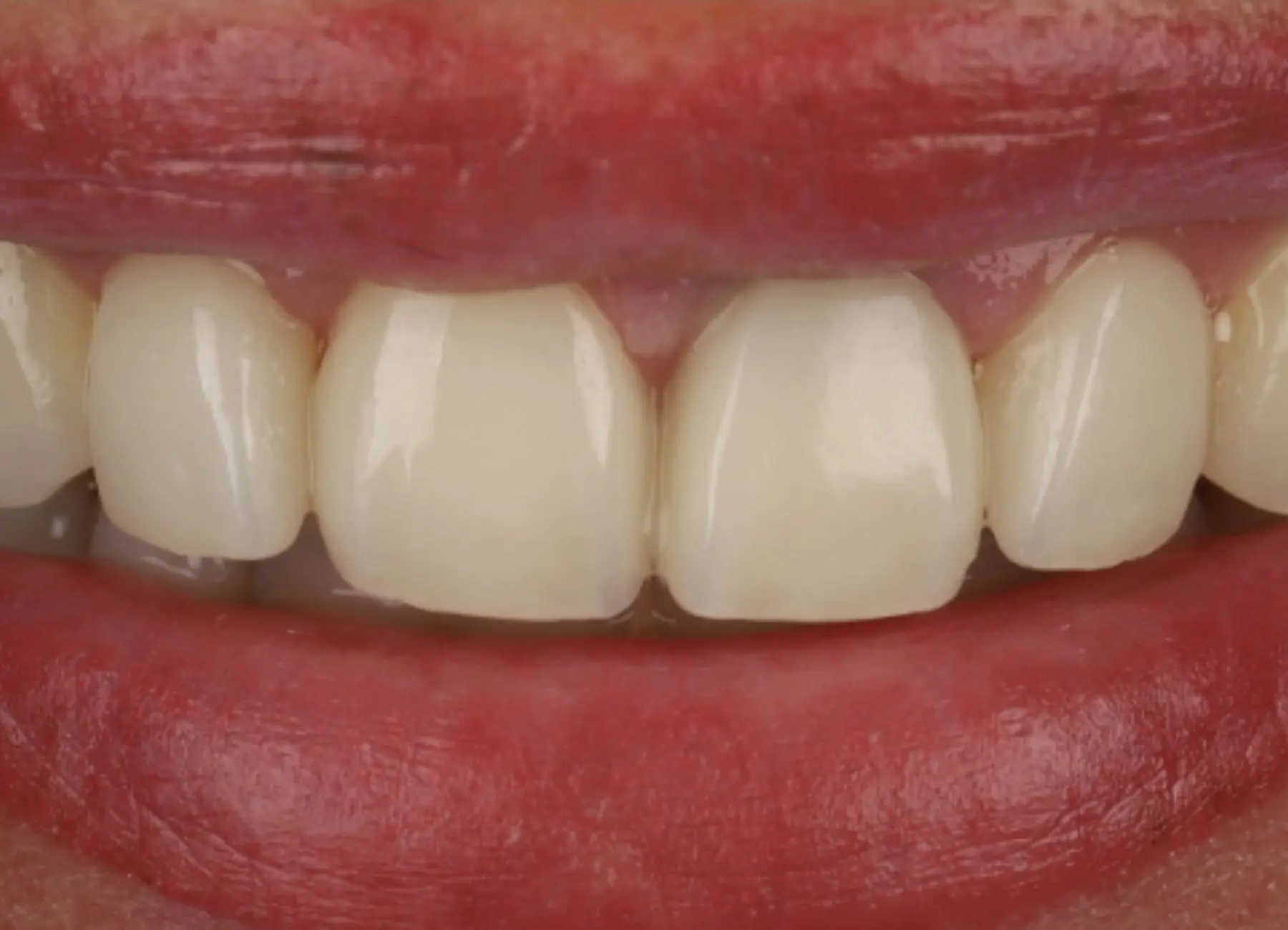
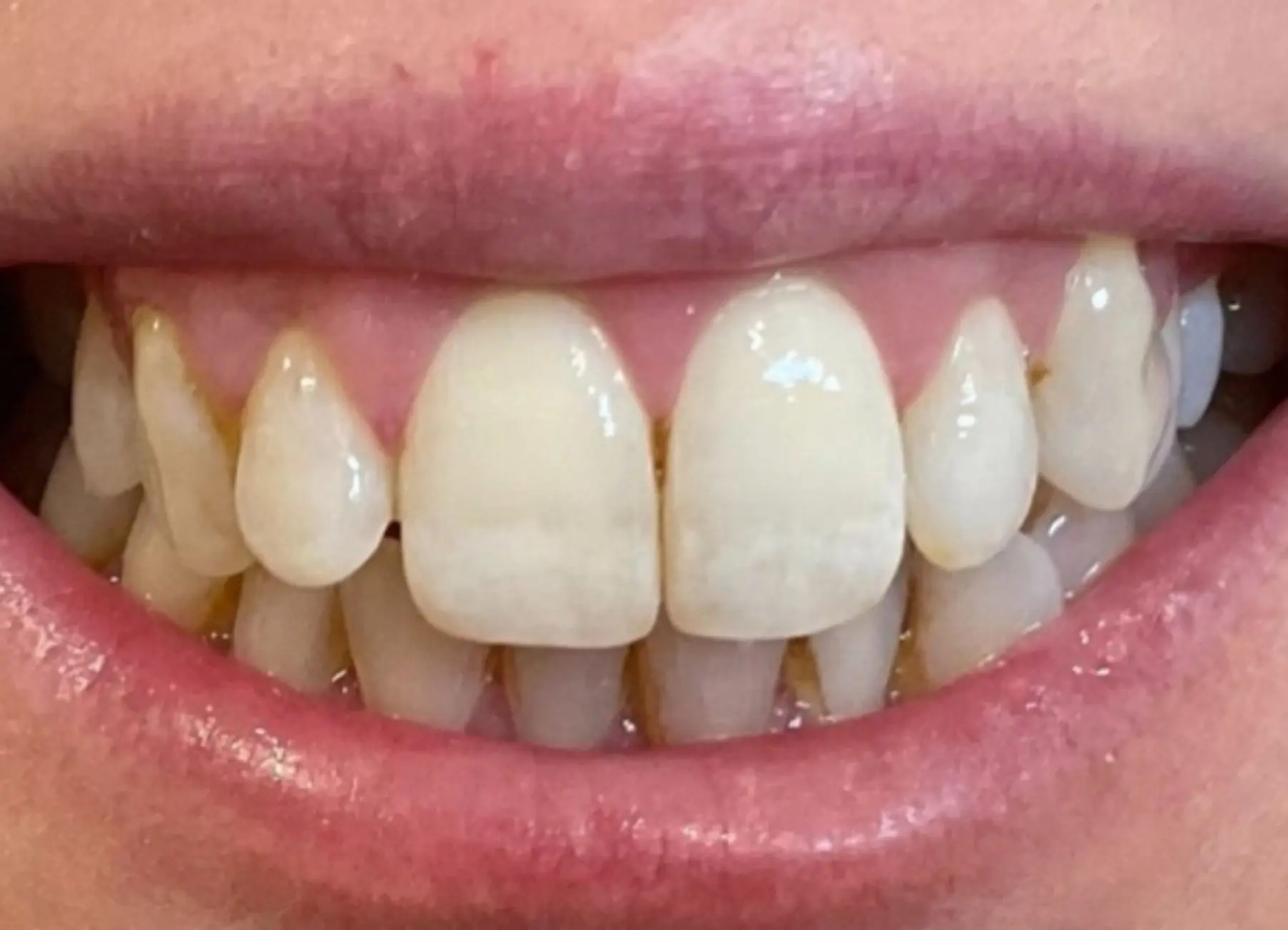
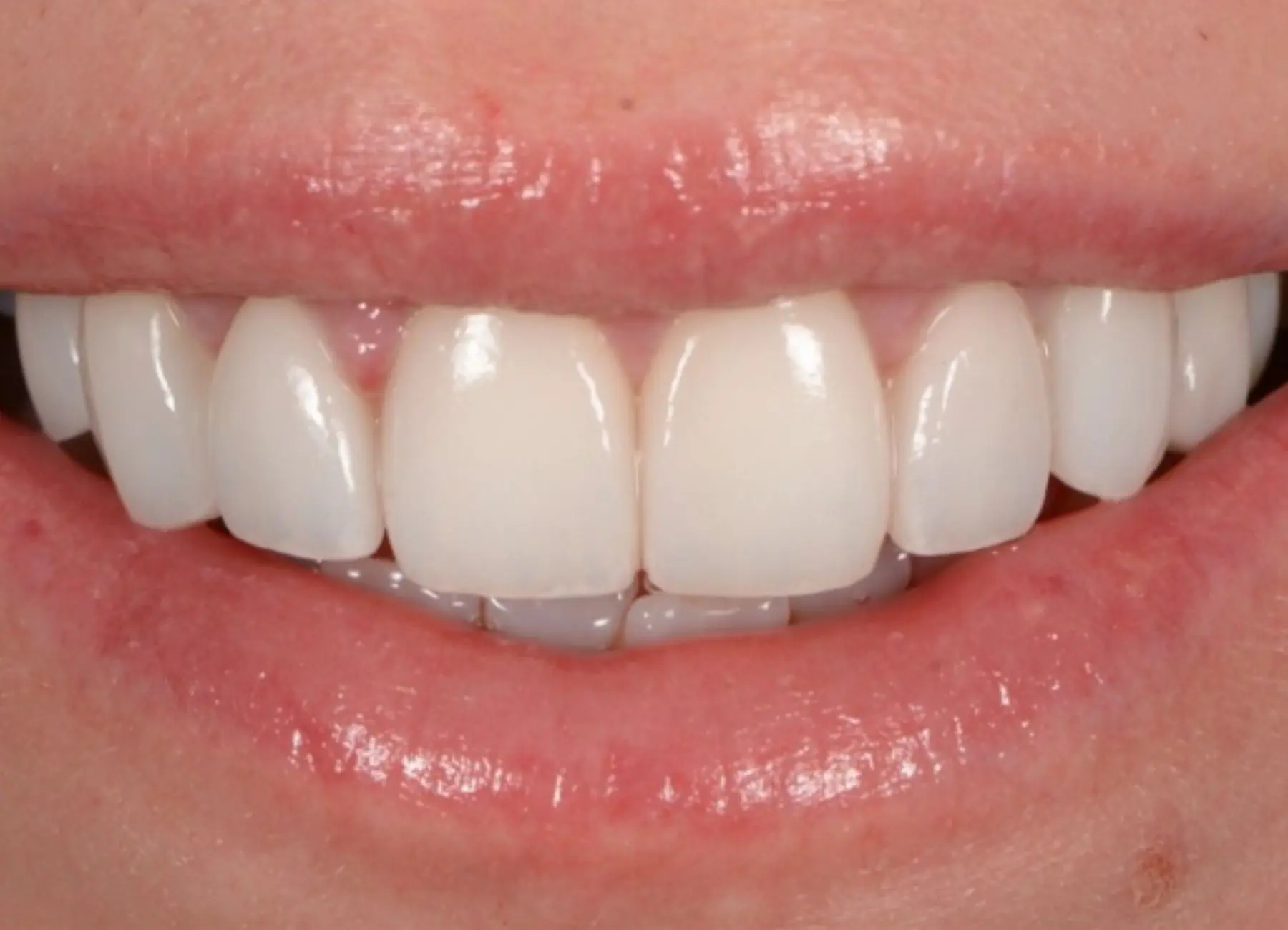
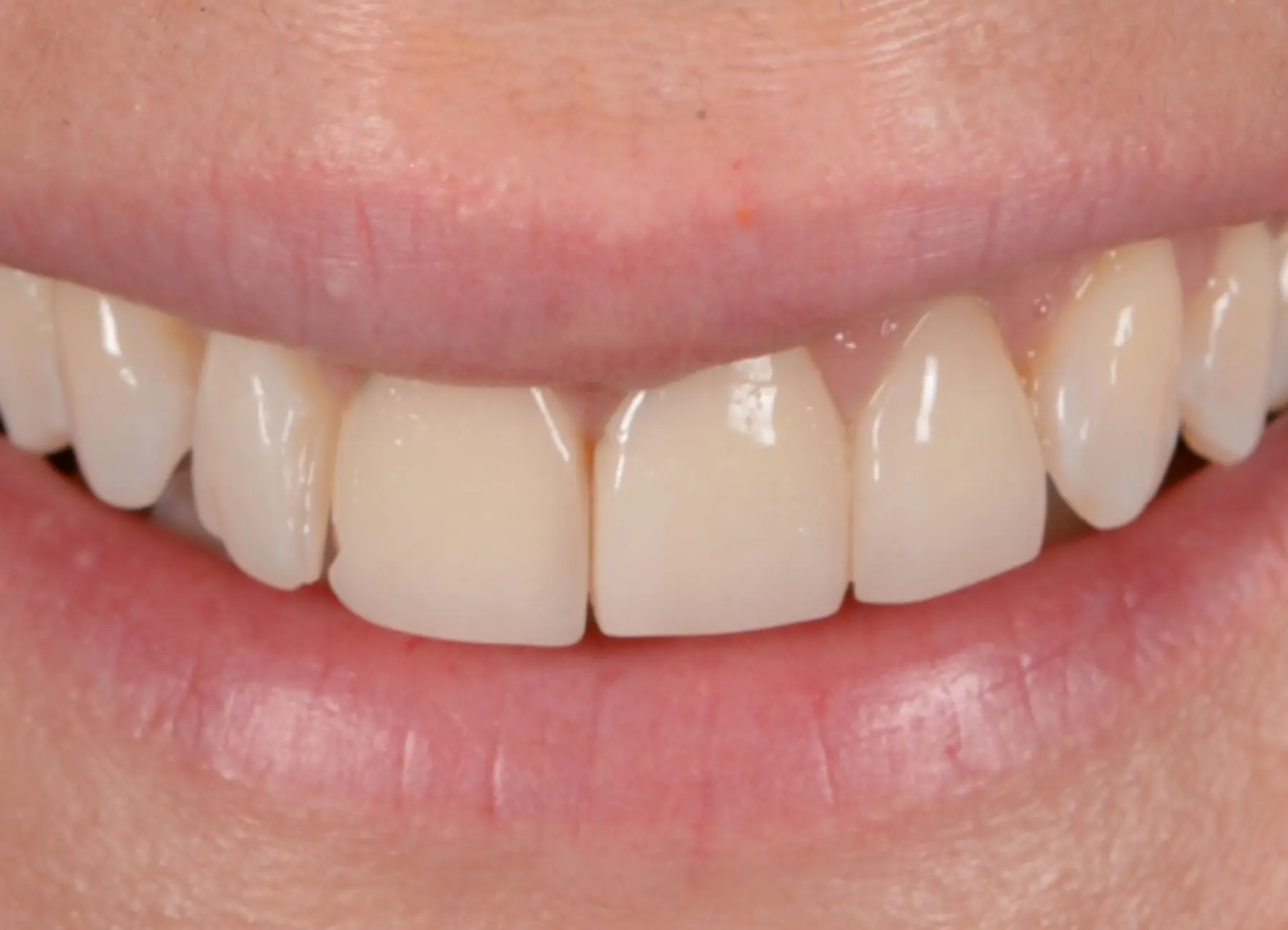
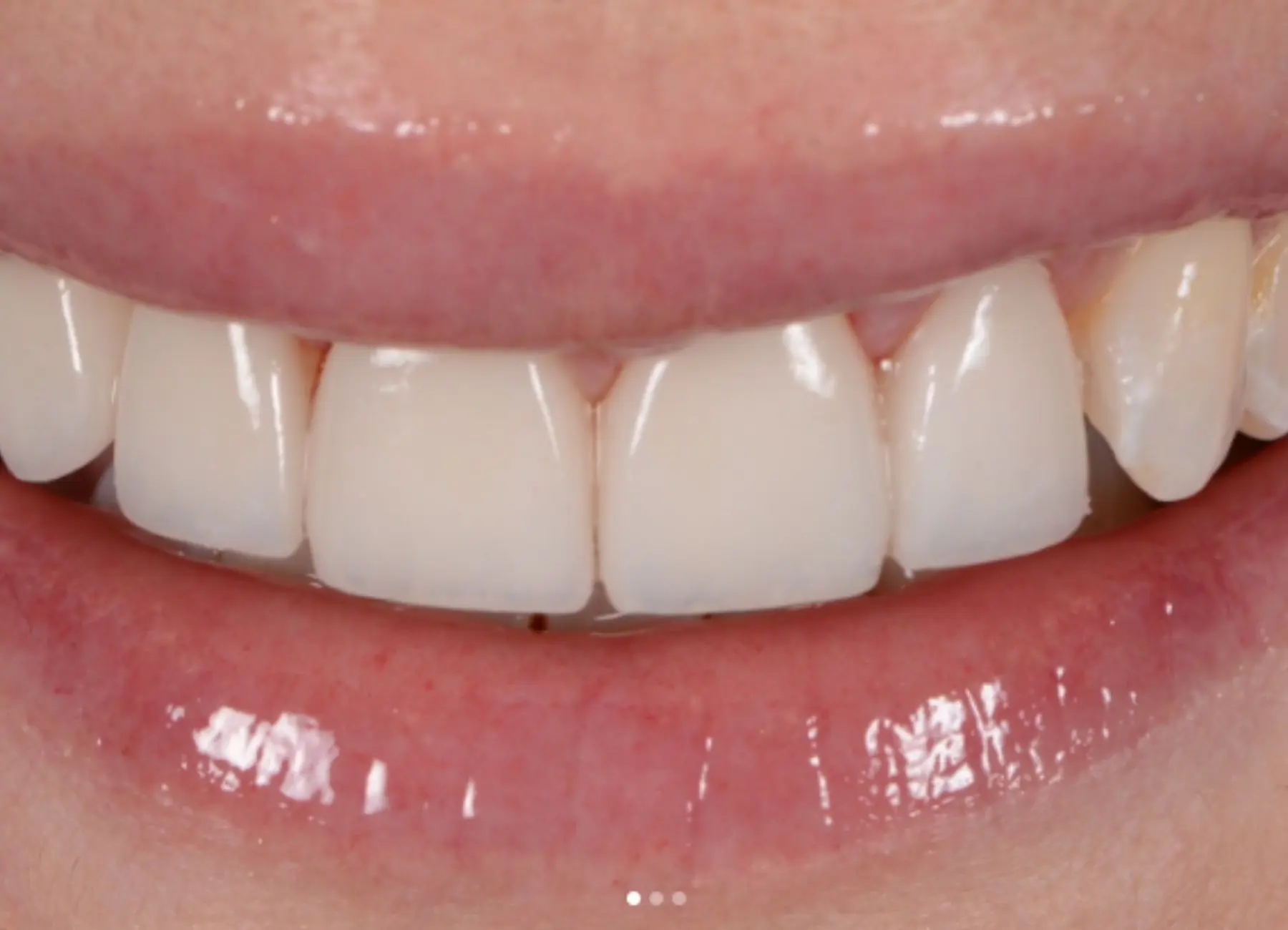
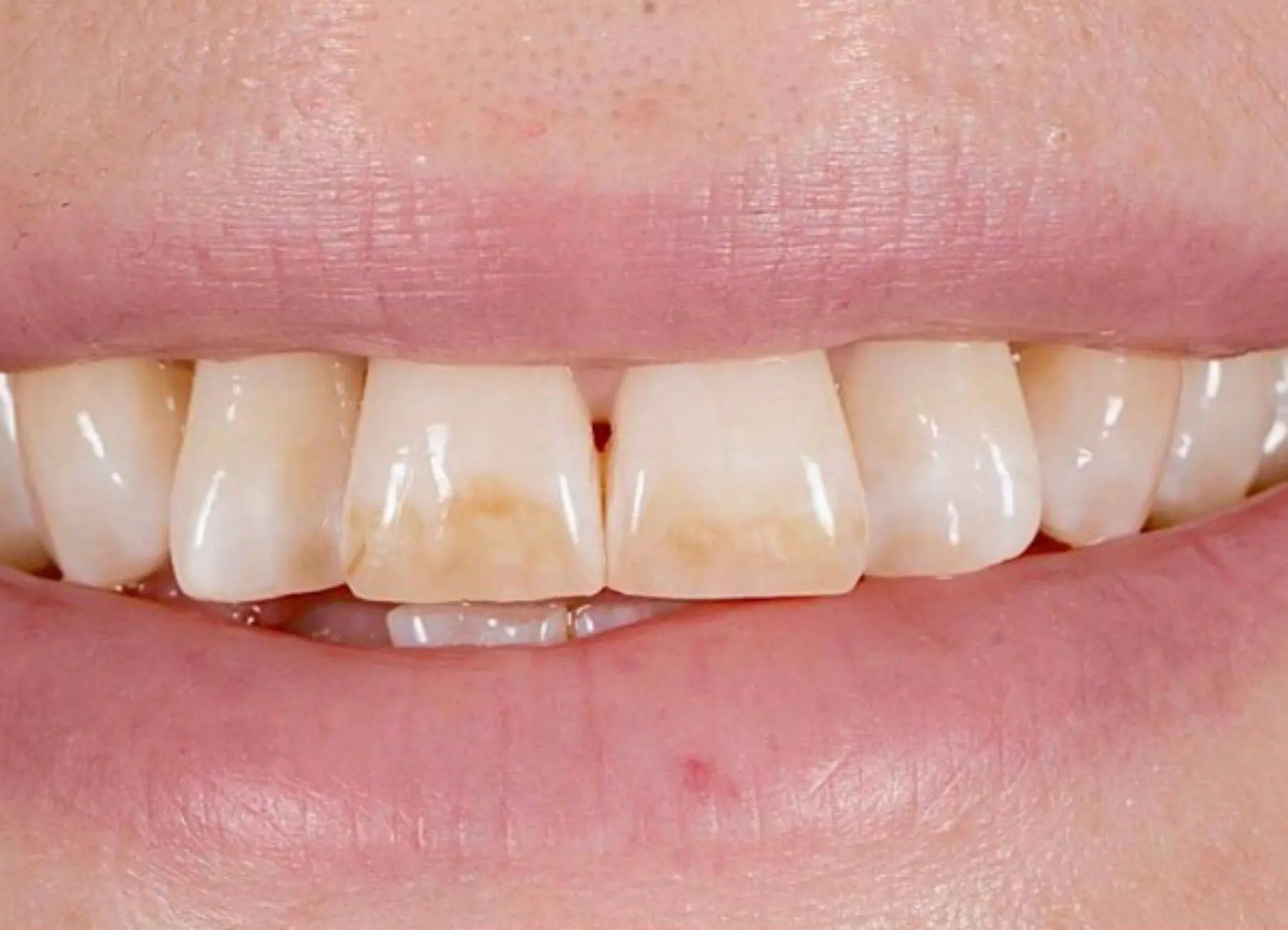
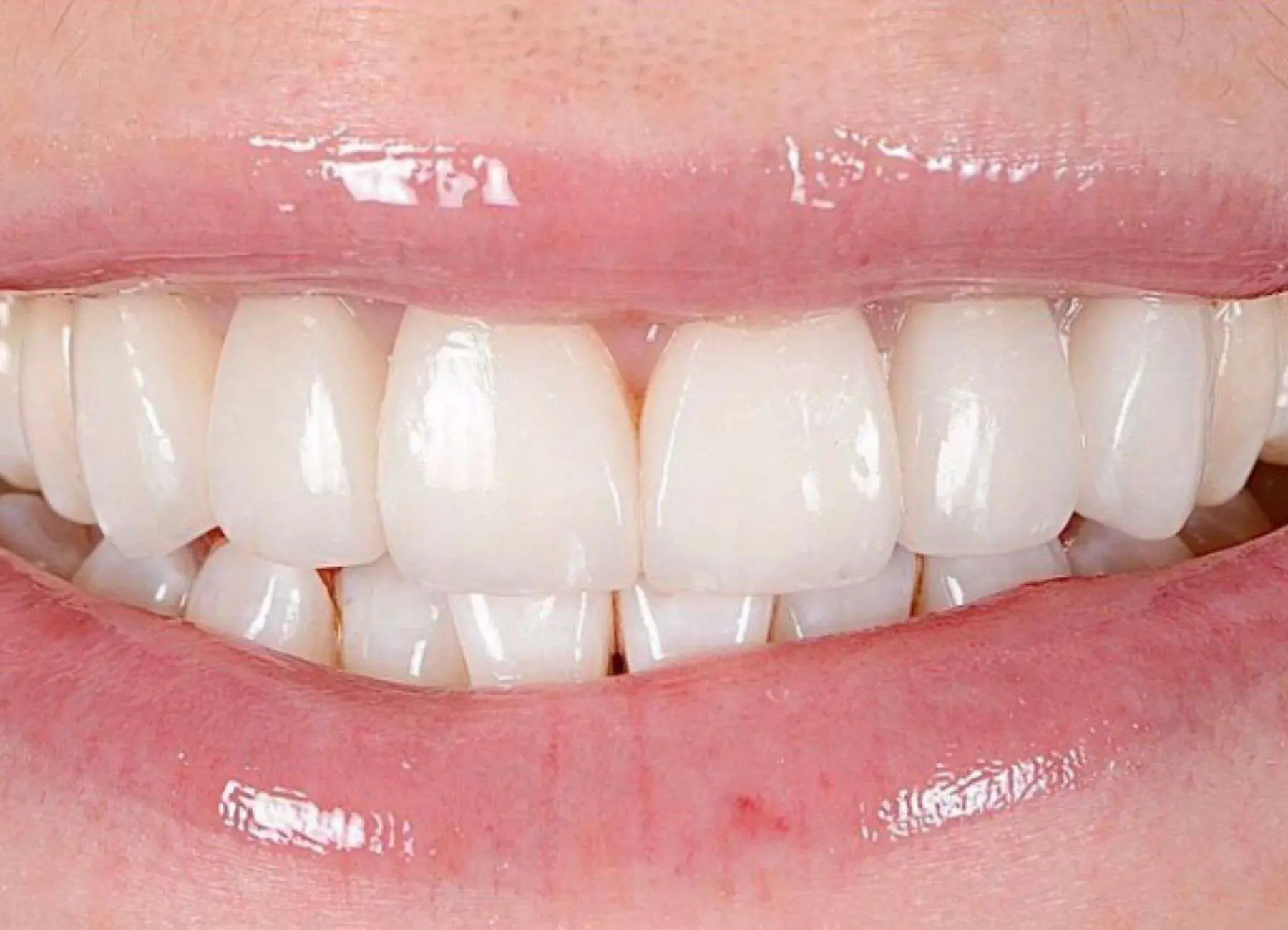
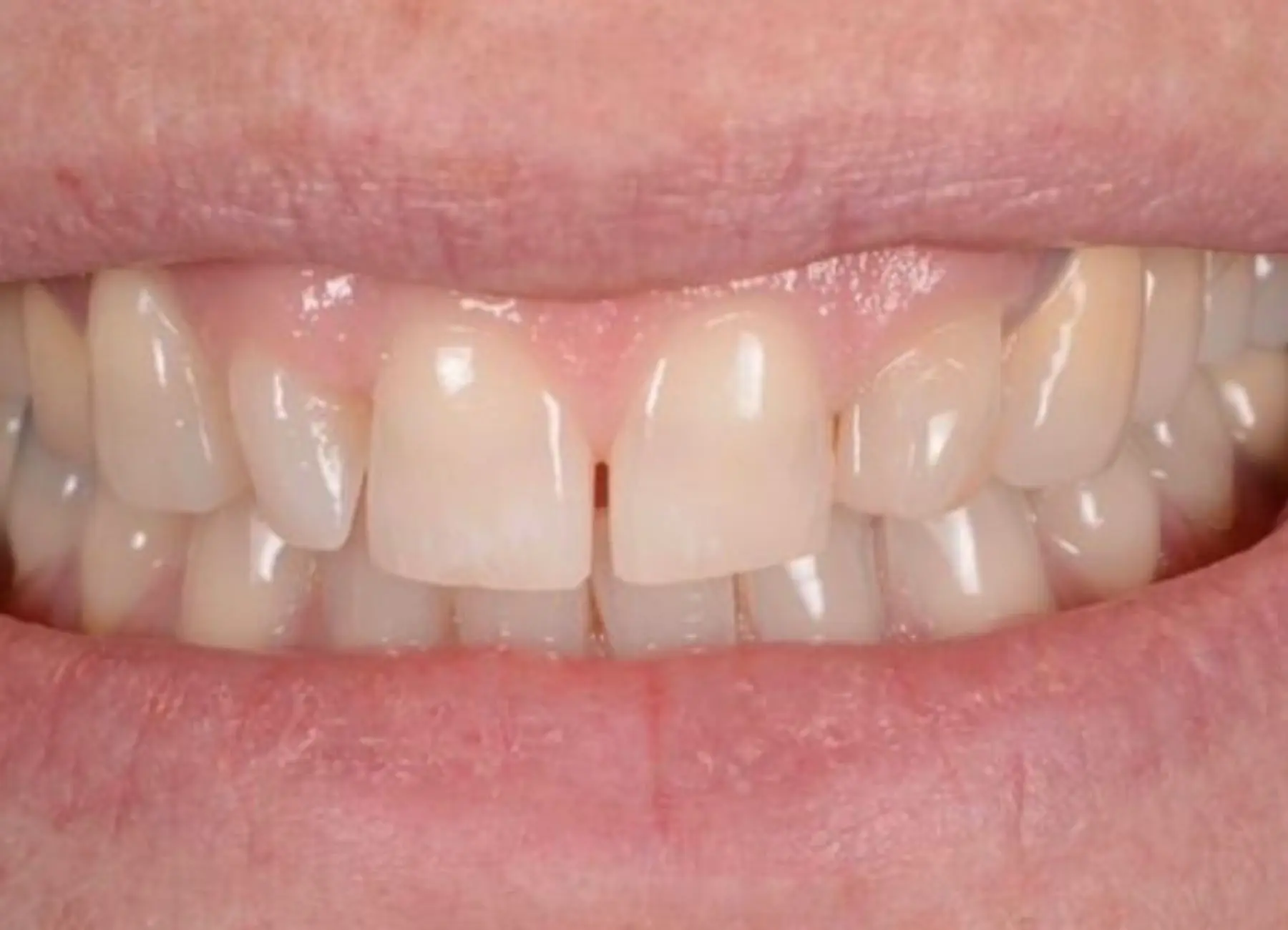
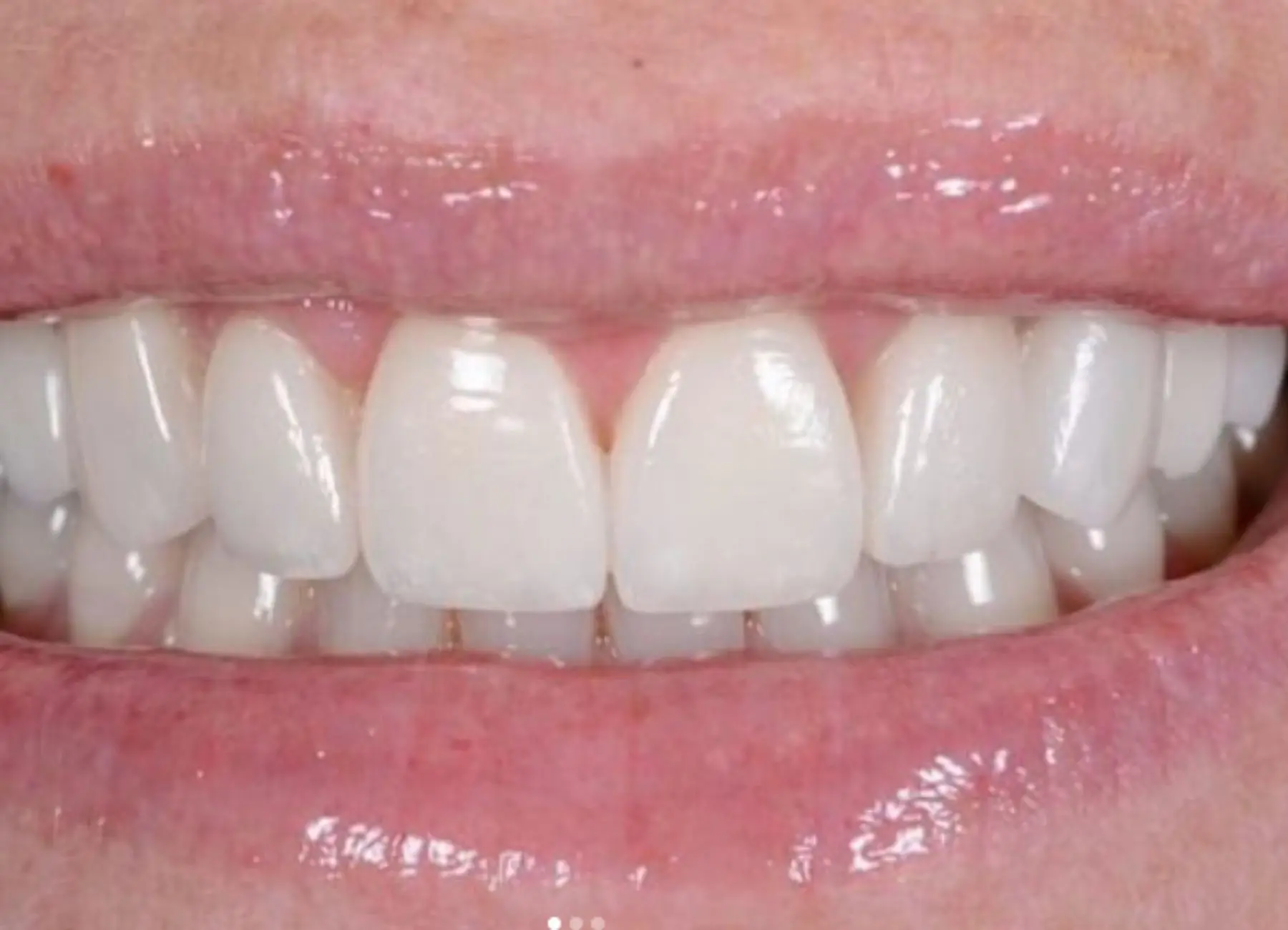
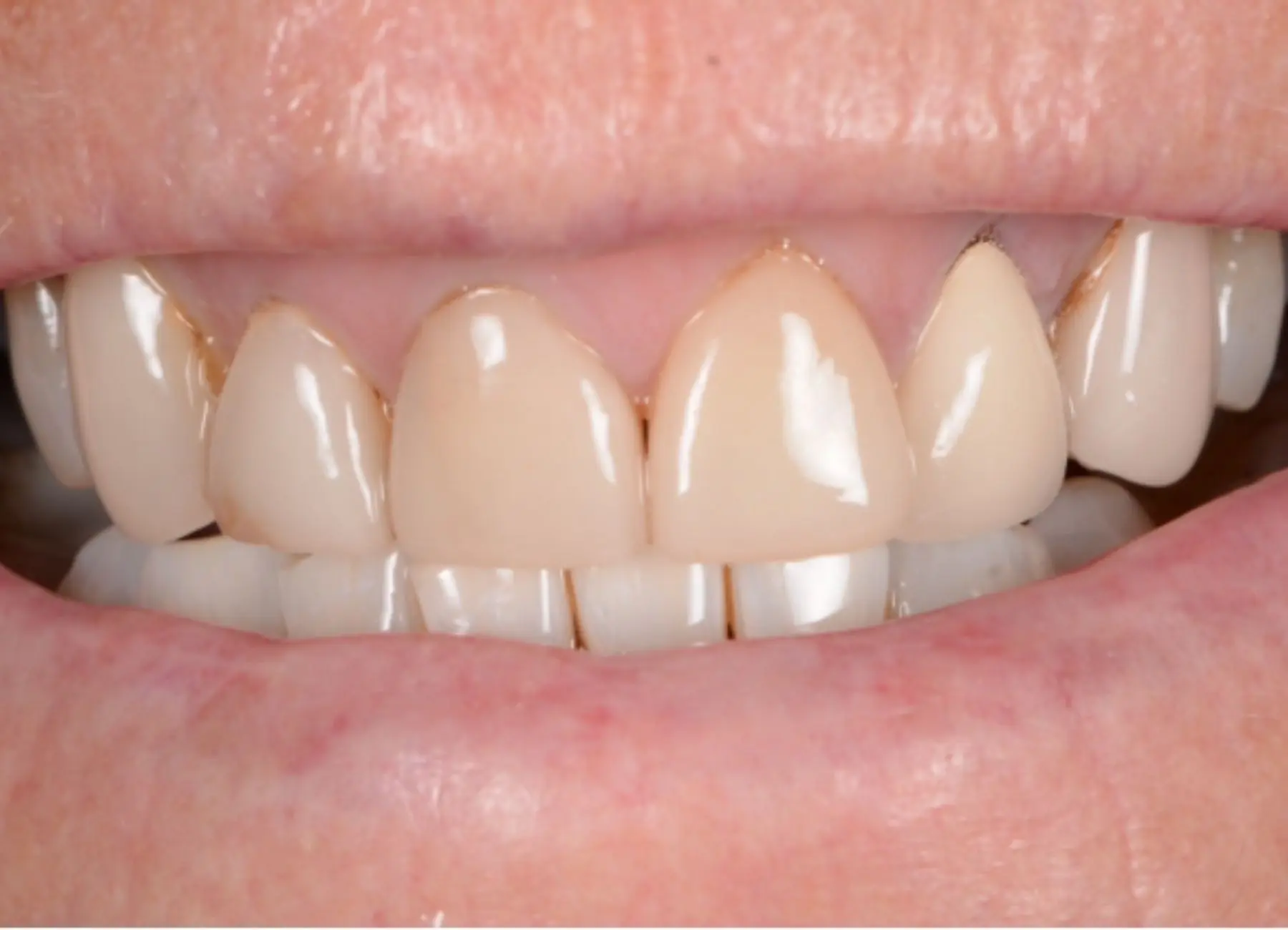
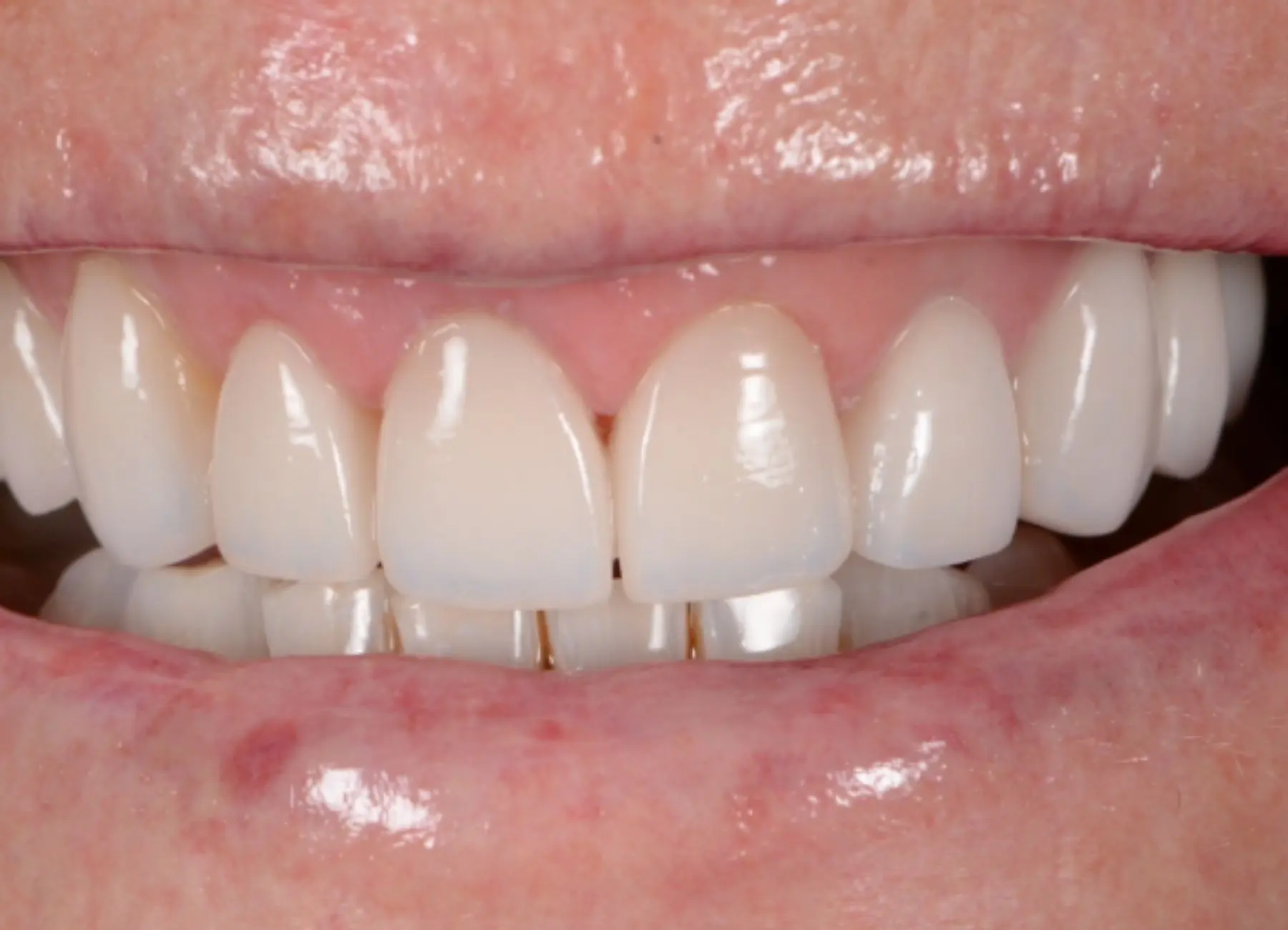
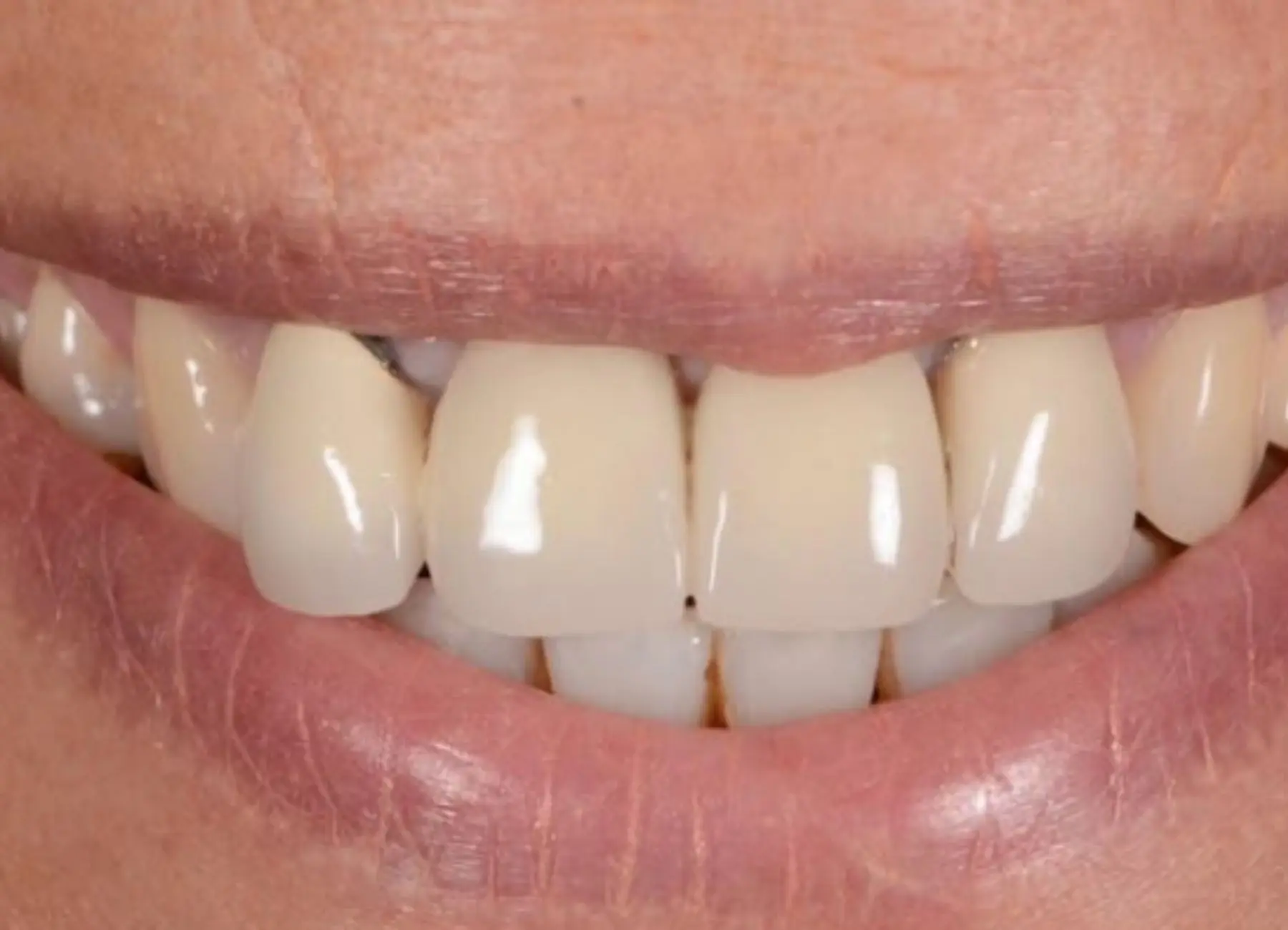
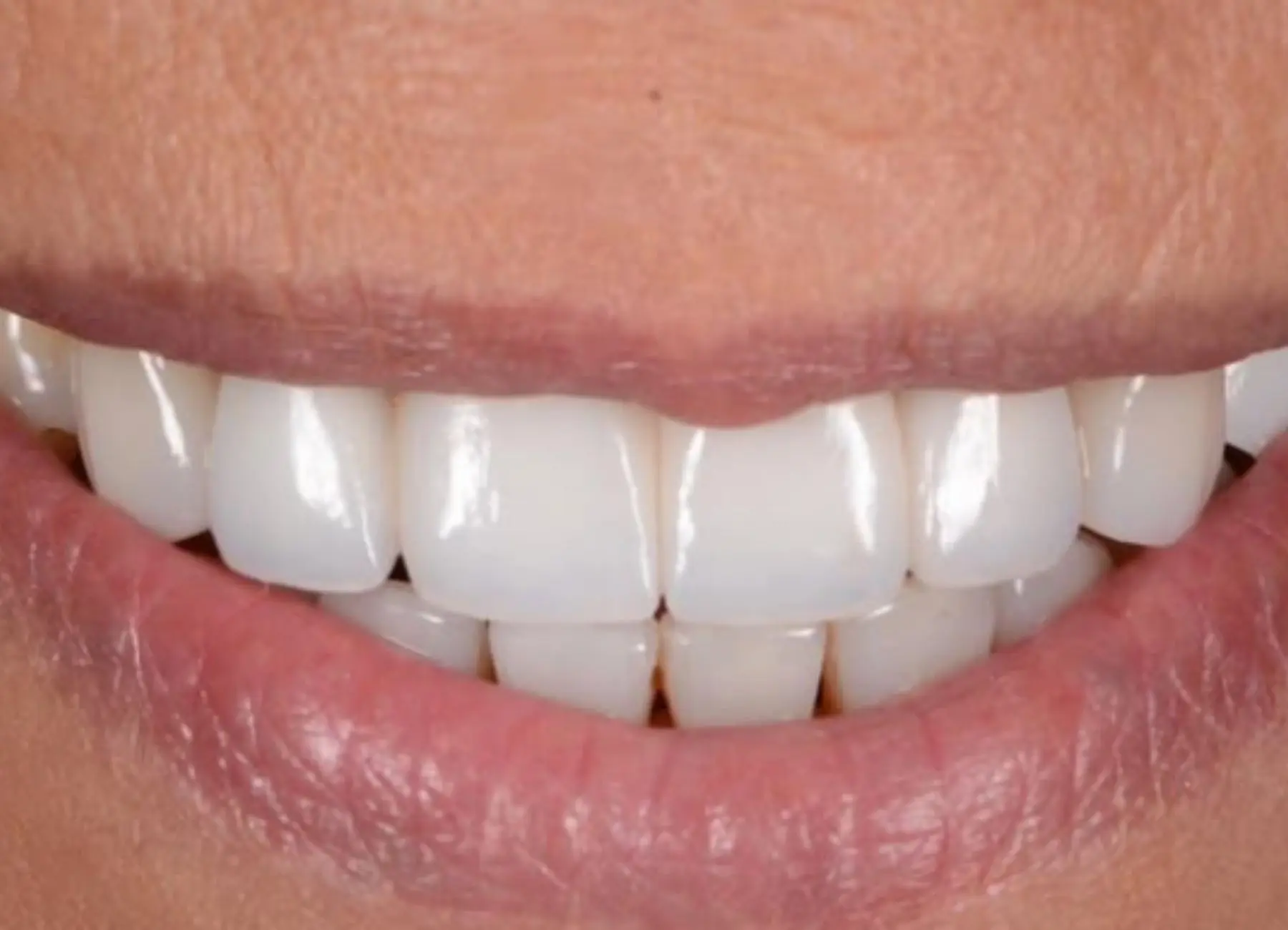
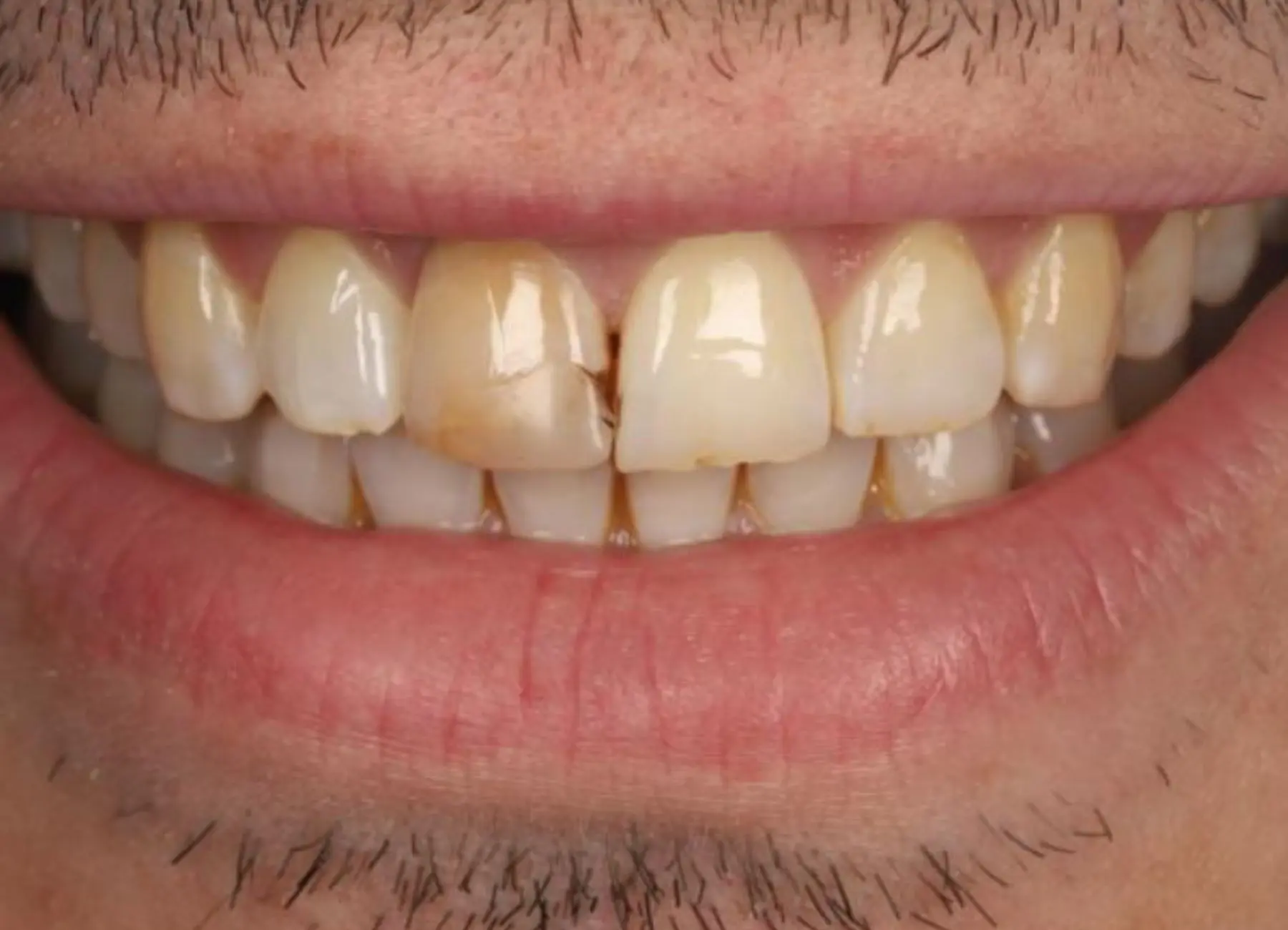
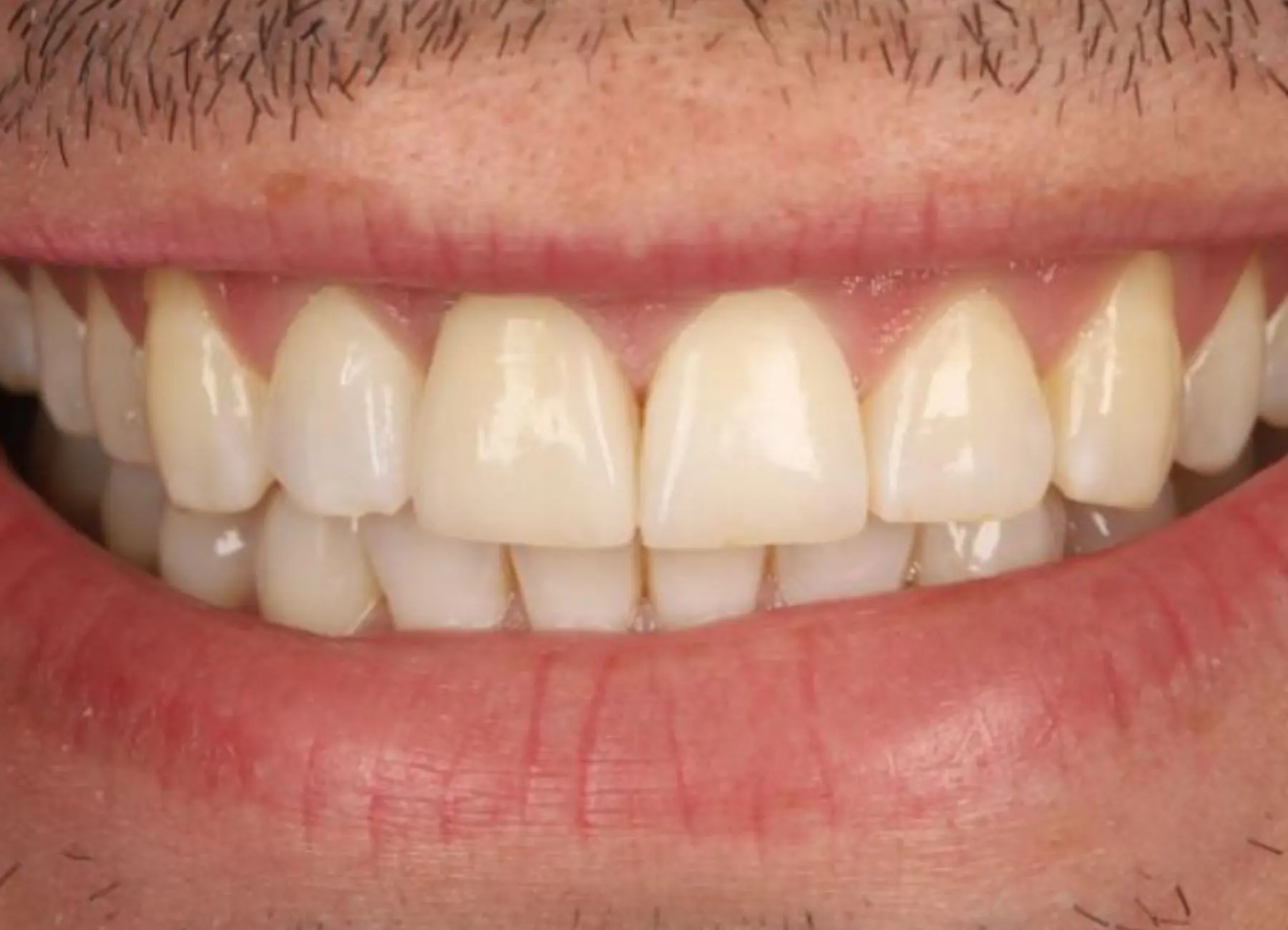
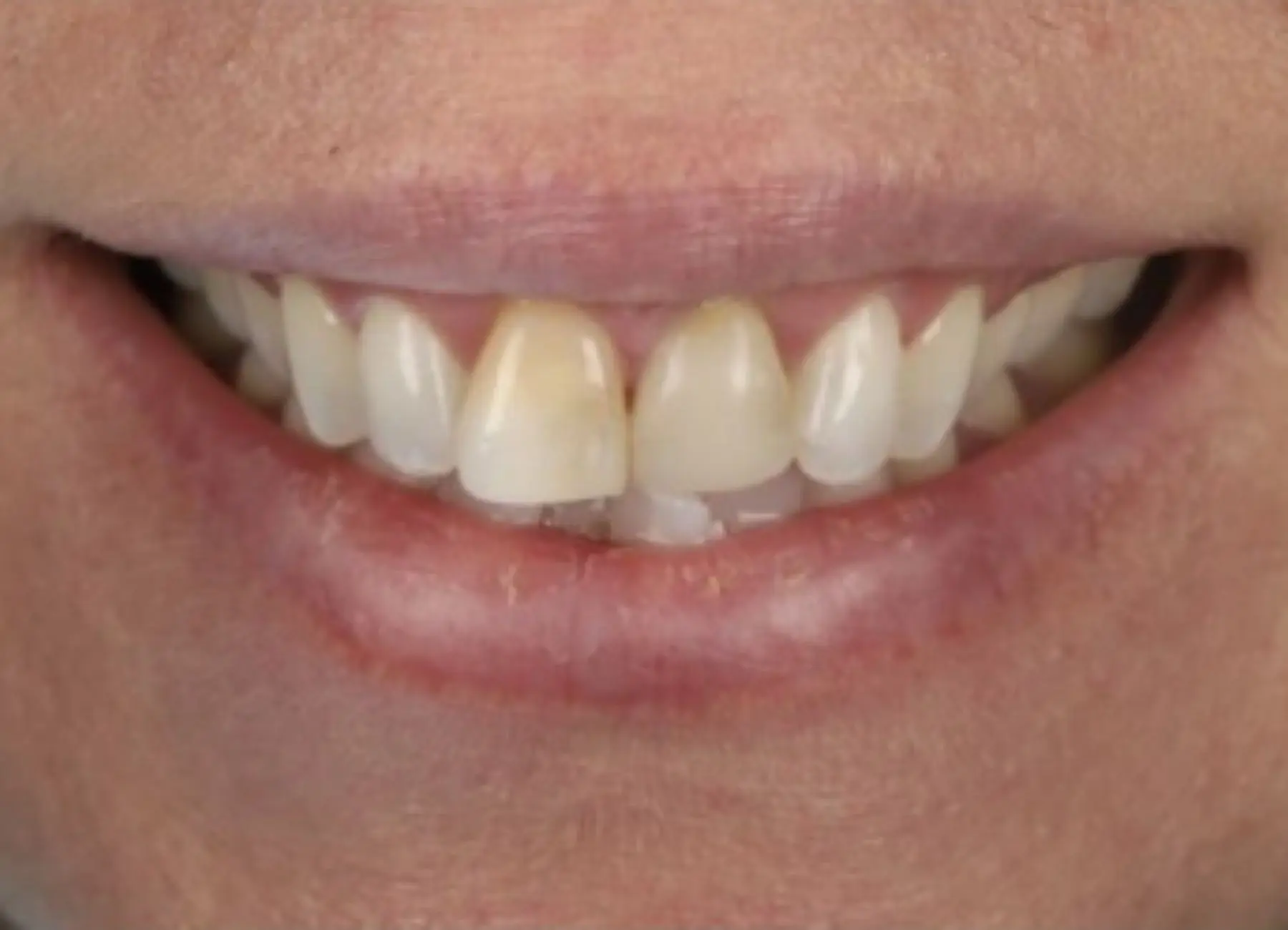
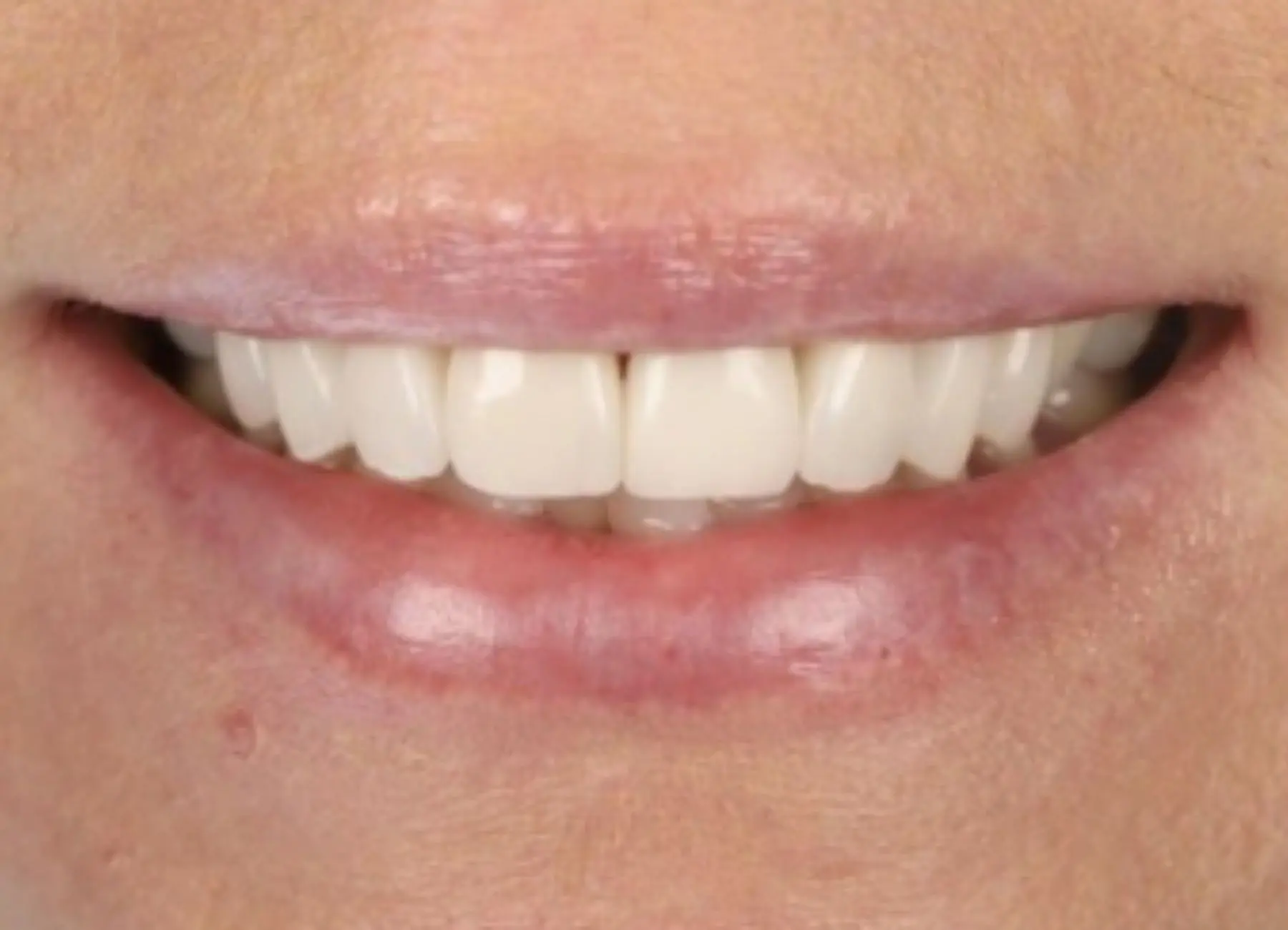
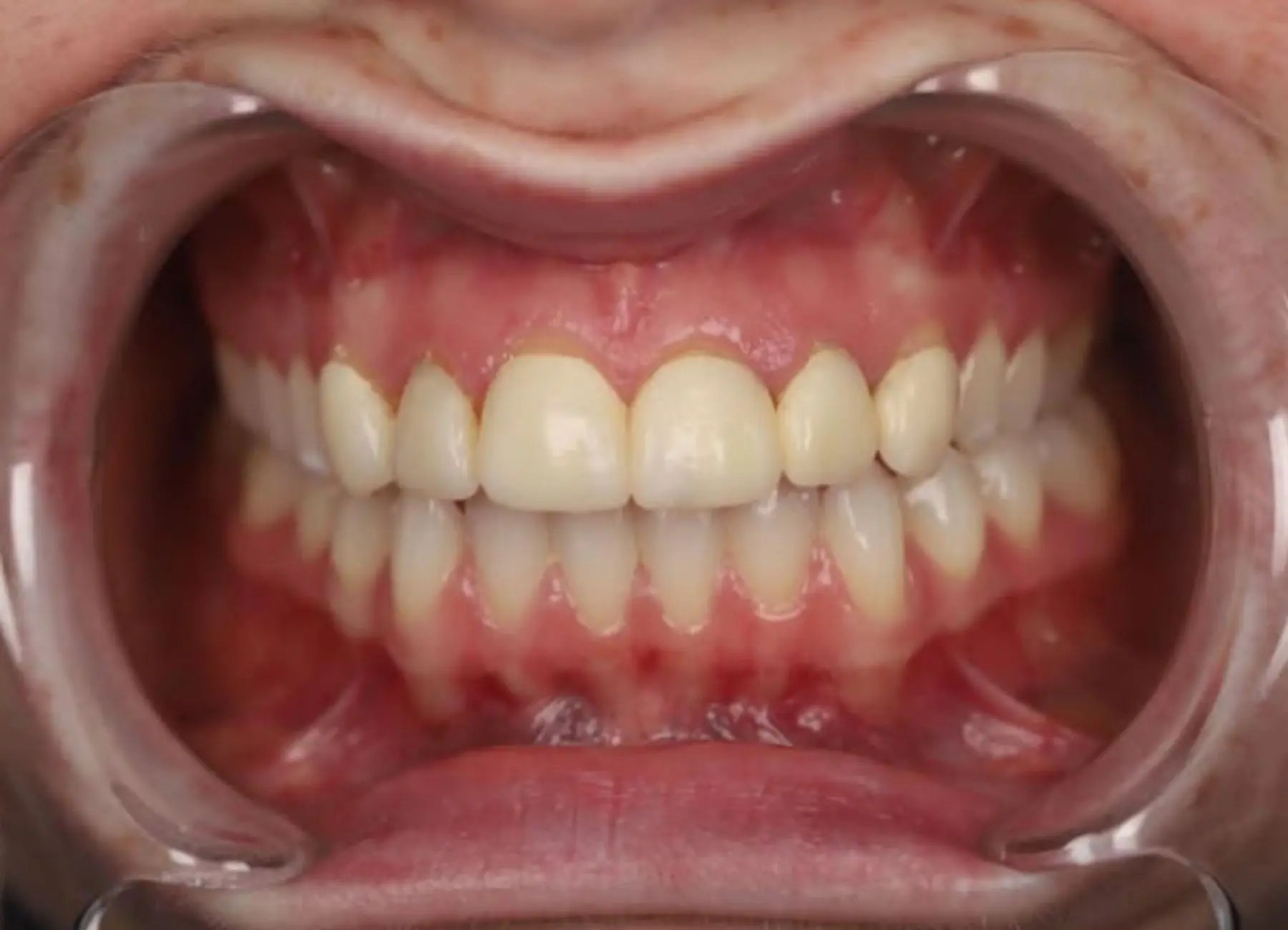
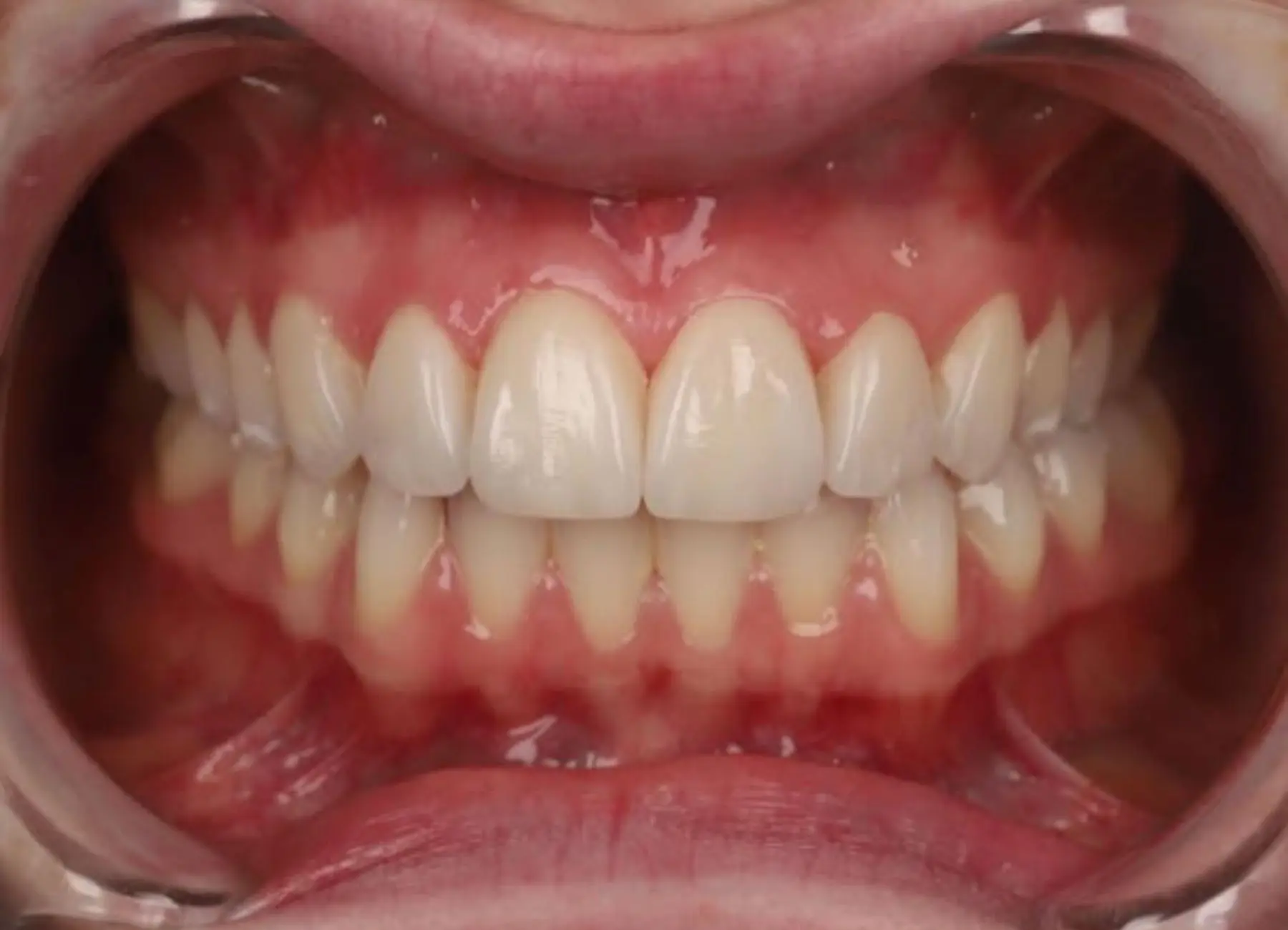
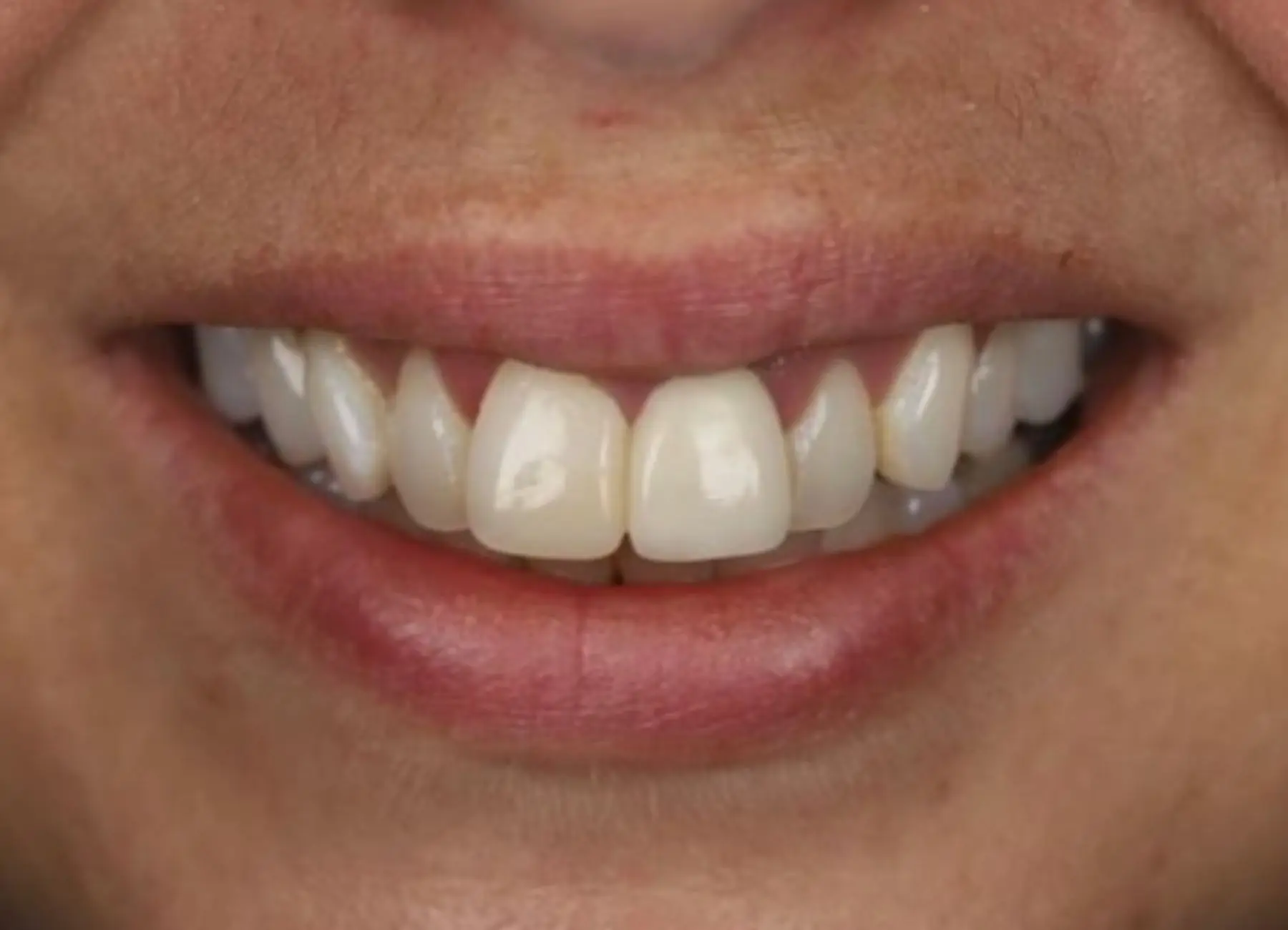
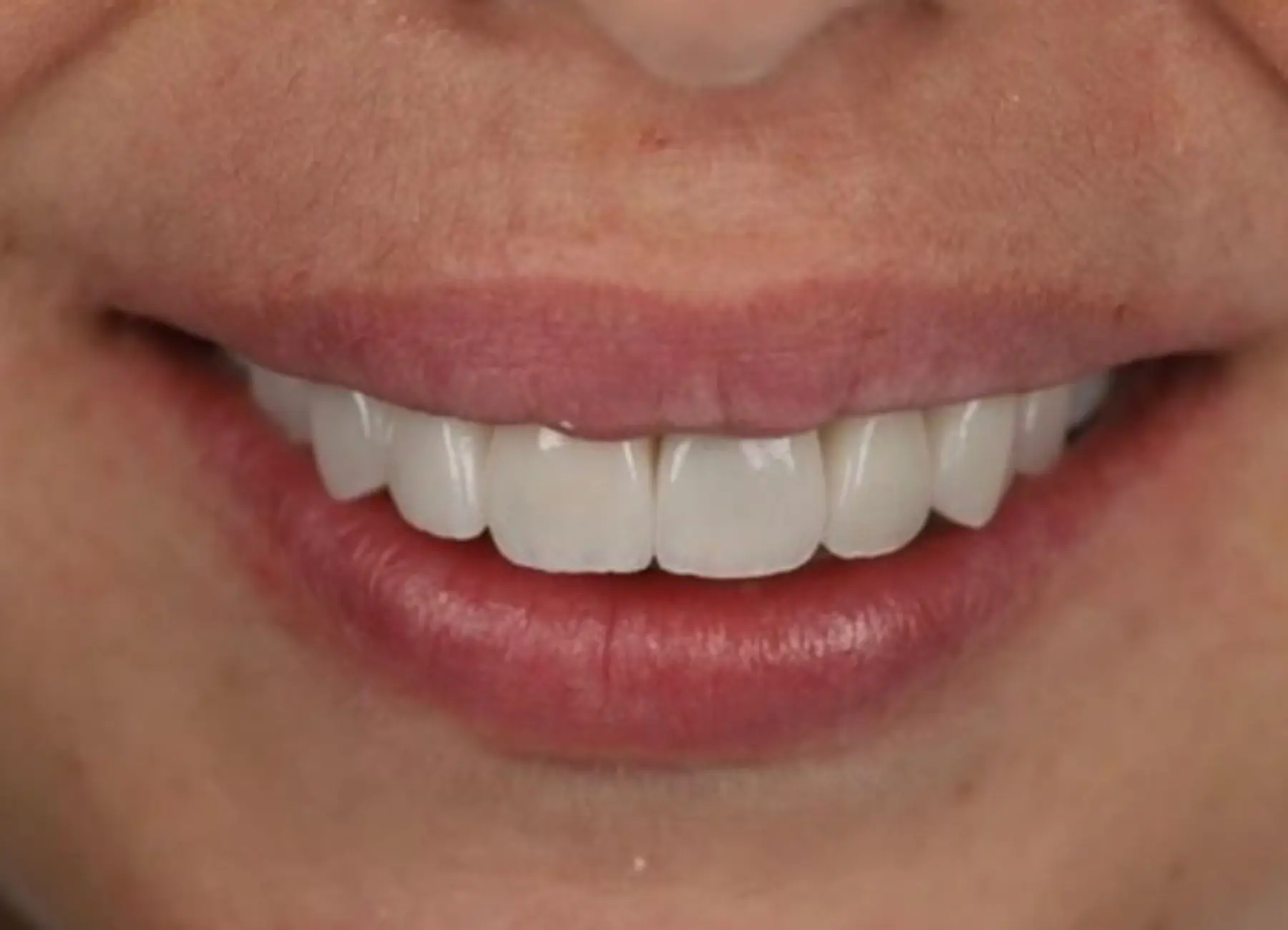
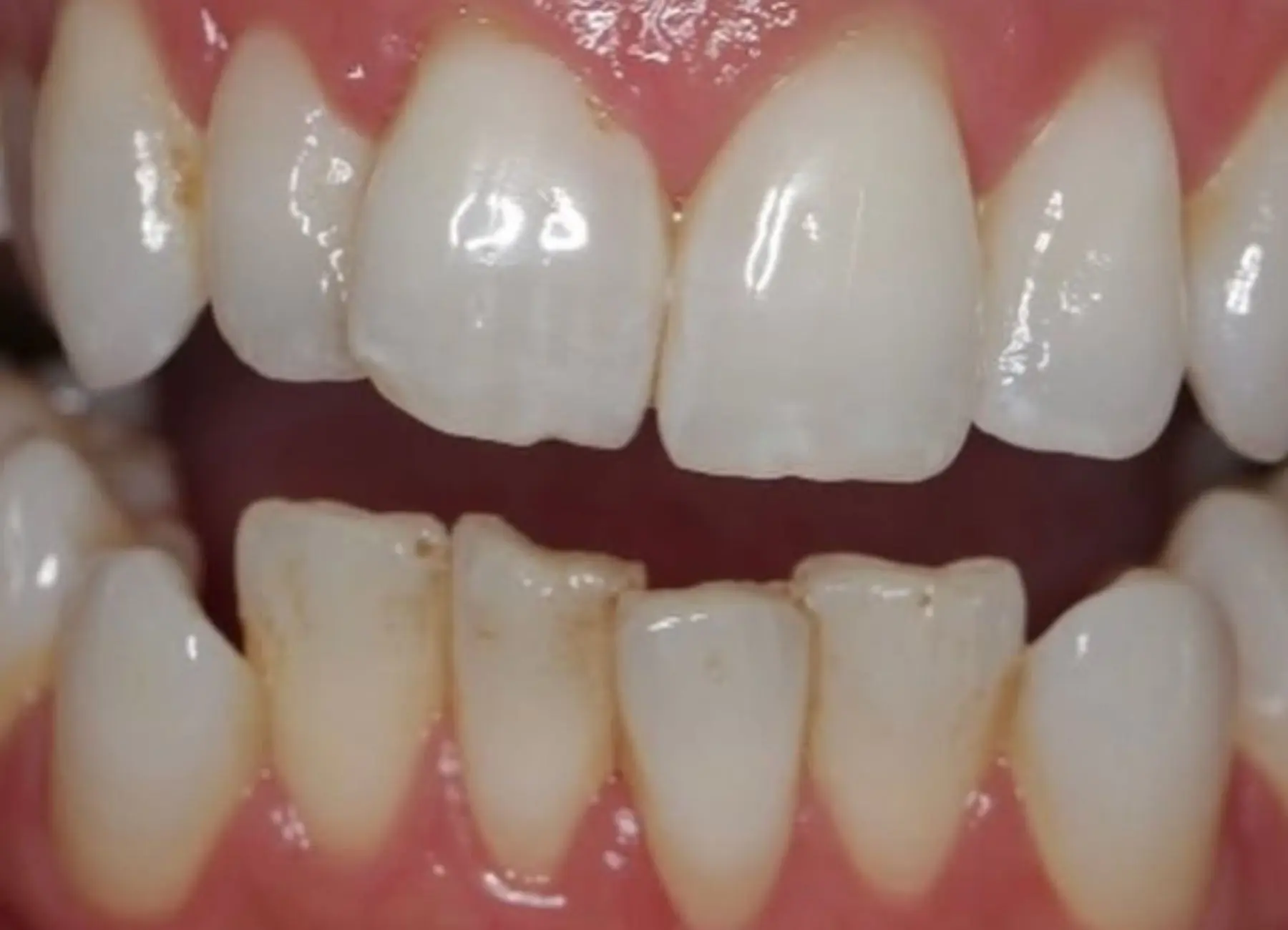
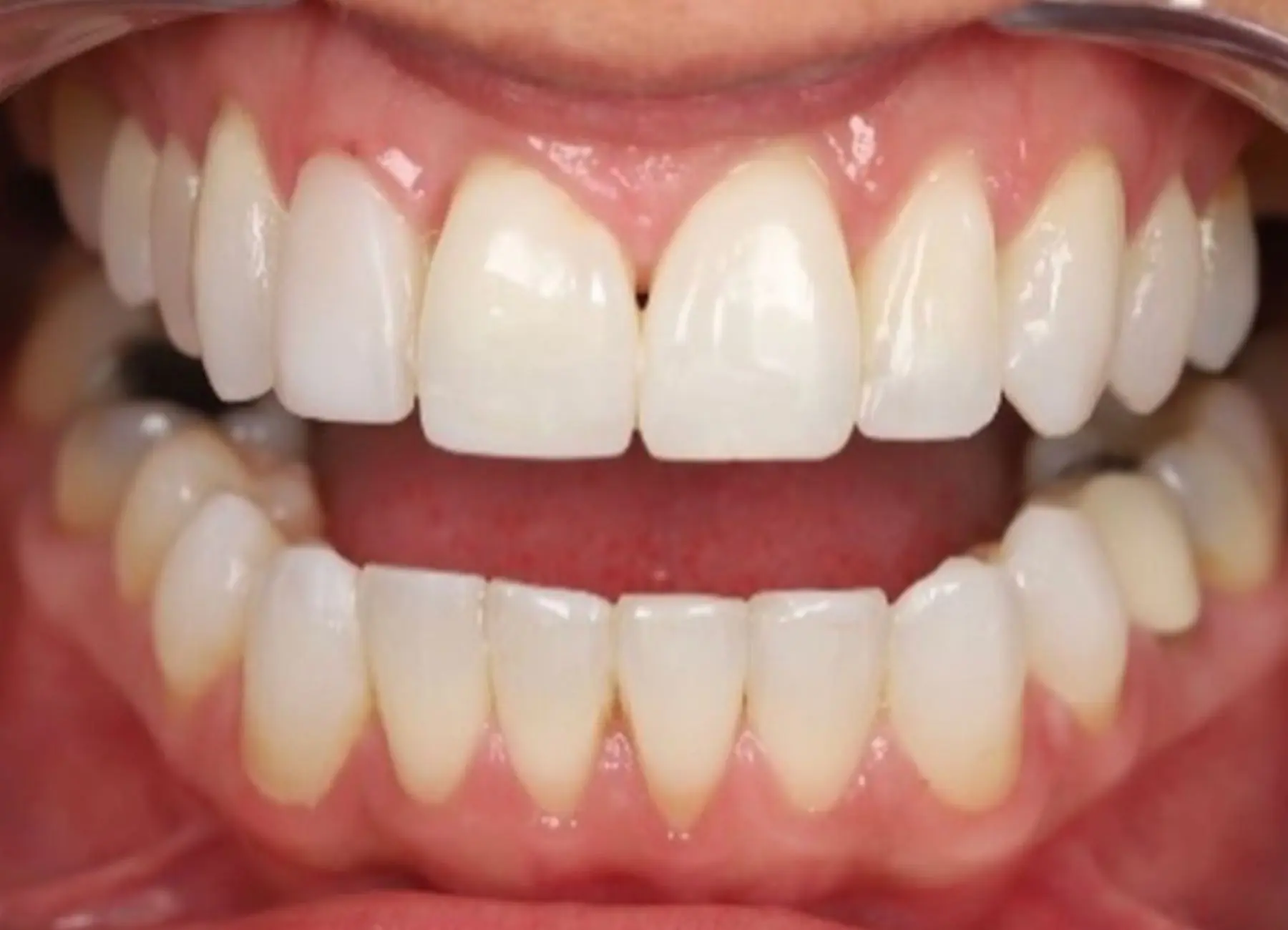
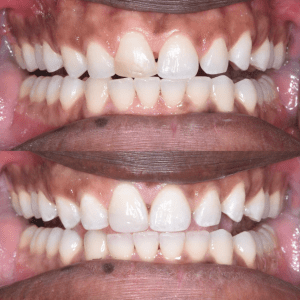
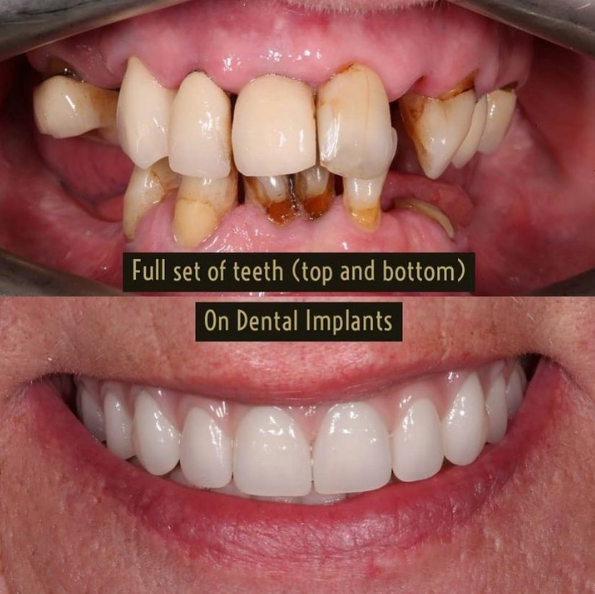
Our incredible before and after results:
Additional factors for your eligibility
- You have to be registered with a general dentist
- You must receive regular checkups
- Have no untreated conditions like tooth decay or gum disease
- Comply with good oral hygiene standards
- Be a non-smoker
You may also be declined for implant-funded treatment if:
- Have poorly controlled diabetes
- Have any mental health issues
- Experience poor dental health
- Suffer from Bruxism
- Have any blood or bone disorders